







Abstract
For a century, from the First Opium War (1839–1842) to the beginning of the Second World War (1937–1945) in China, cemeteries were established in many Chinese cities for the growing population of foreign dead, the majority of whom were British citizens. However, the retreat of the British Empire, the Chinese Civil War (1946–1949), and the People’s Republic of China’s desire for growth affected British necropolises. This article shows that despite the compassion and efforts of the Foreign Office and consular staff, bureaucratic hurdles and established legal precedents made it impossible to protect British cemeteries, especially after the destruction of the Cultural Revolution (1966–1976). Diving into the archives of the afterlife of the British Empire’s dead, we learn how dead bodies continue to matter greatly in the distant memories of living relatives, in the secularized bureaucratic exchanges, and in the diplomatic power play.
All over the world, like signs to mark the high tide of British expansion, are small graveyards. For very often, the living British had receded and left their well-buried dead as the only evidence that they were ever there. West Australian, November 7, 1953, p. 27
Introduction
When the treaty ports were opened in China after the Opium Wars (1839–1842, 1856–1860), cemeteries for foreigners were established in many cities (Carroll, 2020). For a hundred years, the number of foreign dead increased steadily. Since the founding of the People’s Republic of China (PRC) in 1949, the dead have come into conflict with China’s insatiable appetite for development. Over the past 50 years, tens of millions of graves have been exhumed and relocated to accommodate the expansion of agriculture, industry, and urbanization (Mullaney, 2019). The graves of foreigners were among the first to be affected, beginning in the early 1950s. The destruction wrought by the Cultural Revolution (1966–1976) and its aftermath only served to accelerate the disappearance of these gravesites.
Scholarship on foreign cemeteries in Greater China is extensive. Christian Henriot examines the history of foreign cemeteries in Shanghai, with a particular emphasis on the impact of urbanization and the desire to eliminate foreign elements (Henriot, 2016, 2019). Gotelind Müller’s research traces the history of foreign cemeteries in various cities across Mainland China and Taiwan, some of which have survived to the present day (Muller, 2022). John O’Regan examines the East Asia Company Cemetery, founded in Macao in 1821, as a space that perpetuated “the foreigners’ sense of themselves as Westerners and Christians in an alien and heathen land” (O'Regan, 2007). Lindsay Ride and May Ride document how Macao’s foreign cemetery and memorials functioned as witnesses to the history of this former Portuguese colony (Ride & Ride, 1996). David Oakley provides the biographical sketches and discusses the ownership challenges of the British buried in the foreign cemetery in Kaohsiung (Oakley, 2005). Ko Tim-Keung offers a comprehensive overview of Hong Kong’s numerous cemeteries, spanning from the First Opium War to the early years of the People’s Republic (Ko, 2001). Patricia Lim’s work delves into the logistical intricacies involved in the repositioning of non-Chinese remains at the Hong Kong Cemetery (Lim, 2011).
However, the documented interactions between the bereaved relatives, Foreign Office officials, British consular staff in China, and Chinese bureaucrats have received scant scholarly attention. A review of these documents reveals that the afterlife of even an ordinary person can persist for decades and span multiple regime changes. I refer to these recorded correspondences as “the archives of the afterlife” to underscore the notion that the deceased continue to exert an influence within the bureaucratic realm. Contrary to the assumption that the Chinese Communist Party actively erased the foreign presence, these archives reveal that the gradual disappearance of British graves in China was a complex process. The underlying factors contributing to this vanishing act included not only the Chinese government’s decision to close foreign cemeteries to facilitate urban development and the destruction of these sites by the Red Guards, but also the lack of interest and bureaucratic challenges experienced by the British in maintaining the gravesites.
This article sheds light on the role of the deceased in international politics. The impulse to honor the deceased is not solely a reflection of a universal reverence for death; it is also shaped by a concern about the potential for humiliation in the realm of international politics. To illustrate this phenomenon, I present three case studies of foreign cemeteries in Beijing, Shanghai, and Hankou, where the records available for analysis are extensive. These case studies serve to illustrate the primary characteristics of foreign graves in China. In Beijing, the British cemetery suffered damage at the hands of Nationalist soldiers during the Chinese Civil War, contributing to its subsequent deterioration. In contrast to the involuntary removal of graves in Beijing, families of foreign deceased individuals buried in Shanghai were presented with options to identify a suitable final resting place for their loved ones. In Hankou, a smaller municipality, the foreign community diminished to a point of nonexistence and the graves were simply turned over to the Chinese authorities.
A Cemetery for Foreigners in Beijing
In 1864, the British Legation acquired a parcel of land located beyond the Fuxing Gate in Beijing, with the objective of establishing a burial ground for its personnel and other foreign nationals residing in the vicinity. Construction of the British Legation Cemetery (henceforth referred to as the “British cemetery”) was completed in 1869, and the associated maintenance costs were charged to the ordinary expenditures of the legation. Initial oversight of the cemetery was delegated to the Vice-Consul or Consul. However, following the cessation of financial assistance from the British government to civic cemeteries overseas in 1890, the management of the British cemetery was transferred to a committee, with the incumbent consul serving as a member (Gillett, 1951). This committee assumed responsibility for the cemetery’s maintenance and upkeep. During the Boxer Rebellion (1899–1901), insurgents engaged in a widespread destruction of monuments, opening of graves, removal of bricks from the wall, burning of the chapel, and felling of the large trees of the British cemetery (Conger, 1910, p. 164). While the British cemetery was not explicitly targeted during the subsequent decades of turmoil, the Boxer Rebellion had a profound impact on Western perceptions of China. Notably, it contributed to the emergence of a more sympathetic narrative towards Chinese nationalism (Chow, 2017). As the British began to withdraw from China in the mid-1920s, the deceased who were unable to pack up and leave experienced upheaval in their own graves (Bickers, 1999). The dead then bore the brunt of wars.
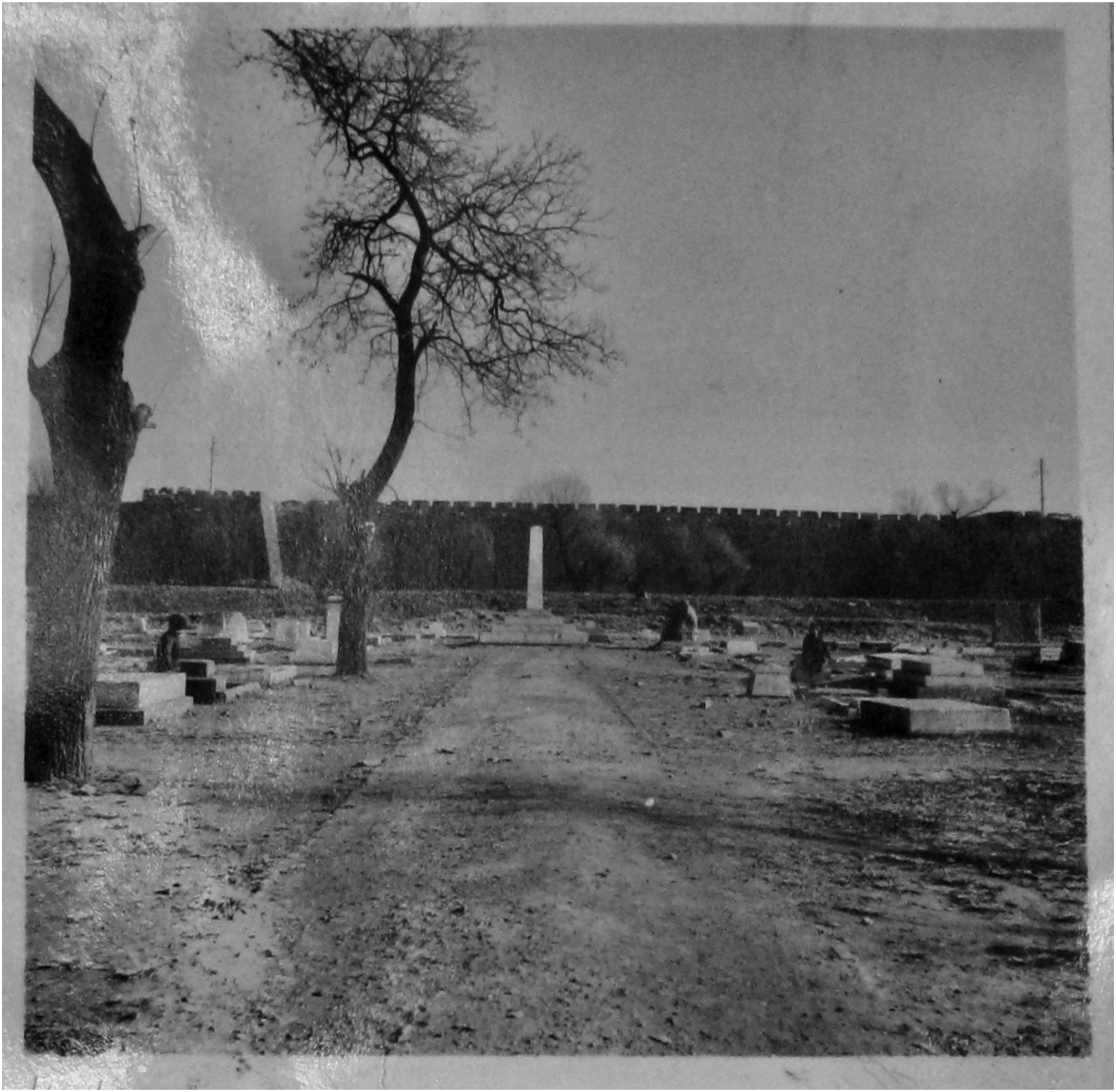
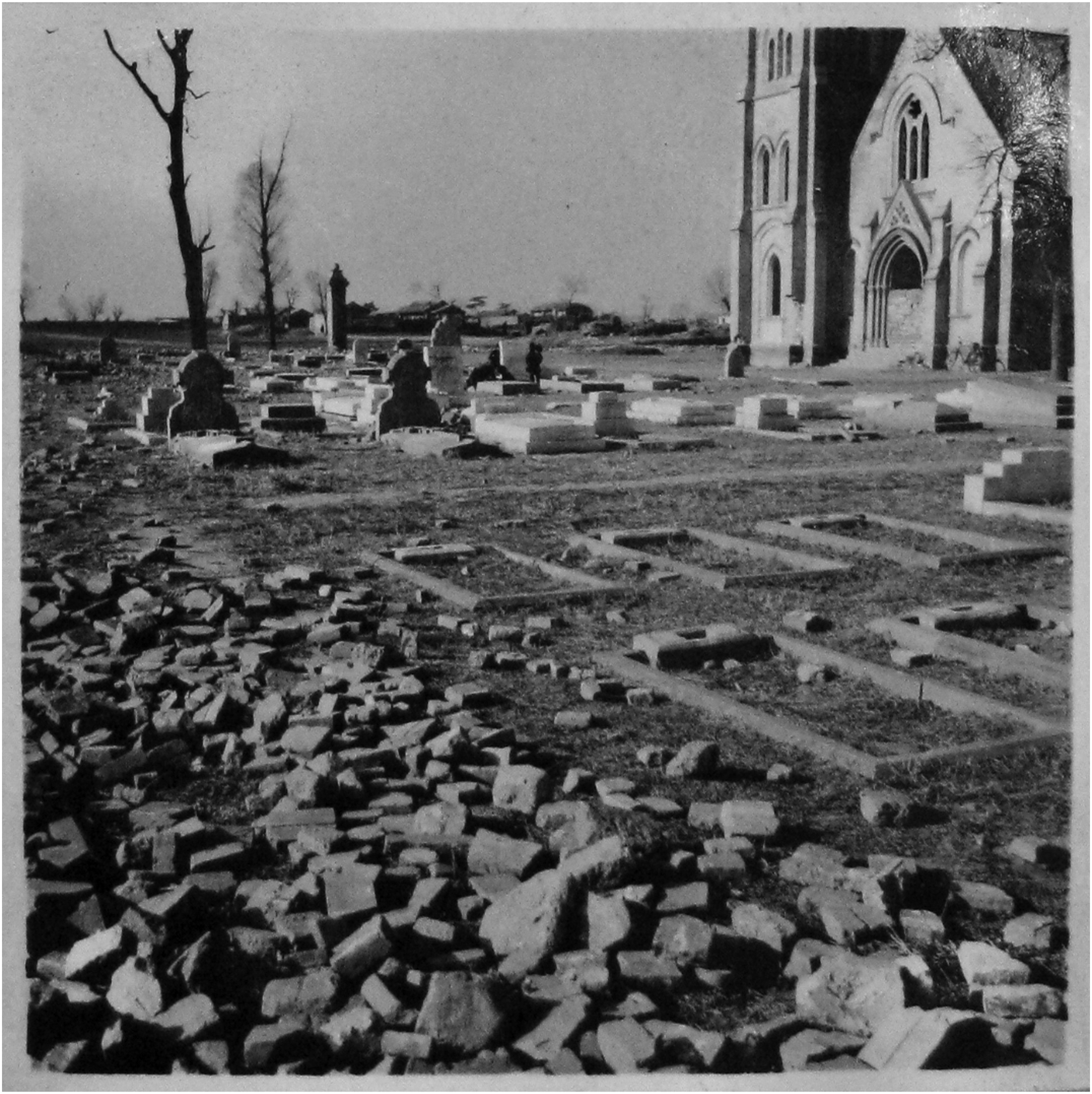
In late 1948, Martin Buxton (1919-?), who held the position of Vice Consul at the British Consulate, submitted a formal complaint to General Fu Zuoyi (1895–1974), the head of the North China Bandit Suppression Headquarters. The complaint addressed the damage inflicted upon the British cemetery in Beiping (Beijing was renamed Beiping, 1928–1937, 1945–1949) by Nationalist troops entrusted with the defense of the area (Buxton, 1948). Fu instructed the troops to vacate the cemetery and to rectify any damage caused, and ordered that the cemetery be properly guarded (Fu, 1948). Buxton conducted a subsequent inspection of the British cemetery in January 1949, accompanied on this occasion by an officer from General Fu’s headquarters. Their inspection revealed that the cemetery’s outer wall had been demolished to enhance the soldiers’ field of fire. The chapel doors, door frames, windows, pews, and altar were removed and subsequently burned. Within the cemetery, approximately thirty gravestones and crosses were found to be overturned and damaged, while a significant breach had been made in a buttress of the chapel tower (See Figures 1–3). Additionally, numerous cypress trees adorning the cemetery ground had been felled, leaving few standing (See Figures 4–6). Buxton characterized it as “a spiteful and senseless attack” and proceeded to visit the headquarters of the 16th Army. There, a Chinese officer assured him that no further damage would be done and provided instructions to that effect via telephone. The British Embassy in Nanjing, the capital of the Republic of China at the time, formally protested “these acts of desecration and vandalism” to the Chinese Ministry of Foreign Affairs, requesting that the ministry “ensure that there are no repetitions of this distressing occurrence” (British Embassy, Nanjing, 1949). The embassy also asserted its prerogative to demand redress for the harm inflicted upon “this hallowed sanctuary” (British Embassy, Nanjing, 1949). Nevertheless, the cemetery continued to undergo destruction and neglect. The Chapel of the british cemetery before the destruction in december 1948. Source: FO 676/491. Broken headstones in the british cemetery after the destruction in 1948. Source: FO 676/491. Toppled and broken headstones in the british cemetery after the destruction in 1948. Source: FO 676/491. The ground of the british cemetery before the destruction in december 1948. Source: 676/491. A still standing headstone in the british cemetery after the destruction in 1948. Source: FO 676/491. Remnants of headstones and trees in the british cemetery after the destruction in 1948. Source: 676/491.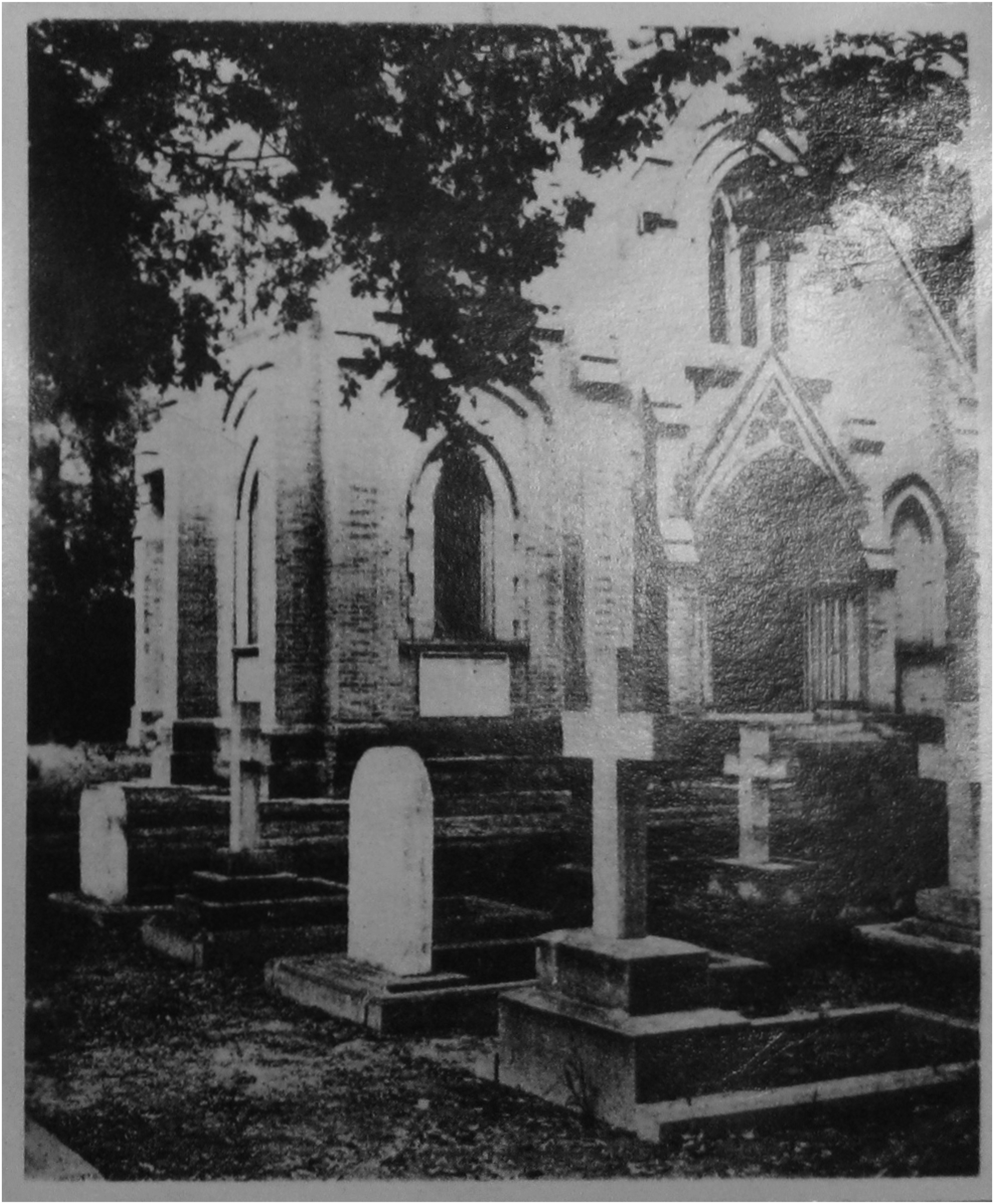
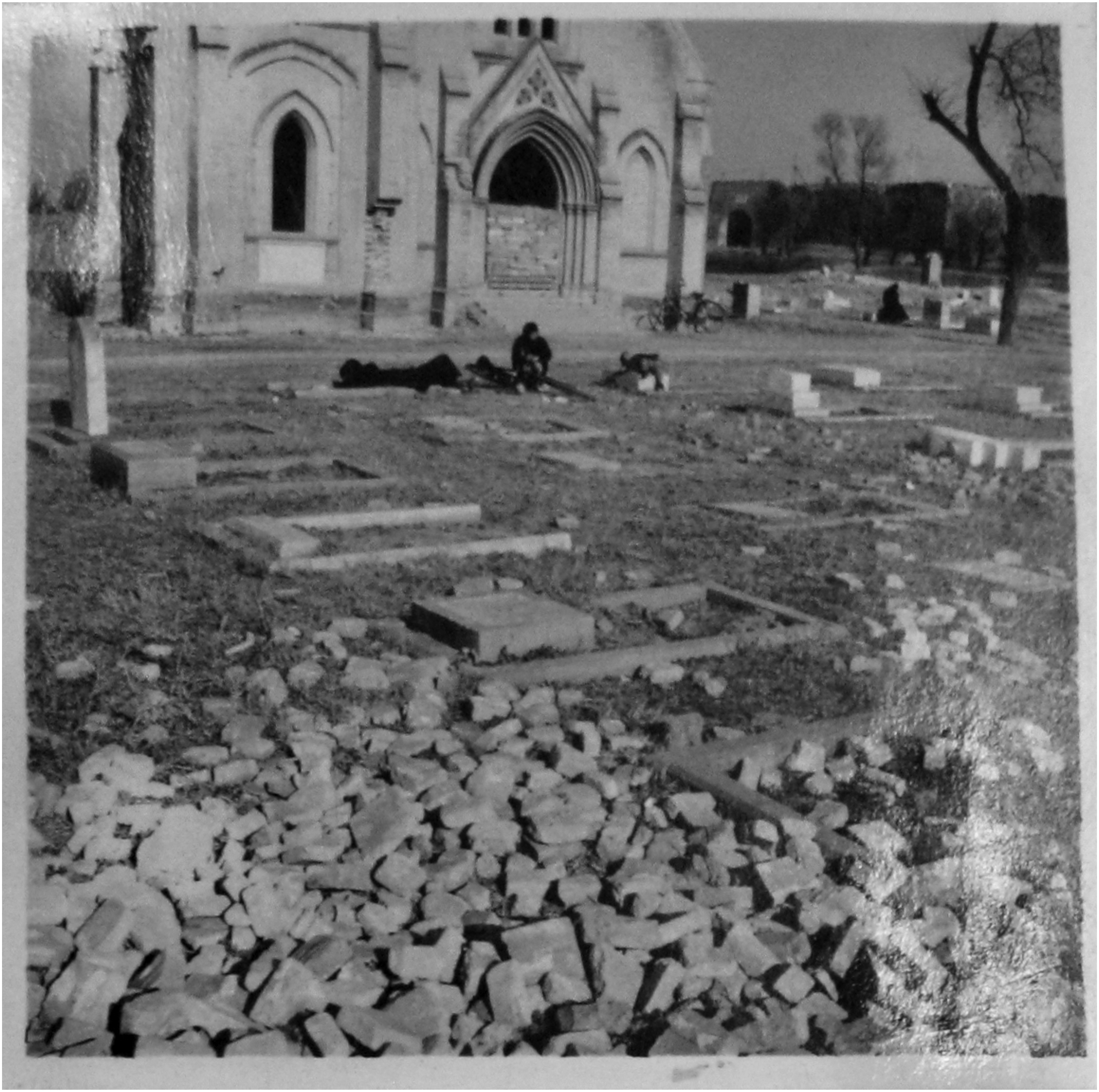
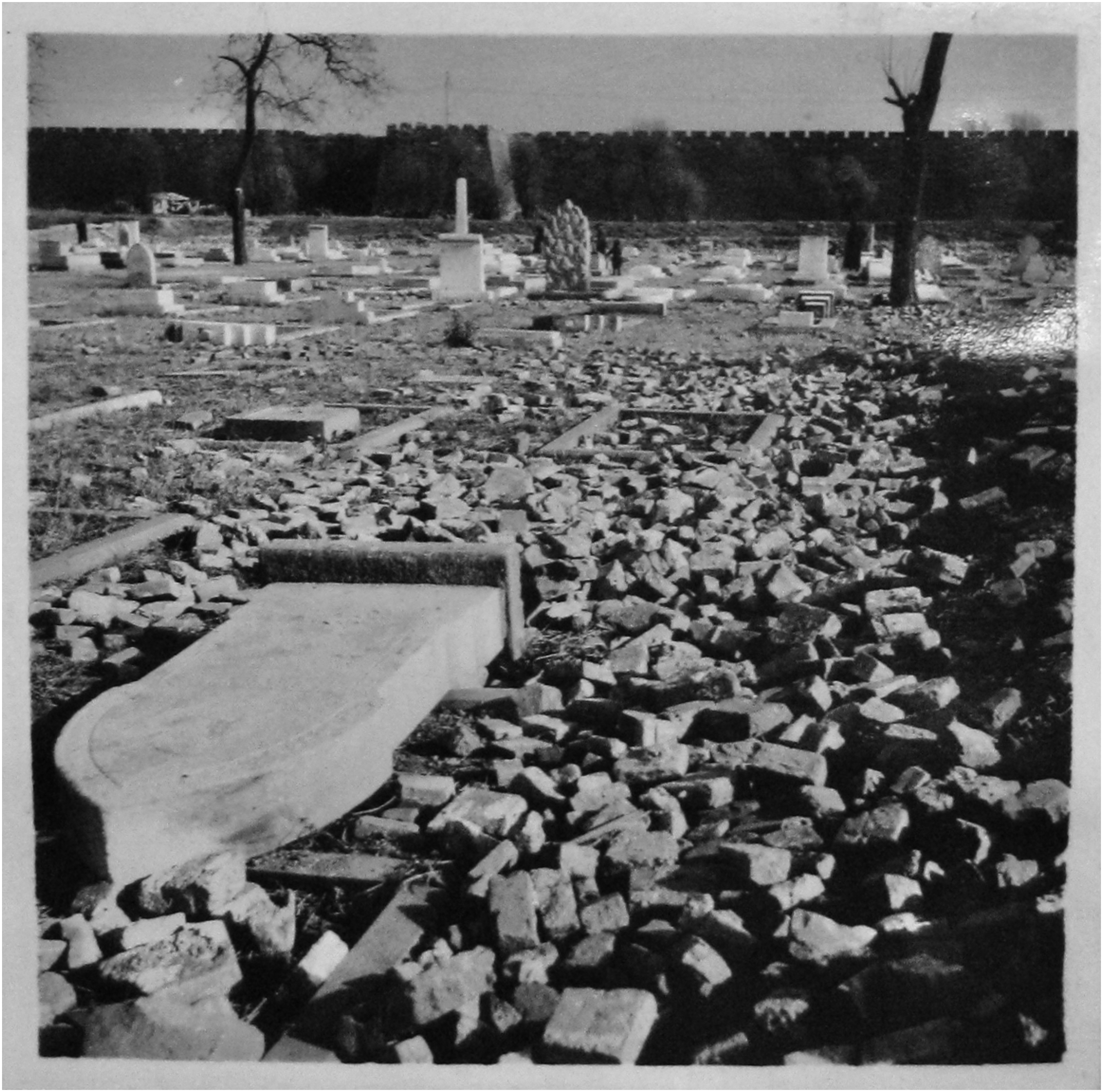
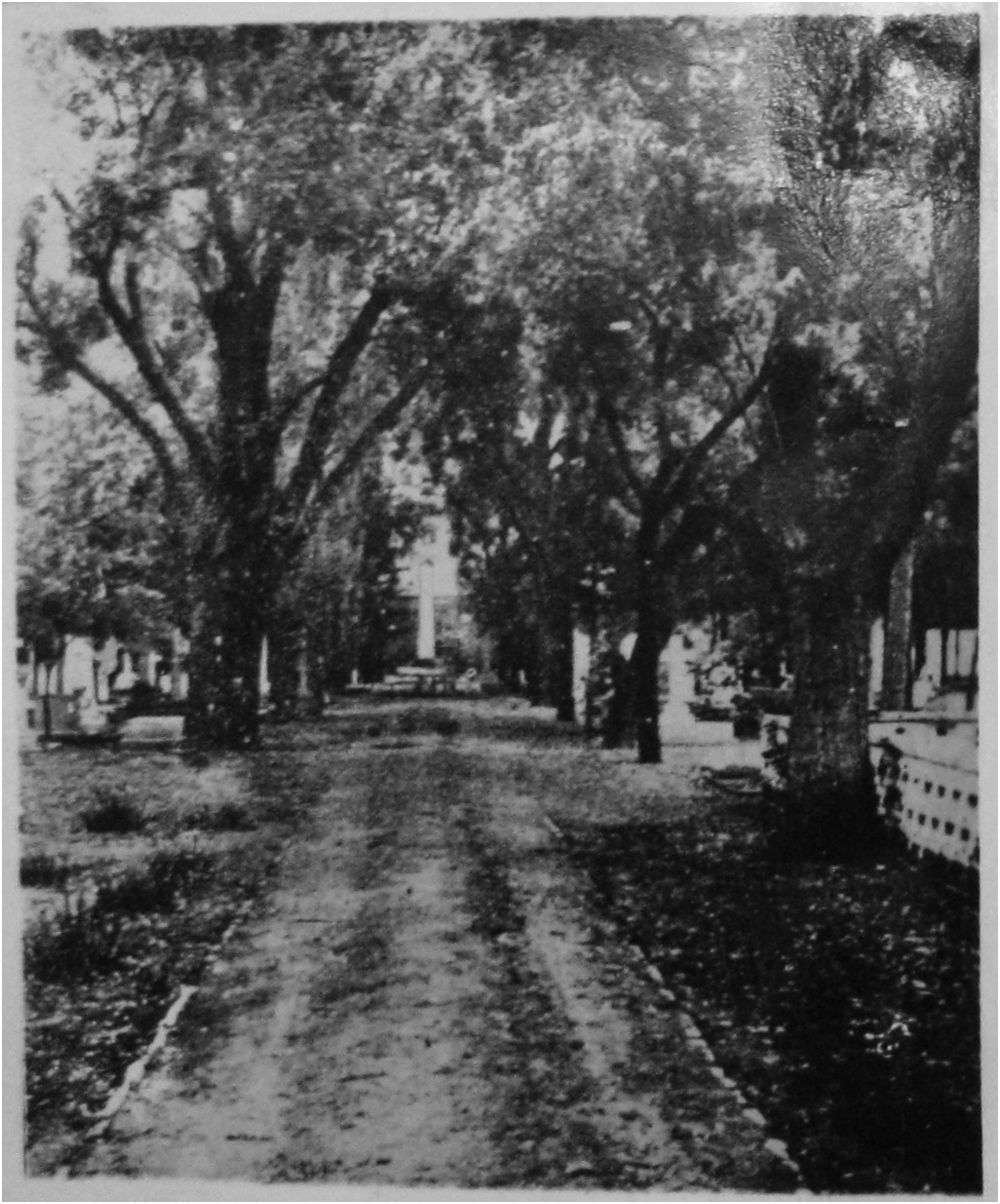
Meanwhile, the civilian-run cemetery committee tried to maintain the graves, but soon ran into crippling financial problems. The committee members gathered to place the loose, broken gravestones in the chapel and to block up the doorways with broken bricks to prevent further theft. However, the committee was unable to make the necessary repairs because it had received a demand for land tax for 1949 amounting to approximately 400,000 yuan (at the exchange rate of £1 = 70,000 yuan at the time) (Scott, 1954). On behalf of the committee, the British Consulate in Beiping distributed appeals through the local press to the few remaining British residents in the city. Yet, the funds raised were insufficient to cover the land tax and pay the caretaker’s wages. The Consulate then appealed to the British regiments represented by their fallen soldiers buried in the cemetery to contribute to the cost of repairs and future maintenance. In its appeal, the consulate emphasized “the necessity of providing the Chinese, who pay such marked respect to their dead, with evidence of our own consideration especially for those who have fallen in action or died on service when guarding British interests in China” (Harmon, 1948). This appeal was made in the context of a bureaucratic environment that lacked regard for such sentiments. The War Office refused to fund the cemetery on the grounds that the Army could only be responsible for maintaining military cemeteries, not individual graves and memorials, and that the graves in question were in a civilian cemetery funded by the Foreign Office (War Office, 1949). Presented with this information, the Foreign Office determined that the policy established in 1890 had effectively relinquished all financial responsibility for the upkeep of British cemeteries abroad, and that the precarious situation in China and the Communist occupation of Beiping rendered any financial assistance impracticable (Kemball, 1949).
Without any help from the British offices, the cemetery committee settled the ownership issue of the cemetery with the Chinese government. Bishop Thomas Arnold Scott (1879–1956), who had served as an Anglican missionary in China since 1908, was responsible for locating the requisite land deeds, which were then used to complete the necessary formalities for land registration with the local authorities (Peking British Cemetery, 1949). The Consul General was not the one who registered the land; rather, it was Scott, who was serving as chairman of the cemetery committee at the time. Should the Consul General endeavor to register the land with the PRC, he would be obliged to declare his status as “former Consul” and the beneficial owner as “former British Government” (Graham, 1951a). This is due to the fact that the cemetery deed was originally executed between the British community and the Nationalist government. The United Kingdom accorded diplomatic relations with the PRC in January 1950 and established its embassy in the capital of the Beijing. Upon the arrival of John Colville Hutchison (1890–1965) in Beijing as the new British Chargé d'Affaires, Bishop Scott transferred the receipt to Hutchison, who, as the representative of the British government, assumed control of the cemetery (Scott, 1951).
In 1951, the British Embassy in Beijing became aware that the local authorities were initiating the process of requisitioning land in the vicinity of the Zhenwu Temple, located outside the Fuxing Gate, where the British cemetery was situated. A portion of the cemetery was expected to be either purchased or requisitioned (Gillett, 1951; Graham, 1951b). The embassy concluded that, despite the documentary evidence it presented, the Chinese authorities would ultimately prevail in their desire to acquire the land in question (Graham, 1951c). However, in an effort to preserve a modicum of dignity, Lionel Henry Lamb (1900–1992), the British Chargé d’Affaires succeeding Hutchison, dispatched a memorandum to the Chinese Ministry of Foreign Affairs, wherein he formally requested that “the sanctity of this Christian burial ground” be upheld (Lamb, 1952). The Chinese government, however, went ahead with the requisition.
As the requisition plan advanced in 1953, the British Embassy was presented with two options regarding the relocation of the graves in the British cemetery to a new site in the eastern suburbs of Beijing. The first option stipulated that the British Embassy would undertake the task, with the Chinese government providing a subsidy of 70,000 yuan per body. Alternatively, the Chinese government would assume responsibility for the removal at no cost to the embassy. The British Embassy ultimately concluded that the task of relocating the bodies would have been “an enormous and depressing undertaking,” and therefore decided to defer responsibility to the Chinese authorities (Chancery British, 1953). However, the Chinese authorities did not proceed with the relocation of the headstones, the majority of which had been damaged during the armed conflict surrounding Beijing when the Nationalist troops occupied the cemetery. The British Embassy deemed it unadvisable to insist on the headstones, particularly given that the Chinese authorities were bearing the expense of moving the remains. Furthermore, as the title to the new cemetery was not vested in the British government, the care of the graves was left to the discretion of the Chinese government (Bowen, 1953).
In April 1954, the British Embassy expressed satisfaction with the Chinese authorities’ “due sense of responsibility towards the new cemetery” (British Embassy, Beijing, 1954a). The Beijing cemetery committee had been endeavoring to enhance the aesthetic appeal of the graves, which the Chinese authorities had merely equipped with rudimentary wooden crosses bearing the names inscribed in black paint. In response, the consular staff proposed the implementation of brick edgings for each grave, accompanied by the addition of small cement crosses, on which the names could be carved. The use of cement was deemed essential due to the scarcity of durable materials in the local area, particularly given the Chinese authorities’ prohibition on the use of iron for such purposes (British Embassy, Beijing, 1954a). The British Embassy was even more concerned that the graves of other nationalities were marked by the original headstones while most of the British headstones were destroyed during the Chinese Civil War. The French Embassy had put brick edgings around each of their graves in the new cemetery and planned to have cement crosses made (British Embassy, Beijing, 1954b). The result was that a visitor to the site might assume that other nationalities took adequate care of their graves, whereas the British did not (Addis, 1955). However, the proposed improvements for the British cemetery were not promptly implemented, and the cemetery continued to be in disarray with weeds growing “in profusion” over the graves marked by “unsightly wooden crosses” (Cemetery Committee, 1954).
In an effort to rectify the situation, the British Embassy in Beijing approached organizations in London for assistance with funds to beautify the graves with cement crosses and brick edgings. However, these requests were met with no response. Subsequently, the embassy brought the matter to the attention of Basil Edward Foster-Hall (1894–1975), who, in his capacity as a member of the Trade Delegation of the Sino-British Trade Committee, visited Beijing in March 1955. The embassy also requested that Foster-Hall contact Hubert Collar (1990–1985), a representative of the China Association, a British merchants society founded in 1889 to represent the interests of British companies trading with China, Hong Kong, and Japan. The China Association recommended that a plaque be erected in a suitable location, such as the cemetery chapel, the embassy, or the consulate building, to record the details of those buried in the various cemeteries (Collar, 1955). The British Embassy scoffed at the suggestion, stating that certain families of the deceased expressed a desire to take photographs of the graves and that this purpose would not be served by erecting a plaque at the embassy or elsewhere (Addis, 1955). Despite the lack of renovation, the British cemetery continued to exist into the 1960s.
In 1962, representatives of the Commonwealth War Graves Commission conducted an investigation of the British cemetery located in the outskirts of Beijing, which had come to be known as the Foreign Immigrants’ Cemetery. Their findings revealed that the cemetery was not exclusively a military burial ground, nor was it exclusively dedicated to British casualties. The interment records revealed the presence of several hundred non-Chinese graves of various nationalities, the majority of which exhibited a standard design, characterized by a single block of stone bearing a headstone. The commission observed that the cemetery was “reasonably tidy” and would appear even more impressive once the planted trees reached their full height (Morgan, 1963). However, this promising outlook proved to be short-lived with the advent of the Cultural Revolution.
On the morning of September 3, 1966, the British Embassy in Beijing discovered Red Guard posters affixed to telegraph poles outside the premises. These posters proclaimed the Red Guards’ intent to desecrate the graves in the British cemetery. On the same day, the British Consul, Tony Blishen, requested an urgent meeting with the Chinese Ministry of Foreign Affairs, accompanied by the French Vice-Consul. However, the ministry postponed the confrontation. On September 4, Blishen attempted to visit the cemetery, but the Red Guards prevented him from doing so, threatening severe consequences should he attempt to visit again (British Embassy, Beijing, 1966). On September 5, during his meeting with the Chinese Ministry of Foreign Affairs, Blishen articulated a firm protest and formally requested that the ministry guarantee the security of British graves and grant him permission to visit the cemetery to assess the situation firsthand. Blishen even noted that Karl Marx’s grave in Highgate Cemetery had always been accorded respect (British Embassy, Beijing, 1966). Despite these efforts, the eventual outcome remained unchanged.
The official from the Chinese Ministry of Foreign Affairs initially denied the existence of the offending posters. When Blishen offered to present him with evidence to the contrary, the official stated that these actions were the responsibility of the Red Guard and not those of the Chinese government. Subsequent inquiries elicited a response from the official who posited that the masses had some grounds for indignation over the graves of members of the Eight Nation Army during the Boxer Rebellion. The official also emphasized that China had consistently safeguarded the graves of foreigners within its borders. Blishen requested assurances that the graves would not be further damaged and sought permission to visit. The official replied that although the cemetery was in bounds there were some places it was “better not to visit” (British Embassy, Beijing, 1966).
The conflict between the two parties persisted. On September 20, the Chinese Ministry of Foreign Affairs official communicated to Blishen that the ministry had determined, in accordance with the assertions made in the Red Guard posters, that the British cemetery contained the graves of imperialist aggressors of the Eight Nation Army. The official further stated that the revolutionary masses and the Red Guards had vandalized the graves of these “aggressors” in a fit of indignation. The official thus endorsed the Red Guards’ actions and additionally asserted that the Red Guards were justified in barring access to the cemetery. Moreover, the official underscored that the actions of the Red Guards were consistent with the principles articulated by Mao Zedong (1893–1976), which distinguished between the imperialists and other individuals. It was stipulated that the graves of families of diplomats or foreign residents were to be left intact. However, due to the blurring and illegibility of inscriptions on certain headstones, it was inevitable that these headstones, too, were torn down. The official further noted that some degree of damage was unavoidable, citing Chairman Mao’s assertion that “Revolution is not a dinner party,” and called attention to the Beijing municipal government’s efforts to repair what could be saved (British Embassy, Beijing, 1966).
In September of 1966, Blishen and the consular staff conducted an investigation of the cemetery, during which they discovered that the site had been “razed.” All headstones, markers, and brick borders had been removed. Of the approximately 400 British and American graves, only three headstones remained. Despite the presence of spade marks, no indication of disturbance to the remains was observed. The ground was strewn with stone and brick fragments. It was evident that an effort had been made to rectify the situation and conceal the damage, particularly in the case of non-British and non-French graves. However, the foreign headstones that remained standing exhibited signs of hasty re-erection, suggesting that they had been repositioned rather than relocated to their original resting places. So thorough was the destruction that it was impossible to locate or identify individual graves (British Embassy, Beijing, 1966).
As the British Consul was unable to confront the Red Guards, he formally registered a strong protest with the Chinese authorities, thereby initiating a series of charges and retorts between the British Embassy, the Chinese Ministry of Foreign Affairs, the Foreign Office, and the Chinese Chargé d’Affaires in London (British Embassy, Beijing, 1966; Foreign Office, 1966). In Beijing, the Chinese Ministry of Foreign Affairs summoned Tony Blishen to discuss the protest note concerning the cemetery. Blishen argued that the British graves were not those of imperialists, but that they were “members of the Mission doing their duty in a land far from home and the least that could be expected was that they should be permitted to lie in peace” (British Embassy, Beijing, 1966). The Chinese official argued that these graves were imperialist graves because they contained the bodies of foreign buried in China during the period of imperialist aggression. Blishen scoffed that it was not necessary for each grave to have a sign saying, “I am not an imperialist, do not dig me up” (British Embassy, Beijing, 1966). The meeting ended abruptly with no resolution. Upon receiving the report of the heated exchange, both the British Embassy in Beijing and the Foreign Office in London consoled themselves that “our protest over this incident has now been made sufficiently forcibly both here and in Peking” and did not protest any further (British Embassy, Beijing, 1966; Foreign Office, 1966).
On November 2, 1966, the British consular staff visited the cemetery on All-Souls’ Day and placed a wreath at the center of the plot where the majority of the British graves were located, with smaller wreaths placed on the remaining tombstones. The French and Swedish missions were observed to have done the same for their respective graves (British Embassy, Beijing, 1966). However, upon their subsequent return, the consular staff were alarmed that the ground in the British section “had been gone over with a mechanical cultivator” and that the machines removed “even more thoroughly those traces of the graves which still existed after the Red Guards had finished” (Cradock, 1966). The British Embassy recognized the futility of any formal protest. They however anticipated that if the ground were to be cleared and seeded, they would be compelled to lodge further protests (Denson, 1966). With China undergoing rapid transformation, the directions to the cemetery left by the consular staff became outdated, and the cemetery disappeared from official records after 1970 (Davies, 1970).
The Foreign Dead in Shanghai
Since the establishment of the PRC, foreign cemeteries in Shanghai have been confronted with the same issue of requisition. In 1953, the Shanghai People’s Government issued a notice indicating its intention to demolish the Bubbling Well (Jing’an) Cemetery, constructed in 1896 by the Shanghai Municipal Council and used for the interment of citizens of the British Empire and other foreign nations. According to Shanghai’s Civic Affairs Bureau, the cemetery contained over 5,000 graves by 1953, with the majority of these belonging to British citizens (Gill, 1953). The Chinese authorities planned to relocate all unclaimed graves to a site known as Dazang (Dachang), which was located 15 miles north of Shanghai, at their own expense. The Bubbling Well Chapel was to remain undisturbed, and the Columbarium was to continue functioning as a repository for cremated remains. In contrast to the situation in Beijing, where the question of allowing individual grave owners to move their own graves was never raised, the relatives of the deceased in Shanghai were presented with three options: allowing the Chinese authorities to remove the graves to a location outside the municipality of Shanghai, having the remains cremated and interred in the chapel, or having the remains sent to the United Kingdom. The International Funeral Directors (IFD), a foreign-owned commercial funeral parlor established in 1926, played a facilitating role in these arrangements for relatives and friends who sought to make provisions for their deceased loved ones (Veitch, 1953a).
The British Consulate in Shanghai furnished a comprehensive array of estimates for all potential scenarios, encompassing a spectrum of options from grave reopening and casket examination, reburial, construction of a new grave site, reinstallation of the tombstone, and cremation. The transportation of urns containing ashes abroad could be undertaken by commercial transportation firms. The IFD would facilitate the sealing, issuance of certificates, and clearance through local customs, charging a fee of 250,000 yuan for their services (Gill, 1953). For individuals opting to transfer the remains of their loved ones to a new cemetery in China, the IFD outlined specific rates contingent upon the selected reburial site and supplementary services, such as cremation, urn, headstone, and other related options (British Embassy, Beijing, 1953). The IFD also provided quotes for transporting the bodies to the United States (Gill, 1953). Additional, the Peninsular and Oriental Steam Navigation Company provided the freight rate for a coffin containing human remains for direct shipment from Shanghai to the United Kingdom (Gill, 1953;Peninsular and Oriental Steam Navigation Company, Shanghai Office, 1953; Veitch, 1953a).
A number of organizations, including the China Inland Mission and the China Association in London, disseminated notifications to inform relatives dispersed across the globe about the relocation of the Bubbling Well Cemetery. The Information Policy Department orchestrated the dissemination of an announcement via BBC news bulletins, encompassing both domestic and international audiences (Richardson, 1953). Relatives were requested to indicate their preference for the disposition of the deceased, which included the following options: (1) cremation of the remains and subsequent dispatch of the urn to a destination abroad, (2) cremation of the remains and placement of the urn in the Bubbling Well Columbarium, (3) reburial in the Hungjao (Hongqiao) Road Cemetery (however, this cemetery might be removed at some point in the future), (4) reburial at the Dazang Cemetery, and (5) leaving all arrangements to the Chinese authorities (Collar, 1953).
Only four families chose to pay for five urns of their deceased relatives to be shipped to London (Scharpf-Guenter Co. Ltd, 1954). Financial constraints prompted the majority of families to entrust the Chinese authorities with the remains (British Consulate General, Shanghai, 1954; Davies, 1954). A number of families consented to have their remains cremated and interred in niches within the Bubbling Well Chapel Columbarium. Nevertheless, the acting consul general, Allan Veitch, was concerned that the chapel and the columbarium would also be appropriated at some future date. Despite the absence of any official notification that the Bubbling Well Cemetery was to be demolished, construction commenced on the site as of 1954 (Veitch, 1954). In response, Veitch and the staff at the Foreign Office in London undertook the arduous task of ensuring appropriate arrangements for British nationals interred in China, particularly in complex cases. Notably, in a case concerning a four-year-old boy whose relatives were reluctant to cover the cost of transferring his remains, Veitch successfully incorporated the expense of reburial into the budget allocated for the boy's uncle’s exhumation and cremation (Veitch, 1953b). Courtesy was extended to families of fallen soldiers. For a fee of £1, the British consular staff proceeded to the Hungjao Road Cemetery, where they photographed the tomb of a young soldier named George Willson. These photographs were subsequently sent to his mother, who expressed profound gratitude in response (Garner, 1954b; Willson, 1955) (See Figure 7). George Willson's Tomb. Source: FO 671/580.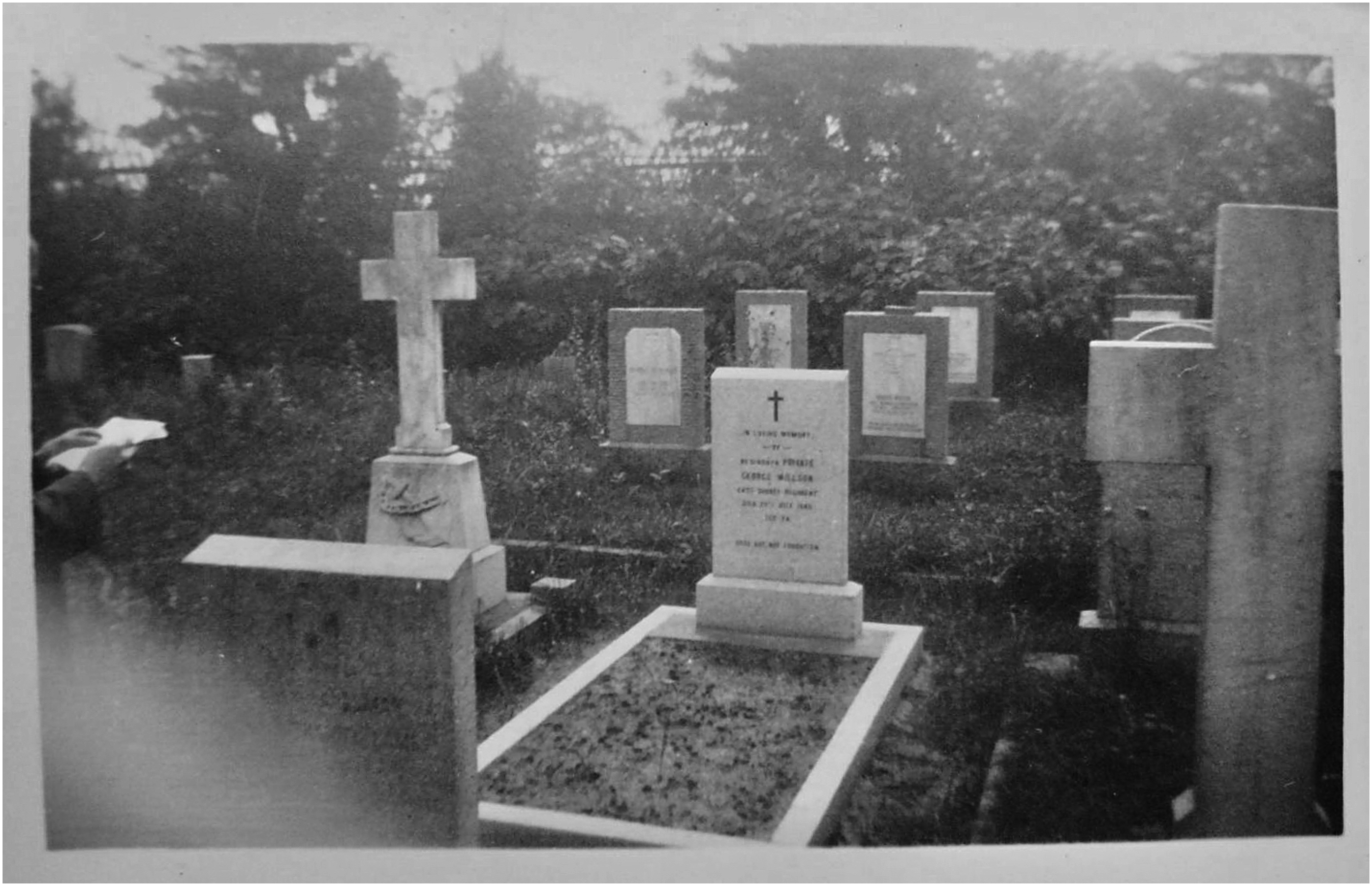
Despite the best efforts of the consular staff, vandalism at the new cemetery occurred almost immediately. In September 1954, H. F. Gill, the Vice Consul at the British Consulate in Shanghai, conducted an inspection of the British servicemen’s graves in the new Dazang Cemetery. His inspection revealed that the re-interment and re-erection of the headstones had been executed in a satisfactory manner. The sections and plot numbers had been clearly marked, facilitating the identification of the graves. However, all information previously inscribed on the headstones, including details such as the regiment and date of death, had been meticulously chiseled out. The only information remaining on the headstones was the name and the age of the deceased (See Figure 8). With the exception of one grave, the American graves did not suffer such vandalism (Gill, 1953). The British Consulate attributed this act of vandalism to the Funeral and Interment Control Office of the Shanghai Municipal Government, stating that “the objective of this peculiar action was … to eliminate from local historical … any evidence that foreign troops had fought in or died in China” (Garner, 1954a). The issue was also brought up by the interim Chargé d’Affaires Humphrey Trevelyan during his meeting in Beijing with the Chinese Ministry of Foreign Affairs, but it was not addressed (Trevelyan, 1954). Subsequently, the British officials chose to abandon the matter. Defacement of a Tombstone at Dazang Cemetery. Source: 676/491.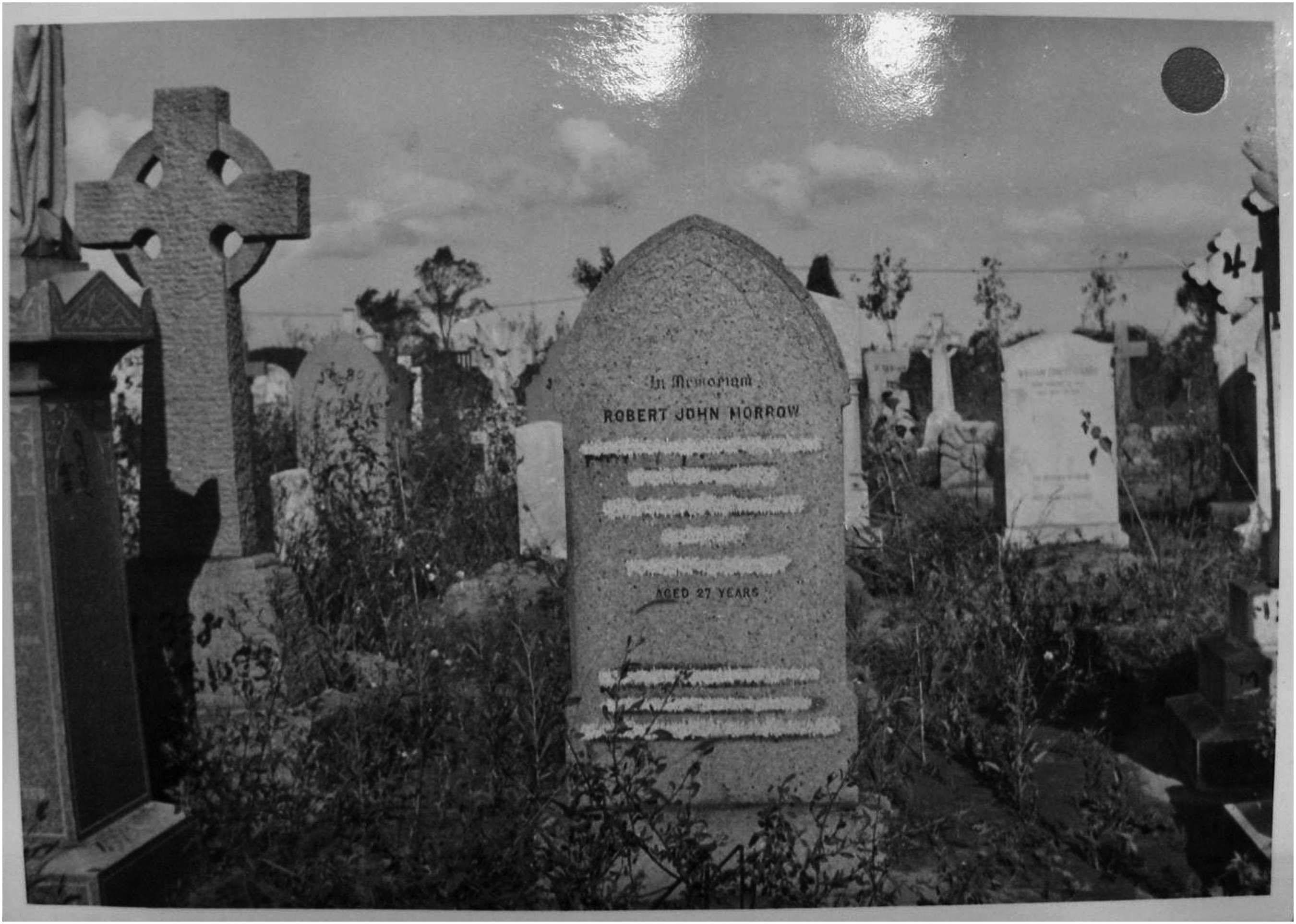
In 1966, Percy Cradock (1923–2010), a representative of the Office of the British Charge d’Affaires in Beijing, dispatched representatives to investigate the Dazang and Hungjao Road cemeteries. These investigations confirmed that the cemeteries had indeed been closed (Cradock, 1966). Between September and October of 1966, a staff member employed by the British Embassy was permitted to access the cemetery by an elderly gatekeeper. Upon entering the premises, the staff member noted that nearly every other stone monument had been overturned and broken. The intended destination, marked by a headstone depicting an open book on a low plinth, was identified for further examination. This squatness had prevented it from being toppled, but the writing on the book had been obliterated by paint, which might be removable. On November 22, another consular official endeavored to visit, only to discover that the main gate was secured with a chain and accompanied by notices prohibiting entry. The Red Guards were observed within the confines of the small side gate. The official peered through the fences as he drove around the perimeter and saw that the damage was “pretty universal,” with few stones left standing (Hewitt, 1966). In May of 1970, a consular staff member inquired with the British community about the Hungjao Road cemetery. He was advised by both British residents and a Chinese driver that the site was not worth visiting because it had been destroyed during the Cultural Revolution (Davies, 1970). In response, the Commonwealth War Graves Commission opted to honor the British citizens interred in China by holding a memorial service at Sai Wan Bay War Cemetery in Hong Kong (Skinner, 1970).
A Lone Missionary in Hankou
A German resident of Hankou, Mr J. S. Kress, continued to care for the International Cemetery for several years after the Chinese government took over the German concession in the aftermath of World War II. In March 1953, he corresponded with Lionel Henry Lamb, articulating his desire to depart from China and, consequently, seeking to relinquish his responsibilities. As the International Cemetery had previously been under the jurisdiction of the Court of Consuls, and as Kress had been entrusted with its care by a former British Consul in Hankou, he sought Lamb’s guidance on the matter. The Court of Consuls had long since ceased to exist, but its responsibilities had not been assumed by another entity. The remaining representatives were the British and the Russians. Initially, Kress approached the British Embassy in Beijing, seeking authorization to transfer the receipt for the title deeds to the local authorities and request their assumption of control over the cemetery. Kress subsequently changed his mind and wrote to the local Soviet Residents’ Association, which had been contributing to the upkeep of the cemetery, asking if they would be willing to take over the administration. The Russian concession in Hankou had been under the administration of the Chinese government since 1920, when Soviet Russia relinquished the special privileges previously held by the Tsarist government. The Association subsequently contacted the Soviet ambassador in Beijing, who declined the request. Kress then tried to contact local agencies. However, the British firms that had been contributing to the maintenance of the cemetery in Hankou were on the verge of closure (British Embassy, Beijing, 1954a). The majority of British businesses were pressured into either closing or surrendering their assets to the Chinese government (Howlett, 2013).
With no other option, Kress approached the Hankou Land Control Bureau to discuss the possibility of relinquishing control of the cemetery. The bureau sent an official inspector, who raised concern about the presence of unauthorized occupants. These occupants had obtained leases for portions of the cemetery’s land, extending beyond the boundaries and along the perimeter. Kress countered by asserting that he could not interfere with these occupants, who had apparently been tolerated on the land for years during the period when the cemetery was under the administration of the French Consulate. The Chinese government did not mind taking over the cemetery as it intended to collect the substantial sum of rent from these individuals upon assuming control (Kress, 1954). In March 1954, Kress relinquished the two deeds to the land, the register of burials, the statement of donations and disbursements, and RMB1 million to the Chinese government (Kress, 1954). Kress reported that the “old” International Cemetery, located in the former German concession and established prior to 1900, was scheduled for grave clearance, with the remains to be relocated to Hanyang, which is now a district of Wuhan city (Kress, 1954). The British Embassy in Beijing received the register of graves in the “new” International Cemetery in Hankou, which had been taken over by the Land Control Bureau. The embassy was unaware of any provisions made for relatives who wanted to make special arrangements for the removal of the graves, as had been done in Shanghai. Even if such provisions existed, there was no one in Hankou to facilitate these arrangements (British Chargé d'Affaires, Beijing, 1954).
Conclusion
As articulated by a foreign observer, “the whole of China is, as it were, but one vast cemetery” (The Great Oriental Cemetery, 1925). Given the long-standing tradition of burials over the millennia, it is evident that cemeteries were ubiquitous. In the process of creating space for the living, it was not possible to avoid digging up graves. In the second half of the 19th century, as Western nations sought to expand their influence in China, they appropriated gravesites and excavated tombs to construct consulates, hospitals, barracks, and residences. This occurred despite the Qing government’s efforts to protect burial grounds and the local resistance that ensued (Chen, 2018). As the Qing authority waned, foreign concessions were empowered to further encroach on Chinese mortuary practices. In the second half of the 20th century, the Chinese government proceeded to remove both Chinese and foreign cemeteries to facilitate its rapid urbanization and to acquire valuable farmland. As foreign communities declined and embassies diminished, foreign cemeteries disappeared.
This chapter has examined three case studies of British cemeteries in Beijing, Shanghai, and Hankou. The British cemetery in Beijing was severely damaged at the conclusion of the Chinese Civil War and the remains were relocated to the suburbs in the early People’s Republic. Despite frequent expressions of concern by the British Embassy regarding the state of disarray in the relocated cemetery, bureaucratic and financial hurdles impeded the consular staff from protecting it. The Cultural Revolution caused enough destruction for the Chinese government to justify bringing in excavators and turning the gravesite into farmland. In Shanghai, the municipal government provided families of the British dead with options, but the majority, lacking financial resources and social connections, opted for the most economical and accessible option: letting the Chinese government take care of the remains. In Hankou, a solitary missionary endeavored to preserve the foreign cemeteries. However, the Chinese government ultimately assumed control, the graves were relocated, and the foreign community disbanded, leaving no one to maintain the new cemetery. The fate of the British citizens interred in China exemplifies the enduring significance of the dead and their burials in our disenchanted world. Some local caretakers of the cemeteries exhausted all resources in their efforts to save the dead from oblivion. Anxiety over the dead was palpable in the correspondence of British officials who saw the disrespect and destruction of British graves as a potential damage to Britain’s standing in China.
Footnotes
Declaration of Conflicting Interests
The author(s) declared no potential conflicts of interest with respect to the research, authorship, and/or publication of this article.
Funding
The author(s) received no financial support for the research, authorship, and/or publication of this article.
Author Note
FO = Foreign Office Archives, London, United Kingdom.
