







Abstract
Existing research on mass murders is limited to Western countries like the United States, Europe, and Australia. Although there exists some research in Asian countries, there is an absolute absence of mass murder studies in India. The study adopts a descriptive design with an exploratory approach to bridge this gap in understanding mass murders in India. This study analyzes 220 incidents of mass murders in India from 2000 to 2022, focusing on trends, geographical details, victim-offender profiles, crime characteristics, post-murder behaviors, and contributing factors. While most of the study findings aligned with past research, some variables showed contrasting results. Some variables of the victim-offender profile, crime scene characteristics, and contributing factors showed similar results to past studies. In contrast, information on weapon types and post-murder behavior of the offenders showed striking differences. The unique cultural context of India also gave rise to some new variables that past researchers never examined.
Introduction
The incidences of mass murders are reported from all around the globe from time to time. Although such incidents raise significant public concern, academic research on this rare form of homicide is scarce. This is possibly due to the limited availability of primary data, lack of public concern, and absence of sadistic or sexual characteristics in comparison to serial murders (Fox & Levin, 1998).
The availability of studies on mass murder varies across different countries. As such, the United States has more extensive research on mass murders. From the year 1900 to 1999, the United States recorded 909 incidents of mass murders (Duwe, 2004). The United States alone accounts for 31% of global mass shootings (Lankford, 2015b). On average, the United States experiences approximately two incidents of mass murders per month, causing the death of over 100 victims annually (Fox & Levin, 2003). The Mother Jones mass shooting database recorded 149 incidents of mass and spree shootings with an average of more than 3 incidents per year from 1982 to 2023 (Follman et al., nd). Other countries like China, Japan, Switzerland, and Germany also have research available on mass murder (Allwinn et al., 2019; Hilal et al., 2013; Ilic & Frei, 2019; Peter et al., 2019). In Germany, the incidences of mass murders did not show an increase between the years 1990 and 2009 (Peter et al., 2019). Ilic and Frei (2019) recorded 49 incidences of mass murder that occurred in Switzerland between the years 1972 and 2015. Australia recorded 14 incidences of mass shootings from the year 1964 to 2014, and China accounted for 165 incidences of mass murders from the year 2000 to 2011 (Hilal et al., 2013; McPhedran, 2017).
Despite having a population four times more than that of the United States, India has no research on mass murder. The absence of any study on mass murders in India may be attributed to the difficulty of conducting research on this topic and the lack of academic interest. India lacks resources similar to the ‘Mother Jones’ database, which is dedicated to recording mass shooting incidents in the US. Annual crime statistics in India, released by the National Crime Record Bureau (NCRB), called ‘Crime in India’, primarily focus on providing state-wise statistics and the frequency of different types of crimes. Even in the NCRB, different categorizations of murders and their characteristics are unavailable, which poses a challenge for accessing primary data for research purposes.
Mass murder is distinct from other types of murders, and it is a relatively rare phenomenon. Consequently, there is no universally accepted definition for what constitutes mass murder. The commonly used definition of mass murder, often cited by researchers, is given by Morton et al. (2008) as the ‘intentional killing of four or more victims in a single incident without any time interval between the killings.’ Some of the authors have cited the definition provided by the Congressional Research Service, i.e., ‘mass murder is the killing of three or more in a single incident’ (Dietz, 1986; Holmes & Holmes, 1992; Ilic & Frei, 2019; Krouse & Richardson, 2015). In previous research, mass murder has been defined as the killing of multiple people at a single event by one or more perpetrators, however, the literature on mass murder reveals differences in the victim count which ranged from a minimum requirement of 2 victims (Lankford, 2015a); to 3 victims (Dietz, 1986; Holmes & Holmes, 1992; Ilic & Frei, 2019) to 4 victims (Fox & Levin, 1998, 2003, 2021).
Below is the operational definition of mass murder for this research, followed by justifications for the various dimensions of the definition.
Mass Murder is the killing of three or more individuals (excluding the offender) by one or more offenders, in a single event at close proximity, that takes place within 24 hours, excluding terrorist acts and politically motivated murders.
Victims are usually acknowledged as individuals who have been born and entered into the world; this study will exclude an unborn child from being treated as a victim (Fridel, 2017). The threshold of three or more victims was chosen for several reasons. First, it is consistent with the majority of the previous research in this area (Dietz, 1986; Holmes & Holmes, 1992; Ilic & Frei, 2019). Second, in the Indian context, double homicides occur at a disproportionately high rate and represent a distinct phenomenon from mass murder; including these murders would have obscured patterns specific to mass murders. Third, though the idea of including four or more victims was considered, it was eventually rejected as it would have excluded a substantial number of cases from the study. Thus, the operational definition adopted a threshold of three or more victims to ensure a literature-supported and contextually appropriate definition. For this research, a single event signifies that all the killings attributed to the mass murder incident took place within a fixed period and at the same location. The 24-h criterion is incorporated into the operational definition to distinguish mass murder from serial murder, where the killing occurs separately over an extended period and at different locations. If killings extend beyond a certain time period, the presence of a cooling-off period becomes likely, thereby shifting the classification from mass murder to serial murder (Morton et al., 2008). The requirement of close spatial proximity further distinguishes mass murder from spree killing, in which an offender may move across multiple locations during a single episode of violence. Finally, the acts of terrorism and politically motivated murders are excluded, as such can be better explained through theories of political science (Fox & Levin, 1998). Even though incidences of terrorist attacks meet the inclusion criteria of victim and offender count, it is often difficult to differentiate the victims from the offenders (Duwe, 2004).
Background of the Study
There is a significant amount of research available on mass murder from different parts of the world. The literature primarily focuses on the United States, with ample research from other countries like Germany, China, Japan, Switzerland, and other countries. Most of the early researchers focused on classifying mass murderers with typologies. Dietz (1986) provided a comprehensive definition of mass murder and proposed three typologies based on the characteristics of mass murder. Holmes and Holmes (1992) further developed Dietz’s typologies and added two more typologies. Subsequent research by Fox and Levin (1998, 2003, 2021) and Petee et al. (1997) expanded on this work by suggesting typologies based on the motivations of mass murderers.
Due to the high frequency of shootings in the United States, there are researchers specifically focusing on public shootings, especially at schools and workplaces (Fox & Levin, 1994; Kalish & Kimmel, 2010; Katsavdakis et al., 2011; Lankford, 2015b; Lankford & Silver, 2019; Levin & Madfis, 2009; McPhedran, 2017). Some of the researchers have explored various criminological theories, such as routine activity theory, failed masculinity, and cumulative strain theory, among others (Farr, 2017; Hilal et al., 2013; Kennedy-Kollar & Charles, 2012; Levin & Madfis, 2009). Some articles also discussed the role of mental disorders and substance abuse in offenders, although the extent to which this is covered varies across different studies (Declercq & Audenaert, 2011; Kop et al., 2019; Peter et al., 2019).
Offender and Victim Characteristics
Previous research has found that the majority of mass murderers are typically male (Brucato et al., 2021; Duwe, 2004, 2005; Gill et al., 2016, 2021). Fox and Levin (1998) found that only 6% of mass murderers are females. Similarly, a study conducted by Duwe (2004) analyzed 909 mass murder cases that took place between 1900 and 1999 and found that only 7% of female offenders accounted for mass murders. In a study conducted by Messing and Heeren (2004) in the United States, only 10% of mass murders were committed by female offenders. Another study conducted in China by Hilal et al. (2013) found that out of the 165 incidences of mass murder, only 7 cases had females as offenders. Fox and Levin (2021), in their study, found that more than 90% of the offenders were male in felony-related and public mass murders. 89.9% of family-related mass murders were also committed by males (Fox & Levin, 2021).
Studies on violent female offenders have often been overlooked, primarily because of the lower prevalence of violent crimes committed by females compared to males, and when research is conducted in this area, it tends to be limited in scope, often focusing on specific types, such as family annihilators (Gurian, 2017; Katsavdakis et al., 2011; Scott & Fleming, 2013). Scott and Fleming (2013) talk about the significant lack of priority and attention given to research on female mass murderers. The emphasis on male offenders has overshadowed the patterns and behaviors of women in this context. Gurian (2017) argues that offending patterns of female mass murderers exhibit a distinct profile that cannot be solely identified by examining male offenders.
The age distribution of offenders depends on the type of mass murder. In cases of family mass murder, it is often the male head of the family, such as the husband or the father, who commits the murders (Diaz et al., 2022; Dietz, 1986; Duwe, 2004; Fox & Levin, 1998, 2003, 2021; Lankford, 2016; Liem & Reichelmann, 2013). These individuals are older, in their 30s or 40s, often suffering from depression, and a significant number of them committed suicide after the murders. In felony-related cases, the offenders are young compared to family mass murders and there are very few instances of suicide after committing the murders (Duwe, 2004; Fox & Levin, 1998, 2003, 2021; Lankford, 2016; Liem & Reichelmann, 2013).
Among the existing research on mass murders, only a few studies have addressed the offenders’ educational background, employment status, and marital status. Allwinn et al. (2019) in their study on German mass murderers examined the educational background of 26 offenders, ranging from a lower level of education to graduate level. In terms of the status of employment, almost half of the offenders were unemployed at the time of the attack, while some were retired and some were employed in some capacity (Allwinn et al., 2019).
In a study by Gill et al. (2016, 2021), 24% of the offenders had some form of university education. Gill et al. (2016) also found that 28% of the offenders were unemployed and 33% were engaged in administrative sectors or other services. Nearly half of the German mass murderers were unmarried at the time of the attack, while the rest were either married or divorced (Allwinn et al., 2019). This was also consistent with the study conducted by Gill et al. (2016, 2021), where most offenders were single, while a small percentage were married or divorced.
Some of the research on mass murders has also addressed the previous criminal history of the offenders. Almost 43% of the US offenders had previous criminal histories, of which 67% served time in prison for offenses like forgery, counterfeiting, burglary, armed robbery, kidnapping, theft, cruelty to animals, drug dealing, assault with firearms, and second-degree murder, among other kinds of offenses (Gill et al., 2016). Another study on family mass murder conducted by Liem and Reichelmann (2013) in the United States found that 44 out of the 75 offenders had previous criminal records involving violent offenses and drug-related offenses. While comparing adult and adolescent mass murderers in North America, Meloy et al. (2004) suggested that almost 43% of adult offenders and 42% of adolescent offenders have committed at least one violent act against an animal, person, or property. These violent acts encompassed a range of behaviors from harming pets to assaulting intimate partners, family members, acquaintances, or strangers. A study on German mass murderers found that 14 out of the 33 offenders had a previous criminal record for offenses like assault, minor offenses, and property-related offenses (Allwinn et al., 2019).
Information regarding post-murder occurrences suggests that in most cases, offenders were either arrested by the authorities, surrendered at the crime scene, or committed suicide (Fox & Levin, 2015; Lankford, 2015a; Mullen, 2004). Shortly after the mass murder, approximately 33% of the offenders choose to commit suicide, and on average, there are five victim deaths per incident (Giebel et al., 2014; Taylor, 2016). In Australia, half of the family mass murders concluded with offenders taking their own lives (McPhedran, 2017). In Germany, almost half of the offenders displayed suicidal tendencies or tried to end their lives immediately after mass murder (Allwinn et al., 2019; Gill et al., 2016; Hempel et al., 1999).
More than half of Swedish mass murderers were intoxicated with alcohol at the time of the murder (Lindquist & Lidberg, 1998). Similarly, almost half of the mass murderers in Germany were intoxicated by drugs or alcohol or both during the attack (Peter et al., 2019). Meloy et al. (2001) in their study on adolescent mass murderers also identified 62% of the offenders with a history of substance abuse.
Previous studies have also shed light on the intricate planning and target-selecting patterns of mass murderers. The study conducted by Mullen (2004) suggests that while there are mass murderers who kill indiscriminately, the majority of offenders tend to carefully plan their attacks over a period that can be days, weeks, or even months. This preparation involves specifically targeting victims whom they perceive as responsible for their suffering, acquiring weapons, and effective ways to ambush them (Allwinn et al., 2019; Fox & Levin, 2015).
The characteristics of victims of mass murders vary significantly depending on the context. The majority of mass murder cases are composed of family-related mass murders, and as such, females are often the primary victims (Duwe, 2004, 2007; Fox & Levin, 2021). This is because the male head of the family targets them, and the children are seen as extensions of their spouse, intimate partner, or ex-partner. Consequently, the victims are often young, adolescent children (Duwe, 2004, 2007; Fox & Levin, 2021). However, in public mass murder cases, the victims are randomly selected, and such victims are considered to be at the wrong place at the wrong time (Fox & Levin, 2021).
Crime Characteristics
The choice of weapon varies considerably, with offenders selecting different options based on their location and circumstances. The data from the Federal Bureau of Investigation’s (FBI) Supplementary Homicide Report indicates that firearms are the most commonly used weapons in mass murder incidents, accounting for 77.8% of cases, even surpassing the overall use of firearms in homicides, i.e, 67.4% (Fox & Levin, 2015). Mass murderers opt for firearms as their weapon of choice due to their ability to inflict harm on a large number of individuals as compared to physical force or knives (Fox & Levin, 1998; Hempel et al., 1999; Palermo, 1997).
Meloy et al. (2001) stated that firearms used for mass murders were acquired through means of purchasing (legally or illegally), stealing or taking them from the location itself, or borrowing or taking them from home. In a study conducted by Hilal et al. (2013), it was stated that in countries like China, where access to firearms is difficult, the commonly used weapon for mass murder was a knife. Interestingly, Gurian (2017) in his study on patterns of solo male, solo female, and partnered offenders of mass murder across the world also found that offenders from Asian regions were more likely to use sharp weapons or knives instead of firearms.
The execution of mass murder is contingent upon the chosen weapon, and previous research indicates contrasting views on the prevalence of specific methods in different countries. Additionally, the type of mass murder also influences the use of specific methods. The most commonly employed method of execution is shooting, accounting for approximately two-thirds of the incidents (Duwe, 2007). In fact, for all types of incidents, about 77% of mass murders involved the use of firearms. However, in family mass murders, the method of stabbing or bludgeoning was carried out in more than one-fourth of the cases (Fox & Levin, 2021).
While it is true that in some cases, the target or location of mass murder may not be apparent, in the majority of cases, the offender selects their victims and location beforehand. Some offenders choose a specific location that holds a symbolic meaning or over which they represent authority or control (Petee et al., 1997). Mass murders are more likely to occur in rural settings or small towns, instead of urban locations (Duwe, 2007; Fox & Levin, 1998; Hilal et al., 2013).
As a significant number of mass murders are family-related mass murders, it is not surprising that about two-thirds of these incidents occur in private residences (Duwe, 2004; Hilal et al., 2013; McPhedran, 2017). Even in cases of felony-related mass murders, a great portion of cases take place in residential settings (Fox & Levin, 2021). In the United States, public mass murders were found to be prevalent in locations such as shopping centers, parks, and current or former workplaces. The location patterns also varied among different groups of mass murderers. Female and male mass murderers are more inclined to commit the murders within the residence; however, partnered mass murderers have an equal chance of murdering both inside the residences and in public locations (Gurian, 2017).
Contributing Factors for Mass Murders
Mass murderers carry out their crimes for a multitude of reasons, often with multiple motivations underlying their actions. Authors like Fox and Levin (2021) and Petee et al. (1997) have provided typologies of mass murders based solely on motivations, which include power, revenge, loyalty, profit, and terror. These categories of motivations are not mutually exclusive, and in many cases, mass murderers exhibit overlapping motivations (Kelleher, 1997).
One dominant theme in mass murder cases is the pursuit of power and control. Mass murderers often view their acts as an opportunity to gain significance or power, even if it is achieved posthumously. They are driven to seek attention, make headlines, control, and be idolized by followers on social media platforms (Fox & Levin, 2021). Duwe (2004) classified revenge into expressive revenge (seeking revenge against individuals or groups based on personal grievance) and instrumental revenge (a means to an end, eliminating witnesses to increase the chances of evading detection). A twisted perception of loyalty and love has also been seen as motivation in cases where offenders believe they are sparing their loved ones from any further distress and suffering (Fox & Levin, 2021; Kelleher, 1997). In a recent study of the motivations of 1725 offenders by Brucato et al. (2023), the motivating factors were categorized after extensive case analysis. These motivations included criminal objectives, narcissistic traits, sadistic or psychotic traits; self-surviving objectives, disorganization due to substance or alcohol abuse, religious or political beliefs, emotional upset, psychosis, and other motivations that cannot be determined.
Past studies have explored various psychological aspects, examining their potential role in motivating and influencing individuals to engage in mass murder. Mass murderers often exhibit prominent defense mechanisms such as projecting blame onto individuals, such as their family members, relatives, colleagues, or society in general, and externalizing blame (Duwe, 2004; Fox & Levin, 1998, 2003; Murder, 1996). The thoughts of mass murderers can range from paranoid delusions to mistrust (Knoll & Meloy, 2014).
Mass murderers often showcase prominent symptoms of depression, paranoia, and obsessive traits (Dietz, 1986; Mullen, 2004). They exhibit antisocial behavior, narcissism, oversensitivity, hostility, impulsivity, and rigidity (Hempel et al., 1999; Levin & Madfis, 2009; Mullen, 2004; Palermo, 1997). A study on mass murders in Germany revealed that nearly two-thirds of the offenders showed narcissistic or paranoid personalities, while only one-fifth of the offenders were diagnosed with psychosis (Peter et al., 2019). These diverse motivations highlight the complex nature of mass murders and the various factors that contribute to these murders.
Previous research on mass murders provides limited information regarding geographical details. The timing of mass murders is another aspect missing from many studies, making it difficult to determine the occurrence of events and the potential reasons behind them. Past studies also revealed that mass murderers are primarily males, often in their mid-30s, frequently struggling with depression, paranoia, and narcissism, and tend to externalize blame, often accompanied by suicidal ideation. Victims of mass murders are usually individuals known to the offender. Victims of family mass murders usually include women and children, whereas in public mass murders, victims are often strangers randomly chosen. While the most common method of execution employed in mass murders is shooting, other methods like stabbing, bludgeoning, poisoning, and drowning are also used. Firearms were used as the weapon in most of the cases, and in regions with stringent gun control measures, knives were utilized the most. Family mass murders are more likely to occur in private residences, while public mass murders often take place at schools or workplaces. As per the existing studies, the motivations behind mass murder varied widely and included revenge, financial gain, loyalty to a cause, pursuit of power, desire to incite terror, elimination of witnesses, altruistic intentions, and, albeit driven by distorted beliefs. Furthermore, some researchers have not included mass murders motivated by cults or supernatural beliefs in their studies.
Exploring mass murders in India is thus significant due to its potential to uncover unique regional dynamics, risk factors, and warning behaviors. This research offers the opportunity to gain insights into how India’s unique societal and cultural factors influence mass murder incidents, contributing to a broader global understanding of this phenomenon. Furthermore, it aids in the development of context-specific interventions while expanding the existing knowledge base and enriching the worldwide discourse on mass murder.
Methodology
This study aims to understand 220 incidents of mass murders that occurred in India from the year 2000 to 2022 (22 years) with a quantitative research approach. This approach helped us examine numerous variables and their relationships, uncover patterns and trends, and draw meaningful conclusions from the data.
As no past studies in this area have been conducted in India to date, this study was exploratory to avoid any preconceived assumptions about the phenomenon and broaden the scope of the study. For the same reasons, no hypotheses were made regarding the subject matter to avoid narrowing the scope of the study. A similar approach had been observed by Wood et al. (2022) while analysing involuntary celibate mass murders. Any trends, patterns, or characteristics that emerged from the analysis of different variables were thoroughly defined, thus incorporating a descriptive study design alongside an exploratory approach.
Incidents were identified by conducting phrase searches on Google, Microsoft Edge, and Mozilla Firefox using the terms ‘mass murder in India’, ‘triple murder in India’, ‘quadruple murder in India’, and ‘multiple murder in India’, with results filtered from 2000 to 2022. Search results yielded news media articles from numerous national and regional newspapers, including, but not limited to, India Today, Hindustan Times, Times of India, Economic Times, The Print, The Hindu, NDTV, ANI News, News18, Zee News, Mathrubhumi, Manorama, Kathi News, Telegraph, and Deccan Herald, as well as court judgment copies retrieved from Indian Kanoon, Live Law, and the Supreme Court of India website. From this initial search, 280 potential incidents were identified. These incidents were screened against the inclusion criteria, resulting in 27 cases being excluded either because they involved fewer than three victims, appeared to constitute serial rather than mass murders, or were identified as terrorist or politically motivated incidents. This yielded 253 provisionally eligible cases.
For each eligible case in this stage, a secondary search was conducted on Google, Microsoft Edge, and Mozilla Firefox using details such as offender names, victim names, and locations, in order to retrieve additional news reports or judgment copies on the same incident. This was done both to cross-check information across sources and to enrich the data available for each case. In total, 909 reports were analysed for all 253 cases, comprising 897 news media articles and 12 court judgment copies. A final screening was then conducted, excluding 33 cases either because only a single report was available for the case or the case did not fit the study’s operational definition. This process resulted in a final sample of 220 cases from 860 reports. See Figure 1. Flow diagram of case identification, screening, and inclusion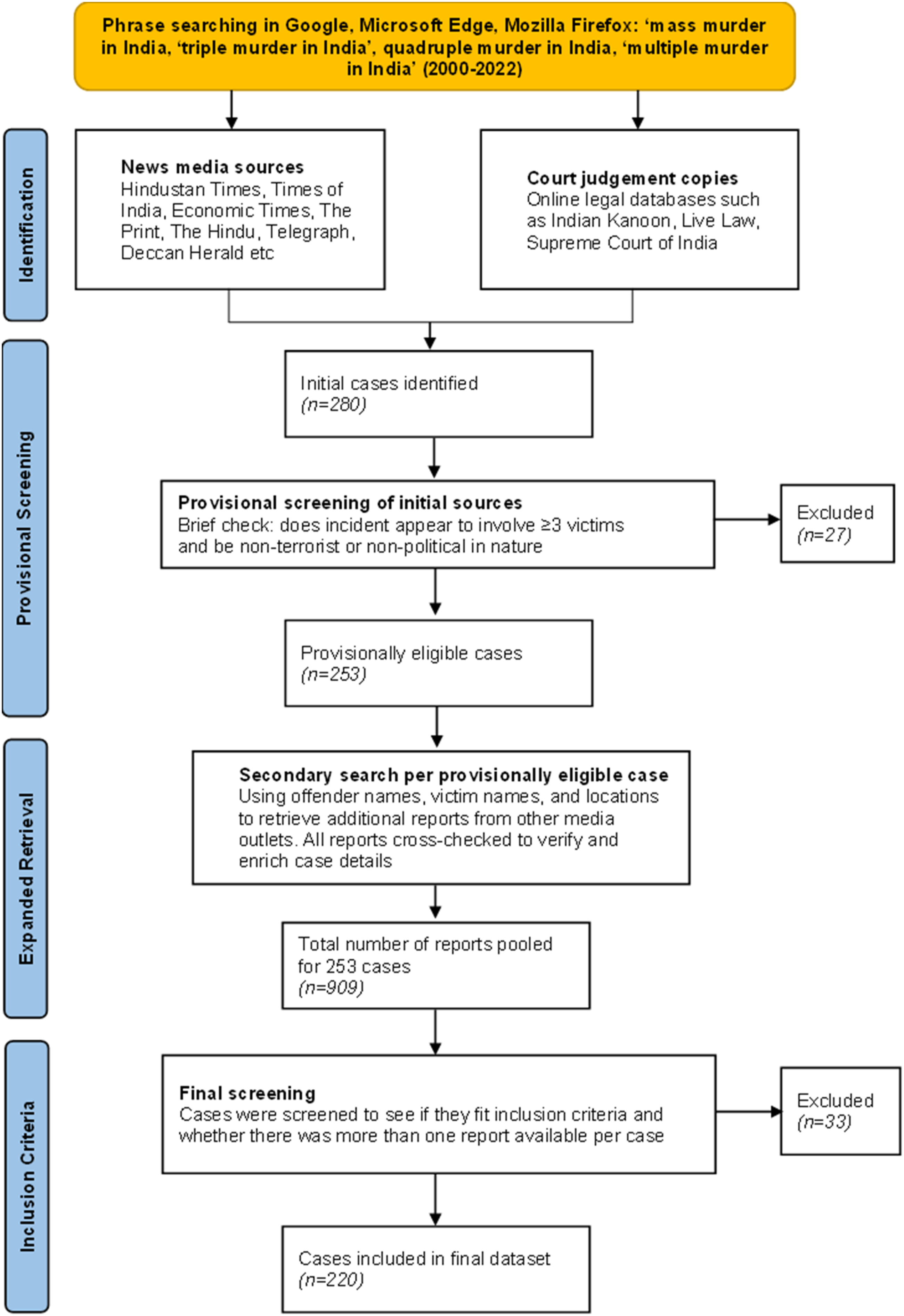
Cohen’s Kappa Values for Interrater Reliability Assessment
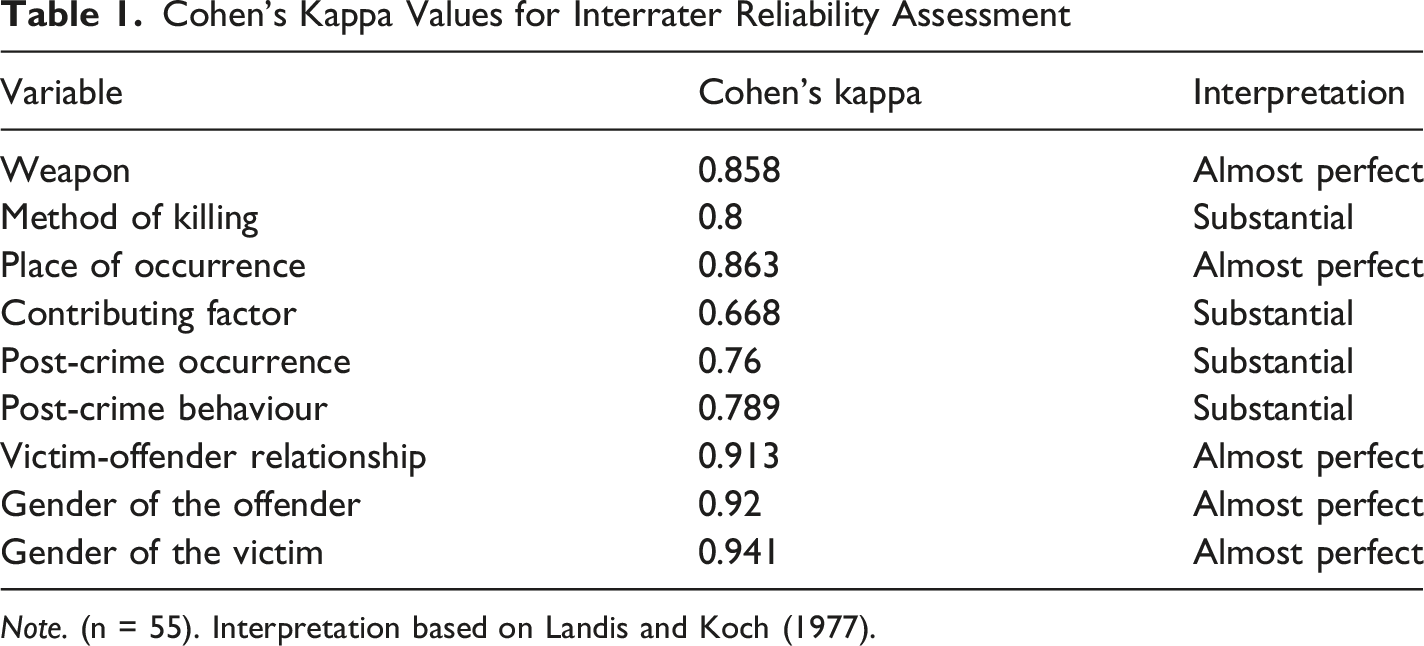
Note. (n = 55). Interpretation based on Landis and Koch (1977).
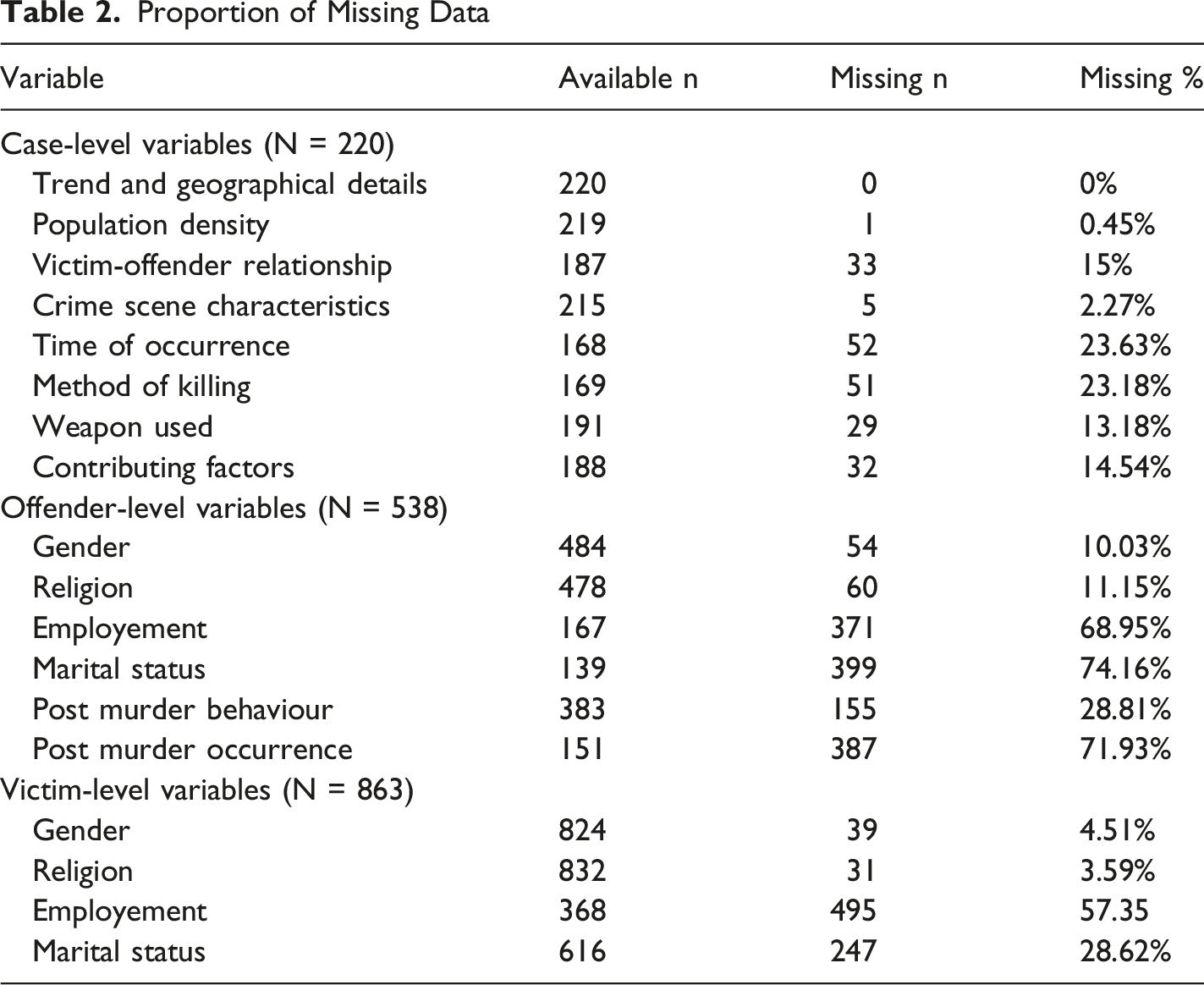
Proportion of Missing Data
Results
Trends of mass Murder Incidents in India
Between the years 2000 and 2022, India witnessed a total of 220 recorded incidents of mass murders, with an average of 9.5 cases recorded per year. Figure 2 shows a comparative analysis of general crime trends in India and the trend of mass murder incidents. This comparison revealed a striking similarity between these trends, with a continuous rise in cases from 2012 and a slight decrease in 2021. This decline in the crime rate in 2021 may be attributed to the impact of the COVID-19 pandemic. General crime trend in India vs. Mass murder trend in India [2000-2022]. Note. The graph shows a comparison of the trend of mass murder incidents with the general crime trends in India from the year 2000 to 2022. The graph on general crime trend is extracted from भारत में अपराध वर्षवार | National Crime Records Bureau. (n.d.). https://www.ncrb.gov.in/crime-in-india-year-wise.html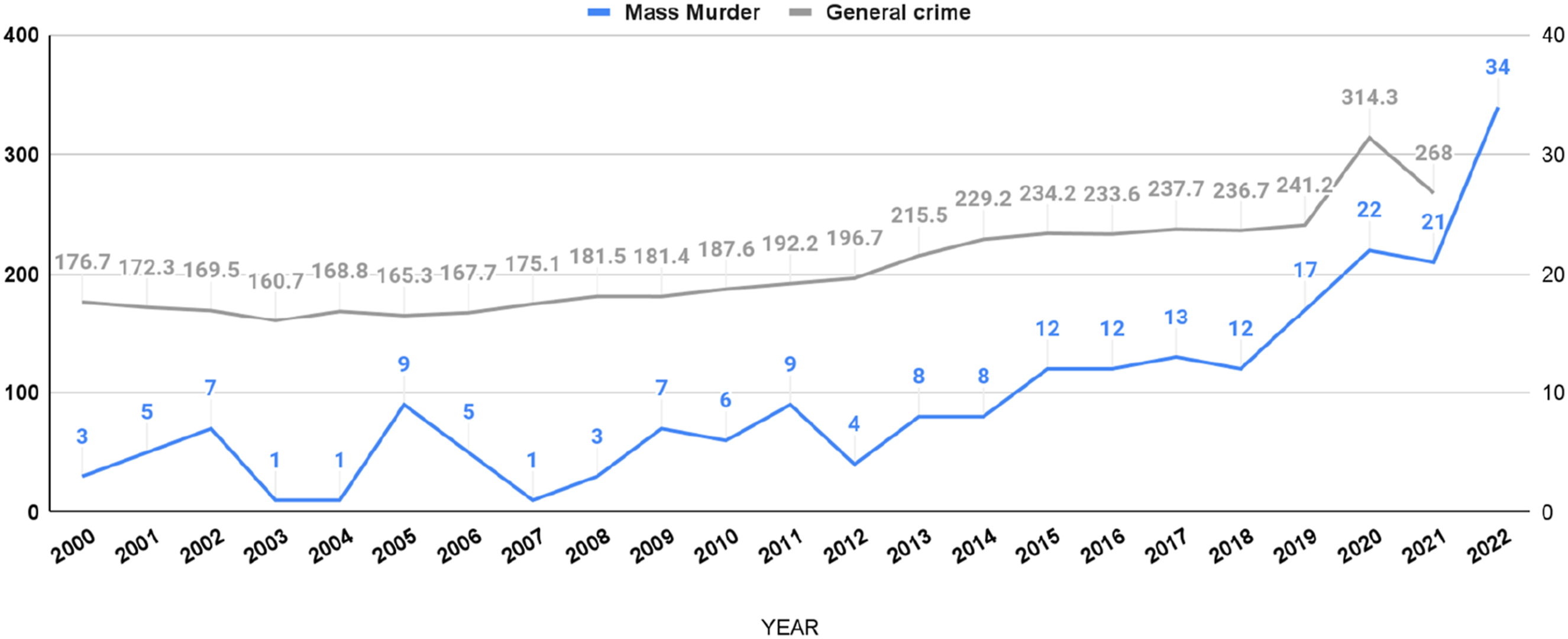
Geographical Details
Although the majority of the Indian population still resides in rural areas, the crime rates are found to be significantly higher in urban areas. This stands true for mass murder incidents where a higher number of cases are reported in urban areas (51.6%) than in rural (36.5%) and semi-urban areas (11.9%). See Figure 3. Further, a chi-square goodness of fit test confirmed that this distribution was statistically significant (χ2 = 52.849, df = 2, p < .001), indicating that mass murder incidents were not randomly distributed across urban, semi-urban, and rural settings. Distribution of cases based on population density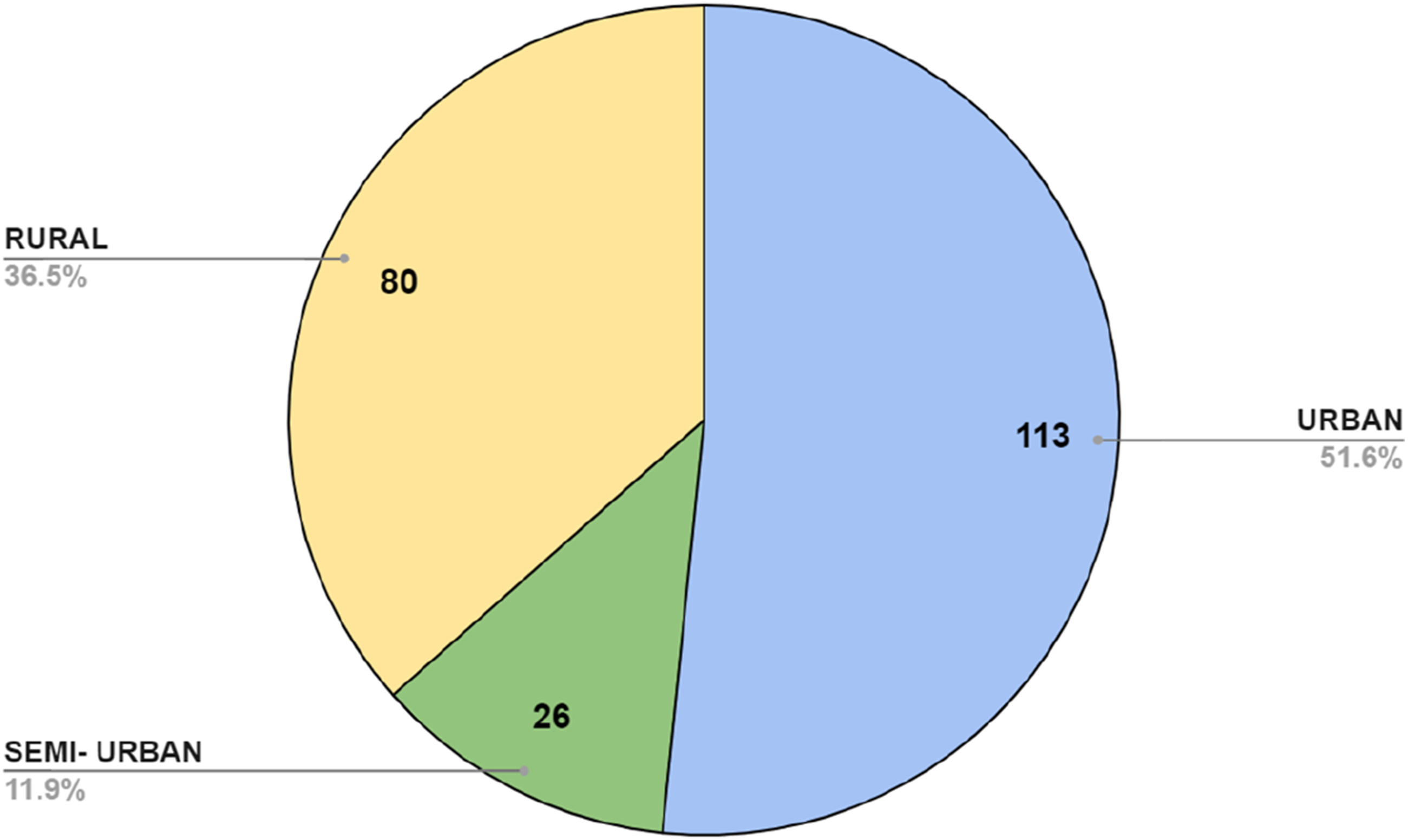
State-wise distribution of cases, as shown in Figure 4, indicates that the majority of cases occurred in Uttar Pradesh (42), followed by Maharashtra (22) and Delhi (14). Other states, such as Haryana (13), Gujarat (13), Odisha (13), Jharkhand (11), Rajasthan (10), Tamil Nadu (10), and Karnataka (10), also recorded significant numbers of cases. The lowest number of cases was recorded in northeastern states like Assam (2), Arunachal Pradesh (1), Nagaland (1), and Tripura (1). This disparity in cases observed in the northeastern region is due to the underreporting of their issues in mainstream media. Geolocation of incidents of mass murders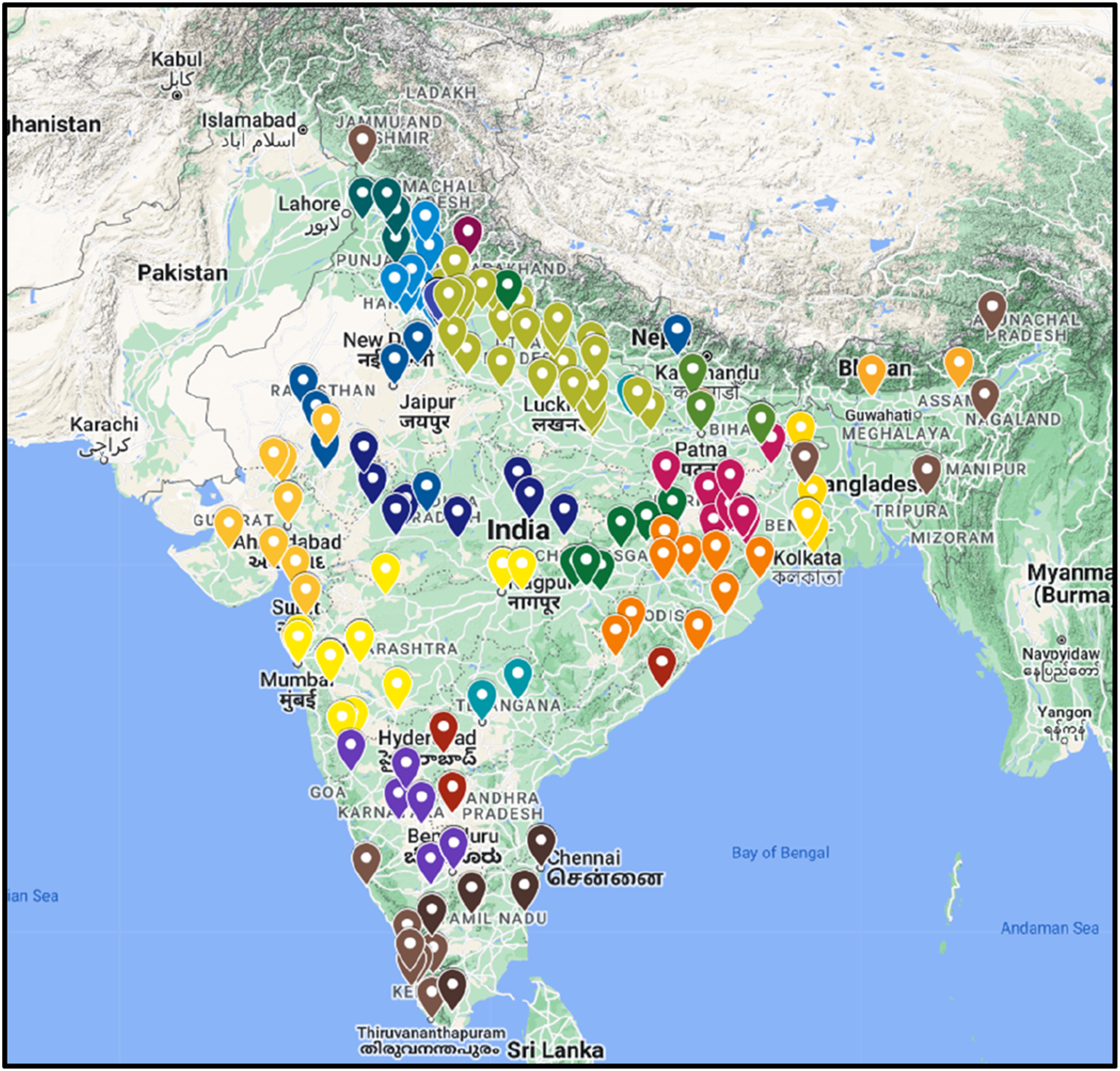
Offender-Victim Details
Socio-Demographic Details of Offenders and Victims
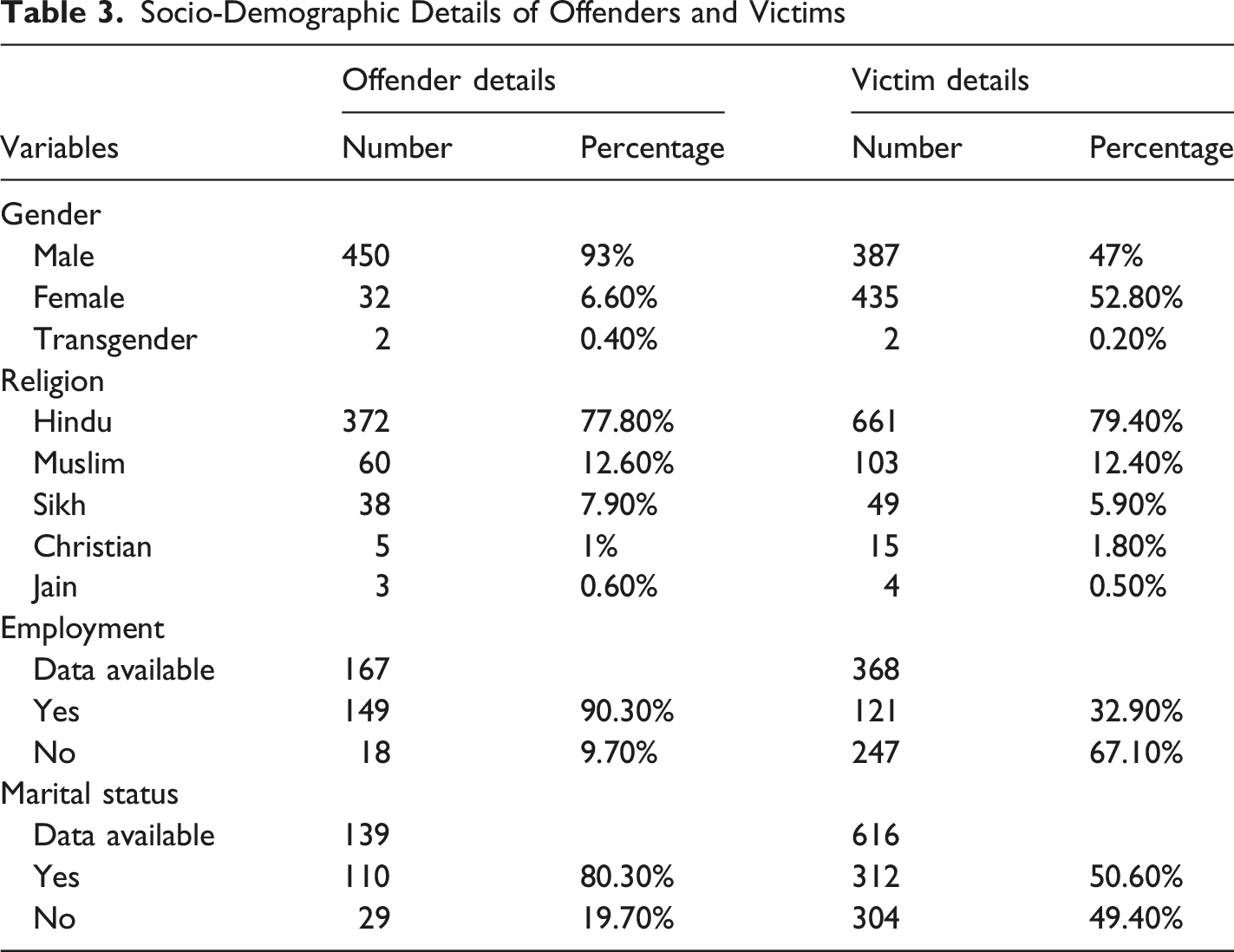
Figure 5 reveals that in most cases (91.5%), offenders were someone known to the victim. This included family members (60.4%), friends (24.1%), and colleagues (7%). It is also notable that there were only a few cases (8.6%) where strangers committed mass murders. Victim- offender relationship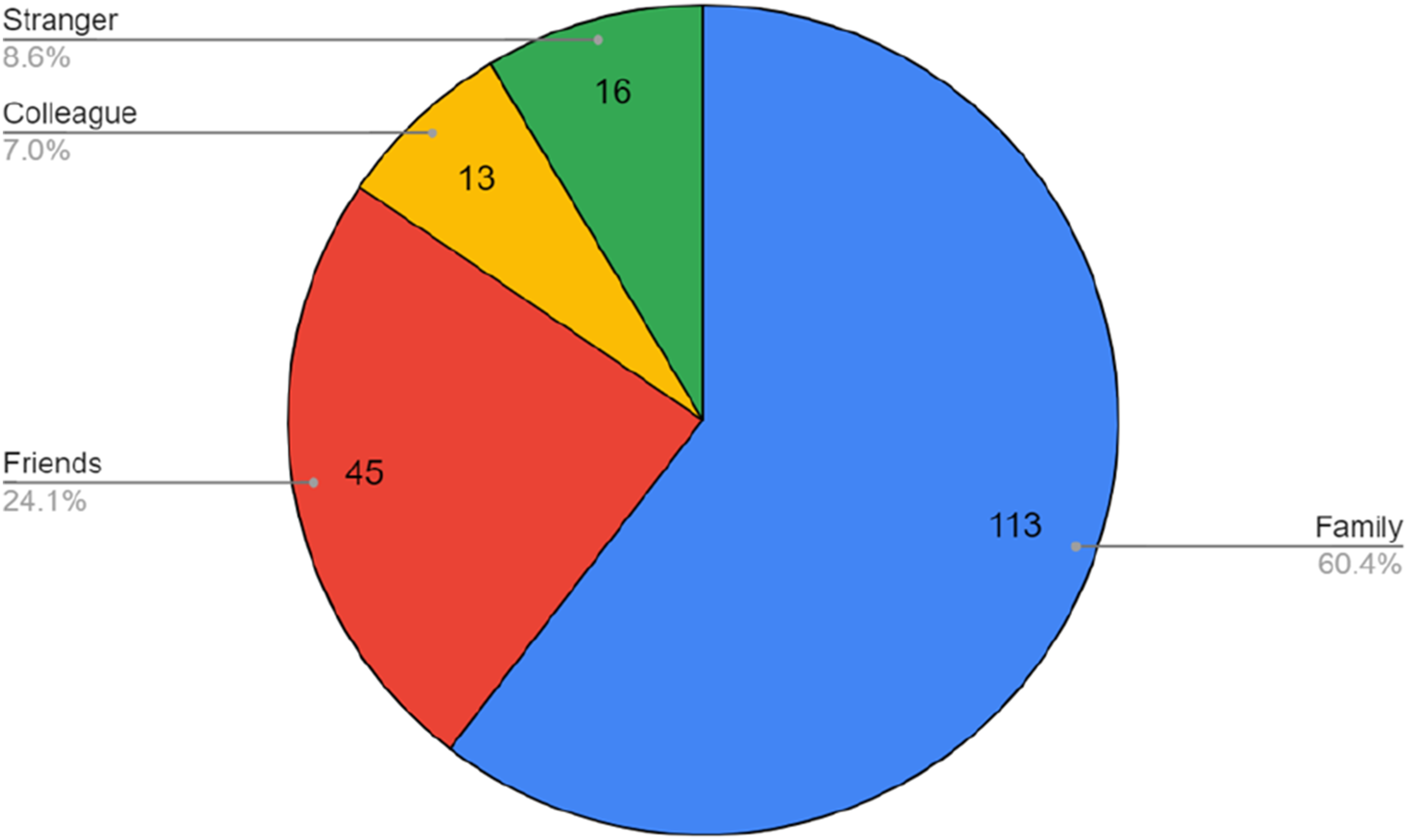
Crime Characteristics
Out of the 215 cases where data on crime scenes were available, 74.4% of the incidents occurred indoors, such as in private residences, buildings, or commercial establishments, and about 18.1% of the incidents occurred outdoors, such as on farms, barren lands, and streets. In some incidents, the crime scenes were spread across both indoors and outdoors (7.4%). Further, a chi-square goodness of fit test confirmed that mass murder incidents are indeed significantly more likely to occur in indoor than outdoor settings (χ2 = 167, df = 2, p < .001).
To analyze the time of occurrence, incidents were classified into 4 categories. Incidents that occurred from Indian Standard Time 21:00 to 05:00 were classified as ‘Night’, 05:00 to 12:00 as ‘Morning’, 12:00 to 17:00 as ‘Afternoon’, and 17:00 to 21:00 as ‘Evening’. Figure 6 shows that the majority of the cases occurred during night (60.7%), followed by morning (18.5%), evening (11.9%), and the least number of cases happened in the afternoon (8.9%). Time-distribution of the occurrence of mass murders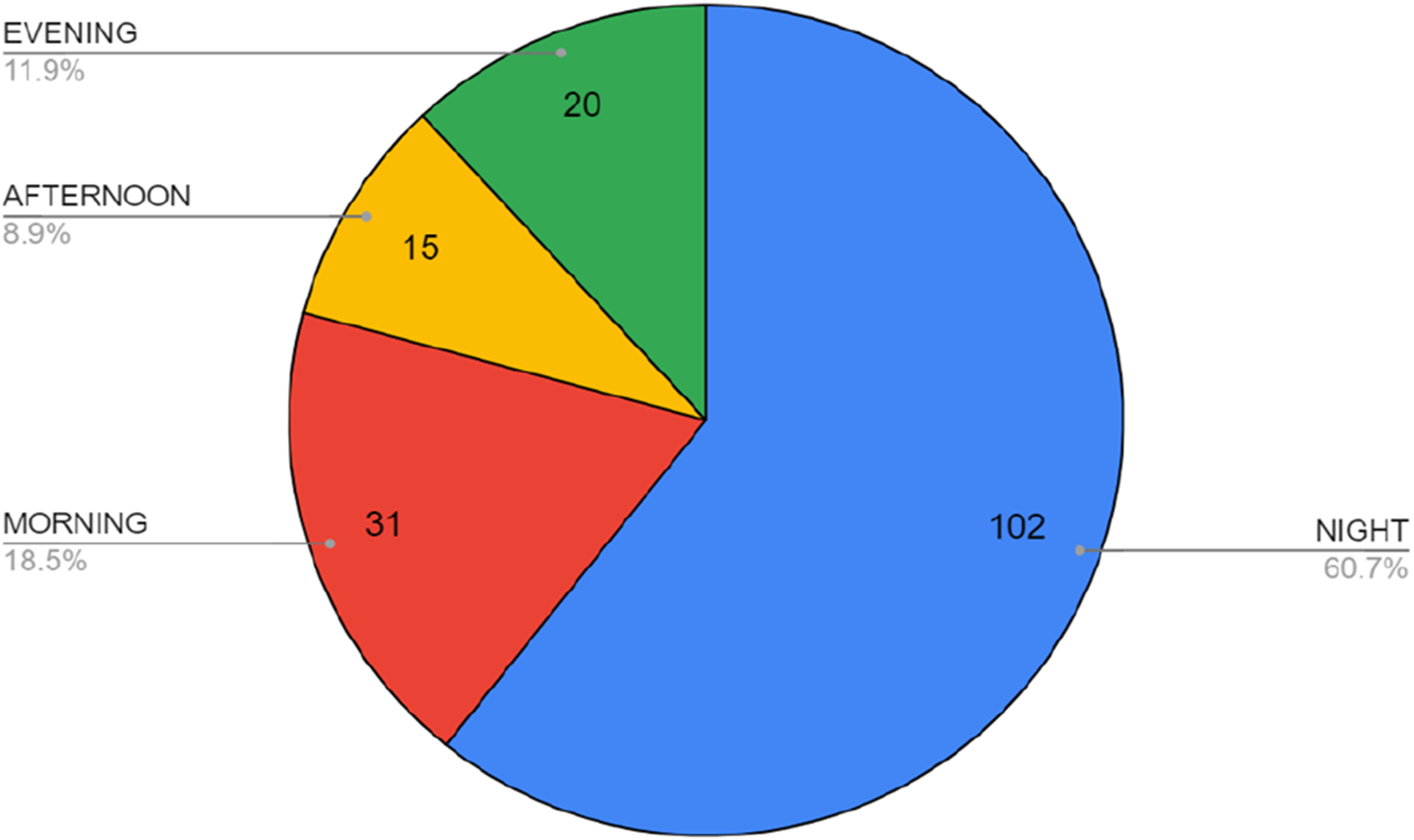
Further, the number of victims per incident was compared across solo male (n = 98), solo female (n = 10), and partnered offenders (n = 92) using a Kruskal-Wallis test. The test revealed a statistically significant difference in victim count across the three groups (H = 8.029, df = 2, p = 0.018). Post hoc pairwise comparisons using Dunn’s test with Bonferroni correction indicated that partnered offenders were associated with a significantly higher number of victims compared to solo male offenders (p = 0.018). On the other hand, no significant difference was found between solo female and solo male offenders (p = 0.102) or between solo female and partnered offenders (p = 0.700).
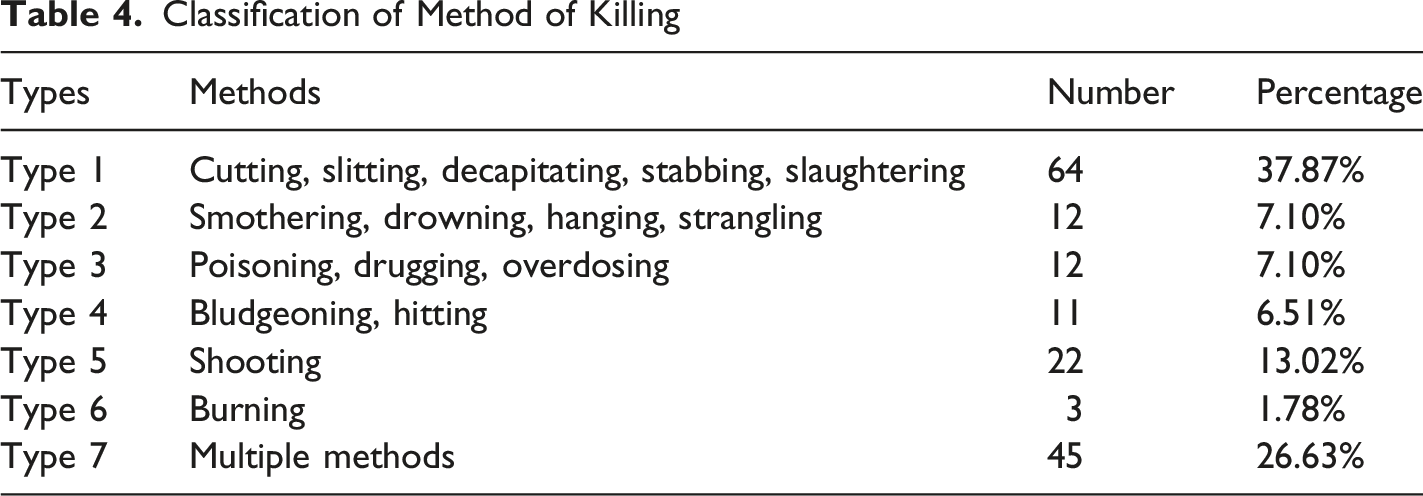
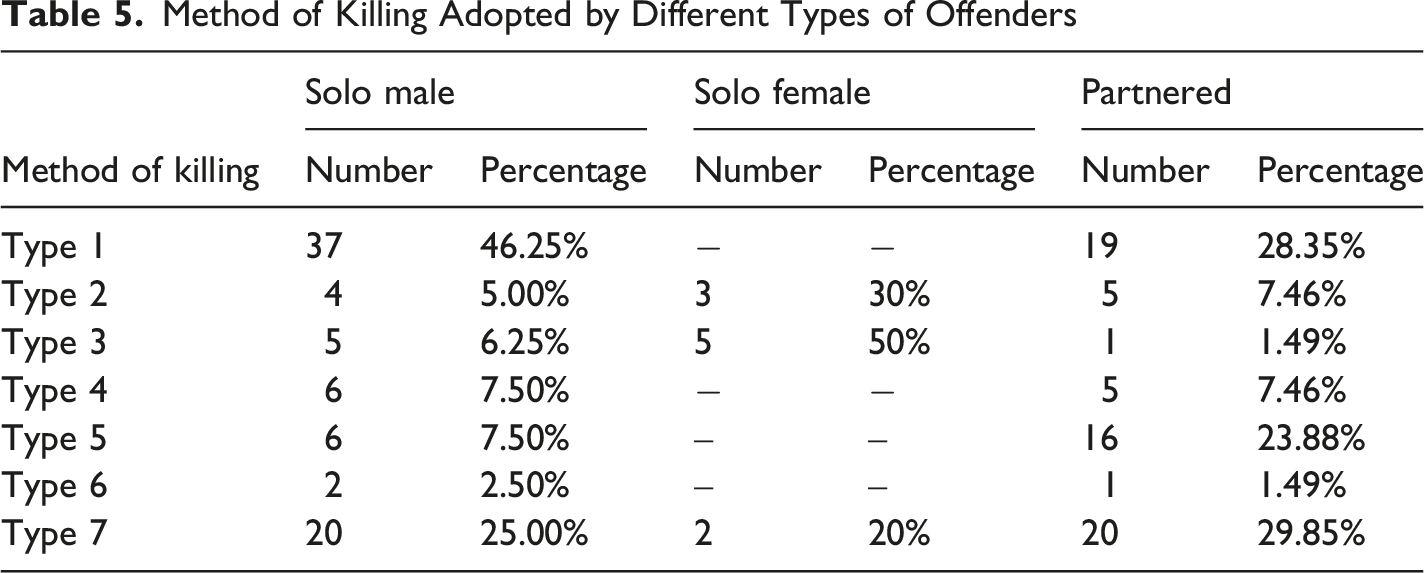
While examining the method of killing adopted by mass murderers, it is important to note that the percentages and numbers represent the frequency of weapon usage and occurrence in the studied cases, rather than the number of individual incidents where a specific weapon was used. It is because in some instances, multiple weapons were employed in a single case, and thus different methods were used to kill the victim within the same incident.
Classification of Method of Killing
Method of Killing Adopted by Different Types of Offenders
Among the 191 cases where data regarding weapon types were available, it was found that almost half of the offenders used sharp weapons (47.6%), followed by multiple weapons (23%) and firearms (10.5%). In 15 cases, poison (7.9%) was used to commit the murders, and in an equal number of cases, blunt weapons (7.9%) were used. Ligatures (2.1%) and inflammables (1%) were found to be the least used weapon types. See Figure 7. Weapons used for mass murders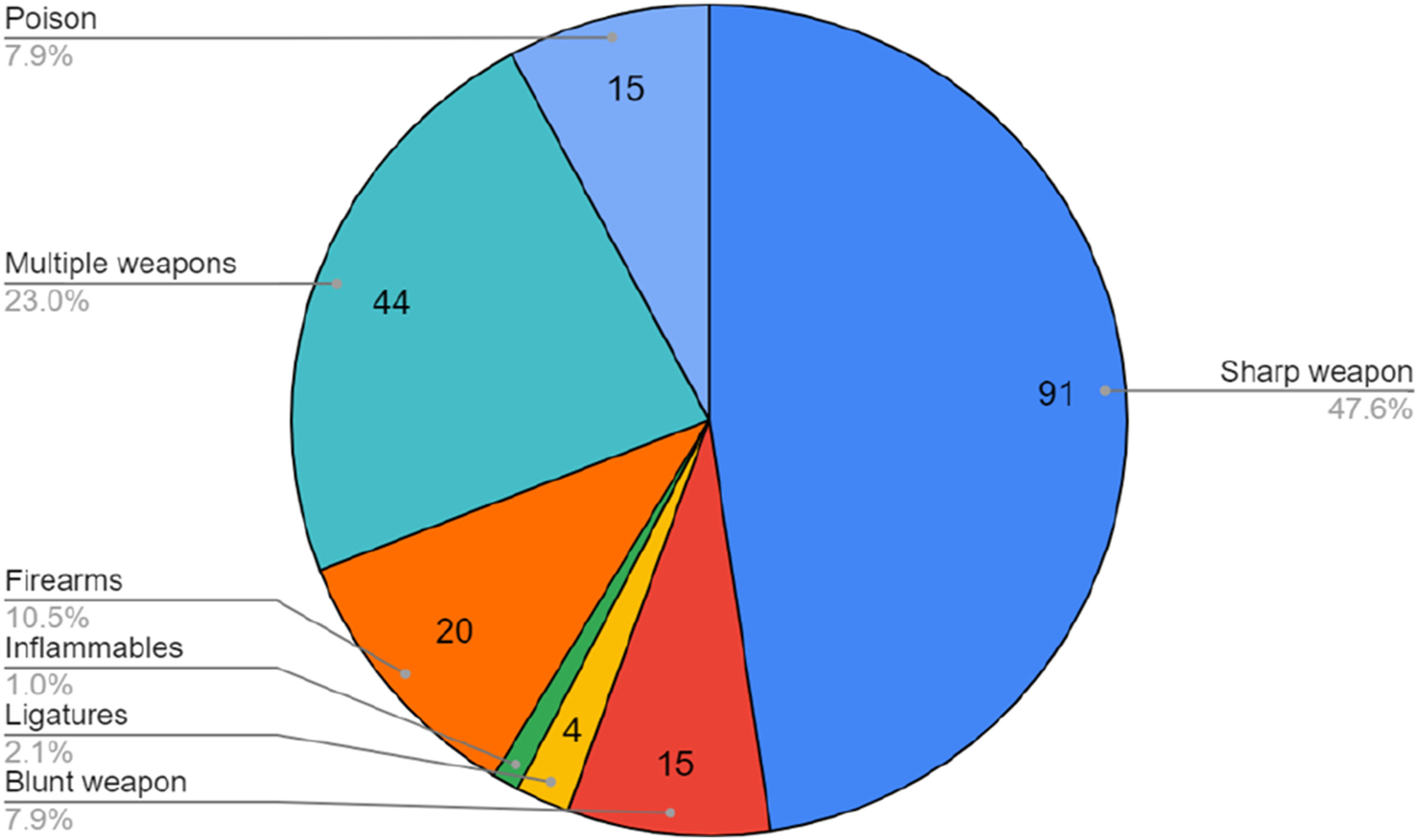
Contributing Factors
Contributing Factors of Mass Murder
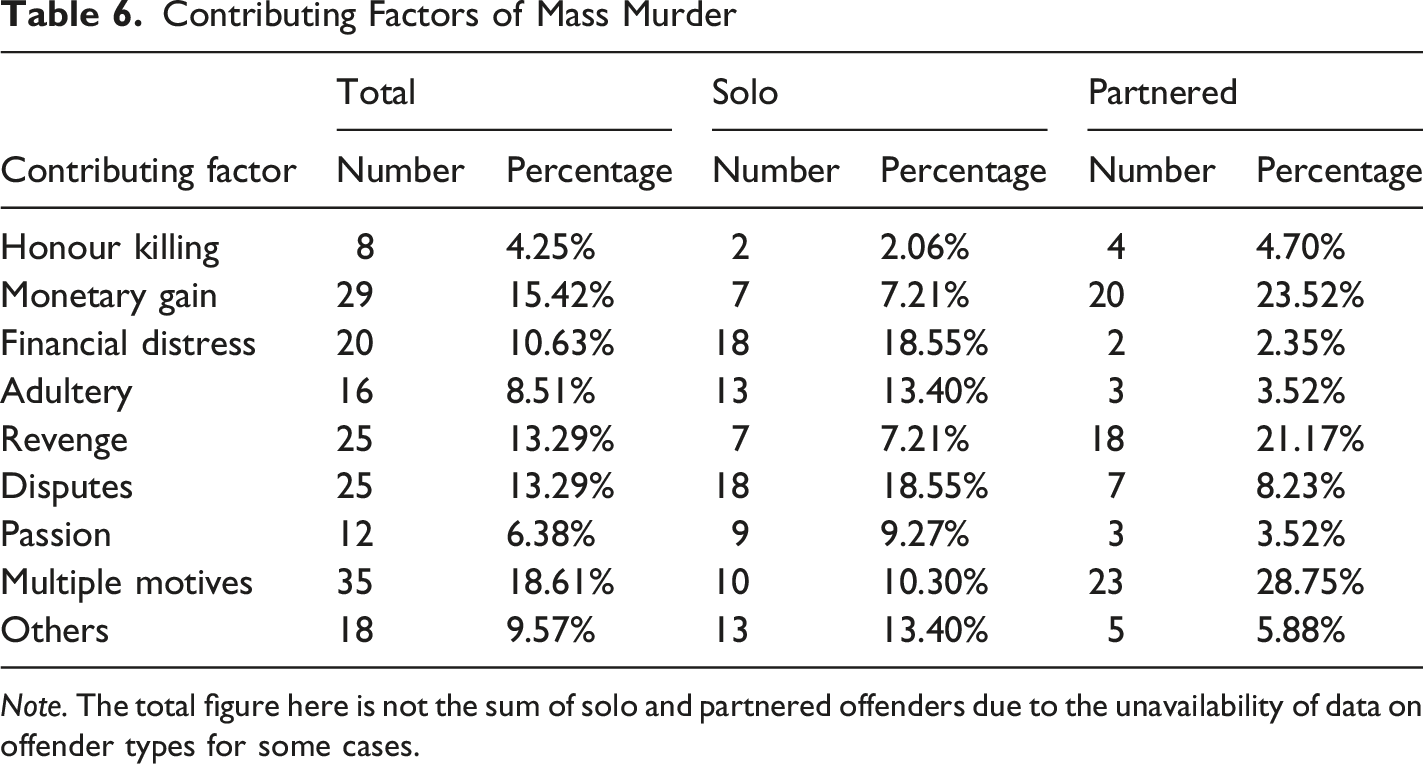
Note. The total figure here is not the sum of solo and partnered offenders due to the unavailability of data on offender types for some cases.
To examine whether contributing factors differed significantly between solo and partnered offenders, a Pearson’s chi-square test was conducted. Although the result was statistically significant (χ2 = 46.745, df = 8, p < .001), the chi-square approximation may be unreliable due to small expected frequencies for some contributing factors. Therefore, a Fisher’s Exact Test was subsequently conducted using a Monte Carlo simulation based on 10,000 replicates, which is more appropriate for variables with small frequencies. The Fisher’s Exact Test confirmed a statistically significant association between offender type and contributing factors (p < .001), indicating that the distribution of motives was not random across solo and partnered offenders. Solo offenders were more commonly associated with financial distress (n = 18), disputes (n = 18), and adultery (n = 13), whereas partnered offenders were more frequently associated with monetary gain (n = 20), revenge (n = 18), and multiple motives (n = 23).
Post Murder Behavior
The result regarding post-murder behavior, as seen in Figure 8, indicates that more than half of the offenders (78.9%) were arrested, 10.2% were absconding, 8.4% committed suicide, and 2.6% surrendered before police or family. On the other hand, post-murder occurrence indicates that 85.4% were convicted, 6% were encountered by the police, 5.3% were acquitted, and 3.3% died. Only 6% of the total offenders committed suicide after carrying out mass murder. Out of the 32 offenders who committed suicide, almost half of them (n = 15) left a suicide note. Post-murder behavior and post-murder occurrence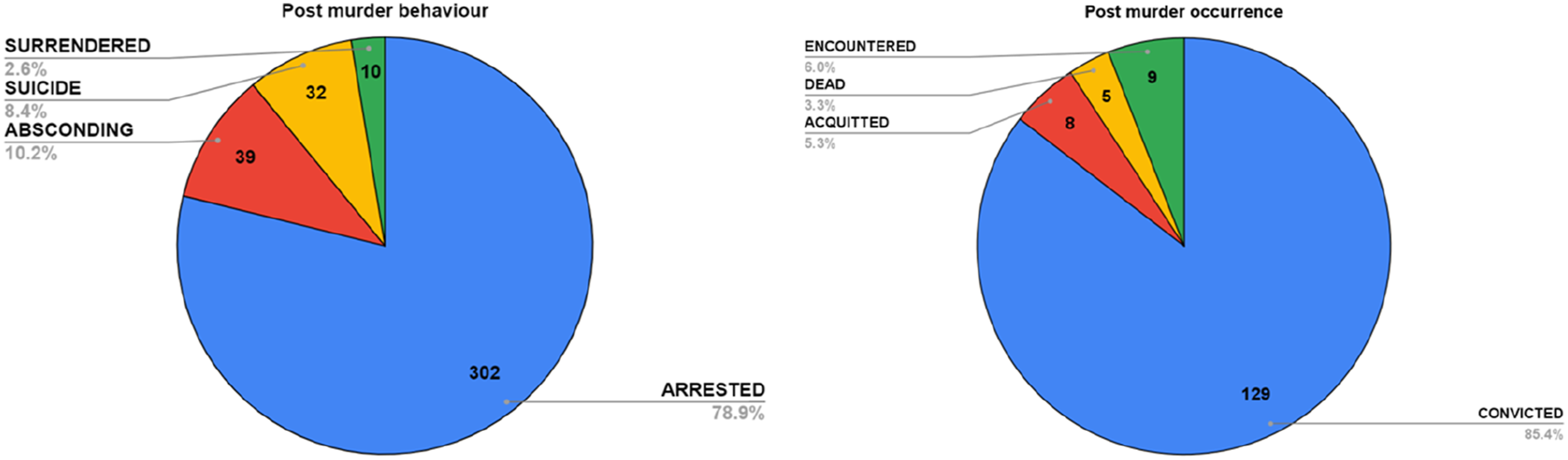
Discussion
The descriptive analysis of the variables in our study resulted in findings that largely aligned with previous research. However, it is important to note that certain findings deviated from the established patterns, revealing some contrasting results. Like previous research, cases of mass murders in India have been on the rise over the years. The gender distribution of offenders as well as victims was consistent with previous research, where the majority of the offenders were male, and a majority of the victims were females (Brucato et al., 2021; Dietz, 1986; Duwe, 2004; Fox & Levin, 2003; Lankford, 2015a; Liem & Reichelmann, 2013; Mullen, 2004).
The average age of the offenders in our study is close to the results of other studies, where the offenders were mostly in their early 30s (Brucato et al., 2021; Gill et al., 2021; Gurian, 2017; Lankford, 2015a; McPhedran, 2017; Peter et al., 2019; Taylor, 2016; Wood et al., 2022). Similar to previous research findings, our study found that many cases took place in private residences, i.e., indoors (Duwe, 2004; Fox & Levin, 2021; Hilal et al., 2013; McPhedran, 2017). The existing study found similarities with previous research regarding the behavior of female mass murderers who mostly killed their biological children (Gurian, 2017; Messing & Heeren, 2004; Scott & Fleming, 2013). Some of the offenders had previous criminal histories, and some were under the influence of substances at the time of committing mass murder. The analysis of contributing factors of mass murders aligns with the motivations proposed by previous researchers, such as Fox and Levin (2021), who categorized mass murder based on motivations into revenge, profit, loyalty, power, and terror.
Certain results deviated from what was documented before. More than half of the cases occurred in urban rather than rural areas. This was in contrast with the result of Hilal et al. (2013) and Duwe (2007), who stated that mass murders usually take place in rural settings. This result regarding the concentration of mass murders in urban areas aligns with the pattern of general crime trends in India. This may be attributed to India’s unique geopolitical and sociocultural factors compared to China and the US, where the previous studies have been undertaken. While analyzing the post-murder behavior of the offender, only a small proportion of offenders committed suicide, which was in stark contrast with the findings of previous research, which stated that approximately one-third of the offenders tend to commit suicide after mass murder (Dietz, 1986; Duwe, 2016; Peter & Bogerts, 2011). This stark contrast from previous research findings on the matter of suicide is quite intriguing, and any inference on this matter requires further research. Previous research on mass murders has consistently shown that firearms are frequently used in attacks. However, Hilal et al. (2013) found that in Asian countries, knives were commonly the preferred weapon for committing mass murders. This was similar to the findings of our research, which revealed that sharp-edged weapons like knives, axes, swords, and sickles were more commonly used than firearms, leading to a higher occurrence of throat slitting and stabbing as the preferred method of killing. The stringent laws on acquiring, selling, and manufacturing firearms in India can explain this difference in the choice of weapons.
The study also identified unique contributing factors culturally specific to India that have received less scholarly attention in the international literature. Honor killing is one such factor that arose from caste-based violence, particularly in cases involving inter-caste relationships, affairs, or elopement. Unlike the western conceptualizations of honor-based violence within the framework of domestic and gender-based violence (Idriss, 2017; Björktomta, 2019; A. K. Gill, 2014), honor crimes in India are mediated by caste-based community authority, with caste panchayats playing a central role in regulating relationships (Baxi et al., 2006). The existence of such killings reflects the caste-based social stratification in Indian society, where departure from caste boundaries through romantic or marital relationships is perceived as a source of social shame, warranting lethal retribution.
Supernatural beliefs emerged as another contributing factor in four cases, three involving witchcraft accusations and one involving a case of astral projection. Witchcraft accusation-related violence in India is a documented form of social violence where individuals, mostly women, are often accused of causing illness, crop failure, or death within the community (Sundar, 2001). Such accusations frequently culminate in dispossession, coercion, and other forms of collective violence, including murders, making them particularly relevant to the study of mass murder in the Indian context. The case involving astral projection reflects the influence of cults on emotionally vulnerable individuals with weak social support systems (Curtis & Curtis, 1993). The sole case of astral projection exemplified this pattern, wherein the offender, who was socially isolated and estranged from his family, turned to online occult communities and dark cult networks, through which he developed and acted upon beliefs centered on devil worship and the liberation of the soul. Collectively, these cases underscore the necessity of moving beyond purely Western criminological frameworks when examining mass murder in non-Western contexts. Motivations rooted in cultural belief systems, religious practices, and social structures require the integration of distinct sociocultural and religious frameworks, particularly in diverse societies like India.
Limitations
Though numerous studies in the past have relied on media reports or national databases for data collection (Duwe, 2004; Fox & Levin, 2021; Fridel, 2017; Gill et al., 2016; Gurian, 2017; Hilal et al., 2013; McPhedran, 2017; Peter et al., 2019), several limitations surfaced due to this method of data collection. The availability of reports for older cases was limited compared to more recent incidents. It is possible that cases existed in the past, but may not have been extensively covered in open sources or during periods when internet access was not as widely available, resulting in fewer recorded cases. Regional disparities in reporting may also have influenced the data, especially in areas like the northeast and certain northern parts like Jammu & Kashmir and Ladakh, where political and cultural unrest could have led to selective coverage of events, potentially overlooking some mass murder cases. Certain important variables, such as education, employment, marital status, and underlying mental health conditions, were not consistently documented in the available reports, resulting in considerable missing data for these variables as detailed in Table 2. Additionally, discrepancies were found in some cases, where different news agencies presented varying details about the same event, leading to confusion and challenges in data accuracy.
The relatively lower kappa observed for the contributing factor (κ = 0.668) reflects the inherent interpretive complexity of coding motivational factors from media narratives, where multiple overlapping motives are frequently reported. Furthermore, the small sample of solo female offenders limits the interpretability of gender-based comparisons. Although efforts were made to identify predictors of post murder suicide, the limited number of suicide cases (n = 32) precluded reliable regression modeling. Finally, the present findings should be regarded as a foundation for future inquiry rather than definitive causal conclusions, given the inherent constraints of a descriptive design relying on secondary data sources.
Future Recommendations
While secondary data collection had its advantages in a country like India, which has a vast geographical area, using primary data could significantly improve the accuracy of data and its ability to make conclusive inferences. Future research should also prioritize qualitative studies or case analyses to uncover the underlying motivations of mass murderers. Additionally, further research could also yield meaningful insights regarding several findings in this study. For example, it remains unclear why mass murderers in India rarely commit suicide, unlike in other countries. Results that diverged from previous studies, which were explained by the unique social and cultural characteristics of India, can also be further explored. The establishment and management of a specialized database to catalog diverse murder cases would significantly enhance the availability of targeted data for future researchers, thereby facilitating more comprehensive and feasible research endeavors in the field.
Conclusion
Mass murders are considered rare events, and existing research on this mostly originates from the USA, with some research from other countries such as the UK, Germany, China, Japan, and Switzerland. The literature predominantly covers offender-victim details, typologies of mass murders, mental conditions, substance use, and previous criminal history that may influence such acts. In this existing scenario where mass murder studies are limited in Asian countries and absent in India, the present study aims to bridge this gap by providing a descriptive analysis of the trends and patterns of mass murder incidents that occurred in India over the past 22 years (2000-2022). As the study is the first of its kind in India, an exploratory approach was adopted to uncover trends and patterns in mass murder incidents. Secondary data were collected from media reports and case judgments, encompassing cases that met the inclusion criteria. This study developed a compact database of mass murder incidents, which aided the purpose of this research. A comparison of the present study with previous research revealed some striking similarities and stark differences. India’s unique social and cultural context also contributed to identifying new contributing factors that previous researchers seldom researched. As this is an exploratory study, several challenges were faced, ranging from the method of data collection to the descriptive nature of the study. However, this research will be a cornerstone in the field of mass murder research in India. The study also recommends the creation of a separate database to maintain a record of different types of murders, allowing future researchers to conduct research efficiently and feasibly, thereby contributing to research and academia.
Footnotes

Ethical Considerations
This is an exploratory study conducted using secondary data. Formal ethics approval was not required since the data was available in the public domain.
Funding
The authors received no financial support for the research, authorship, and/or publication of this article.
Declaration of Conflicting Interests
The authors declared no potential conflicts of interest with respect to the research, authorship, and/or publication of this article.
Data Availability Statement
The data for this research can be made available upon request.