






Abstract
This study combines the Unified Theory of Acceptance and Use of Technology (UTAUT) and the Dual Process Model (DPM) to construct a model for understanding the adoption of digital remembrance communities. By expanding the DPM, in-depth consideration of the perceived benefits of bereavement is introduced to analyze user behavior more comprehensively. The study also highlights the role of emotional solidarity in digital remembrance and takes it as a regulating variable to observe the role of digital communities in people’s dynamic responses to death. A sample of 807 bereaved people from Macao and Jiangsu province of China is used to verify the research hypothesis model. Results show that UTAUT variables significantly predict usage intention; loss-oriented coping and perceived benefits mediate the relationship between technology acceptance and intention; and emotional solidarity strengthens key paths. The findings offer theoretical insight into digital mourning behaviors and practical guidance for designing supportive online bereavement platforms.
Introduction
Death, as a fundamental component of life, is deeply rooted in human society and occurs frequently (Kastenbaum & Costa, 1977). The emotional bonds severed by death have led human societies to exhibit profound struggles and adaptation processes. Technology, as part of the normative framework influencing thanatology, continuously reshapes human approaches to death, giving rise to digital memorial communities (Chapple et al., 2017). These communities not only provide new spaces for mourning but also help bereaved individuals construct unique identities and social support systems, enabling them to cope with the bereavement process through virtual interactions (Beaunoyer & Guitton, 2021). Particularly during the global COVID-19 pandemic, digital memorial communities became a primary channel for bereaved individuals to share their grief and express condolences, further highlighting their importance in social support (Stroebe & Schut, 2021). Even after the pandemic subsides, these digital communities continue to play a crucial role in emotional support and social identity for the bereaved, and with technological advancements, they are evolving into key platforms for long-term support in modern society (Khumairoh, 2023).
However, despite the increasing importance of digital memorial communities, systematic research on their usage motivations and their impact on the emotions and behaviors of bereaved individuals remains limited (Michael & Martin, 2017). Most existing studies have focused on the technical functionalities of digital memorial communities, failing to fully uncover the complex mechanisms through which these communities influence the psychological recovery and behavioral intentions of the bereaved. Therefore, this study aims to provide a more comprehensive explanatory framework by integrating the Unified Theory of Acceptance and Use of Technology (UTAUT) and the Dual Process Model (DPM).
The Unified Theory of Acceptance and Use of Technology (UTAUT) explains the key determinants of individual technology acceptance behavior through dimensions such as performance expectancy, effort expectancy, social influence, and facilitating conditions (Venkatesh et al., 2003). This theory has demonstrated strong explanatory power in multidimensional studies of technology usage, particularly in exploring behavioral intentions within digital platforms. On the other hand, the Dual Process Model (DPM) reveals the dual coping mechanisms of bereaved individuals in the face of loss through loss-oriented and restoration-oriented processes (M. Stroebe & Schut, 1999), providing deep insights into the emotional processes of the bereaved. By integrating these two major theories, this study is able to simultaneously examine the complex interactions between technology acceptance and emotional recovery in bereaved individuals.
Furthermore, this study introduces “perceived benefits” as a mediating variable, thereby expanding the understanding of positive emotional experiences among bereaved individuals. Perceived benefits include emotional support, enhanced self-efficacy, and positive impacts on social interaction, all of which contribute to increased participation and usage intentions in digital memorial communities (Calhoun & Tedeschi, 2014). This mediating role reveals the underlying psychological mechanisms through which bereaved individuals obtain positive feedback via digital platforms, further enriching the connection between technology acceptance and emotional recovery.
To delve deeper into the role of collective interaction, this study also introduces “emotional solidarity” as a moderating variable, analyzing how group interactions influence the technology usage behavior of bereaved individuals. Emotional solidarity, by fostering emotional resonance between bereaved individuals and community members, enhances the effectiveness of social support, making the usage intentions of bereaved individuals in digital memorial communities more stable (Woosnam et al., 2009). This moderating role underscores the central importance of collective interaction in emotional regulation and behavior formation, particularly in virtual community settings. Emotional solidarity not only increases individual emotional identification but also has a profound impact on their technology usage behavior.
Through the synergistic application of UTAUT and DPM theories, this study examines the usage intentions and emotional recovery processes of bereaved individuals in digital memorial communities, and analyzes the critical roles played by emotional solidarity and perceived benefits in these processes. This not only provides a new theoretical perspective for understanding the digital memorial experiences of bereaved individuals but also offers important practical guidance for the design and development of future digital platforms and intervention strategies.
Theoretical Background and Hypothesis Development
Digital Remembrance Communities
“Digital remembrance” generally refers to the application of digital technologies and online platforms to commemorate people or events in virtual space (Ebbrecht-Hartmann, 2021). As a new form of mourning and trauma treatment, it complements traditional ways of remembering. In the 21st century, as people increasingly process their emotions and experiences related to death through the digital public sphere, digital remembrance communities naturally come into being (Michael & Martin, 2017). In these communities, individuals not only receive support to cope with complex emotions, but can also discover the potential benefits and growth opportunities of bereavement events through social comparison (Wood, 1989). As a result, digital remembrance communities are gaining wider acceptance as they are gradually accepted by the mainstream society (Dijck, 2007).
In spite of the late beginning of study on digital remembrance communities, it has become the focus of multidisciplinary research, especially in the post-pandemic era, as an important form of burial and support (Burkey, 2020). The relative studies mainly focus on usage patterns, social interaction, emotional support and identity construction. For example, Brubaker et al. (2013) examined the behavioral characteristics of expressing grief and engaging in remembrance on social media, revealing the characteristics and trends of remembrance on digital platforms. Other studies (e.g., Gibbs et al., 2015; Gibson, 2007) showed that new communication media technologies have greatly expanded the support network and facilitated a leap forward in the relationships among the bereaved. Therefore, understanding community solidarity from the perspective of digital technology can provide a deeper understanding of social support and emotional exchange in the digital remembrance communities.
However, studies are still insufficient on how community experiences affect usage intention. The social cognitive theory demonstrates that usage intention can reflect social and individual needs, expectations and issues, which can provide a theoretical and methodological framework for understanding how bereaved people behave in digital communities (Khoirunnida et al., 2017). For instance, by studying millennials’ motivation for engaging in social TV activities on Twitter, Segijn et al. (2019) revealed their intention to interact and share content on social media. At the same time, understanding the motivation and intention of the bereaved to participate is essential to providing effective support (Lehman et al., 1986). This suggests that the intention of the bereaved to join in a digital remembrance community is a multidimensional issue influenced by personal, technological, cultural and social factors. In this sense, having an in-depth understanding of these factors is critical to designing effective tools and services for digital remembrance.
Unified Theory of Acceptance and Usage of Technology (UTAUT)
The UTAUT theory is a framework incorporating multiple technology acceptance theories to analyze and predict individuals’ technology acceptance and usage behavior (Venkatesh et al., 2003). It includes four core variables, namely performance expectancy (PE), effort expectancy (EE), social influence (SI) and facilitating conditions (FC) (Venkatesh et al., 2003). Many studies have demonstrated that these variables are key elements in understanding the technology adoption process (e.g., Altalhi, 2021; Barrane et al., 2018).
In analyzing individual mental state and behavior pattern in network environment, the UTAUT model shows strong explanatory ability. For example, Venkatesh et al. (2012) analyzed consumers’ acceptance and use of information technology with this model, and verified its applicability in the field of social media. Wan et al. (2020) applied the UTAUT model to explore the perceived value of people’ adoption of new technologies and its influencing factors. Whereas Huang (2023) studied online users’ intention to use travel virtual reality systems by extending the UTAUT model. In view of these results, it can be inferred that the UTAUT model is also applicable for exploring the bereaved’s intention to use digital remembrance platforms.
Therefore, this study proposes the following hypothesis:
The UTAUT model exerts a positive impact on the behavioral intention of the bereaved to adopt online remembrance communities.
The UTAUT model is adjusted in this study by incorporating individual characteristics of users, so as to comprehensively understand their behavioral intention. This adjustment is particularly critical, since the emotional and psychological state of the bereaved can affect their acceptance and use of technology. In addition, the study explores the role of collective consciousness in online remembrance communities, particularly in the context of growing discussion of death-related trauma in public spaces (Haslam et al., 2018). This methodological innovation offers an interdisciplinary framework for the study of digital remembrance communities, and more importantly, deepens the understanding of topics such as bereavement, grief and growth, thus opening up new perspectives for exploring the needs and behaviors of the bereaved.
Function of Dual Process Model of Bereavement(DPM)
The DPM model is a theoretical framework proposed by Stroebe and Schut (1999) to understand and explain bereavement and its coping process. It mainly focuses on two complementary coping strategies: loss-oriented process and restoration-oriented process. Loss-oriented process involves dealing with the emotions and affairs related to bereavement in a direct manner, while restoration-oriented process involves adapting to new environments and roles, such as building new relationships and participating in social activities. In combining these two approaches, the DPM model provides a framework for comprehensively assessing challenges faced by the bereaved.
A core feature of the DPM model lies in that it can assist researchers in examining the impact of external factors on the loss-oriented and restoration-oriented coping strategies of the bereaved, and what role these strategies play in the mourning and adaptation process (Stroebe & Schut, 2015). Therefore, these two strategies can be taken as regulating variables to better explain people’s different experiences during bereavement and how fast they adapt to new environments and roles. Besides, technological innovations that have changed the way the living interact with the dead and other living people have not only been proven effective in alleviating grief (Bassett, 2022), but have also blazed a trail in studying bereavement from a technological perspective.
Function of Loss-Oriented Process
Loss-oriented process is primarily concerned with the entanglement of pain faced by the deceased, a phenomenon that is central to grief (Stroebe & Schut, 1999). This study applies the UTAUT model to analyze how the loss-oriented bereaved respond to digital remembrance communities and explore new opportunities for generating information and emotional connection. Based on the work of Dwivedi et al. (2019), the study conducts conceptual analogies and adjustments to the UTAUT model and carries out corresponding analysis. Specifically, performance expectancy (PE) refers to the expectation that the bereaved can gain emotional support, understanding and empathy when participating in the community. Effort expectancy (EE) involves overcoming psychological barriers and difficulties in the use of technology when the bereaved join in online remembrance activities. Social influence (SI) refers to the encouragement and support that the bereaved receive from family, friends or other community members who have had similar experiences. Facilitating conditions (FC) cover the availability of technical equipment and the ease of use of community platforms. As a whole, these variables influence bereaved people’s attitudes towards and engagement with online remembrance communities, helping them to find supportive and positive experiences within the community.
Therefore, this study suggests the subsequent theory:
The UTAUT model can help the loss-oriented bereaved to develop positive attitudes towards online remembrance communities.
Thanks to their openness and interactivity, digital remembrance communities bring new perspectives to the understanding of life and death relationships, and help the bereaved to remain emotionally connected to the deceased and the living, thus helping them to cope with the stress of bereavement and accept the reality (Parkes, 1998). Such communities can easily attract loss-oriented bereaved people, especially “native” Internet users who find it more comfortable and effective to use online platforms to share memories and experiences than traditional methods (Ryan, 2013). As a vehicle for memory, media not only facilitates emotional communication and social support, but also provides a platform for the bereaved who are geographically isolated, physically restricted, or unwilling to express themselves openly to process grief (Falconer et al., 2011). Online platforms enable them to discuss and share their traumatic experiences freely without being restricted to traditional customs or social taboos (Walter, 2015). These trends highlight the inclusion of social media in everyday commemorations and contribute to a shift in the society’s understanding and attitudes towards death.
Therefore, this study proposes the following hypothesis:
Loss-oriented bereaved people have a positive intention to use online remembrance communities.
Function of Restoration-Oriented Process
The restoration-oriented process involves the bereaved gradually shifting to a new way of life, including being aware of new changes, trying new activities, adapting to new roles and establishing new relationships (Bennett et al., 2010). It’s notable that “restoration” is not only an outcome variable, but also a secondary source of stress (Stroebe & Schut, 1999), which, if not effectively managed, can result in additional anxiety and unease (Lund et al., 2004). Currently, the Internet plays multiple roles in assisting the bereaved to recover after a bereavement, such as enhancing self-efficacy, developing coping skills for new daily tasks and increasing opportunities to participate in activities (Park et al., 2019), which can provide emotional support and psychological healing resources to bereaved people, helping them to temporarily relieve from emotional disturbances. In this process, the four elements of the UTAUT model play a key role. Performance expectancy (PE) highlights the importance of bereaved people getting psychological support through the community. Effort expectancy (EE) indicates that participating in an online remembrance community may require additional effort. Social influence (SI) is a key factor in the formation of positive attitudes, and in particular the low decentralized nature of the online environment helps to provide support in the restoration phase (Wasserman, 1994). Facilitating conditions (FC) emphasize the value of community convenience. As a whole, these factors not only contribute to understanding the decision-making, motivation and behaviour of the bereaved during the restoration phase, but also facilitate increased self-efficacy, self-confidence, independence and autonomy (Fry, 2001).
Therefore, this study suggests the ensuing theory:
The UTAUT model can help the restoration-oriented bereaved to develop positive attitudes towards online remembrance communities.
Serving as a complex stressor during bereavement, restoration involves multiple stages of response (Stroebe et al., 2017). In the early period, the bereaved may go through a chaotic phase in which they struggle to set new goals but find it difficult to match the meaning of the deceased (Stroebe et al., 2001). At the same time, the interaction between the bereaved and the outside world may be disrupted (Gillies & Neimeyer, 2006). Nevertheless, digital remembrance communities can help them gain the understanding and support of community members. In the middle and late period, the bereaved begin to reorganize their lives around new identities and find new social positioning, and in this respect the Internet platforms can provide effective social support (Stroebe et al., 2017). Notably, restoration does not mean to completely overcome bereavement, but rather reaches a state of maintaining a balance in daily life (Finkbeiner, 2012). The continued support of the online remembrance communities is therefore essential for bereaved people to find ways to adapt when they are redefining their lives.
Therefore, this study proposes the following hypothesis:
Restoration-oriented bereaved people have a positive intention to use online remembrance communities.
Function of Perceived Benefits
Perceived benefits refer to the positive feedback and changes that individuals are aware of in the face of adversity (such as bereavement), including a reassessment of life priorities, altered perceptions, as well as the ability to find meaning and support in adversity (Calhoun et al., 2010). Some studies (e.g., Park, 2013; Weiss, 2014) have demonstrated that these benefits are crucial for bereaved people to manage their grief and improve their mental health, while promoting their growth and resilience.
Calhoun and Tedeschi (1999) and Schaefer and Moos (1992) proposed three classifications of perceived benefits after trauma, and reached a consensus on changes in self-perception and changes in relationships with others. In addition, they further proposed changing life concepts and improving coping skills as key categories (Calhoun & Tedeschi, 2014; Schaefer & Moos, 1992). These concepts are highlighted under the support of the social cognitive theory (SCT) integrated by UTAUT and stress the importance of self-efficacy in individual changes (Russ, 2021). Therefore, based on the UTAUT framework, this study explores how the following aspects can promote positive changes for the bereaved. In terms of changing life concept, bereavement events encourage people to reevaluate their outlook on life, and in this regard, performance expectancy can help them believe that participating in digital communities can reconstruct their life concept and improve their happiness. In terms of changes in self-perception, social media encourages bereaved people to self-assess and explore areas of potential benefits (Norris & Stevens, 2007), and in this regard, effort expectancy points out the ease of participating in digital remembrance communities, which can help them positively change their self-perception. In terms of changes in interpersonal relationships, bereavement experiences reinforce people’s emphasis on belonging to a community, while social influence in this regard reflects the popularity and importance of online communities where they can deepen their relationships through empathy and mutual support. In terms of improving coping skills, the easy access to resources provided by the facilitating conditions promotes positive changes at the cognitive and emotional levels of the bereaved. In a comprehensive manner, the UTAUT theory can help bereaved people resolve internal conflicts and adjust their behavior, and promote their positive attitudes toward the digital remembrance communities.
Therefore, this study suggests the subsequent hypothesis:
The UTAUT model can help bereaved people who perceive the benefits to develop positive attitudes towards the digital remembrance communities.
Research has shown that perceived benefits are conducive for bereaved people to adapt to new environments and roles, and that this perception is critical in shaping their behavioral intention (Fishbein & Ajzen, 2011). Therefore, in the digital age, perceived support from social support networks can influence the participation willingness of bereaved people, especially in the post-pandemic era as we see the digital space become the top choice for social support (Beaunoyer et al., 2020). This demonstrates the strength of digital remembrance communities. Besides, as technologies such as new media, the Internet of Things (IoT) and sensors further enhance the value of these platforms, the bereaved are more inclined to use them (Beaulieu & Leonelli, 2021). Overall, digital remembrance communities, as the sum total of the perceived potential benefits and needs of the bereaved, can boost users to behave in ways that benefit their physical and mental health and social relationships, and support them in reaching out to new forms of support from digital communities.
Therefore, this study proposes the ensuing hypothesis:
Bereaved people who perceive the benefits have a positive intention to use digital remembrance communities.
Regulating Effect of Emotional Solidarity
Digital technologies play a key role in expanding the connections between individuals and social systems, particularly in fostering emotional solidarity within digital remembrance communities. However, only a small amount of literature highlights the unifying role of such communities (e.g., Arthur, 2009; Yasseri et al., 2022), which connects emotionally through shared beliefs and behaviors, and emphasizes the logical consistency of online and offline communities. Therefore, this study refers to the emotional solidarity scale developed by Woosnam et al. (2009) and based on the three dimensions of welcoming nature, sympathetic understanding and emotional closeness, explores the relationship between technology acceptance, bereaved people’s perception and usage intention under the influence of emotional solidarity, so as to more accurately explain the complex emotional connection among the bereaved.
In terms of welcoming nature, bereavement highlights the significance of the social context in which people seek meaning and direction in their lives (Rosenblatt, 1988). The peer dialogue provided by online grief support groups is an important source of comfort and support (Varga & Paulus, 2014), allowing the bereaved to feel emotionally united in diverse virtual communities. In terms of sympathetic understanding, shared bereavement experiences are the basis of peer support in the community, helping members to reach common understanding other without further elaboration (Steffen & Coyle, 2011). In terms of emotional closeness, the advancement in digital media technologies has promoted the diversity and growth of online grief communities, providing multiple ways for the bereaved to seek support and strengthen emotional connections (Baglione et al., 2018). As a result, through enhanced social impact, emotional benefits of technology use and a sense of community, emotional solidarity can deepen the understanding of the relationship between the UTAUT model and technological intentions.
Therefore, this study proposes the following hypotheses:
Emotional solidarity among bereaved groups can positively strengthens the relationship between the UTAUT model and loss-oriented technological attitudes.
Emotional solidarity among bereaved groups positively strengthens the relationship between the UTAUT model and restoration-oriented technological attitudes.
Emotional solidarity among bereaved groups positively strengthens the relationship between the UTAUT model and benefit-oriented technological attitudes.
Research by Christakis and Fowler (2009) found that communities created by strangers who come across bereavement websites can form a collective bonding force, which is in accordance with the emphasis on emotional bonding among members in emotional solidarity theory. Merz et al. (2007) pointed out that this solidarity helps to enhance bereaved people’s use of online remembrance tools. Whereas Cook et al. (2013) showed that sustained value perception in a community contributes to individual engagement. Therefore, grounded on the emotional solidarity theory proposed by Woosnam et al. (2009), this study aims to explore how bereaved groups’ perception and behavior in a digital remembrance environment are influenced from the perspectives of welcoming nature, sympathetic understanding and emotional closeness. Specifically, the welcoming nature creates an inclusive community environment that encourages the bereaved to feel accepted and motivated to use these tools. Sympathetic understanding and emotional closeness contribute to emotional regulation and make them more likely to use these tools. The ever-expanding online social networks bring benefits such as emotional support and promotes active participation of the bereaved (Chambers, 2013). Therefore, these three core dimensions play an important role in regulating the intention of the bereaved to use digital remembrance tools.
Therefore, this study proposes the following hypotheses:
Emotional solidarity among bereaved groups positively strengthens the relationship between loss-oriented technological attitudes and behavioral intention.
Emotional solidarity among bereaved groups positively strengthens the relationship between restoration-oriented technological attitudes and behavioral intention.
Emotional solidarity in bereaved groups positively strengthens the relationship between benefit-oriented technological attitudes and behavioral intention.
Methods
Data Collection and Sample Distribution
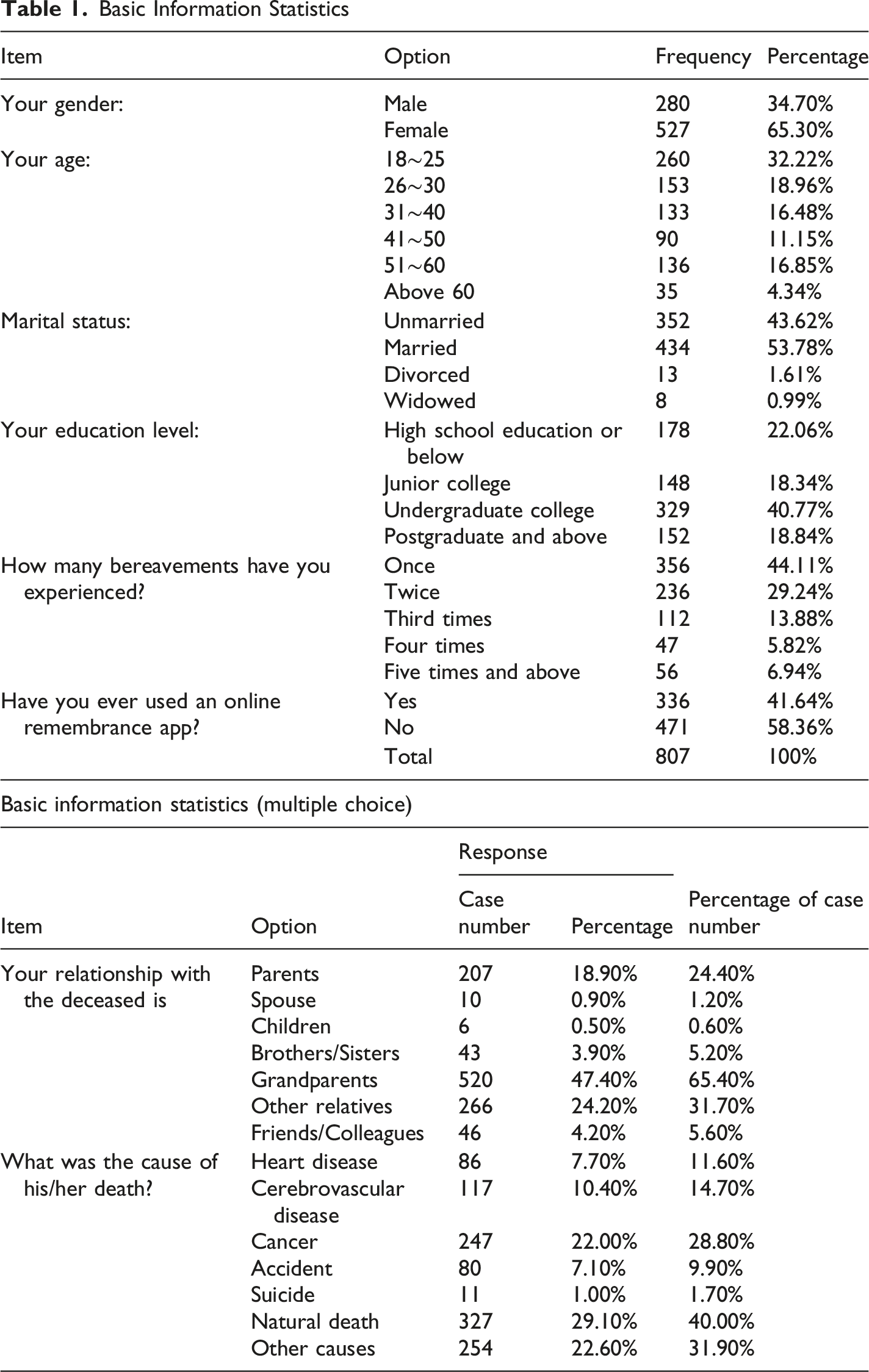
This study collects data through a questionnaire survey, which is based on existing literature, theoretical analysis and expert consultation, and can effectively reflect the study variables. Since the questionnaire is conducted in China, the author of this paper has independently translated all the questions from English into Chinese according to Brislin’s (1970) translation procedure, and then have them translated back to English by a professional translator. Ultimately, after examining the discrepancies in translation, the author and translator concurred on the ultimate form of the Chinese questionnaire. The data is collected through the app Little Red Book (more than 260 million monthly active users), which has a wide population of users and provides a diverse sample. The study collects data between December 2023 and February 2024 by posting new notes with links to Wenjuanxing, a popular online research platform in China, and by sending private messages to specific users. Participants are compensated 3 yuan (about 0.45 US dollars) after completing the questionnaire.
Basic Information Statistics
Variables and Estimates
This study applies the second-order factors of the UTAUT theory (performance expectancy, effort expectancy, social influence and facilitating conditions), involving loss-oriented and restoration-oriented stressors in the DPM model proposed by M. Stroebe and Schut (1999). The concept of perceived benefits is adapted from studies by Calhoun and Tedeschi (2014) and Schaefer and Moos (1992). Given the similarity between digital and physical communities, three factors (welcoming nature, sympathetic understanding and emotional closeness) are extracted from the research of Woosnam and Norman (2010) to measure the regulating effect of solidarity benefits. The research utilizes a five-tier Likert scale, spanning from “1” (strongly disagree) to “5” (strongly agree). Refer to the appendix for an in-depth explanation of the study’s variables and measurement elements.
Validity and Reliability of the Structure
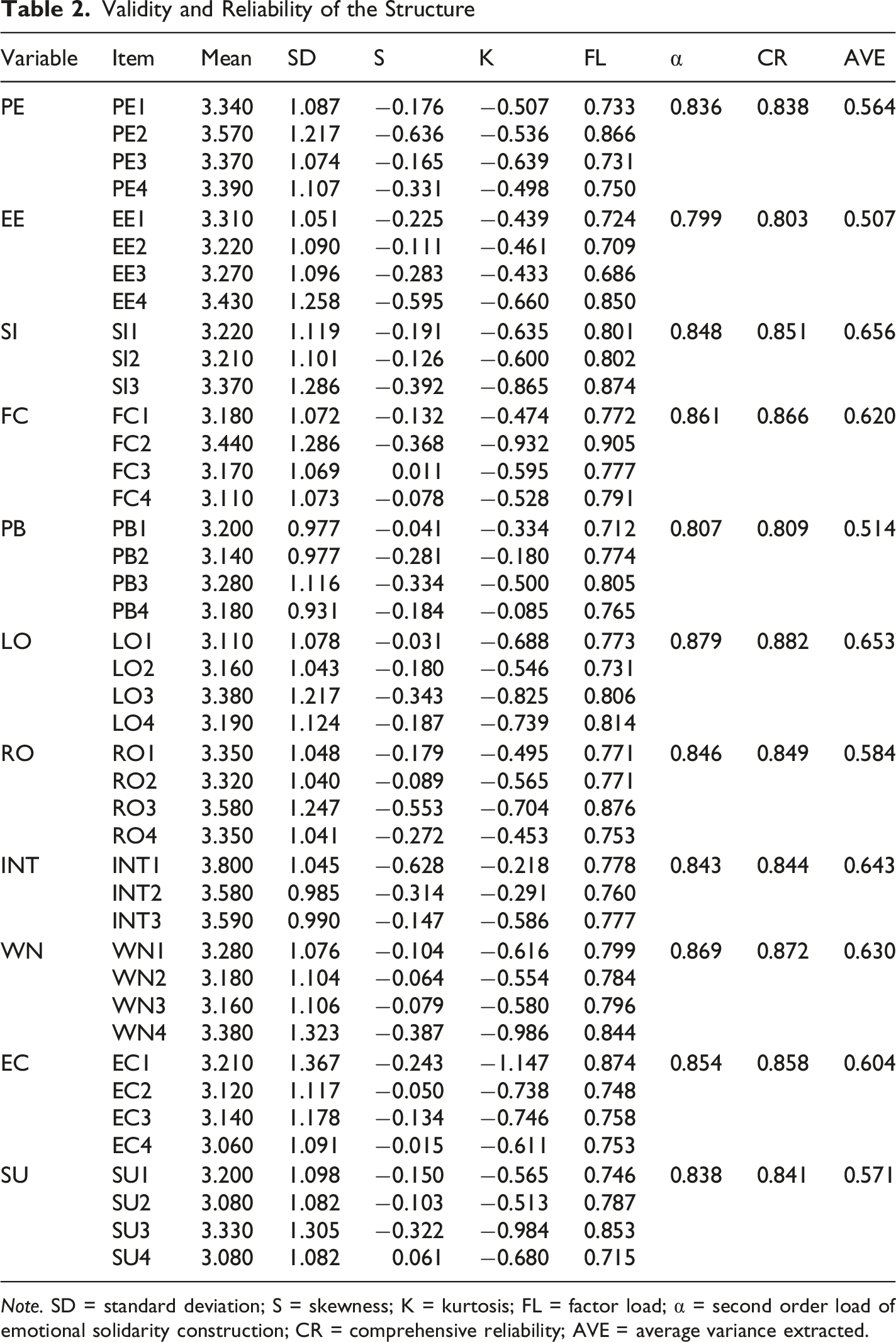
Note. SD = standard deviation; S = skewness; K = kurtosis; FL = factor load; α = second order load of emotional solidarity construction; CR = comprehensive reliability; AVE = average variance extracted.
Results
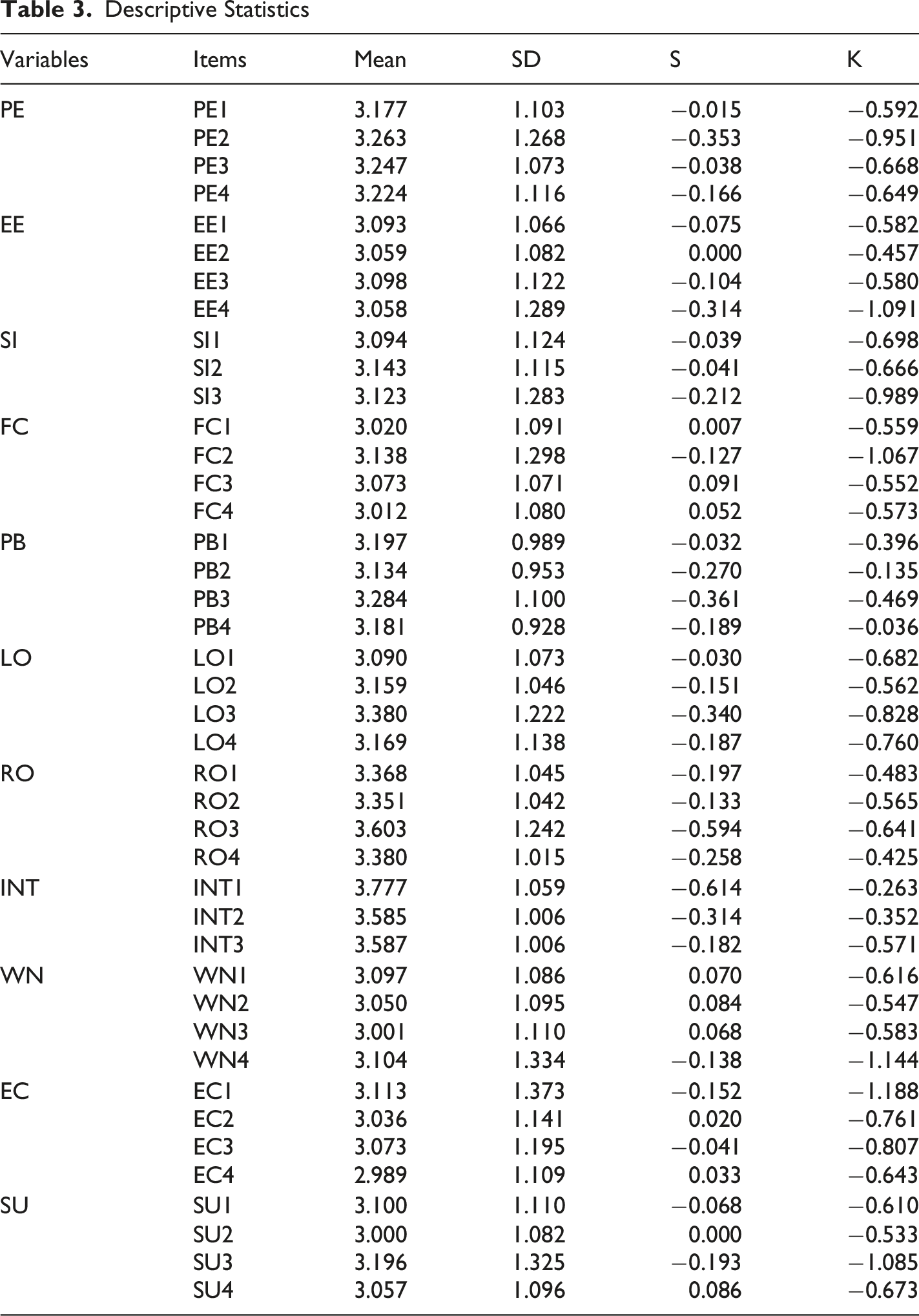
Descriptive Statistical Analysis
Descriptive Statistics
Model Validity and Reliability
Validity and Reliability of the Structure
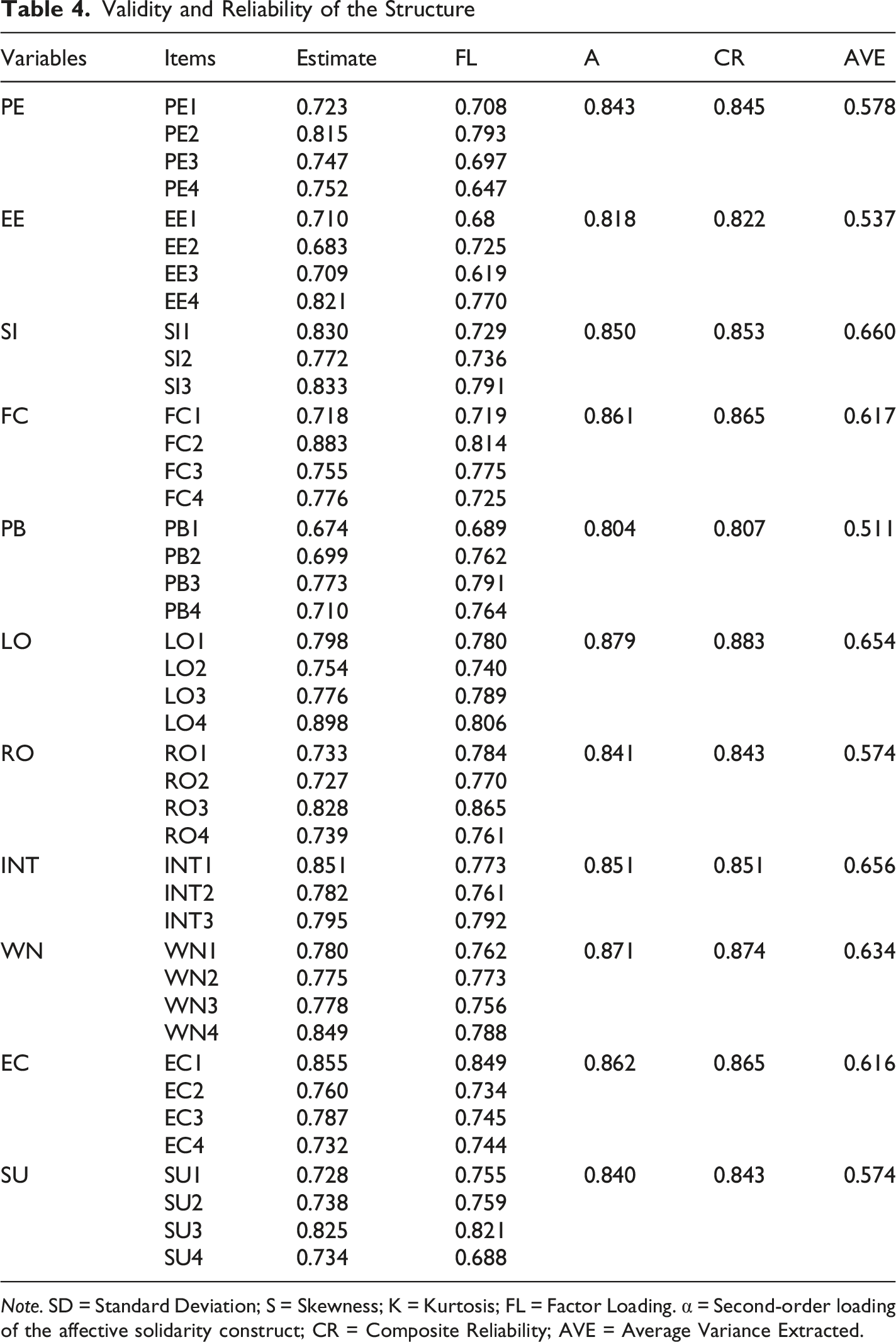
Note. SD = Standard Deviation; S = Skewness; K = Kurtosis; FL = Factor Loading. α = Second-order loading of the affective solidarity construct; CR = Composite Reliability; AVE = Average Variance Extracted.
Structural Validity and Reliability
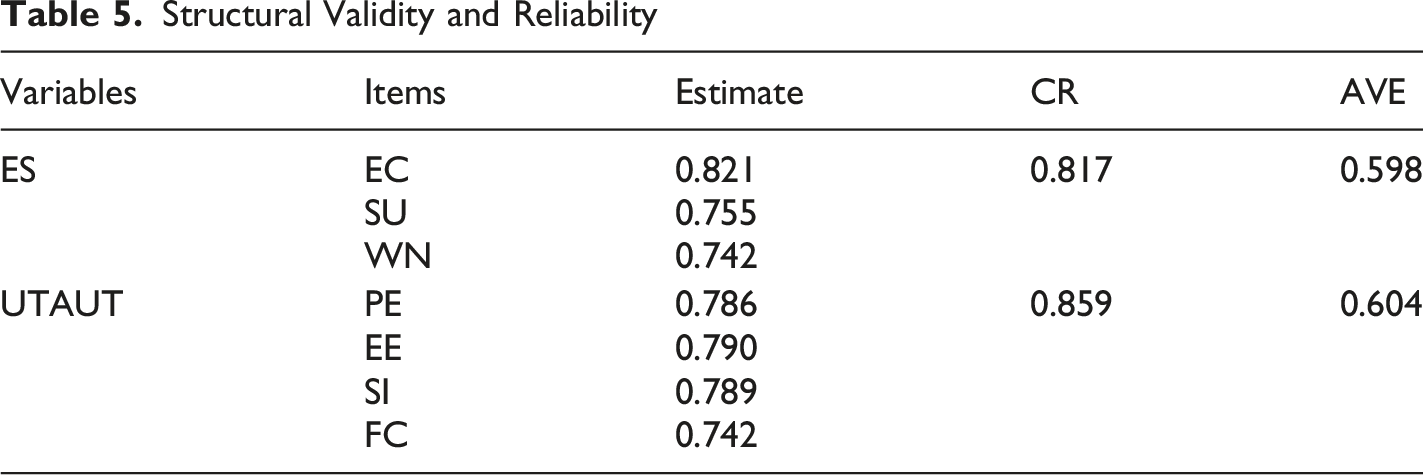
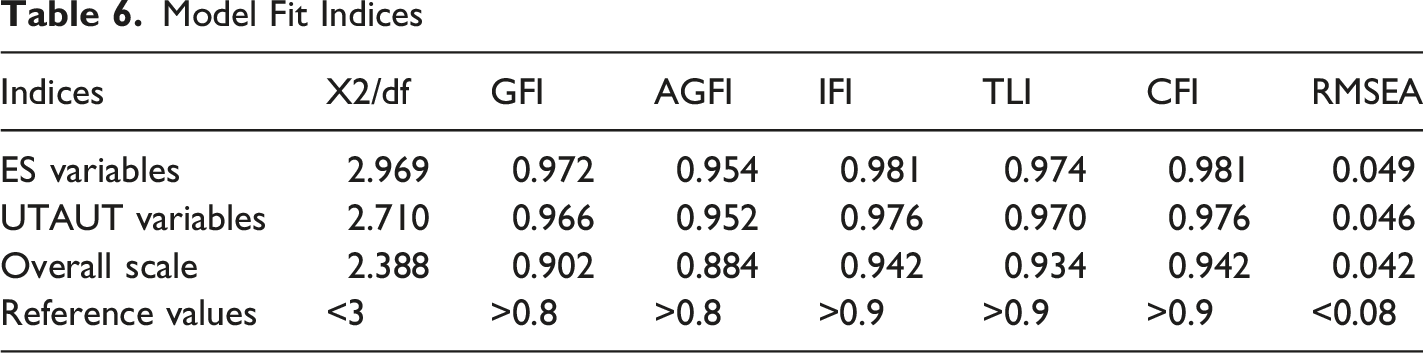
Model Fit Indices
Discriminant Validity Analysis
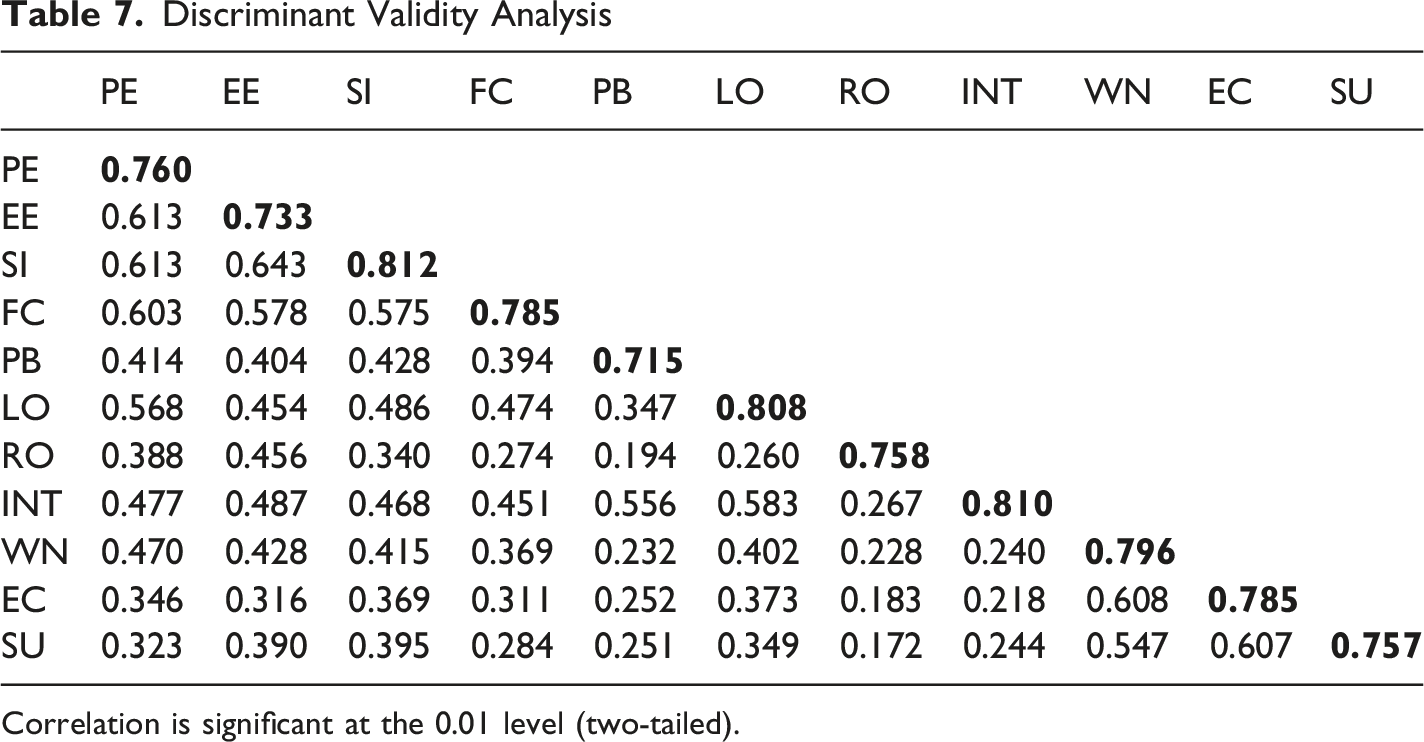
Correlation is significant at the 0.01 level (two-tailed).
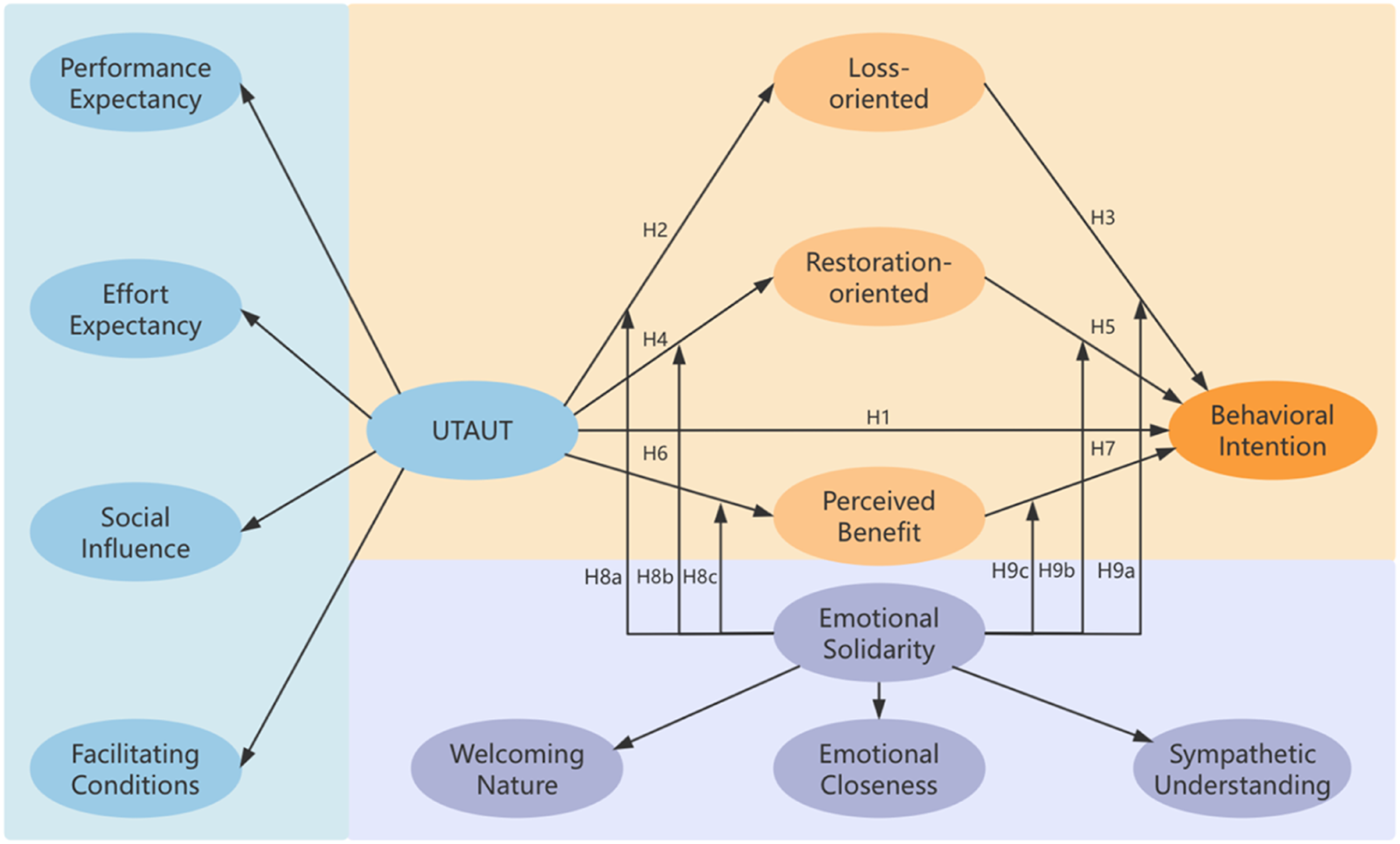
Research structure and hypothesis
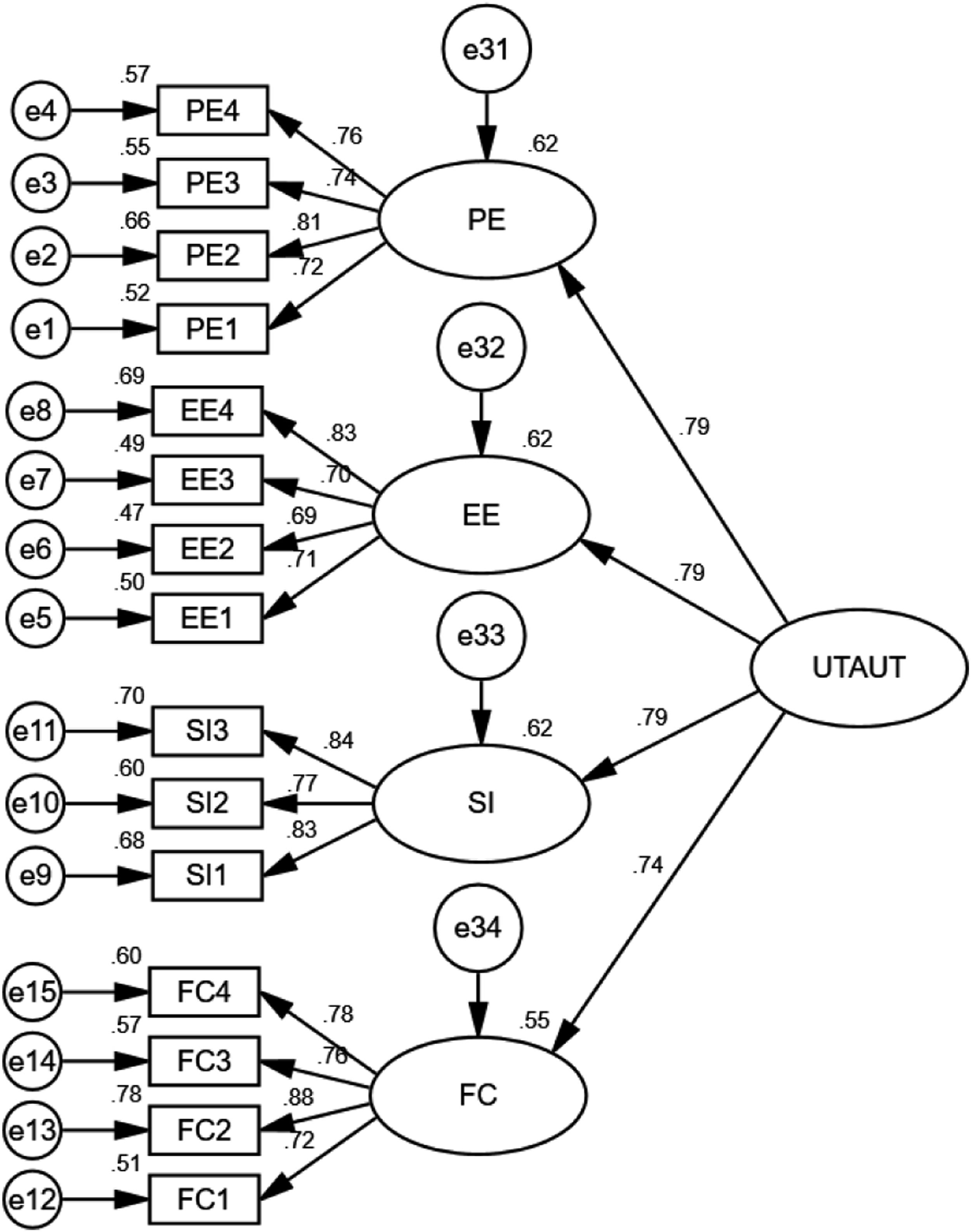
Confirmatory factor model of UTAUT variables
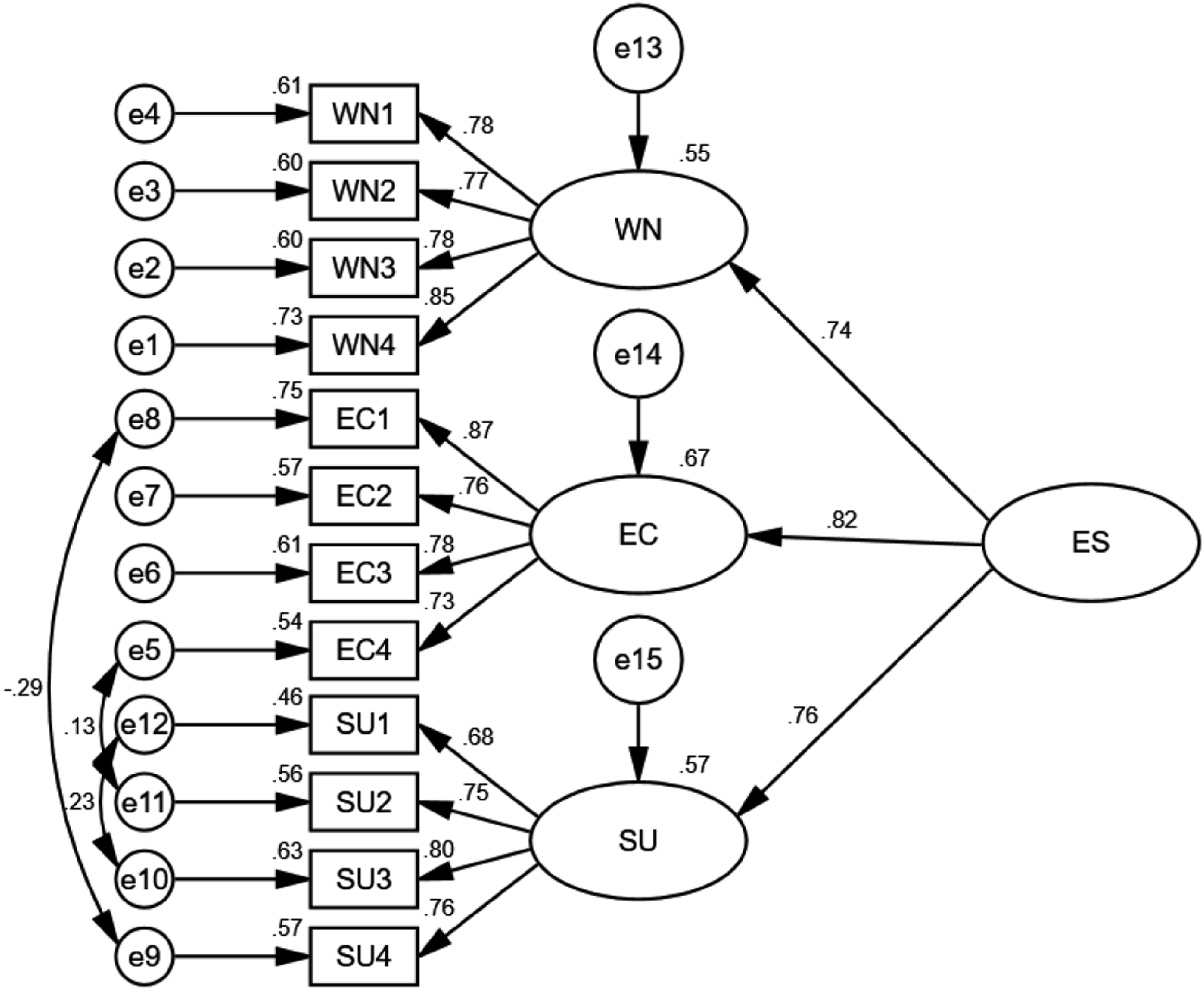
Confirmatory factor model of ES variables
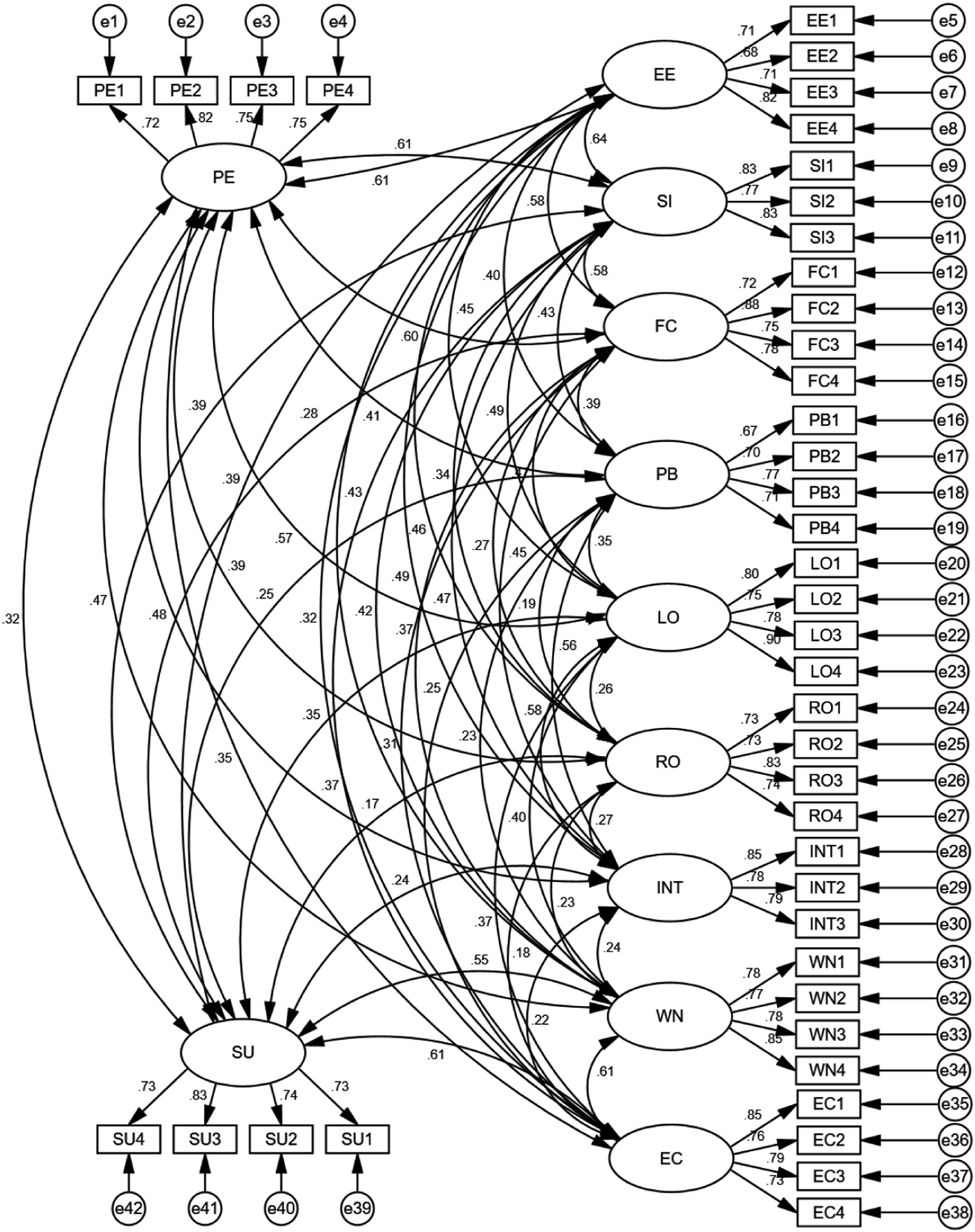
Overall confirmatory factor model
Model Fit Indices

Results of Hypothesis Testing
Figure 5 presents the SEM results used to evaluate the anticipated hypotheses. Standardized path estimates of the structural equation model (SEM)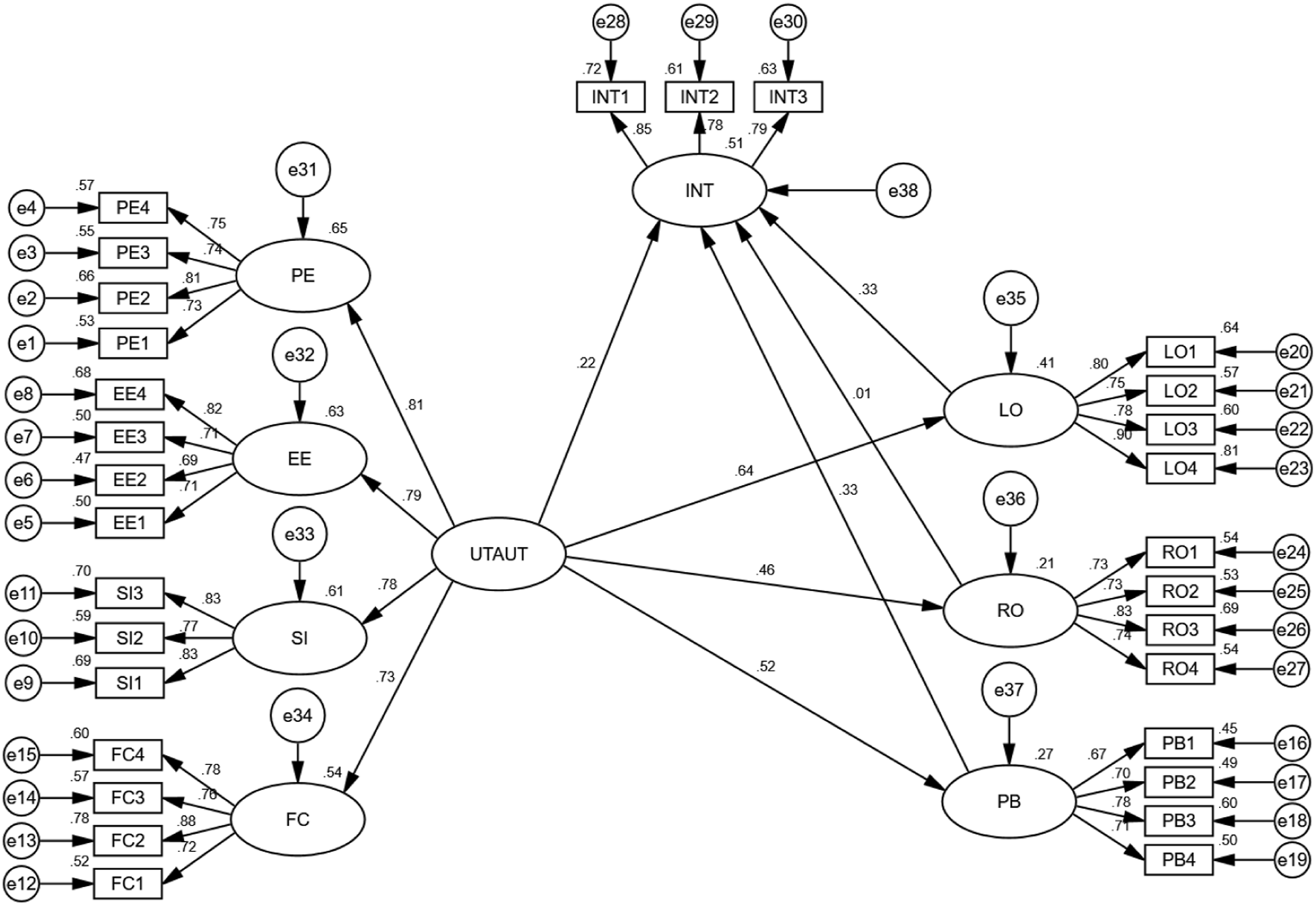
The results indicate that UTAUT has a significant positive effect on the intention to use online memorial services, with a standardized path coefficient of 0.299 (t-value = 2.639, p = 0.008 < 0.01), supporting Hypothesis 1. UTAUT also has a significant positive effect on bereaved individuals’ perception of loss-oriented coping, with a coefficient of 0.665 (t-value = 7.607, p = 0.000 < 0.01), and loss-oriented coping significantly influences the intention to use, with a coefficient of 0.263 (t-value = 3.553, p = 0.000 < 0.01), supporting Hypotheses 2 and 3. Additionally, UTAUT has a significant positive effect on bereaved individuals’ perception of restoration-oriented coping, with a coefficient of 0.493 (t-value = 6.437, p = 0.000 < 0.01), but restoration-oriented coping does not significantly influence the intention to use, with a coefficient of 0.013 (t-value = 0.228, p = 0.819 > 0.05), supporting Hypothesis 4 but not Hypothesis 5. Furthermore, UTAUT has a significant positive effect on bereaved individuals’ perception of potential benefits, with a coefficient of 0.464 (t-value = 6.029, p = 0.000 < 0.01), and potential benefits significantly influence the intention to use, with a coefficient of 0.308 (t-value = 5.306, p = 0.000 < 0.01), supporting Hypotheses 6 and 7.
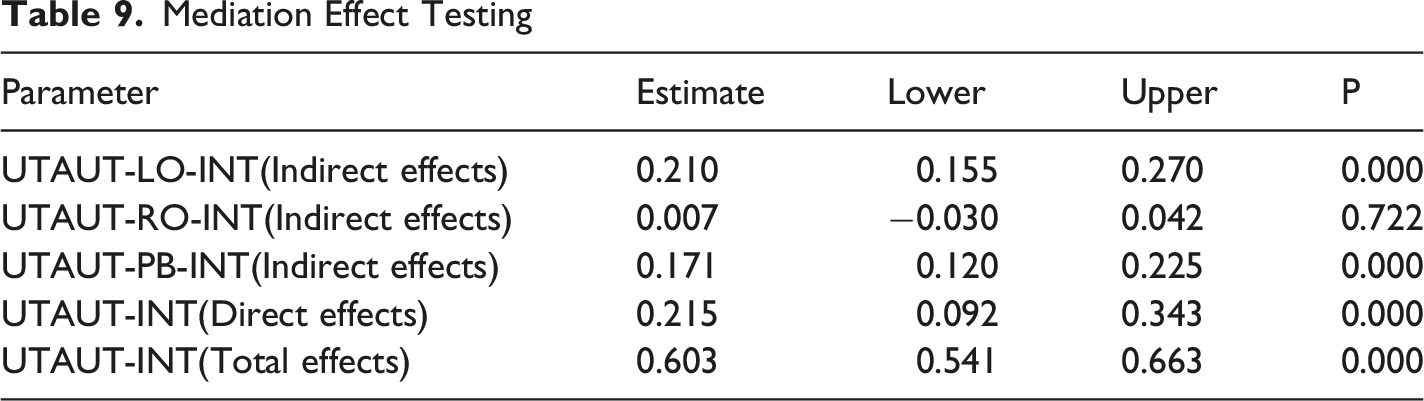
Mediation Effect Analysis
Mediation Effect Testing
Moderation Effect Analysis
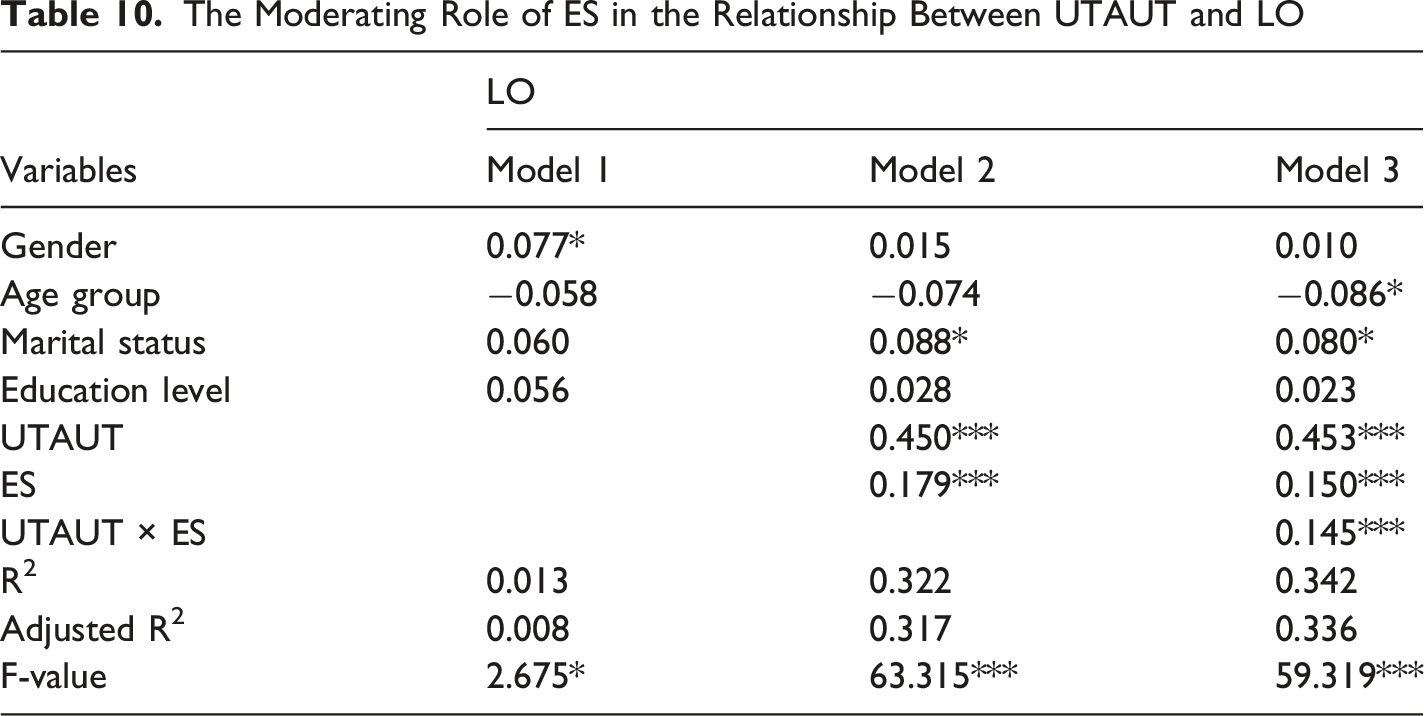
The Moderating Role of ES in the Relationship Between UTAUT and LO
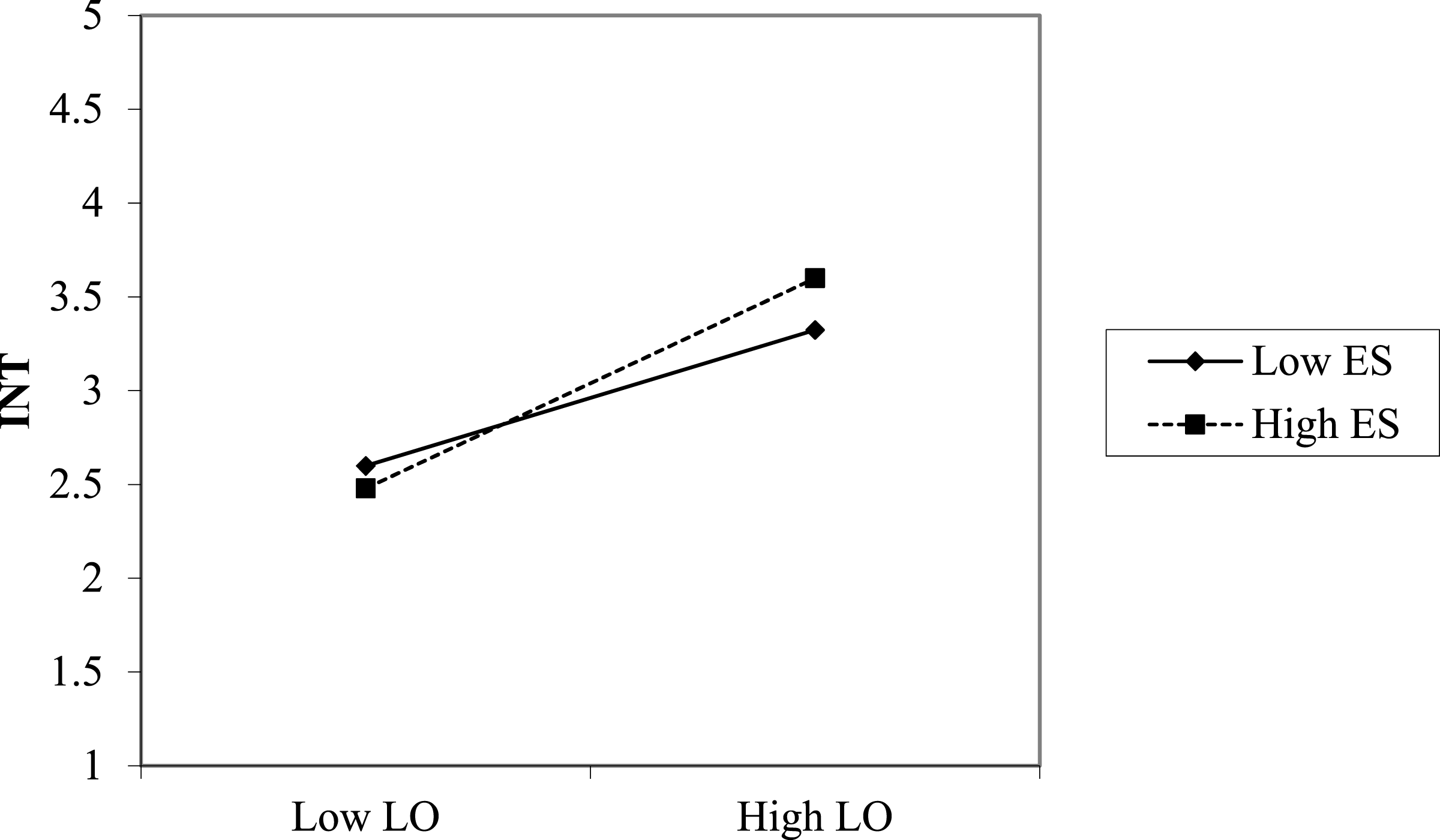
H8a: Moderating Effect of ES on the Relationship Between LO and INT
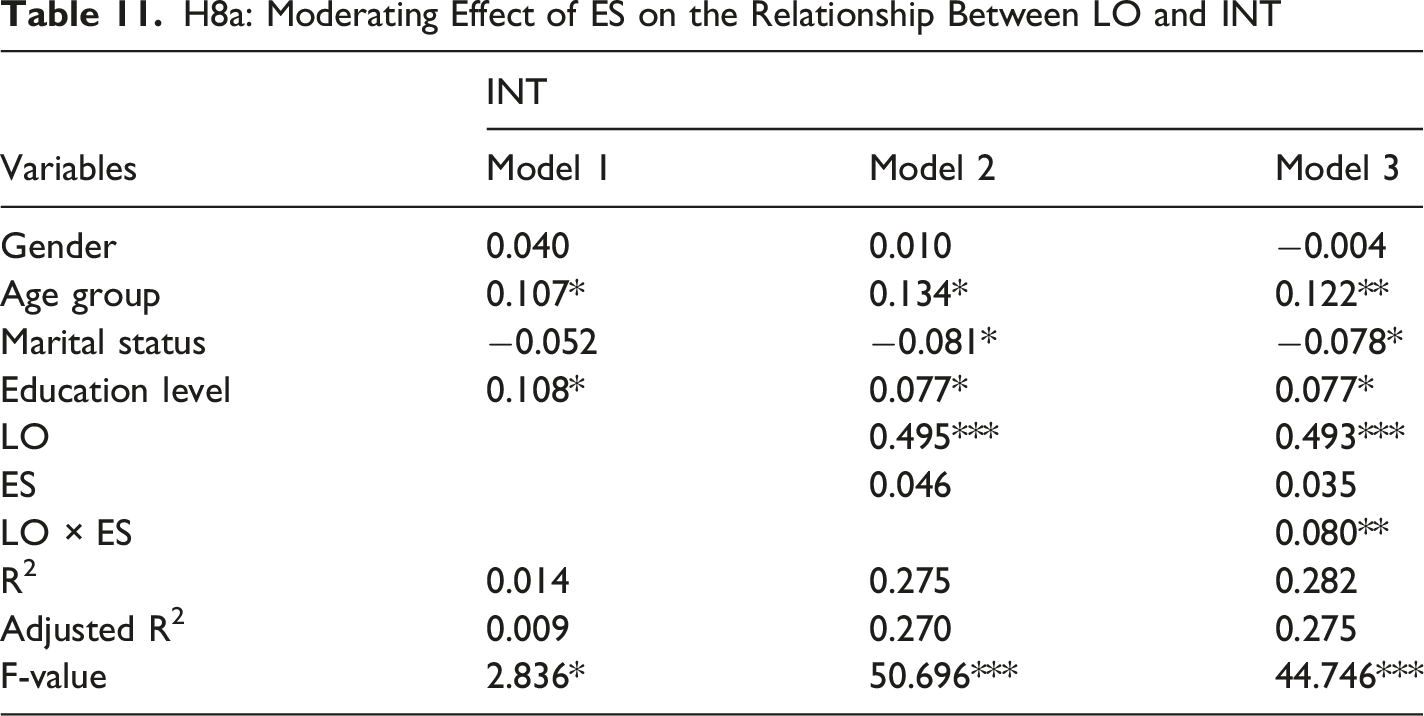
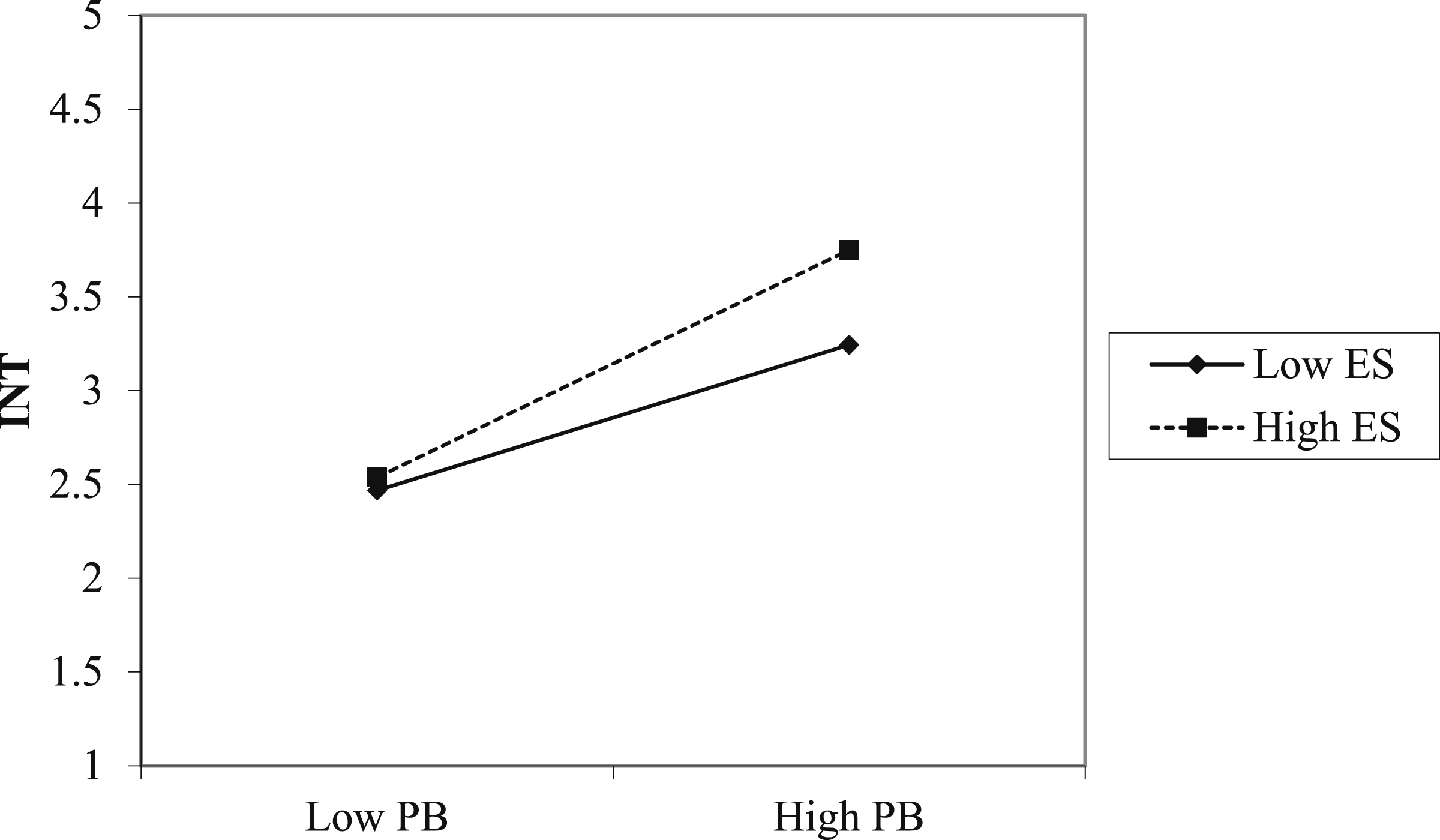
In Model 2, UTAUT has a significant positive effect on Restoration-Oriented (RO) behavior (β = 0.385, P < 0.001). In Model 3, the regression coefficient of the interaction term (UTAUT × ES) is (β = 0.190, P < 0.001), indicating that the interaction term has a significant influence on RO behavior. The R2 value increased from 0.170 to 0.204, suggesting an enhanced explanatory power of the model (Figures 6, 7, 8, 9 and 10). H8a: Moderating effect of ES on the relationship between UTAUT and LO H9a: Moderating effect of ES on the relationship between LO and INT H8b: Moderating effect of ES on the UTAUT-RO relationship H8c:The moderating effect of ES on the UTAUT-PB relationship H9c:The moderating effect of ES on the PB-INT relationship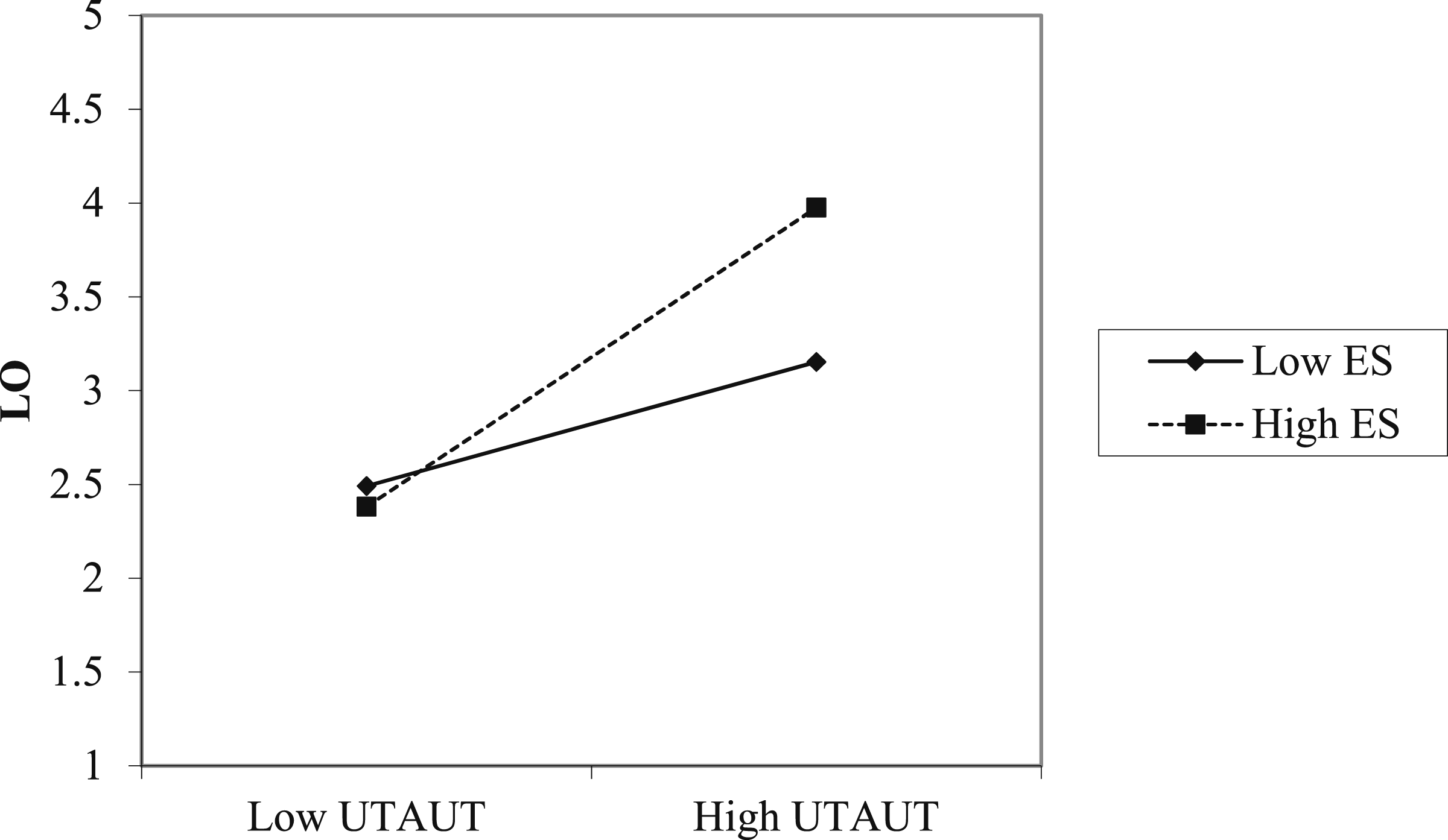
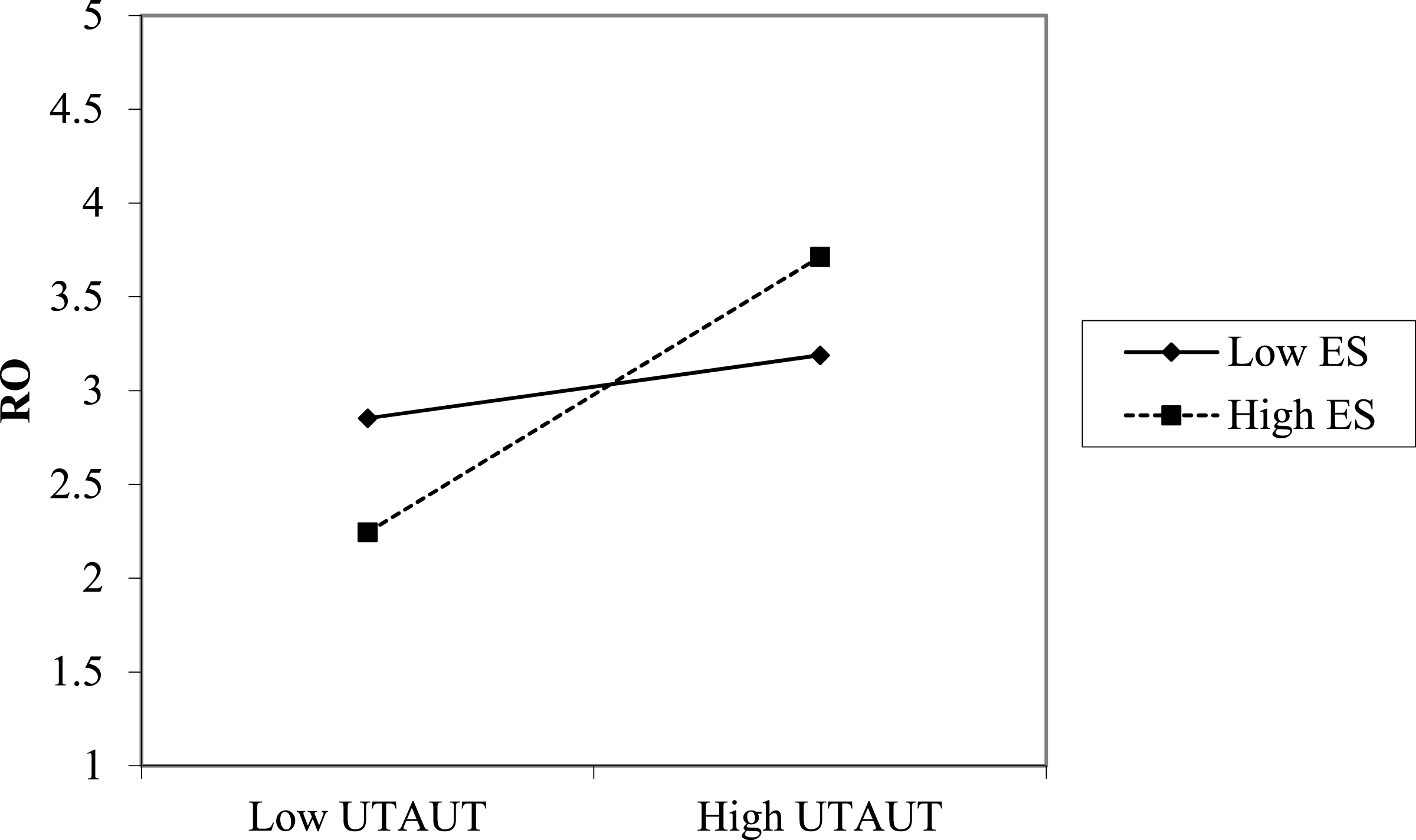
The Moderating Effect of ES on the Relationship Between UTAUT and RO Behavior
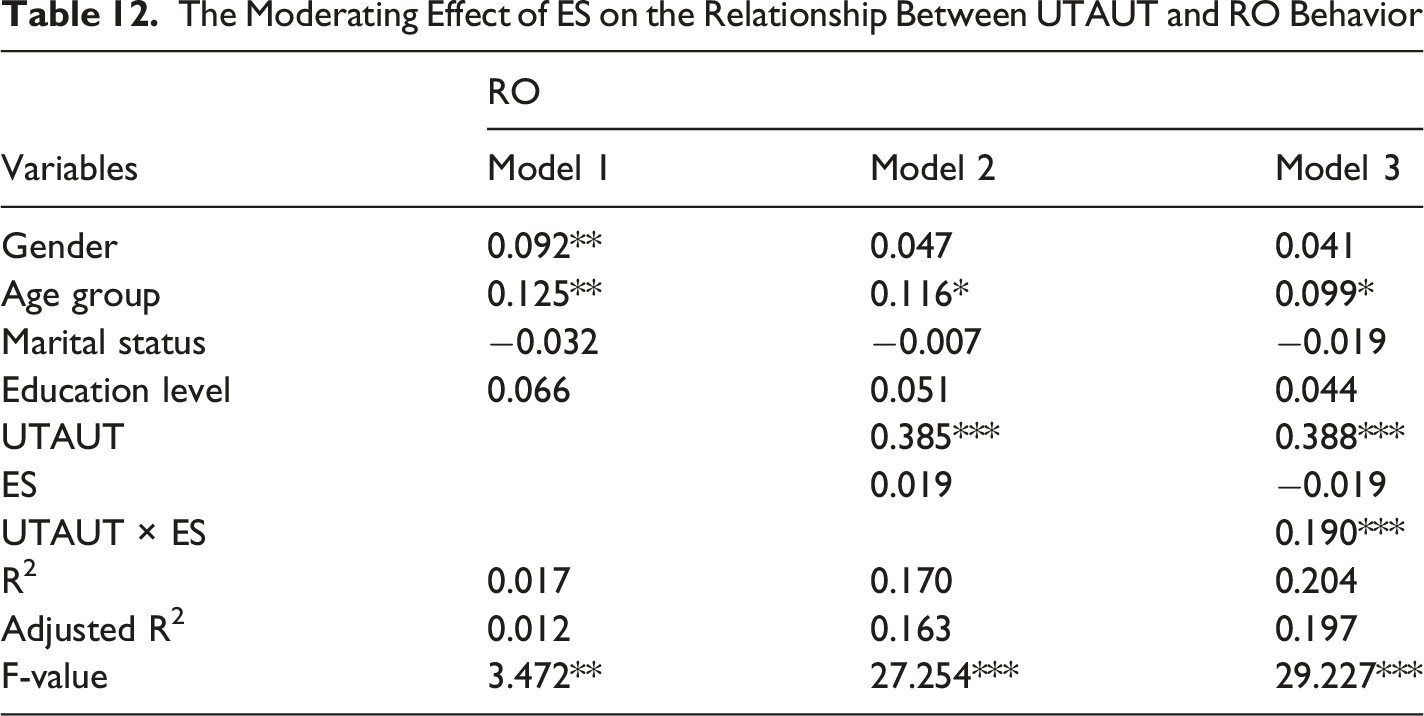
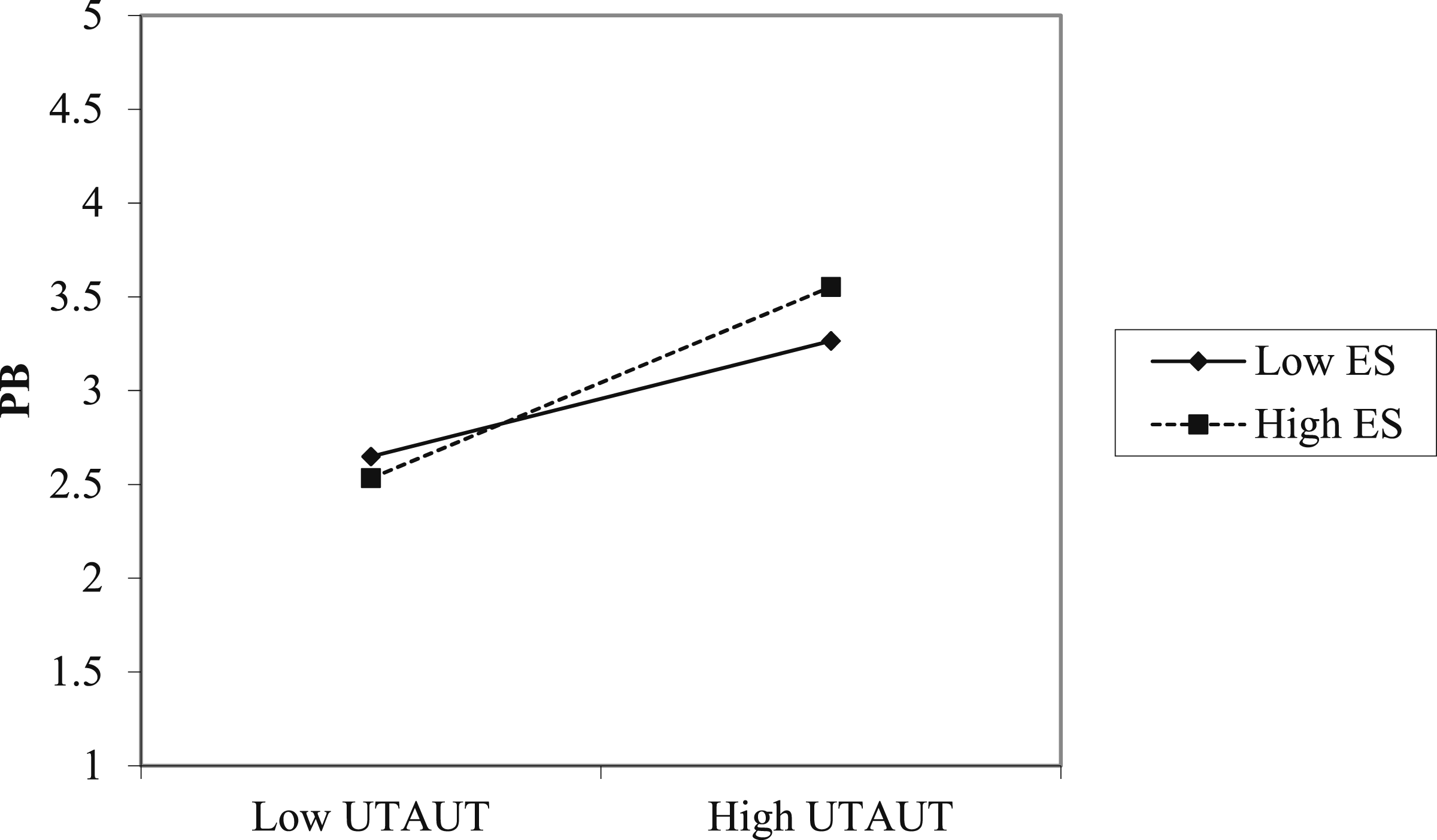
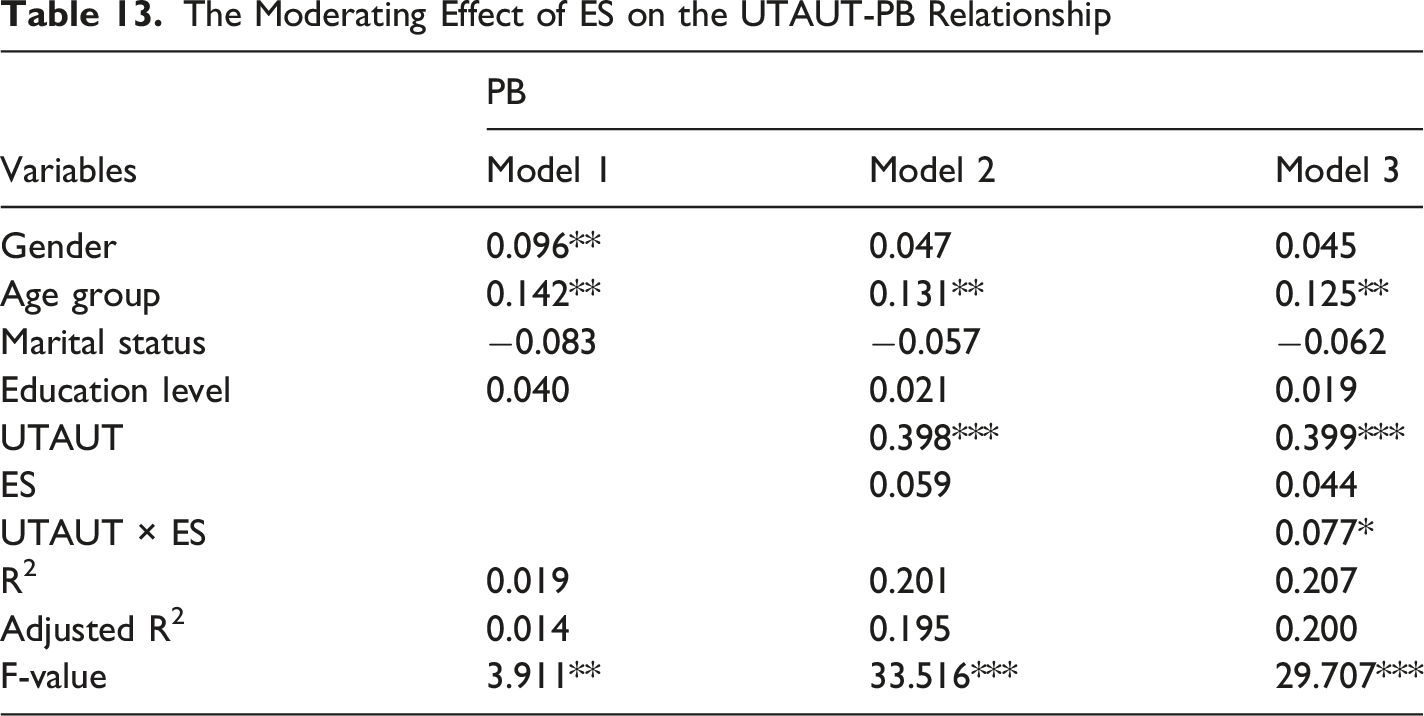
In the moderating effect of emotional solidarity (ES) on the relationship between UTAUT and potential benefits, Model 2 shows that UTAUT has a significant positive effect on potential benefits (β = 0.398, p = 0.001). In Model 3, the regression coefficient of the interaction term (UTAUT × ES) is (β = 0.077, p = 0.017), indicating that the interaction term does not have a significant influence on potential benefits. Furthermore, the R2 value only increased from 0.201 to 0.207, suggesting that the model’s explanatory power is moderate. Therefore, Hypothesis H8c is not supported.
The Moderating Effect of ES on the UTAUT-PB Relationship
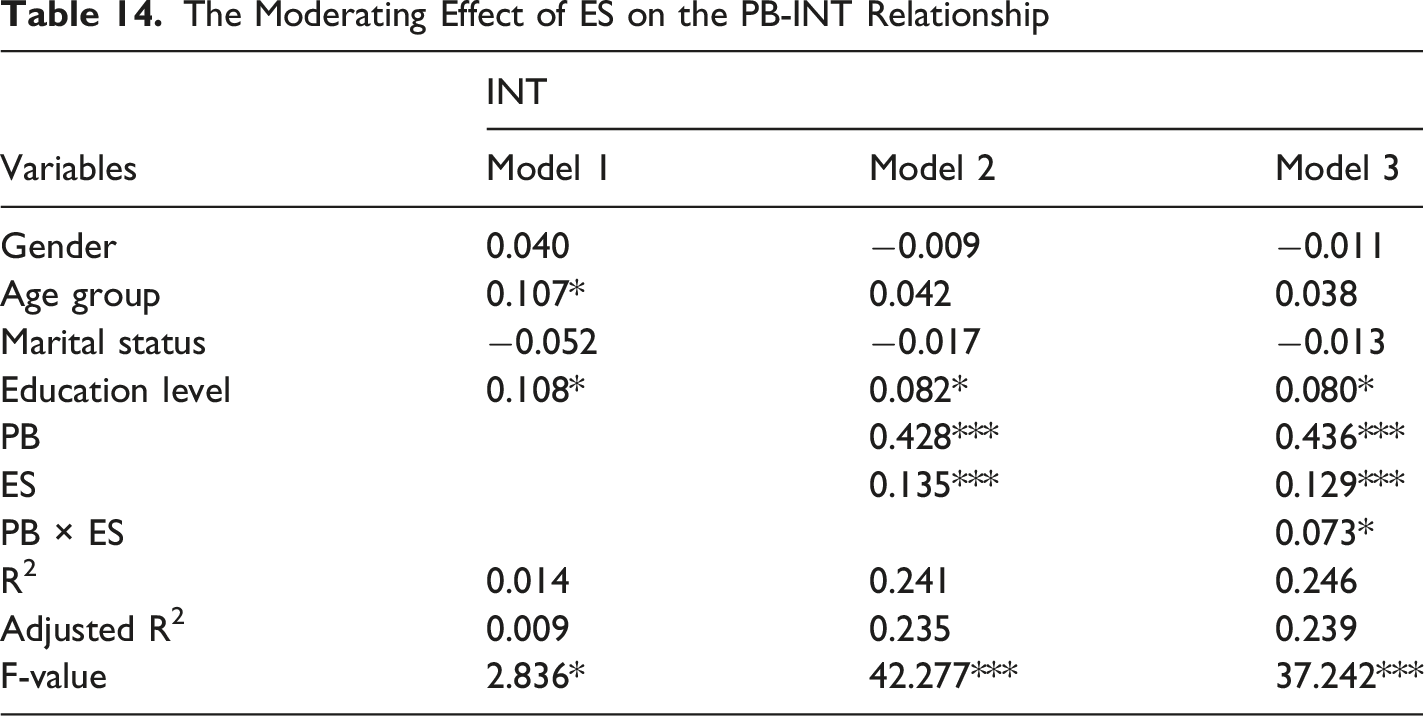
The Moderating Effect of ES on the PB-INT Relationship
Discussion
This study uses the UTAUT model to analyze the interaction between technology-mediated bereavement experiences and digital communities, and explores the effects of stressors and perceived benefits under different perceived conditions on new technology adoption behavior. In addition, for the first time, this study includes emotional solidarity as a regulating variable in an individual adoption model of information and communication technology (ICT). The introduction of this innovative approach has led to interesting results.
Specifically, this study has verified the validity of the UTAUT theory in predicting the bereaved’s intention to use digital remembrance communities through empirical analysis. Although there’s a growing use of digital remembrance communities in previous studies, few had applied the UTAUT model to bereaved communities. This study has analyzed the four core variables of the UTAUT model (performance expectancy, effort expectancy, social influence and facilitating conditions) to acheive accurate prediction of the usage intention of bereaved people, and to provide data support for relevant decision-making and practice. The results have demonstrated that the UTAUT framework serves as an effective tool for understanding and anticipating the digital behavior of bereaved people in the post-pandemic era.
This study has also found that the bereaved’s perception of loss, restoration and perceived benefits plays a significantly complementary role in the relationship between technology acceptance and usage intention, which highlights the significance of emotional factors in influencing the usage behavior of technology. In addition, although the effect of restoration stress on usage intention has logic, its mechanism of action still remains further study. For instance, the Little Red Book’s push algorithm may affect the experiences of bereaved people. This implies that the design and operation of the algorithm may exert a prominent influence on the psychology and emotions of the bereaved, which is worthy of further research.
In addition, the study has verified the key role of emotional solidarity in facilitating the adoption and use of digital remembrance communities by the bereaved. It is found that similar bereavement experiences can enhance inter-group support, particularly in public spaces and groups. Grounded on the theory of Woosnam and Norman (2010), this study has conducted an in-depth analysis on how bereavement experiences boost emotional solidarity in virtual communities and revealed the importance of factors such as welcoming nature, emotional closeness and empathy, thus providing a new perspective for understanding the experiences and emotional support of bereaved people in these communities.
Theoretical Impact
First, this study has offered an important theoretical contribution in that it applies the UTAUT model to a specific emotionally-sensitive domain --- digital remembrance. This shows that the model is not only applicable for technology acceptance in general scenarios, but also can be effectively applied to scenarios involving deep emotions and special psychological states. In this process, it has proven that the combination of the different perceptions of the bereaved and the UTAUT theory is of great value in gaining insight into mechanisms that lead to intentional adoption, and in making the model more targeted for the specificity and complexity of the bereavement context.
Second, this study has verified that the dual process model (DPM) can determine the regularity of grief and mourning in any situation. It has extended the perception of the bereaved in the DPM model to perceived benefits and demonstrated the perceptional richness of the bereaved during bereavement events. This extension has provided a more comprehensive perspective for understanding the psychological restoration process of the bereaved.
Finally, in this study, the UTAUT theory and emotional solidarity are considered as second-order structures. The consistency of the results with the findings of Tasci et al. (2022) has demonstrated that reducing multidimensional concepts to one-dimensional structures is conducive to explaining human phenomena in a more succinct and accurate manner. This simplification allows for a more accurate capture and interpretation of the subtle dynamics involved in technological acceptance and emotional solidarity.
Practical Impact
Apart from theoretical significance, this study is also of crucial practical significance. Studies by K. Shear et al. (2005) and Fortuna et al. (2019) showed that interventions combined with the restoration-oriented stressors are more effective than interventions targeted solely at the loss-oriented stressor. Meanwhile, according to the research of McMillen et al. (1997), perceived benefits can mitigate the impact of severe trauma on mental health and facilitate long-term adaptation. Therefore, by analyzing the perceptions of bereaved people on the Internet, this study has highlighted the value of these perceptions in clinical application, thus providing a new perspective for the processing of post-trauma social cognitive information, and contributing to more accurate services and improved effect of interventions.
In the field of palliative treatment, building communities that support bereaved people has become an important public health issue, especially in the context of the COVID-19 crisis (Mills et al., 2015). This study has explored the role of emotional solidarity in digital communities in coping with the death of relatives and has discovered that it has a regulating effect on reducing bereavement stress and bringing perceived benefits. While much of the current literature on death and digital media ignores this business dimension, the new perspective offered by this study can drive business and social practices to jointly promote the building of sustainable online communities and maximize their success.
Limitations and Recommendations for Future Research
This study has revealed the impact of digital remembrance communities on bereaved groups and at the same time, pointed out its limitations, thus shedding light on future research. On the one hand, a single data source may limit the universality of the results, and it is recommended that future studies employ multiple data sources to enhance universality. On the other hand, there is still room for improvement in quantifying the perceived degree of bereavement. It is recommended that future research develop or refine quantitative tools targeted for bereaved people for more precise measurement of their feelings and attitudes. In addition, exploring the potential of technologies such as augmented reality, artificial intelligence and the Internet of Things to improve bereavement experiences could bring innovative perspectives and solutions to the social services sector. The aim of this study is to promote interdisciplinary collaboration and integrate knowledge from different fields, so as to provide more comprehensive support and more effective technological coping strategies to bereaved people.
Conclusion
As a new social and cultural phenomenon, digital remembrance has satisfied the personal emotional needs of the bereaved, and showed significant applicability and influence in the collective community environment, especially in impacting the bereaved’s behavioral intention to seek help. This phenomenon has highlighted the significance of studying bereavement experiences from a technical perspective. Meanwhile, understanding the perceived dimensions of bereaved people on digital platforms is critical to developing effective treatments and interventions. The study has also revealed the significant improvement on mental and physical health thanks to personal perceived benefits from difficult experiences, as well as the benefits of emotional solidarity in digital communities to support bereaved people by providing information and motivation. This study aims to offer some reference to future research on bereavement and digital media, and to promote a deeper understanding in areas including virtual reality, crisis management, emotional solidarity, community strength and other aspects.
Footnotes

Funding
The authors received no financial support for the research, authorship, and/or publication of this article.
Declaration of Conflicting Interests
The authors declared no potential conflicts of interest with respect to the research, authorship, and/or publication of this article.