







Abstract
In popular media, carceral food places are often depicted as large communal mess halls, but this does not reflect the diversity of such spaces worldwide. Carceral geography, while exploring prison spaces, seldom examines foodplaces in detail. Using empirical data from 21 Dutch penal institutions, we describe how incarcerated persons experience these spaces. Some elements of carceral foodplaces are normalized, but others, such as the gap between the frequency of self-catering and the need for bricolage, are not. We recommend more collaborative construction to better understand facility repurposing and its underlying motivations.
Introduction
In popular media, the places where incarcerated persons “do food” are often portrayed as large communal mess halls where people receive their meals on a plate. This image is, however, very common for many U.S.-based prisons but does not align with how prison foodplaces are organized around the world. The body of scholarship on carceral geography (e.g., Moran & Jewkes, 2015) studies prison places but rarely focuses in depth on prison foodplaces.
Therefore, our understanding of the construction and experiences of these places is fairly limited. In the few studies on this topic, the focus is on ways in which women transcend boundaries through (self-constructed) foodplaces and materials (Smoyer & Blankenship, 2014) and through the construction of a sense of coziness (hygge) through food (Smoyer & Minke, 2019). Lastly, one study focuses on the architectural concept of kitcheness and how the home-ification of prison kitchens results in ambivalent places that increase autonomy, identity constructions and connections between people, but which also constructs an imposed and orchestrated form of collectiveness (Puddu & Vanhouche, forthcoming).
In this article, we aim to broaden these understandings by introducing the concept of normalization by prison design to the discussion on prison foodplaces. The scholarship on carceral geography combined with the body of literature on carceral foodways allows us to understand how prison food practices are architecturally designed and how this design influences food practices and experiences. The focus on Dutch penal institutions is particularly innovative because their system introduced a radical change in its new catering contract in 2022, aiming to increase food quality and introduce more autonomy in food choices and cooking possibilities for imprisoned persons. Based on empirical data gathered in 21 penal institutions in the Netherlands we provide an overview of how these foodplaces are arranged in Dutch penal institutions and how these places are experienced by incarcerated persons.
Carceral Geography: Practices in Carceral Places
The research area of carceral geography addresses the practices of incarceration and its carceral places. These places within a penal institution are considered as places with specific independent geographies that contain their own practices as well as internal and external social and spatial relationships, such as how the physical prison places influence the experience of individuals within them (e.g., Moran, 2013; Moran et al., 2018; Moran & Turner, 2019). These places also have an impact on the emotional aspects of a built environment (Crewe et al., 2014). Carceral geographers question the purpose and benefits of carceral places (Moran & Turner, 2019) and study how incarcerated individuals create imaginary boundaries that work similarly to material divisions, because they are intangible and beyond regulation (Sibley & van Hoven, 2009).
Clearly, carceral places within penal institutions are not fixed, but also (re)constructed by incarcerated individuals (Sibley & van Hoven, 2009), for example, by reshaping their surroundings or instruments to counter the restrictions of the institutional facilities. In doing so, persons create feelings of safety and comfort, also in relation to food (McClain, 2023; Smoyer & Minke, 2019). In particular, McClain (2023) highlights this art of bricolage or repurposing which increases agency through creative informal foodways. This agency serves various purposes such as distancing oneself from others or maintaining a sense of home within an institutional setting (Sibley & van Hoven, 2009). In this pursuit of agency, incarcerated individuals often create their own space, such as in their personal cell, which plays a significant role in their coping strategies and identity construction in prison (Tschanz, 2020). This phenomenon, observed in American, Canadian, and Danish penal institutions, showcases a misalignment between the perspectives of those who decide on these facilities and those who use them. Thus, the literature reveals a gap between the top-down and bottom-up perspectives. However, recent developments increasingly include the voices of those incarcerated (Gamman & Caulfield, 2022). For example, some recent projects aim to codesign prison space with imprisoned persons to include embodied experiences of prison space in design (e.g., Gamman & Caulfield, 2022). In conclusion, carceral geographers thus focus on how a place is constructed and reconstructed by its users and how it is emotionally experienced.
Normalization
When discussing the construction and architecture of penal institutions, it is crucial to consider how official guidelines shape these spaces, particularly in terms of how they are—or should be—designed to support the goals of imprisonment. For example, many European countries try to implement the normalization principle as stated by the European Prison Rules (Article 5 European Prison Rules). This principle aims to reduce the pains of imprisonment and stimulate the prison climate as much as possible by aligning it with positive aspects of life outside the penal institution. Snacken (2002) discusses how normalization can be achieved on two levels: an individual and a collective level. Normalization on an individual level refers to the fact that incarcerated persons can take up a variety of social roles in penal institutions similar to those they had in society, such as being a parent, a sportsperson, an employee, a cook and so on. Normalization on an individual level mitigates the mortification of the self (Goffman, 1961) and prevents that incarcerated persons are solely considered as dangerous prisoners. Normalization on a collective level implies that incarcerated persons have access to the same services or facilities as persons in society, this is also reflected by the import model. 3 It is important to stress that normalization refers to the prison regime and not to a normalization of the person, as discussed in the work of Foucault (1975).
Considering this, normalization is also possible in prison foodways (e.g., Smoyer & Minke, 2015). Prison foodways refer to the buying, distributing, eating, and preparing of food within the carceral system. Normalization of carceral foodways could refer to a wide array of food practices yet is in the literature mostly associated with self-catering (e.g., Minke, 2014; Minke & Smoyer, 2017; Vanhouche, 2022). Current literature considers self-catering a positive development since it ensures a social role for persons, being able to make choices over one's food intake and adhering to a personal cultural and ethnical identity (Vanhouche et al., 2018). Incarcerated individuals appreciate the autonomy that self-catering brings, cooking together, the unit kitchen as a social hub (Earle & Phillips, 2012), learning new skills and creating a positive self-image (de Graaf & Kilty, 2016; Marek, 2022; Smoyer & Blankenship, 2014; Vanhouche, 2022).
Normalization by Design
There are several domains of prison life that can be normalized. The work of van de Rijt et al. (2023) discusses a variety of domains that can be normalized, including facilities and services, atmosphere, identity, and prison design. In this article, we focus on the normalization of prison design. Normalization or ethical prison architecture through carceral designs can be achieved or enhanced using soft materials, moveable furniture, and a certain freedom to move through a penal institution (Engstrom & Van Ginneken, 2022; Rijt et al., 2023). The free use of facilities without restrictions can improve a more normalized carceral setting (Rijt et al., 2023). The literature on normalization by design focuses mainly on topics such as the situation in open low-security penal institutions (Villman, 2023), the importance of staff and incarcerated persons relations in open penal institutions (Reiter, 2018), the specific (material) needs of female incarcerated persons (Cid, 2005), and the controversiality on introducing normalized environments (Tartaro, 2006). Concluding, research to food places have rarely been a central focus.
Foodplaces and Normalization by Design
Traditionally, kitchens—as foodplaces—have an important position in every household worldwide, serving as the heart of many culinary and social activities. In penal institutions, however, one of the most recognizable setups within the institutions is the place where food is handed out through a hole in a wall and consumed in a communal mess hall; that has no view on a kitchen where the food is actually prepared. In this example, meals are distributed to incarcerated persons on plates and, as is the case in many carceral systems, people do not see or sense the kitchen where their food is prepared, which creates an abnormal disconnection, distance, and sometimes even distrust toward meals (Vanhouche, 2022; Vanhouche et al., 2018).
Yet, within the carceral system, the concept of foodplaces extends beyond mere designated kitchen areas or mess halls. A key distinction can be made between spaces where food is prepared and those where it is consumed, such as the personal cell. In many penal institutions, the personal cell functions as a multifunctional space where incarcerated individuals sleep, work, learn, and eat (Robberechts & Beyens, 2020). Some cells may even be equipped with basic facilities like a refrigerator, microwave, and perhaps a kettle or coffee brewer. As a result, the lines between traditional kitchen spaces and living quarters become increasingly blurred. In this study we are not limited by the kitchen as the sole foodplace in these penal institutions because of the cooking opportunities that personal cells could provide. Therefore, we address both unit kitchens and cells as possible foodplaces. Moreover, we aim to understand if and how kitchens and cells can be recreated into places of normality (Marti, 2020).Therefore, innovatively, this article focuses on the normalization of kitchen design. Based on empirical data on the existing foodplaces, materials, and experiences, we shed light on whether foodplaces are normalized by design.
The Dutch Carceral Context
In the Netherlands, the Custodial Institutional Agency (CIA) is responsible for penal institutions. The CIA has four categories of institutions: youth institutions, forensic psychiatric centers, detention centers, and penal institutions. Approximately 30,380 incarcerated individuals are housed in the latter category (CBS, 2023). These incarcerated individuals are assigned to different regimes within the institution, such as low- or high-security units, units for those requiring additional care, and remand units. Most regimes offer the opportunity to a basic- and plus- program for persons to follow. These programs are designed to promote personal responsibility and resocialization as well as to reduce costs by investing in more expensive programs for those who are motivated to resocialize as a reward for their desired behavior (Jong et al., 2016). The program in which one must reside, depends on the incarcerated individual's behavior and will be judged every 6 weeks to decide if an individual is graded to the plus or basic program (Elbers, 2024). Those in the plus program enjoy more benefits, such as a higher paid job, and evenings and weekend activities. Overall, incarcerated individuals in the basic program spend a minimum of 43 hr a week outside their cell compared to the plus program with a minimum requirement of 48 hr. 4
CIA is also responsible for the catering. In essence, CIA contracts meal suppliers responsible for providing meals. Suppliers are contractually obligated to offer food that aligns to the daily practices of incarcerated individuals (Ministerie van JustitieenVeiligheid, 2021). This includes facilitating those who prefer to cook for themselves. To contribute to the daily practices of those incarcerated individuals, the supplier is obliged to deliver fresh ingredients packages or pre-packaged meals for those who do not wish to cook. Contrary to this, three penal institutions offer daily fresh meals made by the facility in a central kitchen.
Most units have access to a kitchen, typically located at the end of a lengthy corridor lined with personal cells on each side. Some appliances from the unit kitchen are stored in the employee's office, for safety reasons, such as scissors and sharp knives, requiring incarcerated individuals to request them from staff when needed. The unit kitchen is not the only place for food preparation, personal cells equipped with basic amenities like a bed, toilet, window, and desks also serve as places for meal preparation. Additionally, each incarcerated individual has own plates and cutlery available in their personal cell.
No national regulations governing foodplaces exists in the Dutch carceral system. Regulations are determined institutionally, with safety standards being the primary concern. However, in recent years, certain equipment (e.g., fryers) has been informally banned due to various risks (i.e., fire, employee safety, toilet blockages). Given this lack of national regulations and the importance of these foodplaces for incarcerated individuals, this research aims to provide an overview of the available facilities and how these are experienced by their users.
In short, the literature overview shows that few studies focus on food or foodways or its dynamics within penal institutions and even less incorporate these foodplaces as a study an sich. In this article, we therefore provide a comprehensive description of the foodplaces in Dutch penal institutions. In addition, we define foodplaces as kitchens and other places where people do food, including cooking in personal cells. Specifically, in this investigation we offer a description of formal and informal foodways. Formal foodways refer to the top-down provided cooking facilities in an “official foodplace,” whereas informal foodways specify the bottom-up reconstruction of these cooking facilities or materials by incarcerated persons and highlight how persons codesign these places. This research utilizes a survey to provide an insights in (a) the cooking facilities available within the personal cells in both remand and prison regimes, (b) the cooking facilities available within unit kitchens in both remand and prison regimes, (c) the temporal constraints or opportunities of incarcerated persons to utilize those kitchens, (d) the experiences of those who utilize these unit kitchens and, (e) the reconstructive ways in which incarcerated persons recreate and redesign these facilities to meet their needs. The findings presented here shed light on the degree to which incarcerated persons can prepare their own meals, and thus on “normalizations” in penal institutions.
Method
Participants
Two distinct data sources are used to gather comprehensive information on carceral cook-and-dine facilities and the experiences of their users. The first dataset focused on the facilities, while the second dataset was drawn from the Food-in-Detention study, which explored user experiences within these facilities. Our target population includes units with remand or prison regime and male and female incarcerated individuals within these units and regimes.
Food-Facilities-in Detention Study
Data collection began in September 2023 after receiving approval from the Dutch Custodial Agency. Initially, a pilot study was conducted in August 2023 in three penal institutions. Following minor adjustments based on the pilot, the full-scale data collection commenced in September 2023. In total, 29 penal institutions/locations were contacted regarding the survey. We received responses from 13 penal institutions. After sending a reminder, the response rate increased to 21 penal institutions and 91 units. A total of nine penal institutions did not participate.
Our sample included a variety of penal institutions, both with and without a central kitchen, and institutions designated for either men or women. Noteworthy, penal institutions for youth were excluded for the data collection due to their unique and noncomparable food facilities and practices. The majority of units operated under a prison regime (N = 48, 53.5%), followed by units with a remand regime applicable (N = 35, 38.8%). Some units had a combination of remand and prison regime applied (N = 7, 7.8%).The average capacity of all units was approximately 41.97 residents, with no large difference between regimes.
The survey respondents included both incarcerated individuals (i.e., unit cleaners or members of the GEDECO 5 ; N = 36) and employees (e.g., unit security officers or unit heads; N = 34). The variation in respondent roles could potentially influence their opinions on the provided facilities and their experiences. Nevertheless, we chose to incorporate both top-down and bottom-up perspectives for two reasons: (a) to obtain a comprehensive view of the facilities from multiple perspectives, and (b) to minimize the workload for staff. Respondents had the option to return their survey to the university either by e-mail (scanned) or by post.
Measures
Our primarily objective was to provide a comprehensive overview of the foodplaces and their respective facilities in both individual and shared cells, unit kitchens, along with an overview of the informal foodways and experiences within these places. To achieve this objective, we developed a survey that inquired about the cook-and-dine facilities that are provided in the remand- and prison units. This survey was divided into three main sections.
The first section assessed the available cooking facilities in individual cells or, if possible, in shared cells. Facilities included essentials such as a water kettle, coffee brewer, microwave, fridge, and pots and pans.
The second section delved into the facilities present in the unit kitchen. This encompassed a range of items, from fundamental facilities such as sinks, stove tops, and refrigerators/freezers to more specialized facilities such as regeneration equipment or fryers. For each section and for each item, respondents had the opportunity to indicate the number of facilities available in the foodplaces. In addition to inquiring about the facilities of the unit kitchens, it was imperative to inquire about their accessibility and any potential restrictions, particularly concerning halal and nonhalal usage of facilities.
Furthermore, it was important to ascertain the availability of these foodplaces; for example, how many hours the incarcerated individuals could utilize the unit kitchens. The third section focuses on exploring the informal utilization of these foodplaces, particularly in terms of creative cooking strategies. Open-ended questions were posed to each unit regarding the frequency, location, type of utensils used, and whether these actions were officially sanctioned.
Food-in-Detention Study
For our final research question, which investigates the experiences of those who utilize the foodplaces, we used data from the Food-in-Detention study (Nieuwbeerta et al., forthcoming). This survey is part of a biannual monitor that collects the opinions of incarcerated individuals about the food and cooking practices from the penal institutions.
A random selection of 30 individuals was conducted in each penal institution, ensuring that every penal institution was represented in the total sample, thereby generating a nationwide representative sample. 6 A list of candidates in random sequence was used to ensure availability, and if a selected individual was unavailable to participate, we could ask another candidate of our list to fill out this survey. No replacements were used if someone from our candidate list refused to participate.
This data collection took place in May 2023 across all Dutch penal institutions. A total of 716 surveys were distributed among each institution, and 520 surveys were returned, yielding a response rate of 73%. For the purpose of this study, only respondents in prison or remand regime were selected for participation, which led to an analytical sample of 309 respondents. Of these, 141 (45.6%) were from remand units, and 168 (54.4%) were from prison units. Most of these respondents were male (89%) who often experiencing detention for the first time (57.8%). In total, 75.3% of the respondents were in the plus regime. These represented 26 penal institutions and 90 units, with an average of three respondents per unit. For 46 respondents, the unit was unclear or unknown. That is, we did not know from which penal institution they derived.
Measures
The primary intent of this monitoring study is to gather the experiences of incarcerated individuals regarding the provided food. In addition to questions about the food provided, the monitor also includes inquiries about the use and experiences of the foodplaces. Additionally, the survey covers various aspects of self-catering practices among incarcerated individuals, such as the frequency and timing of self-catering opportunities and their preferences for these opportunities. Furthermore, the survey continued to focus on communal cooking, including the frequency of cooking together or for others. Further questions addressed the concept of commensality and the experiences of cooking and/or eating together. These items were positively formulated and were scored on a 5-point Likert scale. On this scale, a low number is associated with a lower satisfaction or agreement, vice versa for a higher score on an item.
Analyses
The collected data from both studies were analyzed using SPSS to determine the frequency, prevalence, and means of the facilities available in the foodplaces as well as the experiences of incarcerated individuals who frequently use these facilities. Open-ended responses regarding informal foodways, were assessed by Atlas.TI. The answers were with numeral codes dissected and analyzed to create a coherent overview.
Results
The Personal Cell and the Provided Facilities
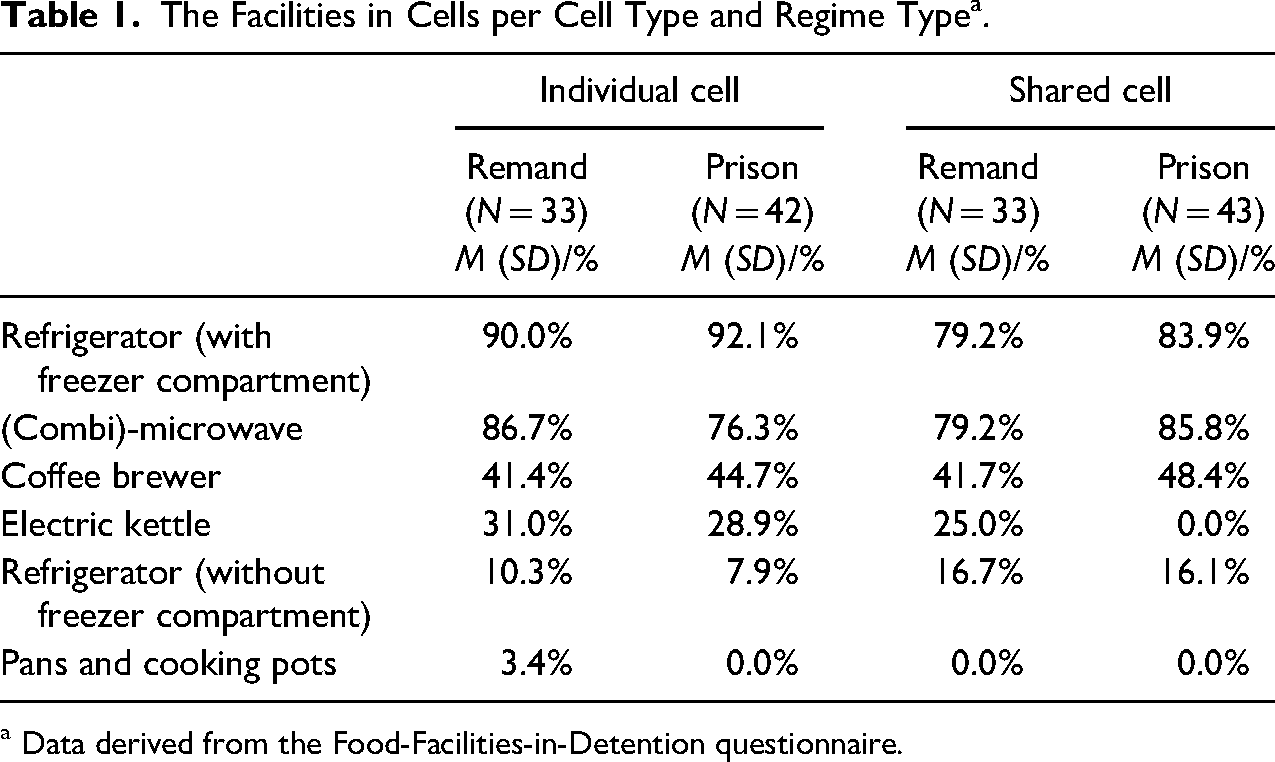
Applying data from the Food-Facilities-in-Detention, we observe that most common available facilities in the cells are the fridge and microwave, as is illustrated in Table 1. In total, the fridge and microwave are available in minimum 75% and maximum 92% of the cells. Facilities that are less available are the coffee brewer and electric kettle. These are reported to be present in approximately 44% and 30% of the facilities, respectively. The most uncommon facilities available are the fridge without a freezer compartment and the cooking pans and cooking pots in a cell. Only 3.4% of the units reported that incarcerated individuals had pans and cooking pots available in their cell. It is also notable that the discrepancies in available facilities between the regimes do not favor one over the other. For instance, as indicated in Table 1, refrigerators with freezers are slightly more prevalent in the prison regime than the remand regime. The availability of this facility does not differ between individual or shared cells. The same pattern is applicable to the coffee brewer. Contrary, refrigerators without a freezer compartment and electric kettles are more frequently available in the cells of the remand regime compared to the prison regime. This is both for the individual and the shared cells. Another difference exists in the availability of the electric kettle in the shared cells between both regimes. The data reveals that one-fourth of the shared cells within the remand unit are equipped with an electric kettle, contrasting with no self-reported availability of an electric kettle within the prison unit. The final noteworthy result is the absence of pans and cooking pots in the individual and shared cells of both regimes.
The Facilities in Cells per Cell Type and Regime Type a .
a Data derived from the Food-Facilities-in-Detention questionnaire.
The Facilities in the Unit Kitchens
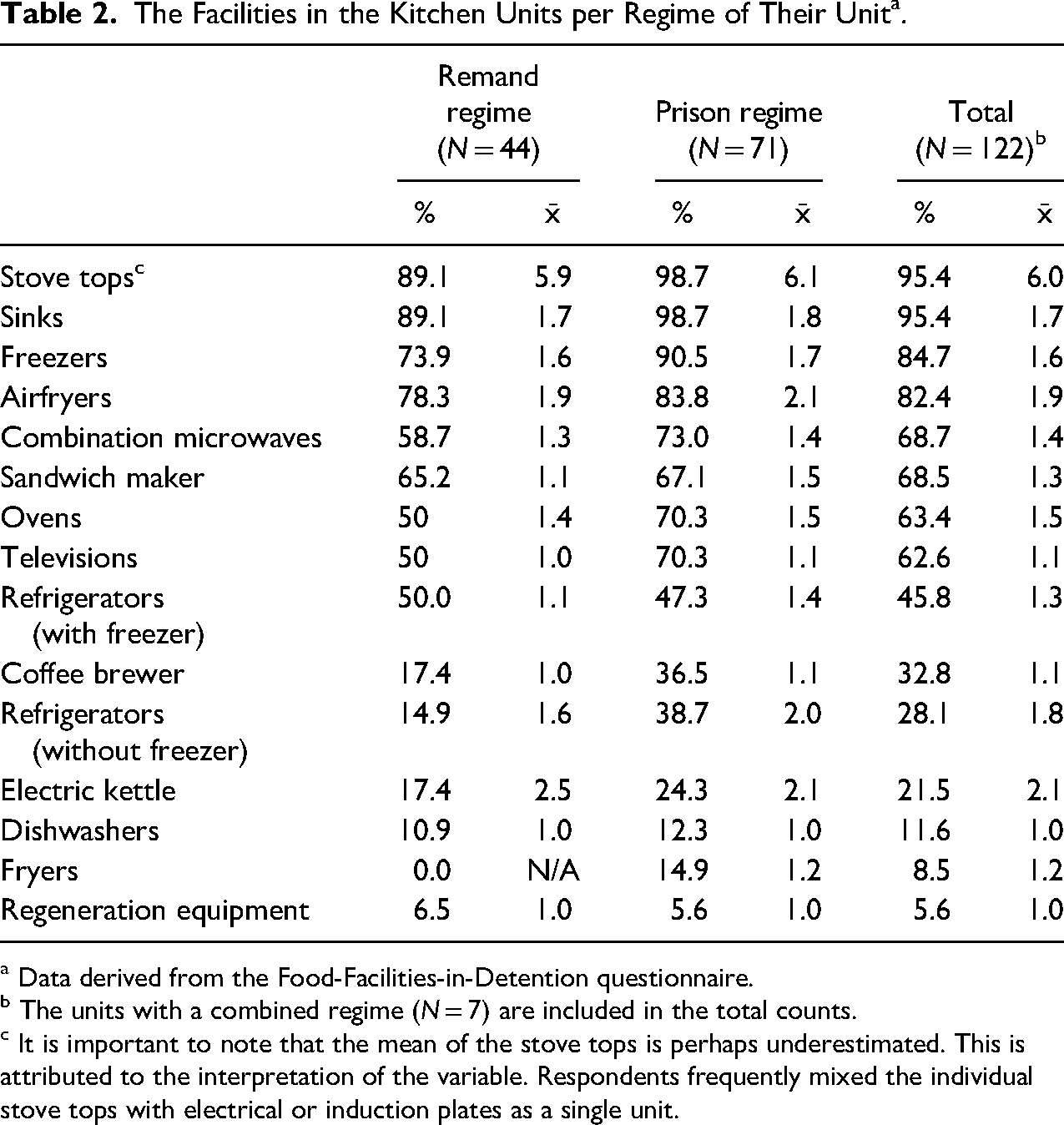
Kitchens within Dutch penal institutions vary in the types of facilities they offer. The specific facilities available in the remand, prison, and combined units are shown in Table 2 and derived from the Food-Facilities-in-Detention data. This table indicates the percentage of unit kitchens equipped with facilities, as well as the average quantity of facilities available among those kitchens.
The Facilities in the Kitchen Units per Regime of Their Unit a .
a Data derived from the Food-Facilities-in-Detention questionnaire.
b The units with a combined regime (N = 7) are included in the total counts.
c It is important to note that the mean of the stove tops is perhaps underestimated. This is attributed to the interpretation of the variable. Respondents frequently mixed the individual stove tops with electrical or induction plates as a single unit.
The unit kitchens are, in our sample, typically equipped with a few necessities that are found in nearly every unit kitchen. Foremost, these necessities are the stove tops and sinks, which arguably define a kitchen. These facilities are present in 95.4% of our sample among 125–131-unit kitchens. Note that one unit can have multiple unit kitchens. Other frequently found facilities in the unit kitchens include freezers and air fryers. These are available in respectively 84.7% and 82.4% of the sample. Facilities that are available in 65% of the penal institution unit kitchens are the combination microwaves, sandwich maker, ovens, and even televisions. Notably, the presence of televisions could contribute to the kitchen's role as a social space.
Refrigerators, with or without freezer compartments, are less commonly available in unit kitchens. This could be attributed to the fact that most incarcerated individuals have access to their own or shared refrigerator in the cell. The same could be argued for the less prevalent coffee brewer or electric kettle. Other less commonly available facilities include the dishwashers, fryers, and regeneration equipment. Possible reasons could be that dishwashers are often perceived as a luxury, fryers are forbidden in multiple facilities due to safety concerns, and regeneration equipment is often deemed unnecessary due to the availability of other equipment, that can achieve similar results, for example, a microwave.
Zooming in on the differences between remand and prison regime unit kitchens, we observe that almost all facilities are more prevalent in kitchens of the prison regime compared to kitchens of the remand regime. We observe a small difference between two facilities: the refrigerator with a freezer compartment (50.0% to 47.3%) and the regeneration equipment (6.5% to 5.6%). Reasons for these differences could be the lack of freezer compartments in the cells of the remand unit and overall, less facilities available in the remand units.
Below is a photograph illustrating a unit kitchen in a Dutch penal institution, offering a glimpse into the current setup (Figure 1). The second image presents the new architectural plans, showcasing how unit kitchens are expected to look in the future in another Dutch penal institution (Figure 2).
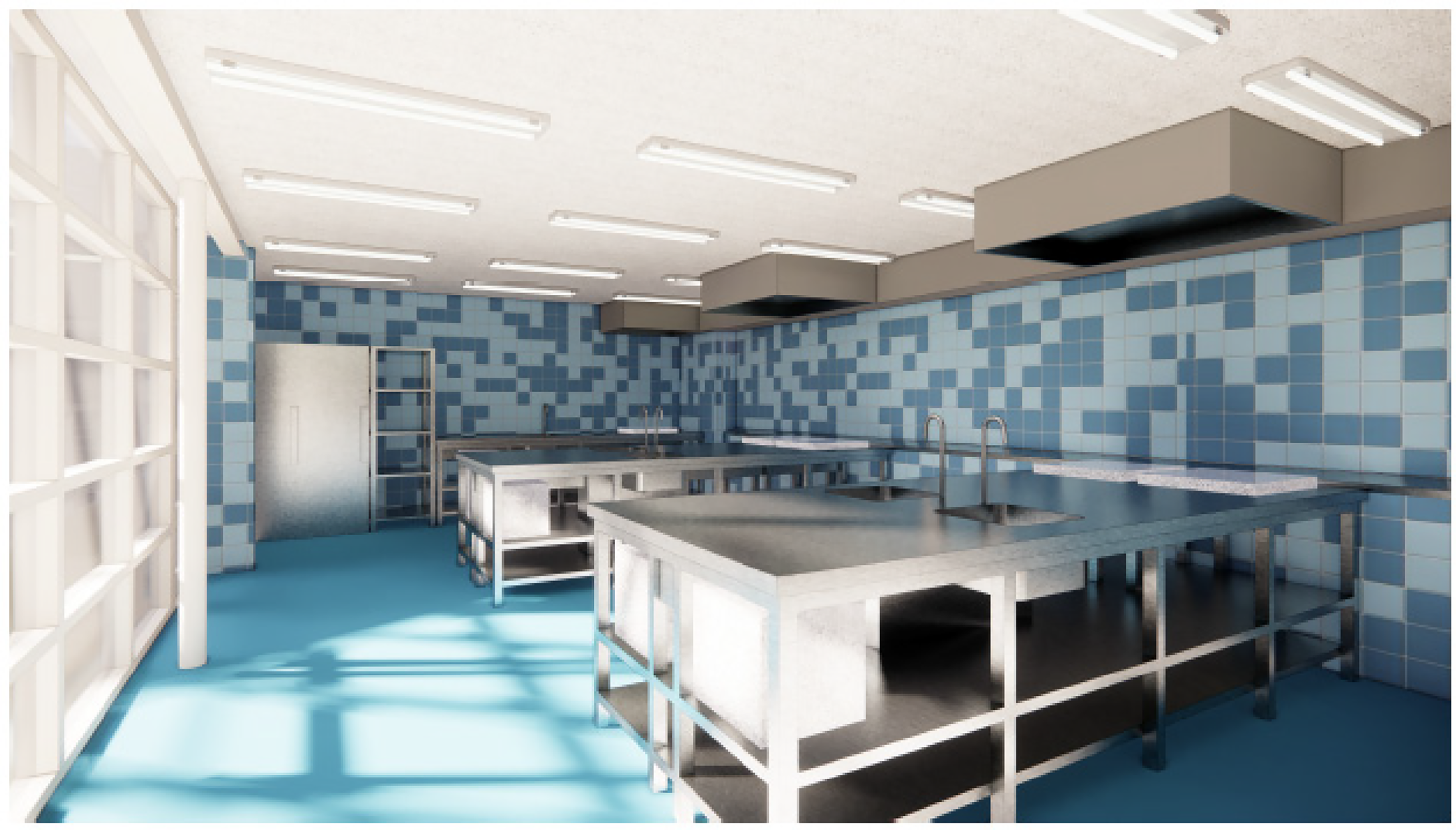
Impression of the new prison unit kitchen in penal institution 1.
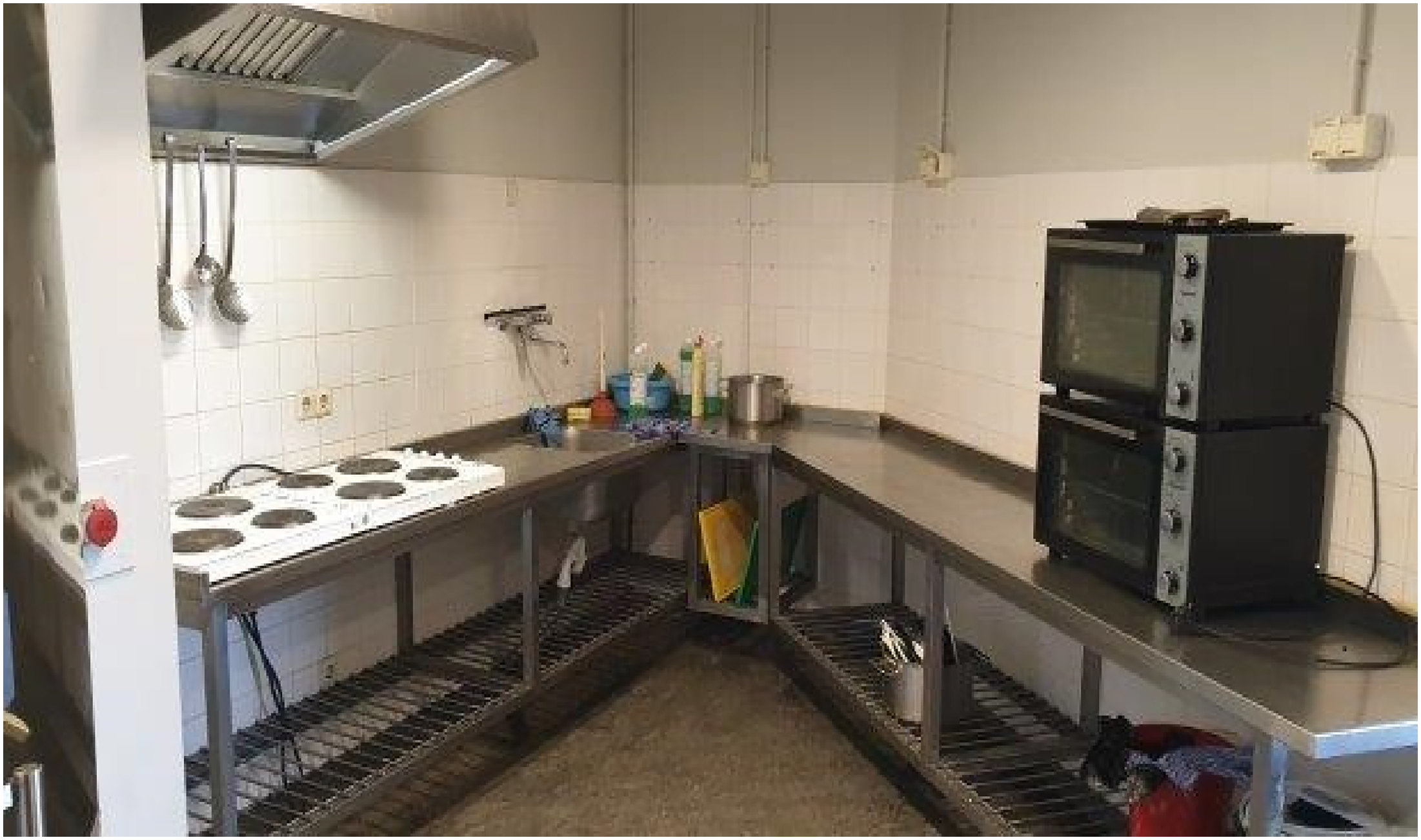
Unit kitchen of the remand regime in penal institution 2.
The Users’ Experiences: Comfort of the Unit's Kitchens
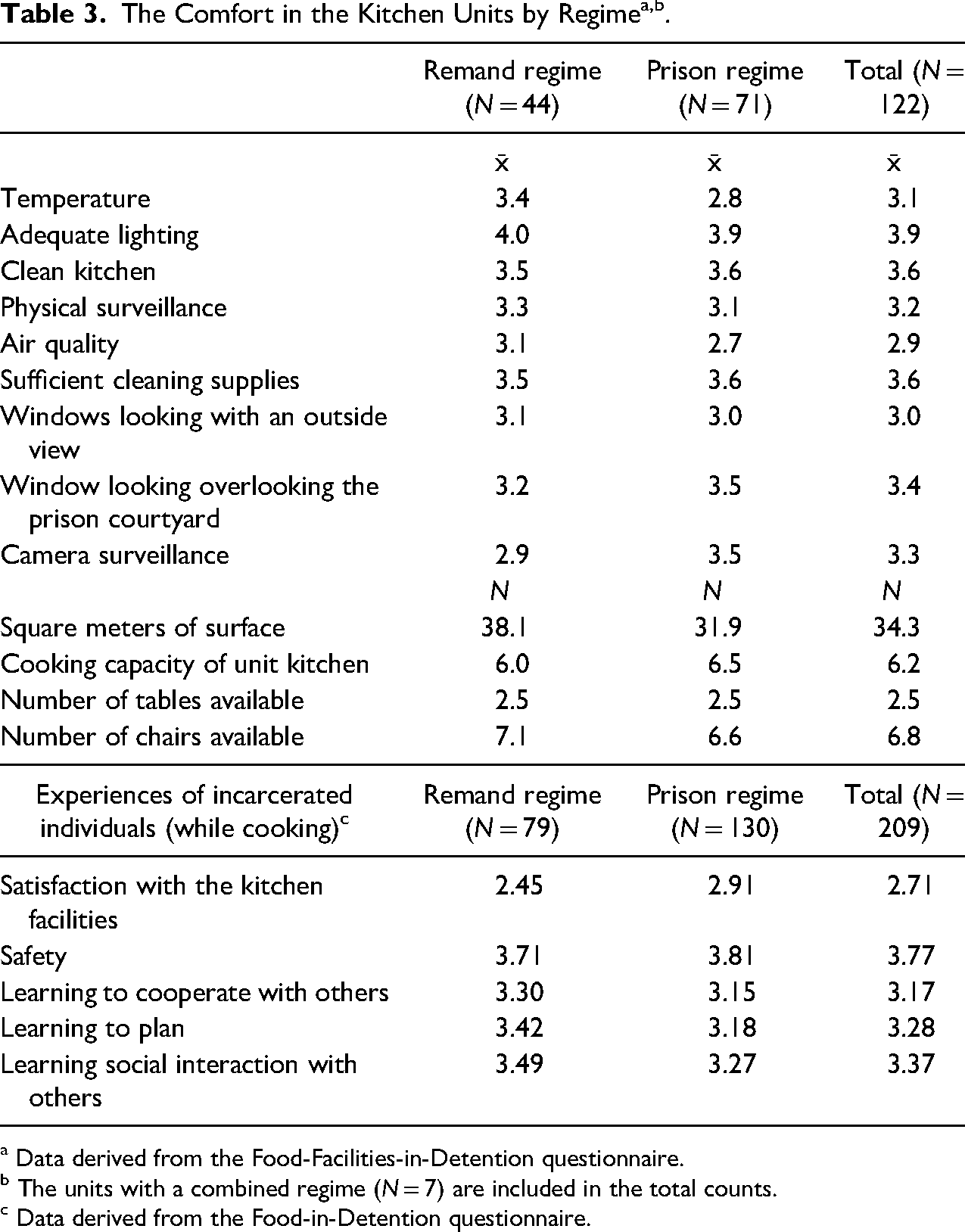
Another important attribute to a kitchen is not only the presence of the facility, but also how this place is experienced. How the comfort is assessed per regime is shown in Table 3. This table illustrates the averages of the positive formulated statements that were scored on a 5-point Likert-scale. A score of 3.5 or higher is considered as an agreement to the statement. A score between 2.5 and 3.4 is considered as a neutral opinion to the statements. Below 2.5 marks a disagreement with the statement.
a Data derived from the Food-Facilities-in-Detention questionnaire.
b The units with a combined regime (N = 7) are included in the total counts.
c Data derived from the Food-in-Detention questionnaire.
Based on the data derived from the Food-Facilities-in-Detention questionnaire, three statements were overall accessed with an agreement. They include: “there is adequate lighting in the unit kitchen”; “the unit kitchen is clean”; and “there are sufficient cleaning supplies available.” In general, most respondents rated the positively worded statements as neutral. The statement that received the lowest assessment overall, is the air quality, with a score of 2.9 out of 5.
The differences in comfort between the remand and the prison regime unit kitchens are minimal and similar to the total results. Most variables do not exhibit a consistent pattern, with some favoring the remand regime, while others favor the prison regime, still with minimal differences. The differences between the remand and prison regimes are slightly more evident for two variables: the temperature and the camera surveillance. The satisfaction with the temperature is more present in the remand regime unit kitchens than the prison regime unit kitchens. Conversely, camera surveillance exhibits the opposite trend.
Next, we inquired about the context of the unit kitchens, for example, the surface area of the unit kitchens, their cooking capacity, and the quantity of tables and chairs available. The first remarkable observation is the differences in average size between the kitchens of the remand regimes with 38 m2, and those of the prison regimes with 31.9 m2. Interestingly, Table 3 indicates that the cooking capacity of the unit kitchen is greater in kitchens of the prison regime than the remand and especially the combined regime. On average, six and a half incarcerated individuals could cook in these kitchens simultaneously. Comparing this to the kitchen of the combined regime, which have an average capacity of six incarcerated persons per kitchen. The last variables, the quantity of tables and chairs available, show minimal differences between the types of regimes. The overall mean number of tables available is 2.5, and the mean number of chairs available is 6.8, as is shown in Table 3.
Our survey also queried whether certain facilities within the unit kitchens were segregated based on religious or dietary considerations. Among our sample of 21 penal institutions, 12 different institutions overseeing 20 units reported implementing such divisions in their cooking facilities. An equal distribution between the remand and prison regime was found. These divisions primarily revolved around the segregation of facilities for halal and non-halal products. Additionally, one unit mentioned maintaining divisions for meat and non-meat items, besides the maintaining segregation of halal and non-halal products. The majority of the reported segregated facilities included pots and pans (N = 9) and air fryers (N = 5). A smaller number of units reported also facilities such as refrigerators, stove tops, microwaves, freezers, ovens, and sinks.
The experiences of comfort of the unit kitchen by incarcerated individuals were also inquired by the Food-in-Detention questionnaire on a few other items, such as safety and the opportunity to develop cooking skills as also shown in Table 3. Overall, most respondents answered neutrally to the statements. Most interesting is the satisfaction with kitchen facilities. Respondents from the remand regime expressed a more negative opinion on the satisfaction with cooking facilities compared to those from the prison regime. Both remand and prison regime respondents generally expressed neutrality regarding whether cooking enhanced their cooperation or social skills, and whether cooking had enhanced their planning skills. However, there were notable exceptions. In a positive trend, concerning perceived safety during cooking, respondents felt more positively about their safety while preparing meals in a unit kitchen.
Time-Restricted Use of Unit Kitchen
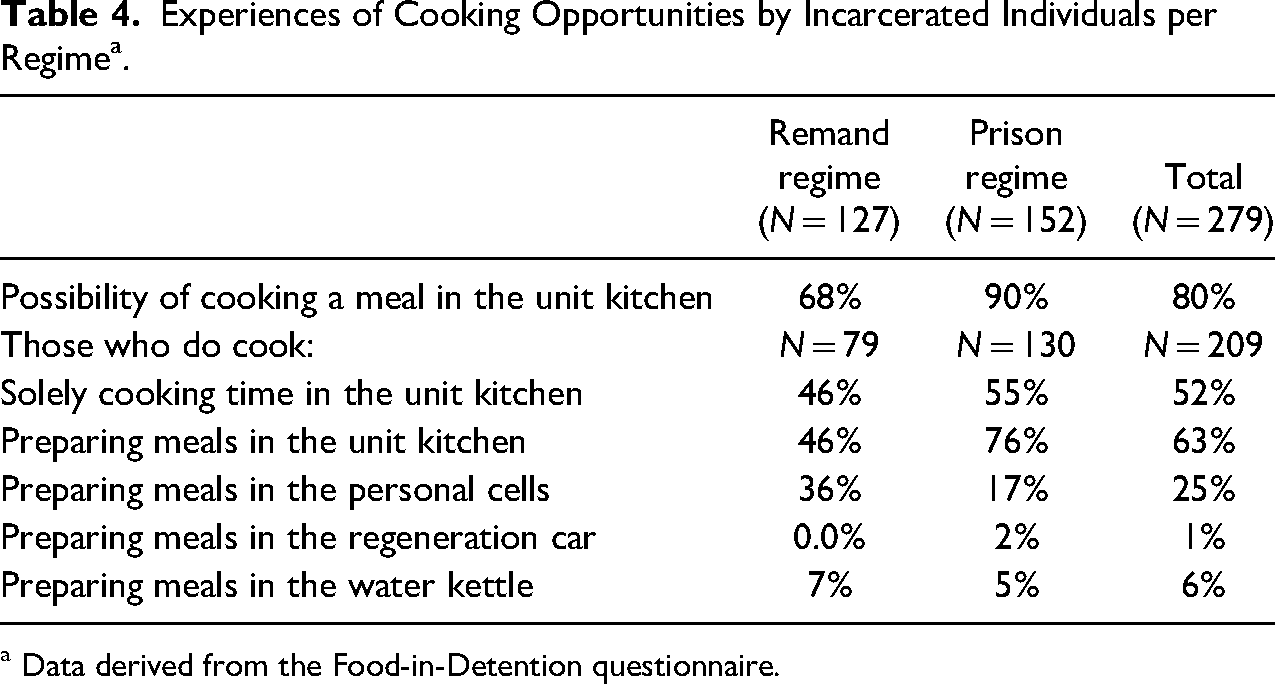
After observing the provided facilities in personal cells and unit kitchens, along with their perceived comfort, we asked how frequently these facilities are used and the time constraints experienced by their users. This inquiry utilized data from the Food-Facilities-in-Detention. Overall, those surveyed indicated that 80% had the opportunity to prepare a meal in the unit kitchen during the week prior to data collection, as is seen in Table 4. However, disparities were observed. In the remand regime; only 68% of respondents had the opportunity to prepare a meal within the unit kitchen, contrasting with the prison regime, where 90% reported such an opportunity. Among those who prepared a meal in the week preceding data collection, individuals in the prison regime reported cooking on more days of the week than those in the remand regime. Subsequently, our survey focused on food preparation areas; on average, 76% of incarcerated individuals in the prison regime prepared their meals in the unit kitchen compared to 46% in the remand regime.
Experiences of Cooking Opportunities by Incarcerated Individuals per Regime a .
a Data derived from the Food-in-Detention questionnaire.
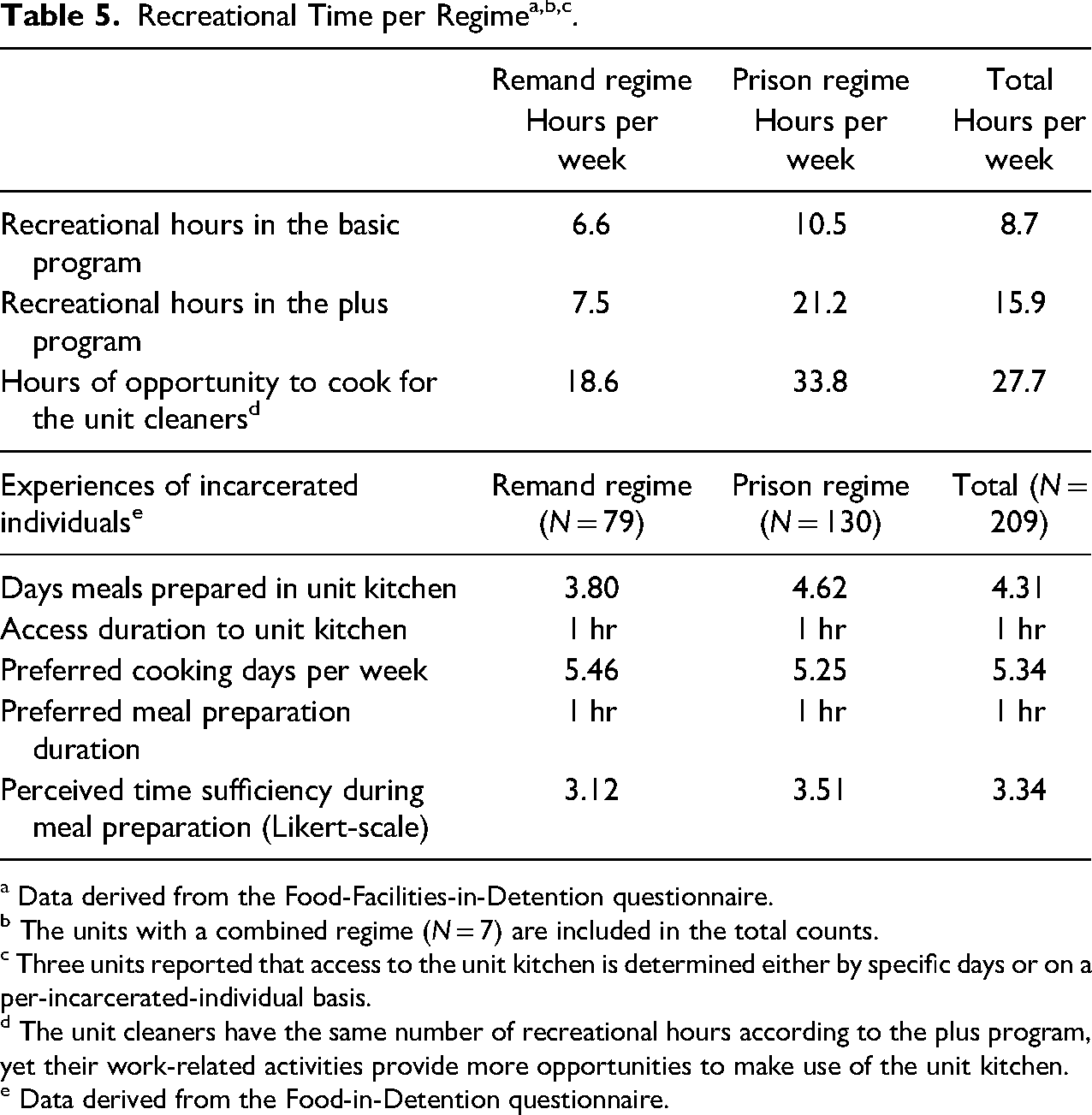
As discussed earlier in the article, time to use the unit kitchen is extremely important. Based on the data, we found large differences in average recreational time between those incarcerated individuals in the basic or plus program or those who work as a unit cleaner, as is shown in Table 5. As is expected, unit cleaners have more access to the unit kitchen compared to individuals in the plus program and even more compared to individuals in the basic program. On average, individuals in the plus program report to have nearly double the recreational hours compared to those in the basic program. The same pattern can be said for unit cleaners compared to individuals in the plus program. This underscores the value of the role of unit cleaner for individuals seeking to increase their recreational hours.
a Data derived from the Food-Facilities-in-Detention questionnaire.
b The units with a combined regime (N = 7) are included in the total counts.
c Three units reported that access to the unit kitchen is determined either by specific days or on a per-incarcerated-individual basis.
d The unit cleaners have the same number of recreational hours according to the plus program, yet their work-related activities provide more opportunities to make use of the unit kitchen.
e Data derived from the Food-in-Detention questionnaire.
Furthermore, between the remand and prison program are some noteworthy disparities. The recreational time in the basic program between the remand and prison program hardly differs. The disparity becomes greater in the plus program with respectively 7.5 hr and 21.2 hr per week. The same occurs for the recreational hours of the unit cleaners. An incarcerated individual that works as a unit cleaner in the remand unit has on average 15.2 hr less recreational time. Moreover, noteworthy to highlight is that the program on the combined regime positions itself between the remand and prison regime, serving as an intermediary. This is not the case for the recreational hours for the unit cleaners of the combined regime.
Focusing on the experiences of incarcerated individuals, as is indicated at the bottom of Table 5, we found that in both regimes, persons spent on average one hour cooking per opportunity to use the unit kitchen. Additionally, Table 5 illustrates that respondents were overall neutral regarding their time sufficiency. It is significant that their cooking time is not solely dedicated to cooking, as nearly half of the respondents reported using it for other tasks such as dishwashing. It is interesting that the respondents preferred more opportunities in a week to cook instead of more time. Both the remand and prison regime respondents suggested an average of 5.34 days per week, with a minimum of one hour per day dedicated solely to meal preparation.
Creative Foodways
In order to understand how facilities are experienced, and what facilities are perceived as missing, we also inquired into the facilities that were repurposed or created by imprisoned individuals. For this study, we call this informal cooking methods. This provides insights in the ways in which people construct autonomously, and sometimes in illegal ways, their personal food places. For this, we used data derived from the Food-Facilities-in-Detention.
First, those surveyed were asked to recall the most recent occurrence in which an incarcerated person was observed engaging in informal cooking methods. Out of 17 units that responded, it was noted that such occurrences were observed within the past year. Five units reported this occurrence in the past month, and six units in the past week. We presume that this occurrence is somewhat underreported because some of these creations are considered as an infraction against the prison rules. These acts were over 50% more frequent in personal cells compared to the unit kitchens. Interestingly, in one instance, it also occurred in an office of an employee.
Inquiring into the types of tools frequently used and in what manner by incarcerated individuals, we identified two types of categories. We see available facilities that were not used for their intended purpose. Especially, the microwave and water kettle that are available in most cells, were frequently mentioned. One respondent wrote “creating whole meals that should have been prepared in a pan.” Microwaves were repurposed creatively and used, for example, to cook rice with the aid of a dishpan. Another inventive repurpose involved boiling eggs in the water kettle. Still other respondents mentioned also practices for heating milk or frying oil in the water kettle to fry, for example, meat. Less common practices for facilities included sandwich irons to cook eggs or grill meat, as well as repurposing paper drinking cups as makeshift baking tins. Moreover, bottles were repurposed as a rolling pin for various meals.
The second category is even more innovative, involving transformation of available tools into something else. This category includes fashioning the tops of tins into makeshift knives, with the explanation that there was a shortage of knives in the unit. Reasons behind these informal foodways revealed several themes. Primarily, respondents highlighted constraints such as limited time in the unit's kitchen and limited opportunities or access to the unit kitchen as a significant motivating factor. Other reasonings included the inadequate facilities in either the personal cell or the unit kitchen. More of an exception is the reasoning of one respondent “On a day with a lock-down due to a search action, it is not possible for us to move out of our cells and use the unit kitchen.”
Regarding the potential risks of informal foodways, most of the answers indicate that no sanctions were given. Others emphasized potential risks to the penal institution itself instead of themselves, such as a fire alarms or power outages. Notably, it remained unclear whether the informal foodways were officially sanctioned. However, in one instance, the repurposing of a sandwich iron for frying eggs led to its replacement by the employees with a new sandwich iron that could not facilitate such actions again.
Discussion
In this article, we aimed to understand whether the concept of normalization by design (Rijt et al., 2023) is applicable to foodplaces in Dutch penal institutions. Our approach is innovative because it applies this concept explicitly and solely to foodplaces in Dutch prisons which has never been done before.
Three main conclusions can be drawn from the results. First, we found that most personal cells, both in the remand and in the prison regime provided facilities such as a fridge and microwave. This, in combination with the time constraints of a daily program, creates the personal cell as an important opportunity, a necessity, and an extension of the kitchen. The personal cell could act as a place for mise-en-place, and as an opportunity to use “locked” time efficiently and productively. Moreover, the cell was also the place where people introduce autonomy by performing informal foodways or bricolage (McClain, 2023). Our data show that incarcerated individuals feel the need to creatively try to normalize the design of their foodplaces to meet their food-related needs. These acts could be distinguished into two categories: (a) repurposing of facilities, and (b) the transformation of available facilities or tools into something else. The need for creativity, autonomy, and self-identity continuously persists regardless of the quantity of provided facilities. With this in mind, we might suggest more collaborative or qualitative research about which facilities are missing or why our respondents feel the need to bricolage. The literature suggests several possible explanations for these acts, such as that agency in preparing and cooking meals contributes positively to one's self-image and cultural and/or ethnic identity (e.g., de Graaf & Kilty, 2016; Marek, 2022; Vanhouche, 2022). Second, we focused on unit kitchens, as we observed that, overall, 63% of the respondents’ prepared meals in these kitchens. Our data show that 46% of the remand regime prepared meals in the unit kitchens compared to 76% of the prison regime. Within these unit kitchens, incarcerated persons often had access to facilities such as sinks, freezers, and air fryers. Specifically, there are more unit kitchens provided in the prison regimes, and these tend to offer a wider array of facilities compared to those in the remand regime. Furthermore, these unit kitchens are to be shared with fewer incarcerated individuals in the prison regime than the remand regime. These results show the discrepancies in cooking facilities between regimes. This is an important conclusion because it could lead to different experiences of the carceral climate. As noted from the results, those from the prison regime have more opportunities to cook for themselves and expressed a higher satisfaction with the provided kitchen facilities and might thus live in a more normalized environment regarding foodplaces compared to those in remand. Consequently, those in the remand regime cook more often in the personal cells compared to those in the prison regime, missing out on the benefits of the kitchen as a social hub (Earle & Phillips, 2012). The stricter regime in the remand units is linked to the unstable and continuously changing resident population, but it also means that those who are not yet been proven guilty and are therefore considered innocent, endure more austere circumstances compared to those who have already been convicted. Third, meal preparation requires time, and while the phrase “doing time” is often associated with incarcerated individuals, our study shows that time for cooking in the unit kitchen is often lacking, especially for those in the basic program or remand regime. People in the plus program and especially unit cleaners often have more freedom to use their time outside their cell to prepare meals.
Limitations
This study encountered a few limitations that may influence the findings. First, regarding the Food-Facilities-in-Detention survey, we relied almost completely on the goodwill of the penal institutions to complete our survey. It is important to note that the units asked to participate likely provide a reasonable representation of the general conditions within these institutions. Furthermore, even if not all units with similar regimes were included, the insights gathered still offer valuable information about the food facilities available. Second, the conditions were not fully controlled; the penal institution could choose who got to participate and had every opportunity to see the answers of the respondent. The potential for respondents to withhold feedback due to lack of confidentiality is acknowledged, but we believe that the overall trends observed still offer useful insights into the conditions. Last, while the data from both surveys were not collected simultaneously, any changes in circumstances between the two collection periods are unlikely to have caused major discrepancies. The core aspects of the study—kitchen facilities and inmate perspectives—are relatively stable over time, meaning that the findings still hold relevance. In conclusion, although these limitations should be considered when interpreting the findings, they do not fundamentally compromise the value of the insights gained from the study. Future research could improve on these aspects.
Recommendations
Our data showed a discrepancy in the provided facilities and opportunities and the need for a more normalized foodplace. To overcome this gap between deciders and users, we suggest more collaborative construction of these places and advocacy for a deeper understanding of which facilities are reconstructed or repurposed, as well as the underlying motives (Gamman & Caulfield, 2022). To address these findings effectively, we suggest further qualitative research to provide better insights into the nuances of the quantitative findings. Such research would facilitate the development of concrete codesign projects between those who decide upon these places and those who are destined to use them. These projects could enhance normalization in these foodplaces. In particular, attention should be directed toward the unit kitchens, which serve as a social hub within the unit and are accessed by individuals with various identities and backgrounds. Research shows how this place contributes positively to one's self-image and cultural and/or ethnic identity (de Graaf & Kilty, 2016; Earle & Phillips, 2012; Marek, 2022; Smoyer, 2014; Vanhouche, 2022; Vanhouche et al., 2018). As well, attention should also be given to the personal cells, as the study findings have shown that these serve multiple purposes such as a makeshift kitchen. This could lead to all kinds of risks such as power outages or frustration among incarcerated individuals when the unit kitchens are locked. Understanding the needs of individuals within these crucial foodplaces is the first step towards further normalization of these carceral places.
Conclusion
The focus on normalizing foodplaces in penal institutions aligns with broader efforts in Europe to improve the prison environment and promote rehabilitation. Normalization can be achieved with prison design, facilities, and services (Rijt et al., 2023)—and thus through prison food materials and food places. On one hand, the data show that some elements of prison food places are normalized, such as provision of opportunities, facilities, and, recently, free ingredients for meals. In places that limit decision-making, one's possibility to provide a meal for oneself by self-catering, and to decide which facilities to use, is a freeing process for incarcerated individuals, especially when these can be expressed to the outside world (Marek, 2022). Conversely, our respondents do not always have (enough) opportunities to make use of these possibilities. One might imagine that the number and variability in provided facilities are reflective of the general population outside of these penal institutions. Yet, it is noteworthy that these facilities and/or time opportunities are to be shared within an average ratio of 18.73 incarcerated persons per unit kitchen, while a unit has a cooking capacity of 6.2 persons at a time. Consequently, we acknowledge that providing these facilities is a major step toward collective normalization. Yet, we also conclude that carceral food facilities within the Dutch carceral context can be enhanced to better align with the expectations of incarcerated individuals and thus pass as more normalized.
Footnotes
Declaration of Conflicting Interests
The authors declared no potential conflicts of interest with respect to the research, authorship, and/or publication of this article.
Funding
The authors received no financial support for the research, authorship, and/or publication of this article.