







Abstract
This study aimed to examine the longitudinal relationship among neuroticism, anxiety, and depression in a sample of Chinese adolescents. A total of 1150 participants aged 14–19 years completed assessments of neuroticism, anxiety, and depressive symptoms. They had a baseline measurement, followed by six follow - up assessments one month apart over six months. A multi-wave longitudinal design was employed to capture the temporal dynamics of these constructs. Results from multilevel modeling indicated that higher levels of neuroticism were associated with increased anxiety and depressive symptoms over time. Anxiety was found to significantly mediate the relationship between neuroticism and depression, suggesting that neuroticism may contribute to the development of depressive symptoms indirectly via increased anxiety. This mediational effect was observed across different dimensions of depression, including depressed mood, positive mood, somatic and retarded activity, and interpersonal relationship issues. These findings contribute to a better understanding of the pathways through which personality traits such as neuroticism influence adolescent mental health. They highlight anxiety as a key target for early intervention strategies aimed at reducing depressive symptoms, particularly among adolescents characterized by high neuroticism. Future research should explore additional mediators and moderators to further elucidate the mechanisms underlying the development of adolescent depression.
Introduction
Emotional disorders such as anxiety, depression, and stress are common in adolescents (Javadi et al., 2024). Adolescent depression is an increasingly prevalent mental health issue worldwide, significantly impacting multiple domains of functioning, including academic performance, interpersonal relationships, and overall quality of life (National Institute of Mental Health, 2022). Adolescence is a critical developmental period characterized by heightened emotional reactivity, making this age group particularly vulnerable to depression. Adolescent depression is associated with significant negative outcomes that may persist into adulthood, such as poor physical health, impaired social functioning, and an increased risk of suicide. Therefore, understanding the predictors and mechanisms underlying depression in adolescents is crucial for developing targeted prevention and intervention strategies.
Neuroticism Correlates with Depression and Anxiety
Neuroticism, a personality trait that is relatively stable over the long - term, is marked by a tendency towards anxiety, emotional volatility, and a high degree of self - awareness (Jylhä & Isometsä, 2006). A growing body of research has substantiated the strong link between neuroticism and symptoms of depression and anxiety (Kercher et al., 2009; Ormel et al., 2013). In addition to its cross - sectional relationship, neuroticism has also been shown to predict future increases in depressive symptoms (Pang & Wu, 2021; Prince et al., 2021; Williams et al., 2021). However, a notable limitation of previous studies is that they often treat depression as a unitary construct. In fact, depression consists of various dimensions such as cognitive, emotional, and somatic symptoms. As a result, there is a limited comprehensive understanding of the relationship between personality and psychopathology.
Anxiety and Depression
Anxiety and depression share genetic and environmental risk factors, suggesting an interdependent relationship (Kalin, 2020). Thus anxiety and depression often co-occur (Dai et al., 2024). In addition, some studies suggest that anxiety symptoms typically precede depressive symptoms (Batterham et al., 2013; Belzer & Schneier, 2004; Frewen et al., 2012), and may be a risk factor for depression (Horn & Wuyek, 2010). In a recent longitudinal study conducted on young people, anxiety symptoms, like the avoidance of threats, could predict depression scores two years down the line (Price et al., 2016). Nonetheless, previous research frequently neglected the impact of anxiety on the diverse dimensions of depression. As a result, extensive longitudinal studies and thorough analyses are required.
Anxiety Mediates the Relationship Between Neuroticism and Depression
From the perspective of cognitive - behavioral theory (Beidel & Turner, 1986), individuals with a high level of neuroticism may lack the ability to regulate their emotions effectively and to overcome stressful obstacles, making them prone to anxiety (Vinograd et al., 2020). When in an anxious state, individuals exhibit behavioral avoidance, resulting in reduced social interaction, lack of social support, and so on. They gradually sink into depression in a vicious cycle. Based on this perspective, it can be hypothesized that anxiety may mediate the development of depression induced by neuroticism in adolescents. Nonetheless, few studies have examined the specific mechanisms by which neuroticism leads to depression through anxiety. Most studies have examined the effect of neuroticism on negative emotions (e.g. anxiety and depression) by including other mediating variables. For example, some studies examined the effects of neuroticism on anxiety and depression via rumination (Chen et al., 2020; Roelofs, Huibers, Peeters, & Arntz, 2008). Another study examined the mediating role of perceived stress (Pereira-Morales et al., 2019).
The Current Study
After reviewing past research, we identified several gaps in understanding how adolescent neuroticism relates to depression. First, many studies have examined the effects of neuroticism on anxiety and depression separately, or the effects of neuroticism on anxiety or depression through certain mediating variables, but few studies have examined how neuroticism contributes to depression through its effects on anxiety. Second, previous research has often overlooked the complexity of depression, even though adolescent depressive symptoms vary widely and include cognitive, emotional, and physical aspects (Cheung et al., 2022). Lastly, there is a lack of longitudinal and multilevel studies that analyze the interactions between factors over time. To address these gaps, this study aims to investigate whether anxiety mediates the relationship between neuroticism and depression in adolescents. In particular, we not only explore how neuroticism and anxiety influence overall depressive symptoms but also examine their effects on different dimensions of depression over time.
Based on the literature reviewed, we hypothesize that: (1) Neuroticism is positively associated with depression in adolescents. (2) Anxiety mediates the relationship between neuroticism and depression, such that higher levels of neuroticism predict increased anxiety, which, in turn, leads to higher depressive symptoms over time.
Methods
Participants
To recruit adolescent subjects, 1150 subjects were screened. The final adolescence sample consisted of 1150 students (576 girls and 554 boys) ranging in age from 14 to 19 years (M = 16.27, SD = 0.91). With respect to ethnicity, 99.2% of participants were Han Chinese, and 0.9% were members of an ethnic minority.
Measures
Five Factor Inventory-Neuroticism Subscale (FFI-N)
The Five Factor Inventory-Neuroticism Subscale (Costa & McCrae, 1992) is a self report measure that assesses neuroticism by rating each of the 12 items. Each item is rated on a scale of 1 (strongly disagree) to 5 (strongly agree) with higher scores reflecting higher levels of neuroticism. Examples of the items include “I often feel helpless and want others to solve my problems.” The FFI-N has sound psychometric properties. The Cronbach’s alpha value in the current study for this scale was 0.79.
The Multidimensional Anxiety Scale for Children (MASC)
The Multidimensional Anxiety Scale for Children (March et al., 1997) is a 39-item scale that assesses a broad range of anxious symptoms. Participants rate on a four-point Likert scale ranging from 0 (never applies to me) to 3 (often applies to me) how much a statement applies to them. An example item from this subscale includes “I’m afraid other people will make fun of me”. Past research demonstrated high levels of reliability and validity with the Chinese version of the MASC (Yao et al., 2007). The Cronbach’s alpha value in the current study for this scale ranged between 0.90 and 0.96.
Center for Epidemiological Studies Depression Scale (CES-D)
The Center for Epidemiological Studies Depression Scale (Radloff, 1977) is a 20-item measure designed to assess depressive symptoms in the general population. The scale is divided into 4 dimensions. The first is Depressed mood Scale. The second scale is Positive mood Scale. The third scale is Somatic and retarded activity Scale. The fourth scale is Interpersonal Scale. Each item consists of a symptom and a response scale ranging from 1 (rarely) to 4 (most of the time). Example item from the CES-D is “I felt sad” “I felt that I could not shake off the blues even with help from my family or friends.” The Chinese version of the CES-D exhibits a high degree of reliability and validity. The Cronbach’s alpha value in the current study for this scale ranged between 0.89 and 0.95.
Procedure
The ethical approval for the current study was granted by Beijing Key Laboratory of Learning and Cognition and Department of Psychology at Capital Normal University. And the treatment of participants was in accordance with APA ethical standards. Written consent was obtained from parents and adolescents prior to the start of the study. After the consent forms were collected from all of the participants, students completed the following questionnaires: (1) the Five Factor Inventory-Neuroticism Sub-scale (Costa & McCrae, 1992), (2) the Multidimensional Anxiety Scale for Children (March et al., 1997), and (3) the Center for Epidemiological Studies Depression Scale (Radloff, 1977). Follow-up assessments were conducted once a month for the subsequent 6 months. At each follow-up, a research assistant returned to the school and administered the CES-D, and MASC to the adolescent.
Strategy of Analysis
Descriptive statistics and correlation analysis were performed using SPSS and R to provide an overview of the data distributions and relationships between variables. Our data included two levels: an individual level (i.e., neuroticism; level (2) and a repeated observation level (i.e., anxiety; level 1). In this study, depression was defined as the dependent variable, while neuroticism served as the independent variable. Anxiety was included as a covariate to explore its mediating effects in the relationship between neuroticism and depression.
Multilevel modeling was performed in R using the lmer function from the lme4 package (Bates et al., 2015). Given the hierarchical nature of the data, multilevel linear regression models with random intercepts and fixed slopes were employed to examine how changes in neuroticism and anxiety over time influenced depression. The random intercept accounts for individual differences in baseline depression, while fixed slopes assess the general trends in the relationships between variables across participants. The covariance structure was selected based on both the Akaike Information Criterion (AIC) and Bayesian Information Criterion (BIC) to determine the best-fitting model, ensuring an optimal balance between model complexity and explanatory power.
All individual-level variables were standardized to facilitate interpretation, while repeated observation-level variables were group mean-centered to control for between-individual differences and focus on within-individual variations.
To assess whether anxiety mediates the association between neuroticism and depression, a 2-1-1 multilevel mediation model was employed using the PROCESS program from the bruceR package in R. In this analysis, depression at initial assessment was included as a control variable to account for baseline differences in depressive symptoms. The Monte Carlo method was used to estimate the significance of the indirect effect of neuroticism on depression, as mediated by anxiety. This approach provides a robust estimate of mediation effects by repeatedly sampling from the distribution of indirect effects.
Prior to being entered into the models, all variables were standardized, which aids in comparing coefficients and assessing the relative strength of the relationships among variables.
Results
Descriptive Data
Descriptive Analysis and Correlation.
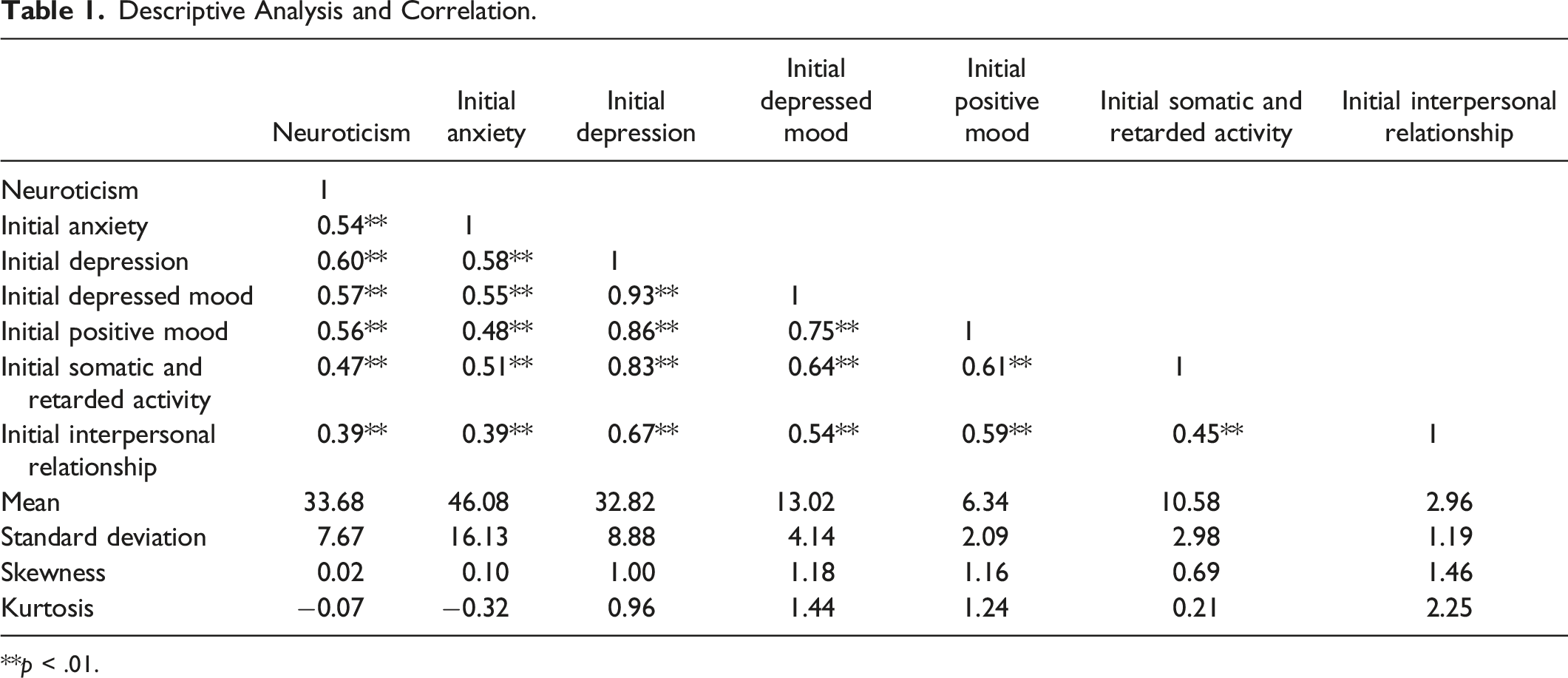
**p < .01.
Multilevel Modeling
The intra-class correlations (ICCs) for the measured depressive symptoms were as follows: depression (ICC = 0.44), depressed mood (ICC = 0.41), positive mood (ICC = 0.42), somatic and retarded activity (ICC = 0.40), and interpersonal relationship (ICC = 0.38). These ICC values suggest that repeated observations of each symptom are strongly associated across time. As a result, multilevel modeling was applied, as this approach effectively handles the dependency among repeated observations nested within individuals over time.
Multilevel Model Analysis Results -- Estimates for the Fixed Effects.
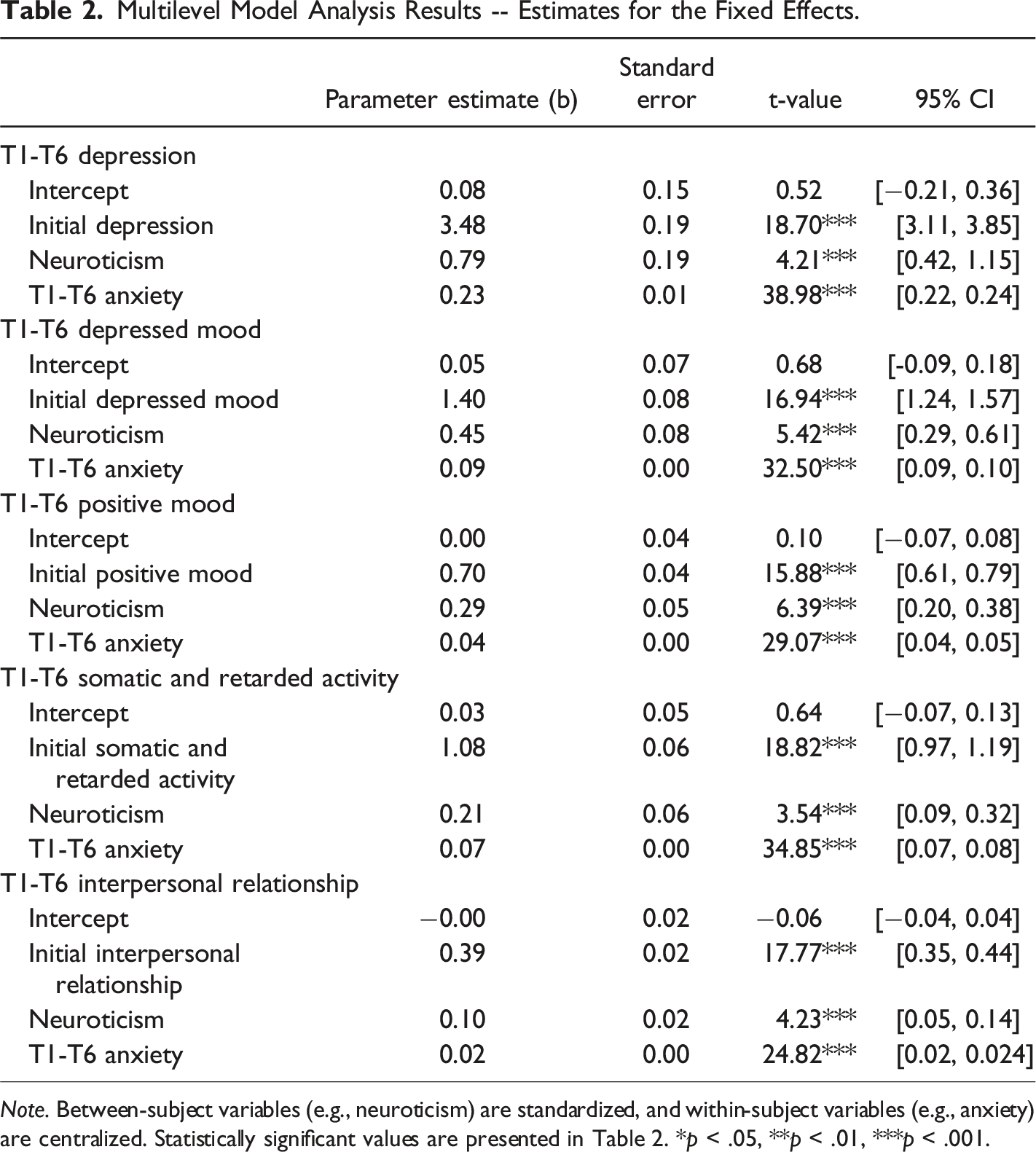
Note. Between-subject variables (e.g., neuroticism) are standardized, and within-subject variables (e.g., anxiety) are centralized. Statistically significant values are presented in Table 2. *p < .05, **p < .01, ***p < .001.
Depression Score Analysis
Results from Table 2 indicate that higher levels of neuroticism significantly predicted higher levels of depression throughout the study (b = 0.79, t = 4.21, 95% CI [0.42, 1.15], p < .001). Additionally, higher levels of depression at the initial assessment were predictive of higher levels of depression at subsequent time points (T1 to T6) (b = 3.48, t = 18.70, 95% CI [3.11, 3.85], p < .001). Moreover, higher levels of anxiety at repeated time points also predicted higher levels of depression (b = 0.23, t = 38.98, 95% CI [0.22, 0.24], p < .001).
Subscale Scores Analysis
CESD-Depressed Mood
Higher levels of neuroticism predicted increased depressed mood throughout the study (b = 0.45, t = 5.42, 95% CI [0.29, 0.61], p < .001). Depressed mood at the initial assessment predicted higher depressed mood at T1 to T6 (b = 1.40, t = 16.94, 95% CI [1.24, 1.57], p < .001). Anxiety at repeated time points also predicted increased depressed mood (b = 0.09, t = 32.50, 95% CI [0.09, 0.10], p < .001).
CESD-Positive Mood
Higher levels of neuroticism were associated with increased positive mood (b = 0.29, t = 6.39, 95% CI [0.20, 0.38], p < .001). Positive mood at the initial assessment predicted positive mood across subsequent time points (b = 0.70, t = 15.88, 95% CI [0.61, 0.79], p < .001). Higher levels of anxiety also predicted positive mood (b = 0.04, t = 29.07, 95% CI [0.04, 0.05], p < .001).
CESD-Somatic and Retarded Activity
Higher levels of neuroticism predicted increased somatic and retarded activity (b = 0.21, t = 3.54, 95% CI [0.09, 0.32], p < .001). Somatic and retarded activity at the initial assessment predicted higher levels at T1 to T6 (b = 1.08, t = 18.82, 95% CI [0.97, 1.19], p < .001). Anxiety also predicted higher somatic and retarded activity at repeated observations (b = 0.07, t = 34.85, 95% CI [0.07, 0.08], p < .001).
CESD-Interpersonal Relationship
Higher levels of neuroticism predicted increased interpersonal relationship issues throughout the study (b = 0.10, t = 4.23, 95% CI [0.05, 0.14], p < .001). Interpersonal relationships at the initial assessment predicted levels across T1 to T6 (b = 0.39, t = 17.77, 95% CI [0.35, 0.44], p < .001). Higher levels of anxiety also predicted issues with interpersonal relationships (b = 0.02, t = 24.82, 95% CI [0.020, 0.024], p < .001).
Mediation Analysis
To examine whether anxiety mediated the association between neuroticism and depression, multilevel mediation analysis were performed with depression at the initial assessment included as a control variable.
Mediation Analysis for Depression
Effect Size Measure for Mediation (Depression).
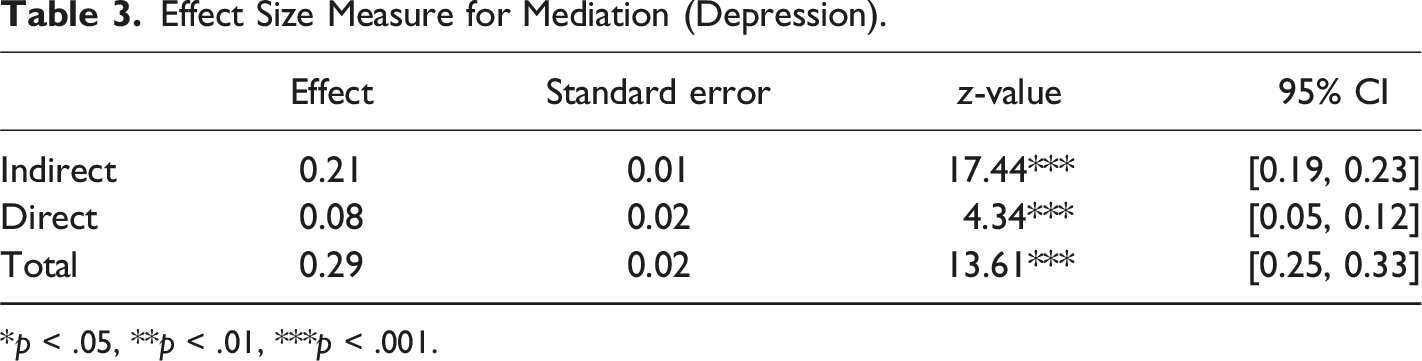
*p < .05, **p < .01, ***p < .001.
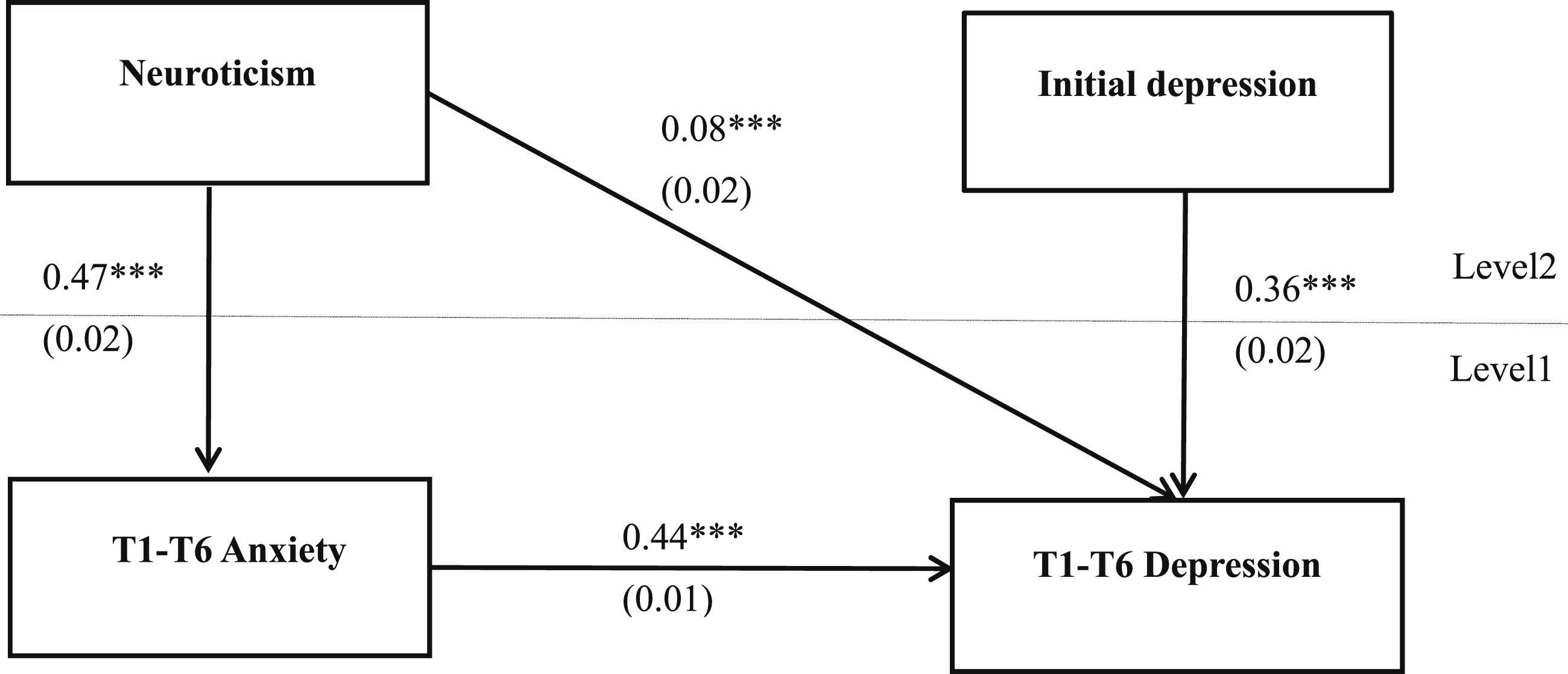
Mediation model (depression).
After exploring the preliminary results, the mediating role of anxiety was also tested for each of the subscales (i.e., depressed mood, positive mood, somatic and retarded activity, interpersonal relationship).
Mediation Analysis for CESD-Depressed Mood
Effect Size Measure for Mediation (Depressed Mood).
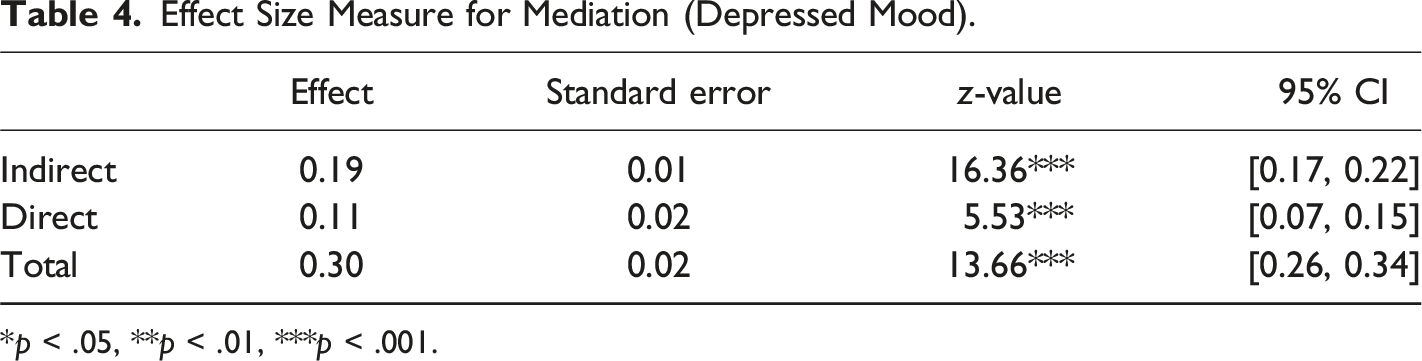
*p < .05, **p < .01, ***p < .001.
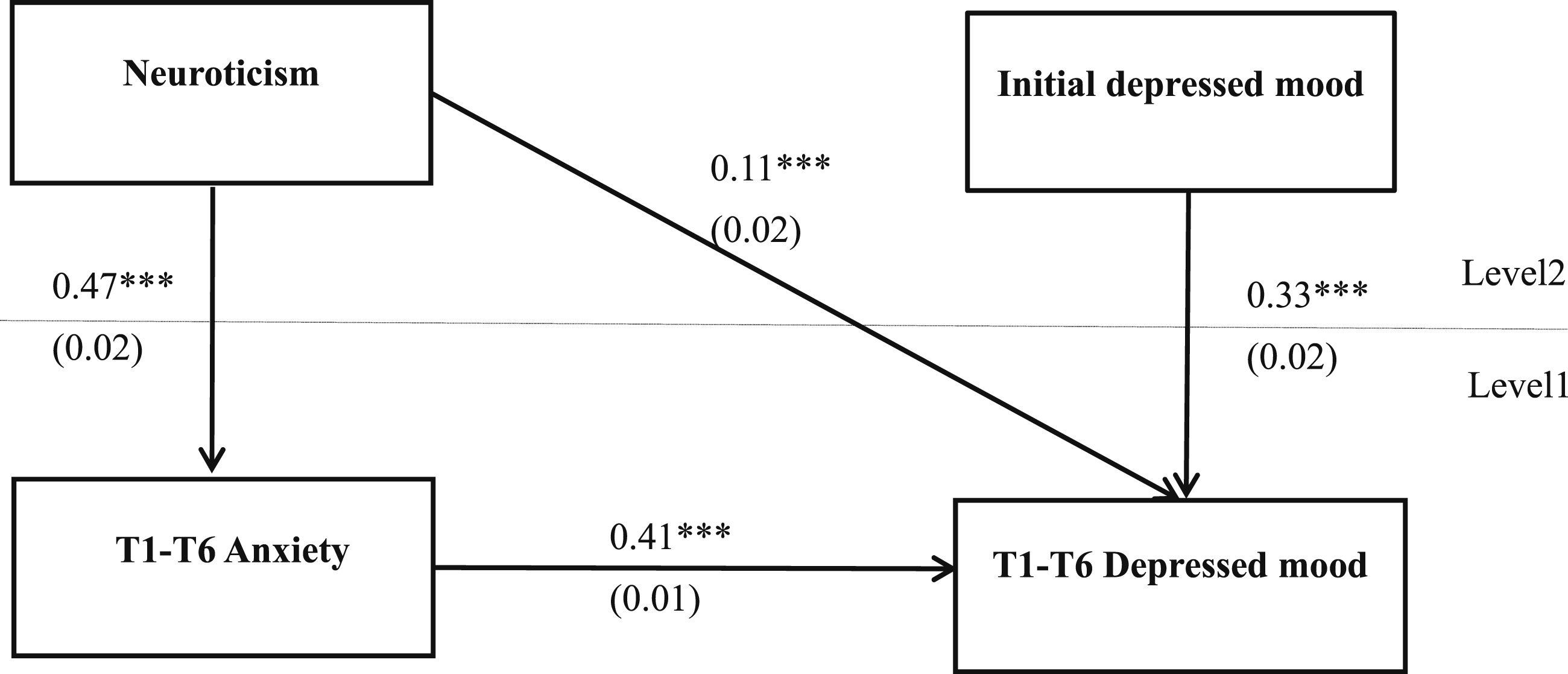
Mediation model (depressed mood).
Mediation Analysis for CESD-Positive Mood
Effect Size Measure for Mediation (Positive Mood).
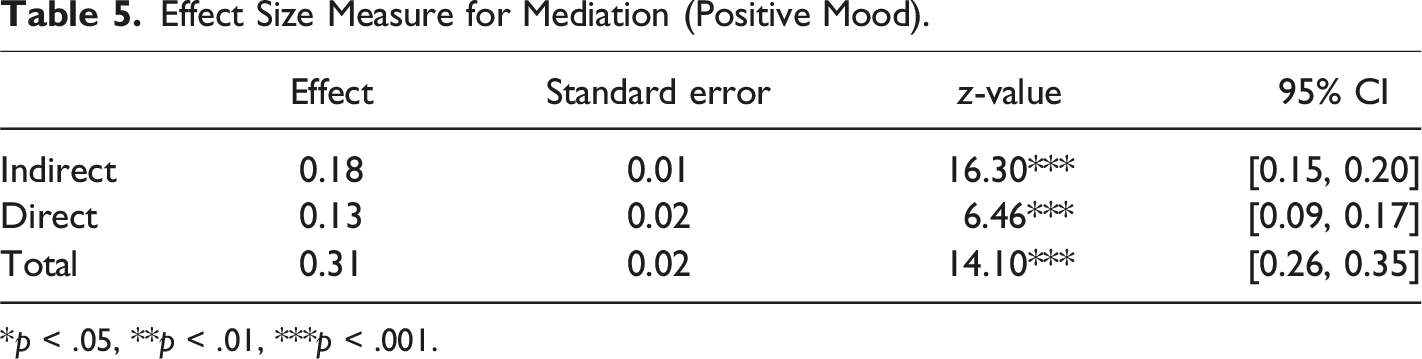
*p < .05, **p < .01, ***p < .001.
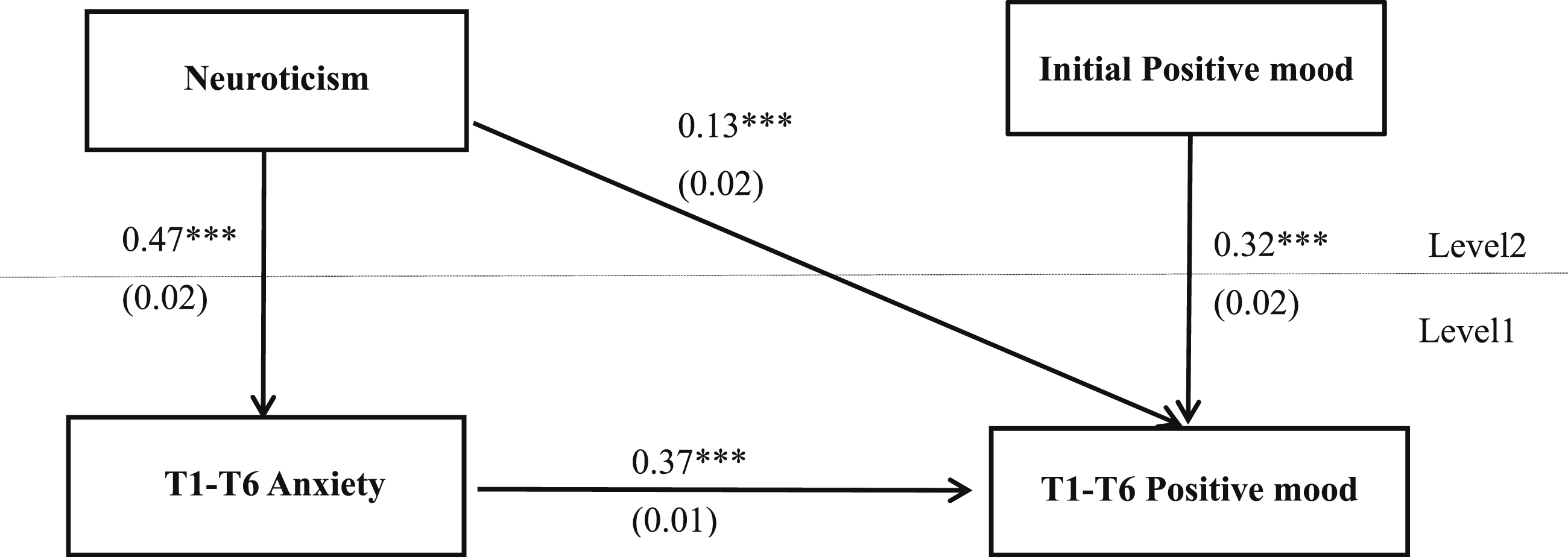
Mediation model (positive mood).
Mediation Analysis for CESD-Somatic and Retarded Activity
Effect Size Measure for Mediation (Somatic and Retarded Activity).
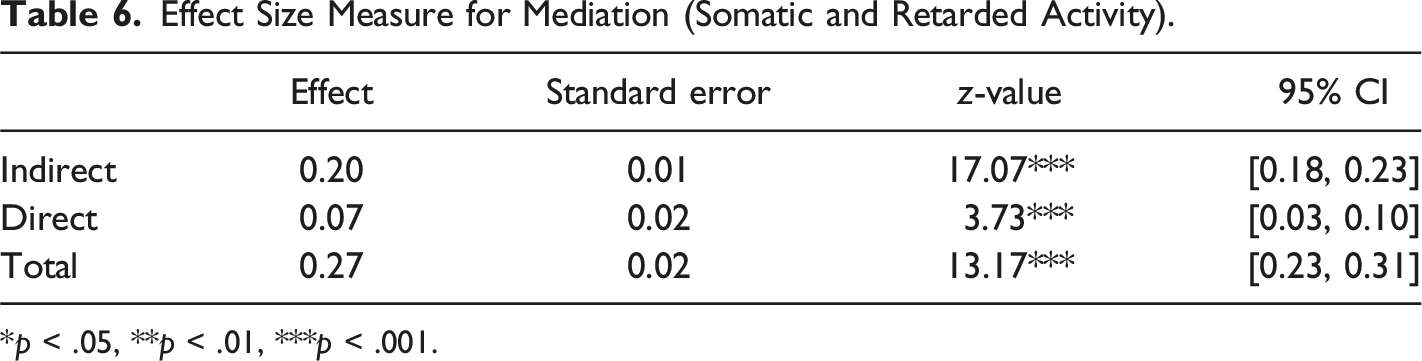
*p < .05, **p < .01, ***p < .001.
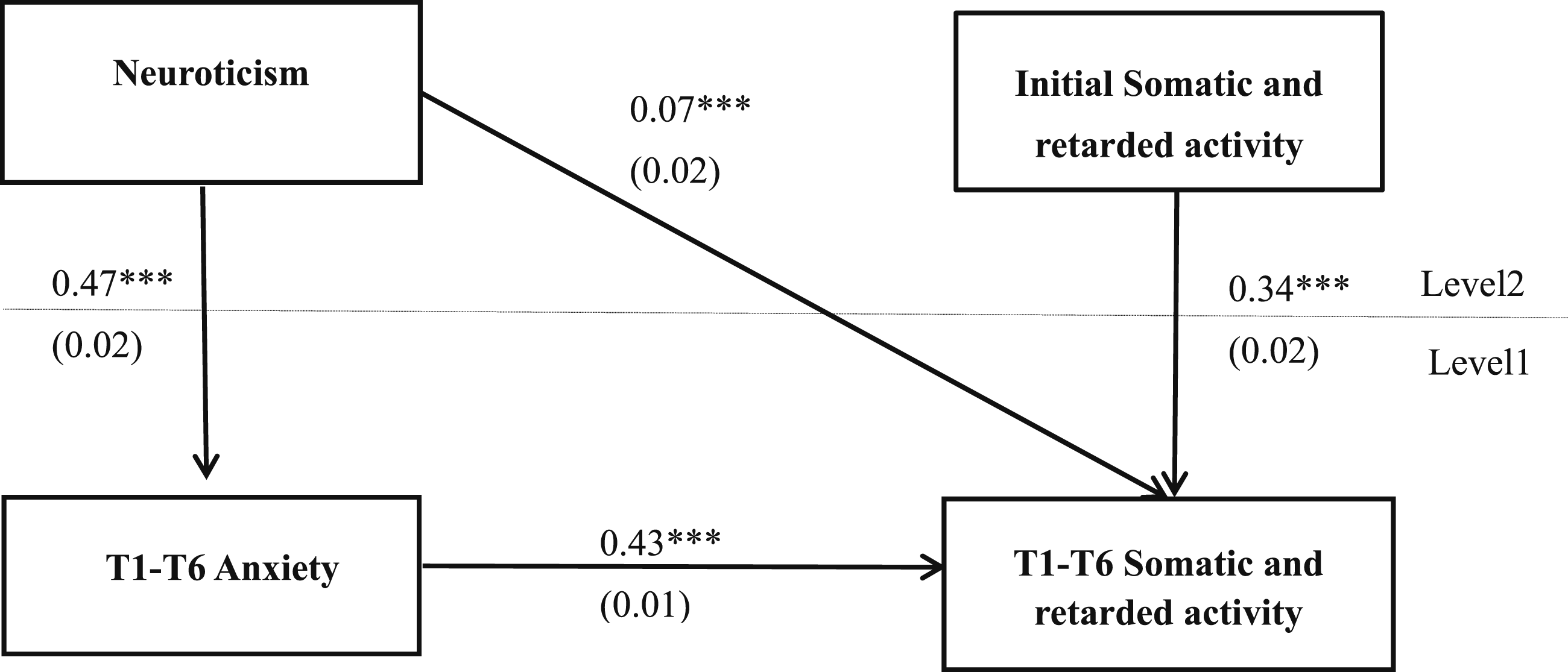
Mediation model (somatic and retarded activity).
Mediation Analysis for CESD-Interpersonal Relationship
Effect Size Measure for Mediation (Interpersonal Relationship).
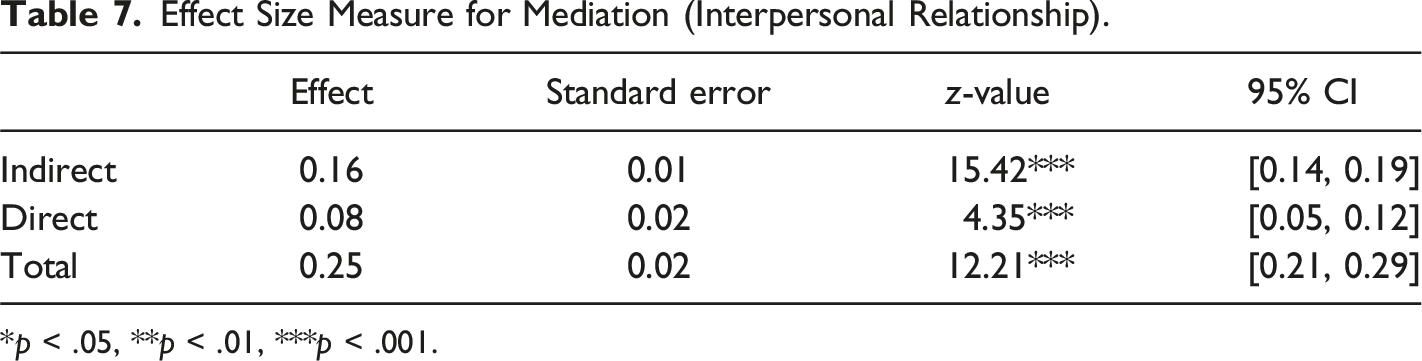
*p < .05, **p < .01, ***p < .001.
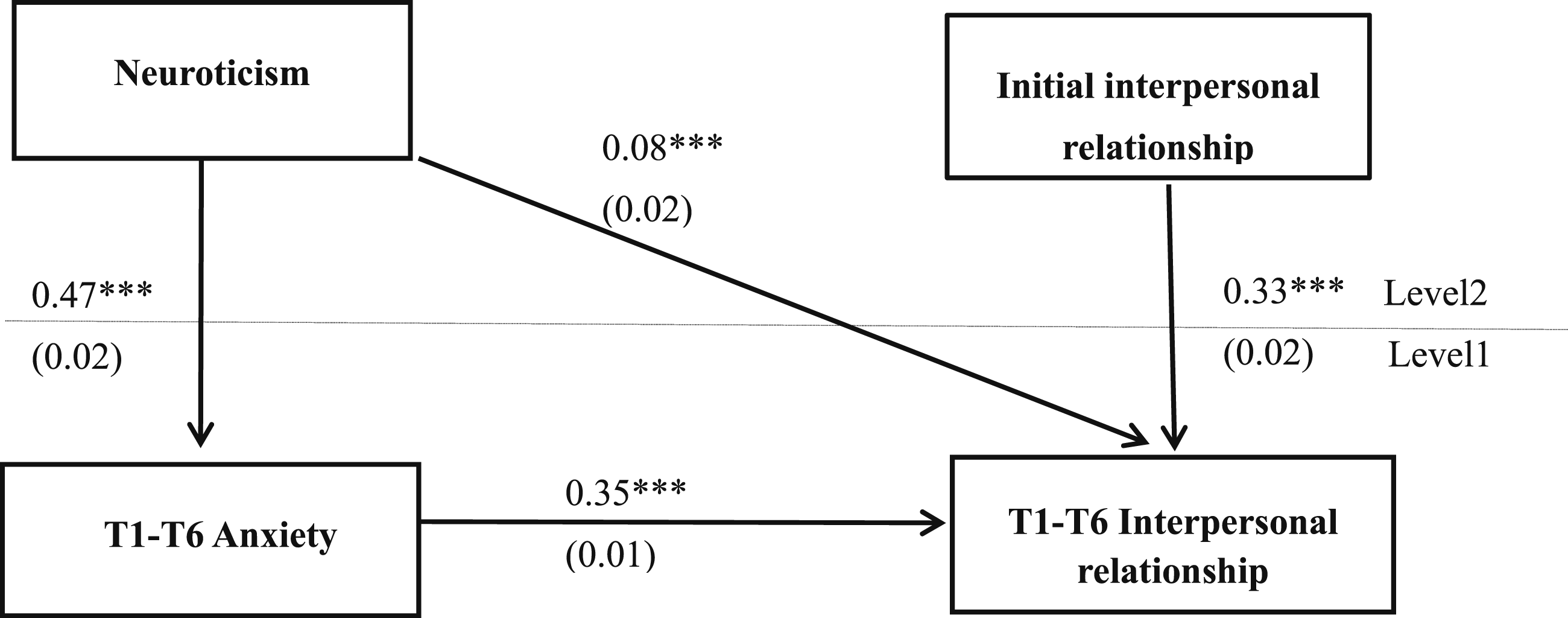
Mediation model (interpersonal relationship).
Discussion
The present study aimed to investigate the relationships among neuroticism, anxiety, and depression in adolescents, with a focus on understanding the mediating role of anxiety in this association. Our findings revealed that higher levels of neuroticism were predictive of increased anxiety and depressive symptoms, and that anxiety significantly mediated the relationship between neuroticism and depression across multiple dimensions, including depressed mood, positive mood, somatic and retarded activity, and interpersonal relationships. These findings contribute important insights to the existing literature on adolescent mental health, highlighting the complex interplay between personality traits, anxiety, and depression.
Neuroticism and Anxiety are Both Predictors of Adolescent Depression
Our study confirmed that neuroticism and anxiety were the significant predictors of depression. This is in line with previous research on depression, which suggests that neuroticism predicts the onset of depressive disorders (Kendler et al., 1993, 2006; Ormel et al., 2004). And our results also indicate that anxiety significantly predicted depression, supporting the notion that anxiety often precedes and contributes to depressive symptoms. Anxiety may increase the risk of depression by fostering a cycle of worry, increased negative affect, and reduced engagement with positive activities, ultimately leading to depressive symptoms. These findings emphasize the importance of addressing anxiety early in adolescents to prevent the subsequent development of depression. In addition, the present study further found that both neuroticism and anxiety could also positively predict various manifestations of depressive symptoms in adolescence, such as depressed mood, decreased positive mood, somatic and retarded activity, and interpersonal difficulty. This means that they may play a fundamental or driving role in the onset and development of depression, collectively influencing the formation of depression through multiple pathways.
The Mediating Role of Anxiety in the Relationship Between Neuroticism and Adolescent Depression
Our results demonstrated that anxiety mediated the relationship between neuroticism and depression. This mediating effect is consistent with the stress generation theory (Hammen, 1991), which suggests that individuals with high neuroticism are more likely to experience anxiety, which in turn elevates their risk for depression. This finding extends previous research by highlighting anxiety as a potential mechanism through which neuroticism influences the development of depressive symptoms in adolescents. Regardless of whether participants had previously suffered from depression, the higher they were in neuroticism, the more they reported responding to mild negative mood by repetitively thinking about the possible causes of this mood, and neglecting more active approaches to coping with difficulties, which, in turn, was related to higher levels of depressive symptoms. This finding is in line with previous reports from cross-sectional studies in both clinical and non-clinical groups that have investigated mediating effects of rumination by using a questionnaire designed to assess habitual tendencies to rumination (Kuyken et al., 2006; Muris et al., 2005; Roelofs, Huibers, Peeters, & Arntz, 2008; Roelofs, Huibers, Peeters, Arntz, et al., 2008). Similar to other studies that examined the mediating role of environmental stressors, such as negative life events (Zheng et al., 2024), our study highlights the importance of focusing on emotional regulation and anxiety management to mitigate the effects of neuroticism on adolescent depression.
Our study further explored how anxiety mediates the relationship between neuroticism and different dimensions of depression, including depressed mood, positive mood, somatic and retarded activity, and interpersonal relationships. Notably, the mediating effect of anxiety varies across different depressive dimensions. Anxiety exerts a much stronger mediating influence between neuroticism and depressed mood than it does on interpersonal relationships. As an internal state, depressed mood is directly affected by anxiety. Anxiety amplifies negative emotions and rumination, deteriorating depressed mood, which is consistent with research on shared emotional dysregulation (Gökdağ & Kızıltepe, 2023). Conversely, anxiety has a relatively weaker mediating effect on interpersonal difficulties. These difficulties are shaped by complex social and situational factors. Alongside anxiety, peer relationships, family environment, and social skills play significant roles. For example, individuals with poor social skills may experience interpersonal problems regardless of their anxiety levels. To account for these differences, we can explore mechanisms such as cognitive biases and social withdrawal. Cognitive biases, prevalent in both anxiety and depression, more directly connect the mediating role of anxiety to depressed mood. Anxious adolescents often misinterpret neutral events negatively, thus triggering depressed mood. In summary, anxiety directly impacts depressed mood. By contrast, its influence on interpersonal difficulties is indirect. Anxiety first prompts social withdrawal, which subsequently leads to interpersonal problems.
Contribution and Implication
This study significantly enriches the literature on adolescent mental health. Empirically, it validates anxiety’s mediating role between neuroticism and depression, contributing to a substantial body of research highlighting anxiety’s significance in depressive symptom development. Departing from cross - sectional designs, our longitudinal approach strengthens causal inferences about variable relationships over time. This offers profound insights into how neuroticism and anxiety drive the onset of depression. The practical implications of this research are far - reaching. Identifying anxiety as a crucial mediator underscores the importance of early intervention. High - neuroticism adolescents are prime candidates for anti - anxiety programs. Guided by our findings, we propose two actionable strategies. First, administer targeted Cognitive - Behavioral Therapy (CBT) to high - neuroticism adolescents. CBT enables the identification and correction of anxiety - linked negative thoughts. Through exposure and coping training, it alleviates anxiety, preempting depressive mood. Second, implement differential interventions. Given the important mediating role of anxiety between the neuroticism and interpersonal difficulties dimensions, it is important that we improve the social skills of anxious adolescents. Schools should provide specialized training in social skills. Meanwhile, parents can teach their children to follow social norms and guide them to think differently.
Limitations and Future Directions
While our study provides valuable insights, several limitations must be acknowledged. Firstly, the use of self-report measures for assessing neuroticism, anxiety, and depression may introduce biases related to social desirability and subjective perception. Future research should incorporate objective assessment methods, such as clinician evaluations, or integrate neurobiological measures to provide a more comprehensive understanding of these relationships. Secondly, the sample used in this study was composed of adolescents from mainland China, which may limit the generalizability of the findings to other cultural or regional contexts. China has considerable cultural diversity, and thus, future research should aim to include participants from different backgrounds to increase generalizability. Lastly, the age range of the sample (14–19 years) may restrict the applicability of the findings to other developmental stages. Further research should investigate these relationships in younger children and adults to determine whether the observed patterns hold across different developmental periods.
Conclusion
In conclusion, this study demonstrates that anxiety mediates the relationship between neuroticism and depression across multiple dimensions, providing important insights into the complex interplay between personality traits and emotional health in adolescents. These findings underscore the need for targeted intervention programs focusing on anxiety reduction to prevent the onset of depression, particularly among adolescents with high neuroticism. Moreover, our study emphasizes the importance of using longitudinal approaches to unravel the developmental processes underlying the interplay between neuroticism, anxiety, and depression. Future research should continue exploring additional mediating factors and utilize more diverse samples to expand on the generalizability of these findings.
Footnotes
Author Note
All authors have seen and approved the final version of the manuscript being submitted. They warrant that the article is the authors’ original work, hasn’t received prior publication and isn’t under consideration for publication elsewhere. The authors declare that they have no conflicts of interest. Approval for the study was granted by the university ethics board, and the treatment of participants was in accordance with APA ethical standards. Written consent was obtained from parents and adolescents prior to the start of the study. We solicited the consent of all participants.
Acknowledgements
We are indebted to all participants to attend our study.
Author Contributors
Y.Y. contributed in data analysis, methodology, software, validation, visualization, writing-original draft and editing. Y.D. contributed in data analysis, methodology and writing-review and editing. Q.L. contributed in conceptualization, writing-review and editing. S.L. contributed in methodology, software, writing-review and editing. J.X. contributed in conceptualization, writing-review and editing.
Declaration of Conflicting Interests
The author(s) declared no potential conflicts of interest with respect to the research, authorship, and/or publication of this article.
Funding
The author(s) received no financial support for the research, authorship, and/or publication of this article.

Data Availability Statement
The datasets used and/or analyzed during the current study available from the corresponding author on reasonable request.