Abstracts of International Conference on Psychiatry and Neurorestoratology & International Symposium on Syringomyelia and Cerebrospinal Fluid Dynamics (ICPN2025),November 14-16,2025,Zhengzhou,China
Available accessAbstractFirst published online February, 2026
Abstracts of International Conference on Psychiatry and Neurorestoratology & International Symposium on Syringomyelia and Cerebrospinal Fluid Dynamics (ICPN2025),November 14-16,2025,Zhengzhou,China
THE INTERVENTION EFFECT OF AI-ASSISTED MATH GAMES ON COGNITIVE ABILITIES IN CHILDREN WITH ANXIETY DISORDER
Fuyang Zhao, Laichuang Fei*
Shenyang University, Shenyang 110044, China
Background: Anxiety disorder is increasingly common in children and has a profound impact on cognitive function, emotion regulation, and behavior. Existing interventions mainly focus on psychotherapy and medication, but their effectiveness in improving children's cognitive abilities remains controversial. In recent years, the application of artificial intelligence (AI) technology has provided new directions for interventions in children's mental health. Math games, as a tool that combines fun and education, have been shown to have a positive effect on improving cognitive abilities. This study aims to explore the intervention effect of AI-assisted math games on the cognitive abilities of children with anxiety disorder, providing a new perspective and method for early intervention in children with anxiety disorder.
Methods: The study recruited 50 children aged 8 to 12 who had been diagnosed with anxiety disorders. Participants were randomly assigned to experimental and control groups. The experimental group received a 12-week AI-assisted math game intervention, while the control group received standard psychological intervention. The study used standardized cognitive ability assessments (e.g., Digit Span Test and Executive Function Test) and anxiety symptom scales (e.g., Children's Anxiety Symptom Scale) for pre-and post-intervention comparisons. Children's interactive performance in mathematical games was recorded through an intelligent platform to analyze cognitive changes. Parents and teachers also completed behavioral assessment scales to assess children's behavioral performance and mood swings. In addition, the study also used neuroimaging technology to track changes in brain activity before and after the intervention to explore the impact of mathematical games on brain function.
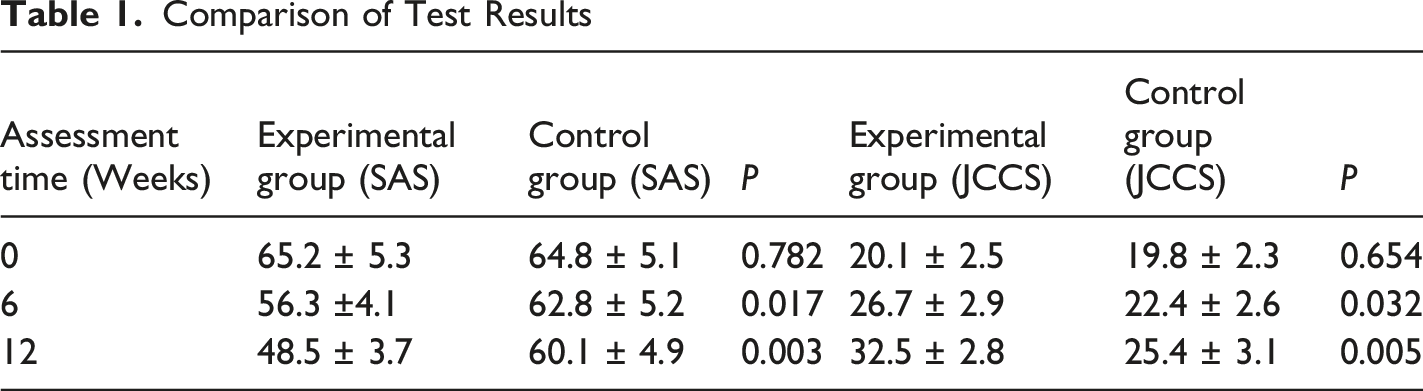
Results: The results showed that the working memory score of the experimental group was 88.6, compared to 72.3 for the control group; the problem-solving ability score was 84.2, compared to 70.1 for the control group. The anxiety symptom scale indicated that the experimental group's score dropped from 23.5 to 14.2, while the control group's score decreased from 22.7 to 20.9. The math game intervention not only improved cognitive function but also reduced anxiety symptoms, demonstrating the potential of AI-assisted tools. EEG data showed that the brain wave frequency in the prefrontal area increased from 7.2 Hz to 9.6 Hz, indicating improved cognitive and emotional regulation. Parent and teacher evaluations showed significant improvements in the experimental group’s daily behavior and social interaction, with the behavioral adaptability score increasing from 6.4 to 8.3 and the social interaction score from 5.8 to 7.0.
Discussion: Math game intervention combined with AI can effectively improve the cognitive abilities of children with anxiety disorders and demonstrates good intervention effects in alleviating anxiety symptoms. Future research can explore more types of games and personalized intervention programs to further optimize intervention strategies and expand their application scope.
2
OPTIMIZATION OF PERSONALIZED MEDICATION STRATEGIES FOR ANTIPSYCHOTIC DRUGS BASED ON A NONLINEAR PHARMACOKINETIC-PHARMACODYNAMIC MODEL
Xueqin Cao
Inner Mongolia Agricultural University, Hohhot 010018, China
Background: There are significant individual differences in the treatment of antipsychotic drugs, and traditional fixed-dose strategies struggle to balance efficacy and safety. Although pharmacokinetic-pharmacodynamic (PK-PD) models can guide drug dosing, the linear assumptions often fail to accurately depict the true concentration-effect relationship. The study constructs a nonlinear PK-PD model to simulate drug response characteristics under different individual parameter conditions and assess its application value in optimizing personalized medication strategies for antipsychotic drugs.
Methods: A retrospective and model simulation approach was used, involving 150 schizophrenia patients receiving treatment with risperidone or olanzapine at a psychiatric hospital. Blood drug concentration data, Positive and Negative Syndrome Scale (PANSS) scores, and adverse reaction incidence were collected. A nonlinear mixed-effects model was used to establish a coupled pharmacokinetic and pharmacodynamic model, with the maximum effect model (Emax) describing the concentration-effect relationship and using body weight, age, and liver enzyme levels as covariates. Monte Carlo simulations were used to generate steady-state concentration and efficacy distributions under different dosing regimens, and the traditional dosing regimen was compared to the model-optimized regimen in terms of PANSS improvement rates and adverse reaction incidence. Statistical analysis was performed using independent-sample t-tests and chi-square tests, with a significance level set at P<0.05.
Results: The model fitting results showed a significant nonlinear relationship between the drug blood concentration and the PANSS improvement rate. The Emax model significantly improved the fit compared to the linear model, with a difference in Akaike Information Criterion (AIC) of −42.6. The simulation results indicated that under the traditional fixed-dose regimen, the average PANSS improvement rate was 31.4%±9.2%, and the incidence of adverse reactions was 27.3%. Under the model-optimized dosing regimen, the PANSS improvement rate increased to 39.7%±8.5%, with a statistically significant difference (P<0.001), and the incidence of adverse reactions decreased to 18.6%, which was also significant (P=0.012). Stratified analysis showed that patients with lower body weight and mild liver dysfunction had greater dosage adjustments under the model guidance, with efficacy improvements of 11.2% and 9.6%, respectively. The results indicate that the nonlinear PK-PD model can more accurately predict individual drug response ranges.
Discussion: Personalized medication strategies based on the nonlinear PK-PD model can enhance the efficacy of antipsychotic drugs while reducing the risk of adverse reactions, showing a superior risk-benefit balance compared to traditional fixed-dose strategies. The results suggest that incorporating nonlinear models into clinical drug dosing decisions is feasible and contributes to the precision and individualization of antipsychotic drug treatment. Future studies could combine prospective clinical trials and real-time blood drug concentration monitoring to further verify the stability and applicability of this model-based strategy in real clinical settings.
3
THE RELIEVING EFFECT OF LITERARY INFLUENCE COMBINED WITH PSYCHOLOGICAL COUNSELING ON ENGLISH WRITING LEARNING ANXIETY AMONG JUNIOR HIGH SCHOOL STUDENTS
Linlin Li
Shenyang Jianzhu University, Shenyang 110168, China
Background: English writing anxiety is a common psychological phenomenon among middle school students. Previous studies have shown that single intervention methods such as literary influence or psychological counseling have a certain alleviating effect on language learning anxiety, but there is relatively little research focusing on the combined effect of the two on English writing anxiety among middle school students. Based on the theory of cognitive behavior, this study constructs a joint intervention model to verify whether the combination of literary input and targeted psychological counseling can more effectively reduce students' writing anxiety, improve their writing self-efficacy and writing performance.
Methods: A total of 90 students with severe English writing anxiety in the second year of junior high school were selected for the study and randomly divided into a combined intervention group (n=30), a literature education group (n=30), and a psychological counseling group (n=30). The joint intervention group alternately carries out literary education activities and targeted psychological counseling; The literary education group only carries out literary education activities; The psychological counseling group only conducts psychological counseling activities. After the intervention, the Writing Self Efficacy Scale was used to measure students' writing self-efficacy, and the English writing scores of the pre-test and post-test were collected for comparative analysis. SPSS 26.0 software was used for statistical processing of the data.
Results: The pre-test results showed that there was no significant difference in writing self-efficacy scores and English writing scores among the three groups of students (P>0.05). After intervention, the score of the combined intervention group in terms of writing self-efficacy increased from 28.35±3.62 before intervention to 45.68±4.21 after intervention, an increase of 61.13%; The growth rates of the literary education group and the psychological counseling group were 29.56% and 27.92%, respectively. In terms of English writing scores, the average score of the joint intervention group increased from (62.35±5.12) points to (81.26±4.87) points, an increase of 18.91 points; The literary cultivation group and psychological counseling group improved by 10.46 points and 9.86 points respectively. The self-efficacy score and English writing score improvement of the joint intervention group were significantly higher than the other two groups (P<0.05).
Discussion: The combination of literary education and psychological counseling has a significant alleviating effect on English writing anxiety among junior high school students, and the effect is better than that of single literary education or single psychological counseling intervention. Research provides effective intervention strategies to alleviate students' writing anxiety, which can help students establish a positive writing attitude and improve their writing ability. Future research can analyze the differences in the effectiveness of joint interventions on students of different genders, grades, and English proficiency levels, making intervention strategies more targeted.
4
THE THERAPEUTIC EFFECT OF IMPROVISATION THERAPY ON ADOLESCENT DEPRESSION
Zhe Zhao
Tonghua Normal University, Tonghua 134001, China
Background: Adolescent depressive disorders are often accompanied by limited emotional expression, decreased motivation, and interpersonal withdrawal. Single-drug or verbal therapy has limited effectiveness in some patients. Music therapy, as an important supplement to psychotherapy, emphasizes nonverbal expression and emotional resonance. Improvisational composition therapy, through the process of immediate musical creation, provides a unique pathway for the externalization and regulation of depressive moods. Based on the theoretical framework of how improvisational interaction promotes emotional reconstruction in music psychotherapy, this study explores the therapeutic effects of improvisational composition therapy on depressive symptoms and emotional function in adolescent patients with depression, aiming to evaluate its application value in clinical intervention.
Methods: This study employed a randomized controlled trial design, selecting 124 adolescent patients meeting the diagnostic criteria for depressive disorder and randomly assigning them to an experimental group and a control group. The experimental group (n=62) received 8 weeks of improvisation therapy twice a week in addition to routine treatment, while the control group (n=62) received only routine psychological support and medication. Assessments were conducted using the Depression Symptom Rating Scale, the Emotion Regulation Ability Scale, and the Treatment Adherence Record Form. The study sequentially completed baseline measurements, intervention implementation, and post-intervention assessments, using paired-samples t-tests and correlation analysis to compare the intervention effects between the two groups.
Results: The results showed that the total score of depressive symptoms in the experimental group decreased from 26.3±5.8 before the intervention to 17.6±4.9, with a statistically significant difference (t=8.01, P<0.001), while the score in the control group decreased from 25.9±6.1 to 22.8±5.7, with a smaller change. After the intervention, the score of emotion regulation ability in the experimental group was 72.4±8.6, significantly higher than that in the control group (64.1±9.2) (t=4.56, P<0.001). Further analysis showed that the level of participation in improvisational music was significantly positively correlated with the improvement of depressive symptoms (r=0.47, P<0.01), and the degree of emotional engagement in music interaction had an important predictive role in symptom relief. Overall, adolescents who received improvisation therapy showed a more consistent and stable trend in terms of symptom relief and improvement in emotional function.
Discussion: The results indicate that improvisational music therapy has a clear therapeutic effect on improving depressive symptoms and enhancing mood regulation in adolescents. Its mechanism of action aligns with the intervention concept in psychotherapy that promotes emotional repair through nonverbal expression and interactive experiences, and is particularly suitable for adolescents with limited verbal expression or low motivation for treatment. These results suggest that improvisational music therapy can serve as an effective supplement to comprehensive treatment programs for adolescent depressive disorders. Future research could further explore its long-term efficacy and underlying mechanisms by extending the follow-up period and incorporating neurophysiological indicators.
5
THE MODERATING EFFECTS OF PARTICIPATORY TEACHING OF INTANGIBLE CULTURAL HERITAGE HANDICRAFTS IN WESTERN YUNNAN ON COLLEGE STUDENTS' SELF-EFFICACY AND DEPRESSIVE TENDENCIES
Xingli Yuan, Li Tan*, Song Qi, Ziyao Ge
Baoshan University, Baoshan 678000, China
Background: Among university students, the combination of academic competition and future uncertainty has led to a growing prominence of low self-efficacy and depressive tendencies. Current psychological interventions largely rely on counseling or group therapy, while research integrating intangible cultural heritage (ICH) into psychological adjustment and emotion intervention remains limited. Yunnan's intangible cultural heritage handicrafts, with their highly participatory, experiential, and emotionally immersive characteristics, provide a new practical vehicle for psychological adjustment. Based on the theoretical perspective of “action experience promoting emotional repair” in psychotherapy, this study explores the moderating effect of participatory ICH handicraft teaching on university students' self-efficacy and depressive tendencies, aiming to evaluate the application value of cultural practice in non-clinical psychological interventions.
Methods: This study employed a quasi-experimental design, randomly selecting 286 university students aged 18-22 from two universities. They were divided into an experimental group (n=144) and a control group (n=142) according to their academic schedule. The experimental group received 10 weeks of participatory teaching in Yunnan's intangible cultural heritage handicrafts, including learning traditional techniques, collaborative production, and process reflection. The control group only participated in regular general education courses. Measurements were conducted using a general information questionnaire, the General Self-Efficacy Scale, and the Self-Rating Depression Scale. The study sequentially completed baseline measurements, the teaching intervention, and post-intervention assessments. Paired-samples t-tests, Pearson correlation analysis, and multiple regression analysis were used to evaluate the intervention's effectiveness.
Results: The results showed that the self-efficacy score in the experimental group increased from 23.8±4.6 before the intervention to 29.1±4.2, a statistically significant difference (t=7.14, P<0.001), while the control group showed no significant change. The depressive tendency score in the experimental group decreased from 17.4±5.1 to 12.9±4.3 (t=6.02, P<0.001). Correlation analysis indicated a significant negative correlation between the increase in self-efficacy and the decrease in depressive tendency (r=−0.45, P<0.01). Regression analysis showed that participation and sense of accomplishment together explained 34.2% of the variation in depressive tendency, with collaborative craft activities showing the most significant predictive effect on mood improvement.
Discussion: The study results indicate that participatory teaching of intangible cultural heritage handicrafts in western Yunnan has a clear psychological regulatory effect on enhancing college students' self-efficacy and alleviating depressive tendencies. Its mechanism aligns with the intervention logic in psychotherapy, which emphasizes enhancing self-control and emotional repair through experiential learning. These results suggest that cultural participation activities can serve as an effective supplement to the mental health support system in universities. Future research, through longitudinal tracking and multicultural comparison, will further verify the sustained effects of different forms of intangible cultural heritage practice on depression intervention and their psychological mechanisms.
6
CONSTRUCTION AND OPTIMIZATION PATH OF COMMUNITY PSYCHOLOGICAL NURSING SERVICE SYSTEM IN THE PROCESS OF URBAN-RURAL INTEGRATION
Xinchao Pan
Nanning Normal University, Nanning 530100, China
Background: Against the backdrop of ongoing urban-rural integration, accelerated population mobility, community restructuring, and weakening social support networks have led to a diversification and increasing complexity of residents' mental health needs. Compared to the mature mental health service systems in cities, rural and peri-urban communities still face significant shortcomings in terms of mental health resource allocation, service accessibility, and professional continuity. Therefore, this study, from the perspective of mental health care and community-based psychological intervention, explores the current operational status, key influencing factors, and optimization directions of the community-based mental health care service system in the process of urban-rural integration, providing theoretical support for constructing a continuous, accessible, and effective community-based mental health care model.
Methods: This study employed a cross-sectional survey and comparative analysis approach, selecting 428 permanent residents from six communities with varying degrees of urban-rural integration. Measurements were conducted using a community mental health service accessibility questionnaire, a self-assessment scale for mental health, and a nursing service satisfaction scale. Data on the allocation of community mental health care personnel and service formats were also collected. The study proceeded in the order of data collection, group comparison, and statistical analysis, employing independent samples t-tests, Pearson correlation analysis, and multiple regression analysis to assess the relationship between mental health service characteristics and residents' mental health levels.
Results: The results showed that the accessibility score for mental health care services in urban communities was 78.4±9.6, higher than that in peri-urban areas (69.1±10.3) and rural communities (63.7±11.2) (t=4.87, P<0.001). The frequency of mental health care services was positively correlated with the total mental health score of residents; the total mental health score of those with higher service frequency was 76.2±8.4, higher than that of those with lower service frequency (68.9±9.1) (r=0.38, P<0.01). Furthermore, those with higher perceived barriers to service access had a higher psychological distress score, which increased from 21.5±5.2 to 28.7±6.0 (r=0.42, P<0.01). Regression analysis indicated that the allocation of professional nursing staff, service continuity, and mental health education coverage collectively explained 31.5% of the variation in mental health levels.
Discussion: The mechanism by which the completeness of the community-based mental health care service system affects residents' mental health aligns with the intervention logic of promoting psychological stability through continuous support in mental health care. Optimizing nursing staff allocation, strengthening service continuity, and increasing the coverage of community mental health education can effectively improve the effectiveness of community-level mental health care. Future research can combine longitudinal tracking and intervention assessment methods to further verify the long-term effects of different mental health care models in urban and rural communities and explore pathways for their synergistic integration with clinical mental health services.
7
THE IMPACT OF MIDDLE SCHOOL STUDENTS' CHINESE WRITING ON THEIR ANXIETY
Yimin Liu
Jiaying University, Meizhou 514015, China
Background: Against the backdrop of increasing academic burden and high incidence of emotional problems among middle school students, anxiety has become a significant risk factor affecting their mental health and learning adaptation. Existing research largely focuses on writing skills training or general emotion regulation techniques, with limited systematic examination of the emotion regulation function of Chinese language writing as a daily learning activity from the perspective of psychotherapy and psychological intervention. This study, based on the theories of “expressive writing” and emotional catharsis in psychotherapy, explores the relationship between middle school students' participation in Chinese language writing, their writing experience, and anxiety. It aims to clarify the potential psychotherapeutic value of Chinese language writing in adolescent anxiety intervention and provide a basis for low-cost psychological support pathways in school settings.
Methods: A cross-sectional, quasi-experimental design was employed, drawing 312 junior and senior high school students from three ordinary middle schools. Measurements were conducted using a general information questionnaire, a Chinese writing engagement and emotional experience scale, and a self-rating anxiety scale for middle school students. Some students received eight weeks of structured Chinese writing training, including writing on emotional themes, free expression writing, and reflective rewriting. The study was conducted in the order of measurement, intervention, and follow-up, using paired-samples t-tests, correlation analysis, and multiple regression analysis to assess the relationship between writing variables and anxiety levels.
Results: The results showed a significant negative correlation between writing engagement and total anxiety score (r=−0.41, P<0.01). The total anxiety score in the experimental group decreased from 52.6±8.9 before the intervention to 44.1±7.6, a statistically significant difference (t=6.32, P<0.001), while the total anxiety score in the control group did not change significantly. Further regression analysis indicated that the frequency of emotional expression in writing and the sense of emotional catharsis during writing jointly explained 27.8% of the variation in anxiety. Among these, the experience of emotional clarification formed during the writing process had a significant predictive effect on both somatic and cognitive anxiety.
Discussion: The results indicate that Chinese language writing not only has educational functions in language training and cognitive development, but also exhibits a stable and specific psychological intervention effect in regulating anxiety among middle school students. Its mechanism of action is highly consistent with the theoretical orientation in psychotherapy that uses expression to promote emotional integration. This finding suggests that structured writing activities can be used as an effective supplementary form of mental health support in school settings. Future research could combine longitudinal tracking and clinical interviews to further explore the differentiated mechanisms of action of different writing types on anxiety subtypes and evaluate the synergistic intervention effects of Chinese language writing with other psychotherapeutic techniques.
Funding: No. JYJG2024238.
8
THE REGULATORY EFFECT OF ANCIENT CHINESE PAINTING ON EMOTIONAL DISORDERS IN PATIENTS WITH BIPOLAR DISORDER
Liang Zhao
Nanjing Normal University, Nanjing 210000, China
Background: Patients with bipolar disorder exhibit prominent symptoms such as elevated mood, impaired impulse control, and imbalanced emotional responses. Medication alone is often insufficient to comprehensively improve their mood regulation and psychological experience. Artistic intervention is believed to influence emotional processing through aesthetic experience and emotional resonance. Ancient Chinese painting, with its characteristics of creating atmosphere, restrained expression, and aesthetic contemplation, may have a moderating effect on hyperactive emotions. This study, from a psychotherapy perspective, explores the moderating effects of appreciating and guided experiences of ancient Chinese painting on mood disorders in patients with bipolar disorder, aiming to provide supplementary evidence for non-pharmacological intervention strategies.
Methods: This controlled intervention study included 72 patients with bipolar disorder who met the diagnostic criteria and were not in the acute phase. They were randomly divided into an intervention group (n=36) and a control group (n=36). The control group received routine medication and general psychological support, while the intervention group received an additional 8-week program of appreciating and guiding emotions through ancient Chinese paintings. The program included thematic analysis of landscape and figure paintings, recording of emotional feelings, and group discussions. The intervention was uniformly guided by therapists with mental health backgrounds to ensure consistency. The Young Mania Rating Scale (YMRS), the Emotion Regulation Difficulty Scale, and the Psychological Balance Scale were used for assessment before and after the intervention. All data were statistically analyzed using SPSS 26.0.
Results: After the intervention, the YMRS score in the intervention group decreased from 14.7±3.6 to 8.5±2.9, a significantly greater decrease than that in the control group (t=3.58, P<0.01), and the total score of the Emotion Regulation Difficulty Scale decreased by approximately 29.1%. The score of the Psychological Balance Scale increased by 5.2±1.7 points, while the change in the control group was smaller. Further analysis showed that the frequency of emotional fluctuations and the subjective emotional control score both decreased in the intervention group, indicating that the intensity and stability of emotional responses improved simultaneously. Moreover, the increase in psychological balance was significantly negatively correlated with the decrease in YMRS score (r=-0.44, P<0.01), indicating a stable association between aesthetic experience and emotional stability.
Discussion: The intervention of ancient Chinese painting can play a role in mood regulation and psychological balance promotion during psychotherapy, helping to alleviate the hyperactive state of emotions in patients with bipolar disorder and improve their mood regulation ability. This method, as an adjunct to drug therapy, has good feasibility and cultural compatibility. Future research can combine neuroimaging or physiological indicators to further elucidate the intrinsic mechanisms by which ancient Chinese painting affects mood regulation and explore its application in different types of mood disorders.
9
THE ROLE OF COMMUNITY ARTS AND CRAFTS WORKSHOPS IN PREVENTING ADOLESCENT DEPRESSION
Yi Sun*, Nan Zhao
Nanjing Normal University, Nanjing 210046, China
Background: The occurrence of depression in adolescents is closely related to limited emotional expression, insufficient social support, and low self-efficacy. Community arts and crafts workshops, with their core focus on participatory creation, peer interaction, and experiential learning, can play a preventative role by enhancing the externalization of emotions and social connections. This study evaluates the impact of community arts and crafts workshops on adolescent depression risk and psychological functioning from the perspective of psychotherapy and community psychological intervention, exploring their application value in the primary prevention of depression. The aim of this study is to clarify the preventative effect of community arts and crafts workshops in reducing adolescent depression risk and their practical significance in improving psychological functioning.
Methods: This prospective controlled study recruited 96 adolescents at risk of depression but not meeting the clinical diagnostic criteria from the community. They were divided into an intervention group (n=48) and a control group (n=48). The control group received routine community mental health education, while the intervention group participated in a 12-week community arts and crafts workshop, including woodworking, pottery, and mixed media creation, supplemented with emotion awareness and guided group sharing. The Patient Health Questionnaire-9 (PHQ-9), self-esteem scale, and social support rating scale were used to assess participants before and after the intervention. All data were analyzed using SPSS 26.0 statistical software. Quantitative data are expressed as mean ± standard deviation. Pearson correlation analysis was used for correlation analysis, with a significance level set at P<0.05.
Results: After the intervention, the PHQ-9 score in the intervention group decreased from 9.8±2.1 to 5.9±1.8, a significantly greater decrease than that in the control group (t=3.67, P<0.01). The risk detection rate of mild to moderate depression decreased from 43.8% to 18.7%, while the control group showed no significant change during the same period (P<0.05). Self-esteem score increased by 4.6±1.9, and total social support score increased by approximately 22.3%. Correlation analysis showed a significant negative correlation between the increase in social support and the decrease in PHQ-9 score (r=-0.48, P<0.01), suggesting that community interaction mechanisms play an important role in depression prevention.
Discussion: Community arts and crafts workshops, by integrating artistic creation with group support, can effectively reduce the risk of depression in adolescents and improve their self-esteem and sense of social support, demonstrating significant value in community-based mental health prevention. Its mechanism of action may lie in promoting the externalization of emotions through continuous hands-on creative processes, thereby enhancing individuals' self-efficacy. Future research could involve multi-center studies in different community types and among high-risk populations, combined with long-term follow-up and home-school collaboration mechanisms, to further validate its sustained preventative effects and implementation pathways.
10
THE EMOTIONAL GUIDANCE FUNCTION OF CHINESE PAINTING IN EDUCATION AND STRATEGIES FOR MENTAL HEALTH EDUCATION
Junmei Qin
Shuozhou Normal College, Shuozhou 036000, China
Background: Inadequate emotion regulation is a significant contributing factor to psychological distress among adolescents and young adults, and a core issue long addressed in mental health education and psychotherapy. Artistic intervention, due to its advantages in nonverbal expression and emotional integration, has been gradually introduced into mental health education practices. Among these, Chinese painting, with its freehand expression, aesthetic contemplation, and emotional restraint, may play a unique role in emotional guidance and psychological stability. However, current practices largely remain at the level of fragmented courses, and its strategic application within the mental health education system remains unclear. This study, from the perspective of integrating psychotherapy and education, further explores its implementation strategies and application models in mental health education based on an evaluation of the emotional guidance effects of Chinese painting.
Methods: A quasi-experimental controlled design was used, selecting 80 students from regular middle schools and universities, who were divided into an intervention group (n=40) and a control group (n=40) by class. The control group received routine mental health education courses, while the intervention group received an additional 10-week course on the emotional expression of Chinese painting, including experiencing ink painting imagery, themed creation, and guided emotional sharing. The Symptom Checklist-90 (SCL-90), Generalized Anxiety Disorder-7 (GAD-7), and Emotion Regulation Ability Scale were used to assess changes before and after the intervention, focusing on changes in dimensions such as anxiety, depression, and interpersonal sensitivity.
Results: After the intervention, the total SCL-90 score in the intervention group decreased from 146.3±28.7 to 118.5±24.1, a significantly greater decrease than that in the control group (t=3.12, P<0.01). Specifically, the anxiety factor score decreased from 2.31±0.52 to 1.68±0.47, and the depression factor score decreased from 2.45±0.56 to 1.79±0.49, both statistically significant (P<0.05). The GAD-7 score decreased by an average of 3.4 points, while the control group decreased by less than 1.2 points. The total score for emotion regulation ability improved by approximately 27.6%, and this change was moderately negatively correlated with the improvement in anxiety symptoms (r=-0.42, P<0.01), suggesting that the intervention of Chinese painting can help with emotional guidance and psychological stability.
Discussion: Integrating Chinese painting into mental health education helps construct an artistic intervention pathway that combines emotional guidance and psychological support within educational contexts, which is beneficial for alleviating anxiety and depression symptoms and improving emotional regulation abilities. From an educational strategy perspective, Chinese painting can form a replicable and scalable mental health education model through thematic curriculum design, guidance on emotional expression, and reflective sharing mechanisms. Future research can further validate its strategy adaptability across different educational stages and scenarios, and incorporate long-term follow-up and neuropsychological indicators.
11
THE THERAPEUTIC EFFECT OF COMBINING TRADITIONAL CHINESE CULTURE READING WITH MINDFULNESS TRAINING ON THE PSYCHOLOGICAL INTERVENTION OF PATIENTS WITH BIPOLAR DISORDER
Feng Hu
Jiangsu Maritime Institute, Nanjing 211170, China
Background: Patients with bipolar disorder often experience mood swings, rumination, and psychological distress even during periods of stable drug treatment. Psychological intervention plays a crucial role in mood regulation and relapse prevention. In recent years, the effectiveness of mindfulness training in the intervention of mood disorders has been increasingly confirmed. Furthermore, traditional Chinese culture reading, which emphasizes introspection, self-awareness, and emotional cultivation, may complement mindfulness training in terms of cognitive restructuring and emotion regulation. From a psychotherapy perspective, this study aims to explore the clinical efficacy of traditional Chinese culture reading combined with mindfulness training in patients with bipolar disorder, focusing on its effects on alleviating mood symptoms and improving psychological function, thus providing empirical evidence for an integrated psychological intervention model.
Methods: A randomized controlled trial was conducted, enrolling 68 patients with stable bipolar disorder, who were randomly assigned to a combined intervention group (n=34) and a control group (n=34). The control group received routine medication and basic psychological support, while the combined intervention group received an additional 8-week program of reading traditional Chinese culture on the theme of “heart” and mindfulness training. The reading materials focused on emotional awareness, self-cultivation, and self-regulation, while the mindfulness training included breath awareness, body scans, and emotional acceptance exercises. The Hamilton Depression Rating Scale (HAMD), the Young Mania Rating Scale (YMRS), and the Mindfulness Level Scale were used to assess participants before and after the intervention.
Results: After the intervention, the HAMD score in the combined intervention group decreased from 18.6±4.2 points before the intervention to 10.9±3.5 points, a significantly greater decrease than that in the control group (t=3.41, P<0.01). The YMRS score decreased from 11.2±3.1 points to 6.3±2.4 points, while the control group showed no significant change at the same time point (P<0.05). The total mindfulness score increased by approximately 31.4% from baseline, and the magnitude of this change was moderately negatively correlated with the improvement of depressive symptoms (r=-0.46, P<0.01). The results suggest that the combined intervention has a better effect on emotional stability and psychological regulation ability.
Discussion: The integration of traditional Chinese culture reading with mindfulness training can significantly improve residual symptoms of depression and mania in patients with bipolar disorder on top of conventional treatment, and promote the improvement of mindfulness levels and emotional self-regulation abilities. It shows promising potential for application in psychotherapy, and is particularly suitable as a structured psychological intervention complement to drug therapy. Future research could further expand the sample size and extend the follow-up period, while incorporating neurocognitive or physiological indicators to explore the mechanism of action and long-term stability of this integrated intervention model.
12
INTERVENTION STUDY ON OCCUPATIONAL STRESS AND DEPRESSIVE SYMPTOMS AMONG ELECTRICAL HIGH-RISK WORKERS
Guibin Peng
Hunan Petrochemical Vocational Technology College, Yueyang 414100, China
Background: Workers in electrical high-risk positions are chronically exposed to heavy workloads and potential safety hazards, resulting in elevated occupational stress levels and a higher prevalence of depressive symptoms compared with employees in general positions. However, the effectiveness of psychological interventions for this population has not been sufficiently quantified. Therefore, this study focuses on occupational stress and depressive symptoms and aims to evaluate the effects of a comprehensive psychological intervention on mental health outcomes among electrical high-risk workers, with particular attention to changes in stress levels and depressive symptoms.
Methods: A quasi-experimental controlled design was adopted. A total of 120 electrical high-risk workers were recruited from a power enterprise and assigned to an intervention group with 60 participants and a control group with 60 participants after matching for age and length of service. The intervention group received an 8-week comprehensive psychological intervention program, including stress management training, cognitive-behavioral adjustment, and relaxation training, conducted twice per week for 90 minutes per session. The control group received routine safety education and standard workplace management without specialized psychological intervention. Occupational stress was assessed using the Occupational Stress Inventory (OSI), and depressive symptoms were measured using the Self-Rating Depression Scale (SDS) before and after the intervention. Paired t tests and independent-sample t tests were used for statistical analysis.
Results: Before the intervention, no significant differences were observed between the two groups in occupational stress scores or depressive symptom scores. After the intervention, the occupational stress score in the intervention group decreased from 72.5±10.8 to 58.9±9.7, showing a statistically significant difference with t=7.14 and P<0.001, whereas no significant change was observed in the control group. With respect to depressive symptoms, the SDS score in the intervention group decreased from 56.3±8.4 to 45.2±7.6, with a statistically significant difference of t=6.39 and P<0.001, while the control group showed no significant change. Between-group comparisons indicated that, after the intervention, the intervention group had significantly lower occupational stress scores and depressive symptom scores than the control group, with all P<0.001. Further analysis revealed that the reduction in occupational stress scores was significantly positively correlated with the improvement in depressive symptoms, with a correlation coefficient of r=0.42 and P< 0.001.
Discussion: Comprehensive psychological intervention can significantly reduce occupational stress and alleviate depressive symptoms among electrical high-risk workers. The findings indicate that psychological interventions tailored to the characteristics of high-risk positions have practical value, and introducing such interventions into high-risk operation management can help improve workers’ mental health. Future studies may further verify the stability of intervention effects by extending follow-up periods.
13
DEPRESSION INTERVENTION STRATEGIES BASED ON ARTIFICIAL INTELLIGENCE IN MENTAL HEALTH EDUCATION
Xiaojia Liu
Jilin Tiedao University, Jilin 132299, China
Background: In mental health education practice, depression interventions mainly rely on face-to-face counseling and group guidance, which are limited in coverage and personalization. With the development of artificial intelligence (AI) technologies, their application in emotion recognition and intervention support has increased; however, systematic quantitative evidence of their effectiveness remains insufficient. This study takes improvement in depressive symptoms as the primary outcome and evaluates the effectiveness of AI-assisted intervention strategies in mental health education, aiming to analyze their roles in emotional regulation and behavioral change.
Methods: A quasi-experimental controlled design was adopted. A total of 120 university students with moderate depressive symptoms were selected and randomly assigned to an intervention group (n=60) and a control group (n=60). In addition to routine mental health education, the intervention group received an 8-week AI-assisted intervention, including emotion recognition feedback, personalized cognitive restructuring prompts, and behavioral activation task delivery, whereas the control group received only routine mental health education courses. Depressive symptoms were assessed before and after the intervention using the Patient Health Questionnaire-9 (PHQ-9). Learning engagement and emotional self-regulation ability were also recorded. In terms of data statistics, the study employed paired t-test and independent sample t-test for statistical analysis, with the significance level set at P< 0.05.
Results: Before the intervention, no significant differences were found between the two groups in PHQ-9 scores. After the intervention, the PHQ-9 score in the intervention group decreased from 15.6±3.2 to 9.8±2.9, showing a statistically significant difference (t=8.37, P<0.001), whereas the control group showed a decrease from 15.3±3.4 to 13.9±3.3, which was not statistically significant. In the intervention group, emotional regulation ability increased from 62.4±9.1 to 74.7±8.5, and learning engagement increased from 58.9±10.3 to 69.2±9.6, with both improvements reaching statistical significance (P<0.001). Between-group comparisons indicated that, after the intervention, the intervention group performed significantly better than the control group in PHQ-9 scores, emotional regulation ability, and learning engagement, with all p values below 0.01.
Discussion: AI-assisted intervention strategies can significantly alleviate depressive symptoms among individuals receiving mental health education and simultaneously enhance their emotional regulation ability and learning engagement. The consistent improvements observed in both emotional and behavioral indicators demonstrate the practical value of integrating AI technologies into mental health education. The findings further suggest that incorporating intelligent emotion recognition and personalized intervention modules into mental health education systems can improve the precision and accessibility of depression interventions. Future studies should extend follow-up periods and compare different algorithmic models to further verify the stability and generalizability of intervention effects.
14
SECURITY PREVENTION AND CONTROL PATHWAYS BASED ON ANXIETY FACTORS BEHIND CAMPUS VIOLENCE INCIDENTS
Yiming Li, Shulin Huo*
Capital University of Physical Education and Sports, Beijing 100191, China
Background: Campus violence incidents pose serious threats to students’ physical and mental health and to campus safety order. Existing studies have mainly analyzed their causes from behavioral characteristics or management systems, while the role of emotional factors, especially anxiety, has received insufficient attention. Therefore, this study takes anxiety as a key entry point to explore its relationship with campus violence and proposes corresponding prevention and control pathways from a security management perspective, aiming to provide psychological evidence for campus safety governance.
Methods: A combination of questionnaire surveys and incident data analysis was adopted. A total of 480 students were sampled from three secondary schools and two universities. Anxiety levels were measured using the Self-Rating Anxiety Scale (SAS), and campus violence behaviors were assessed through a violence behavior questionnaire covering verbal aggression, physical conflict, and threatening behavior. Officially recorded campus violence incidents over the past year were collected for cross-validation. Independent-sample t tests were used to compare anxiety differences between groups with different levels of violent behavior, and logistic regression analysis was applied to examine the predictive effect of anxiety on campus violence, with the significance level set at P<0.05.
Results: Students with a history of campus violence had an anxiety score of 57.6±8.9, which was significantly higher than that of students without violent behavior history at 49.3±7.6, showing a statistically significant difference (t=9.12, P<0.001). Anxiety scores were significantly positively correlated with the frequency of violent behavior, with a correlation coefficient of r=0.43 and P<0.001. Logistic regression analysis indicated that anxiety was an important predictor of campus violence, with a regression coefficient β=0.38 and P< 0.001, remaining significant after controlling for gender and grade. Further stratified analysis showed that the proportion of physical conflict among students in the high-anxiety group was 28.4%, which was markedly higher than that in the low-anxiety group at 13.6%. These results demonstrate that elevated anxiety levels substantially increase the risk of campus violence.
Discussion: Anxiety plays a critical role in the formation of campus violence incidents and represents a key psychological risk factor that can be identified and intervened. The findings suggest that incorporating anxiety assessment into campus security prevention and control systems can help identify high-risk individuals at an early stage and implement targeted interventions. Campus security management should shift from a single focus on behavioral control to an integrated pathway combining “emotional early warning, psychological intervention, and security management” to reduce the probability of campus violence. Future studies may further verify the stability and generalizability of this prevention and control pathway through longitudinal tracking and emotion-monitoring technologies.
15
ANALYSIS OF THE EFFECTS OF OCCUPATIONAL STRESS IN FINANCIAL MANAGEMENT ON ANXIETY, DEPRESSION, AND MANIC EMOTIONS AMONG EMPLOYEES
Miao Chen, Yang Liu*
Guangdong University of Finance & Economics, Guangzhou 510320, China
Background: Financial management positions are characterized by high responsibility, high risk, and strict performance assessments, which may lead to various negative emotional reactions among employees. Previous studies have mainly focused on the relationship between occupational stress and anxiety or depression, while comprehensive analyses including manic emotions remain insufficient. Therefore, this study investigates the effects of occupational stress on anxiety, depression, and manic emotions among financial management professionals to clarify the structure of emotional risks in this population.
Methods: A questionnaire-based survey was conducted among 360 financial management employees working in banks, corporate finance departments, and accounting firms. Participants were classified into high-pressure and low-pressure groups based on their occupational stress levels, with the high-pressure group having higher stress levels and the low-pressure group having lower stress levels, as determined by the occupational stress questionnaire results. Occupational stress was measured using an occupational stress questionnaire. Anxiety was assessed using the Self-Rating Anxiety Scale (SAS), depression was assessed using the Self-Rating Depression Scale (SDS), and manic emotions were assessed using the Hypomania Checklist (HCL-32). Pearson correlation analysis was used to examine the relationships between occupational stress and different emotional states, and multiple linear regression analysis was applied to test the predictive effects of occupational stress on anxiety, depression, and manic emotions. The significance level was set at P<0.05.
Results: Occupational stress was significantly positively correlated with anxiety (r=0.51, P<0.001), depression (r=0.47, P<0.001), and manic emotions (r=0.32, P<0.001). Regression analysis indicated that occupational stress significantly predicted anxiety (β=0.38, P<0.001), depression (β=0.35, P<0.001), and manic emotions (β=0.21, P=0.004). In the high-stress group, the anxiety score was 56.7±8.4, which was significantly higher than that of the low-stress group at 48.2±7.9; the depression score was 54.3±9.1, significantly higher than 46.8±8.6; and the manic emotion score was 15.6±4.2, higher than 12.9±3.8. All these differences were statistically significant (P<0.01).
Discussion: Occupational stress in financial management has significant effects on employees’ anxiety, depression, and manic emotions, with stronger impacts on anxiety and depression. These findings indicate that long-term high stress not only increases the risk of negative emotions but may also intensify emotional instability. The results suggest that stress management should be incorporated into mental health interventions for financial management staff, and that combining stress assessment with emotional screening may help reduce the risk of emotional disorders. Future studies should employ longitudinal designs to further examine the causal relationship between occupational stress and emotional changes.
Funding: No. 2025GXJK0368; No. GD25CGG09.
16
PSYCHOLOGICAL EFFECTS OF VISUAL DESIGN IN REHABILITATION ENVIRONMENTS ON PATIENTS WITH BIPOLAR DISORDER
Azhi Liu
Xichang University, Xichang 615000, China
Background: Patients with bipolar disorder are highly sensitive to external environmental stimuli during rehabilitation, and visual environments may influence their emotional stability and psychological state. However, existing studies mainly focus on pharmacological and psychotherapeutic interventions, with limited systematic quantitative analysis of the psychological effects of visual design in rehabilitation environments. Taking emotional state improvement as the core outcome, this study evaluates the effects of rehabilitation environments with different visual design characteristics on the psychological state of patients with bipolar disorder, aiming to provide evidence-based support and practical reference for optimizing the design of mental health rehabilitation spaces.
Methods: A quasi-experimental controlled design was adopted. A total of 90 patients with bipolar disorder were recruited from a psychiatric rehabilitation center and randomly assigned to an experimental group (n=45) and a control group (n=45). The experimental group was exposed to an optimized visual environment characterized by low-saturation colors, natural element graphics, and soft lighting, while the control group remained in the conventional rehabilitation environment. The intervention lasted for 6 weeks. Emotional status was assessed before and after the intervention using the Hamilton Depression Rating Scale (HAMD) and the Hypomania Rating Scale (HRS). Sleep quality scores and the frequency of emotional fluctuations were also recorded. Paired t tests and independent-sample t tests were used for statistical analysis, with the significance level set at P<0.05.
Results: Before the intervention, no significant differences were observed between the two groups in HAMD or HRS scores. After the intervention, the experimental group showed a significant decrease in HAMD scores from 21.4±4.3 to 15.2±3.8 (t=6.18, P<0.001) and in HRS scores from 18.6±3.9 to 13.1±3.5 (P<0.001). No significant changes were found in the control group. In the experimental group, sleep quality scores increased from 62.3 ± 8.7 to 71.6 ± 8.2 (P<0.001), and the frequency of emotional fluctuations decreased from 4.1±1.2 times per week to 2.3±0.9 times per week (P<0.001). Between-group comparisons indicated that, after the intervention, the experimental group performed significantly better than the control group in HAMD scores, HRS scores, sleep quality, and emotional fluctuation frequency.
Discussion: The visual design of rehabilitation environments has a significant impact on the psychological state of patients with bipolar disorder. Environments characterized by low-stimulation colors and natural visual elements can effectively reduce depressive and manic-related emotions and enhance sleep quality and emotional stability. The results indicate that integrating scientifically based visual design concepts into psychiatric rehabilitation environments has practical application value. Future studies should further compare the psychological effects of different color schemes and spatial layouts.
17
THERAPEUTIC EFFECTS OF YELLOW RIVER ECOTOURISM ON PATIENTS WITH MILD DEPRESSION
Yufang Qiao
Inner Mongolia Agricultural University, Hohhot 010018, China
Background: Ecotourism is considered to have potential benefits for psychological recovery and emotional regulation; however, its therapeutic effects on depression still lack systematic quantitative evidence. The ecological landscapes of the Yellow River Basin, combining natural scenery and cultural symbolism, may exert positive influences on emotional improvement. This study takes the alleviation of depressive symptoms as the core outcome and evaluates the therapeutic effects of Yellow River ecotourism intervention on the psychological state of patients with mild depression, aiming to provide empirical evidence for nature-based intervention models.
Methods: A quasi-experimental controlled design was adopted. A total of 80 patients with mild depression were recruited from a medical institution and community health centers and randomly assigned to an intervention group (n=40) and a control group (n=40). The intervention group participated in a 2-week Yellow River ecotourism program, including wetland walking, riverside landscape observation, and ecological interpretation activities. The control group received routine health education and daily activity guidance without participating in tourism programs. Depressive symptoms were assessed before and after the intervention using the Patient Health Questionnaire-9 (PHQ-9). Subjective well-being scores and sleep quality scores were also recorded. Paired t tests and independent-sample t tests were used for statistical analysis, with the significance level set at P < 0.05.
Results: Before the intervention, no significant differences were observed between the two groups in PHQ-9 scores. After the intervention, the PHQ-9 score in the intervention group decreased from 13.8±2.6 to 7.9±2.4, showing a statistically significant difference (t = 7.12, P<0.001), whereas the control group showed a decrease from 13.5±2.7 to 11.9±2.5, which was not statistically significant. In the intervention group, the subjective well-being score increased from 61.2±8.5 to 73.4±7.9 (P<0.001), and the sleep quality score increased from 64.7±9.1 to 72.6±8.4 (P<0.001). Between-group comparisons indicated that, after the intervention, the intervention group performed significantly better than the control group in PHQ-9 scores, subjective well-being, and sleep quality, with all P values below 0.01. These results suggest that Yellow River ecotourism intervention can effectively alleviate depressive symptoms in the short term while simultaneously improving emotional experience and sleep status.
Discussion: Yellow River ecotourism has therapeutic effects on patients with mild depression by reducing depressive symptoms and improving well-being and sleep quality. The consistent improvement in emotional and quality-of-life indicators demonstrates the value of integrating ecotourism into psychological rehabilitation and public health interventions. These findings suggest that incorporating natural landscape experiences and ecological activities into early depression interventions can expand non-pharmacological treatment options. Future studies should extend follow-up periods and compare different ecotourism models to verify long-term effects.
18
INTEGRATION STRATEGIES OF DEPRESSION PREVENTION AND TREATMENT KNOWLEDGE INTO MENTAL HEALTH COURSES FOR UNDERGRADUATE EDUCATION
Hao Wang
Xuzhou Medical University, Xuzhou 221004, China
Background: Undergraduate students are a high-risk group for depression; however, current mental health courses mainly focus on emotional regulation and general psychological knowledge, with insufficient systematic integration of depression prevention and treatment content, which limits the preventive function and practical effectiveness of these courses. This study takes the integration of depression-related knowledge as an entry point to evaluate its instructional outcomes and psychological intervention value after being embedded into mental health courses, aiming to explore effective integration strategies suitable for undergraduate education.
Methods: A quasi-experimental controlled design was adopted. A total of 200 undergraduates from one university were randomly assigned to an experimental group (n=100) and a control group (n=100). The experimental group received additional modules on depression prevention and treatment within the regular mental health course, including depression recognition, coping strategies, and help-seeking pathway training, while the control group maintained the original course content. The intervention lasted for one semester. Before and after the intervention, students’ knowledge of depression prevention and treatment was assessed using a knowledge test questionnaire, depressive symptoms were measured using the Patient Health Questionnaire-9 (PHQ-9), and attitudes toward psychological help-seeking were evaluated. Paired t tests and independent-sample t tests were used for statistical analysis, with the significance level set at P < 0.05.
Results: Before the intervention, no significant differences were found between the two groups in depression-related knowledge scores, PHQ-9 scores, or help-seeking attitudes. After the intervention, the experimental group’s knowledge score increased from 62.7±8.9 to 81.4±7.6, showing a significant difference (t=10.26, P<0.001), whereas the control group showed no significant change. The PHQ-9 score in the experimental group decreased from 9.6±3.1 to 6.8±2.9 (P<0.001), while no significant improvement was observed in the control group. The help-seeking attitude score in the experimental group increased from 58.3±9.5 to 69.7±8.8 (P<0.001). Between-group comparisons indicated that, after the intervention, the experimental group performed significantly better than the control group in depression-related knowledge, PHQ-9 scores, and help-seeking attitudes, with all P values below 0.01.
Discussion: Systematically integrating depression prevention and treatment knowledge into undergraduate mental health courses can enhance students’ ability to recognize and cope with depression and, to some extent, alleviate depressive symptoms and strengthen help-seeking attitudes. The findings indicate that constructing teaching modules centered on depression prevention and treatment within undergraduate mental health education can enhance the preventive function and psychological support value of such courses. Future studies may further verify the long-term effectiveness and generalizability of this strategy through longitudinal follow-up and multi-campus comparisons.
19
HOW SCIENTIFIC SPIRIT ALLEVIATES RESEARCH ANXIETY THROUGH PSYCHOLOGICAL RESILIENCE FROM A POSITIVE PSYCHOLOGY PERSPECTIVE
Fanchun Meng*, Ju Fan, Penghui Ma
Southwest Jiaotong University, Chengdu 611756, China
Background: Scientists commonly experience high levels of research-related anxiety arising from stressors such as unmet research expectations, limited resources, and experimental failure. Although previous studies have examined the relationship between anxiety and mental health, the mechanisms underlying anxiety alleviation in the research context remain insufficiently explored. From the perspective of positive psychology, psychological resilience is considered a key factor in reducing stress and anxiety. The study adopts a combination of quantitative research and qualitative interviews to explore how psychological resilience can alleviate research anxiety by enhancing scientists' adaptability and coping abilities, thereby improving their research spirit and work efficiency.
Methods: A mixed-methods approach combining quantitative surveys and qualitative interviews was adopted. A total of 200 scientists from different research fields were investigated regarding their levels of research anxiety and psychological resilience. Participants were divided into an intervention group (psychological resilience training group) and a control group (no intervention group) based on their research anxiety scores, and differences between the groups were analyzed. Research anxiety was measured using the Scientific Research Anxiety Scale (SRAS), and psychological resilience was assessed using the Resilience Scale (RS). Structural equation modeling (SEM) was applied to analyze the relationship between psychological resilience and research anxiety based on the quantitative data, while in-depth interviews were conducted to further explore the specific strategies used by highly resilient scientists to alleviate research anxiety. Data were processed using SPSS and AMOS, and structural equation modeling (SEM) was employed to analyze the effect of psychological resilience on research anxiety, with the significance level set at P <0.05.
Results: The results showed that scientists’ psychological resilience was significantly negatively correlated with research anxiety (r=−0.56, P<0.001), indicating that higher resilience was associated with lower levels of research anxiety. A significant difference in research anxiety scores was observed between the intervention group (resilience training) and the control group (no intervention). In the intervention group, the research anxiety score decreased from 78.4±12.3 to 62.3±11.8, representing a reduction of 16.1 points (t=9.43, P<0.001), whereas the control group showed only a small decrease from 79.1±13.5 to 75.2±13.9. Structural equation modeling indicated that psychological resilience reduced 47.8% of research anxiety by enhancing emotional regulation and goal-oriented behaviors.
Discussion: Psychological resilience significantly alleviates research anxiety among scientists and promotes research efficiency and mental well-being through positive emotional regulation and goal-oriented behaviors. Cultivating psychological resilience may serve as an effective strategy for reducing research anxiety and enhancing scientists’ coping capacity and stress tolerance. Future studies should further explore personalized resilience training programs for different research fields and verify their long-term effectiveness and generalizability.
Funding: No. SWJTUKF25-02.
20
INTERVENTION STUDY ON THE EFFECTS OF GROUP FOOTBALL TRAINING ON IMPROVING SOCIAL SKILLS IN PATIENTS WITH AUTISM SPECTRUM DISORDER
Zhilin Zhu
Henan Medical College, Zhengzhou 451191, China
Background: Individuals with Autism Spectrum Disorder (ASD) generally have problems with insufficient social interaction and weak cooperative behaviors. Although team sports are believed to potentially enhance peer interaction and social motivation, there is still insufficient quantitative evidence regarding the improvement of social skills through football group training, and the consistency verification of behavioral changes and scale indicators is also insufficient. Based on this, the study takes the improvement of social skills as the entry point, aiming to evaluate the intervention effect of football group training on the social responses and classroom interaction behaviors of ASD patients.
Methods: A quasi-experimental controlled design was used. Sixty patients with ASD aged 8-14 years were assigned to an intervention group and a control group with 30 participants each. The intervention group received 12 weeks of group football training three times per week for 60 minutes per session, while the control group continued routine rehabilitation. Social skills were assessed before and after the intervention using the Social Responsiveness Scale (SRS), and eye contact frequency, initiations of communication, and cooperative behavior rates were recorded during classroom activities. Paired t tests and independent-sample t tests were conducted, and Pearson correlation analysis was applied. The significance level was set at P<0.05.
Results: After the intervention, the SRS total score in the intervention group decreased from 88.6±13.1 to 72.4±11.2, showing a significant difference with t=6.02 and P<0.001, whereas the control group showed no significant change. Eye contact frequency increased from 3.3±1.3 to 6.9±1.7 times per session, initiations of communication increased from 2.8±1.1 to 5.9±1.6 times per session, and cooperative behavior rates increased from 29.4%±8.1% to 52.7%±9.6% in the intervention group, all with P<0.001. After the intervention, the intervention group performed significantly better than the control group in all outcomes with P<0.01. Reductions in SRS total scores were positively correlated with increases in initiations of communication and cooperative behavior rates, with r=0.36 and r=0.31, respectively.
Discussion: Group football training can significantly enhance social skills in patients with ASD, as evidenced by improvements in SRS scores and concurrent increases in eye contact, initiations of communication, and cooperative behaviors. The intervention produces observable behavioral gains that are consistent with scale-based improvements. These findings suggest that football-based group training incorporating rules and cooperative tasks can serve as an effective supplement to conventional rehabilitation programs. Future studies should further verify the durability and applicability of the intervention effects by extending follow-up periods and conducting stratified analyses.
21
LATIN DANCE EXERCISE INTERVENTION ON DEPRESSION PSYCHOLOGICAL STATUS AND EMOTIONAL HEALTH OF COLLEGE STUDENTS
Fengjing Zhao
Zhengzhou Vocational College of Finance and Taxation, Zhengzhou 453000, China
Background: Although traditional drug treatment and psychological counseling have shown some effectiveness for college students with depression, they often come with problems such as drug side effects, social stigmatization, and heavy economic burdens, which result in poor compliance. Latin dance exercise is a rhythmic and socially interactive physical and mental exercise method. The study aims to explore the intervention effect of Latin dance exercise on the psychological state and overall emotional health of depressed college students, and provide an effective non-pharmacological intervention plan reference for the mental health service system of universities.
Methods: The study recruited 108 college students with mild to moderate depression who met the diagnostic criteria through the school's mental health center and online recruitment. The subjects were divided into an intervention group (54 cases) and a control group (54 cases) using a random number table method. The intervention group received a 12-week structured Latin dance exercise intervention, three times a week for 60 minutes each time, guided by professional dance teachers. The control group did not receive any form of systematic physical intervention. Before and after intervention, the psychological status of the subjects was evaluated and compared using the Beck Depression Inventory (BDI-II), State Trait Anxiety Inventory (STAI), and Positive Negative Affect Scale (PANAS).
Results: The results of the mental health index scores before and after the intervention in the two groups showed that the BDI-II score and STAI-S score of the intervention group decreased significantly, and the difference was statistically significant compared with the control group (P<0.001). The PANAS positive emotion score of the intervention group significantly increased, while the negative emotion scores significantly decreased (P<0.01). After the intervention, the improvement level of various psychological health indicators in the intervention group was significantly better than that in the control group.
Discussion: Latin dance exercise intervention can effectively alleviate depression and anxiety symptoms among college students, significantly enhancing their positive emotional experience. Latin dance, as a comprehensive physical and mental activity that combines physical exercise, artistic expression, and social interaction, its intervention effect may stem from the synergistic effect of multiple mechanisms, including physiological neurotransmitter regulation, psychological sense of achievement and self-efficacy enhancement, as well as social level sense of belonging and interpersonal support enhancement. Therefore, Latin dance can be seen as a safe, fun, and easy to promote adjunctive treatment for depression in university settings. It is suggested that the university mental health center cooperate with the physical education department to include it in the mental health promotion project. Future research can further explore its long-term effects, optimal intervention frequency and duration, and further investigate its neurophysiological mechanisms by combining brain functional imaging and other technologies.
22
MINDFULNESS INTERVENTION AND INTEGRATION OF IDEOLOGICAL AND POLITICAL EDUCATION ENHANCE THE PSYCHOLOGICAL RESILIENCE OF COLLEGE STUDENTS
Ye Zhang
Yancheng Teachers University, Yancheng 224007, China
Background: Currently, there are frequent psychological problems among college students, and their lack of psychological resilience affects their physical and mental health as well as their growth and success. Mindfulness intervention can alleviate psychological stress, and ideological and political education can shape correct values. The integration of the two has potential value in enhancing psychological resilience. The research aims to explore the effect of mindfulness intervention and the integration of ideological and political education on enhancing the psychological resilience of college students, and provide a new path for college students' mental health education.
Methods: A study selected 120 college students with moderate psychological resilience from a certain university and divided them into an experimental group (60, 28 males and 32 females) and a control group (60, 29 males and 31 females). The experimental group received 8 weeks of mindfulness intervention and ideological and political integration training (twice a week, 90 minutes each time), including mindfulness meditation, ideological and political case studies, etc.; The control group did not receive intervention. The Psychological Resilience Scoring Scale (PRSS) and Self Rating Anxiety Scale (SAS) were used for evaluation. The PRSS consisted of 25 items (1-5 points, total score 25-125 points, with higher scores indicating stronger resilience), while the SAS consisted of 20 items (1-4 points, total score 20-80 points, with anxiety above 50 points).
Results: Before intervention, the average PRSS score of the experimental group was 62.3±5.1 points, and the average SAS score was 45.2±4.8 points; The average PRSS score of the control group was 61.8±5.3 points, and the average SAS score was 44.9±4.7 points, with no significant difference between the two groups (P > 0.05). After intervention, the average PRSS score of the experimental group was 89.6±6.2 points, an increase of 43.8% compared to before intervention; The average SAS score was 32.5±3.6 points, a decrease of 28.1% compared to before the intervention. The average PRSS score of the control group was 63.1±5.2 points, and the average SAS score was 44.2±4.5 points, with a significant difference between the two groups (P<0.05).
Discussion: The results indicate that mindfulness intervention combined with ideological and political integration can significantly enhance the psychological resilience of college students and alleviate anxiety. The integration of the two can regulate emotions through mindfulness and strengthen psychological support through ideological and political education. The synergistic effect is better than no intervention. In the future, the sample size can be expanded, the intervention duration and content can be optimized, and the pertinence and effectiveness of the intervention can be improved.
23
APPLICATION OF EMPATHY TRAINING IN THE ARTISTIC PROCESSING AND STAGE PERFORMANCE OF VOCAL WORKS
Minghui Li1*, Jing Huang2, Qian Yang3
1Guangdong University of Petrochemical Technology, Maoming 525000, China
2Maoming Guanshan School, Maoming 525000, China
3Tin Ka Ping Secondary School, Maoming 525000, China
Background: The core value of vocal performance lies in emotional transmission and audience resonance. However, existing vocal research mostly focuses on skill training, with insufficient exploration of the relationship between empathy and emotional transmission, and a lack of systematic empathy training programs and quantitative evaluation. Therefore, the research aims to construct an empathy training program suitable for vocal performers, empirically verify its improvement effect on the artistic processing of works and stage performance, and clarify the application value of empathy training.
Methods: The study adopted a randomized controlled experimental design and selected 60 students majoring in vocal music who had studied systematically for 3 years or more and had not received any systematic empathy training or specialized emotional expression training as the research subjects. And they were randomly divided into an experimental group and a control group of 30 people each, with no significant difference in baseline data between the groups (P>0.05). The control group only received routine vocal training, while the experimental group received an additional 12 weeks of systematic empathy training. The study used the Interpersonal Reactivity Index Chinese Version (IRI-C) scale, art processing evaluation scale, and stage performance evaluation scale for baseline, post test, and follow-up testing, and conducted data statistical analysis using SPSS 26.0.
Results: Data analysis showed that in the post test, the total score of IRI-C scale in the experimental group was 38.6±4.2, while that in the control group was 32.1±3.8. The experimental group scored significantly higher than the control group in the dimensions of viewpoint taking and empathy attention (P<0.01). In terms of the total score of artistic processing, the experimental group's score of 82.3±5.1 was significantly higher than the control group's score of 65.7±4.9. Among them, compared with the baseline, the experimental group improved the accuracy of emotional interpretation by 28.6% and the infectivity of lyrics expression by 24.3% (P<0.01). In terms of overall stage performance score, the experimental group scored 81.5±4.8, significantly better than the control group's 64.2±5.3. The experimental group's eye contact naturalness increased by 31.2% compared to the baseline (P<0.01). Correlation analysis shows that empathy ability is significantly positively correlated with artistic processing and stage performance (r=0.78, 0.82, P<0.01). In addition, the tracking test results showed that the advantages of the experimental group remained significant (P<0.01).
Discussion: Systematic empathy training can significantly enhance the empathy ability of vocal performers, effectively optimize the artistic processing and stage performance of works, and the training effect is long-lasting. This training program can provide practical guidance for vocal teaching and promote the transformation of teaching towards a balance between emotions and skills.
24
SOOTHING FACTORS FOR DISEASE ANXIETY DISORDERS IN SPORTS SPECIALTY STUDENTS THROUGH THE INTEGRATION OF PHYSICAL EDUCATION AND MEDICINE IN UNIVERSITIES
Qian Li
Zhengzhou Vocational College of Finance and Taxation, Zhengzhou 450000, China
Background: College sports talents face unique pressure from high-intensity training and academic competition, and are prone to psychological problems such as Disease Anxiety Disorder (DAD). The main characteristics of DAD are excessive concern for physical health and fear of serious illnesses, which can affect training performance and overall well-being. Compared with ordinary students, students majoring in physical education exhibit higher physical sensitivity, stronger negative interpretations of physical sensations, and training-related anxiety is more likely to manifest as disease concerns. DAD often leads to symptoms such as avoidance of training, sleep disorders, and emotional distress. Therefore, many students seek support through a combination of exercise and medical methods to alleviate anxiety and enhance mental health resilience. The study aims to observe the clinical efficacy of a structured “integration of sports and medicine” intervention plan in alleviating disease anxiety among college sports majors.
Methods: From September 2022 to June 2023, 180 sports talents were recruited from 4 universities in our province based on inclusion and exclusion criteria. The intervention group (95 cases) received a comprehensive plan for 12 weeks, combined with psychological counseling, biofeedback relaxation training, and customized physical activity guidance, while the control group (85 cases) only received routine psychological support. All participants were evaluated at baseline, post intervention, and 6-month follow-up. Use the Whiteley Index, Health Anxiety Questionnaire, and secondary indicators including Perceived Stress Scale, Pittsburgh Sleep Quality Index, and Training Satisfaction Scale to assess symptoms of disease anxiety.
Results: The decrease in Whiteley index score in the intervention group (from 28.4±3.2 to 18.7±4.1) was significantly greater than that in the control group (from 27.9±3.5 to 24.6±3.8) (P<0.01, Cohen's d=0.82). The intervention group's health anxiety questionnaire score decreased by 12.3±2.8 points, while the control group decreased by 5.6±2.1 points (P<0.01). Compared with the control group (a decrease of 4.2±2.9 points), the intervention group showed a greater improvement in perceived stress scale scores (a decrease of 10.5±3.4 points) (P<0.01). The training satisfaction scale score of the intervention group increased by 15.2±4.0 points, significantly higher than the 6.8±3.2 points of the control group (P<0.01). There was no significant difference in the improvement of the total score and sub dimension scores of the Pittsburgh Sleep Quality Index among the groups.
Discussion: Comprehensive sports medicine intervention can effectively alleviate the symptoms of disease anxiety in sports majors, reduce perceived stress, and improve training satisfaction, with good feasibility and acceptability. Therefore, this model is worth considering for inclusion in the regular mental health support system for student athletes.
25
THE POSITIVE IMPACT OF THIRD LINE CULTURE AND ETHNIC COMMUNITY THEME EDUCATION ON THE PSYCHOLOGICAL HEALTH OF ADOLESCENTS
Jing Su
Qujing Normal University, Qujing 655011, China
Background: In the past two decades, the prevalence of depression, anxiety, non suicidal self injury, and eating disorders among adolescents worldwide has shown a significant upward trend, and the age of onset continues to decrease. Monitoring data from China and even multiple countries around the world show that the incidence of psychological and behavioral problems among the 10-19 age group has exceeded any previous period. This not only causes a huge burden of disease, but may also form a psychological health trajectory that runs through the entire life cycle, affecting social function and quality of life in adulthood. At the same time, adolescence is a critical period of neural plasticity, during which individuals face multiple developmental tasks such as self-identity construction, peer relationship reconstruction, and academic socialization. Any obstacles in these stages may become triggers for psychological pathology. Therefore, in order to ensure the mental health of adolescents and enhance their psychological resilience, an analysis was conducted on the positive impact of theme education on the mental health of adolescents in the context of third line culture and ethnic community.
Methods: Select 150 adolescents aged 9-18 and randomly divide them into an experimental group and a control group, with 75 individuals in each group. The control group received routine education, while the experimental group received theme education on third line culture and ethnic community. Use the Resilience Scale for Children and Adolescents (RSCA) to assess adolescent resilience, and use the Generalized Anxiety Disorder 7-item Scale (GAD-7) to assess mental health status.
Results: There was no statistically significant difference in RSCA and GAD-7 scores between the two groups of volunteers before intervention (P>0.05), indicating comparability between the groups. After intervention, the RSCA scores of the experimental group and the control group were 48.3 ± 8.2 and 38.8 ± 7.5, respectively (P<0.05); The scores for control, relationship, and emotional reactivity of the two groups were (22.4 ± 4.7, 19.5 ± 3.8), (11.8 ± 2.6, 9.4 ± 2.2), and (7.1 ± 1.3, 6.3 ± 1.1), respectively (P<0.05). Meanwhile, the GAD-7 scores of the experimental group and the control group were 3.67 ± 1.03 and 5.82 ± 1.08, respectively (P<0.05). The above results indicate that the theme education of third line culture and ethnic community effectively enhances the psychological resilience of adolescents and improves their mental health.
Discussion: The above results indicate that the theme education of third line culture and ethnic community can enhance the psychological resilience of adolescents, alleviate anxiety, and serve as an effective way to intervene in adolescent mental health. In the future, we will explore the adaptability of educational content to different psychological traits of adolescents, providing a basis for precise mental health intervention programs.
Funding: No. 202404; No. 2026J0908.
26
CORRELATION ANALYSIS BETWEEN OPERATIONAL PRESSURE OF CROSS-BORDER E-COMMERCE PLATFORMS AND ANXIETY AND DEPRESSION AMONG YOUNG PRACTITIONERS
1Jiangsu Ocean University, Lianyungang 222005, China
2City University of Hong Kong, Hong Kong 999077, China
Background: Against the backdrop of the sustained and rapid development of global digital trade, young people have become the core force in cross-border e-commerce platform operations due to their sensitivity to digital technology and strong innovation vitality. However, under the high competition of cross-border e-commerce, young practitioners also face negative psychological problems such as anxiety and depression. From existing research, most of the relevant studies focus on the macro operational pressure analysis of the cross-border e-commerce industry or the psychological health research of young people in the general workplace environment. However, there is a lack of research specifically exploring the relationship between operational pressure of cross-border e-commerce platforms and anxiety and depression among young practitioners. In order to fill this gap, the study constructs a comprehensive theoretical research framework through literature review, collects relevant data using empirical research methods, and conducts in-depth analysis of the data using statistical analysis methods.
Methods: Firstly, using the literature research method, taking relevant academic literature from domestic and foreign sources in the past 10 years (2015-2025) as the research object, systematically sorting out the research results on cross-border e-commerce operation pressure, young practitioners' mental health, and the correlation between the two, and constructing a theoretical framework for the research. Secondly, a questionnaire survey was conducted using young practitioners aged 18-35 engaged in cross-border e-commerce platform operations as the survey subjects. A total of 800 questionnaires were distributed through stratified random sampling. After strict screening and elimination of invalid questionnaires, 634 valid questionnaires were finally collected. In order to compensate for the limitations of the questionnaire survey method, 30 young practitioners were selected for in-depth interviews. Finally, SPSS 26.0 statistical analysis software was used.
Results: The average operational pressure of young cross-border e-commerce practitioners is 3.72±0.68. Among them, marketing competition pressure scored the highest (mean 3.95±0.72). Correlation and regression analysis results showed (P<0.01) that all dimensions of operational stress were significantly positively correlated with anxiety and depression, with a correlation coefficient range of 0.423-0.678. Among them, the correlation coefficient between marketing competition pressure and anxiety is the highest (r=0.678). In regression analysis, the impact coefficient β is 0.326, and the impact coefficient β of workload pressure is 0.278. Both have the most significant impact on anxiety and depression. In addition, years of employment and job type play a negative moderating role in the association between the two (P<0.01).
Discussion: The operational pressure of young cross-border e-commerce practitioners is at a moderate to high level, with marketing competition and workload pressure having the most significant impact on their anxiety and depression. The length of employment and job type have a negative moderating effect.
Funding: No. KYCX2025-59.
27
THE IMPACT OF BASKETBALL GROUP TRAINING ON THE REHABILITATION OF SOCIAL FUNCTIONS IN PATIENTS WITH AFFECTIVE DISORDERS
Zhicheng Jiang
Xuzhou Medical University, Xuzhou 221004, China
Background: In the clinical rehabilitation of emotional disorders, drug therapy, psychological intervention, and social support are currently the main intervention methods. However, compared with the general population, patients with emotional disorders generally have problems such as social avoidance, difficulty regulating emotions, and low self-efficacy. And group sports activities can promote their social function recovery through structured interaction, collective goal achievement, and other means. Therefore, based on medication and psychological intervention, this study explores and observes the promoting effect of basketball group training on the social function rehabilitation of patients with emotional disorders through comparative experiments.
Methods: The study selected 186 emotional disorder rehabilitation patients who met the inclusion criteria from three mental health centers and community rehabilitation institutions in City A between June 2022 and June 2024 as the research subjects, and randomly divided them into two groups, A and B. Group A is the basketball training group, participating in standardized basketball team training courses twice a week; Group B serves as the control group and only receives routine rehabilitation guidance and follow-up. All patients were evaluated three times before intervention, 6 months after intervention, and 12 months after intervention. A systematic evaluation of social function, interpersonal skills, group belonging, and overall adaptation level was conducted using the Social Function Scale, Interpersonal Response Index Scale, Group Cohesion Questionnaire, and Quality of Life Comprehensive Assessment Questionnaire.
Results: After a 12-month intervention, the total score of the Social Function Scale in Group A increased by an average of 28.6 points compared to baseline, significantly higher than the control group's 12.3 points (P<0.01). The occupational functional dimension showed the greatest improvement in scores, with an average increase of 9.2 points in Group A and 3.8 points in Group B. This indicates that basketball team training has a significant effect on improving the planning, execution, and adaptation abilities of emotional disorder patients related to their occupational roles. The average improvement in social activity dimension for Group A was 8.3 points, while the average improvement for the control group was 3.5 points (P<0.01), indicating that basketball group training has a positive effect on the multidimensional social function of patients, and the overall intervention effect is better than conventional rehabilitation guidance.
Discussion: Basketball team training can help improve the social functioning and interpersonal interaction abilities of patients with emotional disorders, and has a positive impact on overall life adaptation and emotional health. Moreover, this intervention method has high participation and good safety, and can be an effective supplementary means for the rehabilitation stage of emotional disorders. In the future, further experiments will be conducted to explore its applicability in various rehabilitation systems for mental disorders.
28
MINDFULNESS BASED VOCAL TRAINING FOR INTERVENTION OF PERFORMANCE ANXIETY AND IMPROVEMENT OF SINGING PERFORMANCE
Minghui Li1*, Qian Yang2, Jing Huang3
1Guangdong University of Petrochemical Technology, Maoming 525000, China
2Tin Ka Ping Secondary School, Maoming 525000, China
3Maoming Guanshan School, Maoming 525000, China
Background: Performance Anxiety (PA) is a specific social anxiety disorder that has long plagued professional singers and vocal artists. In the fields of psychiatry and clinical psychology, PA not only manifests as autonomic nervous system dysfunction, but also involves deep psychological stress and cognitive dissonance. Previous studies have mostly focused on drug intervention, but the persistence in improving psychological resilience and enhancing the quality of artistic expression is still insufficient. Mindfulness, as a core technology of third-generation behavioral therapy, can effectively reshape an individual's neurobiological response to stress through non judgmental perception and current presence training. The research aims to integrate mindfulness intervention into the vocal training system, exploring its alleviating effect on vocal performance anxiety and potential improvement on stage performance quality.
Methods: The study recruited 60 vocal professionals who met the diagnostic criteria for social anxiety in the Diagnostic and Statistical Manual of Mental Disorders 5th Edition (DSM-5) and had PA distress. Adopting a randomized controlled trial design, participants were divided into an intervention group and a control group. The control group received routine vocal training, while the intervention group implemented an 8-week mindfulness based vocal training program on this basis. The evaluation tools include the Kenny Music Performance Anxiety Inventory (K-MPAI), State Trait Anxiety Inventory (STAI), and singing performance expert evaluation scale. Monitor the stability of the autonomic nervous system of subjects before and after going on stage through heart rate variability (HRV).
Results: After 8 weeks of intervention, the mean K-MPAI score of the intervention group decreased from 148.65 to 84.18, significantly better than the control group (P<0.05). In terms of autonomic nervous system function, the high-frequency components in the intervention group's HRV increased by 18.42% under stress, and the low-frequency/high-frequency ratio decreased from 3.45 to 1.82, indicating an increase in parasympathetic nervous system activity and a substantial improvement in individuals' emotional regulation ability in high-pressure environments. The evaluation results of the singing performance experts confirmed the improvement of the intervention group in terms of pitch stability and artistic appeal. The average total score of the intervention group increased from 76.45 points to 91.56 points, significantly higher than the control group (P<0.05), reflecting the promoting effect of mindfulness awareness on technical control and emotional release.
Discussion: Research has confirmed that mindfulness vocal training programs can significantly reduce the anxiety level of vocal performers and simultaneously improve the artistic quality of their singing performance. The clinical significance lies in providing a scientific anti stress training paradigm for art education, while expanding the application boundaries of mindfulness interventions in psychiatry. Future research directions should focus on developing specific mindfulness programs for different vocal genres and conducting long-term follow-up studies.
29
THE IMPACT OF ONLINE PUBLIC OPINION ENVIRONMENT ON SOCIAL ANXIETY DISORDER AMONG COLLEGE STUDENTS
Xiaoyu Chang
Changchun Finance College, Changchun 130124, China
Background: Currently, with the high penetration of digitalization and social media, the online public opinion environment has become a key space for shaping college students' social cognition and emotional experience. Among them, negative comments, group polarization, online social comparison, and privacy concerns may significantly induce or exacerbate individuals' social anxiety states. The research aims to test the intervention effect of a systematic network public opinion psychological adaptation training on reducing the anxiety level of college students with social anxiety disorder through comparative experiments.
Methods: The study employed a randomized controlled trial design. A total of 60 college students who met the clinical diagnostic criteria for social anxiety disorder were recruited and randomly assigned to an experimental group and a control group, with 30 people in each group. The experimental period is 8 weeks. The experimental group received a 90-minute integrated training on “Network Public Opinion Cognition Emotion Regulation” once a week. The control group received routine general courses on mental health simultaneously. The study used the Self rating Anxiety Scale (SAS) and the Social Avoidance and Distress Scale (SAD) as the main assessment tools, and conducted three measurements before intervention (T0), during intervention (T4, week 4), and after intervention (T8, week 8).
Results: All data were analyzed using SPSS software, and inter group comparisons were conducted using independent sample t-test, with P<0.05 indicating statistically significant differences. The specific measurement results are shown in Table 1.
Comparison of Test Results
Assessment time (Weeks)
Experimental group (SAS)
Control group (SAS)
P
Experimental group (JCCS)
Control group (JCCS)
P
0
65.2 ± 5.3
64.8 ± 5.1
0.782
20.1 ± 2.5
19.8 ± 2.3
0.654
6
56.3 ±4.1
62.8 ± 5.2
0.017
26.7 ± 2.9
22.4 ± 2.6
0.032
12
48.5 ± 3.7
60.1 ± 4.9
0.003
32.5 ± 2.8
25.4 ± 3.1
0.005
From Table 1, before intervention, there was no significant difference in SAS and SAD scores between the two groups. By the fourth week, both scores of the experimental group had significantly decreased compared to the control group; At week 8, the SAS and SAD of the experimental group decreased by 7.5 and 3.4 points respectively from baseline, while the control group only decreased by 1.4 and 0.8 points, with a highly significant difference between the groups (p<0.01).
Discussion: The research results indicate that systematic psychological adaptation training designed for the characteristics of the online public opinion environment can effectively alleviate the anxiety of college students with social anxiety disorder and reduce their tendency towards social avoidance. The effectiveness of intervening in social anxiety from the perspective of media environment provides empirical evidence for content innovation in college mental health education. Future research could extend follow-up time to evaluate the persistence of effects and explore the feasibility of online self-directed training models.
Funding: No. 2024jpy-1s090.
30
EFFECTS OF CONFORMITY AND SOCIAL MEDIA CHECK-INS ON TRAVEL DESTINATION SELECTION
Liuyi Gao
Shandong Youth University of Political Science, Jinan 250103, China
Background: In the context of social media's deep integration into tourism decision-making processes, travelers' destination choices are influenced by behavioral cues from others and the way platform information is presented. Check-in content reinforces social identity signals through explicit metrics like likes, comments, and sharing trends, potentially triggering herd mentality and affecting travel decisions. However, existing research lacks systematic empirical evidence regarding the strength of the interaction between herd mentality and social media check-in behaviors in destination selection, as well as the mechanisms underlying their differential impacts. This study analyzes the impact of conformity psychology and social media check-in behavior on travel destination choice intention.
Methods: This study employed a combination of questionnaire surveys and situational experiments. From July 2023 to March 2024, a survey was conducted among respondents with social media usage experience and travel history within the past year, yielding 352 valid samples. The questionnaire was distributed online and included information on demographic characteristics, social media usage, travel behavior characteristics, and psychological measurement items. The study constructed situational manipulation variables based on different social media check-in intensities, setting up two scenarios: high check-in intensity and low check-in intensity. Respondents were presented with virtual social media pages of travel destinations, guiding them to immerse themselves in the scenarios and evaluate their destination selection intentions. Conformity was measured using a maturity scale, encompassing informational and normative conformity dimensions. Travel destination selection intention and perceived popularity were assessed using a five-point Likert scale. The reliability and validity of the scales were tested, and independent samples t-tests, correlation analysis, and multiple linear regression models were used to analyze the impact of social media check-in intensity and conformity on travel destination selection, while also examining the mediating effect of conformity.
Results: The results showed that respondents' willingness to choose travel destinations was significantly higher under high-intensity check-in scenarios than under low-intensity check-in scenarios [(4.12±0.63) vs (3.46±0.68)], with a statistically significant difference (P<0.01). Conformity level was significantly positively correlated with destination choice intention (r=0.41, P<0.01). Regression analysis indicated that social media check-in intensity had a significant positive predictive effect on travel destination choice intention (β=0.37, P<0.01), with a statistically significant difference, and conformity played a partial mediating role between check-in behavior and destination choice, accounting for 31.6% of the total effect.
Discussion: Herd mentality and social media check-in behavior significantly promote travel destination selection. Highly interactive check-in content can strengthen an individual's sense of social identity, thereby increasing their willingness to choose that destination. Future research could further combine platform algorithm characteristics with individual differences among tourists to explore the dynamic evolution mechanism of travel decision-making behavior in the context of social media.
31
THE DYNAMIC OF ACADEMIC EMOTIONS IN SECOND LANGUAGE LEARNING AND ITS REGULATORY MECHANISM FOR LEARNING OUTCOMES
Zexi Wang*, Ning Liu
Guangdong Technology College, Zhaoqing 526100, China
Background: In the field of second language learning, learners often encounter complex emotional changes, which not only affect learning motivation and participation but may also directly or indirectly regulate the final learning outcomes. However, existing research mostly focuses on the static measurement of emotions and lacks in-depth exploration of the dynamic changes of emotions during the second language learning process and their regulatory mechanisms with learning outcomes. In order to reveal the regulatory mechanism of emotions in enhancing the effectiveness of second language learning, this study examines the regulatory effects of different emotional dimensions on multimodal learning outcomes such as listening, speaking, reading, and writing, with the aim of providing theoretical support for emotion-oriented second language teaching interventions.
Methods: This study adopted a longitudinal tracking design. From September 2024 to June 2025, a dynamic monitoring of 312 college non-English major students was conducted for a period of 12 weeks. The participants were randomly divided into the dynamic monitoring group and the control group. The dynamic monitoring group completed the ecological instantaneous assessment of academic emotions and learning behaviors three times a week through a mobile platform, and collected pre- and post-test data by combining standardized English proficiency tests, academic emotion scales, and foreign language anxiety scales; the control group only participated in periodic assessments. Data analysis used multilevel linear models to depict the emotional dynamic trajectory, and utilized structural equation models and cross-lagged analysis to test the regulatory mechanism between emotional fluctuations, regulatory strategies, and learning outcomes.
Results: The research results show that the academic emotions of second language learners exhibit significant dynamic fluctuations. Positive emotions rise initially and then stabilize as the task progresses, while negative emotions significantly increase under high-pressure situations. The multilevel linear model indicates that emotional stability is positively correlated with learning outcomes (P<0.01). Cross-lagged analysis reveals that positive emotions have a positive predictive effect on subsequent learning outcomes (β=0.34, P<0.001), while negative emotions have a negative predictive effect (β=-0.28, P<0.01). The structural equation model further reveals that emotional regulation strategies play a partial mediating role between emotions and outcomes.
Discussion: Through longitudinal dynamic tracking, this study systematically reveals the changing patterns of academic emotions during the process of second language learning and the regulatory mechanisms of these emotions on learning outcomes. The results show that emotions are not only influencing factors for learning effectiveness, but also their dynamic characteristics and the use of regulatory strategies are the key mechanisms explaining individual differences. Future research can further integrate multimodal data from physiology and behavior to explore the neural cognitive basis of emotion regulation, and conduct emotion-oriented teaching intervention experiments in real classroom settings to verify their long-term effects.
THE PSYCHOLOGICAL MECHANISM OF COMMUNICATION WILLINGNESS AMONG CHINESE ENGLISH LEARNERS: AN INTERACTIVE MODEL BASED ON TEACHER SUPPORT, SELF-EFFICACY, AND ANXIETY
Guifang Liu
Guangdong Communication Polytechnic, Guangzhou 510650, China
Background: In the field of second language acquisition, communicative intention is regarded as a key indicator to measure whether language learning can ultimately be translated into practical communicative competence. However, influenced by the traditional “knowledge-heavy, application-light” teaching model and the “face” concept in East Asian culture, Chinese English learners generally exhibit the phenomenon of “mute English,” with low classroom participation and weak proactive communicative intention. To address the widespread issues of “mute English” and low classroom participation among Chinese English learners, this study aims to construct an integrated model to explore how perceived teacher support influences Chinese college students' English communicative intention through the mediating roles of self-efficacy and foreign language classroom anxiety, thereby providing empirical evidence for improving the English classroom ecosystem.
Methods: The study selected 542 non-English major undergraduate students from 5 colleges as the subjects. Measurements were conducted using the Perceived Teacher Support Scale, English Learning Self Efficacy Scale, Foreign Language Classroom Anxiety Scale, and Second Language Communication Willingness Scale. All scales have good reliability and validity, and the data was analyzed using structural equation modeling for path analysis.
Results: Descriptive statistics and correlation analysis show that teacher support is significantly positively correlated with self-efficacy and communication willingness, and significantly negatively correlated with foreign language classroom anxiety. Teacher support is significantly positively correlated with self-efficacy (correlation coefficient 0.45) and communication willingness (correlation coefficient 0.39), and significantly negatively correlated with anxiety (correlation coefficient negative 0.41, P-value less than 0.01). Model analysis shows that teacher support significantly positively predicts communication willingness (path coefficient 0.24) and self-efficacy (path coefficient 0.45). Self-efficacy partially mediates the relationship between teacher support and communication willingness, with a mediation effect accounting for 34%. Although anxiety has a significant negative predictive effect on communication willingness (path coefficient negative 0.38), teacher support can indirectly enhance willingness by alleviating anxiety. The model fits well (chi square degree of freedom ratio 2.18, root mean square approximation error 0.048), verifying the chain mediation model.
Discussion: Research has confirmed that teacher support, self-efficacy, and anxiety are the core psychological mechanisms that affect the communicative willingness of Chinese English learners. Teacher support not only directly promotes communication willingness, but more importantly, it plays a role through a dual psychological pathway of “increasing trust” and “reducing stress”. In the future, foreign language teachers should not only focus on imparting language knowledge in their teaching, but also pay attention to building supportive teacher-student relationships, enhancing students' self-efficacy through positive feedback, and creating a low anxiety classroom atmosphere, thus breaking the “silent classroom” from the psychological root and effectively enhancing students' willingness to communicate in English.
33
DIFFERENCES IN PERCEPTION OF GRAIN PRICE FLUCTUATIONS BETWEEN URBAN AND RURAL RESIDENTS AND THEIR PSYCHOLOGICAL MECHANISMS
Yaping Tao
Taizhou University, Taizhou 225300, China
Background: Despite similar actual increases in grain prices, urban and rural residents still exhibit significant differences in their subjective perception of price fluctuations, while the psychological causes of these differences lack sufficient quantitative evidence. Existing studies mainly focus on objective price changes and pay limited attention to the mechanisms underlying individual perception bias. Therefore, this study takes price perception bias as the starting point to compare differences in perceived grain price fluctuations between urban and rural residents, and examines the effects of risk perception, income uncertainty, and emotional state on such bias, with the aim of revealing the psychological origins of urban–rural differences in price perception.
Methods: A stratified random sampling survey was conducted in eastern, central, and western regions, selecting two urban and two rural areas in each region. A total of 920 questionnaires were distributed, and 862 valid responses were obtained (432 urban residents and 430 rural residents). Instruments included a 7-point Grain Price Fluctuation Perception Scale, a Risk Perception Scale, an Income Uncertainty Perception Scale, and a short-form Anxiety Scale. Objective price changes were calculated using official grain price indices, and perception bias was defined as the difference between perceived and actual price changes. Independent-samples t tests were used to compare urban-rural differences, Pearson correlation analyses assessed associations among variables, and multiple linear regression examined psychological predictors of perception bias.
Results: With an actual annual grain price increase of 6.2%, the perceived increase was 12.4%±5.7% among rural residents, significantly higher than 8.3%±4.9% among urban residents (t=11.27, P<0.001). The perception bias was significantly larger in rural residents (6.2±4.8) than in urban residents (2.1±3.9; P<0.001). Correlation analyses showed that perception bias was positively associated with risk perception (r=0.41, P<0.001), income uncertainty (r=0.37, P<0.001), and anxiety level (r=0.29, P<0.001). Regression results indicated that risk perception (β=0.34, P<0.001) and income uncertainty (β=0.28, P<0.001) were the primary predictors of perception bias, while anxiety retained an independent effect (β=0.17, P<0.01). The model accounted for 39.6% of the total variance. Overall, the overestimation of grain price fluctuations among rural residents is mainly driven by risk and uncertainty perceptions.
Discussion: Significant urban-rural differences exist in perceptions of grain price fluctuations, with rural residents showing greater price sensitivity and perception bias. These differences are mainly driven by elevated risk perception and income uncertainty, with emotional factors further amplifying subjective judgments. The findings suggest that grain price information disclosure and stabilization policies should place greater emphasis on reducing uncertainty perceptions and emotional responses in rural areas to narrow the gap between subjective perception and objective price changes. Future studies may incorporate longitudinal data and experimental designs to further examine the moderating effects of different information interventions on price perception bias.
Funding: No. TZXYQD2025B102.
34
ACCEPTANCE BARRIERS AND OPTIMIZATION STRATEGIES FOR THE OVERSEAS DISSEMINATION OF MODERN AND CONTEMPORARY CHINESE LITERATURE FROM THE PERSPECTIVE OF CROSS-CULTURAL PSYCHOLOGICAL ADAPTATION
Zheng Zhang
Changchun Normal University, Changchun 130032, China
Background: In recent years, although the dissemination of modern and contemporary Chinese literature has made certain progress overseas, its acceptance is still limited by cultural cognition differences and the absence of a psychological adaptation mechanism. Although existing studies have incorporated readers' psychological perception into the analytical framework, they lack empirical research on different cultural circles, resulting in insufficient targeting and practicality of the proposed optimization strategies. Therefore, based on the cross-cultural psychological adaptation theory, this study conducts empirical research and data analysis to explore the deep-seated acceptance obstacles in the overseas dissemination of modern and contemporary Chinese literature, and then proposes targeted optimization strategies to enhance the effectiveness of the overseas dissemination of modern and contemporary Chinese literature and strengthen the international dissemination power of Chinese culture.
Methods: The study adopted stratified sampling to select 280 Chinese contemporary literature overseas readers from 12 countries in Asia, Europe, America and Oceania (including 92 core participants, 118 ordinary participants and 70 potential participants). Firstly, an online questionnaire survey was conducted to collect 267 valid questionnaires. Then, 42 readers were selected for semi-structured interviews. Subsequently, content coding analysis was conducted on 156 translated works and 892 comments. Finally, data were analyzed using SPSS 26.0 to clarify the correlations and weights of each dimension of cross-cultural psychological adaptation with readers' acceptance.
Results: Research findings indicate that cross-cultural psychological adaptation levels exhibit a significant positive correlation (r=0.786, P<0.01) with the acceptance of Chinese modern and contemporary literature among overseas readers. Cultural cognition, emotional experience, and value adaptation serve as core dimensions, with respective weights of 0.32, 0.29, and 0.25. Readers within the East Asian cultural sphere exhibit significantly higher psychological adaptation levels than those in Europe and America. Potential reader barriers primarily lie at the cultural cognition level, while core readers face challenges at the value integration level. Translation localization and the adaptability of communication channels are positively correlated with adaptation levels (P<0.05). Converged media dissemination can enhance emotional experience adaptation by 27.6%.
Discussion: The research results confirm that cross-cultural psychological adaptation is the core variable influencing the acceptance effect of contemporary Chinese literature in overseas dissemination. The weights of each influencing dimension and the distribution data of obstacles obtained from the research can guide the translation community to enhance the cultural cognitive adaptability and emotional expression fidelity of the translated works. They can also provide reference for publishing and dissemination institutions for stratified and regional dissemination strategies. Future research can further expand the sample size of the survey to explore the differences in psychological adaptation among different cultural circles.
THE EFFECT OF DANCE OF THE LION ON THE PSYCHOLOGICAL RESILIENCE AND GROUP BELONGING OF COLLEGE STUDENTS
Yuda Zhou
Hainan Tropical Ocean University, Sanya 572022, China
Background: In the practice of mental health education in higher education institutions, group intervention approaches based on curriculum design and situational contexts have gained increasing attention. Traditional psychological interventions predominantly rely on individual counseling or lecture-style education, which still face challenges such as insufficient participation and limited experiential engagement in enhancing students 'psychological resilience and group belonging. As a traditional sport with strong collective collaboration and prominent cultural symbolism, lion dance combines physical exercise, emotional regulation, and social interaction. This study aims to explore the promoting effects of lion dance courses on college students' psychological resilience and group belonging, providing empirical evidence for diversifying mental health intervention models in higher education.
Methods: Conducted from September 2023 to June 2024, this quasi-experimental study enrolled 128 college students from a comprehensive university through inclusion/exclusion criteria. Participants were divided into a lion dance course group (68) and a control group (60) based on course participation. The course group received systematic lion dance instruction and team training twice weekly for 16 weeks, while the control group maintained their regular physical education curriculum without additional lion dance training. Assessments were conducted using the Resilience Scale, Group Belonging Scale, and Self-Rated Emotional State Questionnaire before and after the intervention.
Results: The results demonstrated that after the intervention, the total score of psychological resilience in the lion dance course group increased from (58.42±6.31) to (66.87±6.04), with a significantly higher improvement rate compared to the control group (59.01±6.18 to 61.34±6.27), showing statistically significant differences (P<0.01). Among the dimensions of psychological resilience, the scores of resilience, self-efficacy, and optimism all showed significant increases in the lion dance course group (P<0.05). In terms of group belongingness, the total score in the lion dance course group rose from (62.15±7.02) to (71.48±6.55), significantly higher than the control group's (63.02±6.88 to 65.91±6.73) (P<0.01), with the most notable improvements observed in the dimensions of team identity and group attachment. The emotional state assessment revealed that the lion dance course group's positive emotion score increased from (31.26±4.18) to (36.09±4.01), while the negative emotion score decreased from (27.84±4.36) to (23.17±4.12), with both improvements being significantly better than those in the control group (P <0.05).
Discussion: Systematic lion dance courses can effectively enhance college students' psychological resilience, strengthen group belongingness and team identity, and exert positive regulatory effects on emotional states. Future studies may further validate their long-term intervention effects and mechanisms under larger sample sizes and multi-situational conditions, providing empirical support for developing scalable group psychological intervention models in higher education institutions.
Funding: No. Hnjg2024-114; No. RHDRCSK202407.
36
IMPROVING ATTENTION DEFICITS THROUGH AN EMBEDDED PSYCHOLOGICAL SUPPORT TEACHING MODEL IN COLLEGE ENGLISH CLASSROOMS
Lian Ma
Ningxia Normal University, Guyuan 756099, China
Background: English classes are characterized by dense information input and high cognitive load, which easily induce attentional dispersion. Previous studies have mainly focused on either instructional method optimization or psychological intervention in isolation, and empirical evidence on systematically embedding psychological support into subject-based classrooms remains limited. Based on the concept of in-class immediate psychological support, this study integrates emotion regulation, positive feedback, and attention self-monitoring strategies into college English instruction to construct an embedded psychological support teaching model. The study aims to examine the intervention effect of this model on students’ attention deficit levels and to provide empirical evidence for implementing low-cost psychological support within instructional contexts.
Methods: A quasi-experimental design was adopted. Two intact English classes with identical teaching schedules and instructor assignments were selected from the same university, with a total of 84 participants. The experimental group (n=42) received English instruction embedded with psychological support strategies, while the control group (n=42) received conventional English instruction. The intervention lasted for 8 weeks with two sessions per week. Prior to the intervention, both groups were assessed using the Attention Deficit Self-Rating Scale (ADSR) and the Continuous Performance Test (CPT). The experimental group systematically implemented psychological support strategies in class, including a 30-second pre-class attention activation prompt, periodic positive feedback during instruction, brief breathing relaxation exercises, and attention self-evaluation cards. The control group engaged only in routine listening, speaking, reading, and writing training. After the intervention, both groups were reassessed using the same measures.
Results: Baseline measurements indicated no significant difference in total attention deficit scores between the two groups (t=0.41, P=0.68). After the intervention, the attention deficit score of the experimental group decreased from 62.47±8.15 to 51.23±7.94, showing a significant difference (t=7.36, P<0.001). In contrast, the control group’s score decreased from 61.89±8.02 to 59.74±7.85, with no significant change (t=1.42, P=0.16). Intergroup comparison revealed that the post-intervention attention deficit level of the experimental group was significantly lower than that of the control group (t=4.92, P<0.001). In the continuous performance task, the experimental group’s correct response rate increased from 78.63%±6.41% to 86.96%±5.82%, and reaction time decreased from 521.24±64.21 ms to 468.05±59.12 ms. Both improvements were significantly greater than those observed in the control group (P<0.01).
Discussion: The results indicate that systematically embedding psychological support strategies into college English instruction can significantly reduce students’ attention deficit levels and enhance sustained attention performance, demonstrating clear instructional applicability. This model does not rely on additional psychological counseling resources and can be implemented within regular classroom settings, providing an operational pathway for classroom-based psychological intervention. Future studies should expand sample sources, extend intervention duration, and further explore the independent and interactive effects of different psychological support components to improve the stability and generalizability of this teaching model.
37
CROSS MODAL METAPHOR LEARNING AND COGNITIVE PROCESSING IN MUSIC EMOTION PERCEPTION
Yanan Ning
Inner Mongolia Normal University, Hohhot 010022, China
Background: As a key part of human cognitive activities, music emotion perception lies in accurately interpreting and processing the emotional information carried by the sound characteristics of music. Most of the existing studies focus on the discussion of a single mode or a single type of metaphor, and have not yet formed a systematic cognitive framework. Based on this, this study combines relevant theories of cognitive psychology and music psychology to explore the learning rules and cognitive processing characteristics of cross modal metaphors in music emotion perception, clarify the mechanism of cross modal metaphors in music emotion decoding, and fill the existing research gap.
Methods: The research adopts a combination of theoretical analysis and empirical research, and is conducted in three stages in sequence. In the first stage, a theoretical framework and research hypotheses are constructed through bibliometric and systematic review methods. In the second stage, 120 selected research subjects will be randomly divided into visual auditory metaphor group, tactile auditory metaphor group, and no metaphor control group, with 40 people in each group. In the third stage, electroencephalography (EEG) is used to record the EEG signals of the research subjects during the process of music emotion perception, with a focus on analyzing EEG components such as N400 and P300 that are related to cognitive processing. The data was analyzed using SPSS software.
Results: The results showed that after 4 weeks of cross modal metaphor learning training, the accuracy of music emotion perception in the two groups was significantly higher than that of the non metaphor control group (P<0.01), and the reaction time was significantly shorter than that of the control group (P<0.01), indicating that cross modal metaphor learning can effectively improve individuals' perception efficiency and accuracy of music emotions. EEG data showed that the amplitude of N400 component in the metaphorical group was significantly lower than that of the control group (P<0.01) when perceiving the target music emotion, and the amplitude of P300 component was significantly higher than that of the control group (P<0.01), indicating that cross modal metaphor learning can reduce the difficulty of music emotion cognitive processing.
Discussion: This study has shown that cross modal metaphor learning can significantly optimize the efficiency and accuracy of individual music emotion perception. Its core mechanism lies in establishing emotional associations between different perception channels, reducing the load of music emotion cognitive processing, and promoting the rapid integration and decoding of emotional information. Future research can further expand the sample size and include research subjects of different ages and music backgrounds to explore individual differences in the impact of cross modal metaphor learning on music emotion perception.
38
BASED ON THE FILM AND TELEVISION ART THERAPY OF PATIENTS WITH SCHIZOPHRENIA EMOTIONAL EXPRESSION AND SELF NARRATIVE INTERVENTION STUDY
Zhichao Wu
Chengdu College of Arts and Sciences, Chengdu 610401, China
Background: Second-generation antipsychotics remain the cornerstone of schizophrenia treatment, yet show little impact on negative symptoms and emotional blunting, while high doses often induce metabolic syndrome and extrapyramidal side effects. In contrast, film-based art therapy can directly stimulate neural circuits, fostering emotional expression and self-narrative reconstruction to alleviate apathy and improve expressiveness.
Methods: The subjects of this study were 180 schizophrenia patients in the inpatient and outpatient departments of three mental health centers from 2023 to 2024. They were randomly divided into intervention group (n=120) and control group (n=60) according to 2:1. Both groups maintained the original dose of antipsychotic drugs, and the intervention group received “film and television art therapy” on the basis of conventional work and entertainment treatment, twice a week, 90 minutes each time, for 12 consecutive weeks. The intervention process included thematic viewing, emotion labeling, role playing, self-narrative filming, group sharing and feedback. The control group maintained routine activities unchanged. In weeks 1, 6, and 12, the Assessment of Negative Symptoms (SANS), Emotional Expression Inventory (EEI), and Autobiographical Memory Test (AMT) were used for assessment. At the same time, the change in PANSS total score was used as a safety indicator.
Results: After 12 weeks, the total SANS score of the intervention group dropped by 16.4 points from baseline, while that of the control group only dropped by 7.3 points, and the intervention group dropped by 9.1 points more (P<0.01). In the intervention group, flat emotion dropped by 5.8 points and lack of will dropped by 5.1 points. In the control group, the scores dropped by 2.4 and 2.4 points respectively. In the intervention group, the scores dropped by 3.4 and 2.7 points (P<0.01). The emotional expression score increased by 8.7 points in the intervention group, 2.1 points in the control group, and 6.6 points more in the intervention group. The proportion of specific autobiographical memory increased by 26.3% in the intervention group and 7.5% in the control group, with the intervention group increasing by 18.8 percentage points (P<0.01). There were no statistically significant differences in PANSS total scores, body weight, and metabolic indicators between the two groups, and no serious adverse events occurred.
Discussion: Film and television art therapy can significantly improve the emotional expression and self-narrative ability of patients with schizophrenia, reduce negative symptoms and accompanying depression, and reduce the risk of mid-term relapse. It does not affect drug safety and is worthy of further promotion in the field of mental rehabilitation. In the future, the sample will be expanded, the follow-up will be extended, and the matching rule between image types and individual efficacy will be explored to provide a basis for precise art therapy.
Funding: No. WLZD202409.
39
MECHANISMS BY WHICH PHYSICAL TRAINING IMPROVES SOCIAL FUNCTIONING IN PATIENTS WITH SCHIZOPHRENIA
Yu Ding*, Yanan Zhang
Xinxiang Vocational and Technical College, Xinxiang 453000, China
Objective: Schizophrenia is a chronic and complex mental disorder. Patients commonly experience decreased social interaction skills, role dysfunction, and insufficient social participation, which severely impact long-term prognosis and social reintegration. While antipsychotic medications have shown good efficacy in alleviating positive symptoms, their effect on improving social functioning is relatively limited. In recent years, physical training has gained widespread attention as a non-pharmacological rehabilitation intervention. Some studies have indicated that physical activity can improve mood, cognitive function, and social adaptability. However, the specific mechanisms by which physical training improves the social functioning of patients with schizophrenia remain unclear. This study aims to explore the effects of physical training on the social functioning of patients with schizophrenia and its potential mechanisms, providing a scientific basis and practical reference for the rehabilitation and treatment of schizophrenia.
Methods: The study included 120 hospitalized patients with schizophrenia, all of whom met the diagnostic criteria for schizophrenia in the International Classification of Diseases, 10th Revision (ICD-10). Inclusion criteria included relatively stable condition, no serious physical illness, basic motor ability, and the ability to cooperate with assessments. Exclusion criteria included patients with serious neurological disorders, significant fluctuations in acute-phase psychiatric symptoms, or contraindications to exercise. Patients were randomly assigned to an experimental group and a control group, with 60 patients in each group. Both groups received routine antipsychotic medication. The experimental group received an additional 12-week physical training intervention, three times a week for 60 minutes each time, including aerobic exercise, ball games, and teamwork training. The Social Functioning Scale (SFS), the Anxiety and Depression Scale, and the Mini-Mental State Examination (MMSE) were used for assessment before and after the intervention. Statistical analysis used paired t-tests and intergroup comparisons; p < 0.05 was considered statistically significant.
Results: Before the intervention, there were no statistically significant differences between the two groups in terms of social functioning, emotional state, and cognitive level (P>0.05). After the intervention, the experimental group's SFS score improved from 62.4±10.3 to 80.1±9.6, anxiety score decreased from 15.2±4.3 to 8.1±3.5, and MMSE score improved from 23.4±5.2 to 28.3±3.6. In the control group, there were no significant changes in social functioning and cognitive level; although the emotional score showed slight improvement, the difference was not statistically significant (P>0.05).
Conclusion: The research results indicate that physical training may promote the recovery of social functioning by improving physical health and enhancing patients' social interaction and emotional regulation abilities. Future research could further explore the mechanisms by which physical training affects the neural networks of the brains of schizophrenia patients, providing more non-pharmacological intervention options for the rehabilitation and treatment of schizophrenia.
40
PSYCHOLOGICAL COGNITIVE BARRIERS AND ADAPTIVE MECHANISMS IN DIGITAL ECONOMIC INTERACTIONS
Yue Wu
Guizhou University of Finance and Economics, Guiyang 550025, China
Objective: Digital interactions are becoming increasingly commonplace, yet people often experience cognitive strain, difficulty trusting others, and a lack of genuine connection during remote collaboration, online transactions, and social engagements. These psychological barriers can impair efficiency and personal well-being, and currently lack targeted psychological support methods. Therefore, this study employs surveys and experiments to identify these obstacles and designs a set of psychological adaptation mechanisms to help individuals better adjust to digital interactions and enhance psychological comfort.
Methods: Between March and June 2024, 518 participants actively engaged in high-frequency digital economic interactions in their work or daily lives were recruited via an online platform. The study comprised two phases: Phase I employed the Digital Economic Interaction Cognitive Experience Scale, cognitive task assessments, and semi-structured interviews to identify barriers and conduct factor analysis. Phase 2 randomly assigned participants to an intervention group (n=260) and a control group (n=258). The intervention group received an 8-week structured adaptation program based on cognitive behavioral therapy and digital literacy training, including cognitive restructuring exercises, risk decision simulations, and virtual empathy practice. The control group received no active intervention. Assessments were conducted pre-intervention, post-intervention, and 3 months post-intervention using the aforementioned scales and the Stanford Acute Stress Reaction (SARS) Digital Interaction Version. Data analysis employed SPSS 26.0 software, including repeated measures ANOVA, independent samples t-tests, and multiple linear regression analysis.
Results: Baseline surveys revealed that 78.2% of participants reported significant digital interaction cognitive fatigue (cognitive load impairment), while 65.5% exhibited heightened trust perception bias in virtual transactions compared to offline scenarios. Post-intervention data revealed significant improvements in the intervention group's total scores on the Digital Economic Interaction Cognitive Experience Scale compared to the control group (F(1516)=38.724, P<0.001), particularly in the “Trust Perception” (t=5.632, P<0.01, d=0.49) and “Social Presence” (t=4.178, P<0.01, d=0.37) subscales. Cognitive task tests revealed that the intervention group achieved a 22.7% increase in decision accuracy under information overload conditions (P<0.01). Multiple regression analysis further indicated that digital literacy level (β=0.312, P<0.001) and cognitive restructuring ability (β=0.285, P<0.001) were key predictors of adaptation outcomes. Follow-up data indicated partial maintenance of intervention effects, though social presence scores showed slight decline.
Conclusion: This study confirms widespread cognitive impairments in digital economic interactions, characterized by cognitive load, trust bias, and diminished presence. A comprehensive adaptation mechanism based on cognitive-behavioral and skill training effectively alleviates these barriers, enhancing individuals' digital interaction adaptability and psychological comfort. Digital literacy and cognitive flexibility emerged as core protective factors. This provides empirical evidence for developing targeted mental health support programs, recommending the integration of psychological adaptation modules into digital skills education and vocational training systems. Future research may explore how differences in cultural backgrounds, occupational groups, and digital platforms influence psychological cognitive impairments, thereby enhancing the universality and contextual specificity of adaptive mechanisms.
41
COGNITIVE EFFECTS OF ART THERAPY IN COMMUNITY CARE FOR THE ELDERLY
Xiaolan Chen1, Huimin Zhan2*
1Guangdong Open University, Guangzhou 510091, China
2Guangdong Provincial People’s Hospital, Guangzhou 510000, China
Objective: With the acceleration of population aging, cognitive decline among community-dwelling elderly populations is becoming increasingly severe. While medication can improve cognitive function to some extent, certain drugs may cause adverse effects that worsen physical health. Art therapy, a non-pharmacological intervention, stimulates dopamine secretion in the brain through creative activities like painting, music, and crafts. This promotes neuroplasticity, enhancing cognitive function and emotional well-being. This study aims to investigate the effects of art therapy on cognitive function, quality of life, and mental health among community-dwelling older adults. By comparing outcomes across different treatment approaches, it analyzes therapeutic changes to provide theoretical foundations for optimizing community care models for the elderly.
Methods: The study randomly selected 100 elderly individuals aged 65 and above from a community in a certain city as the subjects of the research. All 100 participants exhibited mild cognitive impairment, possessed basic audiovisual capabilities, had no severe mental disorders, and signed informed consent forms. During the trial, subjects were randomly assigned to an experimental group and a control group, each comprising 50 individuals. No significant differences existed between groups in age, gender, or years of education (P>0.05). The experimental group received structured art intervention therapy in addition to routine community care. Art therapy activities included painting exercises, music training, and learning crafts such as pottery and paper cutting. All sessions were led by certified art therapists who refrained from evaluating participants' work, instead guiding them to express emotions during the learning process. The control group received only routine community health management, including health education and regular physical examinations. Both groups underwent a 12-week intervention period, with sessions held twice weekly for 60 minutes each. Pre- and post-intervention assessments utilized the Mini-Mental State Examination (MMSE), Montreal Cognitive Assessment (MoCA), and WHO Quality of Life Brief Version (WHOQOL-BREF) to evaluate participants' metrics. Statistical analysis was performed using SPSS 26.0.
Results: After 12 months of intervention, the experimental group demonstrated significantly greater cognitive improvement than the control group. The experimental group's MMSE score increased from 22.4±1.6 to 26.2±1.8, with a 4.5-point rise in MoCA scores. while the control group's MMSE score increased from 23.1± to 24.3±1.2, representing a mere 1.2-point improvement, and the MoCA score rose by only 0.9 points. Significant differences existed between the experimental and control groups (P<0.01), demonstrating statistical significance. Regarding quality of life, the experimental group's WHOQOL-BREF psychological domain score improved by 6.3 points, significantly higher than the control group's 2.1-point increase (P<0.05).
Conclusion: The study demonstrates that art therapy effectively enhances cognitive function and quality of life in older adults. To assist more seniors in alleviating cognitive difficulties, integrating art therapy into routine community-based elderly care systems is recommended.
Funding: No. 2024ZDZX4049.
42
ARTIFICIAL INTELLIGENCE–EMPOWERED MEDIA ART EDUCATION AND ITS IMPACT ON K12 STUDENTS’ SUBJECTIVE WELL-BEING AND AESTHETIC CONFIDENCE
Erwu Yi1*, Xueying Chen1, Xi Chen2
1Jilin Animation Institute, Changchun 130012, China
2Zhuhai College of Science and Technology, Zhuhai 519000, China
Objective: With the rapid development of artificial intelligence (AI) technology, K12 media art education is moving towards intelligence, interactivity, and personalization. The traditional teaching model has limitations in feedback mechanisms, learning support, and individual attention, making it difficult to fully meet students' emotional experiences, aesthetic participation, and self-expression needs. Based on this, this study aims to design an AI empowered teaching plan, compare its impact on students' subjective well-being and aesthetic confidence with conventional teaching, and analyze the mediating effects of learning engagement, creative self-efficacy, and peer support, in order to provide empirical support for the educational value of technology integrated art education.
Methods: The study adopted a quasi experimental design and selected 186 K12 students from two schools with similar conditions as research subjects from September 2024 to June 2025, including 96 experimental group and 90 control group. The experimental group received one semester of media art teaching empowered by artificial intelligence. By introducing intelligent creation tools, adaptive learning support, and process feedback mechanisms, students' participation and expression space in creation were enhanced; The control group received regular teaching, maintaining the same course theme, class hours, and teacher configuration. Conduct pre-test, teaching intervention, and post test research, and evaluate the subjective well-being of children and adolescents and aesthetic confidence questionnaire with good reliability and validity before and after intervention. At the same time, collect process data on learning engagement and classroom participation.
Results: After the intervention, the positive emotion score of the experimental group significantly increased to 4.12 ± 0.48, while the control group only increased to 3.58 ± 0.50. The increase in the experimental group was significantly higher than that of the control group, and the difference between the groups was statistically significant (P < 0.01). Further comparison of the difference between the pre-test and post test results showed that the experimental group had an average increase of 0.70 points in positive emotions, while the control group only increased by 0.19 points, indicating a moderate to high level of effect. This suggests that media art education empowered by artificial intelligence has significant intervention effects in stimulating students' positive emotional experiences.
Conclusion: The results indicate that empowering media art education with artificial intelligence can effectively enhance the subjective well-being and aesthetic confidence of K12 students by providing personalized support, instant feedback, and diverse creative experiences. This not only promotes the development of students' artistic literacy and creative ability, but also has important value for the formation of positive emotions and the cultivation of aesthetic self-identity. Future research can further conduct large-scale cross regional tracking experiments, refine and compare the impact of various AI teaching schemes, and simultaneously establish a systematic ethical risk assessment framework.
43
INFLUENCING FACTORS OF RUSSIAN LEARNING EFFECT IN PATIENTS WITH DEPRESSION BASED ON BIG DATA MINING
Yan Jia
Sichuan Vocational College of Cultural Industries, Chengdu 610213, China
Objective: At present, most studies on the acquisition effect of Russian language among patients with depression are based on small sample surveys, lacking empirical evidence for identifying intervention factors from the big data of learning behaviors. The research aims to explore whether personalized teaching intervention based on the analysis of learning behavior characteristics can effectively improve the Russian language learning effect of patients with depression, and clarify the key influencing factors.
Methods: The study was conducted from January 2025 to December 2025. Adult learners who were enrolled in an online education platform, met the diagnostic criteria for depressive episodes as per the International Classification of Diseases, 10th Revision (ICD-10), and planned to learn Russian were recruited. A total of 162 participants were finally included. They were divided into the intervention group (82 cases) and the control group (80 cases) using a random number table method. The control group received the platform's regular standardized Russian language courses. The intervention group received a personalized learning support package for 6 months on top of the regular courses. The content was designed based on the results of previous big data mining, and the core included: (1) a “regular learning reminder” system based on algorithm recognition; (2) enhanced practice push focusing on interactive listening and oral recitation; (3) phased positive feedback incentives based on early test results. The primary evaluation indicators were the course pass rate and standardized final test scores after 6 months of learning. Secondary indicators included learning engagement, scores on the self-efficacy scale, and scores on the self-assessment scale for depressive symptoms.
Results: The intervention group significantly outperformed the control group in terms of course pass rate and final test scores (P<0.01). In terms of learning behavior, the intervention group demonstrated higher learning engagement, with its average weekly study days significantly more than those of the control group (P<0.05). Additionally, the intervention group showed a significantly greater improvement in the score of the self-efficacy scale compared to the control group (P<0.01). There was no statistically significant difference in the change of the self-rating depression symptom scale score between the two groups (P>0.05). Further analysis revealed that within the intervention group, the response rate to “regular reminders” and the amount of enhanced practice completed were significantly positively correlated with the final grades (P<0.01).
Conclusion: The personalized learning support intervention based on the feature extraction from big data can significantly improve the Russian language learning effect and the regularity of learning behavior of patients with depression, and enhance their learning self-efficacy. The regularity of learning behavior and the completion degree of targeted reinforcement exercises are the key controllable factors that affect the outcome. Future research can extend the intervention and follow-up period to evaluate its long-term benefits and potential improvement effect on depressive symptoms.
Funding: No. 20B003.
44
EVALUATING THE MENTAL HEALTH BENEFITS OF VIRTUAL REALITY–DRIVEN DIGITAL ART EXPERIENCE INTERVENTIONS FOR PATIENTS WITH SCHIZOPHRENIA
Li Chu
Anhui Jianzhu University, Hefei 230601, China
Objective: In recent years, the application of virtual reality technology and digital art in the field of medical rehabilitation has gradually emerged, providing immersive, non pharmacological auxiliary treatment for patients with schizophrenia. However, the existing intervention models generally lack systematicity and cultural adaptability, especially in the exploration stage of introducing digital art experience systems into mental illness intervention. The research focuses on digital art as the core content, integrates virtual reality immersion technology, designs intervention experiences with aesthetic guidance and emotional participation characteristics, systematically evaluates their therapeutic effects on the mental health of schizophrenia patients, and aims to explore a new path of art driven digital intervention to bridge the integration gap between technology and psychological therapy.
Methods: A study recruited 80 hospitalized patients with schizophrenia who met the diagnostic criteria, and used a randomized controlled design to allocate them to the experimental group (digital art virtual reality intervention) and the control group (conventional rehabilitation training), respectively. The intervention period was 8 consecutive weeks, 3 times a week, each time for 30 minutes. The intervention system revolves around three modules: emotional resonance, art guidance, and interactive feedback, and designs a multi scenario digital art space for participants to immerse themselves in. Before and after intervention, positive and negative symptom scales, extensive psychological health assessment scales, and social functioning assessment tools were used for evaluation. All tests were performed by assessors to ensure data objectivity.
Results: The experimental results showed that the intervention group had an average decrease of 19.2% in positive symptom scores and 15.6% in negative symptom scores after the intervention, which was significantly better than the control group (P<0.01); Meanwhile, significant improvements were observed in psychological factors such as anxiety, depression, and hostility (P<0.05). The improvement rate of the Social Function Scale score reached 22.4%, and patients showed significant progress in self-expression, active socialization, and emotion recognition. Experimental data shows that virtual reality digital art intervention has a comprehensive regulatory effect on patients with schizophrenia, especially demonstrating unique advantages in stimulating emotional responses and promoting situational connections.
Conclusion: The study verified the feasibility and effectiveness of the integration of digital art and virtual reality technology in psychological intervention for schizophrenia, providing theoretical and practical basis for multimodal immersive therapy. Future research can further expand the intervention cycle, integrate physiological signal monitoring and personalized emotion modeling to achieve more accurate design of mental health assistance systems, and explore their promotion value in community rehabilitation and family scenarios. At the same time, exploring the changes in brain function during the intervention process from a neural mechanism perspective can deepen our understanding of the treatment principles.
45
RESEARCH ON THE EFFECT OF INSTANT INTERACTION IN LIVE SHOPPING ON IMPULSIVE DECISION MAKING OF CONSUMERS
Shengjie Zhou
Huzhou College, Huzhou 313000, China
Objective: Live shopping has become a mainstream e-commerce model, with real-time interaction (such as anchor consumer communication and comment area interaction) being its core advantage. Existing research suggests that consumer interaction is related to purchase intention, but the differential impact of different interaction dimensions on consumer impulse decision-making and the underlying mediating mechanisms have not been fully explored. The aim of this study is to investigate the impact of informational and emotional interactions on consumers' impulsive decision-making in live shopping, and to verify the mediating role of perceived trust.
Methods: This study conducted a questionnaire survey for consumers with experience in live shopping, setting clear inclusion and exclusion criteria. The inclusion criteria are (1) age between 18 and 65 years old; (2) Participate in at least 3 live shopping events within the past 6 months; (3) Capable of independently completing questionnaire filling. The exclusion criteria are (1) minors or elderly individuals with cognitive impairments; (2) Questionnaire filling time is less than 120 seconds (judged as perfunctory response); (3) Repeated filling or logical contradiction in answers. Through convenience sampling and strict validity screening, 386 valid questionnaires were ultimately obtained (with an effective response rate of 89.3%). The study used revised mature scales: the Instant Interaction Scale (12 questions, Cronbach's alpha coefficient=0.87), the Perceived Trust Scale (6 questions, Cronbach's alpha coefficient=0.82), and the Impulsive Decision Scale (8 questions, Cronbach's alpha coefficient=0.79). SPSS 26.0 and AMOS 24.0 were used for data analysis, including descriptive statistics, Pearson correlation analysis, stratified regression analysis, and Bootstrap mediation test. The control variables were age, monthly average live shopping frequency, and product category.
Results: The results showed that both informational interaction (r=0.53, P<0.01) and affective interaction (r=0.61, P<0.01) were significantly positively correlated with impulsive decision-making and perceived trust. Hierarchical regression analysis showed that both informational interaction (β=0.28, P<0.001) and affective interaction (β=0.36, P<0.001) had significant positive predictive effects on impulsive decision-making, jointly explaining 38.2% of the variance. Bootstrap test confirms that perceived trust partially mediates the relationship between emotional interaction and impulsive decision-making (indirect effect value=0.17, 95% confidence interval [0.11, 0.24]), while there is no significant mediating effect in the relationship between informational interaction and impulsive decision-making.
Conclusion: The real-time interaction in live shopping significantly promotes impulsive decision-making among consumers, and the predictive power of emotional interaction is stronger than that of informational interaction; Perceived trust is a key mediating mechanism through which emotional interactions influence impulsive decision-making. The research results provide practical guidance for e-commerce platforms and hosts to optimize interactive strategies, such as strengthening emotional resonance with consumers to enhance trust and stimulate impulse buying. In the future, the moderating effects of consumer personality traits and product types on the above relationship can be further explored.
46
COUPLING BETWEEN ANXIETY REGULATION AND INNOVATION CAPACITY ENHANCEMENT AMONG YUNNAN ICH BEARERS IN DIGITAL PRODUCT DEVELOPMENT CONTEXTS
Lijuan Ding
Yunnan Vocational College of Mechanical and Electrical Technology, Kunming 650203, China
Objective: In the process of digitalization of intangible cultural heritage, the anxiety caused by technology adaptation has been proved to hinder the innovative performance of inheritors. Existing studies are mostly limited to a single dimension of technology or psychology, and lack of empirical research on the dynamic relationship between anxiety and innovation ability. Therefore, the research focuses on the research and development of digital products of intangible cultural heritage inheritors in Yunnan, aiming to systematically reveal the coupling relationship and action path between anxiety regulation and innovation ability improvement, in order to provide a “psychological behavior” collaborative intervention strategy for the living inheritance of intangible cultural heritage.
Methods: A mixed-methods design was adopted. A questionnaire survey was conducted among 142 ICH bearers in Yunnan Province, covering six categories of ICH projects including ceramics, embroidery, and paper-cutting. A composite scale was used to measure digital anxiety (12 items, Cronbach's α=0.87). The cognitive reappraisal and expressive suppression subscales of the Emotion Regulation Questionnaire (ERQ) were employed to assess emotion regulation strategies. The Innovative Behavior Scale (IBS) and the Creative Self-Efficacy Scale (CSES) were combined to evaluate innovation capacity. Semi-structured interviews were conducted with 12 representative bearers to qualitatively analyze anxiety contexts and innovation mechanisms. Finally, an 8-week intervention experiment was implemented, with its effectiveness evaluated through pre-test, post-test, and process data.
Results: The overall average of digital anxiety of inheritors was 3.82±0.76, and the score of fear of technical operation was the highest (4.12±0.71). The total score of anxiety was negatively correlated with innovative self-efficacy (r=-0.43, P<0.01), and was inversely U-shaped with innovative behavior. The moderate anxiety group had more innovative attempts (F=8.24, P<0.001). Regression analysis showed that cognitive reappraisal strategy could negatively predict anxiety (β=-0.31, P<0.01), and positively predict innovative self-efficacy (β=0.42, P<0.001). After the intervention, the anxiety of the experimental group decreased by 37% (t=5.83, P<0.001), and the digital creative output of the experimental group was 2.3 times that of the control group (χ2=12.67, P<0.01). Path analysis shows that the reduction of anxiety promotes innovation output through the mediating effect of innovation self-efficacy.
Conclusion: In the process of digital inheritance, the anxiety of intangible cultural heritage inheritors and innovation ability are nonlinear coupling, and systematic intervention can break the cycle of “high anxiety innovation inhibition”. Practice shows that the digital support of intangible cultural heritage needs to integrate psychological adjustment and technological empowerment, and build a three-dimensional system of “psychology skills scene”. Future research can track the long-term coupling mechanism, develop precise intervention strategies, help the inheritors change from technology users to innovation leaders, and promote the sustainable development of intangible cultural heritage.
Funding: No. 2024TD03.
47
THE PSYCHOLOGICAL ROOTS AND INTERVENTION STRATEGIES OF BEHAVIORAL DEVIATIONS IN FINANCIAL CONSUMPTION SCENARIOS
Yan Jiang
Hunan University of Information Technology, Changsha 410151, China
Objective: With the increasing popularity of financial consumption, consumers often make irrational decisions due to systemic psychological biases, leading to asset losses or welfare declines. Although previous studies have identified key behavioral biases such as overconfidence, loss aversion, and status quo bias, there is a lack of integrated analysis of the psychological roots of the intertwined effects of multiple biases in specific financial consumption scenarios. This study systematically analyzes the psychological cognition and emotional roots of key behavioral biases, and designs targeted intervention strategies to test their actual effectiveness in alleviating irrational decision-making, in order to provide empirical evidence and theoretical support for consumer protection and regulatory policy formulation in financial institutions.
Methods: The study adopts a combination of online and offline experimental economics methods, and designs three experiments in total. Experiment 1: Conduct a large-scale questionnaire survey (N=1500) to measure participants' basic financial literacy, and use adapted simulated investment and consumption tasks to benchmark their behavioral bias levels in risk selection, intertemporal decision-making, information processing, and other aspects. Experiment 2: Using functional near-infrared spectroscopy brain imaging technology, combined with carefully designed investment games, real-time monitoring of neural activity in brain regions such as the prefrontal cortex. Experiment 3: Participants were randomly divided into a control group and three intervention groups. In a simulated real financial product purchase scenario, three intervention strategies were tested: (1) simplifying information presentation; (2) Preset option mechanism; (3) Social norm prompts. The study used SPSS 26.0 for data analysis.
Results: The results of Experiment 1 showed that up to 68% of participants exhibited significant overconfidence (P<0.001), which was positively correlated with frequent trading behavior (P<0.01). In Experiment 2, the activation of the dorsolateral prefrontal cortex was 18% lower than that of individuals with low loss aversion (P<0.001). Experiment 3 verified the effectiveness of the intervention strategy: the decision consistency score of the “simplified information” group increased by 40% compared to the control group (P<0.001); The adoption rate of long-term savings products in the “preset options” group reached 58%, significantly higher than the control group's 23% (P<0.001); The suggestion of “social norms” reduced herd irrational investment choices by 32% (P<0.01). Comprehensive data analysis shows that the intervention effect is best when combining cognitive and behavioral levels.
Conclusion: This study deepens our understanding of the root causes of irrational financial behavior and validates the potential of low-cost, non coercive intervention strategies in improving the quality of financial decision-making, providing insights with both theoretical depth and practical value for promoting financial health and market efficiency. Future research can further explore the development of personalized intervention strategies, customizing intervention measures based on users' bias characteristics and financial literacy levels.
48
IMPROVING COGNITIVE PATTERNS IN DEPRESSED UNIVERSITY STUDENTS: AN INTERVENTION COMBINING IDEOLOGICAL AND POLITICAL RED CLASSIC MUSIC WITH MINDFULNESS TRAINING
Yu Xiang*, Mengmeng Chen
Qujing Normal University, Qujing 655011, China
Objective: Depressed university students often exhibit significant cognitive biases. Traditional therapies have limitations. Integrating ideological education with psychological techniques is a promising new approach. Red classic music carries positive values, while mindfulness cultivates present-moment awareness. Their combination may create a “cultural-cognitive” intervention model. Currently, empirical evidence for such combined interventions is scarce. This study tested the effectiveness of combining “red classic music listening” with “mindfulness training” to improve cognitive biases and depressive symptoms in affected students.
Methods: A randomized controlled trial was conducted. Sixty-four students with mild-to-moderate depression (based on standard criteria) were recruited and randomly assigned to a combined intervention group (n=32) or a wait-list control group (n=32). The combined group received a 6-week, twice-weekly group intervention. Each session had two phases: “Mindful Immersion” (20 min) for breath and body awareness; “Music-Cognitive Integration” (40 min) involving listening to red classic music excerpts (e.g., “Yellow River Cantata”) and guided mindful sharing. The control group received no structured intervention. Assessments using the Cognitive Bias Questionnaire (CBQ), Patient Health Questionnaire-9 (PHQ-9), and Five Facet Mindfulness Questionnaire (FFMQ) were conducted at baseline (T0) and post-intervention (T1). Data were analyzed using mixed-design ANOVA in SPSS 25.0. Post-intervention focus group interviews were conducted with the combined group.
Results: For cognitive bias, a significant time-by-group interaction was observed (F=12.47, P<0.01). Simple effects analysis showed the combined group's CBQ score at T1 was significantly lower than at T0 (P<0.001) and also lower than the control group's score at T1 (P<0.01), with marked improvement in the “catastrophizing” and “personalization” subscales. Regarding depressive symptoms, the reduction in PHQ-9 scores was significantly greater in the combined group than in the control group (P<0.001). Furthermore, the combined group demonstrated significant increases in the FFMQ “observing” and “non-judging” dimensions (P<0.05). Focus group interviews identified three key cognitive regulation processes: first, expansion of meaning frameworks, with approximately 81% of students noting the music's collective narratives offered a broader perspective; second, tolerance and transformation of emotional experiences, as 75% reported learning to mindfully bear complex emotions; and third, reconstruction of self-narratives, with 69% linking personal challenges to the music's symbolism of resilience and ideals.
Conclusion: The combined “Red Classic Music and Mindfulness” intervention effectively reduced negative cognitive biases and depressive symptoms. The core mechanism may involve mindfulness providing regulatory “psychological space,” while the music offers positive symbolic content for cognitive restructuring. This synergy facilitates a shift toward more adaptive cognitive patterns. The study provides evidence for innovative practices at the intersection of ideological and mental health education. It suggests that combining indigenous cultural resources with evidence-based techniques can yield culturally relevant interventions. Future research should optimize the protocol and explore its long-term value.
Funding: No. LHZX2025066.
49
MULTIFACETED INTERVENTION STRATEGIES FOR WOMEN'S MENTAL HEALTH CARE FROM A CROSS-CULTURAL PERSPECTIVE: INSIGHTS FROM CHINESE FEMALE CHARACTERS IN BRITISH AND AMERICAN LITERATURE
Man Li
Xinjiang Normal University, Urumqi 830017, China
Objective: Women in cross-cultural contexts frequently encounter cultural conflicts and identity confusion, which can lead to psychological distress such as anxiety and depression. However, existing mental health interventions often lack cultural adaptability and fail to address their unique psychological needs. Although Anglo-American literature—serving as a vital medium for cross-cultural exchange—has portrayed numerous Chinese female characters, few studies have integrated these literary representations into women’s mental health care, resulting in culturally shallow intervention strategies. To uncover the psychological needs of cross-cultural women embedded in literary portrayals, this study employs textual analysis and a controlled experiment to develop a multidimensional mental health intervention framework from a cross-cultural perspective, offering novel insights and empirical evidence for improving mental health services for cross-cultural women.
Methods: The study selected 30 canonical Anglo-American literary works from the 19th century to the present. Content analysis was employed to extract characteristics of Chinese female characters, depictions of cultural conflict scenarios, and descriptions of psychological states. The coded data were analyzed using NVivo 12.0 for high-frequency thematic identification. Additionally, 80 women aged 18–45 with cross-cultural backgrounds and elevated symptom levels (Self-Rating Depression Scale [SDS] ≥ 53 or Self-Rating Anxiety Scale [SAS] ≥ 50) were recruited and randomly assigned to an intervention group (n = 40) or a control group (n = 40), with no significant baseline differences between groups (P > 0.05). The intervention group received an 8-week multidimensional program based on the textual analysis, consisting of two 90-minute sessions per week that included cultural identity counseling, psychological support, and cross-cultural peer sharing. The control group received standard mental health care. Participants were assessed using the SDS, SAS, and the Cross-Cultural Adaptation Stress Scale (CAS) at four time points: pre-intervention, week 4, week 8, and 3-month follow-up. Data were analyzed using SPSS 26.0 with repeated-measures ANOVA, independent-samples t-tests, and chi-square tests, with P < 0.05 considered statistically significant.
Results: Within-group: At 4 weeks, SDS, SAS, and CAS scores in the intervention group significantly decreased (P<0.05); improvements deepened at 8 weeks and remained stable at 3-month follow-up. The control group showed only slight reductions in SDS and SAS at 8 weeks, with no significant CAS change. Between-group: At 8 weeks, the intervention group had lower SDS (41.5±4.7 vs. 49.8±5.2; t=7.93, P<0.001), SAS (39.2±4.4 vs. 47.6±4.9; t=7.56, P<0.001), and CAS (52.3±6.1 vs. 68.5±6.8; t=10.24, P<0.001). Clinical response rate was higher in the intervention group (82.5% vs. 52.5%; χ2=11.36, P=0.001), with 42.3% greater reduction in culture-adaptation stress than controls.
Conclusion: The study confirms that the multidimensional intervention strategy, grounded in the analysis of Chinese female characters in Anglo-American literature, significantly outperforms conventional care in improving the mental health of cross-cultural women.
Funding: No. XJGXJGPTB-2025067.
50
PSYCHOLOGICAL WELL-BEING AND INTERVENTION STRATEGIES FOR STUDENTS IN THE CAREER TRANSITION PERIOD AT INDUSTRY-ACADEMIA COLLEGES: A SCHOOL-ENTERPRISE COLLABORATION PERSPECTIVE
Bo Wang
Wuhan Technical University, Wuhan 430074, China
Objective: Against the backdrop of industry-education integration, industry-affiliated colleges aim to cultivate talent closely aligned with industrial needs. However, students' transition from campus to workplace—referred to as the “career adaptation period”—is accompanied by significant psychological stress, yet their mental health status lacks systematic attention. Existing research predominantly focuses on curriculum and employment, neglecting the construction of psychological support systems from a school-enterprise collaboration perspective. This study aims to investigate the current state of students' mental health during this transition phase, analyze core stressors, and explore intervention strategies based on dual-track university-industry collaboration to bridge the gap between theory and practice.
Methods: The study employed a mixed-methods approach, selecting recent graduates and students who had completed internships within the past six months at partner enterprises from three industry-academia integration colleges as research subjects. First, a questionnaire survey was conducted using the Occupational Adaptation Stress Scale, the Self-Rating Symptom Inventory, and a self-developed School-Enterprise Support Perception Questionnaire, yielding 412 valid samples. Subsequently, semi-structured interviews were conducted with 48 students, alongside focus group discussions involving their corporate mentors and university counselors. Finally, based on the survey findings, 200 eligible students who volunteered to participate were randomly assigned to an experimental group (n=102) and a control group (n=98). The experimental group underwent an 8-week pilot program of school-enterprise collaborative psychological intervention, encompassing psychological education lectures, psychological counseling skills training for corporate mentors, and online/offline support groups. The control group received only routine management.
Results: The survey revealed that 34.2% of industry-academy students exhibited psychological symptoms during their career adaptation period. Scores for anxiety (mean 2.48±0.76) and interpersonal sensitivity (mean 2.31±0.69) factors were significantly higher than the normative sample (P<0.01). Stressor analysis identified career uncertainty (68.5%), self-doubt regarding job competence (52.9%), and role transition conflict between academic and corporate settings (47.3%) as primary influencing factors. Perceived support from both academic and corporate entities showed a significant negative correlation with students' psychological symptom scores (r=-0.42, P<0.001). Post-intervention, the experimental group (n=102) exhibited significantly lower anxiety and depression factor scores than the control group (n=98) (t=3.72, P<0.001), with satisfaction toward corporate support rising to 82.4%.
Conclusion: This study confirms that students in industry-academia colleges experience psychological distress during career adaptation, with their mental health closely linked to collaborative support from both institutions. A psychological intervention strategy designed from a collaborative perspective effectively alleviates adaptation stress and enhances students' career psychological adaptability. Future development of industry-academy colleges should integrate mental health support systems into university-enterprise cooperation mechanisms, establish routine psychological monitoring and dual-mentor support systems, and further explore differentiated psychological intervention models tailored to diverse industry sectors and institutional characteristics to promote students' comprehensive sustainable development.
Funding: No. 2023GA098.
51
THE RELATIONSHIP BETWEEN JOB BURNOUT AND SUBJECTIVE WELL-BEING OF GIG WORKERS IN DIGITAL ECONOMY PLATFORM
Yue Wu1*, Yuxiao Li2
1Guizhou University of Finance and Economics, Guiyang 550025, China
2Guizhou Traffic Technician and Transportation College, Guiyang 550008, China
Objective: The rise of the digital economy has fostered a vast population of platform-based gig workers, whose job characteristics—such as high uncertainty, low control, and lack of social support—constitute unique occupational psychological risk factors. Job burnout, a psychological syndrome resulting from chronic workplace stress, is closely linked to a wide range of mental health issues and diminished quality of life. However, systematic research on the pathways through which job burnout affects subjective well-being within the gig economy model remains insufficient. This study aimed to explore the association mechanism between dimensions of job burnout and subjective well-being among platform gig workers from a mental health intervention perspective, aiming to identify key intervention targets.
Methods: A cross-sectional design was employed. Gig workers from delivery, ride-hailing, and crowdsourced service sectors were recruited online from March to June 2023. The Maslach Burnout Inventory-General Survey (MBI-GS) was used to assess three dimensions: emotional exhaustion, cynicism (de-personalization), and reduced personal accomplishment. Subjective well-being was measured using the Subjective Well-being Scale (SWS). A total of 487 valid questionnaires were collected. Data analysis involved correlation analysis, multiple linear regression, and mediation effect testing using the Bootstrap method to elucidate direct and indirect pathways among variables.
Results: Data analysis revealed that all dimensions of occupational burnout were significantly negatively correlated with subjective well-being. Specifically, emotional exhaustion (r=-0.42, P<0.01), dehumanization (r=-0.38, P<0.01), and reduced personal accomplishment (r= -0.45, P<0.01) were all significant predictors of lower subjective well-being levels. Regression analysis further demonstrated that, after controlling for demographic variables, emotional exhaustion (β=-0.31, P<0.01) and reduced personal accomplishment (β= -0.28, P<0.01) had significant direct negative predictive effects on subjective well-being. Mediation analysis revealed that while dehumanization did not produce a significant direct effect, it exerted an indirect negative influence on subjective well-being by exacerbating emotional exhaustion (indirect effect β=0.21,95% CI [0.14,0.29]). The path model fit well, confirming the core mediating role of emotional exhaustion in the association mechanism.
Conclusion: The study confirms that job burnout is a key psychological risk factor impairing the subjective well-being of platform gig workers, with emotional exhaustion and reduced personal accomplishment being the primary direct pathways, while cynicism exerts an indirect effect through emotional exhaustion. This provides clear direction for mental health interventions: priority should be given to alleviating emotional resource depletion and rebuilding professional self-efficacy. Future research needs to delve deeper into the roles of protective factors such as psychological resilience and perceived organizational support, and to develop and validate evidence-based interventions, such as cognitive-behavioral therapy or mindfulness-based stress reduction programs tailored for this population, to promote their mental health and overall well-being.
52
THE MECHANISM OF TEACHERS' EMOTION REGULATION ABILITY IN IDEOLOGICAL AND POLITICAL EDUCATION CLASSES ON THE CONSTRUCTION OF STUDENTS' VALUE IDENTITY
Hongwei Ge1, Guosen Zhang2*
1Jiangsu University of Technology, Changzhou 213001, China
2Nanjing Normal University, Nanjing 210023, China
Objective: Teachers' emotional expression and adjustment abilities profoundly affect the teaching atmosphere and students' value internalization process. however, current research focuses more on teaching content and methods, but ignores the impact of teachers' emotional regulation ability on the value transfer process. in order to systematically explore how the emotional regulation ability of ideological and political teachers affects the construction of students' value identity, and focus on testing the mediating role of classroom atmosphere in it, the study adopts quantitative empirical research methods and analyzes positivity through statistical methods such as scale measurement, structural equation modeling and regression analysis.
Methods: A mixed research method was adopted with quantitative as the main component and qualitative as the supplement. first, through stratified random sampling, 62 ideological and political teachers from 8 universities across the country and their corresponding 1,240 students were selected as the research subjects. research tools include “teacher emotion regulation ability scale” (revised version, cronbach's α=0.89), “student value identity scale” (cronbach's α=0.87) and “classroom climate perception scale” (cronbach's α=0.82). teachers then complete a self-evaluation of their emotional regulation abilities, and students fill out a value identity and classroom climate questionnaire after the course. finally, the statistical package for the social sciences 26.0 (SPSS 26.0) was used for data analysis.
Results: Descriptive statistics show that the average score of teachers' emotional regulation ability is 4.21 (sd=0.63), the average score of students' value identification is 4.05 (sd=0.71), and the average score of classroom atmosphere is 4.12 (sd=0.68). correlation analysis shows that teachers' emotional regulation ability has a significant positive correlation with students' value identification (r=0.52, P<0.01), and also has a significant positive correlation with classroom atmosphere (r=0.61, P<0.01). and the structural equation model fit well. The results showed that teachers' emotional regulation ability has a direct positive impact on students' value identification (β=0.34, P<0.001), and also indirectly affects value identification through the partial mediating effect of classroom atmosphere (β=0.28, P<0.01) accounting for 45.2% of the total effect. the results of multiple regression analysis show that after controlling for variables such as gender and grade, teachers’ emotional regulation ability can still significantly predict students’ value identification (δr2=0.18, P<0.001).
Conclusion: The results show that the emotional regulation ability of ideological and political teachers can not only directly promote the construction of students' value identity, but also play a key mediating role by creating a positive classroom atmosphere. therefore, in ideological and political education, the cultivation of teachers’ emotional literacy and the shaping of the classroom emotional environment cannot be ignored. in the future, colleges and universities can incorporate emotional regulation ability into the ideological and political teacher training system and optimize classroom emotional interaction through contextualized teaching design, thereby deepening students' recognition of mainstream values.
Funding: no. a/2023/b6.
53
MEDIA TRIGGERING EFFECT OF EMOTIONAL FLUCTUATIONS IN PATIENTS WITH POST-TRAUMATIC STRESS DISORDER IN THE ONLINE PUBLIC OPINION ENVIRONMENT
Zhongyu An
Kunming University of Science and Technology, Kunming 650500, China
Objective: Given the high sensitivity of patients with post-traumatic stress disorder (PTSD) to emotional stimuli and the continuous exposure risk they face in the online public opinion environment, this study aims to explore the triggering mechanism and impact of media content in online public opinion on the emotional fluctuations of PTSD patients. By quantitatively analyzing the correlation between types of public opinion events, dissemination intensity, and patients' emotional reactions, it provides a scientific basis for constructing a precise online psychological defense system and optimizing media governance strategies.
Methods: The study was conducted in three phases using a hybrid approach. It is convenient to sample 120 cases of PTSD patients (18-65 years old, 62.5% female) from a tertiary hospital who meet the criteria of Diagnostic and Statistical Manual of Mental Disorders, Fifth Edition, DSM-5, and all had Internet use habits. Randomly divided into experimental group (n=60, further divided into four subgroups: violent conflict event group, disaster scene image group, social inequality dispute topic group, individual trauma experience sharing group, n=15 for each group) and control group (n=60, watching neutral video), video materials including violent conflict, disaster images, etc., each type of 5 minutes, 10 minutes interval. Longitudinal tracking for 4 weeks, online collection of emotion data every week, repeated measurement variance analysis with tools such as PTSD Checklist (5th Edition) (PostStreet District Checklist for DSM-5, PCL-5), Positive and Negative Affection Schedule (PANAS), SPSS 26.0, etc.
Results: Experimental data suggest a significant increase in negative emotion scores after exposure to public opinion (42.3 ± 9.8 vs. 28.6 ± 7.2, P < 0.001), Positive Emotional Impairment (21.7 ± 5.4 vs. 35.2 ± 6.5). The symptom aggravation rate of 46.7% within 4 weeks in the violent conflict event group (n=15) was significantly higher than 30.0% in the individual trauma experience sharing group (χ2 = 12.34, P = 0.006), with the negative emotions reaching 45.2 ± 8.7, the total score of PCL-5 58.6 ± 10.2, and the recovery time of 78.5 ± 15.3 minutes. Regression analysis showed that visual stimulus intensity (β = 0.42), emotional arousal (β = 0.38), and baseline PTSD severity (β = 0.51) collectively accounted for 67.3% of mood deterioration variability and a 40% increase in recovery time for nocturnal contacts (P = 0.003).
Conclusion: The research shows that the network public opinion can significantly trigger the mood fluctuation of PTSD patients, and the influence of violence conflict and high emotion arousal information is the most prominent, which can lead to immediate negative mood surge and aggravate the core symptom. It is suggested to establish a hierarchical early warning system, a media optimization reporting framework, and strengthen clinical digital literacy education to help patients avoid sources of contact.
Funding: No. 21BXW049.
54
THE RELATIONSHIP BETWEEN STUDENT LEARNING STRESS AND MENTAL HEALTH IN THE CONTEXT OF EDUCATION INFORMATIZATION
Dan Han
Shenzhen Polytechnic University, Shenzhen 518055, China
Objective: With the deep integration of artificial intelligence and big data technology in the field of education, educational informatization has become an important force in promoting teaching reform. However, the popularity of blended learning models, digital homework platforms, and instant messaging tools has not only improved learning efficiency, but also blurred students' learning boundaries and brought about many new learning pressures. Existing research mostly focuses on traditional academic burden, lacking empirical exploration of the relationship between stressors and mental health in the specific context of informatization. The research aims to explore the specific impact mechanism of multidimensional learning pressure perceived by junior high school students on their mental health under the background of educational informatization, in order to provide scientific basis for student psychological intervention in the information-based teaching environment.
Methods: Employing stratified cluster sampling, this study selected five middle schools implementing informatized teaching reform in a specific city from March to May 2024. Participants were students from grades seven to nine. Of 1,000 distributed questionnaires, 942 valid responses were recovered. Instruments included: (1) The self-developed “Questionnaire on Learning Stress of Middle School Students in the Informatization Environment,” comprising dimensions of digital homework burden, information processing anxiety, and online peer competition; and (2) The “Mental Health Scale for Middle School Students (MSSMHS),” assessing symptoms like obsession, anxiety, and depression. Data were analyzed using SPSS 26.0. Statistical methods included descriptive statistics, Pearson correlation analysis, and multiple linear regression to test predictive effects of learning stress on mental health, with significance at P < 0.05.
Results: Descriptive statistics showed that under education informatization, students' overall learning stress mean was 3.45 ± 0.62 (5-point scale), an upper-middle level. The mental health scale total mean was 2.18 ± 0.54, with anxiety and visual fatigue-induced somatization showing the highest detection rates. Correlation analysis revealed a significant positive correlation between total learning stress and mental health problems (r = 0.61, P < 0.001). Among sub-dimensions, digital homework burden (r = 0.48, P < 0.01) and information processing anxiety (r = 0.55, P < 0.001) showed the most significant correlations. Regression analysis revealed that after controlling for grade and gender, learning stress significantly positively predicted mental health problems (F = 56.72, P < 0.001), with an adjusted R2 of 0.38, explaining 38% of the variance. Specifically, information processing anxiety had the highest regression coefficient (β = 0.42, P < 0.001), indicating that helplessness regarding massive digital resources is a key risk factor.
Conclusion: The research results suggest that schools should not only focus on the breadth of technology applications in promoting the digital transformation of education, but also pay attention to the hidden psychological burden of technology on students. It is suggested to establish a screening and appropriate promotion mechanism for digital learning resources, and carry out targeted information literacy and psychological adjustment courses to reduce technical pressure, improve students' mental health and digital adaptability.
55
A STUDY ON THE MODERATING EFFECT OF PHYSICAL EDUCATION INTERVENTION ON EMOTIONAL AVOIDANCE AND COGNITIVE BIAS IN STUDENTS WITH SOCIAL ANXIETY DISORDER
Aotegenhua1*, Hongtao Li2
1Hohhot Minzu College, Hohhot 010051, China
2Inner Mongolia Normal University, Hohhot 010022, China
Objective: Social anxiety disorder is common among college students, mainly manifested as increased social avoidance behavior and the accumulation of negative cognitive biases, severely impacting classroom participation and social adaptation. Existing research primarily relies on cognitive behavioral therapy or psychological counseling interventions, which have shown some effectiveness in symptom relief but have paid insufficient attention to improving behavioral skills and group interaction. Physical education, with its characteristics of situational interaction and behavioral exposure, still lacks systematic validation of its synergistic regulatory effect on emotional avoidance and cognitive biases. Therefore, this study constructs a physical education intervention model integrating situational interaction and cognitive adjustment, and analyzes its moderating effect on the psychological and behavioral indicators of students with social anxiety.
Methods: This study selected 96 students diagnosed with social anxiety using a social anxiety screening scale from a university as research subjects, and randomly divided them into an experimental group (48 students) and a control group (48 students). The experimental group received a 16-week physical education intervention, including team sports training, progressive social exposure training, and sports-related emotional regulation training, while the control group received regular physical education classes. The study used the Emotional Avoidance Scale, the Social Cognitive Bias Scale, and the Social Anxiety Assessment Scale to measure behavioral indicators such as classroom interaction frequency and duration of sports participation before the intervention, and at weeks 8 and 16. Repeated measures ANOVA and multiple regression analysis were used to examine the moderating pathway of the physical education intervention.
Results: After the intervention, the experimental group's emotional avoidance score decreased by 26.9% from baseline, significantly better than the control group's 8.7% (P<0.01); the total cognitive bias score decreased by 22.4%, and sensitivity to negative social evaluations was significantly reduced. The experimental group's social anxiety scale score decreased by 30.2%, while the control group's decreased by 11.5%. Behavioral observation results showed that the experimental group's classroom interaction frequency increased by 32.6%, and the stability of sports participation improved by 28.1%. Regression analysis results showed that sports participation had a significant predictive effect on the improvement of emotional avoidance (β=0.41, P<0.01), and emotion regulation ability played a partial mediating role between physical education and the improvement of cognitive bias. Follow-up results showed that 3 months after the intervention ended, the recurrence rate of anxiety symptoms in the experimental group was 13.5%, lower than the control group's 29.2%.
Conclusion: Structured physical education intervention can significantly reduce the level of emotional avoidance and cognitive bias in students with social anxiety disorder, and effectively improve their social interaction ability, thus having good application and promotion value.
56
THE BUFFERING EFFECT OF FLOW EXPERIENCE AND ACADEMIC RESILIENCE IN HIGHER MATHEMATICS LEARNING CENTERS ON DEPRESSION AMONG COLLEGE STUDENTS
Xiao Jiang
Shandong Business Institute, Yantai 264670, China
Objective: With the rapid development of society and the popularization of higher education, the psychological pressure and problems faced by college students are becoming increasingly complex and diverse. Academic pressure, especially the pressure of high difficulty courses such as advanced mathematics, is an important factor in inducing depressive emotions. Flow experience is a highly focused and immersive positive psychological state, while academic resilience is an individual's ability to adapt to academic setbacks, both of which may have a buffering effect on depressive emotions. Therefore, this study will explore through quantitative analysis how the central flow experience and academic resilience jointly affect the depressive mood of college students in the context of higher mathematics learning.
Methods: Randomly select 200 students from a certain university who have difficulty learning advanced mathematics and have high scores on the Self Rating Depression Scale as research subjects, and divide them into an intervention group and a control group, with 100 students in each group. The control group did not receive any intervention and maintained regular learning. The intervention group underwent a structured flow experience once a week, which included task goal setting, real-time feedback training, and skill challenge balance exercises. The intervention lasted for 12 weeks and was measured using the Flow State Scale (FSS), Academic Resilience Scale-30 items (ARS-30), and Center for Epidemiologic Studies Depression Scale (CES-D). SPSS 25.0 was used to perform independent sample t-test and repeated measures ANOVA on the data to compare the differences in changes between and within groups.
Results: Before intervention, there was no significant difference in the scale scores between the two groups (P>0.05). After intervention, the scores of the intervention group on the FSS scale and ARS-30 scale were 75.43±8.12 and 80.32±7.89, respectively, which were significantly higher than those of the control group (P<0.05), while the score on the CES-D scale (13.36±4.78) was significantly lower than that of the control group (P<0.05). Before and after the intervention, the FSS, ARS-30, and CES-D scores in the intervention group showed significant changes (P<0.05), while there were no significant differences in the pre-test and post test scores of the three scales in the control group (P>0.05).
Conclusion: Structured flow experience training can effectively enhance the positive psychological experience and academic resilience of college students in higher mathematics learning, and has a significant buffering effect on depressive emotions. Therefore, in curriculum design and student support system, attention should be paid to creating learning tasks that are conducive to stimulating flow experiences, and targeted resilience training should be carried out to promote the mental health development of college students. Future research can further expand sample representativeness and conduct long-term tracking.
57
THE IMPACT OF EMOTION REGULATION STRATEGIES ON SETTLEMENT WILLINGNESS IN ECONOMIC DISPUTE MEDIATION
Li Li
Shandong Police College, Jinan 250200, China
Objective: The effectiveness of economic dispute mediation is often hindered by the negative emotions of the parties involved. Although existing research has focused on mediation techniques, empirical studies on specific emotion regulation strategies remain insufficient. This study aims to systematically investigate the direct effects and underlying pathways of two common emotion regulation strategies—cognitive reappraisal and expressive suppression—on the settlement willingness of parties in economic dispute mediation scenarios, thereby addressing the current research gap and providing an evidence-based foundation for emotion intervention in mediation practice.
Methods: The study employed a 2 (emotion regulation strategy: cognitive reappraisal vs. expressive suppression) × 2 (dispute scenario: monetary breach vs. cooperative benefit distribution) between-subjects experimental design. A total of 180 valid participants were recruited via an online platform and randomly assigned to one of four experimental groups. The experiment began with standardized training and a manipulation check for the assigned strategy. Participants then read randomly assigned economic dispute scenario materials and imagined themselves as a party in the situation. During the simulated mediation phase, they were required to apply the learned strategy to manage their emotions. Finally, data were collected using the Emotional Experience Scale, the Conflict Perception Questionnaire, and the Settlement Willingness Scale. SPSS 26.0 was used to conduct multifactorial analysis of variance, mediation effect testing, and regression analysis to examine the main effect of the strategy, the moderating effect of the scenario, and the mediating role of emotional acceptance.
Results: Analysis of variance indicated a significant main effect of emotion regulation strategy on settlement willingness (F = 18.24, P < 0.001). The cognitive reappraisal group had a mean settlement willingness score of 4.62 (SD = 0.71), while the expressive suppression group had a mean of 3.89 (SD = 0.82), demonstrating a significant difference between the two groups. Further mediation analysis revealed that emotional acceptance fully mediated the relationship between emotion regulation strategy and settlement willingness, with a mediation effect value of β = 0.35, SE = 0.08, and a 95% confidence interval of 0.20 to 0.52, indicating statistical significance of this pathway. Moderating effect analysis found that the dispute scenario moderated the effectiveness of the strategies. The difference in the impact of the two strategies on settlement willingness was more pronounced in the monetary breach scenario (P < 0.01). Additionally, although the expressive suppression strategy showed some effectiveness in reducing outward emotional expression, it did not significantly enhance participants' intrinsic motivation to settle.
Conclusion: The study demonstrates that cognitive reappraisal is an effective psychological strategy for enhancing settlement willingness in economic dispute mediation, and its effect is realized by promoting emotional acceptance. It is recommended to systematically integrate cognitive reappraisal techniques into mediator training and mediation procedures. Future research could explore the long-term effects of these strategies, their cross-cultural applicability, and their application in online mediation contexts.
Funding: No. 22YJA820038.
58
INFLUENCE OF PSYCHOLOGICAL FACTORS AND INTERVENTION VALUE OF SERUM PSA COMBINED WITH F-PSA/T-PSA RATIO IN SCREENING PROSTATE CANCER
Jian Ma1, Jingling Chen1, Ming Lei2*
1Yunnan Technology and Business University, Kunming 651700, China
2Yunnan Open University, Kunming 650000, China
Objective: In early prostate cancer screening, serum prostate-specific antigen (PSA) combined with the free prostate-specific antigen/total prostate-specific antigen ratio (f-PSA/t-PSA) is a commonly used detection method. Psychological factors such as anxiety and fear experienced by patients during screening can affect screening compliance and the accuracy of results. Currently, systematic research on these psychological factors is relatively limited. This study aims to explore the characteristics of the influence of psychological factors such as anxiety, depression, and screening fear when screening for prostate cancer using serum PSA combined with the f-PSA/t-PSA ratio, clarify the application value of psychological intervention, and provide psychological evidence for optimizing the screening process and improving screening quality.
Methods: 200 patients with suspected prostate cancer who received serum PSA combined with f-PSA/t-PSA ratio screening from January 2025 to January 2026 were randomly divided into intervention group (100 cases) and control group (100 cases). The control group was given routine screening guidance, while the intervention group was given comprehensive psychological intervention for 4 weeks on the basis of routine guidance, including cognitive behavior intervention, emotional counseling and health education. The self rating Anxiety Scale (SAS) and self rating Depression Scale (SDS) were used to assess the psychological status. The screening compliance rate, abnormal PSA detection rate and score changes before and after psychological intervention were recorded in the two groups. SPSS 26.0 was used for statistical analysis.
Results: Before the intervention, there were no significant differences in SAS and SDS scores between the two groups (P>0.05). After the intervention, the intervention group had a SAS score of 32.1±4.5 and an SDS score of 31.8±4.2, while the control group had SAS and SDS scores of 45.3±5.2 and 44.9±5.1, respectively. The intervention group's scores were significantly lower than the control group's (P<0.05). The screening compliance rate in the intervention group was 89.3%, higher than the 67.5% in the control group (P<0.05). Psychological factors were negatively correlated with screening compliance (P<0.05). The PSA test misjudgment rate in patients with anxiety and fear was 18.2%, significantly higher than that in those with normal psychological states, and the difference was statistically significant (P<0.05).
Conclusion: When serum PSA combined with f-PSA/t-PSA ratio is used to screen prostate cancer, psychological factors such as anxiety and depression will reduce the screening compliance and increase the risk of misjudgment of test results. Comprehensive psychological intervention can effectively improve the psychological state of patients, improve the screening compliance and detection accuracy, which has important clinical application value. In the future, we can expand the sample size and explore personalized psychological intervention programs to further clarify the internal relationship between psychological factors and screening outcomes.
59
EMPIRICAL ANALYSIS OF CHANGES IN RESIDENTS’ CONSUMPTION PSYCHOLOGY UNDER THE BACKGROUND OF DIGITAL UPGRADING OF INDUSTRIAL ECONOMY
Yue Wu1*, Yuxiao Li2
1Guizhou University of Finance and Economics, Guiyang 550025, China
2Guizhou Traffic Technician and Transportation College, Guiyang 550008, China
Objective: At a time when digital technology and the real economy are deeply integrated, the digital upgrading of the industrial economy has become the core driving force to promote the transformation of economic structure and reshape the industrial ecology. In order to fill the gap in which existing research does not fully reveal the mechanism of action between the two, this study explores the changing rules and influencing mechanisms of residents' consumer psychology under the background of digital upgrading of the industrial economy, and empirically analyzes the specific role paths of digital upgrading in various dimensions of consumer psychology, providing practical reference for supervising the consumer market and releasing consumption potential.
Methods: The research design includes a structured questionnaire including demographic characteristics, industrial digital upgrade perception scale, consumer psychology measurement scale and control variables. The consumer psychology scale uses a 5-point Likert scoring method. Through multi-stage stratified sampling, residents of various tiers of cities were selected as the survey objects, and questionnaires were released through a combination of online questionnaires and offline field surveys. The survey period was 2 months. A total of 850 questionnaires were distributed and 723 valid questionnaires were recovered, with an effective recovery rate of 85.06%. The data uses descriptive statistics to analyze the current situation characteristics, then introduces the mediation effect model to analyze the mediation effect, and combines group regression to analyze the moderating effect of demographic characteristics.
Results: The results show that the effective sample is well representative, with the core group of digital consumers aged 18-45 accounting for 82.6%; the reliability and validity of each scale meet the standards, and the research data is reliable. The three dimensions of industrial digital upgrading all have a significant positive impact on the changes in residents' consumption psychology (P<0.01). Among them, the digitalization of circulation has the largest impact coefficient on consumption decisions (β=0.38), the digitalization of services has the most significant impact on consumption motivation (β=0.42), and the digitalization of production has an impact coefficient on consumption cognition of 0.35. Residents’ consumption psychology is characterized by leading in cognition and lagging in trust.
Conclusion: The digital upgrade of the industrial economy has significantly affected all dimensions of residents' consumption psychology through changes in production, circulation, and services. In practice, enterprises should optimize the digitalization of circulation, strengthen the digitalization of services, pay attention to the promotion of digital production and strengthen credibility building; policymakers need to improve the digital consumption market supervision system and introduce differentiated consumption guidance policies. However, the research has insufficient coverage of rural residents. In the future, the scope of the survey can be expanded, longitudinal tracking research can be used to analyze the long-term evolution path, and at the same time, attention can be paid to the deep impact of emerging digital technologies on consumer psychology.
60
THE PROMOTING EFFECTS OF LONG-TERM MUSICAL THEATER TRAINING ON COLLEGE STUDENTS' EMPATHY AND EMOTION RECOGNITION ABILITIES
Weiyi Huo
Shandong Management University, Jinan 250357, China
Objective: Empathy and emotion recognition constitute core competencies for college students' social adaptation. Previous research has demonstrated that arts education effectively enhances individual emotional intelligence, yet empirical exploration of musical theater training remains relatively scarce. Musical theater, which requires performers to deeply embody characters' emotions, offers unique advantages for enhancing empathy. This study aims to examine the effects of long-term musical theater training on college students' empathy and emotion recognition levels, reveal the mechanisms by which artistic interventions reshape social cognitive functions, validate the effectiveness of musical theater as a vehicle for psychological education, and provide scientific evidence for constructing diversified, experiential mental health education systems in higher education institutions.
Methods: A 2 (group: experimental vs. control) × 2 (time: pretest vs. posttest) mixed-design experimental study was employed. From September 2022 to June 2023, 148 non-arts undergraduate students were recruited from a university and randomly assigned to the experimental group (n=76) or control group (n=72). The experimental group underwent two semesters of systematic musical theater training, including emotional workshops, in-depth character analysis, and script rehearsals. Sessions were held twice weekly (90 minutes each), focusing on enhancing individual embodied emotional experiences and emotional expression skills. The control group did not participate in any drama or related artistic activities, maintaining their routine academic and daily lives. Both groups underwent standardized assessments before and after the intervention: The E-Prime program was used to conduct a dynamic facial expression recognition task, recording participants' recognition accuracy and reaction times for six basic emotions (happiness, sadness, anger, fear, surprise, disgust). All data were analyzed using repeated measures analysis of variance (ANOVA) with SPSS 26.0 statistical software.
Results: Post-intervention, the experimental group exhibited significantly higher total IRI scores than the control group (F=15.32, P<0.001). The experimental group showed significant improvements in “perspective taking” and “empathic concern” scores compared to pre-test (P<0.01), while “personal distress” scores decreased significantly. In the emotion recognition task, the experimental group achieved a 19.2% increase in accuracy and a 128 ms reduction in reaction time (P<0.01), demonstrating a distinct advantage in recognizing negative emotions. Interaction analysis revealed a significant interaction effect between training duration and group (P<0.01), indicating that the enhancement of empathy and emotion recognition by musical theater training is time-dependent. No significant differences were observed in any pre- or post-test measures for the control group (all P>0.05), confirming that long-term musical theater training effectively optimizes college students' emotion processing networks.
Conclusion: Long-term musical theater training significantly enhances university students' cognitive and affective empathy abilities while effectively optimizing emotion recognition efficiency. It is recommended that higher education institutions actively promote such arts courses as vehicles for psychological quality education. Future research should further explore its neural mechanisms and applicability to special populations.
61
PATHWAYS AND PRACTICE OF EDUCATIONAL INFORMATIZATION IN ENHANCING PSYCHOLOGICAL RESILIENCE AMONG COLLEGE STUDENTS
Xiaomin He
South China Agricultural University, Guangzhou 510642, China
Background: College students face multiple pressures, and psychological resilience is a key capacity for coping and maintaining mental health. Traditional mental health education has limitations in personalization and accessibility. Educational informatization offers new possibilities for systematic and scalable resilience cultivation, but its efficacy requires empirical validation. Therefore, this study aims to address the shortcomings of traditional mental health education models in terms of personalization and accessibility, and to empirically test the effectiveness of a psychological resilience intervention program based on educational informatization in enhancing college students' psychological resilience and alleviating emotional symptoms through randomized controlled trials.
Methods: To evaluate the efficacy of information technology-enabled psychological resilience intervention, the study adopted a randomized controlled trial design. From September 2021 to June 2023, a total of 240 college students were recruited from three comprehensive universities and randomly assigned to either the information technology intervention group or the conventional education group, with 120 participants in each group. The information technology intervention group received 12 weeks of structured online training twice weekly through a dedicated mobile application platform. The training covered core modules including stress cognition assessment, mindfulness emotion regulation, problem-solving skills, and social support network building, supplemented by personalized feedback and community support. The conventional education group attended two regular offline mental health lectures per semester. Assessment tools included the Chinese version of the Connor-Davidson Resilience Scale (CD-RISC), the Symptom Checklist-90 (SCL-90), and the Chinese version of the Depression Anxiety Stress Scales (DASS-21). Data collection was conducted at three time points: before intervention (T0), immediately after intervention (T1), and 6 months after intervention (T2).
Results: Data analysis shows that information technology intervention has a significant effect on enhancing psychological resilience and improving emotional states. At the T1 time point, the total score of CD-RISC in the information technology intervention group (82.4 ± 9.2) was significantly higher than that in the conventional education group (71.6 ± 10.1), and the difference between the groups was highly statistically significant (P < 0.01), indicating that systematic digital training can effectively enhance individuals' coping ability and resilience. In terms of emotional symptoms, the SCL-90 total score of the information intervention group decreased from baseline 156.3 (± 28.4) to T1 132.7 (± 24.1) (P < 0.01), while there was no significant change in the conventional education group during the same period. Further analysis of the DASS-21 scale revealed that the information technology intervention group showed significant improvements in scores on the depression scale (from 12.1 ± 4.3 to 8.2 ± 3.6) and anxiety scale (from 10.8 ± 3.9 to 7.5 ± 3.1) compared to the conventional education group (both P < 0.01).
Discussion: Information-based psychological intervention can effectively enhance college students' psychological resilience and alleviate emotional symptoms, with lasting effects, providing a feasible approach for promoting mental health in higher education institutions. Future research should focus on the differential effects across different groups and develop AI-based personalized tools.
62
THE CORRELATIVE INTERVENTION OF ENGLISH TEACHING ON COLLEGE STUDENTS' MENTAL HEALTH EDUCATION IN THE CONTEXT OF EDUCATIONAL INFORMATIZATION
Yanmei Geng, Jie Zhang*
Tianjin University, Tianjin 300350, China
Background: Driven by the wave of educational informatization, the integration of English teaching and psychological education has become an important direction for educational reform. This trend aims to utilize digital technology not only to improve language teaching efficiency, but also to focus on learners' emotional and mental health. Traditional teaching has overly emphasized intellectual factors and scores, while neglecting psychological factors such as interests and emotions. The deep integration of information technology and education and teaching provides the possibility to create a multimodal, personalized, and interactive learning environment.
Methods: 240 non-English major sophomore students from L University from September 2025 to December 2025 were selected as the research subjects and randomly divided into an experimental group and a control group using a random number table method. The experimental group received English teaching intervention based on educational informatization, and the curriculum system integrated interactive language learning applications, virtual reality oral scenario simulations, and online collaborative project tasks. The control group maintained the traditional English teaching mode, mainly using teacher lectures, textbook exercises, and offline group activities. Quantitative data was collected through pre- and post-tests using tools such as the Symptom Self Rating Scale and the General Self Efficacy Scale.
Results: After a 16-week intervention trial, there was a statistically significant improvement in the psychological health status of the experimental group compared to the control group. The experimental group showed a significant decrease (P<0.01) in the anxiety and interpersonal sensitivity subscales of the symptom self-assessment scale in the post test, while there was no significant statistical difference between the pre-test and post-test in the control group. At the same time, the general self-efficacy scale score of the experimental group significantly increased (P <0.001). From this, it can be concluded that language anxiety can be reduced through a low-pressure, simulated practice environment. Enhance confidence and sense of achievement by mastering digital tools and completing online collaborative tasks. In the learning community of technology intermediaries, gaining a stronger sense of social support through peer interaction.
Discussion: There is a significant positive correlation and intervention relationship between information-based English teaching and the promotion of college students' mental health. Integrating interactive technology into English teaching can serve as an effective indirect intervention method to alleviate anxiety, enhance self-efficacy, and strengthen social connections. However, there are still certain limitations in the research. The research period was one semester, and it failed to examine whether the long-term effect of information-based teaching intervention is sustainable. In the future, the experimental period can be further expanded, and the differential impact of teaching strategies on mental health can be explored.
Funding: No. 2025XSC-0025.
63
THE PSYCHOLOGICAL EFFECTS OF AI INTERACTIVE ART CLASS ON COLLEGE STUDENTS' LEARNING MOTIVATION AND POSITIVE EMOTIONAL EXPERIENCE
1Harbin Institute of Information Technology, Harbin 150431, China
2Harbin Far East Institute of Technology, Harbin 150025, China
Background: Due to the complexity and diversity of the information received and the increased cognitive load, the traditional one-way teaching model is unable to stimulate deep participation. Students' learning motivation and positive emotions are difficult to be stimulated. Artificial intelligence (AI), as a new educational empowerment tool, is gradually demonstrating unique value in art classes. To explore the effect of integrating AI into interactive art classes on the learning motivation and positive emotions of college students, the study employed a combination of comparative experiments, eye-tracking methods to examine the changes in students' attention allocation in the AI interactive art classes.
Methods: A total of 120 first-year undergraduate students majoring in art were recruited and randomly assigned to Group A, Group B, and Group C. Group A (n=40) received an AI interactive art classroom teaching, Group B (n=40) received traditional interactive art classroom teaching, and Group C (n=40) was the control group without any art intervention, following the regular general education curriculum. The experiment lasted for 2 months. Group A used a real-time image synthesis and voice feedback system based on generative AI to support students' artistic creation through multimodal input such as gestures, voice, and brushstrokes. The experimental period lasted for 2 months. Group A had 2 class hours per week for learning, totaling 16 class hours. Group B conducted the same topic teaching using a non-AI digital art tool with preset interaction logic. While Group C was taught according to the regular general education course outline. All groups completed the Motivated Strategies for Learning Questionnaire (MSLQ), the Positive and Negative Affect Schedule (PANAS) before and after the experiment, and their eye movement data were collected to quantify their attention allocation patterns.
Results: The results showed that after Group A received the interactive AI art teaching, their MSLQ scale scores were significantly higher than those of Group B and Group C (P< 0.01). The MSLQ score of Group A was 78.3 ± 5.6. Additionally, the positive emotion subscale score of the PANAS scale significantly increased to 42.8 ± 3.9. The eye-tracking data indicated that the fixation duration and the number of returns of Group A during the key stage of art creation increased by 37.2% and 29.5% respectively, which was significantly better than the other two groups (P < 0.05).
Discussion: The above content demonstrates that integrating AI into art teaching will further enhance students' learning drive and creative expression willingness. In the future, the research can be further expanded to non-art majors and the intervention period can be extended to test the stability of the effect.
64
A PROBE INTO THE COPING STRATEGIES FOR COLLEGE STUDENTS' EMPLOYMENT PSYCHOLOGY AND CAREER PLANNING CHALLENGES
Xiang Yu
Donghua University, Shanghai 200051, China
Background: With the continuous expansion of the number of university graduates and structural changes in the labor market, college students face increasing psychological pressure and career-planning challenges during the job search process. These issues not only affect individuals’ employment quality and career development, but also place higher demands on university career education and employment services. The motivation of this study is to empirically evaluate systematic, practicable intervention strategies to determine whether they can effectively alleviate students’ job-related psychological problems and enhance career-planning abilities, thereby providing actionable intervention pathways and policy recommendations for universities, governments, and employment service agencies. The research approach adopts a randomized controlled trial design to quantify intervention effects and to compare the short-term impacts of conventional services versus comprehensive interventions on multiple employment-related psychological and behavioral indicators.
Methods: The study sampled 200 near-graduation students from the 2019–2021 cohorts at two comprehensive universities. Inclusion criteria: intending to seek employment upon graduation, no history of serious mental illness, and consent to participate in all assessments and interventions. A randomized controlled trial design was used: participants were allocated by random number to an intervention group (n = 100) and a control group (n = 100). The intervention group received an 8-week comprehensive program consisting of: a weekly career-planning workshop (career-interest testing, values clarification, résumé and interview skills); two group psychological counseling sessions (cognitive restructuring, stress management, and emotion-regulation training); and individualized career counseling (1–2 sessions per person, focused on career pathways and job-search strategy development). The control group received only the university’s routine employment guidance presentations and recommendations for online resources.
Results: After the 8-week comprehensive intervention, the experimental group showed significant improvements on all measures: the employment-anxiety score decreased from 65.2 ± 8.0 to 42.0 ± 7.0; career-decision self-efficacy, vocational adaptability, job-search behavioral initiative, and psychological well-being all increased significantly (all P < 0.001). The control group showed only small changes over the same period, most of which were not statistically significant. Independent-samples t-tests comparing post-intervention scores between the intervention and control groups showed that all measures differed at a highly statistically significant level (P < 0.001), indicating that the comprehensive intervention produced significant short-term improvements in students’ employment-related psychological states and career-preparation behaviors.
Discussion: The study indicates that a comprehensive intervention combining vocational skills training, career-planning counseling, and psychological adjustment can, in the short term, significantly reduce college students’ employment anxiety, improve career-decision self-efficacy and vocational adaptability, enhance proactive job-search behavior, and boost overall psychological well-being. Future research should validate the intervention’s generalizability and cultural adaptability across different regions, institutions, and academic majors, and assess differential responses among various population subgroups.
Funding: No. 2025ZX022; No. 2023ZSS026.
65
THE THERAPEUTIC EFFECT OF URBAN ECOLOGICAL LANDSCAPE ON PSYCHOLOGICALLY SUB-HEALTH ELDERLY PEOPLE
Yinxiang Ji
Suzhou Polytechnic Institute of Agriculture, Suzhou 215008, China
Background: In today's fast-paced and high-pressure social environment, the number of people with mental sub-health is increasing day by day, becoming an invisible challenge faced by many people. Individuals with suboptimal mental health generally face issues such as difficulty concentrating, lack of confidence, high levels of restlessness and anxiety, and delayed responses. Especially for the elderly population, problems such as memory decline, lack of concentration, and decreased judgment are more likely to trigger feelings of loneliness and cognitive impairment, thereby exacerbating mental sub-health problems. Therefore, based on the perspective of five sensory experience, this study analyzed the therapeutic effect of urban ecological landscape on psychologically sub-health elderly people, providing data support and design basis for subsequent rehabilitation landscape practices.
Methods: The study adopts a combination of questionnaire survey and interview survey methods. Firstly, experiment used the Symptom Checklist-90 (SCL-90) to screen 870 participants, identifying individuals with a total score between 140-200 and a psychological sub-health status that persisted for more than 2 weeks. Ultimately, 184 effective participants were identified. The subjects were divided into two groups, with 92 participants in each group. The experimental group received a 12-week landscape therapy intervention according to the subjects, while the control group maintained a daily lifestyle and did not engage in specific landscape contact. After the intervention, the SCL-90 scale and the Geriatric Depression Scale were used for evaluation.
Results: The intervention experimental group showed a significant decrease in SCL-90 total score (t=4.32, P<0.001) and a 28.6% decrease in anxiety factor score. The survey results of elderly depression showed that the relief rate of depression symptoms in the experimental group was 41.5%, while the control group was only 13.3%. In the landscape bias questionnaire survey, the waterfront landscape group scored the highest in the dimension of emotional comfort, with an average evaluation of 4.32 ± 0.54, while the park and green space group had the highest overall satisfaction among the participants, with an average evaluation of 4.28 ± 0.47.
Discussion: Research has confirmed that urban ecological landscapes have significant therapeutic effects on psychologically unhealthy elderly individuals. Experiments have shown that ecological landscapes effectively alleviate anxiety and depression in the elderly and reduce physiological stress levels through mechanisms such as multisensory stimulation, attention restoration, and social interaction. Waterfront landscapes and park green spaces each have healing advantages. Therefore, it is recommended to increase the accessibility of community ecological landscapes in the construction of activity areas for the elderly, design aging friendly landscape facilities, and carry out participatory activities such as horticultural therapy. Future research should extend the intervention period, explore the neural mechanisms of landscape therapy, and provide a basis for precise environmental intervention.
Funding: No. 2023SJYB1533.
66
THE APPLICATION EFFECT OF BIG DATA ANALYSIS TECHNOLOGY IN EMOTION RECOGNITION OF COLLEGE STUDENTS
Guoquan Liu
Chongqing Vocational and Technical University of Mechatronics, Chongqing 402760, China
Background: With the frequent occurrence of psychological problems among college students, emotion recognition is the prerequisite for mental health intervention. At present, the academic community has carried out relevant research on big data technology in emotion recognition, and some results focus on the extraction of single-dimensional emotional features such as text and speech. However, there are many problems of insufficient recognition accuracy and weak adaptability, and special research on college students is still relatively scarce. In order to make up for the shortcomings of existing research and achieve accurate and efficient identification of college students' emotions, the study integrated multi-dimensional emotional data and used big data analysis technology to build an emotion recognition model suitable for college students. The research results show that this model can help readers clearly understand the practical and theoretical value of this research.
Methods: The study selected 300 college students of different grades and majors as experimental samples, excluding those with a history of serious mental illness to ensure sample representativeness. Collect multi-dimensional emotional data, including text data, physiological data and behavioral data, through special equipment and authorized crawler tools, ensuring data privacy throughout the process. Big data cleaning technology is used to eliminate abnormal data, and feature engineering methods are used to extract emotion-related core features. Text data focuses on emotional vocabulary extraction, and physiological and behavioral data focuses on trend feature mining. Construct an emotion recognition model based on big data, based on the random forest algorithm, set up a control group, optimize the model parameters through multiple rounds of debugging, and verify the model recognition effect. The entire process does not involve experimental data and result analysis.
Results: In terms of recognition accuracy, the recognition accuracy of the proposed model for the three basic emotions of positive, negative, and neutral reaches 92.3%, 89.7%, and 90.1% respectively; in terms of recognition efficiency, the model can process 1,000+ pieces of multi-dimensional data at the same time, and a single recognition takes no more than 3 seconds; in terms of adaptability, subdivision experiments on college students of different grades and majors show that the model has the highest adaptability for emotion recognition of lower-grade students at 91.5%.
Discussion: Big data analysis technology has significant application advantages in college students' emotion recognition, effectively making up for the shortcomings of traditional identification methods, enriching the technical paths for college students' mental health intervention, and laying a solid foundation for subsequent research in this field. Future research can combine artificial intelligence technology to achieve linkage between emotion recognition and intervention recommendations to enhance the practical value of research results.
67
THE IMPACT OF A HIGH-SATURATED-FAT DIET ON ANXIETY SENSITIVITY AND SLEEP QUALITY IN COLLEGE STUDENTS
Yanbing Du
Shandong Business Institute, Yantai 264670, China
Background: Among university students, changes in dietary structure and disrupted sleep patterns have become significant environmental factors affecting mental health. In recent years, the proportion of high-saturated-fat diets among young people has been steadily increasing, and its potential impact on mood stability and sleep function has gradually attracted attention. Existing research has largely focused on metabolic and cardiovascular risks, with insufficient attention paid to its role in anxiety-related psychological traits and sleep quality. This study, from the perspective of the interaction between somatic state and mood regulation in psychiatry, explores the relationship between high-saturated-fat diets and anxiety sensitivity and sleep quality among university students, aiming to clarify the mental health significance of poor dietary patterns in the formation of anxiety susceptibility and sleep disorders.
Methods: This study employed a cross-sectional survey design, selecting 368 university students from three universities. Saturated fat intake levels were assessed using a dietary frequency questionnaire, and participants were divided into a high-saturated fat diet group (n=182) and a low-saturated fat diet group (n=186) based on their intake levels. Anxiety Sensitivity Index (ASI) and Pittsburgh Sleep Quality Index (PSQI) were used for measurement. The study sequentially completed dietary assessments, psychometric measurements, and data analysis, employing independent samples t-tests, Pearson correlation analysis, and multiple regression analysis to assess the relationship between dietary factors and mental health indicators.
Results: The results showed that the anxiety sensitivity score in the high-saturated fat diet group was 29.6±6.3, significantly higher than that in the low-saturated fat diet group (24.1±5.8), with a statistically significant difference (t=7.02, P<0.001). The sleep quality index score in the high-saturated fat diet group was 8.4±2.9, significantly higher than that in the low-intake group (6.1±2.5) (t=6.18, P<0.001), indicating poorer sleep quality. Correlation analysis showed a significant positive correlation between saturated fat intake and anxiety sensitivity score (r=0.39, P<0.01), and a significant positive correlation with sleep quality index (r=0.42, P<0.01). Regression analysis showed that saturated fat intake explained 28.6% of the variation in anxiety sensitivity, and maintained a significant predictive effect after controlling for gender and academic stress.
Discussion: The results indicate that a high-saturated-fat diet is consistently and closely associated with increased anxiety sensitivity and decreased sleep quality among college students, and its impact pathway largely aligns with the theoretical hypothesis in psychiatry that increased physiological load leads to enhanced emotional susceptibility and vulnerability. This finding further suggests that dietary adjustments should be systematically incorporated into comprehensive management strategies for anxiety and sleep problems in college student mental health interventions. Future research could combine longitudinal follow-up designs and physiological indicator monitoring to further explore the long-term effects of dietary factors on the trajectory of anxiety development and underlying sleep regulation mechanisms.
68
THE CURRENT SITUATION AND COPING STRATEGIES OF PSYCHOLOGICAL ANXIETY AMONG YOUNG TEACHERS IN THE PERSONNEL SYSTEM REFORM
Shunqi Yuan, Yujie Zhu*
Guilin University of Electronic Technology, Guilin 541004, China
Background: With the continuous deepening of education reform in colleges and universities, personnel system reform in colleges and universities has become a key measure to improve the quality of college education. This study aims to explore the current psychological anxiety of young teachers in colleges and universities under personnel system reform and propose coping strategies, so as to provide effective support for personnel system reform in colleges and universities and the career development of young teachers.
Methods: First, the study selects young college teachers who are greatly affected by personnel system reform in colleges and universities and has obvious psychological anxiety as the experimental group. The control group is a group of young teachers in colleges and universities who are less affected by personnel system reform or whose reform measures are not obvious. Both groups are 60 young teachers from ordinary domestic undergraduate colleges and universities. The trial lasts 12 months and is completed in two phases. The study first conducts a structured questionnaire survey on young teachers to assess their psychological anxiety levels and sources of stress. Then, the teachers in the experimental group continues to accept the influence of the original personnel system reform policy, while the teachers in the control group maintains the existing personnel management model. The psychological state is continuously assessed, and methods such as the Generalized Anxiety Scale (GAD-7), the Self-Rating Symptom Scale (SCL-90), and the Multidimensional Fatigue Inventory (MFI-20) are used to analyze the differences and changes in the psychological anxiety levels.
Results: Young teachers in the experimental group showed obvious symptoms of psychological anxiety during the personnel system reform, and their SCL-90 evaluation scores were significantly higher than those in the control group (P<0.01). GAD-7 in the experimental group was significantly higher than that in the control group (P<0.01). After 12 months of continuous personnel system reform, the MFI-20 in the experimental group was significantly higher than that of the control group (P<0.01).
Discussion: Teachers in the experimental group show more significant anxiety symptoms, mainly in aspects such as high scientific research pressure and confusion in career development. Faced with the “promote or leave” system, teachers in the experimental group are under the dual pressure of scientific research and professional title promotion, which is the main source of psychological anxiety. On the contrary, teachers in the control group show lower psychological anxiety when faced with milder personnel system reform measures. Overall, personnel system reform is an important part of the reform of higher education. It requires the efforts of various parties such as universities, education departments, and young teachers to effectively alleviate psychological anxiety and achieve longer-term career development.
69
THE PSYCHOLOGICAL EFFECT AND PRACTICAL APPLICATION OF ILLUSTRATIONS IN STIMULATING POSITIVE EMOTIONS IN EDUCATION
Liangrui Sun
Guangdong Open University, Guangzhou 510091, China
Background: Learners' emotional state is an important factor affecting learning motivation and information processing. With the development of multi-modal teaching, illustrations are gradually used in instructional design. However, there is still a lack of systematic empirical research on its psychological effects and action paths in stimulating positive emotions in educational situations. Based on this, the study explores the impact of different types of teaching illustrations on learners' positive emotions and their teaching application value, aiming to provide psychological basis for emotion-oriented teaching design.
Methods: The study used a method that combined experimental research and questionnaire measurement, and a total of 132 valid samples were included. There were no statistically significant differences between each group in terms of gender, age, and pretest positive emotion scores (P > 0.05). According to the expression form and emotional arousal characteristics of educational illustrations, the study randomly assigned participants to three illustration conditions, namely situational illustration group (n=44), role-based illustration group (n=44) and information-assisted illustration group (n = 44). The three groups completed the experiment under the same learning task. Emotions and learning experience were measured using the Positive and Negative Affect Schedule (PANAS) and the Learning Experience Self-Assessment Questionnaire, which were measured before and after learning.
Results: The results showed that there were significant differences in the improvement of learners' positive emotions between different illustration types (F (2,129)=9.84, P<0.001). The post-learning positive emotion scores of the situational illustration group and the role-based illustration group were significantly higher than those of the information-assisted illustration group (3.87 ± 0.46, 3.79 ± 0.48 vs. 3.42 ± 0.51, P < 0.05), and the difference between the two was not significant (P > 0.05). In terms of learning experience, the situational illustration group had the highest learning interest score (4.12 ± 0.44), which was significantly higher than the information-assisted illustration group (3.63 ± 0.52) (P<0.001). The improvement in positive emotions was significantly positively correlated with the sense of learning engagement (r = 0.46, P < 0.001), and was significantly negatively correlated with the subjective sense of learning burden (r = −0.38, P < 0.01).
Discussion: Research results show that educational illustrations can not only assist understanding, but also promote learning experience and classroom participation by stimulating learners' positive emotions. Reasonable integration of illustrations with emotional expression value can help create a positive learning atmosphere and enhance emotional support in teaching. This study provides a psychological basis for the application of educational illustrations in curriculum design, textbook preparation and digital teaching resources. Future research can combine physiological indicators or longitudinal methods to further explore its long-term impact mechanism on learning effectiveness.
70
THE IMPACT MECHANISM OF SOCIAL MEDIA ETHICAL ANOMIE ON COLLEGE STUDENTS’ ONLINE PSYCHOLOGICAL AND MORAL COGNITION
Qiong Han
Guangdong Polytechnic Normal University, Guangzhou 510665, China
Background: In the context of the high popularity of digital media, social media has become an important context for college students' value judgment and moral cognition. However, ethical aberrations such as the spread of false information, online violence, and privacy violations occur frequently, which has a potential impact on the psychological and moral development of young people. Existing research is mostly conducted from the perspective of normative governance or media ethics, and there is insufficient exploration of the mechanism of how ethical anomie affects college students' online moral cognition through psychological processes. Based on this, the study takes college students as the research object, systematically analyzes the impact mechanism of social media ethical anomie on their online psychological moral cognition, and provides empirical basis for online ethics education and psychological guidance in colleges and universities.
Methods: The research was carried out using a combination of questionnaire survey and structural equation modeling, and sample surveys were conducted with college students from multiple universities as the research objects. Measurement tools are built around the perception of social media ethical anomie, online psychological state and online moral cognition. Data are collected anonymously and variables such as gender, grade and frequency of social media use are controlled. During the data analysis process, reliability and validity testing, correlation analysis, and path analysis were performed in sequence to examine the direct and indirect effects of ethical anomie on online psychological moral cognition.
Results: A total of 412 valid questionnaires were collected. The results showed that the perceived score of college students' social media ethical anomie was 3.68 ± 0.57. There is a significant negative correlation between perceived ethical anomie and online psychological moral cognition (r = −0.41, P < 0.001), and a significant positive correlation with the level of psychological stress (r = 0.46, P < 0.001). The results of the structural equation model show that ethical anomie has a significant direct effect on online psychological moral cognition (β = −0.29, P < 0.001), and psychological pressure and moral emotional blunting play a partial mediating role, with the mediating effect accounting for 38.6% of the total effect. Media literacy level has a significant moderating effect on this path (β = 0.18, P < 0.01).
Discussion: Research shows that social media ethical anomie affects college students’ online psychological state, thereby weakening their online moral cognition. Improving media literacy and strengthening online ethics education can help alleviate the negative psychological effects of ethical anomie. The study provides empirical support for colleges and universities to carry out collaborative intervention on cyber psychology and morality, and its long-term mechanism of action can be further explored through longitudinal research in the future.
Funding: No. 2024XLZX41.
71
PRACTICAL RESEARCH ON THE MENTAL HEALTH EDUCATION OF STUDENTS WITH EMOTIONAL DISORDERS IN HIGHER VOCATIONAL COLLEGES USING MUSIC AND DANCE COLLABORATIVE THERAPY
Peipei Xiao
Hainan Vocational University of Science and Technology, Haikou 571126, China
Background: The problem of emotional disorders among students in higher vocational colleges is becoming increasingly prominent, and emotional distress such as depression and anxiety seriously affects their academic and mental health. Traditional mental health education focuses on talking and preaching, which has limited relieving effect. As an innovative intervention method, music and dance collaborative therapy stimulates emotions through music and body movements, helps release negative emotions, and enhances psychological resilience. The purpose of this study is to explore the effect of this method on mental health education for students with emotional disorders in higher vocational colleges and to analyze its impact on emotional regulation and mental health.
Methods: The study selected students with emotional disorders from a certain higher vocational college and divided them into an intervention group and a control group. The intervention group participated in an 8-week collaborative music and dance therapy and conducted group activities once a week, including emotional music listening, rhythm training and dance movement expression, aiming to help students relieve stress and improve their mood through full-body movement and emotional arousal. The control group received regular mental health education courses, mainly explaining psychological counseling and emotion management knowledge. Before and after the experiment, standardized psychological scales were used to evaluate students' emotional state, mental health level and participation experience.
Results: A total of 80 experimental students were included, including 40 in the intervention group and 40 in the control group. The results showed that the emotional stability, positive emotional experience and psychological adaptation levels of students in the intervention group were significantly higher than those in the control group (P < 0.05). Depression and anxiety symptoms were significantly reduced in the intervention group, with anxiety scores falling from 20.1 ± 4.2 to 14.5 ± 3.3 (P < 0.01). In addition, the emotional expression ability and classroom participation of students in the intervention group also improved significantly, as shown by more active emotional regulation and increased initiative to participate in classroom activities. Correlation analysis found that there was a significant positive correlation between the degree of emotional improvement and students' participation and engagement (r = 0.56, P < 0.01), indicating that there is an obvious linkage effect between participation and emotional improvement.
Discussion: Research shows that music and dance collaborative therapy can significantly improve the emotional and mental health of students with affective disorders in higher vocational colleges, relieve anxiety and depression, and enhance psychological adaptation and emotional expression abilities. This method provides a new perspective for mental health education, which can be incorporated into regular courses in the future and personalized adjusted according to students' needs to improve the intervention effect.
Funding: No. 21BXW049.
72
ANALYSIS OF PSYCHOLOGICAL BEHAVIORAL CHARACTERISTICS OF LIBRARY USERS FROM THE PERSPECTIVE OF BIG DATA
Xin Wang, Xuenan Yang*
Kunming Medical University Haiyuan College, Kunming 650106, China
Background: Under the background of digitization and intelligence, library users' reading methods and information acquisition behaviors have undergone significant changes, and their psychological needs and behavioral characteristics have become implicit, dynamic, and diversified. Traditional user research methods based on questionnaires and interviews have certain limitations in sample size, behavioral authenticity and time continuity. The development of big data technology provides a new research perspective for in-depth characterization of the psychological behavioral characteristics of library users. Based on this, this study systematically analyzes the behavioral patterns and potential psychological characteristics of library users from the perspective of big data, aiming to provide data support for precise library services and management decisions.
Methods: The study takes a university library as the research object and collects user behavior data for 12 consecutive months, including borrowing records, collection retrieval logs, digital resource access data and online service interaction data. In the data preprocessing stage, data cleaning, deduplication and anonymization are completed, and a user behavior characteristic matrix including user access frequency, borrowing type, length of stay and interaction behavior is constructed. The K-means clustering method is used to classify users into behavioral groups, and the emotional dictionary and text sentiment analysis methods are combined to identify emotional tendencies in user online evaluation and feedback texts. Finally, through descriptive statistics and difference analysis methods, the psychological behavioral characteristics of different user groups are comparatively analyzed.
Results: A total of 18,642 pieces of valid user behavior data were included, involving 2,315 users. The cluster analysis results divide users into three categories: high-frequency users (32.4%), medium-frequency users (41.7%) and low-frequency users (25.9%). The average monthly borrowing volume of high-frequency users is 8.6±2.3 books, and the number of digital resource accesses is 21.4±5.8 times, which is significantly higher than the other two types of users (P < 0.01); the average monthly borrowing volume of low-frequency users is only 1.9±1.1 books. Sentiment analysis results show that the proportion of positive emotions among high-frequency users is 71.3%, that of medium-user users is 54.6%, and that of low-frequency users is 38.2%. The difference between the groups is statistically significant (χ2 = 26.47, P < 0.001). The results show that users' frequency of use is significantly positively correlated with their psychological involvement and emotional attitude.
Discussion: Big data analysis can effectively reveal the psychological behavioral characteristics of library users and provide data support for the library's personalized services. By analyzing the behavior and emotions of different user groups, libraries can formulate more precise service strategies to improve user experience and satisfaction. Future research can combine more data sources, such as social media data, to further enrich the dimensions of user behavior analysis.
73
THE INFLUENCE OF PROJECT PRESSURE ON THE MENTAL HEALTH AND PSYCHOLOGICAL BARRIERS OF THE STAFF IN THE FIELD OF ENGINEERING MANAGEMENT AND COST
Wenjia Huang1*, Congjin Chen2
1The Engineering & Technical College of Chengdu University of Technology, Leshan 614000, China
2Leshan Highway and Bridge Engineering Co., Ltd., Leshan 614000, China
Background: In the field of engineering management and cost estimation, staff members commonly endure high-intensity occupational stress due to tight project timelines, stringent cost controls, and complex multi-party coordination. Prolonged exposure to such stressful environments can easily induce psychological disorders such as anxiety and depression, which may severely impair individuals' social functioning and occupational adaptability. Based on occupational stress theory, this study aims to systematically quantify the impact of project-related stress on staff mental health, and explore relevant interventions to alleviate psychological symptoms, thereby providing empirical evidence for developing prevention and intervention strategies targeting psychological disorders in this population.
Methods: A two-phase mixed-method study design was adopted. In the first phase (January-March 2024), 112 project managers from a large state-owned engineering group were conveniently sampled. The Job Content Questionnaire (JCQ) was used to assess project stress dimensions, and the Symptom Checklist-90 (SCL-90) was employed to screen for psychological disorder risks. In the second phase (April-September 2024), 84 participants with high stress levels accompanied by mild to moderate anxiety and depressive symptoms were randomly assigned to an intervention group (n=42) or a control group (n=42) using a random number table. The intervention group received an 8-week online group cognitive behavioral therapy (CBT) session once weekly, covering stress cognitive restructuring, emotion regulation techniques, and project problem-solving training. The control group was provided with a standard mental health education manual. Assessments were conducted before and after the intervention using the Self-Rating Anxiety Scale (SAS), Self-Rating Depression Scale (SDS), and Pittsburgh Sleep Quality Index (PSQI). All assessments were performed by psychometric evaluators who had undergone standardized training.
Results: After 8 weeks of intervention, the total scores of SAS, SDS, and PSQI were significantly lower than those in the control group, with statistically significant differences. Paired-t-test within the group showed that the differences in all three indicators between the intervention and pre-intervention periods were significant (P<0.001), whereas no statistically significant changes were observed in the control group (P>0.05). Effect size analysis indicated that cognitive behavioral therapy had a large effect on anxiety symptoms (Cohen's d=0.86) and moderate to large effects on depression symptoms and sleep quality (d=0.71, 0.62).
Discussion: Research has confirmed that cognitive behavioral therapy (CBT) can significantly alleviate anxiety and depression symptoms induced by project pressure in engineering management and cost estimation professionals, while effectively improving their sleep quality. The intervention protocol demonstrates good short-term application validity in this occupational population. Future studies may explore integrating digital therapies, mindfulness training, and organizational-level stress management strategies into existing service systems to further enhance the precision and generalizability of psychotherapeutic interventions for occupational populations.
Funding: No. 2024-SZJG-0010.
74
THE INTERVENTION EFFECT OF PARTICIPATORY TOURISM PRACTICE TEACHING ON THE IMPROVEMENT OF EMOTIONAL RECOGNITION ABILITY OF STUDENTS WITH LIMITED EMOTIONAL EXPRESSION
Yaru Zhang
Ningbo University of Finance & Economics, Ningbo 315175, China
Background: Emotional expression limitations are increasingly prevalent among adolescents and young adults, manifesting as emotional isolation, social avoidance, and delayed recognition of others' emotional cues. Current interventions primarily involve cognitive behavioral training or art therapy, which often face challenges such as low participation rates and difficulties in situational transfer. Participatory tourism-based practical teaching, as a highly contextualized and interactive group intervention, can stimulate emotional perception and feedback through authentic social scenarios. This study aims to design and implement an 8-week participatory tourism-based practical teaching program to evaluate its efficacy in improving emotional recognition abilities among students with emotional expression limitations, thereby providing a novel pathway for non-pharmacological mental health interventions.
Methods: The study employed a prospective, non-randomized controlled design. A total of 78 students meeting the screening criteria for restricted emotional expression were recruited from the mental health center of a comprehensive university. Based on their willingness to participate, they were divided into an intervention group (n=40) and a waiting control group (n=38). The intervention group received 8 weeks of weekly participatory tourism practical teaching, which included route planning, on-site guided tours, situational task challenges, and team debriefing. The control group did not participate in any structured interventions during the study period. Assessments were conducted one week before and one week after the intervention, using tools such as the Facial Emotion Recognition Task (Facial Emotion Recognition Task, FER) (Quantified accuracy on a 0–100 scale), the Interpersonal Reactivity Index (IRI) empathy attention subscale, and the Positive and Negative Syndrome Scale (PANSS) general psychopathology subscale. Generalized estimating equations were used to analyze the interaction effects between group and time.
Results: After intervention, the total correct rate of FER in the intervention group improved from 57.34±8.21 at baseline to 79.68±7.45, while the Waiting for the control group showed a slight adjustment from 56.98±8.04 to 60.11±8.12. The intergroup difference was statistically significant (β=21.46, t=6.87, P<0.001). The improvement in the IRI Empathy and Attention Scale score was significantly better in the intervention group (13.42±3.15 vs 9.28±2.87) than in the control group (β=4.03, t=4.12, P<0.01). The PANSS General Psychomotor Scale score in the intervention group decreased from 35.42±5.61 to 30.17±4.96, while the control group showed no significant change (β=−5.11, t=−3.98, P<0.05).
Discussion: Research has confirmed that participatory tourism-based practical teaching, as an innovative educational intervention, can effectively improve emotional recognition abilities in students with limited emotional expression, demonstrating clear short-term intervention effects. Future studies could further incorporate neuroelectrophysiological indicators to elucidate its mechanisms of action, and conduct multicenter follow-up studies to verify the durability of effects and their generalizability across different diagnostic groups (e.g., social anxiety disorder, depression).
75
THE PSYCHOLOGICAL REGULATION OF THE BLOCK CHAIN TRACEABILITY MECHANISM ON CONSUMERS' COMMODITY CHOICE BEHAVIOR IN DIGITAL TRADE
Jing Yu
Nanfang College·Guangzhou, Guangzhou 510900, China
Background: With the explosive growth of digital trade, consumers often show psychological symptoms such as anxiety, decision paralysis and lack of trust when facing massive amounts of commodity information. Previous studies on consumer behavior mostly discussed the relationship between price and utility, and few literatures examined how technology mechanism alleviates individual psychological stress response from the perspective of psychotherapy and emotion regulation. In view of this, the study introduced the theory of cognitive reconstruction in psychotherapy to explore whether the blockchain traceability mechanism can effectively regulate consumers' sense of psychological security and decision anxiety.
Methods: 420 subjects with moderate purchase anxiety were recruited online. After baseline assessment using the uncertainty of Uncertainty Scale (IUS), the subjects were randomly divided into blockchain traceability intervention group and traditional information control group, with 210 people in each group. The experiment constructed a simulated high-risk digital trade scenario. The intervention group can view the full link tamper proof traceability information based on blockchain technology when browsing goods, while the control group only displayed conventional text descriptions and pictures. The State Trait Anxiety Inventory (STAI) was used to measure the instant anxiety level of the subjects in the decision-making process, and eye tracking technology was used to record the fixation duration of the subjects' trust information.
Results: The experimental data showed that the STAI state anxiety score of the intervention group was significantly lower than that of the control group in the psychological state assessment of the decision-making stage. Specifically, the average anxiety score of the intervention group decreased from 48.50 to 32.15, while that of the control group decreased slightly from 48.20 to 45.60, with significant difference between the two groups (t=14.23, P<0.01). Eye movement data showed that the average fixation duration of traceability information in the intervention group was 5.42s, which was significantly higher than 2.15s of conventional information in the control group, indicating that traceability information effectively activated the subjects' cognitive confirmation process. In terms of behavior transformation, the final purchase decision rate of the intervention group was 76.19%, much higher than 41.43% of the control group. The mediating effect analysis further reveals that perceived trust plays a complete mediating role between blockchain mechanism and purchase behavior, and the mediating effect value is 0.68.
Discussion: The research confirms that the blockchain traceability mechanism is not only a technical tool in digital trade, but also an effective psychological adjustment medium. In the future, it is suggested to further explore the neural activation circuit of blockchain trust mechanism in the cerebral cortex in combination with functional magnetic resonance imaging technology, so as to achieve more accurate psychological guidance and behavior intervention.
76
THE RELATIONSHIP BETWEEN “COMPARATIVE PSYCHOLOGY” IN E-COMMERCE CONSUMPTION AND USERS' SUBJECTIVE WELL-BEING
Shanshan Shi*, Xiao Chen
Dongguan City University, Dongguan 523400, China
Background: In the algorithm driven e-commerce ecosystem, each platform mainly induces consumers to conduct continuous social comparison through precise push. Although this mechanism can promote trading, it often leads to individual relative deprivation and psychological imbalance. The current research on the impact of “comparative psychology” on mental health in the consumption scene is still scarce. The purpose of this study is to explore how excessive comparison erodes users' subjective well-being and induces anxiety symptoms from the perspective of cognitive behavioral therapy, in order to provide empirical evidence for the intervention strategies of Internet addiction disorder and emotional disorder.
Methods: The study screened 500 effective subjects from the group of heavy users of e-commerce. According to the score of the Iowa Netherlands comparison orientation measure (INCOM), the subjects were divided into high comparison tendency group and low comparison tendency group. The study used the satisfaction with life scale (SWLS) to assess subjective well-being, and introduced the generalized anxiety disorder-7 (GAD-7) as an auxiliary index of psychological symptoms. Demographic variables were strictly controlled in the process of data collection, and the direct effect of psychology on subjective well-being and potential mediating path were analyzed and compared by using structural equation modeling (SEM). SPSS 25.0 software was used for independent sample t-test and Pearson correlation analysis.
Results: The statistical results show that the comparative psychology in consumption is significantly negatively correlated with users' subjective well-being (r=-0.68, P<0.01), and high-intensity comparative behavior significantly predicts a higher level of anxiety. In the high comparison tendency group, the average score of SWLS was only 18.45, which was significantly lower than 26.10 in the low comparison tendency group (t=-12.56, P<0.001). Path analysis showed that anxiety played a partial mediating role between comparative psychology and well-being, and the mediating effect accounted for 34.50%. Further regression model showed that comparative psychology could independently explain 46.20% of the variation of well-being (R2=0.46). The score of psychological distress dimension in the high comparison group was significantly higher than that in the low comparison group, indicating that excessive consumption comparison has constituted a cognitive risk factor damaging mental health.
Discussion: Research has confirmed that excessive comparative psychology in e-commerce environment is a kind of nonadaptive cognition that damages subjective well-being, and its mechanism is similar to the pathogenic role of rumination in depression. This finding suggests that when dealing with the consumption anxiety of modern urbanites, psychotherapists should focus on using cognitive reconstruction technology to block the automatic comparative thinking. In the future, it is suggested to observe the difference of neural activities between brain reward circuit and emotion regulation center when subjects compare consumption, and further clarify the material basis of the psychological mechanism.
Funding: No. 2024WQNCX120; No. lnwhjc202403.
77
THE CORRELATION BETWEEN INTERNATIONAL CHINESE LEARNERS' EMOTIONAL RECOGNITION ABILITY AND PRAGMATIC COMMUNICATION EFFECT IN THE CROSS CULTURAL CONTEXT
Baodan Xu
Dalian Polytechnic University, Dalian 116034, China
Background: Pragmatic failure in cross-cultural communication is often regarded as the lack of language ability, but from the perspective of psychiatry and clinical psychology, it is a situational manifestation of social cognitive defects. When international Chinese learners cannot accurately identify the implicit emotional expressions unique to East Asian culture, it will cause serious social anxiety and cultural adaptation barriers. However, previous studies tend to ignore the moderating role of the psychological mechanism of emotional decoding in communication. Therefore, the study aims to explore the correlation between international Chinese learners' emotional recognition ability and pragmatic communication effect, and provide a new intervention target for cross-cultural psychological adaptation.
Methods: This study recruited 320 International Chinese learners from four universities as experimental subjects to evaluate the correlation between international Chinese learners' emotional recognition ability and pragmatic communication effect. First, the facial emotion recognition test (FERT) was used to evaluate the recognition accuracy of the subjects' six basic emotions and Chinese micro expressions. According to the median FERT score, the subjects were divided into high emotion recognition group and low emotion recognition group, with 160 in each group. Then, the comprehensive test of pragmatic competence was used to simulate the social dialogue in high and low context to evaluate its communicative Appropriateness. At the same time, the Liebowitz Social Anxiety Scale (LSAS) was introduced to measure the participants' psychological avoidance behavior in the process of communication.
Results: Correlation analysis showed that emotion recognition ability was significantly positively correlated with pragmatic communication effect (r=0.72, P<0.01), and negatively correlated with social anxiety level (r=-0.65, P<0.01). The score of pragmatic communication in the high emotion recognition group was 82.45 ± 6.10, which was much higher than 54.30 ± 8.25 in the low emotion recognition group (t=15.68, P<0.001). In terms of mental health indicators, the low recognition group showed more obvious pathological anxiety characteristics, with the total LSAS score as high as 78.60 ± 11.50, while the high recognition group was only 35.20 ± 9.40 (t=-18.22, P<0.001). Regression analysis showed that emotion recognition ability could independently explain 51.84% of the variation of pragmatic effect (R2=0.52), and had a significant negative predictive effect on avoidance behavior (β=-0.61, P<0.001).
Discussion: The data show that the accurate identification of negative emotions can effectively activate the individual's theory of mind ability, so that they can predict risks and adjust strategies in communication. Emotion recognition ability is the key variable to determine the success or failure of cross-cultural pragmatics, which can effectively alleviate communication anxiety and promote the recovery of social function. Future research will consider revealing the deep mechanism of cultural acquisition and emotional cognition from the perspective of neurobiology.
Funding: No. JYTMS20230448.
78
THE IMPACT OF SOCIAL MEDIA CONTENT EXPOSURE ON COLLEGE STUDENTS' EMPLOYMENT EXPECTATIONS AND EMOTIONAL STRESS REACTIONS
Sihuai Yang, Chonghuai Mu*
Liaoning University, Shenyang 110136, China
Background: In the current severe employment situation, social media algorithm recommendation mechanisms are prone to creating information cocoons filled with internal competition and unemployment panic. The high-density negative information flow has become an important environmental factor that triggers psychological crises among college students. Previous studies have mostly focused on macro sociological analysis. Therefore, research aims to simulate high-intensity online information exposure environments, quantify their erosive effects on college students' employment expectations and psychological stability, and provide empirical evidence for targeted cognitive behavioral interventions in universities.
Methods: The study recruited 480 senior job seeking students from five comprehensive universities and included 440 valid samples after excluding their previous history of mental illness. At the same time, the study used the Hamilton Anxiety Scale (HAMA) baseline to score two groups of students, and randomly divided all students into a high anxiety information exposure group and a neutral information control group, with 220 students in each group. The experimental group of students browsed aggregated content containing tags such as employment winter, academic devaluation, and layoffs in large factories for 45 consecutive minutes. The control group only browsed neutral emotional content such as regular campus life information and natural science popularization at the same frequency and duration. After 4 weeks of intervention, the State Trait Anxiety Inventory (STAI) was used to assess immediate emotional fluctuations, and the Employment Confidence Index questionnaire was used to measure students' cognitive changes. All data were imported into SPSS 26.0 software for statistical analysis, including independent sample t-test, correlation analysis, and bootstrap based mediation effect test.
Results: Data analysis shows that exposure to negative social media content significantly activated the acute stress response of participants, leading to a pathological decrease in their employment expectations. Regression analysis shows that the intensity of information exposure can explain 48.20% of the variation in anxiety emotions (R2=0.48), and high anxiety significantly predicts lower salary expectations (β=-0.68, P<0.001). The STAI state anxiety score of the exposed group was as high as 58.45 points, significantly higher than the 36.20 points of the control group (t=19.56, P<0.001). In the mediation model, negative emotions completely mediated the negative impact of information exposure on employment expectations, with a mediation effect value of -0.58, confirming the penetrating effect of information overload on psychological defense mechanisms.
Discussion: Research has confirmed that selling anxiety content on social media has become a significant psychological stressor, which can quickly reduce college students' employment self-efficacy by inducing catastrophic thinking. In future research, it is recommended to objectively evaluate the neuroendocrine changes under long-term information exposure by combining physiological and biochemical indicators such as cortisol, and explore the clinical efficacy of digital intervention programs in alleviating employment anxiety.
79
THE INTERVENTION EFFECT OF MUSICAL THEATRE IMMERSION TEACHING ON ANXIETY LEVELS AND EXPRESSIVE DISORDERS IN ADOLESCENTS
Xiongxin Yan
Qujing Normal University, Qujing 655011, China
Background: Adolescence is a critical period for emotional fluctuations and the development of self-expression abilities. Anxiety and expressive impairments can affect academic performance and social adaptation. Existing research indicates that immersive musical theatre teaching, which integrates performance, music, and situational experience, can promote psychological adjustment and improve expressive abilities through role-playing and emotional externalization. Based on this, this study employed a randomized controlled design, combined with standardized psychological scales, to assess the intervention effect of immersive musical theatre teaching on the degree of improvement in anxiety levels and expressive impairments in adolescents, thereby analyzing the correlation mechanism between emotional changes and improved expressive abilities.
Methods: This study included 180 adolescents from a middle school with mild to moderate anxiety or communication difficulties, who were randomly assigned to an experimental group (n=90) and a control group (n=90). The experimental group received a 10-week immersive musical theatre program, twice a week for 90 minutes each time; the control group participated in regular arts classes. Anxiety levels were assessed using the Screen for Child Anxiety Related Emotional Disorders (SCARED) before and after the program, and communication skills were assessed using the Children's Communication Checklist (CCC-2). Changes in SCARED and CCC-2 scores before and after the intervention were compared. Paired t-tests were used to analyze changes within groups, and independent samples t-tests were used to analyze differences between groups.
Results: Before the intervention, there were no significant differences in SCARED and CCC-2 scores between the two groups (P > 0.05). After 10 weeks, the total SCARED score in the experimental group decreased by 24.8%, significantly higher than the 7.6% decrease in the control group (t = 7.92, P < 0.001). The total CCC-2 score in the experimental group increased by 18.3%, significantly higher than the 4.9% increase in the control group (t = 6.84, P < 0.001). The decrease in anxiety score was significantly negatively correlated with the improvement in expressive ability (r = -0.38, P < 0.001). Multiple regression analysis showed that participation in immersive teaching had an independent predictive effect on anxiety improvement (β = -0.29, P < 0.01).
Discussion: Immersive musical theatre education can significantly reduce anxiety levels and improve expressive impairments in adolescents, demonstrating its positive application value in school psychological support systems. Contextualized performance and role-playing promote emotional externalization, helping to enhance self-expression abilities. Future research could combine longitudinal tracking and behavioral observation indicators to analyze the sustained effects of immersive arts interventions at different developmental stages and explore models for their collaborative implementation with school psychological counseling, providing practical evidence for constructing a comprehensive intervention system integrating arts education and mental health services.
80
THE THERAPEUTIC EFFECT OF DIGITAL MEDIA ARTS ON THE PSYCHOLOGICAL PROBLEMS OF COLLEGE STUDENTS
Chaoyang Li
Qujing Normal University, Qujing 655011, China
Background: In the digital media environment, short videos, digital images, and online literature have become important vehicles for college students' daily emotional expression and regulation. Immersive digital art content may alleviate anxiety and depression symptoms through narrative empathy and emotional projection mechanisms. Therefore, this study focuses on the emotion regulation function of digital media art, analyzing its therapeutic effect on the psychological problems of college students. The research aims to assess the impact of digital art participation on the degree of improvement in anxiety and depression symptoms, and to explore its application value as an auxiliary psychological support tool.
Methods: This study included 200 students from a university with mild to moderate emotional distress, who were randomly divided into an experimental group (n=100) and a control group (n=100). The experimental group participated in an 8-week digital media arts intervention program, watching themed emotion regulation short films and participating in online literary co-creation activities at least three times a week; the control group maintained their regular campus study life. The Depression Anxiety Stress Scale (DASS-21) was used to assess emotional state, and the Emotion Regulation Questionnaire (ERQ) was used to assess cognitive reappraisal and expressive inhibition levels. Changes in DASS-21 and ERQ scores before and after the intervention were compared, and independent samples t-tests were used to analyze differences between the groups.
Results: Before the intervention, there was no significant difference in the total DASS-21 score between the two groups (P > 0.05). After 8 weeks, the total DASS-21 score in the experimental group decreased by 27.4%, significantly higher than the 9.1% decrease in the control group (t = 8.63, P < 0.001). The anxiety subscale score in the experimental group decreased by 29.6%, and the depression subscale score decreased by 25.3%, both statistically significant (P < 0.001). The ERQ cognitive reappraisal dimension score improved by 18.7% in the experimental group, significantly higher than the control group (t = 6.94, P < 0.001). Correlation analysis showed a significant negative correlation between the improvement in cognitive reappraisal level and the decrease in the total DASS-21 score (r = -0.42, P < 0.001).
Discussion: Digital media participation in arts and culture can significantly alleviate anxiety and depression symptoms among college students and improve their cognitive reappraisal abilities, thus possessing value as an adjunct to psychological intervention. Integrating digital arts and culture content into the campus psychological support system can help expand low-barrier-to-entry pathways for emotion regulation. Future research can combine longitudinal tracking and behavioral data analysis to evaluate the sustained effects of different forms of digital arts and culture on emotion improvement and explore pathways for their synergistic application with professional psychological interventions.
81
DESIGN AND PRACTICE OF PSYCHOLOGICAL COUNSELING FUNCTIONS IN UNIVERSITY CAMPUS GARDEN SPACES
Wenwen Shen
Jiangsu University of Architectural Technology, Xuzhou 221116, China
Background: University students are prone to anxiety, low mood, and psychological tension during academic pressure and social adaptation. Campus gardens, as important environments for daily activities, can have a lasting impact on mood regulation and psychological recovery through their spatial structure, plant arrangement, and landscape color scheme. Environmental psychology indicates that natural landscapes have stress-buffering and attention-restoring functions; however, empirical research on systematically integrating garden design with psychological counseling goals in university settings still needs further development. This study focuses on the psychological intervention function of garden spaces, aiming to evaluate the effectiveness of functional garden design in improving students' emotional state and psychological stress levels, and to construct a generalizable campus psychological support space design model.
Methods: This study selected 240 students from a university and randomly divided them into an experimental group (n=120) and a control group (n=120). The experimental group participated in regular activities within the campus landscape space after its psychological counseling function was optimized, at least three times a week for 30 minutes each time, for eight weeks. The control group maintained their regular campus activity environment. The Depression Anxiety Stress Scale (DASS-21) was used to assess emotional state, and the Perceived Restorativeness Scale (PRS) was used to assess the sense of environmental restoration. Changes in DASS-21 and PRS scores before and after the intervention were compared, and independent samples t-tests were used to analyze differences between the groups.
Results: Before the intervention, there was no significant difference in the total DASS-21 scores between the two groups (P > 0.05). After 8 weeks, the total DASS-21 score in the experimental group decreased by 23.6%, significantly lower than the 8.4% decrease in the control group (t = 7.18, P < 0.001). The PRS score in the experimental group increased from 61.2 to 78.5 (t = 9.64, P < 0.001), while the change in the control group was not significant (P > 0.05). The anxiety subscale score decreased by 25.1% in the experimental group, significantly higher than that in the control group (t = 6.82, P < 0.001). Correlation analysis showed a significant negative correlation between PRS score and total DASS-21 score (r = -0.48, P < 0.001).
Discussion: Functionalized garden space design can significantly improve the emotional state of university students and enhance their sense of environmental restoration, playing a positive role in the campus psychological support system. Integrating psychological counseling concepts into garden space planning helps to build a low-cost, sustainable environment for emotional regulation. Future research can combine long-term tracking design with spatial behavior data analysis to optimize the matching degree between garden space structure and psychological intervention functions, and evaluate its promotion effect in different university groups.
82
EMOTIONAL REFLECTION IN PAINTING FROM THE PERSPECTIVE OF COLOR PSYCHOLOGY
Bin Chen
Minnan Normal University, Zhangzhou 363000, China
Background: Color in painting not only serves a visual expressive function but also carries individual emotional experiences and psychological states. Different emotional states can influence hue selection, brightness distribution, and the ratio of warm and cool colors, thus forming regular patterns of emotional expression. Color psychology indicates a stable correlation between color and emotion, but quantitative analysis in real-world creative contexts still requires further verification. This study, based on the theoretical framework of color psychology, analyzes the correspondence between emotional levels and painting color parameters, aiming to reveal the color mapping characteristics of emotional states in painting and construct a quantifiable model of emotional expression.
Methods: The study included 320 university students. The Positive and Negative Affect Schedule (PANAS) was used to assess emotional state. Participants were grouped according to their median negative affect scores into a low negative affect group (n=160) and a high negative affect group (n=160). All participants completed a themed free drawing task, and color parameters such as the proportion of warm and cool colors, average brightness, average saturation, and overall hue distribution were extracted using a digital drawing platform. Independent samples t-tests were used to compare the differences in color parameters between the two groups, and multiple linear regression analysis was used to analyze the predictive effect of negative affect scores on the proportion of color used.
Results: The proportion of cool colors used in the high negative emotion group was 61.8%, significantly higher than the 47.9% in the low negative emotion group (t = 6.14, p < 0.001). The proportion of warm colors used in the low negative emotion group was 52.1%, significantly higher than the 38.2% in the high negative emotion group (t = 6.09, p < 0.001). Negative emotion scores were significantly positively correlated with the proportion of cool colors (r = 0.47, p < 0.001) and significantly negatively correlated with average brightness (r = -0.36, p < 0.001). Multiple regression analysis showed that negative emotion scores had an independent predictive effect on the proportion of cool colors used (β = 0.33, P < 0.01). There was no significant difference between the two groups in terms of color saturation (P > 0.05).
Discussion: A stable emotion-color mapping relationship exists in painting; those experiencing high levels of negative emotion tend to use cool colors and low-brightness colors. Color parameters can serve as objective indicators of emotional expression, providing a quantitative basis for emotion recognition and assessment in art therapy. Future research could combine longitudinal designs and neurophysiological indicators to explore the dynamic mechanisms of color changes in the emotion regulation process, expand its application scenarios in clinical art therapy, and further construct emotion recognition and prediction models based on color parameters.
83
SHAPING MECHANISM OF CHINESE PIANO WORK PERFORMANCE UNDER THE INFLUENCE OF TRADITIONAL CULTURE ON COLLEGE STUDENTS' AESTHETIC PSYCHOLOGY
Jia You1, Beisi Zhang2*
1Guizhou University, Guiyang 550025, China
2Guizhou Minzu University, Guiyang 550025, China
Background: The revival of excellent traditional Chinese culture has endowed contemporary Chinese piano education with new connotations. In recent years, academia has engaged in extensive discussions on the national expression and performance techniques of Chinese piano works, yet few studies have systematically examined their profound psychological shaping effects on college student performers from an aesthetic psychology perspective. Based on this, the study focuses on the cultural context of “traditional cultural immersion,” using the performance of Chinese piano works as an intervention medium to explore its specific shaping mechanisms on college students' aesthetic psychological structure, aiming to fill the methodological gap of prioritizing work analysis over subject feedback and technical training over psychological mechanisms in existing research.
Methods: A total of 120 music major undergraduates from a comprehensive university were selected as participants and randomly divided into an experimental group (n=60) and a control group (n=60). The experiment consisted of three phases: Phase 1, pre-test, where participants' baseline was measured using the “Aesthetic Psychological Characteristics Scale”; Phase 2, intervention, with the experimental group receiving 12 weekly sessions of Chinese piano piece performance training over 12 weeks, featuring works like Colourful Clouds Chasing the Moon, Yellow River Concerto, and Pi Huang imbued with traditional aesthetics, while the control group underwent equivalent training with Western piano pieces; Phase 3, post-test, where both groups completed the same scale again. A mixed-methods approach was employed throughout, with quantitative data analyzed using repeated-measures ANOVA and structural equation modeling via SPSS 26.0.
Results: The experimental group had aesthetic perception (Mbefore=3.21, Mafter=4.15, P<0.001), Aesthetic emotions (Mbefore=3.08, Mafter=4.22, P<0.001), The scores of aesthetic imagination (Mbefore=3.15, Mafter=4.08, P<0.001) and aesthetic understanding (Mbefore=2.98, Mafter=4.01, P<0.001) were significantly improved, and the post test scores were significantly higher than those of the control group (P<0.01). The results of the structural equation model show that traditional cultural infiltration acts on aesthetic psychological structure through two mediating pathways: “image generation” (β=0.47, P<0.001) and “empathy resonance” (β=0.53, P<0.001), and the model fitting index is good (χ2/df=2.31, CFI=0.94, RMSEA=0.06).
Discussion: Research shows that the shaping of college students' aesthetic psychological structure through performing Chinese piano works is essentially a process where cultural symbols trigger in-depth aesthetic psychological processing via performance, rather than a mere result of skill training. This finding provides empirical support for the shift in college aesthetic education from a “skill-oriented” to a “culture-psychology integration-oriented” approach. Future research could explore cross-cultural comparisons, longitudinal interventions, and brain mechanisms. Overall, the study confirms the aesthetic educational value of Chinese piano works, offering theoretical and practical paradigms for the creative transformation of traditional culture and high-quality development of college aesthetic education.
84
SCREENING AND EVALUATION OF CAMPUS SOCIAL ANXIETY DISORDER AND CONSTRUCTION OF EDUCATIONAL INTERVENTION SYSTEM
Jinjin Yang
University of Emergency Management, Langfang 065201, China
Background: Campus social anxiety disorder is highly prevalent among adolescents, seriously affecting academic and social functioning. Existing research mostly focuses on clinical interventions, lacking early screening tools and systematic educational intervention systems suitable for ordinary campuses, and commonly used scales have problems such as outdated norms, single dimensions, and disconnection from educational practice. Therefore, the research aims to construct a campus social anxiety screening and assessment tool suitable for primary and secondary schools in China, and develop a hierarchical educational intervention system based on this, forming a screening evaluation intervention loop, and providing an operable technical path for school mental health education.
Methods: A mixed-methods approach was adopted in three phases. Phase 1: An initial scale was developed based on DSM-5 criteria, adolescent social anxiety theory, and interviews with 38 students, refined through two rounds of Delphi consultation with 15 experts. Phase 2: The scale was administered to 2,847 students from six primary and secondary schools in East China. SPSS 26.0 was used for item, exploratory, and confirmatory factor analyses. AMOS 24.0 tested structural validity, with the Generalized Anxiety Disorder Scale and Adolescent Social Adaptation Assessment Questionnaire as criterion tools. Phase 3: Students were categorized into general, borderline, and high-risk groups based on screening results, receiving tiered interventions: mental health courses, group cognitive training, and home-school case management. A 12-week quasi-experimental study involving 416 students from four schools was conducted.
Results: The final “Campus Social Anxiety Screening and Assessment Scale” consists of 22 items, covering four dimensions: social avoidance, negative evaluation fear, physiological arousal, and situational distress. Exploratory factor analysis showed that the cumulative variance contribution rate of the four factors was 68.37%. Confirmatory factor analysis showed that the model fit well (χ2/df=2.14, CFI=0.92, TLI=0.91, RMSEA=0.06, SRMR=0.05). The Cronbach's alpha coefficient of the total scale is 0.91, the test-retest reliability is 0.85, and the criterion related validity coefficient is 0.63 (P<0.01). The intervention experiment results showed that the experimental group students had significantly lower total scores and scores in various dimensions of social anxiety compared to the control group (F=23.47, P<0.001, η2=0.19), with the high-risk group experiencing the greatest decrease in anxiety levels after case management intervention. The course satisfaction survey shows that 86.3% of students believe that the intervention content is close to actual needs, and the teacher feedback intervention plan has good classroom operability.
Discussion: The screening tool designed by the institute demonstrates good reliability and validity, suitable for campus-wide surveys. The three-tier intervention enables a shift from “problem identification” to “capacity building”. Integrating clinical paradigms with school ecosystems enhances service precision and coverage. Future efforts could involve longitudinal tracking and exploring AI-based dynamic screening.
85
ENHANCING CONSUMER SUBJECTIVE WELL-BEING THROUGH SOCIAL MEDIA TOURISM: A POSITIVE PSYCHOLOGY PERSPECTIVE
Ye Li, Tingting Guo, Lining Wang, Qiang Wang*
Shandong Management University, Jinan 250357, China
Background: With the widespread use of social media platforms in travel decision-making and experience sharing, social media tourism has become an important channel through which consumers obtain information and construct emotional experiences. Positive psychology emphasizes the role of positive emotions, meaning construction, and strength-based experiences in enhancing well-being. However, empirical research examining how social media tourism behaviors contribute to improvements in consumer subjective well-being remains limited. The study aims to investigate the pathways through which social media tourism engagement enhances consumer subjective well-being within a positive psychology framework and to examine the mediating roles of positive emotion and perceived meaning.
Methods: A survey-based quantitative design combined with structural equation modeling was adopted. A total of 320 active users from four online travel community platforms participated in the study. Social media tourism engagement was measured using the Social Media Tourism Engagement Scale (SMTES). Positive emotion was assessed through the positive affect dimension of the Positive and Negative Affect Schedule (PANAS). Perceived meaning was evaluated using the Meaning in Life Questionnaire (MLQ). Subjective well-being was measured using the Subjective Well-Being Scale (SWBS). Reliability analysis, Pearson correlation analysis, and mediation path testing were conducted to examine relationships among variables and to validate the hypothesized model.
Results: The findings indicate that social media tourism engagement significantly and positively predicted subjective well-being (β = 0.44, P < 0.001). Both positive emotion and perceived meaning functioned as partial mediators in this relationship. The indirect effect through positive emotion was 0.16 (95% CI [0.08, 0.25]), while the indirect effect through perceived meaning was 0.12 (95% CI [0.05, 0.21]). The structural model fit well (χ2/df = 1.82, comparative fit index 0.95, root mean square error of approximation 0.04). Further analysis showed that high-involvement users had significantly higher happiness scores than low-involvement groups (P < 0.01) These results suggest that active participation in social media tourism experiences contributes to enhanced emotional positivity and deeper meaning construction, thereby promoting well-being.
Discussion: The findings indicate that social media tourism enhances consumers' subjective well-being by stimulating positive emotional experiences and reinforcing the meaning-making process. From a positive psychology perspective, active digital travel engagement contributes to lasting well-being. These findings expand the application of positive psychology theory in the field of digital tourism and highlight the psychological value inherent in mediated travel experiences. In practice, the results suggest that tourism marketers and platform designers should prioritize emotionally resonant storytelling, interactive engagement features, and meaning-oriented content strategies. Future research could employ experimental methods, longitudinal data, and cross-cultural comparisons to explore the persistence of these effects and elucidate how individual personality traits or usage patterns moderate the relationship between social media tourism engagement and long-term subjective well-being.
Funding: No. 2025ZSZX271.
86
THE IMPACT OF TEACHERS’ PSYCHOLOGICAL SUPPORT COMPETENCE ON LEARNERS’ CLASSROOM ENGAGEMENT IN INTERNATIONAL CHINESE LANGUAGE EDUCATION
Lei Pi
Hengshui University, Hengshui 053000, China
Background: With the rapid expansion of international Chinese language education, affective factors within classroom settings have become increasingly influential in shaping learning outcomes. Learners in cross-cultural language environments often experience anxiety, uncertainty, and communication pressure. Teachers’ psychological support competence has been regarded as a critical factor in reducing emotional tension and promoting active participation. However, empirical research examining the mechanisms through which teachers’ psychological support competence influences learners’ classroom engagement remains limited. The study aims to investigate the impact of teachers’ psychological support competence on learners’ classroom engagement in international Chinese language education and to examine the mediating role of academic self-efficacy in this relationship.
Methods: A survey-based quantitative design combined with structural equation modeling was adopted. A total of 200 intermediate-level learners from three international Chinese language education institutions voluntarily participated in the study. Teachers’ psychological support competence was measured using the Teacher Psychological Support Scale (TPSS). Classroom engagement was assessed with the Classroom Engagement Scale (CES). Academic self-efficacy was evaluated using the Academic Self-Efficacy Scale (ASES). Reliability analysis, Pearson correlation analysis, and structural equation modeling were conducted to examine the relationships among variables and to further test the hypothesized mediation model and overall model fit.
Results: The results showed that teachers' psychological support ability had a significant positive predictive effect on learners' classroom engagement (β = 0.48, P < 0.001). Correlation analysis showed that teachers' psychological support ability was significantly positively correlated with the total classroom engagement score (r = 0.52, P < 0.001), with the highest correlation coefficient with the emotional engagement dimension (r = 0.56, P < 0.001). Dimensional analysis showed that the affective support dimension had the most significant predictive effect on emotional engagement (β = 0.41, P < 0.001) and behavioral engagement (β = 0.38, P < 0.01), while the feedback support dimension had a more significant impact on cognitive engagement (β = 0.33, P < 0.01). Cross-institutional comparisons showed that there were no significant differences in path coefficients across different teaching environments, indicating the model's stability.
Discussion: The results indicate that teachers' psychological support capabilities not only directly improve learners' classroom engagement but also indirectly promote learning through enhanced academic self-efficacy. Psychological support behaviors in intercultural language classrooms can alleviate expression anxiety and increase feelings of security and belonging. These findings suggest that teacher training systems should strengthen the cultivation of emotional support and positive feedback skills. The study also expands the applicability of classroom engagement theory in intercultural language teaching contexts. Future research could combine longitudinal tracking and classroom interaction data to further explore the impact of teachers' psychological support capabilities on learners' long-term learning motivation and academic performance.
Funding: No. 2018GC18.
87
OPTIMIZING SAFETY RISK PREVENTION PATHWAYS IN RAIL CONSTRUCTION PROJECTS THROUGH PSYCHOLOGICAL INTERVENTION APPROACHES
Lemeng Zhao
China University of Mining and Technology, Xuzhou 221116, China
Background: Rail construction projects involve complex environments and high-intensity operations, exposing workers to sustained high-risk and high-pressure conditions. Such environments may induce anxiety, fatigue, and attentional distraction, thereby increasing the likelihood of safety incidents. Traditional safety management in construction has primarily emphasized technical standards and regulatory control, often overlooking the psychological states of workers. Psychological intervention theory suggests that emotional regulation and cognitive adjustment can enhance risk perception and behavioral self-control. The study aims to examine the effectiveness of psychological intervention in improving safety risk prevention in rail construction projects and to develop an optimized pathway model based on psychological support mechanisms.
Methods: A combined questionnaire survey and field-controlled intervention design was adopted. A total of 120 construction workers from a rail construction project were randomly assigned to either an intervention group or a control group. The intervention group participated in an eight-week psychological program, including safety-related emotional regulation training, stress management sessions, and risk awareness workshops. The control group continued with routine safety training procedures. Safety risk perception was measured using the Safety Risk Perception Scale (SRPS). Psychological stress was assessed using the Perceived Stress Scale (PSS-10). Safety performance was evaluated through the Safety Behavior Assessment Scale (SBAS). Pre- and post-intervention comparisons were conducted using independent-sample t-tests and correlation analysis to assess intervention effectiveness.
Results: The findings indicate that the intervention group demonstrated a significant reduction in psychological stress levels (t = 3.98, P < 0.01) and a significant increase in safety risk perception scores (P < 0.01). Safety behavior assessment scores improved significantly (P < 0.05), and recorded unsafe operational behaviors decreased by 18% compared to baseline. No significant changes were observed in the control group across measured variables. Correlation analysis revealed a significant positive relationship between safety risk perception and safety behavior performance (r = 0.46, P < 0.01). These results suggest that psychological intervention enhances construction safety performance by reducing stress and strengthening risk awareness.
Discussion: The research results indicate that a safety management model based on psychological intervention helps optimize the risk prevention and control pathways in rail transit construction projects. Enhancing emotional regulation and risk awareness can effectively improve safe behavior. From a practical perspective, constructing a safety management model centered on psychological support helps improve the safety governance structure of rail transit projects and enhances the relevance and effectiveness of safety training. This research provides empirical evidence for introducing the concept of psychological intervention into the engineering field and expands the research perspective on engineering safety risk management. Future research can combine long-term behavioral data and samples from multiple engineering projects to further examine the applicability and sustained impact mechanisms of psychological intervention in different construction scenarios.
88
OPTIMIZING COLLEGE STUDENTS’ MENTAL HEALTH THROUGH ARTIFICIAL INTELLIGENCE-ENABLED ONLINE IDEOLOGICAL AND POLITICAL EDUCATION
Hong Xia
Shandong College of Electronic Technology, Jinan 250200, China
Background: With the advancement of digital technologies, online ideological and political education has become a significant component of higher education systems. The integration of artificial intelligence technologies provides enhanced capabilities for personalized content delivery, emotional recognition, and adaptive learning feedback. However, empirical research examining how artificial intelligence-enabled online ideological and political education contributes to improving college students’ mental health remains limited. The study aims to investigate the effects of artificial intelligence-enhanced online ideological and political instruction on college students’ mental health and to examine the mediating roles of perceived learning support and emotional regulation capacity in this relationship, thereby proposing evidence-based optimization strategies.
Methods: The study employed a questionnaire survey combined with a controlled experimental design. A total of 240 undergraduates were randomly assigned to the Artificial Intelligence-Enhanced Group or the Traditional Online Ideological and Political Education Group. The Artificial Intelligence-Enhanced Group received instruction supported by intelligent recommendation, emotion feedback, and online interactive tutoring, whereas the Traditional Online Ideological and Political Education Group followed conventional online teaching. The intervention lasted 10 weeks. Mental health was measured using the Symptom Checklist-90 (SCL-90), perceived learning support with the Perceived Learning Support Scale (PLSS), and emotion regulation with the Emotion Regulation Questionnaire (ERQ). Independent-samples t tests and regression analyses were conducted to evaluate the effects.
Results: The results showed that the Artificial Intelligence-Enhanced Group scored significantly higher than the Traditional Online Ideological and Political Education Group on overall mental health (t = 3.65, P < 0.01), with lower anxiety and depression scores (P < 0.05). SCL-90 results indicated improvements in anxiety, depression, and obsessive–compulsive symptoms in the Artificial Intelligence-Enhanced Group. Perceived learning support increased (P < 0.01), and emotion regulation ability improved (P < 0.05). Regression analysis showed that perceived learning support positively predicted mental health (β = 0.39, P < 0.001), with emotion regulation ability partially mediating this relationship. Overall, AI-enhanced instruction improved psychological well-being through interactive support and personalized feedback.
Discussion: The research results show that the application of artificial intelligence in network ideological and political education can effectively enhance the mental health level of college students. By strengthening learning support and emotion regulation abilities, an intervention path of “intelligent support—emotional adjustment—psychological optimization” can be constructed. The integration of adaptive feedback systems and emotionally sensitive interactive mechanisms allows online ideological education to transcend simple information transmission and shift towards building a psychologically supportive learning environment. Universities can consider integrating AI-based emotion monitoring, personalized guidance modules, and real-time feedback tools into digital ideological education platforms to cultivate students' lasting psychological resilience. Future research can combine long-term tracking data and multi-platform comparative analysis to further improve the application mechanism of AI in promoting mental health.
89
THE CORRELATION BETWEEN PIANO PERFORMANCE TRAINING IN COLLEGE MUSIC CLASSES AND THE CULTIVATION OF PSYCHOLOGICAL RESILIENCE IN COLLEGE STUDENTS
Yongai Yi
University of Health and Rehabilitation Sciences, Qingdao 266114, China
Objective: With the continuous improvement of aesthetic education systems in universities, music classes have become important platforms for promoting holistic student development. Piano performance training not only cultivates artistic skills but may also facilitate psychological growth through emotional regulation and self-challenging experiences. Psychological resilience, defined as the ability to maintain positive adaptation in the face of stress and adversity, plays a critical role in college students’ academic and personal development. However, empirical research examining the relationship between piano performance training and psychological resilience remains limited. The study aims to investigate the impact of piano performance training in university music classes on the development of psychological resilience among college students and to explore the mediating role of emotional regulation capacity in this relationship.
Methods: A quasi-experimental design was adopted. A total of 180 students enrolled in elective university music courses were divided into a piano performance training group and a general music appreciation group. The piano group participated in a 12-week structured performance training program, including technical exercises, segmented practice sessions, and stage presentation activities. The general music appreciation group engaged only in music appreciation and theoretical instruction. Psychological resilience was measured using the Connor–Davidson Resilience Scale (CD-RISC). Emotional regulation capacity was assessed with the Emotion Regulation Questionnaire (ERQ). Classroom participation was evaluated using the Classroom Participation Scale (CPS). Independent-sample t-tests and regression analyses were conducted to examine group differences and predictive relationships among variables.
Results: The findings indicate that the piano training group demonstrated significantly higher overall resilience scores compared to the general music appreciation group (t = 3.84, P < 0.01). Subscale analysis revealed notable improvements in stress coping and positive adaptation dimensions (P < 0.05). Emotional regulation capacity increased significantly in the training group (P < 0.01). Regression analysis showed that piano training significantly predicted psychological resilience (β = 0.41, P < 0.001), with emotional regulation capacity functioning as a partial mediator. These results suggest that sustained performance training enhances resilience by strengthening emotional management skills and fostering adaptive responses to challenge.
Discussion: This study confirms that piano performance training in university music courses contributes to the development of psychological resilience among college students. By enhancing emotion regulation abilities, piano training constructs a developmental path of “artistic challenge—emotional adjustment—psychological growth.” Beyond skill acquisition, structured music training exposes students to controllable stress, performance pressure, and goal-oriented perseverance, all of which collectively strengthen adaptive coping strategies. This research provides empirical evidence for the integration of aesthetic education and mental health in higher education. Future research could combine longitudinal tracking and behavioral data analysis to further verify the long-term impact of music training on the development of psychological qualities.
90
THE INFLUENCE MECHANISM OF ONLINE IDEOLOGICAL AND POLITICAL EDUCATION ON COLLEGE STUDENTS’ MENTAL HEALTH AND COGNITIVE PATTERNS
Lingling Wu
Henan Institute of Science and Technology, Xinxiang 453003, China
Background: With the widespread application of digital technologies, online ideological and political education has become an essential component of higher education. Through digital platforms that facilitate value guidance and intellectual exchange, online ideological education may influence students’ psychological conditions and cognitive structures. Mental health and cognitive patterns are critical factors in college students’ academic development and social adaptation. In particular, cognitive patterns are closely associated with emotional regulation and problem-solving ability. However, empirical evidence regarding how online ideological education affects mental health through cognitive mechanisms remains limited. The study aims to examine the influence mechanism of online ideological and political education on college students’ mental health and cognitive patterns, and to analyze the mediating role of growth mindset in this relationship.
Methods: This study employed a quantitative research design based on a questionnaire survey, combined with path analysis. A total of 300 undergraduate students from a university participated in the study. To ensure that the study participants covered different majors and grades, a stratified random sampling method was used to select participants. Participation in online ideological and political education was measured using the Online Ideological Engagement Scale (OIES); mental health levels were assessed using the Symptom Checklist-90 (SCL-90); and mindset patterns were measured using the Growth Mindset Scale (GMS). Data analysis included reliability testing, correlation analysis, and multiple regression analysis to examine the relationships between variables and mediating pathways.
Results: The findings indicate that online ideological engagement significantly and positively predicted growth mindset levels (β = 0.45, P < 0.001) and significantly and negatively predicted mental health problem scores (β = −0.37, P < 0.01). Growth mindset was significantly negatively correlated with mental health problem scores (r = −0.42, P < 0.001). Mediation analysis demonstrated that growth mindset partially mediated the relationship between online ideological engagement and mental health (indirect effect = −0.16, 95% CI [−0.27, −0.08]). These results suggest that online ideological education promotes mental health by fostering adaptive cognitive patterns and encouraging positive self-development beliefs.
Discussion: The findings indicate that online ideological and political education exerts both direct and indirect effects on college students’ mental health by fostering a growth-oriented cognitive pattern. While strengthening value guidance, it further facilitates the development of adaptive and flexible cognitive structures, thereby enhancing students’ psychological resilience and overall emotional stability in digital learning environments. The results extend cognitive mediation theory to the field of online ideological and political education and provide important empirical support for systematically integrating mental health factors into digital education reform. Future research may incorporate longitudinal data and behavioral analysis methods to further explore the potential long-term cognitive pathways within diverse online educational contexts.
Funding: No. 24YJA710051; No. 2024JG50.
91
THE INFLUENCE MECHANISM OF DIGITAL MUSIC MEDIA USE ON ADOLESCENTS’ EMPATHY DEVELOPMENT
Sihua Sun
University Pendidikan Sultan Idris, Kuala Lumpur 47000, Malaysia
Background: With the rapid advancement of digital media technologies, digital music platforms have become an important channel for emotional expression and social interaction among adolescents. Music possesses the capacity to evoke emotions and foster affective resonance, while empathy, defined as the ability to understand and share others’ emotional experiences, represents a critical psychological competence for adolescent development and social adaptation. Despite growing interest in digital media effects, empirical evidence examining how digital music media use influences adolescents’ empathy through emotional and social pathways remains limited. The study aims to investigate the influence mechanism of digital music media use on adolescents’ empathy development and to analyze the mediating role of emotional resonance in this relationship.
Methods: A survey-based quantitative design combined with path analysis was adopted. A total of 320 adolescents from three secondary schools participated in the study. Digital music media use was measured using the Digital Music Usage Scale (DMUS), assessing frequency, duration, and type of music engagement. Empathy was evaluated with the Interpersonal Reactivity Index (IRI), covering dimensions such as perspective taking and empathic concern. Emotional resonance was assessed using the Emotional Resonance Scale (ERS). Reliability testing was conducted using Cronbach’s alpha coefficients. Pearson correlation analysis and regression-based mediation analysis were performed to examine direct and indirect relationships among variables.
Results: The findings indicate that digital music media use significantly and positively predicted empathy levels (β = 0.39, P < 0.001). Emotional resonance was positively correlated with empathy (r = 0.44, P < 0.001). Mediation analysis demonstrated that emotional resonance partially mediated the relationship between digital music media use and empathy (indirect effect = 0.14, 95% CI [0.06, 0.23]). Further subgroup analysis revealed that adolescents who actively selected emotionally expressive music reported significantly higher empathy scores than those who engaged primarily in passive listening (P < 0.01). These results suggest that digital music media use promotes empathy development by enhancing emotional resonance experiences and facilitating affective engagement.
Discussion: The study confirms that digital music media use exerts a positive influence on adolescents’ empathy development through the enhancement of emotional resonance processes. By providing accessible channels for affective identification and emotional sharing, digital music platforms create opportunities for adolescents to internalize others’ emotional perspectives and strengthen interpersonal sensitivity. These findings extend research understanding of socioemotional development in digital environments and highlight the constructive potential of media engagement with appropriate guidance. Educational institutions and families may consider promoting reflective music engagement practices and media literacy education to maximize positive psychological outcomes. Future research may employ longitudinal tracking, experimental manipulation, and cross-cultural comparisons to further clarify the stability and contextual variability of digital music’s impact on empathy trajectories across different developmental stages.
92
CONSTRUCTING A CLASSROOM MANAGEMENT MODEL INTEGRATING EMOTION RECOGNITION AND EMPATHY CULTIVATION
Liping Zhu
Sichuan University of Arts and Science, Dazhou 635000, China
Background: In contemporary educational contexts, classroom management has gradually shifted from discipline-centered control toward comprehensive approaches that emphasize emotional awareness and social development. Emotion recognition enables individuals to accurately identify and interpret their own and others’ emotional states, while empathy cultivation promotes positive interpersonal interaction and cooperative group dynamics. Integrating emotion recognition and empathy training into classroom management may provide an innovative pathway for fostering harmonious classroom climates and enhancing students’ psychological adjustment. However, empirical studies examining integrated classroom management models remain limited. The study aims to construct a classroom management model integrating emotion recognition and empathy cultivation and to examine its effects on students’ psychological adjustment and classroom climate.
Methods: A quasi-experimental design was adopted. A total of 120 students from two parallel classes in a secondary school participated in the study. The experimental class implemented a ten-week integrated management model that included structured emotion recognition training, scenario-based empathy discussions, and collaborative class projects. The control class continued with conventional classroom management practices. Emotion recognition ability was measured using the Emotion Recognition Ability Scale (ERAS). Empathy was assessed with the Interpersonal Reactivity Index (IRI). Psychological adjustment was evaluated using the Psychological Adjustment Scale (PAS). Independent-sample t-tests and correlation analysis were conducted to examine intervention effects and relationships among variables.
Results: The findings indicate that the experimental class achieved significantly higher scores in both emotion recognition ability and empathy compared to the control class (P < 0.01). Psychological adjustment levels improved significantly in the experimental group (t = 3.57, P < 0.01), with moderate effect sizes observed across subdimensions such as interpersonal adaptation and emotional stability. Subscale analysis revealed that perspective-taking and empathic concern dimensions showed the most substantial increases. Correlation analysis demonstrated a significant positive association between emotion recognition and empathy (r = 0.48, P < 0.001). Both variables were positively correlated with psychological adjustment outcomes, suggesting an interconnected developmental pattern. Additional regression analysis indicated that empathy partially mediated the relationship between emotion recognition training and psychological adjustment, reinforcing the structural coherence of the integrated management model.
Discussion: This study confirms that a classroom management model integrating emotion recognition and empathy cultivation can effectively improve students' psychological adaptability and enhance a positive classroom atmosphere. The findings highlight the importance of shifting classroom management models towards an emotion-responsive and relationship-supportive framework. Incorporating structured emotion education and collaborative empathy practices may help to continuously improve students' well-being and the quality of peer interaction. Future research could employ longitudinal study designs, multi-class comparative analyses, and behavioral observation to further examine the long-term stability and situational adaptability of this integrated classroom management approach in different educational environments.
93
THE INTERACTION BETWEEN ANXIETY AND SELF-EFFICACY IN LEARNING FRENCH AS A SECOND FOREIGN LANGUAGE
Luping Liu
Ningbo University, Ningbo 315211, China
Background: In the process of learning French as a second foreign language, emotional experience and self-belief have a significant impact on learning performance. Learning anxiety can interfere with language processing and classroom expression, while self-efficacy affects task persistence and strategy application. Anxiety and efficacy beliefs often coexist in the same learning context, and their interaction may determine learning outcomes. Based on the perspective of psychological adjustment, this study constructs an interaction model of learning anxiety and self-efficacy, analyzes their combined impact on French learning performance and classroom participation, and evaluates the actual effect of psychological intervention on anxiety regulation and efficacy improvement.
Methods: This study included 326 students learning French as a second foreign language at a university. The Foreign Language Classroom Anxiety Scale (FLCAS) was used to assess their learning anxiety levels, and the General Self-Efficacy Scale (GSES) was used to measure their efficacy beliefs. Final French grades and the number of times students spoke in class were collected as indicators of learning performance. Hierarchical regression analysis was used to analyze the main effects and interaction effects of FLCAS and GSES. Based on the screening results, 64 students with high anxiety and low efficacy were selected and randomly divided into an experimental group (n=32) and a control group (n=32). The experimental group received 8 weeks of group psychological counseling intervention, while the control group did not receive any intervention.
Results: FLCAS scores were significantly negatively correlated with French language scores (r = -0.44, P < 0.001), while GSES scores were significantly positively correlated (r = 0.50, P< 0.001). The interaction term had a significant predictive effect on scores (β = 0.26, P < 0.01). Students with high anxiety and low performance had an average score of 71.8, significantly lower than the 84.2 of students with low anxiety and high performance (t = 6.27, P < 0.001). After the intervention, the experimental group saw a 19.2% decrease in FLCAS scores and a 22.5% increase in GSES scores (t = 9.03, P < 0.001), resulting in a 7.1-point improvement in overall scores (P < 0.01). The control group showed no significant changes in related indicators (P > 0.05).
Discussion: In the context of learning French as a second foreign language, there is a significant interaction between learning anxiety and self-efficacy, with GSES playing a moderating role in the impact of FLCAS on academic performance. Group psychological interventions targeting high-anxiety, low-efficacy groups can help improve emotional state and enhance learning performance. Future research could employ a longitudinal tracking design to analyze the changing trajectories of anxiety and efficacy beliefs at different learning stages and explore sustainable support mechanisms integrating psychological interventions with language teaching.
94
URBAN RESIDENTS' MENTAL HEALTH LEVEL AND ECONOMIC GROWTH BASED ON BIG DATA
Bo Shen, Xuewei Zhang, Zixian Zhang*
Hebei University of Economics and Business, Shijiazhuang 050061, China
Background: In the process of urbanization, the impact of residents' mental health on labor capacity and income growth is gradually becoming apparent. Existing research mostly focuses on the macro level, lacking an explanation of the mechanistic link between psychological symptoms and economic performance from the perspective of mental health treatment and social function recovery. This study integrates community mental health screening data and individual economic behavior data to construct a correlation model between psychological symptom burden and economic function indicators, exploring the impact of mental health level on economic participation and income changes, and evaluating the role of mental health treatment intervention in economic function recovery.
Methods: This study included 1268 residents from six communities in a city who participated in mental health screenings for two consecutive years. The Depression and Anxiety Scale was used to assess psychological symptoms and construct a mental health index. Residents were divided into three groups based on their scores: a low-symptom group (n=642), a moderate-symptom group (n=414), and a severe-symptom group (n=212). Economic growth-related indicators were represented at the individual level using economic function metrics, including employment status, annual income growth rate, and annual absenteeism days. One-way ANOVA was used to compare the differences in economic indicators among the three groups. Multiple linear regression analysis was used to analyze the relationship between the mental health index and income growth rate, and logistic regression analysis was used to analyze the impact of mental health grouping on employment status.
Results: The results showed that for every 10-point increase in the mental health index, the annual income growth rate increased by 1.5 percentage points, with a correlation coefficient of 0.38 (P< 0.001). The employment rate was 81.2% in the low-symptom group, 69.5% in the moderate-symptom group, and 57.8% in the severe-symptom group; the differences among the three groups were statistically significant (F= 24.63, P< 0.001). Mental health symptom scores were significantly positively correlated with the number of days absent from work each year (r= 0.41, P< 0.001). Multiple regression analysis showed that the mental health index had an independent predictive effect on income growth rate (β= 0.29, P< 0.01).
Discussion: The mental health level of urban residents is closely related to their individual economic functioning; a significant reduction in the burden of mental symptoms reduces employment rate and income growth potential. Systematic mental health interventions can improve mental symptoms and promote the recovery of economic function. Future research, using multi-center longitudinal tracking data, can further examine the long-term impact of different mental health treatment models on income structure and job stability, and explore the cost-effectiveness mechanism of mental health investment in enhancing urban economic vitality.
THE COLLABORATIVE MECHANISM BETWEEN SOCIAL MEDIA ETHICS CONSTRUCTION AND COLLEGE STUDENTS' NETWORK PSYCHOLOGICAL AND MORAL EDUCATION
Lixia Ye
Huizhou Engineering Vocational College, Huizhou 516023, China
Background: The ubiquity of social media platforms has resulted in a lag and fragmentation of college students' online psychological and moral literacy. Current educational practices often separate ethical norms from psychological counseling, lacking a systematic collaborative intervention mechanism. The research aims to construct and verify a bidirectional collaborative mechanism of “social media ethics construction network psychological and moral education”, and explore its overall effectiveness in enhancing college students' awareness of network ethics, regulating moral emotions, and regulating online behavior norms.
Methods: Using a cluster randomized controlled design, 240 high-frequency social media using college students were selected from 4 universities from March to December 2024 and randomly divided into a collaborative intervention group (120 people) and a conventional education control group (120 people). The intervention group received a 16 week “Ethics Psychology” integrated course (including ethical case analysis, moral dilemma debate, empathy training, and emotional regulation strategies) and a campus social platform ethical convention and peer supervision mechanism; the control group received routine general education. Evaluate ethical sensitivity, moral judgment, prosocial behavior, and levels of internet anxiety and depression at baseline, at the end of intervention, and 4 months later. Use generalized estimating equations and thematic analysis for data analysis.
Results: The total ethical sensitivity score of the intervention group increased from 63.5 ± 7.2 points to 79.8 ± 6.9 points, while the control group increased from 64.1 ± 6.8 points to 70.3 ± 7.1 points, with significant differences between the groups (P<0.001, Cohen's * d *=0.85); The intervention group's online moral judgment score increased by 11.4 ± 3.2 points, while the control group increased by 5.1 ± 2.6 points (P<0.01). The frequency of online prosocial behavior in the intervention group increased from 2.3 ± 1.1 times per week to 4.8 ± 1.5 times, while in the control group it increased from 2.4 ± 1.2 times to 3.2 ± 1.4 times (P<0.01). The intervention group showed a decrease of 8.9 ± 2.7 points in network anxiety depression scores, while the control group showed a decrease of 3.8 ± 2.4 points (P<0.01). The tracking period effect remains stable. Qualitative analysis shows that the three-level linkage of “ethical cognition emotional resonance behavioral contract” is the key path for the synergistic mechanism to exert its effectiveness.
Discussion: The collaborative intervention of social media ethics construction and online psychological and moral education can significantly enhance the ethical sensitivity, moral judgment, and online prosocial behavior of college students, and effectively alleviate negative emotions related to internet use. This mechanism breaks through the limitations of single-dimensional education and provides an operational paradigm for the integration of network literacy and mental health education in universities.
Funding: No. 2025WTSCX281.
96
THE EFFECT AND MECHANISM OF INTERACTIVE INTERVENTION ON ANXIETY EMOTIONS IN ART AND DESIGN COURSES BASED ON SENSORY COMPENSATION THEORY
Yijun Liu1*, Zhuoer Mao2, Junming Zuo3
1Dongguan City University, Dongguan 523419, China
2Macau University of Science and Technology, Macau 999078, China
3Neusoft Institute Guangdong, Foshan 528225, China
Background: Art and design students often face high-intensity creative pressure, work evaluation anxiety, and uncertain aesthetic standards in their course studies, which can easily trigger generalized anxiety. The theory of sensory compensation suggests that by enhancing the input of a certain sensory channel, emotional processing bias can be regulated and cognitive load can be compensated for. The research aims to explore the intervention effect of multimodal interactive design based on sensory compensation theory on students' anxiety in art and design courses, and to preliminarily analyze its psychological mechanism.
Methods: Adopting a prospective randomized controlled design. From September 2023 to June 2024, 120 undergraduate students majoring in art and design with obvious anxiety symptoms were recruited from the design school of a comprehensive university and randomly divided into an intervention group (62 cases) and a control group (58 cases). The intervention group received a 10-week “sensory compensation interactive course” that integrated modules such as tactile material exploration, auditory atmosphere construction, and kinesthetic interaction devices to enhance the participation of non-visual senses in the creative process; The control group received routine design course teaching. At baseline, at the end of the intervention, and at 3-month follow-up, the Generalized Anxiety Disorder Scale (GAD-7), State Trait Anxiety Inventory (STAI), Sensory Processing Sensitivity Questionnaire, and Immersive Experience Scale were used for evaluation, and the intervention mechanism was analyzed using structural equation modeling.
Results: The GAD-7 score of the intervention group decreased from 15.2 ± 2.6 points to 8.3 ± 3.1 points, while the control group decreased from 15.0 ± 2.8 points to 12.9 ± 3.0 points, with significant differences between the groups (P<0.01, Cohen's * d *=0.79); The STAI-S score of the intervention group decreased by 12.5 ± 3.6 points, while the control group decreased by 5.9 ± 2.8 points (P<0.01). Mechanism analysis shows that sensory compensatory interaction significantly alleviates anxiety through two pathways: improving task immersion experience (indirect effect value -0.34, 95% CI: -0.52∼-0.18) and reducing sensory defensive response (indirect effect value -0.21, 95% CI: -0.37∼-0.09). The model fits well (/df=2.13, CFI=0.94, RMSEA=0.06). There was no statistical difference in course assignment scores between the two groups, indicating that the intervention did not affect the effectiveness of professional learning.
Discussion: Multi-sensory interactive intervention based on sensory compensation theory can significantly reduce anxiety in art and design courses, and its effect is mainly achieved by enhancing immersive experience and regulating sensory processing sensitivity. This model has good curriculum integration and operability, and it is recommended to be included in the psychological health promotion and teaching reform system of art and design majors.
97
THE INTERVENTION EFFECT OF COMMUNITY AI SPORTS AND HEALTH PLATFORM ON ELDERLY PATIENTS WITH DEPRESSION
Zhiying Wang, Yun Tang*, Zhanfeng Cai
Hechi University, Hechi 546300, China
Background: Geriatric depression is a major mental disorder affecting the quality of life in old age. Regular physical exercise can improve mood, but existing community sports services lack personalization and supervision. The integration of artificial intelligence (AI) with wearable devices offers new possibilities for precision exercise intervention. This study utilizes an independently developed community AI sports health platform, employing intelligent algorithms to recommend exercise regimens and provide real-time physiological data feedback. It explores the intervention effects of this model on depressive symptoms, quality of life, and sleep in elderly patients with depression, providing evidence for the digital transformation of community mental health services.
Methods: A prospective randomized controlled trial was conducted. A total of 128 elderly patients aged 60–78 years who met the diagnostic criteria for depressive disorder were recruited from four community health service centers in Montreal. All participants scored ≥26 on the Montreal Cognitive Assessment (MoCA). Using block randomization, the participants were divided into an intervention group and a control group, with 64 cases in each group. The intervention group received a 12-week personalized exercise intervention through the community AI sports health platform. The control group maintained their original community activities and received one routine health text message per month. Assessments were conducted at baseline, at the end of the intervention, and at 3 months of follow-up by blinded evaluators using the Geriatric Depression Scale (GDS), Hamilton Depression Rating Scale (HAMD), 36-Item Short Form Health Survey (SF-36), and Pittsburgh Sleep Quality Index (PSQI). Differences between groups were analyzed using generalized estimating equations.
Results: A total of 120 valid samples were ultimately included (59 in the intervention group and 61 in the control group), with baseline characteristics showing no significant difference between the two groups (P> 0.05). After intervention, the intervention group demonstrated significantly lower scores in both the Global Depression Scale (GDS) and Hamilton Depression Rating Scale (HAMD) compared to the control group (GDS: 10.8±3.1 vs 15.7±3.9, P<0.001; HAMD: 12.6±4.3 vs 18.1±4.7, P<0.001). Additionally, the intervention group scored higher on both the physical and mental health dimensions of the SF-36 (P<0.01). During the follow-up period, the depression scores in the intervention group maintained an improvement trend.
Discussion: Studies have confirmed that the community-based AI sports and health platform can effectively alleviate depressive symptoms in elderly patients with depression, provide precise exercise guidance, improve quality of life, and maintain stable intervention effects in the short term. Future research could further explore the applicability of this platform in different regions and cultural backgrounds, as well as extend follow-up periods to observe long-term effects and investigate the neural circuit mechanisms of exercise regulation in elderly depression.
Funding: No. 2024GCC008; No. 2025JGB367.
98
THEORETICAL RESEARCH ON THE MULTI-DIMENSIONAL TRANSMISSION OF AGRICULTURAL ECONOMIC RISK AND THE CORRELATION OF FARMERS' PSYCHOLOGICAL PRESSURE
Xuelei Liu, Dejun Leng*, Zheng Liu, Zhenzhen Liu
Hunan Institute of Traffic Engineering, Hengyang 421001, China
Background: Agricultural economic risks are transmitted to individual farmers through channels such as price fluctuations, yield losses, and policy changes, elevating their psychological stress. However, existing literature predominantly focuses on the macro-level consequences of agricultural risks, lacking theoretical frameworks and quantitative validation of how risk transmission through psychological stress impacts farmers 'mental health. This study, grounded in stress coping theory and the risk amplification framework, reveals the predictive effects and pathways of different risk dimensions on farmers' mental disorder symptoms, providing targets for early rural mental health intervention.
Methods: A stratified random cluster sampling method was employed to select 12 administrative villages across eastern, central, and western provinces from January 2023 to June 2024, encompassing 640 households primarily dependent on agricultural production for income. Inclusion criteria were: household head aged 25–65 years with no history of severe mental illness. Exclusion criteria included: age mismatch, agricultural income proportion below 50%, history of severe mental illness, cognitive or communication impairments, or refusal to participate/complete the survey. Research tools comprised: a self-designed Multidimensional Agricultural Economic Risk Transmission Questionnaire (12 items covering price volatility, yield risk, and policy changes); the Chinese version of the Perceived Stress Scale (PSS); and mental health assessments using the Generalized Anxiety Disorder-7 (GAD-7) and the Patient Health Questionnaire-9 (PHQ-9). The study was conducted in two phases: Phase 1 involved household surveys, while Phase 2 included semi-structured interviews with 120 households in the high psychological stress group (PSS total score ≥25) to explore psychological mechanisms of risk transmission. Quantitative data were analyzed using SPSS 26.0 for descriptive statistics, correlation analysis, and structural equation modeling.
Results: Agricultural economic risk significantly predicts psychological stress in farmers (β = 0.43, P<0.001); psychological stress mediates the relationship between risk and mental disorder risk entirely, with an indirect effect size of 0.28. Among the dimensions of risk, economic risk has the strongest effect (β = 0.51, P<0.001), followed by environmental risk (β = 0.29, P<0.01), while social risk is relatively weaker (β = 0.17, P<0.05). The total PSS score is significantly positively correlated with GAD-7 (r = 0.62, P<0.001) and PHQ-9 (r = 0.58, P<0.001). Qualitative interviews identified three core themes: economic uncertainty leads to persistent worry, post-natural disaster traumatic stress response, and lack of social support exacerbates loneliness.
Discussion: Research has confirmed that agricultural economic risks fully mediate through psychological stress, indirectly impairing farmers' mental health. High-risk farmers exhibit elevated anxiety and depressive symptoms, necessitating increased demand for psychiatric treatment. Future studies will focus on developing group cognitive behavioral therapy (CBT) protocols tailored for agricultural settings and validating their cost-effectiveness.
THE MECHANISM OF CONSUMER CONFORMITY ON ONLINE CONSUMPTION DECISION-MAKING IN DIGITAL ECONOMY
Lilu Hu1*, Yiwei Chen2, Zhihao Zhao3
1Guangzhou College of Commerce, Guangzhou 510000, China
2Mei Mei Technology Co., Ltd., Wenzhou 325000, China
3Hangzhou Wheeler General Machinery Incorporated Co., Ltd., Hangzhou 311100, China
Background: In the digital economy environment, online consumption has become the predominant behavioral pattern. Individuals with anxiety disorders, due to difficulties in emotional regulation, social avoidance, and low decision-making efficacy, are more susceptible to herd mentality in online consumption scenarios, leading to irrational consumption decisions and exacerbating psychological burden and economic pressure. Existing research predominantly focuses on the consumption psychological mechanisms of healthy populations, with insufficient attention to the population of individuals with mental disorders and a lack of targeted psychological intervention strategies. Based on the theoretical framework of Cognitive Behavioral Therapy (CBT), this study designs a randomized controlled trial to verify the clinical efficacy of CBT in improving herd mentality and online consumption decision-making abilities in individuals with anxiety disorders, providing empirical evidence for digital mental health interventions.
Methods: The study adopted a randomized controlled design. From January 2023 to June 2024,120 outpatients meeting the diagnostic criteria for generalized anxiety disorder (GAD) according to the DSM-5 were recruited from the psychiatry departments of two tertiary Grade A hospitals. Participants were randomly assigned to an intervention group (n=60) or a control group (n=60) using a random number table. The intervention group received weekly group cognitive behavioral therapy (CBT) for 8 weeks, covering cognitive restructuring, identification and coping with conformity behaviors, and online consumer decision-making training. The control group received routine mental health education. Both groups completed the following scales before and after the intervention: Conformity Psychology Scale (CPS), Online Consumer Decision-making Scale (OCDS), and Hamilton Anxiety Rating Scale (HAMA). Data analysis was performed using SPSS 26.0, with independent samples t-test for between-group comparisons and paired t-test for within-group comparisons.
Results: After intervention, the intervention group showed significantly lower CPS and HAMA scores and significantly higher OCDS scores compared to the control group, with all differences being statistically significant (P<0.001). Within-group comparisons revealed that the intervention group exhibited a significant decrease in CPS and HAMA scores and a significant increase in OCDS scores post-intervention compared to baseline (P<0.001); no statistically significant differences were observed in the control group (P> 0.05).
Discussion: Research has confirmed that cognitive behavioral therapy can reduce the herd mentality of patients with anxiety disorders in the digital economy environment, alleviate anxiety symptoms, and enhance the rationality of online consumption decisions. This intervention plan has clinical applicability and promotion value, providing new ideas for digital psychological treatment in psychiatry. Future research needs to explore the long-term sustainability of the CBT intervention effect, combine ecological instantaneous assessment technology to track patients' real consumption scene decision behaviors, and can also be extended to other mental disorder populations such as depression and obsessive-compulsive disorder to test the cross-diagnosis applicability of the intervention plan.
100
THE MECHANISM OF DIGITAL MEDIA ART IMMERSIVE CREATION-BASED MINDFULNESS INTERVENTION ON SUBJECTIVE WELL-BEING IN ADULTS
Jie Liu
Changzhou University, Changzhou 213159, China
Background: The persistent decline in subjective well-being among adults is highly comorbid with mental disorders such as anxiety, depression, and occupational burnout. While traditional mindfulness training has substantial evidence in emotional regulation, its application faces bottlenecks including poor adherence and limited scenarios. Immersive digital media art creation, which integrates sensory immersion with creative expression, provides a new technological empowerment pathway for mindfulness intervention. Based on mindfulness-based stress reduction theory, this study constructs an immersive digital art creation mindfulness intervention program to examine its efficacy in enhancing adult subjective well-being. It further tests the chain-mediated mechanism between mindfulness levels and negative emotions, aiming to provide evidence-based digital intervention strategies for mental health treatment.
Methods: A two-factor mixed design was employed. From March to September 2023, 136 adults with low subjective well-being were recruited through community recruitment and online advertising, and randomly assigned to an intervention group (n=68) or a control group (n=68). The intervention group received an 8-week mindfulness-based immersive digital media art creation intervention, conducted weekly for 90 minutes each session. The intervention included immersive natural scene guidance, mindfulness-based digital painting exercises, and creative reflection. The control group received no intervention. Three measurements were conducted: at baseline (T0), at the end of the intervention (T1), and 3 months after the intervention (T2). The measurement tools included the Subjective Well-being Scale (SWS), Mindful Attention Awareness Scale (MAAS), Generalized Anxiety Disorder-7 (GAD-7), and Patient Health Questionnaire-9 (PHQ-9). Mediation effects were tested using repeated-measures ANOVA and bias-corrected percentile Bootstrap.
Results: Repeated measures ANOVA revealed significant interaction effects between group and time (F=12.34, P<0.001). Simple effect analysis showed that the total SWS score in the intervention group was significantly higher than that in the control group at both T1 and T2 (P<0.01), with MAAS scores exhibiting a similar trend (P<0.05). The intervention group also demonstrated significantly lower GAD-7 and PHQ-9 scores than the control group at T1 (P<0.05), with this effect persisting until T2. Mediation analysis indicated that mindfulness level and anxiety played a chain mediating role between intervention and subjective well-being, with an indirect effect size of 0.18.
Discussion: Research has confirmed that mindfulness interventions in immersive digital media art creation can enhance subjective well-being in adults, demonstrating good maintenance effects and clinical translation potential. This model is cost-effective, highly acceptable, and remotely accessible, making it suitable for community mental health services and psychiatric adjunctive therapy. Future studies should investigate its applicability to different subgroups, explore the moderating role of immersive technology parameters on efficacy, and combine electroencephalography (EEG) and functional magnetic resonance imaging (fMRI) to reveal the neuroplasticity basis, thereby advancing digital mindfulness interventions from empirical to evidence-based practice.
101
EXPLORING THE PATHS FOR CULTIVATING STUDENTS' CULTURAL CONFIDENCE AND PSYCHOLOGICAL ADJUSTMENT SKILLS IN CROSS-CULTURAL ENGLISH TEACHING
Huimei Gao
Guangdong Open University, Guangzhou 510091, China
Background: In cross-cultural English teaching, students not only encounter cultural adaptation pressure but also have the opportunity to develop cultural identity. Cultural confidence and psychological adjustment ability are the key factors influencing students' cross-cultural learning effectiveness and mental health. The research aims to systematically explore through educational intervention experiments the feasible paths to promote students' cultural confidence and psychological adjustment ability in cross-cultural English teaching, and to analyze the predictive effect of cultural confidence on psychological adjustment ability and its mechanism.
Methods: The study selected students from two parallel English teaching classes at a certain university from September 2024 to January 2025 as the research subjects. Random grouping was adopted, and the 160 included students were divided into the cross-cultural teaching intervention group (80 students) and the traditional teaching control group (80 students). The study used the “Cultural Self-Confidence Scale for College Students” (CSCS) and the “Intercultural Psychological Adjustment Scale” (IPAS) for assessment. The intervention group received 16 weeks of cross-cultural English teaching, with modules such as comparison of Chinese and Western cultures, reflection on cultural identity, and simulation of cross-cultural situations integrated into the courses; the control group received regular language skills teaching. The scores of the two groups were measured before and after the intervention.
Results: The total score of CSCS in the intervention group significantly increased from (65.2 ± 10.3) points to (76.8 ± 9.1) points (P< 0.05), while there was no significant change in the control group (from 64.9 ± 10.7 points to 66.3 ± 10.5 points) (P> 0.05), and the difference between the groups was significant (P< 0.01). In terms of psychological adjustment, the total score of IPAS in the intervention group significantly increased (from 58.4 ± 11.2 points to 70.6 ± 10.4 points) (P< 0.01), and the increase was significantly greater than that of the control group (P< 0.05). Further mediation effect analysis showed that the improvement in CSCS scores had a significant positive predictive effect on the change in IPAS scores (P< 0.01).
Discussion: Research has shown that cross-cultural English teaching that integrates cultural comparison and identity reflection can effectively enhance students' cultural confidence and improve their psychological adjustment abilities. Cultural confidence plays a crucial mediating role in the process of teaching promoting psychological adaptation. Future research can further explore the effect differences among students from different cultural backgrounds, optimize the course modules to enhance their targeted nature, and attempt to establish online cross-cultural learning communities to expand the temporal and spatial boundaries of intervention; at the same time, longitudinal tracking studies can be conducted to examine the long-term dynamic mechanism of the mutual promotion between cultural confidence and psychological adjustment ability.
Funding: No. 2025wy007; No. CBQ202637.
102
THE IMPACT OF EMPATHY ABILITY ON COLLEGE STUDENTS' IDENTIFICATION WITH COLLECTIVIST VALUES AND PROSOCIAL BEHAVIORS
Xiaozhe Xiao, Min Liu*
Guangdong Ocean University, Zhanjiang 524088, China
Background: In a collectivist cultural context, the value orientation of individuals and their prosocial behavior patterns are influenced by complex psychological factors. Empathy ability, as an important social emotional quality, may promote altruistic behavior by strengthening collective identification. The research aims to systematically explore the mechanism by which empathy ability affects college students' collectiveistic value orientation and altruistic behavior through an intervention experiment, and to clarify the path of the role of empathy training in this process.
Methods: From October 2024 to May 2025, a cluster sampling method was used to select undergraduate students from the first to third years of a certain university. The 188 participants included were randomly divided into an empathy training intervention group (94 people) and a waiting control group (94 people). The study used the “Interpersonal Reactivity Index” (IRI) to measure empathy ability, and used the “Collectivism Values Scale” (CVS) and the “Altruistic Behavior Scale for College Students” (ABS-CS) to assess values identification and behavioral performance respectively. The intervention group received a 10-session, 8-week comprehensive cognitive-emotional empathy training, including viewpoint selection training, emotion recognition and response practice, and situation simulation, etc.; the control group did not receive any structured intervention during the same period. The scores of the two groups on the scales were measured before and after the intervention.
Results: After the intervention, the total IRI score of the intervention group (68.4 ± 8.7 points) was significantly higher than that of the control group (58.9 ± 9.1 points), and the difference between the groups was significant (P< 0.001). In terms of values and behaviors, the CVS score of the intervention group significantly increased (from 62.3 ± 10.4 points to 71.8 ± 9.6 points) (P< 0.001), and the ABS-CS score also significantly improved (from 40.5 ± 7.3 points to 48.9 ± 6.8 points) (P< 0.001), with the improvement magnitudes being significantly greater than those of the control group (P< 0.001). Mechanism analysis showed that the increase in the total IRI score could significantly positively predict the changes in CVS score (P< 0.01) and ABS-CS score (P< 0.01).
Discussion: Research has confirmed that an increase in empathy ability not only directly promotes altruistic behavior among college students, but also exerts an indirect driving effect by enhancing the identification with collectivist values. Structured empathy training is an effective way to improve the social value orientation and prosocial behavior of college students. Future research can further explore the differences in the influencing mechanisms under different cultural backgrounds and conduct applied validations across groups and situations; at the same time, it can also combine longitudinal tracking designs to examine the long-term stability of the intervention effects.
Funding: No. 21GYB103.
103
THE ALLEVIATING EFFECT AND NEURAL MECHANISM OF BASKETBALL TRAINING INTERVENTION ON ADOLESCENT SOCIAL ANXIETY DISORDER
Xin Chang, Xiyan Zhang*
Jiuquan Vocational Technical University, Jiuquan 735000, China
Background: Social Anxiety Disorder (SAD) significantly hinders the social function development of teenagers. Physical exercise, especially team sports, is believed to potentially improve anxiety symptoms by activating social interaction through behavior. However, the specific efficacy and underlying psychological and neurological mechanisms remain unclear. This study aims to examine the alleviating effect of structured basketball training on the symptoms of SAD in teenagers and explore the potential mechanisms related to the improvement of emotional regulation ability.
Methods: From March 2024 to December 2024, adolescents (aged 13-17) who met the diagnostic criteria for SAD as per the “Diagnostic and Statistical Manual of Mental Disorders (Fifth Edition)” were recruited through the school and the counseling center. A randomized controlled design was employed, and the 80 participants included were divided into a basketball training intervention group (40 participants) and a waiting control group (40 participants). The intervention group received a 12-week, twice-weekly, 90-minute structured basketball training program, emphasizing collaboration, non-judgmental interaction, and progressive challenges; the control group did not receive any experimental intervention during the same period. Before and after the intervention, the Social Anxiety Scale for Adolescents (SAS-A) and the Emotion Regulation Strategies Scale (ERSS) were used to assess all participants.
Results: The total score of SAS-A in the intervention group decreased significantly from (58.3 ± 8.4) points to (42.1 ± 9.2) points (P< 0.05), while the decrease in the control group was limited (from 57.8 ± 8.1 points to 54.6 ± 8.5 points) (P> 0.05). The difference between the groups was statistically significant (P< 0.001). In terms of emotional regulation, the score of the cognitive reappraisal strategy in the intervention group significantly increased (from 18.5 ± 4.2 points to 24.8 ± 3.9 points) (P< 0.001), and the increase was significantly greater than that of the control group (P< 0.001); the score of the expressive suppression strategy in the intervention group significantly decreased (from 22.1 ± 4.8 points to 18.3 ± 5.0 points) (P< 0.01), and the difference was significant compared with the change in the control group (P< 0.001).
Discussion: During the 12-week structured basketball training program, the results showed that it could effectively alleviate the social anxiety symptoms of teenagers. The mechanism of action might be related to promoting the application of adaptive emotional regulation strategies. This study provides preliminary evidence for the use of exercise intervention as an auxiliary treatment method for social anxiety disorders in teenagers. Future research can combine technologies such as functional near-infrared spectroscopy to directly explore changes in neural indicators such as the activity of the prefrontal cortex during the training period, and combine them with behavioral data to further clarify the brain mechanism by which exercise improves social anxiety.
104
FIRST-LINE MANAGERS IN COLLEGES AND UNIVERSITIES MECHANISM TO EXAMINE THE EFFECTS OF EMOTIONAL LABOR ON JOB BURNOUT
Jing Lin
Huaqiao University, Xiamen 361021, China
Background: The grassroots managers in universities need to conduct a great deal of emotional regulation in their work, and their emotional labor strategies may influence the development of job burnout through different paths. The research aims to systematically explore the influence mechanism of emotional labor strategies on job burnout through an intervention experiment, and focus on analyzing the moderating role of organizational support in this process. It also provides empirical evidence for management practices.
Methods: From September 2024 to May 2025, the administrative and student affairs department managers from 4 universities were selected as the research subjects. Using random grouping, 196 participants were divided into the intervention group (98 people) and the control group (98 people). The study used the “Emotional Labor Strategies Scale” (ELSS) and the “Maslach Burnout Inventory” (MBI) for assessment. The intervention group received a 12-week, 6-session optimization training on emotional labor strategies, focusing on identifying and reducing superficial performance and developing deep performance skills. The control group did not receive any structured training. The scores of the two groups on the scales were measured before and after the intervention.
Results: The surface performance scores of the intervention group decreased significantly from (4.41 ± 0.65) points to (3.60 ± 0.70) points (P< 0.01), while no significant change was observed in the control group (from 4.38 ± 0.67 points to 4.32 ± 0.69 points) (P> 0.01), and the difference between the groups was significant (P< 0.001). In terms of job burnout, the emotional exhaustion dimension score of the intervention group decreased significantly (from 4.60 ± 0.75 points to 3.78 ± 0.82 points) (P< 0.01), while it slightly increased in the control group (from 4.57 ± 0.78 points to 4.61 ± 0.80 points) (P> 0.05), and the difference between the groups was significant (P< 0.001). The reduction in the de-personalization dimension of the intervention group (from 3.95 ± 0.82 points to 3.20 ± 0.85 points) was also significantly greater than that of the control group (P< 0.001).
Discussion: Studies have shown that through targeted psychological training to optimize emotional labor strategies, it is possible to effectively alleviate the emotional exhaustion and de-personalization levels of grassroots managers in universities. Superficial performance has a direct negative impact on job burnout, while deep performance is related to the maintenance of personal sense of achievement. Future research can expand the sample size to include different types of universities and conduct long-term follow-up to verify the sustainability of the effects; at the same time, the feasibility and effectiveness of embedding the training modules into the daily management training system can be explored.
105
A STUDY ON THE PSYCHOLOGICAL EFFECTS OF AI INTERACTIVE ART CLASSROOM ON K12 STUDENTS' LEARNING MOTIVATION AND POSITIVE EMOTIONAL EXPERIENCE
Jia Wang
Jingchu University of Technology, Jingmen 448000, China
Background: The current K12 art classroom mainly adopts traditional teaching mode, lacking personalized interaction and positive feedback, resulting in some students having weak motivation for art learning, lack of positive emotional experience, and even a tendency to dislike learning. With the popularization of Artificial Intelligence (AI) technology in the field of education, AI interactive teaching provides a new path for optimizing art classroom teaching mode and improving students' learning psychological state, relying on advantages such as real-time feedback, situational simulation, and personalized adaptation. However, existing research lacks empirical data on the correlation between AI interactive teaching and K12 students' learning motivation and positive emotional experiences, which fails to fully reveal its psychological intervention effects and clarify the specific mechanism of this model in art teaching scenarios. It is urgent to fill this gap through empirical research.
Methods: Using a quasi-experimental design, 82 students from grades 6-9 were randomly divided into an experimental group (41 students) and a control group (41 students). There was no significant difference in pre-test learning motivation and positive emotional experience scores between the two groups of students (t=0.32, 0.45, both P>0.05). Among them, the experimental group adopted the AI interactive art classroom mode (integrating emotional interaction and personalized feedback), while the control group continued to use the traditional art teaching mode, with an intervention period of 8 weeks. Conduct pre-test and post-test using the Learning Motivation Scale and Positive Emotion Experience Scale, and conduct independent sample t-test and paired sample t-test on the data using SPSS 26.0.
Results: After intervention, the total score of learning motivation in the experimental group (82.36 ± 7.25) was significantly higher than that in the control group (70.12 ± 8.13), and the difference was statistically significant (t=6.89, P<0.001); The total score of positive emotional experience in the experimental group (78.54 ± 6.92) was significantly higher than that in the control group (65.38 ± 7.56), and the difference was statistically significant (t=7.32, P<0.001); The correlation coefficient between learning motivation and positive emotional experience in the experimental group (r=0.68, P<0.01) was higher than that in the control group (r=0.42, P<0.05).
Discussion: The AI interactive art classroom can significantly enhance the learning motivation and positive emotional experience of K12 students. Its psychological effects mainly stem from personalized feedback meeting students' competence needs, and emotional interaction enhancing their sense of belonging in learning. Research data shows that this model can promote a positive linkage between learning motivation and positive emotions, but attention should be paid to the adaptability of students in different grades. The sample size can be expanded in the future to explore the impact of intervention duration on psychological effects.
Funding: No. YYS202503.
106
THE POSITIVE IMPACT OF COMPUTER EDUCATION REFORM COMBINED WITH PSYCHOLOGICAL COUNSELING ON COLLEGE STUDENTS' LEARNING PHOBIA
Cien Fan
Wuhan University, Wuhan 430072, China
Background: The incidence of phobias among college students is on the rise, with computer related majors having strong logical and abstract courses and strict practical requirements. This type of symptom is mainly manifested as avoidance of computer courses, anxiety and panic during learning, self denial, which leads to an increase in students' failure rate in computer courses and triggers psychological problems such as sleep disorders and social withdrawal. Traditional computer teaching focuses on imparting knowledge and training skills, neglecting the adaptation of students' psychological states; Psychological counseling is mostly passive intervention, lacking deep connection with professional teaching. The disconnect between the two leads to weak targeted intervention and high recurrence rate. Therefore, building a targeted intervention model that links computer education reform and psychological counseling has become an urgent need to solve current difficulties and improve intervention effectiveness.
Methods: 186 students majoring in computer science from 6 universities were selected as the research subjects and randomly divided into an experimental group (93 people) and a control group (93 people). The control group received conventional teaching and scattered psychological counseling, while the experimental group received computer education reform (integration of knowledge points and psychological elements, interactive teaching) combined with systematic psychological counseling (cognitive restructuring, attention shift training), with an intervention period of 16 weeks. The intervention effect was evaluated using the Learning Phobia Scale (LPS) and the Personal Report of Communication Apprehension (PRCA-24), and SPSS 26.0 was used for data statistical analysis.
Results: After intervention, the average score of LPS scale in the experimental group (38.2±5.7) was significantly lower than that in the control group (59.6±6.3), and the average score of PRCA-24 scale (49.8±4.2) was lower than that in the control group (72.5±5.8), both of which were statistically significant (P<0.01); The experimental group achieved a relief rate of 84.9% for learning anxiety disorder, with 47.3% fully recovering to normal learning status. The control group had a relief rate of only 31.2% and a complete recovery rate of 10.8%. The difference in intervention effect between the two groups was significant (P<0.01).
Discussion: Computer teaching reform reduces learning difficulty, reduces fear incentives through psychological interpretation of knowledge points, and psychological counseling simultaneously improves students' negative cognition and avoidance behavior. The two work together to achieve the integration of “teaching” and “education”, significantly improving the effectiveness of intervention. The data shows that the joint mode is more accurate than the traditional mode in solving the core dilemma of learning anxiety among computer major students, and can provide a replicable and scalable practical path for similar psychological problem interventions in universities. In the future, the intervention cycle and personalized adaptation plan can be further optimized.
107
INTERACTIVE RESHAPING OF STUDENTS' MEDIA PSYCHOLOGICAL CHARACTERISTICS, MENTAL HEALTH NEEDS, AND ADVERTISING CREATIVE FORMS
Ruqian Hao
Communication University of Shanxi, Jinzhong 030619, China
Background: Against the backdrop of highly pervasive digital media, students' media psychological characteristics and mental health needs profoundly influence their comprehension of and emotional responses to advertising messages. Existing research predominantly focuses on either advertising effectiveness or mental health as singular variables, lacking systematic exploration of the interactive mechanisms among media psychological characteristics, mental health needs, and advertising creative forms. This study, targeting student populations, integrates media psychology and health communication theory to construct a synergistic model. It aims to reveal the adaptation mechanisms and reshaping pathways of advertising creative forms under varying psychological profiles and health needs, providing empirical foundations for psychologically friendly advertising design and health-oriented communication.
Methods: The study first administered media psychological profile and mental health needs scales to 612 university students, testing structural validity through exploratory and confirmatory factor analyses. Subsequently, based on pre-test results, 120 participants each with high and low psychological health needs were selected and randomly assigned to three advertising creative scenarios (emotional narrative, interactive participation, and informational rationality), forming a 2 (need level) × 3 (creative form) between-subjects experimental design. Participants' scores for advertising attitudes, emotional arousal, identification, and psychological relief were recorded during the experiment, alongside physiological measures of emotional state via heart rate variability and skin conductance response. Finally, structural equation modelling and multivariate analysis of variance examined path relationships and interaction effects between variables.
Results: Findings revealed that media immersion tendency and emotional sensitivity significantly and positively predicted psychological well-being needs (β=0.41, P<0.001; β=0.36, P<0.001). During the experimental phase, a significant interaction effect existed between creative format and psychological well-being needs (F(2,354)=8.72, P<0.001). The high-need group exhibited a mean identification score of 4.36 ± 0.58 with emotionally narrative advertisements, significantly higher than with information-rational advertisements (3.42±0.61, P<0.01), with psychological relief scores increasing by 23.5%. Interactive-participatory advertisements elicited the highest emotional arousal (M=4.48) among those with high immersion tendencies, accompanied by a 12.8% increase in heart rate variability. The structural equation model demonstrated good fit (χ2/df=2.31, CFI=0.93), indicating that media psychological characteristics influence advertising effectiveness through the mediating role of mental health needs.
Discussion: This study reveals the dynamic interactive mechanism among students' media psychological characteristics, mental health needs, and advertising creative formats. It demonstrates that creative strategies centred on emotional support and identity construction better fulfil the emotional regulation and belonging needs of students with high mental health demands. These findings provide theoretical foundations for integrating health communication with commercial advertising in higher education settings, while offering empirical support for precision-targeted, psychologically responsive advertising design. Future research should incorporate longitudinal tracking and multi-platform media contexts to explore long-term psychological effects and cross-cultural variations, thereby deepening and broadening the integration of media psychology and health communication studies.
108
INFLUENCE OF NEWS AND CULTURAL COMMUNICATION ON SHAPING PUBLIC PERCEPTIONS OF MENTAL HEALTH
Baoju Miao
Chengdu College of Arts and Sciences, Chengdu 610401, China
Background: Within a highly mediatised societal context, news and cultural communication have become significant sources shaping public perceptions of mental illness and social attitudes. Existing research indicates that media coverage influences individuals' attribution patterns and social distance towards mental illness through framing and emotional arousal mechanisms. However, empirical studies examining how news and cultural narratives systematically shape public perceptions remain relatively scarce. Drawing upon social cognitive theory and media framing theory, this study explores the pathways through which news and cultural communication shapes societal perceptions of patients' mental health. It aims to reveal the psychological mechanisms underlying the construction of patients' social images via such communication, thereby providing evidence for optimising mental health communication strategies.
Methods: The study employed a combined design of content analysis and situational experiments. First, 312 mental health-related news reports were coded to construct dimensions including ‘problem-oriented framing,’ ‘recovery-oriented framing,’ and ‘emotional rendering intensity,’ with a consistent coding Cohen's Kappa coefficient of 0.86. Subsequently, 360 participants were randomly assigned to three news scenario groups. After reading standardised materials, they completed the Self-Stigma of Mental Illness Scale (SSMI), Interpersonal Reactivity Index (IRI), and Attitudes Toward Seeking Professional Psychological Help Scale (ATSPPH). Finally, structural equation modelling (SEM) analysed path relationships between variables while controlling for demographic variables.
Results: Content analysis revealed problem-oriented framing accounted for 52.3% of reports, significantly higher than recovery-oriented framing (χ2=18.45, P<0.001). Analysis of variance revealed that different news frames significantly influenced public social cognition (F=14.62, P<0.001). The problem-oriented group scored significantly higher on mental illness stigma (M=3.87, SD=0.64) than the recovery-oriented group (M=3.12, SD=0.58), with a large effect size (Cohen’s d=1.21). The recovery-oriented group demonstrated an 18.4% increase in empathy scores and a 22.7% rise in willingness to seek psychological help compared to the problem-oriented group. The structural equation model exhibited good fit indices (χ2/df=2.11, CFI=0.93), revealing that emotional arousal partially mediated the relationship between news framing and stigma perception (standardised path coefficient β=0.41, P<0.01). Overall, positive cultural narratives significantly reduced perceptions of negative social labelling and enhanced supportive public attitudes.
Discussion: This study demonstrates that news cultural communication significantly influences public social cognitive structures regarding mental illness patients through framing and emotional construction mechanisms. Recovery-oriented and destigmatising narratives effectively enhance empathy levels and attitudes towards psychological support, while reducing social distance and negative stereotypes. Future research may integrate longitudinal tracking designs with multimedia communication contexts to further examine cognitive shaping differences within short video and social media environments. Extending to cross-cultural comparative studies would enhance external validity. These findings provide an empirical foundation for establishing reporting standards on mental health issues and developing public communication intervention strategies.
109
THE EFFECT OF SCARCITY MARKETING ON IMPULSE PURCHASE BEHAVIOR IN TOURISM
Peng Guo
Shandong Jianzhu University, Jinan 250101, China
Background: In tourism consumption decision-making, the presentation of marketing information significantly influences tourists 'purchasing behavior. With the widespread adoption of online travel platforms and social media, scarcity cues like “limited quantity,” “limited time,” and “sold out soon” have become prevalent in tourism product promotions. By emphasizing resource scarcity and time constraints, scarcity marketing may alter consumers' risk perception and value judgments, thereby triggering impulsive purchases. However, existing research primarily focuses on general consumer goods, lacking systematic empirical evidence on the effectiveness and intensity of scarcity marketing in tourism contexts. Therefore, this study aims to analyze the effect of scarcity marketing on impulsive purchase behavior of tourists, and provide data support for the scientific formulation of tourism marketing strategy.
Methods: Conducted from June 2023 to March 2024, this study employed a combination of scenario-based experiments and questionnaire surveys to collect data from 326 participants with prior tourism consumption experience. Respondents were randomly divided into high-scarcity and low-scarcity scenario groups based on marketing presentation formats. High-scarcity scenarios featured prompts like “Limited availability”, “Only a few left” and “Limited-time offer”, while low-scarcity scenarios contained no quantity or time constraints. Participants evaluated virtual tourism product pages through immersive decision-making simulations. Psychological responses and behavioral tendencies were measured using the Impulse Purchase Behavior Scale and Perceived Scarcity Scale, with baseline variables including gender, age, monthly income, and travel frequency collected as control factors.
Results: The results demonstrated that the tourism impulse purchase behavior score in the high-scarcity scenario group was (4.08±0.62), significantly higher than that in the low-scarcity scenario group (3.42±0.65), with a statistically significant difference (P<0.01). Correlation analysis revealed a significant positive correlation between perceived scarcity level and tourism impulse purchase behavior (r=0.45, P<0.01). Further regression analysis indicated that scarcity marketing had a significant positive predictive effect on tourism impulse purchase behavior (β=0.39, P<0.01), which remained significant after controlling for variables such as gender, age, income level, and travel frequency. Additionally, respondents in the high-scarcity scenario exhibited higher purchase urgency and perceived value scores compared to the low-scarcity scenario group (P<0.05), suggesting that scarcity cues may indirectly influence impulse purchase tendencies by enhancing urgency and perceived value.
Discussion: Scarcity marketing significantly enhances tourists' impulse buying tendencies by intensifying urgency and value perception, profoundly influencing tourism consumption decisions. The findings provide empirical evidence for tourism enterprises to strategically utilize scarcity information in product promotion, thereby improving the effectiveness of marketing guidance and conversion rates. Future research should further examine the stability and mechanisms of this effect across different tourism product types and platform contexts, offering a foundation for developing more precise and standardized tourism marketing strategies.
110
ENTERPRISE MANAGEMENT AND EMPLOYEE SUBJECTIVE WELL-BEING BASED ON POSITIVE PSYCHOLOGY
Naiqi Chen, Yumei Wu*
Zhejiang Normal University, Jinhua 321004, China
Background: In organizational management practice, employee subjective well-being has become a key psychological indicator for measuring corporate sustainability. Traditional management models predominantly focus on performance evaluation and institutional constraints, while paying relatively insufficient attention to employees' positive emotions, psychological resources, and individual value perception. Positive psychology emphasizes fostering individual strengths, positive emotions, and a sense of purpose to enhance mental health and work engagement, offering a new theoretical perspective for transforming corporate management approaches. However, the effectiveness of positive psychology-based management interventions on employee subjective well-being still requires empirical validation. In this context, the research aims to explore the effect of the integration of positive psychology on the subjective well-being of employees, and to provide empirical evidence for the construction of a people-oriented enterprise management model.
Methods: Conducted from May 2023 to April 2024, this quasi-experimental study enrolled 214 employees from manufacturing and service industries, divided into an intervention group (112 participants) and a control group (102 participants). The intervention group received a 12-week active psychology management program, including strengths identification, positive feedback, team support, and work meaning guidance, while the control group maintained their original management approach. Changes were measured before and after the intervention using the Subjective Well-being Scale, Job Satisfaction Scale, and Positive/Negative Emotion Scale, with comparative analysis between the two groups.
Results: After the intervention, the total subjective well-being score of employees in the intervention group increased from (61.38±7.24) to (70.56±6.89), significantly higher than the control group's increase from (62.04±7.11) to (64.87±7.03), with a statistically significant difference (P<0.01). Among the dimensions, life satisfaction and positive emotion scores in the intervention group both showed significant improvement (P<0.05). In terms of job satisfaction, the intervention group's score rose from (3.42±0.51) to (3.96±0.48), higher than the control group's range of (3.45±0.53) to (3.61±0.50) (P<0.01). The emotional state assessment revealed that the intervention group's positive emotion score increased from (31.17±4.06) to (36.02±3.88), while the negative emotion score decreased from (28.46±4.21) to (23.94±4.09), with both improvements being superior to those in the control group (P<0.05).
Discussion: Positive psychology-based management interventions can effectively enhance employees' subjective well-being, improve their emotional experiences and job satisfaction, and help create a more positive organizational atmosphere. Research findings indicate that integrating positive psychology principles into corporate management practices facilitates the synergistic development between organizational performance goals and employee psychological well-being. Future studies could further validate the stability and long-term effects of this management model across different industries and organizational contexts, while exploring its impact mechanisms on employee engagement and organizational commitment.
111
COMPARATIVE STUDY ON THE INFLUENCE OF NATIONAL CULTURAL DIFFERENCES ON PEOPLE'S VALUES AND BEHAVIORAL PSYCHOLOGY
Ziyuan Gao
Guangxi University of Finance and Economics, Nanning 530000, China
Background: With the continuous deepening of globalization and the normalization of cross-cultural communication, cultural differences between countries have increasingly become an important variable affecting people's value judgments and behavioral psychology. Current research indicates that different cultural systems exhibit significant differences in individualism collectivism dimensions, power distance, uncertainty avoidance, and other dimensions that profoundly shape individuals' self-concept, social behavior, risk decision-making, and emotional expression patterns. However, systematic comparative empirical research on people from Eastern and Western cultural backgrounds is still relatively limited. The research aims to systematically examine the similarities and differences in individualism collectivism values, social anxiety levels, and risk preference tendencies among college students in China and the United States through cross-cultural comparative experiments.
Methods: The study recruited 60 full-time undergraduate students each from a comprehensive university in eastern China and a state university in the Midwest of the United States through stratified cluster sampling. All participants were tested using the Cultural Values Scale, Social Anxiety Scale, and Risk Appetite Scale. The Chinese participants were randomly divided into an experimental group and a control group, with 30 people in each group. The experimental group underwent a 6-week cross-cultural psychological adaptation workshop test. The control group received routine mental health general education courses. The US group only participates in baseline comparisons and does not intervene in subsequent interventions. The data was analyzed using SPSS 26.0 for independent sample t-test, paired sample t-test, and two factor analysis of variance.
Results: The intervention effect analysis showed that the experimental subgroup within the Chinese group did not show significant changes in the scores of mutual dependence self-concept after experiencing the cross-cultural psychological adaptation workshop (P=0.324), but the total score of social anxiety decreased from 47.8±9.5 before intervention to 41.2±8.3 (P=0.015). The social risk acceptance in the risk preference dimension has significantly increased (P=0.027). There was no significant change in the pre - and post-test scores of the control group. Inter group comparison showed that the level of social anxiety in the experimental group was significantly lower than that in the control group after intervention, indicating that cross-cultural adaptation training has a short-term positive effect on alleviating social anxiety.
Discussion: The research results indicate that individuals in the context of Eastern collectivist culture exhibit higher tendencies towards social anxiety and risk avoidance, while individuals in the context of Western individualistic culture demonstrate stronger independence, social confidence, and willingness to explore risks. Future research should include more cultural samples, adopt longitudinal tracking design, and further explore the intergenerational transmission and reconstruction mechanism of cultural values in the digital media environment.
Funding: No. 22BTQ081.
112
THE IMPACT OF INTEGRATING RED MUSIC INTO IDEOLOGICAL AND POLITICAL COURSES IN UNIVERSITIES ON THE EMOTIONAL HEALTH OF COLLEGE STUDENTS
Xudong Wang1, Wei Wu2*
1Jiamusi University, Jiamusi 154007, China
2Guangdong Polytechnic Normal University, Guangzhou 510665, China
Background: The ideological and political theory course in universities is a key course for implementing the fundamental task of cultivating morality and talents. However, the traditional teaching mode emphasizes theoretical indoctrination and cognitive construction, and relatively lacks attention to students' emotional experience and emotional regulation ability. As the artistic crystallization of the struggle process of the CPC leading the people, red music contains collective memory, national spirit and revolutionary feelings, and has a strong emotional arousal function and value internalization potential. The study aims to systematically investigate the intervention effect of integrating red music into ideological and political education on positive emotions, negative emotions, and anxiety levels of college students through randomized controlled experiments, providing evidence-based support for the reform of ideological and political education and emotional health education in universities.
Methods: The study adopted a randomized controlled trial design and recruited 80 undergraduate students from a comprehensive university. The 80 participants were randomly assigned to an experimental group and a control group, with 40 participants in each group. The experimental period is 8 weeks, and the experimental group receives ideological and political education incorporating red music. The control group received regular ideological and political education during the same period, with the same content and progress, but without the inclusion of red music elements. The study used the Positive and Negative Affect Schedule (PANAS) and Generalized Anxiety Disorder Scale (GAD-7) as the main assessment tools, and conducted three measurements before, during, and after the intervention. The data was entered and verified by two people using SPSS 26.0. Independent sample t-test was used for inter group comparison, and P<0.05 was considered statistically significant.
Results: All participants completed three measurements without dropout. There was no significant difference (P>0.05) in PANAS positive emotions, negative emotions, and GAD-7 scores between the two groups during the baseline period. By the fourth week of intervention, the experimental group had significantly higher PANAS positive emotion scores than the control group (P=0.023), while the PANAS negative emotion scores and GAD-7 scores were significantly lower than the control group (P=0.031, P=0.017). By the end of the 8th week of intervention, the improvement of various indicators in the experimental group was more significant, and the differences with the control group reached a highly significant level (P<0.001).
Discussion: The research results indicate that integrating red music into ideological and political courses in universities can significantly enhance the positive emotional experience of college students, effectively reduce negative emotions and anxiety levels, and have a clear intervention effect on improving the emotional health of college students. Future research can further extend the follow-up period to evaluate the sustainability of intervention effects, while exploring a digital self-learning platform based on red music resources to expand educational scenarios and coverage.
Funding: No. 1748368; No. JMSUHXXMRW2025122902.
113
THE IMPACT AND OPTIMIZATION PATH OF GREEN DIGITAL CAMPUS CONSTRUCTION ON THE MENTAL HEALTH OF COLLEGE STUDENTS
Jun Jia
North University of China, Taiyuan 030051, China
Background: The rapid development of digital technology provides new impetus for the green transformation of campuses. Green digital campuses deeply integrate environmental protection concepts with digital means through measures such as intelligent energy management, paperless teaching, and low-carbon travel guidance. Research has shown that both the physical and digital environments on campus have a significant impact on the psychological state of college students. However, as a new form of campus, the ecological education, technological empowerment, and humanistic care contained in the construction process of green digital campus have not been fully revealed in current research on how they affect the psychological health of college students. Therefore, in order to build a modern campus that is eco-friendly, digitally empowered, and provides psychological support, an analysis was conducted on the impact mechanism of green digital campus construction on the mental health of college students.
Methods: The study conducted field research on five universities and constructed a structured questionnaire scale that includes campus green perception, restorative experience, and psychological health benefits. The questionnaire consists of four parts: the first part is the basic information of college students, covering demographic characteristics and campus life background; The second part is the Campus Green Perception Scale, which is used to measure students' subjective feelings and cognition of campus green landscapes; The third part is the restorative experience scale, which evaluates the psychological relief and stress release effects brought by the natural environment; The fourth part is the Psychological Health Benefit Scale, which examines the positive effects of emotional regulation and subjective well-being.
Results: The results showed that both natural characteristics stress self-assessment/anxiety self-assessment and aesthetic characteristics stress self-assessment/anxiety self-assessment passed the test (P<0.05), indicating a significant positive impact of campus green perception on mental health. Except for natural characteristics - green exercise (P>0.05), both natural characteristics - campus interaction and aesthetic characteristics - green exercise/campus interaction were significant (P<0.05), indicating that green perception has a promoting effect on restorative experiences, with aesthetic characteristics being particularly prominent. The four pathways of green exercise/campus interaction stress self-assessment/anxiety self-assessment were all significant (P<0.05), indicating a positive correlation between restorative experiences and mental health.
Discussion: The above results indicate that the construction of a green digital campus has a significant positive impact on the mental health of college students. The integration of environmental protection concepts and digital means can alleviate psychological problems such as academic pressure and employment anxiety through ecological education, technological empowerment, and humanistic care. In the future, it is necessary to further deepen the integration of digital and green technologies, integrate mental health protection into all aspects of campus construction, create an eco-friendly, technologically adapted, and psychologically supported campus environment, and effectively safeguard the mental health of college students.
114
THE IMPACT OF ACTIVE AND PASSIVE SOCIAL MEDIA USE ON OCCUPATIONAL ANXIETY AMONG COLLEGE STUDENTS: THE MEDIATING ROLE OF SOCIAL COMPARISON
Yu Chang
Xi’an University of Science and Technology, Xi’an 710054, China
Background: With the widespread use of social media, college students have become an important component of its active users. Currently, college students are facing increasingly fierce job competition, and the problem of career anxiety is becoming more prominent. As an important channel for obtaining career information and expanding interpersonal networks, the use of social media may affect individuals’ career cognition and emotional state through social comparison mechanisms. Social comparison theory suggests that individuals tend to evaluate their own abilities by comparing themselves with others in the absence of objective standards. The idealized professional image presented on social media can easily trigger upward social comparison, thereby exacerbating self-doubt and anxiety. Therefore, exploring how different social media usage patterns affect occupational anxiety through social comparison has important theoretical and practical significance for guiding college students to use social media healthily and alleviate employment psychological pressure.
Methods: The study focuses on some of undergraduate students in a certain university. The questionnaire was distributed mainly offline and supplemented online, using the Employment Expectation, Career Anxiety, and Upward Social Comparison Scale (USCS) for direct measurement. 516 questionnaires were distributed (with a response rate of 100% and an effective rate of 98.06%), and data analysis was conducted using SPSS 27.0.
Results: There are significant differences in the employment expectations of college students in terms of political affiliation, family income, and major. To eliminate the interference of demographic variables, this study used them as control variables for regression analysis to explore the impact of employment expectations and social comparison on career anxiety. The results showed that the variance inflation factors of employment expectations and social comparison were 7.744 and 7.770, respectively, both less than 10, indicating no severe multicollinearity. After controlling for confounding variables, both employment expectation (standardized coefficient=0.715) and social comparison (standardized coefficient=0.208) had a significant positive impact on career anxiety (P<0.001). It can be seen that employment expectations and social comparison are the main influencing factors of career anxiety.
Discussion: The above results indicate that both employment expectations and social comparison are the main influencing factors of career anxiety. The gap between high expectations and reality can easily lead to anxiety, while reasonable expectations can help achieve job matching and reduce anxiety. When college students compare their employment situation with high-quality job positions displayed by others on social media, they are prone to a cognitive bias of “others are better”. Upward social comparison can lead to negative self-evaluation, questioning one’s own abilities and professional value, thereby exacerbating employment anxiety. In the future, we should focus on the reasonable adjustment and management of college students’ employment expectations to alleviate their employment anxiety.
115
INTERVENTION MECHANISM OF PIANO PERFORMANCE PRACTICE ON COLLEGE STUDENTS’ MENTAL HEALTH IN THE CONTEXT OF AESTHETIC EDUCATION
Beiguang Wang
Inner Mongolia Arts University, Hohhot 010010, China
Background: In the context of aesthetic education, the integration of music and art, particularly piano performance, is regarded as playing a significant role in promoting emotional and mental health. The research aims to fill this gap by exploring how piano practice intervention can affect the mental health of college students. The study examined how regular participation in piano practice influences emotional regulation, stress relief, self-esteem, and overall mental health, and delved into the role of music as a therapeutic tool within the broader framework of aesthetic education. Additionally, the research explored the psychological benefits of exposure to music and how aesthetic education can be strategically utilized to improve the mental health of students in academic settings.
Methods: The study adopts a mixed-methods approach, combining quantitative and qualitative research. A total of 120 college students participated, with 60 in the experimental group (piano performance practice) and 60 in the control group (no piano practice). The intervention lasted for 12 weeks, with students in the experimental group attending weekly piano sessions. Psychological assessments, including the Positive and Negative Affect Schedule (PANAS) and the Depression Anxiety Stress Scale (DASS), were administered before and after the intervention. In-depth interviews were also conducted with a subset of 20 participants to gather qualitative data on their emotional and psychological changes during the intervention.
Results: The results indicated that students in the experimental group showed significant improvement in emotional regulation and mental health compared to the control group. Post-intervention scores on PANAS revealed a notable increase in positive emotional states (P<0.01), with a corresponding decrease in negative emotional states (P<0.05). DASS scores showed a reduction in depression, anxiety, and stress levels among the experimental group participants (P<0.01). The qualitative data highlighted that students felt more relaxed, focused, and better equipped to handle academic and personal pressures after the intervention.
Discussion: This study shows that piano playing practice, as an important part of aesthetic education, has a positive and significant impact on the mental health of college students. Regular piano practice can improve emotional regulation, reduce stress, and increase psychological resilience. These findings suggest that integrating aesthetic education, particularly musical practice, into college curricula can be an effective tool for promoting emotional well-being and psychological balance. The findings also highlight the potential of music as a valuable intervention to alleviate mental health challenges faced by students, including academic stress, anxiety and depression. Future research could further explore the long-term effects of arts practice on mental health and examine how different forms of arts education can support student mental health interventions.
116
PSYCHOLOGICAL FACTORS AND INTERVENTION RESEARCH ON LANGUAGE DISORDERS IN PRESCHOOL CHILDREN
Xiaolan Yang
Changzhou Institute of Technology, Changzhou 213032, China
Background: The pre-school stage spanning ages 3 to 6 represents a critical period for children’s language development. Language disorders not only impair communication abilities but may also trigger psychological issues such as low self-esteem, anxiety, and social phobia. Current interventions for preschool language disorders primarily focus on speech therapy. While this approach may partially improve children’s expressive abilities, it often neglects their psychological state. This oversight leads to inconsistent outcomes and adverse reactions such as worsening emotional distress. This study aims to systematically analyse the psychological factors influencing preschool language disorders and their underlying mechanisms, thereby developing a dual-dimensional intervention model addressing both language and psychological aspects to enhance the stability of therapeutic outcomes.
Methods: The study enrolled 300 children aged 3–6 years diagnosed with language disorders from three kindergartens, excluding those with intellectual disabilities, hearing impairments, or neurological conditions. Participants were randomly assigned to an experimental group (n=60) and a control group (n=60). The control group received conventional therapy comprising articulation training and syntactic exercises. The experimental group supplemented these conventional treatments with psychological intervention modules including cognitive behavioural therapy, family psychological support, and social skills training. The cognitive behavioural module utilised tools such as games and picture books to assist children in regulating negative emotions. Family psychological support involved educating parents on employing appropriate communication techniques with their children to foster a supportive home environment. Social skills training involved organising group activities to enhance children’s conflict resolution abilities. The intervention cycle lasted 8 weeks, comprising three 30-minute sessions per week. Changes in pre-intervention and post-intervention scores for both groups were recorded using the Preschool Language Development Scale (PLDS), the School Children’s Anxiety Rating and Evaluation Scale (SCARED), the Self-Esteem Scale (SES), and the School Children’s Anxiety Scale (SASC).
Results: Test outcomes revealed that the experimental group demonstrated significantly greater improvements than the control group in vocabulary size, syntactic complexity, and narrative ability (P<0.01). Furthermore, the experimental group exhibited a 12.4-point reduction in SCARED scores, an 8.6-point decrease in SASC scores, and a 9.3-point increase in SES scores. In contrast, the control group exhibited a mere 4.3-point decrease in SCARED scores, a 2.1-point reduction in SASC scores, and a 3.2-point increase in SES scores. Significant differences (P<0.01) were observed across all assessment measures between the two groups.
Discussion: Findings indicate that psychological factors are closely associated with the occurrence of language disorders in preschool children. A dual-dimensional intervention model addressing both psychological and linguistic aspects can resolve children’s psychological issues and effectively alleviate language disorders. Future practice may incorporate psychological interventions into the treatment of preschool language disorders to promote the healthy development of children’s language and psychological well-being.
Funding: No. B-b/2024/01/191.
117
THE INTERVENTION MECHANISMS OF DIGITAL HOME PRODUCT DESIGN ON PSYCHOLOGICAL EXPERIENCES
Hang Tian
Dalian Art College, Dalian 116600, China
Background: With the advancement of digital technology, digital home systems have become central fixtures in modern households. Moreover, digital home products not only offer convenience at the practical level but also influence users’ psychological states and behavioural patterns. Current research on digital home environments predominantly focuses on intelligent technologies and functional optimisation, with limited investigation into how such environments affect users’ psychological experiences. This comparative study analyses shifts in users’ psychological states under different digital home designs, thereby revealing the mechanisms through which digital home products exert psychological influence.
Methods: The study randomly selected 600 residents aged 25–70 from a community, dividing them into control and experimental groups. Both groups exhibited no significant differences in age, gender, or educational attainment. The experimental group received structured digital interaction interventions alongside conventional digital home usage. Interventions comprised: - Voice modules - Instant feedback modules - Personalised scenario memory modules The voice module enabled digital home products to respond to user voice commands. The instant feedback module allowed users to confirm product response to commands through visual cues (light changes) following operation. The personalised scenario memory module enabled digital home products to automatically learn and retain users’ environmental preferences. The control group received only standard digital home product usage guidance, with products retaining only basic functionality and no specific interactive design modules. The intervention cycle spanned 12 weeks, comprising two 60-minute sessions per week. Participants completed designated daily tasks within a simulated home environment. Pre- and post-intervention assessments utilised the Positive and Negative Affect Schedule (PANAS), Perceived Stress Scale (PSS-4), and World Health Organization Quality of Life Brief Version (WHOQOL-BREF) to evaluate participants’ metrics.
Results: Following the 12-week intervention, the experimental group exhibited a significant increase in PANAS positive affect scores (8.2±1.3 points) compared to the control group (2.4±0.9 points; P<0.05). Negative affect scores decreased by 5.2±1.8 points in the experimental group, markedly exceeding the control group’s reduction of 1.8±0.3 points (P<0.05). Furthermore, the PSS-4 score in the experimental group decreased from 6.8±1.2 to 4.2±1.0, a reduction of 2.6 points; the control group decreased from 6.6±1.3 to 6.1±1.2, a reduction of only 0.5 points, with a significant difference between groups (P<0.01). Moreover, the experimental group’s WHOQOL-BREF psychological domain score improved by 7.8 points, significantly exceeding the control group’s 2.3-point increase (P<0.05).
Discussion: Findings indicate that structured digital home product design interventions effectively enhance users’ psychological experiences by improving perceived control, emotional states, and quality of life. In future, structured design may be incorporated into more home furnishings, thereby enhancing the psychological experience for users.
Funding: No. JYTMS20230046; No. JG25DB138.
118
AN EMPIRICAL EXPLORATION OF MODERN SCULPTURAL THERAPY IN GROUP PSYCHOLOGICAL STRESS RELIEF
Wanwu Fan
Luoyang Institute of Science and Technology, Luoyang 471023, China
Background: With increasing social pace and competitive demands, group-based psychological stress has become increasingly prevalent. Art therapy provides non-verbal pathways for emotional expression and tension release. Among various artistic modalities, sculptural therapy, characterized by tactile engagement and three-dimensional material interaction, may offer unique benefits in group stress intervention. However, the regulatory mechanisms underlying modern sculptural therapy in collective psychological contexts remain insufficiently examined. The study aims to investigate the effectiveness of modern sculptural therapy in relieving group psychological stress and to analyze the mediating roles of emotional expressivity and psychological security in the intervention process.
Methods: The study adopted a randomized controlled experimental design, selecting 120 adults with moderate stress levels and randomly dividing them into a sculpture therapy intervention group and a control group. The intervention group participated in an 8-week modern sculpture therapy course. The control group only participated in regular group communication activities. The level of psychological stress was measured using the Perceived Stress Scale (PSS-10); the psychological safety was assessed using the Psychological Security Scale (PSS); the level of emotional expression was measured using the Emotional Expressivity Questionnaire (EEQ). Assessments were conducted before and after the intervention. Data analysis used paired sample t-test and mediation effect analysis, and the frequency of group interaction was recorded as behavioral indicators.
Results: After the intervention, the psychological stress score of the sculpting therapy group decreased significantly (t=4.12, P<0.001), and the effect size was Cohen’s d=0.82; the change in stress in the control group was not significant (P>0.05). The inter-group comparison results showed that the intervention group had a significantly higher reduction in stress than the control group (F (1,118) =10.46, P<0.01). The level of psychological safety increased significantly (t=3.76, P<0.01, d=0.71), and significant improvements were shown in both the dimensions of “group trust” and “self-acceptance” (P<0.05). Scores on the Emotional Expression Questionnaire improved significantly (p<0.01). Behavioral observation data showed that the average interaction frequency of the intervention group increased by 32%, and the number of active expressions increased significantly (P<0.01), while the control group showed no significant changes.
Discussion: The study confirms the positive role of modern sculptural therapy in group psychological stress relief. By enhancing emotional expressivity and psychological security, sculptural therapy effectively promotes stress reduction and fosters a supportive group atmosphere. These findings suggest that tactile artistic practices can serve as valuable components within structured group psychological intervention systems. Future research may incorporate physiological stress indicators and longitudinal designs to examine the durability of therapeutic effects and to compare the psychological impacts of different artistic materials.
Funding: No. 2025BYS006.
119
AGE-FRIENDLY PUBLIC SPACE RENOVATION ON PSYCHOLOGICAL SECURITY AMONG OLDER ADULTS WITH COGNITIVE IMPAIRMENT
Husiletai*, Xingyao Xu
Meizhouwan Vocational Technology College, Putian 351119, China
Background: With the acceleration of population aging, the number of older adults with cognitive impairment continues to increase. This population is particularly vulnerable to disorientation, environmental anxiety, and reduced psychological security in public spaces, which negatively affects social participation and quality of life. Age-friendly renovation has been recognized as an effective strategy to enhance spatial accessibility and safety; however, its specific psychological impact on cognitively impaired older adults remains insufficiently examined. The study aims to investigate the effect of age-friendly public space renovation on psychological security among older adults with cognitive impairment and to analyze the mediating roles of environmental legibility, spatial continuity, and facility support.
Methods: A situational controlled experimental design was employed. Two spatial conditions were constructed within a community public activity area: a pre-renovation environment and an age-friendly renovated environment. The renovation incorporated high-contrast color guidance systems, continuous handrails, barrier-free circulation paths, and cognitive cue signage. A total of 90 older adults diagnosed with mild cognitive impairment were recruited and randomly assigned to experience one of the two environmental conditions. Psychological security was assessed using the Psychological Security Scale (PSS). Cognitive status was screened and controlled using the Mini-Mental State Examination (MMSE). Independent-sample t-tests and multiple regression analyses were conducted to examine the predictive effects of environmental variables on psychological security. Behavioral observation indicators, including duration of spatial stay and frequency of assistance requests, were recorded as supplementary measures.
Results: The findings indicate that psychological security scores in the renovated environment were significantly higher than those in the non-renovated environment (t=3.87, P<0.01). Environmental legibility significantly predicted psychological security (β=0.41, P<0.01), while spatial continuity also demonstrated a significant positive effect (β=0.35, P<0.05). Behavioral data showed a reduction in assistance requests and an increase in duration of stay in the renovated condition. The regression model demonstrated satisfactory explanatory power (R2=0.48), suggesting that age-friendly environmental characteristics effectively accounted for differences in psychological security.
Discussion: The study has verified that the aging-friendly transformation of public spaces can significantly promote the psychological safety of the elderly with cognitive impairment. Environmental identifiability, spatial continuity and facility support enhance the elderly’s sense of spatial control and behavioral autonomy by reducing environmental uncertainty and directional anxiety, thus improving their psychological safety. The study provides empirical evidence for community public space planning and aging-friendly design, and suggests that the dimension of psychological safety should be paid attention to in the process of urban renewal. Future research can further combine physiological indicators and long-term tracking data to explore the sustained effects of environmental intervention.
120
COORDINATED DEVELOPMENT OF PIANO PERFORMANCE PRACTICE AND COLLEGE STUDENTS’ MENTAL HEALTH UNDER THE GUIDANCE OF AESTHETIC EDUCATION POLICIES IN THE NEW ERA
Qin Si
Inner Mongolia Arts University, Hohhot 010010, China
Background: Aesthetic education policies in the new era emphasize cultivating students through artistic engagement and promoting holistic development through aesthetic experience. Within this policy framework, piano performance serves not only as structured musical training but also as a medium for emotional expression and psychological integration. Rather than examining short-term emotional change, the study aims to construct a theoretical model of synergistic development between piano performance practice and college students’ mental health. Specifically, it investigates the structural relationships among artistic engagement, emotional regulation capacity, and psychological adaptation. The research seeks to clarify how policy-oriented aesthetic education initiatives contribute to psychological growth through coordinated developmental mechanisms.
Methods: The study adopted a design that combined longitudinal follow-up and structural model analysis. 120 college students without professional music background were selected to participate in a 16-week piano performance course intervention. The course is taught by professional teachers, twice a week, 90 minutes each time, including basic skill training, work performance, emotional expression exercises and periodic public demonstrations. Data were measured at three time points: week 1, week 8, and week 16. Staged measurements were made through the Art Participation Scale, the Emotion Regulation Questionnaire (ERQ) and the Symptom Checklist-90 (SCL-90). Structural equation modeling was used to analyze the path relationships between variables, and qualitative supplementary analysis was conducted based on classroom observation records and learning reflection texts.
Results: The findings indicate that artistic engagement in piano practice significantly predicted improvements in emotional regulation capacity (β=0.42, P<0.01). Emotional regulation, in turn, significantly and negatively predicted psychological symptom levels (β=−0.36, P<0.01). The structural model demonstrated acceptable fit indices (χ2/df=1.87, CFI=0.93, RMSEA=0.06). Indirect effect analysis confirmed that emotional regulation functioned as a mediating variable between piano engagement and psychological adaptation. Qualitative data further revealed that sustained piano training provided students with stable channels for emotional expression, enhanced self-reflection, and improved stress coping strategies. These findings suggest that piano performance practice facilitates synergistic development through a pathway of “artistic participation – emotional regulation – psychological adaptation,” rather than through isolated emotional enhancement.
Discussion: The study verifies the coordinated developmental mechanism between piano performance practice and college students’ mental health under contemporary aesthetic education policies. Artistic engagement enhances emotional regulation capacity, which subsequently contributes to improved psychological adaptation. The findings provide theoretical support for universities seeking to integrate aesthetic education into comprehensive mental health promotion frameworks. Future research may expand sample diversity, compare different art forms within similar structural models, and explore long-term developmental trajectories of aesthetic-based psychological intervention.
121
UNIVERSITY IDEOLOGICAL AND POLITICAL EDUCATION COURSES INCORPORATING MINDFULNESS TRAINING ON STUDENTS’ EMOTIONAL WELLBEING
Yu Chang
Xi’an University of Science and Technology, Xi’an 710054, China
Background: Contemporary university students face multiple challenges including academic competition, employment pressures and interpersonal relationships, leading to increasingly prominent mental health issues. University ideological and political education courses can assist students in establishing positive cognitive frameworks and reducing negative emotions through education on worldviews and outlooks on life. Mindfulness training constitutes a practice method centred on focusing attention on present-moment experiences and observing one’s feelings with a non-judgmental attitude. Its core lies in enhancing individuals’ capacity for immediate awareness of emotions, bodily sensations, and the environment. This study aims to investigate the impact of integrating mindfulness training into university ideological and political education courses on students’ emotional wellbeing. Through a comparative trial, it analyses the effects of mindfulness training on students’ emotional states, mindfulness levels, and indicators related to psychological health, thereby providing insights for the reform of university ideological and political education teaching.
Methods: The study selected 300 second-year students from a university as research subjects. Participants were aged 18–22, had no history of severe mental illness, and had not received systematic mindfulness training. They were randomly assigned to a control group and an experimental group, each comprising 150 students. No significant differences existed between groups in age, gender, or other baseline criteria. The control group received conventional ideological and political education, while the experimental group received instruction incorporating mindfulness training. The latter included practices such as mindful breathing and meditation, with 10 min–15 min allocated for mindfulness training during each ideological and political education session. Both groups underwent a 12-week intervention comprising two 50-minute sessions per week. Subsequently, changes in various indicators for both groups were recorded using the Generalized Anxiexy Disorde-7 (GAD-7), the Chinese Perceived Stress Scale (CPSS), and the Mindfulness Attention Awareness Scale (MAAS). Statistical analysis was conducted using SPSS 26.0, employing independent samples t-tests to compare pre- and post-intervention differences between groups, with P<0.05 set as the significance threshold.
Results: Following the 12-week intervention, the experimental group’s GAD-7 anxiety score decreased from 8.42±3.15 to 4.85±2.63. The control group’s score decreased from 8.38±3.22 to 7.56±2.98, with a significant difference between groups (P<0.01). Concurrently, the experimental group’s CPSS stress scores decreased by 12.55±3.12 points, a reduction significantly greater than the control group’s decrease of 4.32±1.58 points (P<0.01). Furthermore, the experimental group’s MAAS scores increased by 7.4 points, surpassing the control group’s increase of 1.5 points.
Discussion: Test results indicate that integrating mindfulness training into university ideological and political education courses significantly enhances students’ mindfulness levels, improves their emotional state, and strengthens their emotional regulation abilities. Future implementation of mindfulness training within such courses could alleviate psychological stress among university students and safeguard their mental wellbeing.
122
INTEGRATING PIANO PERFORMANCE TEACHING INTO EMOTIONAL GUIDANCE PATHWAYS FOR UNIVERSITY STUDENTS FROM THE PERSPECTIVE OF POSITIVE PSYCHOLOGY
Beiguang Wang
Inner Mongolia Arts University, Hohhot 010010, China
Background: University students face multiple stressors, leading to increasingly prominent emotional distress. Traditional psychological counseling approaches have limitations in both reach and acceptability. While positive psychology emphasizes individual potential and positive experiences, and piano instruction facilitates emotional expression and aesthetic engagement, empirical research integrating these two domains for emotional intervention remains scarce. This study aims to develop an emotional regulation pathway through piano performance teaching grounded in positive psychology, and to evaluate its efficacy in improving university students’ emotional states via a systematic teaching experiment, thereby providing empirical evidence and an operational paradigm for the interdisciplinary integration of arts education and mental health intervention.
Methods: The study was designed with two-factor mixed design. Seventy-eight non-music major undergraduate students with mild to moderate emotional distress were recruited from a comprehensive university and randomly divided into an experimental group and a control group. The experimental group received a 12-week piano performance instruction program, consisting of two 90-minute sessions per week, with the curriculum integrating core concepts of positive psychology. Each session included positive emotion arousal exercises, individual strength identification feedback, meaning-making tasks, and group ensemble sharing sessions. The control group received conventional piano skill instruction during the same period, without any emotional intervention components. Both groups were taught by the same piano instructor, and the teaching content and pace were kept consistent. Measurements were conducted before and after the intervention using the Positive and Negative Affect Schedule, the Depression Anxiety Stress Scales, and a self-developed teaching feedback questionnaire. Statistical analyses were performed using repeated measures ANOVA and independent samples t-test.
Results: The results showed that the negative affect scores of the experimental group decreased from 36.78±5.21 to 27.14±4.56, while those of the control group increased from 36.54±5.33 to 37.02±5.61, with a significant between-group difference (P<0.001). The positive affect scores of the experimental group increased from 24.33±4.12 to 31.67±4.89, whereas those of the control group decreased from 24.58±4.35 to 23.96±4.71, also demonstrating a significant between-group difference (P<0.001). Scores on the depression, anxiety, and stress dimensions were significantly lower in the experimental group than in the control group (P<0.01). Teaching feedback indicated that 95.2% of participants in the experimental group perceived the course as beneficial for emotional regulation.
Discussion: This study systematically integrated core positive psychology principles into piano performance teaching via four pathways—positive emotion elicitation, individual strengths identification, meaning-making tasks, and collective ensemble sharing. This approach expands the practical avenues for emotional regulation in higher education, demonstrating both feasibility and generalizability, and offers an empirical paradigm for integrating arts education with mental health intervention. Future research should compare the intervention effects of different art forms and conduct longitudinal follow-up studies to verify the durability of the observed effects.
123
THE IMPACT OF AI-ASSISTED PIANO PERFORMANCE TRAINING ON UNIVERSITY STUDENTS’ MUSIC LEARNING PSYCHOLOGY AND OPTIMIZATION PATHWAYS
Qin Si
Inner Mongolia Arts University, Hohhot 010010, China
Background: The application of artificial intelligence technology in music education is becoming increasingly widespread; however, empirical research on the impact of AI-assisted piano performance training on the music learning psychology of college students remains limited. Existing studies predominantly focus on skill improvement in traditional piano instruction, with insufficient attention to learners’ psychological mechanisms and emotional experiences. This study aims to investigate the effects of AI-assisted piano performance training on college students’ music learning motivation, anxiety, and learning satisfaction, reveal its psychological effects through quantitative experiments, and propose teaching optimization paths, thereby providing empirical evidence for the deep integration of AI and music education.
Methods: A pretest-posttest control group experimental design was employed. Sixty college students who were piano beginners were recruited from a university and randomly assigned to an experimental group or a control group, with 30 participants in each group. The experimental group underwent eight weeks of AI-assisted piano performance training, utilizing a system based on a convolutional neural network to recognize performance errors in real time and provide personalized feedback. The control group received one-on-one teacher-led training for the same duration. Research instruments included the Music Learning Motivation Scale, the State-Trait Anxiety Inventory, and a self-developed Learning Satisfaction Questionnaire. The experimental procedure was as follows: pretest and system usage training were completed in the first week; training sessions were conducted three times per week for 45 minutes each from the second to the seventh week; and the posttest was administered in the eighth week. All data were collected under standardized conditions and analyzed using independent samples t-tests and analysis of covariance.
Results: The experimental group demonstrated a significant increase in music learning motivation posttest scores compared to pretest scores, with the mean score rising from 3.42 to 4.18 (P<0.01), while no significant improvement was observed in the control group. In the state anxiety dimension, the experimental group’s scores decreased from 45.32 to 38.67 (P<0.05), with no significant change in the control group. The learning satisfaction score of the experimental group was 4.35, significantly higher than that of the control group (3.68, P<0.01). The frequency of interaction with the AI system was positively correlated with motivation gain (r=0.52, P<0.01). Additionally, the experimental group outperformed the control group in behavioral indicators such as performance accuracy and practice duration. The results indicate that AI-assisted training significantly optimizes the music learning psychological state of college students.
Discussion: Research confirms that AI-assisted piano training enhances college students’ music learning motivation and satisfaction while alleviating anxiety, providing empirical support for the digital transformation of music education. Optimization pathways involve developing adaptive algorithms for personalized error correction, leveraging human-machine collaboration where AI handles skill diagnosis and teachers guide aesthetic inspiration, and integrating intelligent teaching platforms. Future research may conduct longitudinal tracking studies combined with qualitative interviews to verify the persistence and transfer patterns of psychological effects, explore interdisciplinary applications, and promote the deep integration of AI in music education.
124
THE THERAPEUTIC SPACE DESIGN APPROACH BASED ON ENVIRONMENTAL PSYCHOLOGY
Cong Liu*, Shutian Zhou
Nantong University, Nantong 226019, China
Background: Current medical space design still focuses on functional efficiency and optimization of medical processes, but insufficient attention is paid to patients’ psychological rehabilitation needs. Traditional hospital environments often suffer from problems such as space depression and monotonous colors, which can easily trigger negative emotions such as anxiety and depression in patients, thereby delaying the recovery process. Different from the conventional medical environment, healing space design is based on the theory of environmental psychology. Through systematic design such as spatial shape, color, light and shadow, it can effectively regulate patients’ emotional state and promote psychological recovery, thereby improving their overall rehabilitation experience.
Methods: The research subjects were 180 patients with chronic diseases in the inpatient departments of three tertiary hospitals, who were randomly divided into intervention groups and control groups at a ratio of 2:1. The intervention group received 12 weeks of healing space intervention (≥2 hours a day), including six modules of natural lighting, green plant landscape, color adjustment, private space, art installation and soothing sound effects; the control group maintained routine treatment and ward environment. In weeks 1, 6, and 12, the Self-Rating Anxiety Scale (SAS), Self-Rating Depression Scale (SDS), Pittsburgh Sleep Quality Index (PSQI), and Perceived Restorativeness Scale (PRS) were used for assessment. At the same time, blood pressure and heart rate variability are used as physiological safety indicators.
Results: At the end of 12 weeks, the total SAS score of the intervention group decreased by 14.62 points compared with the baseline, while that of the control group only decreased by 6.21 points. The difference between the groups was significant (P<0.01). The SDS score in the intervention group decreased by 12.3 points, which was significantly better than the 5.17 points in the control group (P<0.01). In terms of sleep quality, the intervention group improved by 6.84 points, which was more significant than the control group (P<0.01). The environmental restorative perception score increased by 18.51 points in the intervention group, but only increased by 4.28 points in the control group (P<0.01). Among them, the sub-dimensions of “sense of distance” and “sense of extension” increased by 5.27 points and 4.86 points respectively, both significantly better than the control group (P<0.01). There were no statistically significant differences in physiological indicators and treatment compliance between groups, and no environment-related adverse events occurred.
Discussion: Healing space design based on environmental psychology can significantly improve anxiety and depression in patients with chronic diseases, improve sleep quality and environmental restorative perception, and promote psychological recovery. In the future, the sample types will be expanded, the follow-up period will be extended, and the matching rules of spatial design elements and individual psychological characteristics will be explored to provide a basis for precise healing environment design.
Funding: No. BK20230618.
125
RED CULTURE INTEGRATION INTO IDEOLOGICAL AND POLITICAL EDUCATION ON COLLEGE STUDENTS’ EMOTION REGULATION STRATEGIES
Xiang Chen, Yuanyuan Zou*
Sichuan University of Science and Engineering, Zigong 643000, China
Background: In recent years, due to the impact of academic and employment pressure, the mental health problems of college students have become increasingly prominent, and the cultivation of emotional regulation ability has become an important issue that colleges and universities need to solve urgently. Existing research has shown that red culture, characterized by its revolutionary history, patriotic spirit and value orientation, has unique emotional appeal and educational value, and can make up for the shortcomings of traditional ideological and political education that emphasizes theoretical indoctrination and neglects emotional experience. However, empirical research on the psychological mechanism of red culture’s effect on emotion regulation is still insufficient. This study focuses on the impact of the integration of red culture into ideological and political education on college students’ emotion regulation strategies, aiming to explore its unique value in improving cognitive reappraisal abilities and reducing the tendency to express inhibition, and to provide new ideas for innovation in ideological and political education in colleges and universities.
Methods: The study randomly selected 240 college students from 4 universities as the research subjects, and randomly divided them into a red culture education group and a control group, 120 students each. The intervention group received a 16-week ideological and political course integrating red culture, including visits to revolutionary sites, hero narrative meetings, theme seminars and emotional experience workshops. The control group received conventional lecture-style ideological and political courses. Then, the Emotion Regulation Questionnaire, Anxiety and Depression Scale, Mental Resilience Scale and Sleep Quality Index were used as assessment tools to measure at four time points before the intervention, immediately after the intervention, and 3 months and 6 months after the intervention.
Results: The average difference in cognitive reappraisal scores in the intervention group was 8.42, and the 95% confidence interval was [5.18, 11.67], and P<0.01. The improvement effect was significantly better than that in the control group. The average difference in expression inhibition scores and the 95% confidence interval were -6.35 and [-9.28, -3.42], respectively, and P<0.01, indicating a significant decrease. In addition, the dimensions of emotional control, positive cognition and interpersonal assistance were all better than those of the control group, and P<0.01. There was no significant difference in the total score and scores of each dimension of sleep quality between the two groups, and P>0.05.
Discussion: The integration of red culture into ideological and political education can significantly improve college students’ emotional regulation strategies, relieve anxiety and depression, and enhance psychological resilience, providing a safe and effective cultural intervention path for mental health education in colleges and universities. In the future, long-term effect mechanisms should be explored and standardized application protocols should be developed.
THE EFFECTIVENESS AND MECHANISMS OF ANXIETY INTERVENTION THROUGH INTERACTION DESIGN BASED ON SENSORY COMPENSATION THEORY IN INTERIOR SPACES
Yulu Cao
Suzhou Art & Design Technology Institute, Suzhou 215104, China
Background: Anxiety constitutes an emotional state characterised primarily by excessive worry and nervousness, frequently accompanied by physical symptoms such as palpitations and sweating. As venues for daily living, work, and study, interior spaces exert significant influence on individuals' emotional states through their design elements and spatial arrangements. Sensory compensation theory posits that when one sensory function is impaired, other sensory functions can compensate through enhanced processing, thereby maintaining overall human adaptability. This study aims to investigate the efficacy and underlying mechanisms of interaction design based on sensory compensation theory in mitigating anxiety within interior spaces. Through comparative design experiments, we validate the effectiveness of such interaction design in alleviating emotional anxiety, thereby providing evidence for interior space design.
Methods: Two hundred university students aged 18 to 30 with severe anxiety were selected as research subjects. They were randomly assigned to an experimental group and a control group, each comprising 100 participants. No significant differences existed between the groups in baseline indicators such as age, gender, and anxiety scores. During the intervention, the control group was provided with a conventionally designed indoor space lacking special sensory stimuli or interactive elements. The experimental group, however, was presented with an interactive indoor space designed according to sensory compensation theory. This included natural elements such as greenery and water features to cultivate a tranquil, relaxing atmosphere. Multi-sensory stimulation was enhanced through tactile materials like wooden furniture and carpets; auditory stimuli such as natural sounds and soft music; and olfactory stimuli. Interactive installations featuring tactile sensitivity and light-shadow games were incorporated to facilitate participant engagement with the space. Subsequently, changes in mental health were recorded for both groups using the Self-Rating Anxiety Scale (SAS) and State-Trait Anxiety Inventory (STAI). Physiological indicators such as heart rate (HR) and skin conductance level (SCL) were employed to assess autonomic nervous system activity.
Results: Following the 12-week intervention, the experimental group exhibited a significant reduction in STAI scores of 18.4±5.2 points, markedly exceeding the control group's decrease of 11.2±4.8 points (p<0.01). Similarly, the experimental group demonstrated a substantial reduction in SAS scores of 13.7±4.9 points, significantly surpassing the control group's decrease of 7.6±3.8 points (p<0.01). Moreover, the experimental group exhibited a heart rate (HR) reduction of 12.8±5.4 bpm and a SCL reduction of 34.4±11.2%, whereas the control group showed HR and SCL reductions of 4.4±3.2 bpm and 12.8±7.5% respectively, with significant intergroup differences (p< 0.05).
Discussion: Test results indicate that interactive designs based on sensory compensation theory exhibit significant anxiety-reducing effects within indoor spaces. Future interior design may incorporate more interactive elements grounded in sensory compensation theory to alleviate human anxiety.
127
THE EFFECT OF HEALING-STYLE ILLUSTRATION IN PRODUCT PACKAGING ON INDIVIDUALS WITH DEPRESSION
Xiaoling Ma
Shanghai Communications Polytechnic, Shanghai 201314, China
Background: Patients with depression often experience difficulties in emotion regulation and blunted aesthetic perception. While traditional treatments focus on clinical intervention, design elements with psychotherapeutic functions in daily life remain underexplored. Healing illustrations in digital media have been shown to induce positive emotions, yet their application in physical product packaging lacks empirical evidence regarding their psychological effects on depressed populations. Based on emotion regulation and attention restoration theories, this study aims to examine how healing illustration packaging affects emotional states, perceived healing, and purchase intentions in individuals with depression, providing evidence for non-clinical psychological support design.
Methods: The study employed a mixed experimental design. Initially, through expert focus groups and visual aesthetic pre-evaluation, 6 high-healing and 6 moderate-healing stimulus materials were selected from 50 candidate illustrations for application in virtual tea packaging. The formal experiment was conducted from March to May 2025, recruiting 86 outpatients meeting DSM-5 depression diagnostic criteria through psychiatric hospitals and online psychological platforms. Participants were randomly assigned to the high-healing packaging group (n=43) and the moderate-healing packaging group (n=43). The experiment combined eye-tracking and subjective questionnaires: subjects freely viewed each of the 6 packaging designs for 15 seconds under eye-tracking recording, followed by completion of an emotional state self-rating, the Positive and Negative Affect Schedule (PANAS), the Perceived Healing Scale (self-compiled, including three dimensions: emotional comfort, stress relief, and aesthetic pleasure), and purchase intention scores. Control variables included depression severity, the Patient Health Questionnaire-9 (PHQ-9), artistic preferences, and packaging color preferences. Data processing was performed using independent samples t-tests and multiple regression analysis.
Results: The high-healing group exhibited significantly longer total fixation duration (t=3.12, P<0.01, Cohen’s d=0.76) and greater fixation count (t=2.89, P<0.01, d=0.70) than the moderate-healing group, indicating stronger visual capture. Positive affect scores after viewing were significantly higher in the high-healing group (t=2.65, P<0.05, d=0.64), while negative affect showed no between-group difference. Perceived healingfulness total score and its emotional soothing and aesthetic pleasure subdimensions were significantly higher in the high-healing group (P<0.05, d=0.55–0.71); stress relief showed a marginal group difference (P=0.06). Purchase intention was also significantly higher in the high-healing group (t=2.41, P<0.05, d=0.57). Regression analysis revealed that perceived healingfulness partially mediated the relationship between illustration healing level and purchase intention (indirect β=0.29, 95% CI [0.13, 0.47]).
Discussion: High-healing illustration packaging effectively captures visual attention, improves immediate emotional states, enhances perceived healing, and increases purchase intention among individuals with depression. This study provides empirical support for “healing-oriented packaging” design. Future research should employ ecological momentary assessment to examine long-term effects, explore illustration preferences across depression subtypes, and utilize neuroimaging techniques to investigate underlying neural mechanisms.
128
THE INFLUENCE MECHANISM OF IDEOLOGICAL AND POLITICAL EDUCATION ON COLLEGE STUDENTS’ VALUE IDENTITY AND PSYCHOLOGICAL RESILIENCE
Weisheng Jiang
Qilu University of Technology, Jinan 250353, China
Background: College students are in a critical phase of value formation and psychological development, where ideological and political education (IPE) serves dual purposes of value guidance and personality cultivation. However, existing research predominantly focuses on evaluating the effectiveness of knowledge transmission and ideological indoctrination, with limited attention paid to how IPE internalizes value recognition through psychological mechanisms and further transforms it into psychological resilience. Based on social cognitive theory and self-determination theory, this study examines the impact of IPE perception on college students’ psychological resilience and the mediating role of value recognition. The findings aim to provide evidence-based support for the university IPE system that integrates moral education with psychological development.
Methods: Using stratified cluster sampling, 1,350 undergraduate students were selected from six universities in eastern, central, and western China from September to November 2024. The ideological and political education perception scale was developed through expert review and pilot testing, comprising four dimensions: curriculum teaching, practical activities, campus culture, and teacher-student interaction. Value identity was measured using the College Students’ Core Socialist Values Identity Scale, and psychological resilience was measured using the Connor-Davidson Resilience Scale (CD-RISC-25). A total of 1,218 valid questionnaires were collected, with an effective response rate of 90.2%. Structural equation modeling and bias-corrected percentile Bootstrap method (5,000 resamples) were employed to test mediating effects, controlling for gender, grade, political affiliation, and origin.
Results: The modeling results demonstrated good construct validity and reliability for all scales, with composite reliability exceeding 0.80 and average variance extraction values above 0.50. The structural equation model met all fit indices: χ2/df=2.84, Comparative Fit Index (CFI)=0.93, Tucker-Lewis Index (TLI)=0.92, Root Mean Square Error of Approximation (RMSEA)=0.05, and Standardized Root Mean Square Residual (SRMR)=0.04. Perception of ideological and political education significantly and positively predicted value identity (β=0.57, P<0.001), which in turn significantly and positively predicted psychological resilience (β=0.48, P<0.001). The direct effect of ideological and political education perception on psychological resilience was significant (β=0.23, P<0.01), and the indirect effect was also significant (β=0.27, 95% CI [0.21, 0.34]), accounting for 54.0% of the total effect. Among the four dimensions, practical activities and teacher–student interaction exhibited the most prominent indirect effects. Multi-group analysis indicated that the mediation model was stable across gender and grade levels.
Discussion: Perception of ideological and political education enhances college students’ psychological resilience partially through value identity, revealing a transformation chain from knowledge transmission to value internalization and then to psychological empowerment. Findings provide empirical support for integrating psychological cultivation with moral education in university work. Future research should adopt longitudinal designs to strengthen causal inference, employ qualitative methods to interpret micro-level processes of value identity translating into resilience, and explore moderating effects of emerging modalities such as digital platforms and service learning.
129
IMPROVEMENT OF COGNITIVE HEALTH AND FACIAL EMOTIONAL PERCEPTION IN PATIENTS WITH STABLE SCHIZOPHRENIA THROUGH TAI CHI TRAINING
Xu Zhang
Anyang Normal University, Anyang 455000, China
Background: Cognitive impairment and facial emotion perception deficits are common in stable schizophrenia, severely affecting social functioning. Antipsychotics offer limited benefits for these symptoms. Tai Chi, a mind–body exercise, improves executive function and emotion recognition in aging and neurological populations, but its effects in schizophrenia remain underexplored. This randomized controlled trial examined the efficacy of a 16-week Tai Chi intervention on global cognition, facial emotion perception, and negative symptoms in community-dwelling patients with stable schizophrenia, and assessed durability of effects.
Methods: A single-blind, randomized parallel-controlled design was employed. From January 2023 to June 2024, 128 patients with stable schizophrenia were recruited from two community mental health centers. All met DSM-5 diagnostic criteria and had a total score ≤ 60 on the Positive and Negative Syndrome Scale (PANSS). Participants were randomly assigned to a Tai Chi group (n=64) or a control group (n=64). The Tai Chi group received 16 weeks of simplified 24-form Tai Chi training in group sessions, 60 minutes per session, three times per week. The control group maintained routine pharmacotherapy and community-based rehabilitation activities. Assessments were conducted at baseline, immediately post-intervention (16 weeks), and at 24-week follow-up. The primary outcome was cognitive function, measured using the MATRICS Consensus Cognitive Battery (MCCB). Secondary outcomes included facial emotion recognition accuracy (Facial Emotion Recognition Test), clinical symptoms (PANSS), and quality of life (Schizophrenia Quality of Life Scale, SQLS). Generalized estimating equations were used to analyze group × time interaction effects.
Results: 118 participants (Tai Chi: 60; control: 58) were analyzed. Significant group-by-time interactions favored the Tai Chi group. Greater improvements were found in MCCB total score and domains of processing speed, attention/vigilance, working memory, and verbal learning (P<0.05, Cohen’s d=0.39∼0.64). Facial emotion recognition accuracy improved significantly (P<0.01, d=0.68), with largest gains for fear and sadness. PANSS negative symptoms decreased more in the Tai Chi group (P<0.01, d=0.51); no group differences emerged for positive symptoms or general psychopathology. SQLS psychosocial score also favored Tai Chi (P<0.05). At 24-week follow-up, Tai Chi group maintained significant improvements in MCCB total and facial emotion recognition.
Discussion: Sixteen weeks of Tai Chi training produced significant and durable improvements in cognitive function, facial emotion perception, and negative symptoms in stable schizophrenia. Findings support Tai Chi as a low-cost, high-adherence adjunctive intervention for community-based rehabilitation. Future research should employ multimodal neuroimaging to elucidate underlying neural mechanisms and conduct multicenter pragmatic trials to evaluate long-term outcomes and cost-effectiveness across diverse populations.
130
SOCIAL TRANSMISSION OF TOURISM CONSUMPTION BEHAVIOR THROUGH SOCIAL MEDIA INTERACTION: THE MEDIATING ROLES OF SOCIAL IDENTITY AND AFFECTIVE TRUST
Jie Chen
Zhejiang Yuexiu University, Shaoxing 312000, China
Background: Social media has become a dominant arena for tourism information acquisition and consumption decisions. How interactive features—likes, comments, and shares—translate into travel intentions remains underexplored from an integrated social-psychological perspective. Prior studies mainly emphasize direct effects of electronic word-of-mouth, yet seldom examine the sequential mechanism through which interaction signals are transformed into consumption via social identity and affective trust. Drawing on social influence theory and trust transfer theory, this study proposed a serial mediation model linking social media interaction, social identity, affective trust, and tourism consumption behavior, aiming to uncover the deep transmission pathways and inform digital tourism marketing.
Methods: A mixed-method design was employed. First, semi-structured interviews with 20 active social media users were conducted; grounded theory procedures (open, axial, and selective coding) were applied to extract core constructs and relational logics. Second, a scale was developed based on interview findings, and a two-wave survey was administered. Wave 1 (March–April 2024) collected 412 valid responses via an online panel for exploratory factor analysis and reliability/validity testing. Wave 2 (July–August 2024) gathered 538 valid responses for confirmatory factor analysis and hypothesis testing using structural equation modeling with bias-corrected bootstrapping. Social media interaction was differentiated into informational interaction (reading, searching) and interpersonal interaction (liking, commenting, sharing). Tourism consumption behavior encompassed destination intention, accommodation booking, and itinerary planning willingness. Age, gender, social media usage frequency, and prior travel experience were controlled.
Results: All measures demonstrated satisfactory psychometric properties. The structural equation model exhibited good fit (χ2/df=2.36, CFI=0.94, RMSEA=0.05). Both informational and interpersonal interaction positively predicted social identity (β=0.38, p<0.001; β=0.44, P<0.001). Social identity significantly predicted affective trust (β=0.61, P<0.001), which in turn positively predicted tourism consumption behavior (β=0.53, P<0.001). The serial mediation path “interaction → social identity → affective trust → consumption behavior” was significant, with 95% confidence intervals excluding zero. Interpersonal interaction exerted stronger total and indirect effects than informational interaction.
Discussion: This study uncovers the psychological chain through which social media interaction fosters tourism consumption behavior—via the sequential mediation of social identity and affective trust, with interpersonal interaction (likes, comments) playing a more prominent role. Findings suggest that tourism destinations and enterprises should shift from “traffic acquisition” to “relationship building” by stimulating user-to-user interactivity and cultivating community identity and emotional bonds, rather than relying solely on information push. Future research should adopt longitudinal designs to strengthen causal inference, incorporate neuroscientific tools (e.g., eye-tracking, EEG) to examine micro-level cognitive processing of interaction cues, and conduct cross-cultural comparisons across different platform genres (e.g., short-video apps vs. pictorial communities).
131
ASSESSMENT AND INTERVENTION STRATEGIES OF PSYCHOLOGICAL BARRIERS IN THE TPACK DEVELOPMENT OF HIGHER VOCATIONAL TEACHERS IN THE DIGITAL GREATER BAY AREA
Guanying Li
Guangdong Open University (Guangdong Polytechnic Institute), Guangzhou 510091, China
Background: With the deepening of digital transformation in the Guangdong-Hong Kong-Macao Greater Bay Area, higher vocational colleges, as the main front for cultivating technical and skilled talents, have teachers whose digital literacy directly impacts the construction quality of the Digital Bay Area. Although the Technological Pedagogical and Content Knowledge (TPACK) framework has become an important theoretical foundation for teachers’ digital competence development, existing research has predominantly focused on technical capability training and curriculum design optimization, neglecting the psychological barriers teachers face during technology integration. Based on this, this study aims to reveal the types and degrees of psychological barriers in higher vocational teachers’ TPACK development through quantitative assessment, and to construct targeted intervention strategies, thereby providing theoretical support and practical pathways for enhancing teachers’ digital literacy and promoting educational digital transformation.
Methods: This study adopted a mixed-methods research design. First, based on the technology acceptance model and self-efficacy theory, the psychological barriers scale for higher vocational teachers’ TPACK development was developed, and revised through expert validity testing and pilot testing (Cronbach’s α=0.89). Second, using stratified random sampling, 412 full-time teachers from 12 higher vocational colleges in the Guangdong-Hong Kong-Macao Greater Bay Area were selected as research subjects, and electronic questionnaires were distributed via the Wenjuanxing platform. Meanwhile, 18 teachers with high scores were selected for semi-structured interviews to deeply explore the causes of psychological barriers.
Results: Data analysis showed that the overall mean score of psychological barriers in higher vocational teachers’ TPACK development was 3.42±0.86, indicating a moderately high level. Among the dimensions, technology anxiety scored the highest at 3.78±0.92, followed by self-efficacy deficiency at 3.56±0.88. Teachers aged 45 and above scored significantly higher in this dimension than those under 35 (t=3.42, P<0.01), and teachers with more than 15 years of teaching experience showed stronger dependence on traditional teaching paths (F=4.87, P<0.01). Correlation analysis indicated that technology anxiety and self-efficacy deficiency were significantly positively correlated (r=0.62, P<0.01), jointly explaining 48.50% of the variance in TPACK development levels. Qualitative interviews further revealed that lack of continuous technical support (mention rate 72.22%), disconnect between training content and teaching practice (61.11%), and pressure from digital teaching evaluation (55.56%) were the main sources of stress.
Discussion: This study confirms that psychological barriers are key endogenous factors constraining higher vocational teachers’ TPACK development, with technology anxiety and self-efficacy deficiency constituting the core obstacles. Based on the research findings, the following strategies are proposed: establishing a hierarchical training system at the cognitive level, building school-based technical support communities at the emotional level, and reforming teacher evaluation mechanisms at the behavioral level. Future research will further track the long-term effects of intervention strategies and explore the new challenges of artificial intelligence generated content technology on teachers’ psychological adaptation.
Funding: No. 2024WTSCX131; No. 24ZX26.
132
MENTAL HEALTH OF MIDDLE SCHOOL STUDENTS BASED ON GROUP ANIMATION FILM THERAPY
Chengliang Chen
Anhui University, Hefei 230601, China
Background: Middle school students are at a critical period of physical and mental development, facing multiple psychological challenges including academic pressure, interpersonal relationships, and self-identity, with the detection rate of mental health problems showing an upward trend year by year. Traditional individual psychological counseling has limitations such as narrow coverage and low willingness of students to seek help, while group psychological counseling, although improving efficiency, still has prominent problems of single form and insufficient attractiveness. Therefore, this study explored the intervention effect of Group Animation Film Therapy (GAFT) on the mental health of middle school students and analyzed its mechanism of action, aiming to provide innovative practical models and theoretical basis for school mental health education.
Methods: This study adopted a randomized controlled trial design combined with qualitative interview methods. First, based on film therapy theory and group dynamics principles, the Group GAFT Intervention Program for Middle School Students was developed, containing 8 structured group activities, with 6 animated films including Inside Out, Coco, and Turning Red selected as therapeutic media, and the content validity was evaluated by 3 clinical psychology experts. Second, using cluster sampling, students from Grade 8 of 2 middle schools in a certain city were selected as research subjects. Through the mental health test, 96 participants with anxiety tendency scores≥8 were screened out and randomly divided into the intervention group (n=48) and the control group (n=48). The intervention group received group animation film therapy once a week for 90 minutes each time, lasting for 8 weeks; the control group received routine mental health education courses.
Results: Analysis of intervention effects showed significant interaction effects between time and group (F=15.63, P<0.001). The total mental health score of the intervention group decreased from 2.89±0.56 before intervention to 2.12±0.48 after intervention (P<0.001), while no significant change was observed in the control group (P>0.05). Among the dimensions, anxiety emotion improved most significantly in the intervention group, followed by learning pressure dimension and interpersonal sensitivity dimension. Group atmosphere assessment showed that the cohesion dimension score of the intervention group reached as high as 4.23±0.61 (5-point scale), and the expressiveness dimension was 4.15±0.58, indicating good group dynamics development.
Discussion: The results indicate that GAFT has significant therapeutic effects in improving the mental health of middle school students. By establishing a graded and classified animated film resource library, training psychological teachers with film therapy literacy, and standardizing intervention procedures and ethical guidelines, students’ mental health can be significantly improved. Future research will expand the sample size and conduct multi-center randomized controlled trials, in order to promote the standardized application and popularization of group animation film therapy in school mental health education.
Funding: No. 2023AH050006.
133
PROMOTING EFFECT OF EMOTIONAL EXPRESSION IN POP MUSIC ON MENTAL HEALTH
Qin Kang1, Hanbing Zhao2*
1Hefei Normal University, Hefei 230061, China
2Beihua University, Jilin 132013 China
Background: In the fast-paced modern life, mental health issues are becoming increasingly prominent, with anxiety, depression, and low mood troubling people of different ages. Seeking convenient and efficient psychological intervention methods has become a research hotspot. Pop music, as a widely accepted art form, contains potential psychological regulatory functions in its rich emotional expression. Previous studies have mostly focused on the overall role of music, with limited in-depth exploration of the relationship between emotional expression and mental health in popular music. The research aims to analyze the promoting effect of different emotional expression types in popular music on mental health, provide theoretical basis and practical guidance for using popular music to improve mental health, and make more people aware of the value of popular music in maintaining mental health.
Methods: The study adopts a combination of questionnaire survey and experimental research methods. Firstly, a questionnaire survey was conducted to collect preliminary information on the preferences of 200 individuals of different ages, genders, and occupations for emotional expression in popular music, as well as their own mental health status. Next, 120 participants with certain differences in mental health were randomly divided into three groups and listened to popular music with different emotional expression types, including cheerful, sad, and soothing. The listening time for each group was 30 minutes, three times a week for four weeks. During the experiment, a professional psychological assessment scale was used to comprehensively evaluate the mental health status of each group of subjects.
Results: The experimental results showed that after listening to popular music expressing cheerful emotions, the subjects’ anxiety and depression scores significantly decreased (P<0.05), and their positive emotion scores significantly increased (P<0.01); Listening to popular music expressing sad emotions, some participants were able to release their inner stress through emotional resonance, but the overall improvement effect on mental health was not as significant as that of cheerful types. Listening to popular music that expresses soothing emotions improved the sleep quality of the subjects and reduced their psychological tension (P<0.05). Overall, popular music with different emotional expression types has a promoting effect on mental health to varying degrees, with the cheerful type having the most prominent effect.
Discussion: Emotional expression in popular music has a positive promoting effect on mental health, with different types of emotions having their own emphasis. This provides a new approach and method for mental health intervention, and in the future, personalized music therapy plans can be further explored to combine the psychological characteristics and needs of different populations, accurately select popular music genres, and improve the effectiveness of mental health intervention.
“ONE-STOP” STUDENT COMMUNITY PSYCHOLOGICAL CRISIS WARNING AND INTERVENTION MECHANISM UNDER THE BACKGROUND OF IDEOLOGICAL AND POLITICAL EMPOWERMENT
Xiaoxia Sun*, Xiaohong Yan
Shandong Business Institute, Yantai 264670, China
Background: With the increasing attention to the mental health issues of college students, traditional psychological crisis warning and intervention mechanisms suffer from problems such as scattered information and delayed response. In order to address this issue, a scientific and effective “one-stop” student community psychological crisis warning and intervention mechanism should be constructed under the background of ideological and political empowerment. This will improve the quality of mental health education in universities, ensure the mental health and safety of students, and provide new ideas for student management in universities.
Methods: The study was conducted from September 2022 to June 2024, selecting five “one-stop” student communities at a certain university as the research subjects. Firstly, through literature review, relevant research results at home and abroad are sorted out to clarify the integration point between ideological and political empowerment and psychological crisis warning intervention. Secondly, a questionnaire survey was conducted on the mental health status of 2000 students in the community to understand potential risk factors for psychological crisis. Next, conduct interviews and have in-depth discussions with community counselors, psychological counseling teachers, and some students to obtain first-hand information. Then, based on the survey results, a psychological crisis warning indicator system containing ideological and political elements is constructed, and corresponding intervention strategies are formulated. Finally, pilot implementation will be carried out in some communities to continuously optimize the mechanism through regular evaluation and feedback.
Results: Through pilot implementation, the psychological crisis warning indicator system constructed by the research can accurately identify more than 85% of potential students with psychological crises, which is 20 percentage points higher than traditional methods. In terms of intervention, the integration of ideological and political elements significantly improved students’ psychological adjustment ability, and the incidence of psychological crisis among students in pilot communities decreased by 30% compared to non pilot communities. At the same time, students’ satisfaction with mental health services has increased from 70% to 85%, creating a positive and uplifting psychological atmosphere within the community. The phenomenon of mutual assistance, love, and growth among students has significantly increased.
Discussion: The “one-stop” student community psychological crisis warning and intervention mechanism under the background of ideological and political empowerment has significant effects, which can effectively reduce the incidence of student psychological crises, improve students’ mental health level and satisfaction. Future research can further expand the sample range, optimize the warning indicator system, explore more ways to integrate ideological and political elements, form a replicable and promotable mature model, and provide reference for the mental health education work in universities across the country.
135
THE BUFFERING EFFECT OF PSYCHOLOGICAL RESILIENCE ON OCCUPATIONAL BURNOUT AMONG HIGH-SPEED RAILWAY MAINTENANCE PERSONNEL
Xinghua Li
Beijing Jiaotong University, Beijing 100044, China
Background: High-speed railway maintenance personnel bear a significant responsibility for ensuring train safety. Due to their long-term exposure to high-intensity, high-precision, and high-risk work environments, as well as the shift system and emergency standby work characteristics, they have become a high-risk group for occupational burnout. However, there is still a lack of systematic and quantitative research on the buffering effect of psychological resilience on various dimensions of occupational burnout for high-speed rail maintenance personnel. The study aims to investigate the current situation of occupational burnout among high-speed railway maintenance personnel, explore the buffering effect of psychological resilience on emotional exhaustion, dehumanization, and reduced personal sense of achievement, and provide evidence-based interventions for mental health in the railway system.
Methods: The study employed a cross-sectional questionnaire survey design. From October to December 2025, selected in-service personnel from a high-speed railway maintenance section of a certain railway bureau as the research object, using cluster sampling method, covering core positions such as high-speed train mechanics, maintenance engineers, and quality inspectors. The research tools include: the Occupational Burnout Scale, the Psychological Resilience Scale, and a self-designed questionnaire on demographic and job characteristics. The study used SPSS 26.0 for descriptive statistics, independent sample t-test, analysis of variance, Pearson correlation analysis, and stratified regression analysis to test the buffering effect of psychological resilience, while controlling for demographic and job characteristic variables.
Results: Inter group comparison showed that the total score of occupational burnout in the group with more than 10 years of work experience was significantly higher than that in the group with less than 5 years of work experience (t=4.27, P<0.001). The emotional exhaustion score of the group with daily working hours>10 hours was significantly higher than that of the group with daily working hours ≤ 8 hours (t=5.13, P<0.001). The dehumanization score of the group with an average monthly night shift frequency of>8 times was significantly higher than that of the group with ≤ 4 times (t=4.86, P<0.001). Among different positions, the emotional exhaustion score of high-speed train mechanics is the highest, significantly higher than that of maintenance engineers (P<0.01) and quality inspectors (P<0.01).
Discussion: Research shows that the detection rate of occupational burnout among high-speed rail maintenance personnel is relatively high, with emotional exhaustion being particularly prominent. Long work experience, long working hours, frequent night shifts, and mechanic positions are the main risk factors. Psychological resilience, as a core protective resource, has a significant and independent negative predictive effect on various dimensions of occupational burnout, and its protective effect on reducing personal achievement is the strongest. Future research can adopt a longitudinal design to track the dynamic changes in psychological resilience and explore differentiated resilience intervention programs based on job characteristics, promoting the transformation from a “burnout prevention” to a “positive adaptation” work mental health model.
136
PSYCHOLOGICAL MECHANISMS OF LEGAL CULTURE IDENTITY AND COMPLIANCE BEHAVIOR OF MULTINATIONAL ENTERPRISE EMPLOYEES FROM A REGIONAL AND NATIONAL PERSPECTIVE
Yang Li
Shandong University of Political Science and Law, Jinan 250014, China
Objective: With the deepening of the “the Belt and Road” initiative, the cultural conflict and compliance governance challenges faced by multinational enterprises are becoming increasingly prominent. The institutional differences in labor employment, business ethics, data privacy, and other fields in different jurisdictions have led overseas branches to commonly face the dilemma of “ineffective institutional transplantation”. Currently, most research focuses on exploring compliance behavior from the perspectives of institutional design and incentive optimization, with insufficient attention paid to the formation path of employees' legal culture identity and its cross-cultural differences mechanism. The research aims to systematically examine the psychological mechanisms of employees' legal and cultural identity in multinational corporations from a regional and national comparative perspective, based on the theories of planned behavior and organizational socialization.
Methods: A semi-structured interview was conducted with 48 Chinese and foreign managers and frontline employees, using grounded theory three-level coding to extract the core categories and contextual elements of legal culture identity. Research and develop a survey questionnaire on the legal culture identity and compliance behavior of multinational enterprise employees, and conduct large-scale testing in the four types of institutions mentioned above. The plan is to collect 800 valid questionnaires. The measurement tools include the Rule of Law Culture Identity Scale, Compliance Willingness Scale, Compliance Behavior Self-Presentation Scale, Organizational Compliance Atmosphere Scale, and incorporate cultural values orientation and local situational variables as moderating and mediating variables. The data was subjected to cross-cultural identity testing and multi group comparative analysis using structural equation modeling.
Results: Descriptive statistics show that the three-dimensional scores show different national patterns, and the cognitive identity dimensions of Germany and the United States are significantly higher than those of China and Vietnam (P<0.001). The dimension of emotional identity is similar among Germany, the United States, and China (4.01-4.15), with Vietnam significantly lower at 3.38. The dimension of behavioral commitment is highest in Germany, intermediate in the United States and China, and lowest in Vietnam at 3.52. Preliminary data from the questionnaire survey stage shows that cultural identity of the rule of law plays a significant mediating effect between organizational compliance systems and employee compliance behavior, and this mediating pathway is moderated by cross-cultural cultural values and local situational variables. The relationship orientation positively moderates identity behavior transformation (β=0.31, P<0.01), and moral disengagement negatively moderates the institutional identity relationship (β=-0.27, P<0.01).
Discussion: Research has shown that the compliance behavior of employees in multinational corporations is not a linear output of institutional inputs, but rather a mediating process through the psychological transformation mechanism of legal cultural identity. Future research can further track the dynamic evolution trajectory of legal culture identity and explore cross-cultural compliance cognitive intervention programs based on digital technology, providing psychological solutions for Chinese enterprises to “walk, stand, and integrate” in the context of global governance.
137
THE HEALING EFFECT OF DIGITAL MEDIA ANIMATED FILMS ON PSYCHOLOGICAL PROBLEMS OF MIDDLE SCHOOL STUDENTS
Chengliang Chen
Anhui University, Hefei 230601, China
Background: At present, middle school students are in a critical period of rapid physical and mental development combined with academic pressure. The detection rate of psychological problems such as anxiety, depression, and interpersonal sensitivity is increasing year by year. However, current school mental health education mostly relies on lecture counseling and individual counseling, with a single form, limited coverage, and a lack of intervention carriers that combine emotional arousal and value guidance functions. The research aims to systematically examine the therapeutic effect of digital media animated film intervention on anxiety, depression, and emotional regulation ability of middle school students through randomized controlled experiments, providing empirical support for the digital reform of school mental health education.
Methods: The study used a randomized controlled trial to recruit 120 students from the first and second grades of junior high school. The subjects were randomly assigned 1:1 to the experimental group and the control group using a block randomization method, with 60 people in each group. The experimental period is 8 weeks. The experimental group embedded a 25-minute digital media animated film appreciation and guided discussion in the weekly mental health activity class. The study used the Generalized Anxiety Disorder Scale (GAD-7), Children’s Depression Inventory (CDI), and Positive and Negative Affect Schedule for Children (PANAS-C) as core assessment tools, and conducted three measurements before intervention, at the end of the fourth week of intervention, and on the first day after intervention. All data were imported into SPSS 26.0 after consistency testing. The comparison between groups was conducted using repeated measures analysis of variance and independent sample t-test, with p<0.05 indicating statistically significant differences.
Results: The research results showed that at the fourth week of intervention, the GAD-7 anxiety score of the experimental group was significantly lower than that of the control group (P=0.008), the CDI depression score was significantly lower than that of the control group (P=0.011), the PANAS-C positive emotion score was significantly higher than that of the control group (P=0.003), and the negative emotion score was significantly lower than that of the control group (P=0.005). Week 8 of intervention: The improvement of various indicators in the experimental group further expanded, with GAD-7 score dropping to 6.21±2.89 and CDI score dropping to 9.44±3.67, both of which showed significant differences compared to the control group (P<0.001).
Discussion: The research results indicate that digital media animated films, as a low threshold and high acceptance psychological education carrier, can significantly reduce the anxiety and depression levels of middle school students, effectively enhance positive emotional experiences, and have clear and stable healing effects on common psychological problems. Future research can extend the follow-up period to examine the long-term sustainability of effects and explore personalized animation intervention plans based on artificial intelligence recommendations.
Funding: No. 2023AH050006.
138
EXPLORATION INTO THE MANAGEMENT MODEL AND PRACTICE OF MENTAL HEALTH MAINTENANCE FOR STUDENTS IN HIGHER VOCATIONAL COLLEGES
Junli Wang
Shandong Foreign Trade Vocational College, Qingdao 266100, China
Background: Vocational college students face multiple challenges such as academic pressure, skill improvement, and employment anxiety. The incidence of mental health problems remains high, and the existing management model lacks targeted and systematic approaches, making it difficult to meet the developmental needs of current vocational college students. Therefore, the study constructed a three-dimensional management model of “course intervention + psychological counseling + club assistance” to explore its maintenance effect on the mental health of vocational college students and provide empirical reference for the management of mental health in vocational colleges.
Methods: This study selected 80 students from a vocational college and divided them into an experimental group and a control group, with 40 students in each group. There was no significant difference in baseline mental health scores between the two groups (p>0.05). The experimental group used a three-dimensional management mode to intervene for 16 weeks and set up 5 classes per week. The control group received routine mental health education with the same number of courses. In addition, the study used a self-made scale to evaluate emotional regulation (0-4 points), stress coping (0-3 points), and interpersonal adaptation (0-3 points). The higher the score, the better the mental health status, with a total score of 0-10 points.
Results: After intervention, the scores of each group were statistically analyzed. The emotional regulation score (3.2±0.6 points), stress coping score (2.3±0.5 points), and interpersonal adaptation score (2.4±0.4 points) of the experimental group were significantly higher than those of the control group (1.8±0.7 points, 1.2±0.6 points, 1.3±0.5 points), and the differences were statistically significant (P<0.01); Besides The study conducted a statistical analysis of the total score, and the experimental group’s total score (7.9±1.1 points) increased by 54.9% compared to before the intervention (5.1±1.2 points), while the control group showed no significant fluctuations.
Discussion: The experimental test results indicate that the three-dimensional management model adopted in the study can effectively maintain the mental health of vocational college students and help them improve their emotional regulation and stress coping abilities. This model is tailored to the characteristics of vocational college students and provides replicable solutions for optimizing mental health management in colleges. In the future, the sample coverage can be expanded to multiple colleges, combined with online intervention channels, to improve the adaptability of the model and build a long-term mental health maintenance system. At the same time, the module content can be refined based on the characteristics of vocational college students in different majors to enhance the pertinence and effectiveness of the model.
139
IMPACT OF KINDERGARTEN EMOTIONAL MANAGEMENT CURRICULUM ON CHILDREN’S MENTAL HEALTH
Qi Xiao1*, Zhuxiao Ling2, Yaqin Chen1, Sanling Xiao3
1Yancheng Kindergarten Teachers College, Yancheng 224005, China
2Yancheng Municipal People's Government Organ Kindergarten, Yancheng 224005, China
3Yancheng Tinghu District Education Bureau, Yancheng 224005, China
Background: 3-6 years old is a critical period for the emotional development of young children, during which their emotional management abilities directly affect their mental health. However, most kindergartens currently lack systematic emotional courses, and young children are prone to problems such as emotional instability and social sensitivity. Therefore, the study draws on the theory of emotional intelligence to explore the impact of kindergarten emotional management courses on the mental health of young children, providing empirical support for psychological interventions for preschool children.
Methods: A study selected 60 4-5 year old children from a kindergarten and divided them into an experimental group and a control group, with 30 children in each group. There was no significant difference in baseline mental health levels between the two groups (p>0.05). The experimental group conducted a 12 week emotional management course, including 2 sessions per week, each lasting 30 minutes. The course covers emotion recognition, expression, and regulation; The control group received regular teaching without any additional course content. The study used a self-made psychological health scale for young children (0-10 points), scoring emotional stability (0-3 points), social adaptation (0-3 points), and self acceptance (0-4 points). The higher the score, the better the psychological health.
Results: After intervention, statistical analysis was conducted on the test results of each group. The emotional stability score (2.4±0.5 points), social adaptation score (2.5±0.4 points), and self acceptance score (3.2±0.6 points) of the experimental group were significantly higher than those of the control group (1.3±0.6 points, 1.2±0.5 points, 2.1±0.7 points), and the differences were statistically significant (P<0.01); The total score of the experimental group (8.1±1.2 points) increased by 52.8% compared to before the intervention (5.3±1.1 points), while there was no significant change in the control group.
Discussion: Through the above experiments, it can be determined that emotional management courses can significantly improve the mental health level of young children, with the core being to help them master emotional regulation skills through systematic guidance. This study confirms the practicality of emotional courses in preschool education and provides actionable solutions for psychological health education in kindergartens. Supplementary courses can not only improve the current emotional state of young children, but also lay a solid foundation for their lifelong psychological development, effectively reducing the probability of early emotional problems in young children. In the future, the sample size can be expanded, combined with family intervention, to optimize the adaptability of the curriculum, and to build a collaborative emotional education system between kindergartens and families for young children, further improving the intervention effect.
140
MODERATE-TO-HIGH INTENSITY PHYSICAL TRAINING ON EMOTIONAL REGULATION ABILITY AMONG CONTEMPORARY COLLEGE STUDENTS
Yang Chen
Yancheng Polytechnic College, Yancheng 224005, China
Background: Emotional fluctuations and psychological stress have become increasingly prominent among college students. Identifying effective approaches to enhance emotional regulation ability is therefore of great importance. Sports training, as an intervention method that combines both physiological and psychological effects, is considered to have potential advantages in terms of improving mood and reducing stress through moderate to high-intensity training. However, existing studies mainly focus on general physical activity participation, lacking systematic analysis of intensity-specific effects. This study aims to investigate the impact of moderate-to-high intensity physical training on emotional regulation ability and to explore its underlying mechanisms.
Methods: 276 college students from a certain university from October 2022 to June 2024 were selected as the research subjects, and were divided into a medium high intensity training group (n=148) and a low-intensity exercise group (n=128) based on training intensity and participation frequency. The medium to high-intensity training group undergoes 3-4 sessions per week of training (such as interval running, strength cycling training, etc.) to reach a maximum heart rate of 60% -80%, lasting for 8 weeks; The control group maintained low-intensity daily activities. The Emotion Regulation Questionnaire (ERQ), Self rating Anxiety Scale (SAS), and Positive and Negative Affect Schedule (PANAS) were used for pre - and post evaluation, and the levels of exercise self-efficacy and stress perception were introduced as mediating variables. Data analysis was conducted using SPSS 26.0 for paired t-test and analysis of variance, and a structural equation modeling (SEM) was constructed based on AMOS 24.0 to analyze the mechanism of action between variables. In addition, Cronbach's alpha was used to test the reliability of the scale, and Confirmatory Factor Analysis (CFA) was employed to ensure the validity of the measurement structure. Bootstrap method was used to test the significance of the mediating effect.
Results: The training group showed a significant increase in cognitive reappraisal scores (P<0.01) and a decrease in expressive suppression (P<0.05). Anxiety levels (SAS) were significantly lower than those of the control group (P<0.01), while positive affect increased and negative affect decreased significantly (P<0.01). SEM results indicated that moderate-to-high intensity training improved emotional regulation by enhancing exercise self-efficacy (β=0.46) and reducing perceived stress (β=-0.42), with a significant overall effect (β=0.40). Furthermore, correlation analysis revealed that higher training frequency was associated with greater emotional improvement, suggesting that sustained engagement in structured exercise leads to more stable psychological benefits and long-term emotional regulation capacity.
Discussion: Moderate-to-high intensity physical training significantly enhances emotional regulation ability among college students by improving self-efficacy and reducing perceived stress. Scientifically designed training programs can effectively promote mental health. This study provides empirical support and practical implications for integrating physical exercise into psychological interventions.
141
NARRATIVE RESEARCH ON TRAUMATIC MEMORY AND PSYCHOLOGICAL HEALING IN ENGLISH AND AMERICAN LITERATURE
Changqing Yu
The College of Arts and Sciences·Kunming, Kunming 650221, China
Background: Trauma memory has become a central narrative concern in British and American literature, encompassing war trauma, domestic violence, identity crises, and psychological imbalance. The relevant text not only presents the complexity of traumatic experiences, but also participates in the reconstruction process of psychological meaning through multi-layered narrative structures and language strategies. Especially in the context of modern and postmodern literature, fragmented narratives, non-linear temporal structures, and the use of multiple perspectives make the expression of traumatic memories more dynamic and open. The research aims to systematically explore the narrative mechanism and psychological healing function of traumatic memory in English and American literary works, with a focus on analyzing how texts achieve emotional regulation and cognitive reconstruction through narrative strategies.
Methods: The study selected 30 representative works of English and American literature from the 20th century to construct analytical samples, covering novels, memoirs, and traumatic narrative texts. Construct three core indicator systems: Emotional Intensity Index (EII), Narrative Coherence Score (NCS), and Psychological Recovery Index (PRI). At the same time, 150 participants were recruited and randomly divided into an experimental group (n=75) and a control group (n=75). The experimental group read texts with high narrative coherence and symbolic narrative strategies, while the control group read texts with low narrative coherence or a more linear narrative structure. The changes in psychological state before and after reading were measured using the Depression Anxiety Stress Scale (DASS), Empathy Scale (ES), and Emotional Recovery Scale (ERS).
Results: The results indicate that different narrative strategies have a significant impact on the effectiveness of psychological therapy. High narrative coherence texts demonstrate outstanding performance in enhancing psychological stability, with an average increase of 19.8% in NCS (P<0.01); In the experimental group, reader anxiety and depression scores decreased by 13.5% and 11.2%, respectively (P<0.05), while emotional empathy ability improved by approximately 17.6%. In addition, texts that use symbolic metaphors and inner monologues have higher performance in psychological repair index (PRI increased by 23.1%). The study also found a significant inverted U-shaped relationship between emotional intensity index and healing effect, with moderate emotional arousal (EII interval 0.45-0.65) corresponding to the best healing effect, while excessively high or low emotional intensity can weaken psychological integration ability.
Discussion: The narrative of trauma in English and American literature plays an important role in psychological healing by reconstructing memories and emotional experiences. A reasonable narrative structure and moderate emotional expression can help promote emotional resonance and psychological integration among readers. The research results indicate that literary texts can serve as a potential psychological intervention medium, with positive value in alleviating negative emotions such as anxiety and depression, providing a reference for interdisciplinary research and narrative medicine practice.
142
PSYCHOLOGICAL GUIDANCE AND PRACTICAL EDUCATION EXPLORATION IN THE TEACHING OF POWER ENGINEERING AND ENGINEERING THERMOPHYSICS UNDER THE BACKGROUND OF NEW ENGINEERING DISCIPLINES
Yulong Song
Xi'an Jiaotong University, Xi'an 710049, China
Background: In the context of the construction of new engineering disciplines, the disciplines of power engineering and engineering thermophysics face multiple challenges such as complex knowledge structures, strong theoretical abstraction, and high requirements for engineering practice. Students are prone to psychological problems such as cognitive overload, learning anxiety, and lack of practical confidence during the learning process. How to effectively integrate psychological guidance mechanisms into professional teaching, promote the coordinated improvement of students' cognitive development and emotional regulation, has become an important issue in the current engineering education reform. This study aims to explore the integration path of psychological guidance and practical education in the teaching of power engineering and engineering thermophysics under the background of new engineering disciplines, and analyze its impact mechanism on learning outcomes and comprehensive literacy improvement.
Methods: This study focuses on undergraduate students majoring in Power Engineering and Engineering Thermophysics at a certain university, and constructs a three-dimensional teaching model of “psychological guidance knowledge construction practice reinforcement”. In the process of teaching implementation, emotional regulation strategies (such as phased feedback, goal decomposition), cognitive scaffolding design, and engineering practice project driven teaching methods are introduced. 240 students were selected as samples and divided into an experimental group (implementing psychological guidance integrated teaching, n=130) and a control group (traditional teaching mode, n=110) for a one semester teaching intervention. Quantitative evaluation of teaching effectiveness is conducted through the Learning Engagement Scale (LES), Academic Self efficacy Scale (ASE), and Engineering Practice Competence Index (EPCI).
Results: The research findings indicate that the experimental group is significantly better than the control group in terms of learning engagement, self-efficacy, and practical ability. The LES score of the experimental group increased by about 16.8% (P<0.01), and the ASE score increased by about 14.5% (P<0.01), indicating that students' initiative and confidence in the learning process were effectively enhanced. In terms of engineering practice ability, the EPCI comprehensive score has improved by about 18.2%, especially in the dimensions of complex problem analysis and engineering design ability. In addition, the anxiety level of the experimental group students decreased by about 11.7% compared to the baseline, indicating that psychological guidance mechanisms have a positive effect in alleviating learning stress.
Discussion: In the context of new engineering disciplines, integrating psychological guidance mechanisms into the teaching of dynamic engineering and engineering thermophysics can achieve synergistic optimization of knowledge learning and psychological development. Student centered practice oriented teaching, combined with emotional regulation and cognitive support strategies, can significantly enhance students' learning motivation, engineering practice ability, and comprehensive literacy. This model has promotional value and provides a new path for engineering education reform and talent cultivation.
143
BLENDED TEACHING MODEL OF COLLEGE MENTAL HEALTH EDUCATION COURSES FROM THE PERSPECTIVE OF EDUCATIONAL INFORMATIZATION
Daofu Yuan1*, Xiuyu Shi2
1Zhejiang Normal University, Jinhua 321004, China
2Zhejiang Institute of Communications, Hangzhou 311114, China
Background: With the continuous promotion of educational informatization, the course of mental health education for college students is gradually shifting from single classroom teaching to diversified, digital, and interactive teaching forms. However, the traditional teaching model still has shortcomings in emotion recognition, individual difference response, and learning continuity, making it difficult to meet the practical needs of college students' psychological development and emotional adjustment. Based on this, it is necessary to construct a blended learning model that integrates the advantages of online and offline to enhance the pertinence and effectiveness of the curriculum. The aim of this study is to construct a blended teaching model integrating online and offline approaches and examine its impact on learning outcomes and psychological improvement.
Methods: This study focuses on 300 students from a certain university and constructs a blended learning model of “online platform support offline interactive guidance continuous psychological feedback”. The online part relies on the Learning Management System (LMS) and psychological assessment tools to achieve course resource push, emotional self-assessment, and learning tracking; The offline part strengthens learning effectiveness through a combination of situational experience teaching, group discussions, and psychological counseling. The experimental design adopts a controlled experimental method, dividing students into an experimental group (n=160) and a control group (n=140), and implementing blended learning and traditional teaching modes respectively, with a period of 12 weeks. The evaluation was conducted using the Mental Health Scale (MHS), Learning Satisfaction Questionnaire (LSQ), and Learning Engagement Scale (LES).
Results: The results showed that the experimental group was significantly better than the control group in terms of mental health level, learning satisfaction, and learning engagement. The MHS score of the experimental group increased by about 15.9% (P<0.01), while the scores of anxiety and depression dimensions decreased by 13.2% and 11.6%, respectively (P<0.05); The LSQ score increased by about 18.4%, indicating a significant increase in students' recognition of the course format and content; The LES score improved by about 17.1%, reflecting a significant increase in learning initiative and sustained participation. In addition, there is a high consistency between online emotional self-assessment data and offline counseling records (correlation coefficient r=0.82), indicating that information technology can effectively assist in psychological state recognition and intervention.
Discussion: The blended teaching model effectively integrates digital tools with face-to-face interaction, enhancing both learning experience and psychological outcomes. This model not only enhances students' learning experience and participation, but also plays a positive role in alleviating anxiety and improving emotional states. Research has shown that the deep integration of information technology and psychological education has important practical value and can provide reference for the reform of psychological health education courses in universities.
Funding: No. 25AGZY002B.
144
THE PSYCHOLOGICAL IMPROVEMENT EFFECT OF COLLABORATIVE INTERVENTION OF RULE OF LAW AND IDEOLOGICAL AND POLITICAL EDUCATION ON THE TENDENCY TO LOSE CONTROL OF BEHAVIOR
Wenyan Wang
Guangzhou City University of Technology, Guangzhou 510800, China
Background: The tendency to lose control of behavior is a significant psychological risk characteristic, often manifested as impulsive decision-making, emotional regulation disorders, and self-control difficulties. If this tendency is not intervened in a timely manner, it will further exacerbate interpersonal conflicts, hinder academic and career development, and have multiple negative impacts. Rule of law education plays a foundational role in guiding the establishment of rule awareness and responsibility cognition, while ideological and political education strengthens value recognition and moral introspection. In order to implement precise intervention for individuals with a tendency to lose control of their behavior and effectively improve their psychological state, a collaborative intervention plan is developed by combining legal education and ideological and political education. The research aims to improve the participants' level of rule internalization and moral judgment ability through this program, thereby enhancing their emotional regulation efficacy and behavioral self-control.
Methods: A study recruited 62 adolescent subjects who met the screening criteria for behavior disorder tendency in a psychological clinic, and randomly divided them into an experimental group (n=31) and a control group (n=31). The experimental group received a 3-month collaborative intervention course on rule of law ideology and politics, which included three modules: rule cognition training, moral dilemma situation discussion, and emotion perception and regulation skills practice. There are a total of 2 classes per week, with each class lasting 45 minutes. The control group received routine mental health education, which covered basic emotional management and interpersonal communication skills. The course frequency and schedule were consistent with those of the experimental group. Both groups completed the Barratt Impulsiveness Scale (Version 11, BIS-11), Emotion Regulation Questionnaire (ERQ), and Moral Judgment Test (MJT) before and after the intervention.
Results: The results showed that the total score of BIS-11 in the experimental group significantly decreased after intervention, from 28.42±4.17 to 22.65±3.89 (P<0.05). In addition, both the ERQ and MJT scores significantly improved, with the ERQ cognitive reappraisal dimension score increasing from 3.21±0.64 to 4.03±0.57, and the MJT score increasing from 2.48±0.71 to 3.15±0.66 (P<0.05). Overall, the experimental group showed a more significant improvement trend compared to the control group (P<0.05). This indicates that the collaborative intervention of rule of law and ideological and political education can effectively alleviate the tendency of adolescent behavior to lose control.
Discussion: The collaborative intervention of rule of law and ideological and political education has a significant psychological improvement effect on the tendency of behavior to lose control, and can help teenagers achieve the dual integration of rule internalization and value recognition.
145
THE IMPACT OF NURSERY CURRICULUM ON THE EMOTIONAL HEALTH DEVELOPMENT OF INFANTS AND YOUNG CHILDREN FROM THE PERSPECTIVE OF BIOLOGICAL PSYCHOLOGY
Jing Zhang
Taizhou Vocational College of Science & Technology, Taizhou 318020, China
Background: In modern life, childcare courses have gradually become a common choice for family parenting, but their scientific and age appropriate nature is often overlooked. From the perspective of biological psychology, the healthy emotional development of infants and young children relies on precise intervention during the critical period of neural plasticity and the continuous construction of secure attachment relationships. In order to ensure the stable development of emotions in infants and young children, a new childcare curriculum model based on the perspective of biological psychology is studied. Research on embedding rhythmic sensory stimulation and attachment oriented care interaction in this childcare curriculum model to enhance the emotional regulation ability of infants and young children.
Methods: A 12-week experiment was conducted in 10 childcare institutions in Area A. 200 infants aged 6-24 months were randomly divided into the intervention group and the control group, with 100 infants in each group. The intervention group received a 35-minute biopsychological adaptation course every day. The course content included morning rhythm awakening, midday attachment interaction, and evening neuro-relaxation activities. The duration of each activity was 10 minutes, 15 minutes, and 10 minutes respectively, strictly matching the circadian rhythms and cortisol secretion peak changes of the infants. The control group received routine childcare. Before and after the intervention, the infant service population filled out the Infant-Toddler Social and Emotional Assessment-Emotional Regulation Subscale (Infant-Toddler Social and Emotional Assessment, ITSEA-ER) and the Attachment Q-Sort (AQS). The changes in ITSEA-ER and AQS scores before and after the intervention were compared to evaluate the intervention effects on emotional regulation ability and secure attachment level.
Results: The results showed that the average score of the intervention group on the ITSEA-ER emotion regulation scale was significantly higher than that of the control group. The ITSEA-ER score of the intervention group was 38.7±4.2, while that of the control group was 32.1±3.8, and the difference between the two was significant (P<0.05). In addition, the intervention group's AQS secure attachment score increased from 4.3±0.9 before intervention to 5.6±0.7 after intervention, while the control group increased from 4.2±1.0 to 4.4±0.8. The difference before and after intervention was statistically significant (P<0.05). It can be seen that the emotional health development level of infants and young children in the intervention group is significantly better than that of the control group.
Discussion: Based on the perspective of biological psychology, childcare courses can effectively promote the development of emotional regulation ability and secure attachment construction in infants and young children through a dual neural mechanism of rhythmic sensory stimulation and attachment orientation interaction.
Funding: No. 2025SCG153.
146
THE IMPACT OF URBAN PSYCHOLOGICAL SERVICES ON LABOR EFFICIENCY AND ECONOMIC GROWTH
Haoran Tao, Hui Shu*
Chongqing University, Chongqing 400044, China
Background: With the increasing improvement of urban public services, psychological services have gradually become an important component of urban construction. Labor efficiency and economic growth are key indicators for measuring the sustainable development capacity of cities. Psychological services indirectly enhance workers' focus, creativity, and teamwork willingness by alleviating occupational burnout, improving their subjective well-being and emotional resilience. Based on this background, this study explores the impact of urban psychological services on labor efficiency and economic growth through comparative experiments. The research aims to provide reliable basis for decision-making on the investment of psychological service resources and promote high-quality urban development by analyzing the results.
Methods: The study selected three comparable medium-sized cities, A, B, and C, as the experimental groups. And set different coverage rates for psychological services, with A city reaching 65%, B city at 42%, and C city at only 18%. Each city sets different levels of psychological service intervention intensity, divided into three intervention zones: high, medium, and low. Conduct 12-month tracking and monitoring of three cities, and conduct baseline and final assessments of workers in different intervention areas. The indicators include the Burnout Inventory (MBI-GS), Subjective Well Being Scale (SWLS), and Emotional Resilience Scale (CD-RISC). In addition, record quantifiable labor efficiency indicators, including unit hour output rate, task completion accuracy, and cross departmental collaboration response time. Regional economic growth variables include quarterly GDP growth rate, survival rate of small and medium-sized enterprises, and the proportion of newly added high skilled jobs. The study normalizes labor efficiency indicators and regional economic growth proxy variables to obtain a comprehensive index.
Results: The results showed that City A, which had the highest coverage of psychological services, saw a 23.6% increase in the comprehensive labor efficiency index after 12 months, significantly higher than City B and City C (P<0.05). In addition, the comprehensive index of regional economic growth increased by 17.2%, the survival rate of small and medium-sized enterprises increased by 9.8%, and the proportion of new high skilled positions increased by 5.3%. Compared to cities B and C, the level of occupational burnout among workers in city A decreased by 31.4%, while subjective well-being and emotional resilience increased by 26.8% and 29.1%, respectively, showing better performance. The differences among the three were significant (P<0.05). The areas with high intervention intensity showed a 12.7% and 24.3% increase in labor efficiency compared to the middle and low intervention areas under the same coverage rate (P<0.05).
Discussion: Urban psychological services have a significant positive causal effect on the efficiency of urban labor and economic growth. There are gradient differences in the promotion effect depending on the coverage of psychological services and the intensity of psychological interventions.
147
THE INFLUENCE MECHANISM AND INTERVENTION EXPERIMENT OF ACADEMIC SELF EFFICACY ON LEARNING ABILITY OF COLLEGE STUDENTS
Yuhui Xu
Changchun Polytechnic University, Changchun 130033, China
Background: The academic self-efficacy of college students is the core psychological mechanism of their learning ability, which directly affects the setting and persistence of their learning goals, strategic choices, and academic achievement performance. If the impact path can be effectively identified and targeted interventions can be carried out, it has profound significance for students' academic development and mental health. Therefore, the study analyzes the mechanism of the impact of academic self-efficacy on learning ability among college students. And develop targeted intervention plans based on the results of mechanism analysis. The research aims to verify the improvement effect of targeted intervention experiments on various dimensions of learning ability through braking.
Methods: The study selected undergraduate students from the first to third year of a certain university as the research subjects, screened 124 individuals with low to moderate levels of academic self-efficacy, and used a randomized block design to divide them into an intervention group and a control group. The intervention group received structured group counseling for 10 weeks, and the intervention group received 90-minute group counseling once a week. The control group did not receive any intervention and only maintained regular teaching arrangements. Both groups of students received the Academic Self Efficacy Scale (ASES) and the Multidimensional Assessment of Learning Ability Scale before and after intervention. The multidimensional assessment scale for learning ability is independently evaluated by teachers based on students' daily behavioral performance. The evaluation content includes four sub dimensions: goal setting, persistence, strategy application, and academic performance, each with 2.5 points, for a total score of 10 points. Afterwards, regression analysis was used to conduct a correlation analysis between self-efficacy and learning performance.
Results: The results showed that the total score of the ASES scale in the intervention group increased from 52.3±6.7 before intervention to 68.9±5.4 after intervention, with a significant difference (P<0.05). There was no significant change in the total score of the ASES scale in the control group (P>0.05). In the multidimensional assessment of learning ability, the intervention group's score in goal setting increased from 2.1±0.4 before intervention to 2.6±0.3 (P<0.05), and the scores in the three sub dimensions of persistence, strategy application, and academic performance were also significantly higher than before intervention (P<0.05). The ASES score is significantly positively correlated with the scores of various dimensions of learning ability (r=0.42-0.58, P<0.05).
Discussion: The academic self-efficacy of college students has a significant positive impact on their learning ability. The application of structured group tutoring can effectively enhance the academic self-efficacy of middle and low-level students, and strategy application level.
Fundings: No. JJKH20251875SK; No. ZD24125.
148
THE IMPACT OF POP MUSIC BASED ON ART PSYCHOLOGY ON SOCIAL INTERACTION SKILLS
Yi Li
Guangxi Normal University, Guilin 541006, China
Background: Pop music serves as a carrier of emotional resonance. Its rhythm, melody, and lyrics can trigger deep emotional resonance and spiritual resonance in listeners. If the principles of art psychology can be applied to pop music, and targeted interventions are carried out for teenagers with tendencies of social disorders, it may enhance their willingness to socialize and their actual interaction abilities. Therefore, the research proposes integrating the theoretical principles of art psychology into the teaching practice of pop music and conducting structured music intervention for teenagers. The research aims to enhance the social interaction abilities of teenagers by integrating the principles of art psychology into pop music teaching, and have a positive impact on their mental health.
Methods: A total of 120 teenagers aged between 14 and 17, who had been clinically assessed as having mild social avoidance tendencies, were recruited for the study and divided into the experimental group and the control group. The experimental group received a 12-week, twice-weekly, 60-minute structured intervention course based on art psychology and popular music. The course included music perception training, improvisational creative expression, and lyrics narrative reconstruction. The intervention course was taught by teachers with dual qualifications in art psychology and music therapy. The control group received regular mental health education courses. Before and after the intervention and 3 months after the intervention, three-stage assessments were conducted using the Adolescent Social Interaction Scale (ASIS), Interaction Anxiousness Scale (IAS), and Social Avoidance and Distress Scale (SAD).
Results: The results showed that there was no significant difference in the scores of each scale between the experimental group and the control group before the intervention (P > 0.05). After the intervention, the ASIS score of the experimental group was 38.6 ± 4.2, significantly higher than that of the control group (32.1 ± 5.7) (P < 0.05). After the intervention, the IAS score of the experimental group decreased to 28.3 ± 6.1, which was significantly different from that of the control group (35.9 ± 7.4) (P < 0.05). Additionally, the total score of the SAD scale of the experimental group decreased to 9.4 ± 3.3, which was significantly lower than that of the control group (14.8 ± 4.6) (P < 0.05). In the scale score results 3 months after the intervention, all indicators of the experimental group remained stable, and the differences within the group still had statistical significance (P < 0.05).
Discussion: The structured intervention program for popular music based on art psychology can significantly and continuously enhance the social interaction ability of teenagers. It can reduce their social avoidance tendencies and anxiety levels in communication, and enhance their willingness to interact socially and actual behavioral performance.
149
THE MECHANISM OF THE IMPACT OF HIGHER VOCATIONAL EDUCATION MANAGEMENT ON COLLEGE STUDENTS' MENTAL HEALTH
Jing Wang
Nanjing Vocational Institute of Railway Technology, Nanjing 210031, China
Background: College students have strong plasticity in their psychology but weak stability, and are easily affected by multiple real-life factors such as academic pressure, career confusion, and interpersonal relationships. The management of higher vocational education can exert systematic shaping effects on students' psychological resilience, self-efficacy, and career identity through institutional interventions such as curriculum design, internship arrangements, and school-enterprise collaboration. In order to explore the influence mechanism of higher vocational education management on the mental health of college students, a reliable management model should be formulated. The research integrates psychological theories into the management process, constructs a new management model, and verifies its impact on the mental health of college students.
Methods: The study divided 120 college students into an experimental group and a control group, with 60 students in each group. The experimental group received an intervention of advanced vocational education management system embedded with psychological theories. The control group received conventional vocational education management without introducing any psychological theory-related intervention measures. The intervention lasted for 16 weeks, and pre- and post-tests were conducted using the Connor-Davidson Resilience Scale (CD-RISC), the General Self-Efficacy Scale (GSES), and the Vocational Identity Assessment - Career Identity (VIA-CI) scale. In addition, quantitative analysis was carried out on students' acceptance of the intervention measures and the adaptability of the management through questionnaires. Acceptance was measured using a five-point Likert scale. The adaptability assessment covered three dimensions: the difficulty of embedding the management process, the feasibility of teachers' implementation, and the sustainability of students' participation. All three assessments were scored on a 5-point scale.
Results: It was found that after the intervention, the CD-RISC score of the experimental group increased by 23.6% compared to before the intervention, which was significantly higher than the 4.2% increase of the control group (P < 0.05). The GSES score and VIA-CI score of the experimental group increased by 19.8% and 27.3% respectively, both significantly better than those of the control group (P < 0.05). In the questionnaire survey, the average overall acceptance of the intervention measures by the experimental group was 4.32, indicating that this embedded intervention has a relatively high student recognition basis. In the adaptability assessment, the difficulty score of the management process embedding was 3.87, the feasibility score for teachers to execute was 4.15, and the continuous participation score for students was 4.02. All three dimensions exceeded the 3.5-point threshold.
Discussion: The mechanism by which higher vocational education management affects the mental health of college students is through the systematic integration of psychological theories, systematically activating the development potential of students' psychological resilience, the construction of beliefs about self-efficacy, and the generation of meaning for career identity.
150
THE IMPACT OF REAL-TIME ADAPTIVE SYSTEM BASED ON EMOTIONAL FEEDBACK ON ANXIETY AND ORAL PERFORMANCE
Bingyao Zhang
Hubei University of Medicine, Shiyan 442000, China
Background: In a state of anxiety, oral performance often significantly declines due to excessive allocation of cognitive resources. This outward manifestation can be accurately captured and quantitatively analyzed for anxiety emotions. If a dynamic mapping model of emotional feedback and cognitive load can be established through real-time speech features, it will further enhance the accuracy and immediacy of anxiety psychological intervention. Based on this background, a real-time adaptive system based on emotional feedback is proposed and applied to anxiety intervention practice. The research aims to identify anxiety emotions through real-time speech analysis, provide real-time feedback, provide quantifiable psychological behavioral interaction indicators, and develop targeted intervention strategies.
Methods: The study selected 62 college students with anxiety disorders as experimental subjects and randomly divided them into group A and group B, with 31 people in each group. Group A receives adaptive intervention based on real-time voice emotional feedback. The adaptive system collects real-time speech signals from the subjects, extracts speech performance characteristics such as fundamental frequency, speech speed, pause duration, energy entropy, etc., provides real-time feedback, and dynamically adjusts anxiety psychological intervention. Group B received conventional cognitive-behavioral therapy as a control. The experiment lasted for 2 months, with 3 interventions per week lasting for 45 minutes each time. Record the Hamilton Anxiety Scale (HAMA) scores and oral task performance of two groups of subjects before and after the experiment, including improvisation duration, vocabulary diversity index, and grammar error rate. The oral task performance is double checked through expert blind evaluation and automatic speech analysis, with a total score of 100 points. The higher the score, the better the oral performance.
Results: The results showed that there was no significant difference (P >0.05) in HAMA scores and oral task performance between the two groups of students before the start of the experiment. After the experiment, the HAMA score of Group A was 12.3 ± 3.1, significantly lower than Group B's 18.7 ± 4.2 (P <0.05). The oral performance score of Group A was 86.4 ± 5.7, significantly higher than Group B's 72.1 ± 6.3 (P <0.01). The duration of spontaneous statements in Group A was 247.6 ± 38.2s, significantly longer than Group B's 189.4 ± 42.7s (P <0.05). The vocabulary diversity index of Group A was 0.78 ± 0.09, significantly higher than Group B's 0.62 ± 0.11 (P <0.05). The grammar error rate of Group A was 2.1 ± 0.8%, significantly lower than Group B's 4.7 ± 1.3% (P <0.01).
Discussion: An adaptive system based on real-time voice emotional feedback can effectively alleviate anxiety symptoms and improve oral performance. Real time analysis and closed-loop feedback of speech features can significantly reduce cognitive resource utilization in anxious states.
Funding: No. 2024QDJRW004; No. 202514.
151
THE PSYCHOLOGICAL MECHANISM OF COGNITIVE BIAS IN ACCOUNTING INFORMATION AND INVESTORS' FINANCIAL DECISION-MAKING
Jiabei He1*, Jiabao He2
1Shaanxi Technical College of Finance & Economics, Xianyang 712000, China
2Lanzhou University of Technology, Lanzhou 730050, China
Background: The quality of accounting information directly affects investors' risk perception and value judgment. Investors actively screen, interpret, and reconstruct information through subjective psychological processing in financial decision-making, forming individualized risk perception patterns. If the core psychological mechanisms that influence investor decision-making can be analyzed, representative biases that are prone to occur in the information decoding process can be identified. Therefore, this study conducts a multidimensional analysis of the psychological mechanisms underlying the impact of cognitive biases in accounting information on investors' financial decisions, with the aim of providing investors with a scientific cognitive correction path.
Methods: The study selected 30 corporate investors as participants and divided them into three groups. Group 1 is exposed to a high noise accounting information environment, Group 2 is exposed to a moderately structured information environment, and Group 3 is exposed to a low interference benchmark environment. The experiment used a combination of eye tracking and cognitive interviews to record the gaze duration and key indicator dwell times of three groups of investors. Research is divided into three stages of psychological processing: information screening, information decoding, and risk reconstruction. Collect the Attention Bias Index during the information filtering stage, ABI). The cognitive reconstruction error rate (CRER) in the information decoding stage and the risk perception shift degree (RPSD) in the risk reconstruction stage are used to quantify the transmission pathways of various psychological processing stages. In addition, the anxiety scale is used to quantify the psychological state of investors.
Results: The results showed that the fixation duration and key indicator dwell times of Group 1 were significantly lower than those of Group 2 and Group 3 (P < 0.05), and the average ABI was 0.68 ± 0.12, significantly higher than that of Group 2 (0.34 ± 0.09) and Group 3 (0.15 ± 0.06). CRER in Group 1 reached 0.42 ± 0.15, significantly higher than Group 2 (0.21 ± 0.07) and Group 3 (0.09 ± 0.04) (P < 0.05). The RPSD values of Group 1 were 0.53 ± 0.18, Group 2 was 0.27 ± 0.11, and Group 3 was 0.11 ± 0.05 (P < 0.05). The anxiety levels of the three groups of investors are significantly positively correlated with ABI, CRER, and RPSD.
Discussion: Investors will experience significant attention bias during the information screening stage due to noise interference, which will continue to amplify the initial bias in subsequent stages. This deviation will gradually intensify investors' anxiety and further weaken the objectivity of their risk assessment. At present, research has not conducted a stratified test on the psychological mechanisms of different investors' experience levels. In the future, the psychological regulatory effects of different investors will be further refined.
152
TRAUMA NARRATIVES AND EMOTIONAL HEALING IN THE LITERATURE OF RETURNING TO THE CENTURY: A PSYCHOLOGICAL INTERPRETATION OF LOSS AND RECONCILIATION
Ming Li
Nanjing Normal University of Special Education, Nanjing 210038, China
Background: The literature of returning to one's hometown in the new century reflects individuals' profound emotional and spiritual reflections on their homeland amid the dramatic transformation of urban and rural areas. The trauma narratives within it embody the collective anxieties of those who left their hometowns, grappling with identity fragmentation, memory disconnection, and emotional disorientation during modernization. This literature also provides readers with a precious emotional outlet and healing path. To conduct a deep analysis, the study approaches from the dual psychological dimensions of loss and reconciliation, dissecting its trauma narratives and emotional healing mechanisms. The study aims to reveal the implicit role of returning home literature in individual psychological repair, and explore how it mitigates the existential loneliness caused by urban-rural migration through narrative strategies such as memory reconstruction, spatial revisit, and intergenerational dialogue.
Methods: The study selected 12 representative rural-themed novels published between 2023 and 2025 as textual analysis subjects and invited 36 individuals with urban-rural migration experiences to participate in the experiment. Through semi-structured interviews and emotion diary methods, the study collected participants' emotional fluctuations before and after reading. Based on the interview and diary content, thematic analysis and emotion word frequency coding techniques were employed to categorize participants' two core psychological responses: “loss” and “reconciliation.” Additionally, the study used the Hamilton Rating Scale for Depression (HAMD) and the Positive Affect Scale (PES) for pre- and post-test comparisons to quantitatively assess the effect intensity of narrative intervention on emotional regulation.
Results: The results revealed that 78.6% of participants experienced a significant increase in feelings of loss after reading traumatic narrative texts, but the duration did not exceed 24 hours. Additionally, 63.4% of participants reported a marked enhancement in “reconciliation feelings” after 24 hours. Following the reading, readers' HAMD scores decreased by an average of 3.2 points (P<0.05), while PES scores increased by 4.7 points (P<0.05). This indicates that the literature of returning home in the century has a significant emotional regulatory effect on those who have experienced migration.
Discussion: The traumatic narrative in the literature of returning home in the century can activate the experience of loss in the short term, but it can trigger delayed emotional transformation through psychological mechanisms such as memory reconstruction, intergenerational empathy, and spatial recognition. Literary therapy, as a non clinical and low threshold emotional intervention pathway, has high practical value in the psychological resilience construction of urban and rural migrants. At present, there has been no in-depth exploration of the emotional response differences among other intergenerational migrants. Further research plans to expand the sample coverage.
Funding: No. 25&ZC003.
153
CONSTRUCTION OF A PSYCHOLOGICAL ATTRIBUTION AND INTERVENTION MODEL FOR LEARNING BURNOUT IN THE CONTEXT OF SMART EDUCATION
Xintong Liu
Northeast Normal University, Changchun 130024, China
Background: From the perspective of smart education, the phenomenon of student burnout in universities is becoming increasingly prominent. If the learning burnout can be systematically attributed from a psychological perspective and precise, feasible intervention paths can be formulated, it will further enhance the quality and educational effectiveness of university education. With the development of artificial intelligence, smart education has gradually become a new educational paradigm. Its data-driven and personalized feedback functions provide technical support for attribution analysis and intervention. Based on this background, this study proposes an intervention model that combines psychological attribution analysis results and smart education technology. Through this model, reliable intervention tools and practical guidelines are provided for university teachers and students.
Methods: The study selected 3,630 undergraduate students from School A as the research subjects. Through questionnaires and in-depth interviews, the students’ learning information was collected, and 900 participants with tendencies of learning burnout were identified. In the experiment, the subjects were divided into two groups: the experimental group and the control group, with 450 students in each group. The experimental group received a smart education psychological intervention program based on the results of psychological attribution analysis. The control group adopted a traditional intervention method combining regular academic counseling and psychological universal lectures, with an intervention period of 12 weeks. Before and after the experiment, the learning scores, learning burnout scale scores, and Hamilton Anxiety Scale (HAMA) scores of the two groups of students were collected.
Results: The results showed that before the start of the experiment, there were no significant differences in the learning burnout scale scores, HAMA scores, and academic performance between the experimental group and the control group (P>0.05). After 12 weeks of the experiment, the learning burnout scale score of the experimental group was 18.3±4.2 points, which decreased by 9.6 points compared to before the intervention. The score of the control group was 24.7±5.1 points, and only decreased by 3.2 points. The difference between the two groups was statistically significant (P<0.05). The HAMA score of the experimental group decreased to 8.1±2.3 points, and the average academic performance score increased to 86.4±5.7 points. Compared with the control group, there were significant differences in both groups (P<0.05).
Discussion: The intervention model combining psychological attribution and intelligent educational technology can effectively alleviate students’ learning burnout, improve their anxiety levels and enhance their academic performance. Compared with traditional teaching intervention methods, this model can achieve targeted intervention. Currently, the research is only conducted on college student groups. In the future, the sample range of different learning stages will be expanded, including vocational colleges, to further enhance the generalization ability of the model.
154
CONSTRUCTION OF PSYCHOLOGICAL COMPETENCY MODEL OF AUDITORS UNDER THE BACKGROUND OF BIG DATA AUDITING
Qian Li
Dalian University of Finance and Economics, Dalian 116622, China
Background: With the rapid development of big data and its integration into auditing, the audit environment has become more complex and cognitively demanding. Auditors must process large-scale heterogeneous data, make timely judgments, and maintain professional skepticism under uncertainty, increasing demands on their psychological competency. Existing studies emphasize technical and analytical skills but largely overlook psychological factors affecting audit quality and decision-making. Current competency frameworks also lack integration of cognitive, emotional, and adaptive dimensions. Therefore, this study constructs a psychological competency model for auditors in the big data context, clarifying its core dimensions and structure to support training and performance improvement.
Methods: First conducted semi-structured interviews with 312 senior auditors from accounting firms and public institutions to obtain psychological competency elements in the context of big data auditing, and constructed an initial competency model based on grounded theory coding. Secondly, a stratified sampling method was used to survey these 312 auditors, with the initial scale covering dimensions such as cognitive flexibility, stress resilience, risk perception, and emotion regulation. Exploratory factor analysis (EFA) and confirmatory factor analysis (CFA) were used to refine the model. Third, structural equation modeling (SEM) was applied to examine relationships between psychological competency dimensions and audit performance. Data were analyzed using SPSS 26.0 and AMOS 24.0, with significance set at P<0.05.
Results: The results indicated that the psychological competency model of auditors in the big data context consists of four core dimensions: cognitive adaptability, emotional regulation, stress resilience, and risk sensitivity. The final model demonstrated good reliability and validity (Cronbach’s α ranging from 0.82 to 0.91; CFI=0.95, RMSEA=0.041). Among these dimensions, cognitive adaptability showed the strongest direct effect on audit performance (standardized path coefficient=0.46), followed by stress resilience (0.33). Emotional regulation (0.21) and risk sensitivity (0.19) exhibited significant indirect effects through decision quality and judgment consistency. Additionally, interaction analysis revealed that auditors with higher levels of emotional regulation and resilience maintained more stable performance under high data complexity conditions, with error rates reduced by 23.5% compared to the low-competency group (P<0.01). These findings confirm the critical role of psychological competency in enhancing audit effectiveness in data-driven environments.
Discussion: The psychological competency of auditors plays a fundamental role in ensuring audit quality under the big data environment, and its multidimensional structure reflects the integrated demands of cognition, emotion, and adaptation. The constructed model provides a systematic framework for evaluating and developing auditors’ psychological capabilities, highlighting the importance of incorporating psychological training into professional development programs. Future research should further explore dynamic competency evolution using longitudinal data and examine cross-cultural differences to enhance the generalizability and applicability of the model.
Funding: No. LJ112513218014.
155
INFLUENCE MECHANISM OF IDEOLOGICAL AND POLITICAL EDUCATION PARTICIPATION ON PSYCHOLOGICAL RESILIENCE AND EMOTIONAL REGULATION ABILITY AMONG COLLEGE STUDENTS
Wei Lin
Chongqing University, Chongqing 400044, China
Background: With intensifying academic competition and ongoing social transformation, college students face increasing psychological stress, leading to higher levels of anxiety, emotional dysregulation, and reduced resilience. Although prior studies indicate that value-oriented and cognition-based educational interventions can improve mental health, the internal mechanism linking Ideological and Political Education (IPE) participation to psychological resilience and emotional regulation remains unclear. Existing research tends to focus on physical activity or counseling, with limited attention to IPE as an integrated pathway of cognition, emotion, and value guidance. Therefore, this study examines how IPE participation influences resilience and emotional regulation, and constructs a framework incorporating behavioral participation, cognitive internalization, and emotional adaptation to support mental health-oriented curriculum design.
Methods: Using stratified random sampling, 240 undergraduate students from three universities were selected and divided into high-participation and low-participation groups (n=120 per group) based on the frequency and depth of their involvement in IPE-related courses and activities. The study was conducted in three sequential stages. First, baseline assessments were carried out using the Connor-Davidson Resilience Scale (CD-RISC) and the Emotion Regulation Questionnaire (ERQ) to evaluate psychological resilience and emotional regulation strategies. Second, a 12-week structured IPE intervention program was implemented for the high-participation group, incorporating thematic lectures, scenario-based discussions, and reflective practice tasks, while the low-participation groups received routine curriculum without enhanced IPE engagement. Third, post-intervention measurements were conducted, and structural equation modeling (SEM) was applied to analyze the mediating roles of value identity and cognitive appraisal in the relationship between participation level and psychological outcomes. Data were analyzed using SPSS 26.0 and AMOS 24.0, with significance set at P<0.05.
Results: The results showed that the high-participation group achieved significantly higher psychological resilience scores than the low-participation group (72.6±8.4 vs 65.3±7.9, P<0.01). Cognitive reappraisal increased by 18.7%, while expressive suppression decreased by 12.4% (P<0.01). SEM analysis indicated that IPE participation had both direct (0.42) and indirect effects via value identity (0.21) and cognitive appraisal (0.17), with good model fit (CFI=0.93, RMSEA=0.045). Emotional regulation improvement was positively correlated with resilience (r=0.61, P<0.01), demonstrating a synergistic effect.
Discussion: IPE participation significantly enhances college students’ psychological resilience and emotional regulation ability through a dual-path mechanism involving value internalization and cognitive restructuring. The results highlight the practical significance of integrating mental health promotion into IPE curriculum design, suggesting that structured and participatory educational approaches can serve as effective non-clinical interventions for psychological well-being. Future research is recommended to incorporate multi-source longitudinal data and explore differentiated effects across disciplines and individual psychological profiles, thereby further refining the theoretical model and improving intervention precision.
156
THE IMPACT OF OCCUPATIONAL STRESS ON MENTAL HEALTH AMONG UNIVERSITY FACULTY AND ITS MODERATING MECHANISMS
Lei Mu1, Guoli Zhou2*
1Adamson University, Manila 1000, Philippines
2Baise University, Baise 533000, China
Background: University faculty face multiple occupational stressors including research evaluation, teaching demands, and promotion pressures, leading to higher rates of anxiety, depression, and burnout than the general workforce. While existing studies confirm a significant negative association between occupational stress and mental health, the buffering mechanisms remain inadequately clarified, with limited longitudinal evidence on the sustained protective effects of moderators. To clarify the impact of occupational stress on faculty mental health and delineate the buffering roles of psychological resilience and social support, this study employs a mixed design combining cross-sectional survey and longitudinal follow-up, providing empirical support for building effective mental health protection systems in higher education institutions.
Methods: The study selected 240 full-time teachers from 12 domestic universities, excluding those with long-term leave and history of severe mental illness, and completed the full process tracking of 228 people. Baseline surveys were conducted using the Occupational Stress Scale for University Teachers (OSS-UT), Symptom Checklist 90 (SCL-90), Connor-Davidson Resilience Scale (CD-RISC), and Social Support Rating Scale (SSRS). Mental health indicators were retested every 2 months, and a 6-month longitudinal follow-up was completed. SPSS26.0 was used to analyze the data, and Pearson correlation analysis was used to clarify the variable association. Hierarchical regression was used to test the main effect and moderating effect. P<0 .05 was considered a statistically significant difference.
Results: Correlation analyses showed that occupational stress was significantly positively associated with SCL-90 total score (r=0.68, P<0.001) and negatively correlated with psychological resilience and social support (r=−0.61, −0.54; P<0.001). Hierarchical regression confirmed occupational stress as a positive predictor of mental health risk, explaining 38.2% of variance (F=89.65, P<0.001). Moderation analyses revealed that both psychological resilience and social support significantly buffered the adverse effect of occupational stress on mental health (β=−0.32, −0.27; P<0.001). Six-month follow-up data indicated a significantly higher deterioration rate in the high-stress/low-resilience group (42.6%) compared to the high-stress/high-resilience group (15.3%) (χ2=17.82, P<0.001).
Discussion: Research has confirmed that occupational stress has a significant negative predictive effect on the mental health of college teachers. Psychological resilience and social support are key buffering and regulating factors, which can effectively weaken the mental health damage of occupational stress. Colleges and universities can alleviate teachers’ occupational stress and protect their mental health by improving their assessment systems, building social support platforms, and carrying out psychological resilience training. In the future, randomized controlled trials can be conducted to verify the effectiveness of the intervention, analyze the heterogeneity of teachers with different professional titles and disciplines, and promote the construction of a precise teacher mental health protection system.
157
THE RELATIONSHIP BETWEEN LEARNER PSYCHOLOGICAL RESILIENCE AND ACADEMIC PERSISTENCE IN INTERNATIONAL CHINESE LANGUAGE EDUCATION
Ji Wang*, Feier Peng
Communication University of Zhejiang, Hangzhou 310018, China
Background: With the accelerated global expansion of Chinese language education, the number of learners continues to grow, yet issues such as dropout and study discontinuation are increasingly prevalent. Although psychological resilience has been established as a core trait enabling individuals to cope with academic adversity and sustain long-term engagement, its intrinsic relationship with, behavioral pathways to, and boundary conditions for academic persistence in the context of international Chinese language education remain underexplored and lack large-scale empirical evidence. To clarify the causal link between psychological resilience and academic persistence among Chinese learners and identify the key dimensions and mechanisms through which resilience influences persistence, this study employs a mixed-method design combining cross-sectional surveys and longitudinal tracking, providing theoretical foundations for optimizing support systems in international Chinese teaching and enhancing learners’ long-term outcomes.
Methods: The study recruited 240 Chinese learners aged 16–45 from 12 Confucius Institutes and Chinese classrooms. Standardized scales were used: CD-RISC (psychological resilience), APS-CLL (academic persistence in Chinese learning), and CLSES (Chinese learning self-efficacy), along with demographic and learning variables (age, native language, study duration, HSK level). Attendance, homework completion, and learning continuity were recorded bimonthly during follow-up. Data were analyzed using SPSS 26.0: descriptive statistics and Pearson correlations assessed variable relationships; multiple linear regression tested resilience’s predictive effect on persistence; structural equation modeling examined mediation pathways. Significance was set at P < 0.05.
Results: Of 240 distributed questionnaires, 227 were valid (94.6% response rate). Psychological resilience—total score and its tenacity, strength, and optimism subscales—correlated positively with academic persistence (r=0.62–0.78, P<0.001). Resilience significantly predicted persistence, explaining 48.3% of variance (F=102.56, P<0.001), with tenacity as the strongest predictor (β=0.42, P<0.001). At 6-month follow-up, high-resilience learners showed significantly higher attendance (92.3% vs. 71.2%), homework completion (89.7% vs. 65.8%), and sustained learning rates (85.2% vs. 48.7%) (χ2=18.23, 22.56, 31.09; all P<0.001). Learning self-efficacy partially mediated the resilience–persistence link, accounting for 32.7% of the total effect.
Discussion: Research shows that psychological toughness is a key positive predictor of academic persistence of international Chinese learners. The two are significantly positively correlated, and toughness is the core dimension that affects academic persistence, and learning self-efficacy is an important mediating variable between the two. The research results can directly guide international Chinese teaching practice. By integrating frustration response training, positive feedback mechanisms and self-efficacy improvement activities into teaching, it can effectively strengthen learners’ psychological resilience and reduce learning interruption rates. In the future, we can further expand the group of learners of different ages and native language backgrounds, explore the difference in effects under different online and offline learning scenarios, and promote the large-scale application of research results.
158
PACKAGING DESIGN OF MENTAL HEALTH CARE PRODUCTS: VISUAL OPTIMIZATION OF DEPRESSION AUXILIARY TREATMENT SUPPLIES BASED ON TREATMENT RELATIONSHIP CONSTRUCTION
Shiling Wu
Zhejiang Technical Institute of Economics, Hangzhou 310018, China
Background: With the continuous increase in social attention to depression, the concept of constructing therapeutic relationships has gradually been systematically integrated into the packaging design practice of mental health care products. The research aims to deeply analyze the packaging design strategy of mental health care products based on therapeutic relationships, and improve the emotional acceptance and compliance of depression patients with auxiliary treatment products through the optimization of visual language.
Methods: A study recruited 60 patients with depression from the psychology department and community mental health center of a tertiary hospital in a certain city. Using individual testing methods, patients are asked to watch 12 sets of packaging design schemes one by one, with each set presented for 3 minutes. After watching, patients rated each group of plans and filled out a visual perception questionnaire to evaluate the emotional dimension conveyed by the packaging. Based on the results of the visual preference experiment, select the top 3 groups with the highest scores (high group) and the bottom 3 groups with the lowest scores (low group) for comparison. Invite the same group of depression patients to participate in a situational simulation task, where they are exposed to high and low group packaging products, with each product being simulated for 10 minutes. After use, patients fill out the Treatment Relationship Perception Scale for evaluation.
Results: The results of the visual preference experiment showed that the preference scores of the 12 packaging schemes were distributed from high to low, with an average score of 8.34±0.67 for the high group and 3.21±0.89 for the low group, and the difference was statistically significant (t=15.23, P<0.001). Evaluation results of perceived therapeutic relationships. The situational simulation evaluation showed that the high group packaging was significantly better than the low group in all dimensions of the treatment relationship perception scale (P<0.001). In terms of emotional connection, trust, and willingness to use, the high scoring group scored significantly better than the low scoring group (P<0.001).
Discussion: Visual optimization of packaging based on therapeutic relationships can significantly improve the acceptance and frequency of use of adjuvant therapy products among patients with depression. This study provides empirical evidence for the packaging design of mental health care products, which helps to enhance the emotional connection between patients and products, thereby improving the effectiveness of adjuvant therapy. In the future, the sample size can be further expanded to include depression patients of different age groups and disease stages to test the universality of the design strategy. At the same time, longitudinal tracking can be conducted in the future to examine the actual impact of packaging optimization on long-term patient compliance.
159
MEDICAL PSYCHOLOGICAL EFFECTS OF RHYTHMIC EXERCISE TEACHING ON EMOTIONAL REGULATION AND AUTONOMIC NERVOUS SYSTEM FUNCTION
Shoudong Jia
Hangzhou Normal University, Hangzhou 311121, China
Background: Rhythmic exercise, as an intervention method combining physiological activation and psychological adjustment functions, has garnered increasing attention in the field of medical psychology in recent years. Existing studies predominantly focus on the physiological effects of exercise itself, with limited exploration of systematic impacts of rhythmic exercise instruction on emotional regulation strategies and autonomic nervous system function from the perspective of teaching interactions. Based on this gap, this study aims to investigate the intervention effects of rhythmic exercise teaching on individual emotional regulation abilities and autonomic nervous system function, thereby providing new empirical evidence for non-pharmacological psychological interventions.
Methods: A randomized controlled trial was conducted, recruiting 86 undergraduate students from a university between September 2024 and January 2025, who were randomly assigned to either a rhythmic exercise teaching group (n=43) or a control group (n=43). The teaching group received an 8-week program of rhythmic exercise instruction, administered twice weekly for 60 minutes per session, while the control group received no special intervention. Emotional regulation capacity and autonomic nervous function were assessed before and after the intervention in both groups. Emotional regulation was measured using the Emotion Regulation Scale (ERS), and autonomic nervous function was evaluated through portable devices to collect 5-minute resting-state heart rate variability (HRV) parameters, including the low-frequency power (LF) to high-frequency power (HF) ratio (LF/HF) and high-frequency power normalization (HF norm). Data analysis employed repeated-measures ANOVA and independent samples t-test, with a significance level of P<0.05.
Results: Prior to intervention, no significant differences were observed between the two groups in terms of ERS total score or HRV indices (P>0.05). After 8 weeks of intervention, the teaching group showed an improvement in ERS total score from (52.34±7.18) to (61.27±6.85), while the control group increased from (53.01±6.92) to (54.12±7.03), with significant intergroup differences (t=4.83, P<0.001). Regarding autonomic nervous function, the teaching group exhibited an increase in HF norm from (42.15±9.34) to (51.68±8.72) and a decrease in LF/HF ratio from (1.58±0.41) to (1.12±0.35), whereas no statistically significant changes were observed in these parameters between the groups (P>0.05). Repeated measures ANOVA revealed a significant interaction between group and time (F=12.67, P<0.001), indicating that rhythmic exercise training effectively improves autonomic balance by enhancing parasympathetic activity and reducing sympathetic tone.
Discussion: Rhythmic movement training can significantly enhance individuals’ emotional regulation abilities and improve the balance of autonomic nervous function, demonstrating potential clinical value in non-pharmacological treatment of mood disorders. Future studies should extend follow-up periods to evaluate the durability of intervention effects, while integrating neuroimaging techniques to investigate the mechanisms by which rhythmic movement training modulates central emotional regulatory networks.
160
INTERVENTION STUDY ON MINDFULNESS TRAINING IN EMOTIONAL REGULATION AND CREATIVE EFFICIENCY IN MEDIA ART DESIGN CLASSROOM
Xin Yuan
Nanyang Normal University, Nanyang 473061, China
Background: The creative process in media art design heavily relies on concentration and emotional states. Negative emotions such as anxiety and stress often lead to creative stagnation and reduced efficacy. While mindfulness training has been proven effective in improving emotional regulation and task performance, existing research has limited exploration of its application value in the unique educational context of media art design. To address this gap, this study investigates the impact of integrating mindfulness training into media art design classrooms on students’ emotional regulation abilities and creative efficacy.
Methods: A randomized controlled trial was conducted from September to December 2024, selecting two parallel classes from the Media Art Design program at an art college, involving a total of 72 students. Participants were randomly assigned to either a mindfulness training group (n=36) or a control group (n=36). The mindfulness training group received 8 weeks of weekly mindfulness training sessions (30 minutes per session) in addition to their regular professional courses, while the control group continued with standard curriculum. Assessments were performed using the Difficulties in Emotion Regulation Scale (DERS) and a self-developed Creative Efficacy Questionnaire before and after intervention. Statistical analyses were conducted using independent samples t-test and covariance analysis.
Results: Prior to intervention, no significant differences were observed between the two groups in the total DERS score or scores across various dimensions of creative efficacy (P>0.05). After 8 weeks of intervention, the total DERS score in the mindfulness training group decreased from (96.42±12.35) to (78.56±10.87), while that in the control group decreased from (95.87±11.92) to (91.23±12.04), with significant intergroup differences (F=8.64, P<0.01). In terms of creative efficacy, the total score in the mindfulness training group improved from (52.17±7.83) to (68.42±6.95), and in the control group from (51.94±8.02) to (56.38±7.64), with statistically significant intergroup differences (t=5.21, P<0.001). Sub dimensional analysis revealed that the mindfulness training group showed significantly greater improvements than the control group in the inspiration elicitation dimension (t=4.87, P<0.001) and focus maintenance dimension (t=5.03, P<0.001), whereas no significant differences were observed in the achievement satisfaction dimension (P>0.05). After controlling for pretest scores in covariance analysis, group effects remained significant (F=9.32, P<0.01).
Discussion: Integrating mindfulness training into media art design curricula can significantly enhance students’ emotional regulation abilities and effectively improve creative performance, particularly demonstrating remarkable effects in inspiration generation and sustained focus. Future research should further investigate the differential impacts of varying mindfulness training durations and formats on creative output quality, while incorporating formative assessment metrics to delve deeper into the psychological mechanisms through which mindfulness training boosts creative efficacy.
Funding: No. 2026-JSJYYB-046.
161
EVALUATION OF THE IMPROVEMENT EFFECT OF INTEGRATING IDEOLOGICAL AND POLITICAL EDUCATION WITH MINDFULNESS INTERVENTION ON COLLEGE STUDENTS’ STRESS RESPONSE
Yong Yang
Xinyang Normal University, Xinyang 464000, China
Background: College students face multiple pressures including academic demands, career challenges, and interpersonal relationships. Chronic stress responses can easily trigger psychological issues such as anxiety and depression. Mindfulness interventions have been proven effective in alleviating stress reactions, while ideological and political education demonstrates unique advantages in value guidance and psychological resilience cultivation. However, integrated intervention models combining these approaches remain understudied. This study aims to evaluate the efficacy of integrating ideological and political education with mindfulness interventions in mitigating college students’ stress responses, while exploring innovative pathways for synergistic mental health education and ideological-political education interventions.
Methods: A randomized controlled trial was conducted from March to June 2025, recruiting 96 college students from a university and randomly assigning them to three groups: the Integration Intervention Group (n=32), the Mindfulness Intervention Group (n=32), and the Control Group (n=32). The Integration Intervention Group received an 8-week program with weekly sessions of 90 minutes each, integrating mindfulness training with ideological and political education themes. The Mindfulness Intervention Group participated in mindfulness training sessions at the same frequency, while the Control Group received no special interventions. Assessments were performed using the Perceived Stress Scale (PSS) and the Generalized Anxiety Disorder-7 (GAD-7) before and after interventions, with salivary cortisol levels collected as a physiological stress indicator. Data analysis was conducted using repeated-measures ANOVA.
Results: Prior to intervention, no significant differences were observed among the three groups in terms of PSS, GAD-7, and cortisol levels. After 8 weeks of intervention, the PSS scores in the fusion intervention group decreased from (28.34±4.21) to (18.56±3.87), those in the mindfulness intervention group decreased from (27.89±4.05) to (21.43±3.92), and those in the control group decreased from (28.12±4.13) to (26.78±4.01), with significant intergroup differences (F=10.24, P<0.001). Regarding GAD-7 scores, the fusion intervention group showed a significant improvement from (9.87±2.34) to (5.12±1.89), which was significantly better than that in the mindfulness intervention group and the control group (F=8.76, P<0.01). Salivary cortisol levels exhibited the most pronounced decline in the fusion intervention group, decreasing from (12.45±3.21) ng/mL to (7.89±2.56) ng/mL, with a significant group-time interaction (F=7.92, P<0.01).
Discussion: The integration of ideological and political education with mindfulness interventions significantly improves college students’ stress responses, demonstrating superior outcomes compared to standalone mindfulness training in subjective stress perception, anxiety symptoms, and physiological stress indicators. This suggests that the synergistic model combining ideological education with psychological interventions holds unique advantages. Future research could further investigate the long-term maintenance mechanisms of intervention effects and explore the applicability of this model across different institutional types and academic disciplines.
162
THE INTERVENTION EFFECT AND MECHANISM OF INTERACTIVE INSTALLATION ART BASED ON THE THEORY OF SENSORY COMPENSATION ON ANXIETY EMOTIONS
Shuyang Sun
Silla University, Busan 46958, South Korea
Background: With the acceleration of contemporary social pace and the intensification of information overload, anxiety has become a common psychological state. Interactive installations, as a new medium of contemporary art, achieve sensory compensation through multiple modalities such as vision, hearing, and touch. This kind of installation art may provide a new path for anxiety intervention, helping individuals restore sensory order and body awareness. In order to effectively intervene in anxiety, a model of interactive installation art intervention based on the sensory compensation theory is proposed. And through experiments, its intervention effect and mechanism are analyzed.
Methods: A total of 80 patients with anxiety in the hospital outpatient department were selected for the study and randomly divided into Group A and Group B, with 40 participants in each group. Group A received a 4-week intervention using sensory compensation interactive device, with 30-minute training sessions daily. Group B received conventional cognitive behavioral therapy as the control. The sensory compensation interactive device art intervention model includes a triple-modal collaborative feedback module of vision, hearing, and touch. The subjects carried out the intervention training through real-time coupling of hand pressure, breathing rhythm, and changes in light and shadow. All participants completed the Hamilton Anxiety Scale (HAMA), Hamilton Depression Scale (HAMD), and Body Perception Questionnaire (BPQ) assessments before the intervention, 2 weeks after the intervention, and 8 weeks after the intervention. The HAMA and HAMD scales were used to evaluate the severity of anxiety and depression symptoms, while the BPQ focused on the individual’s subjective reports of visceral perception, kinesthesia, and tactile sensitivity.
Results: It was found that before the intervention, there were no significant differences in the HAMA, HAMD and BPQ scores between the two groups (P > 0.05). Two weeks after the intervention, the HAMA score of group A was 14.2±3.6, significantly lower than that of group B (18.7±4.1) (P<0.05). The HAMD score was 12.5±3.3, lower than that of group B (15.9±3.8), and the total BPQ score increased to 68.4±7.2, significantly higher than that of group B (61.3±6.9) (P<0.05). After 8 weeks of intervention, the HAMA score of group A further decreased to 9.3±2.8, the HAMD score was 8.6±2.5, and the total BPQ score reached 73.1±6.4. The differences between the groups continued to widen (P<0.05).
Discussion: The interactive installation art intervention model based on the sensory compensation theory can significantly alleviate anxiety symptoms, reduce the level of comorbid depression, and simultaneously enhance the body’s awareness ability.
163
STRESS PERCEPTION AND BEHAVIORAL REGULATION MECHANISMS OF PIANO PERFORMERS IN HIGH DEMAND PERFORMANCE TASKS
Hongliang Liang
Huaiyin Normal University, Huai’an 223300, China
Background: Piano performance is a complex artistic practice that requires high levels of coordination, instantaneous reaction ability, and emotional stability. The pressure it entails not only stems from the risk of technical errors, but also comes from the expectations and evaluations carried by the audience’s gaze. In high demand performance tasks, the pressure on performers is even greater. To alleviate this pressure, a systematic analysis of the mechanisms of stress perception and behavioral regulation is conducted, and training intervention strategies are developed. By using this strategy, players are provided with an operable physiological psychological dual pathway regulation pathway.
Methods: Fifty professional piano players were selected for the study and divided into an experimental group(n=25) and a control group(n=25). The experimental group received respiratory rhythm training and cognitive reappraisal intervention, while the control group maintained routine exercises. The study quantified the physiological arousal level, attentional resource allocation pattern, and subjective stress intensity of performers in high demand performance tasks through heart rate variability monitoring, eye tracking, and self-report scales. Afterwards, progressive muscle relaxation combined with cognitive reappraisal training was introduced, lasting for 8 weeks. Collect the heart rate variability (HRV) low-frequency/high-frequency ratio, eye gaze stability ratio, and Perceived Stress Scale-10 (PSS-10) score of the performer before and after intervention. To evaluate the impact of intervention on their behavioral regulation efficacy and the dynamic changes in stress perception characteristics.
Results: The results showed that the experimental group had a significantly greater decrease in HRV low/high frequency ratio than the control group. The HRV high/low frequency ratio of the experimental group was 0.82±0.13, an increase of 27.4% compared to before intervention (P<0.05). The proportion of eye movement fixation stability in the experimental group increased by 19.6%, while the PSS-10 score decreased by 31.2% (P<0.05). The control group did not show statistically significant changes in HRV indicators, fixation stability, and subjective stress scores (P>0.05). The low/high frequency ratio of HRV in the control group after intervention was 1.45±0.21, and there was no significant change compared to before intervention (P>0.05). The proportion of eye movement fixation stability only slightly increased by 2.3%, while the PSS-10 score decreased by 4.1%. Based on the above content, it can be concluded that there is a physiological psychological coupling between the stress perception and behavioral regulation of piano players.
Discussion: In high demand performance tasks, the stress perception and behavioral regulation mechanisms of piano players exhibit significant bidirectional interaction. There is a positive correlation between the increase in HRV low/high frequency ratio, the enhancement of gaze stability, and the decrease in subjective stress score. This indicates that intervention strategies that consider behavioral regulation can alleviate the performance pressure of performers.
164
LANDSCAPE ELEMENT CONFIGURATION STRATEGY FOR URBAN POCKET PARKS BASED ON PSYCHOLOGICAL STRESS RELIEF
Lihua Cai1, Juan Li2, Shengwang Zhang3*
1Fujian Vocational College of Agriculture, Fuzhou 350119, China
2Management Office of Fuzhou Jin’an River Park, Fuzhou 350011, China
Background: Urban high-density environments impose intense sensory loads, serving as a major contributor to accumulated psychological stress. Pocket parks, as essential components of urban micro-green space systems, feature high accessibility and low usage barriers. Current research predominantly focuses on overall green space exposure effects, with limited exploration of plant configuration, aquatic elements, and spatial enclosure relationships in their correlation with physiological stress responses and emotional well-being. Therefore, clarifying the weighting and interactive effects of different landscape elements in stress alleviation holds practical significance for developing mental health-oriented pocket park design strategies.
Methods: A total of 120 urban residents with moderate or above psychological stress, screened using the Generalized Anxiety Disorder-7 (GAD-7) scale, were recruited and randomly assigned to three groups: high-nature element group (diverse vegetation combined with water features, n=40), moderate-nature element group (vegetation-dominant, without water features, n=40), and low-nature element group (hardscape-dominant with minimal vegetation, n=40). Participants engaged in 30-minute sessions of sitting and free walking in the assigned pocket parks three times per week for six weeks. Serum cortisol levels and the low-frequency to high-frequency ratio (LF/HF) of heart rate variability (HRV) were measured as indicators of stress and autonomic balance. The Perceived Stress Scale (PSS) and State-Trait Anxiety Inventory (STAI) were administered for assessment. One-way ANOVA with post-hoc tests was used for group comparisons.
Results: After intervention, the high natural element group demonstrated significantly superior performance across all indicators compared to the other two groups. In physiological parameters, the high natural element group exhibited significantly lower serum cortisol levels (7.86±1.54) μg/dL and LF/HF ratio (1.02±0.31) compared to the moderate natural element group (9.43±1.82μg/dLand1.45±0.42) and the low natural element group (11.28±2.03μg/dL and 1.79±0.51) (F° =23.47 and 18.92, both p<0.001). Subjective parameters also showed significant differences, with the high natural element group achieving lower PSS total scores (18.24±3.56) and lower state anxiety scores on the STAI (35.28±5.21) compared to the other two groups (22.67±4.12 and 41.56±6.03,26.85±4.43 and 47.93±6.48) (F° =21.36 and 19.67, both p<0.001). Post-hoc analyses revealed gradient differences among the three groups, indicating a clear dose-dependent effect of the combined plant-water configuration.
Discussion: The integrated layout of high-density plant configuration and water elements in pocket parks can significantly improve physiological stress levels and subjective emotional states in individuals experiencing psychological stress, demonstrating superior efficacy compared to single-plant configurations or hard surfaces, with distinct dose-dependent characteristics. Future research should combine eye-tracking and electroencephalographic (EEG) indicators to explore underlying neural mechanisms, thereby providing more refined strategic guidance for evidence-based design of urban micro-green space systems.
165
THE ADJUVANT THERAPEUTIC EFFECT OF CHINA TRADITIONAL MUSIC ON PSYCHOLOGICAL DISORDERS IN PATIENTS WITH SCHIZOPHRENIA
Yan Yang
Nanjing Xiaozhuang University, Nanjing 211171, China
Background: In addition to positive symptoms, patients with schizophrenia often experience psychological disorders and emotional disturbances, which severely affect their quality of life and rehabilitation progress. Pharmacotherapy can control psychotic symptoms but offers limited improvement for psychological disorders such as emotional blunting, social withdrawal, and anxiety-depression. China traditional music, as a non-pharmacological intervention, emphasizes pentatonic harmony and the unity of body and mind, or plays an adjunctive therapeutic role by regulating emotions and enhancing psychological resources. However, there is currently a lack of quantitative clinical evidence regarding its effects on patients’ psychological disorders, and its mechanisms of action and intervention protocols still require systematic exploration.
Methods: The study recruited 96 hospitalized patients with schizophrenia who met the diagnostic criteria of the Diagnostic and Statistical Manual of Mental Disorders (Fifth Edition, DSM-5), and randomly assigned them to the music-assisted therapy group (48 cases) or the conventional therapy group (48 cases). Both groups received stable doses of antipsychotic medications. On this basis, the music-assisted therapy group additionally received 40-minute sessions of traditional Chinese music intervention (primarily pentatonic modes, including Gong, Shang, Jue, Zhi, and Yu melodies) five times per week for 8 weeks. Negative symptoms were assessed using the Positive and Negative Syndrome Scale (PANSS) before and after intervention, while emotional states were evaluated with the Hamilton Anxiety Rating Scale (HAMA) and Hamilton Depression Rating Scale (HAMD). Social functioning was assessed using the Personal and Social Performance Scale (PSP).
Results: After 8 weeks of intervention, the music-assisted therapy group demonstrated significantly better improvements in all psychological disorder indicators compared to the conventional therapy group. Regarding negative symptoms, the PANSS negative symptom subscale score in the music-assisted therapy group (14.23±2.67) was significantly lower than that in the conventional therapy group (18.56±3.12) (P<0.001). In terms of mood status, the HAMA total score (9.12±2.34) and HAMD total score (10.45±2.78) in the music-assisted therapy group were both significantly lower than those in the conventional therapy group (13.87±2.91 and 15.32±3.05) (both P<0.001). For social functioning, the PSP total score in the music-assisted therapy group (62.34±5.67) was significantly higher than that in the conventional therapy group (54.21±6.23) (P<0.001). No significant differences were observed between the two groups in positive symptom control, suggesting that music intervention exhibits specificity in improving psychological disorders.
Discussion: Traditional Chinese music-assisted therapy can significantly improve negative symptoms, anxiety and depression, as well as social functioning in patients with schizophrenia, demonstrating good clinical feasibility and safety. Future research should further explore the specific mechanisms of different pentatonic modes and combine neuroimaging with physiological indicators to reveal their neural regulatory pathways.
166
PSYCHOLOGICAL EFFECTS OF AI-INTERACTIVE HUMAN SETTLEMENT ENVIRONMENT DESIGN COURSES ON COLLEGE STUDENTS’ LEARNING MOTIVATION AND POSITIVE EMOTIONAL EXPERIENCE
Junru Chen*, Zhibao Liu
University of Science and Technology Liaoning, Anshan 114051, China
Background: In the field of architecture and environmental design education, traditional teaching methods often face challenges in fully stimulating students’ learning motivation and providing rich emotional experiences. With the rapid development of Artificial Intelligence (AI), AI interactive courses have emerged as a novel educational approach. Previous studies have explored the impact of various interactive teaching methods on students’ learning outcomes, but research specifically focusing on AI interactive human settlement design courses is relatively limited. This study aims to explore the psychological impact of such courses on college students’ learning motivation and positive emotional experiences, fill the gap in existing research, and provide insights for optimizing design education.
Methods: The study was conducted from September 2024 to June 2025. A total of 180 university students majoring in architecture or environmental design were recruited from three universities. They were randomly divided into an experimental group and a control group, with 90 students in each group. The experimental group participated in an AI-interactive human settlement design course, which incorporated AI technologies such as Virtual Reality (VR) and intelligent design tools into the curriculum. The control group followed the traditional teaching model. Both groups underwent pre- and post-course assessments. Learning motivation was measured using a learning motivation scale, while positive emotional experience was assessed using a positive affect scale. Data were collected at the beginning and end of the course and analyzed using SPSS software.
Results: After the course, compared with the control group, the experimental group showed a significant increase in learning motivation scores, which was statistically significant (t=3.25, P<0.01). Specifically, the experimental group scored significantly higher in two sub-dimensions of learning motivation: intrinsic motivation and identity regulation, both of which were statistically significant (t=2.87, P<0.01; t=2.56, P<0.05). In terms of positive emotional experience, the experimental group also exhibited more significant improvement, with a higher total score on the Positive Affect Scale, which was statistically significant (t=2.98, P<0.01). Among them, the sub-dimensions of enthusiasm and interest showed particularly significant improvement, which was statistically significant (t=2.76, P<0.01; t=2.45, P<0.05).
Discussion: The AI-interactive human settlement environment design course has a positive psychological effect on college students, significantly enhancing their learning motivation and positive emotional experience. These findings suggest that integrating AI technologies into design education can effectively stimulate students’ interest and engagement, leading to better learning outcomes. Future research could further explore the long-term effects of such courses and investigate how to optimize the use of AI in design education to maximize its benefits.
167
SOCIAL ADAPTATION AND GROUP DYNAMICS: COLLABORATIVE MOTIVATION AND MENTAL HEALTH PROMOTION IN METAVERSE SPORTS GAMES
1Universiti Sains Malaysia, Penang 11800, Malaysia
2Southwest University of Science and Technology, Mianyang 621010, China
3Southwest Jiaotong University Hope College, Chengdu 610400, China
Background: In the context of the rapid development of digital technology, the metaverse has emerged as a new frontier, integrating virtual reality, augmented reality, and other technologies to create immersive digital environments. Sports games within the metaverse offer unique opportunities for social interaction and physical activity, potentially influencing users’ social adaptation and mental health. Previous studies have explored the impact of traditional online games on social behavior and mental well-being, yet the specific dynamics within metaverse sports games remain underexplored. This study aims to investigate how collaborative motivation in metaverse sports games affects users’ social adaptation and mental health, providing insights into the potential benefits of these digital platforms for promoting positive social and psychological outcomes.
Methods: This study adopted a mixed method approach, combining quantitative surveys with qualitative interviews. Firstly, 500 users of metaverse sports games, aged between 18 and 35, were recruited through social media and game forums, and an online survey was conducted among them. The survey used the validated WHO-5 Well-Being Index (WHO-5) to measure collaborative motivation, social adaptability, and mental health. Subsequently, based on the survey results, 30 participants were selected for in-depth interviews to gain a deeper understanding of their experiences. Data analysis included descriptive statistics, correlation analysis, and thematic analysis of survey and interview data.
Results: The survey results revealed a significant positive correlation between collaborative motivation and social adaptation (r= 0.62, P<0.01), indicating that higher levels of collaborative motivation were associated with better social adaptation skills. Similarly, a strong positive correlation was found between collaborative motivation and mental health (r=0.58, P<0.01), suggesting that collaborative gameplay contributed to improved mental well-being. Qualitative interviews further supported these findings, with participants reporting enhanced feelings of belonging, reduced social anxiety, and increased self-esteem through collaborative gameplay. Notably, 75% of interviewees mentioned that metaverse sports games provided a safe and inclusive environment for social interaction, which was particularly beneficial for individuals with social anxiety or difficulties in face-to-face settings.
Discussion: This study demonstrates that collaborative motivation in metaverse sports games plays a crucial role in promoting social adaptation and mental health among users. The findings highlight the potential of these digital platforms as effective tools for enhancing social skills and psychological well-being, especially for individuals facing social challenges. Future research should explore the long-term effects of metaverse sports games on social and mental health outcomes, as well as the design features that maximize their positive impact. Additionally, interventions could be developed to leverage the collaborative aspects of metaverse sports games for therapeutic purposes, such as social skills training for individuals with autism spectrum disorders or anxiety disorders.
168
AN ANALYSIS OF THE MECHANISMS UNDERLYING THE INFLUENCE OF SECOND LANGUAGE PRAGMATIC COMPREHENSION ABILITY ON SOCIAL ANXIETY LEVELS AMONG COLLEGE STUDENTS
Yonghuai Zhang
Huangshan University, Huangshan 245041, China
Background: Existing research has primarily focused on the superficial relationship between language proficiency and foreign language anxiety, with little exploration of the underlying psychological mechanisms through which Second Language Pragmatic Comprehension Ability (L2-PCA) influences generalized social anxiety (SA). This study aims to clarify the direct predictive relationship between L2-PCA and SA, and to systematically examine the dual mediating roles of self-efficacy (SE) and fear of negative evaluation (FNE). The goal is to fill a gap in interdisciplinary research and to reveal the scientific significance of advanced pragmatic skills in maintaining young people’s mental health.
Methods: The study employed a comprehensive design combining questionnaires with computerized tests, recruiting participants from universities via stratified cluster sampling. Strict inclusion and exclusion criteria were applied: participants were full-time undergraduate students majoring in fields other than English who possessed basic foreign language reading proficiency; those with a history of clinical mental illness or who had experienced major negative life events within the past six months were excluded. In a standardized setting, participants first completed a pragmatic reasoning task to objectively quantify L2-PCA; subsequently, they completed standardized scales to accurately assess SA, SE, and FNE. Finally, structural equation modeling (SEM) was employed to conduct a multiple mediation path analysis.
Results: After excluding invalid questionnaires with pattern-matching responses or missing values, the study ultimately obtained 826 high-quality valid samples. Correlation analysis indicated that participants’ L2-PCA was significantly negatively associated with baseline SA levels (r=−0.45, P<0.001). The structural equation model, characterized by excellent fit (RMSEA=0.041, CFI=0.96), further revealed the underlying pathways: L2-PCA significantly and positively predicted SE and significantly and negatively predicted FNE (P<0.001); Subsequently, both enhanced SE and reduced FNE directly mitigated final SA symptoms, exerting a significant parallel dual mediating effect (as confirmed by Bootstrap resampling, with 95% CIs for both indirect effects not including 0). Effect size tests ultimately confirmed that the total effect of the aforementioned dual mediating pathways accounted for 66.7% of the overall total effect.
Discussion: The findings indicate that higher levels of L2-PCA not only directly alleviate participants’ SA symptoms but also exert a dual indirect protective effect by significantly enhancing SE and effectively reducing FNE. These results provide an interdisciplinary perspective for routine psychological intervention systems in higher education, suggesting that cross-cultural pragmatic training integrated into authentic communicative contexts holds practical clinical value. Future research could employ functional neuroimaging techniques in a longitudinal design to elucidate the dynamic causal network of this psychological mechanism at the neurophysiological level, thereby enhancing the theoretical integrity and persuasiveness of the findings.
169
A STUDY ON THE DESIGN OF LIBRARY READING PROMOTION ACTIVITIES BASED ON USER PROFILES
Liangjin Lin
Fujian Jiangxia University, Fuzhou 350108, China
Background: In the current digital age, reading promotion in traditional public spaces often faces the challenges of low participation and a lack of targeting. Existing research has largely focused on external behavioral data such as demographics, with limited exploration of how deep-seated psychological characteristics drive reading habits. This study aims to construct a multidimensional psychological profile of readers and design differentiated intervention strategies to overcome the bottleneck of homogenized services. The study expects to validate the effectiveness of personalized interventions in enhancing reading motivation, provide scientific evidence for cultural institutions to optimize their services, and elucidate the core value of psychological mechanisms in communication.
Methods: A total of 950 active readers were recruited for the study. The inclusion and exclusion criteria (IEC) were as follows: inclusion of adults who had visited the library at least twice a month in the past six months; exclusion of individuals with severe cognitive impairments or those unable to complete the assessment independently. The study strictly adhered to academic ethical standards; participants were enrolled only after signing informed consent forms, and data collection and analysis were conducted independently under double-blind conditions. A total of 800 participants were ultimately selected and randomly divided into an experimental group and a control group (400 participants each). The experimental group completed the Big Five Personality Inventory (BFI) and the Reading Motivation Scale (RMS). Structural Equation Modeling (SEM) was used to fit the baseline data and extract three core psychological profiles. Subsequently, the experimental group received a 6-month customized reading intervention, while the control group received standard recommendations.
Results: Following the intervention, the experimental group demonstrated significant positive changes across multiple behavioral and psychological core assessment indicators. The experimental group showed significantly greater improvements than the control group in behavioral and psychological dimensions such as engagement depth (average monthly borrowing volume), intrinsic motivation (RMS total score), and reading literacy self-efficacy (RSE) (P<0.05, P<0.01, P<0.001). Among specific psychological profiles, readers with high openness scores reported the highest satisfaction ratings for the innovative interactive activities (mean=4.78, Root Mean Square Error of Approximation (RMSEA)=0.03). In contrast, fluctuations in all core assessment indicators for the control group before and after the intervention were not statistically significant (P>0.05).
Discussion: The study indicates that customized interventions based on psychological characteristics effectively stimulate readers’ intrinsic motivation, enhancing cultural conversion rates and satisfaction, confirming the crucial role of psychological variables. These results provide data support for libraries to abandon empirical models, highlighting the value of cognitive needs analysis in optimizing resource allocation. Future studies should expand sample sizes and introduce longitudinal tracking to evaluate their lasting effects, providing a standard paradigm for long-term universal reading mechanisms.
170
THE IMPACT OF SOCIAL VOLUNTEER SERVICE ON THE BEHAVIORAL PATTERNS OF COLLEGE STUDENTS
Minglong Qiang
Jiangsu University of Technology, Changzhou 213000, China
Background: With the continuous improvement of the popularization of higher education and the acceleration of social transformation, the behavior patterns of time management, social interaction, consumption habits, and emotional regulation of college students are also influenced by various cultures. Among them, Social Volunteer Service (SVS) plays a positive role in multiple dimensions of personal growth, ability enhancement, value building, and career development for college students. However, the impact of SVS on the specific daily behavior patterns of college students is still unclear. The purpose of the study is to systematically explore the impact of SVS on the behavioral patterns of college students.
Methods: The study adopts a mixed research design, combining questionnaire surveys and semi-structured interviews to ensure the validity of the results. Five representative universities in a certain province selected 500 college students through stratified random sampling. Based on the cumulative duration of SVS participation by survey participants in the past 12 months, they were divided into three groups: high-frequency volunteer group (cumulative duration>50 hours), low-frequency volunteer group (10-50 hours), and control group (0-10 hours). Each group consists of 150 people. The study used the College Student Adaptability Scale to quantitatively measure the time allocation, social initiative, self-control, and internet usage habits of three groups of participants, and collected baseline data using SPSS 26.0 statistical software.
Results: According to the survey results, the distribution of demographic variables such as gender, grade, and major type among the three groups is balanced, and there is no statistically significant difference between the groups (P>0.05), indicating comparability. The high-frequency volunteer group had significantly higher time management scores than the control group (P<0.01). Specifically, among students who frequently participate in volunteer services, the proportion of those who are able to develop plans and strictly implement them is 34.2% higher than the control group. At the same time, in terms of social initiative, both high-frequency and low-frequency volunteer group students showed stronger willingness to communicate face-to-face, while the control group students scored relatively higher in terms of addiction to online social interaction.
Discussion: This study found a significant correlation between volunteer service experience and more positive daily behavior patterns. Participating in SVS can not only significantly enhance college students’ altruistic tendencies and sense of social responsibility, but also effectively optimize their time management abilities, improve delayed gratification and self-control levels. This provides theoretical reference for behavior guidance and precise educational intervention for college students. In the future, different types of volunteer services can be further distinguished, such as online and traditional offline services, professional skill based and physical based services, and the heterogeneity of their impact on behavioral patterns can be explored to improve the theoretical framework of this field.
171
COMBINING CIVIL PROCEDURE LAW WITH SYSTEMATIC EMOTION REGULATION TRAINING TO ENHANCE THE EMPATHY ABILITY OF FULL TIME MEDIATORS
Bo Wang
Shandong Institute of Petroleum and Chemical Technology, Dongying 257061, China
Background: With the improvement of dispute resolution mechanisms, full-time mediators play a crucial role in resolving social conflicts. But for the training of mediators, more emphasis is placed on legal knowledge and rational rules, without considering emotional training. Therefore, the research aims to explore the effectiveness of an integrated training model combining civil procedure law with systematic emotion regulation training on enhancing the empathy ability of full-time mediators.
Methods: The study adopted a randomized controlled experimental design, recruiting 90 full-time mediators from a grassroots court and mediation center in a certain city. They were randomly divided into a control group (receiving only routine training in civil procedure law), a single psychological group (receiving only emotional regulation training), and a joint experimental group (receiving a combination of civil procedure law and emotional regulation training), with 30 people in each group. Afterwards, a 6-week training will be conducted. The joint experimental group conducted training on systematic emotion regulation techniques such as cognitive reappraisal and expression inhibition while studying the principles, procedures, and effectiveness of mediation in the Civil Procedure Law. Before and after the training, the Jefferson Scale of Empathy Health Professionals (JSE-HP) was used to assess the empathy ability of three groups of research subjects.
Results: The results showed that the total score of empathy ability in the joint experimental group increased by 18.67 points compared to the pre-test, with an increase of 20.8%, and the difference was statistically significant (t=9.34, P<0.001). The post test of a single psychological group showed a 12.34 point improvement compared to the pre-test, with an increase of 13.6%, and the difference was statistically significant (t=6.21, P<0.001). The control group showed a 5.09 point improvement in the post test compared to the pre-test, with an increase of 5.6%, and the difference was also statistically significant (t=3.12, P<0.01). Post hoc testing showed that the combined experimental group had a significantly higher improvement rate than the single psychological group (p<0.05) and the control group (P<0.001), and the single psychological group also had a significantly higher improvement rate than the control group (P<0.01). Overall, the combined experimental group had a more significant effect.
Discussion: The integrated training model of combining the Civil Procedure Law with systematic emotion regulation training has a significant improvement effect on the empathy ability of full-time mediators. This study provides empirical evidence for optimizing the training system for mediators, and the organic combination of legal norm teaching and psychological skill cultivation can help comprehensively improve the professional competence and mediation effectiveness of mediators. In the future, the sample size can be further expanded to conduct longitudinal tracking to observe the long-term maintenance of intervention effects.
172
IMPACT OF PUTONGHUA PROMOTION IN ETHNIC AREAS ON ADOLESCENTS’ LANGUAGE HABITS AND SOCIAL IDENTITY
Ji Wang*, Yufeng Zou
Communication University of Zhejiang, Hangzhou 310018, China
Background: Language use is closely linked to individual self-identity. In multi-ethnic communities, while the promotion of Mandarin facilitates communication, it may also influence adolescents ‘psychological sense of belonging. Current research predominantly focuses on the macro-level effects of language policies, with limited exploration of how evolving language habits impact adolescents’ social identity and mental health from a mental health perspective. Building on this gap, this study aims to examine the relationship between Mandarin usage frequency and social identity among adolescents in ethnic regions, providing empirical evidence to enhance understanding of psychological adaptation under language policy frameworks.
Methods: The study employed stratified cluster sampling method, selecting four middle schools from three ethnic autonomous counties in Southwest China from March to October 2024, with a total of 1,352 adolescents enrolled. All participants signed informed consent forms, and data collection was conducted through group testing under unified guidance. Participants were categorized into high-frequency use group (n=784) and medium-low frequency use group (n=568) based on the scoring results of Mandarin usage frequency from self-designed questionnaires. Mandarin usage frequency was assessed using self-designed questionnaires, while group belongingness and value identification were measured with the Social Identity Scale (SIS), and anxiety levels were evaluated using the Generalized Anxiety Disorder-7 (GAD-7) scale. Analysis was performed using independent samples t-test and multiple linear regression, with demographic variables such as age, gender, and ethnicity controlled in the regression models. All statistical analyses were completed using SPSS 26.0, with a significance threshold of P<0.05.
Results: Participants were divided into high-frequency user sand low-to-moderate frequency users based on Mandarin usage frequency. Results showed that the total social identity score in the high-frequency group was (62.37±8.91), significantly lower than that in the low-to-moderate group (68.54±7.62), with a statistically significant difference (t=6.24, P<0.001). On the dimension of group belongingness, the high-frequency group scored (18.25±3.14), also significantly lower than the low-to-moderate group (21.67±2.89) (t=8.17, P<0.001). Additionally, the GAD-7 score in the high-frequency group was (7.15±4.23), significantly higher than that in the low-to-moderate group (5.42±3.67) (t=4.03, P<0.001). Multiple regression analysis revealed that, after controlling for demographic variables, Mandarin usage frequency had a significantly negative predictive effect on the total social identity score (β =-0.32, P<0.001).
Discussion: The study found that adolescents who frequently use Mandarin in ethnic regions exhibit lower social identity and higher anxiety levels, suggesting that linguistic habit homogenization may serve as a potential source of cultural adaptation stress. Future research could adopt longitudinal designs to further clarify the causal pathways between language use, social identity, and mental health, while exploring psychological intervention strategies for adolescents experiencing language and cultural adaptation difficulties.
173
THE EFFECT OF ANIMATED CHARACTER DESIGN ON IMPROVING CHILDHOOD DEPRESSION
Shiling Wu
Zhejiang Technical Institute of Economics, Hangzhou 310018, China
Background: In recent years, childhood depression has increased, often showing as irritability, social withdrawal, and physical discomfort. Due to incomplete cognitive and language development, children struggle to express their inner experiences, making identification and intervention harder. Current treatments rely on psychotherapy and medication, but medication carries risks, and traditional talk therapy has limited adherence and effectiveness in young children. Animated characters, as narrative tools, can impact children’s attention and emotions, potentially aiding emotional regulation and behavioral change through role identification, emotional projection, and role model imitation. While research has explored animation in psychological rehabilitation, there is limited empirical study on how animated character design influences the emotional state of children with depression. This study aims to assess the effect of animated character images based on positive psychology on improving depressive mood, self-efficacy, and social willingness in children, offering new approaches for childhood depression rehabilitation.
Methods: The study involved 90 children with depression who visited the Department of Child Psychology at a tertiary hospital between March 2024 and February 2025. They were randomly assigned to an experimental group (45 children) and a control group (45 children). Both groups received routine psychotherapy and medication. The experimental group underwent an 8-week intervention with animated characters, 3 sessions per week, 40 minutes each. The intervention included: (1) character introduction and story viewing; (2) emotion recognition and discussion; (3) imitation exercises for coping behaviors; and (4) guiding children to draw their own “positive characters.” The control group, in addition to routine treatment, watched neutral animated content with the same duration and frequency. Pre- and post-intervention assessments were conducted using the Children’s Depression Inventory (CDI), the Children’s Self-Efficacy Scale (CSES), and the Social Willingness Questionnaire (SWQ). Data were analyzed using paired t-tests and independent samples t-tests, with P<0.05 considered significant.
Results: After 8 weeks, the experimental group showed a significant reduction in depression scores and increases in self-efficacy and social willingness. The CDI score decreased from 24.6±3.8 to 14.1±2.9; the CSES score increased from 28.3±4.2 to 41.5±3.6; and the SWQ score rose from 15.2±3.1 to 27.4±2.8. These changes were statistically significant (P<0.01). In the control group, no significant changes were observed (P>0.05). No adverse reactions or mood deterioration were reported in either group. The experimental group showed high interest and engagement, with a 95.6% completion rate.
Discussion: Animated character interventions based on positive psychology have significantly improved depressive symptoms, enhanced self-efficacy, and increased social willingness in children. By using relatable characters and positive emotional guidance, this intervention enables emotional recognition, mood regulation, and behavioral imitation in a relaxed, enjoyable setting, overcoming the participation limitations of traditional speech therapy. Future research could incorporate objective indicators like EEG and eye-tracking to explore its neurophysiological basis.
174
THE MECHANISM OF DIGITAL HOME PRODUCT DESIGN ON IMPROVING MENTAL HEALTH
Yicheng Jiang
Nanjing Forestry University, Nanjing 210037, China
Background: With the rapid development of digital technology, digital home products (e.g., smart lighting systems, environmental controls, and interactive health monitors) are increasingly integrated into daily life. These products offer a more convenient living experience and show potential in improving mental health. Existing research highlights the profound impact of the environment on mental health. Thus, digital home products may subtly influence users’ mental state through environmental shaping, behavioral interventions, and data feedback. However, systematic empirical studies on how these products affect mental health are lacking. This study explores the impact of digital home product design on mental health and its pathways, aiming to provide a theoretical foundation and design guidance for digital mental health interventions.
Methods: The study included 90 adults aged 25-50 who experienced stress or emotional distress. Inclusion criteria were a Perceived Stress Scale (PSS-10) score ≥15 and no acute mental illness. Participants were randomly assigned to an experimental group (n=45) or a control group (n=45). The experimental group used a suite of digital home products for 6 weeks, including a circadian-adaptive smart lighting system, a smart fragrance device, and a voice emotion recording terminal. The control group maintained their routine. The Generalized Anxiety Disorder-7 (GAD-7), World Health Organization-5 Well-Being Index (WHO-5), and Daily Vitality Scale (DVS) were used for pre- and post-intervention assessment. Data were analyzed using t-tests and analysis of covariance (ANCOVA) with P<0.05 as the significance level.
Results: After the intervention, the experimental group showed significant improvements in all three dimensions: anxiety level, subjective well-being, and daily vitality, with improvements in all indicators being greater than those in the control group (P<0.01). ANCOVA results showed that, after controlling for pre-test scores, the main effect of group on each post-test indicator was significant. Regarding anxiety level, the experimental group’s GAD-7 score decreased from 12.4±3.1 to 6.2±2.8, while the control group’s decreased from 12.1±3.3 to 10.5±3.5. Regarding subjective well-being, the experimental group’s WHO-5 score increased from 46.8±8.4 to 70.5±7.9, while the control group’s increased from 47.2±8.1 to 51.3±9.2. Regarding daily vitality, the experimental group’s DVS score increased from 3.2±0.9 to 4.3±0.6, while the control group’s increased from 3.1±1.0 to 3.3±0.9. All differences between groups were statistically significant (P<0.01).
Discussion: Research indicates that digital home product design has a positive impact on individual mental health, primarily through three pathways: implicit environmental regulation (automated adaptation of lighting, odor, etc., reducing environmental stress), subtle behavioral guidance (low-intrusive interaction promotes regular routines and self-recording), and gradual cognitive feedback (visualized data enhances emotional awareness). This intervention model provides a “low-threshold, sustainable, and stigma-free” supplementary pathway for mental health services, and its long-term effects and applicability in different scenarios can be further validated in the future.
175
THE RELATIONSHIP BETWEEN LEARNING ANXIETY, SELF-EFFICACY, AND LEARNING OUTCOMES AMONG RUSSIAN LANGUAGE LEARNERS IN THE FLIPPED CLASSROOM MODEL
Fengrui Yao
Yantai University, Yantai 264005, China
Background: The flipped classroom is an innovative model that shifts knowledge delivery outside the classroom and internalization inside, enhancing students’ engagement and self-directed learning. However, it also presents new challenges. Students must independently watch videos and grasp key concepts before class, which may increase anxiety for some, and classroom interaction can expose highly anxious learners to language output pressure. Yet, few studies have explored the relationship between learning anxiety, self-efficacy, and learning outcomes in Russian language teaching within the flipped classroom. This study aims to address this gap by examining these factors among Russian learners, offering empirical evidence and guidance for optimizing the flipped classroom model in Russian language teaching while focusing on learners’ emotional experiences.
Methods: This study recruited 86 undergraduate Russian majors from two university classes. The experimental class (n=42) used a flipped classroom model, while the control class (n=44) followed a traditional teaching approach. There were no significant differences between the groups in age, gender, or entrance exam scores (P>0.05). The 16-week study involved the experimental class watching instructional videos and completing pre-class assignments, followed by group discussions and situational dialogues. The control class had lectures followed by practice exercises. Measurement tools included the Foreign Language Classroom Anxiety Scale, a modified Russian Language Learning Self-Efficacy Scale, and final exam scores. Measurements were taken before and after the intervention, with SPSS 26.0 used for t-tests, correlation analyses, and Bootstrap mediation tests.
Results: After the intervention, the experimental class had significantly lower foreign language learning anxiety (78.6±12.4 vs. 89.3±14.1, t=3.72, P<0.01), higher self-efficacy (28.5±4.2 vs. 24.1±5.3, t=4.15, P <0.001), and higher final exam scores (82.7±8.6 vs. 74.5±10.2, t=3.94, P<0.001) than the control class. Correlation analysis revealed a significant negative correlation between anxiety and self-efficacy (r=-0.52, P<0.001), anxiety and performance (r=-0.48, P<0.01), and a positive correlation between self-efficacy and performance (r=0.61, P<0.001). Mediation analysis showed that the direct effect of anxiety on performance was not significant (β=-0.12, P>0.05), while the indirect effect of self-efficacy was significant, accounting for 70.0% of the total effect. This indicates that self-efficacy fully mediates the relationship between anxiety and performance.
Discussion: Research shows that the “pre-class self-study + in-class interaction” structure alleviates anxiety from immediate language output pressure in traditional classrooms. A significant correlation exists between learning anxiety, self-efficacy, and learning outcomes, with self-efficacy fully mediating the relationship between anxiety and outcomes. This suggests that the flipped classroom improves learning outcomes mainly by reducing anxiety, thus boosting self-efficacy. This study provides empirical support for the flipped classroom in Russian language teaching, though its short duration and small sample size limit generalizability. Future research could extend the intervention period, expand the sample size, and include physiological indicators to explore its mechanisms further.
176
THE MECHANISM BY WHICH AI TRANSLATION DEPENDENCE AFFECTS JAPANESE LEARNERS’ LANGUAGE ANXIETY AND SELF-EFFICACY
Ting Zhao
Shanghai Jian Qiao University, Shanghai 201306, China
Background: With the rapid growth of artificial intelligence (AI) translation technology, tools like Google Translate and DeepL are widely used in language learning. However, over-reliance on AI translation may impact learners’ psychological states. Language anxiety and self-efficacy are key factors in language learning success, yet the effect of AI translation dependence on these factors remains underexplored. This study aims to investigate the relationship between Japanese learners’ AI translation dependence, language anxiety, and self-efficacy, and examine the mediating role of self-efficacy between translation dependence and anxiety, offering theoretical and practical insights for foreign language teaching in the AI era.
Methods: This study employed a questionnaire survey method, targeting undergraduate students majoring in Japanese at six universities in China. A total of 450 questionnaires were distributed, and 412 valid questionnaires were collected. Among them, 98 were male and 314 were female, with a mean age of 20.3±1.4 years. Measurement tools included a self-developed AI translation dependency scale (comprising three dimensions: tool dependency, cognitive dependency, and affective dependency, with 12 items and a Cronbach’s α coefficient of 0.88); a foreign language anxiety scale (33 items, with a Cronbach’s α coefficient of 0.91); and a Japanese learning self-efficacy scale (8 items, with a Cronbach’s α coefficient of 0.85). All scales used a 5-point Likert scale. Data analysis employed independent samples t-tests, correlation analysis, and structural equation modeling to analyze the relationship between AI translation dependency, language anxiety, and self-efficacy.
Results: Descriptive statistics show that Japanese learners’ overall reliance on AI translation is at a moderately high level (M=3.42, SD=0.68). Correlation analysis indicates that AI translation reliance is significantly positively correlated with language anxiety (r=0.46, P<0.001) and significantly negatively correlated with self-efficacy (r=-0.41, P<0.001); self-efficacy is significantly negatively correlated with language anxiety (r=-0.53, P<0.001). Structural equation modeling results show that AI translation reliance has a significant direct effect on language anxiety (β=0.32, P<0.001), and also has an indirect effect on language anxiety through the mediating pathway of self-efficacy (β=0.18, 95% CI [0.12, 0.25]), with the mediating effect accounting for 36.0% of the total effect. In addition, the instrumental dependence dimension has the most significant predictive effect on language anxiety (β=0.28, P<0.001).
Discussion: Research shows that higher reliance on AI translation increases language anxiety and lowers self-efficacy. Excessive use of AI translation not only directly heightens anxiety but also weakens self-efficacy, indirectly affecting learners. This suggests that while AI translation tools offer convenience, they may undermine learners’ confidence, leading to anxiety. Therefore, foreign language teaching should encourage rational use of AI translation, focusing on building learners’ self-learning abilities and language confidence. Future research could use longitudinal designs to examine changes in reliance levels and their long-term effects, integrating neurophysiological indicators to explore cognitive mechanisms.
177
RISKS OF MICRO-SHORT DRAMAS TO ADOLESCENTS’ MENTAL HEALTH IN THE DIGITAL AGE AND HOLISTIC GOVERNANCE STRATEGIES
Jing Qu
Manzhouli International Vocational College, Manzhouli 021400, China
Background: In the digital era, micro-dramas, characterized by fragmented narratives and highly stimulating features, are rapidly occupying adolescents’ daily screen time. Previous research predominantly focuses on the general risks of broad screen exposure, leaving the unique addictive mechanisms of micro-dramas and interventions insufficiently explored. This study aims to evaluate the risks of this addiction on adolescents’ emotional and cognitive states, and to verify the effectiveness of a holistic governance strategy integrating cognitive behavioral intervention (CBI), providing a solid basis for alleviating digital psychological crises.
Methods: A 10-month randomized controlled trial (RCT) was conducted in five secondary schools in China using stratified cluster sampling. The study included students aged 12 to 18 who watched micro-short dramas for more than two hours daily and exhibited signs of mild or greater psychological distress; those diagnosed with severe mental disorders or currently undergoing medication treatment were excluded. A total of 826 participants were randomly assigned to an intervention group (n=414) and a control group (n=412). The control group received only routine psychological education, while the intervention group underwent a 12-week integrated CBI holistic management strategy (including screen time limits, cognitive restructuring, and extracurricular activities).Assessments using the Smartphone Addiction Scale-Short Version (SAS-SV), the Self-Rating Depression Scale (SDS), and the Generalized Anxiety Disorder Scale (GAD-7) were conducted before and after the intervention, and path analysis was performed using structural equation modeling (SEM).
Results: At baseline, there were no statistically significant differences in psychological assessment scores between the two groups (P>0.05), confirming the initial homogeneity of the sample. After 12 weeks of intervention, the reduction in SAS-SV scores and the improvement in total scores of the emotional indicators SDS and GAD-7 were significantly greater in the intervention group than in the control group (P<0.05, P<0.001).SEM path analysis further revealed that the average daily viewing duration of micro-short dramas was significantly positively correlated with adolescents’ depressive and anxiety symptoms (r=0.58, P<0.001), with reduced attention playing a significant partial mediating role. The results indicated that the self-control dimension of participants in the intervention group improved substantially, thereby effectively blocking the high-frequency dopamine dependency pathway.
Discussion: Long-term, high-frequency exposure to micro-dramas significantly exacerbates adolescents’ anxiety and depression risks, negatively disrupting their attention and self-control mechanisms. This study confirms a holistic CBI-integrated strategy effectively reduces digital addiction and substantially improves emotional states and cognitive functions, demonstrating high application and public health value. Future research should extend follow-ups beyond 12 months to evaluate long-term effects and explore heterogeneous impacts of different genres on psychological traits, providing refined support for adolescent protection systems.
178
PSYCHOLOGICAL MECHANISMS AND APPLICATIONS OF MIND-BODY SYNERGISTIC INTERVENTIONS IN THE SPORTS AND WELLNESS INDUSTRY
Jun Qiang
Beijing Sport University, Beijing 100084, China
Background: With society’s growing focus on quality of life, the sports and wellness industry has experienced rapid development. Traditional intervention methods are often limited to either physical exercise or psychological counseling alone, failing to elucidate the interactive logic between the two. Existing research indicates that mind-body integration can more significantly improve negative emotions, but its underlying mechanisms lack empirical data support. Therefore, this study aims to explore the core mechanisms of mind-body synergistic intervention (MBSI) in wellness settings, evaluate its practical value in improving mental health, and provide scientific and methodological guidance for practice.
Methods: Participants were recruited from four wellness centers. Inclusion criteria were: age 18–65 years, basic physical fitness, and recent exposure to moderate stress; exclusion criteria included severe organic diseases or ongoing psychiatric treatment. A total of 512 participants were screened and randomly assigned using a random number table to the MBSI group (n=256) and the control group (n=256). The control group received only conventional aerobic and resistance training, while the MBSI group combined this with Mindfulness-Based Cognitive Therapy (MBCT). The Generalized Anxiety Disorder-7 (GAD-7) and the Pittsburgh Sleep Quality Index (PSQI) were used for assessment, and Structural Equation Modeling (SEM) was employed to analyze mediating effects. All participants underwent a 12-week intervention and completed a 6-month follow-up.
Results: Data analysis revealed that following the 12-week systematic intervention, the improvement in GAD-7 scores among participants in the MBSI group was significantly greater than that in the control group (P<0.01). The MBSI group also demonstrated significantly greater improvements in the PSQI total score and its subscales—including time to fall asleep and sleep efficiency—compared to the control group (P<0.001). Furthermore, SEM path analysis indicated that emotional regulation self-efficacy (RESE) played a key mediating role in the intervention effects, thereby effectively explaining the underlying mechanisms of mind-body interaction. Long-term follow-up confirmed that during the 6-month follow-up period, the overall decline rate of intervention effects in the MBSI group was significantly lower than that in the control group (P<0.01).
Discussion: The data indicate that MBSI not only significantly improves participants’ anxiety levels and sleep quality but also demonstrates significantly superior long-term maintenance effects compared to conventional exercise alone. RESE serves as a bridge in this interactive process, further substantiating the synergistic effect hypothesis across mind-body dimensions. This study not only provides empirical support for product iteration in the health and wellness industry but also paves new pathways for personalized non-pharmacological intervention strategies. Future research should expand the sample size and incorporate neuroimaging techniques to elucidate these effects at the level of neural mechanisms, thereby refining the theoretical framework and application standards.
179
PSYCHOLOGICAL CHANGES IN JUNIOR HIGH SCHOOL STUDENTS DURING CREATIVE EXPRESSION IN CHINESE LANGUAGE EDUCATION
Yunbo Ou
Qujing Normal University, Qujing 655011, China
Background: Creative expression (CE) is a core component of Chinese language education; however, current practices often focus primarily on text production, and little is known about its underlying psychological mechanisms. Investigating the evolution of psychological states (PS) in junior high school students during CE tasks is of great significance for optimizing instruction and promoting mental health. This study aims to analyze the dynamic pathways of Creative Self-Efficacy (CSE), Flow State (FS), and Cognitive Emotion Regulation (CER) during CE tasks among junior high school students and to construct a model, with the goal of providing quantitative evidence and practical guidance for interdisciplinary psychological interventions.
Methods: The study employed a longitudinal tracking and quasi-experimental design. The sample included eighth-grade students from a certain city who possessed normal literacy skills and voluntarily participated, excluding those with severe psychological disorders, reading difficulties, or an absence rate exceeding 15%. Participants were randomly assigned to an experimental group receiving 16 weeks of systematic CE training and a control group receiving traditional instruction. The study utilized the CSE, FS, and CER scales, with data collected three times: before the intervention (Week 0), during the intervention (Week 8), and after the intervention (Week 16). Finally, Structural Equation Modeling (SEM) and repeated-measures Analysis of Variance (ANOVA) were employed to fit the data and examine main and interaction effects.
Results: After rigorously excluding invalid and missing data, the study ultimately included 684 valid samples for quantitative analysis. Following the 16-week systematic intervention, the experimental group demonstrated significantly greater improvements in CSE scores and the proportion of high-level immersion states on the FS dimension compared to the control group, which received only traditional guidance (P<0.001, P<0.01).Regarding the dynamic evolution of CER strategies, the experimental group’s trend toward adopting positive coping strategies, such as cognitive reappraisal, was also significantly superior to that of the control group (P<0.01).SEM validated the hypothesized pathway of PS evolution with excellent overall fit (RMSEA=0.042, CFI=0.97), clearly revealing that a significant improvement in early CSE positively predicts the emergence of deep FS in the middle and late stages, and further promotes the eventual consolidation of positive CER.
Discussion: This study confirms that systematic CE interventions effectively improve junior high students’ core PS, significantly enhancing CSE and high-level FS, while optimizing CER strategies. Breaking language teaching’s traditional text-centric focus, these results reveal writing training’s potential for psychological empowerment, providing quantitative evidence for cross-disciplinary psychological intervention systems. Practically, educators can design psychology-integrated writing courses to foster dual improvements in academics and psychological resilience. Future studies should incorporate physiological data to explore micro-neural mechanisms and expand sample sizes to validate the model’s ecological validity.
180
CONCENTRATION BEHAVIOR AND SUBJECTIVE WELL-BEING AMONG NURSING STUDENTS IN LIBRARY LEARNING ENVIRONMENTS
Chao Ma1, Diandian Cui2*
1Kangda College of Nanjing Medical University, Lianyungang 222000, China
2The Second People’s Hospital of Lianyungang, Lianyungang 222000, China
Background: From the perspective of positive psychology, subjective well-being is the core indicator that affects the mental health of nursing college students. Existing research mostly focuses on the impact of learning engagement on academic achievement, ignoring the impact of focused behavior in learning situations on happiness. In order to reveal the relationship between focused behavior and happiness in real library situations, this study took nursing college students as the subjects, integrated behavioral observation, physiological feedback and self-report, and conducted a quantitative analysis of the characteristics, dynamic evolution and impact of focused behavior on subjective well-being.
Methods: The study adopted a mixed research design and was conducted in three phases. The first stage: Recruiting 60 undergraduate nursing students from a medical university. After screening, those with a history of severe sleep disorders or mental illness were excluded, and the “high concentration learning area” and the “general reading area” in the library were identified as two typical situations. Phase 2: Conduct a 4-week ecological instantaneous assessment. Each participant wore a bracelet to monitor heart rate variability (HRV) as a physiological focus indicator; and completed an electronic questionnaire containing a self-evaluation of focus and a short version of the subjective well-being scale every day. At the same time, cameras are deployed in the learning area, and a behavioral coding system is used to record explicit attention behaviors such as gaze deviation and body movements. The third stage: data integration. Combine HRV and behavioral data to construct a classification of individual focused behavior patterns.
Results: Correlation analysis showed that self-rated concentration was positively correlated with HRV high-frequency power (r=0.47, P<0.01) and negatively correlated with behavioral deviation frequency (r=-0.53, P<0.01). Through analysis of coding samples, three types of focused behavior were identified: continuous and stable (42%), fluctuating adjustment (35%), and intermittent distraction (23%). Among them, the sustained and stable type appears most frequently in the “high concentration learning zone” (χ2=12.67, P<0.01), and its average subjective well-being score is significantly higher than the latter two types (F=8.24, P<0.001). Through comparative analysis, the positive impact of the high-focus area’s focused behavior on happiness was stronger than that of the ordinary area (interaction term β=0.19, P<0.05).
Discussion: The results show that the focused behavior of nursing college students in the library learning environment not only affects academic performance but also enhances subjective well-being. Therefore, by optimizing the design of learning spaces and cultivating students’ ability to regulate focus, it is possible to improve learning efficiency while promoting mental health. In the future, universities can incorporate focused behavior and subjective well-being into the overall framework for promoting the mental health of nursing students, and introduce intervention designs to verify the practicality of the happiness promotion scheme based on focus improvement.
181
RESEARCH ON THE IMPACT OF MINDFULNESS STRESS REDUCTION AND LABOR EDUCATION ON COLLEGE STUDENTS’ SUBJECTIVE WELL-BEING BASED ON MARX’S THEORY OF HUMAN COMPREHENSIVE DEVELOPMENT
Yinhua Hu, Hai Zhang*
Hunan University of Science and Technology, Xiangtan 411201, China
Background: Marx’s theory of comprehensive human development can provide important guidance for mental health and labor education in contemporary colleges and universities. Existing research mostly focuses on the impact of a single intervention on subjective well-being, and lacks exploration of the synergistic mechanism between mindfulness-based stress reduction and labor education. Therefore, in order to reveal the psychological mechanism and practical path of the integrated intervention, this study used a quantitative mixed research method to test the impact of the collaborative intervention model on the subjective well-being of college students, and to examine the mediating role of mindfulness level in it.
Methods: The research adopts a mixed method of mainly quantitative and supplemented by qualitative. It first used stratified random sampling to select 480 students from six universities in East China, South China, and North China as the research subjects. The students were randomly divided into a mindfulness group, a labor group, a collaborative group, and a control group, with 120 people in each group. A controlled experiment of twice-weekly intervention was conducted for 12 weeks. Testers need to complete the questionnaire measurements of the “Five-Factor Mindfulness Scale”, “Subjective Well-Being Scale” and “Labor Value Identity Questionnaire” before and after each intervention. Data were analyzed using repeated measures analysis of variance, mediation effect analysis and thematic analysis.
Results: The analysis showed that there was no significant difference in subjective well-being and mindfulness levels among the four groups of students before the intervention (P>0.05). The interaction effect between group and time was significant (F=8.72, P<0.001, η2=0.21). Among them, the post-test subjective well-being score of the collaborative group (M=4.35, SD=0.58) was significantly higher than that of the mindfulness group (M=4.02, SD=0.61), the labor group (M=3.98, SD=0.63) and the control group (M=3.71, SD=0.67), and the synergy group improved the most (ΔM=0.64, P<0.001). Mindfulness level plays a partial mediating role between intervention methods and subjective well-being (indirect effect=0.21, 95% CI [0.12, 0.31], accounting for 38.2% of the total effect), and the collaborative group has a significantly higher effect on mindfulness level than the single intervention group (β=0.34, P<0.01).
Discussion: The results show that the collaborative intervention model not only positively promotes the subjective well-being of college students, but also plays a key mediating role through mindfulness level. Therefore, the organic integration of psychological training and practical education is an effective way to achieve students’ physical and mental coordination and value recognition, and promote all-round development. In the future, colleges and universities can strengthen the integration design of the two in their curriculum and incorporate environmental variables such as teacher guidance and peer interaction to deepen their understanding of the collaborative intervention mechanism.
Funding: No. Y20230599.
182
IMPACT OF IMMERSIVE TRADITIONAL OPERA MUSIC EXPERIENCE ON PERCEIVED STRESS IN COLLEGE STUDENTS
Xinyu Sun
Yancheng Teachers University, Yancheng 224007, China
Background: Music intervention is an important means to alleviate the psychological stress of college students, but existing research mostly focuses on Western classical or pop music, and lacks discussion of the psychological adjustment mechanism of local traditional arts represented by opera in immersive settings. Therefore, the study uses immersive opera music experience as the independent variable and college students’ stress perception as the dependent variable, using a mixed experimental design to reveal the immediate effect and path of immersive opera music on stress perception.
Methods: The study consisted of two sub-experiments. Experiment 1 employed a single-factor between-subjects design, randomly dividing 120 college students into the experimental group, the active control group, and the placebo control group. Before the intervention, the baseline measurements of the Pressure Perception Scale (10, PSS-10) and Heart Rate Variability (HRV) were conducted; subsequently, the experimental group and the control groups were respectively exposed to 30 minutes of immersive traditional opera music experience and classical music listening. Immediately after the intervention, the PSS-10 and HRV were re-measured. Experiment 2, based on Experiment 1, added a one-week follow-up. 40 participants from the experimental group were selected, and subjective stress scores on the 3rd and 7th days and saliva cortisol tests were conducted to evaluate the persistence and physiological correlation of the effect.
Results: The results of Experiment 1 showed that after the intervention, the PSS-10 score of the experimental group decreased significantly compared with the pre-test (t=8.32, P<0.001). The decrease (M=5.67) was significantly greater than that of the active control group (M=2.14) and the blank control group (M=0.95). The difference between the groups was significant (F=24.56, P<0.001). HRV analysis showed that the parasympathetic nerve activity index of the experimental group increased significantly, and the sympathetic nerve activity index decreased significantly (P<0.01). In the active control group, only the sympathetic nerve activity index increased slightly (P<0.05), and there was no significant change in the blank control group. The tracking data of Experiment 2 showed that the stress score of the experimental group on the 3rd day was significantly lower than the pretest (P<0.01), and fell back to the baseline level on the 7th day; salivary cortisol dropped the most after the intervention (Δ=0.32μg/dL, P<0.001), and was still significantly lower than the pretest level on the 3rd day (P<0.05).
Discussion: The results show that immersive opera music experience can significantly reduce the stress perception level of college students. Its effect is not only reflected in subjective reports, but also reflected in objective improvements in autonomic nervous system and endocrine indicators. It has a certain short-term continuity and provides a culturally friendly and low-cost intervention option for college mental health services.
183
EMOTION-AWARE INTELLIGENT THERAPEUTIC TOYS: EXPLORING EMOTIONAL EXPERIENCE MAPPING BASED ON MULTIMODAL INTERACTION
Pengcheng Liao*, Xinyu Tan
Guangxi Normal University, Guilin 541006, China
Background: As the pace of social life accelerates, psychological sub-health and mild anxiety have become increasingly prevalent among the general public. Traditional psychological interventions are often limited to specific clinical settings and struggle to provide immediate and sustained emotional support in daily life. In recent years, the development of multimodal interaction (MMI) technology has opened new avenues for emotional regulation. This study aims to design an Emotion-Sensing Intelligent Healing Toy (ESIHT) that integrates tactile, auditory, and visual feedback to explore the patterns of emotional experience mapping under different interaction modes. The goal is to reveal the actual efficacy of combined sensory inputs in alleviating negative emotions and to provide an innovative design paradigm for the development of portable psychological intervention tools.
Methods: The study employed a randomized controlled trial design, enrolling 128 young participants who were randomly assigned to either the experimental or control group. Inclusion criteria: ages 18 to 35; Generalized Anxiety Disorder 7-item scale (GAD-7) scores of 5 to 14 (mild to moderate anxiety). Exclusion criteria: history of severe mental illness or recent use of psychiatric medications. During the four-week intervention period, the experimental group received a 45-minute ESIHT session daily, while the control group used a placebo device with identical physical characteristics. Heart rate variability (HRV) and galvanic skin response (GSR) were recorded throughout the study, and psychological assessments using the Positive and Negative Affect Schedule (PANAS) were conducted before and after the intervention.
Results: Following the four-week intervention, the experimental group demonstrated significant improvements in both subjective psychological and objective physiological measures. The reduction in PANAS negative affect scores in the experimental group was significantly greater than that in the control group (P<0.001). On the objective physiological level, the degree of HRV improvement and the extent of attenuation in GSR peak frequency in the experimental group were both significantly greater than those in the control group (P<0.05), whereas fluctuations in these two core parameters in the control group were not statistically significant. Correlation analysis further confirmed that the total duration of effective MMI interaction during ESIHT was significantly positively correlated with the reduction in GAD-7 scores (r=0.61, P<0.01), indicating that the combined stimulation of multiple sensory channels played a central mediating role in the emotional regulation mechanism.
Discussion: MMI-based ESIHT devices substantially alleviate negative emotions in mild-to-moderate anxiety groups and significantly improve core physiological stress indicators, demonstrating considerable clinical translation and daily healing value. This study confirms the multi-sensory emotion mapping model’s intervention effectiveness in natural settings, providing solid empirical support for intelligent assistive hardware design. Future studies should broaden sample demographics and conduct long-term longitudinal tracking to evaluate adherence across diverse populations and potential efficacy for severe mood disorders.
Funding: No. JGY2024059.
184
RESEARCH ON THE IMPACT OF FINANCIAL INDUSTRY ECONOMIC DEVELOPMENT IN THE CONTEXT OF CONSUMER PSYCHOLOGY ON CONSUMERS’ POSITIVE CONSUMPTION PSYCHOLOGICAL DECISIONS
Huayi Li
Suzhou University of Science and Technology, Suzhou 215009, China
Background: Under the macro context of accelerating the construction of a new development pattern and promoting consumption upgrading, the financial industries such as digital finance and consumer credit have developed rapidly, and have become the key factors influencing residents’ consumption behaviors. However, existing consumption research mostly focuses on macroeconomic indicators and behavioral results, while neglecting the psychological decision-making mechanism behind consumption. Therefore, this study, based on the framework of consumer psychology, explores the influence mechanism of financial industry economic development on consumers’ positive consumption psychological decisions. The aim of this study is to reveal the intrinsic relationship among financial environment, psychological perception, and consumption decision-making, and to provide theoretical support and practical references for promoting positive and rational consumption.
Methods: The research employed questionnaire survey method and empirical research method to conduct online and offline surveys among consumers from different regions, ages, incomes and occupations across the country. Eventually, 528 valid questionnaires were retrieved, and the effective recovery rate met the standards of empirical research in social sciences. At the same time, based on the theory of consumer psychology, the research divided the economic development of the financial industry into five core dimensions: payment convenience, consumer credit services, investment and financial management channels, financial policy support, and financial digitalization level. The positive consumer psychological decision-making was decomposed into three dimensions: consumer confidence, perceived value, and decision tendency. After the formal survey, data analysis was conducted using SPSS 26.0 and AMOS 24.0, and the following analyses were completed: reliability test, validity test, correlation analysis, multiple linear regression analysis, and mediation effect test.
Results: The results of data analysis show that the economic development of the financial industry has a significant positive predictive effect on consumers’ positive consumption psychological decisions (β=0.426, P<0.001), which can effectively enhance consumer confidence and decision-making enthusiasm. Among them, the convenience of payment and consumer credit have the strongest driving effect on positive consumption psychology, with path coefficients of 0.372 and 0.345 respectively. Moreover, psychological perception plays a partial mediating role between the economic development of the financial industry and positive consumption decisions, with the mediating effect accounting for 31.70% of the total effect. In addition, demographic variables such as age, income, and educational level have a moderating effect on the model. For example, the positive consumption psychological decisions of middle and high-income young people are more easily influenced by the development of the financial industry.
Discussion: The economic development of the financial industry can significantly promote the formation of consumers’ positive consumption psychology and optimize their consumption decisions by reducing perceived costs, enhancing perceived value, and strengthening consumer confidence. Future research can delve deeper into the dynamic evolution mechanism of consumption psychology under different financial scenarios and policy shocks, and expand the comparative analysis of urban-rural and regional heterogeneity, thereby providing more targeted theoretical references for precise policy-making.
185
THE LONG-TERM IMPACT OF AESTHETIC EXPERIENCE ON THE MENTAL HEALTH AND ARTISTIC EXPRESSION ABILITY OF CHINESE VOCAL MUSIC LEARNERS
Nan Jiang
Shandong Management University, Jinan 250357, China
Background: Chinese vocal music learning is generally accompanied by long-term psychological pressure, stage anxiety and expression difficulties. Currently, most studies focus on singing skill training and short-term emotional regulation, lacking exploration of the long-term shaping effect of aesthetic experience on psychological qualities and artistic expressiveness. To address this issue, the research is based on the aesthetic tradition of Chinese vocal music, which emphasizes the unity of expression, atmosphere and emotion. It explores the long-term impact of aesthetic experience on the mental health and artistic expressiveness of vocal music learners, providing empirical evidence for vocal music aesthetic education and mental health intervention.
Methods: A total of 124 Chinese vocal music learners with a study duration of more than 3 years were selected for this research. They were divided into a high aesthetic experience group (62 participants) and a conventional training group (62 participants) based on the intensity of their aesthetic experience. The high aesthetic experience group received a 18-month systematic aesthetic intervention in addition to skill training, including works appreciation, emotional experience, artistic conception construction, and Chinese aesthetic training. The conventional training group only received traditional skill teaching. At the beginning of the training (T0), after 9 months of training (T1), and 18 months after training (T2), the research conducted evaluations using the Depression Anxiety Stress Scale-21 (DASS-21), Self-Esteem Scale (SES), Performance Anxiety Scale (PAS), and Artistic Expression Evaluation Scale (APES), and used SPSS 26.0 for repeated measures analysis of variance, correlation analysis, and regression analysis.
Results: After 18 months of intervention, the scores of depression, anxiety and stress factors in the high aesthetic experience group decreased significantly by 28.71%, 32.45% and 30.17% respectively (P<0.001), and the improvement was significantly better than that of the conventional training group(P<0.05). At the same time, the self-esteem level increased by 26.30%, performance anxiety decreased by 35.64%, the total score of artistic expression increased by 29.81%, among which the improvements in the three dimensions of emotional expression, stage charisma and work interpretation were the most prominent. Moreover, long-term aesthetic experience showed a significant positive correlation with self-esteem and artistic expression (r=0.582, 0.614, P<0.001), and was significantly negatively correlated with negative emotions and performance anxiety (r=-0.547, -0.603, P<0.001). Furthermore, mental health played a significant mediating role between aesthetic experience and artistic expression.
Discussion: Continuous aesthetic experiences can significantly improve the mental health levels of Chinese vocal music learners. By reducing negative emotions and stage anxiety, they also effectively enhance self-esteem, psychological resilience and artistic expressiveness. Therefore, integrating Chinese aesthetics into the entire process of vocal music training is conducive to the coordinated development of psychological growth and artistic expression. In the future, the sample coverage can be expanded and longer-term follow-up studies can be conducted to further explore the differentiated mechanisms of aesthetic intervention for vocal learners of different styles and age groups.
186
THE “DUAL GENDER” PERFORMANCE OF THE “FLOWER COSTUME” ROLE IN PEKING OPERA HAS AN IMPACT ON THE SELF-PERCEPTION AND PERSONALITY TRAITS OF THE PERFORMERS
Xinyu Sun
Yancheng Teachers University, Yancheng 224007, China
Background: The Peking Opera “hua shan” role type embodies the “dual gender” performance characteristics of both delicacy and vigor. However, there is currently a lack of empirical and qualitative research on the long-term self-perception and personality formation of performers in this role type. In order to reveal the intrinsic connection between the flower-dress performance paradigm and the psychological development of the performers, this study focuses on Peking Opera flower-dress performers and explores the influence of “dual gender” performance on their self-perception and personality traits.
Methods: The study adopted a mixed research design, involving 46 professional opera performers from national professional theaters and art colleges as the research group, and selecting 46 young actresses and flower-dress performers of the same age and with the same years of experience as the control group. The assessment tools included the Chinese Sex Role Inventory (CSRI), the Revised NEO Personality Inventory–Five Factor Inventory (NEO-FFI), the Self-Identity Status Scale, the Emotional Regulation Scale, and the Performance Role Identity Questionnaire. After all the participants completed the unified scale assessment, the assessment data were subjected to multi-type analysis and testing. At the same time, semi-structured in-depth interviews were conducted with 12 lead actresses with over 10 years of stage performance experience, and data collection was carried out around themes such as internalization of gender temperament and experiences of personality changes. Nvivo 12 was used for three-level coding and thematic analysis, and cross-validation was conducted in combination with the performance text and stage practice characteristics.
Results: Quantitative data indicate that the detection rate of bisexual personality in the research group was 69.57%, significantly higher than 34.21% in the control group (P<0.01). The scores of masculine temperament (48.62±5.17) and feminine temperament (51.35±4.82) in the research group were significantly higher than those in the control group (41.25±5.63, 44.71±5.24), and the differences were statistically significant (P<0.01). In the Big Five personality dimensions, the scores of openness (46.73±4.25), agreeableness (49.16±3.78), and emotional stability (45.82±4.13) in the research group were significantly higher than those in the control group, while the score of neuroticism (32.15±4.36) was significantly lower than that in the control group. In the self-identity assessment, the self-identity achievement rate of the research group was 65.22%, and the role confusion score (18.34±3.25) was significantly lower than that in the control group (P<0.01).
Discussion: The dual-gender performance of Peking Opera’s female roles has a significant positive shaping effect on the self-awareness and personality traits of the performers, enhancing their bisexual personality levels, self-identity, and emotional adaptability. In the future, research should expand the sample size and adopt longitudinal tracking designs to further reveal the long-term dynamic mechanisms of dual-gender performance and the psychological development of performers, providing more targeted practical solutions for maintaining the mental health of opera actors.
187
IMPACT OF DIGITAL MEDIA APPLICATIONS ON COLLEGE STUDENTS’ CAREER PLANNING AND DEVELOPMENT
Chen Chen
Wuxi Vocational Institute of Arts & Technology, Yixing 214200, China
Background: Digital media is deeply integrated into the entire process of college students’ study, life and job hunting, and has reshaped the traditional models of career information acquisition, self-presentation and job-seeking practices. However, current career education in universities still mainly relies on offline guidance, which is unable to seize the opportunities brought by digital media and lacks the control over the risks of applying digital media. Therefore, this study systematically examined the impact of digital media application on college students’ career planning, career decisions and development capabilities through empirical data, and revealed the real role and internal mechanism of digital media in the career development of college students.
Methods: The research employed a stratified cluster sampling method to select 12 ordinary undergraduate and vocational colleges from different regions across the country, covering various disciplines such as liberal arts, science, engineering, medicine, art, economics, and management. A total of 1,200 questionnaires were distributed, and 1,128 valid questionnaires were retrieved, with an effective recovery rate of 94.0%. The study regarded digital media usage behavior as the independent variable and classified it into six types: usage type, usage duration, usage purpose, usage initiative, information screening ability, and online practice participation. At the same time, taking the career planning and development of college students as the dependent variable, it includes six dimensions: career cognition level, planning rationality, self-efficacy for career decision-making, initiative in job search behavior, employment competitiveness, and expected career adaptability. The analysis tool adopts a mature scale and is revised based on specific circumstances. Statistical analysis is conducted using SPSS 26.0 and AMOS 24.0.
Results: The results show that 92.7% of the college students obtain career information through digital media, with an average daily duration of 1.52±0.63 hours spent on career-related activities. The most commonly used media are job search platforms, short video information, learning courses, and self-media displays. Among them, the target-oriented usage accounts for 58.3%, and the passive entertainment type usage accounts for 41.7%. The correlation analysis results show that the active use of digital media, information screening ability, online practice participation are significantly positively correlated with career planning clarity, career decision self-efficacy, and employment competitiveness (r=0.426-0.513, P<0.001). Excessive use, passive browsing, and information following are also significantly positively correlated with career confusion, employment anxiety, and planning chaos (r=0.364-0.418, P<0.001). In addition, the mediation test found that career cognition plays a partial mediating role between digital media usage and career development, with an effect size of 28.6%.
Discussion: Digital media has a significant two-way effect on the career planning and development of college students. Correct use can enhance professional qualities and employment competitiveness, while improper use may exacerbate the difficulty of career choice and psychological anxiety. Future research can further explore the long-term impact of digital media on college students’ long-term career adaptation and growth through longitudinal tracking and intervention experiments, and construct targeted media literacy improvement plans.
Funding: No. QGJY2025226.
188
PATHWAYS AND PRACTICAL EXPLORATIONS OF CULTURAL-PSYCHOLOGICAL IDENTITY IN LIVING INHERITANCE OF HEAVY-COLORED PAINTING TECHNIQUES FROM THE PERSPECTIVE OF INTANGIBLE CULTURAL HERITAGE
Pengcheng Liao*, Xinyu Tan
Guangxi Normal University, Guilin 541006, China
Background: In contemporary society, the inheritance of heavy-color paintings is gradually facing difficulties such as the disconnection of inheritors and the stripping of cultural context. Existing research mostly focuses on the compilation of techniques and the construction of intangible cultural heritage lists, and lacks a systematic examination of the dynamic adjustment process in “living inheritance” from the cultural and psychological dimension. Therefore, in order to break through the limitations of the static protection paradigm, the study uses cultural and psychological identity as the analytical framework, constructs a three-in-one analysis model, and conducts quantitative analysis based on field surveys and interventional practices.
Methods: The study adopted a mixed research design and was conducted in three phases. In the first stage, three typical inheritance sites were selected: Mianzhu, Sichuan, Tibetan Thangka Painting School, and Beijing Meticulous Brushwork and Heavy Color Painting Association, and a questionnaire survey was conducted on local residents and art audiences using the “Psychological Identity Scale for Heavy Color Painting Culture”. In the second stage, a theoretical model of “skill acquisition-identity construction-identity feedback” was constructed based on the previous data, and a situational initiation experiment was used to simulate two teaching situations of traditional master-apprentice teaching and modern workshops through virtual reality technology, and measure the identity changes and learning motivation differences of subjects in the process of skill acquisition. In the third stage, a dynamic inheritance practice of “community-inheritor-university” collaboration was carried out at the Mianzhu New Year Painting Inheritance Base in Sichuan Province, and the intervention effect of the psychological identity path was evaluated through pre- and post-measurement comparison and cultural projection test.
Results: The results of the questionnaire survey show that the Thangka Painting School has the highest total identification score (M=4.32/5); the instrumental identification of Mianzhu New Year Paintings is significantly higher than the emotional identification (t=3.67, P<0.01); the Beijing Meticulous Brushwork and Heavy Color Painting Society has the fracture characteristics of “high technical identification and low community affiliation”. The situational priming experiment found that in the traditional master-apprentice situation simulated by virtual reality, the subjects’ “cultural inheritance responsibility” score (M=4.15) was significantly higher than that of the modern workshop situation (M=3.23), but their self-efficacy in skill mastery was lower. The data from the path intervention practice show that the total score of the cultural and psychological identity of the participants increased by 19.7%. Among them, the “subjective identity” dimension showed the most significant increase (by 28.3%), and the intervention effect remained significant after a three-month follow-up test (P<0.01).
Discussion: The results show that the living inheritance of heavy-color painting techniques not only relies on the complete transmission of techniques, but also depends on the continuous identity construction between the inheritance subject and the audience at the cultural and psychological level. The “cultural psychological identity path” proposed in the study can effectively enhance the inheritance subject’s sense of identity and inheritance drive in practice, and provides an operational strategy for intangible cultural heritage protection to shift from “project-based protection” to “subjectivity activation”. Future research can further expand into cross-regional comparisons and the evolution of identity generation mechanisms in digital media environments, and explore the standardized construction of quantitative evaluation systems.
Fundings: No. 25WYF458; No. 25WYF449.
189
EARLY WARNING AND INTERVENTION MECHANISM OF COLLEGE STUDENTS’ PSYCHOLOGICAL CRISIS UNDER THE CONTEXT OF IDEOLOGICAL AND POLITICAL EMPOWERMENT
Xinying Zhao
Shandong Institute of Petroleum and Chemical Technology, Dongying 257061, China
Background: At present, most studies on the early warning and intervention of college students’ psychological crises focus on psychological professional intervention, while the spiritual empowerment role of ideological and political education is insufficiently explored. This leads to problems such as insufficient coordination and delayed response in the early warning and intervention system. To address these issues, this research takes ideological and political empowerment as the starting point, aiming to reveal the mechanism of the impact of ideological and political education on the early warning and intervention mechanism of college students’ psychological crises, and providing empirical support and practical solutions for universities to enhance their ability in psychological crisis management and improve the all-round education system.
Methods: Firstly, 3,860 undergraduate and graduate students from 11 different regions and types of universities (including comprehensive, science and engineering, teacher training, and vocational colleges) across the country were selected as the survey subjects. Eventually, 3,692 valid questionnaires were recovered, with an effective recovery rate of 95.6%. Secondly, the main variables included psychological crisis susceptibility dimension, participation in ideological and political education, value recognition level, psychological help-seeking behavior, sensitivity of early warning indicators, and intervention response timeliness. These were measured using mature scales that had undergone reliability and validity tests. Finally, descriptive statistics, Pearson correlation analysis, and multiple linear regression were conducted on the statistical data. Additionally, 152 real cases of psychological crises in universities were selected for review and comparison, to examine the differences in the effects between pure psychological intervention and the integrated intervention of ideological and political education and psychology.
Results: The survey results show that among the 3,692 surveyed college students, the proportion of those with mild or higher psychological risk tendencies is 19.4%, and the proportion of those with moderate or higher psychological crisis risks is 5.7%. The degree of students’ perception of ideological and political courses, the education on ideals and beliefs, life education, and crisis education are significantly positively correlated with their psychological resilience and emotional regulation ability (P<0.001), but are significantly negatively correlated with their susceptibility to psychological crises and negative emotional levels (P<0.001). Moreover, the collaborative intervention model integrating ideological and political elements has increased the timely crisis identification rate of the mechanism by 39.5%, the success rate of crisis referral by 38.7%, the recurrence rate after intervention by 31.2%, and the willingness of students to seek help actively by 44.3%.
Discussion: The research, through a mixed-method approach, confirmed that ideological and political empowerment can significantly enhance the psychological resilience of college students, while effectively improving their sensitivity to psychological crises and the effectiveness of long-term intervention. Future research can explore the integration path of ideological and political empowerment, precise early warning of psychological crises, and intelligent intervention through artificial intelligence technology, in order to promote the systematization and long-term effectiveness of the psychological crisis governance system for college students.
190
EFFECTIVE STRATEGIES FOR MENTAL HEALTH EDUCATION OF INNOVATIVE TALENTS IN UNIVERSITIES UNDER THE BACKGROUND OF NEW ENGINEERING EDUCATION
Haiyan Huang
Yellow River Conservancy Technical University, Kaifeng 475004, China
Background: With the continuous advancement of the new engineering education initiative, the new engineering innovation talents in universities are encountering prominent psychological challenges such as the dual pressure of academic studies and research, as well as anxiety over innovation trials and failures. Based on this, the research aims to analyze the psychological characteristics and real dilemmas of new engineering innovation talents, and construct a psychological health education system that conforms to the professional characteristics. Through empirical verification of the proposed strategies, it provides data support and practical solutions for universities to optimize psychological education work.
Methods: The study adopted a multi-center cross-sectional survey and group intervention control design. Six application-oriented and research-oriented universities in the eastern, central, and western regions were selected, covering 15 new engineering disciplines such as artificial intelligence, intelligent manufacturing, big data, new energy, and intelligent construction. A total of 968 undergraduate and master’s students were included. The research tools included the Symptom Checklist-90 (SCL-90), the Chinese Undergraduate Resilience Scale (CURS), the Creative Self-Efficacy Scale (CSES), the Engineering Learning Stress Scale (ELSS), and the Team Adaptation Scale (TAS). Based on the research results, a four-stage integrated intervention strategy consisting of course embedding, early warning, collaborative intervention, and cultural support was designed. The intervention period lasted for 8 months, and repeated measurements were conducted at three time points: before the intervention, 4 months into the intervention, and 8 months into the intervention.
Results: The baseline data show that the positive detection rate of psychological traits among new engineering innovation talents is as high as 30.2%, significantly higher than that of ordinary engineering students and liberal arts students. The main symptoms include anxiety (26.7%), study pressure (34.5%), and low innovation efficacy (28.3%). After 8 months of intervention, the total score of SCL-90, anxiety factor, depression factor, and hostility factor of the intervention group decreased by 26.4%, 31.2%, 27.8%, and 24.1% respectively, while the total score of psychological resilience increased by 34.7%, the innovation self-efficacy increased by 33.5%, the engineering learning pressure decreased by 29.6%, and the differences in each indicator before and after the intervention were all statistically significant (P<0.001). In conclusion, the strategies proposed by the research can significantly reduce the emotional fluctuations among students caused by factors such as research failure, competition setbacks, and project delays, and effectively enhance the proactive seeking help behavior of innovative talents.
Discussion: The psychological health issues of innovative talents in new engineering universities have distinct professional characteristics and development stages. The integrated strategies developed in the research can significantly improve the psychological state of innovative talents, and are conducive to their application in universities. Future research needs to further combine big data technology to improve the dynamic early warning mechanism, and deepen the integration of psychological education and the new engineering professional training.
191
PSYCHOLOGICAL PROJECTION MECHANISM IN CERAMIC ART CREATION AND ITS ROLE IN EMOTIONAL REGULATION
Xiaoling Cao, Meifeng Li*
Sichuan Technology and Business University, Chengdu 611745, China
Background: In the current era where social psychological pressure is on the rise, ceramic materials, due to their tactile nature, physical engagement, and uncertainty of outcomes, have gradually become a unique medium for emotional projection and psychological integration. However, the existing research lacks an explanation of the internal mechanism of psychological projection - emotional transformation during the ceramic creation process. Therefore, this study aims to reveal the occurrence mechanism and manifestation characteristics of psychological projection in ceramic art creation, and explore its regulatory effect on emotional states.
Methods: The study initially selected 142 participants aged 18-55, without a history of severe mental illness, and with different emotional states. These participants were divided into the high-anxiety group, the high-stress group, and the normal control group based on their baseline emotional levels, and were subjected to a 10-week standardized ceramic creation intervention. The research tools included the Self-Rating Anxiety Scale (SAS), Self-Rating Depression Scale (SDS), Perceived Stress Scale (PSS), Positive and Negative Affect Schedule (PANAS), and Connor-Davidson Resilience Scale (CD-RISC). At the same time, a ceramic work projection coding system (mainly consisting of 6 dimensions: shape, volume, texture, glaze color, symmetry, and completeness) was established. Data were collected before the intervention, at the 5th week, at the 10th week, and 5 weeks after the intervention, and statistical processing was carried out using methods such as Pearson correlation analysis, regression analysis, and analysis of the symbolic content of the works.
Results: Among the test subjects, the proportion of those with mild or higher levels of anxiety was 31.7%, while the percentages of those with high stress and those with difficulty in emotional regulation were 35.2% and 29.6% respectively. All of them showed a significant need for emotional improvement. After a 10-week intervention in ceramic creation, the total SAS score of the high-anxiety group decreased by 29.3%, the PSS score of the high-stress group decreased by 32.6%, the overall negative emotion score decreased by 27.8%, positive emotion increased by 38.5%, and psychological resilience score increased by 31.4%. The differences in each indicator before and after the intervention were all statistically significant (P<0.001). The results of the work projection coding showed that anxious individuals tended to prefer symmetrical and regular shapes with rounded surfaces, those with high stress preferred rough textures and heavy volumes, and those with low mood mostly chose light and soft glaze colors.
Conclusion: The study employed a mixed-method approach combining quantitative assessment, qualitative coding, and longitudinal tracking to demonstrate that ceramic art creation can achieve emotional release, cognitive reconstruction, and self-integration through materialization and visualization of psychological projections. It also shows that this form of art has a significant and long-lasting regulatory effect on negative emotions. Future research should focus on developing customized pottery intervention programs for specific groups such as teenagers and working professionals, and further explore its application value in clinical psychological rehabilitation.
Funding: No. S202413672046.
192
THE INFLUENCE MECHANISM OF THE SENSE OF GAIN FROM IDEOLOGICAL AND POLITICAL EDUCATION AND SOCIAL PERCEPTION ABILITY ON MENTAL HEALTH LITERACY
Xuanyi Zhao
Xinjiang Institute of Technology, Aksu 843100, China
Background: Ideological and political education and mental health education are the core research topics in the field of talent cultivation. Mental health literacy is the core indicator for measuring the psychological adjustment ability and healthy development level of college students. The sense of gain from ideological and political education and the social perception ability are all deeply and intrinsically related to them. Existing studies mostly focus on the correlation analysis of two variables, and have not yet clarified the hierarchical influence path and internal mechanism of the three. Therefore, this research aims to explore the influence mechanism of the sense of gain from ideological and political education and social perception ability on mental health literacy, and provide empirical evidence for universities to optimize the promotion path of mental health.
Methods: A total of 240 students from a certain university were selected and randomly divided into an intervention group and a control group, with 120 students in each group. The baseline indicators of both groups were matched. The intervention group received an 8-week intervention focusing on enhancing the sense of gain in ideological and political education, while the control group received conventional ideological and political teaching. Before and after the intervention, the Sense of Gain in Ideological and Political Education Scale (SGIPE), the Social Perception Ability Scale (SPAS), and the College Student Mental Health Literacy Scale (CSMHLS) were used for assessment. The t-test and Bootstrap method were used to test the mechanism of variable effects.
Results: At the baseline, there were no significant differences in the SGIPE, SPAS, and CSMHLS scores between the two groups (P>0.05). After 8 weeks of intervention, the scores of the intervention group were significantly higher than those of the control group in all three aspects (t=8.26-9.37, P<0.001). The Bootstrap test confirmed that SPAS played a partial mediating role between SGIPE and CSMHLS, and the mediating effect accounted for 40.2% of the total effect.
Conclusion: Research has confirmed that the sense of gain from ideological and political education can significantly positively enhance the mental health literacy of college students, and social perception ability plays a key mediating role between the two. The study has clarified the core functional path of “improvement of ideological and political sense of gain - enhancement of social perception ability - improvement of mental health literacy”, providing empirical evidence for the collaborative education of the two types of education in universities. In the future, the sample size can be expanded and longitudinal tracking can be carried out to improve the implementation path of collaborative education.
Funding: No. QSN2024B05.
193
SITUATIONAL TEACHING STRATEGIES FOR JAPANESE TRANSLATION COURSES FROM THE PERSPECTIVE OF SOCIAL ANXIETY INTERVENTION MECHANISM
Wenjuan Zhai
Shanghai Jian Qiao University, Shanghai 201306, China
Background: Japanese translation talents should possess both professional translation skills and cross-cultural communication proficiency. However, in Japanese translation education, students generally suffer from social anxiety in cross-cultural interaction scenarios, which severely hinders the improvement of translation practical abilities. Current research focuses on the standardized training of translation skills and does not systematically explore the dual effects of situational teaching on translation abilities and psychological states. Therefore, this study aims to verify the application effect of situational teaching strategies integrated with social anxiety intervention, and provide a basis for the reform of Japanese translation course teaching.
Methods: A total of 240 students majoring in Japanese at universities were selected and randomly divided into an intervention group and a control group, with 120 students in each group. The two groups were matched in terms of gender, Japanese proficiency level, and baseline anxiety levels. The intervention group received 16 weeks of contextualized translation teaching focused on reducing social anxiety, while the control group received traditional lecture-based teaching. Before and after the intervention, the Social Anxiety Scale (SAS), Japanese Translation Competence Scale (JTCS), and Classroom Engagement Scale (CES) were used for assessment. Data were analyzed using t-tests and the mediation effect model.
Results: At the baseline, there were no significant differences in the SAS, JTCS, and CES scores between the two groups (P>0.05). After 16 weeks of intervention, the indicators of the two groups showed significant differentiation. The SAS score of the intervention group decreased from 52.6±6.3 to 38.2±5.1 (P<0.001), the JTCS score increased from 62.3±7.2 to 78.5±6.8 (P<0.001), and the CES score increased from 28.4±4.1 to 37.6±4.5 (P<0.001). There were no significant within-group changes in the three indicators of the control group (P>0.05). The comparison between the groups showed that the three indicators of the intervention group were significantly better than those of the control group (P<0.001), and SAS played a partial mediating role between the teaching strategy and the improvement of JTCS.
Conclusion: In conclusion, the situational teaching strategy integrated with social anxiety intervention can alleviate students' social anxiety, enhance their translation skills and classroom participation. This research breaks away from the traditional translation teaching model that “emphasizes skills but neglects psychology”, providing a new path from the perspective of psychological intervention for the reform of translation courses, and making up for the shortcomings of existing research. In the future, the sample coverage can be expanded, the teaching design in different scenarios can be optimized, and the Japanese translation teaching system combining “skill cultivation with psychological empowerment” can be improved.
194
PSYCHOLOGICAL EFFECTS OF INCENTIVE MECHANISM ON TEACHERS’ JOB HAPPINESS IN HIGHER EDUCATION INSTITUTIONS
Fangyuan Qian, Feng Gao*
Shanghai Zhongqiao Vocational and Technical University, Shanghai 200000, China
Background: Currently, university teachers are under dual pressures of teaching and research evaluations, and the decline in their job satisfaction has become a core pain point hindering the high-quality construction of the teaching staff. Existing studies mostly focus on their explicit influence on teachers’ teaching and research performance, but rarely delve into the deep psychological effects on job satisfaction. Moreover, there is no systematic clarification of the internal transmission logic of the incentive mechanism that affects job satisfaction. Therefore, this research aims to clarify the psychological effect and mechanism of university incentive mechanisms on teachers’ job satisfaction, providing empirical evidence for universities to optimize the teacher incentive system.
Methods: A total of 280 full-time teachers from different levels of universities across the country were selected. They were divided into high and low incentive groups, each consisting of 140 individuals, with gender, teaching experience, professional title, and educational background being matched between the two groups. The research was conducted using the Perceived Incentive Scale for University Teachers (PISUT), the Teacher Work Well-being Scale (TWWS), and the Positive Psychological Capital Scale (PPCS). The data were presented as mean±standard deviation. Independent sample t-tests, Pearson correlation, and stratified regression models were used to analyze the differences between the groups and the mechanisms of action.
Results: At the baseline, there were no significant statistical differences in the PISUT, PPCS and TWWS scores between the high and low incentive groups (P>0.05). After the investigation, the two groups showed significant differentiation. The PPCS of the high incentive group increased from 38.2±5.3 to 49.5±5.8 (P<0.001), and the TWWS increased from 29.3±4.2 to 38.7±4.5 (P<0.001). The PPCS of the low incentive group decreased to 35.1±4.9 (P=0.003), and the TWWS decreased to 26.8±3.9 (P=0.002). The comparison between the groups showed that the two indicators of the high incentive group were significantly higher than those of the low incentive group (P<0.001). Hierarchical regression confirmed that PPCS played a partial mediating role between PISUT and TWWS, and the mediating effect accounted for 42.3% of the total effect.
Discussion: Research has confirmed that the incentive mechanism in universities can significantly positively influence teachers’ job happiness. Positive psychological capital is the key mediating variable between the two, clearly revealing the core psychological path through which incentives affect happiness. The research focuses on exploring the intrinsic psychological empowerment value of the incentive system, providing empirical support for universities to establish a teacher management system that balances development incentives and humanistic care. In the future, longitudinal tracking can be conducted to explore the differential effects of different groups and optimize the stratified and categorized incentive plans.
195
THE RELATIONSHIP BETWEEN EMOTIONAL REGULATION AND MENTAL HEALTH IN COLLEGE PIANO EDUCATION
Huaizhong Liu, Lei Fan*
Heilongjiang University of Technology, Jixi 158100, China
Background: At present, college students are under multiple pressures from their studies and employment, and the incidence of mental health problems is continuously increasing. Piano education, as the core carrier of aesthetic education in colleges and universities, can achieve the visualization of emotions through performance practice and musical expression. However, existing research mostly focuses on the cultivation of piano teaching techniques and the aesthetic value of education, and rarely delves deeply into the complete action chain of teaching practice - emotional regulation improvement - mental health improvement”. Therefore, this study uses a control design to explore the impact of college piano education on students' emotional regulation and mental health.
Methods: A total of 240 non-music major college students were selected and randomly divided into an intervention group and a control group, with 120 students in each group. The two groups were matched in terms of gender, age, and grade. The intervention group received 16 weeks of piano teaching that incorporated emotional expression and improvisation, while the control group received traditional technique-oriented conventional teaching. Before and after the intervention, the Emotional Regulation Scale (ERS), Symptom Checklist 90 (SCL-90), and Music Learning Emotional Experience Scale (MLEES) were used to assess the students. The data were presented as mean ± standard deviation and analyzed using t-tests and the mediation effect model.
Results: Before the intervention, there were no statistically significant differences in the ERS, SCL-90, and MLEES scores between the two groups (P>0.05). After 16 weeks of intervention, the ERS cognitive reappraisal dimension and MLEES score of the intervention group reached 33.5±4.1 and 41.8±4.5 respectively, which were significantly higher than those of the control group (t=9.02, 8.35, P<0.001). The total score of SCL-90 decreased to 1.21±0.28, which was significantly lower than that of the control group (t=9.47, P<0.001). Within the intervention group, ERS significantly improved and SCL-90 significantly decreased (P<0.001), while there was no significant within-group change in the control group. Mediation effect analysis showed that ERS played a complete mediating role between piano teaching intervention and mental health improvement.
Discussion: The research results indicate that integrating emotional expression into university piano education can effectively enhance college students' emotional regulation abilities and improving mental health status. Emotional regulation is the core mediating pathway through which piano education empowers mental health. Piano education achieves emotional guidance through embodied artistic practice, providing college students with low-barrier and highly acceptable psychological promotion solutions. In the future, the sample coverage will be expanded, and multi-dimensional research will be conducted in combination with physiological indicators to optimize teaching empowerment solutions that are suitable for different groups.
196
THE APPLICATION OF FACIAL IMAGE CLARIFICATION BASED ON FILTERING TECHNOLOGY IN EMOTION RECOGNITION AND PSYCHOLOGICAL ASSESSMENT
Liya Xi
Wuchang Shouyi University, Wuhan 430064, China
Background: Non-contact facial emotion recognition is a core non-invasive method for psychological assessment, widely used in remote psychological diagnosis, psychological screening of special groups, and other scenarios. However, the facial images actually collected are often disturbed by lighting and environmental noise, seriously reducing the accuracy of emotion recognition and the reliability of psychological assessment. Filtering technology can reconstruct facial microfeatures in key regions of emotional expression, enabling high-quality image enhancement for low-resolution facial images. This serves as a core technical approach to ensure the stability of non-contact emotion recognition and the reliability of psychological assessment outcomes. The study aims to explore facial image enhancement solutions based on optimized filtering algorithms, investigate their impact on improving emotion recognition accuracy and psychological assessment efficacy in complex scenarios, and clarify their practical application value in psychological evaluation fields.
Methods: A total of 1,200 sets of real facial images were selected from the public facial expression dataset. They were randomly divided into a filtering group and a control group, with 600 sets in each group. The adaptive bilateral-wavelet joint filtering algorithm was used to achieve image clarity. The image quality was evaluated using Peak Signal-to-Noise Ratio (PSNR) and Structural Similarity Index (SSIM). The application effectiveness was assessed using Emotion Recognition Accuracy (ERA) and Psychological Assessment Consistency (PAC). Data were processed using independent sample t-tests and Pearson correlation analysis.
Results: At the baseline, there was no significant difference in PSNR and SSIM between the two groups (P>0.05). After processing, the PSNR of the filtered group increased to 35.8±3.2 and the SSIM increased to 0.93±0.04, both significantly higher than those of the control group (t=18.62, 19.35, P<0.001). The ERA increased to 89.6±4.2 and the PAC increased to 92.3±3.5, also significantly higher than the baseline (t=21.47, 17.82, P<0.001). The four indicators of the control group showed no significant improvement compared to the baseline. Correlation analysis showed that PSNR, SSIM were significantly positively correlated with ERA and PAC (r=0.59-0.68, P<0.001).
Discussion: The research results show that facial image sharpening based on optimized filtering technology can significantly improve the accuracy of emotion recognition and the consistency of psychological assessment for low-quality images, and the image quality and assessment efficiency are significantly positively correlated. This research makes up for the limitations of existing non-contact psychological assessment in its application in complex scenarios, providing a reliable technical optimization solution for remote psychological diagnosis. In the future, the algorithm will be further optimized to adapt to extremely low-quality images, the clinical sample verification will be expanded, and the application of this technology in the field of psychological assessment will be promoted to be implemented.
197
THE PSYCHOLOGICAL MOTIVATIONS AND FINANCIAL CONSEQUENCES OF CONSUMERS' IMPULSIVE PURCHASING BEHAVIORS IN THE DIGITAL ECONOMY ERA
Li Liu
Foshan Polytechnic, Foshan 528137, China
Background: In the era of digital economy, new business models such as live-streaming e-commerce and social influencer promotion have significantly lowered the threshold for making consumption decisions. Consumers' impulsive purchasing behavior has become increasingly common, which may lead to negative consequences such as excessive debt and financial pressure. Existing studies have explored the psychological causes or financial impacts of impulsive purchasing, but lack a systematic analysis of the complete chain of “psychological causes - impulsive purchasing - financial consequences”. This study aims to clarify the core psychological causes of impulsive purchasing in digital scenarios, clarify the association mechanism between them and long-term financial consequences, and provide empirical evidence to guide rational consumption.
Methods: A total of 240 consumers with stable online consumption behavior in the past year were selected. They were divided into a high-impulse group and a low-impulse group, each consisting of 120 individuals. The two groups were matched in terms of gender, age, and monthly income level. Questionnaire surveys were conducted using the Impulse Buying Scale (IBS), the Psychological Inducement Scale of Impulse Buying (PISIB), and the Financial Stress Scale (FSS). The data were presented as mean ± standard deviation. Independent sample t-tests were used to compare the differences between the groups. Pearson correlation and regression analysis were employed to explore the associations and paths of influence among the variables.
Results: At the baseline, there were no significant statistical differences in the IBS, PISIB, and FSS scores between the two groups (P>0.05). The scores of each dimension of PISIB and the FSS in the high-aggression group were significantly higher than those in t7he low-aggression group (t=7.89-9.24, P<0.001). The PISIB score was significantly positively correlated with the IBS score (r=0.62, P<0.001), and the IBS score was significantly positively correlated with the FSS score (r=0.58, P<0.001). Regression analysis confirmed that IBS played a complete mediating role between PISIB and FSS.
Discussion: The research has confirmed that PISIB encompasses the core psychological triggers of impulsive purchasing, and IBS plays a complete mediating role between the psychological triggers and the negative financial consequences reflected by FSS, revealing the chain of the influence of psychological factors on financial risks through behavioral decisions. This research fills the gap in existing studies' analysis of the mechanism of impulsive purchasing in the digital economy scenario, and can provide empirical references for guiding rational consumption of consumers, formulating marketing regulations of platforms, and preventing risks of regulatory authorities. In the future, the sample coverage can be expanded, longitudinal tracking can be conducted, and behavioral differences among different groups can be explored to improve the precise intervention strategies for different groups.
198
THE INTERVENTION EFFECTS OF MINDFULNESS PAINTING TRAINING ON CREATIVE ANXIETY AND PSYCHOLOGICAL RESILIENCE OF COLLEGE ART STUDENTS
Li Song
Baoji University of Arts and Sciences, Baoji 721013, China
Background: College art students face multiple pressures in the long term, including creative work, further education, and employment, leading to high incidences of creative anxiety and prominent declines in psychological resilience, which seriously affect their professional development and mental health. Mindfulness-based art training, which integrates mindfulness awareness with artistic expression, is a psychological intervention approach suitable for art groups. However, existing studies lack systematic verification of its intervention effects on art students. This study aims to explore the intervention effects of this training on creative anxiety and psychological resilience among college art students, providing empirical evidence for mental health interventions.
Methods: A total of 80 college art students with creative anxiety were selected and randomly divided into an intervention group and a control group, with 40 students in each group. The two groups were matched in terms of gender, age, and grade, and had no history of severe physical or mental illness. The intervention group received 8 weeks of standardized mindfulness painting training, while the control group only participated in regular art classes. Before and after the intervention, the Creative Anxiety Scale (CAS) and the Connor-Davidson Resilience Scale (CD-RISC) were used for assessment. Independent sample t-tests and paired t-tests were used to analyze intergroup and intragroup differences, and Pearson correlation analysis was conducted to explore the relationships between indicators.
Results: Before the intervention, there were no significant differences in CAS and CD-RISC scores between the two groups (P>0.05). After the intervention, the CAS scores of the intervention group were significantly lower than those of the control group (t=8.12, P<0.001), and the CD-RISC scores were significantly higher than those of the control group (t=7.56, P<0.001). Within the intervention group, CAS scores decreased significantly and CD-RISC scores increased significantly (P<0.001), while no significant changes occurred in the control group. Correlation analysis showed a significant negative correlation between the decrease in CAS scores and the increase in CD-RISC scores in the intervention group (r=-0.52, P<0.001).
Discussion: The research results show that mindfulness painting training can significantly alleviate the anxiety of college art students in creation and enhance their psychological resilience. The improvement in both aspects is closely related. The research plan integrates mindfulness training with the daily creation of art students, which not only lowers the acceptance threshold of psychological intervention but also realizes the synergy between professional ability cultivation and mental health support. It provides a feasible and scalable practical solution for mental health education in college art programs. In the future, the sample size can be expanded and longitudinal tracking can be conducted to verify the long-term stability of the intervention effect and further reveal its underlying mechanism.
Funding: No. 2024QN277.
199
EFFECTS OF SMART HOME INTERACTION DESIGN ON PSYCHOLOGICAL SECURITY AND EMOTIONAL EXPERIENCE IN OLDER ADULTS
Junru Chen*, Zhibao Liu
University of Science and Technology Liaoning, Anshan 114051, China
Background: With the accelerating aging of the population, the sense of security and emotional stability of the elderly in their home environment are becoming increasingly important factors affecting their quality of life. Existing smart home systems often focus on functionality and device integration, neglecting the human-centered design of interaction methods. This leads to problems such as high cognitive burden, operational anxiety, and poor emotional experience for elderly users. Therefore, this study, based on the concept of age-friendly interaction design, constructs a smart home interaction optimization scheme that integrates voice guidance, contextual feedback, and emotional perception prompts. The aim is to evaluate its impact on the psychological security and emotional experience of the elderly, providing empirical evidence for age-friendly smart home design.
Methods: The Psychological Safety Scale (PSS), Positive Affect Scale (PAS), and Usage Anxiety Score (UAS) were used to assess participants before and after the intervention. 120 elderly individuals living at home in the community were randomly divided into an experimental group and a control group, with 60 participants in each group. The experimental group used an optimized interactive smart home system, including voice-priority interaction (≥5 times/day, supporting semantic error correction and repetitive prompts), contextualized feedback, and emotion-sensing interaction (1-2 reassuring prompts daily). The control group used a traditional manual home system. The intervention period for both groups was 8 weeks. Data are expressed as mean ± standard deviation. Paired t-tests were used within groups, and independent samples t-tests were used between groups.
Results: After intervention, the experimental group showed a significant improvement in psychological safety, with the PSS score increasing from 62.4±6.8 to 78.9±6.1 (P<0.001), significantly higher than the control group’s 70.2±6.5 (P<0.01). Regarding emotional experience, the experimental group’s PAS score increased from 65.7±7.1 to 82.5±6.3, while the control group only increased to 73.4±6.8, showing a significant difference between the groups (P<0.01), indicating that optimized interaction design can effectively stimulate positive emotions. In terms of use anxiety, the experimental group’s UAS score decreased from 54.6±6.5 to 38.2±5.7 (P<0.001), a significantly greater decrease than the control group (45.9±6.1, P<0.05). Furthermore, the experimental group’s system operation completion rate increased to 91.3%, significantly higher than the control group’s 82.6%, reflecting the promoting effect of interaction optimization on behavioral performance stability.
Discussion: Age-friendly smart home interaction design enhances psychological safety and positive emotions in older adults while reducing usage anxiety. By integrating voice guidance, contextual feedback, and emotion-aware mechanisms, it achieves coordinated optimization of function and experience. In the future, multimodal perception and individualized learning can be integrated to build a dynamic adaptive system, and its application value and promotion potential will be continuously verified in the long-term home-based scenarios.
200
EFFECTS OF MINDFULNESS-BASED STRESS REDUCTION COMBINED WITH LABOR EDUCATION ON COLLEGE STUDENTS’ SUBJECTIVE WELL-BEING
Xiaobo Bi1, Yu Li2*
1Hebei University of Science and Technology, Shijiazhuang 050018, China
2Beijing Union University, Beijing 100101, China
Background: Under the combined pressures of academic competition and interpersonal demands, university students’ subjective well-being shows a declining trend, characterized by impaired emotion regulation, reduced self-efficacy, and lower life satisfaction. Current interventions are largely limited to single psychological training and lack integration with real-life practice, resulting in insufficient sustainability and internalization. To address this issue, this study constructs a composite intervention model integrating mindfulness-based stress reduction and labor education. By embedding awareness training into real-world labor contexts, the model is used to examine its intervention effects on subjective well-being, positive emotions, and perceived stress among university students, thereby providing a feasible approach and empirical evidence for psychological interventions in higher education.
Methods: A total of 120 undergraduate students were randomly assigned to an experimental group and a control group (n=60 each). The experimental group received a combined intervention consisting of mindfulness training three times per week (30 min/session) and labor practice twice per week (60 min/session), while the control group received regular mental health education (twice weekly, 45 min/session). The intervention lasted 6 weeks. Subjective Well-being Scale (SWB), Positive and Negative Affect Scale (PANAS), and Perceived Stress Scale (PSS) were administered before and after the intervention. Data were expressed as Mean ± SD. Paired t-tests were used for within-group comparisons, and independent samples t-tests for between-group comparisons, with p<0.05 indicating statistical significance.
Results: After the intervention, the subjective well-being of the experimental group significantly improved, with the SWB score increasing from 68.4±7.6 to 79.2±6.8 (P<0.001), while the control group only saw an increase from 69.1±7.2 to 72.3±7.0 (P<0.05), showing a significant difference between the groups (P<0.01). Regarding emotional indicators, the positive emotion score in the experimental group increased from 31.5±5.2 to 38.7±5.6 (P<0.001), while the negative emotion score decreased from 27.3±4.9 to 21.6±4.5 (P<0.001). The control group showed smaller changes, and there was no significant difference in negative emotion (P=0.08). Regarding stress levels, the PSS score in the experimental group decreased from 24.6±4.3 to 17.8±3.9 (P<0.001), while that in the control group decreased from 25.1±4.5 to 22.9±4.2 (P<0.05), indicating that the experimental group showed better improvement (P<0.01).
Discussion: Mindfulness-based stress reduction training combined with labor education can significantly improve the subjective well-being of college students, promote positive emotional expression, and effectively relieve stress. Its intervention effect is superior to traditional single-mode psychological education. This model has high scalability and practical feasibility. Future research can further validate its long-term effects in larger samples and across different types of colleges, and expand intervention methods by incorporating digital platforms to build a sustainable mental health promotion system.
Funding: No. QN2025452.
201
THE PSYCHOLOGICAL HEALTH EFFECTS OF ARTIFICIAL INTELLIGENCE ON THE STRUCTURAL IMPACT OF THE LABOR MARKET AND COPING STRATEGIES
Yufeng Liu
Xi’an Jiaotong University, Xi’an 710049, China
Background: Artificial intelligence (AI) is reshaping the labor market, leading to decreased job stability and accelerated skills turnover, significantly increasing occupational uncertainty. This results in psychological health effects such as accumulated anxiety, increased stress, and weakened psychological resilience. Existing research in this area largely focuses on structural changes or single psychological indicators, lacking targeted intervention pathways and failing to support complex adaptation needs. This study aims to address the psychological adaptation issues arising from labor market restructuring in the context of AI, integrating occupational cognitive adjustment, emotion regulation, and skills adaptation training to construct a comprehensive intervention program. The program’s effectiveness in alleviating stress and other psychological health effects will be evaluated, providing empirical evidence and coping strategies for psychological intervention in AI-driven environments.
Methods: This study included 140 employees and recent graduates from companies in a first-tier city, divided into an experimental group and a control group, with 70 participants in each group. The experimental group received comprehensive AI adaptation training, including twice-weekly career cognition and emotion regulation training (45 min/session), focusing on job substitution identification and skill transfer, and once-weekly skills adaptation workshops (90 min/session), simulating human-machine collaborative scenarios. The control group received only routine career guidance (twice-weekly, 60 min/session). The intervention period was 8 weeks. The Career Anxiety Scale (CAS), Perceived Stress Scale (PSS), and Connor-Davidson Resilience Scale (CD-RISC) were used for pre- and post-intervention assessments. Data are expressed as mean ± standard deviation. Paired t-tests were used within groups, and independent samples t-tests were used between groups. A P-value<0.05 was considered statistically significant.
Results: Occupational anxiety was significantly reduced in the experimental group, with the CAS score decreasing from 34.7±6.3 to 25.2±5.8 (P<0.001); in the control group, it only decreased to 31.8±6.1 (P<0.05), showing a significant difference between the groups (P<0.01). Stress levels showed a similar trend, with the PSS score in the experimental group decreasing from 26.3±4.8 to 18.9±4.2 (P<0.001), a significantly greater decrease than that in the control group (23.8±4.4, P<0.05). Furthermore, the CD-RISC score in the experimental group increased to 71.4±8.3 (P<0.001), significantly better than that in the control group (61.2±8.1, P<0.05). Overall, the results indicate that this regimen has superior effects in anxiety relief, stress reduction, and cognitive adaptation.
Discussion: AI-driven workforce restructuring increases occupational anxiety and stress while reducing psychological resilience. The integrated approach combining occupational cognition, emotion regulation, and skills adaptation effectively mitigates these effects and outperforms traditional career guidance. Future studies should examine its long-term and cross-industry effectiveness, and integrate digital platforms to enable dynamic and precise mental health support in the AI era.
202
ENHANCING VOLUNTEER EFFECTIVENESS IN LARGE-SCALE SPORTS EVENTS: AN ORGANIZATIONAL MANAGEMENT BEHAVIOR APPROACH
Bingkui Ma
Lianyungang Normal University, Lianyungang 222006, China
Background: In large-scale sporting events, volunteers undertake key functions such as maintaining order, guiding information, and coordinating services. Their organizational behavior directly impacts the efficiency and quality of event operations. However, existing management focuses primarily on job allocation and process standardization, with insufficient systematic intervention in activating volunteer motivation, team collaboration mechanisms, and situational coping abilities, leading to execution deviations and service fluctuations. Therefore, this study, from the perspective of organizational management behavior, constructs an intervention program that integrates role awareness enhancement, situational simulation training, and team collaboration optimization. It systematically evaluates the program’s effects on improving volunteer execution efficiency, service quality, and adaptability, providing an operational pathway for the management of volunteers in large-scale sporting events.
Methods: The Volunteer Performance Scale (VPS), Service Quality Index (SQI), and Emergency Response Score (ERS) were used to assess the participants before and after the intervention. 160 volunteers from an international sporting event were randomly divided into an experimental group and a control group, with 80 volunteers in each group. The experimental group received organizational management behavior intervention, including two 60-minute role recognition training sessions per week, one 90-minute situational simulation exercise, and one 60-minute team collaboration training session per week. The control group received only routine training (twice a week, 60 minutes each). The intervention lasted for 6 weeks. The data are presented as mean ± standard deviation. Paired t-test is used within groups, while independent sample t-test is employed between groups. A difference is considered statistically significant when P<0.05.
Results: After intervention, the experimental group showed a significant improvement in execution efficacy, with the VPS score increasing from 68.5±7.2 to 82.3±6.5 (P<0.001), while the control group only improved to 74.6±6.9, showing a significant difference between the groups (P<0.01). Service quality also improved simultaneously, with the experimental group’s SQI at 85.7±5.9, higher than the control group’s 78.1±6.3 (P<0.05), demonstrating higher consistency and standardization. In terms of situational adaptability, the experimental group’s ERS score was 80.6±7.4, while the control group’s was 72.3±7.6 (P<0.05), showing a significant difference.
Discussion: Comprehensive intervention guided by organizational management behavior can significantly improve the execution efficiency and service quality of volunteers at large-scale sporting events, and enhance their adaptability in complex situations. Compared with traditional training models, this approach effectively couples behavioral norms with actual execution by strengthening role awareness, scenario drills, and team collaboration. Future research can conduct long-term follow-up verification across different types of events and multi-stage service cycles, and integrate a dynamic evaluation and feedback mechanism with a digital management platform to further improve the accuracy and continuous optimization capabilities of volunteer management.
203
INTERVENTION EFFECTS OF ART THERAPY ACTIVITIES IN COLLEGES AND UNIVERSITIES ON STUDENTS WITH SOCIAL ANXIETY DISORDER FROM AN ART THERAPY PERSPECTIVE
Li Song
Baoji University of Arts and Sciences, Baoji 721013, China
Background: Social anxiety among university students is rising under combined interpersonal and academic pressures, manifesting as avoidance, distress, and low self-esteem, with negative impacts on learning and mental health. Conventional interventions, such as cognitive-behavioral therapy and group counseling, often face limited engagement. Art therapy leverages nonverbal expression and emotional projection to facilitate safe emotional release and self-integration. Accordingly, this study develops a university-based art therapy intervention model and employs a controlled experiment to evaluate its effectiveness in enhancing emotional expression, reducing social anxiety, improving self-efficacy, and decreasing avoidance behavior, thereby assessing its practical value in university psychological interventions.
Methods: Eighty university students with social anxiety were randomly divided into an experimental group and a control group (40 students in each group). The experimental group received art therapy activities three times a week for 60 minutes each time for six weeks. The intervention included emotional-themed drawing, free imagery expression, group co-creation, and sharing and feedback of artwork, guided by professionals, emphasizing non-evaluative expression and an emotionally supportive environment. The control group received routine mental health education once a week. The Social Anxiety Scale (SAS-A) and the General Self-Efficacy Scale (GSES) were used for pre- and post-assessment. Data are expressed as mean ± standard deviation, and statistical analysis was performed using t-tests, with P<0.05 considered statistically significant.
Results: Before the intervention, there was no statistically significant difference between the two groups (P>0.05). After the intervention, the experimental group showed significantly better improvement in all indicators than the control group. Regarding social anxiety, the SAS-A score in the experimental group decreased from 62.4±5.8 to 45.7±6.2 (P<0.001), while the control group's score decreased from 61.8±6.1 to 55.9±5.9 (P<0.05), showing a significant difference between the groups (P<0.01). Regarding self-efficacy, the GSES score in the experimental group increased from 21.6±3.4 to 28.9±3.7 (P<0.001), while the control group's score increased from 22.1±3.2 to 24.3±3.5 (P<0.05), with a more significant improvement in the experimental group (P<0.01).
Discussion: Art therapy activities in universities can significantly alleviate social anxiety, enhance self-efficacy, and reduce avoidance behavior, with overall intervention effects superior to conventional psychological education. By combining the externalization of emotional expression with interactive experiences, it promotes individual self-awareness and emotional regulation, demonstrating high acceptability and operability. The results indicate that this method has the potential to be incorporated into university psychological intervention systems. Further research, including multimodal assessment and longitudinal studies, can deepen the understanding of its mechanisms and promote its practical application.
Funding: No. 2024QN277.
204
PSYCHOLOGICAL PERCEPTION AND LANGUAGE ACQUISITION EFFECTS OF MULTIMODAL AI INTERACTION IN FOREIGN LANGUAGE TEACHING
Chengfeng Wu
Wuhan Technical College of Communications, Wuhan 430065, China
Background: In foreign language teaching, students often experience expression anxiety, low participation, and low language internalization efficiency due to insufficient authentic communication situations and delayed feedback, directly hindering the stable improvement of learning outcomes. Current classrooms primarily rely on lectures and repetitive drills, lacking sufficient coordination between learners’ psychological perception and language output processes. Therefore, this study constructs a teaching intervention model based on multimodal AI interaction technology, integrating speech recognition, situational dialogue, semantic feedback, and visual cues, to evaluate its impact on learners’ psychological perception levels, anxiety levels, and language acquisition abilities. The research aims to provide an actionable optimization path for foreign language teaching.
Methods: A total of 120 undergraduate students from a certain university were selected for the study and randomly divided into an experimental group and a control group, with 60 students in each group. The experimental group received multimodal AI interaction intervention, which included two weekly situational oral conversation training sessions (45 minutes each), one intelligent listening and speaking feedback training session (45 minutes each), and one multimodal task learning session (60 minutes each). The Foreign Language Psychological Perception Scale (FLPPS), Foreign Language Classroom Anxiety Scale (FLCAS), and Language Acquisition Comprehensive Test (LACT) were administered before and after the intervention. Data are presented as mean ± standard deviation. Paired t-tests were conducted within groups and independent samples t-tests between groups (P<0.05).
Results: After the intervention, the psychological perception level of the experimental group significantly improved, with the FLPPS score increasing from 65.2±6.5 to 82.4±6.0 (P<0.001), significantly higher than the control group’s 73.1±6.3 (P<0.01). Foreign language anxiety significantly decreased, with the experimental group’s FLCAS decreasing from 57.9±7.3 to 42.1±6.4 (P<0.001), compared to 50.8±6.9 in the control group (P<0.05), showing a significant difference between the groups. Regarding language acquisition, the experimental group’s LACT total score increased from 70.1±7.9 to 85.6±7.1 (P<0.001), higher than the control group’s 77.3±7.5 (P<0.01). In addition, dimensional analysis showed that the oral score of the experimental group was 29.1±3.2, compared with 24.7±3.5 in the control group (P<0.05), indicating that multimodal AI interaction has a significant advantage in improving learners’ language output ability.
Conclusion: The multimodal AI-driven interactive foreign language teaching model can significantly improve learners’ psychological perception, reduce foreign language anxiety, and promote overall language acquisition effectiveness. Compared with traditional teaching, this model achieves synergistic optimization of learning psychology and language ability through situational dialogue, multi-channel input, and real-time feedback mechanisms. Future research can conduct long-term validation across different languages and teaching stages, and incorporate adaptive interaction strategies tailored to individual differences to further enhance teaching accuracy and sustainable application value.
205
RESEARCH ON THE MECHANISM OF THE EFFECT OF JAPANESE LANGUAGE LEARNING ON THE PSYCHOLOGICAL HEALTH OF COLLEGE STUDENTS FROM A CROSS CULTURAL PERSPECTIVE
Hong Zhang
Sanda University, Shanghai 201209, China
Background: In the context of deepening globalization and cross-cultural communication, foreign language learning not only plays a role in developing language skills, but also has a potential impact on individual psychological states. Compared to the research path mainly focused on English, the impact mechanism of Japanese language learning on the mental health of college students is still lacking systematic exploration due to its unique cultural context and differences in symbolic systems. The research aims to analyze the impact of cognitive, emotional, and social support factors on the mental health of college students during the Japanese language learning process from the perspectives of cross-cultural adaptation and psychological adjustment.
Methods: 268 college students majoring in Japanese and taking elective Japanese courses at a comprehensive university from September 2022 to June 2024 were selected as the research subjects. They were divided into a high participation group (n=142) and a general participation group (n=126) based on their level of learning engagement and frequency of cross-cultural contact. The measurement was conducted using the Symptom Checklist-90 (SCL-90), Depression Anxiety Stress Scales (DASS-21), and Cross Cultural Adaptation Scale (CCAS). In terms of data analysis, SPSS 26.0 was used for descriptive statistics and difference testing, and AMOS 24.0 was used to construct a Structural Equation Modeling (SEM) model to analyze the path relationships and mediating effects between variables. All questionnaires are distributed anonymously, and data is collected through online and offline channels to ensure reliability. Use mean imputation to handle missing values and test the robustness of the model through a bootstrap process.
Results: The high participation group scored significantly lower than the general participation group in SCL-90 total score, anxiety, depression and other dimensions (P<0.05). In the DASS-21 scale, the high participation group showed a more significant decrease in stress and depression levels (P<0.01). The results of the SEM show that Japanese language learning indirectly reduces psychological stress levels (β=-0.39) by enhancing cross-cultural adaptability (path coefficient β=0.42) and cultural identity (β=0.36). In addition, learning motivation plays a partial mediating role between Japanese language learning and mental health, and the overall model fits well (=2.31, RMSEA=0.056).
Conclusion: From a cross-cultural perspective, learning Japanese can enhance cultural identity and cross-cultural adaptability, improve the emotional state of college students, and alleviate psychological stress, thereby promoting their overall mental health level. This process has significant psychological adjustment functions, and the effect is more prominent in high participation learning contexts. The research provides theoretical basis and practical reference for foreign language teaching in universities and psychological health intervention for college students.
206
THE CAUSES AND INTERVENTION STRATEGIES OF STAGE PSYCHOLOGICAL STRESS IN CLARINET PLAYERS
Junjie Shao, Lechen Dong*
Shandong University, Jinan 250100, China
Background: In the context of music performance, stage psychological stress is an important factor that affects the quality of performance and artistic expression. Due to the high requirements for breath control, pitch stability, and delicate expression, clarinet players are more susceptible to psychological stress during public performances. Current research mainly focuses on general music performance anxiety, lacking targeted analysis of the psychological stress mechanisms of specific instrumental types. The research aims to explore the main causes of stage psychological stress in clarinet players from multiple perspectives such as cognitive evaluation, physiological reactions, and situational pressure, and propose actionable intervention strategies.
Methods: A total of 186 students majoring in clarinet and professional performers from a music college between March 2022 and May 2024 were selected as the research subjects. They were divided into a high experience group (n=92) and a low experience group (n=94) based on their performance experience and stage frequency. Comprehensive measurements were conducted using the Music Performance Anxiety Inventory (MPAI), State Trait Anxiety Inventory (STAI), and physiological stress indicators. Simultaneously introducing cognitive evaluation questionnaires and self-efficacy scales to analyze psychological mechanism variables. Subsequently, 80 participants with moderate-to-high performance anxiety were selected from the low-experience group and randomly assigned to an intervention group (n=40) and a control group (n=40). The intervention group received an 8-week structured psychological training program, while the control group continued routine practice without psychological intervention. Data analysis was conducted using SPSS 26.0 for difference testing and correlation analysis, and a Structural Equation Modeling (SEM) was constructed based on AMOS 24.0 to explore the pathways of interaction between various factors.
Results: The low experience group scored significantly higher in the MPAI total score and STAI state anxiety dimension than the high experience group (P<0.01), with more pronounced fluctuations in heart rate and respiratory rate before the performance. The results of path analysis indicate that negative cognitive evaluation (β=0.47) and low self-efficacy (β=-0.41) are the core factors that trigger stage psychological stress, and indirectly affect performance through physiological arousal levels (β=0.38). The intervention experiment showed that after 8 weeks of systematic psychological training (including breathing regulation, imagery training, and cognitive restructuring), the anxiety level of the intervention group significantly decreased (P<0.01), and the performance stability score improved by about 12.6%.
Conclusion: The stage psychological stress of clarinet players mainly comes from multiple factors such as negative cognitive evaluation, insufficient self-efficacy, and excessive physiological arousal. Through targeted psychological intervention and skill training, anxiety can be effectively alleviated, anxiety levels can be reduced, and performance stability can be improved. The research provides practical basis and strategic support for psychological adjustment and professional teaching in music performance.
Funding: No. 25CWYJ16.
207
EXPLORATION OF THE PROMOTING EFFECT OF INTERACTION DESIGN ON MENTAL HEALTH IN DIGITAL HOME PRODUCTS
Yingxi Liu1*, Ying Zhou2
1Guangzhou Academy of Fine Arts, Guangzhou 510006, China
2Peking University, Beijing 100871, China
Background: With the popularization of digital home products, interaction design is gradually shifting from functional orientation to user experience orientation, and its potential value in psychological health adjustment is becoming increasingly prominent. Compared to traditional home products, digital homes can have a sustained impact on users' emotional states through situational awareness, emotional feedback, and human-computer interaction mechanisms. However, current research mostly focuses on usability and efficiency, and the exploration of the mechanisms by which interaction design affects mental health is still insufficient. The research aims to analyze the role of interactive design in promoting mental health in digital home products from the perspectives of user experience and emotional regulation, and propose optimization strategies.
Methods: A total of 312 users who used smart home devices between January 2023 and December 2024 were selected as the research subjects. They were divided into a high interaction group (n=168) and a low interaction group (n=144) based on their frequency of use and interaction depth. The General Health Questionnaire (GHQ-12), Positive and Negative Affect Schedule (PANAS), and User Experience Questionnaire (UEQ) were used for measurement, and perceived control and emotional feedback satisfaction were introduced as mediating variables. Data analysis was conducted using SPSS 26.0 for differential and correlation analysis, and a Structural Equation Modeling (SEM) was constructed based on AMOS 24.0 to explore the mechanisms of interaction between variables. In addition, to improve data reliability, the study collected data through a combination of online and offline methods, tested the reliability and validity of the scale, and verified the mediating effect using Bootstrap method.
Results: The high interaction group had significantly better GHQ-12 total score and PANAS positive emotion dimension score than the low interaction group (P<0.05), and their negative emotion level was significantly reduced (P<0.01). The SEM results show that interaction design significantly reduces psychological stress levels (β=-0.36) and enhances overall mental health by improving users' perceived control (β=0.44) and emotional feedback satisfaction (β=0.39). Further analysis shows that good interface usability and situational adaptability are key factors affecting the effectiveness of psychological adjustment. Meanwhile, relevant analysis found that highly immersive interactive experiences can significantly enhance user emotional stability, indicating that interactive design has a sustained psychological regulatory effect in long-term usage contexts.
Conclusion: Interaction design in digital home products effectively promotes the improvement of psychological health by enhancing user control and emotional feedback experience. Optimizing interaction design strategies, strengthening situational awareness and personalized feedback mechanisms, can help achieve the transformation of home environments from functional support to psychological support. The research provides theoretical basis and practical reference for the design of digital home products and psychological health interventions.
208
TEXTUAL HEALING IN MODERN AND CONTEMPORARY CHINESE NOVELS FROM THE PERSPECTIVE OF NARRATIVE MEDICINE AND ITS EMPATHIC AND THERAPEUTIC EFFECTS ON DEPRESSIVE EMOTIONS
Jihong Zhang*, Wenjuan Qi
Baoji University of Arts and Sciences, Baoji 721013, China
Background: In the context of the continuous development of narrative medicine, literary texts are regarded as important mediums for emotional expression and psychological adjustment. Chinese contemporary novels provide readers with empathetic experiences and psychological mapping spaces through character narration, situational construction, and emotional projection. However, there is still a lack of systematic empirical research on the underlying mechanisms of how “text therapy” acts on depressive emotions. The research aims to explore the role of Chinese modern and contemporary novels in emotional empathy and psychological repair from the perspective of narrative medicine, and analyze their intervention effects on depressive emotions.
Methods: A total of 240 participants, including university students and general readers, were recruited between June 2022 and October 2024. Participants were divided into a narrative intervention group (n=128) and a control group (n=112) based on reading engagement. The intervention group participated in an 8-week structured reading program involving selected Chinese novels with themes of personal struggle and emotional recovery, accompanied by guided reflection and emotional expression tasks. The Self-rating Depression Scale (SDS), Interpersonal Reactivity Index (IRI), and Connor-Davidson Resilience Scale (CD-RISC) were administered before and after the intervention. Additional process variables included narrative immersion and text resonance. Data were analyzed using SPSS 26.0 for paired t-tests and ANOVA, while Structural Equation Modeling (SEM) was conducted using AMOS 24.0 to explore mediation pathways. Reliability and validity were ensured through Cronbach’s alpha and confirmatory factor analysis. Bootstrapping methods were applied to assess the stability and significance of mediation effects within the structural model.
Results: The intervention group showed a significant decrease in SDS depression scores compared to the pre-test (P<0.01), and was significantly lower than the control group (P<0.05); There was a significant improvement (P<0.01) in the IRI empathy dimension and CD-RISC psychological resilience score. The SEM results indicate that text therapy indirectly reduces depression levels (β=-0.41) by enhancing emotional empathy (β=0.45) and narrative immersion experience (β=0.38). Further analysis shows that text resonance partially mediates the relationship between empathy and depression relief. Meanwhile, relevant analysis found a significant positive correlation between high immersion reading experience and emotional expression frequency, indicating that the higher the narrative participation, the more significant the psychological adjustment effect.
Conclusion: From the perspective of narrative medicine, contemporary Chinese novels have a positive function in alleviating and healing depressive emotions by stimulating emotional empathy and enhancing psychological resilience. Text therapy not only relies on the content itself, but is also influenced by the level of reader engagement and situational immersion experience. The research provides interdisciplinary theoretical support and practical pathways for literary therapy and mental health intervention.
Funding: No. 22XZW031.
209
THEORETICAL LOGIC AND PRACTICAL PATHWAYS OF INTEGRATING IDEOLOGICAL AND POLITICAL EDUCATION INTO ANXIETY ALLEVIATION AMONG COLLEGE STUDENTS
Tianhu Yang
Qujing Normal University, Qujing 655011, China
Background: College students are increasingly experiencing anxiety due to academic pressure, employment competition, and social adaptation challenges. Ideological and political education (IPE), as a key approach for value guidance and character development, has potential psychological regulatory functions. However, existing research mainly focuses on its value orientation, while its role in alleviating anxiety remains insufficiently explored. This study aims to examine the theoretical logic and practical pathways of integrating IPE into anxiety intervention among college students.
Methods: A total of 284 college students from a comprehensive university from September 2022 to June 2024 were selected as the research subjects. They were divided into an integration intervention group (n=152) and a conventional teaching group (n=132) based on their participation in ideological and political education and the depth of curriculum integration. The integrated intervention group embedded ideological and political elements such as value guidance, situational discussion, and reflective learning in the regular curriculum, and conducted a 10 week teaching intervention combined with psychological adjustment training. The Self rating Anxiety Scale (SAS), Connor Davidson Resilience Scale (CD-RISC), and Value Identity Scale were used for pre - and post assessment, while learning engagement and emotional regulation ability were introduced as mediating variables. Data analysis was conducted using SPSS 26.0 for paired t-test and analysis of variance, and a structural equation modeling (SEM) was constructed based on AMOS 24.0 to analyze the interaction pathways between variables. At the same time, to ensure measurement quality, Cronbach's alpha reliability test and Confirmatory Factor Analysis (CFA) were conducted on the scale, and the stability of the mediating effect was tested using Bootstrap method.
Results: The SAS anxiety score of the fusion intervention group decreased significantly compared to before the intervention (P<0.01), and was significantly lower than that of the conventional teaching group (P<0.05); There was a significant improvement in psychological resilience and value identification level (P<0.01). The results of the SEM show that ideological and political education significantly reduces anxiety levels (β=-0.37) by enhancing value identity (β=0.43) and emotional regulation ability (β=0.39), and further strengthens psychological adjustment effects by increasing learning engagement. In addition, relevant analysis shows that high-level classroom participation and situational experience can help improve emotional stability, indicating that the practice of ideological and political education has a significant impact on intervention effectiveness.
Conclusion: IPE plays a significant role in alleviating anxiety among college students by fostering value identity and improving emotional regulation. Developing practice-oriented pathways centered on situational experience and reflective learning can enhance its psychological benefits. The research provides theoretical basis and practical reference for the integration of ideological and political education and mental health education in universities.
210
THE ALLEVIATING EFFECT OF TEXTUAL HEALING IN MODERN AND CONTEMPORARY CHINESE LITERATURE ON DEPRESSIVE EMOTIONS
Rui Wang
Zhumadian Preschool Education College, Zhumadian 463000, China
Background: Against the backdrop of increasing attention to mental health issues, literary texts, as an important medium for emotional expression and psychological adjustment, have gradually gained attention for their “text healing” function. Chinese contemporary literature provides readers with emotional resonance and psychological projection space through realistic care and individual experience writing. However, empirical research on the effect of literary reading on alleviating depression is still relatively insufficient. The research aims to explore the role and effect of Chinese modern and contemporary literary texts in alleviating depressive emotions, and analyze their underlying psychological mechanisms.
Methods: A total of 256 participants, including university students and general readers, were recruited between May 2022 and September 2024. Participants were divided into an intervention group (n=138) and a control group (n=118) based on reading engagement. The intervention group participated in an 8-week structured reading program involving selected Chinese literary works with themes of emotional recovery, accompanied by reflective writing and emotional expression tasks. The Self-rating Depression Scale (SDS), Profile of Mood States (POMS), and Connor-Davidson Resilience Scale (CD-RISC) were used for pre- and post-assessment. Narrative immersion and emotional resonance were included as mediating variables. Data were analyzed using SPSS 26.0 for paired t-tests and ANOVA, while Structural Equation Modeling (SEM) was conducted using AMOS 24.0. Reliability and validity were ensured through Cronbach’s alpha and confirmatory factor analysis. Missing data were handled using mean substitution, and bootstrapping procedures were applied to test the robustness of mediation effects.
Results: The intervention group showed a significant decrease in SDS depression scores compared to before the intervention (P<0.01), and was significantly lower than the control group (P<0.05); There was a significant improvement (P<0.01) in the POMS positive emotion dimension and CD-RISC psychological resilience score. The SEM results indicate that text therapy indirectly reduces depression levels (β=-0.38) by enhancing reading immersion experience (β=0.41) and emotional resonance (β=0.44). Further analysis revealed that emotional resonance partially mediates the relationship between reading experience and depression relief. At the same time, relevant analysis shows that there is a significant positive correlation between the frequency of reading participation and the degree of emotional improvement, indicating that sustained reading can help enhance healing effects.
Conclusion: Chinese contemporary literature texts have a significant alleviating effect on depressive emotions by stimulating emotional resonance and enhancing psychological resilience. The effectiveness of text therapy not only depends on the literary content, but is also closely related to the reader's immersion experience and level of participation. The study provides empirical evidence and theoretical support for the application of literary therapy in mental health interventions.
211
APPLICATION OF INTELLIGENT ASSESSMENT SYSTEMS IN IDENTIFYING MOOD DISORDERS AMONG COLLEGE STUDENTS DURING SPORTS LEARNING, PRACTICE, COMPETITION, AND EVALUATION
Yongcheng Qin
Huanggang Normal University, Huangzhou 438000, Hubei, China
Background: Against the backdrop of technology-integrated physical education, the “learning, practice, competition, and evaluation” (LPCE) framework has become central to college sports curricula. Mood disorders like anxiety and depression impair students’ athletic performance and well-being, yet their detection in dynamic sports settings remains difficult due to the subjectivity and low timeliness of traditional self-report questionnaires and instructor observations. Leveraging wearable sensors and machine learning, this study aims to test an intelligent assessment system (IAS) that fuses physiological, behavioral, and contextual data for mood disorder identification. Guided by ecological systems theory and affective computing principles, we hypothesized the IAS would outperform conventional methods. Adopting a mixed-methods approach, the research seeks to establish an evidence-based framework for mood monitoring in sports, informing adaptive programs that address students’ psychological needs.
Methods: A quasi-experimental design was adopted with 300 undergraduates (182 males, 118 females; mean age=20.3±1.8 years) from a Chinese university, evenly divided into an IAS-based experimental group and two control groups (questionnaire, instructor observation). Over 12 weeks of LPCE activities, physiological data (HR, HRV, SCR) were collected via wearable devices and preprocessed with MATLAB; behavioral data (facial expressions, movement metrics) were extracted using cameras and Kinect v2 sensors; contextual data (sports performance, peer interactions) were recorded and coded. A two-step data analysis was conducted: significant variables were selected via Pearson correlation and recursive feature elimination, followed by random forest classification with 10-fold cross-validation. Model performance was compared with logistic regression and support vector machine baselines, with ethical approval and informed consent obtained prior to the study.
Results: The IAS achieved the highest mood disorder identification accuracy (89.7%), significantly outperforming the questionnaire (72.3%, P<0.001) and instructor observation (68.5%, P<0.001). HRV and SCR showed strong correlations with mood states, while facial smile intensity and movement velocity were significant behavioral predictors. After 8 weeks of intervention, the experimental group exhibited greater improvements in PHQ-9 and GAD-7 scores than the control groups (P<0.001). Qualitative instructor feedback indicated the IAS could detect subtle mood changes in competitive scenarios that traditional methods overlooked. The multi-modal data integration of the IAS addressed the limitations of explicit indicator-based approaches, particularly in high-stakes sports contexts.
Conclusion: This study confirms the IAS’s value in identifying college students’ mood disorders during LPCE activities, providing a more objective and timelier alternative to conventional methods. Beyond improving monitoring accuracy, the system offers actionable insights for adaptive sports interventions and can be integrated into university sports management systems to support students’ psychological well-being. Future research should expand the dataset to include more sports types and conduct longitudinal follow-ups to enhance generalizability. Combining the IAS with real-time feedback mechanisms to build a closed-loop personalized mood regulation system represents a promising direction for interdisciplinary sports and mental health research.
212
IMPROVING MANAGEMENT EFFICIENCY OF SCRAP STEEL RECYCLERS: A PSYCHOLOGICAL CONTRACT PERSPECTIVE
Guoxin Shen
Zhejiang New Century Renewable Resources Development Co., Ltd., Hangzhou 311800, Zhejiang, China
Background: Amid global focus on circular economy and carbon neutrality, scrap steel recyclers play a key role in resource reuse and environmental protection but face prominent challenges like low operational efficiency, high employee turnover, and inadequate resource allocation. Existing research on management efficiency primarily focuses on technological innovation, supply chain optimization and policy support, ignoring the impact of psychological contracts—informal mutual obligations and expectations between enterprises and employees proposed by Rousseau (1995). Despite its proven influence on employee performance, job satisfaction and organizational commitment in manufacturing and service industries, this theory is rarely applied to labor-intensive scrap steel recycling, where the demanding work settings often lead to low employee morale. This study aims to explore the role of psychological contracts in improving recyclers’ management efficiency.
Methods: A sequential explanatory mixed-methods design was adopted. The psychological contract scale (15 items, 3 dimensions: transactional, relational, developmental) and management efficiency scale (12 items, 3 dimensions: operational, resource utilization, employee efficiency) were used to survey 228 valid respondents (employees and managers) from 30 scrap steel recyclers across major Chinese cities via convenience sampling (March-June 2024). SPSS 26.0 was employed for reliability/validity tests, descriptive statistics, Pearson correlation and multiple linear regression analyses. Semi-structured interviews with 10 middle-senior managers were conducted, focusing on psychological contract fulfillment, employee needs, and management bottlenecks, and the data were analyzed via NVivo 12 to extract core themes.
Results: Psychological contract fulfillment averaged 3.21 (SD=0.68) on a 5-point scale, with the developmental dimension the lowest (3.02±0.71); management efficiency averaged 3.35 (SD=0.72), with employee efficiency the lowest (3.28±0.75). Both scales had good reliability (Cronbach’s α > 0.8) and validity, with KMO=0.813 and Bartlett’s test χ2=1892.37 (P<0.001) confirming suitability for factor analysis. All three psychological contract dimensions were positively correlated with management efficiency (developmental: r=0.632, P<0.001; relational: r=0.587, P<0.001; transactional: r=0.423, P<0.01), jointly explaining 48.6% of management efficiency variance (R2=0.486, F=52.37, P<0.001). The developmental dimension had the strongest predictive effect (β=0.328, P<0.001). Small-medium enterprises showed significantly lower psychological contract fulfillment and management efficiency than large ones (t=3.21, P<0.01; t=4.15, P<0.001). Key interview findings: insufficient career development was the top cause of psychological contract breach, leading to passive work behavior and reduced operational efficiency.
Conclusion: Psychological contract fulfillment exerts a significant positive impact on scrap steel recyclers’ management efficiency, with the developmental dimension playing the most critical role. Practical suggestions: prioritize psychological contract construction by strengthening employee training and establishing clear promotion channels (developmental dimension); optimize the relational dimension by improving salary welfare systems, enhancing working conditions, and strengthening emotional communication; consolidate the transactional dimension by clarifying job responsibilities and formulating fair reward-punishment mechanisms. These measures can effectively mitigate employee turnover and resource waste, enhance employee satisfaction and work enthusiasm, thereby improving overall management efficiency and providing a theoretical basis for sustainable development in the resource recycling industry.
213
THE IMPACT MECHANISM OF MUSIC EDUCATION ON COLLEGE STUDENTS' SUBJECTIVE WELL – BEING
Qiming Zhang
Nanjing Special Education Teachers College, Nanjing 210038, Jiangsu, China
Background: Subjective well-being is a crucial indicator of individuals' mental health and quality of life. In recent years, with the increasing attention to college students' mental health, research on factors influencing their subjective well-being has become a hot topic. Previous studies have explored various aspects such as academic stress, social support, and self-concept. However, the role of music education in enhancing college students' subjective well-being has not been fully investigated. The motivation of this study is to fill this research gap. The approach is to first review relevant literature on music education and subjective well-being, then design an empirical study. By collecting data from college students with and without music education experiences, we aim to uncover the impact mechanism. The expected outcome is to provide theoretical and practical guidance for colleges to promote students' well-being through music education.
Methods: A survey method was employed. A total of 500 college students were randomly selected from different majors and grades. Among them, 250 students had received formal music education courses (experimental group), and 250 had not (control group). The survey questionnaire included the Subjective Well-being Scale, which measures positive emotions, negative emotions, and life satisfaction. Additionally, it contained questions about music education experience, frequency of music listening, and musical skills.
Results: The data were analyzed using independent-samples t-tests. Table 1 shows the comparison of subjective well-being scores between the two groups.
Comparison of Subjective Well - being Scores between Experimental and Control Groups
Group
Positive Emotion Score
Negative Emotion Score
Life Satisfaction Score
Experimental Group
35.6 ± 5.2
12.4 ± 3.1
28.7 ± 4.5
Control Group
28.3 ± 4.8
17.9 ± 4.2
22.1 ± 3.8
The t-test results showed that the experimental group had significantly higher positive emotion scores (t=9.23, P<0.001), lower negative emotion scores (t=-8.31, P<0.001), and higher life satisfaction scores (t=9.87, P<0.001) than the control group. This indicates that music education has a positive impact on college students' subjective well-being. We further analyzed the relationship between music education duration and subjective well-being scores using Pearson's correlation coefficient. The results showed a significant positive correlation (r=0.45, P<0.001), suggesting that longer music education exposure is associated with higher subjective well-being.
Conclusion: The practical significance of these results is that colleges can incorporate more music education programs into their curriculum to improve students' mental health and well-being. Future research could explore the specific components of music education, such as different musical styles or teaching methods, that have the most significant impact on subjective well-being. In conclusion, this study provides strong evidence that music education plays a vital role in enhancing college students' subjective well-being.
214
INFLUENCE OF FAMILY SUPPORT FACTORS ON PHYSICAL ACTIVITY DURING NON-SCHOOL HOURS AMONG CHILDREN AND ADOLESCENTS
Huaping Cheng
Jiangnan University, Wuxi 214122, Jiangsu, China
Background: Insufficient physical activity (PA) in children and adolescents is a pressing global public health issue, closely linked to rising obesity rates, cardiovascular risks, and mental health problems that pose substantial risks to long-term well-being. Non-school hours, which account for a large portion of young people’s daily lives, are critical windows for PA promotion, with family support factors—including parental modeling, verbal encouragement, supportive home environments, and accessible financial resources—identified as potential key facilitators.
Methods: A mixed-methods research design, combining self-reported surveys and objective activity monitoring, was employed in this study. Participants consisted of 500 parent-child dyads (with children aged 8–18 years) recruited from 10 urban and suburban schools across [Region], ensuring a diverse sample representation. Inclusion criteria required participants to be fluent in either English or Spanish and free of chronic health conditions that could limit physical activity engagement. Parental surveys assessed four core family support factors using validated Likert scales (1=strongly disagree to 5=strongly agree); child and adolescent surveys measured PA-related constructs such as enjoyment, self-efficacy, and perceived barriers to activity. Additionally, children wore ActiGraph GT3X+ accelerometers for 7 consecutive days to objectively quantify moderate-to-vigorous PA (MVPA) during non-school periods. Data analysis was conducted using SPSS 27 and Mplus 8.4, involving structural equation modeling to test hypothesized relationships and multigroup analyses to examine age and gender variations.
Results: The study sample comprised 50.2% female participants, with a mean age of 13.5 years (SD=2.9). Demographic data showed that most parents were married (78%), held college degrees (62%), and reported household incomes of ≥$50,000 (65%). Objective monitoring revealed an average of 42.3 minutes of non-school MVPA per day (SD=18.7), which fell significantly below the national guideline of 60+ minutes of daily MVPA for youth. All measured family support factors exhibited statistically significant positive correlations with non-school MVPA. The structural equation model demonstrated good fit to the data (CFI=0.95; TLI=0.94; RMSEA=0.05), with home environment (β=0.22, P<0.001) and parental modeling (β=0.18, P<0.01) emerging as the strongest direct predictors of MVPA. Notably, parental encouragement and financial resources exerted indirect effects on MVPA through their influence on the home environment. Moderation analysis indicated that the effect of parental modeling was weaker in adolescents (14–18 years; β=0.12, P=0.06) compared to younger children (8–13 years; β=0.25, P<0.001), while girls showed greater sensitivity to parental encouragement (β=0.31, P<0.001) than boys (β=0.20, P<0.01).
Conclusion: This study confirms that family support factors play a significant and multifaceted role in shaping children’s and adolescents’ physical activity levels during non-school hours, with the home environment and parental modeling standing out as critical driving forces. The finding that parental encouragement operates indirectly through environmental modifications suggests that effective interventions should prioritize creating supportive home settings, such as ensuring access to sports equipment and nearby recreational facilities.
AN EMPIRICAL STUDY ON THE PHYSICAL FITNESS TEST EXCELLENCE RATE DILEMMA AMONG COLLEGE STUDENTS: A CASE OF HUANGGANG NORMAL UNIVERSITY
Weidong Zuo
Huanggang Normal University, Huangzhou 438000, Hubei, China
Background: College students’ physical fitness is critical to national strategies like National Fitness and Healthy China. The 2019 Healthy China Action set targets: 50% student fitness excellent-good rate by 2022 and 60% by 2030. However, Huanggang Normal University (HNU)’s excellence rate has stagnated at ∼10%, far below the national benchmark. This study aims to: 1) analyze HNU students’ fitness status using 2021–2024 longitudinal data; 2) identify factors of low excellence rate via mixed methods; 3) propose evidence-based interventions. Integrating 15,472 test records and 1,133 student surveys, it addresses the gap between current fitness and national goals, focusing on understudied gender (76.35% female) and grade (46.78% freshmen) disparities.
Methods: A tripartite design was adopted: (1) Systematic Literature Review: Searches in CNKI/Wan Fang (keywords: college student physical fitness, excellence rate, HNU) yielded 42 studies; HNU’s 2019–2024 PE reports were analyzed, focusing on fitness-influencing factors and policy challenges. (2) Quantitative Survey: A 37-item online questionnaire (1,133 valid samples, 100% response rate) measured sleep, exercise, and fitness attitudes, pretested for validity (Cronbach’s α=0.82 for exercise behavior). (3) Semi-Structured Interviews: 12 experts (vice president, 5 PE faculty, 6 department heads) were interviewed (45–60 mins), audio-recorded, transcribed, and thematically analyzed via NVivo 12.
Results: (1) Data Analysis: 2021–2024 data showed high pass rates (≥95.11%) but low excellence rates (7.85–11.00%); 2022’ s 7.85% excellence rate was only 15.7% of the national target. Key findings: Circadian Rhythm Disruption: 93.47% slept after 22:00 (27.8% after 02:00), with late sleep negatively correlated with endurance scores (r=-0.41, P<0.01), more so in females (r=-0.45). Exercise Inactivity: Only 29.83% exercised ≥2x/week (freshmen lowest at 25.6%), with exercisers having 2.3x higher excellence rates (F=18.7, P<0.001). Activity Preferences: Physical exercise (26.3%) ranked fourth; daily gaming >2 hours linked to poor muscle strength (χ2=29.5, P<0.001). (2) Discussion: A “cognitive-behavioral disconnect” emerged (74.4% acknowledged fitness importance, 15.8% joined sports clubs), rooted in: Lifestyle (sedentary habits explained 32% BMI variance); Institutional Gaps (0.8m2 sports venue per student vs. national 1.2m2); Curriculum Deficits (low satisfaction with “one-size-fits-all” PE courses, 19.59%).
Conclusion: HNU’s fitness crisis stems from interwoven individual, social, and institutional factors. Interventions: (1) Policy Integration: Link fitness scores to scholarships/graduation (supported by 71.58%, pilot increased exercise by 47%). (2) Curriculum Reform: Implement “3+2” PE model with targeted drills and HIIT. (3) Smart Monitoring: Deploy AI apps for activity/sleep tracking (82% student acceptance). (4) Infrastructure Investment: Allocate 3% of education funds to reach 1.2m2 per student by 2026. Future research should explore gamified interventions and cross-institutional comparisons.
Funding: Project No.:2025CE14.
216
CHARACTERISTICS OF IN-SCHOOL PHYSICAL ACTIVITY AMONG PRIMARY SCHOOL STUDENTS IN WUXI CITY
Huaping Cheng
Jiangnan University, Wuxi 214122, Jiangsu, China
Background: In-school physical activity (PA) is vital for children’s physical, cognitive, and social development. While Chinese national guidelines recommend 60 minutes of daily moderate-to-vigorous PA (MVPA) for children, many urban students fail to meet this target. Previous research on Chinese students’ PA has focused on national/provincial trends, with limited city-specific studies. Wuxi, a major city in Jiangsu Province with rapid urbanization and strong academic emphasis, provides a unique case. This study comprehensively analyzes in-school PA characteristics (activity types, time allocation, gender/grade differences) among Wuxi’s primary students using accelerometers, activity logs, and demographic analysis. It aims to identify opportunities for optimizing school-based PA programs, aligning with China’s “Healthy China 2030” initiative.
Methods: A 2024 cross-sectional study included 1,200 students (Grades 1–6, 6–12 years) from 15 urban/suburban/rural primary schools in Wuxi (inclusion criteria: no chronic illnesses, parental consent, willingness to wear monitors). Objective PA was measured via ActiGraph GT3X+ accelerometers (5 consecutive school days, wrist-worn) with validated cut-points (sedentary: <100 cpm; light: 100–2,295 cpm; moderate: 2,296–4,011 cpm; vigorous: >4,011 cpm). Teachers recorded school activity logs, and schools were assessed using the School Physical Activity Environment Scale (SPACE). Demographic data were collected via questionnaires. Data were analyzed with SPSS 26 (descriptive statistics, independent-samples t-tests, ANOVA, linear regression).
Results: Sample characteristics: 52% male, mean age 9.3 years (SD=1.7), 68% from urban schools, 84% of parents with at least high school education. Overall, students accumulated 28.4 minutes (SD=12.1) of in-school MVPA daily, with significant differences by activity type (F(3, 1196)=142.3, P<0.001). PE classes contributed the most (14.2 min/day), followed by recess (9.8 min/day), lunch (3.2 min/day), and classroom time (1.2 min/day). Urban students had higher MVPA than rural counterparts (30.1 vs. 23.4 min/day, P<0.001). Subgroup differences: Boys had higher total MVPA than girls (31.2 vs. 25.5 min/day, t(1198)=7.2, P<0.001); MVPA decreased with grade (r=-0.28, P<0.001, 34.6 min/day in Grade 1 vs. 22.1 min/day in Grade 6). Regression analysis showed PE class duration (β=0.32, P<0.001), recess length (β=0.21, P<0.001), and school infrastructure (β=0.18, P<0.01) predicted 27% of MVPA variance.
Conclusion: This study reveals critical gaps in Wuxi primary students’ in-school PA relative to national guidelines. Key findings: PE classes and recess are primary MVPA contributors; boys and younger students are more active; urban-rural disparities exist in PA opportunities. Targeted interventions are needed, including longer recesses, classroom movement breaks, and improved rural school infrastructure. Schools should implement activity-friendly curricula and integrate PA into academic lessons. Future research should longitudinally assess policy impacts, explore rural PA barriers, and evaluate multi-component interventions. Wuxi could serve as a model for promoting active lifestyles among Chinese youth.
Funding: Project No.:21YJA890005.
217
THE RELATIONSHIP BETWEEN HUANGMEI OPERA AND ADOLESCENT EMOTIONAL COMMUNICATION IN THE DIGITAL AGE
Jing Xia
Huanggang Normal University, Huangzhou 438000, Hubei, China
Background: In the digital age, adolescents relying heavily on social media and virtual platforms for emotional expression face prevalent challenges like shallow communication, emotional detachment, and reduced empathy. Huangmei Opera, a renowned traditional Chinese folk art characterized by melodic storytelling and emotionally nuanced performances, is undergoing adaptation to digital media. While existing studies link arts to emotional intelligence and social connection, the specific impact of Huangmei Opera on adolescents’ emotional communication (recognition, expression, response) remains understudied, with most youth-culture research focusing on cultural identity rather than the dynamic interplay between digital traditional art and emotional expression.
Methods: A mixed-methods design (quantitative surveys combined with qualitative interviews) was used with 600 middle and high school students (aged 12–18 years) from Anhui Province (the birthplace of Huangmei Opera) and other regions with significant digital dissemination of the art form. Quantitative measures included: 1) Digital Huangmei Opera Engagement (DHOE) Scale (10 items, 5-point Likert scale from 1=never to 5=daily, assessing engagement frequency and depth); 2) Emotional Communication Competence Scale (ECCS, 15 items, measuring emotional expression, perception, and empathic response); 3) Cultural Identification and Emotional Resonance (CI-ER) Scale (7 items). Qualitative semi-structured interviews were conducted with 30 purposively sampled participants (with high or low DHOE scores) and analyzed using thematic analysis. Data were analyzed via SPSS 28 and AMOS 26, employing descriptive statistics, Pearson correlations, and structural equation modeling with bootstrapping (5,000 resamples) to estimate indirect effects.
Results: Sample characteristics: Among 600 participants, 53% were female, with a mean age of 15.2 years (SD=1.8), and 42% reported regular exposure to digital Huangmei Opera (≥3 times per week). Anhui-based students had significantly higher DHOE scores than those from other regions (M=3.4 vs. 2.7, t=8.3, P<0.001). Quantitative findings: Digital Huangmei Opera engagement was positively correlated with emotional communication competence (emotional expression: r=0.38; emotional perception: r=0.35; empathic response: r=0.41, all P<0.001). Cultural identification and emotional resonance fully mediated this relationship (indirect effect=0.29, 95% CI [0.23, 0.35]). Qualitative themes: 1) Emotional vocabulary expansion: Participants noted that the lyrical lyrics and dramatic narratives of Huangmei Opera helped them articulate complex emotions more accurately; 2) Enhanced empathetic perspective-taking: Exposure to opera stories improved their ability to understand others’ perspectives in family and peer interactions; 3) Digital bridges for intergenerational bonds: Sharing Huangmei Opera content on social media facilitated dialogues with elders, strengthening emotional connections.
Conclusion: This study demonstrates that digital engagement with Huangmei Opera positively impacts adolescents’ emotional communication competence through fostering cultural identification and emotional resonance, highlighting the potential of digital-adapted traditional arts in addressing modern youth’s emotional expression challenges. Practically, educators and policymakers can leverage popular digital Huangmei Opera platforms to design targeted emotional literacy programs, especially in multicultural or cultural heritage preservation contexts.
Funding: Project No.: D20232902.
218
RESEARCH ON HUMAN-MACHINE COLLABORATION IN MULTI-LLM AGENT-DRIVEN BIM PARAMETRIC MODELING BASED ON COGNITIVE LOAD THEORY
YuanQiu Zheng
Guangzhou City University of Technology, Guangzhou 510800, Guangdong, China
Background: BIM parametric modeling is critical for intelligent construction, yet its complex logic and multi-dimensional parameter tuning burden engineers cognitively, limiting modeling efficiency and quality. Cognitive Load Theory (CLT) optimizes human-machine interaction by quantifying mental workload, while Large Language Models (LLMs) drive intelligent agents for automated design. Previous studies explored single LLM-assisted BIM tools or applied CLT to simple human-machine collaboration, but few integrate multi-LLM agents with CLT to mitigate cognitive overload in BIM parametric modeling. This study proposes an optimized human-machine collaboration mechanism, constructing a multi-LLM agent framework with differentiated modules, integrating CLT for real-time cognitive load monitoring, and verifying effectiveness via experiments. Key outcomes include the collaborative framework, empirical evidence of reduced cognitive load, and improved modeling efficiency/accuracy, bridging gaps between intelligent agents and practical BIM applications.
Methods: A controlled experiment validated the mechanism. Thirty-two professional BIM engineers (18 males, 14 females; avg. experience=4.2 years, SD=1.3) were randomly split into an experimental group (n=16, multi-LLM agent system) and a control group (n=16, traditional BIM software). Both completed the same medium-sized commercial building BIM modeling task: the experimental group interacted with three LLM agents (parameter reasoning, validation, error correction) via a custom interface, and the control group used Revit Dynamo. Cognitive load was measured via NASA-TLX (1-7 points); modeling time, accuracy (compliant parameter percentage), and interaction frequency were recorded. SPSS 26.0 was used for independent samples t-tests (group differences) and Pearson correlation analysis (cognitive load vs. performance). The multi-LLM framework adopted a distributed communication protocol for real-time information synchronization.
Results: Significant group differences in cognitive load and performance were observed. The experimental group had lower cognitive load (M=3.2, SD=0.5) than the control (M=5.8, SD=0.7), t=12.34, P<0.001. In efficiency, the experimental group finished in 45.2±3.1 mins vs. 78.5±4.2 mins for the control (t=15.67, P<0.001), a 42.4% improvement. Experimental group accuracy (92.5±2.1%) exceeded the control (81.3±3.5%), t=8.91, P<0.001. Pearson analysis showed strong negative correlations between cognitive load and efficiency (r=-0.82, P<0.001) and accuracy (r=-0.76, P<0.001). The distributed architecture ensured smooth interaction, reducing human-machine mis-operation by 35.7%.
Conclusion: The proposed multi-LLM agent-driven collaboration mechanism provides a practical solution for optimizing BIM parametric modeling, reducing engineers’ cognitive burden and improving design quality/efficiency, advancing the construction industry’s intelligent transformation. Future research will expand the framework’s adaptability to complex scenarios (e.g., cross-disciplinary design) and integrate real-time physiological data (eye movement, EEG) to establish dynamic cognitive load prediction models, refining interaction strategies.
Funding: Project No.: 62/K0224009
219
DIGITAL-INTELLIGENT TECHNOLOGY EMPOWERS PSYCHOLOGICAL EDUCATION IN IDEOLOGICAL AND POLITICAL COURSES: CONNOTATION RECONSTRUCTION AND INNOVATION
Jingyun Zheng
Guangdong AIB Polytechnic College, Guangzhou 510507, Guangdong, China
Background: This study aims to address this gap. Motivated by the demand for enhancing the effectiveness of psychological education in IPCs under the digital era, this research adopts a combination of literature review, empirical investigation and theoretical construction. It first combs the evolutionary context of psychological education in IPCs and digital-intelligent technology application, then reconstructs the connotation system of digital-intelligent technology-empowered psychological education in IPCs, and finally proposes innovative development paths.
Methods: A mixed-methods research design was employed, combining quantitative and qualitative approaches. For the quantitative phase, a quasi-experimental design was adopted, with 320 college students randomly divided into an experimental group (n=160) and a control group (n=160). The experimental group received psychological education in IPCs empowered by digital-intelligent technologies (including intelligent learning analysis systems, virtual reality experience platforms, and interactive psychological counseling tools), while the control group adopted traditional psychological education methods. A self-designed “Psychological Literacy Assessment Scale for College Students in IPCs” (Cronbach's α=0.87) was used to measure the pre-test and post-test scores of both groups. For the qualitative phase, semi-structured interviews were conducted with 20 teachers and 30 students from the experimental group to collect in-depth perceptions of the technology-empowered mode. All quantitative data were processed using SPSS 26.0, with descriptive statistics, independent samples t-test, and Pearson correlation analysis applied for statistical verification.
Results: Descriptive statistics showed that the average pre-test score of psychological literacy in the experimental group was 68.23±7.56, and the post-test score was 82.45±6.32; the control group's pre-test score was 67.89±7.61, and the post-test score was 72.31±6.84. Independent samples t-test indicated a significant difference in post-test scores between the two groups (t=10.25, P<0.001), demonstrating that the digital-intelligent technology-empowered mode significantly improved students' psychological literacy. Pearson correlation analysis revealed a significant positive correlation between the frequency of students' use of digital-intelligent tools and their psychological literacy improvement (r=0.68, P<0.01). Sub-dimension analysis showed that the experimental group achieved the most significant improvement in emotional regulation ability (t=8.96, P<0.001) and social adaptation ability (t=7.53, P<0.001), followed by values shaping (t=6.21, P<0.001). Qualitative interview results supplemented that 87.5% of students reported that the interactive and immersive experience brought by digital-intelligent technologies enhanced their participation in psychological education activities, and 90% of teachers believed that the technology improved the pertinence of psychological guidance by accurately capturing students' psychological needs through learning analysis.
Conclusion: This study confirms that digital-intelligent technology empowerment can effectively reconstruct the connotation of psychological education in IPCs and promote its innovative development, which is of great practical significance for improving the quality of psychological education in IPCs and cultivating college students' sound personality. The constructed connotation system and proposed innovative paths provide operable schemes for the integration of digital-intelligent technologies into psychological education in IPCs.
CAMPUS FOOTBALL’S IMPACT ON STUDENTS’ PHYSICAL HEALTH AND PSYCHOLOGICAL RESILIENCE UNDER HONGAN’S 6-3-1 SPORTS-EDUCATION INTEGRATION FRAMEWORK: A REVIEW
Manyin Zhang, Bing Zhang*
Huanggang Normal University, Huangzhou 438000, Hubei, China
Background: Against the global advocacy of sports-education integration and China’s related policies, campus football is a key carrier for students’ comprehensive development. Previous studies have explored its positive effects on physical fitness and psychological outcomes, but few systematic reviews focus on county-level models, especially the combined impacts on physical health and psychological resilience. Hongan’s “6-3-1” framework, a decade-long national model endorsed by President Xi Jinping’s 2014encouragement to Hongan’s young football team and aligned with the “Double Reduction” policy, fills this gap.
Methods: Following PRISMA guidelines, literature retrieval was conducted in CNKI, Web of Science, Scopus, and Google Scholar (2013–2024) with keywords including “Hongan 6-3-1 framework”, “campus football”, “physical health”, “psychological resilience”, etc. Inclusion criteria: studies related to the model, campus football interventions and relevant outcomes; exclusion criteria: non-empirical, duplicate and low-quality studies. A total of 82 eligible studies were included. Data extraction focused on physical health (qualification rate, excellent rate, myopia rate, obesity rate) and psychological resilience indicators (anti-frustration ability, teamwork awareness, red culture recognition rate). Quality assessment used the Newcastle-Ottawa Scale (NOS), with 67 high-quality studies (NOS ≥ 7 stars).
Results: (1) Physical Health: Campus football significantly improved students’ physical health under the “6-3-1” framework. From 2021 to 2024, Hongan’s primary and secondary school students’ physical health qualification rate increased from 80% to 90% (χ2=12.36, P<0.001) and excellent rate from 32% to 50% (χ2=10.78, P<0.01), with rural students showing more pronounced improvement (13 vs. 8 percentage points increase in urban areas, t=2.45, P<0.05). Myopia rate decreased by 0.5% annually (r=-0.92, P<0.01) and obesity rate by 2.8 percentage points (r=-0.87, P<0.01), outperforming Huanggang’s county average; strength, speed and endurance improved by 15%, 12% and 18% respectively. (2) Psychological Resilience: 87% of students reported improved anti-frustration and teamwork abilities (χ2=45.21, P<0.001), and Hongan’s revolutionary spirit recognition rate rose from 50% to 95% (χ2=68.93, P<0.001) via “football + red culture” activities. Participation frequency correlated positively with psychological resilience scores (r=0.76, P<0.001), with junior high students showing the highest improvement (18.6 points), followed by primary (15.3 points) and senior high students (12.1 points, F=3.72, P<0.05). 78% of parents reported reduced anxiety about football affecting academics. (3) Framework Effectiveness: The vertical connection mechanism (primary enlightenment → junior high enhancement → senior high connection) increased football specialty students’ retention rate from 40% to 85% (χ2=38.56, P<0.001), with 43 admitted to undergraduate institutions as football specialists (2021–2024). Urban-rural gaps narrowed: rural football facility compliance rate rose from 30% to 80%, and participation gap decreased from 7:1 to 3:1.
Conclusion: Hongan’s “6-3-1” framework enables campus football to significantly improve students’ physical health and psychological resilience, narrowing urban-rural gaps and promoting educational equity. Its core strengths include systematic academic connection, rural resource sinking, red culture integration and multi-stakeholder collaboration, providing a replicable paradigm for county-level sports-education integration in revolutionary old areas.
221
RELATIONSHIP BETWEEN PSYCHOLOGICAL DECISION-MAKING QUALITY AND PERFORMANCE OF ATHLETES IN CRITICAL MOMENTS OF BASKETBALL GAMES
Guofeng Ding, Weiqi Jiang*
Huanggang Normal University, Huangzhou 438000, Hubei, China
Background: Basketball games are often decided in critical moments characterized by high pressure and time constraints. Previous research has extensively examined athletes' psychological traits such as resilience, anxiety, and self-confidence, but limited attention has been paid to the specific cognitive processes underlying decision-making during these pivotal game situations. The present study aims to fill this gap by investigating the relationship between psychological decision-making quality and athletic performance in critical moments of basketball games. Drawing on cognitive psychology and sports performance theories, this research hypothesizes that higher decision-making quality, defined by accuracy, timeliness, and appropriateness of choices, is positively associated with superior performance outcomes.
Methods: This study employed a mixed-methods approach combining quantitative data analysis and psychological assessments. Basketball game data were collected from the official results database of the 15th National Games, focusing on critical moments defined as game segments with 2 minutes remaining and a score difference of 5 points or less, overtime periods, and the final 5 minutes of the fourth quarter with a 3-point difference. A total of 42 basketball games (24 men's and 18 women's) were analyzed, involving 126 players across different positions. Psychological decision-making quality was measured using the Decision-Making Quality Assessment Scale (DMQAS), specifically developed for this study, which assessed decision accuracy, response time, situational awareness, and emotional regulation.
Results: The analysis revealed a significant positive correlation between psychological decision-making quality and athletic performance in critical moments (r=0.72, P<0.001). Multiple regression analysis indicated that decision accuracy (β=0.41, P<0.01), situational awareness (β=0.35, P<0.01), and emotional regulation (β=0.28, P<0.05) were significant predictors of performance outcomes, explaining 68% of the variance in critical moment performance. Position-specific differences were observed, with guards demonstrating higher decision-making quality scores (M=82.3, SD=6.7) compared to forwards (M=76.5, SD=7.2) and centers (M=73.8, SD=8.1), F(2, 123) = 14.32, P<0.001. Players with higher decision-making quality exhibited significantly better shooting efficiency (M=58.2%, SD=7.3%) compared to those with lower quality (M=42.7%, SD=8.1%), t(124)=9.87, P<0.001. Additionally, teams with players demonstrating superior decision-making quality won 78.6% of critical moment situations, compared to a 31.4% success rate for teams with lower decision-making quality, χ2(1, N=42)=18.45, P<0.001.
Conclusion: This study demonstrates that psychological decision-making quality is a critical factor determining athletic performance in high-pressure basketball game situations. The significant correlations observed between decision-making variables and performance indicators highlight the importance of cognitive processes in sports performance. The practical implications of these findings are substantial for basketball training programs, emphasizing the need to incorporate specific decision-making training exercises that enhance accuracy, situational awareness, and emotional regulation under pressure.
222
MECHANISM OF XIAOQINGLONG DECOCTION IN TREATING ALLERGIC RHINITIS
Xiaofan Li*, Rui Feng, Hong Ma, Juanjuan Yang
People’s Hospital of TongXin, WuZhong 751300, Ningxia, China
Background: Allergic rhinitis (AR) is highly prevalent and impairs patients' quality of life, while current treatments have inherent limitations. Xiaoqinglong Decoction (XQLD), a classic traditional Chinese medicine formula, has demonstrated clinical efficacy in AR treatment, yet its underlying mechanism remains unclear. Although previous studies have suggested that XQLD may regulate immune responses and inhibit inflammation, systematic exploration in this regard is lacking.
Methods: Sixty SPF-grade BALB/c mice were randomly divided into 6 groups: normal control group, AR model group, XQLD low-dose group (5g/kg), XQLD medium-dose group (10g/kg), XQLD high-dose group (20g/kg), and positive control group (loratadine, 10mg/kg), with 10 mice per group. the AR model was established by intraperitoneal injection of ovalbumin (OVA) combined with aluminum hydroxide adjuvant for sensitization, followed by intranasal instillation of OVA for excitation. After modeling, each administration group was given corresponding drugs by gavage once a day for 14 consecutive days, while the normal control group and AR model group were given equal volume of normal saline.
Results: The nasal symptom score of the AR model group was significantly higher than that of the normal control group (P<0.01). Compared with the AR model group, the nasal symptom scores of XQLD low, medium and high-dose groups and positive control group were significantly decreased (P<0.05 or P<0.01), and the high-dose XQLD group showed the most significant improvement. HE staining results showed that the nasal mucosa of the AR model group had obvious epithelial damage, gland hyperplasia and massive inflammatory cell infiltration; while the nasal mucosa damage and inflammatory cell infiltration in XQLD groups were significantly alleviated, especially in the high-dose group. ELISA results indicated that compared with the normal control group, the serum levels of IL-4, IL-5 and IL-13 in the AR model group were significantly increased (P<0.01), and the serum level of IFN-γ was significantly decreased (P<0.01). After XQLD intervention, the serum levels of IL-4, IL-5 and IL-13 in each dose group were significantly lower than those in the AR model group (P<0.05 or P<0.01), and the serum level of IFN-γ was significantly higher (P<0.05 or P<0.01), showing a dose-dependent effect. Western blot results showed that the protein expression levels of STAT6 and p-STAT6 in the nasal mucosa of the AR model group were significantly higher than those of the normal control group (P<0.01). XQLD intervention significantly reduced the expression levels of STAT6 and p-STAT6 (P<0.05 or P<0.01), and the high-dose group had the most significant inhibitory effect, with no significant difference from the positive control group (P>0.05).
Conclusion: Xiaoqinglong Decoction exerts a therapeutic effect on allergic rhinitis by regulating the balance of Th1/Th2 cytokines (reducing IL-4, IL-5, IL-13 levels and increasing IFN-γ level) and inhibiting the activation of the STAT6 signaling pathway, thereby alleviating nasal mucosal inflammation and improving AR symptoms.
Funding: Project No.: 2024—NWQP—B111
223
STRATEGIES FOR IMPROVING EMPLOYEE SATISFACTION IN PUBLIC HEALTH INSTITUTIONS
Zhen Wang1*, HaiYang Guan2, An Na3*
1Shandong Property Rights Trading Group Co., Ltd; Jinan 250000, Shandong, China
2Xi’an Fanyi University, Xi’an 710105, Shaanxi, China
3Kaiyue Yongjian (Beijing) Management Consulting Co., Ltd, Beijing 100000, China
Background: Public health institutions are the cornerstone of public health security, and employee satisfaction directly affects service quality and operational efficiency. Existing studies have explored employee satisfaction in general medical institutions, focusing on factors such as salary and job stress, but few have systematically examined public health institutions with distinct public welfare and social responsibilities. The gap in current research highlights the lack of targeted improvement strategies for this specific group. Motivated by this research gap, this study aims to identify key influencing factors of employee satisfaction in public health institutions, construct targeted improvement strategies, and provide empirical support for optimizing talent management in public health systems.
Methods: A cross-sectional survey was conducted among employees from 12 public health institutions in 3 provinces of China, covering disease control and prevention, maternal and child health, and health supervision. The sample size was determined using the formula for cross-sectional studies, with a confidence level of 95% and a margin of error of 5%, resulting in 550 questionnaires distributed. The research tool was a self-designed questionnaire based on the Minnesota Satisfaction Questionnaire (MSQ), including dimensions such as job rewards, work environment, career development, and organizational management. Data were collected through online and offline combined methods, and valid questionnaires were sorted and coded. Statistical analysis was performed using SPSS 26.0 software, including descriptive statistics, Pearson correlation analysis, and multiple linear regression analysis, to explore the relationship between influencing factors and employee satisfaction.
Results: A total of 512 valid questionnaires were recovered, with an effective recovery rate of 93.1%. Descriptive statistics showed that the overall employee satisfaction score was 3.24±0.56 (on a 5-point scale), indicating moderate satisfaction. Pearson correlation analysis revealed that job rewards (r=0.63, P<0.001), career development opportunities (r=0.58, P<0.001), work environment (r=0.52, P<0.001), and organizational support (r=0.49, P<0.001) were significantly positively correlated with overall satisfaction. Multiple linear regression analysis showed that job rewards (β=0.32, P<0.001), career development opportunities (β=0.25, P<0.001), and work environment (β=0.18, P<0.01) were the main predictive factors of employee satisfaction, explaining 57.3% of the total variance (F=89.62, P<0.001). Further subgroup analysis indicated that young employees (≤35 years old) had a higher demand for career development (r=0.65, P<0.001), while middle-aged employees (36-50 years old) paid more attention to job rewards (r=0.68, P<0.001).
Conclusion: This study confirms that job rewards, career development opportunities, and work environment are the core factors affecting employee satisfaction in public health institutions, providing clear direction for formulating targeted improvement strategies. Practically, public health institutions can optimize salary systems, establish diversified career development channels, and improve working conditions to enhance employee satisfaction and retain talents. Theoretically, this study supplements the empirical data of employee satisfaction in public health fields, enriching the application of satisfaction theory in specific public service sectors.
224
A STUDY ON THE PSYCHOLOGICAL SECURITY MECHANISM FOR CULTIVATING SPORTS RESERVE TALENTS IN PRIMARY AND SECONDARY SCHOOLS UNDER THE 6-3-1 SYSTEM
Ruiqi Wan, Manyin Zhang, Bing Zhang*
Huanggang Normal University, Huangzhou 438000, Hubei, China
Background: Against the backdrop of the in-depth advancement of sports-education integration, the 6-3-1 system has emerged as an innovative paradigm for the integrated cultivation of regional sports reserve talents in primary and secondary schools, and its high-quality operation demands a well-improved quality assurance system as robust support. From the perspectives of system theory and developmental ecology, this study aims to define the core connotation and functional orientation of the psychological security mechanism within the 6-3-1 system, analyze the logical correlations of psychological security among various academic stages and participating subjects during the system’s operation, and construct a theoretical model of the psychological security mechanism with both theoretical consistency and practical adaptability.
Methods: This study adopts a theory-dominated research paradigm, comprehensively employing the literature research method, logical deduction method and case analysis method. Core literature in the fields of sports-education integration, talent cultivation assurance systems and adolescent sports psychological development was systematically combed to clarify the theoretical origin and research boundary of the psychological security mechanism. Based on the stage progressive characteristics of the 6-3-1 system and the inherent laws of psychological development of sports reserve talents, logical deduction was applied to deduce the constituent elements, hierarchical structure and operational logic of the psychological security mechanism.
Results: The core connotation of the psychological security mechanism for cultivating sports reserve talents under the 6-3-1 system was clarified, which refers to a dynamic support system consisting of four core modules: institutional guarantee, subject synergy, content supply and evaluation feedback. A theoretical model of “Three-Dimensional Linkage and Four-Stage Progression” was constructed, wherein “Three-Dimensional Linkage” denotes the collaborative efforts of three core subjects including families, schools and sports administrative departments, and “Four-Stage Progression” represents the differentiated supply of psychological security for the enlightenment stage in primary school, growth stage in junior high school, enhancement stage in senior high school and inter-stage connection period. Meanwhile, the core elements and operational rules of each module were defined, and a three-level content supply system of “Prevention-Intervention-Development” as well as a closed-loop evaluation and feedback mechanism adapted to the operational characteristics of the 6-3-1 system were proposed.
Conclusion: The theoretical model of the psychological security mechanism constructed in this study enriches the theoretical connotation of the assurance system for sports reserve talent cultivation against the backdrop of sports-education integration, and fills the theoretical gap in the research of psychological security within the 6-3-1 system, thereby providing core theoretical support for the conclusion of this research project.
225
A STUDY ON THE CORRELATION BETWEEN FASHION PERFORMANCE AND PSYCHOLOGICAL RESILIENCE CULTIVATION
Fangya Qiu
Sichuan Normal University, Chengdu 610101, Sichuan, China
Background: In recent years, the field of fashion performance has gradually shifted its focus from pure skill training to the comprehensive quality development of performers, while psychological resilience, as a core psychological quality enabling individuals to cope with stress and adversity, has been widely studied in education and sports fields. Previous studies (e. g., Luthans et al., 2006; Maddi, 2013) have confirmed that systematic skill training involving pressure resistance can promote the improvement of psychological resilience, but few studies have specifically explored the intrinsic correlation between fashion performance—an art form integrating physical expression, emotional regulation and on-stage pressure response—and psychological resilience cultivation.
Methods: A quasi-experimental design was adopted in this study. Sixty undergraduate students majoring in fashion performance from two universities were selected as research subjects and randomly divided into an experimental group (n=30) and a control group (n=30). the control group received conventional fashion performance training (including catwalk skills, costume matching and stage posture) for 12 weeks, while the experimental group received additional targeted training modules related to psychological resilience cultivation (e. g., on-stage pressure simulation, emotional expression regulation, and post-performance self-reflection) on the basis of conventional training, with the same training frequency (3 times a week, 90 minutes per session) as the control group.
Results: Preliminary data analysis showed no significant difference in the baseline psychological resilience scores between the experimental group (M=62.37, SD=5.82) and the control group (M=61.85, SD=6.14) before training (t=0.342, P=0.732>0.05), indicating that the two groups were comparable. After 12 weeks of training, the psychological resilience score of the experimental group increased to M=75.62, SD=4.98, showing a significant improvement compared with the pre-training score (t=11.267, P<0.001); in contrast, the psychological resilience score of the control group was M=64.23, SD=5.76, with no significant difference from the pre-training score (t=1.589, P=0.118>0.05). Independent sample t-test showed that the post-training psychological resilience score of the experimental group was significantly higher than that of the control group (t=8.934, P<0.001). Pearson correlation analysis revealed a significant positive correlation between the total hours of fashion performance training (especially the targeted training modules) and the psychological resilience score (r=0.76, P<0.001). Further subgroup analysis found that among the three dimensions of psychological resilience (tenacity, strength, optimism), the training intensity of fashion performance had the strongest correlation with tenacity (r=0.81, P<0.001).
Conclusion: This study empirically verifies that fashion performance training has a positive promoting effect on psychological resilience cultivation, which has important practical significance: on the one hand, it provides a new direction for the reform of fashion performance teaching, suggesting that educators can integrate targeted psychological resilience training modules into conventional teaching to improve the comprehensive quality of performers; on the other hand, it expands the application scenarios of psychological resilience cultivation, proving that art training such as fashion performance can be an effective carrier for psychological resilience development.
226
APPLICATION OF HUMAN RESOURCE MANAGEMENT IN PUBLIC HEALTH TRAINING
Zhen Wang1*, HaiYang Guan2, An Na3*
1Shandong Property Rights Trading Group Co., Ltd; Jinan 250000, Shandong, China
2Xi’an Fanyi University, Xi’an 710105, Shaanxi, China
3Kaiyue Yongjian (Beijing) Management Consulting Co., Ltd, Beijing 100000, China
Background: The global public health crisis in recent years has highlighted the urgency of improving the professional competence of public health practitioners, and training has become a core strategy to address this demand. Existing studies have predominantly focused on the design of public health training content and curriculum, while relatively few have systematically explored the integration of human resource management (HRM) tools and strategies into training systems. Prior research by WHO (2023) emphasized the importance of talent development in public health but lacked empirical analysis on how HRM practices (e.g., needs assessment, personalized training, performance feedback) enhance training effectiveness.
Methods: A mixed-methods research design combining quantitative and qualitative approaches was employed. For the quantitative phase, a structured questionnaire was developed based on HRM and public health training literature, covering dimensions such as training needs assessment, personalized training design, post-training performance evaluation, and trainee satisfaction. The questionnaire was distributed to 320 public health practitioners from 15 municipal-level health institutions in 5 provinces in China, with 286 valid responses collected (effective response rate: 89.38%).
Results: Descriptive statistics showed that the average score of HRM application level in public health training was 3.21±0.57 (5-point Likert scale), with the lowest score in personalized training design (2.98±0.63). Correlation analysis revealed a significant positive correlation between HRM strategies and training effectiveness: training needs assessment was positively correlated with knowledge mastery (r=0.62, P<0.001) and skill application (r=0.58, P<0.001); personalized training design was positively correlated with trainee satisfaction (r=0.71, p<0.001); post-training performance feedback was positively correlated with training retention rate (r=0.65, P<0.001). Regression analysis indicated that training needs assessment (β=0.28, t=5.36, P<0.001) and personalized training design (β=0.35, t=6.72, P<0.001) were key predictors of training effectiveness, explaining 58.2% of the total variance. Qualitative analysis identified three core themes: 1) Inadequate precision of training needs assessment due to lack of HR data support; 2) Personalized training is constrained by resource limitations and backward management models; 3) Post-training feedback mechanisms are incomplete, failing to form a closed-loop management. These results collectively demonstrate that scientific HRM practices can significantly enhance the effectiveness of public health training.
Conclusion: This study confirms that integrating HRM strategies (needs assessment, personalized training, performance feedback) into public health training can effectively improve training participation, knowledge mastery, and skill application, which is of great practical significance for optimizing public health talent training systems and improving the overall professional level of public health teams. For future research, it is recommended to expand the research scope to include grass-roots public health institutions to enhance the generalizability of the results; conduct long-term follow-up studies to explore the long-term impact of HRM-based training on practitioners' career development.
227
TELEWORK, PSYCHOLOGICAL WELL-BEING, ANXIETY, AND EMPLOYEE BEHAVIORS: A TEST OF AFFECTIVE EVENTS THEORY
Yaling Yang
School of Business, Huanggang Normal University, Huangzhou, Hubei 438000, China
Background: With the widespread adoption of telework driven by digitalization and the COVID-19 pandemic, its impact on employee performance remains ambiguous, with existing studies reporting mixed positive, negative, and non-significant effects. Prior research has explored mediating variables like work engagement and job satisfaction but rarely examined the dual positive and negative affective pathways linking telework to performance. Based on Affective Events Theory (AET), this study aims to fill this gap by testing the parallel mediating roles of psychological well-being (positive affective state) and anxiety in the relationship between telework intensity and employee performance. The motivation is to provide a comprehensive understanding of how telework influences performance through dual affective mechanisms, offering theoretical contributions to the telework literature and practical insights for optimizing organizational telework policies.
Methods: Participants were Chinese employees with at least 3 months of telework experience. Data were collected via an online questionnaire from March to May 2024, distributed through social media platforms. A total of 300 questionnaires were collected, with 257 valid after excluding invalid ones. Measures included telework intensity, psychological well-being, anxiety, in-role behavior and organizational citizenship behavior. All English scales were translated and back-translated. Control variables included gender, age, education, marital status, and number of children. Data analysis included normality test, Harman’s one-factor test, confirmatory factor analysis (CFA), and parallel mediation analysis.
Results: Descriptive statistics showed participants had an average age of 31.69 (SD=5.23), 58.4% female, 58.8% married, with average telework intensity of 36% (M=.36, SD=.28). Correlation analysis revealed telework intensity was positively correlated with psychological well-being (r=.29, P<.01) and negatively correlated with anxiety (r=-.34, P<.01), and moderately positively correlated with in-role behavior (r=.35, P<.01), OCBI (r=.36, P<.01), and OCBO (r=.31, P<.01). CFA confirmed good discriminant validity (five-factor model: χ2/df=1.545, IFI=.905, TLI=.897, CFI=.904, RMSEA=.046). Mediation analysis showed telework intensity positively predicted psychological well-being (β=.29, SE=.05, t=5.80, P<.001) and negatively predicted anxiety (β=-.34, SE=.06, t=-5.67, P<.001). Psychological well-being positively predicted in-role behavior (β=.42, SE=.06, t=7.00, P<.001), OCBI (β=.45, SE=.06, t=7.50, P<.001), and OCBO; anxiety negatively predicted these outcomes (e.g., in-role behavior: β=-.38, SE=.05, t=-7.60, P<.001). Parallel mediation was significant, with 95% CIs excluding zero for all indirect effects.
Conclusion: This study validates AET by demonstrating that telework intensity influences employee in-role and extra-role behaviors through parallel mediating effects of psychological well-being and anxiety. Practically, it suggests organizations should optimize telework policies to enhance employee psychological well-being and mitigate anxiety. Future research could expand the sample to other countries, explore moderating variables, and use longitudinal data to verify causal relationships, further enriching the understanding of telework’s affective mechanisms on employee performance.