







Abstract
The grafting of monochlorotriazinyl-β-cyclodextrin on cellulosic hemp materials provides hosting cavities that can include a large variety of chemicals for specific antimicrobial finishing. The yarns obtained after processes with simultaneous phases of wet-spinning and grafting have adequate physico-mechanical characteristics. The monochlorotriazinyl-β-cyclodextrin solution causes an increasing of hemp fibers adherence leading to yarns tenacities and elongations enhancing. Four compounds (ferulic acid, caffeic acid, ethyl ferulate and allantoin) have been included into the cavities of monochlorotriazinyl-β-cyclodextrin grafted on hemp fibers. The included derivatives have been characterized by infrared spectroscopy tests which have confirmed that the included components are efficiently hosted in the cyclodextrin nanocavities. The antimicrobial properties of the samples were evaluated by microbiological analysis which has shown that the sanogenetic properties of the hemp fibers are significantly modified by the chemical treatments.
Keywords
In the last few years, nanotechnology has been used to obtain textile materials with high performances and capabilities such as durability, fire retardancy, water repellency or antimicrobial properties. 1 – 5 Antimicrobial finishing of textile materials aims to protect the users from pathogenic microorganisms or from unpleasant odors generators and to ensure a proper functionality of textiles by preventing rotting or esthetic changes. 6 An ideal antimicrobial treatment should provide protection against a wide range of bacterial and fungal species, it should be durable to washing, dry cleaning and hot pressing, it should be compatible with textile chemical finishing processes such as dyeing and it should be cost effective. A proper antimicrobial treatment does not cause toxicity, allergy or irritation to the user, it does not adversely affect the quality of the textile material and it does not produce substances harmful to humans and to the environment. 7 Most antimicrobial compounds are extracted from plants, being represented by phenolics and polyphenols, terpenoids, essential oils, alkaloids, lectins, polypeptides or polyacetylenes.6,8
The control of bacterial or fungal growth on a textile material can be achieved by: (a) finishing using resins to fix the antibacterial/antifungal agent to the textile surface; (b) grafting antimicrobials/antifungal agents on the macromolecular cellulosic chain; or (c) integrating antimicrobials/antifungal agents into the spinning solution of regenerated fibers. 9 Methods (b) and (c) can provide permanent effects of antimicrobial protection, limited by the nature and concentration of the bioactive agent. Researchers have done many efforts to provide such types of textile substrates. 10 – 12
One of the challenging possibilities of chemical modification of textiles is the permanent fixation of cyclodextrins (CDs) on fibers. In recent years, CDs have been used commercially in the food, cosmetics and pharmaceutical industries. Because CDs have no toxicity and are environmentally friendly, they have opened the way for new various applications in the textile industry. 13 – 21 By the molecular recognition and selective binding of dyes, perfumes and pharmaceutical products, CDs enable the development of materials with useful properties such as odor-reduction, controlled release of drugs and others. 22 The advantage of inclusion compounds with reactive derivatives of CDs in antimicrobial protection consists of the fact that the host is permanently grafted on the substrate and the guest molecules are gradually delivered. 23 – 25
CDs are formed during the enzymatic degradation of starch and are natural cyclic oligosaccharides. 8 A characteristic of structure of CDs is the specific distribution of hydrophilic and hydrophobic groups. 26 CDs are hollow truncated cone-shape-like, frequently described as torus-like macrorings. 27 The presence of hydroxyl groups on the both edges of the truncated cone is the cause of a good water-solubility of CDs. The inner cavity is hydrophobic (is lined by the hydrogen atoms of C(3)H and C(5)H groups, as well as by the O(4) glycosidic oxygen atoms). Thus, these nanocavities form in solution a hydrophobic matrix in a hydrophilic environment, also described in the literature as a ‘microheterogeneous surrounding’.
The permanent fixation onto cellulose fibers is possible by using crosslinking agents or through the monochlorotriazinyl reactive group. 16 Monochlorotriazinyl-β-CD (MCT-β-CD) is a great tool for the nanoscale surface modification of fibers because the reactive chlorine atoms of the triazinyl groups can react with nucleophilic residues, such as hydroxyl group. It acts as a reactive dye and can be grafted on cellulosic fiber surface by a conventional pad–dry–cure process. 28 This process can be associated with wet spinning of hemp fibers, so shortening the process of classical chemical treatment of the fabrics and favoring further easy application in industry.
The research has focused on hemp because it is a natural, cellulosic, ecological, comfortable fiber, with good chemical accessibility and their excellent properties have not yet been fully exploited for high added value applications. 29
The aim of this study is twofold. The first was the analysis of the processes of the spinning and grafting of hemp fibers with MCT-β-CD and the second objective was the analysis of the inclusion of four guest compounds and of their antimicrobial efficiency. Potential industrial applications of the material are in clothes for special medical conditions (photosensitivity and skin diseases) or the realization of bedclothes for hospitals and hotels.
Experimental details
Materials
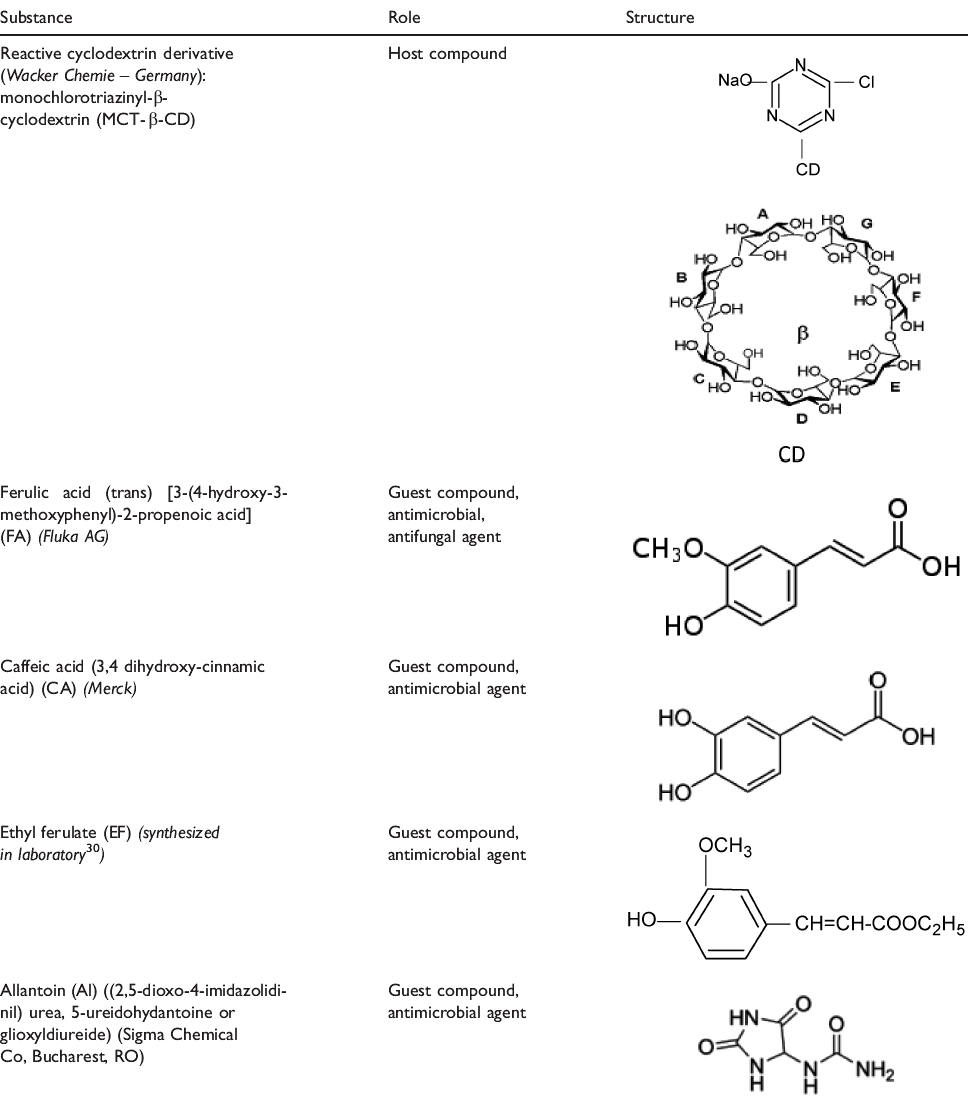
The reactive derivative MCT-β-CD (CAVATEX W7 MCT, provided by Wacker Chemie, Germany) was grafted onto hemp cellulosic fibers. For all of the experimental variants, one type of hemp fibers, namely high-quality bundles, obtained from the same provider, have been tested. The grafted material was used as a support for the inclusion of antimicrobial guests (Figure 1). The substances used for grafting and antimicrobial treatments are presented in Table 1. The first two and the last of the guests are known in the literature for their antimicrobial effects.31,32 The selected antimicrobial substances have not been used before on bast fibers, they have good protection properties and they are obtained from natural sources. The chemical structure and the lack of water solubility of the selected guests are proper for the hydrophobic interior of the host cyclodextrin.
Inclusion compound (guest molecule) anchored on the hemp fibers grafted with monochlorotriazinyl-β-cyclodextrin (MCT-β-CD). The substances used in the experiments, their roles and structures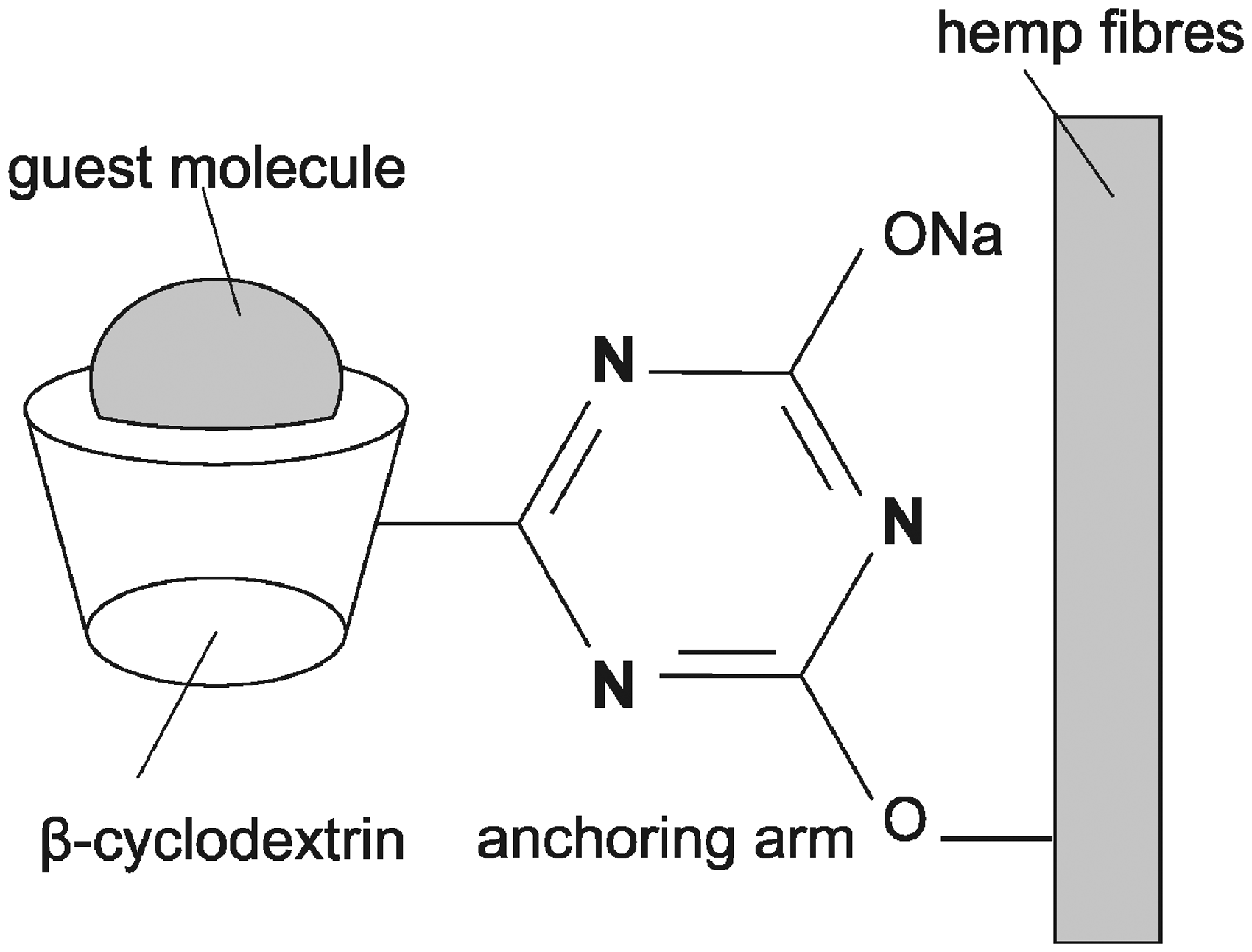
Methods
The grafting of MCT-β-CD on a cellulosic support
Previous experiments performed to establish a multiple, simultaneous correlation, between the roving’s moistening time in the vat of the wet spinning device and the concentration of MCT-β-CD in the solution and the resultant characteristics,33,34 the grafting degree and the yarn mechanical characteristics, have shown that the optimum values of this parameters could be obtained if the soaking time of hemp roving in the spinning machine vat is established at 25 seconds, the concentration of the MCT-β-CD is 60 g/l and of Na2CO3 is 30 g/l.
Experiments performed in this stage of the research aimed mainly at the analysis of the hemp yarns spun from raw, scoured and bleached rovings, yarns with the average linear density of 78 tex, 74 tex and 72 tex, respectively. The purpose of the study was the analysis of the influence of the chemical treatments on the mechanical characteristics of the yarns, in order to choose the proper technological flow based on the increasing fiber chemical reactivity, reflected by the grafting degree modification.
The scouring treatment of the roving consisted of an alkaline boiling stage with NaOH and Na2CO3 in the presence of Na2S2O5 and Na3PO4 for 60 minutes, followed by three water washings at temperatures in a decreasing order. The roving bleaching included an alkaline boiling stage performed in the same manner with the scouring treatment, followed by an acidulation with HCl at 50°C for 30 minutes, two water washings at decreasing temperatures, bleaching with H2O2 in the presence of Na2CO3, NaOH and Na2Si2O3 for 90 minutes and water washing at decreasing temperatures.
The materials grafting belongs to a pad–dry–cure technique with four stages. The proceeding supposes the wet spinning of hemp fibers simultaneously with two phases of the grafting of MCT-β-CD on fibers. The hemp roving with the linear density of 333 tex was spun on a wet spinning machine. In order to impregnate the hemp rovings, the MCT-β-CD solution was introduced in the vat of the wet spinning machine, at room temperature. The vat with solution is mounted on the spinning machine between the feeding creel and the drafting system (Figure 2). After spinning, the yarns were oven cured in order to finalize the grafting. The curing temperature was 150°C for 5 min. The removal of the excess reactives was realized by repeated warm and cold washings with distilled water until reaching a pH value of 6.5–7. Finally the yarns were dried at room temperature and conditioned at a temperature of 20–22°C and a humidity of 65%.
The phases of impregnation and squeezing for the grafting in association with the steps of wet spinning process.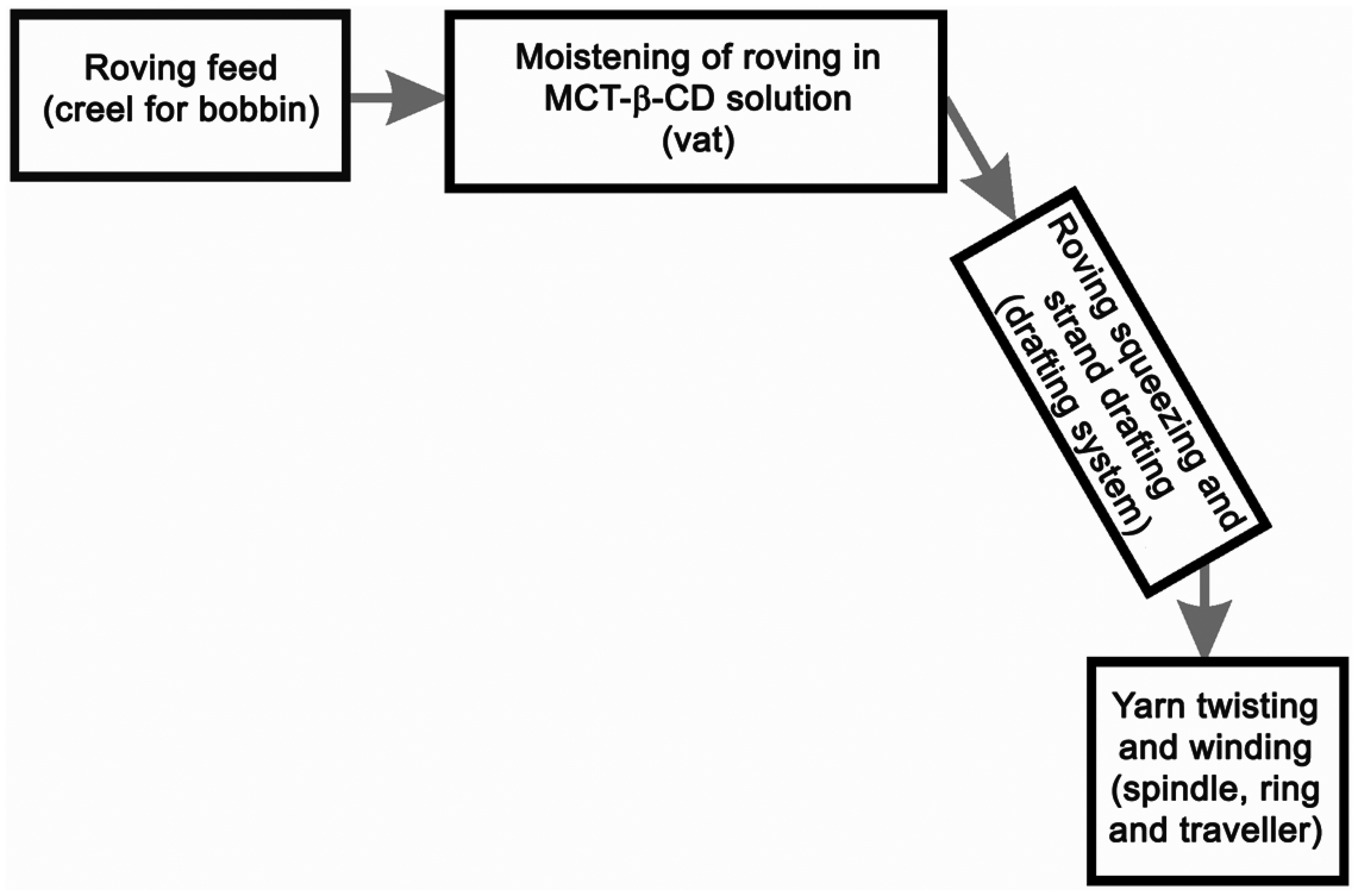
Obtaining inclusion compounds on the support grafted with MCT-β-CD
The stages of the inclusion at the laboratory scale have comprised the cold impregnation of the yarns with the guest compounds solutions (10 g/l in a mixture ethylic alcohol/water 7/3) and 1 hour magnetic stirring for the formation of the inclusion compound followed by squeezing, successive warm and cold washes with distilled water for the removal of the reagents in excess, cold extraction (5 hours) of the products in excess in the mixture ethylic alcohol/water (7/3) and drying at room temperature.
Methods for the yarns analysis
The grafting degree was estimated gravimetrically as a percentage ratio between the difference of final and initial samples weights and the initial sample mass. Experiments were performed in a controlled atmosphere, using an electronic analytical balance.
The physical and mechanical characteristics of the processed yarn were measured according to the standardized methodology, 35 which requires 200 tests for each variant. A Tinius Olsen H5KT electronic dynamometer and an electronic analytical balance were used.
The Fourier transform infrared spectroscopy in the attenuated total reflection mode (FT-IR-ATR) analysis of tests was carried out on a Golden Gate Diamond ATR-IR (SPECAC) device, accessory of the Bruker Vertex 70 FT-IR Spectrophotometer (Germany) in the 4000–600 cm−1 range. The yarns have been wound on an aluminum plate (40 × 18 × 0.2 mm3) to form a very tight and continuous layer. To be fixed on the plate, a double-sided adhesive tape on one side of the aluminum support was applied, which then will not come into contact with the ATR crystal. For each sample of yarns, two similar plates were prepared, which were placed on the both sides of the ATR crystal, before the FT-IR-ATR study. After electronic processing, the absorption spectra have been superposed.
Scanning electron microscopy (SEM) analysis has been realized with a SEM QUANTA 200 3D microscope (FEI Co. Netherlands), in low vacuum mode, in humid atmosphere, at a pressure of 60 Pa, a distance from sample to scanning pin of 15 mm, a scanning speed of 0.1 ns per pixel, a scanning depth of 3−4 µm, with a Wolfram filament at 20 kV tension, a large field detector, the size of samples being of 5 ×5 mm2.
The antimicrobial activity of non-grafted, grafted and included samples was tested on ATCC strains, according to the standard method. 36 A minimum diffusion of the antibacterial treatment into the agar test is necessary with this procedure. A certain amount of yarn (0.3 g) was placed on the plate with agar medium to measure the proliferation/inhibition zone of the strain microorganisms. Four different strains of microorganisms were chosen: Escherichia coli, Staphylococcus aureus, Pseudomonas aeruginosa and Candida albicans. All of them are pathogenic and/or opportunistic microorganisms. In order to evaluate the washing fastness of antimicrobial finishes, all of the samples have been washed five times according to standardized methodology, 37 with the determination of the antimicrobial efficiency after each washing cycle.
Results and discussion
The grafting of MCT-β-CD on a cellulosic support
In order to see how the processing of the roving by processes with simultaneous phases of wet spinning and grafting with MCT-β-CD influences the mechanical characteristics of yarns the characteristics of non-grafted and grafted yarns were compared.
Figure 3 graphically presents the values of the grafting degrees of yarns spun from raw, scoured and bleached hemp rovings. As the alkaline cleaning and bleaching treatments enhance the fibers hydrophilic character, the grafting degrees of the scoured and bleached hemp yarns were greater than that of the raw hemp yarn, the increases being of 29.6% for the scoured yarn and 87.1% for the bleached yarn.
The grafting degree for yarns spun from raw, scoured and bleached roving.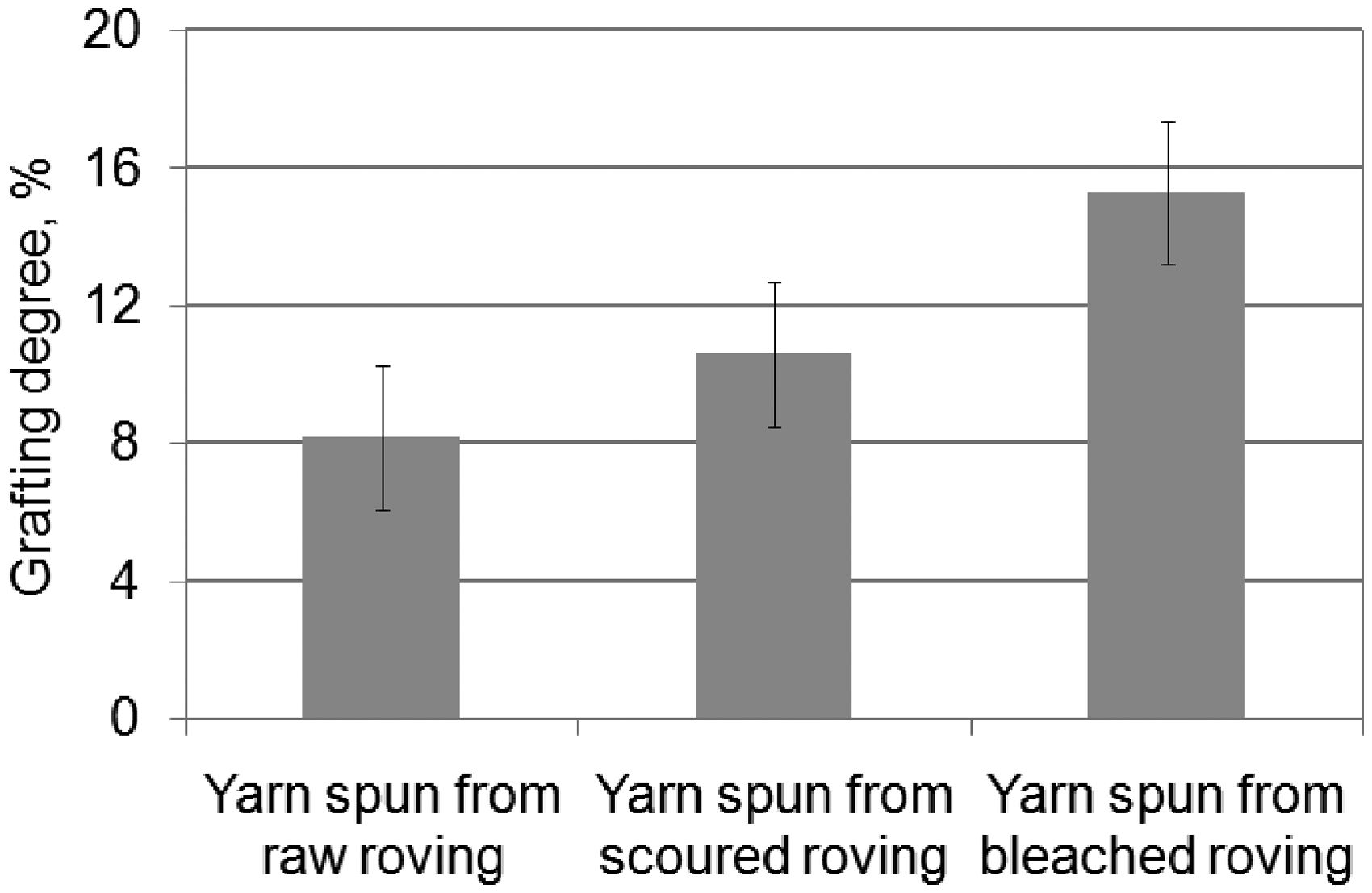
The yarns mechanical characteristics are presented in a comparative manner in Figures 4–7.
The tenacity of the non-grafted yarns and of yarns grafted with monochlorotriazinyl-β-cyclodextrin (MCT-β-CD). The elongation of the non-grafted yarns and of yarns grafted with monochlorotriazinyl-β-cyclodextrin (MCT-β-CD). The coefficients of variation of tenacity for non-grafted yarns and for yarns grafted with monochlorotriazinyl-β-cyclodextrin (MCT-β-CD). The coefficients of variation of elongation for non-grafted yarns and for yarns grafted with monochlorotriazinyl-β-cyclodextrin (MCT-β-CD).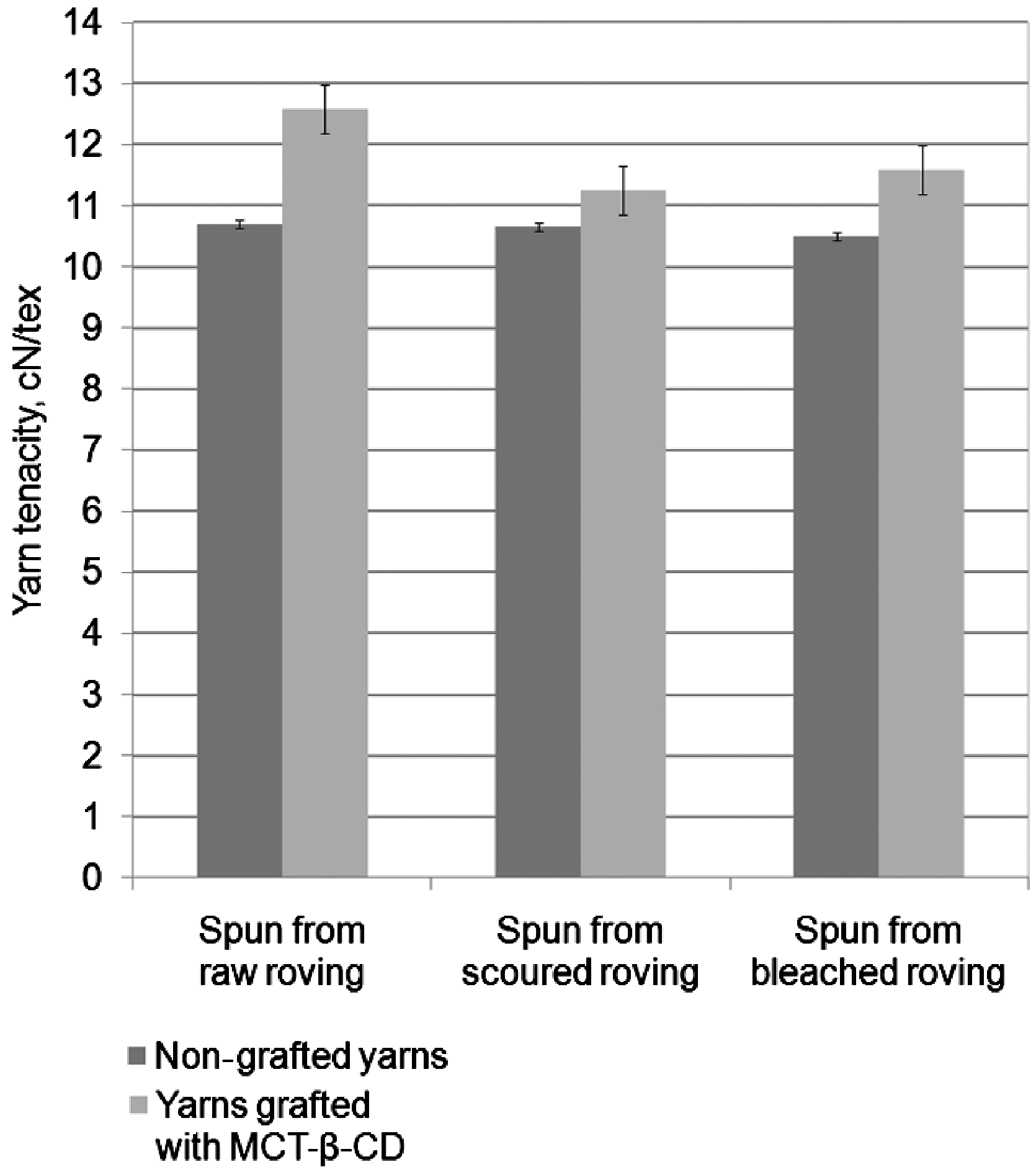
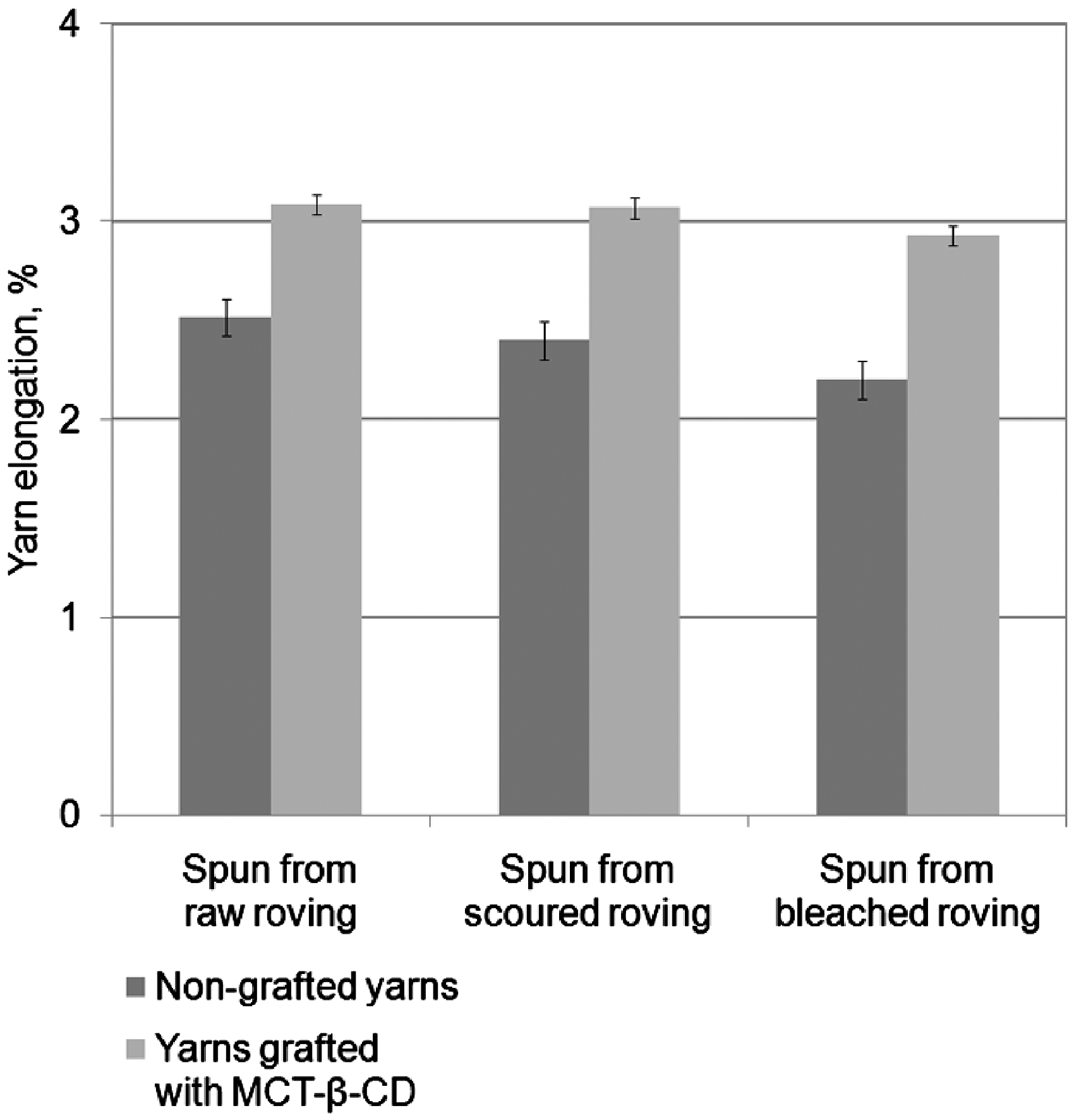
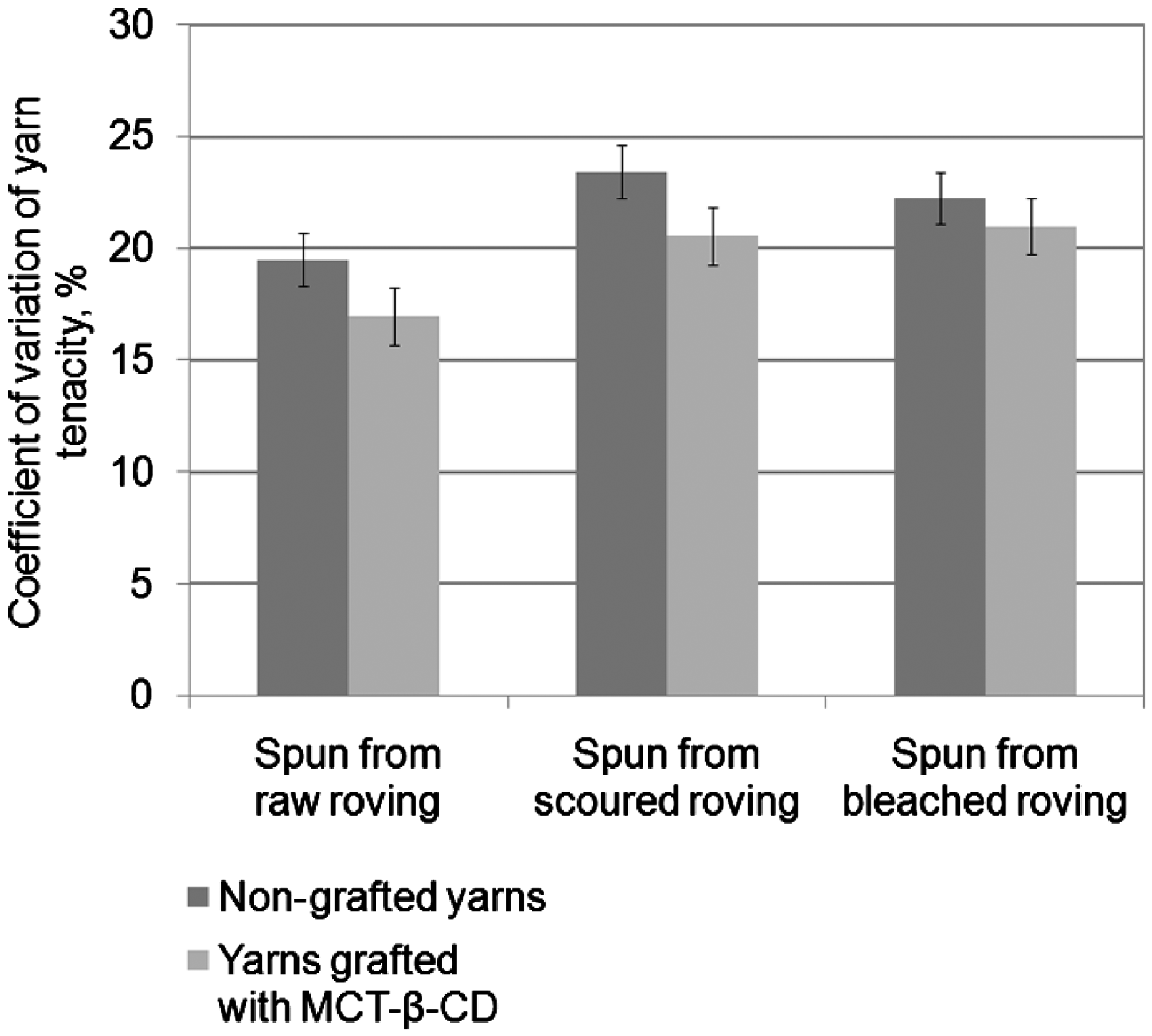
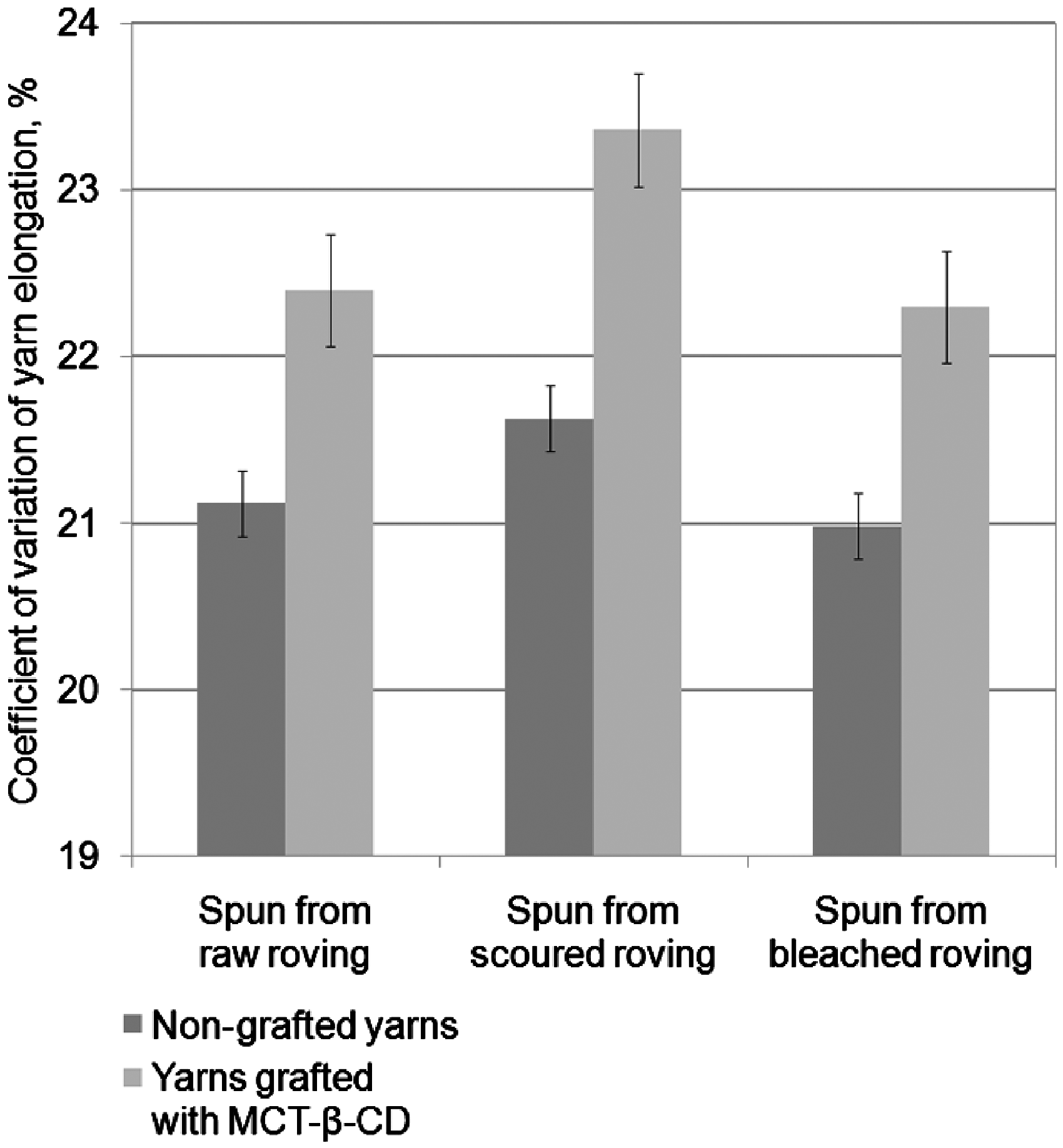
Figure 4 shows that, after processing the scoured and the bleached roving, the results were yarns having tenacity smaller than the raw yarns. This tenacity decrease is less evident for the non-grafted yarns while the tenacity of the scoured yarns grafted with MCT-β-CD decreases with 10.57% and the tenacity of the bleached yarns grafted with MCT-β-CD decreases with 7.95% than that of the grafted yarns resulted from raw roving. This decreasing is not intruding because the tenacities of the grafted yarns are higher than those of the non-grafted yarns, for all types of yarns, spun of raw, boiled and bleached roving. The MCT-β-CD solution causes an increasing of hemp fibers adherence leading to yarn tenacity enhancing.
Figure 5 shows graphically the breaking extension values for the tested yarns. For all of the three types of raw, scoured and bleached roving yarns the elongation is greater in the case of the grafted yarns, meaning that the MCT-β-CD contributes in the same way to the yarn elongation, by increasing the hemp fibers adherence. The greatest difference existed in the case of the bleached yarn, when the elongation was by 33% greater than that of the non-grafted yarn. As to the yarns breaking extensions resulted after spinning the raw, scoured and bleached roving, there were no essential differences between those yarns, yet the breaking extension seems to be smaller in the case of yarns spun from chemically treated roving.
Concerning the coefficients of variation of tenacity, as it comes out of Figure 6, it may be said that they have smaller values in the case of the grafted yarns. After the wet spinning and grafting processes, the coefficients of variation of the yarns tenacities decrease with about 12.2% for the scoured yarn and with 5.6% in the case of the bleached yarn, thus the coefficients of variation acquired acceptable value which placed the yarns in the good quality category.
Analyzing the data presented in Figure 7 one may draw the conclusion that the values of the coefficients of variation of the yarns elongation were greater in the case of the grafted yarns, but the increases being less than 8%, for all types of yarns, it cannot be concluded that the grafting of hemp fibers with MCT-β-CD influences negatively the coefficients of variation of yarns elongation.
Obtaining inclusion compounds on the support grafted with MCT-β-CD
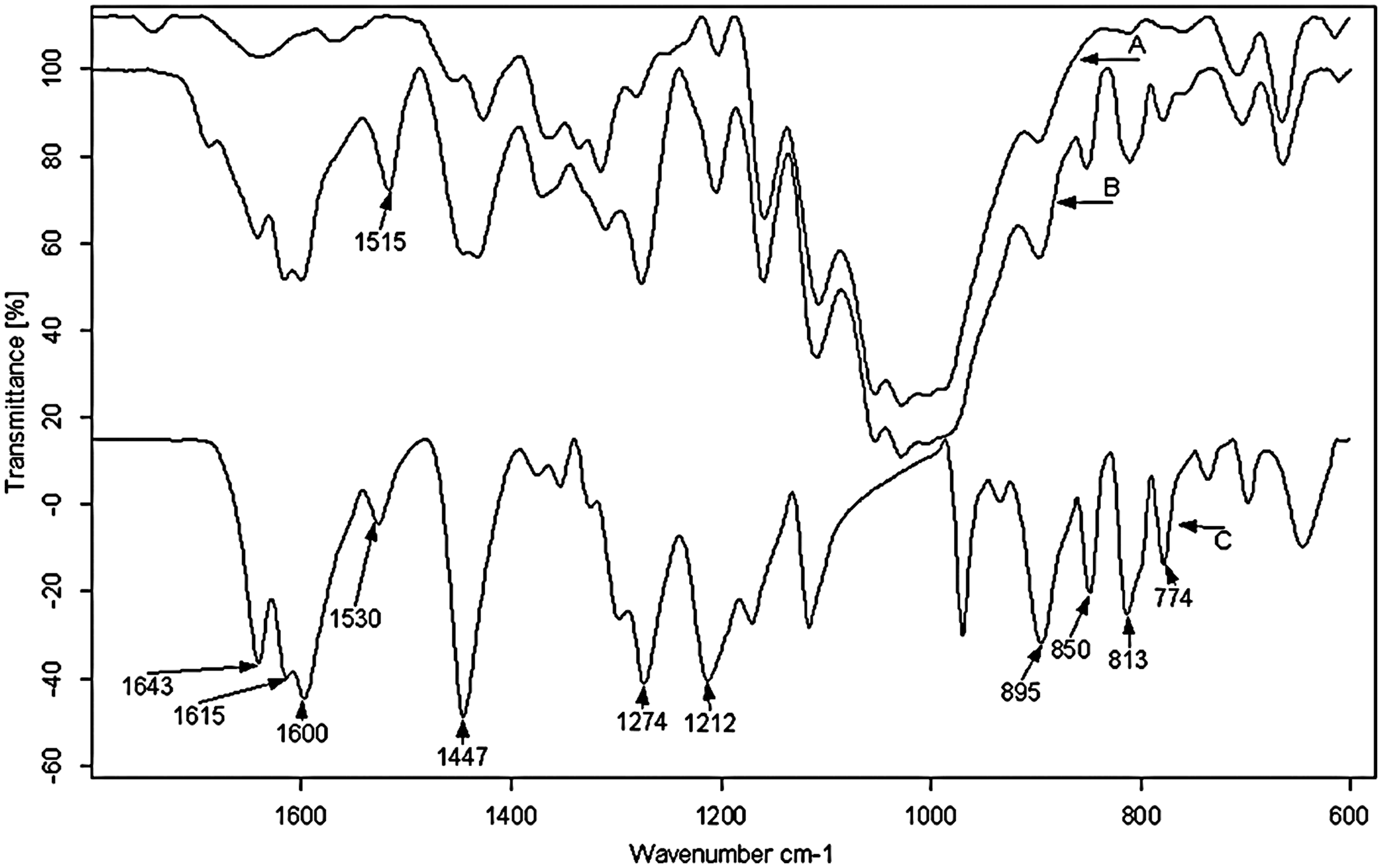
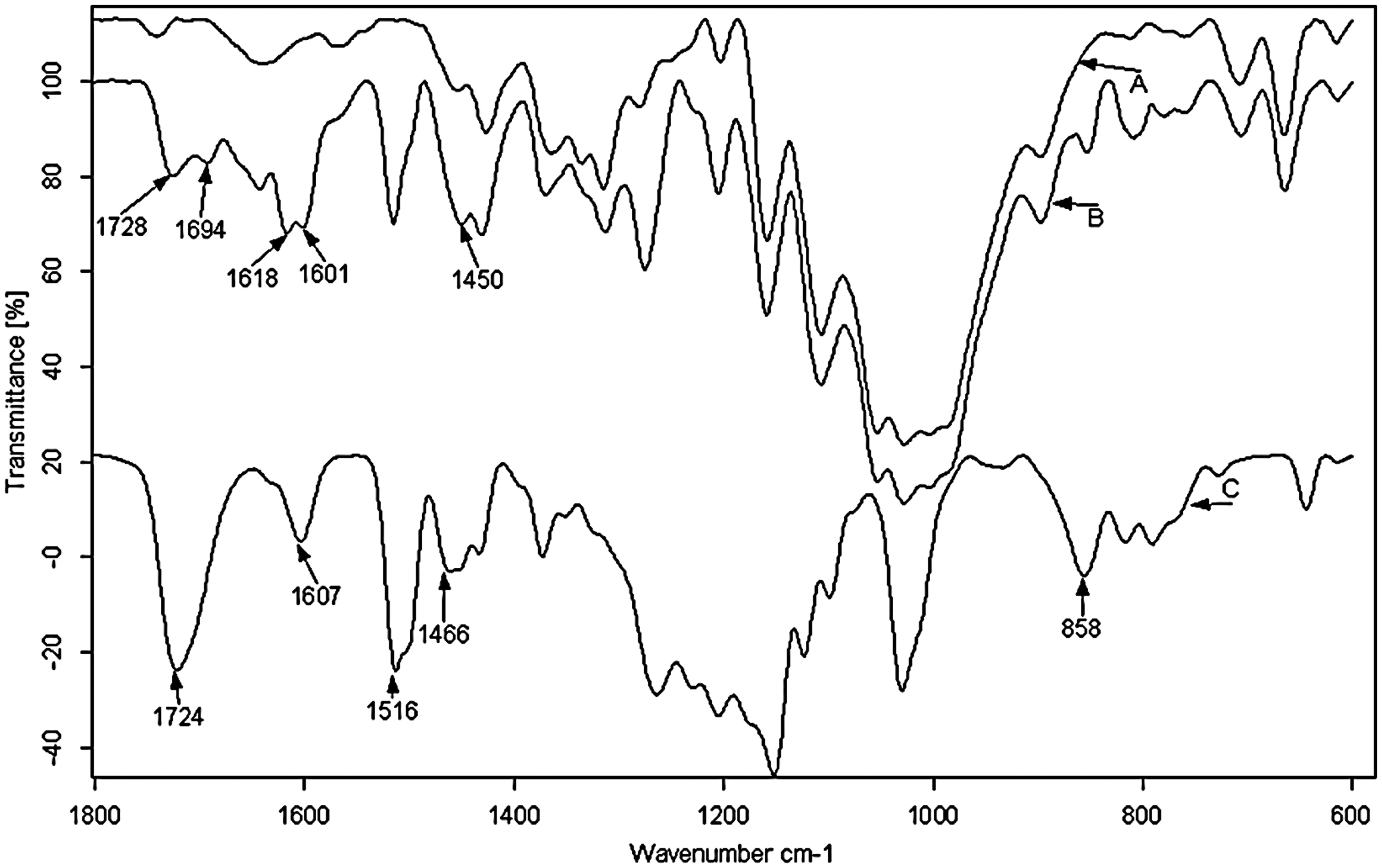
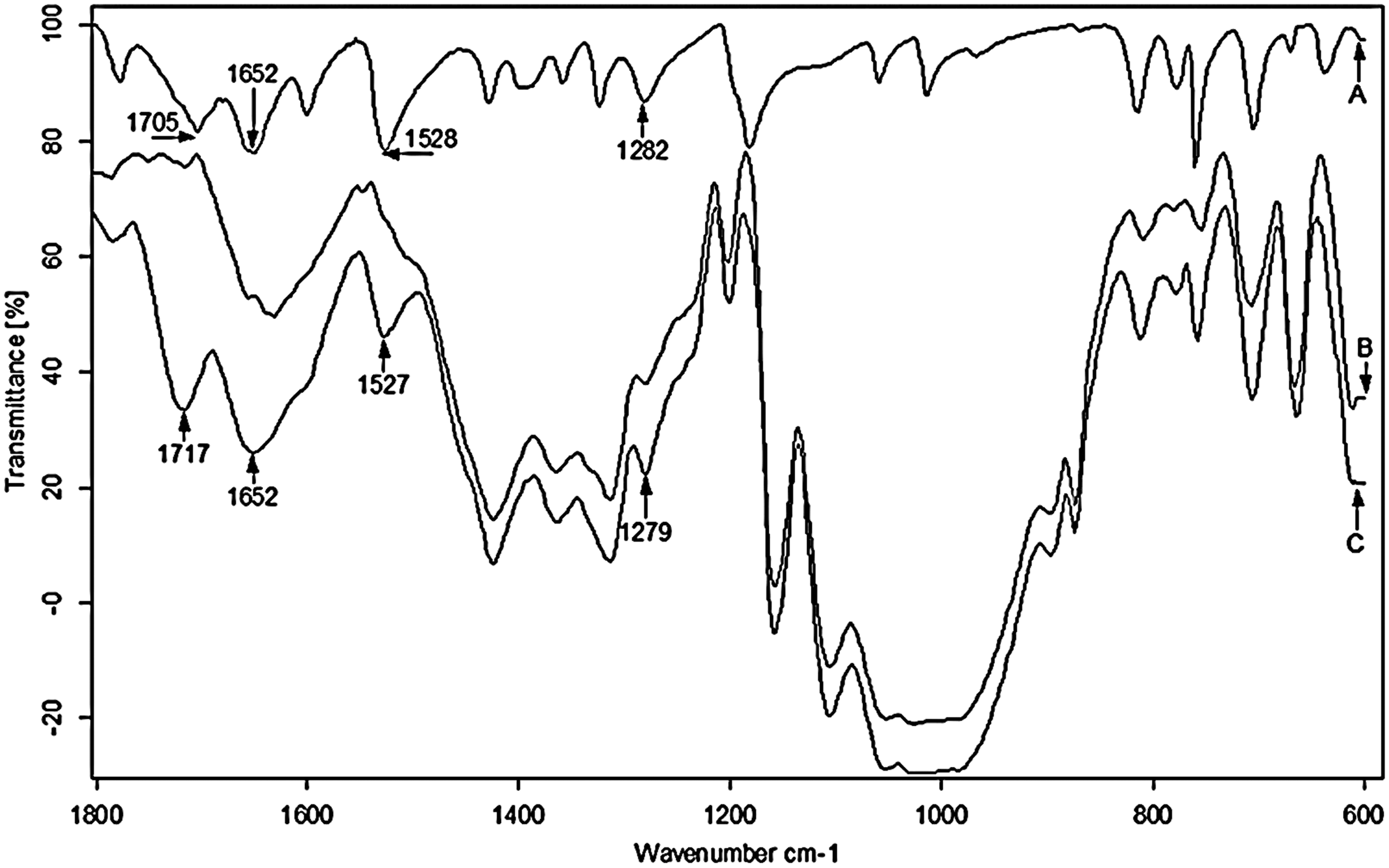
The analysis of the inclusion compounds on the support grafted with MCT-β-CD is presented in Figures 8–11.
Fourier transform infrared spectroscopy in the attenuated total reflection mode (FT-IR-ATR) absorption spectra for bleached hemp grafted with monochlorotriazinyl-β-cyclodextrin (MCT- β-CD) (A spectrum), bleached hemp grafted with MCT-β-CD and treated with ferulic acid (FA) as a guest (B spectrum) and for FA (C spectrum) (in the 1700–600 cm–1 infrared range). Fourier transform infrared spectroscopy in the attenuated total reflection mode (FT-IR-ATR) absorption spectra for bleached hemp grafted with monochlorotriazinyl-β-cyclodextrin (MCT- β-CD) (A spectrum), bleached hemp grafted with MCT-β-CD and treated with caffeic acid (CA) as a guest (B spectrum) and for CA (C spectrum) (in the 1700–600 cm−1 infrared range). Fourier transform infrared spectroscopy in the attenuated total reflection mode (FT-IR-ATR) absorption spectra for bleached hemp grafted with monochlorotriazinyl-β-cyclodextrin (MCT- β-CD) (A spectrum), bleached hemp grafted with MCT-β-CD and treated with ethyl ferulate (EF) as a guest (B spectrum) and for EF (C spectrum) (in the 1700–600 cm−1 infrared range). Fourier transform infrared spectroscopy in the attenuated total reflection mode (FT-IR-ATR) absorption spectra for Al (A spectrum), for bleached hemp grafted with monochlorotriazinyl-β-cyclodextrin (MCT- β-CD) (B spectrum), bleached hemp grafted with MCT-β-CD and treated with allantoin (Al) as a guest (C spectrum) (in the 600–1800 cm−1 infrared range).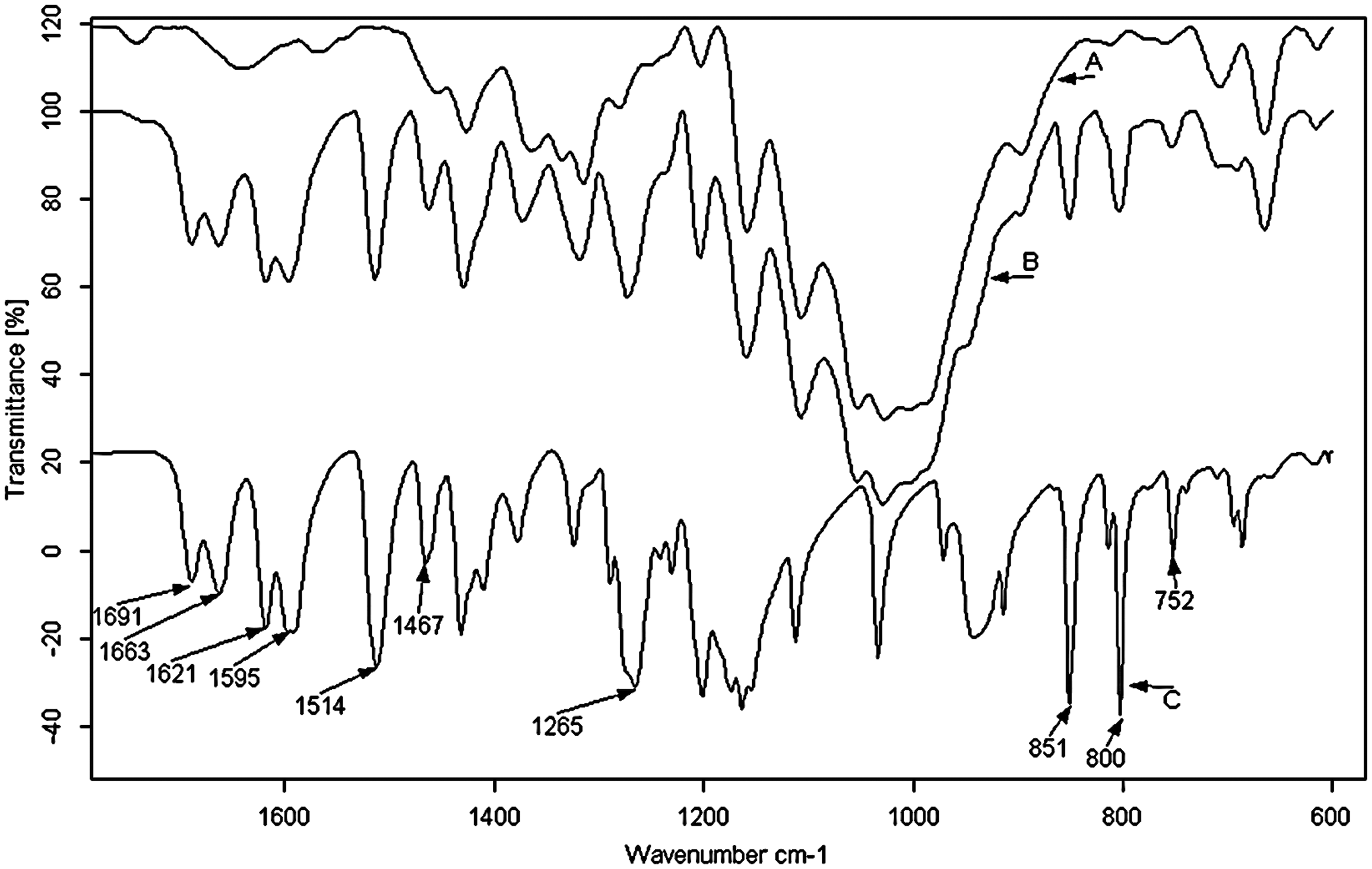
The IR absorption characteristic bands for ferulic acid (FA) (Figure 8) are: 1691 and 1663 cm−1 - υ (C = O) from acid group; 1621, 1595, 1514, 1467 cm−1 - υ(C = C) from 1, 2, 4 trisubstituted ring; 1621 cm−1 - υ(C = C) from non-saturation of the linear chain; 1467 cm−1 δ(CH3)as from methoxy group; 1265 cm−1 - υ (C–O) from acid group; 851, 800 and 752 cm−1 - δ(C–H) of 2 adjacent H out-of-plane ring deformation; 851 cm−1 - δ(C–H) out-of-plane deformation from non-saturation of the linear chain. These bands are also present in the grafted bleached hemp treated with FA (B spectrum).
In the same way, the IR absorption bands characteristic for caffeic acid (Figure 9), ethyl ferulate (Figure 10) and allantoin (Figure 11) can be found as well in the spectra of the hemp functionalized and treated with the above-mentioned guest compounds. This fact proves that the inclusion of those antimicrobial substances has taken indeed place.
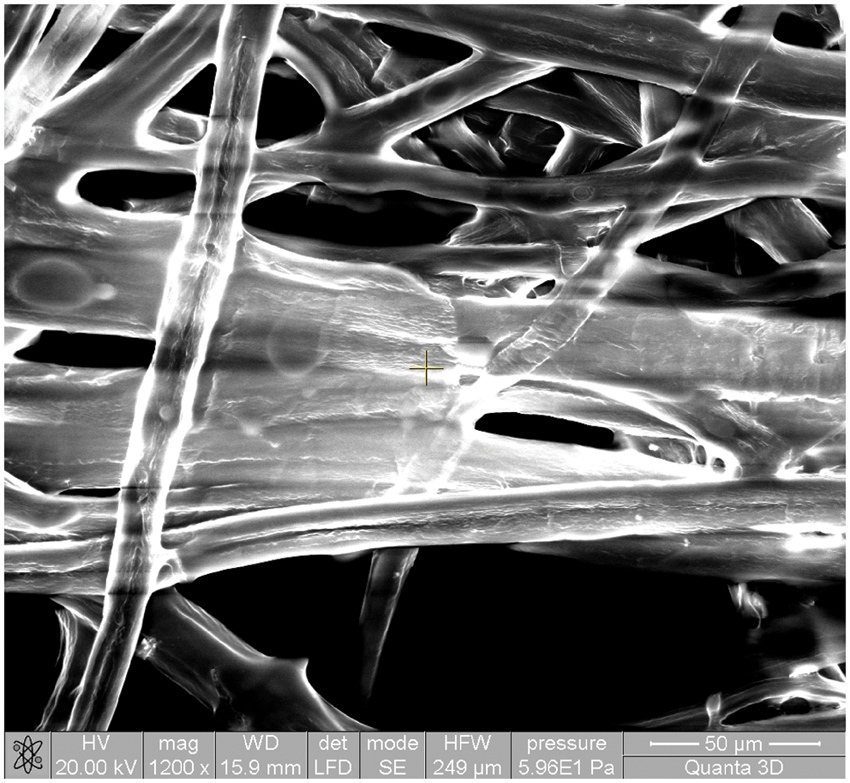
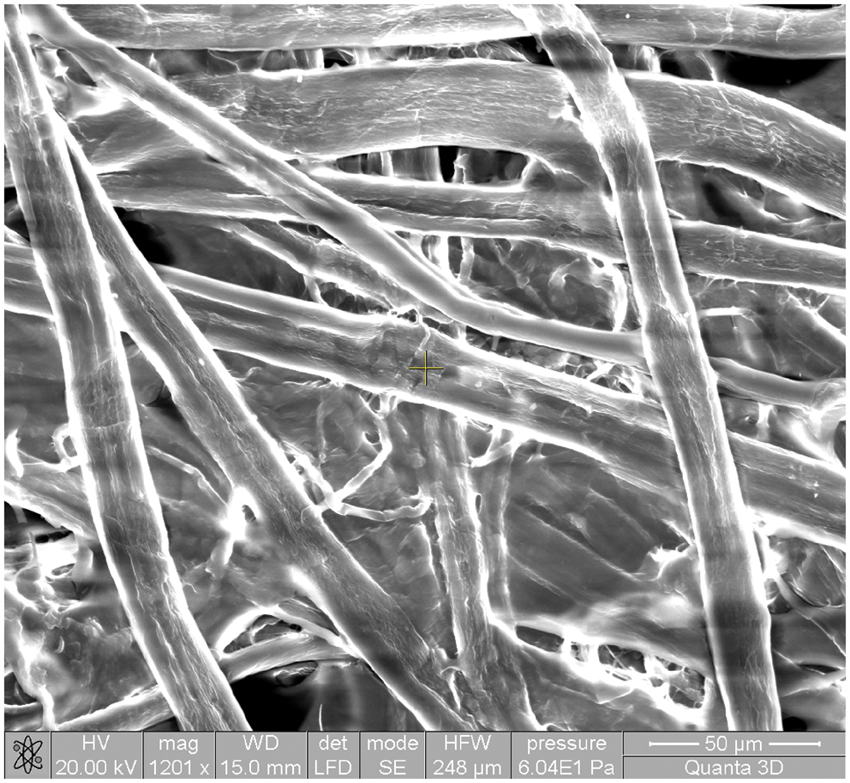
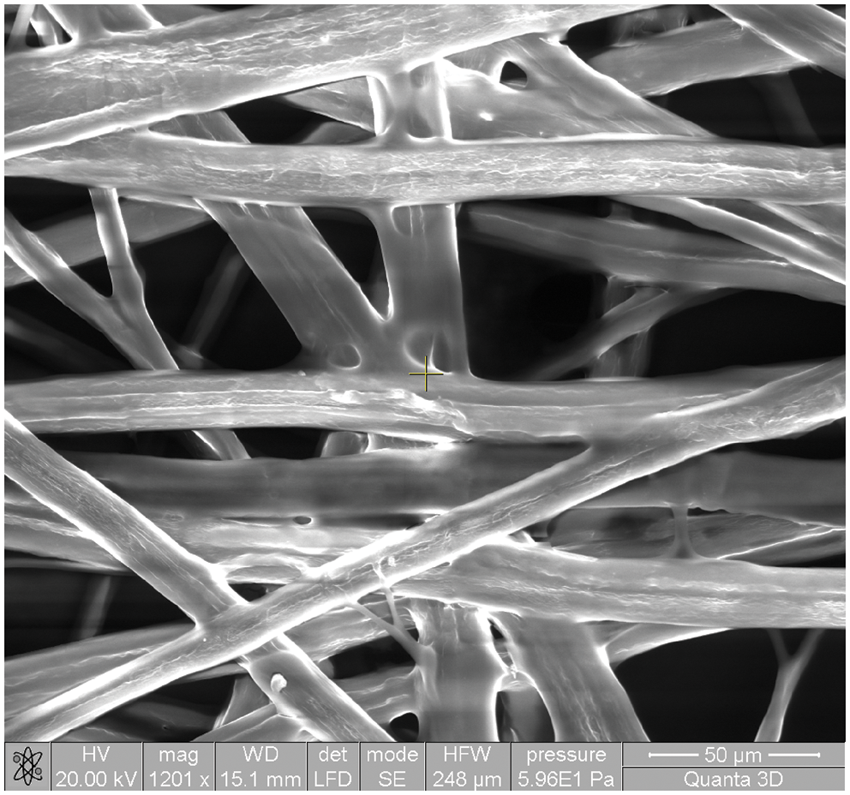
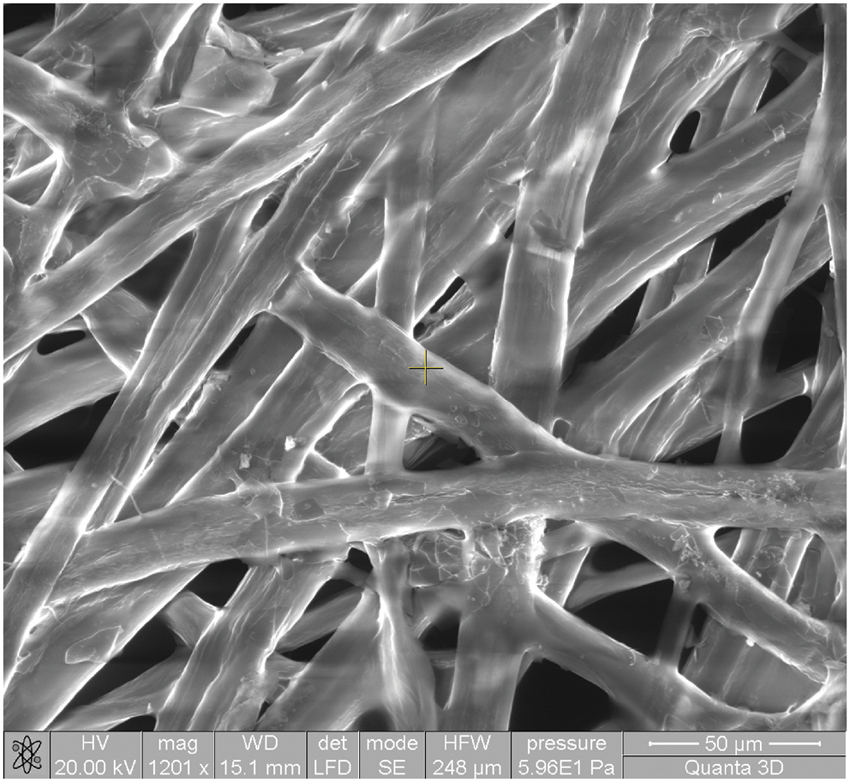
The comparative SEM images of non-functionalized (Figure 12) and functionalized hemp samples (Figure 13) allow the visualization of continuous films of reactive product on the surface of modified cellulosic yarns. The inclusion modifies very little the microscopic aspect of the treated samples (Figures 14–16), the films are more uniform, the fibers are better covered.
SEM image (× 1200) of the non-functionalized hemp. SEM image (× 1200) of the hemp functionalized with MCT-β-CD. SEM image (× 1200) of the hemp functionalized with MCT-β-CD and treated with ferulic acid. SEM image (× 1200) of the hemp functionalized with MCT-β-CD and treated with allantoin. SEM image (× 1200) of the hemp functionalized with MCT-β-CD and treated with caffeic acid.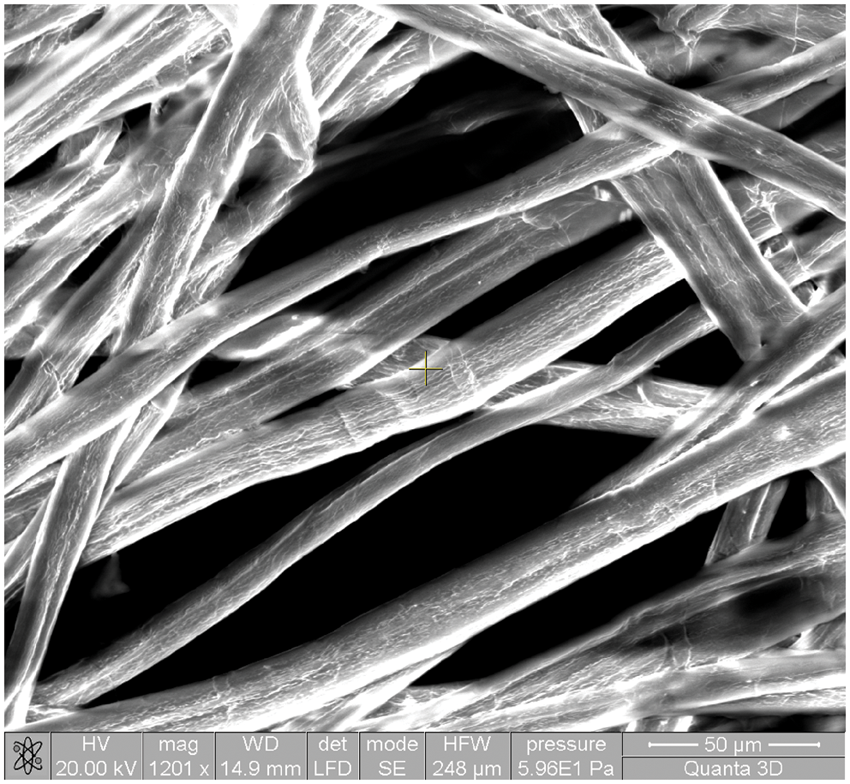
The antimicrobial activity of non-grafted, grafted and included samples was tested according to the standard method. 36 The antimicrobial activity against four different strains of microorganisms: E. coli, S. aureus, P. aeruginosa and C. albicans was evaluated by measuring the growing inhibition zone. Our results have shown the included components are efficiently hosted in the CD nanocavities and the sanogenetic properties of the fibers are significantly modified by the proposed chemical treatment.
Antimicrobial effects of finished hemp materials are presented in Figure 17.
Antimicrobial effects of finished hemp materials.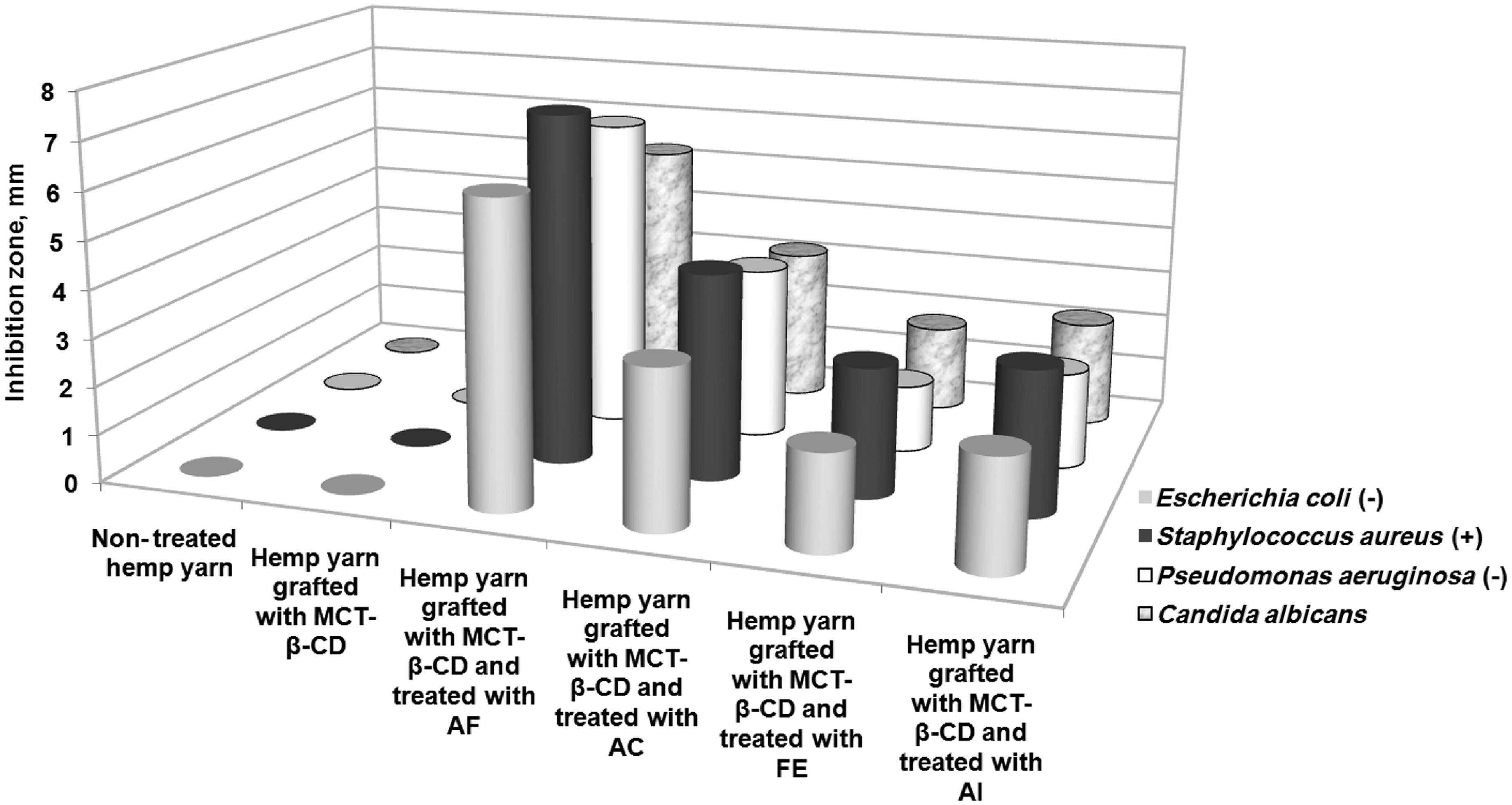
The antimicrobial efficiency is higher for FA than for the other guests used for the finishing of the hemp samples grafted with MCT-β-CD (in the decreasing order caffeic acid, allantoin and ethyl ferulate). Antibacterial and antifungal effects of the finished hemp samples are persistent after five standardized washings. After each washing cycle, a little decreasing of the inhibition zone was registered for all of the treated samples. The antimicrobial activity modifies in the same order (FA > caffeic acid > allantoin > ethyl ferulate) as in the case of samples that were not tested for washing proofness.
Conclusions
By analyzing the resulting values of the yarns characteristics, it may be concluded that:
‐ the reactive monochlorotriazinyl-β-cyclodextrin (MCT-β-CD) may be applied on bast fiber materials; ‐ simultaneously with two phases of the grafting of MCT-β-CD, the wet-spinning process can be performed in order to obtain a nanometrically finished textile material for medical applications; ‐ the values of the grafting degrees of yarns spun from scoured and bleached hemp roving are greater than that of the raw hemp yarn.
The yarns obtained after processes with simultaneous phases of wet-spinning and grafting have adequate physico-mechanical characteristics, as following:
‐ the tenacities and the elongations of the grafted yarns are higher than those of the non-grafted yarns, for all types of yarns, spun of raw, boiled and bleached roving; ‐ the coefficients of variation of tenacity have smaller values in the case of the grafted yarns than those for non-grafted yarns; ‐ after the wet spinning–grafting process, the coefficients of variation of the yarns tenacities decrease by about 12.2% for the scoured yarn and with 5.6% in the case of the bleached yarn; ‐ the grafting of hemp fibers with MCT-β-CD does not influence negatively the coefficients of variation of yarns elongation.
The inclusion of several compounds (FA, caffeic acid, ethyl ferulate and allantoin) in the grafted material was confirmed by FT-IR-ATR analysis.
Materials finished with cinnamic derivatives and allantoin, using MCT-β-CD, possess satisfactory antimicrobial activity against four microbial strains (E. coli, S. aureus, P. aeruginosa and C. albicans), especially against S. aureus.
Footnotes
Funding
This work was supported by the Ministry of Education, Research, Youth and Sports—Executive Unit for Financing Higher Education, Research, Development and Innovation, Romania (grant number IDEI PCE 650/2009).