







Abstract
In this study, conductive fabrics were developed by polymerizing aniline onto polyester (PET) woven fabrics. The fabric treatment was carried out by the chemical polymerization method at 0.5 M, 0.8 M and 1.2 M aniline concentrations. Hydrochloric acid as acidic medium and ammonium persulfate as oxidant were employed during the polymerization process. The polyaniline (PANI)-treated PET fabric structures were fully characterized and evaluated in terms of their electromagnetic shielding effectiveness, absorption and reflection characteristics, and tensile properties. Additionally, the fabrics were examined by scanning electron microscopy for their surface morphology and Fourier transform infrared spectroscopy for their chemical functionality. The electromagnetic shielding effectiveness and absorption and reflection characteristics were determined using a network analyzer with a frequency range from 15 MHz to 3000 MHz. The electrical characteristics were measured by the two-end method. It was concluded that the tensile strength values of the treated fabrics were enhanced when the amount of monomer in the concentrations increased as compared to the untreated fabrics. It is interesting to note that 1.2 M treated fabric had the lowest tensile strength values as compared to the other treated fabrics. It was also found that a 0.5 M concentration of PANI-treated fabric had the lowest surface resistivity since it showed the highest conductivity value. Another important finding is that the 0.8 M aniline-treated fabric had the highest shielding effectiveness.
Keywords
Electromagnetic waves have been one of the important research areas for many multidisciplinary studies during the past decades because of their negative effects on living tissues and electronic systems.
Electromagnetic waves are composed of oscillating and time-varying electric and magnetic fields. These electric and magnetic fields oscillate perpendicularly to each other and are perpendicular to the direction of propagation of the wave, so an electromagnetic wave is a transverse wave. Electromagnetic waves need no medium of propagation and travel at the speed of light. They carry energy and momentum, and can also exert pressure. Emitted waves can also be recognized far from the source. An electromagnetic wave is characterized by its energy, frequency, and wavelength, and these are associated with each other. 1 The effect of electromagnetic waves on biological systems depends on frequency and exposure time. Lower frequencies, such as radio, microwave, and infrared, could have health impacts with chronic exposure. On the other hand, for higher-frequency radiations, such as ultraviolet, X-rays, and gamma rays, a cell is ionized at once and damaged chemically.2,3
The effects of electromagnetic waves on human nerve cells, brain tissue, DNA, genes, the immune system, and metabolism have been investigated by many researchers and it is now well established that these waves have direct and indirect effects on both living tissues and electronic systems.2–7 Because of the detected negative effects of electromagnetic waves it has become a necessity to design and develop textile structures that will prevent electromagnetic waves from entering the human body as well as reducing adverse effects on electronic systems. Textile materials with electromagnetic shielding are used to produce multifunctional and interactive next-generation structures because of their low weight, flexibility, and comfort features.
Electromagnetic shielding mainly refers to the absorption or reflection of electromagnetic waves by shielding materials. Electromagnetic shielding properties vary and they depend on the conductivity of shielding material. 8 It is well known that textile materials are usually non-conducting; however, they can be modified with chemical finishing. Conductive polymers are mostly used as treatment agents to make conventional textile structures conductive.9–11 Compared with other materials, conductive polymer usage for electromagnetic shielding has many advantages, such as an absorption-dominant shielding property. 12 There are a number of conductive polymer treatment methods for textile structures, including chemical polymerization. The surface of textile structures can be coated a thin and homogeneous film by the chemical polymerization method after optimizing the reactant concentration and synthesis parameters. The conductive polymers which are used most frequently in this process are polyaniline and polypyrrole.13–20
Polyaniline (PANI) has an important place among the conductive polymers owing to its high thermal and chemical stability, low price, simple polymerization steps, easy synthesis, environmental stability, different oxidation steps, as well as its properties of color change, high capacitance, and high absorption in shielding.20–23 PANI’s green protonated emeraldine type has conductivity on a semiconductor level of the order of 100 S cm–1. There are two types of carriers in semiconductors, namely n-type and p-type, respectively. Based on experimental results, polyaniline is found to be p-type carrier and its conductivity occurs due to electron movement at gaps. 24
The conductivity of PANI is found to increase during the polymer chain and it shows highly anisotropic behavior. PANI has a semi-crystalline structure in which a crystalline region is dispersed in an amorphous region. Crystalline regions are natural conductive; conductivity occurs by electron delocalization or moving of charge due to regular structure and charge carriers can jump in that region. A polaron structure is formed by protonation of aniline on emeraldine basis, which is the equivalent of doping. PANI conductivity occurs because of the crystalline regions and total conductivity depends on the formation of bridges between those regions. Tunnels for charge carriers occur between conductive and non-conductive regions. 24
PANI is synthesized by using dilute acidic solution of oxidation agents such as ammonium persulfate ((NH4) S2O8), potassium dichromate (K2Cr2O7), and hydrogen peroxide (H2O2), etc. The efficient polymerization of aniline is achieved only in an acidic medium, where aniline exists as an anilinium cation. A variety of inorganic and organic acids such as hydrochloric acid (HCl), sulfuric acid (H2SO4), nitric acid (HNO3), etc., have been used in the syntheses of PANI. The solubility, conductivity, and stability of PANI largely depend on the acid which is used during the synthesis of PANI. pH has a crucial role in the conductivity and it has been found that there is no conductivity when the solution has pH value of 3 or higher. 25
Oxidation and polymerization of aniline occur by a two-electron reaction. An oxidizing salt removes a proton from the aniline molecule without coordination binding to form products. When conjugated double-bound aniline occurs, a polymer is synthesized by oxidizing the emeraldine basis of monomers via a condensation reaction. As the other phases form non-conductive polymers, the emeraldine basis is very important. Various oxidant/monomer ratios have been used in the literature. 25 To minimize the presence of residual aniline and to obtain the best yield of PANI, the stoichiometric peroxydisulfate/aniline ratio 1.25 is recommended. 25 The conductivity of aniline depends on the aniline/oxidant ratio, 21 type of dopant, doping amount, ambient temperature, time, and pH of the process. 24 PANI is commonly used in military and civil industries, medicine, storage and transfer of data, microelectronics, electrostatic discharge preventive materials, and manufacturing of electromagnetic shielding fabrics.20,26–28
In this study, several oxidant aniline ratios have been investigated and it has been clearly observed that the combination of 1/1 ratio with 0.8 M ammonium persulfate (APS) showed the highest mechanical properties, conductivity, and EMSE values. The coloration of solution occurred gradually and obtained a black precipitation. The coloration intensity depends on oxidizing agent concentration and media type. 29 Long conjugated and highly conductive polymers are synthesized at low temperatures owing to elimination of side reactions such as hydrolysis. 29 The conductive structures which have electromagnetic shielding effectiveness were successfully developed through the chemical polymerization of aniline on the polyester fabrics. Polyester fabric was chosen as a base structure in this study since it is the most commonly used synthetic textile fiber in home textiles (i.e. carpet, furnishing, and curtain fabrics), dresses, technical textiles, and other accessories, as a composite and blend fiber, yarn, and fabric. The surface morphologies, electrical conductivities, shielding effectiveness, tensile properties, and bond structures between the surface and polymer of the developed fabrics were tested and analyzed.
Materials and methods
Materials
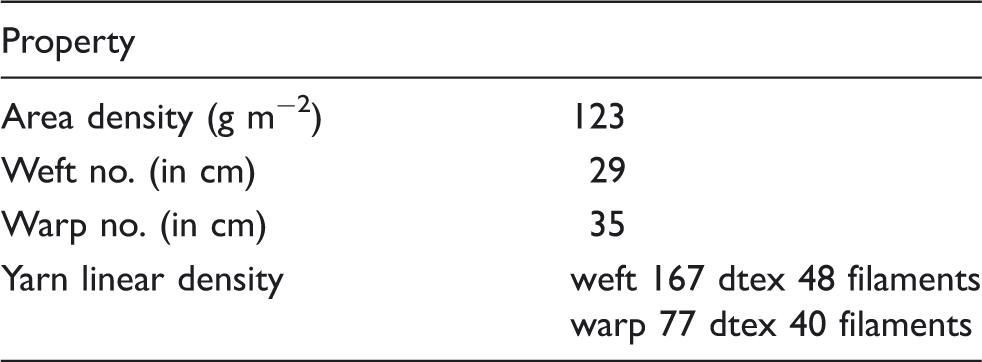
Properties of polyester fabric
Methods
Polymerization of polyaniline on fabric surface
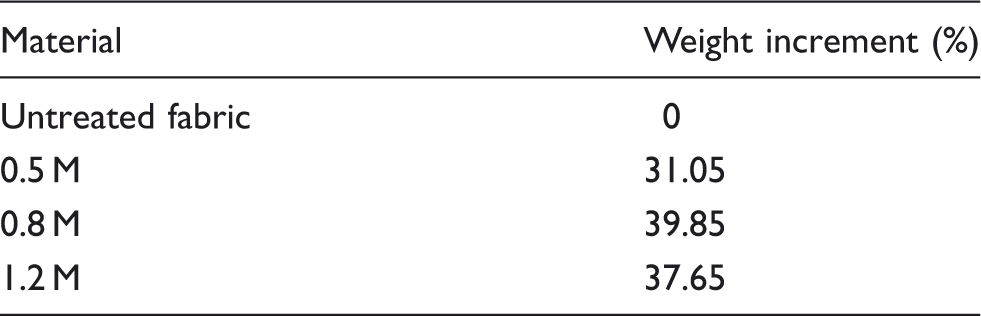
Weight increase with PANI deposition on polyester fabric
Characterization
The developed fabrics were individually tested and analyzed to obtain a comprehensive understanding of their tensile properties, surface morphologies, surface resistivity, electromagnetic shielding effectiveness, and chemical functionality. Prior to all the testing, the test specimens were conditioned for 24 hours in 65 ± 2% relative humidity and 20 ± 2℃ atmosphere.
The tensile properties of the fabrics were measured in the warp direction in accordance with TS EN ISO 13934-1 by Instron 4411 model tensile test device. The surface morphologies of fabrics were examined by using scanning electron microscopy (SEM, JEOL Ltd, JSM-5910LV). The status of bonds in the structure and binding sites between the polymer and surface were examined using a Perkin Elmer Spectrum 100 ATR-FTIR model spectrophotometer.
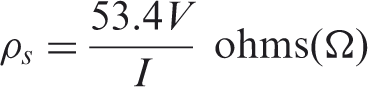
The surface resistivity measurement of fabric specimens were carried out in accordance with ASTM D 257-07 standard by using Keithley 6517A electrometer/high resistance meter instrument and Keithley 8009 resistivity test fixture. Surface resistivity (ρs) was measured by applying a voltage potential across the surface of the specimen, measuring the resultant current and then performing the following calculation:
The electromagnetic shielding effectiveness (EMSE) value of the fabrics was calculated in units of dB by using the following equation for the frequency range from 15 MHz to 3000 MHz in accordance with ASTM D 4935-10 standard by using a Rodhe & Schwarz ZVL network analyzer and EM 2107A as sample holder.
The EMSE was determined from equation (2), which depends on the ratio of the incident field to that which passes through the material:

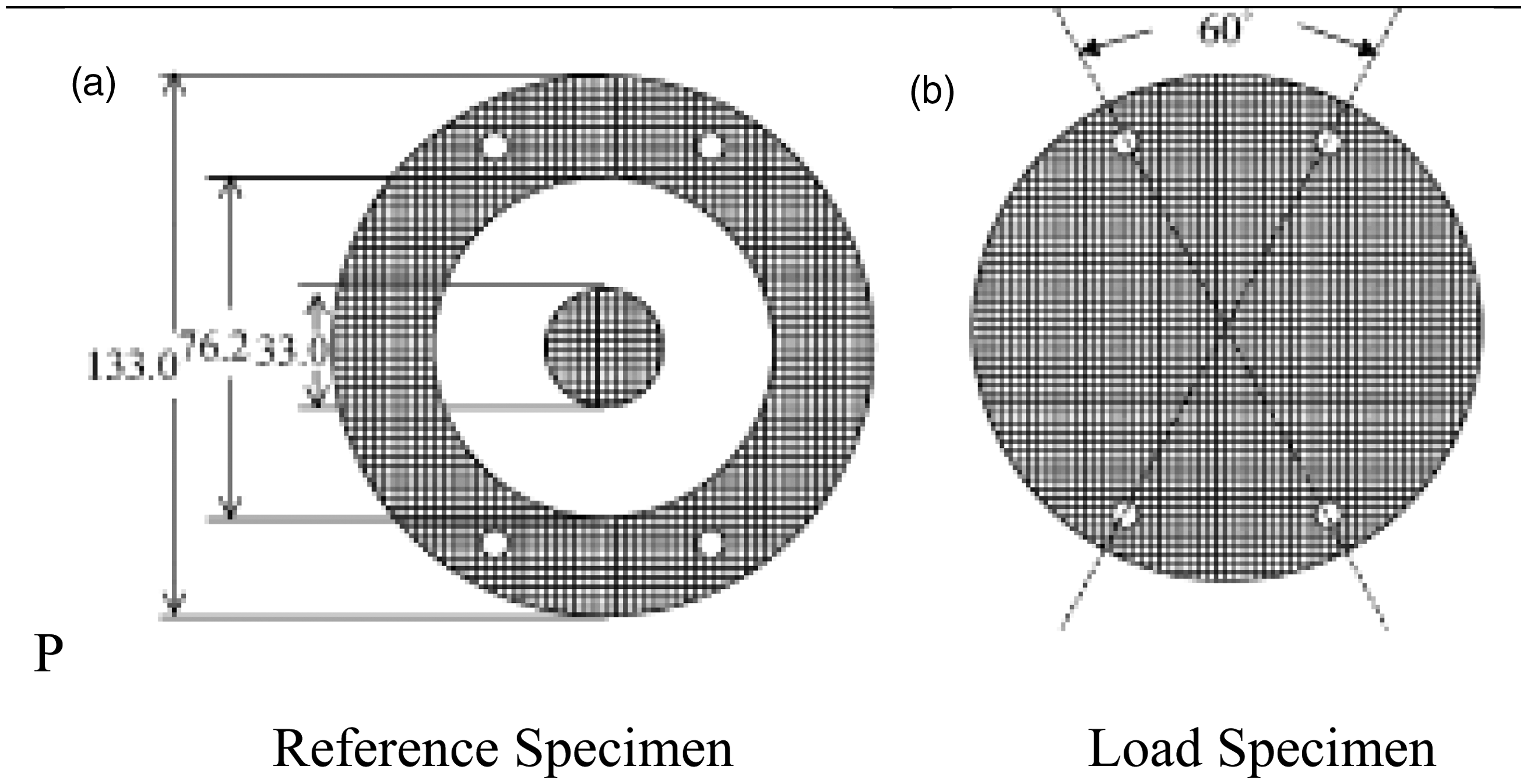
The coaxial transmission line method (Figure 1) was used to measure EMSE values of the specimens. A gold-filmed reference specimen was used for the calibration process before measuring the fabric specimens. After the calibration process, the fabric specimens were prepared with the standard test size of various thicknesses (Figure 2). EMSE was determined by first taking a measurement of the received power with a reference sample with a diameter of 133 mm of the outer ring in the text fixture. The load sample was then fastened into the fixture and another received power measurement was taken.
A typical coaxial transmitter for EMSE testing. Specimen dimension for reference (left) and load test (right) ASTM D4935 (unit: mm).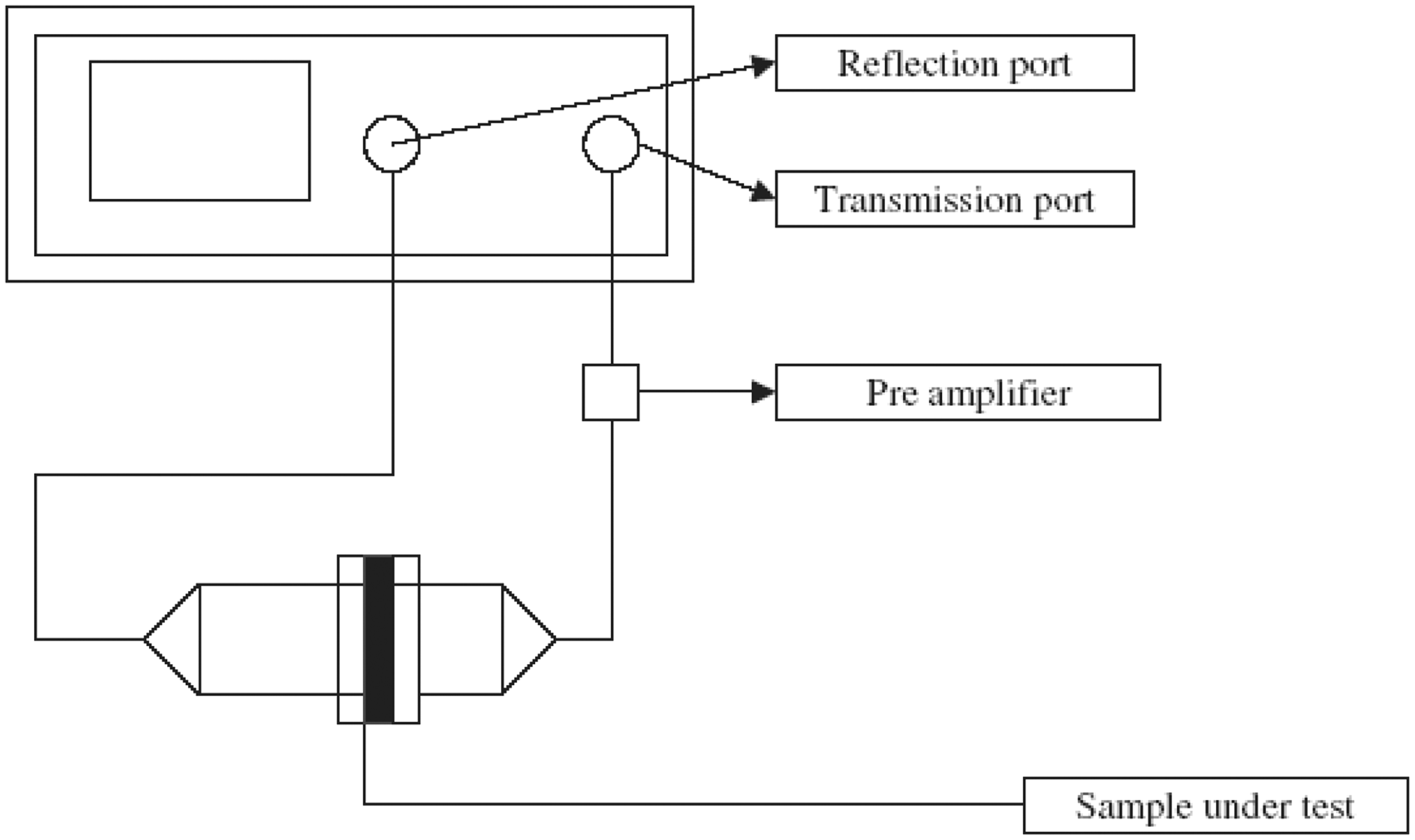
The reflectance (Re) and the transmittance (Tr) of the fabric were also measured, and the absorbance (Ab) was calculated using the following equation:
33



Results and discussion
Tensile properties of fabrics
Tensile strength and elongation properties were measured in the warp direction. It can be observed that the aniline treatment has a noticeable impact on the tensile strength of the fabrics (Figure 3). The untreated fabric’s tensile strength was 42.8 MPa and its aniline treated forms had tensile strength of 51.3 MPa, 53.3 MPa, and 46.3 MPa for the aniline concentrations of 0.5 M, 0.8 M, and 1.2 M, respectively. The tensile strength properties of the fabrics increased after the treatment and were dependent on the aniline concentration. In all cases, the tensile strength values of aniline-treated fabrics were found to be much higher than their untreated counterpart. This increase can be attributed to the rigid nature of PANI. Furthermore, the 0.8 M and 0.5 M aniline treated fabrics exhibited considerably higher tensile strength values than the 1.2 M aniline treated fabrics. The tensile strength increase was correlated to the modification of the surface of PET fibers by deposition of polyaniline due to reinforcing effect of the conductive polymer.
34
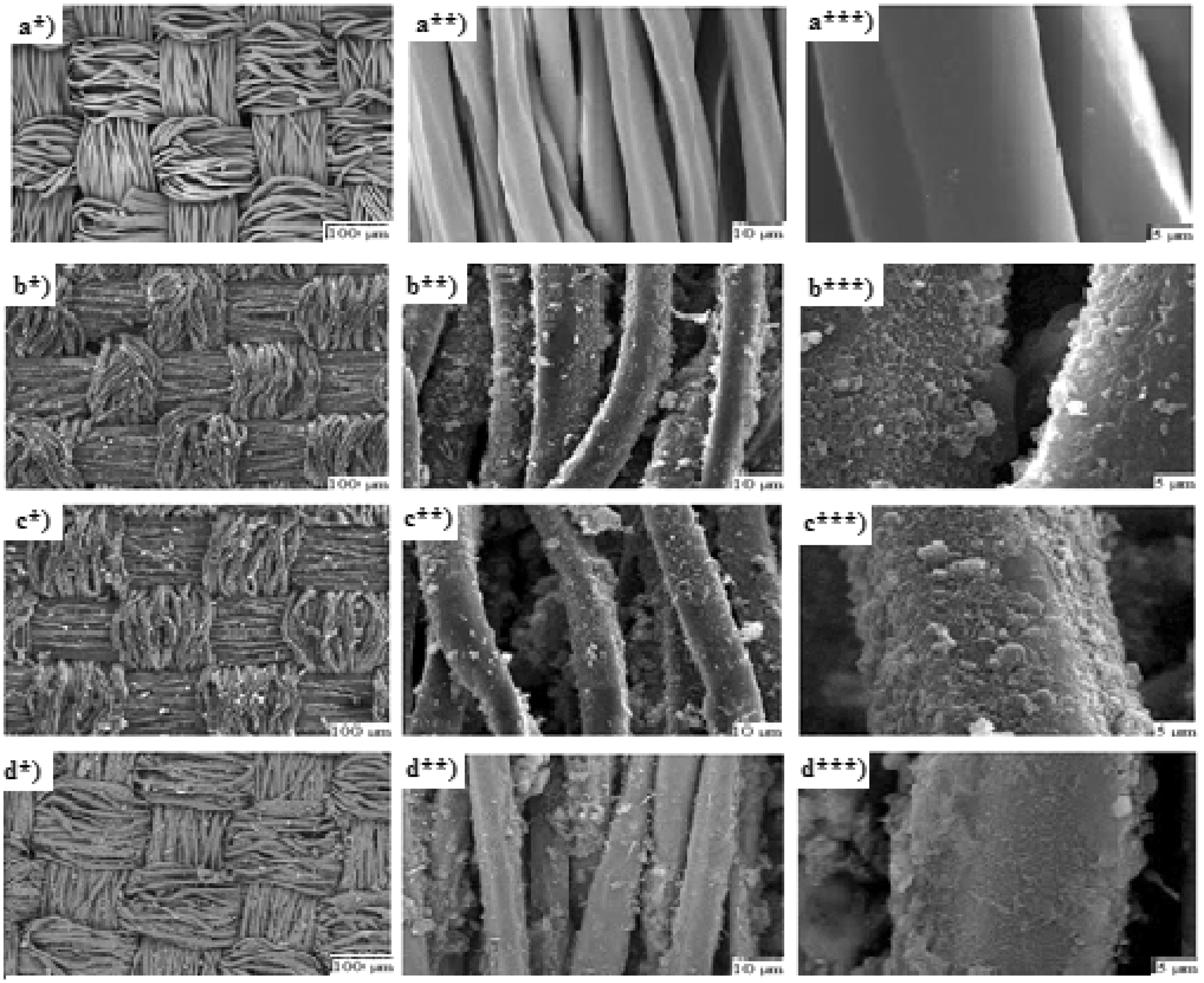
However, at 1.2 M treated fabric decreasing of strength may be occurred due to localized deposition of polyaniline on fabric surface (see Figure 5).
Tensile strength values of treated and untreated fabrics at various aniline concentrations.
It can be observed that the aniline treatment also has a noticeable impact on the elongation properties of the fabrics (Figure 4). The untreated fabric’s elongation value was 59.7%. Its aniline treated forms had elongation values of 35.1%, 51.1%, and 46.2% for the aniline concentrations of 0.5 M, 0.8 M, and 1.2 M, respectively. The elongation values of the untreated fabric were found to be higher than those of the treated fabrics. Furthermore, the 0.5 M aniline treated fabric exhibited considerably lower elongation values than the tested fabrics. An explanation for this decrease in the elongation value of the 0.5 M aniline treated fabric is that it is affected by the rigid nature of PANI, and also having much better dispersion of aniline on fabric surface than the tested fabrics.
Elongation values of treated and untreated fabrics at various aniline concentrations. SEM images of tested fabrics: (a) untreated PET fabric; (b) PANI/PET fabric at 0.5 M concentration; (c) PANI/PET fabric at 0.8 M concentration; (d) PANI/PET fabric at 1.2 M concentration (*×100, **×1000, ***×5000).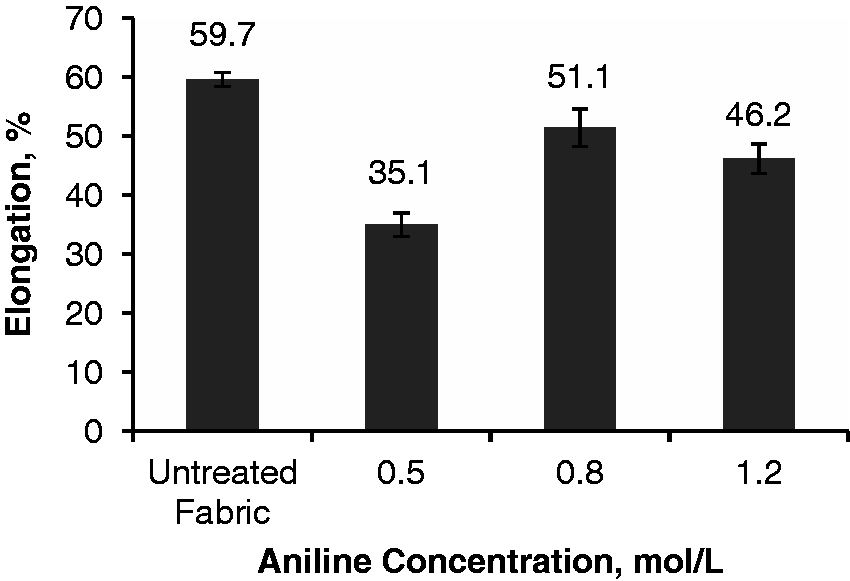
Scanning electron microscopy (SEM) analysis
The SEM images of the fabrics were taken at different magnifications from 100× to 5000×. The presence of aniline can clearly be seen on the treated fabrics (Figure 5). As is evident from Figure 5, there are obvious deposition differences for the different concentrations of aniline solutions. The amount of polyaniline deposited onto the fabric surface increased due to aniline concentration; it decreased at 1.2 M, but this decrease was negligible. It can be seen from Figure 5 that some areas of fabric surfaces were coated completely and some areas were coated by small and large granular PANI. The lower aniline containing solution treated fabrics had better deposits as compared to 1.2 M aniline treated fabric. It can be seen in Figure 5(d***) that 1.2 M aniline concentration treated fabrics had a non-uniform and non-smooth surface even though weight increment. The fibers had some clear surface changes due to the PANI treatment and the surfaces of 0.5 M and 0.8 M treated fabrics were more homogenous than the 1.2 M treated fabric, indicating that the amount aniline present in specific area more than that of 0.5 M and 0.8 M treated fabrics (Figures 5(b***–d***). It can thus be suggested that the polymeric binding on the fabric surface decreases after a certain amount of aniline concentration due to the formation of oligomers in the solution, which resulted from the polymerization of the excessive amount of monomer. The overall observation of the SEM study shows that the PET fabrics have been successfully treated and these aniline penetrations on the individual fibers provide conductivity to the fabrics.
Fourier transform infrared (FTIR) analysis
The Fourier transform infrared (FTIR) spectra of the fabrics are shown in Figure 6. The band of the untreated PET and PANI/PET fabrics observed at 1712 cm−1 is dependent on C = O groups of esters. The bands of PANI/PET fabrics observed at 1450 cm−1 and at 1550 cm−1 belong to C–N and C = N groups in the benzenoid and quinoid structures in polyaniline, respectively.
35
Besides, the bands of PANI/PET fabrics observed at 1292 cm−1 resulted from C–N stretching in secondary amine and this band was not observed in the spectrum of untreated fabric. Deposition of polyaniline on polyester fabric caused the diminution of the polyester fabric characteristic bands. The bands of polyester fabric were not clearly observed in the polyaniline deposited polyester fabric FTIR spectrum since its intensity decreased.
36
FTIR spectra of untreated and treated PET fabrics.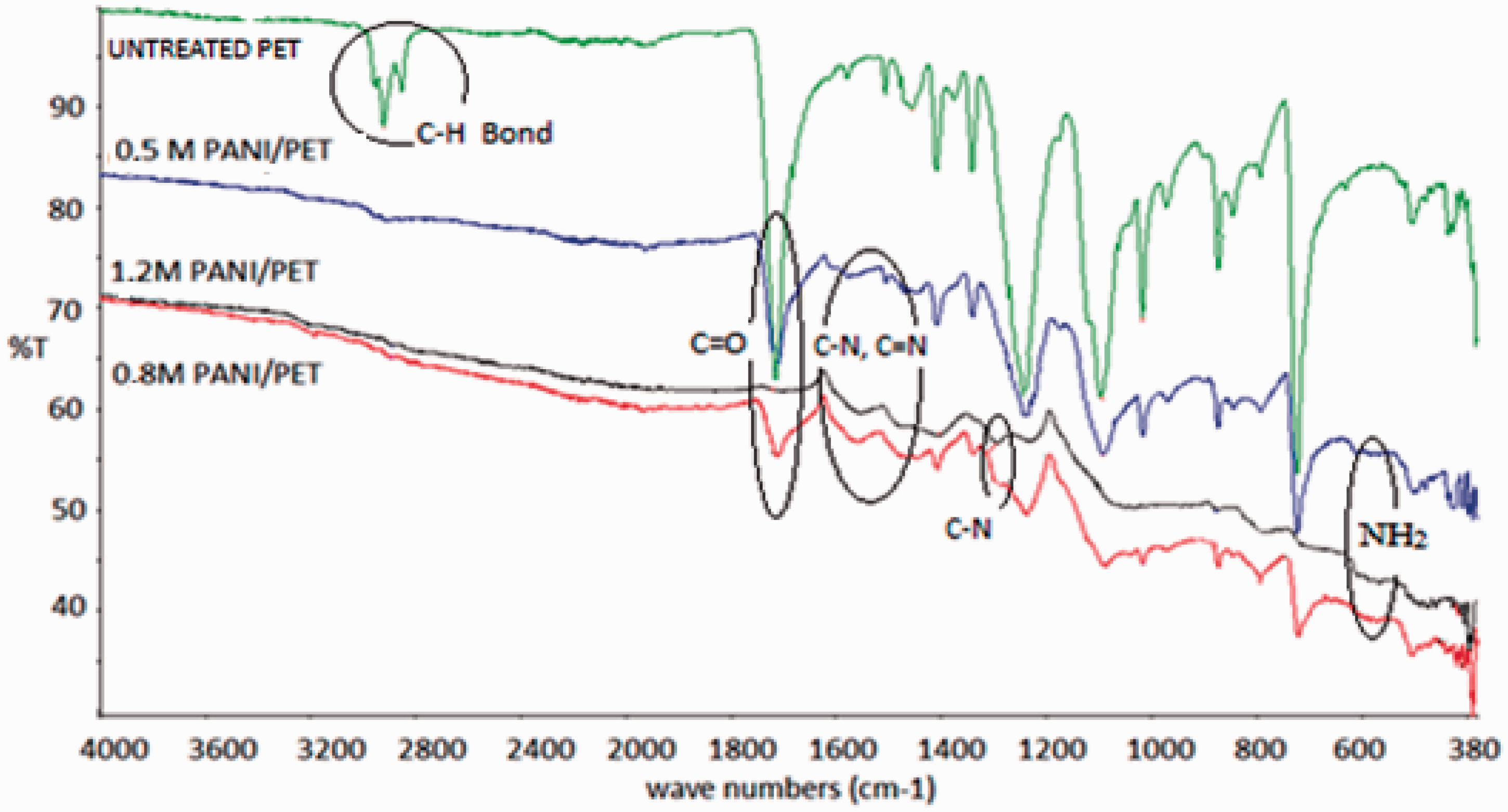
Surface resistivity
It is observed that the color of the fabrics changed after the treatment and they had exactly the same color as polyaniline. The surface resistivity of the treated fabrics is depicted in Figure 7. Compared with the other treated fabrics, 0.5 M aniline treated fabrics had lower surface resistivity. Lower surface resistivity gives, by its definition, higher conductivity. It can thus be concluded that the surface resistivity of PANI/PET fabrics increased as the aniline concentration increased.
Surface resistivity values of fabrics at various aniline concentrations.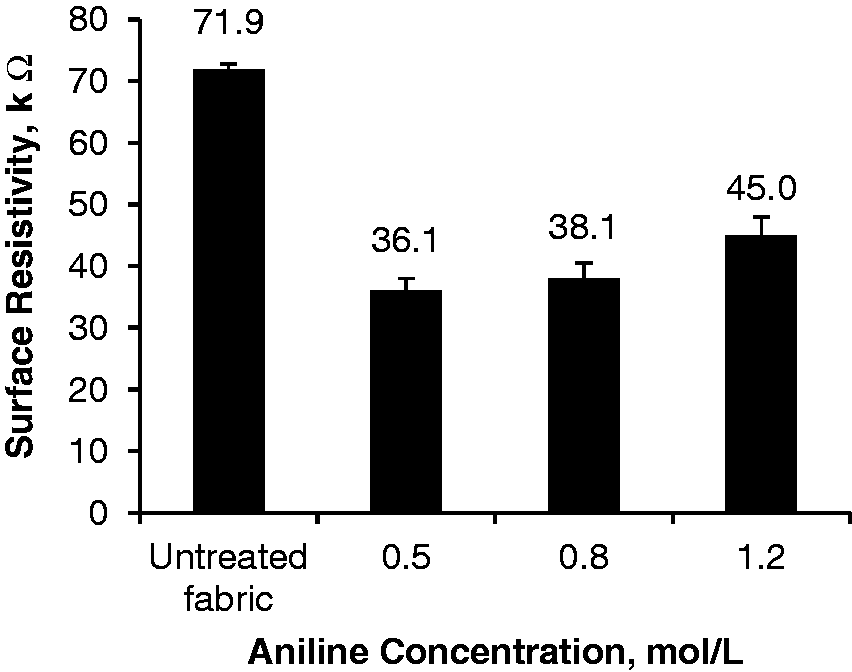
Electromagnetic shielding properties
Variations in the EMSE of the treated fabrics at 0.5 M, 0.8 M, and 1.2 M aniline concentrations are depicted in Figure 8. It is clearly seen in Figure 8 that there is no direct relationship between shielding value and aniline concentration. The highest shielding values were obtained at 0.8 M aniline concentration. The values corresponding to the increasing tendency as the concentration increases started to decrease after a specific point. While the shielding value was measured as 5.70 dB at 0.5 M aniline concentration, it was found as 7.20 dB at 0.8 M aniline concentration and this was the highest shielding value at (1:1) aniline oxidant ratio as indicated by the literature.14,32,37 On the other hand, the lowest shielding value was found as 2.18 dB at 1.2 M aniline concentration. Furthermore, it is assumed that the shielding effectiveness decreases with the reduction in the efficiency of uniform PANI deposition onto PET fabric because of the monomer concentration which increased during the polymerization process.
EMSE values of fabrics at various aniline concentrations.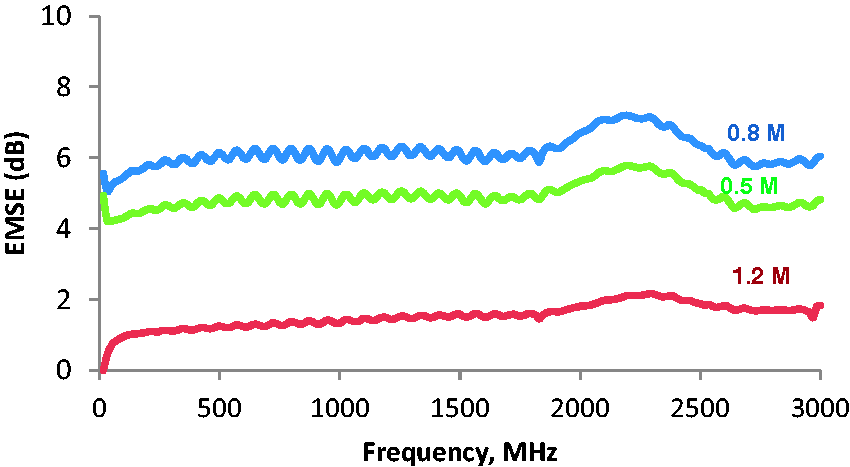
It was observed that the shielding values of the fabrics treated at the three aniline concentrations increased slightly towards 1900 MHz frequency. In frequency range 1900–2700 MHz, the shielding value first increased and the highest values were measured in about the 2100–2200 MHz range for all three concentrations. At the 2700–3000 MHz range, the values showed a normal distribution, which was also observed at the previous frequencies obtained.
The absorption and reflection properties of the fabrics have critical importance in shielding effectiveness and the changes in the absorption and reflection values of the fabrics are given in Figure 9 and Figure 10. As can be seen in Figure 9, the highest absorption values were obtained between 50% and 73% at 0.8 M aniline concentration. On the other hand, the absorption values of the fabrics produced at 0.5 M aniline concentration were found between 50 % to 65 %. The absorption values of the fabrics treated at 1.2 M aniline concentration were found to be ranged from 20% to 40%. In all of the three treatments, the absorption values increased from 1700 MHz to 2700 MHz range.
Absorption values of fabrics for various aniline concentrations. Reflection values of fabrics in various aniline concentrations.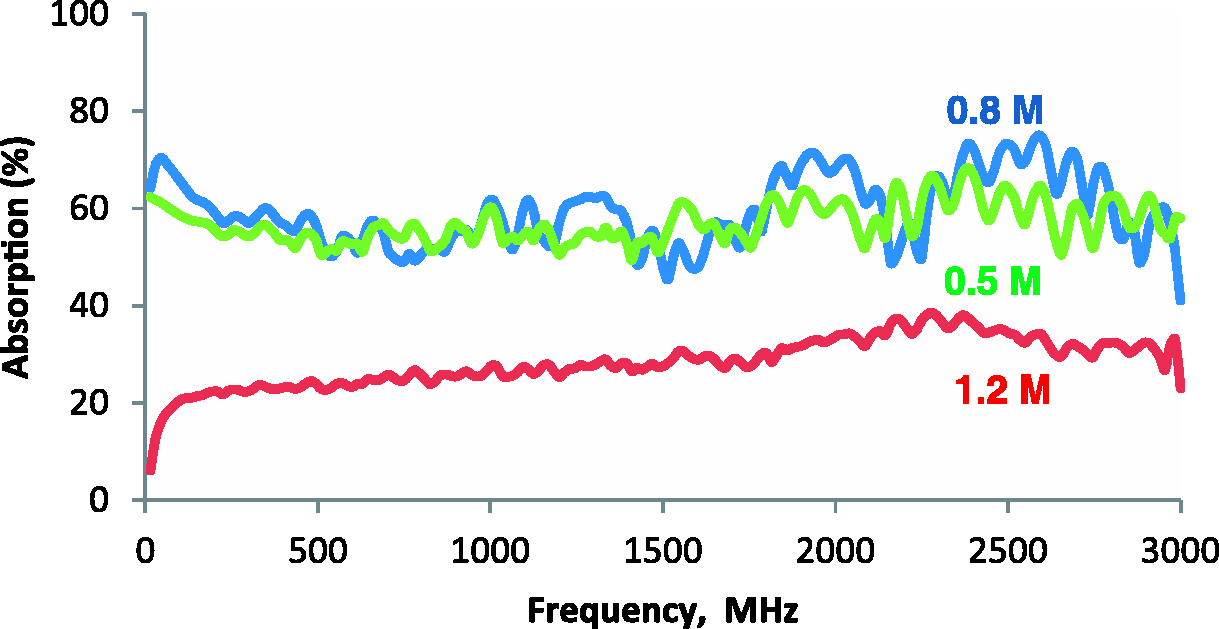
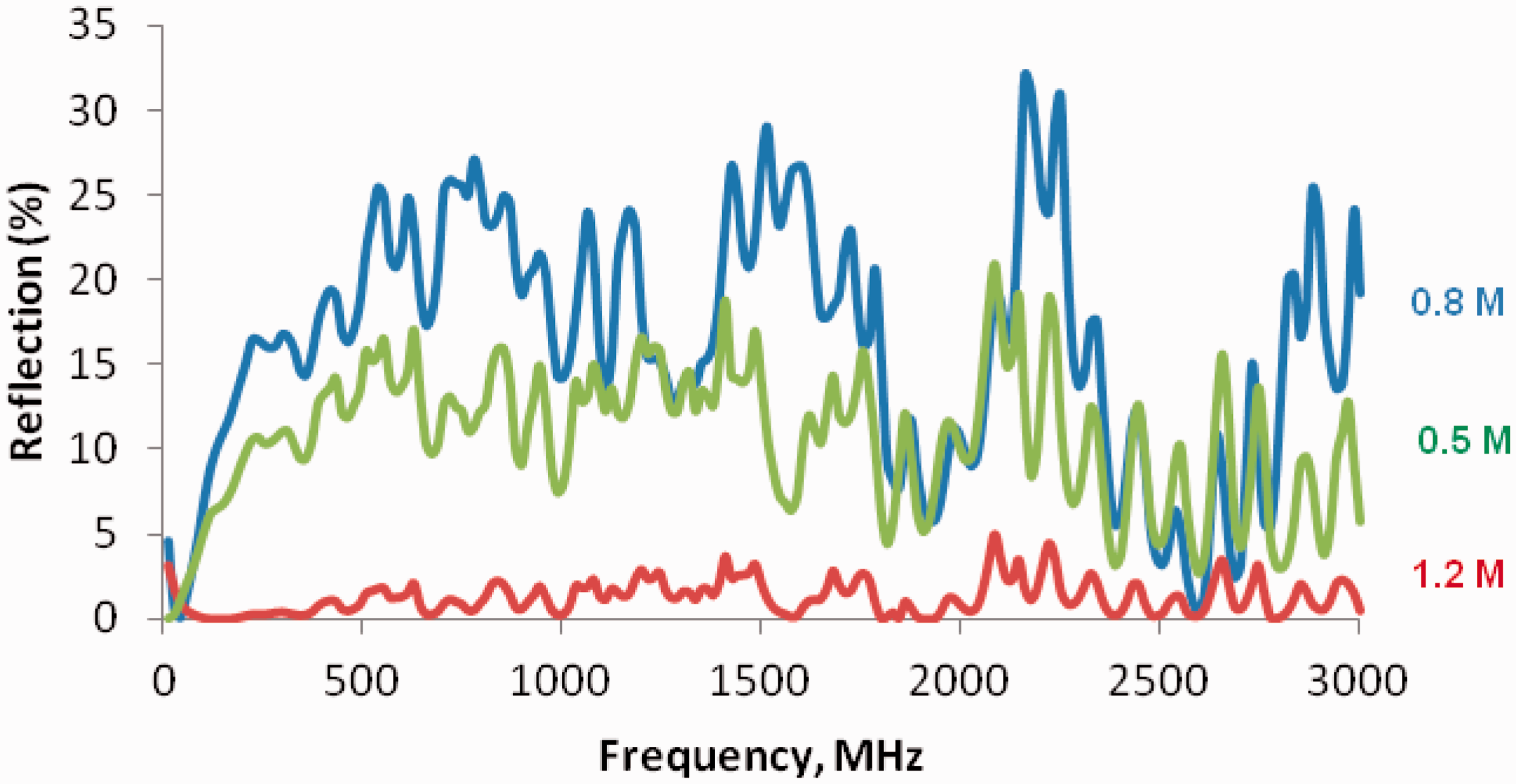
As can be seen in Figure 10, it was found that the reflection behavior of the fabrics was similar to their absorption behavior. While the highest values in the reflection behavior of the treated fabrics were found to be in the frequency ranged from 0 to 1900 MHz, the lowest values were in the frequency range of 2500 to 2700 MHz. The reflection values decreased at the frequencies at the point of the high absorption values determined. The highest reflection value was found to be from 10% to 30% at the fabrics treated at 0.8 M aniline concentration. On the other hand, the reflection values of the fabrics treated at 0.5 M aniline concentration were measured between 5% and 20%. The reflection values of fabrics treated with 1.2 M aniline concentration also varied from 0% to 5%.
From the data in Figure 9 and 10, it is apparent that the absorption values of the fabrics are considerably higher in comparison with their reflection values. This study produced results which corroborate the findings of a great deal of the previous work in this field.12,14,15,18,23 A possible explanation for this might be that the conductive polymers prevent the transition of waves by interacting with electromagnetic waves and then absorbing them owing to the dipoles which develop after they are treated with acid rather than reflecting while they perform shielding.13,16
Conclusions
In this study, conductive fabrics were developed through the deposition of aniline on PET fabrics by using the chemical polymerization method. The following conclusions can be reached from the test results of this study.
It was observed that the tensile strength values of the treated fabrics were noticeably higher than the untreated fabric. The tensile strength of 1.2 M aniline concentration treated fabric was lower than the other treated fabrics.
According to the observation of the impact of the aniline treatment on the elongation properties of the fabrics, the elongation value of the untreated fabric was found higher than the treated fabrics. Furthermore, the 0.5 M aniline treated fabric exhibited considerably lower elongation value than the tested fabrics.
It was observed from the SEM images that some areas of fabric surfaces were coated completely and some areas were coated small and large granular PANI.
Polyaniline polymerization occurrence on the PET fabrics was determined by the FTIR analysis.
It was obtained from the surface resistivity measurement that the surface resistivity of all treated fabrics were decreased, consequently conductivity were increased. The lowest surface resistivity was determined at 0.5 M aniline concentration (36.1 kΩ). The highest shielding value was obtained as 7.20 dB in the frequency ranged from 2000 MHz to 2300 MHz in the 0.8 M aniline concentration treated fabric. 0.8 M aniline treated fabric showed higher electromagnetic shielding effectiveness then 0.5 M aniline treated fabric due to higher and uniform aniline deposition on the fabric surface. Thus, the absorption, the reflection and the shielding values were found better for 0.8 M aniline concentration as compared with the other treated fabrics. It was also observed that the increase in the absorption values directly affected the shielding values and the fabrics perform absorption instead of reflection.
Footnotes
Funding
This research received no specific grant from any funding agency in the public, commercial, or not-for-profit sectors.