







Abstract
In this study, flax rove was treated in supercritical carbon dioxide. The effect of different treatment temperatures on the surface morphology, chemical and crystal structures, and thermal properties, as well as isolated compounds of flax rove, were investigated by employing scanning electron microscopy (SEM), Fourier transform infrared spectroscopy (FT-IR), X-ray diffraction (XRD), thermal analysis, and nuclear magnetic resonance (NMR), respectively. The results showed that more mild grooves and stripes appeared on the surface of the treated flax fibers after supercritical carbon dioxide treatment. FT-IR spectra showed that hydrolysis of macromolecule of flax fibers occurred, producing a C≡C group. XRD spectra confirmed that the crystallinity of the treated flax samples was gradually increased with the raising of treatment temperature. Simultaneously, thermo gravimetric analyzer (TGA), differential thermal gravity (DTG) and differential scanning calorimetry (DSC) analysis indicated that the thermal properties of flax rove were improved with the increase of treatment temperature. In addition, NMR analysis proved that lignin and the monosaccharide composition of isolated compound were extracted from flax rove. Moreover, a predominance of β–O–4’ arylether linkages, followed by β–5’ phenylcoumaran and β–β’ resinol-type linkages for lignins of isolated compound was shown in NMR. Therefore, the results confirmed that it is technically feasible to using supercritical carbon dioxide to conduct the scouring and bleaching of flax rove.
Keywords
Flax (Linum usitatissimum) is a vegetable cellulosic fiber which is an important source of textile fibers used by mankind ever since the dawn of civilization. 1 In the last few years, there has been a resurgence of interest in flax for textiles and for technical applications due to its low cost, renewable nature, easy availability, improved performance, and ease of chemical and mechanical modifications.2,3
The main constituents of a flax fiber consist of one phloem cell with a large secondary cell wall containing many macrofibrils of cellulose, significant amounts of hemicellulose, lignin, pectins, proteins, and wax. 1 Cellulose, hemicelluloses, and lignin are the basic components, of which hemicellulose, lignin, and pectins are difficult to remove and cause much inconvenience in spinning and weaving processes, since they determine the ductility, elasticity, softness, crimpness, and other physical properties of the flax fiber.4,5 Therefore, removing nonfiber tissues (i.e. hemicellulose, lignin, and pectins) in bast stems at the scouring and bleaching stage is key processing before spinning or yarn forming to satisfy industry requirements.6-8
At present, in order to meet the demands for spinning, various treatment approaches for flax rove have been adopted to remove hemicellulose, lignin, and pectins, as well as other bonding materials between single fibers, to weaken the relationships among fibers, and to improve the degree of fiber splitting, such as chemical treatment, biochemical treatment, and even enzymatic treatment.9–12 Yu used Cellulomonas sp DA3 from marine rotten wrack in bacteria scouring of flax roving, and found that high temperature (35–40℃) and moderate time (12 h) gave a good production of polygalacturonase which is the key to scouring and maintaining good fiber quality. 6 Wong applied low temperature plasma treatments to linen fabrics prior to enzyme treatments, and showed that the effectiveness of enzyme treatment can be enhanced by means of plasma pre-treatment. 5 Nevertheless, some of these methods are constrained in practical use because of large amounts of wastewater, elevated production cost, and complicated work procedures are required. 13 Thus, there is an increasing demand for a novel clean treatment method which can be applied easily and efficiently to flax rove.
Supercritical fluid extraction technology represents an alternative that can achieve treatment with respect to traditional treatment methods. 14 Of all the fluids, the moderate critical temperature (31.1℃) and pressure (7.4 MPa) of carbon dioxide make this solvent the most commonly used.15,16 On the one hand, carbon dioxide is a non-toxic, non-flammable, non-polluting, and cheap substance; on the other hand, using supercritical carbon dioxide to replace water presents the advantages of a water free, non-polluting, as well as energy preserving process, and exhibits numerous applications which make it increasingly attractive in food, cosmetics, environment, and pharmaceuticals.17,18 In recent decades, supercritical carbon dioxide has been shown to be effective and is replacing traditional aqueous treatment methods for the surface treatment of fibers due to its high diffusivity and solubility, zero surface tension, low energy process, and almost no risk of heat deformation. 19 Gao reported the influence of pretreatment on enzymatic degumming of Apocynum venetum (AV) bast fibers, and found that the degradation rate of pretreated AV fibers was higher in comparison with the unpretreated fibers at 40℃ and 20 MPa for 50 min in supercritical carbon dioxide. 20 Peng examined the technical process of ramie retting with enzymes in supercritical carbon dioxide, and showed that the optimal conditions for the enzymatic reaction were 45–50℃ at 8 MPa, with a treatment duration of 1.5–2.0 h. 21 However, until now, little has been reported on the scouring and bleaching of flax rove in supercritical carbon dioxide.
The objective of the present study is to investigate the scouring and bleaching feasibility for flax rove in supercritical carbon dioxide. Flax rove was treated at different temperatures in supercritical carbon dioxide. The basic physicochemical and surface morphology information for the flax rove was assessed by means of a combination of various surface-sensitive characterization techniques, including scanning electron microscopy (SEM), Fourier transform infrared spectrometry (FT-IR), X-ray diffraction (XRD), thermo gravimetric analyzer (TGA), differential thermal gravity (DGA) and differential scanning calorimetry (DSC) as well as nuclear magnetic resonance (NMR).
Experimental
Materials
Natural flax roves (6 twist/m) were provided by Jiaxing Unbleached Linen Textile Co., Ltd (China) and samples with a fineness of 577 tex were used in the scouring and bleaching procedure of supercritical carbon dioxide. Carbon dioxide gas (99.9%) used in all of the experiments was purchased from Zhonghao Guangming Research & Design Institute of Chemical Corporation (China).
Supercritical carbon dioxide treatment
Flax rove was treated by supercritical carbon dioxide in a batch system as shown in Figure 1. In this apparatus, flax rove was placed into a treatment vessel and sealed. Before treatment, carbon dioxide was liquefied through a refrigerator. The liquefied carbon dioxide was firstly heated to above the critical temperature with a heat exchanger and was pressurized to above the critical pressure using a high-pressure pump. Supercritical carbon dioxide was then injected to the treatment vessel in which the flax rove would be treated. After treatment, supercritical carbon dioxide and extracts were separated in a separator vessel. The depressurized gaseous carbon dioxide was cleaned further with a gas purifier and cooled by the refrigerator, and then stored in a carbon dioxide storage vessel for reuse. The treatment experiments were conducted at a system pressure of 28 MPa and at different temperatures (70℃, 90℃, 110℃, and 120℃) for 90 min. The extracts were collected in analytical reagent grade methyl alcohol. The flax rove was then removed and used for further analysis after the treatment process was finished. Throughout the whole treatment procedure, the supercritical carbon dioxide apparatus was cleaned completely after every run.
Schematic diagram of supercritical carbon dioxide treatment apparatus: (1) carbon dioxide cylinder, (2) ethylene glycol elevated tank, (3) cooling tower, (4) water pump, (5) compressor, (6) ethylene glycol pump, (7) refrigerator, (8) gas storage tank, (9) high-pressure pump, (10) heat exchanger, (11) treatment vessel, (12) separator vessel, (13) conduction oil tank, (14) conduction oil system, (15) oil pump.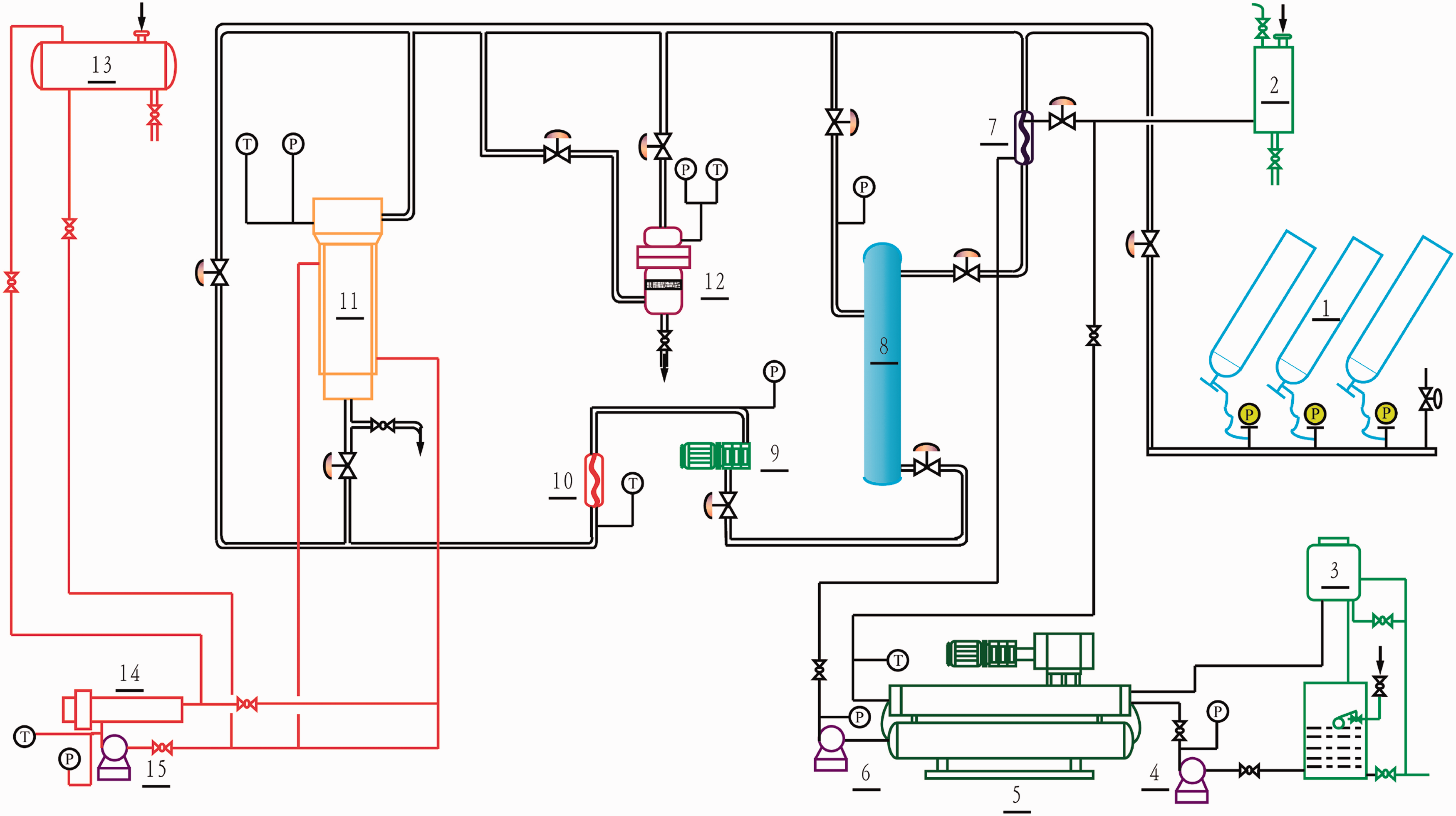
Characterization techniques
Scanning electron microscopy (SEM) analysis
The surface morphological investigations of flax rove before and after supercritical carbon dioxide treatment were carried out on a JSM-6380LA scanning electron microscope (Jeol, Japan) at an acceleration voltage of 10 kV and operation distance of 9 mm. The flax rove samples were fixed on an aluminum plate via a conducting adhesive and degassed sputter coated with gold for 80 s to provide the conductivity for the impinging electrons. Subsequently, a thin layer of gold (about 10 nm) was coated on the fiber surface. Then, the flax fibers were investigated at 1000× magnification to observe their surface morphological changes.
Fourier transform infrared spectrometry (FT-IR) analysis
The flax rove samples before and after supercritical carbon dioxide treatment were recorded by employing a Nicolet 8700 FT-IR spectrophotometer (Thermo Fisher Scientific, USA) with a traditional KBr pellet sampling method. The transmittance of the infrared in individual powder samples of flax rove was scanned 30 times at room temperature with a resolution of 4 cm−1 in the range of 650–4000 cm−1.
X-ray diffraction (XRD) analysis
The crystalline states of flax rove samples before and after supercritical carbon dioxide treatment were conducted by employing an XRD-6100 instrument (Shimadzu, Japan) with a CuKɑ radiation from 10° to 55° at room temperature. The test condition was that wavelength 1.5406 × 10¹⁰ m, tube voltage 40 kV, current 30 mA, continuous scan mode, and a scanning speed 5°/min. The standards employed were divergence slit (DS) 1°, soller slits (SS) 1° and receiving slit (RS) 0.3 mm.
Thermogravimetric analysis
The thermal property analysis of flax rove samples before and after supercritical carbon dioxide treatment was carried out on an STA PT 1600 thermal analysis machine (Linseis, Germany). The temperature range was selected from room temperature to 800℃ at a rate of 10℃/min.
NMR spectroscopy analysis
Flax rove before treatment was dipped into analytical reagent grade methyl alcohol for 1 min to provide the original sample. The extracts collected in the supercritical carbon dioxide treatment procedure were obtained as the treated sample. After drying by employing a rotary evaporator, the original sample and the extracted samples (70–80 mg) were re-dissolved in methanol-d4 (99.8%), and a proton nuclear magnetic resonance (1H NMR) as well as a carbon nuclear magnetic resonance (13C NMR) spectrum were registered on a Bruker Advance III 430 MHz (Bruker, Germany) at 25℃.
Result and discussion
Effect of treatment temperature on the surface morphology of flax fibers in supercritical carbon dioxide
An investigation of the surface morphology of flax fiber before and after supercritical carbon dioxide treatment was carried out by employing SEM at different treatment temperatures. The flax rove used in the supercritical carbon dioxide treatment is shown in Figure 2(a), and it can be seen from Figure 2(b) that the untreated flax sample had a relatively clean and smooth surface, which is clearly different from that of the treated samples. Figure 2(c) shows that slight damage to the phloem cells on the surface of the flax fiber was observed after supercritical carbon dioxide treatment. When the treatment temperature increased further, it is surprising that more grooves and bulges appeared on the surface of flax fibers, and there was even obvious damage showing on the fibers involving the surface peeling off, as shown in Figure 2(d)–(f), which implies that some changes to the surface morphology of the flax fibers occurred in supercritical carbon dioxide. This may be because the bonding materials between fibers were removed after supercritical carbon dioxide treatment, thus improving the degree of splitting of the flax rove.
19
Image of the flax rove (a) and the SEM images: fiber surface of the original sample (b) and treated at temperatures of 70℃ (c), 90℃ (d), 110℃ (e), and 120℃ (f) in supercritical carbon dioxide at a pressure at 28 MPa for 90 min.
Effect of treatment temperature on the chemical structure of flax fibers in supercritical carbon dioxide
The effect of treatment temperature on the chemical structure of flax fibers was investigated at different temperatures in supercritical carbon dioxide by employing an FT-IR instrument. As shown in Figure 3, the characteristic bands of flax fiber, O–H stretching, C–H stretching, C = C stretching, C–H bending, O–H bending, C–C–H bending, C–O–H bending, and C–O–C stretching, were observed in FT-IR spectra of all samples.
22
The FT-IR spectra of flax fibers indicated that a broad and intense peak at 3337.37 cm–1 suggested O–H stretching vibration (νO–H) from the cellulose and lignin structure of flax fibers.
23
The strong peak with an absorption band at 2919.78 cm–1 emerged because of the stretching vibration of C–H (νC–H) from CH and CH2 in cellulose and hemicellulose components. The peaks with absorption bands at 1644 cm–1 and 1428.2 cm–1 corresponded to the stretching vibration of C = C (νC=C) and the bending vibration of C–H (δC–H), respectively. The bands near 1368.1 cm–1 and 1315.81 cm–1 were possibly due to CH3 bending and CH2 stretching in lignin.
22
The small peak at 1163 cm–1 and 1102.8 cm–1 may be attributed to the asymmetric stretching vibration of C–O–C (νC–O–C) or ring stretching. In addition, the strong absorption band at 1029.02 cm–1 emerged because of the stretching vibration of O–H (νO–H) and the stretching vibration of C–O (νC–O) belonged to polysaccharide in cellulose.
24
The small peak at 894.09 cm–1 was found due to the bending vibration of C–H (δC–H), which may be the linkage between the sugar units of hemicelluloses.
25
FT-IR spectra of the flax fibers treated at different temperatures in supercritical carbon dioxide.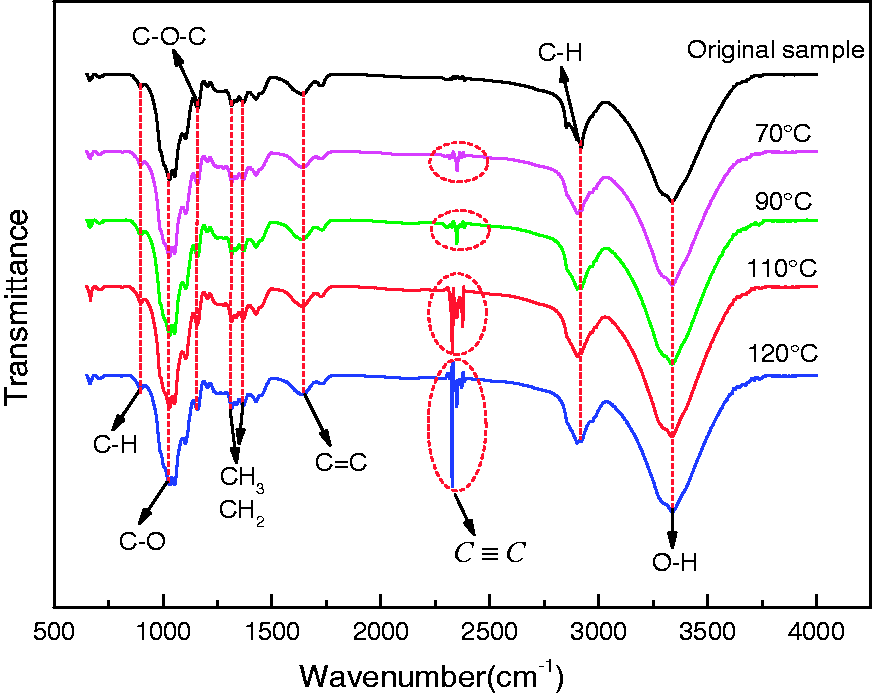
Slight shifts could also be observed for the characteristic bands of flax after supercritical carbon dioxide treatment. The stretching vibration of C–H, the stretching vibration of C–O–C, and the bending vibration of C–H were shifted from 2919.78 cm–1 to 2901.70 cm–1, from 1163 cm–1 to 1155.9 cm–1, and from 894.09 cm–1 to 897.62 cm–1, respectively. Furthermore, remarkable changes were observed in the range 2320 cm–1–2380 cm–1, where new small peaks appeared. Generally, in the treatment process, supercritical carbon dioxide fluid could infiltrate into flax fibers and swell them, which made the re-arrangements and re-crystallizations of the molecule chains occur, causing the shifts of the characteristic bands of treated flax fiber. On the other hand, the lignin structure in the flax fibers was easily destroyed and hydrolyzed in supercritical carbon dioxide. Therefore, an isomer of benzene containing a C ≡ C group was produced after supercritical carbon dioxide treatment.
Effect of treatment temperature on the crystal structure of flax fibers in supercritical carbon dioxide
The effect of treatment temperature on the short range ordered structures and the crystal structure of flax fibers was investigated at different temperatures in supercritical carbon dioxide by employing XRD analysis. Figure 4 shows that crystalline peaks around 2θ = 15.6°, 2θ = 17.2°, and 2θ = 22.6° were observed in all the fiber samples. Furthermore, the crystallinity index, which refers to the relative crystallinity of the fiber samples, was calculated according to the empirical method proposed by Segal.
26
As shown in Figure 4, the crystallinity index of the flax samples treated in supercritical carbon dioxide gradually decreased from 70℃ to 110℃ in comparison with the original sample, and increased at 120℃. Theoretically, carbon dioxide could swell and plasticize flax fiber to a certain degree in the supercritical state, which contributed to the interactions and movements of the macromolecular chains of the flax samples, thereby causing the rearrangement of macromolecular chains under high temperature conditions, and resulting in the increase of the crystallinity index after 120℃.13,18 In addition, the decrease tendencies for the diffraction intensity after supercritical carbon dioxide treatment were probably because the nonfiber tissues in flax fibers were hydrolyzed and extracted from the flax fibers under the action of supercritical carbon dioxide fluid.
19
XRD spectra of flax fibers treated at different temperatures in supercritical carbon dioxide.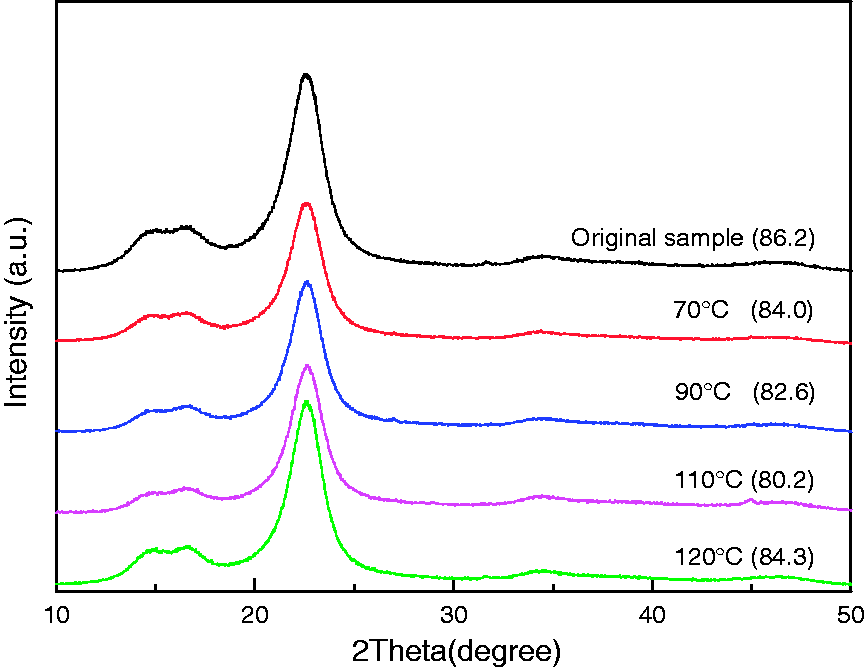
Effect of treatment temperature on the thermal properties of flax fibers in supercritical carbon dioxide
Thermogravimetric analysis (TGA) curves of flax samples before and after supercritical carbon dioxide treatment are shown in Figure 5. The TGA curves of flax samples consisted of three weight-loss stages and shifted to the right side for the treated samples, which indicates that the thermal stability of the flax improved after supercritical carbon dioxide treatment. The first weight-loss step appeared from 30℃ to 125℃, corresponding to some physical damage occurring mostly in the amorphous region of cellulose. A prominent step of weight loss was observed from 280℃ to 390℃ because of the thermal degradation in the crystalline region, which resulted in the thermal depolymerization of hemicellulose and glycosidic linkages of cellulose.
3
At the third region, the thermal degradation of weight loss at 390℃ to 620℃ was due to the dewatering and charring reactions, releasing water and carbon dioxide and increasing the carbon and charred residues.3,27
TGA curves of flax fibers treated at different temperatures in supercritical carbon dioxide.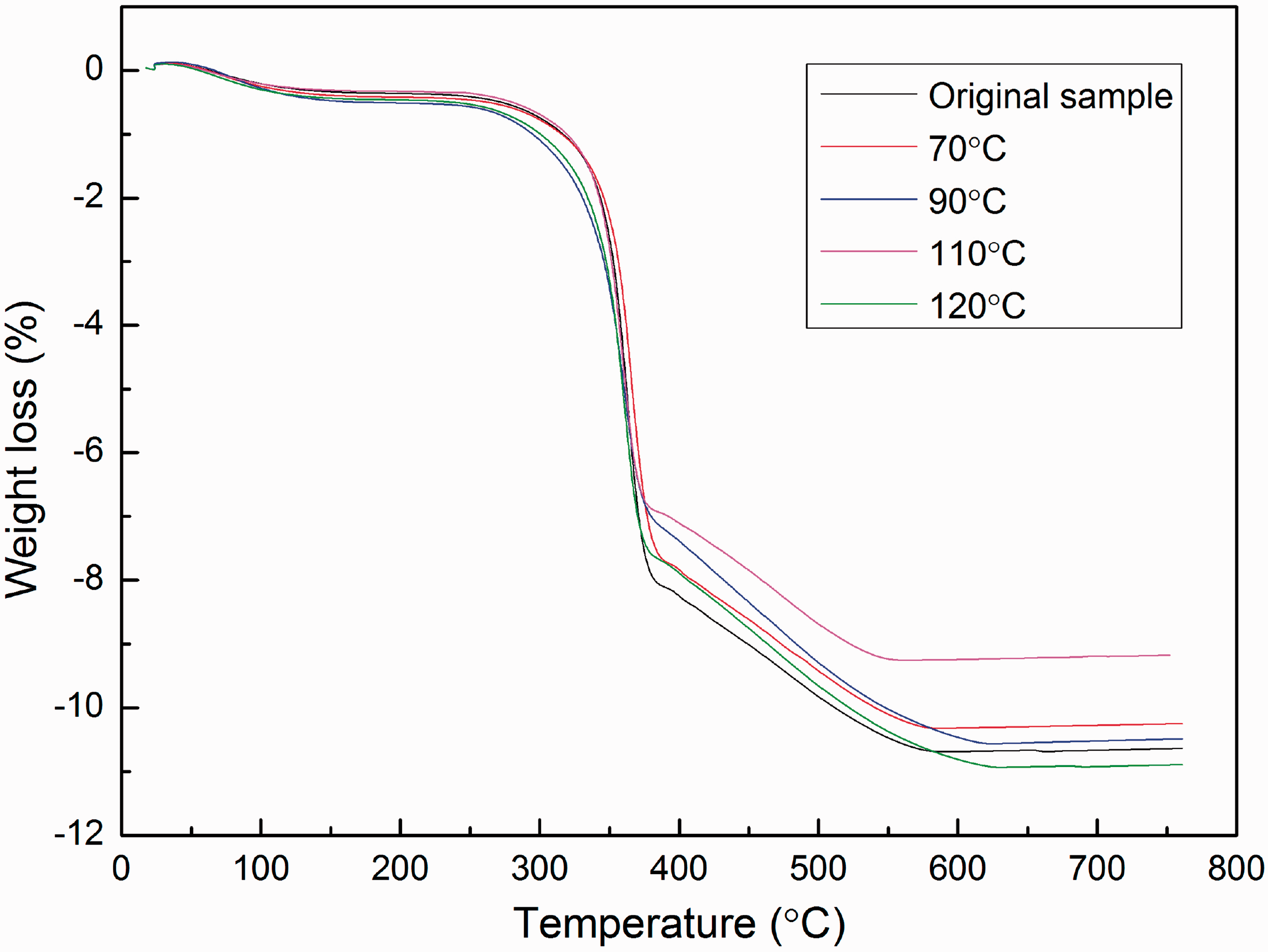
DTG curves of the flax samples also give evidence for this, as shown in Figure 6. Three peaks of DTG curves were found for all the samples. For the flax before and after supercritical carbon dioxide treatment, the first weight loss observed was related to the evaporation of water, and the second peak was attributed to the degradation of cellulose, hemicelluloses, and pectins.
3
As shown in Figure 6(a), there was almost no significant shoulder between 200℃ and 300℃ for the treated flax samples. This shows that the contents of hemicelluloses and pectins were slightly decreased. The third peak between 400℃ and 700℃, as shown in Figure 6(b), might be due to the further breakage of decomposition products of fibers.
DTG thermograms of flax fibers treated at different temperatures in supercritical carbon dioxide. Magnified view in the temperature range: (a) 0℃–350℃ and (b) 400℃–700℃.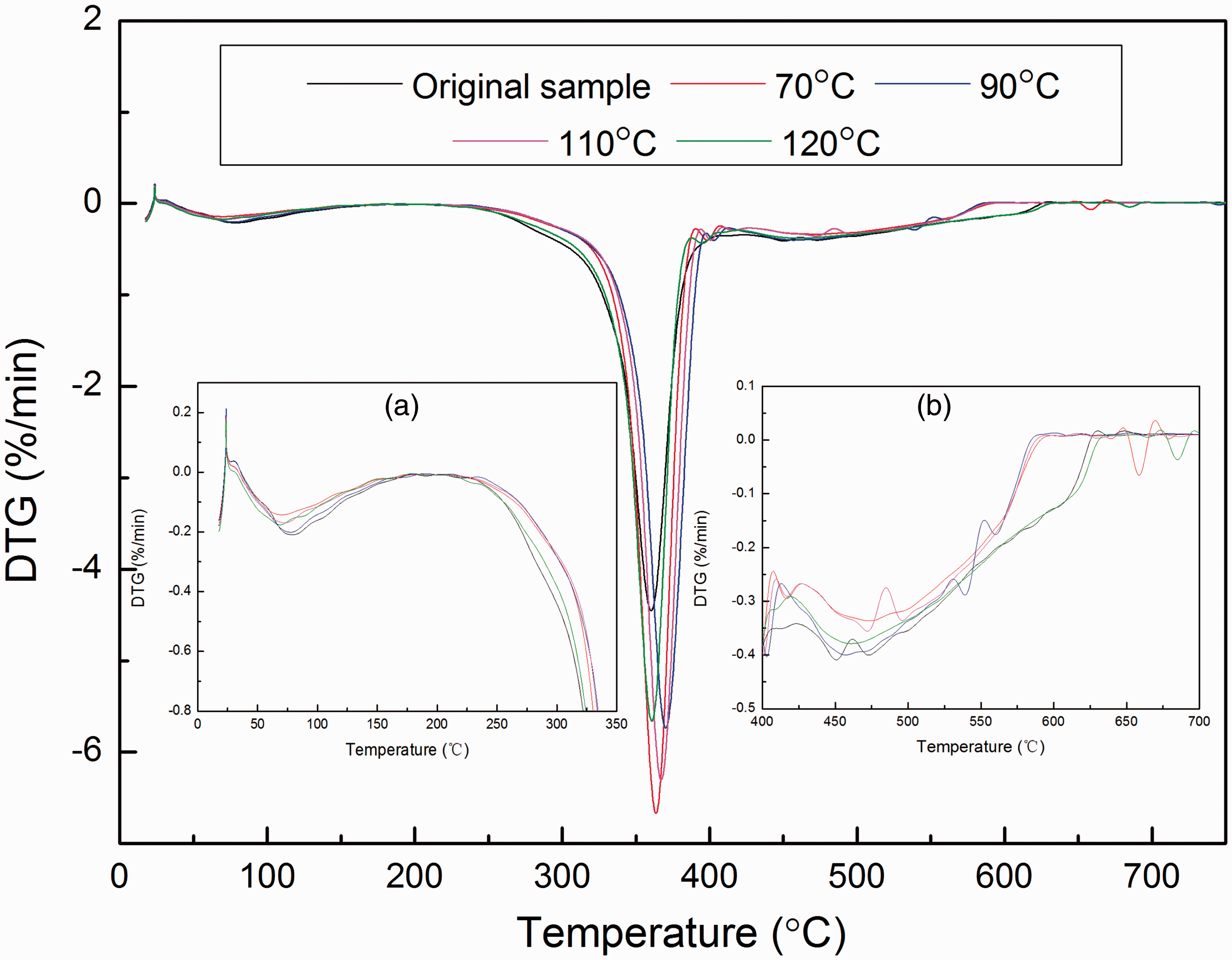
To investigate the thermal behavior and phase transitions of flax fiber, DSC thermograms are given in Figure 7. The original sample presented the highest glass transition temperature (Tg = 79.5℃) in comparison with the flax samples treated at 70℃ (Tg = 68.2℃), 90℃ (Tg = 76.8℃), 110℃ (Tg = 63.8℃), and 120℃ (Tg = 66.3℃). The results showed that the flexibility and irregularity of the molecular chains were enhanced after supercritical carbon dioxide treatment, and the free volume and amorphous regions of cellulose were increased,
3
which is consistent with the XRD results. Moreover, the original sample revealed a distinct endothermic peak in the temperature interval between 25.2℃ and 77.6℃. The flax samples treated at different temperatures also revealed a distinct exothermic peak at different temperature intervals, and the peak shift demonstrated the treated flax samples were already degraded with a large fraction of oligomers in supercritical carbon dioxide, and therefore less energy was necessary for the thermal decomposition.
28
DSC thermograms of flax fibers treated at different temperatures in supercritical carbon dioxide.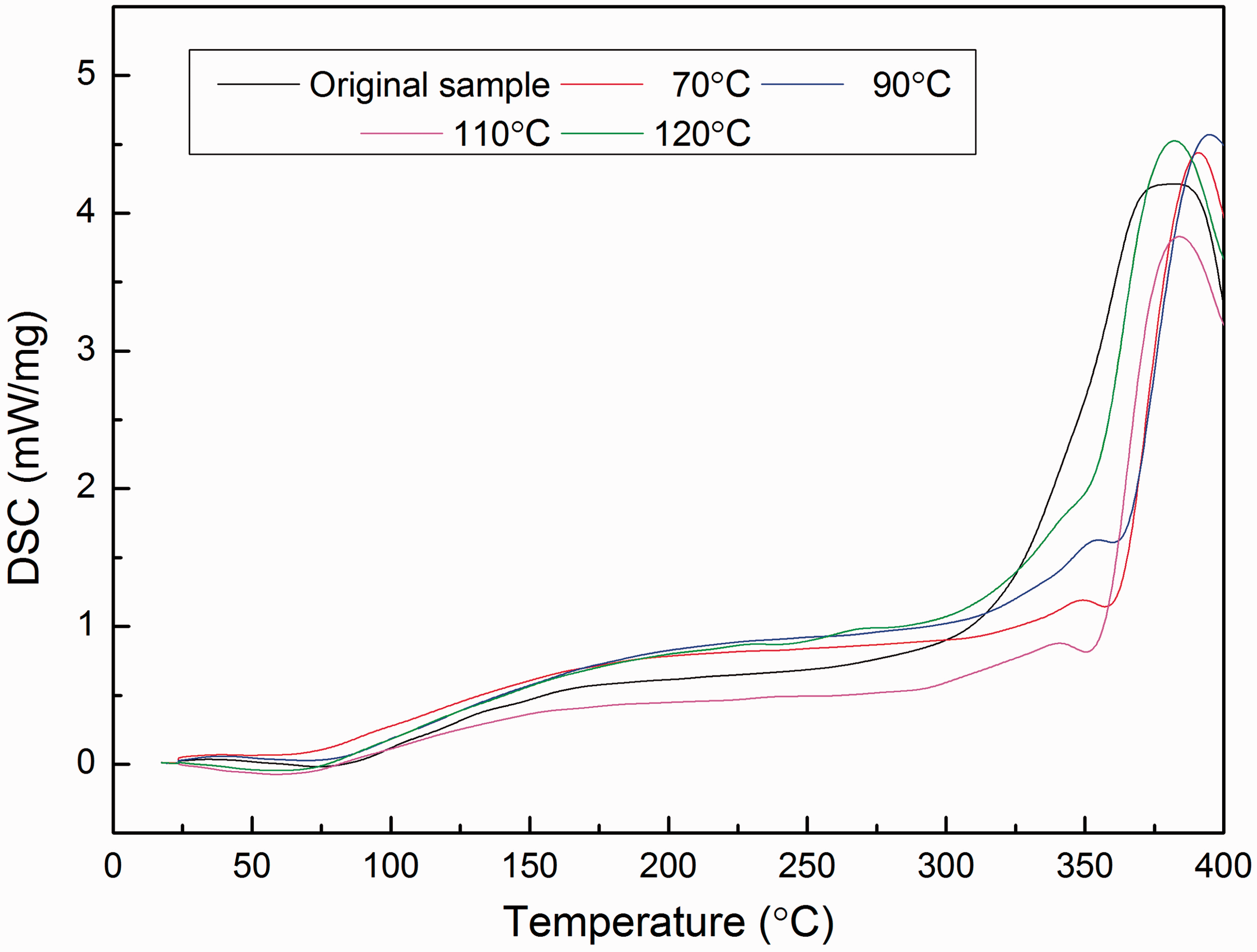
NMR of the isolated compound from flax fibers in supercritical carbon dioxide
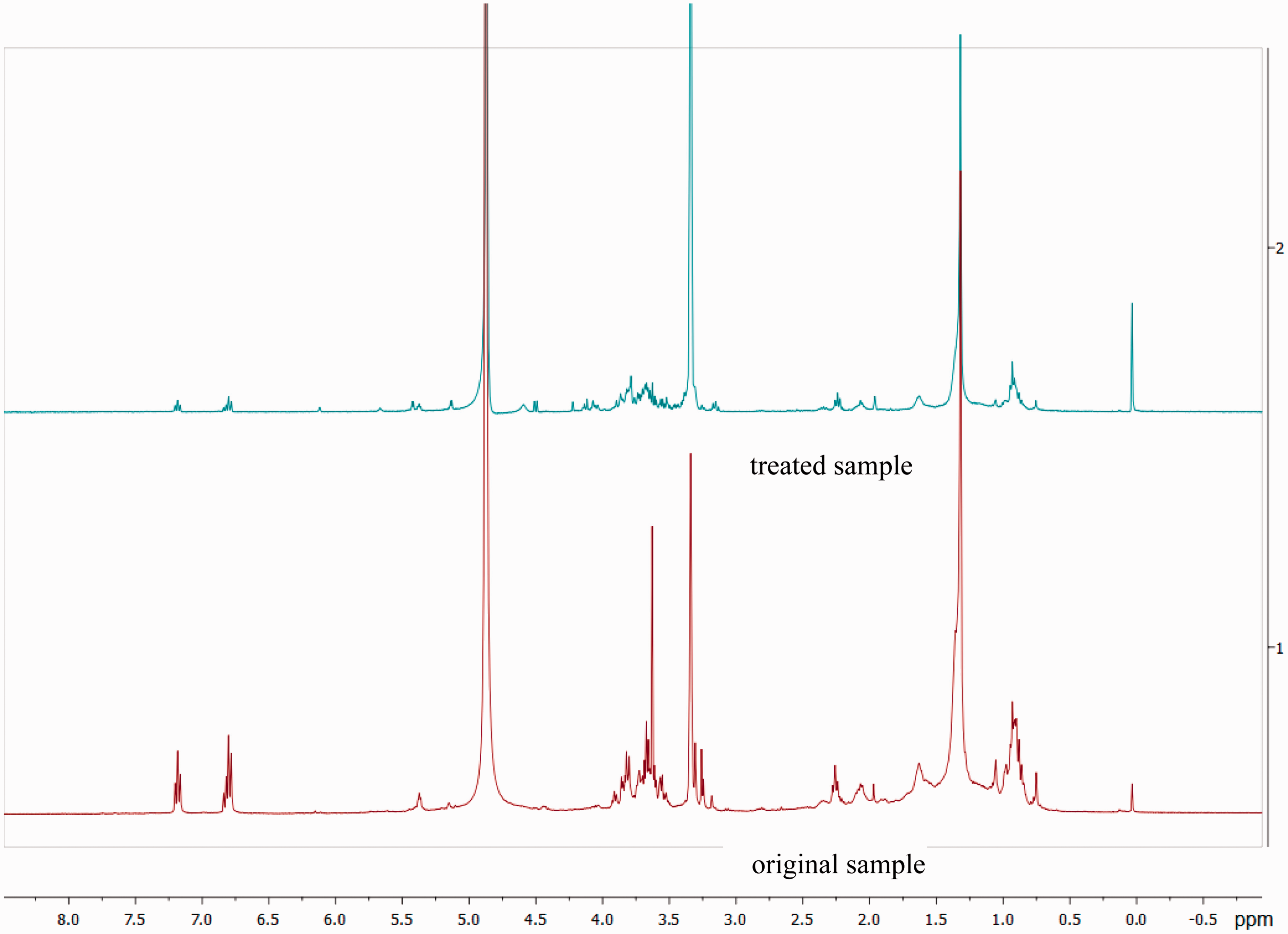
The main chain of flax fiber is composed of carbon atoms, hydrogen atoms, and oxygen atoms. 1H NMR as well as 13C NMR can provide structure information of the isolated compounds for flax fibers, and also is a powerful tool for lignin structural characterization.29–31 Therefore, in order to find the difference between the flax samples before and after supercritical carbon dioxide treatment, at a treatment pressure of 28 MPa, a temperature 110℃, and a treatment time of 90 min, the extracts were collected and tested in supercritical carbon dioxide by employing 1H NMR as well as 13C NMR. The 13C and 1H NMR spectrum of the extracts for flax fibers are very sensitive to the changes in fiber molecular structure, as shown in Figures 8 and 9.
13C NMR spectrum of isolated compound for flax fibers before and after supercritical carbon dioxide. 1H NMR spectrum of isolated compound for flax fibers before and after supercritical carbon dioxide.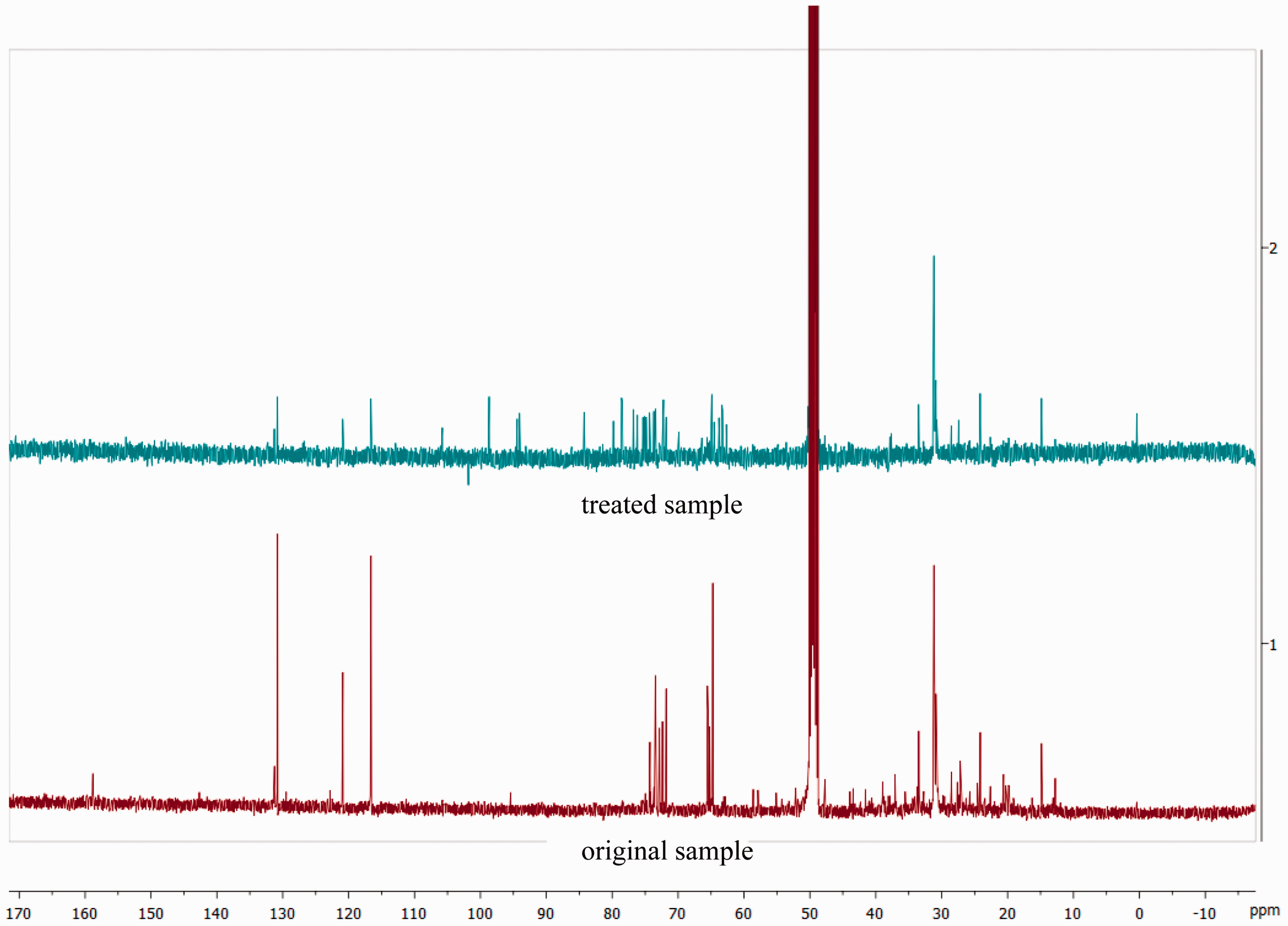
The side-chain region of the spectra gives useful information about the different inter-unit linkages present in the lignin from flax fiber, and the main substructures of the lignins from isolated compounds for treated flax fiber in supercritical carbon dioxide are depicted in Figure 10. The NMR spectra show prominent signals corresponding to β–O–4’ alkyl-aryl ether linkages, as shown in substructure (a). The Cα–Hα correlations in β–O-4’ substructures were observed in overlapping signals at δC/δH 71.0/4.72 and 71.6/4.6 for structures linked to G- or S-lignin units, respectively. Similarly, the Cβ–Hβ correlations were observed in signals at δC/δH 83.0/4.2 for β–O–4’ structures linked to G-lignin units and at δC/δH 86.0/4.17 for β–O–4’ structures linked to S-lignin units. Interestingly, a strong signal was observed in the NMR spectrum of isolated compounds at δC/δH 83.0/4.2, corresponding to the Cβ–Hβ correlations in resinol (β–β’) substructures (b). Moreover, phenylcoumaran (β–5’) substructures (c) were also observed in the NMR spectra, although in small amounts, the signal for Cβ–Hβ correlation being observed at δC/δH 53.0/3.5. In addition, signals from other structures, including spirodienone (β–1’) substructures (d), dibenzodioxocin (5’–5’’) substructures (e), and cinnamyl alcohol end-groups (f), were also obtained in the lignins. Of all the above substances, dibenzodioxocins are important lignin structures in softwoods, where they act as branching points, and have also been found in hardwoods, but these structures have rarely been reported in herbaceous plants.
32
Their abundance in flax is related to the high G content of flax lignin.
33
The olefinic correlations of the cinnamyl structures were observed in the aromatic region of the spectra.
Main structures presented in the residual lignin isolated from flax fibers: (a) β–O–4’ substructures, (b) β–β’ resinol substructures, (c) β–5’ phenylcoumaran substructures, (d) β–1’ spirodienone substructures, (e) 5’–5’’ dibenzodioxocin substructures, and (f) cinnamyl alcohol end-groups.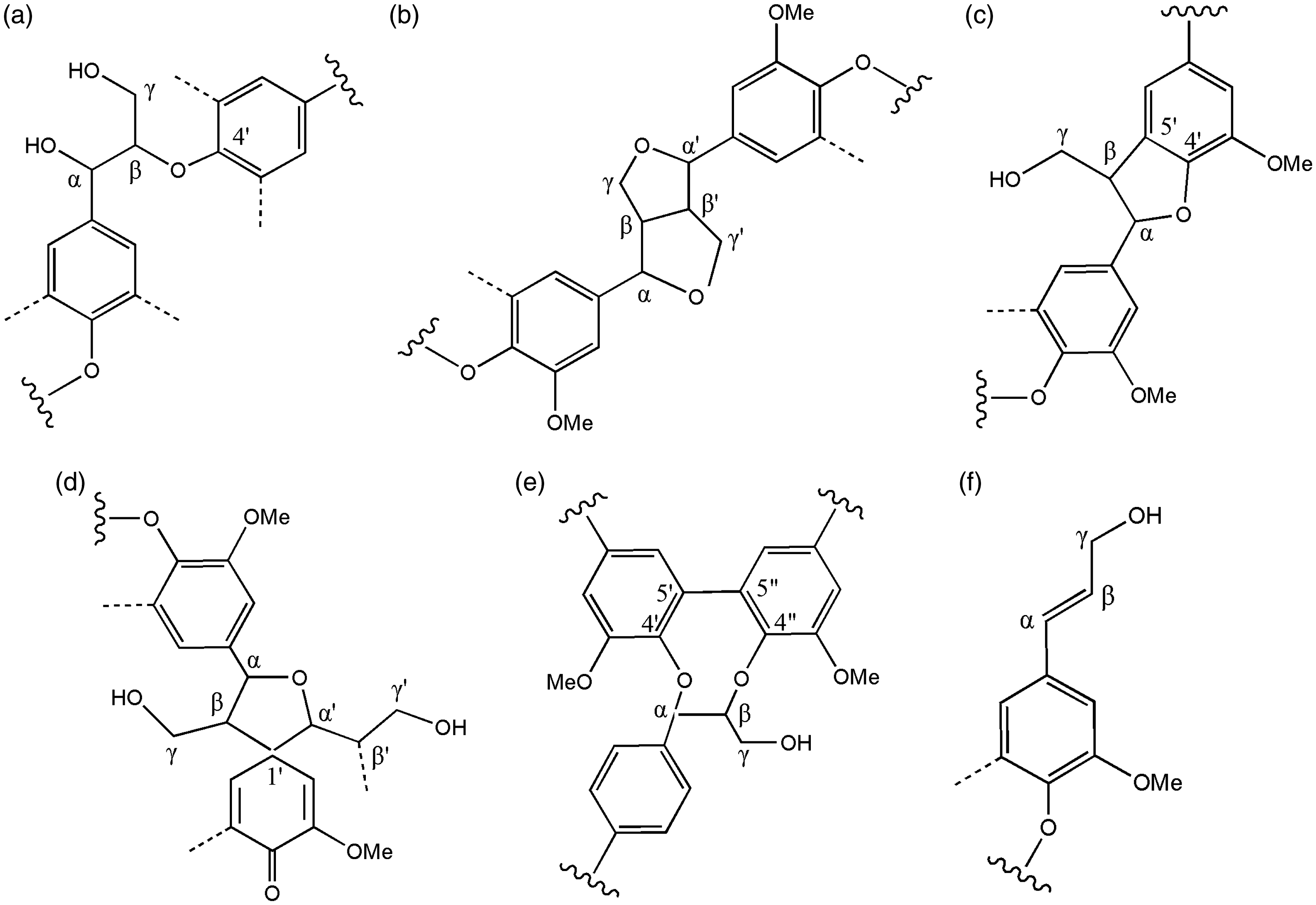
Chemical shift of 1H and 13C in the carbohydrate residues of isolated compound. Designation of the residues are given in the schemes below the table.
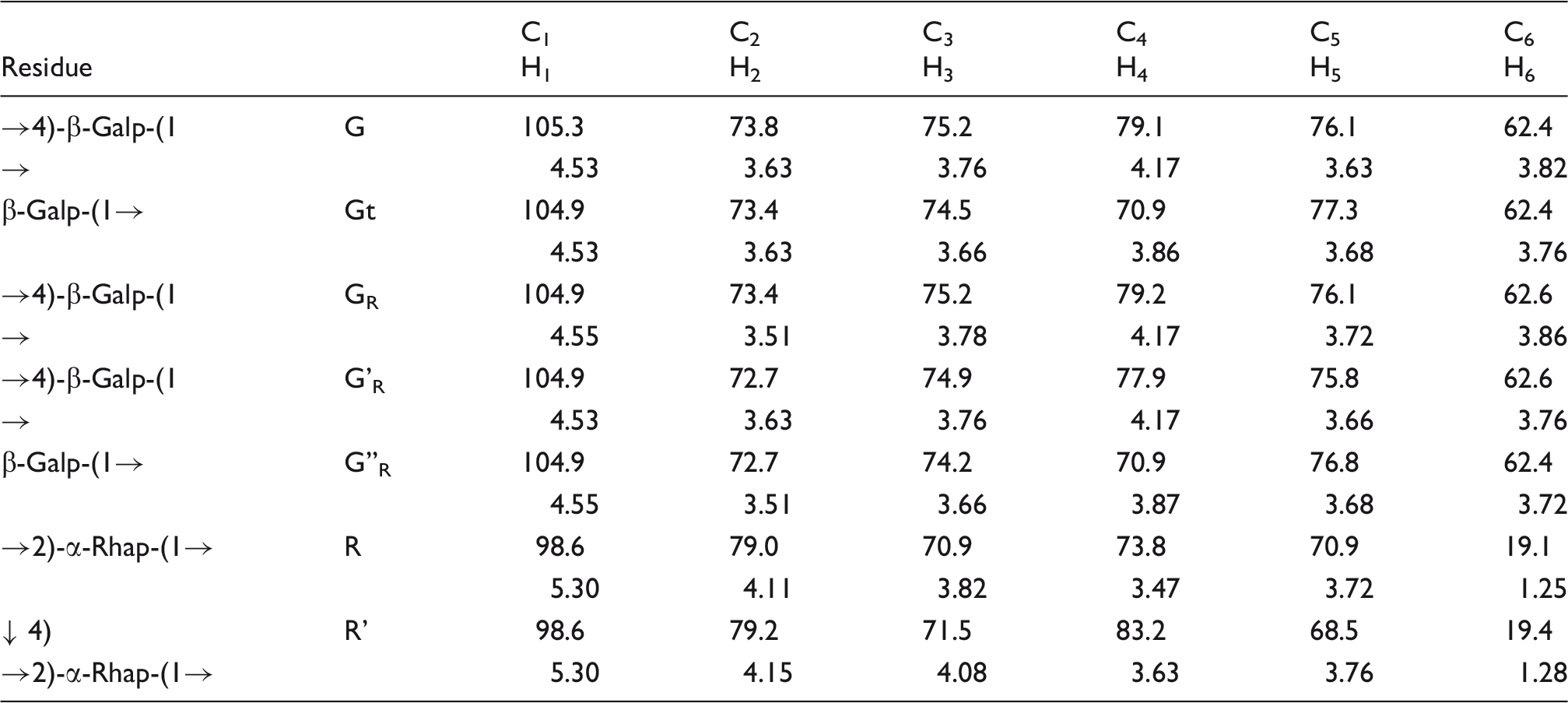
Based on the analysis by 13C NMR spectrum and 1H NMR spectrum of isolated compound, the peaks at δ 105.3/4.53 (C1/H1), 73.8/3.63 (C2/H2), 75.2/3.76 (C3/H3), 79.1/4.17 (C4/H4), 76.1/3.63 (C5/H5), and 62.4/3.82 (C6/H6) were from β-Galp units, and those at δ 98.6/5.30 (C1/H1), 79.0/4.11 (C2/H2), 70.9/3.82 (C3/H3), 73.8/3.47 (C4/H4), 70.9/3.72 (C5/H5), and 19.1/1.25 (C6/H6) were from α-Rhap units. Hence, NMR spectroscopy suggested the presence of lignins and monosaccharide composition of isolated compound after supercritical carbon dioxide treatment.
Conclusions
Scouring and bleaching of flax rove was firstly conducted using supercritical carbon dioxide as a medium, and the effects of different temperatures on the surface morphology, chemical and crystal structures, thermal properties, and isolated compounds were investigated and assessed systematically. After the supercritical carbon dioxide treatment, obvious damage presented on the flax fibers with increasing treatment temperature. The new small peaks appeared in the range 2320–2380 cm–1 in FT-IR spectra due to the hydrolysis of fiber macromolecules. The crystallinity of the flax samples was gradually increased from 70℃ to 110℃, and then slowly decreased at 120℃, due to some re-arrangements and re-crystallizations of the molecule chains generated. The thermal properties of flax rove improved with the increase of treatment temperature while the glass transition temperature (Tg) decreased as treatment temperature increased. Moreover, lignins and the monosaccharide composition of isolated compounds were generated from flax rove after supercritical carbon dioxide treatment, as shown by NMR analysis. Therefore, it is technically feasible to use supercritical carbon dioxide instead of traditional aqueous methods in the scouring and bleaching of flax rove.
Footnotes
Declaration of conflicting interests
The authors declared no potential conflicts of interest with respect to the research, authorship and/or publication of this article.
Funding
The author(s) disclosed receipt of the following financial support for the research, authorship, and/or publication of this article: The authors would like to thank the financial support from Program of High-end Foreign Experts Working in the Educational and Cultural Sector (grant number GDW20162100068), Group Project of Liaoning Provincial Department of Education (grant number 2016J003), Scientific Research Project of Liaoning Provincial Department of Education (grant number L2015054), and the Science Fund from Dalian City (grant number 2014A11GX030).