






Abstract
With the aim of polyester/cotton fabric one-bath one-step dyeing, polyester fabric low-temperature dyeing with cationic dyes was investigated based on β-cyclodextrin (β-CD) modification. After β-CD/citric acid (CA) modification, the hydrophilicity of the modified polyester fabric was improved obviously, which was demonstrated via moisture regain and contact angle, as well as wicking property. The optimal dyeing temperature and crosslinking agent were selected through comparing the color strength of the dyed polyester fibers. Modified polyester fabric obtained significantly enhanced color strength from 0.12 to 4 with a good leveling property when dyeing at 70℃ using CA as the crosslinking agent. β-CD modified polyester/cotton fabric displayed a K/S value of 8.61, much higher than the value of 0.71 of the unmodified fabric with cationic dyes, showing a highly improved dyeing ability. The color fastness of β-CD modified polyester/cotton fabrics, including washing fastness, rubbing fastness, perspiration fastness and light fastness, are all over grade 3–4 when the curing temperature of 180℃ is adopted for β-CD modification, demonstrating that polyester/cotton fabric one-bath one-step dyeing can be realized based on β-CD modification.
Keywords
Polyester/cotton fabrics are widely used in the clothing industry due to their complementary properties. In polyester/cotton fabrics, polyester fibers provide crease recovery, dimensional stability, abrasion resistance, tensile strength and easy-care properties, while cotton fibers contribute moisture absorption and anti-static characteristics and reduce pilling rolls.1–3 Different from cotton fibers, polyester fibers need to be dyed using disperse dyes under high temperature and high pressure due to their poor wettability originating from their high crystallinity and fewer hydrophilic groups. Therefore, polyester/cotton fabrics need to be dyed in two-bath processes, using disperse dyes for polyester and other dyes for cotton.
To simplify the dyeing process and improve the dyeing effectiveness, several attempts have been made to achieve one-bath dyeing for polyester/cotton fabrics. Youssef and his co-workers 4 developed a method for dyeing polyester/cotton fabrics by using some selective mono and bi-functional reactive dyes in combination with alkali stable disperse dyes. Reactive disperse dyes have the characteristics of disperse dyes at the acidic condition, which can predominantly distribute on polyester fiber. After adding alkali, reactive disperse dyes show the characteristics of reactive dyes, which are capable of reacting with cotton.5–7 Nevertheless, there has been almost no development at the industrial scale because the dye liquid is cannot achieve continuous dyeing in one step. To solve this problem, carriers have been used in polyester low-temperature dyeing, but most carriers are toxic to aquatic organisms.8,9 Methods for the modification and control of surface properties of synthetic fibers, such as alkaline hydrolysis, 10 enzymatic hydrolysis,11,12 plasma treatment, 13 corona discharge/chitosan treatment, 14 sericin modification 15 and chlorination treatment16,17 have been intensively studied to enhance dyeability. A few modification attempts have been made to impart dyeability with cationic dyes to hydrophobic non-ionic fibers. Chaudhary et al. 15 employed sericin to treat polyester fabric to improve the cationic dyes uptake and lower the dyeing temperature of polyester to 100℃. Samanta and Sharma16,17 modified polypropylene by chlorination with sodium hypochlorite and obtained a higher dye uptake as well as an improved color fastness using cationic dyes.
Cyclodextrins (CDs) are natural macrocyclic molecules composed of glucopyranose units with a hollow hydrophobic interior and a hydrophilic exterior. 18 Due to their similarity and intermiscibility, the cavities of CDs are suitable for hydrophobic molecules to be accommodated inside. Meanwhile, CDs and their complexes are highly water-soluble because of the hydrophilic exterior. 19 Besides, CDs can form inclusion complexes with various small guest molecules in aqueous environments owing to their structure features, and thus they have been applied in textiles, such as in pretreatment, dyeing and finishing.20,21 In general, CDs with practical significance are molecules containing six, seven or eight glucose units, called α-, β- and γ-CDs, and all of them are widely used in the lab and in industry. 22 Among these, β-cyclodextrin (β-CD) is more applicable for small molecule dyes in the level dyeing process on the basis of its proper cavity size and lower cost.23,24 In view of the special truncated cone structure of β-CD, it is applicable to improve the dyeing properties by forming inclusion complexes with dyes. 25 Polyester fabric has been successfully modified by β-CD and crosslinking agents to enhance the dyeing performance. Compared to the unmodified polyester fabric, polyester fabric modified with β-CD exhibits higher sharpness and deeper colors after ink-jet printing. 26 β-CD can also be utilized as an anti-migration coating for polyester fibers to gain an improvement of color strength and fastness with the waterproofness and breathability fully retained. 27 After β-CD modification, wool/polyester fabrics exhibited an outstanding printability with a remarkable improvement in the fastness properties. 28 One condition is that β-CD can absorb dyes,27,29 and therefore β-CD modified fibers can generate inclusion complexes with dyes to promote dye absorbance and color depth. Therefore, polyester/cotton fabric one-bath one-step dyeing can be possibly achieved based on β-CD modification.
In this work, we present a facile and effective method to achieve polyester/cotton fabric one-bath one-step low-temperature dyeing with cationic dyes. The low-temperature dyeing of polyester fabric was realized via β-CD modification. The surface morphology, moisture regain and contact angle as well as wicking property of polyester fabrics with and without modification are compared. Dyeing performances of the β-CD modified polyester fabric are investigated, including the color strength and color parameters, leveling property and color fastness. The effect of crosslinking agents on color depth was also discussed. The applicability of cationic dyes in polyester fabric low-temperature dyeing was verified with several cationic dyes. Finally, polyester/cotton fabric one-bath one-step dyeing is demonstrated by comparing the color depth of polyester/cotton fabrics with and without modification.
Experimental details
Materials
One hundred percent (100%) polyester plain weave fabric (63 D. 61.4 g/m2), 100% singed, desized, scoured and bleached cotton fabric (density: 320 × 230, 153 g/m2) and polyester/cotton plain weave fabrics (T/C, 65/35, 45 × 45/133 × 94, 57/58”) were supplied by Jiangsu Hongdou Industrial Co., Ltd, China. β-CD was employed as a surface modifier, 1,2,3,4-butane tetracarboxylic acid (BTCA), citric acid (CA), acetic acid and adipic acid as crosslinking agents and sodium hypophosphite (SHP) as the catalyst were purchased from Sinopharm Shanghai Chemical Reagent Co., Ltd, China. C.I. Basic Red 14, C.I. Basic Blue 3, C.I. Basic Yellow 24 and C.I. Basic Yellow 13 were provided by Linyi Rainbow Dyestuff Chemical Co., Ltd. The chemical structures are shown in Figure 1.
Chemical structures of cationic dyes.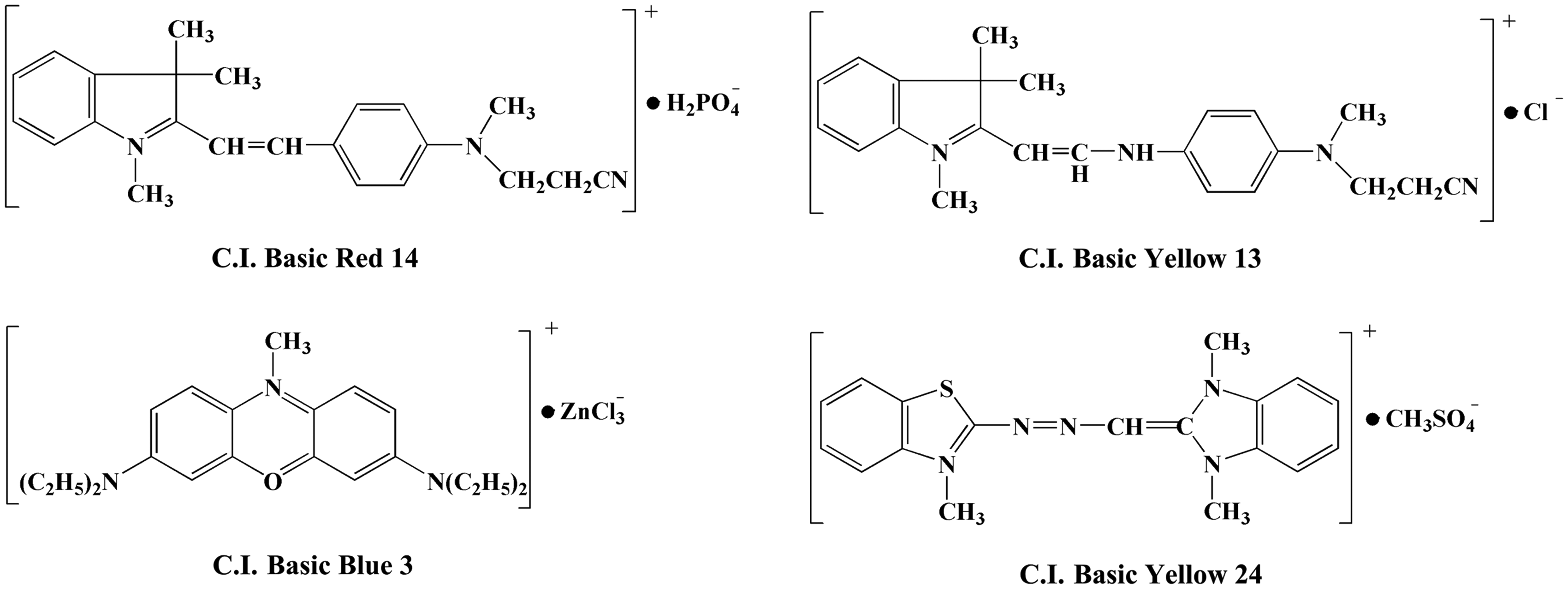
Preparation of β-CD modified fabrics
β-CD, crosslinking agents (BTCA, CA, acetic acid or adipic acid) and SHP were added in water at 80℃ under continuous stirring until they formed an adequate dissolution to prepare a modified liquid containing 100 g/L β-CD, 100 g/L crosslinking agents and 30 g/L SHP. Then 2 g of polyester or cotton or polyester/cotton fabrics were dipped into the modified solution and padded three times with a P-130 padder produced by Taiwan Rapid Co., Ltd. This treatment gave a wet pick up of about 70%. Afterwards, the fabrics were dried at 90℃ for 6 min, and cured at 160℃ (or 170℃ or 180℃) for 5 min. Finally, fabrics were washed with 60℃ soap solution (10 g/L) three times to remove the residual β-CD and crosslinking agents. The crosslinking structure is formed by β-CD and crosslinking agents via the esterification reaction during curing, which involves physical adherence on polyester fibers or entanglement in polyester fabrics and grafting on cotton fabrics.30–32 Figure 2 illustrations the crosslinking reaction of β-CD and crosslinking agents on fabrics. The resultant weight gain of the polyester fabrics was measured.
Crosslinking reaction of β-cyclodextrin (β-CD) and crosslinking agents on fabrics. SHP: sodium hypophosphite.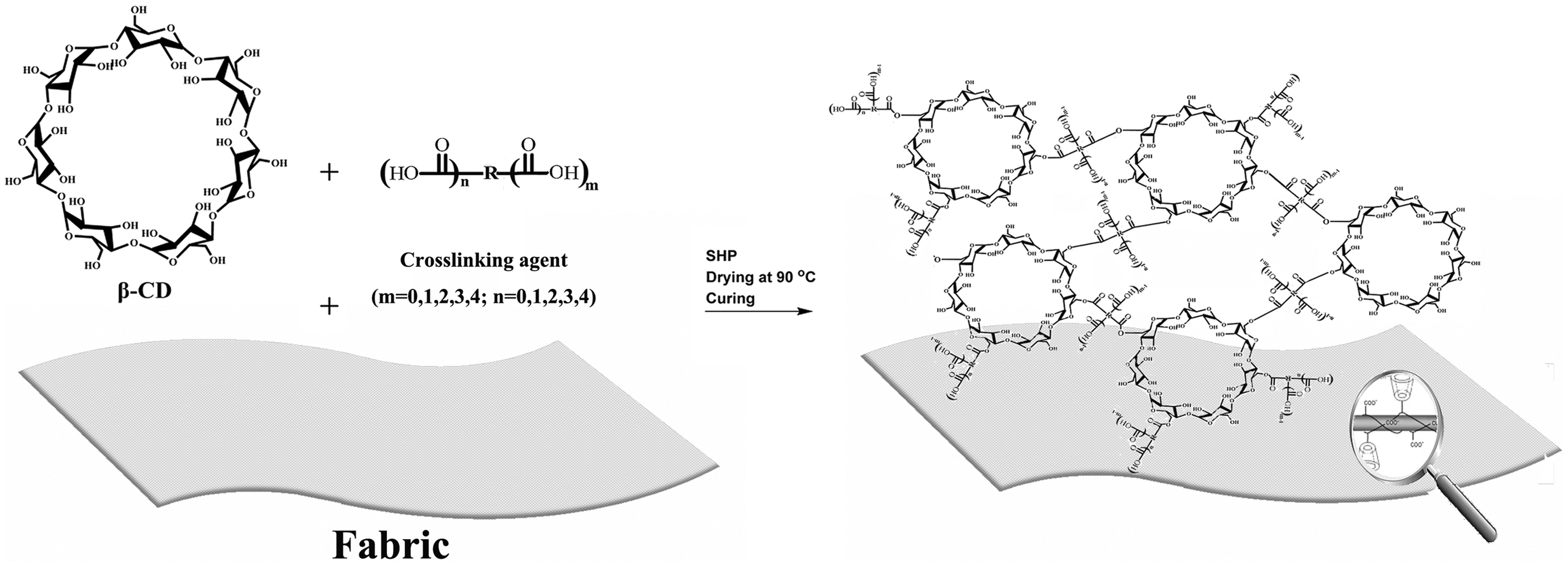
Dyeing of modified fabrics
The modified fabrics were respectively dyed at 25℃, 40℃, 70℃, 100℃ and 130℃ with a dye liquor ratio of 1:50 and dyeing intensity of 3% over weight fibers for 60 minutes using an IR12M Rapid dyeing machine produced by Taiwan Rubi Co., Ltd. The cationic dyes can form inclusion complexes with β-CD and ionic bonding with COO− free end groups,33,34 and thus polyester fabrics are dyed via β-CD/carboxylic acid crosslinking structures. Afterwards, the dyed fabrics were cooled to 30℃ and rinsed at 60℃ with 2 g/L soap solution for 10 min. A schematic of the dyeing process of β-CD/carboxylic acid modified fabrics is shown in Figure 3.
Schematic of the dyeing process.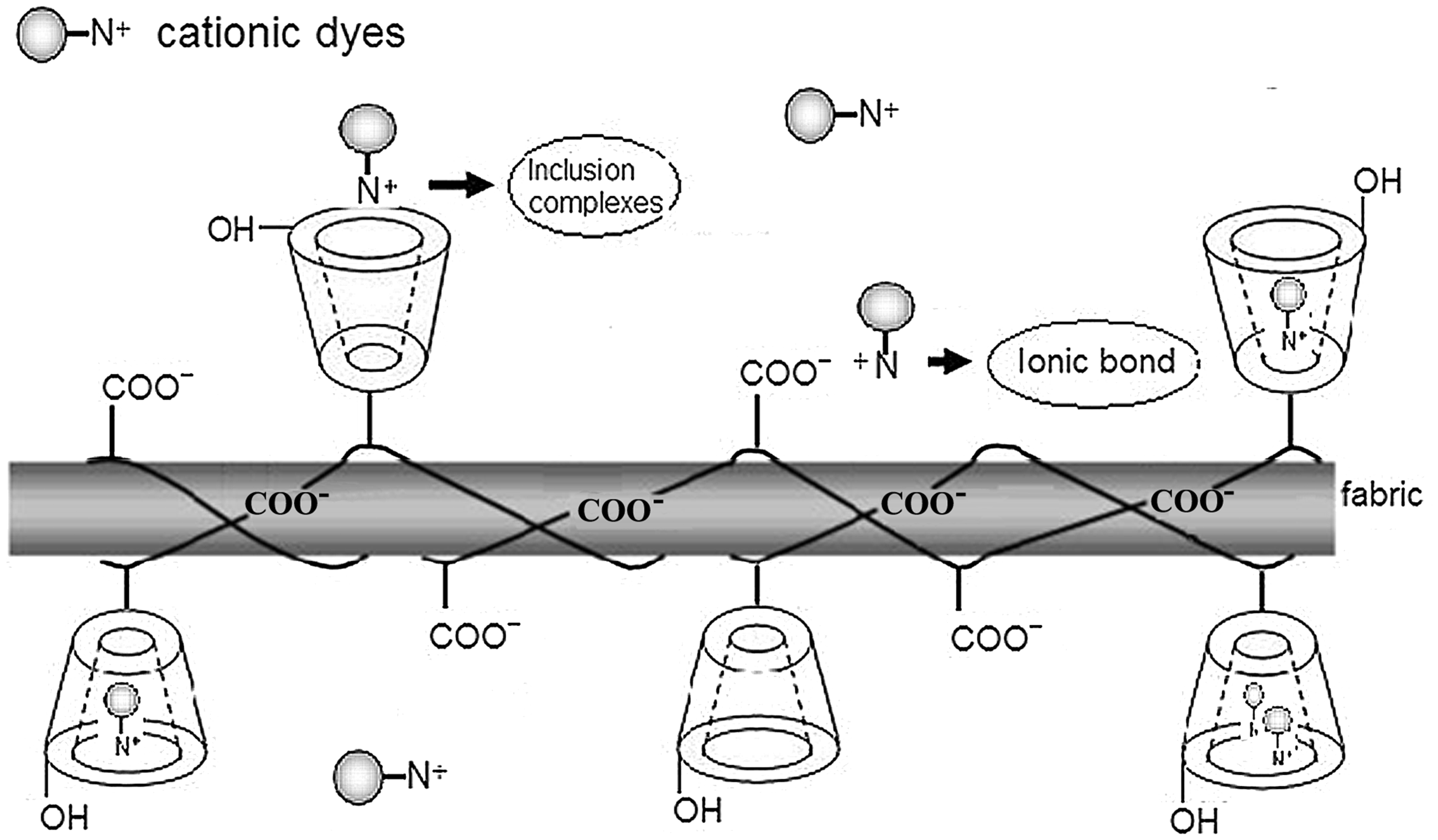
Surface morphology
The surface morphology of β-CD/CA modified polyester fabric was examined by field emission scanning electron microscopy (SEM, Carl Zeiss Microscopy, Germany) at room temperature.
Mechanical strength property
The mechanical strength of fabrics was carried out according to the National Standard: GB3923-83 using a YG065 electron strength machine (Laizhou Textile Instrument Co., Ltd, China). The specimen size was 30 cm × 6 cm. The drawing speed was 10 cm/min.
Weight gain of the polyester fabrics
The weight gain of the polyester fabrics after modification was calculated according to the following equation

The weight loss rate of modified polyester fabric
The modified polyester fabrics were treated in different temperature water for 1 h using an IR12M Rapid dyeing machine and the weight loss rate was calculated according to the following equation

Measurement of moisture regain
β-CD modified polyester fabrics were kept in a conditioned room at a relative humidity of 65% ± 5% and temperature of 25℃ ± 3℃ for 24 h to determine the moisture regain properties. The moisture regain value was calculated from the difference in weight of the initial dried sample and the conditioned sample.
Measurement of the contact angle
The contact angle values of water drops (5 μL) on the fabric after 0, 10 and 30 s were recorded using a Krüss DSA 100 Drop Shape Analysis System. The experiments were carried out under ambient conditions at 18℃ and relative humidity of 40%.
Wicking property
The wicking property of the polyester fabrics before and after modification was evaluated by a vertical wicking tester (model YG(B)871, Wenzhou Darong Textile Instrument Co., Ltd, China) using a water bath set at 25℃. Samples were cut into 2.5 cm × 25 cm strips and taped vertically with a string with about 2 cm of the strip immersed in water. The test was carried out at 20℃ and 65% relative humidity. The height of the waterfront line (mm) on the strip was recorded at 5, 10, 15, 20, 25 and 30 min intervals.
Measurement of color strength
The color strength was tested by an X-Rite 8400 spectrophotometer obtained from American X-Rite Co., Ltd. The K/S value of dyed polyester fabric was measured by the system of CIE Lab, D65 lamp-house and the 10° visual angle. Color strength denoted by the K/S value was determined with the Kubelka–Munk equation

Leveling property
The leveling property was tested by an X-Rite 8400 spectrophotometer (American X-Rite Co., Ltd) with the operation system of CIE Lab, D65 lamp-house and the 10° visual angle. The leveling property was denoted by CV% (coefficient of variance) of K/S values, in which CV% was calculated by the following formula

Color fastness
The washing fastness was performed on the basis of the AATCC Test Method 61-2006 standard with 5 g/L soap and 2 g/L Na2CO3 at 60℃ for 30 min using a washing fastness tester (Wenzhou Darong Textile Instrument Co., Ltd, China) with standard bleached cotton fabric as the staining fabric. The rubbing fastness was tested according to AATCC 8-2007. Samples were separately rubbed for 10 cycles with a dry and wet (moisture content 95–105%) standard crocking cloth under 9 N vertical pressure by a crocking fastness tester (Y571, Electron Instrument Co., Ltd, Laizhou, China). The perspiration fastness was tested according to AATCC 15-2009 and the color fastness to light was tested on the basis of AATCC 16-2004. The dyed fabrics and blue wool reference materials were exposed with a xenon arc lamp in an Atlas 150S lightfastness device (ATLAS Ltd, German). The degree of fading was assessed by a simultaneously exposed series of AATCC Blue Wool Lightfastness Standards.
Results and discussion
The formation of cationic dye/β-CD inclusion complexes
To demonstrate the formation of cationic dye/β-CD inclusion complexes, the ultraviolet-visible (UV-Vis) spectra of C.I. Cationic Red 14 (10−4 M, λmax = 512 nm) solutions with or without β-CD (10−3 M) treatment at different temperatures for 1 h by the IR12M Rapid dyeing machine were recorded and are displayed in Figure 4. From Figure 4(a), the absorption curves show almost no change from room temperature to 100℃, indicating that the structure of C.I. Cationic Red 14 is stable below 100℃. However, with the further increase of temperature to 130℃, the absorption peak decreases significantly with a new absorption peak appearing at about 350 nm, meaning the hue of the C.I. Cationic Red 14 is dramatically changed at 130℃. The reason for the phenomenon is that the conjugation structure of C.I. Cationic Red 14 is destroyed at the higher temperature of 130℃. Compared to Figure 4(a), it can be seen from Figure 4(b) that the absorption peak obviously decreases with the temperature increasing in the range of 400–580 nm (λmax = 512 nm) from 40℃ to 130℃, confirming the formation of cationic dye/β-CD inclusion complexes.
33
In addition, a new absorption peak appears at about 350 nm at 130℃, which is consistent with the result in Figure 4(a), suggesting the conjugation structures of C.I. Cationic Red 14 is destroyed at 130℃. In conclusion, C.I. Cationic Red 14 can form inclusion complexes with β-CD, and the effective inclusion temperature ranges from 40℃ to 100℃.
(a) Ultraviolet-visible (UV-Vis) spectra of C.I. Cationic Red 14. (b) UV-Vis spectra of C.I. Cationic Red 14 with β-cyclodextrin.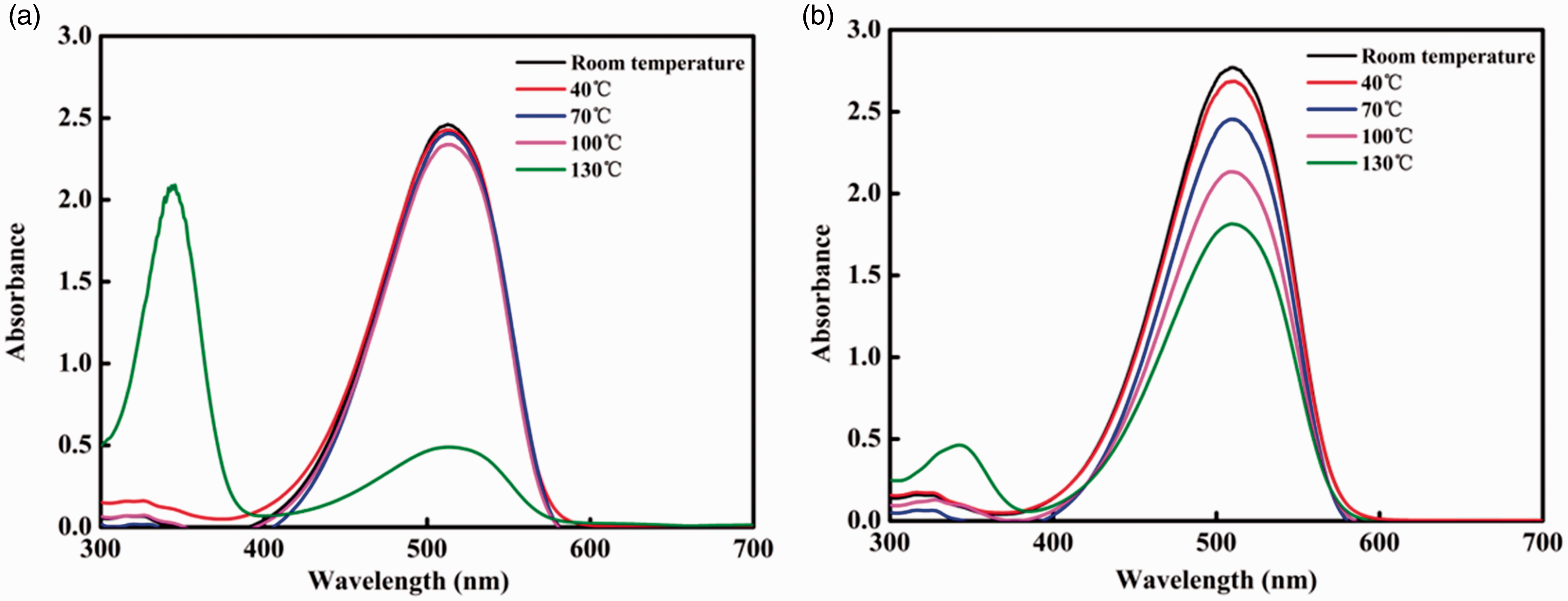
The properties of modified polyester fabrics
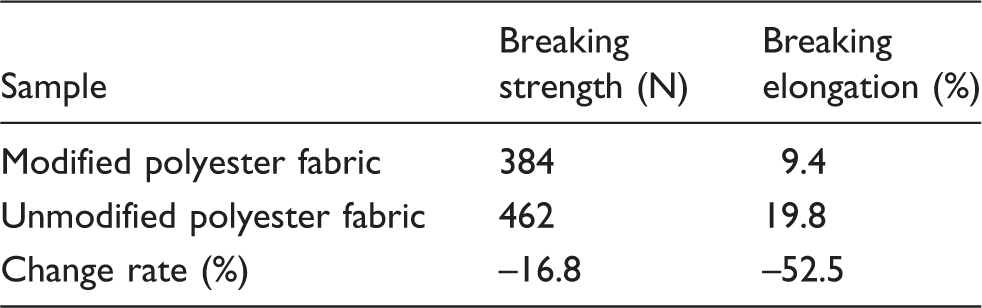
SEM was used to monitor the surface morphology of untreated polyester fabrics and β-CD/CA modified polyester fabrics (curing at 160℃ with weight gain of 17.5%). The results are shown in Figure 5. Figure 5(a) shows a top view of the initial polyester fabrics before modification. The pristine fabric has a smooth surface, whereas the modified polyester fabrics (Figure 5(b)) show a rough surface owing to β-CD/CA adhered to the fabric surface and arranged disorderly. The glaring reflected light on the unmodified polyester surface cannot be seen from the modified polyester surface due to the transition from the specular reflection to the diffuse reflection. The differences of the surface morphology indicate that the polyester fabrics are modified by β-CD/CA. In addition, the mechanical strength properties of polyester fabrics with and without modification were tested. As presented in Table 1, the strength of β-CD/CA modified polyester fabric is 16.8% lower than that of unmodified polyester fabric, which is attributed to the damage of SHP and CA to polyester fibers during curing.
(a) The surface morphology of polyester fabrics without modification. (b) The surface morphology of polyester fabrics after modification. Strength properties of polyester fabrics with and without modification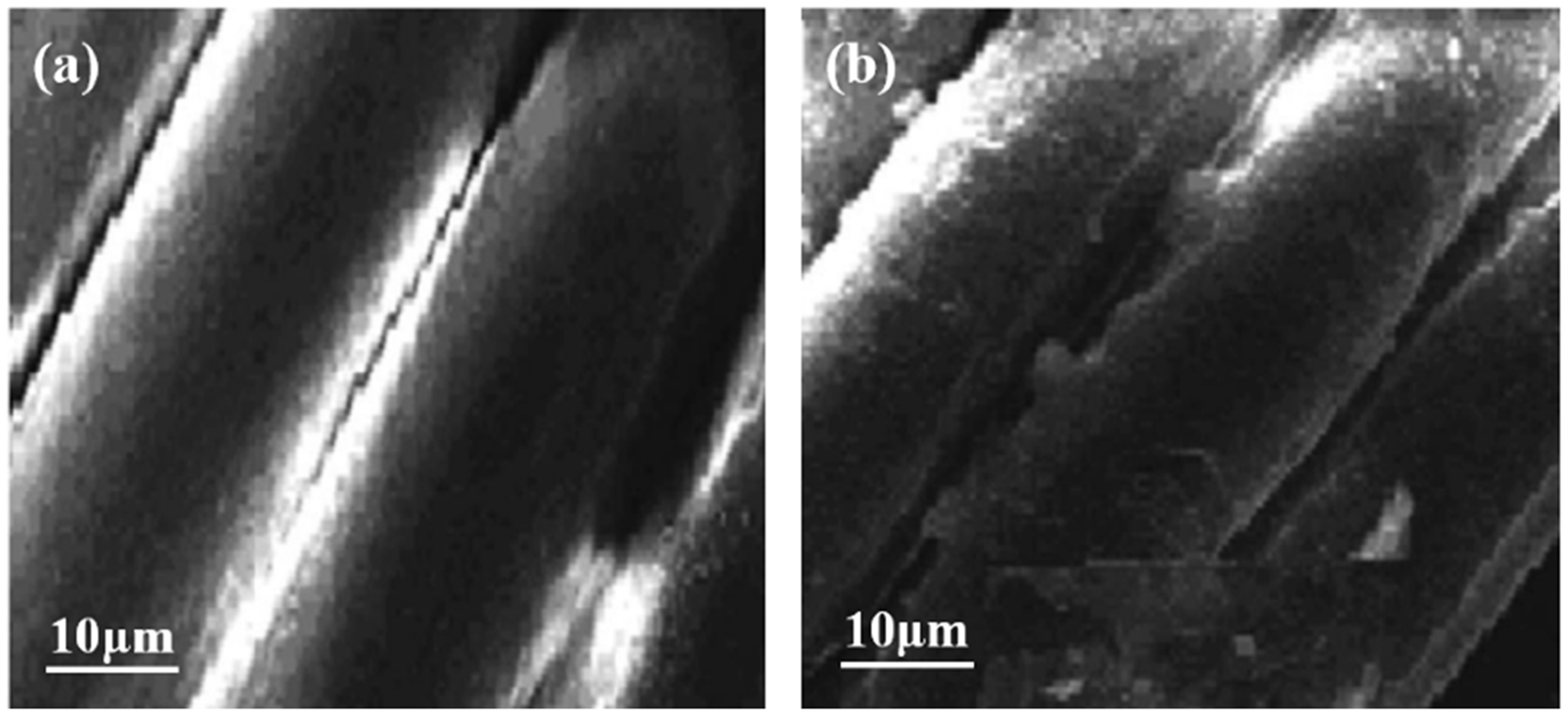
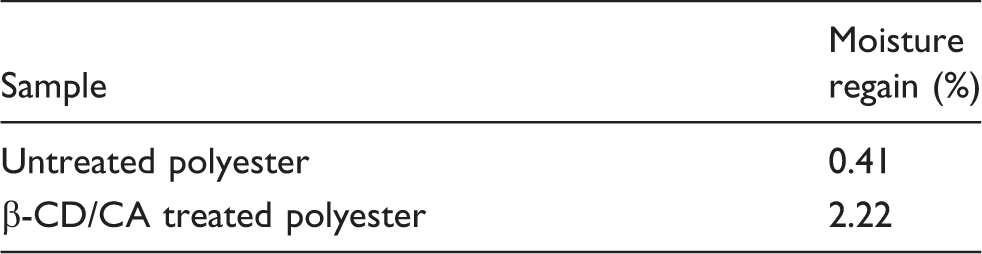
The moisture regain of unmodified polyester fabric and β-cyclodextrin (β-CD)/citric acid (CA) modified polyester fabric
The wettability of unmodified polyester and β-CD/CA modified polyester was evaluated by the contact angle of water drops on the fabric, as presented in Figure 6. The contact angle of the untreated polyester fabric changes a little in 30 s, and the droplet is basically maintained. However, the contact angle of the β-CD/CA modified polyester fabric incurs a significant change. The liquid drop completely permeates into the fabric in 30 s, indicating that the hydrophilicity of the modified polyester fabric improves obviously after β-CD/CA modification.
The wettability of unmodified polyester (a), (c), (e) and β-cyclodextrin/citric acid modified polyester (b), (d), (f).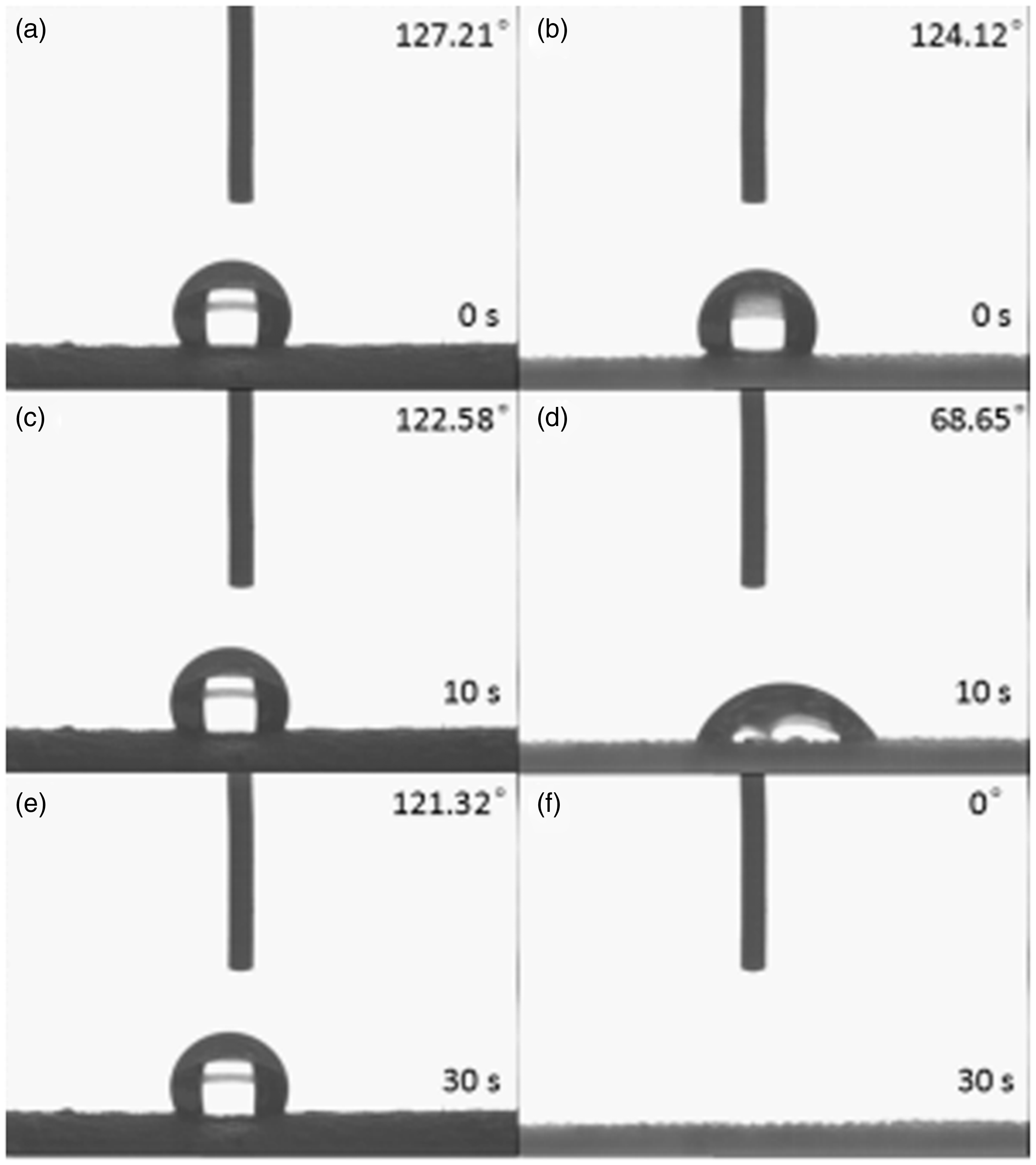
As shown in Figure 7, the β-CD/CA modified polyester sample absorbs water very quickly and the water wicking is pronouncedly higher compared with the unmodified polyester fabric, suggesting that the wettability of the polyester fabric is improved obviously after β-CD/CA modification.
Water wicking of unmodified and β-cyclodextrin (β-CD)/citric acid (CA) modified polyester (PET) fabric.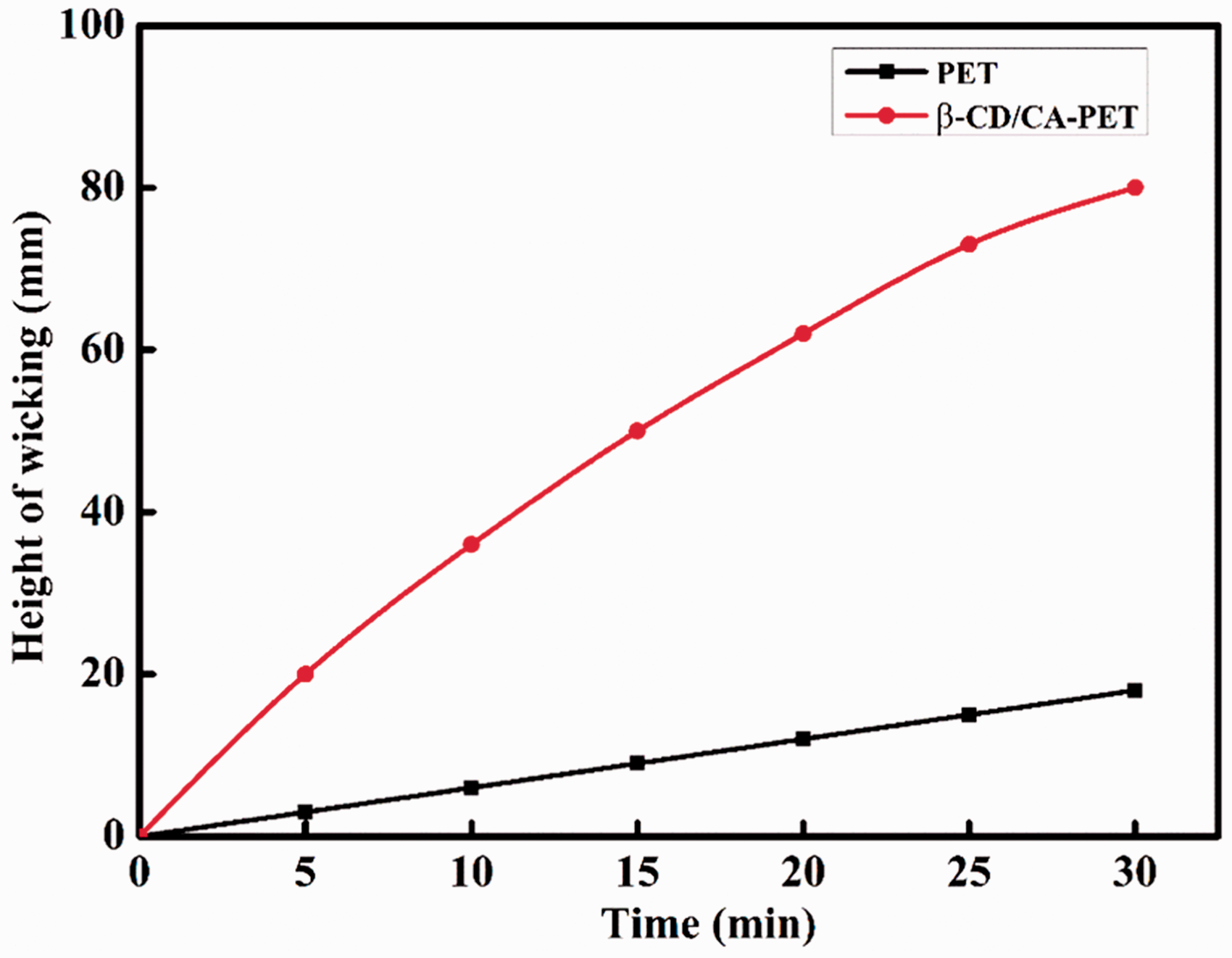
The optimum dyeing temperature of the modified fabrics
K/S value and color parameters of β-cyclodextrin modified polyester fabrics with C.I. Basic Red 14 dyeing at different temperatures

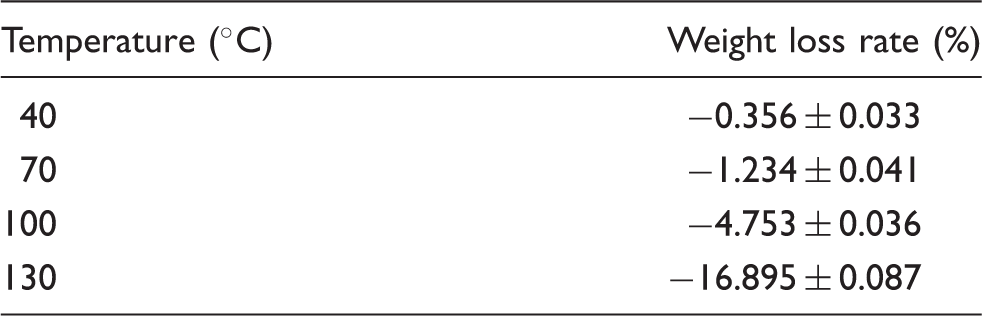
Weight loss rate of modified fabrics treated at various temperatures in water
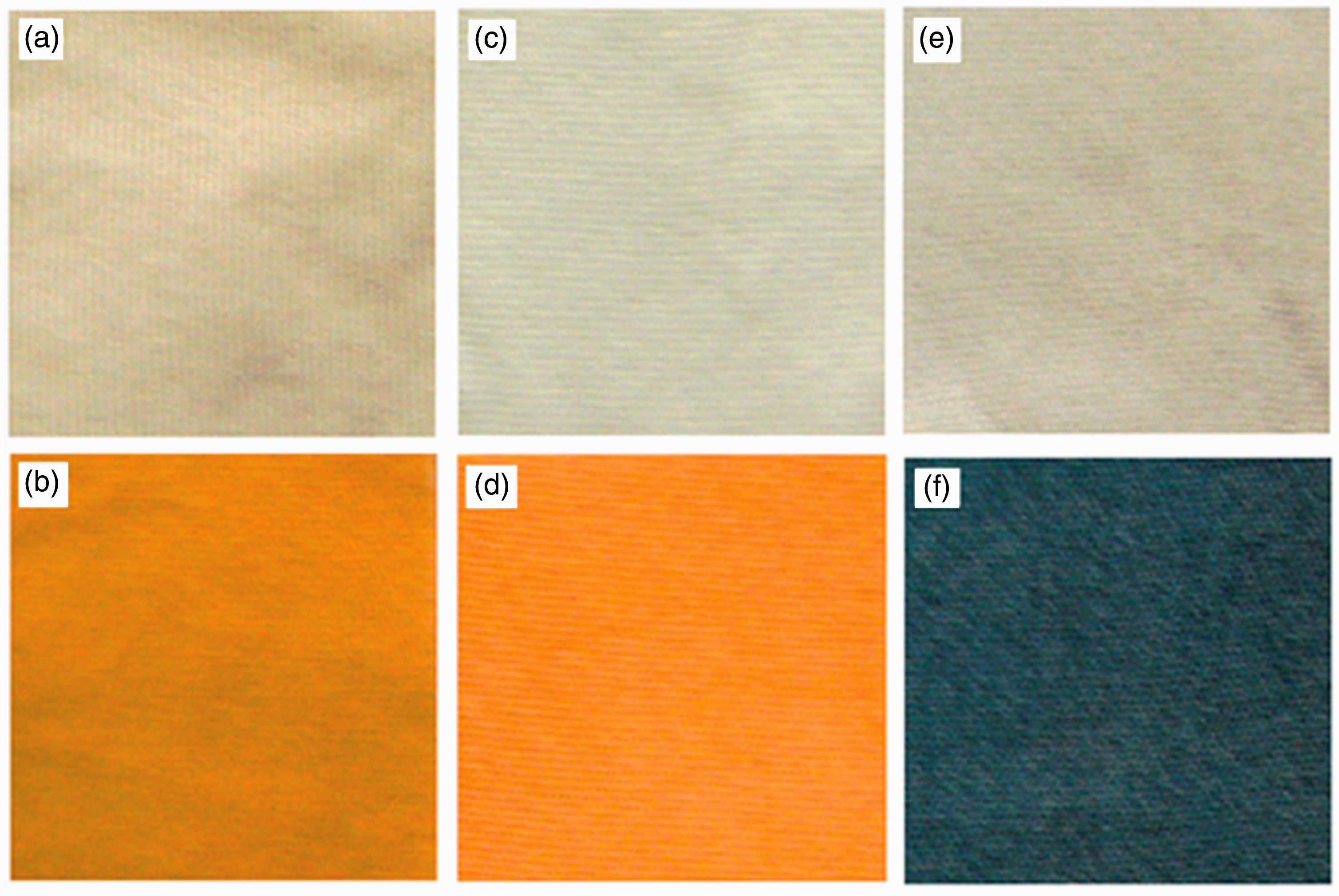
The β-CD/CA modified polyester fabric was further dyed using C.I. Basic Yellow 13 (λmax = 420 nm), C.I. Basic Yellow 24 (λmax = 410 nm) and C.I. Basic Blue 3 (λmax = 650 nm) at 70℃ to investigate the applicability of cationic dyes (Figure 8). It can be observed that the K/S values of modified polyester fabrics dyed with C.I. Basic Yellow 13, C.I. Basic Yellow 24 and C.I. Basic Blue 3 can reach about 3.80, 2.9 and 3.4, respectively, but the unmodified ones are almost colorless with K/S values below 1 at the same dyeing condition, showing a significant improvement of color depth after β-CD/CA modification. This proves that polyester fabric after β-CD modification can be dyed with cationic dyes at 70℃, however, the unmodified polyester fabric can not be dyed. Photographs of the dyed polyester fabrics are shown in Figure 9. The modified polyester fabrics show a deeper color with any of the cationic dyes compared with the unmodified samples. The obvious improvement of dyeability is connected with the cationic dye/β-CD inclusion complexes (Figure 4) and ionic bonding between COO− of CA and cationic dyes.
33
K/S values of the unmodified polyester fabrics and β-cyclodextrin modified polyester fabrics dyeing with C.I. Basic Yellow 13, C.I. Basic Yellow 24 and C.I. Basic Blue 3. Unmodified polyester fabrics dyed with C.I. Basic Yellow 13 (a), C.I. Basic Yellow 24 (c) and C.I. Basic Blue 3 (e); modified polyester fabrics dyed with C.I. Basic Yellow 13 (b), C.I. Basic Yellow 24 (d) and C.I. Basic Blue 3 (f).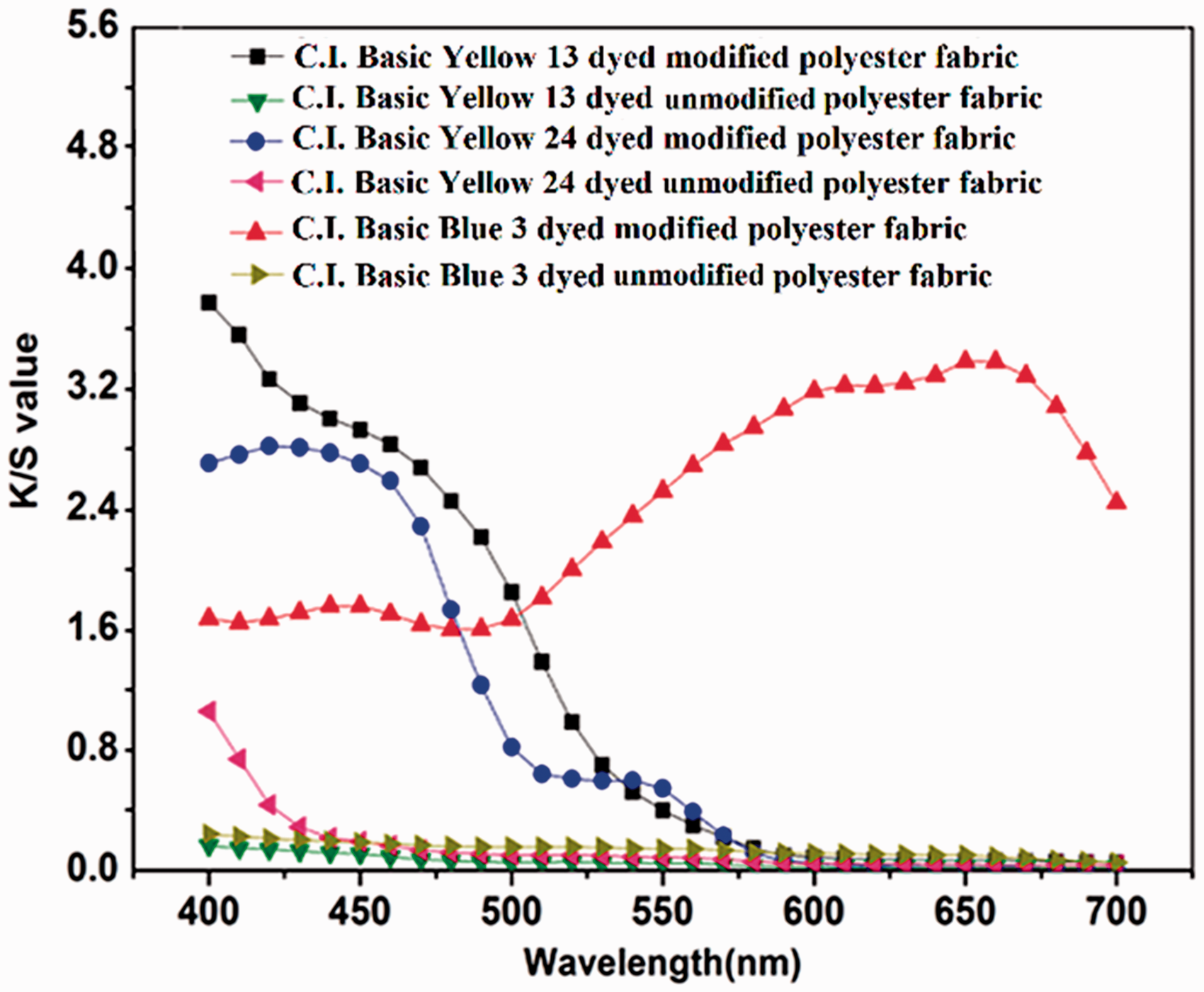
The influence of crosslinking agents on color depth
K/S values and color parameters of β-cyclodextrin modified polyester fabrics using different crosslinking agents dyeing with C.I. Basic Red 14
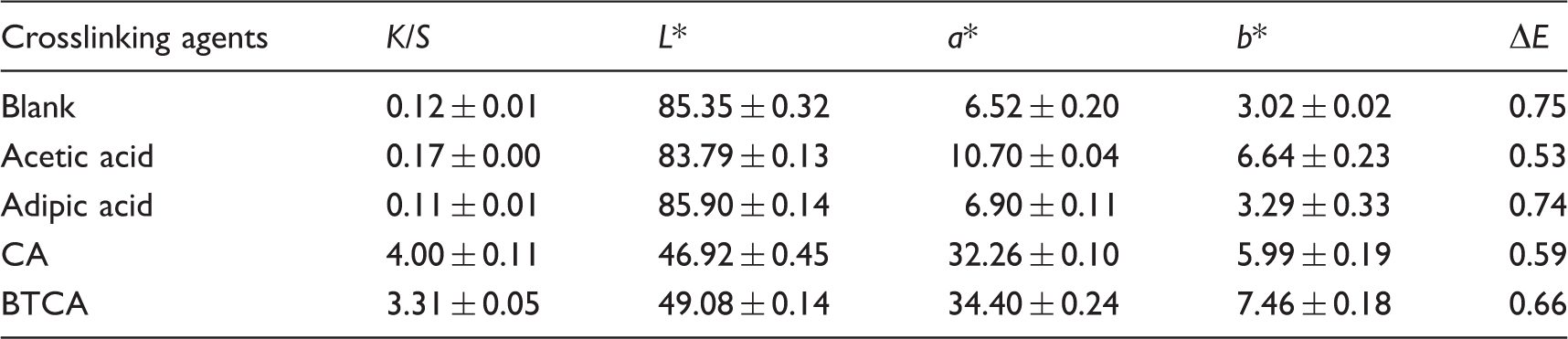
CA: citric acid; BTCA: 1,2,3,4-butane tetracarboxylic acid.
Leveling property
Leveling properties of β-cyclodextrin modified polyester fabrics

Polyester/cotton fabric one-bath one-step dyeing
K/S values and color parameters of C.I. Basic Red 14 dyed polyester and cotton fabrics

β-CD: β-cyclodextrin; CA: citric acid.
The color parameters of C.I. Basic Red 14 dyed polyester/cotton fabrics

β-CD: β-cyclodextrin; CA: citric acid.
Color fastness
Color fastness of β-CD modified polyester/cotton fabrics dyed with C.I. Basic Red 14

β-CD: β-cyclodextrin.
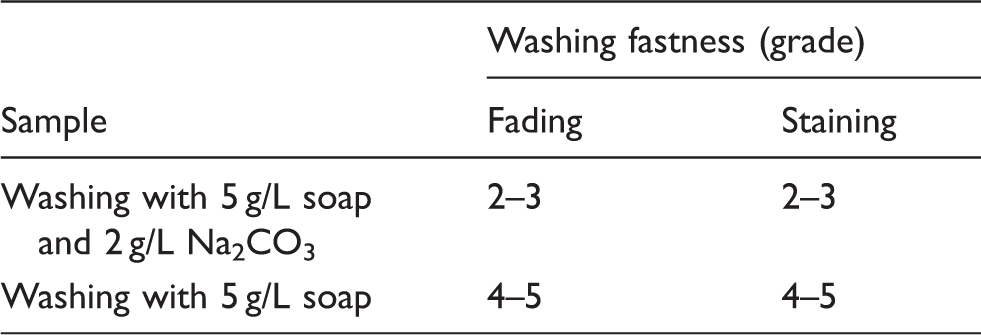
Washing fastness of β-cyclodextrin/citric acid modified polyester/cotton fabrics (curing at 160℃) dyeing with C.I. Basic Red 14
Conclusion
Polyester fabric dyeing at low temperature with cationic dyes was realized based on β-CD modification for achieving polyester/cotton fabric one-bath one-step dyeing. β-CD was deposited onto polyester fabric through crosslinking with CA. The hydrophilicity of the modified polyester fabric was improved obviously after β-CD/CA modification. The modified polyester fabrics were successfully dyed with cationic dyes at 70℃, exhibiting a higher level of dyeing performance than the unmodified polyester fabrics owing to the formation of cationic dye/β-CD inclusion complexes and ionic bonding between COO− free end groups (CA) and cationic dyes. β-CD/CA modified polyester fabric displayed the highest color strength among various crosslinking agents with K/S values of 4.0 and a good level dyeing property with a CV% value of less than 0.07. β-CD modified polyester/cotton fabric showed a higher color depth with cationic dyes, proving that the dyeing ability of the β-CD modified polyester was improved obviously. The washing fastness, rubbing fastness, perspiration fastness and light fastness of β-CD modified polyester/cotton fabrics were all over grade 3–4 when curing at 180℃, demonstrating that polyester/cotton fabric one-bath one-step dyeing can be realized based on β-CD modification.
Footnotes
Declaration of conflicting interests
The authors declared no potential conflicts of interest with respect to the research, authorship and/or publication of this article.
Funding
The authors disclosed receipt of the following financial support for the research, authorship, and/or publication of this article: This work was supported by the National Natural Science Foundation of China (21174055), the Postgraduate Research & Practice Innovation Program of Jiangsu Provence (KYCX17_1448), the Priority Academic Program Development of Jiangsu Higher Education Institutions, the Excellent Doctoral Cultivation Project of Jiangnan University, the Fundamental Research Funds for the Central Universities (JUSRP51724B), the National First-Class Discipline Program of Light Industry Technology and Engineering (LITE2018-21) And the 111 Project (B17021).