







Abstract
The paper reports the results of research on different structures for multilayer clothing fabrics characterized by the occurrence of air spaces between individual layers. The main goal of this structure was improving the thermal protective properties of the fabric to be more effective than single-layer fabrics. Three types of fabric were investigated: a single-layer fabric; a self-bonded two-layer fabric, where the outer layers are joined by means of a tie-up in the process of weaving; and a self-bonded three-layer fabric, where the middle layer with fewer warp and weft threads join both outer layers. All the fabrics were produced under the same technical and technological conditions using flame-retardant yarn. Moreover, the value of the final mass per unit area for all the fabrics is similar; for the thermal protective test the single-layer fabric is double-folded. The thermal protective properties of the fabrics characterized by means of temperature distribution on the textile surface were tested using a thermal imaging camera. The three-layer fabric has the most favorable thermal protection in comparison with the double-folded single-layer and self-bonded two-layer fabrics, despite all fabrics having the same mass per unit area.
Keywords
Burns are some of the most dangerous injuries that may affect a person. Unlike other injuries, a burn does not end at the moment the causative agent ceases to function. This is the beginning of the pathological phenomena in the system, the consequences of which may be much more adverse than the injury itself. There are three degrees of burns,1,2 and in cases in which burns affect a large skin area, so-called “burn shock” occurs, which is related to the great liquid loss, which is a direct threat to life.3
Clothing is the basic barrier when it comes to protecting the body against all external factors, including thermal ones that may cause burns. In order to become a proper protective barrier, it must be produced from appropriate materials, taking into account the raw materials used and the structures, finish, and construction of the clothing items themselves.
In textile materials, which are a thermal protective barrier in protective clothing and special uniforms, various yarns made from flame-retardant raw materials are used. Typically, these are permanently not flammable and are resistant to ignition as a result of chemical treatment. The most frequently used flame-retardant raw materials are aramid fibers, which are resistant to thermal destruction (e.g., meta-aramid fibers Nomex® and para-aramid fibers Kevlar®), modified cellulose fibers (Viscose FR®), and modacrylic fibers (Protex®).4 These fibers may be used in various blends, even with a very small admixture of antistatic or standard fibers, depending on their required physico-mechanical parameters. Another element influencing the thermal barrier properties is the structure of the material used in clothing. It is difficult to improve the thermal barrier through increasing the mass per unit area because of the loss of physiological comfort.
Higher weight or thickness of materials (so-called sandwich materials), including layered materials with air spaces, provide better thermal protection.5,6 The degree of resistance to thermal radiation depends on the type of material used in the production of clothing and on the clothing construction.6–9 The thermal parameters of fabrics used as single layers and layered have been tested.10 Layered fabrics with and without air gaps between them have been assessed to simulate the effect of multilayered garments. Results show that thermal insulation increases the thermal resistance of garments, and can be controlled by regulating the air gap between fabric layers.
Research in the field of heat transmission through individual textile layers—as opposed to clothing systems protecting against cold, in which the insulating layer is a nonwoven fabric—has shown that thermal insulation of the whole system is lower than the sum of the values for the individual layers.11 Heat transportation through the system depends of the values of the layers’ thermal insulation.
From the analysis of the research carried out on the Alambeta apparatus, it can be seen that the thermal resistance of multilayer materials is lower than the sum of the thermal resistance of the individual layers of the system. The difference between the measured thermal resistance of the studied multilayer textiles and the sum of thermal resistance of its components increases with increasing numbers of layers.12–14 The need for thermal comfort is the result of many factors, starting with the climatic conditions of environment,15 then the underwear microclimate, including the value of water vapor permeability and the “wet–dry” feeling.16,17 The process of heat transfer between the body and the environment depends on the structure of the material, including the number of individual layers and the thermal insulation properties of raw materials used in this type of clothing.18 The tools for evaluation of complex thermal properties used in the process of textile design have been described in research work.19
The methods of using layered materials rely on combining layers by means of bonding individual materials, either laminating or welding them. These methods worsen the physiological parameters as the final product becomes stiff, and air and water vapor permeability plummet. Moreover, there is no possibility of maintaining air space between individual layers which could improve the thermal protection. The construction of multilayer textiles that differ in raw materials used as well as in their structure makes it possible to eliminate the negative properties of multilayer materials created by means of bonding or welding. At the same time, the newly constructed fabrics enable creation of layered structures with irregular air spaces between individual layers of material. In this case, the newly elaborated material adheres locally to the body relief surface, causing fewer burn areas on the burned surface. Such a wound may heal faster. This is possible only in wounds of a very small extent.3
The presence of both heavy and thick thermal insulating elements in clothing, together with water resistance and limited air permeability, results in significant thermal stress to the user.20–22 Taking into consideration this issue, it is necessary to design clothing protective against high temperatures that offers optimal protection and physiological comfort.
Aim and scope of the research
The aim of the research was to evaluate the possibility of creation of thermal barriers by means of self-bonded multilayer textile materials during the weaving process in opposition to single fabrics in terms of physico-mechanical parameters. The newly elaborated fabrics are analyzed to examine the influence of the fabric structure on their physico-mechanical and thermal protective properties, characterized by the protection from radiant and convection heat exposure and temperature distribution on the fabric surface.
Materials
In order to evaluate the thermal protective properties of multilayer clothing materials that differ in structure to single fabrics, three fabric structures were elaborated:
single-layer fabric – sample 1; self-bonding two-layer fabric – sample 2; and self-bonding three-layer fabric – sample 3.
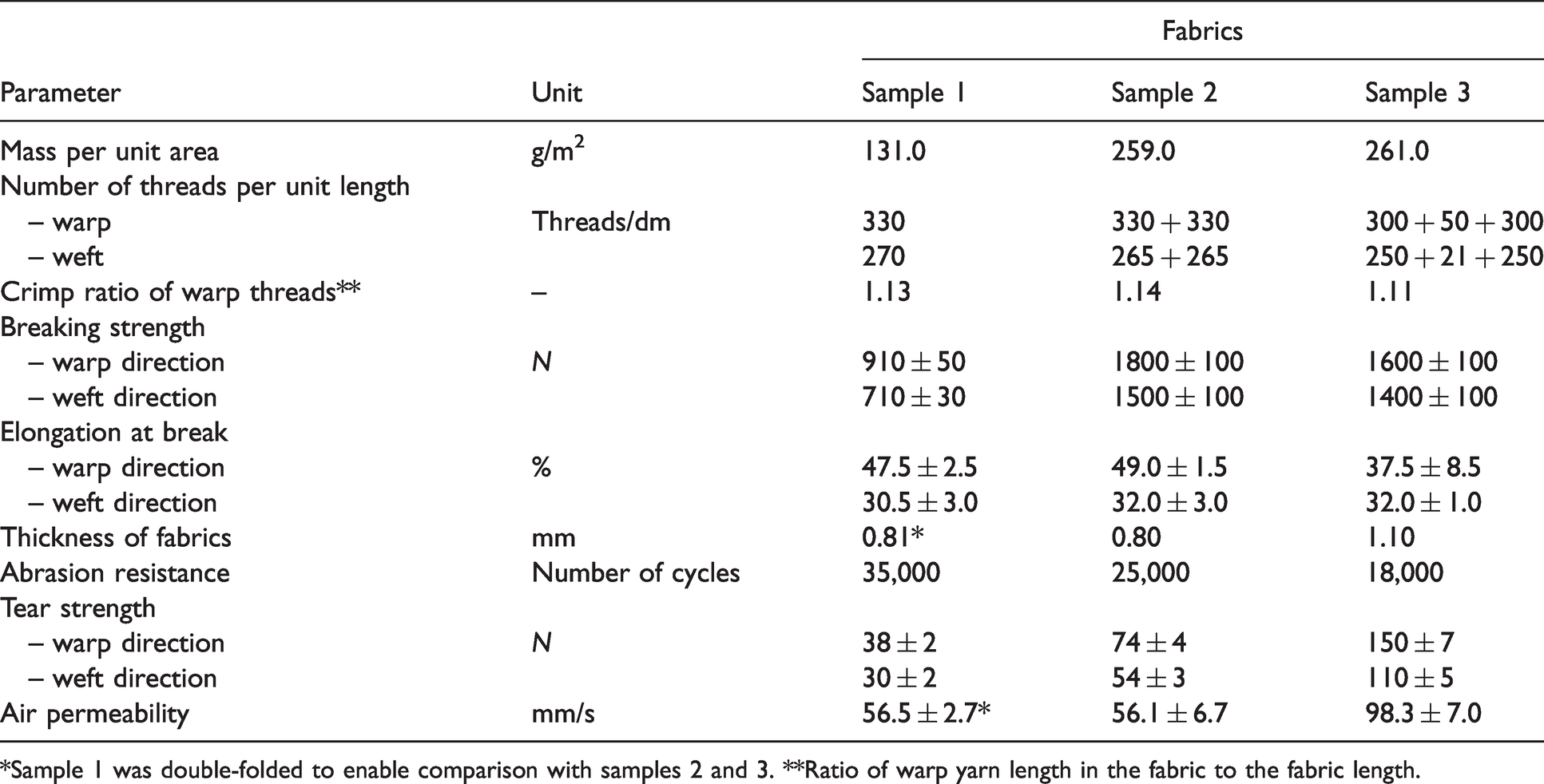
Table 1 presents the basic technical and technological parameters of the elaborated fabrics.
Selected technical and technological parameters of the fabrics
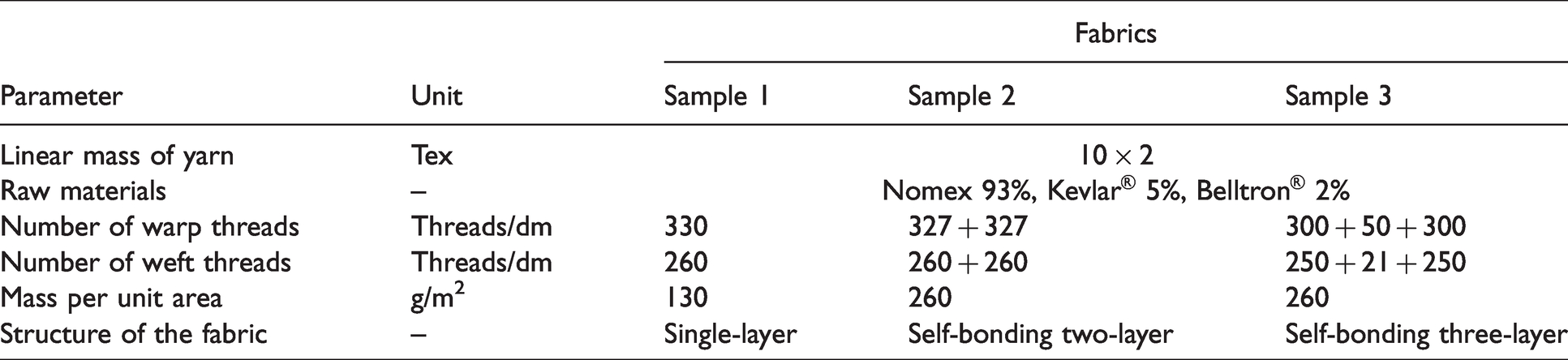
Each layer is made in plain weave. In the presented fabrics, the same raw materials, linear mass of yarn, number of warp and weft threads, surface mass, and weaves of the outer surface of fabrics were used. This eliminates the influence of these factors on thermal insulation and temperature distribution on the surface of the fabrics. The samples vary in number of layers only. Sample 1 (Figure 1) was double-folded for the thermal insulation tests to make its comparison with the two- and three-layer fabrics possibly.

(a) The single-layer fabric; (b) the double-folded single-layer fabric.
The weave of the self-bonding two-layer fabric is presented in Figure 2. Individual layers made in plain weave were bonded by means of tie-ups placed every sixth warp thread (every third of the bottom warp) and every fourteenth weft thread (every seventh weft of the upper warp). The weave repeat consisted of: in the warp, 36 threads (18 threads of the upper and 18 threads of the bottom layer); and in the weft, 84 threads (42 wefts in the upper and 42 wefts in the bottom layer). There were six tie-ups in the weave repeat.
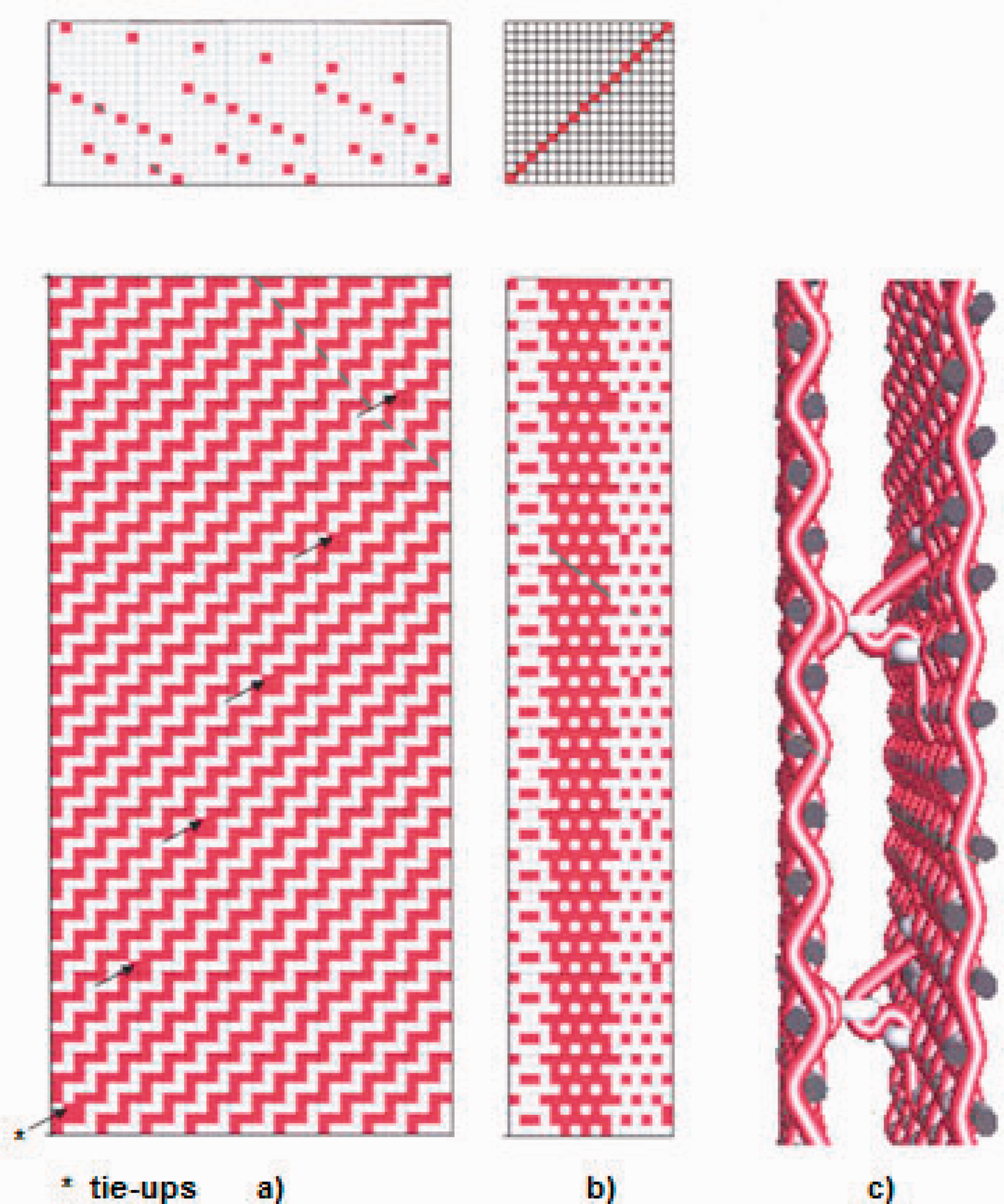
The weave of the self-bonding two-layer fabric (layers in the plain weave bonded by means of tie-ups). (a) The weave of the fabric with marked tie-ups; (b) pattern; (c) visualization of the thread tying using a system for fabric design and visualization, Design Scope Victor by EAT.
Figure 3 shows the weave of the self-bonding three-layer fabric in which the warp threads of the middle layer are bonded with the outer layers by means of tie-ups or tie-downs. The weave repeat consisted of: in the warp, 26 threads (12 threads in the upper layer, 12 threads in the bottom layer, and 2 threads in the middle layer); and in the weft, 26 threads (12 wefts in the upper layer, 12 wefts in the bottom layer, and 2 wefts in the middle layer). The actual view of the self-bonding three-layer fabric is presented in Figure 4.
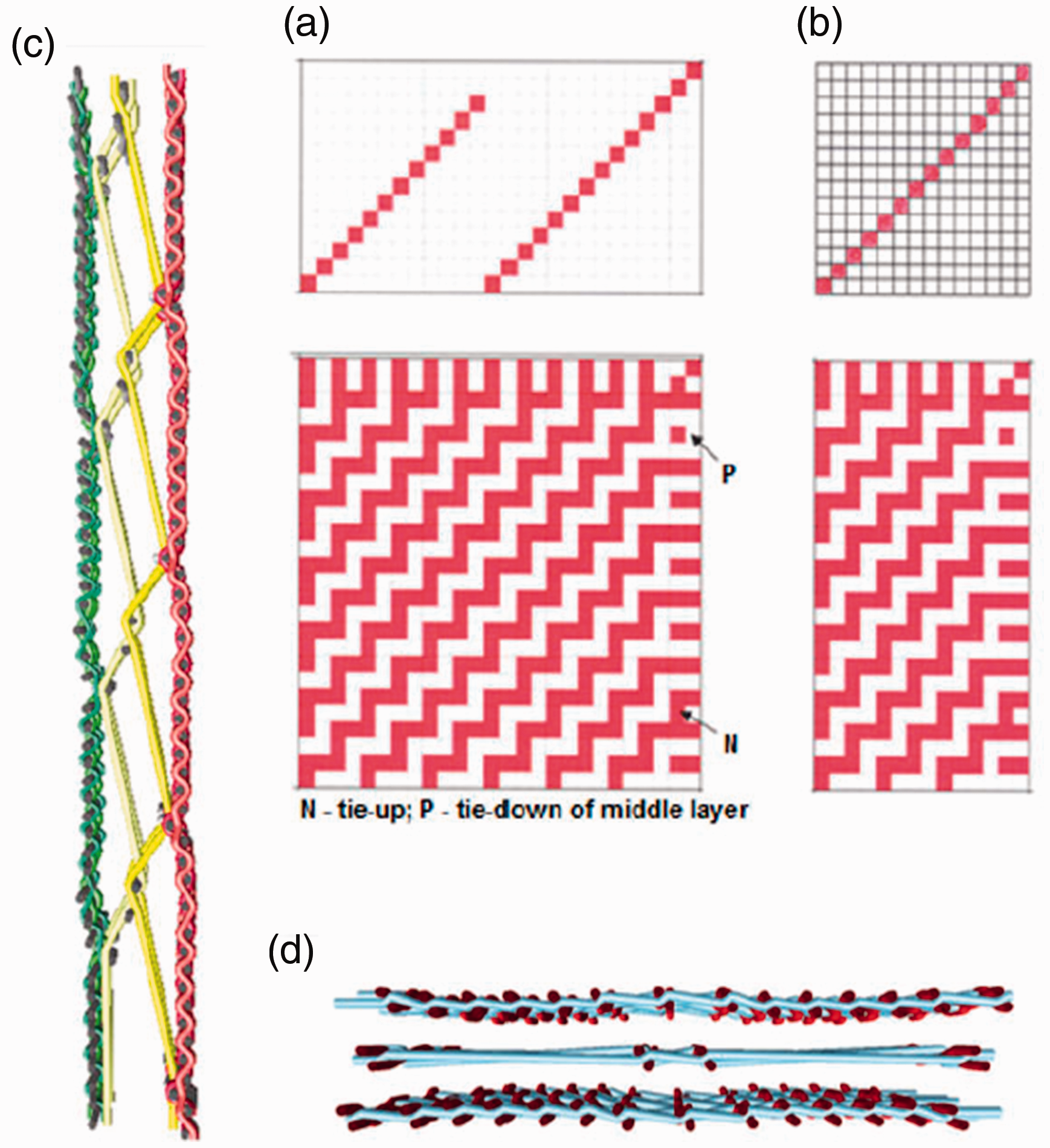
The weave of the self-bonding three-layer fabric. (a) The weave of the fabric with marking of tie-ups and tie-downs; (b) pattern; (c, d) visualization of the thread tying using a system for fabric design and visualization, Design Scope Victor by EAT.
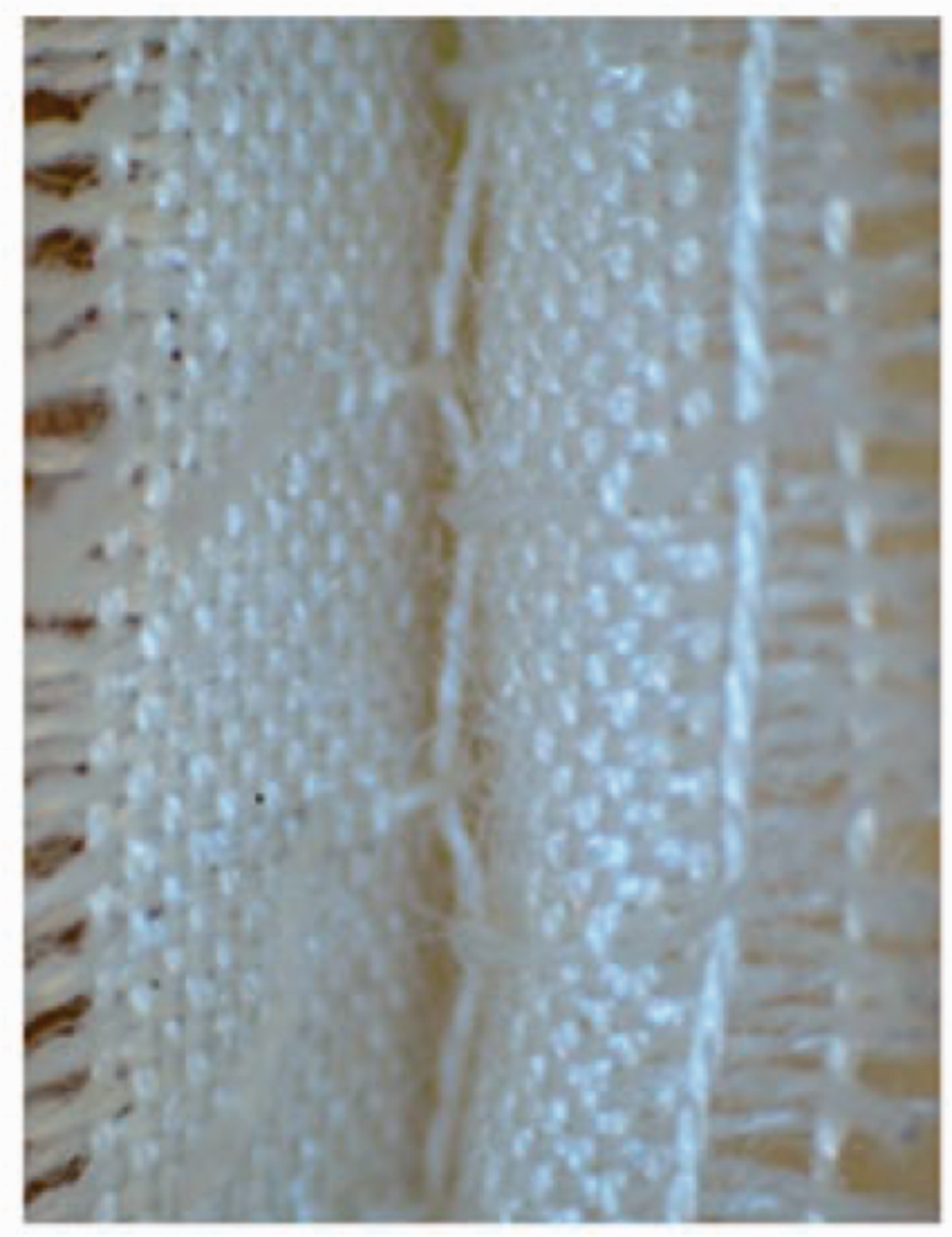
The self-bonding three-layer fabric.
Fabrics were produced at the laboratory test stand machine designed for creating fabric samples, equipped with a warping machine and a dobby loom from CCI Tech, with two warp beams (machines purchased as part of the Project “New generation barrier materials protecting man against harmful impacts of the environment”). The dooby loom is equipped with two warp beams and 18 harness, used a rapier weft insertion system, and has a working width of 50 cm. The laboratory warping machine enables preparation of 3 m long warps.
Methodology of research
Analysis of physico-mechanical properties of fabrics was according to the following applicable standards:
PN-ISO 3801:1993—Mass per unit area; PN-EN 1049-2:2000—Number of threads per unit length; PN-EN ISO 13934:2013-07—Breaking strength; PN-EN ISO 12947-2:2017-02—Abrasion resistance; PN-EN ISO 13937:2002—Tear strength; PN-EN ISO 5084:1999—Thickness of fabrics—tested area = 20 cm2, pressure applied = 1000 Pa; crimp ratio of warp threads—ratio of warp yarn length in the fabric to the fabric length; PN-EN ISO 9237:1998—Air permeability—tested area = 20 cm2, pressure difference = 100 Pa.
The determination of the thermal properties of the fabrics was according to the following:
ISO 6942:2002—Protective clothing—Protection against heat and fire—Method of test: Evaluation of materials and materials assemblies when exposed to a source of radiant heat. The density of heat stream Q0 was 20 kW/m2. The statistical analysis of fabric structure was carried out with the use of ANOVA from StatSoft Software (StatSoft Inc.). EN 367:1996—Protective clothing—Protection against heat and fire. Method of determining heat transmission on exposure to a standardized flame corresponding to a stream density of 80 kW/m2. The test procedure elaborated by the Textile Research Institute to evaluate temperature distribution on textile surfaces using a thermal imaging camera.
The evaluation of temperature distribution on the surface of the fabrics was conducted at the test stand (Figure 5) equipped with a thermal imaging camera built as part of the Textile Research Institute’s activities. The stand is equipped with a flat surface heating element, enabling us to carry out the test at temperatures up to 55°C. The source of heat and the thermal imaging camera were placed at opposite ends of the tested material. The heating surface with the so-called spread energy distribution is heated evenly and equipped with a thermal shield that ensures isolation from external factors. In order to heat the tested surface evenly, a high heat conductivity copper heating plate, equipped with foil heaters, was used. The temperature controller comprises a power supply and a digital programmable regulator, AIKS ATC 116 SSR. Measurements were taken at a temperature of 20 ± 2°C and relative humidity of 65 ± 5%.
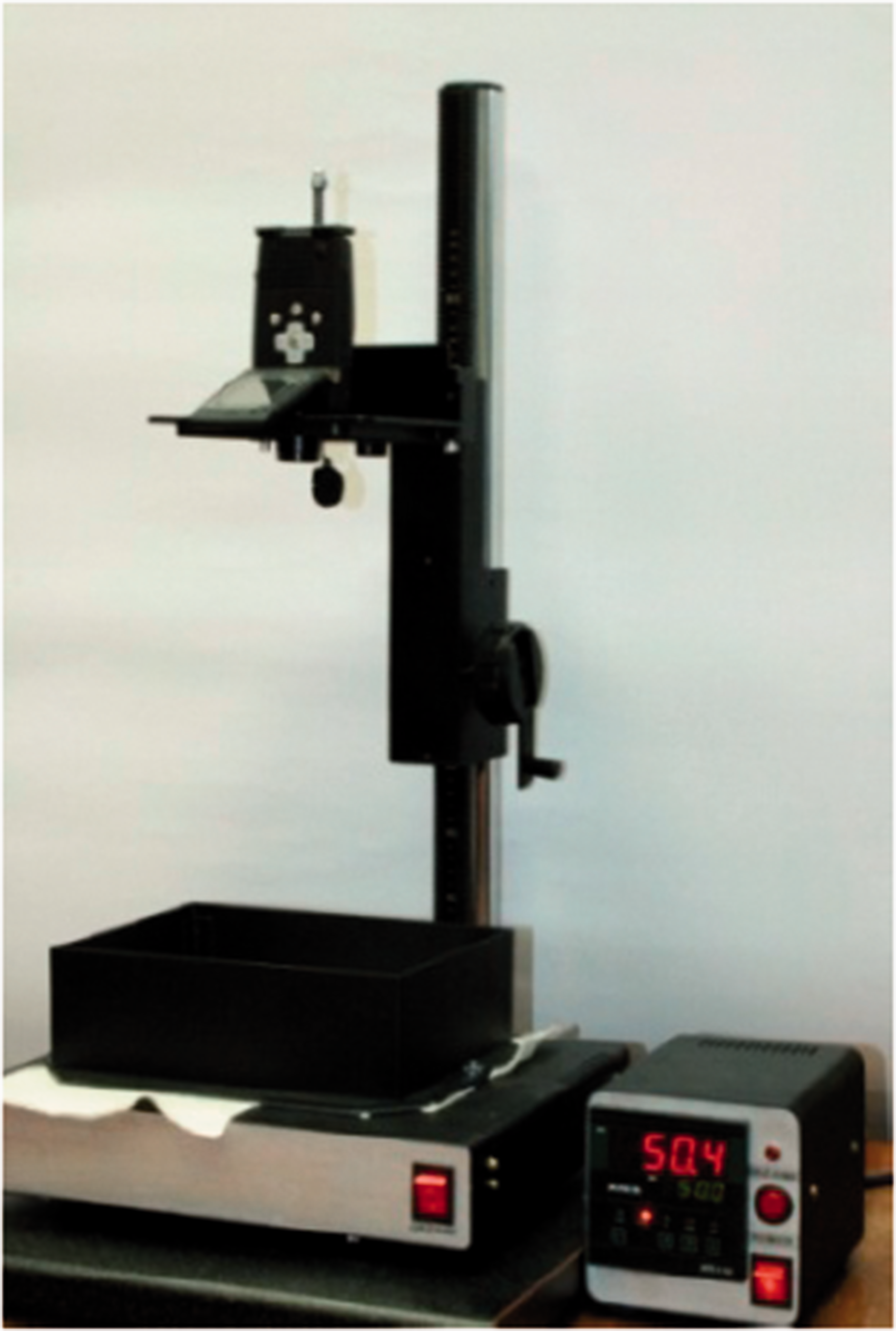
Test stand for thermo-visual method.
Results of tests
Results of physico-mechanical tests
The results of the physico-mechanical tests of the raw fabrics are presented in Table 2.
Results of physico-mechanical tests of the newly elaborated fabrics
*Sample 1 was double-folded to enable comparison with samples 2 and 3. **Ratio of warp yarn length in the fabric to the fabric length.
The two- and three-layer fabrics present similar values of mass per unit area. Taking into account that the single-layer fabric (sample 1) will be double-folded during thermal tests, their mass per unit area is half that of the layered fabrics. The total number of warp and weft threads of sample 1 corresponds to the number of threads in particular layers of samples 2 and 3.
The thickness of sample 1 (double-folded) and sample 2 (the self-bonding two-layer fabric) are similar (0.81 mm and 0.80 mm, respectively), whereas sample 3 (the self-bonding three-layer fabric) is about 36% thicker (1.10 mm). The difference in thickness observed for sample 3 is caused by the distance between the two outer layers. The value of tear strength of the three-layer fabric deserves attention, as it is more than twice that of the two-layer fabric. The values are up to 150 N in the warp direction and 110 N in the weft direction, in comparison with 38 N and 30 N for the single-layer fabric. Sample 2 reached 74 N and 54 N.
The value of air permeability of the three-layer fabric (98.3 mm/s) is double that of the other two types of fabrics, which reached 56.5 mm/s and 56.1 mm/s only, despite having similar masses per unit area and number of threads in all fabrics. This stems from the more spatial structure of the three-layer fabric, which is also reflected in its thickness.
Results of thermal protection tests
Evaluation of fabrics’ thermal protective performance on radiant heat and convection heat exposure
The results of thermal radiation influence were determined by means of heat transfer ratio
The results of the heat transfer under flame exposure were determined by heat transfer indices
The results of the tests are shown in Table 3.
Results of thermal radiation test and heat transfer impact

*Sample 1 was double-folded to enable comparison with samples 2 and 3.
The results presented in Table 3 show that the lowest heat transfer ratio TF, and therefore the lowest density of the heat stream transfer through the fabric Qc, was obtained for sample 3 (0.357). The TF ratio and the heat stream transfer Qc were higher for sample 1 (double-folded) and the highest for sample 2. It was also found that the p-value = 0.030 is smaller than the significance level (0.05), so we reject the null hypothesis and conclude that structures statistically influenced TF values. For the value of radiant heat transfer index (RHTI) and the difference between RHTI24 and RHTI12, the most favorable result was obtained for sample 3. The indications for samples 1 (double-folded) and 2 were slightly worse. It should be assumed that the higher value of heat transfer index obtained for sample 2 in comparison to sample 1 (double-folded) may result from the fact that sample 1 has a greater number of weft threads than sample 2 (the difference in the number is about 10 wefts per 1 dm). The fact that sample 1 was folded for test purposes may cause creation of air spaces that would improve the thermal protective properties. It was also found that the p-value = 0.044 is smaller than the significance level (0.05), so we reject the null hypothesis and conclude that structures statistically influenced RHTI24 – RHTI12 values.
The heat transfer index (HTI) (determined under flame exposure) measured for the fabrics and calculated by an average time of temperature increase by 24°C and by 12°C, respectively, showed the highest value for sample 3.
Based on these results, it may be concluded that sample 3 is a better thermal barrier than sample 1 (double-folded) and sample 2. This most probably stems from the fact that inside the middle layer a greater air space is present because of its looser structure (lower weft density) in comparison to the outer layers.
Evaluation of temperature distribution on the surface of fabrics using a thermal imaging camera
Figure 5 shows the stand used for temperature distribution tests on the fabric surface. The temperature on the fabric surface during its thermal radiation exposure was determined using a thermal imaging camera, which registered the thermogram in the form of a color image. Temperature distribution on the fabric surface was analyzed, taking into account a rectangular area with dimensions of about 180 × 140 mm.
The following temperature values were determined:
the real temperature of the heating plate on which the sample was placed (Tp, °C); maximum temperature of the fabric surface (max, °C); minimum temperature of the fabric surface (min, °C); average temperature of the fabric surface (average, °C); and standard deviation of temperature of the fabric surface (S, °C).
An example thermogram with set temperatures of the tested fabric surface is presented in Figure 6.
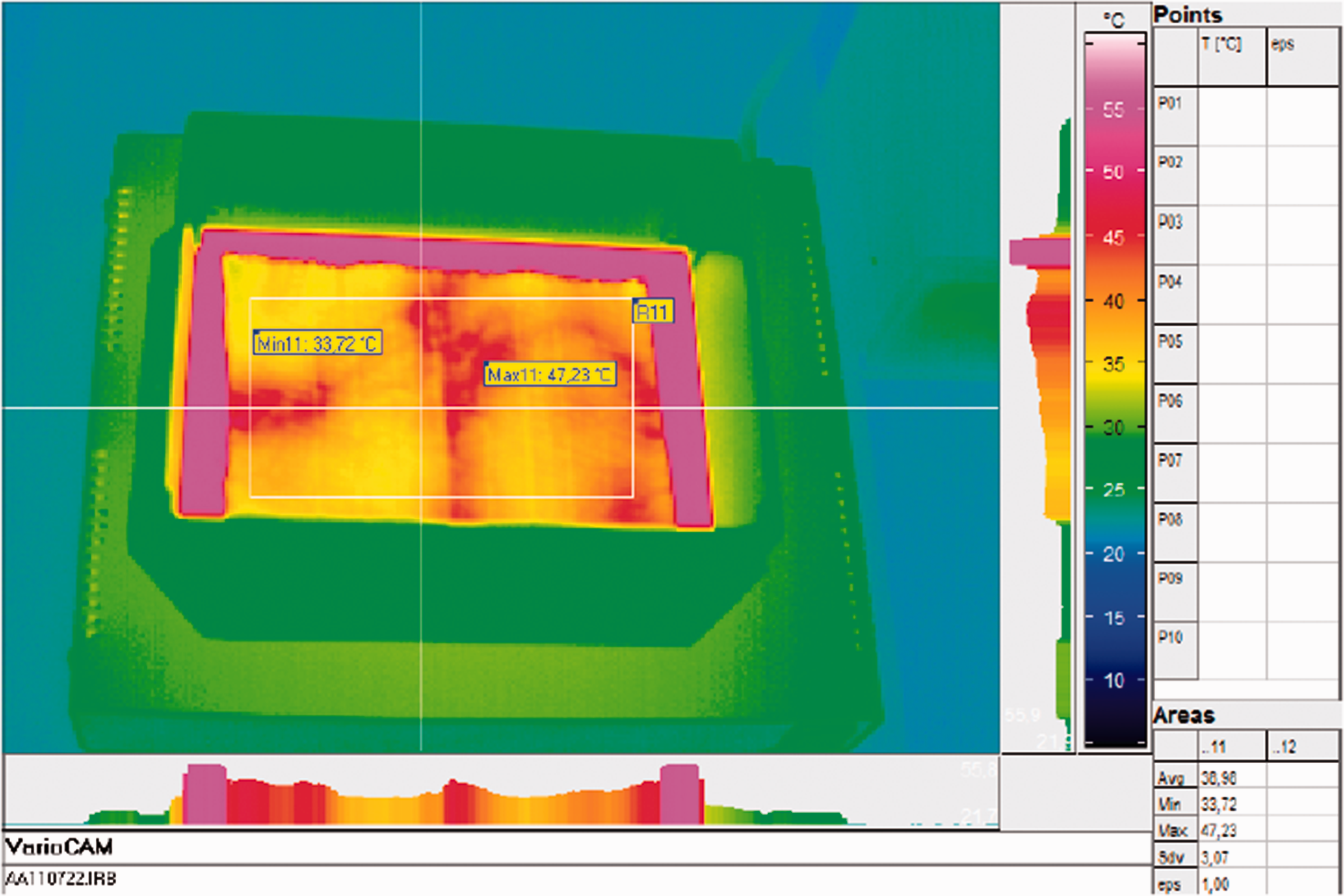
An example thermogram with set temperatures of the rectangle surface.
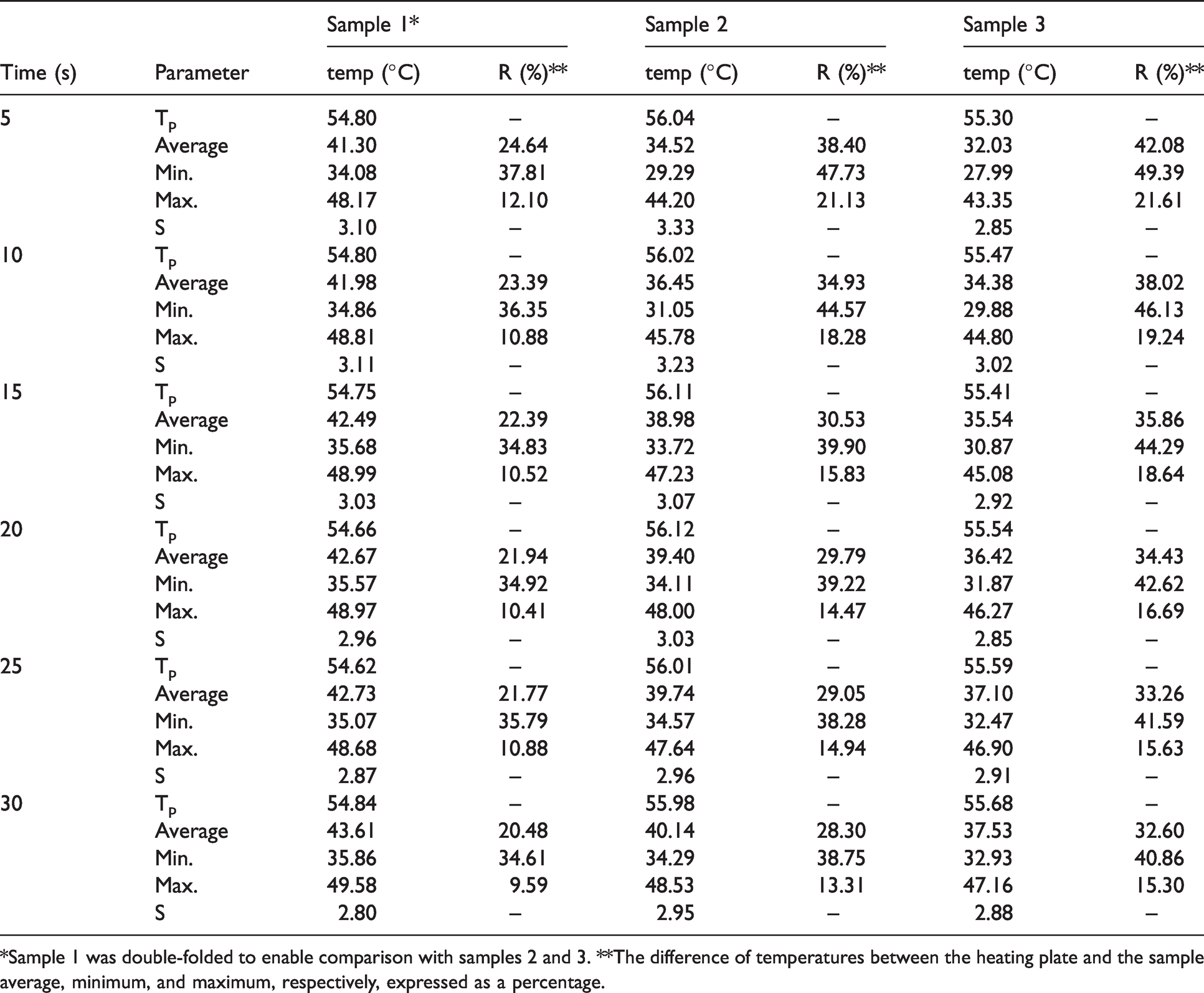
To evaluate the time influence on temperature of the fabric surface, measurement series were performed, in which the heating time of the samples was 5, 10, 15, 20, 25, and 30 s at the constant temperature of the heating plate Tp (with a set value of 55°C). The results of the tests are presented in Table 4, together with the calculated values of differences (R) between the real temperature of the plate and temperature of the fabric surface, expressed as a percentage.
Figure 7 shown changes in the maximum and average values of temperatures in time, read from the thermograms (Table 4).
Results of the surface temperature measurements of the sample
*Sample 1 was double-folded to enable comparison with samples 2 and 3. **The difference of temperatures between the heating plate and the sample average, minimum, and maximum, respectively, expressed as a percentage.
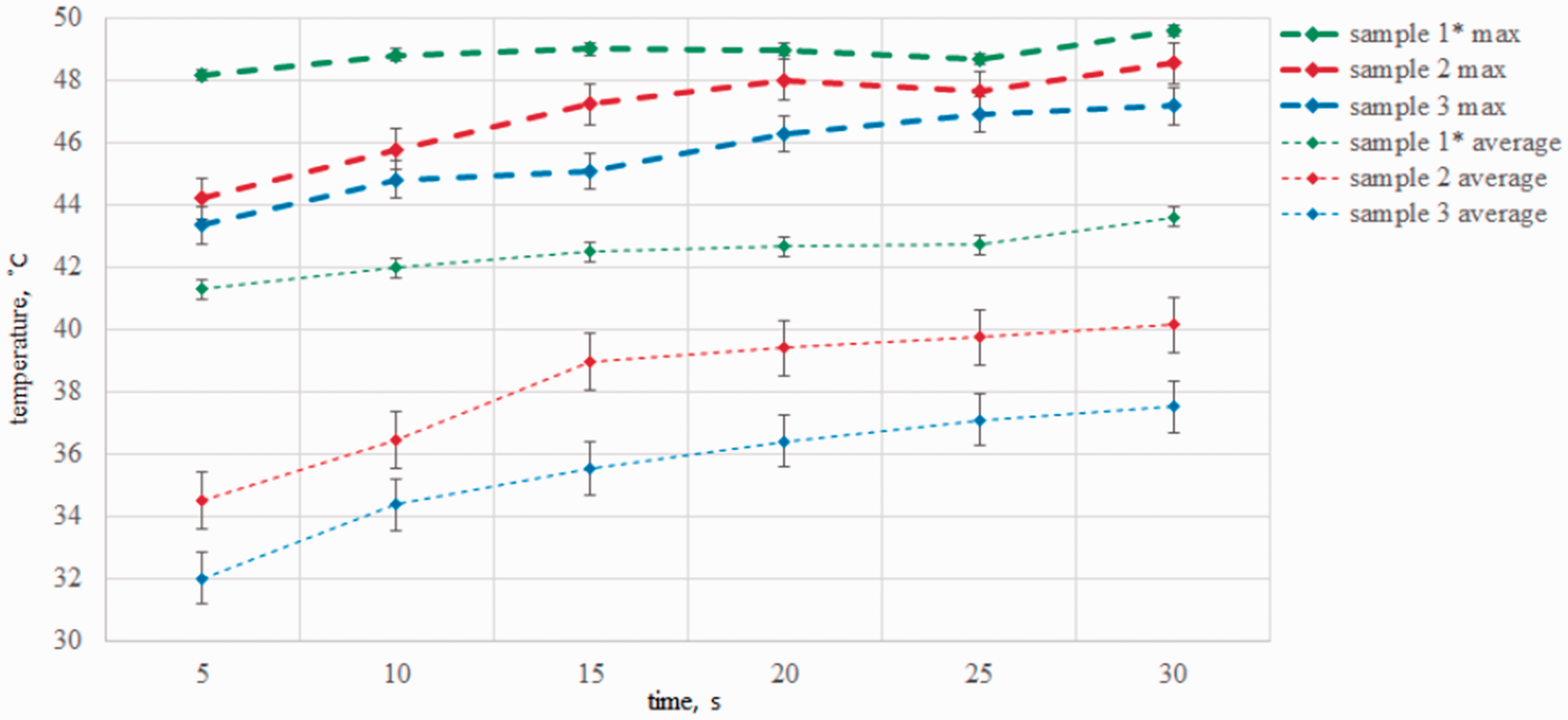
Changes in the maximum and average surface temperatures of the fabric over time.
The results of temperature measurements of the heating plate and the fabric surface temperature using a thermal imaging camera showed that the lowest values of the maximum and minimum temperatures occurred in sample 3. This means this fabric presents the most favorable thermal protective properties in comparison to samples 2 and 1. Sample 2 had worse thermal protective properties than sample 3, but better than sample 1 (double-folded).
Additionally, the longitudinal and transverse temperature distributions of the sample surfaces were determined. An example thermogram showing the determined longitudinal and transverse temperature distribution values is presented in Figure 8.
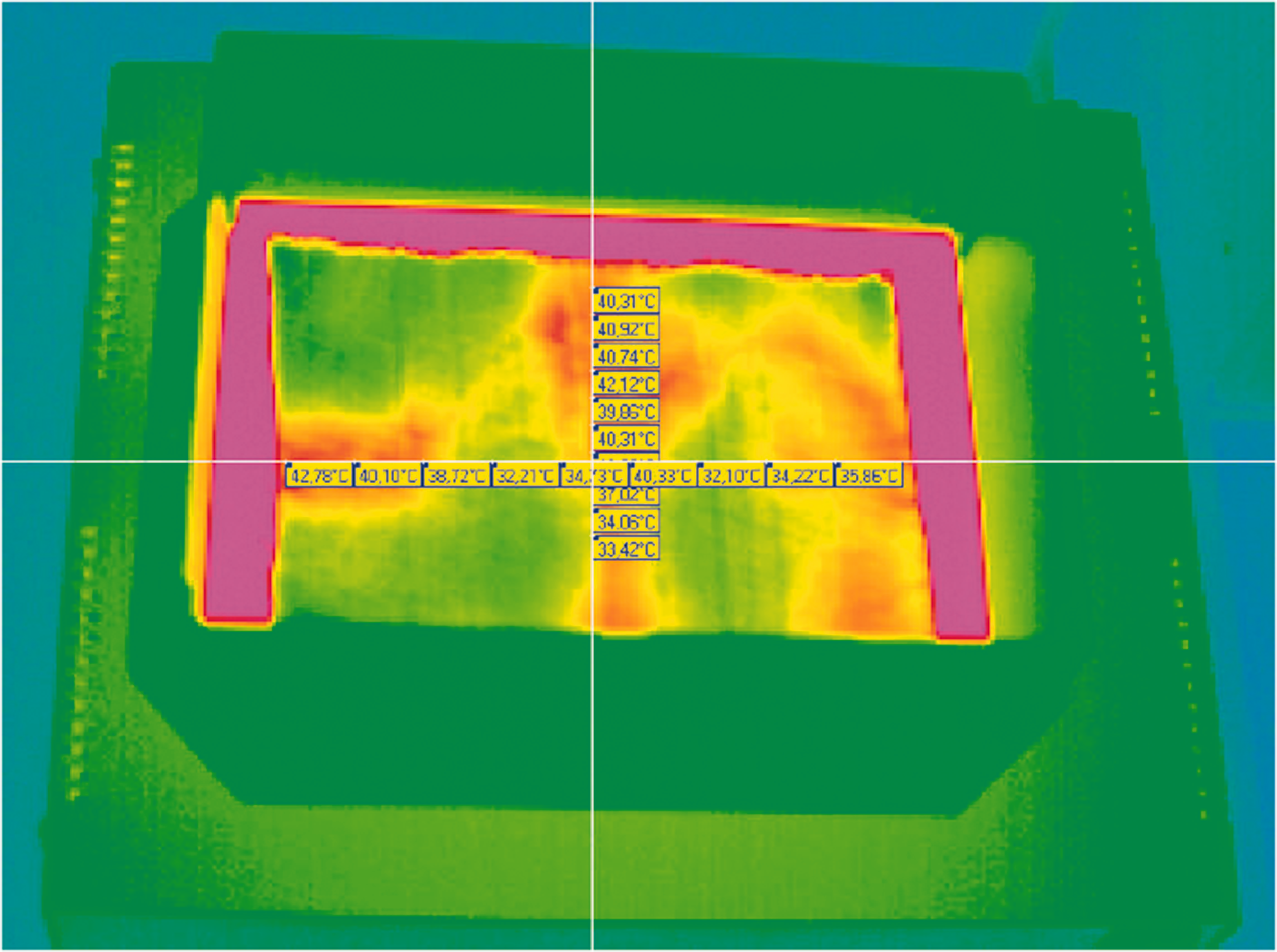
Thermogram with determined longitudinal and transverse temperature distribution values.
The values of longitudinal and transverse temperature distribution on the sample surface are presented in Table 5. The bold digits show the maximum and minimum temperatures obtained for individual samples.
Longitudinal and transverse temperature distribution on the sample surface at the heating plate temperature of 55°C after a time of 5 s
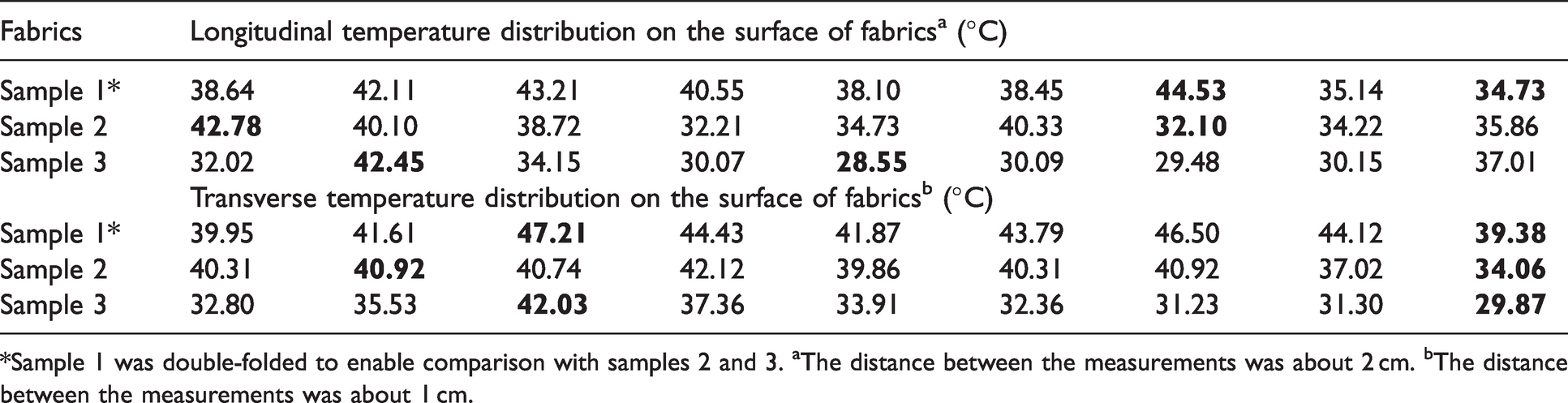
*Sample 1 was double-folded to enable comparison with samples 2 and 3. aThe distance between the measurements was about 2 cm. bThe distance between the measurements was about 1 cm.
Figures 9 and 10 present longitudinal and transverse temperature distributions on the sample surface between measurement points at 2 cm and 1 cm.
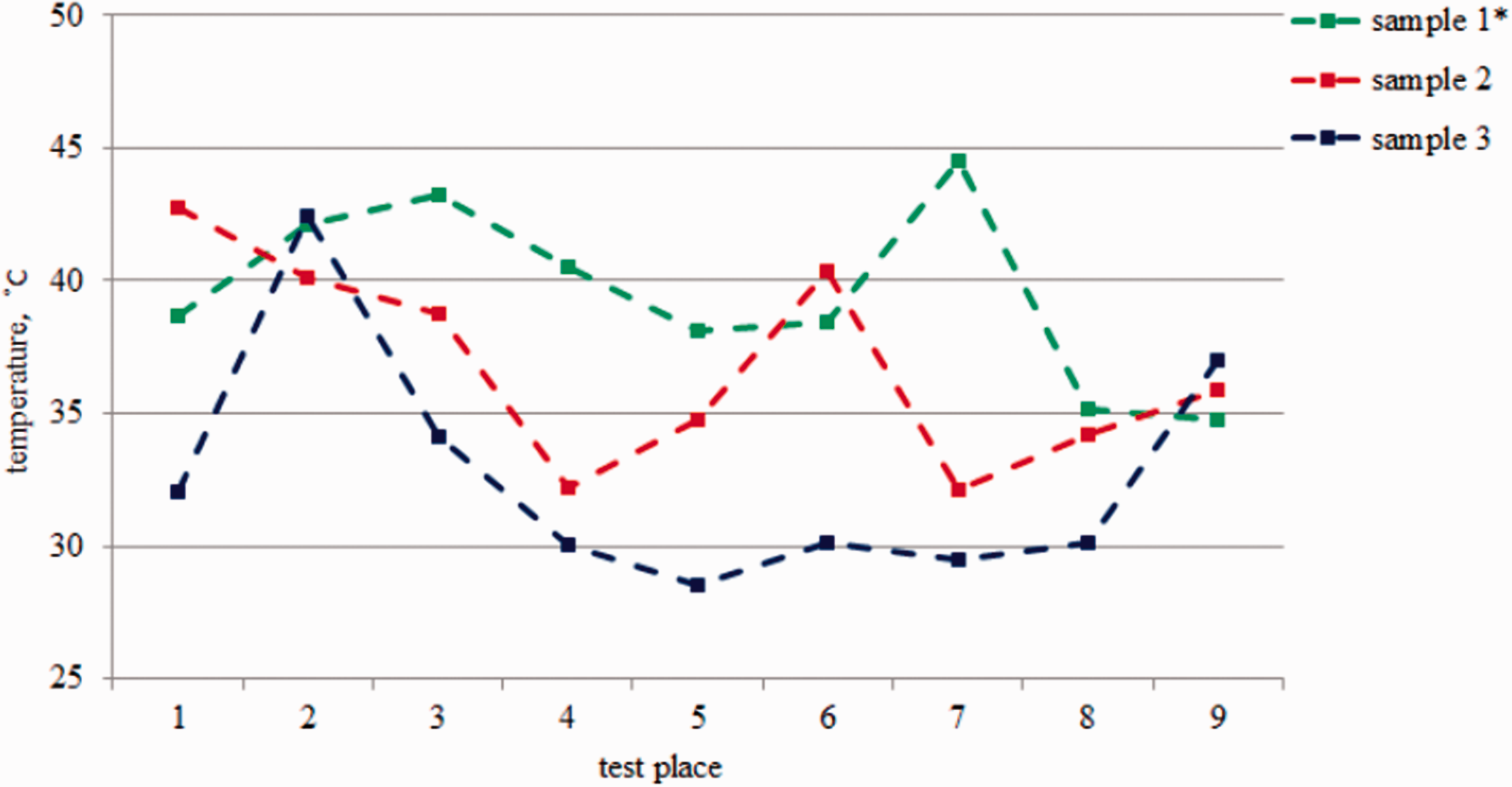
Longitudinal temperature distribution on the sample surface at the heating plate temperature of 55°C after a time of 5 s.
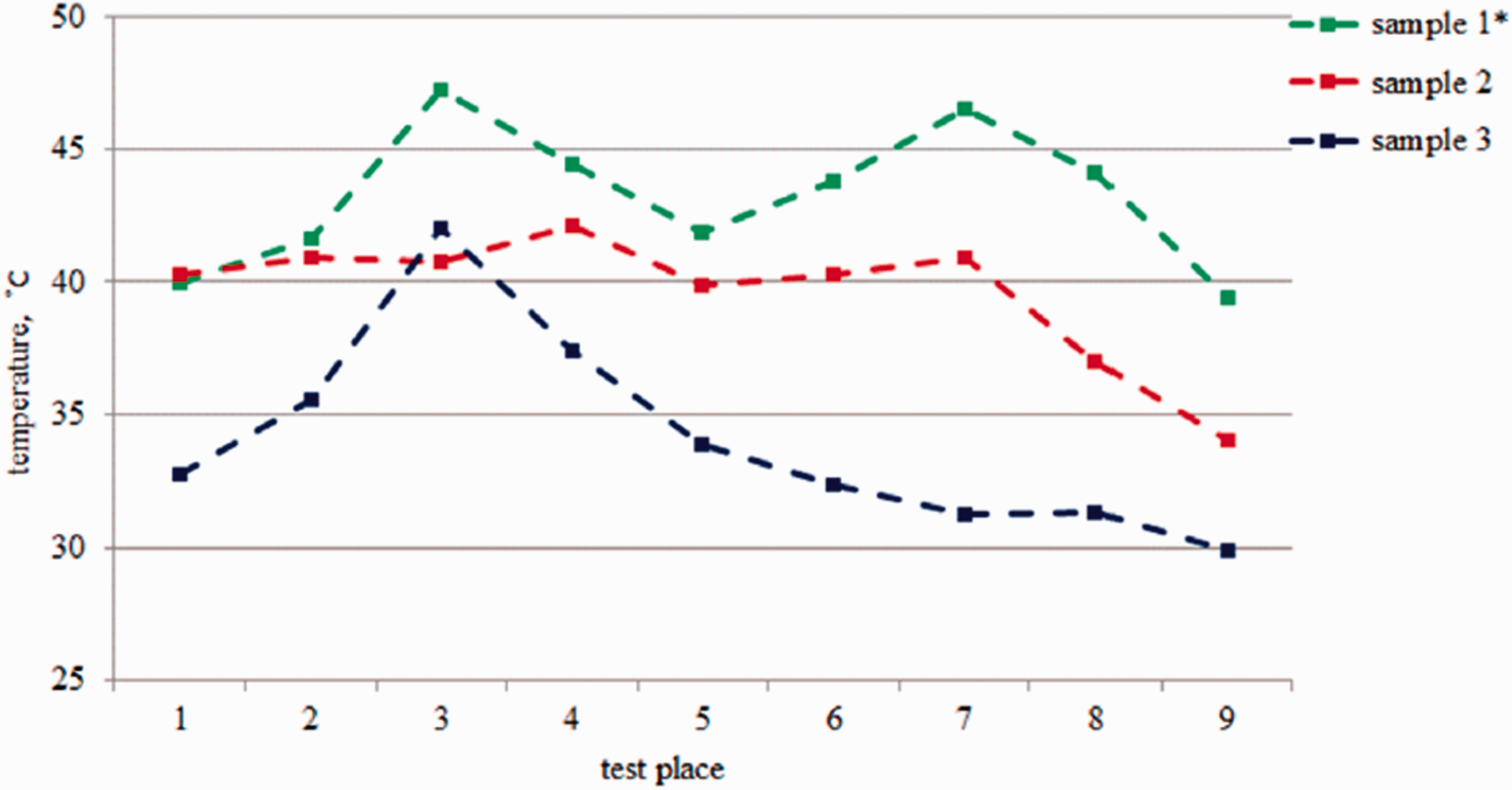
Transverse temperature distribution on the sample surface at the heating plate temperature of 55°C after a time of 5 s.
The analysis of longitudinal and transverse temperature distributions of the surface of the studied fabrics showed that the greatest difference in temperature was obtained for the three-layer fabric (sample 3), reaching almost 14°C within a section of about 18 cm in the longitudinal direction and about 12°C within a section of about 12 cm in the transverse direction. In the case of samples 1 and 2 this difference was lower, at about 10°C. The results show, similar to the previous analysis of thermal protective properties, that the three-layer fabric (sample 3) is able to accumulate more air between its outer layers, which creates excellent insulation zones in areas where these air spaces are captured.
Conclusions
In this study the thermal barrier efficiency was evaluated, taking into account the fabrics’ reactions to heat and flame. The temperature distribution on the textile surface, where structural multilayer fabrics were involved, was also evaluated. Multilayer fabrics, with two and three layers, were compared with a single-layer fabric that was double-folded for test purposes.
In the case of the same solutions in the range of the yarn structure (raw material, linear density, number of twist etc.), the thermal barrier properties of the textile depend on the fabric structure. RHTI and HTI reached their highest values for the three-layer fabric (sample 3). This means that this fabric possesses the best thermal barrier properties of all the samples.
The lowest heat transfer ratio (TF) obtained for sample 3 confirmed this conclusion. The incorporation of a third layer into the fabric structure also improved the thermal protective properties of the fabric. This is reflected in the lowest temperatures on the fabric surface during the thermal distribution test in comparison to sample 1 (double-folded) and sample 2. The temperature differences for sample 3 were from 12°C to almost 14°C; for sample 1 (double-folded) and sample 2 this differences did not exceed 10°C. The three-layer fabric contains an air interspace caused by the distance between layers, which is reflected in the thickness of the fabrics, with sample 3 being 1.10 mm, but samples 1 (double-folded) and 2 only approximately 0.80 mm, despite the fact that mass per unit area of all the tested fabrics being comparable.
Moreover, the middle layer of the three-layer fabric formed cellular air spaces that created good thermal protective zones, significantly improving the thermal barrier properties.
The highest air permeability and tear strength was achieved for sample 3, which also shows the possibility of improving physiological comfort and wearing durability by means of fabric structure, while also preserving good thermal barrier properties.
Three-layered woven fabrics could be an option in the design process of all kind of clothes where protection against heat and flame is mandatory.
The direction in current developments of innovative thermal protective fabrics is to minimize the weight of clothes by means of creating multilayer textile materials, while retaining durability, comfort, and above all having good thermal protective properties. A suitable structural solution is changing only the way layers connect in multilayer materials and the air interspace between layers, which creates thermal protective properties in the fabrics. This creates the possibility of lowering the clothing weight, increasing wearing durability, and improving physiological comfort. It makes it possible to fit the fabric structure to the required protection level and end-user application. Adjusting the multilayer structure to the needs of users will be the next step of our research.
Footnotes
Acknowledgements
The authors thank Iwona Krawczyńska for cooperation in the field of fabric development and research activity, the staff of the Laboratory of Flammability Testing, and the staff of the Laboratory of Testing Textile Raw Materials and Textiles for performing the tests.
Declaration of conflicting interests
The authors declared no potential conflicts of interest with respect to the research, authorship, and/or publication of this article.
Funding
The authors disclosed receipt of the following financial support for the research, authorship, and/or publication of this article: This publication was prepared on the basis of the results of the Statutory Research Works of the Textile Research Institute in 2017, financed by the Ministry of Science and Higher Education.
