






Abstract
Hot-melt adhesives are solid adhesives that are converted to a melting state for application to substrates and on cooling efficiently sets up the bond. Due to low or no volatile organic compound emissions, hot-melt adhesives are extensively used in various applications. Poly(trimethylene terephthalate-co-adipate) copolymers containing dimethyl terephthalate, adipic acid, and 1,3-propanediol along with varying amounts of castor oil were synthesized by one-step melt polymerization as hot-melt adhesives. The structure, composition, and thermal properties of these samples were analyzed, and all samples showed excellent thermal stability with Td-5% values above 300°C. Differential scanning calorimetry measurements showed tunable melting temperatures of the copolymers in the range of 80–180°C, which increased with the content of dimethyl terephthalate and decreased with increasing amounts of castor oil. The incorporation of castor oil as soft segments enhanced the flexibility of the molecular chain, indicating an increment in the elongation rate while decreasing the stress at the break and glass transition temperatures. Rheological examinations showed significant increments in the viscosity at lower angular frequencies with the introduction of castor oil; this was attributed to the entanglement caused by the multifunctional groups of castor oil with dangling chains in the segments. As the angular frequency increased, the viscosities of the samples decreased almost linearly, revealing good applicability in the melting process of the copolymers, which presented controllable melting viscosities under different process conditions. The T-peel test was used to investigate the adhesion properties of the copolymers, and the copolymer with 50/50 molar ratio of dimethyl terephthalate/adipic acid with 3 mol% castor oil PT(T50A50)-C3 exhibited excellent binding capacity between the copolymer and poly(ethylene terephthalate) fabric with a peel strength of 2624.5 N m−1. Moreover, PT(T50A50)-C3 shows low moisture absorption, good hydrolysis resistance, and relatively low hardness, which indicates its high potential for application in hot-melt adhesives on polyester fabrics with high strength, good tactile quality, and long service life.
Hot-melt adhesives are thermoplastic materials that can act as glue when applied via heating. Owing to their nontoxic, solvent-free, and low or no volatile organic compound emissions, hot-melt adhesives are extensively used in various applications.1–3 Low-melting-point adhesive materials have attracted much attention because of the lower cost of equipment, lower coloring and degradation, and relatively mild process conditions, which present high potential for use in many fields.1,4–11
Polyester-based copolymers are a kind of thermoplastic adhesive materials that have good bonding abilities with metals and nonmetals12–17 and are usually composed of several semi-aromatic and aliphatic monomers. Poly(ethylene terephthalate) (PET), poly(butylene terephthalate) (PBT), and poly(trimethylene terephthalate) (PTT) are the most widely used aromatic ester matrices 18 that have good thermal and mechanical properties. By modifying with aliphatic monomers via copolymerization, the thermal and mechanical behaviors of these materials can be tuned to fit the processing conditions.19–21 Polybutylene adipate terephthalate (PBAT) is one of the popularly promoted aromatic/aliphatic materials in the polyester industry, with good thermal and mechanical properties from PBT and biodegradability from PBA.22–24 The main material 1,4-butanediol (BDO) can be used mainly in polycondensation or polyaddition reactions for the synthesis of polyurethanes, 25 polyesters,26,27 and polyamides. 26
Given their similar structure to BDO, 1,3-propanediol (1,3-PDO)-based polyesters have also attracted increasing interest owing to their bio-based resources and excellent properties.28–35 The odd number of methylene groups in the chain structure enables high resilience and stress recovery, 36 reducing Tm and the degree of crystallinity. 35 Papageorgiou et al. 37 synthesized a series of poly(trimethylene terephthalate-co-adipate) copolymers with different ratios of terephthalate to adipate; the mechanical and thermal properties of these samples increased with increasing terephthalate content, and an almost linear decrease was observed for the melting points with increase in adipate content. The melting points of samples range from 134–180°C with 50–70 mol% adipate, showing the potential for development as a copolymer matrix owing to the appropriate melting point and high heat of fusion.
Among the sustainable resources, vegetable oils are derived from various plant sources,38–42 so they are relatively abundant and inexpensive. Castor oil is a mixture of several fatty acids and contains mainly ricinoleic acid. 43 Its unique structure with three reactive sites of the double bond, ester bond, and hydroxyl group allows various possibilities for copolymerization45–62 and diverse mechanical properties.63–67 The dangling chains on the segments also influence the physical behaviors and enhance the hydrophobicity. These chains can reduce the glass transition temperatures of the polyesters. Polymers containing castor oil can be adjusted according to flexibility and hydrophobicity.68,69 Therefore, increasing the sustainable content of polymer materials such as vegetable oil and improving the tactile quality of hot-melt adhesives attached to PET fabrics is possible.
The manifold uses of castor oil in polymer applications have been discussed in several works, demonstrating that castor oil is one of the most promising renewable raw materials for chemicals. 70 Moghadam et al. 71 prepared a series of polyurethane adhesive materials with polyester polyols mainly composed of castor oil; these samples showed excellent lap shear strengths with good resistance to cold and hot water and weak resistance to acidic and alkaline media. Kadam and coworkers 72 2synthesized polyesteramide-based hot-melt adhesives from high-purity dimer acid, ethylenediamine, and castor oil. As the ratio of castor oil increased from 0 mol % to 5, 10, and 15 mol%, the samples' melting temperatures, mechanical properties, and T-peel strengths decreased. The viscosity as a function of time also decreased with an increase in the castor oil content under a constant temperature and shear rate, which proved the thixotropic nature of the polyesteramide-based hot-melt adhesives. Tenorio-Alfonso et al. 73 prepared several bio-based formulations with adhesion properties by mixing functionalized cellulose acetate with different castor oil contents from 20–70 wt%; their results showed that the formulation with a castor oil/biopolymer weight ratio of 50/50 had more suitable mechanical properties and adhesion performance. Unfortunately, in the past studies, castor oil was not used as a fully polyester-based hot-melt adhesive applied to polyester fabrics to achieve the benefits of entirely homogeneous recycling
In this study, we aimed to develop fully polyester castor-based hot-melt adhesives applied on polyester fabrics, with processing temperatures between 80–140°C. Chemically, the compatibility between the adhesive and fabric is related to the base polymer of the fabric. Polyester adhesives, therefore, show excellent adhesion to polyester fabrics, where compatibility is achieved because of the similar functional groups, polymer structures, or functional group distribution.74,75 Inspiringly, we selected poly(trimethylene terephthalate-co-adipate) with an adipate content of 50–70 mol% as the copolymer matrix and successfully copolymerized with various amounts of castor oil to adjust the processability, mechanical properties, melting behaviors, and hydrophobicity for usage in adhesives.
Experimental methods
Materials
Dimethyl terephthalate (DMT; 99%), titanium (IV) butoxide (Ti(OBu)4; 97%), 1,3-PDO (98%), and chloroform-d (CDCl3; 99.8%) were procured from Sigma-Aldrich. Adipic acid (AA; 99.8%) was purchased from Asahi Kasei Corporation. Phenol (99%), 1,1,2,2-tetrachloroethane (98.5%), and sodium carbonate (99%) were provided by Arcos Organics. Castor oil was purchased from Emperor Chemical Co., Ltd; citric acid (99.5%) and sodium hydrogen carbonate (99.7%) were procured from J.T. Baker. Sodium phosphate dibasic (99%) was supplied by Nihon Shiyaku Reagent.
Synthesis of PT(TxAy)-Cn copolymers
The copolymers were synthesized via one-step melt polymerization. Scheme 1 shows the synthesis process of the copolymers. DMT, AA, PDO, castor oil, and Ti(OBu)4 were placed in an autoclave under an N2 atmosphere. The mixture was heated to 220°C until the amounts of water and methanol reached 80% of their theoretical amounts to obtain the prepolymer. Next, the temperature was increased to 245°C gradually under atmospheric pressure and maintained for 1 h. Then, the system was retained at 245°C with a high vacuum below 1 Pa for polycondensation. The samples obtained were named as PT(TxAy)-Cn, where x:y is the molar ratio of DMT to AA, and n is the molar ratio of castor oil.
Instrumental methods
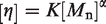
The chemical structures of the copolymers were analyzed using a 1H nuclear magnetic resonance (Fourier300, Bruker, Billerica, Massachusetts, USA) spectrometer under room temperature with CDCl3 as the solvent. The functional groups of the copolymers were determined using a Fourier-transform infrared (FT-IR) spectrometer (PerkinElmer, Waltham, Massachusetts, USA) in the range of 4000–400 cm−1 under 32 co-added scans. A Ubbelohde viscometer was used to measure each sample's intrinsic viscosity (I.V.) at 30°C. A mixture of phenol/tetrachloroethane (60/40, wt%) was chosen as the solvent, and the concentration was 1.0 g dl−1. The viscosity average molecular weights (Mη) of the copolymers were calculated using the Mark-Houwink equation:
76
The thermal properties were confirmed by DSC (Hitachi High Tech. DSC-7000, Tokyo, Japan); the samples were sealed in aluminum pans and subjected to temperatures from –50°C to 250°C under heating and cooling rates of 10°C min−1 each in N2 atmosphere (20 ml min−1). TGA (Hitachi, STA 7200, Tokyo, Japan) was conducted to evaluate the thermal stabilities of the copolymers. The samples were heated at a rate of 10°C min−1 from 50°C to 600°C under N2 atmosphere (50 ml min−1). Dynamic mechanical analysis was carried out using a DMA (Tech Max DMS 6100, Tokyo, Japan) in the temperature range of –75°C to 75°C at a heating rate of 10°C min−1 and 1 Hz frequency in the tension mode. Dumbbell-shaped samples based on the ASTM D638 Type IV standard were prepared for the tensile tests using Cometech QC-508M2F equipment (Taichung, Taiwan) with a crosshead speed of 50 mm min−1. The rigidities of the materials were determined by the shore D hardness test using a hardness tester (LX-D, Shahe-yi Electronics Co., Taiwan) on samples of size 5 × 5 × 2 mm3.
Rheological characterizations were performed using the Physica MCR-301 (Anton Paar, Graz, Austria) with a cone plate type with a diameter of 25 mm and gap of 0.1 mm at specific temperatures for an angular frequency range of 1–628 rad s−1. The storage modulus, loss modulus, and complex viscosity values were recorded. The T-peel tests were carried out using Cometech QC-508M2F equipment (Taichung, Taiwan) as per the ASTM D1876 standard under a peeling rate of 254 mm min−1. A hot-press machine produced laminated sheets composed of two PET fabrics, and the sheets were then sliced into rectangles (25 × 305 mm) for testing. The thickness of the adhesive layer was controlled at around 500 μm. Each sample was evaluated for the average peel force and standard deviation by at least five repeated tests.
Water absorption behaviors were studied as per the ASTM-D1776-04 standard. The samples were placed in an environmental chamber with a humidity of 65% and temperature of 35°C for 24 h. The water absorption ability was determined by the weight difference. The water contact angles of the copolymers were identified using an OCA-20 contact angle meter (DataPhysics Instruments GmbH) with SCA20 software and distilled water as the solution. The volume of the water drop was controlled at 5 µl.
For the hydrolysis test, samples were prepared with identical dimensions (0.5 × 0.5 × 3 mm3). The samples were each placed in buffer solutions with different pH values (4.0, 7.0, and 10.0) under 30°C for 21 days. Thereafter, the samples were removed from the solution and wiped with cleansing tissue to remove the water residue. The weight difference was then used to calculate the degree of hydrolysis. The pH = 4.0 buffer solution was prepared using citric acid, sodium phosphate dibasic dihydrate, and distilled water; the pH = 10.0 buffer solution was prepared with sodium carbonate, sodium hydrogen carbonate, and distilled water. Distilled water was used as the pH = 7.0 buffer solution. Scanning electron microscopy (SEM; Hitachi TM4000Plus, Tokyo, Japan) was used to observe the sample surfaces after 21 days of hydrolysis. To prevent electrical discharge, the samples were coated with gold (purity, 99.99%).
Results and discussion
Copolymer characterization
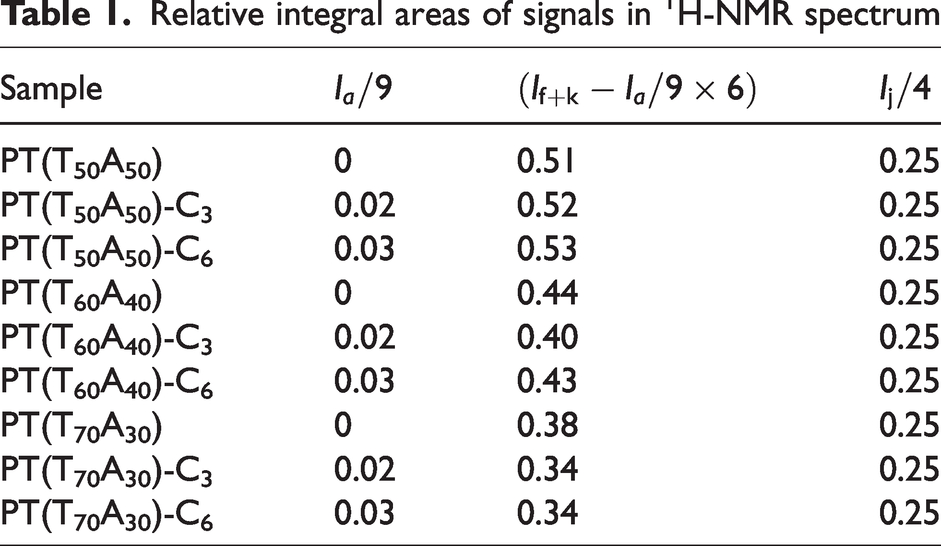
First, the chemical structures of the PT(TxAy)-Cn copolymers were confirmed by 1H-NMR spectroscopy, and the results of PT(T50A50) copolymers are shown in Figure 1. PT(T60A40), and PT(T70A30) copolymers are shown in Supplementary Material Figure S1. The peak “a” (0.90 ppm) corresponds to the methyl proton of the castor oil unit. Peaks “b + m + o” (1.24–1.64 ppm) are ascribed to the methylene protons of the AA and castor oil units. Peaks “f + k” (1.95–2.12 ppm) are related to the methylene protons of the PDO and castor oil units. Peaks “d + g + n” (2.32 ppm) correspond to the methylene proton next to the double bond in castor oil and the α hydrogens of the ester groups in the AA and castor oil units. Peaks “c + i + l” (4.12–4.52 ppm) are attributed to the methylene protons next to the oxygen atoms of the repeating ester groups in the PDO and castor oil units. The literature shows that the –CH–OH in the castor oil chain is 3.5–3.6 ppm. This means that the –OH functional group of the castor oil monomer is converted into an ester group. 78 The chemical shifts of the protons at the double bonds and three adjacent ester groups in the castor oil unit are observed at 5.12–5.44 ppm. The chemical shifts at 8.06 ppm belong to the aromatic protons of the terephthalate units. The relative integral areas of the signals are collected in Table 1.
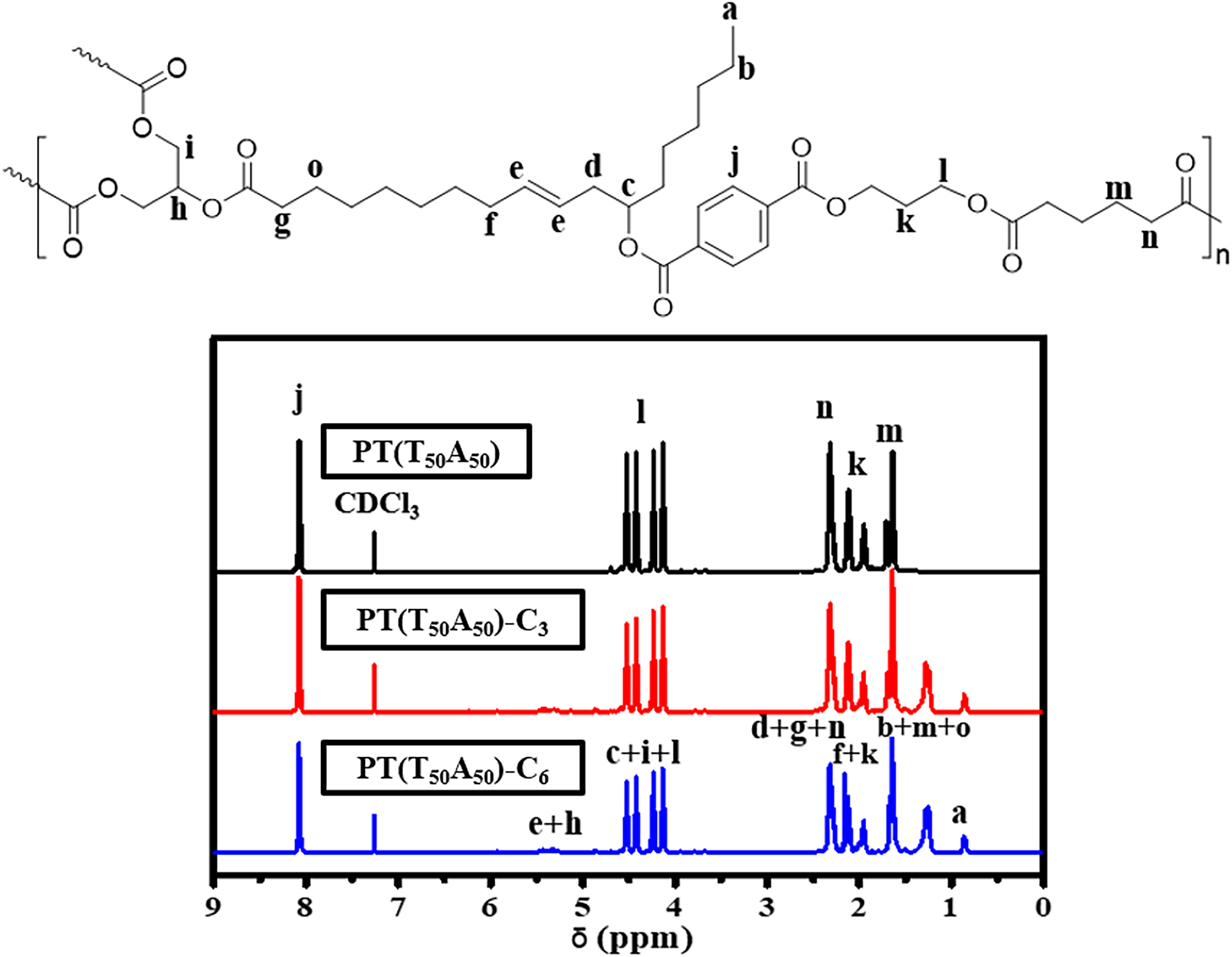
1H-NMR spectra of the PT(T50A50) copolymers.
Relative integral areas of signals in 1H-NMR spectrum
By calculating the integral areas of the signals, the chemical structures of the PT(TxAy)-Cn copolymers were confirmed by the following formulae:




As an example, the calculation of PT(T50A50)-C3 is described in the Supplementary Material. The success of the PT(TxAy)-Cn copolymer synthesis was thus confirmed.37,64,79 All characteristic data are presented in Table 2.
Characteristic data of PT(TxAy)-Cn copolymers
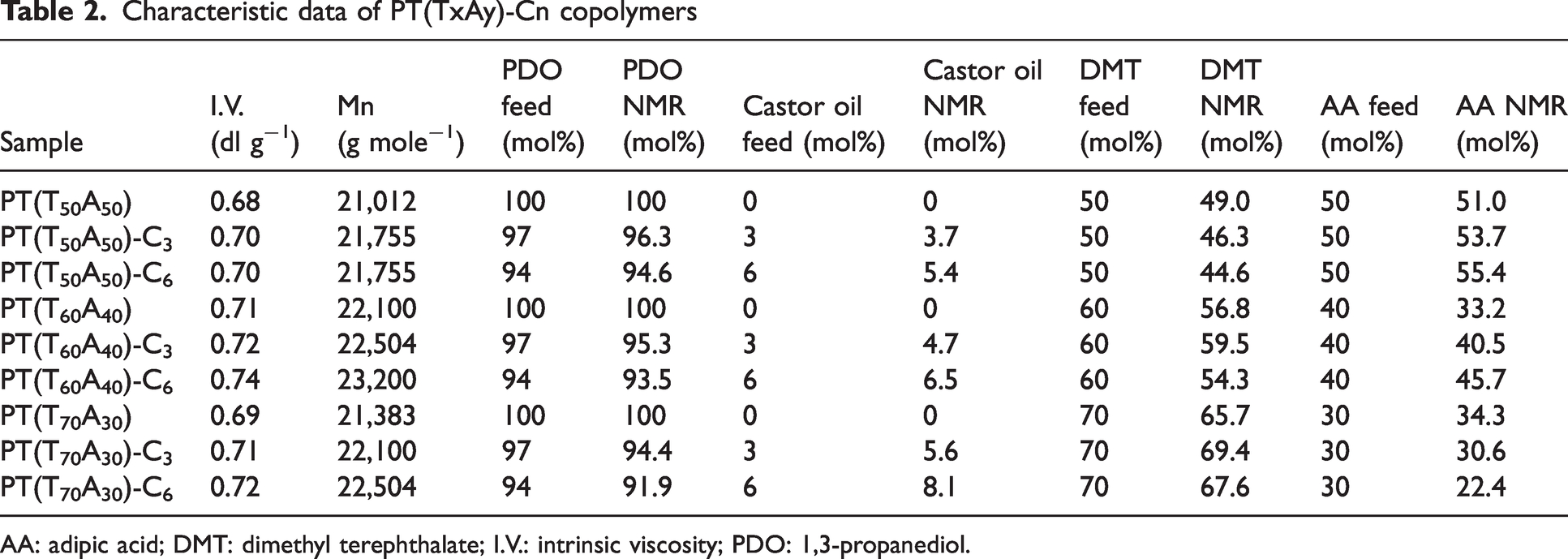
AA: adipic acid; DMT: dimethyl terephthalate; I.V.: intrinsic viscosity; PDO: 1,3-propanediol.
The FT-IR spectra of the PT(T50A50) copolymers are displayed in Figure 2. PT(T60A40) and PT(T70A30) are shown in Supplementary Material Figure S2. For the castor oil segment, the stretching vibration of C–O–C in the triglyceride section was at 1161 cm−1. Absorption bands were also assigned to –CH3 (2923 cm−1) and –CH2 (2854 cm−1). The chemical structures of the polyester copolymers were analyzed by FT-IR spectroscopy; the synthesized polyester copolymers showed typical polyester bands with a peak C–H stretching (3011–2855 cm−1), a strong peak from the ester carbonyl group of the C=O stretching (1740 cm−1), and peaks of C–O twisting (1255 cm−1). The carbonyl peaks of the ester bands of the DMT unit shifted from 1718 cm−1.79–82
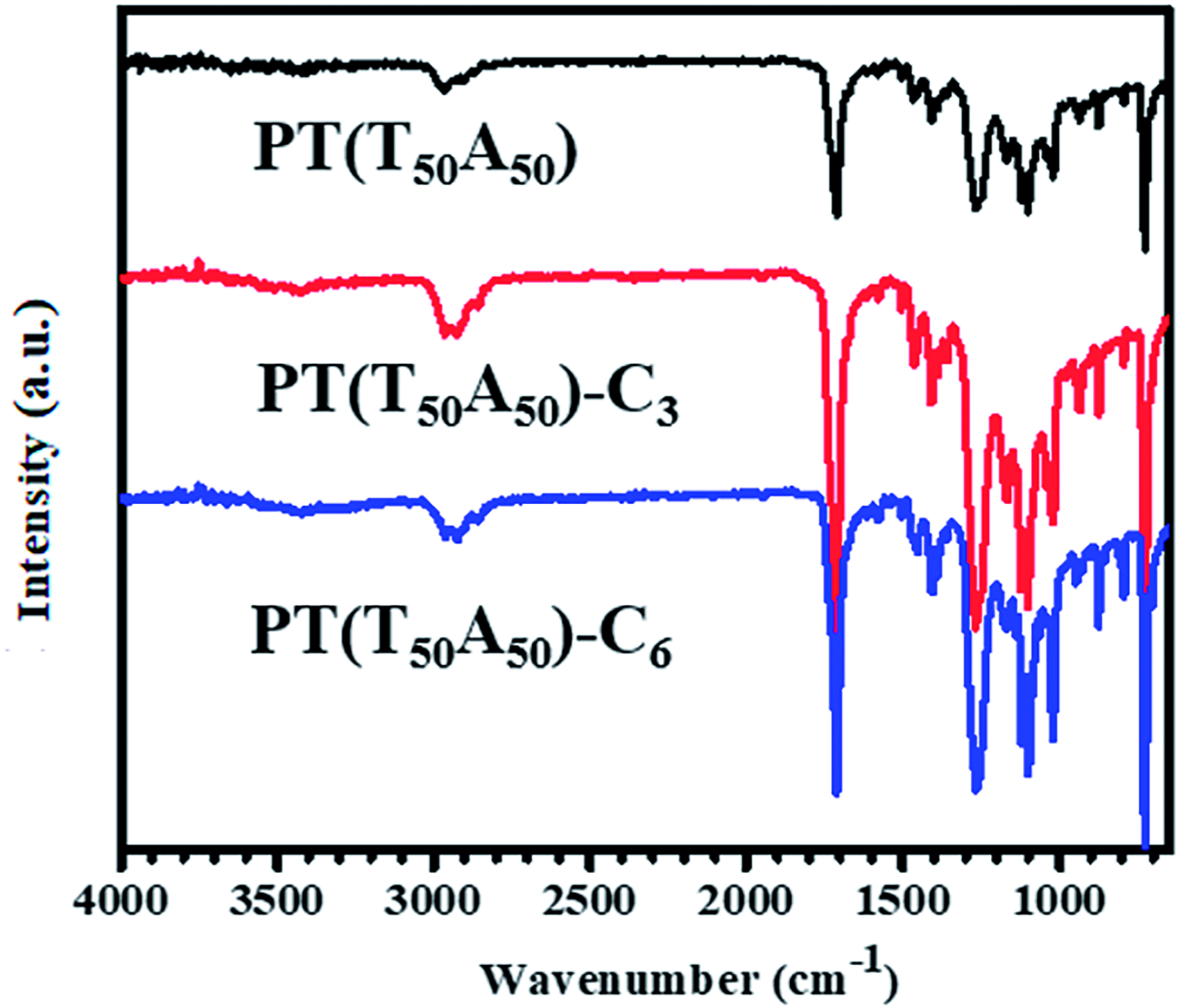
Fourier-transform infrared (FT-IR) spectra of PT(T50A50) copolymers.
The heat flow traces of the copolymers in the temperature range of –50 to 250°C are shown in Figure 3. The melting point (Tm) is set as the top of the endothermic peak in the reheating traces. The Tm and ΔHm of the copolymers rose as the DMT content increased owing to the higher concentration of benzene rings. Moreover, castor oil's incorporation hindered the molecular chain's regularity and reduced the crystallization ability and melting temperature. By tuning the composition ratios of DMT, AA, PDO, and castor oil, the Tm of the copolymers could be adjusted effectively from 88.2°C to 180.8°C, thereby illustrating applicability for hot-melt adhesive materials. These data are collated in Table 3. The thermal decomposition traces are shown in Figure 4, and the decomposition point was identified as that for a weight loss of 5% (Td–5%). All samples show excellent thermal stabilities with decomposition temperatures above 300°C, and no notable variations were observed with the introduction of castor oil, signifying good applicability in melt processing.
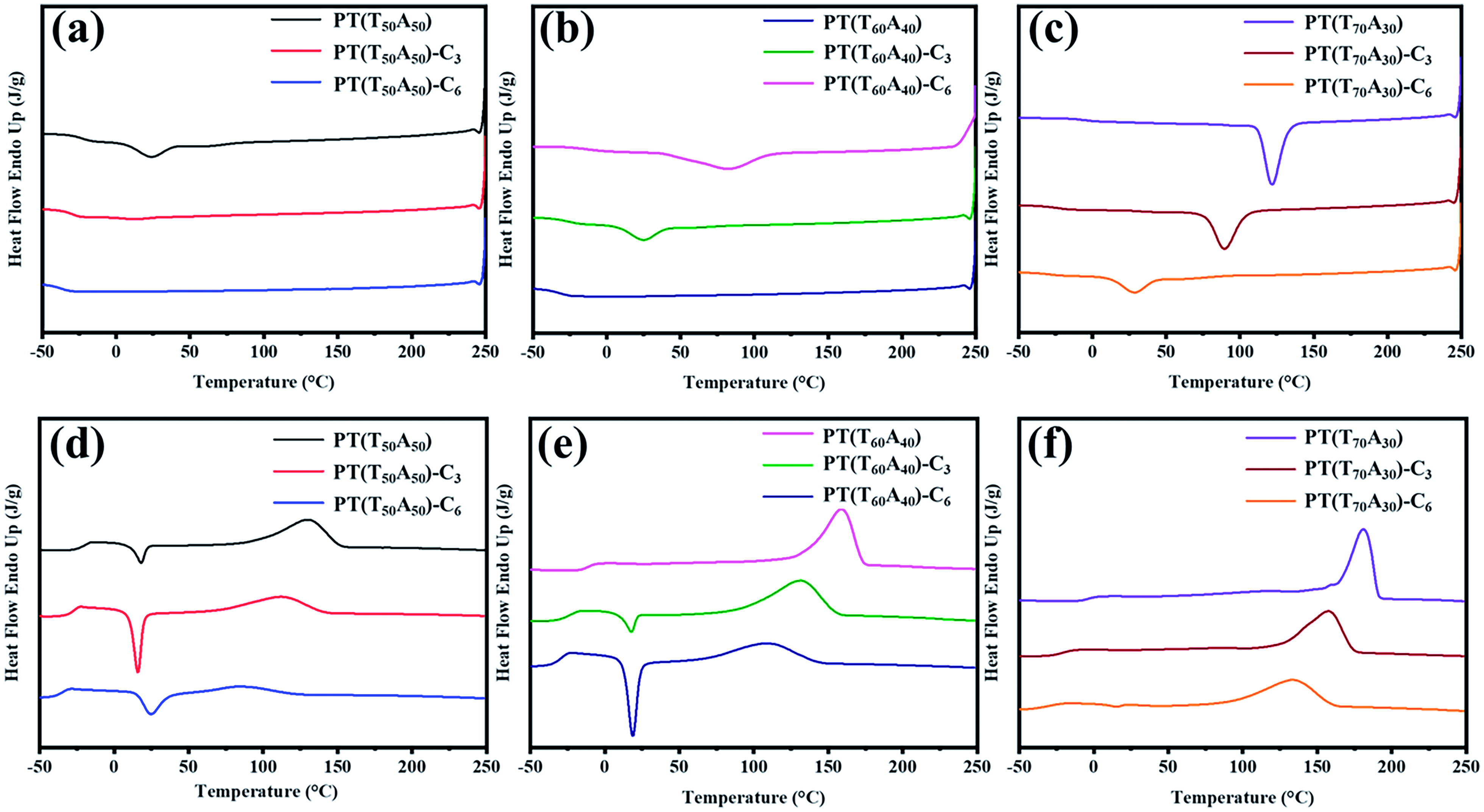
DSC curves of all PT(TxAy)-Cn copolymers.
Thermal properties of the PT(TxAy)-Cn copolymers
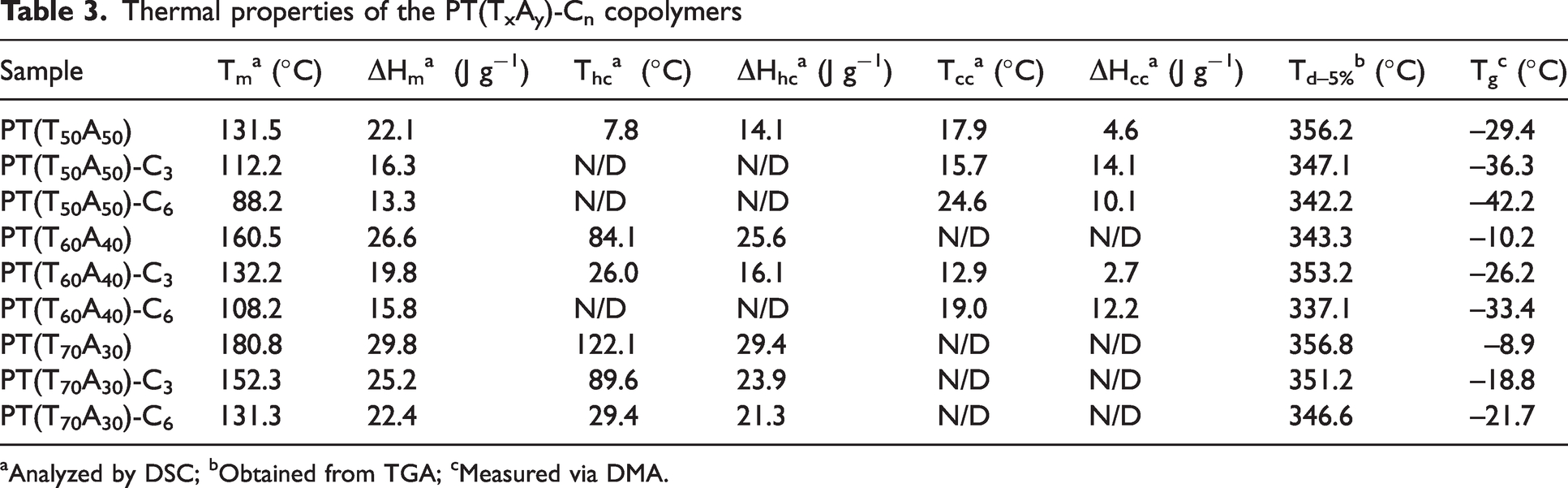
aAnalyzed by DSC; bObtained from TGA; cMeasured via DMA.
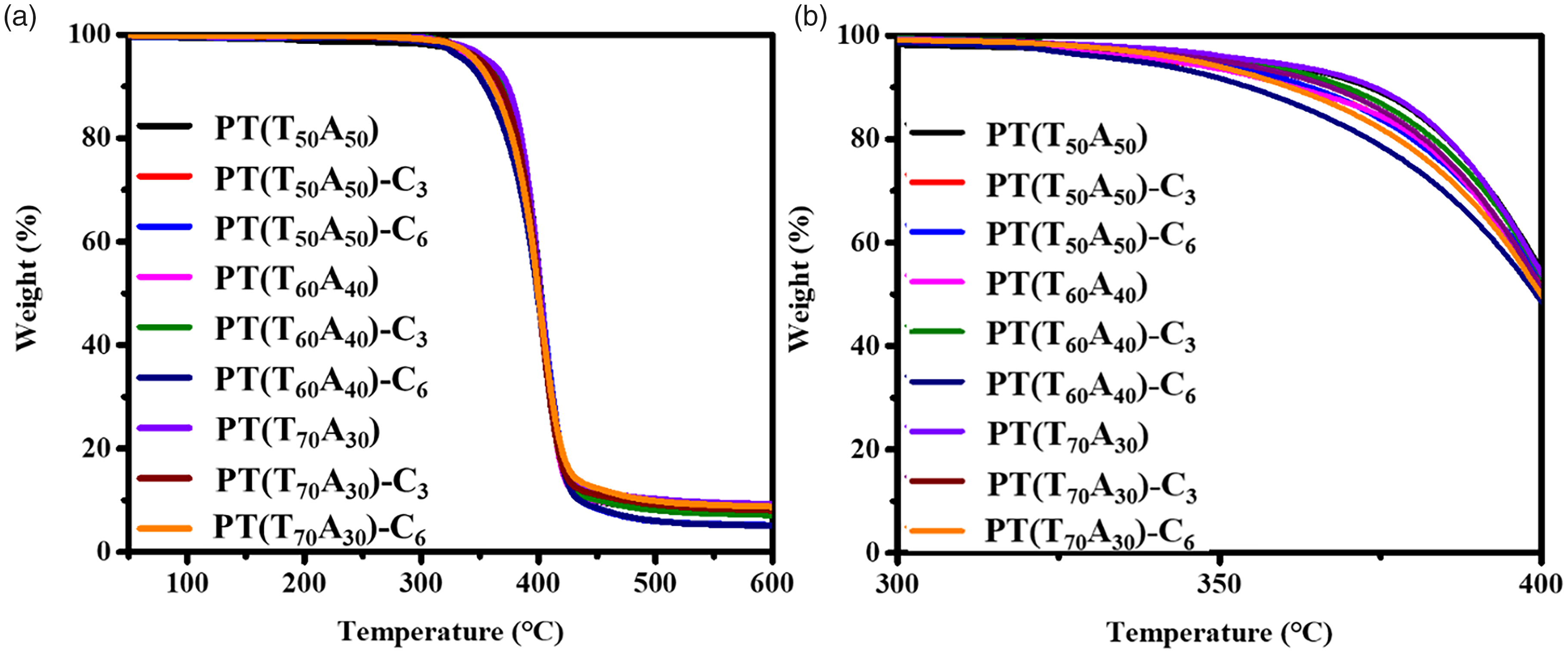
Weight loss as a function of temperature from (a) 100°C to 600°C and (b) 300°C to 400°C for PT(TxAy)-Cn copolymers.
Figure 5 illustrates the DMA curves as functions of the temperature of the copolymers. The tan δ curves as functions of the temperature of the copolymers exhibited only one broad peak, indicating that only one amorphous phase was formed, and the temperature of the tan δ peak was identified as the Tg of the material. The Tg values are located at –29.4°C to –42.2°C, –10.2°C to –33.4°C, and –8.9°C to –21.7°C for the PT(T50A50), PT(T60A40), and PT(T70A30) copolymers, respectively. As the DMT content increased, the concentration of benzene rings increased, and the concentration of aliphatic chains from the AA decreased, which resulted in the inhibition of chain motion ability and contributed to the enhancement of the Tg values. On the other hand, the Tg of the samples decreased in all groups with a fixed DMT ratio as the castor oil content increased. This tendency is attributed to the introduction of the long soft chain of castor oil that not only hinders the structural regularity but also enhances the flexibility of the molecular chain. Therefore, decreasing values of Tg were obtained; these data are also tabulated in Table 3.
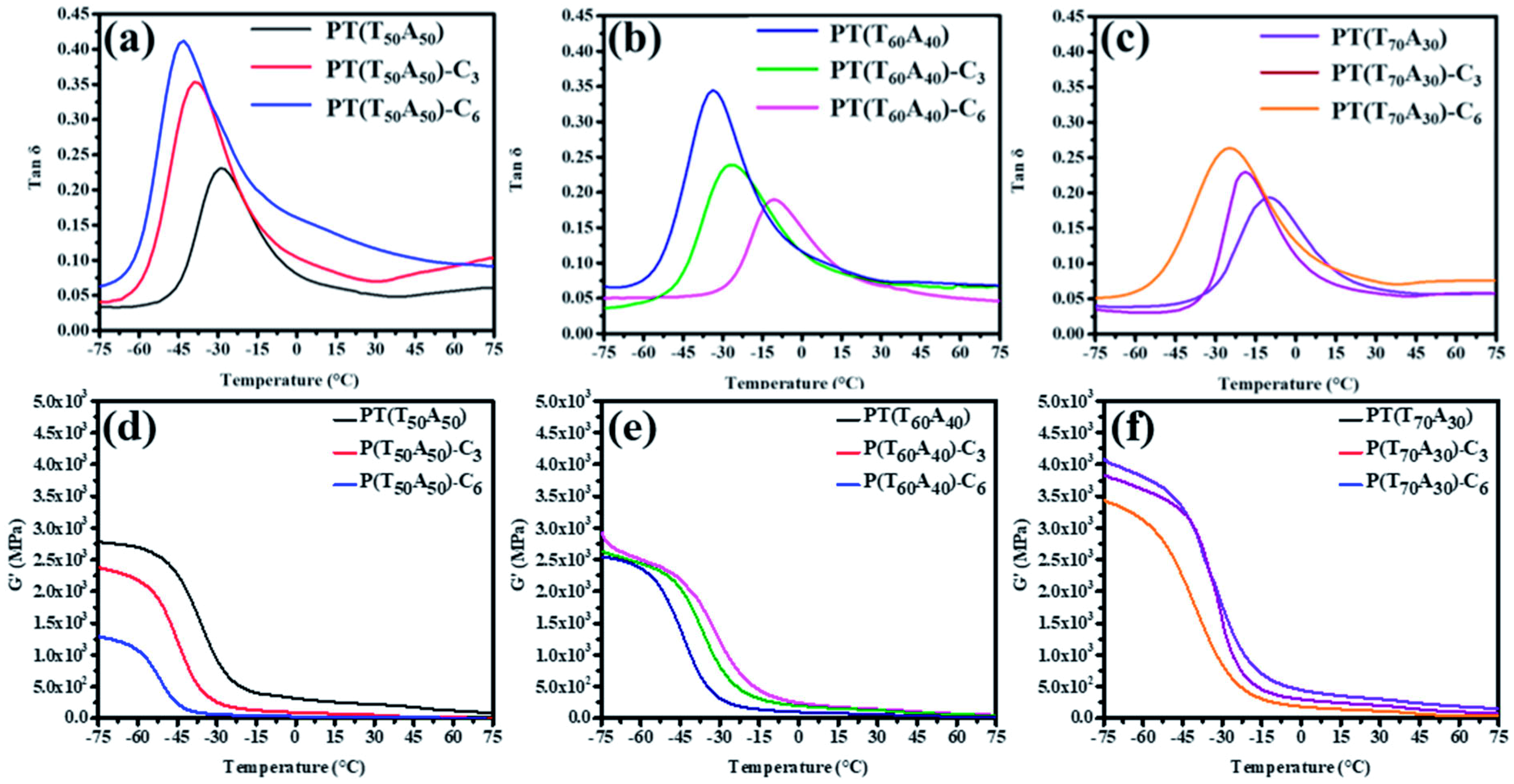
Diagrams of all PT(TxAy)-Cn copolymers.
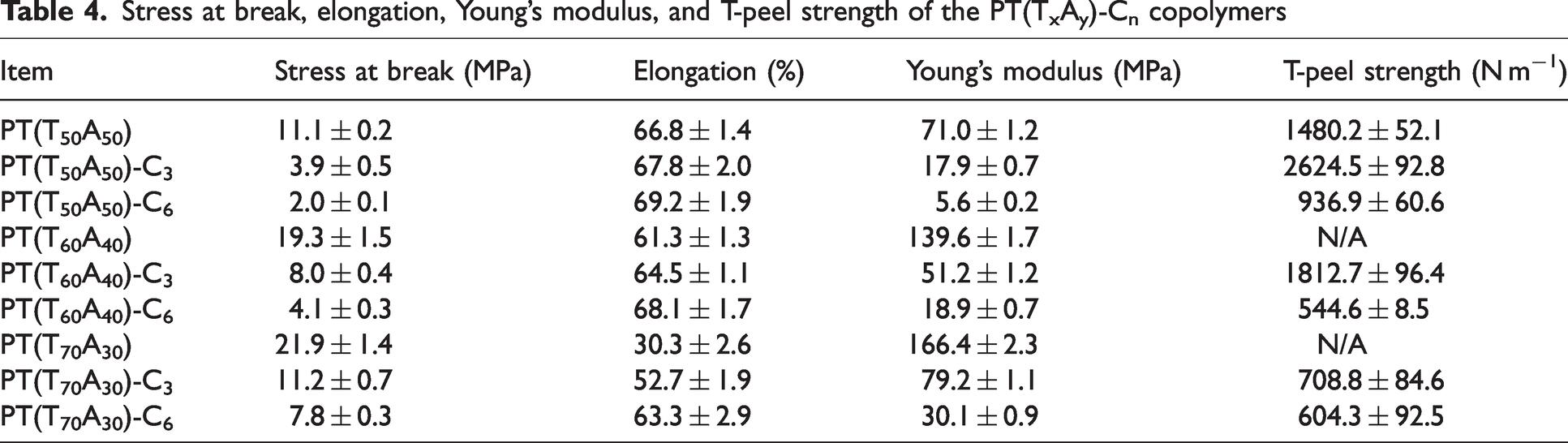
The stress–strain curves of the polymers are displayed in Figure 6. As the ratio of DMT increased from 50% to 70%, the stress at the break increased from 11.1 MPa to 21.9 MPa, while the elongation decreased from 66.8% to 30.3% for samples without the castor oil, indicating enhancement of the hardness owing to the higher concentration of the rigid benzene ring. This result demonstrates a tendency similar to the DMA test. Furthermore, as the castor oil content increased from 0% to 6%, the stress at the break of the copolymers decreased, and the elongation rate increased slightly for all samples. The introduction of the soft castor oil segments enhanced the flexibility of the molecular chain. Therefore, the elongation rate increased as the castor oil content increased. All data are summarized in Table 4.37,83 In the polyester-based hot-melting adhesive, PTT polymer has a high tensile strength (59.5 ± 2.3 MPa), but it will cause excessive rigidity and affect the tactile quality when it is attached to the fabric. In addition, PTT polymer also has a low elongation at break (5.1 ± 0.24%). Compared with PT(TxAy)-Cn copolymers, adding AA and castor oil can improve the material's flexibility and hydrophobicity and the low elongation of PTT polymer. 84
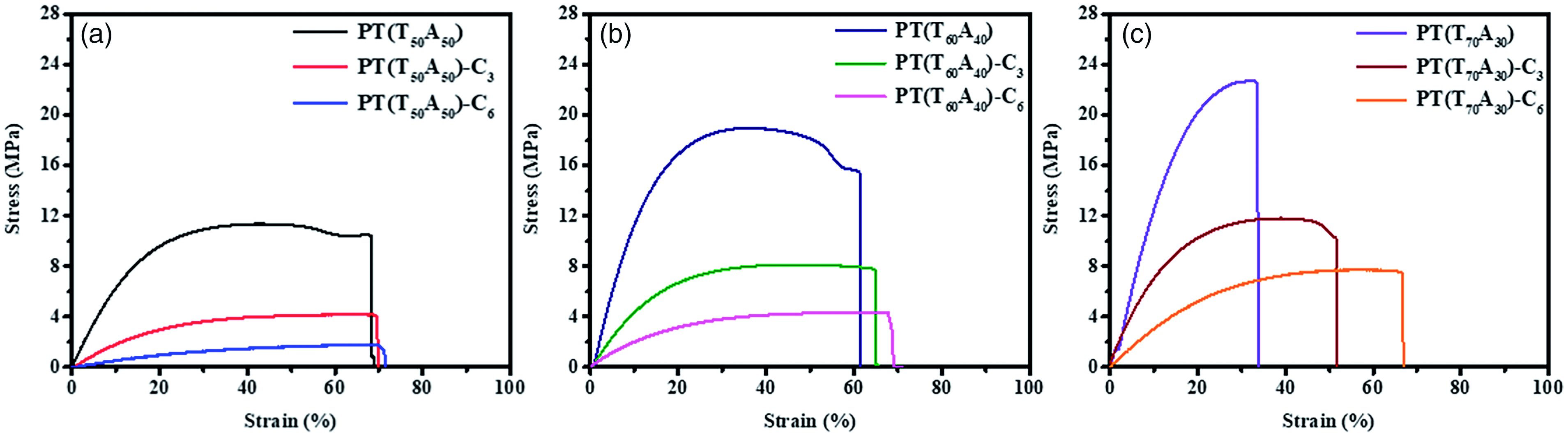
Stress−strain curves of the (a) PT(T50A50) (b) PT(T60A40), and (c) PT(T70A30) copolymers.
Stress at break, elongation, Young’s modulus, and T-peel strength of the PT(TxAy)-Cn copolymers
Application of copolymers on PET
The shore D values of the copolymers were examined next; these data are located at 40.6 ± 0.5, 29.8 ± 2.0, 18.0 ± 0.7, 52.8 ± 2.7, 45.2 ± 0.8, 34.4 ± 1.1, 66.6 ± 2.0, 50.6 ± 0.8, and 40.2 ± 0.8 for the PT(T50A50), PT(T50A50)-C3, PT(T50A50)-C6, PT(T60A40), PT(T60A40)-C3, PT(T60A40)-C6, PT(T70A30), PT(T70A30)-C3, and PT(T70A30)-C6, respectively. In the absence of castor oil, with the increase of DMT content, the shore D values increase owing to the rigid structure of the benzene ring, which increases the hardness of the material. Moreover, the addition of castor oil effectively enhances the softness because of the flexible structure with long molecular chains, reducing hardness with increased castor oil content. The softness property of the material mainly controls the tactile quality; this indicates that the samples with castor oil aid applicability in adhesive usage with PET fabrics.
The rheological behaviors under a specific temperature according to the melting point of the copolymers were investigated to evaluate processability. Figure 7 shows the viscosity curves for the angular frequency range of 1–628 rad s−1 under Tm + 10°C, Tm + 15°C, Tm + 20°C, and Tm + 30°C for the PT(T50A50) copolymers, and the examined results for the series of PT(T60A40) and PT(T70A30) copolymers are shown in Supplementary Material Figures S3 and S4, respectively. For the PT(T50A50) sample without castor oil, the complex viscosity values exhibited no apparent variations at any angular frequency. However, a linear frequency-dependent tendency of the viscosity traces was observed in the PT(T50A50)-C3 and PT(T50A50)-C6 samples, showing a significant reduction at all temperatures as the angular frequency increased. These results are attributed to the small amount of castor oil with a long molecular main chain and multiple dangling chains, which cause chain entanglement that increases the sample viscosities in the melt state. Therefore, as the increasing angular frequency is applied, the viscosity decreases owing to the molecular chain disentangling gradually, resulting in a decrease in viscosity. In addition, the linear tendency of the viscosity as a function of the angular frequency also benefits melt processing because the liquidity of the copolymers can be tuned accordingly by adjusting the processing conditions.
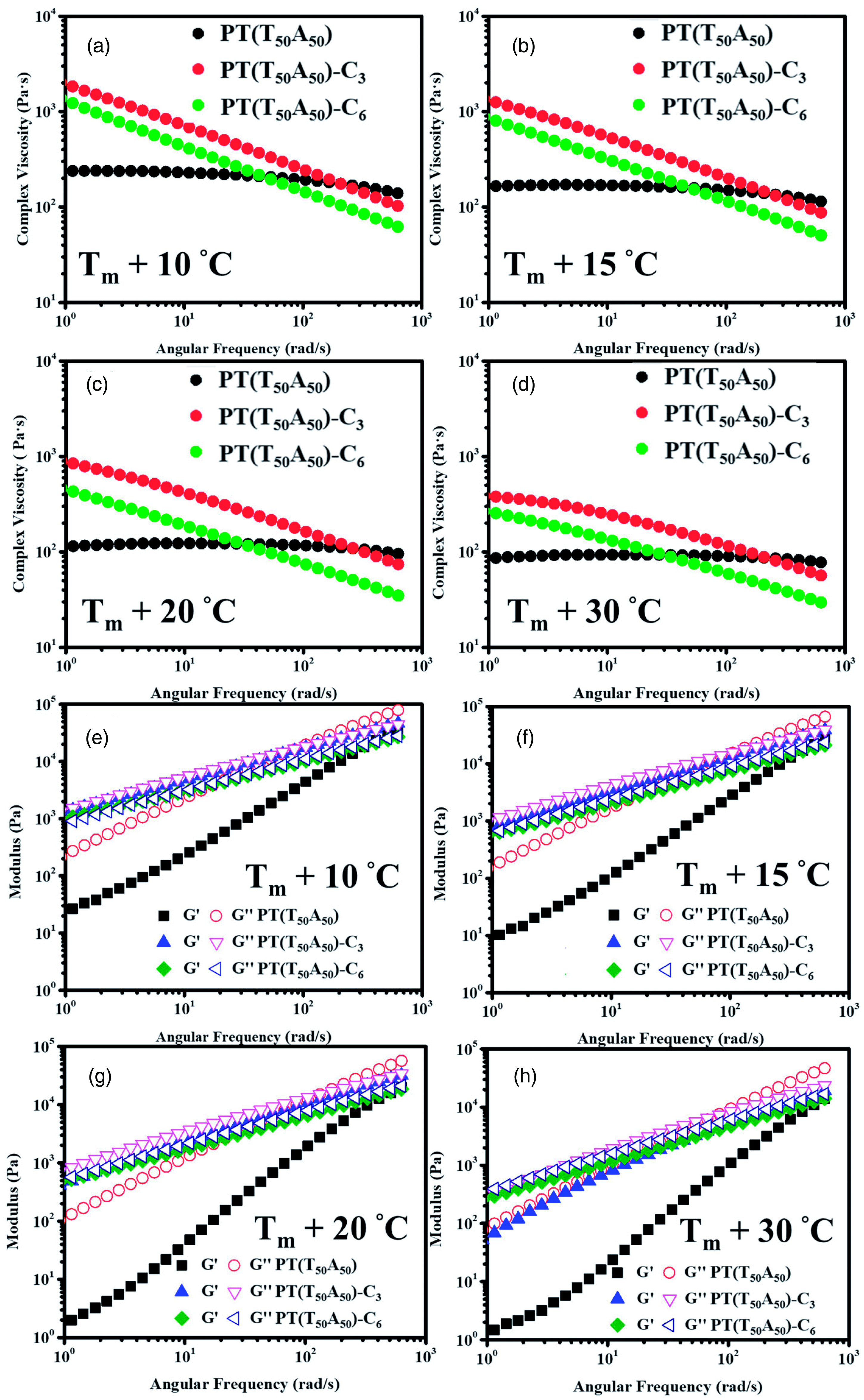
Complex viscosity plots for the PT(T50A50) copolymers under different angular frequencies at (a) Tm + 10°C, (b) Tm + 15°C, (c) Tm + 20°C, and (d) Tm +30°C; modulus under different angular frequencies at (e) Tm + 10°C, (f) Tm + 15°C, (g) Tm + 20°C, and (h) Tm + 30°C.
The T-peel adhesion examination is used to evaluate the adhesive abilities of the copolymers. The peel strength values were located at 1480 ± 52 N m−1, 2624 ± 212 N m−1, and 936 ± 60 N m−1 for the neat PT(T50A50), PT(T50A50)-C3, and PT(T50A50)-C6, respectively, indicating that the peel strength increased and then decreased with increasing castor oil content. Although the tests of the neat PT(T60A40) and PT(T70A30) samples were not conducted owing to the high melt point, which would cause hardening and deformation of the PET fabric in the hot-press process, a decreasing tendency was observed with increasing content of castor oil from 3% to 6%. All data are presented in Table 4. The peel strength performance can be controlled via multiple factors, such as molecular weight, polymer composition, mechanical properties, and thermal properties. 82
High mechanical strength benefits the resistance in peeling. However, it may contribute to poor wetting and adhesion to a surface in the process, which hinders the peel strength. Hence, the Tg value of a sample plays a similar role. The higher modulus of a material with higher Tg could present a better peeling force. Nevertheless, it may also lead to poor wetting during processing and a reduction of the peel strength.85–87 Comparing the three groups of samples with different content of DMT, a decrement in peel strength is seen as the content of DMT increases at each concentration of the castor oil. This tendency could be ascribed to the increasing stiffness of the copolymers by the rigid benzene rings, as the results of other tests show reduced adhesion ability. For the PT(T50A50) copolymers, the introduction of 3% castor oil enhanced the peel strength value, indicating that a small amount of the castor oil segments increased the entanglement.88 However, the incorporation of castor oil also disrupted the regularity of the molecular chain, which could reduce the mechanical strengths of the copolymers and result in lower peel strengths with higher concentrations of 6%.
On the other hand, the rheological test of the copolymers with 6% castor oil exhibits higher storage modulus (G’) values than copolymers with 3% castor oil. This value mainly depends on the strength of the intermolecular forces existing between the polymer chains and the packing arrangement of the polymer chains. The results indicate that when 6% castor oil is added, its chain entanglement is higher and might lead to cohesion inside the copolymer is greater than the adhesion between copolymer and fabric. Therefore, a hindrance in T-peel strength was observed.88
Water absorbency is an important indicator of an adhesive material. Moisture absorption of the material may lead to deformation during usage, thereby shortening the service life of its adhesion. 69 The water absorption values of copolymers were examined. The absorption values are 0.63%, 0.56%, 0.53%, 0.53%, 0.46%, 0.42%, 0.49%, 0.49%, and 0.46% for the PT(T50A50), PT(T50A50)-C3, PT(T50A50)-C6, PT(T60A40), PT(T60A40)-C3, PT(T60A40)-C6, PT(T70A30), PT(T70A30)-C3, and PT(T70A30)-C6, respectively. All samples exhibited good hydrophobicity with absorption values lower than 0.7 wt% after introducing a small amount of castor oil, which has a slightly decreasing tendency.
Moreover, the water contact angles test was employed to evaluate the hydrophobicity of the materials, as shown in Figure 8. When water droplets were placed on the surfaces of the samples without castor oil, the contact angles detected were 67.27°, 67.39°, and 64.42° for the PT(T50A50), PT(T60A40), and PT(T70A30), respectively. As the castor oil content increased from 0% to 3%, the contact angles increased as 78.24°, 75.53°, and 75.75°, showing an increase in hydrophobicity, which was similar to the result of the water absorption test. This was because the small amount of the hydrophobic castor oil segments promoted the hydrophobicity of the material. As the content of castor oil increased from 3% to 6%, the contact angle values increased further to around 80° for all the copolymers. 79
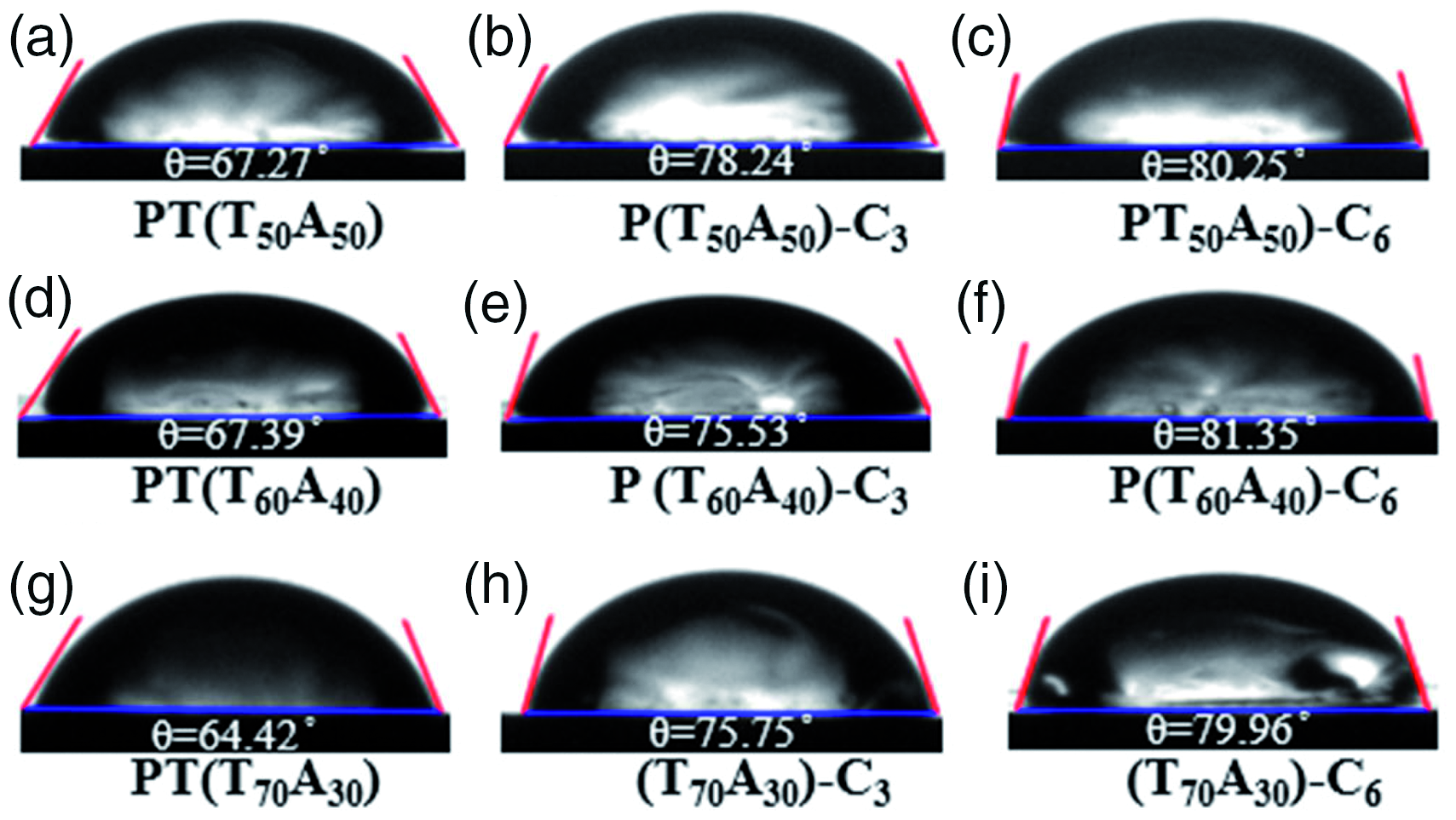
Image of water contact angle test for the PT(TxAy)-Cn copolymers.
The chemical hydrolysis behaviors of copolymers were studied using buffer solutions of three different pH values at 30°C. The weight variation plots after the examination are displayed in Figure 9. All samples exhibited good anti-hydrolysis abilities, where weight loss <10 wt% was obtained after 21 days in different conditions. 37 To investigate the hydrolysis behaviors of the samples, SEM was employed to observe the surfaces of the samples after the examination. Figure 10 illustrates the images of the samples after the test in pH = 10.0 buffer, and the images in pH = 4.0 and in pH = 7.0 buffer are displayed in Supplementary Material Figures S5 and S6, respectively. PT(T50A50) shows a relatively rough surface with cavities compared with the results of other samples without castor oil, which might be due to the higher content of the aliphatic AA segments. As the ratio of the DMT increased, a smoother surface was observed. 37 Furthermore, the introduction of castor oil contributed to a notable difference in the appearance of the samples, especially in the PT(T50A50) copolymers. As the addition ratio increased, it exhibited significantly less surface erosion and more minor cracks. This result also demonstrated that improvement in the hydrophobicity of the material was achieved by adding a small amount of castor oil, illustrating a similar tendency as the other examinations.
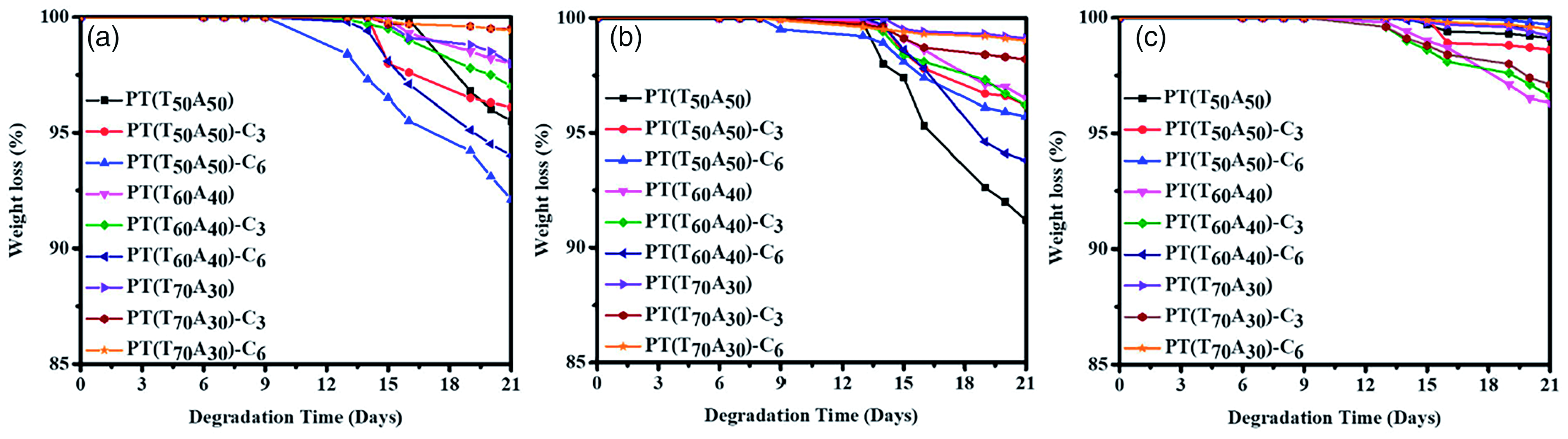
Plots of weight loss in chemical hydrolysis test as functions of time in different buffers with (a) pH = 4.0, (b) pH = 10.0, and (c) pH = 7.0.
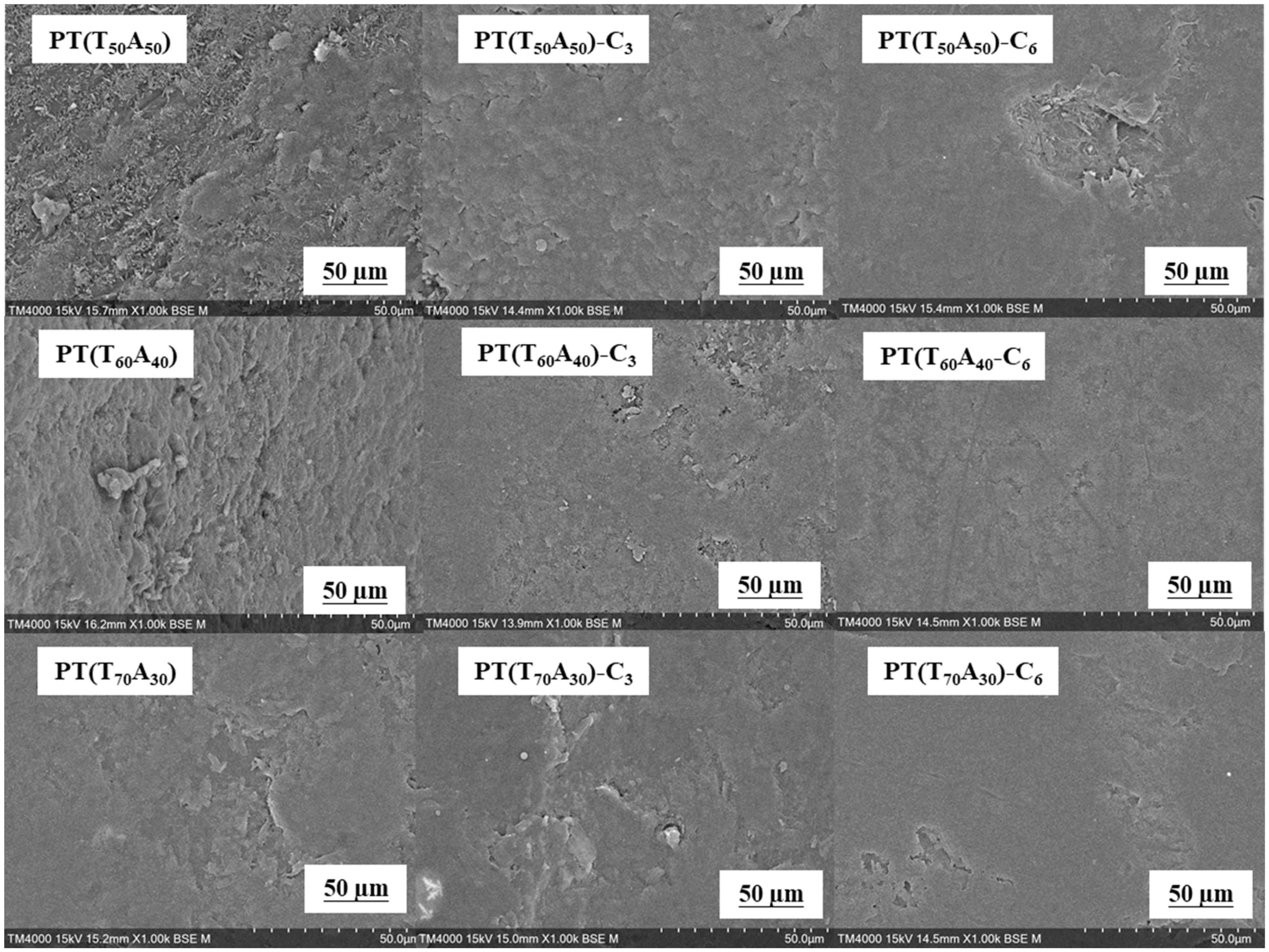
Scanning electron microscopy (SEM) images of the copolymers after hydrolysis test in pH = 10.0 buffer for 21 days (×1000).
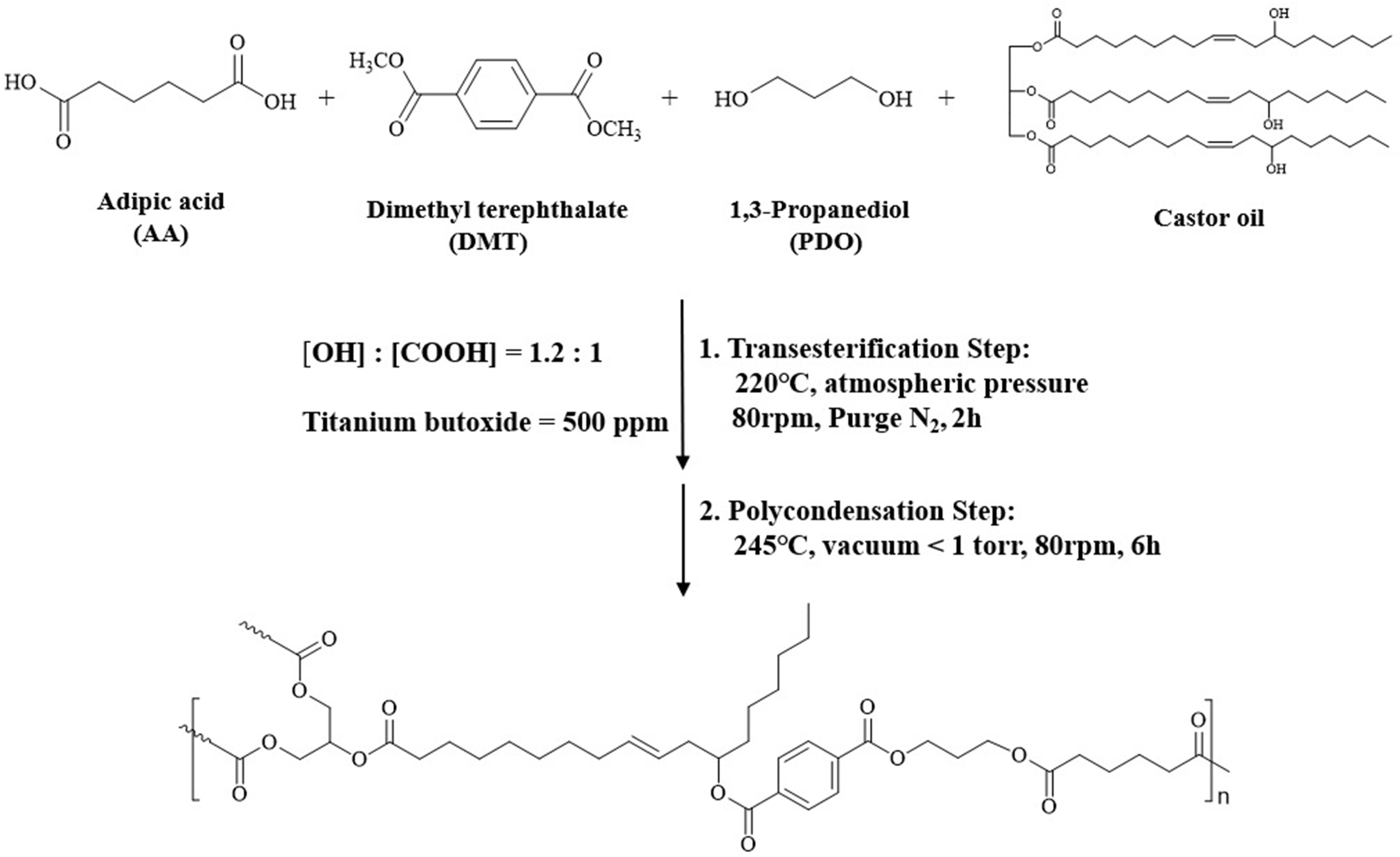
Synthesis route of the PT(TxAy)-Cn copolymers.
Conclusions
A series of PT(TxAy)-Cn copolymers consisting of DMT, AA, and PDO with various contents of castor oil was synthesized. DSC measurements exhibited tunable melting temperature values of the copolymers in the range of 80–180°C, and all samples exhibited excellent thermal stability at Td-5% above 300°C. The incorporation of castor oil causes entanglement changes in the melting behavior and presents controllable viscosity that benefits application to the melting process. In this research study, we have successfully developed fully polyester castor-based hot-melt adhesive and applied it to PET fabrics. It has excellent potential for homogeneous recycling in the future. Moreover, it was found that only a small amount of 3 mol% castor oil needs to be added to the PT(TxAy) copolymer to achieve excellent adhesion properties. The PT(T50A50)-C3 copolymer shows a suitable Tm at 112.2°C and excellent peel strength of 2624.5 N m−1; it also exhibits a Shore-D hardness of 29.8, moisture absorption of 0.56 wt%, and hydrolysis weight loss <10%. The results demonstrate the high potential of the copolymers for application in hot-melt adhesives on polyester fabrics of PT(T50A50)-C3 with high strength, good tactile quality, and long service life.
Supplemental Material
sj-pdf-1-trj-10.1177_00405175231171722 - Supplemental material for Sustainable castor oil-based semi-aromatic copolyesters with high strength and low hydrolysis
Supplemental material, sj-pdf-1-trj-10.1177_00405175231171722 for Sustainable castor oil-based semi-aromatic copolyesters with high strength and low hydrolysis by Yu-Lin Wang, Hsu-I Mao, Chin-Wen Chen, Jia-Wei Shiu and Syang-Peng Rwei in Textile Research Journal
Footnotes
Declaration of conflicting interests
The author(s) declared no potential conflicts of interest with respect to the research, authorship, and/or publication of this article.
Funding
The author(s) disclosed receipt of the following financial support for the research, authorship, and/or publication of this article: The authors gratefully acknowledge the financial support from the National Science and Technology Council of Taiwan (NSTC 111-2634-F-027-001 and NSTC 111-2222-E-027-005).

Supplemental material
Supplemental material for this article is available online.
References
Supplementary Material
Please find the following supplemental material available below.
For Open Access articles published under a Creative Commons License, all supplemental material carries the same license as the article it is associated with.
For non-Open Access articles published, all supplemental material carries a non-exclusive license, and permission requests for re-use of supplemental material or any part of supplemental material shall be sent directly to the copyright owner as specified in the copyright notice associated with the article.
