







Abstract
Recycling and reusing waste fabrics constitute a critical pathway to achieving resource recycling and environmental protection. To address the complexity and multiattribute characteristics inherent in selecting waste fabric treatment technologies, this study proposes a multiattribute group decision-making (MAGDM) approach based on T-spherical fuzzy sets (T-SFSs) and linear Diophantine fuzzy sets (LDFSs). By constructing the T-SLDFWPMM operator, the proposed approach effectively integrates the advantages of the Muirhead mean (MM) and power average (PA) operators, allowing for comprehensive consideration of attribute interrelationships and mitigating the influence of outliers. The hybrid weighting method that incorporates both subjective and objective attributes ensures a more balanced and rational allocation of weights. Finally, a systematic evaluation and analysis of waste fabric treatment technologies was performed. The results indicate that the proposed model effectively captures key characteristics of treatment technologies, optimizes attribute interactions, and evaluates the effects of parameter and weight fluctuations on decision outcomes, showing superior accuracy and stability compared with traditional methods. Moreover, it exhibits strong adaptability and flexibility, offering a novel and scientific approach to selecting waste fabric treatment technologies.
Keywords
With the rapid expansion of the global textile industry, the amount of waste fabrics has increased significantly each year, a trend that not only reflects rising consumption levels but also underscores inefficiencies in conventional textile production and consumption patterns. Each year, millions of tons of waste fabrics are discarded, posing serious challenges to environmental protection and the sustainable utilization of resources. Waste fabrics occupy substantial land resources and exert negative effects on the ecological environment, particularly during landfill and incineration processes, which release harmful gases and wastewater; the resulting soil and water contamination constitutes a pressing concern. Meanwhile, consumers are becoming increasingly conscious of environmental sustainability, thereby driving demand for sustainable recovery and recycling practices. To address this demand, enterprises must continuously explore innovative treatment methods and technologies to optimize resource utilization and minimize environmental impacts. This represents both an environmental responsibility and a strategic imperative for corporate sustainability. In summary, the effective treatment of waste fabrics is vital for ecological preservation and societal sustainability. In response to these challenges, advancing research and implementing new technologies to promote the efficient recycling and reuse of waste fabrics will constitute a key direction for the future development of the textile industry.
When integrated with decision-making methods, the technology assessment process for recycling and treating waste textiles has become increasingly systematic and rigorous. This integration facilitates the identification of optimal technical solutions and provides a robust scientific basis for practical implementation. The primary objective of this study is to optimize existing waste textile treatment technologies, with particular emphasis on the application of multiattribute decision-making methods. The proposed decision-making framework assists decision-makers (DMs) in systematically evaluating the strengths and weaknesses of waste textile treatment technologies across multiple dimensions by integrating data analysis, attribute evaluation, and decision optimization. The decision set corresponds to alternative treatment technologies, whereas the attribute set encompasses the critical dimensions employed for evaluation. Identifying the critical attributes that influence the selection process is essential, as each technology exhibits distinct advantages and limitations. This enables the selection of appropriate technologies according to the type of waste textile, recycling objectives, and treatment scale.
Owing to inherent uncertainties and the limited cognitive capacity of DMs, fuzzy-set-based multiattribute group decision-making (MAGDM) methods have been extensively applied to fiber classification and the estimation of process-related parameters. These methods facilitate the determination of optimal process conditions and selection strategies under varying attribute influences. Zindani et al. 1 investigated the performance of green composites made from pomegranate waste fibers combined with bio–epoxy resin. The optimal processing parameters were determined using a novel decision-making framework based on prospect theory, supporting green product design and sustainability objectives. Kumar et al. 2 introduced interval-valued intuitionistic fuzzy sets (FSs) and TODIM (interactive multicriteria decision-making) combined with Schweizer–Sklar aggregation to evaluate the thermomechanical properties of biocomposites under different configurations. Shehab et al. 3 proposed a fuzzy-logic-based system that incorporates uncertainties in material properties, recycling methods, and waste quantities for cost estimation of carbon-fiber-reinforced polymers (CFRPs), offering heuristic rules and visual tools to support decision-making. Xie et al. 4 proposed a novel decision-making framework based on interval-valued triangular fuzzy numbers (IVTFNs) and behavioral three-branch models, integrating prospect theory and regret theory to address 3D-printed composite material selection challenges. Beyond these applications, MAGDM methods have been employed extensively in the textile industry for tasks such as material selection, process optimization, and equipment parameter adjustment.5-10 As textile recycling processes become increasingly complex and the demand for intelligent decision support continues to rise, the application of MAGDM techniques has emerged as a key research focus in recent years.
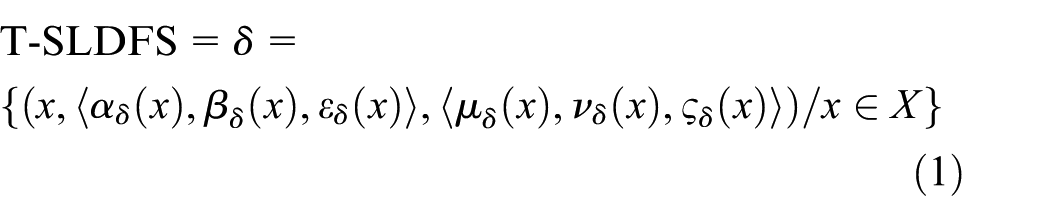
Several classical aggregation operators, such as the power average (PA)11-13 and the Muirhead mean (MM),14-16 have been widely applied in the context of T-spherical fuzzy sets (T-SFS17,18) and linear Diophantine fuzzy sets (LDFS19,20). However, to date, there remains a lack of innovative aggregation operators specifically designed to address complex, real-world decision-making problems within the T-spherical linear Diophantine fuzzy set (T-SLDFS) environment. Introducing these classical operators into the T-SLDFS framework allows for the synergistic integration of the advantages of both the operators and fuzzy environments, while facilitating the exploration of intrinsic relationships among different forms of uncertainty. To mitigate the distorting effects of extreme expert evaluations on decision outcomes, the PA operator is incorporated to dampen the influence of outliers. For instance, if an expert assigns an excessively low rating to environmental criteria, such factors may be unjustifiably overlooked during the final selection process. Conversely, an overly high rating for cost factors can result in disproportionate weighting, thereby skewing the final evaluation. Furthermore, by adjusting its reference parameter, the MM operator can be generalized into several widely used operators, including the weighted arithmetic mean (WA), weighted geometric mean (WG), Bonferroni mean (BM),21-23 and Maclaurin symmetric mean (MSM).24-26 Notably, the BM and MSM operators focus exclusively on pairwise interactions between evaluation indices, which restricts their applicability in practical scenarios where multiple criteria exhibit higher-order interdependencies. The MM operator, however, captures multilayered correlations among numerous variables, thereby enhancing the interpretive logic of final decision outcomes.
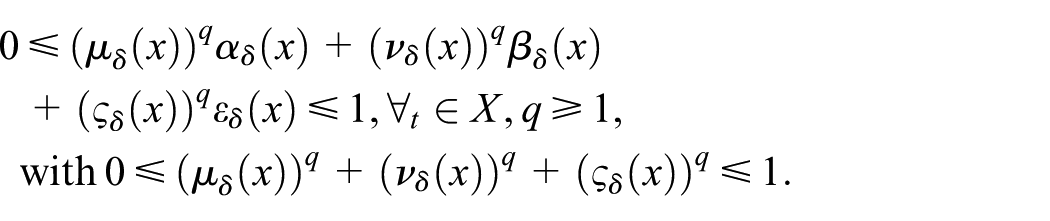
Despite these advancements, conventional two-dimensional FSs, such as FSs, intuitionistic fuzzy sets (IFSs), and Pythagorean fuzzy sets (PFSs) still exhibit limited expressive power, which constrains their applicability in addressing highly complex decision-making scenarios. To address this, inspired by the evolution from LDFS27,28 to q-LDFS29,30 in two-dimensional settings, the present study proposes an extension to the T-SLDFS structure in a three-dimensional space. As illustrated in Figure 1, a vector of 100 evenly spaced points within the interval [0,1] is used to highlight the enhanced representational capacity of T-SLDFS, thereby facilitating smoother and more comprehensive knowledge articulation. Although recent research has attempted to overcome the spatial and expressive limitations of two-dimensional fuzzy frameworks, existing literature has yet to sufficiently address the potential of T-SLDFS to model intricate decision-making relationships or eliminate evaluation biases inherent in expert assessments. In practice, many attribute values are interdependent, meaning the evaluation of one attribute is frequently conditioned on the values of others. Current methodologies often overlook these interrelationships, leading to less accurate and less reliable decision outcomes. To bridge these gaps, this study proposes a novel MAGDM framework based on the T-SLDFS environment. The proposed model integrates the classical MM operator, which is adapted for the first time within the T-SLDFS framework, to capture interattribute dependencies. Furthermore, the PA operator is employed to counteract the influence of extreme values in expert assessments. Collectively, these components constitute the T-spherical linear Diophantine fuzzy power Muirhead mean (T-SLDFPMM) operator and its weighted variant, which are subsequently applied to evaluate optimal technical solutions for waste fabric treatment in practical contexts.
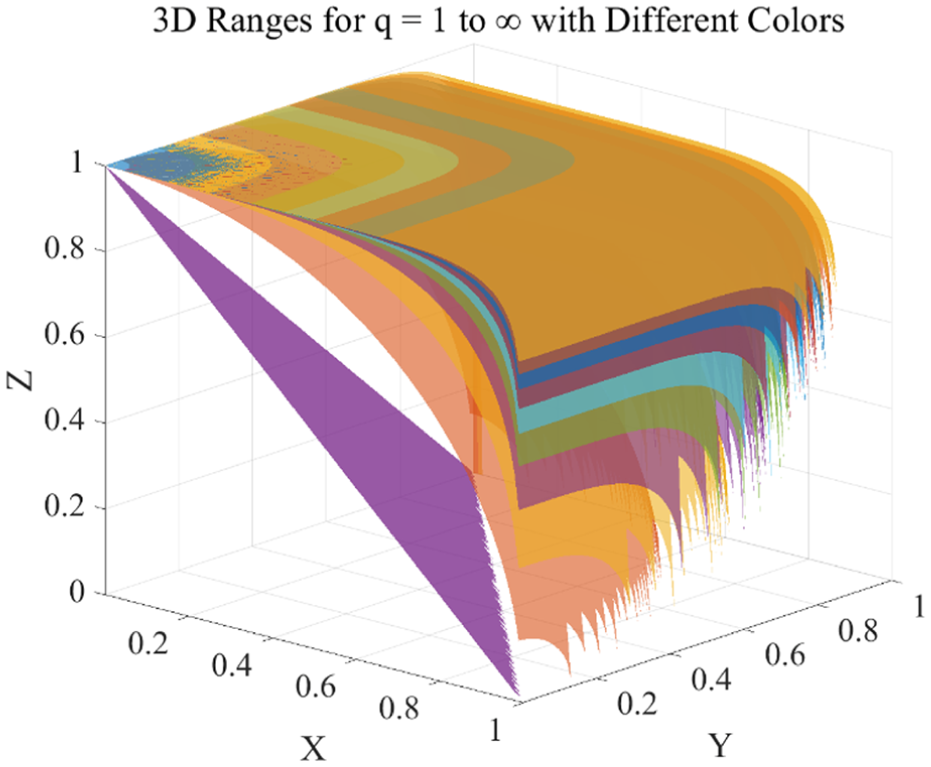
T-SLDFS fuzzy information expression range with different q values.
The main contributions of this study are as follows.
A novel T-SLDFWPMM operator is proposed, integrating the T-SFS, LDFS, PA operator, and MM operator to simultaneously handle extreme evaluation values and interattribute dependencies.
A corresponding multiattribute decision-making algorithm is constructed to evaluate waste fabric treatment technologies, supported by a dedicated evaluation model.
The Criteria Importance Through Intercriteria Correlation (CRITIC)-based attribute weighting method is adopted to capture attribute interactions and improve the objectivity and precision of the weighting process.
The remainder of this paper is organized as follows. The following section introduces the theoretical foundations of T-SLDFS and develops the T-SLDFWPMM operator based on the PA and MM operators. We then provide an overview of the proposed MAGDM framework and present a case study on the selection of the optimal waste fabric treatment technology. We next conduct a parameter sensitivity analysis and a comparative analysis of methods to demonstrate the effectiveness and superiority of the proposed model. Finally, we summarize the study and outline future research directions.
Preliminaries
Basic definitions
where
Definition and proof of the T-SLDFPMM operator
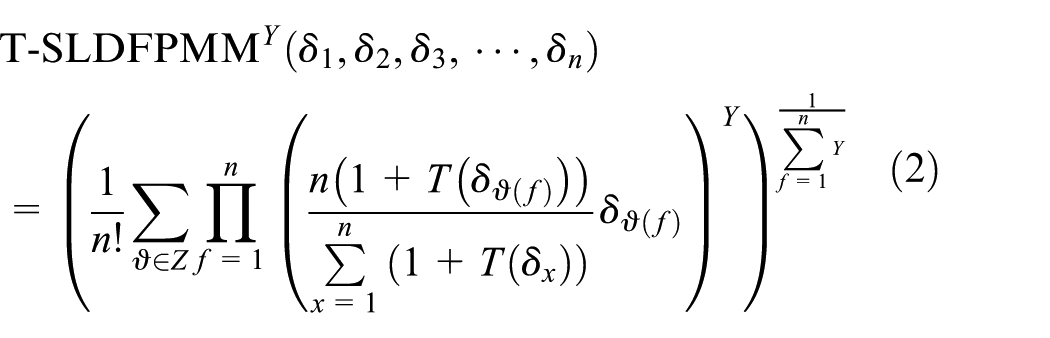
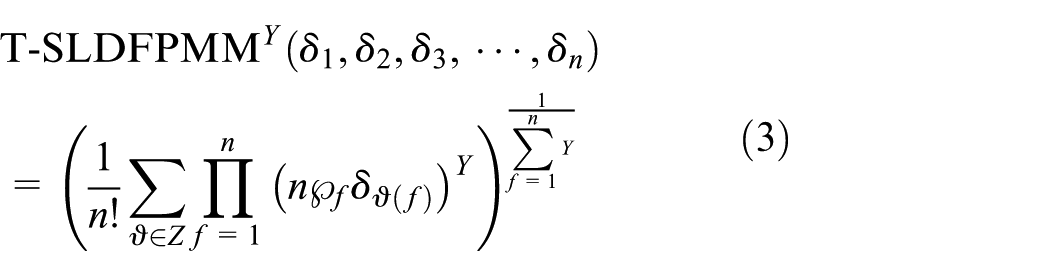
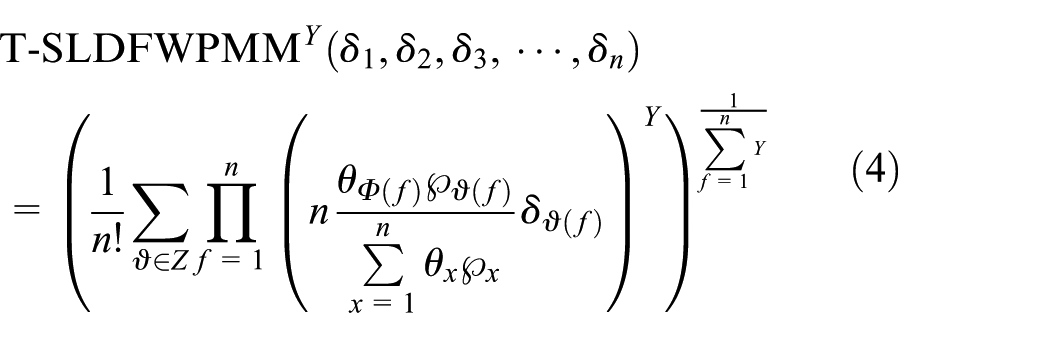
In MAGDM for evaluating waste textile recycling technologies, the evaluation criteria and their interrelationships significantly influence the outcome. The PA operator serves to mitigate the effect of irrational or extreme assessments, whereas the MM operator effectively captures higher-order dependencies among attributes. To leverage the strengths of both operators, the PA and MM operators are integrated within the T-SLDFS framework, thereby proposing the T-SLDFPMM operator.
Here,
For simplicity, the formula can be expressed as

Here,
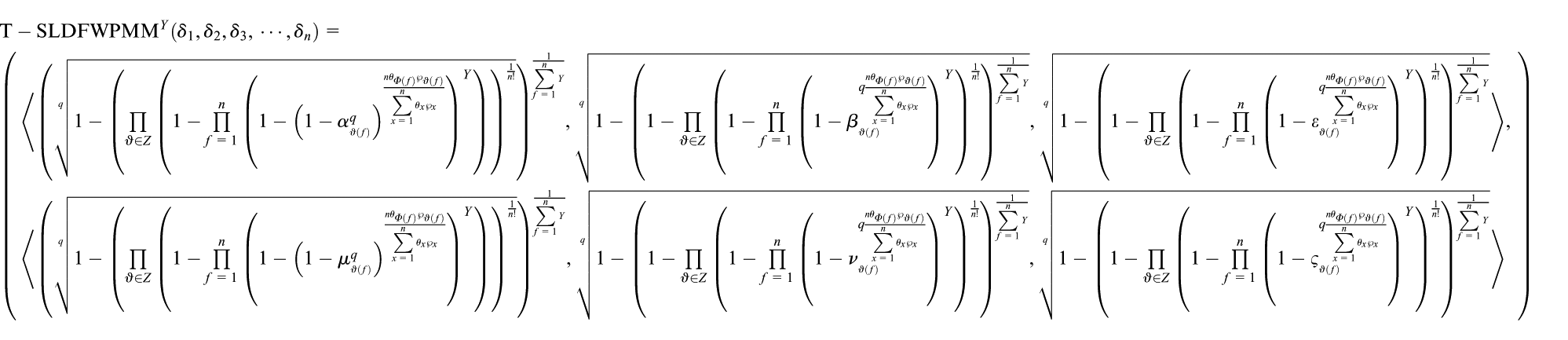
The proof of this theorem follows a similar derivation process as in Theorem 1 (derived based on fuzzy operation rules) and is therefore omitted for brevity.
A new MAGDM algorithm framework based on the T-SLDFWPMM operator
In practical evaluations of waste fabric recycling, many attribute pairs exhibit approximate linear dependencies. For instance, carbon emissions are typically proportional to energy consumption, and treatment cost is often linearly related to recovery rate under a given technological regime. If these dependencies are ignored, evaluations based solely on T-SFSs may yield inconsistent or redundant information, leading to higher aggregation errors. By embedding linear Diophantine constraints, the proposed T-SLDFS framework explicitly represents such proportional relationships. The constraint parameters can be estimated from historical operational data (e.g., regression coefficients between energy use and emissions) or elicited from expert consensus based on industry standards. In the context of MAGDM problems under the T-SLDFS environment, a critical challenge lies in the determination of unknown attribute weights. Let
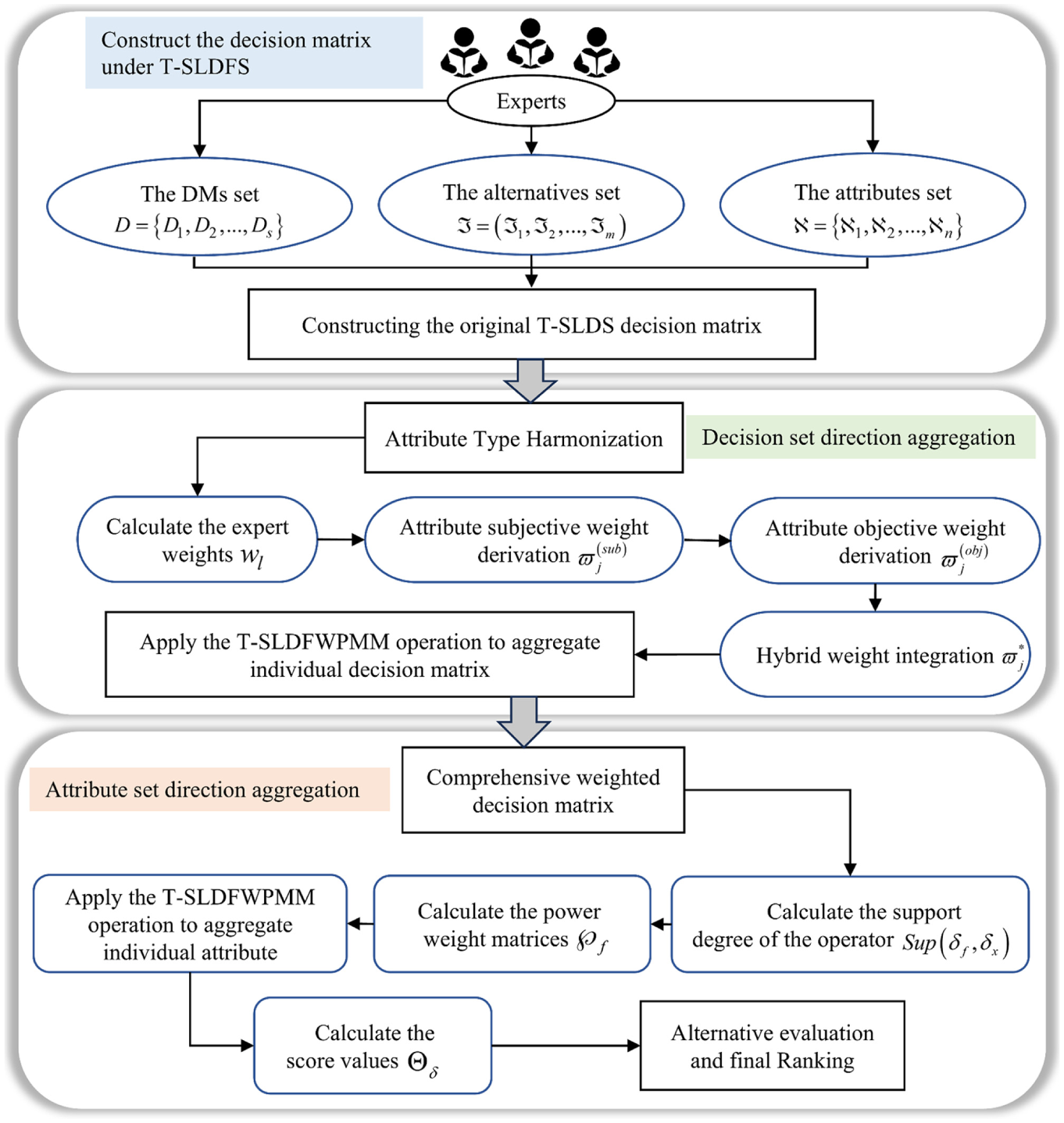
Flowchart of the proposed MAGDM algorithm.
Step 1: Construction of the evaluation matrix
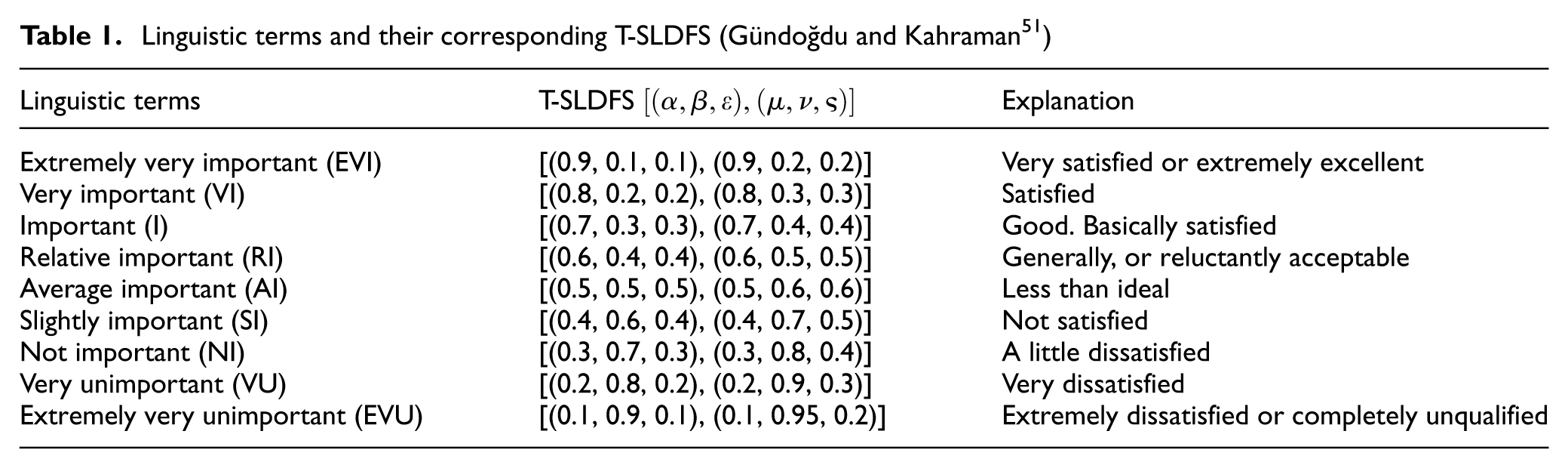
Construct the fuzzy decision matrix based on expert assessments using predefined linguistic terms (see Table 1 for details). These linguistic terms (such as very important and relatively important) are mapped to corresponding T-SLDFNs to facilitate mathematical computation. The parameters of the linguistic scale can be adjusted in accordance with expert knowledge and application requirements, provided that all constraint conditions are satisfied.
Linguistic terms and their corresponding T-SLDFS (Gündoğdu and Kahraman 51 )
Step 2: Attribute type harmonization
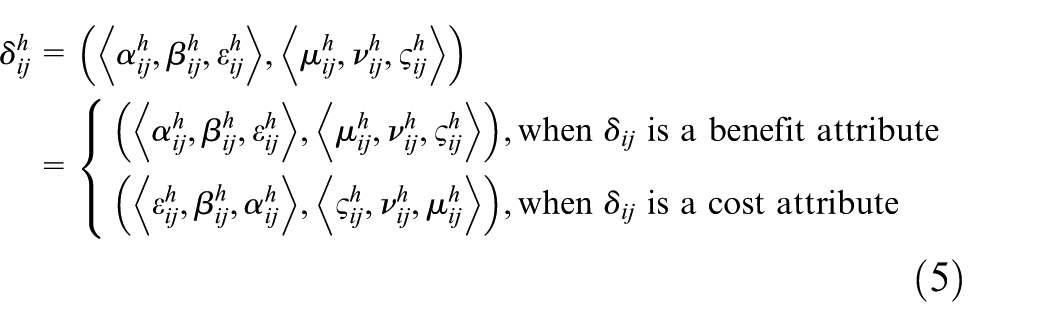
Ensure consistent treatment of benefit and cost attributes by applying normalization rules to standardize the expert evaluation matrix. The conversion rules are as follows:
Step 3: Determination of expert weights (entropy method)

Here,

where

Weight
Aggregate the normalized scores from each expert to obtain the subjective weight vector:

Here,
Step 4: Objective attribute weight (CRITIC method)
The CRITIC method is employed to quantify attribute intercorrelations, with each attribute's weight determined according to the dispersion of its values. The specific steps are as follows.
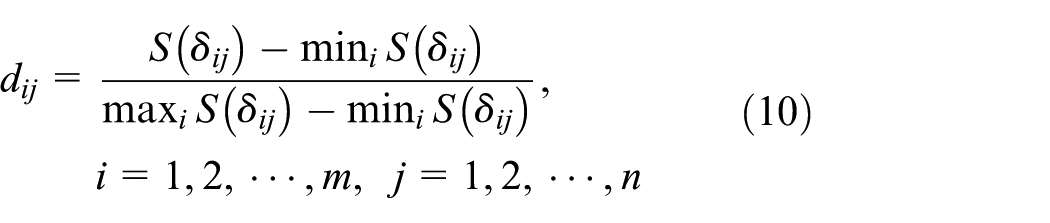
Here,

Here,
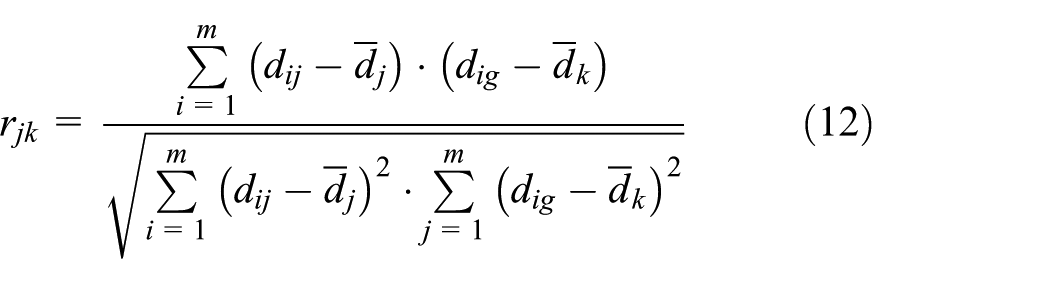
Here,

Here,

where
Combine subjective weights

Here,
Step 5: Aggregate through the T-SLDFWPMM operator
All attribute values of each alternative are horizontally aggregated using the T-SLDFWPMM operator. The resulting aggregation is then evaluated using the SF and accuracy function (AF) defined as


Let
Step 6: Alternatives evaluation and ranking
Calculate the final score and accuracy values for each alternative. Rank all alternatives in ascending order of score values to determine the optimal waste fabric treatment technology.
Evaluation of recycling technology for waste fabric testing in case applications
Effective disposal of waste fabrics has become particularly important in light of the growing global emphasis on sustainable development and resource recovery. Waste fabrics occupy land resources and pose significant environmental hazards, particularly when disposed of via incineration or landfilling. The adoption of efficient detection, sorting, and recycling technologies can minimize resource waste and enable the reuse of waste fabrics, thereby enhancing environmental sustainability. Furthermore, the judicious selection of treatment technologies can reduce operational costs and improve economic efficiency, yielding benefits for both enterprises and society. Based on prior research on fabric fiber classification and recycling, the key factors influencing the evaluation of waste fabric detection and recycling technologies include treatment effectiveness, economic feasibility, environmental impact, and technological applicability, corresponding to four primary decision-making criteria.
In response to increasing global pressures regarding sustainability and resource circularity, numerous textile recycling enterprises in China are actively pursuing optimal technological solutions for the detection and treatment of postconsumer fabrics. This case study is grounded in a real-world scenario inspired by the operations of a mid-sized textile recycling enterprise located in Shaoxing, Zhejiang Province, which is one of the most prominent textile industry clusters in China. The enterprise specializes in both mechanical and chemical recycling of used cotton–polyester blended fabrics, with an annual processing capacity of approximately 2000 tons. In response to increasingly stringent environmental regulations and the need to enhance recycling efficiency, the company is evaluating several competing technological solutions, including near-infrared (NIR) spectral fiber sorters, automated vision-based identification systems, traditional acid-based chemical extraction methods, and semiautomated mechanical shredding techniques. To model the decision-making process, four representative treatment technologies were selected, each corresponding to an industry-relevant solution currently adopted or under consideration by comparable regional enterprises. The evaluation was performed by a panel of seven domain experts, including industry engineers, academic researchers, and environmental consultants. The experts evaluated each technological solution based on four dimensions: treatment effectiveness, economic benefit, environmental impact, and applicability. Evaluations were conducted in accordance with the GB/T 20100597-T-424 standard and the ISO 14040 life-cycle assessment framework, utilizing the T-SLDFS fuzzy representation to capture uncertainty in expert judgments.
Treatment effectiveness
In practice, the selection of treatment technology for waste fabrics is directly related to the efficiency of the recycling process and the quality of the resulting products. Efficient treatment technologies facilitate precise identification and classification of various fiber types, thereby achieving higher recycling rates and reducing resource waste. Accurate extraction of fiber components allows companies to enhance the reuse value of materials, reduce dependence on virgin resources, and promote the development of a circular economy. Moreover, technologies that demonstrate effective treatment performance can significantly reduce the complexity and cost of subsequent processing stages. Chemical treatment methods offer superior treatment performance compared with alternative technological solutions; however, they are time-consuming and present challenges in process control, which may introduce uncertainty in the final recycling outcomes. Mechanical recycling technologies are effective for recovering substantial quantities of fiber. Nonetheless, mechanical processes often result in considerable loss of usable fiber, thereby substantially affecting the quality and yield of the recovered material. Spectral and imaging technologies are characterized by high speed and sensitivity compared with the aforementioned methods. However, these technologies also encounter challenges, including reduced accuracy when processing mixed waste or fabrics with complex coloration.
Economy factor
In the current competitive market environment, the adoption of efficient technologies enhances processing throughput and reduces overall operating costs, thereby strengthening firms' market competitiveness. By conducting return-on-investment (ROI) analyses for these technologies, firms can ensure optimal resource allocation and maximize long-term economic benefits. Although spectral analysis equipment entails high capital expenditures, it improves overall processing efficiency through rapid detection and classification capabilities. Over the long term, the cost savings associated with its accuracy may offset the initial capital investment. The economic feasibility of image-based vision systems is influenced by costs related to specialized equipment and algorithm development. Despite the substantial upfront investments, the high degree of automation can reduce labor costs and enhance overall economic efficiency. Chemical processing techniques generally incur high operational costs, particularly when treating large volumes of waste fabrics, as expenses for chemical reagents and specialized equipment can escalate significantly. Mechanical recycling systems often have lower operational expenses due to mature processes and equipment; however, they may lack long-term economic viability compared with newer technologies because of limitations in recycling efficiency and quality.
Environmental impact
Green, low-carbon recycling and sustainable development have become core priorities in contemporary environmental policy and the transition to a circular economy. This represents an irreversible economic trajectory, rendering the selection of environmentally sustainable waste fabric treatment technologies essential for achieving broader sustainability goals. Modern society places growing emphasis on environmental protection, and reducing waste emissions and resource consumption has become a critical component of corporate social responsibility (CSR). Environmentally friendly treatment technologies can lower operational costs while enhancing corporate reputation and societal image. Spectral analysis technology is relatively eco-friendly, relying primarily on optical detection and requiring minimal chemical reagents or water, thus reducing environmental impact and aligning with modern sustainability objectives. Image-based visual processing technologies pose minimal environmental risks, as they rely primarily on computational identification, avoid hazardous byproducts, and closely adhere to the principles of green recycling. Chemical processing methods inherently impose significant environmental burdens, requiring large quantities of chemical reagents and generating substantial waste. Mechanical recycling technologies are relatively conventional and less advanced, and their operation can adversely affect the environment through high energy consumption and waste generation, necessitating mitigation through eco-conscious practices.
Technology applicability
Technologies with high applicability for treating waste fabrics can meet diverse market demands and enable enterprises to adjust their strategies across various operational contexts. Selecting the appropriate technology can ensure the efficient processing of diverse waste fabrics, improve recovery efficiency, and promote circular utilization of materials. Spectral analysis techniques are applicable across a wide range of domains, particularly for high-performance or innovative fiber materials, where they exhibit excellent accuracy and align well with evolving market needs. Image-based visual processing technologies are suitable for fabrics with simple or repetitive patterns; however, they may face limitations when dealing with complex textures or designs, thereby narrowing their range of applicability. Chemical treatment techniques are well-suited for various types of fabric waste, particularly those that are challenging to recover through mechanical means. However, treatment parameters must be tailored to the specific characteristics of each material. Mechanical recycling techniques are generally effective for high-volume processing of used textiles and perform particularly well with conventional natural fibers, although they may be less applicable to certain specialized materials.
Detailed assessment process
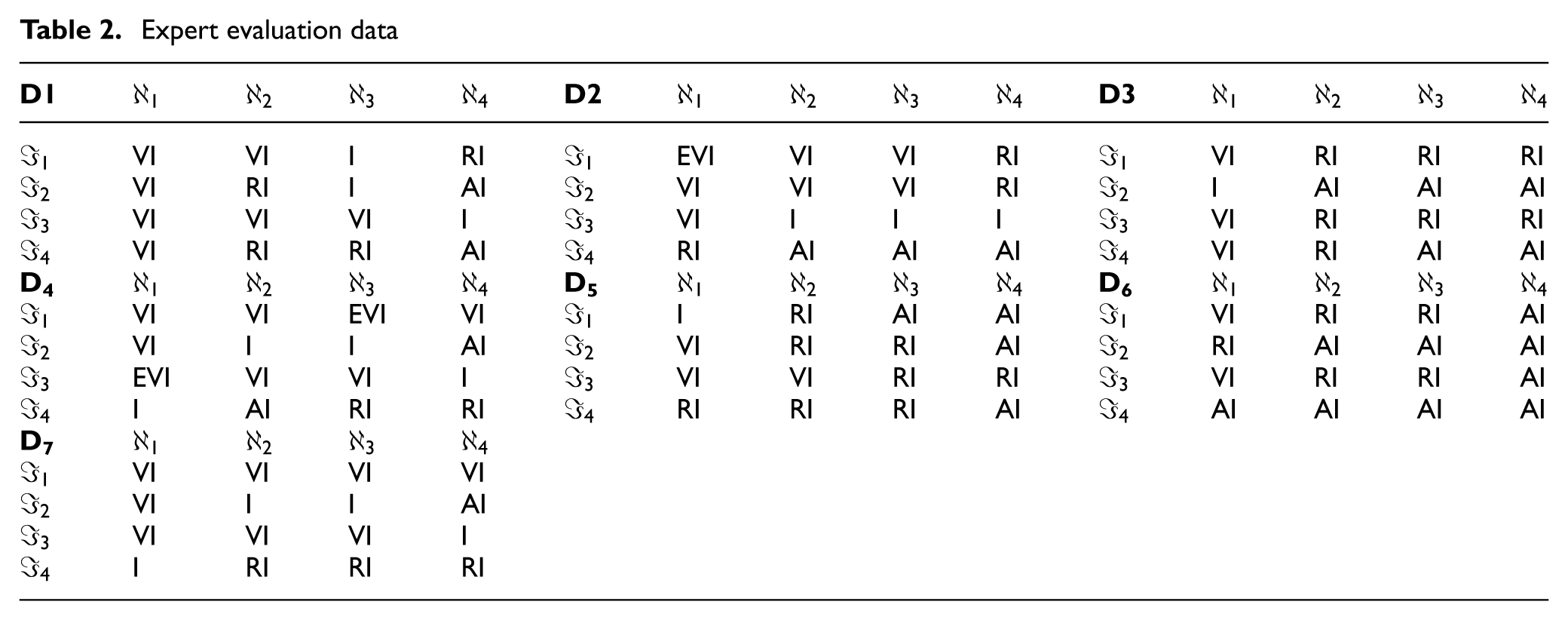
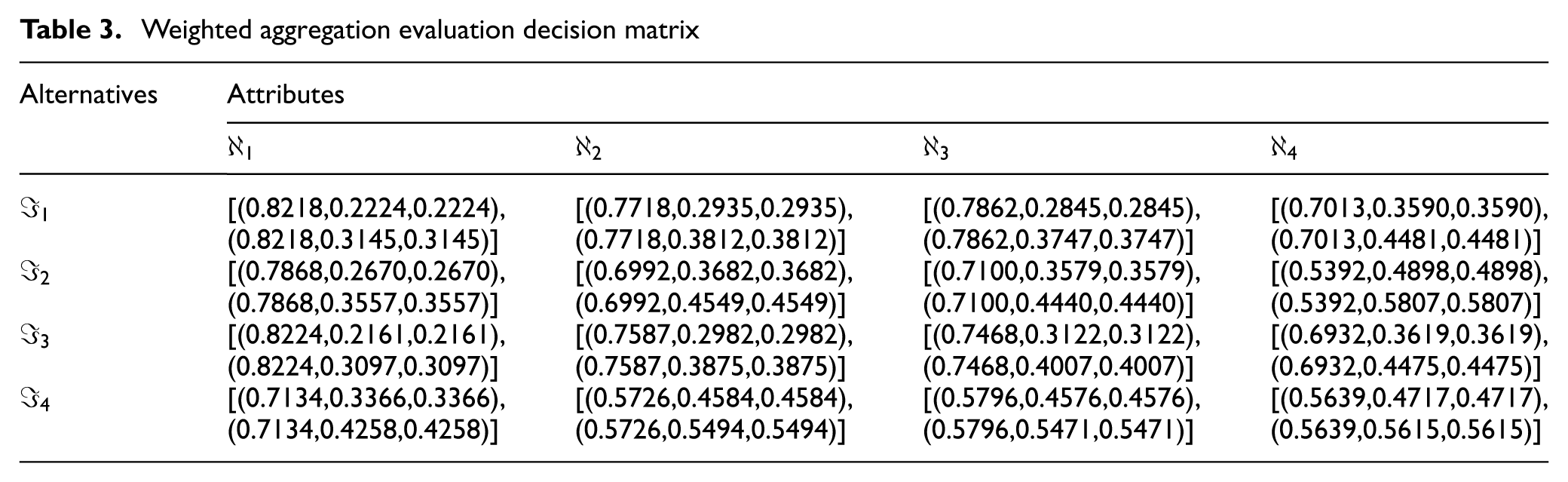
The waste fabric detection and recycling solution set consists of four alternative technologies: spectral analysis, image-based vision, chemical treatment, and mechanical recycling. The attribute set includes treatment effectiveness, economic factor, environmental impact, and technological applicability. Attribute weights are calculated based on the intercorrelation among attributes. Relevant industry experts were invited to evaluate each technology alternative, resulting in the fuzzy T-SLDFS-based overall decision matrix. This mechanism enables DMs to flexibly integrate objective data with expert judgment, thereby adapting the model to a variety of operational contexts. For instance, in policy-sensitive applications such as waste management under government subsidy programs, a higher value of
Expert evaluation data
Weighted aggregation evaluation decision matrix
Computed weights of individual experts

Attribute weights
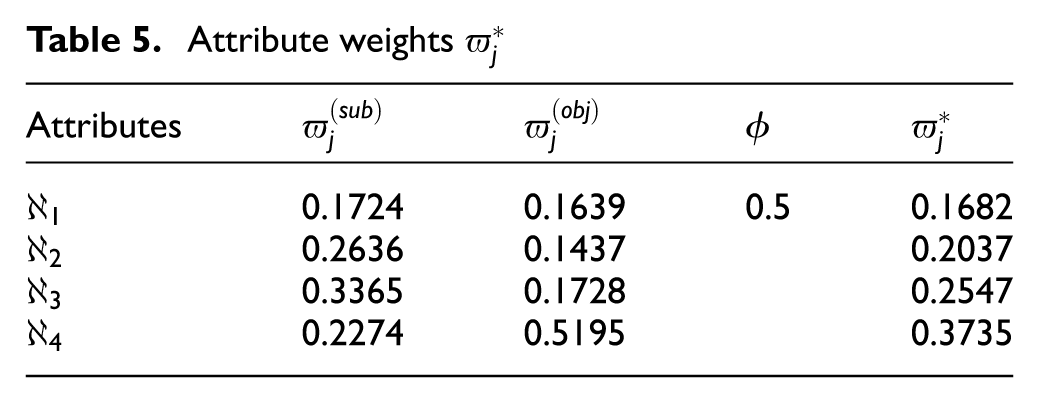
Score matrix of aggregated evaluations
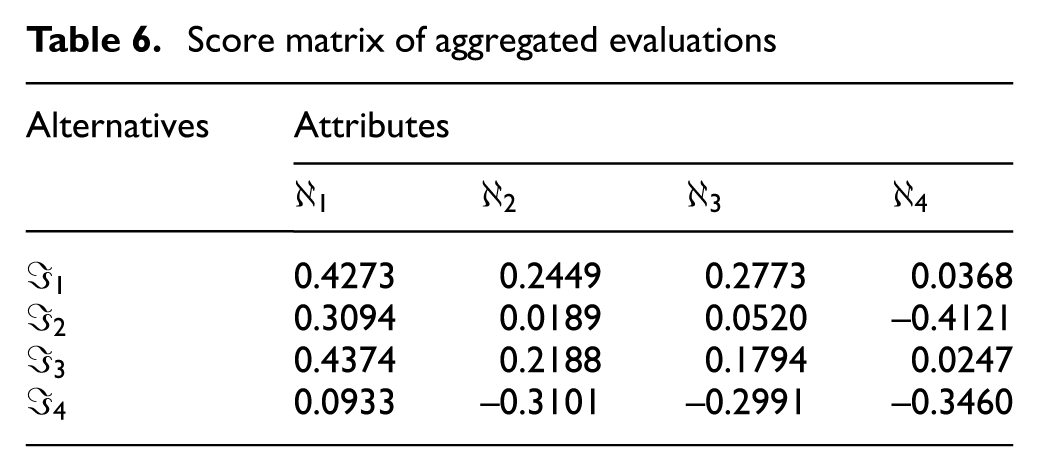
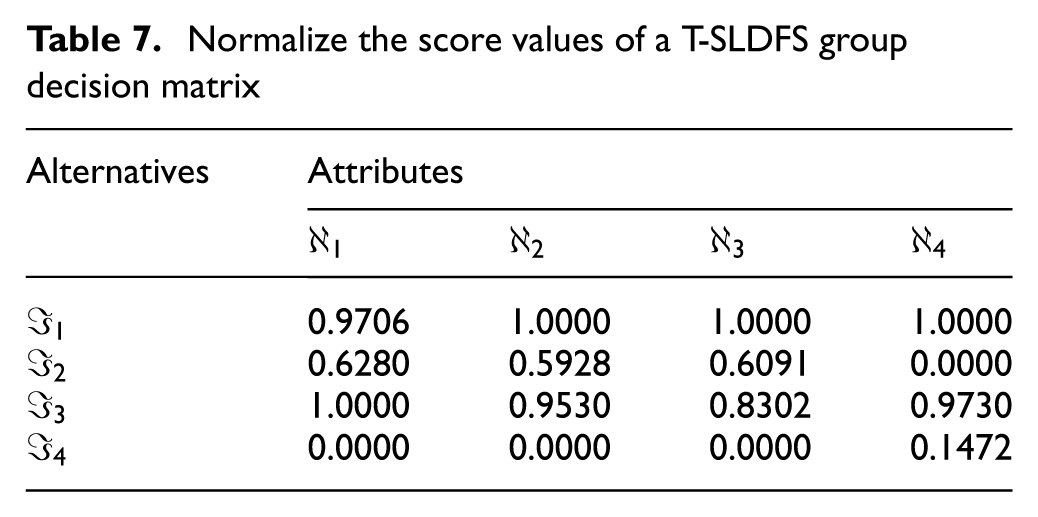
Normalize the score values of a T-SLDFS group decision matrix
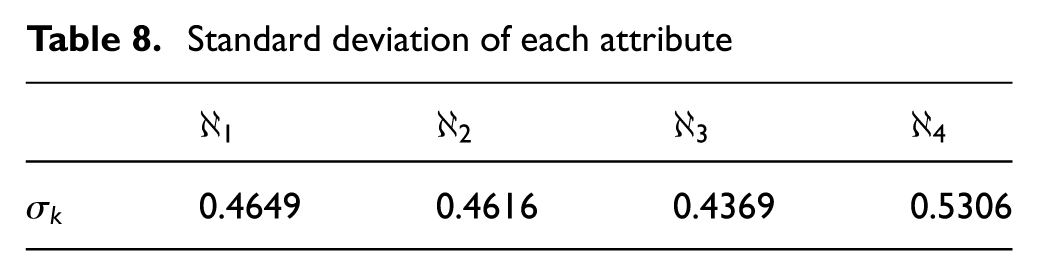
Standard deviation of each attribute
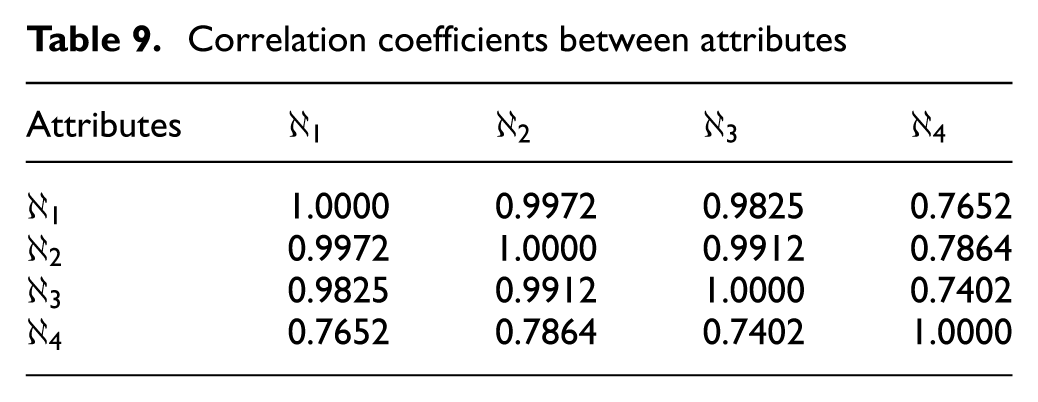
Correlation coefficients between attributes
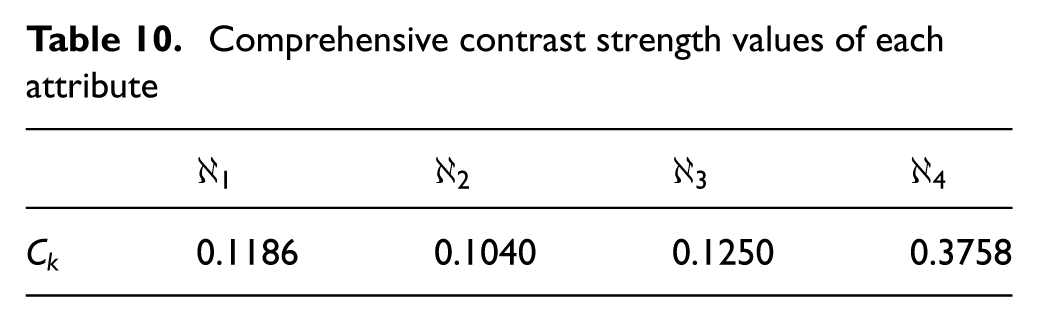
Comprehensive contrast strength values of each attribute
Objective attribute weights determined by the CRITIC method
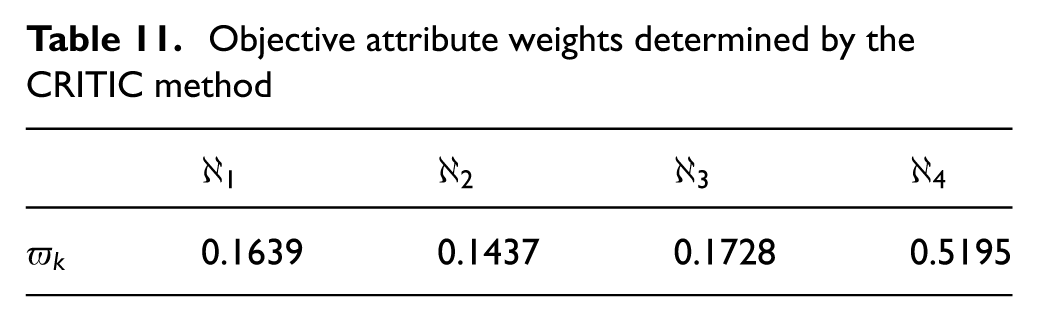
Aggregated results based on the T-SLDFWPMM operator

Sensitivity analysis and comparative analysis
Sensitivity analysis of the influence of subjective and objective weights
To assess the robustness of the proposed hybrid weighting strategy, a sensitivity analysis was conducted by varying the integration parameter
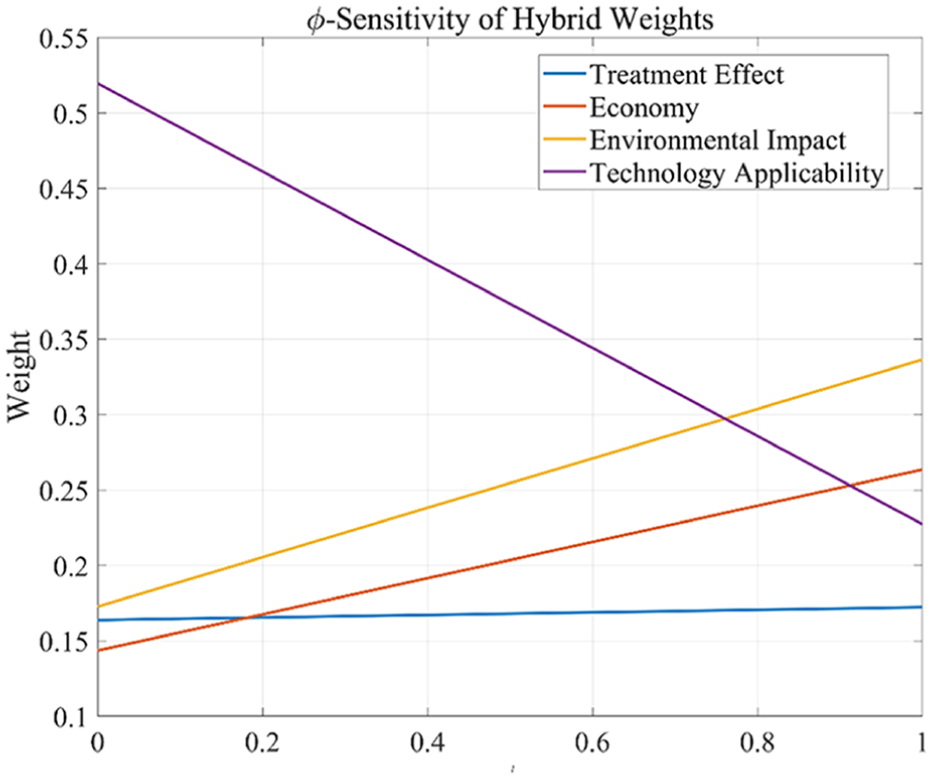
Weight distribution curve of evaluation criteria.
Figure 4 further reveals that despite slight variations in score values, the overall ranking order remains stable as
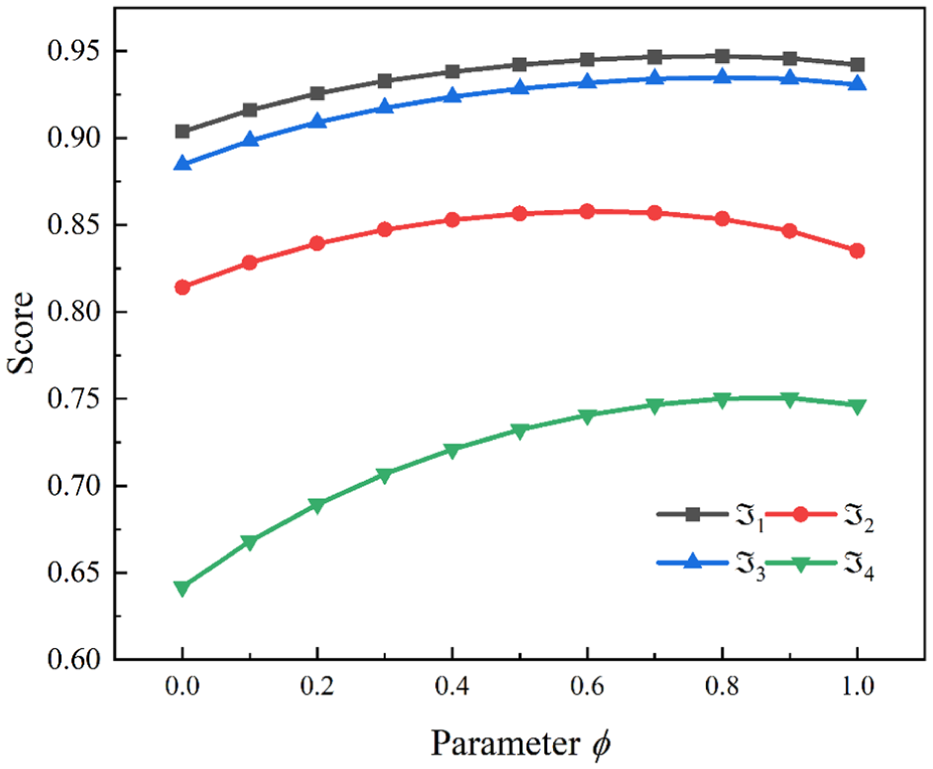
Score variation with parameter
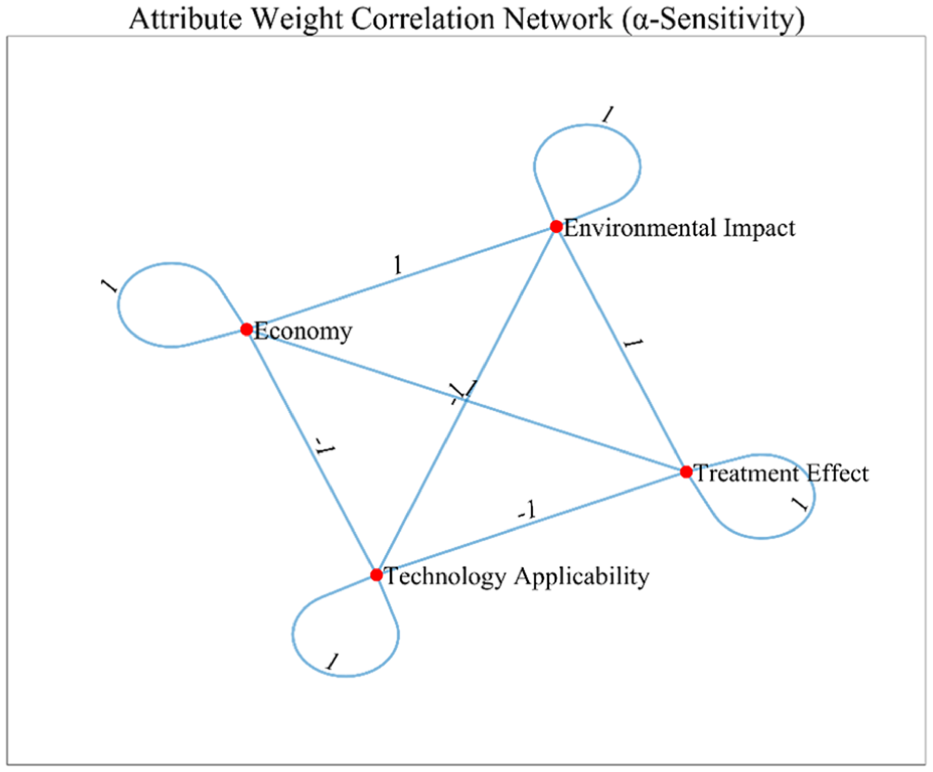
Attribute weights network diagram.
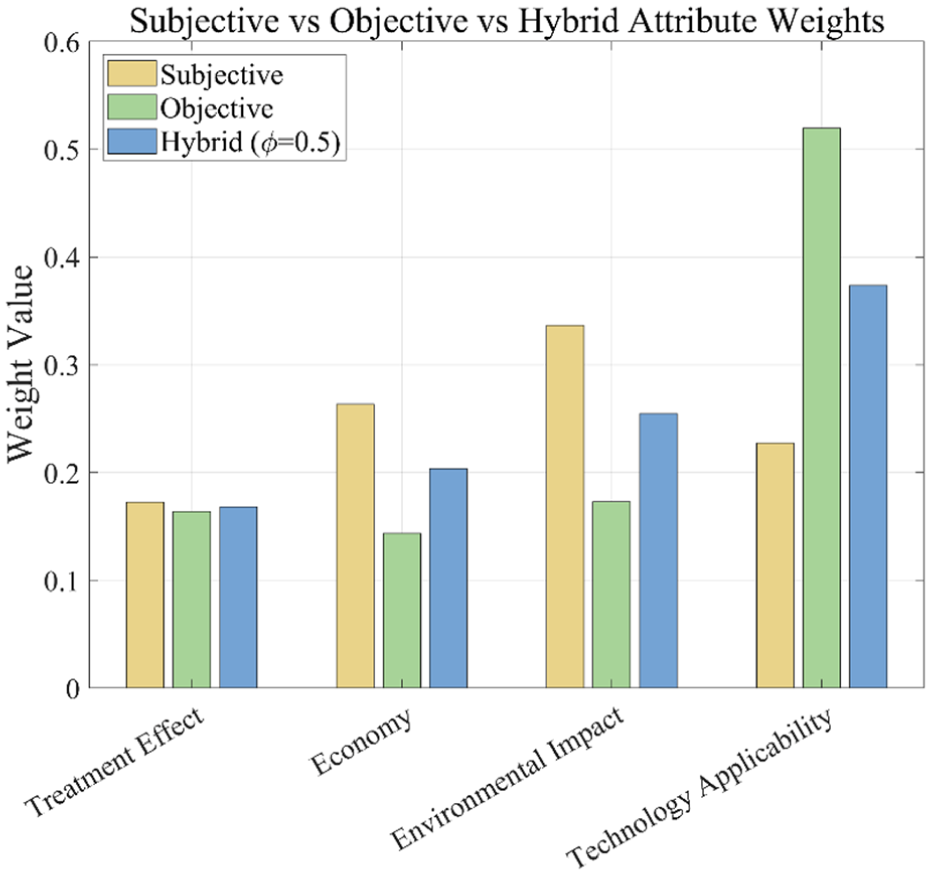
Attribute weights comparison.
Weight perturbation analysis
To evaluate the robustness of the proposed T-SLDFWPMM-based decision model under fluctuations in attribute weight distributions, a comprehensive perturbation analysis of attribute weights was conducted. Considering that real-world decision environments often involve inherent uncertainty in weight assignments, whether due to subjective biases or incomplete information, it is crucial to assess the stability of the model under varying levels of attribute importance. In this study, each attribute was sequentially designated as the perturbation target, with its weight adjusted within a predefined range, whereas the weights of the remaining attributes were proportionally recalibrated to preserve normalization. A total of 100 perturbed weight vectors were generated, and the corresponding alternative rankings were recalculated for each scenario using the T-SLDFWPMM aggregation operator.
The analysis results (see Figure 7) reveal that Alternative 1 consistently achieves the top rank across nearly all perturbation scenarios, demonstrating its robustness and dominance. Alternative 4 repeatedly attains the lowest rank, reinforcing its inferior performance regardless of weight fluctuations. Although Alternatives 2 and 3 exhibit minor rank fluctuations under certain perturbation configurations, no reversal in the top and bottom rankings was observed. This outcome highlights the strong resilience of the proposed hybrid weighting mechanism, which effectively integrates both objective (CRITIC) and subjective expert-derived perspectives. Moreover, the nonlinear aggregation capability of the T-SLDFWPMM operator effectively captures attribute interdependencies and mitigates the influence of extreme weights, thereby ensuring robust and interpretable decision outcomes under uncertainty in attribute weighting.
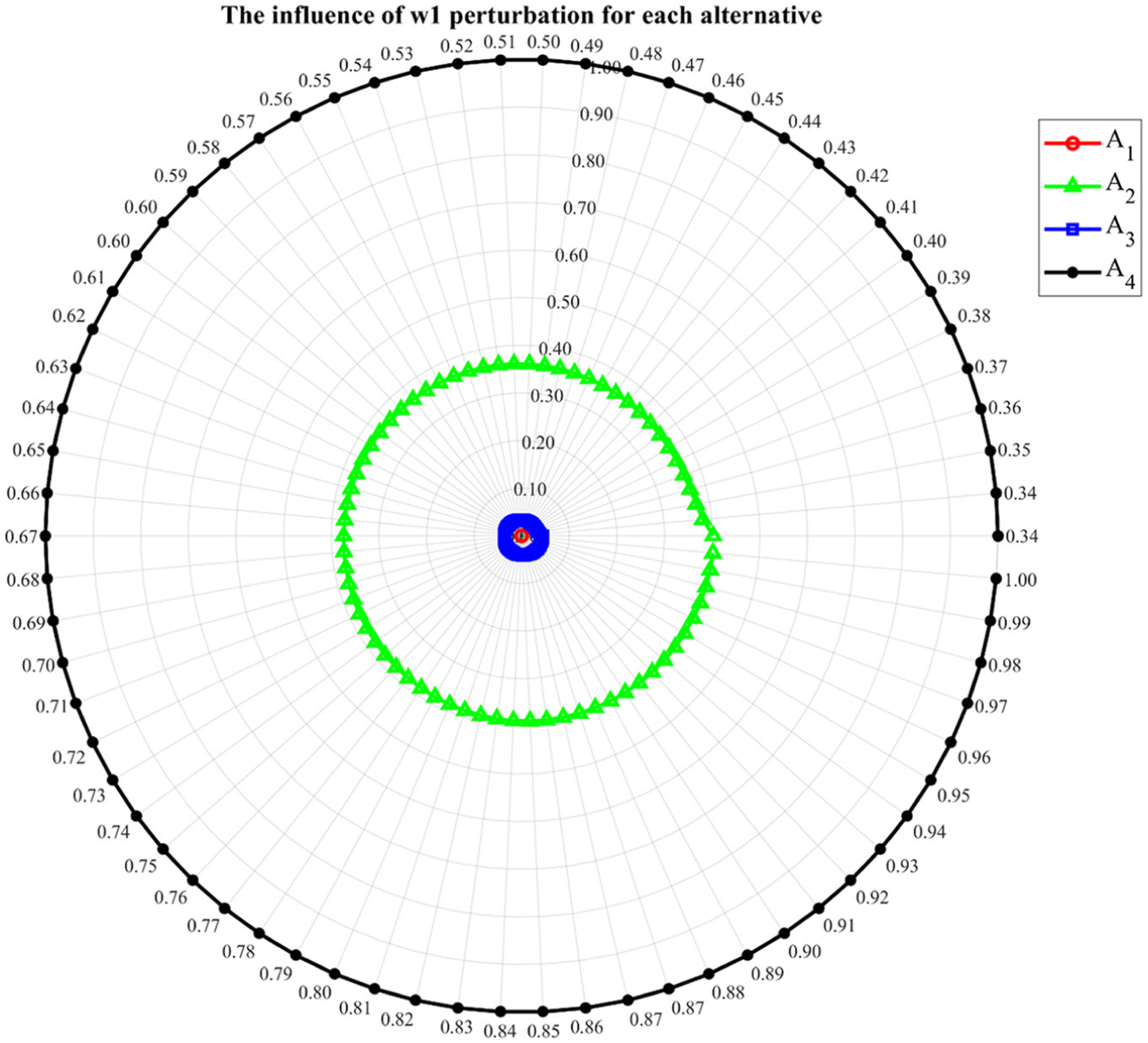
Sensitivity analysis of attribute weights under perturbation scenarios.
Comparative analysis of T-SFS, LDFS, and T-SLDFS in evaluation performance
To further validate the necessity of introducing linear Diophantine constraints, we conducted a comparative study of three models: T-SFS, LDFS, and T-SLDFS. As indicated by Table 13, T-SFS suffers from relatively high inconsistency error and large deviation from empirical linear relationships, indicating that ignoring attribute dependencies may lead to redundant or contradictory assessments. LDFS reduces the deviation from constraints (DLC = 0.069) but does not fully capture higher-order uncertainty, resulting in moderate rank discrimination. By contrast, T-SLDFS achieves the lowest CE (0.085) and DLC (0.038), while also producing clearer and more stable rankings. These results demonstrate that T-SLDFS effectively reduces evaluation errors by simultaneously modeling multidimensional fuzziness and enforcing linear interattribute constraints, thereby offering a more reliable decision-making framework for waste fabric recycling technologies.
Comparison of evaluation performance under T-SFS, LDFS, and T-SLDFS

Sensitivity analysis of the T-SLDFWPMM method
This section examines the parameter sensitivity of the T-SLDFWPMM operator to critical parameter settings. A comparative analysis is conducted between the proposed operator and several innovative fuzzy decision-making approaches, including T-SLDFWA, T-SLDFWG, T-SLDFOWA, and T-SLDFOWG, to validate its effectiveness and stability. In addition, the evaluation outcomes are compared against conventional methods such as MABAC and VIKOR to further highlight the advantages of the proposed algorithm. Parameter sensitivity analysis, a widely used technique in uncertainty modeling, is employed to identify parameters that exert significant influence on decision outcomes by analyzing the effects of variations within the decision model.
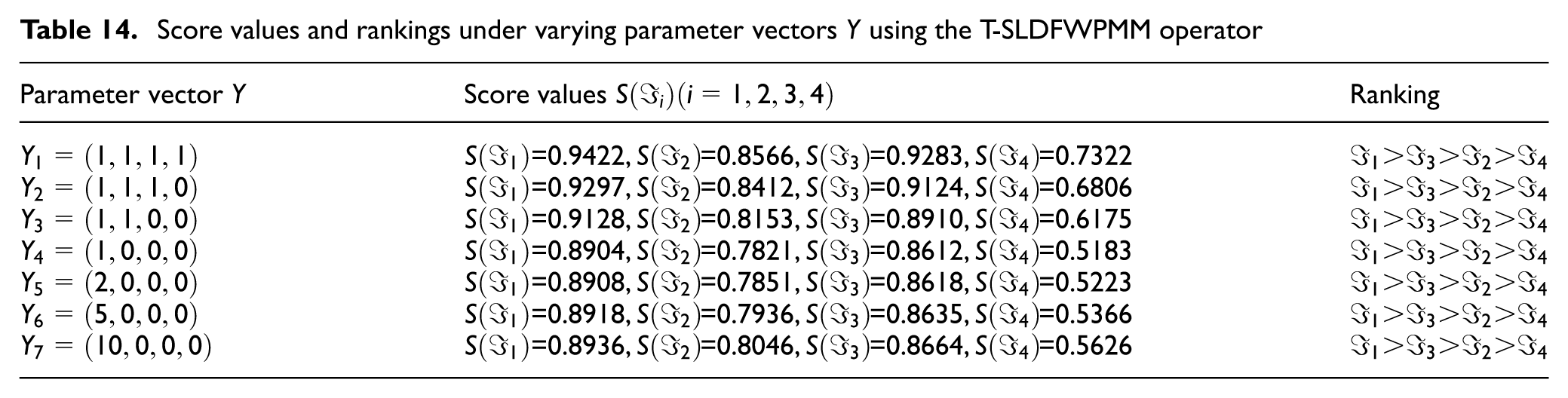
The sensitivity study centers on the weight vector Y and parameter q to evaluate their effects on ranking stability. The weight vector Y is modified by sequentially varying the value of each component while keeping the others constant. As indicated by Table 14, the configurations range from full-factor equilibrium (equal weighting across all attributes) to single-factor dominance (such as Y = [10, 0, 0, 0]) to evaluate the model’s sensitivity to variations in weight distribution. Figure 8 presents the corresponding rankings derived using the T-SLDFWPMM algorithm. Under the full-factor equilibrium setting, the result
Score values and rankings under varying parameter vectors
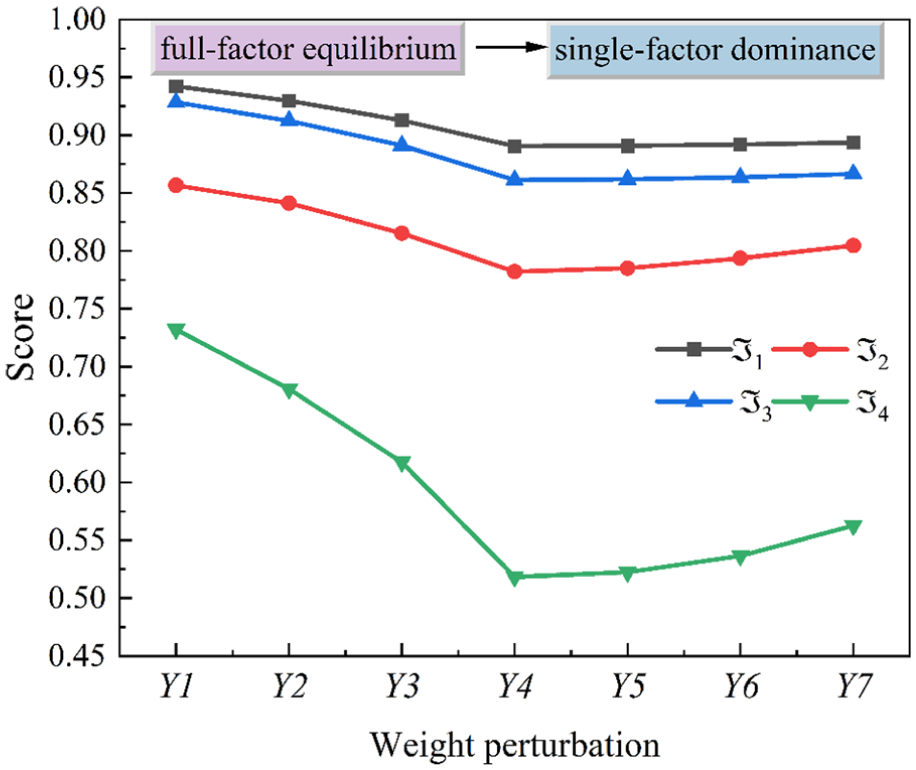
Ranking of alternatives under varying values of parameter Y.
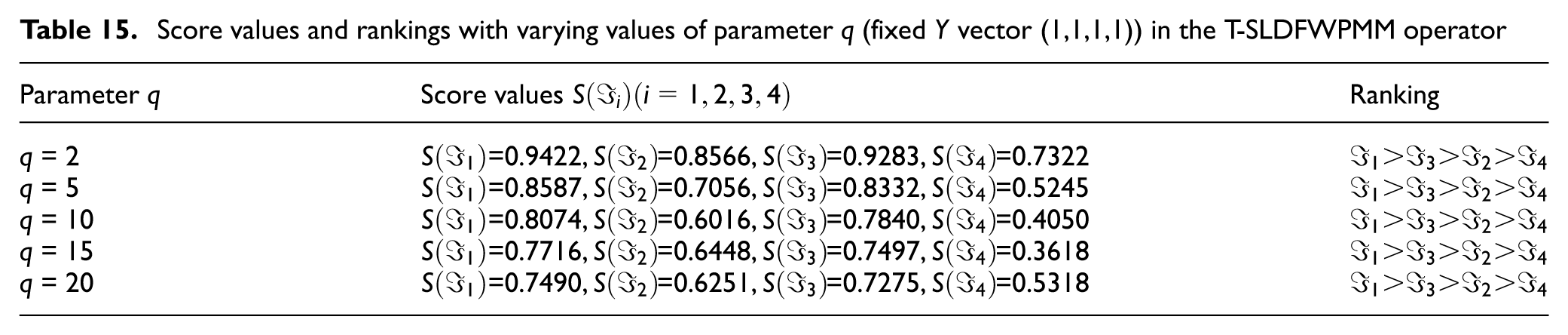
The parameter q functions as a crucial tuning variable that regulates the weighting dynamics and nonlinearity in aggregation of the operator (Table 15). The impact of adjusting q on decision rankings is illustrated in Figures 9 and 10. Across a wide range of q values (from 2 to 20), the ranking consistently remains
Score values and rankings with varying values of parameter q (fixed
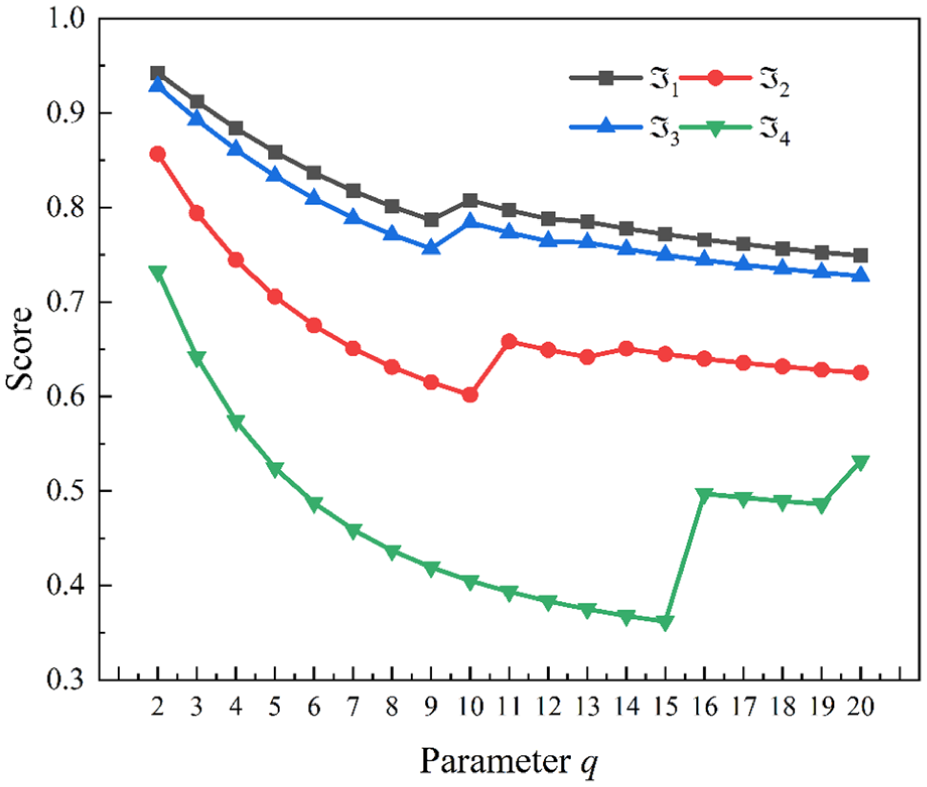
Score variations of alternatives with respect to different values of parameter q.
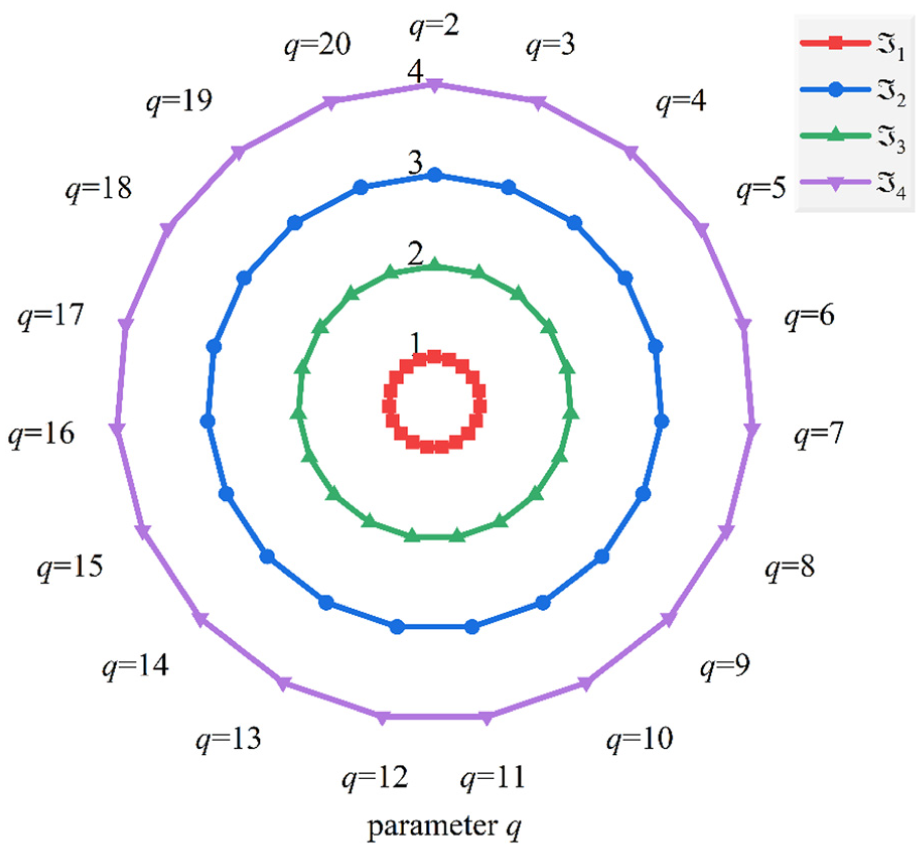
Ranking fluctuations of alternatives under different q parameter settings.
Comparison with the Lt-SFS-MABAC method
The Lt-SFS-MABAC method, proposed by Liu et al., 52 extends the classical MABAC framework by integrating linguistic T-SFSs, thereby enhancing its capability to manage uncertainty. For comparison, the same decision dataset and normalization procedures employed in the T-SLDFS-based model are applied to ensure consistency.
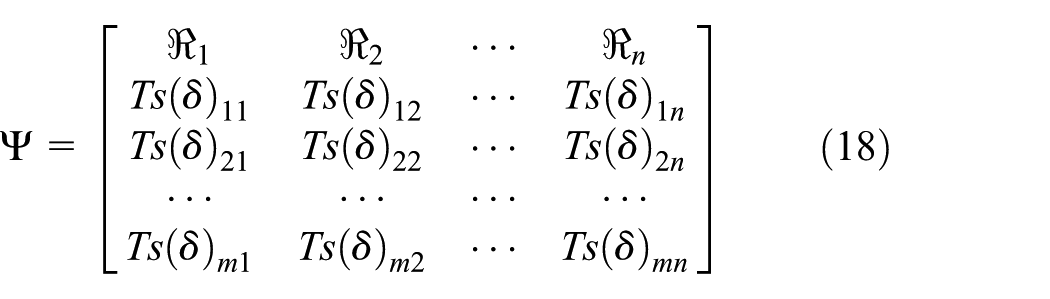
where
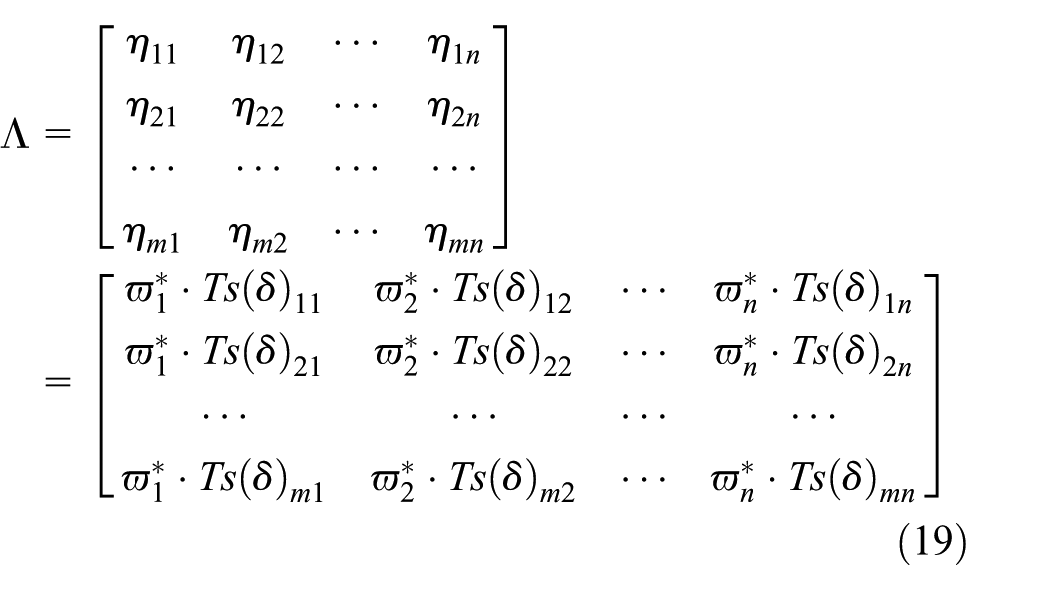
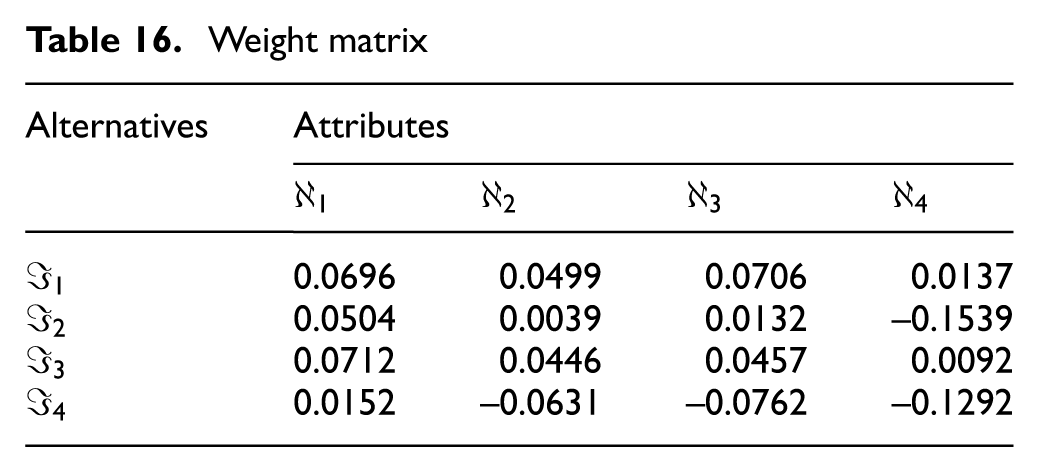
The final weighted matrix is provided in Table 16.
Weight matrix

Each element of the BAA matrix

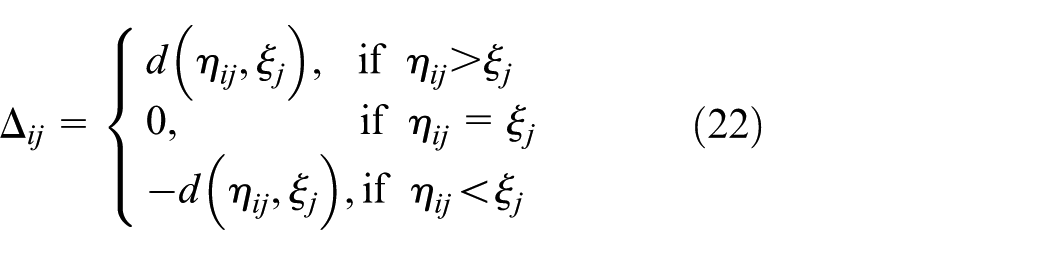
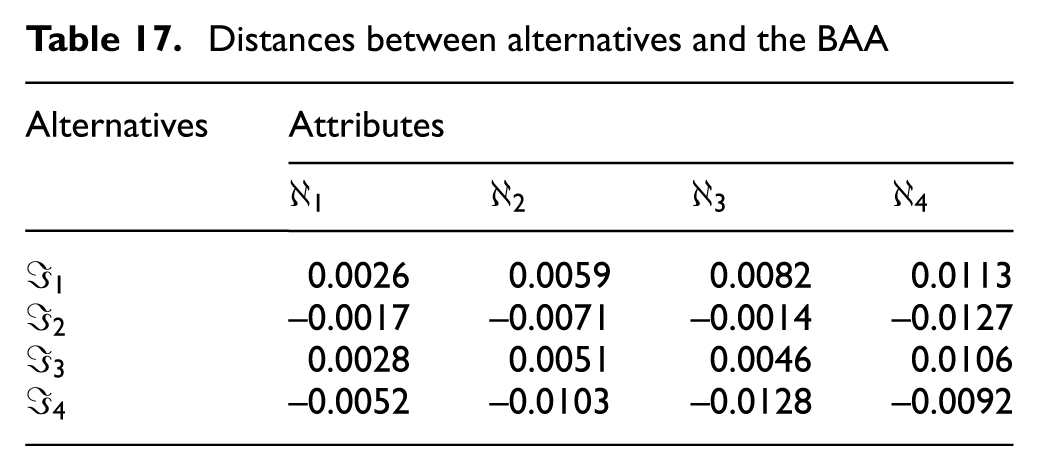
where
Distances between alternatives and the BAA

where
Alternative rankings using the T-SLDF-MABAC method
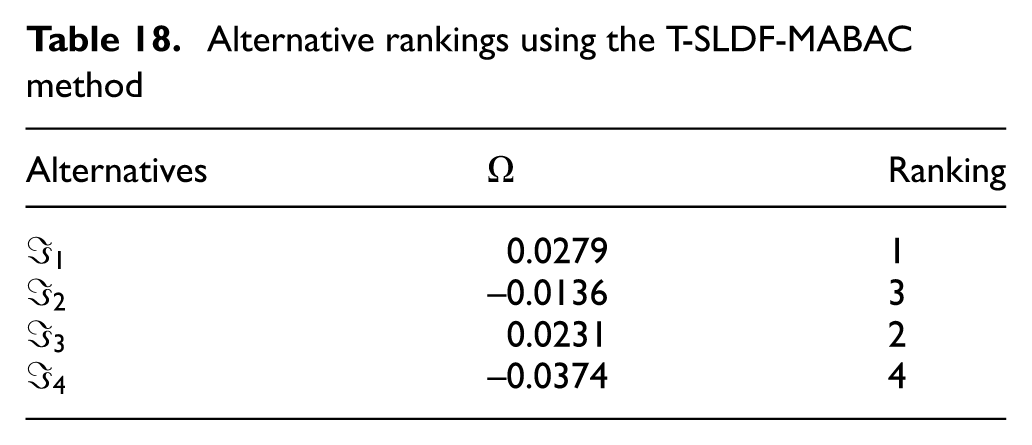
Comparison with the T-SLDF-VIKOR method
The T-SLDF-VIKOR method (Akram et al. 53 ) was applied to evaluate the decision data within a linguistic T-spherical fuzzy environment.


Here, B and C denote the sets of benefit and cost criteria, respectively.
For each criterion, the positive-ideal solution (PIS) is defined as follows:
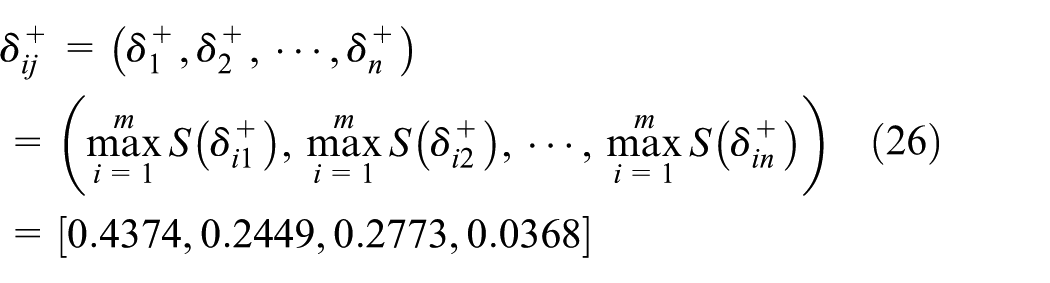
The negative ideal solution (NIS) is defined similarly:
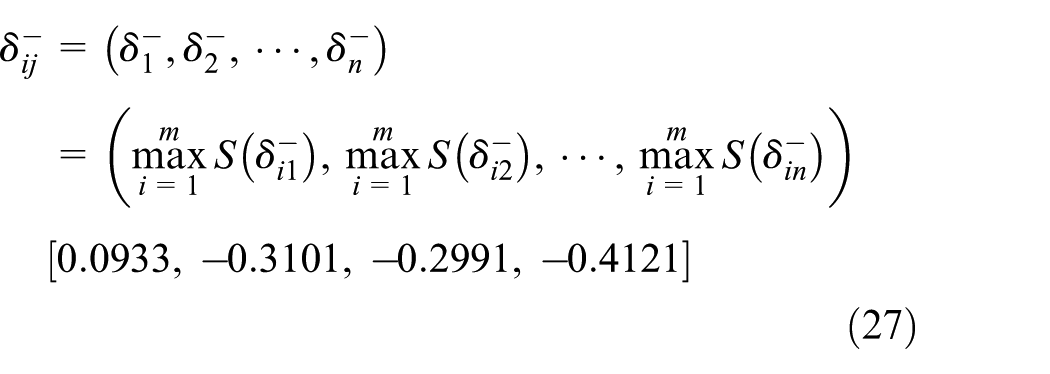
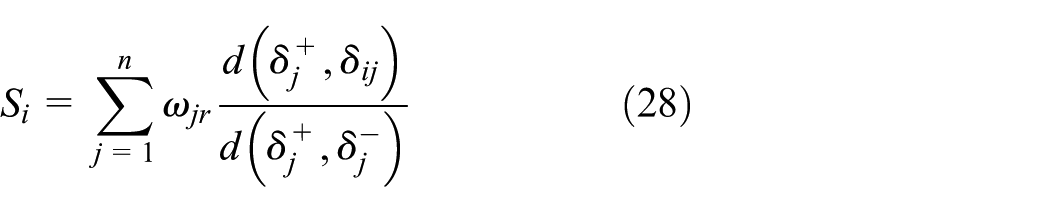
The minimum individual regret
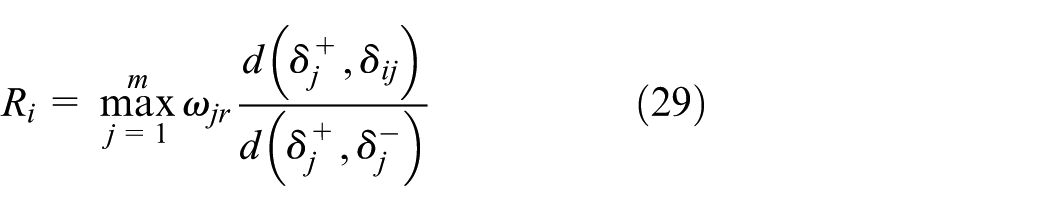
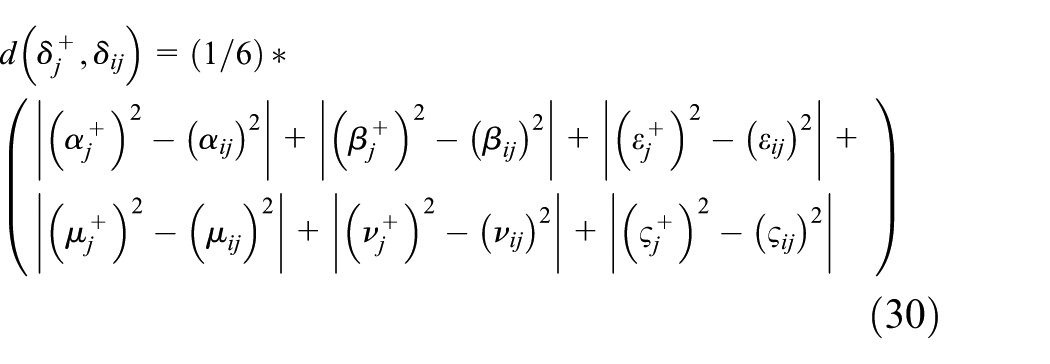
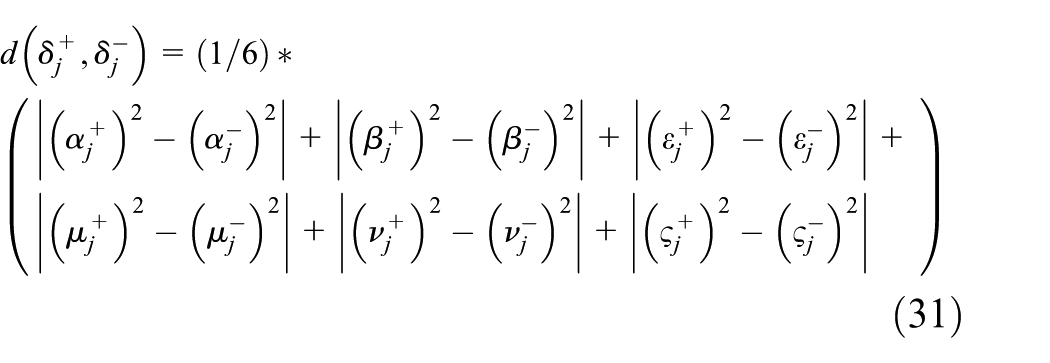

where
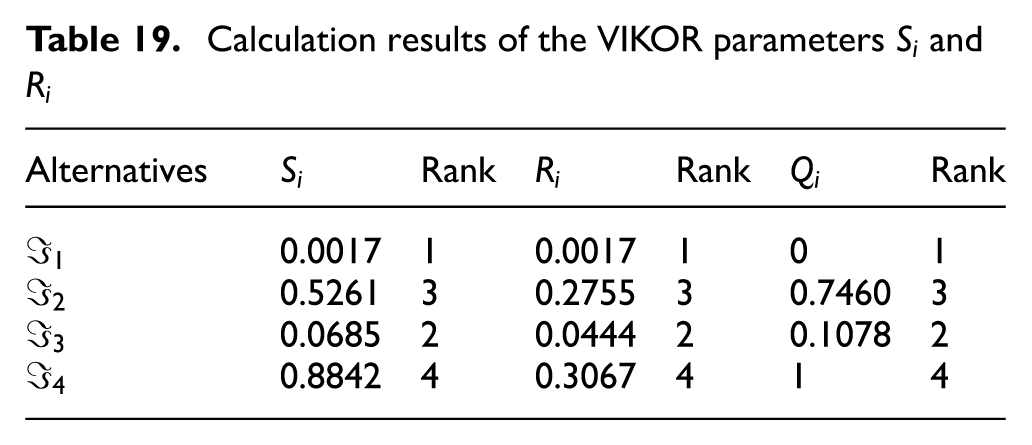
According to Table 19, three ranking lists are generated. Alternative
Calculation results of the VIKOR parameters
Aggregation results using existing T-SLDFS operators
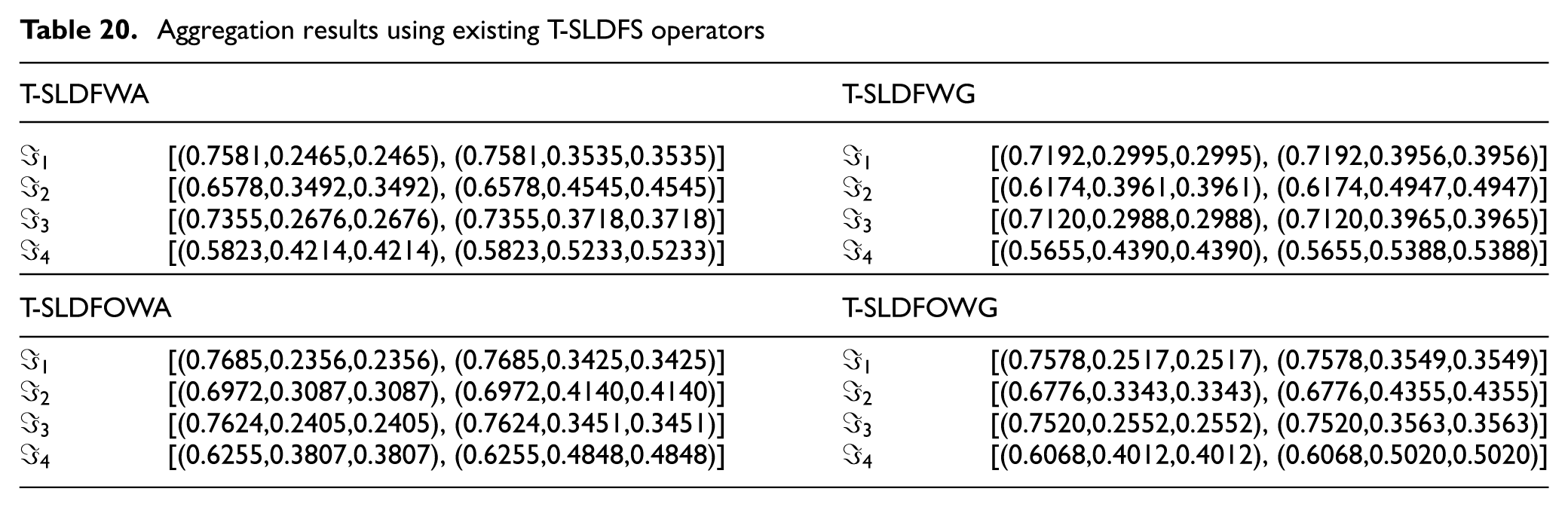
Comparison with the T-SLDFS existing operators
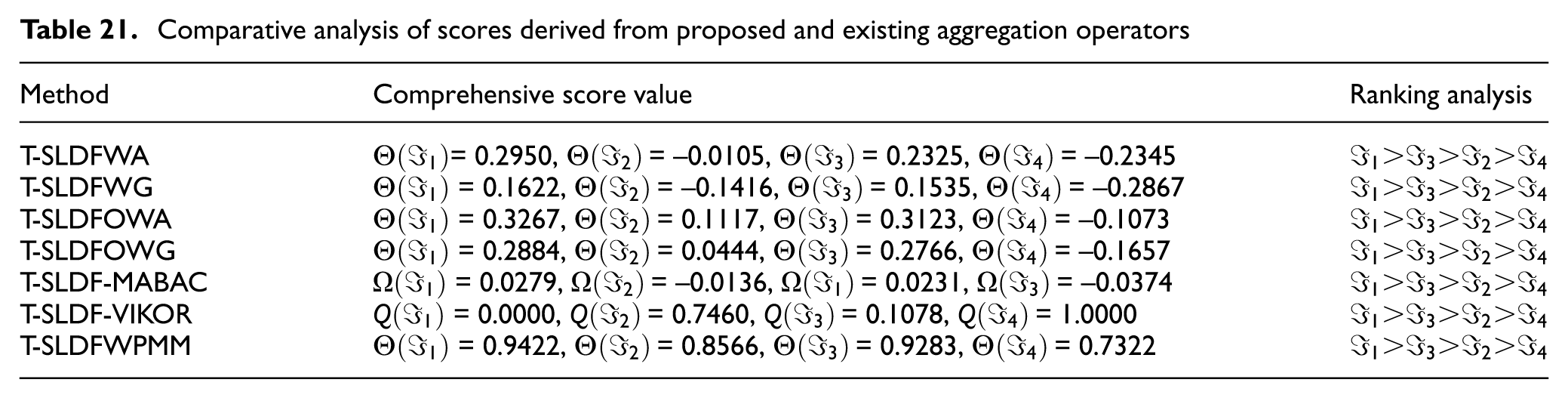
The ranking results of various comparative decision-making methods are summarized in Tables 20 and 21 to validate the effectiveness of the proposed approach. The analysis reveals that although traditional methods such as MABAC emphasize the distance between attribute values and reference points, making them suitable for linear data structures, these methods are notably sensitive to outliers and extreme values, which may result in unstable or inconsistent rankings. In the present evaluation, all benchmark methods, including T-SLDFWA, T-SLDFWG, T-SLDFOWA, and T-SLDFOWG, converge on an identical ranking sequence of
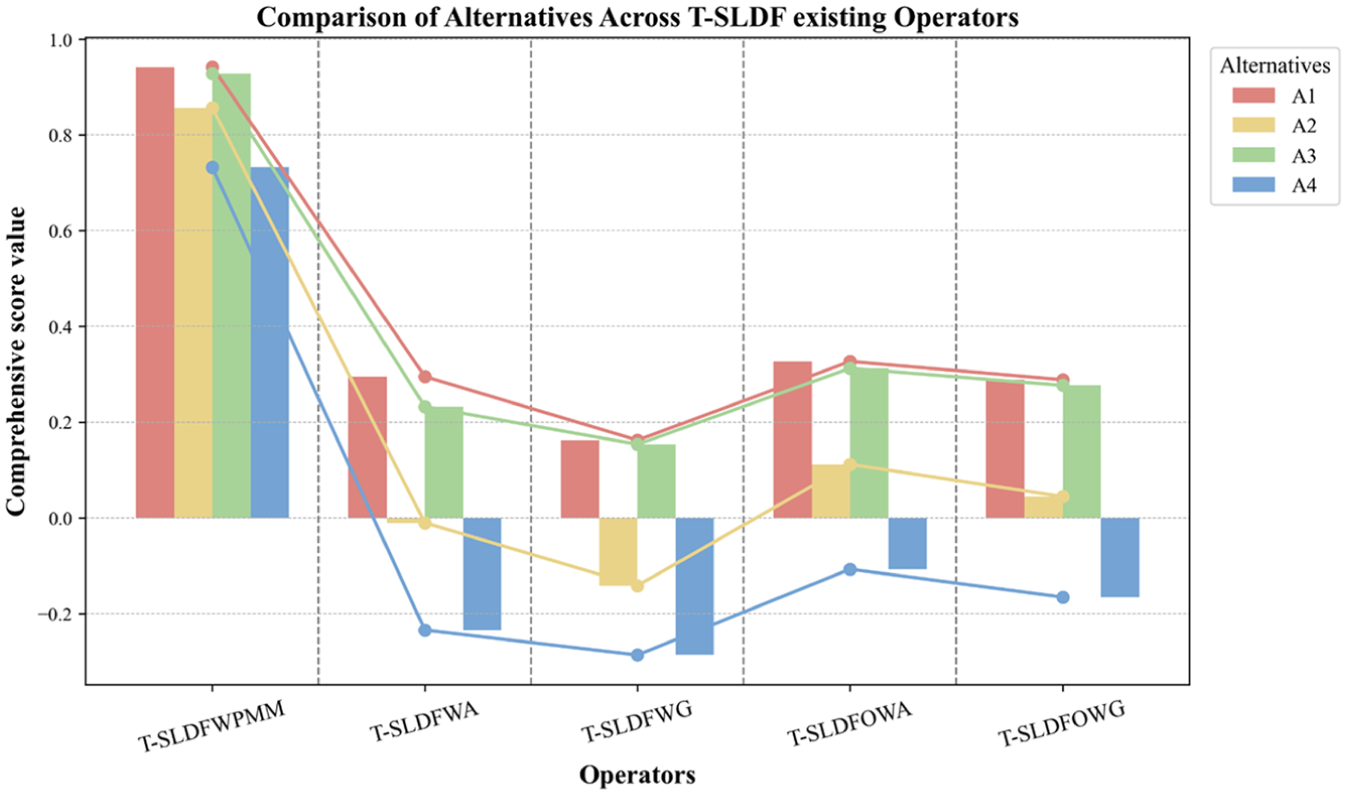
Comparative evaluation of aggregated scores from existing operators.
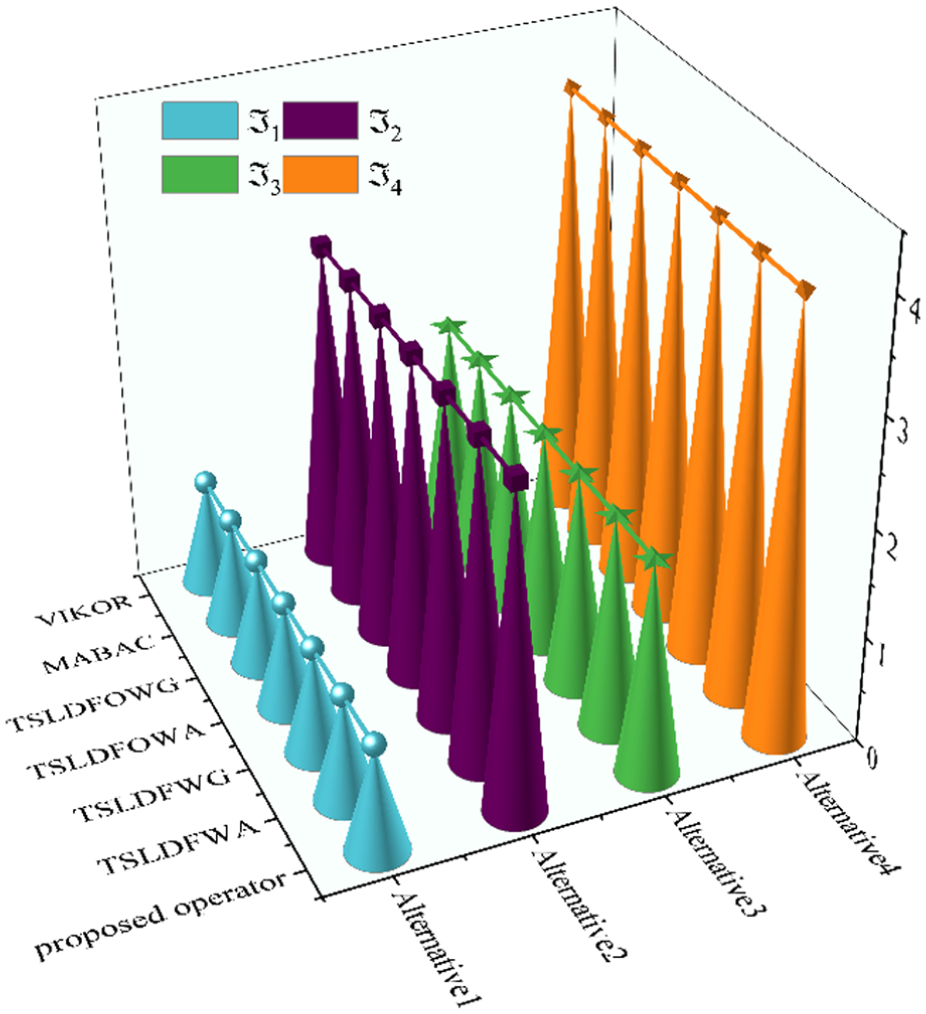
Comparative ranking results of alternatives across various decision-making models.
The proposed T-SLDFPMM operator not only maintains this ranking order while generating significantly larger score differentials among alternatives. This indicates an enhanced capacity to model interattribute synergy while effectively mitigating the influence of extreme values or inconsistent input patterns. The consistently lowest rank of Alternative 4 across all models further substantiates its suboptimal performance, regardless of the aggregation strategy employed. Compared with traditional operators, the T-SLDFPMM method demonstrates distinct advantages by integrating the characteristics of the MM and PA operators. This fusion allows the model to capture complex, multilevel interactions among criteria while simultaneously suppressing noise introduced by anomalous values. The resulting score distribution demonstrates both a strong alignment with expert judgment and enhanced interpretability and robustness in multicriteria evaluations. Furthermore, although operators such as T-SLDFWA and T-SLDFWG emphasize the effects of attribute weights, they often fail to account for latent intercriteria dependencies, thereby diminishing decision accuracy in multidimensional scenarios. Similarly, OWA-based variants such as T-SLDFOWA and T-SLDFOWG, while capable of modeling ordinal preferences, tend to show limited reliability under nonlinear or entangled attribute structures. Figure 13 presents a heatmap comparing alternative scores across different decision-making methods, with data sourced from Table 21. The visualization clearly shows that Alternative 1 consistently achieves the highest scores, while Alternative 4 ranks lowest in all approaches. The color gradients highlight performance variations, reinforcing that the T-SLDFWPMM method provides the most discriminative results among the evaluated aggregation strategies.
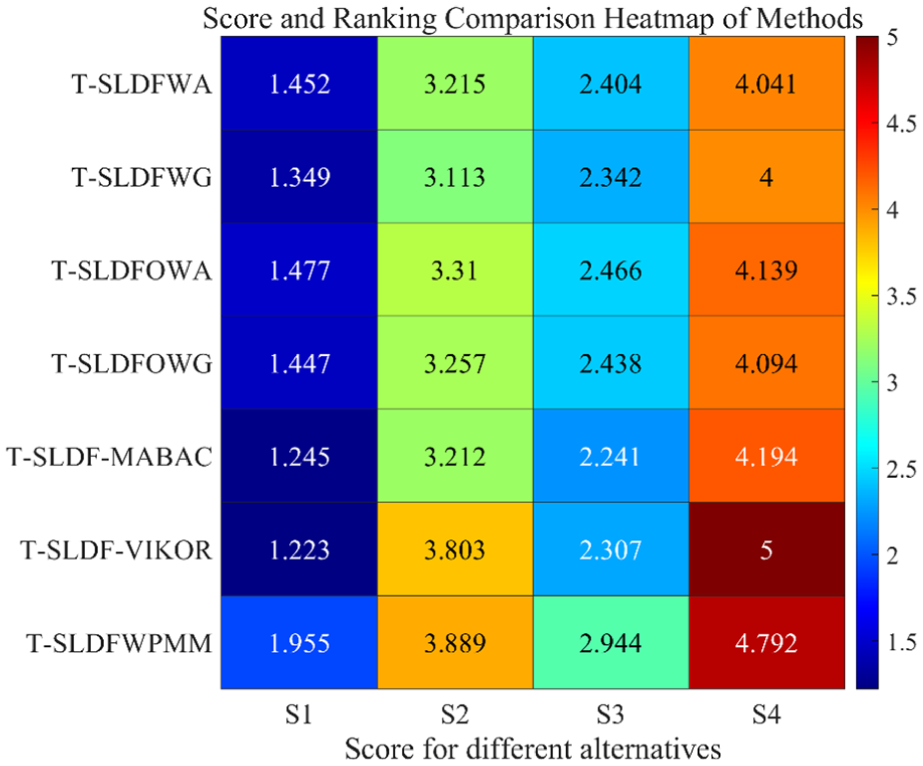
Heatmap of alternative ranking scores across various decision-making models.
Comparative analysis of scores derived from proposed and existing aggregation operators
Computational complexity and scalability analysis
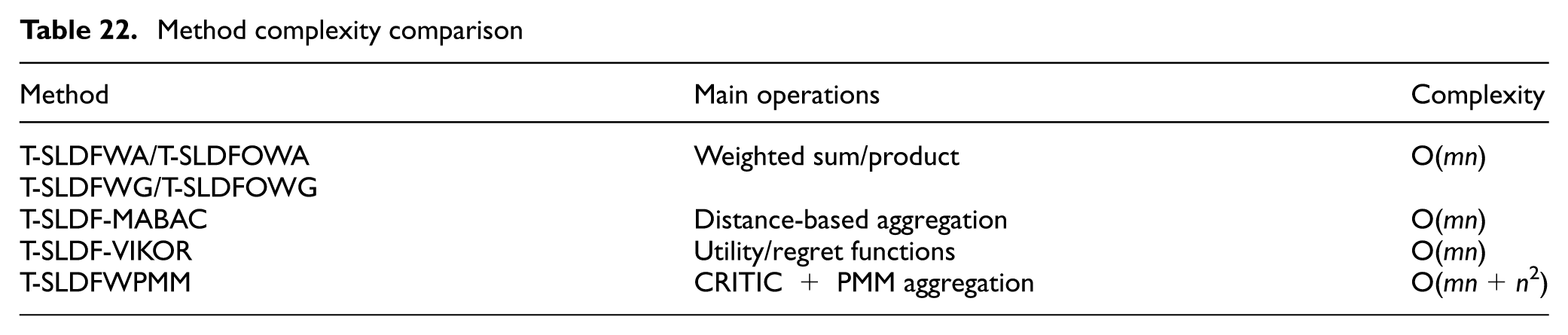
For a MAGDM problem with m alternatives and n attributes, we analyze the computational complexity of the decision process to further evaluate the feasibility of the proposed T-SLDFWPMM operator in practical applications. This process can be decomposed into four steps. (1) Normalizing the decision matrix and calculating the score values requires O(mn) operations. (2) The objectively weighted CRITIC method requires constructing the attribute correlation matrix, with a complexity of O(n2). (3) The hybrid weighting process combining subjective and objective weights has linear complexity of O(n). (4) Aggregating each alternative using the T-SLDFWPMM operator requires O(mn) operations. Thus, the overall computational complexity is O(mn+n2), which is linear in the size of the decision matrix and quadratic in the number of attributes. Since the number of attributes is typically small compared with the number of alternatives in most decision scenarios, the method remains computationally efficient. In contrast, traditional operators such as T-SLDFWA, T-SLDFWG, T-SLDFOWA, T-SLDFOWG, MABAC, and VIKOR (Table 22) all exhibit complexity of O(mn). Consequently, T-SLDFWPMM introduces only a minor additional cost of O(n2) due to its critical weight calculation, while simultaneously considering expert evaluation preferences and attribute interrelationships to enhance aggregation performance. Analysis indicates that compared with existing aggregation strategies, this method achieves a balanced tradeoff between computational efficiency and decision stability. The scalability of the operator demonstrates its practicality and applicability in large-scale MAGDM scenarios.
Method complexity comparison
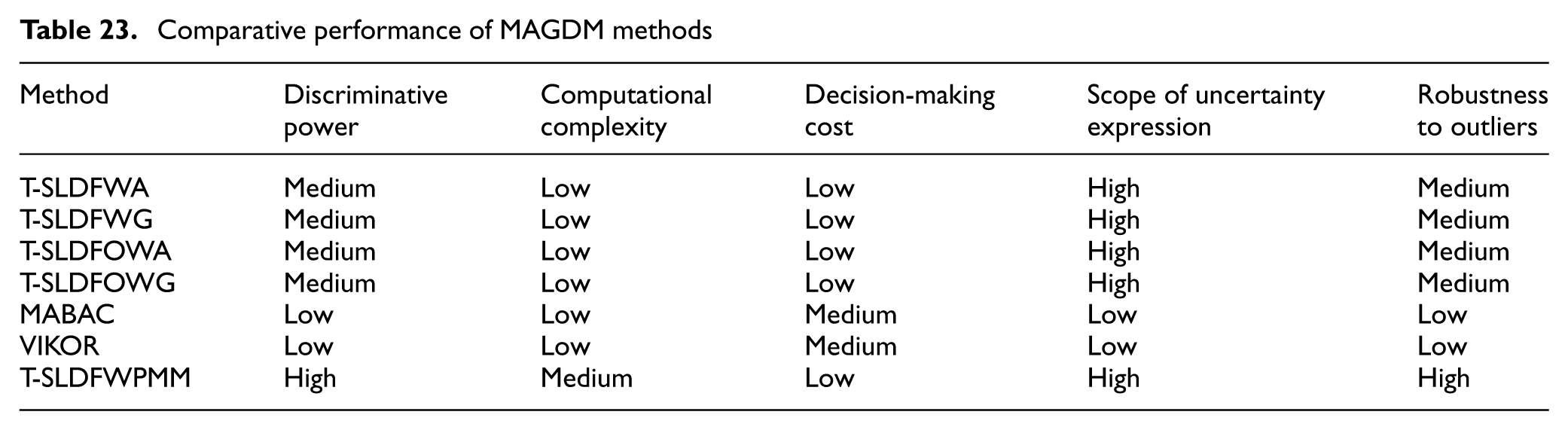
To provide a more comprehensive comparison beyond ranking scores, Table 23 summarizes the characteristics of the proposed operators and baseline methods across multiple dimensions. T-SLDFWPMM exhibits the highest discriminative capability, and despite its slightly higher computational cost, it demonstrates significant advantages in uncertainty modeling and robustness. In summary, the T-SLDFWPMM operator demonstrates higher reliability in complex decision-making environments. Its ability to align with other operators in terms of ranking results (
Comparative performance of MAGDM methods
Conclusion
This work has proposed a MAGDM method based on T-SLDFS, derived from the multidimensional characteristics of waste textile treatment technologies. It has been applied to the evaluation of various waste textile treatment technologies. The experimental results indicate that the advantages of the proposed algorithm stem from the T-SLDFWPMM operator, which enhances decision-making accuracy by capturing intrinsic relationships among attributes and alleviates instability inherent in conventional methods under extreme evaluation conditions. The weights of each attribute are systematically determined using a hybrid weighting approach that combines subjective and objective methods. The practicality and stability of this method have been further validated through sensitivity analysis of attribute weights and reference vector variations. Ultimately, compared with conventional fuzzy decision-making models and existing operators, the proposed method demonstrates significant advantages in capturing information complexity and reducing assessment bias. With the aid of weighted score and ranking visualizations (see Figure 13), the proposed operator's decision-making results align more closely with the actual operational practices, highlighting its practical value.
Beyond textile recycling, the proposed framework can be extended to various sustainability oriented decision-making contexts. Typical examples include selecting renewable energy technologies (such as solar or wind power) based on criteria such as cost, efficiency, and environmental impact. Recycling pathways for waste-to-energy conversion require balancing technological maturity, economic viability, and social acceptability. The T-SLDFWPMM-based model provides a flexible tool for such multiattribute tradeoffs. By capturing attribute interactions and mitigating the influence of extreme evaluations, it proves applicable to practical problems involving cleaner technology selection and resource optimization decisions.
Future studies could expand the method by integrating additional qualitative indicators and environmental factors, such as energy consumption and financial implications, to provide more precise decision-making support for optimizing waste fabric recycling. Furthermore, in response to the diversity of waste fabrics and ongoing advancements in processing technology, future research will explore multivariate data integration grounded in fuzzy theory and pursue interdisciplinary studies into FSs and aggregation operators to promote the sustainable development of uncertain multiattribute decision theory. Future research seeks to further integrate complex spherical FSs, T-SFSs, interval-valued spherical FSs, and LDFSs, thereby enriching the theoretical framework. In addition, future work will incorporate other aggregation operators, such as Hamacher, Maclaurin, Bonferroni, Heronian, and Archimedean operators, along with similarity and distance measures, as well as advanced subjective and objective weighting strategies, to further improve methodological robustness.
Footnotes
Appendix A: Some properties of the T-SLDFPMM operator
Appendix B: Formula definition
Here, k, m, and n are the number of experts, alternatives, and attributes, respectively, and
Declaration of conflicting interests
The authors declared no potential conflicts of interest with respect to the research, authorship, and/or publication of this article.
Funding
The authors disclosed receipt of the following financial support for the research, authorship, and/or publication of this article: This work was supported by the National Natural Science Foundation of China (grant numbers 51205288 and 62401391) and the Natural Science Foundation of Tianjin (grant numbers 17JCYBJC19400 and 24JCZDJC00910).
Data availability statement
Some or all data that support this study’s findings are available from the corresponding author upon reasonable request.