







Abstract
This paper examines the operation of the Housing Market Renewal Pathfinder Programme in England over the period 2002–10. The programme aimed to address high vacancy rates and low house prices in inner-city and declining industrial areas of northern and Midlands cities. The programme achieved some success in generating new housing supply in areas where private developers had previously been reluctant to invest, but had only limited impacts on high vacancy rates. House prices rose sharply in the programme areas, but also in similar areas outside the scope of the programme, driven by wider market-led pressures, including increased demand arising from international in-migration and a boom in speculative investment. With a change in government in 2010, the programme was abruptly wound up and the future of the programme areas is uncertain.
Introduction
The Housing Market Renewal (HMR) Pathfinder programme was a regeneration initiative introduced during 2002 by government in response to perceived problems of falling house prices, high vacancy rates and, in extreme cases, housing abandonment in a number of towns and cities in the North and Midlands of England. The programme was targeted at nine areas of ‘low demand’ housing which collectively contained more than 800 000 dwellings, including some 43 per cent of the most disadvantaged 1 per cent of neighbourhoods in England (Audit Commission, 2009).
The HMR programme marked a significant shift in government policy in relation to urban regeneration which had previously been focused on neighbourhoods and specific housing tenures. The distinctive features of the programme were
— The problem of high vacancy rates was evident across housing tenures so the programme focused on the operation of housing markets and the relationship between the existing stock, new building and the spatial preferences of developers and residents.
— Action was directed at relatively large areas encompassing both neighbourhoods with intense problems and surrounding areas less severely affected but thought to be vulnerable as a result of proximity. On average there were almost 100 000 dwellings in each HMR Pathfinder area.
— The focus on larger housing market areas required local government authorities to work collaboratively on strategy and policy development. At the implementation stage, new non-statutory partnership agencies were formed char-ged with co-ordinating the input of a wide range of public agencies, private-sector agencies such as housing developers, and financial institutions such as banks and building societies.
— The programme recognised that housing markets were subject to a wide range of market and public policy-driven influences, including economic change and public policy towards economic growth, land use planning polices, welfare programmes and policies affecting the public realm and public services. Although investment through the programme was mainly targeted on housing and land, the implementing agencies also sought to influence wider public policies and investment, and to undertake actions (such as site assembly and disposal) which modified the operation of local housing markets, notably by reviving new private development in areas from which it had largely disappeared.
— There was a requirement in the early stages of the programme to assemble a robust evidence base to provide an understanding of the factors causing high vacancy levels and low house prices, to form the basis for an effective programme of interventions. Drawing on academic and other research prior to the establishment of the programme, it was also recognised at the outset that the problems to be addressed differed widely across the nine areas represented in the programme and that this would require locally tailored interventions.
— In recognition of the importance of locally designed solutions, central government played a relatively low-profile role in the development of the programme, with only a small team of civil servants overseeing it. Detailed scrutiny of expenditure and activity was handed over to the Audit Commission, a body responsible for both financial audit and wider performance review of local government services. Central government also commissioned an independent evaluation of the programme over the period from 2005 to 2009.
— There was a recognition at the outset that the programme would require a long timescale to achieve its ambitious objectives. Funding agreements between local and central government referred to a 15-year timescale finishing in 2017/18.
An initial investment of £50 million was made available in 2002 to fund start-up costs, community consultation and some ‘early win’ investments in nine programme areas. 1 When their proposals were finalised, the nine HMR pathfinders proposed to refurbish 97 000 dwellings, construct 67 000 new homes and demolish 57 100 dwellings, a programme requiring a combined public- and private-sector investment of over £7 billion (Housing Market Renewal Pathfinder Chairs, 2006). Successive Labour governments provided £2.2 billion of public funding for the programme over the period 2003–11, covering the first nine years of its proposed lifespan. However, following the formation of a new Conservative/Liberal Democrat coalition government in 2010, the HMR programme was abruptly terminated. After adverse publicity over the impact of this termination, a small fund of £30 million was subsequently offered to five of the nine areas to assist them with the task of rehousing residents in derelict neighbourhoods.
The decision to discontinue the HMR initiative was taken without a formal review of its performance or a risk analysis of the social and economic impact of its termination. The fate of the HMR programme was not unique and the new government terminated other hypothecated funding streams to local authorities which addressed social and economic disadvantage in deprived areas, including central government support for private housing renovation and special funding for private developers on high-cost inner-city sites affected by the post-2007 credit crunch.
The development of the Housing Market Renewal programme with its focus on post-industrial cities and deprived neighbourhoods within them can be seen as part of a wider policy trend within Europe and the US during the past two decades which has tested the extent to which public policies (and public/private-sector investment) can regenerate places whose economic function has collapsed. Examples include the HOPE VI project in the US which had a similar budget ($5 billion) and timescale to the HMR programme, but was exclusively focused on redeveloping the most ‘severely distressed’ public housing projects (Popkin et al., 2004). In Europe, both the European Union and national and local governments targeted funding to address the decline of East German cities following unification (see Bontje, 2004). The ‘shrinking cities’ phenomenon stimulated significant academic debate and cross-national collaboration through mechanisms such as the Shrinking Cities International Research Network based at the University of California.
The findings of this paper thus seek to contribute to the growing body of literature which explores the impact of housing renewal policy in areas which have experienced chronic and widespread decline. The paper starts by reviewing the evidence gathered on the nature of housing market change and neighbourhood abandonment which led to the HMR programme. The paper then describes the physical and other outputs from the programme before examining the impacts on housing demand of changes in local employment levels, population growth and household formation during the lifetime of the programme. Throughout its implementation phase, the rationale for the HMR programme was contested by a variety of individuals, pressure groups, agencies and academic commentators. Their criticisms are appraised in the light of the evidence on outputs and outcomes. Finally, the paper draws conclusions on how the programme performed against its aims and the lessons which can be drawn for public intervention in markets.
Housing Market Failure and Neighbourhood Decline
The HMR programme developed from a large volume of academic and related research on English housing markets undertaken in the late 1990s. Bramley (1998) noted that, during the 1980s and 1990s, some formerly industrialised cities and towns in the North and in the Midlands experienced sustained employment and population loss to suburban or rural areas surrounding them, and static or even falling household and dwelling numbers (despite a reduction in average household size). The consequent reduction in demand brought about higher vacancy rates and reduced or static dwelling prices in low-value areas. The fall in demand was initially manifested in reduced waiting-lists for social rented housing managed by local councils and housing associations. For some time, this was seen as an issue relating to the mismanagement of this tenure or to the unpopularity of certain dwelling types such as high-rise flats, rather than as a wider symptom of the economic decline of industrial cities and towns. Yet later in the 1990s, the lack of demand also began to affect some older multi-tenure housing neighbourhoods, originally constructed as private-sector housing but diversified through selective public-sector acquisitions since the 1960s (Keenan, 1998; Lee and Nevin, 2003). This was an entirely new phenomenon in English housing markets.
Many of the worst-affected neighbourhoods had a long history of previous public-sector intervention. Some had been subject to demolition proposals in the 1960s and early 1970s, which were revoked when public policy in the UK shifted to favour renovation. They subsequently experienced programmes of public-sector grant aid to private homeowners for renovation, often receiving several successive tranches of assistance (Leather, 2000). Some areas, especially those where a significant number of properties were owned by private landlords, were subject to selective programmes of acquisition and improvement by housing associations underwritten by public funding. This contributed to the development of a complex tenure pattern. Some areas became popular with low-income first-time buyers, partly because they provided a pool of cheap housing and partly because of the state financial assistance available with improvements, repairs and maintenance. However, these programmes were increasingly reduced from the mid 1980s by measures to constrain public spending. Despite physical refurbishment, some neighbourhoods remained vulnerable to decline, especially those located in larger cities or urban areas where the sheer scale of supply exceeded weakened demand during the 1990s; those in highly deprived neighbourhoods (where homeowners were less willing or able to invest); and those adjacent to social housing estates which had been experiencing falls in demand and abandonment during the 1980s (Nevin and Leather, 2006).
The impact of these reductions in housing demand on the worst affected multi-tenure neighbourhoods was severe and this caught the attention of the media and policy-makers. The experience of the Seedley and Langworthy area in Salford, a multi-tenure area of 4000 mainly terraced dwellings, highlights the speed and the severity of changes to the local housing market. Properties that had been sold for £30 000 in 1990 were selling for £4000 by 1999 with vacancies rising to almost 20 per cent (Salford City Council, 1998). During the same period, a similar process was occurring nearby north Manchester where a neighbourhood of 5000 dwellings experienced a 25 per cent price fall over five years and a 40 per cent increase in vacancies. During the early part of the 1990s, this area had been the subject of a major refurbishment programme, its second in only 25 years. The programme provided grants of up to £80 000 per unit for refurbishment (Manchester City Council, 2001). Many of the refurbished properties were neither saleable nor tenanted after refurbishment and were subsequently demolished. In the North East of England and Manchester, there were also well-publicised cases where newly constructed social rented housing was demolished without being occupied because it could not be let.
The first indication of the potential scale of this issue (christened ‘low demand’) emerged from research commissioned by central government to quantify the problem and identify areas with high vacancy rates and low values. This identified 844 000 dwellings in low-demand areas of which 375 000 were privately owned (Bramley et al., 2000). The research concluded that problems were not focused on small neighbourhoods, but were relatively widespread across the North and parts of the Midlands.
In 1999, a group of 18 local authorities in the North West of England covering an area known as the ‘M62 corridor’ (named after the motorway running through it) commissioned academic research to identify the causes of housing market change in their areas (Nevin et al., 2001). This concluded that low demand was occurring because of long-term changes in local economies, planning polices which had facilitated decentralisation of jobs and population, the undermining of the demand for a wide range of private and public services arising from population loss, the concentration of low-income households in inner-city areas and a lack of choice and quality in the housing on offer in these areas to attract new households.
The findings of these research studies were highly influential in the development of the HMR programme, but it was the headline symptoms which caught the attention of politicians, with reports of owners abandoning properties and houses traded in some areas for less than £10 000. These concerns were reflected in the key performance targets chosen by government at the outset of the programme
“to close the gap between the level of vacancies and house values in the pathfinder areas by a third compared with their regions”.
“to eradicate the problems caused by low demand by 2020” (DCLG, 2009, p. 9).
A wider-ranging set of objectives were subsequently identified from ministerial statements and official documents in the national evaluation of HMR to revive housing markets in their areas, to make these areas attractive to a wider range of households including those with choice about where they live, to contribute to the creation of sustainable communities in these areas, and to contribute to their longer term economic prosperity through improvement of the quality of housing on offer (DCLG, 2007, para 5, p. vii).
However, unanticipated market developments in the period shortly after the programme was established and the difficulty of establishing the impact of the programme on the wider objectives such as creating sustainable communities, were to pose constant challenges to the programme as it was implemented.
Outputs from the HMR Programme
A full account of the progress of the programme over the nine years to 2011 is not practical here. A series of reports from the independent national HMR evaluation, commissioned by central government, provide a detailed picture (see especially DCLG, 2007, 2009), but this evaluation only covered the period from 2004 to 2008, despite the intended 15-year timescale of the programme. However, monitoring of the programme by the Audit Commission continued subsequently with individual project reports and a series of annual overviews for each of the nine areas (Audit Commission, 2009, 2011).
Drawing on these sources, Table 1 shows some outputs from the programme (refurbishments, demolitions and new build) between 2002 and 2010. 2 Around 85 300 properties were refurbished, 29 100 new dwellings completed and approximately 21 000 poor-quality or low-value dwellings were demolished over the 2002–10 period. There was thus a net gain of around 7900 dwellings. This compares with a net reduction in dwellings of over 21 000 during the period 1991–2001 shown in Table 2.
Refurbishment, demolitions and new build, 2002/03–2009/10
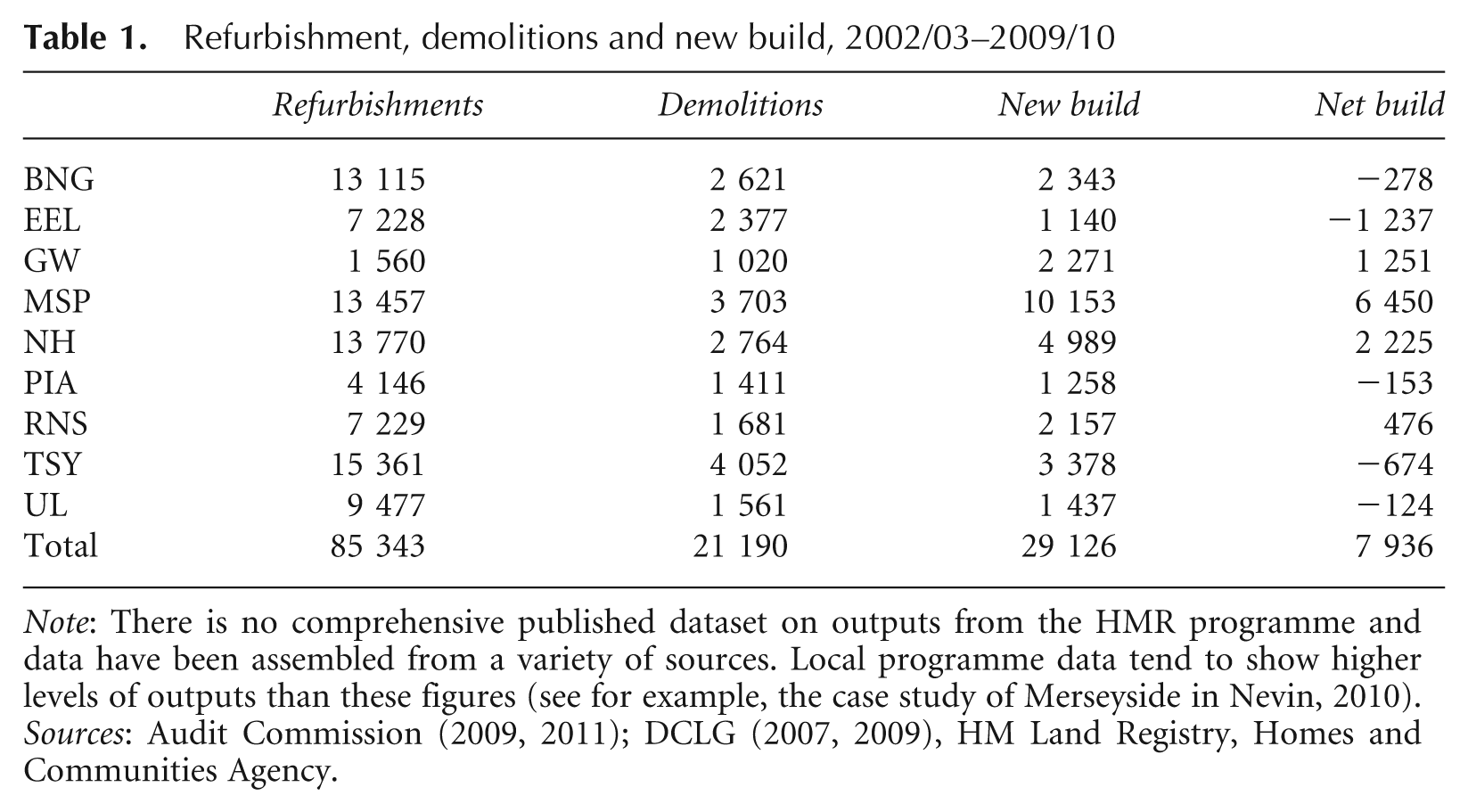
Note: There is no comprehensive published dataset on outputs from the HMR programme and data have been assembled from a variety of sources. Local programme data tend to show higher levels of outputs than these figures (see for example, the case study of Merseyside in Nevin, 2010).
Sources: Audit Commission (2009, 2011); DCLG (2007, 2009), HM Land Registry, Homes and Communities Agency.
Households, household spaces and vacancies, 1991–2001
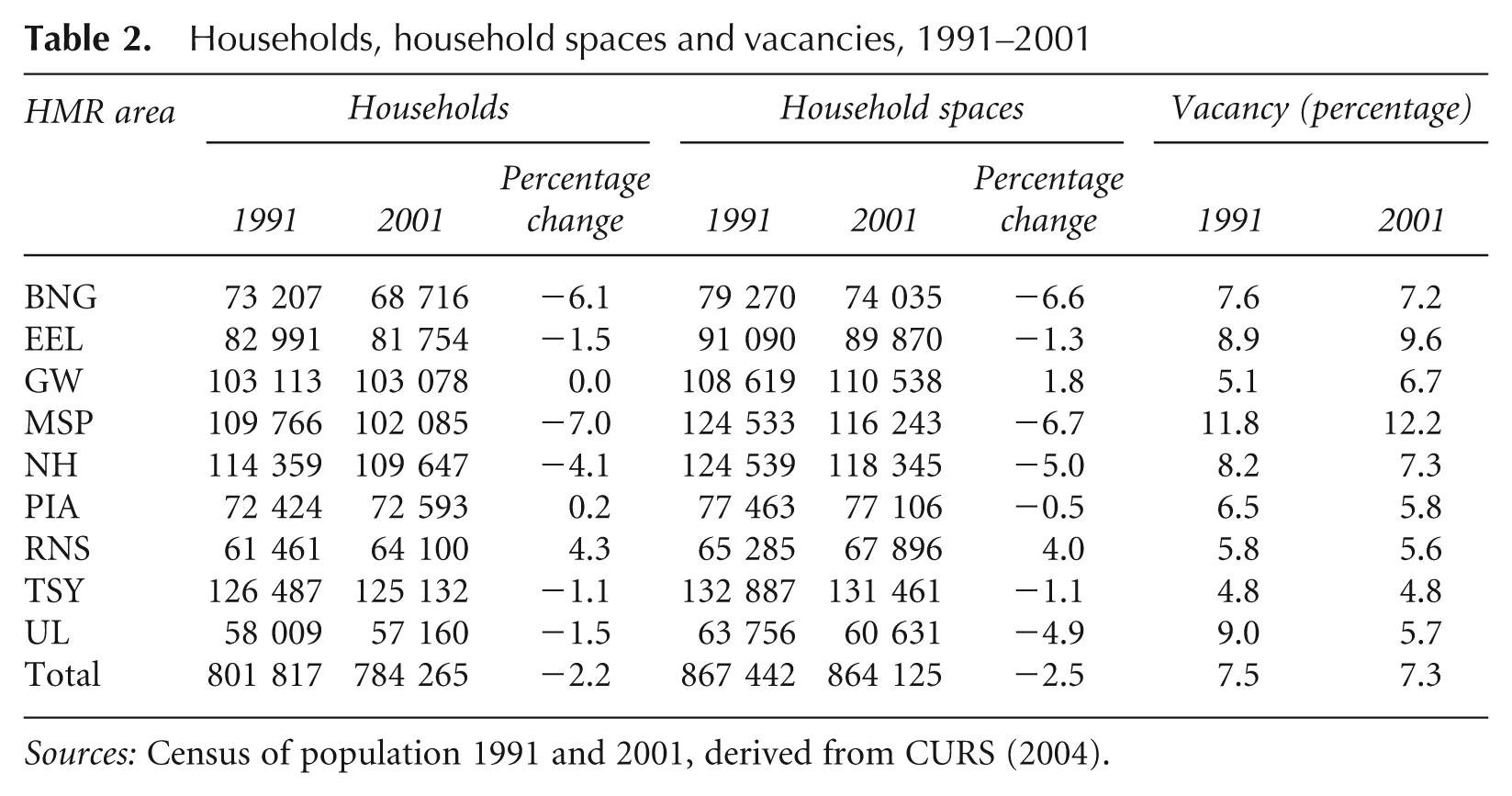
Sources: Census of population 1991 and 2001, derived from CURS (2004).
The average value of new dwellings was £132 000, indicating an aggregate level of new build investment of over £4 billion. It is clear that public-sector investment in existing property, the assembly of development sites and the renewal or creation of infrastructure not only assisted in improving existing housing but also assisted in attracting private developers and reversing the picture of historical reductions in the supply of property in the HMR areas.
The underlying picture is, however, more mixed (Table 3). It was in the HMR areas which contained or were close to the centres of the core cities of Manchester, Liverpool and Newcastle where progress in attracting new build was greatest both in absolute terms and per 1000 existing dwellings. The strength of the economies in these areas was responsible for creating active private-sector-led city-centre apartment markets. The HMR projects were able to support new housing growth in inner-city neighbourhoods outside the city centres. However, in East Lancashire, Oldham/Rochdale and Hull, where economic growth was less robust, the rate of addition to the stock was much lower. In the Birmingham conurbation, despite an active city-centre market, the HMR area could not achieve a high rate of stock addition because it was located much further from the centre.
Private-sector dwelling stock and new construction in HMR areas and parent authorities, 2002–10
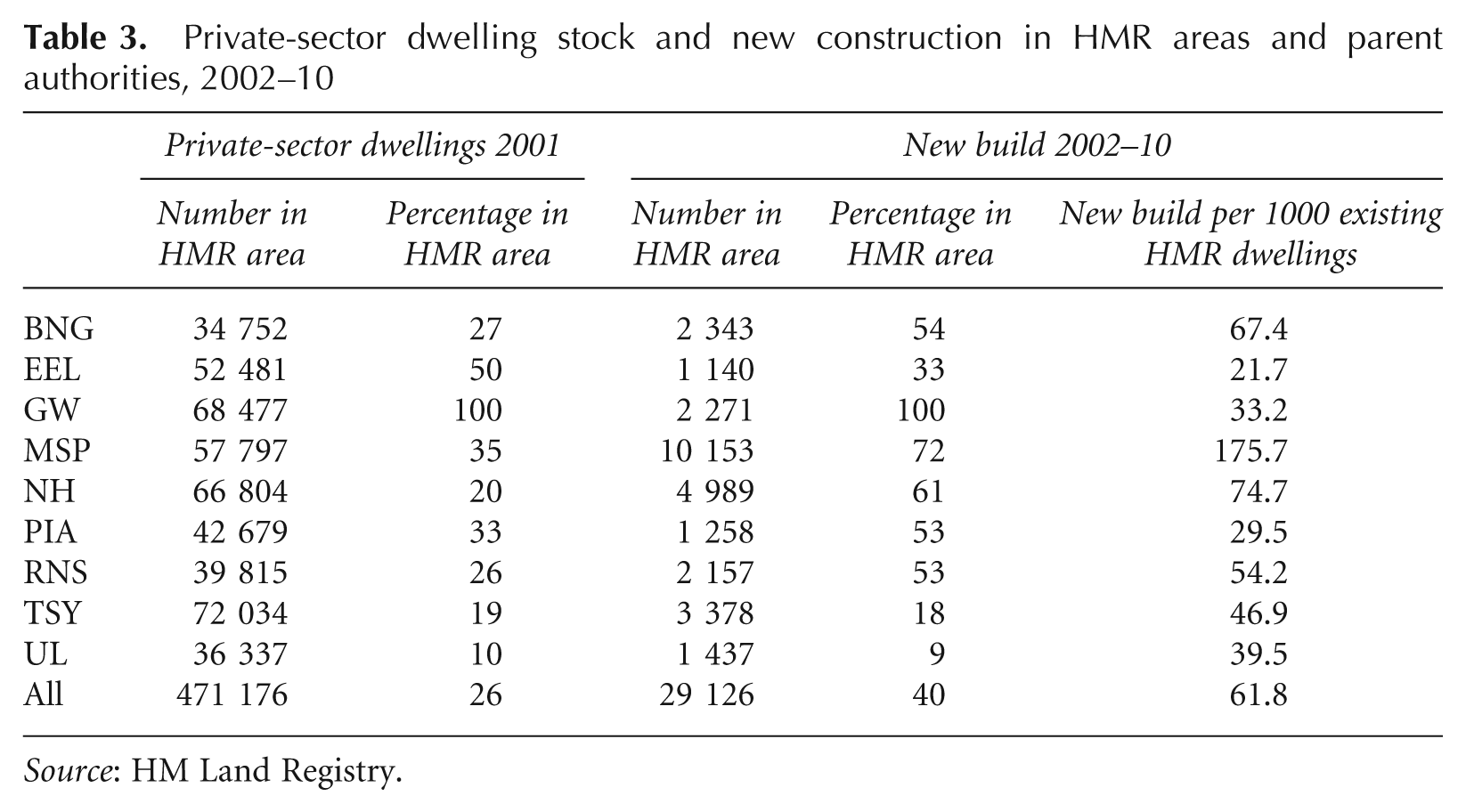
Source: HM Land Registry.
House Prices and Vacancies
Examining the key targets relating to vacancies and house prices, the national HMR evaluation concluded in 2009 that the programme had made some progress up to that point. Between 2002 and 2006, vacancy rates had reduced when compared with the regions in which they were located in four of the nine groups of HMR local authorities. House prices had also increased in the HMR areas more rapidly than in their surrounding regions, although they had not closed the gap with the regions to the extent required by the government’s target. The number of dwellings experiencing ‘low demand’ had fallen by 42 per cent, a similar proportion to that achieved nationally (DCLG, 2009).
Yet these findings were problematic for a number of reasons. First, ‘low demand’ was not an easily definable concept and interpretations varied between areas and over time as estimates were self-reported by local authorities. Secondly, there were concerns over the accuracy of sources of data on vacancies and problems in obtaining data for the HMR intervention areas (which did not follow administrative boundaries). In some cases, HMR interventions (such as the acquisition of properties for demolition) led to temporary increases in vacancy rates which data sources could not accurately isolate. An analysis of local vacancy data in 2007/08 shows that rates within HMR areas were then still significantly higher than those in surrounding neighbourhoods (Table 4).
Vacancy rates, 2007/08 (percentage of LSOAs having specific vacancy rate)
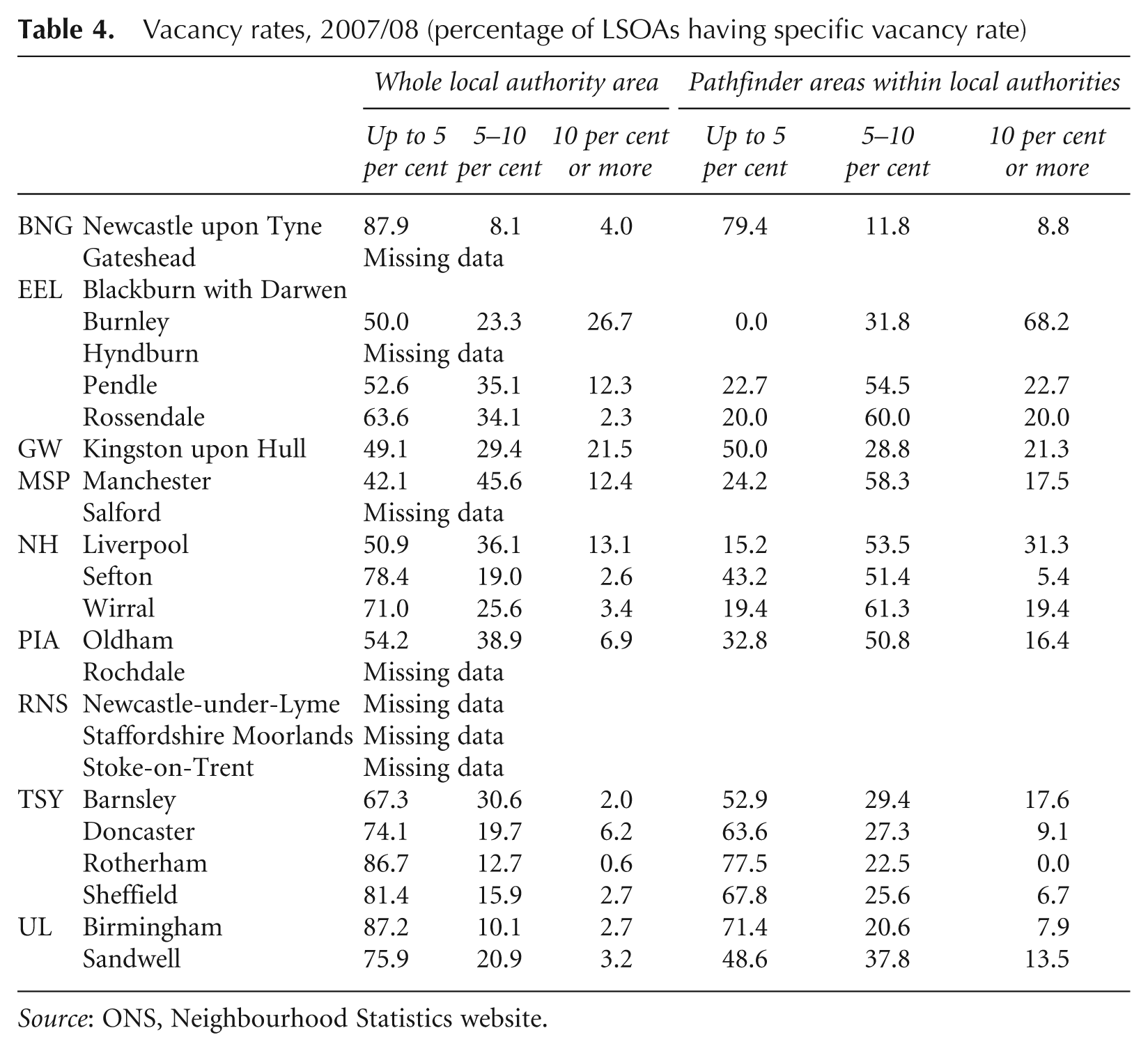
Source: ONS, Neighbourhood Statistics website.
In relation to house prices, Figure 1 shows that, up to 2007, prices in HMR areas increased relative to prices in their relevant regions. The period from 2003 to 2007 certainly saw high rates of price increase in the HMR areas (Table 5), but prices increased across most areas in the North and the Midlands and, in the first part of this period, there were few completed interventions under the programme.
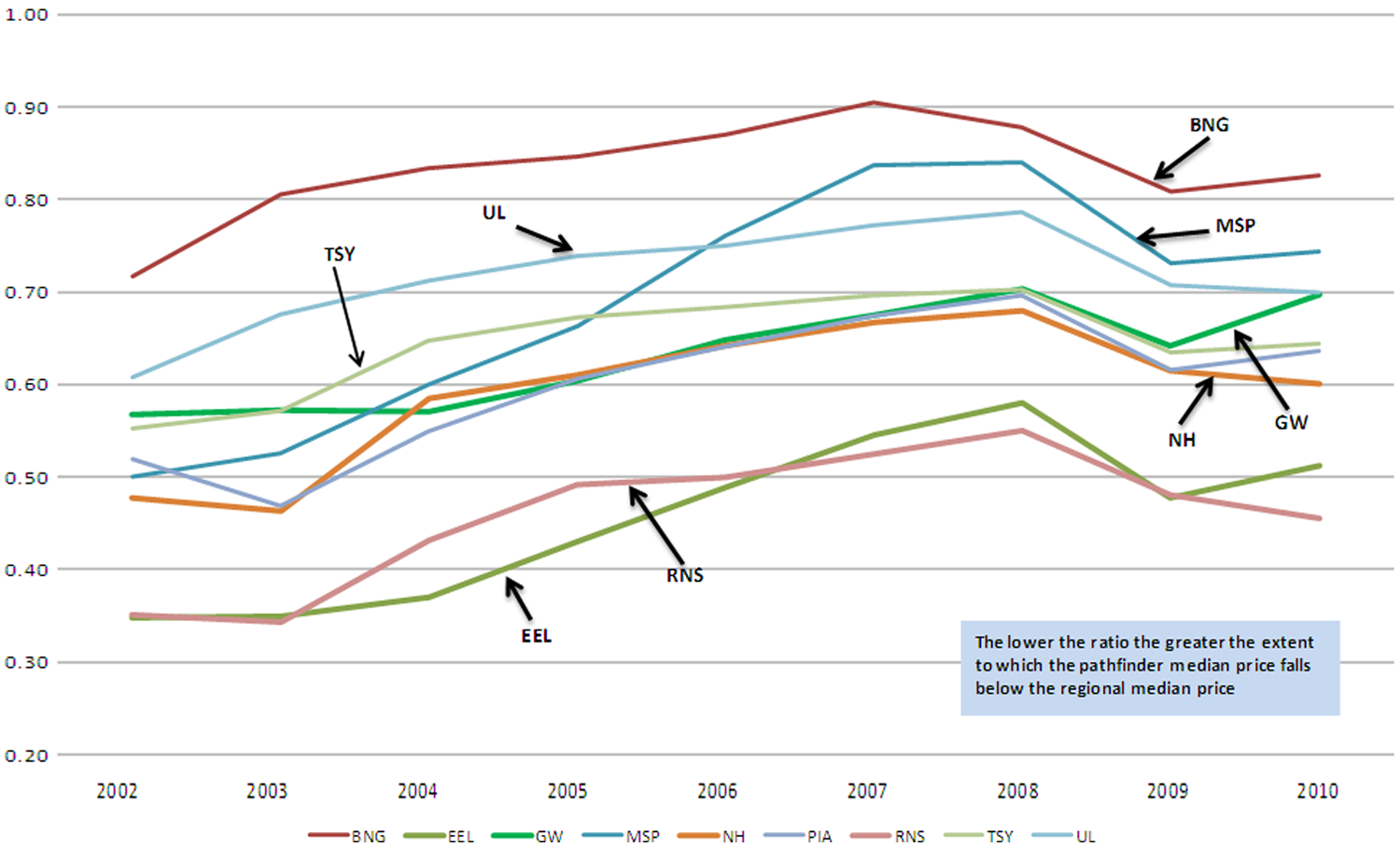
Ratio of HMR Pathfinder median price to regional median price: second-hand dwellings.
Median sale prices, 1999–2010
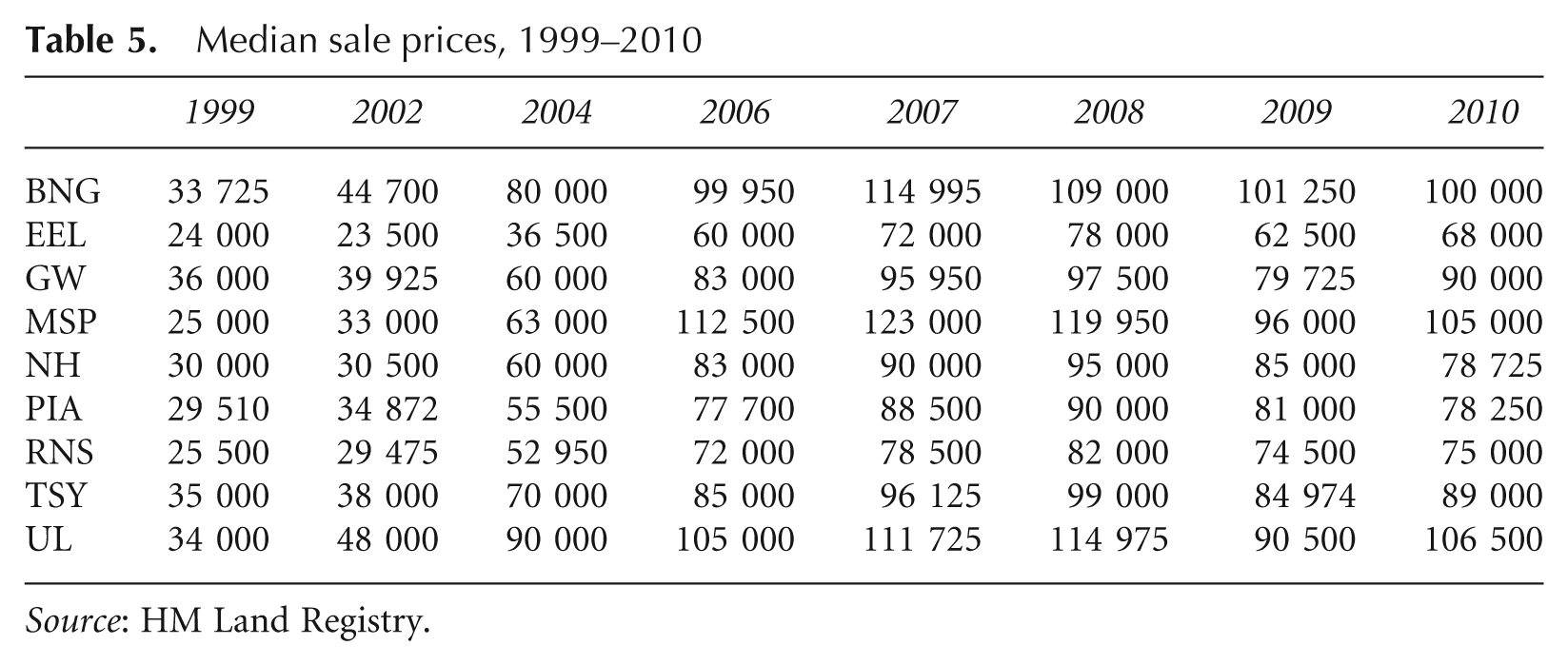
Source: HM Land Registry.
Realistically, price rises in the HMR areas were likely to have been generated by the same forces that affected prices in other low-value areas. After a long period of static prices in the 1990s, house prices began to rise in the south of England in the late 1990s, driven by economic and demographic growth. By 2000/01, growth had spread to more buoyant housing markets in the North and Midlands, but the HMR areas were slow to experience this impact. From 2003 to 2007 the position changed. In many of the local authority areas containing HMR programmes, rising demand was evident as international migration increased and household growth became positive following the stagnation of the previous two decades. Factors underlying sustained price rises also included falling unemployment, rising real incomes, low interest rates and readily available credit for house purchase. There were important differences in the extent of growth, which can be linked to the changing economic geography of the North and Midlands. The relative economic success of Manchester and Newcastle was reflected in strong growth in prices and a narrowing of the gap between regional and local authority level prices. Conversely, poorer economic performance in East Lancashire, Stoke, Hull and Merseyside constrained the level of house price growth relative to regional averages.
There was evidence from some areas of localised increases in demand arising from speculation by investors, especially in Liverpool, Newcastle and East Lancashire. Research carried out for the HMR programme in Merseyside found a surge in auction-based sales to private investors and a high level of repeat sales over the 2003–05 period (Ecotec Research and Consulting, 2007).
Rising house prices from 2003 to 2005 posed major political problems for the programme. If prices (and demand) had risen, why was the programme still needed? Rising prices also brought issues of housing affordability to the fore, initially in higher-priced areas but by 2006 even in some areas considered in 2002 to be ‘low demand’. Politically, attention shifted to ways of increasing dwelling supply to cater for household growth and to reduce prices to make housing more affordable to those on low incomes, with new government initiatives to identify growth points and growth areas and to create increased regional targets for house-building (Ferrari, 2007).
Housing (and land) price rises also posed difficulties for the operation of the HMR programme, as the costs of implementing renewal strategies increased. Extensive community consultation over programme proposals raised the price expectations of estate agents and sellers locally. The process of reducing long-term vacancies through demolition began to eliminate the very lowest value accommodation, increasing average sales values. After a time lag, it became evident that speculation was contributing to price increases in areas designated for clearance (Nevin, 2010). A Sunday Times investigation into speculation in HMR areas quoted a Liberal Democrat politician from East Lancashire It’s extraordinary, it’s costing £80 000 of public money to buy a two-up two-down house so it can be demolished. … we come across people from Jerusalem and Johannesburg who have been buying up property in Pendle. If it’s for demolition, the council has to buy it back from these people (Ungoed-Thomas and Calvert, 2007).
This was a very serious problem for the HMR programme and by extension for any other programmes seeking to intervene in housing markets.
From 2007, when the impact of the global credit crisis affected housing markets across the UK, the HMR areas experienced a worsening of prices relative to regional levels which in some cases has subsequently eliminated gains made between 2003 and 2007. Prices in HMR Pathfinder areas fell more rapidly than either the average for England and Wales or the average for their surrounding regions, and sales turnover declined by more than 85 per cent across all of the Pathfinders. This demonstrated that these areas retained their vulnerability within the housing market relative to surrounding areas.
Population and Household Change in HMR Areas
An improvement in the demographic and economic factors creating housing demand was partly responsible for rising prices in the North and Midlands over the 2003–07 period. The outward migration of affluent households from declining Northern and Midlands cities to surrounding suburban and rural areas in the latter decades of the twentieth century has been well documented (Turok and Edge, 1999). From 1981 to 2001, population and household growth were muted or even negative in most of the HMR areas. Table 6 shows that all of the Pathfinders experienced growth in population over the period 2001–08. The importance of economic growth in driving this is evident, with growth in the young working-age population, especially people aged 16–24. Conversely, there was a continued decline in the numbers of children and people aged 25–49, suggesting that the HMR areas were becoming places where young and economically mobile migrants lived, with continuing problems in retaining families with children and older people.
Demographic change, 2001–08 (percentage change in different groups)
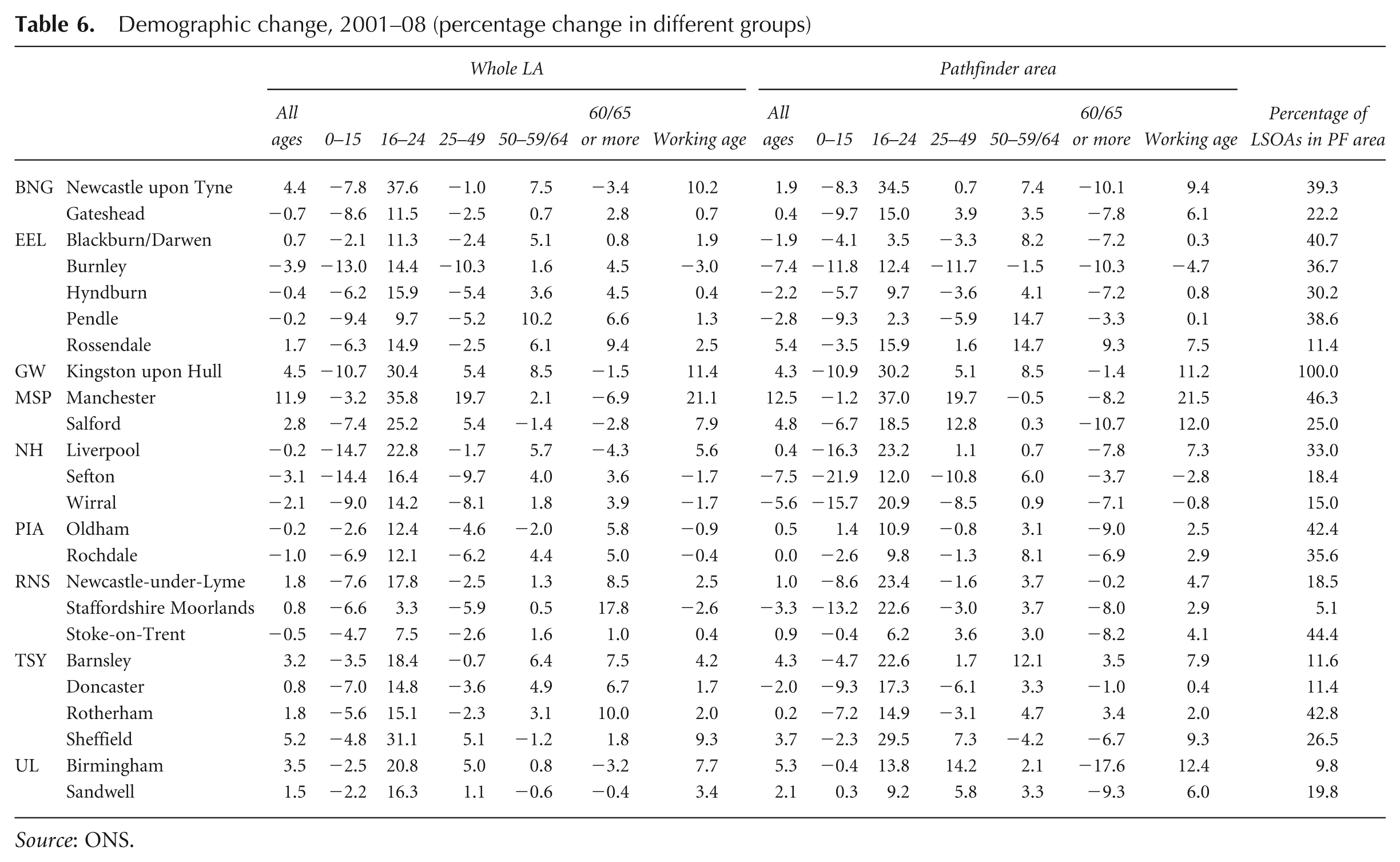
Source: ONS.
The increase in demand was not experienced uniformly across all the HMR areas. There was a mixed picture with growth in the core cities, but a static position or even continuing population decline in East Lancashire, Merseyside and Stoke. A range of factors influenced these outcomes. In some of the core cites, in-migration associated with employment growth was the main driver. Other areas such as Birmingham experienced substantial natural population growth as a result of the young age structure of their populations, associated with BME communities as well as high levels of in-migration by young people. The more peripheral areas in terms of economic growth experienced lower population growth.
Local Economic Change
Underlying demographic and housing market change have been fundamental changes in the economic structure of formerly industrial cities and towns in the North and Midlands, which had a broadly common legacy of manufacturing decline over the 1971–91 period. Table 7 shows that there was a diverse pattern of employment change over the years 1995–2008 for the local authorities that contained parts of HMR areas. The highest growth is evident in the largest city authorities. The weakest rates of growth were in the former industrial towns of East Lancashire, peripheral areas of Merseyside, Hull, Stoke-on-Trent and Birmingham and Sandwell (a notable divergence from the experience of the large core cities elsewhere).
Employment change in HMR areas and parent authorities, 1995–2001
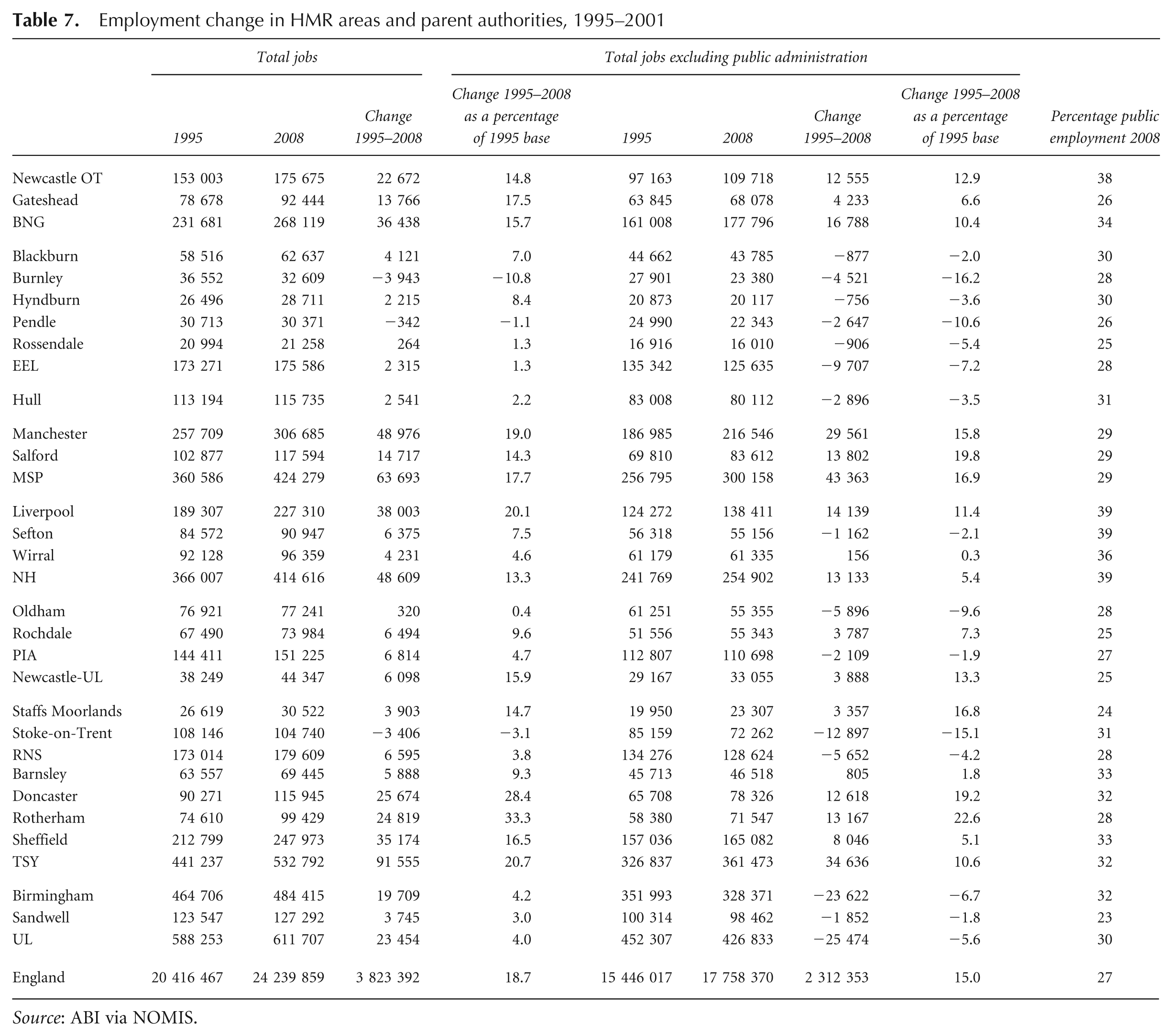
Source: ABI via NOMIS.
Employment growth partially explains local house price rises and increases in demand arising from the attraction of additional workers through migration. However, Table 7 also shows the underlying level of growth in private-sector employment if public administration and health employment are deducted. Newcastle-upon-Tyne, Gateshead, Liverpool, South Yorkshire, North Staffordshire (excluding Stoke) and Manchester Salford still show positive growth, but elsewhere the picture is of low growth or actual decline. The worst outcomes occur across all of East Lancashire, in peripheral Merseyside, Oldham, Stoke, Sheffield and Birmingham Sandwell. The overall level of dependence on public-sector employment is high (31 per cent), but Newcastle-upon-Tyne, Merseyside and parts of South Yorkshire have much higher rates of dependency. The picture of employment growth is therefore highly dependent on past public-sector employment growth in many of the HMR areas, with obvious implications in the light of planned public spending reductions in the UK from 2011 onwards.
Despite the employment growth experienced in most of the HMR areas, high rates of unemployment persisted in these areas for the duration of the long economic upswing which finished in 2008. The majority of HMR areas had levels of worklessness of between 20 and 30 per cent in 2009. Integration of economic and housing policies was a part of the foundation upon which the HMR programme was based, but there is little evidence that these policies were linked in a systematic manner. The main central government performance indicator for economic development in the Northern and Midlands regions was to reduce or eliminate the gap in gross value added between the regions and London and the South East of England, rather than to reduce disparities in GVA (or employment) within each region. RDAs made reference to HMR programmes in Regional Economic Plans, but investment programmes were largely unaffected and the RDAs were more comfortable in responding to the growth agenda as it emerged. Towards the end of the programme, some of the HMR agencies were merging into larger multidisciplinary regeneration organisations which were more strongly focused on economic development (such as in East Lancashire and North Staffordshire) but, despite these local efforts, most of the HMR areas entered recession in 2008 with levels of worklessness which were not significantly different from those experienced in the recession of 1991.
Responding to Market Failure, or a Failure of Analysis?
As HMR programme interventions began to be implemented, some aspects began to be challenged by the national press (notably the Sunday Times and the Daily Telegraph), a number of academics and the heritage lobby and heritage agencies. In addition, some local residents affected by compulsory purchase for demolition objected to this process (although the majority did not). Criticism focused almost exclusively on the demolition element of the programme, with other interventions such as housing renovation or site remediation largely ignored by critics.
The pressure group SAVE Britain’s Heritage believed that the demolition component of HMR was unnecessary and led to “an unsustainable consumption led approach” (Hines, 2010, p. 14). They argued that a small public-sector investment in the renovation of dwellings proposed for demolition would create a sustainable level of demand, but presented no evidence as to the source of this demand. The argument that the retention of existing dwellings is more sustainable than demolition is true in a narrow sense, but takes no account of the wider sustainability impact of the longstanding process of the decentralisation of population from inner cities to suburbs and the increased levels of commuting which the programme sought to address. None of the heritage-based critics of the programme addressed the question of the role of HMR areas in the future, given the collapse of their historical economic function.
A number of academics also developed narratives which questioned the motives behind the designation of HMR areas. A consistent thread in opposition to the programme was the view that public-sector policies and especially the HMR programme itself were responsible for neighbourhood decline, rather than market processes driven by economic decline. Allen (2008) and Webb (2010) believed that public policy and urban renewal were the cause of neighbourhood decline in older urban areas, with public-sector intervention being a vehicle to engineer private profit or institutional gain. Cameron (2006) using CURS (2004) additionally argued that the case for housing market renewal was overstated by the affected local authorities.
These narratives share a number of weaknesses. They are notably devoid of an historical analysis, charting change over time in local housing markets and relating this to the timing of the interventions which they criticise. They ignore or dismiss economic evidence on market change. They rely on assertion rather than evidence to suggest that the public sector is motivated to re-engineer localities for institutional or political gain. They focus on small localised case studies in one or two neighbourhoods to draw conclusions which are held to be valid across the large area covered by the HMR programme, and highlight local resident opposition to programmes without acknowledging that this opposition is often unrepresentative of majority views. They demonstrate an unwillingness even to engage with debate on the economic, social and demographic drivers of change. Irrespective of whether the HMR programme was effective, the evidence underlying the programme showed that powerful social, economic and market forces had been impacting on neighbourhoods, over an extended period, and that unmanaged market change was imposing high economic and social costs on individuals and the public sector.
A common feature of critiques of the HMR programme from all these sources is the lack of proposed solutions to the problems arising in the affected areas, other than the provision of grant aid for renovation, in effect a revival of palliative policies which circumstances had shown to be completely ineffective in reversing market forces. Some critics simply opposed public-sector intervention per se.
It is difficult to assess how significant these criticisms were in influencing the decision of the Coalition government to terminate the programme in 2010. The wider drive to reduce public spending and the scale of public-sector debt is more likely to have been the main driver. The HMR programme was by no means the only area of spending to be affected. However, the adverse publicity attracted by demolition activities, which formed only one element of the programme, may have played a part in convincing the new government that the programme represented an area where cuts could be made without major opposition.
Conclusions
The HMR programme was one of the most ambitious urban regeneration initiatives attempted in the history of English urban policy. The programme came about in response to a perceived crisis of high vacancy levels, low house prices and, in extreme cases, the abandonment of housing by owners. The programme sought to address these symptoms by interventions to reduce the oversupply of poor quality housing, to create the conditions for new investment by housing developers and to secure improvements to a wide range of neighbourhood services by influencing other public-sector agencies.
This paper has shown that the HMR programme achieved some positive impacts, most notably on the quality and quantity of housing supply in HMR areas. This contributed to meeting increasing and changing housing demand, thereby reversing (at least in some locations) an entrenched history of population and household decline. Yet this success has to be qualified. It took place within the context of a uniquely favourable phase of economic and urban development which saw rapid asset price inflation at the bottom of the market, the availability of large public subsidy which mitigated private-sector risk, financial lending practices which artificially stimulated both the demand for homes for sale and individual investment in housing to rent, and employment growth which encouraged migration into some of England’s most disadvantaged cities. This positive climate changed abruptly in 2007 with the onset of the global financial crisis. Since then, new housing developments have continued within the HMR areas, but increasingly only with additional financial support from the national Homes and Communities Agency through the Kick Start programme, an emergency fund created to assist the housing development industry to cope with the collapse in the market. This programme was also abolished by the Coalition government in 2010. By 2010, the cumulative total of properties that had been refurbished, demolished or constructed amounted to 15 per cent of the original level of housing in the HMR areas. Thus, 85 per cent of the stock had not been directly affected by the investment programme.
Looking beyond this, the wider achievements of the programme are also difficult to quantify. House prices in HMR areas rose but this was not as a result of the programme, except at a later stage when there is evidence that local markets began to capitalise the programme through further price rises, undermining the ability of the programme to achieve outputs by raising unit costs. There is little evidence that any fundamental shift in the operation of the market was achieved and price differentials between the HMR areas and their surroundings were returning to levels evident before the development of the programme by 2010.
More problematically, the HMR programme was implemented at the beginning of a new phase of market change which was driven by further evolution in financial services, notably liberal lending policies (which extended access to homeownership to lower-income households and those in relatively insecure employment) and the rise of buy-to-let renting (which greatly expanded the potential for individual investment in housing to rent). Even in HMR areas, wider demographic and economic factors such as migration, ethnic minority household growth, the growth of buy to let, the increase in students in higher education, persistently high levels of economic inactivity in some locations and economic growth elsewhere were the main drivers of market change and these were outside the control of those implementing the programme. Changes to the implementation of programmes were largely reactive to market processes rather than shaping them.
The waves of change in housing demand combined with the associated changing economic, social and financial drivers, raise fundamental questions about the ability of the public sector to shape a strategic and responsive urban policy which can endure turbulence, while relying on the private sector to deliver change in a highly disadvantaged environment. The impact of constant changes in viability, costs, dwelling type and size which are caused by market volatility are amplified when public subsidy is constrained. Local politicians and communities have a natural tendency to demand that intervention produces certainty, but the only way of delivering that is through a much greater level of public finance.
In terms of political commitment, the Labour government introduced the programme in response to the urgent issues of high vacancies and low prices and, in the earlier phases of the programme, certainly provided an adequate level of resources. Yet beyond this, implementation was left to the local level and central government did little to provide the wider policy co-ordination needed to deliver improvements in services across the board and to complement housing interventions. It was left to local partnerships to negotiate alignment with planning and economic development policies as best they could. Even the processes put in place for monitoring and evaluation were limited in duration and scope. By 2006, with the emergence of problems of housing affordability, the government’s main housing focus had shifted to the broader question of supply.
Paradoxically, most of the programme outputs were delivered after this point when renovation, demolition and land acquisition programmes came on stream, and negotiations with developers began to yield new dwelling completions. It is this progress which makes the cancellation of the programme problematic, with demolition programmes partly completed and new build schemes mothballed in many areas.
The longer-term future for the HMR areas also looks bleak. Public subsidy for housing and urban renewal has been removed. The HMR areas remain amongst the most disadvantaged in England and they will be disproportionately affected by the public-sector service and employment reductions that will be implemented over the period 2011–15. They contain a large number of neighbourhoods where vacancy rates are still high and renewal projects have been left incomplete, with a high risk of damage to social cohesion. All of the local authorities within the HMR areas are likely to struggle to reconnect disadvantaged neighbourhoods and people to the economic and social mainstream without access to resources to finish the renewal process. The abandonment of national housing and regeneration policies and the withdrawal of redistributive funding by the Coalition government may herald a new era of urban policy which is focused on neighbourhood management, self-help and managing poverty rather than transforming the urban environment.
Footnotes
Notes
Funding
This research received no specific grant from any funding agency in the public, commercial or not-for-profit sectors.