







Abstract
Introduction
Young people are likely to experience a variety of social and health issues; they might engage in sexual activity without the necessary information and skills for protection, which consequently leads to unintended pregnancy, unsafe abortion, and contracting STDs like HIV/AIDS and others. Moreover, risky sexual behaviors such as unprotected sex and transactional sex were common in early adolescents among high-risk groups and early unprotected sexual activities. Therefore, this systematic review and meta-analysis will be essential to estimate the pooled prevalence of risky sexual behaviors and related determinants among Ethiopian Young people.
Methods
A systematic review and meta-analysis of cross-sectional studies was conducted from November 1, 2014, to October 31, 2024. We searched major databases like Cochrane Library, PubMed, Scopus, Web of Science, Embase, CINAHL, PsycINFO, and also searched Google Scholar for missed articles. The JBI critical appraisal checklist for cross-sectional studies was used to assess risk of bias. The key data were extracted into a structured Excel form and analyzed using STATA version 17 software. The analysis includes 15415 people and 22 articles in total.
Result
The pooled estimate of risky sexual behavior in Ethiopia was 44.19% with 95%CI [34.18-54.21].
Male young people were 4.05 times more likely to engage in risky sexual behaviors OR 4.05[1.30-6.81]. Young people who use alcohol are 2.67 times more likely to engage in risky sexual behaviors OR 2.67[1.99-3.36]. Shisha use was significantly associated with risky sexual behaviors among young people in Ethiopia as a risk factor at OR 2.72[1.64-3.79]. The pooled prevalence of risky sexual behaviors among young people over the last ten years in Ethiopia was high. Gender differences, alcohol consumption, watching pornography, and peer pressure were factors for risky sexual behaviors among young people in Ethiopia.
Conclusion
Nearly half of the adolescents engaged in risky sexual behaviors, indicating the importance of early intervention to reduce social and environmental drivers of risky sexual behaviors among young people. The Ethiopian Ministry of Health and other concerned stakeholders should give due concern to mitigate engagement of adolescents in risky sexual behaviors; Comprehensive sexuality education and interventional planning are required to reduce the engagement of young people in risky sexual behaviors as well as to reduce risk factors. Furthermore, the future researcher should find a comprehensive and effective prevention method that addresses individual, family, peer, and school factors rather than concentrating solely on personal decisions.
1. Introduction
Globally, there are 1.3 billion Adolescents.1,2 Young people make up about 32% of the population in Africa. 3 Over 24 million Ethiopians, or almost 25% of the country’s total population, are late adolescents or those between the ages of 15 and 19.4,5 Adolescence is a time when a person experiences major changes in their physical and mental characteristics. 6 More specifically, adolescents are in a stage where they are not quite adults but are no longer children. 6 Adolescents’ biological onsets present several risks, such as unintended pregnancy, early marriage, unsafe sexual conduct, and sexual violence. 7
Risky sexual behaviour is any behaviour that raises the risk of unfavourable outcomes from sexual intercourse such as HIV/AIDS or other STIs, abortion, and unintended pregnancy; it also includes behaviors such as having multiple sexual partners, having unprotected sex with none regular partners, early sexual debut, and failing to take preventive measures like birth control and condom use.8-10 Worldwide, adolescents and young people make a sizable portion of the population and are considered to be at higher risk of contracting HIV/AIDS, consequently classified as the most at-risk population segments due to their propensity for risky sexual behaviour.11-13 Globally, every day, persons between the ages of 15 and 49 contract about 1 million treatable sexually transmitted diseases, most of which are asymptomatic; in 2020, an estimated 374 million new cases of four treatable sexually transmitted illnesses, such as chlamydia, gonorrhoea, syphilis, and trichinosis in individuals aged 15 to 49 were reported. 14 Particularly, HIV/AIDS continue to be a significant global public health concern. By the end of 2024, there were an anticipated 40.8 million HIV positive individuals, with 65% residing in the African region; in 2024 alone, an estimated 1.3 million individuals contracted HIV, while an estimated 630000 people died from HIV-related causes.14,15 Furthermore, 25% of HIV infections occurred in youths aged 15-24 in 2020. 16
A recent study shows that about 38% of adolescents were engaged in risky sexual behaviors. 17 Adolescent sexual behaviour was found to be predicted by age, education level, smoking Status, and HIV/AIDS awareness in Ethiopian hot spot areas. 18 One of the main causes of young people starting sexual activities too early is their lack of awareness about HIV/AIDS.19,20 Adolescents stated that smoking, using drugs, and drinking alcohol are ways to forget about problems. 21 Early sexual initiation was greatly influenced by individual-level characteristics.22,23 Adolescents were more likely than non-adolescents to be in partnerships with intimate partner violence, gender inequitable norms, inadequate prevention communication, and limited relationship power, according to a longitudinal study. 24 Adolescents’ risky sexual activities were linked to social characteristics such as poor life skills and poor cognitive and emotional coping abilities. 25 Nearly 50% of adolescents have several irregular sexual partners, and 52.7% of them lack enough awareness about risky sexual activities. 26 Adolescents who take steroids are more likely to engage in safe sexual behaviors and are more likely to contract STDs. 27 Peer pressure, inadequate parental communication, and resource insecurity were the most prevalent factors associated with risky sexual activity. 28 Risky sexual behaviors such as unprotected sex and transactional sex were common in early adolescence among both high-risk groups and early unprotected sexual activities. 29 While economic position and school type had a small impact on risky sexual behaviors, alcohol intake, smoking, and drug use were significantly linked to an increase in these risky sexual behaviors. 30 Numerous sexual behaviors were identified in Ethiopia, including having multiple sexual partners and engaging in unprotected sexual practices with non-regular partners. 26 On average, one out of five adolescent girls reported having had sex with more than two partners at some point in their lives. 31 More than half of youths hadn’t used condom in their last sexual encounter.32-35 However, HIV testing uptake among adolescents with numerous sexual partners was influenced by both individual and community level factors. 36 Parental based interventions that addressed a variety of risky behaviors improved adolescents physical activities. 37
The previous review in Ethiopia were out of date and did not cover all age groups of young people; instead, they concentrated on the adolescent age and demographic location; But this systematic review and meta-analysis focused on risky sexual behaviors among young people regardless of their geographic locations and all age of young people in Ethiopia. The purpose of this systematic review and meta-analysis was to ascertain pooled estimates of risky sexual behaviors and contributing factors among Ethiopian young people as there is currently no recent, thorough and inclusive pooled estimate of these behaviors and their associated factors.
1.1. Objective of the Systematic Review and Meta-Analysis
The objective of the review is to determine the combined estimate of risky sexual practices and associated factors among Ethiopian Young people.
2. Methods
2.1. Definitions of Terms
2.1. Search Strategies of the Review
We searched as indicated in the preferred item for reporting systematic review and meta-analysis (PRISMA) guideline. 39 The protocol was developed and registered on PRESPERO registration number(CRD42024603638). We used Boolean operators like OR and AND for PubMed. We used search for this topic as, risky sexual behaviour OR prevalence OR magnitude OR factor* OR associated factor* OR determinant* OR adolescent OR youth OR young OR teenager OR early initiation OR unprotected sex OR pornography OR drug use OR alcohol OR smoking AND Ethiopia but for other data bases like the cochrane-library, Scopus, web of science, EMBASE, CINAHIL, Google scholar and psych info, we used specific subject headings; furthermore, We searched Google scholars for missed articles. However, gray literature was not included in the review. Every English language observational study on young people’s sexual behaviour in Ethiopia published between November 1, 2014, and October 31, 2024, was included and searched. The study’s condition or domain was risky sexual behaviors among young people (those between the ages of 10 and 24), including drug and alcohol usage, smoking, pornography viewing, early initiation, unprotected sex, oral, anal, and vaginal sex. Only published articles that discussed the risky sexual practices were included; these included having multiple sexual partners, having sex with commercial sex workers, having unprotected sex or inconsistent condom use, and making one’s sexual debut before the age of 18. 28 Articles that lacked at least one of these criteria were thus excluded.
2.2. Eligibility Criteria
The articles that report quantitative empirical findings on risky sexual behaviors and associated factors among Ethiopian Young people; which includes quantitative research performed in Ethiopia during the past ten years, from November 1, 2014, to October 31, 2024, and published in English were included; the systematic review was restricted to the past ten years to improve the accuracy of the pooled estimate of risky sexual behaviors among Ethiopian Young people, it was preferable to restrict the search period to the past ten years. Restricting the search dates to recent years can yield strong evidence. Studies that reported individuals under the age of 10 or older than 24, studies conducted outside of Ethiopia, systematic reviews, qualitative studies, newspapers, and studies that failed to report the prevalence of risky sexual behaviors and contributing factors were all excluded. The identification and screening process of articles was conducted using the PRISMA flow chart diagram, and the screening procedure is shown in Figure 1 below shows PRISMA flow chart diagram. Preferred reporting Items for Systematic Review Meta-Analysis Flow Diagram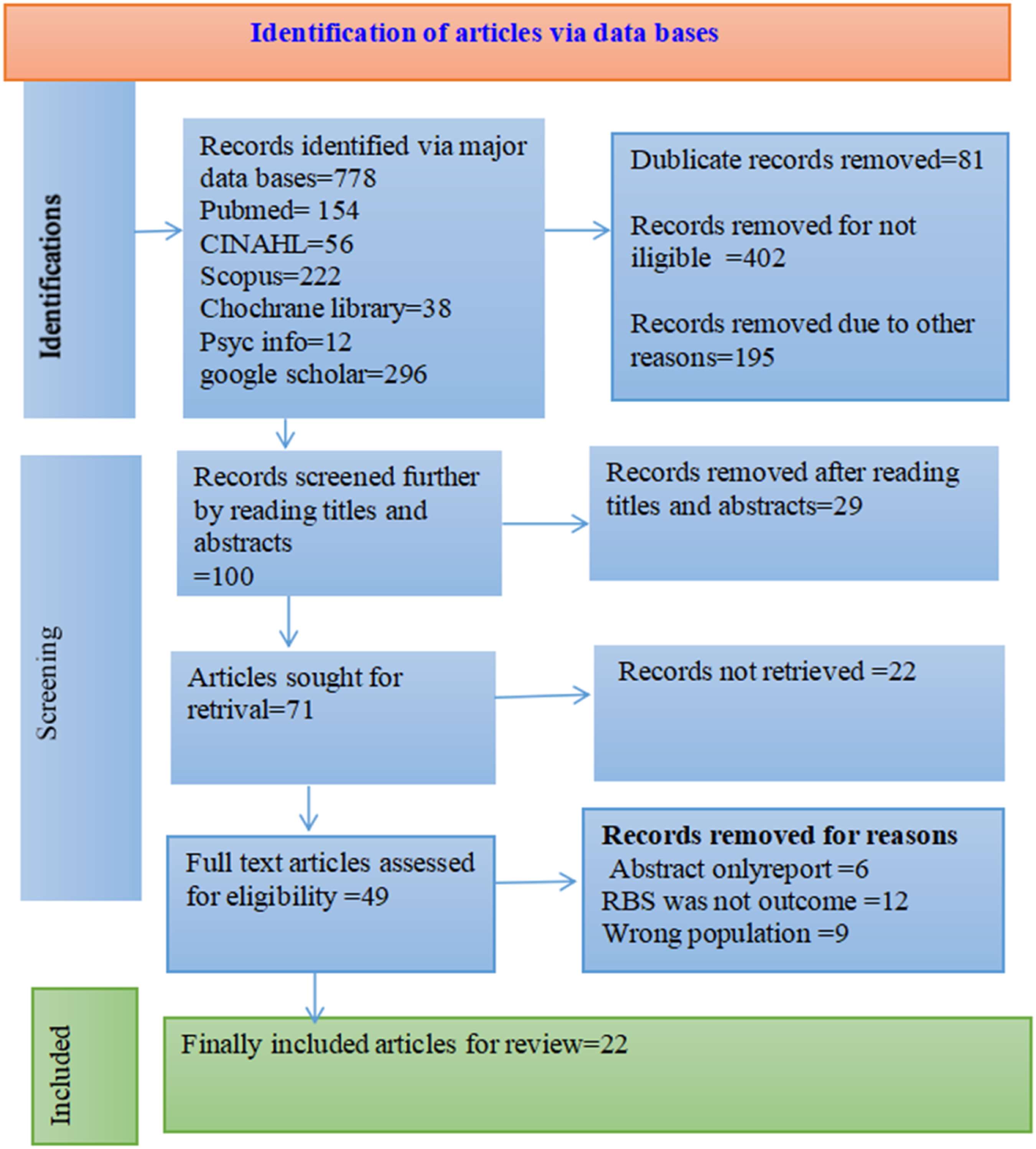
2.3. Outcomes of the Review
Prevalence of risky sexual behaviors among Ethiopian Young people and characteristics associated with risky sexual behaviors among Ethiopian young people were the two main outcomes of the review.
2.4. Data Collection Process and Analysis
After the databases to be searched had been determined, the complete set of eligible articles was obtained. Utilizing a pretested data abstraction sheet, the data was extracted. 40 The forest plot analysis was done to determine the pooled prevalence of the studies. Subgroup analysis was also conducted to understand why findings vary across studies by breaking down into year of publication and location by region.
2.5. Data Extraction Procedures
A data extraction tool was used by two reviewers (DH and DW) to extract data. The third team member reviewer (MR) served as a moderator to resolve disagreements over the inclusion criteria, after which all final eligible publications were included. The other two reviewers (LM and WT) separately applied eligibility criteria and chose articles for inclusion in the systematic review and meta-analysis.
The extracted data was recorded and synthesized. Preferred Reporting Items for systematic review and meta-analysis checklist 41 was used to guide us in extracting information from selected articles. Preferred Reporting Items for systematic review and meta-analysis flow chart 41 was also used to document quantity and to drop off articles. Measures or definitions of sexual behaviors, prevalence of sexual behaviors, effect size, confidence intervals, and factors associated with sexual behaviors among Ethiopian young people were extracted by recording the following data: authors, title, publication year, location, study design, study setting, sample recruitment method, definition of risky sexual behaviors, and response rate.
2.5.1. Assessment of Risk of Bias
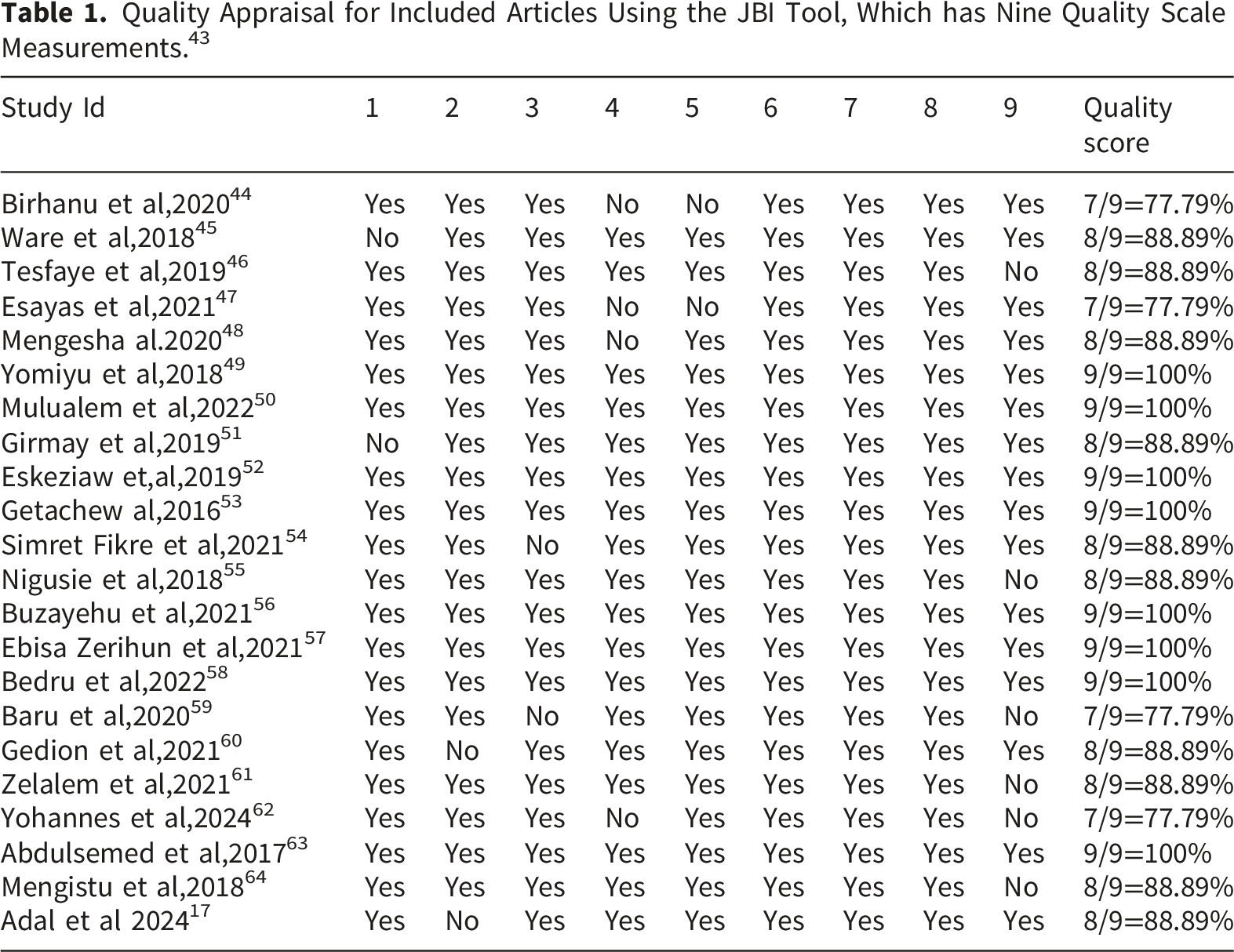
Quality Appraisal for Included Articles Using the JBI Tool, Which has Nine Quality Scale Measurements. 43
2.5.2. Strategy for Data Synthesis and Analysis
Risky sexual behaviors and the associated risk factors were assessed among Ethiopian Young people using STATA version 17 software. To determine the pooled prevalence and its CI, the standard error and prevalence rate of each study were entered into STATA version 17. A random effect model of meta-analysis was used to estimate the pooled prevalence. The effect measure was reported using OR with 95% CI.
The heterogeneity of the study was evaluated by Q statistics 65 and I2 statistics. 66 The magnitude of statistical heterogeneity between the studies was assessed using I2 statistics, and the values of 25%,50%, and 75% were considered low, medium, and high, respectively. 66 Subgroup analysis was conducted to see inter- and intra-regional variations.
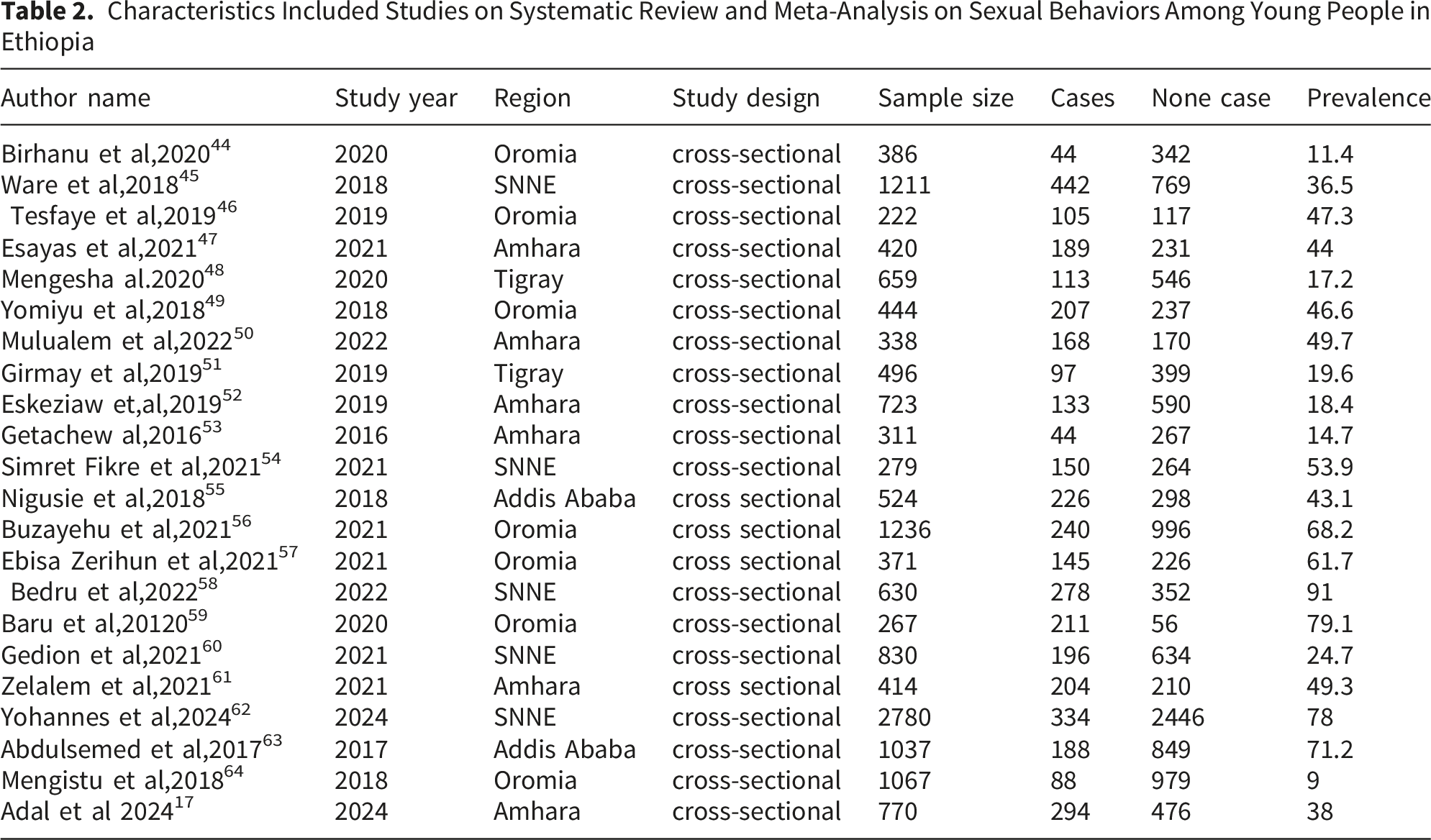
Characteristics Included Studies on Systematic Review and Meta-Analysis on Sexual Behaviors Among Young People in Ethiopia
3. Results
3.1. Pooled Prevalence of Risky Sexual Behaviors Among Young People in Ethiopia
The analysis included 15415 people and 22 articles in total. Based on several articles included in the review, between 9% to 79.1% of Ethiopian young people engaged in risky sexual practices. Overall pooled prevalence of risky sexual behaviors among Ethiopian young people was 44.19% [95% CI:34.18-54.21].
The I2 test result revealed high heterogeneity (I2=99.57%); Since the extreme prevalence rates and number of studies have an impact on heterogeneity, a high I2does not always indicate that the population is too heterogeneous to pool.
67
To understand why results varied across the study, we conducted additional analyses, such as subgroup and sensitivity analyses. Because the study populations, contexts, and time periods fluctuate significantly, meta-analyses of cross-sectional studies nearly invariably display very high I2 (typically greater than 90%).
68
The primary studies may also differ in terms of study tools and case definitions.
69
More specifically, there may be differences in sampling techniques between institutions like colleges and universities and community-based studies; this is supported by other studies.65-72 The other possible causes of heterogeneity among study results include variations in population characteristics, for example, variations across regions and methodological and cultural variations due to diverse local contextual factors. Moreover, it indicates the use of a random effect model, which focuses on the range and prediction interval rather than just the pooled mean.
71
(Figure 2 below forest plot for Prevalence of risky sexual behaviors among young people in Ethiopia. Forest plot for Prevalence of sexual risky sexual behaviors among young people in Ethiopia, 2014-2024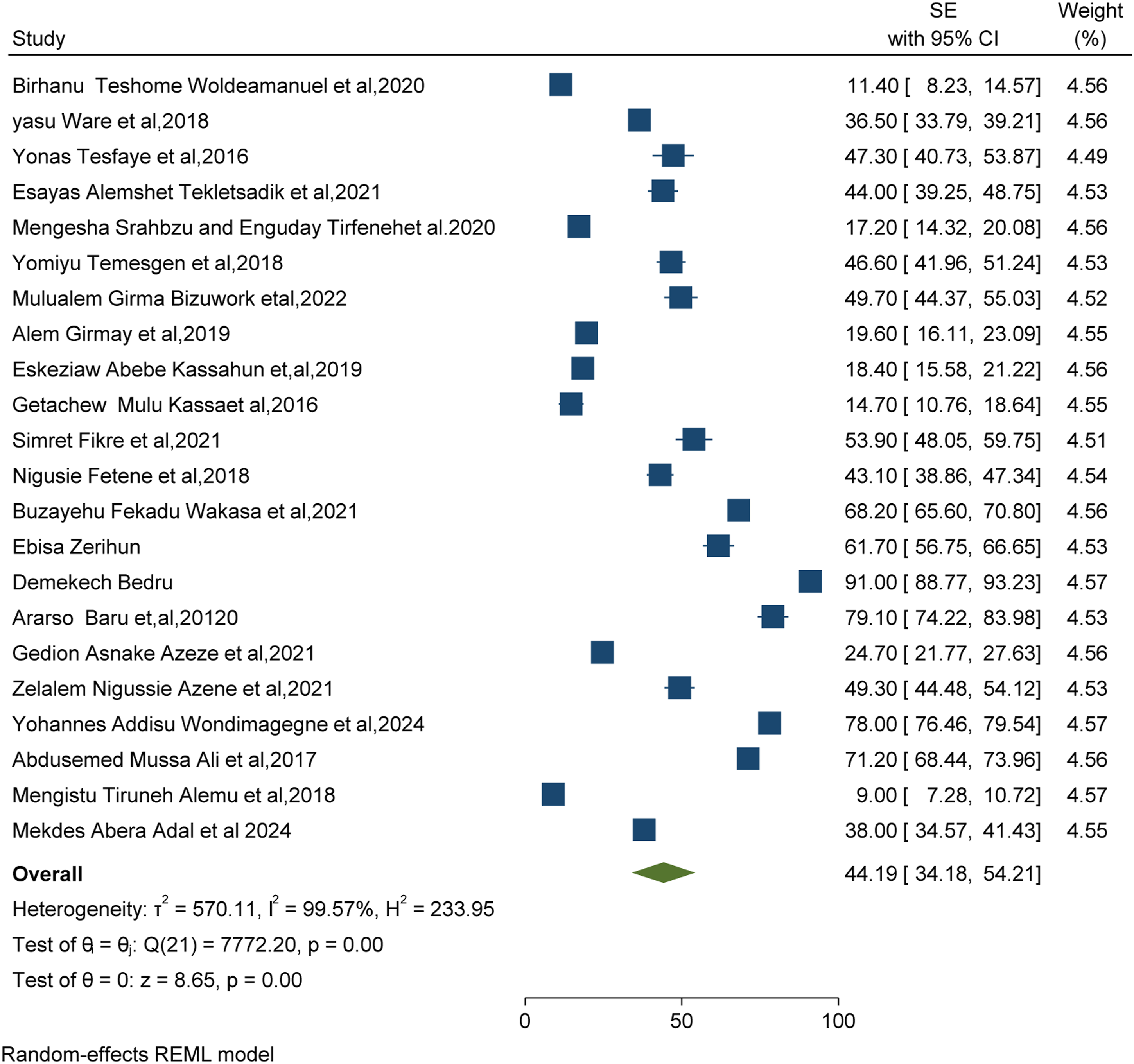
3.2. Heterogeneity and Publication Bias
We checked heterogeneity by using the I2 test statistic and comparing p-values. A p-value of less than 0.05 showed that there was heterogeneity. Similarly, I2 test statistics of 25, 50, and 75% showed to determine low, moderate, and high heterogeneity. A p-value of less than 0.05 was used to interpret the significance status. Particularly, this finding, [I
2
=99.57%, P=0.01], shows no statistical evidence of publication bias; the Funnel plot technique was used to test publication bias, which showed a symmetric inverted funnel shape around the true effect and absence of publication bias after log transformation. Figure 3 below shows Funnel plot of risky sexual behaviors among young people in Ethiopia. Funnel plot of risky sexual behaviors among young people in Ethiopia, 2014-2024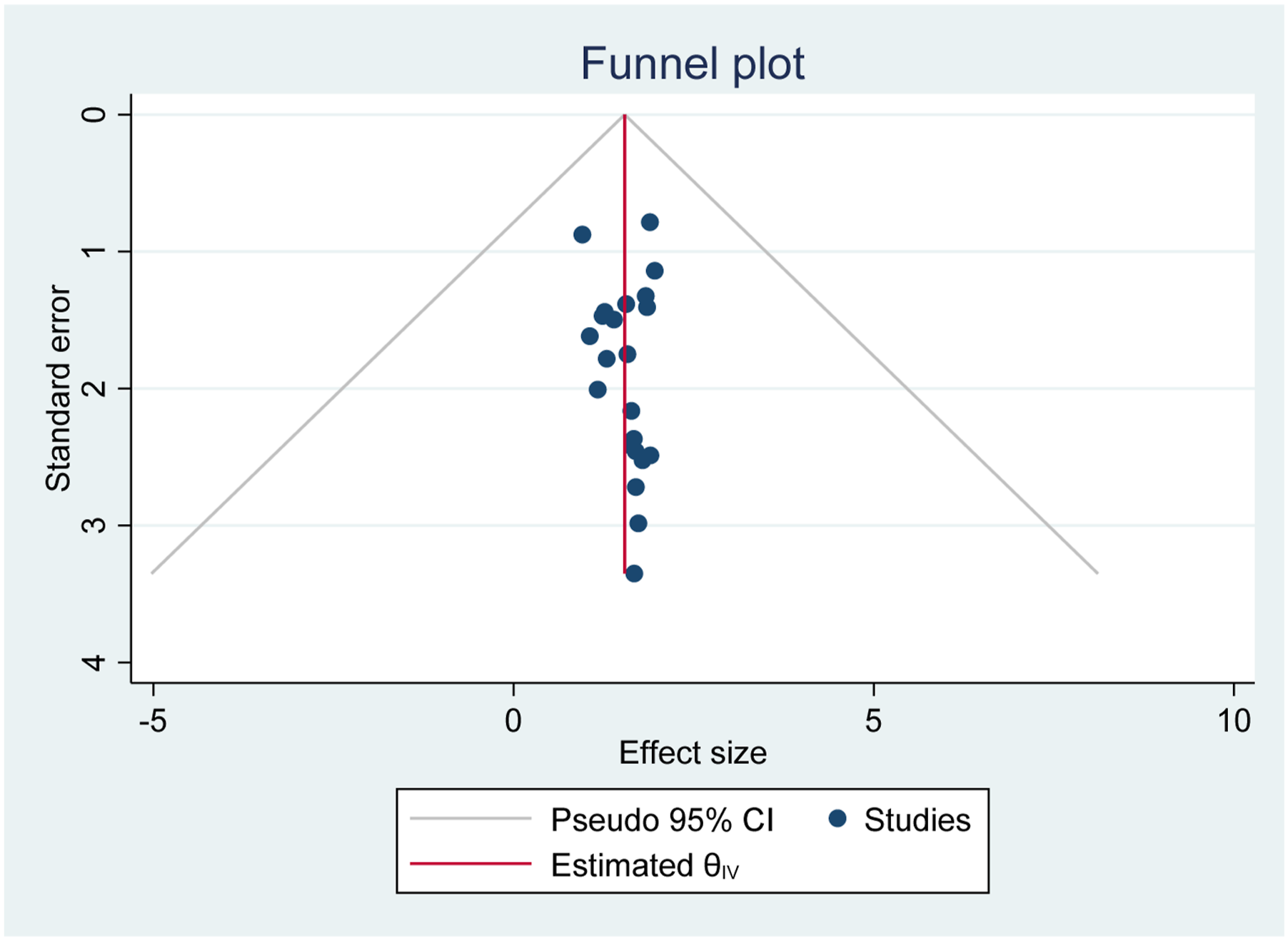
3.2.1. Meta Regression
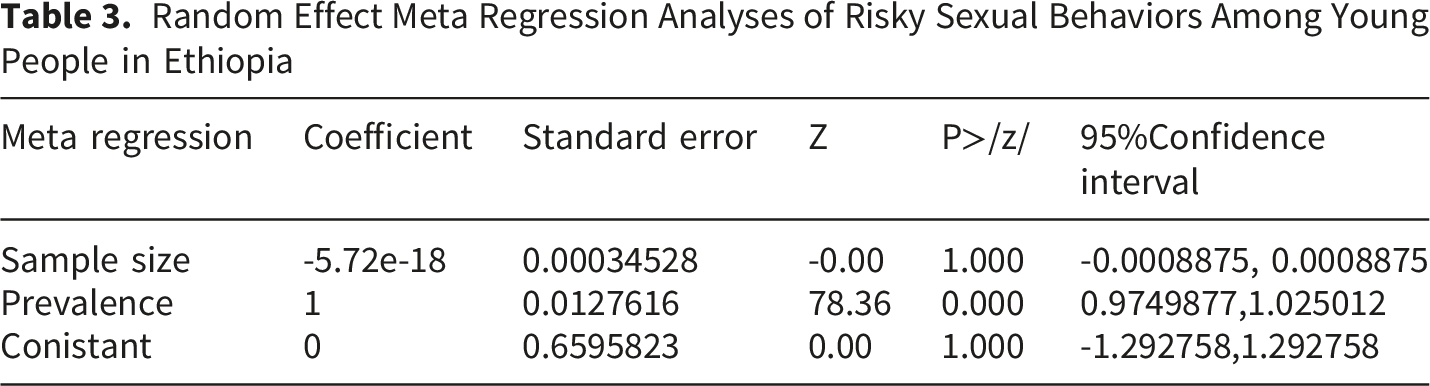
Random Effect Meta Regression Analyses of Risky Sexual Behaviors Among Young People in Ethiopia
3.3. Sensitivity Analysis
Sensitivity analysis was conducted to make the analysis more transparent and credible for generalization of this evidence; it was performed by systematically excluding one study in order to ascertain how each study’s findings affect the pooled prevalence of risky sexual activities. It was conducted by using the leave one out method,eliminating none of the studies had significant influence on pooled prevalence and heterogeneity measures within studies. Consequently, sensitivity analysis utilizing the random effect model showed that no one studies altered the overall prevalence of risky sexual behaviors among young people in Ethiopia.
Therefore, as long as one study didn’t significantly alter the prevalence of the systematic review and meta-analysis, all values fall within the expected 95% CI.Figure 4 below shows Sensitivity analysis of risky sexual behaviors among young people in Ethiopia. Sensitivity analysis of risky sexual behaviors among young people in Ethiopia, 2014-2024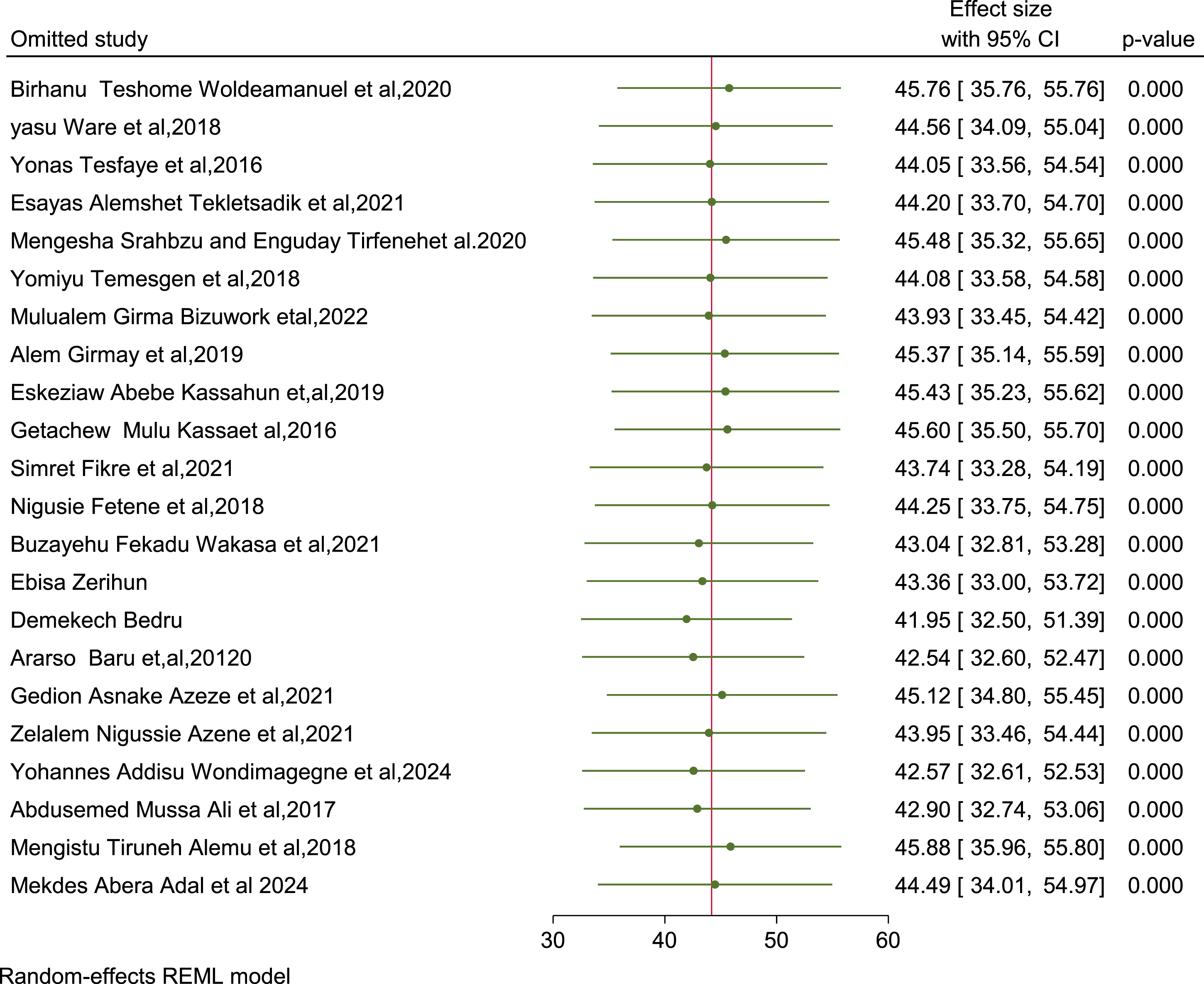
3.4. Gender Differences and Risky Sexual Behaviors Among Young People in Ethiopia
A total of 5 studies with 5100 participants were included to see gender differences in risky sexual behaviors.44,45,49,54,62 Gender difference was a significant factor for risky sexual behaviors among young people in Ethiopia. The meta-analysis shows a positive association of gender and risky sexual behaviors among young people in Ethiopia. Male young people were 4.05 times more likely to engage in risky sexual behaviors OR 4.05[1.30-6.81]. Figure 5 Below Analysis of male gender as risk factors for risky sexual behaviors among young people in Ethiopia. Analysis of male gender as risk factors for risky sexual behaviors among young people in Ethiopia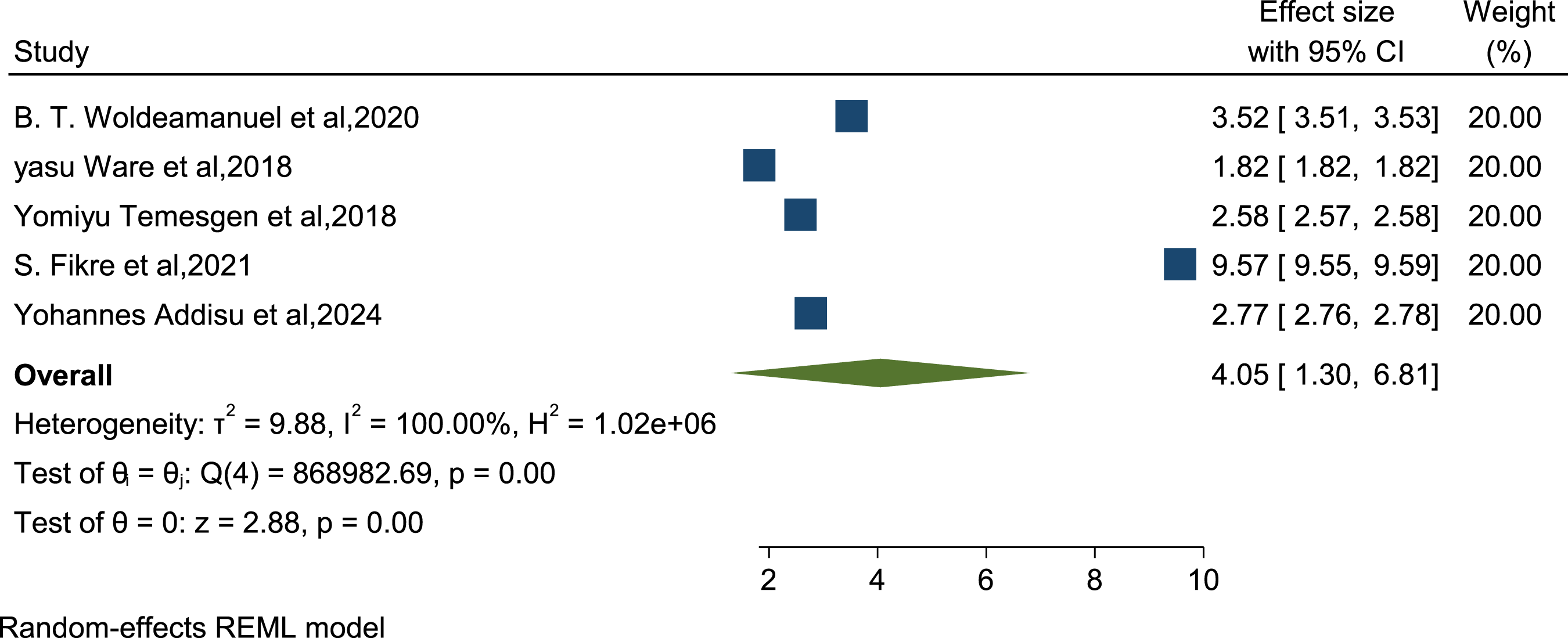
3.5. Alcohol Consumption and Risky Sexual Behaviors
A total of 4 studies with 4821 participants were included to see the association between alcohol use and risky sexual behaviors.44,45,49,62 The analysis showed a significant association between alcohol consumption and risky sexual behaviors. Young people who use alcohol are 2.67 times more likely to engage in risky sexual behaviors OR 2.67[1.99-3.36]. Figure 6 below shows Analysis of alcohol as a risk factor for risky sexual behaviors among people in Ethiopia. Analysis of alcohol as a risk factor for risky sexual behaviors among people in Ethiopia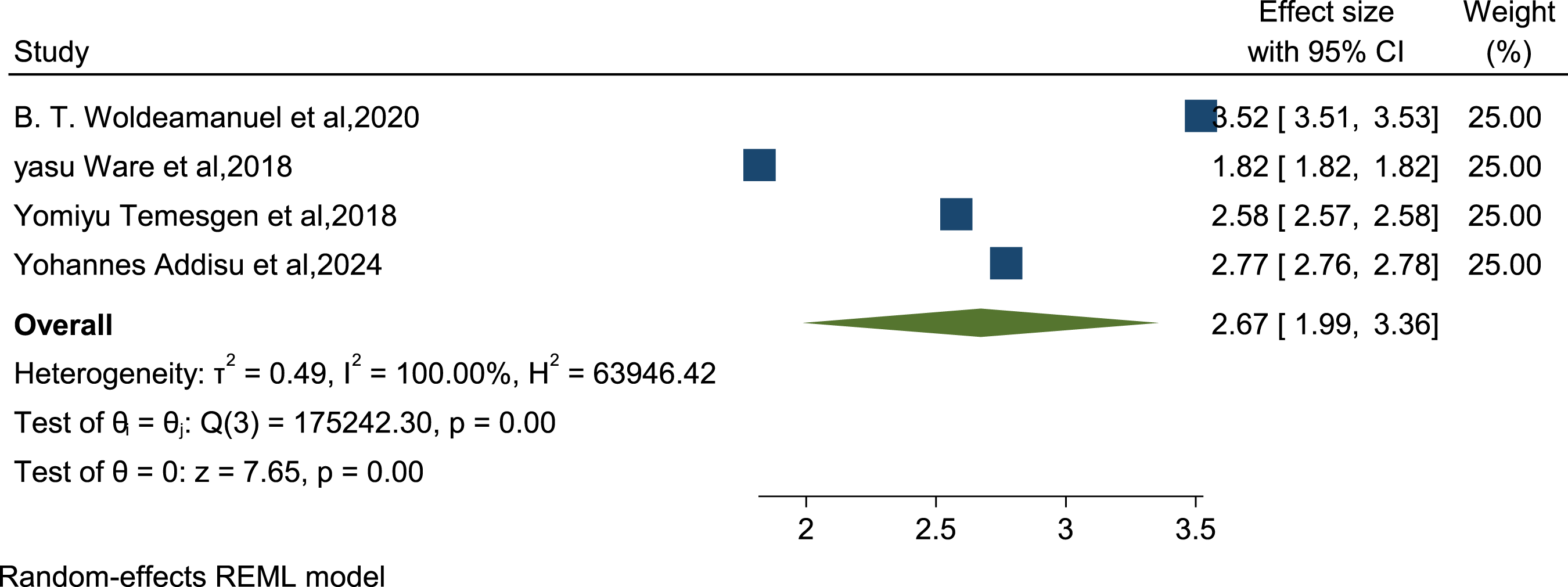
3.6. Shisha Use and Risky Sexual Behaviors
Three studies with 2223 participants were included to assess the relationship between use of Shisha and risky sexual behaviors.17,44,64 We analyzed shisha use and risky sexual behaviors; consequently, shisha use was significantly associated with risky sexual behaviors among young people in Ethiopia as a risk factor; Those young people who used shisha were 2.72 times more likely to be engaged in risky sexual behaviors;OR 2.72[1.64,3.79]. This shows a positive association of shisha use as a risk factor of risky sexual behaviour among young people. Figure 7 below shows analysis of Shisha as a risk factor for risky sexual behaviors among young people in Ethiopia. Analysis of Shisha as a risk factor for risky sexual behaviors among young people in Ethiopia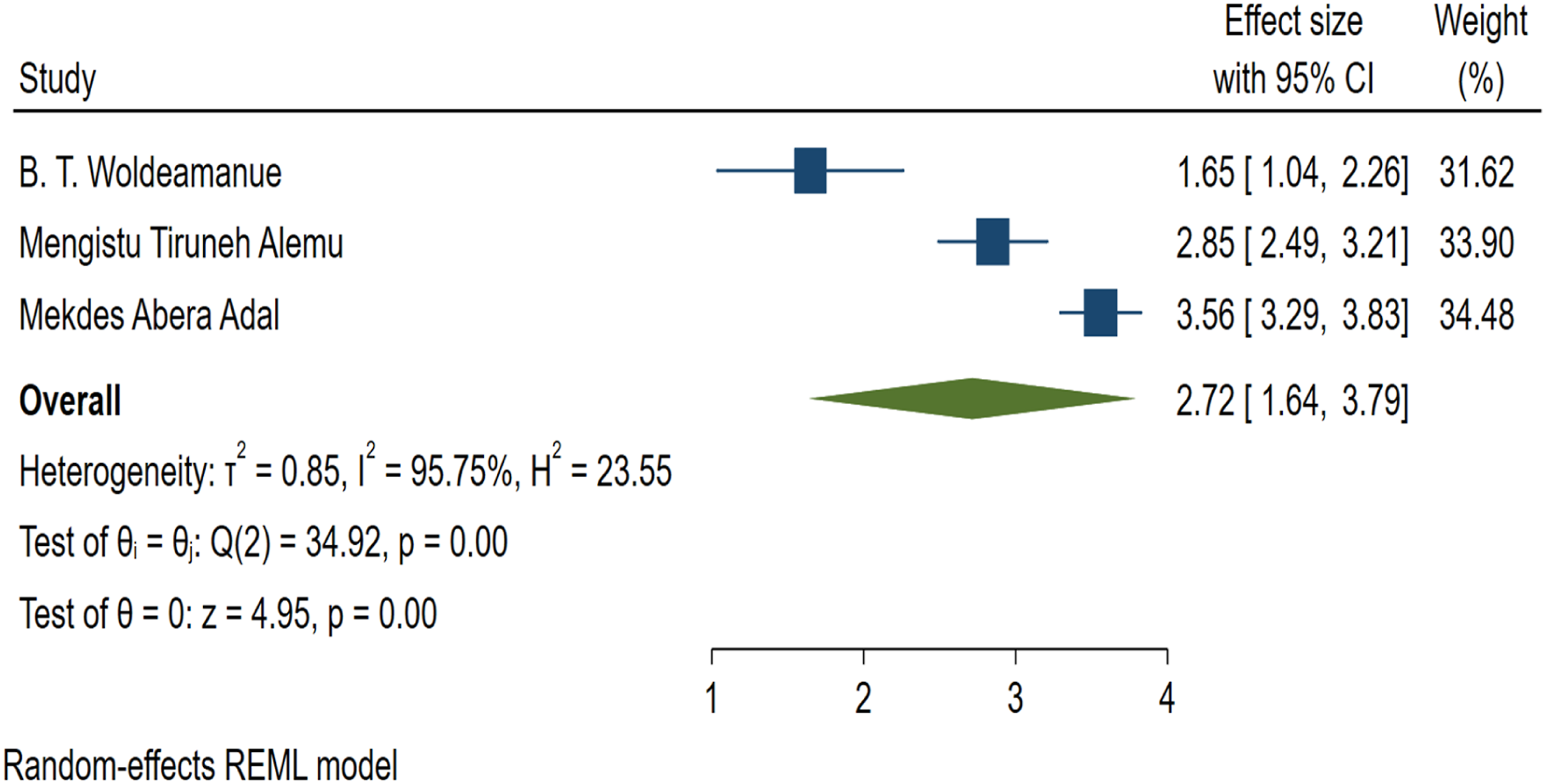
3.7. Peer Pressure and Risky Sexual Behaviors
A total of eight studies with 6048 participants were included in the analysis to see the association between peer pressures and risky sexual behaviors.17,45,49-52,56,60 The analysis showed a positive association between peer pressure and risky sexual behaviour among young people in Ethiopia. Peer pressure was significantly associated with risky sexual behaviors as a risk factor, OR 1.93[.86-3.00].
Figure 8 below shows analysis of peer pressure as a risk factor for risky sexual behaviors among young people in Ethiopia. Analysis of peer pressure as a risk factor for risky sexual behaviors among young people in Ethiopia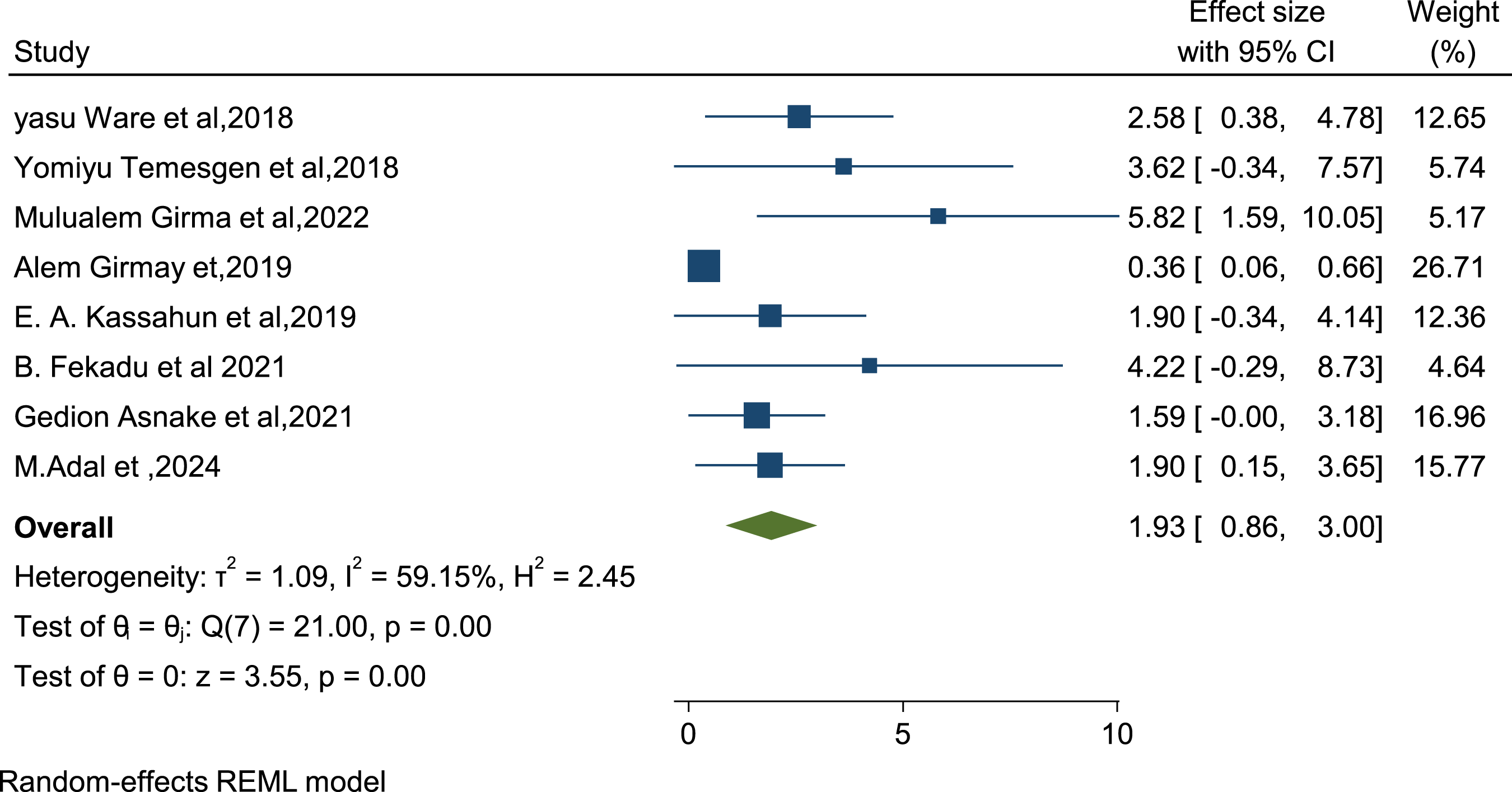
3.8. Watching Pornography
A total of ten studies with 9026 participants were included in the assessment.17,44,45,52,57,59,61-64 The meta-analysis showed a positive association between watching pornography and risky sexual behaviors among Young people in Ethiopia. Young people who watched pornography were 3.62 times more likely to engage in risky sexual behaviors, OR 3.62 95%CI [2.00-5.25].Figure 9 below shows Watching pornography as a risk factor of risky sexual practices. Watching pornography as a risk factor of risky sexual practices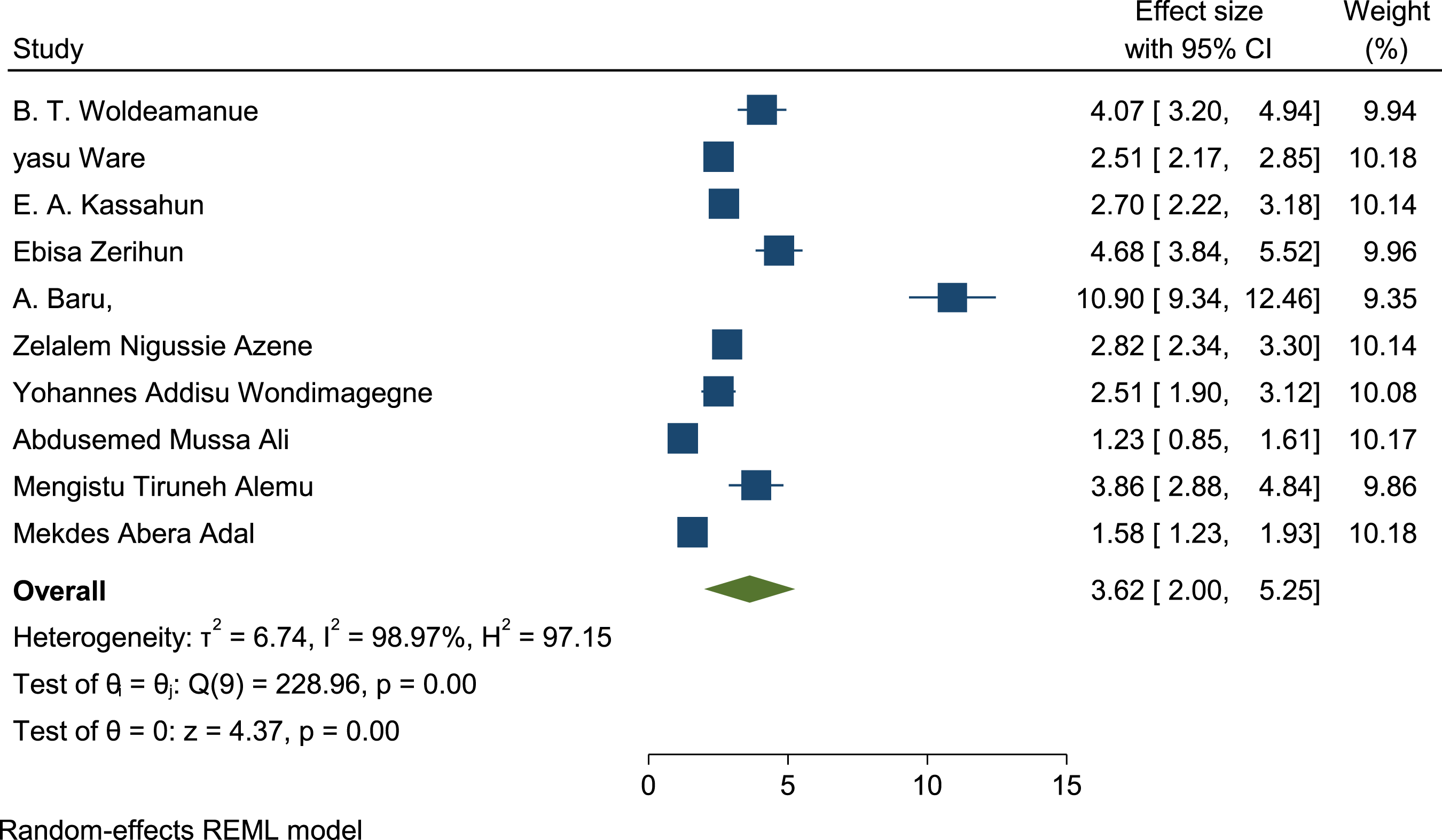
3.9. Subgroup Analysis of Risky Sexual Behaviors Among Young People in Ethiopia by Year of Publication and Study Region
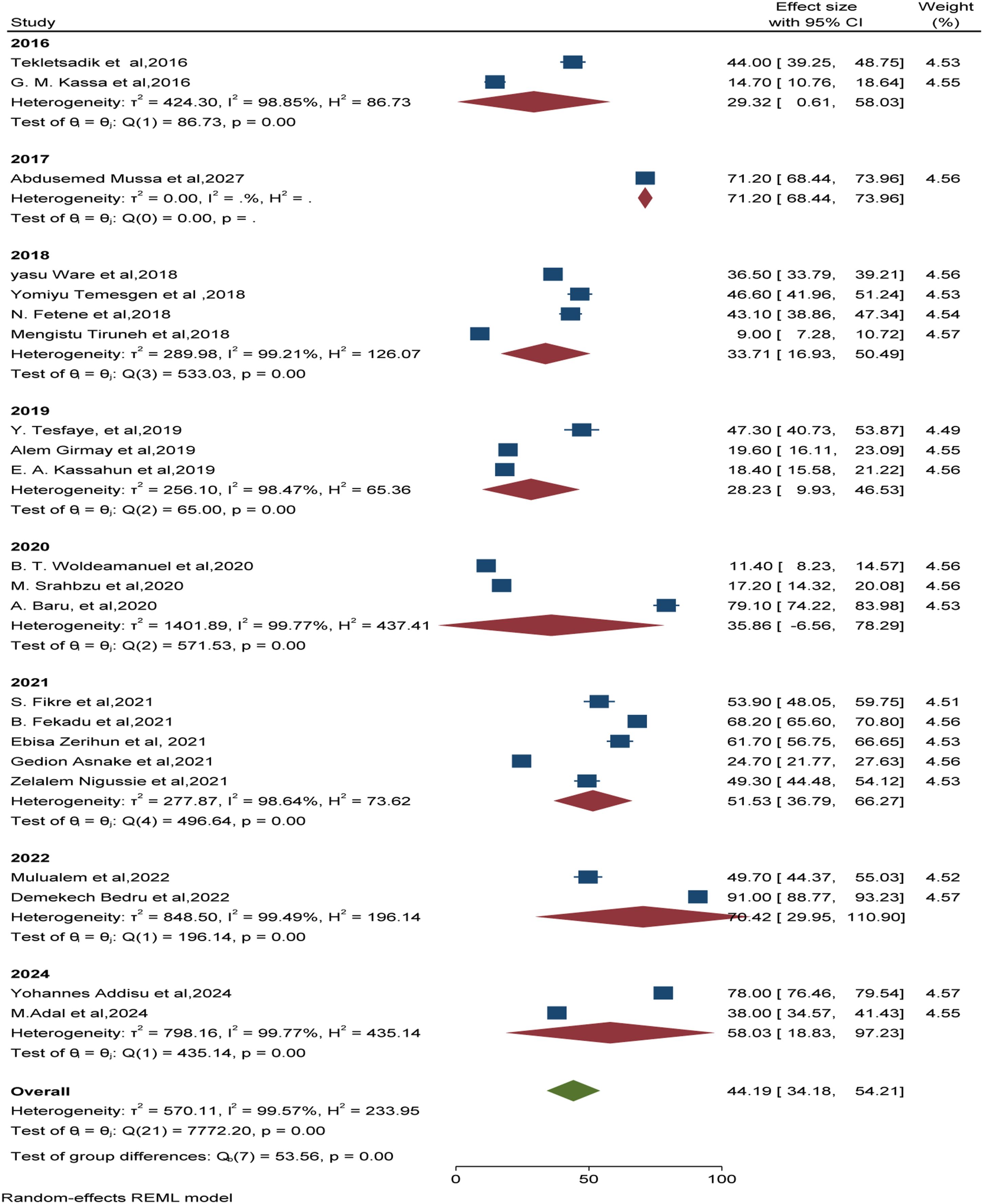
There was high and significant heterogeneity among included studies for risky sexual behaviors among young people inverse variance (I2) statistics showed greater than or equal to 99.5 heterogeneity among the studies.To identify the possible source of heterogeneity, subgroup analysis was conducted for risky sexual behaviors among young people in Ethiopia on year of publication and study region (Figures 10 and 11). Subgroup analysis of risky sexual behaviors based on study region Subgroup analysis of risky sexual behaviors based on study years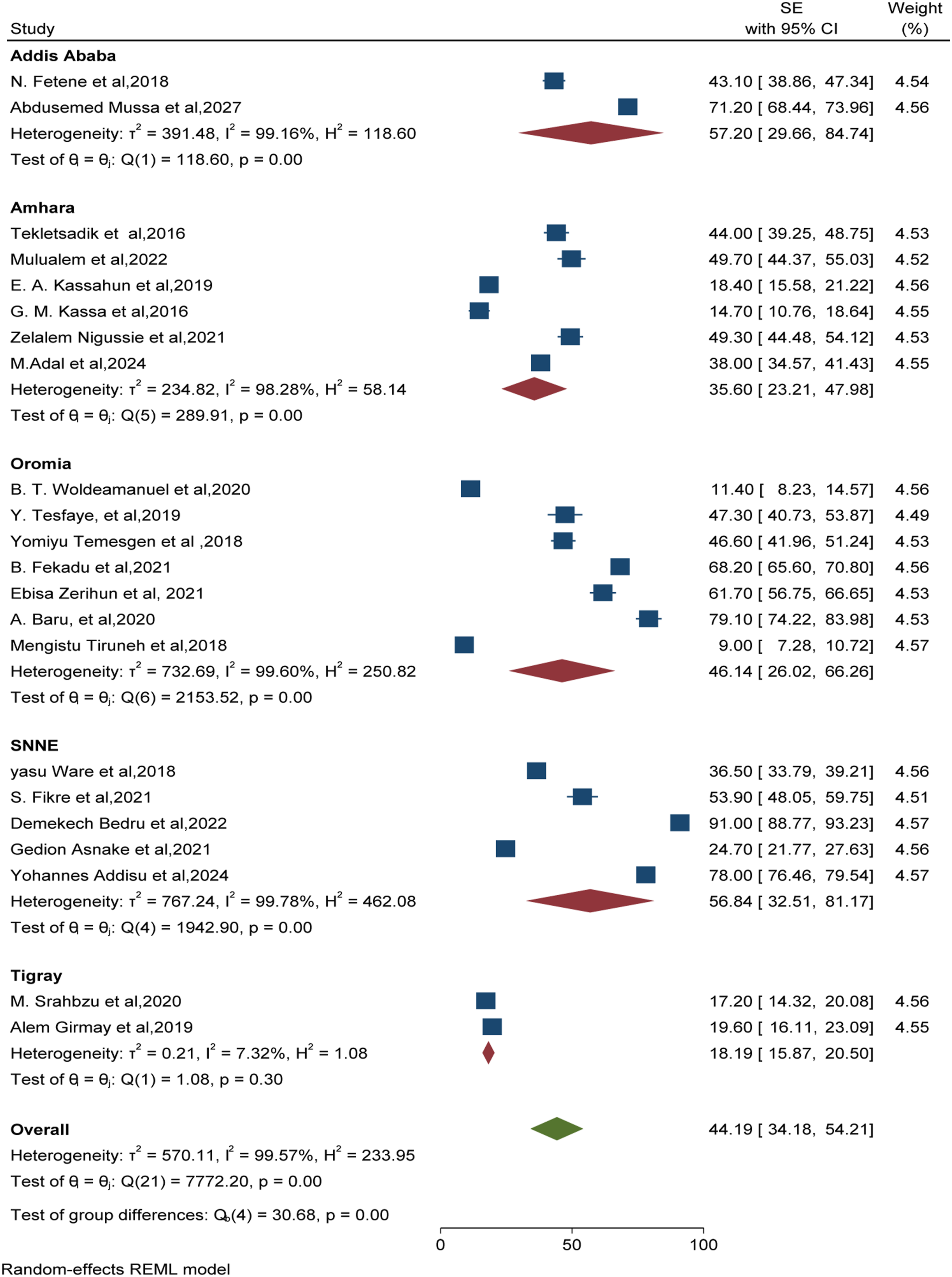
As a result, the subgroup analysis showed significant difference in the study region (Figure 10).
3.9.1. Subgroup Analysis Based on the Study Region
Among the included studies, seven were conducted in the Oromia region.44,46,49,56,57,59,64 The pooled prevalence of risky sexual behaviors in Oromia was 46.14% with CI [26.02-66.26]. Among the included studies, six were conducted in the Amhara region.17,47,50,52,53,61 The pooled prevalence of risky sexual behaviors in the Amhara region was 35.60% with CI [23.21-47.98]. Among the included studies, five were conducted in Southern nations and nationalities of Ethiopia.45,54,58,60,62 The pooled prevalence of risky sexual behaviors in southern nations and nationalities of Ethiopia was 56.84% with CI [32.51-81.17]. Among the included studies, two were conducted in the Tigray Region.48,51 The pooled prevalence of risky sexual behaviors in the Tigray region was 18.19% with CI [15.87-20.50], and among the included studies, two of them were conducted in Addis Ababa.55,63 The pooled prevalence of risky sexual behaviors among young people in Addis Ababa was 57.20 with CI [29.66, 84.74]. The subgroup analysis shows the pooled prevalence of risky sexual behaviors among young people was highest in Addis Ababa with 57.20% [29.66, 84.74], followed by the South Nations and Nationalities of Ethiopia with 56.84% [32.51-81.17], and the lowest pooled prevalence of risky sexual behaviors among the regions was the Tigray region with 18.19% [15.87, 20.50].Figure 10 below shows Subgroup analysis of risky sexual behaviors based on study region.
3.9.2. Subgroup Analysis Based on Year of Study
We also performed subgroup analysis based on the year of publication; as a result, high-risk sexual behavior was observed in a study conducted in 2017 with a prevalence of 71.20[68.44,73.96]. However, since it was only one study, we don’t consider it as a pooled prevalence. The highest pooled prevalence of risky sexual behavior was observed in studies conducted in 2022, with 70.42% [29.95, 110.90]. The reported heterogeneity was also significant at I2=99.49% and a p-value of 0.001. The second pooled prevalence was observed in a study conducted in 2024 with a pooled prevalence of 58.03% [18.83-97.23]. The reported heterogeneity was also significant at I2=99.77% and p-value at 0.001. Figure 11 below Subgroup analysis of risky sexual behaviors based on study years.
4. Discussion
4.1. Pooled Prevalence of Risky Sexual Behaviors Among Young People in Ethiopia
In this systematic review and meta-analysis, seven studies were conducted in the Oromia region.44,46,49,56,57,59,64 The prevalence of risky sexual behaviors in Oromia was 46.14% with CI [26.02-66.26]. Six studies conducted in Amhara region.17,47,50,52,53,61The prevalence of risky sexual behaviors in the Amhara region was 35.60% with CI [23.21-47.98]. Five studies in the southern nations and nationalities of Ethiopia.45,54,58,60,62 The prevalence of risky sexual behaviors in southern nations and nationalities of Ethiopia was 56.84% with CI [32.51-81.17].Two studies in the Tigray Region.48,51 The prevalence of risky sexual behaviors in the Tigray region was 18.19% with CI [15.87-20.50] and two studies in Addis Ababa.55,63 The prevalence of risky sexual behaviors among young people in Addis Ababa was 57.20 with CI [29.66-84.74]. While sexually risky behaviors among young people assessed by this systematic review and meta-analysis vary by study, the pooled prevalence in this meta-analysis is more prevalent than in the general population of young people in Ethiopia. Our assessment shows a high pooled prevalence of risky sexual behavior in Ethiopia(44.19%), whereas different studies reported lower prevalence at the national level 22.7%, 16 26.9%, 12 10.2% 10 ; also higher than study conducted in Jimma(42.1%), 8 in Addis Ababa (39.4%), 72 the difference is due to high prevalent studies included in our assessment. But lower than another study conducted in Jimma(47.3%). 46 It is also comparable with studies conducted in different countries; accordingly, the finding, was lower than the systematic review and meta-analysis done in sub-Saharan Africa 51%, 73 lower than in Uganda (53.8%), 74 as well as lower than in developing countries 75% 75 ; But higher than the study among college and university students (41.62%), 9 and also higher than study conducted in Ethiopia (42.80). 76 The variations might be due to socioeconomic, geographic, and study year.
4.2. Implications of High-Risk Sexual Behaviors and Associated Risk Factors
These high-risk sexual behaviors among young people in Ethiopia have significant physical consequences, principally relating to infections, HIV/AIDS, and other sexually transmitted infections such as Chlamydia, Gonorrhoea, Hepatitis B virus, and syphilis.77-79 Other implications of high-risk sexual behaviour among young people include a high risk of unintended pregnancies, resulting in abortions, miscarriages, and maternal mortality, especially among high-risk young girls.80,81 Furthermore, long-term reproductive health complications like recurrent sexually transmitted and premature pregnancies lead to infertility, cervical cancer, still births, and maternal and neonatal fatalities may occur.82,83 Another important implication of high-risk sexual behaviour is poorer mental health; low self-esteem, depression, and suicidal thoughts brought by risky sex and casual sex, and social alienation are common outcomes of adolescent pregnancy and single motherhood.84,85
Peer pressure was found to be a strong predictor of risky sexual behaviors in this systematic review and meta-analysis, which is similar to. 76 This may be due to the young people being affected by decisions made by their close friends, believing that they may be rejected by their friends. Young people look to their peers for acceptance, prestige, and feelings; they are more inclined to start having sex early, have several partners, and forget contraceptives to fit in or avoid being made fun of when their peers are thought to be sexually active.86,87 Especially young people who are prone to risk or lack of self-control are particularly inclined to associate with this peer pressure and then emulate their risky behaviors. 88 Peers are often the primary source of sexual information, which normalizes risky behaviors if it is false or permissive78,82,87
Young males were 4.05 times more likely to engage in risky sexual behaviors OR 4.05[1.30-6.81], which is supported by. 75 This may be due to social and cultural gender norms; for example, young males report earlier sex, more multiple partners, and more high risk sex than young women because masculinity is often associated with sexual conquest and several lovers,89,90 Moreover, Females sexuality is more regulated and stigmatized; they are more likely to be transactional or age disparate relationships with less power to demand contraceptives, but they are less likely to report having many partners.89,90
Young people who use alcohol are 2.67 times more likely to engage in risky sexual behaviors OR 2.67[1.99-3.36]. 9 Alcohol makes young people focus more on instantaneous sexual enjoyment and less on risk cues. 91 Alcohol reduces sensitivity to sexually transmitted infections risk and increases inclination to prefer immediate unprotected sex over waiting for a condom.91,92 Young people who watched pornography were 3.62 times more likely to engage in risky sexual behaviors OR 3.62 95%CI [2.00-5.25], which is supported by.9,59,73 This is due to the erotic sex stimulation nature of pornography that initiates young people to engage in risky sexual behaviors. Another study revealed that compared to low use groups, early and regular pornography use trajectories indicate earlier sex initiation and almost twice as many partners.93,94 Young people who use Shisha were 2.72 times more likely to engage in risky sexual behaviors. Despite shisha being a prohibited psychoactive drug in Ethiopia, young people frequently use it, believing that it releases stress and uses it for recreation. Recently, shisha has become popular. This may be due to the use of Shisha in hidden places compared to tobacco use. 95
The subgroup analysis shows significant variations among the regions. These variations are because the included studies have a high prevalence, which shows more differences compared to the prevalence in the general population of young people in the country; as well as differences in geography, study duration, and sample size were also main reasons for the differences. The subgroup analysis also revealed variability within the same regions, which may be due to the difference in study location urban versus rural, sample size, and level of awareness. Generally, the findings of this review revealed that high pooled prevalence of risky sexual behaviors among young people in Ethiopia; this means the burden is behavior-specific to sexual risk, which seeks special attention from concerned stakeholders. Moreover, several factors risk factors were associated with risky sexual behaviors among young people in Ethiopia. This systematic review and meta-analysis of risky sexual behaviors among young people in Ethiopia may have an essential role in providing a road map, guiding planning, and potential interventions in reducing high-risk sexual behaviors; and a response to mitigate associated risk factors to risky sexual behaviors among young people in Ethiopia.
4.3. Strength and Limitations
This systematic review and meta-analysis searched major data bases and Google scholar to include sufficient and eligible articles moreover the review followed PRISMA checklist for transparency and the protocol was registered to PROSPERO which reduces bias and increases reproducibility; However, since limitation is inevitable, this systematic review and meta-analysis included articles published only in English as well as the review was limited to the last ten years to get more recent articles these are considered limitation of the review.
4.4. Conclusions and Recommendations
Even though there is high intra- and inter-regional variability, the pooled prevalence of risky sexual behavior among young people in Ethiopia is high. Peer pressures, gender differences, use of Shisha, and alcohol consumption were factors for risky sexual behaviors among young people in Ethiopia. These imply high substance use like alcohol, shisha, poor school control of peer pressures, and pornography use, as it mainly uses a mobile phone. Comprehensive sexuality education and interventional planning are required to reduce the engagement of young people in risky sexual behaviors as well as to reduce risk factors. Integration of school-based sexuality education with non-school young people and early communication and intervention to reduce risky sexual behaviors and associated risk factors among young people is recommended. Furthermore, future researchers should find comprehensive and Effective prevention methods that should address individual, family, peer, and school factors rather than concentrating solely on personal decisions.
Footnotes
Acknowledgments
We would like to acknowledge all authors of primary studies.
ORCID iDs

Ethical Consideration
Since the study is systematic review and meta analysis, ethical approval is not applicable because it is litrature review.
Consent to Participate
Patient consent was not applicable because it was systematic review and meta analysis.
Authors contributions
Funding
The authors received no financial support for the research, authorship, and/or publication of this article.
Declaration of Conflicting Interests
The authors declared no potential conflicts of interest with respect to the research, authorship, and/or publication of this article.
Data Availability Statement
Metadata is available and will be given up on request.
Trial Registration
PRESPERO registration number: (CRD42024603638).
Use of Artificial Intelligence(AI)
The authors declared that no part of this manuscript used artificial intelligence for enhancement nor creation of any images.The authors also declared that no scientific data has been generated or modified by using artificial intelligence.