






Abstract
Introduction
Non-profit organizations play a key role in supporting knowledge dissemination activities. However, their contribution to these activities in-person and online in the pediatric oncology field remains unclear. Our study aims to provide an overview of the pediatric oncology charitable organizational landscape and describe their knowledge mobilization efforts related to dissemination, highlighting existing strengths, gaps, and opportunities to strengthen and unite efforts.
Methods
A bilingual environmental scan was conducted using an internet-based search strategy to identify Canadian pediatric oncology non-profit organizations. Eligible organizations were screened, and data on their characteristics and knowledge dissemination strategies were extracted. Extracted data were analyzed descriptively and presented in tables, spatially, and narratively with figures.
Results
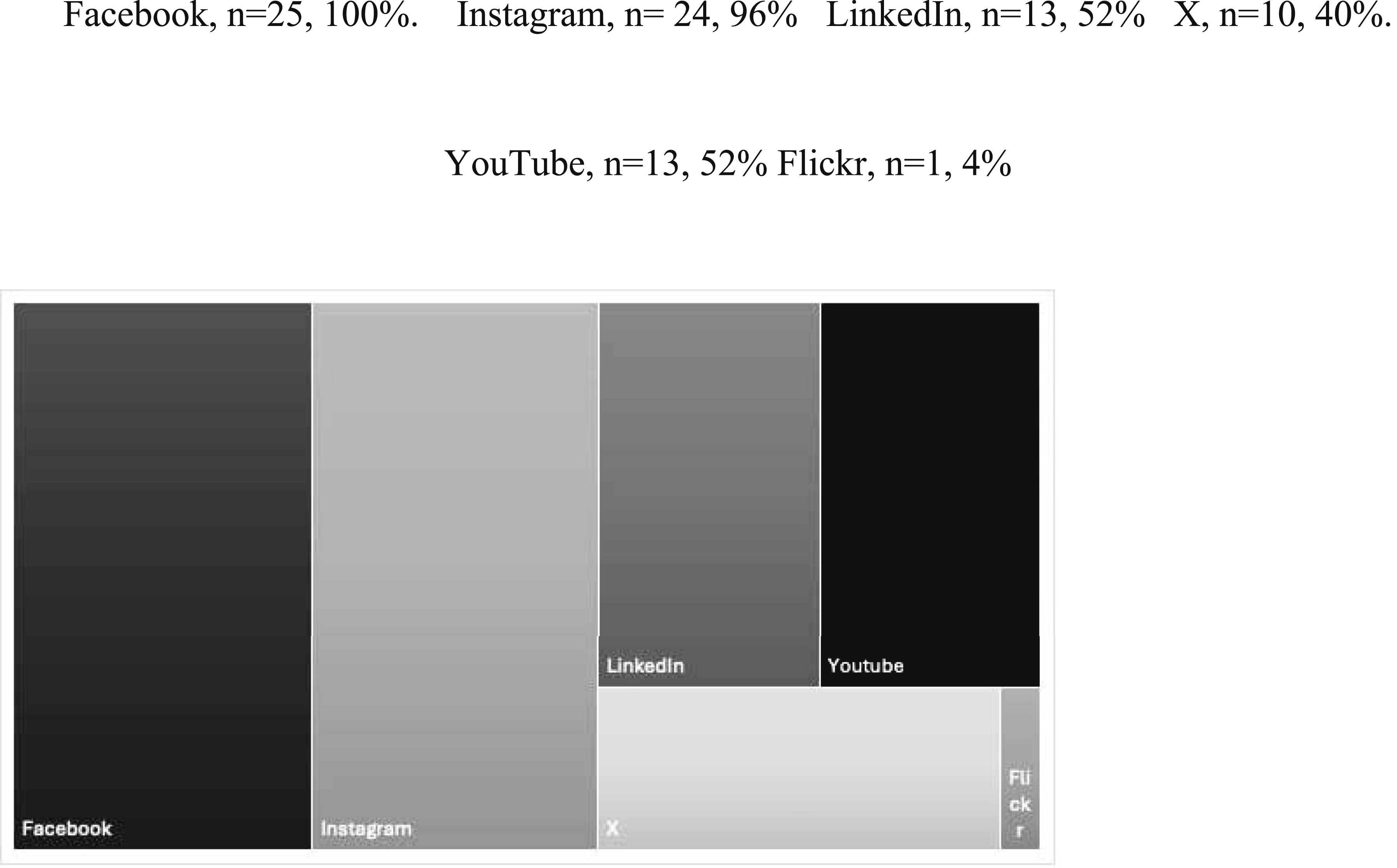
The scan identified 906 results, and 25 organizations were eligible for inclusion in the study. Eleven organizations (44%) are based in Ontario. The decade where the highest number of organizations were founded is 2000–2009 (n = 9, 36%), offering primarily English-only content (n = 18, 72%). Only six (26.1%) provided bilingual resources. Among the knowledge dissemination strategies, digital knowledge dissemination activities were utilized often, with all organizations using websites and social media (particularly Facebook, n=25 (100%), and Instagram, n =24 (96%)).
Conclusion
This study identified the current list and knowledge dissemination efforts of non-profit organizations in the pediatric oncology community in Canada but reveals gaps in bilingual content and in other major languages spoken in the country, geographic physical location, and centralized resources.
Introduction
In Canada, about 1000 children from birth to the age of 14, 1 and about 400 adolescents between the age of 15 to 19 years old are diagnosed with cancer each year. 2 Of those diagnosed with pediatric cancers, 84% reach the five-year survival milestone and this number is expected to increase with new treatments. 3 However, pediatric cancers may pose significant financial and personal challenges for families, as parents and caregivers often need to dedicate considerable time and resources to treatment and to supporting their children. 4 Moreover, among the children with a disease duration of 3-4 years, 25% may experience difficulties in peer relationships, and 27% may feel isolated. 5 The need for sharing credible information is crucial for all of those involved in the pediatric cancer community (e.g. patients, families, clinicians, academia, scientists, etc.). Collectively, they can help to prevent the spread of misinformation.6,7 With the correct information, caregivers can make informed decisions and children and teenagers can better understand the health matters that concern their life and, therefore, be included in conversations and decisions with caregivers.8,9 Parents often struggle to understand the information provided to them, which can result in misunderstandings and mistrust. 8 Furthermore, although some parents prefer that filtered information is conveyed to their children, pediatric patients stated that they want to be informed about their own diagnosis and prognosis, 8 and actively involved in their health care. 10 Thus, distributing evidence-based information to the broader pediatric oncology community is essential to provide community members with credible resources. 11 Non-profit organizations play a key role in addressing the gap between information and young patients and their support system through mobilizing, sharing, and disseminating knowledge.
Knowledge mobilization (KMb) refers to the transfer and exchange of research knowledge among researchers, knowledge brokers, and knowledge users.12,13 It involves applying evidence-based research to practice and policy.12,14 According to Canada’s Social Sciences and Humanities Research Council (SSHRC), knowledge mobilization enables all citizens to benefit from research, enhancing its impact. 15 Knowledge dissemination, one of the knowledge mobilization activities, is the active process of communicating results to a particular audience. 16 The targeted distribution of information can expand the reach of evidence and facilitate policy changes based on findings of up-to-date research. 11 Among the strategies for knowledge dissemination are online resources, which serve as a means to convey information to a broad audience and to involve them in the act of engaging with new knowledge. 17 For newly diagnosed oncology patients and their families, an educational delivery method they may prefer is the Internet. 18 However, health literacy, defined as the ability to access and comprehend health information, can influence how families seek knowledge. Individuals with lower health literacy are more likely to seek important information from social media and the Internet. 19 Hence, the key role of knowledge dissemination through online platforms. Given all the struggles the community and families involved in oncology care endure, and the need for those working in the field to access and share reputable information, there is a need to share evidence-based information from credible organizations. This can be done through non-profit organizations’ websites, social media, and other online platforms.
In Canada, non-profit organizations play a significant role in providing resources for the pediatric oncology community nationwide, offering reliable information that the population trusts.20,21 Non-profit organizations often act as knowledge brokers, the liaison between researchers and knowledge users. 16 These organizations represent a potential mechanism for high levels of social capital, social cohesion, as well as strong informal networks, aiding the community as a whole. 21 For instance, individuals from various backgrounds and roles in pediatric oncology in Canada have developed and composed ACCESS (Advancing Childhood Cancer Experience, Science & Survivorship), a pan-Canadian network, to achieve better health outcomes and quality of life for children diagnosed with cancer. 22 ACCESS aims to act as the expert voice of pediatric cancer care and research in Canada, and aims to ultimately transform lives by advancing pediatric cancer experiences, science and survivorship. 22 Within this context, our goal was to identify all the pediatric oncology non-profit organizations in Canada, and identify how these non-profit organizations disseminate knowledge to the pediatric oncology community. More specifically, the objectives of this environmental scan were to: (1) identify a current list of non-profit organizations serving the pediatric oncology community in Canada; (2) explore and describe how these organizations disseminate information; (3) assess the strengths and gaps in knowledge mobilization, as well as future directions and opportunities for these efforts in Canada; and (4) outline a methodology for conducting an environmental scan using various internet-based sources to engage the pediatric oncology community by combining and utilizing an updated framework for scoping reviews, 23 and environmental scans methodologies.24-27 Our goal was to aid in advancing, supporting, and uniting the strengths of the pediatric cancer community in their ongoing knowledge mobilization efforts in Canada.
Methodology
Our environmental scan was conducted to systematically map, collect and analyze the information derived from non-profit organizations.24-26 The study was led by the team appointed in the Ingram School of Nursing and Gerald Bronfman Department of Oncology at McGill University, in collaboration with members appointed in other universities and non-profits, and/or affiliated with the ACCESS network. The study was conducted in Canada over a one-year period from January 2025 to December 2025, retrieving publicly available online sources of information. Environmental scans serve as an important tool to inform decision-making on policy, planning and program development in the healthcare sector. 28 We followed the STROBE guidelines for reporting our study. 29 To develop our methodology, 27 we utilized the updated framework for scoping reviews by Peters et al 23 as well as the environmental scan methodology developed by the works of Castro et al, 24 Choo, 25 and Rowel et al. 26 The protocol 27 was tailored to this new context, to accurately map non-profit organizations and identify their knowledge dissemination efforts in pediatric oncology. Our methodology consisted of: (1) conducting a comprehensive search of databases for non-profit, government, and charitable organizations; (2) screening the results for study eligibility; (3) extracting data from eligible sources; (4) consulting with experts and community; (5) analysing the data; and (6) producing a final report.24,27
Eligibility Criteria
Under the Canadian government, there are distinct definitions. 30 Non-profit organizations cannot be a registered charity, but there are registered charities referring to themselves as non-profits (e.g., some identify as non-profit organizations with charitable status). 27 To account for the interchangeable use of these terms at both the governmental and community levels, the term “non-profit” in our study referred to organizations that hold a registered charitable number. 27
To qualify for inclusion in our environmental scan, organizations had to satisfy the following criteria: (1) be a non-profit organization; (2) be based in Canada; (3) disseminate information and/or resources; and (4) serve the pediatric oncology community such as patients, caregivers, healthcare providers, scientists and/or trainees. 27 Throughout the development of the protocol, 27 the terms “non-profit,” “not-for-profit,” and “charitable organizations” were found to often be used interchangeably in both grey literature and the community. 27 Organizations without a registered charitable number or with missions that target the general childhood health community (e.g., pediatric pain) or broader cancer community (e.g., organizations serving all ages affected by cancer) were excluded from this study. Non-profits that focused on the broad pediatric cancer community or on a specific type of childhood cancer were included. 27 Due to the paucity of organizations in Canada serving the adolescent and young adult cancer community (15-39 years of age), 31 those that serve this population were included. We excluded all non-profit organizations serving the adult community (40 years and older). Organizations that serve adults were excluded. Additionally, advocacy groups that do not hold a registered charitable number and/or primarily function as social media influencers or digital opinion leaders were also excluded from this study. 27 The knowledge dissemination efforts of non-profit organizations were screened to analyze their efforts. Activities were included if they: (1) involved a method of online or in-person knowledge dissemination; (2) were relevant to the pediatric oncology community in Canada; and (3) focused on content that relate to the full spectrum of cancer care delivery. 27
Data Sources and Search Strategy
Overview
Keywords Developed to Guide the Search Strategy Pertaining to the Objectives. English Terms Were Translated Into French by a Bilingual Co-Author (E.D.) 26
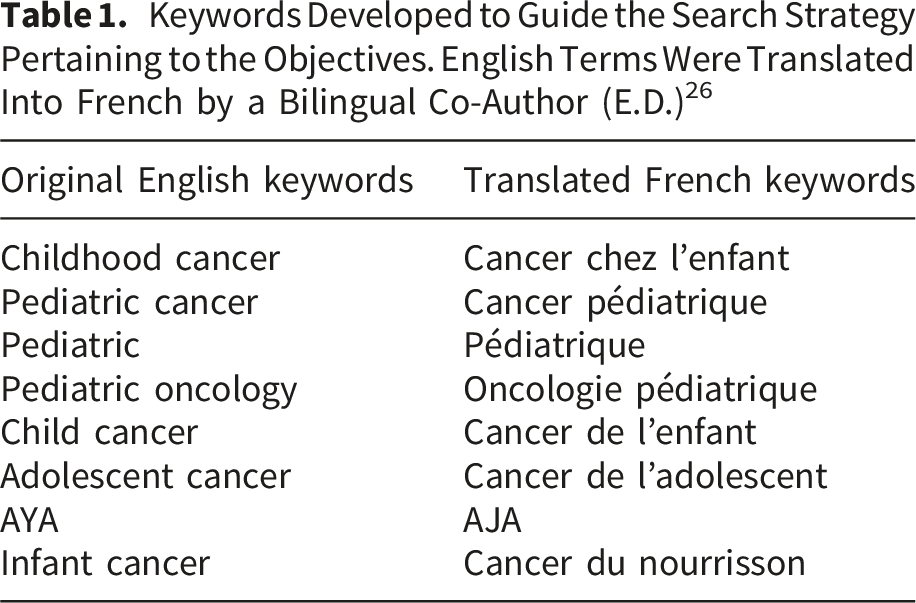
Step 1: Search of Online Resources and Databases
Step 2: Screening
The search results were uploaded to a shared Excel file where duplicates were removed. Each result was assessed against the study’s inclusion criteria to screen for eligibility. 27 Search results that did not meet the inclusion criteria were excluded. For organizations where eligibility remained unclear, a team discussion was held to determine inclusion or exclusion.24,27
Step 3: Data Collection
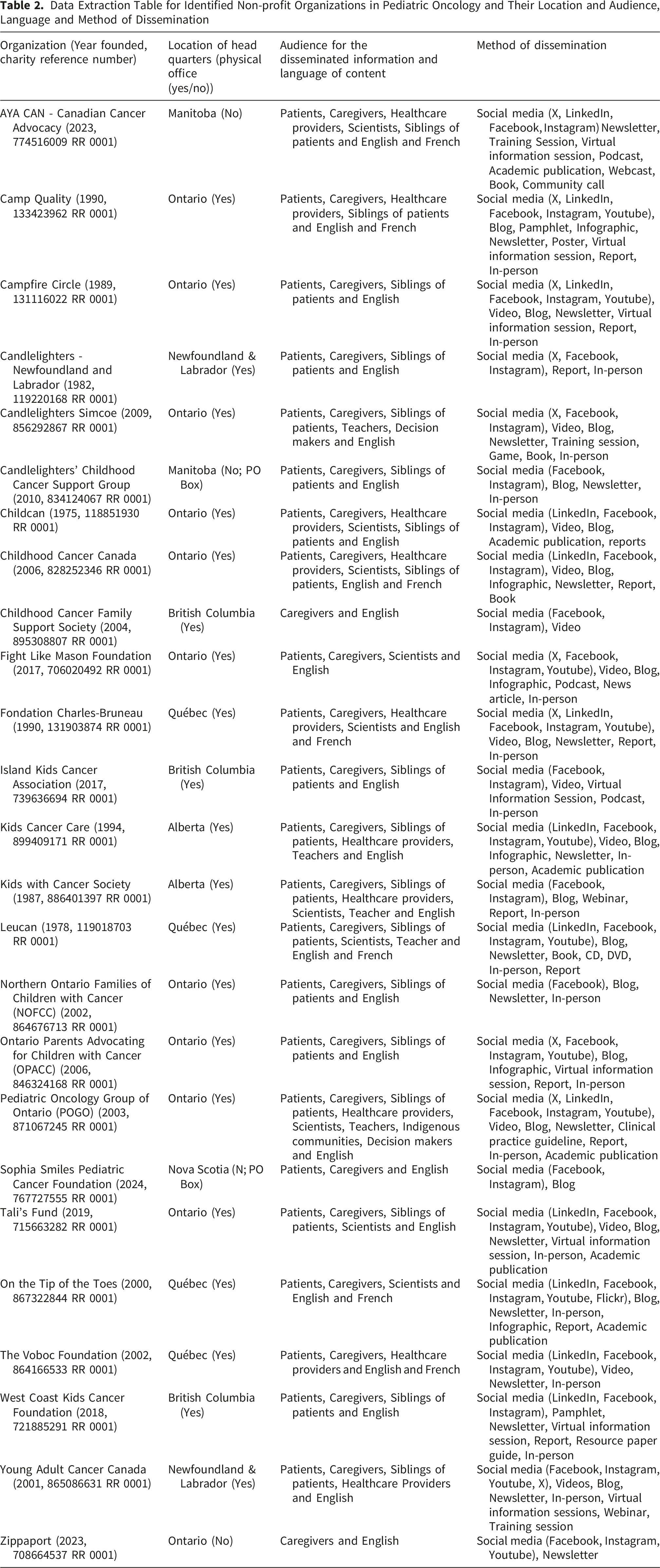
Data Extraction Table for Identified Non-profit Organizations in Pediatric Oncology and Their Location and Audience, Language and Method of Dissemination
Step 4: Expert Consultations
Expert consultations were conducted to ensure the environmental scan fully captured the non-profit landscape in pediatric oncology in Canada and their knowledge dissemination activities.
27
Members of the ACCESS network
22
were asked via direct contact, newsletters and presentations to submit suggestions for consideration and to review our preliminary list of non-profits. Throughout the conduct of these activities, the list was constantly reviewed and updated. One of the co-authors (E.K.D.) is a co-founder of a global community for the adolescent and young adult cancer population (#AYACSM).
38
Thus, using the author’s (E.K.D.) LinkedIn,
39
Bluesky,
40
Instagram,
41
and X
42
platforms, community members were asked to review and give suggestions to the list of organizations we identified through our search strategy (see Figure 1).
27
The suggestions were screened and assessed for eligibility. In addition to this collaboration with experts in the community, our research team included members of pediatric oncology non-profit organizations and persons with lived experiences who helped review the organizations. Poster created on Canva by C.F. and E.K.D. and posted on X, Instagram, Bluesky and LinkedIn for charitable organizations that serve the pediatric oncology community in Canada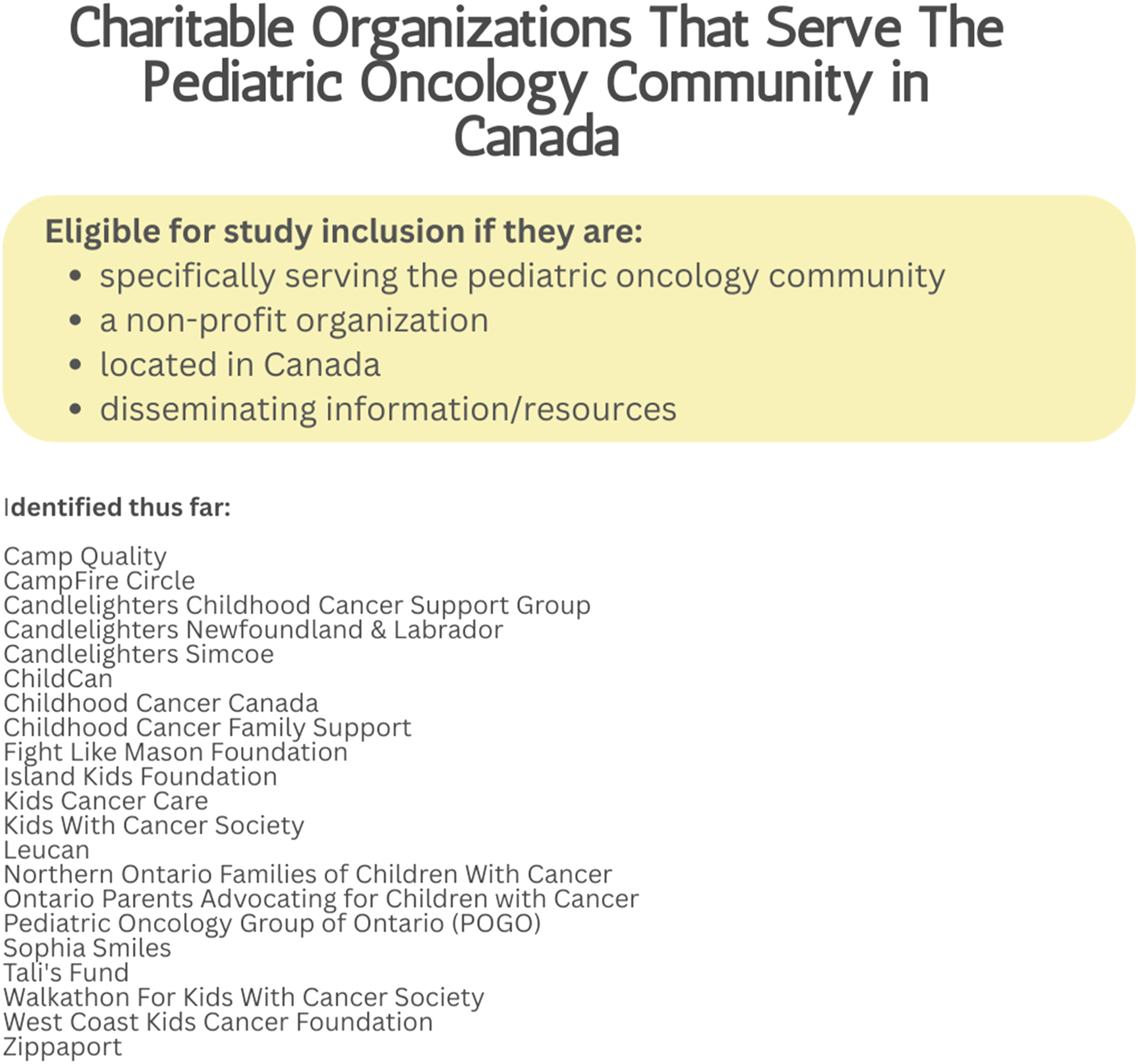
Step 5: Data Presentation and Visualization
The search strategy results were displayed using the Preferred Reporting Items for Systematic Reviews and Meta-Analyses extension for Scoping Reviews (PRISMA-ScR) 43 flow diagram. The organizations’ characteristics were tabulated to demonstrate how many organizations were founded each decade, as well as their main audience for dissemination activities and the language(s) of the content and information they share. The data were also mapped to visualize the founding year of each specific foundation. Their modes of dissemination and the social media platforms used for the dissemination of activities are presented in graphical form.
Ethical Considerations
Ethical approval was not required for this environmental scan, as it involved performing a grey-literature search to identify Canadian non-profit organizations and their various means of disseminating knowledge to the pediatric oncology community in Canada. 27
Patient and Public Involvement
Two of our study’s co-authors are non-profit partners from Leucan (P.C; Québec) and Kids Cancer Care (J.F; Alberta). Four of our study’s co-authors (C.F., S.R., K.E., and K.H.) are people with lived experiences of pediatric cancer who were reimbursed for their time. These experiences vary from being diagnosed with a pediatric cancer, providing care for a child with pediatric cancer, or providing care for a friend with pediatric cancer. Other authors are involved in the care, directed services, and/or conduct research in pediatric oncology. E.K.D. is the co-founder of the global adolescent and young adult cancer community, #AYACSM (adolescent and young adult cancer societal movement). 38 All authors helped develop the study protocol 27 and provided feedback on the final version of the manuscript.
Results
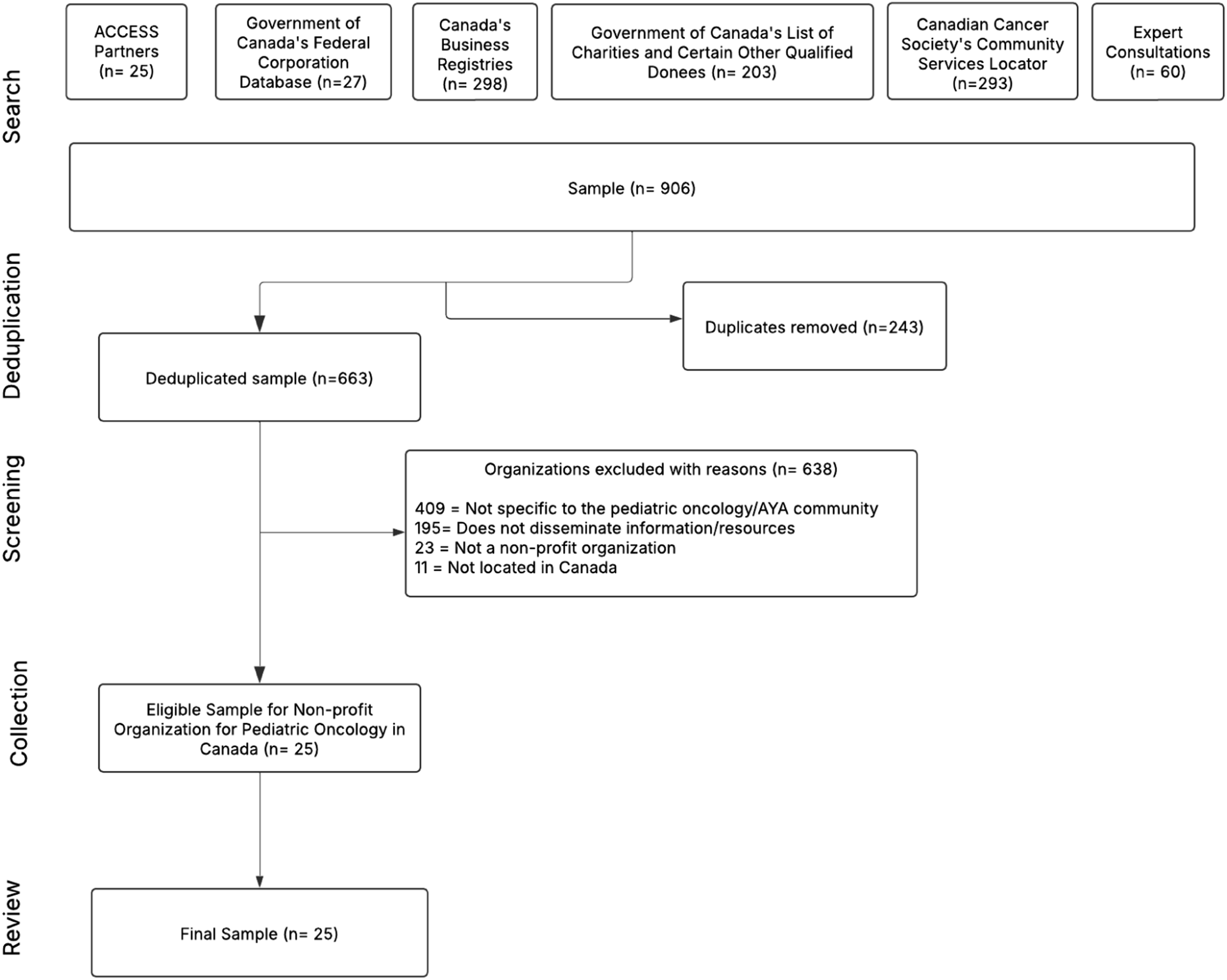
Our search strategy identified 906 results. Of these, 243 were duplicates that were removed and 638 were deemed ineligible as they did not meet our inclusion criteria. Of these, 409 results were not specific to the pediatric or AYA oncology community, 195 did not disseminate information and/or resources, 23 were not non-profit organizations, and 11 were not located in Canada (See Figure 2). Twenty-five organizations met our study’s inclusion criteria for data collection (See Table 2).
43
PRISMA-ScR Flow diagram of search and data collection strategy, adapted from Moher et al
36
Non-Profit Organizational Characteristics
Characteristics of Pediatric Oncology Non-profit Organizations in Canada
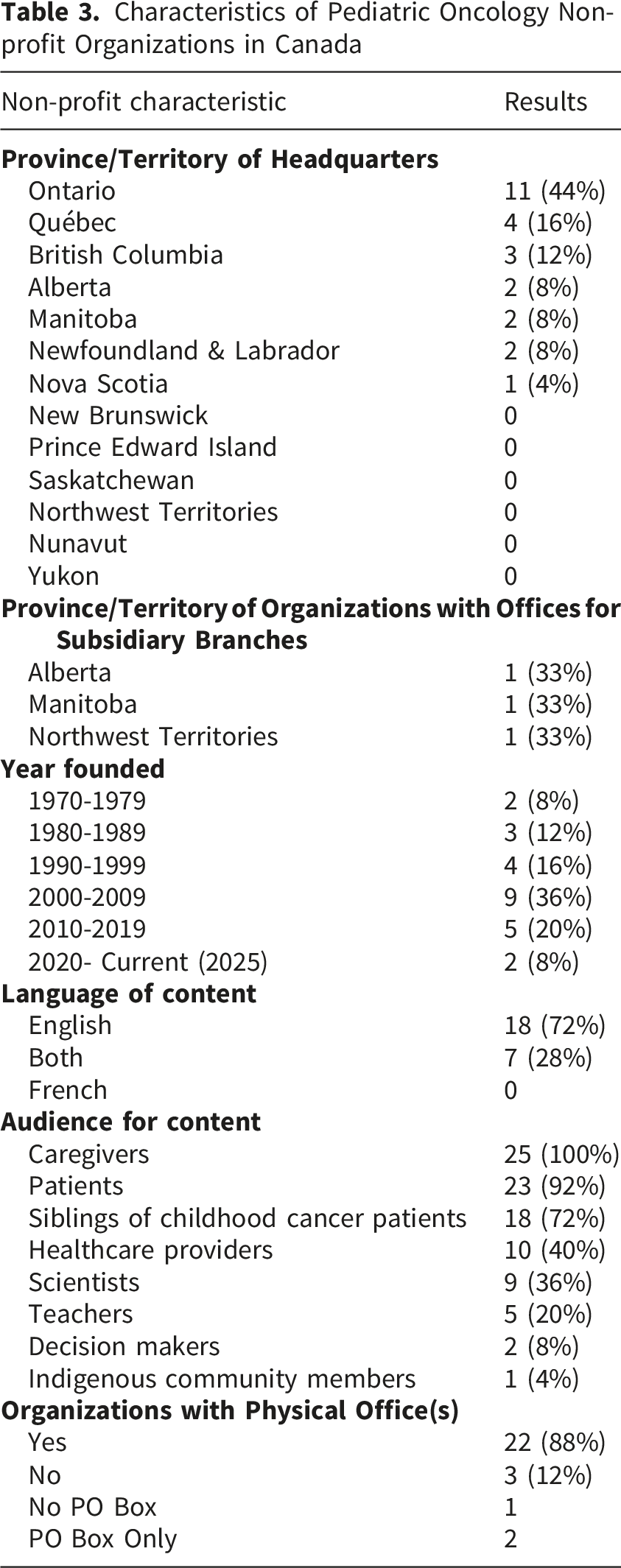
Most organizations were founded between 2000 and 2009, as shown in Figure 3 (n = 9, 36%). Regarding the language of dissemination, 72% of the organizations (n = 18) provided content solely in English, while only 28% (n = 7) offered bilingual resources (English and French). No other languages were used for dissemination activities. The audiences for these resources were predominantly caregivers (n=25, 100%), patients (n=23, 92%), and siblings of childhood cancer patients (n=18, 72%). Other audiences were healthcare providers (n=10, 40%), scientists (n=9, 36%), teachers (n=5, 20%), and decision makers (n=2, 8%). One organization had resources for Indigenous communities (n=1, 4%). Organizations founded per year from 1975 to 2025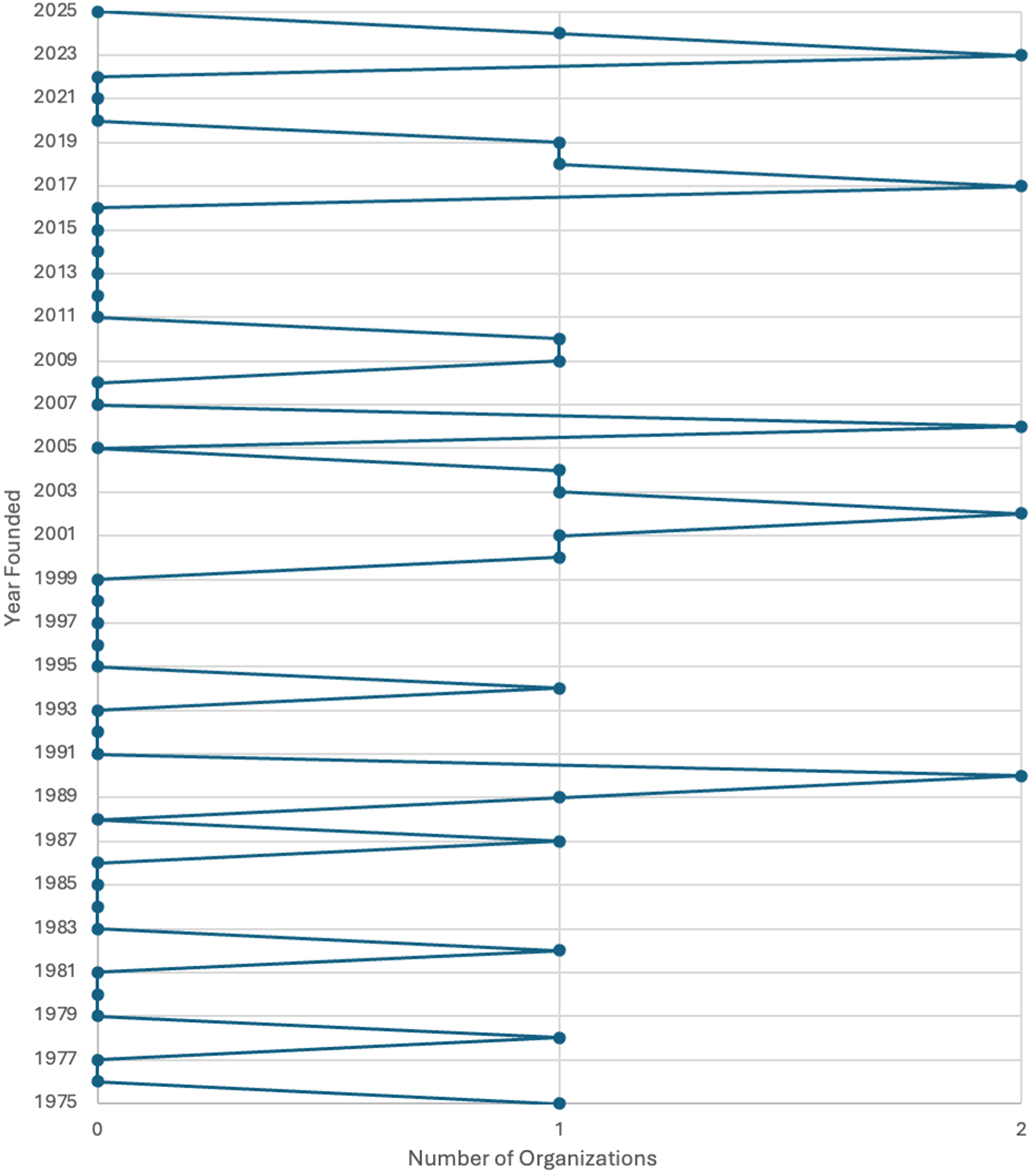
The map in Figure 4 showed the spatial distribution of organizations in Canada as well as the 16 pediatric cancer centres in the country. Seven provinces had a pediatric cancer centre and one or more non-profit organization in their region. In contrast, Saskatchewan was the only province that had a pediatric cancer centre, but no non-profit organization. Additionally, there were provinces and territories without pediatric centres that also lacked a pediatric cancer non-profit organization in their region. Map indicating the location of each non-profit organization and pediatric cancer centre in Canada for the pediatric oncology community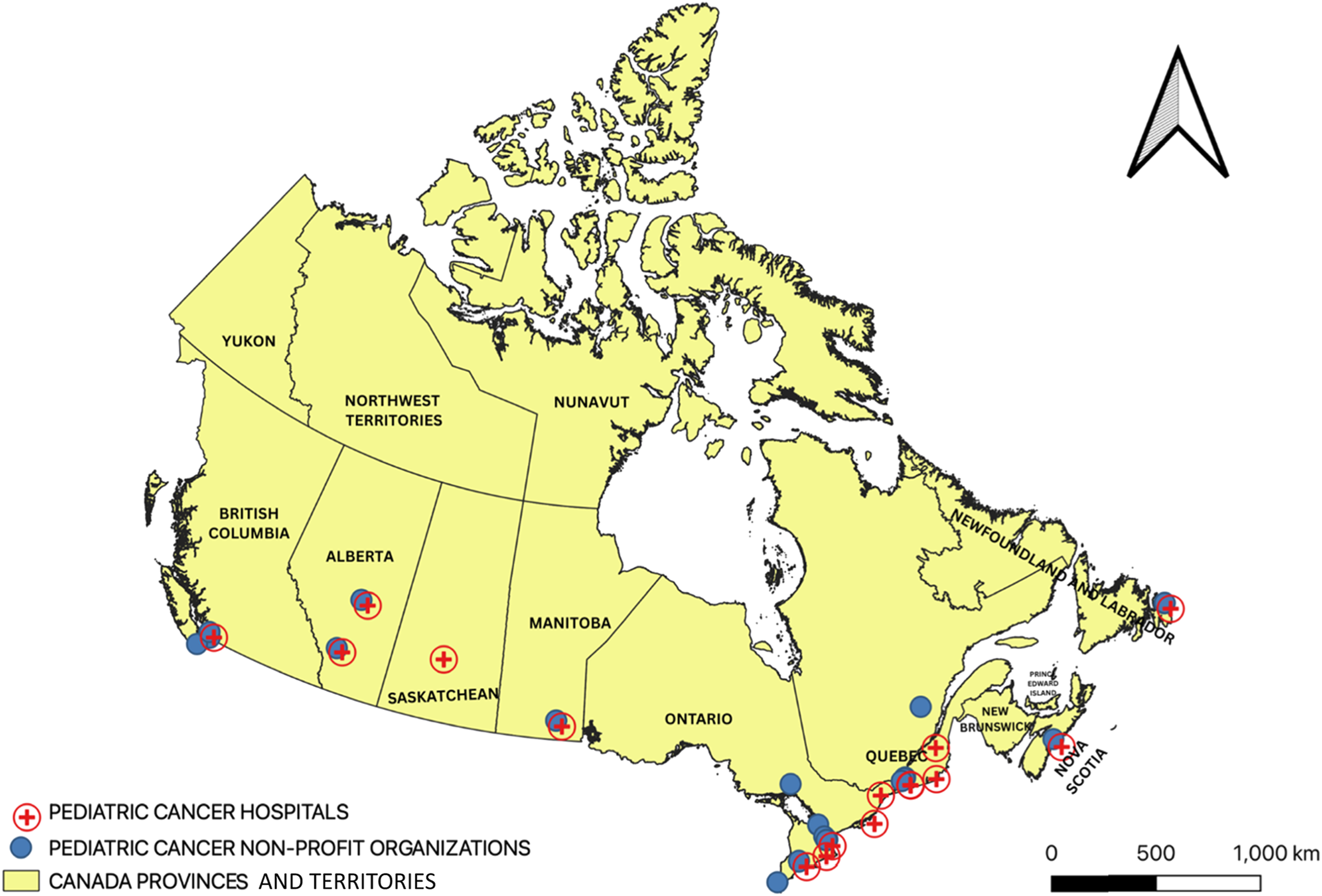
Knowledge Dissemination Strategies
The knowledge dissemination strategies used by the 25 non-profit organizations were predominantly digital and in-person. As illustrated in Figure 5, all organizations utilized some form of social media (n = 25,100%) for dissemination activities.44-68 Furthermore, a significant portion of these organizations used blogs (n = 18, 72%),44,46,47,49-52,54,55,57-64,68 in-person activities (n=18, 72%),44,46-50,54,55,57-62,64-66,68 newsletters (n=17, 68%),44-47,49,50,52,55,57,59,60,62,64-68 videos (n=13, 52%)44,47,49,51-57,62,64,65 and their websites (n=25; 100%)44-68 as communication channels. Organizations also used reports (n=12, 48%),46-48,51,52,55,58,59,61,62,66,68 virtual information sessions (n=8, 32%),44-47,56,61,64,66 infographics (n=6, 24%),46,52,54,57,61,68 academic publications (n=6, 24%),45,51,57,62,64,68 podcasts (n=3, 12%),45,54,56 training sessions (n=3, 12%),44,45,49 pamphlets (n=2, 8%),46,66 webinars (n=2, 8%),44,58 posters (n=1, 4%),
46
clinical practice guidelines (n=1, 4%),
62
and other methods (n=5, 20%)45,49,52,59,66 such as books, games, etc. However, policy briefs were not used by organizations.
27
Additionally, as indicated in Figure 6, social media platforms, particularly Facebook
69
(n = 25, 100 %)44-68 and Instagram
41
(n = 24, 96%),44-59,61-68 were the most frequently used methods for engaging with the community. Other platforms used by organizations were LinkedIn
39
(n=13, 52%),45-47,51,52,55,57,59,62,64-66,68 YouTube
70
(n=13, 52%)44,46,47,54,55,57,59,61,62,64,65,67,68 and X
42
(n=10, 40%),44-49,54,55,61,62 previously known as Twitter, and Flickr
71
(n=1, 4%).
68
Snapchat,
72
Threads,
73
Bluesky
40
and TikTok
74
were not used.
27
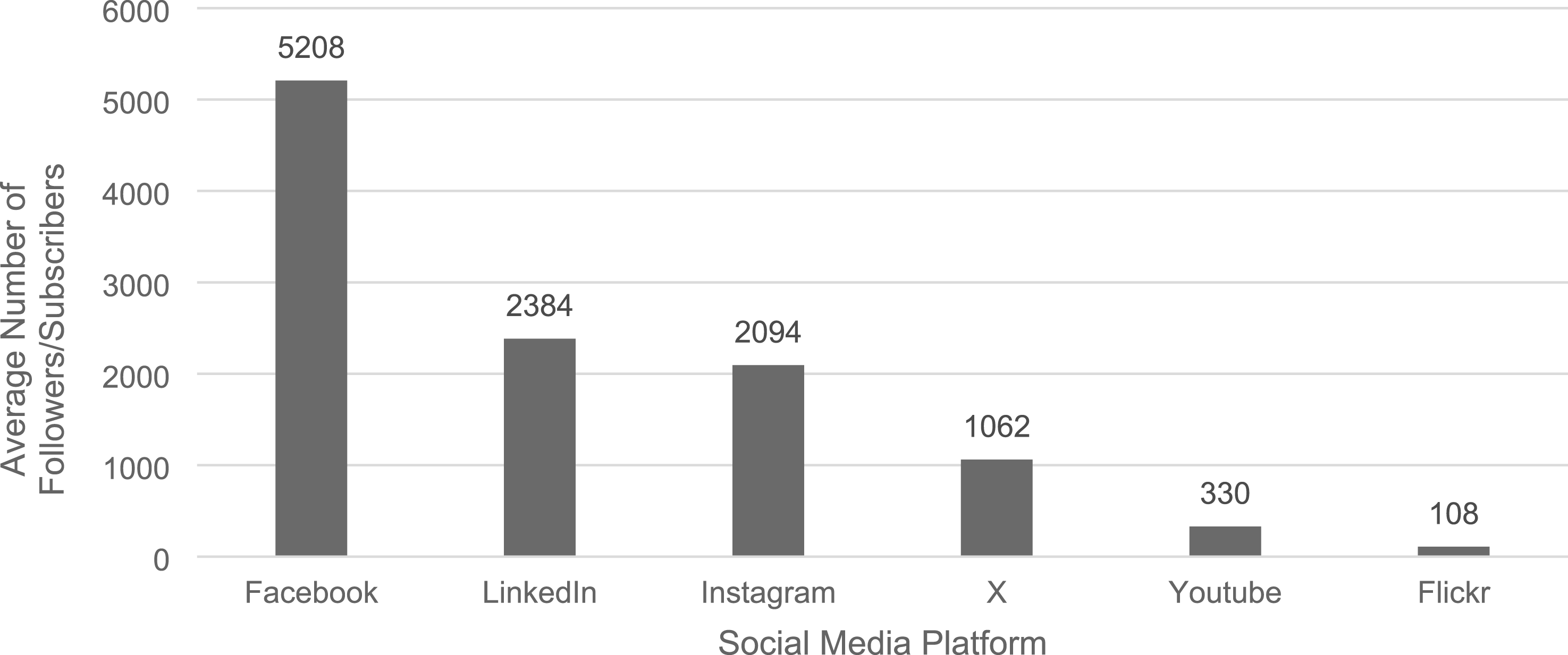
Social media followings (described as followers or subscribers depending on the social media platform) were highest on Facebook,
69
with an average following of 5,208 across all organizations, as indicated in Figure 7. The platform with the second highest follower count was LinkedIn
39
with an average of 2384. The average following for Instagram,
41
X,
42
YouTube
70
and Flickr
71
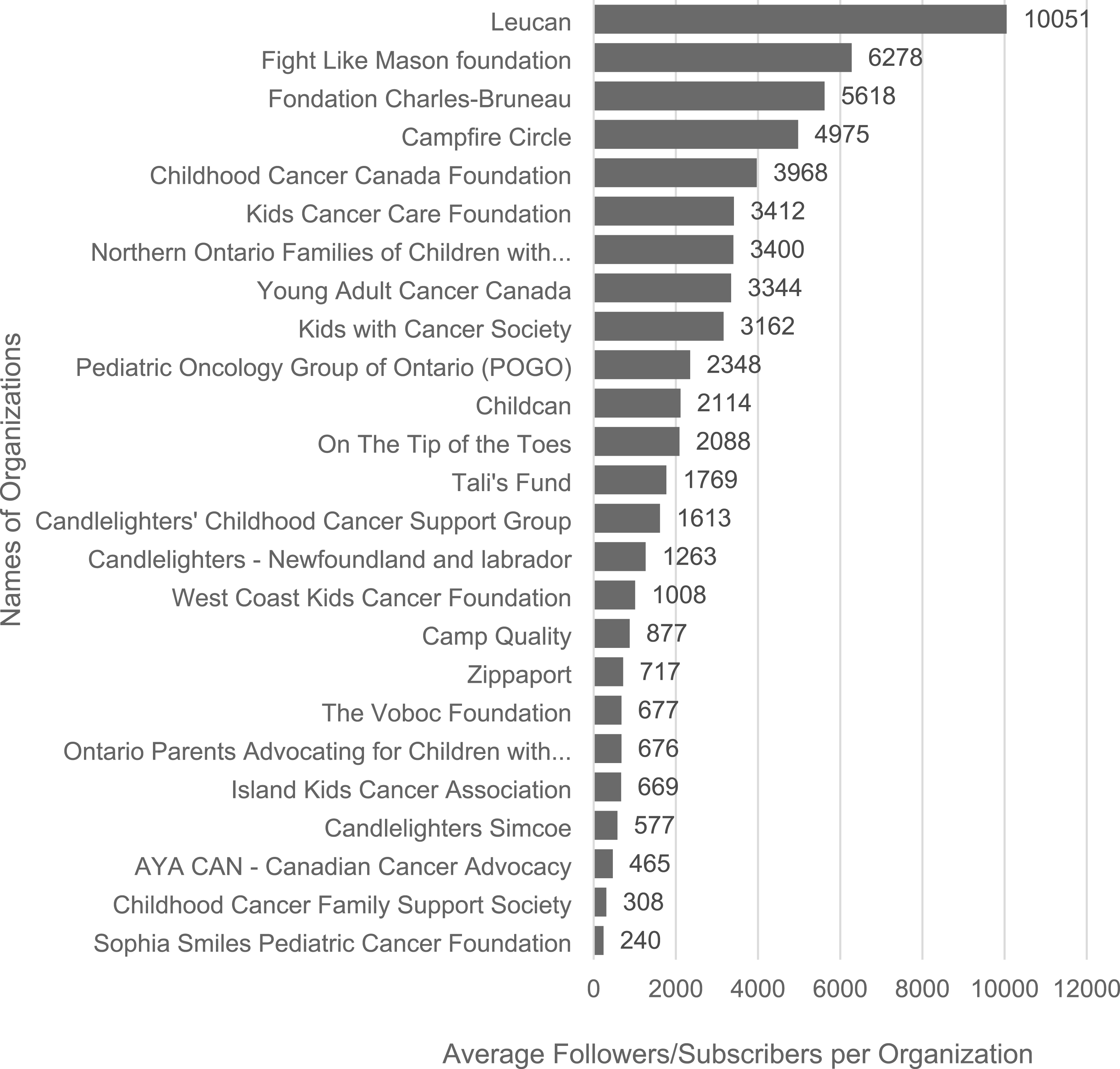
were 2094 followers, 1062 followers, 330 subscribers, and 108 followers, respectively. Figure 8 demonstrates the average number of social media followers across all platforms for each non-profit organization. Modes of information dissemination utilized by non-profit organizations serving the childhood cancer community in Canada Percentage of social media platform usage for disseminating information by non-profit organizations Average number of followers of each social media platform used by non-profit organizations in pediatric oncology for knowledge dissemination. *Facebook, LinkedIn, Instagram and X were assessed with followers. YouTube was assessed with subscribers. Retrieved June-July 2025 Average number of social media followers across platforms per non-profit organizations in pediatric oncology for dissemination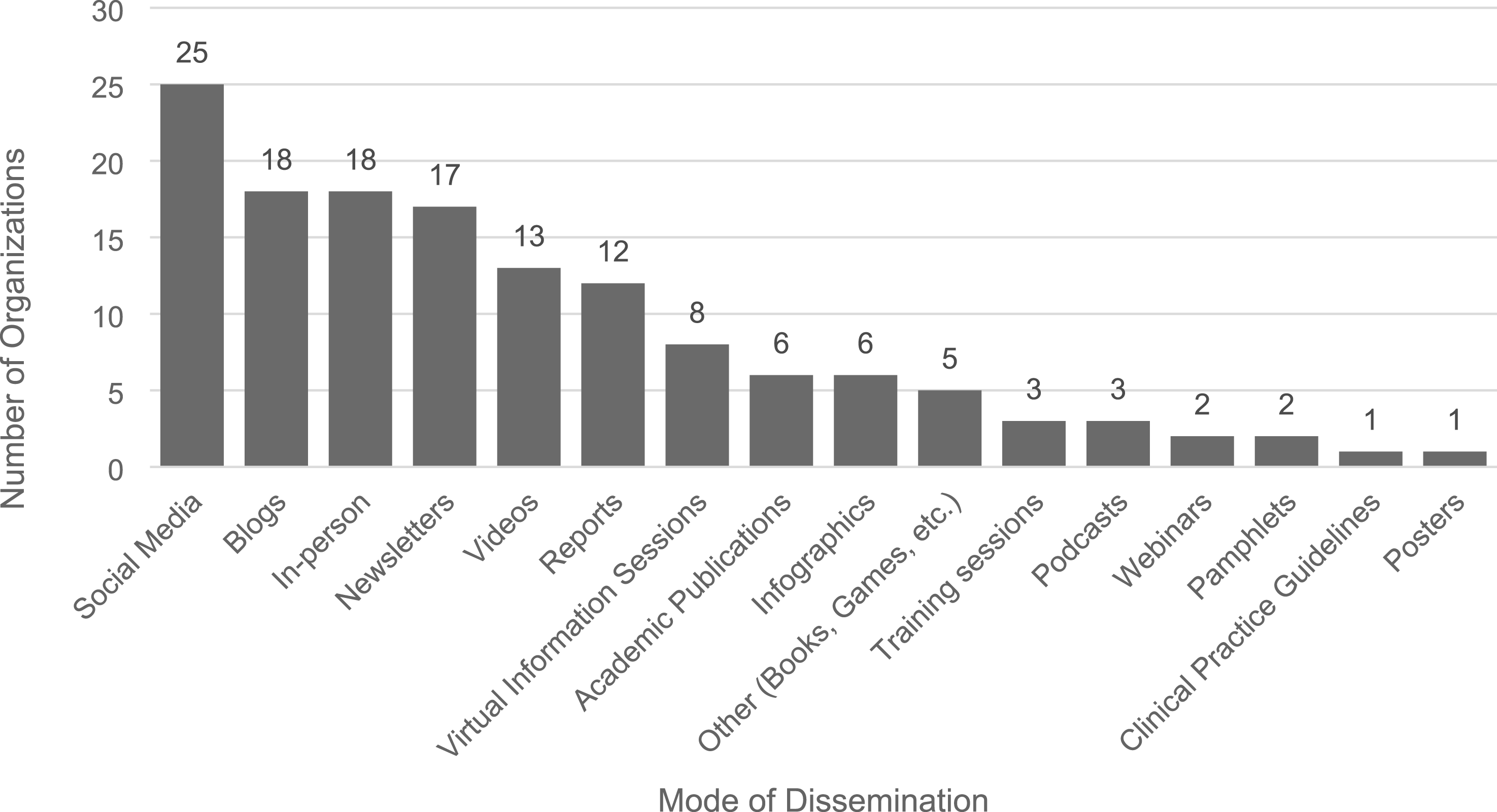
Discussion
This environmental scan revealed significant insights into the landscape of 25 non-profit organizations serving Canada’s pediatric oncology community and their knowledge dissemination strategies. Despite the significant benefits and strengths of non-profits’ dissemination efforts in pediatric cancer such as providing patients and communities with in-person and online resources locally, many gaps persist in their knowledge dissemination activities. One notable limitation is the underrepresentation of organizations that offer bilingual content, which can create inequities in access for francophone communities, There are over eight million Canadians reporting French as their first official language in 2021. 75 While many reside in Quebec, Francophone communities are present in all provinces and territories across Canada. 75 Existing non-profit organizations primarily provide information in English, with 18 out of 25 organizations offering content only in this official language. In comparison, a smaller subset of seven organizations provides resources in both official languages of English and French. Québec, a French-speaking province, accounts for approximately 20% of the Canadian population. Moreover, just over 6.5 million individuals nationwide reported being bilingual (English and French), 75 which results in approximately 1.5 million Canadians who may be unable to benefit from the information shared by most of the non-profit organizations that provide content in English only. According to the government of Canada, non-profit organizations’ efforts may be in the official language of their choice. 76 No non-profit organizations offered resources in Indigenous languages or other non-official languages (e.g., Korean, Persian, Mandarin) important to multi-cultural, multi-lingual Canadian population.77,78 Advancements in large language models may offer multilingual support, but ongoing work is needed to provide safe, accurate, reliable, readable, and culturally relevant health information.79,80 Presently, the information still needs to be verified with health care providers but opportunities remain to improve the accessibility and quality of health care information within pediatric oncology care using large language models. 81
There is an uneven geographic distribution of non-profit organizations, with only seven of the 13 provinces/territories having a head office of an organization based in their province and most non-profits located in Ontario. The Northwest Territories, Alberta and Manitoba are the only provinces that have offices for subsidiary branches. Therefore, provinces like New-Brunswick and Saskatchewan have limited access to in-person resources. The disparities in regional access to non-profit organizations may lead to resource inequalities. Despite all organizations being online, geographical representation is important as some information is disseminated in-person, in hospitals or offices. Therefore, identifying underserved areas may prompt existing non-profits to expand their mandate and inform the future development of non-profit organizations provincially or in regional settings (e.g. rural). Local cultures may not be appropriately represented in nationwide organizations. Using New Brunswick as an example, in 2021, the province had over 33,000 Indigenous people, with the Mi’kmaq, Wolastoqey (Maliseet), and Passamaquoddy being the three main Indigenous groups.82,83 The only resources for Indigenous communities were created by an Ontario organization. 62 Thus, as the province has no resources available for this community, they may have been poorly represented by organizations in the region. More generally, Statistics Canada mentions that three-quarters (75.1%) of non-profit organizations in rural and small towns in Canada are in five provinces: Québec (24.4%), Ontario (19.5%), Alberta (12.1%), Saskatchewan (9.6%) and British Columbia (9.5%). 84 These statistics highlight the lack of organizations in other provinces. Therefore, non-profit organizations that share information with diverse regional cultures are crucial in supporting everyone within the pediatric oncology community. 21
Most non-profit organizations actively employ the use of digital platforms to disseminate information, such as online blogs (n = 18, 72 %), and other social media platforms (e.g., Facebook 69 (n = 25, 100%), and Instagram 41 (n = 24, 96%)). The use of online dissemination strategies is important as families, particularly those with lower health literacy, often turn to the Internet and social media for information. 19 By providing digital resources, these organizations enhance accessibility and reach, aligning with evidence indicating that 98% of family caregivers use internet-based information to search for cancer-related information when their child is initially diagnosed. 18 While the format and accessibility of disseminated digital information may benefit some, they also create barriers for others. Digital platforms like social media and blogs are commonly used, but not accessible to everyone, particularly individuals between the ages of 50 to 64. As per Statistics Canada, 6 in 10 individuals between the age of 50 to 64 use social media 85 and only 25% of individuals older than 55 years old reported having good vision without correction. 86 Therefore, caregivers in that age range may miss important information being disseminated online by non-profit organizations. Thus, an organization may use different strategies to reach these audiences, such as webinars, in-person information sessions, podcasts, videos and others. These strategies may offer communication opportunities to ask any questions and help convey knowledge to the audience. 87
As seen in Figure 3, there has been an increase in the formation of non-profit organizations in Canada over the past 50 years. However, according to the 2024 Giving Report, the number of Canadians donating to charitable organizations has decreased. 88 There has been a positive association between giving and social networks. When people have a social network of six or more, 80% of them donate to organizations. 88 On the other hand, in 2023, one in five Canadians used charitable organizations to meet essential needs, and 57% of organizations were unable to meet their demands. 72 Therefore, it is important for charities to grow and share their stories for Canadians to make donations to their cause, as well as create policies and initiatives to allow Canadians to foster deeper connections with their community. According to the Childhood Cancer Canada Annual Report for 2022, 89 their aid for kids with cancer was nationwide, with almost 800 families receiving financial assistance via this organization, demonstrating the impact and importance of non-profit organizations on communities. Moreover, despite the decrease in donations, there has been a shift to online giving since the pre-pandemic period, creating a new way for non-profit organizations to receive help from their communities. 88 Social media may also play an important role in gathering donations. The use of Facebook, 69 Instagram 41 and other online platforms, which were used by the identified organizations in this environmental scan, can help raise money that is vital for sustainability.
Strengths and Limitations
The active involvement of community members and persons with lived experiences in developing and refining our methodology and analysis underscores a positive shift toward more participatory research practices. 88 Opportunities to further strengthen this work could have included the adoption of a checklist for patient and public involvement in research. Our post hoc evaluation using the GRIPP2, 90 suggested areas of improvement could have been reporting the specific positive and negative results of the involvement of patients and members of the public if any contextual factors enabled or hindered their impact in our study. This strengthens the relevance and impact of the findings and encourages collaboration in healthcare advocacy. 88 Despite the valuable insights provided by this environmental scan, notable limitations warrant consideration. Firstly, while our search strategy was comprehensive, we may have missed organizations that were eligible for inclusion. Additionally, some organizations were deemed ineligible for inclusion as they did not have a registered charitable number, but they may have a significant impact on knowledge mobilization, disseminating resources and content, as well as advocacy initiatives. Therefore, it is possible that we failed to capture all dissemination efforts. Also, this study was not designed to thoroughly examine the quality and content of the resources disseminated by the included non-profit organizations, which may be of interest for further research. Opportunities to assess the quality and credibility of the content can be done with tools such as DISCERN, 91 HONcode, 92 and PEMAT. 93 For example, Hargrave et al assessed 114 websites (35% charitable) about childhood brain tumours using DISCERN and found the topics were deficient in covering etiology, late effects, prognosis, and treatment choices. 94 Understanding the substance and reliability of these materials is crucial for evaluating their potential impact. Additionally, we did not explore the effectiveness of the dissemination strategies employed by these organizations, which means we lack insight into how well these strategies succeeded in reaching their intended audience. This gap in the evaluation of the dissemination strategies limits our ability to fully understand the overall effectiveness and reach of the initiatives in question.
Implications for knowledge dissemination of research, particularly within pediatric oncology, underscore the need for a more unified approach. We need to take advantage of the existing channels of communication, such as social media, blogs, and newsletters, which are essential avenues for storytelling, sharing research findings and advocacy efforts. However, it is equally important to explore creative and new platforms that can broaden the reach of these non-profit organizations to reach different audiences and leverage the expertise of these organizations who serve as trustworthy knowledge brokers for the childhood cancer community. A central hub with a list of all the organizations and links to their website may improve equitable dissemination of the latest knowledge in the pediatric oncology community. This centralized pan-Canadian platform could help ensure that all, regardless of geographical location and preferred official language, receive the latest evidence in plain (lay terms) and scientific language. 95 Future opportunities include amplifying the accessibility of the knowledge being disseminated using large language models for global sharing and exchange. 79
Conclusion
In conclusion, this environmental scan has provided valuable insights into the landscape of non-profit organizations dedicated to pediatric oncology in Canada and their knowledge dissemination efforts. By employing a methodology that combines both Internet-based searches and expert consultations, we identified 25 active non-profit organizations with headquarters across seven provinces, largely serving English-speaking communities. Our findings emphasize the strengths of current knowledge dissemination efforts, especially the extensive use of digital platforms for disseminating information, which enhances accessibility for families affected by pediatric cancer. However, several gaps have been identified, such as the limited availability of French resources and uneven geographic distribution. These gaps underscore the need for ongoing improvements in the equitable distribution of information and resources to support families throughout Canada. Looking ahead, addressing these gaps by expanding bilingual content, improving regional representation, and developing a centralized directory of organizations will be crucial for strengthening overall knowledge mobilization efforts in pediatric oncology and ensuring all families have access to the information and support they require.
Supplemental Material
Supplemental Material - Pediatric Oncology Knowledge Mobilization in Canada: A Environmental Scan
Supplemental Material for Pediatric Oncology Knowledge Mobilization in Canada: A Environmental Scan by Catherine Foulem, Emily K. Drake, Angelina Lui, Sharon Dias, Ekaterini Damoulianos, Stephanie Reid, Patrick Cossette, Michel Duval, Kirsten Efremov, James Foster, Karen Haas, Argerie Tsimicalis on behalf of the ACCESS (Advancing Childhood Cancer Experience, Science & Survivorship) Network in The Journal of Health Care Organization, Provision, and Financing.
Supplemental Material
Supplemental Material - Pediatric Oncology Knowledge Mobilization in Canada: A Environmental Scan
Supplemental Material for Pediatric Oncology Knowledge Mobilization in Canada: A Environmental Scan by Catherine Foulem, Emily K. Drake, Angelina Lui, Sharon Dias, Ekaterini Damoulianos, Stephanie Reid, Patrick Cossette, Michel Duval, Kirsten Efremov, James Foster, Karen Haas, Argerie Tsimicalis on behalf of the ACCESS (Advancing Childhood Cancer Experience, Science & Survivorship) Network in The Journal of Health Care Organization, Provision, and Financing.
Footnotes
Acknowledgments
We would like to thank member of the ACCESS (Accelerating Childhood Cancer Experience, Science & Survivorship) network and the ACCESS Secretariat for their support in developing this protocol. Generative artificial intelligence was not used for the development of this manuscript or in the conduct of the study.

Ethical Considerations
Ethical approval was not required for this environmental scan, as it involved performing a grey-literature search to identify Canadian non-profit organizations and their various means of disseminating knowledge to the pediatric oncology community in Canada. This information is publicly available.
Author Contributions
E.K.D and A.T contributed to the conception of the study. E.K.D., C.F., E.D., S.R., P.C., M.D., K.E., J.F., K.H. and A.T. contributed to the development of the study protocol. C.F. led the data collection. E.K.D., C.F., A.L., S.D., and A.T. interpreted and analyzed the data with. C.F, E.K.D and A.T drafted the manuscript. All authors reviewed, revised, and approved the final version of the article.
Funding
The authors disclosed receipt of the following financial support for the research, authorship, and/or publication of this article: The development of this environmental scan was supported by the Canadian Institutes of Health Research (CIHR) funding reference number (184352). Argerie Tsimicalis is the recipient of a Junior 2 Research Scholar award funded by the Fonds de Recherche de Québec (FRQ-S).
Declaration of Conflicting Interests
The authors declared no potential conflict of interest with respect to the research, authorship, and/or publication of this article.
Data Availability Statement
All data from this environmental scan have been made available through this manuscript via tables, figures, a description of the results and the supplementary files.
Supplemental Material
Supplemental material for this article is available online.
Appendix
References
Supplementary Material
Please find the following supplemental material available below.
For Open Access articles published under a Creative Commons License, all supplemental material carries the same license as the article it is associated with.
For non-Open Access articles published, all supplemental material carries a non-exclusive license, and permission requests for re-use of supplemental material or any part of supplemental material shall be sent directly to the copyright owner as specified in the copyright notice associated with the article.
