






Abstract
Introduction
Evidence regarding patient satisfaction with inpatient services in general hospitals in the Sidama Region, Ethiopia, is limited. Context-specific evidence is essential to guide regional health authorities in designing and implementing appropriate quality improvement strategies. This study aimed to assess the level of patient satisfaction with inpatient services and to identify associated factors among patients admitted to general hospitals in the Sidama Region, Ethiopia.
Methods
A facility-based cross-sectional study was conducted from 1 to 30 February 2024 among 398 inpatients selected using a simple random sampling technique from four general hospitals in the Sidama Region. Data were collected using a pretested, structured, interviewer-administered questionnaire implemented through the Kobo Toolbox system. Binary and multivariable logistic regression analyses were performed to identify factors associated with patient satisfaction. Statistical significance was declared at p < 0.05. Adjusted odds ratios (AORs) with 95% confidence intervals (CIs) were used to report the strength of associations.
Results
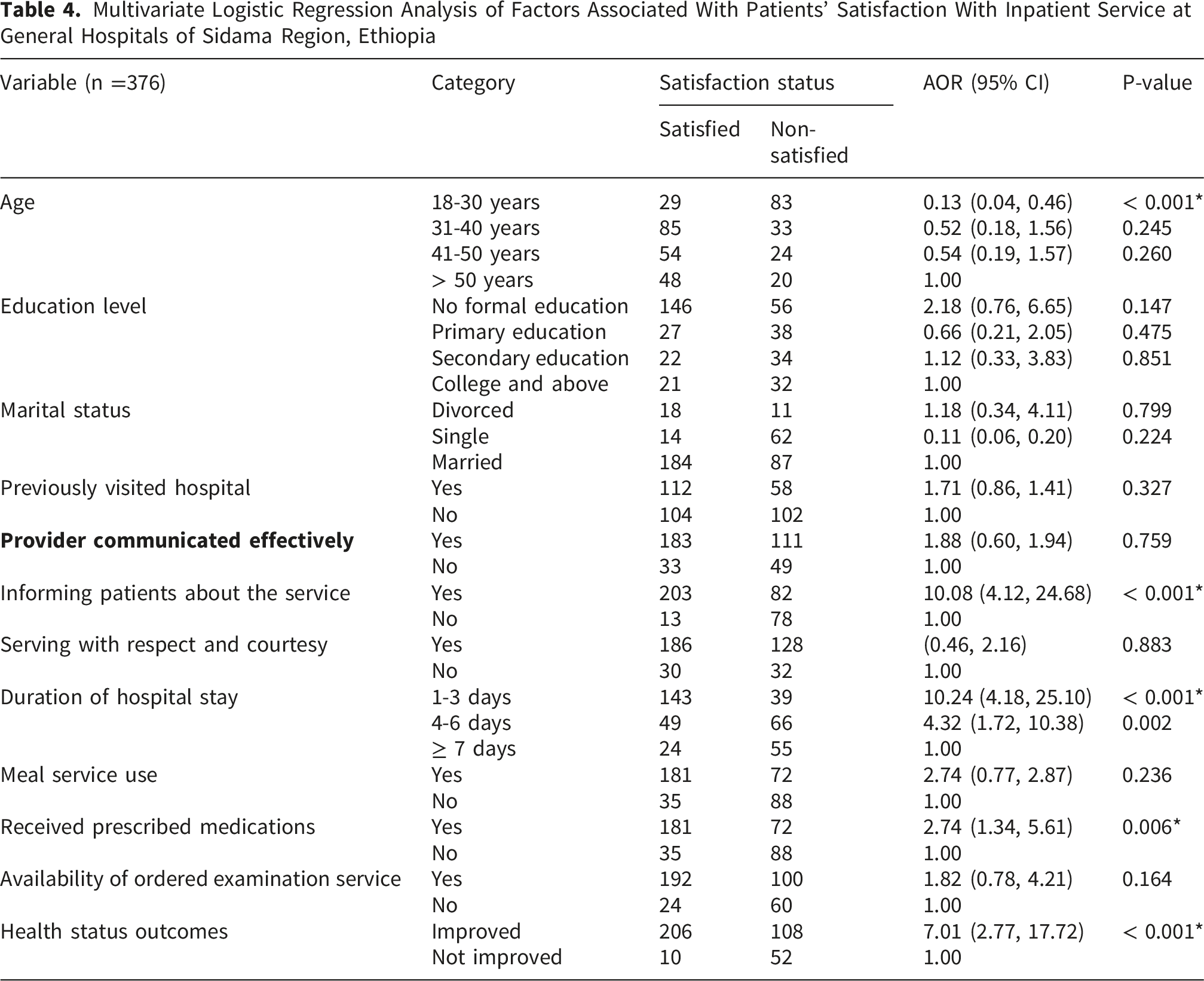
The prevalence of patient satisfaction with inpatient services was 57.4% (95% CI: 52.4%–62.5%). Patients aged 18–30 years were less likely to report satisfaction compared to older age groups (AOR = 0.13; 95% CI: 0.04–0.46). Factors positively associated with patient satisfaction included receiving adequate information about hospital services (AOR = 10.08; 95% CI: 4.12–24.68), availability of prescribed medications (AOR = 2.74; 95% CI: 1.34–5.61), length of hospital stay of 1–3 days (AOR = 10.04; 95% CI: 4.18–25.10) and 4–7 days (AOR = 4.23; 95% CI: 1.72–10.38), and perceived improvement in health status (AOR = 7.01; 95% CI: 2.77–17.72).
Conclusion
The level of patient satisfaction with inpatient services in general hospitals of the region was suboptimal. Strengthening patient–provider communication, ensuring consistent availability of essential medications, optimizing length of hospital stay, and improving overall quality of inpatient care are recommended to enhance patient satisfaction.
Keywords
Introduction
Improving the quality of healthcare remains a central priority for health systems worldwide. 1 It is defined as the extent to which health services increase the likelihood of desired health outcomes and align with current professional standards. 2 In recent years, patient perceptions have become an important indicator of healthcare quality, with patient satisfaction emerging as a key component of performance improvement and clinical effectiveness. 3
Patient satisfaction is widely regarded as a key indicator of healthcare quality and patient-centeredness. 4 It reflects the degree to which healthcare services meet patients’ expectations, needs, and values. 5 Satisfaction measures are increasingly used to monitor health system performance, guide quality improvement initiatives, and strengthen accountability. Higher satisfaction levels are associated with improved healthcare utilization, better adherence to treatment, sustained provider–patient relationships, and enhanced institutional reputation. 6
Healthcare quality is multidimensional, encompassing both technical and functional components. 1 The technical dimension refers to the accuracy of diagnosis, appropriateness of treatment, and competence of healthcare professionals, whereas the functional dimension relates to how services are delivered, including communication, respect, responsiveness, and the care environment. 7 Because patients are often unable to directly assess technical competence, their evaluations of care are largely influenced by functional aspects of service delivery. 4
Assessing patient satisfaction provides valuable insights into healthcare processes from the user’s perspective. 5 It enables identification of service gaps, evaluation of ongoing quality improvement efforts, and monitoring of patient-centered care practices. 8 In recent years, community expectations regarding healthcare have increased, with greater demand for respectful, safe, and high-quality services. 9 As expectations evolve, regular assessment of patient satisfaction becomes essential for ensuring that health services remain responsive to population needs. 10
Patient satisfaction is not only an outcome measure but also a determinant of health service utilization and clinical outcomes. 11 Evidence suggests that satisfied patients are more likely to comply with treatment, seek timely medical care, and maintain continuity with providers. In contrast, dissatisfaction may contribute to anxiety, poor adherence, prolonged hospitalization, and increased healthcare costs. For this reason, patient satisfaction is considered a critical component of quality improvement strategies in hospital settings.12,13
Global studies demonstrate considerable variation in inpatient satisfaction levels across settings. Higher satisfaction rates are frequently reported in high-income countries, whereas more modest levels are observed in many low- and middle-income countries. 14 In Ethiopia, available studies indicate that inpatient satisfaction in public hospitals remains below optimal levels, with substantial variation across regions and institutions.15,16 Such disparities may reflect differences in infrastructure, staffing adequacy, availability of essential medicines, provider communication, and organizational practices. 17
Multiple factors have been identified as determinants of inpatient satisfaction, including sociodemographic characteristics, hospital environment, length of stay, communication practices, and access to prescribed medications and other essential services. 18 Although Ethiopia has implemented national initiatives including National Health Care Quality Strategy (NQS) aimed at improving healthcare quality—emphasizing patient-centered, compassionate, and respectful care—gaps in service delivery continue to be reported. 19 Continuous assessment of patient satisfaction is therefore necessary to evaluate the effectiveness of these reforms and guide targeted interventions. 20
Despite these efforts, evidence on patient satisfaction with inpatient services in general hospitals of the Sidama Region remains limited. Generating context-specific data is essential to inform hospital managers and policymakers in designing appropriate quality improvement strategies. Therefore, this study aimed to assess the level of patient satisfaction with inpatient services and to identify associated factors among admitted patients in general hospitals of the Sidama Region, Ethiopia.
Methods and Materials
Study Setting
This study was conducted in public hospitals located in the Sidama Region, which is situated 273 kilometers south of Addis Ababa. The region has a population of nearly 5 million residents, with Hawassa City as its capital. It is home to seven general hospitals and one tertiary public hospital, all of which provide inpatient care to admitted patients.
Study Design and Period
An institution-based cross-sectional study design was conducted from 1 to 30 February 2024.
Study Population and Eligibility Criteria
All admitted patients who stayed at least 48 hours in the selected hospitals during the data collection period constituted the study population. Patients who were seriously ill and pediatric patients without parents or guardians were excluded from the study.
Sample Size Determination
The sample size for the study was calculated using a single population proportion formula. The calculation considered a confidence level of 95% (Z α/2 = 1.96), a margin of error of 5% (d = 0.05), an inpatient satisfaction level (P) of 61.9% based on a previous study, 21 and a non-response rate of 10%. As a result, the final determined sample size for the study was 398.
Sampling Procedure
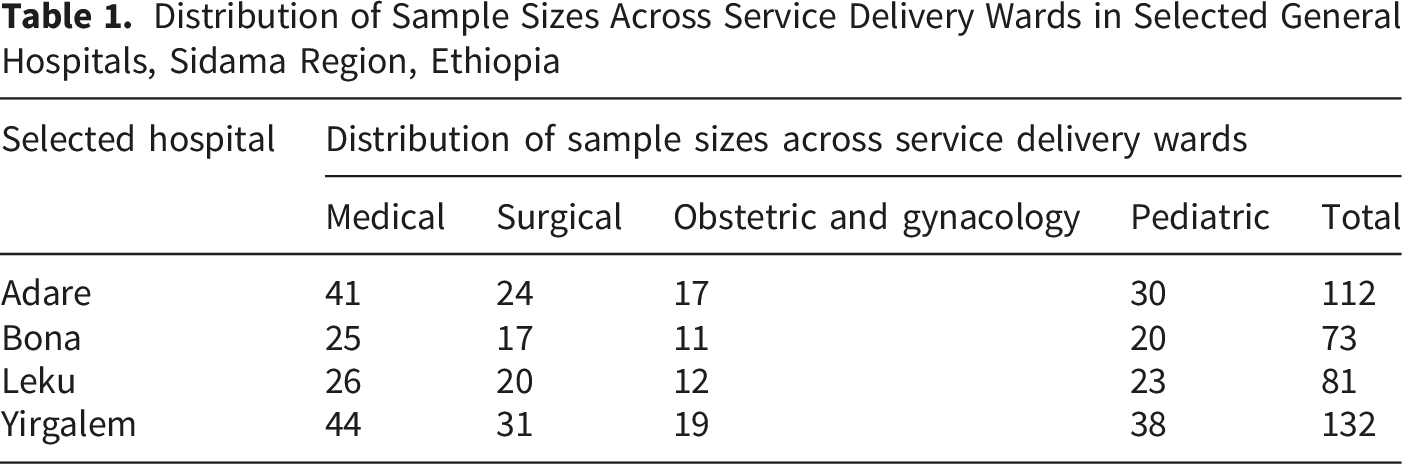
Out of the seven general hospitals in the region, four (Adare, Leku, Yirgalem, and Bona) were chosen using a simple random sampling method. Based on the previous year’s Digital Health Information Software-2 (DHIS-2) report regarding inpatient statistics for the selected hospitals, the sample size was proportionally allocated among them (Figure 1). This allocated sample size was further distributed among the service delivery wards (medical, surgical, pediatric, and obstetric and gynecology) in each hospital (Table 1). Patient lists from the individual ward registers served as the sampling frame for participant selection. A sytematic random sampling technique was employed to select the study participants (K = N/n = 2,033/398 ≈ 5). Schematic representation of sampling procedure employed to select study participants Distribution of Sample Sizes Across Service Delivery Wards in Selected General Hospitals, Sidama Region, Ethiopia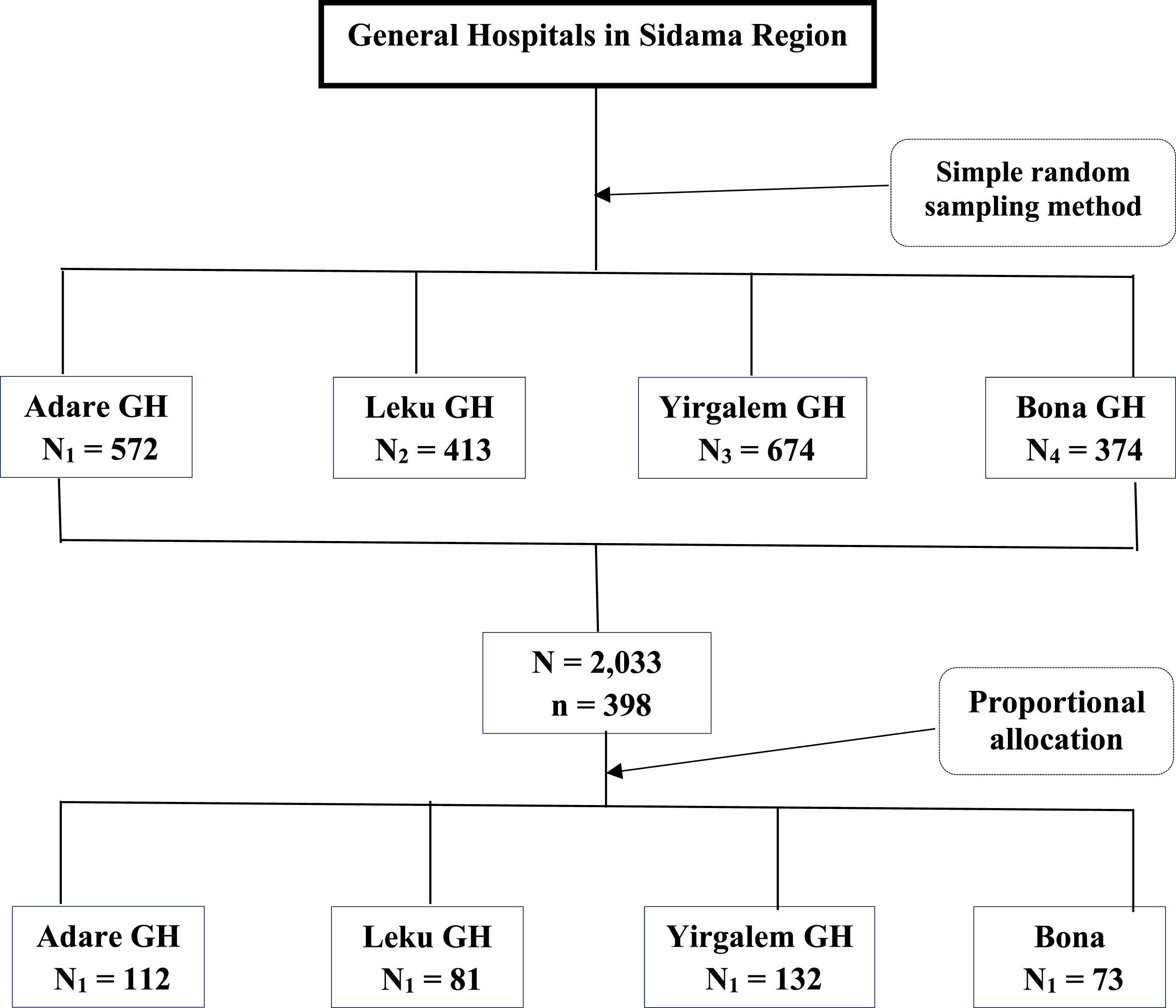
Study Variables
The primary outcome variable was inpatient satisfaction. Patient satisfaction was assessed using a 20-item questionnaire encompassing three dimensions: service utilization, patient–healthcare provider interaction, and facility-related amenities. Each item used to measure satisfaction employed a 5-point Likert scale (1 = very dissatisfied, 2 = dissatisfied, 3 = neutral, 4 = satisfied, and 5 = very satisfied). The reliability of the items used were checked against the Nunnally’s recommended standards (Cronbach’s alpha ≥ 0.70). 22 The calculated Cronbach’s alpha for the all items was 0.82, indicating good internal consistency. The overall patient satisfaction score was calculated as the mean of responses across all items within the three dimensions. Patients with scores equal to or greater than the mean were categorized as satisfied, whereas those with scores below the mean were categorized as dissatisfied. 23
Factors considered as potential confounders included patient age, educational level, marital status, previous history of hospital admission, effective provider communication, provision of information about services, respectful and courteous care, duration of hospital stay, use of meal services, receipt of prescribed medications, availability of ordered diagnostic services, and health status outcome.
Data Collection Tool Preparation and Collection Procedure
Data were collected using a pretested, structured, interviewer-administered questionnaire. The questionnaire was developed following an extensive review of relevant literature and adapted, with minor modifications, to suit the local context of the study area.4,24-26 The instrument comprised sections addressing socio-demographic and economic characteristics, health facility–related factors, and healthcare provider–related factors. The final section consisted of items designed to assess patients’ levels of satisfaction with inpatient services. The questionnaire was originally prepared in English and subsequently translated into the local language, Sidamu Afoo, by bilingual health professionals familiar with the study subject. To ensure consistency and accuracy, the translated version was back-translated into English by an independent language expert.
Data collectors and supervisors were recruited through a public announcement based on predefined criteria, including academic qualifications, prior data collection experience, and familiarity with the local language, culture, and customs. Four Bachelor of Science–qualified nurses conducted face-to-face exit interviews using the Kobo Collect mobile application. Two supervisors with a Master of Public Health degree oversaw the data collection process.
A two-day training was provided for both data collectors and supervisors. The questionnaire was pretested one week prior to the actual data collection at Tula General Hospital on 5% of the sample size (20 respondents) to assess clarity and comprehension. Close supervision was maintained throughout the data collection period. Completed questionnaires were reviewed daily, and constructive feedback was provided to data collectors and supervisors.
Data Management and Analysis
Data was collected using the Kobo Collect application and exported to SPSS version 25 for analysis. Descriptive statistics, such as mean, median, standard deviation, frequency, percentage, and graphs, were used to summarize the results. Binary logistic regression analysis was conducted, and both bivariablee and multivariable regression were computed to assess associations between dependent and independent variables. Variables that had a P-value of less than 0.25 in the bivariable logistic regression analysis were selected for multivariable analysis. Model fitness was checked using the Hosmer and Lemeshow goodness-of-fit test (p = 0.583). Multicollinearity was assessed using the variance inflation factor (VIF ≤ 2.152). Statistical significance was set at p < 0.05. The findings were presented using adjusted odds ratios with a 95% confidence interval.
Results
Socio-Demographic/Economic Characteristics
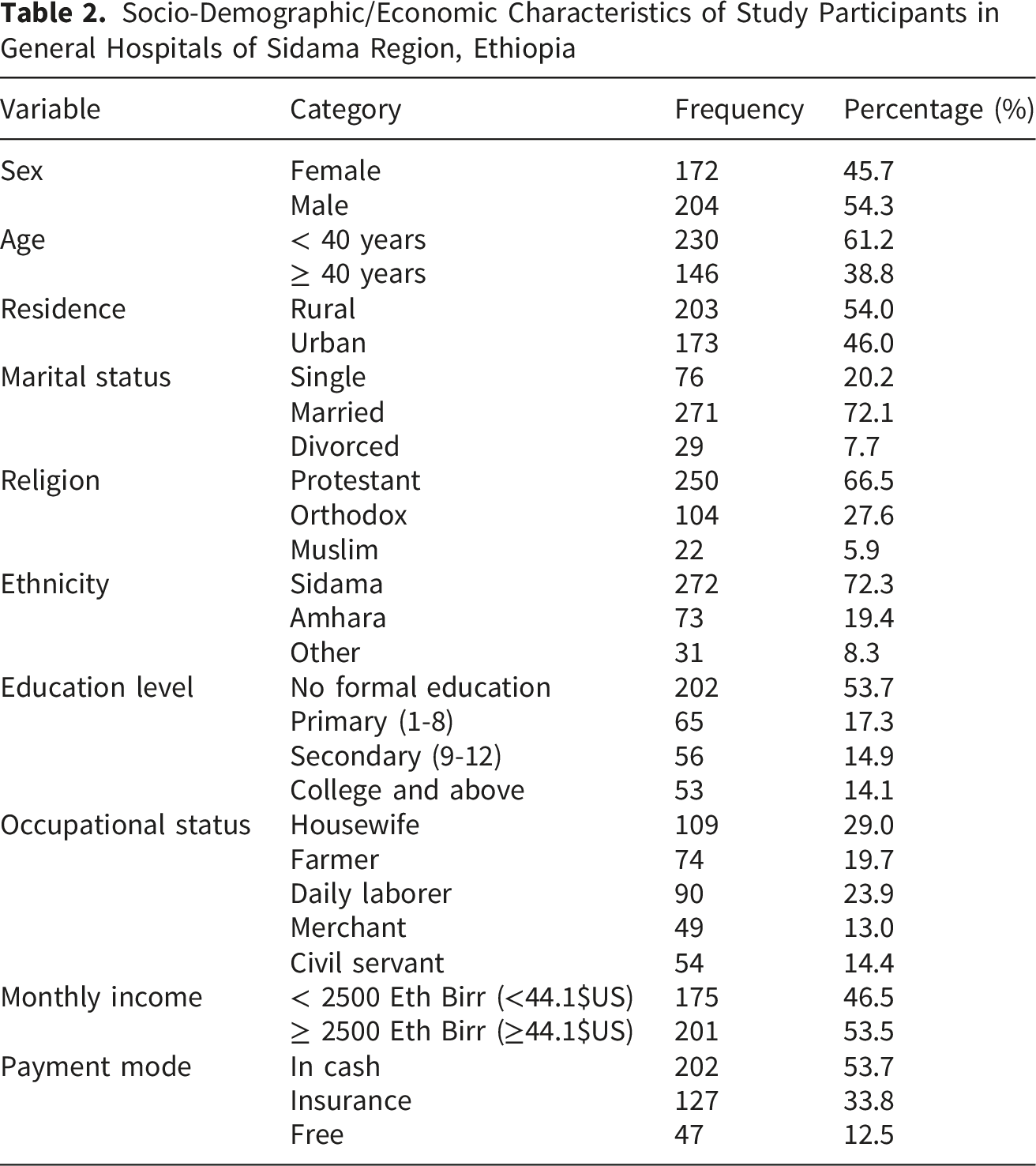
Socio-Demographic/Economic Characteristics of Study Participants in General Hospitals of Sidama Region, Ethiopia
Provider Related Characteristics
Participants were asked about their interactions with healthcare providers during inpatient service delivery. The majority (83.5%) of study participants reported that healthcare workers treated them with respect and courtesy. More than three-fourths (78.2%) of the respondents noted that effective communication occurred in a language they understood, while 75.8% reported that they were adequately informed about their treatments and examinations. Moreover, 72.9% of respondents stated that healthcare providers worked collaboratively as a team during service delivery, while 71.5% perceived that providers were committed to delivering the required services (Figure 2). Care provider related variables distribution for the study of patient satisfaction with inpatient service at general hospitals of Sidama Region, Ethiopia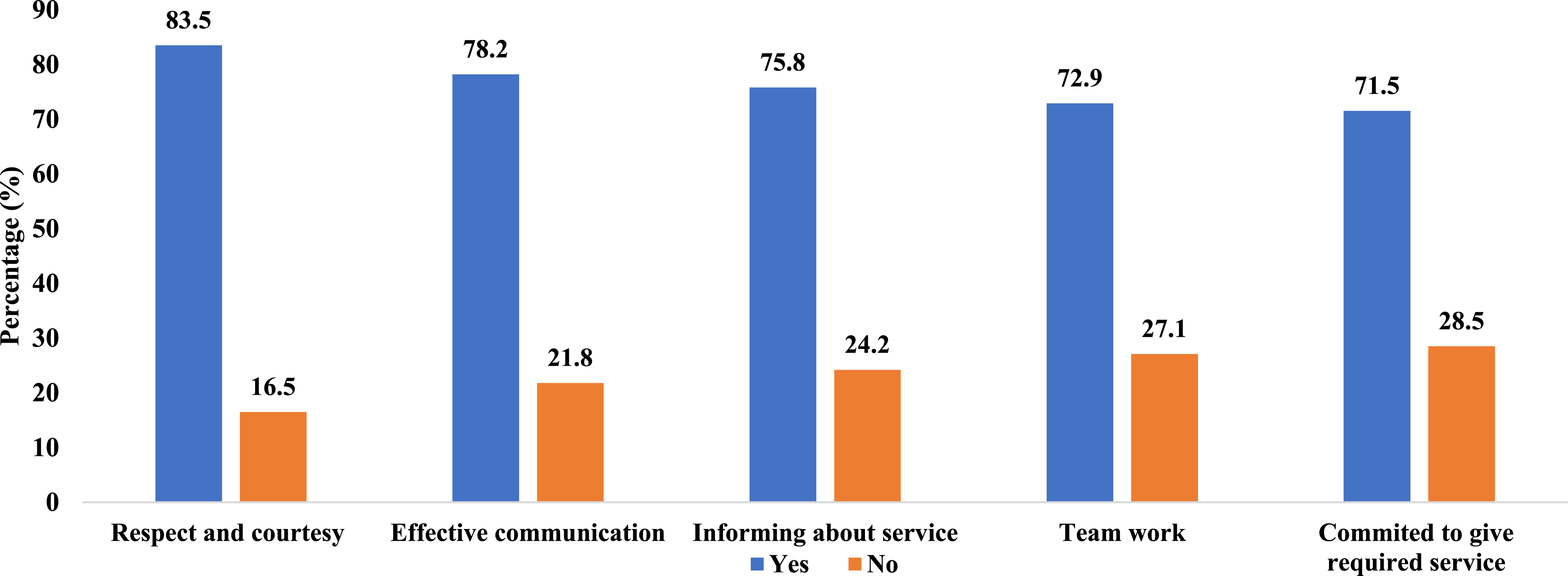
Health Facility Related Characteristics
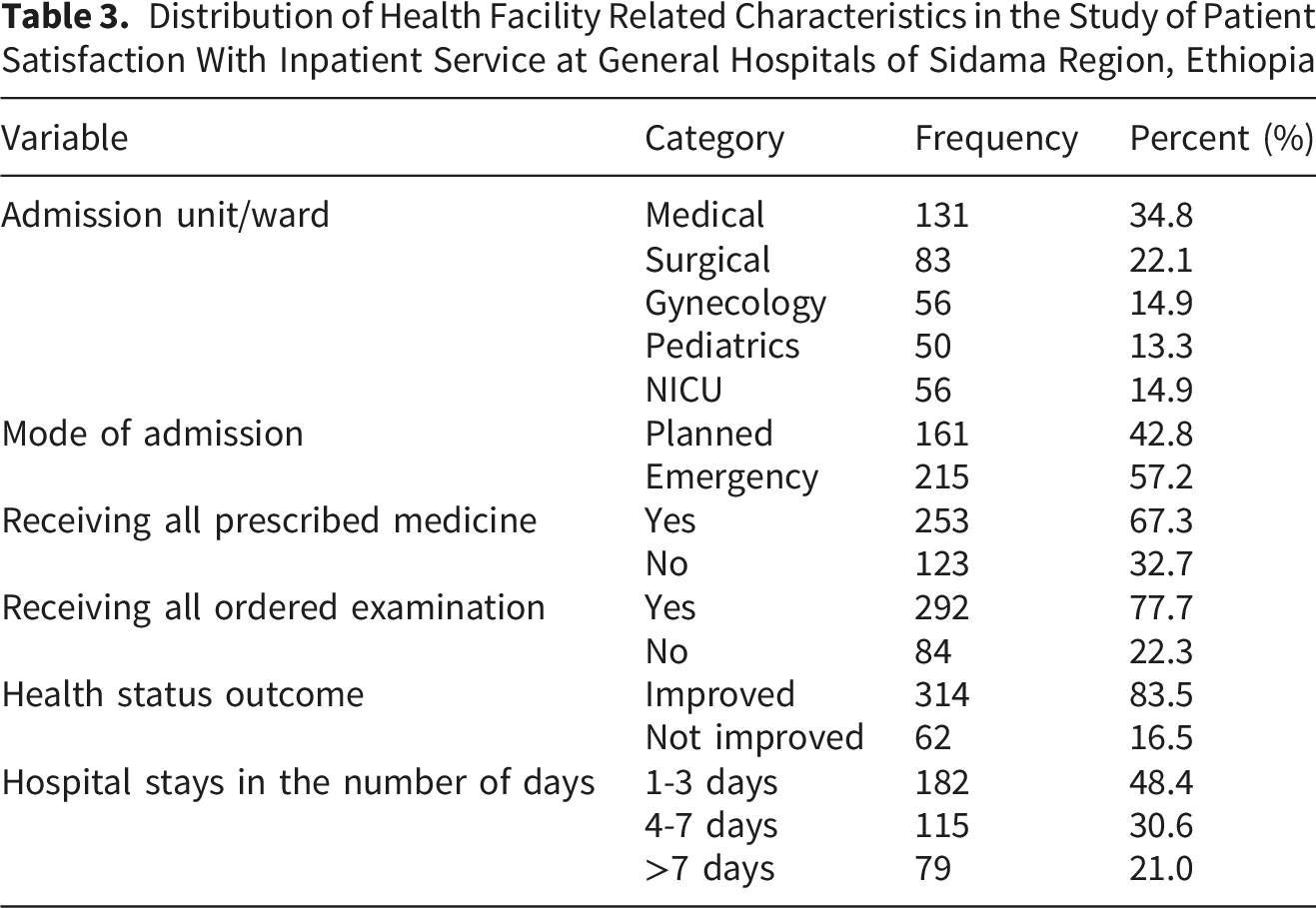
Distribution of Health Facility Related Characteristics in the Study of Patient Satisfaction With Inpatient Service at General Hospitals of Sidama Region, Ethiopia
Patient Satisfaction Across Service Dimensions and Overall Inpatient Services
Among the three service dimensions used to assess overall patient satisfaction, 63.6% of patients were satisfied with healthcare provider interaction, 58.5% with facility amenities and safety, and 54.8% with service provision and utilization (Figure 3). Patient satisfaction levels across dimensions among inpatients at general hospitals in the Sidama Region, Ethiopia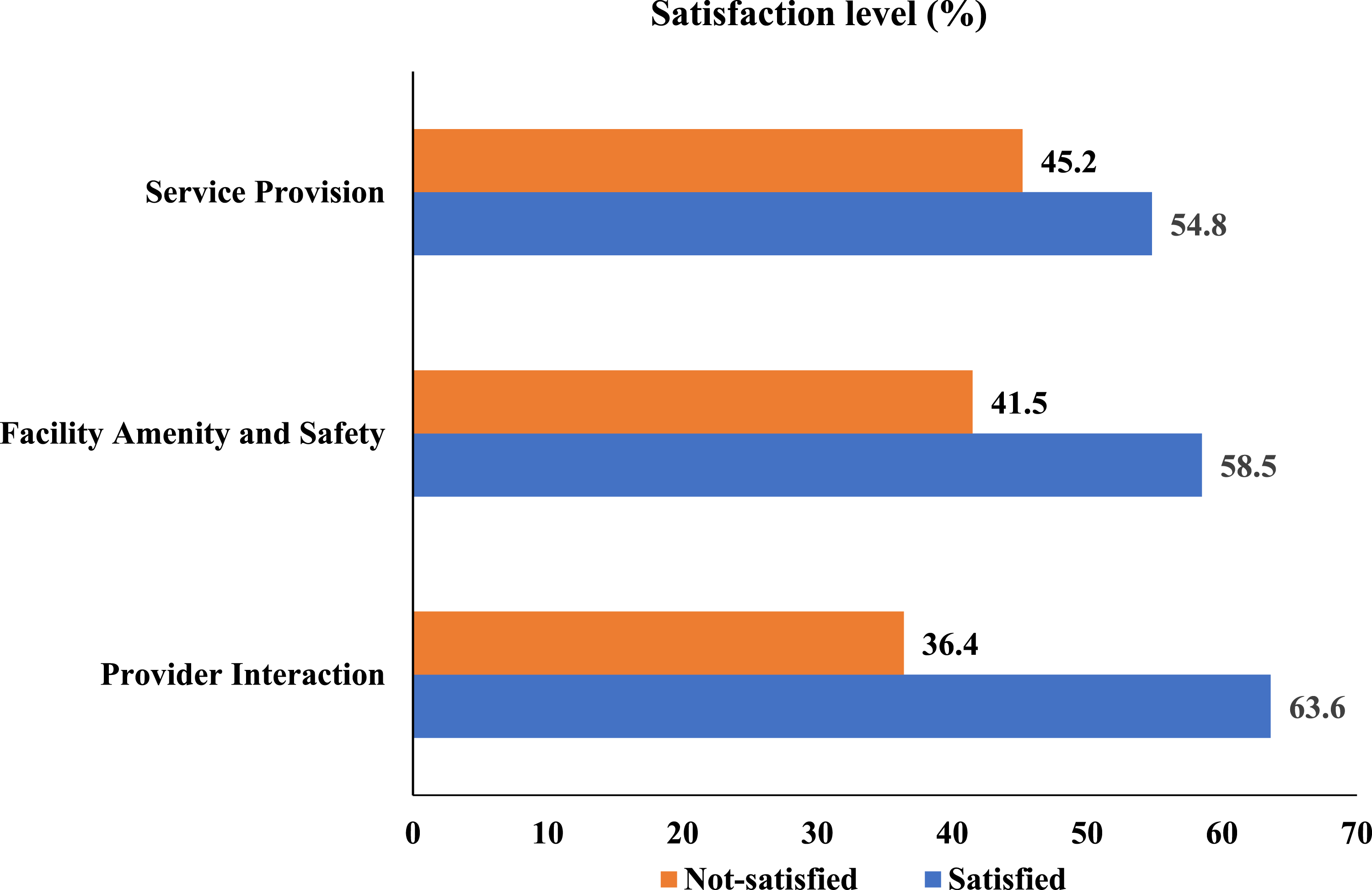
Overall Level of Patient Satisfaction With Inpatient Services
The satisfaction levels of patients across all assessment items within the three dimensions were aggregated to produce the overall patient satisfaction level. The prevalence of overall patient satisfaction with inpatient services in the general hospitals of the region was 57.4% (95% CI: 52.4%–62.5%) (Figure 4). Overall patient satisfaction levels with inpatient services among patients admitted to general hospitals in the Sidama Region, Ethiopia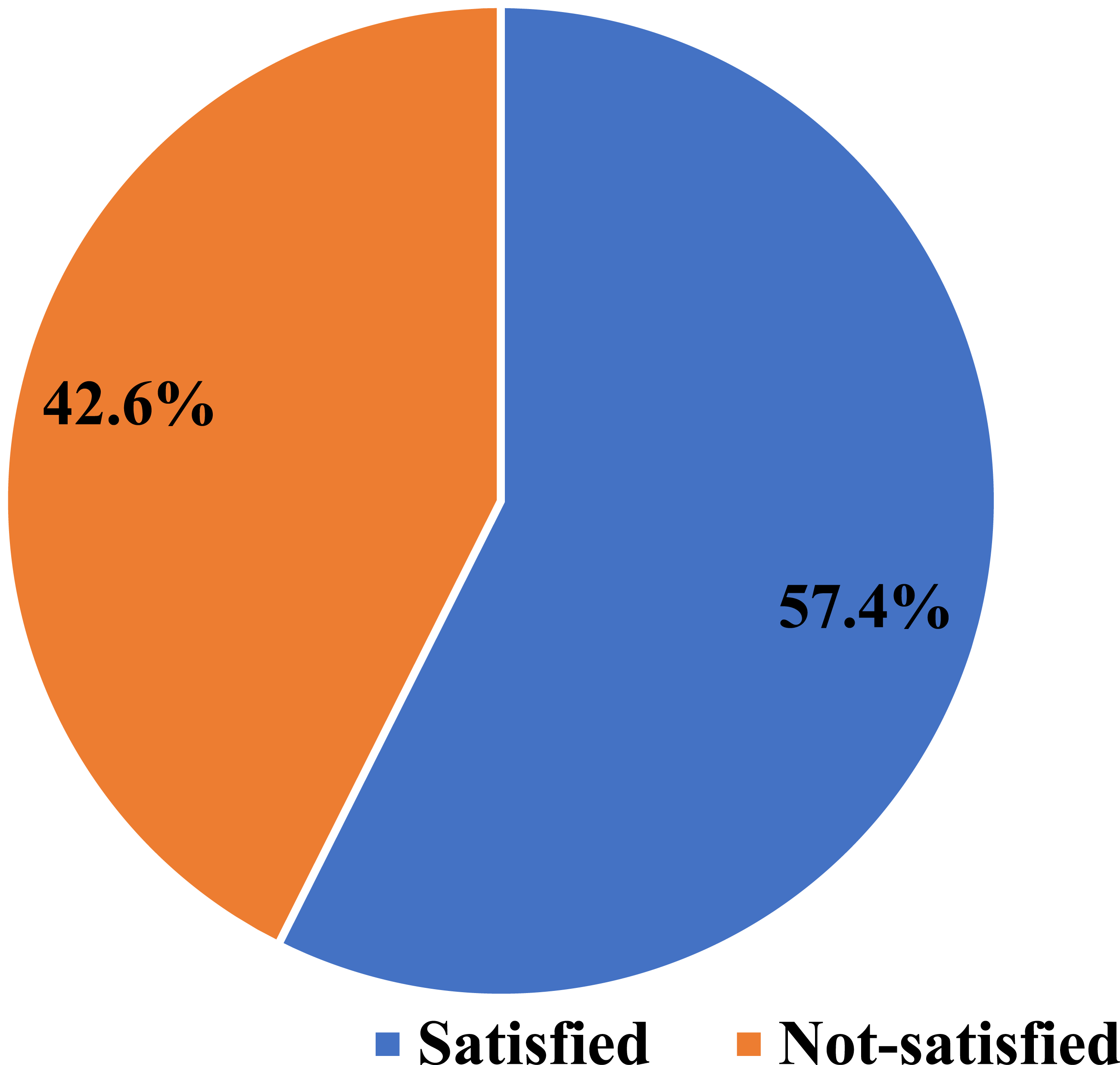
Factors Associated With Overall Level of Patient Satisfaction With Inpatient Services
Through bivariable and multivariable logistic regression analyses, variables associated with the overall level of patient satisfaction with inpatient services were identified. Twelve factors were included as explanatory variables. In the multivariable regression model, age, provider communication regarding services, duration of hospital stay, receipt of prescribed drugs, and health outcome status were significantly associated with patient satisfaction with inpatient services.
Multivariate Logistic Regression Analysis of Factors Associated With Patients’ Satisfaction With Inpatient Service at General Hospitals of Sidama Region, Ethiopia
Discussions
Our study assessed patient satisfaction with inpatient services and related factors among patients admitted to general hospitals in the Sidama Region. The findings indicated that the overall patient satisfaction rate with inpatient services in these hospitals was 57.4%. Significant predictors of patient satisfaction included patient age, provider communication regarding services, duration of hospital stay, received prescribed medications, and health outcome status.
The present study found that the overall level of patient satisfaction with inpatient services in general hospitals of the Sidama Region was 57.4%. This finding is comparable to studies conducted in Southern Ethiopia (59.2%) 15 and the Guji Zone of Oromia Region (55.9%). 27 However, it is lower than reports from Southwest Ethiopia (61.9%) 21 and Bangladesh (65%), 28 while higher than findings from Addis Ababa (46.2%), 26 Eastern Amhara Region (48.4%), 29 and Northeast Ethiopia (49.2%). 30 These variations may be attributed to differences in hospital type, organizational structure, availability of resources, healthcare provider competency, and measurement tools used to assess satisfaction. Studies conducted in teaching hospitals, where more specialized professionals and advanced technologies are available, may report higher satisfaction levels. 21 In contrast, limitations such as inadequate staffing, resource constraints, and system inefficiencies may negatively influence patient satisfaction. Temporal differences and ongoing service modernization may also contribute to the observed discrepancies. 26
Patients aged 18–30 years were less likely to be satisfied with inpatient services compared to those older than 50 years. This finding contrasts with a study conducted in an Ethiopian referral hospital, which reported that patients aged 18–30 years were more likely to be satisfied with nursing care compared to those aged above 65 years. 31 However, the present finding is consistent with studies conducted in Addis Ababa, Ethiopia, 16 and in a tertiary public hospital in Nepal. 32
This difference may be explained by variations in perceptions of healthcare services between younger and older patients. Older individuals are generally more experienced with healthcare systems and may have encountered both positive and negative aspects of care over time. 33 Moreover, older patients may be more accustomed to a paternalistic model of care rather than a patient-centered approach. Similarly, elderly individuals may have lower expectations of healthcare services compared to younger patients, which could contribute to higher reported satisfaction levels. 34
This study revealed that patients who were informed about the services and treatments provided to them were more likely to be satisfied with inpatient services compared to their counterparts. Similarly, a study conducted in Southern Ethiopia among inpatients presented that effective communication between patients and healthcare providers was associated with improved patient satisfaction. 35 This may be explained by the fact that clear communication and the provision of adequate information serve as important psychological support mechanisms, helping to motivate patients and improve their adherence to treatment, which in turn enhances their overall satisfaction with care.
In the present study, patients who received all prescribed medications from the hospital pharmacy were significantly more likely to report satisfaction compared with those who did not. This finding is consistent with a study conducted in Southern Ethiopia, which also identified medication availability as a significant predictor of patient satisfaction. 35 Similar evidence from other low- and middle-income settings suggests that access to prescribed drugs within the health facility reduces out-of-pocket expenditures, minimizes treatment delays, and enhances patients’ confidence in the healthcare system. 36 This is due to the fact that the availability of essential medications is a critical component of quality care and directly influences patients’ perceptions of service effectiveness. When prescribed drugs are readily accessible, patients are more likely to perceive their treatment as complete and appropriate, thereby improving overall satisfaction. 37
Furthermore, perceived long length of stay in the hospital negatively affected patients’ satisfaction in this study. Patient who had hospital stay duration of 1-3 days and 4-7 days were more likely to be satisfied when compared to patients who stay more than 7 days in the hospital. This finding was in line with other study conducted in Southern Ethiopia 35 and Addis Ababa, Ethiopia. 16 The possible explanation for this finding might be related to the fact that as hospital stays are prolonged, expenses for medications, bed, food, and other essential needs increases. Due to this, patients might face financial problems and are thus likely to be dissatisfied. 38
Patient being improved in their health outcome status were more likely to be satisfied compared to those patient with unimproved heath status. The finding was in line with the study conducted in northeast, Ethiopia. 31 The reason for this finding might be due to the fact that having good self-rating health condition and prognosis may contribute to be in a good mood and furthermore their perception might be influenced by the whole effect of the situation; the reverse might be true for patients whose current health status is unimproved. 39
Limitations of the Study
This study has some limitations that should be considered when interpreting the findings. First, patient satisfaction is inherently subjective, and self-reported data collected via face-to-face exit interviews may be subject to social desirability, recall, and interviewer bias. Second, the cross-sectional design precludes causal inferences. Third, the quantitative approach limits our ability to capture in-depth patient experiences and perceptions. Finally, the study was conducted only in general hospitals, limiting generalizability to primary, specialized, or other levels of healthcare facilities in Ethiopia.
Conclusion and Recommendation
The overall level of patient satisfaction with inpatient services in general hospitals of the Sidama Region was suboptimal. Significant predictors of patient satisfaction included age, being informed about examination results and treatment, receipt of all prescribed medications, length of hospital stay, and health status outcome. These findings highlight the need to strengthen communication, ensure medication availability, and improve the quality of inpatient care to enhance patient satisfaction. Further, in-depth exploration of patients’ experiences and perceptions regarding inpatient services in public hospitals within the region is recommended.
Supplemental Material
Supplemental Material - Patient Satisfaction With Inpatient Services and Associated Factors among Admitted Patients in General Hospitals of Sidama Region, Ethiopia
Supplemental Material for Patient Satisfaction With Inpatient Services and Associated Factors among Admitted Patients in General Hospitals of Sidama Region, Ethiopia by Mesfin Mengesha, Amelo Bolka, Aregahegn Dona and Nigussie Yohanes Yote in INQUIRY: The Journal of Health Care Organization, Provision, and Financing.
Footnotes
Acknowledgements
The authors would like to express their sincere gratitude to Yirgalem Hospital Medical College for granting permission to conduct this study. We also extend our appreciation to the Chief Executive Officers of the selected general hospitals for permitting data collection. Finally, we thank the study participants, data collectors, and supervisors for their valuable contributions to the successful completion of this study.

Ethical Considerations
This study was conducted in accordance with national and international ethical guidelines for research involving human participants. Ethical clearance was obtained from the Institutional Review Board of Yirgalem Hospital Medical College
Author Contributions
Study conceptualization: M.M., N.Y. Data curation: A.B., M.M. Formal analysis: M.M., N.Y. Investigation: A.B., A.D., M.M., N.Y. Methodology: A.B., A.D., M.M., N.Y. Funding acquisition: M.M. Project Administration: M.M. Software: A.B., A.D., M.M., N.Y. Supervision: A.B., N.Y. Validation: A.B., A.D., M.M., N.Y. Writing original draft: A.B., M.M. Review and editing: A.B., A.D., M.M., N.Y.
Funding
The authors received no financial support for the research, authorship, and/or publication of this article.
Declaration of Conflicting Interests
The authors declared no potential conflicts of interest with respect to the research, authorship, and/or publication of this article.
Data Availability Statement
All the data generated or analyzed during this study are available from the principal investigator or from the corresponding author upon reasonable request.
Supplemental Material
Supplemental material for this article is available online.
Appendix
References
Supplementary Material
Please find the following supplemental material available below.
For Open Access articles published under a Creative Commons License, all supplemental material carries the same license as the article it is associated with.
For non-Open Access articles published, all supplemental material carries a non-exclusive license, and permission requests for re-use of supplemental material or any part of supplemental material shall be sent directly to the copyright owner as specified in the copyright notice associated with the article.
