







Abstract
The tenth part of the Social Change Indicators series gives an account on the living conditions that work as barriers against social distancing in different states of India. This segment especially focusses on aspects such as the percentage of households (rural and urban) that own a house, the percentage share of nuclear households (rural and urban), the mean number of persons sleeping per room in households, the percentage of households (rural and urban) in which cooking is done in a separate room, the percentage of households (rural and urban) in which water is not treated prior to drinking, the percentage of households (rural and urban) with an improved non-sharable sanitation facility and the proportion of households living in slums.
By now, the COVID-19 pandemic that is caused by the coronavirus has affected many countries globally with increasing rates of infections and deaths. Since the disease spreads primarily from person to person, lockdown and physical distancing have become the accepted norm for fighting against its spread in different countries. While India and its states experienced a prolonged period of general and local lockdowns, analysts have put forward the argument that implementation of social distancing could pose bigger challenges in a country with a high population density. At one end of the spectrum, the people’s social social or economic status has constrained a section of the population that is homeless and poor from complying with physical distancing. On the other, an unequal distribution of space, basic amenities and public services have also created serious challenges to prepare for social distancing in India. The task of social distancing remains particularly problematic in areas where people live in poor living conditions without access to clean drinking water and toilets. Thus, some urban slums in India can be characterised by poor inhabitants, unhygienic living conditions and weak public health infrastructures. After returning to their respective home towns, migrant workers stranded in various urban centres or overcrowding destinations have further tested social distancing requirements with significant risk to themselves and others.
The tenth part of Social Change Indicators series turns its attention to the challenges faced by effective social distancing due to living conditions prevalent in various states of India. We focus on aspects, such as the percentage of households (rural and urban) owning a house, the percentage share of nuclear households (rural and urban), the mean number of persons sleeping per room in households, the percentage of households (rural and urban) in which cooking is done in a separate room, the percentage of households (rural and urban) in which water is not treated prior to drinking, the percentage of households (rural and urban) with improved non-sharable sanitation facility and the proportion of slum households in urban households of different states. Our data are processed from the information provided in the Fourth Round of National Family Health Survey’s State Volumes and Registrar General’s Census of India, as provided by the Government of India (GoI, 2013).
House Ownership and Structure of Households in Different States
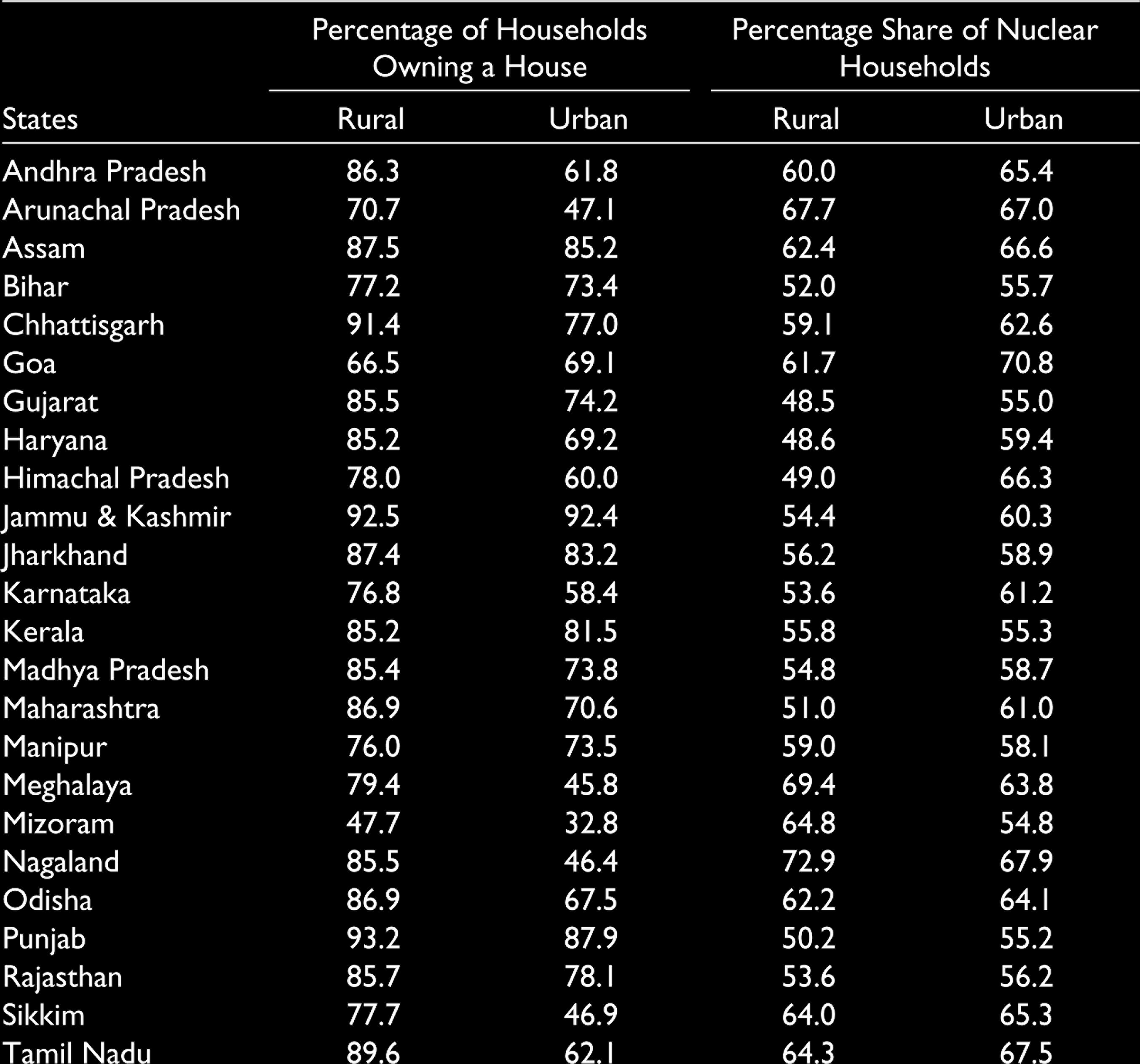

Source: State Volumes of NFHS-4 data from IIPS (2017).
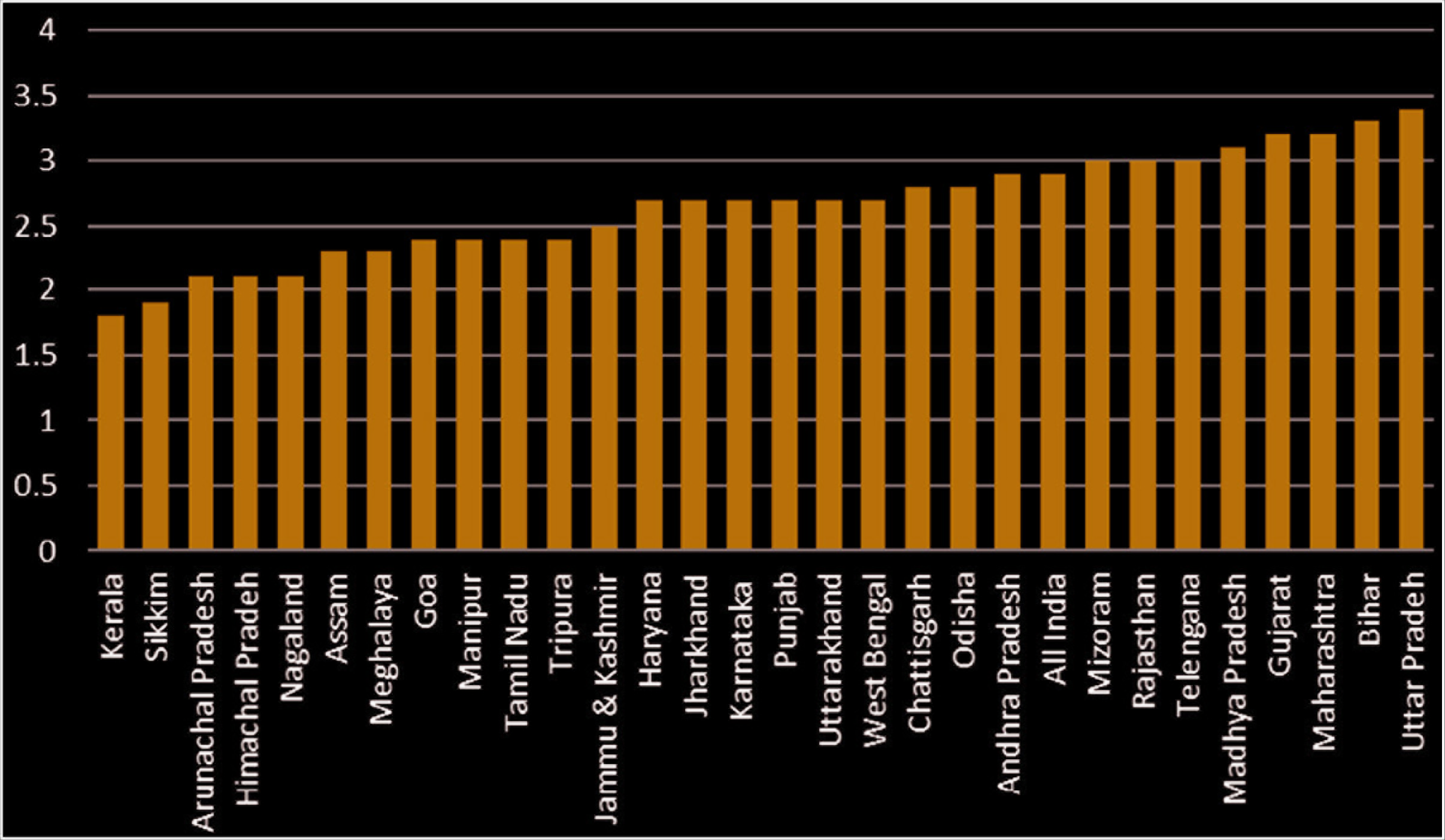
Source: State Volumes, NFHS-4, IIPS (2017).
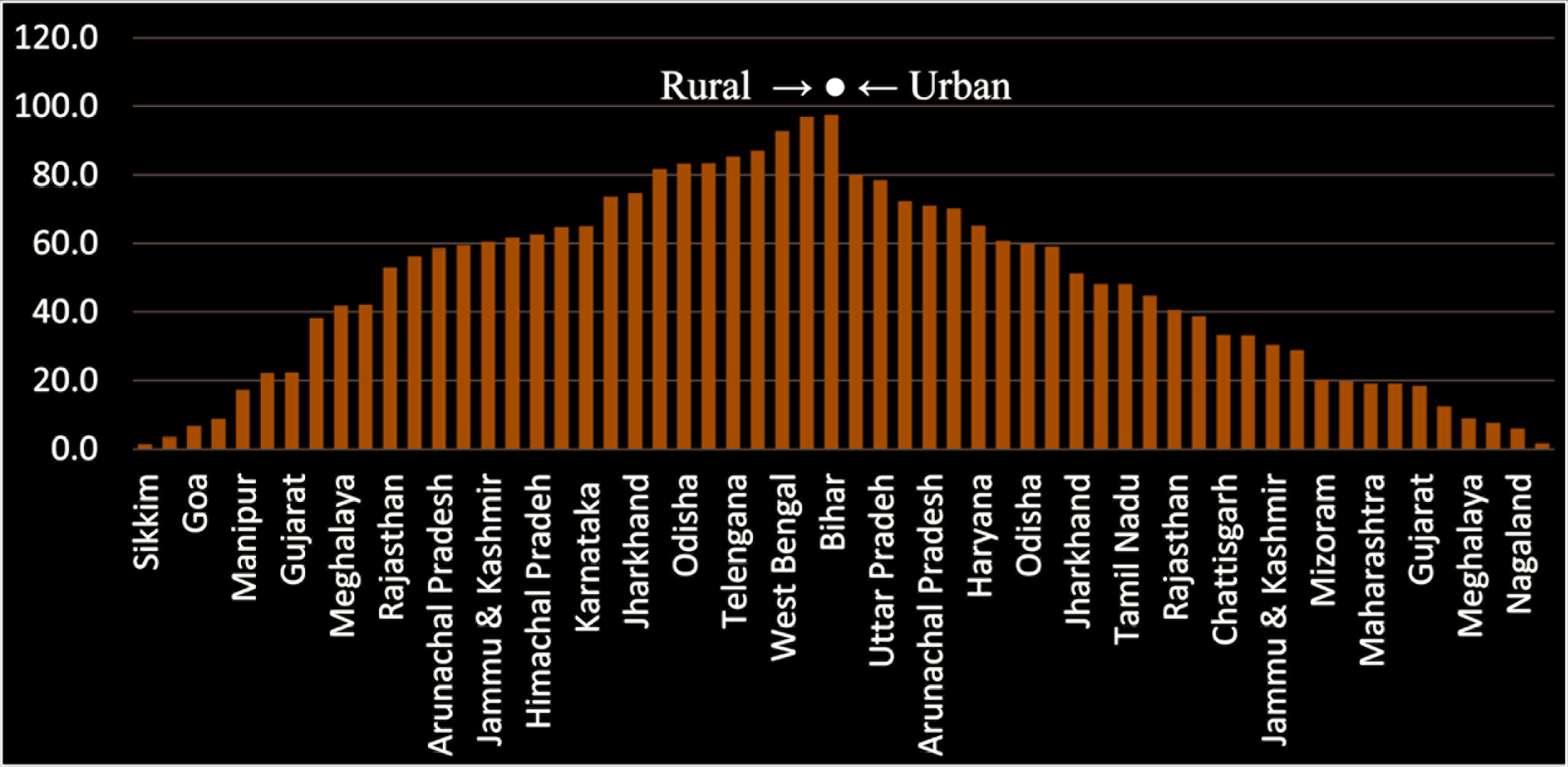
Source: State Volumes, NFHS-4, IIPS (2017).
Household’s Sanitation and Place for Cooking in Different States
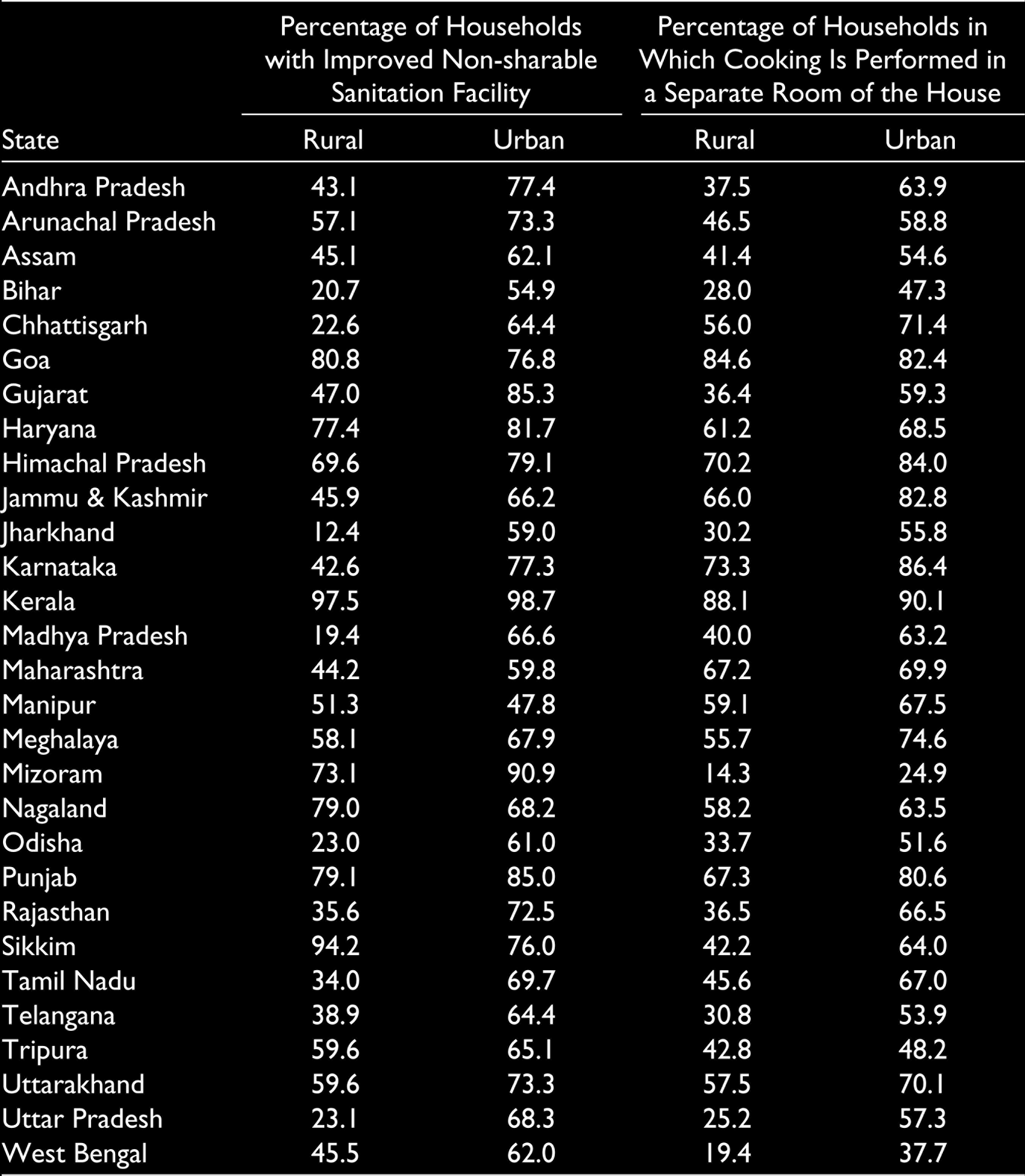
Source: State Volumes of NFHS-4 from IIPS (2017).
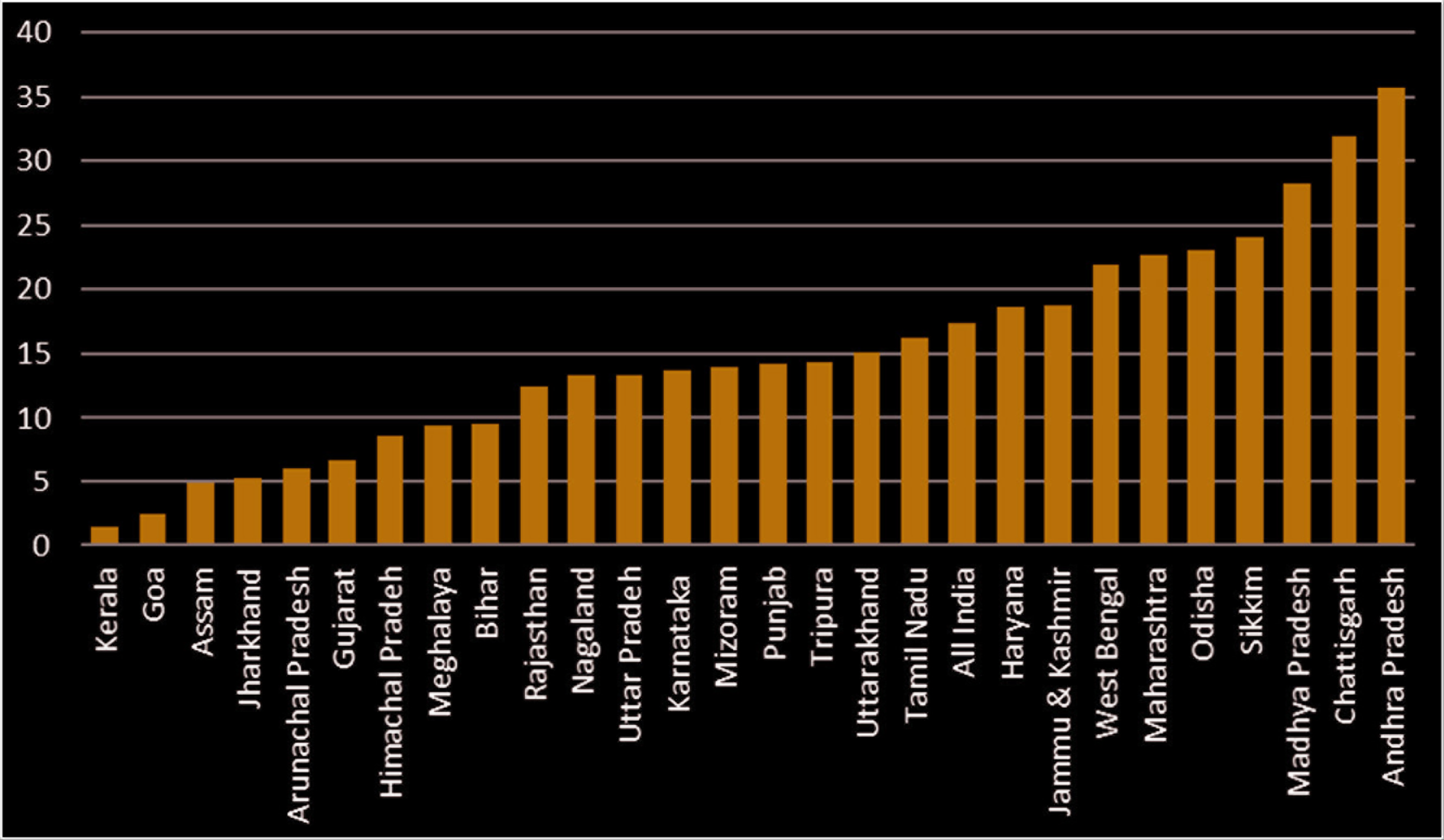
Source: Author’s calculation from GoI (2013) data.
Footnotes
Declaration of Conflicting Interests
The author declared no potential conflicts of interest with respect to the research, authorship and/or publication of this article.
Funding
The author received no financial support for the research, authorship and/or publication of this article.