






Abstract
In this 27th part of the Social Change Indicators series, we analyse India’s informal sector by surveying non-agricultural labour and enterprises across the country.
Keywords
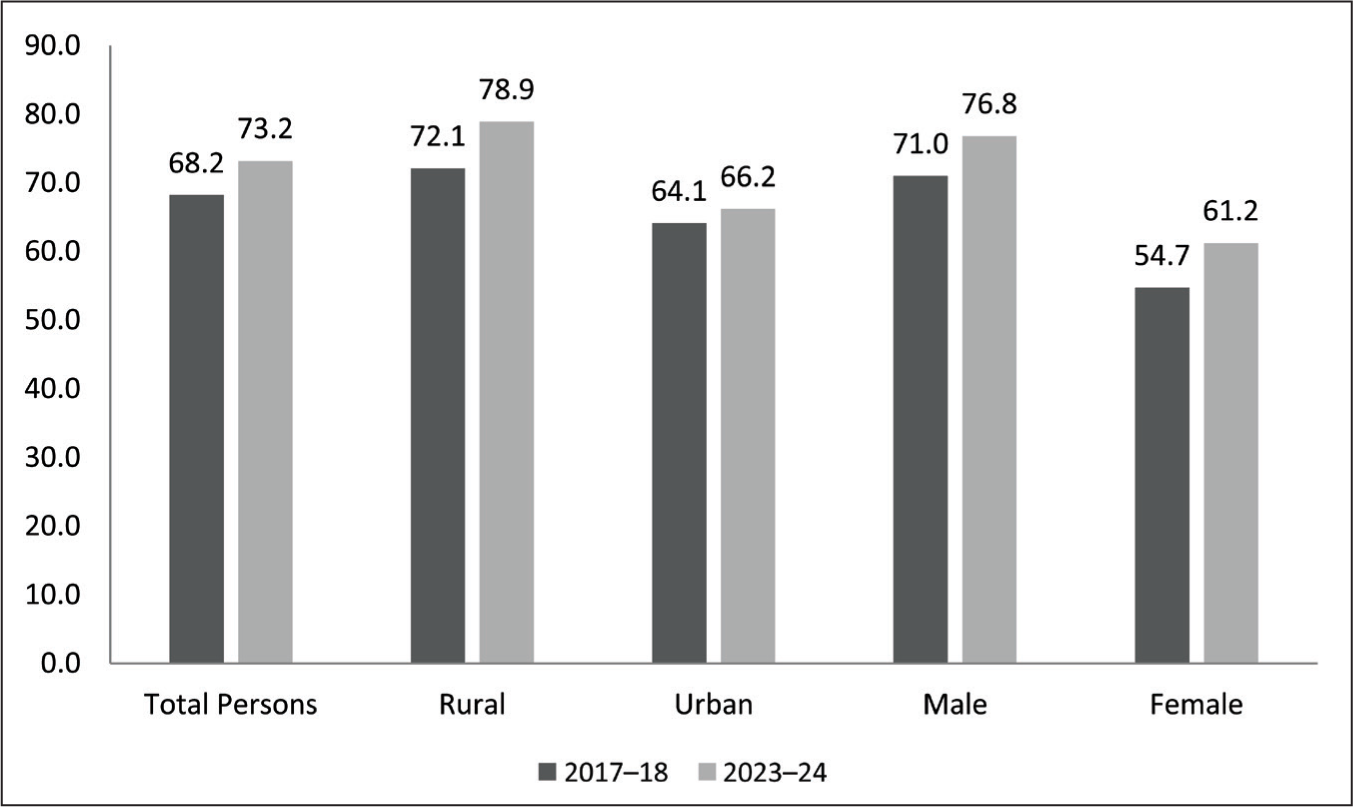
India’s non-agricultural informal sector serves as a structural pillar of the national economy, underpinned primarily by the prevalence of unincorporated micro and small enterprises. According to the Periodic Labour Force Survey (PLFS) 2023–2024, approximately 73 per cent of non-agricultural workers are engaged in the informal sector (Government of India, 2024). Complementary data from the Annual Survey of Unincorporated Sector Enterprises (ASUSE) 2023–2024 highlight this sector’s robust growth in output and employment, noting a significant rise in female-owned proprietary establishments (Government of India, 2025). While the sector is a vital engine for job creation and gross domestic product (GDP) of the country, it faces persistent challenges, such as a lack of social security. Furthermore, data reveal a stark regional divide: some states accommodate massive informal clusters due to a lack of large-scale manufacturing, while others maintain high enterprise counts but struggle with high rates of persistent informality.
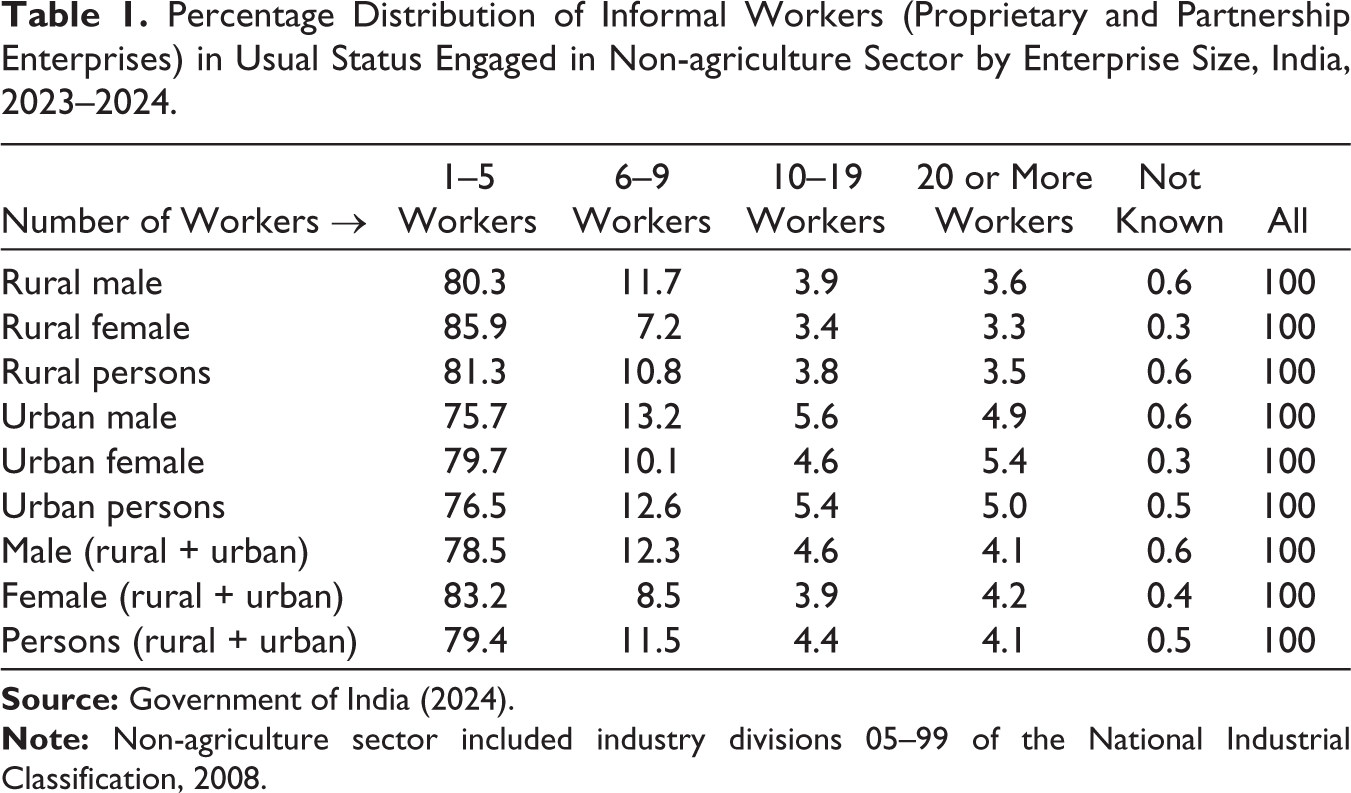
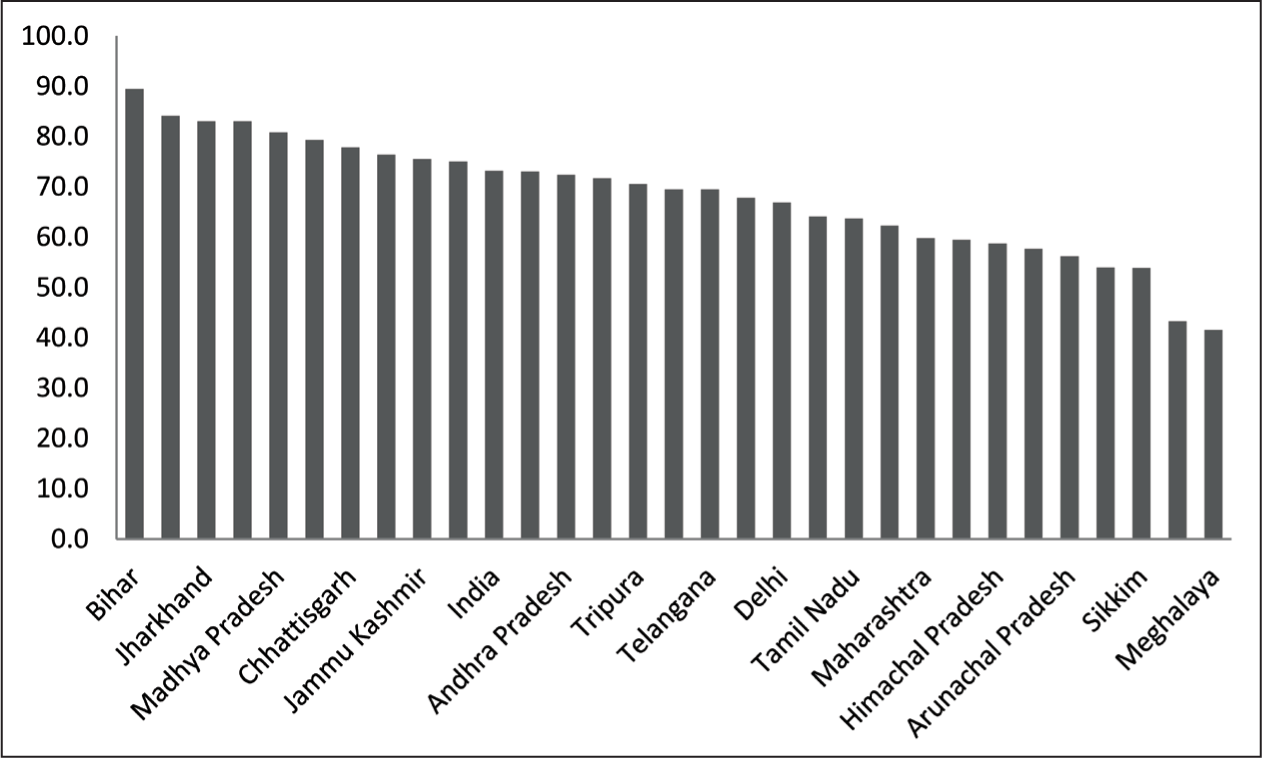
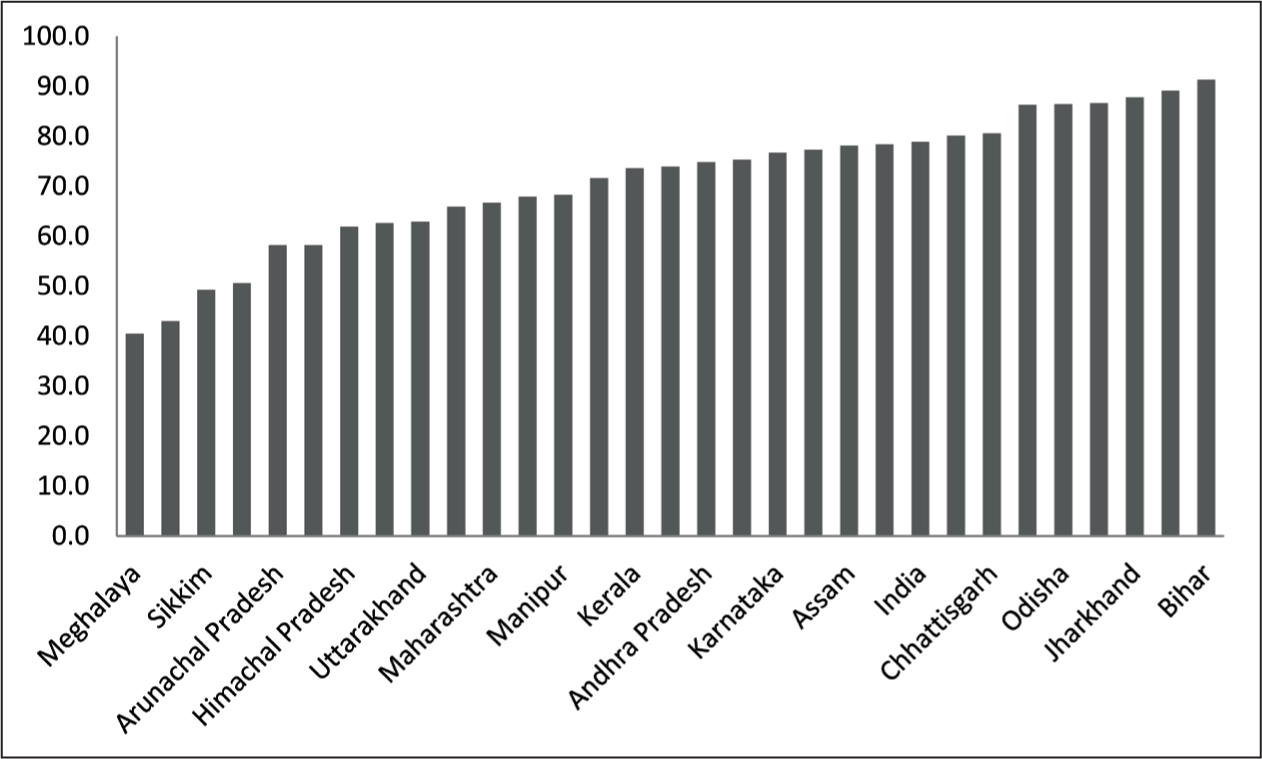
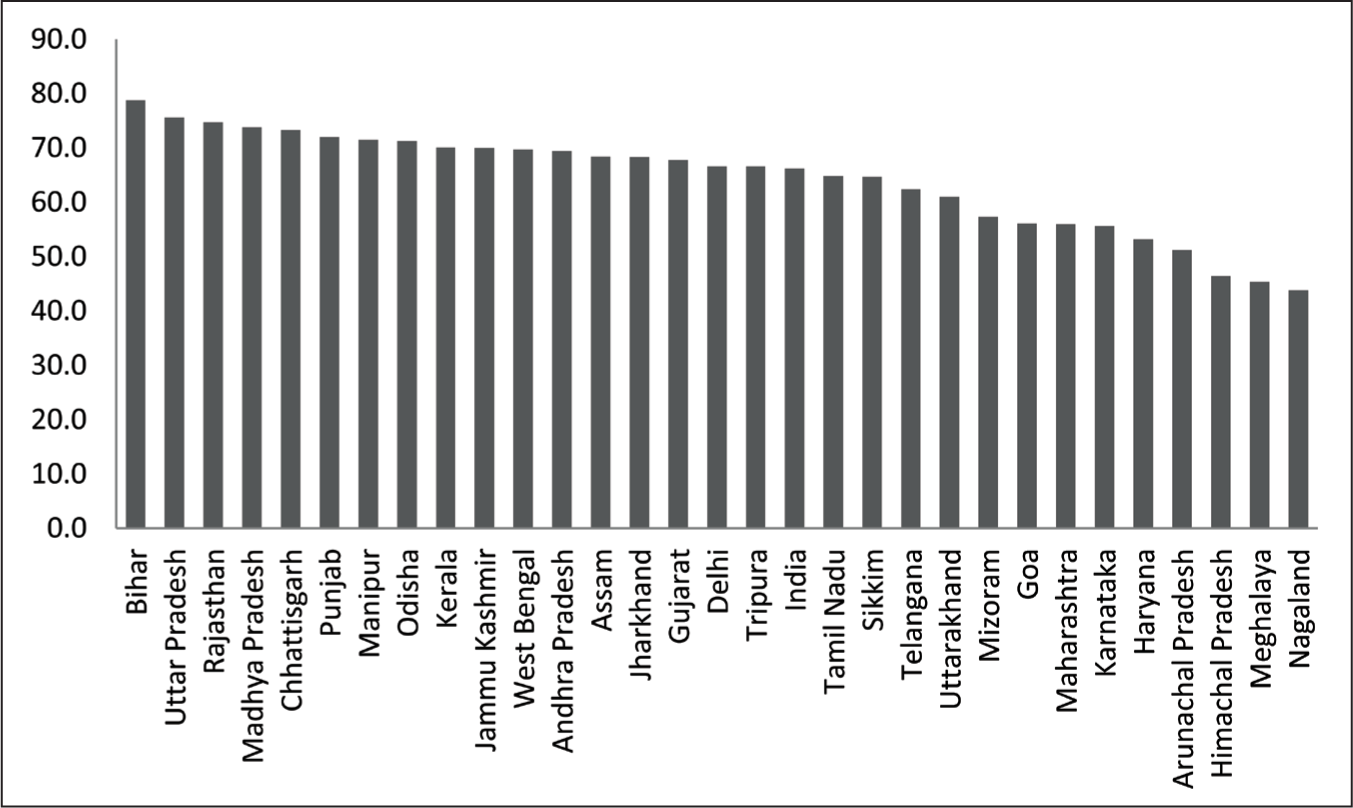
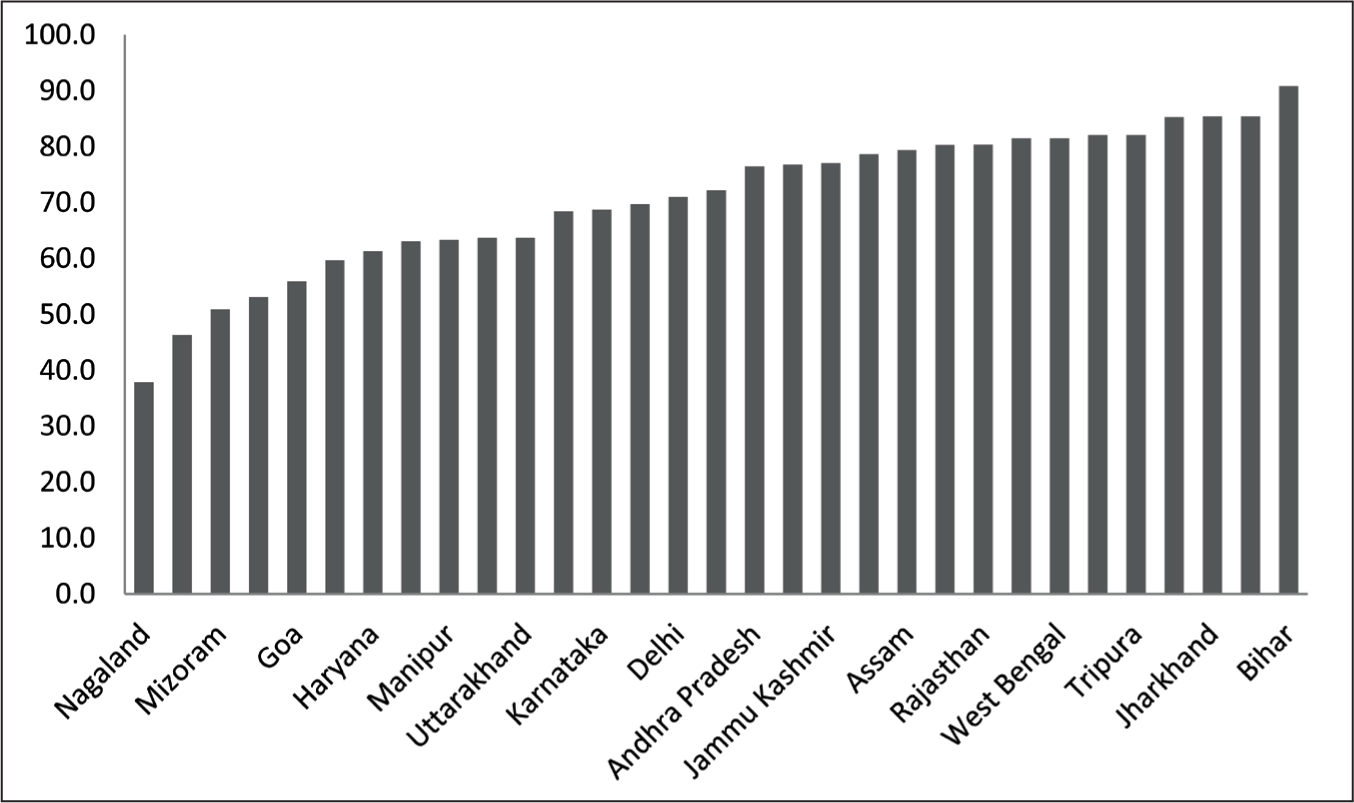
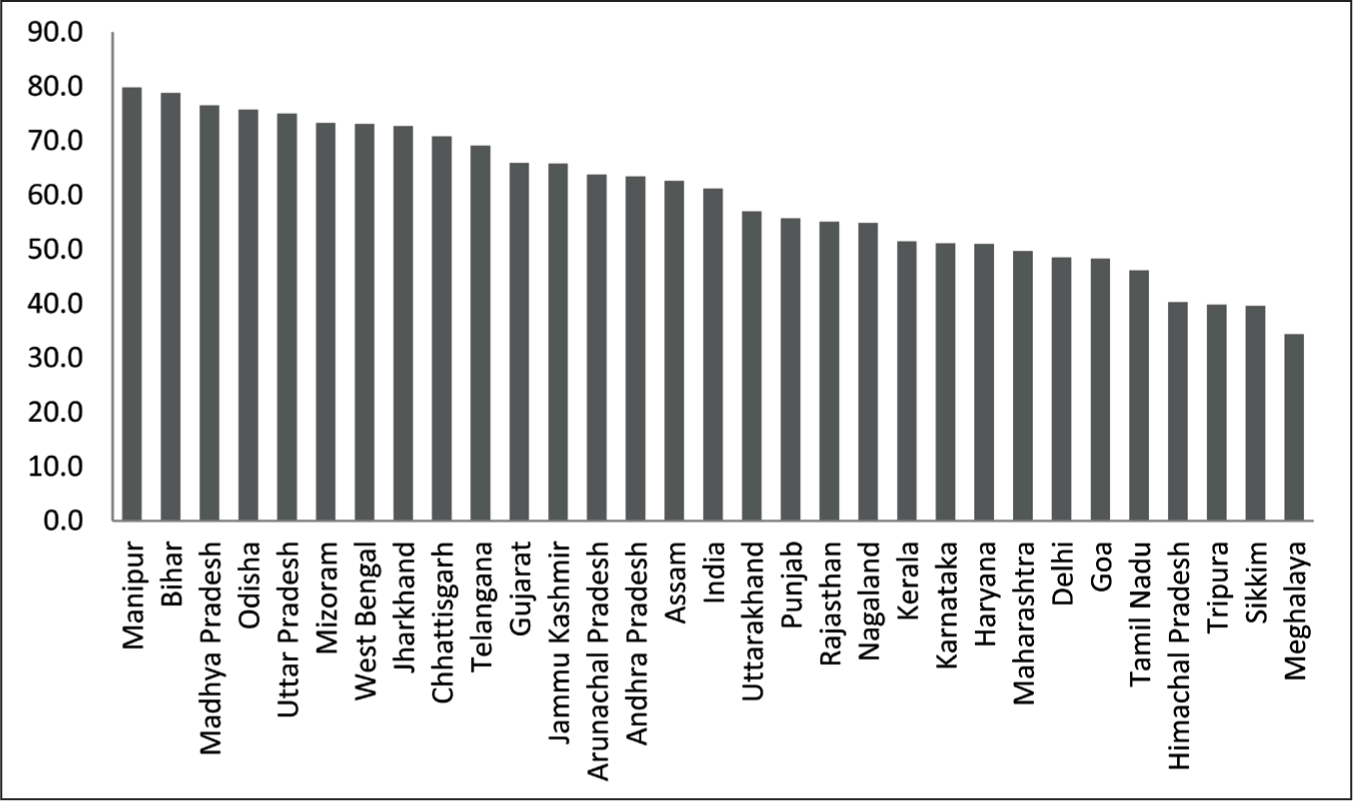
Paradoxically, the Indian labour market has remained predominantly informal despite sustained economic growth. This informality is dual-faceted, manifesting in both the nature of employment and the dominance of unincorporated enterprises. This article examines the magnitude and regional distribution of informality within India’s non-agricultural sector, highlighting significant sub-national disparities. Utilising the PLFS data from 2017–2018 to 2023–2024, we first analyse the proportion of workers engaged in the informal sector (proprietary and partnership enterprises) among usual status workers (Figure 1). Following this, Table 1 details the distribution of these workers by enterprise size. The study then explores geographical variations: Figure 2 illustrates the state-wise percentage of informal workers, while Figures 3 and 4 provide a rural–urban disaggregation across states. Finally, the gender dimension of informal employment is examined through sex-disaggregated data in Figures 5 and 6.
Percentage Distribution of Informal Workers (Proprietary and Partnership Enterprises) in Usual Status Engaged in Non-agriculture Sector by Enterprise Size, India, 2023–2024.
Footnotes
Declaration of Conflicting Interests
The author declared no potential conflicts of interest with respect to the research, authorship and/or publication of this article.
Funding
The author received no financial support for the research, authorship and/or publication of this article.