







Abstract
This study aimed to examine the relationship between empty confidant network satisfaction and loneliness and depression. Theories of aggression and the stress and coping theory served as the study's theoretical framework. Data were obtained from Waves 8 and 9 of the Survey of Health, Ageing, and Retirement in Europe. The sample included adults aged 50 years and older with no confidants in their personal networks (Wave 8: N = 1,138; Wave 9: N = 1,376). The data were analyzed on the entire sample and by gender using logistic and linear regression models. In each studied wave, low empty network satisfaction was associated with a higher risk of both depression and loneliness. However, empty network satisfaction was associated with a greater risk of loneliness than of depression. Gender-related cross-wave changes in odds ratios were found. The study uncovered another aspect of the complexity of interpersonal relationships in later life.
Introduction
Interpersonal relationships play a pivotal role in later life. At this stage of the lifespan, they generally tend to positively contribute to individual well-being and quality of life, and to a reduction in the risk of depression (Litwin & Levinsky, 2023) and loneliness (Shiovitz-Ezra, 2013), defined as “a subjective marker for the lack of meaningful relationships” (Shiovitz-Ezra & Erlich, 2023, p. 27). It can be assumed that when middle-aged and older persons are highly satisfied with their interpersonal relationships or personal networks in general, these effects are even better pronounced.
As in the other stages of the lifespan, persons in their later lives may have individuals in their personal networks whom they would define as confidants. This term refers to persons situated at different levels of objective and/or subjective proximity (in terms of familial or friendship ties, geographic location, and/or emotional closeness) with whom persons discuss various matters or who are perceived by them as important (Becker et al., 2019). These individuals can be spouses, (grand)children, siblings, and/or friends (Shiovitz-Ezra, 2013). Nevertheless, engagement in interpersonal relationships, for example, living with a spouse, having siblings alive and staying in touch with them, and/or having contact with children, does not imply that middle-aged and older adults would define these ties as confidants. Such adults are therefore at risk of having an empty confidant network. They can be satisfied with this issue to a varying extent.
In general, higher confidant network satisfaction was found to be associated with better health (Craveiro, 2017; Deindl et al., 2016) and lower risk of depression (Gumà and Fernández-Carro, 2021; Litwin et al., 2015). However, the question of whether an empty confidant network exhibits the same associations remains unanswered. The goal of this study is therefore to establish the association between empty network satisfaction and depression and loneliness in middle-aged and older persons.
Having no one in a confidant network may have detrimental effects on mental health in later life if this situation is unsatisfactory. One explanation of the underlying mechanism can be found in the theories of aggression. These theories postulate that aggression accumulates when there are many factors that provoke it and there is little opportunity to release it. In this regard, the discussed theories employ the concept of catharsis, which represents the release/venting mechanism (Bushman & Huesmann, 2010). Projecting this view to the interpersonal relationships of middle-aged and older adults in the studied context, it can be maintained that if individuals have some important matter(s) to discuss but have no one or no “right”/important person to do that with, then they have no opportunity for catharsis. When they are dissatisfied with this situation, they are likely to accumulate negative emotions and experience elevated mental health outcomes, like a greater likelihood of being depressed and lonely or exhibiting a large number of depressive symptoms and higher loneliness levels. Given a relatively high prevalence of depression and loneliness in the population in their fifties and older (Cohn-Schwartz et al., 2022; Litwin & Erlich, 2022), this is a very critical link to examine. In contrast, persons who are highly satisfied with an empty confidant network may feel less lonely and depressed. In accordance with aggression theories, it can be argued that these persons have enough opportunities for catharsis. This might contribute to a greater emotional unwinding and lower accumulation of aggression, subsequently reducing the risk for feeling depressed and/or lonely.
Another explanation for the mechanism underlying the studied link can be supplied by the stress and coping theory (Lazarus & Folkman, 1987). Satisfaction with the fact that there are no confidants in the personal network can be seen as a product of successful coping with such a situation. Hence, such persons are less likely to feel lonely and/or depressed. On the contrary, dissatisfaction with the absence of confidants in personal networks is likely to represent the limited ability or even inability to cope with such a situation in a healthy manner, hence, allowing room for the increased feelings of depression and/or loneliness.
Gender may play a role in the studied context. Gender differences with respect to depression (Litwin & Levinsky, 2023) and loneliness (Savage et al., 2021; Vozikaki et al., 2018) are well-established in gerontological research. In addition, gender differences in network satisfaction and network size were also found in old age (Litwin & Levinsky, 2023).
To the best of the authors' knowledge, this is the first study that explicitly refers to the role of empty confidant network satisfaction. Some of the previous studies combined empty with full network satisfaction (Becker et al., 2019), therefore disallowing the understanding of the nuanced role this variable plays in any outcome. By examining the abovementioned associations, the study is expected to contribute to a better understanding of the role interpersonal relationships play for mental well-being in later life. Hence, both middle-aged and older adults and their personal networks can benefit from the findings of the study.
Method
Data
The data used in this study were obtained from the Survey of Health, Ageing, and Retirement in Europe (SHARE). This survey is a panel study that collects data on the physical and mental health, socioeconomic status, and social networks of persons in their later lives (Börsch-Supan et al., 2013). For the purposes of the study, adults aged 50 years or older who regularly reside in one of the 28 participating countries are interviewed in each wave after providing informed consent for participation. Their current life partners are also interviewed regardless of their age (Becker et al., 2019). Most of the data for Wave 8 (2019–2020) and Wave 9 (2021–2022) were collected using Computer-Assisted Personal Interview (Bergmann et al., 2024; Börsch-Supan, 2022).
Sample
To identify respondents with an empty confidant network, all survey participants were first asked: “Now I am going to ask some questions about your relationships with other people. Most people discuss with others the good or bad things that happen to them, problems they are having, or important concerns they may have. Looking back over the last 12 months, who are the people with whom you most often discussed important things? These people may include your family members, friends, neighbors, or other acquaintances. Please refer to these people by their first names.” Respondents included in this study were those who mentioned no such name. In Wave 8, there were 1,141 such respondents, and in Wave 9 there were 1,380 such respondents. However, three respondents in Wave 8 and four respondents in Wave 9 were younger than 50 years. Therefore, the entries of these seven participants were discarded.
Measures
Dependent Variables
Depression: the original binary item asked, “In the last month, have you been sad or depressed?” Those respondents who did not feel sad or depressed represented the reference category. The use of a single item to measure depression is frequent in the SHARE-based studies (e.g., Van Winkle et al., 2021; Wester et al., 2022).
Loneliness: the original item asked, “How much of the time do you feel lonely?” The original response options were “often,” “some of the time,” and “hardly ever or never.” Due to a skewness of this item's distribution, although the majority of the sample reported experiencing no loneliness, it was dichotomized, with respondents who hardly ever or never felt lonely as the reference category. The use of a single item to measure loneliness is frequent in the SHARE-based studies (e.g., Shiovitz-Ezra & Erlich, 2023; Wester et al., 2022).
Independent Variable
Empty confidant network (dis)satisfaction: the original item wording was as follows: “You indicated that there is no one with whom you discuss important matters, and no one who is important to you for some other reason. On a scale from 0–10, where 0 means completely dissatisfied and 10 means completely satisfied, how satisfied are you with this (situation)?” Following the variable's skewed distribution, it was dichotomized based on the median as in (Haider et al., 2020). The value range included in each category was identical to Socci et al. (2023), so that respondents with scores 7 or higher were classified into the reference category.
Covariates
Gender was a binary variable (0 = Female, 1 = Male). Age was measured in years. Self-rated health was measured ordinally (from 1 = Poor, to 5 = Excellent). Education level was assessed through two binary variables that were constructed based on the information from the International Standard Classification of Education (ISCED) 1997: tertiary level (ISCED 5 and 6) and secondary level (ISCED 3 and 4), while the primary level of education (ISCED 0, 1, and 2) was used as the reference category. Financial capacity was assessed by a single item (“Thinking of your household's total monthly income, would you say that your household is able to make ends meet”). The response options were: “with great difficulty,” “with some difficulty,” “fairly easily,” and “easily” (Shiovitz-Ezra & Erlich, 2023). Finally, the countries were grouped into regions, with Southern European/Mediterranean countries as the reference category (Lestari et al., 2021).
Analysis Plan
Sample statistics are presented by means and standard deviations for continuous and percentages for categorical variables. Logistic regression analysis was performed to estimate the likelihood of reporting depression and loneliness at Waves 8 and 9 as predicted by empty network satisfaction. This method was chosen given the dichotomous nature of the dependent variables. The results for all tested relationships (study measures and covariates) are shown, but the findings on the covariates are not discussed. The significance level was set at .05. Missing cases were handled at random. Robustness analysis was held to demonstrate the invariance of the findings. For that purpose, we used two variables. First, we entered the EuroD variable, with scores from 0 to 12 (Prince et al., 1999). Second, we calculated the loneliness levels in accordance with the UCLA Loneliness Scale-3 questionnaire (Steptoe et al., 2013). Only the entries of respondents whose mean score was in the range between three and nine were analyzed. Given the continuous nature of the variables, ordinary least-squares analyses were performed. All the analyses were conducted using Stata 13 (StataCorp, 2013).
Results
Descriptive Statistics
The sample was characterized by the following: it was slightly more female than male, with the mean age about 72 years, with the majority of respondents possessing less than a tertiary level of education, having relatively low-to-moderate self-rated health status, exhibiting moderate financial capacity, with a notable share of residents of Eastern European countries. Slightly less than half of respondents reported being depressed in the month prior to the survey, and about a half reported being lonely to some extent. The detailed statistics are provided in Table 1.
Sample Statistics.
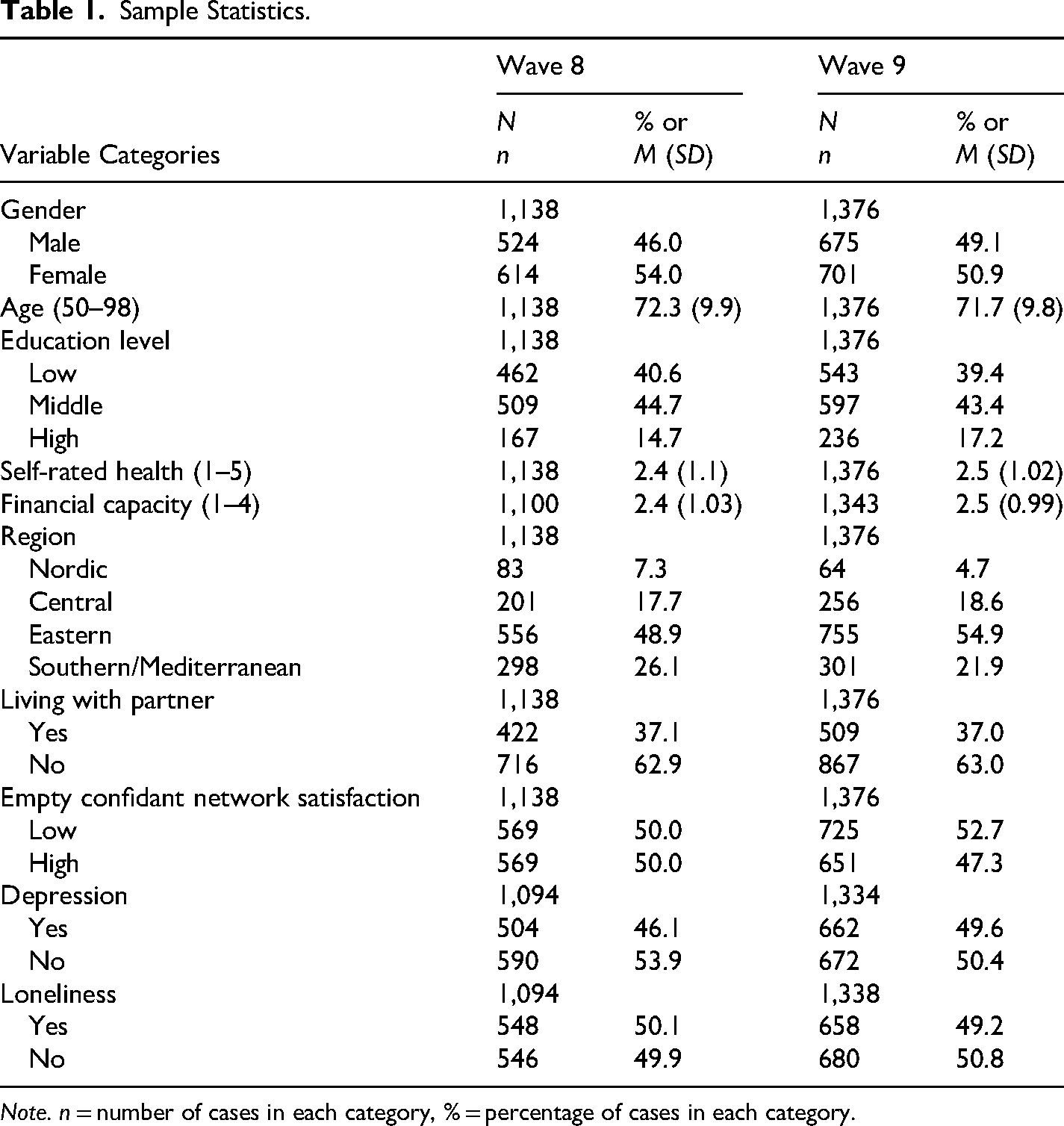
Note. n = number of cases in each category, % = percentage of cases in each category.
Predicting the Incidence of Depression
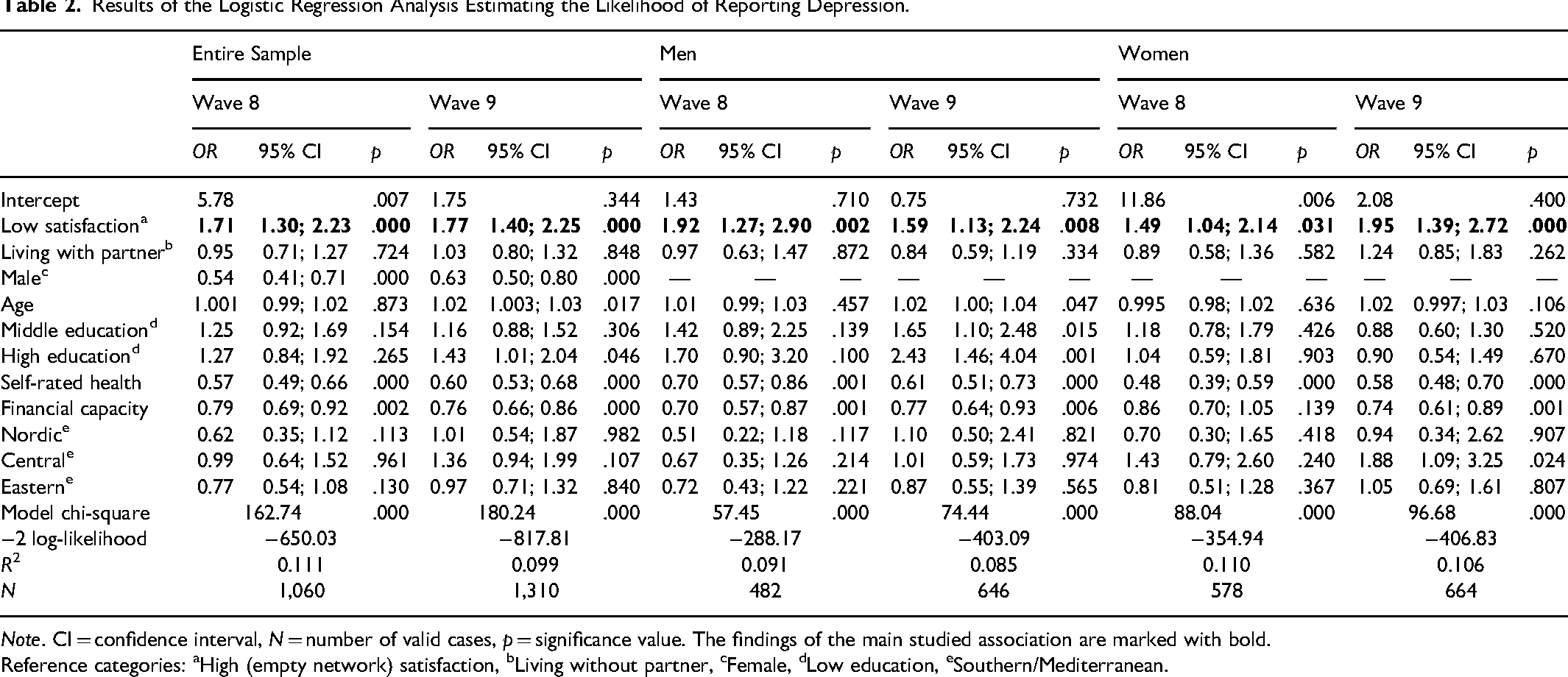
Table 2 shows the results of the analysis on the estimation of the likelihood of being depressed.
Results of the Logistic Regression Analysis Estimating the Likelihood of Reporting Depression.
Note. CI = confidence interval, N = number of valid cases, p = significance value. The findings of the main studied association are marked with bold.
Reference categories: aHigh (empty network) satisfaction, bLiving without partner, cFemale, dLow education, eSouthern/Mediterranean.
The findings show that in both survey waves, respondents with low empty confidant network satisfaction were more likely than respondents with high empty confidant network satisfaction to report being depressed. The odds ratios were relatively similar (Wave 8: OR = 1.71, p < .001; Wave 9: OR = 1.77, p < .001). When examining the models by gender, differences can be seen. The odds ratio for men was higher than that for women in Wave 8, but the situation was the opposite in Wave 9. The odds ratios in men declined between the waves, whereas they increased in women.
Predicting the Incidence of Loneliness
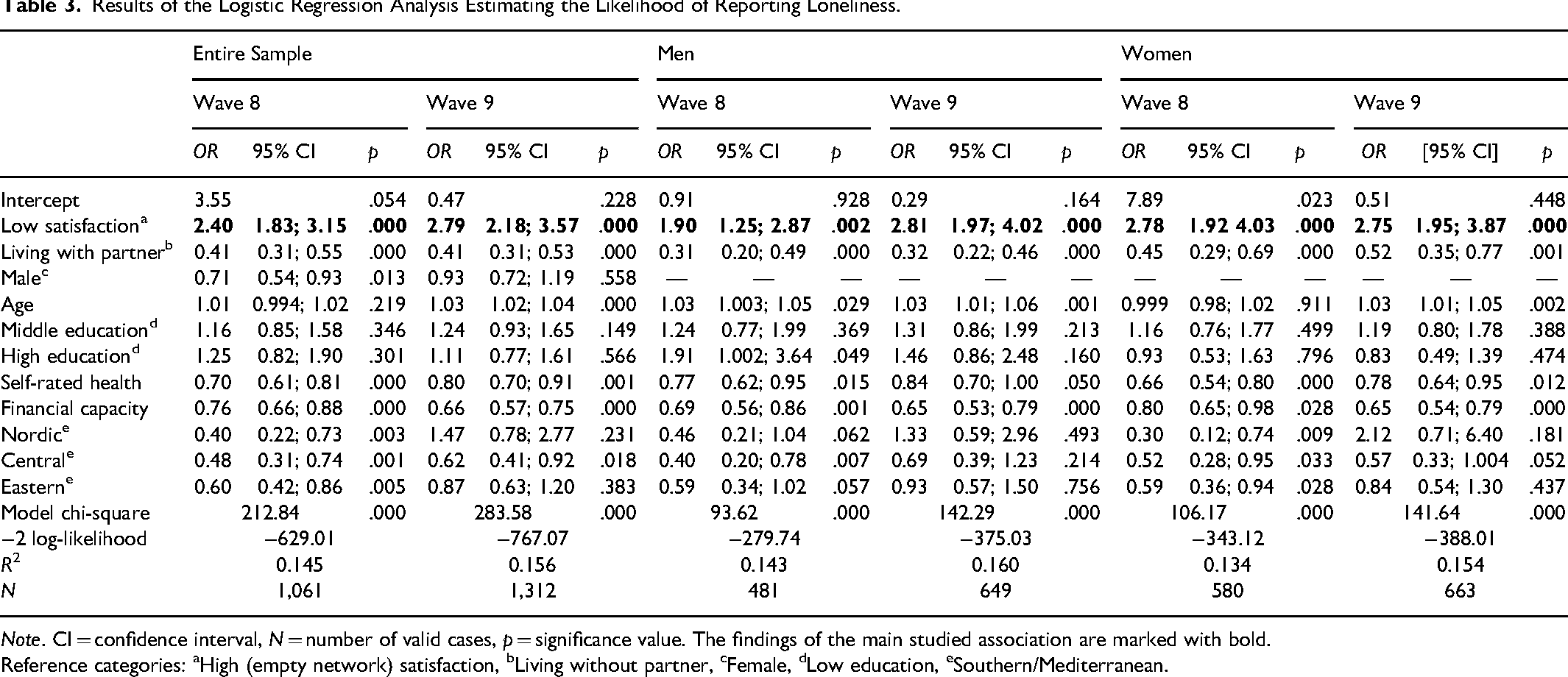
Table 3 shows the results of the analyses predicting the likelihood of feeling lonely.
Results of the Logistic Regression Analysis Estimating the Likelihood of Reporting Loneliness.
Note. CI = confidence interval, N = number of valid cases, p = significance value. The findings of the main studied association are marked with bold.
Reference categories: aHigh (empty network) satisfaction, bLiving without partner, cFemale, dLow education, eSouthern/Mediterranean.
Similar to the previous analysis, the findings here show that respondents with low empty confidant network satisfaction exhibited a higher risk of loneliness. However, in contrast to the models predicting depression, a somewhat greater difference existed between the odds ratios. The odds ratio was higher in Wave 9 (OR = 2.9, p < .001) than in Wave 8 (OR = 2.52, p < .001). When examining the models by gender, in contrast to models predicting depression, the odds ratios in men were lower than those in women in both waves. When examining the models inside the same gender category, it can be seen that while a notable increase in odds ratios was observed between the waves in men, this increase in women was modest.
Robustness Analyses
The results of the sensitivity analysis for depressive symptoms and loneliness levels are presented in Supplemental Tables S2 and S3, respectively. The findings show that respondents who were lowly satisfied with an empty confidant network had more depressive symptoms and higher loneliness levels. This was found in both the entire sample and the gender-based subsamples. Hence, the findings of the main analysis can be seen as robust.
Discussion
The goal of this study was to understand whether middle-aged and older adults who are dissatisfied with an empty confidant network exhibit a higher likelihood of being depressed and lonely as compared to their counterparts who are satisfied with this situation. The study examined this association in both the entire sample of adults aged 50 and older and while splitting the sample along gender lines.
The results of the study are in line with previous research on the relationship between confidant network satisfaction and mental health (Guma & Fernandez-Carro, 2021; Litwin et al., 2015). In these studies, lower satisfaction was associated with poorer mental health. The findings of the study suggest that a similar association exists for low empty network satisfaction. Overall, this means that the low appraisal of the confidant network satisfaction corresponds to poorer mental health outcomes. Therefore, in order to achieve more balanced mental health outcomes, middle-aged and older adults should be either highly satisfied with their full confidant networks or with their empty confidant networks.
The findings are also in line with the theories of aggression (Bushman & Huesmann, 2010). As was discussed at the beginning of the article, middle-aged and older individuals may have no one with whom they can discuss important matters, but can be satisfied with this situation to a varying extent. In accordance with the theories of aggression, those middle-aged and older adults who are lowly satisfied in this regard are likely to have accumulated negative emotions following the absence of confidants and have no or little possibility for catharsis (Bushman & Huesmann, 2010), therefore increasing their mental vulnerability as expressed by higher levels of depression and loneliness.
The findings are also in line with the stress and coping theory (Lazarus & Folkman, 1987). It can be suggested that middle-aged and older persons who exhibit dissatisfaction with the absence of confidants are likely to unsuccessfully cope with their absence. Unsurprisingly, this is translated into a greater risk of depression and loneliness that they tend to exhibit.
It must be noted that the low empty network satisfaction exhibits an association with the dependent variables despite the inclusion of the living arrangement variable. This can be seen in models predicting depression (Table 2 and Supplemental Table S2). In these models, the living arrangement variable did not play any role in the explanation of the dependent variables. This can also be seen in models predicting loneliness, where living arrangement did play a role. Middle-aged and older persons may have someone to live with in the same household, but they do not necessarily consider that someone as their confidant. The findings suggest that if this is the case, and when middle-aged and older adults are dissatisfied with this situation, they would still experience elevated depression and loneliness. In other words, what seems to matter more for persons without confidants in their personal networks in the studied age bracket is the extent to which they are satisfied with this situation.
As for gender, the current study found notable differences in the changes in the impact that low satisfaction with the empty network has on mental well-being. While a notable decrease in this impact in men could be observed with regard to depression, this impact was more pronounced after COVID-19 with respect to loneliness. The finding about changes in odds ratios for depression can be viewed through the prism of the stress and coping theory (Lazarus & Folkman, 1987). Compared to their female counterparts, middle-aged and older men might be better able to recover from the adversity which causes depression or sadness. Indeed, one study conducted in the general population found that men exhibited better mental stability during COVID-19 as expressed by greater resilience and lower brief symptom parameters than women (Laufer & Shechory Bitton, 2021). As the findings of one SHARE-based study suggest, changes in depression and loneliness since the onset of the COVID-19 pandemic were also more pronounced in women than in men (Atzendorf & Gruber, 2022). This can assist in the explanation of differences in odds ratios between male and female respondents. Since middle-aged and older women with an empty confidant network were already more deeply into loneliness than men, they were likely to learn how to cope and how to live with this situation in light of the emptiness of their confidant network. Therefore, middle-aged and older women's loneliness was less impacted by satisfaction with an empty confidant network as compared to their male counterparts.
Limitations and Suggestions for Future Research
The study has some limitations that must be mentioned. First, we were unable to differentiate between sadness and depression because of the item wording. Future studies should perform this differentiation. Second, a low share of respondents participated in both the examined waves (n = 169). Hence, we were unable to longitudinally measure the effect of an empty confidant network on mental health. We hope that this will become possible after the data collection for the subsequent waves of the SHARE is concluded.
Future studies can go in numerous directions. First, a qualitative study may assist in uncovering mechanisms that underlie the relationship found. Second, quantitative studies can examine the relationship between empty network satisfaction and other mental health or well-being parameters, like health-related quality of life, sense of mattering, or others.
Implications
Several implications can be outlined from the findings. First, personal networks of middle-aged and older adults should maintain and facilitate contacts with them, so that at least one tie would become a confidant. Second, middle-aged and older adults themselves should maintain a better quality of interpersonal relationships to promote better mental health by making adaptations to the situation when they have no (and perhaps do not will to have) confidants.
Conclusions
To conclude, this study uncovered another aspect of social relationships in older adults. Empty confidant network satisfaction appears to be an important factor explaining the probability of being depressed and lonely in older adults.
Footnotes
Ethical Considerations
Author Contributions
DR: conceptualization, investigation, and writing of original draft. SS-E: funding acquisition, project administration, and supervision.
Funding
The authors disclosed receipt of the following financial support for the research, authorship, and/or publication of this article: This work uses data from SHARE COVID-19 Survey 1 (Börsch-Supan, 2021) and SHARE COVID-19 Survey 2 (Börsch-Supan, 2022). The SHARE data collection has been funded by the European Commission through FP5 (QLK6-CT-20 01–0 0360), FP6 (SHARE-I3: RII-CT-200 6-0 62193, COMPARE: CIT5-CT-2005-028857, SHARELIFE: CIT4-CT-2006-028812), FP7 (SHARE-PREP: GA No. 211909, SHARE-LEAP: GA No. 227822, SHARE M4: GA No. 261982, DASISH: GA No. 283646), and Horizon 2020 (SHARE-DEV3: GA No. 676536, SHARE-COHESION: GA No. 870628, SERISS: GA No. 654221, SSHOC: GA No. 823782), and by DG Employment, Social Affairs and Inclusion through VS 2015/0195, VS 2016/0135, VS 2018/0285, VS 2019/0332, and VS 2020/0313. Additional funding from the German Ministry of Education and Research, the Max Planck Society for the Advancement of Science, the U.S. National Institute on Aging (U01_AG09740-13S2, P01_AG005842, P01_AG08291, P30_AG12815, R21_AG025169, Y1-AG-4553-01, IAG_BSR0 6-11, OGHA_04-0 64, HHSN27120130 0 071C) and from several national funding sources is gratefully acknowledged (see  ). Additionally, this work was supported by a grant from the Azrieli Foundation. The authors gratefully acknowledge the support of the Israel Center of Addiction and Mental Health (ICAMH) at the Hebrew University of Jerusalem in conducting this study.
Declaration of Conflicting Interests
The authors declared no potential conflicts of interest with respect to the research, authorship, and/or publication of this article.
Data Availability Statement
Statement of Generative AI Use in Scientific Writing
The authors declare that neither one of them used any AI tool in the process of writing this article.
Supplemental Material
Supplemental material for this article is available online.