







Abstract
Hydrogenated natural rubbers (HNRs) with two different degrees of hydrogenation were prepared by the latex method. Effect of the molar ratio of hydrazine to double bonds was investigated. Proton nuclear magnetic resonance spectroscopy revealed that the structure of HNR contains some trans isomer formation. Degrees of hydrogenation were about 32% and 41% when the N2H4 molar ratios were respectively 1 and 1.5, whereas the trans isomer increased from 0 to 19%, depending on the degree of hydrogenation. Compared to the NR, a faster curing reaction with higher maximum torque was recorded for the HNR due to trans-isomer formation, resulting in a greater crosslink density in the HNR. The presence of a trans isomer together with a high crosslink density degraded the ability of the rubber molecules to relax. The tensile modulus of NR was increased by hydrogenation, but with reduced tensile strength and elongation at break. An increased percentage of hydrogenation improved thermal stability of the NR by at least 16°C at 32% hydrogenation, and escalated thermal degradation of the NR, resulting from a reduction of double bonds in the HNR.
Introduction
Natural rubber (NR), a natural polymer that is a renewable resource, has generated a lot of attention in various fields. Owing to its exceptional elasticity and high mechanical strength, it has been widely employed as a basic material in a variety of applications and products. Although NR offers many benefits, its use in outdoor applications is still restricted because its unsaturated backbone is susceptible to degradation when exposed to oxygen, ozone, sunlight, or heat.1,2 Various attempts have been made to overcome such problems, and among the approaches hydrogenation is an interesting alternative.
Hydrogenation is one of the most fascinating processes for converting the unsaturated portion of NR into saturated molecules, by adding hydrogen to the unsaturated backbone. The resultant is usually called hydrogenated NR (HNR). Various techniques have been employed in hydrogenation reactions, including catalytic and non-catalytic processes.3,4 However, the fundamental drawback of catalytic processes is their cost because the reaction requires triggering by transition metals, 3 and the process usually requires special equipment due to high reaction temperature and pressure. 5 On the other hand, the non-catalytic technique using diimide is favored in this study due to it appearing more practical, as it can be carried out at atmospheric pressure with less complicated equipment and procedures. 6 Unfortunately, the majority of diimide generation requires a catalyst.7,8 Recently, the generation of diimide from hydrazine and hydrogen peroxide without catalysts has been developed. Taksapattanakul et al., 6 prepared HNR using diimide and investigated the thermal-oxidative degradation properties of the resultant rubber. They reported that the thermal-oxidative decomposition resistance of 65% HNR was close to that of ethylene-propylene-diene-monomer (EPDM) rubber and the thermal-oxidative decomposition behavior of 65% HNR was similar to EPDM.
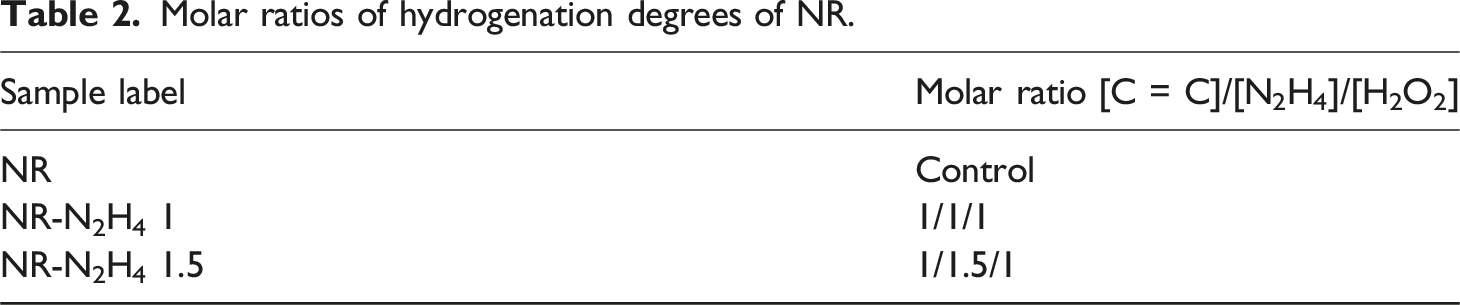
Although many publications have focused on HNRs, the property changes in the HNR remain not entirely understood. In this study, HNR was synthesized by the diimide reaction, which involves the interaction of hydrazine monohydrate with hydrogen peroxide. The effects of the molar ratio [unsaturated bond]/ [hydrazine]/ [hydrogen peroxide] ([C = C]/ [N2H4]/ [H2O2]) were investigated. The percentage of hydrogenation and the ratio of cis- and trans- isomers were characterized by proton nuclear magnetic resonance spectroscopy (1H-NMR). The curing properties of the HNR compounds were characterized by a rheometric test. The stress relaxation behavior of the HNR vulcanizates was determined by temperature scanning stress relaxation (TSSR), and the tensile properties and thermal properties were tested by using a universal tensile testing machine and thermogravimetric analysis (TGA), respectively.
Experimental
Materials
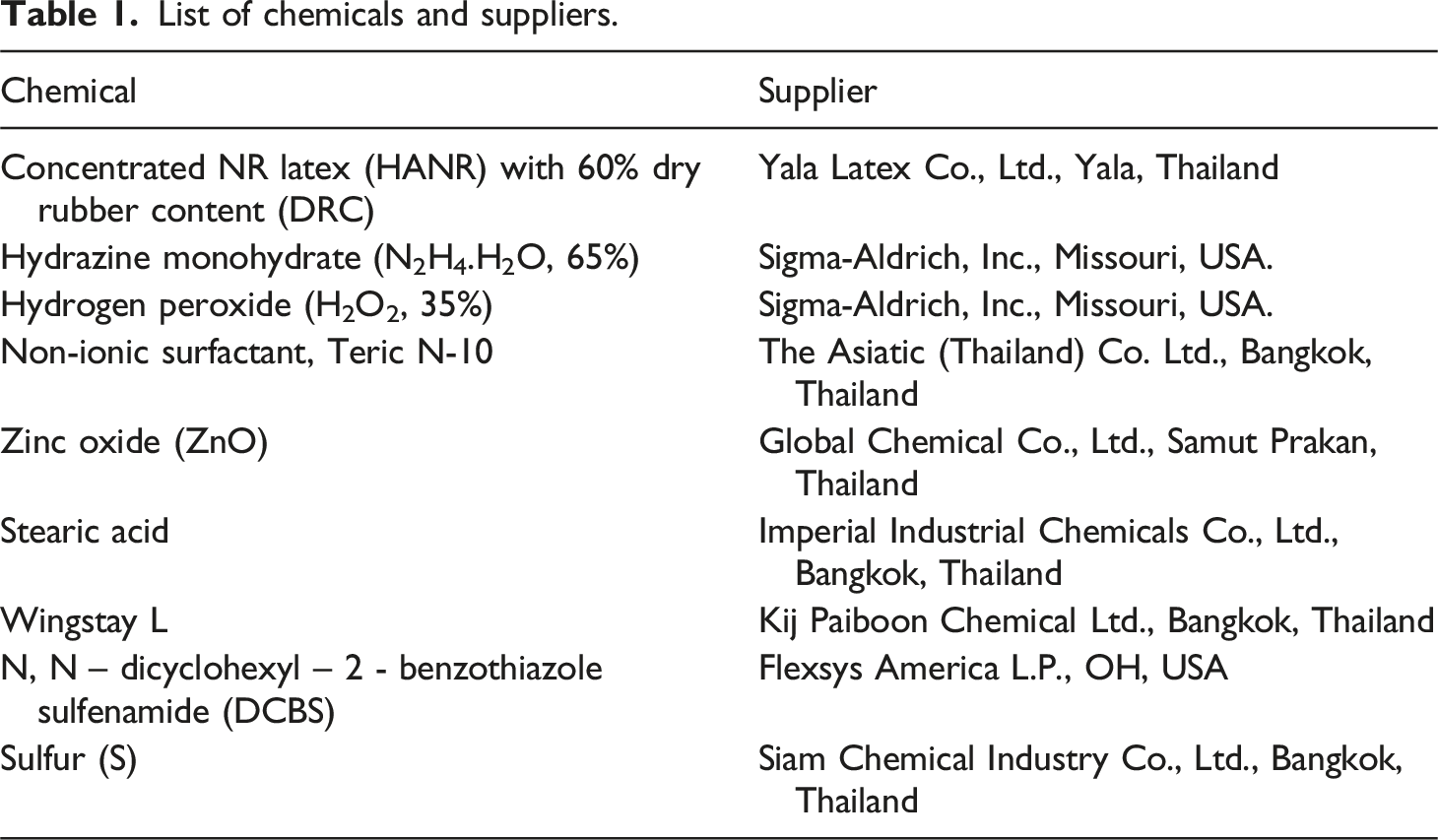
List of chemicals and suppliers.
Preparation of HNR
Molar ratios of hydrogenation degrees of NR.
Compound preparation
Recipe for the preparation of NR and HNR compounds.
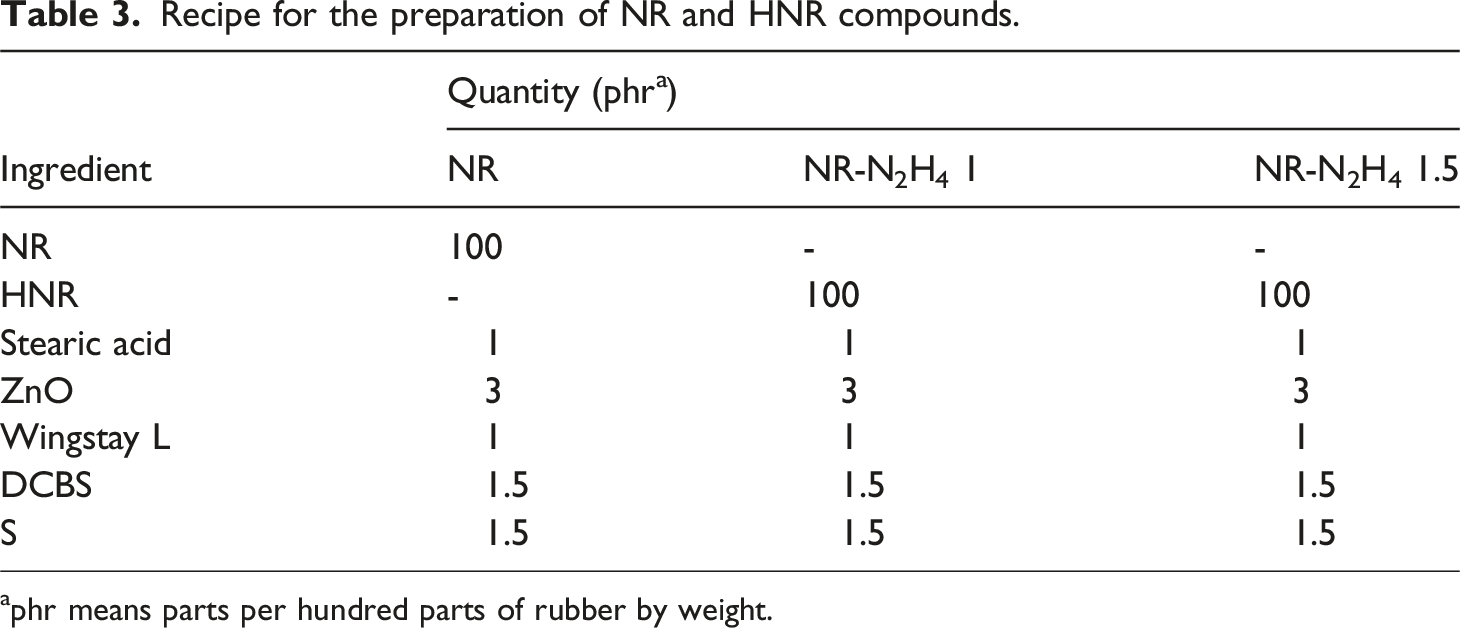
aphr means parts per hundred parts of rubber by weight.
Characterization
Determination of the hydrogenation degree and cis/trans isomers
The degree of hydrogenation was characterized by proton nuclear magnetic resonance spectroscopy (1H-NMR) with Advance Neo 500 MHz NMR spectrometer (Bruker, Germany) at room temperature. Prior to the NMR measurements, the samples were dissolved in deuterated chloroform (CDCl3) solvent. The degree of hydrogenation in NR was estimated by using equation (1).9–11
Degree of cis and trans isomerization of HNRs was also estimated by using equations (2) and (3):
12


Cure characteristics test
The curing characteristics of the NR and HNR compounds were characterized by using a moving die rheometer (Montech MDR 3000 BASIC, Buchen, Germany) at 170°C. The parameters reported are minimum torque (ML), maximum torque (MH), torque difference (MH-ML), scorch time (ts1), cure time (t90), and cure rate index (CRI).
Stress relaxation test
Stress relaxation tests of both NR and HNR vulcanizates were conducted in order to investigate differences in stress relaxation behavior and crosslink density. The testing was performed by using temperature scanning stress relaxation with a TSSR meter (Brabender GmbH, Germany). The dumbbell-shaped test specimens (ISO 527, type 5A) were placed in a heating chamber and initially stretched by 50% at 23°C. The samples were kept stretched for 2 h. The short-time relaxation during this isothermal condition was recorded. The rubber specimens were then subsequently heated at a heating rate of 2°C/min from 23°C to 250°C. The cross-link density (ν) of each sample was estimated from the initial part of the stress temperature curve using equations (4) and (5):
13


Tensile properties
The tensile properties of NR and HNR vulcanizates were measured using a universal tensile testing machine, the LR5K Plus (Lloyd Instruments, UK) at room temperature, with a crosshead speed of 500 mm/min in accordance with ISO 37. The stress at 100% strain (100% modulus), tensile strength, and elongation at break were reported.
Hardness
The hardness of the rubber vulcanizates was measured using a Bareiss hardness tester, model BS61 II (Bareiss Co., Ltd, Germany), in accordance with ASTM D2240. The reading was made at 5 s after the tester was firmly pressed against the specimen surface. The average of the five measurements was reported.
Thermal ageing property tests
Dumbbell-shaped specimens were used in the thermal aging property test. The specimens were heated in an oven for 3 days at 70°C in accordance with ASTM D573 using hot air oven. The samples were then allowed to cool to room temperature for 12 hours. The percentage of tensile strength retention (P) was calculated from: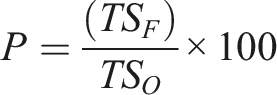
Thermal properties
Thermal properties of the NR and HNR vulcanizates were characterized by using a thermogravimetric analyzer, TGA8000 (PerkinElmer Inc., USA). The samples were tested from 30°C to 550°C at a heating rate of 10°C/min under nitrogen atmosphere.
Morphological property
The morphology of tensile fracture surface of NR and HNR samples were captured by using a scanning electron microscope (SEM), model FEI Quanta 400 (Thermo Fisher Scientific Inc., The Czech Republic). Prior to SEM analysis, a gold layer was coated to the fractured samples.
Results and discussion
1H-NMR spectra of NR and a representative HNR prepared with the molar ratio of [C = C]/[N2H4]/[H2O2] equal to 1/ 1.5/ 1 (NR-N2H4 1.5) are shown in Figure 1. The chemical shifts are reported in parts per million (ppm). The 1H-NMR spectrum of NR sample showed signals at 1.67, 2.02, and 5.12 ppm (Figure 1(A)), corresponding to methyl, methylene, and unsaturated methine protons of cis-1,4-isoprene units, respectively.4,7,8 After hydrogenation, new peaks at 0.8, 1.1, 1.3 and 1.4 ppm (Figure 1(B)) were observed, attributed to methine, methylene and methyl groups of the HNR.1,4,14 This indicates that the transformation of double bonds to saturated units had occurred, confirming a successful hydrogenation. The degree of hydrogenation was calculated from the integrated peak area of the signals based on the 1H-NMR spectrum according to equation (1) and the results are summarized in Table 4. 1H-NMR spectra of NR and a representative HNR (NR-N2H4 1.5) in the ranges (A) 0 – 7.5 ppm, and (B) 0.8 – 1.5 ppm. Degrees of hydrogenation of NR and the HNRs prepared with different doses of hydrazine.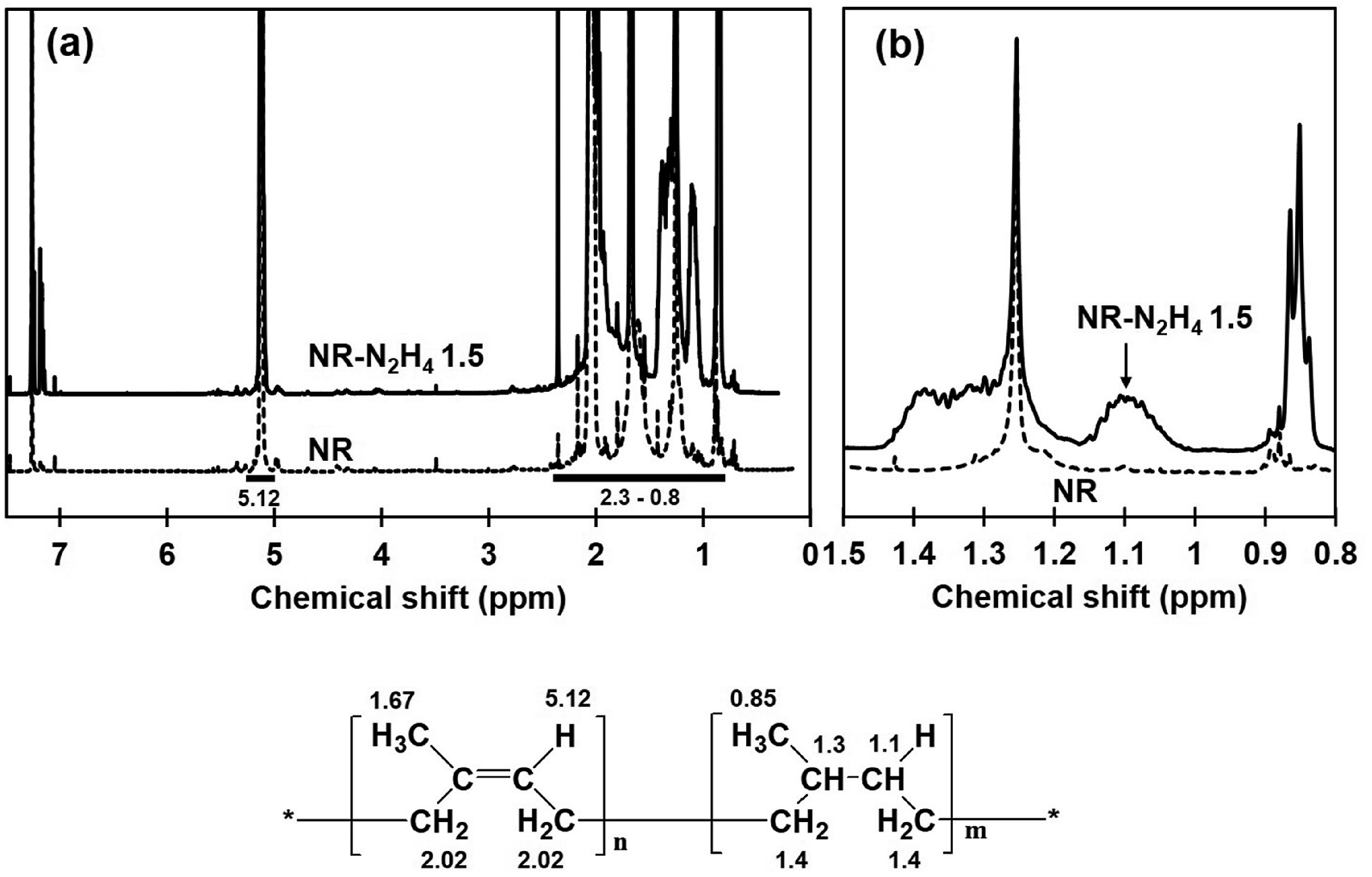
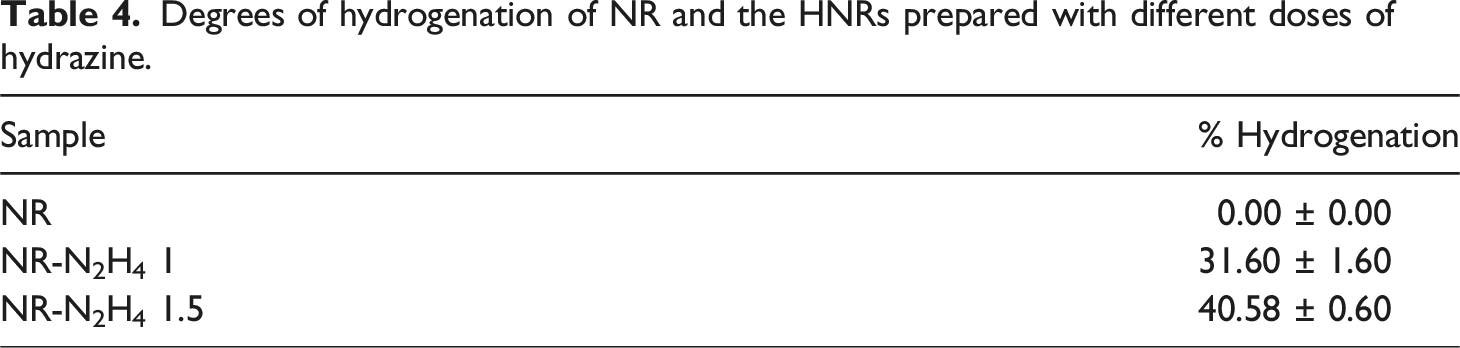
It can be seen that the degree of hydrogenation increases with the dose of hydrazine (N2H4). The maximum hydrogenation degree (∼41%) was achieved when the molar ratio dose of N2H4 was 1.5. During the reaction, the N2H4 reacted with H2O2 to generate a diimide precursor
15
(Figure 2(A)). This precursor then reacted with the carbon–carbon double bonds forming an intermediate (Figure 2(B)). This intermediate finally turned to HNR (Figure 2(C)).
7
On increasing the N2H4 dose, the likelihood of forming diimide precursor also increased. Thus, a larger number of precursors reacted with the double bonds in the isoprene units, resulting in a higher degree of hydrogenation. (A) Diimide (NH = NH) forming reaction, (B) hydrogenation reaction, and (C) hydrogenated rubber.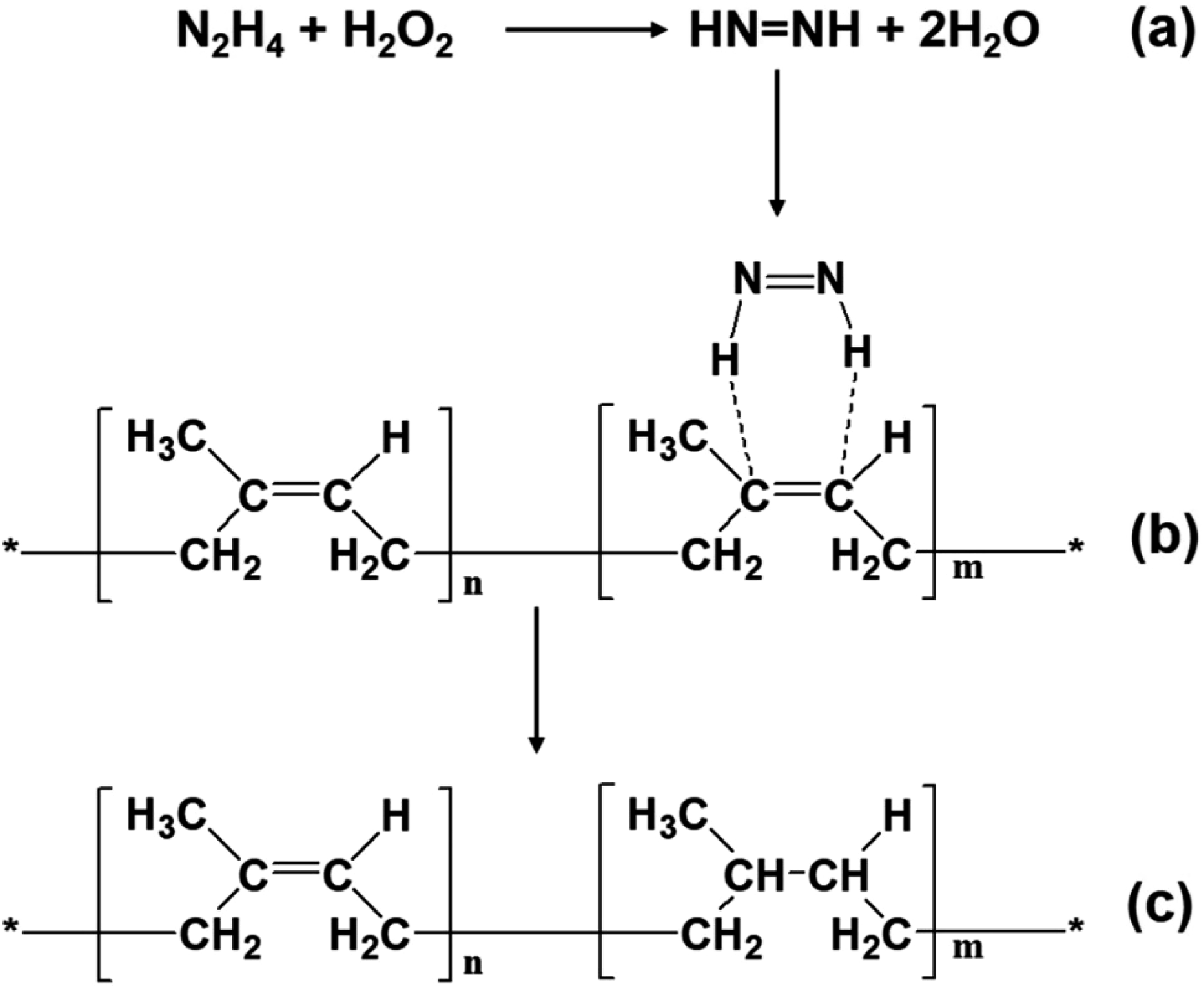
It is widely accepted that the hydrogenation reaction causes trans-isomer formation in the isoprene units. To investigate the effects of N2H4 concentration on trans-isomer formation, the levels of cis- and trans-isomers in isoprene units of HNR were estimated from the integrated areas of 1H-NMR peaks at 1.67 and 1.64 ppm, according to equations (2) and (3).
Figure 3 shows the 1H-NMR of NR and a representative HNR (NR-N2H4 1.5) over the range 1.5 – 1.8 ppm, and degrees of cis-trans isomers are also included. The peak that appears at 1.67 ppm (symbol “a” in Figure 3) was attributed to the methyl proton of the cis-1,4-polyisoprene unit, whereas the peak at 1.64 ppm (symbol “b” in Figure 3) was assigned to the methyl proton of the trans-1,4-polyisoprene unit.16,17 1H-NMR spectra of NR and a representative HNR (NR-N2H4 1.5) over the range of 1.5 – 1.8 ppm.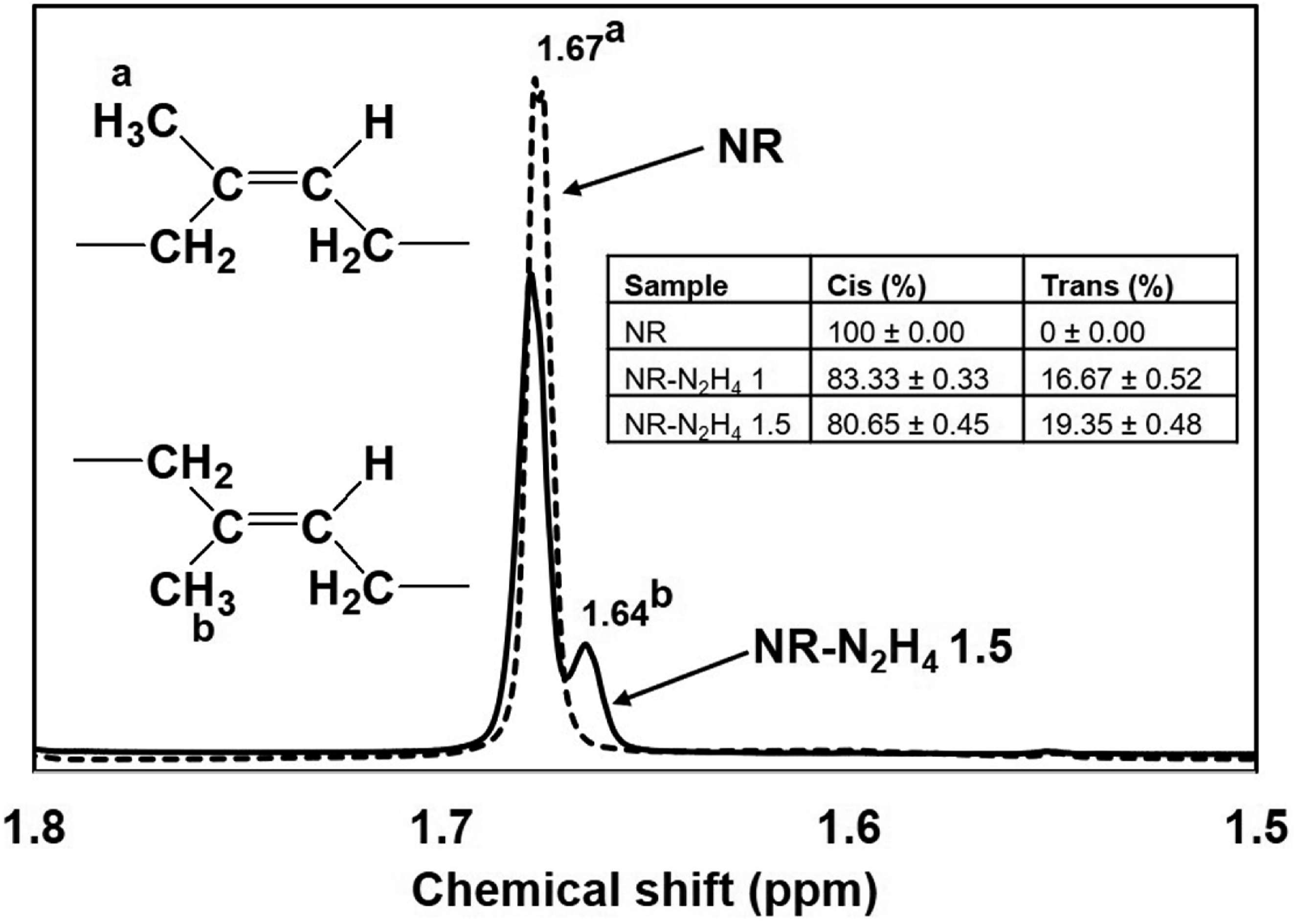
It is seen from Figure 3 that the NR sample showed a peak only at 1.67 ppm, thus it could be assumed that the structure of NR was almost 100% cis-isomer. Upon modification, the spectrum of the HNR clearly showed a reduction of peak at 1.67 ppm with a new peak emerging at 1.64 ppm due to the formation of trans-isomer. The level of trans-isomer increased with the molar dose of N2H4, probably due to the increase of unstable intermediates. It has been reported that the H atoms released from diimide molecules interact with the carbon-carbon double bonds of the isoprene units in NR to generate an intermediate in the hydrogenation reaction. This intermediate is unstable and the cis-trans isomers were possibly formed by rotation of the weak double bond. 12
Figure 4 displays the development of torque with time during vulcanization reactions of the NR and HNR compounds at 170°C. In all cases, the torque initially decreased due to softening of the rubber matrix when exposed to vulcanization temperature. The torque then increased due to the formation of a three-dimensional crosslinked network among the rubber chains. The torque tended to decrease after passing through a maximum due to breakdown of some unstable polysulfidic crosslinks formed during vulcanization.
18
In addition, the reversion seemed to be more pronounced in the HNR samples, which was tentatively attributed to the presence of trans-isomers in the HNR (see Figure 3). The resistance of the trans-structures to reversion has been reported to be lower than that of the cis-isomer.
18
Time profiles of torque during vulcanization.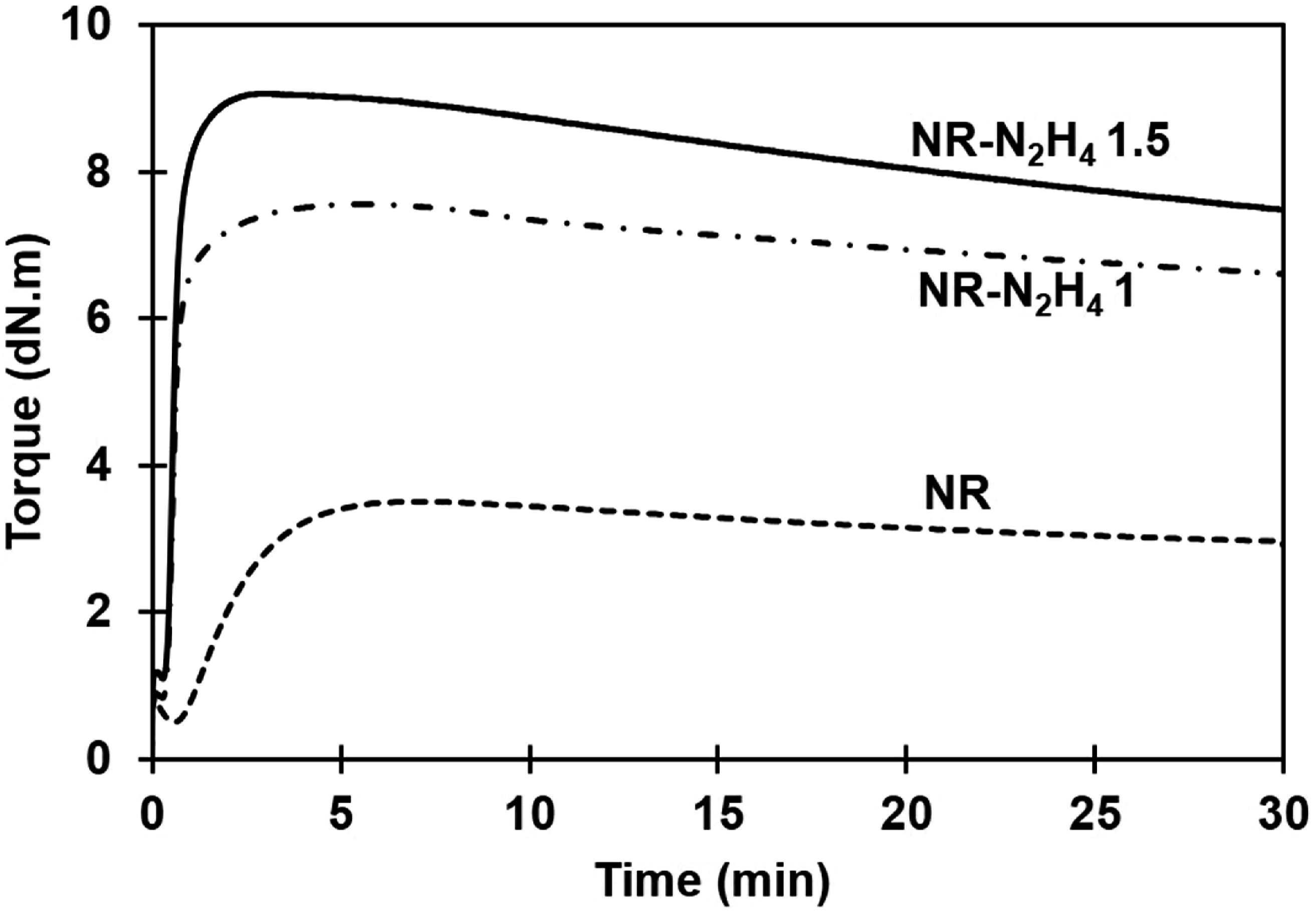
Minimum torque (ML), maximum torque (MH), torque difference (MH-ML), scorch time (ts1), cure time (t90), and cure rate index (CRI) of NR and HNRs with different N2H4 contents.
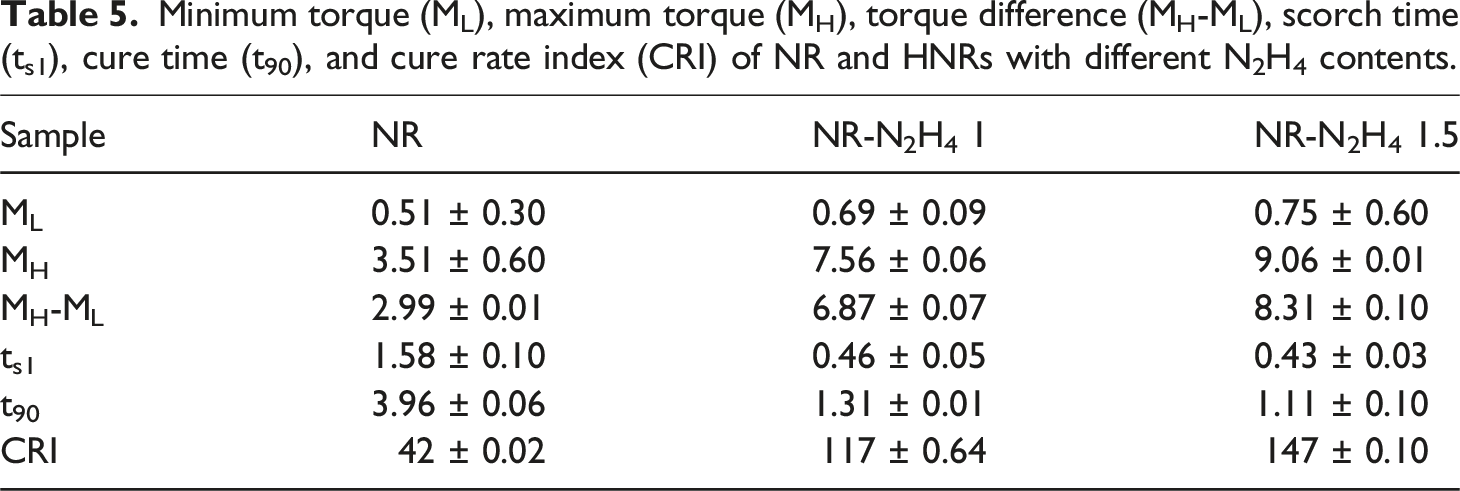
ts1 and t90 drastically decreased with the amount of hydrogenation. The ts1 reduced from 1.58 min to 0.46 min and the t90 changed from 3.96 min to 1.31 min indicating that the time required to begin the vulcanization reaction and the time required for a completed vulcanization became shorter, so the vulcanization reaction was faster. A reduction of double bonds in the HNR was responsible for these changes. The faster rate of vulcanization was later confirmed by the increased CRI. 22
Figure 5 illustrates the crosslink density estimates obtained from TSSR measurements of HNR with different N2H4 concentrations. The crosslink density of NR is also included for reference. It is clearly seen that the crosslink density was increased by the hydrogenation reaction. An increased molar dose of N2H4 (or increased degree of hydrogenation) increased the crosslink density. The results confirm that crosslink density increased with the degree of hydrogenation, and agree with the MH-ML obtained from rheometric tests. Therefore, a higher crosslink density in HNR than in NR is confirmed. Beside the effects of trans-conformation, a greater crosslink density would be due to the higher availability of active sulfurating agents to attack the double bonds. Crosslink densities of NR and HNRs with a different molar doses of N2H4.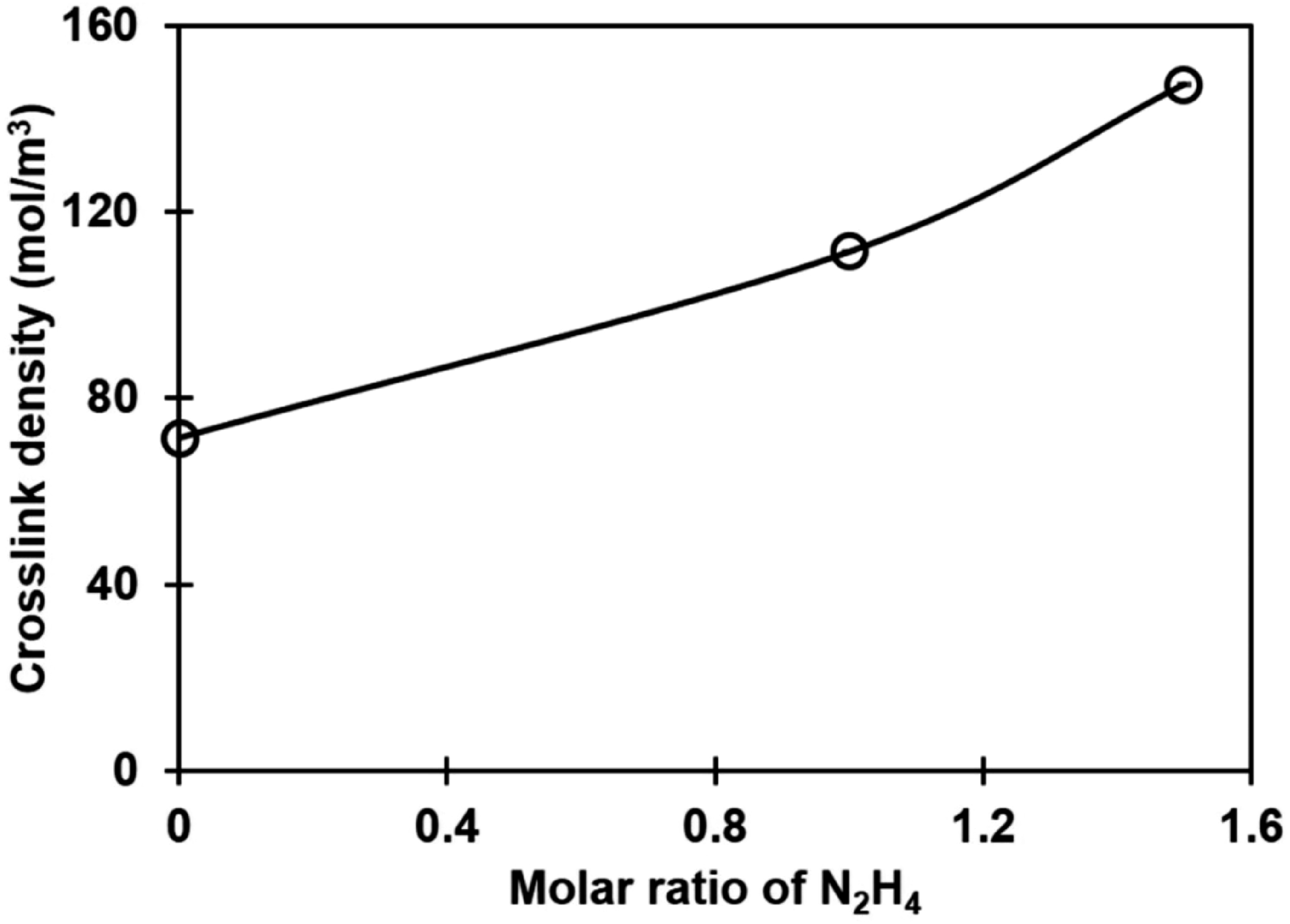
Figure 6 shows the normalized stress (F/F0) during isothermal stress relaxation of NR and HNRs with two alternative molar ratios of N2H4. All these samples showed a linear decline of stress over time. A steep decrease in normalized stress was observed in the NR, revealing that the molecular relaxation was comparatively very fast in this sample. A lower stress relaxation rate was observed in the HNRs and the rate decreased with N2H4 level (or increasing degree of hydrogenation). Retardation of relaxation rate in the HNR could be due to the higher crosslink density in this sample compared to the NR, as previously shown in Figure 5. The higher crosslink density provided a greater number of tie points, hindering the mobility of rubber molecules and retarding the stress relaxation rate. Normalized stress during isothermal stress relaxation of NR and HNRs.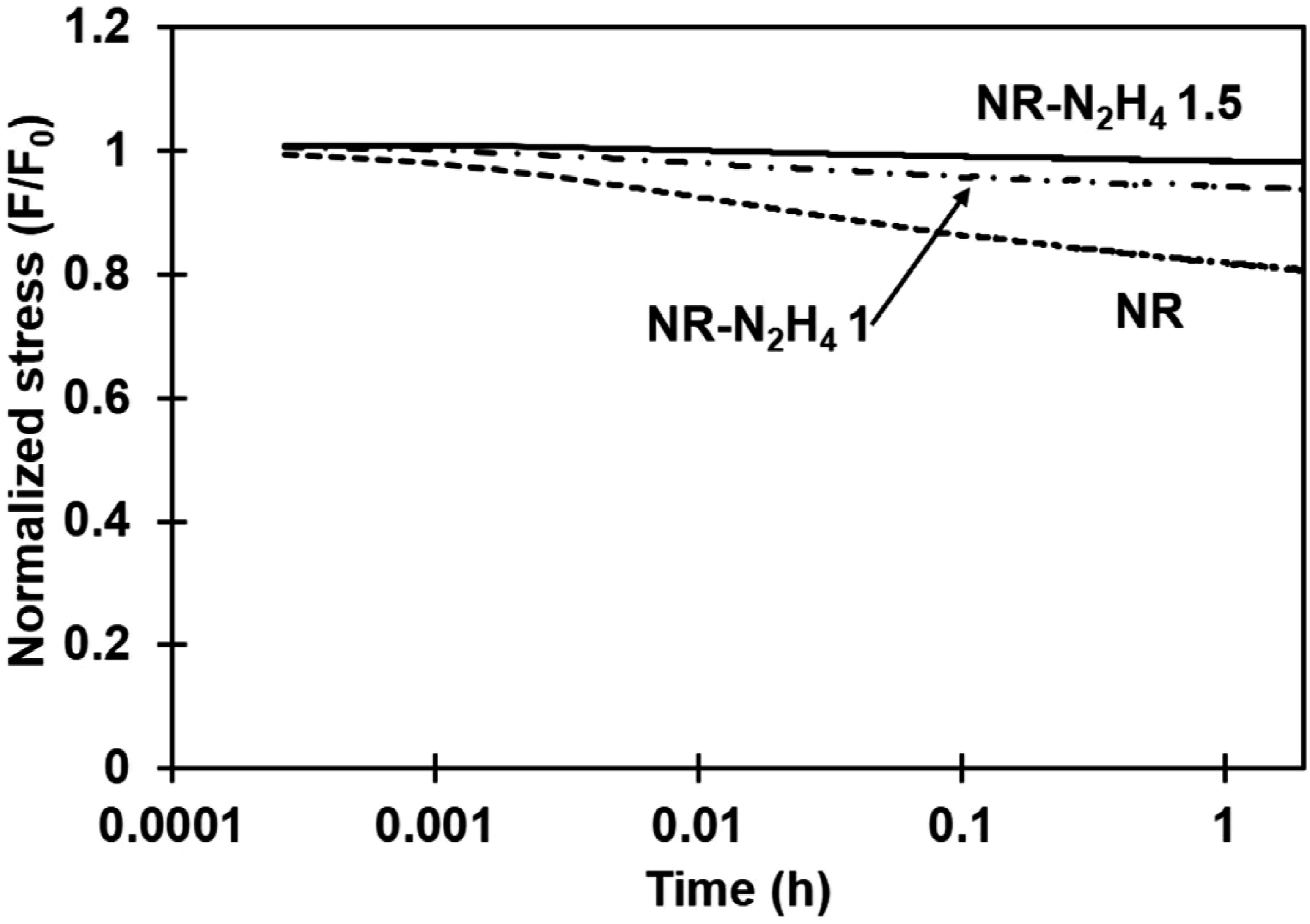
Figure 7 shows representative stress-strain curves of the NR and HNR vulcanizates. In the case of NR, the stress gradually increased with increasing strain, followed by a steep increase in stress at above 400% strain due to strain-induced crystallization.
23
The deformation-induced crystallization no longer happened after hydrogenation. The values of 100% modulus, tensile strength, and elongation at break are summarized in Table 6. Representative stress-strain curves of NR and HNR vulcanizates. 100% modulus (100% mo), tensile strength (TS), elongation at break (EB), hardness and percentage of tensile strength retention (P) of NR and HNR vulcanizates.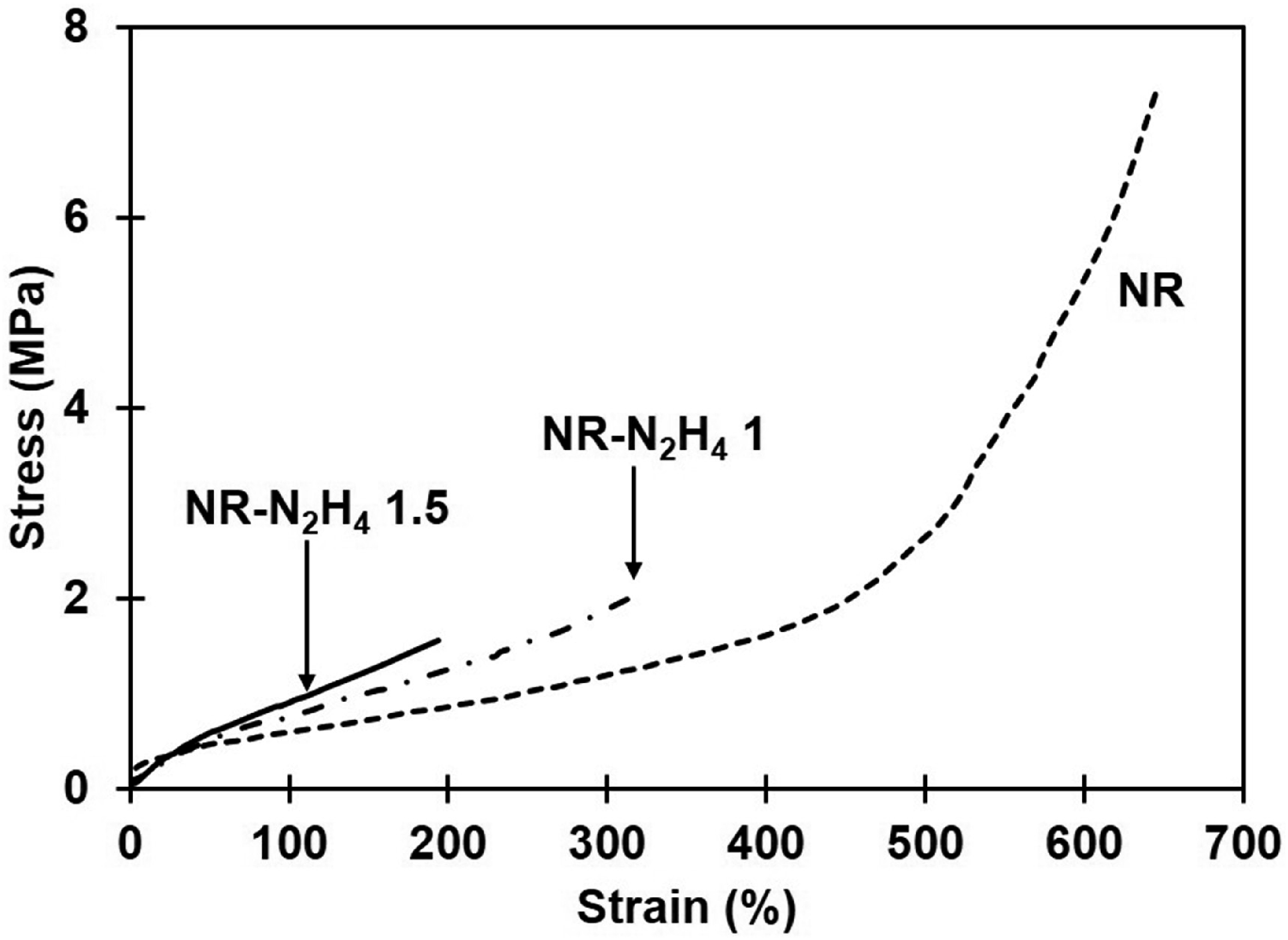
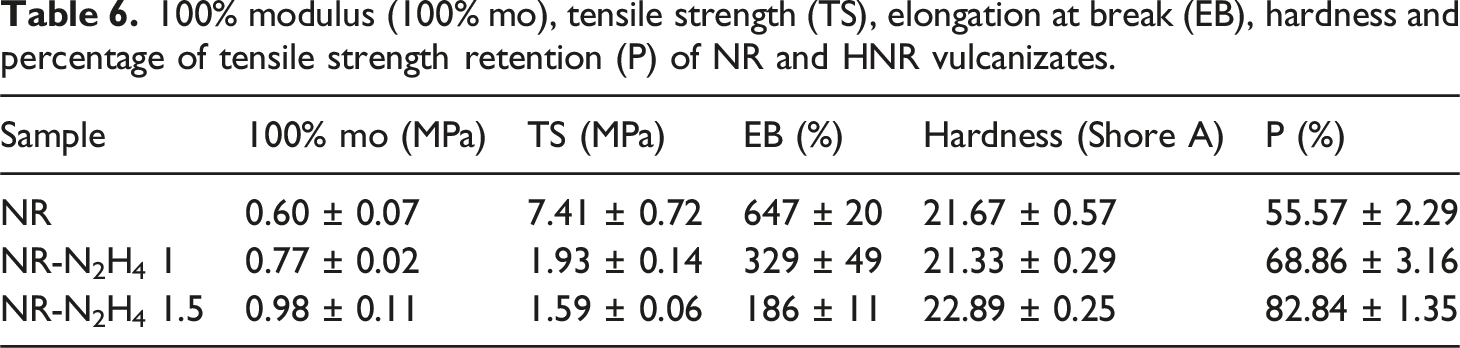
The 100% modulus of NR increased with hydrogenation level due indicating increased stiffness, resulting from both trans-isomer and increase in crosslink density (Figure 5). The crosslinks restrict the movements of rubber chains, resulting in a more rigid, stiffer, and harder vulcanizate, while reducing tensile strength and elongation at break. As compared to the NR, degraded tensile properties are generally found in the HNR, as evidenced in prior literature. 24
Influences of hydrogenation on hardness and thermal aging resistances of the NR are also included in Table 6. It is seen that the hardness of the NR increased with increasing degree of hydrogenation. As previously mentioned, increased hydrogenation level enhanced the stiffness and the crosslink density of the NR. The increment of the stiffness and the crosslink density provided greater resistance to penetration of the indenter during hardness testing. Considering the percentage of tensile strength retention after thermal aging test, the value of tensile strength retention increased with increasing degree of hydrogenation, meaning that hydrogenation enhanced thermal aging resistance of the NR. A reduction of active unsaturated bonds for degradation during thermal aging in the HNR was responsible for this enhancement since parts of double bonds were turned to saturated bonds during hydrogenation reaction. Therefore, the number of double bonds in the backbone of NR was reduced after hydrogenation.
The thermal degradation behavior and thermal stability of NR and HNR vulcanizates were investigated by TGA analysis and the results are shown in Figure 8. Two zones of weight loss are seen for the rubber vulcanizate samples. A slight loss over the range 200 °C–300°C was linked to volatile chemicals such as stearic acid and moisture, whereas a massive loss at 300 °C–470°C was caused by rubber molecule degradation.
25
Compared to the NR, the degradation of the HNRs was shifted toward higher temperatures due to less carbon-carbon double bonds in the HNR. Weight loss thermograms of NR and HNR vulcanizates.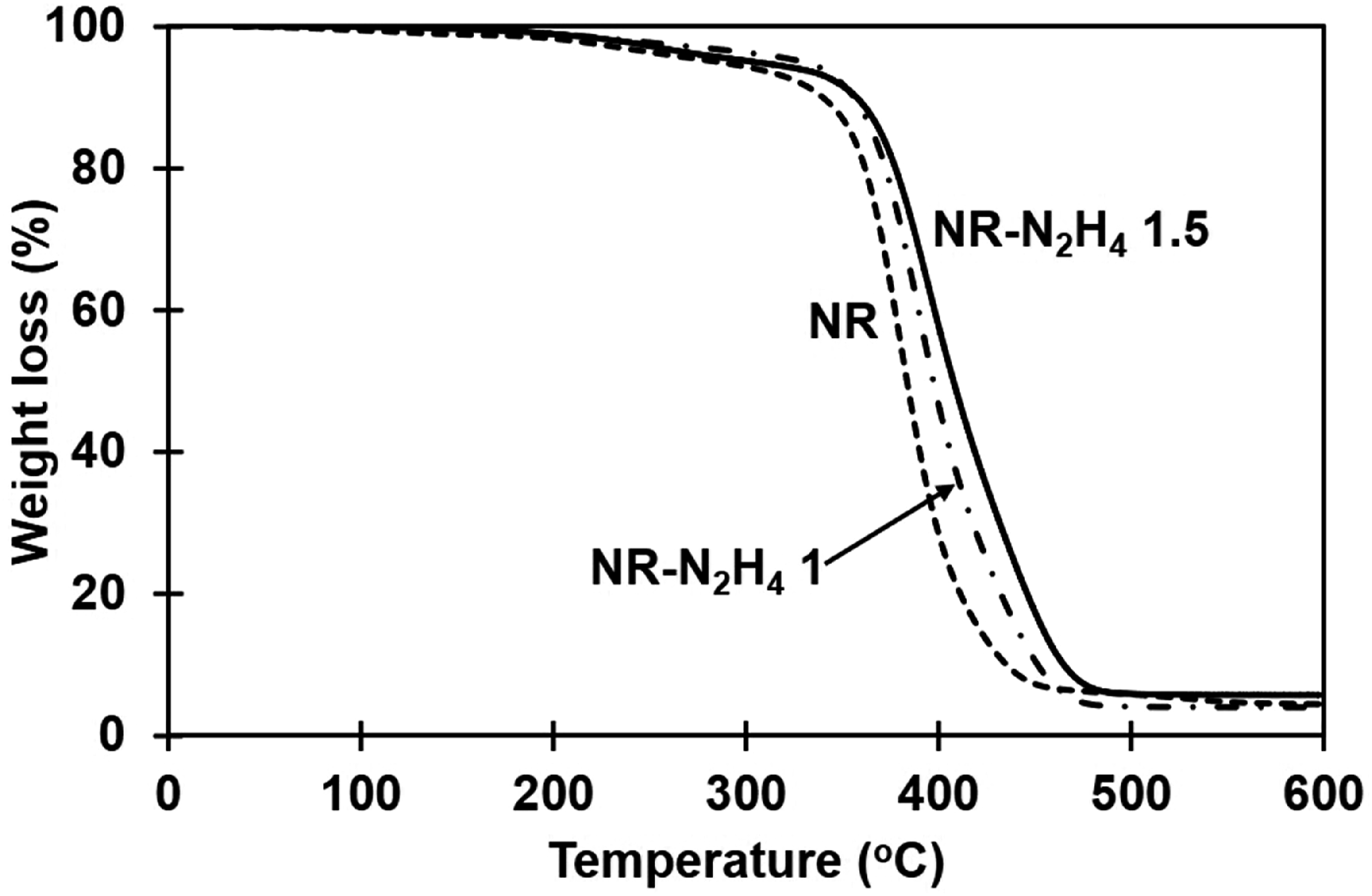
Figure 9 shows the derivative weight loss by temperature for NR and its hydrogenated variants. There are two degradation peaks, one at about 250°C and the other at about 380-400°C, corresponding to the steep weight losses in Figure 8. It can be seen that the maximum thermal degradation temperature of hydrogenated NR improved with increasing N2H4 dose (or with increasing the degree of hydrogenation). It should be mentioned here that peak degradation at about 440°C was seen in the case of HNRs, which might be attributed to the formation of cyclic structures
14
by side reactions.
26
From Figures 8 and 9, the temperature at which the sample had lost 5% from its initial weight (Td5), the maximum degradation temperature (Tdmax), and the rate of maximum degradation (Rate Tdmax) were determined and the results are summarized in Table 7. Derivative weight loss thermograms for NR and HNR vulcanizates. 5% weight loss (Td5), maximum degradation temperature (Tdmax), and the rate of maximum degradation (Rate Tdmax) for NR and HNRs.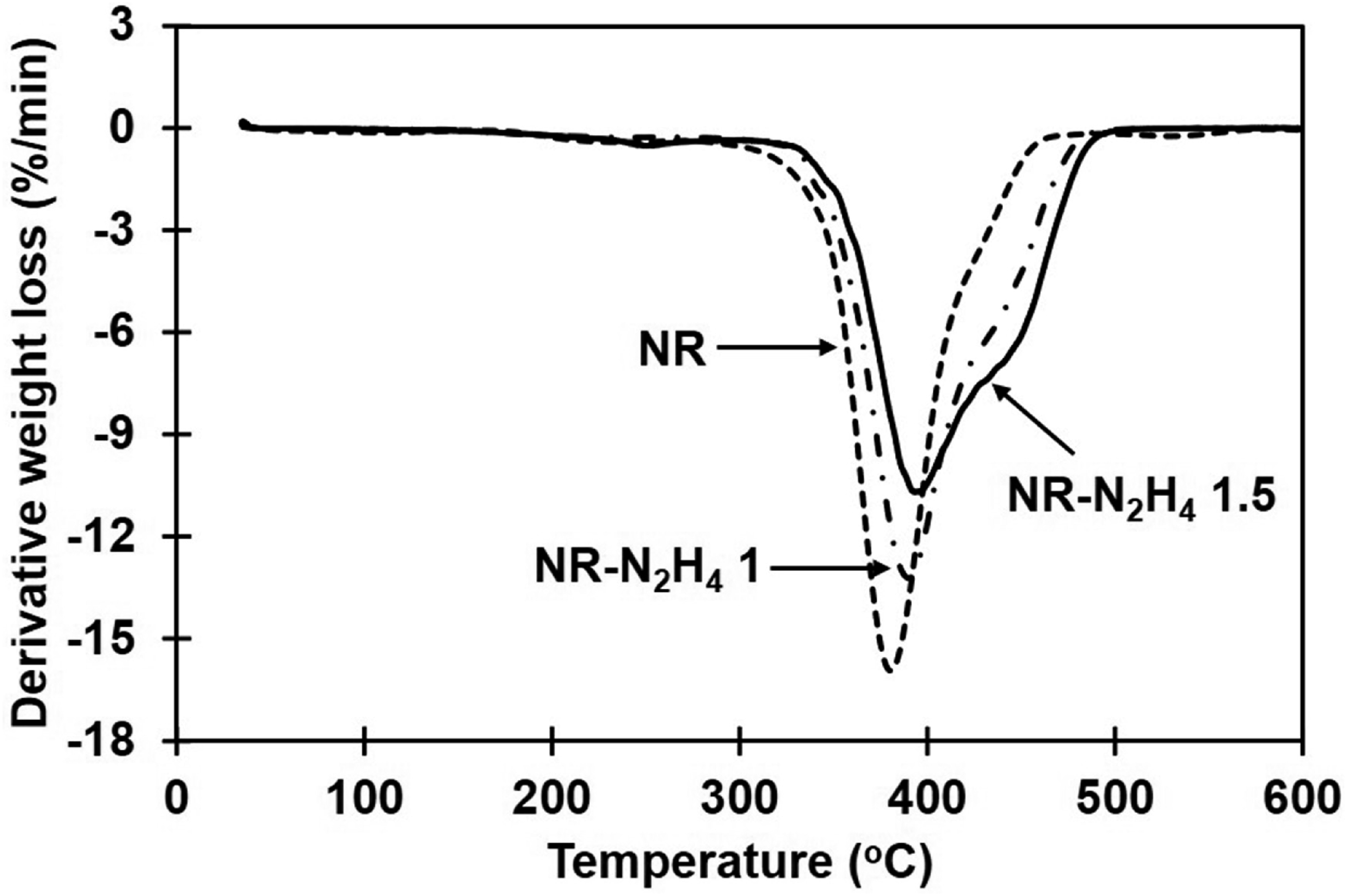
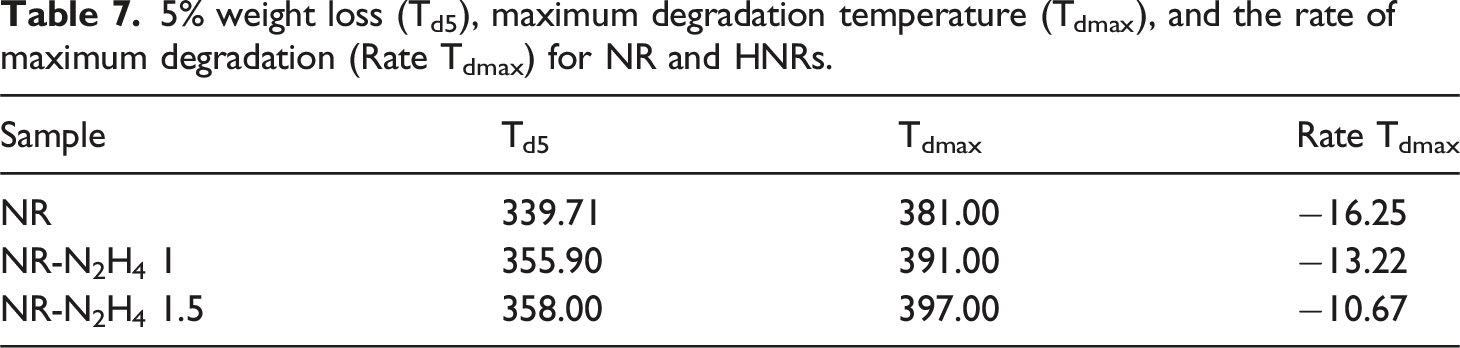
Td5 was used as the benchmark for evaluating thermal stabilities of the vulcanizates. 27 It can be seen that the thermal stability of the NR was improved from 340°C to 356°C in 32% HNR and 358°C in 41% HNR. The Tdmax was also enhanced from 381°C to 397°C, depending on the degree of hydrogenation. In addition, the rate Tdmax also decreased, implying that the rate of degradation was reduced after hydrogenation. The magnitude of improvement depended on the percentage of hydrogenation. The results clearly indicate that hydrogenation improved the thermal stability of NR, and enhanced the decomposition temperature. Such improvement is attributed to a reduction in double bonds of NR structure as a result of hydrogenation.8,9 Increased degree of hydrogenation increased level of saturation of bonds in the HNR, retarding the rubber chain scission and the degradation, as previously reported in case of the cyclized NR. 28 Another explanation is that the backbone structure of NR was changed from cis-1,4-polyisoprene to an alternating ethylene-propylene copolymer via hydrogenation. 6 The results clearly indicate that hydrogenation improved the thermal stability of NR, enhanced the decomposition temperature and reduced the rate of degradation.
Figure 10 shows SEM images of tensile fractures surfaces the NR and HNR vulcanizates. It is seen that the surface of NR showed a lot of roughness on its surface (Figure 10(A)). This surface roughness tended to become smoother when the degree of hydrogenation was increased (Figure 10(B) and (C)). The NR-N2H4 1.5 showed a very smooth surface, revealing the characteristic of brittle failure. The increment of stiffness of the NR from hydrogenation reaction would be responsible for such observation. The SEM images clearly confirmed that hydrogenation caused the enhancement of the stiffness of the NR. SEM images of tensile test fracture surfaces of (A) NR, (B) NR-N2H4 1 and (C) NR-N2H4 1.5.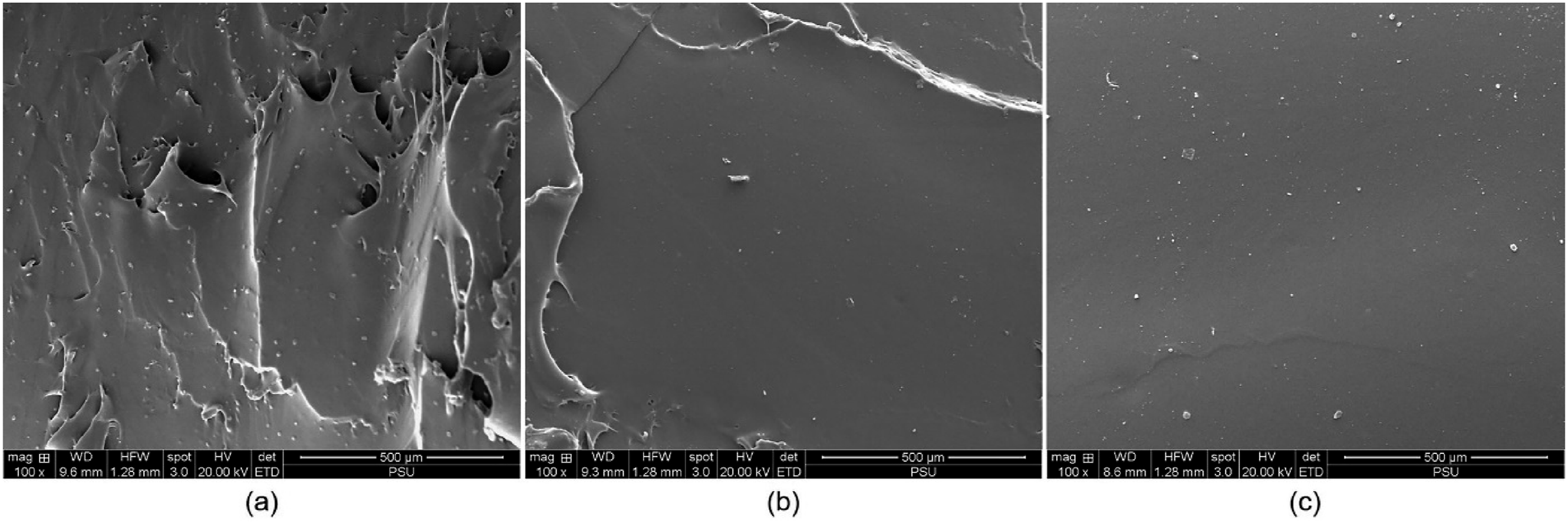
Conclusion
HNR with two different hydrogenation degrees was successfully prepared in this study. The influences of N2H4 molar ratio (i.e., 0, 1, and 1.5) on hydrogenation degree and properties of HNRs were studied. It was found that the degree of hydrogenation increased with an increasing molar dose of N2H4. The degrees of hydrogenation were about 32% and 41% when the N2H4 molar ratios were 1 and 1.5, respectively. Increased hydrogenation percentage increased the formation of trans-polyisoprene isomer. The curing reaction of HNRs was faster than that of the NR and the torque obtained during vulcanization was also higher due to rigidity of trans-isomer formation, resulting in greater crosslink density in the HNR. The presence of trans-isomer and high crosslink density reduced the relaxation capability, thus increasing the tensile modulus but reducing the tensile strength and elongation at break. In addition, an increased percentage of hydrogenation enhanced thermal stability of the NR by at least 16°C and reduced rate of thermal degradation.
Footnotes
Declaration of conflicting interests
The author(s) declared no potential conflicts of interest with respect to the research, authorship, and/or publication of this article.
Funding
The author(s) disclosed receipt of the following financial support for the research, authorship, and/or publication of this article: This research was supported by National Science, Research and Innovation Fund (NSRF) and Prince of Songkla University (Ref. No. UIC6505044S).
