






Abstract
Black men in the United States experience significant health disparities, including lower life expectancy and poorer psychological quality of life compared to other racial and ethnic groups. Chronic stress exacerbates these disparities, while social support may serve as a protective buffer. However, limited research has examined how different sources of support (family, friends, and significant others) and support levels influence the relationship between stress and psychological health-related quality of life (QoL) among Black men. A cross-sectional quantitative survey was conducted with a convenience sample of 115 Black adult men in the United States. Participants completed self-report surveys assessing perceived stress, social support, and psychological QoL. Hierarchical regression analyses revealed that family and significant other support significantly moderated the relationship between stress and psychological QoL. Simple slope analyses indicated that a high amount of support from family and significant others was no more beneficial than moderate or low support in mitigating stress’ impact on psychological QoL. This finding has potential implications for resource-constrained interventions that seek to promote psychological QoL among Black men by targeting support.
Psychological Quality of Life Among Black Men
Psychological quality of life is a crucial part of an individual’s overall health. It is a subjective evaluation that encompasses an individual’s overall mental and emotional health, including psychological functioning (Hernandez et al., 2018). Higher levels of psychological quality of life are associated with better physical health outcomes, including reduced risk of cardiovascular disease, improved immune function, and lower mortality risk (Boylan et al., 2022; Kubzansky et al., 2018). Of particular importance is that meta-analyses indicate that quality of life is significantly associated with premature mortality (Phyo et al., 2020) and that psychological well-being, a concept very similar to psychological quality of life, has been associated with a reduced risk of all-cause mortality by 16% (Hernandez et al., 2018).
Understanding psychological quality of life is particularly important among Black men who face distinct challenges (e.g., systemic racism and discrimination) that adversely impacts their mental and emotional health (Brown & Hargrove, 2017). These challenges are associated with an increased risk of mental health concerns such as depression, anxiety, and post-traumatic stress disorder (Motley & Banks, 2018). These mental health concerns widen health disparities among Black men as mental health concerns are a leading cause of morbidity and mortality among Black men in the U.S. (Joseph et al., 2024). In addition to discrimination-related mental health concerns, it is important to recognize that broader systemic factors also play a critical role in shaping the psychological quality of life of Black men. The World Health Organization (WHO), and other leading public health organizations (e.g., Centers for Disease Control and Prevention and National Institutes of Health), have highlighted the importance of social determinants of health—nonmedical factors that impact health and longevity, such as the circumstances in which individuals are born, grow up, live, work, and age (Marmot et al., 2008). There are a variety of pathways in which social determinants of health contribute to stress and impact psychological quality of life (Stress Is A Key To Understanding Many Social Determinants Of Health, 2020).
Stress Among Black Men
Stress is a complex factor that impacts health through psychological, physiological, and behavioral response mechanisms (Cohen et al., 2007). Chronic stress, in particular, is detrimental to psychological quality of life due to its sustained activation of the body’s stress response system (McEwen, 2004). Behaviorally, stress can induce changes such as social withdrawal (Mariotti, 2015). These behavioral shifts can further exacerbate psychological quality of life, by leading to challenges with anxiety and depression (Cohen et al., 2007; Mariotti, 2015).
As compared with any other racial/ethnic group, Black men experience higher levels of chronic stress, life stressors, and discrimination stemming from inequitable social and economic systems (Turner & Avison, 2003; G. M. Wippold et al., 2020a; 2020b). One study found 93.2% of the 295 Black male participants reported recurrent stress (Chung et al., 2014). The recurrent amount of stress experienced by Black men is reflected in the high rates of stress-related health concerns that are known to impact psychological quality of life. For example, a recent review of mental health service use among Black men found that 12–22% of Black men exposed to trauma endorse post-traumatic stress disorder symptoms and 15–28% of Black males exposed to trauma report depressive symptoms (Motley & Banks, 2018). Qualitative and quantitative studies among Black men have underscored the adverse impact of stress on overall quality of life among Black men (Wippold et al., 2024; Wippold & Frary, 2021). Recognizing the public health impact of stress among Black men, initiatives such as the National Institute on Minority Health and Health Disparities’ “Brother, You’re on My Mind” have been developed to raise awareness of stress experienced by Black men (Disparities, 2024). This initiative highlights the importance of identifying and addressing strategies to mitigate stress and promote psychological quality of life among and in partnership with Black men.
Social Support—A Modifiable Moderator
Sources of Social Support
Social support is a network of interpersonal connections that mediate an individual’s capacity to cope with environmental stressors and psychological challenges (Ozbay et al., 2007). Social support can improve one’s overall quality of life (Cohen & Wills, 1985; Wippold et al., 2022). Three dimensions of sources of social support often identified are familial support (i.e., perceived support from family members), friend support (i.e., perceived support from friends), and significant other support (i.e., perceived support from a person of great importance to the individual, such as spouse, fiancé, or partner) (Zimet et al., 1988). Although a large body of research has found that social support has beneficial impacts on men’s health (McKenzie et al., 2018; Sharp et al., 2023), social support has been identified as a cultural asset within Black communities (Seawell et al., 2014). Research has found that social support among Black people has been found to buffer against the adverse effects of discrimination (Nguyen, 2018), chronic health conditions (Nguyen, 2018), and psychological stress (Cohen & Wills, 1985). Furthermore, research conducted among Black men indicates that Black men prefer to rely on sources of social support compared to traditional health services (Woodward et al., 2008, 2011) and that Black men have identified lack of social support as negatively impacting their health (Bowleg et al., 2013; Goodwill et al., 2022; S. P. Hooker, Harmon, Burroughs, Rheaume, & Wilcox, 2011a; 2011b). Despite the alarmingly low life expectancy among Black men, the known impacts of psychological quality of life and stress on this low life expectancy, and the well-established literature base examining the buffering role of social support among Black Americans, there is limited research examining the moderating role of the degree of the source of social support on psychological quality of life among Black men.
Health Promotion and Social Support
Examining the stress-buffering effects by source of social support among Black men is important because each source of support may play a unique role. Masculinity shapes how, when, and from where men seek social support (McKenzie et al., 2018). Evidence indicates that Black men experience different types of health promoting social support from family, friends, and partners (Yang et al., 2013); for example, receiving emotional support from family members was associated with better mental health outcomes, whereas receiving tangible (i.e., financial) support from family and friends was associated with worse mental health outcomes. In a study among Black men who have sex with men, participants reported relying more on support from friends than family or significant others. Other studies also support the role of family support on mental health outcomes (Boyd et al., 2021; Dawes et al., 2024). Studies have also highlighted the role of support from women in Black men’s health decision making (Bergner et al., 2018), that of peers (Addison et al., 2022), and that of church-based groups (Nguyen et al., 2018). Another study compared the health-promoting benefits among Black men of relying on different sources of social support (Sherman et al., 2023). This study found that while all three sources of social support were beneficial, support from coworkers was the most beneficial followed by faith-based organization and then spouse/partner.
Social support is a modifiable variable that is known to have stress-buffering effects and is central to many widely used health promotion theories, including Social Cognitive Theory (Bandura, 1986), Self Determination Theory (Ryan & Deci, 2002), Theory of Planned Behavior (Ajzen, 1991), among others. Due to its centrality to many health promotion theories, social support has been a key component of health promotion programs among men (Cui et al., 2025; Giallo et al., 2022; Song et al., 2022), including Black men (Hawkins et al., 2021; Steven P. Hooker, Harmon, et al., 2011; Miyashita Ochoa et al., 2021; Watkins et al., 2020; Guillermo M. Wippold et al., 2020a; 2020b). As indicated, some research has sought to understand the health promotion effects of source of social support (Hatteberg, 2021; Lindsay Smith et al., 2017; Ozbay et al., 2007) in addition to the quantity of social support (Benca-Bachman et al., 2020; Chen et al., 2021). For example, there is some evidence that social support may have a curvilinear relationship with health-related outcomes (Mallinckrodt et al., 2012). Additionally, there has been evidence that support from different sources (e.g., significant other and friends) may have varying benefits (Hatteberg, 2021). Such information can be used to optimize health promotion efforts (e.g., those among Black men) to provide the right kind and right amount of social support in order to help foster positive outcomes.
Current Study
The present study is rooted in the stress-buffering hypothesis. This well-supported hypothesis posits that social support can promote health by having a positive direct impact on health and by mitigating the negative health-related impact of stress (i.e., the buffering effect) (Bekiros et al., 2022). Social support can impact how stress is appraised (Cohen & Wills, 1985; Thoits, 2011), provide coping resources (Uchino, 2006), and regulate pathophysiology (Uchino, 2006). The present study fills a critical gap in the literature in that it examines how support from family, friends, or significant others, and the amount (i.e., low, medium, and high) of support from those sources, may differentially buffer against the adverse impact of stress on psychological quality of life. This information can be used to optimize health promotion programming among Black men. The following questions were asked: (1) Do low, medium, and high levels of perceived social support from family differentially moderate the role of stress on psychological quality of life among Black men? (2) Do low, medium, and high levels of perceived social support from friends differentially moderate the role of stress on psychological quality of life among Black men? (3) Do low, medium, and high levels of perceived social support from a significant other differentially moderate the role of stress on psychological quality of life among Black men?
Method
Participants
Demographic Information
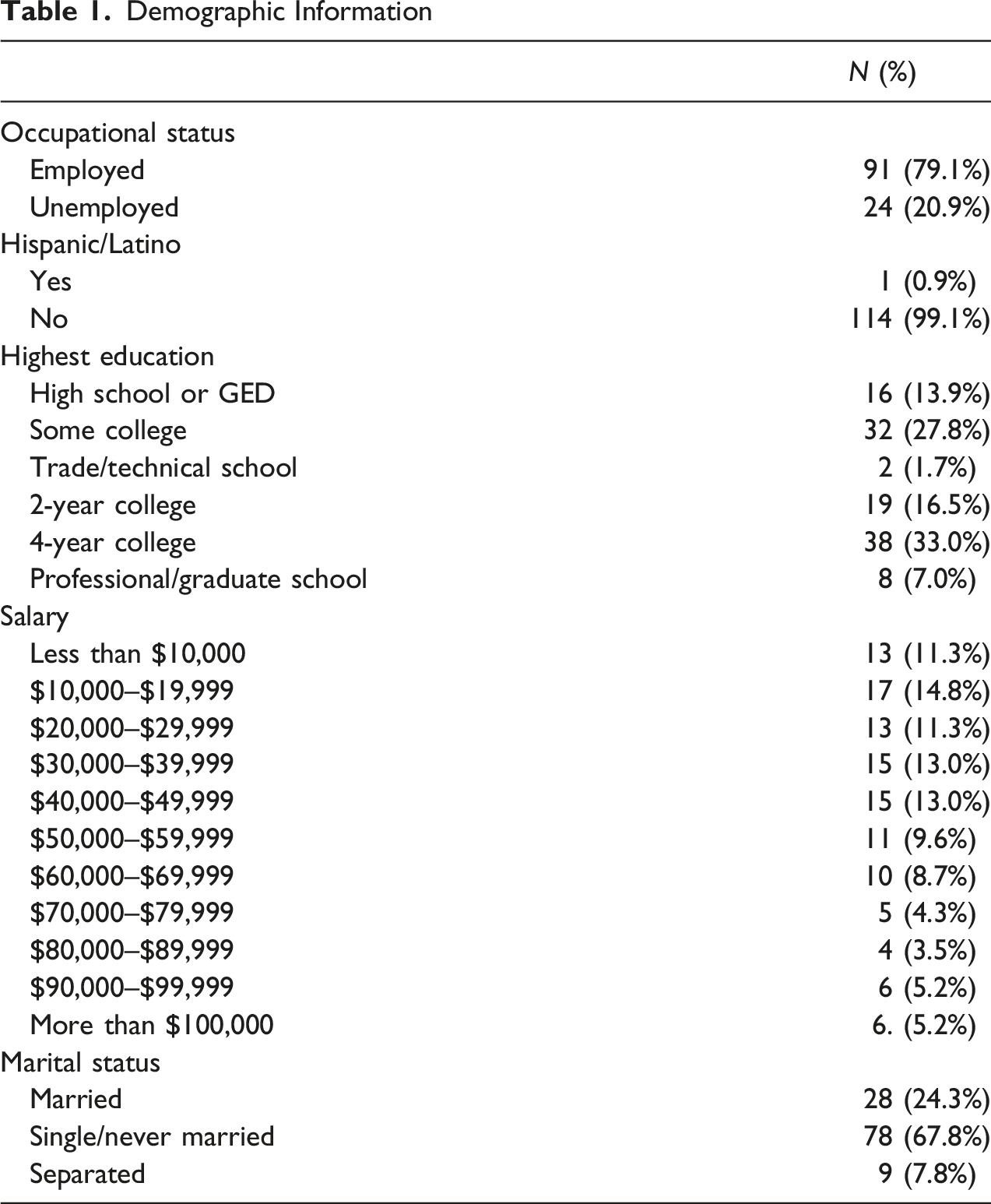
Measures
Demographic Data Questionnaire
A researcher-created Demographic Data Questionnaire was created to assess participants’ gender, age, occupational status, race/ethnicity, highest level of education, salary, and marital status.
Perceived Stress Scale (PSS)
The PSS assesses an individual’s perception of stress (Cohen et al., 1983). The PSS is composed of 10-items that are scored using a 5-point Likert scale, with individual scores ranging from 0 to 40, where higher scores indicate levels of perceived stress. A sample item from the PSS is “In the last month, how often have you felt nervous and stressed?” In the present study, the range was 0–34. The mean was 14.87, and the standard deviation (SD) was 7.65. The Cronbach’s alpha for the PSS was .87. The PSS has demonstrated adequate validity among African American adults (Sharp et al., 2007).
Multidimensional Scale of Perceived Support (MSPSS)
Correlation among subscales of the MSPSS
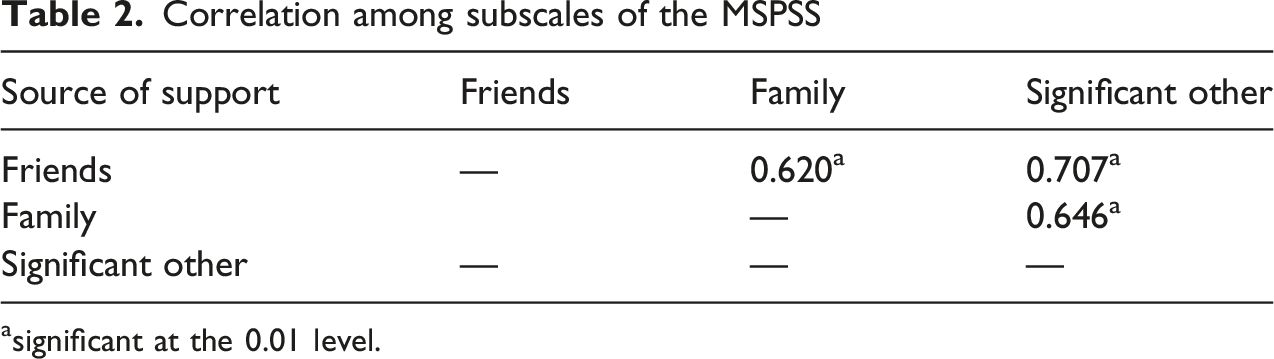
asignificant at the 0.01 level.
World Health Organization Quality of Life (WHOQOL-BREF)
The WHOQOL-BREF measures an individual’s perceptions of their quality of life across several health-related domains (The WHOQOL Group, 1998). The Psychological Health subscale of the WHOQOL-BREF, which is composed of 6 items, was used in this study. Items were scored using a 5-point Likert scale, with higher scores indicating greater psychological HRQoL. A sample item from the psychological health subscale is “How much do you enjoy life?” The range was 5.00–20.00. The mean was 14.83 (SD = 3.19). The Cronbach’s alpha for the psychological health subscale was .84. The WHOQOL-BREF has demonstrated adequate validity among African American adults (Suzuki et al., 2025).
Procedure
The survey was administered through MTurk following approval by the Institutional Review Board (IRB) at the authors’ current institution. MTurk is an online crowdsourcing platform where individuals are compensated for completing tasks (e.g., surveys) and is commonly used by social scientists (Huff & Tingley, 2015; Paolacci & Chandler, 2014). Potential participants were provided a consent form through the platform before beginning the survey. The consent form included a brief description of the survey, the estimated completion time of 15 minutes, eligibility criteria, and the compensation rate of $2.50 for completing the survey. Participants were assured that their responses on the survey were confidential.
Analytic Strategy
Variables were inspected to assess distribution and normality. First, a histogram was produced to visually inspect the data. Next, descriptive analyses were conducted to identify instances of excessive skewness and kurtosis. All values were within |1|. Guidance indicates that values within |2| are considered acceptable (George & Mallery, 2024; Tabachnick & Fidell, 2013). Next, linearity was determined by examining the ZPRED versus ZPRESID scatterplot. Data were linear. Independence of errors was examined using the Durbin-Watson Statistic, which was 1.9 and suggests independence (Turner, 2019). The histogram of standardized residuals was roughly bell-shaped. Finally, the Variance Inflation Factor (VIF) for all variables was below 2.5. A VIF below 10 is considered adequate (Kutner, 2005).
Variables were mean-centered to further reduce multicollinearity using procedures outlined by Aiken and West (Aiken & West, 1991). In line with these procedures, the mean of each variable was computed and then mean was subtracted from each observed value. Next, interaction terms were formed using the mean-centered variables. Finally, one hierarchical regression with three models was performed. The covariates (i.e., age, occupational status, and marital status) were added in the first model. Next, the mean-centered independent variables (i.e., stress, support from friends, support from family, and support from a significant other) were entered in the second model. Finally, the interaction terms of the mean-centered variables (i.e., stress and support from friends; stress and support from family; and stress and support from a significant other) were entered in the third model. The dependent variable was psychological quality of life.
Results
Hierarchical Regression Analysis
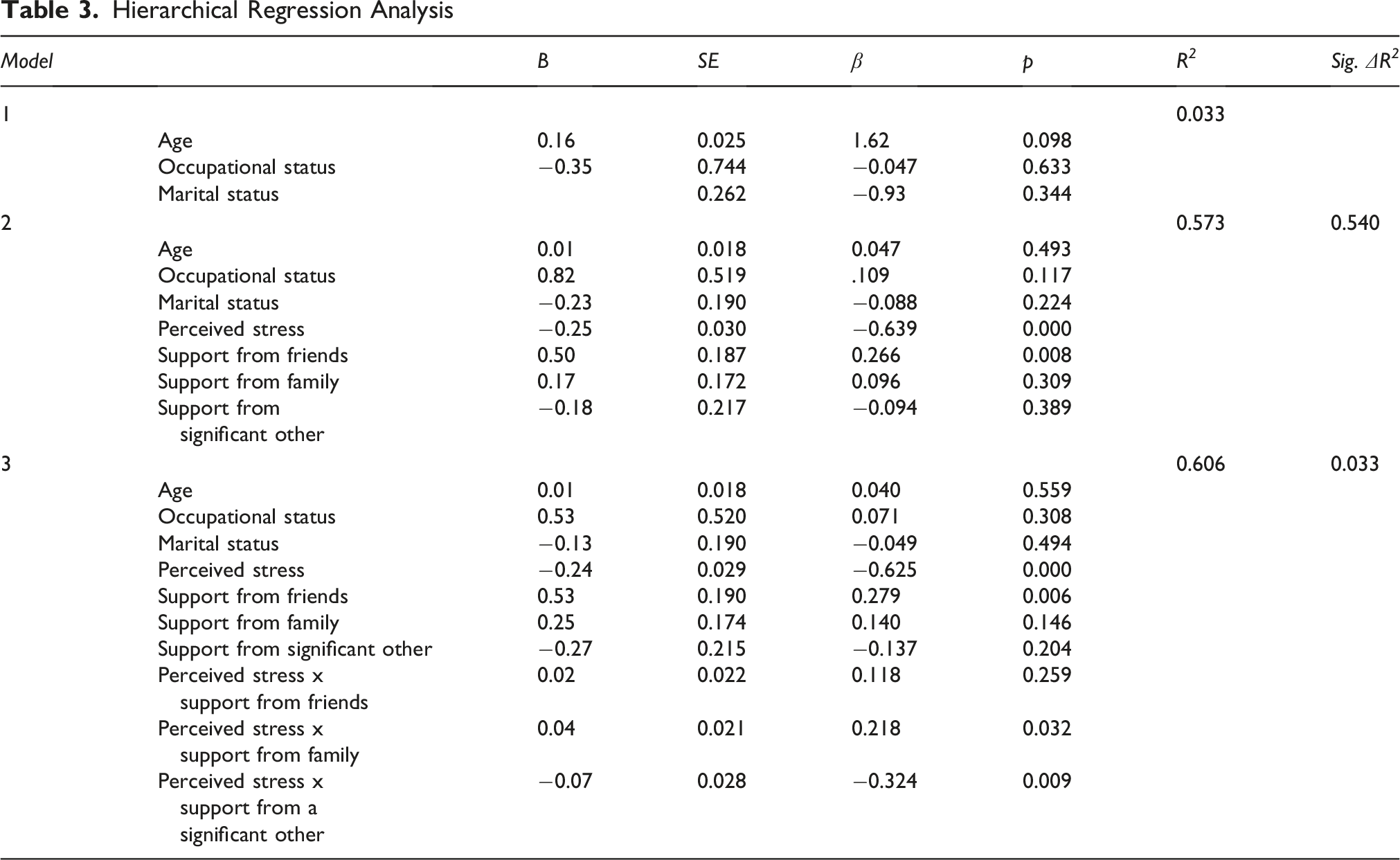
For each statistically significant interaction between perceived stress and sources of social support (i.e., family support and significant other support), a simple slope analyses following Aiken and West (1991) was conducted. The moderator (i.e., family support and significant other support) was re-centered at its mean and at one standard deviation below and above the mean and the full regression (including all main effects and interaction terms) was re-estimated.
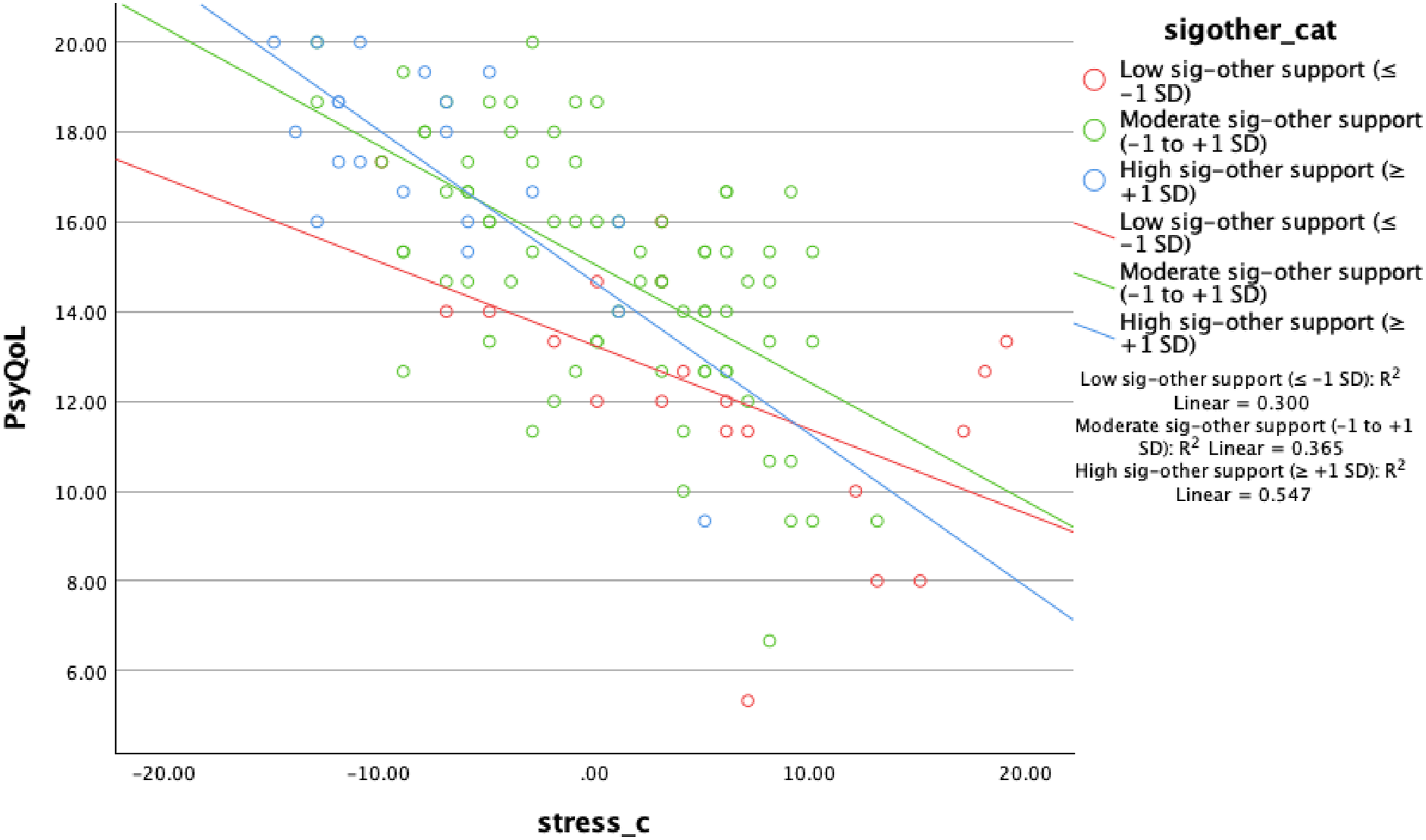
The simple slope analyses for low family support (B = −0.271, p < .001), moderate family support (B = −0.253 p < .001), and high family support (B = −0.235, p < .001) were significant. The simple slopes for low significant other support (B = −0.158, p < .001), moderate significant other support (B = −0.256, p < .001), and high significant other support (B = −0.280, p <.001) were significant. See Figures 1 and 2 for a visual depiction. The moderating roles of levels of family support in the relationship between perceived stress and psychological quality of life The moderating roles of levels of significant other support in the relationship between perceived stress and psychological quality of life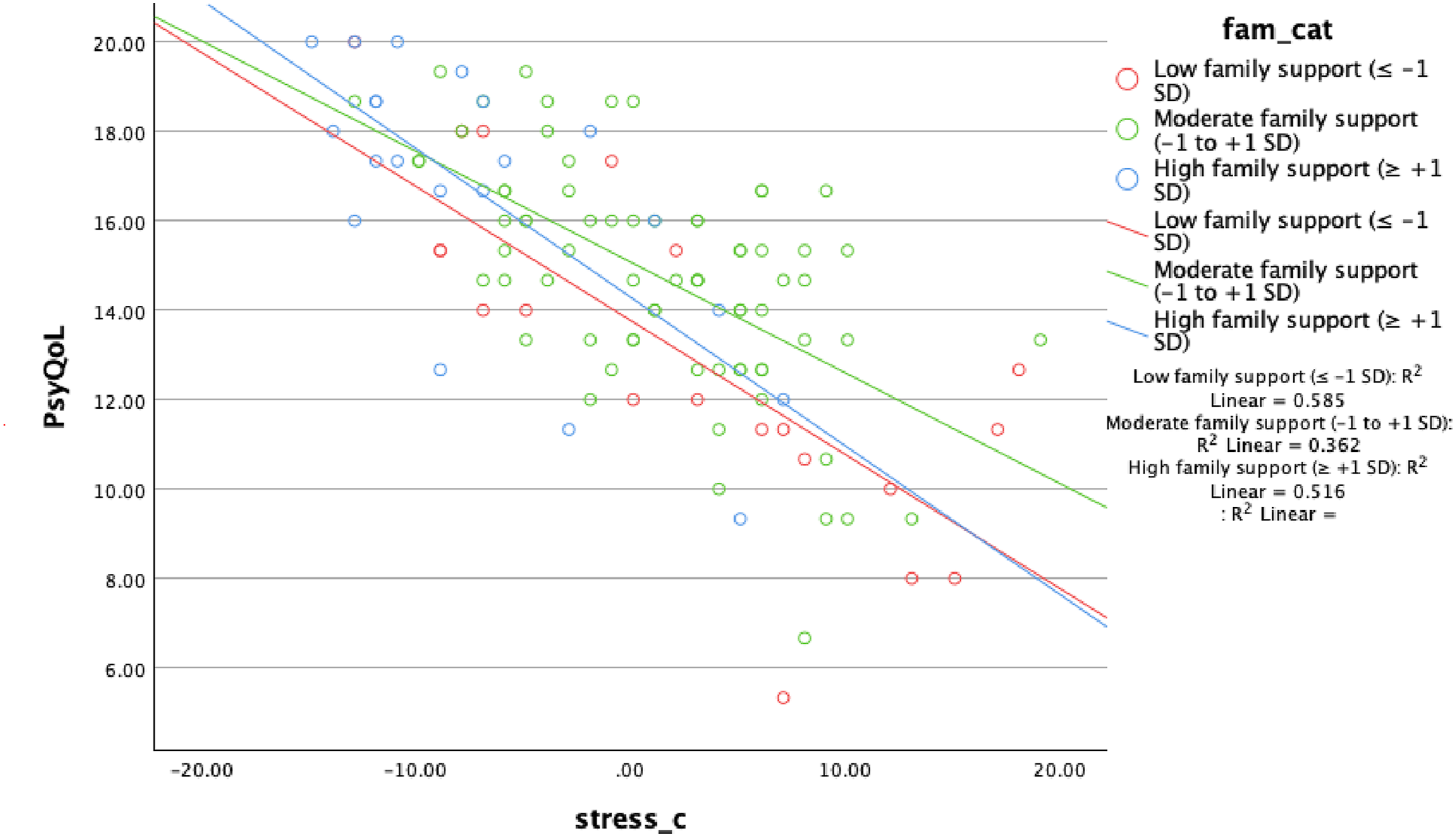
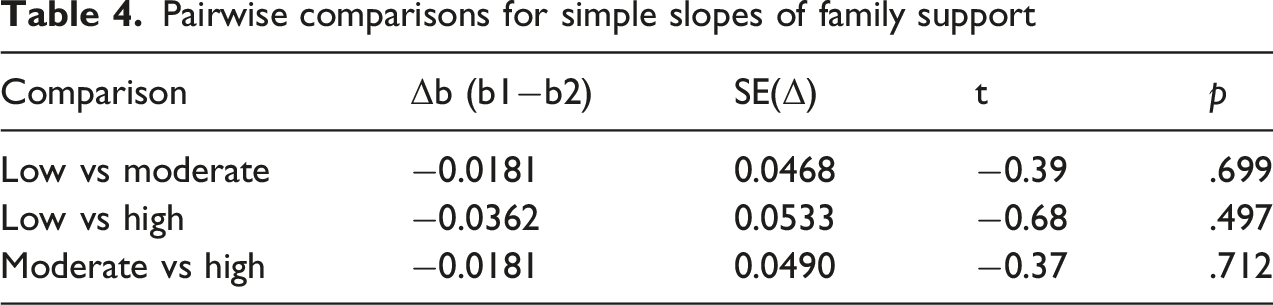
Pairwise comparisons for simple slopes of family support
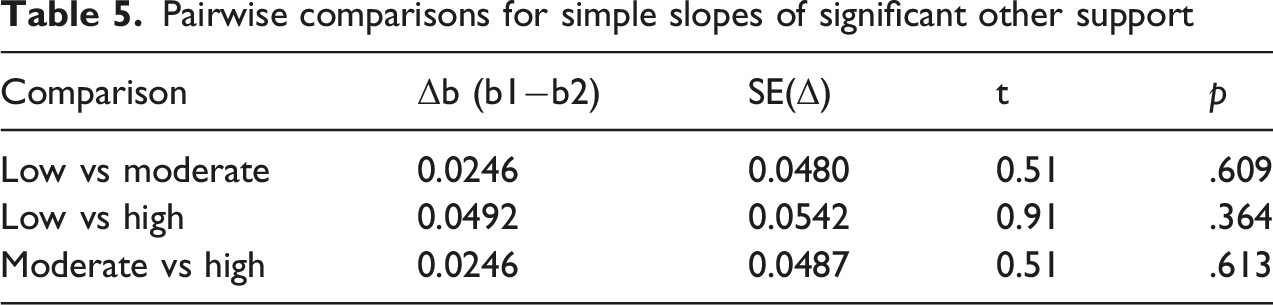
Pairwise comparisons for simple slopes of significant other support
Discussion
Summary of Findings
The present study sought to examine the relationships between stress, psychological quality of life, and social support among Black men. Specifically, it explored whether different sources of social support (i.e., family, friends, and a significant other), and the amount of that social support, moderate the impact of stress on psychological quality of life among the Black men who participated in the present study.
The findings from the present study align with existing literature by confirming that stress negatively impacts psychological quality of life among Black men. There is robust evidence from quantitative and qualitative findings that has found a link between perceived stress and quality of life among Black men (Wippold et al., 2024; Wippold & Frary, 2021). This link is worrisome given the high amounts of perceived stress reported by Black men, the impact of perceived stress on psychological quality of life, and the impact of psychological quality of life on premature mortality. Additionally, the findings from the present study align with findings from previous studies in that social support has been found to positively predict psychological quality of life among Black adults (Murphy et al., 2024; G. M. Wippold et al., 2020a; 2020b).
With that being the case, the present study is novel in that it takes a nuanced view of social support given that the present study investigates the source of support (i.e., family, friends, and a significant other), and the amount of support from that source, in promoting psychological quality of life among Black men. Specifically, the present study found that only support from friends had a direct significant relationship with psychological quality of life. The results indicate that as perceived support from friends increased, psychological quality of life increased. This reinforces previous research that highlights the importance of friendships in fostering emotional resilience (Pezirkianidis et al., 2023). Friends may provide an outlet for stress relief and companionship, which can contribute to overall psychological quality of life. Interestingly, friend support was not a moderator of the relationship between perceived stress and psychological quality of life among the participants. Thus, support from friends may not necessarily protect against the harmful effects of perceived stress on psychological quality of life among Black men compared to support from family and a significant other—which were significant moderators of the relationship between perceived stress and psychological quality of life among the participants. Qualitative research among Black men has found that these men often rely on family and a significant other for support (Alick et al., 2018; Steven P. Hooker, Harmon, et al., 2011; Palmer et al., 2011).
The results of the present study are also noteworthy in that the amount of perceived support from family and a significant other in buffering the impact of perceived stress on psychological quality of life was investigated. Contrary to what might be expected, a high amount of support from these sources did not do a statistically significantly better job at buffering the impact of perceived stress on psychological quality of life compared to low or moderate amounts of these sources of support. Although surprising, these results align with existing literature that has found that excessive dependence on social support can lead to diminished autonomy, as too much support might undermine a sense of independence (Bacon & Conway, 2023). This is particularly evident in enmeshed families, which are characterized by levels of emotional closeness that are often seen as constraining (Hann-Morrison, 2012). When boundaries are unclear, individuals may struggle to develop a strong sense of self, which can exacerbate feelings of dependence and limit personal growth (Bacon & Conway, 2023). Unhealthy impacts that enmeshment can have on psychological quality of life include a loss of individual identity, an emergence of emotional dependency, and an increased susceptibility to mental health disorders, including increased stress, burnout, and feelings of being overwhelmed (Bacon & Conway, 2023; Coe et al., 2018). High levels of support could also lead to emotional burnout for both the individual receiving support and those providing it. On the other hand, a moderate amount of support may encourage self-reliance while still providing the necessary emotional support needed.
Limitations & Strengths
The results of the present study should be viewed in light of its limitations and strengths. One limitation is the use of an internet-based sample. Justifiable concerns have been raised about the validity of internet-based samples given that key differences in internet-based samples and community-based samples may limit the generalizability of findings. Despite these initial concerns, recent work has found that MTurk users generally provide high-quality data and are reasonably representative of the general population across most psychological dimensions (McCredie & Morey, 2019). Additionally, the significant other subscale of the MSPSS asks participants to report on perceived support from “a special person.” A significant other is commonly thought to be a spouse or romantic partner; however, individuals' interpretation of “a special person” can vary greatly—resulting in the possibility of some participants reporting on support from a romantic partner and others reporting on a platonic relationship. Although marital status was included as a covariate in this study, it only assessed whether someone was married, single (i.e., never married), divorced, or separated; thus, participants in this sample who are not currently in a romantic relationship may inevitably report lower levels of perceived support from a significant other/special person because they currently do not have a significant other/special person, not because that significant other/special person provides little support. Finally, the sample size may be considered low by some, though it is worth noting that Black men are underrepresented in health research.
Although these limitations are worth noting and may shape interpretation of the results, the study has many noteworthy strengths. One of the study’s strengths is its focus on a sample consisting solely of those who identified as Black or African American and male. Black men remain underrepresented in health promotion research, and their exclusion from such studies has hindered efforts to promote health equity (National Academies of Sciences & Medicine, 2022). By focusing on this population, the study contributes to a growing and much needed body of work seeking to improve psychological quality of life among Black men. Additionally, the study’s focus on stress is important given that Black men often disproportionately experience stressors linked to racial discrimination, economic hardship, and systemic inequities (Chung et al., 2014; Turner & Avison, 2003; G. M. Wippold et al., 2020a; 2020b). By examining how different forms of social support interact with stress, the study provides valuable insights into potential interventions. Furthermore, the study aligns with the Surgeon General’s report on the increasing prevalence of loneliness in the United States, reinforcing the importance of social connections in mental health outcomes (Office of the Surgeon, 2023).
Future Directions and Implications
The results of the present study have key implications for future research, particularly in the field of Black psychology. Longitudinal studies are needed to provide clarity on how the relationships between stress, psychological quality of life, and different forms of social support evolve over time. Additionally, future research should expand the scope of social support sources beyond just family, friends, and a significant other. With regards to Black psychology, previous studies have emphasized the importance and effectiveness of community-based interventions in engaging Black men in mental health discussions (Bauer et al., 2022). Therefore, investigating the impact of community leaders, such as faith leaders, coaches, grassroots community activists, or professional mentors, could provide insights into alternative forms of support that may be particularly influential for Black men. Additionally, health promotion programming that leverages these sources of support may align with the values, perspectives, and preferences of Black men and may be more sustainable. Finally, future studies may also benefit from exploring how cultural values shape perceptions of support. The meaning and effectiveness of social support may vary across individuals based on cultural norms and lived experiences. It is likely that the importance of a source of support varies as a function of age. For example, middle aged Black men may derive more support from significant others and family than friends. The opposite may be true of younger Black men. Understanding these nuances could help tailor interventions to be more culturally responsive and effective.
Conclusion
The present study highlights the relationship between stress, social support, and psychological quality of life among Black men. The findings suggest that while stress negatively impacts psychological quality of life, certain levels of support from family and significant others can serve as protective factors. These insights are crucial for designing effective mental health interventions for Black men, as understanding the right level of support is key. Additionally, providing the most beneficial level of support, or one that requires the fewest resources, can optimize intervention resources and be cost-effective. Tailoring interventions to deliver the appropriate level of support can potentially mitigate the adverse effects of stress on psychological quality of life. In conclusion, there is a continued need to promote research on how stress and social support shape mental health outcomes for Black men. Health promotion and policy interventions that focus on increasing access to community-based mental health resources as well as engaging families and significant others in mental health quality of life strategies may play an important role in advancing health equity among Black men.
Footnotes

Ethical Considerations
This study was performed in line with the principles of the Declaration of Helsinki. Approval was granted by the University of South Carolina Institutional Review Board (Pro00113491).
Consent to Participate
Informed consent was obtained from all individual participants included in the study.
Consent for Publication
Author Contributions
All authors contributed to the study conception and design. Material preparation, data collection, and analysis were performed by Guillermo Wippold, Zion Crichlow, and Kaylyn Garcia. The first draft of the manuscript was written by Thrisha Mote, and all authors commented on previous versions of the manuscript. All authors read and approved the final manuscript.
Funding
The authors received no financial support for the research, authorship, and/or publication of this article.
Declaration of Conflicting Interests
The authors declared no potential conflicts of interest with respect to the research, authorship, and/or publication of this article.
Data Availability Statement
The authors confirm the data supporting the findings of this study are available within the article and its supplementary materials.