







Abstract
It has been reported that the quick progression and abnormal division of cells give rise to tumors. New cells are produced to fulfill new duties and replace older cells in the body of the host. It is obvious that tumors are deadly and affect practically every aspect of human life. Businesses, families, patients, and society as a whole lose financial resources and opportunities as a result of cancer and its treatment. Therefore, it is crucial to look at how tumors behave dynamically as a result of therapy and to highlight for policymakers and health officials the key elements of the system. In this research work, we formulate the transmission phenomena of tumor growth with the effect of virotherapy treatment in the fractional framework. Besides that, we focussed in our work on qualitative analysis and dynamic behavior of tumor dynamics. Using Banach’s and Schaefer’s theorems and the fixed-point theorem, the uniqueness and existence of the solution to the suggested model of tumor are examined. The necessary circumstances are established for our tumor system’s Ulam-Hyers stability. Laplace Adomian decomposition approach is used to examine the solution pathways and show the contribution of input factors on the dynamics of tumor growth. More specifically, we focused on the time series and chaotic behavior of the suggested system with change in input factors. The system’s most crucial components are recommended for regulating the dynamics of the tumor system.
Keywords
Introduction
Cancer, the world’s second-largest health concern, results from the uncontrolled development of cancer cells and is caused by a variety of factors including tobacco, chemicals, radiation, acquired changes, and hormones. The stage of cancer is determined by the size of the tumor and the development of abnormal cells in the body. There are more than 200 different kinds of cancer. According to the American Cancer Society, prostate cancer is the most frequent kind of cancer in men and breast cancer is the most common type of cancer in women (Siegel et al., 2020). Lung cancer fatalities are frequent in the United States, according to the data. The development of an appropriate cancer therapy is a large study topic in medical science. Surgery has a better prognosis than other therapies in the early stages of solid cancer. Oncolytic virotherapy is a cancer treatment that includes infecting and breaking down malignant tumor cells with a virus without harming healthy cells. This therapy also stimulates the immune system, which helps to jump-start the body’s defenses (Russell et al., 2012). Oncolytic virotherapy works by attacking cancer as a virus would usually assault the body, without the need of chemotherapy or radiation. As a result, it is not susceptible to the same medication and radiation resistance that conventional therapies encounter. Because of how virotherapy works, it may be used in conjunction with other therapies; it can be given before or after surgery, or in between radiation or chemotherapy visits (Harrington et al., 2019; Russell et al., 2012; Varghese and Rabkin, 2002). The typical duration of virotherapy treatment is 3 years, with regular monitoring, and oncolytic virotherapy avoids the negative side effects that other cancer therapies, such as chemotherapy and radiation, are known to have (Zamarin et al., 2014). A virus must be capable of reproduction and selective infection in order to be suitable for oncolytic virotherapy.
In recent years, researchers have looked at the prospect of a single-shot cure, a vascular delivery threshold limit, and a new approach for viruses to target cancer cells. The first research of herpes simplex virus-1 (HSV-1) being utilized in children and young adults for its oncolytic characteristics was published in 2017. The first phase 1 study of a mutant HSV-1 virus, HSV1716, was completed by researchers from Nationwide Children’s Hospital and Cincinnati Children’s Hospital Medical Center. They discovered that the HSV1716 was both endurable and nontoxic once phase 1 is completed (Streby et al., 2017). Viruses from nine families have advanced to clinical trials for oncolysis as of 2018. Although these viruses have yielded promising outcomes, their effectiveness as a single agent treatment is restricted (Tadesse and Bekuma, 2018). Oncolytic viruses are now being studied to see if they can help with immunotherapy, particularly in malignancies that are sensitive to checkpoint inhibitors (Reale et al., 2019).
In the development of treatment methods, mathematical modeling and simulation of cancer at various biological scales are becoming increasingly essential. Mathematicians have used experimental data and analytical approaches to construct mathematical models that may be analyzed to identify crucial model parameters, as well as the short- and long-term dynamics of such a treatment strategy, from the beginning of oncolytic virotherapy. Previous mathematical studies have utilized a constant source rate to integrate virotherapy treatment into their models; these same articles have concentrated on the dynamics of infected and uninfected cell populations in their primary equations, without a free virus equation (Agarwal and Bhadauria, 2011; Malinzi et al., 2015). Some research (Malinzi et al., 2015; Piotrowska, 2016) incorporated an immune reaction in their system of differential equations, whereas others (Friedman and Lai, 2018; Jenner et al., 2018a, 2018b; Wodarz, 2016) did not include an immune response to malignant cells in their system of differential equations. Several scholars developed and tested mathematical models of cancer based on various assumptions (Bunimovich-Mendrazitsky et al., 2007; Mukhopadhyay and Bhattacharyya, 2009; Sarkar and Banerjee, 2005; Sherratt and Chaplain, 2001; Szymanska, 2003); however, further analysis is required to inspect the effect of treatment on the dynamics of tumor growth. The motivation of this research is to visualize the long-term behavior of the fractional dynamics of tumor that reflects the function of virotherapy on tumors as well as the impact of a cancer-specific immune response.
Literature predicts that fractional theory has extensive uses in science, engineering, and other fields of research (Jan et al., 2019; Munoz-Vazquez et al., 2019a, 2019b, 2020a, 2020b; Qureshi and Jan, 2021). Recent research suggests that fractional differential equations (FDE) can more accurately capture and represent biological processes in nature (Fatmawati et al., 2020; Jan et al., 2020; Shah et al., 2021; Srivastava et al., 2021); moreover, hereditary and crossover behavior can be effectively addressed through FDE. To gain a better understanding, we decide to look at the dynamics of the tumor in relation to the effects of the virotherapy treatment. Further research work is structured as follows: In the “Results of fractional theory” section, the basic concept and outcomes of fractional theory are listed. To depict a more realistic perspective, we organized the dynamics of tumor development with the influence of therapy in the “Fractional dynamics of tumor” section. In the “Existence theory” section, we investigate the suggested model, and the “Ulam-Hyers stability” section deduces the necessary conditions for Ulam-Hyers stability. In the “Proposed fractional system’s solution” section, we developed a numerical method to illustrate the time series of tumor dynamics with the influence of various factors. The article’s conclusion and final statement have been delivered in the “Concluding remarks” section.
Results of fractional theory
We will outline the basic ideas and concepts of fractional calculus in this part, which will be used to examine our system. It also has a wide range of useful applications in several scientific disciplines. For the study of recommended system, the fundamental concepts of the Caputo fractional are given below:

where


in which

where

Also, assume that

be the norm on a Banach space

is bounded.
Fractional dynamics of tumor
Here, we structure the dynamics of tumor to inspect the long-term behavior of the tumor cell population. In our formulation, we considered
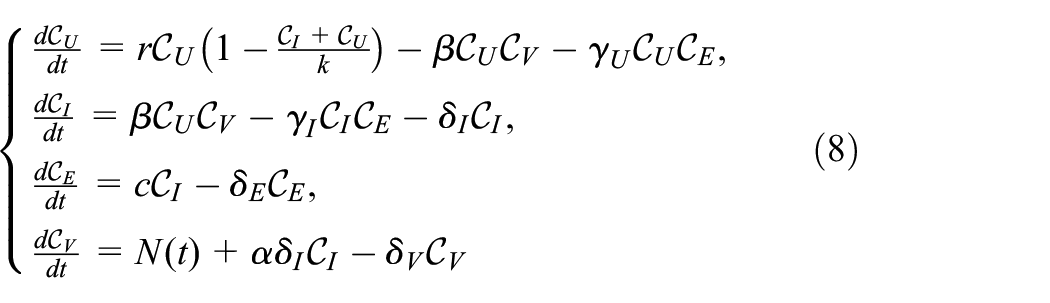
where the rate of infection is

Recent research recommended that the findings of FDE are more authentic and accurately represent biological phenomena. Motivated by the precise description of fractional operators, we organized our tumor model (8) as
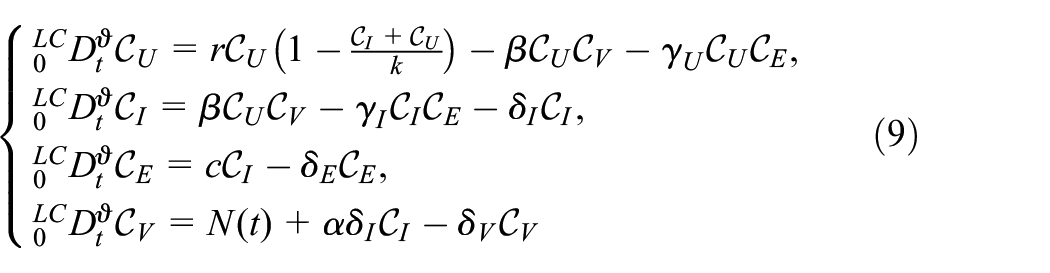
where
Existence theory
Here, the recommended fractional model’s qualitative theory (9) will be provided. In order to do this, we go about it as follows
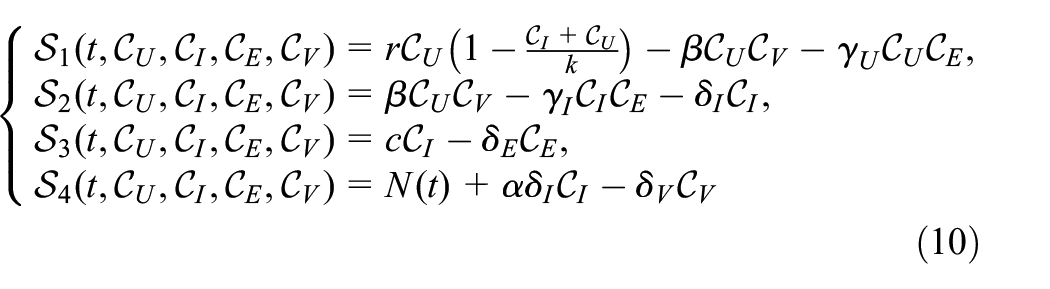
System (10) of tumor growth can be represented as

where
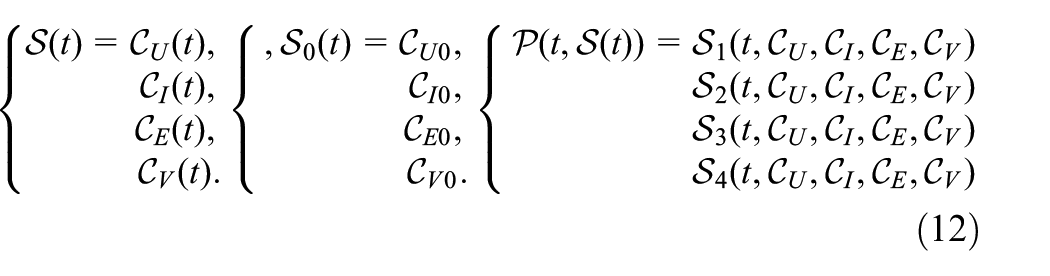
Through Lemma (1), the integral of equation (11) is given by the following

Furthermore, we have the below for the recommended system:


In the next step, we introduce a map

One can find at least one solution of system (11) in the case of assumption
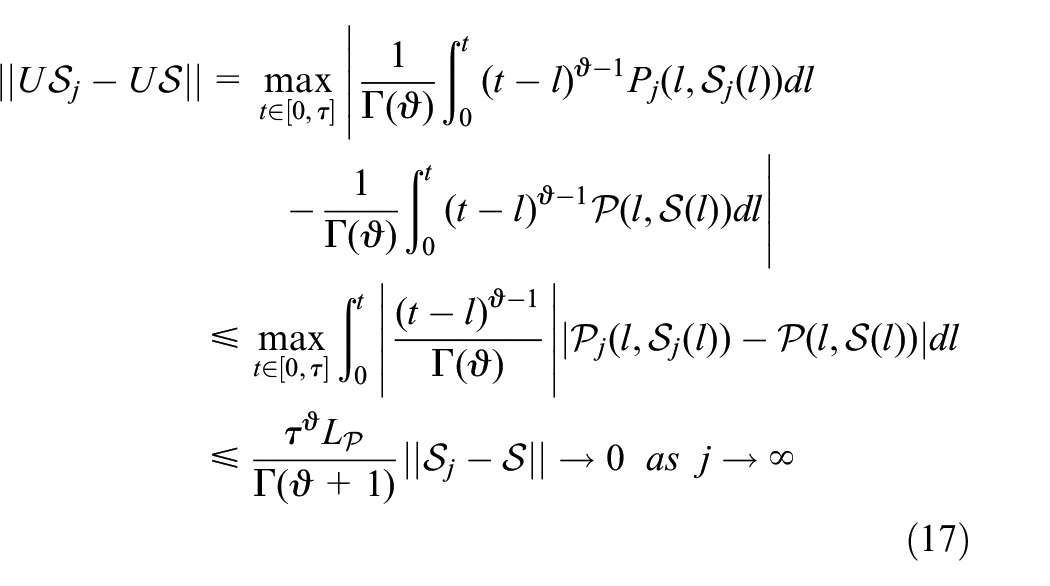
Thus, the continuity of
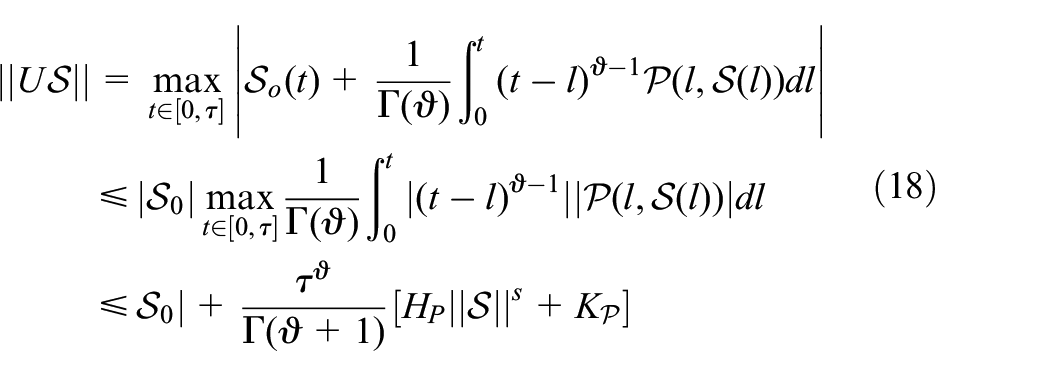
For the required result, we take any

Hence, the application of the above combine with
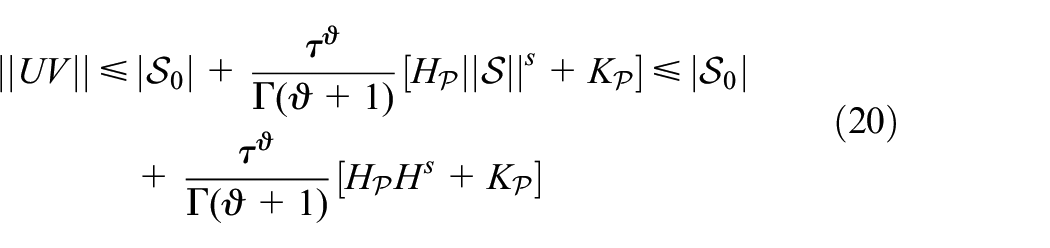
This implies the boundedness of
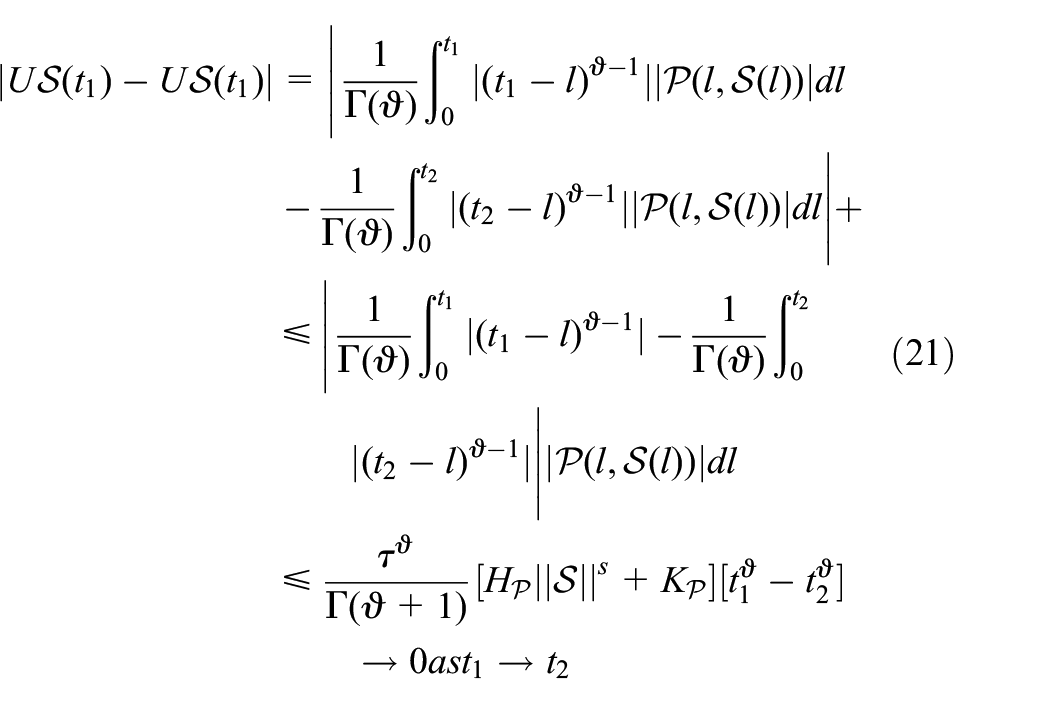
Consequently, the relative compactness of

Assume

Thus,
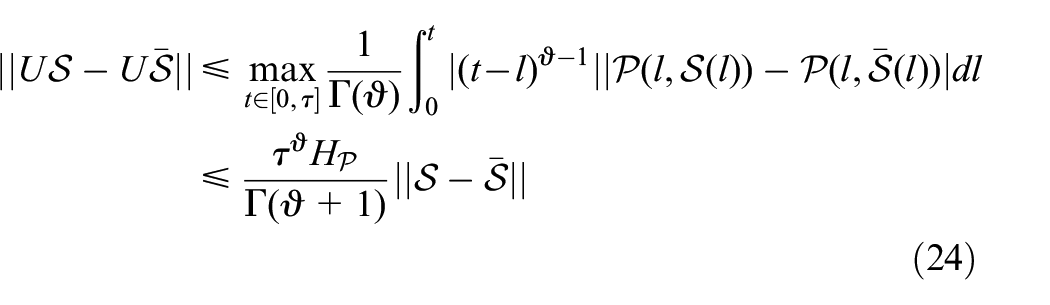
This implies that the operator
Ulam-Hyers stability
Ulam-Hyers stability for our suggested model of tumor progression will be established in this part. Ulam first introduced the concept of this stability in 1940; Hyers expanded it (Hyers, 1941; Ullam, 1940). In several fields of study, many scientists applied the Ulam-Hyers stability theory (Ali et al., 2019; Benkerrouche et al., 2021; Rassias, 1978). The main idea is given as:
Take an operator


Then, equation (25) is Ulam-Hyers type stable (UHS).
There exists a solution


in which
(1)
(2)
After small perturbation, the system (11) can be represented as


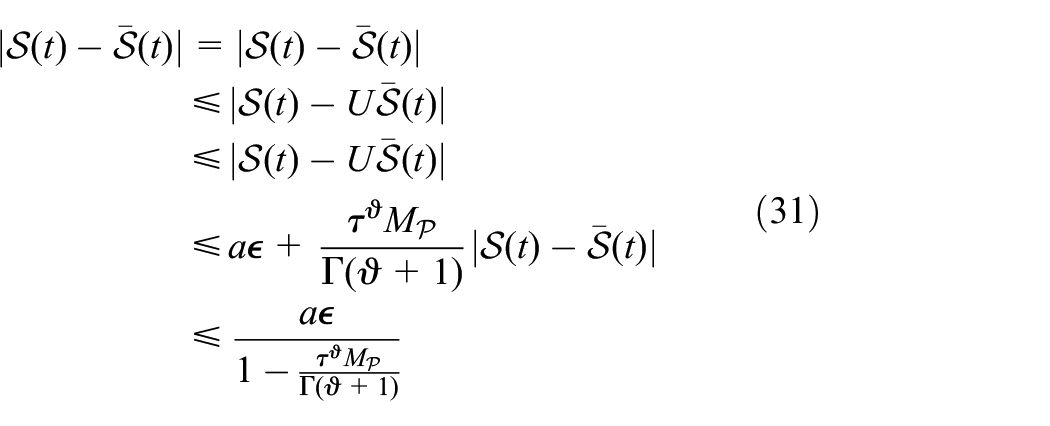
Thus, the solution of system (11) is UHS and generalized UHS.

There exists a solution


With
(a)
(b)

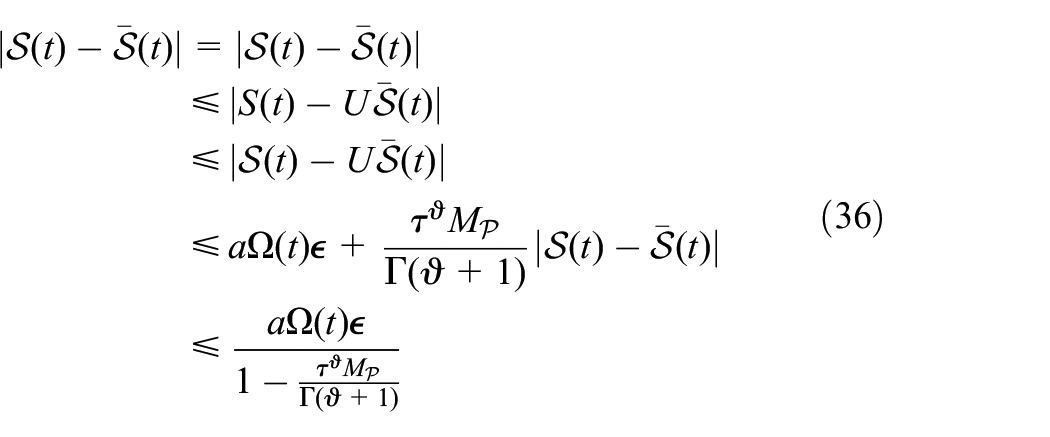
Consequently, the solution of equation (11) is UHRS and generalized UHRS.
Proposed fractional system’s solution
The Laplace transform will be used in this instance to provide a generic method for the recommend fractional system (9) of tumor. In this numerical method, we go through the following steps
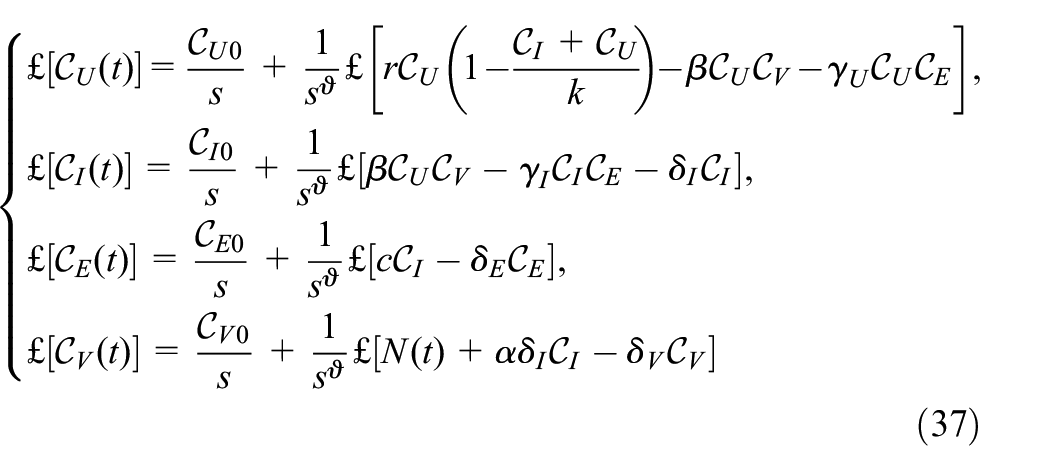
with
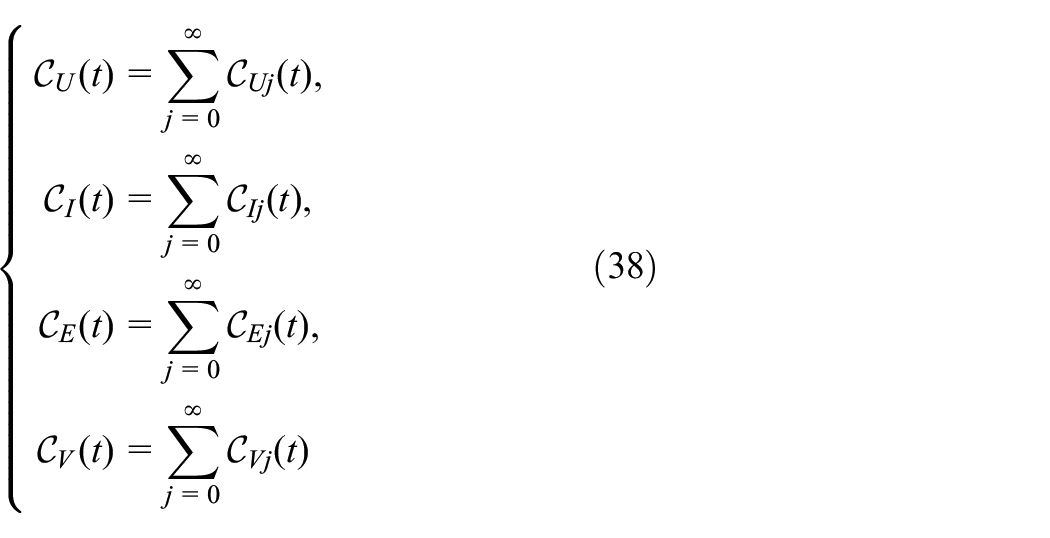
Here, Adomian polynomials are used to break down our system’s nonlinear terms, and we go through the following steps
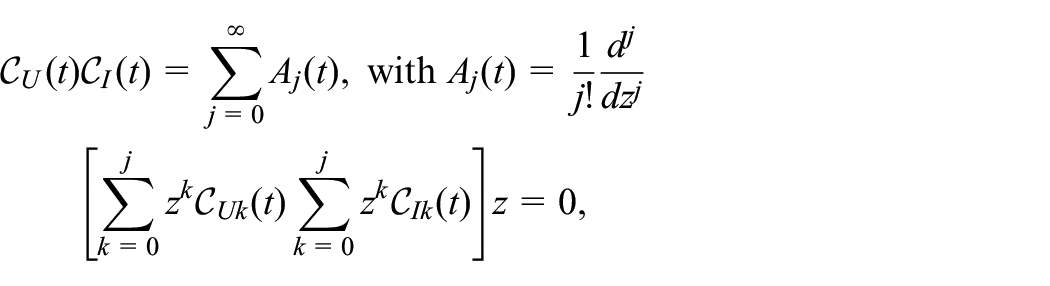
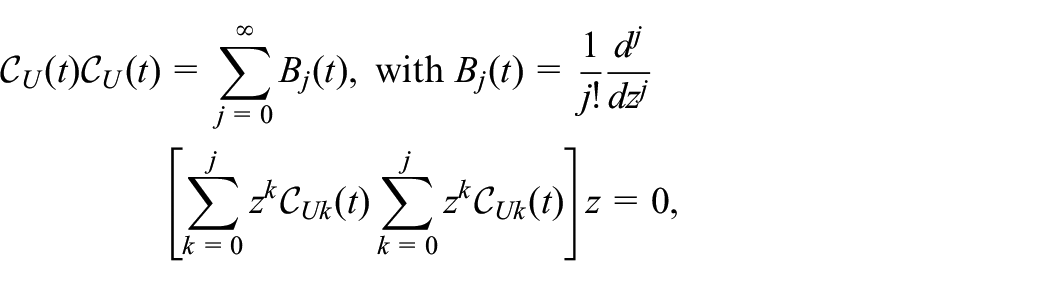
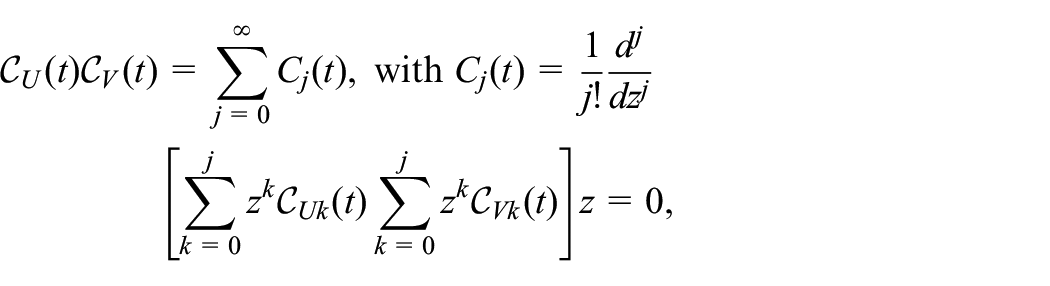
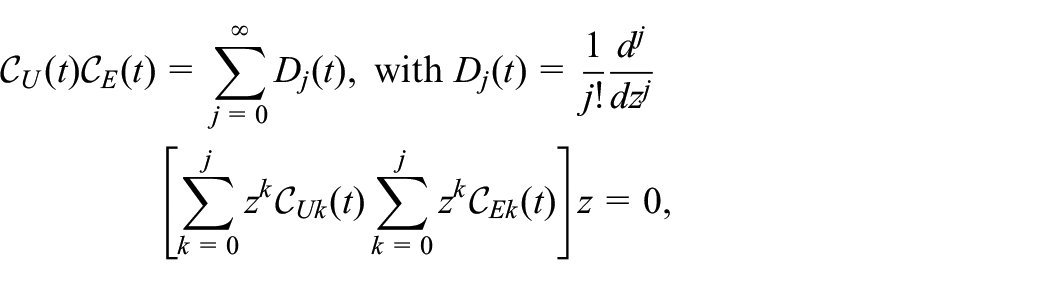
and
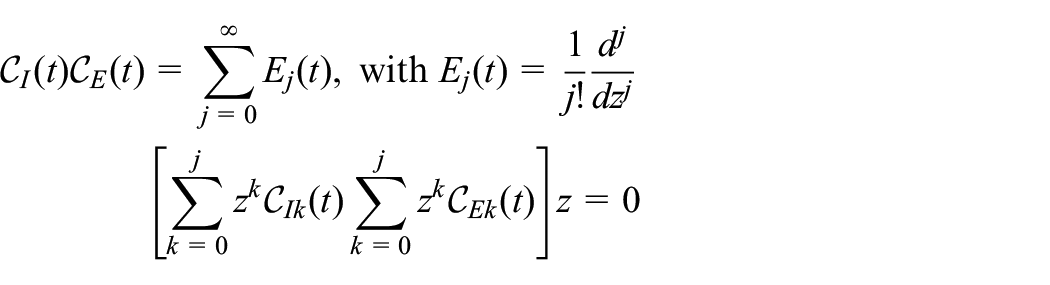
Then, we have
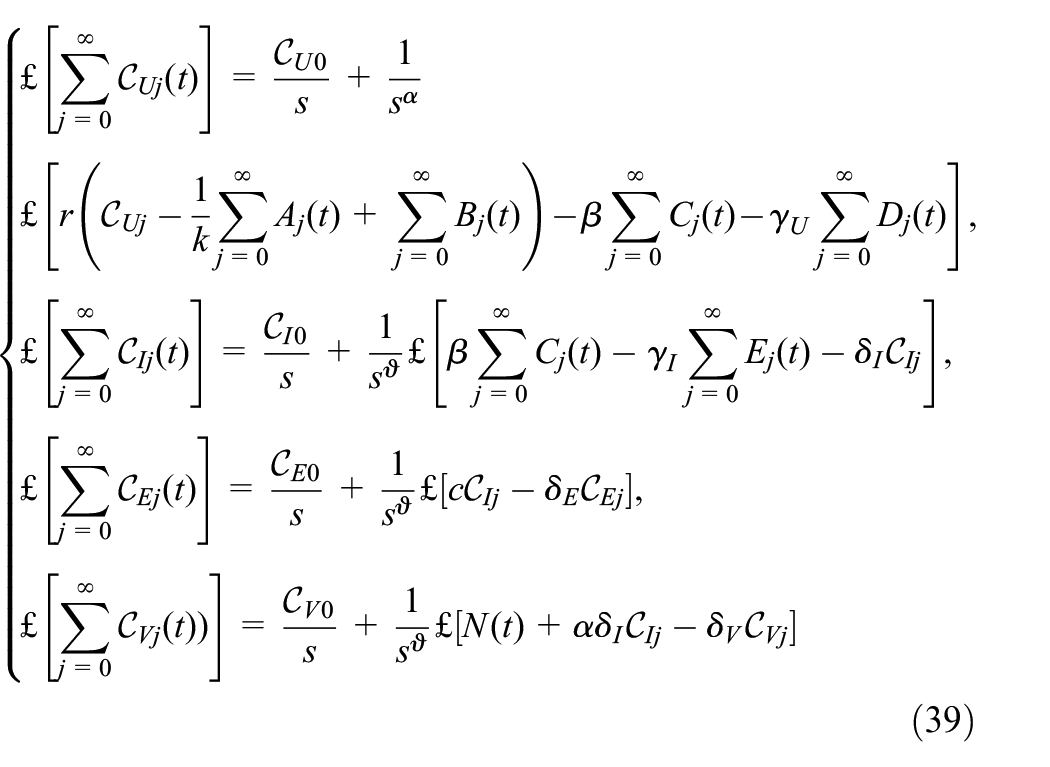
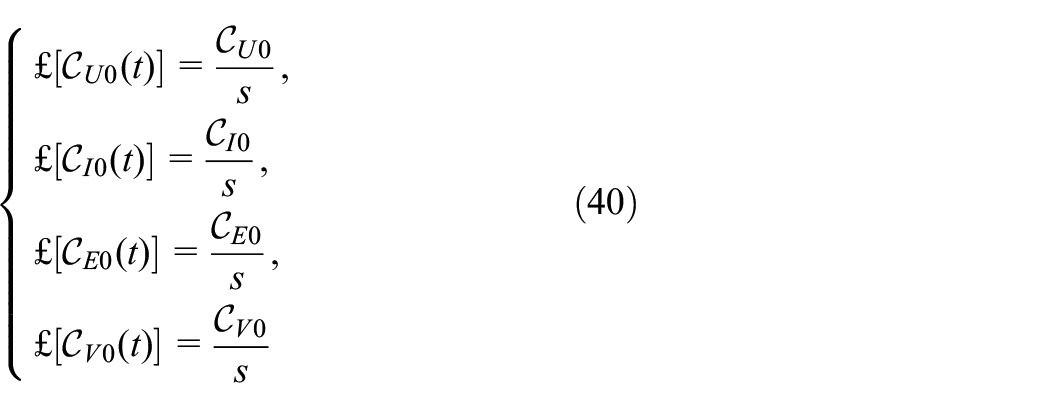
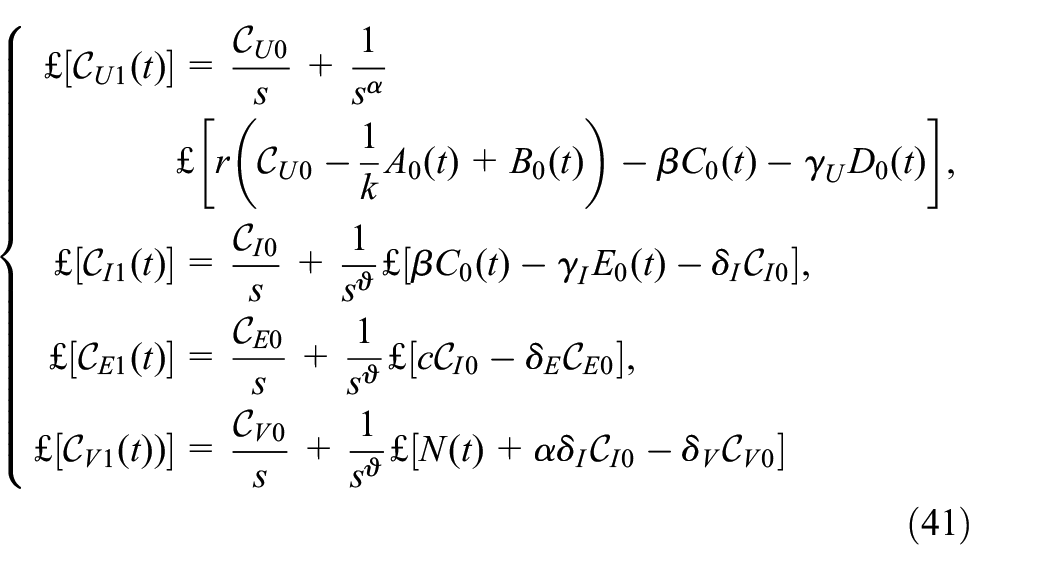
and
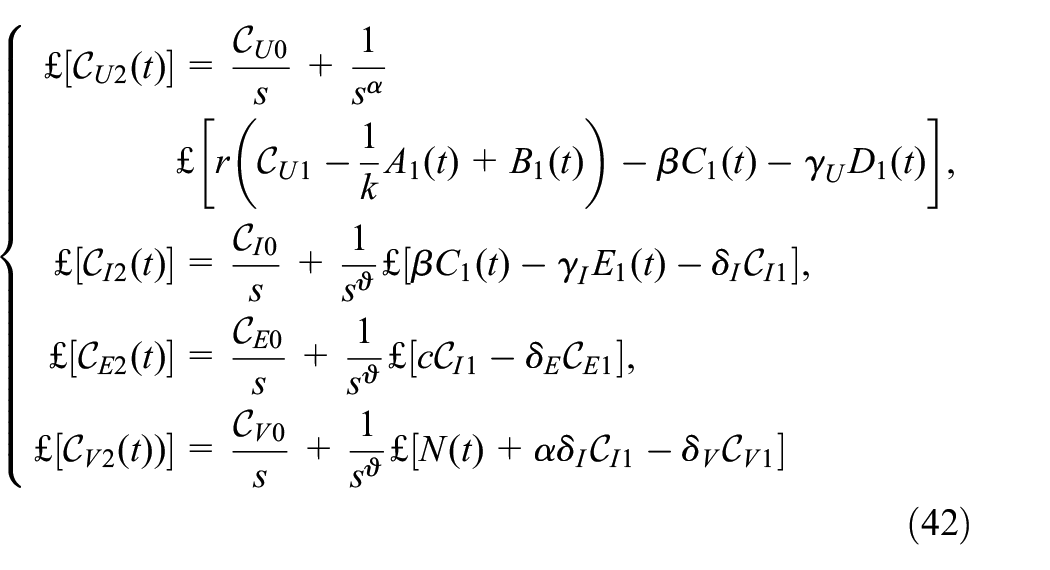
and in the same way, we have
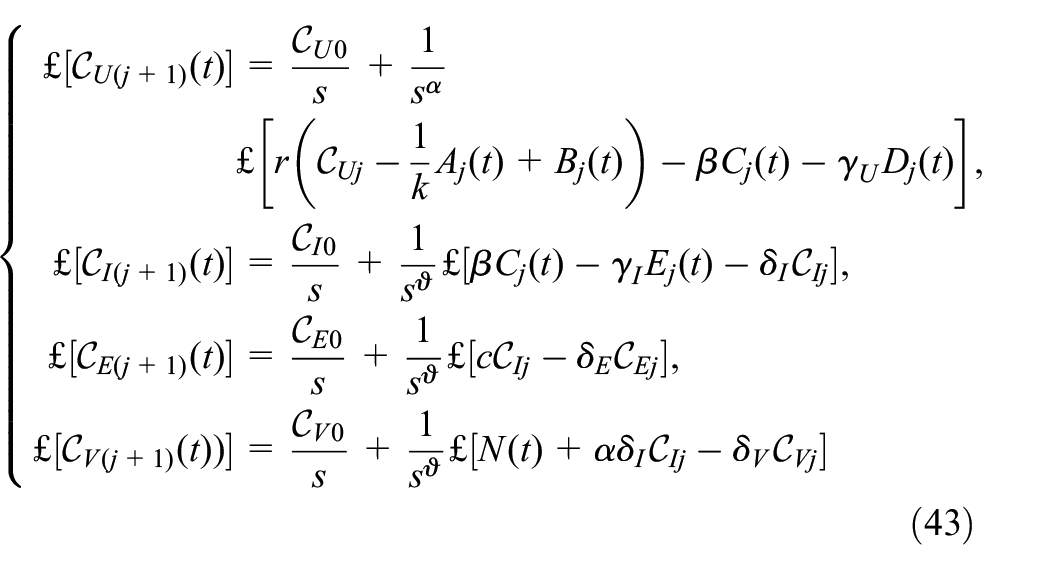
with the initial conditions
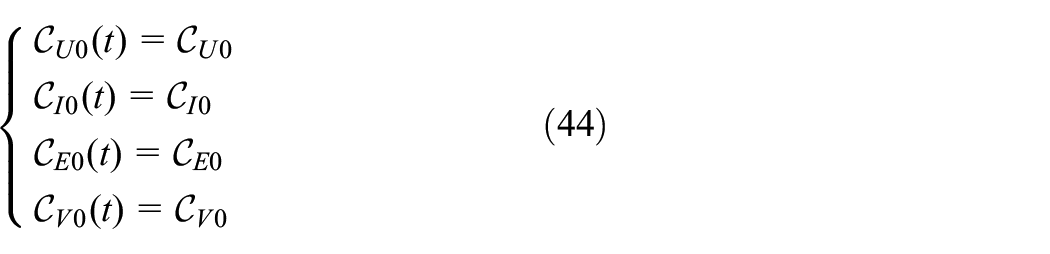
We take the following step for further simplification
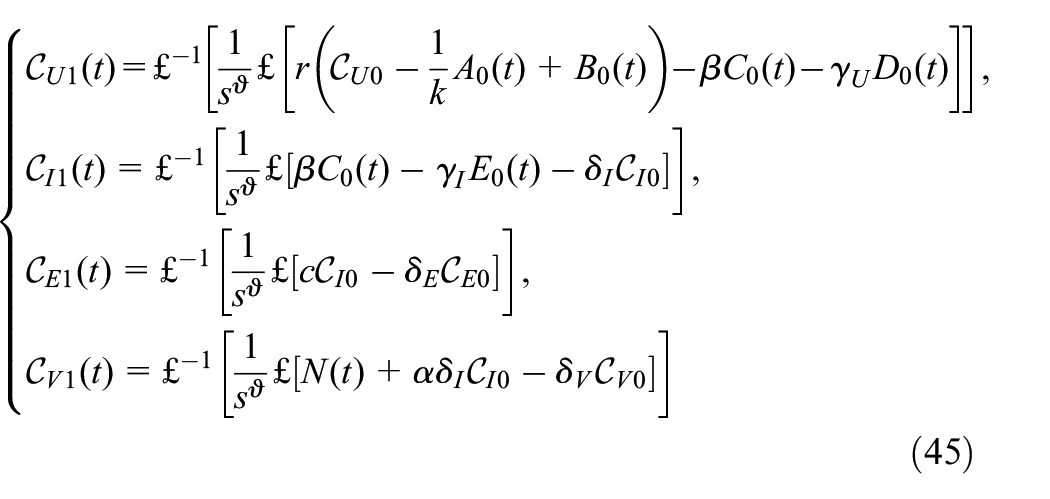
and
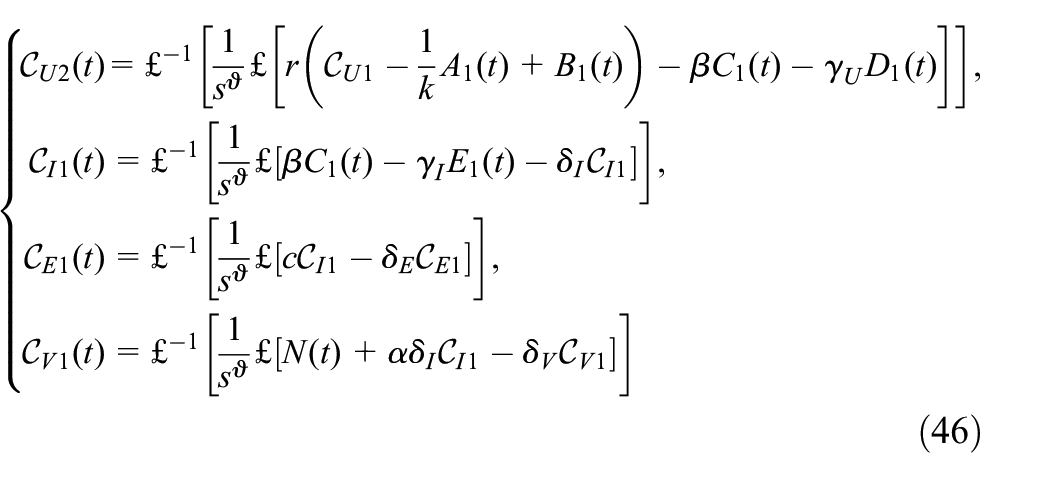
Through the same steps, we get
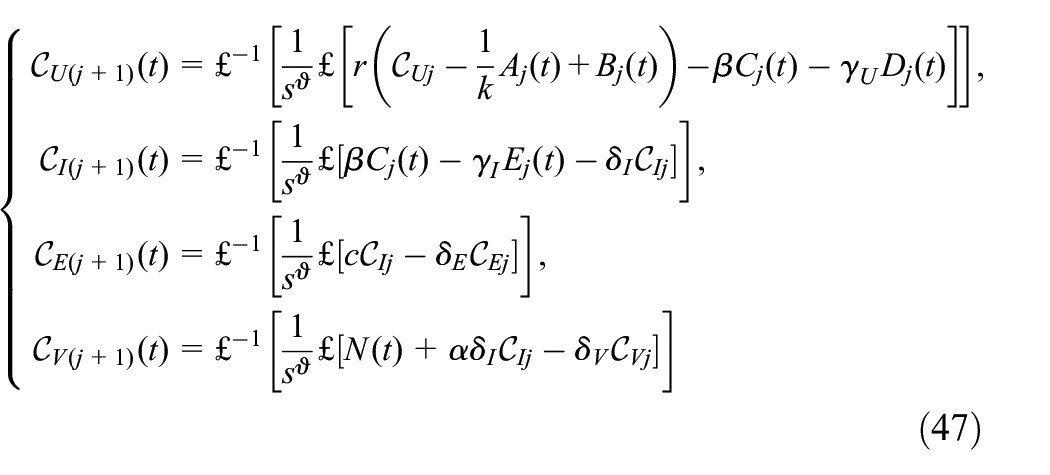
In the end, the below series solution is obtained
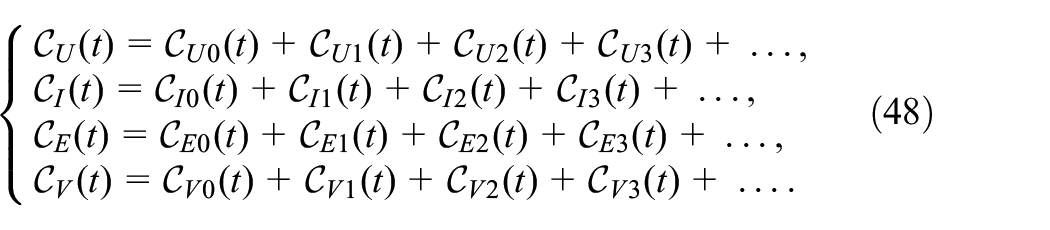
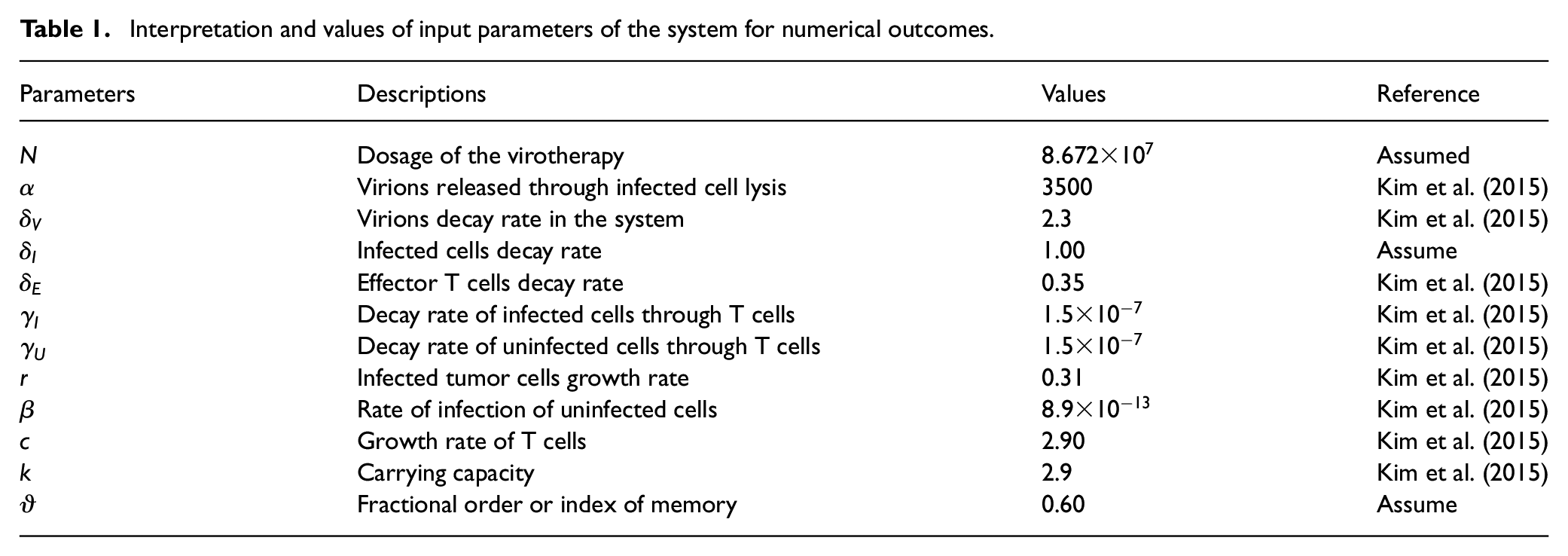
The suggested model (9) was simulated using the aforementioned numerical technique. For numerical reasons, the parameter values listed in Table 1 are utilized. Here, using numerical simulations, our major goal is to illustrate how the input component affects the dynamics of tumor growth. Through our experimental effort, we will emphasize the effects of therapy on the system and identify the most important components of the tumor development system. Numerical simulations with varying input parameters will be used to emphasize the system’s oscillatory and chaotic behavior.
Interpretation and values of input parameters of the system for numerical outcomes.
To emphasize the effect of fractional order on the system’s solution pathways, we have depicted the dynamical behavior of the proposed fractional system of tumor growth in the first scenario illustrated in Figures 1–3 with various values of fractional order. In these simulations, the effect of a fractional parameter on the system’s dynamic behavior has been noted. The blue solid curves show the integer-order dynamics while the red doted curves illustrate fractional-order dynamics of tumor model. In these figures, the order of the fractional derivative is assumed to be 1, 0.85, and 0.65 in comparison with the integer-order derivative. It can be seen that the results of the fractional derivative are more flexible than integer-order and are recommended to the researchers for more accurate results. In the second scenario presented in Figures 4–6, the chaotic graphs of the system of tumor dynamics has been presented with variation of different input parameters. To be more specific, we visualized the parameters responsible for the chaotic behavior of the system. We mainly varied the parameters
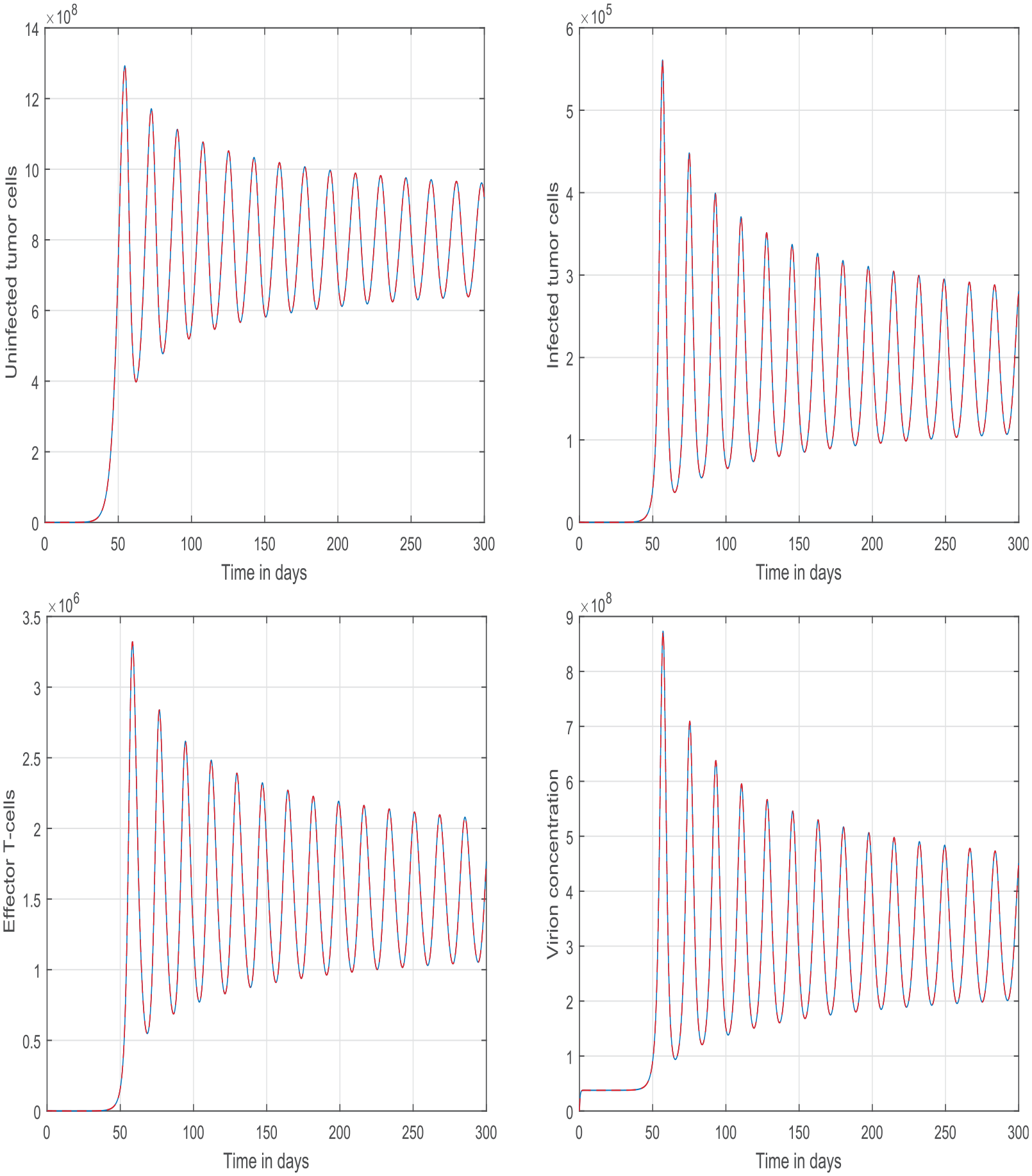
Time series analysis of the proposed fractional model (9) of tumor growth with fractional order different
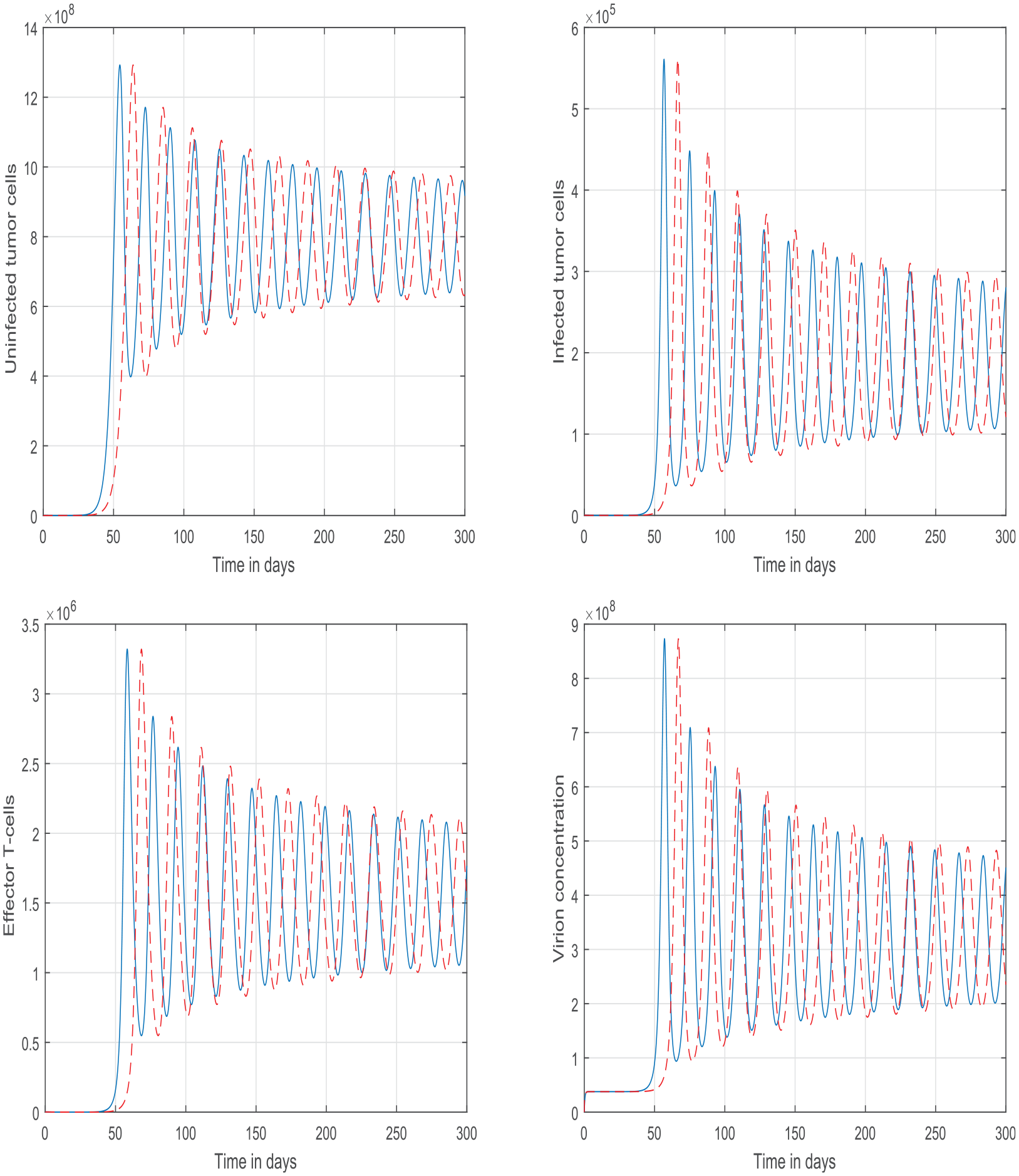
Time series analysis of the proposed fractional model (9) of tumor growth with fractional order different
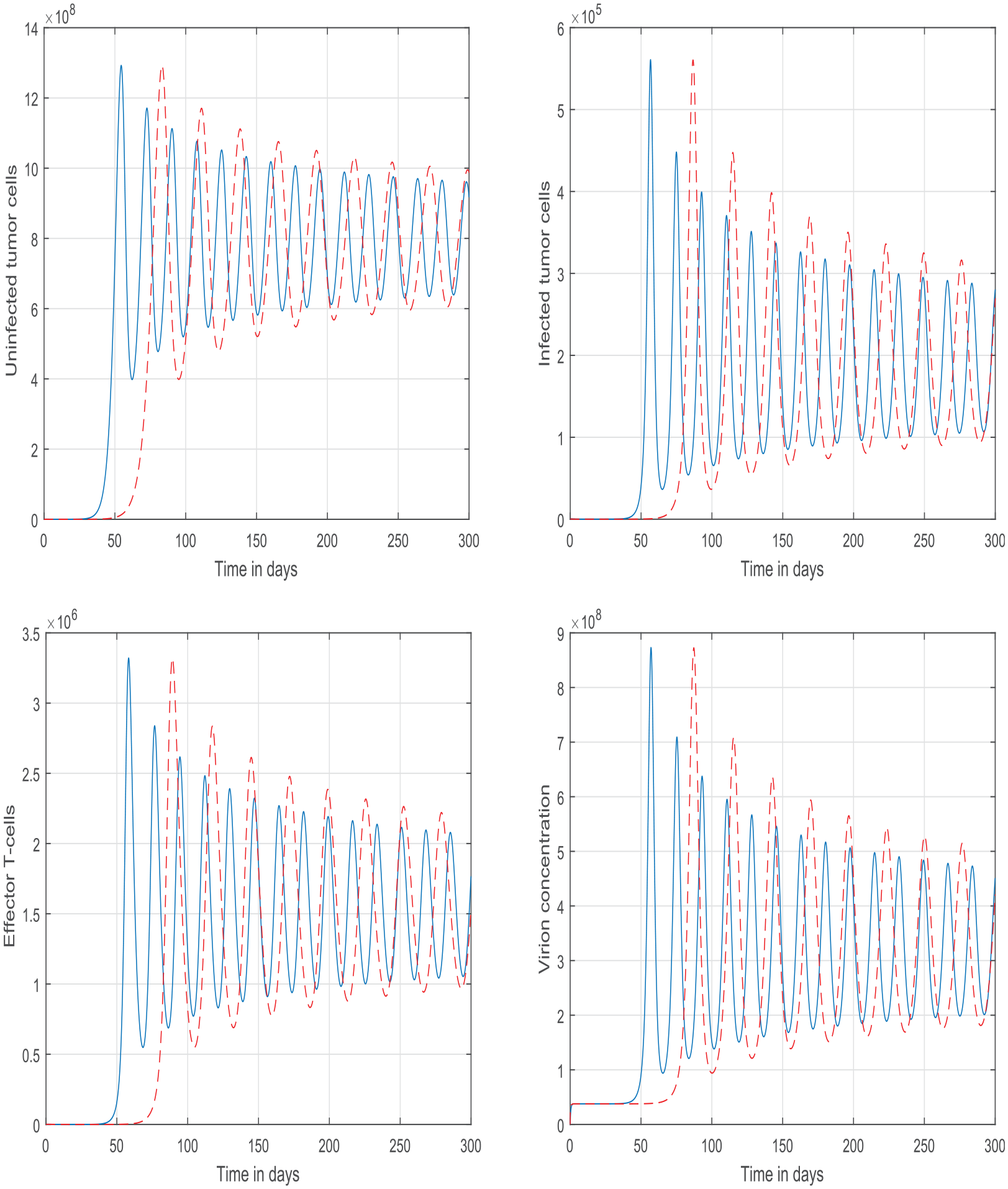
Time series analysis of the proposed fractional model (9) of tumor growth with fractional order different
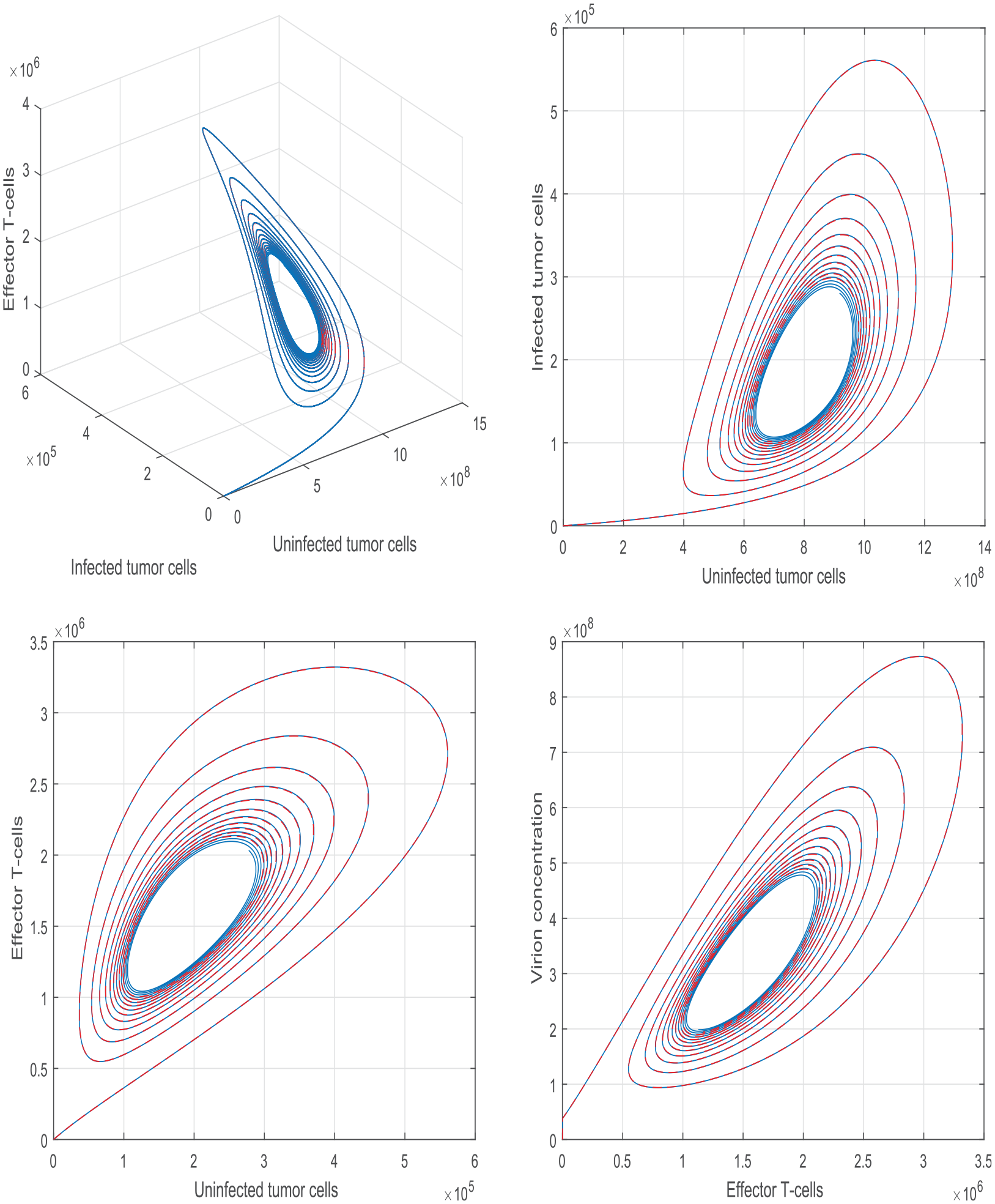
Illustration of chaotic plots of our fractional model (9) of tumor growth with
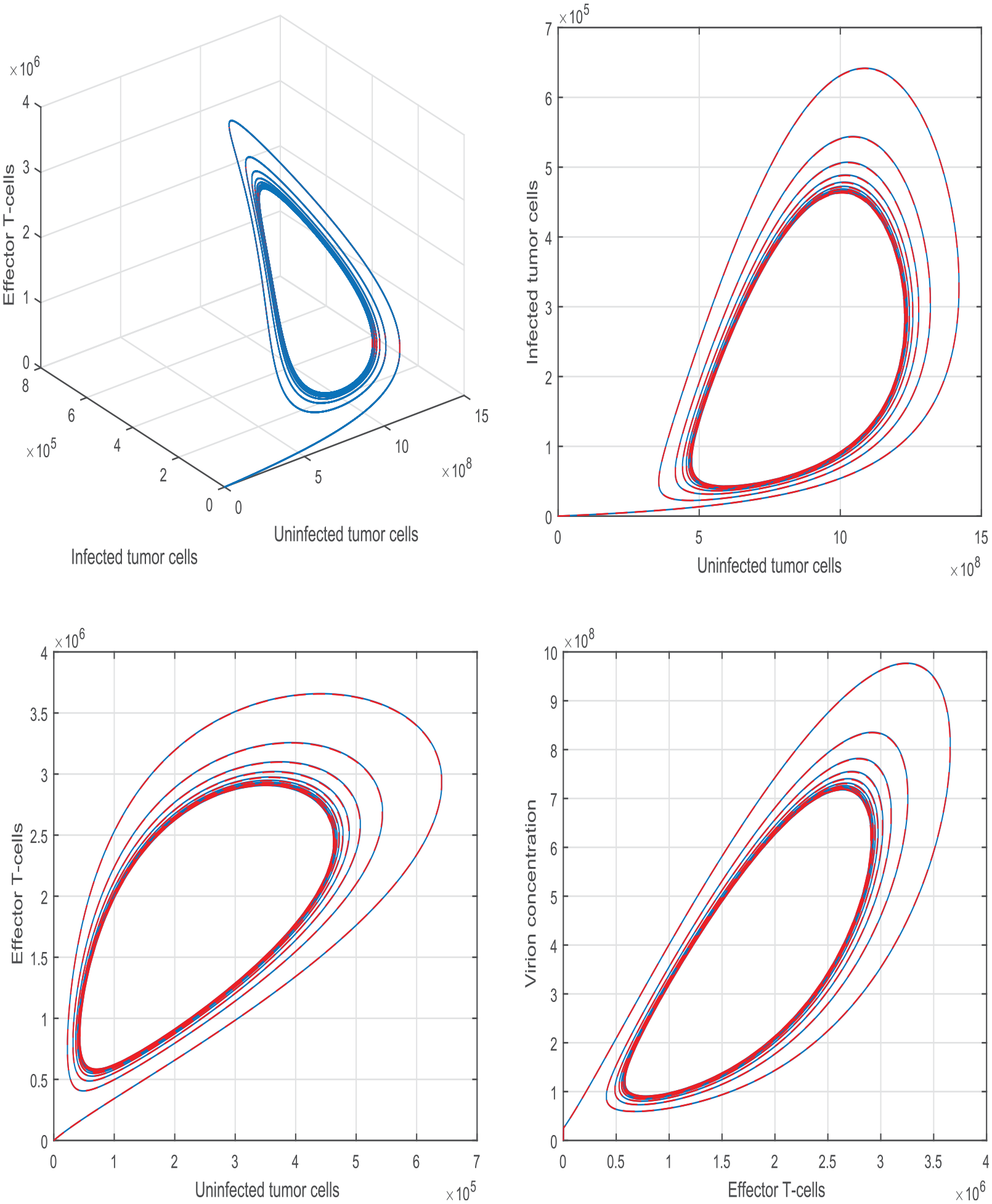
Illustration of chaotic plots of our fractional model (9) of tumor growth with
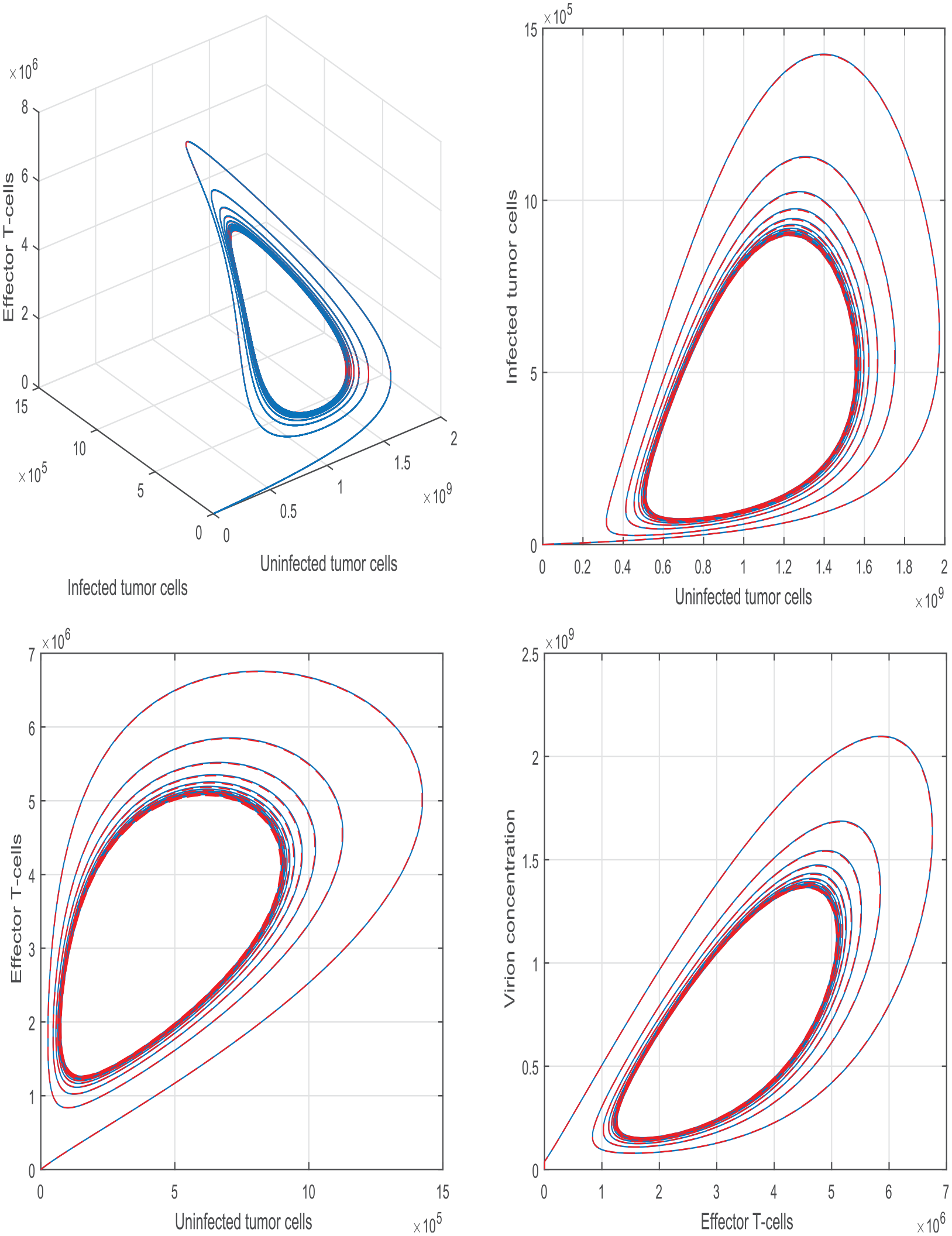
Illustration of chaotic plots of our fractional model (9) of tumor growth with
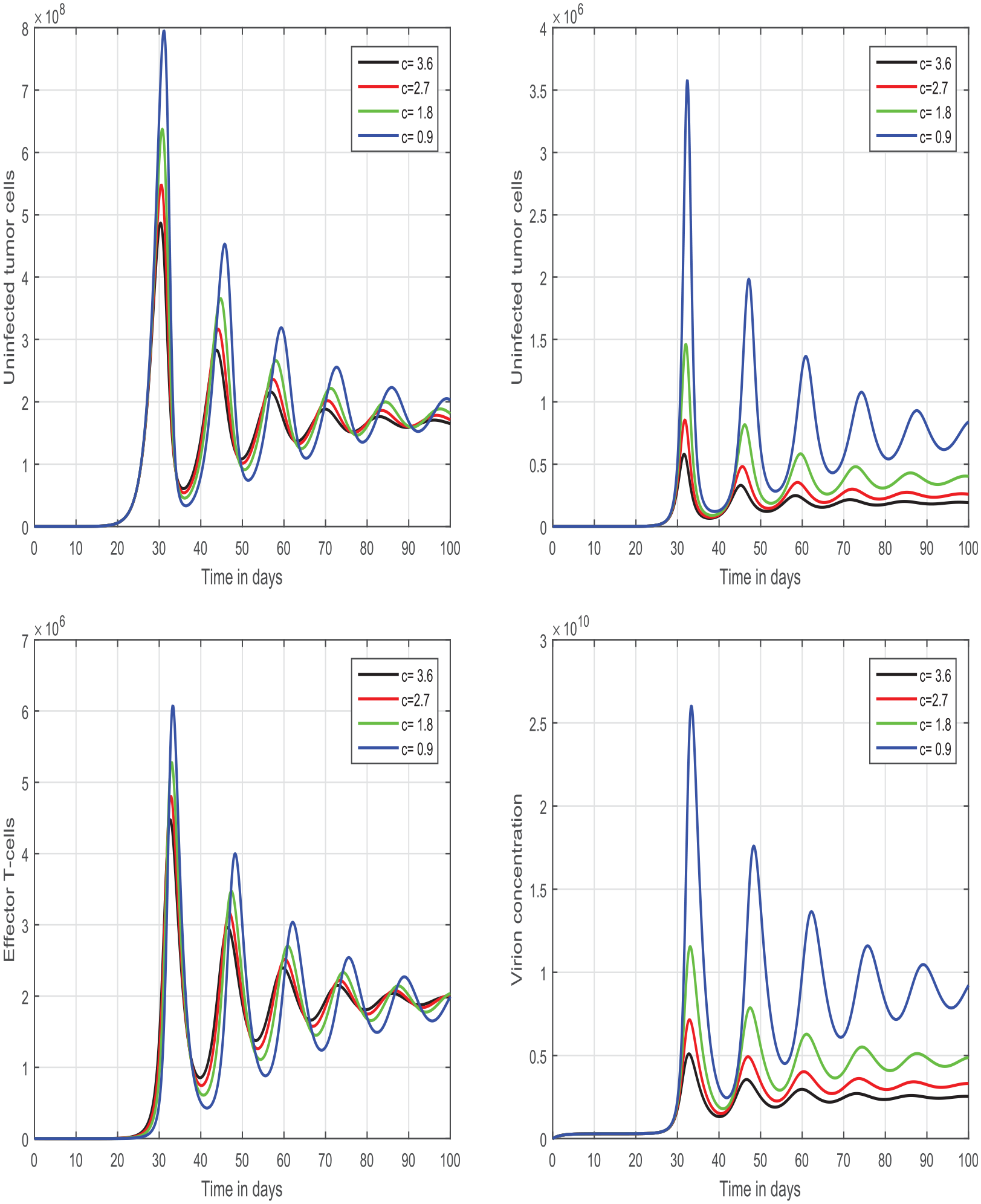
Dynamical behavior of the system (9) of tumor growth with the variation of input parameter
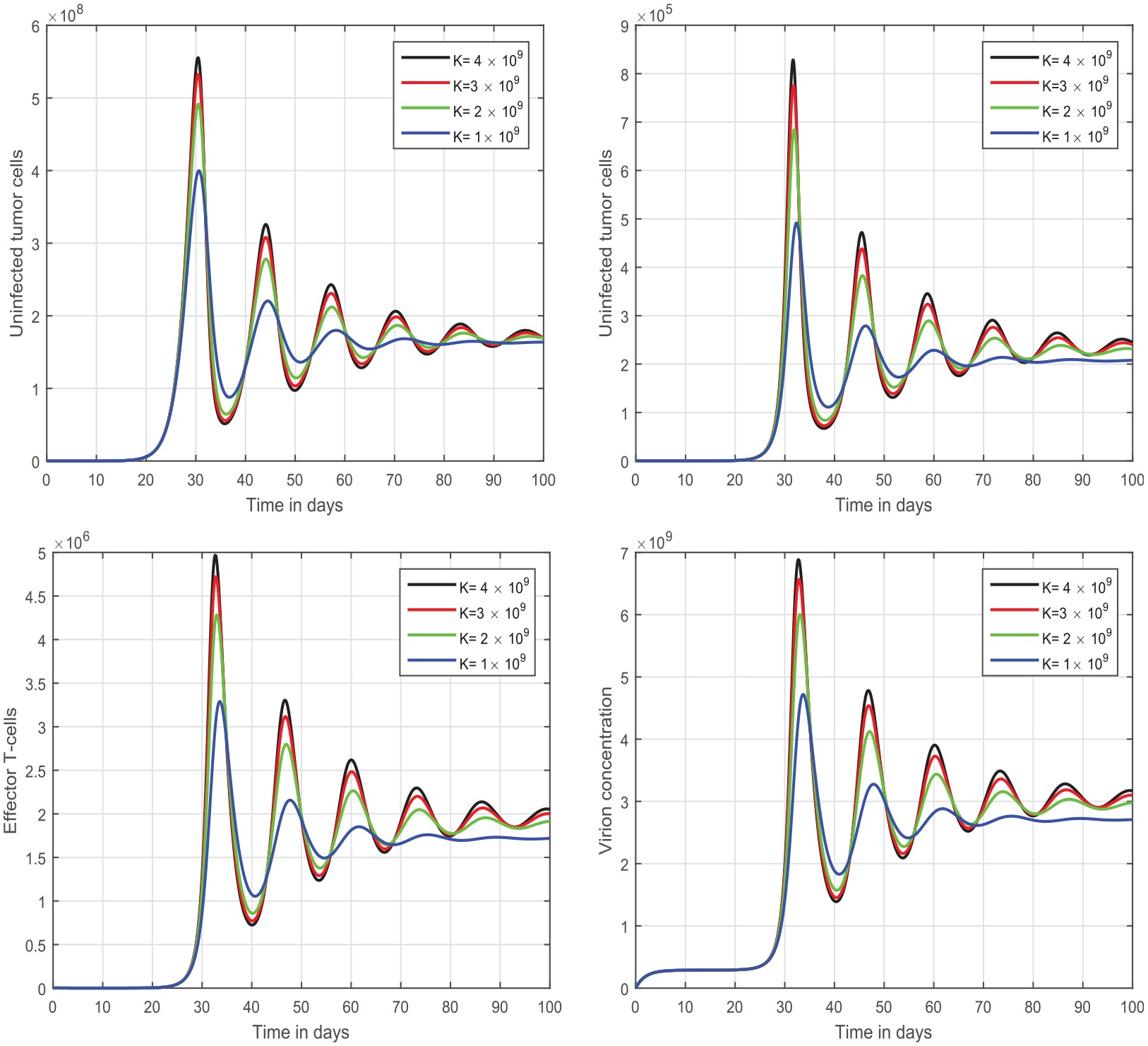
Dynamical behavior of the system (9) of tumor growth with the variation of input parameter
Concluding remarks
Oncolytic viruses and viral immunotherapy are used in virotherapy to kill cancer cells directly or to activate the immune system to identify and kill cancer cells. Virotherapy for mesothelioma cancer is being studied in clinical studies. In this research work, the effect of virotherapy treatment on the dynamics of tumor growth through fractional calculus has been visualized. In addition, in our work, we concentrated on the qualitative analysis and dynamical behavior of tumor development dynamics. The fixed-point theorem is used to assess the uniqueness and existence of the solution of the suggested model of tumor growth within the context of Banach’s and Schaefer’s. We set up enough conditions for our tumor system’s Ulam-Hyers stability. To demonstrate the effect of the various factors on the dynamics of the tumor, the solution paths are examined using the Laplace Adomian decomposition method. To be more precise, we have demonstrated the chaotic and oscillatory behavior of the tumor development system as a function of varying input parameters. In our future work, we will extend our proposed model in the framework of impulsive differential equations and delay differential equation.
Footnotes
Declaration of conflicting interests
The author(s) declared no potential conflicts of interest with respect to the research, authorship, and/or publication of this article.
Funding
The author(s) received no financial support for the research, authorship, and/or publication of this article.
