







Abstract
Renewable energy plays a crucial role in replacing major part of fossil fuels to generate sustainable, inexhaustible, clean, and safe energy. In Hong Kong, solar energy has been identified suitable for wide-scale applications. Photovoltaic (PV) and solar water heating (SWH) facilities are the two promising solar-based conversion technologies. Electricity and hot water generations via solar energy means fossil fuel saved together with the likely pollutants and greenhouse gases reductions. However, there are a number of barriers including high initial cost and large installation space required. This paper studies the cost, energy, and environmental issues when PV and SWH systems are widely used in Hong Kong. The energy expenditures in the forms of electricity, gas, and hot water, and the global solar radiation in Hong Kong were analyzed. The total required land areas, the financial implications, and the environmental benefits for such solar energy applications were estimated and reported.
Introduction
As the world's economy continues to grow, the demand for finite energy sources such as coal, oil, and natural gas also increases. Hong Kong has no indigenous fuels and most of the imported fossil fuels are mainly for energy generation. There are many immediate adverse effects on the environment including large amount of emissions of greenhouse gases and pollutants. 1 Greenhouse gases cause the formation of global warming and climate change, and pollutants bring out acid rain and air pollution. Such environmental hazards have become strong driving forces for the use of inexhaustible, safe, sustainable, and pollutant-free emission energy.2,3 Renewable energy (RE) can play an important role in meeting the ultimate goal of replacing parts of the fossil fuels. 4 There has been a considerable improvement in energy generation from renewable sources. 5 Recently, solar energy in the forms of solar electric and solar thermal has been identified as having the potential for wide-scale utilization in Hong Kong. 6 Locally, solar energy applications are not popular and mainly of small-scale systems. 7 Open field or stand-alone solar energy applications have been used in rural and remote areas. 8 In modern urban cities, most buildings are high-rise and the roof area would be very limited for stand-alone solar energy system installations. In this building envelope type, the concept of building integrated photovoltaic (BIPV) which consists of PV panels mounted on the opaque parts of the external walls for generating electricity would be an appropriate alternative form. 9 The introduction of semi-transparent BIPV facades can generate electricity and allow daylight to penetrate into the buildings, enhancing the active solar energy applications.10,11 This paper studies the potential energy performance, financial issues, and environmental implications when PV and SWH systems are widely used in Hong Kong. The energy demand for Hong Kong is reviewed. Energy, cost, and the environment aspects are examined and discussed. Although the work only relates to Hong Kong, most of the local building projects are high-rise located in densely-built zones which are typical in most modern cities. The findings can therefore be employed for places with similar climatic conditions and architectural and urban designs.
Energy use in Hong Kong
In Hong Kong, most energy is consumed by building stocks.
12
Figure 1 shows the annual electricity use of three main end-users, namely the commercial, domestic, and industrial sectors between 1970 and 2012 (43 years).
13
With population growth and improvements in living standard, there has been significant rise in electricity expenditures in domestic buildings. Annual electricity consumption in housing stocks rose from 3340 TJ in 1970 to 41,190 TJ in 2012, accounting for an average increase rate of about 6% per year. During the past few decades, the local economy shifted from manufacturing-oriented to a more service-based such as financial services and tourism, and the industrial sector has been replaced by commercial sector which became the largest electricity end-user since 1980. The electricity consumed by commercial sector increased from 6020 TJ in 1970 to 102,050 TJ in 2012. This represents to an annual average increase rate of 6.8%. For industrial sector, there was a steady declining trend in the electricity consumption starting in 1990 due mainly to relocation of the manufacturing activities to Mainland China where the land and labor costs were cheaper than those in Hong Kong. The electricity use increased from 6590 TJ in 1970 to 25,180 TJ in 1989 and quite steady between 1989 and 1991. However, it dropped gradually from 25,050 TJ in 1991 to 11,140 TJ in 2009. Between 2009 and 2012, the electricity consumption was almost no change. Overall speaking, commercial and residential sectors were the two major electricity end-users,
14
denoting around 66% and 27% of the total electricity consumed by building stocks in 2012, respectively. These established trends suggest that the electricity use will increase continuously.
Annual electricity consumption by sectors (1970–2012).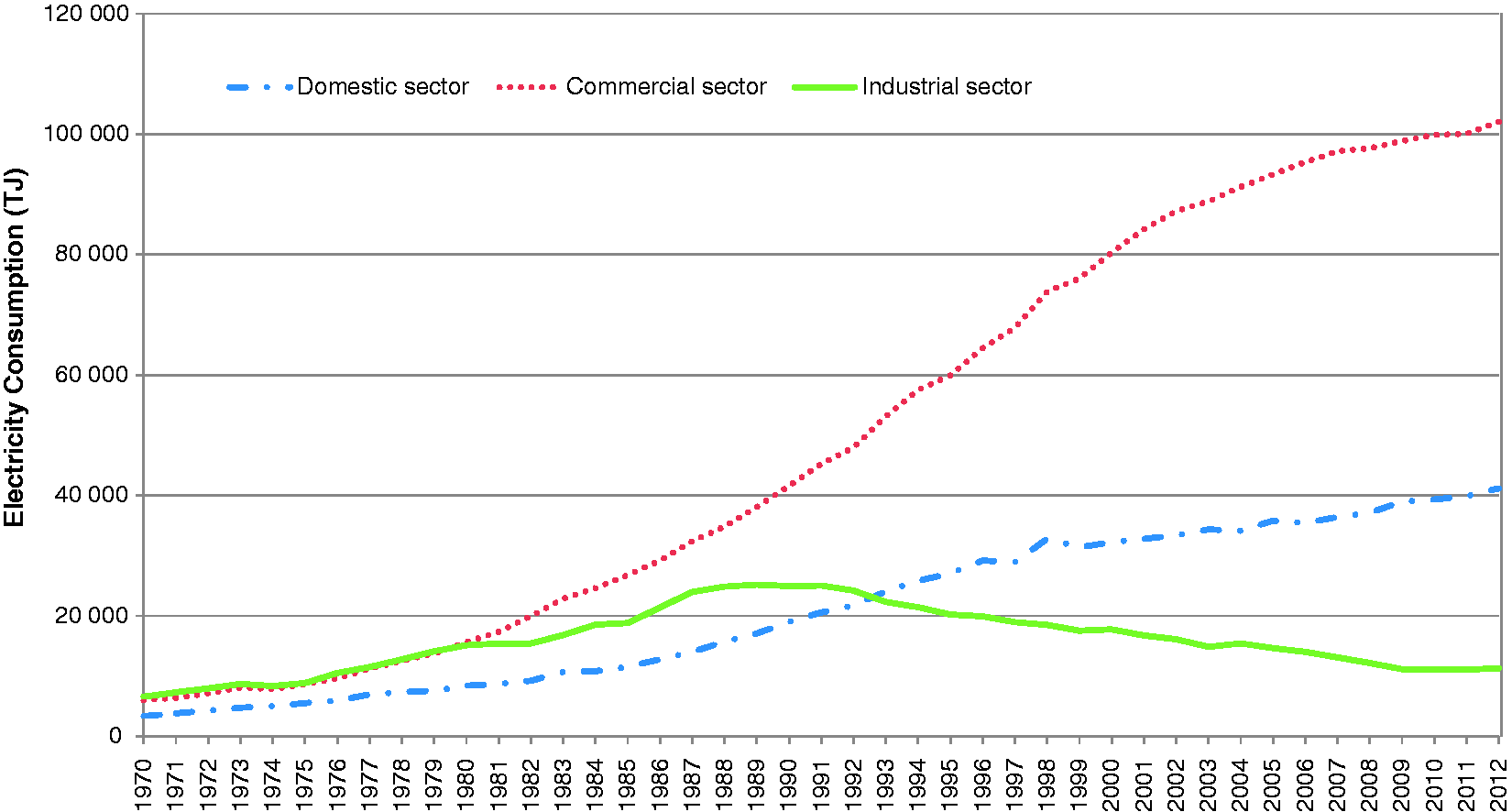
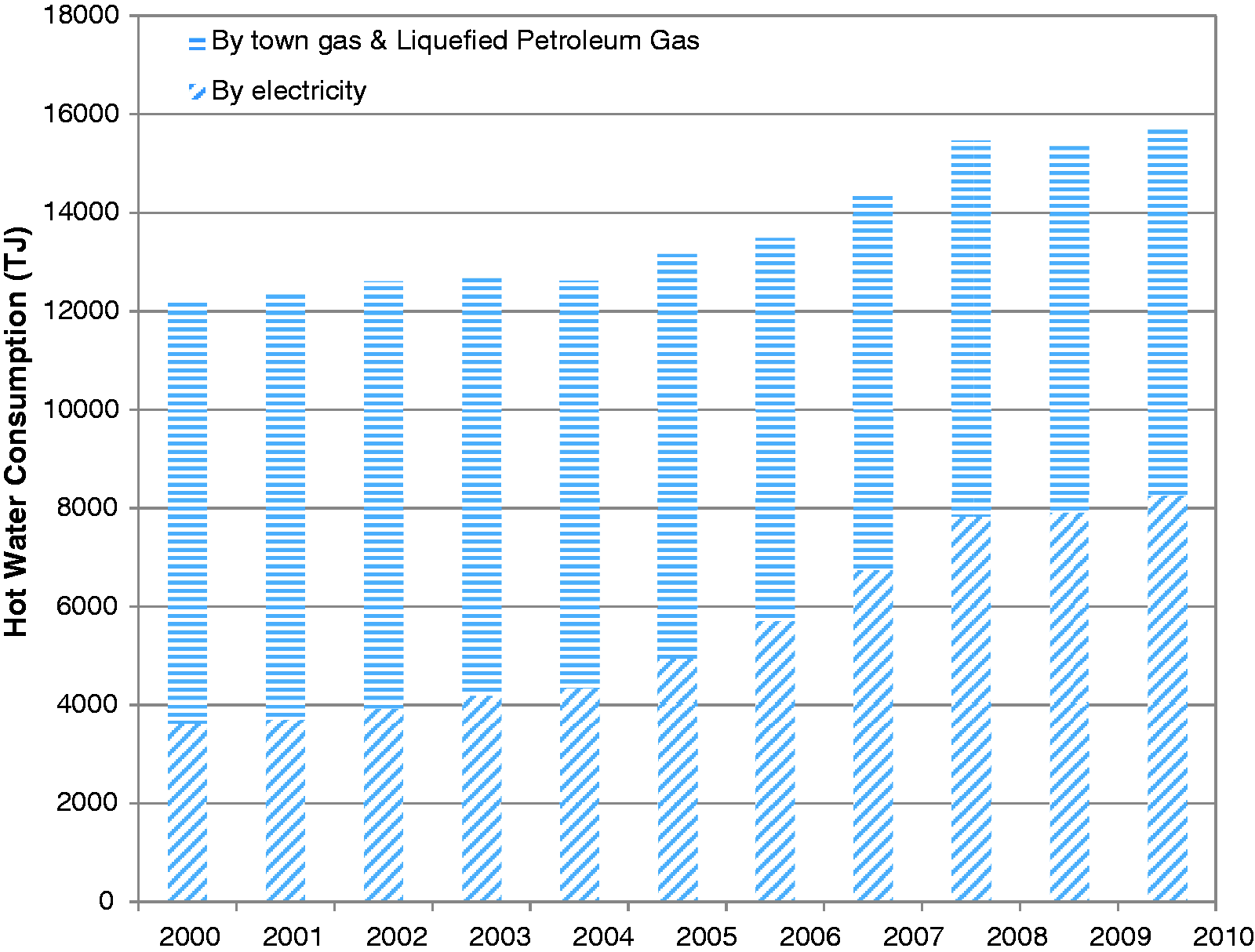
Gas (town gas and liquefied petroleum gas) is another major form of energy consumed in buildings. In subtropical Hong Kong, gas is largely used for cooking and water heating. Likewise, the annual gas used by the three building sectors from 1970 to 2012 is displayed in Figure 2. The annual increase rates for individual building types are quite similar. Overall gas consumption rose from 958 TJ in 1970 to 28,360 TJ in 2012, standing for an average increase rate of 8.2% per year. Commercial and residential sectors expended most of gas consumption. In 2012, over 95% of gas was consumed by these two building types and less than 5% was used by industrial buildings. Hot water is required in large quantities in commercial sectors including hospitals, hostels, and hotels, and in domestic buildings for cooking, bathing, and washing clothes and utensils. Electricity and gas are the main forms of energy used to produce hot water and Figure 3 depicts the annual consumption. The total energy consumed for hot water increased from 12,230 TJ in 2000 to 15,740 TJ in 2010, an increase of 28.7% during these 11 years. In 2000, electricity use was only around 40% as much as gas consumption. However, electricity overtook the latter in 2008. In general, the energy required for hot water producing is not large, contributing less than 10% of the total building energy expenditure.
Annual town gas consumption by sectors (1970–2012). Annual hot water consumption by electricity and gas (2000–2010).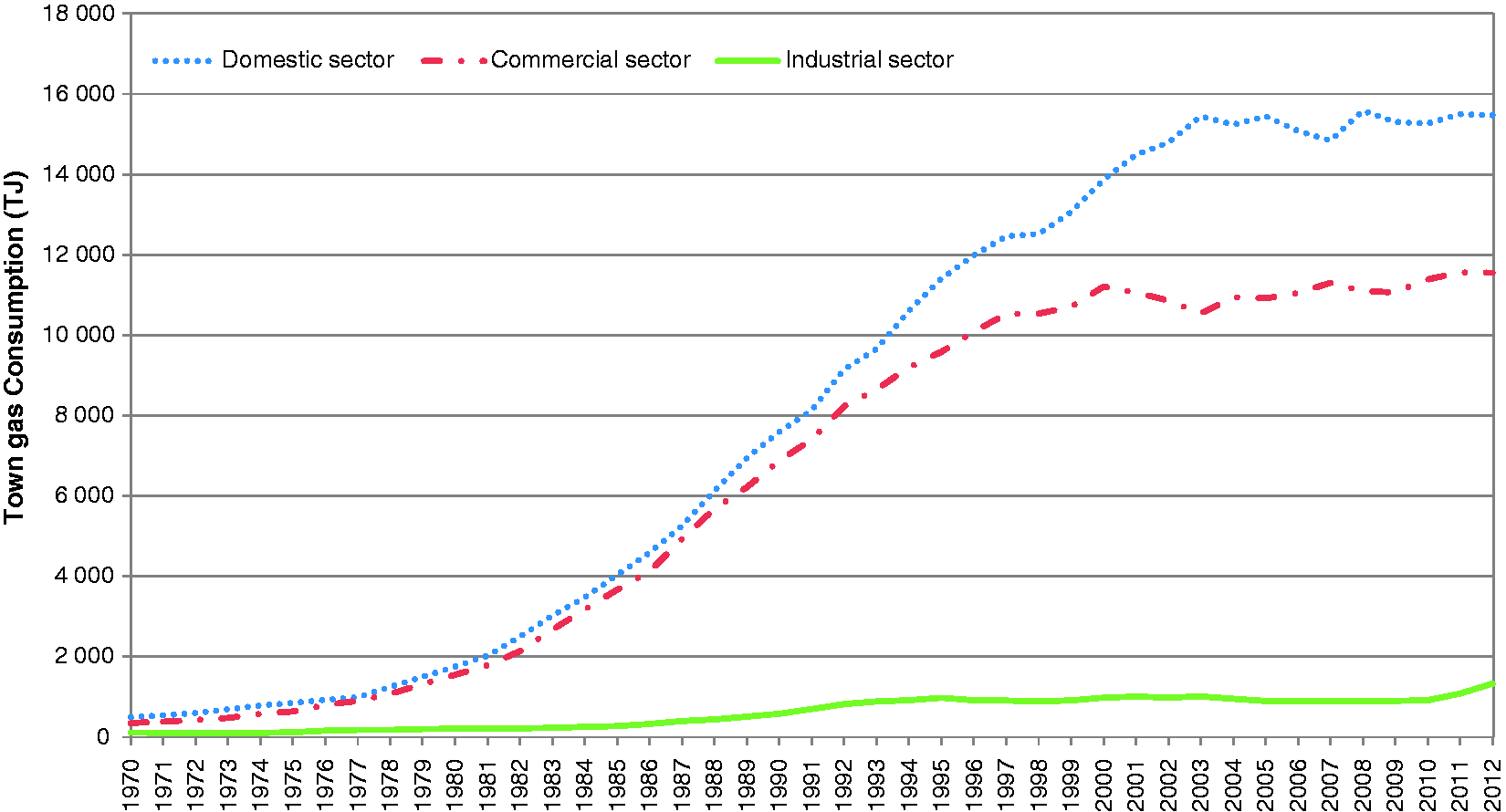
Solar radiation in Hong Kong
The energy generated by the active solar facilities is strongly affected by the amount of solar radiation falling on the panels. Information of the availability of solar radiation would be invaluable to the determination of performance of such solar energy systems. Reliable databases should always be based on long-term data measurements. In Hong Kong, daily global solar radiation on a horizontal plane was first measured in June 1958 and the hourly global radiation measurements (also on a horizontal plane) were started in December 1978 by the Hong Kong Observatory (HKO). The 34-year global radiation data recorded between 1979 and 2012 were obtained from the HKO for the study and Figure 4 presents the annual results. The annual global radiation ranged from 4310 MJ/m2 in 1997 to 5310 MJ/m2 in 2011 with a mean value of 4750 MJ/m2. Variability defined here is the ratio of the range to the average value. The annual variability from year to another is not very large and the mean variability during the 34-year period is 21% of the yearly average. Typical weather year data representing the long-term climatic conditions are often used for analysis of solar energy applications.
15
Weather data based on not less than 30-year period are conservatively stable for such studies. Previously, the year 2000 was identified as the Test Reference Year using weather data recorded from 1979 to 2008.
16
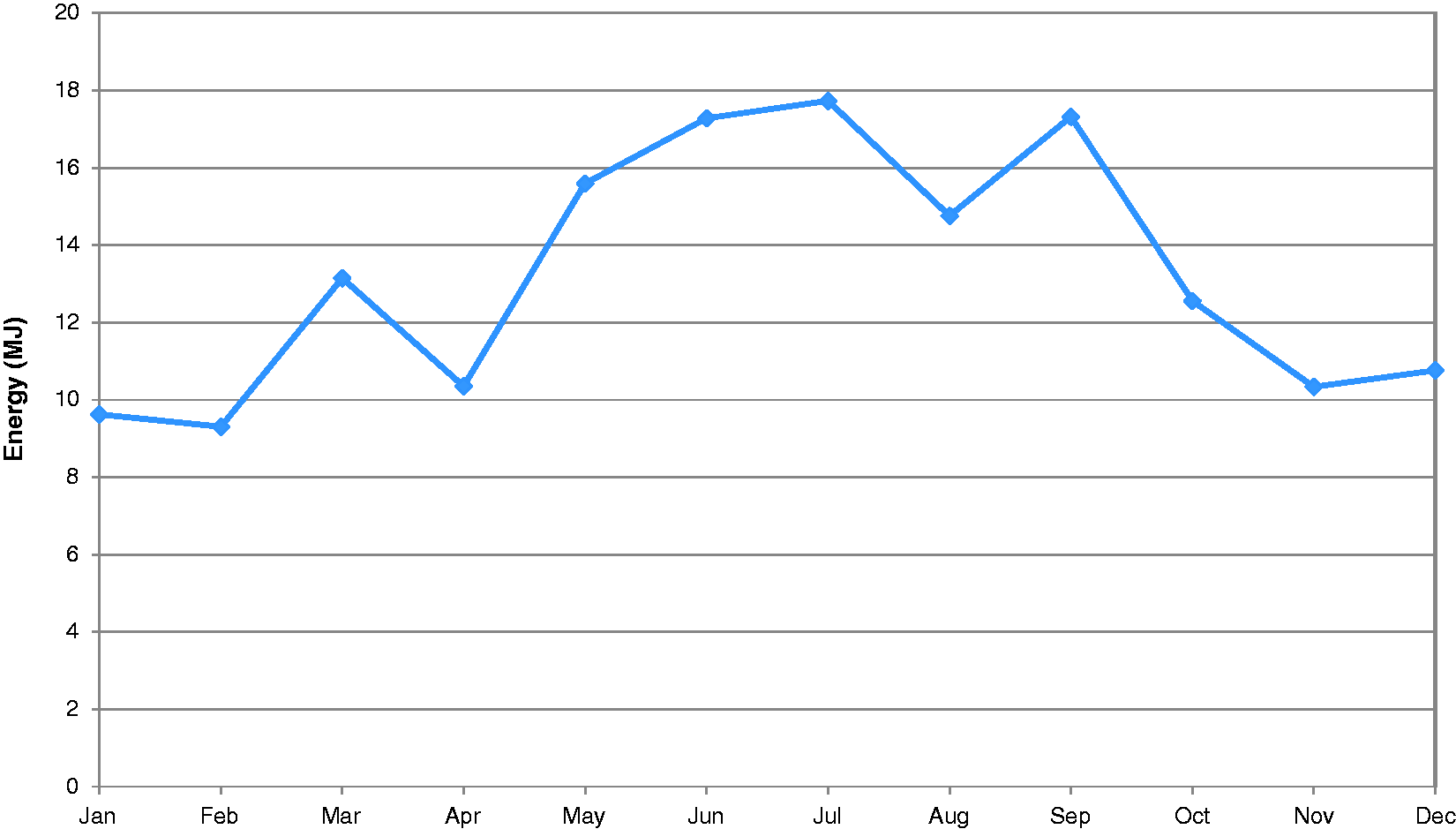
Figure 5 shows the mean daily global radiation for different months recorded by the HKO in 2000. The global values varied from 9.3 MJ/m2/day in February to 17.7 MJ/m2/day in July. The high solar altitude and long day-length are the main reasons of the peak and high global radiation occurring in summer. The smaller value observed between November and April was due mainly to the low solar altitude and short day-length in winter as well as the unstable weather days in spring. Generally, the global radiation in Hong Kong is quite appropriate for active solar energy applications and larger than a number of places.
17
Annual global solar radiation on a horizontal surface (1979–2012). Monthly average daily global solar radiation on a horizontal surface in 2000.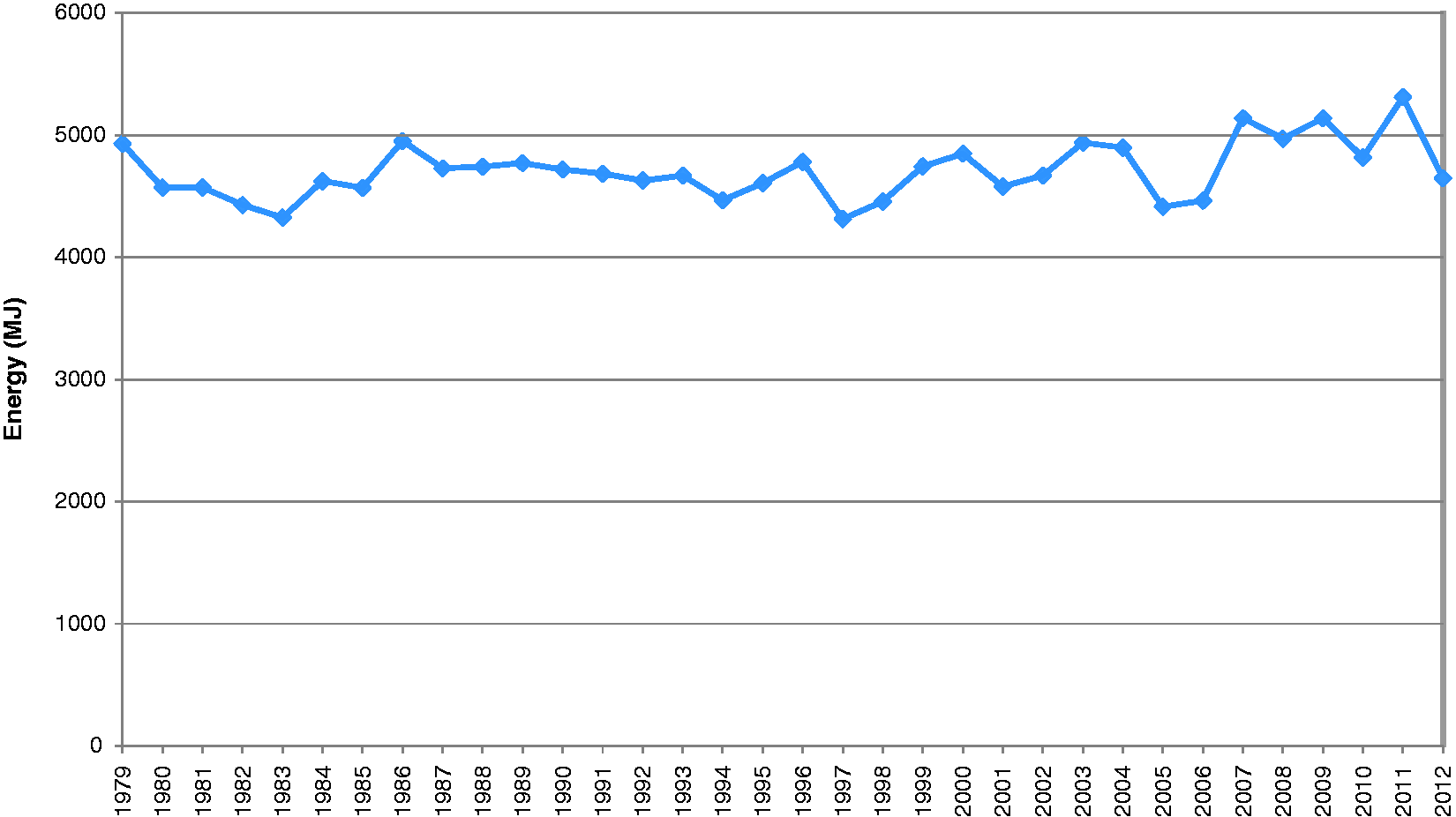
Solar energy applications
Solar-based energy conversion systems can be classified into two categories, namely solar thermal and solar electric. SWH is one of the main typical examples of solar thermal system. Normally, over 50% of the solar radiation falling on a solar panel is converted into thermal energy. 18 It means that solar thermal enjoys quite high efficiency and consequently a reasonable payback time for places with year-round hot water demands. It is particularly appropriate for low-rise building blocks such as guesthouses and bungalows located in low-density areas where the solar collectors can be installed on rooftops with no to slightly obstructed external environments. Solar electric makes use of PV effect to produce electricity energy from solar radiation without using any thermodynamic cycles and mechanical generators. There are three common types called mono-crystalline, multi-crystalline, and amorphous silicon cells. Pure mono-crystalline silicon is used to manufacture mono-crystalline silicon cells which have high conversion efficacy of a typical value around 15%. Since the manufacturing process is quite sophisticated, the capital cost is the highest among the three cell types. The multi-crystalline silicon cells are produced from molten silicon. Generally, the efficiency is slightly less than the mono-crystalline silicon cells with a usual value of around 12%. The amorphous silicon is created by deposition onto a substrate and the cells can be thinner than that from wafer sawing with a typical thickness of 0.4 mm. Due to the thin layer characteristic, the amorphous silicon cells are also called “thin film”. The conversion efficiency is relatively low and is typically below 10%.
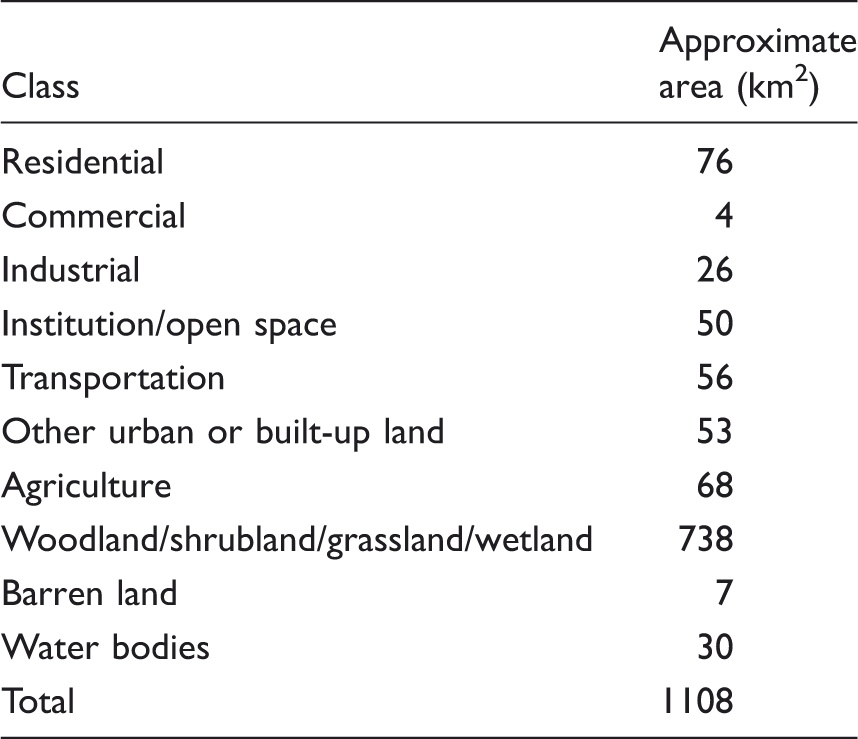
Land utilization in Hong Kong.
Environment issue
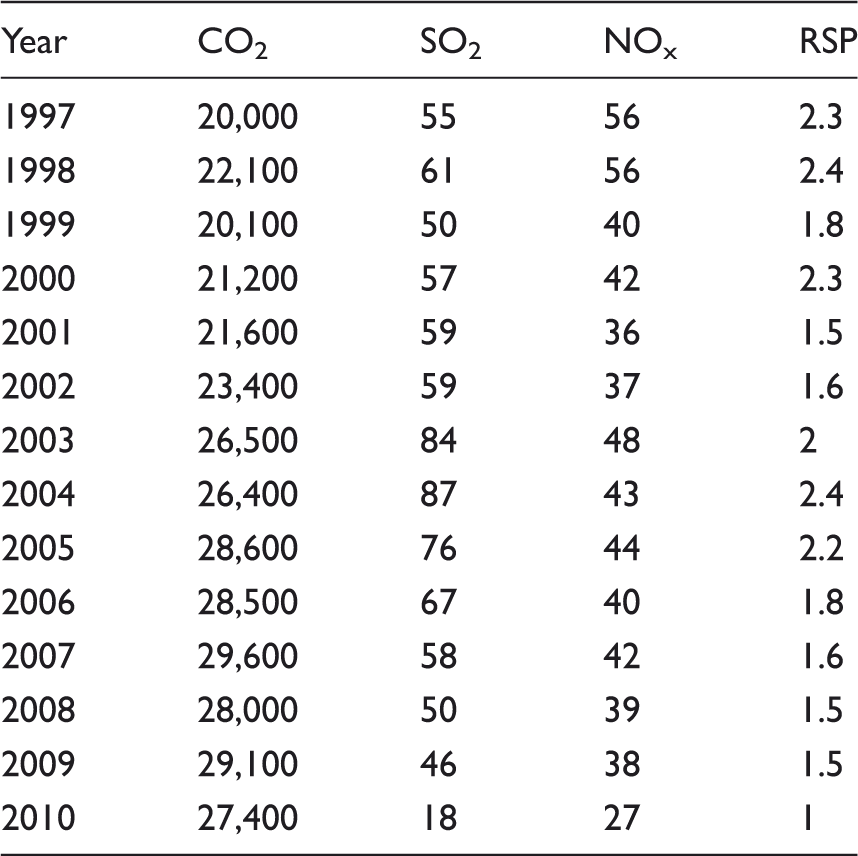
Greenhouse gas and air pollutants emissions (kilotonnes) in Hong Kong.
Cost analysis
The monetary payable period (MPBP), the life cycle cost (LCC), the internal rate of return (IRR), and the net present value (NPV) are important indicators for financial justification. The MPBP of the proposed solar thermal and solar electric installations can be evaluated by comparing the saved tariffs (electricity and gas) to the capital cost of the applications. The capital costs of the SWH system include material and installation cost of centralized pipework and auxiliary heaters. By making reference to the recent SWH projects in Hong Kong, 29 the capital cost of a SWH system was assumed to be HK$ 3130/m2 (US$ 400/m2). Electricity and town gas are commonly used to operate water heaters. In Hong Kong, electricity is mainly generated by two local power companies, namely the China Light and Power (CLP) and Hong Kong Electric (HKE). Currently, the electric tariffs are HK$ 0.941/kWh (US$ 0.12/kWh) for CLP and HK$ 1.231 kWh (US$ 0.16) for HKE. For town gas, the tariff is HK$ 0.823/kWh (US$ 0.106/kWh). Referring to these data and the annual energy output per collector area of 2100 MJ/m2, the simple MPBPs were computed to be 4.4, 5.7, and 6.5 years based on the tariffs for HKE, CLP, and town gas, respectively. Recently, trading of CO2 has been executed to promote green environment. Using the records between 2005 and 2009, 30 the rate of CO2 emission per unit energy (i.e. electricity and town gas) generated was 0.642 kg/kWh. According to the market rate for the carbon credit of US$ 0.01465/kg in September 2011, 31 the MPBP could be further reduced by 0.3 to 0.5 years. For PV systems, the capital costs include the solar modules, inverters, accessories, and the installations. The market price for a medium size BIPV system of HK$ 8450/m2 (US$ 1083/m2) was used. 31 The efficiency of solar electric is far less than that of solar thermal. Accordingly, the MPBPs were estimated to be 55.5 years and 42.5 years based on CLP and HKE tariffs, respectively. When carbon credit was considered, the payback year could be subsequently lowered to 51.5 years for CLP tariff and 40 years for HKE tariff.
To have a better understanding of the financial implications of the wide-scale solar thermal and solar electric applications, LCC analysis was also conducted for these two systems. Based on the parameters such as initial cost (IC), operating and maintenance cost (OMC), dismantling cost (DC), and salvage value (SV), the LCC approach converts and considers all money terms and benefits to present values by setting a discounting factor over a certain time period. The concept of the NPV of the energy cost over a life cycle (in terms of years) is provided as follow

Life cycle cost analysis for SWH system.
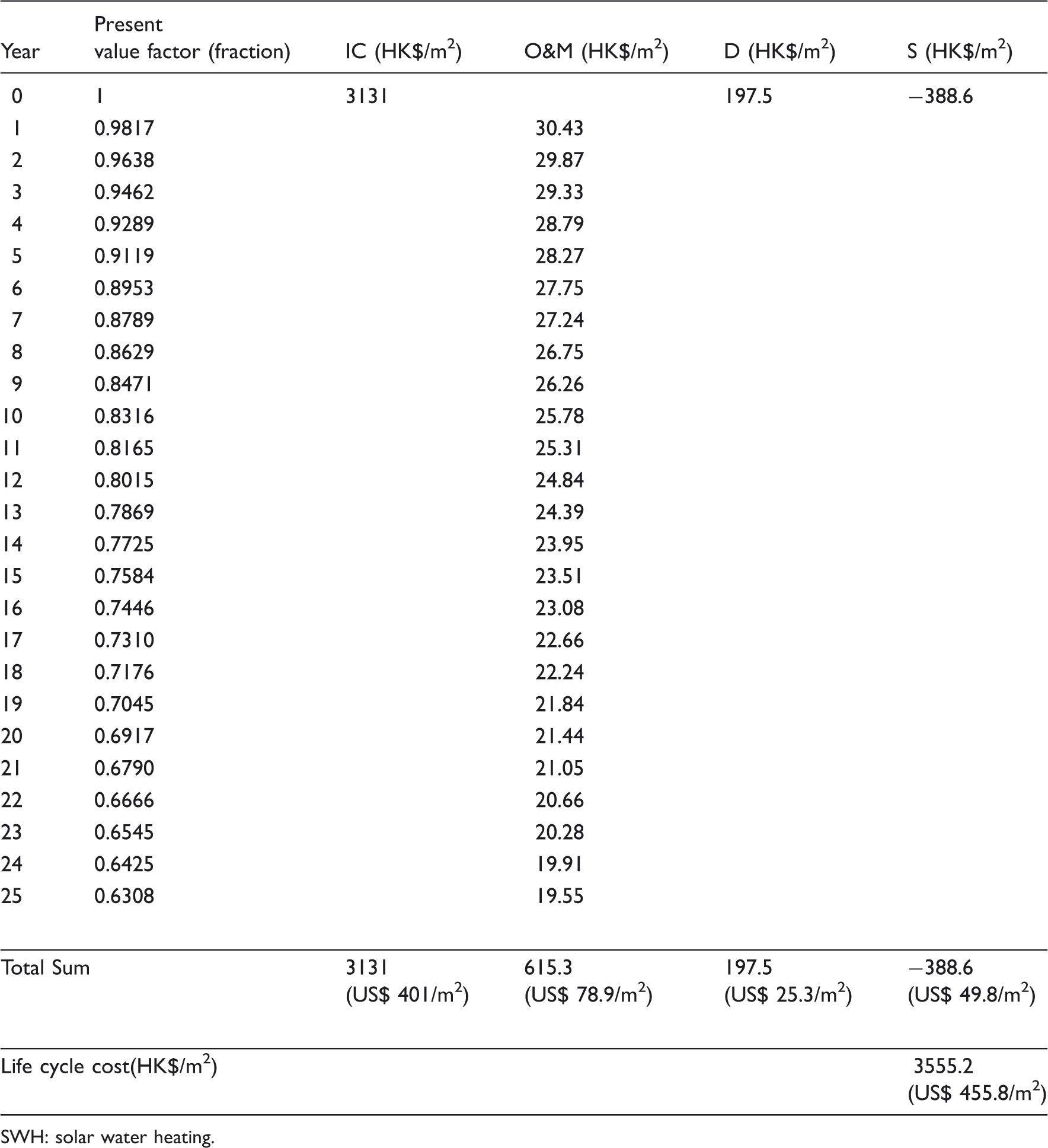
SWH: solar water heating.
Life cycle cost for solar electric system.
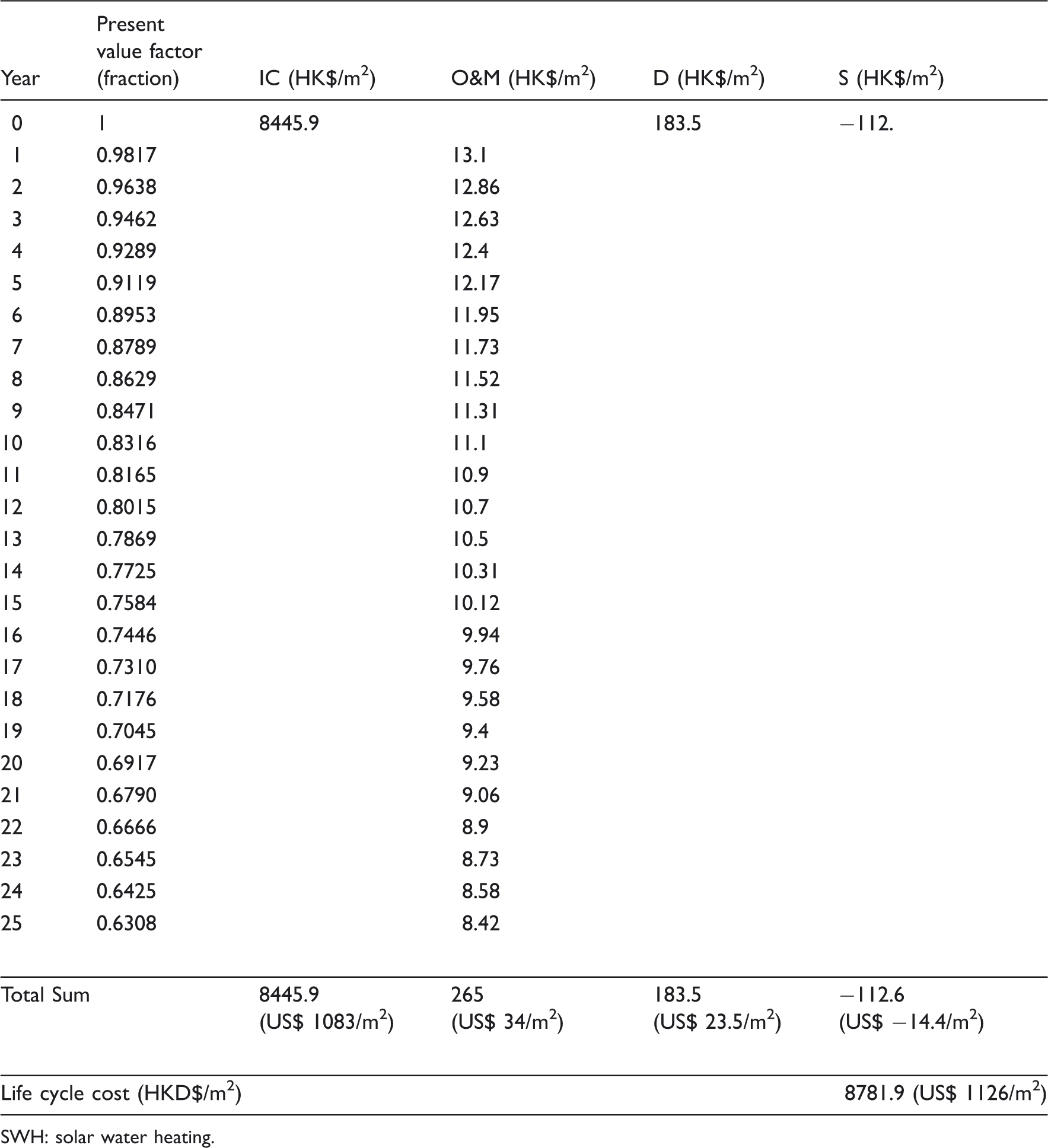
SWH: solar water heating.
NPV and IRR for the SWH and PV systems.
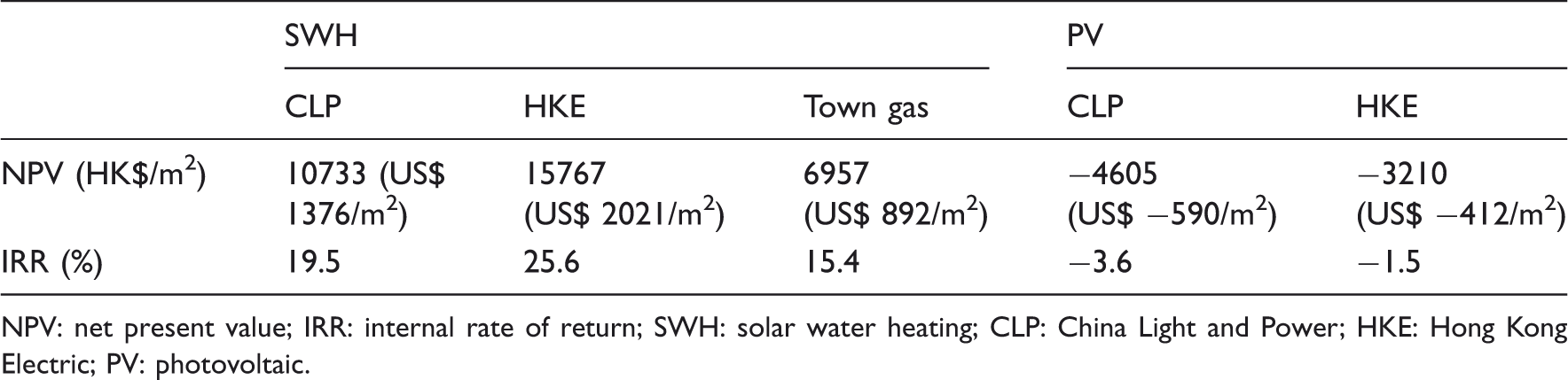
NPV: net present value; IRR: internal rate of return; SWH: solar water heating; CLP: China Light and Power; HKE: Hong Kong Electric; PV: photovoltaic.
Conclusions
The energy use in the forms of electricity, gas, and hot water for Hong Kong in previous years was studied. Commercial and residential sectors are the two major energy-users and the established trends show that the electricity use will increase continuously. The solar radiation data measured by the HKO from 1979 to 2012 were analyzed. The mean annual global radiation was found to be 4710 MJ/m2 which is quite good for active solar applications. Wide-scale applications of PV and solar hot water systems in Hong Kong were considered to illustrate their cost, energy, and environmental aspects. To meet the annual energy demand for hot water of 15740 TJ, the required solar panel area was computed to be 7.5 km2. For solar electric applications, 30% of the urban and built-up areas were proposed for installing PV systems. The annual output energy was estimated to be 46,270 TJ which corresponds to about 30% of the total building electricity consumptions in Hong Kong. In the environmental point of view, the annual emissions of greenhouse gas, SO2, NOx, and RSP could be reduced, respectively, by 10,960, 7.2, 10.8, and 0.4 kton if the proposed wide-scale SWH and PV installations were adopted. In view of financial aspect, the LCC, MPBP, IRR, and NPV for solar thermal applications are of reasonable figures. The latter three indicators also echo to recent findings about the financial feasibility of applying solar water panels for hotel in nearby city-Shenzhen. 34 For solar electric installations, owing to the large IC and low efficiency, the MPBP is far longer than the lifetime and both NPV and IRR are negative. However, these adverse outcomes should not abort the wide-scale PV applications. Instead, the government should subsidize and implement more effective incentive schemes thorough justification and include the benefits due to the reduction of the pollutants emission for cost assessments. Further research studies on such important issues including sensitivity studies on the parameters for large-scale solar energy applications are required.
Footnotes
Funding
The work described in this paper was fully supported by a General Research Fund from the Grant Council of the Hong Kong Special Administrative Region, China [Project no. 9041777 (CityU 116312)].