






Abstract
Purpose
This research examines the psychological and behavioural factors contributing to online shopping cart abandonment (OSCA), with a specific focus on the influence of psychological ownership (PO). It investigates how non-purchase-related factors impact the purchasing habits of Gen Z.
Design/methodology/approach
The authors conducted empirical research using an online questionnaire developed following an extensive review of the literature. This structured survey included validated constructs rated on a 5-point Likert scale and was administered to Indian Gen Z e-commerce users. A total of 251 responses were analysed using SmartPLS 4.0. Psychological ownership was conceptualized as a mediator and tested via a one-step embedded analysis within the PLS-SEM framework.
Findings
The results indicate that psychological ownership has a significant effect on OSCA (β = 0.438, p < 0.001), meaning that higher levels of psychological ownership are associated with greater abandonment. While psychological ownership can promote emotional attachment, it can also reduce urgency and prolong evaluation, leading to higher cart abandonment rates. Additionally, waiting for lower prices significantly increases abandonment, both directly and indirectly through psychological ownership. On the other hand, entertainment use and organized, research-oriented cart use do not directly affect abandonment, but they significantly influence it through psychological ownership. Neither comparison with land-based stores nor perceived risk had a significant effect on cart abandonment in the final model. The non-significance of perceived risk is likely attributable to the digitally immersed nature of Gen Z consumers, for whom online shopping is routine, and to reduced risk sensitivity due to trust in established platforms.
Research limitations/implications
As the study used non-probability sampling, the findings may not be fully generalizable. Additionally, the cross-sectional design limits the ability to draw causal inferences. Future studies should consider including additional variables, such as website interface quality and consumer trust. The use of Gen Z as the study population restricts its applicability to other consumer groups.
Practical implications
Retailers can reduce cart abandonment among Gen Z consumers by addressing price-delay behaviour with limited-time offers, price alerts, loyalty rewards, and reminders for saved items. Since psychological ownership may reduce urgency and prolong decision-making, retailers should combine personalized engagement with timely nudges, clear value communication, and streamlined checkout processes so that symbolic possession leads to completed purchases rather than abandonment.
Originality/value
This study expands the existing literature on online shopping cart abandonment by conceptualizing psychological ownership as an ambivalent pre-purchase process in digital commerce. Instead of assuming that feelings of ownership always promote purchase completion, the study shows that symbolic possession can also result in delays, more careful evaluation, and cart abandonment among Gen Z consumers.
Keywords
Introduction
The Internet and technology have transformed retail, driving a widespread shift from physical stores to online platforms. 1 A common problem for e-commerce businesses is that between 25% and 88% of consumers abandon their shopping carts, resulting in lost sales opportunities at the last minute. 2 An item is considered abandoned when it is placed in the cart but not purchased. 3 It is important to understand consumer non-buying behaviour as it helps researchers to analyse consumers’ decision-making in the digital era. Recent shifts in online consumer demographics emphasize Gen Z as a rapidly expanding and influential group in digital commerce. Born between 1997 and 2012, Gen Z is known for strong digital literacy, mobile-centric shopping habits, and a preference for exploratory and hedonic browsing over goal-oriented purchasing. 4 Research shows they often add items to online carts during playful or discovery-based browsing, usually without an immediate intention to buy. 5 Their sensitivity to prices, frequent comparisons, and tendency to save items for later use align with behaviours that promote psychological ownership and non-transactional cart activities. Understanding Gen Z’s distinctive browsing behaviours enhances the comprehension of online cart abandonment in today’s digital environment.
According to Kukar-Kinney and Close (2010), OSCA is considered a form of non-buying behaviour, that poses a threat to e-commerce growth. Song (2019) pointed out that OSCA is measured by the abandonment of individual or entire items in the shopping cart. Online cart abandonment is a global issue that leads to significant revenue losses for retailers, driven by a disconnect between consumer intent and final decisions. This is due to several behavioural, psychological, and technical factors. 6
This issue becomes even more significant when examined in the context of Gen Z, a cohort that has grown up in a highly digital and technology-driven environment. Gen Z is widely recognized as a digital-native generation whose members are deeply familiar with smartphones, social media, online platforms, and internet-based consumption from an early age. Their shopping behaviour is strongly influenced by convenience, trust, security, social influence, website quality, and both utilitarian and hedonic motives. 7 Research also indicates that Gen Z is highly responsive to digital content, peer recommendations, online reviews, and price-related information when making purchase decisions. 8 Because of this engagement, Gen Z consumers often use online platforms not only to purchase but also to browse, compare, explore trends, and seek entertainment.8. These behaviours make Gen Z a particularly instructive segment to study regarding online shopping cart abandonment, as they may use shopping carts as temporary storage, comparison tools, wish lists, or placeholders for future purchase decisions rather than as a signal of imminent purchase.
Cart abandonment highlights not just unmet transactional needs but also underlying psychological ownership. This paper identifies several factors contributing to cart abandonment, including perceived cost, entertainment purpose, and risk, each of which can influence a customer’s decision to complete a purchase or abandon their cart.
Psychological ownership is a critical factor in understanding both consumer attachment and abandonment behaviour. Lee and Kim (2020) delineate psychological ownership as the relationship between a person and an object in which the object is profoundly linked to the self. Consumers develop a sense of psychological ownership over products they have imagined but not owned, or have already lost. According to Lee and Kim (2020), individuals tend to amplify their feelings of psychological ownership when the object is viewed favourably. Given these important consequences, the authors argue that psychological ownership in pre-purchase digital contexts should not be treated as a uniformly positive force. While it can strengthen attachment, it can simultaneously reduce the urgency to complete the purchase and increase the likelihood of abandonment. This ambivalent nature, fostering both attachment and delay, is central to understanding cart abandonment. 9
Although previous research has explored the endowment effect in virtual shopping cart abandonment, this research clarifies its theoretical contribution by distinguishing between the endowment effect and psychological ownership. The endowment effect refers to the phenomenon where consumers value an object more once they have legal ownership, a well-documented finding in economics and marketing over the past 30 years. 10 Prior research indicates that psychological ownership, along with affective attachment, underpins many outcomes related to the endowment effect. 11 Essentially, while the endowment effect shows the behavioural result of ownership, psychological ownership reflects the cognitive and emotional process behind it. Focusing on psychological ownership in online shopping carts, where consumers can feel a sense of ownership without making a purchase, extends previous research. This provides a pre-possession perspective that can explain the counterintuitive delay and abandonment that symbolic ownership can produce, as well as the accompanying emotional attachment.
In other words, the endowment effect is the observed outcome, whereas psychological ownership is a psychological process that can drive it. The authors show that psychological ownership can exist even in the absence of legal ownership and that it is an important mediator of the endowment effect.
While existing literature has extensively examined transactional factors contributing to online shopping cart abandonment, such as payment security, shipping costs, and technical glitches, 12 there remains limited exploration of non-transactional motivations. Behaviours driven by entertainment, psychological ownership, or the use of shopping carts as exploratory tools are often overlooked. Most studies frame cart abandonment purely as a lost sales opportunity, neglecting the underlying emotional and behavioural dimensions that may influence consumers’ decision-making. This highlights a significant research gap: the need to explore the non-transactional drivers of cart abandonment, particularly the role of psychological ownership and how symbolic possession can delay or prevent purchase completion even among engaged consumers.
This research aims to address the identified gap by examining the role of psychological ownership in cart abandonment behaviour, alongside traditional factors such as perceived cost and risk. By exploring how consumers’ psychological attachment to items in their cart affects their purchase decisions, this research aims to demonstrate that psychological ownership operates as an ambivalent pre-purchase force, capable of delaying or preventing purchase completion even as it deepens consumer engagement. More specifically, this study focuses on Gen Z, a digitally immersed consumer group whose online shopping practices make them especially relevant for understanding the psychological and behavioural mechanisms underlying cart abandonment.
Beyond its contribution to consumer behaviour research, this study also speaks directly to managers responsible for designing and governing digital commerce systems. The online shopping cart is a technology-enabled interface through which human psychological states interact with platform design choices, and cart abandonment is a measurable signal of misalignment between them. By identifying the psychological and behavioural mechanisms that drive this misalignment, the findings offer actionable guidance for managerial decision-making in areas such as platform design, cart interaction features, pricing system governance, and technology-enabled customer engagement strategies.
Conceptual framework and hypotheses
This section provides a comprehensive review of online shopping cart abandonment and the decision points in the online purchasing process. It explores factors influencing consumer buying behaviour and examines the impact of psychological ownership on pre-purchase actions.
Entertainment purpose
Kukar-Kinney and Close (2010) suggest that consumers may engage in online shopping as a form of entertainment and to organize a prospective purchase. They emphasize that shopping is generally perceived as an enjoyable activity, and some consumers use it as a form of escapism. 2 Experiential motives drive these consumers, who browse and shop online purely for fun, to alleviate boredom, or for personal enjoyment ((Kukar-Kinney & Close, 2010). Kukar-Kinney and Close (2010) argued that experiential shoppers “only see purchasing as an entertainment activity and placing the product into a shopping cart is more about fulfilling an emotional desire than about completing a transaction.”
According to Yusuf et al. (2021) the shopping cart for entertainment purpose is positively related to cart abandonment but negatively related to the frequency of online consumer purchases. Based on their findings, entertainment purpose can be defined as the extent to which consumers add products to their carts to entertain themselves and alleviate boredom. Further, this study will demonstrate that such consumers often derive emotional gratification by imagining themselves as the product’s owners, even without completing the purchase. Drawing on these insights, the authors propose the following hypothesis.
Organization and research tool
Since the online shopping cart can be used for entertainment, it also serves as a tool for consumers to organize and research products of interest during deliberate searches. During an intentional and ongoing search, consumers may use the shopping cart to sort relevant items, thereby narrowing their options before gathering more information (Close & Kukar-Kinney, 2010).
In an ongoing search, Close & Kukar-Kinney (2010) found that a consumer may use a shopping cart to organize items of interest and narrow down previously made selections to gather information. In a Forrester Research survey, 41% of participants added items to their online carts for organization and research purposes. 2 The online cart also allows consumers to easily return to it after exploring other products in their evoked set. The authors, therefore, define the use of an online shopping cart for organization and research purposes.
Online cart content helps consumers assess the prices of items they are considering. When shoppers mainly use their virtual cart for research and organize products during the decision-making process, they are often not in a rush to buy the items immediately. As a result, they tend to be more sensitive to prices. 3 The authors suggest that the more consumers use their cart for organization and research, the more likely they are to focus on prices and look for better deals later. Therefore, increased use of the cart for research is associated with a higher likelihood of abandoning it.
Online evaluation: Total cost and cart abandonment
Wang et al. (2022) found that purchases are often delayed as consumers tend to wait for lower prices or seek out retailers offering discounts. Several researchers have also highlighted the importance of price awareness in shaping consumer behaviour and attitude. 13 Azimi et al. (2020) emphasize that price consciousness is a key predictor of shopping behaviour. Prior studies suggest that when customers anticipate a discount or lower price, they are most likely to hesitate to buy the product and abandon it in their shopping cart. 14
In the context of online shopping, customers frequently seek lower prices and often delay purchases in anticipation of a discount. 15 According to Wang et al. (2022), the tendency to wait for a lower price can be defined as the decision to wait until a price reduction is found for at least some items in the cart. Their study further confirms that such behaviour significantly contributes to shopping cart abandonment. Additionally, Wang et al. (2022) the decision to wait until a price reduction becomes available is driven by the dynamic nature of online pricing, which prompts consumers to continually compare prices across retailers in search of better deals.16–20
Wang et al. (2022) argue that shopping in physical stores can help reduce the sense of uncertainty often associated with online shopping. Therefore, consumers who hesitate at checkout are more inclined to choose in-store retail shopping after leaving their online cart. Chiu et al. (2019) state that when making an online purchase, consumers tend to focus primarily on monetary factors, such as discounts and lower market prices. Many believe that products sold online are generally priced lower than those available in physical stores, a perception known as the “expert lower price online” (ELPO) (Lo et al., 2014; Lo, 2013).
Kukar-Kinney & Close (2010) discuss the concept of store comparison in online shopping, highlighting that consumers often use their virtual carts as research tools. By adding items to their cart, consumers can compare prices and wait for a lower price. When consumers use their cart in this way, they are more likely to delay their purchase, waiting for a sale or price reduction and ultimately decide to buy the product from a physical store. This further supports the notion that total costs and anticipation of lower prices contribute to cart abandonment and influence the decision to purchase from an offline store.
Furthermore, this paper examines how emotional attachment to a product, particularly through tactile experiences (such as touch and feel), influences shopping cart abandonment. Based on this conceptualization, the authors propose the following hypotheses:
Perceived risk
Perceived risk is a well-known concept for understanding consumers’ attitudes. According to Moliner-Tena and Tortosa-Edo (2025), consumers develop expectations regarding the outcomes of voluntarily disclosing their data. Perceived risk is hence considered a function of both the uncertainty about the possible outcome of a behaviour and the likelihood that some of the outcomes may be unpleasant. Research indicates that examining perceived risk in the context of future purchases provides valuable insight into shopping cart abandonment.21,22 Perceived risk in consumer decision-making encompasses several dimensions, including social, financial, and psychological risks, all of which can delay purchasing decisions. 12
The first factor is the financial risk associated with a product’s price, that is, the perceived future financial risk of overspending on a purchase. This causes delays in consumer buying decisions. This variable considers whether consumers have the financial resources for spontaneous purchases, judged by the expected impact on their financial situation. In other words, those who cannot afford to pay at the time might delay or hesitate to buy because they anticipate future financial risk from the purchase. 12 This may cause consumers to abandon their carts after re-evaluating whether they can afford a particular product. Social risk refers to consumers’ fear of negative judgment from others about their purchases, which can discourage them from buying innovative or unfamiliar products. In such cases, consumers often seek reassurance from peers, and if timely feedback is unavailable, they may postpone or abandon the purchase. 12
Likewise, consumers tend to postpone their purchase decisions if they worry about experiencing mental stress from future regrets, known as psychological risks. Essentially, feelings of uncertainty or fear about potential negative outcomes or failure associated with their purchases can cause consumers to delay making a purchase. This perception of uncertainty or fear contributes to psychological risks that can delay online purchases. 12
Tian et al. (2019) concluded that consumers who remain uncertain about making a purchase often exhibit checkout hesitation and increased cart abandonment. At the same time, they are more likely to purchase products from land-based stores to mitigate the uncertain risks associated with online purchasing. 23 This shift aligns with the findings of Wang et al. (2022), who observed that consumers choose different purchasing channels to maximize shopping benefits and reduce risk. This could lead consumers to switch to in-store purchasing, where they can see and touch the product they want to purchase. 24 That is, consumers require interpersonal interaction during the purchase process and will move from online to offline shopping platforms to mitigate the perceived risk associated with online transactions. 25 This phenomenon may occur due to consumers’ psychological factors or conflicts in the purchase decision-making process. 14
Accordingly, when customers perceive a high level of risk when purchasing products online, they may prefer to switch to physical store retailers instead. Conversely, a lower perception of risk tends to increase the likelihood of online purchases. 14 Xu and Huang (2015) argue that as consumers become increasingly aware of potential risks associated with online transactions, they tend to adopt a more cautious approach in their purchase decisions. Thus, the present study posits that higher perceived risk can increase cart abandonment rates. When consumers feel uncertain about a product’s quality or reliability, they are less likely to complete their purchase.
Building upon the findings of the previous study, the present study aims to examine how perceived risk affects shopping cart abandonment. Based on this framework, the authors propose the following hypotheses:
Psychological ownership
The concept of psychological ownership was first studied in the field of management at the beginning of the 21st century, 26 and it has recently been applied to the marketing context to enhance understanding of the relationship between customers and products. 27 Jiang et al. (2021) argued that psychological ownership is a feeling of ownership over something. According to recent research in psychology and business, psychological ownership is a multifaceted construct whose consequences depend on context and the level of cognitive involvement. While prior literature has predominantly framed psychological ownership as a driver of positive consumer outcomes, such as increased willingness to pay and stronger purchase intentions, this study draws attention to its less-examined consequence in pre-purchase digital contexts: the tendency of symbolic possession to reduce purchase urgency, extend deliberation, and ultimately increase cart abandonment. 28
Although the role of PO in increasing engagement and intentions has been extensively researched and supported in the literature, the construct also elicits more profound mental activity and emotional involvement. 28 This higher involvement may result in prolonged deliberation and cognitive load, rather than direct buying behaviour, in situations involving high mental load, namely online shopping, where there is plenty of choice and information available. They identified essential characteristics of psychological ownership in their study; primarily, this construct represents an individual’s sense of possession of tangible and intangible products. This feature enables psychological ownership to be distinguished from related concepts such as commitment and identification. Secondly, psychological ownership also involves individual psychological states such as personal awareness, thoughts, beliefs, and affective or emotional states. This situation is also linked to an individual’s self-concept. 27 Thirdly, Psychological ownership is distinct from legal ownership and does not require formal possession. In other words, psychological ownership of an item does not depend on actual possession, even if the object exists within the owner’s exclusive domain, which can foster a sense of psychological ownership. Furthermore, the greater the degree of control a person exercises over an object, the stronger their sense of psychological ownership. At the same time, people have invested energy, time, and attention in online shopping environments, for example, by adding items to their shopping carts and forming connections between the products and themselves, which can trigger a sense of psychological ownership among consumers. 29
A wealth of prior research has shown that many individuals and groups experience psychological ownership of various products. It includes both tangible and intangible products and services, such as clothing, restaurants, digital products, and even abstract concepts like ideas. 27 These findings suggest that the degree and nature of psychological ownership can vary by product type or context.
In sum, these characteristics of psychological ownership make it a theoretically rich construct for understanding how pre-purchase digital engagement can produce both emotional attachment and delayed purchasing behaviour.
Browsing behaviours such as organizing and researching products, waiting for better deals, and comparing online offers with in-store options can foster a sense of psychological ownership. This happens through increased cognitive engagement and mental simulation of possession. According to psychological ownership theory, people develop feelings of “mine-ness” toward an object when they devote time, attention, or effort to it, even before they officially own it. This engagement boosts familiarity, perceived control, and self-investment, all vital factors in fostering psychological ownership. 27
When consumers actively research and organize products by creating wish lists or evaluating specifications, they establish a personal connection and gain control over the product, thereby strengthening their psychological attachment. Similarly, consumers who wait for a lower price often monitor items and imagine future use, reinforcing mental ownership and increasing cart abandonment.
30
Additionally, comparing online products with those in physical stores helps individuals visualize real-world ownership, deepening emotional and cognitive bonds with the item (Figure 1). Conceptual model. Source: Created by Author.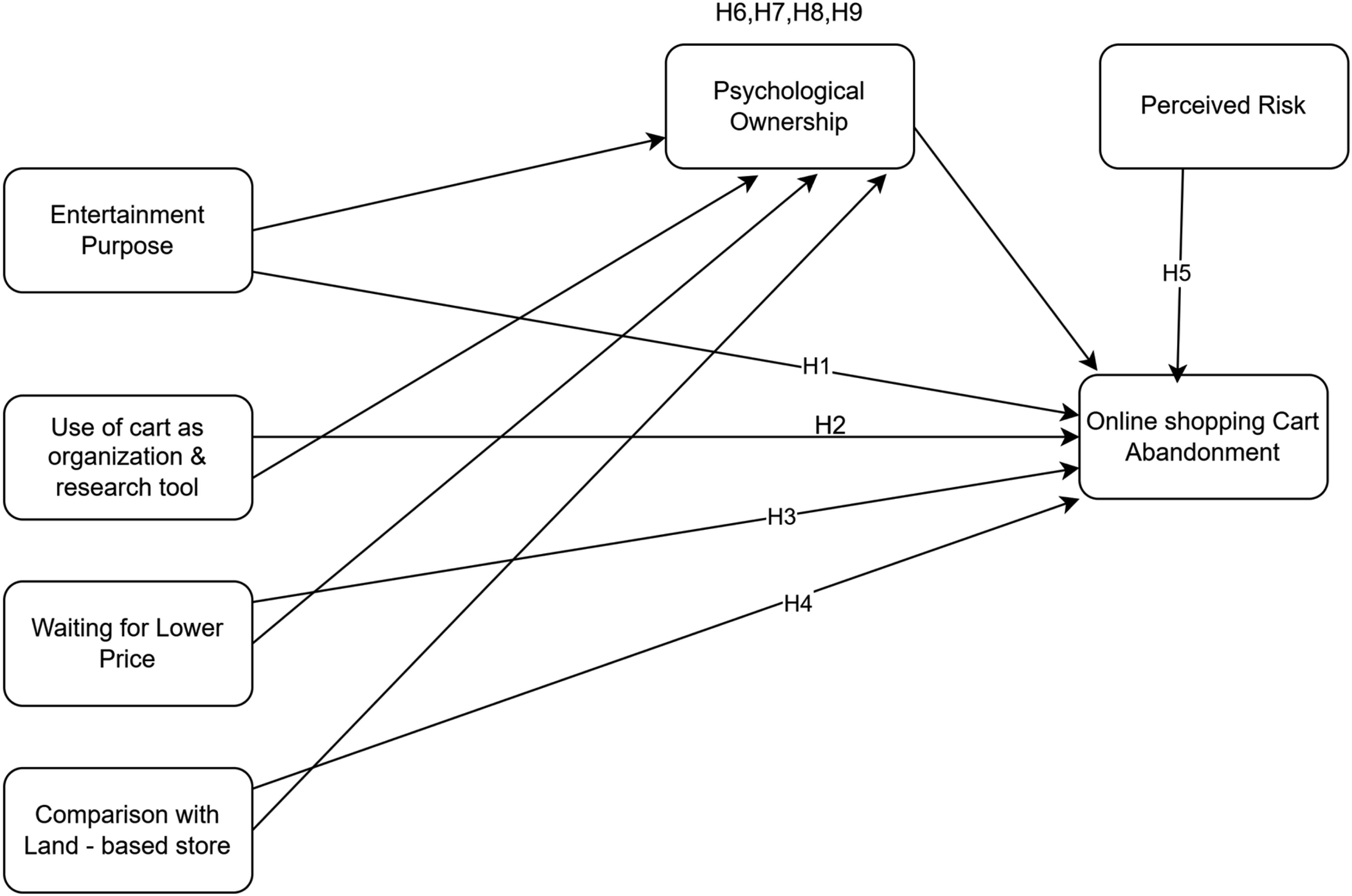
Thus, this study aims to examine the role of psychological ownership in online shopping, specifically investigating how it mediates the relationship between entertainment purpose and shopping cart abandonment. Based on this framework, the authors propose the following hypotheses:
Methodology
Data collection, sampling, and measurement
The research methodology employed in this study is quantitative, and it investigates the effects of exogenous variables on online shopping cart abandonment. This study aims to investigate the factors that directly or indirectly influence online shopping cart abandonment and their impact on purchasing decisions. An online questionnaire was created using Google Forms to collect data from respondents. Convenience sampling was employed to collect the data. The target respondents were Gen Z e-commerce users. The link was shared on various social media platforms, including LinkedIn and WhatsApp, and the network was encouraged to share the questionnaire with others interested in participating. This broader dataset from a large audience helps increase the number of respondents.
Measurement items from previous research have been used in the present study, with minimal modification to fit the study context, while ensuring consistency with previous findings and maintaining scale accuracy. All the determinants of cart abandonment, that is, Comparison with Land-Based Stores (CLBS), Entertainment Purpose (EP), Organization and Research Purpose (ORP), Perceived Risk (PR), Waiting for Lower Price (WLP), Psychological Ownership (PO), and Online Shopping Cart Abandonment (OSCA), have been taken from the previous study and modelled as reflective constructs.2,31,32 Each item in this study was measured on a 5-point Likert scale ranging from 1 (Strongly Disagree) to 5 (Strongly Agree), consistent with standard practice in consumer behaviour and marketing research.
This study examines the factors that can influence shopping cart abandonment. The target respondents for this online survey are 251 individuals who have abandoned their shopping carts on online marketplaces. The sample size meets the minimum requirement of 200 for conducting advanced statistical methods such as Structural Equation Modelling. The questionnaire consists of questions related to existing variables. Data was collected between October and December 2025. Participants with online shopping experience were considered more suitable for this study, as the research focused on shopping cart abandonment behaviour and its psychological, behavioural, and situational factors, and their influence on online shopping.
This study employed quantitative research to examine the phenomenon of shopping cart abandonment. SmartPLS 4.0 was used in the present study because it offers several advantages over traditional SEM. Smart PLS is more efficient and convenient in handling large-scale or real-time data.
33
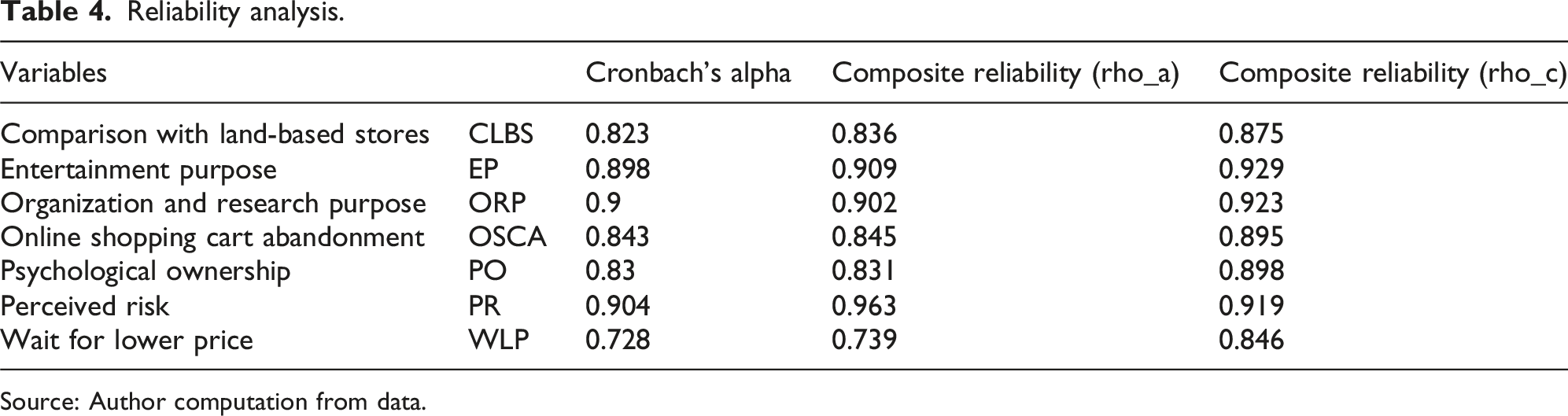
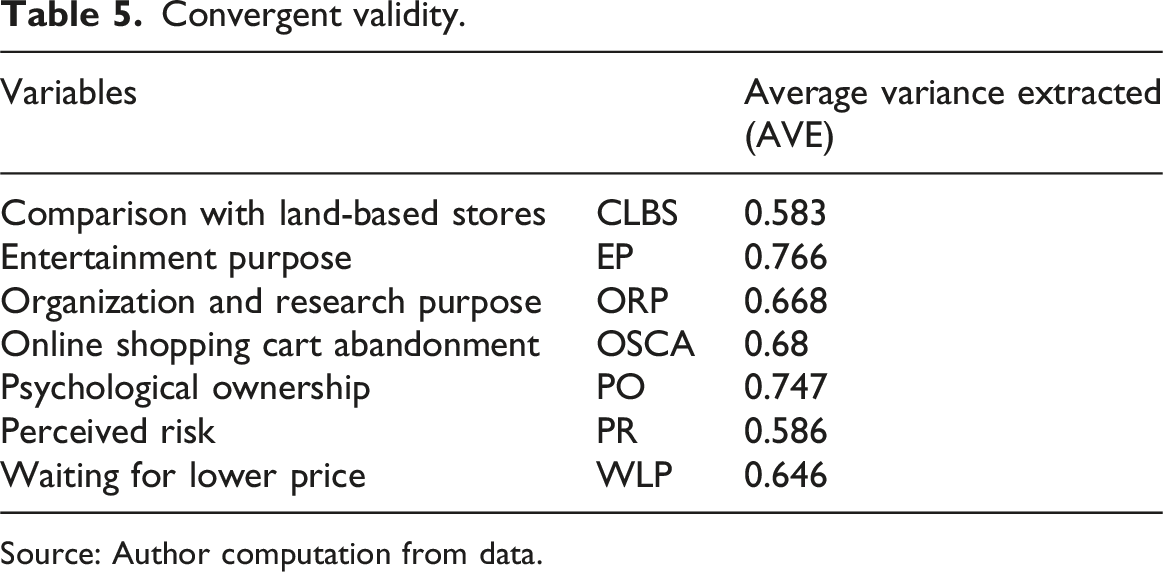
PLS-SEM is particularly effective for estimating models with multiple reflective constructs and does not require strict assumptions about data normality. As this study aims to explore the influence of psychological and behavioural factors on online shopping cart abandonment, PLS-SEM offers more robustness and flexibility. Hence, PLS-SEM accommodates hierarchical component models and complex path structures, which align well with the proposed model in this manuscript. The analysis was conducted by using a One-step approach. Firstly, the Measurement model was used to evaluate internal consistency, reliability, and validity by using Cronbach’s alpha, Composite Reliability and Average Variance Extracted. Secondly, the structural model was assessed using bootstrapping (5000 subsamples) to test the hypothesis and path relationships. The graphical output of the measurement model generated in SmartPLS is presented in Figure 2, which shows the relationships among constructs and their respective indicators. Measurement Model. Source: Created by Author using SmartPLS software.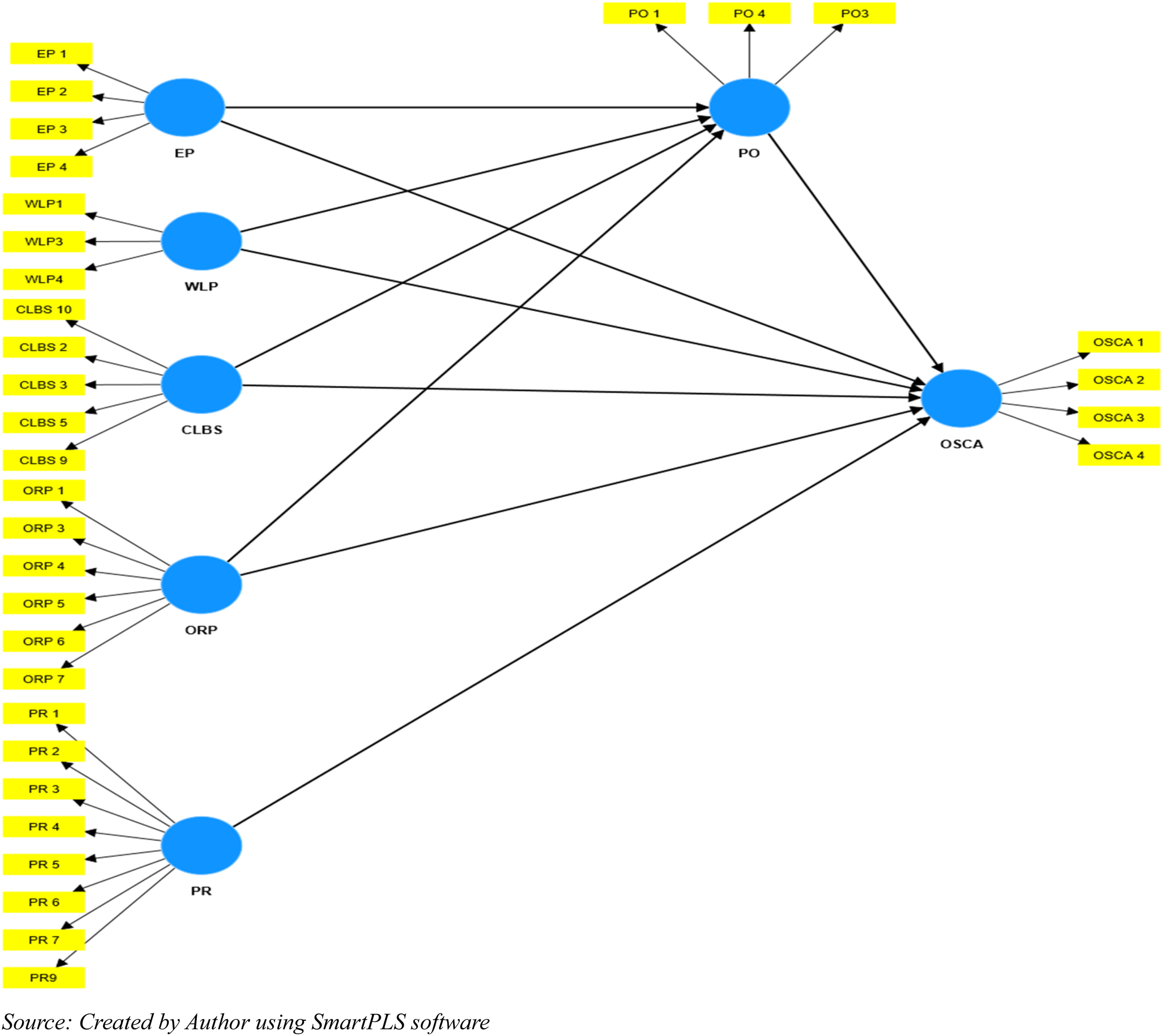
Screening logic and eligibility criteria
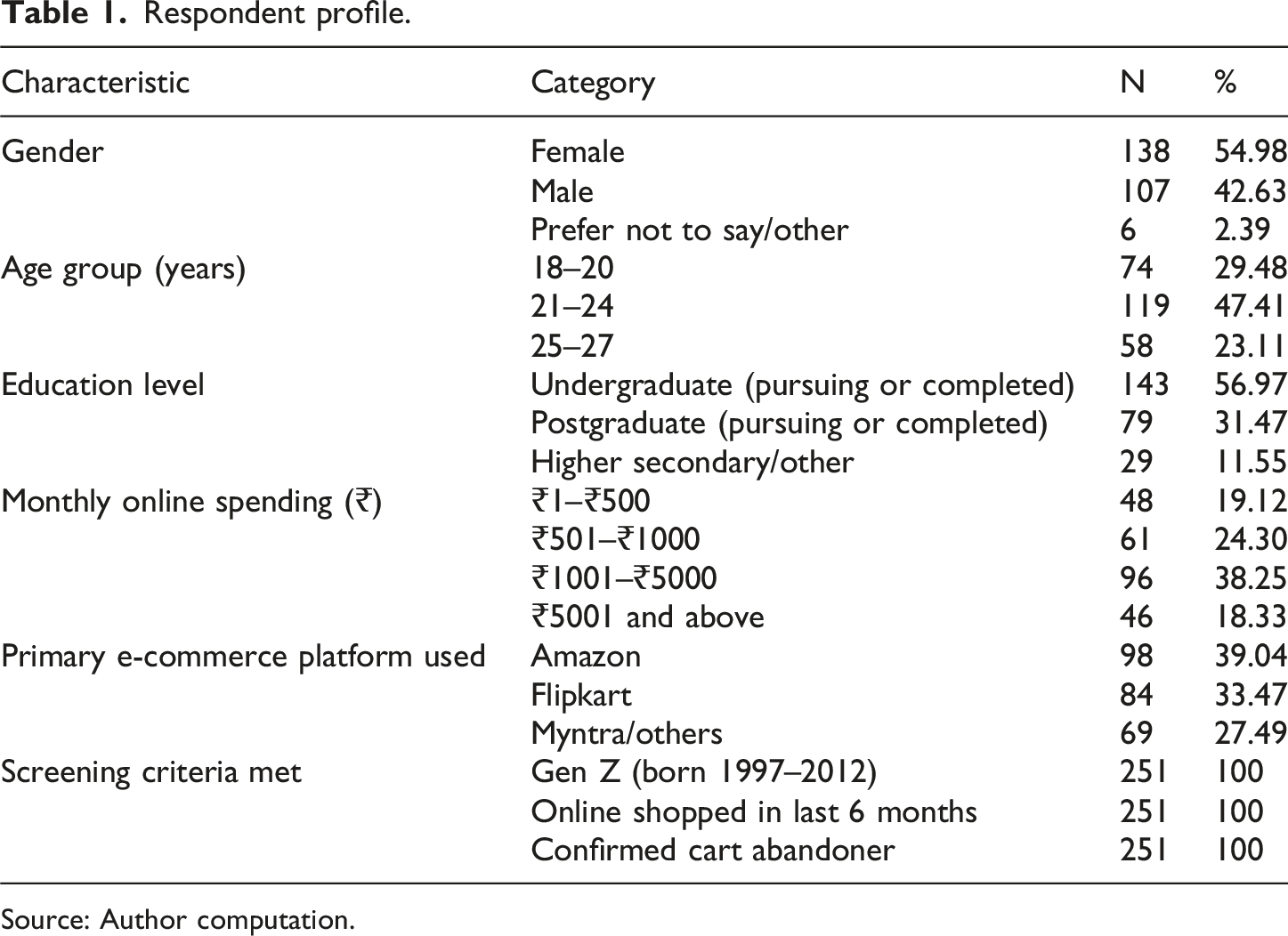
To ensure the appropriateness and integrity of the sample, a three-stage screening procedure was embedded at the start of the questionnaire prior to the main survey items. In the first screening stage, respondents were asked to confirm their generational cohort by selecting their year of birth. Only individuals born between 1997 and 2012, corresponding to the Gen Z age bracket, were permitted to proceed. Responses from outside this birth range were automatically filtered out, ensuring the sample was entirely composed of Gen Z consumers. In the second screening stage, eligible respondents were asked whether they had engaged in online shopping on any e-commerce platform (such as Amazon, Flipkart, Myntra, or similar) within the preceding 6 months. Only those who confirmed recent online shopping activity were allowed to continue. This criterion was applied because familiarity with the e-commerce environment is a prerequisite for meaningful self-reporting on cart addition and abandonment behaviour. In a third and final filter, respondents were asked whether they had ever added a product to an online shopping cart and subsequently abandoned the purchase (i.e., cart abandonment). Only confirmed cart abandoners were included in the final analytical sample. Respondents who had never abandoned a cart were excluded, as the study constructs are inherently experience-dependent. This sequential screening logic ensured that all 251 final respondents possessed the behavioural experience necessary to respond meaningfully to the survey items on psychological ownership, price-waiting, entertainment browsing, and other antecedents of online shopping cart abandonment.
Respondent characteristics
Respondent profile.
Source: Author computation.
Data analysis
A quantitative research design was adopted to gain a deeper understanding of the research problem. The data is then analysed using SmartPLS (Figure 2). A second model is created to examine relationships between latent variables (Figure 3). The measurement model values also evaluated the reflective construct. Finally, for testing the hypothesis, the structural model was analysed in this study. The study did not test any moderation effects in the final model. Bootstrapping Result. Source: Created by Author using SmartPLS software.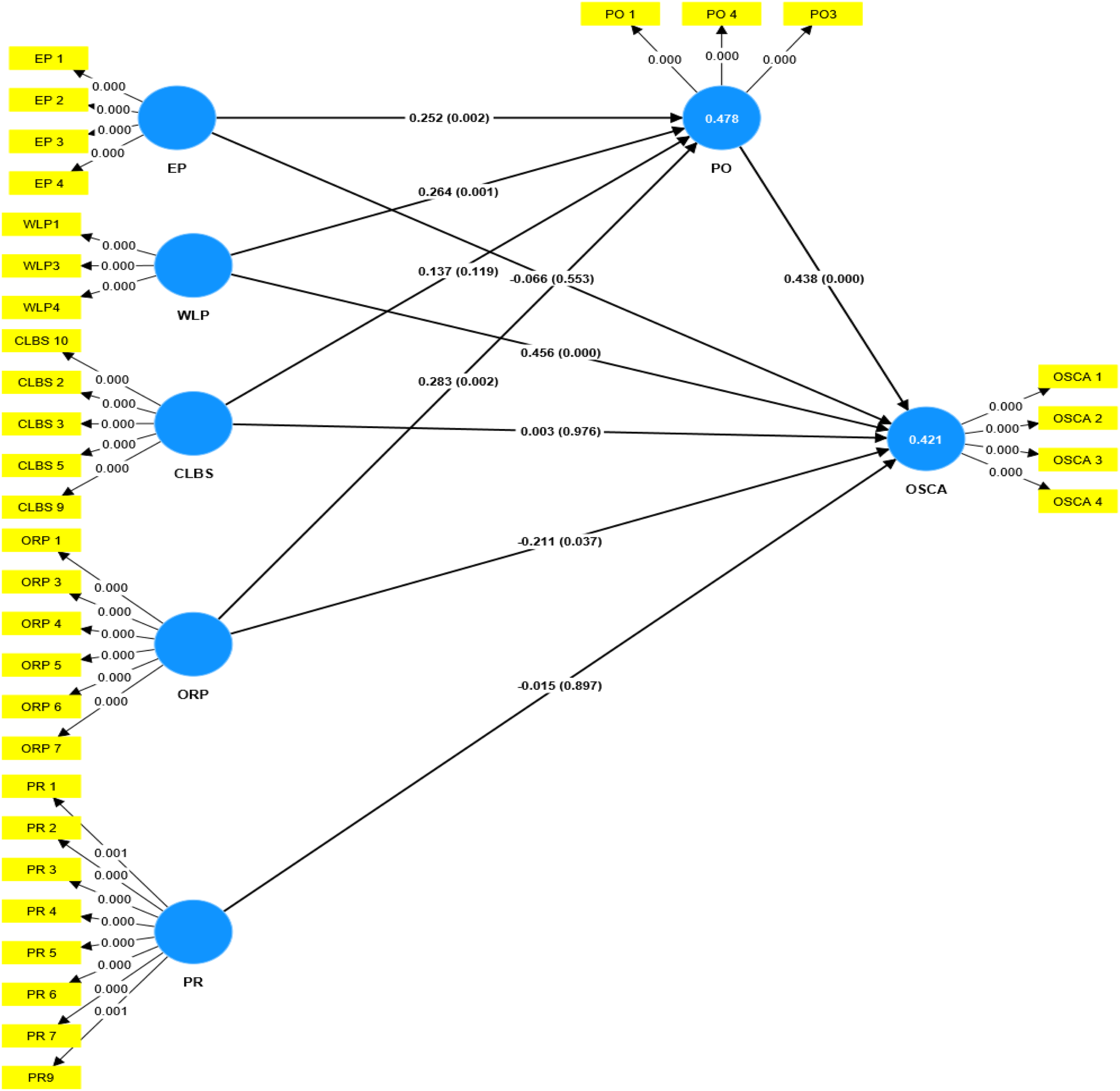
Measurement model
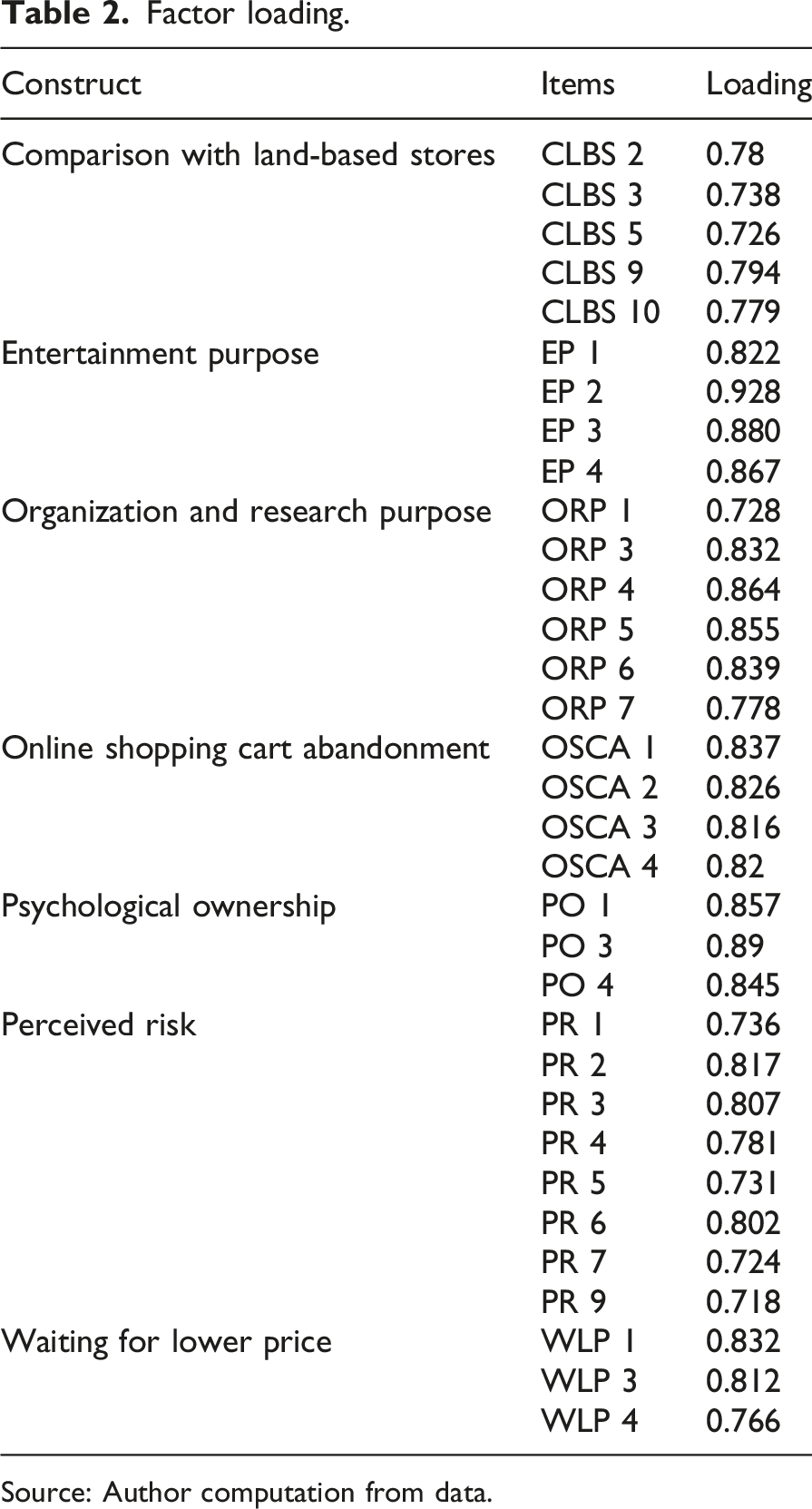
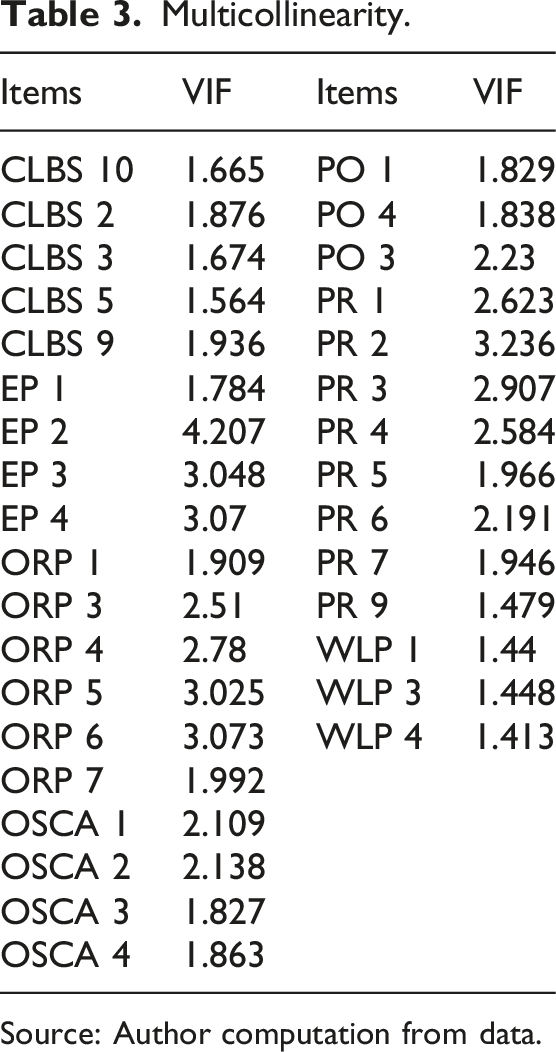
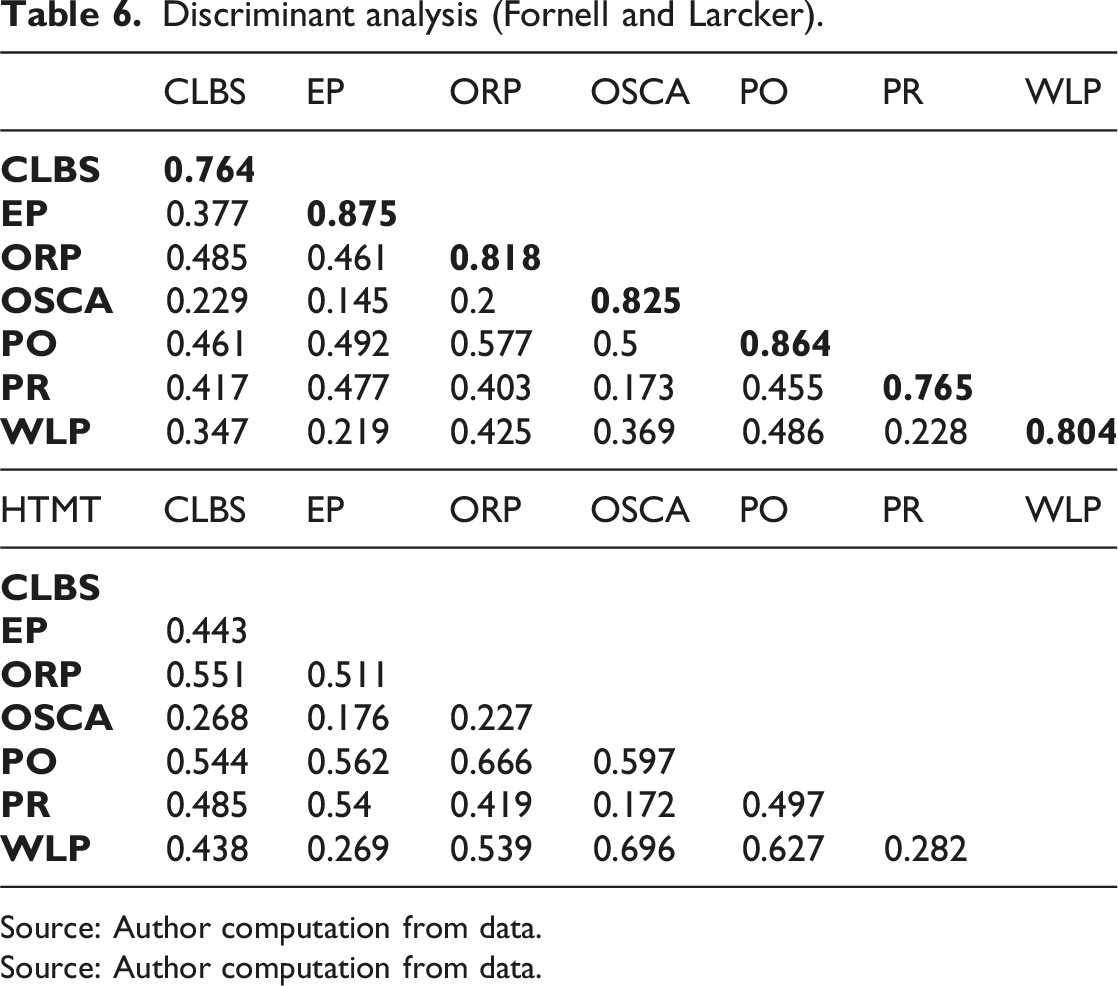
Prior to analysing the structural relationships, the measurement model was evaluated to ensure the reliability and validity of the observed indicators and their associated latent constructs. This assessment included reflective constructs. The evaluation criteria comprised indicator reliability (through factor loadings), internal consistency reliability (via Cronbach’s alpha and composite reliability), convergent validity (using Average Variance Extracted or AVE), multicollinearity (assessed through variance inflation factors), and discriminant validity (examined using the Fornell-Larcker criterion and HTMT ratio). This rigorous validation process ensured the robustness of the measurement model before proceeding to the structural model analysis.
Factor loading
Factor loading.
Source: Author computation from data.
The original questionnaire comprised 44 items across seven constructs. Item deletion decisions were made exclusively at the measurement model stage, prior to structural model estimation, and were based on a single, pre-specified statistical criterion: factor loadings below the minimum acceptable threshold of 0.70, as recommended by Hair 33 for reflective constructs in PLS-SEM. No items were deleted solely on conceptual grounds. Following iterative evaluation in SmartPLS 4.0, 11 items were removed for failing to meet this threshold, leaving a final set of 33 items. The retained items for all constructs demonstrated loadings between 0.718 and 0.928, confirming indicator reliability. No further deletions were necessary after the first round of assessment.
Multicollinearity
Multicollinearity.
Source: Author computation from data.
Reliability analysis
Reliability analysis.
Source: Author computation from data.
Convergent validity
Convergent validity.
Source: Author computation from data.
Discriminant validity
Discriminant analysis (Fornell and Larcker).
Source: Author computation from data.
Source: Author computation from data.
Common method bias
This study acknowledges the potential for common method bias (CMB) given its reliance on a single self-administered questionnaire, self-reported measures, and cross-sectional data collected from individual respondents. To mitigate this at the procedural level, respondents were assured of complete anonymity, informed that there were no right or wrong answers, and construct sections were clearly separated with distinct headings to reduce psychological proximity between predictor and outcome items. As a statistical indicator, all item-level VIF values reported in Table 2 range from 1.413 to 4.207, well below the threshold of 5.0, 33 the strong discriminant validity confirmed through the Fornell-Larcker criterion and HTMT ratios suggests that the seven constructs are empirically distinct, a pattern inconsistent with severe method-induced covariance. While CMB cannot be entirely ruled out in any single-source cross-sectional study, the procedural safeguards and measurement model diagnostics collectively suggest it is unlikely to pose a serious threat to the validity of the findings.
Structural analysis
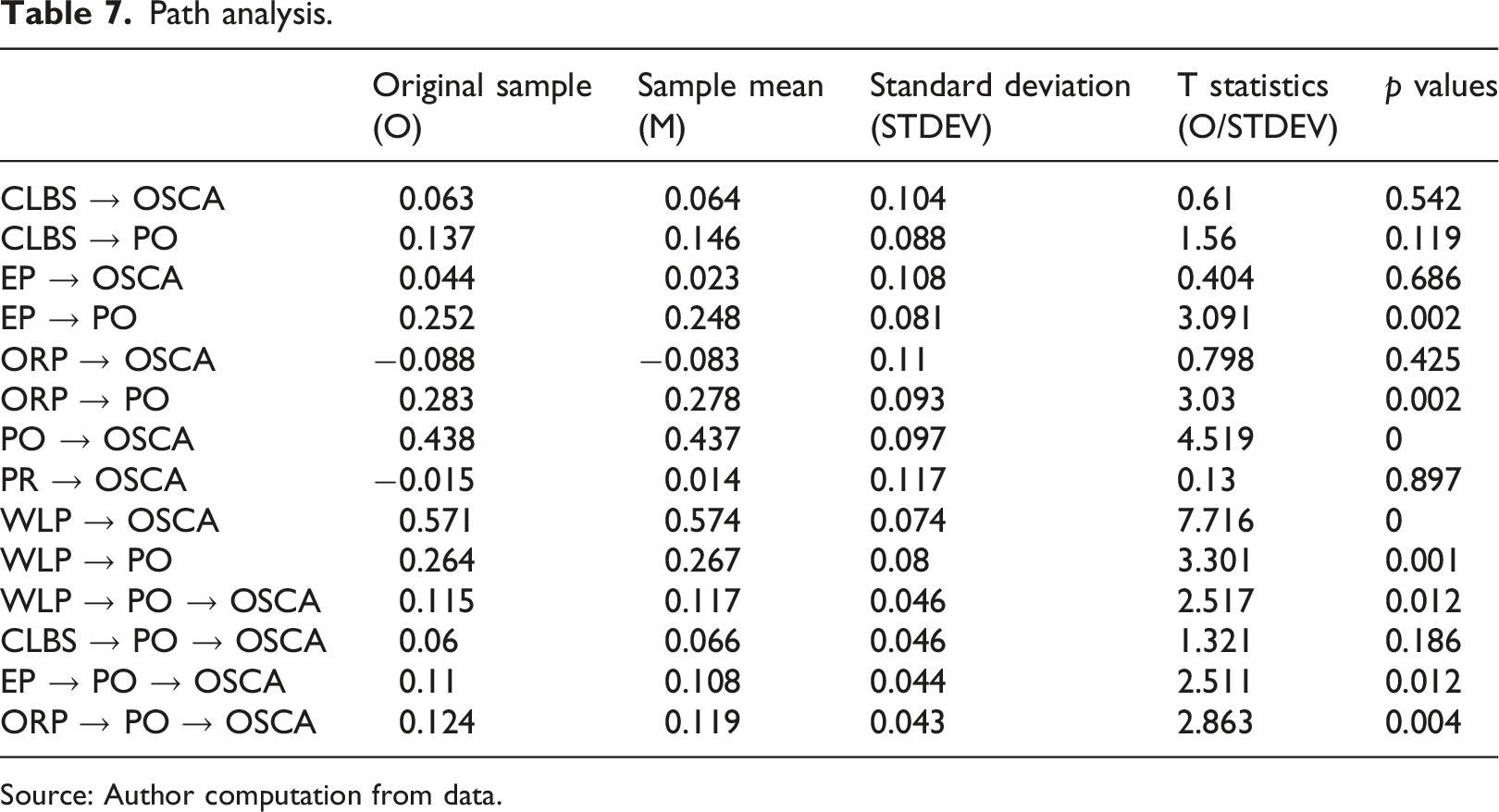
Path analysis.
Source: Author computation from data.
The results show that psychological ownership (PO) has a positive and significant impact on online shopping cart abandonment (OSCA) (β = 0.438, t = 4.519, p < 0.001). This emphasizes PO’s crucial role in shaping consumer behaviour in online shopping. As shoppers feel more emotionally connected to their cart items, they are unexpectedly more likely to abandon their carts, suggesting that strong attachment may sometimes lead to hesitation or reconsideration. The findings here further extend the literature on psychological ownership in digital consumption contexts by demonstrating how psychological ownership of cart items does not always translate into immediate purchase behaviour. On the contrary, higher levels of psychological ownership may intensify the evaluation of perceived risk and anticipated regret. This can lead to increased hesitation and cart abandonment. This finding suggests that psychological ownership in online environments possesses a dual role: deepening emotional attachment while simultaneously triggering cautious decision-making and reducing purchase urgency. This aligns with prior research indicating that psychological ownership fosters a sense of responsibility and commitment toward the product (Li & Atkinson, 2020).
Although psychological ownership has traditionally been linked to higher purchase intent, this study shows a positive relationship: increased PO can lead consumers to spend more time evaluating, comparing, and mentally imagining owning items in their cart. This behaviour can be associated with decision-making, in which economic and psychological factors interact throughout the purchase process. The inclusion of tangible aspects, such as prices, can slow down the process and increase the risk of cart abandonment. Previous research supports that pre-purchase psychological ownership can create a sense of temporary possession, which reduces the urgency to buy, and the increased cognitive effort associated with PO may extend decision-making. 27 This tendency is apparent among digitally engaged groups like Gen Z, who often use online carts for exploration, emotional connection, and price monitoring, leading to higher abandonment rates. 4
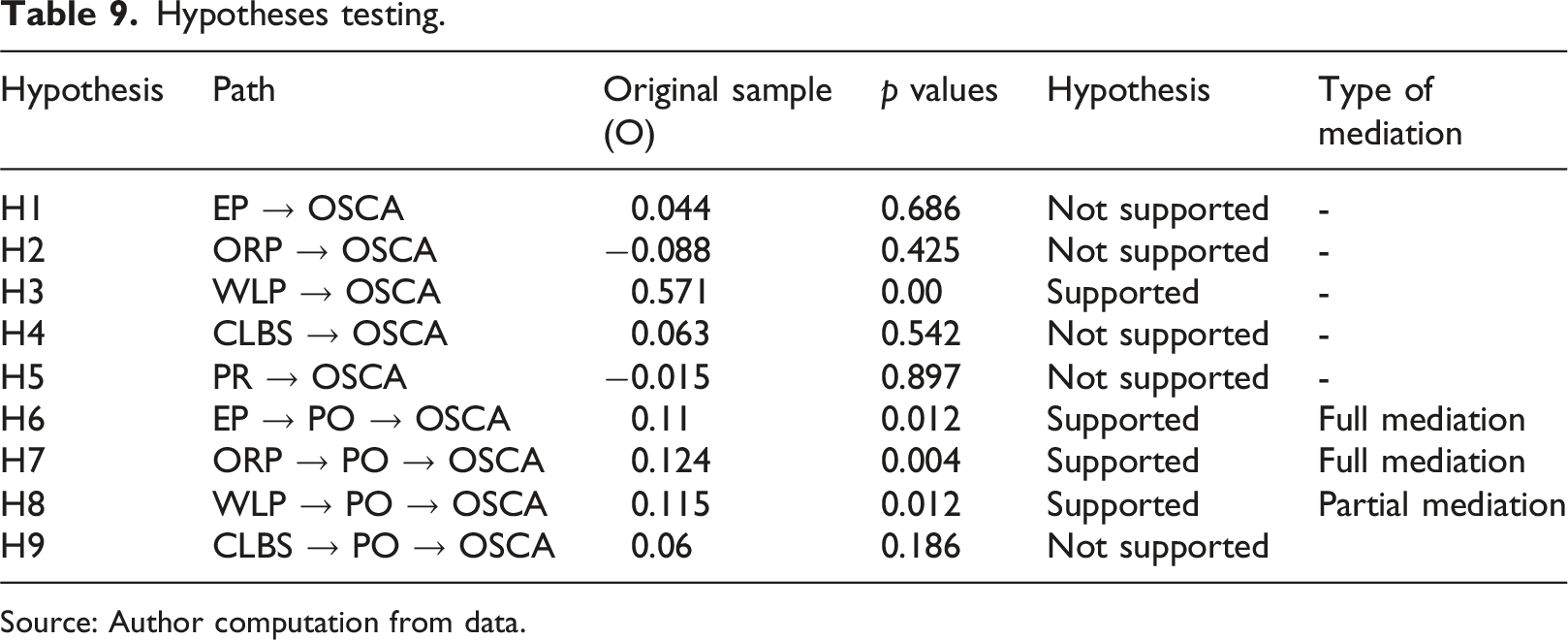
Waiting for Lower Prices (WLP) had a strong positive effect on OSCA (β = 0.571, t = 7.716, p < 0.001), confirming H3. Price-sensitive consumers tend to delay purchases while waiting for discounts, which increases abandonment. WLP also significantly affected psychological ownership (β = 0.264, t = 3.301, p = 0.001). As consumers regularly monitor prices and consider a product, they develop stronger psychological bonds to it. This aligns with psychological ownership theory, which states that mental investment and repeated engagement foster feelings of possession before making a purchase. 37 The dual pathway, directly boosting OSCA and indirectly through PO, highlights WLP as a key factor in abandonment behaviour. Further, the indirect effect of WLP-PO-OSC was also significant (β = 0.115, t = 2.517, p < 0.05), which suggests that PO mediates the relationship between WLP and OSCA and thus supports H8. This implies that consumers waiting for a price reduction are more likely to abandon their carts not only because of price considerations but also, indirectly, because repeated cart retention increases their psychological ownership of the products.
Entertainment Purpose (EP) significantly affects PO (β = 0.252, t = 3.091, p = 0.002). However, its direct impact on OSCA was not significant (β = 0.044, t = 0.404, p = 0.686), indicating that entertainment-focused browsing promotes psychological attachment but does not directly cause abandonment. The indirect effect via PO was significant (β = 0.110, t = 2.511, p < 0.05), supporting H6. This implies that entertainment purposes influence abandonment only when they boost psychological ownership. Similarly, cart use for Organization and Research purpose (ORP) did not have a significant direct effect on OSCA (β = −0.088, t = 0.798, p = 0.425), so H2 was not supported. The negative direction of this path suggests that research-oriented cart use may marginally reduce rather than increase abandonment directly, though this effect is statistically insignificant. However, ORP has a significant effect on PO (β = 0.283, t = 3.030, p < 0.002). The mediating role of PO’s indirect effect was significant (β = 0.124, t = 2.863, p < 0.004), confirming H7. This suggests that consumers who utilize their cart for research develop a sense of ownership, which subsequently affects their likelihood of abandoning the cart.
Comparison with Land-Based Stores (CLBS) did not significantly influence OSCA (β = 0.063, t = 0.61, p > 0.05); thus, H4 was not supported, nor was the direct path from CLBS to PO(β = 0.137, t = 1.560, p > 0.05) significant. Similarly, the indirect effect of CLBS on OSC through PO was also not significant (β = 0.06, t = 1.321, p > 0.05), indicating that H9 was not supported. This implies that store comparison can promote ownership feelings but does not strongly lead to abandonment behaviours.
Perceived risk (PR) did not have a significant direct effect on OSCA (PR: β = −0.015, p = 0.897), and therefore H5 was not supported. One plausible interpretation of this finding is that Gen Z consumers, as digital natives with extensive online shopping experience, may perceive online transactions as relatively routine and low-risk, thereby reducing the influence of risk-related concerns on their abandonment decisions. The prevalence of secure payment gateways, platform trust signals, and peer review systems on major e-commerce platforms may further attenuate perceived risk among this cohort. However, it is important to note that this explanation remains an inference based on the characteristics of the sample rather than a directly tested or demonstrated result. The non-significance of PR may also reflect limitations in the scale items, sample homogeneity, or contextual factors specific to the Indian Gen Z e-commerce environment. Future research should directly examine whether technological confidence mediates or moderates the relationship between perceived risk and cart abandonment to determine whether this interpretation holds across broader populations and contexts.
Although the proposed research model has a broad scope, some hypothesized relationships did not reach statistical significance and were not highlighted in the final analysis.
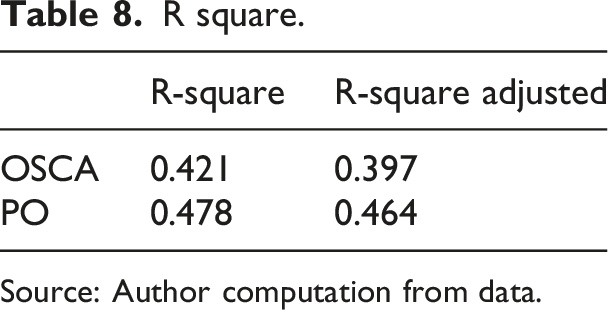
R square.
Source: Author computation from data.
The R2 value of 0.421 indicates that approximately 42.1% of the variance in OSCA is explained by the full structural model, which includes all six direct predictor variables (PO, WLP, EP, ORP, CLBS, and PR).
To assess the relative importance of each individual predictor’s direct contribution within the structural model, standardized path coefficients (β) were examined separately for each predictor. Waiting for Lower Price (WLP) emerged as the strongest direct predictor of OSCA (β = 0.571), indicating the strongest direct influence on online shopping cart abandonment behaviour. Psychological Ownership (PO) was the second-strongest direct predictor (β = 0.438), indicating a significant positive contribution to cart abandonment behaviour. The remaining four predictors, Entertainment Purpose (EP: β = 0.044), Organization and Research Purpose (ORP: β = −0.088), Comparison with Land-Based Stores (CLBS: β = 0.063), and Perceived Risk (PR: β = −0.015), exhibited comparatively weak or negligible direct effects on OSCA, suggesting limited direct influence within the model. Taken together, these results confirm that, while the overall R2 of 0.421 reflects the structural model’s explanatory power, WLP and PO are the most influential individual predictors of OSCA.
Mediating effect of psychological ownership
The results of this study provide robust empirical support for the mediating role of psychological ownership (PO) in the relationship between key behavioural antecedents and online shopping cart abandonment (OSCA). Specifically, PO significantly mediated the effects of entertainment Purpose (EP), organization and research-oriented cart use (ORP), and waiting for lower prices (WLP) on OSCA, thereby confirming hypotheses H6, H7, and H8.
The indirect effect of EP on OSCA through PO was significant (β = 0.11, t = 2.511, p < 0.05). EP also showed a significant direct effect on PO (β = 0.252, t = 3.091, p = 0.002), indicating that consumers who shop online for entertainment develop psychological ownership, which then increases their likelihood of abandoning their cart. This supports previous research suggesting that hedonic browsing fosters psychological ownership without necessarily leading to a commitment to purchase (Close & Kukar-Kinney, (2010); Yusuf et al., (2021))
Similarly, ORP significantly impacted PO (β = 0.283, p = .002), and its indirect effect on OSCA via PO was also meaningful (β = 0.124, p = .004). This indicates that consumers who use their shopping cart to organize and research products tend to form a stronger psychological bond with the items, which affects whether they choose to delay or abandon their purchase. These results align with Close & Kukar-Kinney (2010), who found that shopping carts are often used more for planning and evaluation than as mere transactional tools.
A significant mediation effect was also found for WLP. The path from WLP to PO was significant (β = 0.264, t = 3.301, p = 0.001), and the indirect effect of WLP on OSCA through PO was significant (β = 0.115, t = 2.517, p = 0.012). This indicates that consumers who wait for lower prices and postpone their purchases tend to develop stronger psychological ownership of the products in their cart, which, in turn, increases the likelihood of online shopping cart abandonment. At the same time, the direct effect of WLP on OSCA was also significant, suggesting that price-related considerations influence cart abandonment both directly and indirectly through psychological ownership.
In contrast, the mediating role of PO in the relationship between comparison with land-based stores (CLBS) and OSCA was not significant (β = 0.06, t = 1.321, p = 0.186, p > 0.05). CLBS did not significantly affect PO (β = 0.137, t = 1.56, p = 0.119). This suggests that although cross-channel comparisons can influence evaluations, they do not consistently lead to psychological ownership or abandonment behaviour.
Hypotheses testing.
Source: Author computation from data.
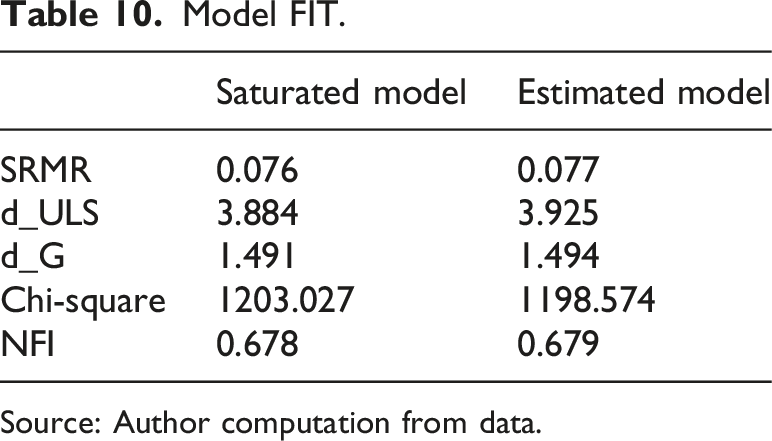
Model FIT.
Source: Author computation from data.
Discussion
The findings confirm that online shopping cart abandonment (OSCA) among Gen Z consumers is driven not only by transactional concerns but also by emotional and behavioural factors mediated through psychological ownership (PO).
Entertainment Purpose (EP) had no significant direct impact on OSCA, indicating that consumers do not abandon their carts solely for entertainment. However, entertainment use significantly increased psychological ownership, and entertainment’s indirect effect on OSCA through PO thus supported H6.
Similarly, organized and research-oriented cart use (ORP) had no significant direct effect on OSCA (β = −0.088, p = 0.425), so H2 was not supported. It is noted that the direction of this path is negative, suggesting that research-oriented cart use may marginally reduce, rather than directly increase, abandonment, though this effect is statistically insignificant and should be interpreted with caution. However, ORP significantly increased PO, and the indirect effect on OSCA through PO was significant, supporting H7. Gen Z consumers appear to use the cart as a planning and evaluation tool, treating it as a wish list or product-comparison space rather than a transactional one.
Waiting for Lower Prices (WLP) was the strongest direct predictor of OSCA, consistent with value-conscious delay behaviour documented in prior research. WLP also significantly increased PO, and its indirect path to OSCA through PO was significant, supporting both H3 and H8. Price monitoring thus operates through a dual pathway: it directly postpones purchase and simultaneously deepens symbolic possession.
Comparison with Land-Based Stores had no significant effect on PO or OSCA, leaving H4 and H9 unsupported. For Gen Z, accustomed to transparent online pricing and instant product comparisons, the offline reference point appears largely irrelevant to their cart-abandonment decisions.
This pattern, where price-conscious delay and offline comparison both fail to resolve purchase tension, reflects the broader reality that Gen Z’s cart abandonment is shaped more by digital engagement and symbolic possession than by cross-channel evaluation. Unlike older consumer groups who may use in-store visits to calibrate online prices or resolve product uncertainty, Gen Z consumers appear largely self-sufficient in the digital environment, relying on peer reviews, platform comparisons, and price alerts rather than offline references.
Finally, perceived risk did not significantly affect OSCA, so H5 was not supported. A possible explanation for this non-significant finding is that Gen Z consumers, having grown up in a digitally immersed environment, may regard online shopping as a familiar and generally trustworthy activity, which could reduce the salience of risk concerns in their cart abandonment decisions. The widespread adoption of secure payment systems, established platform reputations, and consumer review mechanisms on major e-commerce sites may contribute to this diminished risk sensitivity among younger online shoppers. However, this interpretation is speculative and is not directly supported by the data. The non-significance of perceived risk may also reflect measurement constraints, the sample’s composition, or platform-specific trust factors unique to the Indian e-commerce context. Caution is therefore warranted in drawing strong conclusions from this finding alone, and future studies should include direct measures of digital trust and technological familiarity to test this explanation empirically. Despite the strong theoretical grounding for H5 in the literature review, the unique digital nativity of the Gen Z sample appears to have attenuated the perceived risk as a meaningful driver of cart abandonment in this context.
Overall, the findings suggest that abandonment among Gen Z consumers is driven more by psychological involvement, exploratory browsing, and strategic price monitoring rather than by traditional transactional or risk-related concerns. Most importantly, the strong direct effect and mediating role of psychological ownership are consistent with the framework presented in this study. Symbolic possession fosters a state of engaged ambivalence, where emotional attachment to items coexists with a decreased urgency to buy. Retailers and platform designers aware of this dynamic can intervene more effectively, not by heightening feelings of ownership but by transforming this attachment into a smooth, prompt purchase process.
Practical implications
The study provides useful implications for reducing online shopping cart abandonment among Gen Z consumers. Since waiting for lower prices was the strongest predictor of abandonment, retailers should use price alerts, limited-time offers, loyalty-based guarantees, and reminders for saved items to reduce the likelihood of purchase delay. The findings also show that psychological ownership can increase abandonment by reducing urgency and prolonging evaluation. Therefore, retailers should not merely strengthen psychological ownership; they should also use timely nudges and simplified checkout processes to convert symbolic possession into completed purchases. As perceived risk and comparison with land-based stores were not significant in this study, retailers targeting Gen Z should focus more on value communication and reducing decision friction than on traditional trust-based cues alone.
More broadly, these findings carry important implications for managers responsible for designing and governing digital commerce platforms. The cart abandonment behaviour identified in this study reflects a misalignment between consumer psychological states and platform design logic, which managers can address through technology-enabled interventions such as intelligent pricing algorithms, behavioural nudge systems, and personalized re-engagement mechanisms. Platform designers should treat the shopping cart not merely as a transactional feature but as a dynamic human-system interface whose design directly shapes consumer decision-making.
Theoretical implications
This research deepens the theoretical understanding of online shopping cart abandonment by positioning Psychological Ownership as a meaningful pre-purchase mediator, challenging the assumption that ownership feelings uniformly promote purchase completion. The study identifies Entertainment Purpose, Organisation and Research Purpose, and Waiting for a Lower Price as meaningful antecedents of symbolic possession, while the non-significant effects of Perceived Risk and offline store comparison suggest that Gen Z cart abandonment models should foreground psychological and behavioural mechanisms over traditional transactional concerns.
Limitations and future research
This study has several limitations that need to be acknowledged. First, the use of convenience sampling and data collected exclusively from Indian Gen Z consumers limits the generalizability of the findings to other age groups and cultural settings. Second, the cross-sectional design limits the capacity to establish causality between psychological ownership, browsing behaviours, and cart abandonment. Third, the model focused on specific psychological and behavioural factors, omitting other potentially relevant variables, such as website design quality, impulsivity, perceived value, personalization features, or platform-specific user experience factors that may also influence abandonment behaviour.
Future research could address these limitations by using probability-based sampling and expanding the investigation to include other demographic groups and cross-cultural contexts. Longitudinal or experimental designs might better capture how psychological ownership and price-waiting behaviours develop and affect actual purchase decisions. Additionally, future studies could include platform features (such as UI/UX elements, recommendation systems, AR try-on tools), emotional states (such as regret, anticipated satisfaction), and cross-device behaviours to develop a more comprehensive understanding of non-buying actions. Exploring differences across product categories or comparing Gen Z with other generations could also enhance both theoretical knowledge and managerial strategies regarding online cart abandonment.
The results of the current research are specific to a particular population and may not be applicable to other regions or demographics. Their cultural, social and economic backgrounds may lead to varied behaviours or patterns across diverse populations. Besides, even though this study is about Gen Z, the same might not hold in other contexts, especially in the West or other parts of Asia. Differences in cultural norms, socioeconomic status, and technological access might affect the results, that is, they may not be directly applicable in all settings. Future studies should investigate these variations to better understand how the findings may differ across geographical and cultural environments (Supplemental Material).
Supplemental material
Supplemental material - From adding to abandoning: Psychological ownership as a mediator of cart abandonment among Gen Z
Supplemental material for From adding to abandoning: Psychological ownership as a mediator of cart abandonment among Gen Z by Neha Kumari, Md. Iftekhar Ahmad and Praveen Srivastava in Human Systems Management
Footnotes
Acknowledgments
The authors would like to express sincere gratitude to the Department of Management, Birla Institute of Technology, Mesra, for providing the research environment and academic support necessary for this study. Appreciation is also extended to the respondents who participated in the survey and to colleagues who provided valuable insights during the early stages of research development.

Ethical considerations
The Departmental Research Ethics Committee at Birla Institute of Technology, Mesra, Ranchi, approved this study with approval number BIT/MGT/DREC/2025/001. The approval was made on 11/09/2025. All the participants were informed and asked to provide their responses through an anonymous online survey. There were no expected threats found because the research was conducted as non-sensitive data collection, where the subjects participated willingly. All data will be kept safely for a period of 5 years in accordance with institutional policies and will be destroyed after that period.
Author contributions
Funding
The authors received no financial support for the research, authorship, and/or publication of this article.
Declaration of conflicting interests
The authors declared no potential conflicts of interest with respect to the research, authorship, and/or publication of this article.
Role of AI in Paper Preparation
Artificial intelligence tools were used solely for language editing and manuscript formatting. No data, analysis, or interpretation was generated by AI systems. All ideas, conceptual models, and results have been developed and verified by the authors.
Supplemental material
Supplemental material is available online.
References
Supplementary Material
Please find the following supplemental material available below.
For Open Access articles published under a Creative Commons License, all supplemental material carries the same license as the article it is associated with.
For non-Open Access articles published, all supplemental material carries a non-exclusive license, and permission requests for re-use of supplemental material or any part of supplemental material shall be sent directly to the copyright owner as specified in the copyright notice associated with the article.
