






Abstract
In the era of modern technology, IT companies not only treat social media as a marketing tool for the customers, but it should be treated as a platform to build a connection with the employees. This study uses a mixed-method approach to investigate the effects of social media marketing on talent retention in the Indian IT industry it also focuses on the framework driven by Social Exchange theory and highlights the mediating role of employer branding and integrating firm and employee generated content. The data is analyzed by using SMART PLS 4.0 for quantitative analysis and NVIVO 15 software for qualitative analysis. The findings demonstrate that social media marketing significantly and favorably affects an organization’s ability to retain its workforce. The findings highlight social media’s strategic role in strengthening talent retention beyond traditional HR practices.
Keywords
Introduction
In today’s era of highly competitive job market, where attracting and retaining top talent has become a strategic imperative for organizations determined to enhance overall performance. 1 At the same time, the digital era has transformed the social media from an entertainment platform into the powerful and dynamic tool for the business growth. Social media marketing has redefined that how organizations communicate with the stakeholders and take brand identity, permitting real-time engagement, global reach, and brand loyalty without the extensive budgets required by large corporations. 2
The rise of social media as a marketing tool help firms through building brand recognition, engaging customers, and to promote products and services in the way that were not possible only by the traditional media. 3 Managers can now monitor customer behavior, track competitors, and respond to digital conversations, by using these visualizations for market research and operational improvements. 4 This shift from one-way communication to interactive of two-way communication which emphasizes that the strategic need to integrate social media into broader marketing and organizational strategies. 5 Therefore, a notable share of advertising budgets is increased to allocate the digital platforms, to demand careful arrangement of resources, competitive analysis, and comprehensive planning. 3
For these changes, employer branding (EB) has evolved from an optional to a critical strategic priority.6,7 State that package of functional, economic, and psychological benefits is connected with employment, and employer branding positions an organization as attractive workplace. The leading organizations now place people at the core of their brand strategies, to encourage the employees to act as brand advocates and cultivating authentic reputations that signal both local relevance and global innovation. 8 With the organizations moving towards the digitalized operations and employees becoming more discerning, employer branding has occurred as a key tool for attracting, engaging, and retaining the talent, with HR professionals recognizing its importance in long-term workforce management. 9
Nowadays, social media has become important to employer branding efforts, particularly in recruitment campaigns and employee engagement initiatives. 10 By showcasing what makes an organization unique, the social media provides a nearby and observable platform to support the employer branding and involve the existing employees in an organization. 11 However, the same interactivity that increases engagement can also create risks, poor executed campaigns may intensify stakeholder reaction and damage organizational reputation. 12
Talent retention is defined as an organization’s continued efforts to create a supportive environment that motivates employees to persist long term in an organization to expanded importance. 13 Research can link effective talent management practices, such as compensation, reward systems, work–life balance, and productive strategies, directly to the stronger employer brands and help to improve retention outcomes. 14 Moreover, empirical evidence shows that social media can enhance employee knowledge sharing and organizational commitment, which in turn helps to improve job performance and retention. 15
Despite this growing body of research, a strategic, theory-driven framework that integrates social media marketing, employer branding, and talent retention still remains underdeveloped. Social Exchange Theory (SET)—which explains the exchange of tangible and intangible, material, and non-material resources between individuals 16 —offers a strong lens for understanding how social media-driven interactions substitute reciprocal relationships between employers and employees. With the help of organizational support and creating perceived value, social media marketing can support employer branding, which further help to inspires employee and reduces turnover.
Based on this foundation, the current study introduces a new framework that guides in developing the social media as a marketing tool for talent retention, with employer branding serving as the key mediator. The framework also considers that how organizations with different strategic orientations may adopt or adjust social media initiatives, which has helped in recognizing that not all the firms will hold full-scale execution of social media.
To study these relationships, the present research focuses on the Indian IT sector an active industry characterized by fast technological change and strong competition for skilled professionals. The following objectives are formulated to understand the above stated framework in holistic manner. First, to examine the effect of social media marketing on talent retention through employer branding. Second, to analyze the qualitative aspects of professional networking website content with respect to employer branding. The following sections review relevant literature, develop hypotheses, outline the research methodology, present and discuss the findings, and accomplish with theoretical contributions, managerial implications, limitations, and avenues for future inquiry.
Literature review
Theory based framework
Social exchange theory
Social Exchange Theory (SET) was first introduced by Blau (1964) 17 which shows that individuals engage in voluntary interactions with the expectation of receive the benefits in return. Human behavior is then shaped by estimated rewards and the reciprocal responses from the others. This framework has become important in organizational research, which is offers a strong foundation of understand the workplace behavior. 18 The theory has been stated that interpersonal interactions are interdependent, generating mutual obligations between the parties which is involved. 19 When employers govern genuine concern for their employees, these social exchange relationships grow strong and lead to satisfactory outcomes. 20 Relationships develop through a subjective calculation of costs and benefits and comparisons with alternatives. 21 Thus, the principle of reciprocal interdependence highlights that an individual’s actions depend on the behavior of the other. 18
Previous research has linked employer branding to talent retention through the lens of SET. 22 The current study extends this view into the domain of social media context. Within social media atmospheres, users are engaging to obtain practical, hedonic, and social rewards, 23 involved in various exchanges like tangible or intangible, material or non-material which is shared among the individuals. Users participate and share content with the expectation of gaining the benefits from these interactions. 24 Because SET is rooted in reciprocal exchange, such benefits in a social media context are so intangible. 23
Consequently, social behavior arises from the quality of exchanges within the organizations. Participation in these relationships frequently required the investments of effort, identity, attachment, and commitment, which may also involve certain costs. 25 Employees who feel esteemed by their organization typically develop trust, positive attitudes, and a stronger intention to stay. The effective employer branding emphasizes this process by developing loyalty and trust. 6
Formulation of hypotheses
Concept of employer branding
In today era of competitive business environment, so many organizations are struggling to attract and retain the skilled talents, an essential factor to gain the competitive edge and enhancing overall performance. 26 To address this challenge, 7 introduced the concept of employer branding, which is defined it as the combination of functional, economic, and psychological benefits to the employees who are associated with an organization. Over the time, employer branding is evolving into a vital strategic tool that can helps organizations to retain, engage, and attract the right talent while effective positioning of employees to achieve the organizational goals and maintain long-term competitiveness in an active marketplace. Employer branding now assists as a long-term differentiation strategy which is allowing firms to showcase distinctive employment offerings to both tangible and intangible and alongside their core values, policies, and organizational culture. 27 This also reflects how current and prospective employees, as well as stakeholders such as competitors, recruitment agencies, regulators, investors, and HR professionals, perceive the organization. 28
Prior research has been explained many sides of employer branding and the present discussion focuses on the five dimensions which helps in employee productivity and meet both personal and professional needs. These dimensions are including work–life balance, a healthy work environment, training and development, ethics and corporate social responsibility (CSR), and compensation and benefits factors that together provide a stronger understanding of the concept of employer branding in existing literature.11,29 Further highlighted that a well-designed CSR strategy can make employers attractive among both current and potential employees.
Work–life balance is about flexible schedules, telecommuting, recreational facilities, and parental leave 30 has been shown to strengthen an organization’s employer brand and increase employee interest. 11 Training and development, which represent the development value of employment, have also become increasingly important in the modern workplace. 31
Moreover, compensation and benefits are strongly influence how an organization is perceived. Offering attractive pay packages not only boosts an employer’s market position but also shapes employee attitudes and behaviors in the positive manner. 32
Social media marketing and employer branding
The research on social media marketing (SMM) has been done in various aspects, such as brand awareness, boosting sales, brand image, website traffic, marketing expenditures, and user engagement through the activities like posting and sharing.33,34 Social media marketing (SMM) functions in two primary forms: user-generated content (UGC) and firm-generated content (FGC).35,36 UGC refers to content created and shared by individuals such as customers or employees rather than by the organization itself.37,38 In contrast, FGC refers to content formed by marketers and posted on official brand pages across social media platforms. 39
The rise of social media has fuelled the growth of UGC, to allow employees and customers which help to shape brand descriptions alongside organizations. 38 To improve risks associated with inappropriate use, many companies regulate employee social media activity in work contexts.40,41 Highlighted that the engagement should not only be measured by visible actions such as “likes” or “shares,” but also understood as a psychological state of mind. Despite the growing body of literature, most of the studies inclined to focus on how SMM benefits the commercial enterprises. 42
Reference 43 claimed that firms must be shifted from “selling” to “connecting” with users. Research has been studied the opportunities and challenges of social media, recognizing both its benefits and potential risks. 33 SMM is considered more authentic and transparent which is focus on the brand’s identity rather than compelling its image. 43 For success, firms must influence the unique technological and community features of each platform by creating content and interacting with audiences in ways matched to that channel. 44 Content is the primary medium for influencing user conversations. 45 However, with its increasing occurrence, SMM also presents characteristic tasks for organizations, requiring groundbreaking approaches from both scholars and practitioners. 42
Social media now plays a central role in employer branding and recruitment processes, which helps in organizational attractiveness to prospective employees.
46
For example, platforms like LinkedIn are used in India to promote employer brands and engage talent, through firm-generated content.
47
Organizations rely on multiple social networking sites for employer branding. Professional platforms such as LinkedIn are often used to project expertise, while Facebook and Twitter allow for more casual, interactive engagement.
48
Following hypotheses are proposed in the context of firm-generated content and employer branding dimensions are: H1a: Firm-generated content has a significant positive impact on healthy work atmosphere H1b: Firm-generated content has a significant positive impact on compensation and benefits H1c: Firm-generated content has a significant positive impact on ethics and corporate social responsibility H1d: Firm-generated has a significant positive impact on training and development H1e: Firm-generated content has a significant positive impact on work–life balance
As noted by Micik and Micudova (2018),
49
organizations nowadays depend on social media for recruitment, while activities such as informing, entertaining, and engaging followers have been shown to reinforce employer brand awareness.
10
Employer brands are also shaped by organizational narratives and authentic experiences shared by employees and stakeholders.
50
Social media acts as a vital platform for external employer branding which is require in firms to monitor and manage brand communication.
51
To succeed, employer branding must be built on sincerity, transparency, and consistency over time.
52
Following hypotheses are formulated in the context of employee-generated content and employer branding dimensions: H2a: Employee-generated content has a significant positive impact on Healthy work atmosphere H2b: Employee-generated content has a significant positive impact on compensation and benefits H2c: Employee-generated content has a significant positive impact on Ethics and Corporate social responsibility H2d: Employee-generated content has a significant positive impact on training and development H2e: Employee-generated content has a significant positive impact on work–life balance
Employer branding and talent retention
Retention of talent is considered more critical than talent attraction. According to Zainee & Puteh (2020) 53 talent refers to individuals who possess the skills, knowledge, capabilities, and experience necessary to meet both current and future organizational demands. With the scarcity of skilled professionals in the labor market, organizations frequently compete through various policies to attract employees, sometimes at significant cost. 54 However, it is ensured that existing employees remain with the organization has emerged as a more sustainable and strategic priority.
The key aim of employer branding is to position an organization in the job market so that the organizations are able to acquire and retain the best talent. 55 To attain this goal, it is required that there should be an alignment between the organizational needs and employee expectations. 56 Because knowledge and skills are key sources of competitive advantage which helps to retain talented employees becomes a strategic authoritative. 57 Talent retention can be understood as the deliberate effort to keep high performance of workers to meet long-term business objectives. 58 Employer branding has also been identified as a significant driver of employee satisfaction and retention. 56
Despite this recognition, few studies have empirically observed the direct relationship between talent retention and employer branding. Based on these insights, the hypotheses are mentioned below: H3a: Healthy work atmosphere has a significant positive impact on talent retention. H3b: Compensation and benefits has a significant positive impact on talent retention. H3c: Ethics and corporate social responsibility has a significant positive impact on talent retention. H3d: Training and development has a significant positive impact on talent retention H3e: Work–life balance has a significant positive impact on talent retention.
Social media marketing and talent retention
Naim & Lenka (2017)
59
explained the meaning of talent retention and elaborated that technological methods like social media assist as an influential tool which help to engage and retain the employees in an organization. In modern era of rapid technological growth, social media plays a crucial role in influence of organizational practices and talent acquisition strategies.
60
These platforms are allowing organizations to show their culture, values, and opportunities, to attract, and to retain talent combined with their vision.
61
Also, the use of digital tools, such as social media supports employee recognition, morale, professional development, job satisfaction, and retention.
62
The companies integrate social media with traditional recruitment methods to enhance their employer brand, which in turn increases the employee satisfaction and loyalty.
63
Similarly, Chauhan (2023)
64
found that social media help to influences job performance and retention by organizational commitment. On the basis of these following hypotheses are proposed: H4: Firm-generated content has a significant positive impact on talent retention H5: Employee-generated content has a significant positive impact on talent retention
The mediating role of employer branding on talent retention through social media marketing
Social media and corporate websites have become essential in employer brand building.
65
The studies show that job postings that include employer branding elements enhance the company attractiveness among the applicants.
66
Proactive branding efforts through social media help to contribute improved employee retention and performance management.
67
The employee friendly human resource practices also play a key role in this process by empowering firms to achieve the organizational goals and help to support both talent management and employer branding.
68
Employer branding tools not only helps to attract the top talent but also helps to support retention by designing the development and evaluation systems that encourage the long-term association. The flexible HR practices further help to enhance employees’ sense of being valued, which reinforces their decision to stay.
69
In line with this, employer branding raises a positive organizational identity which contributes to stronger retention efforts.
70
As shown in Figure 1. Hence, we proposed that: Conceptual model. Source: Authors’ own work.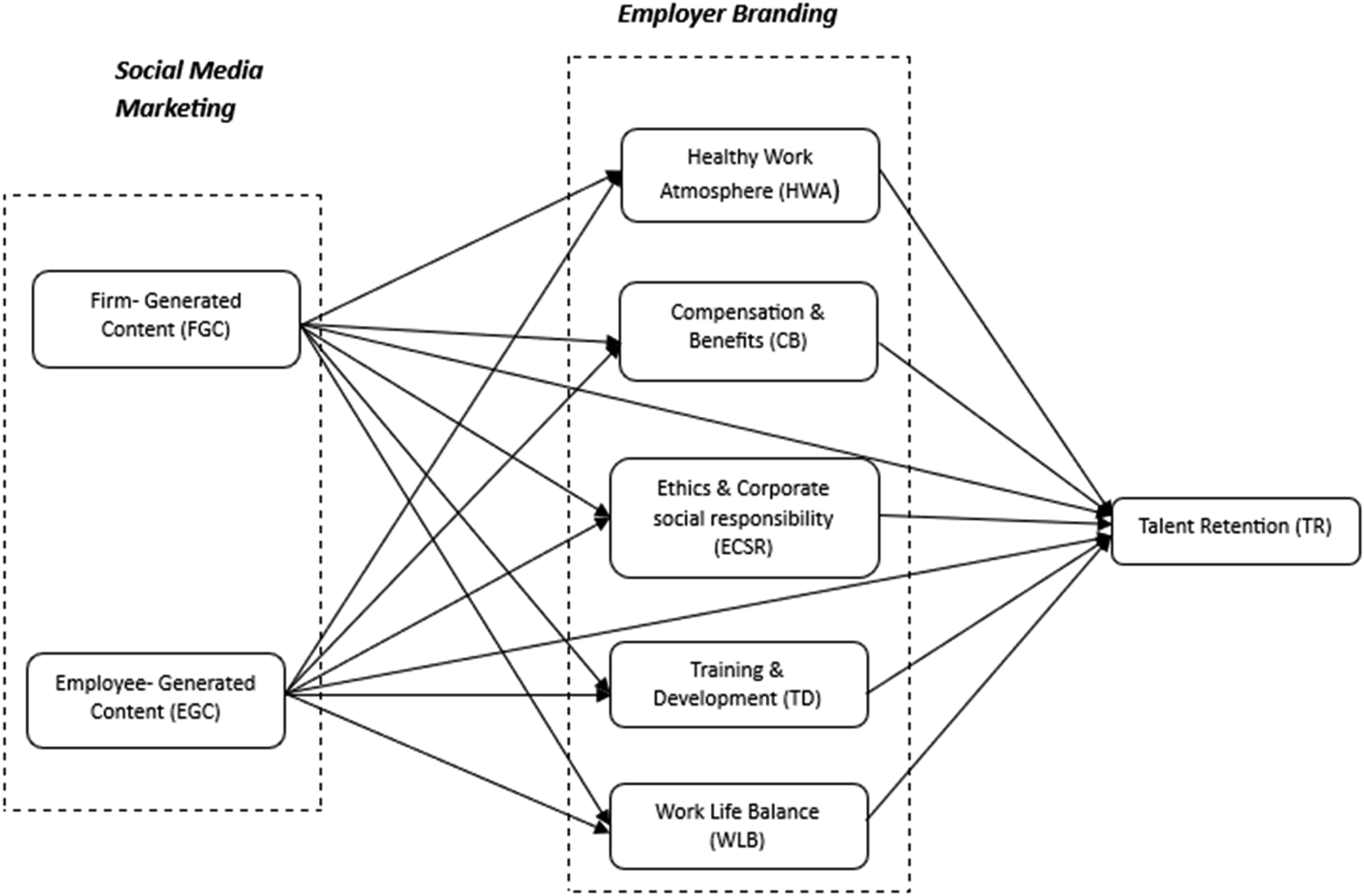
H 6: Social media marketing has a significant positive impact on talent retention through the mediating role of employer branding.
Research methodology
Study 1 for qualitative analysis
Demographic profile
Prior research highlights the value of open-ended survey questionnaires for reaching a broad respondent base. 71 Guided by this approach, we developed an open-ended questionnaire and collected the data through an IT company. The screening questions ensured that only participants with relevant experience and senior organizational people were included. Using a mixed-method approach the qualitative data comprised both primary sources like interviews, observations, and focus groups and secondary sources such as online information. Data collection was sustained until the theoretical capacity was attained.
Key themes mapped to constructs.
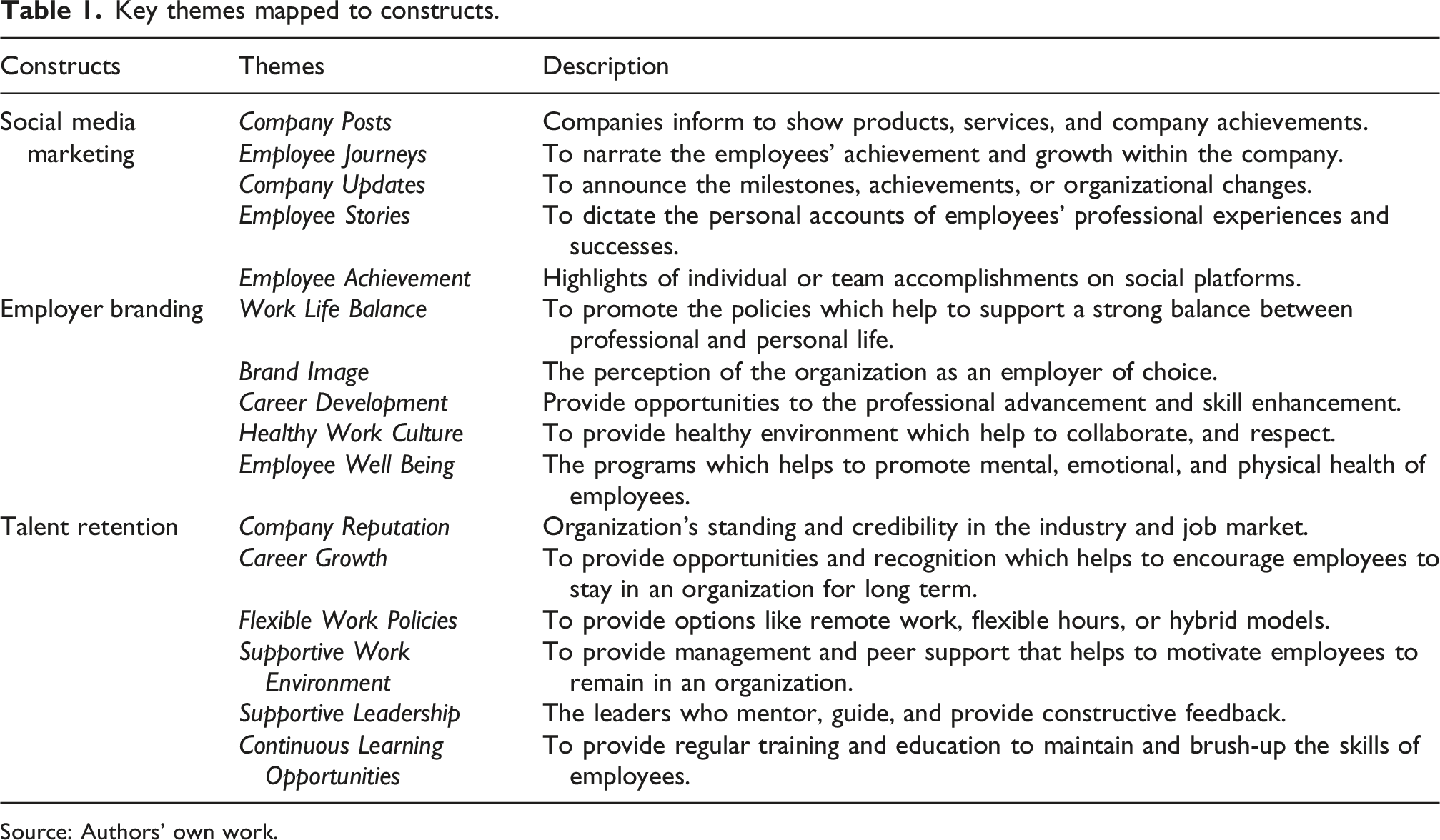
Source: Authors’ own work.
The themes are as follows:
Based on above criteria, most of the participants showed that there exists an insightful relationship between social media marketing, employer branding, and talent retention. For example, Participant 3, a manager, highlighted the organization’s commitment: When my organization offers us a family vacation which is very appealing and enjoyable. Our families also appreciate this and we all feel really like a home.
Similarly, Participant 8, a senior manager, highlighted the factors which influence their decision to stay with organization: I continue to work for the organization due to their work environment which is very friendly. Our colleagues are also very supportive and helping. Company also provides timely training for our growth.
Also, Participant 10, discussed the benefits of presence of social media: Our company is very active and show their presence on platforms like LinkedIn and Instagram. Company shares the achievements, target accomplishment, and so on in the social media. This is very helpful which is shows the importance of our work in an organization.
Other participants also portrayed same sentiments with their workplace. Together, these narratives reveal that the strong presence of social media and employer branding enterprises such as celebrations, promoting employee growth, and showcasing workplace culture directly contributed to talent retention.
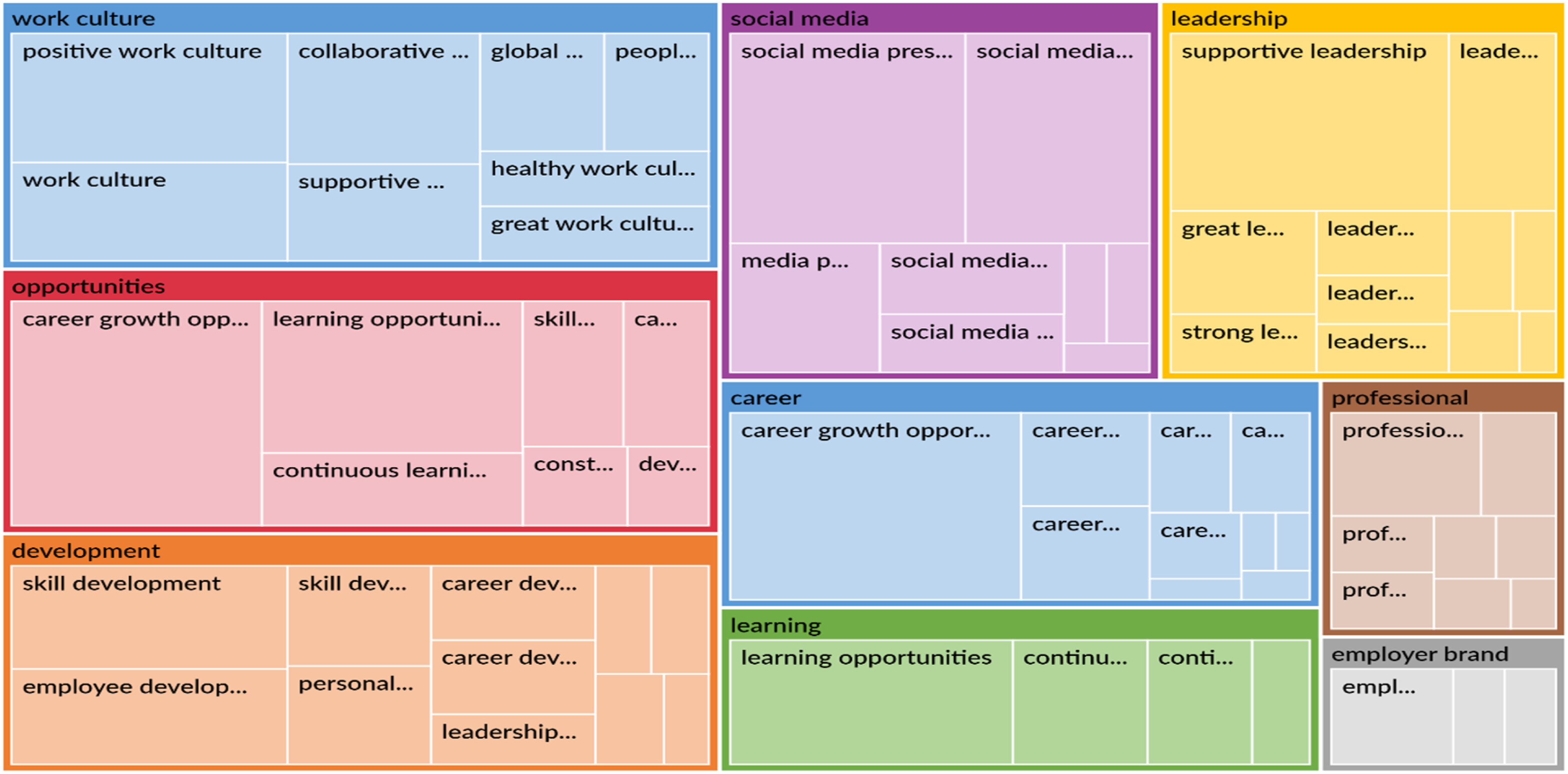
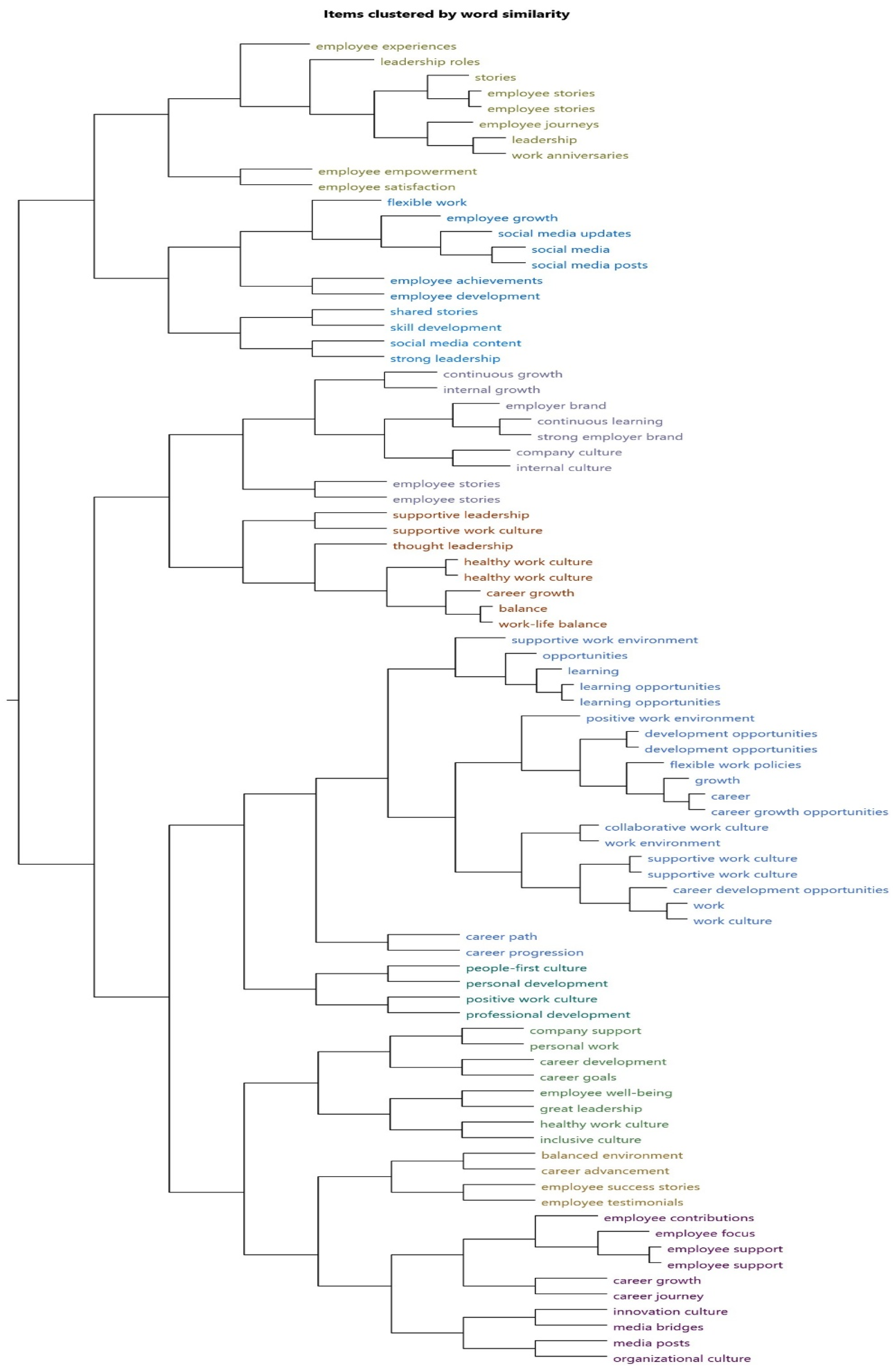
The word cloud also displays the most frequently mentioned words like social media, employee, organization, culture, and leadership with font size which reflects frequency as shown in Figure 2. With this, the code chart key terms from the interview data into major categories such as work culture, opportunities, development, leadership, career, and social media, show the relative frequency and thematic importance of each cluster as shown in Figure 3. The tree map shows that how often occurring words from the interview data group together based on word similarity. Closely linked terms such as employee experiences, employee growth, and employer brand form clusters that shows the underlying thematic relationships across constructs. Distinct branches show connections among the concepts like social media activity, career development, work culture, and leadership support, indicating that how the participants’ language naturally converged around key themes of social media marketing, employer branding, and talent retention as shown in Figure 4. Together, these figures shows that discussions around social media presence, supportive work culture, and employee growth were leading themes, supporting the central constructs of social media marketing, employer branding, and talent retention. Word Frequency Visualization. Source: Authors’ own work. Code Chart analysis by NVivo 15. Source: Authors’ own work. Items clustered by word similarity. Source: Authors’ own work.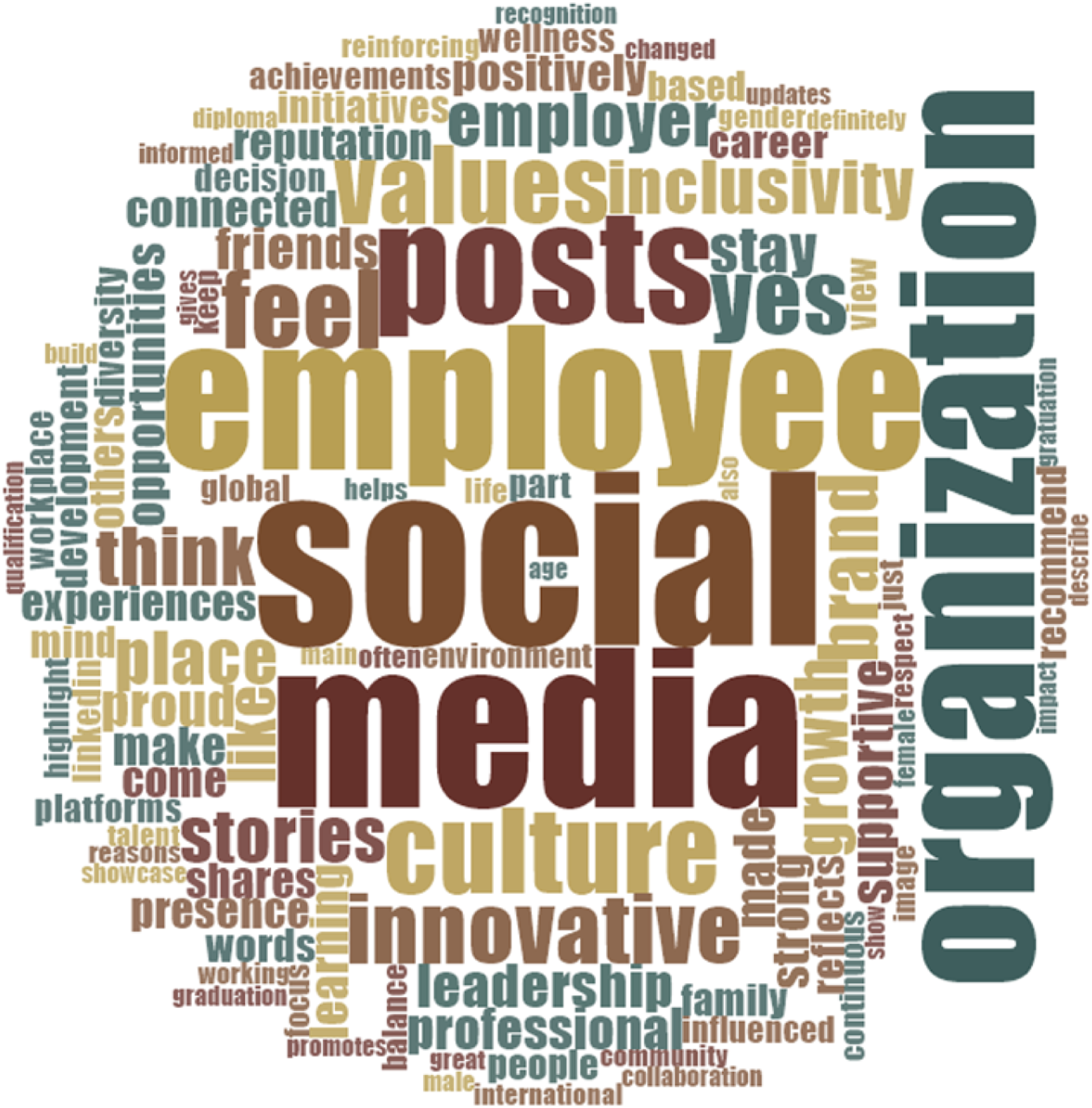
Study 2 for quantitative approach
Data collection/participants and procedure
Based on the qualitative themes, the research was extended into a quantitative study and primary data for this stage were collected by using a well-structured questionnaire based on a 7-point Likert scale. The study focused on employees working in IT companies across the Delhi-NCR region, which was selected due to its growing prominence as a key hub of India’s information technology industry. 31 In addition, Delhi-NCR is recognized as one of the country’s fastest-growing economic regions, well-developed business infrastructure, and a fast-expanding entrepreneurial ecosystem. These factors have significantly enhanced the region’s attractiveness as a major destination for IT enterprises. 72 The questionnaire was circulated through Google forms and shared through both online and offline mode. A total of 250 questionnaires were administered, of which 174 usable responses were retained after data screening, resulting in a response rate of 69.6%. The final sample size was considered adequate for PLS-SEM analysis, as it exceeded the minimum sample size requirements suggested in the literature. 73 Recommend that PLS-SEM can provide reliable results with relatively small to medium sample sizes, provided that the sample satisfies the model complexity requirements. Therefore, the sample of 174 respondents was deemed sufficient for testing the proposed research model and hypotheses.
Measures
Questionnaire included of 36 items and was distributed among employees of Delhi-NCR IT firms. The items were selected from existing literature and were modified according to the requirements of the study. The items were measured on a 7-point Likert scale, ranging from “1 = Strongly Disagree” to “7 = Strongly Agree.” The succeeding measurement scales were used in this study:
Employer branding: For employer branding the measurement included five dimensions: healthy work atmosphere, work–life balance, compensation and benefits, ethics and corporate social responsibility, and training and development. These dimensions were adopted from a scale developed and validated. 30 The instruments used to measure employer branding comprised “My organization offers a relatively stress-free work environment,” “Skill development is a continuous process in my organization,” and “My organization provides good health benefits.”
Talent Retention: The items used to measure talent retention were based on “The talent retention scale, developed 54 it included statements like “My work contributes to the development of the organization” and “I always talk well about the organization I am working with.”
Social media marketing: The items used to measure social media marketing were developed 35 by which included statements like—“I follow up by communicating with the organization’s official social networking sites to get more information about the company” and “Within these social networking sites, the content shared by other users about my organization on meets my expectation.”
Data analyses
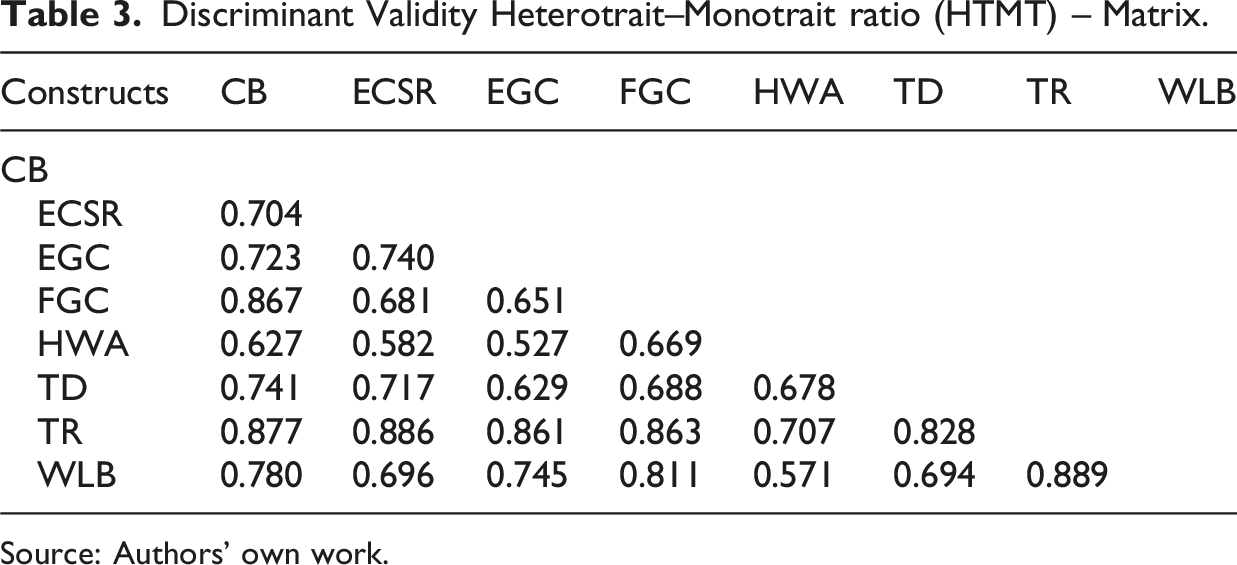
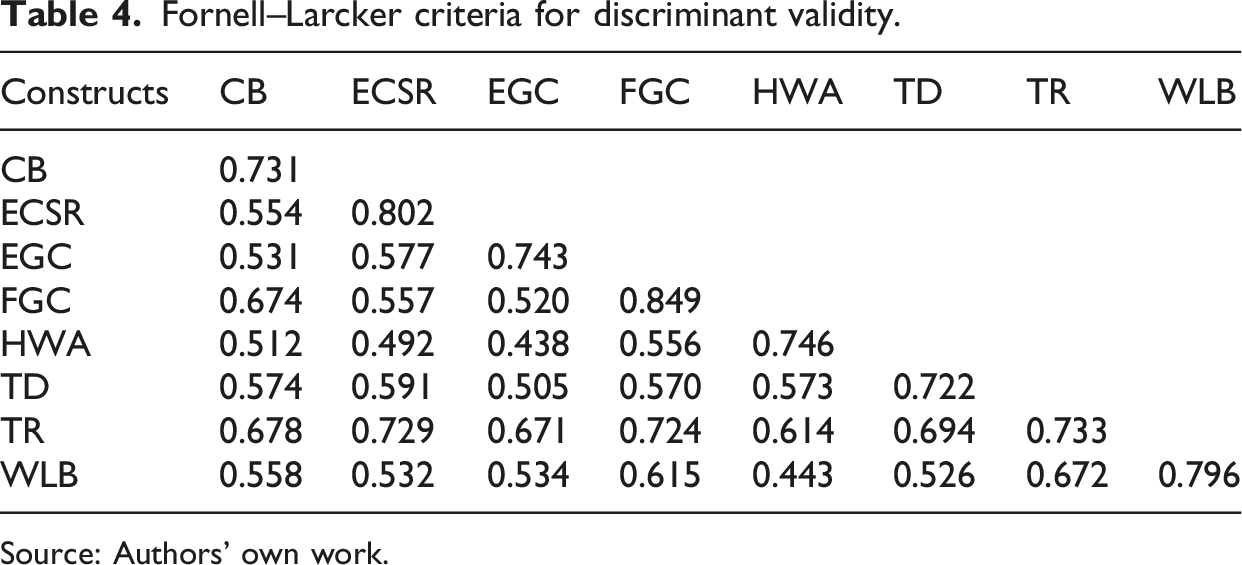
For the statistical analysis, current study used the partial least squares structural equation modeling (PLS-SEM) using SMART PLS 4.0 software. Given the exploratory nature of the research, PLS-SEM is deemed to be the most suitable approach for data analysis. 74 Discriminant validity was assessed through the Fornell–Larcker criterion 74 and the Heterotrait–Monotrait ratio (HTMT). 75 Convergent validity of the measurement model was studied by evaluating item outer loadings and the average variance extracted (AVE). To verify the structural model, path coefficients were analyzed. 74 Accordingly, both structural and measurement models were confirmed by using the criteria.
Assessment of measurement model
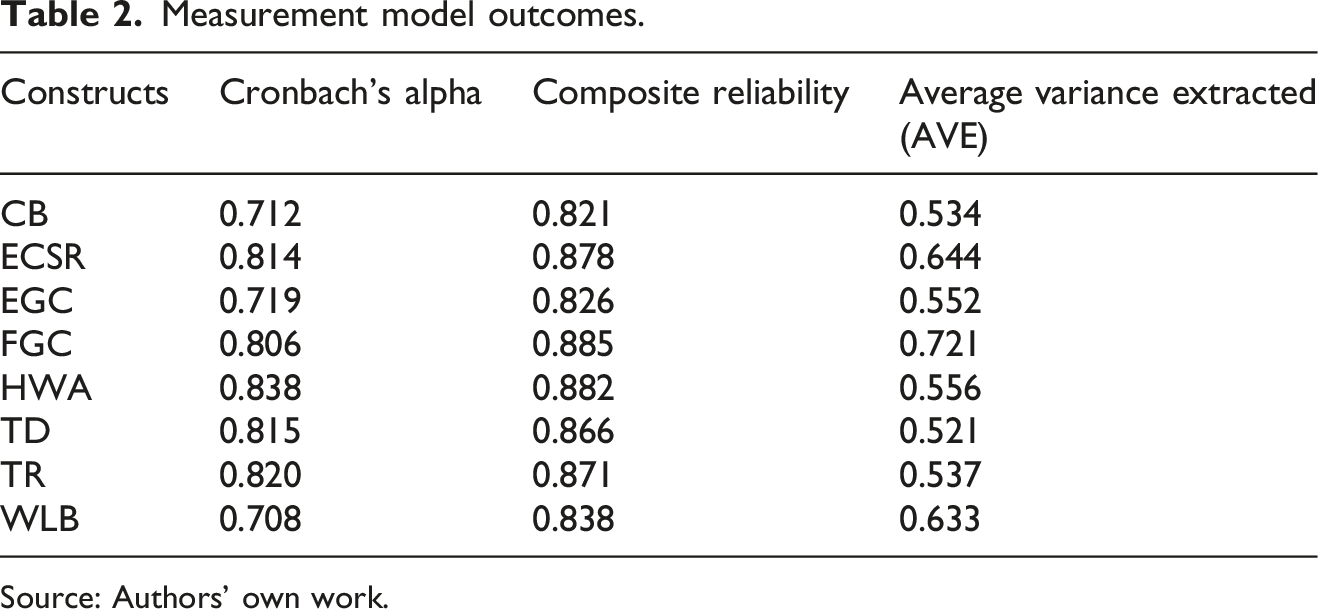
Measurement model including eight latent variables was tested using SMART PLS 4.0 version. The model included independent constructs—Firm-Generated Content (FGC) and Employee-Generated Content (EGC)—with the mediating role of five employer branding dimensions: Healthy Work Atmosphere (HWA), Work–Life Balance (WLB), Training and Development (TD), Compensation and Benefits (CB), and Ethics and Corporate Social Responsibility (ECSR), along with Talent Retention (TR) as the outcome variable.
Measurement model outcomes.
Source: Authors’ own work.
Discriminant Validity Heterotrait–Monotrait ratio (HTMT) – Matrix.
Source: Authors’ own work.
Fornell–Larcker criteria for discriminant validity.
Source: Authors’ own work.
Assessment of structural model
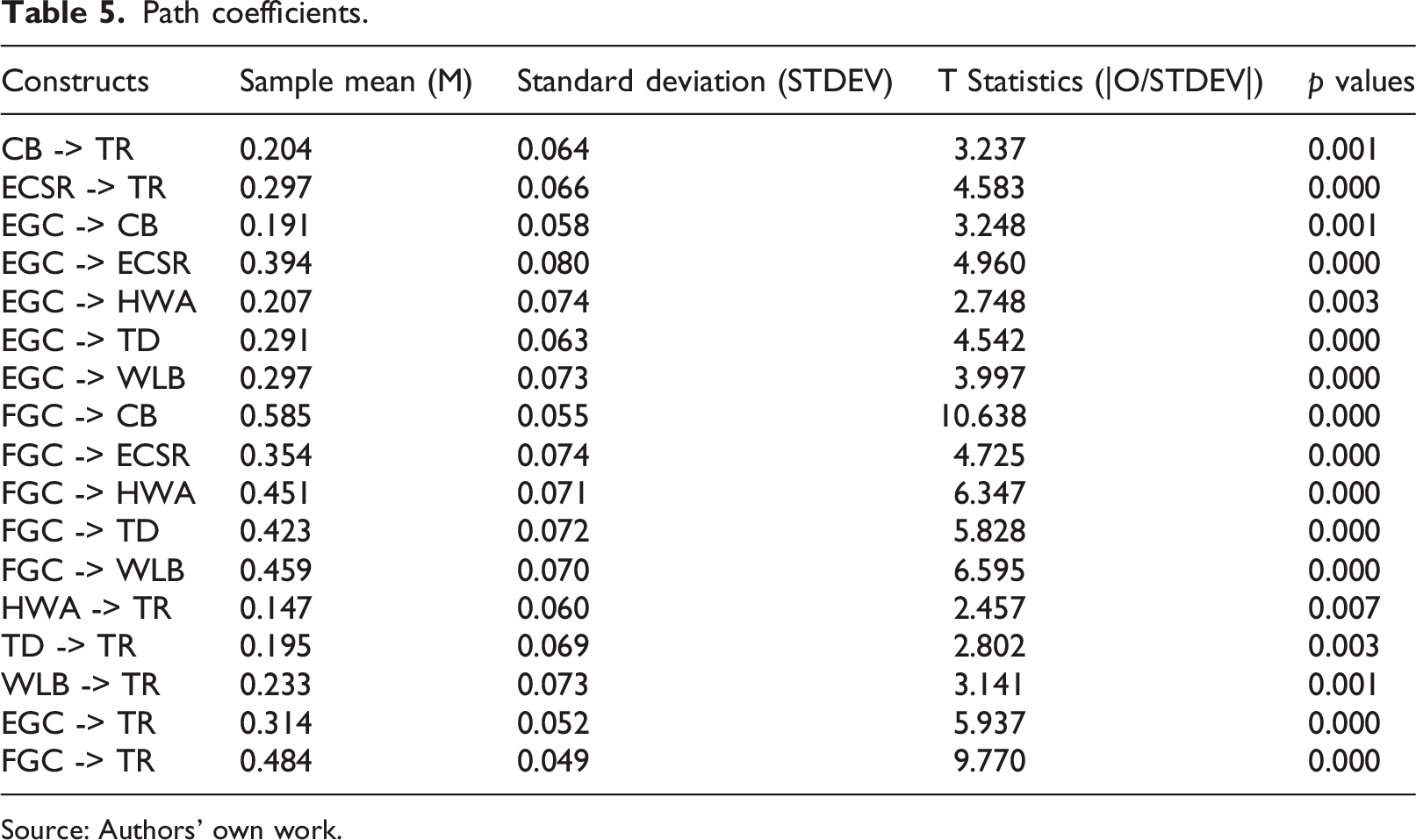
Path coefficients.
Source: Authors’ own work.
The findings show positive and statistically significant relationships between firm generated content and various dimensions of employer branding. Specifically, the associations are as follows: FGC and HWA (β = 0.450, t = 6.347, p = 0.000), FGC and WLB (β = 0.462, t = 6.595, p = 0.000), FGC and TD (β = 0.421, t = 5.828, p = 0.000), FGC and ECSR (β = 0.352, t = 4.725, p = 0.000), and FGC and CB (β = 0.545, t = 10.638, p = 0.000). Consequently, hypotheses H1a, H1b, H1c, H1d, and H1e are supported.
Additionally, the findings indicate positive and statistically significant relationships between employee generated content and various dimensions of employer branding. Specifically, the associations are as follows: EGC and HWA (β = 0.204, t = 2.748, p = 0.003), EGC and WLB (β = 0.293, t = 3.997, p = 0.000), EGC and TD (β = 0.286, t = 4.542, p = 0.000), EGC and ECSR (β = 0.394, t = 4.960, p = 0.000), and EGC and CB (β = 0.248, t = 3.248, p = 0.001). Consequently, hypotheses H2a, H2b, H2c, H2d, and H2e are supported.
Specifically, the results reveal significant positive relationships between the dimensions of employer branding and talent retention (TR). These relationships include: HWA and TR (β = 0.105, t-value = 2.457, p-value = 0.007), WLB and TR (β = 0.147, t-value = 3.141, p-value = 0.001), CB and TR (β = 0.089, t-value = 3.237, p-value = 0.001), TD and TR (β = 0.161, t-value = 2.802, p-value = 0.003), and ECSR and TR (β = 0.244, t-value = 4.583, p-value = 0.000);therefore, hypotheses H3a, H3b, H3c, H3d, and H3e are supported.
Consequently, the results indicate a positive and significant relationship between FGC and TR (β = 0.195, t-value = 9.770, p-value = 0.000), confirming the support for hypothesis H4. Similarly, a significant relationship is observed between EGC and TR (β = 0.176, t-value = 5.937, p-value = 0.000), providing support for hypothesis H5. As shown in Figure 5. Structural model. Source: Authors’ own work.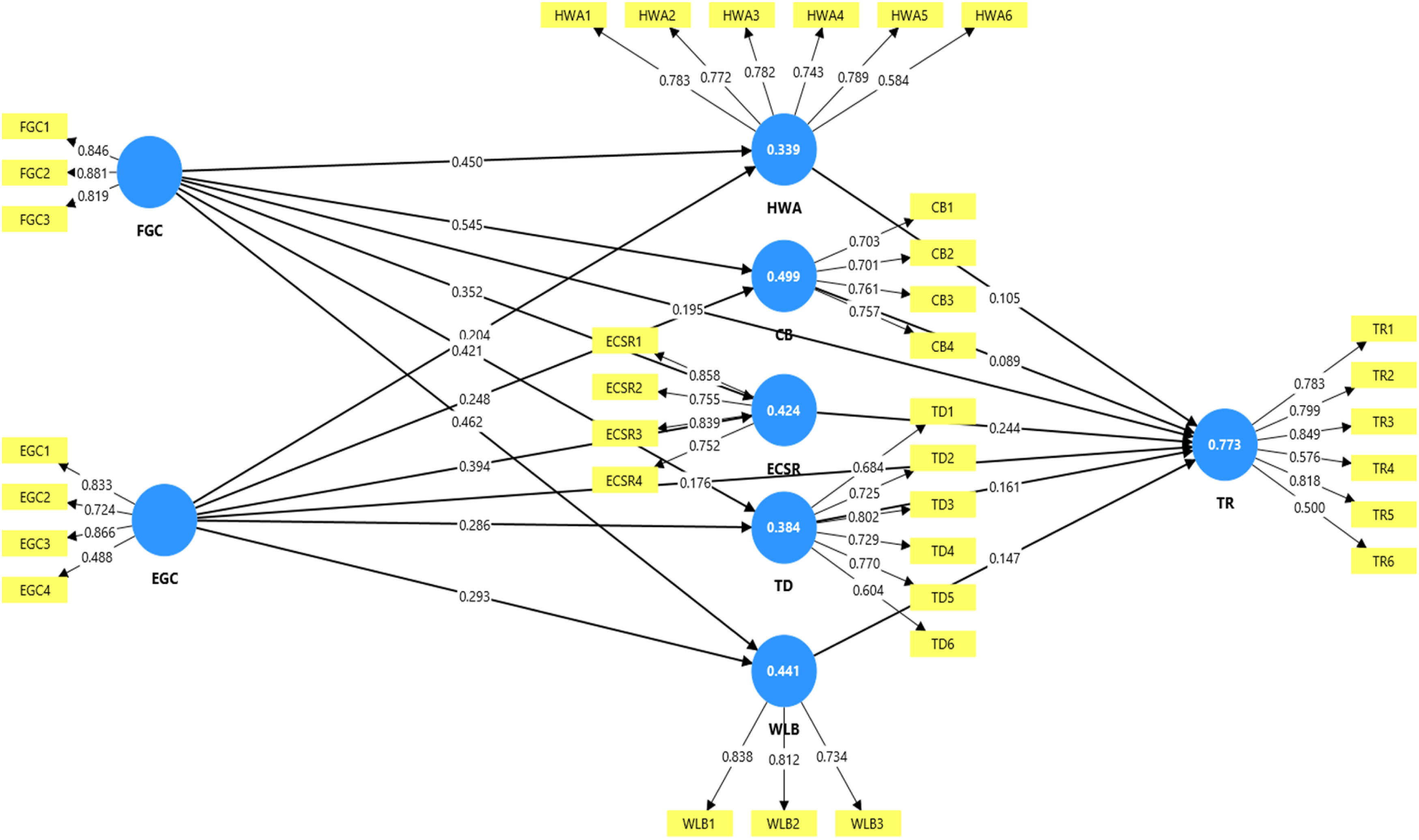
Hypothesis Testing: Mediating role of employer branding in relation with social media marketing and talent retention.
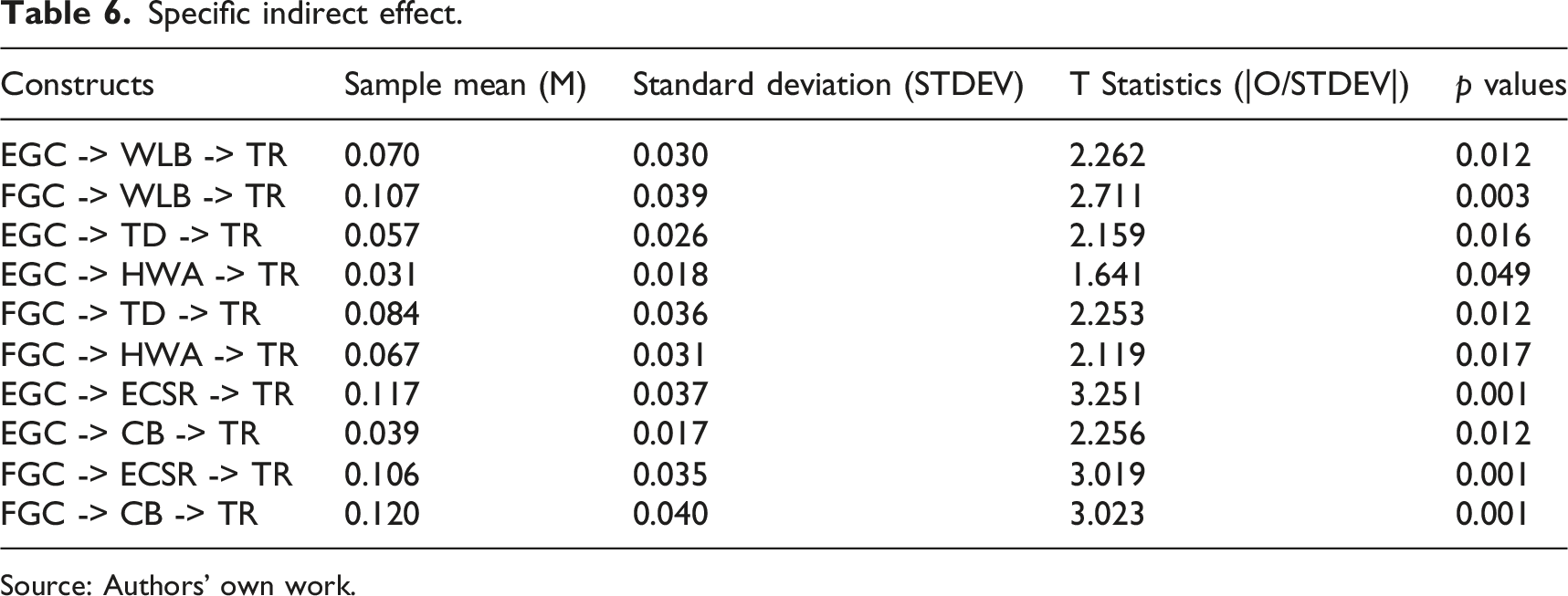
As illustrated in Figure 5, the mediating effects were examined using the approach proposed by Nitzl et al. (2016) 76 for analyzing complex models. This approach emphasizes employing bootstrapping analysis to assess the indirect impact of an independent construct on a dependent construct via a mediating construct.
Specific indirect effect.
Source: Authors’ own work.
Discussion
The present study reveals that social media marketing and employer branding play a vital role in retaining the talent in an organization. These strategies not only help to boost the company’s reputation but also create a positive workplace image. The findings suggest that employer branding plays an important role in talent retention. 55 When organizations share employees’ stories, celebrate employee achievements, and highlight their cultural celebrations, the employees feel more valued and connected. This sense of appreciation aligns with organizational goals which helps to supports job satisfaction, reduces turnover intentions, and maintain a long-term commitment to the company.
In the current study, the mixed-method approach reveals that social media marketing supports talent retention when employer branding acts as the mediator. Quantitatively, structural‐equation modeling confirmed that social media marketing significantly enhances the five dimensions of employer branding, that is, healthy work atmosphere, work–life balance, training and development, compensation and benefits, and ethics and corporate social responsibility. Each of these dimensions, in turn, has a positive influence on talent retention, with strong effects of work–life balance and ethical CSR practices. Direct path from social media marketing to talent retention further highlight the dual importance of official corporate messaging and employee stories. The strength of the measurement model, supported by high composite reliabilities and discriminant validity outlines that the consistency of these findings across an IT sector.
The qualitative analysis complements these aspects by showing that how employees experience and understand social media marketing. NVivo-based thematic analysis shows that the narratives of pride and belongingness of employees towards the organization when their diversity milestones, and achievements are celebrated by companies. Participants are linked apparent, values-driven social media activity with the perceptions of a supportive culture, leadership transparency, and career growth factors that motivate long-term commitment. Word-cloud and cluster visualizations further confirmed the salience of terms such as employee, organization, social media, culture, and leadership, establishing the quantitative relationships.
Together, these results are including the social exchange theory which shows that how digital involvement purposes as a reciprocal exchange: organizations invest in authentic, interactive social media marketing, and employees respond with heightened commitment and reduced turnover intentions. The merging of statistical evidence and descriptions supports that employer branding is no longer a peripheral HR approach but a strategic bridge between online marketing and internal retention.
Implications
Theoretical implications
This study enhances the theory in three key ways. Firstly, it covers the Social Exchange Theory (SET) by representing the reciprocal relationship between the organizations and employees are now formed not only by traditional HR practices but also by digital marketing like social media. Quantitative results by using of PLS-SEM confirm that social media marketing increase employer-branding dimensions which further enhance talent retention. These findings validate SET’s premise that employees reciprocate organizational investment with commitment when they perceive fairness, recognition, and growth opportunities. Secondly, by combining social media marketing literature with the employer branding in which the research introduces a cross-disciplinary understanding. It shows that marketing activities directed at external audiences simultaneously operate as internal communication that support organizations, by this means linking marketing and HRM theories. Finally, the mixed-method approach advances methodological understanding of talent retention. The integration of survey modeling with NVivo-based thematic analysis shows how qualitative narratives balance statistical evidence, presenting a richer conceptualization of how digital branding drives retention.
Practical implications
For practitioners, the results highlight that social enterprises should be treated as a strategic HR asset, not just a customer-facing marketing tool. Quantitative study shows that clear initiatives such as showcasing employee achievements or CSR efforts which impact on talent retention. Qualitative insights reveal why that employees feel proud, connected, and valued when company platforms portray culture, and celebration. Organizations can therefore design integrated communication strategies where HR and marketing teams collaborate to social media marketing. Sharing the authentic employee stories, promoting training opportunities, and spreading the diversity successes on online platforms supports the employees mentally and psychologically. The study also shows the importance of word-cloud and clustering analyses point to frequent themes of leadership support, learning opportunities, and positive work culture. Monitoring such themes allows firms to adjust policies, for example, expanding flexible work options or enhancing leadership development before detachment occurs.
Managerial implications
The study carries several managerial implications; the managers can gain guidance for policy and decision making. Like senior leaders should support employer branding programs by assigning resources to maintain an online narrative that reflects internal realities, celebrating organizational milestones, highlight the ethical practices, and recognize the employee contributions in an organization. At the same time, employees can be authorized as brand ambassadors by providing clear guidelines and meaningful incentives that encourage them to create and share authentic content, as employee-generated posts have a proven impact on retention and it also helps to improve the brand. Human resources and marketing functions through cross-functional teams confirms that content strategy, and employee engagement remain associated, allowing recruitment, and retention initiatives to support the organization’s social media presence. Finally, adopting data-driven talent strategies combining social analytics with regular survey feedback can reveal key drivers of employee satisfaction and predict potential turnover risks, allowing functional interventions such as targeted training programs, improved career development opportunities, or flexible work arrangements to support long-term commitment and reduce attrition.
Collectively, these implications demonstrate that a digitally visible, authentically communicated employer brand is no longer optional but central to sustaining competitive advantage in knowledge-intensive sectors like IT. By merging quantitative consistency with qualitative depth, the study provides a comprehensive roadmap for scholars seeking to extend theory and for practitioners striving to attract and retain top talent in an increasingly social media-driven employment landscape.
Limitations and future directions
This study offers valuable understandings into the relationship of social media marketing, employer branding, and talent retention but still there are few limitations. First, the quantitative study used a cross-sectional survey of employees in the Delhi-NCR IT sector, which is restricted to causal inference and limits generalizability to other industries or geographic regions. Future research should examine the proposed model in different industry contexts, such as healthcare, manufacturing, banking, education, and hospitality, to assess the applicability of the findings across diverse sectors. Furthermore, longitudinal research designs are recommended to examine the long-term effects of social media marketing and employer branding on talent retention and to better capture changes in employee perceptions over time. Such studies would provide a deeper understanding of the causal relationships among the study variables and support the strength of the existing findings. Second, the qualitative study, though rich, relied on a quite small purposive sample of expert, which may not fully capture perspectives across all hierarchical levels. Third, self-reported measures in both surveys and interviews raise the possibility of common-method bias and social desirability effects.
Footnotes

Funding
The authors received no financial support for the research, authorship, and/or publication of this article.
Declaration of conflicting interests
The authors declared no potential conflicts of interest with respect to the research, authorship, and/or publication of this article.