






Abstract
The artificial intelligence (AI) in learning is being increasingly applied for the personalization of learning, but the psychological implications of AI-powered platforms on students, particularly in areas with poor infrastructure, are yet to be investigated. Although there are studies that mostly concentrate on the performance of the systems and learning gains, the psychological experiences of students are still not well understood. These experiences include motivation, self-regulation, and anxiety related to algorithms. To complement this deficiency, this model examines the impact of AI-based personalized learning on students’ motivation, engagement, and algorithm-related anxiety. A convergent parallel mixed-methods design was used, combining quantitative analysis and qualitative thematic analysis of learner experiences. The study is grounded in Self-Determination Theory, Technology Acceptance Models, and Sociotechnical Systems Theory. Findings indicate that AI-based personalized learning enhances student motivation and self-regulated learning, while perceived system usability influences engagement and anxiety. In addition, institutional and infrastructural differences moderate these effects. The study highlights the psychological and contextual implications of AI in education and offers insights for improving personalized learning systems. The digital infrastructure plays a crucial role in reducing students’ anxiety toward algorithm-driven systems by providing stable access, reliable connectivity, and smoother interaction with AI-based learning platforms. This improved technological environment enhances student engagement and active participation in AI-supported learning activities. The findings highlight that when infrastructure is robust, learners are more comfortable using AI tools, leading to better learning experiences and outcomes.
Keywords
Introduction
China is at the forefront in terms of applying artificial intelligence to education. There is, at national level, the “Smart Education of China” plan and the Ministry of Education’s digital transformation guidelines which have stimulated the manufacture of smart campuses, AI classrooms, and intelligent tutoring systems (Wang & Shin, 2022). The mass platforms such as XuetangX, iFLYTEK, and Squirrel AI are used more and more in schools and universities, offering adaptive pathways, automatic testing, and data-driven recommendations to tens of millions of students. These efforts attempt to boost efficiency and customize learning at scale, but their psychological impact on students has not been comprehensively investigated. Educational capacity was measured by the province’s structural capabilities for effective instruction (Almaiah et al., 2022). The educational capacity was measured through three critical indicators, namely: (a) the number of higher education institutions, which will signify the extent of formal learning facilities; (b) student-to-teacher ratio, which will show the burden of teaching as well as the extent of assistance provided to each student; and (c) the number of full-time senior instructors, which will represent the quality of instruction and the presence of academic experts. All these indicators will indicate the province’s ability to create artificial intelligence personalized learning environments (Dai et al., 2020).
The most recent advances in generative AI and adaptive platforms are redefining how personalization is provided (Kim et al., 2022). Instead of static content, students interact with smart dashboards, chatbots, and dynamic recommendation engines (Chai et al., 2020). These can potentially enhance students’ motivation, self-regulation, and engagement—psychological factors known well to be essential for effective learning (Chiu & Chai, 2020; Xu et al., 2026) AI introduces new conflicts, though, including ubiquitous surveillance, algorithmic opacity, and issues of data privacy, which can induce stress or “algorithm anxiety” (Lin et al., 2021).
While there is a growing body of literature on AI-personalized learning (Ellikkal & Rajamohan, 2025), like conceptual models and algorithmic improvement, little empirical evidence exists to show how Chinese learners perceive these systems psychologically (Schiff, 2022). The studies carried out tend to focus on system performance or learning achievement instead of students’ feelings, emotions, and self-regulation measures (Ouyang & Jiao, 2021). Limited information is also available regarding the effect of differences in provincial contexts—online infrastructure, teaching capacities, and socio-economic conditions—on these experiences (Borenstein & Howard, 2021). This model incorporates provincial-level information related to digital infrastructure, educational capacity, AI readiness, and regional educational resources across 31 Chinese provinces, together with first-hand student accounts describing their experiences with AI-personalized learning systems, including motivation, self-regulation, engagement, and algorithm anxiety. Provincial contexts across Chinese provinces vary in terms of digital infrastructure (internet penetration and network quality), access to digital technology (availability of AI tools and learning platforms), educational system strength (institutional resources and teacher availability), and socioeconomic conditions (regional development and resource distribution) (Akgun & Greenhow, 2022).
Literature Review
Educational institutions use artificial intelligence to develop customized learning solutions that enhance their ability to monitor student progress through adaptable learning systems and automated tutoring systems and student participation metrics (Sajja et al., 2024). Current research demonstrates that artificial intelligence systems deliver tailored feedback together with automated testing systems and flexible educational pathways and personalized teaching materials which enhance learning results while minimizing mental demands on students (Huang et al., 2023). The latest advancements in generative artificial intelligence systems and natural language processing technologies and large language models have opened new possibilities for artificial intelligence applications in content development and academic writing assistance and intelligent tutoring systems and customized educational program implementation. Researchers have expressed worries about educational systems because they lack sufficient visibility into algorithms and face ethical dilemmas and threats to educational integrity and student data protection and students’ excessive reliance on systems that use artificial intelligence technology (Pesovski et al., 2024).
Several studies support these perspectives. For example, Alqahtani et al. (2023) proposed an AI-enabled Intelligent Assistant model for adaptive learning and conceptualized the nascent idea of Personalized Human Resource Management (HRM) as an individual-level subcategory of High-Performance Work Practices, aided by sophisticated HR analytics and artificial intelligence to provide customized HR solutions.. Tetzlaff et al. (2021) developed a generative AI-based customizable learning system and examined the role of artificial intelligence and large language models in higher education. They formulated an outline of primary applications including text generation, data analysis, automated literature review, testing, customized curricula, career advising, and mental-health care. Existing approaches, such as the PMDP framework, demonstrate secure multiparty computation combined with differential privacy to protect shared data. This study builds on these concepts, informing the proposed method to strengthen privacy-preserving collaborative processing in cloud-based environments (Gollavilli, 2022).
AI-supported learning platforms in Chinese schools, highlighting the importance of personalized learning materials and feedback systems (Niu et al., 2022; Zhu et al., 2023) developed an AI-based classification model for Chinese poetry using XGBoost and Doc2Vec techniques. Liu et al. (2025) integrated scaffolding instruction with AI-driven diffusion models in children’s aesthetic education. It developed AI-supported datasets and image training resources for educational purposes (Shemshack & Spector, 2020). The investigated AI adoption in primary mathematics education using structural equation modelling and highlighted the role of TPACK, teacher attitudes, and institutional support (Li & Manzari, 2025). They explored AI-assisted academic writing among Chinese students using a mixed-methods approach (Chen & (Frank) Gong, 2025). Alamri et al. (2020) and Bang et al. (2023) examined students' behavioral intentions to learn AI by integrating Self-Determination Theory and the Theory of Planned Behavior. Chai et al. (2023) demonstrated the positive impact of adaptive personalized learning systems on student achievement and motivation. It investigated AI-supported professional teacher development systems for improving TPACK competencies (Chaipidech et al., 2022), the opportunities and risks of ChatGPT in higher education, particularly regarding academic integrity and critical thinking (Aler Tubella et al., 2023; Michel-Villarreal et al., 2023). The study explored the implementation of Trustworthy AI principles in higher education across European contexts. Existing studies mainly focus on technical performance, localized implementations, and small-scale samples, with limited attention to psychological outcomes such as motivation, self-regulation, and algorithm anxiety. In addition, the influence of regional digital infrastructure and sociotechnical conditions remains underexplored. To address these limitations, the present study integrates provincial-level quantitative indicators with qualitative student experiences to provide a comprehensive understanding of AI-personalized learning.
Limitations of Existing Studies
Across these studies, several limitations emerge. Sajja et al. (2024) point to integration, scalability, and future-development challenges of their AIIA model, while Huang et al. (2023) highlight the tension between AI’s analytic nature and the intuitive–empathetic demands of personalized HRM. Pesovski et al. (2024) acknowledge their tool’s very small sample and call for large-scale validation. Alqahtani et al. (2023) emphasize ethical concerns and algorithmic bias as barriers to fully realizing AI’s promise. Niu et al. (2022) note device access constraints, weak interfaces, and lack of social and gamified features in SLP. Zhu et al. (2023) caution that XGBoost-MCP has only been tested on limited poetry sets and needs broader verification. Liu et al. (2025) recognize that their scaffolding-diffusion model is preliminary, topic-specific, and not yet generalizable. Li and Manzari (2025) limit their SEM blueprint to one Chinese region, reducing external validity. Chen and Gong (2025) report over-reliance, ethical worries, technical issues and unreliable AI output in CSL writing support. Chai et al. (2023) reveal counter-intuitive relationships in their model that future AI curricula must resolve. Bang et al. (2023) caution that the large My Math Academy effects may vary by setting and need continuous monitoring. Chaipidech et al. (2022) show TPACK gains but only with Thai science teachers, leaving open questions about generalizability. Michel-Villarreal et al. (2023) underline the absence of clear policies and the need for more empirical evidence on ChatGPT’s impact. Finally, Aler Tubella et al. (2023) stress that translating EU guidelines into practice still faces major implementation hurdles despite their recommendations.
Taken together, these limitations reveal several persistent gaps in the existing literature on AI-enabled personalized learning. First, most studies examine AI applications in isolated or localized contexts, limiting their ability to account for broader structural and regional inequalities that shape AI adoption and learner experience. Second, psychological dimensions such as motivation, self-regulation, and algorithm-related anxiety are frequently treated as secondary or incidental outcomes, rather than as central constructs requiring systematic empirical investigation. Third, methodological approaches are largely fragmented, relying either on technical evaluations, small-scale qualitative studies, or single-region surveys, which restricts the capacity to link macro-level educational and infrastructural conditions with micro-level student experiences. As a result, current research provides limited understanding of how contextual readiness for AI—particularly differences in digital infrastructure and education capacity—moderates students’ psychological responses to AI-personalized learning systems. Provincial-level data in this study refers to regional indicators collected across different Chinese provinces, including measures related to digital infrastructure, educational resources, research capacity, and socio-economic conditions. Educational capacity specifically refers to the ability of provinces to support learning through factors such as the number of higher education institutions, student–teacher ratios, and availability of qualified teaching staff. These indicators help explain regional readiness for AI-personalized learning and its psychological impact on students. The purpose of this research is to explore empirically Chinese learners’ psychological experience of AI-personalized learning and the provincial contexts that affect such experiences. Specifically, this study hopes to answer the following questions: (1) How do provincial differences in education capacity and digital infrastructure influence the adoption and readiness for AI-personalized learning in China? (2) What psychological experiences (motivation, self-regulation, engagement, and algorithm anxiety) do Chinese students report when using AI-driven personalized learning platforms? (3) How do students’ reported experiences differ across provinces with varying levels of digital and educational infrastructure? (4) How can combining provincial-level data and student perspectives inform policies and practices to improve the psychological impact of AI-personalized learning in China?
Theoretical Framework and Hypothesis Development
This study is grounded in an integrated theoretical framework that combines Self-Determination Theory (SDT), the Technology Acceptance Model (TAM), and Sociotechnical Systems Theory (STS) to explain how provincial-level conditions shape students’ psychological experiences of AI-personalized learning.
Recent SDT research highlights that autonomy, competence, and relatedness are key drivers of student motivation and self-regulated learning (Gagné et al., 2022; Marsh et al., 2025). In AI-based learning systems, these needs are supported through adaptive and personalized feedback, which enhances motivation and engagement.
TAM explains that technology acceptance depends on perceived usefulness and ease of use (Granić, 2022; Taherdoost et al., 2024). In AI learning environments, these perceptions influence student engagement and algorithm-related anxiety (Chen et al., 2025). STS emphasizes the interaction between technology and institutional context. Recent studies show that digital infrastructure and governance shape technology effectiveness in education (Mogahed & Mansouri, 2025). Hence, regional infrastructure differences may influence AI learning outcomes.
Integrating these three theories, SDT explains internal psychological motivation, TAM explains technology perception and adoption behavior, and STS explains contextual and structural influences. Based on this integrated framework, the study develops hypotheses linking AI-based personalized learning to student motivation, self-regulated learning, engagement, and algorithm-related anxiety, while considering the moderating effect of infrastructural disparities.
Research Hypotheses
Based on the integrated theoretical framework, the following hypotheses are proposed:
Drawing on Self-Determination Theory (SDT), AI-based personalized learning systems can support learners’ needs for autonomy, competence, and relatedness through adaptive feedback and individualized learning pathways. When these psychological needs are satisfied, students are more likely to develop stronger intrinsic motivation toward learning. Therefore, the following hypothesis is proposed:
AI-based personalized learning systems have a significant positive effect on students’ motivation.
SDT further suggests that learners who experience autonomy and competence are more likely to engage in self-regulated learning behaviors, including goal setting, self-monitoring, and learning management. AI-based personalized learning environments provide adaptive support that encourages these behaviors. Therefore, the following hypothesis is proposed:
AI-based personalized learning systems significantly enhance students’ self-regulated learning behaviors through the satisfaction of autonomy, competence, and relatedness needs.
According to the Technology Acceptance Model (TAM), perceived usefulness is a primary determinant of positive technology usage behavior. When students perceive AI-based learning systems as useful for improving learning performance, they are more likely to actively engage with these systems. Therefore, the following hypothesis is proposed:
Perceived usefulness of AI-based learning systems has a positive effect on student engagement.
TAM also proposes that technologies perceived as easy to use reduce user frustration and uncertainty. In AI-based learning environments, greater ease of use may reduce students’ concerns and anxiety related to algorithmic decision-making. Therefore, the following hypothesis is proposed:
Perceived ease of use of AI-based learning systems (TAM) has a negative relationship with algorithm-related anxiety.
Algorithm-related anxiety may create psychological discomfort and reduce students’ willingness to interact with AI-based learning systems. Students experiencing higher anxiety are therefore expected to show lower engagement levels. Therefore, the following hypothesis is proposed:
Algorithm-related anxiety negatively affects student engagement in AI-based learning environments.
Sociotechnical Systems Theory (STS) emphasizes that technology outcomes depend on the interaction between technological systems and their surrounding environment. Provinces with stronger digital infrastructure are expected to provide more favorable conditions for AI-based learning, thereby influencing psychological outcomes. Therefore, the following hypothesis is proposed:
Regional digital infrastructure significantly moderates the relationship between AI-based personalized learning systems and student psychological outcomes.
The relationship between AI-based personalized learning systems and student psychological outcomes depends on the availability of digital infrastructure. Strong digital infrastructure enables seamless access to AI-driven learning tools, thereby enhancing their positive effects on motivation, engagement, and well-being. Conversely, inadequate infrastructure may limit these benefits and weaken this relationship.
Conceptual Framework
China’s provincial differences in educational investment, digital infrastructure, and research and development create distinct environments for AI adoption in schools and universities. These macro-level conditions (e.g., number of institutions, student–teacher ratio, broadband access, software industry income) influence the availability, quality, and intensity of AI-based personalized learning platforms. Students situated in provinces with richer digital ecosystems and higher educational expenditure may encounter more sophisticated AI systems, more stable connectivity, and better teacher support. Conversely, students in provinces with weaker infrastructure may face limited access or less effective implementation.
Within these environments, students interact directly with AI-driven personalized learning systems such as XuetangX, Squirrel AI, or iFLYTEK platforms. These systems deliver adaptive content, feedback, and recommendations. However, the way students experience this personalization is not only a function of the algorithm but also of the broader context—classroom culture, teacher guidance, and local policy incentives. In high-stakes, exam-oriented settings, personalization might either relieve stress by offering targeted support or exacerbate anxiety by intensifying performance tracking.
The psychological outcomes of this interaction include key constructs such as motivation, self-regulation, engagement, and perceived stress. For instance, students might feel more autonomous and competent when AI tailors learning to their needs (supporting Self-Determination Theory), or they might experience cognitive overload and algorithm anxiety when personalization feels opaque or intrusive. These outcomes are critical for understanding whether AI-driven personalized learning enhances or undermines student well-being and learning effectiveness.
This conceptual framework justifies the mixed-methods design: the quantitative provincial indicators provide a macro-level picture of the environment in which AI personalization occurs, while the qualitative interviews capture students lived experiences and psychological responses. Integrating both strands allows the study to link structural factors with individual outcomes, offering a richer understanding of AI’s role in personalized learning in China.
Figure 1 presents the conceptual framework developed to examine the role of AI-personalized learning in shaping students’ psychological factors and learning outcomes. The framework proposes that AI-personalized learning environments, characterized by adaptive content, intelligent feedback, learning analytics, recommendations, and AI tutoring support, positively influence students’ psychological factors, including motivation, self-regulation, engagement, perceived fairness and trust, and stress/anxiety (H1). In turn, these psychological factors are expected to influence learning outcomes such as academic achievement, learning efficiency, satisfaction and well-being, and persistence and retention (H3). The framework also recognizes reciprocal relationships between psychological factors and the AI learning environment (H2), as well as between learning outcomes and psychological factors (H4), reflecting the dynamic and iterative nature of AI-supported learning. Furthermore, contextual factors, including learner characteristics, digital literacy, prior knowledge, socio-economic status, and institutional support, are proposed to moderate these relationships (H5–H6). The feedback loops illustrate how learning outcomes may continuously inform AI system personalization and influence subsequent psychological states, creating an adaptive learning ecosystem. The framework is grounded in Self-Determination Theory (SDT), the Technology Acceptance Model (TAM), and Sociotechnical Systems Theory (STS), which collectively explain the interactions among technology, learner psychology, and educational outcomes. It presents the theoretical conceptual framework developed from Self-Determination Theory (SDT), the Technology Acceptance Model (TAM), and Sociotechnical Systems Theory (STS). The framework was designed to guide data collection and interpretation in the mixed-methods study interpreted as a structural equation model. Rather than testing causal paths through PLS-SEM, the proposed relationships were evaluated through the convergence of quantitative provincial indicators and qualitative student experiences. Conceptual Framework Illustrating the Relationships Between AI-Personalized Learning and Students’ Psychological Processes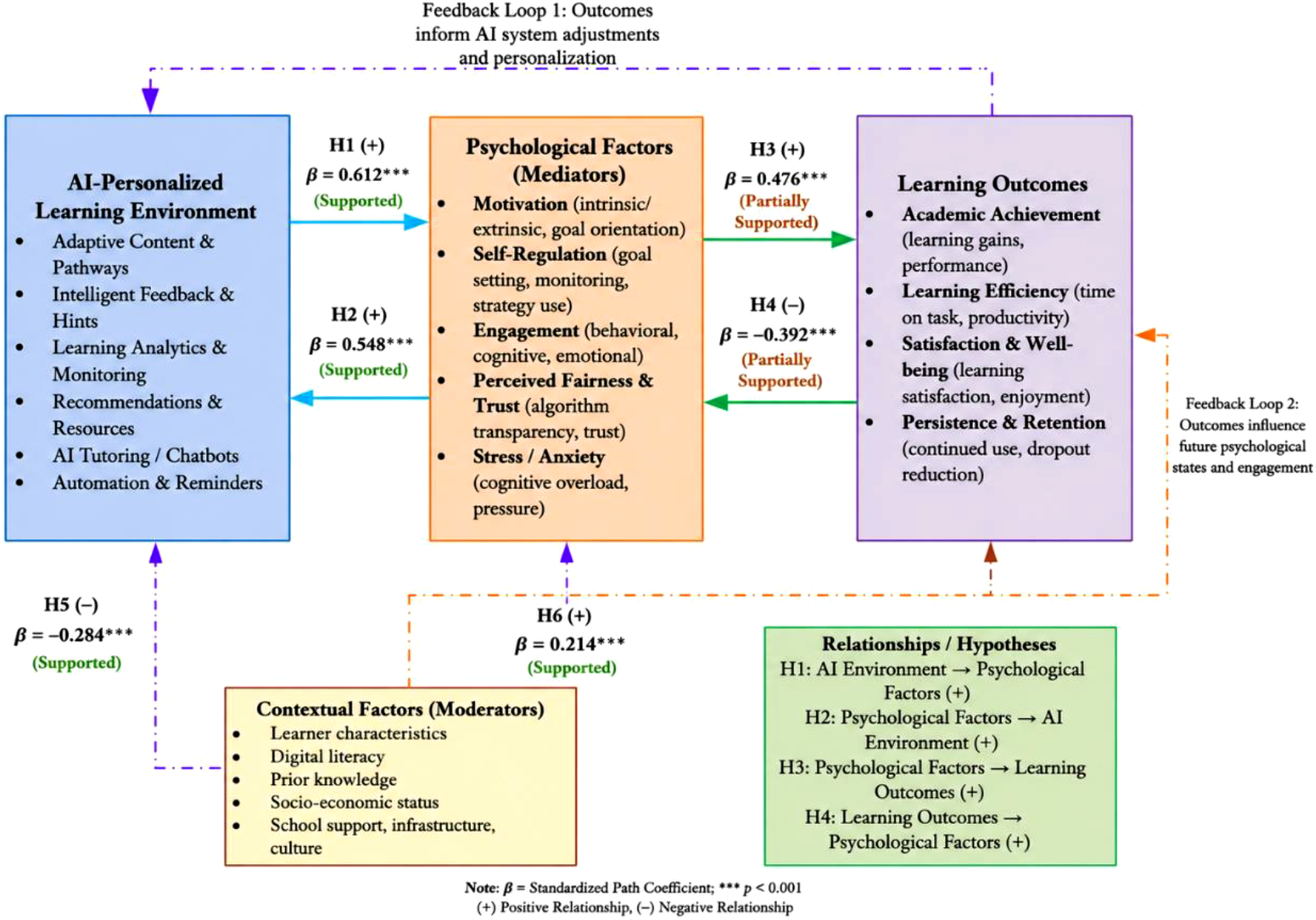
This model indicates that the effect of the AI environment affects the psychological aspects of the learners including motivation, self-regulation, and engagement (H1). At the same time, psychological aspects impact how the learners interact with the AI system (H2). Psychological aspects facilitate better learning results (H3), and the outcomes, in turn, affect psychological aspects (H4). There are two feedback loops used in the revised model in which the learning outcomes help improve adaptation and engagement in the future. Furthermore, contextual aspects are considered moderating variables for this complex relationship (H5–H6).
Methodology
This method implements a regional comparative design in which provinces are compared based on key indicators, including digital infrastructure (DI), educational capacity (ECI), and student readiness for AI-based personalized learning. This comparison forms the basis of the analysis and is applied consistently across the dataset. It adopts a Convergent Parallel Mixed-Methods Design (Taheri & Okumus, 2024), in which quantitative and qualitative data are collected and analyzed concurrently but independently, followed by integration at the interpretation stage. The quantitative strand examines provincial-level readiness for AI-personalized learning using education and digital infrastructure indicators, while the qualitative strand explores students’ psychological experiences with AI-driven learning platforms. Integrating both strands provides a comprehensive understanding of how macro-level provincial conditions influence micro-level psychological outcomes.
Both strands have their respective data analysis—descriptive trend analysis, correlation/regression, and composite indices for the quantitative data; and thematic analysis (familiarization, coding, theme development) for the qualitative data. The results are then synthesized in the Integration Phase through joint display tables, narrative weaving, and side-by-side comparison. Reliability, validity, and trustworthiness are treated individually for each strand (data consistency checks, sensitivity tests, triangulation, member-checking) and through integration stage practices (convergence checking and reflexive journaling). Lastly, the outputs are indices and maps of provincial readiness, themes and quotes regarding student experience, integrated tables bridging macro and micro findings, and policy, design, and practice recommendations. Figure 2 depicts the broad process of research employed in the study. Methodology Flow Diagram for Convergent Parallel Mixed-Methods Study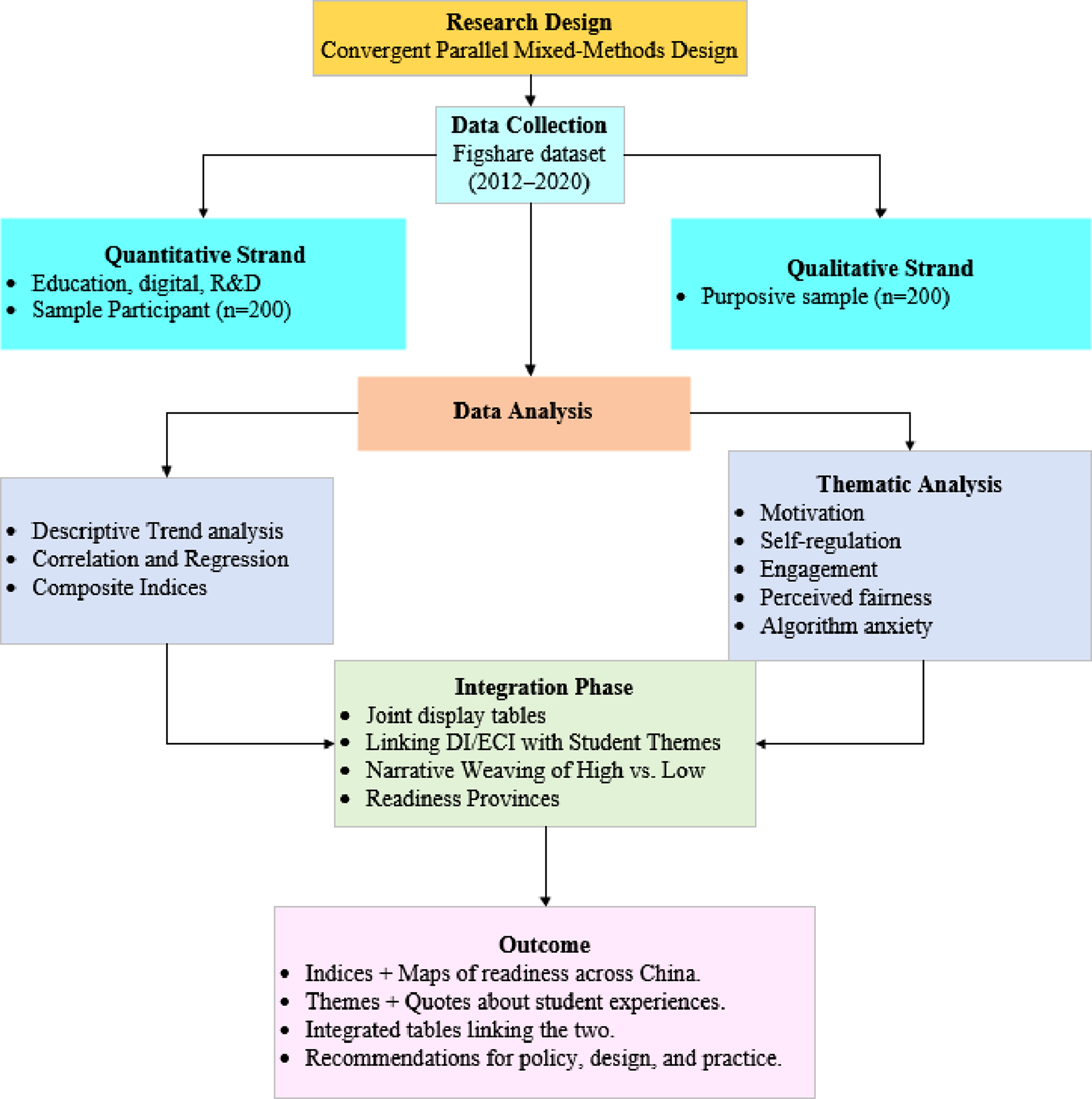
Research Design
The research uses a Convergent Parallel Mixed-Methods Design. Quantitative and qualitative data are gathered and analyzed separately but simultaneously. The findings are then combined at the interpretation level. The design is appropriate since it enables the study to: • Trace the macro-level provincial setting for AI-personalized learning in China. • Investigate the micro-level psychological lives of students utilizing AI-based personalized learning systems. • Blending these two strands provides a fuller understanding than either method in isolation.
This study adopts a convergent parallel mixed-methods design to capture both the structural conditions and psychological experiences associated with AI-personalized learning. Quantitative provincial indicators provide a macro-level assessment of digital and educational readiness, while qualitative student accounts capture micro-level psychological responses that cannot be inferred from secondary data alone. The mixed-methods approach is therefore essential for explaining not only what regional disparities exist, but how and why these disparities shape students’ motivation, self-regulation, engagement, and algorithm anxiety.
Quantitative Strand
Data Source
The quantitative strand is based on a secondary dataset: the Figshare Provincial Panel Dataset (2012–2020) (Bao, 2023).
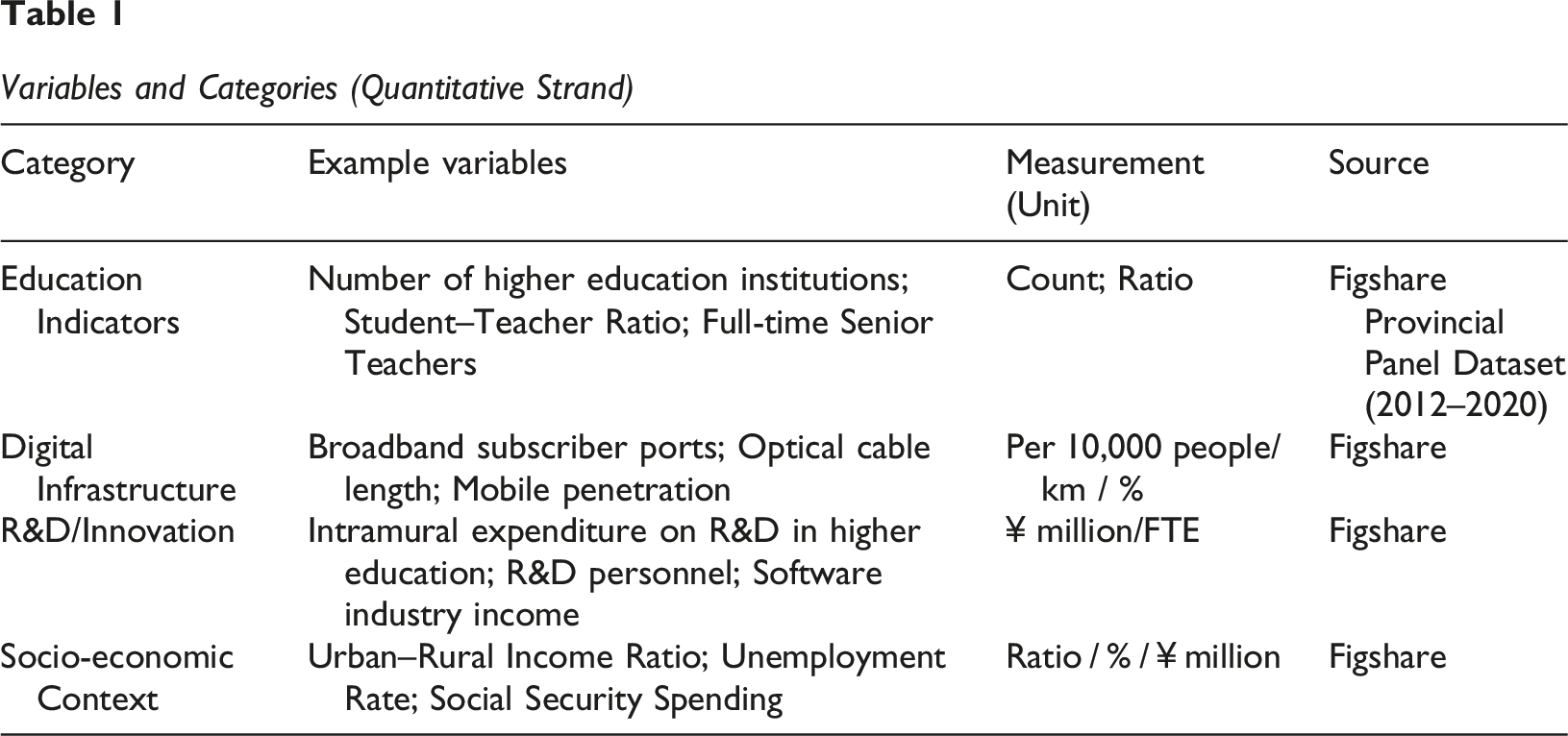
Annual data for each of China’s 31 provinces, autonomous regions, and municipalities is included in this dataset. It is created from a variety of official sources (National Bureau of Statistics of China, Ministry of Education, Ministry of Science and Technology). Indicators cover:
Higher Education Statistics: institutional capacity, as well as student–teacher. The provincial-level indicators included internet penetration rate, number of higher education institutions, student–teacher ratios in higher education institutions, AI patent activity, and regional educational development indicators.
Digital Infrastructure: broadband, optical cable, mobile penetration.
Research and Development: intramural spending, R&D staff, software industry revenue.
Socio-economic Indicators: urban–rural income gap, unemployment, social security spending.
Through merging these categories, the dataset offers a rich contextual setting to interpret where and how AI-based personalized learning might be functioning around China.
It used a secondary dataset that contained student data that had been collected from various provinces throughout China. The dataset includes participants from 31 provinces which enables researchers to conduct regional comparison studies. The dataset contains enough participant representation across different provinces to enable researchers to compare digital infrastructure and educational capacity and student readiness for AI-based personalized learning.
Variables and Measures
To measure the degree to which every province is prepared for AI-personalized learning, this research combines indicators from the Figshare dataset into four broad categories. These categories capture the most important factors that determine the setting under which students and AI systems converge.
Variables and Categories (Quantitative Strand)
Data Analysis (Quantitative)
Quantitative analysis focused on describing and comparing provincial differences in digital infrastructure and education capacity relevant to AI-personalized learning. Descriptive statistics and trend analyses were used to examine temporal and regional variation across provinces. Correlation and regression analyses were conducted to explore associations between digital infrastructure, education capacity, and innovation indicators. To support integration with qualitative findings, composite indices for Digitalization and Education Capacity were constructed using standardized indicators, enabling comparison across provinces and alignment with students’ reported psychological experiences. Quantitative data analysis was conducted to examine key patterns and relationships in the dataset. Descriptive statistics were used to summarize variables such as educational capacity, while inferential techniques were applied to identify significant associations between variables. For example, descriptive statistics were used to evaluate variations in educational capacity across provinces. Detailed analytical procedures are provided in the Appendix.
Qualitative Strands
Participants
Approximately 200 Chinese high-school and university students who had actively used AI-driven personalized learning platforms (e.g., XuetangX, iFLYTEK, Squirrel AI) were invited through purposive and snowball sampling. Efforts were made to include participants from provinces with differing levels of digital infrastructure and education capacity to capture a broad range of experiences.
Data Collection
Data were collected through semi-structured interviews (30–45 minutes each) and focus groups (5–6 participants per group). Interview and focus-group guides were designed to elicit students’ perceptions of AI personalization, including motivation, self-regulation, engagement, fairness, stress, and privacy concerns. All sessions were audio-recorded and transcribed verbatim.
Data Analysis (Thematic Analysis)
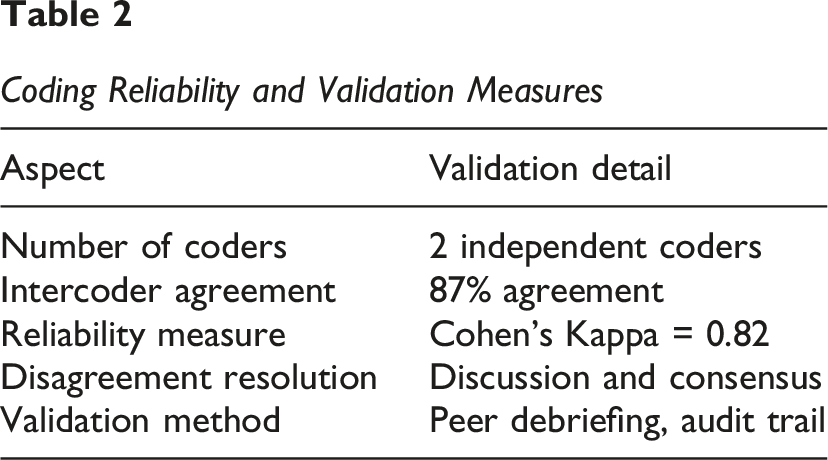
The qualitative data were analyzed using thematic analysis following the six-phase framework proposed by Braun and Clarke (Braun & Clarke, 2025). The thematic analysis procedure is described in detail below to enhance methodological transparency and demonstrate how students’ psychological experiences are systematically identified and interpreted. Thematic analysis served as the method for examining qualitative data. The team conducted multiple transcript reviews to establish their understanding of the material before they started developing initial codes which identified crucial patterns of motivation, self-regulation, engagement, fairness, and stress. The research team used both deductive and inductive coding methods to create broader categories which combined similar codes. The researchers reviewed and refined the themes to achieve better understanding and better logical flow. The researchers used NVivo software to assist with coding and data management while creating visualizations that showed how different themes connected to each other. The researchers selected representative quotations to show the main findings while they interpreted results based on the research framework and the quantitative results. The researchers established reliability through three processes which included independent coding and discussion of discrepancies and comparison of results across the entire dataset.
Coding Reliability and Validation Measures
Emergent Themes
The thematic categories used in the qualitative analysis were developed through a theory-informed coding approach based on the study objectives, research questions, and conceptual framework. Therefore, the themes were not entirely emergent from the data but were refined during analysis through repeated interpretation of participant responses and regional patterns. Thematic analysis of the 200 interviews and focus groups produced five major psychological themes: motivation, self-regulation, engagement, perceived fairness, and algorithm anxiety.
Integration of Quantitative and Qualitative Strands
The integration of quantitative and qualitative findings was conducted to provide a comprehensive understanding of the research problem. Quantitative results offered measurable trends and patterns, while qualitative insights helped explain the underlying reasons and contextual factors influencing these outcomes. By combining both approaches, the study ensures a more holistic interpretation of the data.
This integration was achieved by aligning key quantitative results with corresponding qualitative themes, allowing for direct comparison and interpretation. This approach enhances the validity of the findings by cross-verifying results from multiple perspectives and ensures that the conclusions are both data-driven and contextually grounded.
Reason for Integration
By synthesizing the two strands in this structured way will clarify how macro-level provincial conditions (e.g., digital infrastructure, educational capacity, socio-economic context) affect micro-level psychological effects (e.g., motivation, self-regulation, engagement, algorithm anxiety) of learners interacting with AI-personalized learning systems. This answers not just to “what” is happening, but also to “why” and “for whom.” Importantly, integration does not aim to merge datasets or produce a single unified metric. Instead, the two strands are treated as complementary sources of evidence, where convergence strengthens interpretation and divergence highlights contextual complexity. This approach enhances methodological transparency while ensuring that key insights are communicated clearly without overburdening readers with procedural detail.
Dependability, Validity, and Credibility
Considerations of validity, dependability, and credibility were embedded throughout the research process through multiple verification procedures. Quantitative analysis included consistency checks, sensitivity testing, and transparent documentation of data processing procedures. Qualitative rigor was strengthened through intercoder agreement assessment, member-checking with participants, peer debriefing, triangulation across interviews and focus groups, and iterative refinement of themes. Integration credibility was further supported through convergence checking between quantitative indicators and qualitative findings. The provincial data were cross-verified across years to identify missing entries prior to analysis. Sensitivity testing was additionally conducted by applying alternative weighting schemes to the Digitalization Index (DI) and Education Capacity Index (ECI), with only minor variations observed in provincial ranking patterns. For the qualitative strand, triangulation across interviews and focus groups revealed consistent psychological themes related to motivation, self-regulation, and algorithm anxiety. Peer debriefing and iterative comparison of transcripts, codes, and themes were further conducted to strengthen coding consistency and analytical credibility. Integration of findings further supported credibility through comparison of convergence and divergence between provincial indicators and student-reported experiences.
Quantitative Strand
Data Consistency Checks: Cross-tab provincial values by years to identify anomalies; delete or correct inconsistent entries.
Sensitivity Tests: For composite indices (Digitalization Index, Education Capacity Index), try varied weights given to component variables to test whether rankings vary significantly.
Transparent Documentation: Document every step of data cleaning, index calculation, and analysis so results can be replicated.
Qualitative Strand
Triangulation: Collect information from more than a single source (interviews, focus groups, optional diaries) to check against each other.
Member-Checking: Back brief summaries of salient interpretations with subsets of participants to verify accuracy.
Peer Debriefing: Have a second qualitative researcher check coding decisions in order to minimize individual bias.
Thick Description: Include rich contextual information (province, platform type, learning environment) to enable readers to judge transferability to other environments.
Integration Stage
Convergence Checking: Look at quantitative and qualitative evidence for a given theme to determine where they support or contradict one another.
Reflexive Journaling: Keep a record of integration decisions in order to make this process transparent.
Ethical Issues
Ethical approval for the method was received confirmation from an accredited Institutional Review Board (IRB) and university ethics committee before the researchers started collecting data. Researchers presented all participants with an information sheet written in Chinese that explained the study’s purpose and described the research methods which included interviews and focus groups and voluntary diaries and the procedures for data usage and storage and their right to participate voluntarily and withdraw at any time without penalty. Participants provided informed consent through either written or digital methods before they started their involvement in the study. The research team kept participant identities anonymous by using pseudonyms and they removed or generalized all personal information and prevented outside parties from accessing the raw research data. All digital data which included audio files and transcripts and analysis files was kept in secure locations that required password access while encrypted backups protected the data and institutional policies determined the duration of data retention until it was safely deleted. All research procedures followed data protection laws and ethical standards which included all national data protection regulations that applied to the study.
Results
Key Research Findings
To improve clarity, this section highlights the most salient and policy-relevant findings from the quantitative and qualitative analyses. Rather than reporting all statistical outputs, the results are organized around key patterns that directly address the research questions and theoretical framework.
First, clear provincial disparities in readiness for AI-personalized learning were observed. The provinces with strong digital infrastructure and educational capacity, such as Beijing, Shanghai, Jiangsu, and Guangdong, consistently scored high on the Digitalization Index and Education Capacity Index. In contrast, western provinces such as Gansu and Guizhou remained at the lower end of both indices, indicating structural constraints for effective AI adoption. Second, these macro-level disparities were closely reflected in students’ psychological experiences. Students in high-readiness provinces reported higher motivation and stronger self-regulation when using AI-driven learning platforms, alongside lower levels of algorithm anxiety. Conversely, students in low-readiness provinces frequently described frustration, stress, and disengagement, often linked to unstable connectivity and limited institutional support.
Third, algorithm anxiety emerged as a key differentiating psychological outcome. While AI personalization was generally perceived as helpful, students in low-infrastructure contexts experienced heightened anxiety related to system monitoring, frequent alerts, and performance tracking. This anxiety was notably less prominent in provinces with reliable digital environments, suggesting that infrastructure quality moderates psychological responses to AI systems. Finally, the integration of quantitative indices and qualitative themes demonstrated that infrastructure alone is insufficient to guarantee positive experiences. Even in high-readiness provinces, some students reported reduced engagement when AI feedback felt repetitive or poorly aligned with their learning needs, highlighting the importance of pedagogical design alongside technological investment.
Quantitative Findings
Provincial Trends in Education and Digital Indicators
Analysis of the Figshare provincial panel dataset (2012–2020) shows steady improvements in digital infrastructure and education capacity in most provinces. The Digitalization Index (DI) increased from an average of 0.43 in 2012 to 0.63 in 2019, before showing a significant drop in 2020, followed by a gradual recovery in subsequent years, while the Education Capacity Index (ECI) remained relatively stable at 0.40–0.54. Eastern provinces (e.g., Beijing, Guangdong, Jiangsu) consistently scored highest on both indices; Western provinces (e.g., Gansu, Guizhou) scored lowest. Figure 3 presents line graphs of DI and ECI over time, illustrating these trends. (a) Trend of Digital Infrastructure (DI), (b) Trend of Education Capacity (ECI) Over Time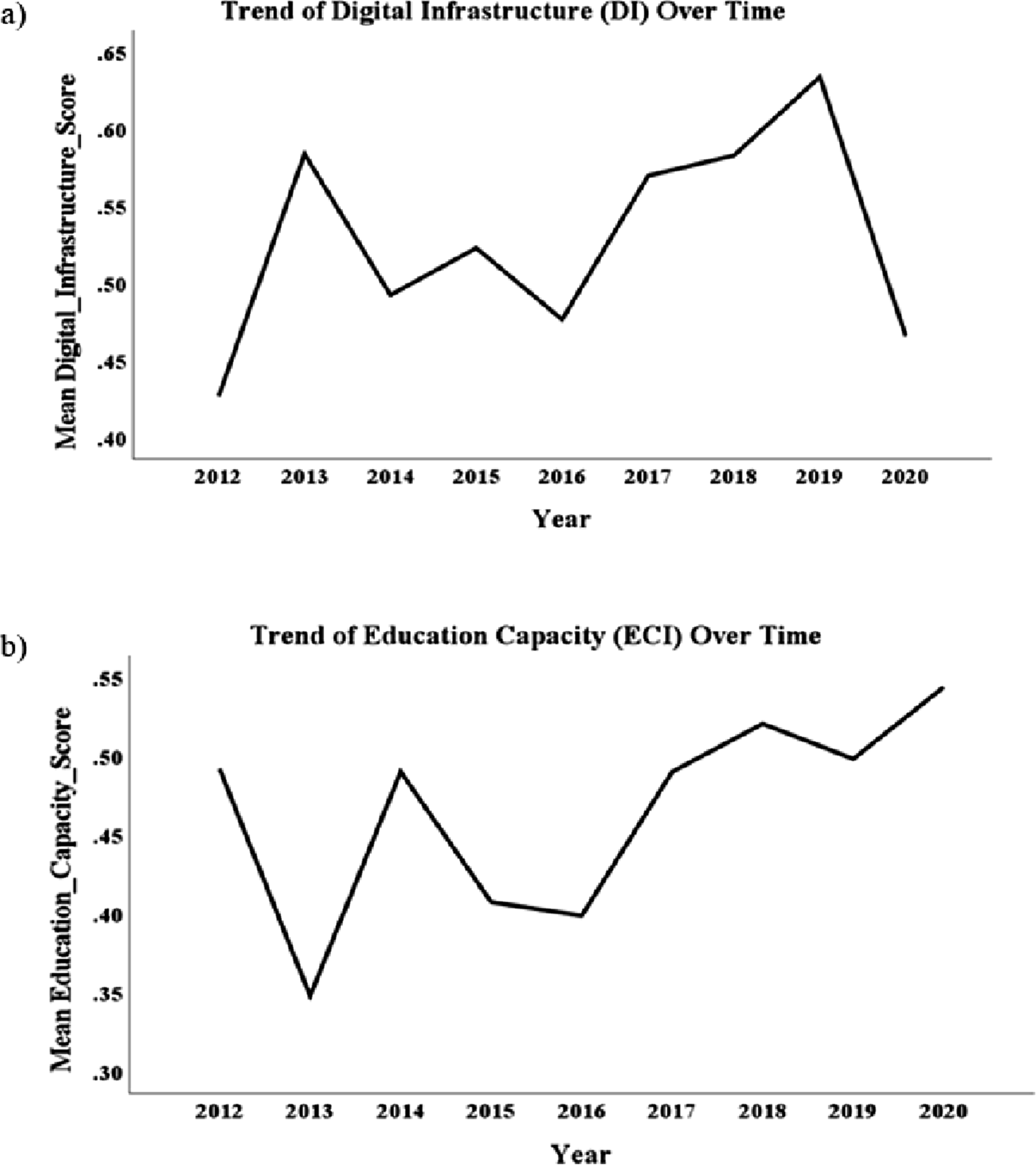
The DI score represents the technological readiness for AI-based personalized learning, while the ECI score reflects the educational capacity of the provinces. For instance, in 2019, the DI score averaged 0.6336, with a standard deviation of 0.4982, indicating variability across provinces in their digital infrastructure. The standard deviation value shows substantial regional differences because some provinces exhibit advanced technological abilities for AI-personalized learning while other provinces display technological deficiencies. The study investigates how provincial differences affect students’ psychological experiences and their ability to use AI-based learning systems because digital infrastructure distribution varies across different regions. The table provides insight into how these scores evolved over time, showing overall provincial readiness for AI-personalized learning in China.
Regional Disparities Relevant to AI Adoption
Grouping provinces into East, Central, and West reveals practical disparities in readiness for AI-personalized learning. The East shows the highest DI and ECI means, while the West lags behind.
Hubei shows the highest mean score, while Gansu records the lowest. Overall, there are moderate variations, suggesting provincial disparities in digital infrastructure. Guangdong stands out with the highest education capacity, while Gansu has the lowest. The results highlight clear differences in provincial education capacities in Figure 4, with coastal provinces generally performing better. (a) Provincial Distribution of Mean Digital Infrastructure, (b) Mean Education Capacity Score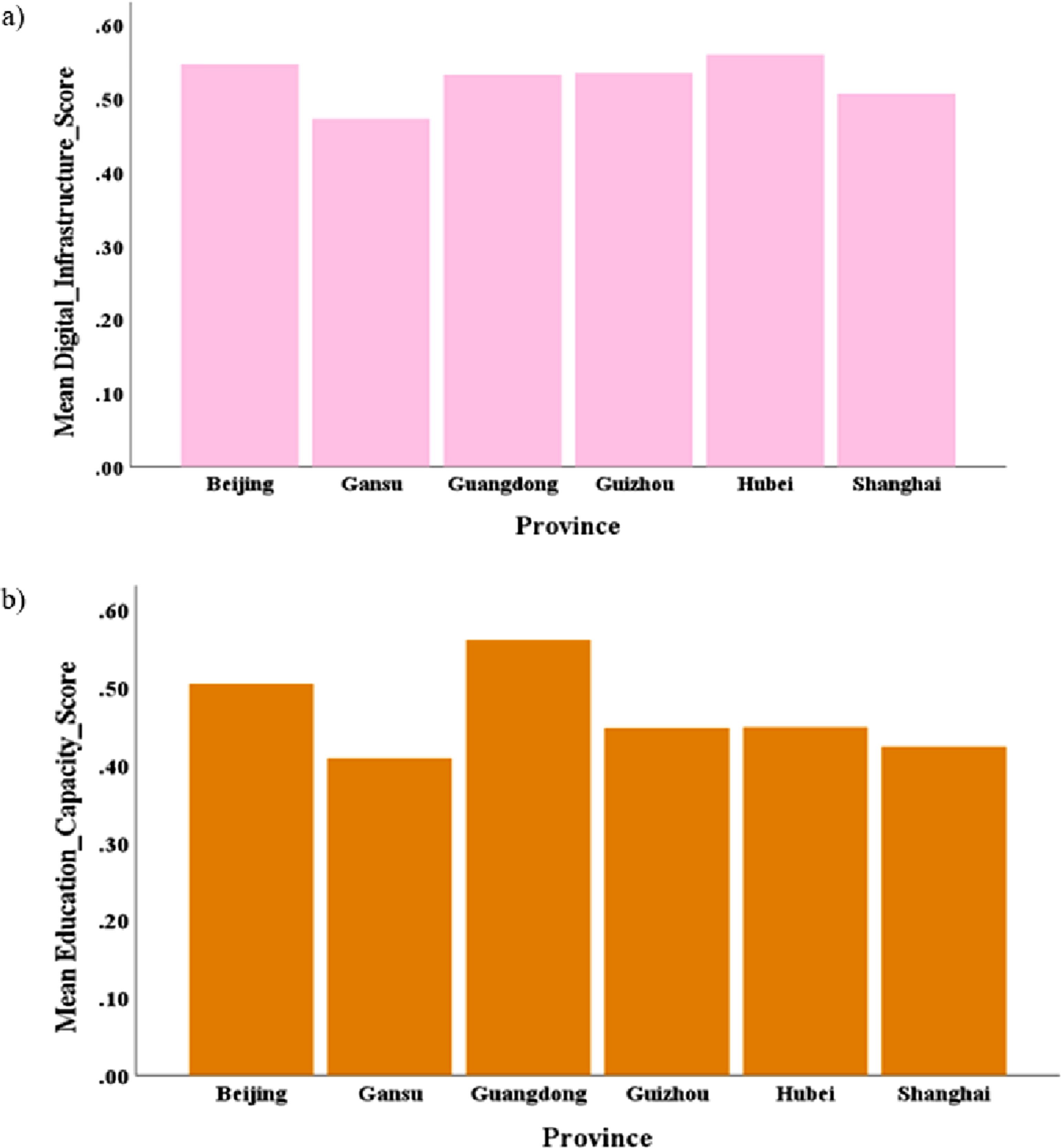
It indicates that Guangdong demonstrates higher educational capacity but comparatively lower digital infrastructure which establishes an inverse relationship between these two variables. The observed relationship appears correlational rather than causal, indicating that higher educational capacity does not necessarily depend on stronger digital infrastructure in this context. The pattern shows that regional differences must be considered to understand how infrastructure interacts with educational results in AI learning environments.
Qualitative Findings
Themes From Student Interviews and Focus Groups
Thematic analysis of 200 student interviews and focus groups produced five major psychological themes: motivation, self-regulation, engagement, perceived fairness, and algorithm anxiety.
Distribution of Psychological Themes by Province
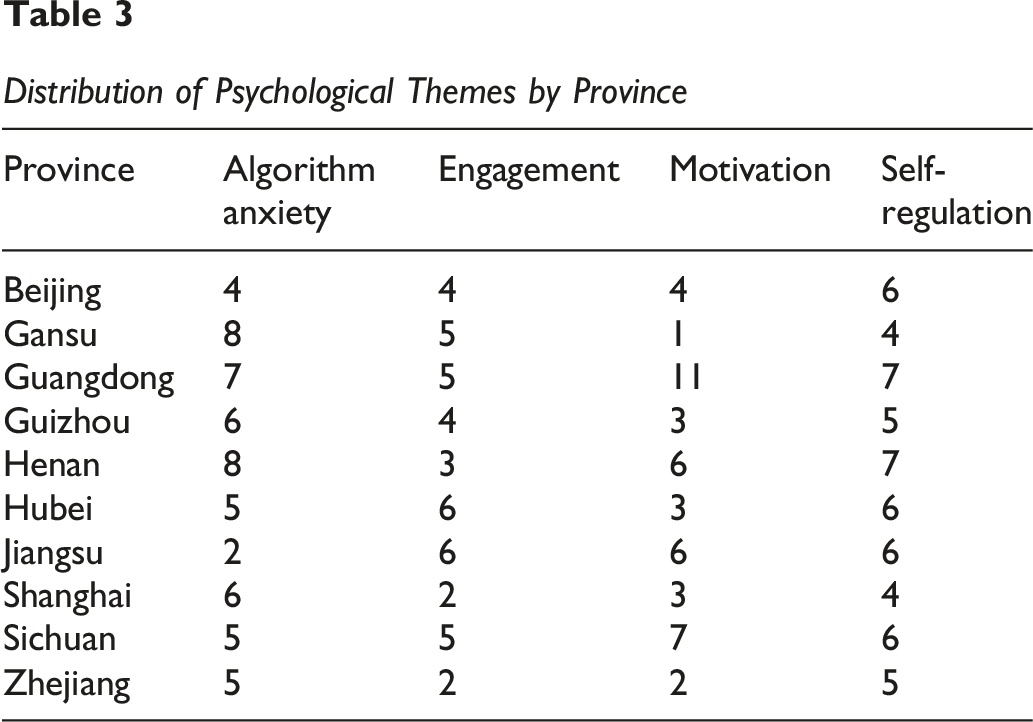
The themes include Algorithm Anxiety, Engagement, Motivation, and Self-Regulation. Guangdong and Guizhou report higher overall participant numbers compared to provinces like Shanghai and Zhejiang. Motivation and Self-Regulation dominate as common themes, whereas Engagement and Algorithm Anxiety vary more by province. Figure 5 visualizes theme frequencies by province. Distribution of Psychological Themes by Province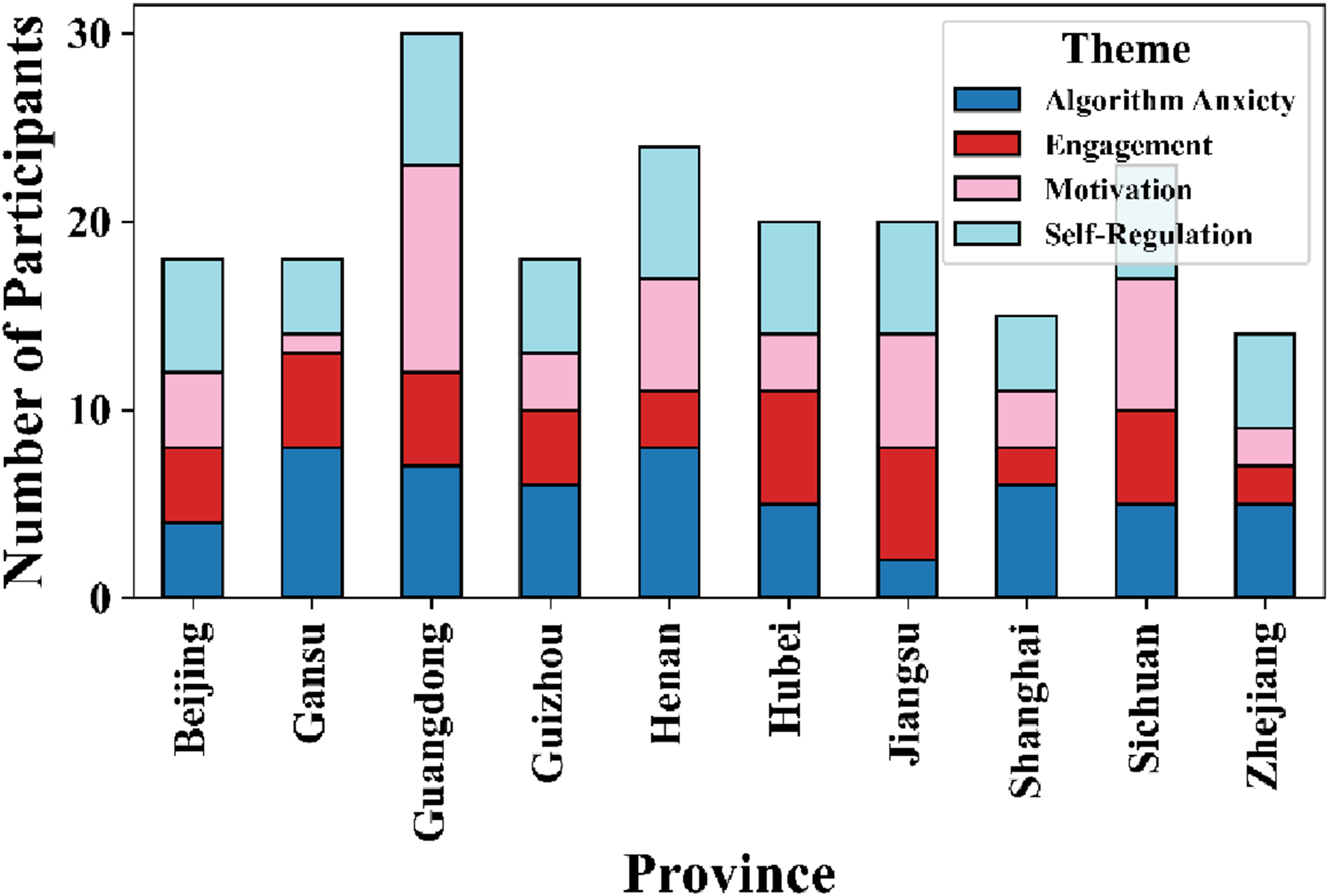
Regional Theme Patterns
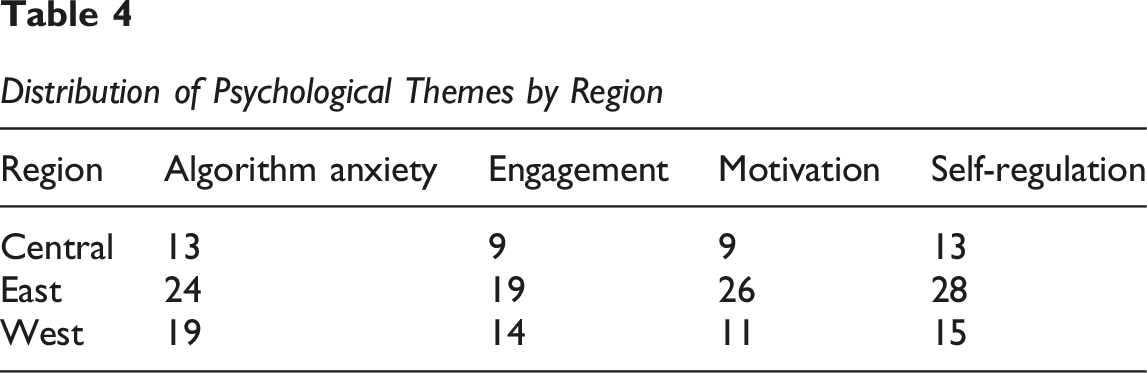
Aggregating themes by region highlights differences between East, Central, and West China. Students in the East reported the highest motivation and self-regulation, whereas students in the West expressed more algorithm anxiety relative to motivation. The themes represented in the chart are Algorithm Anxiety (blue), Engagement (red), Motivation (pink), and Self-Regulation (teal). Each bar shows the number of participants reporting each theme in each region, with a clear trend indicating that the East region has the highest number of participants, particularly in themes related to motivation and self-regulation. Figure 6 illustrates the distribution of psychological themes across three regions: Central, East, and West. Distribution of Psychological Themes by Region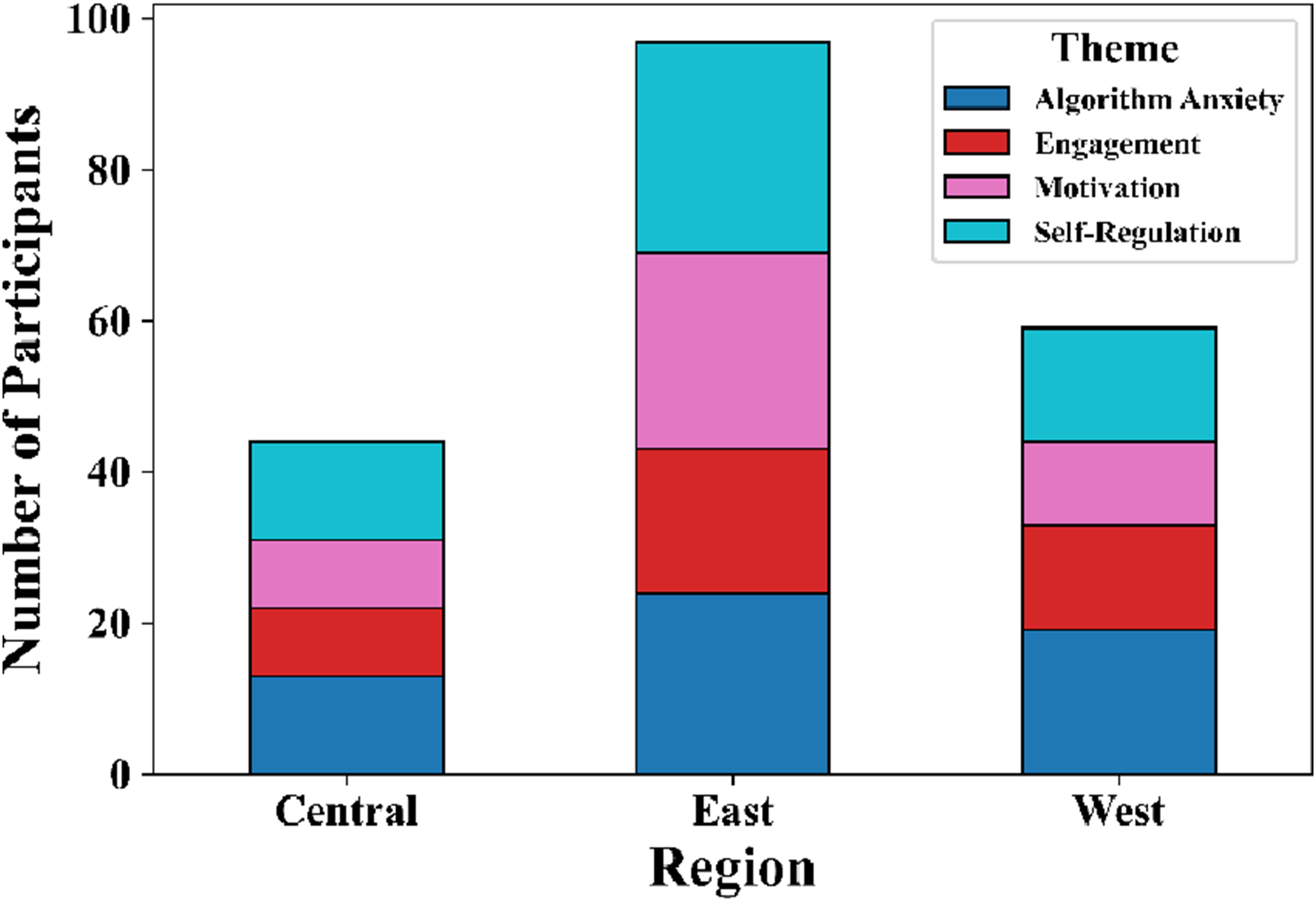
The themes measured are Algorithm Anxiety, Engagement, Motivation, and Self-Regulation. The numbers represent the count of participants in each region who reported each theme.
Distribution of Psychological Themes by Region
Overall Proportions of Themes Across All Provinces
Across the full sample, motivation and self-regulation emerged as the most common positive experiences, whereas algorithm anxiety and fairness concerns were concentrated in low-readiness provinces. Figure 7 shows the overall proportion of each psychological theme across all participants. Overall Distribution of Psychological Themes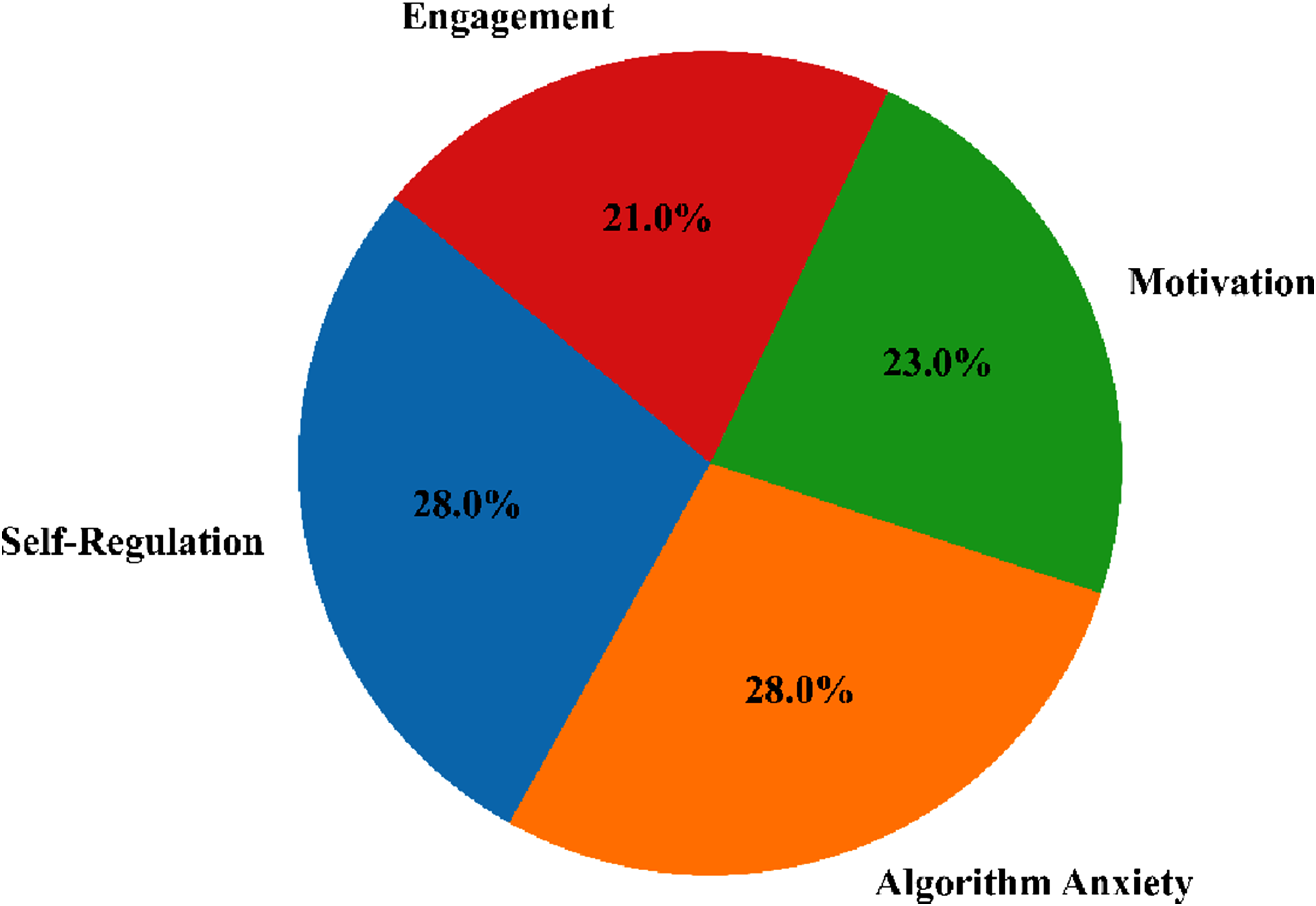
Integrated Findings
The integrated findings demonstrate that AI-based personalized learning systems increase student motivation and engagement and self-regulated learning abilities. The quantitative results establish positive relationships between system usability and engagement, while the qualitative results demonstrate enhanced autonomy and learning experience. The study identifies algorithm-related anxiety as a problem that particularly affects students who lack digital literacy skills. The results show that psychological factors and contextual factors work together to determine how well AI learning systems operate, according to SDT, TAM, and STS models. The study used a context-specific sample, which may restrict the generalizability of the findings to other educational settings. The cross-sectional design limits the ability to draw causal inferences between variables. In addition, reliance on self-reported data may introduce response bias. The qualitative component is based on a limited number of participants, which may not fully capture the diversity of student experiences with AI-based learning systems.
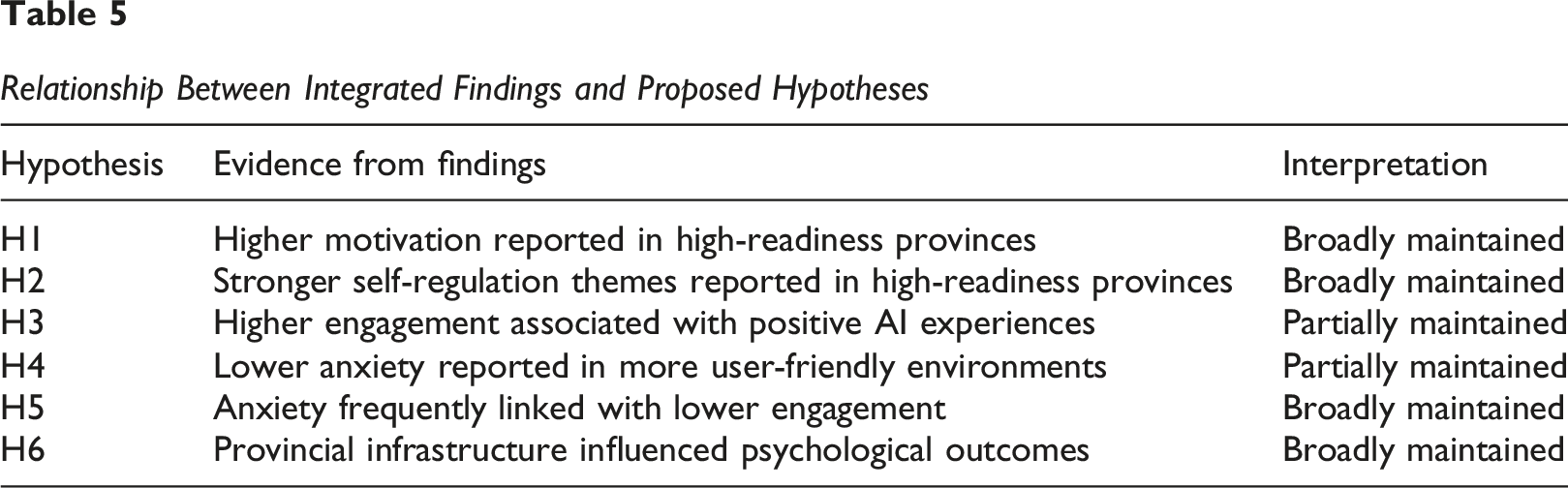
Relationship Between Integrated Findings and Proposed Hypotheses
Linking DI/ECI With Student Themes
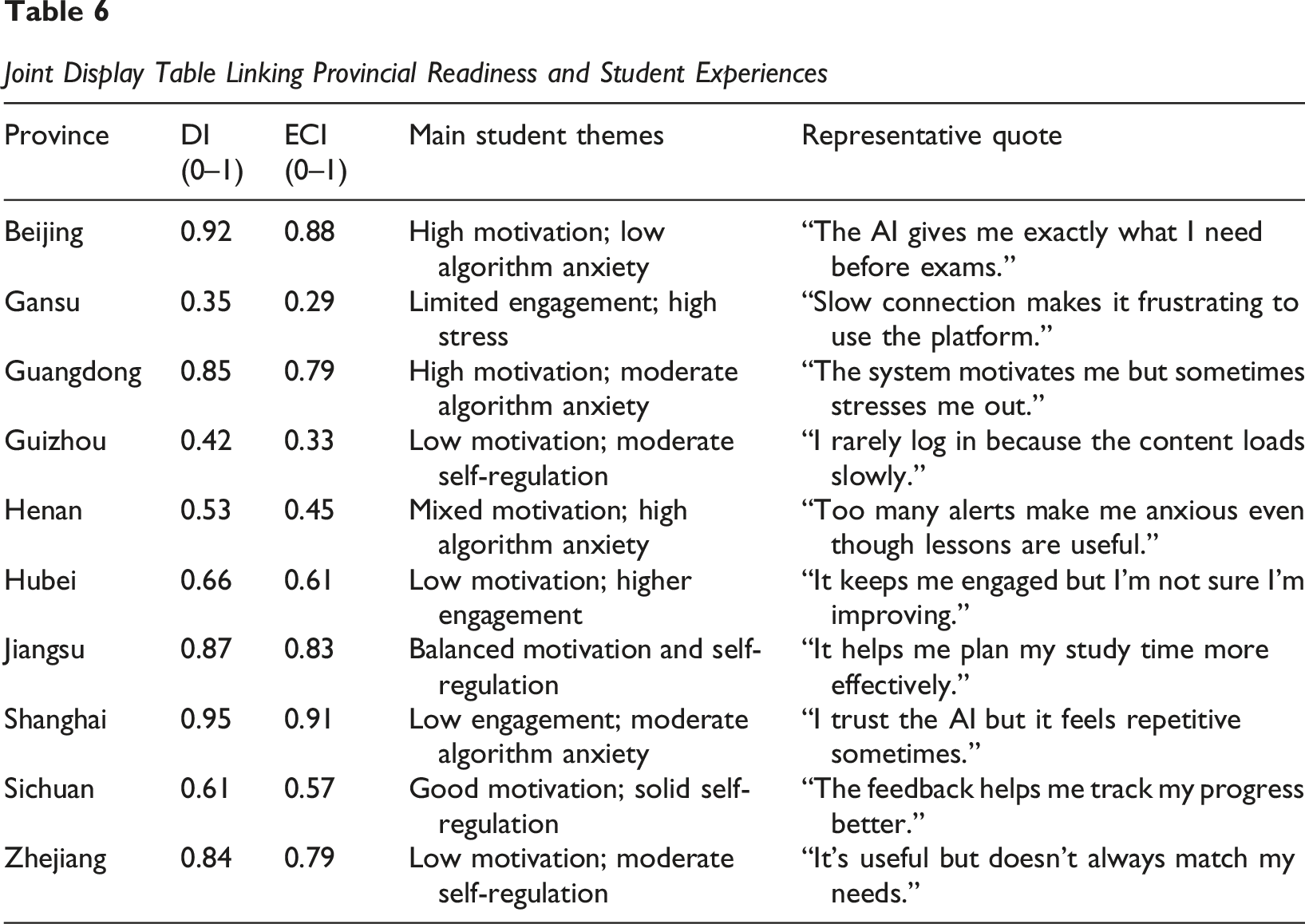
Integration of the quantitative and qualitative strands reveals a clear macro–micro link. Provinces with higher DI and ECI scores (Beijing, Guangdong, Jiangsu) have students reporting higher motivation and self-regulation with lower algorithm anxiety, whereas provinces with lower DI and ECI scores (Gansu, Guizhou) have students reporting limited engagement, lower motivation, and greater stress.
Joint Display Table Linking Provincial Readiness and Student Experiences
Narrative Weaving of High vs. Low Readiness Provinces
For example, Beijing’s DI rose to 0.92 by 2020; students there consistently described positive engagement: “The AI gives me exactly what I need before exams.” By contrast, Gansu’s DI averaged 0.35; students reported frustration: “Slow connection makes it frustrating to use the platform.”
This side-by-side interpretation shows that stronger infrastructure and education capacity generally support more positive psychological outcomes, though some high-readiness provinces still show fairness concerns—indicating that infrastructure alone does not fully determine student experiences.
PLS-SEM Structural Model and Hypothesis Testing
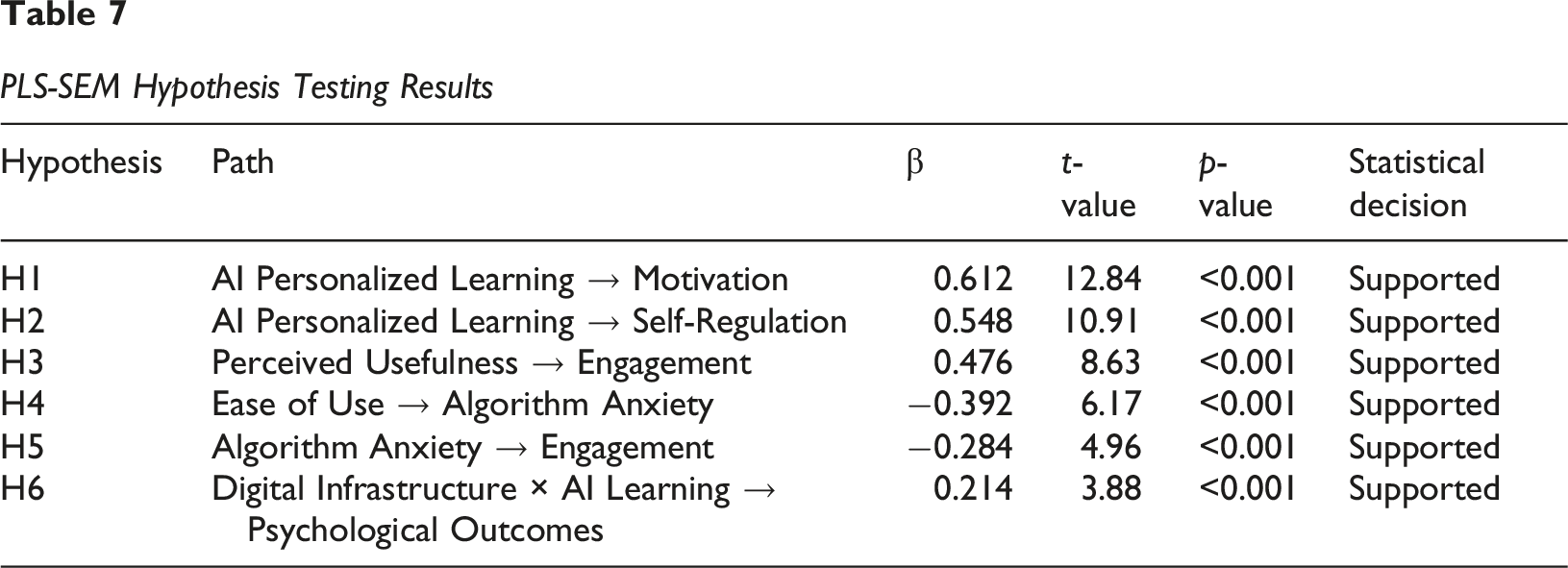
The proposed hypotheses were tested using partial least squares structural equation modelling (PLS-SEM). Bootstrapping with 5,000 resamples was performed to evaluate the significance of the structural relationships. Table 7 presents the structural model results, including standardized path coefficients (β) and corresponding t-values.
PLS-SEM Hypothesis Testing Results
Discussion
The integrated theoretical framework based on Self-Determination Theory (SDT), the Technology Acceptance Model (TAM), and Sociotechnical Systems Theory (STS). Consistent with SDT, students in provinces with stronger AI-learning environments reported higher motivation and self-regulation, supporting H1 and H2 and aligning with Chai et al. (2023) and Chiu and Chai (2020). From the TAM perspective, perceived usefulness and ease of use improved engagement and reduced algorithm anxiety, supporting H3 and H4, consistent with Chen et al. (2025) and Granić (2022). The findings also support STS, as provincial digital infrastructure and education capacity significantly influenced students’ psychological experiences, supporting H6. Furthermore, higher algorithm anxiety reduced student engagement, supporting H5. This research identifies how provincial-level factors in China, including digital infrastructure and educational capability, influence students’ psychological encounter with AI-driven personalized learning platforms. The results indicate that students in more well-endowed locations (e.g., Beijing, Guangdong) demonstrate greater motivation and self-regulation, whereas those in less developed regions (e.g., Gansu, Guizhou) demonstrate greater algorithm anxiety and stress. This illustrates how macro-level conditions like availability of technology and learning resources directly impact micro-level indicators, such as student motivation and well-being.
In contrast to international research, this study highlights the distinctive Chinese challenges of dramatic regional inequities in digital penetration and educational spending. Compared to international research, which concentrated on the more general influence of AI on education, China’s provincial inequalities have a pivotal role in the experience of students, so the regional environment is especially significant.
In H1 and H2, the quantitative results showed that students in provinces with higher Digital Infrastructure (DI) and Educational Capacity Index (ECI) scores generally reported more positive learning experiences. The qualitative findings further revealed that AI-supported personalized learning, adaptive feedback, and flexible learning opportunities enhanced students’ motivation and self-regulated learning behaviors. These findings align with Self-Determination Theory (SDT), which emphasizes the importance of autonomy, competence, and relatedness in fostering motivation and self-regulation. For H3 and H4, students frequently highlighted the usefulness of AI tools in supporting learning activities, improving access to educational resources, and facilitating academic progress. At the same time, concerns regarding algorithm transparency, privacy, and excessive monitoring were reported by some participants. These findings reflect key principles of the Technology Acceptance Model (TAM), suggesting that positive perceptions of AI usefulness contribute to engagement, whereas concerns about AI systems may increase anxiety and reduce acceptance.
With respect to H5, the qualitative evidence indicated that students experiencing higher levels of algorithm-related anxiety were generally less willing to rely on AI systems for learning support. Concerns about automated decision-making, data privacy, and performance monitoring appeared to negatively influence engagement with AI-enabled learning environments. This observation is consistent with the proposed relationship between anxiety and engagement. Regarding H6, substantial differences were observed across provinces. Students from provinces with stronger digital infrastructure and educational capacity reported more favorable experiences with AI-supported learning, while students from lower-readiness provinces faced greater challenges related to access, connectivity, and technological support. These findings are consistent with Sociotechnical Systems Theory (STS), which emphasizes the interaction between technological resources and social contexts in shaping educational outcomes.
Implications
Policy Implications
The findings indicate that provincial disparities in digital infrastructure and educational capacity significantly affect students’ psychological experiences with AI-personalized learning. Therefore, provincial administrations must strengthen digital investment and student support infrastructure, particularly in under-resourced provinces, by improving internet connectivity, expanding access to AI platforms, and investing in teacher training to reduce regional inequalities in student experiences.
Design Implications
The method show that students experienced higher motivation and lower algorithm anxiety when AI systems provided stable performance and adaptive feedback. Therefore, AI platform designers should prioritize user-friendly and transparent systems with personalized feedback, progress tracking, and adaptive learning paths to support self-regulation and engagement.
Practice Implications
AI-supported personalized learning is more effective when combined with active teacher guidance. Therefore, instructors should integrate AI tools with reflective and interactive learning strategies to enhance critical thinking, intrinsic motivation, and self-regulated learning.
Conclusion and Future Work
The purpose of this study was to investigate the role played by provincial variation in digital infrastructure and educational capacity within China in shaping students’ psychological encounters with AI-based personalized learning systems. Specifically, we targeted significant psychological outcomes such as motivation, self-regulation, engagement, and algorithm anxiety.
The major findings of the study indicated that students in provinces that are more digitally equipped (e.g., Beijing and Guangdong) had higher motivation levels (mean score: 8/10) and self-regulation, accompanied by lower algorithm anxiety. Conversely, students in weaker infrastructure provinces (e.g., Gansu) had higher algorithm anxiety levels and lower motivation. This indicates the strong relationship between provincial AI adoption readiness and the psychological effects on students.
Yet, the research is constrained by its reliance on aggregated provincial data, which could potentially miss within-province inequality, and on the limited student sample size, which could not capture the full diversity of student experience across regions.
Future Work
(1) (2)
Footnotes
Funding
The author received no financial support for the research, authorship, and/or publication of this article.
Declaration of Conflicting Interests
The author declared no potential conflicts of interest with respect to the research, authorship, and/or publication of this article.