







Abstract
The Cause of Death in Non-Rodents (CODN) Working Group is an initiative under the Scientific and Regulatory Policy Committee (SRPC) of the Society of Toxicologic Pathology (STP), focused on understanding existing practices and expectations among pharmaceutical companies, academic entities, and contract research organizations (CROs) when it comes to identifying and reporting the “Cause of Death” (COD) or moribundity for early or unplanned necropsies in non-rodent animal species (mainly non-human primates [NHP] and dogs) within both GLP (Good Laboratory Practice) and non-GLP toxicity studies. A survey was sent out to STP members to collect data on industry practices for determining COD in animals that underwent unscheduled euthanasia or were found deceased. Other non-rodent animals (such as pigs and rabbits) were also included to evaluate different approaches taken with various species. The insights obtained led to the development of “Points to Consider” for establishing and documenting the COD in large animal toxicity studies. Four key considerations include utilizing information from both control and treated animals in the study, consideration of COD for cohabiting or co-shipped non-study animals, including additional evaluations to help rule-in or rule-out specific causes, and recording the COD consistently in pathology databases or reports as a standard practice.
*This Points to Consider article is a product of a Society of Toxicologic Pathology (STP) Working Group commissioned by the Scientific and Regulatory Policy Committee (SRPC) of the STP. It has been reviewed and approved by the SRPC and Executive Committee of the STP and endorsed by the ESTP and BSTP but it does not represent a formal Best Practice recommendation of the Society; rather, it is intended to provide key “points to consider” for the toxicologic pathology community. The points expressed in this document are those of the authors and do not reflect the views or policies of the employing institutions. Readers of Toxicologic Pathology are encouraged to send their thoughts on these articles or ideas for new topics to the Editor.
Introduction/Background
The recognition that death or moribundity may be related to an administered substance goes back to the beginning of toxicology with Paracelsus’ (1493-1591) statement that “All substances are poisons, there is none that is not a poison. The right dose differentiates a poison and a remedy. 8 ” In the nonclinical safety evaluation of a potential medicine, it is a reality that unanticipated animal deaths do occur; sometimes as a consequence of treatment and occasionally for reasons unrelated to the compound in question. The Cause of Death in Non-Rodents Working Group (CODN WG) is a Society of Toxicologic Pathology (STP) Scientific and Regulatory Policy Committee (SRPC) Working Group and was formed to understand current practices and expectations within the pharmaceutical industry, academic institutions, and contract research organizations (CROs) regarding the determination and subsequent reporting of the “Cause of Death” or moribundity for early or unscheduled necropsies of the major non-rodent animal species (primarily non-human primate [NHP] and dog) within Good Laboratory Practice (GLP) and non-GLP toxicity studies. In addition, the CODN WG was intended to provide “Points to Consider” when collecting, evaluating, and reporting the data relevant to unscheduled necropsies in studies and with the goal of enabling pathologists, toxicologists, and regulatory agencies to more clearly identify test article-related causes of death versus incidental (eg, related to husbandry, procedure, or background/colony endemic disease) causes. This was partly accomplished with a survey designed to obtain information regarding industry practice surrounding unscheduled euthanasia of moribund animals and the cause of death in animals found dead (both scenarios collectively referred to as COD [cause of death]) primarily in non-rodent species. For the purposes of the survey, COD included the reason behind preterminal mortality for animals that died or were euthanized on study prior to the scheduled termination. While this working group was focused on NHP and dogs, rodent and other non-rodent species (eg, rabbit) were also considered, to assess any potential species-related differences in approach and success rate.
Identification of a COD is associated with the introduction of regulations guiding investigations of chemicals, drugs, and food additives. If COD is not readily apparent from clinical signs and macroscopic evaluation, it is recommended that a microscopic evaluation of tissues from animals that do not reach the planned scheduled termination of the study be done to determine a reason for the death.
In general, doses are selected in nonclinical toxicity studies to characterize a range of potential human exposures and, for a pharmaceutical intervention, should inform the safe design of human trials. Dose regimens establish limits beyond which adverse effects may be anticipated, while not causing severe toxicity resulting in death or early euthanasia of study animals. 1 However, unanticipated reactions resulting in death or other undesired responses requiring euthanasia do occur from time to time, and in such instances, 1 it is recommended that one attempts to identify the cause of the severe reaction or death, in line with animal welfare laws and regulations.2,4,11,12,14 COD in toxicity studies is often determined by the study pathologist following a weight of evidence review across all available study data, typically including animal history and several linked subdisciplines of veterinary medicine including clinical veterinary evaluations, necropsy observations, clinical and anatomic pathologic evaluation of relevant samples and tissues, microbiologic (infectious agent) evaluations, as well as exposure data to any interventional product. There are, however, some differences in the expectations and extent of these evaluations between species, facilities, and study types. There are also occasions when a clear COD cannot be determined, particularly with respect to the relationship to a test article. If the reason for the demise of an animal cannot be determined, the contribution, or lack thereof, of a novel test article leaves the potential of “test article relationship” unresolved which may impact subsequent studies in animals and humans.
This paper describes the results of an industry survey conducted in late 2022 to early 2023. It outlines several points to consider when determining and reporting the COD in non-rodents to enable an appropriate evaluation of its relevance to any potential human exposure to the interventional product under scrutiny. The outcome is based on review of regulatory requirements, guidance documents, and industry standard practices reviewed and assessed by an international expert working group convened by the Scientific and Regulatory Policy Committee (SRPC) of the US Society of Toxicologic Pathology (STP).
History of Regulatory Framework
The recognition that death or moribundity may be dose-dependently related to an administered substance goes back to the beginning of toxicology and is enshrined in historic toxicity study protocols in rodents, such as the identification of the dose that is lethal in 50% of the animals exposed (LD50).
Regulatory agencies were not involved in the planning or use of animal studies until the foundation in the United States of the 1938 Federal Food, Drug, and Cosmetic Act, driven by public health disasters such as the sulfanilamide elixir disaster (1930s) and the thalidomide disaster (early 1960s). Similar pressures were brought by public demands outside of the United States and, as an example, the Netherlands implemented the Act of 1958 that established a new authority for the registration and marketing authorization of drugs, the Medicines Evaluation Board (College ter Beoordeling van Geneesmiddelen-Medicines Evaluation Board: CBG-MEB; https://english.cbgmeb.nl). These legislative acts provided the basis for recommending10,13 that animal studies were needed to predict the potential for public health disasters and to provide data to assess the safety of new medicinal products prior to registration and approval for sale. 13
The US FDA’s first (1949) published guidance for industry for assessing the toxicity of chemicals in food was known as the “black book.” Other standardized protocols for toxicity assessment followed, which were published by the Organisation for Economic Co-operation and Development in 1981 and then described in the 1982 FDA Redbook.6,10
In 1996, the International Council for Harmonisation of Technical Requirements for Pharmaceuticals for Human Use (ICH) 3 published a series of guidelines to ensure that safe, effective, and high-quality medicines are developed, registered, and maintained in the most resource-efficient and high-quality manner.
Currently, the ICH guidelines, including ICH M3(R2), 9 provide clear direction on determination of a maximum tolerated dose (MTD) in early nonclinical studies for the purpose of dose setting in pivotal nonclinical studies. It states that the purpose of appropriate dose selection is to demonstrate and characterize toxicity, while trying to prevent early loss of animals on study. There is, however, limited direction on the requirements to determine cause of death in general toxicity studies. The FDA Redbook 2000: IV.B.4 Statistical Consideration in Toxicity Studies 7 recommended that information regarding type of animal death (scheduled, moribund, found dead), date of death, and days on study be addressed for each animal including any reason an animal may have been removed from a study. The ICH M4S Common Technical Document for the Registration of Pharmaceuticals for Human Use—Safety 3 states that “The onset, severity, and duration of the toxic effects, their dose-dependency and degree of reversibility (or irreversibility), and species- or gender-related differences should be evaluated and important features discussed” as it pertains to cause of death. EMEA/CHMP/SWP/28367/07 “Strategies to identify and mitigate risks for first-in-human and early clinical trials with investigational medicinal products—Scientific guideline” 5 states that “When serious toxicity or mortality is observed, these effects may require additional studies to determine the cause of death or the mechanism of toxicity if this has not been possible to clarify within the studies undertaken, and if this information is relevant to the clinical trial design or safety monitoring plan”.
These guidelines indicate the importance of understanding cause of death when it occurs and with regard to ICH, limiting that outcome as much as possible.
Despite these regulations, there is limited specific guidance on what should be included in an investigation of the cause of death or moribundity. Consequently, this survey investigated current industry practices including the use of multiple contributory factors and additional evaluations to determine the COD in toxicity studies.
Review of Current Practices
A survey was conducted with global representation of members of the STP from December 2022 to March 2023 and the results were reviewed. The survey was organized into two parts (supplemental material). The first consisted of demographics. There were 30 respondents representing their institutions. About half of the respondents (48%) were employed in multinational institutions, while 41% worked only in North America, 9% were located only in Europe, and 2% in Asia/India. The survey was focused on non-rodent studies, primarily dogs and nonhuman primates (NHP), and specifically excluded long-term rodent bioassays (carcinogenicity studies).
The second part of the survey was the main benchmarking survey with questions that were broken into 4 sections. The sections consisted of:
A—general questions regarding the determination and recording of the cause of death (COD);
B—approaches used in full tissue evaluation studies;
C—approaches used in limited or no tissue evaluation studies;
D—COD in non-study or colony animals.
Section A—General Cause of Death Questions
The questions in Section A were designed to understand how COD is recorded within a study and how often it is based on a single histopathologic diagnosis or clear constellation of pathologic changes and/or a weight of evidence determination using all available data of the individual animal or study, regardless of study type. The respondents were asked to provide an approximation based on their recent historical perspective to get a sense of how frequently the organization and/or pathologist(s) were able to provide a specific COD, how the determination was made, and how it was recorded.
Only 33% of 30 respondents indicated that they were required by their institution to identify COD within their histopathology data capture systems. This question excluded mandatory tumor designations from rodent carcinogenicity studies. Of those respondents that are required to input a COD, about half of them are limited to one contributory factor for COD, while the rest can use free text or multiple factors. For those that responded that they were not required to identify COD in the data capture system, they all managed the reporting of a COD in the narrative of the report. Almost all respondents included commentary on COD in the narrative report, even if they input it in the histopathology data capture system, and, more specifically, it is included in the mortality section of the study report.
Based on the experience of the respondents, varying degrees of success in establishing the direct or proximal cause of death were reported, with 70% achieving it frequently or most of the time (>45% of the time) (Figure 1).
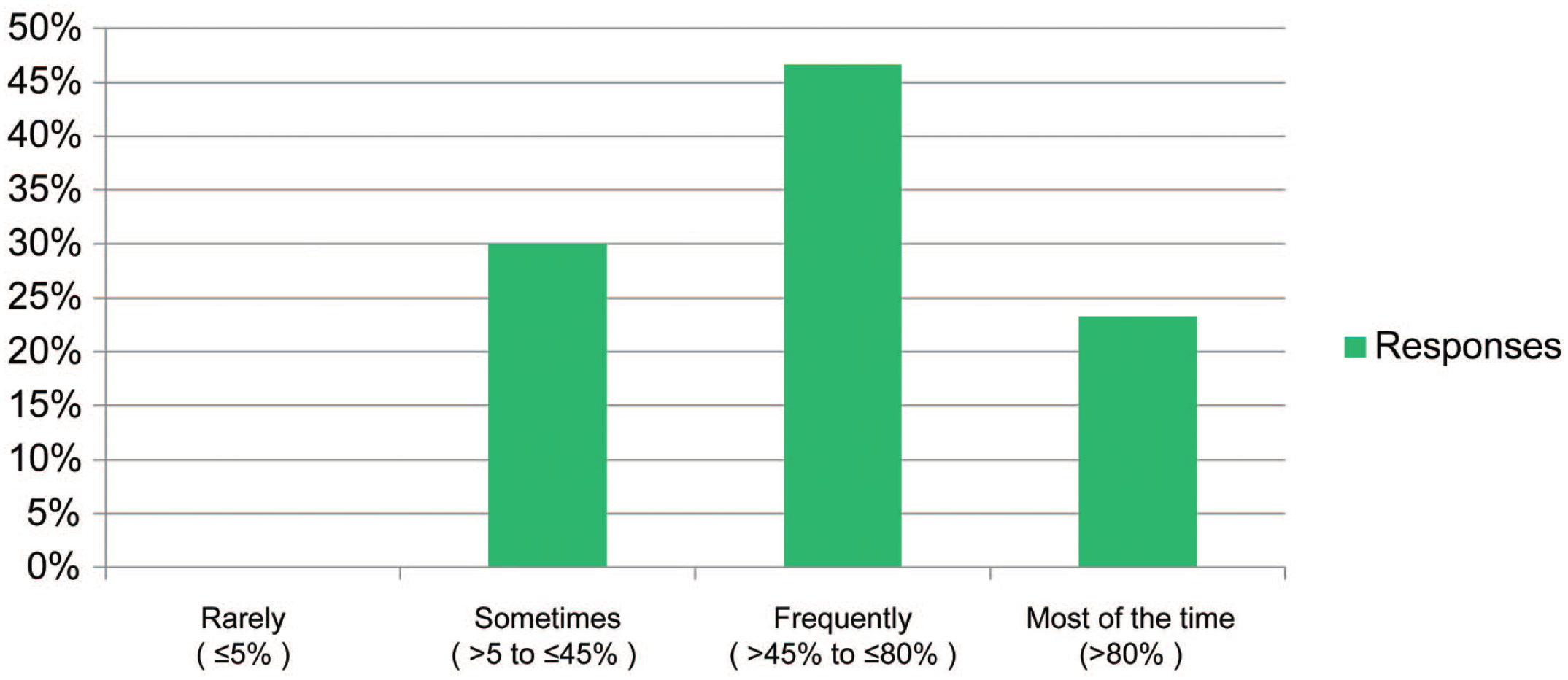
Best estimate of the proportion of early termination cases that the pathologist has been able to definitively determine the proximal/direct cause of death or reason for unscheduled euthanasia (all non-rodent species).
Sections B and C—Full Tissue List, Limited, or No Tissue Evaluation Studies
Section B included questions about full tissue list studies, primarily GLP toxicity/safety studies, asking about the approaches used to determine COD. Section C inquired about differences in non-GLP, no or limited tissue evaluation studies that might occur when determining COD, compared to full tissue list studies.
For any toxicity/safety studies, >50% of responses indicated that endpoints to help determine the cause of death for unscheduled necropsies routinely incorporated in the protocols or Standard Operating Procedures (SOPs) of all non-rodent studies (GLP or non-GLP); these endpoints included a comprehensive or “full” tissue list, hematology, clinical chemistry, coagulation/hemostasis, and toxicokinetic sampling. Less commonly included endpoints (<50%) were urinalysis, bone marrow smears, antidrug antibody evaluation, special stains, serum for infectious disease, bacteriologic sampling, and fecal evaluation (Figure 2). The majority of respondents (73%) indicated that they have performed additional evaluations that were not routinely specified in the protocol or in SOPs to help determine the cause of death. These included various methods such as special stains, immunohistochemistry (IHC), polymerase chain reaction (PCR), microbiology, and tissue mass spectroscopy.
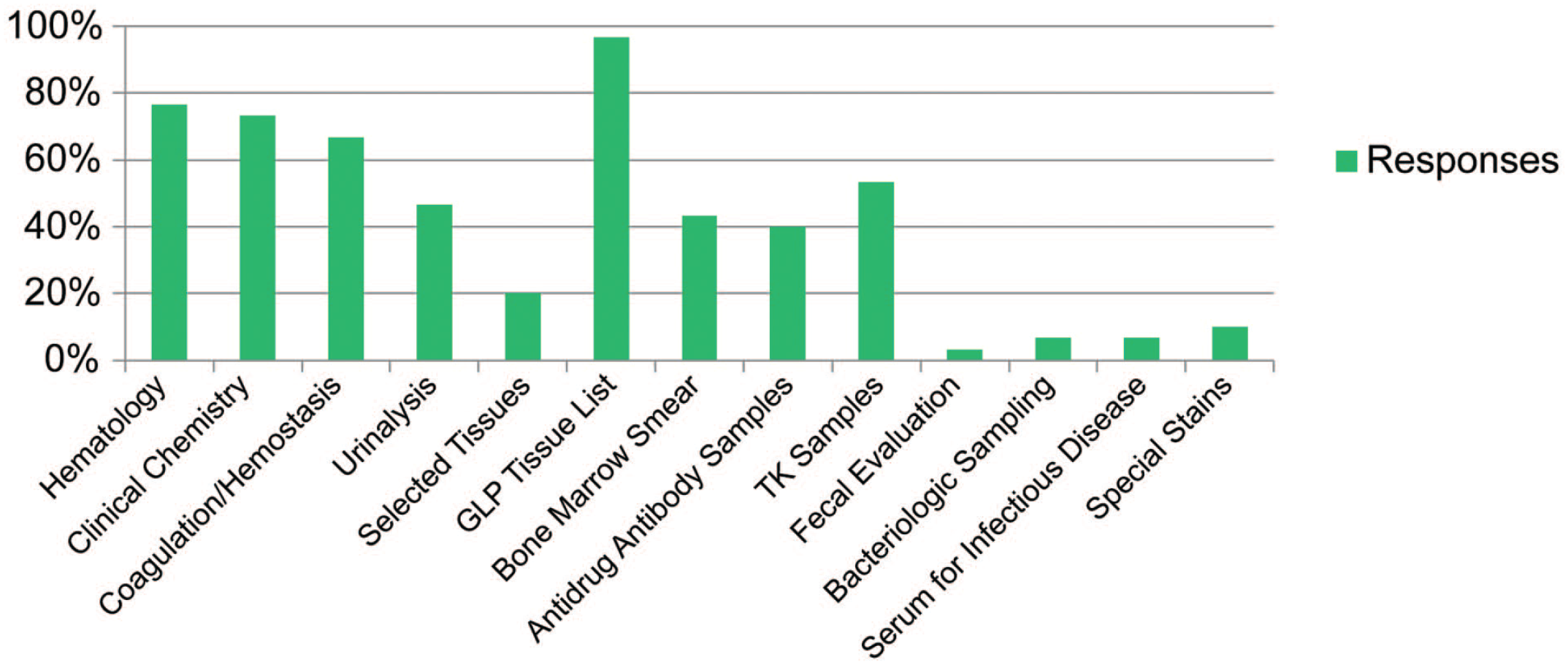
Endpoints routinely included in the protocol/SOP to determine COD.
Most respondents followed protocol-driven or both protocol- and SOP-driven activities for COD evaluation, with a priori criteria. The majority (67%) did not differ in their sample collection for unscheduled necropsies compared to scheduled ones in GLP safety studies but indicated they may modify their tissue collection or evaluation based on study-specific circumstances or factors. For those that had different sample collections, the protocols allowed for additional samples, including serum/plasma or tissues that might help to elucidate signs such as anaphylactoid or acute hypersensitivity. More than half of the respondents (57%) stated that their approach to cause of death was different for animals that were found dead versus those that were euthanized electively (unscheduled). The main differences were that blood samples, organ weights, bone marrow smears, and frozen samples were not collected or not feasible for animals that were found dead. For animals that were electively euthanized prior to scheduled termination, most respondents (72%) indicated that they perform both hematology and clinical chemistry assessments, while less than half (44%) perform toxicokinetic (TK) evaluations and about a third (34%) evaluate antidrug antibodies, although it is unclear how many respondents worked on relevant molecules for this last endpoint (Figure 3). Some respondents clarified that these evaluations depended on the availability of samples, the study data, or the drug class.
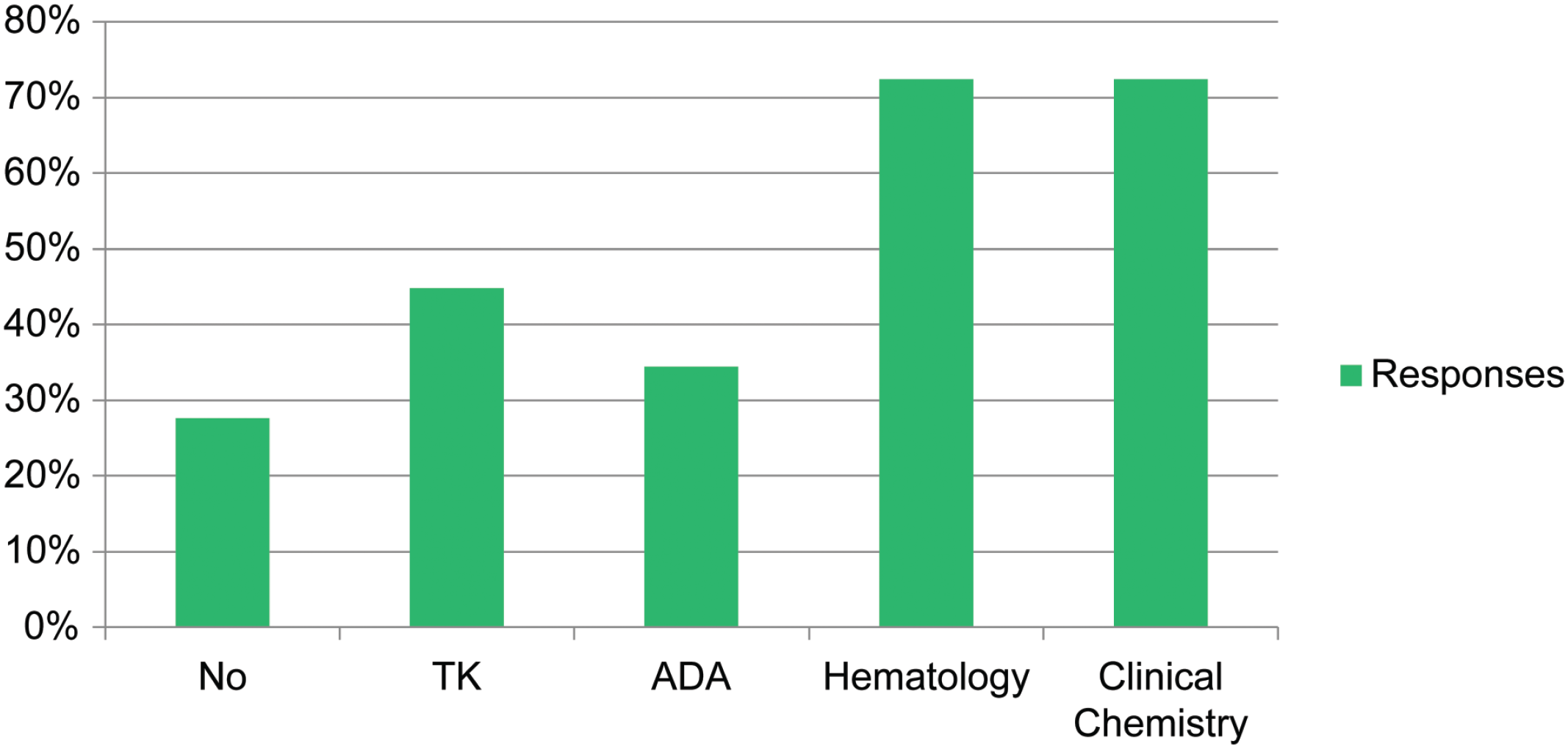
Routine evaluation of toxicokinetics (TK), antidrug antibodies, and/or clinical pathology data from all animals prior to elective (unscheduled) euthanasia.
The majority of respondents (62%) indicated that they would modify their tissue collection based on a case by case or sponsor-driven basis including study-specific circumstances such as clinical signs or gross observations. However, it was acknowledged that there is often scientific discretion allowed for additional tissue collection required by the pathologist for interpretation (eg, when there are skin lesions in treated animals, the pathologist may ask for representative control samples for comparison purposes). Comments indicated that the modifications to SOP- or protocol-driven sample collection would be covered in protocol amendments. For 40% of respondents, the evaluation of cause of death did vary depending on the test article or other factors including indication, modality, or route of administration. The most common factors indicated by these respondents were route of administration, known risk factors, and modality (Figure 4).
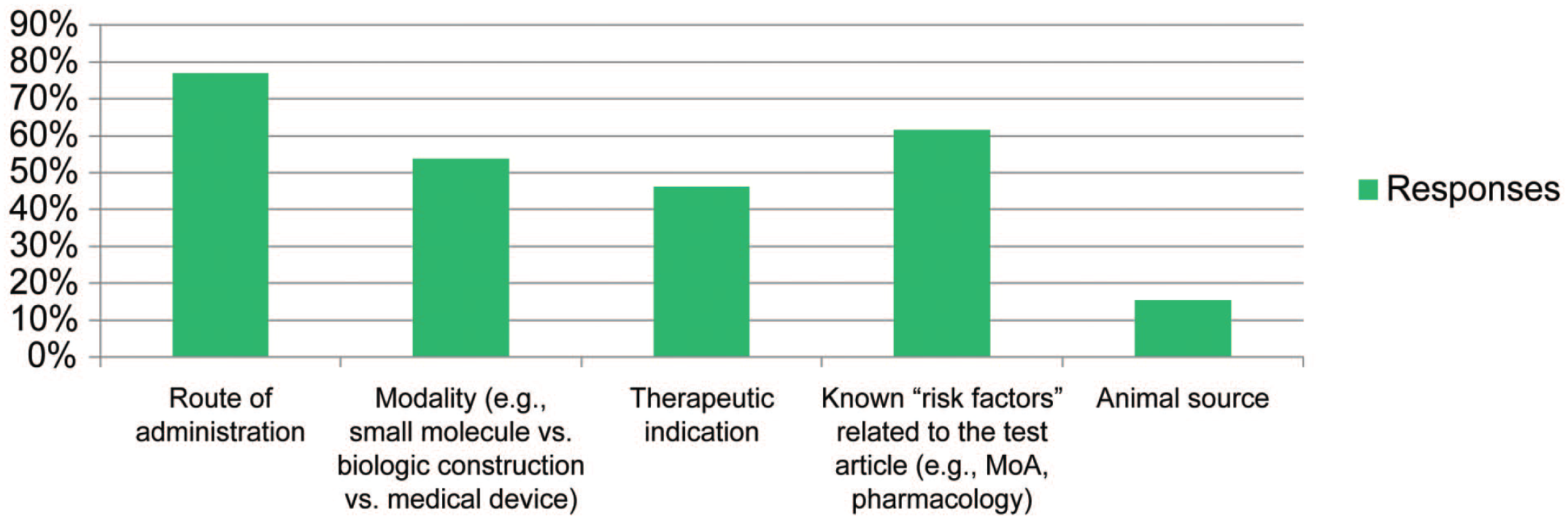
Relevant factors for modifications to sample collection.
When an unscheduled euthanasia was potentially related to an immune response, 31% of respondents did not include additional evaluations. For those respondents indicating additional activities, there was an even distribution across activities, and many were indicated as case-by-case (Figure 5).
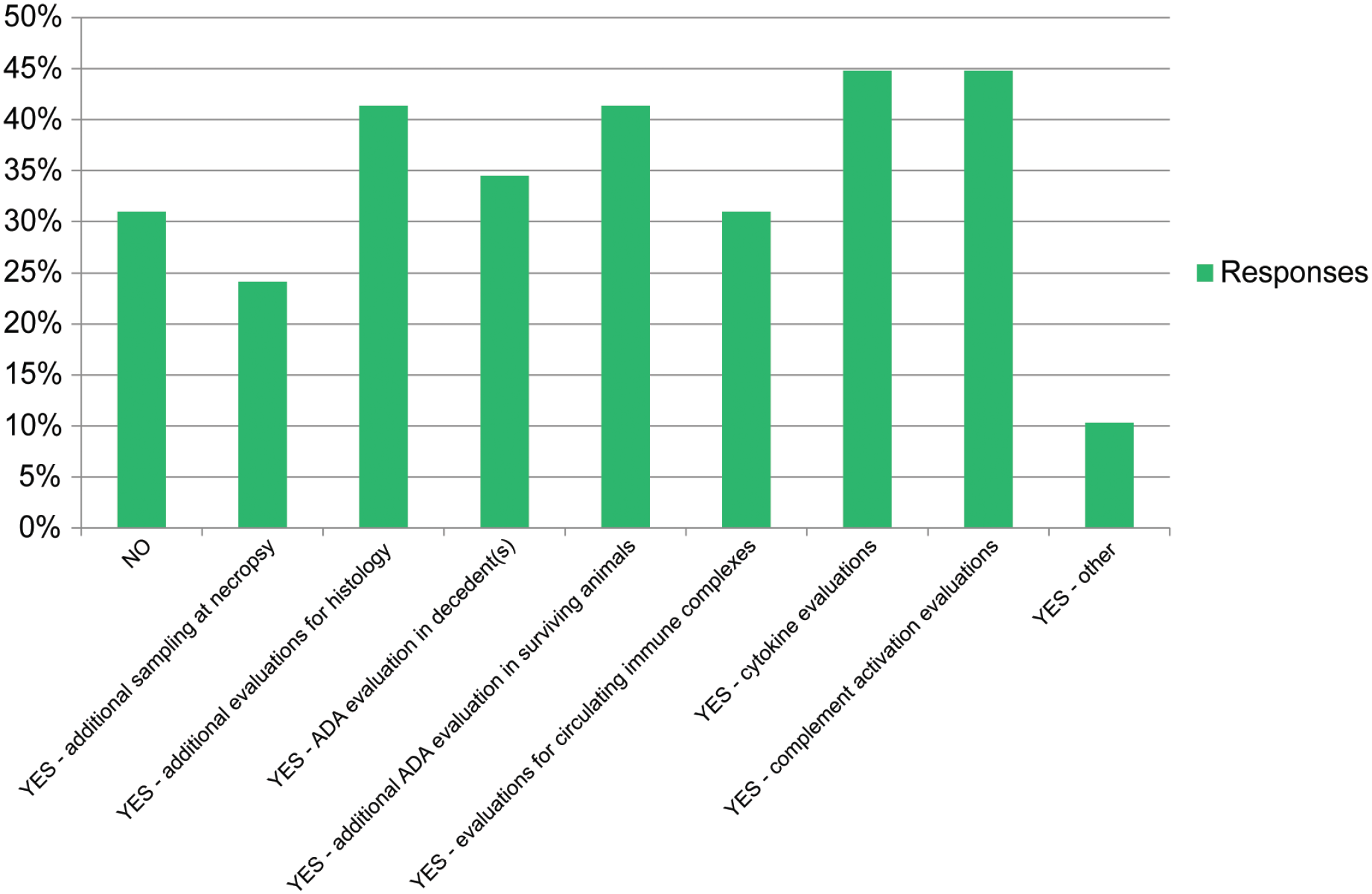
Additional activities if an early death/unscheduled euthanasia is potentially related to an immune response (eg, ADA or immune complex disease [ICD]).
For 79% of respondents, the approach to determining COD did not differ between the different non-rodent species. For those where it did, more than one respondent indicated that they would collect more samples in nonhuman primates than other large animal species such as the dog or pig.
In those studies where the protocol did not include tissue collection or indicated a limited tissue list for terminal necropsy, a slight majority (56%) also took a different and more limited tissue set for decedents when compared to full tissue GLP studies. Less than half of the respondents (44%), however, do take a “full” list of tissues for decedents, even in limited/no tissue studies. For non-GLP, investigative or mechanistic-type studies conducted in dogs/NHP/pigs, the vast majority of unscheduled decedents were evaluated specifically for COD using histopathology, at least on a case-by-case basis, while for rabbits this was less frequent (Figure 6). Other limited/no tissue study types not explicitly indicated in the survey, in which early decedents would undergo determination of cause of death using histopathology endpoints, included safety pharmacology, developmental and reproductive toxicology (DART), and tolerability studies.
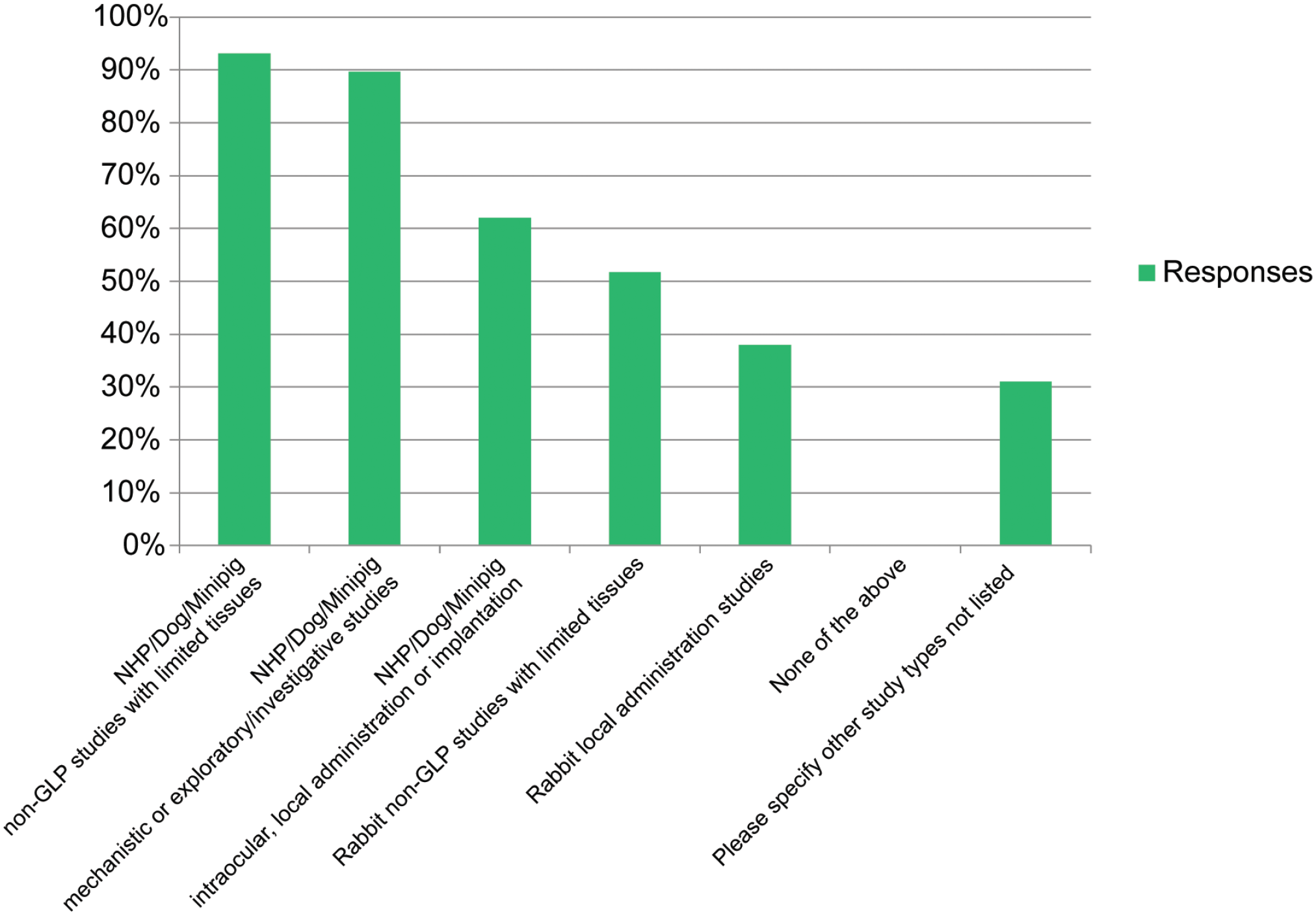
Determination of COD using histopathology endpoints in early decedents in limited tissue studies.
Section D—Non-Study Animals
The questions in Section D were aimed at potential use of information from concurrently or recently co-housed or co-transported non-study animals to inform loss of animals on study. Examples of animals included in this section were colony animals and/or spares (additional animals included in the original study design in case of the need for replacement of an animal per study protocol).
The evaluation of COD for colony/stock animals varied among respondents, with some doing the same or more rigorous evaluations as for animals on study, and some doing less rigorous evaluations (Figure 7). It is recognized that not all respondents are directly involved in handling of colony animals as indicated by 40% of respondents who answered not sure or not applicable. Less rigorous evaluations were based on assessments using in-life, clinical pathology, and gross pathology evaluations with focused sampling to determine COD using a holistic approach rather than a comprehensive tissue evaluation.
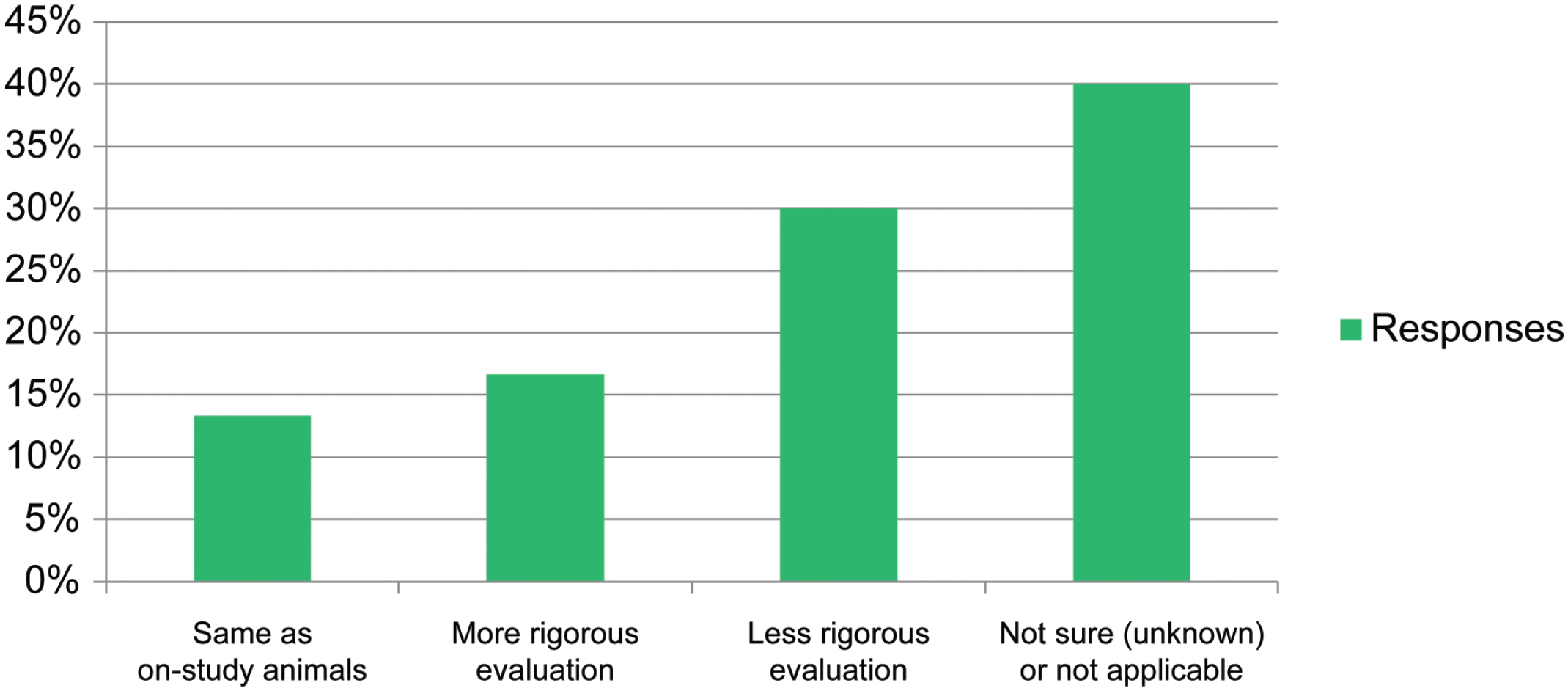
What approach does your company use to evaluate COD in (non-rodent) colony, stock, or cohabiting and/or co-transported off-study (eg, spare) animals.
About 70% of the respondents that evaluated colony/stock or off-study decedents have used the data to inform study findings, mainly for infectious disease or colony health issues. One example provided was a hepatitis infection in cynomolgus monkeys that affected the interpretation of inflammatory foci in the liver. Another example was an outbreak of mucoid enteropathy in rabbits that was important for explaining study findings. Several respondents also indicated that understanding background infections in the colony had been utilized in the past to separate background findings from test article-related findings.
Survey Summary
In GLP studies, most respondents handled routine sample collection for unscheduled necropsies in the same way as scheduled ones, and most indicated that they performed additional evaluations when necessary, by protocol amendment, to help determine COD. Protocol-defined endpoints to determine COD included a full tissue list, hematology, clinical chemistry, coagulation/hemostasis, and toxicokinetic sampling. Even in studies where the protocol-defined tissue collection are limited, slightly less than half of the respondents (44%) took a “full” list of tissues for decedents as a standard practice. For non-GLP, investigative or mechanistic-type studies, almost all dog/NHP/pig studies, included evaluations specifically for determining COD using histopathology, at least on a case-by-case basis. For rabbits this was less frequent. Less common endpoints used to determine COD included urinalysis, bone marrow smears, antidrug antibody sampling, special stains, serum for infectious disease, bacteriologic sampling, and fecal evaluation. Evaluations included for COD varied depending on the test article or other factors such as indication, modality, or route of administration. Animals that are found dead were usually handled differently from those that are euthanized preterminally due to elimination of certain samples that were not feasible or not available postmortem.
The survey data suggested the approach to determining COD generally did not differ between non-rodent species with the majority of responses indicating the same approach was used across species, although some respondents indicated that they would collect more samples for COD determination in NHP than other large animal species such as the dog or pig.
Evaluation of COD for colony/stock animals varied among respondents, with some doing the same or more rigorous evaluation as for animals on study, and some doing less rigorous evaluations basing their further analyses and endpoints on in-life, clinical pathology, and gross pathology evaluations.
Almost all respondents, including those required to identify COD in their histopathology data capture systems, manage the reporting of a COD in the report narrative and specifically in the mortality section. The main advantage of requiring this information in data capture systems is the consistency that it provides. The main disadvantage of requiring this information in data capture systems is that it limits flexibility when cause of death is difficult to determine and/or is multifactorial. Although about 70% of respondents reported that they were successful in establishing the direct or proximate cause of death >45% of the time, often using a weight of evidence from multiple endpoints, there are nonetheless occasions when a clear COD and its relationship to a test article cannot be determined. This latter outcome can affect the ability to accurately assess the potential harm such an agent may cause to humans.
Conclusion and Points to Consider
Identifying COD is of key importance in the development of datasets to support agency submissions for regulated products, such as human pharmaceuticals, because of the importance of identifying and distinguishing morbidity and mortality that is related to the test article being investigated from that which is incidental (eg, related to procedure or background/colony endemic disease). COD determination is particularly important for studies in non-rodents, where the number of animals under evaluation is already small.
Regulatory feedback to sponsors consistently indicates that an effort should be made to identify cause of death or moribundity in general toxicity studies. Modern nonclinical studies, and certainly those conducted in non-rodents, are ideally designed to prevent severe toxicity, unexpected animal deaths, or responses to test article requiring euthanasia. Nonetheless, there is limited specific guidance on what should be included in an investigation of the cause of death or moribundity.
The importance of assessing the cause of death in toxicity studies is highlighted in the survey data. It is crucial for understanding the impact of test article toxicity and on the potential for a lethal outcome. Differentiating between test article-related and incidental causes of death is important in informing study findings, especially in cases where there are concurrent infectious diseases or colony health issues. Assessing the cause of death also enhances animal welfare by further understanding and addressing harmful effects of a novel modality or therapy.3,5 The data presented here provides insights into current practices and considerations for determining and reporting the cause of death in non-rodent toxicity studies. These findings can guide pathologists, toxicologists, and regulatory agencies in accurately assessing the potential harm of test articles in non-rodent species and thereby providing data to guide further investigation of those test articles in other toxicity studies or in clinical studies.
Based on the consideration of the survey results, regulations, literature, and experience of the working group, the following points to consider are presented for the evaluation of cause of death in nonclinical studies.
Point to Consider 1
Careful investigation of COD in non-rodents and the use of relevant avenues and methodologies, whenever possible, should be used to enable determination of a primary or primary contributing causes of death in all animals that die or undergo early euthanasia.
This determination should be performed regardless of group (ie, control animals are equally important as dosed animals). Determination of COD in study protocols should be addressed by describing procedures and endpoints to be used in the event of moribundity or death.
Point to Consider 2
If the cause of death is or may not be clearly identified from standard endpoints or evaluations, conduct additional tissue collections or other evaluations based on study-specific circumstances or factors such as previous experience or effects anticipated by the mode of action of the compound.
For example, antidrug antibodies and immune complex disease are common concerns for monoclonal antibodies. Thus, consider additional endpoints such as kidney samples for electron microscopy to identify immune complex deposition and/or blood samples from early sacrificed animals and concurrent controls to assess for complement activation. Another example is suspected anaphylactoid reaction which may necessitate samples to be collected to evaluate hypersensitivity markers such as IgE, histamine, and/or tryptase. An additional example is infectious disease, where the collection of diagnostic samples may be useful for both interpretation of the study data and understanding potential colony health issues.
Point to Consider 3
COD should be explicitly addressed in the data capture system and/or the narrative report, including whether the death or morbidity was related to the test article, whenever possible.
If COD cannot be determined, despite the best of efforts, it should be clearly explained in the narrative including the reasons for the inability to make a determination and the possible relationship to a test article so that the information can be used for risk evaluation for future studies. The anatomic and clinical pathologists should ensure that cause of death determinations use an integrated approach that is well founded in diagnostic pathology principles. This includes avoiding attributing a cause of the death to relatively modest findings or lesions that are unlikely to truly lead to morbidity or mortality.
Point to Consider 4
An attempt to determine COD should be made in all non-rodent animals in a facility that die or undergo unscheduled euthanasia, regardless of whether on study or from the vivarium. There should be a continuous and open exchange between veterinary staff and the study group, including the pathologist, to ensure optimal collaboration and real-time decision making.
The evaluation of animals from the vivarium that were co-housed or co-shipped with potential study animals may provide insights when changes are observed in studies utilizing these animals.
In conclusion, as per regulatory guidelines, it is recognized that despite the best efforts to avoid toxicity-related deaths in non-rodent species, they will occur. It is important to carefully investigate the cause of death and determine whether it is related to the test article. If the COD is not directly related to the test article administration, it may still have implications for vivarium procedures and animal welfare. The determination of the COD and the relevant information on contributing factors should be clearly captured and stated in the report including an assessment of its relevance to the administration of the test article.
Supplemental Material
sj-docx-1-tpx-10.1177_01926233251321781 – Supplemental material for Scientific and Regulatory Policy Committee Points to Consider* for Determining and Reporting Cause of Death/Moribundity in Non-Rodent Species in Toxicity Studies
Supplemental material, sj-docx-1-tpx-10.1177_01926233251321781 for Scientific and Regulatory Policy Committee Points to Consider* for Determining and Reporting Cause of Death/Moribundity in Non-Rodent Species in Toxicity Studies by Karyn Colman, Kathleen A. Funk, Michael Boyle, Sebastian Brennan, Gary Cain, Curtis Colleton, Laura Dill Morton, Anna Maria Giusti, Eric Jacquinet, Lisa LaFranco-Scheuch, Luann McKinney, Elizabeth Neyens, Annette Romeike, Shim-mo Hayashi, John L. Vahle and Lindsay Tomlinson in Toxicologic Pathology
Footnotes
Declaration of Conflicting Interests
The author(s) declared the following potential conflicts of interest with respect to the research, authorship, and/or publication of this article: Generative AI or AI-assisted technology (CoPilot) was used to organize major concepts from the data derived from the survey and was validated by all authors.
Funding
The author(s) received no financial support for the research, authorship, and/or publication of this article.

Supplemental Material
Supplemental material for this article is available online.
References
Supplementary Material
Please find the following supplemental material available below.
For Open Access articles published under a Creative Commons License, all supplemental material carries the same license as the article it is associated with.
For non-Open Access articles published, all supplemental material carries a non-exclusive license, and permission requests for re-use of supplemental material or any part of supplemental material shall be sent directly to the copyright owner as specified in the copyright notice associated with the article.
