







Abstract
This research article aims to investigate the factors that affected the mental health of tea workers during the COVID-19 pandemic. The study provides essential insights into the psychological factors affecting tea workers during this critical time. Data were collected through semi-structured questionnaires from 532 tea workers in the north-eastern region of India. The collected data were analysed using confirmatory factor analysis and structural equation modelling approaches. The study found that all the factors investigated significantly impacted employee stress during the COVID-19 pandemic. However, safety perception and contagion risk were found to have the strongest influence on stress, followed by unknown and information overload, social exclusion and humiliation, monetary loss and job uncertainty, and quarantine and restraint. Additionally, the study confirms that stress at the onset of the COVID-19 pandemic can lead to depression among tea workers, which is also related to insomnia and relationship troubles. Investigating the various dimensions of COVID-19 stressors among tea workers is crucial for the government and management to understand the root causes of the problem. By understanding the contributing factors to mental health issues, we can develop appropriate interventions to support the well-being of tea workers, providing a blueprint for mitigating the potential adverse effects of future pandemics.
Keywords
Introduction
COVID-19 has had a considerable impact on tea producers all around the globe, owing to national lockdowns and social distancing measures. The tea market is experiencing uncertainty as a result of export and import limitations, and growers are adopting emergency steps to prevent the proliferation of COVID-19 in tea estates (IDH, 2020). Since the massive spread of the coronavirus, India, the world’s second-largest tea producer, has imposed tight lockdown measures that have halted all agricultural activity for several weeks. Though tea estates and small tea planters have recently resumed tea production and export activities, the lockdown has substantially impacted tea producers and their livelihoods (IDH, 2020). Indian tea production is among the world’s largest. Assam and West Bengal, in particular, account for more than 70% of the country’s tea production. The tea industry employs more than a million workers on tea estates, making it India’s second-largest formal sector employer. Women make up a significant 70% of these labourers, who are paid pitiful pay and forced to work in deplorable conditions (Uniyal, 2022). As a result, the vast majority of people live in awful conditions. In almost 13 hours of work, a plantation worker walks 16 km and carries 24 kg of tea leaves on average to earn a daily wage of roughly 150 Indian rupees (₹), which is comparable to 2 US dollars (USD). Only 87% of workers get the maximum monthly wage of ₹4,500 (US $61). Only a few labourers are given safety gear such as gloves, masks and boots; some even work barefoot. Women are frequently obliged to return to work only a few days after giving birth, and there are insufficient, well-functioning crèche facilities for infants. There is also a scarcity of toilets in the tea estates, and many workers do not have this either at home (Gogoi & Sumesh, 2023). Tea cultivation in India has a significant human cost; workers and their families allege that they are treated as slaves by tea garden owners because they are denied fundamental rights. The ill health of this industry in India is a deep-rooted problem. The situation worsened after the widespread coronavirus, especially in north-eastern India, which was severely affected.
The World Health Organization declared the spread of coronavirus (COVID-19) as a pandemic on 11 March 2020, which signified that the world is threatened seriously by the virus. COVID-19, a communicable disease caused by the novel coronavirus, emerged in Wuhan, China, in December 2019. It had rapidly spread to numerous countries, resulting in significant loss of life and livelihoods. Symptoms included fever, cough, breathing difficulties, fatigue, body aches, nasal congestion and diarrhoea. Governments worldwide had implemented emergency measures such as lockdowns, school closures, travel restrictions and event cancellations to combat the spread of the virus. The pandemic had not only had severe physical health implications but has also presented significant challenges to people’s psychological well-being. Anxiety, scarcity of essential supplies and isolation due to social distancing measures affected mental health. Moreover, the pandemic impacted businesses, causing disruptions in sales, cash flows and employee safety (Nayal et al., 2021). Organizations had to balance safety measures and adapt to new ways of working, which caused anxiety and insecurity among workers. In the tea industry, the pandemic revealed weaknesses in healthcare infrastructure, a lack of quarantine facilities and limited testing and treatment availability. Tea plantation workers, who lived in close quarters with little space, were at higher risk. The pandemic worsened their economic conditions, with many not receiving wages or essential supplies during lockdowns. These conditions increased stress, anxiety and depression among tea workers. To address the challenges faced by tea workers and propose potential solutions, we focused our research on two key questions:
RQ1. What critical factors contribute to stress among tea workers, leading to depression? RQ2. How can employee well-being be prioritized to overcome these challenges and restore the tea industry?
It is crucial to understand the specific stressors faced by tea workers and develop strategies to support their mental health. Prioritizing employee well-being, providing necessary resources and ensuring a safe working environment are essential for the tea industry’s recovery. By addressing these research questions, stakeholders can work towards a comprehensive solution that safeguards tea workers’ physical and mental well-being while revitalizing the industry. Above all, choosing the tea industry was deliberate, as it represents a workforce facing enduring socio-economic hardships even before the pandemic. By focusing on this industry, we aimed to highlight the compounded effects of COVID-19 on an already vulnerable workforce, shedding light on the broader implications for marginalized sectors. This study is pivotal in understanding and addressing the pandemic’s disproportionate impact on communities with pre-existing challenges.
Review of Literature and Hypothesis Development
Indian Tea Industry, COVID-19 and Employees’ Mental Health
Starting 25 March 2020, a countrywide lockdown was implemented to curb the spread of COVID-19. Despite the lockdown, tea labourers continued to work because it was a crucial plucking period. The tea sector, citing a loss of income, pushed for the relaxation of regulations. Eventually, the state government conceded, and work on the estates resumed in full swing around 10 April. As a result, workers in the tea industry were allowed to work at all times. Even in this critical situation, tea plantation authorities deducted workers’ wages, ignoring recommendations from state and central governments. Making matters worse, workers did not receive ration supplies for several months after the initial lockdown. While companies were not held accountable for salary defaults during the lockdown, this provided relief to tea estate management, allowing them to freeze salaries and delay payments. Meanwhile, tea garden workers’ families began to run out of essential supplies like rice, wheat and tea leaves, which were part of their compensation and were suspended during the lockdown. Workers faced the dual challenges of fearing infection and struggling to survive, leading to significant stress. The crucial stressors in the course of a pandemic are as follows: (a) safety perception and contagion risk (Kuang et al., 2020); (b) unknown versus infoxication of facts or measures (Hong & Kim, 2020); (c) quarantine and restraint (Mattioli et al., 2020); (d) social exclusion and humiliation (Marroquín et al., 2020); and (e) monetary loss and job uncertainty (Obrenovic et al., 2021).
Safety Perception and Contagion Risk
During a pandemic, people often experience intensified fear and anxiety due to factors such as increased death rates and extensive media coverage of reported cases (Salari et al., 2020). This leads to concerns about personal health and the well-being of loved ones (Spinelli et al., 2020). The outbreak of COVID-19 and the response measures taken to control it can further amplify anxiety and worry among individuals. Fear can also contribute to the spread of the virus, as seen during previous outbreaks like Ebola, where individuals with severe symptoms fled clinics, concealing their illnesses (Hamouche & Saade, 2023). Researchers have suggested that feelings of strangeness and vulnerability during a pandemic can indicate mental health issues (Marroquín et al., 2020). Based on existing literature, it is evident that the perception of safety and the perceived risk of contagion play significant roles in intensifying employees’ stress levels. Therefore, the following hypothesis is formulated:
Unknown versus Infoxication
During a pandemic outbreak, individuals were overwhelmed by vast amounts of information. The known deadliness of the infection, coupled with intense media coverage, amplifies their sense of danger, heightening anxiety and endangering mental stability (Taylor, 2022). Misinformation spreads even faster than the virus itself. While social media is essential for staying updated on COVID-19, it is not a reliable news source. Social media platforms, though useful for connecting quarantined individuals with distant families, are often filled with false reports and inaccurate information. This misinformation overload contributes to unnecessary anxieties. During the COVID-19 outbreak in Wuhan, China, researchers found a significant correlation between increased social media exposure and mental health issues such as depression and anxiety (Gao et al., 2020). Additionally, media coverage of deadly disease outbreaks is often contradictory, undermining trust and further raising stress levels. This confusion and lack of clear information aggravate fears, making it harder for people to cope. The absence of precise knowledge about the varying levels of danger misleads people into fearing the worst. The unclear information and explanations about the need for quarantine were identified as major stress factors during the pandemic. A study suggests a positive association between information overload, uncertainty and employee stress (Wang et al., 2023). By addressing these concerns and presenting accurate information clearly and engagingly, we can combat misinformation’s harmful effects and alleviate the anxieties individuals face during a pandemic. Thus, we hypothesize:
Quarantine and Restraint
During a global pandemic like COVID-19, countries such as India, China and Italy have implemented strict measures, including quarantines and travel restrictions, to contain the spread. Quarantine involves isolating those exposed to the disease and restricting their movement to protect public health (Iskander, 2020). One crucial lesson from this pandemic has been the importance of social distancing. However, implementing social distancing in countries like India is challenging due to limited resources and the short timeframe for preventive measures. While quarantines are beneficial for controlling the spread of the virus, they can significantly impact individuals, causing mental, emotional and financial strain (Pandita et al., 2023). People in quarantine may experience boredom, anger and isolation, leading to mental health issues and emotional distress, which can worsen the longer the quarantine lasts. Research indicates that the psychological consequences of quarantine can persist even after the immediate period, affecting individuals as well as the healthcare system and authorities. This highlights the link between quarantine and increased stress among tea workers (Das et al., 2023). Recognizing these challenges, it is crucial to improve the quarantine experience, reduce stress and support the mental well-being of individuals during a pandemic. Hence, the third hypothesis is developed as:
Social Exclusion and Humiliation
A significant societal impact of pandemics is the emergence of stigma (Barrett & Brown, 2008). Fear of a potentially deadly virus fuels stereotypes against individuals associated with the disease’s epicentre, leading to avoidance and blame. Stigma targets confirmed cases, survivors, their families and even those who have been quarantined or in contact with them, resulting in rejection, loneliness and prejudice (Adom et al., 2021). Healthcare providers also face heightened stigmatization, often more than the general population. Due to their work, they experience humiliation and rejection in their communities, causing emotional suffering. During the Ebola outbreak, healthcare workers were even chased away by their own neighbours (James et al., 2019). Experts suggest that providing accurate and timely information about the disease can help reduce stigma (Saeed et al., 2020). However, the cramped living conditions of tea plantation employees and their limited space pose a significant risk. Returning these employees to the plantations without proper public health measures, low testing and vaccination rates could lead to irreparable human losses. It is crucial to address stigma, provide support to affected individuals and prioritize public health measures to ensure the well-being and safety of all during a pandemic. Thus, the fourth hypothesis can be formed as:
Monetary Loss and Job Uncertainty
Pandemics have devastating effects on organizations, resulting in school and business closures, reduced working hours and widespread layoffs. These disruptions lead to a significant decrease in employment, affecting people’s financial stability, especially for those who are quarantined and unable to work (Yen-Hao Chu et al., 2020). The inability to plan for such situations can have long-term consequences. Quitting jobs due to the pandemic has been associated with worsened health and increased distress. Previous outbreaks like SARS have shown a strong link between income decline and psychiatric problems (Mihashi et al., 2009). The lack of proper insurance and compensation further contributes to the risk of mental illness. The pandemic has intensified job insecurity, harming employees’ mental health as they cope with business closures and reduced working hours (Khudaykulov et al., 2022). For example, the lockdown in India during the peak plucking season has severely affected tea production and imports, leaving workers in the tea industry fearful of job loss. These circumstances highlight the significant challenges faced by workers in India’s tea industry during this critical situation. Given this adverse business scenario, we propose the fifth hypothesis:
Employees’ Stress and Depression
When we think about stress, we most likely associate it with unpleasant emotions. However, some stress can be beneficial, such as the excitement we feel when starting a new relationship or career (Kasl, 1984). This kind of stress can spark our interest and motivate us to achieve more. It also helps us be better prepared to face challenges or respond to potentially dangerous situations. Good stress does not last long; it boosts our spirits to tackle immediate challenges and then fades away. According to the study, prolonged stress can become overwhelming and have severe physical and mental effects (Schippers, 2020). The COVID-19 pandemic has placed a significant burden on tea workers, leading to higher stress levels that can potentially cause depression. These workers have faced numerous challenges during the crisis, including increased work demands, health risks and an uncertain future. The pandemic has disrupted their usual routines and social connections, undermining vital sources of support and stability. Fear of contracting the virus, financial insecurities and concerns for the well-being of loved ones have compounded their stress. Lockdowns and restrictions have enforced isolation and limited social interaction, intensifying feelings of loneliness and vulnerability (Patulny & Bower, 2022). Combined with the already demanding nature of their work, these factors create a conducive environment for chronic stress, emotional exhaustion and the development of depression. Therefore, we propose the sixth hypothesis:
Discussion on Literature in the Context of Tea Industry
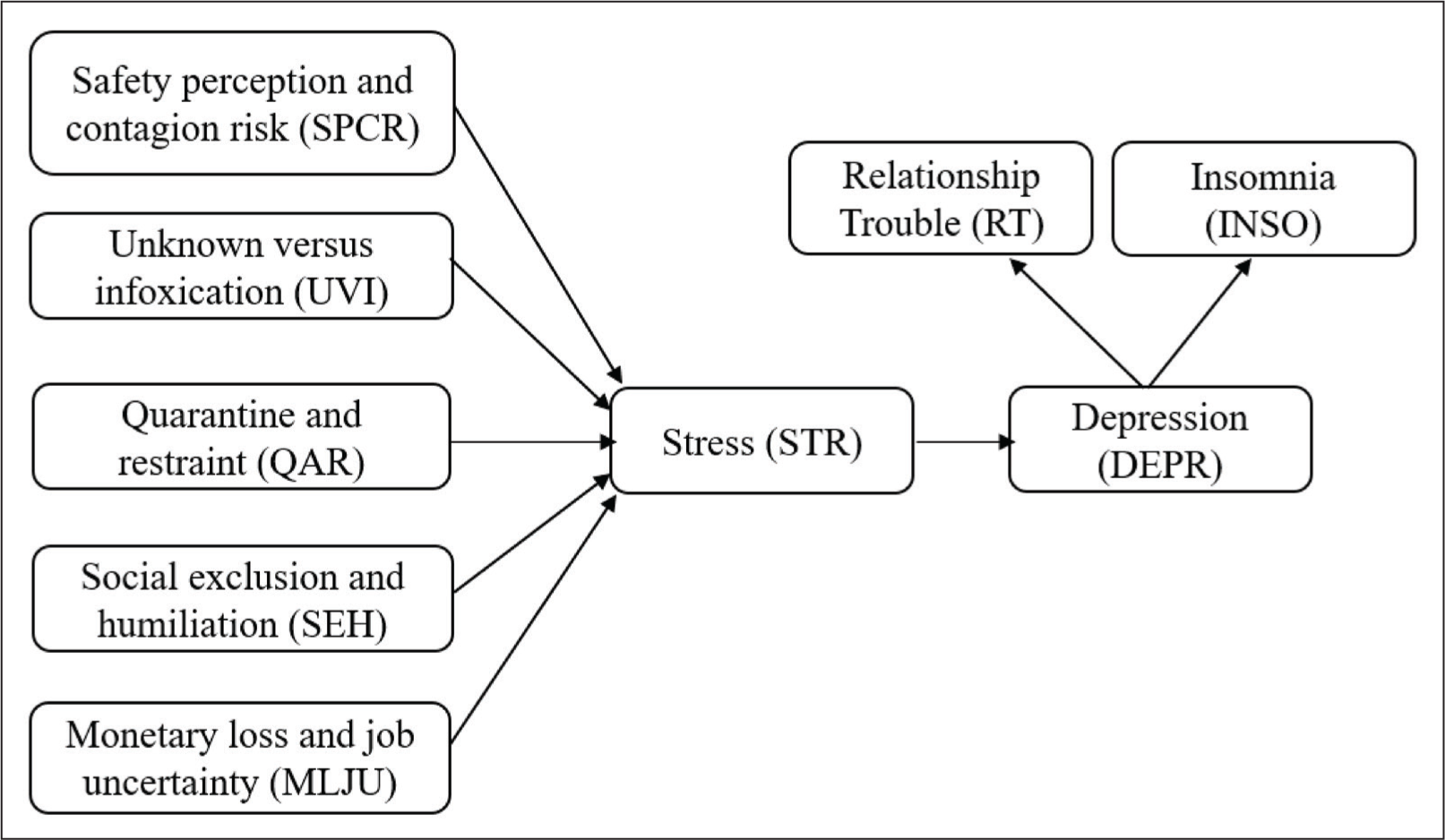
India as a whole contributes 23% to the global tea output and employs around 1.2 million workers in the tea plantation sector. Women make up more than 54% of the employment and are mainly responsible for leaf plucking. Workers are paid a daily pay of ₹167, which is shockingly low. In addition to this pitiful wage, most plantation labourers do not have regular access to rations, water, or adequate sanitation (Panwar, 2017). Due to a lack of safety gear and procedures, workers who spray pesticides often suffer from tuberculosis, severe respiratory problems and vision loss. Healthcare facilities both within and outside the plantations are very poor and inadequate to address the specific health concerns and vulnerabilities of the workers. As a result of these conditions, infant and maternal mortality rates in the tea estates are quite high. Given the poor working conditions, it was doubtful from the start that proper safeguards would be implemented during the COVID-19 pandemic. Due to a lack of healthcare infrastructure, quarantine facilities and the accessibility of testing and treatment, the industry’s capability to deal with an outbreak within such a vulnerable community is uncertain. Every time industry tried to hide its inability to do justice to the workers by quoting the financial crisis (Mishra et al., 2011). ‘Our main job is to produce tea, and the challenge presently is to sustain the industry, nothing else’—as one of the representatives says. In a nutshell, risk of contagion, blurred picture about COVID-19 situation, quarantine, social exclusion, monetary loss and job uncertainty are the critical factors because workers are becoming stressed, which leads to depression. Thus, identifying and measuring the impact of the determinants of stress and finding its relationship with depression and further investigating how depression leads to insomnia and feelings of sadness or emptiness is a matter of concern in this uncertain scenario (see Figure 1).
Conceptual Framework.
Research Methodology
Sample Selection and Data Collection
The present study focused on tea workers in the north-eastern region of India. Data collection involved a structured questionnaire, developed by referring to past literature and slightly modifying the items to fit the study’s context. The questionnaire was divided into two parts: the first part gathered demographic data, while the second part included 29 close-ended questions assessing stressors using a 5-point Likert scale, ranging from ‘strongly disagree’ (1) to ‘strongly agree’ (5). Due to the COVID-19 pandemic, data collection followed all necessary protocols to ensure safety. A convenience sampling technique was used to maximize the number of responses, with participants also being asked to refer other colleagues for participation. Data collection took place over three months, from June to August 2021. After this period, the collected data were screened, and 532 responses were selected for the study after removing any miscoded or suspicious entries.
Measures
The scales of the constructs in this study were all adopted from the past literature. A total of 29 items were taken for measuring the conceptual study framework. To find out the result of the collected data, in this study, confirmatory factor analysis besides structural equation modelling (SME) have been done with the help of SPSS 23 and AMOS 23.
The statistics revealed 205 male (39%) and 327 female (61%) participants. Most of the respondents fall under the age group of 26–30, with 15% in the 15–19 age group, 17% in the 20–25 age group, 23% in the 26–30 age group and 21% in the 31–35 age group, 14% in the 36–40 age group and 9% in the 41–45 age group.
Data Analysis and Result
Confirmatory Factor Analysis (CFA)
Confirmatory factor analysis (CFA) is used to verify the accuracy of construct indicators based on the researcher’s understanding of the constructs (or factors). Drawing on previous literature, first-order CFA is employed to validate that the indicator variables appropriately correspond to their respective factors.
This study categorizes CFA into first-order CFA and second-order CFA. For construct validity and reliability and to verify the intensity of item indicators used and adapted by the investigator, the present study used a measuring model based on first -order CFA. A pooled CFA first-order analysis was used to examine the latent variables. The second-level CFA is a quantitative tool for determining theoretical constructions load, in research, into a set of sub-constructs. In this study, depression acts as theorized construct or main construct.
First-Order CFA
The results of the first-order CFA indicate that the proposed factor structure provides a strong fit for the measurement model (CMIN/DF = 2.064, GFI = .912, NFI = .921, IFI = .957, TLI = .950, CFI = .957, PCFI = .826, RMSEA = .041, RMR = .033).
Convergent analysis and discriminant analysis have been performed with the help of stats tools package programme, for assessing correlation among the constructs.
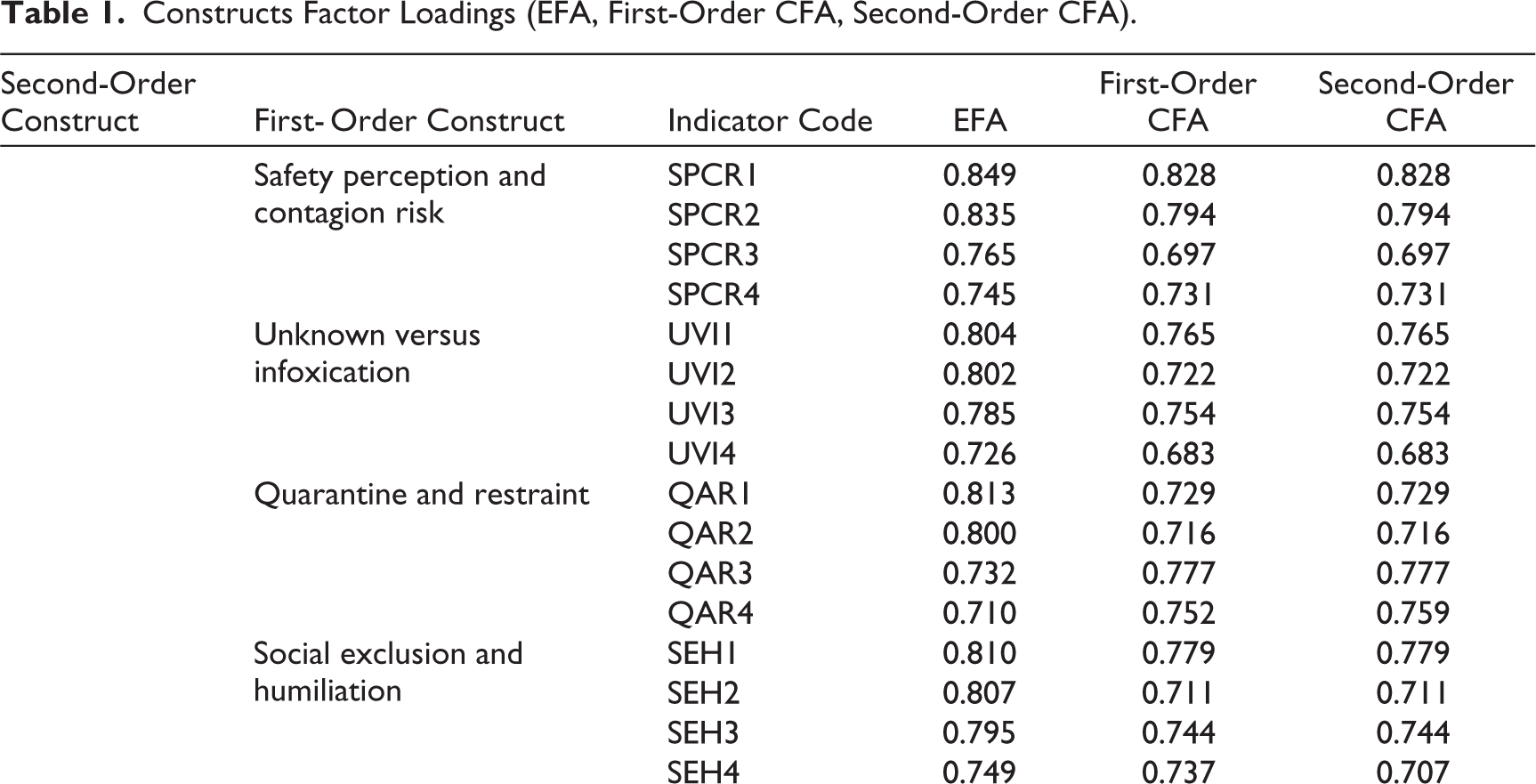
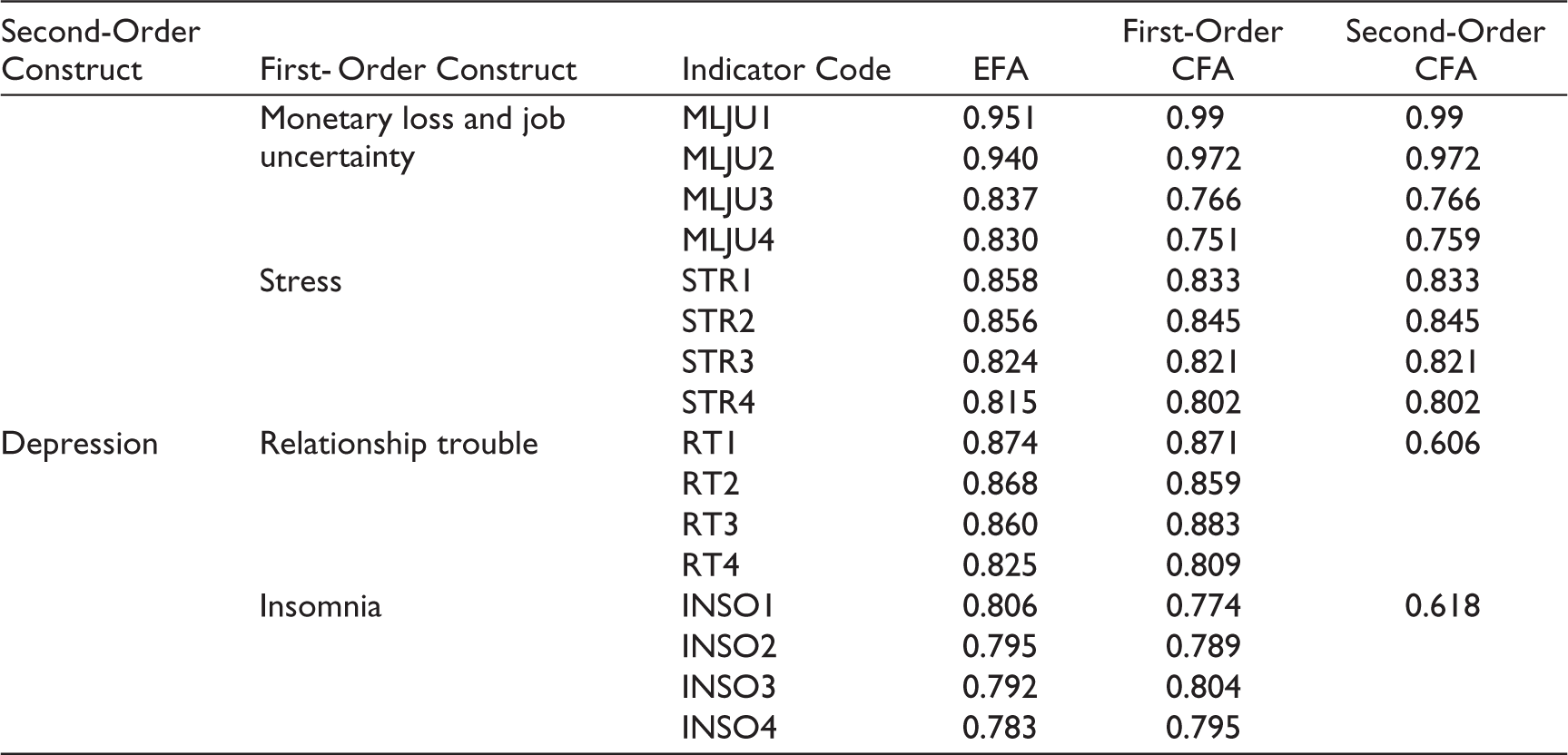
Tables 1 and 2 indicate that the data sets do not have any significant issues regarding validity. Each result demonstrates that the findings meet all of the criteria for CFA first-order tests. As this study requires, the measuring model can progress to the subsequent stage or test, like CFA second order.
Constructs Factor Loadings (EFA, First-Order CFA, Second-Order CFA).
Construct Validity and Inter-Construct Correlations.

Second-Order CFA
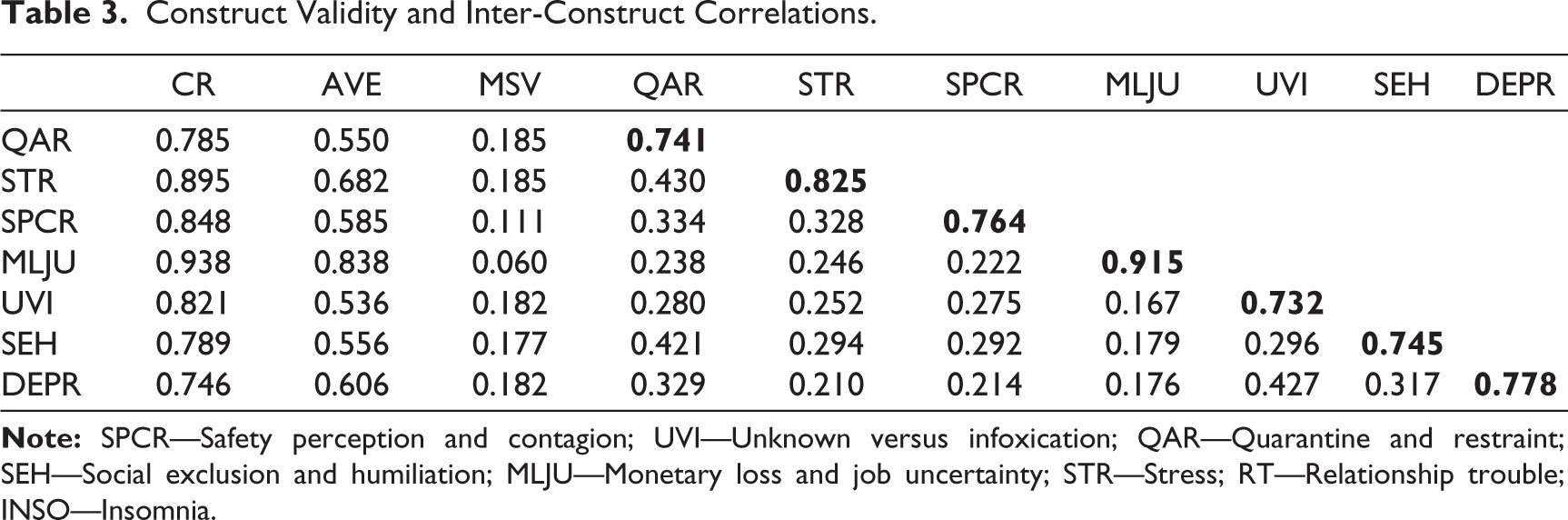
The second-order CFA results in Table 3 show that the planned factor structure fits the model well. The findings match all the criteria for the second-order CFA tests, as evidenced by model fit, construct validity, factor loadings and reliability indexes. As a result, the current study can proceed with more in-depth analyses, such as SEM, as needed.
Construct Validity and Inter-Construct Correlations.
The outcomes of Second-order CFA reveal a decent model fit of the planned factor structure (CMIN/DF = 2.060, GFI = .911, NFI = .920, IFI = .957, TLI = .951, CFI = .957, PCFI = .837, RMSEA = .041, RMR = .034). Therefore, model fit was achieved in the second-order pooled CFA.
Structural Model
For testing hypotheses, SEM was performed using a two-step latent variable modelling approach. The model-fit indices for structural models showed that the model fit was relatively excellent (CMIN/DF = 2.230, GFI = .903, NFI = .914, IFI = .949, TLI = .943, CFI = .949, PCFI = .842, RMSEA = .044, RMR = .056).
Table 4 shows a summary of the hypotheses, including the standardized t-value and statistical significance level. All of the structural paths yielded significant and noteworthy results (Figure 2).
SEM Model Result.
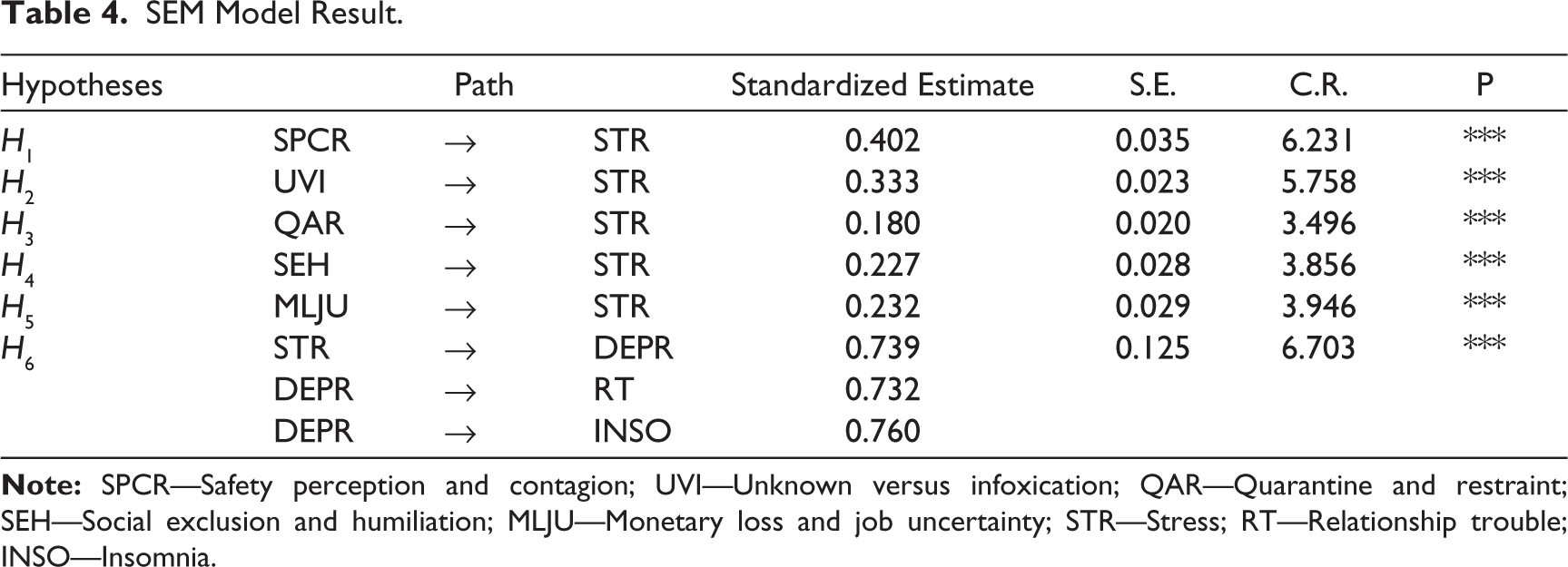
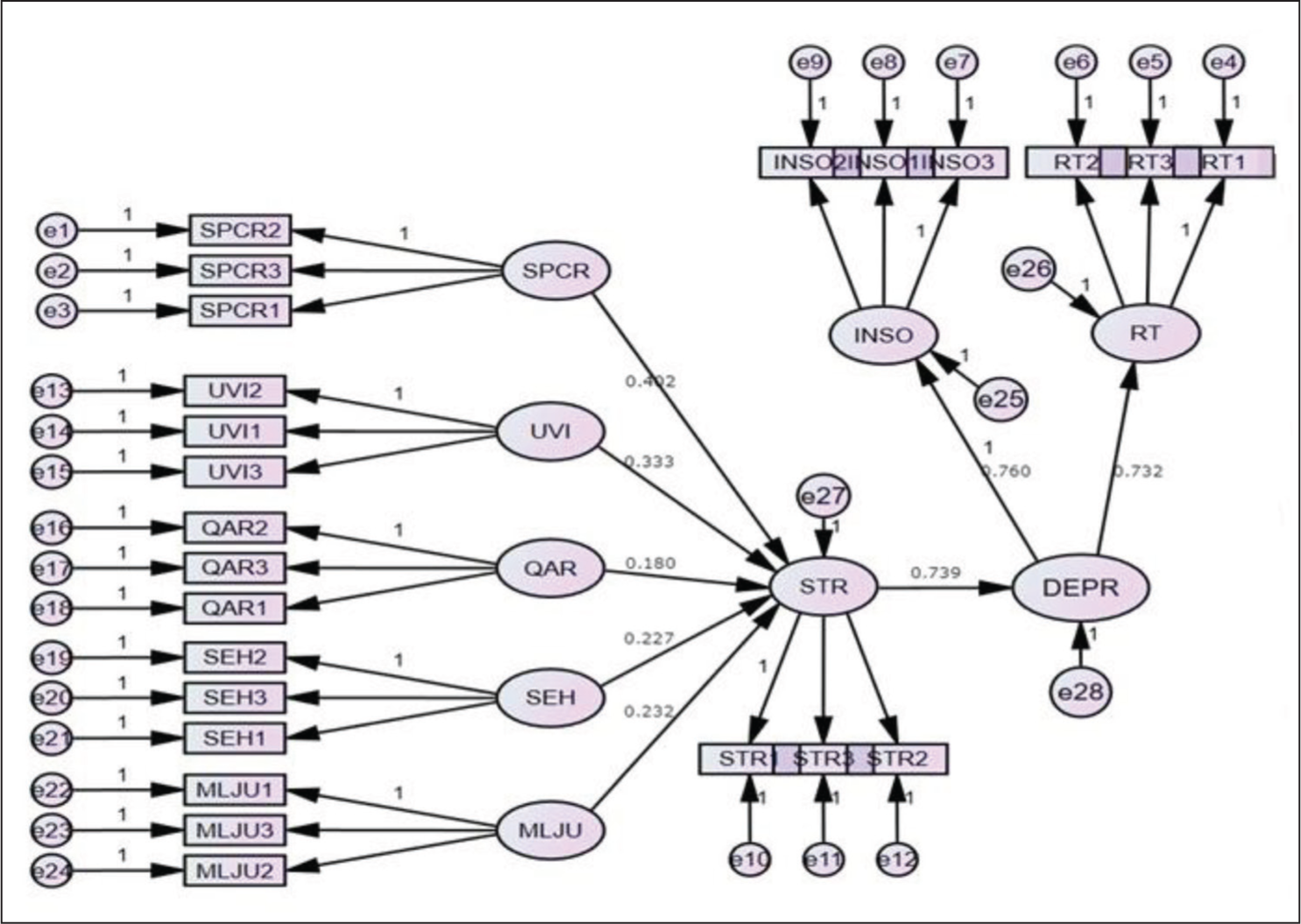
The SEM results show that safety perception and contagion risk have the highest influence on stress (β = 0.402), followed by unknown versus infoxication (β = 0.333), social exclusion and humiliation (β = 0.227), monetary loss and job uncertainty (β = 0.232) and quarantine and restraint (β = 0.180), the last being the factor with the lowest influence on stress of the tea workers.
Next, it was necessary to assess the influence of stress on the tea workers on depression (DEPR). The present study predicted this hypothesis having a significant relationship between stress and depression and this assumption was supported by the SEM result (β = 0.739). The analysis also reveals that depression is notably related to insomnia and relationship trouble, which signifies that employees are badly suffering from sleep disorders and desolation in this critical situation.
Our hypothesized model helped probe eight associations to assess the stress and depression of tea workers amid COVID-19 pandemic. The findings demonstrate that all of our hypotheses are validated and conform to the pertinent theoretical foundations. A positive association was found between safety perception and contagion risk and stress (H1). Previous investigators also found similar results (Cassiano et al., 2022). Again, unknown versus infoxication and employee stress are positively related (H2) which is supported by a previous study (Wang et al., 2023). Our study shows that quarantine and restrain (H3) and stress and social exclusion and employee stress (H4) are positively related to employee stress, which are supported by previous studies (Liboredo et al., 2021; Madnani et al., 2020). Again, monetary loss, job uncertainty and employee stress are positively related (H5), which is supported by previous results (Sverke & Hellgren, 2002). Our study shows that stress is positively related to depression (H6), and depression is again related to relationship trouble and insomnia. These results are consistent with the findings of previous studies (Andrews & Wilding, 2004; Lee et al., 2013).
Discussions
The tea industry, employing around 1.2 million permanent workers, is a major player in the private sector job market. Despite labour laws designed to protect workers and provide benefits, studies reveal a grim reality. Tea workers face abusive work patterns, low wages, substandard living conditions, inadequate water supply, meagre welfare benefits and a lack of collective bargaining. Finding alternative employment is nearly impossible for them, leaving them trapped in a cycle of poverty. The COVID-19 pandemic and subsequent lockdown have worsened their situation, particularly for temporary workers who make up over half of the workforce. During the early stages of the outbreak, uncertainty clouded the future of temporary workers, while permanent employees faced issues such as irregular payments and unfair deductions. Some tea estates paid for only a fraction of the work done, exacerbating financial strain and pushing workers further into poverty.
With no access to government benefits due to lack of identification, tea workers have no choice but to risk their lives and return to work, disregarding the threat of COVID-19. Basic health and hygiene regulations are disregarded, as multiple workers share limited resources such as buckets, soap and towels. Physical distancing is impractical in cramped living quarters where more than six people are accommodated, increasing the risk of virus transmission. Moreover, the focus of garden hospitals has shifted entirely to COVID-19 cases, neglecting other general diseases and leaving workers without proper medical assistance. Tea workers, particularly temporary employees, are grappling with financial anxieties as they struggle to find enough resources to support their families.
Their future remains uncertain as there is no clarity on whether they will be allowed to return to work once the lockdown is lifted. Desperate measures like begging and borrowing have become an unfortunate reality for many. The tea ecosystem has been severely impacted, affecting social protection, human rights, employment, education and even basic food security and nutrition. In summary, the tea industry’s workers endure harsh conditions, worsened by the COVID-19 pandemic. Low wages, substandard living conditions and a lack of government support perpetuate their vulnerability. Urgent measures are needed to address their plight and provide them with the dignity and support they deserve.
Implications and Conclusions
Theoretical Implications
This study makes several notable theoretical contributions to our understanding of mental health, occupational stress and the effects of global crises on vulnerable populations. By focusing on tea workers in north-east India during the COVID-19 pandemic, it fills a crucial gap in the literature regarding how pandemic-related stressors affect workers in an already marginalized and economically disadvantaged sector. First, the study applies SEM to explore the complex relationships between various COVID-19 stressors and mental health outcomes among tea workers. SEM allows for a detailed analysis of how factors such as safety perception, contagion risk, information overload, social exclusion, monetary loss, job uncertainty, quarantine and restraint collectively impact stress and depression. This methodological approach provides a thorough understanding of both direct and indirect effects, offering a model that can be tested and refined in future research. Second, the research highlights safety concerns and contagion risk as the leading stressors, followed by information overload, social isolation, financial loss, job insecurity and quarantine. This ranking is crucial for occupational health psychology, as it guides the development of targeted interventions and policies to mitigate the negative impact of global crises on workers’ mental well-being.
Third, the study examines how pre-existing vulnerabilities in the tea industry, such as low wages, poor working conditions and limited access to healthcare, worsen the impact of the pandemic on mental health. This emphasizes the need to tackle structural inequalities and enhance working conditions in order to build the resilience of vulnerable populations. Finally, the findings on the relationship between stress and depression and their links to insomnia and relationship problems offer insights into the broader effects of occupational stress on overall well-being. This research contributes to understanding the specific mental health challenges faced by tea workers and the potential long-term consequences of unaddressed stress and depression. Overall, this study advances our theoretical understanding of COVID-19 stressors’ impact on mental health and provides practical insights for enhancing the resilience and well-being of workers in marginalized sectors.
Managerial Implications
This study provides several actionable insights for managers and policymakers to improve the well-being and productivity of tea workers, especially in light of the COVID-19 pandemic. First, management should prioritize the health and safety of tea workers by providing adequate personal protective equipment, enforcing strict hygiene practices and ensuring physical distancing wherever feasible. Regular health check-ups and access to medical facilities are crucial for addressing both COVID-19-specific concerns and general health issues. Implementing robust health protocols will not only safeguard workers but also reduce anxiety related to contagion risks, thus boosting morale and productivity. Second, the tea industry should focus on providing fair and decent wages to all workers, regardless of their employment status. Transparent payment practices, free from unreasonable deductions, can alleviate financial stress and enhance job satisfaction. Ensuring timely and fair compensation will improve worker loyalty and reduce economic anxiety. Additionally, offering job security and opportunities for skill development or alternative employment can further mitigate job uncertainties and economic pressures.
Collaborative efforts between the government and industry stakeholders are essential to improving social welfare measures for tea workers. Providing access to essential resources such as ration facilities, clean water and adequate accommodation is crucial. Strengthening social protection schemes, including direct cash transfers and food grain provisions, can offer significant support to workers and their families, reducing stress related to social exclusion and financial instability. Investments should be made to enhance healthcare infrastructure within tea estates. This includes better-equipped hospitals and access to essential medicines. A comprehensive healthcare system that addresses both COVID-19 and general health issues will contribute to the overall well-being of tea workers, reducing stress related to health uncertainties and ensuring a healthier, more resilient workforce. Governments and industry players should also explore trade agreements with less-affected countries to stabilize tea supplies and ensure smooth transportation. This can help maintain industry stability and support economic recovery. Additionally, productivity enhancement strategies and innovative supply and consumption patterns should be considered to improve the sustainability and competitiveness of the tea sector. It is vital for tea estate managers to recognize the unique challenges faced by tea workers, particularly during the pandemic, and to address these concerns proactively. Understanding and managing the compounded stressors related to safety, contagion risks, quarantine, social exclusion and financial insecurity will help create a more supportive and equitable work environment. Encouraging open communication, providing mental health support and fostering a culture of empathy can further enhance worker engagement and overall well-being. By implementing these strategies, the tea industry can improve worker satisfaction, productivity and long-term resilience.
Conclusion
The study on the mental health of tea plantation workers in north-eastern India during the COVID-19 pandemic reveals profound challenges exacerbated by already harsh working conditions, low wages and increased vulnerability. The research underscores the significant impact of pandemic-related stressors, particularly safety concerns and contagion risks, on the mental well-being of these workers. These stressors not only heighten stress but also contribute to depression, insomnia and strained relationships. The findings highlight an urgent need for targeted interventions, including enhanced worker safety protocols, fair compensation and robust social welfare measures, to mitigate the adverse effects of such crises. Addressing these issues is critical, not only for improving worker well-being but also for sustaining the tea industry’s resilience and productivity. Although the study has limitations, it strongly advocates for comprehensive reforms and support systems to reduce stress and enhance overall worker engagement and mental health.
Limitations and Future Research Directions
This study revealed several important findings with both practical and theoretical implications, but it also has limitations that suggest directions for future research. First, the study is limited to a specific region within a single country, so the conclusions should be interpreted with caution. Second, it examines only five factors related to stress, though other factors may also influence stress levels. Third, the focus is solely on tea workers, representing just one segment of India’s plantation sector. To address these limitations, future research could benefit from conducting multi-country studies with larger sample sizes to improve the validity of the model. Additionally, including more constructs that affect stress and depression and exploring other segments of the plantation sector could lead to more generalizable findings. While this study primarily investigates stress and depression linked to socio-economic factors, it also recognizes the importance of cognitive variables in psychological assessments. The focus on economic and social stressors was intended to highlight their tangible impact on mental health within this context. Future research could explore cognitive aspects to further enhance the understanding of psychological factors.
Footnotes
Declaration of Conflicting Interests
The author declared no potential conflicts of interest with respect to the research, authorship and/or publication of this article.
Funding
The author received no financial support for the research, authorship and/or publication of this article.