







Abstract
Meat consumption has been a common food selection for humans for millennia. Meat is rich in amino acids, delivers vast amounts of nutrients and assists in short term health and hypertrophy. However, meat consumption can induce the activation of mTOR and IGF-1, accelerated aging, vascular constriction, atherosclerosis, heart disease, increased risk of diabetes, systemic inflammatory effects, cancers (including colorectal and prostate cancers), advanced glycation end products, impaired immune function / increased susceptibility to infection via downstream advanced glycation end product accumulation, polycyclic aromatic hydrocarbon ingestion, increased homocysteine levels among many other pathophysiologies. Research papers showing health benefits of meat consumption versus other papers showing the detriment of meat have led to confusion as many cohorts such as bodybuilding, health and wellness groups, carnivore diet practitioners, online social media longevity groups and more are interested in data that exists across the peer reviewed literature, however, few papers offer a super wide view where meat consumption benefits and pitfalls are taken into account.
Background
The need for such a systematic review is high as health enthusiasts incorrectly often quote single data points from papers showing a single benefit from consuming meat. This often leads to a higher consumption of meat. However, not all meat consumption is the same, and not all meat delivers the same benefits or detriments. Therefore, a systematic review of current literature has been performed to extrapolate the data into whether those interested in hypertrophy, short term nutrition and energy, and longevity should consume meat.
Methods
A deep analysis of almost one hundred peer reviewed papers and surveys spanning decades of cohorts having a meat-based diet compared to those consuming a plant based diet has been performed. Further analysis on specific side effects and disease has also been performed.
Results
The results of our systematic review show clearly that meat is great for hypertrophy, short term nutrition, short term energy requirements, but a very poor choice when it comes to healthy aging and longevity.
Conclusion
Animal protein is great for building muscle, short term energy, maintaining high levels of nutrients, but a carnivore diet holds too many adverse long term side effects to be considered a staple for a longevity-based diet. The evidence is very strong, that subjects interested in longevity and aging should shift their protein intake away from red and processed meats, and either toward white meats or plant-based sources if longevity is the goal.
Introduction
Meat is a rich source of nutrients and is often considered an essential part of a balanced diet. However, research has shown that consuming meat, particularly red and processed meat can have adverse effects on health. These effects include an increased risk of heart disease, cancer, and diabetes (John et al., 2011; World Health Organisation, 2021; Wu, 2016). Moreover, meat consumption has been shown to accelerate the aging process by activating the mechanistic target of rapamycin (mTOR), a cellular pathway that regulates growth and metabolism (Weichhart, 2018), and there are many other adverse health conditions associated with meat consumption, including advanced glycation end products (AGEs), polycyclic aromatic hydrocarbons (PAHs), among many other conditions that this review will cover (Uribarri et al., 2010) (Figure 1).
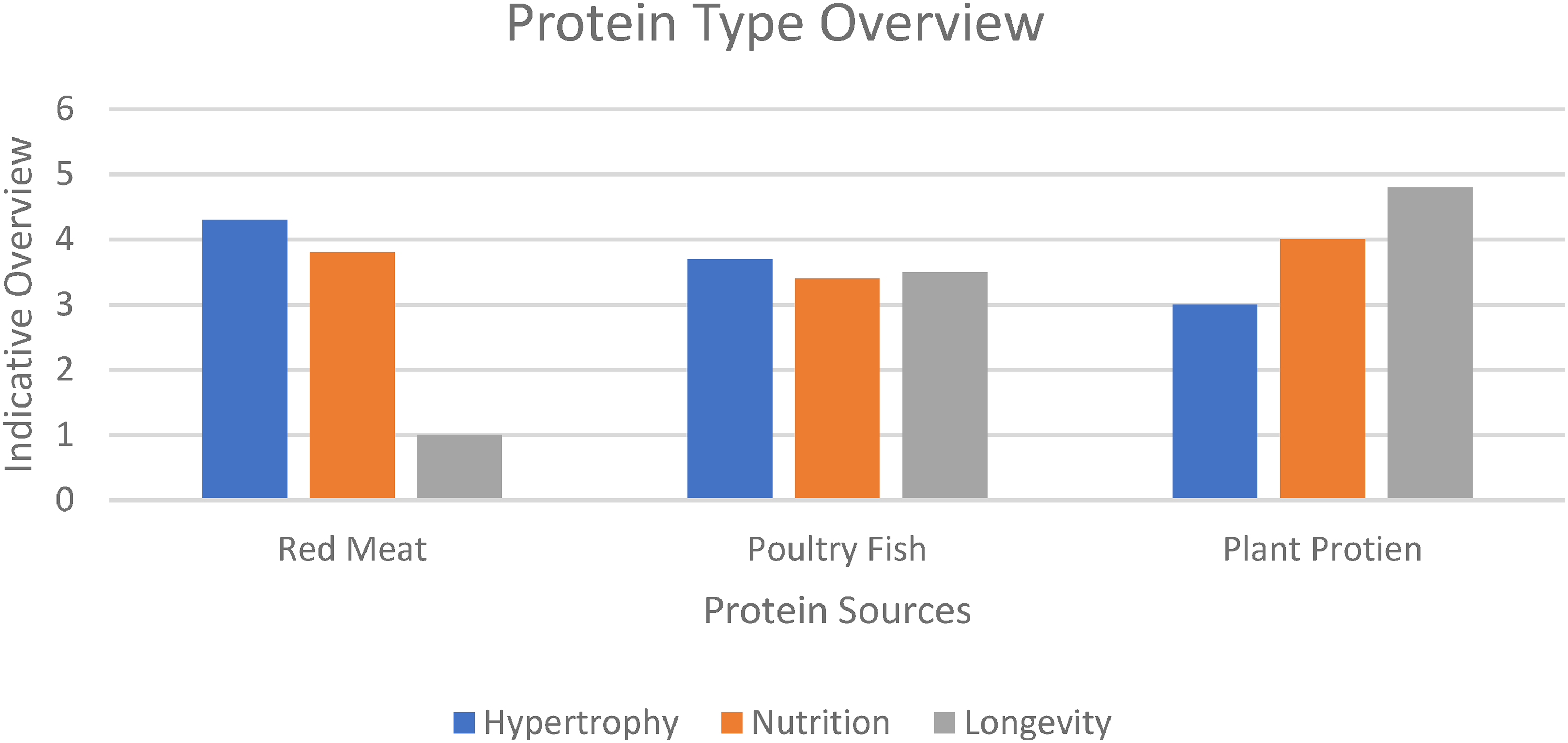
An indicative representation of different protein sources and their strengths versus their weaknesses.
Amino acids (AA) are considered the building blocks of life as AA's make up the structural lattices such as beta sheets and alpha helices of meat based proteins, and therefore AAs are integral for human life, as all human tissues are made entirely from various proteins, such as structural, signalling and enzymatic (Alberts et al., 2002; Pasantes-Morales and Korpi, 2005). Proteins are pulled apart by proteases and peptidases into AA dipeptides and tripeptides (Wu, 2016), and because human tissues are synthesised from AAs into proteins, animal protein that is high in AAs has remained a staple of the human diet for millennia. Even in modern day culture with the knowledge of the importance of AAs, modern man continues to put strong requirements on our diet to contain vast quantities of AAs (National Research Council, 1989). Humans cannot survive without AAs, and for this reason, either protein or AAs must be included in the human diet, that is, protein can be excluded from the human diet as long as AAs are still delivered through other food groups in conjunction with other nutrient rich foods. This is observed across nature in some of the largest muscular land mammals such as elephants, rhinoceros, gorillas, and others that do not eat protein, but consume plants that are simply rich in AAs, and yet these animals still easily maintain vast strength and muscle mass. What is observed is that as long as AAs are entering a mammal's digestive system at sufficient levels with a balanced diet, then direct protein consumption may be overlooked, though differences in muscle strength and energy may be observed (Cheng et al., 2018).
Humans consume protein for a variety of different reasons, such as hypertrophy, health, longevity or even as a comfort food. However, vast differences remain in the types of protein consumed, such as plant or animal protein (Berrazaga et al., 2019). Data shows that animal protein may be better for hypertrophy but not longevity (Lim et al., 2021). This difference in hypertrophy versus longevity comes from the AA density in the foods and also the types of AAs found in meats compared to plants (Berrazaga et al., 2019). Diets such as the carnivore diet are touted for delivering energy and vibrancy across social media, however much more human trial data is required for those claims, though it is very possible that the carnivore diet does give people more strength through delivering vast amounts of AAs and nutrients, which are more likely to activate growth pathways such as mTOR, generating more muscle, but the long term poor health outcomes for a carnivore diet are also well documented further in this paper.
Meat has also been shown to raise levels of Insulin Like Growth Factor 1 (IGF-1) which is another growth pathway and has been shown to accelerate the aging process (Altintas et al., 2016; Bartke et al., 2003; van Heemst, 2010). Plant proteins do not appear to have large quantities of the types of AAs that activate mTOR and IGF-1 which many indicate those proteins are better for a longevity-based diet (Berrazaga et al., 2019).
mTOR and aging
Aging has become a serious target in recent years as it is the number one cause of disease in humans during old age. Therefore, lifestyle changes and technologies must be devised to ensure that aging hallmarks can be resisted into old age. mTOR is a protein kinase that performs a critical role in regulating cell growth and metabolism (Lee et al., 2020; Weichhart, 2018). mTOR can be triggered by a range of stimuli, those include various AAs and glucose (Johnson et al., 2013). Once activated, mTOR instructs for cellular growth, protein synthesis, and lipid metabolism (Weichhart, 2018). However, excessive activation of the mTOR corridor has been linked to accelerated aging and age-related diseases (Jung et al., 2010). Certain AAs found in meat, such as arginine, leucine, glycine, methionine, tryptophan and glutamine have been shown to activate the mTOR pathway (Wu, 2016), whereas plant proteins have lower levels of these AAs, and in some cases have none, and plants also have a lower digestibility and as such, a lower anabolic effect (Berrazaga et al., 2019).
A study conducted on mice found that a diet high in meat clearly triggered an increase in mTOR activity and accelerated aging (Lee et al., 2020). Moreover, another study conducted on humans found that consumption of red and processed meat was associated with increased mTOR activity in the blood (Kitada et al., 2019). Another mechanism through which meat consumption activates mTOR is through the insulin-like growth factor 1 (IGF-1) pathway (Levine et al., 2014). IGF-1 is a hormone that in conjunction with AK Transforming (Akt) / Protein Kinase B (PKB) promotes cell growth and regulates mTOR activity (Johnson et al., 2013; Xie and Weiskirchen, 2020)
Meat consumption has been shown to increase IGF-1 levels, leading to increased mTOR activation and cellular growth (Levine et al., 2014). mTOR is a key regulator of the aging process and inhibition of mTOR has been shown to influence lifespan in many organisms, including humans (Weichhart, 2018). Effects of mTOR alone may be reason enough for some subjects to consider which protein sources to select if their goal is longevity.
Advanced glycation end products & immune function
AGEs are a group of compounds formed when sugars react with proteins or lipids in the body (Clarke et al., 2016). They are produced naturally in the body but can also be formed in food during cooking (Uribarri et al., 2015). Meat, particularly red and processed meat, is found to be a significant source of AGEs in the human carnivore diet (Uribarri et al., 2010). AGEs have been shown to contribute to aging and age-related diseases (Kim et al., 2017), as AGEs promote inflammation and oxidative stress, leading to cellular damage and dysfunction (Chung et al., 2019; Saremi et al., 2017). Moreover, AGEs can accumulate in tissues over time, leading to the development of persistent diseases such as diabetes and Alzheimer's disease (Chung et al., 2019). AGEs may aggregate inside skin, blood vessels and other tissues, which may cause stiffening and less flexibility of those tissues, inducing lack of function which may appear as degenerative aging hallmarks. Immune function is also adversely affected by AGE accumulation, as the binding of sugars with cell surfaces can compromise the intended immune cell function and this was demonstrated by Son et al. 2017 (Son et al., 2017).
Son et al. (2017) found that the immunosuppressive effects of AGEs attenuated lipopolysaccharide induced M12 polarisation of macrophages and NLRP3 inflammasome activation. Furthermore, the same team found that AGEs seriously reduced the innate immune response, which indicates that AGEs could seriously inhibit effective immune function against RNA viral infections.
Polycyclic aromatic hydrocarbons (PAHs)
Polycyclic aromatic hydrocarbons (PAHs) are a group of obscure hydrophobic organic compounds that are formed during the high temperature cooking of some meats (John et al., 2011). PAHs contain carbon and hydrogen atoms which form two (or more) aromatic rings. Approximately 200 PAH compounds have been discovered (Cheng et al., 2021). Cheng et al. (2021) demonstrated that polycyclic aromatic hydrocarbons are present in a range of cooked meats, but ready to eat meats appeared to harbour higher levels of carcinogenic PAHs based on the products tested (Cheng et al., 2021).
PAHs have been shown to be carcinogenic and mutagenic (Langie et al., 2015). PAHs can damage DNA and lead to the development of cancer which was also demonstrated by Cheng et al. (2021). PAHs are also implicated in inflammation and oxidative stress, which may lead to a myriad of cellular impairment and tissue damage resulting in dysfunction (Adly and Saleh, 2022).
Due to the cooking temperatures of many meats, it is highly likely that PAHs are being created and consumed in everyday home environments, as the toxicity of cooked meat is rarely promoted to consumers, and this may lead to an increase in various cancers.
Vasoconstriction / increased blood pressure
Meat consumption has been shown to induce vasoconstriction and / or arterial constriction, with the mechanism behind this effect related to the presence of saturated fatty acids and heme iron, that can activate the renin-angiotensin-aldosterone system (RAAS) and increase the production of vasoconstrictor substances such as angiotensin II (Weir and Dzau, 1999).
The downstream effects of RAAS activation can result in an increase in blood pressure, which can place more strain on the heart to pump blood over time delivering poor outcomes on cardiovascular health. Vasoconstriction can reduce blood flow to vital organs such as the brain, heart, and kidneys, increasing the risk of strokes, heart attacks, kidney damage and overall tissue dysfunction (Zemaitis et al., 2022).
The literature on the effects of animal protein consumption on vascular function and blood pressure is quite extensive. A 2012 study found that a dietary intake which was high in red meat increased blood pressure and reduced endothelial function, inhibiting the function of blood vessels being able to relax and expand (arterial compliance) (Micha et al., 2012). The study also discovered that a diet high in vegetables improved vascular function and reduced blood pressure. For aging and longevity, this data may indicate that plant-based sources for AAs or proteins may deliver improved health and overall physical performance as the fatty acids and heme iron required for RAAS activation are not found in most (if not all) plant-based diets.
Furthermore, another study published in the Journal of Hypertension in 2016 corroborated diets high in red meat consumption increased blood pressure and reduced arterial compliance, and also found that a diet high in fruit and vegetables improved arterial compliance and reduced blood pressure (Allen et al., 2022). Moreover, a 2019 study published in the Journal of the American Heart Association found that higher intake of red and processed meats was associated with an increased risk of cardiovascular disease mortality which may be (in part) attributable to vascular and arterial constriction (Zheng et al., 2019).
Overall, these studies indicate that meat consumption can have negative effects on vascular health, function and blood pressure, which raises all cause risk for cardiovascular disease. Reducing or abstaining from meat consumption and leaning toward a plant-based diet may be beneficial for maintaining arterial compliance and mitigating the effects cardiovascular disease.
Diabetes
Meat consumption has also been associated with an increased risk of diabetes. This may be due to the high levels of saturated fat and heme iron found in meat, which can lead to insulin resistance and impaired glucose metabolism. According to Barnard et al. (2014), males and females that held body mass indices of 25.0 kg/m2 – 29.9 kg/m2 were at 4.6 and 3.5 times the risk to manifest diabetes respectively, than those in the weight range of 25 kg/m2(Barnard et al., 2014). Snowdon and Phillips (1985) compared groups of Seventh Day Adventists (The Adventist Mortality Study), which were omnivores and vegetarians to see if there was a higher prevalence of diabetes in either group (Snowdon and Phillips, 1985). The study involved 26,673 participants, showing 40% and 80% higher instances of diabetes (non-type 2 diabetes) among females (prevalence ratio = 1.4, 95% CI, 1.2–1.8) and males (prevalence ratio = 1.8, 95% CI, 1.3–2.5) respectively. Adjustments were made for age and body weight, and the study also demonstrated that the frequency of diabetes increased with increased meat consumption. For this study, meat consumption was considered as consuming red meat or poultry at least once weekly, which could be considered extremely low by Western diet standards.
A secondary study of 34,192 participants of Seventh Day Adventists (The Adventist Health Study) found that men and women consuming meat had a 97% and 93% increased risk potential for developing diabetes respectively with prevalence ratios of 1.97, 95% CI, 1.56–2.46, p = 0.0001 and 1.93, 95% CI, 1.65–2.25, p = 0.0001(Barnard et al., 2014).
And a 17 year follow up study of 8401 subjects of both The Adventist Mortality Study and The Adventist Health Study found that consumption of meat induced a 29% more likelihood to develop diabetes over that time; and those who consumed processed meats (salted fish, frankfurters), had a 27% increased risk of diabetes over those who consumed standard meats (Snowdon and Phillips, 1985).
Other studies also delivered similar data, such as The Nurses’ Health Study 1, where 69,554 subjects were studied across two types of dietary patterns; a Western dietary pattern defined by increased consumption of red and processed meats, deserts, sweet, French fries, refined grains, etc, against a prudent dietary pattern such as increased intake of fruits, vegetables, legumes, whole grains, fish and poultry (Barnard et al., 2014). Adjustments for diabetic family history, age, body mass index and other factors were considered. The Western pattern had a 49% increased risk of developing diabetes across a 14 year follow up with the risk ratio being 1.49, 95%CI 1.26–1.76, p < 0.001. Furthermore, a secondary study, The Nurses’ Health Study II, with 91,246 subjects that were followed for eight years delivered data indicating that consumption of meat elevates diabetes risk independently of Western dietary patterns (which is already a well-established pattern for diabetes risk) (Barnard et al., 2014; Pan et al., 2011).
Most observational studies that have compared meat eaters against those who avoid meat show higher body weights among the carnivorous groups, a data point corroborated by results in intervention studies of meatless diets (Berkow and Barnard, 2006). The mechanism of action may be the high fat content and lack of fibre found in meat products, indicating meat products are energy dense when compared to vegetables, fruits, legumes, and grain products as described by Barnard et al. 2005 (Barnard et al., 2005).
Cancers
There is strong evidence linking the consumption of red and processed meat to an increased risk of colorectal cancer. This may be due to the presence of heme iron, which can promote sequence mutations from G > A in the Kirsten Ras oncogene and overexpression of the p53 tumour protein pathway (Gilsing et al., 2013). Furthermore, Bastide et al. 2011 shows that heme iron has a catalytic effect on the endogenous development of cancer-causing N-nitroso complexes and the materialization of cytotoxic and genotoxic aldehydes by lipoperoxidation, which supports that together these pathways are implicated in heme iron toxicity (Bastide et al., 2011).
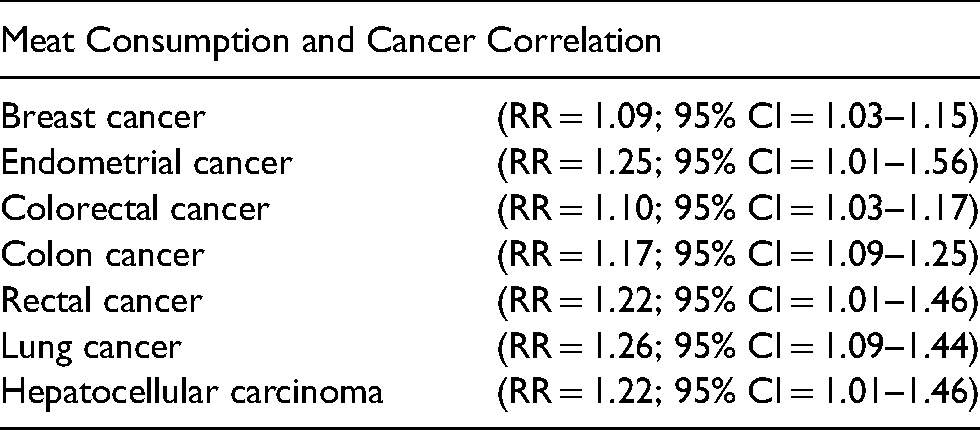
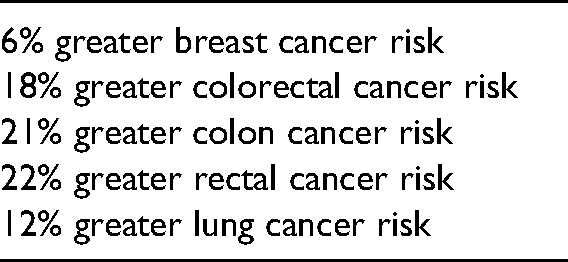
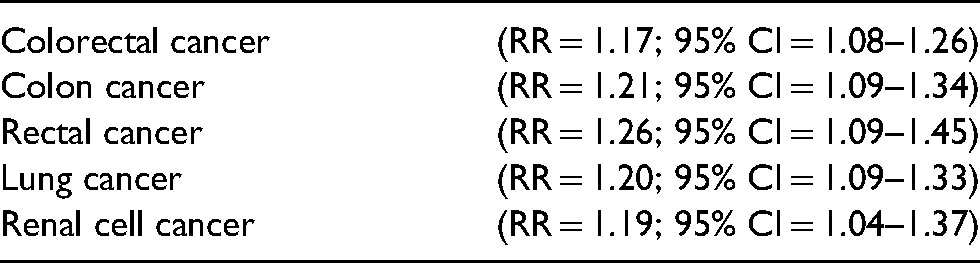
The systematic review and meta-analysis conducted by Farvid et al. 2021 indicates that high consumption of red meat was positively connected to multiple cancer types, and this cancer risk increased when the meat consumption included processed meats (Farvid et al., 2021).
Moreover, meat is consumed far more in developed countries (23 kg / capita) as opposed to underdeveloped countries (6 kg / capita), almost three-fold, and according to Doll and Peto's 1981 study, it is gauged that approximately 35% of cancers are attributed to diet, a similar extent to cancers seen by cigarette smoking of 30% and this trend appears to have held true over four decades (Blot and Tarone, 2015; Genkinger and Koushik, 2007).
Meat also contains many cancer-causing compounds such as N-nitroso compounds, heterocyclic amines and many types of PAH's are believed to increase DNA synthesis, cell proliferation, disturb hormone metabolism, elevate free radical damage, generate carcinogenic heterocyclic amines and promote growth factors (IGF-1). These methods of action all lead to a heightened risk of developing neoplasm (Genkinger and Koushik, 2007).
Obesity
Correlations between meat consumption have been with an increased risk of obesity, which is a major risk factor for a variety of chronic diseases. This may be due to the high calorie density and low fibre content of meat, which can lead to overconsumption and weight gain.
The Chicago Western Electric Study found an association between animal protein and obesity, with a mechanism of action that certain amino acids and fats that are ubiquitous in meat aggravate insulin resistance, and that saturated fatty acids found in meat may elevate the insulin response which delivers a downstream effect of elevating the respiratory quotient and reduces fat oxidation according to the study authors (Bujnowski et al., 2011).
It is noted here that whilst low carbohydrate diets that include meat do cause weight loss, it is the reduction of high energy carbohydrate intake that causes weight loss and not due to any specific property of animal protein as shown by Bravata et al. (2003).
Antibiotic resistance from meat to humans
The extensive worldwide use of antibiotics in animal agriculture has led to the spread of antibiotic-resistant bacteria. These bacteria can be transmitted to a human population through the consumption of meat, leading to the development of antibiotic-resistant infections. When examining antibiotic use across the United States, 80% of antibiotics are issued for animal agriculture, with an estimate of 70% being classified as medically important (Martin et al., 2015). This data indicates a looming health emergency, as many resistant strains have been implicated in hospital born infections. In part, this is natural selection in action, as the resistant strains may contain genetic mutations which render them indestructible to antibiotics, resulting in only these dominant bacterial strains left when antibiotics have been used, thus those strains become the dominant microorganisms on meat. With bacterial parallel gene transfer, proliferation of the impervious strains takes hold further. Drug resistant bacteria have been observed each time a new class of antibiotics has been released, pushing these species of microorganisms to further their resistance to modern medicines, making the handling of meat products possibly more dangerous (Rolain, 2013). However, questions remain, such as how much antibiotics is leftover in cooked meat and can antibiotic resistant bacteria be conveyed into humans from raw meat handling?
Measuring the exact source of an infection can be difficult at times, especially when incubation times are taken into account, as some infections may lay dormant for many weeks before symptoms show. So, drawing an exact line from agricultural antibiotic use to resistance bacteria being found in humans from that agricultural use is extremely difficult to report. However, the danger does exist, and it is not just the resistant bacteria where concern should be, because if the meat is undercooked, then the agricultural antibiotics used may enter the human digestive system and wreak havoc on an otherwise healthy microbiome. Disruption to microbiome symbiosis can aggravate the digestive tract, allow other species to thrive, such as antibiotic resistant species, and hamper the absorption of nutrients from foods, as the microbiome has a large role in breaking down certain foods (Krajmalnik-Brown et al., 2012).
Genomic and metagenomic surveys have been conducted in humans, animals, food and environment, and found an extensive antibiotic resistant gene library (the resistome), with these genes being able to transfer into other microorganisms or pathogens, and delivering to them antibiotic resistance (Kazimierczak and Scott, 2007; Salyers et al., 2004; Scott, 2002).
Even though the risk here for antibiotic resistant bacteria along with agricultural antibiotics to enter the body is small, the results could be harmful or deadly to human health, so it is noted in this paper.
Inflammation
A review in 2013 observed that meat-based diets delivered a positive association with biomarkers of inflammation, whilst a vegetarian diet delivered an inverse association to inflammation (Barbaresko et al., 2013). Furthermore, a 2014 Harvard study found that biomarkers of inflammation were directly proportional to elevated total red meat consumption (Ley et al., 2014).
As inflammation is regarded as a biomarker for accelerated aging or age-related disease (inflammaging), it is important to note in this review the connection that meat consumption has with inflammation.
Ley et al. (2014) found that unprocessed meat and processed red meat correlated with elevated plasma C-Reactive Protein (CRP), ferritin, fasting insulin, and haemoglobin A1C (HbA1c) along with lower adiponectin (Ley et al., 2014). Adjustments were made for demographic. The data is quite clear from Ley et al. (2014)'s paper that red meat consumption is connected to adverse concentrations of inflammatory markers, and glucose metabolic biomarkers in diabetes free females, and that supplementing with non-animal proteins delivered a healthier inflammasome profile.
Furthermore, Wang et al. (2022) performed a systematic review and meta-analysis on red meat and its effects on inflammation and immune function. All comparative data analysed showed higher total red meat intake induced higher blood CRP in both processed and unprocessed meat consumption (Wang et al., 2022).
And according to Sproston and Ashworth (2018), CRP is an acute inflammation protein that increases up to 1000 fold at areas of inflammation and infection, and that CRP is an inflammatory mediator which activates cytokines such as interleukin 6 (IL-6) and Tumour necrosis Factor Alpha (TNF-α) (Sproston and Ashworth, 2018).
IL-6 is seen across many aging phenotypes, and is correlated positively with sarcopenia (muscle loss) and other age related conditions such a frailty and chronic disease, as IL-6 is observed at increased levels in these subjects (Bian et al., 2017). IL-6 is also implicated in conditions such as cardiovascular disease (Feng et al., 2022).
The G allele of IL-6, in particular the IL-6–174c/G polymorphism exhibits higher IL-6 levels and connects with higher cognitive deterioration and mortality in age induced vascular disease, but in contrast CC allele carriers show a diminished risk of Alzheimer's risk (Popko et al., 2010; Qi et al., 2012). It was also shown in a meta-analysis of European nonagenarians and centenarians that the lower cytokine producing IL-6 allele delivered longevity benefits (Di Bona et al., 2009). On this data, blockers for IL-6 or IL-6 receptors are already in use or under trial to tone down inflammation and a range of other age related pathophysiologies in the pursuit of healthier aging, therefore, foods that induce IL-6 should be avoided.
TNF-α is pro-inflammatory cytokine that is highly implicated in age-related conditions that elevate with age and has been connected to a myriad of disease (Bruunsgaard et al., 2000). TNF-α has been implicated in intracellular aging studies in older people, with atherosclerosis and connected to early mortality (Bian et al., 2017; Rolski and Błyszczuk, 2020).
In recovering myocardial infarction patients, there is a risk of recurrent cardiac events if there is a rise in TNF-α levels (Tian et al., 2015). TNF-α receptors were also a predictor of cardiovascular disease in renal patients (Bae et al., 2017).
TNF-α was also associated with increased elevated risk of Alzheimer's diseases, type 2 diabetes mellitus, and corresponded to lower muscle mass and strength in older groups (Decourt et al., 2017; Reid and Li, 2001; Swaroop et al., 2012).
These downstream cytokines (IL-6 and TNF-α) from CRP activity are strong guides to lean away from processed and unprocessed meats, however the inflammatory markers shown in this review are not extensive and many other inflammatory markers exist from red meat ingestion (Rea et al., 2018).
Arterial calcifications, arterial stiffness – atherosclerosis
High-fat diets from meat have been shown to encourage arterial calcifications as microbes that catabolize choline induce the generation of trimethylamine N-oxide (TMAO) which is shown to induce arterial calcifications (Blacher et al., 2001; Bruscato et al., 2021; Ding et al., 2018; Swanepoel et al., 2022). Meat also contains pro-inflammatory compounds, such as heme iron, which can increase inflammation in the body, but note this effect was not observed from heme iron derived from poultry or fish (de Oliveira Otto et al., 2012). Chronic inflammation can contribute to the development and progression of atherosclerosis (Chung et al., 2019). Meat, especially red and processed meat, is high in cholesterol and saturated fat, which in excessive amounts can lead to the accumulation of low density lipoprotein (LDL) in the bloodstream resulting in the formation of fatty plaques on the walls of arteries, which can contribute to the development of atherosclerosis (Yoo et al., 2021). Processed meat frequently comprises of added nitrites and nitrates as preservatives that can form nitrosamines in the body, which are known to be carcinogenic and can also contribute to the development of atherosclerosis (Bronzato and Durante, 2017). Meat is high in arachidonic acid, which is a precursor to inflammatory compounds called prostaglandins and leukotrienes which can also contribute to inflammation and the development of atherosclerosis (Piper and Garelnabi, 2020).
Prostaglandins and leukotrienes are types of lipid mediators that play important roles in inflammation and are involved in the growth and progression of atherosclerosis, by acting as pro-inflammatory mediators that contribute to vascular smooth muscle cell proliferation which contributes to the formation of atherosclerotic plaques, platelet activation which can form blood clots and further narrow arteries and increase risk of heart attack and stroke (Cornejo-García et al., 2016; Piper and Garelnabi, 2020). Endothelial function is also impaired by prostaglandins and leukotrienes as they can induce increased permeability of the blood vessel walls, increased expression of adhesion molecules and decreased production of nitric oxide, which all influence the formation and progression of atherosclerotic plaques whilst inhibiting arterial compliance (Kondeti et al., 2016; Piper and Garelnabi, 2020; Salvemini et al., 1995).
Heme iron from meat
Elevated iron levels from meat (heme iron) have been implicated in many age related diseases and reduced lifespan across several model organisms and supervising iron levels through age so that they remain low may be a significant lifespan intervention (Mangan, 2021). Iron's ability to accept or donate electrons is what also gives iron the capability to damage molecules and organelles through the Fenton reaction, where iron reacts with hydrogen peroxide leading to the development of the extremely volatile and toxic free- radical, hydroxyl. Iron suppression also inhibits mTOR activation and raises AMP-activated protein kinase (AMPK) (Shang et al., 2020). Even though iron is required for physiological processes, the accumulation of iron influences cellular aging in several species (Chen et al., 2022). Iron accumulation has been shown to cause oxidative stress, cell death and neurodegenerative diseases (Sato et al., 2022). This review notes that iron is essential for life, but that overabundance may hold detrimental outcomes for human health. And noted that heme iron toxicity has already been implicated in this review under the sections for Cancer and Arterial Calcifications, Arterial Stiffness – Atherosclerosis (Bastide et al., 2011; de Oliveira Otto et al., 2012).
Cardiovascular disease
This review has already demonstrated the connection between cardiovascular disease and meat consumption, particularly from red and processed meat, and this may be due to the high levels of saturated fat and cholesterol found in meat, which can contribute to the development of atherosclerosis and increase the risk of heart attacks and strokes (Papier et al., 2023; Richi et al., 2015). However, this paper already shows many other pathways that can induce heart disease phenotypes from consuming animal proteins such as vasoconstriction, increased blood pressure, arterial compliance, inflammation, AGEs impairing arterial health and function by aggregating inside arteries, arterial stiffening and more. The literature on the correlation between red meat and heart disease is well established across multiple meta-analysis and epidemiological studies (Bronzato and Durante, 2017; Papier et al., 2023; Richi et al., 2015).
Conclusion
In summary, meat consumption appears great for hypertrophy and this could be attributable to meats ability to raise IGF-1 and mTOR which are both involved in growth pathways. Meat is also densely packed with AA content delivering the building blocks required for human life. Animal proteins are also packed with nutrients and other compounds required for short term health demands, which may add to a feeling of wellbeing and high energy levels, but this is where the good news ends.
Animal protein can contribute to the development of multiple pathophysiologies, such as atherosclerosis, heart disease, cancer, impaired physical function through vasoconstriction, arterial calcification through inflammation, advanced glycation end products, accelerated aging through activation of IGF-1 and mTOR and arachidonic acid. Meat consumption activates the mTOR pathway, leading to accelerated aging and an increased risk of age-related diseases. The consumption of meat has also been linked to an increased risk of cardiovascular disease, type 2 diabetes, colorectal cancer, obesity, and antibiotic resistance. Reducing meat consumption may be an effective way to promote healthy aging and prevent the development of adverse health conditions.
This paper finds that many peer reviewed papers on protein consumption do not use control groups (cohorts consuming free amino acids (protein free diets) or plant based protein diets) and that many papers rarely (if ever) cover long term harm from animal proteins over a duration of decades. This analysis finds evidence that the existing literature on human meat consumption will either show the benefits such a hypertrophy or short-term nutrition or detriments such as inflammation, heart disease, cancer, vasoconstriction, etc, but rarely a combination of both, and this may lead to confusion for consumers. The long-term adverse health effects cannot be ignored by those in pursuit of healthy aging or longevity. It is noted that papers which have shown a longer life in countries that consume more meat (first world countries compared to developing countries), did not take into account facets such as first world education, wealth, public health systems and spending, including ability to access clean drinking water. These types of papers are clearly misleading for the general population. Those same studies also failed to examine comparisons with plant-based proteins or the short or long-term harm that may come from elevated meat consumption such as systemic inflammation. This paper does note that meat consumption delivers many beneficial facets such as protein for tissue synthesis along with iron, zinc and various b-vitamins, and those beneficial factors must be weighed up by those serious about healthy aging and longevity.
In total, this paper finds that plant protein is better for longevity but may not deliver the same benefits for rigorous muscle building exercise. The recommendation is to reduce (or depending on family history and health) abstain from animal proteins (especially red meats and processed meats) and move toward either more white meats or even better, plant-based proteins if longevity is the goal.
Limitation of study
This study is limited to analysis of multiple studies which relies on the accuracy of each study. Some studies may be over two decades old, and even though this delivers great data across time, the data acquisition methods may be outdated.
Footnotes
Author contributions
Sole author.
Availability of data and materials
All data used can be found in reference list below.
Consent for publication
Sole author gives consents for publication.
Declaration of conflicting interests
Raymond D Palmer is Chief Science Officer of a privately owned biotech company, Author of The Anti-Aging Toolkit. Inventor of multiple biotech patents and Principal Investigator for human trials in human tissue reprogramming technologies.
Ethical approval
Not applicable for review.
Funding
The author received no financial support for the research, authorship, and/or publication of this article.
