







Abstract
The current study conducted an online survey to understand the challenges and needs teachers face for identifying and nurturing students with twice exception. Among 896 respondent schools, 179 schools were reported to have 277 identified 2E students. The results indicated that schools with both gifted and disability classes/programs or services identified more 2E students than did schools without a special education program. Although increasing the awareness and knowledge of general education teachers is beneficial for the identification of 2E students, most of the respondents reported that they need gifted education teachers to get involved in developing students’ talents. Obvious opportunity gaps existed between schools with only disability education and with gifted and disability education. An effective support system with manpower and financial assistance from governments is also essential for closing opportunity gaps and meeting the needs of both learners and teachers.
Introduction
Twice exceptional and limits of opportunity
Twice exceptional (2E) learners are students who have coexisting giftedness and disabilities in one or more domains that need support from both gifted and disability education (Baum, 2004; Colorado Department of Education, 2009; Neihart, 2008; Nielsen & Higgins, 1992). They demonstrate learning or behavior or/and emotional disorders related to disability (Baum et al., 2001; Juhl, 2020; Robinson, 1999). The intersection of giftedness and disabilities display various challenges for students and their teachers. Often, the twice-exceptional individuals’ giftedness masks their disability, or their disabilities masks their giftedness. The masking phenomenon obscures, complicates, and challenges the identification process and educational placement of the 2E students. This phenomenon could also widen opportunity gaps for the 2E students if they do not receive appropriate intervention, external support, or the services best suited for them. As a result, learners with hidden giftedness may be excluded from gifted programs, thereby demonstrating uneven academic skills, behavior or emotional problems, low achievement motivation, and “creating the appearance of ‘average’ abilities” (Morrison & Rizza, 2007; Neihart, 2008; Wang & Neihart, 2015).
The role of teachers to identify 2E students
The opportunity gap pertaining to unique characteristic of twice exceptionality may hinder the 2E students to be identified and served. On the contrary, a good support system and collaboration at all levels would close the opportunity gap and, help the 2E students to be benefited in their educational settings or future career prospects. Teachers’ keen observation and recommendation is the first step to discover students who have high ability but struggle with disabilities. Unfortunately, the interaction between the exceptionality and giftedness may present challenges to the schoolteachers, too, to think about how to meet the needs of these 2E students (Foley-Nicpon et al., 2012).
Frequently, general education teachers or administrative officials do not recognize students as the gifted when the students fail to fit traditionally “giftedness” with an IQ score below 130, poor academic performance, or poor interpersonal relationship. Such kind of misconception reduces opportunity for students with disabilities outside of gifted education. Current identification challenges to capture the complexity of diverse traits the 2E students possess also becomes highly problematic and hesitates teachers to refer to initiate the assessment process. Some teachers have limited experiences working with the twice exceptional; they may consider deficit and talents are different categories, and thereby, they may be reluctant to adapt appropriate teaching strategies or modify curriculum to provide better support for the special learning needs (Reis et al., 2004). Because most unidentified 2E students with hidden gifts are served in general or special education classes, thus improving the awareness, familiarity, and knowledge of teachers, particularly general and special educator teachers seems more important. When the teachers carefully observe and help student discover and develop their own strengths, more students with disabilities and co-occurring various talents will experience the acceptance and support from their teachers. The positive teacher-student interactions will have a positive impact on the 2E students’ academic motivation and talent development (Hughes et al., 2008; Ryan & Patrick, 2001; Wang & Neihart, 2015).
Additionally, special education teachers are trained to recognize disabilities and offer appropriate services in school settings. By contrast, gifted education teachers are trained to provide enriched learning opportunities to motivate students with high ability. Both special and gifted education teachers may have awareness and familiarity with the professional background of the other, but they may not have sufficient management skills to handle the problem meet in classroom.
Challenges for identifying and nurturing 2E Learners
Current identification and assessment procedures related to 2E students are still challenging. Most of time, teachers are hesitated to modify the assessment process or reluctant to adapt appropriate teaching strategies or differentiate the curriculum to provide better support for special learning needs (Reis et al., 2004). The lack of sufficient knowledge, comprehensive understanding, and recognition of 2E students causes challenges to teachers in terms of identification (Mayes & Moore, 2016; Willard-Holt et al., 2014). On the other side, gifted education opportunity is also important to the future of the twice exceptional, if lack of opportunity, the achievement gap of 2E students will be widen. To close the opportunity gap of 2E students, a joint effort of all kinds of teachers and educators is necessary. Besides, cooperation among different background teachers would be easier if supported and encouraged by the government (Raywid, 1993). Legislation, policy, and financial support can help guarantee opportunity and services for the 2E population and protects the rights to benefit from education opportunities (Juhl, 2020). With more efforts and collaboration at all levels to discover, identify, nurture, and support the 2E students, the opportunity gap will be solved, and these students will continue to reach their full potential.
Limited Gifted Services in Rural Schools Influence identification of 2E Students
Rural gifted program service is essential in ensuring whether gifted student’s need is being offered (Lewis & Boswell, 2020), if there is no gifted education and teachers at rural school, the identification and cultivation twice exceptional students is even more difficult, because of limited funding, limited time, and limited resources available. Lewis and Boswell found the first challenge was lack of gifted expertise who worked with gifted students. Effective delivery of gifted programs and services first relies on the level of experience and training of those who teach the gifted. After reviewing the knowledge in rural gifted education, Jung et al. (2022) made some conclusions: a. current program offerings for gifted students in rural areas are often slow-paced, excessively repetitive, and nonchallenging. b. the rural–urban excellence gap may be related to the comparatively lower access rural gifted students have to gifted programs, the lower levels of spending on gifted education by rural schools, the lower levels of staff allocation to gifted education in rural schools. c. effective administrative and related supports for rural gifted education may include instructional leadership that is supportive of teachers, collegial working relationships, educational policies that promote teacher professional development, advocacy for gifted education by key stakeholders, meaningful funding support, the appropriate allocation of trained teaching staff to gifted programs, and adequate government support.
LeBeau et al. (2020) pointed out even recognized as a highly effective subject-acceleration intervention, accessibility of Advanced Placement (AP) coursework is not equally available to rural school students. Building pathways to academic acceleration and achievement for rural students are recommended for equal achievement gaps. Another study found supporting gifted education in rural schools encountered hurdles stemming from four sources: conceptions of giftedness, teacher time and expertise, expectations for students, and fidelity of implementation (Azano et al., 2020). Thus, they called educators seeing the possible rather than limitations set forth by imposed systems affecting rural schools and communities. More opportunities for education researchers, policymakers, and practitioners to collaborate for effective identification, curriculum, and instruction for advanced students in rural regions is important for the sustainability of rural communities. Providing students with opportunities for growth is a foundational tenet of education. Opportunities should be afforded to all students in all regions (Rasheed, M., 2020). The most important, limited gifted services in rural schools influence the identification and cultivation 2E Students.
Teacher opinions regarding 2E students and related studies in Taiwan
According to Baldwin et al. (2015), recognizing 2E students may be challenging, strategies for serving twice-exceptional students include addressing the student’s strengths and interests and providing appropriate social and emotional support are necessary.
Support system working for 2E students
In Taiwan, Chau & Lu (2015) found the structures and contents of the support-service systems for students were analyzing strengths and weaknesses, offering programs with advantages, compensating disadvantage with advantage, cultivating a positive self-concept, and providing a platform for them. On the other side, the support-service systems at school were providing administration and policy support, engaging in interdisciplinary teaching teamwork, adjusting the curricula, actively offering training to teachers, and building internal and external databases with experts and the community. Ko, H. C. (2017) found effective implementation of the teaching and counseling models require a high degree of administrative support, a professional teacher team, and the support of parents.
A research focused on cooperative models of teacher team for twice exceptional students in elementary schools found the steps of the cooperative process are: a. scheduling and adjusting courses through formal IEP and IGP meetings; b. immediate management of problematic behaviors by resource class or gifted class teachers, and then further counseling and consulting will be arranged; c. gifted class teacher takes lead in development of students’ potentials; d. in addition to formal meetings, the team also cooperates and coordinates through occasional case meetings, face-to-face interviews, and phone interviews (Lin, 2019).
There are more attentions on twice-exceptional students recently. So far, most of teachers in Taiwan could understand the conflict between students' physical and mental development and adaptation. Teachers could think about the uniqueness and needs of the twice-exceptional students. Furthermore, the school could construct a positive support system and promote the integration of resources (Tsai & Chen, 2021). However, the education of 2E students needs teachers from both sides of special education to collaborate. Cheng (2021) found teacher collaboration need to establish a mechanism for case managers to lead collaboration and make the cooperation flexible.
Teachers’ experiences and reflections on teaching students with twice exceptionality
Early in 2003, an “Enrichment Program for Cultivating Problem Solving Abilities and Multiple Intelligences for Gifted Preschoolers”, supported by National Science Council, was established by National Taiwan Normal University to develop preschool gifted children with multiple intelligences, problem solving abilities and creativity (Kuo, 2011). Subjects were gifted preschoolers aged 4–5 years, including 41 gifted preschoolers and 10 twice exceptional children. The researchers found twice exceptional children in the inclusive settings performed very well, their excellent achievement and progress surprised all instructors; gifted children with disabilities deserves educators’ effort to bloom their talents and potentials.
Another enrichment program opened to five young artists with autism spectrum disorders was adopted from 2013–2016 at National Taiwan Normal University (Kuo et al., 2016). Four teachers were interviewed upon their opinions on developing talents of those autism artists. followings are some opinions:
“I figured out that these young people really mind and specialize in their own field of studies.”
“In between interacting with them, I think it’s somehow a growth and learning for I myself.”
“This is the first time I am faced with these unique students, and I figured out that correspondingly, they’ve got unique performance in painting performance. This is what ordinary people could not perceive.”
“My sense of achievement resulted from seeing their confidence and their adamant in art. I think this quite good.”
“Continuing the supportive educational system is essential if the participants are to expand their lives.”
“One thing is quite important; we can see they show empathy. One artist loves to have classical music playing while he paints, when he knew that someone found the music distracting, he turned it off immediately.”
“It was observed that student cooperation increased with the teacher, among other students, when asked to participate whether asked, or actively seeking.”
From the view of teachers, the experience of enrichment courses was positive, the young artists were profit from an open environment which increased their positive learning attitude, creativity, art performances and interpersonal abilities.
Liang (2016) also implemented a peer mentoring mode to develop special musical talents of a boy with autism spectrum disorder. She found many advantages of the peer mentoring mode, such as: the boy overcame comprehension difficulties through peer guidance; he circumvented peer unhelpfulness by acquiring tacit knowledge; he reached at the highest level in the orchestra despite a lack of organizational capacity; he participated in smaller peer mentoring groups during orchestra practice to reduce tensions and enable peers to explore together; he surpassed others’ evaluations through peer-mentored team learning; and he visualized tacit knowledge to enhance musical performance and musical expression.
Liang suggested special education teachers use the learning advantages of the peer mentoring mode to overcome challenges and enhance the effectiveness of learning for twice-exceptional gifted students and their peers. Earlier in, (Wu, 2010, 2016) also emphasized that the instructors should be compatible with the differential of students’ superiority and disadvantage; try appropriate ways to get the full understanding before the first lesson; and create the ways to solve the teaching and learning problems.
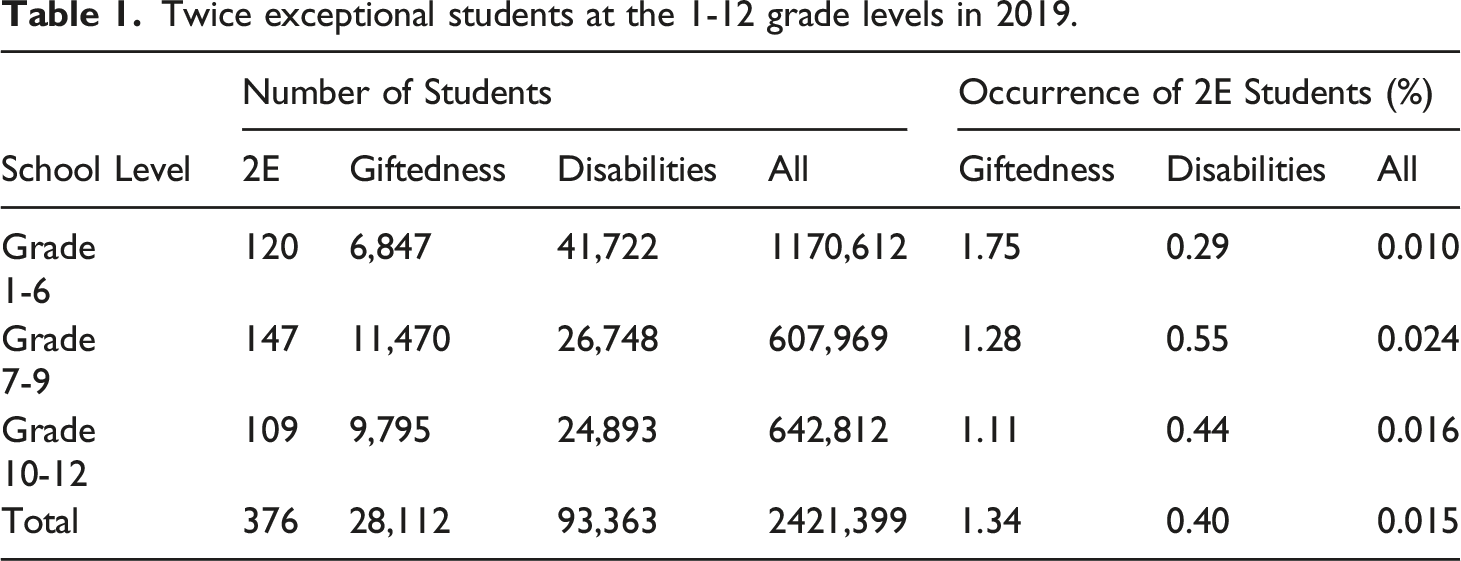
Low occurrence of twice exceptional students in Taiwan
Twice exceptional students at the 1-12 grade levels in 2019.
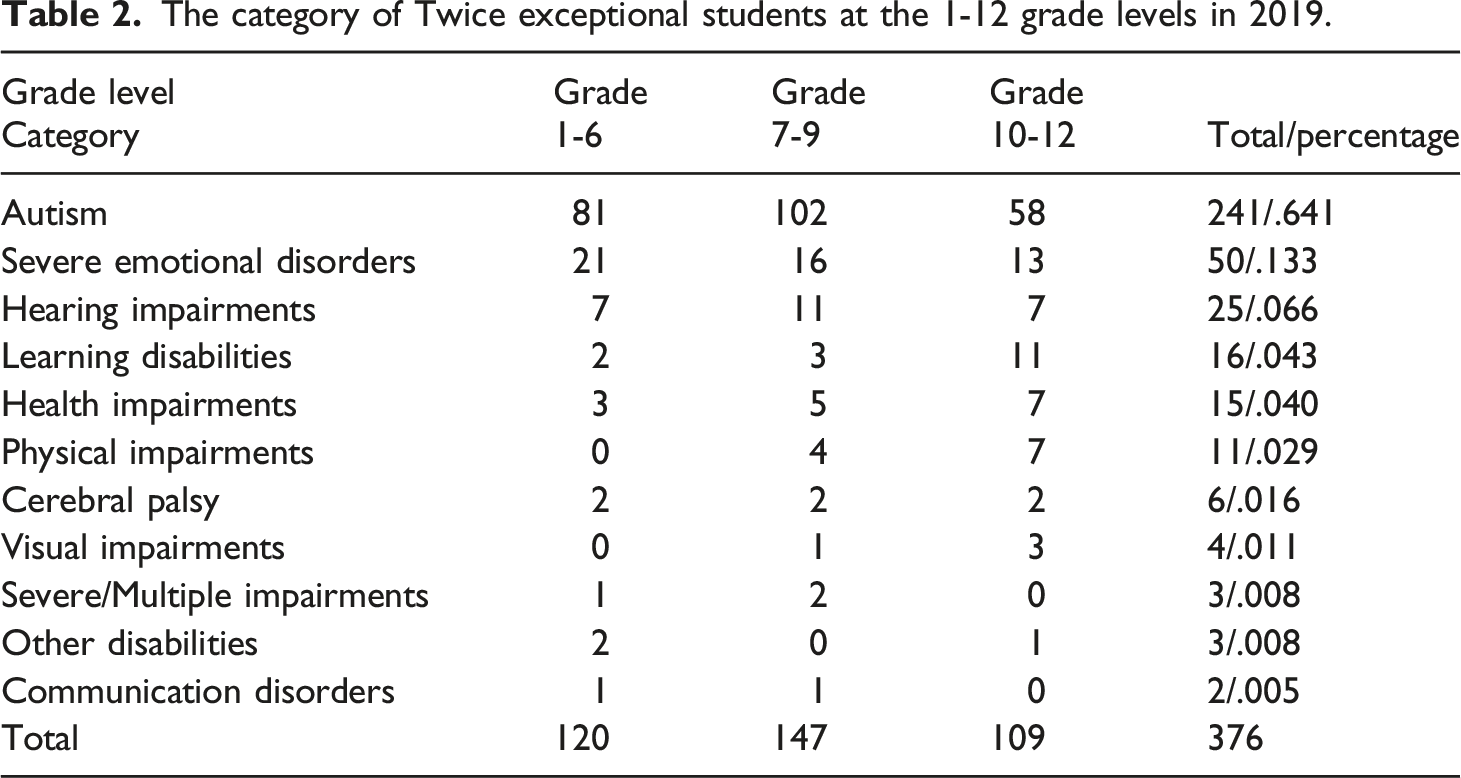
The category of Twice exceptional students at the 1-12 grade levels in 2019.
Purpose of study
Based on the low occurrence in Taiwan, this study intended to explore the challenges and needs for identifying and nurturing twice exceptional learners. The authors would like to analyse whether schools with or without different special education resources would differ in the educational opportunity deliver to 2E students? Whether urban schools and rural schools are different in special education resource? An online survey was conducted between October and December 2020.
Materials and Methods
Participants
The online survey was distributed via an e-official-document system by the K-12 Education Administration, Ministry of Education, Taiwan (K-12 EA, MOE) to all elementary and middle schools in 22 cities/counties in Taiwan. A total of 896 schools from 22 cities/counties completed the online questionnaire. Two hundred and 26 respondents reported with twice-exceptional learners but 671 respondents without any twice-exceptional learners.
Among the 226 responded schools with twice-exceptional learners, the first five cities with the largest number of responded schools represented were Taipei City (n = 49), New Taipei City (n = 37), Kaohsiung City (n = 29), Taoyuan City (n = 22), and Taichung City (n = 17), which are five major cities in Taiwan. Lienchiang County, the smallest county in Taiwan, is the only one city/county without schools working with twice-exceptional learners.
Research tool
To develop the questionnaire, the educational administrator as well as an expert panel to provide advice were invited. The panel consisted of 26 experts and professionals from northern, central, and southern Taiwan who are highly respected in the fields of gifted education and special education. Expert panel meetings were held in May, June, and July 2020. Modifications to the format, items, wording, and topics were made based on the suggestions. A questionnaire was then created that included four sections in its final version: general information; number and categories of potentially 2E students in the 2020 academic year (fall semester); school support system; and present challenges and needs associated with working with 2E students.
The general information collected included (a) the names of the city/county and school, (b) the name and title of the teacher respondent, and (c) specific information on special education programs and services provided by the school.
The second section consisted of demographic questions designed to collect information on the number and categories of existing and potential 2E students in the respondent school, if any. In this paper, we focused on the 2E group identified by the Special Education Students Diagnosis and Placement Counselling Committee (DPCC) as well as on the group’s learning opportunity gaps and the factors that might contribute to closing these opportunity gaps.
The third section consisted of 28 items designed to collect information on the support system of schools for identifying and nurturing 2E students. The five areas of support to be provided to the students were administrative support, teacher support, curriculum support, assessment support, and consulting services.
The final section comprised three questions designed to identify the challenges and needs teachers face when working with 2E learners: challenges in discovering, teaching, and consulting with them, and the needs to be supported by governments.
Research procedures
An online survey allows for quick, affordable, low-cost, and more accurate data analysis; thus, we used an online questionnaire instead of a traditional paper one. The survey was launched on the Taiwan Longitudinal Study and Gifted Support Network (https://tlssgt.spe.ntnu.edu.tw) (Kuo, et al., 2020) under the authority of the K-12 EA, MOE and managed by the National Taiwan Normal University (NTNU). The survey was distributed to all schools in 22 cities/counties via an e-official-document system on 6 October 2020. Each school recommanded one teacher representative to fill out the questionnaire. A simple consent paragraph was presented to the respondents; once they gave their consent for the use of their data for the study, they created an account to access the form. Completion of the survey required approximately 20 minutes. The results were automatically submitted to the Taiwan Longitudinal Study and Gifted Support Network system and managed only by the research team. All the data have been maintained on password-protected computers and on password-protected cloud storage. Regular information security audits were conducted to ensure the safety and the protection of our data.
Data processing
The survey questions allowed the respondents to write down the current number and categories of existing and potential twice-exceptional student(s) in the responded school, if any, in the second section, to choose one answer per question in the third section, and to select one of more answer(s) in the fourth section. The online survey has distributed to all elementary and middle high schools in Taiwan. Missing data resulting from nonresponse have been deleted whereas only the available data were used in this study. The percentage of respondents to each item were then calculated and analyzed. Statistical analysis was performed with SPSS Version 23.0.
Research Results
Number and categories of the twice-exceptional students reported by 226 schools
In Taiwan, for the identification of students with special education needs, local authorities should set up the Special Education Students Diagnosis and Placement Counseling Committee (briefly called DPCC), inviting scholars and experts, educational and school administrators, delegates of teacher organizations, parents, professionals of special education, and delegates of related institutions and groups to participate in diagnosis, placement, replacement, and counseling.
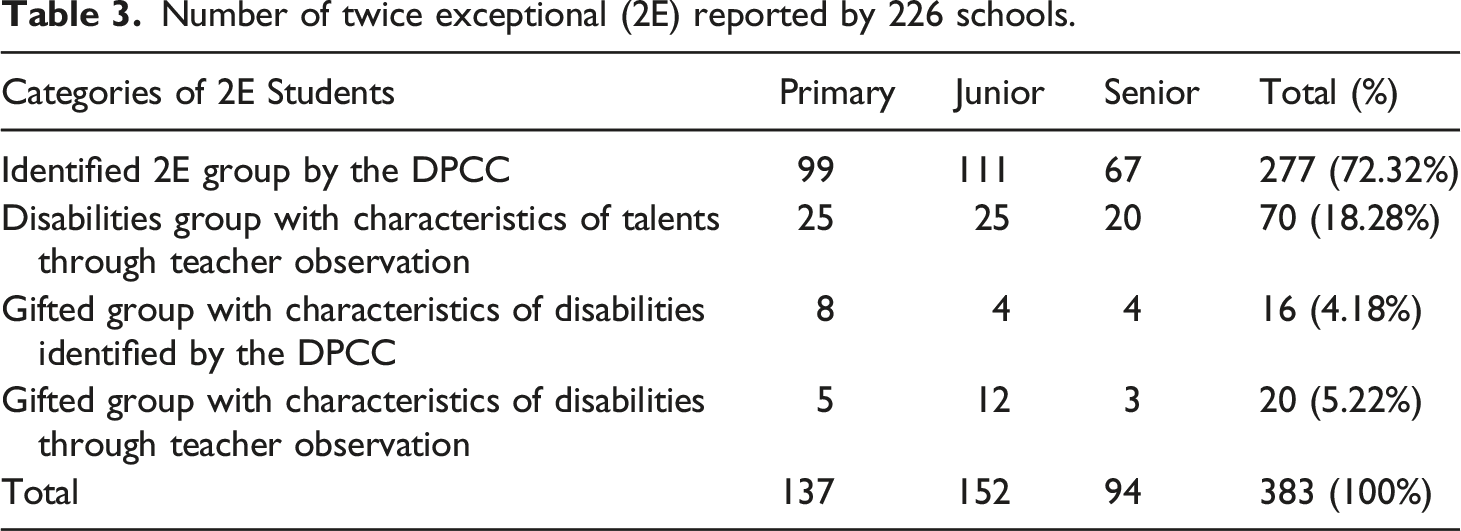
Number of twice exceptional (2E) reported by 226 schools.
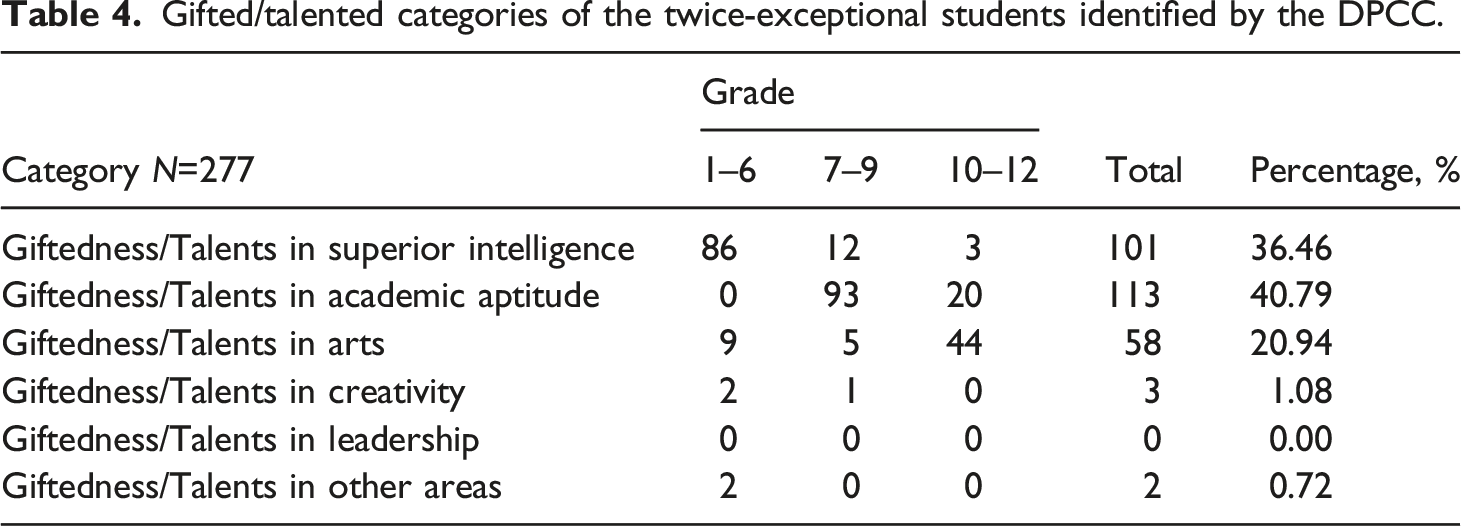
Gifted/talented categories of the twice-exceptional students identified by the DPCC.
Disability categories of the twice-exceptional students identified by the DPCC.
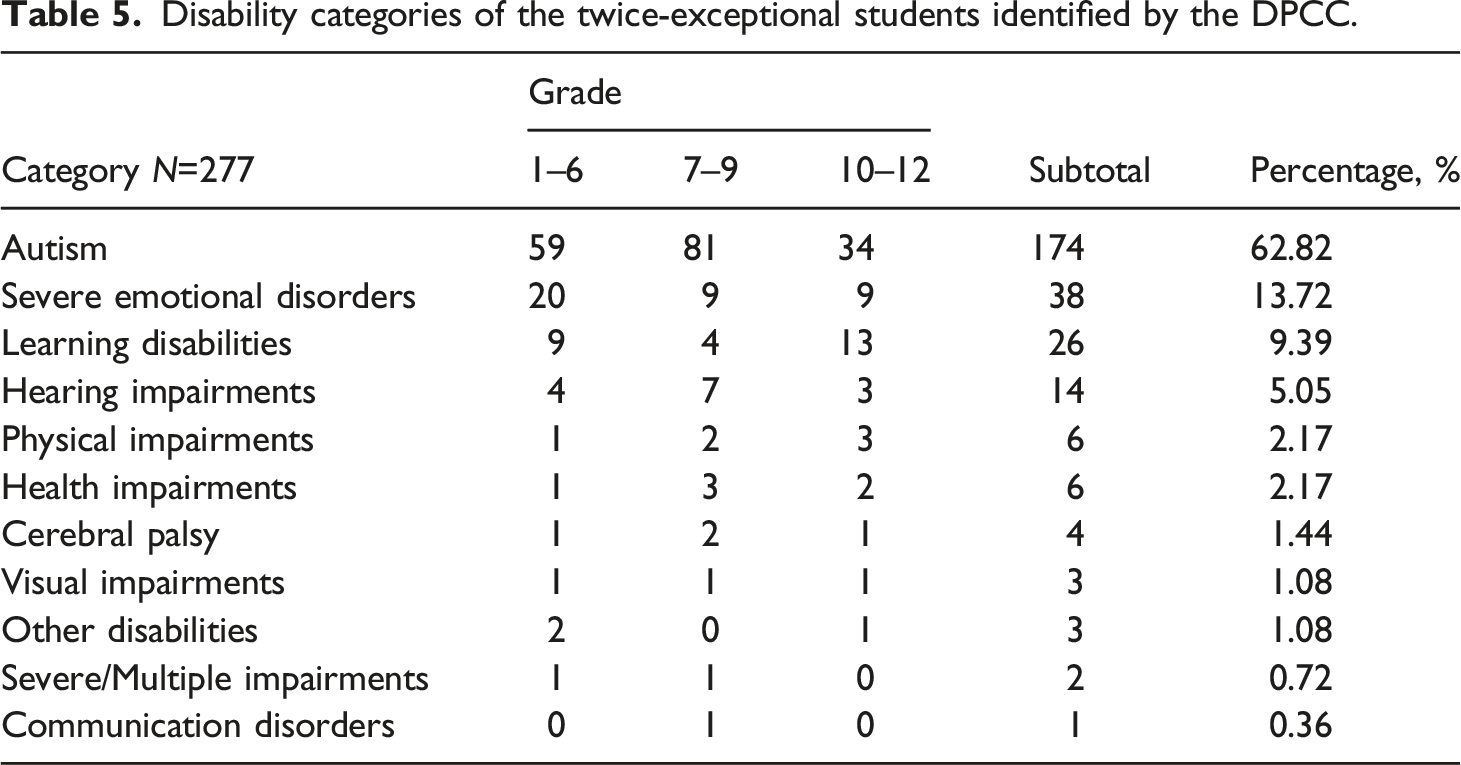
Number of twice exceptional learners in the schools with different types of special education services
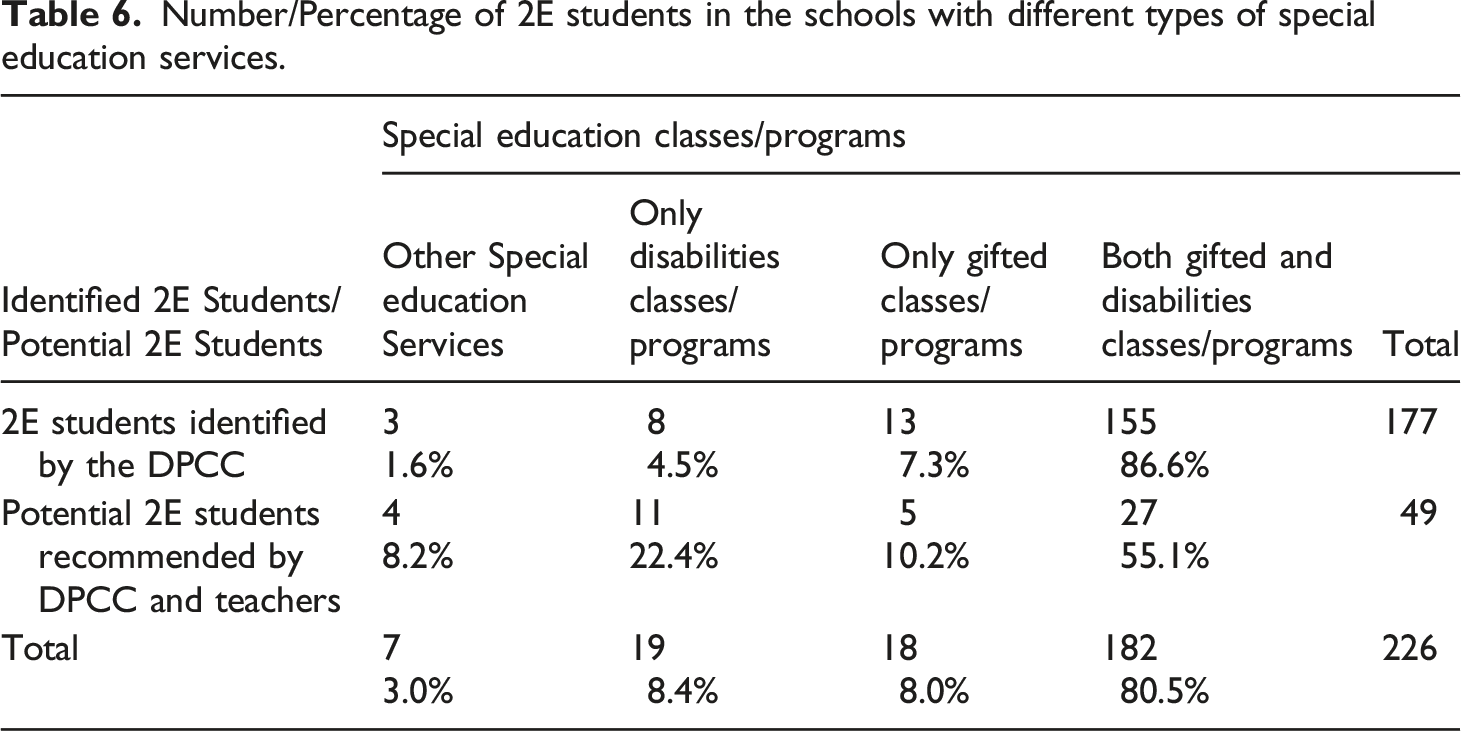
In Taiwan, the special education services in each school are different. Basically, there are three types: a. schools offer both gifted and disabilities classes/programs; b. schools only offer gifted classes/programs; c. schools only offer disabilities classes/programs; and, d. schools offer other special education services, such as itinerant services. Is the identification rate of 2E learners in the schools offering both gifted and disabilities classes/programs higher than that of 2E leaners in the schools offering single special education services or no special education services?
Number/Percentage of 2E students in the schools with different types of special education services.
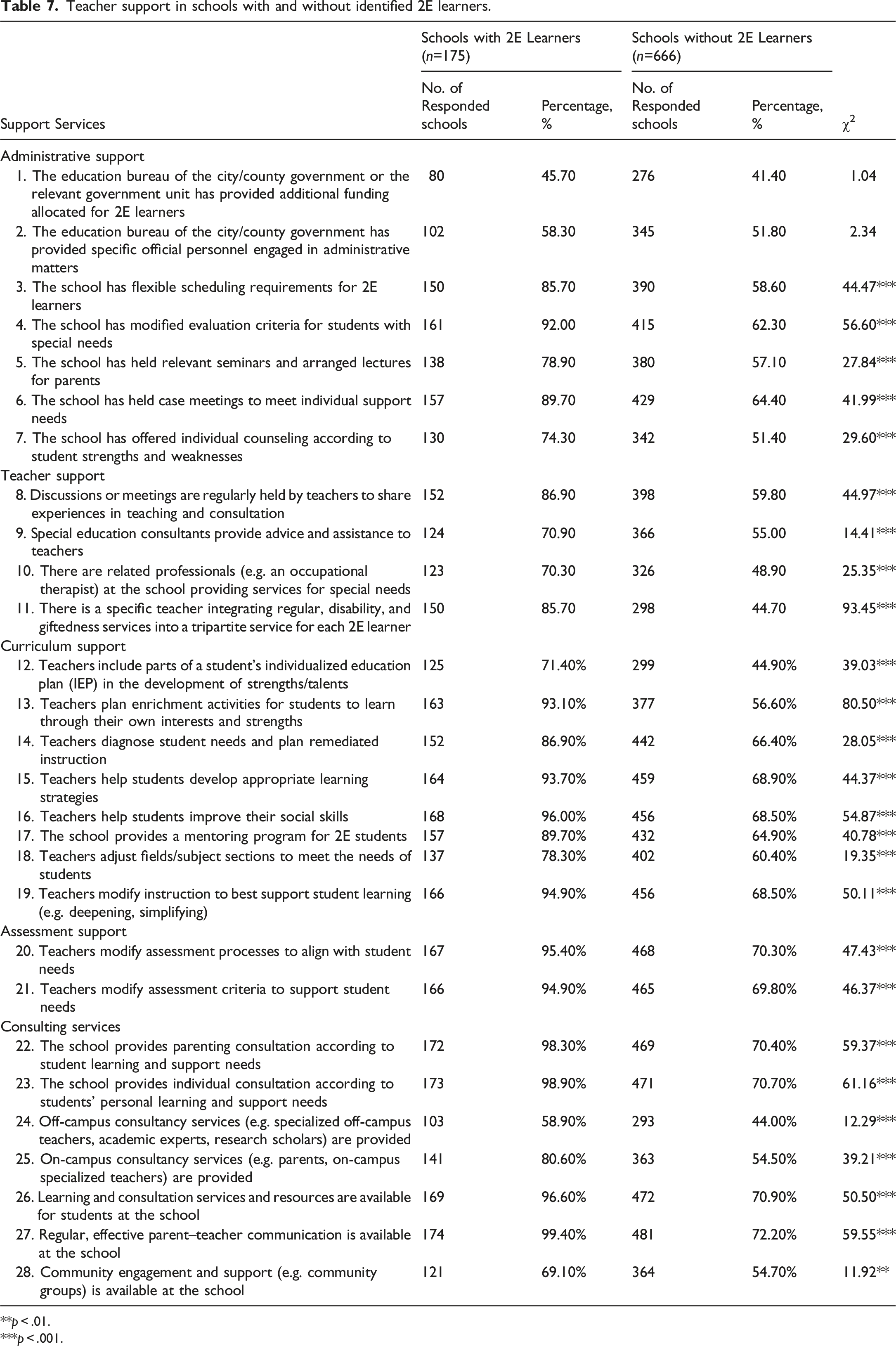
Teacher support in schools with and without identified 2E learners
The third section of the questionnaire contained 28 items on the support system schools have in place for identifying and nurturing 2E students. For schools with identified 2E learners, the respondents were asked what they do for these learners. For those without 2E students, the respondents were asked what they might be able to do to support such learners if they enter the school.
Teacher support in schools with and without identified 2E learners.
**p < .01.
***p < .001.
The challenges and needs teachers face in discovering, teaching, and counselling 2E students
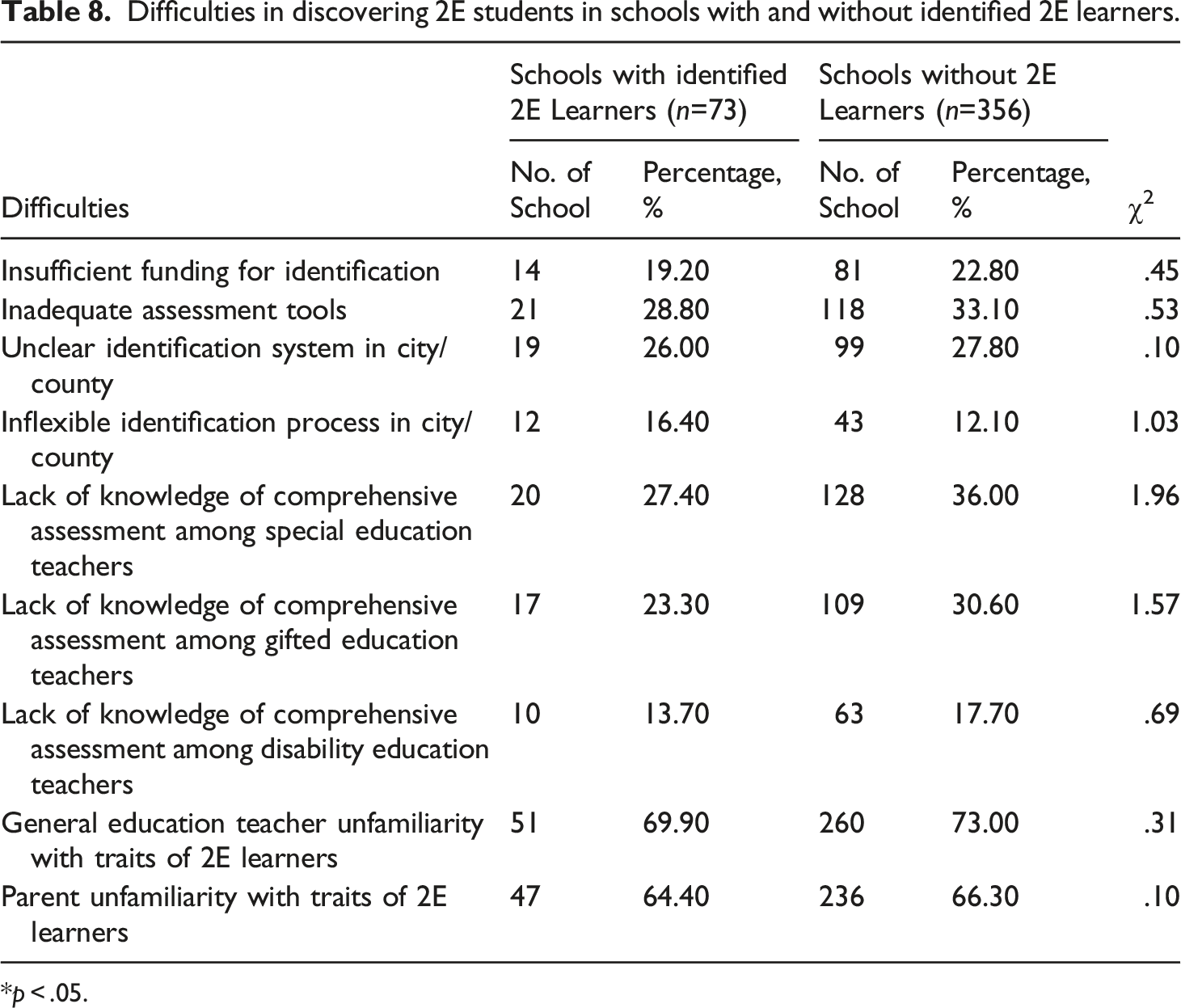
The final section of our survey consisted of three multiple-response questions designed to investigate the challenges and needs teachers have when working with 2E learners. The first part examined the challenges in discovering 2E learners. No significant differences were found in the identification process, assessment tools, funding for identification, teacher knowledge of assessment, or other areas. Nevertheless, nearly 70% of all respondents reported that parent and general education teacher unfamiliarity with twice exceptionality was the greatest difficulty in the discovery of 2E learners.
The second part examined challenges in teaching or counselling 2E learners. In all, 509 schools reported having difficulties in discovering the twice exceptional (Table 9). Teachers in schools without 2E learners were more likely to have more challenges in providing education and consultation services for the 2E population.
When further refining the categories of difficulty, significant differences were observed in “inadequate number of teachers in special education,” “inadequate number of teachers in gifted education,” “lack of availability of assistance technology or equipment,” and “unfamiliarity with needs and characteristics of students.”
Needs of supportive service from government
The last part of the final section explored needs from the government regarding 2E education (Table 10). The greatest need from the government for schools with 2E learners was “financial support” (52.00%), followed by “manpower support” (42.90%), “teacher training seminars or workshops” (38.90%), and “parent lecture series” (38.90%). For schools without 2E learners, the greatest need was “clear identification system and procedure” (56.20%), followed by “financial support” (50.80%) and “teacher training seminars or workshops” (46.10%). Financial aid and teacher training seminars were two of the greatest needs for both groups of schools.
Compared with schools with identified 2E learners, schools without 2E learners had a statistically significant greater need for help in the following items: “clear identification system and procedure” (56.20%), “flexibility in assessment adjustment” (20.00%), and “flexibility in evaluation criteria” (19.90%). The finding revealed inadequate knowledge for the identification of 2E learners for the schools without such learners. Masking effects readily make the twice exceptional problematic, and if a teacher persists in having a student fit traditional or stereotypical notion of “giftedness/talent” and “disability,” 2E students may miss out on opportunities to be identified and recognized.
In addition, compared with schools with 2E learners, schools without were in greater need for professional counselling (14.50%) and related professionals (23.20%) for advice and assistance in meeting the needs of 2E education. Off-campus services become crucial for schools with a lack of teachers in special and gifted education. The difference in educational resources may have an impact on how schools can best serve 2E learners. Government support and assistance pertaining to educational resources and qualified teachers could help reduce this gap and encourage equal education opportunities for students who are potentially gifted with disability.
Discussion
The number and categories of twice exceptional learners reported by schools
The online survey investigated the number of 2E leaners reported from schools in Taiwan. Table 3 indicated there are 383 twice-exceptional students reported from the 226 responded schools in 2020 Academic Year (Fall Semester). The number of 2E students identified by DPCC reported by schools is lower than the reported statistics from the MOE’s Special Education Transmit Net in 2019 because there were only 226 schools responded the questionnaire. As the occurrence rate reported by Special Education Transmit Net, the occurrence is lower than reported rate 2%–5% in existing literature (Barnard-Brak, et al., 2015; Karnes et al., 2004; Lovett & Sparks, 2013; McCallum, et al., 2013; Nielsen, 2002; Trail, 2010).
Table 4 shows the top common categories in giftedness are: Giftedness/Talents in Academic Aptitude, Superior intelligence, and Arts. The order is the same as statistics of Special Education Transmit Net in 2019; however, Table 4 shows the top three categories of disability were autism; severe emotional disorders; and learning disabilities (LD). In the whole, the most population of 2E students in Taiwan is autism. We found that the occurrence rate of 2E students with learning disabilities was under discovered in Taiwan. Usually, the LD students are considered underachievers, their underachievement may be attributed to poor self-concept, lack of motivation, or even some less flattering characteristics, such as laziness. Silverman (1989) surveyed children in gifted development centres and found that about 1.4% of gifted students had learning disabilities; Thus, there is an expectation to discover LD students with giftedness/talents. In a word, twice-exceptional students need more attention from teachers so that their potentials can be better developed.
2E learners were identified more in schools with more special education services
Table 6 shows there were totally 226 schools having 2E students; among them, 80.5% of schools reported offering both gifted and disabilities classes/programs. For other schools which has less resources in different kind of special education services (especially they are without gifted education services), they reported identify few 2E students. The results demonstrated that both special education and gifted education services toward identification and support services are necessary for identifying and nurturing 2E learners in the schools.
Discovering and recognizing 2E learners should be a collaborative effort among general, special, and gifted education teachers (Baum et al., 2001; King, 2005; Milligan & Nichols, 2005; Reis & Ruban, 2005). Developing a student’s superior ability is crucial and providing remediation for disability and gifted education services help these students improve learning skills, enhance cognitive development, and give them self-esteem and confidence (Subotnik et al., 2018; Van Tassel-Baska et al., 2009).
All 2E students, who have coexisting giftedness and disability, require special education and gifted education services. The findings illustrate that schools with both gifted and disability classes/programs or services are more likely to identify 2E students. This 2 E population is at risk of remaining undiscovered and unidentified in schools providing a single special education service, and this reveals another opportunity gap.
More teacher support was found in schools with identified 2E learners
In Table 7, the results indicated that relative to schools without a 2E population, those with identified 2E learners had more flexible scheduling requirements and evaluation criteria (measures), more seminars and parenting lecture series to increase awareness and understanding of twice exceptionality, and more case meetings and specific counsellors offering individual counselling.
Schools having identified 2E students also offered more teacher support than those without a 2E population with respect to holding regularly scheduled discussions or meetings by all the teachers involved to share their experience and integrating regular, disability, and giftedness services into a tripartite service for the 2E population. Regarding curriculum support, teachers in the schools having identified 2E learners were able to design differentiated instruction to suit the diverse needs of 2E learners. Teachers could also modify how lessons were delivered, which included adjustments to instruction, learning, environments, and assessment. In addition, the schools provided more consulting services through regular parent–teacher communication, parenting and individual consultation, and on-campus and off-campus consultancy services.
A good support system with manpower and financial assistances is required
In response to the challenges and needs of teachers when accommodating 2E learners where opportunity gaps widen, an effective support system would eliminate opportunity gaps and achieve equality in learning opportunities. Strategies to fill the gap include teacher training for increased awareness, reasonable modification and adjustment of identification procedures and criteria, a cooperative and supportive team within and outside schools, and government assistance in registration, policy, and financial support related to twice exceptionality.
Difficulties in discovering 2E students in schools with and without identified 2E learners.
*p < .05.
Difficulties in teaching and counseling 2E students in schools with and without identified 2E learners.
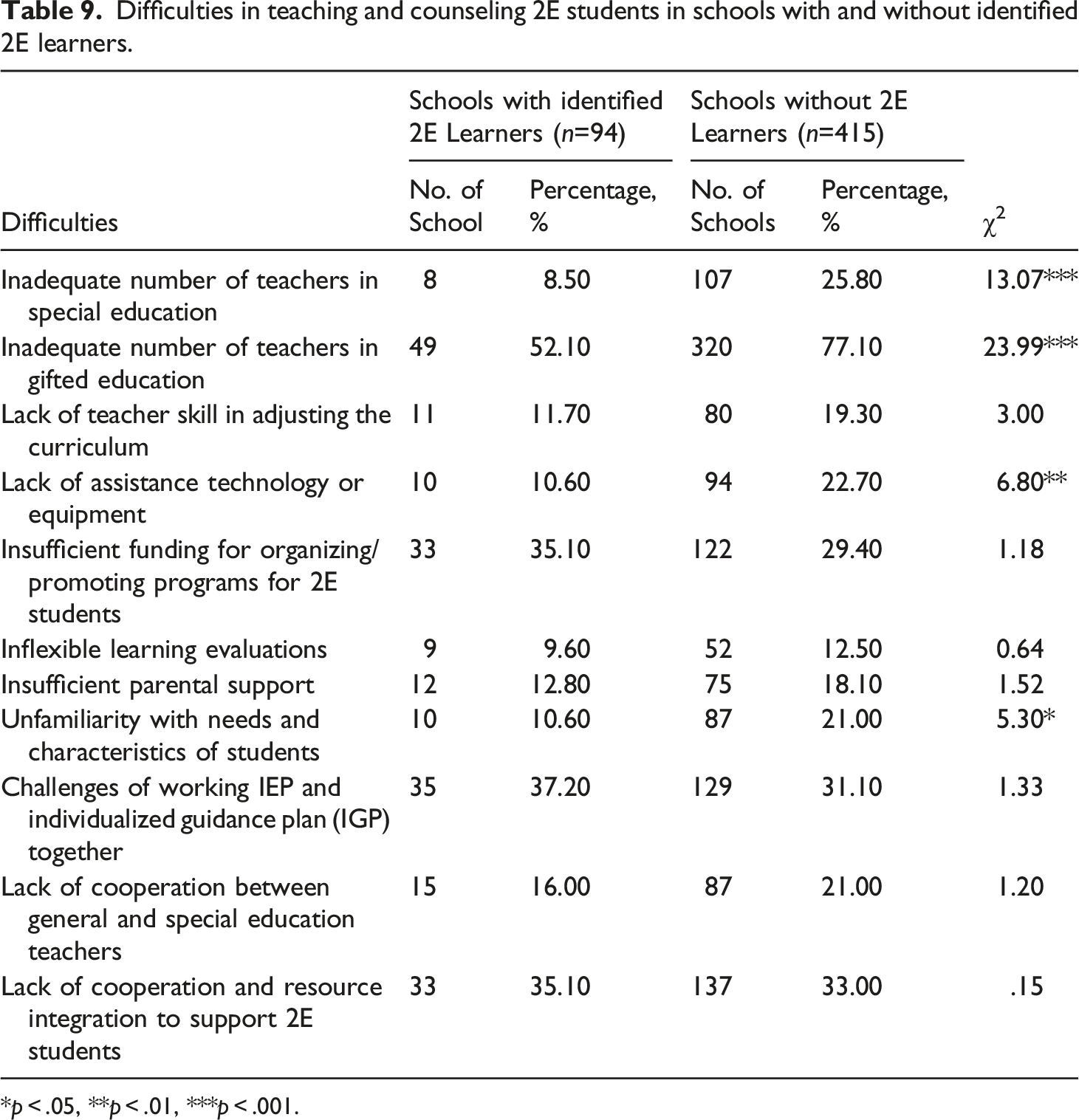
*p < .05, **p < .01, ***p < .001.
Needs from the government in schools with and without identified 2E learners.
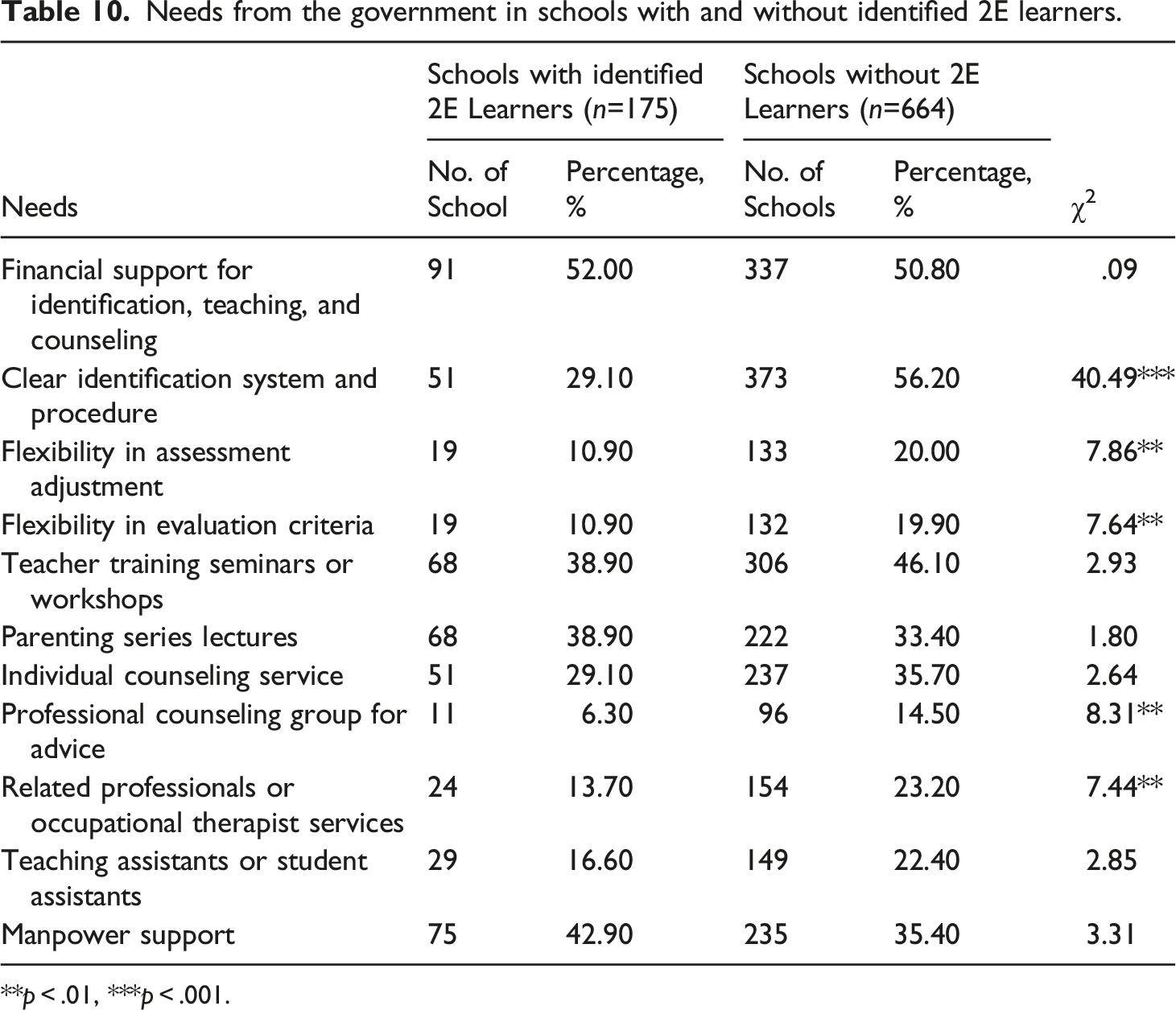
**p < .01, ***p < .001.
Opportunity gaps due to lack of special education resources
Evidence for opportunity gaps is present in the results. The opportunity gaps take a wide variety of forms. An urban–rural education gap was the first observed, when the 2E population was more frequently identified in urban than in rural schools. Resource inequities is another opportunity gap, and problems for the education of the 2E population exist in cities/counties and schools with insufficient resources and support (Ingleheart, 1998; Park et al., 2018). Schools with both gifted and disability classes/programs or services help increase the identification of students who possess both high ability and learning disabilities. However, the 2E population in communities without sufficient educational resources or support may experience a lack of appropriate opportunities to be discovered and thus better served.
If the opportunity gaps persist, this 2E population may continue to be undiscovered and underserved. The opportunity disparity may further lead to academic achievement gaps or talent development gaps. To this end, additional attention is required to address the opportunity gaps for 2E learners to meet their diverse needs.
Legislation, policy, and financial support focusing on 2E students at the national level may lead to action, and teachers could follow and plan to meet the needs of these students (O’Tuel, 1997; Roberts et al., 2015). 2E learners can also benefit from education and enrichment opportunities in school settings (Juhl, 2020). Through efforts to develop awareness and knowledge of twice exceptionality, in collaboration with teachers and governments, the opportunity gaps that persist in our schools today can be narrowed.
Conclusion and Future Outlook
There is a clear need for teachers to be prepared to provide support services for and bridge the opportunity gaps of 2E learners. In Taiwan, a program to strengthen discovering and nurturing 2E talents was implemented by the K–12 EA in June 2020, to help teachers to be prepared for supporting and helping 2E students achieve their fullest potential. The program focuses on “strengthening,” “discovering,” and “counselling.” In addition to the program, the K–12 EA provided teachers in July 2021 with financial aid for seminars, teacher training, and counselling services to ensure that teachers can continue helping 2E individuals. Among 22 cities/counties, 105 projects applied for in 14 cities/counties were proposed. Most were proposed by major cities and, again, differences in opportunities between cities and rural communities with unequal resources exist.
In addition to these programs supported by the K–12 EA, a mentoring group of nearly 100 experts have been involved in connecting specialists, professionals, and senior teachers in various fields from almost all parts of Taiwan to share experiences in working with 2E students, and in providing mentorship and professional advice to teachers and parents. Simultaneously, seminars have been and will continue to be held by local governments and universities to promote awareness and enhance understanding of 2E learners among special education teachers, gifted education teachers, general education teachers, parents, administrative staff, and the public.
Identifying the twice exceptional is challenging and complicated but not impossible. In Taiwan, a model to discover and identify 2E students has been proposed by the K–12 EA, and the DPCC is effective in assessing their unique traits. Instead of traditional assessment, multiple assessment is recommended for the 2E population, including group assessment, teacher interviewing, observation, performance assessment, portfolio assessment, oral examination, dynamic assessment, and teacher recommendations. The Response to Intervention (RtI) model is another pivotal approach to identifying and serving 2E students. However, using RtI for the 2E may be nuanced. For example, a 2E student who has a verbal score in the superior range may have an average reading score because of the RtI structure (Foley-Nicpon & Assouline, 2020).
Numerous challenges lie ahead. For example, a heavy burden on teachers may lead to burnout and lessen opportunities to accommodate 2E students. Most teachers, who may not be familiar with twice exceptionality, may hesitate to take on the responsibility. As such, a cooperative and supportive team within and outside schools may be required. Ongoing collaboration at all levels would help close the opportunity gaps identified in this study. Such collaboration would also allow 2E students greater opportunity to meet their unique needs and actualize their potential (Roberts et al., 2015). Closing opportunity gaps for 2E students, focusing on their strengths, and nurturing their talents rather than focusing on their limitations, will encourage them to realize their potential.
Footnotes
Declaration of conflicting interests
The author(s) declared no potential conflicts of interest with respect to the research, authorship, and/or publication of this article.
Funding
The author(s) disclosed receipt of the following financial support for the research, authorship, and/or publication of this article: This work was supported by the K–12 Education Administration, MOE, Taiwan.
