






Abstract

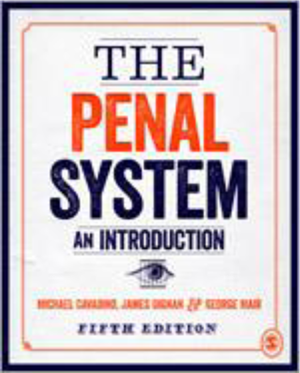
As noted above, the premise of this book is that the penal system is consistently in a state of critical malfunction. This is from a political, philosophical and operational perspective. The theme of crisis is overarching throughout the text. The authors assert that the state of affairs in the prison service is so acute that it constitutes a dangerous moral challenge that makes it the most pressing social issue of the day and that it will deteriorate further and potentially rapidly. I simply do not recognize this picture as it contrasts and contradicts my experience of an improving operational penal system with some significant challenges still to be resolved, a situation I would view not as conditions of crisis but those of dynamic tension.
The authors’ academic insights into the criminal justice system border on masterful; however, I did not subscribe to the crisis theme − the summer of riots following on from the Strangeways riot and the high security escapes of the 1990s are now some 20 years distant. The penal system is on the whole far more decent and stable now, than even ten years ago. The authors follow a key trend and theme of crisis that is recurrent and ever to the forefront of criminological academic thought and endeavours, but the book lacks strength in applying industrial economic theory to the development of and influence on the penal system. However, the authors do tackle resource application and privatization effectively by comparing and contrasting the costs, performance and experiences of prisoners in private and public sector prisons (pp. 180−182). Further insight would have added to their argument if the authors had considered more recent research into comparisons in practices between private and public prisons and the wider strategic considerations of economic circumstance on the ability of the Government to fund the penal system.
In one or two areas the research quoted to illustrate conclusions is out of date or insufficiently robust to support the authors’ arguments, although in many regards their assertions are well supported. Examples of this are the three studies provided from the 1980s to support statements regarding the treatment and perceptions of BME offenders in custody, and yet the penal system, indeed the whole country, has moved on significantly since the time of this research. Additionally there are some sweeping statements such as ‘the deplorable state of the publicly run prison system clearly has to be acknowledged’ (p. 179) that appear to be a biased opinion based on personal sentiment rather than a logical and considered premise. It never fails to bemuse me when academics with limited or no experience of operating in the penal environment are highly critical of managers, processes, initiatives and approaches and have ignored the considerable data evidencing improvements in the penal system and hence balancing such statements. The authors have disappointed me in this regard. Some of these improvements have been around prisoner safety, cost of imprisonment, the decency agenda, improved rehabilitation rates for medium to long term offenders, security and the many elements of youth justice to name but a few.
While there is clearly a great deal of researched and developed expertise contained in this book, it lacks experiential insights into the penal system which means that some of the theories explored are untested. The book is, however, a positive contribution to undergraduate studies in terms of understanding the criminal justice system at a macro level; and it may represent a valuable resource to other authors and researchers. While I have outlined some of my reservations above I would, nonetheless recommend it as prerequisite reading for those wishing to further their theoretical understanding of the penal system.