







Abstract
Black Americans face not only systemic racism but also the internalization of white supremacist ideologies, a process known as appropriated racial oppression (ARO). ARO involves adopting harmful racial stereotypes that can shape self-concept and behavior. Although its impact on individual well-being is documented, less is known about how ARO influences parenting, particularly racial-ethnic socialization (RES). Therefore, this study explores how parents’ ARO relates to the racial-ethnic socialization messages that their children report receiving, offering additional insight into intergenerational patterns of racial stress. Drawing on the Sociocultural Family Stress Model, we analyzed data from 201 Black parent-adolescent dyads (adolescents: M age = 14.92 years; parents: M age = 43.01 years). We examined six RES dimensions: racial pride, racial barriers, self-worth, egalitarian, negative messages, and socialization behaviors. Higher levels of ARO were associated with fewer positive and more negative RES messages. Skin tone, but not gender, moderated these associations such that the negative effects of ARO on racial barrier, self-worth, and egalitarian messages were stronger among lighter-skinned parents and youth. These findings highlight ARO as a potential barrier to affirming racial socialization practices and underscore the need for culturally grounded interventions that address internalized oppression in Black families.
Racism is a system of ideologies and structures that produces and maintains racial inequality (Williams, 2023). Walsdorf et al. (2020) uses the metaphor of a spider (representing white supremacy) that has spun an intricate web of oppression, entangling everyone in its path. Although white individuals and families are afforded the privilege and power of navigating this complex web, marginalized groups, such as Black Americans, must maneuver through it under constant threat to their health and wellbeing. Extensive research has documented the ways in which Black Americans are disproportionately impacted by the web of racial oppression, highlighting the frequency and ubiquity of racism and racial discrimination in their daily lives (Black et al., 2015; LaFave et al., 2022; Priest et al., 2024).
The Sociocultural Family Stress (SFS) Model (McNeil Smith & Landor, 2018) offers a framework for understanding how this web of oppression impacts Black families. The SFS model extends traditional family stress frameworks by situating family processes within a sociocultural context of oppression by incorporating two critical dimensions: mundane, extreme, environmental stress (MEES) and intersectionality. MEES refers to the chronic, cumulative stressors that racially marginalized families encounter in everyday life, such as racial discrimination, microaggressions, and systemic inequities. These stressors are “mundane” because they occur routinely and “extreme” because of their pervasive and harmful impact on well-being (Peters & Massey, 1983). The use of intersectionality in the SFS model recognizes that families do not experience racism in isolation. Instead, race intersects with other social identity markers (e.g., gender, skin tone), shaping how families experience and respond to racialized stress. The SFS model also acknowledges how systemic forces and intersecting social identity markers may shape families’ worldviews and coping strategies for racialized stress. Guided by the SFS model, the present study examines how appropriated racial oppression (ARO), a specific type of racial stress, affects parents’ ability to transmit affirming racial-ethnic socialization (RES) messages to their children.
Appropriated Racial Oppression
Appropriated racial oppression (ARO) is an underexamined process rooted in white supremacy, an ideology and racialized social system that puts forth the belief that the white race is the superior race, and that whiteness is the norm (Efird et al., 2024; Sue, 2006). ARO describes how individuals learn to use, relate to, and buy into the tools of racial oppression (Banks & Stephens, 2018), thereby privileging whiteness. Although often labeled as internalized racism, ARO offers a more precise conceptualization. It shifts the focus away from individual pathology and toward the systemic influence of white supremacist ideology. Traditional views of internalized racism tend to frame it as an internal, individual-level phenomenon, often linked to outcomes such as decreased self-esteem or increased psychological distress (David et al., 2019). However, this framing can inadvertently place blame on the individual rather than acknowledging the broader sociopolitical structures that produce and sustain racial oppression.
In contrast, ARO emphasizes the mediated and systemic nature of this internalized process, highlighting how oppressed groups come to adopt and enact racialized ideologies as a means of navigating a society that privileges whiteness (Banks & Stephens, 2018; Tappan, 2006). Importantly, ARO is not synonymous with self-hatred, nor is it a tool for victim-blaming. Rather, it is understood as a conscious and subconscious response to living in a racialized society, shaped by historical and ongoing exposure to white supremacist norms and values (Campón & Carter, 2015). For this reason, researchers have argued for a shift in language from internalized to appropriated racial oppression (Campón & Carter, 2015; Tappan, 2006).
To illustrate the complexity of ARO, Banks and Stephens (2018) present two contrasting examples rooted in the same process. In one instance, Black women who buy into the trope of Black laziness may overwork to avoid being associated with those stereotypes. Conversely, Black women who reject notions of Black inferiority may strive for perfection to prove Black excellence and counter racist assumptions. Although these strategies differ, both reinforce racial hierarchies and privilege proximity to whiteness. ARO also appears in everyday behaviors aimed at conforming to dominant cultural norms. Examples include respectability politics, such as code-switching or speaking “proper English” in professional settings, and adopting Eurocentric beauty standards like preferences toward lighter skin tones and straighter hair (Versey et al., 2019).
Recent scholarship further underscores the significance of ARO. In a comprehensive review, James (2020) found that the internalization or appropriation of white supremacist ideologies is consistently associated with negative psychological and social outcomes for racially and ethnically minoritized populations. Yet, the relational consequences of ARO, particularly its impact on interpersonal and familial dynamics, remain largely unexplored. As such, there is a need to address these gaps to fully understand the breadth of ARO’s influence.
Racial-Ethnic Socialization and Black Families
Racial-ethnic socialization (RES) refers to the parenting practices through which children learn about the meaning and significance of race, racial stratification, intergroup and intragroup relations, and racial identity (Hughes & Chen, 2006; Lesane-Brown et al., 2006). These practices include both implicit and explicit messages and behaviors that shape children’s understanding of race and their place within a racialized society. Historically, scholars have emphasized the importance of these processes for Black families navigating systemic racism. Peters and Massey’s (1983) concept of MEES highlighted the chronic racialized stressors that shape family life, while Tatum’s (1987) work highlighted how Black families learn to navigate both Black and white cultural spaces. Building on these foundations, Hughes and Chen (1997) identified three core dimensions of race-related socialization to include cultural socialization, preparation for bias, and promotion of mistrust. Later, Hughes et al. (2006) expanded this conceptualization to include egalitarianism, formalizing four widely recognized message types that have guided much of the empirical literature across diverse racial and ethnic groups.
Although Hughes and Chen’s (1997) conceptualization laid the groundwork, other scholars have extended this framework by incorporating both affirming and potentially harmful messages that further underscores the complexity of RES for Black populations. As such, some scholars recognize six distinct types of racial-ethnic socialization messages that Black parents may transmit to their children (Lesane-Brown et al., 2006; Neblett et al., 2009). Racial pride messages foster racial identity development such as Black parents teaching their children about the importance of Black history and cultural heritage. Racial barrier messages prepare children for racial bias, for example, by parents telling their children they have to work twice as hard as their peers to achieve their goals. Self-worth messages reinforce positive self-views, such as parents telling their children to be proud of who they are. Egalitarian messages instill values of interracial equality and coexistence such as parents telling their children that people of different races should try to understand each other. Negative messages center negative stereotypical attributes such as parents coaching their children to code-switch for the comfort of others, especially those who are white. Socialization behaviors include culturally meaningful behaviors that shape children’s racial knowledge such as Black parents sharing culturally significant music with their children. These six RES dimensions capture both protective and risk-laden messages, providing a comprehensive understanding of how they intersect with broader sociocultural stressors.
Although the benefits of RES for Black children are well-established (Huguley et al., 2019; Reynolds et al., 2017; Wang et al., 2020), it is equally important to understand the factors that shape how positive and negative RES messages are transmitted. RES is not delivered in isolation; rather, it is deeply influenced by parents’ own racialized experiences and histories of socialization (Umaña-Taylor & Hill, 2020Umaña‐Taylor & Hill, 2020). For instance, Black parents who report more frequent encounters with racism are more likely to engage in racial socialization with their children (Hagelskamp & Hughes, 2014; McNeil Smith et al., 2016). Parents’ use of RES is also shaped by their earlier socialization experiences. For instance, Kurtz-Costes et al. (2019) found that parents who received positive RES messages in childhood, particularly those emphasizing racial pride, were more likely to transmit similar messages to their children.
Additional research supports the role of parents’ racial identity in shaping RES. Cooper et al. (2015) found that Black fathers with a less salient racial identity and lower racial awareness were less likely to transmit race-based messages compared to those who reported that race was central to their self-concept. Moreover, Black fathers who held more negative views of their racial group and reported a less salient racial identity were more likely to deliver negative RES messages. Similarly, Thomas et al. (2010) also found that African American parents who had a positive evaluation of African Americans (private regard) and embraced their racial group (nationalism) were more likely to deliver racial socialization messages to their children.
Taken together, these findings suggest that Black parents’ RES practices are linked with the degree to which they internalize or resist negative societal messages about their racial group. As such, parents who appropriate racial oppression may be less likely to transmit affirming messages and messages that prepare youth for racism, potentially limiting their children’s understanding of race, their development of a positive racial identity, and their preparation for how to cope with and resist racial bias.
Gender and Skin Tone as Social Forces of Racialized Experiences
In addition to the SFS model guiding how we think about racialized stressors and family processes, it also provides a critical lens for understanding how sexism and colorism function as intersecting sociocultural stressors. Within this framework, RES among Black families reflect parents’ efforts to prepare children for a world where race is constructed through intersecting hierarchies of gender and skin tone.
Scholars have described the gendered patterns in RES as gender racial socialization (Davis Tribble et al., 2019; Stokes et al., 2020). Gender racial socialization is an intersectional form of socialization that addresses racialized gender norms, extending beyond general RES that focuses solely on race. For instance, researchers have found that parents tend to transmit more racial pride messages to girls and more racial barrier messages to boys (Butler-Barnes, 2019; Hughes et al., 2006; Umaña‐Taylor & Hill, 2020). This may be because RES messages emphasizing pride can help counteract stereotypes about beauty, femininity, and value that are highly placed on girls. Conversely, boys often receive more racial barrier messages because parents may anticipate heightened exposure to racial profiling and criminalization, thereby preparing boys for structural barriers and potential threats to safety (Butler-Barnes, 2019). These findings underscore that gender oppression and racialization are intersectional, and that families actively make decisions to navigate these layered expectations and vulnerabilities. Despite these gendered-based findings, several studies have found that Black parents tend to transmit positive RES messages over negative messages regardless of gender with the hope that positive messages will better prepare their children to be successful in a racialized world (Butler-Barnes, 2019; Neblett et al., 2009).
Furthermore, because skin tone bias has historically contributed to intra-group and inter-group relations and health disparities experienced by Black Americans (Adams et al., 2016; Burton et al., 2010; Landor & McNeil Smith, 2019), skin tone may also play an important role in parents’ ARO and RES practices among Black families. Skin tone stratification in the U.S. emerged during the enslavement period, was contested during the Black Power era, and persists under contemporary color-blind ideology, sustaining hierarchies that privilege lighter skin and proximity to Eurocentric aesthetics (Burton et al., 2010; Landor & McNeil Smith, 2019). Previous findings show that youth’s skin tone and gender may facilitate different types of messages, such that darker-skinned male children are more likely to receive messages to prepare them for bias than lighter-skinned male children (Landor et al., 2013). Parents’ skin tone also influenced the promotion of mistrust messages such that female adolescents received more mistrust messages when parents had darker skin, whereas male adolescents received more when parents had lighter skin (Landor et al., 2013). Building on this, Lloyd (2024) found that parents’ perceptions of their children’s skin tone shaped RES practices. Parents who perceived their children as light-skinned transmitted more egalitarian, racial barrier, and racial pride messages compared to those who perceived their children as very dark, dark, or medium-skinned. These differences suggest that parents tailor messages to buffer children from anticipated discrimination and foster adaptive coping that are rooted in both their own skin tone and their children’s skin tone. Such preliminary evidence underscores the need for further research on how skin tone shapes the link between ARO and RES within Black families.
Taken together, applying the SFS model provides a conceptual lens for understanding how gender and skin tone may function as moderators of the intergenerational link between parents’ ARO and youth’s receipt of RES. ARO does not operate in a vacuum given that parents’ internalization of racial hierarchies may intersect with gendered and colorist norms, influencing the content and tone of messages they transmit. These systemic forces may shape parents’ worldviews and coping strategies, influencing the degree to which they internalize dominant ideologies about race, beauty, and behavior. Evidence of gendered racial socialization and skin-tone-based differences in RES suggests that the relationship between ARO and RES may not be uniform but instead contingent on these intersecting systems.
Current Study
Guided by the Sociocultural Family Stress model (McNeil Smith & Landor, 2018), this study examined how Black parents’ experiences of appropriated racial oppression (ARO) are associated with various dimensions of racial-ethnic socialization practices (RES). The SFS model posits that Black families exist within a racialized context characterized by MEES. MEES provides the structural backdrop for ARO, as living within this racialized environment often compels individuals to adopt strategies that include internalizing dominant racial ideologies. Thus, ARO reflects the psychological and behavioral imprint of systemic oppression, where individuals may conform to norms that sustain racial hierarchies. In essence, MEES creates the conditions under which ARO emerges, linking structural racism to individual-level beliefs and practices that can influence family dynamics and racial-ethnic socialization. Based on this theoretical model and the existing literature, we hypothesized that: (1) Parents’ appropriated racial oppression would be negatively associated with their children’s reports of racial pride messages, racial barrier messages, self-worth messages, and socialization behaviors. (2) Parents’ appropriated racial oppression would be positively associated with their children’s reports of egalitarian messages and negative messages.
Furthermore, the SFS model emphasizes that family members occupy intersecting social positions (e.g., race, gender, skin tone), which contribute to diverse intra-familial experiences and dynamics. Therefore, we also explored whether gender and skin tone would moderate these relationships, given that sexism and colorism can shape racialized experiences. These moderation analyses were exploratory, and given mixed findings in prior research, we did not propose specific directional hypotheses for these effects. As stated earlier, RES does not occur in a vacuum and is shaped by parents’ own racialized experiences. Therefore, we also considered socioeconomic status, parental RES experiences in childhood, and parental experiences with racism-related stress as relevant covariates in the models.
Method
Participants
The current study used data from the Ethnic and Racial Dynamics (ERD) in Black Families project. Participants were 201 Black parent-adolescent dyads. About 75% (n = 150) of the adult participants identified as the adolescent’s biological mother, 15% (n = 30) as the adolescent’s biological father, and 9.5% (n = 19) were other primary caregivers (e.g., grandparent, aunt). Adolescent respondents were nearly evenly split by sex, with 90 males (45%) and 110 females (55%). The average age of the parents was 43.01 years (SD = 8.98), and adolescents averaged 14.92 years (SD = 1.42). The median annual family income reported by adult participants ranged from $50,000 to $74,999, with around 15% reporting incomes between $75,000 and $99,999. Approximately 25% of the parents had a 4-year college degree, and a similar proportion (23%) had some college education. Among the remaining parents, 4.5% had less than a high school education, 17.5% had completed high school or received a GED, 12.9% had a two-year college degree, 15.9% obtained a master’s, and a small number had obtained a doctoral (0.5%) or professional degree (1%). All participants resided in the United States.
Procedures
To recruit participants, we utilized Qualtrics Panel Management, a service provided by Qualtrics Inc. (2020). This service uses research panels made up of pre-screened members who regularly participate in surveys and collects targeted information on race and household details (e.g., number of children and their ages). To be eligible for the study, participants needed to self-identify as African American/Black and be part of a parent-adolescent pair, with the adolescent aged between 13 and 17 years. Consent forms were provided to parents, and assent forms to adolescents. Parents had to give consent for both them and their adolescent child on Qualtrics before completing the online survey. Adolescents had to give assent to participate. Once parents completed their survey, an email was sent to the adolescent, instructing them to complete their survey. Both parents and adolescents were estimated to spend about 30 minutes each on their surveys. Participants were compensated between $6 and $10.50 for their participation.
Measures
Appropriated Racial Oppression
Parents’ appropriated racial oppression was assessed using the 24-item Appropriated Racial Oppression Scale (ARO; Campón & Carter, 2015). The ARO scale consists of four subscales: Emotional Responses (7 items); American Standard of Beauty (6 items); Devaluation of Own Group (8 items); and Patterns of Thinking (3 items). The Emotional Response subscale measures the extent to which participants feel emotions related to being a member of their race (e.g., “There have been times where I have been embarrassed to be a member of my race”). The American Standard of Beauty subscale measures the extent to which participants perceive skin tone to reflect attractiveness or superiority in society (e.g., “I find people with lighter skin to be more attractive”). The Devaluation of Own Group subscale measures the extent to which participants negatively perceive their own racial group (e.g., “I wish I were not a member of my race”). The Patterns of Thinking subscale measures the extent to which participants perceive the consequences and implications of discrimination (“People of my race shouldn’t be so sensitive about race/racial matters”). All responses were on a 7-point rating scale (1 = strongly disagree to 7 = strongly agree). We created a total score by calculating the means across the items and higher scores indicated a greater endorsement of appropriated racial oppression. Cronbach’s alpha was excellent (α = .96).
Racial/Ethnic Socialization
Adolescents’ perceptions of their parents’ racial/ethnic socialization were assessed using the Racial Socialization Questionnaire – Teen Version (Lesane-Brown et al., 2006). Youth responded to a 26-item measure consisting of six subscales measuring the frequency of receiving racial socialization messages and engaging in racial socialization behaviors in the past year. The Racial Pride subscale (4 items) measured the extent to which primary caregivers emphasize Black unity, teachings about heritage, and instilling positive feelings toward Blacks (e.g., Talked to me about Black history). The Racial Barrier subscale (4 items) measured the extent to which primary caregivers emphasized an awareness of racial inequalities and coping strategies (e.g., Told me that some people tried to keep Black people from being successful). The Self-Worth subscale (4 items) measures the extent to which primary caregivers emphasized positive messages about the self (e.g., Told me that I am somebody special, no matter what anybody says). The Egalitarian subscale (4 items) measures the extent to which primary caregivers emphasized interracial equality and coexistence (e.g., Told me that Blacks and Whites should try to understand each other so they can get along). The Negative Messages subscale (5 items) measures the extent to which primary caregivers conveyed messages that disparaged Black people (e.g., Told me that Black is nothing to be proud of). The Socialization Behaviors subscale (5 items) measured the frequency of activities and behaviors related to Black culture (e.g., How often has your parent bought you Black toys or games?). Adolescents responded to each item on a 3-point scale: 1 (never), 2 (once or twice), and 3 (more than twice). Averages were computed for each subscale with higher scores reflecting adolescent receipt of more frequent racial socialization from their primary caregivers in the past year. The internal consistencies of the subscales were reliable: racial pride (α = .81), racial barrier (α = .82), self-worth (α = .90), egalitarian (α = .77), negative messages (α = .85), and socialization behaviors (α = .81).
Skin Tone
The skin tone of parents and adolescents was assessed using the NIS Skin Color Scale (Massey & Martin, 2003). Participants were instructed to rate their skin tone based on their own perceptions using photographs of human figures with a skin tone scale of 1 representing the lightest possible skin and 10 representing the darkest possible skin.
Covariates
The following covariates were included in the analyses given their prior associations with racial/ethnic socialization (White-Johnson et al., 2010). Socioeconomic status, parents’ childhood racial socialization experiences, and parents’ racism-related stress. Socioeconomic status was measured by creating a composite variable consisting of the z scores from parent reported household income (1 = under $5,000 to 10 = $200,000 or more) and parent education level (1 = less than high school to 8 = professional degree). Parents’ childhood racial socialization was measured using the 11-item Childhood History Racial Socialization Scale (CHRS; Coleman & Stevenson, 2013). Items (e.g., “Growing up my family talked to me about racial discrimination”) were measured on a 5-point scale (never to very often) and were averaged to create a composite score (α = .82). Parents’ racism-related stress was measured by the 22-item Index of Race-Related Stress Brief (IRRS-B; Utsey, 1999) scale. A composite variable was created by taking the average across the items (e.g., “Security people have followed you while shopping in some store”) that were measured on a 5-point scale (0 = This has never happened to me to 4 = This event happened, and I was extremely upset). The IRRS-B demonstrated excellent reliability (α = .93).
Analytic Strategy
All analyses were conducted using Mplus 8.1 (Muthén & Muthén, 1998 – 2011). There were no missing data on any of the variables. First, we examined descriptive and bivariate associations among the study variables. Next, to assess whether parents’ reports of appropriated racial oppression were associated with youth’s reports of racial socialization practices, we regressed each socialization practice on parents’ reports of appropriated racial oppression in the same model, accounting for family SES, parents’ race-related stress, and parents’ childhood socialization. Finally, we included gender and child skin tone as moderators in separate models. To do so, we standardized and created interaction terms between each moderator and appropriated racial oppression in their respective models. To interpret significant interaction effects, we graphed our findings using the Johnson-Neyman technique with standardized predictors and 95% confidence intervals. The Johnson-Neyman technique (Preacher et al., 2006) is ideal because it presents the regions of significance of the slope of the main effect across the moderator.
Results
Descriptive and Bivariate Statistics
Descriptive Statistics and Correlations Among Variables
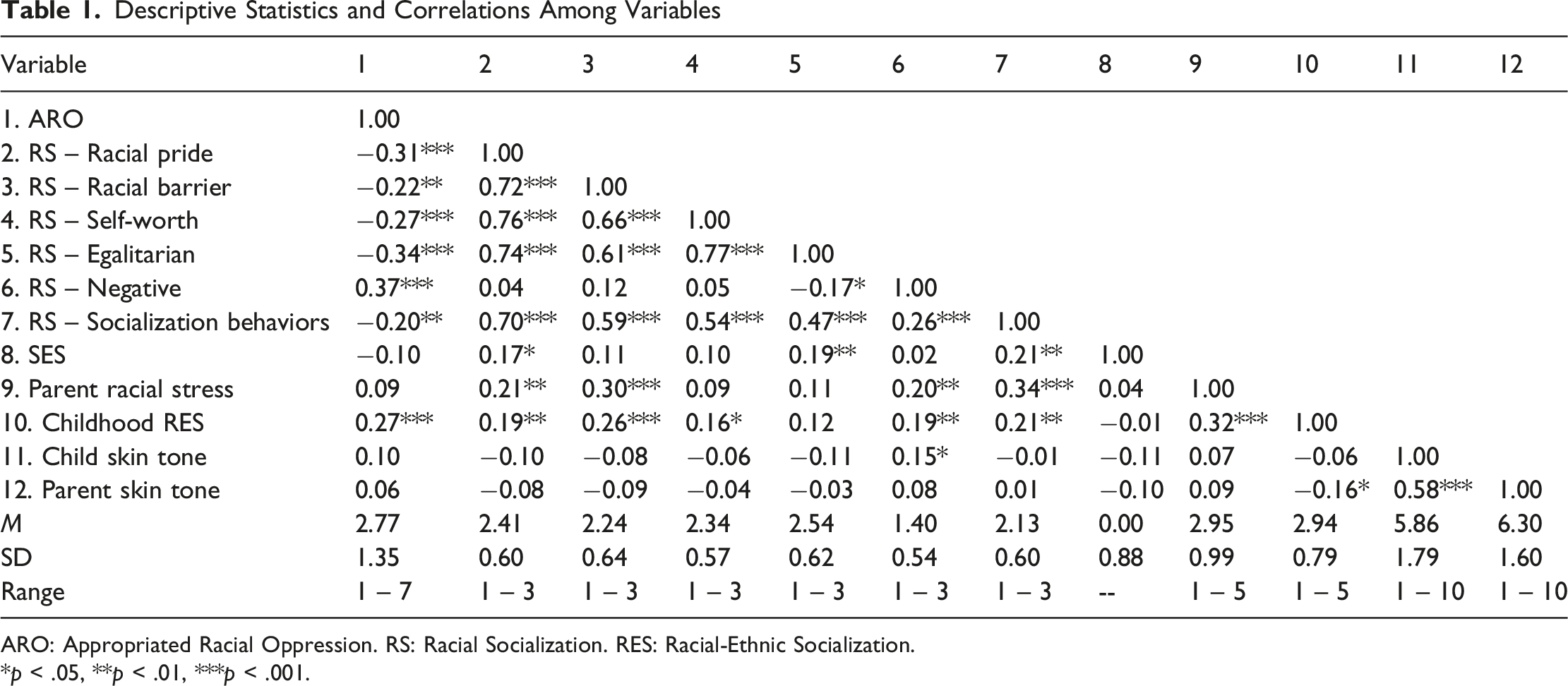
ARO: Appropriated Racial Oppression. RS: Racial Socialization. RES: Racial-Ethnic Socialization.
*p < .05, **p < .01, ***p < .001.
Appropriated Racial Oppression and Racial Socialization Practices
Racial Pride Messages
Appropriated Racial Oppression and Racial Pride Messages
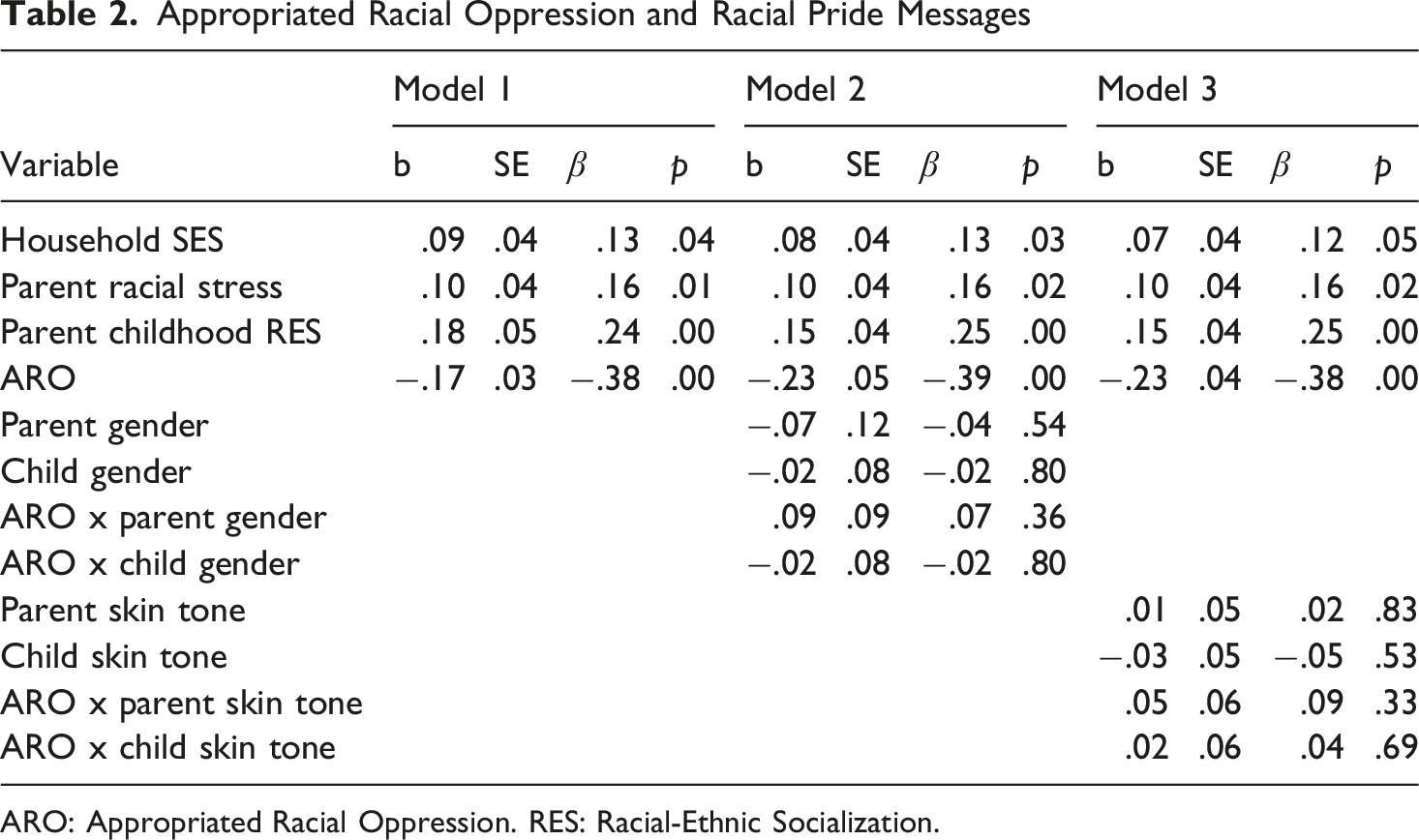
ARO: Appropriated Racial Oppression. RES: Racial-Ethnic Socialization.
Racial Barrier Messages
Appropriated Racial Oppression and Racial Barrier Messages
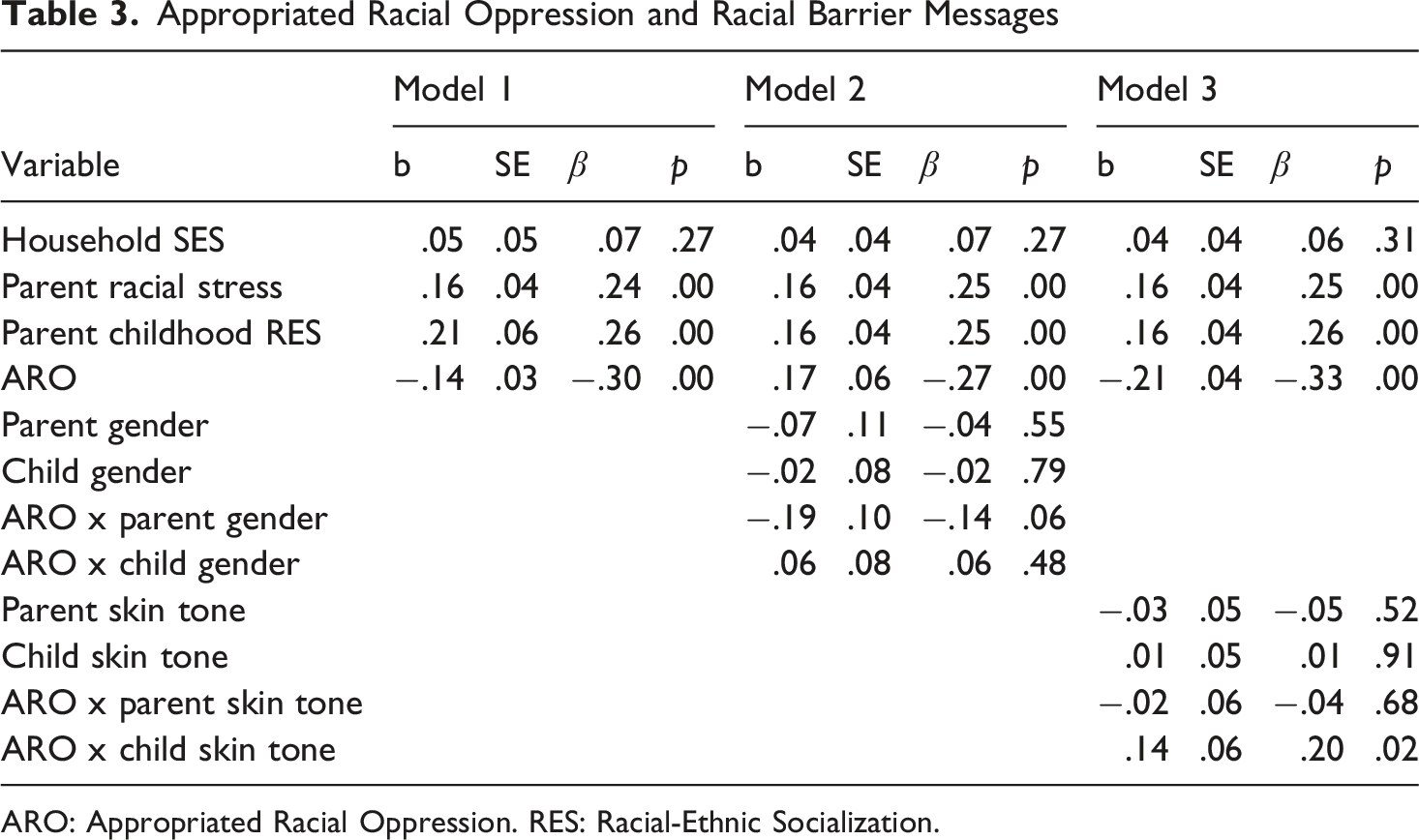
ARO: Appropriated Racial Oppression. RES: Racial-Ethnic Socialization.
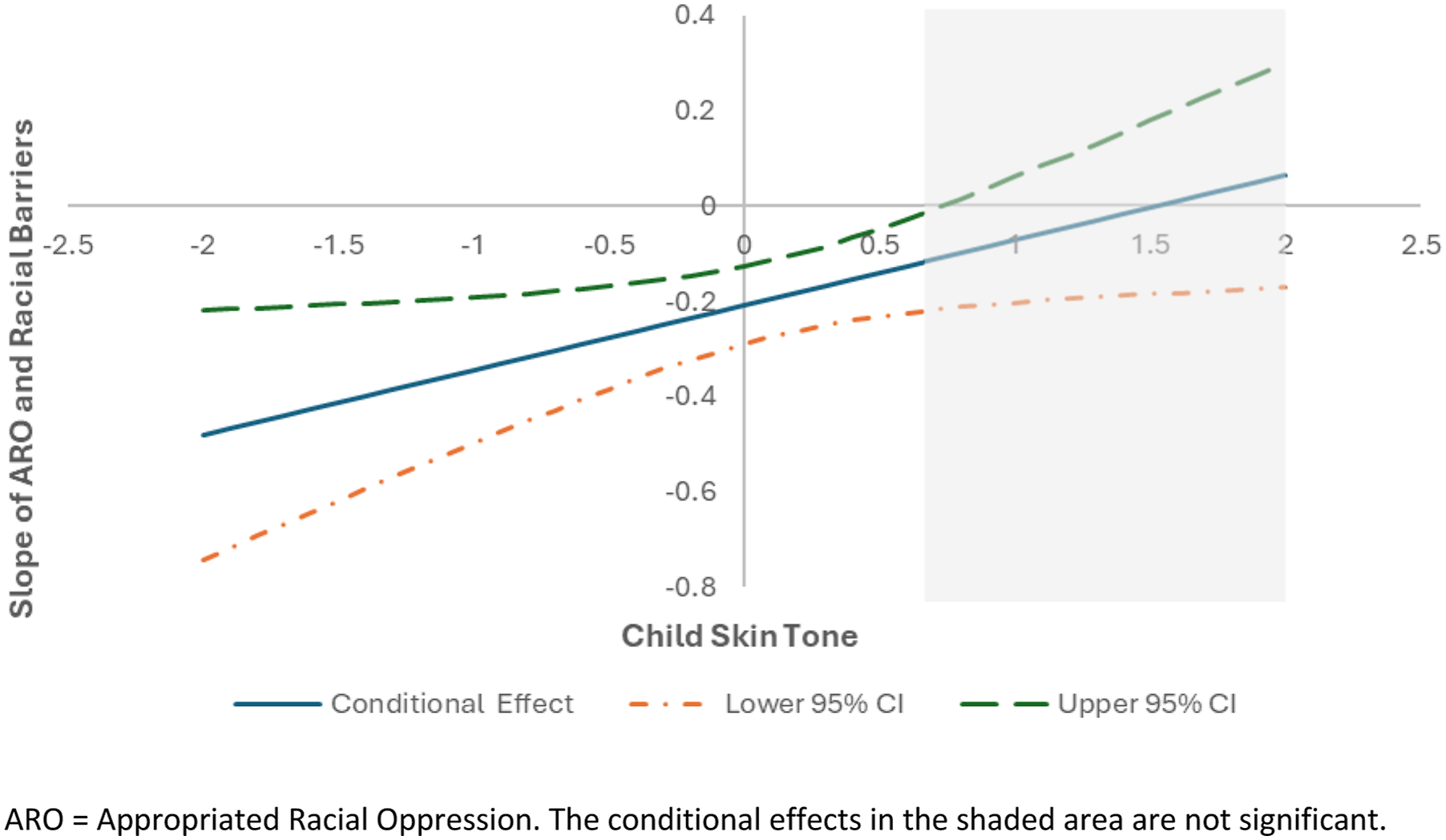
Child Skin Tone as a Moderator of Appropriated Racial Oppression and Racial Barrier Messages. ARO = Appropriated Racial Oppression. The conditional effects in the shaded area are not significant
Self-Worth Messages
Appropriated Racial Oppression and Self-Worth Messages
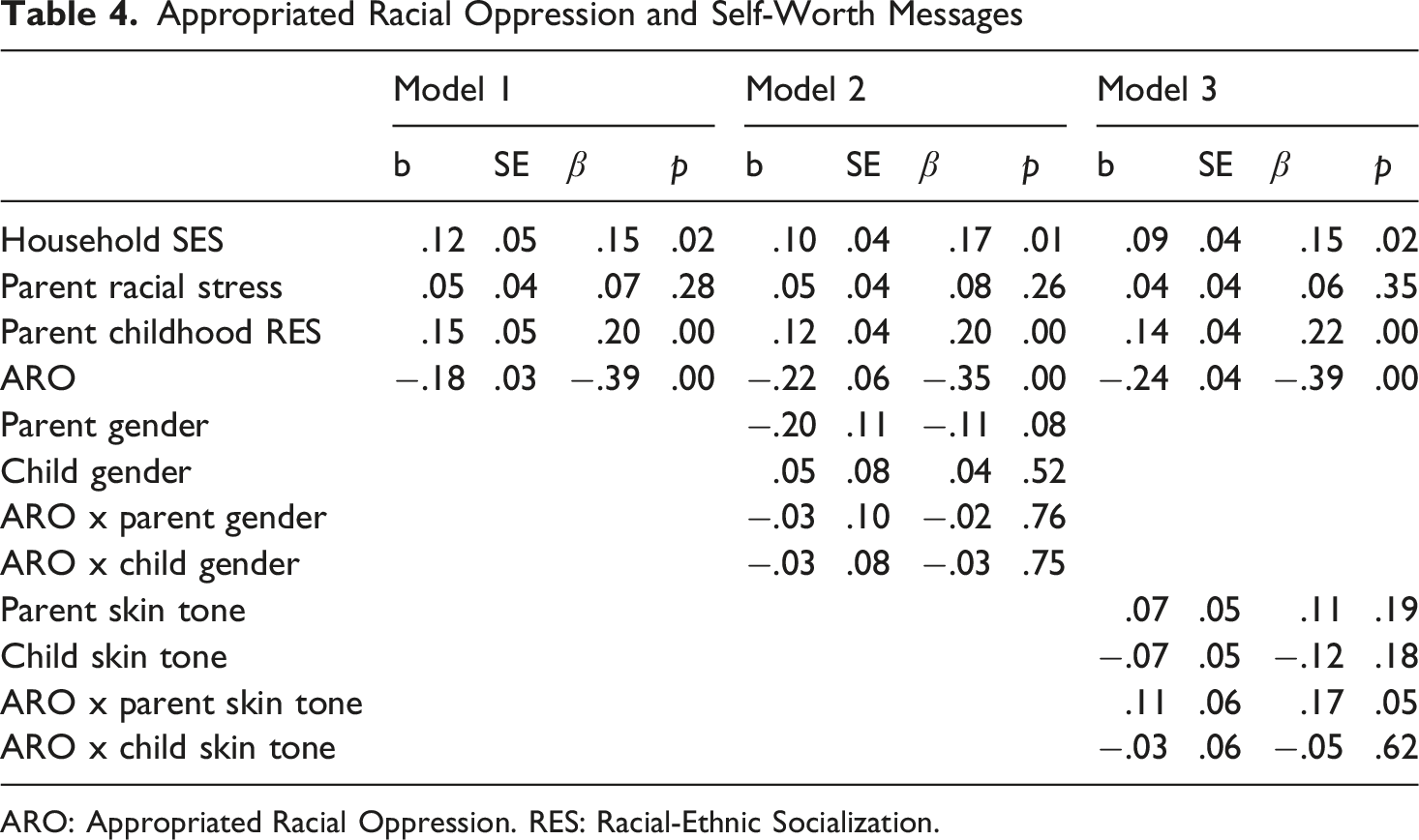
ARO: Appropriated Racial Oppression. RES: Racial-Ethnic Socialization.
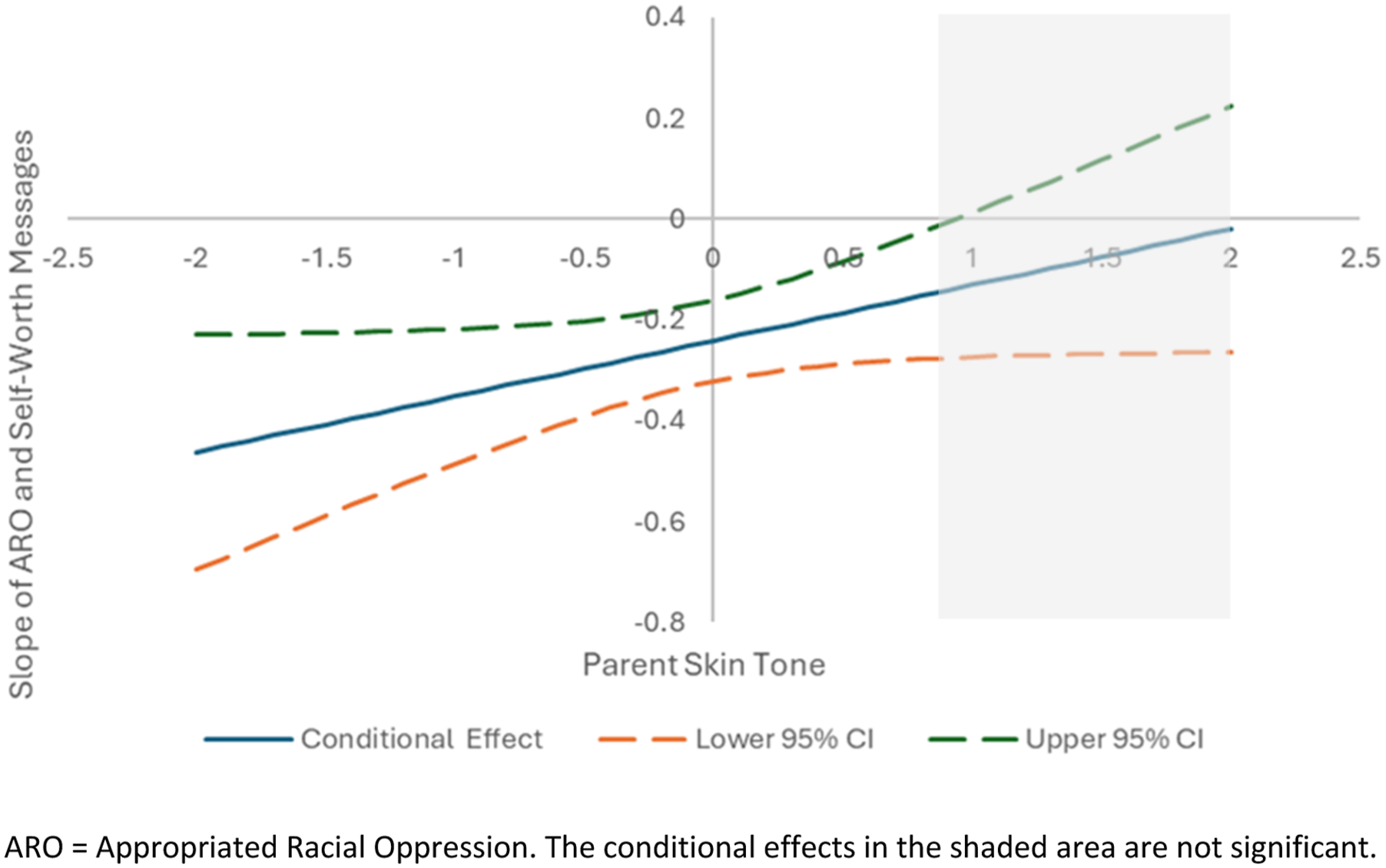
Parent Skin Tone as a Moderator of Appropriated Racial Oppression and Racial Self-Worth Messages. ARO = Appropriated Racial Oppression. The conditional effects in the shaded area are not significant
Egalitarian Messages
Appropriated Racial Oppression and Egalitarian Messages
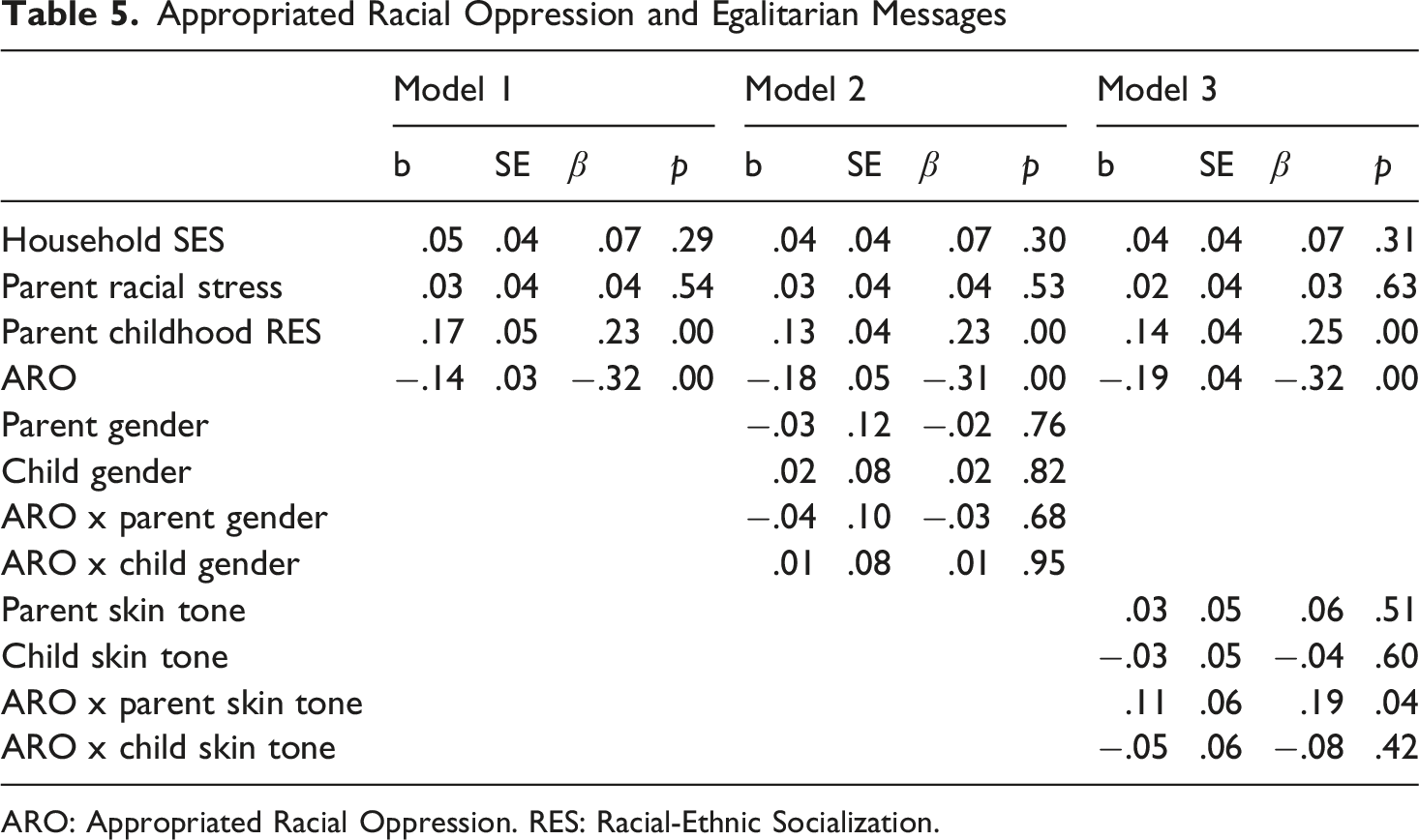
ARO: Appropriated Racial Oppression. RES: Racial-Ethnic Socialization.
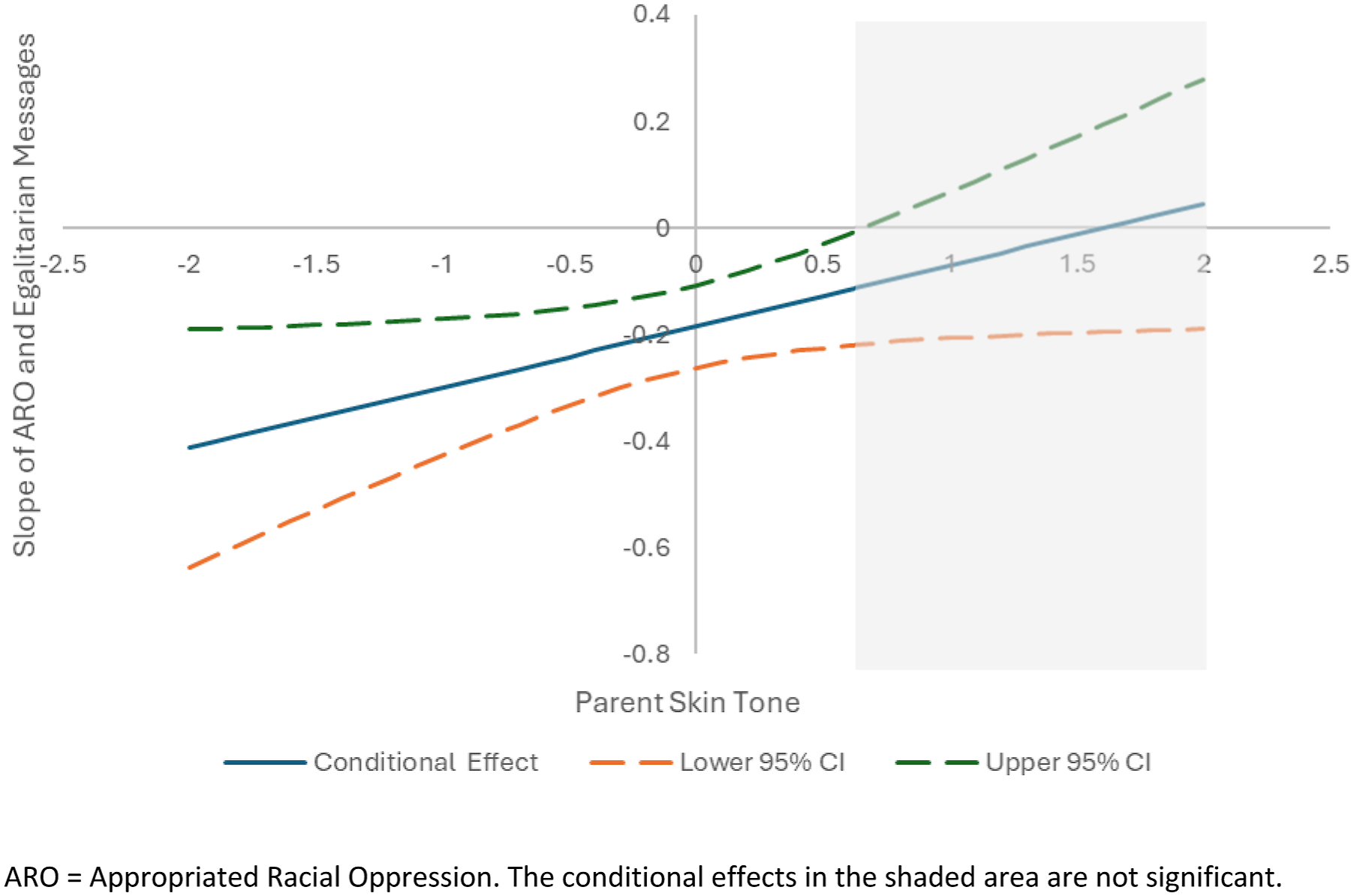
Parent Skin Tone as a Moderator of Appropriated Racial Oppression and Racial Egalitarian Messages. ARO = Appropriated Racial Oppression. The conditional effects in the shaded area are not significant
Negative Messages
Appropriated Racial Oppression and Negative Messages
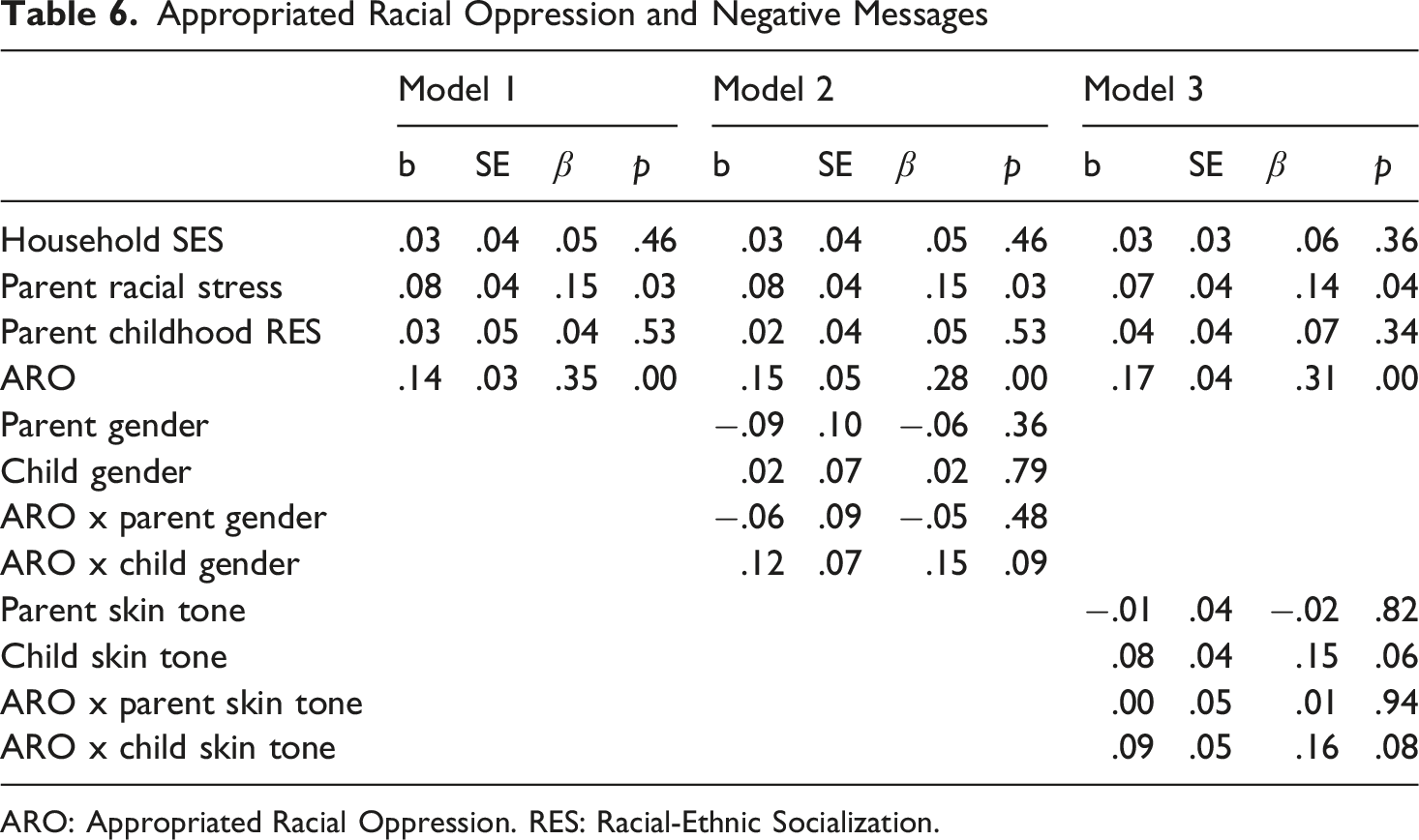
ARO: Appropriated Racial Oppression. RES: Racial-Ethnic Socialization.
Socialization Behaviors
Appropriated Racial Oppression and Socialization Behaviors
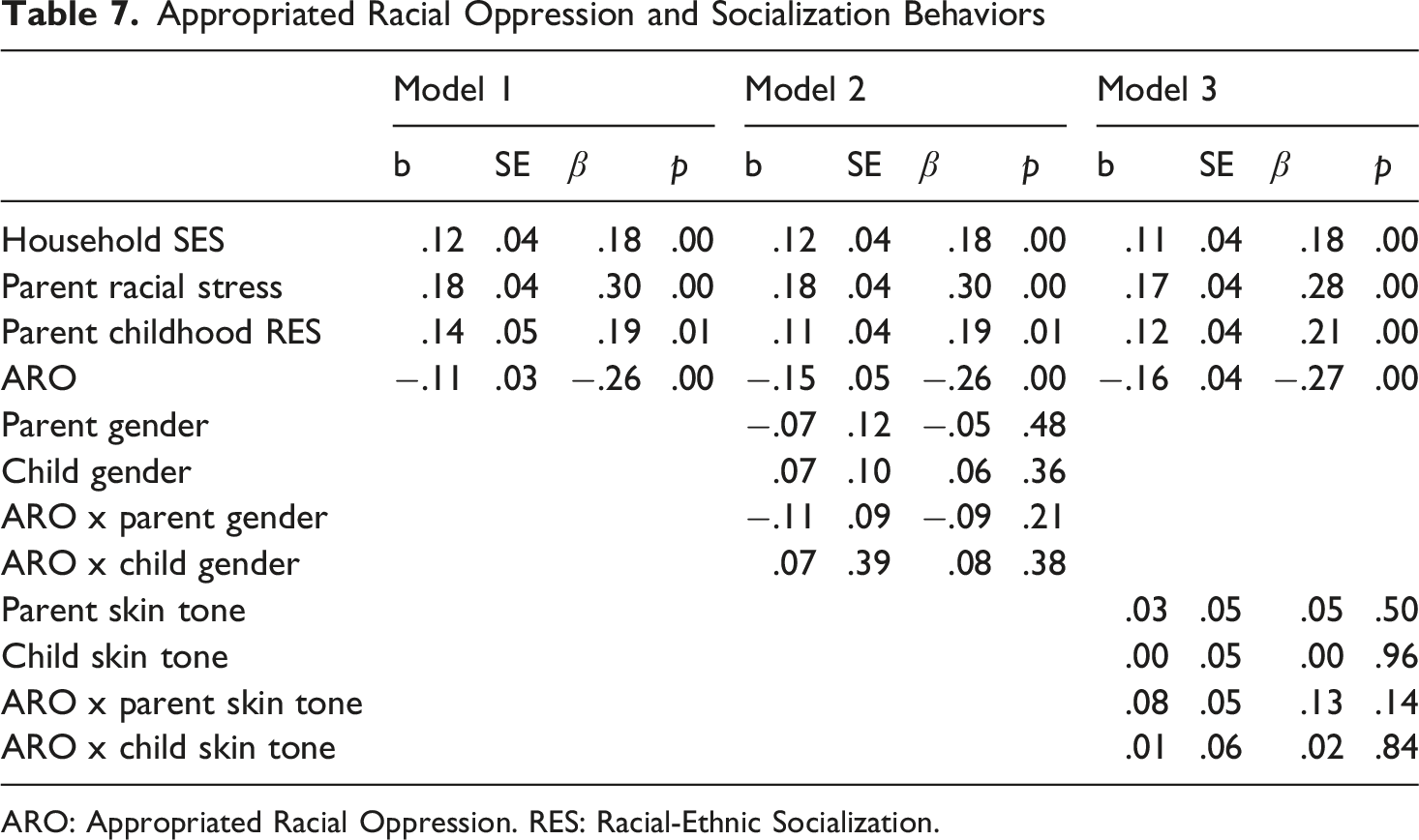
ARO: Appropriated Racial Oppression. RES: Racial-Ethnic Socialization.
Discussion
The present study examined the intergenerational impact of appropriated racial oppression (ARO) on racial-ethnic socialization (RES) practices among Black parent-child dyads, guided by the Sociocultural Family Stress (SFS) model. Consistent with our hypotheses, higher levels of ARO among parents were associated with fewer positive RES messages – such as racial pride, racial barriers, and self-worth, – and more frequent negative messages. These findings suggest that ARO may function as a psychological barrier that inhibits parents’ ability to engage in affirming and protective racial socialization practices. Contrary to our hypothesis, ARO was also negatively associated with egalitarian messages, indicating that parents experiencing greater ARO may be less likely to emphasize equality and fairness in their socialization efforts. Notably, moderation analyses revealed that skin tone, but not gender, shaped some of these associations. Specifically, the negative associations between ARO with racial barrier, self-worth, and egalitarian messages were more pronounced for lighter-skinned parents and youth.
These findings align with the SFS model’s assertion that Black families operate within a racialized context characterized by chronic, cumulative stressors rooted in systemic racism (McNeil Smith & Landor, 2018). ARO appears to disrupt the transmission of culturally protective messages from parents to children. That is, ARO may reflect a form of internalized disempowerment that diminishes parents’ capacity to affirm their children’s racial identity and prepare them for navigating the intricate web of oppression. This disruption in RES practices may have long-term implications for youth’s racial identity development and psychological well-being, particularly in contexts where racial pride and resilience, as well as their preparation for bias, are critical for coping with discrimination.
The moderating role of skin tone in the relationship between ARO and RES practices underscores the importance of considering intra-group diversity within Black families. Our findings revealed that the negative associations between ARO and both egalitarian and self-worth messages were more pronounced among lighter-skinned parents. Similarly, youth with lighter skin tones were less likely to report receiving racial barrier messages, the more strongly their parents reported ARO. These patterns may reflect the complex ways in which colorism and internalized racial hierarchies shape family dynamics and racial messaging. Lighter skin, often associated with proximity to whiteness, may influence how parents perceive racial threats and the necessity of preparing their children for racialized experiences. Indeed, both quantitative and qualitative research suggests that parents make decisions concerning RES as a function of skin tone, albeit these studies have centered on the skin tone of the children (Landor et al., 2013; Lloyd, 2024). Similarly, parents who have appropriated the oppression that is anti-Blackness may, consciously or subconsciously, also appropriate mainstream approaches to talking with youth about race–which is to avoid such conversations. The seminal work of Lesane-Brown (2006) and Hughes and colleagues (2006) reference this process (e.g., silence about race). These findings highlight the need for intersectional approaches that account for how skin tone interacts with internalized oppression to influence parenting practices.
Contrary to our hypothesis, ARO was negatively associated with egalitarian messages, rather than positively. Rather than promoting messages that imply the equal standing of Black people and people from other races (especially White people) these parents may experience a form of racial disillusionment that limits their engagement with any form of racial discourse, including egalitarianism. Results from Kim and colleagues (2023) revealed a similar negative correlation between internalized racism and promotion of equality messages for Asian American parents. These findings challenge the assumption that internalized oppression may lead to compensatory strategies such as emphasizing sameness or downplaying race, and instead may lead individuals to reject notions of equality in order to fit into a racially stratified society that rewards those who conform to White ideologies, behaviors, and standards of beauty (Versey et al., 2019). Combined with ARO’s positive association with negative messages, this sheds light on the ways in which ARO leads to perspectives that are not merely race neutral, but rather perspectives that denigrate the value of Blackness.
Overall, these findings have important implications for practitioners working with Black families. Interventions aimed at enhancing racial-ethnic socialization should consider the psychological impact of ARO on parents. Programs that support parents in recognizing and addressing racialized experiences may be critical for fostering more affirming and protective family environments. Culturally grounded parenting interventions should incorporate components that help parents process their own racialized experiences and develop strategies for delivering empowering messages to their children. Additionally, practitioners should be attuned to how skin tone may shape both parents’ and children’s experiences of racial socialization, and tailor interventions accordingly.
Limitations and Future Directions
This study offers several important contributions to the literature on racial socialization and intergenerational transmission of racialized stress. By focusing on ARO, a construct that extends beyond traditional measures of racial stress, we provide a novel lens for understanding how internalized dimensions of racism shape parenting practices in Black families. The use of dyadic data from both parents and children strengthens the validity of our findings and allows for a more nuanced understanding of family dynamics. However, several limitations should be noted. First, the cross-sectional design limits our ability to draw causal inferences about the directionality of the observed associations. Longitudinal research is needed to determine whether ARO precedes changes in RES practices over time. Second, the reliance on self-report measures may introduce bias, particularly in the reporting of sensitive topics such as internalized oppression and racial socialization. Third, while our sample provides valuable insights, the generalizability of findings may be limited, especially given that predominantly mothers contributed to the survey.
Future studies should build on these findings by employing longitudinal designs to explore how ARO and RES evolve across developmental stages. It would also be valuable to examine the role of protective factors—such as racial identity, community engagement, and cultural pride—that may buffer the negative effects of ARO on parenting. Additionally, qualitative research could offer deeper insights into how Black parents make sense of their own racialized experiences and how these experiences inform their socialization strategies. Expanding this work to include the potential influence on RES in light of the ARO attitudes of other family members, such as grandparents or siblings, could also enrich our understanding of intergenerational processes. Given the prevalence of mothers, the role of Black motherhood on these findings could also be explored qualitatively. Moreover, future research should explore how ARO is transmitted across generations, shedding light on the mechanisms through which parent’s racialized beliefs impact the developmental trajectory of ARO in their children.
Conclusion
In sum, this study highlights the critical role of ARO in shaping how Black parents engage in racial-ethnic socialization with their children. Our findings suggest that internalized racial stress may undermine the delivery of affirming and protective messages, with implications for youth development and family wellbeing. By illuminating the psychological and sociocultural mechanisms that influence RES, this work underscores the importance of addressing internalized oppression in efforts to support Black families. Interventions that help parents process and resist ARO may be key to fostering resilience and racial pride in the next generation.
Footnotes

Funding
The authors disclosed receipt of the following financial support for the research, authorship, and/or publication of this article: National Science Foundation, Grant/Award Number: SMA 1854100.
Declaration of Conflicting Interests
The authors declared no potential conflicts of interest with respect to the research, authorship, and/or publication of this article.