







Abstract
In the digital age, information literacy, defined as the ability to effectively identify information needs, access needed information, and evaluate and use information, is a crucial skill set for both individuals and organizations. Therefore, understanding the relationships between information literacy, creativity, and work performance could not only help enterprises recognize the importance of information literacy and its influence on the workplace, but also provide educators with guidance for planning related training programs. This empirical study explores the relationships between self-efficacy in information literacy, creativity and work performance. The findings show that (1). self-efficacy in defining information needs, self-efficacy in evaluating information and self-efficacy in using information can significantly positively affect creativity; (2). creativity can significantly positively affect work performance; and, (3). creativity mediates the association between self-efficacy in information literacy and work performance. Implications based on the findings are also discussed.
Introduction
The digital age has been characterized by an information explosion, the amount of information doubling in size every 2 years (Turner et al., 2014). There is an abundance of conflicting, implausible, misleading and unauthorized information spread throughout various information resources. Thus, information literacy, that is - knowing how to effectively identify information needs, access needed information, and evaluate and use information (UNESCO, 2003) - is a skill set of growing importance. Information literacy not only empowers individuals to attain their personal, social, occupational and educational goals, but also helps institutions to overcome technological, economic and social challenges (Garner, 2005). Therefore, the impact of information literacy on the workplace has been given more attention in recent years.
Researchers have explored information literacy practices in various professional settings, such as the information literacy practices of lawyers (Gasteen and O’Sullivan, 2000), nurses (Bonner and Lloyd, 2011), fire-fighters (Lloyd, 2004), scientists (Donnelly and Craddock, 2002) and social workers (Crawford and Irving, 2009). One of the more intriguing issues is the definition of information literacy in the workplace and how information literacy is experienced in the workplace (Cheuk, 1998; Bruce, 2011). Exploration of the essence and elements of information literacy in the workplace has also received considerable attention (Kirton and Barham, 2005; Hepworth and Smith, 2008). The value of information literacy to enterprises is a frequently-explored theme (Goldstein and Whitworth, 2015). Nevertheless, despite the significance of information literacy in the workplace, relatively few empirical studies, to date, have explored the influence of information literacy upon employee work outcomes.
Creativity has been defined as the ability to produce outcomes that are original and valuable (Mumford, 2003; Boden, 2004). The creative process involves problem definition, information gathering, information organization and idea evaluation (Mumford, 2012). In these ways, creativity is highly dependent on certain information behaviors. Some studies have reported that competence in terms of information literacy may improve certain kinds of task performance. Since relevant studies are still limited, the relationship between information literacy, employee creativity and employee job performance merits further investigation.
In light of the above discussion, the purpose of this study is to explore the relationships between information literacy, employee creativity and employee performance by conducting an empirical analysis. The paper is structured as follows: Section 2 gives the literature review and organizes the research hypotheses; Section 3 describes the research methodology and the survey; Section 4 presents data analysis and the results; Section 5 discusses implications of the research findings; and Section 6 offers the conclusion.
Background and research hypotheses
Information literacy in the workplace
Information literacy is widely recognized as “knowledge of one’s information concerns and needs, and the ability to identify, locate, evaluate, organize and effectively create, use and communicate information to address issues or problems at hand” (UNESCO, 2003). At the outset, information literacy attracted attention mainly within the field of library and information science. Early studies focused on the development of innovative pedagogies pertaining to information literacy, collaboration and partnerships in the delivery of information literacy instruction, instruction delivery via technology, assessment of information literacy competence, and the theme of librarians as teachers (Sproles et al., 2013). With the growth in the volume of information that organizations must deal with, an information-literate workforce is key to the success of many organizations (De Saulles, 2007). Therefore, information literacy in the workplace is gaining more and more attention.
Although the concept of information literacy in the workplace has emerged over the past decade, there are still many debates pertaining to the definition and essence of information literacy in the workplace. Cheuk (2008: 139) offers a pragmatic, information-focused definition of information literacy in the workplace as “a set of abilities for employees to recognize when information is needed and to locate, evaluate, organize and use information effectively, as well as the abilities to create, package and present information effectively to the intended audience.” Toledano O’Farrill (2008: 167), focusing on the social and communicative aspects of information literacy, defines it as follows: “the progressive development of competences for becoming aware of, accessing, critically interpreting and effectively using a variety of languages, codes, semiotic resources and technological affordances as tools for learning, communication, and sense-making in situated social practices”. Lloyd (2011: 286) gives a more succinct and general definition, that “information literacy is a way of knowing the many environments that constitute an individual being in the world”.
Bruce (2011) pointed out that information literacy in the workplace may be explored from the perspective of peoples’ experience of using information in the workplace. For example, senior managers from cultural industries consider the experience of information use as pertaining to information packing, enabling information flow, creating innovation, shaping decisions and influencing others (Kirk, 2004). For ambulance officers, information literacy is a catalyst for learning about work and professional practice. They experience information literacy as the ability to recognize, access, and use textual, physical and social sites of information specific to workplace context and work practices (Lloyd, 2009). Web designers experience information literacy as problem solving, using best practices and knowledge bases, building successful websites, and participating in learning communities (Sayyad Abdi et al., 2013). Based on the studies discussed above, the experience of using information varies considerably according to the context in which the workplace is embedded. Therefore, the development of a more concise, widely recognized definition of information literacy in the workplace calls for further research, including practical explorations of the concept.
The characteristics of workplace information literacy are different from that of academic information literacy (Kirk, 2004; Hepworth and Smith, 2008). In the workplace, an information seeking task is frequently complex, non-routine, un-analyzable and often needs to be defined by the employees themselves (Kirkton and Barham, 2005). The task may also be inherently unpredictable and specific to the individual’s profession (Lloyd, 2004). Additionally, information use in the workplace may be collaborative and is often unstructured (Crawford and Irving, 2014). The social dimension of information use in the workplace is regarded as a unique feature of information literacy in this context. The social dimension includes information exchange, social interaction, information sharing, decision making and influencing others (Kirton and Barham, 2005). For example, Hepworth and Smith (2008) highlight the characteristics of social networking and teamwork in their study of information use in the workplace. These studies indicate that the characteristics of information literacy in the workplace may be more complex than that of academic information literacy.
The value creation of information literacy depends on how well information literate employees interact with important workplace processes, such as environmental scanning, information management, corporate memory, and research and development (Bruce, 1999). Cheuk (1998) pointed out that a spillover effect of information literacy is the improvement of the quality of information flow. UNESCO’s report (2003) suggested that information literacy contributes to improvement in workplace performance. Goldstein and Whitworth (2015) further described five key benefits of information literacy: increased efficiency (operational improvement, decision making, and reduced time, among others), improved profitability, better customer service, enhanced motivation and morale, and maximized legal/regulation compliance. Conclusively, employee competence in terms of information literacy may enable an organization to increase its effectiveness, efficiency and business opportunities (Cheuk, 2002). Therefore, information literacy is a crucial issue facing modern organizations.
Creativity and information literacy
Creativity is “the ability to come up with ideas or artefacts that are new, surprising and valuable” (Boden, 2004: 1). A single creative activity can be segmented into multiple stages. For example, Sawyer’s creativity model (2012) contains the following stages: finding the problem; acquiring knowledge; gathering related information; incubating; generating ideas; combining ideas; selecting best ideas; and, externalizing ideas. Cropley and Cropley (2012) proposed a creativity model with seven stages - preparation, activation, generation, illumination, verification, communication and validation. These models share common assumptions - that to carry out a single creative activity involves various information tasks and requires the ability to identify, access, evaluate, and organize information effectively.
The ability to identify information needs effectively may help individuals judge the relevance of information to a given creative activity. Likewise, equipped with the ability to access relevant information, individuals might be exposed to additional expertise and useful knowledge that foster their creativity at work (Jaussi and Randel, 2014). The ability to generate and synthesize information in unusual ways can aid in developing creative potential (Bink and Marsh, 2000). In addition, individuals with a higher ability to evaluate information (i.e. select information) may be more proficient in evaluating candidate ideas for novelty and usefulness and determining which ones deserve further development (Leung et al., 2008).
Self-efficacy, which refers to individuals’ beliefs in their capabilities to perform specific tasks, may also be important in information literacy skills. Self-efficacy beliefs influence how well individuals motivate themselves and persist in meeting their pre-set goals or achieving expected outcomes even in the face of difficulties (Bandura, 2012). The higher the level of perceived self-efficacy, the more individuals will persist in a given task, and the more likely they are to succeed in completing the task, (Pajares and Usher, 2008). Likewise, self-efficacy in information literacy may influence individuals’ information behaviors and ultimately impact their information use.
In light of the above discussion, it may be inferred that perceived information literacy ability would impact creativity. Thus, the following hypothesis is proposed.
In order to identify how the five core competences of information literacy may influence creativity, Hypothesis 1 is partitioned into the following set of sub-hypotheses:
Work performance and information literacy
Work performance is defined as an employee’s behaviors that are consistent with and contribute to organizational goals while generating aggregated value to the organization (Rich et al., 2010). Solid work performance of employees can improve the performance of an organization, allowing it to gain competitive advantage. Therefore, the promotion of work performance is a key issue facing organizations.
Information literacy programs are suggested as a means for improving workplace performance (UNESCO, 2003). Likewise, Li and Hung (2010) reported that self-efficacy in information literacy is related to person-job fit which in turn influences job performance of finance staff. Zhang et al.’s study (2010) also suggested that employees’ self-efficacy regarding information literacy skills impacted the quality of environmental scanning activities that they performed. These studies provide evidence that self-efficacy in information literacy competence may improve work performance for certain tasks in specific workplaces. Therefore, the following hypothesis is proposed.
Creativity is considered a positive contributor to work performance in a corporate setting (Gong et al., 2010). Martinaityte and Sacramento (2013) found that sales agents with higher creativity generated higher sales in the case of having high-quality leader–member exchange. A study by Hur, Moon, and Rhee(2016) also reports that employee creativity is positively related to service employees’ work performance. In order to identify creativity’s role in the relationship between information literacy and work performance, this study tests the following hypothesis:
In light of the deductions of Hypothesis 1 and Hypothesis 3, this study presumes that employees who are able to identify, access, evaluate, organize information effectively are likely to achieve higher work performance, possibly through increases in their creativity as their useful and novelty products may contribute to work performance. Therefore, this study examined the mediating effect of creativity on the relationship between self-efficacy in information literacy and work performance:
Research methodology
Research models
This study attempts to measure self-efficacy in information literacy, creativity and work performance, as presented in Research Model 1. Figure 1 delineates the hypothesized relationships of Research Model 1. In addition, self-efficacy in information literacy was partitioned into five elements of information literacy: hypothesized relationships of self-efficacy in knowing information needs; self-efficacy in accessing information; self-efficacy in evaluating information; self-efficacy in using information; self-efficacy in following information ethics; and, creativity. These are represented in Research Model 2, Figure 2.
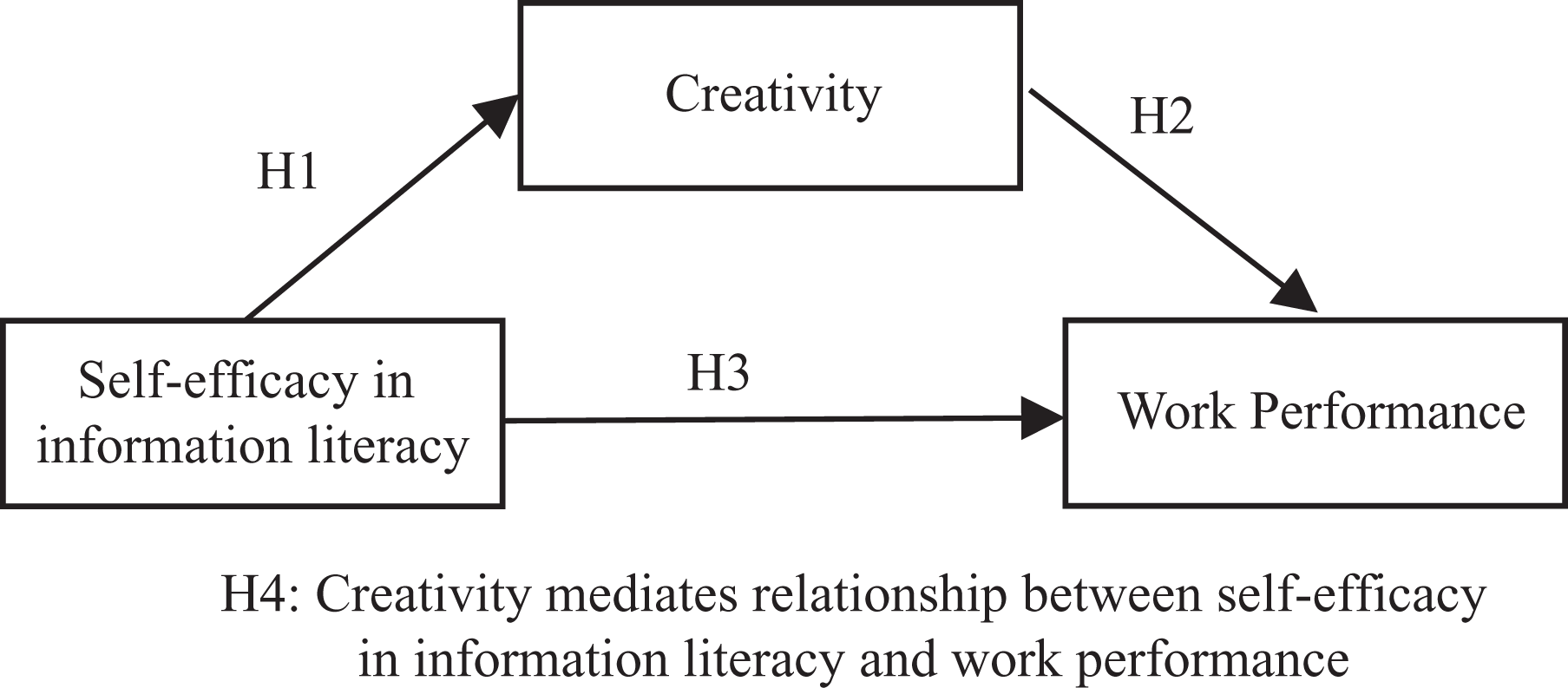
Proposed Research Model 1.
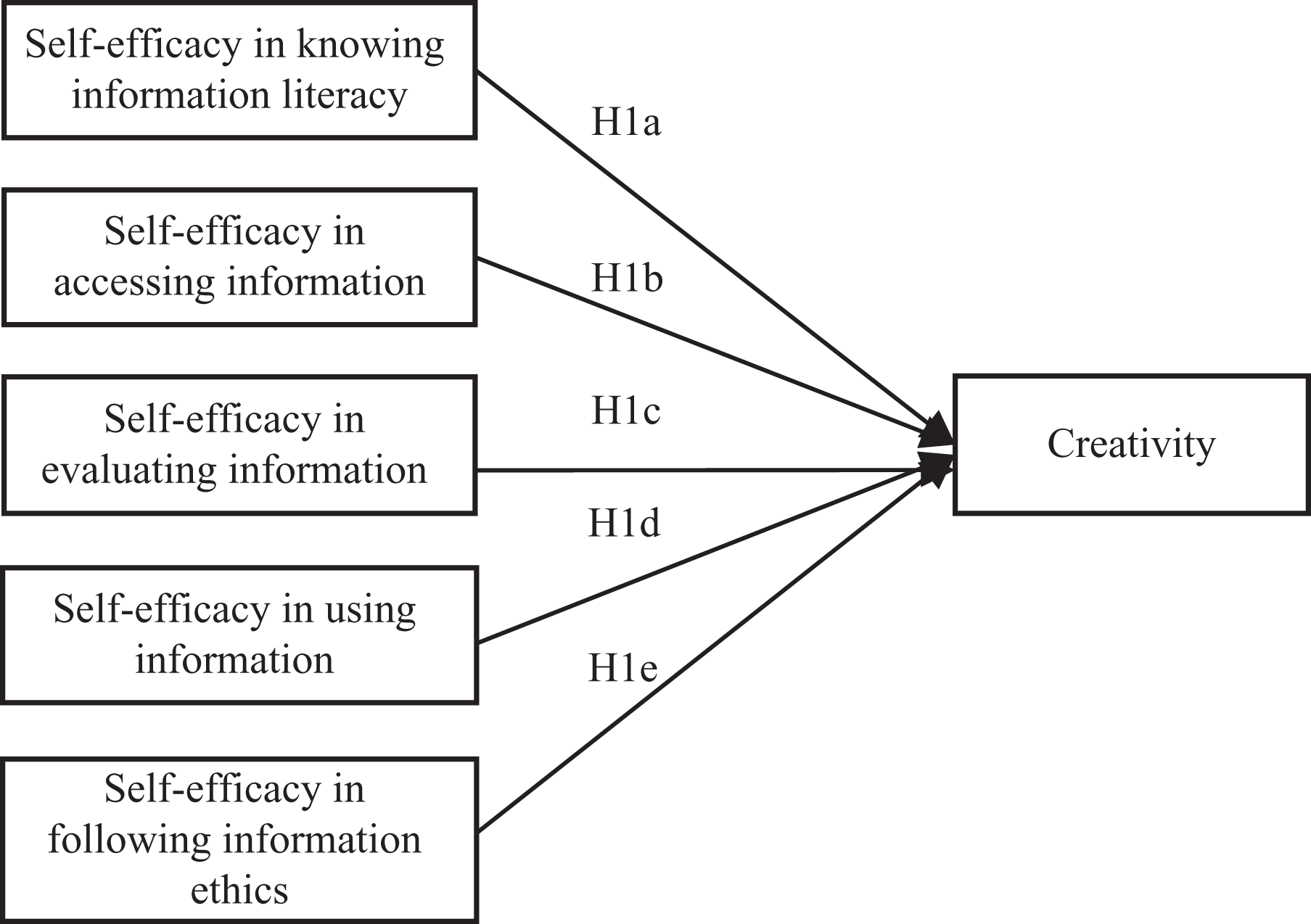
Proposed Research Model 2.
Survey development
The questionnaire was developed based on the review of literature and contained four parts -- introduction, demographics, self-efficacy in information literacy, creativity and work performance. The first part offered an introduction to the study. The second part asked respondents to provide their personal background profile including gender, age, work experience and education level. The third part listed 22 ability measures of information literacy adapted from the Associaion of College and Research Libraries (ACRL) (2000) and asked the respondents to rate their perception of ability in these items using a 7-point Likert scale, with “1” indicating strong disagreement and “7” strong agreement. The final part included six creativity measures (Lorenz and Lundvall, 2010) and six work performance measures (adapted from Wang and Haggerty, 2011). The respondents were asked to rate the measures of perceived creativity and work performance using a 7-point Likert scale, with “1” indicating strong disagreement and “7” strong agreement. A pre-test of the survey was conducted to improve content validity. Five experts were invited to review the questionnaire items. Based on their feedback, the initial questionnaire was revised to improve its consistency and understandability. The final questionnaire items are depicted in Table 1.
Questionnaire Items.
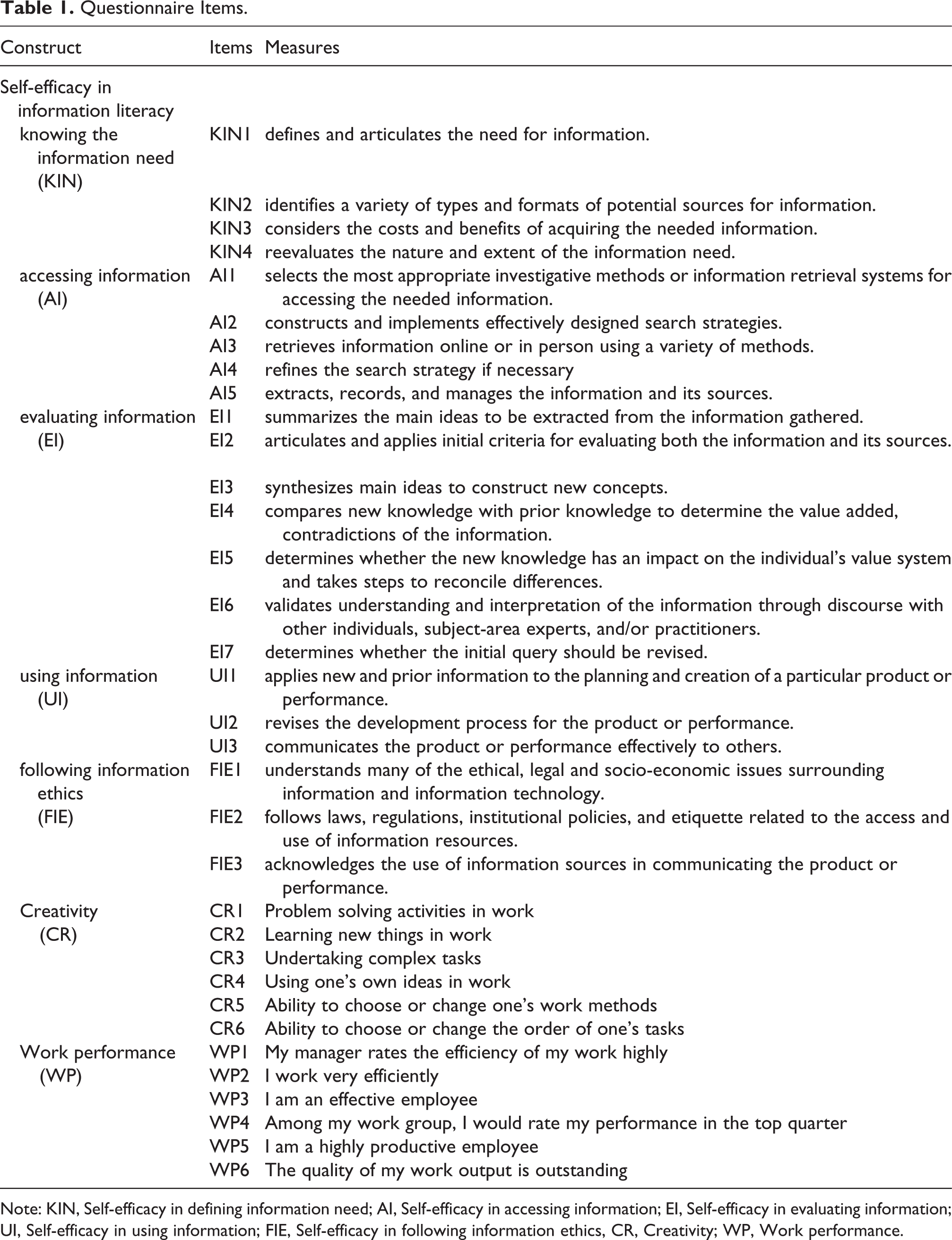
Note: KIN, Self-efficacy in defining information need; AI, Self-efficacy in accessing information; EI, Self-efficacy in evaluating information; UI, Self-efficacy in using information; FIE, Self-efficacy in following information ethics, CR, Creativity; WP, Work performance.
The target population was full-time employees who had at least one year of work experience. The questionnaire was distributed through the largest bulletin board system in Taiwan, the PTT, which can be accessed by web (http://ptt.cc) or mobile applications (such as PCMAN, moPTT). PTT users discuss all kinds of topics pertaining to life, such as occupation, education, politics among others. PTT is usually accessed by people between the ages of 20-40 years old, who are most likely to be employees. The study received 172 surveys. The surveys were screened for eligibility, incomplete data and invalid data (e.g. respondents deliberately provide random responses or the same response repeatedly). Finally, the study obtained 140 valid surveys. Of the participants, 88 (62.9%) were men and 52 (37.1%) were women, with the average age of 27.46 ± 5.15 years. The average work experience was 4.12 years (SD = 4.07). Participants’ work sector distribution was as follows: Service Sector (52.14%) followed by Industrial Sector (20.71%), Government (7.86%), Health Sector (4.29%), Banking Sector (2.86%) and in other types of businesses (12.14%). In addition, the education level distribution was as follows: Master’s Degree (21.40%) followed by Bachelor’s Degree (71.40%), and High School (7.10%).
Results
This study adopted partial least squares (PLS) to analyze the proposed model and its hypotheses, because PLS enables more flexible modeling by placing minimal demands on sample size and residual distribution (Hair et al., 2011). The PLS models were built and analyzed by SmartPLS 3.0 (Ringle et al., 2015).
Validity and reliability of Research Model 1
Convergent validity represents the degree to which a measure correlates with other measures of the same construct. Factor loadings, average variance extracted (AVE), and composite reliability were applied to assess the convergent validity of the constructs, as depicted in Table 2. The item “communicates the product or performance effectively to others” with factor loading of 0.57 fell behind the acceptable level of 0.6 suggested by Chin (2010) and so was deleted from this model. The factor loadings of the remaining items ranged from 0.62 to 0.80. Furthermore, the values of composite reliability ranged from 0.92 to 0.96 -- all greater than the cutoff value of 0.7 as suggested by Hair et al. (2012). The average variance extracted for each individual construct exceeded the recommended value of 0.5 (Hair et al., 2012). The results demonstrated convergent validity of the constructs.
Composite reliability, AVE and Cronbach’s α (Research Model 1).
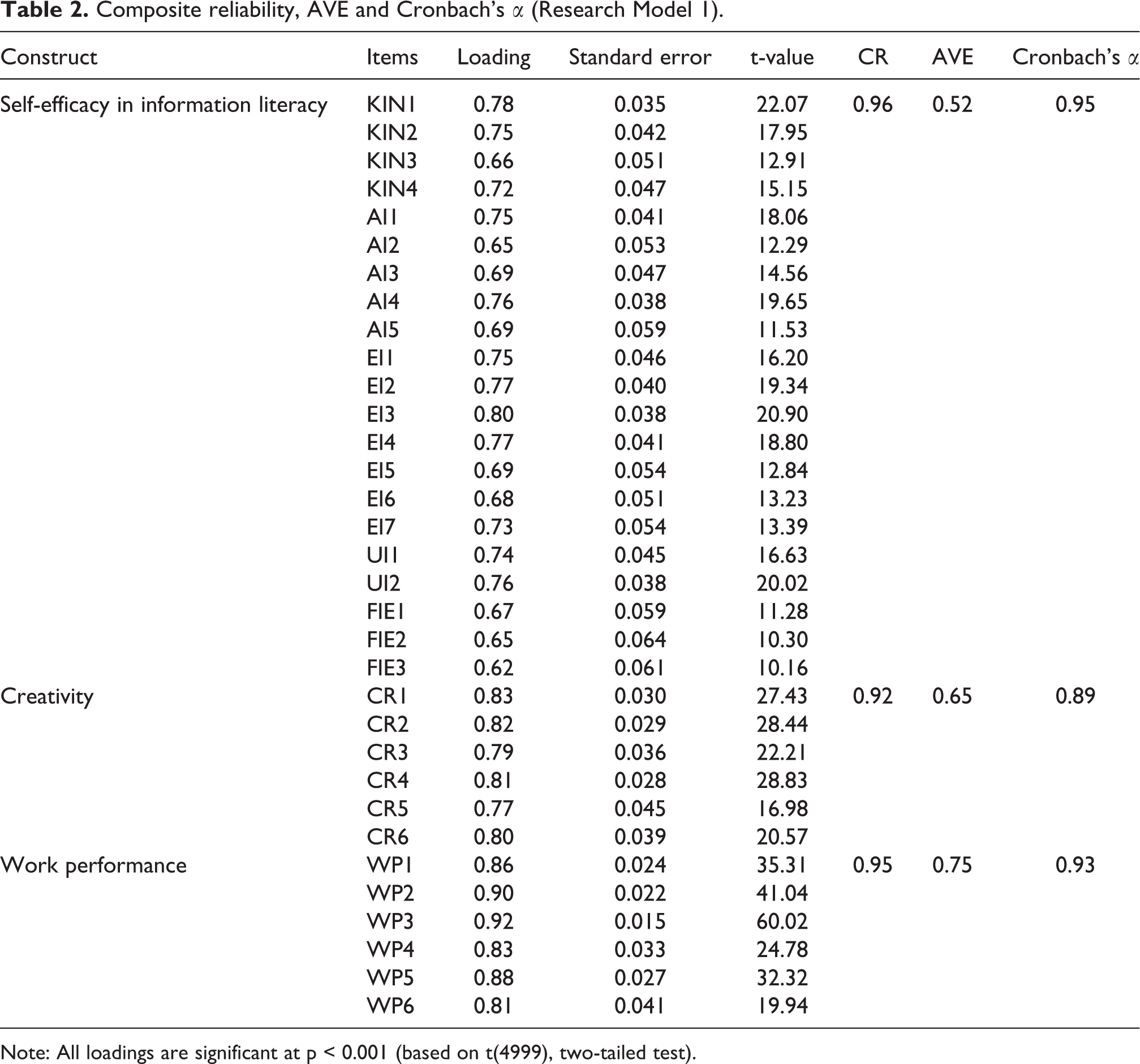
Note: All loadings are significant at p < 0.001 (based on t(4999), two-tailed test).
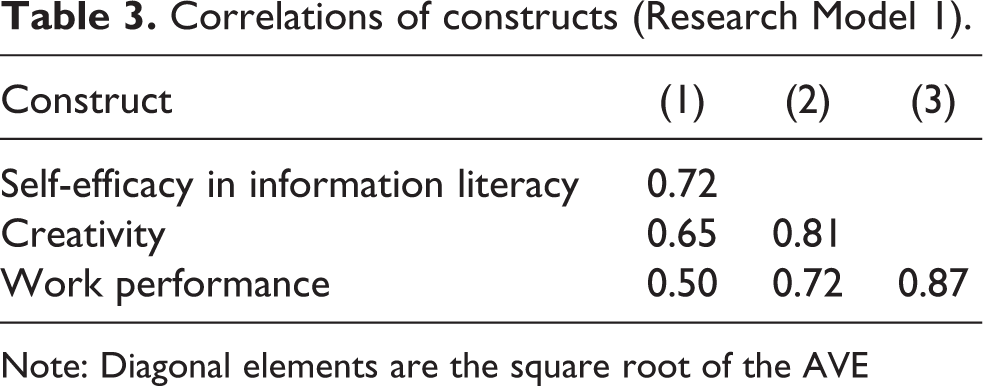
Discriminant validity represents the extent to which a construct differs from other constructs. Discriminant validity is tested by verifying that the square root of AVE for each construct exceeded the correlations shared between said construct and other constructs (Fornell and Larcker 1981). The correlations among the constructs with the square root of the AVE is presented in Table 3. The values of the square root of the AVE were found to be greater than the correlating values in the row and the column, indicating adequate discriminant validity.
Correlations of constructs (Research Model 1).
Note: Diagonal elements are the square root of the AVE
Reliability represents the extent to which the construct is consistent among independent evaluations. Cronbach’s alpha was used to test reliability of this survey. Cronbach’s alpha values for all the constructs (ranging from 0.89 to 0.95) were higher than the recommended level of 0.70 (Field, 2009), as depicted in Table 2. Therefore, the results support adequate internal consistency of the instrument.
Validity and reliability of Model 2
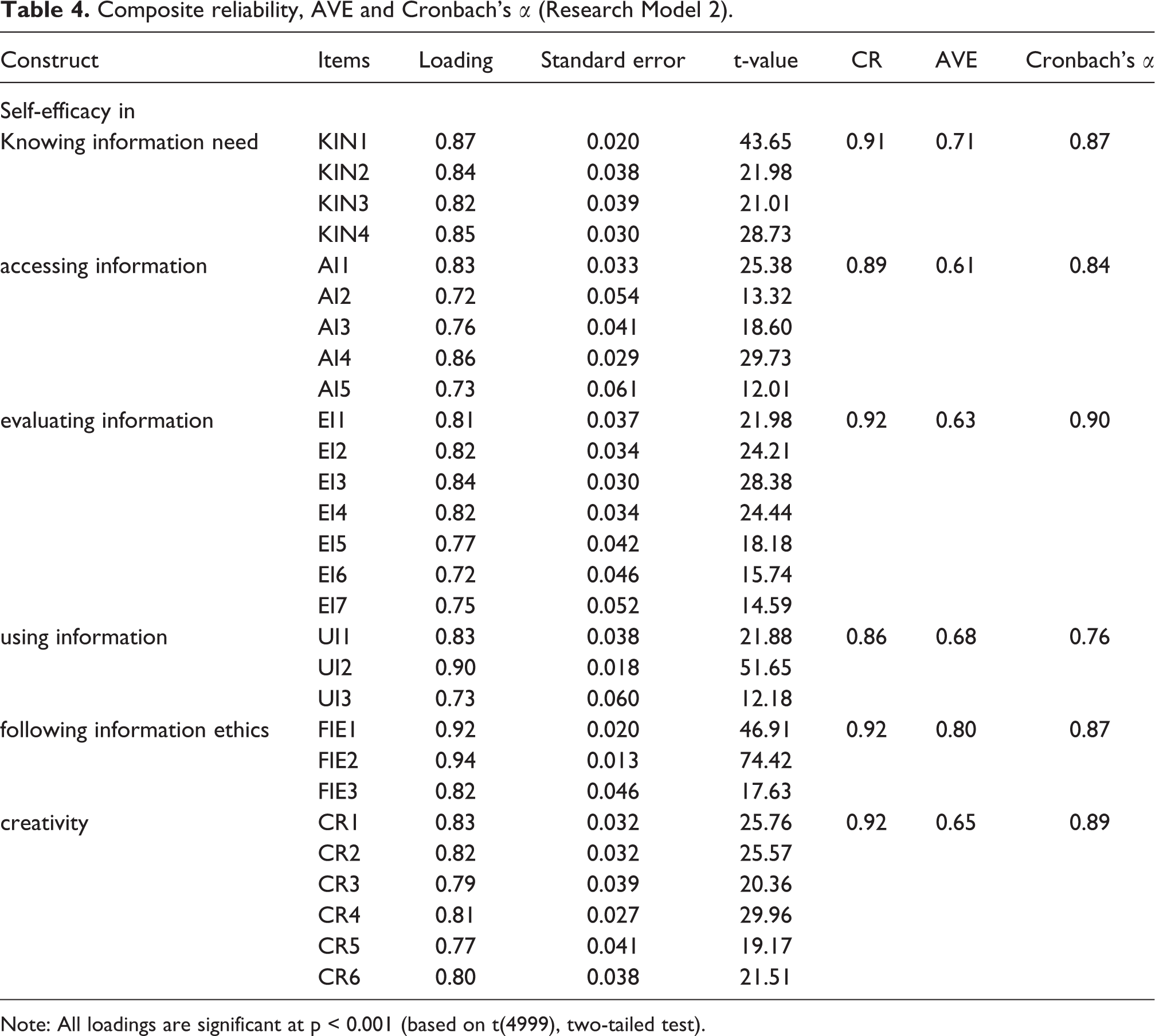
Convergent validity, discriminant validity and reliability were assessed with the same methods and the same recommended levels used in the Research Model 1. Factor loadings, average variance extracted (AVE), and composite reliability of Research Model 2 are depicted in Table 4. The factor loadings for all items (in the range of 0.72 to 0.94) exceeded the acceptable level of 0.6 suggested by Chin (2010). Values of composite reliability (ranged from 0.86 to 0.92) were all greater than the value of 0.7 suggested by Hair et al. (2012). The AVEs exceeded the recommended value of 0.5 (Hair et al., 2012). The results demonstrate convergent validity of the constructs.
Composite reliability, AVE and Cronbach’s α (Research Model 2).
Note: All loadings are significant at p < 0.001 (based on t(4999), two-tailed test).
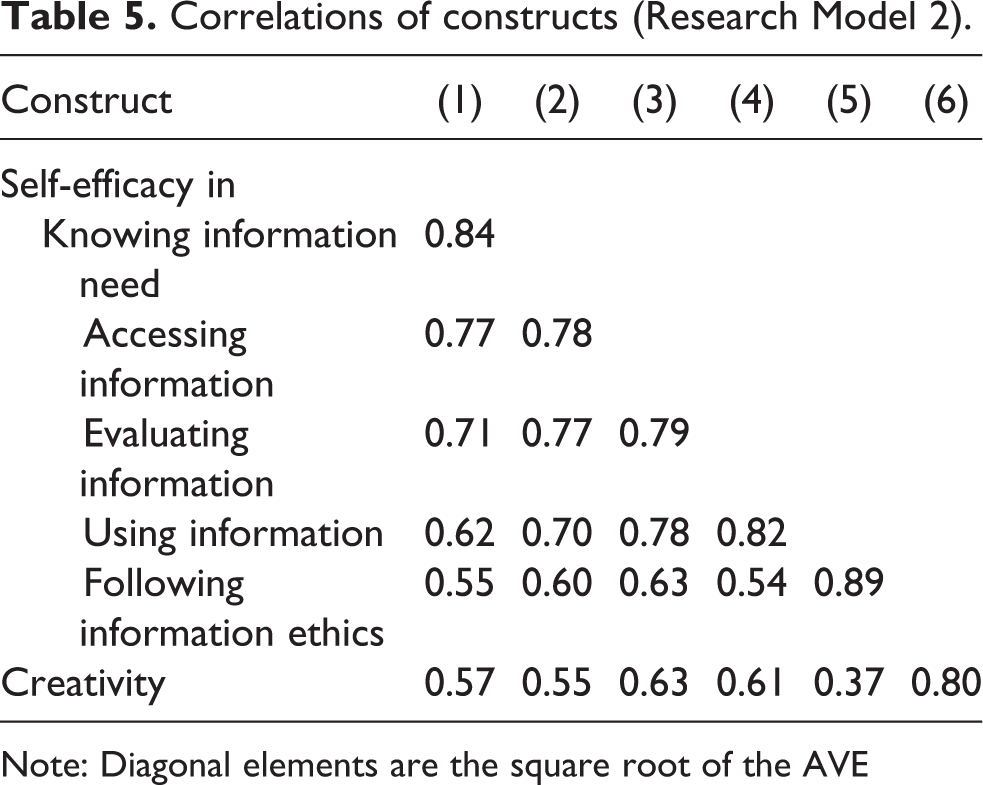
The correlations among the constructs with the square root of the AVE are depicted in Table 5. The values of the square root of the AVE were found to be greater than the correlating values in the row and the column, indicating adequate discriminant validity. In addition, the Cronbach’s alpha values of all the constructs (ranging from 0.76 to 0.90) were higher than the acceptable value of 0.7 (Field, 2009). Therefore, the results support adequate internal consistency of the instrument.
Correlations of constructs (Research Model 2).
Note: Diagonal elements are the square root of the AVE
Hypotheses testing
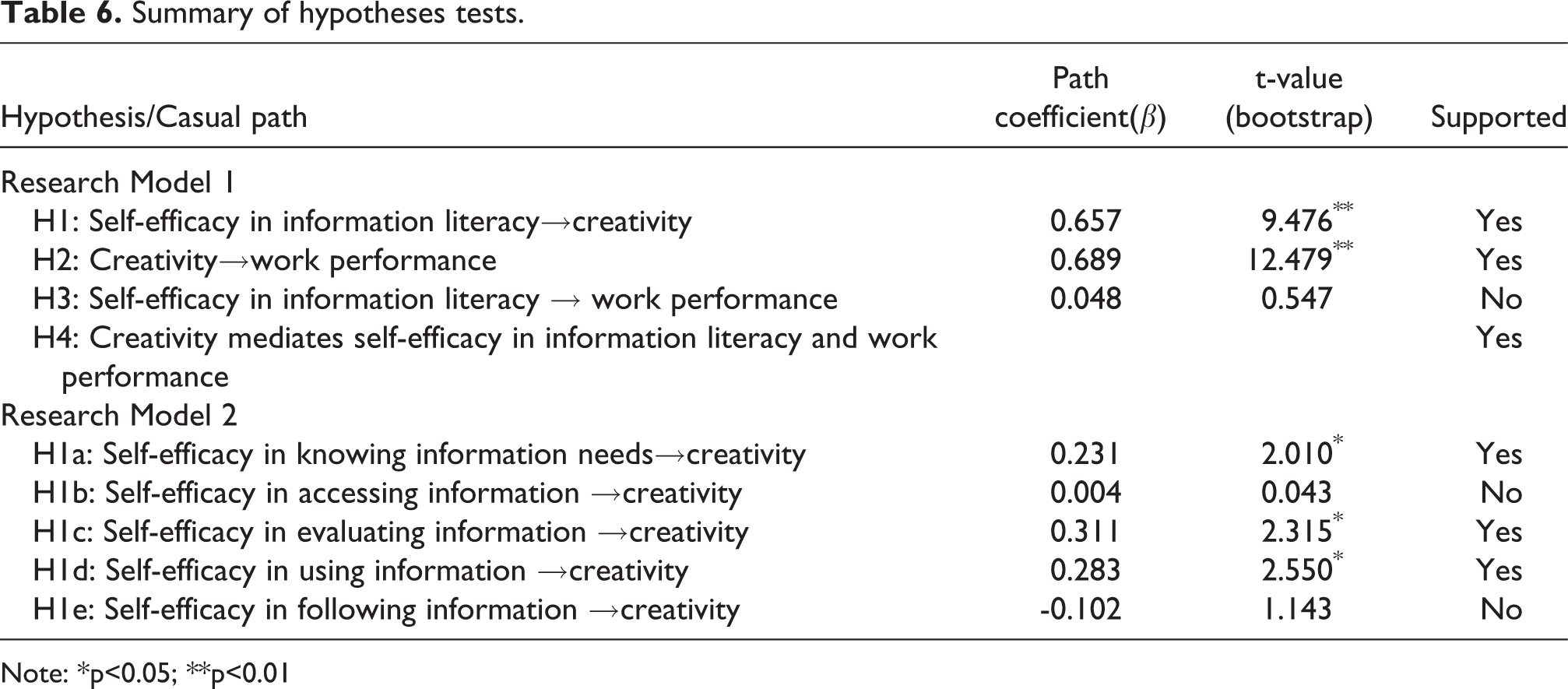
The path coefficient represents the direct effect of the predictor variable on the dependent variable. And the coefficient of determination, R2, indicates the proportion of variance in the dependent variable that is predictable based on the predictor variables. All these factors are considered in determining the predictive accuracy of the model. In order to determine the significance of estimated path coefficients of Research Model 1 and Research Model 2, this study performed PLS bootstrapping with a sample size of 5000 (Hair et al., 2012). The results are indicated in Table 6.
Summary of hypotheses tests.
Note: *p<0.05; **p<0.01
Regarding Research Model 1, the path coefficient for the direct effect of self-efficacy in information literacy on creativity was statistically significant (β =0.657, p < 0.01), hence supporting H1. Likewise, the relationship between creativity and work performance was also considered statistically significant (β = 0.689, p < 0.01). Thus, H2 is supported. However, H3 is rejected, since the data presented did not support the influence of self-efficacy in information literacy on work performance (β =0.048, p = 0.585). Because the indirect effect of self-efficacy in information literacy on work performance was statistically significant (β = 0.454, p < 0.01) and the direct effect was not statistically significant (β = 0.048, p = 0.585), H4 (creativity mediates the association between self-efficacy in information literacy and work performance) is supported. Regarding the constructs’ variances, self-efficacy in information literacy explained 43.1% of the variance in creativity, and creativity explained 52.1% of the variance in work performance.
Regarding Research Model 2, self-efficacy in knowing the information need, self-efficacy in evaluating information, and self-efficacy in using information had a significant, positive effect on creativity (H1a: β = 0.231, p < 0.05; H1c: β = 0.311, p < 0.05; H1d: β =0.283, p < 0.05). Self-efficacy in accessing information and self-efficacy in following information ethics did not have a positive effect on creativity (H1b: β=0.004; H1e: β=−0.102). As for constructs’ variances, self-efficacy in knowing information needs, self-efficacy in evaluating information, and self-efficacy in using information explained 47.6% of the variance in creativity.
Discussion
This study surveyed employees regarding their self-efficacy in terms of five core elements of information literacy (i.e. five standards in ACRL 2000). Self-efficacy in following information ethics (M = 5.73, SD =0.90) was found to have the highest score, followed by self-efficacy in accessing information (M = 5.51, SD =0.74), self-efficacy in knowing information needs (M = 5.50, SD =0.77), self-efficacy in evaluating information (M = 5.47, SD =0.79) and self-efficacy in using information (M = 5.41, SD =0.87). Similarly, Cyphert and Lyle (2016) found that employers, when surveyed regarding their expectations of employees’ information literacy skill levels, rated following information ethics as the most important. However, in contrast to the present study, the second most highly rated information literacy skill in Cyphert and Lyle’s (2016) study was using information, followed by evaluating information, knowing information needs and accessing information. Based on the results of the present study, evaluating and using information are skills for which employees rated their self-efficacy as relatively low but, in the comparison study just discussed, skills which employers rate as of higher importance (Cyphert and Lyle, 2016). These findings and comparisons offer stakeholders a valuable reference point. For example, employees may evaluate their information literacy competence in relation to employers’ expectations, and improve them accordingly. Employers may wish to initiate information literacy training programs to help their employees enhance their competencies in evaluating and using information. Likewise, educators may adjust and revise their information literacy curricula to focus more on training in relation to evaluating and using information.
The results of this study indicate that creativity positively affects work performance, which is consistent with the findings reported by Gong et al. (2009). However, a direct effect between self-efficacy in information literacy and work performance was not observed. The study results are not consistent with the findings of Zhang et al. (2010) that perceived information literacy competence may directly influence the performance of specific tasks, such as environmental scanning. A reasonable explanation is that a set of general measures of work performance was adopted in this study, which may not capture all major aspects of work performance directly impacted by information literacy competence. The finding that creativity mediates the relationship between self-efficacy in information literacy and work performance is important for educators and enterprises to consider before implementing an information literacy training program. Because the effect of information literacy on work performance could not be examined directly from the relationship between information literacy competence and work performance, creativity, as a mediating variable, could be considered as an indicator when evaluating the effectiveness of an information literacy program.
The results of this study show that self-efficacy in knowing information needs, self-efficacy in evaluating information and self-efficacy in using information may positively affect creativity. The findings are mostly consistent with previous creativity models (Sawyer, 2012; Cropley and Cropley, 2012) in which creativity depends heavily on effective information use. However, information gathering (i.e. information accessing) is found not to significantly affect creativity in this study. Such evidence suggests that information literacy competence is the foundation underpinning the creative process. Because of the significant impact of information literacy on creativity, academics and enterprises should emphasize information literacy training. Furthermore, to improve training in relation to creativity, it is suggested that information literacy training could be regarded as a prerequisite to enhance the effectiveness such creativity training. Meanwhile, educators may integrate aspects of information literacy, including knowing information needs, evaluating information and using information, into a creativity-training curriculum.
Conclusion
Analyzing the relationships between self-efficacy in information literacy, creativity, and work performance can provide crucial information for academics and organizations, to understand the effectiveness of information literacy, and its impact on an organization. This study has provided empirical evidence that self-efficacy in knowing information needs, self-efficacy in evaluating information and self-efficacy in using information may affect the generation of creativity. The study also shows that differences exist between employees’ perceived self-efficacy and employers’ expectation of employees’ information literacy skills. Additionally, the study indicates that creativity mediates the relationship between self-efficacy in information literacy and work performance. This knowledge can help educators to better develop their information literacy or creativity curricula, and also guide organizations in becoming more information literate in order to gain competitive advantages.
It is important to understand the potential limitations of this study. Firstly, this study investigated Taiwanese employees’ self-perceptions of their self-efficacy in relation to information literacy, creativity and work performance. A generalization of the findings of this study to other countries or areas needs to be made with caution. However, this study can provide a good basis for further exploration on the relevant topics in other areas or an international survey. Secondly, the variables of information literacy, creativity, and work performance could be measured in many other ways. The measures adopted in this study may not have captured all aspects of the variables in question. Future studies of organizations and industries could consider other measures in combination with data gathered from the survey introduced in the present study. However, this study provides an important reference point for further research examining the relationships between information literacy competence, creativity, and work performance.