







Abstract
This study intends to investigate the information needs and behaviour of Egyptian street vendors in terms of their perspectives, motives, attitudes, habits, and impediments. In five focus groups, the participants (n = 54) were interviewed. The researcher employed grounded theory in this qualitative investigation. The majority of respondents were male, uneducated to possessing informal education, in their twenties and thirties, and married. A significant proportion of respondents favoured direct engagement, face-to-face meetings, or mobile and social media to share oral sources with others. Respondents sought the knowledge mostly to aid them with executing work-related duties. Numerous respondents favoured spoken or informal sources over written ones. Personal experience was one of the most important sources upon which respondents relied. Illiteracy, psychological pressure, a negative social image, a lack of awareness, a lack of skills, and a lack of time are among the major obstacles respondents face.
Introduction
People all over the world value information, regardless of their beliefs, attitudes, or working conditions. Everyone, including those in low-wage jobs like street vendors, should have free access to information that will help them become more aware of various issues in life and more involved in their societies (Mansour, 2017). People, who are knowledgeable and competent, according to Ranaweera (2008), can play an important role in improving the quality of life in their communities. The right to comprehend and live is inextricably linked to the right to access and use information for any purpose. This is one of the world's most important and undeniable human rights. Many studies on formal workers have been conducted, but few on informal workers such as the homeless, servants, domestic workers, hawkers, beggars, and street vendors. Political and social scientists, as well as the general public, have paid insufficient attention to these “professions”, which are defined as the society's most uncodified “work” classes. Such working groups must believe that they have the same rights as other members of the community, including the right to use information.
The current study aimed to fill a gap left by a lack of adequate studies addressing the information needs and behaviour of street vendors in Egypt . According to Bhowmik (2010), a street vendor is defined broadly as someone who sells goods to the public without having a permanent built-up structure but with a temporary static structure or mobile stall (or headload). Street vendors can be stationary, occupying space on pavements or other public/private areas, or mobile, moving from place to place carrying their wares on push carts, cycles, or baskets on their heads, or selling their wares in moving trains, buses, and so on. The term urban vendor encompasses traders and service providers, both stationary and mobile vendors, as well as all other local/regional terms used to describe them, such as hawker, pheriwalla, rehripatri walla, footpath dukandars, sidewalk traders, and so on. In addition, street vendors could be men, women, or children selling a variety of goods including fruits, vegetables, masala, groceries, and domestic goods.
Due to Egypt's high poverty and unemployment rates, street vendors have evolved from a haphazard socioeconomic phenomenon to a way for traditional stores to sell goods that are hard to find. A sizable portion of the population has become reliant on street vendors, whose low prices correspond to consumers’ low income (Al-Daydamouni, 2018). According to Kumari (2015), street vendors are small capitalists of the poor because they operate on the margins and are illegal, but they are largely self-sufficient and entrepreneurial. They represent a significant element of the underground economy, and they all face unique challenges. Street vending is a business model that benefits both sellers and consumers while also providing low-cost goods and services to the urban poor. Throughout recorded history, selling has been practised as a profession and has been an integral part of both rural and urban culture. The tragedy is that city planners make room for hospitals, parks, and shopping malls but not for street vendors.
The primary goal of this research is to investigate Egyptian street vendors’ information needs and information-seeking behaviour. It aims to enhance understanding of these needs and behaviour in terms of their perspectives, motivations, attitudes, habits, and preferences, as well as the barriers they face. To date, there has been no systematic research on this topic, particularly in Egypt. Previous research on disadvantaged people has focused on their basic needs, such as food, drink, and clothing, but there have been no studies on their “information needs” or “information-seeking behaviour” (Mansour, 2015). As a result, this study purposes to draw significant attention to this group of information users from this perspective. Egypt has no official or academic history in this field. Egyptian street vendors are among society's most vulnerable groups. This category is still not a research target or even an area of interest at any level, whether governmental or academic. The study's findings may raise awareness of the conditions and diverse needs of street vendors, particularly information needs, among advocates, policymakers, and civil society stakeholders interested in these workgroups.
Street vending in Egypt: an overview
“Street vending” as a “profession”
The profession of “street selling” is defined by a large and complex mess in terms of demographic representation, physical abilities, and the skills required doing it. According to Kumari (2015), street vending is inextricably linked to the availability of urban public spaces, such as sidewalks, roads, parks, and beaches, and many of the difficulties associated with the activity, such as the generally negative way in which it is perceived by the wider community, are linked to the roads where these places are managed by the authorities. As a result, street vendors face a complicated coexistence of oppression, regulation, tolerance, and promotion. Mohsen Abu Bakr, who spent a year in Cairo conducting extensive fieldwork with street vendors, believes they are an important factor in the informal economy, which is a natural phenomenon given the current public interest in their low-cost goods (as cited in El-Kouny, 2012).
Characteristics of Egyptian street vendors
Egyptian street vendors sell anything, including goods, foodstuffs, daily-use merchandise, and services to the general public, on streets, sidewalks, pedestrian paths, and public parks. In Egypt, “street vendors” have the following characteristics: low education, low income, a negative social image, patriarchal occupation, inherited family occupation, working under pressure, and feelings of inferiority. Egyptian street vendors are more common in densely populated urban areas with buildings, villas, and shops. Because they are afraid of accountability or taxation, a large number of Egyptian street vendors are undocumented and cannot be regulated or controlled. As a result, there are no reliable statistics on their true number in Egypt. The majority of these vendors leave their country of origin, primarily the countryside, due to a lack of job opportunities as well as poor infrastructure and services, in search of a better job opportunity in cities. Egyptian street vendors are currently not considered legal operators under Egyptian law. There is also no explicit law governing their work or insurance under the Egyptian Social Insurance, which applies to all Egyptian workers. All Egyptian street vendors may work at any time and at any age without being laid off because they are not subject to any law governing the appointment and dismissal of regular workers, as they are considered irregular workers. As stated by El-Masry (2012), Egypt’ streets are congested with street sellers, who frequently obstruct roads and pedestrians and increase traffic. They strive to preserve their authority and autonomy, but are impeded by police eviction tactics that threaten the immediate collapse of their tiny firm.
The precise number of street vendors in Egypt is not well-documented. According to Al-Daydamouni (2018), there are approximately 6 million street vendors in Egypt, with women accounting for 30% and children accounting for 15%. The estimated number of street vendors is mostly concentrated in Greater Cairo and urban areas. While every professional entity in Egypt has its own federation, syndicate, or union that looks after its affairs, like Doctors Syndicate, Teachers Syndicate, and so on, Egyptian street vendors lack such unions or unions that can look after their affairs as well as their rights. There isn’t even a clear job title/description to consider the possible tasks that Egyptian street vendors could perform. The Egyptian government does not grant Egyptian street vendors a functional entity because such “unorganised work” cannot be regulated due to several factors related to the nature, demography, and heterogeneous properties of street vending. The Egyptian capital (Cairo)'s chronic traffic problems, where a large number of street vendors congregate, have been blamed on the city's growing number of street vendors on Cairo's bustling streets. As unemployment has risen in recent years, the presence of vendors has grown significantly, particularly during the two years of security lapse that followed the January 25, 2011 revolution (El-Kouny, 2012).
Egyptian street vendors’ image
According to Mansour (2017), the image of menial professions in Egypt is horrifying, and many people dislike or even reject such “activity” or “work”! Many Egyptian street vendors dislike being labelled or classified as “street vendors”. This act, according to street vendors, can cause them great embarrassment, as well as a sense of contempt, not only for themselves, but also for their families. According to the World Bank (2019), many Egyptians have low incomes (GDP per capita is $3020 USD), a high unemployment rate (40%), a low standard of living, and a lack of opportunities. As a result of these conditions, some Egyptians have been forced to work in occupations and activities that are unrelated to their skills or do not correspond to their desires.
Consistent with Kumari (2015), street vendors are frequently persecuted, live in fear, and work in deplorable conditions with limited access to infrastructure. They face issues such as eviction, bribe payment, inability to access various government facilities, a lack of facilities such as toilets, lighting, and so on, a lack of social security, and other similar challenges. They struggle to survive in Cairo (the Egyptian capital), where street vendors account for 2.5% of the capital's population. They receive no social security from the welfare state. Improving the working conditions of street vendors, as well as their economic, social, and legal status, is a huge challenge for the government.
Literature review
The concept of “information needs/behaviour”
The term “information needs” refers to a variety of people's demands that can be perceived as data; information and knowledge that can aid in coping with various situations and lead to more effective management and a higher quality of life (Hepworth et al., 2002). Information behaviour focuses on these demands; how individuals actively and passively seek, manage, give, and use information in the various roles comprising their daily existence (Fisher and Julien, 2009). These requirements could be classified based on their relationship to tasks. Aiyepeku (1983) attempted to define the scope of some specific servants’ information needs, such as civil servants. They were identified in a way that reinforces the concept of development that must be addressed in the context of those servants’ activities. Collecting evidence, evaluating trends and analysing problems, defining needs, measuring programmes, suggesting solution plans, and assessing successes and failures are examples of such tasks.
In practically every location of Egypt, there are street vendors. This phenomen, as stated by Yadewani and Syafrani (2018), always has both positive and negative effects on the area. While the presence of such street vendors disrupts some public access, such as public roads that are constantly congested, sidewalks that are inoperable, an increase in trash, or an environment that is being increasingly neglected, the positive effect is the economy in a sustainable life in those areas, while the negative impact is discomfort in the aesthetics of the surrounding area. Due to increased street vendor activity, the producer will be impacted. However, due to the interruption of public utilities, the street vendor was unaware of what had been done to affect society.
The status of street vending/vendors
The author believes that street vendors are marginalised in the information literature and studies, which have sadly received little consideration from not only researchers but also government officials. As with all information users and beneficiaries, the researcher sees an urgent need to study this category of information users, as they must use the information to fulfill their life responsibilities and manage them in a way that enables them to better manage their lives, particularly their professional lives.
The practise of street vending is known by many different names in different parts of the world. Anglophone countries use terms such as street peddlers, street hawkers, informal traders, or street vendors, whereas Latin American countries use terms, such as Ambulantes and Comerciantes. The term “street vending” is most commonly used in academic contexts (Graaff and Ha, 2015). As previously stated, there is no explicit literature on the population of this study at the local, regional, or even international levels, making this study a pioneer and unique in the literature of information behaviour, particularly regarding marginalised groups such as street vendors. As a result, these street vendors may be classified as “informal workers”, alongside undisciplined and unrelated workers like beggars and domestic servants. The labour system in Egypt is governed by a set of laws and regulations, yet this workgroup operates outside of that framework. Such a job is believed to be one in which Egyptians stand out more than other peoples (Mansour, 2021). Many studies have focused on information needs, including the behaviour of a variety of popular workgroups, such as engineers, doctors, teachers, lawyers, and a variety of other workgroups, but other socially marginalised and vulnerable workgroups, such as doormen/women, have received little attention (Mansour, 2017). There has previously been no systematic research on street vendors’ information needs or information-seeking behaviour. Social marginalisation occurs when marginalised workers are unaware of the rights and benefits available to other workers. According to Auerswald et al. (2017), disadvantaged, vulnerable, and marginalised adolescents are excluded from social, economic, and educational opportunities enjoyed by other adolescents in their communities due to a variety of factors beyond their control. These include social factors (economic inequalities, violence, stigma, racism, and migration), family factors (including neglect and abuse), and individual factors (disability, ethnicity, etc.).
Doibale et al. (2019) attempted to investigate the socio-demographic profile of street vendors in Shahagunj, the causes of street vending, street vendor addiction, and the health problems that street vendors face. One-third of the vendors are between the ages of 30 and 39, with a higher proportion of male participants who are illiterate or have only completed primary school. The majority of vendors are members of nuclear families; approximately two-thirds have relocated from other cities to seek employment; and approximately three-quarters work seven days a week with no holidays. Vendors are addicted to tobacco chewing and cigarettes. About one-third of vendors have health issues, with musculoskeletal morbidities accounting for the majority of cases. According to the study, the main reasons for street vending are being unable to meet the formal sector's requirements and having no other source of income.
Yadewani and Syafrani (2018) conducted a qualitative study with research field investigations and descriptive analysis of street vendors, managers, buyers and decision-makers conducting business activities in S. Parman Street, UlakKarang Padang (Indonesia). The findings demonstrated the accuracy of the information in managing efforts to address difficulties associated to this activity through the utilisation of public areas like roads and pavements. The study also highlighted the Indonesian government's efforts to manage and regulate the presence of street vendors in line with established rules, as well as the reality that those vendors need this profession/activity as a solution to some of the challenges they encounter, such as unemployment. Furthermore, the study indicated that street vendors should be informed of how to manage their business based on clear and accessible information.
Conceptual framework
This study was designed based on Wilson's theory/model of information behaviour. As indicated in Figure 1, Wilson (1981) aimed to call attention to the interrelationships among concepts that affect the user's information behaviour. He stated that information behaviour comprises all elements and aspects connected to the human information behaviour, whether this behaviour is active or passive. The information-seeking activity is the act of actively seeking and using information in order to meet a certain enquiry. It is the behaviour which arises from the searcher's engagement with the system in question. This system could be a technological one, such as the interaction with a search engine, or a manual one, such as the selection of information sources which are relevant to the inquiry. The information use behaviour pertains to the searcher's adoption for the required knowledge.
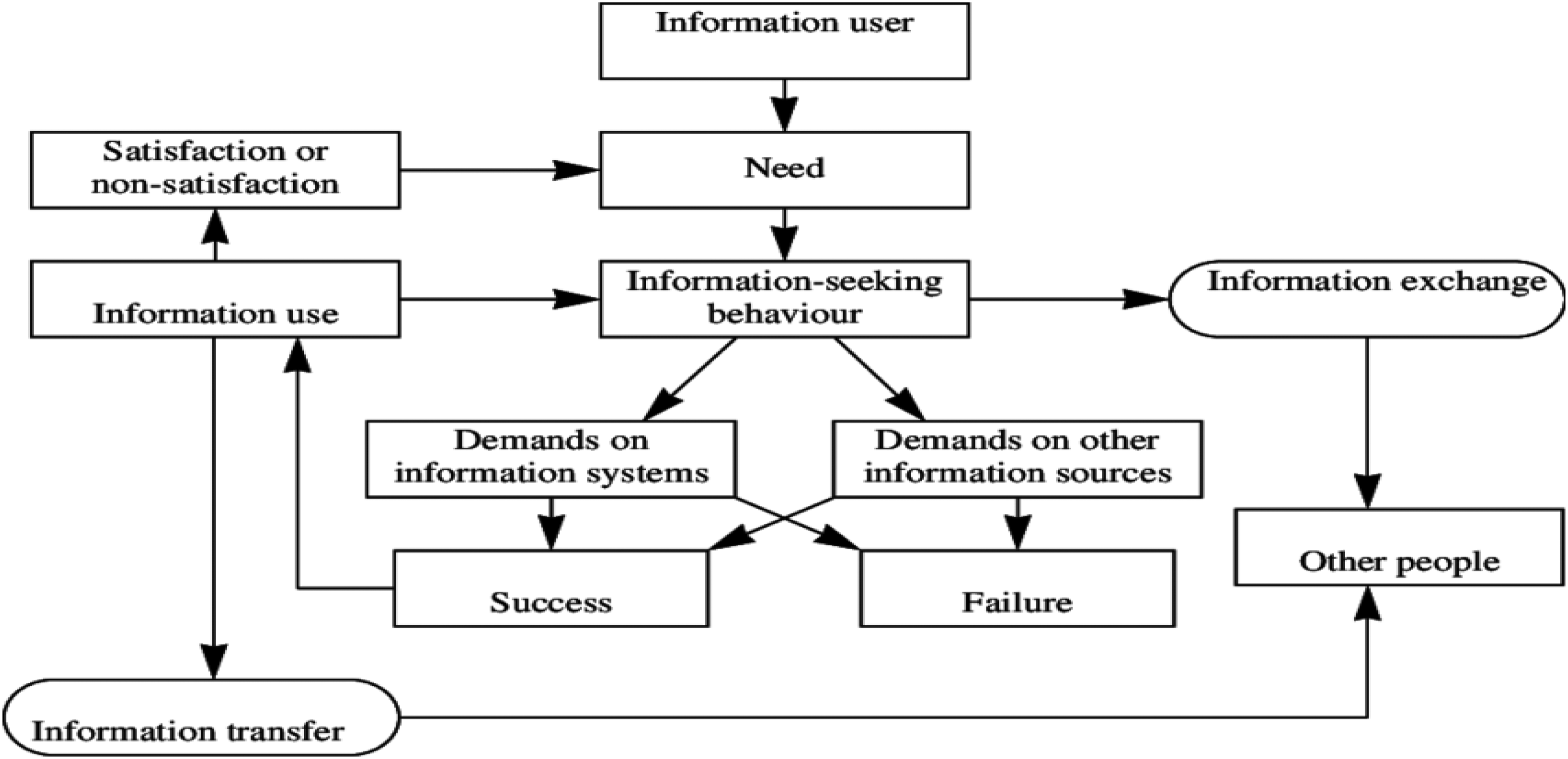
A model of information behaviour by Wilson (1981).
In Wilson's model of information behaviour, the following components can be identified: the context of the information requested (the person in the context); activation mechanisms (stress/coping theory, risk/reward theory, social learning theory including self-efficacy); nested variables (demographic, psychological, roles/personality, environmental, resource, traits); and information-seeking behaviour (passive attention, passive searching, active searching, persistent searching). When this model is applied to the search behaviour of street vendors, there is a context that is regarded as prevalent. This context has a significant impact on the information needs of these street vendors.
Research questions
The following questions guide the research among Egyptian street vendors:
Methodology
The purpose of this research is to investigate Egyptian street vendors’ information needs, as well as their information-seeking behaviour. This subject is complicated by the research design, as well as the data collection mechanism. Samples from a community, such as street vendors, may be challenging to obtain. Because it is difficult to create direct communication with uncontrolled workgroups such as street vendors, this study relies significantly on proper (as far as practicable) sampling from sparse places. To overcome this methodological challenge, the researcher contacted persons who, in turn, helped contact these street vendors since they know how to entice and persuade them to participate in the study's completion. The researcher has spoken with a sufficient number of those street vendors. After breaking the ice and introducing the research team and the study's goal, the researcher asked the participants who agreed to participate in the study to communicate with him via his mobile phone, as this is the most effective method of communication between the two parties.
Five focus groups were used to interview the participants in this study. Focus groups, according to Morgan (1996), are a valuable tool for exploratory research and can be used to test preliminary research design ideas. This method has been widely used to assess participants’ perceptions of a particular field of study (Chase, 2000). It can also reveal a variety of issues that other methods, such as surveys, find difficult to pinpoint precisely. In this study, focus groups were primarily used to allow participants to freely express their opinions about their information use. Because of the majority of participants’ lack of awareness, as well as a significant number of the participants’ low level of education, some training sessions were held. Three research assistants and two interviewers were recruited to help the main researcher conduct the research. The researcher consulted three experts who are interested in issues concerning street vending in Egypt. The total number of Egyptian street vendors who took part was 54. The participants’ ages ranged from under 20 to over 61 years, and they were comprised of 43 males and 11 females. According to Egypt's administrative division, the participants were divided into five groups of equal size (as far as possible away from any possible bias) in order to represent (as far as possible) these street vendors stationed in northern, central, and southern Egypt, particularly central Egypt, which has more than two-thirds of the population of Egypt (Table 1). The participants were ethically asked for permission to conduct the study because it is difficult to obtain government approval for conducting this research due to the state's lack of recognition of the work of these street vendors, as previously stated, or to encode them within the scope of public jobs covered by insurance, which are subject to government supervision and legislation.
Distribution of the sample of Egyptian street vendors according to their locations.
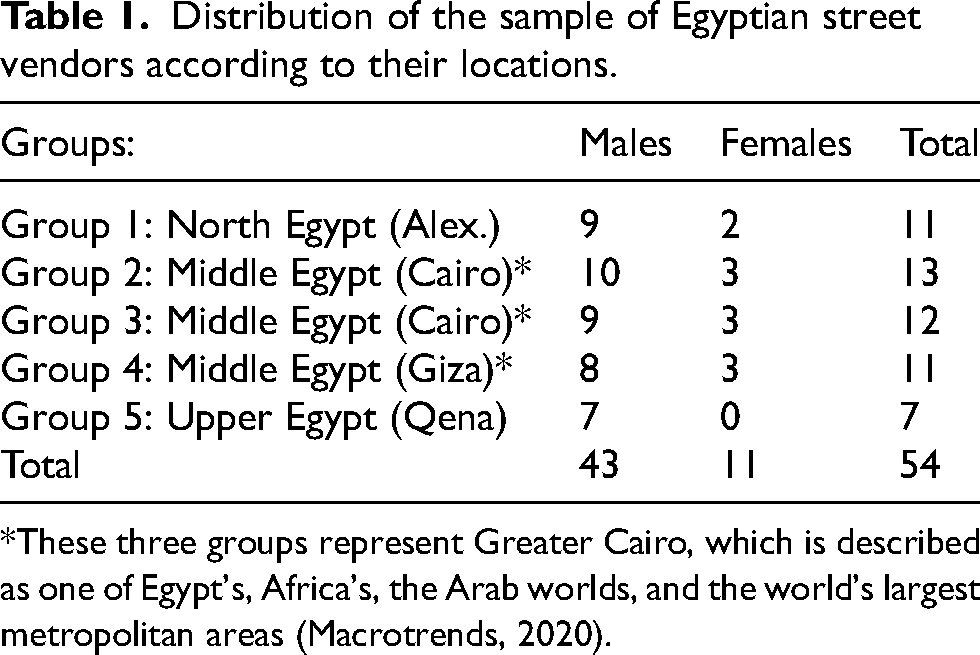
*These three groups represent Greater Cairo, which is described as one of Egypt's, Africa's, the Arab worlds, and the world's largest metropolitan areas (Macrotrends, 2020).
According to Krueger and Casey (2008), the sample size indicated above is adequate for the study. The number of participants in each group was easily controlled. Interviews were held in July 2020. Sessions ranged in length from seventy to nearly one hundred minutes. Consistent with Gibbs (1997), the session length was adequate. Depending on the situation, additional questions were asked during the interviews to elucidate the questions and obtain further explanations. The interviews were digitally recorded. Manual notes were also taken.
Results
The researcher used grounded theory to analyse this qualitative study because it is the most widely used method and is appropriate for the nature of the qualitative studies. Glaser and Strauss (1967) jointly developed grounded theory as a methodology for developing theory from systematic data obtained from social research (Büscher, 2007). Simply, it is a qualitative method for studying a specific phenomenon or process and developing new theories based on the collection and analysis of real-world data. One of the most significant benefits of using grounded theory is that the end result is an accurate representation of real-world settings. Grounded theory is derived directly from real-world participants in real-world settings using methods such as in-depth interviews and observation, resulting in more accurate representations of the real world. Other research methods, on the other hand, take place in less natural settings, such as research labs or focus group tables. Because the analysis should be limited to the most important data, the researcher relied solely on the data that needed to be analysed. As a result, the analysis of the data closely related to the research questions was limited to the deletion of the rest, which could amount to half or more. After analysing the data into many small encodings, the stage of converting it into large and few subjects begins. This conversion is accomplished by grouping similar or convergent encodings into a single class known as “theme” (Figure 2).
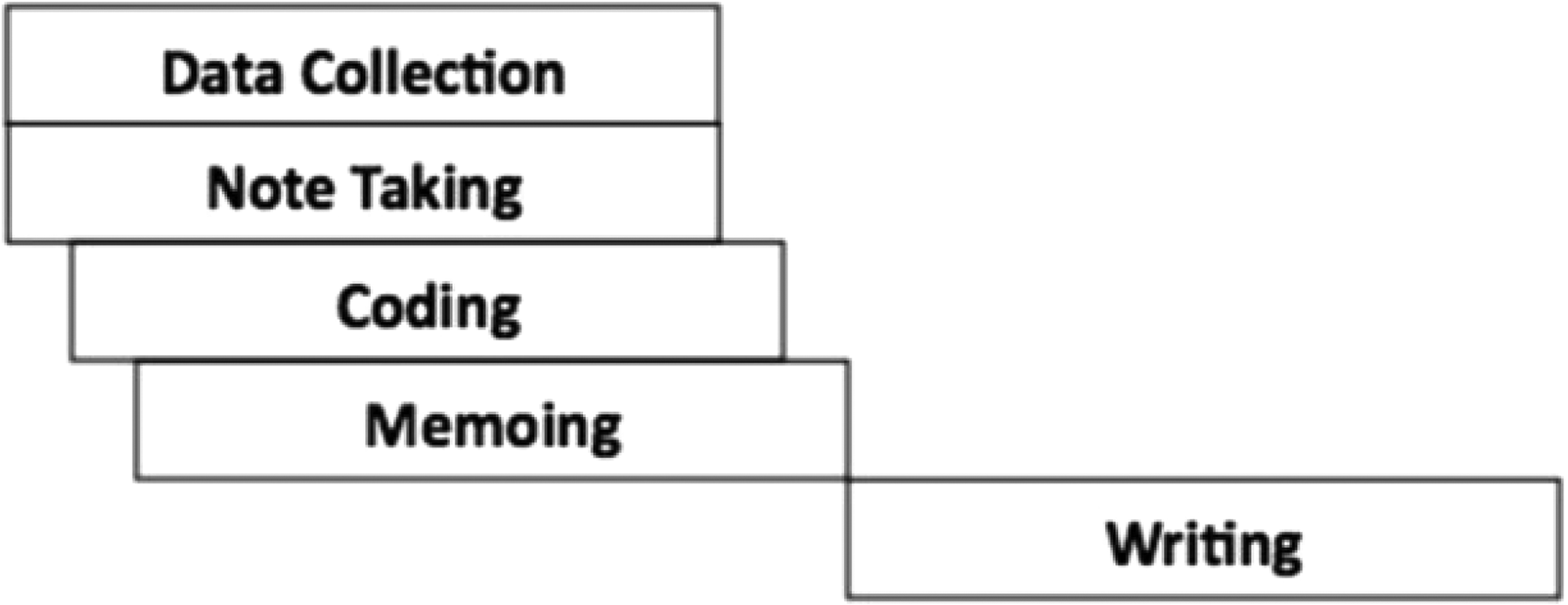
The grounded theory's construction and process based on Dick (2007).
Findings of the study
The order of the interview questions is used to organise the study's findings. They are also handled based on their answers to the four study questions.
Demographic characteristics of street vendors
According to their demographic profile (gender, age, education, income, and social status), respondents were mostly males, uneducated to informal education, mostly young and middle-aged, low and middle-income, and mostly married. As shown in Figure 3, the majority of respondents (79.6%) were men, while females made up 20.4%.
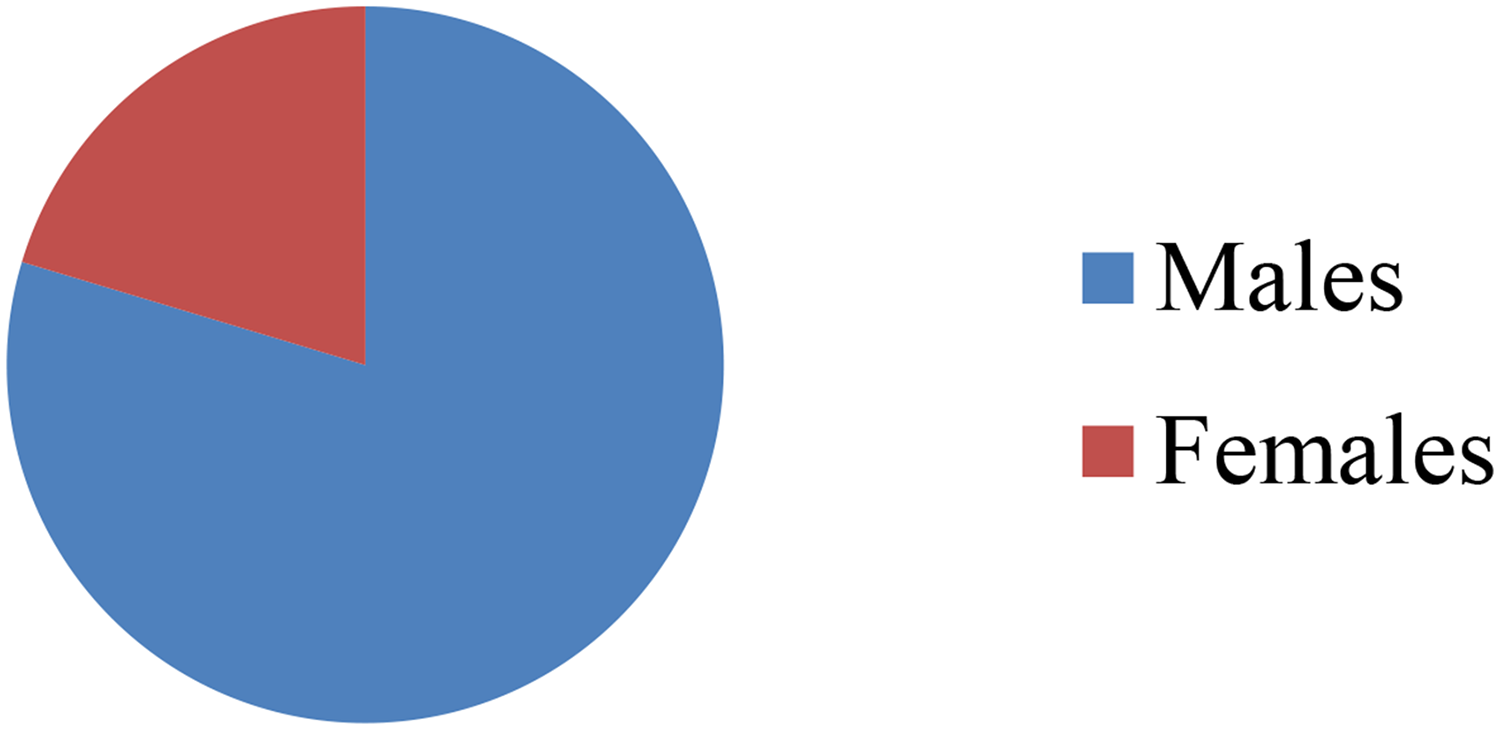
Respondents’ gender.
According to the findings, respondents’ ages ranged from less than 20 to more than 61 years. Nearly half (42.35%) were characterized as young street vendors (−20–30 years). More over one-third (35.2%) were in their fourth and fifth decades, aged 31 to 45. With ages ranging from 46 to 61 + , the percentage of those described as elderly was 22.2% of the total sample (Figure 4).
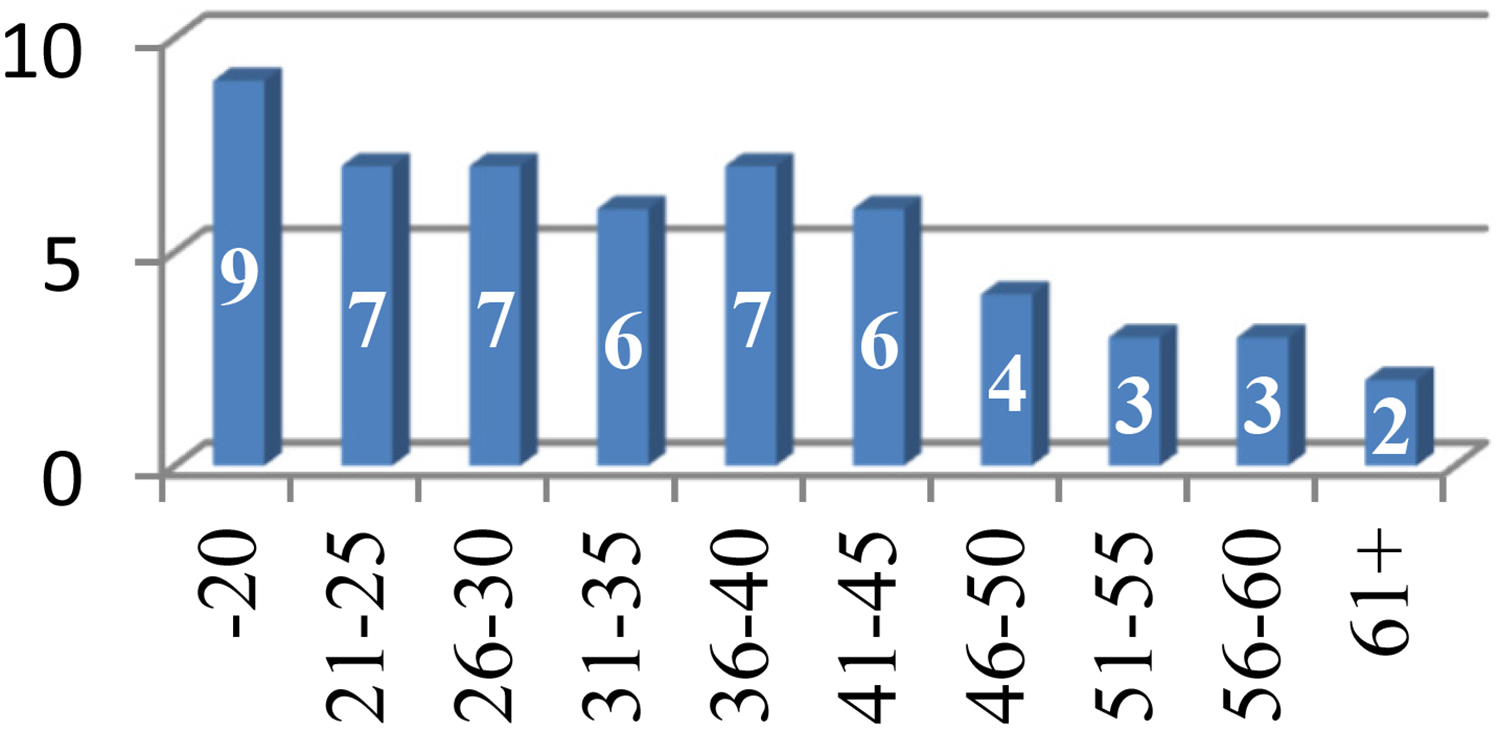
Respondents’ age.
Education is a significant socioeconomic indicator that represents the knowledge and behaviour of a person. The respondents are classified into six categories based on their level of education: uneducated, no formal education, primary school, prep school, high school, and Bachelor's. According to the findings, the majority of respondents (27.8%) were uneducated, followed by those with no formal education (18.5%), prep school (18.5%), primary school (16.7%), and high school (13%). The percentage of responders having a Bachelor's degree was quite low (3.7%) (Figure 5).
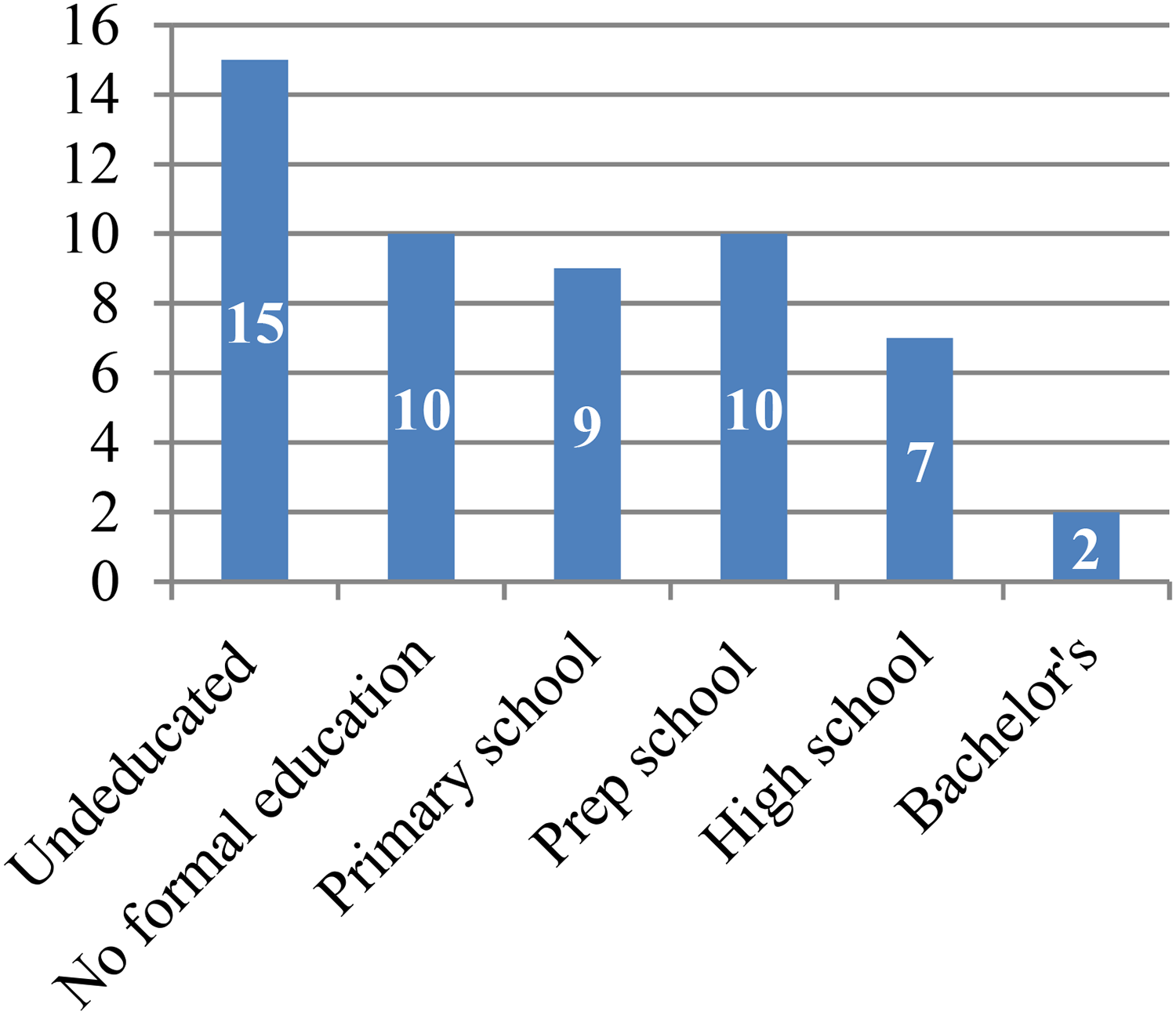
Respondents’ education level.
Figure 6 shows that nearly two-thirds (64.9%) of respondents were married, while 18.5% were single and 9.3% were divorced.
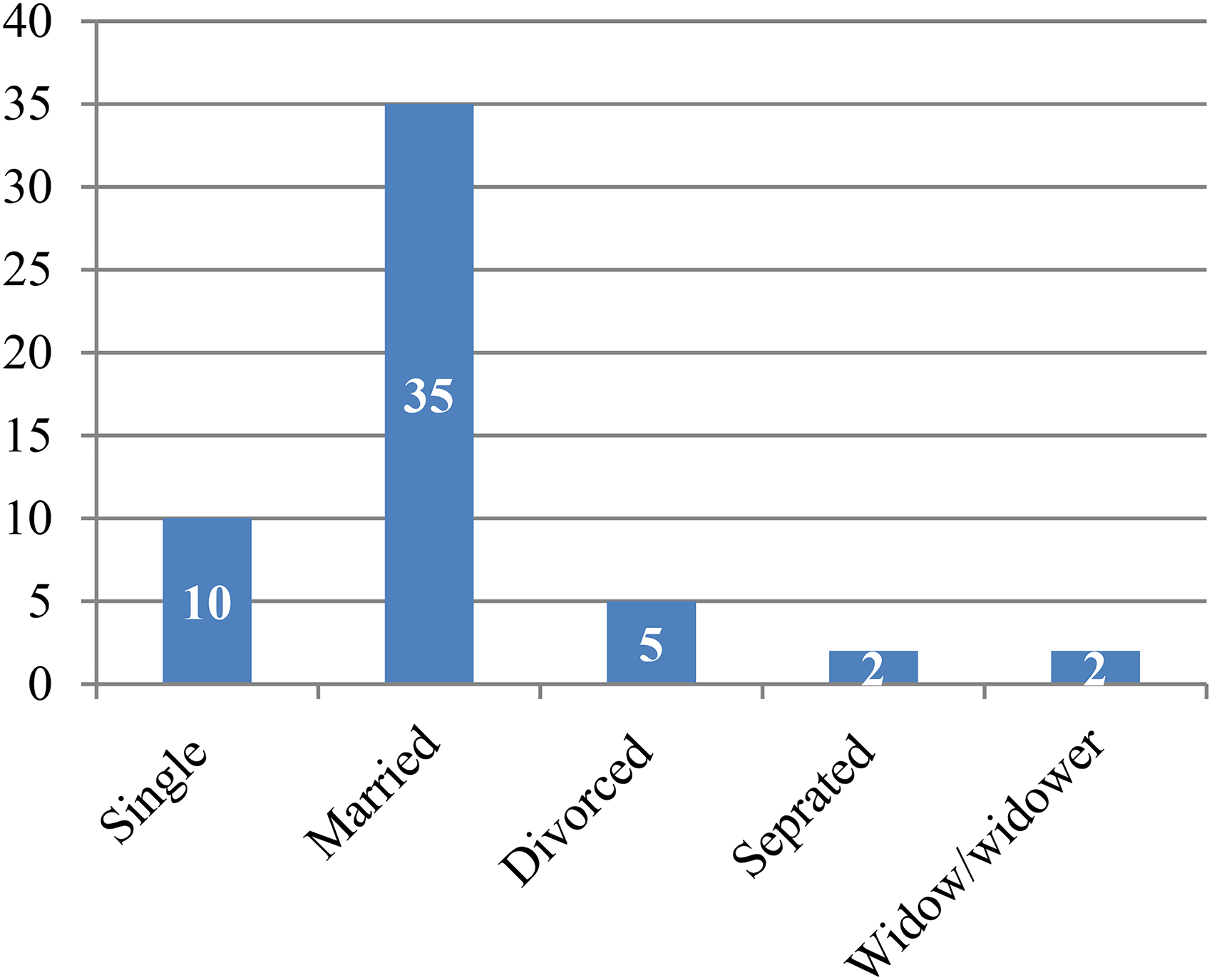
Respondents’ social status.
According to the study's findings, respondents’ monthly earnings ranged from −1000 to over 4001 Egyptian pounds (1 USD = 18.76 EGP, based on the June 2022 exchange rate) (https://www.xe.com/ar/currencyconverter). Slightly more than one-third (35.2%) of respondents earn between 1001 and 2000 EGP per month, followed by those earning between 2001 and 3000 EGP per month (20.4%), and those earning less than 1000 EGP per month (18.5%) (Figure 7).
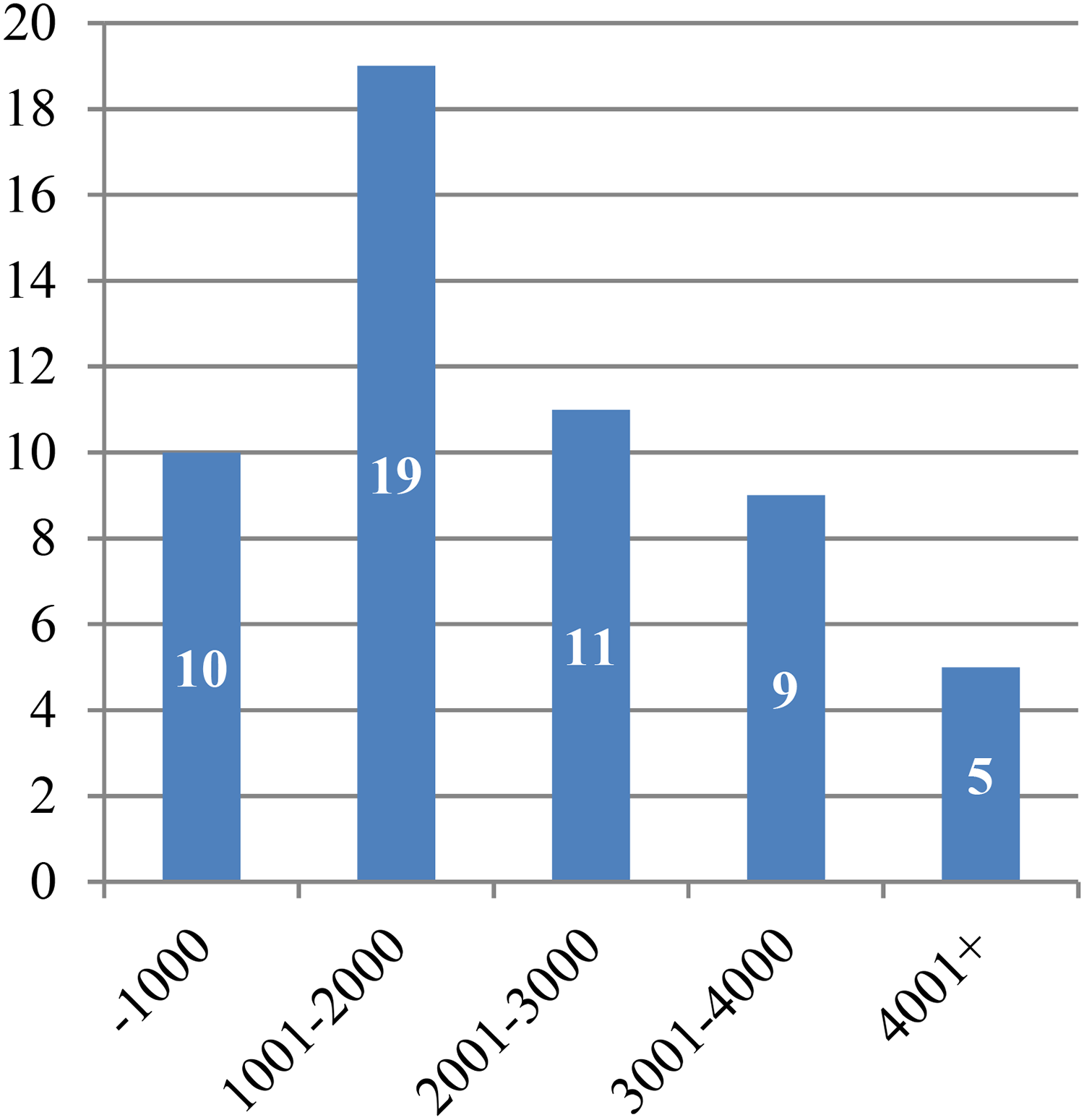
Egyptian street vendors’ monthly income.
Reading and writing abilities of street vendors
The researcher took note of the respondents’ cognitive level of reading and writing in identifying and using appropriate sources of information, as well as the various communication channels through which these sources can be obtained. As a result, the researcher asked the respondents to determine their reading and writing levels in order to identify the various sources of information and communication channels in order to determine any possible relationship between the levels of reading and writing and to select the appropriate sources. Figure 8 shows that more than half of the respondents’ reading level was at least acceptable, and that the writing level of at least half was good. Just over half of respondents said their reading level ranged from “not at all” to “poor”, while just over half of them said their writing level ranged from “not at all” to “poor”.
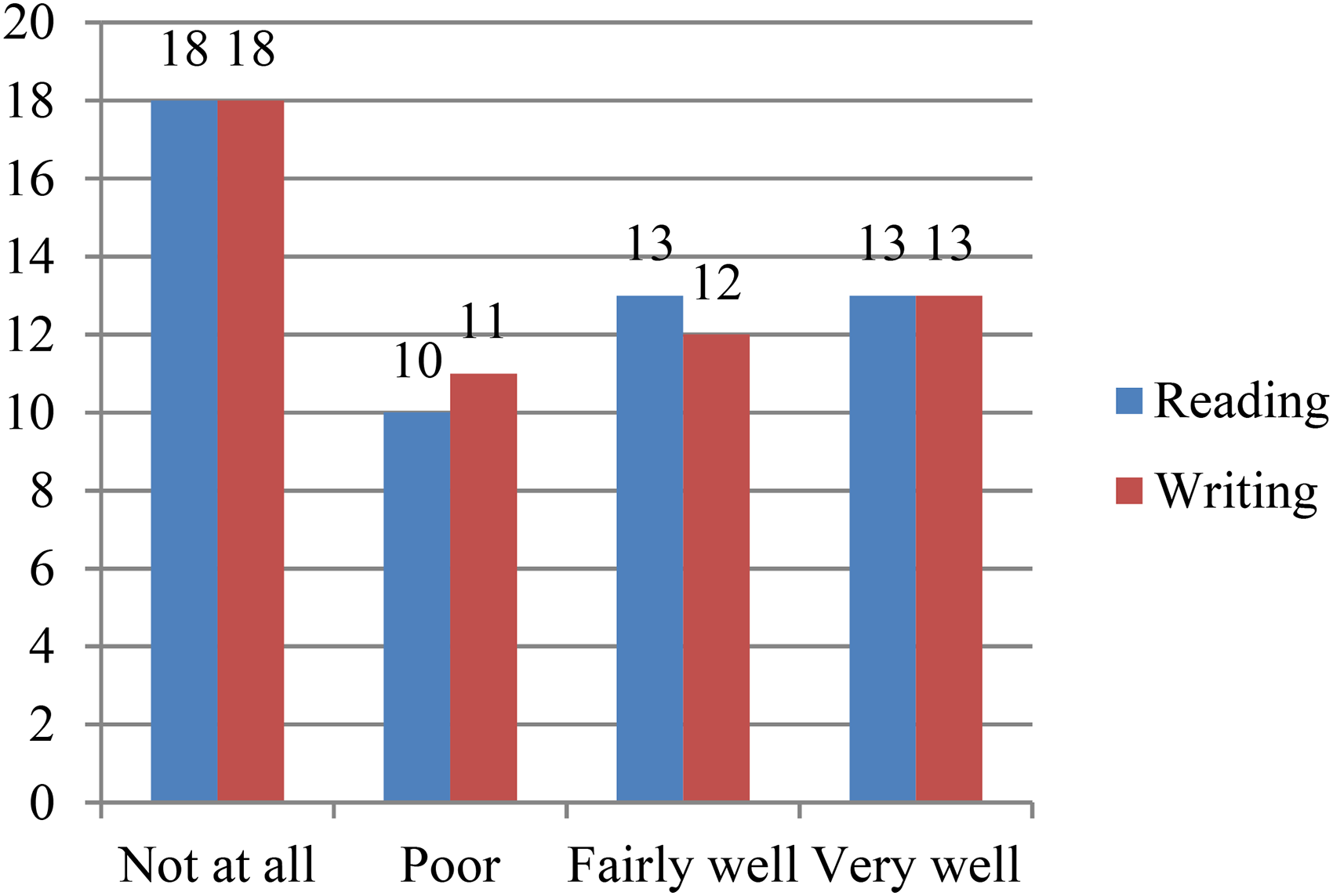
Respondents’ level of literacy of reading and writing.
In the same vein, respondents were asked to rate their level of comfort with communication tools, such as land/mobile phones, computers, and Internet applications (apps) like browsing, chatting, and so on. While more than half of respondents said their computer use ranged from “not at all” to “poor”, nearly half said it was at least “fairly well”. More than two-thirds of respondents indicated that their use of communication tools and Internet apps was at least fairly well (Figure 9).
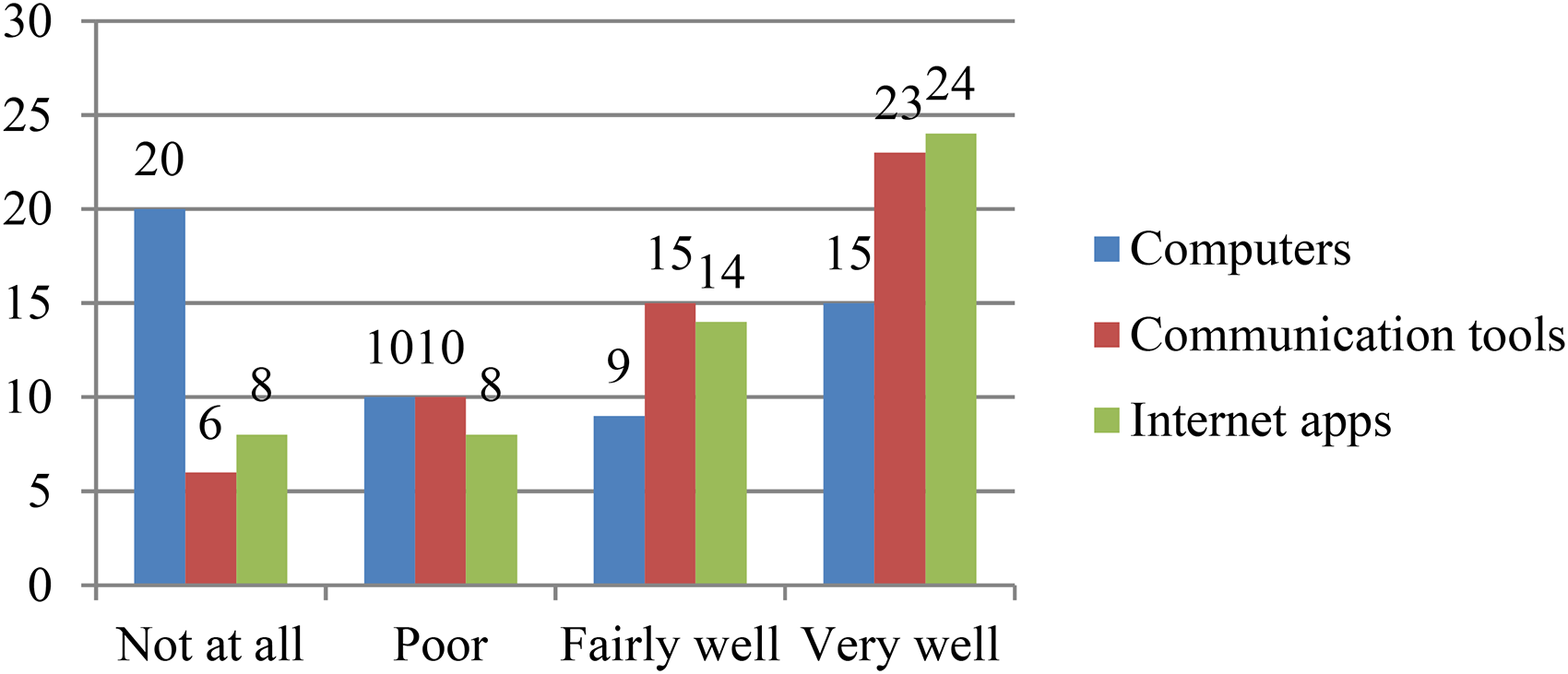
Respondents’ use of computers, communication tools and internet apps.
RQ1. What are the information needs of Egyptian street vendors, and why they are seeking for information?
While more than two-thirds of respondents (72.2%) reported that they were not fully aware of their information needs, a considerable proportion (63%) was unable to properly address or manage their information. Almost a third (31.5%) of them has correctly identified these needs. The study also found a considerable range in the information demands of respondents, including individual and family needs, work-related activity needs, and the desire to locate a better workplace. Respondents relied on a range of communication channels, including nearby street vendors, family, and friends, in order to satisfy the demands of their work.
According to the study's findings, respondents sought information largely to assist them with work-related duties. Nearly three-quarters of them (74.1%) stated that they used information primarily for communication. More than half (55.6%) were looking for information in the hopes of finding a better career in a better area, particularly outside of Egypt. Almost one-third (31.5%) said they were looking for news information, particularly on social networking sites. Almost two-thirds (61.1%) said they used information to find social media platforms featuring entertainment programmes, such as YouTube and Facebook. “Due to my illiteracy, I do not use the information as intended”
A female street vendor aged 21–25 years and two male street vendors aged 21–25 and 46–50
“I don’t consider myself to be sufficiently interested in the information, especially in solving the problems I encounter. As a result, I don’t consider myself to be overly reliant on it in this regard”.
Three male street vendors, aged 26–30, 36–40 and 51–55 and a female street vendor aged 31–35
“My information needs have been determined to meet my family's basic needs, as well as my own”.
Three male street vendors aged 26–30, 31–35, and 41–45
“I am not familiar with the effective use of information sources, especially electronic ones”.
A female street vendor aged 35–36 and two male street vendors aged 31–36
“I primarily use the Internet for work-related information, as well as for entertainment”.
A female street vendor aged 21–25, and seven male street vendors, aged 25–30, 31–35, and 36–40
“I'm looking for information to help me find better jobs, whether through individuals or through labour recruitment agencies”.
Five male street vendors aged 31–35, 36–40 and 36–40.
“I mostly use social networking sites and television for communication and entertainment”.
Seven male street vendors, aged −20, 21–25, 26–30 and 31–35 and a female aged 21–25
RQ2. What is the information-seeking behaviour profile of Egyptian street vendors?
In terms of their profile, the findings revealed how respondents handled and explained their information needs. According to the study, a large number of respondents (90.7%) preferred oral sources when exchanging information with others, whether through direct interaction, face-to-face meetings, or mobile and social media communications. To use and exchange information, I prefer oral communication with others.
All respondents
Friends and peers are the most trustworthy sources of information for me.
Almost all respondents
The mobile phone has greatly aided me in staying in touch with my family, peers, and friends.
All respondents
The mobile phone is an important tool for communicating with others, whether for personal reasons or for business purposes.
All respondents
Social media, as well as television & radio are among the most popular sources of information.
Almost all respondents
“I rely on official government information, particularly when it comes to my children's education”.
Four male street vendors, aged 26–30 and 36–40 and two female street vendors aged 31–35
RQ3. What types of information sources and channels are Egyptian street vendors using?
Diverse sources of information were cited by respondents. These sources ranged from oral to written, formal to informal, and documented to unverified. The most common source of information for respondents was verbal communication with friends, peers, family, and others, whether via cell phones or face-to-face encounters. Respondents reported that they learned from one another and shared a vast array of experiences, especially those related to work. Respondents’ most popular sources were social media, television, and radio. Almost two-thirds of those respondents have used these sources, with nearly half using television and radio. A quarter of them indicated that they obtain their news from daily and weekly publications, either for general information about current events or for work-related information. “I mostly use social networking sites and television for communication and entertainment”.
Seven male street vendors, aged −20, 21–25, 26–30 and 31–35 and a female aged 21–25
“Due to my poor reading and writing skills, I rely heavily on oral sources of information”.
Two male street vendors, aged 26–30 and 36–40
“Because of my illiteracy, I rely more on my colleagues and my children for information. Two male street vendors aged 21–35 and 41–45”.
A female street vendor aged 21–35 and one male street vendor aged 41–45
“I occasionally visit the public library to improve my reading skills”.
A male street vendor aged 36–40
“The library of the mosque next to my house has aided in the development of my informational awareness, particularly regarding religious issues”.
Three male street vendors, aged 36–40 and 41–45
“Although I have access to electronic sources of information, I believe they are complex”.
Two female street vendors aged 21–25 and 31–35 and one male street vendor aged 36–40
“I work hard to improve my electronic skills with the help of the Internet so that I can communicate and stay informed about the products I sell”.
A female street vendor aged 21–25 and three male street vendors aged 25–30, 31–35 and 36–40
“I believe I need some training for my work as a street vendor, but some obstacles, such as a lack of time and money, are impeding that”.
Three male street vendors aged 21–25 and 36–40, and two female street vendors aged 21–30 & 26–30
RQ4. What are the challenges, if any, met by Egyptian street vendors when using information?
In their pursuit of information, Egyptian street vendors experienced several obstacles. These obstacles likely hindered their utilisation of this information. According to the study's findings, illiteracy and a lack of time were two of the most significant challenges faced by these street vendors. Significantly, these challenges impacted these vendors’ reliance on information to solve day-to-day problems, and thus their ability to manage their lives well. Other obstacles, such as psychological pressure, a poor social image, a lack of awareness of basic rights, a lack of financial resources, and a lack of information-seeking skills, clearly influenced these vendors’ information-seeking behaviour. “I'm not very good at reading or writing. Despite their importance, I lack the time to learn them”.
A female street vendor aged 36–40 and two male street vendors aged 41–45 and 51–55
“Illiteracy and a lack of time were two major roadblocks I encountered while looking for information”.
Three male street vendors, aged 26–30 and 36–40, and one female street vendor aged 21–25
Stress, psychological exhaustion, frustration, and the social image of my profession are all factors that influence my work and my entire life.
Almost all respondents
“I’m disappointed that I don’t have enough time to learn and use the computer”.
Two male street vendors, aged 36–40 and 46–50
“To help with my work, I work hard to improve my reading, writing, and computer skills”.
Three male street vendors, aged26–30, 31–35 and 41–45
Discussion
This study emerged to investigate the information needs of street vendors and their information-seeking behavior. The researcher's interest in this category of “workers” came to shed light on the marginalized and unorganized workers who received an unequal share of education, appropriate skills, social support, or government attention. As a result, they may be less likely to be hired as government-protected legal workers or to abide by the professional regulations and laws that apply to them. Such people, according to Ezugwu and Ozioko (2014), have a wide range of information needs, including occupation, education, finance, and skill acquisition. Their information, on the other hand, is insufficient. According to Auerswald et al. (2017), disadvantaged and marginalised people are excluded from the social, economic, and/or educational opportunities that other members of their communities enjoy for a variety of reasons beyond their control. These include social (economic inequalities, violence, stigma, racism, and migration), family (neglect and abuse), and individual-level factors (disability, ethnicity, etc.). Five focus groups were held in Egypt's north, middle, and upper regions to conduct this research. According to the study's findings, Egyptian street vendors were mostly men in their 30s and 40s with little education and income, and the vast majority were married. Previous research (Mansour, 2015, 2017) discovered that disadvantaged and marginalised Egyptian workers, such as domestic workers and beggars, were more likely to be males, married, middle-aged, and low-income. A number of Egyptian street vendors interviewed for this study revealed that they were not fully aware of their information needs, and the majority of them were unable to address them appropriately. The study also revealed a remarkable diversity in the sample's information needs, particularly in terms of individual and family needs, as well as needs for work-related activities.
Respondents’ information needs
Many respondents identified their information needs as realistic and essential to them. In terms of determining their information needs, the study's findings revealed that nearly half of the respondents were unable to precisely determine their information needs. They claimed that they had no idea what information terms like organising, storing, and retrieving meant. Several of them, however, stated that they were aware of and comprehended the situation. The study also indicated a significant variation in respondents’ information needs, particularly those related to their individual, family, and job lives. Respondents were urged to rely more on a range of communication channels, such as peers, friends, and families, to meet these needs.
Respondents’ information-seeking behaviour profile
In terms of their information-seeking behaviour profile, the study's findings revealed that the majority of respondents preferred oral information sources when searching and exchanging information with others, whether through direct interaction, face-to-face meetings, mobile phone communications, or social media. The use of mobile phones, as the most important means of communication available, enables respondents to strengthen their bonds with others as well as improve their relationships with their peers, friends, and family, which in turn aided in the expansion of their social networks with others. Despite some of these respondents’ limited knowledge of information and communication technologies, this study discovered that all respondents own mobile phones, and some have smart phones, allowing them to use interactive and popular applications to freely communicate with others. Collins (2014) claims that mobile technology has enabled many people who are unable to read or write to better understand and interact with others. These findings are consistent with Mansour's (2015) and (2017) studies, which discovered that Egyptian domestic workers and beggars were more reliant on mobile phones and social networking sites for social networking.
Respondents’ personal and practical experience was one of the most significant sources on which they relied, as a large number of them confirmed that they relied on exchanging information among themselves, as well as consulting and benefiting from the success of each individual among them. The news from social media, television, and radio was at the top of these lists. However, a few of them stated that they also relied on official government information, especially when it came to their children's education. Official government records were at the top of the list of sources.
Reasons why respondents use information sources
According to the study's findings, respondents were primarily looking for information to assist them in performing tasks related to their daily jobs. Many of them stated that they primarily used the information for communication purposes. Almost one-third of them said they are looking for this information to help them get better job opportunities, whether through individuals or labour recruitment agencies. Approximately half of them said they look for news information, particularly on social media sites such, as Facebook. Three-quarters of them said they used the information to find entertainment programmes on social media platforms.
Respondents’ types of information sources and channels to obtain preferred information sources
Respondents’ sources of information were described as diverse. They ranged from oral to written, formal to informal, and documented to undocumented sources. Oral information with friends, peers, family, and others was the most popular source of information for respondents, whether via cell phones, or face-to-face meetings. Respondents stated that they learned from one another and shared a wide range of experiences, particularly work-related ones. Respondents’ most popular sources were social media, television, and radio. Almost two-thirds of those respondents have used these sources, with nearly half using television and radio. A quarter of them said they get their news from daily and weekly newspapers, whether for general information about current events or for information specific to their work.
In this study, respondents made extensive use of communication devices, particularly mobile phones. They also confirmed that they had other informal or undocumented sources of information, such as information from their peers and families. According to Sanders et al. (2010), informal learning refers to the extent to which an individual learns from everyday experience, in work or life, rather than formal education or participation in formal courses and training. Some of respondents rely on formal sources of information, such as books, to help them teach children or gain experience through reading.
This study demonstrated the significance of using technology and related tools that aid in the discovery and use of information, such as computers and Internet apps, as a large number of respondents reported using the Internet on a regular basis, particularly through their mobile phones, to communicate with others or to meet their work demands. The Internet has enabled those respondents to search for information in a variety of formats, including audio, video, and text. This study found that older respondents’ use of the Internet and technology was significantly lower than that of the young. Older workers use less information and communication technology in their jobs, use less sophisticated applications, and have more difficulty using information and communication technology (Koning and Gelderblom, 2006). However, some respondents who were familiar with the use of the information stated that they did not go to any associations related to their work to request information or even assistance. Only a few respondents said they didn’t have enough time or experience to use these methods.
According to studies, a person's educational level has a significant impact on his access to information for use, as well as his knowledge of organising, storing, and retrieval. In other words, there is a link between educational attainment and access to information sources. However, some factors and obstacles, such as illiteracy or poor reading and writing skills, may have an effect on this relationship. These barriers compelled a large number of respondents not to use all libraries when looking for information, with the exception of some libraries, such as public libraries and mosque libraries, because there is a link between using the library as an information system, education, and reading skills. As found, there are a significant number of respondents who don’t have these skills. According to a large number of them, the library is not a reliable source of information! While these findings are consistent with those of previous studies, such as Mansour (2015, 2017), they are inconsistent with those of other studies, such as Cooper and Urquhart (2005), who found that home care workers were aware of the availability of formal information resources in agency offices, such as leaflets on social health care, financial support, and health conditions. Kindly, refer to Figures 8 and 9.
Challenges faced by respondents when utilising information sources
Respondents encountered numerous difficulties while looking for information. These difficulties had a negative impact on their ability to use this information. Illiteracy, a lack of time, and financial constraints were found to be the most important challenges faced by those respondents. These difficulties reduced these respondents’ reliance on information to solve daily problems and manage their lives effectively. Other barriers, such as psychological stress, a negative social image, a lack of awareness of basic and fundamental rights, particularly information rights, a lack of skills, and a lack of adequate and necessary training, all had a significant impact on how respondents used information.
This study focused on the literacy of Egyptian street vendors because it is closely related to the use of information, as the World Bank (2020) estimated that the literacy rate in Egypt in 2017 was around 71.17%, which means that 28.83% of the Egyptian population is illiterate. Reading and writing are major issues in modern life as a result of the vast amount of information available through ICTs. Everyone, including street vendors, can benefit from information literacy skills in order to complete their daily tasks.
Egyptian street vendors, like any other professional, require literacy skills, as well as knowledge of information and communication technology in order to do their jobs successfully. According to Ranaweera (2008), people who own and use information effectively can improve their quality of life and contribute significantly to their communities A person with a limited education lacks the skills, knowledge, and abilities to apply the information. This study concluded that some of the respondents lacked the necessary skills to use the information, and many of them blame themselves, believing that any use of information by them does not necessitate specific skills. Egyptian street vendors must be information literate in order to take advantage of the wealth of information available in today's society.
Despite these challenges, respondents have expressed a willingness to improve their “working” conditions. These findings are supported by Mansour (2015) and (2017), who stated that the most difficult barriers faced by domestic workers and beggars in Egypt when seeking information are time, lack of awareness, knowledge, illiteracy, and a lack of money.
Conclusion
This is one of the few studies focusing on the study of disadvantaged, marginalised, and vulnerable groups of workers in society, specifically the category of street vendors, which is prevalent in many areas of Egypt, particularly densely populated areas. The study is thought to be the first of its kind to examine this group of people on a local, regional, and international scale. The study's literature backs this up. As a result, the purpose of this research is to investigate this group of workers in terms of identifying their characteristics, information needs, and information behaviour, as well as the potential barriers affecting their information use, with the goal of evaluating and making recommendations to overcome each of these barriers.
In terms of their information behaviour profile, a large number of respondents preferred oral sources with others (families, relatives, friends and peers) via direct interaction, face-to-face meetings, or mobile and social media. Respondents’ primary motivations for obtaining the information were to aid in the completion of tasks closely related to their jobs. A large number of respondents preferred oral or informal sources, such as communication with peers, family, and friends, to written sources. One of the most important sources on which respondents relied was their own personal experience. Illiteracy, psychological pressure, a negative social image, a lack of awareness of basic rights, particularly information rights, a lack of financial resources, a lack of skills and training, and a lack of resources, as well as a lack of time are among the most significant obstacles faced by respondents.
The social implication of the study
The significance of this study originates from the significance of its subject, which, as proven by the study literature, did not receive adequate investigation and attention. Consequently, the purpose of this study was to shed light on this crucial and underrepresented group of information users. Those concerned with the rights of disadvantaged or marginalised groups, including the right to access and use information, can benefit from this study. In addition, this study may assist the relevant authorities in gaining a precise understanding of this category in terms of its understanding and the nature of the work it performs, with the goal of enacting appropriate legislation or even coding it within the general work classification system, which includes all other categories.
Recommendations for future research
This study produced a set of recommendations that are worthy of consideration, both in terms of their application and as an introduction to other researchers who are interested in conducting it as a serious research project. Among these recommendations is the urgent need to sponsor Egyptian street vendors, who are one of the working groups that have received insufficient study and research, not only from relevant government institutions, but also from researchers and specialists in this type of study involving information users. This group of information users should be thoroughly researched. Based on the study's findings, as well as the literature, more research is needed to understand how respondents perceive, use, and evaluate information.
According to the study's findings, participants did not pay close attention to library use, with only a small percentage of them using public libraries and the mosque library. More research is needed to determine why respondents were hesitant to use libraries as a reliable source of information. According to Ezugwu and Ozioko, libraries, particularly public libraries, must play a role in providing people with appropriate information (2014). This study advocated for the development of appropriate strategies for using traditional and widely used information dissemination channels, such as cultural performances and group discussions.
Assisted cognitive entities should be created to maximise the role of information in the lives of Egyptian street vendors and encourage them to use it. This helps them address and assess their cognitive needs, as well as gain a better understanding of a variety of life issues. This would also allow them to more fully appreciate the work they do in their communities. Up-to-date and consistent information and statistics about Egyptian street vendors are still required to manage and handle this type of work, as well as to understand their actual needs.
It is necessary to study the effect of demographic factors, particularly gender, on the professional activity and information requirements of street vendors, as well as how these factors affect this activity.
The limitation of the study
This study focused solely on Egyptian street vendors. The findings and conclusions apply only to them. The generalizability of the study is limited by sample size, suitability, and homogeneity.
