







Abstract
This study aimed to establish the challenges that visually impaired (VI) students face when accessing digital resources at the University of Nairobi Library. A descriptive survey design was used with a sample of 20 VI students and 5 key informant librarians. Data was collected through questionnaires. The findings revealed that the major challenges faced by VI students in accessing digital resources included inadequate Braille materials and learning resources, difficulty grasping and typing information, lack of digital skills, negative attitudes from peers, high internet costs, and lack of adaptive technologies. To overcome these challenges, VI students relied heavily on sighted friends for assistance and sought encouragement from family and tutors. Recommendations include increasing Braille and adaptive technologies in the library, training librarians on assisting VI students, adding audio capabilities to resources, creating inclusive and adaptive spaces, and reducing internet costs. The study concludes that VI students face significant barriers in accessing digital resources equitably and need improved services and assistive technologies to enhance their academic achievement and independence. This study provides insight into the information needs of an underserved population and ways academic libraries can better support inclusion and accessibility.
Introduction
A growing number of countries have recognized the high potential of information to contribute to national economic and social development. As Kenyan development enters a new digital stage, it also requires an updated ‘information’ strategy for its economic and social transformation. Information is a vital commodity, as it has the very basis of human existence. Modern society depends fully on information, and therefore, when the information is utilized effectively, it brings growth and wealth to the development of society. Library users were in general, key founders to information seeking with the post-war increased scientific literature that was recently released or newly published from war-time restrictions led, in 1948, to the Royal Society Scientific Information Conference (1948), was the beginning of the modern study to information seeking behaviour by the human beings (Mierzecka-Szczepanska, 2015).
Taking into consideration the flourishment works in architecting repositories, portals, intranets, information, and collection encouraging the utilization of web 2.0 discipline, which allows anyone to create and share any electronic information or materials they have created, it may appear to line interests to control that content is available to all, Concerns to design accessible web pages for visually impaired users should especially be taken into consideration (Kleynhans and Fourie, 2014).
A lack of visual ability can prevent people with vision problems from coding precise vital information, particularly print documents that require extensive navigation to access or read. Lucky and Achebe (2013), with an informed society, more people with disabilities are not left behind; they also enrol in institutions of higher learning to equip themselves with knowledge. In this case, it is the responsibility of library management to provide the same range of information to users with challenges, regardless of format; this implies that access to information should be equal for all categories of users (Ekwelem, 2013). Conversely, equal access to digital information resources will be available for the betterment of the disadvantaged group. The appropriate information material in electronic format should be made available and in large variety. The library management should be at the forefront in acting upon the needs of the students with disabilities by making the resources comprehensive and need to listen to their voices and continuously improving their services (King and Coetzee, 2018).
The University of Nairobi is a higher education institution located in Nairobi County, in the heart of Nairobi, Kenya's capital city, along University Way. The institute was founded in the 1970s. The outstanding library was built in the 1980s. With the immense or rapid growth, another library was born that was primarily established for the sake of postgraduate students. This was the well-known Gandhi Memorial Library, which provides its services to the college of humanities, architecture, social sciences, and engineering students. With an annual enrolment of 60,000 students, the main UON library can accommodate around 2500 learners at a moment, with 160 librarians working in all sections of the library (Commission for Higher Education, 2008).
The library is considered among the biggest academic library the country have. Its coverage includes both print and electronic resources; among them are e-books-thesis, electronic past papers e- journals, etc. with the changing Technology, the library has also embraced change whereby it has fast forward the digitization of library collection among them are the local content that are obtained within the institution, this local content provides a platform for the ranking of institution some of these include the Institution, electronic past examinations, undergraduate e-projects, electronic thesis and electronic journal articles. Moreover, the library also factored in the establishment of sections that enable the students with hearing, visual and physical disability, this indicates that the library has enhanced equal access to information resources regardless of any challenges library user might have. The library being a sole giver to information, thus it is necessary to establish the information seeking behaviour of visually impaired students in accessing digital information resources.
Problem statement
The University of Nairobi was recognized as one of the best academic universities in Kenya by Hongbo et al. (2021), providing large current knowledge resources using the most advanced Technology available. It has not only examined users’ ability to remotely access these information resources, but has also enabled them to access them online. The university has a diverse user base and has been at the forefront of extending their services to visually impaired individuals. It has facilitated the utilization of digital resources for the VI by implementing assistive Technology. This Technology is specifically designed to help the VI student gain access to digital information resources. Kiambati (2015) investigated the difficulties that visually challenged students have while obtaining information, with a focus on e- resources. Studies on VI students’ information seeking behaviours are scarce, and no studies on VI students’ information seeking behaviour have been established at the University of Nairobi. As a result, the purpose of this study was to determine information seeking behaviour on digital resources by visually impaired students at The University of Nairobi library services, as well as to provide potential solutions for full use of digital resources.
Objectives of the study
To identify the key challenges faced by visually impaired students at the University of Nairobi library in accessing digital resources.
To evaluate the effectiveness of current services and supports in place to assist visually impaired students in accessing digital resources at the University of Nairobi library.
To provide recommendations on how the University of Nairobi library can improve access to digital resources for visually impaired students based on the identified challenges.
Justification of the study
This research focused on VI students’ information seeking behaviour. Information seeking is vitally important in everyone’s existence, both for the VI and the Sighted. In today's world, there has been a rapid and tremendous change in the world of digital technology, which means that the way of acquiring data has dramatically changed due to compelling reasons such as rapid changes in computer knowledge and the international network (internet), which is mushrooming on a daily basis. According to Kiambati (2015), visually challenged pupils confront numerous problems when obtaining information on electronic resources. This suggests that until these issues are solved, VI students are likely to experience additional obstacles even if education reforms are implemented and totally changed to digital learning. In reality, as technology has advanced, the library has welcomed change and has accelerated the digitization of library collections, including local content obtained within the institution. Furthermore, the library established sections for students with hearing, visual, and physical disabilities, indicating that the library promotes equal access to information resources regardless of the problems that library users may face. As a result, the study helped to close the gap in VI students’ information seeking behaviour when it came to digital information.
The research was carried out at the University of Nairobi Library, which is one of the country's largest academic libraries. In addition, it covers a wide range of print and internet materials.
Wilson's 1999 model of information seeking behavior
The study was guided by Wilson’s Model of Information Seeking Behaviour. This model pinpoints the need to search information seeking in context. The model permits people to be conceptualized as one entity, which suits the setting of the concept in the disability group. Wilson (1999) has come out with different models of information behaviour for so many years. For example, from 1981 to 1999, his information behaviour models show that different factors bring about specific information needs. Wilson’s (1999) Information Behaviour Model carefully studies patrons from the perspective of their information need, information seeking and information behaviour. Wilson’s (1999) Model was therefore used as a framework for the study as it allowed description and clarification of user information behaviour. The study found the model to be more appropriate to the population under study than other models.
Cognitive needs arise in an effort to find sense and order in the world. The growth of a specific need is influenced by the setting, which can be the person himself/herself, or one’s position in the work place. Uniqueness of individuals strongly controls the information behaviour of a person. Personality of an individual affect the choice of information needs. Information needs of a lecturer may be different from that of a post graduate student and the needs of the same person may differ depending on the variations in circumstances (Figure 1).
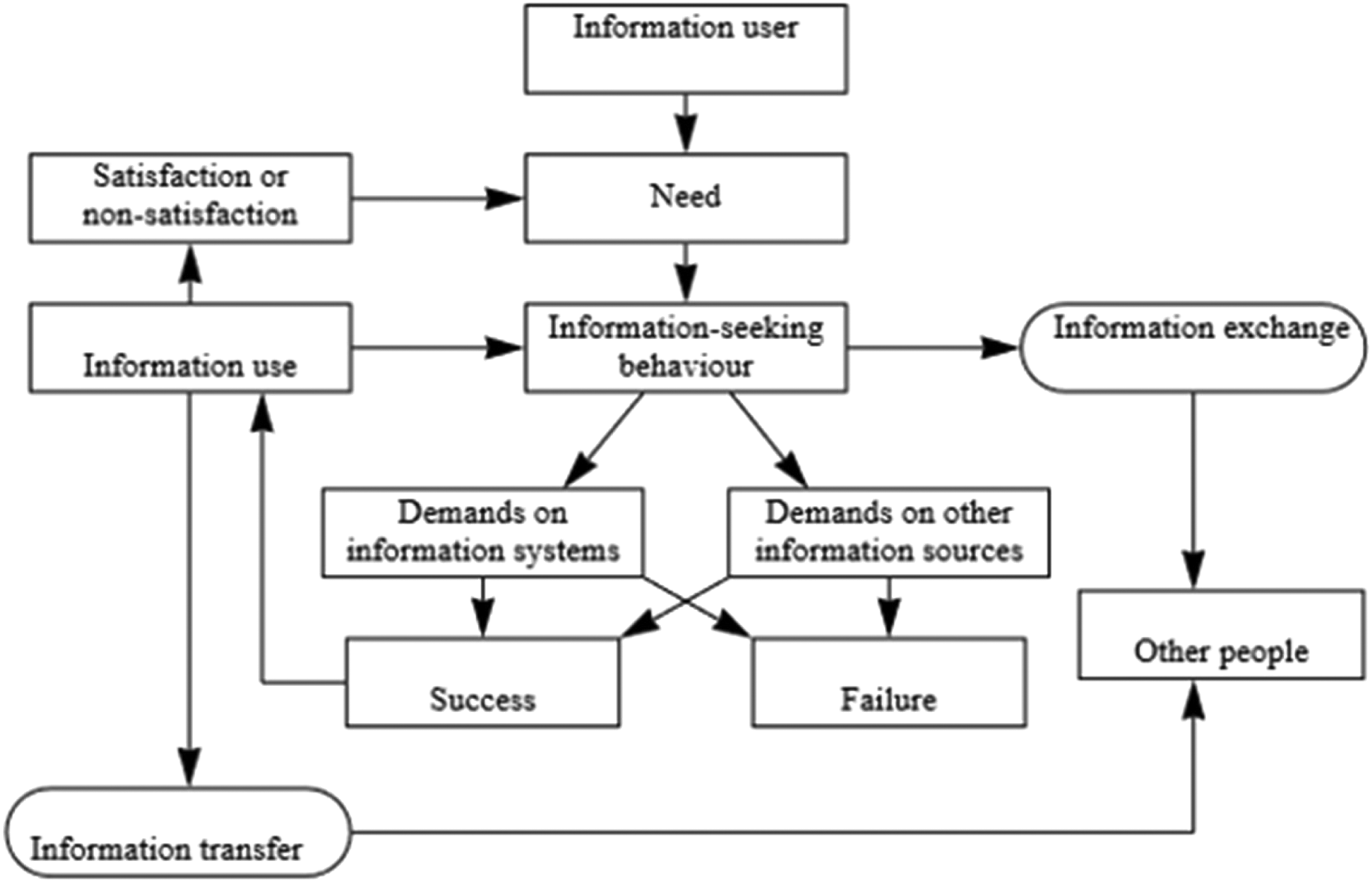
Wilson’s model of information seeking behavior.
Information seeking behaviour
Information seeking takes place when a person recognizes a gap that needs to be filled by acquiring new information. Wilson (2016) states that “information-seeking behaviour is the purposive seeking of information as a consequence of a need to satisfy some goals”. When searching information, individuals or researcher may relate with information systems like library and computer-based systems such as the World Wide Web. In daily events or activities of humans, people need information to support them take decisions concerning their lives and businesses, careers and so on. This implies that individuals need information in their daily life. Case and Given (2016) defines information seeking as “a conscious effort to acquire information in response to a need or gap in one’s knowledge”. During the information seeking process, several factors are at play such as recognizing, selecting and finding a possible information provider that will satisfy the information needs of that particular person. Information seeking behaviour involves personal reasons for seeking information, the kinds of information required as well as ways and means of finding it. In all the definitions, an emphasis is on a crucial drive. Case (2016) further states that information seeking is everywhere in human activities, whether gathering data for work, making sense of everyday life or looking for information is a basic behaviour that shapes the lives of people.
Lucky and Achebe (2013) investigated the delivery of information services to the visually impaired users provided by the Hope for the Blind Foundation Wusasa, Zaria (Nigeria). The study showed that people of visual impairment had no opportunities to access information specially which was in print form. Though, information and communication technology had been found very significant to solve the problem. Ndumbaro (2019) investigated the attitude of library staff towards people with visual impairment in university and public libraries in Tanzania, with regard to the provision of library and information services. The study employed both qualitative and quantitative research approaches. The study population was randomly and purposively selected; and involved patrons with visual impairment, library staff, library directors, readers for people with visual impairment, institutions associated with people with visual impairment. Snowball techniques were used to select library users with visual impairment and readers for users with visual impairment. The findings revealed that the attitude of library staff towards people with visual impairment was positive.
Adaptive and assistive technology
When adaptive or assistive technology is in place, persons with disabilities will perform their daily activities independently with no assistance from librarians or peers, enabling them to perform tasks they were formally unable to accomplish. According to the proposed Assistive Technology Act of 1998, assistive or adaptive Technology is a product, device, or equipment, whether purchased commercially, modified, or customized, that is used to preserve, increase, or improve the functional capabilities of individuals with disabilities. The products enable people with disabilities to accomplish day-to-day living responsibilities, aid in communication, education, work, or recreation activities, and enhance quality of life (United States, 2004).
An extensive range of constantly developing assistive or adaptive technology devices exist to support visual impairment. These devices and tools enable visually impaired students to perform sight-related tasks independently and may include screen magnifiers- used to enlarge and change colours on the screen to improve the visual readability of rendered text and images, screen readers- used to read textual information through synthesized speech or Braille displays, voice recognition software-used to simulate the keyboard, alternative pointing devices -used to simulate mouse pointing and button activation and Braille readers. The computer-related aids and equipment for visually impaired are commonly known as “assistive,” “adaptive,” “access,” or “enabling” Technology. Often people will use a combination of the above technologies to enable them to read electronic print (Brophy and Craven, 2007).
A study carried out in Canada established that Technology has opened doors for students with disabilities (Dermody and Majekodunmi, 2011). They noted that from screen readers to augmentative communication programs, individuals with disabilities can attend lessons, contribute to discussions, and read and write assignments independently. Nevertheless, the study also showed that Technology can also be an obstacle. For example, the advancements in Web 2.0 and the new virtual learning environment do not always take into consideration whether or not they are compatible with the assistive technology students rely on.
Challenges in accessing digital resources
The biggest challenge that visually impaired students face at the university level is the overwhelming mass of printed material, which includes books, time schedules, posters, and newspapers, among others. Students with disabilities experience unique challenges when accessing library resources. Students who rely on screen readers experience barriers to accessing information due to their rich graphical interfaces and complex web designs of proprietary online databases (Horwath, 2002).
A survey by Horwath (2002) found that users who were blind or visually impaired on the usability of four databases had the greatest impact on the accessibility of the databases. Byerley and Beth Chambers (2002) examined the accessibility of two databases (Online Computer Library Centre, First search, and Expanded Academic) by blind students using screen readers. Web content accessibility guidelines were used as a measurement of accessibility. The study established that design elements in both databases compromised their accessibility.
Technology is both an enabler and a barrier for students with print disabilities. Though screen readers enable students to navigate their on-line environment, they are limited on how they can interpret a busy website. Although database and website design is evolving to the benefit of users who have vision, the contradiction is that their enriched features, which create greater accessibility to information, also create barriers for students who rely on screen readers (Dermody and Majekodunmi, 2011).
According to Dermody and Majekodunmi (2011), database vendors are aware of the barriers their databases pose to students who rely on screen readers. The study by Byerley and Beth Chambers (2002) indicated that only five of the 12 vendors (EBSCO, Elsevier, JSTOR, LexisNexis, ProQuest) surveyed conducted usability testing with people who have visual disabilities. However, Byerley and Beth Chambers (2002) indicated in their study that vendors are not addressing accessibility in their marketing efforts. Assistive technologies used by individuals who are blind are costly, and accessible materials, such as popular books and textbooks, are slow to be developed (Stephanie et al., 2014). They asserted that without accessibility features, including voice-over or text enlargement, these readers are rendered inaccessible for individuals who have low or no vision. In a study carried out by (Dermody and Majekodunmi, 2011), the students were forced to abandon articles because of technological barriers and this limited the number of resources they could use to write their assignments. Only the intervention of a librarian or peer would have allowed them to continue in locating the full text and reading the article. Their self-reliance as independent learners is challenged every time they encounter an unreadable PDF or take up to eight hours to find four articles.
Makoye (2018) investigated the challenges facing students with visual impairment in accessing e-learning at Tabora Girls Secondary School in Tabora Municipality. Specifically, the study sought to identify problems facing visually impaired students in accessing e-learning. A descriptive research design was adopted with a total of 50 respondents, including visually impaired students, teachers, and resource personnel. Data were collected using structured questionnaires and interviews. Research findings revealed that there are various academic problems facing visually impaired students in accessing e-learning at Tabora Girls Secondary School. Among the academic problems pointed out to affect students with VI were; insufficient equipment such as digital recorder, memory card, Braille, e-book reader device and ICT facilities including computers, embosser, modems, magnifiers, screen readers.
Methods
Research design
The study was guided by Wilson’s Model of Information Seeking Behaviour. For this reason, the model permits the participants to be conceptualized as one entity, which suits the setting of the concept in the disability group. The research design adopted for this study was Descriptive survey to describe the information-seeking behaviour of visually impaired students on digital resources at UON library Kenya. Descriptive survey was used to learn more about an individual or a selected group of people or a single unique characteristic data and features about the population or phenomena under investigation. Descriptive survey allowed for an intensive investigation since sub- methods such as observation and questionnaire was employed within the study.
Sample size and sampling techniques
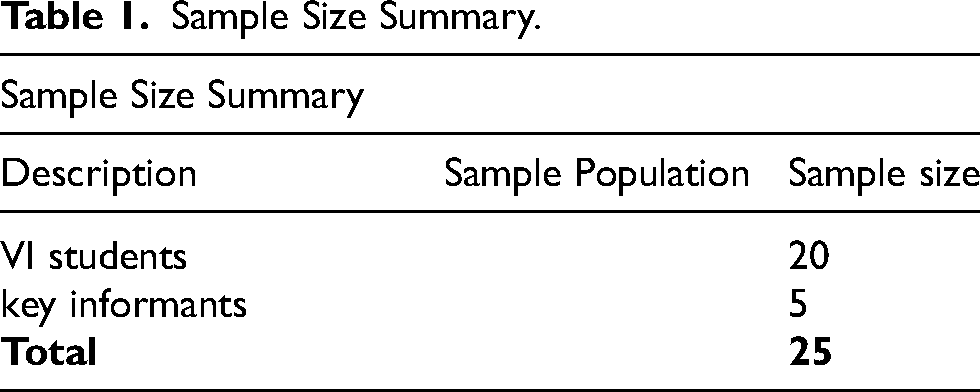
The target population being VI students from UON that are made up of 32 VI students and 6 key informants, the researcher opted to involve 20 VI students and the 5 key informants who gave consent to participate in the research. The informants include digital librarians at UON Library main campus. The respondents in this study were identified using a census-sampling approach. The census sampling approach is used to target a specific group of individuals with a population size of fewer than 100, According to Laerd Dissertation (2012), total population sampling is a type of purposive sampling technique that involves examining the entire population that have a particular set of characteristics (for example specific attributes/traits, experience, knowledge, skills, exposure to an event, among others). In the case of total population sampling, the units of interest tend to have some characteristics that are not very common. The uncommon characteristics are those characteristics that were interested in. In this case, the uncommon characteristics are the fact that the people, such as units of interest, are all visually impaired.
On the other hand, six information providers were sampled purposively. Because they can provide the required information in the area concerned. The selected groups of information providers were few in number, easily accessible, and with some experiential knowledge concerning the information-seeking behaviour of VI students. As they were interacting frequently with VI students, the intimacy helped information providers develop knowledge concerning information preference, the role of people in the academic life of visually impaired students, and more. UON has been hosting several students coming from different corners of the country. To get over all VI populations of the study, it is important to answer the question of where and how many. Since VI students are few at this university, the entire population of VI at the university was used for the study.
Data collection
Questionnaires were administered to the key informants and visually impaired students to allow them to express their views. The questionnaires for visually impaired students were transcribed into Braille format to make it easier for respondents to answer. The questionnaires were administered to visually impaired students and key informants by the researcher. The answered braille copies of the questionnaires were then sent to the Resource Centre to transcribe their responses from Braille format to print format.
Data was also gathered primarily through close visual inspection of the natural setting. The researcher strived to be as unobtrusive as possible so as not to bias the observations and also detached from actively participating in the setting. The researcher observed keenly the behaviour of the VI students, such as how they interact with the adaptive technology, how they seek information, and barriers to information access.
Results
Gender of the respondents
The findings revealed that the majority of the VI students were female (18), 72% of the total respondents, while the male (7) accounted 28% of the respondents. The findings indicated that most of the VI students were female. This agrees with Ndegwa et al. (2006) in his study, it was established that females had a higher prevalence of visual impairment compared to males (Figure 2). The summary of sample size is illustrated in Table 1.
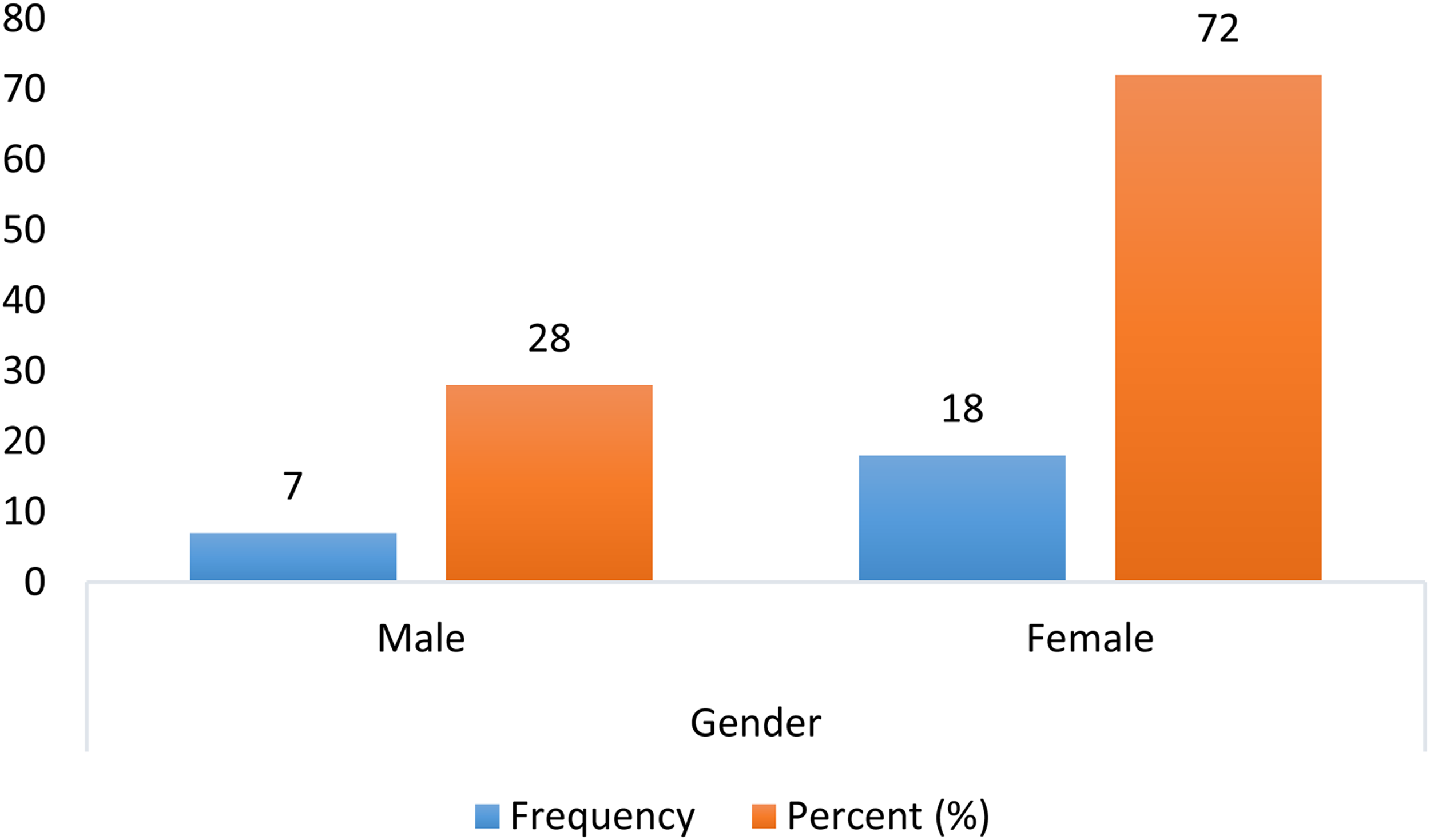
Gender of the respondents.
Sample Size Summary.
Level of study
The level of study of the VI student was of key importance in establishing information-seeking behaviour on digital resources by visually impaired students since different stages of education will require one to have advanced digital resources. The findings of the study on the level of study of the VI students are illustrated in Figure 3.
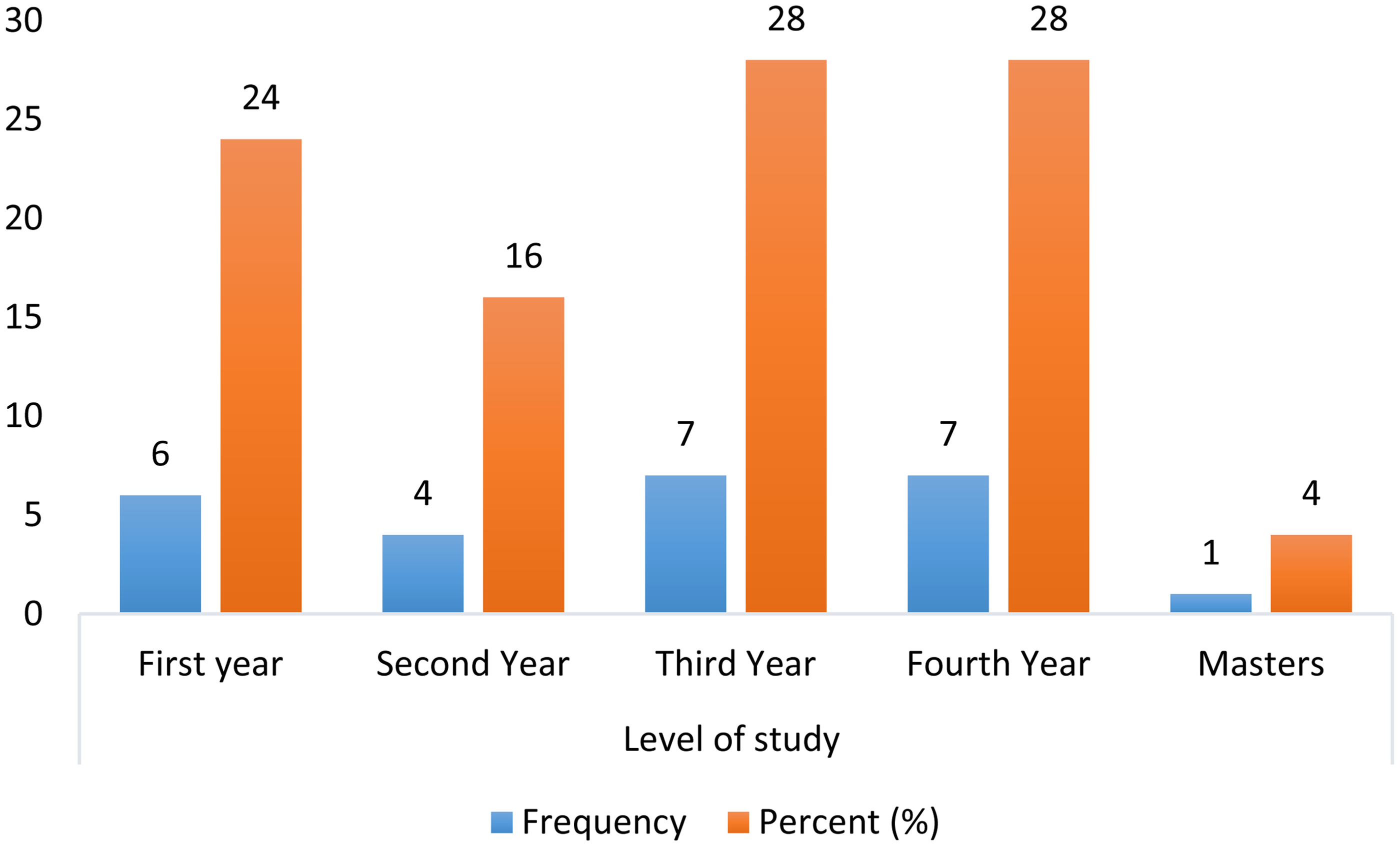
Level of study.
Ways through which VI students search for information in libraries
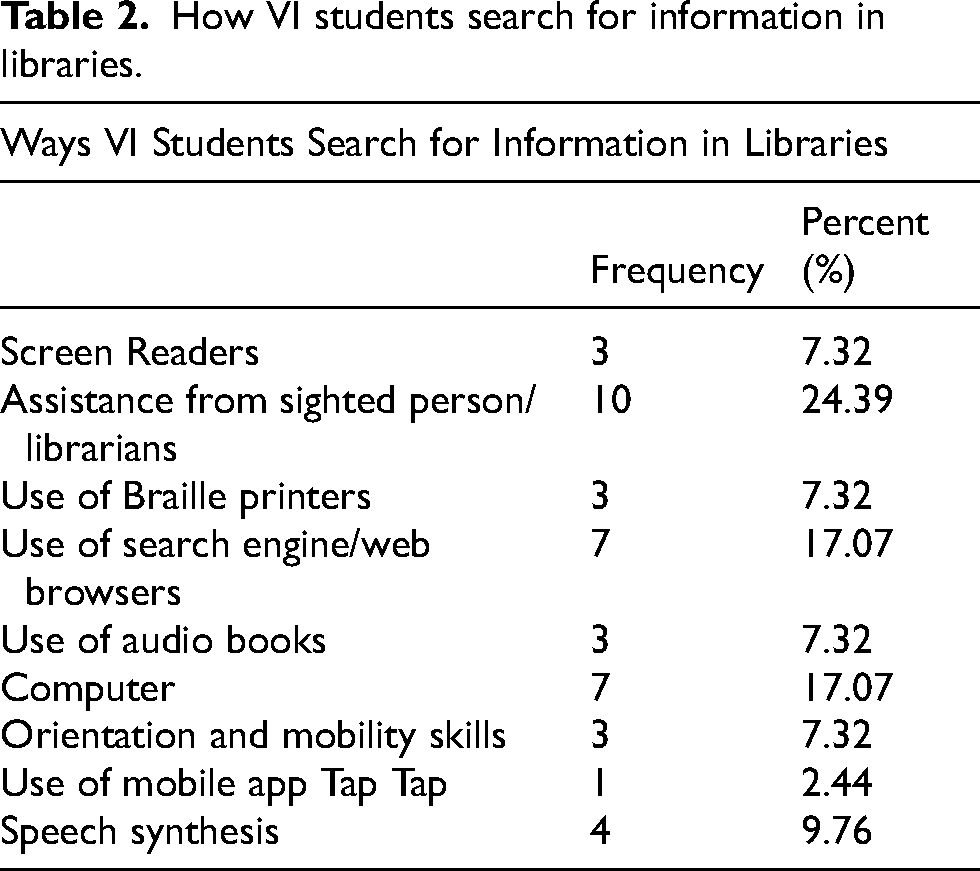
Searching for information is very critical in any learning/research environment. However, it is more crucial for VI students since most of them are slowly grasping information as well as locating the study spaces. The study, therefore, sought to establish the ways through which VI students search for information in a library. The data analysed in the study is presented in Table 2.
How VI students search for information in libraries.
The ability of VI students to retrieve digital resources without any assistance from their libraries
The finding on the ability of the VI students to retrieve digital resources without any assistance is presented in Figure 3.
The findings shows that majority 62.5% of the respondents were able to retrieve digital resources on their own without any assistance while 37.5% were unable to retrieve digital resources without assistance (Figure 4).
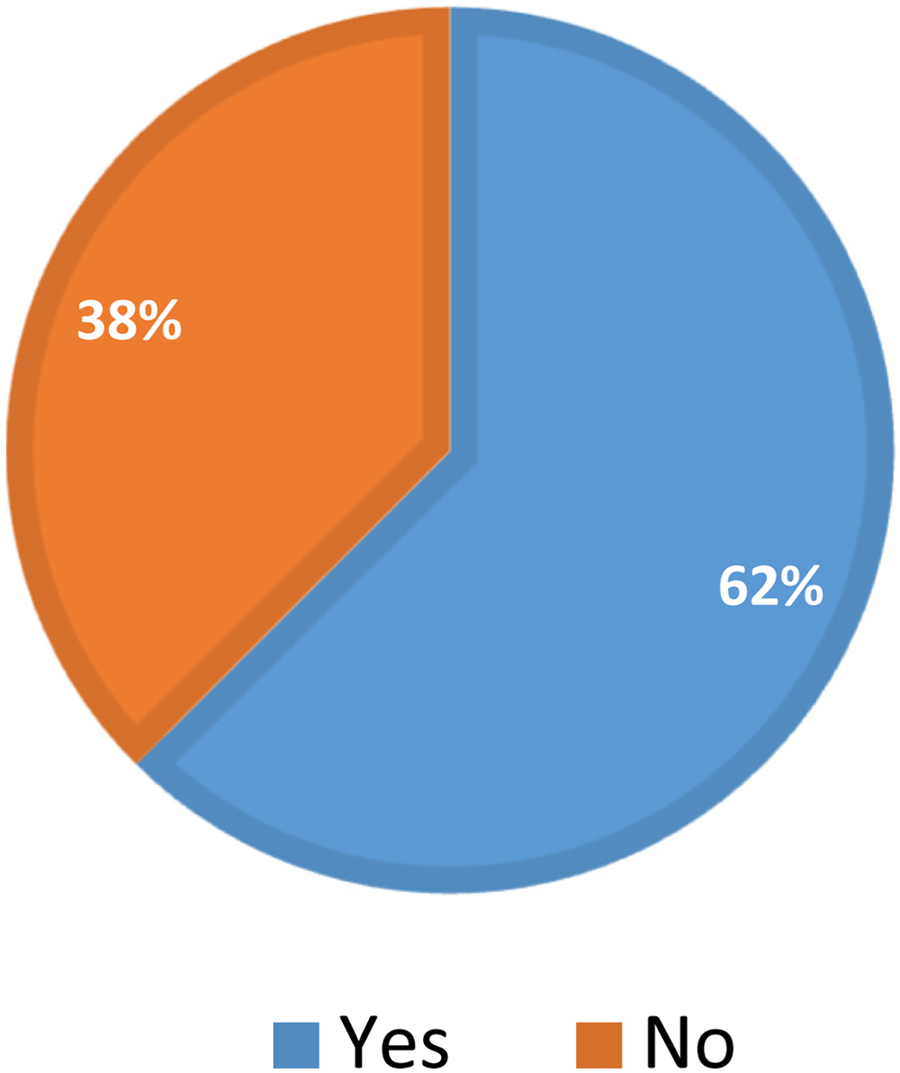
Ability of VI students to retrieve digital resources without any assistance from their libraries.
Other methods used by VI students besides technology handle their research work
Table 3 provides other methods by VI students besides Technology to handle their research work.
Other methods used besides technology.
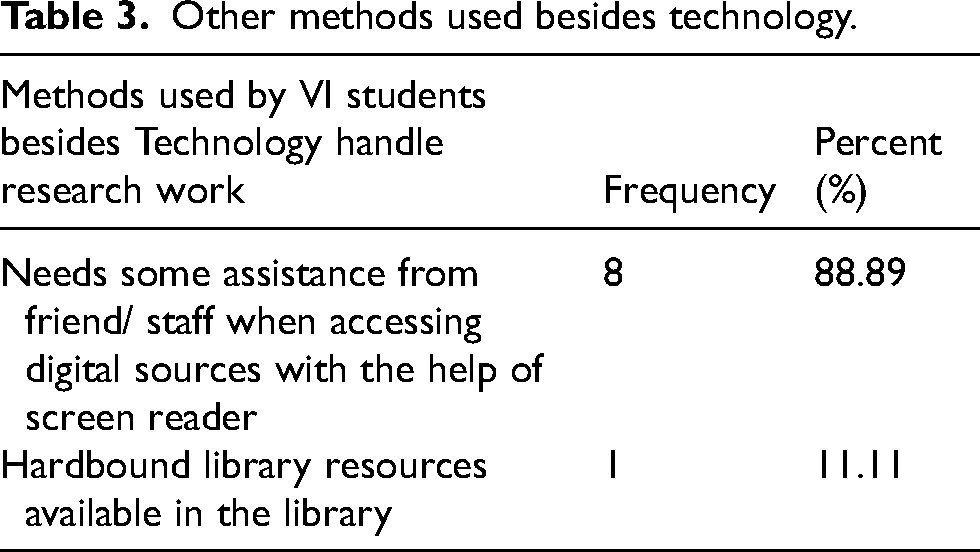
Majority 8 (88.89%) of the VI students stated that they get assistance from sighted friend /staff when accessing digital resources with the help of screen readers. One of the respondents which represent 11.11% of the response, noted that they use hardbound digital resources available in the library.
The findings also showed that most of those VI students from University of Nairobi who were unable to retrieve information on their own were getting their assistance from friend/ staff when accessing digital sources with the help of screen reader.
Problems encountered by VI while seeking for information
The study went further to investigate the problems that are encountered by VI students, the findings are illustrated in Table 4.
Problems encountered by VI while seeking for information.
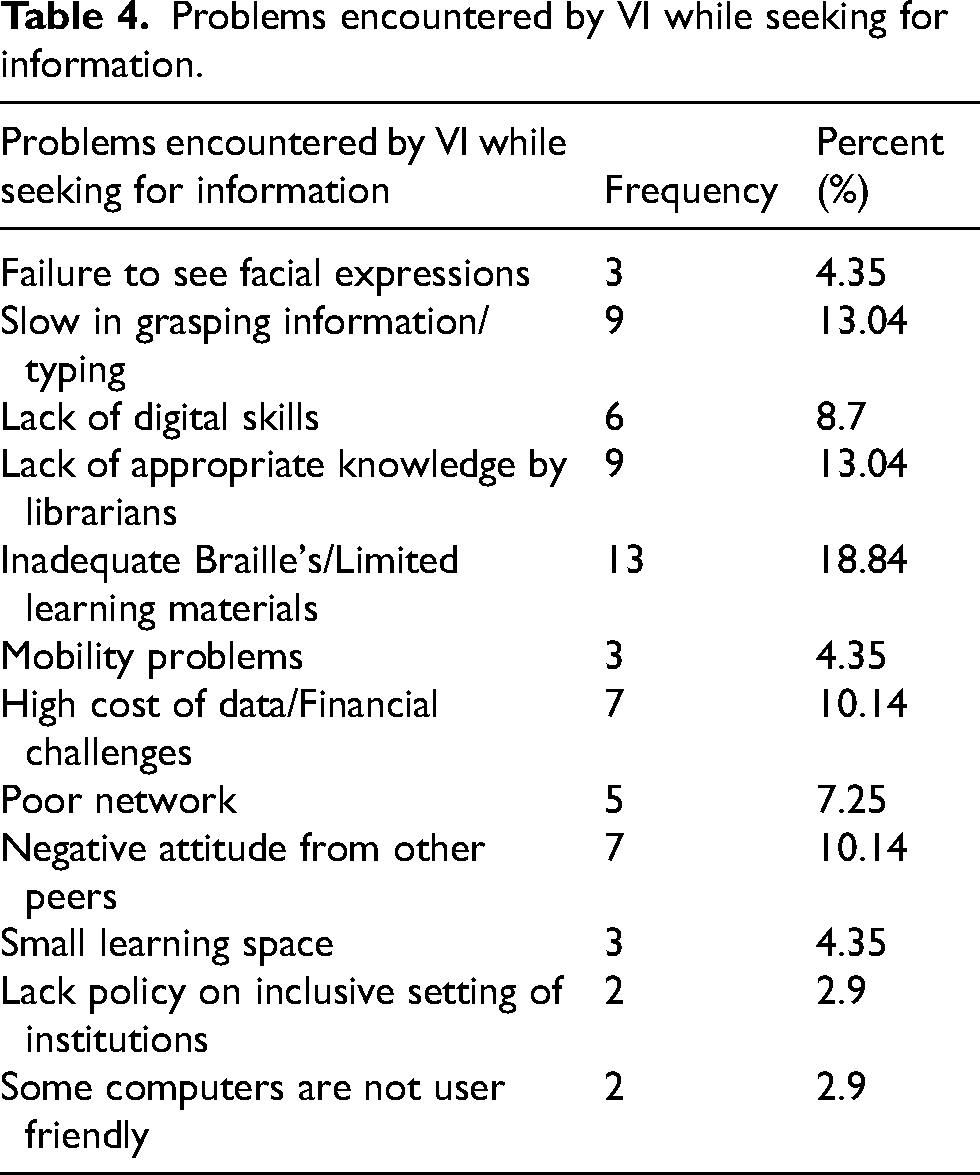
The findings revealed that VI students were encountering various problems. Majority of the students 13(18.84%) said that inadequacy of Braille's/limited learning materials was the major problem. It was followed by 9 (13.04%) of the respondents noted that they were slow in grasping/typing information, similar percentage 13.04% said that lack of appropriate knowledge by librarians was the major problem that they were facing. The respondents 7(10.14%) also revealed that negative attitude from their peers was one of the problems they were facing, similar number 7(10.14%) said that high cost of data/financial challenges was the major problem they were facing. 8.70% of the respondents said that lack of digital skills was one of the problems they were facing. Small learning space (figure 4.10), failure to see facial expressions and mobility problems was one of the problems they were facing.
Ways normally used by VI students to overcome the problem on digital resources
The researcher interrogated the VI students so to get their opinions on the ways they normally use to overcome the problem on digital resources. The findings of the study are illustrated in Table 5.
Ways normally used by VI students to overcome the problem on digital resources.
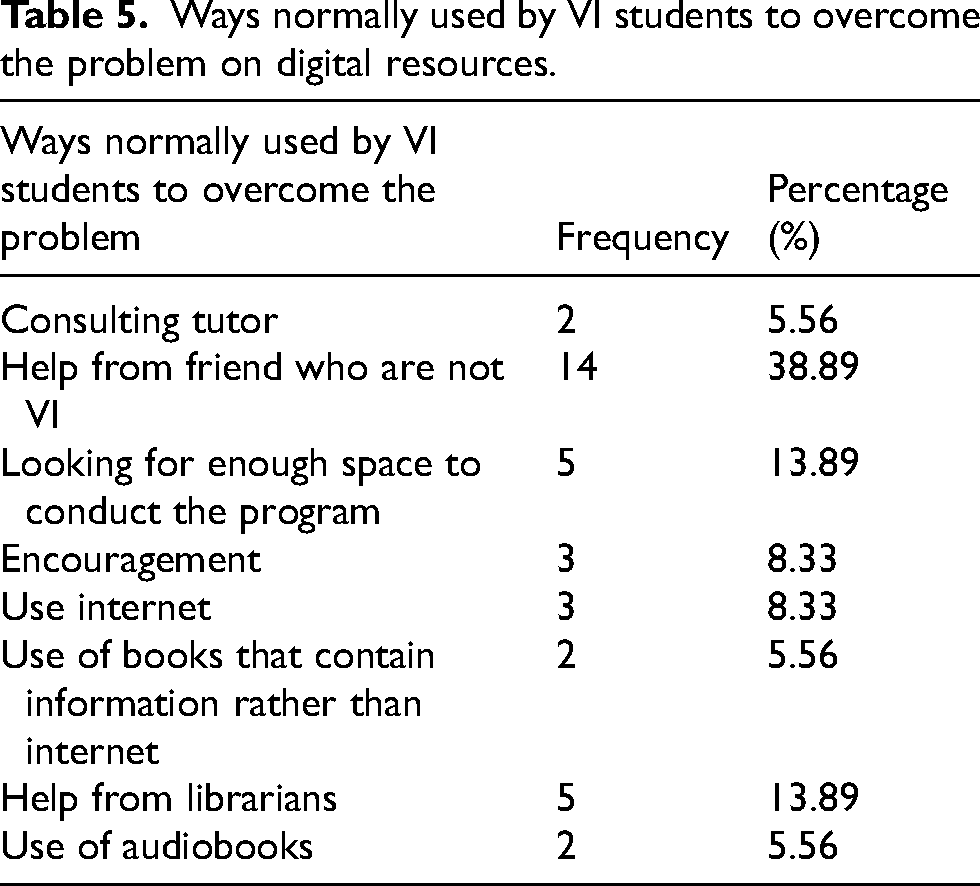
The study showed that majority 14(38.89%) of the respondents were getting assistance from their friends who were not VI, followed by 5(13.89%) who said that they overcome the problem by getting assistance from librarians, similar number 5(13.89%) of the respondents said that they overcome the problem of study space by looking for enough space to conduct their program. The findings also indicated that 3(8.33%) of the respondents who were getting negative views from their peers said that they overcome the problem by getting encouragement from their parents, guardians, close friends and even their tutors. A similar number of respondents 3(8.33%) revealed that they relied majorly on getting information from internet or learning from the use of internet. A total number of 6 respondents who represented 16.68% of the respondents’ views said that they relied on audiobooks, use of information from books rather than the internet, and finally by consulting their tutors. From the findings it implies that VI students relied mostly on their friends who are sighted to overcome most of the challenges they come through, and that sighted students plays a major role in the betterment of the study life of the VI students.
Discussions
The findings of this study highlight the significant barriers and challenges faced by visually impaired (VI) students in accessing digital resources at the University of Nairobi library. Despite the availability of assistive technologies and services aimed at supporting VI students, there remain major gaps that hinder their equitable access to information.
A key issue identified was the lack of adequate Braille materials and learning resources tailored for VI students. This shortage of accessible formats creates dependencies on assistance from sighted peers and staff. The reliance on others diminishes the independence and self-reliance of VI students in their academic pursuits. Additionally, the lack of Braille proficiency among library staff emerged as a barrier in effectively supporting these students’ information needs.
Beyond resource constraints, the study unveiled attitudinal and environmental factors impeding VI students. Negative attitudes from sighted peers cultivated exclusionary dynamics, while inadequate adaptive infrastructures like limited study spaces failed to accommodate their specific requirements. Financial burdens of data costs and assistive technologies further compounded obstacles. Fundamentally, these findings underscore how intersecting accessibility barriers converge to hinder VI students’ seamless integration into the learning ecosystem.
The identification of VI students’ coping mechanisms spotlights their resilience amidst adversity. Heavily relying on sighted companions and seeking moral support from families/tutors reflects the psychosocial dimensions involved. However, such dependence is unsustainable for fostering truly independent learners. The valorization of internet usage also signifies VI students’ embrace of technology when rendered accessible.
Evidently, comprehensive interventions spanning resource provision, infrastructure redesign, policy implementation and attitudinal shifts are imperative. Increasing investment in accessible digital content, Braille transcription services, and audio-enabled interfaces is crucial. Redesigning inclusive learning spaces through universal design principles can dismantle physical barriers. Capacity building among staff through disability-awareness training is vital for cultivating an accommodating organizational culture. Overarching policy frameworks mandating accessibility and non-discrimination would institutionalize accountability.
This study’s findings contribute to the understudied landscape of VI students’ academic experiences in the digital era. By foregrounding their unique needs and voices, it catalyzes decisive actions toward realizing inclusive, barrier-free education for all. Failure to address these issues perpetuates the marginalization of an already vulnerable population, undermining principles of equity and social justice. Fundamentally, enabling VI students equitable access to information and knowledge is a moral and pragmatic imperative for cultivating an informed, empowered citizenry capable of contributing to nation-building.
Conclusion
This study has provided valuable insights into the multifaceted challenges encountered by visually impaired (VI) students in accessing digital resources at the University of Nairobi library. The findings serve as a sobering reminder of the persistent barriers and inequities confronting this vulnerable population within the academic sphere. Despite technological advancements and legislative efforts aimed at promoting inclusion, the lived experiences of VI students reflect a harsh reality mired in systemic oversights and societal prejudices. The issues illuminated transcend mere resource constraints, revealing deep-rooted fissures in institutional frameworks and sociocultural attitudes. The dearth of braille materials and assistive technologies not only inhibits academic progress but symbolizes a fundamental disregard for the information rights of VI students. Compounded by financial burdens, lack of digital literacy, and limited inclusive infrastructures, these deprivations foster an insidious cycle of marginalization and disempowerment.
However, the study also uncovered the extraordinary resilience and determination of VI students, navigating formidable obstacles through intricate support networks and sheer perseverance. Their reliance on sighted peers, families, and faculty mentors poignantly underscores the pivotal role of empathetic communities in mitigating systemic failings. Yet, such coping mechanisms, while admirable, cannot substitute for the urgent need to dismantle the pervasive structural barriers that necessitate them in the first place. The challenges faced by VI students are a microcosm of the broader societal disparities confronting persons with disabilities worldwide. Their experiences lay bare the chasm between rhetorical commitments to inclusivity and the harsh realities of marginalization and exclusion. Addressing these issues is not merely an exercise in institutional reform but a moral imperative that strikes at the core of human rights and social justice principles.
Radical transformation is required, necessitating a convergence of political will, resource allocation, and a fundamental reorientation of institutional cultures. Increased investment in accessible digital content, universally designed learning environments, and capacity-building initiatives for staff and students alike are crucial first steps. However, true inclusivity demands a paradigm shift that transcends tokenistic accommodations and embraces disability as an integral facet of human diversity to be celebrated, not stigmatized. Ultimately, the journey towards an equitable and inclusive academic landscape for VI students is inextricably linked to broader societal efforts to dismantle ableist structures and disrupt entrenched prejudices. By amplifying the voices and experiences of this underrepresented community, this study serves as a clarion call for collective action, challenging us to confront our biases, interrogate our complacency, and reimagine a world where every individual, regardless of ability, can access the transformative power of knowledge without barriers or discrimination.
Recommendations
The university should increase braille machines/learning materials/digital resources for VI students in the library so as to ensure that all the VI students can get equal access of the digital resources during learning and examination period.
The respondents also suggested that library management to have a continuous training on the existing librarians so as to equip them with enough and current technological skills on both VI students and disabled students that will give them a better understanding on the usability of the equipment available.
Additionally, the respondents suggested that equipping the reading resources with sound devices will better their information seeking behaviour since most of them often request their sighted friends to read for them which is quite challenging at times when the friends aren't available.
Furthermore, the respondents recommended that making the study environment adaptive for VI students or ensuring that policies that are friendly to the visually impaired students will enable them to overcome most of the challenges they encountered like inadequate sitting space and some of the sighted students occupying their sitting space which at times make them go back to their rooms due to inconvenience.
Lastly, on the issue of high cost of internet some of the respondents recommended that installing Wi-Fi in library for learners will be one of the solutions to the problems of poor network they were facing.
Footnotes
Declaration of conflicting interests
The authors declared no potential conflicts of interest with respect to the research, authorship, and/or publication of this article.
Funding
The authors received no financial support for the research, authorship, and/or publication of this article.