







Abstract
The reality of climate change has had far-reaching effects on climate and weather patterns globally. High carbon emissions have resulted in wildfires causing migration and death from natural disasters such as droughts, floods, and strong winds. Climate change has also led to reduced crop and livestock farming yields, and worsening incidences of hunger and famine. The use of climate information systems (CIS) in the Arid and Semi-Arid regions of Kenya has not been extensively reviewed. This study reviews the use of CIS in Kenya's Arid and Semi-Arid Lands (ASALs) to improve decision-making and adapt to climate change. We reviewed past and present research on Kenya's ASAL counties’ smallholder farmers’ CIS use. National and international attempts to develop early warning systems through CIS to help stakeholders and end users make farm-level decisions were reviewed. Kenya leads Eastern African countries in emphasizing CIS to reduce climate change's effects on sustainable agriculture. In ASAL countries, the gap between CIS information and its applicability for smallholder farmers’ farm-level decisions, low finance, weak infrastructure, and limited capability are major issues. Limited indigenous knowledge integration and the absence of regular updates and end-user co-development were also noted. Despite these obstacles, CIS can improve decision-making, catastrophe risk management, and socioeconomic growth in these places. Tailored CIS solutions are essential to address the specific needs of smallholder farmers in ASAL regions. Improved coordination and leveraging newer technologies are crucial for effective CIS implementation.
Keywords
Introduction
This review has examined the use of Climate Information Systems in Arid and Semi-Arid Lands (ASALs) in Kenya. In the introduction section, an overview of climate change is presented, which is followed by an explanation of the significance of CIS. Besides, the purpose of the review is presented.
Overview of climate change
Climate change has an impact on every aspect of human life. Agricultural systems are particularly impacted by how weather and climate patterns affect the yield of crops and animals (Amwata et al., 2018). Sub-Saharan Africa's (SSA) minimum and maximum temperatures have been rising steadily (Kombat et al., 2021). Over the past ten years, flash floods have occurred in parts of SSA as a result of droughts, hailstorms, and torrential rains brought on by increasing sea levels (Wood et al., 2014). Nearly 85% of farmers in Sub-Saharan Africa are smallholders (Chivenge et al., 2022), which makes them more aware of risks. If used properly, this region has almost 60% of the world's arable land for food production. Climate change has hit the agriculture sector hard and lowered yields in many African countries (Yamba et al., 2019). Despite global efforts to end poverty and improve food and nutritional security, the continent may not achieve the UN Sustainable Development Goals (SDGs) one and two (zero poverty and zero hunger, respectively) (Fraval et al., 2019). Therefore, adapting to climate change helps Africa accomplish UN goals.
Climate change has a greater influence on ASALs than other African regions. Due to water constraints and low soil quality, ASALs are already susceptible (Emoit and Gaynor, 2023). To combat climate change and produce sustainable food, ASALs are making drastic and rigorous changes to their farming methods. ASAL ecosystems and flora and animals adapt to shifting climates. Climate warming has caused higher precipitation or shorter droughts in some locations (Akuja and Kandagor, 2024). Too much rain causes floods which wash away the farms, displace and kill people and livestock. On the other hand, droughts in the ASALs pose a hazard to livelihoods because they diminish water resources and kill livestock and crops. The human populations that experience floods and droughts in the ASALs risk losing their means of subsistence and resort to leading a life of desperation (Ochieng et al., 2021). Turning urgent attention to agriculture in the ASALs is one way through which the Kenya government can ensure national food security.
Research indicates that slight alterations in climate patterns affect the production of crops and livestock, hence requiring early warning systems for small-scale farmers (Ajwang and Nambiro, 2022; Kombat et al., 2021). The rivalry for resources and farming methods affects crop productivity. Insufficient resources and delayed climate change knowledge put smallholders, who account for 80% of farmers in Sub-Saharan Africa, at risk (Chivenge et al., 2022).
To effectively manage the risks associated with climate change, farmers in Kenya must include climatic data into adaptation decisions made at the farm level, according to Matere et al. (2023). The Kenyan government is therefore tasked with managing and sharing information on climate change as one of the ways to help national agriculture adapt to such change (Ajwang and Nambiro, 2022; Akuja and Kandagor, 2024; Andati et al., 2022; Asawo and Wanyonyi, 2021). Nevertheless, research on the application of climatic data for farm-level adaptation remains limited (Autio et al., 2021; Barungi et al., 2022).
Importance of CIS in Kenya's ASALs
Given that 80% of Kenya's terrain is dry or semi-arid, knowledge of climate change is essential (Hajidahir and Muna, 2024). Effective climate adaptation in Africa is severely hampered by a lack of pertinent information (Matere et al., 2023; Ouedraogo et al., 2022). The government should make Climate Information Services (CIS) more accessible to farmers so they can make climate-related decisions. Farmers’ access to CIS determines their capacity for risk management and adjustment (Mwangi et al., 2021). Amwata et al. (2018) claim that CIS can increase crop and livestock preparation for extreme weather, reduce household vulnerability, and improve agricultural resilience. But accessing and utilizing CIS is sometimes a challenge for smallholder farmers in Kenya's ASALs (Ngigi and Muange, 2022). Insufficient access to CIS data hinders adaptation even when Climate Smart Agriculture technology is used (Ochieng et al., 2021; Ouedraogo et al., 2022; Warner et al., 2022).
Purpose and scope of the review
The purpose of the review is to contribute to the growing body of knowledge on the function and efficacy of Climate Information Systems (CIS) in Kenya's semi-arid and arid regions (ASALs). It review focuses on understanding key aspects such as how CIS influences smallholder farmers’ decision-making in agriculture, the effectiveness of government institutions in disseminating data, and the extent of CIS adoption. The primary goal is to identify the challenges faced by farmers in the ASAL regions and explore how CIS integration into agricultural practices can be improved to enhance agricultural output and decision-making. Specifically, the study assessed the role of CIS in smallholder farmers’ decision-making, the effectiveness of government institutions in disseminating CIS data, the extent of CIS adoption in Kenya's ASAL regions, the challenges and barriers to CIS adoption and implementation, and recommendations to enhance CIS in Kenya.
Review approach
The review was conducted using a systematic keyword search related to Kenya's adoption of Climate Information Services (CIS) across major academic databases, including Google Scholar, JSTOR, and PubMed. The search targeted peer-reviewed studies published within the last ten years to ensure both relevance and currency. Specific search terms included combinations of “Climate Information Services,” “CIS adoption,” “agricultural production,” “gender inequality,” and “Kenya.” Boolean operators such as “AND” and “OR” were applied to refine the search results and filter out irrelevant studies.
Inclusion criteria required peer-reviewed papers on CIS in agriculture that addressed key issues such CIS adoption hurdles, gender-specific challenges, and regional inequities to ensure methodological rigor. Studies not relevant to Sub-Saharan Africa, agriculture-focused, or meeting quality standards were excluded. Article credibility was also graded based on research methodology and study aims. A descriptive narrative technique was used to evaluate and synthesize the selected research, drawing on literature themes and trends. Instead of a systematic review, this approach was used to understand CIS adoption broadly but specifically. The flow chart presents a PRISMA flowchart outlining the search strategy (Figure 1).
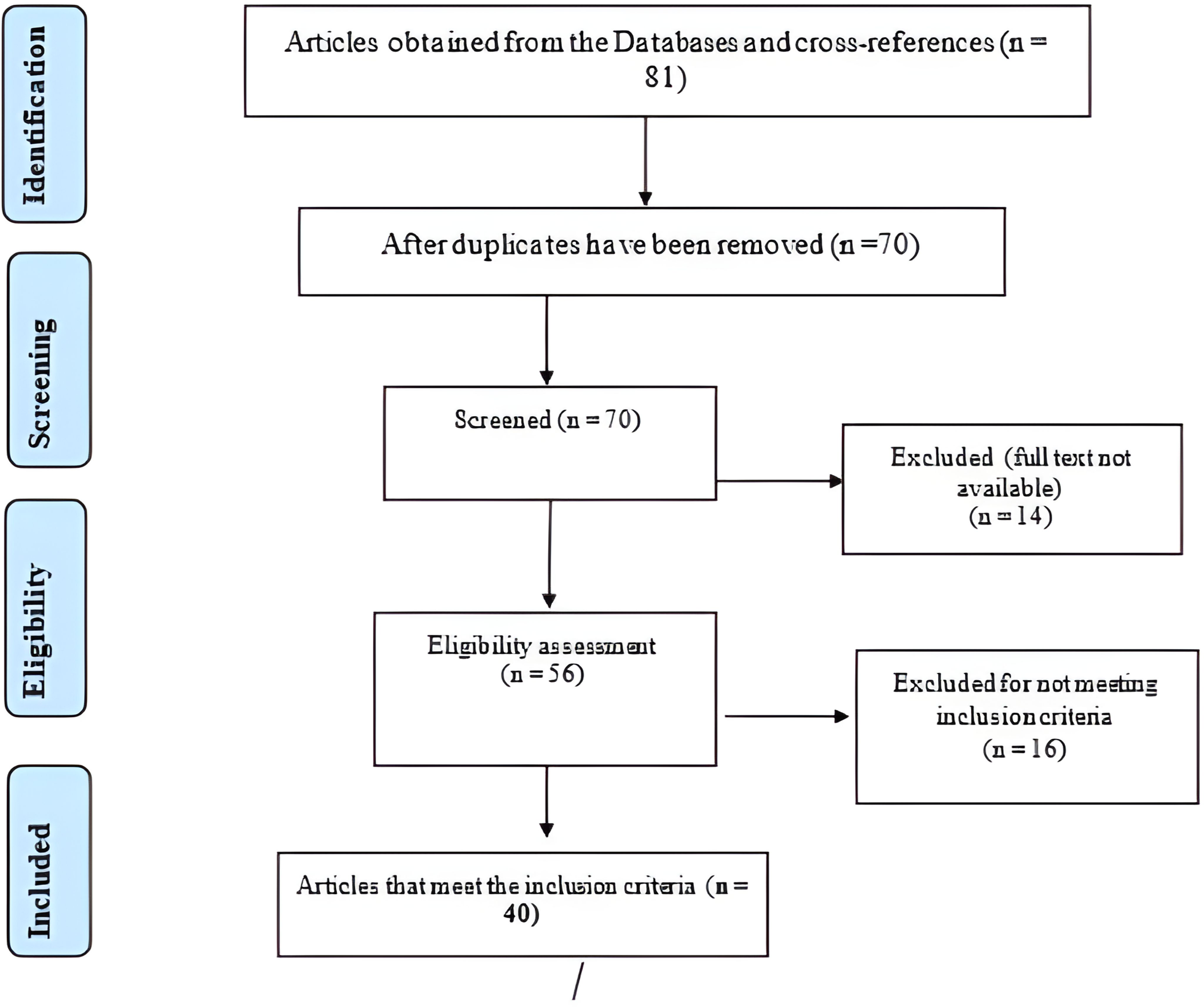
Article selection process.
Historical and global context of climate information systems
Research reveals that Climate Information Systems (CIS) have made many methodological and technological advances over time (Ramírez-Correa et al., 2020). Initial meteorological, hydrological, and agricultural data management required CIS (Ajwang and Nambiro, 2022; Akuja and Kandagor, 2024). These resource management and agriculture strategies balanced development and environmental needs (Paradzayi and Rüther, 2020). According to NOLAN, CIS evolution in Africa involves innovation, infection, control, and integration. Most African states are remained in control despite efforts due to prior issues and poor integration (Paradzayi and Rüther, 2020). Lower returns from prior attempts have led to reluctance to use these technologies across the continent (Ramírez-Correa et al., 2020).
Empirical evidence further shows that CIS has aided global community decision-making and climate-smart policy by providing timely climate data (Owusu et al., 2020). These systems benefit water, agriculture, public health, and disaster risk reduction (Vdovichena et al., 2022). High-quality data and cutting-edge technology are needed to detect and handle climate-related threats with CIS. Spatially referenced land information improves sustainable development environmental management strategies, according to Owusu et al. (2020). Property preservation, public safety, economic growth, climate adaption, and disaster risk reduction are CIS providers’ core values. The government should provide climate data to citizens (Crick et al., 2019).
Governments encourage good environmental management practices that employ CIS for agricultural and other decisions (Barungi et al., 2022; Ramírez-Correa et al., 2020). For Kenya's Arid and Semi-Arid Lands (ASALs) to increase agricultural output and food security, CIS is necessary. Institutional and socioeconomic constraints prevent smallholder farmers from implementing (Ngigi and Muange, 2022). Indigenous knowledge and climatic data are needed to address these issues. The Kenyan government's CIS inclusion in ICT frameworks may lead to more networked regional climate frameworks (Chege et al., 2020). Integration is crucial for smallholder farmers to thrive and feed vulnerable areas.
According to Chege et al. (2020), climate change and modern progress are frequently at odds, particularly when it comes to the environment and agriculture. To reconcile these interests, governments must use reliable environmental data (Paradzayi and Rüther, 2020). CIS optimizes geology, soil types, topography, vegetation, and land use for environmental resource management (Owusu et al., 2020). By spreading climate change information, CIS helps ASAL smallholder farmers adapt and become more resilient. The evolution and history of CIS show its importance in lessening the negative effects of climate change on food security and agriculture domestically and internationally (Chege et al., 2020; Chivenge et al., 2022; Fraval et al., 2019).
Djido et al. (2021) noted that communities and organizations need climate data from CIS to make informed decisions. This is because knowledge equalizes and helps governments make reasonable environmental and agricultural decisions across countries, which benefits the global economy (Vdovichena et al., 2022). Climate-smart policies and planning methods, as well as community decision-making, depending on the timely generation, translation, and dissemination of critical climate information, knowledge, and data, which CIS enhances through sustainable technological capabilities (Mageto, 2022). Decision-makers in a variety of fields, including public health, agriculture, water resources, and catastrophe risk management, depend on high-quality climate data, which advances national development (Chege et al., 2020). Climate Information Services (CIS) are becoming more and more important on a global scale as a means of facilitating climate change adaptation (Kombat et al., 2021). Here, the term “climate information system” (CIS) refers to scientific weather and climate forecasts with lead times ranging from daily to seasonal forecasts and decades ahead of time (Carr et al., 2019).
Climate Information Systems plays an important role in the success or failure of Sub-Saharan Africa (SSA) agriculture (Odikor et al., 2023). The main goals of CIS are to anticipate short-term climate conditions to help with immediate decision-making. The other important roles of CIS include predicting long-term climate change trends to help with policy-making and strategic planning, and to monitor and forecast climate-related hazards to help with risk management (Kiplagat et al., 2023). Improving the quality of meteorological and climate data that is accessible to end users is the main objective of CIS. Increased observation networks, new technologies, and high-resolution global weather and climate products are needed to increase prediction skills (Dutta Gupta et al., 2023).
CIS adoption in Kenya's ASAL regions
The urgent needs related to climate change in Kenya have shaped the growth of CIS service supply in that country. More than 80% of Kenya's landmass is categorized as ASAL, which is vulnerable to severe weather, according to Ochieng et al. (2021). Baringo, Tana River, Samburu, Turkana, Isiolo, Marsabit, Wajir, Mandera, and Garissa are the principal arid counties. Taita Taveta, Lamu, Kwale, Kilifi, Karibibo, Narok, West Pokot, Nyeri, Embu, Tharaka-Nithi, Meru, Makueni, and Kilifi are among the semi-arid counties (Marigi et al., 2016). The success of CIS in Kenya depends on the quality of the information and the suppliers’ and end users’ capacity to adjust it to ASALs’ needs. CIS providers try to balance their goals with people's. These organizations follow the mandates, missions, or visions of the CIS providers that govern them (Kropff et al., 2023).
The quality of life in the ASALs is significantly impacted by aridity and semi-aridity, where basic requirements are frequently unmet (Amwata et al., 2018; Musafiri et al., 2022). Droughts continue to be a recurrent occurrence, occurring nearly annually, and they impede economic growth and worsen poverty levels despite the government's focus on CIS (Ndiritu, 2020; Odikor et al., 2023). These countries have some of the highest rates of food insecurity and poverty in the nation, which is indicative of stagnant economic growth (Koskei, 2022; Ochieng et al., 2021).
Although CIS in the ASALs is meant to solve fundamental problems associated with poverty alleviation, the actual results have not been very encouraging (Fraval et al., 2019). The persistent dry spells and poor CIS infrastructure draw attention to serious deficiencies in the efficiency and delivery of services (Djido et al., 2021; Ndiritu, 2021). There are serious concerns regarding the long-term effects of these measures on reducing poverty and promoting economic stability in the ASAL regions because of the absence of strong implementation strategies and long-lasting support systems for CIS (Matere et al., 2023; Mwangi et al., 2021).
Specific Kenyan regions are vulnerable to annual climatic disasters which need government intervention through CIS. The study by Ngigi and Muange (2022) notes that most areas facing the impacts of climate change are in arid and semi-arid lands. The livelihoods of the people living in such areas are increasingly under threat from climate disasters. Therefore, this vulnerable population urgently needs accurate and timely information to warn them of impending drought, floods, or heavy rains (Koskei, 2022). The information allows the population and other relevant organizations to take precautionary measures that can help reduce their vulnerability. The implementation and use of CIS and early signs can help increase the warning time of impending climate-induced disasters, which would allow the community to prepare and take timely action. In Laikipia County, for instance, pastoralist communities adapt to impending prolonged drought by preparing hay and selling some of their cattle (Ndiritu, 2021). This important coping strategy is informed by early information warning and it allows them to prepare themselves and minimize the loss associated with the drastic effects of climate change in the ASALs (Koskei, 2022; Musafiri et al., 2022; Ochieng et al., 2021).
Kenya's National Adaptation Plan and National Climate Change Action Plan 2013–17 acknowledge CIS's importance (Ajwang and Nambiro, 2022). Both solutions emphasize indigenous and local knowledge in early warning systems and develop CIS provider networks (Akuja and Kandagor, 2024). However, their efficacy is uncertain (Andati et al., 2022). Insufficient money, training, and infrastructure have hampered these programmes (Asawo and Wanyonyi, 2021). Despite its importance, Climate Information Services have had mixed results (Autio et al., 2021). Due to its complex ecology and climate change susceptibility, ASAL regions need accurate and timely climate data (Kinyua et al., 2021). Government efforts have failed to reduce food insecurity and malnutrition due to severe droughts (Emoit and Gaynor, 2023). Rainfall fluctuates daily and annually across small areas, making it unpredictable (Marigi et al., 2016). Social, economic, and political variables like devolution, decentralization, and religion spread add complexity (Matere et al., 2023). These factors can boost or decrease agro-pastoral and pastoral communities’ livelihoods, casting doubt on the current CIS framework's efficacy and scope (Musafiri et al., 2022).
Access to knowledge alone, however, is not enough to navigate this extremely varied climatic terrain. The capacity to actually use the knowledge so received and learn when new and current information is applied over time to adjust to ongoing uncertainty is equally significant (Asawo and Wanyonyi, 2021). Effective CIS enables decision-makers to maximize the chances for the creation of livelihood under favorable conditions and make use of these during the bad times. A well-developed national CIS for this context may help Kenyan populations that inhabit the ASALs learn to adapt to the vicissitudes of the climate at different levels. These levels include domestically as well as outside the homestead, for instance in making schooling arrangements for the children. Recent studies in Isiolo and Kitui in arid and semi-arid regions show that equitable climate information development, distribution, and use are essential to benefit vulnerable populations in the Kenyan ASALs (Kithikii, 2023; Martin, 2023). The studies explain that the poorest pastoralist and agro-pastoralist families struggle to receive and use climatic information, which is important to their livelihoods. Social conventions, traditions, and collective decision-making over pasture and water play a big impact. Social status and resource access also affect an individual's ability to use climate information systems (CIS) and manage uncertainties.
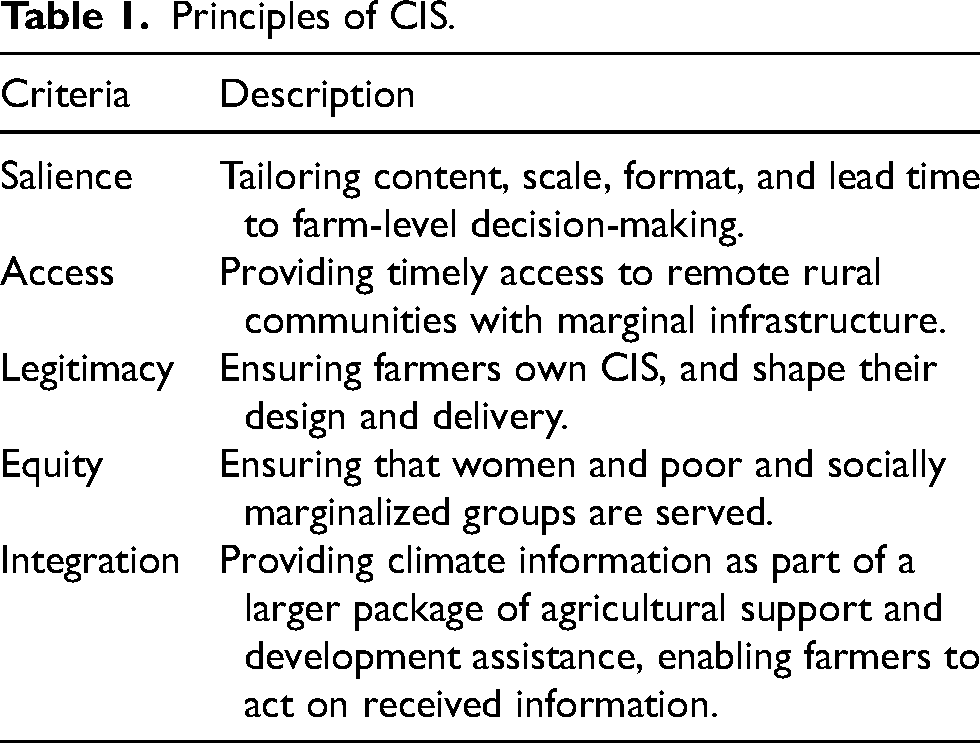
According to the World Bank Group (2016), various efforts have been put in place to improve the lives of smallholder farmers through the use of climate-related information. In this regard, five key principles should be considered in the use of CIS as shown in Table 1:
Principles of CIS.
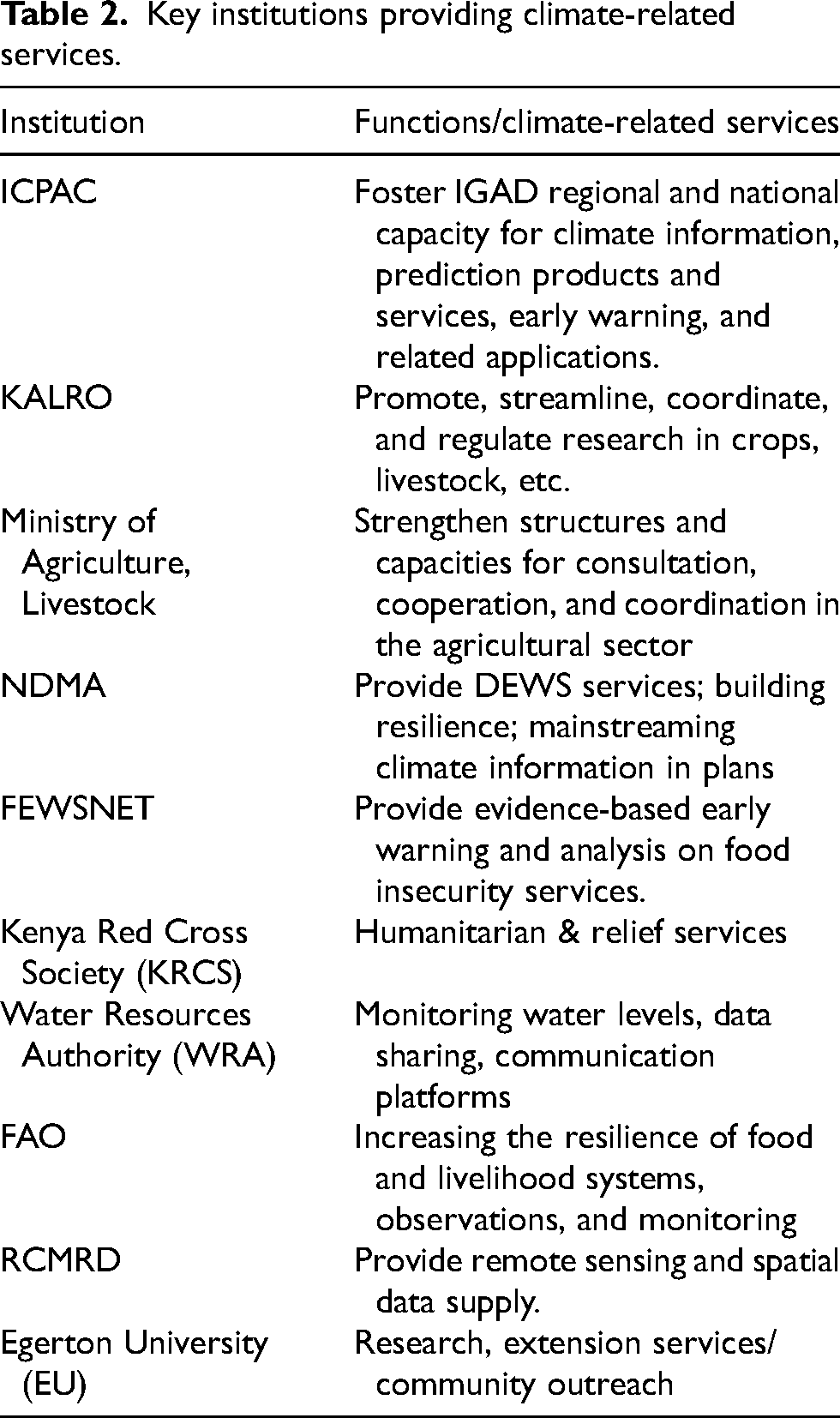
The National Framework for Climate Services (NFCS) was developed in Kenya to guide CIS and improve national services through facilitating and coordinating interactions, collaborations, and capacity developments among stakeholders (Ministry of Environment, Climate Change & Forestry, 2023). This is part of the responses to the climate challenges that the country faces. In line with this, the National Climate Change Action Plan (NCCAP) is a significant policy initiative implementing adaptation and mitigation strategies for climate change. Our efforts include climate-smart agriculture, afforestation, reforestation, and promoting renewable energy sources like geothermal and wind power. Various institutions provide climate-related information as depicted in Table 2.
Key institutions providing climate-related services.
Level of CIS adoption in Kenya
Kenya's arid and semi-arid lands (ASALs) need Climate Information Services (CIS) to boost agricultural output and climate resilience. Despite the possible advantages, adoption rates are low because of institutional and socioeconomic barriers. Ngigi and Muange (2022) found that 45% of Kenya's ASAL smallholder farmers use CIS, depending on gender, education, and resources. Because of social roles and tasks, men have more CIS access than women. For CIS, men prefer extension officers, print media, and TV, while women prefer radio and social gatherings (Diouf et al., 2019). According to studies, farmers are thirty percent more likely to use CIS information in decision-making if they think it is reliable and valuable (Amegnaglo et al., 2017).
A World Bank Group (2016) survey of Climate Information Systems (CIS) providers shows the level of CIS adoption in Kenya (Figure 1). Agriculture and livestock accounted for 83%, underlining the need for climate data in these sectors. At least 80% of these companies provided early warning systems, many of which were agricultural. 72% also offered agro-weather information to help farmers make tactical and strategic decisions. Half of CIS providers forecasted weather, while 41% provided climate advisories for government policies, decisions, and projections. Additionally, 28% of providers served insurance derivatives and transport safety advising industries.
Figure 2 illustrates the distribution of Climate Information Systems (CIS) providers across various sectors in Kenya, with 83% focused on agriculture and livestock, highlighting the critical need for climate data in these areas. The figure shows that 80% of CIS providers offer early warning systems, and 72% provide agro-weather information, aiding tactical and strategic farming decisions. Additionally, 41% offer climate advisories for policy-making, while 28% serve specialized sectors like insurance and transport safety. This distribution underscores the importance of CIS in enhancing decision-making and resilience in Kenya's key economic sectors.
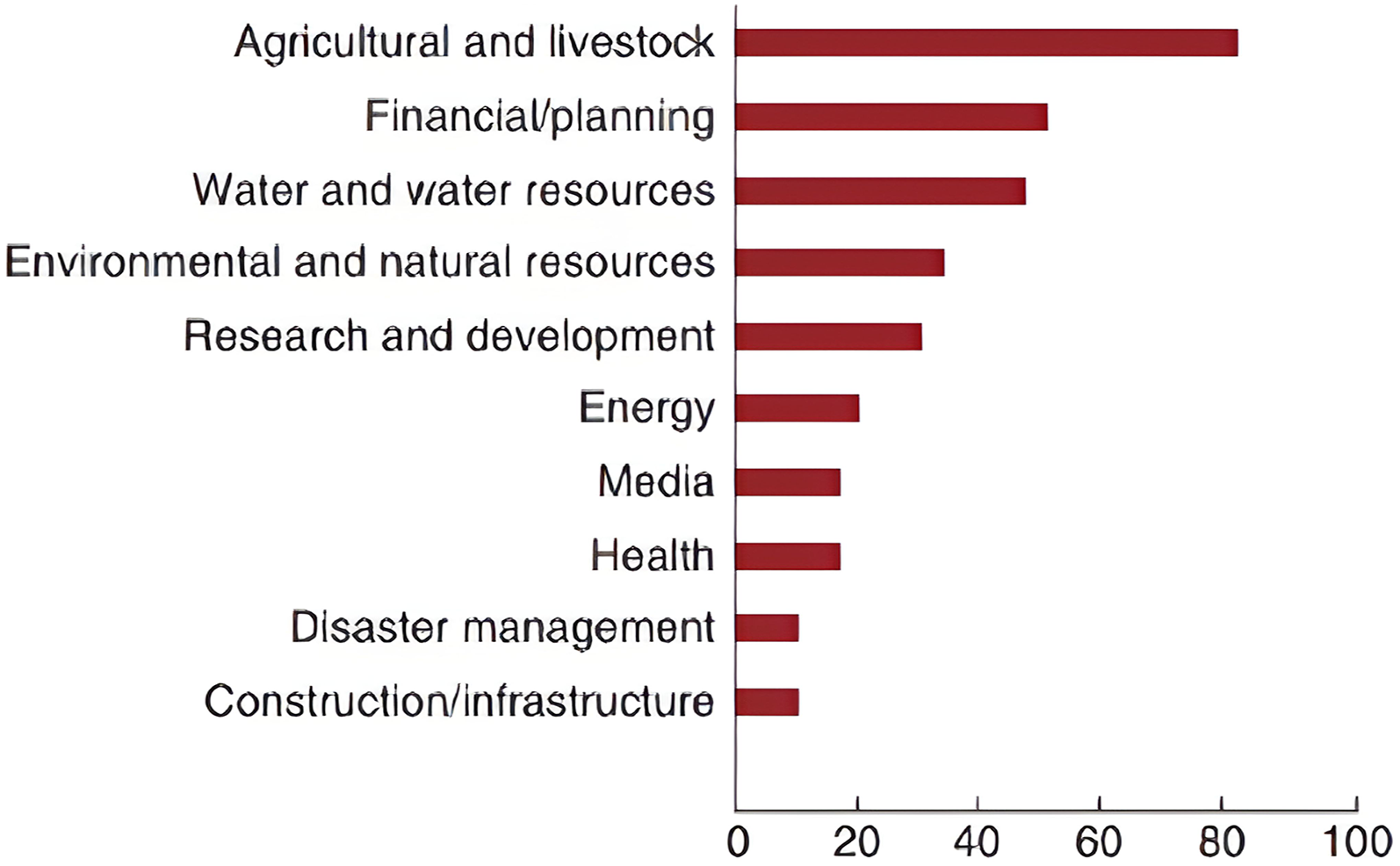
CIS providers by sector in Kenya (adapted from World Bank Group, 2016).
CIS providers used radar, satellite, in situ automated weather measurements, or a mix of these technologies. Most suppliers actively collaborated with the Kenya Meteorological Department (KMD) to develop climate information services and products or indirectly used KMD data. Major consulting climate information service providers favored free satellite data and 59% used KMD in situ data. CIS providers employed several distribution routes. About 52% distributed climate information via bulletins and newspapers, and 45% via radio. 34% of providers used SMS, 21% used websites, and 10% used IVRS. Despite these efforts, 41% of CIS providers had no communication feedback mechanism, showing a lack of two-way information exchange and participatory techniques where consumers might influence service design. SMS, meetings, and call centers were the main feedback strategies employed by 21% of providers. 14% used emails and 7% IVRS for comments (World Bank Group, 2016). Specific climate information services for agriculture found that post-season discussions with farmers and other users helped gather input and improve services.
Figure 3 illustrates the various data sources utilized by Climate Information Systems (CIS) providers in Kenya. A significant portion of these providers (59%) relied on in situ data from the Kenya Meteorological Department (KMD), while others used radar, satellite, and automated weather measurements, often in combination. The figure emphasizes the reliance on KMD data and the integration of multiple technologies to generate climate information services. This diversity in data sources underscores the collaborative efforts between CIS providers and KMD to enhance the accuracy and reliability of climate information, which is crucial for effective decision-making across different sectors in Kenya.
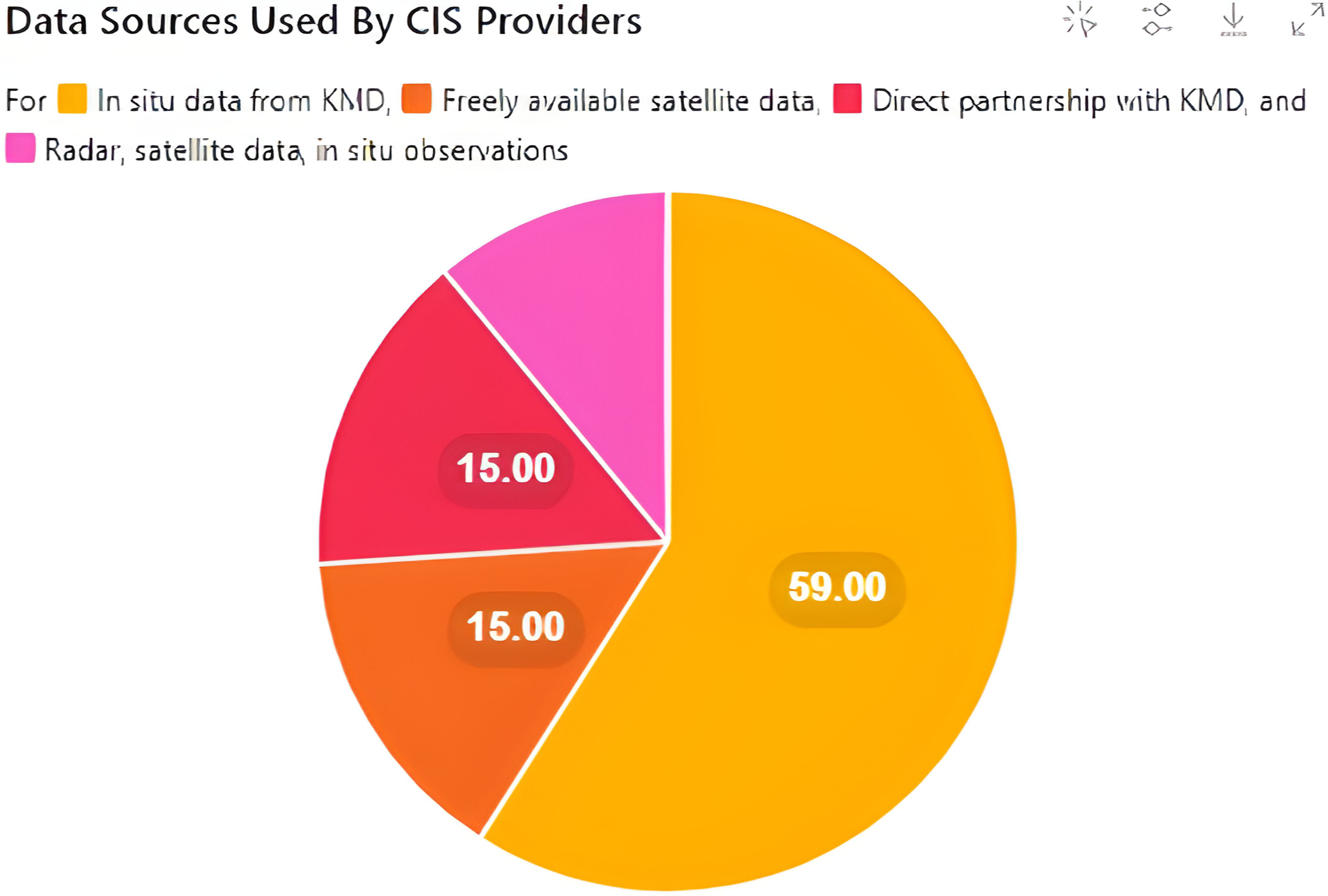
Data sources used by CIS providers in Kenya (adapted from World Bank Group, 2016).
Figure 4 shows the dissemination mechanisms used by Kenyan Climate Information Systems (CIS) providers. The study shows that 52% of providers distributed climate information via bulletins and newspapers and 45% via radio. Additionally, 34% used SMS, 21% used websites, and 10% used IVRS. This range of channels shows providers’ efforts to reach varied populations nationwide. However, using bulletins and radio implies a need for more inclusive and participatory ways, especially to engage rural areas and provide climate information to more people.
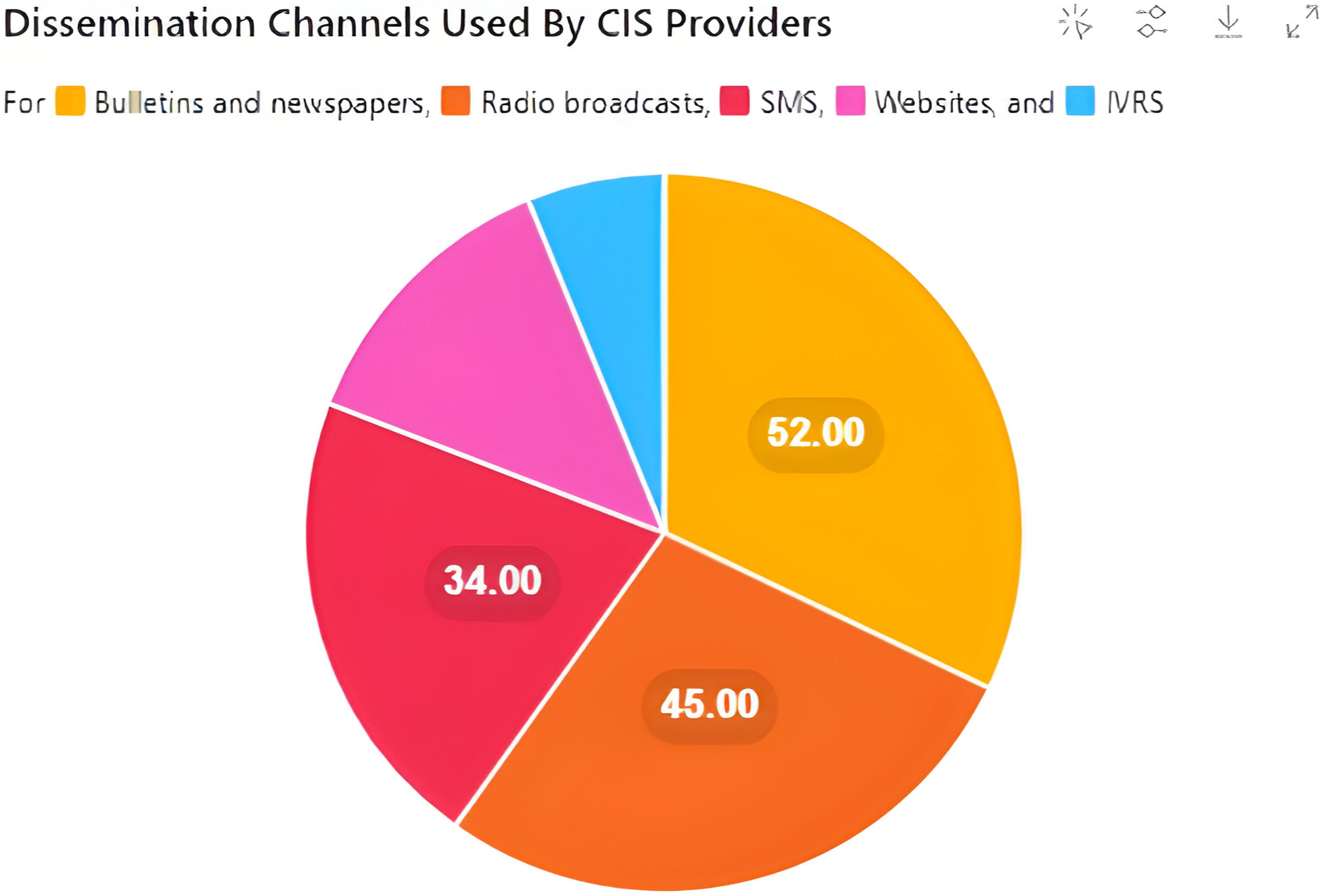
Dissemination channels used by CIS providers in Kenya (adapted from World Bank Group, 2016).
Figure 5 shows Kenyan Climate Information Systems (CIS) feedback systems. SMS, meetings, and call centers were 21% of providers’ key feedback methods, while emails were 14% and IVRS 7%. In contrast, 41% of CIS providers had no formal feedback mechanism, indicating a lack of two-way communication and participative approaches. This absence of robust feedback systems limits the ability of users to influence service design and improve the relevance and effectiveness of the climate information provided.
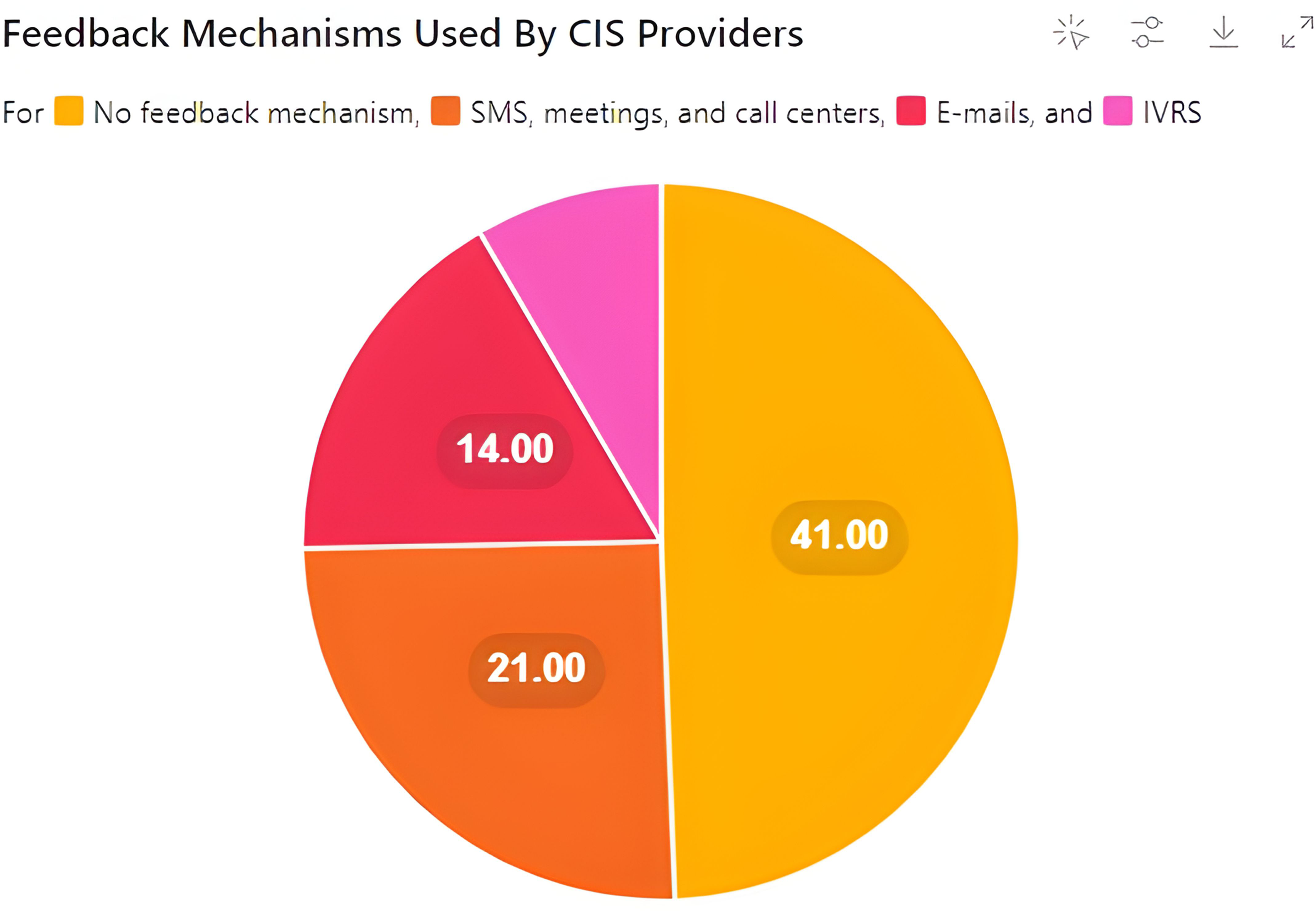
Feedback mechanisms used by CIS Providers in Kenya (adapted from World Bank Group, 2016).
The lack of trustworthy historical observations, coarse future climate estimates, and poorly organized CIS delivery affect Kenya's CIS adoption (UNECA, 2017). Lack of awareness of specific climate information, inadequate data accessibility, and insufficient competence to incorporate climate information into decision-making restrict user adoption. An enabling environment for significant investments and climate information services is needed to boost CIS use for development planning in Kenya (Amwata et al., 2018). This requires practical research and policy assessments, coordinated service delivery, stronger knowledge frameworks, and partnerships between public institutions, the private sector, civil society, and vulnerable populations (UNECA, 2017).
Stakeholders in CIS in Kenya
Climate Information Systems is a sensitive and expensive aspect of national governance, and therefore it calls for state involvement to ensure food security. In Kenya, the provision of CIS involves a network of organizations and reflects the multifaceted nature of climate information as an international public good (Ngigi and Muange, 2022). The government, through the Kenya Meteorological Department (KMD), assumes a pivotal role in the collection, storage, and management of climate data (Ageyo and Muchunku, 2020). This department not only oversees the national climate information provision framework but also coordinates efforts among various stakeholders to ensure that the whole country has efficient access to important news on national climate and weather patterns (Nafula et al., 2023). The absence of or delayed information on climate information has serious effects on national food security and human safety in the ASALs regions.
Besides the Kenya Meteorological Department, ICPAC, FAO, and CCAFS are significant CIS contributors. These organizations provide a variety of climate services and meet user communities’ growing demand for specialized climate information (Musafiri et al., 2022). CIS Kenya's comprehensive goods and services empower people through information. For farm operations and food security, early warning systems and predictions are essential. Agro-weather and basic weather predictions are also provided. Suppliers provide weather and climate advisories for government policy, climate projections, and strategic decision-making (Ngigi and Muange, 2022).
The Kenya Meteorological Department, the main CIS provider, uses data from its extensive climate monitoring station network (Ageyo and Muchunku, 2020). The agency also works with agencies and volunteer observers to improve its data (Kimani, 2022). ASARECA, CGIAR, ILRI, and FEWSNET are among the many CIS providers (Ngigi and Muange, 2022). These diverse institutions focus on agriculture and animals, which typically suffer from climate change. These agencies also handle water, environmental, and natural resource issues. It is important to note that Kenya has about 30 CIS providers across the country including the KMD (World Bank, 2016). These are mostly state-owned, although there are also NGOs and multi-national organizations that operate in the country. A good number of CIS providers are attached to national universities in the country.
Effectiveness of CIS in decision-making process
Many contradicting studies have examined how CIS access influences farmers’ climate change adaption decisions. According to Yohannis et al. (2019), mobile phones and radio can help communities, especially women, get localized agro-advisory and climatic information to improve livelihoods. According to Djido et al. (2021), mobile access to Weather and Climate Information Services (WCIS) enhanced the usage of Climate Smart Agriculture (CSA) technologies like various cropping patterns, water management, and pest-resistant crops in Ghana. Owusu et al. (2020) observed that Ghanaian household heads’ climate information use did not affect climate-smart technology adoption. Studies suggest that farmers’ CIS use may influence their CSA system choice (Carr et al., 2019; Djido et al., 2021). These studies show how CSA and CIS improve climate adaptability in African agriculture.
Customizing climatic information allows climatic Information Systems (CIS) to match regional or population needs. Farmers, agriculturalists, agro-pastoralists, and government agencies typically use CIS (Andati et al., 2022; Djido et al., 2021; Fraval et al., 2019). By providing climate change adaptation information, CIS aids crop selection, planting seasons, and yield projections, reducing food poverty and famine (Matere et al., 2023). CIS leverages target community knowledge to fill the gap between routinely available data and key information needed for well-informed decisions (Ndiritu, 2021). This method makes climate information accessible and actionable, meeting these communities’ unique needs and concerns (Autio et al., 2021; Koskei, 2022; Musafiri et al., 2022).
Climate change affects economic growth, food security, water resources, livelihoods, and ecosystems, making early warning systems, catastrophe response mechanisms, and long-term climate change initiatives essential (Autio et al., 2021). Climate change adaptation requires responsive decision-making based on trustworthy information, which these technologies offer. Climate change varies, especially in locations with severe weather (Carr et al., 2019), requiring rapid data collection and analysis. Through modeling and forecasting, CIS can improve scenario planning, disaster risk management, and mitigation strategy creation. This approach relies on early warning systems such risk assessment, event tracking, and warning communication (Andati et al., 2022). CIS relies on scientists, policymakers, and climate information users to share specialized knowledge to better understand and address climate change (Barungi et al., 2022).
Communication strategies, community cultural practises, indigenous knowledge, and social structures affect climate information usefulness in decision-making (Ajwang and Nambiro, 2022; Autio et al., 2021). Radio, television, face-to-face communication, posters, mobile phones, and social media can spread climate information in ASAL regions, according to the Ministry of Environment et al. (2023). Music, drama, and plays can also convey climatic information (Kinyua et al., 2021; Koskei, 2022; Ndiritu, 2021). Cultural practices, beliefs, livelihood activities, and geography affect climate information perception and utilization. Indigenous knowledge has helped communities adapt to climate extremes, but climate change complexity is reducing its effectiveness (ALIN, 2013). Communities are combining traditional wisdom with scientific information like seasonal forecasts, although interpretations are still cultural (Speranza et al., 2010). Improved climate services and resilience to climate variability and change need understanding of these community-specific characteristics (Harvey et al., 2012b; Kalungu et al., 2013).
Challenges facing CIS implementation: a comparative analysis
There are major obstacles to the widespread use of Climate Information Systems (CIS) by smallholder farmers in Kenya's Arid and Semi-Arid Lands (ASALs). Just 40% of smallholder farmers in Kenya use CIS systems, despite advances in climate projections and their potential advantages. This is true throughout Sub-Saharan Africa (Kurgat et al., 2020; Muema et al., 2018; Ndiritu, 2020). Farmers’ lack of confidence in climate forecasts’ accuracy and dependability—which are frequently presented as definitive rather than probabilistic—is a significant obstacle that undermines their credibility (Ochieng et al., 2021). Further impeding its acceptance, especially among marginalized populations, are information biases within CIS that frequently favor some groups over others (Matere et al., 2023).
However, the studies show that this problem is not just limited to Kenya. Adoption of the CIS has similar challenges in Sub-Saharan Africa because of inadequate infrastructure and disseminating channels (Kalungu et al., 2013). CIS is more effectively incorporated into agricultural decision-making in the USA, Brazil, and Argentina, where it is bolstered by more sophisticated infrastructure and long-term planning tools (Cabrini et al., 2023). A solid CIS framework helps these countries by empowering farmers to make well-informed decisions based on precise, region-specific data. On the other hand, the CIS system in Kenya faces limitations due to insufficient institutional frameworks and a lack of coherence in national policy, which results in restricted interaction with the rural communities that require these services the most (Ageyo and Muchunku, 2020).
Further difficulties are caused by the commercial practices and technological prowess of Kenyan CIS providers. According to the World Bank Group (2016), Kenyan CIS providers, whether for-profit or charity, face financial instability that hinders their capacity to expand their services efficiently. This is made worse by the fact that, in contrast to Poland, where government systems actively include farmer input into their CIS procedures, enhancing data dependability, Kenya lacks a thorough legislative framework to control CIS provision (Jędrejek et al., 2022). In the absence of comparable systems, Kenya's CIS infrastructure is still disjointed, and farmers have considerable obstacles when trying to obtain useful climatic data.
Kenya's weaknesses are further emphasized by international comparisons. Food security and sustainability in agricultural practices are given top priority in Europe, where nations like Germany have successfully synchronized their CIS frameworks with the Sustainable Development Goals (SDGs) (Galova & Mravcova, 2022). A unified CIS system is difficult to establish in Kenya because of the country's different climatic zones, which contribute to data ambiguity Furthermore, the difficulty is compounded by the mismatch between the broad information offered by CIS and the unique needs of Kenyan farmers, making it challenging for them to successfully utilize the data (Rigby et al., 2023).
China is another contrasting example in Central Asia. When it comes to directing irrigation and water management strategies in areas susceptible to climatic fluctuation, CIS provides crucial information for agricultural decision-makers (Qin et al., 2022). However, socioeconomic issues including gender inequality further impede the adoption of CIS in Kenya. Research indicates that men have greater access to a wider number of channels, such as print media and extension services, while women in ASAL regions largely use mobile technologies and radio to obtain CIS (Al-Amin et al., 2019; Ngigi and Muange, 2022). The gender gap highlights the need for Kenya's CIS framework to incorporate more inclusive dissemination methods, a requirement that nations like China and Germany have addressed with more focused strategies.
Improving CIS for enhanced climate forecasting
Changing climate patterns call for the CIS providers to adopt modern and dynamic methods for collecting data. This means good training, the right personnel, and up-to-date instruments for gathering climate data from different parts of the country. Enhanced approaches also include benchmarking visits to countries with the best practice when it comes to the provision of Climate Information Services.
Best practices in CIS design and implementation
The efficacy in the use of CIS across the globe depends on the circumstances unique to a given region. In the Americas for instance, studies show that CIS plays a central role in agricultural production in the US, Argentina, and Brazil (Cabrini et al., 2023). This study notes that although farmers in Argentina and Brazil pay the same attention to CIS as those in the US, the former make changes based more on forecasts than their US counterparts, who trust the markets to take care of any climatic changes. The study by Hartin et al. (2023) also noted that climate change impacts tend to entrench social inequalities in the US. As a result, CIS can be used to mitigate some of the institutional factors that make climate change more harmful to black farmers than white farmers. Lashof and Neuberger (2023) further explained that it is feasible for the US to rely on CIS not only to transform agricultural production, but to decarbonize the environment as laid out by the Paris Agreement.
The use of CIS in Europe follows along the lines of US agriculture. In Poland, studies show that government monitoring systems need to take into account farmers’ own perceptions of losses resulting from climate change in their estimations of the effects of adverse weather and climate on agriculture (Jędrejek et al., 2022). This is because collating two sources of data tends to give a fairer estimate of findings than relying wholly on one source of data to predict the future of farming. In Germany, the intersection of CIS and agricultural modernization is found in the urgent need for individual countries to prioritize sustainable agriculture as a way of adhering to the 17 Sustainable Development Goals with the main focus being eradication of hunger (Galova & Mravcova, 2022). The case in Europe shows that CIS is a means through which major agricultural countries in the world can honor their international obligations to reduce carbon emissions and enhance a healthy environment.
CIS is also used in China to mitigate the effects of climate change on agriculture. China is one of the Central Asian countries where extensive use of CIS to disseminate climatic and weather data has led to sustainable agriculture (Qin et al. (2022). The study further noted that sustainability arises from economic progress rather than other environmental factors, and that this points to the fact that CIS can help humanity address environmental challenges from different angles. However, Zhang et al. (2017) warned that the increase in irrigated land as an aspect of addressing drought resulting from climate change in northern China does not necessarily mean increased agricultural production. The study therefore alludes to the challenges that arise in determining the exact benefits of using CIS to make decisions that inform national crop and livestock production.
Recommendations for enhancing CIS in Kenya
The review has noted that there is low uptake and use of CIS in decision-making in Kenya's ASAL regions. Based on the insights unearthed through this review, the following recommendations are made to enhance CIS in Kenya:
Create a link between generation and uptake: As noted herein, there is little uptake of Climate information, despite its generation by various agencies. Hence, mechanisms should be put in place to ensure there is a link between generation and uptake. The following strategies should be implemented:
demonstrate the socioeconomic benefits and value for money of CIS to guide investments, project design, and implementation; develop the capacity of individuals and institutions; facilitate coordination and partnerships for CIS service delivery and data sharing. Regular review and update: Set up regular reviews and updates to satisfy regional data standards and improve user climate data and information needs. A reference book for stakeholders is vital, even though regional variability may prevent comprehensive standardization. Develop and integrate operational Climate Information Services into policies and national programs. CIS should invest heavily in capacity building for operational units and HR. Stress the relevance of climate services for catastrophe risk reduction, socioeconomic development, environmental conservation, and resilience. Foster Co-development of CIS: Co-designing timely, relevant climate information with end users, based on subnational weather forecasts, is in high demand (World Bank Group, 2016). Due to the knowledge-intensive nature of CIS providing, actor-based platforms are necessary for knowledge learning. Effective CIS implementation requires well-designed, inclusive, creative systems with well-defined quality checks and balances. The goals are to increase farmers’ awareness of CIS benefits and enable their usage in decision-making. This will lead to improved CIS systems and user-driven approaches. Implementing co-learning and co-management methodologies with providers and users can achieve this. Transdisciplinary research is necessary to improve CIS knowledge integration and assist co-development of weather and climate services. Successful collaboration between CIS providers and users will result in shared accountability. Need for national climate services: The country's climate challenges, the state of service delivery at the time, feedback from the framework development process, and lessons learned from other jurisdictions implementing the WMO/GFCS recommendations on managing country climate services all contribute to the determination of the needs for climate services at the national level. Specifically, the following recommendations are made in this regard:
There is a need to improve the quality, quantity, and availability of climate data to strengthen DRM and enhance adaptation to climate change in ASAL regions. The national positioning and public ownership of climate services should be strengthened. The country needs to identify, network and regulate the in-country data generation networks and integrate the monitoring systems. A national framework is needed to facilitate coordination of climate services institutions and enable co-development, co-delivery and use of climate services. Enhance Public Awareness and Education: Efforts should be made to enhance public awareness about the benefits and importance of CIS. This can be achieved through targeted campaigns, workshops, and training sections. Improve Data Accessibility and User Interface: User-friendly platforms and mobile applications should be developed to make accessing and interpreting CIS data easier for the farmers in ASAL regions of Kenya. Strengthen Policy and Legislative Frameworks: There is a need for stronger policy and legislative frameworks to support the CIS implementation. This entails securing funding, establishing governance structures, and ensuring there is transparency in the operations.
Limitations of the review
This review provides valuable insights on Climate Information Systems (CIS) in Kenya's semi-arid and arid regions (ASALs), but it has significant drawbacks. The focus on ASALs limits applicability to different climates, and secondary data's integrity and completeness cannot be validated, introducing biases. The study's focus on smallholder farmers may miss larger agricultural firms or other stakeholders, narrowing its view of CIS implementation. Besides, the review process was not systematic, which may have lacked a full overview of CIS scholarship. Bias may have prevented the inclusion of relevant research that could have broadened or deepened the topic due to the lack of a clear literature search and selection approach.
Conclusion
The review examined Kenya's Arid and Semi-Arid Lands (ASALs) Climate Information Systems (CIS) and suggested improvements. CIS is essential to decreasing climate change and improving catastrophe risk reduction, agricultural, and socioeconomic development. A lack of cash, infrastructure, and capability prevents the use of climate data even when it is produced, according to the review. To make CIS more accurate and relevant, it was noted that incorporating Indigenous knowledge and maintaining regular updates and co-development with end users were crucial. The assessment also underlined the necessity of a national framework to better coordinate climate services and enhance the accessibility and quality of data. To solve these issues, creative strategies such utilizing Big Data and IoT were suggested, coupled with increased public awareness and education. The results highlight the significance of a strong correlation between the creation and consumption of information, promoting enhanced collaboration and collaboration among stakeholders. In addition to pointing out current shortcomings, this analysis offers a solid academic framework for next studies and the formulation of new policies targeted at enhancing climate resilience in Kenya's ASAL regions.
Footnotes
Declaration of conflicting interests
The authors declared no potential conflicts of interest with respect to the research, authorship, and/or publication of this article.
Funding
The authors received no financial support for the research, authorship, and/or publication of this article.
