







Abstract
Artificial Intelligence (AI) has revolutionized various sectors, and education is no exception. Online learning platforms, in particular, have benefited significantly from integrating AI technologies. AI can enhance online education's quality and effectiveness by automating tasks, personalizing learning experiences, and providing real-time feedback. This study investigates the impact of AI on online learning system effectiveness in Jordanian higher education institutions. Utilizing the DeLone and McLean IS Success Model, the research explores the relationships between AI features, system quality, information quality, service quality, user satisfaction, and platform effectiveness.
Methodology
A quantitative research approach involving data collection through a structured questionnaire was employed. The questionnaire was designed to measure the perceived impact of AI on various aspects of online learning. Data was collected from a sample of learners and instructors at two selected Jordanian universities.
Findings
The findings revealed that AI has a significant positive impact on system quality, information quality, and service quality. AI-powered features can improve the technical aspects of the platform, enhance the quality of information, and provide better support services. Moreover, the study found a strong positive relationship between user satisfaction and platform effectiveness. Satisfied users were more likely to perceive the platform as effective, leading to improved learning outcomes and engagement.
Conclusion
This study provides valuable insights into the potential benefits of AI in enhancing online learning. By focusing on system quality, information quality, and service quality, institutions can effectively leverage AI to improve user satisfaction and platform effectiveness. Future research should explore the long-term impact of AI on learning outcomes and the ethical implications of AI-driven education.
Keywords
Introduction
Artificial Intelligence (AI), a burgeoning field of computer science, focuses on creating intelligent agents capable of reasoning, learning, and autonomous action. These systems mimic human thought processes, as exemplified by voice assistants like Siri and Google Assistant. AI applications have permeated various industries, including healthcare, manufacturing, and education. In the realm of education, AI is revolutionizing online learning environments by personalizing instruction, providing real-time feedback, and enhancing student engagement (Eftekhari et al., 2022; Rakya, 2023).
Since the COVID-19 pandemic, online learning has become a cornerstone of education, offering flexibility and accessibility. However, its effectiveness hinges on factors such as platform quality, course content, instructor support, student technical proficiency, and institutional support (Ali, 2020; van Dorresteijn et al., 2024). With its potential to address these challenges, AI presents a promising avenue for improving online learning experiences.
This study delves into the impact of Artificial Intelligence on Enhancing Online Learning System Effectiveness in Higher Education, focusing on selected Jordanian universities. Employing the DeLone and McLean IS Success Model. The research explores how AI features influence learner and instructor satisfaction with the online learning system. By examining these relationships, this study aims to highlight the potential of AI to elevate system quality, information quality, and service quality within online learning environments.
How do Artificial Intelligence features influence system quality, information quality, and service quality of online learning platforms in Higher Education Institutions? Do system quality, information quality, and service quality mediate the relationship between integrating Artificial Intelligence features and user satisfaction with online learning platforms in Higher Education Institutions? To what extent does user satisfaction with integrating Artificial Intelligence features in online learning platforms predict the effectiveness of these platforms?
Literature review and theoretical framework
The rapid advancements in technology, alongside the global disruptions caused by the COVID-19 pandemic, have driven the widespread adoption of online learning platforms in higher education. These platforms offer unparalleled flexibility, expanding educational access to a broader audience of learners. However, the effectiveness of online learning systems depends on several critical factors, such as platform integrity, operational efficiency, and responsiveness to instructors’ and learners’ needs.
Artificial Intelligence (AI) has emerged as a transformative force in education, particularly in online learning. AI offers solutions for enhancing learner engagement, personalizing learning experiences, and providing real-time feedback, all of which contribute to improving the overall quality of education (Dogan et al., 2023). These technologies allow for a more dynamic learning environment by tailoring content to individual student needs, thus fostering a more effective and interactive educational experience.
An essential component of online learning effectiveness is the quality of the platform itself. Platforms need to be user-friendly, supported by robust technical infrastructure, and feature interactive tools that enhance student engagement. Alongside this, the quality of instructional materials, assessments, and feedback mechanisms is crucial in determining the success of online education (van Dorresteijn et al., 2024). Instructor support and consistent communication also play an important role in the learning experience. While online learning allows flexibility, the ability of instructors to provide timely feedback and foster community through active communication greatly impacts learning outcomes (Sun et al., 2022).
Another critical factor affecting online learning effectiveness is students’ access to and familiarity with technology. Adequate access to computers, reliable internet, and the necessary technical skills are prerequisites for a seamless learning experience. As previous research on extended reality (XR) and AI technologies has demonstrated, these innovations have the potential to enhance personalized learning, adaptive systems, and intelligent tutoring. Rangel-de Lazaro and Duart (2023) found that while AI and XR technologies can improve these aspects of learning, there are also challenges, particularly related to concerns over privacy and user agency.
Despite AI's potential to improve online learning, there is a notable gap in research that examines its direct impact on system quality, service quality, and user satisfaction. This current study seeks to fill this gap by investigating how AI-driven solutions can optimize the effectiveness of online learning platforms, particularly in higher education contexts. By doing so, it aims to offer insights into the ways in which AI can be more effectively integrated into online learning systems to meet the evolving needs of both learners and instructors.
Online learning platforms in Jordan higher education institutions
Before 2019, initiatives to adopt e-learning in Jordanian Higher Education Institutions were limited. Although both the public and private universities in the country have taken individual steps to align with Jordan's e-learning vision, primarily adopting blended learning. This teaching method combined traditional instructor-led classroom activities with technology and digital media, integrating approximately 20% e-learning with 80% face-to-face instruction (Alnemrat et al., 2023).
In 2019, the Ministry of Higher Education and Scientific Research mandated the implementation of synchronous learning in all Jordanian HEIs. This shift forced most universities to rely on web conferencing tools due to a lack of Learning Management Systems (LMS) capability (Sakka, 2022). Various platforms, including Moodle, Blackboard, Microsoft Teams, and the university portal, were used to interact with students and, in most cases, to submit course materials, assignments, and exams (Al-Okaily et al., 2020).
Since then, Jordanian universities have continued to utilize blended learning as a critical component of the educational process. The Ministry of Higher Education and Scientific Research has also approved an executive action plan for e-learning, encouraging its adoption in HEIs (Al-Alami et al., 2022). Some virtual universities in Jordan, such as Amman Arab University, have begun to offer synchronized e-learning through the internet, computers, multimedia, e-search engines, and e-libraries.
The University of Jordan began using e-learning in 2005, initially starting with the Blackboard platform and later converting to Moodle in 2012. However, the adoption of e-learning during this period was limited to uploading course materials and assignments. Instructors faced barriers such as workload, skills, and remuneration, while students encountered challenges with internet accessibility, study space, and electronic devices during these periods (Al-Shboul, 2013; Alsoud & Harasis, 2021).
Despite these challenges, most instructors now perceive that e-learning has improved their students’ skills, participation, and satisfaction with the learning platforms (Shashaa et al., 2020). Hashemite University adopted the e-learning system in 2003, using Moodle as its LMS. Students at the University identified factors such as psychological states and interaction levels as factors affecting e-learning effectiveness. While they appreciated the time and effort saved through e-learning, they also expressed concerns about the lack of minimal interaction and increased reliance on the internet and electricity (Fayyoumi et al., 2015).
Although Jordan's e-learning vision has focused on enhancing educational quality and inspiring lifelong learning, in 2010, some Jordanian universities began adopting distance learning. However, the Jordanian law limited their programs to a maximum of 25%. Additionally, these universities lacked adequate digital infrastructure and technical support to effectively carry out their services (Al-Salman & Haider, 2021).
The COVID-19 pandemic from 2019 to 2022 has also accelerated the adoption of distance learning in Jordan. The Council of Higher Education mandated that all higher education institutions submit their educational plans and technological readiness during these periods. The Ministry of Higher Education launched initiatives to support the skills development required for online learning platforms (Alnemrat et al., 2023).
However, earlier before the pandemic, Jordan lacked adequate policies to assist the universities within the country in adopting modern educational technologies used in e-learning. This contrasts with the most developed countries like the United Kingdom and the United States, which have been using e-learning since the mid-1960s (Alsoud & Harasis, 2021). Jordanian HEIs were not previously inclined towards e-learning, and most students had never taken an online class before the pandemic. This reflects a lack of technological adoption in the learning and teaching process, which is the university's responsibility (Sakka, 2022).
Most HEIs in developed countries offer their courses in a hybrid format that includes 20% classroom instruction and 80% online instruction. The COVID-19 pandemic presented an opportunity for Jordan to enhance its adoption of e-learning within its HEIs, as Jordanian Higher Education Institutions (HEIs) were not previously inclined towards e-learning (Alsoud & Harasis, 2021).
Integration of AI tools in online learning platforms and associated challenges
AI tools are increasingly integrated into online learning platforms in higher education, with significant potential to enhance system quality, information quality, and service quality. AI-powered features such as intelligent tutoring systems, real-time feedback, adaptive learning paths, and automated assessments improve learner engagement and personalize the educational experience (Chen et al., 2020; Zawacki-Richter et al., 2019). These tools enable platforms to deliver tailored learning content, foster interaction, and support both students and instructors in achieving better outcomes. However, while the benefits of AI are evident, challenges remain in its implementation and utilization.
For students, one of the primary challenges is a lack of familiarity with AI-driven systems, which often require technical proficiency to navigate effectively. Research by Sakka (2022) highlights that many students in regions transitioning to e-learning face difficulties adapting to the advanced technologies embedded in these systems. Moreover, accessibility and affordability remain significant barriers, as some students lack access to the necessary hardware or reliable internet connectivity to fully benefit from AI-enhanced features (Alsoud & Harasis, 2021).
For instructors, integrating AI tools requires training to utilize these technologies effectively. Many educators express concerns about losing autonomy in the teaching process due to the growing reliance on AI for tasks like content delivery and assessment (Pedro et al., 2019). Additionally, there is apprehension about AI's inability to provide emotional support or replicate the nuanced interpersonal interactions critical to fostering a positive learning environment (Adel et al., 2024). Both students and instructors also raise concerns about data privacy and the ethical use of AI systems, particularly regarding the collection, storage, and analysis of sensitive personal information (Zawacki-Richter et al., 2019).
These challenges highlight the need for institutions to provide adequate training, technical support, and clear ethical guidelines for integrating AI tools. Addressing these challenges could be essential to ensure equitable and effective use of AI in online learning platforms, enabling the full realization of its potential to transform our contemporary educational system.
DeLone and McLean information systems success model
The DeLone and McLean Information Systems Success Model, as illustrated in Figure 1, offers a comprehensive framework for assessing the success and effectiveness of information systems, including online learning systems (DeLone & McLean, 2003). The model encompasses six core dimensions that collectively contribute to system success.
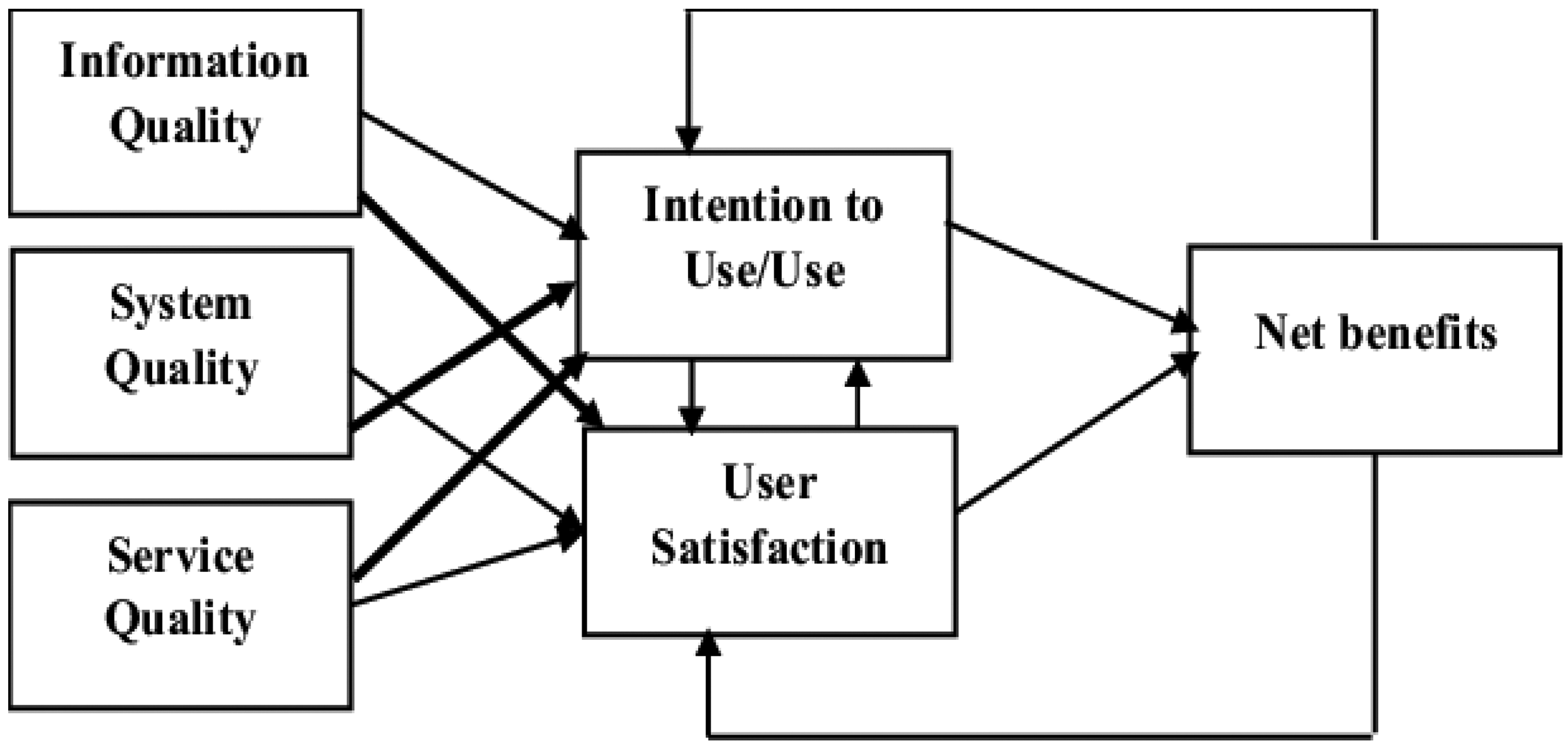
Delone and McLean IS success model source: Delone and McLean (2003).
These first three dimensions, system quality, information quality, and service quality, strongly influence how users engage with the system (use) and how satisfied they are with their overall experience (user satisfaction). User satisfaction is a key indicator of system success, as it reflects users’ positive or negative perceptions of their experiences with the platform. Net Benefits represent the system's tangible and intangible advantages to the institution, instructors, and learners, such as enhanced learning outcomes, efficiency gains, or cost reductions. These dimensions are interrelated, meaning improvements in one area (e.g., system quality) can positively influence others, such as user satisfaction and overall net benefits (DeLone & McLean, 2003).
This current study builds upon the DeLone and McLean model but narrows the focus to system quality, information quality, and service quality. These three dimensions were selected because they are integral to understanding the effectiveness of online learning platforms, particularly in the context of AI integration. Several prior studies applying the model in online education have demonstrated these factors’ significant roles in shaping user satisfaction and system success (Shahzad et al., 2021). The integration of AI into online learning systems, in particular, has the potential to enhance system quality through automation, optimize information quality through personalized learning content, and improve service quality by providing real-time technical support. By applying this model, this study aims to explore how AI influences these specific dimensions, ultimately enhancing the overall effectiveness of online learning systems in higher education.
Conceptualization and research hypothesis
Artificial Intelligence (AI) has become a transformative force in contemporary academic systems, particularly in the realm of online learning platform design. By leveraging various AI algorithms, these platforms can offer personalized learning experiences, intelligent tutoring systems, and automated assessment tools (Dogan et al., 2023). AI-powered chatbots and virtual assistants provide round-the-clock support, while AI-driven analytics enable educators to track student progress and identify areas for improvement (Vashishth et al., 2024). Moreover, AI can be used to create interactive content, such as simulations and virtual labs, enhancing the engagement and effectiveness of online learning (Dai & Ke, 2022).
Previous research has demonstrated the significant impact of system quality, information quality, and service quality on the overall effectiveness of information systems (Etezadi-Amoli & Farhoomand, 1996). These three dimensions are interconnected and influence each other. For example, a system with high system quality and information quality is more likely to be used, which leads to higher user satisfaction. Similarly, a recent study by Alnsour et al. (2024) found that the implementation of AI in the recruitment and selection process can positively influence the efficiency of Human Resource Management (HRM) and the effectiveness of Organizational Development (OD). This suggests that AI can significantly impact organizational processes, systems and outcomes. Based on these findings, the following hypotheses are proposed for the current study: H1: Implementing Artificial Intelligence features will positively influence the system quality of online learning platforms in Higher Education Institutions. H2: Implementing Artificial Intelligence features will positively influence the information quality of online learning platforms in Higher Education Institutions. H3: Implementing Artificial Intelligence features will positively influence the service quality of online learning platforms in Higher Education Institutions.
These hypotheses suggest that AI can enhance the technical aspects, content, and support services provided by online learning platforms, ultimately leading to improved overall system effectiveness.
Within the DeLone and McLean Information Systems Success Model, user satisfaction is a critical dimension of overall system success. It reflects the extent to which users are pleased with the system's performance, ease of use, and ability to meet their needs (DeLone & McLean, 2003). Recent research has highlighted the importance of user satisfaction in online learning. Yang (2024) examined factors influencing junior college students’ continuance intentions to use e-learning at a public university in Dezhou, China. The study found that satisfaction strongly influenced students’ decision to continue using the e-learning system. This suggests that university administrators and teaching staff should focus on developing factors that encourage students to use the system more effectively. Kesuma and Shahab (2024) also investigated the relationship between user satisfaction and system quality, information quality, and service quality in the context of the Grab application. Their findings demonstrated that these factors positively and significantly affect user satisfaction. As user satisfaction is influenced by various factors, including system quality, information quality, and service quality, understanding and addressing these factors is essential for ensuring the success of any information system, including online learning platforms. Studies have shown that when users perceive a system as high-quality, informative, and supportive, they are more likely to be satisfied with it (Etezadi-Amoli & Farhoomand, 1996). In the current study context, user satisfaction can also mediate the relationship between system quality, information quality, service quality, and the system's overall effectiveness. Satisfied users are more likely to use the system frequently, recommend it to others, and perceive it as valuable (Zheng et al., 2013). Therefore, the following hypothesis is proposed: H4: User satisfaction with online learning platforms will positively influence the effectiveness of these platforms in Higher Education Institutions.
As the DeLone and McLean model posits, system quality, information quality, and service quality can significantly influence the relationship between the implementation of information systems and user satisfaction (Zaied, 2012). In the context of online learning platforms, AI can potentially enhance all three dimensions of the DeLone and McLean model. AI applications can improve system quality by automating administrative tasks, personalizing instruction, and delivering adaptive content (Chen et al., 2020). Additionally, AI can support the management, quality maintenance, and development of adaptive courses aligned with Web 3.0 perspectives (Pietruszkiewicz & Dzega, 2012).
AI's ability to imitate human reasoning and decision-making processes enables the creation of dynamic, self-learning environments that can automatically adjust to suit various pedagogies (Colchester et al., 2017). These advancements contribute to more intelligent and adaptive e-learning systems, addressing individual learners’ and instructors’ needs and improving educational quality. Fernandes and Fernandes (2018) examined the mediating effects of service quality and organizational commitment on the relationship between management process alignment and higher education performance. Their study found that these factors play significant roles in mediating the impact of management process alignment on educational performance. Similarly, in the context of online learning platforms, system quality, information quality, and service quality may play crucial roles in determining how AI features influence user satisfaction. A high-quality online learning platform characterized by features such as reliability, efficiency, and ease of use can enhance user satisfaction. AI features that improve system quality may indirectly lead to increased user satisfaction.
Furthermore, the quality of the information provided by the online learning platform can significantly impact user satisfaction. AI features that improve information quality, such as providing accurate, relevant, and complete content, may indirectly enhance user satisfaction. Additionally, the quality of support services the online learning platform offers can influence user satisfaction. AI features that improve service quality, such as automated support systems or personalized training, may indirectly enhance user satisfaction (Petter et al., 2008). Therefore, the following hypotheses are proposed: H5: System quality will mediate the relationship between implementing Artificial Intelligence features and user satisfaction with online learning platforms in Higher Education Institutions. H6: Information quality will mediate the relationship between implementing Artificial Intelligence features and user satisfaction with online learning platforms in Higher Education Institutions. H7: Service quality will mediate the relationship between implementing Artificial Intelligence features and user satisfaction with online learning platforms in Higher Education Institutions.
By examining these mediating relationships, as illustrated in Figure 2, this study aims to provide a more comprehensive understanding of how AI features can influence user satisfaction with online learning platforms.
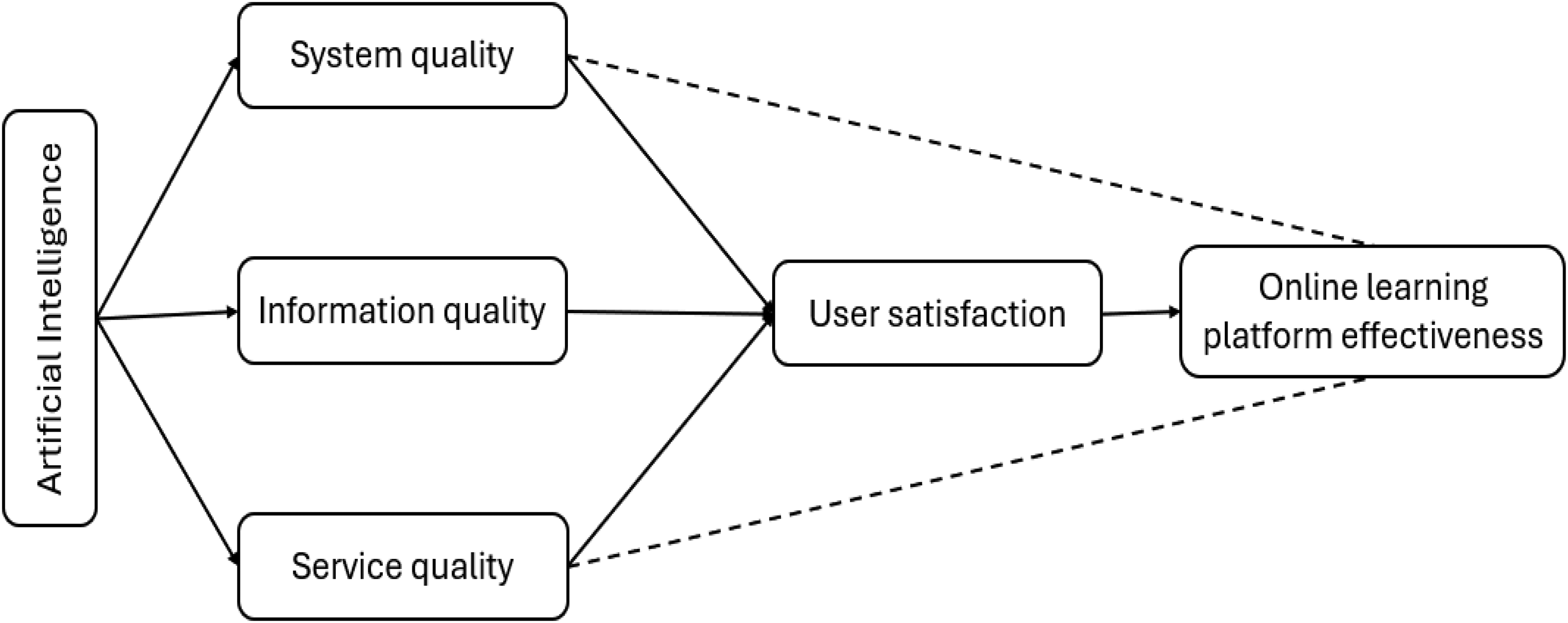
Research conceptual framework.
Methodology
This study employed a descriptive and correlational research design, a quantitative approach that explores the relationships between variables without manipulating them (Nardi, 2018). This design is well-suited for investigating the research questions, which aim to understand how the implementation of Artificial Intelligence features can enhance the effectiveness of online learning platforms in higher education institutions in Jordan. A correlational approach allows researchers to identify the strength and direction of these relationships, providing valuable insights into the factors associated with AI implementation.
Prior to data collection, ethical approval was obtained from the management of the two selected higher institutions. This ensured that the research adhered to ethical principles throughout its conduct. Informed consent was obtained from all participants to safeguard confidentiality and privacy. Participation was entirely voluntary and anonymous, and no identifying information was collected from respondents. All collected data was stored securely and accessible only to authorized personnel. By following these ethical guidelines, the study ensured that participant rights were protected and that the research was conducted in a responsible manner.
A purposive sampling method was employed to select respondents, ensuring the inclusion of individuals directly involved with online learning systems in Jordanian higher education. Participants, including instructors and learners, were chosen based on their relevance to the research objectives and their minimum six-month experience with online platforms. This non-probability sampling approach allowed for collecting targeted insights into integrating AI features in online learning systems, focusing on their impact on system quality, information quality, service quality, and user satisfaction. While purposive sampling may limit generalizability, it is appropriate for exploratory research to understand specific phenomena within a defined context (Etikan et al., 2016).
This study targeted learners and instructors from two Jordanian universities: Jordan University of Science and Technology (JUST) and Al-Ahliyya Amman University (AAU). The focus on undergraduate students was due to their higher engagement with e-learning platforms compared to other student groups. These universities were chosen for two reasons. The first is that both JUST and AAU were among the earliest universities in Jordan to adopt online learning environments, even before the COVID-19 pandemic. This extensive experience with online learning platforms made them ideal research settings.
Similarly, the researchers have established relationships with both universities, facilitating access to participants and data collection. According to the latest data from the Jordan Ministry of Higher Education and Scientific Research (https://www.mohe.gov.jo/En/List/Statistics), the combined population of instructors and learners at JUST and AAU is approximately 8027 (Table 1). This table provides a detailed breakdown of the population by university, gender, and instructor/learner category.
Population of the study.
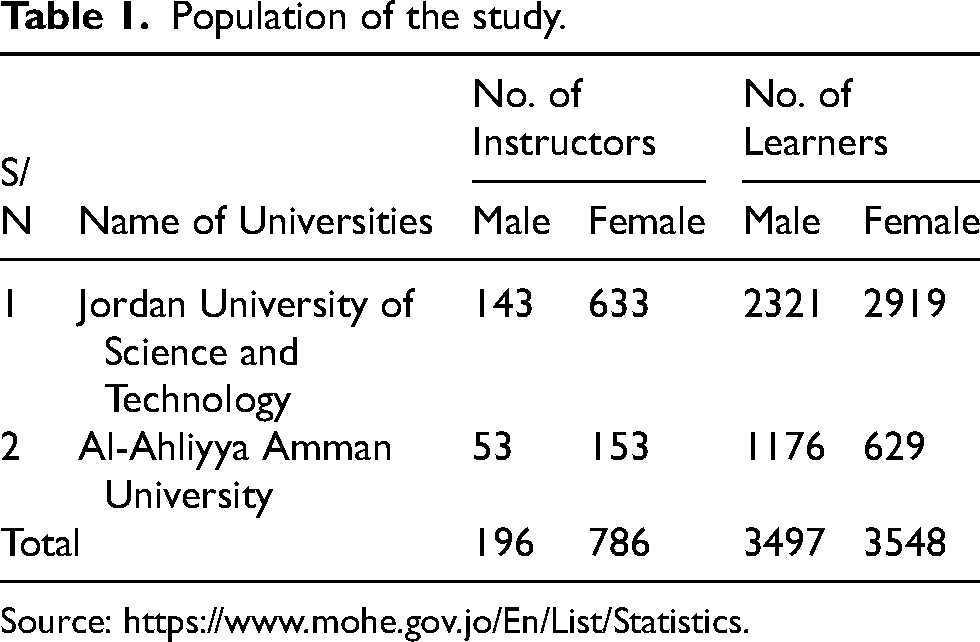
Source: https://www.mohe.gov.jo/En/List/Statistics
A sufficient sample size is crucial for testing the proposed structural model and hypotheses. Various techniques have been used as benchmarks for determining sample size in studies employing the Structural Equation Modeling-Partial Least Squares (SEM-PLS) statistical analysis. Barclay et al. (1995) suggest that the research sample size should be at least ten times the number of indicators used to measure the constructs. However, this study adheres to the recommendation by Hair et al. (2019), which emphasizes adjusting the sample size based on power analysis. To determine the appropriate sample size, G*power, a renowned tool for power analysis, was employed (Kang, 2021).
A power analysis was conducted with an alpha level of 0.05 (Type I error rate), and the power of the test (1 – β error level of 0.95), an effect size of 0.15, and a model with six predictors. G*power recommended a minimum sample size of 107 respondents based on these parameters, as indicated in Figure 3. With the support of university management, the study successfully collected responses from 145 participants from the two selected universities. The data collection process spanned three months, from September 2023 to November 2023. A final sample of 145 completed surveys was obtained through multiple reminders and follow-up efforts for data analysis.

Power results for the required sample size.
The questionnaire used in the study consisted of two sections. The first section collected demographic details of the respondents, while the second section focused on the different constructs used in the study. The 28 items included were all modified from previous studies, as detailed in the appendix and validated through a pilot study. A 5-point Likert scale was used to measure each item on the scale. Given that both the instructors and learners responded to the same survey instrument, the inclusion of both groups in the study is justified by their shared and complementary roles in online education. While the survey items are designed to assess key dimensions of the online learning platform, such as effectiveness, system quality, information quality, service quality, and user satisfaction, these dimensions are relevant to both groups but from different perspectives. For instance, learners evaluate these items based on their engagement, accessibility, and learning outcomes, whereas instructors assess them regarding instructional delivery, content management, and support for teaching practices. Using a single instrument ensures consistency in data collection and allows for comparative analysis across the two groups. This approach strengthens the study's capacity to provide a holistic understanding of the online learning platform's effectiveness and the role of AI in meeting the needs of all key stakeholders.
The survey data underwent a two-stage analysis process. First, descriptive statistics (frequencies and percentages) were employed to present the demographic characteristics of the respondents. Subsequently, partial least squares structural equation modelling (PLS-SEM) was utilized for the correlational analysis of the study variables. PLS-SEM is particularly advantageous for exploratory research due to its ability to handle small sample sizes and non-normal data (Hair et al., 2019). This technique allowed for the assessment of both construct validity and reliability, ultimately facilitating the testing of the research hypotheses.
Results
Demographic details of respondents
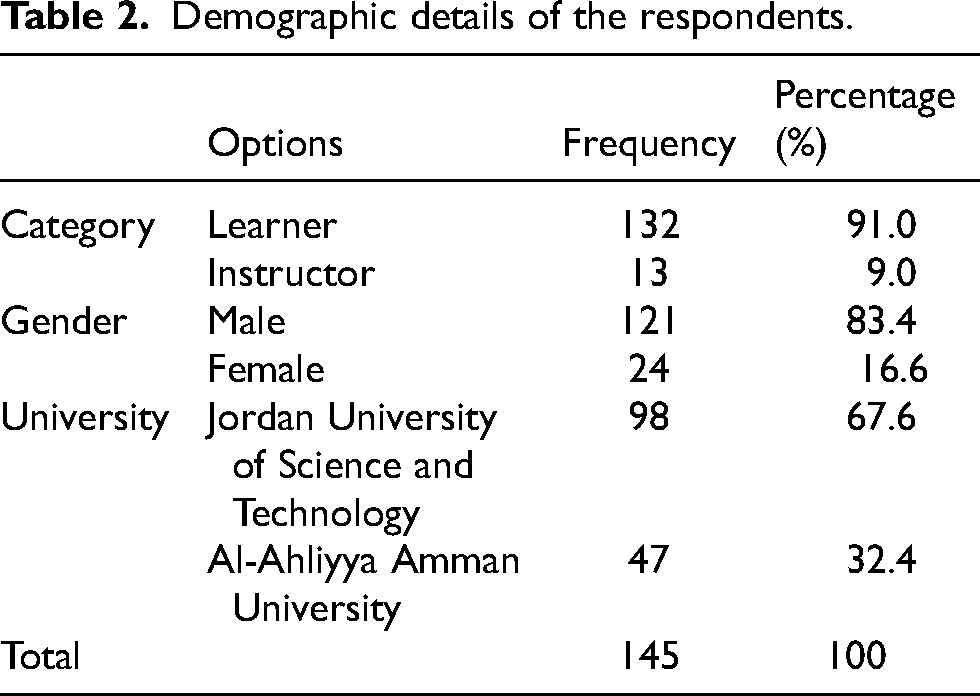
The demographic data presented in Table 2 provides insights into the characteristics of the respondents. Most participants were learners (91%), while 9% were instructors. This suggests that the study primarily focused on the perspective of learners, which is consistent with the aim of investigating the impact of AI on online learning platforms. Regarding gender, the sample was predominantly male (83.4%), with a smaller proportion of female respondents (16.6%). This reflects the overall gender demographics of the selected universities. The distribution of respondents across the two universities was relatively balanced. Jordan University of Science and Technology accounted for 67.6% of participants, while Al-Ahliyya Amman University represented 32.4%. This suggests that the sample adequately represented both institutions. Lastly, these demographic details provide a context for understanding the study's findings and can be considered when interpreting the results. For example, if the study identifies significant differences in the impact of AI features on user satisfaction between male and female respondents, these demographic disparities may be relevant to consider.
Demographic details of the respondents.
Evaluation of the research model
Partial Least Square Structural Equation Modelling (PLS-SEM) is a statistical method used for structural equation modelling that allows the estimation of complex cause-effect relationships between latent variables and observed variables. It is employed in this research to estimate the relationships between the latent variables and determine how well the model explains the target constructs of interest. The method has many advantages, such as the possibility of estimating very complex models, handling small sample sizes, and modelling formative constructs (Hair et al., 2019). The data analysis in this aspect comprised of two main stages: evaluating the measurement and structural models. The following sections outline how these steps were conducted and the results obtained using the Smart PLS application.
Stage 1: Measurement model assessment
The analysis commenced with an assessment of the measurement model's reliability and validity. Three key criteria were evaluated: convergent validity, internal consistency reliability, and discriminant validity, as presented in Table 3 and illustrated in Figure 4. In order to ensure convergent validity, the Average Variance Extracted (AVE) for each construct was required to be greater than 0.5. Additionally, all item loadings were expected to exceed 0.5, indicating strong relationships among items within a construct. Composite reliability, exceeding 0.7, confirmed the internal consistency reliability of the constructs. These criteria, as outlined by Cheung et al. (2023) and Henseler et al. (2015), are essential for establishing the reliability and validity of the measurement model.
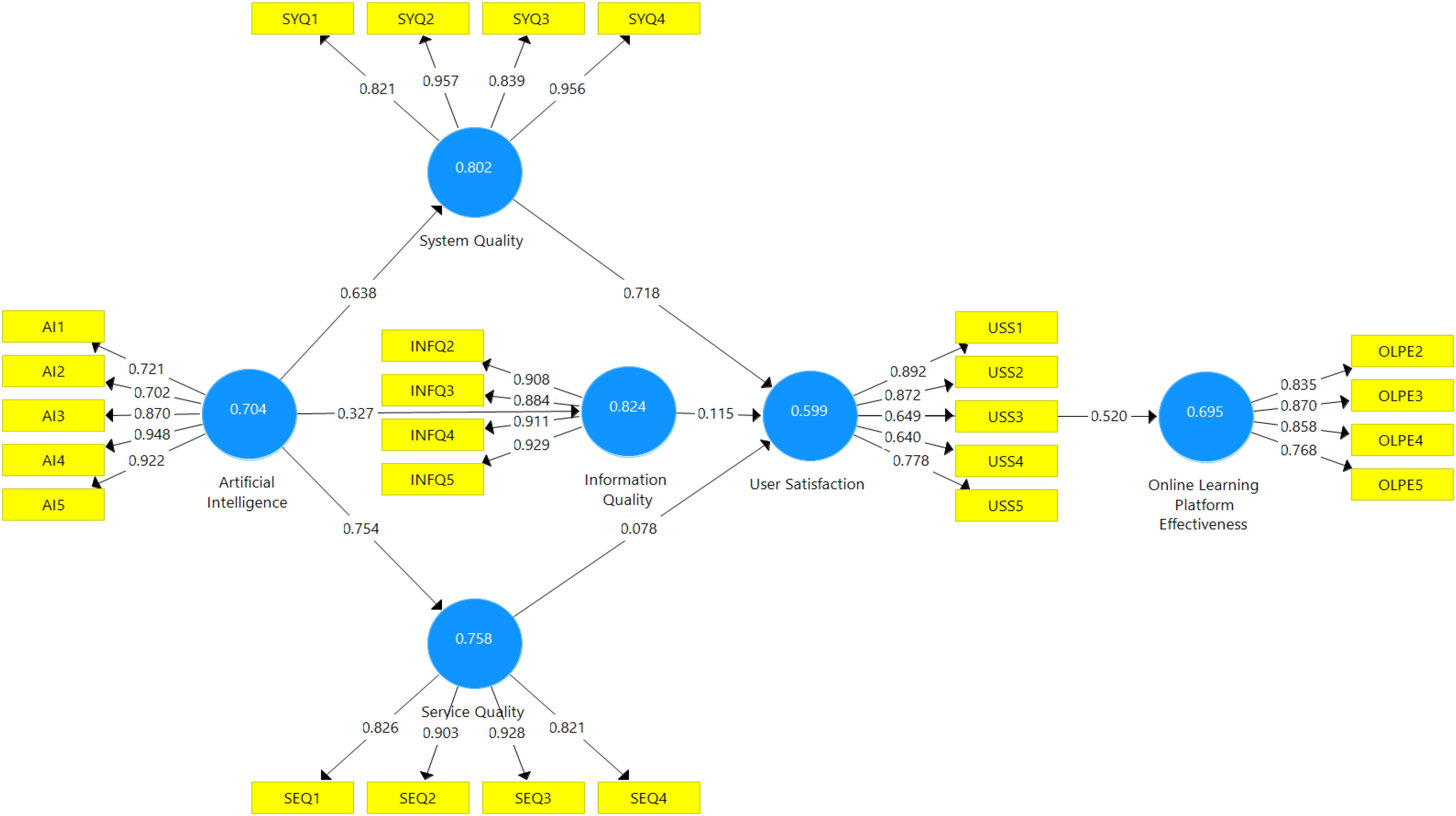
Research Measurement Model.
Results of the convergent validity and internal consistency reliability.
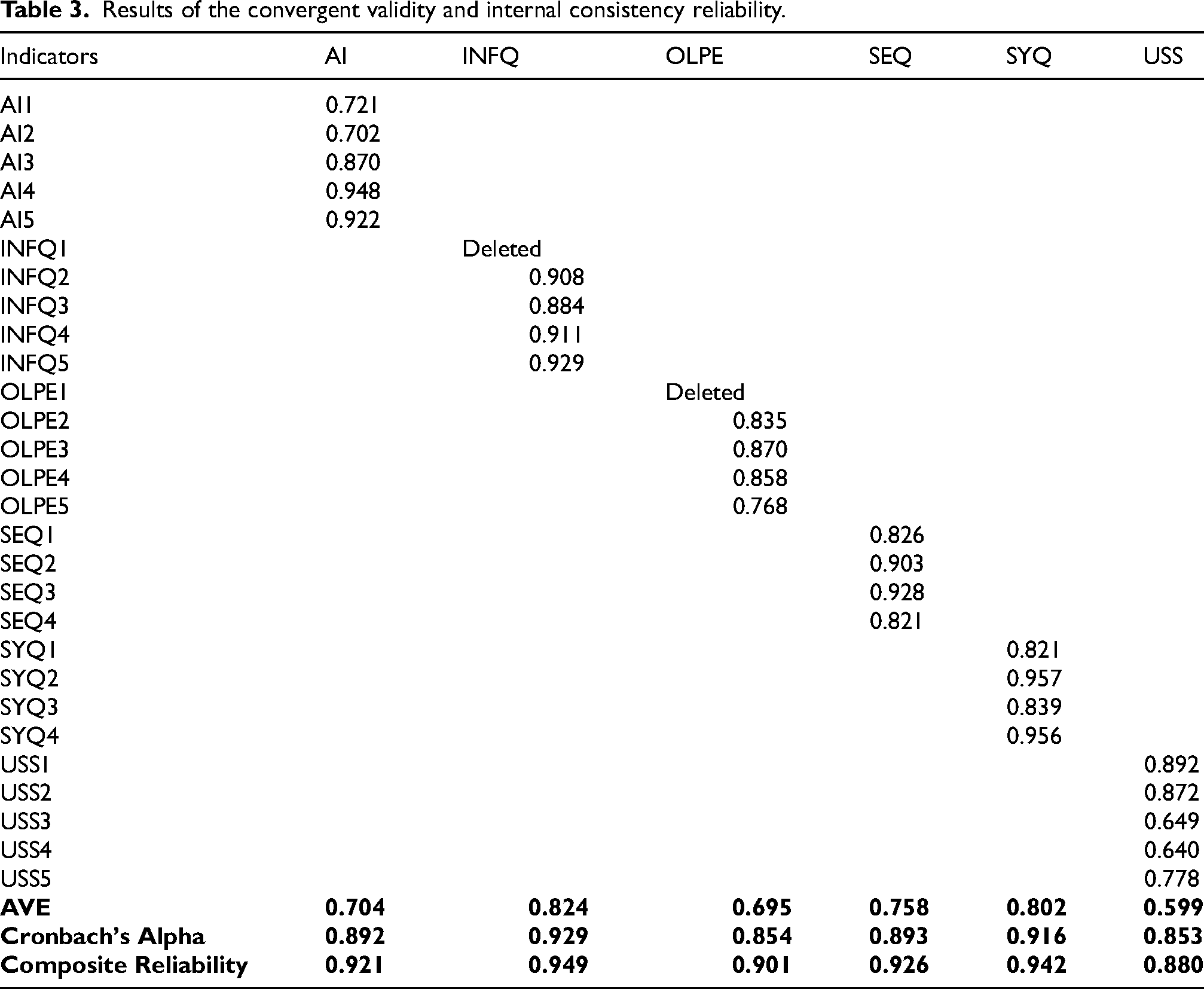
The measurement model assessment results, as presented in Table 3, indicate strong reliability and validity. The Average Variance Extracted (AVE) values for all constructs exceeded 0.5, and Cronbach's Alpha and Composite Reliability values were above the recommended thresholds, suggesting that the items adequately measure their respective constructs. To further enhance the model's fit, items INFQ1 and OLPE1 were removed due to low factor loadings. These findings provide confidence in the quality of the measurement model and its ability to capture the constructs of interest.
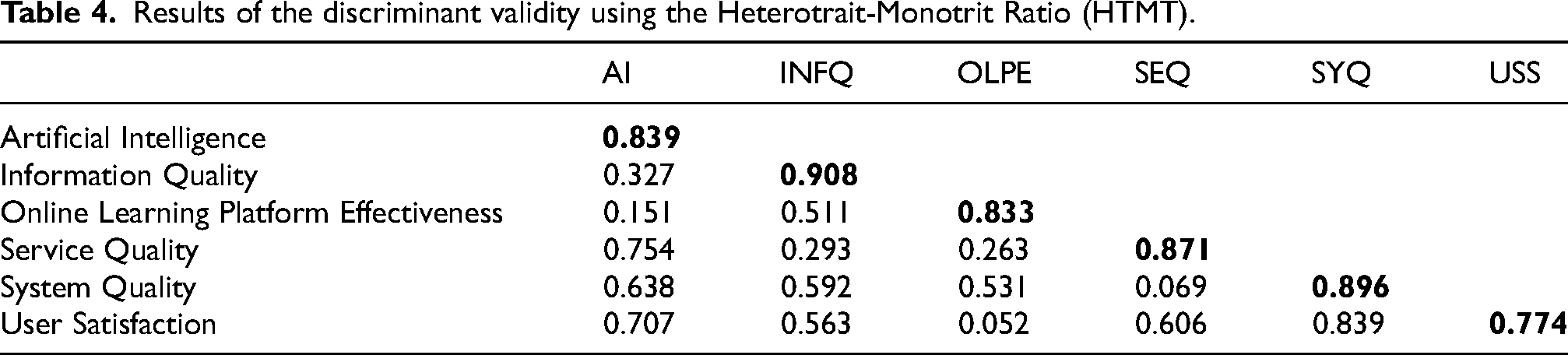
The Fornell-Larcker criterion was employed to assess discriminant validity, as it remains one of the most widely accepted methods for evaluating the distinctiveness of constructs in structural equation modelling (SEM). This criterion compares the correlations between a construct and its own indicators (which should be high) with the correlations between that construct and the indicators of other related constructs (which should be low). According to the Fornell-Larcker criterion, the square root of the Average Variance Extracted (AVE) for each construct should exceed its correlations with other constructs (Hair et al., 2017). As shown in Table 4, the square root of the AVE for each construct is indeed greater than its correlations with other constructs, confirming that the constructs are distinct and do not overlap. This outcome suggests that the measurement model demonstrates satisfactory discriminant validity. Additionally, the heterotrait-monotrait (HTMT) ratio of correlations method, another common approach, further supports these results by reinforcing the distinctiveness of each construct.
Results of the discriminant validity using the Heterotrait-Monotrit Ratio (HTMT).
Stage 2: Structural model assessment
After establishing the measurement model, the analysis progressed to evaluate the structural model. This stage explores the relationships between the constructs. It tests the research hypotheses by examining the path coefficients’ statistical significance, facilitating a deeper understanding of the research model's dynamics (Hair et al., 2019). To test the hypotheses, bootstrapping with 5000 subsamples, two-tailed, and a significance level of 0.05 was employed, as recommended by Hair et al. (2019). This approach generated standard errors and t-statistics for the sample, enabling a robust assessment of the relationships between constructs. The results of the structural model assessment are presented as follows.
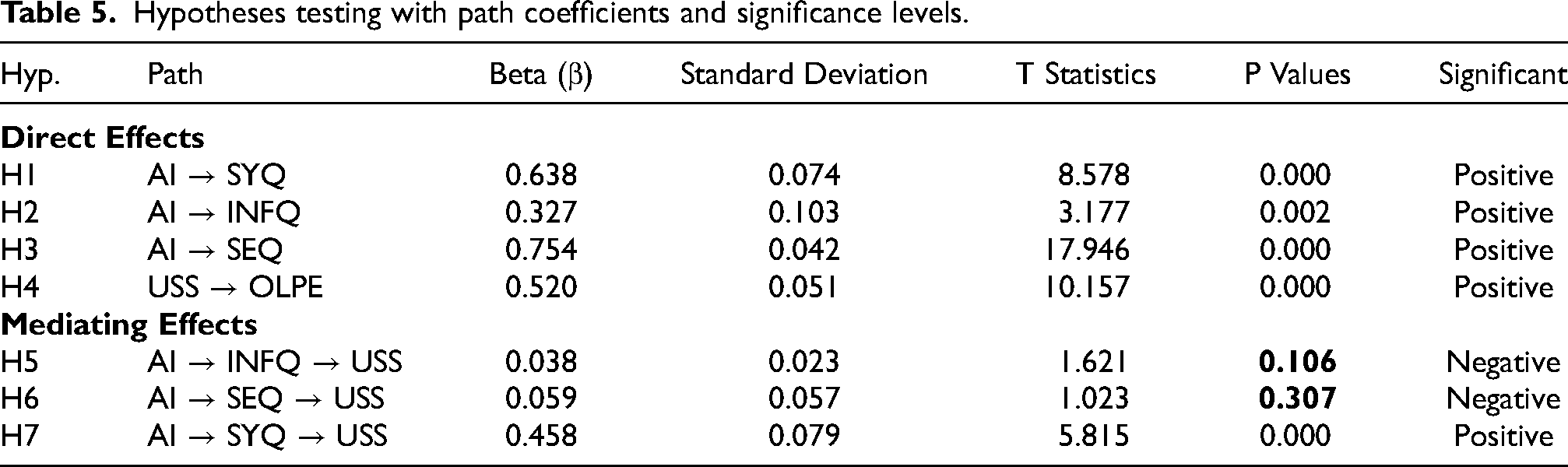
Table 5 and Figure 5 presents the results of the hypothesis testing. The direct effects of AI on system quality (β = 0.638, p < .001), information quality (β = 0.327, p < .001), and service quality (β = 0.754, p < .001) were found to be significant and positive. This indicates that integrating AI features can significantly enhance these aspects of online learning platforms. Regarding the mediating effects, the results suggest that system quality partially mediates the relationship between AI and user satisfaction (β = 0.458, p < .001). This implies that AI features can improve user satisfaction by enhancing system quality. However, the hypothesized mediating effects of information and service quality were insignificant. So, it is important to note that while AI has a significant impact on system, information, and service quality, its direct impact on user satisfaction may be less pronounced. This suggests that the impact of AI on user satisfaction may be primarily mediated through its influence on system quality.
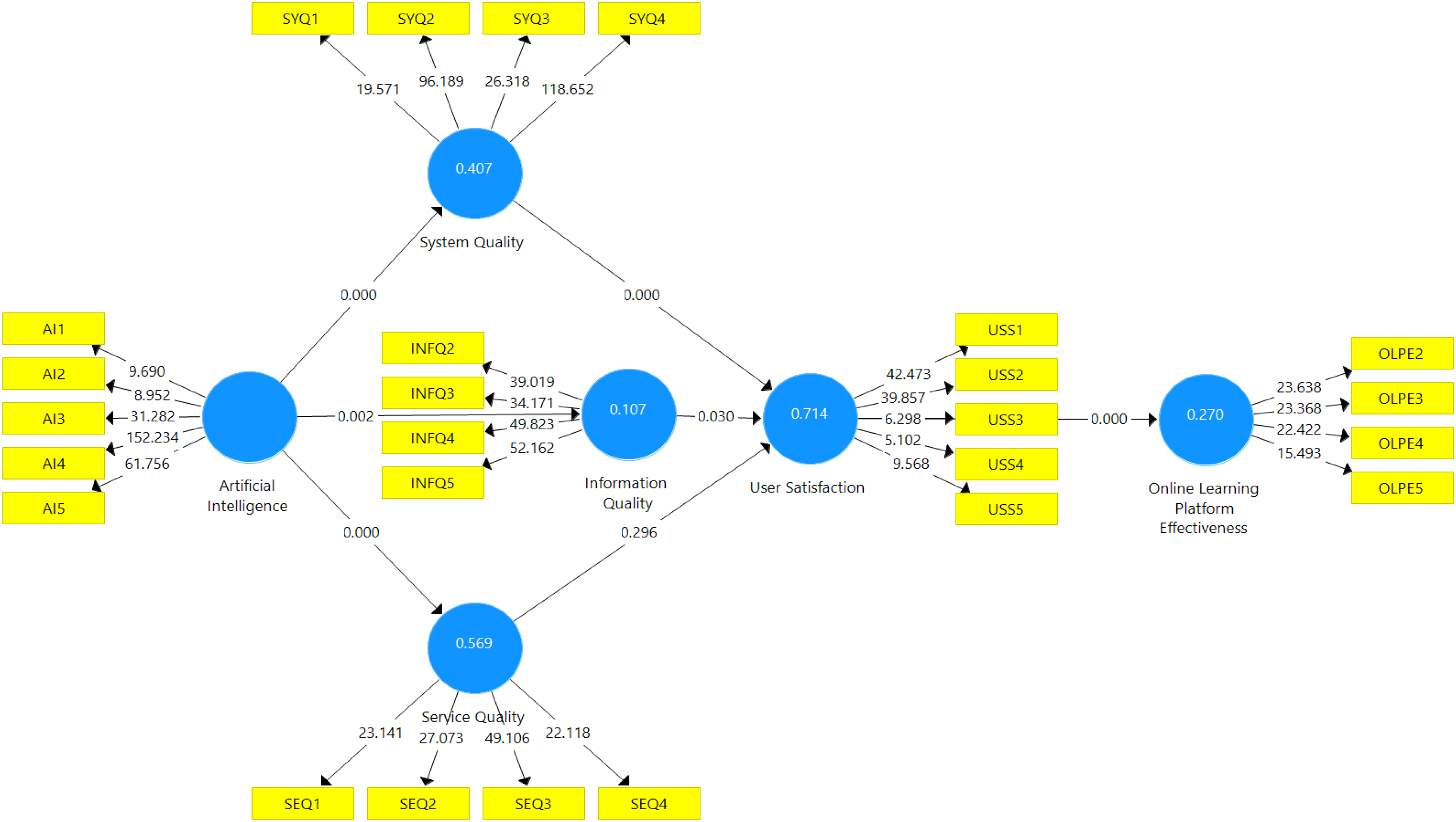
Research structural model.
Hypotheses testing with path coefficients and significance levels.
Lastly, this study also assessed the model's ability to predict the integration of AI in the online learning platforms in Jordan's higher educational institutions using the blindfolding procedure recommended by Hair et al. (2019). Blindfolding involves systematically omitting data points and evaluating the model's capacity to predict the missing values. A key indicator of successful blindfolding is the predictive relevance (Q²), which should be greater than zero. In this study, blindfolding was applied with an omission distance (D) of 7. The resulting Q² value for the online learning platform effectiveness was 0.179. This value exceeds the zero threshold, suggesting the model has moderate predictive relevance.
Discussion
According to the objectives of the study, which was to explore how AI features are influencing learners’ and instructors’ satisfaction with the online learning system in higher educational institutions in Jordan, this section of the research presents the research findings according to the study's objectives as follows:
RO1: The impact of AI on system, information, and service quality
The first objective of this study was to explore the influence of AI features on system quality, information quality, and service quality within online learning platforms. The results indicated AI's significant and positive impact on all three dimensions, with a particularly strong effect on service quality (β = 0.754, p < .001). This suggests that AI-driven features like personalized learning paths, real-time feedback, and predictive analytics can significantly enhance online learning systems’ technical performance and user satisfaction. These findings align with previous research that emphasizes AI's role in improving system responsiveness and user interaction quality (Chen et al., 2020; Pietruszkiewicz & Dzega, 2012). By automating processes and offering adaptive support, AI will enhance the learning experience and facilitate the efficient management of resources and support services, contributing to a high-quality educational environment.
RO2: The mediating role of system, information, and service quality
The second research objective explored the mediating role of system, information, and service quality in the relationship between AI and user satisfaction. While system quality was found to significantly mediate the relationship between AI and user satisfaction (β = 0.458, p < .001), the hypothesized mediating effects of information quality and service quality were not statistically significant. This suggests that AI can indirectly improve user satisfaction by enhancing the technical aspects of the online learning platform, such as reliability, efficiency, and ease of use. However, improvements in information quality and service quality alone may not have a significant impact on user satisfaction without a robust system foundation. This finding aligns with previous research highlighting the critical role of system quality in mediating user satisfaction (Fernandes & Fernandes, 2018). Therefore, institutions should prioritize investments in AI-driven system enhancements to optimize user satisfaction and overall platform effectiveness.
RO3: The relationship between user satisfaction and platform effectiveness
The third research objective examined the relationship between user satisfaction and the effectiveness of the online learning platform. A significant positive relationship was observed (β = 0.520, p < .001), indicating that user satisfaction strongly predicts platform effectiveness. This finding aligns with the original DeLone and McLean IS Success Model, which posits that high user satisfaction enhances perceived system benefits and continued use (Petter et al., 2008). AI-powered features, such as personalized learning experiences and adaptive learning paths, can contribute to increased user satisfaction by tailoring the learning experience to individual needs. Satisfied users are more likely to perceive the platform as effective, leading to improved learning outcomes and engagement. These findings resonate with previous research suggesting that AI-driven enhancements can significantly improve user satisfaction and overall platform effectiveness (Rakya, 2023).
Conclusion remarks
This study investigated the impact of Artificial Intelligence (AI) on the effectiveness of online learning platforms in Jordanian higher educational institutions. By examining the relationships between AI, system quality, information quality, service quality, user satisfaction, and platform effectiveness, the study aimed to understand how AI can enhance the overall quality of online learning experiences. The findings underscore the significant positive impact of AI on system quality, information quality, and service quality. AI-driven technologies can automate administrative tasks, personalize learning experiences, and provide timely feedback, thereby improving online learning platforms’ technical performance and user experience. While AI can indirectly influence user satisfaction through its impact on system quality, the study found that information quality and service quality did not significantly mediate. This suggests that a robust system quality, characterized by reliability, efficiency, and ease of use, is crucial for fostering user satisfaction.
Furthermore, the study demonstrated a strong positive relationship between user satisfaction and platform effectiveness. Satisfied users are more likely to perceive the platform as effective, leading to improved learning outcomes and engagement. AI-powered features, such as personalized learning paths and intelligent tutoring systems, can contribute to increased user satisfaction by tailoring the learning experience to individual needs. In conclusion, this study provides valuable insights into the potential of AI to enhance online learning. Institutions can optimise the effectiveness of their online learning platforms by focusing on system quality and leveraging AI to improve technical performance and user experience. Future research may explore the long-term impact of AI on student learning outcomes and the ethical implications of AI-driven education. Similarly, this research has only focused on selected Jordanian universities, which may limit the generalizability of the findings to other cultural or educational contexts. Secondly, the study relies on the DeLone and McLean IS Success Model, which, while widely used, may not capture all aspects of AI's impact on online learning. Thirdly, the study's cross-sectional design may limit the understanding of causal relationships and the long-term effects of AI integration. Lastly, the study does not explore potential challenges in AI implementation, such as ethical considerations, data security, and equity issues, which are crucial for a comprehensive understanding of AI's role in online learning. Future research could address these limitations to provide a more holistic view of AI's impact on online learning.
Footnotes
Acknowledgments
The authors would like to thank the Ministry of Higher Education, Jordan, and the participating instructors and learners from the two selected universities for their valuable contributions to the success of the research.
Funding
The authors received no financial support for the research, authorship, and/or publication of this article.
Data availability
The applicable research data will be made available on request from the first author.
Declaration of conflicting interests
The authors declared no potential conflicts of interest with respect to the research, authorship, and/or publication of this article.

About the authors
Appendix.
1 = Strongly Disagree, 2 = Disagree, 3 = Neutral, 4 = Agree, and 5 = Strongly Agree.