







Abstract
This study investigates the impact and utilization of digital resources on students’ performance in distance learning. Specifically, it explores how digital resources influence academic outcomes among the students in distance learning environment of Allama Iqbal Open University (AIOU) South Punjab campuses. A quantitative research methodology was employed for this study, with data collected via a survey. The research utilized a modified version of the DeLone and McLean Information System (IS) Success Model as its theoretical framework. The purposive and convenience sampling techniques were applied for data collection targeting 350 students, who were asked to complete an electronic questionnaire. Following data cleaning procedures, 308 valid responses were retained for analysis. The data was then analyzed using Partial Least Squares Structural Equation Modeling (PLS-SEM). The results revealed that the use of knowledge quality, digital resources system quality and service quality positively affects students’ performance in distance learning environment. Additionally, the personal intention, motivation, and self-efficacy that enhances students’ performance. With this, technological infrastructure within educational organizations, along with positive student success stories, contributes to improving the reputation of the institutions offering distance learning programs. This research provides recommendations for universities aiming to develop or enhance their distance learning platforms. The findings offer actionable insights on how to leverage digital system effectively to enhance students’ educational experiences and overall satisfaction. The study makes a significant contribution to the existing literature on digital resources, emphasizing the role of technology in online education. It also highlights how digital system, and services not only benefits student academic performance but also improves the methods of distance learning in educational institutions.
Keywords
Introduction
Higher education institutions have switched from traditional face-to-face instruction to online instructiondue to the COVID-19 pandemic (Al-Rahmi et al., 2022). Online teaching and learning present a significant challenge for university students and teachers because it necessitates the implementation of a variety of novel teaching and learning strategies in order to achieve successful academic outcomes (Santos et al., 2020). It also creates a virtual learning environment in which students have online access to lectures and information and teachers must adopt a novel teaching method in order to deliver the curriculum content and develop new methods for evaluating students’ individual skills and learning experiences (Jin et al., 2024). In this scenario, digital resources are very influential as these resources facilitate online learning. The effectively deliver instruction to students even in remote locations that are miles away from a physical institution or school, the digital technology that is utilized in distance learning necessitates the use of the internet (Sazonov et al., 2024). The utilization of computerized devices like virtual boards, Skype, Zoom, and Microsoft Meeting are only a couple of the exercises that can be utilized in distance learning (Gu et al., 2023). In this digital environment, distance learning is one of the best approaches for addressing students’ academic problems, as it empowers them to focus on their studies despite their work schedules. Globally, the utilizing the digital technologies with the blended learning often enables educational institutes to offer this type of education in various cities (Ammad et al., 2021).
Hence, in this modern era the role of digital resources is not only important in distance learning, but also need of the time. In this context, realizing the importance of this issue, a research conducted to explore the impact of digital resources on student's performance in distance learning (Amzat and Adewojo, 2023). In this context, they developed the to enable the successful implementation of digital resources in effective ways for distance learning. With the provision of online interactions of students with each other and teachers, they can learn in a better way (Akpen et al., 2024). It can be also improved with the by delivering frequent feedback and assistance, and by setting clear and attainable learning objectives (Liu et al., 2022). Students discussed the aspects of their online programed that they found to be particularly encouraging. Although levels of motivation were mentioned throughout the interviews. The students precisely discussed that they got motivation with engaging in learning activities with online feedback. In this context, they also engaged critically with the knowledge, concepts, and skills presented in online digital resources (Dailey-Hebert, 2021).
The role of distance learning on students academic performance
The relationship between distant learning and students’ academic performance can be greatly influenced by motivation (Balcioğlu and Artar, 2023). But there are some challenges faced by the students while distance learning, they lack of social interaction, organized and lack discipline in their daily schedules of life. With this. The lack of motivation impact on their learning abilities and may be less likely to succeed academically (Henderson et al., 2017). On the other hand, the motivated students might be able to overcome the difficulties of distant learning and achieve academic success. Students who are motivated are more likely to stay committed to their objectives, ask for help when they need it, and keep going in the face of obstacles (Rehman et al., 2022). Hence, it's crucial for instructors and organizations to encourage motivation among students in settings for online learning (Reddy et al., 2023). This can be done by setting up chances for students to interact with one another and with their teachers, by delivering frequent feedback and assistance, and by setting clear and attainable learning objectives (Guobadia and Ekuobase, 2024).
Research problem statement
The southern region of Pakistan is considered one of the most underdeveloped areas in the country. Access to education remains limited, and even though there are universities with multiple campuses, they are still out of reach for many potential students due to various socio-economic factors. For instance, limited financial resources act as a major hindrance, making the cost of living in hostels unaffordable. Additionally, poor and unmaintained roads make daily commuting to campuses difficult. Female students in this region face even more significant barriers, making it harder for them to access higher education. In this context, distance learning with the access of digital resources offered by the Allama Iqbal Open University (AIOU) southern region campus has proven to be a blessing for many students. It allows them to pursue their education from home using a mobile phone, making education accessible to those who otherwise might not have the opportunity (Noreen and Malik, 2019). This mode of learning not only provides students with general education but also equips them with essential IT skills. Acquiring these skills enables students to participate in the online workforce, allowing them to earn a livelihood through online platforms (Shams et al., 2020). As a result, this distance learning initiative is helping to transform the socio-economic conditions of the region. The AIOU campuses, with its integrated digital resources system, serves as an example of how universities can use technology to bridge the educational gap. While this study focuses on AIOU, the results are not limited to this university alone but can be applied to other institutions employing digital resources system utilization in distance learning program.
Research gap
The research problem statements present a novel insight by incorporating three key variables that are; personal intention, self-efficacy, and student motivation into a modified version of DeLone and McLean's Information System (IS) Success Model. These variables are used to assess students’ perceptions of digital resources utilization in distance learning environment. Given that students are the ultimate recipients of these resources, it is crucial to evaluate their viewpoints. Notably, these variables have not been explored in the context of distance or e-learning before. In this context, these provides the strong foundations to evaluate the impact of these factors in the respective field of study.
Research questions
On the basis of above stated research gap, following research questions has been formulated; -
What are the personal intentions of the students in utilization of digital resources in distance learning environment? What is the quality of digital resources in excess of knowledge, system and services for distance learning platform? What are the factors of digital resources utilization for students’ motivation, self-efficacy in distance learning program
Significance of the study
Developing on the aforementioned context, this study sought to analyze the influence of the DeLone and McLean IS Success Model on the effectiveness of digital resources system at the Allam Iqbal open university campuses of south Punjab, Pakistan. The research employed the seven core dimensions of the theocratical proposed model: system quality, knowledge quality, service quality, motivation, and personal intention, self-efficacy. In doing so, the study examined how these dimensions impact the effectiveness of distance learning management system for the implementation at the university. Ultimately, the findings aim to enhance the value of digital resources in distance learning environment for the educational institutes of Pakistan. With this, it also particularly in regions where access to higher education is constrained by geographical challenges in the developing areas. This research offers insights that can inform efforts to strengthen the educational infrastructure of both governmental and private organizations across the Pakistan.
Literature review
Rafi et al. (2022) conducted study on digital resources impact in distance learning and found that it is urgent to comprehend the impact of distance learning, particularly given the significant increase in the utilization of digital tools in education during this crisis, with expectations of this trend continuing. Taking a multidisciplinary view, we argue that by shifting the educational experience to depend more on families rather than instructors, and by having students predominantly work through digital resources, school closures exacerbate social class academic disparities. Islam et al. (2022) propose digital resources and applications for distance learning, as well as layout ways of planning instructors for the successful utilization of computerized learning advancements. Hierarchical types of distance learning are introduced, for example, online courses, internet advising, hackathons, online classes, online preparation stages, intelligent instructive stages, virtual/distant labs, as well as visits to worldwide science exhibition halls and virtual innovation parks, formation of correspondence stages considering logical interests, and so on.
Badre (2002) has made the case that remote education helps students when they desire to enroll in courses that might not be accessible or available within the educational institutions situated in their immediate geographic region. For instance, distant learning techniques like e-learning can make it simple for students from Karachi to apply to schools in Islamabad and successfully complete their selected or desired degrees. This can also enable a student to successfully complete their coursework from the comfort of their home without having to travel, which would help the nation produce more multi-talented workers. It was also highlighted in the study by Cleveland-Innes et al. (2019) that the supply of online education is also thought to be economical in nature. This is due to the fact that it does not require students and their parents to pay a significant amount of money in order to obtain an education. Also, students who choose this style of education are able to save money, which enables them to invest any surplus income in activities that will be highly beneficial to them in the long run. The purpose of this study is to examine the advantages that students in South Punjab have been able to get from the distance learning opportunities offered by the institutions through the use of digital resources and to evaluate the advantages that the administration of virtual universities has been able to achieve through the use of digital resources to offer distant learning. This study was conducted on the students studying under distance learning program of Allama Iqbal University of Southern Punjab campus.
In support of remote learning it not only aids students in honing their abilities or skills but also significantly boosts their capacity to earn more in their future professions by increasing their value to potential employers (Sutton, 2017). In addition, women in many underdeveloped countries, including Pakistan, struggle to receive a quality education because of the constrained outlooks of their families. Many women are compelled to abandon their studies as a result of this mentality since they are coerced into marriage before, they have even completed their formal education. Such women may be able to restart their education and pursue their objectives through remote learning, which might also significantly raise the rate of literacy and employment in countries like Pakistan (Naeem and Bhatti, 2020).
Furthermore, Chaputula and Mutula (2018) hypothesized that distance learning aids students who wish to enroll in courses that might not be reachable or offered within educational institutions situated in their immediate geographic region. For instance, utilizing distance learning strategies like e-learning can make it straightforward for students from Karachi to apply to universities in Islamabad and achieve the degrees they've chosen or have set their sights on. This can also enable a student to successfully complete their education from their Own home without traveling elsewhere, which will help the nation develop multitalented professionals. The accessibility of high-quality knowledge is more likely to be accessible to all learners, including those with disabilities or language barriers. The study by Khan et al. (2018) also made note of the fact that the provision of online education is also seen as having an economic bent. This is because receiving an education doesn't need kids or their parents to fork out a sizable sum of money. Also, this type of schooling enables students to save money, allowing them to use their extra funds or resources in other worthwhile endeavors that will substantially benefit them in the future.
Theoretical framework of the study
Effective distance learning relies heavily on technology and digital platforms to facilitate communication, collaboration, and learning. Therefore, the quality of the system used for distance learning plays a critical role in the success of the process. Similarly, Al Naqbi (2024) has also used this theoretical model for the performance of Arab university students. A high-quality system should be reliable, user-friendly, and capable of providing a seamless experience to learners and instructors alike (Rulinawaty et al., 2024). The implication of Delone & Mclean theoretical model is very successful for the performance of any organization using the technological tools for the learning system (Bonilla-Priego et al., n.d.). The IS success model consists of five dimensions: system quality, information quality, service quality, user satisfaction, and perceived usefulness (DeLone and McLean, 1992). The significance of Learning Management Systems (LMSs) in supplementary educational models surged in the aftermath of the COVID-19 pandemic. Many classroom practices and routines established prior to the pandemic were seamlessly integrated into these digital platforms (Truss and Anderson, 2023). Here are some ways in which system quality can positively impact distance learning:
According to scholars, the ability of an information system to accept human variety depends on this and other factors (Kumaraswamy and Chitale, 2012). This study talks about a person's perception of their inherent propensity to use new technologies. Also, it alludes to students’ intrinsic propensity to use cutting-edge information technology methods, such as online education. Hence, the following claim is made in Figure 1
H1: Personal intention of students has a positive influence on digital resources knowledge quality
Knowledge quality is an important factor in distance learning as it directly affects the quality of education and learning outcomes. In distance learning, students rely on digital resources such as online textbooks, e-books, video lectures, and other digital content to gain knowledge and understanding of the subject matter. Therefore, the quality of the knowledge presented in these resources is crucial for the success of distance learning (Ferreira, 2020). Here are some ways in which knowledge quality impacts distance learning. The quality of the knowledge presented in the digital resources can significantly affect the learning outcomes of the students (Corcoran and Duane, 2018). High-quality knowledge is more likely to be accurate, relevant, and up-to-date, leading to better learning outcomes. With this, the engaging and well-presented knowledge can increase student motivation and engagement, which is crucial for distance learning success. The credible and reliable knowledge is essential for distance learners to build trust in the course materials and instructors, and to develop critical thinking skills (Fedorov and Mikhaleva, 2020). Furthermore, high-quality knowledge is essential for assessments, as the quality of the knowledge presented will affect the validity and reliability of assessments (Branin, 2004). Overall, the quality of knowledge presented in distance learning is critical to the success of the program. It is important for distance learning providers to ensure that the knowledge presented is accurate, relevant, up-to-date, engaging, accessible, and credible (Granić and Marangunić, 2019). By doing so, learners will have a more positive and successful experience with distance learning (Wilks and Pearce, 2011).
H2: Knowledge quality has a positive effect on digital resources’ system quality
The accessibility of high-quality system will ensure that all learners have equal access to learning materials and resources, regardless of their physical location or abilities (Okyere-Kwakye and Md Nor, 2020). With this the experience of users as friendly system can help learners navigate the course content easily, reducing frustration and improving engagement. A high-quality system can facilitate effective collaboration between learners, instructors, and support staff, promoting a sense of community and teamwork (Hicks et al., 2023). A reliable system performance with high-speed internet connectivity can provide a smooth learning experience without technical glitches, buffering, or downtime (Ranjeeth et al., 2020). A secure system with security can protect confidential information and prevent data breaches, ensuring that learners can safely engage in online activities (Khan et al., 2023). Overall, a high-quality system can create a positive learning environment that supports student success and improves the overall experience of distance learning. It serves as a metric for the system's technical soundness, adaptability (Rafique et al., 2020), Hence, the following hypotheses are advanced:
H3: System quality of digital resources has a positive influence on the service quality
H4: Service quality of digital resources has a positive effect on distance learning
The user support provided by a training unit is crucial for users to be able to use the system Rafi et al. (2019) not withstanding allegations to the contrary from some academics, the advancement of information technology has resulted in the identification of service quality as a distinct component and online learning usage and performance among students. It has also been used to measure service quality how far students’ opinions of the advantages of online learning deviate from their normative expectations (Brennen and Kreiss, 2016). The idea of service quality in online learning refers to the capacity to deliver personalized knowledge in a secure environment, together with individualized engagement (Ayre et al., 2018).
H5: Personal intention has significant influence on the motivation of students
H6: Motivation of the students towards the utilization of digital resources in distance learning environment has influence on students’ self-efficacy
Self-efficacy is the conviction that one possesses the abilities to engage in a specific behavior (Leonard et al., 2020). In this context, self-efficacy beliefs are seen as a crucial factor in determining computer use and how it affects result expectations (Venkatesh and Davis, 1996). This is corroborated by the research of which revealed that online self-efficacy considerably influenced perceived ease of use and subsequent actual usage (Lee and Kelkar, 2013). Theoretically, self-crucial efficacy takes into account students’ aspirations for what they can do with their skills rather than only focusing on the ones they now have (Okyere-Kwakye and Md Nor, 2020). So, in this study, a student's self-efficacy comprises not just their proficiency with computers but also their self-assurance and aptitude.
H7: Self-efficacy has a direct impact on distance learning program with the utilization of digital resources
Because of the development of digital telecommunications and information communication technologies, the idea of remote or virtual education has altered, making it feasible for better and faster methods of knowledge dissemination (Ahmed et al., 2019). By the use of telecommunications networks, people and organizations can communicate more frequently and reliably, which improves the flow of information. Ferreira, (2020) claims that the convergence of the fields of computer science, audiovisual media, and telecommunications has also benefited in the provision of high-quality distant education to students globally. In terms of time management, distance learning gives students a significant competitive edge, according to (Cleveland-Innes et al., 2019). This is essential, especially for students who also hold down other occupations or work in their current job. Some students place equal importance on their employment and their education, making it apparent that both are significant to them (Bruce, 1999). As a result, distance education benefits these students by providing them with the benefit of flexible study schedules, which in turn helps them to perform their professions without running into any difficulties or obstacles, further motivating them to contribute to the development of their countries.
H8: Distance learning has positive influence with the utilization of digital resources on the performance of students
According to Sediyaningsih et al. (2023), students’ motivation and degrees of engagement, especially cognitive engagement, go hand in hand since they both affect their capacity to learn content in a more deliberate and attentive manner. Given that both of the graduate programs were in education, the fact that so many students wanted to learn more was not surprising. The self-described “lifelong learner” (Oakleaf, 2016). The learning opportunities offered by the courses by his desire to study as well as the fact that the program he was enrolled in closely related to his career in information technology.
Research method
The research was designed to examine the association between key research factors within the context of digital resources system, distance learning and the performance of the students. The theoretical framework employed for this investigation is the (DeLone and McLean, 2003) and McLean IS Success Model, which provides a comprehensive lens through which educational organizations can understand the integration of new technologies (Fernando et al., 2020). Similarly, to know the learning management system quality and usefulness in online learning system performance Aldabbas et al. (2025) also used updated McLean IS Success Model in their research. In this context, A research questionnaire was developed based on a thorough review of the existing literature and aligned with the proposed theoretical research model. For this purpose, data collection was conducted using an online survey, a method consistent with the quantitative research strategy employed in this study. The target population comprised e students at AIOU in South Punjab, including individuals enrolled in BS, MS/M. Phil, and other programs that actively incorporate technology-based learning.
For data collection process, the purposive and convenience sampling techniques were applied, targeting the students 350 students enrolled in undergraduate and postgraduate programs. These participants were asked to complete an online version of the questionnaire distributing on their online groups of social media. Although purposive and convenient sampling have some disadvantages, these techniques offer several benefits. They allow researchers to focus on the target population, provide deep insights into perceptions, and generate data in less time and at a lower cost. To know the factors that based on sociocultural and others expected factors to impact on research outcome the implications of convenience and purposive samples are imperative and essential (Andrade, 2020). As stated in the problem statement, students from AIOU's Southern Campus were selected for the study to assess their perceptions of distance and digital learning, considering their specific socio-economic conditions. The southern region of Pakistan consists of three divisions. Students were chosen from all three divisions to ensure appropriate representation of each. After performing data cleaning procedures, 308 valid responses were retained for analysis. The collected data were analyzed using Smart PLS-4, a software tool for Structural Equation Modeling (SEM), to facilitate in-depth analysis and support the development of informed policy decisions in the field of educational technology. The findings of this research aim to contribute to the advancement of knowledge in the area of technology integration within higher education. Smart Partial Least Squares Structural Equation Modeling (PLS-SEM) software analysis has been carried out in a number of studies in several fields of interest, including information management, business and management, and entrepreneurship (Rey-Martí et al., 2016).
Data analysis
Because Smart PLS 4 is regarded as a prominent and sophisticated estimation technique in the field of education, PLS-SEM was used for data analysis (Khan et al., 2024). The reliability was evaluated by the researcher. Calculating Cronbach alpha coefficient values was used to do that is because, as proposed by, Islam et al. (2020) both of those numbers are higher than 0.70.Also, both the measurement and the structural model were evaluated using the PLS algorithm and the bootstrapping method. For convergent validity, every construct's Cα score is shown in this Table 1 indicators for students’ academic performance, distance learning (0.793), knowledge quality (0.887), system quality (0.888), motivation (0.829), and both students’ academic performance and service quality (0.852). With this, personal intention (0.848), and self-efficacy (0.828). The average value extracted (AVE) value should, by convention, be equal to or greater than 0.5. According to Table 1, the current study's AVE value falls between the ranges of 0.568 to 0.693. So, it was determined that the study's level of convergent validity was sufficient. Carrión et al. (2017) argue that it was suggested that it should be kept between 0.40 and 0.70 when the outer loadings of objects connected to specific constructs were taken into account, but it was also suggested that it should be greater than 0.5. Tsao et al. (2016) the view that the value of composite reliability should, as a general rule, be equal to or higher than 0.7. The coefficient value of the constructs’ composite reliability (CR), as shown in Table 1, falls between the ranges of 0.856 to 0.915, indicating that the measures are sufficiently reliable.
Convergent validity (by authors).
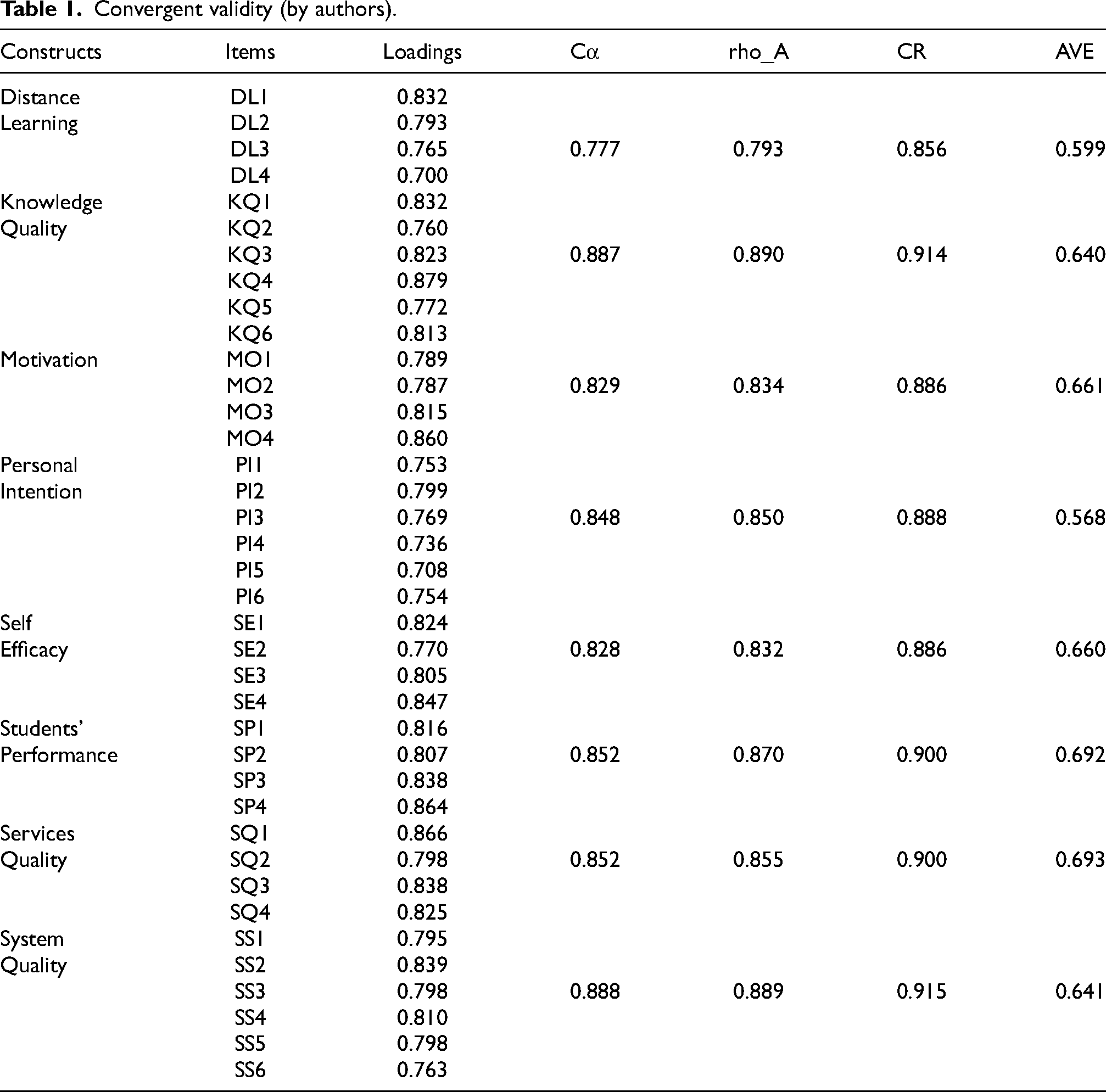
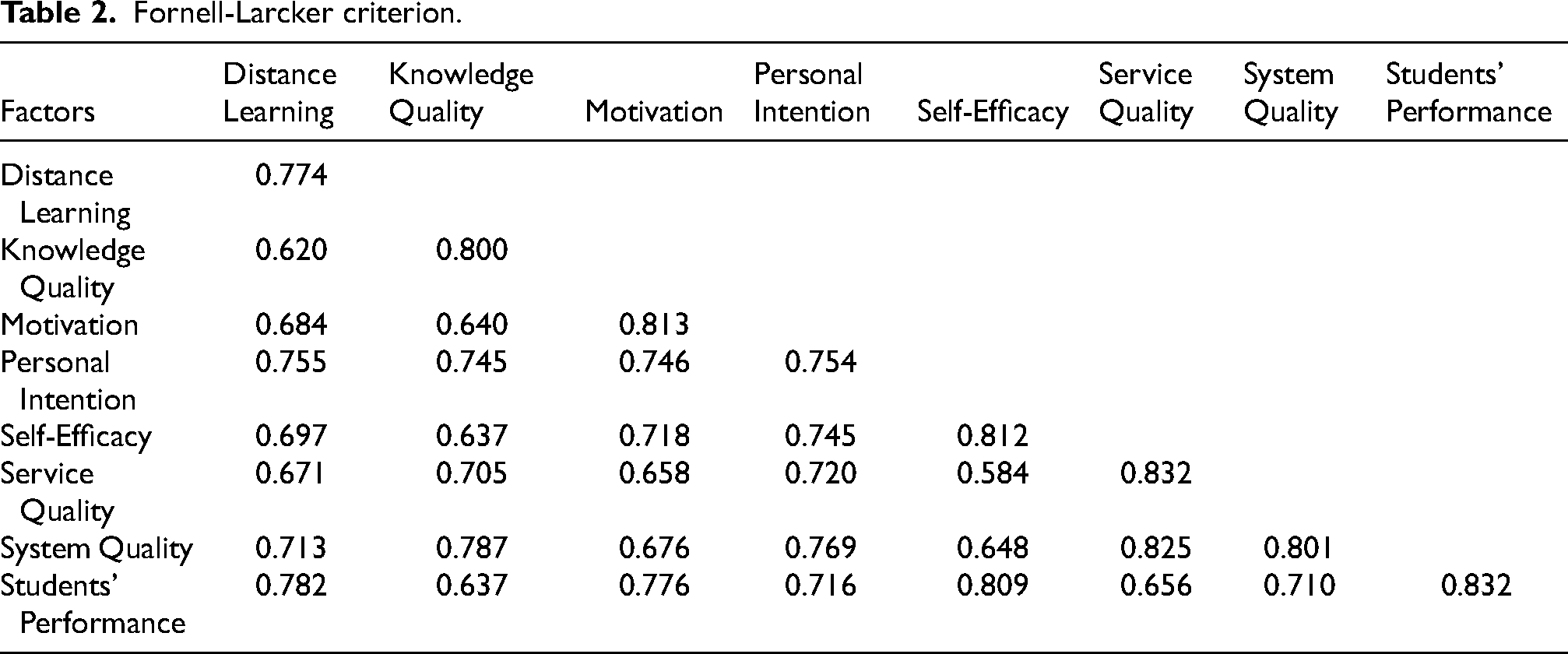
Table 2 explained the Latin's factor associations focus on evaluating the ‘high’ and ‘low’ correlation coefficients within the multitrait-multimethod context. This evaluation is guided by specific rules of thumb proposed by Fornell and Larcker (1981), which were originally designed for use in a multitrait-monomethod context. These guidelines help to assess the discriminant validity of constructs by comparing the correlations between different methods and traits, ensuring a clearer understanding of the relationships between the factors.
Fornell-Larcker criterion.
Discriminant validity
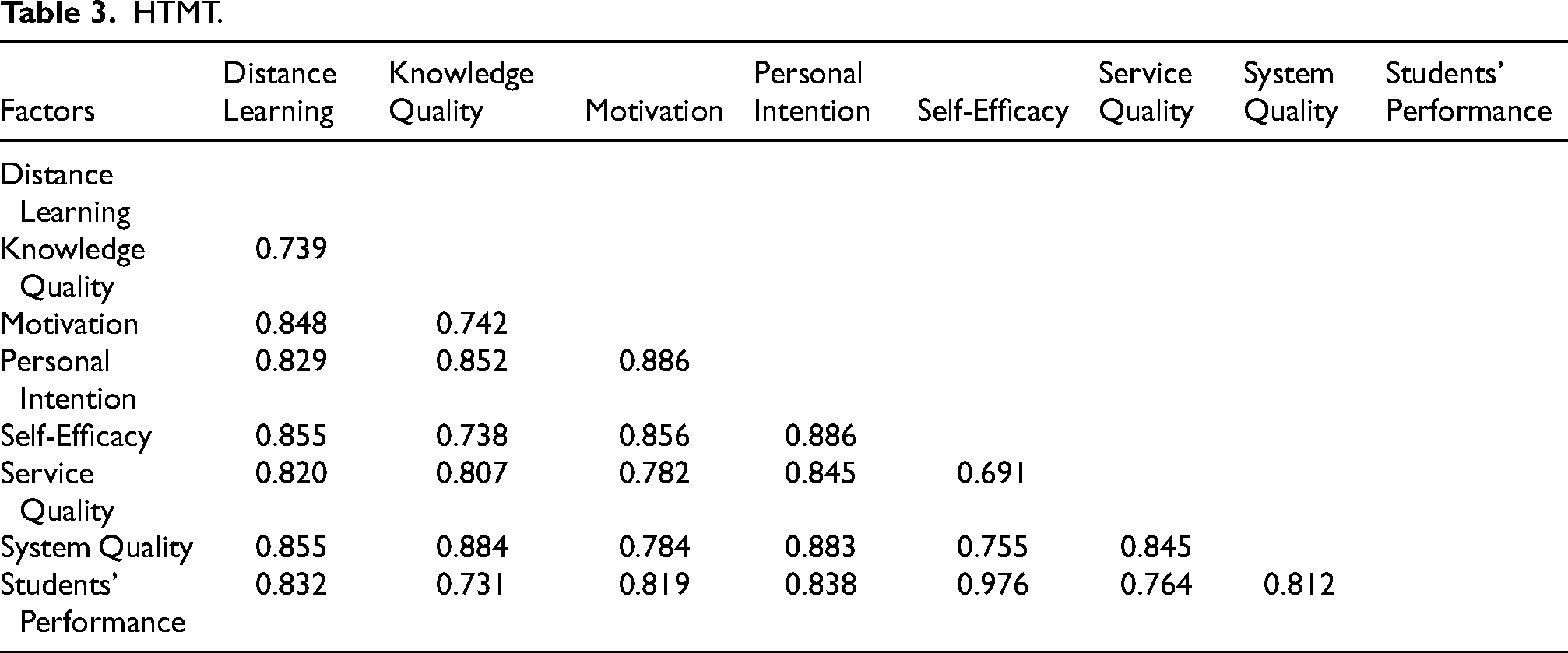
Henseler et al. (2015) proposed a fresh and sophisticated criterion (HTMT ratio) to measure discriminant validity and concurred that the Fornell-Larcker criterion was one of the most efficient ways to do so. As Carrión et al. (2017) also recommend this assessment ratio and argue that it should be employed in research. They did point out, nevertheless, that in various research situations, this method had not reliably identified the absence of discriminant validity. In order to assess the ideas’ discriminant validity, the HTMT ratio was used. As shown in Table 3, the HTMT ratio values were presented in context. All of the results are less than 0.90, as stated by Y. Liu et al. (2018), demonstrating that discriminant validity has also been established for all constructs.
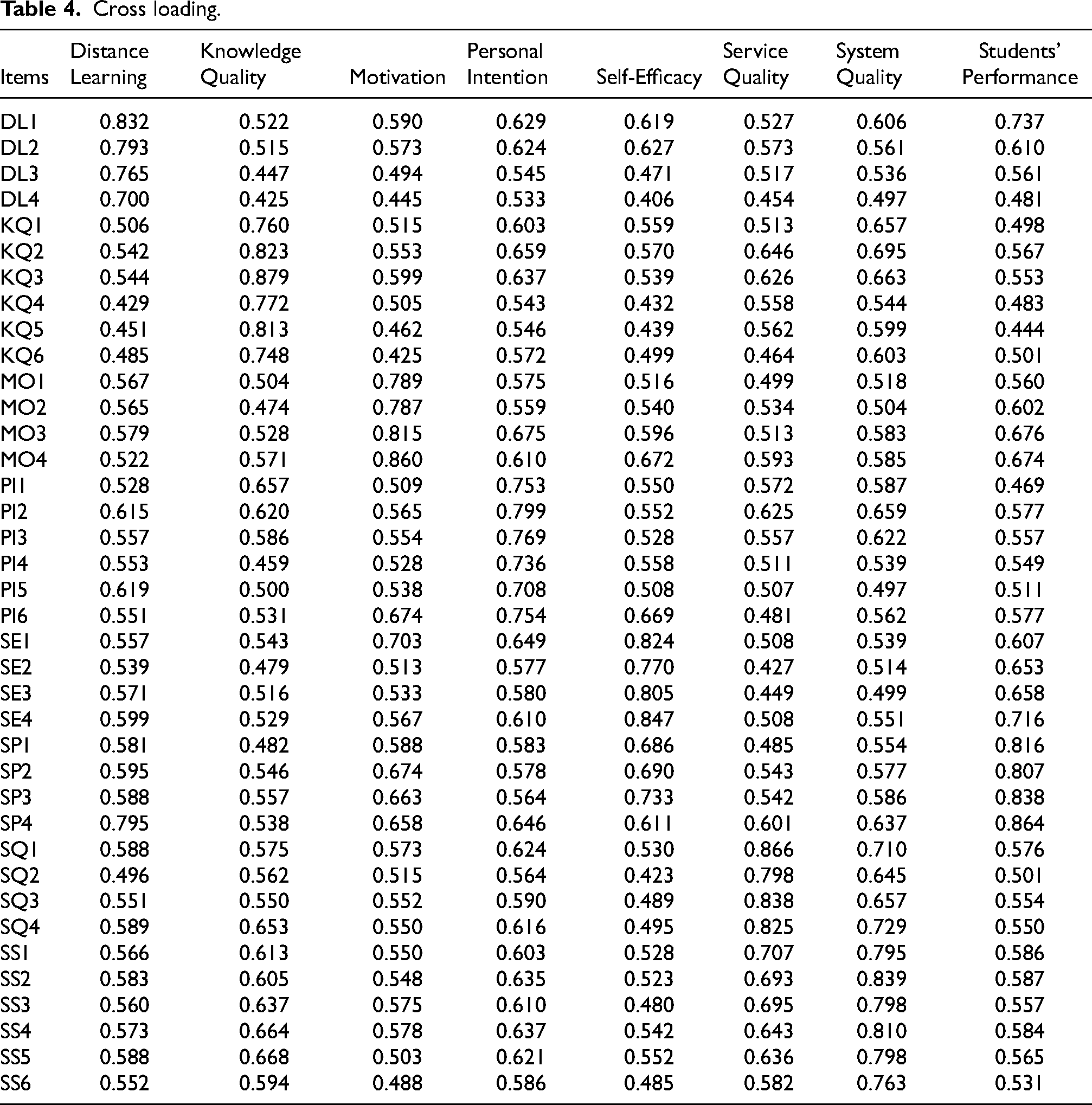
The following Table 4 revealed discriminant validity by showing the higher values of the items of the constructs of the study. In this context some items of the study for example the items of the students' performance constructs securing the higher value 0.864, 0.838, 0.816, respectively. With this, some items of knowledge quality constructs have secured the less values as KQ5 (0.444), KQ4 (0.483) and KQ1(0.498) respectively. In the Smart PLS analysis the value of items outer loading should consist of the values 0.5 to 0.7. The item's value below 0.5 suggest that the measurement of the Latin variable was not observed successfully. The items cross-loading value above to the 0.7 exposed that the constructed items may be superfluous or overlapping among the research factors.
HTMT.
Cross loading.
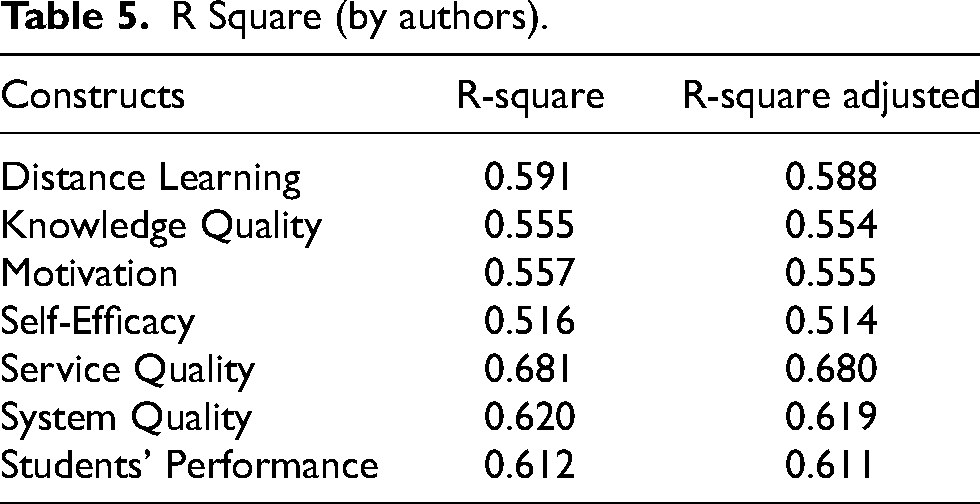
The Table 5 presents that services quality has adjusted R-square 0.681 and R-square of 0.680. It showed that strong associations between the variables of service quality. However, knowledge quality portrays s a strong connection between knowledge quality and the dependent variable as it shows an R-square of 0.554 and an adjusted R-square of 0.555. Distance learning has an R-square of 0.591 and an adjusted R-square of 0.588. Motivation has an adjusted R-square of 0.555 and R-square of 0.557 whereas, self-efficacy has an R-square of 0.516 and an adjusted R-square of 0.514 revealing the moderate association between the dependent variable. With this system quality of digital resources and students’ academic performance variables have the strong associations.
R Square (by authors).
Structural model assessment (SEM)
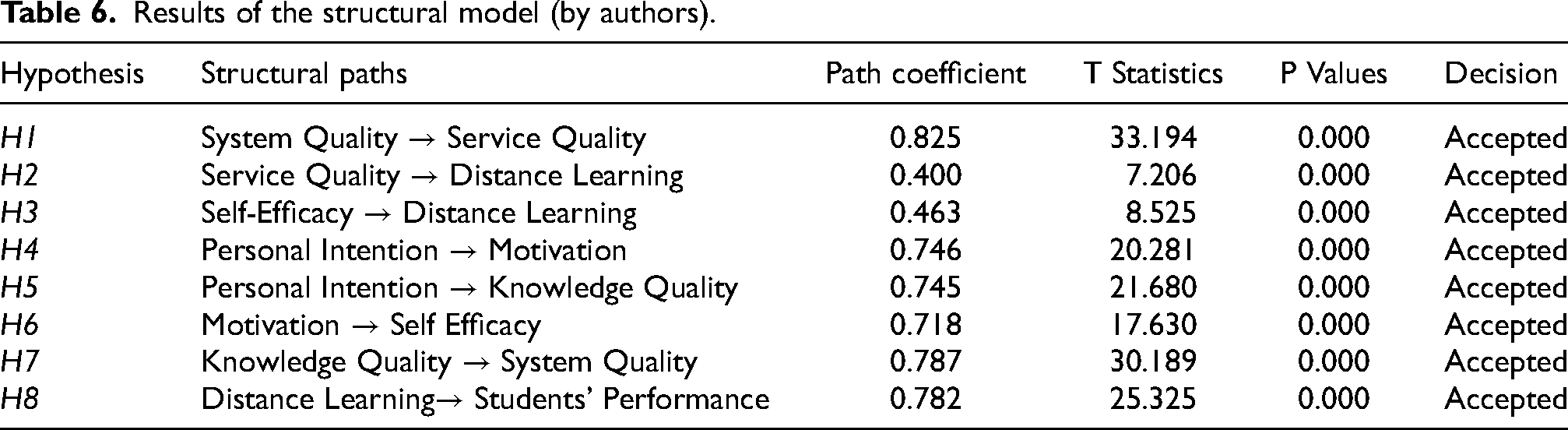
Cleff and Cleff (2014) argue that SEM model is very suitable for quantitative research. When the measurement model was evaluated, the structural model was also evaluated. The model's significance was evaluated for this purpose based on the path coefficients, t-values, and p value. With the help of Smart PLS 4, the bootstrapping approach was used to test the hypotheses for both the direct and indirect effects (Becker et al., 2023). In Table 6 all of the hypotheses were found to be supported.
Results of the structural model (by authors).
Measurement model assessment
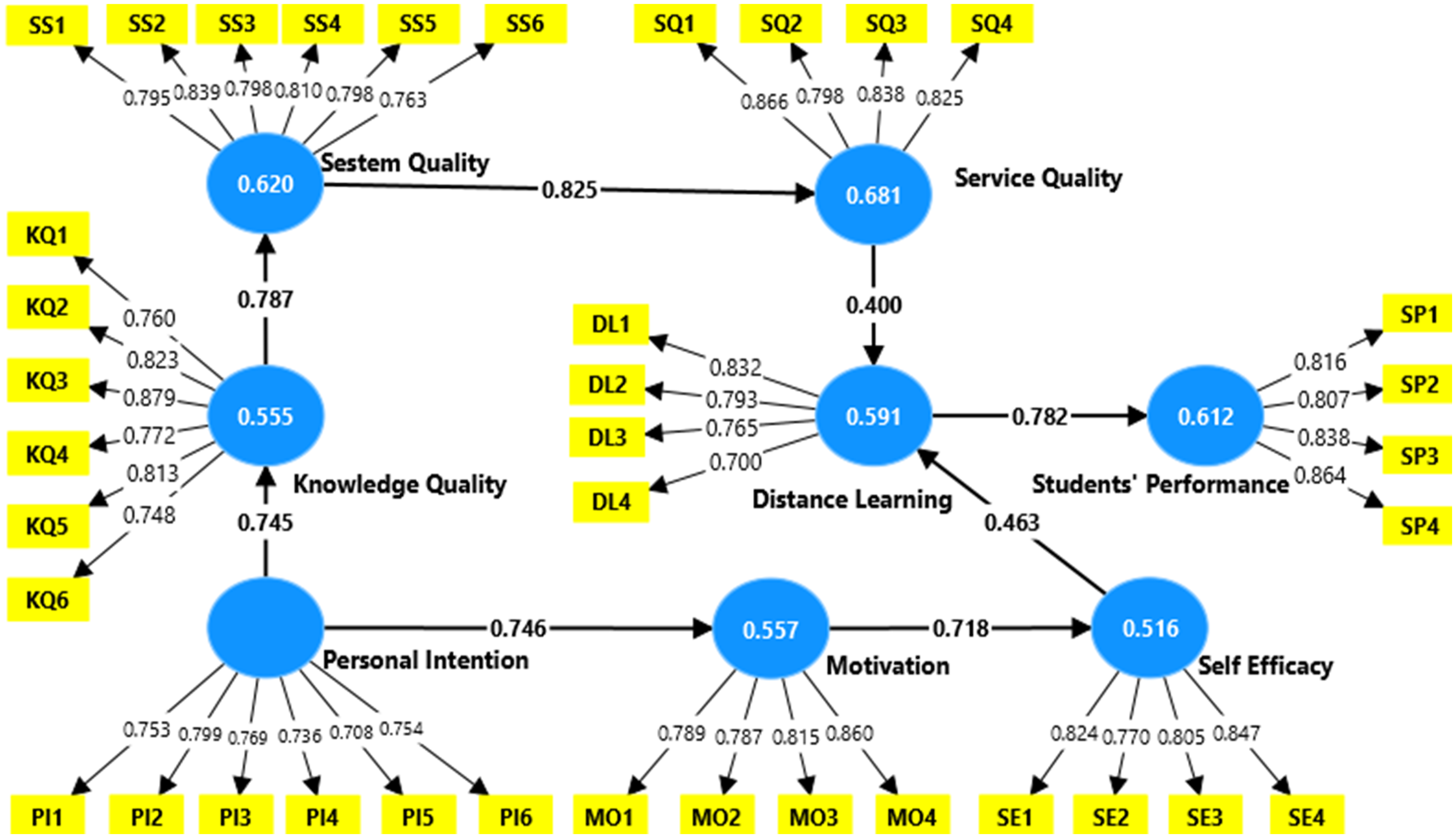
The research measurement model was evaluated and its convergent validity was resolute using loadings, the average variance extract, and modest reliability. All the CR scores exceeded the recommended value of 0.70 in a manner similar to this. The AVE values for each research concept exceeded the recommended levels of 0.50 (Hair et al., 2014). Items with factor loadings of 0.50 or lower were eliminated (Figure 2).
Discussion
The research findings revealed that the system quality is a critical determinant of IS success, serving as the foundational infrastructure that encompasses attributes such as consistency, awareness, and flexibility (Atukunda et al., 2024). In this context, the modified DeLone and McLean IS success model, the positive influence of system quality on self-efficacy underscores the role of a well-functioning system in enhancing users’ ability to achieve specific objectives, such as accessing educational digital resources in the distance learning environment (Rosetta et al., 2021). In this context, following are results of formulated hypotheses of the research; -
H1: Personal intention of students has a positive influence on digital resources knowledge quality
H2: Knowledge quality has a positive effect on digital resources’ system quality
In any educational institute, the dependable and malleable fosters user confidence, thereby improving their personal intentions with the use of digital resources and interacting with the online platform. As, the results of the research confirmed the H1 that personal intention of students has a positive influence on digital resources knowledge quality. Furthermore, knowledge quality of digital resources has a significant impact on the system quality of the educational organization that confirm results of H2. As high-quality systems are more likely to provide valuable, accurate, and accurate knowledge (Al-Fraihat et al., 2020). The results of the study indicate that universities are in a good position to promote the use of distance learning. Similar study was conducted by Okyere-Kwakye and Md Nor (2020) but, they found that universities in those days were not in good position to promote distance learning. However, this study found that universities are now promoting distance learning effectively. The infrastructure for distance education should be supported by highly skilled technical help in large cities and suburban areas, using the same standards for quality and quantity.
H3: System quality of digital resources has a positive influence on the service quality
H4: Service quality of digital resources has a positive effect on distance learning
This, in turn, encourages amplified system practice and rendezvous. These findings align with previous studies, which have consistently highlighted the importance of system quality in ensuring the success of digital platforms, particularly in e-learning environments. Modernizations like technology have inventors, early adopters, the early majority, the late majority. According Chen et al. (2015) early adopters of digital technology were pioneers in faculty dispersion. In this study, system quality, knowledge quality, which comprised professors, instructors, with teaching duties, and students academic performance, were taken into account along with the dependent variable of individual motivation to use technology in distance learning. Compared to teachers and administrators who have teaching responsibilities, graduate assistants and administrators used distant learning less frequently. Teachers and instructors in charge of administration were early users of the social system. These suggestions were also suggested by many researchers in the respective field. In the same way Almajali et al. (2016) also suggested that they ought to provide laptops for faculty members, high-speed Internet connections with wireless access on campus, and computer labs with software for students.
H5: Personal intention has significant influence on the motivation of students
H6: Motivation of the students towards the utilization of digital resources in distance learning environment has influence on students’ self-efficacy
Students in higher education are personally driven to engage in online learning, but they must develop their technological proficiency and online learning abilities. It was found that resources have positive effects on the performance and engagement of the students (Walsh, 1994). As long as the digital resources are important, to use these resources in effective and skilled way is also important. Therefore, the instructors should be engaged in advanced training programs because the indigenous knowledge systems and change agents are already in place. In this context, Kaliisa et al. (2022) also suggested that teachers and instructors should be trained in terms of providing online education. Professors, administrators, and graduate assistants will be rewarded with praise and cash incentives to adopt and improve online education. Before it can be compared to regular class credit, online credit needs to perform a lot of effort. Having a reliable certificate will help convey this message.
The analysis of the data reveals that participants could gain first-hand experience with online learning by developing online programs for students who want to pursue higher education, such as a Master's or PhD degree in various disciplines of education. The unfavorable impressions regarding the problems of distant education could be reduced by disseminating information about it among students, university employes, and the media. It is important to encourage faculty, administrators, and graduate assistants to attend distant learning-related conferences and workshops. To aid in development, specialists from nations that implement successful distant learning programs should be invited in.
H7: Self-efficacy has a direct impact on distance learning program with the utilization of digital resources
These interactions could be very beneficial for enhancing students’ distance learning abilities, for enhancing distance education teaching and learning techniques, and for improving the caliber of distance learning courses, their content, and their design. Digital databases system maintained by the university libraries for use by academic members and students. Finally, the self-efficacy of students is fundamental to its perceived effectiveness, shaping the user experience and the overall success of the digital information system in distance learning program (Prabowo et al., 2022). Universities has been also promoting staff-specific web pages with contact details including email addresses and phone numbers. These components facilitate and improve the effectiveness of faculty teaching and student learning in distance learning. The overall number of faculty and students, for example, as well as other statistical information regarding university employes, are also available on these websites.
H8: Distance learning has positive influence with the utilization of digital resources on the performance of students
The results of our study validate the H8 that the provisions of digital resources in distance learning have the positive impact on the performance of students. In this distance learning, the administrators should promote faculty members and students to understanding of interpersonal contact and involvement with researchers abroad. Universities should promote academics to lead research and development initiatives in order to position faculty for creative practices as the required changes (Kaliisa et al., 2022). The creation of online databases versions of academic publications and articles about these fields that aid students in finding courses materials brings positive impact (Islam et al., 2020). These approaches and initiatives are promoting the system to make it possible for students’ success in distance learning environment.
Research practical implications
The provisions and access of digital resources in educational institutes on regular basis for distance learning program prepares students’ personal intentions to knowledge, system and services quality. With this, it also motivates them in acquiring the digital resources and with self-efficacy according to their important moral and central values. Some students face challenges in distance or online learning programs. To overcome these challenges, students ‘well-defined roles and responsibilities improve accountability and rationalize roadmaps, diminishing faults and disorganizations. The availability of digital resources, system quality and services in-campus and off-campus access increases knowledge availability for distance learning program. The digital resources quality strengthens system and services quality with regular advancement in the resources. Furthermore, in the use digital resources with the well-defined policies endorse synchronized students’ privacy and personal data issued that reduced the conflicts.
Limitations of the study
This study concedes many intrinsic limitations, mainly the data collection process consisted on the survey data. The data collection with survey-based data trust on data report generated by the researchers that is subject to the limitations. In this context, the answers of the responses based on the ostensible socially acceptable. Moreover, construal differences in research statements phraseology by the respondents may create the contradictions while responding to the study. In spite of these limitations, the implementation of the procedures moderates the influence. Indeed, to encourage the research respondents and to get the more responses. the anonymity of the participants promotes the more sincere and honest answers of the questionnaire. Additionally, to validate the research factors and content rationality the research tool was reviewed by the four experts of the respective field. With this, Cronbach's alpha was used on statistical software to measure the research questionnaire validity. In this context, the research limitations also demonstrated about the results data pertinence that may be may be vary with demographic change in the variables, circumstantial transformations, infrastructure development, monitoring strategies, and the utilization of technological sophistications. Consequently, to generalizing the research findings the understanding and caution is required in the respective filed of the study.
Conclusion
When the procedure is carried out correctly, students begin courses enthusiastically about and eagerly to experience and learn. The top management of the educational institutes appeal to both the students’ emotions and rationality. This study looked at how to keep students’ enthusiasm on the go for learning throughout their academic careers. Students who would not otherwise have the opportunity to receive a top-notch education now have it thanks to distance learning as one participant described it, have options thanks to the virtual classroom. in this context argue that digital learning is very influential in distance learning. The outcomes of the study suggest that to improve the cognitive-affective link in distance learning education is a new idea. These students were able to engage in social, emotional, and cognitive dynamics because of the nature of computer-based exchanges. When students articulated their ideas, emotions, and experiences, their social presence improved. The students retained and used the lessons that had a lasting impact on their lives along the way.
Modified DeLone and McLean IS success model for distance learning. Estimated Modified DeLone and McLean IS success model for distance learning.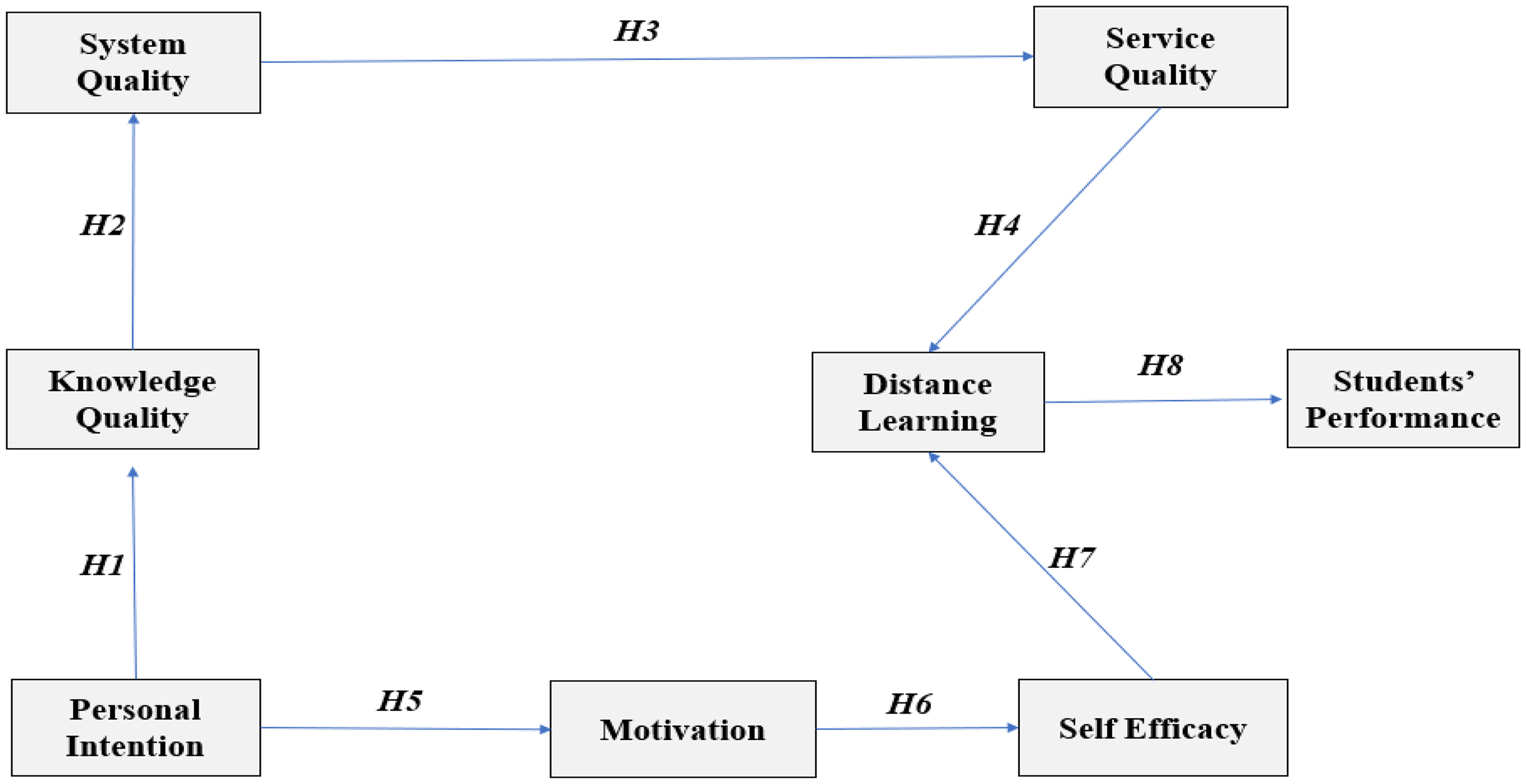
Footnotes
Ethical approval
Not applicable.
Declaration of conflicting interests
The authors declared no potential conflicts of interest with respect to the research, authorship, and/or publication of this article.
Funding
The authors received no financial support for the research, authorship and/or publication of this article.
