







Abstract
Parent involvement is a major factor in the initiation of a child's reading skills and challenges. However, the education level of parents and the social and economic status of the community may hinder such responsive behaviors. This research examines the contributions of continuous parental engagement on the reading habits and cognitive development of preschoolers via the home literacy environment and socio-economic status as a mediator. The research design was quasi-experimental, and the participants were 312 parents and their preschoolers from Xi'an, China. Data were obtained from various pre-tests, an eight-week reading intervention program, post-test questionnaires, parent interviews, and focus groups. The results demonstrated that parental participation caused changes in children's reading habits, the home literacy environment, and their cognitive development. For instance, the mediation evaluation provided an indication that the availability of home literacy resources partially mediated the relationship between early reading in the preschool stage and academic development of preschoolers, and parental education and socio-economic status were the main factors. The different educational chances leading to the varying results have been brought to the forefront. The research indicates that elementary education projects that guarantee that families of low socio-economic and educational backgrounds have access to reading programs should mainly concentrate on the promotion of reading, the adoption of inclusive literacy practices, and the progress towards societal equity. The research is limited as summarized by the non-randomized design, self-reported data sources, and a short intervention time frame, limiting possible longitudinal generalizability, but still adds new empirical knowledge regarding the complex overlap between parental involvement, home literacy environments, and socio-economic aspects on early child development that describes a valuable insight for policy innovation and further research.
Keywords
Introduction
Scientific studies have shown that Parental Involvement (PI) is an important factor that influences Reading Behaviors (RB), literacy, and Cognitive Development (CD) (Wang et al., 2025). Through PI, the child's abilities to think critically, become motivated to read, and develop language skills are greatly enhanced (Mao and Pesco, 2025). The term “child engagement” refers to a print-rich environment, positive attitude, and engaging interactions, along with reading books. PI contributes to the reading behavior and cognitive development of preschoolers, and the Home Literacy Environment (HLE) acts as a mediator. Packaging of stories, playful instruction, and interactive talk can positively influence school readiness in households (Matthews et al., 2025), however, not all people have the capability to support. PI is influenced by education and Socioeconomic Status (SES) (Rao et al., 2025). PI, materials, and language practices are potential factors that influence this interaction. HLE mediates the relationship between PI and educational outcomes and moderates the interaction between socioeconomic and teaching levels that need to be explored further. Gulobod (2024) points out that riddles, storytelling, and problem-solving games are the enhancers cognition. This research explores the direct and indirect effects of PI. It facilitates the creation of the interventions and assurance of equal access to literacy (Inoue et al., 2025; Rao et al., 2025). The current investigation considers PI, HLE, RB, CD, SES, and Parental Education (PE).
Significance of the study
This study examines how public libraries, community information centers, and digital reading platforms influence preschoolers’ and parents’ reading outcomes and cognitive development. While the literacy environment at home is important, few research examines whether the equity of reading resources, digital quality, connectivity, the role of community libraries, and outreach activities of local learning centers strengthen the outcomes. The study indicates that home reading experiences influence the information service structures of the community and that information policies, government and community funding models, library staff expertise, and outreach logistics are critical to preschool reading development. Parental involvement, information services, library–community networks, and digital platforms improve preschoolers’ reading and cognitive development. This study provides evidence-based knowledge to inform LIS policies and practical interventions.
Statement of the problem
Low-SES families do not have equal access to print books, appropriate resources, digital platforms, and public library services that are essential for CD. As a result, many preschoolers experience significant gaps in RB and CD. Few studies have examined how community libraries, local information centers, and outreach activities can bridge the HLE. Fewer studies have examined how PE, RB, SES, HLE, and community funding practices affect preschoolers’ learning outcomes. Preschoolers have limited access to literacy resources and information services due to the lack of information equity policies. Therefore, scientific research is needed to examine how information richness, community library support, and policy measures influence PI–HLE–cognitive development. This study scientifically examines how differences in reading resources and information service gaps affect preschoolers’ early reading and cognitive development.
Objectives
The study's purpose is to explore the connections between the involvement of parents in preschool kids’ reading behaviors and cognitive development, the moderating effect of the HLE, and the moderation of socioeconomic and educational levels. This study was conducted with preschool families living in Xi'an, China.
This research integrates Ecological Systems Theory (EST) (Burakgazi, 2025) and Home Literacy Model (HLM) (Lau and Richards, 2021; Georgiou et al., 2021) to illuminate the reading behavior and cognitive development of the preschoolers. According to EST, the microsystem (family), mesosystem (school–family relationship), and macrosystem (cultural and economic conditions) influence the learning of preschoolers. HLM delineates the impact of parents’ shared reading activities as well as the home literacy environment on children's reading behaviors and cognitive development at the preschool stage (Krijnen et al., 2020; Szenczi et al., 2023). The combination of these theories provides the comprehension of internal factors coming from SES, PE, and home literacy (Zhang et al., 2023; Wilson et al., 2020). PI is a factor in a preschooler's growth stage, in places that do not have much access to formal education (Huda and Sa'diyah, 2024). There is a lower rate of home literacy interventions in low-SES families (Pratiwi et al., 2024; Mad and Mohamed, 2023). Reading aloud, storytelling, digital media, and music are among the activities that help preschoolers develop their language and print attention (Xiao et al., 2023; Liu et al., 2024). Educational outcomes for preschoolers improved through cognitive training and classroom innovation (Pietto et al., 2023; Timothy et al., 2023; Uguma et al., 2025).
Methodology
The research investigates the impact of PI in an HLE on the early learning and cognitive development of preschoolers. The study involved the families of preschool children in Xi'an, China. While previous studies have found that PI in HLE is beneficial for preschoolers’ learning outcomes, there are several mediating and moderating factors that operate at different levels. This study advances current knowledge and addresses the following research questions:
This study compares PI, HLE, and preschoolers’ RB. Multilingual, economically disadvantaged non-Western families have fewer effective HLE (Pratiwi et al., 2024; Mad and Mohamed, 2023), although the importance of PI is clear in studies (Huda and Sa’diyah, 2024; Lai et al., 2024). By studying how HLE influences RB, PI can be used to design rich and sustainable interventions. Oral reading, storytelling, digital media, and music improve preschoolers’ print attention and language development (Xiao et al., 2023; Liu et al., 2024). The reserach examines the long-term effects of interventions on low-SES preschoolers (Pietto et al., 2023), including individual factors (intelligence, PE) and contextual factors (SES, school participation). Previous studies have focused on Western settings, thus understanding differences and problems in CD in non-Western, multilingual contexts. This study also examines how PI, HLE, CD, and mediation influence preschool literacy outcomes (Uguma et al., 2025; Timothy et al., 2023).
Figure 1 presents the conceptual framework of this study in an attractive way. It examines the relationships between PI, HLE, preschoolers’ RB, CD, mediation, and moderation effects. The relationships are proposed as PI → RB (H1), PI → HLE (H2), and HLE → RB (H3). In addition, RB → CD (H4) and HLE → CD (H5) are also proposed. HLE mediates the link between PI and RB (H6), and RB mediates between HLE and CD (H7). In addition, the moderating effects of the external factors, like SES (H8) and PE (H9), are proposed. Finally, the model also examines how socioeconomic factors moderate PI.
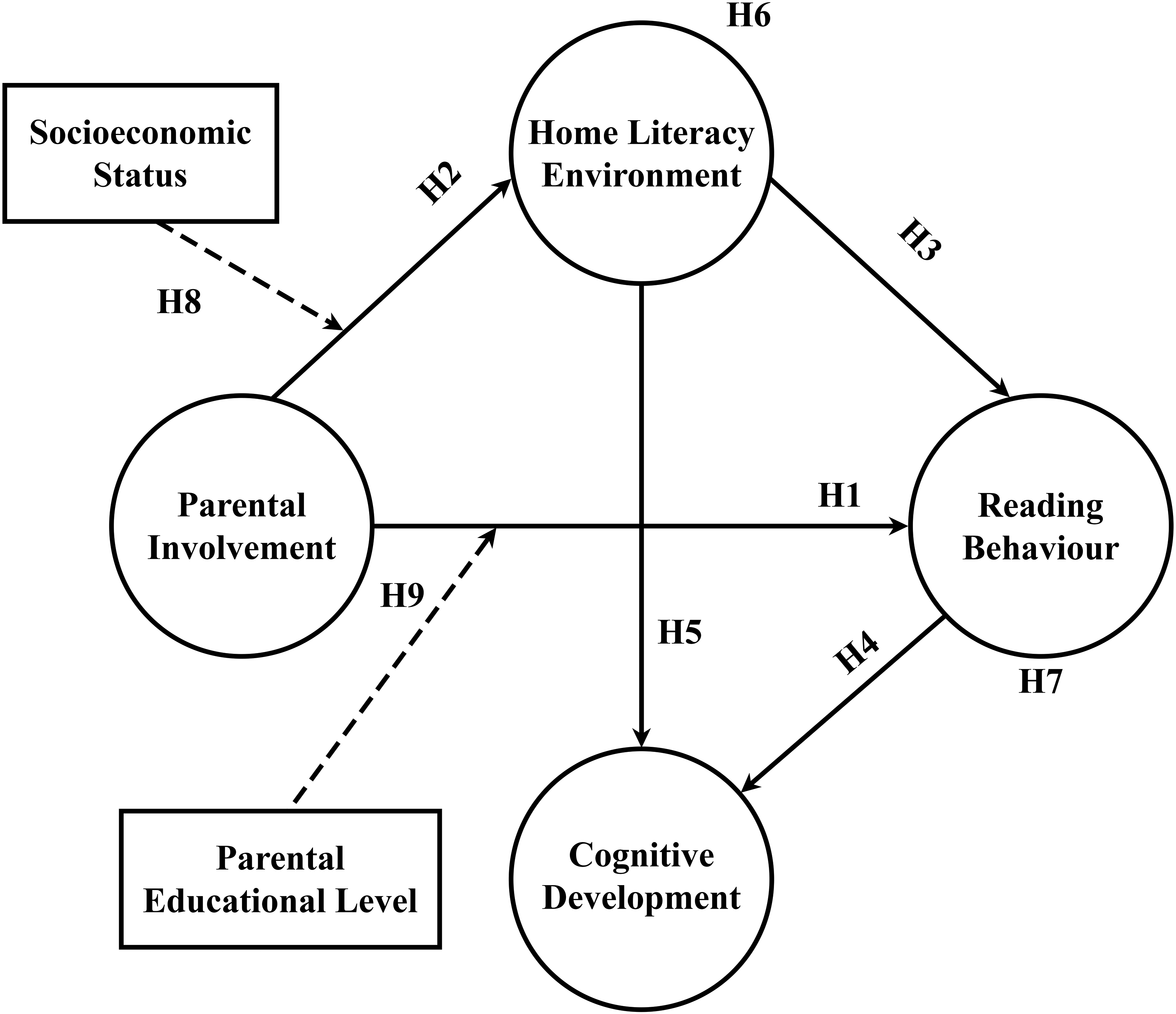
Conceptual framework.
Research design
This research study was a quasi-experimental design. Using a pre-test and post-test intervention, the aim was to assess the extent to which PI in a reading program influences preschoolers’ RB and CD. The research featured an experimental group, where parents were given the intervention, and a control group that did not receive any intervention or PI. No random assignment of children to any group was done. A mixed-methods design was utilized in the study. Qualitative data were obtained from interviews and focus groups, and quantitative data consisted of pre-tests and post-tests measuring PI, HLE, preschoolers’ RB, and CD.
Participants
All participants in the study were parents and preschoolers aged 3–6 living in Xi'an, China. This research explored literacy-related PI in the homes of children aged 3 to 5 years from various non-parental socioeconomic backgrounds. The conditions for inclusion were that households must have a child of preschool age, engage in reading at home, use the main language for instruction, and regularly attend reading interventions. The research left out children with cognitive disabilities, parents who were unable to complete the interventions, non-readers, and persons without formal education. This study used a sample size formula with a limited population correction to maintain accuracy in a small population, resulting in an appropriate sample size of 436 individuals. The estimation involved a 95% CL and a 3% margin of error. A proportion P of 0.5 was assumed since it is the most statistically conservative estimate. The corresponding z-value for this confidence level is 1.96. The formula used to compute the adjusted sample size is presented in Equation (1), as outlined by Ribeiro et al. (2024):

Using specified values (
The participants consisted of 156 parents and 156 preschoolers from Xi'an, China. The demographic information of the study is depicted in Table 1, representing the parents engaged in the study (N = 156). 78 respondents were the experimental and control groups. According to parental participation, mothers were (65%), (35%) were fathers. The average ages of parents in the experimental and control groups were 35.8 years and 36.1 years, respectively, with an overall average age of 36.0 years (SD ± 4.2). Looking at the educational level, it shows that 24% were high school graduates, 50% had a college degree, and 26% held a postgraduate degree. Based on the SES category, 19% were from low-income families, 53% were from middle-income families, and 28% were from high-income families. The data indicate that parental backgrounds are diverse and that the findings of the research should be examined with this in mind.
Parental demographic details (N = 156).
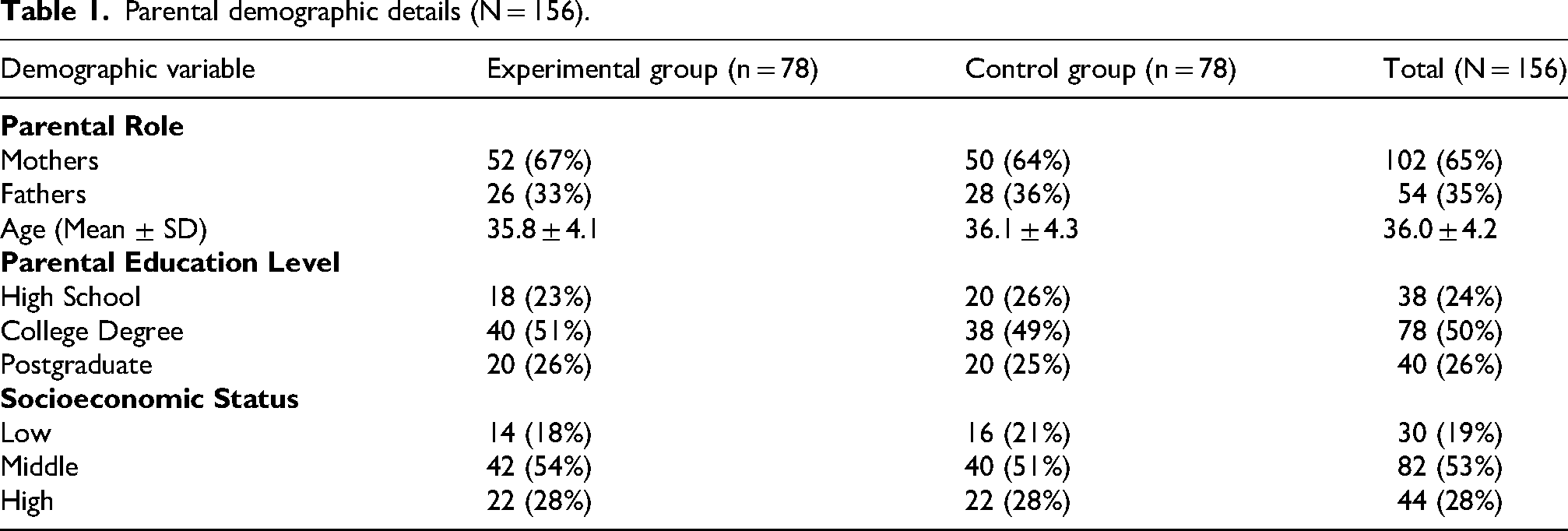
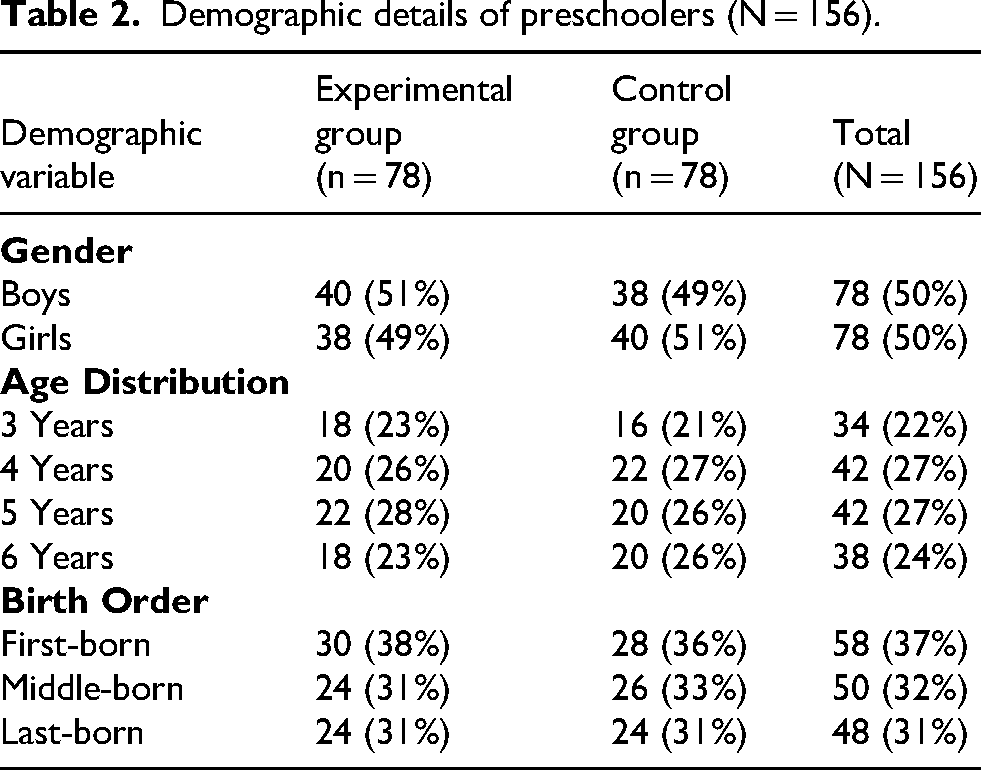
Table 2 presents 156 preschoolers (78 in each group). Boys and girls are 50% each. The age distribution spanned from 3 to 6 years: 3-year-olds accounted for 22%, 4-year-olds for 27%, 5-year-olds for 27%, and 6-year-olds for 24%. Regarding birth order, 37% were firstborns, 32% were middleborns, and 31% were lastborns. This data reflects the age and family backgrounds of the preschooler.
Demographic details of preschoolers (N = 156).
Variables and measurements
This research measured various dimensions of reading-related behavior in preschool children such as RB, PI, home literacy environment, cognitive development, economic status, and PE through a pre-test–post-test questionnaire. The data for the experimental and control groups were collected to compare and analyze the results.Keeping the focus on the most important parts: PI as a member of a family actively taking part in reading/learning activities, managing the preschoolers’ activities, and finding out new books (Zafeer et al., 2025; Pusztai et al., 2025); RB reading engagement, concentration, and spontaneous reading (Zafeer et al., 2025; Pusztai et al., 2025); Activities such as reading HLE materials at home, conducting Q&A sessions with a preschooler (Jiang et al., 2024; McNally et al., 2024); Improving memory through CD, storytelling, reasoning (Zare and Derakhshan, 2024; Brislin et al., 2024); SES financial ability, learning resources (Abbas et al., 2024; Correia et al., 2024); PE promoting preschoolers’ knowledge (Al-Nerabieah et al., 2024; Hyassat et al., 2024) have a great impact on a child's development. A mixed-method approach was performed, combining quantitative and qualitative data. A pilot study was conducted with 20 parents before the main study. The reliability of the data was tested using Cronbach's alpha, with values of 0.7–0.9 for all components, demonstrating the reliability of the instrument. Expert intervention was used to check the content validity and the pilot results suggested minor changes, which helped the main study.
Data collection
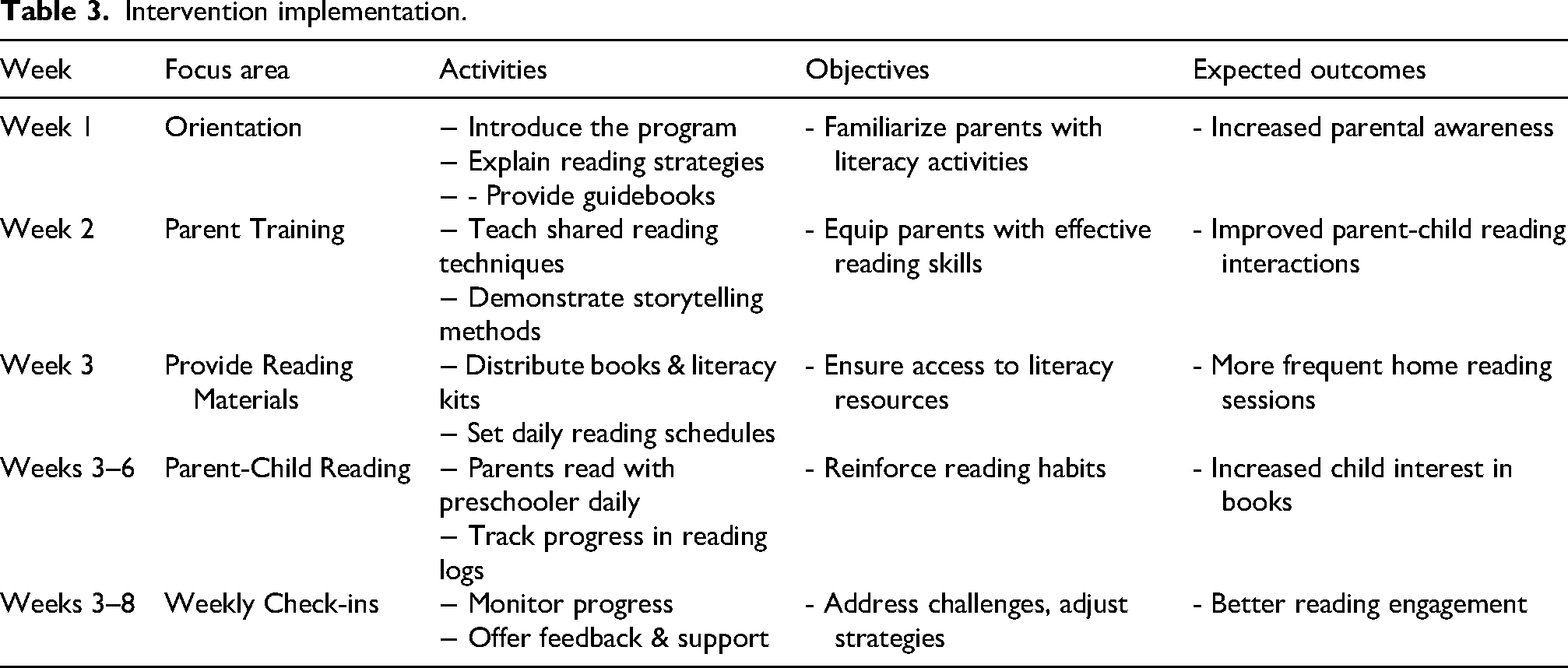
Parents of preschoolers agreed to the interview and recording together with preschoolers (refer to https://osf.io/j4r35/overview for all supplementary tables). The experimental group underwent a reading intervention for 8 weeks, during which they engaged in reading activities, phonemic games, and conversational reading strategies every week. Parents received storybooks, picture cards, and a reading log, and the Fidelity Checklist was used to monitor session timing, staff engagement, and child engagement. Reading logs were gathered every week; the intervention is summarized in Table 3.
Intervention implementation.
Semi-structured interviews and focus groups provided qualitative data. The duration of each interview was 45–60 min. The pre-interview guide of the interviews addressed the reading habits of preschoolers, parents’ challenges, language development strategies, and intervention outcomes. Apart from the permission to record the interview audio, in-depth notes were taken. All records and notes were safely stored and transcribed. After the 8-week program, parents were asked a few questions about the intervention's results, preschoolers’ progress, and challenges. Qualitative data analysis used weekly reading logs. Quantitative data were collected through pre-test and post-test questionnaires. The entire procedure adhered to ethical norms such as voluntary participation, confidentiality, and the option to withdraw from the intervention.
Data analysis
Qualitative analysis
Information obtained from the open-ended questions in focus group interviews was analyzed through thematic analysis. Major themes, sub-themes, and key quotes were identified from the data after systematic coding. Two trained coders were involved in the coding; intercoder reliability was measured by Cohen's Kappa (>0.80), and disagreements were resolved by consensus. Major themes like PI, RB, HLE, CD, SES, and PE were identified by the results, and the interaction of parental roles, preschoolers’ RBs, and the cultural environment at home was implied.
This study implemented a purposive sampling technique that led to the selection of 156 parents from diverse socio-economic backgrounds. The detailed stories that emerged from the data display the results of parents’ situations on their access to information, reading experiences, and children's cognitive development. In a parental statement, it was said, “Buying books is very expensive, so we have to depend on the library,” revealing that there are money-related obstacles to access. Meanwhile, another participant commented, “We have a small collection of books at home; the child will choose one and read it every day”—showing that the print-rich environment at home acts as an incentive. In the mechanism of mediation section, parents read to themselves, asked questions about the story, and connected the story ideas to the child's prior experiences; as one parent said, “The child understands best when the events in the story are connected to our lives.” Combining qualitative and quantitative data, we confirm that children's literacy scores are higher in families with higher levels of reading engagement, while lower levels of engagement in lower SES groups are likely to be due to contextual constraints (time, resources). Thus, the two sets of data together provide a strong integrated interpretation of how barriers, facilitators, and mediators determine children's early reading and cognitive development.
Quantitative analysis
Propensity Score Matching, CFA, t-test, ANOVA, Mediation & Moderation Analysis, and SEM were used for mathematical data analysis. Pre-test–post-test results were evaluated by t-test and ANOVA, and CFA reliability-validity was confirmed. SEM was used to assess the direct, indirect, and total effects on PI, HLE, RB, and CD; CFI, TLI, RMSEA, and SRMR values confirmed model fit. Mediation & moderation analysis revealed the influence of factors such as SES and PE, and robustness tests ensured the stability of the results.
Ethical considerations
This study was conducted in Xi’an, China, where all data collection activities—including parent recruitment, pre-tests, the 8-week reading intervention, interviews, focus groups, and post-tests took place. Participants were recruited from preschool families residing within the Xi’an municipal region. Families were approached through local preschools and community literacy centres, and only those meeting the predetermined inclusion criteria (having a preschool-aged child, participating in home reading, and possessing basic instructional language proficiency) were invited to join the study.
Because the study involved preschool children a vulnerable population additional safeguards were implemented. Parents were provided with a clear, detailed explanation of the study purpose, procedures, potential risks, confidentiality protections, and the voluntary nature of participation. Written informed consent was obtained from all participating parents on behalf of themselves and their children. They were explicitly informed that they could withdraw from the study at any point without penalty. All data, including interview recordings, reading logs, and assessment results, were anonymized and stored securely.
Results
Qualitative findings
According to Table 4, PI, reading behaviors, home literacy environment, socioeconomic status, and PE have important influences on preschoolers’ literacy-cognitive development. PI improves vocabulary, comprehension, and focus; SES helps overcome financial constraints; HLE provides rich reading materials; and parents with low education need support.
Thematic analysis.
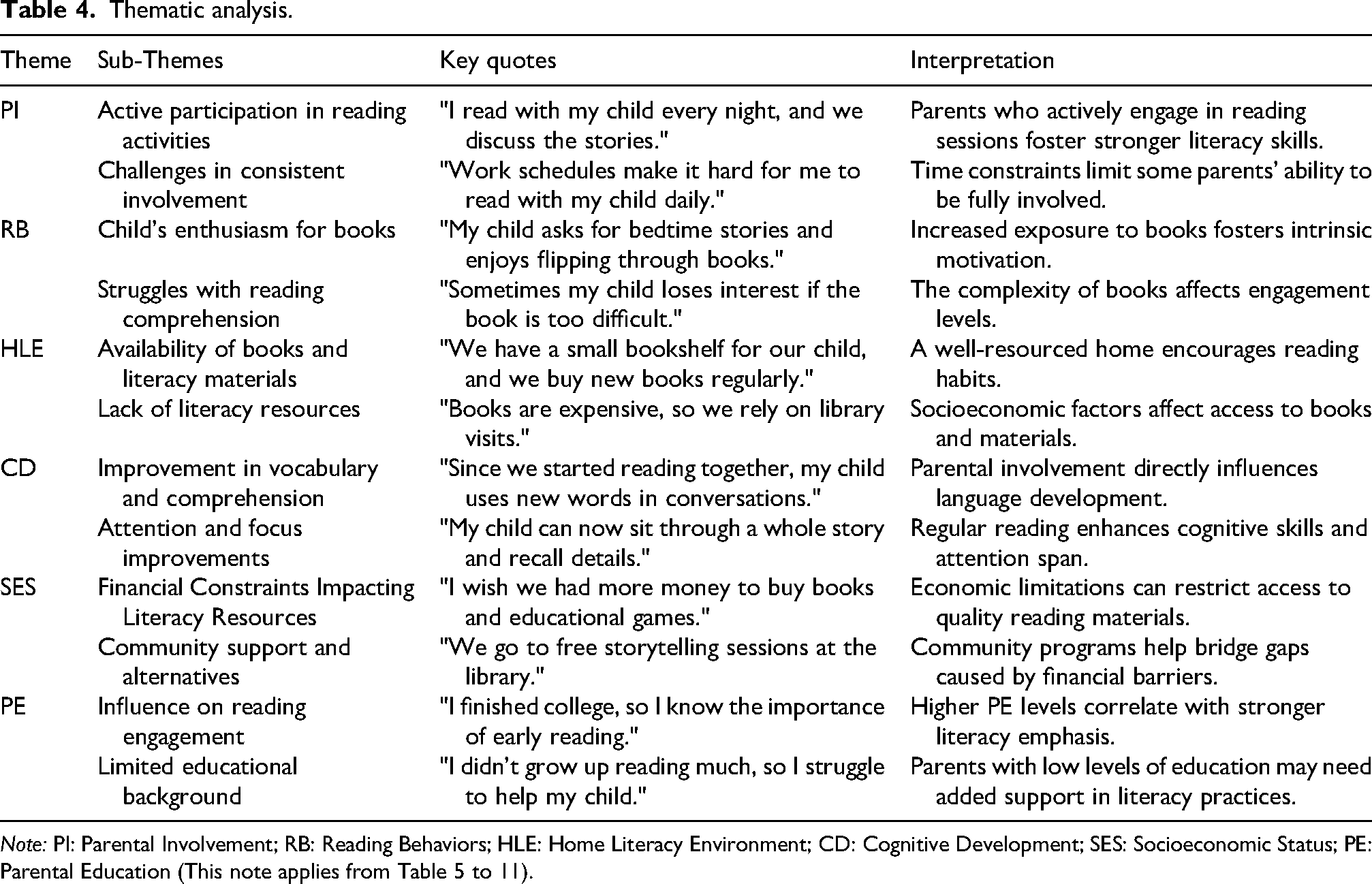
According to the interview results, the cognitive-linguistic skills of preschoolers grow through PI. Reading, storytelling, discussions, phonics, and creative play improve vocabulary, comprehension, and problem-solving skills. The need for universal literacy programs is clear, as SES and PE determine the level of participation.
Parental engagement in cognitive and language development
The study concluded that parents are the most important influences on preschoolers’ cognitive and language learning. The early childhood phase is fundamental for a child's brain development and the process of learning, and also because during this process, the first educator is the parent or guardian. The years before the age of 3 are called sensitive stages, during which preschoolers’ language acquisition, rational thinking, and ability to adapt to change are enhanced by functional communication. Figure 2 shows how parents can help their kids’ language development, especially through factors like talking to preschoolers, and how to raise them differently from other preschoolers.
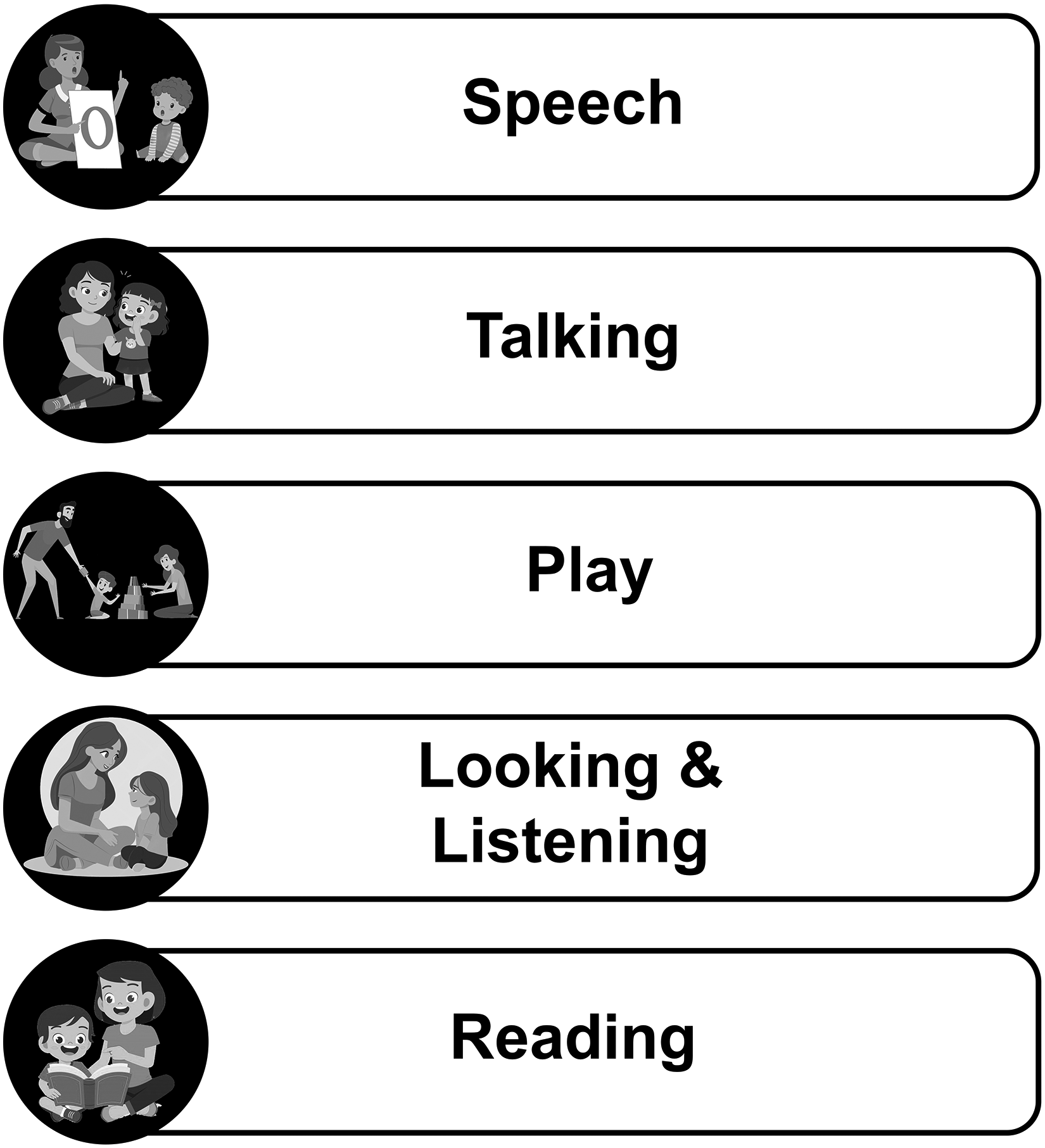
Language development.
Parent-child interaction strengthens preschoolers’ word recognition, listening, and spoken word understanding. Dialogues help preschoolers to develop language context shifts. Logical thinking gets nurtured with problem-solving support that is done through puzzles, task discussions, and also memory and cognitive flexibility are enhanced. Among all interventions, reading aloud is the best one as it enhances the child's listening, comprehension, vocabulary, and grammatical skills. Interaction in reading, questioning, and relating past experiences with new knowledge is the way preschool children understand deeply. Based on Figure 3, children who are introduced to the reading habit at an early age demonstrate progress in various fields such as language, math, and science. Overall, the relationship of the parents with their preschoolers is one of the decisive factors that affect the cognitive as well as the emotional development of the children.
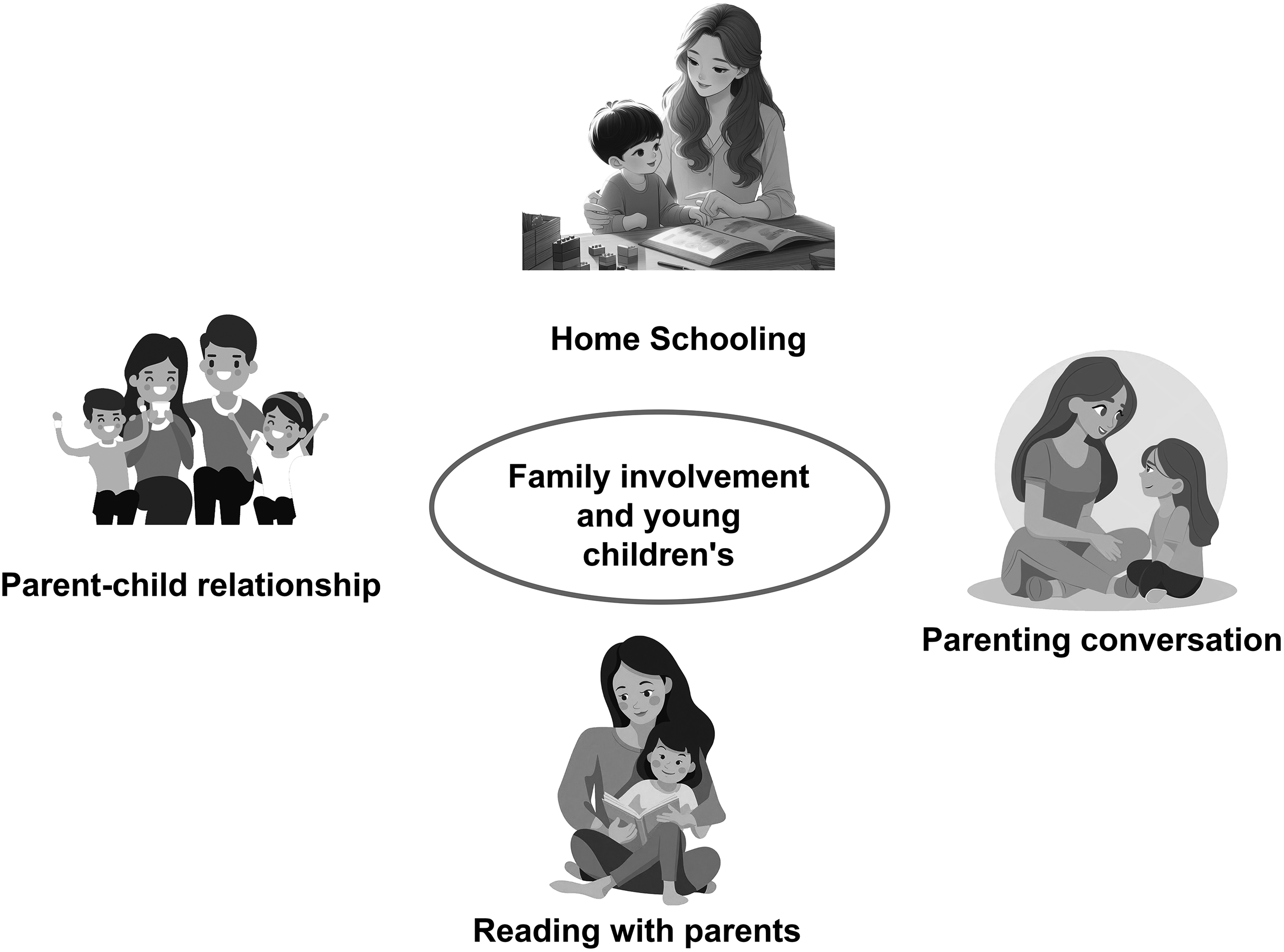
Parent involvement with children's.
Aligning Pi with the cognitive and reading skills of preschoolers
PI has to be deliberately aligned with the developmental context to enhance children's cognitive and reading skills. Figure 4 represents that the significance of early childhood education for children's mental health development cannot be overstated. The transition to school is a time when family support plays a major role. Parents foster the development of preschoolers’ problem-solving skills through investigation.
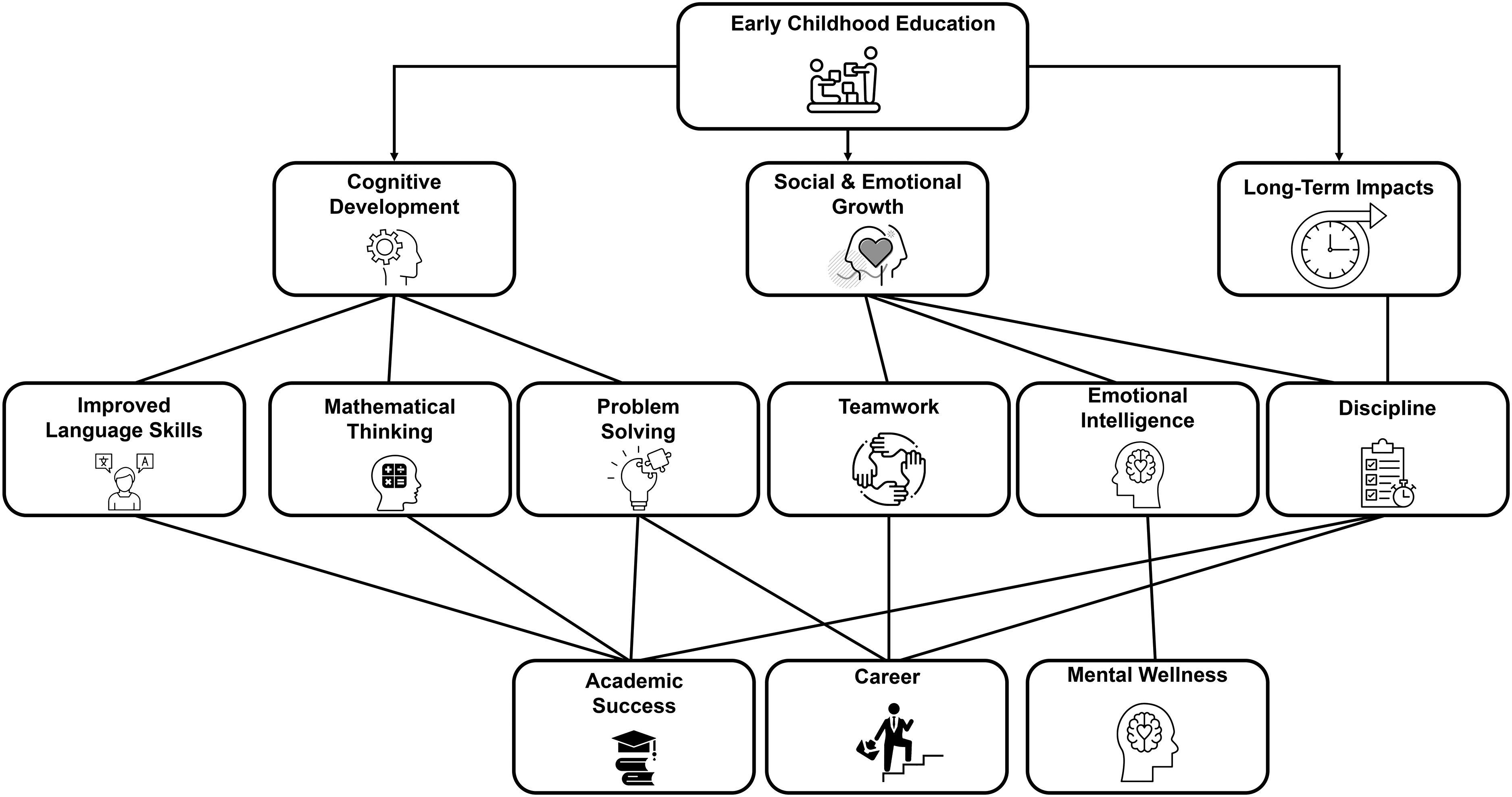
Cognitive development of the child.
Playing with building blocks, sorting various objects, and engaging in pretend play are some ways for children to improve their creative problem-solving and abstract thinking skills. Such activities are important aspects of children's cognitive development. Reading-wise the activity of teaching a child to recognize phonemes should start at a very young age. Parents can help their children through the usage of songs, rhymes, and phonics flashcards, whereby children get to hear, recognize, and differentiate sounds. Parents maintain their preschooler's language development by explaining books, asking open-ended questions, and inviting the child to participate in conversational reading. Such interaction, a child's developmental level, helps brain development, school success, and a deep love of learning. The progression of a child's reading skills is illustrated by Figure 5.
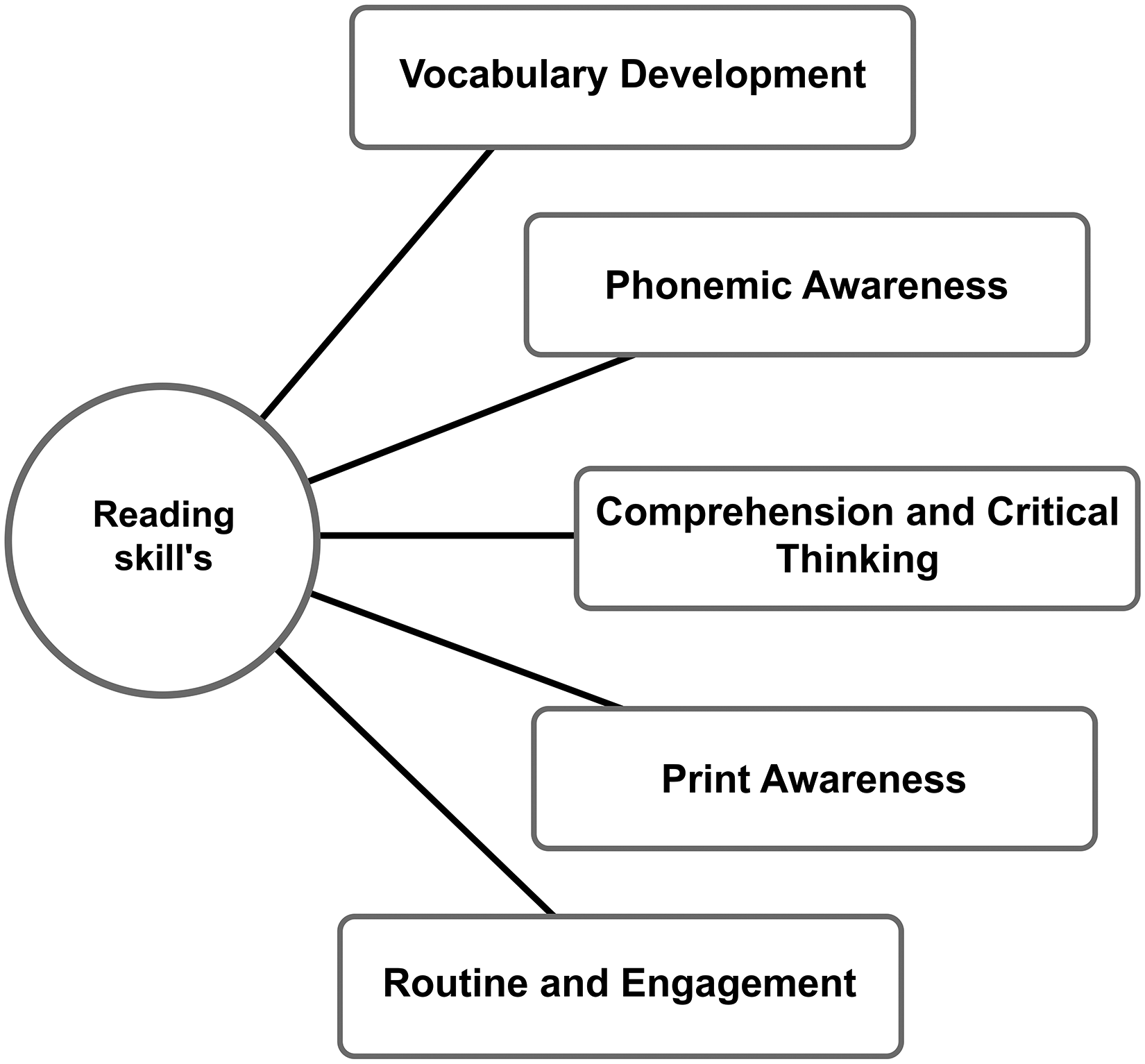
The Reading ability of the preschooler.
Quantitative findings
Propensity score analysis and balance assessment
In this study, the pre-existing differences between the control and experimental groups were checked using Propensity Score Matching (PSM). As can be seen in Table 5, there were large standardized mean difference values in all factors (PI, RB, HLE, CD, SES, PE) before PSM, indicating inequality between the groups. For example, PI showed a difference of −1.068 at the pre-test, but after PSM it changed to −1.294, but the differences in some other factors were smaller.
Group balance before and after propensity score matching.
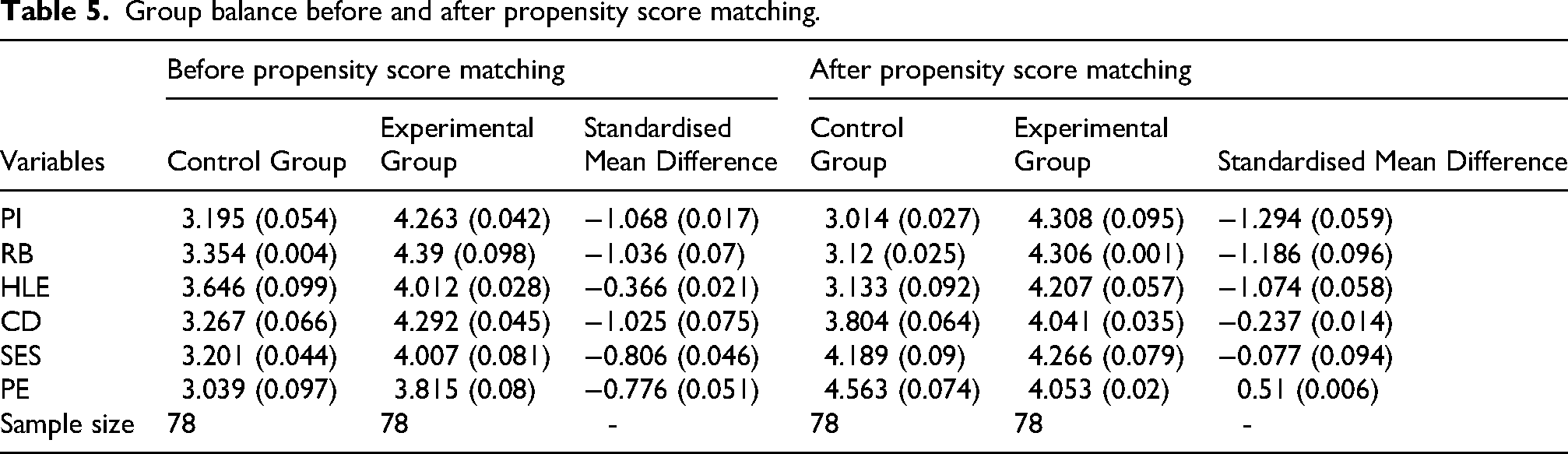
After PSM, the balance between the groups improved, especially in factors such as CD and SES with standardized mean difference values that were very low (−0.237, −0.077). This indicates that the groups were similar to each other, so the outcome differences can be attributed more to the intervention than to differences in group friendship. This approach helps to reduce the inequality between PSM groups and make causal inferences unbiased.
Confirmatory factor analysis (CFA)
As shown in Table 6, the CFA results for both pre-test and post-test indicate that the constructs (PI, RB, HLE, CD, SES, PE) possessed high factor loadings, Cronbach's alpha, composite reliability, and average extracted variance. In the pre-test, the PI sub-factors such as PI_1, PI_2, and PI_3 exhibited factor loadings ranging from 0.841 to 0.897, and Cronbach's alpha was 0.881, showing good reliability and factor stability. The other factors (RB, HLE, CD, SES, and PE) also had generally good loading values (0.702–0.874), and composite reliability ranged from 0.801 to 0.981, confirming the reliability of the factors.
CFA results for pre-test & post-test dimensions.
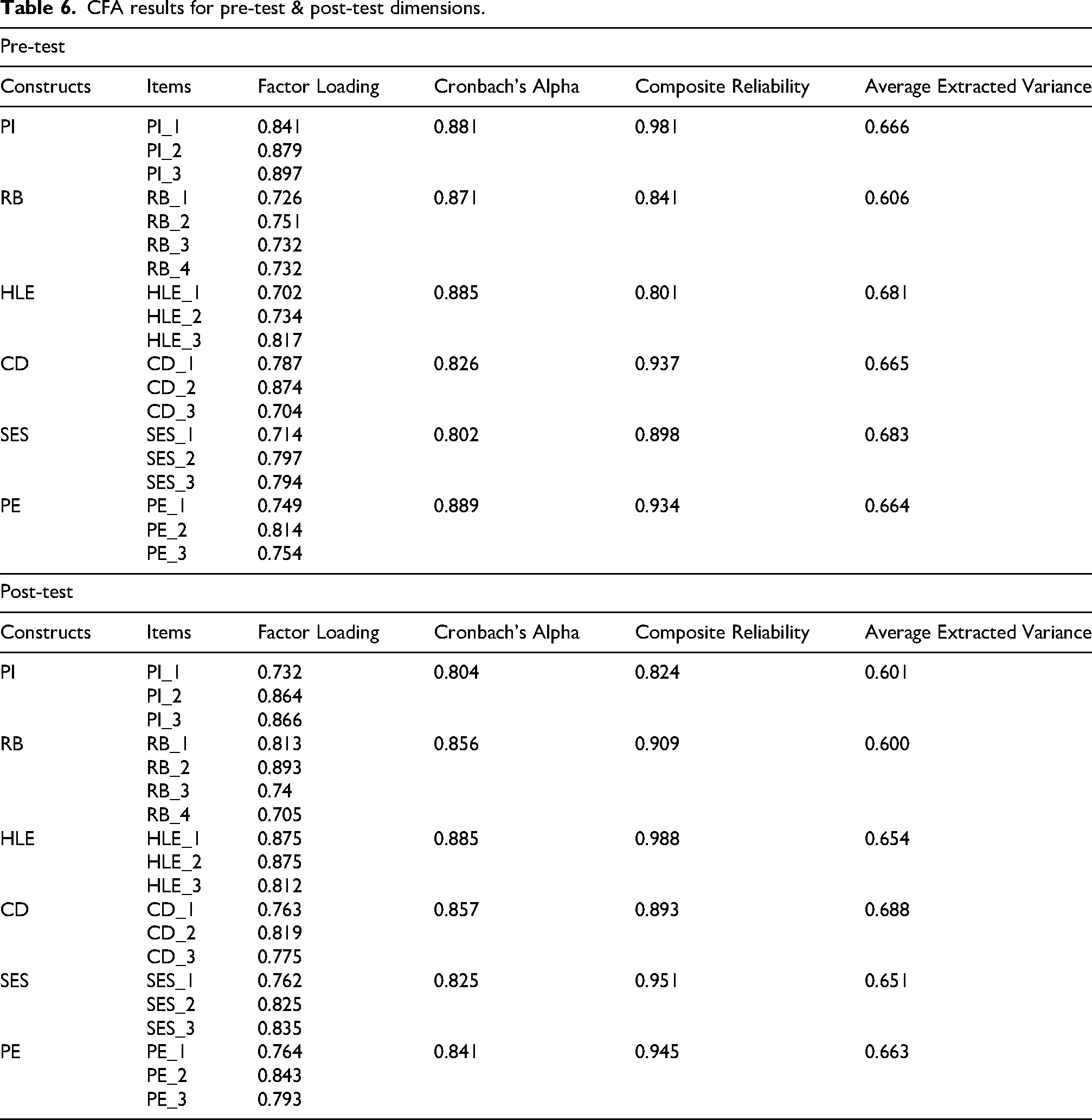
The constructs’ factors in the post-test have shown more stability and reliability than those in the pre-test. For instance, HLE_1 and HLE_2 indicated potential factor loadings of 0.875–0.875, and the stability and reliability were at a high level across CD, SES, and PE. These CFA outcomes are a good enough foundation for the investigation of the safeguarded factor structure and the relationships between the instruments, confirming the technical quality of the scales that are being used.
Independent samples t-test results
The results of the independent samples t-test have been detailed in Table 7 to show the influence of the intervention. About PI, the experimental group's change from the pre-test (M = 3.45, SD = 0.62) to the post-test (average score=4.23, SD = 0.58) was statistically significant (t = 5.12, p < 0.001, Cohen's d = 0.85), whereas the control group did not reveal any significant change. Similar results were noted with regard to RB (t = 4.98, p < 0.001, d = 0.82), HLE (t = 5.35, p < 0.001, d = 0.89), and CD (t = 5.21, p < 0.001, d = 0.87) for the experimental group, while limited change was noted for the control group. However, SES (t = 0.52, p = 0.601, d = 0.07) and PE (t = 0.45, p = 0.652, d = 0.06) remained significant, regardless of source. This shows that the intervention had a significant impact in terms of PI, RB, HLE, and CD.
Results for pre- and post-test scores.
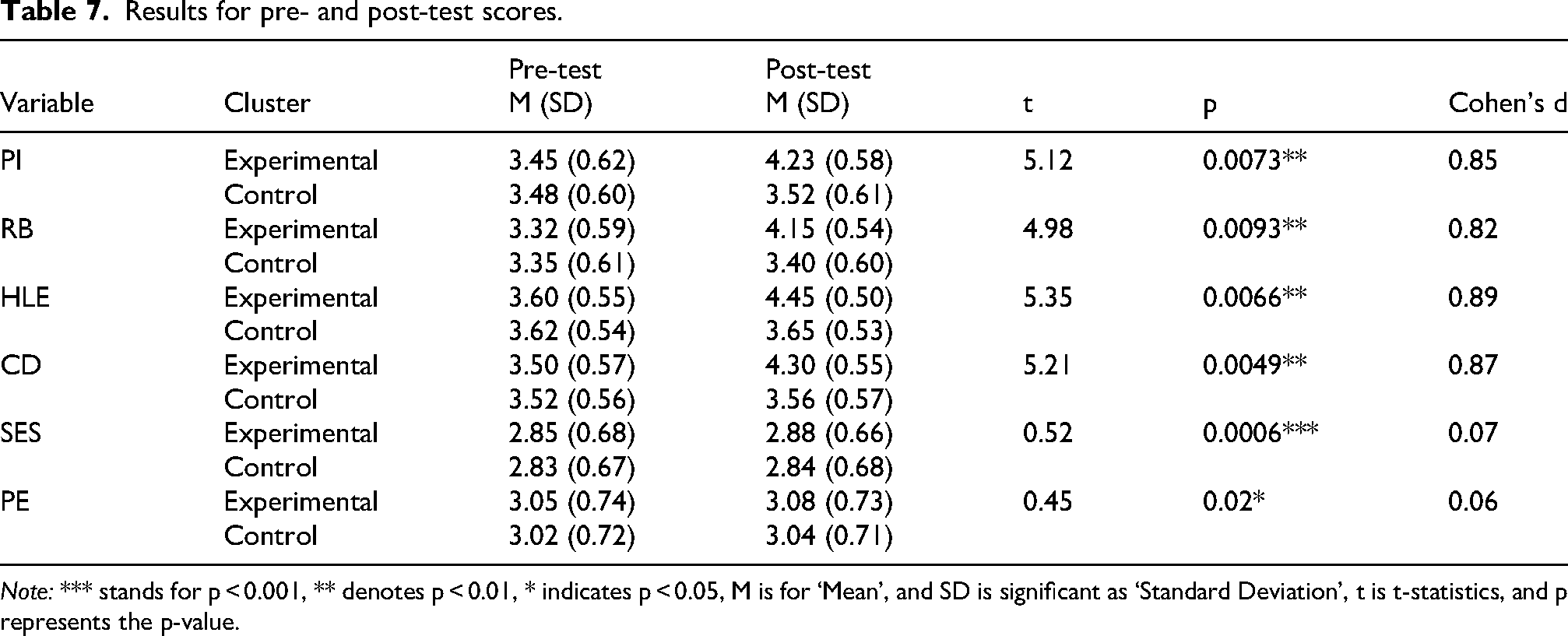
Note: *** stands for p < 0.001, ** denotes p < 0.01, * indicates p < 0.05, M is for ‘Mean’, and SD is significant as ‘Standard Deviation’, t is t-statistics, and p represents the p-value.
ANOVA
The ANOVA results in Table 8 evaluate the changes between the pre-test and for the experimental group and the control group. It is seen that the changes between the pre-test and post-test were generally higher in the experimental group for PI, RB, HLE, CD, SES, and PE. For example, the change in the experimental group for RB was −0.844 (mean change), while that in the control group was −0.028, and the p-value was <0.01, indicating a significant difference. The partial effect size (ղ) shows how each factor affects the change on its own.
ANOVA results for pre-test & post-test variables (including confounding variables).
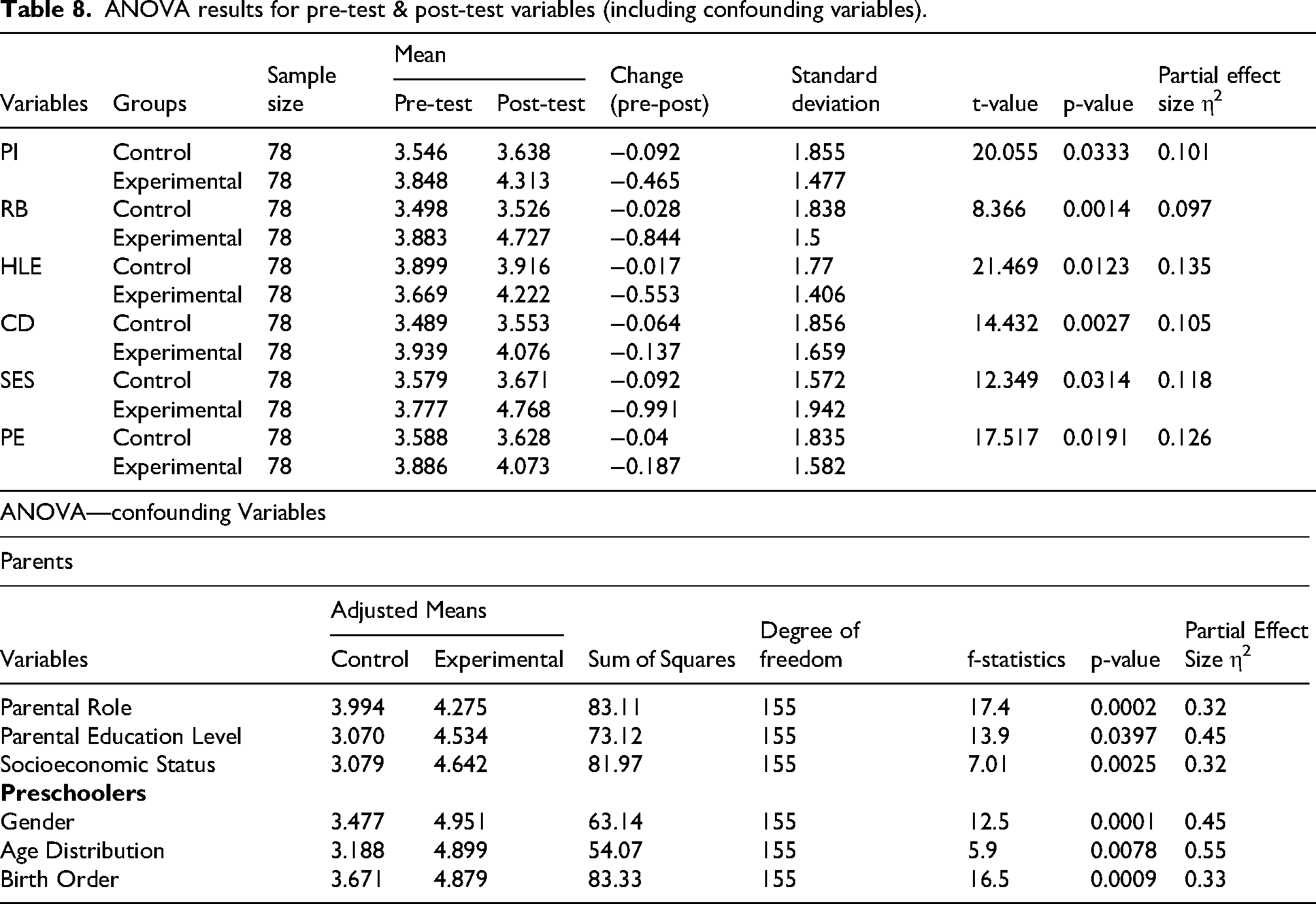
The ANOVA—confounding variables results evaluate the effects of parental role, educational level, economic status, child gender, age variation, and birth order. The results of adjusted means, F-statistics, and p-values indicate significant differences. For example, in Parental Role, the experimental group had a mean of 4.275 (control 3.994), f = 17.4, p = 0.0002, and a partial effect size of 0.32, indicating that this factor had a strong effect on the outcome. These results help to objectively assess the effects of the experimental intervention and consider the influence of confounding variables.
Mediation analysis
Table 9 shows that the mediation analysis indicates that HLE is a substantial partial intermediate in the link between PI and preschoolers’ RB (Indirect Effect Beta = 0.15, Standard Error = 0.04, 95% Confidence Interval [0.07, 0.23], p-value is 0.0081). Similarly, there is strong mediation in the causal pathway HLE → RB → CD (Indirect β = 0.18). It is clear that PI influences CD through RB (indirect β = 0.12, p-value = 0.0058), and that task behaviors are a significant mediator of CD. These findings suggest that changes in PE and HLE may have a positive effect on CD and RB.
Mediation analysis.

Note: ** indicates p < 0.01.
Moderation analysis
Table 10 demonstrated the moderation analysis outcomes indicating that SES (β = 0.18, SE = 0.05, t = 3.60, p = 0.0069, 95% CI (Confidence Interval) [0.08, 0.28]) significantly moderates HLE on PI and PE (Beta = 0.22, error value = 0.06, t = 3.83, p-value is 0.0079, 95% CI [0.10, 0.34]) moderates RB of preschoolers. This is proof that the efficacy of PI depends on different contextual variables, and the design of the intervention should be more carefully considered in cases of low-SES or lower PE.
Moderation analysis outcomes.

Note: ** indicates p < 0.01.
Structural equation model
Table 11 displays the Structural Equation Model (SEM), which thoroughly explains the prediction relationships of the different factors with their effect directions.
Paths, Beta coefficients, and statistical results in structural equation model.
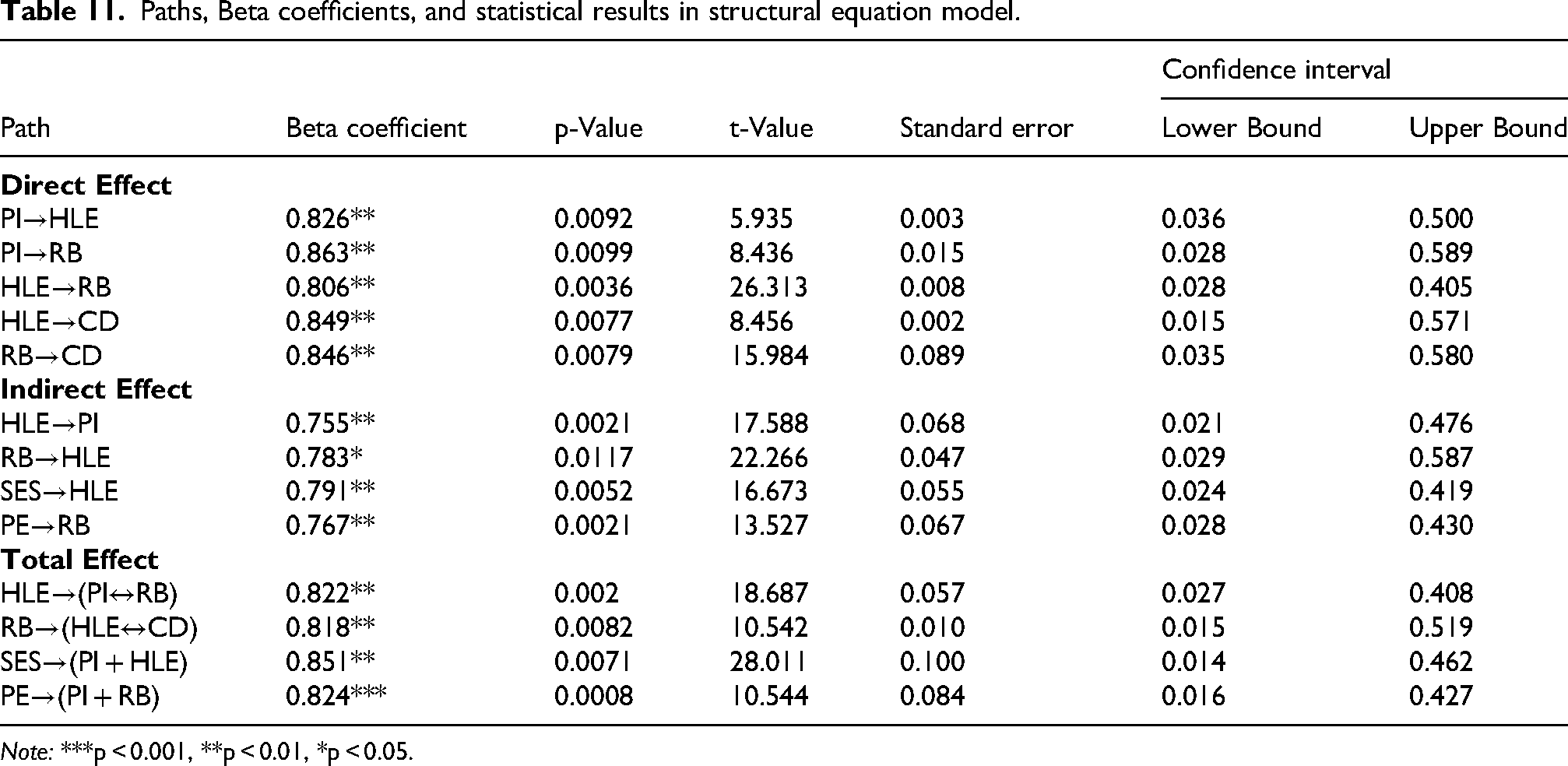
Note: ***p < 0.001, **p < 0.01, *p < 0.05.
PI has a strong effect on HLE (β=0.826) and RB (β=0.863), HLE mediates the effects of RB (β=0.806) and CD (β=0.849), while RB is strongly associated with CD (β=0.846). SES influences HLE (β=0.791), and PE influences RB (β=0.767) only through the respective mediators. Results indicate strong connections between all variables, SES→(PI + HLE) β=0.851 and PE→(PI + RB) β=0.824, which reflect the comprehensive mode.
In Figure 6 the SEM model explains the relationships between PI, HLE, RB, CD, SES, and PE. PI strongly influences HLE (β=0.826) and RB (β=0.863); HLE shows an effect on RB (β=0.806) and CD (β=0.849), and RB is associated with CD (β=0.846). PE and SES have indirect effects. The β values and p-values demonstrate the significance of the relationships.
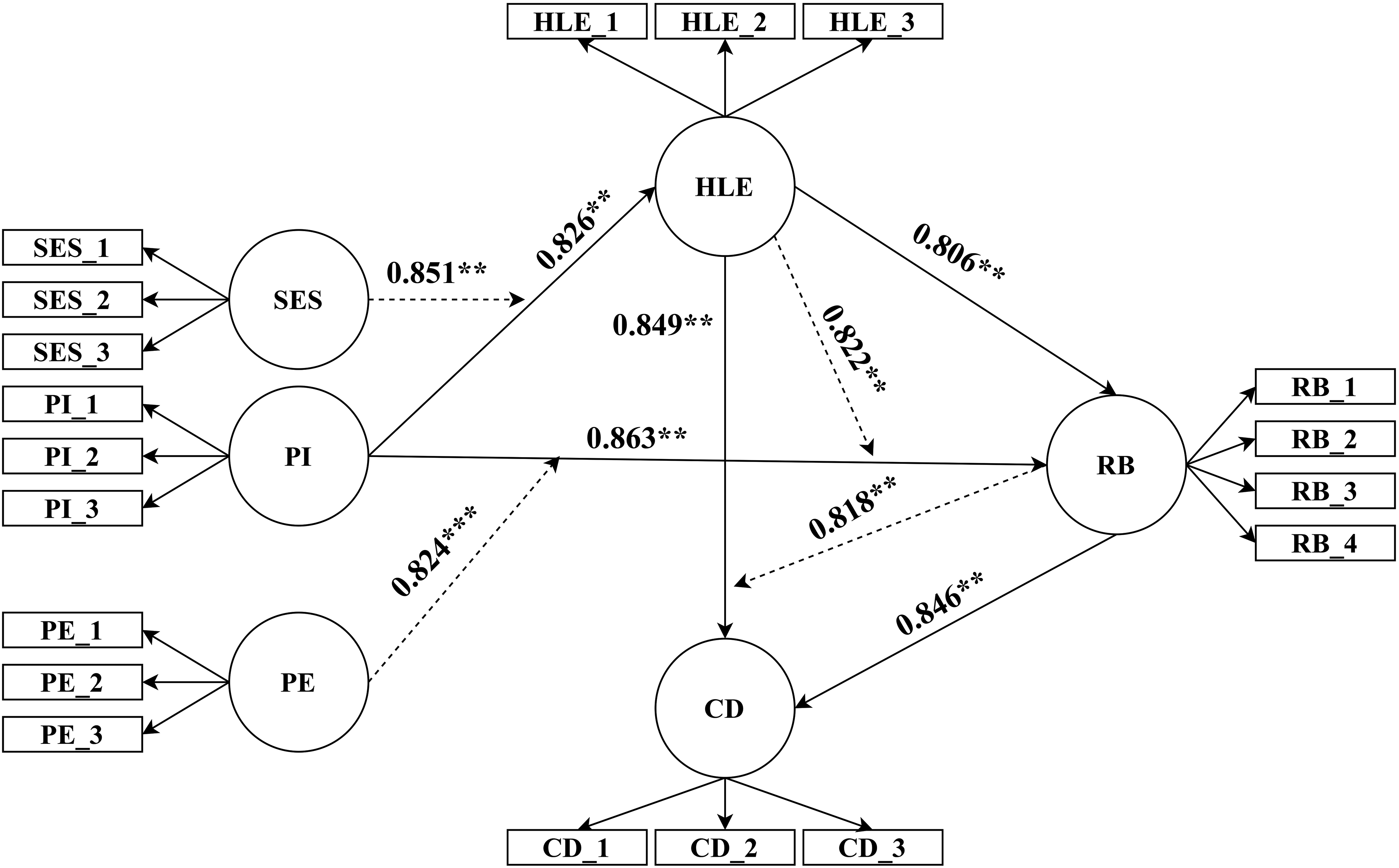
Path analysis: pi, home literacy environment, Reading behaviors, and factor relationships of cognitive development.
Model fit assessment
The model fit indicators presented in Table 12 indicate that the SEM used in this study is statistically robust and reliable. When the fit indicators of the SEM model were critically analyzed, all indicators fit the proposed range: χ2/df = 2.278, TLI = 0.947, CFI = 0.941, GFI = 0.958, SRMR = 0.051, RMSEA = 0.035. The analysis indicates that the structural fit and internal fitness of the model are high.
Fit indicators of the structural equation model and available values model fit assessment.
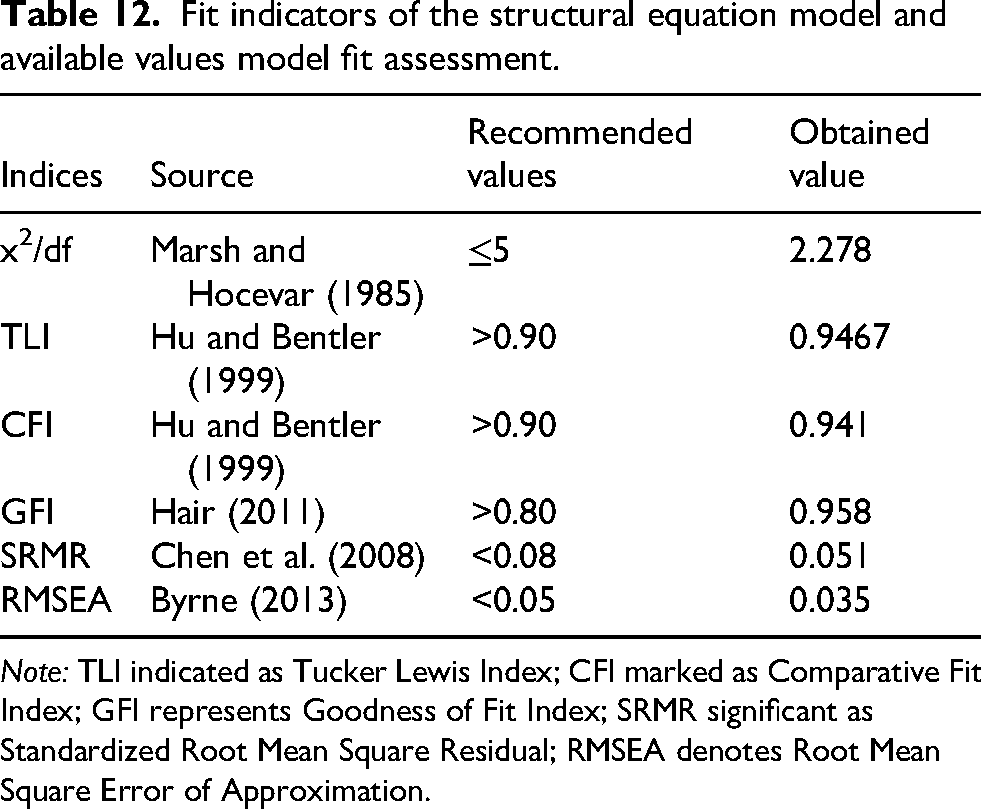
Note: TLI indicated as Tucker Lewis Index; CFI marked as Comparative Fit Index; GFI represents Goodness of Fit Index; SRMR significant as Standardized Root Mean Square Residual; RMSEA denotes Root Mean Square Error of Approximation.
Overall, it is comprehensively confirmed that the used model fits the data very well, as all fit indices are stable and statistically acceptable.
Robustness tests
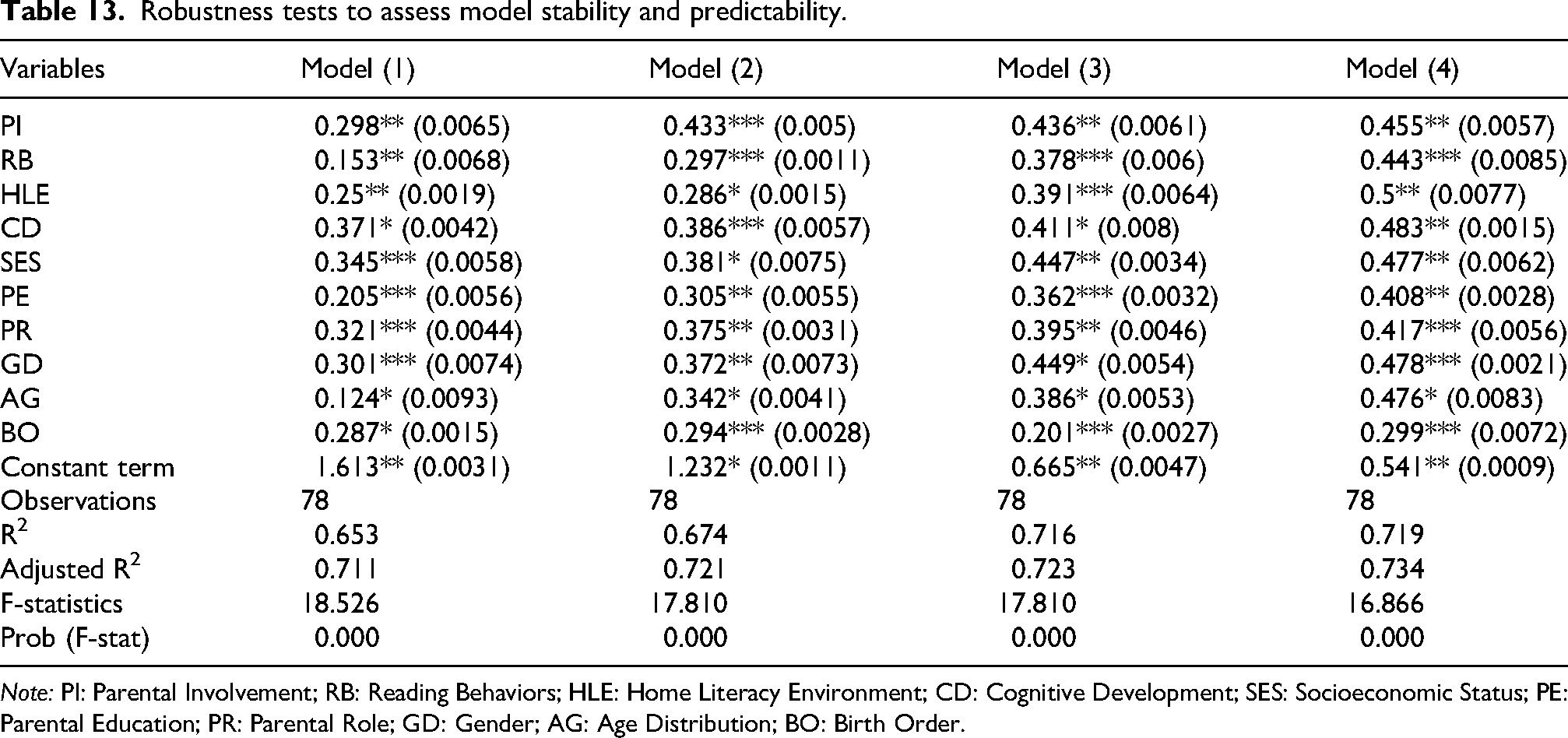
Table 13 examined the stability and predictive power of the models. The results of all four models demonstrate that the potential effects of PI, RB, HLE, CD, SES, PE, PR, GD, AG, and BO are mainly significant. The R2 values in all models are in the range of 0.65–0.72, and the F-statistic results are also shown to be robust (p < 0.001), which guarantees the integrity and reliability of the models.
Robustness tests to assess model stability and predictability.
Note: PI: Parental Involvement; RB: Reading Behaviors; HLE: Home Literacy Environment; CD: Cognitive Development; SES: Socioeconomic Status; PE: Parental Education; PR: Parental Role; GD: Gender; AG: Age Distribution; BO: Birth Order.
The robustness tests demonstrate that the model produces consistent results even under alternative specifications and that the study findings are methodologically sound, generalizable, and statistically stable.
Discussion
The study's results strongly support assumptions H1 to H9. Using the independent samples t-test and ANOVA, we found that PI significantly increased preschoolers’ reading behaviors and HLE (H1, H2). This was strengthened by a substantial and meaningful difference between the two groups, as quantified by a large Cohen's d value > 0.80, as well as qualitative data on parents’ daily reading. Rich HLE directly improved preschoolers’ reading behaviors (H3), and preschoolers’ reading behaviors predicted their difficulty and development (H4). Mediation and thematic analysis of the qualitative interviews suggested that family involvement in the HLE is a predictor of preschoolers’ cognitive functioning (H5). HLE was established as a partial mediator in the relationship between PI and reading behaviors (H6), and reading behaviors are a mediator between family HLE and cognitive development (H7) in line with the cascading development model. HLE was moderated by parental SES connected to PI (H8), and kids’ reading behaviors were moderated by PE regarding the involvement of parents (H9). The induction of HLE data suggests that SES and the education of parents who participated in effective reading activities produced a relevant sample. These findings confirm all nine hypotheses, demonstrating that family-based literacy supports are essential for equitable child development.
Addressing RQ1: parental involvement, Reading behaviors, and cognitive development
The findings demonstrated that family engagement positively impacts preschoolers’ attitudes toward tasks and CD. All the constructs of interest from the experimental group showed a positive increase. The family literacy program allowed the parents to advance the engagement practices they used with their child when reading at home, which in turn caused increases in vocabulary, comprehension, and attention skills in preschoolers’ reading. Parental engagement is essential to kids’ assignment pathways and is involved in how preschoolers are given opportunities to practice reading. Parents’ choices of engagement practice can easily be adapted to the context of shared daily reading practice by families (Andalajao, 2024). Huda and Sa'diyah (2024) considered PI and engagement with young preschooler to be opportunities to develop communication and cognitive skills in the modern digital era. Batini et al. (2024) agreed that reading aloud supports cognitive skill development. McNally et al. (2024) believed that early reading experiences support vocabulary for later life use. Knowledge of all this about early reading is valuable to contextualizing Burakgazi's (2025) references to EST as it regards family contexts as influences in preschoolers’ developmental outcomes in early years.
Addressing RQ2: mediating roles of the home literacy environment
HLE was identified as a positive mediator of the association between parental support and reading behaviors and mind development results. Georgiou et al. (2021) associated a stimulating HLE that connects parental behaviors and preschoolers’ reading outcomes to developing interest in and engagement with texts. Zhang et al. (2024) found that preschoolers surrounded by books and literacy interactions were inclined to engage positively in overall learning dispositions, which mediated the cognitive outcomes of reading experience. Liu et al. (2024) also identified a considerable connection between home literacy and environmental influences beyond literacy; for example, music exposure enhanced parental self-efficacy and child engagement. Mad and Mohamed (2023) supported the idea that attitudes toward literacy learning, reflecting the structure of literacy activities at home, increased the cascading effect shown in the findings.
Addressing RQ3: moderating effects of socioeconomic Status and parental education
The findings also illustrate the variability in the success of PI across families. The moderators of interest are the SES and PE levels. Jiang et al. (2024) refer to SES, which can directly contribute to the extent of the HLE. For example, families with higher SES can more easily provide books and learning tools. Children from higher SES backgrounds live in home learning environments that are richer emotionally and linguistically (Bonifacci et al., 2024). The effects of PI may be compounded for preschoolers in higher SES. Inoue et al. (2025) indicated that parents with a higher education level have a tendency to participate in cognitively stimulating knowledge practices. Likewise, Lai et al. (2024) noted that parental beliefs and literacy expectations formed by parents as preschoolers and influenced by the education parents received that informed their child-rearing practices were a strong predictor of the quality of interactions their preschooler experienced in the HLE. Exploring PI practices with parenting practices will allow researchers to consider the variables reportedly correlated with preschoolers’ educational attainment. Zafeer et al. (2025) reported that SES and parental support are the second greatest influences on the kids’ academic achievement across domains, including science and literacy.
Integrating quantitative and qualitative findings
0wThe qualitative findings strongly support the quantitative findings. Parents shared clear changes in preschoolers’ vocabulary and comprehension and improved engagement and described barriers at the same time, such as time and money. These stories align with Pratiwi et al. (2024), who found that low-income parents often struggle to continue consistent literacy practices regardless of the supports because they needed more than what was theoretically possible, and they experienced socio-economic barriers. Alramamneh et al. (2023) found that community approaches and giving parents contextual implications for literacy can help temper the reading gap. Rao et al. (2025) noted that differences, contextual, in the geography and economy between family contexts and preschool quality can also play a part in school readiness and attainment. Tong and An (2024) concluded from their review of Bronfenbrenner's theory that meso-system supports (for example, family and community programs) need to be interconnected to support kids’ whole growth. Pietto et al. (2023) showed that cognitive interventions with low-SES preschoolers have reported meaningful brain connectivity changes, confirming the transformative capacity of intentionally designed early literacy support.
Implications
The findings of this study further strengthen the theoretical framework that EST and HLM have integrated, as they demonstrate the interrelationships among PI, HLE, SES, and PE. This study demonstrates that preschoolers’ reading and literacy development is not determined by a single factor but rather by multi-layered dynamics involving family activities, home informational and cultural values, and economic and educational backgrounds. This study, from an educational perspective, urges teachers, preschool centers, and public and community libraries to co-create integrated models that elevate families’ reading skills, home learning practices, and digital literacy abilities. To tackle the issue of early reading disparities among preschoolers, it is highly essential to provide reading materials, initiate community programs, conduct parent training sessions, and implement culturally responsive pedagogy for low-SES families. The research serves as a refreshment of strong evidence-based guidance at the policy level, supporting the implementation of inclusive literacy policies that guarantee information equity, print-digital resource provisioning for preschoolers, public library funding model strengthening, staff capacity building, outreach improvement via community hubs, and provision of subsidized reading for low-income families. The research is the origin of knowledge that has theoretical, educational, and policy dimensions, which can positively influence the early learning and development of preschoolers. Additionally, it highlights the need for equal access to information nationally.
Limitations and future scope
The quasi-experimental design without the random assignment used in this study limited the internal validity of the study and also increased the risk of selection bias, and it is possible that parental motivation and preschool quality, as factors that were already present, may have influenced the results, despite the valuable findings in this study. Since self-report data were used, there was a possibility of social desirability bias and attrition bias, and the 8-week intervention period was not appropriate for evaluating whether parents’ new habits would be sustained in the long term. The research confined itself to a single region, and hence the outcomes cannot be referred to as a general trend in other cultural and linguistic contexts. Subsequent studies are advised to implement longitudinal designs to assess whether literacy and intellectual abilities are mature and comprise different cultural, economic, and linguistic groups. Comprehensive research on how parents’ literacy beliefs affect their children's reading might give the way that is needed for more targeted interventions. Randomized controlled trials describe causal relationships and pinpoint the most effective intervention components. Cross-country comparisons become indispensable to examine the influence of school-community partnerships combined with teacher support on home literacy activities and to figure out whether these results can be generalized to different educational and cultural contexts.
Conclusion
This research highlights that in high-quality HLE, one of the main factors that parental support is consistent with is that it strongly influences the children's reading engagement and reading skills. A quasi-experimental design showed that the intervention affected PI, and changes in preschoolers’ early literacy skills were slightly positive. Analyses showed that HLE was a major mediator between PI and child development and that PE level and low socio-emotional status turned out to be factors that influenced preschoolers’ early academic growth and home literacy practices. Moreover, the research delves into familial and cultural aspects that affect the child's initial growth. The study integrates EST and HLM to present a detailed model of the early development of a child. Though the drawbacks of no random sampling and a short intervention period are acknowledged, it still serves as a guide for upcoming research and fieldwork. The research shows that PI influences the growth of preschoolers more significantly than short-term interventions. The research emphasizes the necessity of long-term, comprehensive literacy support programs that regard families as the main collaborators and also the significance of recognizing the home as a separate educational unit.
Footnotes

Informed consent
Informed consent was obtained from all individual participants included in the study.
Authors’ contributions
QX, TW, YH, TW, and XZ authors agreed on the content of the study. QX, TW, YH, TW, and XZ collected all the data for analysis. TW agreed on the methodology. QX, TW, YH, TW, and XZ completed the analysis based on agreed steps. Results and conclusions are discussed and written together. All authors read and approved the final manuscript.
For the funding and conflicts of interest sections, standard statements have to be included in the article if the information is not provided by the author in the unedited file or title page.
Availability of data and material
The data that support the findings of this study are available from the corresponding author upon reasonable request.
Human and animal rights
This article includes studies involving human or animal subjects conducted by the authors.