







Abstract
Piezoelectric ceramics have the advantages of uniform composition, excellent performance, good electromechanical coupling performance, and high cost performance. They are currently one of the important materials for manufacturing sensors and semiconductor components on the market. Although piezoelectric ceramic materials are widely used because of their many advantages, how to improve their piezoelectric properties is still a hot and difficult research spot. Previously, the piezoelectric properties of piezoelectric ceramics were affected by adjusting the grain size, but due to its limited enhancement effect, researchers hope to find other ways to improve the piezoelectric properties of ceramics more efficiently. Research has found that texture process can enable isotropic ceramics to obtain similar characteristics to single crystals that exhibit anisotropy. This greatly improves the piezoelectric properties of ceramics. During the texture process, the type and content of the template, texture degree and texture orientation, and other factors will significantly affect the piezoelectric properties of textured ceramics. With the continuous development of texture technology and process, the piezoelectric properties of textured ceramics have been significantly improved, but the practical application is less. Based on this, this article expounds the design principles of textured ceramics, summarizes the progress in the preparation of textured piezoelectric ceramics, and systematically explains the importance of template and texture orientation selection in texture processing. Finally, this paper also analyses the application of textured ceramics, and looks forward to the optimization methods and development prospects of piezoelectric ceramics. It is hoped to help the application and development of piezoelectric ceramics.
Introduction
Piezoelectric ceramics are functional ceramics which can convert mechanical and electrical energy through the piezoelectric effect. Because of its excellent performance and low production cost, it is widely used in sensors, medical, aerospace and marine fields.1–4 Traditional lead-based piezoelectric ceramic materials include Pb(Zr x Ti1−x)O3(PZT), Pb(Mg1/3Nb2/3)O3-PbTiO3(PMN-PT) and so on. In spite of their excellent performance, they can be harmful to human body and the environment due to their production and use or after they are discarded.5–8 Therefore, the development of piezoelectric ceramics gradually began to be lead-free. In recent years, lead-free piezoelectric ceramics like barium titanate (BaTiO3, BT), sodium bismuth titanate ((Na0.5Bi0.5)TiO3, BNT) and sodium potassium niobate ((Na0.5K0.5)NbO3, KNN) have aroused the interest of researchers due to their excellent performance and environmentally friendly. Great breakthroughs have been made in performance.9–13 It becomes an environmentally friendly material that is expected to replace lead-containing piezoelectric ceramics.
With the gradual maturation of various processes, people want to create ceramic materials with better performance. The traditional polycrystalline piezoelectric ceramics do not show strong piezoelectric properties. Comparing with polycrystalline ceramics, the study found that single crystal has superior performance.
14
The internal lattice arrangement of single crystal is orderly. It can show more excellent piezoelectric properties in a particular direction than other directions.
15
So, people analogized single-crystal and polycrystalline ceramics, combined their structural characteristics and used microstructure control methods to make the internal grains of ceramic materials arrange in a certain direction like single crystals. Polycrystalline ceramics with properties similar to those of single-crystal ceramics were prepared. This resulted in a significant improvement in the piezoelectric properties of the ceramics.
16
Based on the above design ideas, textured ceramics came into being. Piezoelectric ceramics textured process originated in 1968. Researchers prepared SbSI piezoelectric single crystal which exhibits strong piezoelectric properties. Until the end of the twentieth century, researchers prepared textured ceramics with perovskite structures. In 2004, Saito et al.
17
prepared a high-performance textured KNN-based lead-free piezoelectric ceramics. The piezoelectric constant
This paper takes microstructure as an entry point. The current research status of textured ceramics in recent years is summarized. Combining with the preparation method and mechanism, the influencing factors in the preparation process are reviewed. In addition, the effect of template, texture degree and texture orientation on the piezoelectric properties are analyzed in terms of their effects. The research results on the influence of texture technology on the piezoelectric properties of ceramics are summarized. In addition, the effect of texture technology on electrical properties is described from the view of practical applications. The effect of texture technology on energy harvesting properties, heat resistance and mechanical properties has also been reported. Finally, the future development direction of improving the electrical properties of piezoelectric ceramics is envisioned.
Design principles and preparation methods of textured ceramics
To understand the effect of the textured process on the piezoelectric properties of ceramics, it is necessary to understand its design principles and preparation methods. The microstructure of ordinary ceramics, single crystal ceramics, and textured ceramics is shown in Figure 1a-1c. It can be seen that the grain orientation of polycrystalline piezoelectric ceramic materials can be regarded as a random distribution. Research has found that different factors such as heat, force, electricity, or magnetism can cause grains to arrange or grow in a certain direction during the forming and sintering processes. Furthermore, the optimal orientation of the grains can be achieved to show the single-crystal-like performance.18,19 This is the design principle of textured ceramics.

Microscopic schematic of ceramics and single crystals before and after texturing. (a) randomly non-textured ceramics (b) single crystals, (c) textured ceramics, (d) Engineering domains with different phase structures polarized in different directions. 16
In relaxor single crystals, different grain orientations and phase structures will result in different piezoelectric properties of the material. Tripartite, orthogonal, and tetragonal phases will polarize along the <001>, <011>, and <111> directions to form different engineering domain structures, as shown in Figure 1d. By using grain orientation technology to adjust the ceramic to grow in a specific direction, it can achieve its piezoelectric properties similar to those of single crystal ceramics. For example, by selecting the rhombohedral phase (R-phase) and orthogonal phase (O-phase) component ceramics, high piezoelectric constant
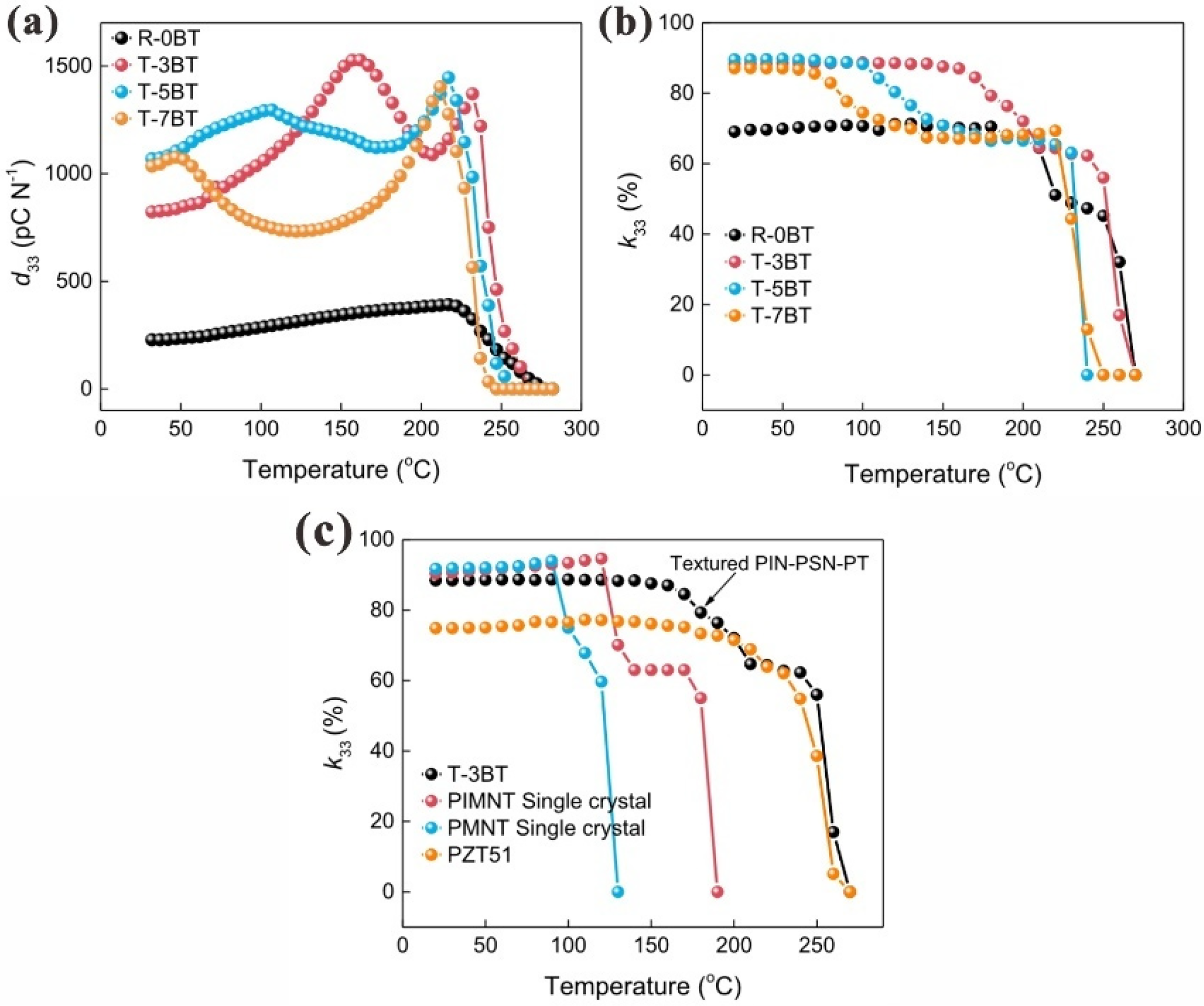
(a) Trend of piezoelectric constant
In addition to the design principles and basic knowledge of textured ceramics, the preparation process of textured ceramics is also very important. Firstly, the basic heat treatment technology refers to the dislocation movement within the grains by applying external force under high temperature conditions. This leads to the slip of the interface between the grains, so as to make the grains orientated and arranged. And the basic heat treatment technology mainly includes hot pressing, hot forging and hot rolling. 25 After the heat treatment technology, Oriented Consolidation of Anisometric Particles (OCAP) gradually began to develop. It is a texture method guided by template grain orientation, using particles with anisotropic characteristics as ceramic powders. Generally, sheet or needle shaped grains are obtained by the molten salt method, and then the anisotropic particles rely on the interaction between particles under shear force to achieve the oriented arrangement of grains.26,27 However, the OCAP technique, like the heat treatment technique, is only applicable to the preparation of piezoelectric materials with bismuth layered and tungsten-bronze structures. And the pores formed during sintering can lead to a decrease in ceramic density, thereby affecting performance.
Templated grain growth (TGG) technology28–30 and reactive template grain growth (RTGG) technology31–33 are the most used techniques. Their workflow diagrams are as shown in Figure 3. The basic process of TGG and RTGG technology is roughly the same, which is to add template grains and guide the directional growth of grains during sintering. The core is to use external driving forces such as casting and extrusion methods to make the template grains oriented and arranged. The difference is that RTGG technology only requires simpler particles as templates, which are compensated by matrix components. It is able to synthesize template particles during the reaction process, which means that the reaction sintering and grain-oriented growth can be completed simultaneously during the heat treatment process.
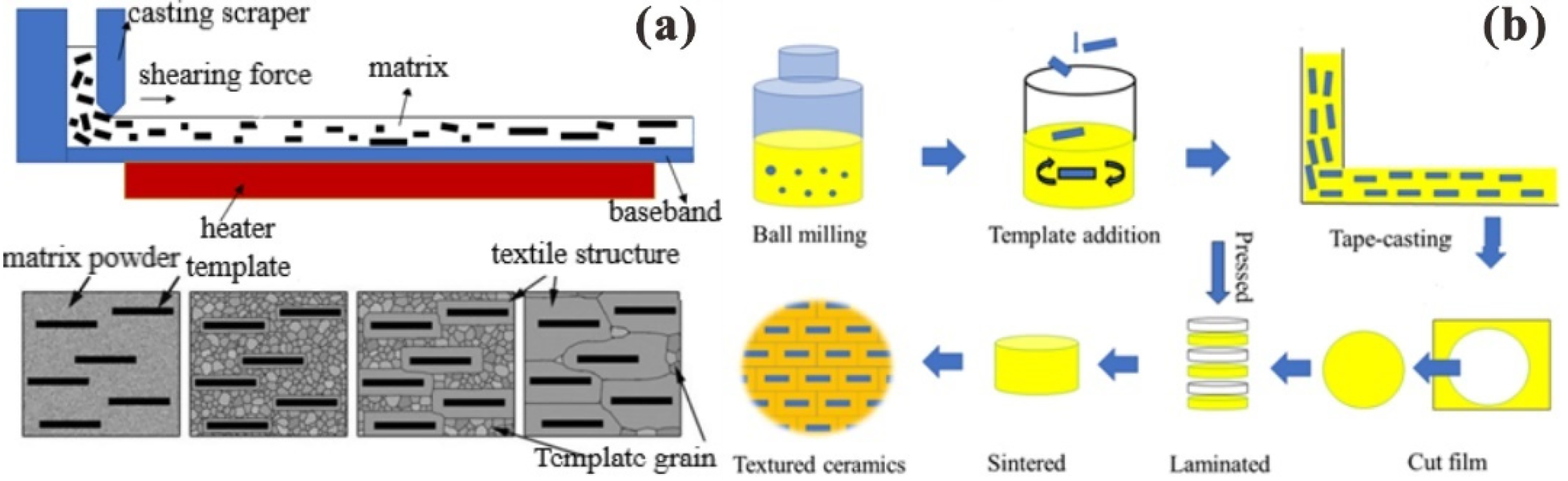
(a) Templated grain growth (TGG) technology and (b) reactive template grain growth (RTGG) technology workflow diagrams. 28
In TGG and RTGG technologies, the template selection is particularly critical. Firstly, the template must have an anisotropic crystalline morphology similar to whiskers or flakes to ensure orientation under shear. Secondly, the template and the matrix material need to have similar crystal structures. And the lattice mismatch should be less than 10%; Thirdly, the template requires a high aspect ratio, with the driving force depending on the difference in size between the template and matrix. Therefore, appropriate size is particularly important. Finally, compared with the matrix powder, the template needs to have good and stable thermal and chemical properties to avoid pre-reaction of the template itself during sintering, which affects the experimental results. 34
In addition to the above grain orientation growth techniques, there are many other techniques such as multilayer grain growth 35 and strong magnetic field orientation. 36 These techniques have their own characteristics and limitations. Heat treatment and OCAP technology are mostly used in piezoelectric ceramics with obvious anisotropy, such as bismuth layer structure and tungsten-bronze structure, and are rarely used in chalcogenide piezoelectric ceramics. The TGG and RTGG technologies require high requirements for the precise control of formulations and sintering processes. The multilayer grain growth technique and the strong field orientation technique are not widely used due to their relatively short development time. In the future, the direction of development of the textured piezoelectric ceramics preparation method still needs to combine the existing preparation techniques with new orientation techniques, such as the introduction of magnetic orientation techniques into TGG and RTGG. In addition, making textured piezoelectric ceramics with new orientation modes by changing the preparation method will be one of the hotspots for future research. With the deeper research on textured ceramics, it is necessary for researchers to combine the characteristics of different kinds of methods, complement each other's strengths and advantages to discover new technologies with lower costs, simpler processes and more mature technologies, so as to facilitate the research on textured ceramics.
The affecting factors of piezoelectric properties
Textured ceramics has become the usual means for many researchers to improve the piezoelectric properties of ceramics. Bai et al.
37
used BT template to prepare <H00> oriented Ba(Zr0.085Ti0.915)O3 piezoelectric ceramics with the texture degree more than 80%. Superior piezoelectric properties to those of the same-component randomly oriented ceramics were obtained (
Template
The TGG and RTGG technologies require the addition of templates in the preparation process to obtain textured ceramics. 38 Combining with the domestic and international research in recent years, it is found that the template is the key to the preparation of highly oriented textured ceramics. 39 The template orientation determines the texture orientation. And factors such as the type, quantity and distribution of templates also determine the texture degree of ceramics. Therefore, selecting suitable templates is the key to the preparation of high-performance textured ceramics. For templates, the type of template and the specific gravity of the template are important factors affecting the performance of ceramics after texturing.
Studies have shown that using different types of templates to prepare the same system ceramics will lead to significant differences in the properties of ceramics after texturing. West et al. 40 chose Sr3Ti2O7 (ST) and BaBi2Nb2O9 (BBN) as different templates, and prepared BNT ceramics using the RTGG technology. Comparing the microstructures of the ceramics prepared by using the two templates, it was found that when using the BBN template, a single-phase perovskite was easily formed. And the microstructure evolved from an initially heterogeneous structure to a dense, anisotropic micron-scale grain assembly. When using the ST template, perovskite formation was slower, and the microstructure formed more porous grains in an isotropic micron-scale matrix. It was also found that the BNN template samples resulted in an excess of Na2O and TiO2, whereas the use of the ST template led only to an excess of TiO2. In addition, the introduction of ST templates promoted higher grain orientation, which led to more strain-responsive and larger electro-strain in textured ceramics with good temperature stability. Jing et al. 41 used one-dimensional TiO2 whiskers and sheet-like bismuth titanate Bi4Ti3O12 (BIT) as templates to prepare oriented BNKT ceramics. Comparing the reaction and crystallization conditions during sintering, it was found that when using sheet-like bismuth titanate Bi4Ti3O12 as a template, an orientation factor of over 70% was successfully obtained. When one-dimensional whisker TiO2 was used as a template, the < h00 > orientation factor was only 26.41%. The cross-sectional micrographs of BNT ceramics prepared using different templates are shown in Figure 4. These experiments indicate that selecting appropriate templates is crucial for preparing highly oriented and high-performance ceramic materials. Suitable templates need to possess the following characteristics: low reactivity to ensure no reaction during sintering; large anisotropy compared to the starting material; and similar crystal structure to the target ceramic.
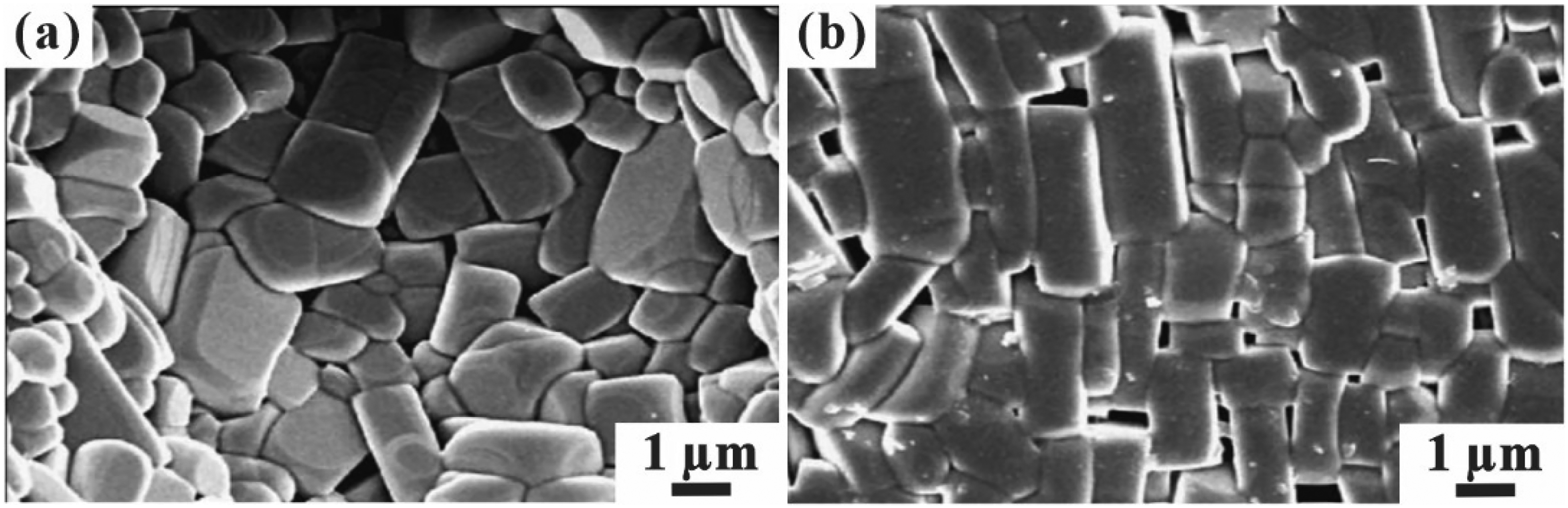
Micrographs of BNKT ceramic prepared with different templates (a) TiO2 whiskers (b) sheet-like bismuth titanate BIT. 41
Summarizing the research in recent years, it was found that not only the template type can affect the structure and properties of ceramic, but also the template content and specific gravity are also one of the influencing factors. Liu et al.
42
used NaNbO3 (NN) as a template to prepare <001 > oriented KNN-based piezoelectric ceramics. They obtained a good texture degree as well as piezoelectric properties. It was also found that different template contents lead to different properties of the material. When the template content was below 3 wt.%, the piezoelectric constant
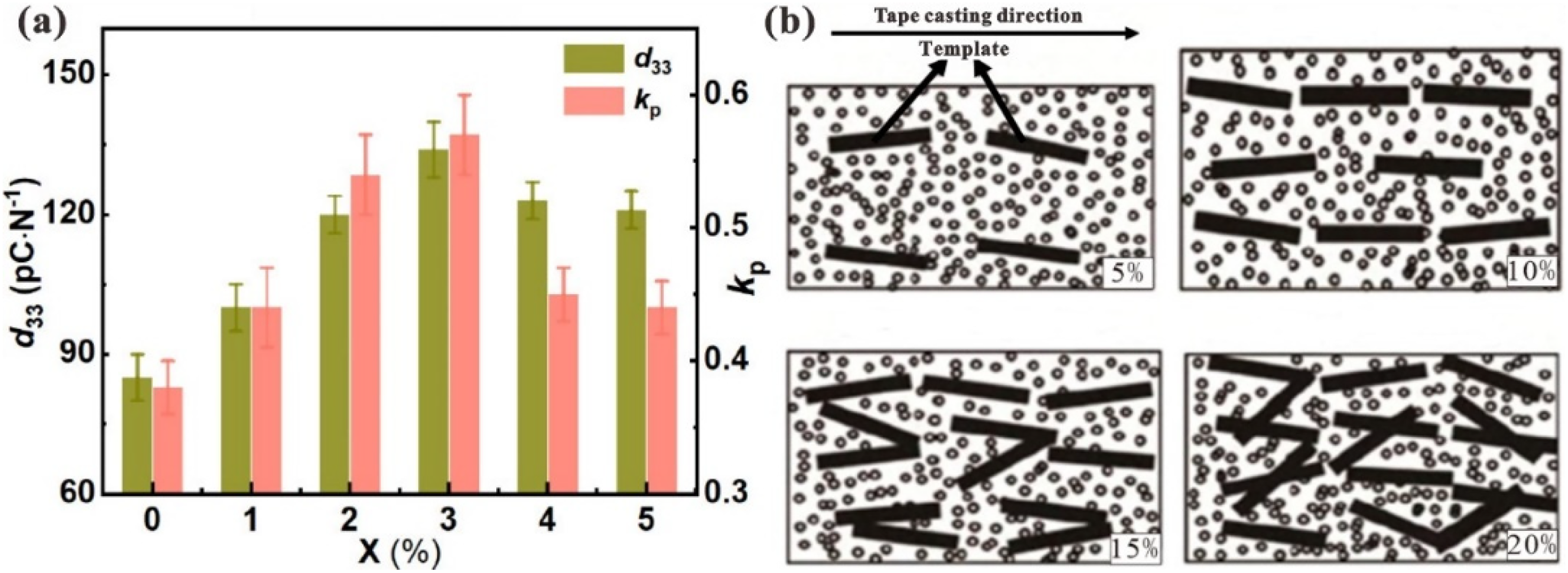
There are many other experiments to prove this idea, Kim et al.
43
prepared <001 > textured 0.53Pb(Zr1−xTi
x
)O3-0.47Pb(Ni1/3Nb2/3)O3 [CP(Z1−xT
x
)-PNN] using BT as a template by conventional casting method. The effect of template content on the piezoelectric properties of the textured ceramics was investigated. It was found that the piezoelectric properties of CP(Z1−xT
x
)-PNN textured ceramics showed a tendency of increasing and then decreasing as the template content increased from 0 to 5 wt.%. The non-textured ceramic exhibited a small piezoelectric constant (
In conclusion, meticulous attention must be devoted to the selection of the template during the pre-production phase of textured ceramics. The judicious choice of template is pivotal in minimizing the formation of unwanted by-products, thereby curtailing side reactions that could otherwise compromise the intrinsic qualities of the ceramics. Additionally, striking the right balance in the template content is essential. An insufficient amount may result in a sparse distribution, adversely impacting the texture integrity. Conversely, an excessive content can lead to template interactions, impeding the grains’ directional growth and diminishing the texture degree, which in turn, can degrade the overall performance. Hence, the astute selection of both the template type and its content is instrumental in streamlining the manufacturing process and enhancing the efficiency of producing high-quality textured ceramics.
Texture degree
Another major factor affecting the performance of textured ceramics is the texture degree. It is well known that ceramics are isotropic as polycrystalline materials, and textured ceramics effectively improve the orientation degree of ceramic structures, making them anisotropic and enhancing their electrical properties in specific directions.
46
Then a specific parameter is needed to represent the orientated degree of the textured ceramics. Currently, we often use the lotgering method to characterize the texture degree of ceramic
16
:

Wada et al.
47
used <110> oriented lamellar BaTiO3 as a template to prepare <110> oriented textured BaTiO3 ceramic and found that the
Various piezoelectric coefficients of BT ceramics with different <110> orientated degrees of the textured configuration 47
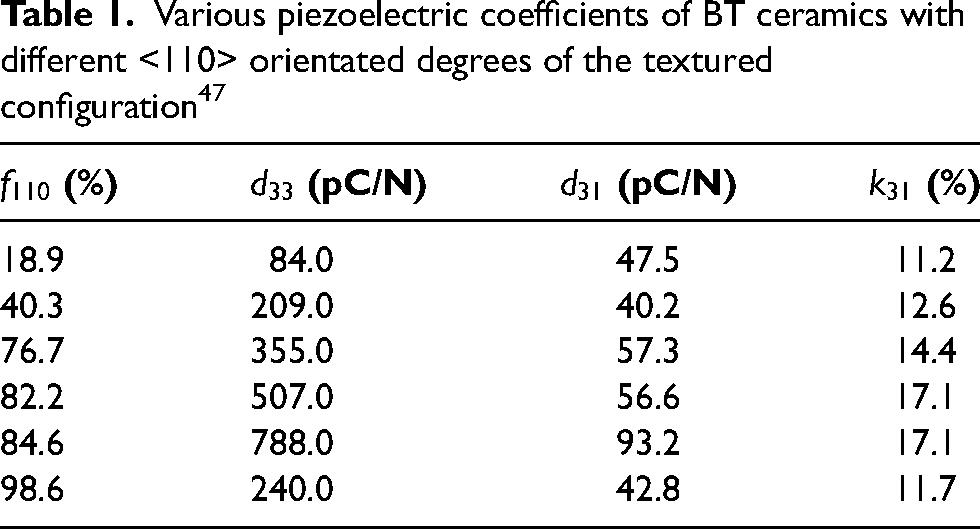
As can be seen from Table 1, the piezoelectric constant
In essence, while textured ceramics exhibit a significantly enhanced performance compared to their non-textured counterparts, a thorough investigation has revealed that the relationship between ceramic performance and texture degree is not linearly progressive. This finding underscores that an increased texture degree does not necessarily equate to superior performance. It necessitates that researchers engage in experimental exploration to identify the optimal texture degree tailored to the specific ceramic in question, thereby maximizing its performance potential. Furthermore, the trajectory of future advancements in textured ceramics is poised to focus on the quantification of texture degree. Consequently, elucidating the correlation between the texture degree and the electrical properties of textured ceramics is immensely valuable for the progression and innovation within this field. This understanding will not only guide the development of ceramics with targeted performance characteristics but also pave the way for more precise and controlled manufacturing processes.
Texture orientation
The aim of textured ceramics is to improve the orientated degree of the ceramic structure so that it exhibits anisotropy and enhances its electrical properties in a specific direction, which has many advantages over randomly oriented ceramics. Wang et al. 49 successfully prepared <001> oriented 0.36Pb(Ni1/3Nb2/3)O3-xPbZrO3-(0.64-x)PbTiO3 (PNN-PZ-PT) textured ceramics using BaTiO3 as a template with TGG technology. Comparing the microstructures of the non-textured and textured ceramics (as shown in Figure 6a1, 6a2), the textured ceramics yielded an ordered brick-like structure with grains elongated and aligned parallel to the direction of flow, whereas the grains in the non-textured ceramics exhibited inhomogeneous grain growth. In addition, the average size of the grains in the textured ceramics was around 25 µm, which was much larger than that of the random ceramics (5 µm), suggesting that the texture technique significantly affected the grain growth process. The BT templates were uniformly dispersed inside the ceramics. The grain orientation of random and textured ceramics was also investigated in this study. The EBSD maps (Figure 6b1, Figure 6b2) and <001> pole figures (Figure 6c1, Figure 6c2) showed that the textured ceramics exhibit a strong <001> orientation. The piezoelectric constant of the textured PNN-PZ-PT ceramics reaches 1165 pC/N, which is 2.7 times higher than that of the randomly oriented ceramics.
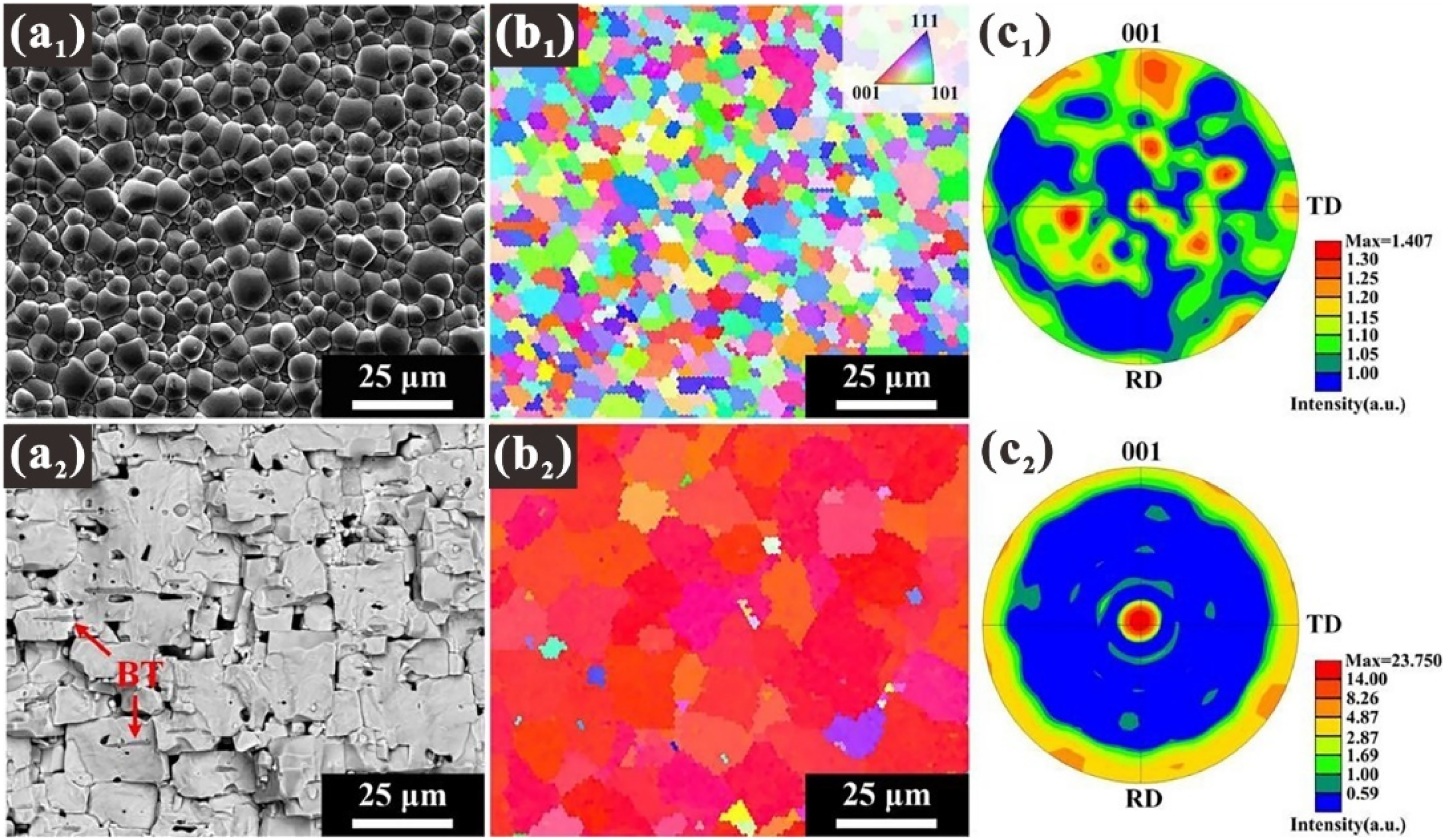
Comparison of random ceramics and textured ceramics; SEM images of random (a1) and textured ceramics (a2); EBSD images of random ceramics (b1) and textured ceramic (b2); < 001 > pole figures of random ceramics (c1) and textured ceramic (c2). 49
The crystal growth of the non-textured ceramics was inhomogeneous and the grain development was incomplete, whereas textured ceramics were oriented along the direction of casting. Not only the microstructure, but also the properties of the textured ceramics show remarkable potential.
20
Khanal et al.
50
prepared BaTiO3 textured ceramics with <110> orientation up to 83%, and its piezoelectric strain constant is 445 pm/V, which is significantly higher than that of the randomly oriented ceramics of the same system. A. Hussain et al.
51
prepared Ta-modified (K0.470Na0.545)(Nb0.55Ta0.45)O3 (KNNT for short) textured ceramics. The grains grew along the <001> direction. The texture degree was 80%, and the dynamic piezoelectric coefficient
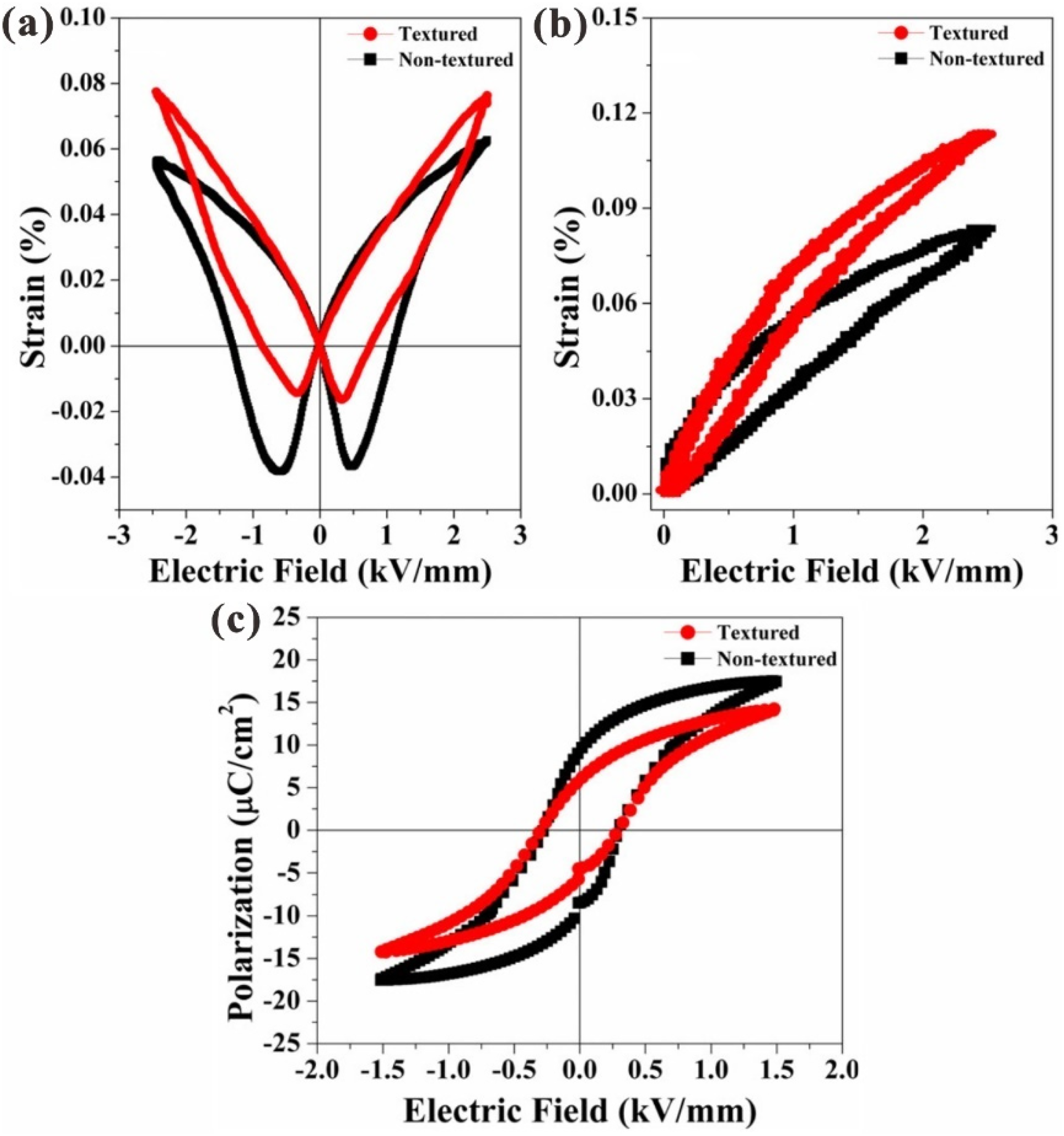
Field-induced strain of KNNT ceramics before and after texturing (a) bipolar strain. (b) unipolar strain. (c) Polarization versus electric field (P-E) hysteresis loops of KNNT ceramics before and after texturing. 51
Not only compared with the randomly oriented ceramics, there is also a significant difference in the properties of the ceramics between the different orientations,
53
such as <001> orientation and <100> orientation of the same ceramic system. Gao et al.
54
investigated the (Na,K)0.5Bi0.5TiO3 textured ceramics, flake-like grains were found to be aligned along the direction parallel to the direction of the casting. The effect of template particles parallel and perpendicular to the direction of the casting on the piezoelectric properties of the resulting ceramics was also investigated. Through the Figure 8 it was found that the performance of parallel and perpendicular to the direction of the casting had a difference. The former has a high remnant polarization and electromechanical coupling factor. At this time, the remnant polarization of 68.7 mC/cm2 and electromechanical coupling factor (
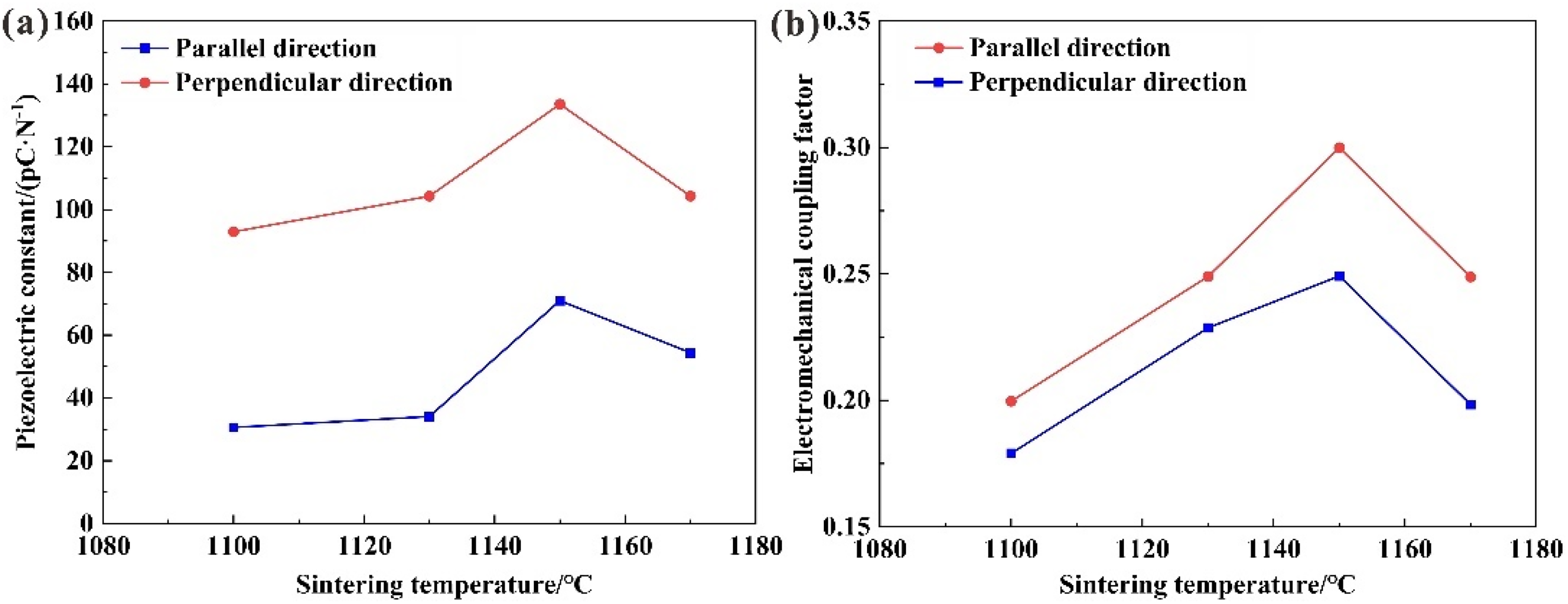
Trend of piezoelectric properties of NKBT textured ceramics with sintering temperature in different orientations. (a) piezoelectric constant (b) electromechanical coupling factor. 54
Hong Yan et al.
55
prepared textured KNN ceramics with a sintering temperature of 1120 °C for 5 h. The piezoelectric and dielectric properties of the KNN textured ceramics were obtained as
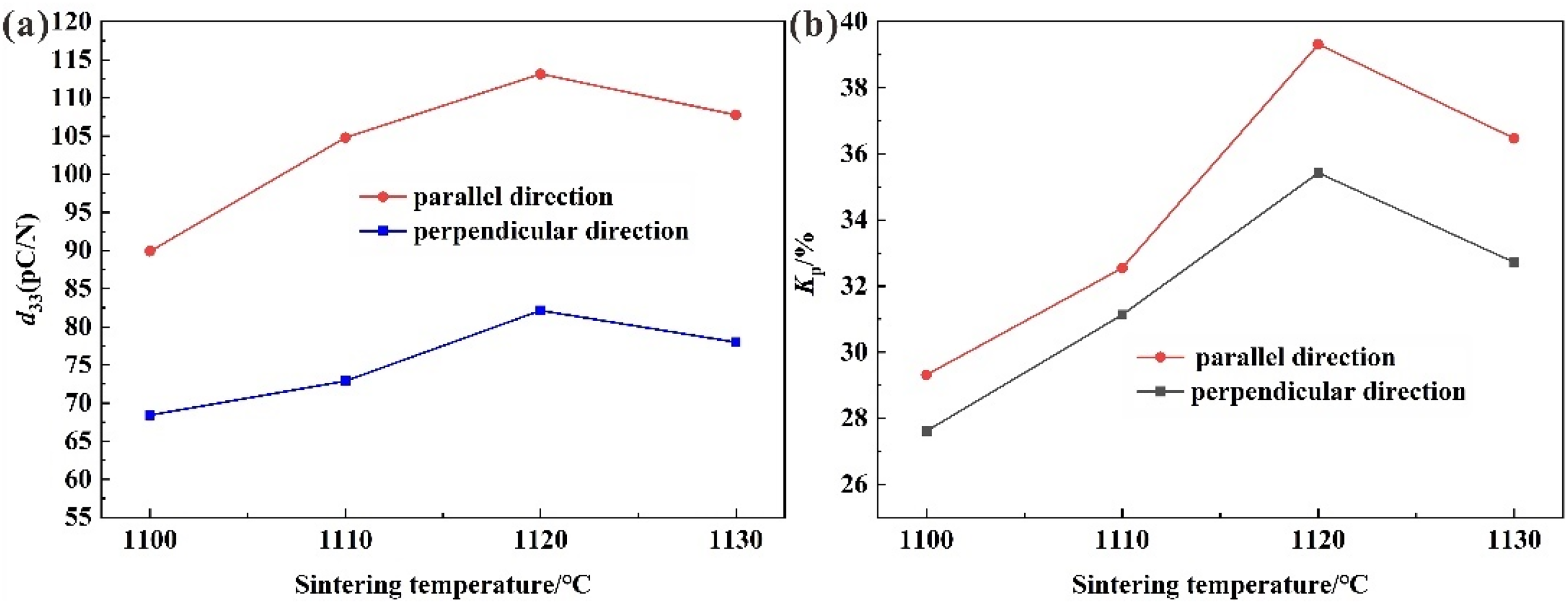
Trend of piezoelectric properties of NKBT textured ceramics with sintering temperature in different orientations. (a) piezoelectric constant
To investigate the effect of the texture orientation on the ceramic properties furtherly, Haugen et al. 57 simultaneously prepared <100> and <111> oriented dense Ba0.92Ca0.08TiO3 (BCT) piezoelectric ceramics to study their piezoelectric properties. They found that for the same-system BCT ceramics, the textured ceramics along the <100> direction had more excellent properties than the textured ceramics along the <111> direction, and the specific data are shown in Figure 10. Compared with non-textured BCT ceramics, the bipolar strain of <111> textured products and <100> textured products showed a weakening and strengthening trend, respectively. The textured BCT ceramics prepared by SPS method achieved a bipolar strain of 0.1%.
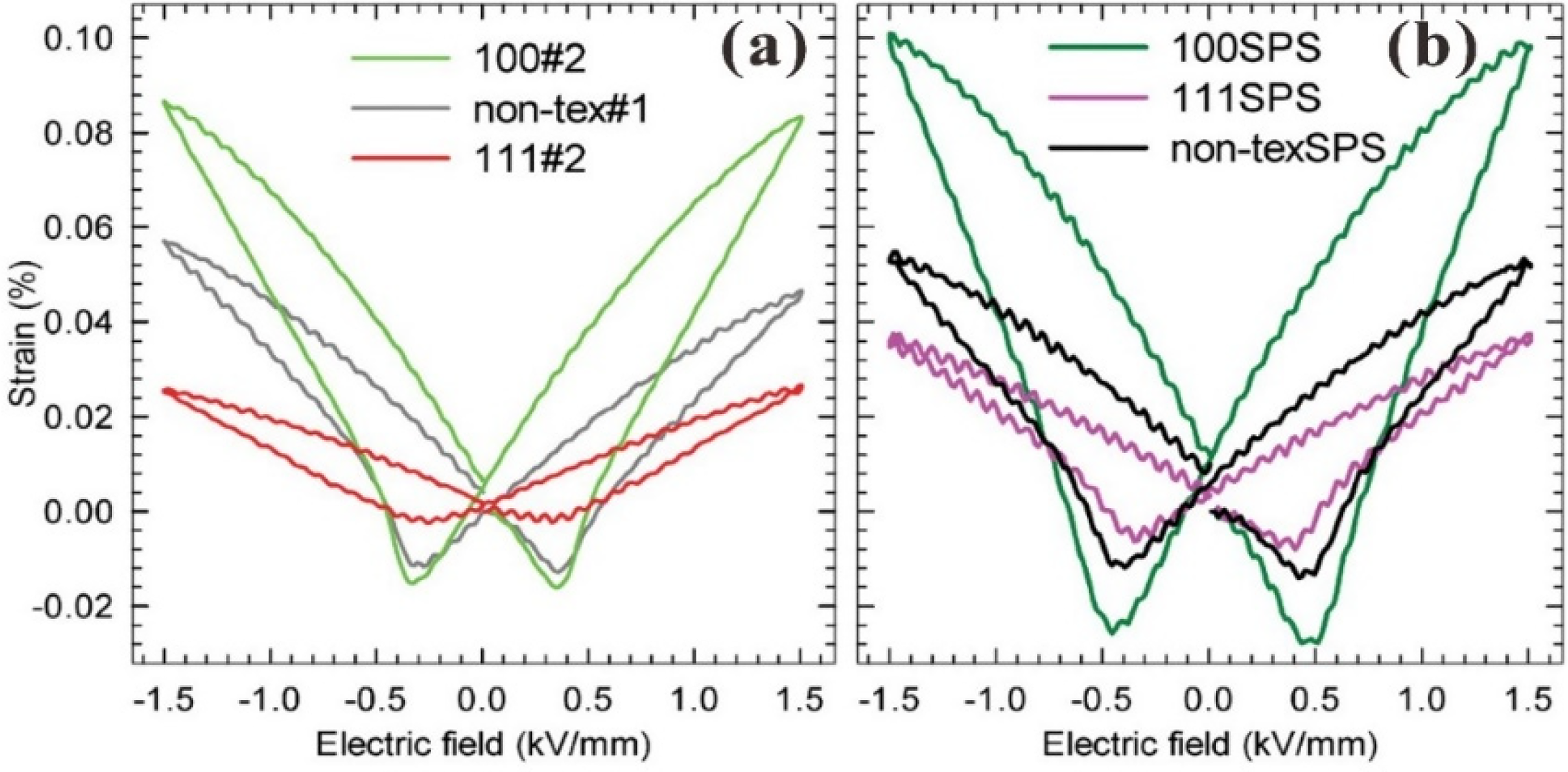
Strain-electric field curves of different texture directions and non-textured BCT ceramics. (a) Conventional sintering (b) Spark plasma sintering (SPS). 57
Li et al. 58 prepared <100>, <110> and <111> oriented piezoelectric films to gain a deeper understanding of the influence of texture orientation on piezoelectric properties. Figure 11 shows the schematic diagram of typical piezoelectric displacement vs. applied voltage (D-V) loops for films with different orientations. The <100 > oriented film achieved the highest electric field induced piezoelectric displacement, followed by the <111 > oriented sample, and the lowest among the <110 > oriented samples. The D-V loop exhibits a strong orientation dependence. This discovery further demonstrates the influence of different texture orientations on piezoelectric properties.
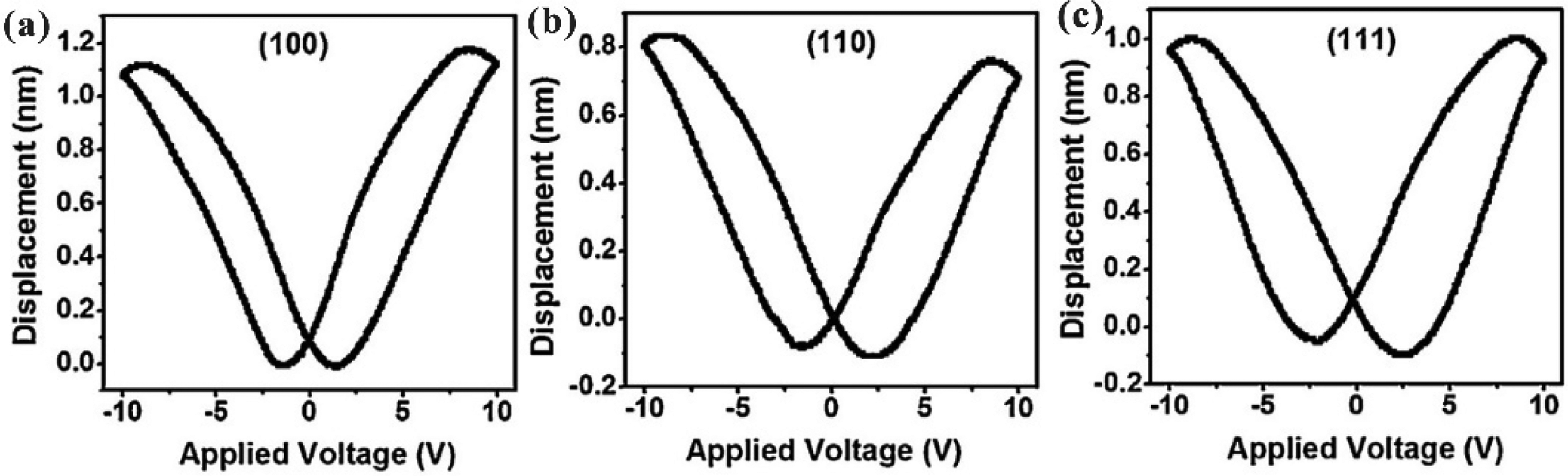
Typical piezoelectric displacement vs. applied voltage (D-V) loops for films with different orientations. (a) <100> (b) <110> (c) <111>. 58
Park et al.
59
investigated the effect of different grain orientations on the properties of PZT piezoelectric ceramic films and found that the <100 > and <111 > oriented films had different piezoelectric properties. The dielectric and piezoelectric constants of the <100 > oriented films were significantly higher than that of the <111 > oriented films, but the <111 > oriented films had higher values of
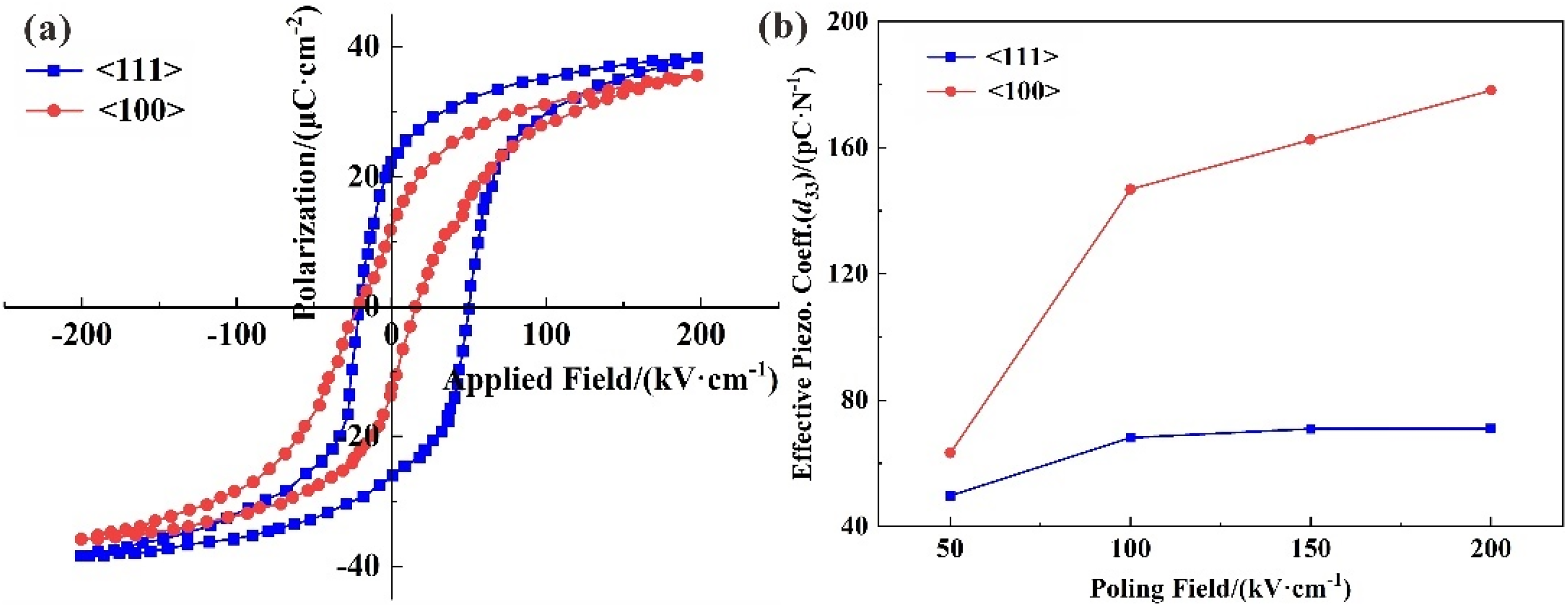
(a) P-E hysteresis loops of PZT piezoelectric ceramic films with different orientations. (b) Variation of piezoelectric constant
In summary, compared with randomly oriented ceramic materials, optimizing the orientation of ceramics through texture process can give them better piezoelectric properties. During the texturing process, factors such as template selection and content, texture degree, and texture orientation will affect the piezoelectric properties of ceramics. In future work, further optimization of material composition and improvement of texture process are needed to improve the electrical properties of ceramics. In addition, in combination with novel texture technology, the achievement of a quantitative texture degree in the future will also have a very good impact on the electrical properties of piezoelectric ceramics. It is also necessary for experimental personnel to conduct more in-depth research on the mechanism, microstructure, and performance of texture process, laying a solid foundation for the preparation of high-performance textured ceramics in the future.
Applications of textured ceramics
Piezoelectric ceramics are one of the important materials for the fabrication of sensors and semiconductor components in the current market,61–66 which is mainly used in the fields of nondestructive testing, medical imaging, and piezoelectric energy harvesting. With the development of the preparation technology in recent years, the piezoelectric constant (up to 1090 pC/N) can be improved by adjusting grain size, ion doping and phase structure modulation.67–70 However, compared with piezoelectric single crystals, there is still a large gap in the piezoelectric properties of ordinary piezoelectric ceramics. The textured process has attracted wide attention because it can significantly enhance the piezoelectric constant and electromechanical coupling factor of ceramics at the same time. Currently, researchers have obtained some piezoelectric ceramics with excellent electromechanical properties through the texture engineering. Pb(Yb1/2Nb1/2)O3-Pb(Mg1/3Nb2/3)O3-PbTiO3 (PYN-PMN-PT) ceramics with 99% texture degree were prepared by a liquid-phase-assisted template grain growth technique by Chang et al.
67
Simultaneously, a very large electro-strain, a high electromechanical coupling coefficients and a giant piezoelectric figure of merit (
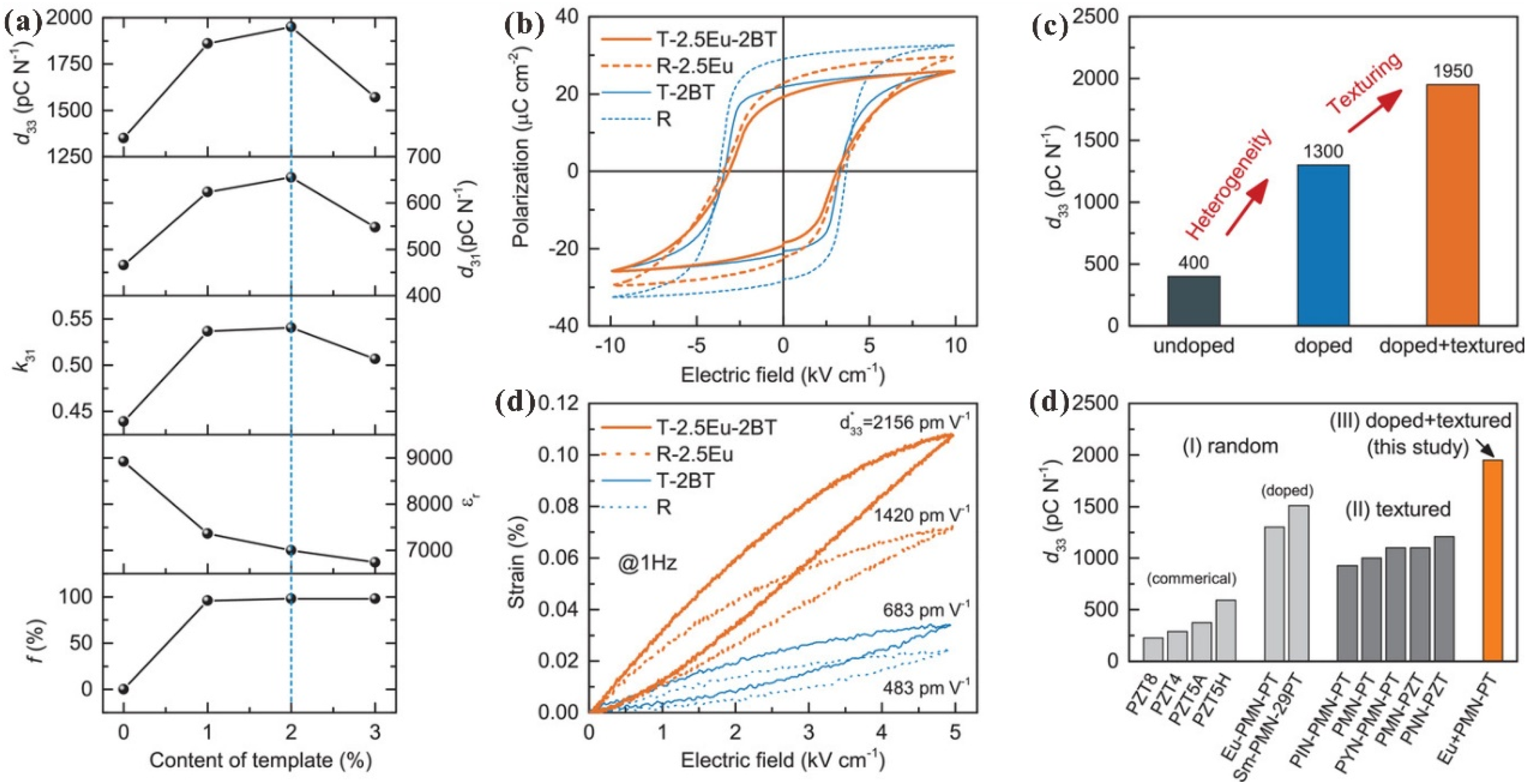
(a) Comparison of properties of non-textured and textured piezoelectric ceramics (texture degree f, dielectric constant
As one of the core components of current transducers, piezoelectric ceramics have hindered their application in high-end transducers due to their low electromechanical performance. Through texture technology, the piezoelectric property and electromechanical coupling factor of ceramics can be significantly improved. 72 The prepared piezoelectric ceramics have the potential to replace expensive single crystals currently used in high-end ultrasonic transducers. Bian et al. 73 prepared textured 0.36Pb(Ni1/3Nb2/3)O3-0.24PbZrO3-0.40PbTiO3 (PNN-PZT) ceramics, which successfully improved the electromechanical properties as well as the temperature stability of the ceramics. The PNN-PZT ordinary ceramics and PNN-PZT textured ceramics were used to prepare a single-piece ultrasonic transducer (shown in Figure 14) and the PZT-5H ceramic-based transducer was used as a benchmark for their performances. The PNN-PZT ceramic and PZT-5H ceramic transducers have similar pulse echo waveforms, both of which have long annular descending wakes (as shown in Figure 15). In contrast, textured ceramic transducers have cleaner pulse echo waveforms, and due to the significantly higher piezoelectric constant of textured ceramics, their insertion loss is more than 3 dB lower.
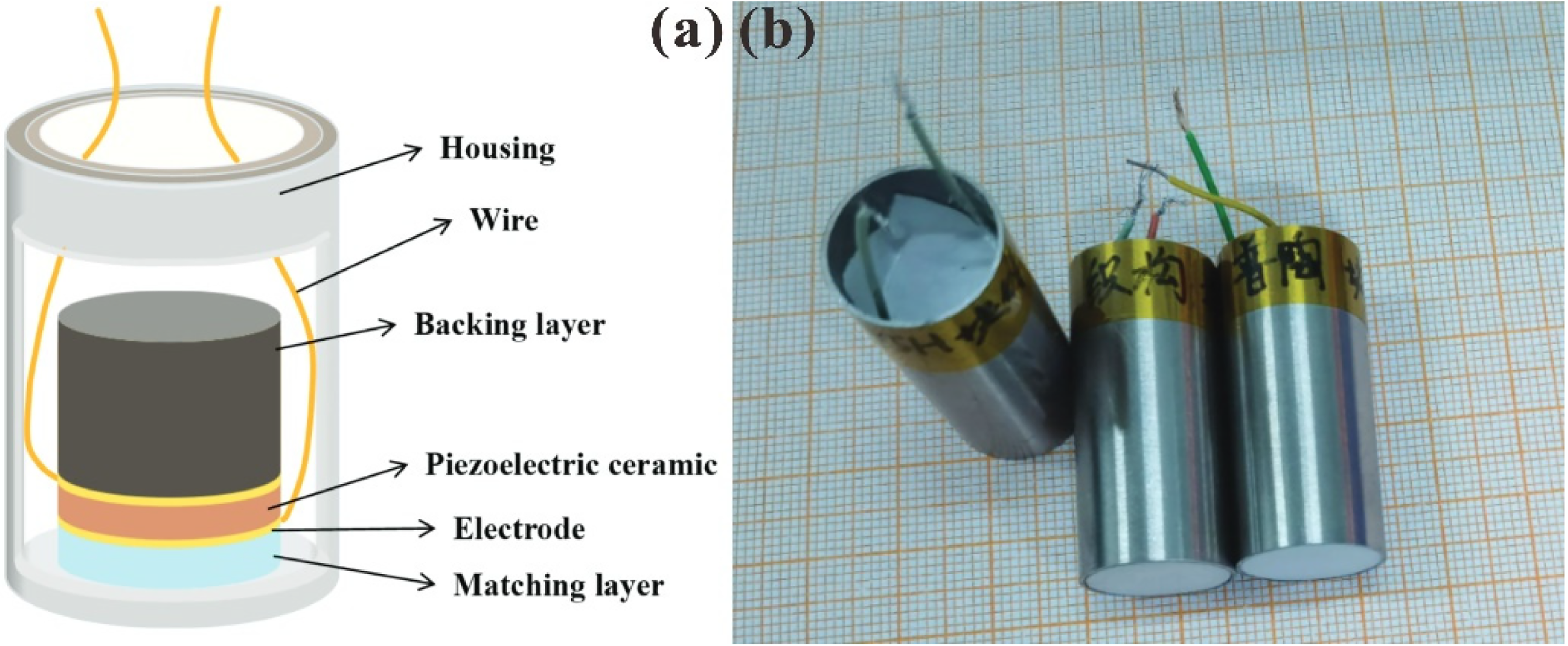
(a) Schematic diagram of transducer structure. (b) Physical view of the transducer prepared using PNN-PZT random non-textured ceramics, PNN-PZT-3BT textured ceramics and commercial PZT-5H piezoelectric ceramics. 73
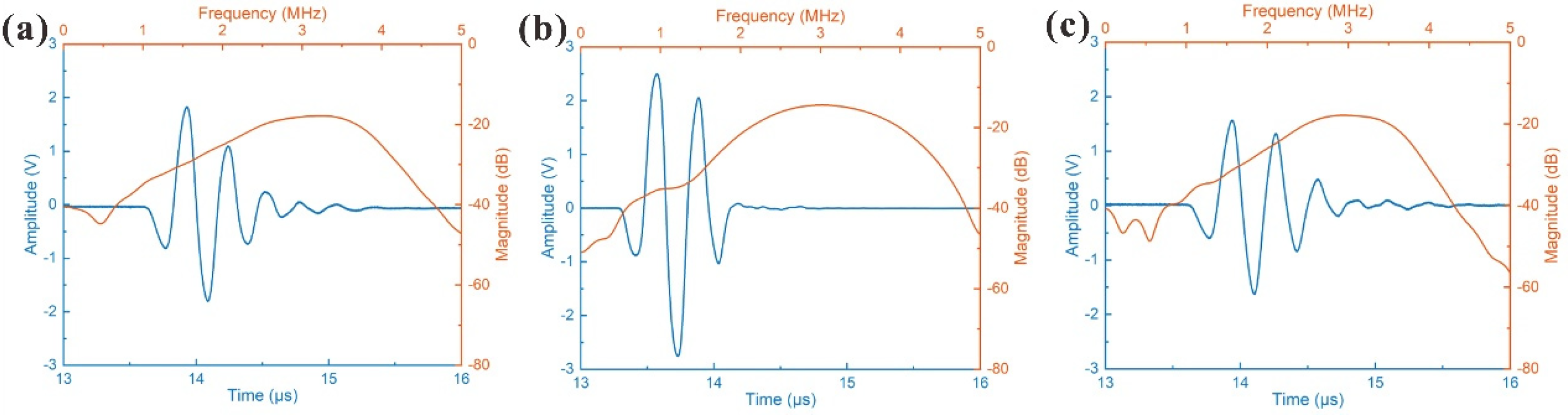
Pulse echo waveforms and spectra of different transducers. (a) PNN-PZT random non-textured ceramics transducers (b) commercial PZT-5H piezoelectric ceramics transducers (c) PNN-PZT-3BT textured ceramics transducers. 73
The results show that the textured PNN-PZT ceramic transducer obtains smaller insertion loss and higher sensitivity (increase more than 3 dB) due to its larger piezoelectric constant. In addition, the bandwidth of the textured PNN-PZT ceramic transducer increases with the increase of the electromechanical coupling factor. This shows that the texture engineering is an effective method to improve the piezoelectric properties of ceramics and it is also a good method to increase the electromechanical coupling factor of piezoelectric ceramics.
Piezoelectric ceramics are also widely used in the field of energy harvesting. The piezoelectric energy harvesting technology centered on them can convert vibration energy widely present in the environment into electrical energy, and is considered an effective solution to replace traditional batteries. However, the severe depolarization behavior in high-temperature regions makes it difficult for piezoelectric materials to achieve temperature stability in the application of piezoelectric energy collectors. 74 At this point, the advantages of the textured technique, which is able to increase the piezoelectric coefficient as well as the electromechanical coupling coefficient of piezoelectric ceramics at the same time without sacrificing the Curie temperature, become apparent.
Lin et al.
74
prepared 0.99(K0.5Na0.5)(Nb1−xTa
x
)O3-0.01Bi(Ni2/3Nb1/3)O3 (abbreviated as KNNTa-BNN) textured piezoelectric ceramics with high <001 > orientation (
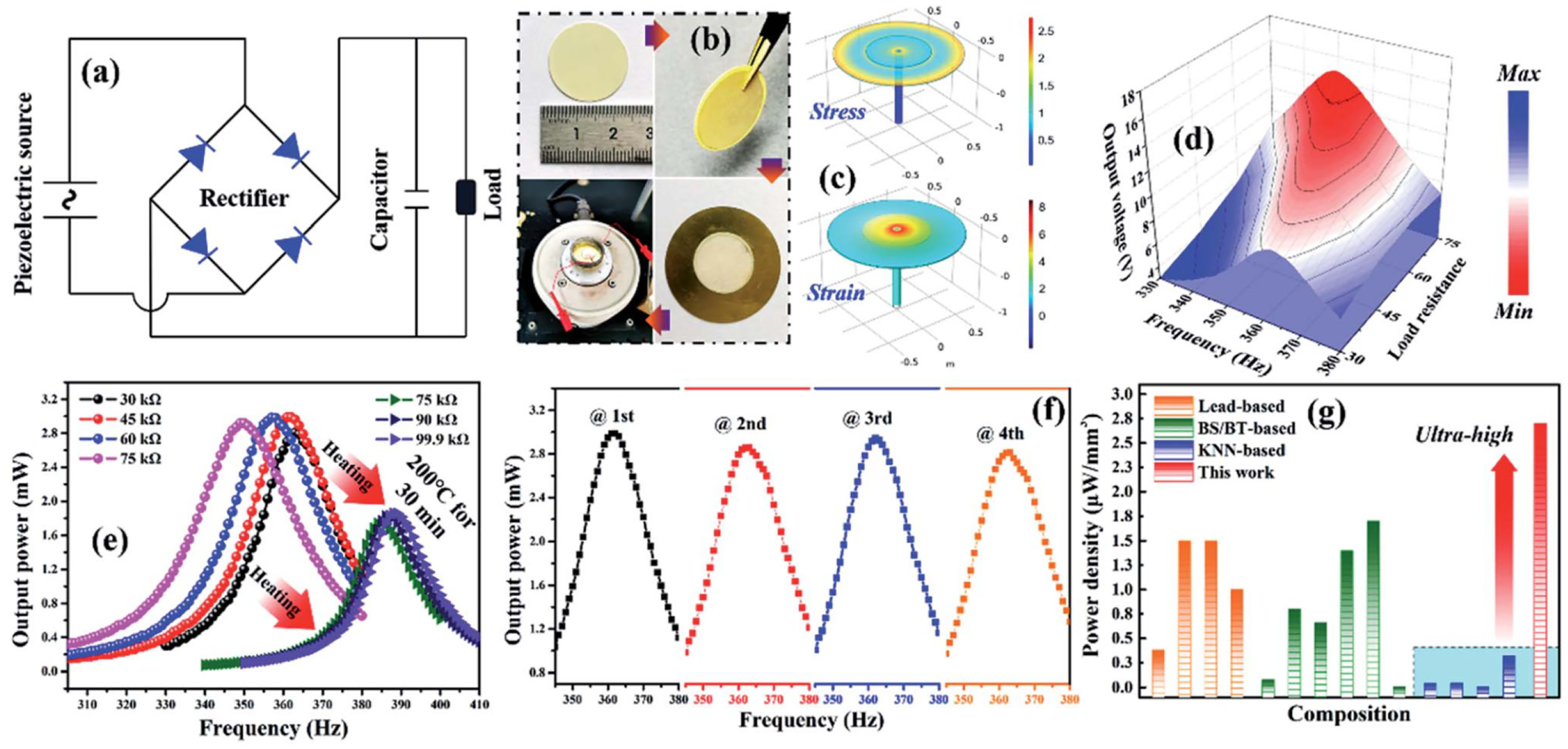
Energy harvesting performance of the T-Ta-9 PCD vibration energy harvester: circuit diagram (a), preparation process (b) and simulation results of the stress and strain distribution (c). (d) The output voltage under different frequencies and different load resistances. (e) The output power before and after heating at 200°C for 30 min. (f) The output power with a load resistance of 65 kV measured four times. (g) The output power density comparison of T-Ta-9 with other lead-free/lead-based piezoelectric ceramics. 74
Mechanical property is also a major challenge to be faced when applying piezoelectric materials. In the working environment, piezoelectric materials can experience a rise in working temperature due to mechanical losses, resulting in the degradation of the material itself. An important factor in judging the mechanical properties of piezoelectric materials is the mechanical quality factor
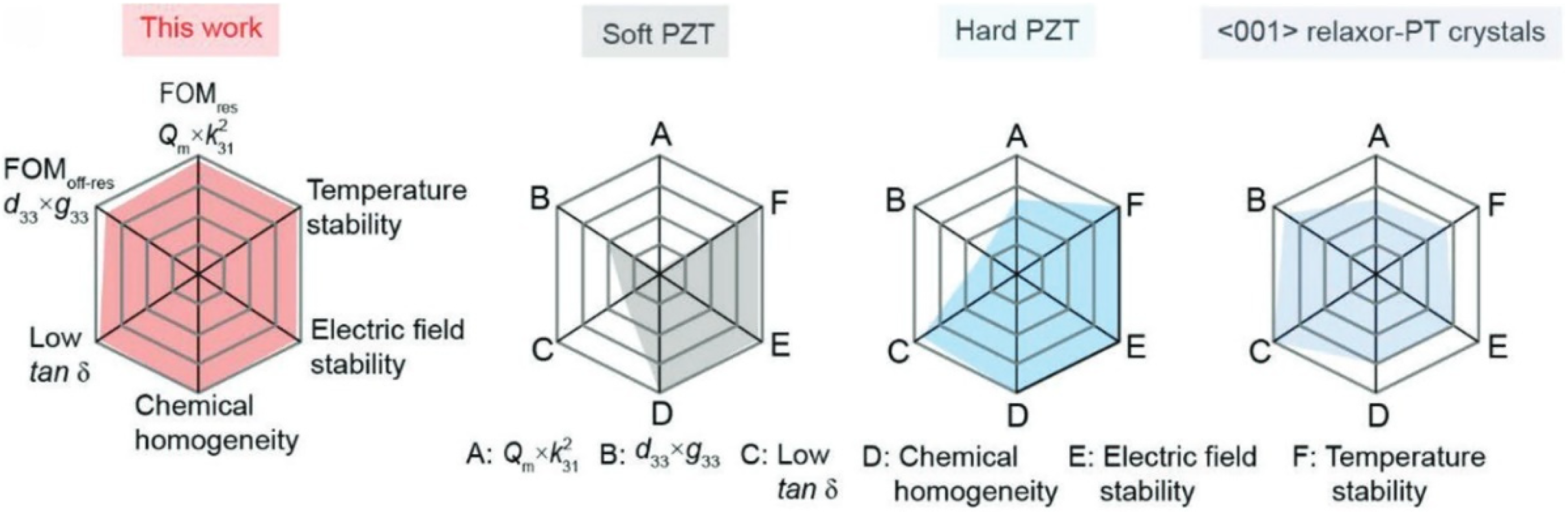
Comparison of various properties of PIN-PSN-PT textured ceramics doped with 2 mol% MnO2 with various advanced piezoelectric ceramics and single crystals. 75
In summary, the texture process can enhance the piezoelectric properties and electromechanical coupling constant of piezoelectric ceramics without sacrificing the Curie temperature. It can be applied in the fields of energy harvesting and transducers. Moreover, textured ceramics have excellent performance in various aspects. It possesses piezoelectric constants and electromechanical coupling coefficients that far exceed those of random non-textured ceramics. And the texture technology can effectively improve their mechanical qualities. In addition, textured ceramics show excellent temperature stability and heat resistance. Textured ceramics have great potential for applications in high-frequency ultrasonic transducers and high-end medical imaging transducers. It is expected that with further optimization of product design. Textured ceramics will have low production costs and electromechanical properties close to piezoelectric single crystals, and can partially replace piezoelectric single crystals in high-end transducers. In the field of high-temperature energy harvesting, it can replace traditional batteries and achieve an effective solution for self-powered wireless sensors.
Summary and outlook
After years of research, the technology of enhancing the piezoelectric properties of ceramics by texturing them has gradually matured. It summarizes the research progress of textured ceramic properties from three aspects: the design principles and preparation methods of texture technology, the influencing factors of textured ceramics, and the applications of textured ceramics. It also summarizes the advantages and disadvantages of different preparation methods. The influence of templates, texture degree, and texture orientation on the piezoelectric properties of ceramics, as well as the effects of textured ceramics in practical applications are analyzed. The results show that:
There are various techniques for grain-oriented growth in texture processes, and different texture technologies can produce highly oriented ceramics in their respective application fields. Although heat treatment and OCAP techniques can produce high quality textured ceramics, they are costly and only applicable to bismuth layered and tungsten bronze structure piezoelectric materials. TGG and RTGG technologies combine the advantages of low production costs and high ceramic orientation, but require high precision control of the formulation and sintering process. Emerging technologies such as polycrystalline directional growth and strong magnetic field orientation are not widely used due to their short development time. In the future, the development of preparation methods for textured piezoelectric ceramics should be in the direction of combining magnetic orientation with TGG and RTGG. The aim is to simplify the texture process and improve the texture efficiency. Of course, there are many other texture aids. Therefore, discovering new technologies with lower costs, simpler operation, and more mature processes will be the focus of future research. There are many factors that affect the piezoelectric properties of textured ceramics. An appropriate template can reduce the formation of other substances and reduce the reactions during the preparation process. However, too little template content can lead to sparse distribution, while too much can lead to mutual influence between templates, which can affect the directional growth of crystal grains and reduce the texture degree, thereby affecting the performance. Different texture orientations, such as <001 > and <100>, exhibit different piezoelectric properties. Although textured piezoelectric ceramics exhibit higher piezoelectric properties compared to randomly oriented ceramic materials, there are still many problems at the technical level, such as uneven template size, quality, and film thickness, resulting in low grain orientation and no strict uniform orientation. Therefore, the future research direction can start from optimizing the template preparation process and improving the template flatness. It can also be combined with advanced technologies such as strong magnetic field orientation technology or change the orientation mode to obtain higher quality textured ceramics. Currently, textured ceramics are mainly used in the fields of transducers and energy harvesting. It is shown that the texture process significantly improves the heat resistance and mechanical properties of piezoelectric ceramics. It also has the advantage of increasing the energy harvesting efficiency as well as reducing losses. The higher piezoelectric performance and lower manufacturing cost of textured ceramics compared to ordinary ceramics make them show excellent application potential in important sensor and semiconductor components fields. In the future, it is expected to achieve partial replacement of piezoelectric single crystals in nondestructive testing, medical imaging, piezoelectric energy harvesting and other fields. Currently, the research on the performance of piezoelectric ceramics mainly focuses on testing experimental parameters, such as studying the piezoelectric constant of ceramics and observing its hysteresis loop. However, when applied in transducers and energy collectors in the future, it is necessary to detect parameters such as sensitivity, energy collection rate, and conversion rate for different service conditions and working environments. It is also need to observe the changes in performance over time, in order to make sufficient preparations for the widespread application of piezoelectric ceramics. Although the electrical properties of piezoelectric ceramics can be improved through texturing technology, there are still some problems that need to be improved in the texture technology, resulting in insufficient orientation of the obtained textured ceramics. This also affects the electrical properties of piezoelectric ceramics. Therefore, improving the quality and level of texturing technology is a problem that must be solved. Integrating magnetic technology with existing texturing orientation technology, and using multi-layer grain growth methods, has shown excellent potential in preparing high-texture and high-performance piezoelectric ceramics. This will also be the main development direction of texturing technology in the future. Currently, the main ways to improve the piezoelectric properties of ceramic materials are to adjust the grain size and texture the ceramic. The process of textured ceramic grain orientation is accompanied by grain growth, but there has been no research on grain size regulation of textured ceramics in recent years. In the future, the grain size effect of textured ceramics will be one of the research hotspots.
Although the texture process has made long-term progress after a long period of development, further research is needed on its preparation process, preparation mechanism, crystal structure, and other aspects. In addition, the practical application of textured ceramics is still limited. The main challenges and problems that need to be solved for textured ceramics at present are as follows:
Footnotes
Acknowledgements
The authors thank the financial support of the National Natural Science Foundation of China (52275227, 52275211), Science and Technology New Star Project of Shaanxi Innovation Capability Support Program (No. 2021KJXX-38), China Postdoctoral Science Foundation (No.2021M693883).
Declaration of conflicting interests
The authors declared no potential conflicts of interest with respect to the research, authorship, and/or publication of this article.
Funding
The authors disclosed receipt of the following financial support for the research, authorship, and/or publication of this article: This work was supported by the National Natural Science Foundation of China, Science and Technology New Star Project of Shaanxi Innovation Capability Support Program, China Postdoctoral Science Foundation, (grant number 52275211, 52275227, No. 2021KJXX-38, No.2021M693883).