






Abstract
This study addresses the limited research on how small enterprises or startups in vulnerable local economies can achieve resilience. It investigates the transformation of circular business models by focusing on the servitization of local content, driven by frugal innovation. To achieve these aims, we utilize a case study approach. In this paper, we introduce and conceptualize “dynamic servitization,” a process where firms create novel services by innovatively reusing local content and adapting work forms under significant resource constraints. The findings have significant implications for the future development of local economies. First, local content, ranging from agricultural byproducts to intangible assets such as regional culture, is a vital catalyst for frugal innovation and economic revitalization. Second, frugal innovation is not merely about cost-cutting but is a strategic approach for developing sustainable, high-value services. By using fewer resources to create better outcomes, firms can build resilient business models. Finally, this paper offers a replicable pathway for entrepreneurs and policymakers aiming to foster sustainable growth. The dynamic servitization model demonstrates that combining the principles of the circular economy with frugal, service-oriented innovation can generate new economic value and employment, strengthening local communities. The contribution of this paper is the proposal of a new closed-loop circular business model, demonstrating a practical pathway for firms in resource-scarce environments.
Introduction
Rapid urbanization and population decline have presented significant challenges to the alley economy in Korea. Over time, the alley economy or local economy has experienced a marked decline. Researchers and policymakers have increasingly recognized local contents as vital tools for local economic revitalization. In this context, local content serves as a critical component for inclusive sustainability within local economies, even in a period dominated by global value chain mechanisms.
Local content is defined as an economic resource that embodies unique culture, arts, natural resources, and lifestyles within small communities. More specifically, local contents represent production factors that are derived from particular regions, localities, or countries. This paper uses the term “circular city” to refer to small rural regions and local communities. While “circular city” has also been discussed to describe commercial organizations’ practices involving reuse in certain areas (Carr and Gibson, 2016; Lane, 2023), here it encompasses the integration of value chains within the local economy, including products, labor force, and suppliers across diverse economic sectors.
Within circular cities, many business actors have continuously reshaped their business models through adoption of service design methodologies. These products and services are increasingly associated with “servitization” (Han et al., 2020; Spring and Araujo, 2017; Stahel, 2010). Importantly, servitization represents a significant trend in the evolution of business models.
Specifically, innovation activities within an alley economy characterized by confined spaces, constrained resources, and a limited customer base exhibit features of frugality. Frugal innovation involves leveraging the available limited resources (e.g., local contents) to offer accessible services or products to a restricted customer base (Hall et al., 2012). Frugal innovation (FI) encompasses innovative activities that meet three essential criteria: significant cost minimization, provision of core features, and optimization of function or performance (Weyrauch and Herstatt, 2017).
The objective of this study is to examine how local resources (local contents) are transformed into servitization through frugal innovation within the framework of a circular economy (CE) by analyzing three case studies. Namely, how resources are acquired and utilized in the dynamic pathway of seeking servitization. Specifically, this paper seeks to explore new business models incorporating local contents through the following research question: What types of business models utilizing local content and frugal innovation emerge in the context of the circular economy? Unlike the mainstream economy, the alley or local economy is predominantly composed of small-scale households, where both suppliers and consumers are primarily local residents. Nonetheless, most alley economies have faced persistent challenges to sustained growth due to numerous structural challenges (Batty, 2008). Although existing literature largely focuses on the mainstream economy and city-wide phenomena in large cities, relatively few studies have systematically examined alley economies (alley businesses) operating within specifically demarcated street boundaries in small and medium-sized cities, especially those dominated by sole proprietors, the self-employed, and early-stage startups (Spadafora and Rapaccini, 2024; White et al., 2018).
This paper contributes to the literature by elucidating the evolution of business models among small merchants in narrow alleys, within the context of a circular economy. Building on this analysis, we propose approaches for utilizing local content effectively. To address this research aim, we present a case study of three early-stage startups located at SubGoal Gil (alley), Jochiwon, Sejong, Korea. The findings reveal distinctive manifestations of “dynamic servitization,” which we categorize as advanced, transformative, or flexible forms.
To address the issues outlined above, this paper adopts a case study methodology to examine the dynamic servitization of local contents. The remainder of this paper is structured into four sections, with literature review and research methodology section presenting a literature review that discusses local content, alley economies, and the features of circular economy and servitization. The finding details the methodological approach and presents three case studies, analyzing each case separately. Finally, we can summarizes the conclusions and discusses their implications.
Literature review and research methodology
Frugal innovation, local contents and local creators
Frugal innovation
In this paper, dynamic pathways are defined as the firm’s ability seize and reconfigure local content and resources in the process of servitization. What distinguishes Frugal Innovation (FI) from other forms of innovation? Numerous previous studies have examined the defining attributes of frugal innovation (e.g., cost reduction, user-friendliness, and minimal features). Other studies have clarified the theoretical foundations of frugal innovation (e.g., low-cost innovation, good-enough innovation, frugal engineering, and constraint-based innovation) or addressed reverse innovation (Bhatti and Ventresca 2013; Govindarajan and Trimble, 2012; Ostraszewska and Tylec, 2015). Soni and Krishnan (2014) argue in their conceptual paper that frugal innovation is not a singular concept, but rather manifests in three forms (e.g., a mindset or approach to life, as a process, and as an outcome in the form of products or services).
The distinctions between frugal innovation and conventional innovation can be observed in four aspects: motives, processes, core capabilities, and geographic focus. Frugal innovations are driven by what is necessary, contrasting with what might be desirable. Moreover, the process is often characterized as bottom-up (Rao, 2013; Ray and Ray, 2011).
Scholars have examined FI from multiple perspectives, resulting in a diverse array of definitions and evaluation criteria (Rao, 2013; Rosca et al., 2017; Von Janda et al., 2020), encompassing both basic and complex aspects (Hossain et al., 2021) as well as varying from theoretical frameworks to practical applications (Bhatti et al., 2018; Gandenberger et al., 2020). Fundamentally, frugal innovation enables business sustainability and promotes inclusive growth simultaneously (Hall et al., 2012; Khavul, S., and Bruton, 2013). Given that frugal innovation (FI) is a strategy developed under conditions of resource scarcity, SMEs and self-employed individuals often deliver goods and services within narrow alleyways rather than in major urban centers (Levänen et al., 2022; Nakata and Weidner, 2012).
FI is often regarded as a low-tech taxonomy, providing cost-effective solutions aimed at reaching customers (Tiwari and Herstatt, 2020). FI represents an innovation process that addresses severe resource constraints by delivering products and services under such limitations (D’Angelo and Magnusson, 2020). Frugal innovations differ from other types of innovations in that they emphasize cost-efficiency and user-oriented design, delivering substantial value to customers through the judicious use of limited resources (D’Angelo and Magnusson, 2020; Agarwal et al., 2017; Von Janda et al., 2020). Zeschky et al. (2011) further examine several resource-constrained innovation forms. They categorize frugal innovation, good-enough innovation, and cost innovation, clarifying distinctions among these approaches.
Although diverse frameworks for defining frugal innovation appear throughout the literature, a shared understanding emphasizes the inclusion of local contents (e.g., adapted and refurbished local resources), product-servitization or service productization, and business models that aim to reduce costs while extending and enhancing asset lifecycles. In this study, we define frugal innovation as commercialization activities that bolster servitization through the adaptation of local contents within the framework of a circular economy system.
Local contents and local creators
Few studies have addressed the topic of local content. Not only is research on this subject scarce, but the majority of studies focus on oil, gas, and mining natural resources at the national level. Local content (LC) has recently emerged as a strategic issue in many resource-rich countries, as it contributes to broad-based economic growth, poverty reduction, and the achievement of sustainable economic and social objectives (Ettmayr and Lloyd, 2017; Tsani et al., 2024).
Grossman (1981) is widely recognized as the first researcher to conceptualize local content, which refers to the degree of involvement of local industry in extractive sectors such as mining, oil, and gas (Owusu and Vaaland, 2021; Tsani et al., 2024). From this perspective, “local content” represents the value added to, or generated within, the economy through the intentional use of domestic human and material resources, as well as services, in investments that aim to foster capability development and promote local investment, ownership, and participation (Tsani et al., 2024; Van Den Berg and Bakker, 2015). With respect to economic production factors, “local content (LC)” has the potential to support and facilitate the growth of intermediary industries (Hung and Weng, 2024). Tsani et al. (2024) argue that local content can serve as a means to address resource limitations and is considered a resource that contributes to sustainability.
Most existing research has primarily focused on natural resources within particular regions or countries. However, some scholars have examined LC from an alternative perspective, emphasizing its application to local brands (Chung and Dongsuk, 2023; Han, 2024) in Korea. Notably, individuals are capable of creating distinct cultures through their interactions and the sharing of diverse life patterns and local norms in daily life (Chung and Dongsuk, 2023). Within this context, the spatial and relational dynamics (Boggs and Rantisi, 2003; Torre, 2008) that arise from cohabitation in the same area contribute to the emergence of new, low-cost content. Typically, the term “local” is understood to pertain exclusively to a geographic area and the population residing there (Bell and Jayne, 2009). In this framework, “local” refers to a specific, limited spatial area rather than a broader one.
Han (2024) introduced a local content (LC) research approach from novel perspectives. Local contents can be generated through creative processes by integrating natural resources, culture, art, and norms specific to a particular region. In this context, the local content concept encompasses more than just the physical resources leveraged in frugal innovation (Han, 2024). Based on Han (2024)’s assertion, local content may emerge through creative scenarios and serve as production factors for small and medium-sized enterprises or startups. Consequently, it can encompass potential startup items and serve as a frugal innovation target, grounded in the unique resources and assets of the locality and embodying local originality.
Local content can originate from local culture, utilizing their distinctiveness and diversity to generate a ripple effect for revitalizing the alley economy (Chung and Dongsuk, 2023). In a concentrated area, local contents are strategically presented to boost visibility and diversify into multiple formats that reveal regional interconnections. Local creators, as central actors, possess an understanding of locality, stimulate proactive engagement, and aim for sustainable development that not only enhances economic value but also fosters community solidarity (Chung and Dongsuk, 2023; Han, 2024; Kourtit et al., 2021; Lorentzen and Van Heur, 2012; Richards and Duif, 2019).
Meanwhile, local creators are essential figures whose local engagement and interaction lead to the formation of new lifestyles tailored to the region. These individuals facilitate spatial and social transformation (Chung and Lee, 2023; Han, 2024).
“Local creators” can be viewed as entrepreneurs capable of generating new value by leveraging creative skills that utilize local natural resources and culture. Thus, “local creators” serve as innovators who create new value by linking local resources, culture, and communities (Kim, 2020). They play a crucial role in uncovering previously overlooked regional values by combining resources, meaning, and creativity, the elements of placemaking previously emphasized by Richards and Duif (2019), to establish genuinely scarce value. Contrary to focusing solely on economic achievement, these individuals generally pursue a lifestyle oriented towards forming horizontal and loosely connected networks (weak ties) (Chung and Lee, 2023; Han, 2024). A notable behavior of “local creators” is re-branding, which involves creating new resources by repurposing existing ones to facilitate the emergence of innovative lifestyles (Chung and Dongsuk, 2023; Kourtit et al., 2021).
From prior research, it is evident that multiple perspectives exist for defining local contents. Local content refers to the degree to which goods, services, resources, and labor are sourced and utilized from a specific region, locality, or country. In addition, local contents and creators involve the participation of local suppliers, products, and workforce, thereby aiming to reinforce local or regional economies and foster sustainable development.
Circular business model and servitization
Circular business model
As previously discussed, local contents and local creators (entrepreneurs) contribute to building resilient economies, strengthening communities, and advancing the sustainable development of regions (local). In discussing the process of creating local contents, this process involves the recycling and reinterpretation of numerous resources by local creators (entrepreneurs) through means such as frugal innovation, spatial turn, and relational turn (Han et al., 2020). In this context, it is important to analyze the concepts of the circular economy and circular business models. The circular business model is grounded in two foundational ideas: the circular economy and business model innovation. The works of Stahel (2016) offer a foundational understanding of what constitutes a circular economy. Stahel (2016) characterizes the circular economy, emphasizing its role in formulating industrial strategies focused on waste prevention, regional job creation, resource efficiency, and dematerialization.
Definitions of a circular economy system differ by perspective, such as the looped and performance economy (Stahel, 2010), regenerative design (Lyle, 1994), and life cycle management and engineering (Hauschild et al., 2005; Niero et al., 2017).
A central feature of the circular economy is the continuous flow of materials and the repeated use of raw materials through multiple stages (European Commission, 2015; Han et al., 2021; Webster, 2015). The works of Kirchherr et al. (2017) and Han et al. (2020) illustrate the link between the circular economy and circular business models, highlighting notable implications. Specifically, a circular economy supports innovative business models that replace the “end-of-life” concept by reducing, reusing, recycling, and recovering materials in the production, distribution, and consumption stages of an economic system.
To clarify the circular economy business model, we analyze existing research concerning business models. While there are various perspectives on what constitutes a business model, owing to its multifaceted roles and functions, both scholars and an increasing number of practitioners have devoted significant attention to business models since the 1990s (Wirtz et al., 2016; Zott et al., 2011). The business model is described as the content, structure, and governance of transactions designed to generate value by capitalizing on business opportunities (Amit and Zott, 2010; Zott et al., 2011). Teece (2010) defines a business model as a “concise representation of how an interrelated set of decision variables in the areas of venture strategy, architecture, and economics are addressed to create sustainable competitive advantage in defined markets.” Following the assertion by Morris et al. (2005), we assume that a business model serves to continually shape the market system, generate new values, and deliver benefits to customers.
Business models serve to facilitate business operations, assist in planning, and enhance communication among stakeholders (Afuah, 2004; Bocken et al., 2013) and function as a strategic compass for firms (Afuah, 2004; Doleski, 2015). Based on prior literature, a circular business model (CBM) may be conceptualized as a closed-loop system connecting producers and customers. Within this framework, numerous previous studies offer valuable insights. The CBM serves as a means to demonstrate how companies pursue innovation to capture value aligned with circular economy principles (Lahti et al., 2018).
According to Linder and Williander (2017), a circular business model (CBM) comprises the conceptual logic for value creation, with functions that facilitate the return flow from users to producers. Geissdoerfer et al. (2018) show that CBM provides a pathway to sustainable development, specifically targeting solutions for the CE (i.e., closing, narrowing, slowing, intensifying, and dematerializing resource loops). Certain frameworks describe CBM as an approach for reconfiguring value creation by firms while strictly adhering to CE principles.
Our understanding of the CBM emphasizes a dynamic perspective, rather than a static view of a fully circular system. The circular business model is intended to create and capture value through the reuse, recycling, or repair of materials and products, following the principles of a circular economy. Figure 1 shows the concept of circuler economy and business model. Concept of circular economy and business model.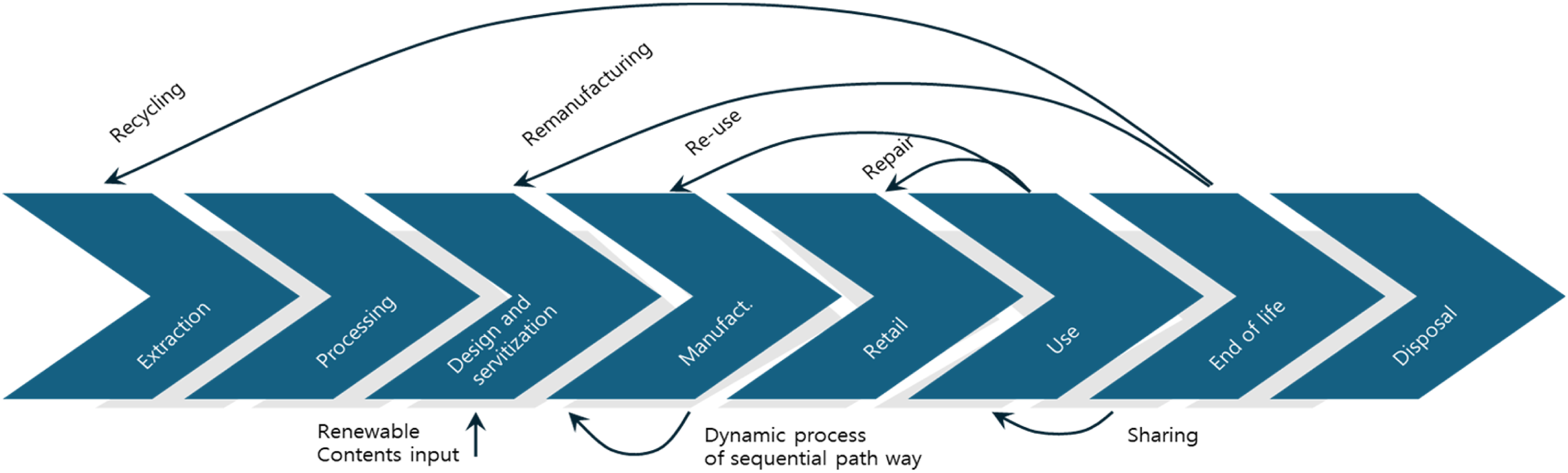
Dynamic servitization
As reviewed above, the business model has evolved to adapt to the changing economic environment over time. Servitization has become a prominent feature among business models. The term “servitization” was first introduced in 1988 by Vandermerwe and Rada (Vandermerwe and Rada, 1988). As the concept of servitization has gained broader adoption among enterprises, it has come to represent a transformation process in which firms incorporate additional services (Penrose, 2009; Raja et al., 2017).
Following the emergence of servitization, researchers introduced the Product Service System (PSS) as an organizational framework that integrates products and services (Goedkoop et al., 1999). With advances in digital technologies, the evolution and enhancement of servitization have accelerated significantly (Beuren et al., 2013; Brax et al., 2021). For example, the implementation of Internet of Things (IoT) and artificial intelligence has substantially expanded the range of available services. Servitization now enables firms to offer both tangible products and services tailored to customers’ specific requirements.
Drawing on the literature, this paper argues that dynamic servitization is a transformation process that integrates and creates services alongside products in order to generate value, with a particular emphasis on dynamic capabilities such as reconfiguring operational processes and organizational structures to swiftly respond to customer demands or technological advances.
Methodology
Research design and empirical case study
To achieve the research objectives, this paper addresses the following research questions: (1) What are the fundamental developmental and transformative processes for servitization through frugal innovation? (2) How are these processes interpreted through the dynamic capabilities of servitization? (3) What are the main implications of dynamic servitization for the circular local economy? Dynamic servitization comprises a multifaceted process. Therefore, we adopted a multi-case study approach (Eisenhardt, 1989; Yin, 2018). Eisenhardt (1989) demonstrates the relevance of case study methods in contexts where there is limited prior knowledge about a phenomenon and where theoretical perspectives are either inadequate or lack empirical support. This approach provides a comprehensive perspective on ambiguous or complex phenomena. Accordingly, this study employs a qualitative methodology based on cases and interviews, involving the selection of respondents who are firm owners or founders of startups.
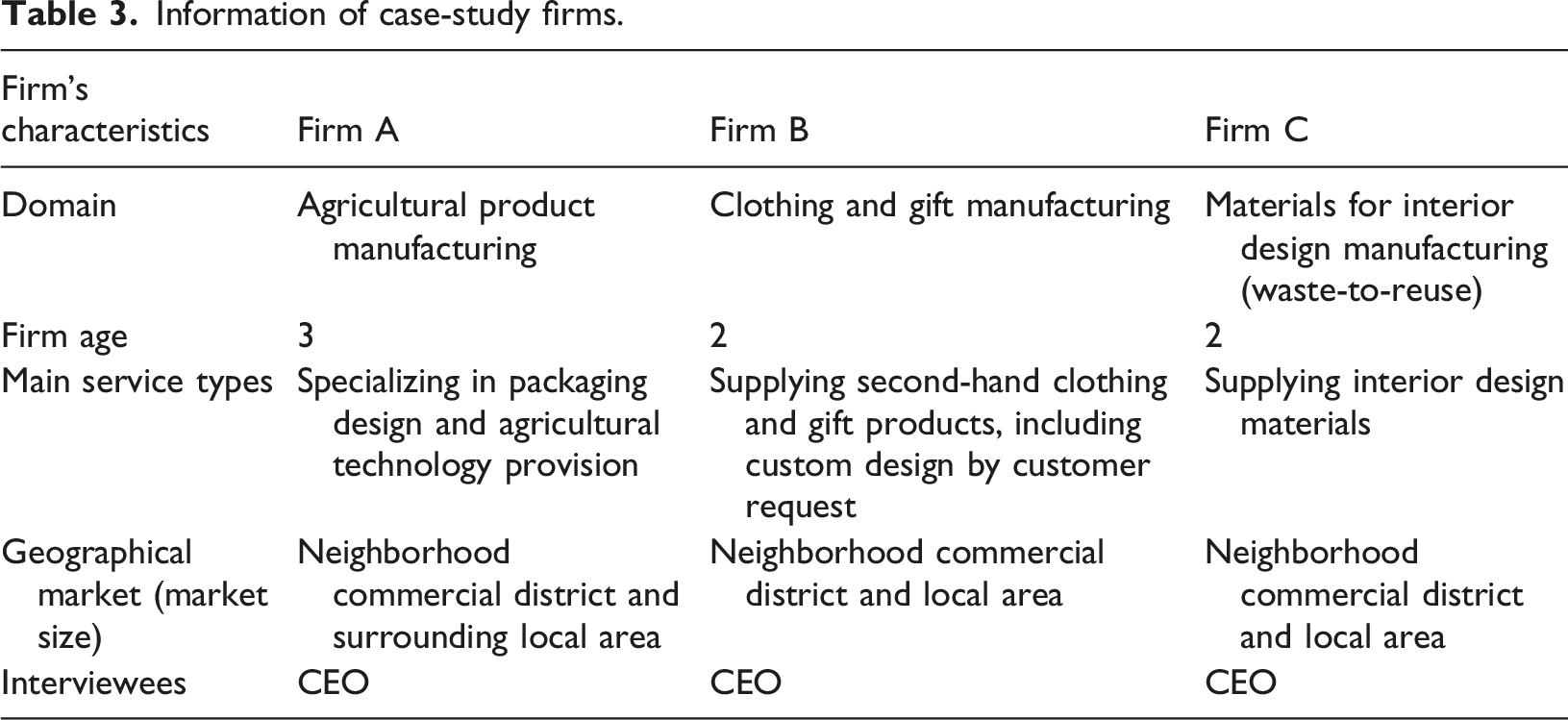
Respondents were recruited from the “Local Content Core Project (LCCP)” at H University, situated in Jochiwon Sejong city, Korea, in 2022 and 2025. Interviews with the CEOs were conducted three times for each firm. Firm A, an agricultural product manufacturing company established in 2023, employs four people including the CEO and is located approximately one hour from H University. The firm reported an annual sales revenue of 250 million KRW.
Firm B, which operates in clothing and gift manufacturing, and Firm C, an interior design company established in 2024, each employ three individuals including their CEOs. Both firms are located approximately 10 minutes from H University. In terms of annual sales revenue, both Firm B and Firm C report less than 6,000 million KRW.
All three firms are situated in Jochiwon, Sejong City, a small city with a population of approximately 30,000 residents. The demographic structure of the area is characterized by a higher proportion of elderly residents compared to younger individuals.
Semi-structured interviews formed the basis of data collection. Additionally, we gathered secondary data from media releases, which supported our findings (Eisenhardt, 1989; Voss et al., 2002; Yin, 2018). The “dynamic pathway” of servitization is viewed not as a static concept, but as a living process of adaptation and innovation. The case study methodology is not merely a choice but a necessity for this research. It provides the depth, context, and exploratory power required to build a new theoretical framework and answer the fundamental question of how firms can turn local constraints into a source of sustainable innovation. Namely, to implement the research goal, a multi-case study was utilized because the term “dynamic servitization” has a multifaceted, ambiguous, and complex phenomenon This methodological approach is on the right track to overcome the limited prior research, and find the meaningful findings through holistic and in-depth analysis (Figure 2). Research frame.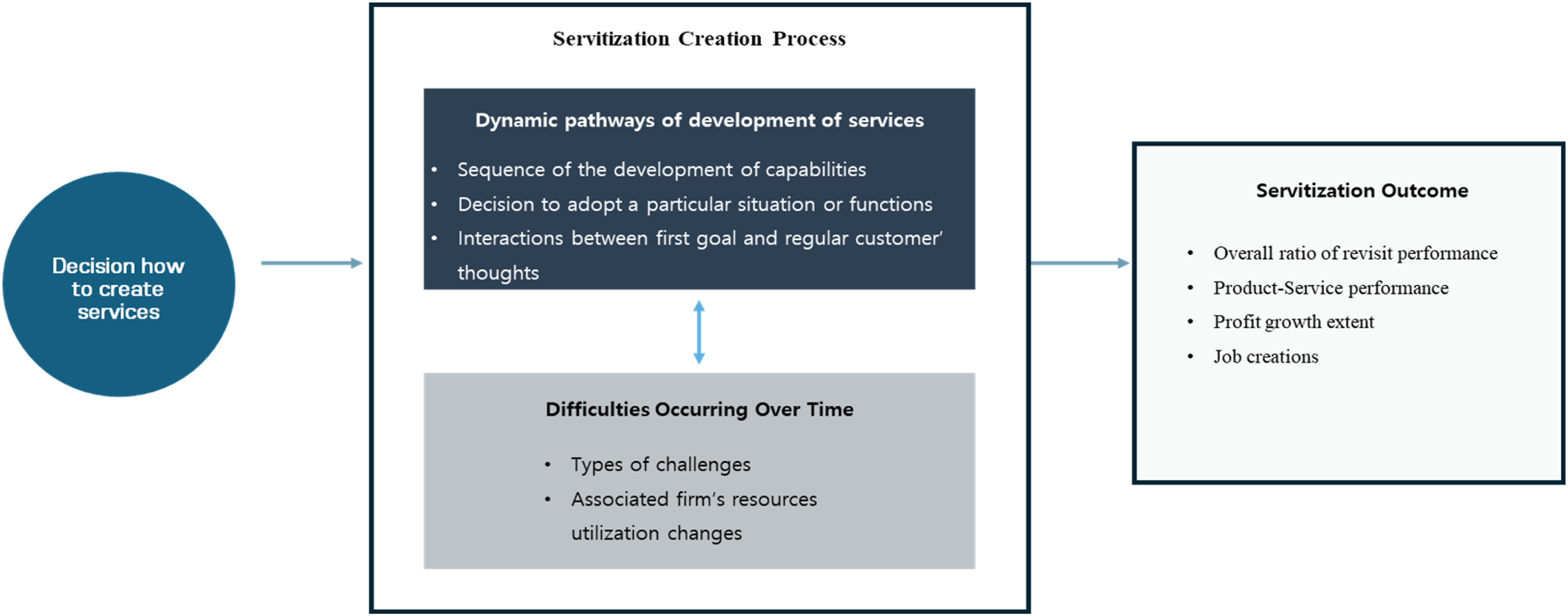
In order for that, we represent key pillars of the local economy, each firm drives regional growth through distinct industrial approaches. Firm A integrates frugal innovation with circular practices in eco-friendly agriculture, Firm B champions the revitalization of local shopping districts, and Firm C pioneers specialized circular economy models. To enhance the depth of the research, diligent efforts were made to analyze case studies of corporate groups that significantly impact the local economy even though they have short firm ages.
Findings
Dynamic pathway for servitization through frugal innovation
Firm A
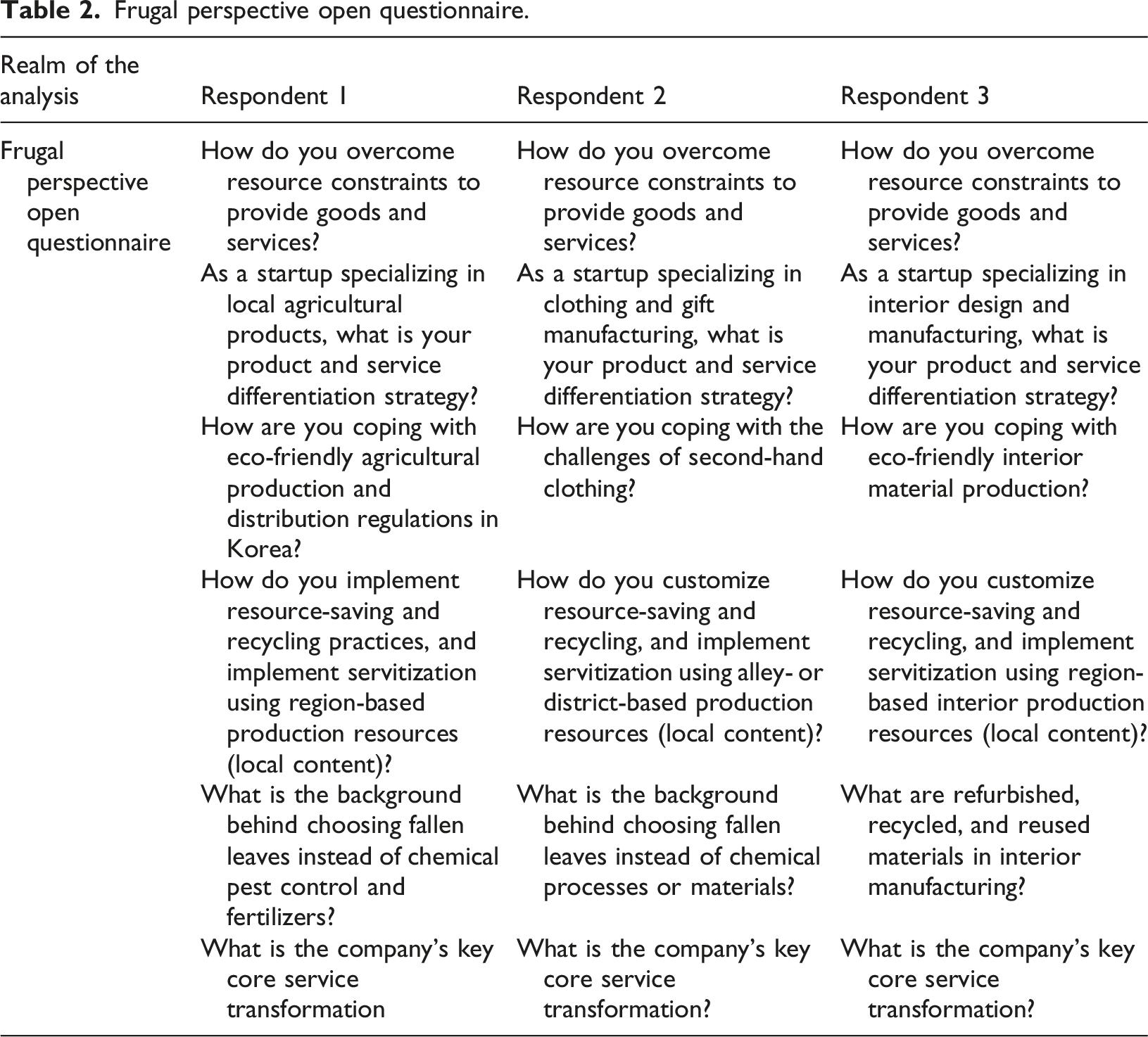
We observed that firms in our sample adopted specific pathways for developing their service offerings (Zeschky et al., 2014). Notably, the CEOs of all these firms are young, were in their twenties. They share the common belief that time represents a crucial resource in the provision of services and products, which differentiates them from their peers. In the case of Firm A, agricultural crops labeled as eco-friendly are strictly regulated and overseen by public institutions in Korea. As consumer demand for eco-friendly agricultural products rises rapidly, production technology continues to advance. At this juncture, Firm A opts to focus on servitization. Firm A delineated 3 micro-foundations underpinning its dynamic pathway: (1) solution modifications, (2) evolving dynamics of customers’ needs and range of offerings, and (3) customer segmentation.
Specifically, Firm A determines its approach to identifying and developing services based on 5 key strategies. According to the findings, solution modifications were enacted by reprioritizing the existing service delivery patterns. As previously discussed, eco-friendly agricultural methods are defined by safe practices that preserve the agricultural ecosystem and environment through the avoidance or minimization of chemical inputs such as synthetic pesticides and fertilizers, and by recycling agricultural, livestock, and forestry byproducts. In light of these considerations, Firm A sought to address both resource shortages and the heightened risk of failure associated with servitization. By emphasizing the utilization of forestry by-products, Firm A incorporated the process in which decomposing leaves supply essential nutrients to vegetables and also help deter pests.
Given the implications of climate change and environmental degradation, the eco-friendly agriculture system plays a significant role in reducing greenhouse gas emissions. Primarily, regarding solution modification, it should be noted that one of the largest sources of emissions tied to agriculture is the extensive use of synthetic fertilizers. The choice to utilize fallen and decomposed leaves in place of chemical pest control and fertilizers arose because Firm A faced constraints in financial and human resources. Under these circumstances, the implementation of frugal innovation was grounded in the intention to maintain sustainability. In essence, the frugal innovation approach is not centered around increasing resource inputs to achieve superior results, but rather on achieving improved outcomes with fewer resources.
In terms of technological application, none of these technologies can be considered novel. However, leveraging fallen and rotten leaves significantly reduces operational costs and enhances the reputation of the process. Second, in analyzing the dynamics of customer needs and the scope of services offered, there is a focus on comprehensively understanding customers’ specific service requirements. To identify and develop appropriate services, Firm A has implemented information, communication, and technology (ICT) solutions to increase both productivity and income in the food sector. Moreover, a crucial benefit of ICT lies in its ability to provide farmers with previously inaccessible information and connect them to essential services that would otherwise remain out of reach. For example, access to real-time data on weather conditions, long-term climate patterns, best practices, improved crop varieties, pest or disease outbreaks, and natural disaster alerts represents key advantages. Interactive relationships, facilitated by ICT, allow for the creation or identification of services that precisely match customers’ real-time preferences and needs.
For instance, interview data revealed that customers frequently inquire about the timing and method of seeding and harvesting specific agricultural products. Firm A purchased a second-hand computer server and connected to the IoT network services program through a monthly payment system, using sensors to monitor the overall conditions of vegetables. Variables such as soil depth and quality, water, temperature, nutrients, and related data provide farmers with timely and relevant information about service topology, potentially reducing the usage or improving the efficiency of water, land, energy, and chemical inputs. In summary, ICT and computing platforms capable of collecting and analyzing extensive data volumes (commonly referred to as “big data”) from mapping, sensors, and direct farmer communications are positioned to enable dynamic servitization.
Third, regarding customer segmentation, Firm A has developed relationships with regular customers to identify and/or create opportunities for dynamic servitization. Considering the characteristics of services, customer segmentation is an effective strategic approach because satisfaction and efficacy may vary based on each customer’s individual satisfaction function. The younger generation, especially those in their 20s and 30s, tends to prefer fresh vegetables that are uncooked (for example, they prefer to prepare salads themselves rather than consuming boiled vegetables). By leveraging this insight, Firm A can segment its customers and offer tailored services to them. One such service is expedited delivery, known as “Early Morning Delivery Services (EMDS).” EMDS enables customers to place orders until 11 PM the previous night and receive their products by 7 AM the next morning. Firm A has introduced innovations in packaging technology, which is essential for transporting fresh vegetables that can spoil rapidly. Notably, all packaging materials used can be 100% repurposed for reuse. For instance, Styrofoam boxes have been replaced with eco-friendly paper boxes, and plastic cushioning materials have been substituted with reusable paper. Firm A continues to drive innovation through frugality and circular business models.
Firm B
Founded in 2023, Firm B has set clear business objectives focused on recycling clothes that have lost commercial value in traditional markets. The CEO of Firm B takes pride in both manufacturing and contributing to the recycling industry by steadily expanding the brand’s portfolio of circular, newly designed products. The CEO explains the motivation for initiating this new venture as follows: The rise of fast fashion has led to a rapid increase in clothing production, allowing customers to purchase garments at much lower prices than before. However, this also results in clothing being discarded more easily. This trend not only wastes natural resources but also leads to economic losses at the local, national, and global levels. In Korea, 240,000 tons of clothing are discarded annually. Additionally, 500,000–600,000 tons of new clothing are also disposed of each year. I believe that if we can prevent such waste by recycling and redesigning it into various new products, these efforts will yield valuable outcomes as well. (Interview with CEO)
Firm B identified 2 micro-foundations of dynamic capability pathways: (1) Closed-loop circular solutions and (2) circular fashion brands. Initially, Firm B utilized ICT to track the journey of clothing items from production to disposal. In fact, with rapidly advancing ICT technologies, it is feasible to monitor the entire lifecycle of clothing, from manufacturing to end-of-use. Firm B developed technologies capable of capturing comprehensive information from production through disposal by using QR codes. Due to these technologies, the distinction between new clothing and second-hand clothing is currently diminishing. The younger generation, often referred to as the “MZ generation,” is passionate about vintage fashion and is concerned with environmental preservation. In this context, the CEO has opened both offline and online stores. Second-hand clothing that appears as good as new is now central to contemporary fashion trends. Circular economy of clothing business (Author’s own).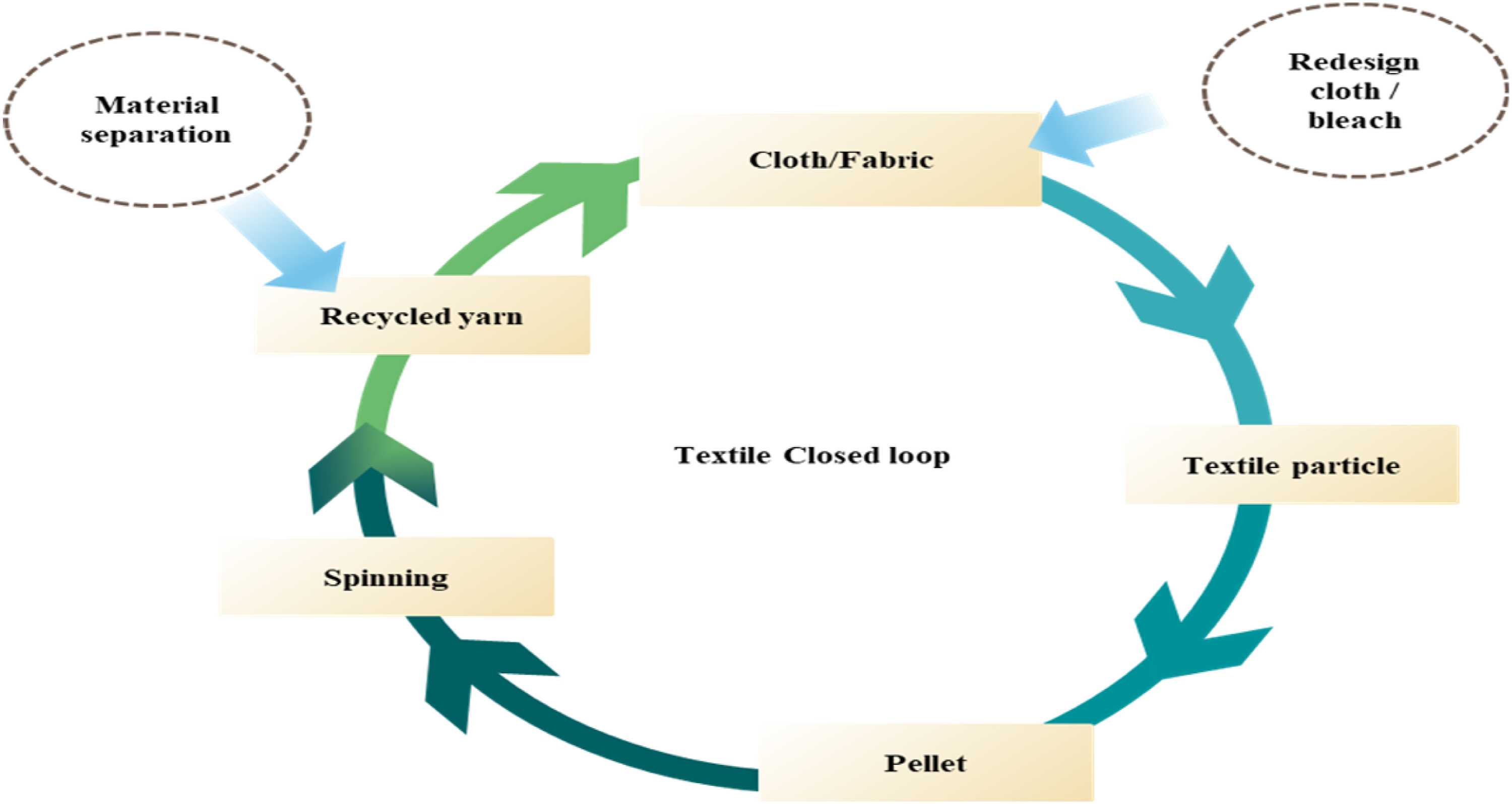
Second, in relation to circular fashion brands, as previously discussed, a circular fashion business model represents a strategic shift in the fashion markets from a linear “take-make-waste” system to one that prioritizes garment longevity through practices such as resale, rental, repair, and remaking. These models present a more sustainable alternative by generating revenue from existing products, reducing waste generation, and lowering the demand for new manufacturing, thereby mitigating the environmental impacts of the traditional fashion sector. Second-hand clothing is recognized as a common good within the community (Machado et al., 2019).
Firm B has sought to identify circulation pathways for second-hand clothing through collaboration with business partners. Consequently, Firm B chose to utilize second-hand market platforms that allow a wide customer base to access pre-owned clothing. Building upon these developments, the primary objective is to enhance the value of second-hand clothing by incorporating new local content that features distinctive regional characteristics. To achieve this, Firm B has explored local narratives, cultures, and customs that are unique to particular regions. Subsequently, the company has aimed to develop new local content based on circular business model methodologies, focusing on creating products that are durable, recyclable, and reusable. Dynamic servitization occurs when the holistic servitization process is complete.
Firm B eventually launched a new brand of fashion clothing. The second-hand clothing market represents a more sustainable approach to the fashion industry, extending the lifespan of garments, minimizing textile waste, and decreasing the demand for newly produced clothing (Huang, 2022). Notably, Firm B has provided complimentary services such as altering the shape of garments or reconfiguring design patterns upon request. This offering can increase sales volume while fostering customer loyalty. According to information obtained from interviews, Firm B should employ frugality strategies to maximize resource efficiency. Consequently, during the creation of new designs, resources should be utilized as economically as possible. For example, Firm B can create multiple designs from a single piece of second-hand clothing; when producing new styles, an essential consideration is whether the color tones match customer preferences.
Second, with respect to material separation, Firm B has implemented technology that modifies certain properties of fabric derived from original textiles. By leveraging this technology, second-hand clothing can be adapted to meet specific customer requirements.
ICT is increasingly integrated into garment industry management through the use of robotics, remote sensors, mapping, and geomatics technologies. More recently, real-time data analysis has been adopted throughout the textile industry’s circular loop (Figure 3). When connected to the Internet, these embedded technologies link Firm B to what is collectively referred to as the Internet of things. Currently, Firm B is working to implement artificial intelligence (AI) to select the material separation process. The rapid expansion of ICT and AI technology applications, however, indicates that barriers to technology adoption among smaller-scale producers are diminishing.
This paper examines the dynamic pathway of redesign processes and textile leaching based on Firm B’s case. Reused garments, referred to as “second-hand clothing,” are widely utilized as they require no new production and are already part of the circular economy system. The information highlights that environmental factors, including recycling and waste reduction, are of significant importance.
Firm C
In construction, materials are fundamental in interior design, shaping the atmosphere, appearance, and functionality of a space. Selecting appropriate materials is vital for achieving desired architectural functions in design. Interior material selection significantly influences individuals’ perceptions of coziness and restoration (Zhao et al., 2023). The CEO of Firm C completed an architecture degree and founded Firm C in 2024. The firm’s primary target market focuses on office interiors rather than residential interiors. The experiences gained during my travels abroad inspired me to establish my own business. During these foreign travels, I came across a building in a small rural village that created a calm and cozy atmosphere, resembling an antique museum rather than a business office. I was amazed when I felt the warmth and tenderness of the floor upon touching it. It was discovered that the floor was made from locally recycled plastic. Even more remarkable is that the interior walls and ceilings were insulated with straw. Straw is abundant and serves as a readily available interior material in rural areas. (Interview with CEO)
The CEO demonstrated that sustainable interior design is achievable not just through rhetoric but through actual implementation. In the interview with the founder, the primary reason for operating a business in a small rural area rather than a large metropolitan region is because office building interior design in smaller towns is more effective in attracting customers than in large cities. Firm C recognized 2 micro-foundations of dynamic pathway capabilities: (1) closed-loop circularity by shifting from synthetic materials to natural materials and (2) circular material attributes and features. Firm C chooses how to identify and formulate service offerings based on two dynamic servitization strategies. The study revealed that solution adjustments have been made by reprioritizing the service patterns offered previously.
Firm C prioritizes offering alternative materials when customers request interior design using synthetic materials. Natural materials (e.g., wood, stone, leather, and cotton) are generally more expensive. However, customers still often prefer synthetic materials. Synthetic materials in modern interior design provide durability, adaptability, and a broad spectrum of aesthetic possibilities. Firm C explains that plastic and acrylic are adaptable and versatile as modern interior materials, providing both clarity and strength analogous to glass.
Conversely, wood offers warmth and is ideal for furniture and décor, with a variety of grains and finishes to choose from. Stone and leather signify luxury, durability, and elegance. Another type, known as “composite materials” in interior design, integrates key strengths of several substances to deliver improved durability, aesthetic value, and expanded functionality. Well-known composite materials include plywood and fiber-reinforced concrete. Plywood consists of multiple wood veneer layers bonded together. Notably, plywood exhibits outstanding strength and stability, which is why it has been commonly used in architectural components. Fiber-reinforced concrete augments conventional concrete properties and offers a smooth surface suitable for various coverings.
Firm C has prioritized innovation in synthetic materials that replicate the sensory qualities of natural materials since 2024. The firm is developing agricultural byproducts capable of delivering a lasting sensory experience through bio-degradation. As a component of its dynamic services, Firm C offers customers access to an office space redesigned with synthetic materials. The distinguishing feature of this space is its adaptability to customers’ requirements (e.g., it can function as an art exhibition space, a small performance hall, or a conventional office).
This firm has applied a frugal innovation methodology to develop synthetic materials. As previously noted, frugal innovation refers to producing goods or services with fewer resources by leveraging expertise and technology, often resulting in cost-effective products and services. In pursuing frugal innovation, Firm C has actively collaborated with professors and researchers affiliated with H University, which is located in close proximity to the firm.
Additionally, some startup teams consist of graduates from H University’s biotechnology department. Consequently, research expenditures for developing synthetic materials via biochemical decomposition were minimal. Universities facilitate and endorse this model of industry-academia collaborative research. By building trust with collaborators and strategically positioning itself, Firm C’s frugal innovation initiatives support long-term viability. Collaboration with local residents engaged in agricultural cultivation has enabled these frugal innovation projects to be implemented affordably, accessibly, and sustainably. Participation among residents has continued to grow beyond original projections. The project’s success is largely attributed to the resource-efficient principles of frugal innovation. The waste-to-reuse program addressed local challenges and advanced sustainable development through a circular business model. These findings lead us to propose a frugal innovation approach integrated with a circular business model, as illustrated in Figure 4. Frugal innovation with circular business model (Author’s own).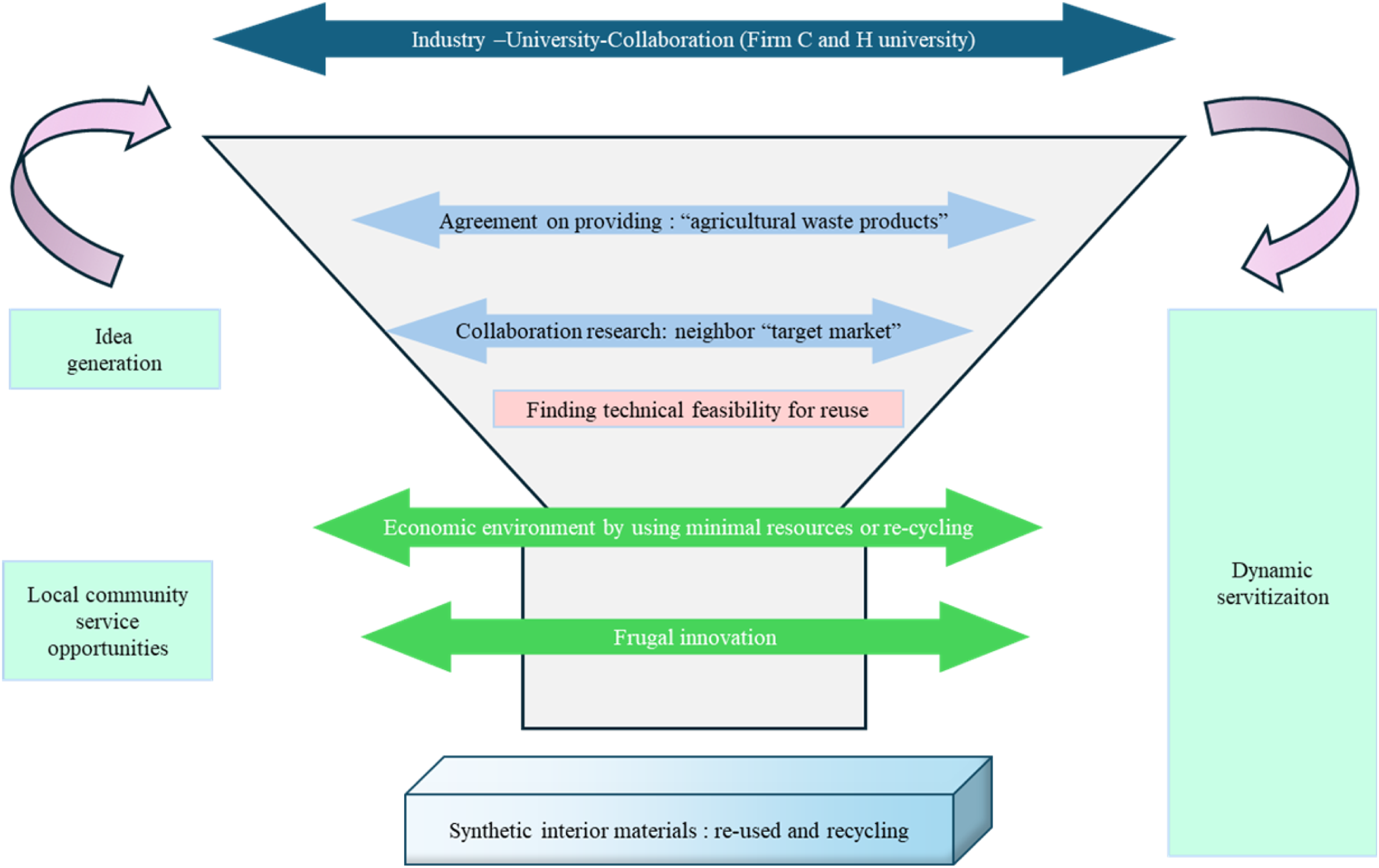
Summary and discussion
In contrast to typical firms, the three cases above represent young firms striving to offer continuously new services based on local resources from a narrowly defined region. As a result, the scope of their innovation activities is inherently constrained. This limitation exemplifies frugal innovation. Specifically, frugal innovation refers to innovations that are generated in environments with limited financial, technical, or human resources. Furthermore, these firms are making concerted efforts to generate new services within the framework of the circular economy.
Based on the findings regarding Firm A, we can outline the dynamic pathway of the servitization model. Firm A develops new services according to three main criteria for advancing servitization: (i) solution modifications, (ii) responsiveness to customer needs, and (iii) scope of offerings, as well as customer segmentation. To address resource limitations, it offers a rapid delivery service known as “Early Morning Delivery Service (EMDS).” During the frugal innovation process, Firm A employs ICT and computing applications (often referred to as “big data”). In summary, Firm A leverages a closed-loop circular economy approach to facilitate dynamic servitization through its frugal innovation efforts.
Second, Firm B’s notable frugal innovations were achieved by utilizing local content derived from community narratives, culture, and norms that reflect unique aspects of residents’ lifestyles. Additionally, ICT and AI were integrated into the frugal innovation process. Furthermore, Firm B has worked to develop new local content through circular business model methodologies, focusing on the creation of durable, recyclable, and reusable products. Dynamic servitization is realized following the completion of a comprehensive frugal innovation process. Third, Firm C has engaged in industry-university collaboration to advance new technologies, such as biochemical decomposition. Based on the findings, we suggest local content integration model as Figure 5. Local content integration model for a closed-loop (Author’s own).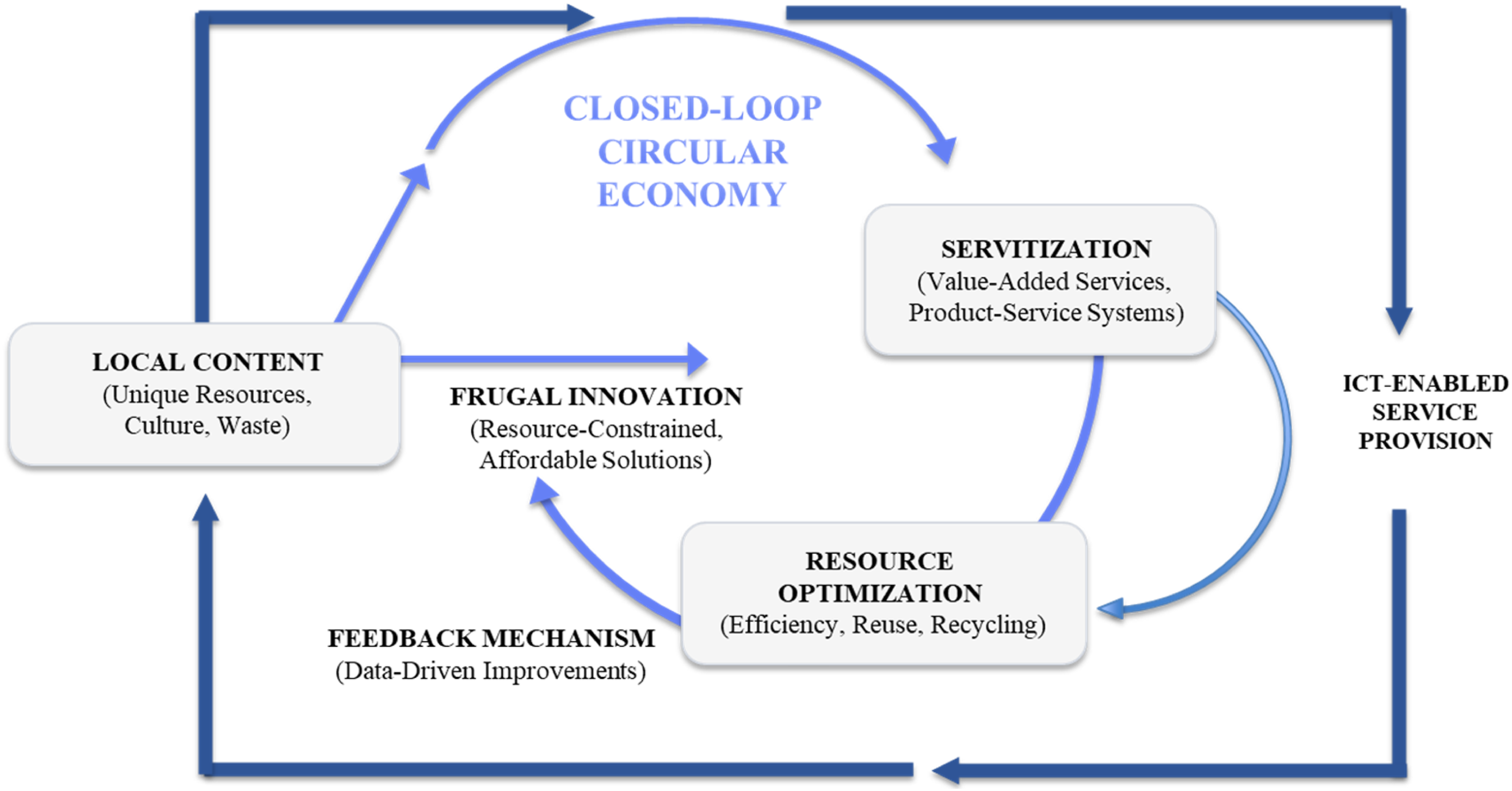
In sum, the case studies allow us to propose the dynamic pathway of the servitization model, as represented in Figure 6. Dynamic pathway of the servitization model (Author’s own).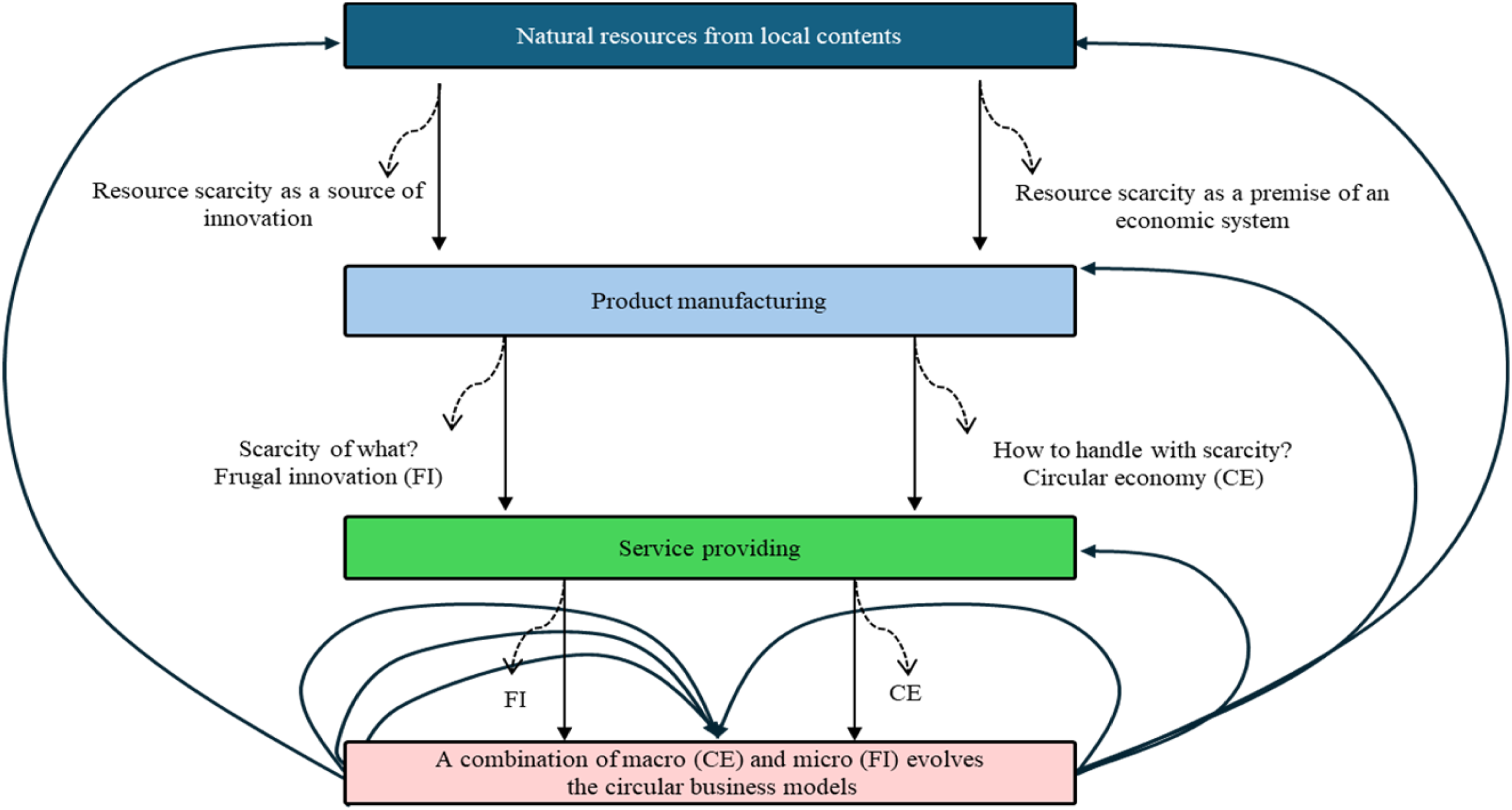
Grounded in the principle of “doing more with local content,” the case studies illustrate how dynamic servitization emerges through frugal innovation, resource optimization, and circular economy implementation. Ultimately, firms need to adopt circular business models by leveraging frugal innovation within a circular economic context. It is evident that dynamic servitization arises from the integration of CE and FI. Specifically, dynamic servitization constitutes a type of circular business model. Moreover, FI functions independently as a business model for both products and services. In this context, FI facilitates consumption opportunities by supporting circular business initiatives within local communities, thereby sustaining distinctive local lifestyles under a closed-loop system.
Conclusion and implication
Implications for research
Regardless of their size, age, location, or resource abundance, all firms have consistently sought business model innovation to achieve development and survival. This paper investigates how rural startups develop servitization through the concept of dynamic servitization pathways. The study context represents a rural region characterized by close integration between local economic activities and circular economy practices. At the macro level, we demonstrate that these firms have successfully transformed manufacturing processes into servitization within the circular economy context. Over time, firms have actively developed and implemented dynamic servitization pathways (Figure 5). At the micro level, our results suggest that firms which achieved successful servitization developed dynamic capabilities through frugal innovation. Ultimately, these firms established circular business models referred to as “closed-loop models,” in which a firm creates, captures, and delivers value via value creation mechanisms intended to improve resource efficiency by extending the useful life of products and parts, reusing local content, and recycling waste (e.g., through long-life design, repair, and remanufacturing), thereby closing material loops (Han et al., 2020; Heshmati, 2014, 2015; Nußholz, 2017).
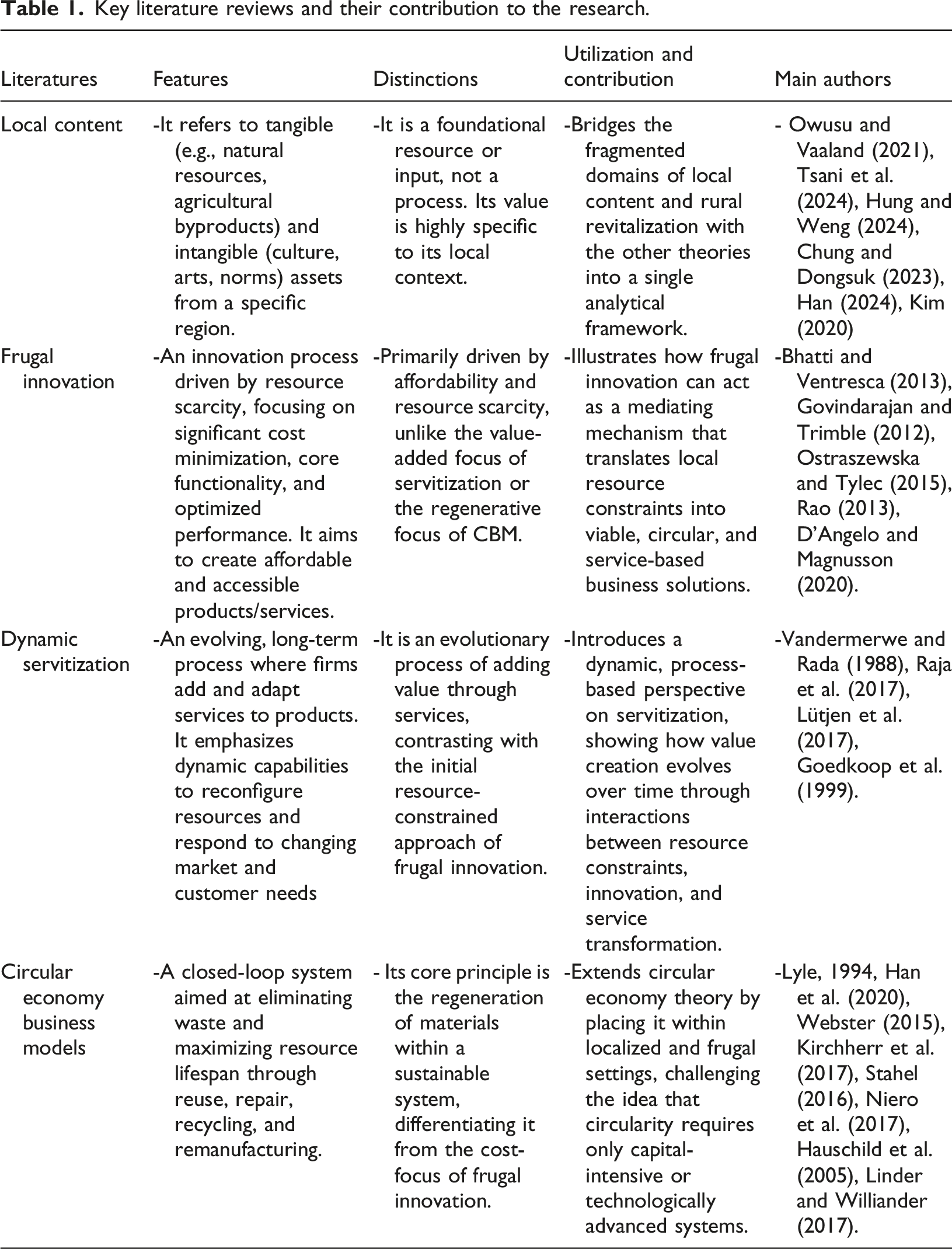
Key literature reviews and their contribution to the research.
Frugal perspective open questionnaire.
Information of case-study firms.
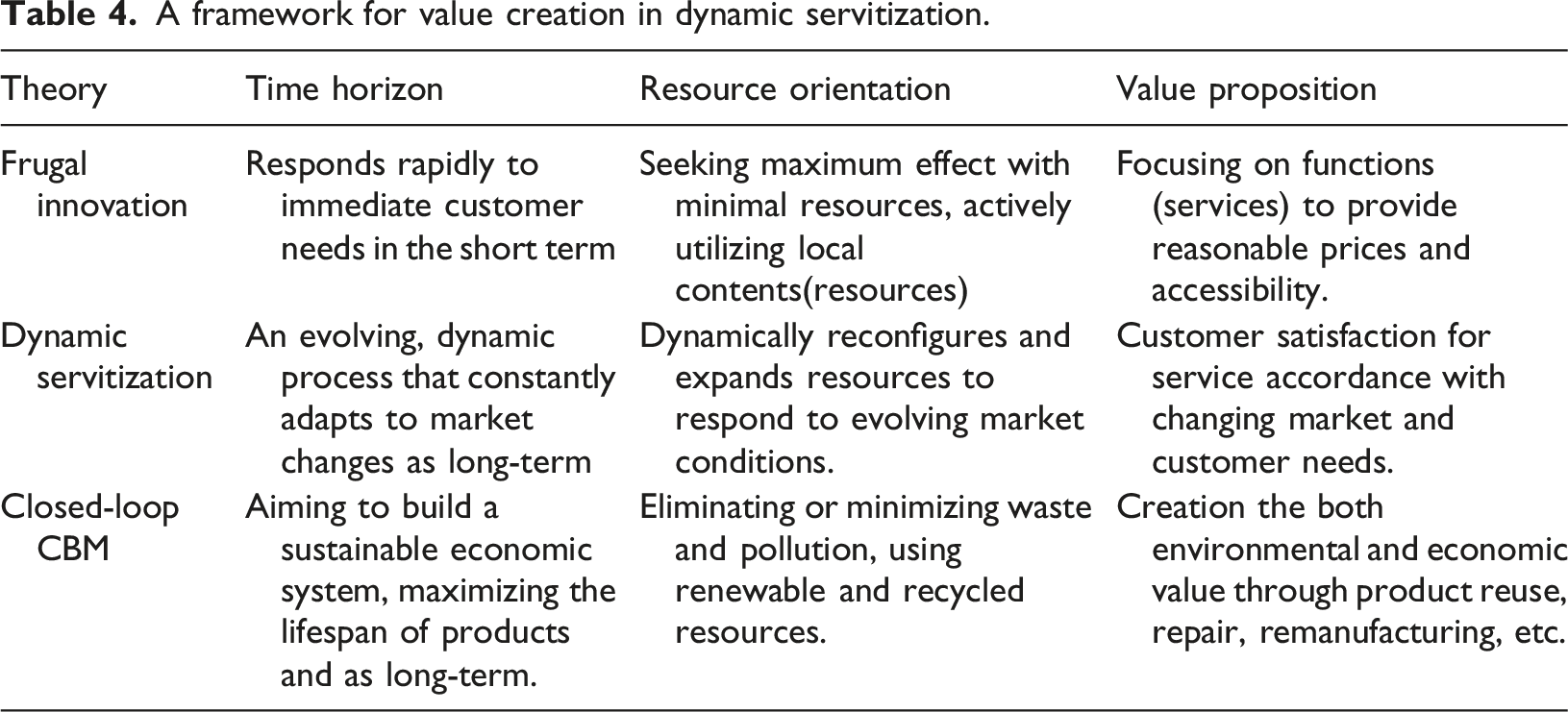
A framework for value creation in dynamic servitization.
Additionally, our analysis underscores that the success of frugal innovation depends significantly on the effective use of ICT and Big Data. Leveraging connectivity, ICT, and Big Data play a pivotal role in developing local content. Our study reveals substantial evidence supporting the concept of a “dynamic pathway in servitization.” The paper thus offers notable theoretical and managerial implications for a range of stakeholders.
Implications for practice
This study provides valuable practical guidance for entrepreneurs and stakeholders in the early stages of business development. Manufacturers contemplating servitization can thereby recognize key elements of the servitization process necessary for strategic planning. The answer to questions such as “How can you make the lifecycle of a product more circular?” and “Can you create more value for your business in this way?” is found in the application of the dynamic pathway servitization model. Our study indicates that firms adopt a gradual approach to developing dynamic pathway capabilities and recommends initially focusing on service provision capabilities via local contents.
Notwithstanding these limitations, the study offers several important contributions to theory. First, it advances the literature by bridging previously fragmented domains, integrating local content and rural revitalization with frugal innovation, dynamic servitization, and circular business models into a coherent analytical framework. This contributes to a more holistic understanding of sustainability transitions in resource-constrained contexts. Second, the study introduces a dynamic, process-based perspective on servitization, moving beyond static conceptualizations to highlight how value creation evolves over time through iterative interactions between resource constraints, innovation practices, and service transformation.
Third, it extends circular economy theory by contextualizing circular business models within localized and frugal innovation settings. This challenges the dominant assumption that circularity is primarily driven by technologically advanced or capital-intensive systems, demonstrating instead the relevance of low-cost, adaptive, and locally grounded pathways.
Fourth, the framework contributes to the emerging discourse on inclusive and sustainable innovation, illustrating how frugal innovation can act as a mediating mechanism that translates local resource constraints into viable service-based and circular solutions.
Fifth, the study highlights the importance of value co-creation and system-level integration, suggesting that sustainable outcomes are contingent not only on technological innovation but also on the reconfiguration of relationships among actors, resources, and institutions. In sum, Firms A, B, and C, although still in their early stages of development, are actively contributing to the revitalization of the Jochiwon regional economy. Firm A spearheads this effort by deploying a frugal innovation framework, leveraging green tech tailored specifically to the region’s rural dynamics. Firm B acts as a cornerstone for Jochiwon’s alley economy, wielding significant market influence, while Firm C is recognized as a trailblazer leading the transition toward a sustainable circular economy.
Limitations and future research
Despite advancing a novel integrative perspective on the dynamic pathway linking local content, frugal innovation, and servitization toward circular business models, several theoretical limitations should be acknowledged. First, the proposed framework remains contextually bounded. By emphasizing locally embedded resources and rural or resource-constrained settings, the explanatory power of the model may be limited in highly industrialized or globally integrated contexts where institutional conditions, technological infrastructures, and market dynamics differ significantly.
Second, the study adopts a process-oriented and integrative lens, which, while valuable for theory building, may lead to conceptual abstraction and reduced construct precision. The overlapping boundaries between frugal innovation, dynamic servitization, and circular business models may create ambiguity in distinguishing their independent effects and causal relationships. Third, the framework provides limited engagement with institutional and governance dimensions. While the model implicitly acknowledges contextual enablers, it does not fully theorize the role of regulatory systems, policy interventions, and multi-level governance structures that are often critical in enabling or constraining circular transitions.
Fourth, the dynamic pathway emphasizes positive transformation trajectories, potentially underrepresenting failure modes, trade-offs, and unintended consequences, such as rebound effects, value capture asymmetries, or social inequities arising from servitization processes.
Finally, the study relies on analytical generalization, which may constrain its external validity. While the insights contribute to theory refinement, further empirical validation across multiple cases and sectors is required to enhance robustness and generalizability.
Footnotes
Acknowledgement
We would like to express our sincere gratitude to the Editor and the anonymous reviewers of Local Economy for their invaluable comments, constructive feedback, and dedication throughout the review process, which have significantly improved the quality and depth of this paper. As researchers at Hongik University, we have combined our respective expertise to complete this study. The first and corresponding author integrated his extensive research background in industrial innovation, business models, and econometrical analysis, drawing from his experience leading local content initiatives and serving as an advisor to the Sejong Smart City advisory committee. The co-author, a Master’s candidate at the Graduate School of Smart City Convergence, contributed through her dedicated research focus on regional development and local economic innovation. We deeply appreciate all the institutional and editorial support that made this work possible.
Funding
The authors received no financial support for the research, authorship, and/or publication of this article.
Declaration of conflicting interests
In the case of acceptance of this manuscript, all data include within paper are fully available without restriction. As a corresponding author, I am fully responsible for this article. The authors declare that they have no known competing financial interests or personal relationships that could have appeared to influence the work reported in this paper.