






Abstract
Traditional industries have historically played an important role in shaping regional economies through their embeddedness in local resource systems, knowledge traditions, and community institutions. However, contemporary development discourse has largely marginalized these sectors, often treating them as residual economic activities or cultural heritage assets rather than as strategic contributors to regional development. This paper revisits the role of traditional industries through a sustainability-oriented perspective and argues for their conceptual repositioning within contemporary regional development frameworks. Drawing on insights from regional development theory, sustainability studies, and evidence from the Indian handloom sector, the paper examines how traditional industries contribute to environmental sustainability, localized economic development, and social inclusion. The analysis highlights that these industries promote resource-efficient and low-carbon production systems, strengthen local value chains and livelihood opportunities, and preserve cultural knowledge while supporting vulnerable and marginalized communities. Despite these multidimensional contributions, traditional industries remain under-integrated within mainstream development planning due to persistent policy and conceptual biases that privilege large-scale industrialization and productivity-oriented growth models. The paper argues that traditional industries should be understood as sustainability-linked regional growth systems that embody principles of endogenous development, circular economy transitions, and place-based development. Repositioning these industries within regional policy and planning frameworks can contribute to more resilient, inclusive, and sustainable development pathways. In doing so, the paper contributes to ongoing debates on local economies, sustainability transitions, and territorially grounded approaches to regional development.
Revisiting traditional industries through a sustainability lens
Background and rationale
Traditional industries in India such as handloom weaving, handicrafts, and agro-processing are decentralized, labor-intensive systems rooted in place-based knowledge, sustaining livelihoods, culture, and local ecologies (Damodaran, 2008). However, development frameworks have largely prioritized large-scale industrialization, marginalizing these sectors and treating them as residual rather than dynamic contributors to regional development (Harris-White, 2003; Schroder et al., 2019). This gap is critical in light of global priorities like the Sustainable Development Goals (SDGs) and the shift toward circular and localized economies. Traditional industries inherently align with sustainability through low-carbon intensity, circular material use, and localized production systems (UNIDO, 2013). Recent debates within Local Economy have increasingly emphasized the importance of place-based development, local economic resilience, and community-rooted production systems in addressing contemporary sustainability challenges. Rather than viewing development solely through the lens of industrial growth and external investment, these perspectives highlight the significance of locally embedded economic activities that generate social, cultural, and environmental value alongside economic outcomes. Such discussions provide an important context for reconsidering traditional industries, whose territorial embeddedness and reliance on local knowledge systems position them as important contributors to sustainable regional development.
This paper addresses the question: How can traditional industries be theoretically repositioned within regional development using a sustainability-oriented perspective? It conceptualizes the multidimensional role of traditional industries in enabling balanced regional development by examining their economic, social, cultural, and environmental roles within frameworks such as endogenous development, circular economy, and sustainable livelihoods, positioning them as active agents of sustainable regional transformation (Schroder et al., 2019).
Conceptual approach
This paper adopts a conceptual perspective to re-examine the position of traditional industries within contemporary regional development discourse. While traditional industries have frequently been studied in relation to heritage preservation, employment generation, and rural livelihoods, they remain relatively underexplored as strategic components of sustainable regional development. Existing policy and academic discussions often treat these sectors as isolated economic activities or as cultural assets requiring protection, rather than as productive systems capable of contributing to broader development objectives. This paper seeks to address this gap by bringing together insights from regional development theory, sustainability studies, and literature on traditional industries to develop an integrated perspective on their developmental significance (Snyder, 2019). This perspective also responds to growing calls within local and regional development scholarship for more territorially grounded understandings of economic transformation. Recent discussions have argued that sustainable development pathways often emerge through the mobilization of local assets, institutions, cultural resources, and community capabilities rather than through externally driven models of growth alone. The discussion is informed by a synthesis of scholarly literature, policy reports, and sectoral evidence from India, with particular reference to the handloom sector as a representative example of a traditional industry characterized by strong territorial embeddedness, cultural continuity, and livelihood dependence. Rather than evaluating sectoral performance through statistical analysis, the paper focuses on understanding the underlying mechanisms through which traditional industries influence regional economies, social structures, and environmental outcomes (Tranfield et al., 2003).
The conceptual perspective adopted in this study is guided by the premise that development should be understood not solely in terms of economic growth, but also in relation to social inclusion, environmental sustainability, and regional resilience. In this context, traditional industries provide an important lens through which alternative pathways of development can be explored. By situating traditional industries within contemporary debates on endogenous development, circular economy transitions, and sustainable livelihoods, the paper aims to contribute to a more nuanced understanding of their role in shaping balanced and territorially grounded development processes. Ultimately, the paper argues for a shift in perspective—from viewing traditional industries as residual sectors of the past to recognizing them as active contributors to sustainable regional futures (Figure 1). Conceptual framework for assessing the role of traditional industries in sustainable regional development. Source: developed by author.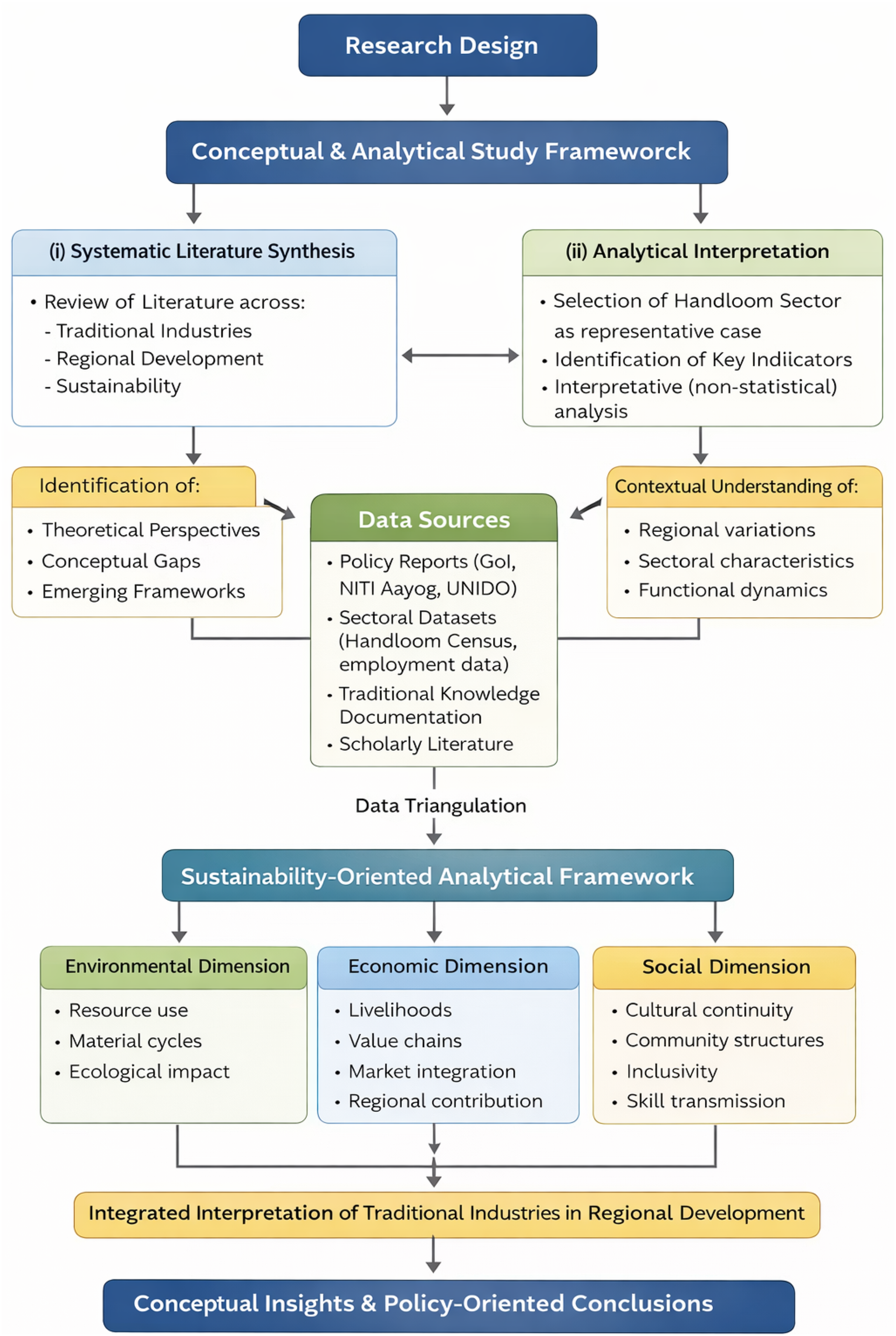
Analytical lens: Traditional industries and sustainability
The paper examines traditional industries through a sustainability-oriented analytical lens that recognizes development as a multidimensional process extending beyond economic growth (Ministry of Textiles, 2020). This perspective is particularly relevant in the context of contemporary policy discussions that increasingly emphasize inclusive development, ecological resilience, and territorial well-being. Three interrelated dimensions are used to guide the discussion. The first is the environmental dimension, which considers the ecological characteristics of traditional industries, including their reliance on localized resources, low-energy production systems, and practices of material reuse and circularity. The second is the economic dimension, which focuses on the contribution of traditional industries to livelihood generation, local value creation, employment, and regional economic resilience. The third is the social dimension, which examines their role in preserving cultural heritage, supporting community-based production systems, facilitating intergenerational knowledge transfer, and promoting inclusive participation, particularly among women and marginalized groups. Taken together, these dimensions provide a framework for understanding how traditional industries contribute to sustainable regional development. Rather than treating sustainability as a separate policy objective, the paper views it as embedded within the everyday functioning of traditional production systems. This analytical lens therefore enables a re-examination of traditional industries as active components of contemporary regional development strategies and as potential pathways toward more balanced, place-based, and sustainable forms of development.
The study relies exclusively on secondary sources selected for their relevance, credibility, and sectoral depth. These sources include policy reports and institutional publications from the Government of India, NITI Aayog, and international organizations such as UNIDO, which provide insights into policy frameworks and development strategies. The analysis also draws upon sectoral datasets and official statistics, including handloom census data, employment statistics, and production estimates, to develop a macro-level understanding of the sector. To capture the socio-cultural dimensions of traditional industries, the study incorporates traditional knowledge documentation, including ethnographic accounts, craft documentation initiatives, and reports on artisanal practices. In addition, a broad body of scholarly literature spanning development studies, economic geography, sustainability science, and informal economy research is reviewed to situate the discussion within wider theoretical and policy debates. The use of these diverse sources enables the triangulation of perspectives, thereby enhancing the robustness and validity of the analysis (Yin, 2018).
Traditional industries and regional development
Historical evolution
The trajectory of traditional industries in India reflects a complex interplay of resilience, disruption, and adaptation across historical phases. Pre-colonial India was characterized by highly developed artisanal and craft-based production systems, integrated within regional and global trade networks. These industries operated through caste- and community-based specialization, localized resource use, and decentralized production structures (Roy, 2010). The advent of colonial rule marked a significant rupture in this trajectory. Colonial economic policies systematically deindustrialized indigenous manufacturing by reorienting India toward raw material extraction and import of industrial goods from Britain. The decline of handicrafts and artisanal industries during this period has been widely documented as a process of “deindustrialization,” resulting in loss of livelihoods and weakening of regional economies (Figure 2). (Bagchi, 1976; Clingingsmith and Williamson, 2008). (1) Industrial transformation and decline in India under British rule, (2) structural changes and global textile trade share. Source: developed by author from literature.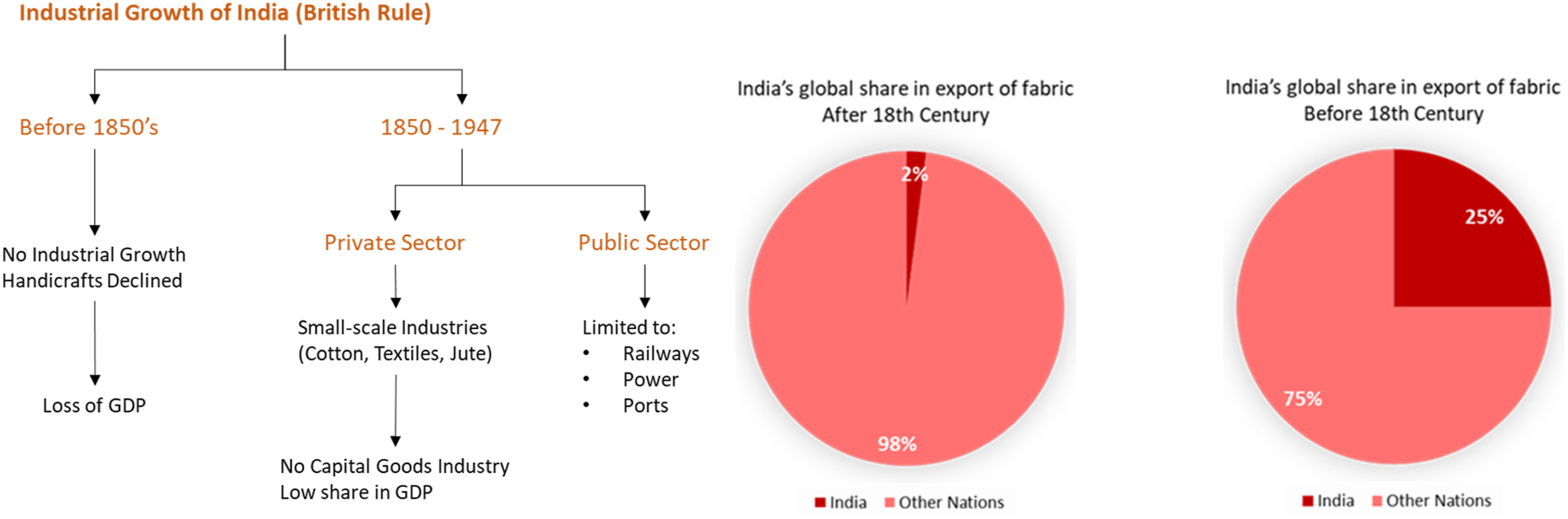
Post-independence, the Indian state recognized the socio-economic importance of traditional industries and introduced protective and promotional measures, including reservation policies, cooperative structures, and institutional support through bodies such as the Khadi and Village Industries Commission (KVIC). However, development planning largely remained biased toward heavy industrialization and centralized production models (Harris-White, 2003). In the liberalization era post 1991, traditional industries faced renewed challenges due to market competition, changing consumer preferences, and integration into global value chains, while also experiencing opportunities through niche markets, exports, and policy revival initiatives. Thus, traditional industries have evolved not as static remnants but as adaptive systems, continually negotiating structural transformations in the broader political economy.
Traditional industries as regional economic anchors
Traditional industries play a critical role as regional economic anchors, particularly in rural and semi-urban contexts where alternative industrial opportunities are limited. First, these industries are characterized by localized production systems, where production processes are closely tied to local resources, skills, and cultural practices. This embeddedness fosters strong backward and forward linkages within regional economies, enhancing local value retention and reducing dependency on external inputs (Damodaran, 2008). Second, traditional industries exhibit high employment intensity, particularly for semi-skilled and unskilled labor. Sectors such as handloom weaving, handicrafts, and agro-based processing provide significant livelihood opportunities in regions with limited formal employment avenues. Importantly, these industries absorb surplus labor, thereby functioning as a buffer against rural distress and migration. Third, their spatial distribution reflects a cluster-based pattern of growth, where specific regions specialize in particular crafts or production systems such as handloom clusters in Tamil Nadu and Assam. These clusters facilitate knowledge spillovers, skill transmission, and collective efficiency, contributing to localized economic dynamism (Schmitz, 1995). Unlike large-scale industries that concentrate in urban-industrial corridors, traditional industries enable a more dispersed model of regional development, reducing spatial inequalities. Collectively, these characteristics position traditional industries as foundational elements in fostering balanced and inclusive regional economies. This interpretation aligns with broader discussions on local economic development that emphasize the role of localized production networks, embedded institutions, and place-specific capabilities in strengthening regional resilience (Figure 3). Such perspectives suggest that economic sustainability is often linked not only to growth but also to the capacity of regions to retain value, sustain livelihoods, and adapt to changing economic conditions. Spatial distribution of major handloom clusters in India (Ministry of Textiles, 2020). Source: fourth all India handloom census (2019–20).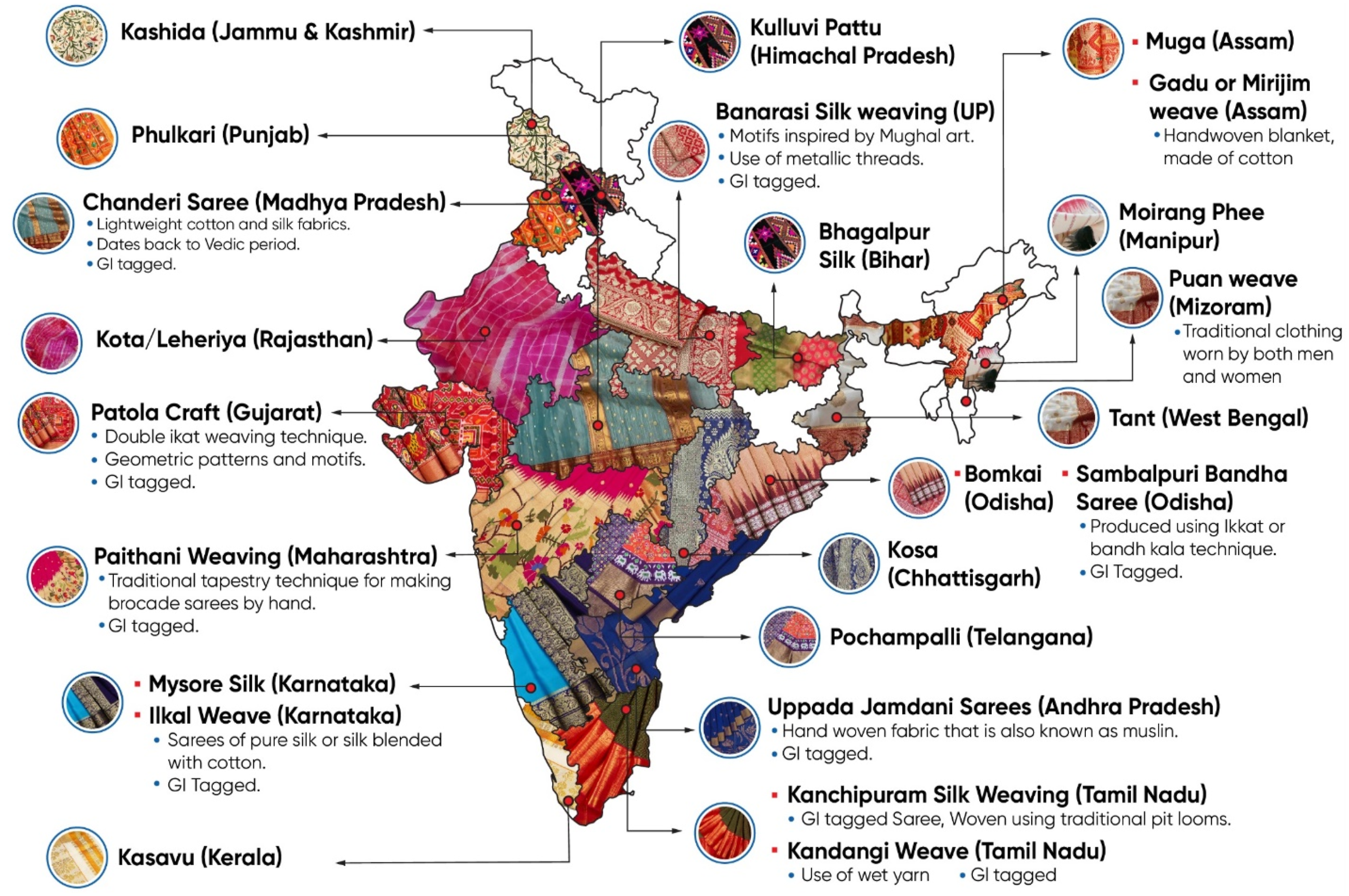
Sustainability contributions of traditional industries
The analysis highlights that traditional industries inherently embody multiple dimensions of sustainability, making them relevant to contemporary development discourse (Figure 4). Interlinkages of environmental, social, and economic dimensions in achieving sustainable development. Source: developed by author.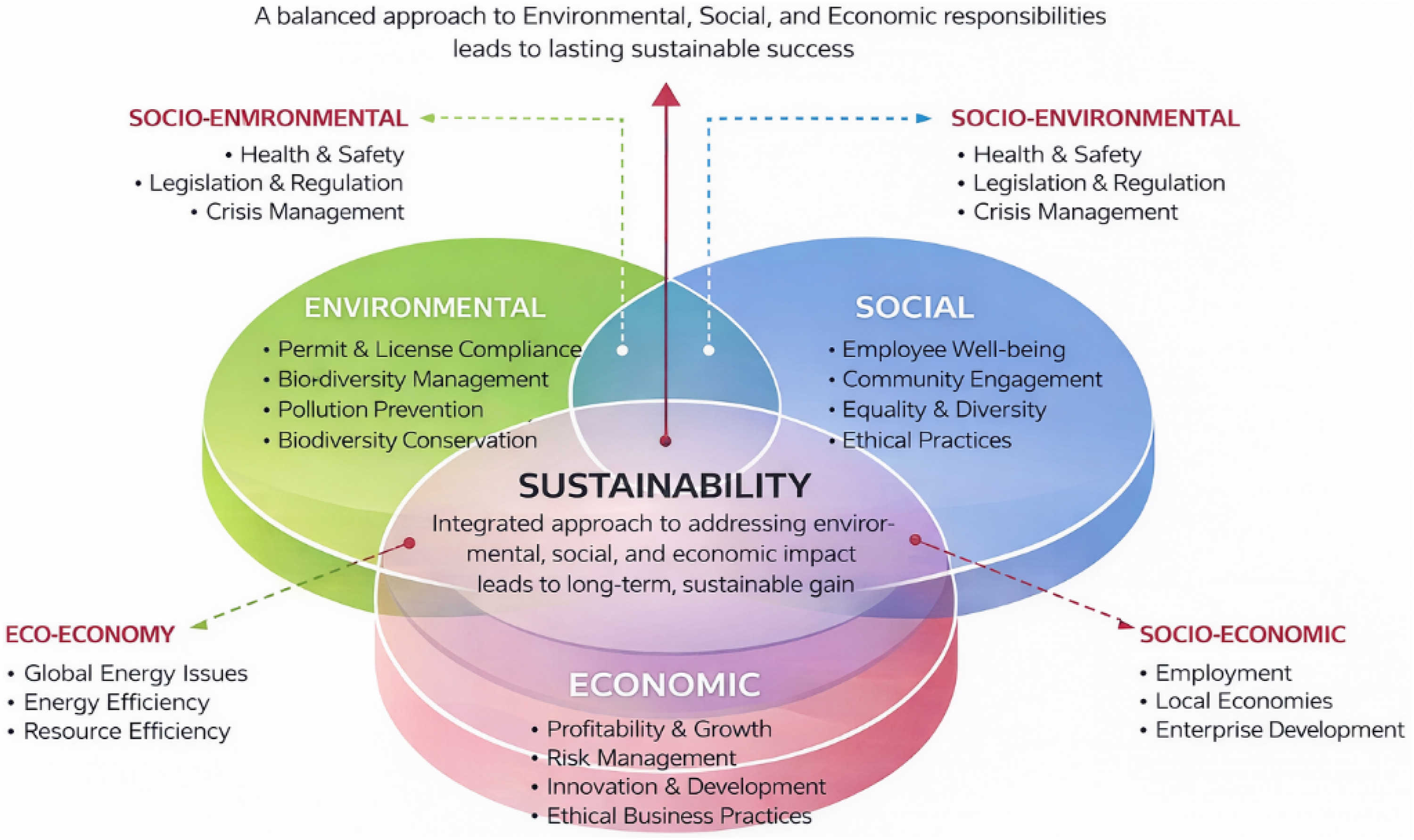
Environmental dimension
Traditional industries are typically associated with low-carbon production systems, owing to their reliance on manual labor, minimal mechanization, and limited use of fossil-fuel-based energy. Compared to industrial manufacturing, their ecological footprint remains significantly lower (UNEP, 2011). Additionally, these industries demonstrate strong principles of resource circularity and indigenous material usage. Production processes often utilize locally available, renewable, or biodegradable materials such as natural fibers, dyes, and organic inputs while minimizing waste through repair, reuse, and recycling practices embedded in traditional knowledge systems (Schroder et al., 2019). This aligns closely with the principles of circular economy and sustainable material flows.
Economic dimension
From an economic perspective, traditional industries operate through decentralized value chains, where production, processing, and distribution are dispersed across multiple small-scale actors. This decentralization reduces entry barriers, promotes entrepreneurship, and enhances economic participation at the grassroots level (Kaplinsky and Morris, 2001). Furthermore, these industries generate regional income multipliers by retaining value within local economies. Income earned through artisanal production is often circulated within the same region, supporting allied activities such as raw material supply, local markets, and service sectors. This localized circulation strengthens regional economic resilience and reduces leakages.
Social dimension
Socially, traditional industries are central to sustaining artisan livelihoods, particularly among marginalized and rural communities. They provide not only income but also identity, dignity, and continuity of occupation across generations (Harris-White, 2003). Equally significant is their role in ensuring cultural continuity, as traditional industries are carriers of intangible heritage, embodied in skills, designs, and practices passed down through generations. This cultural embeddedness differentiates them from modern industrial systems, which are often detached from local contexts.
Moreover, traditional industries exhibit notable levels of gender participation, particularly in sectors such as handloom weaving and handicrafts, where women play a crucial role in production processes. This contributes to inclusive development by enabling women’s economic participation within culturally acceptable and locally accessible frameworks (Figure 5) (Datta and Gailey, 2012). Synergizing sustainability and innovation: stakeholders, dimensions, and societal impact. Source: developed by author.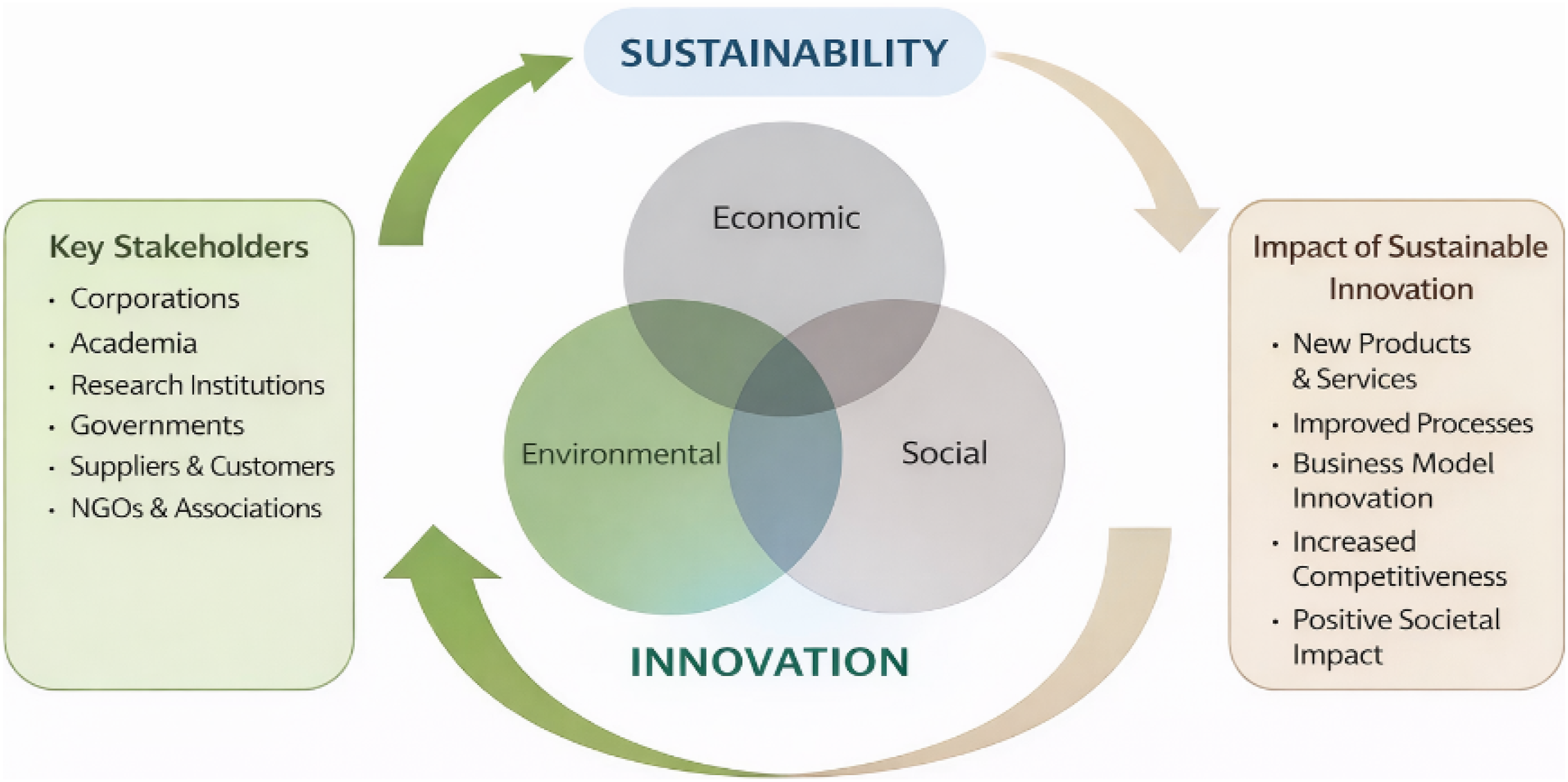
Why traditional industries remain marginalized
The analysis of this study underscore a critical paradox: despite their demonstrated economic, social, and environmental contributions, traditional industries remain structurally under-integrated within regional development planning frameworks. This disconnect is not merely empirical but deeply rooted in the epistemological and policy biases that have historically shaped development discourse in India and beyond (Figure 6). Evolution of India’s industrial policies (1948–1991): key phases and structural challenges. Source: developed by author from literature.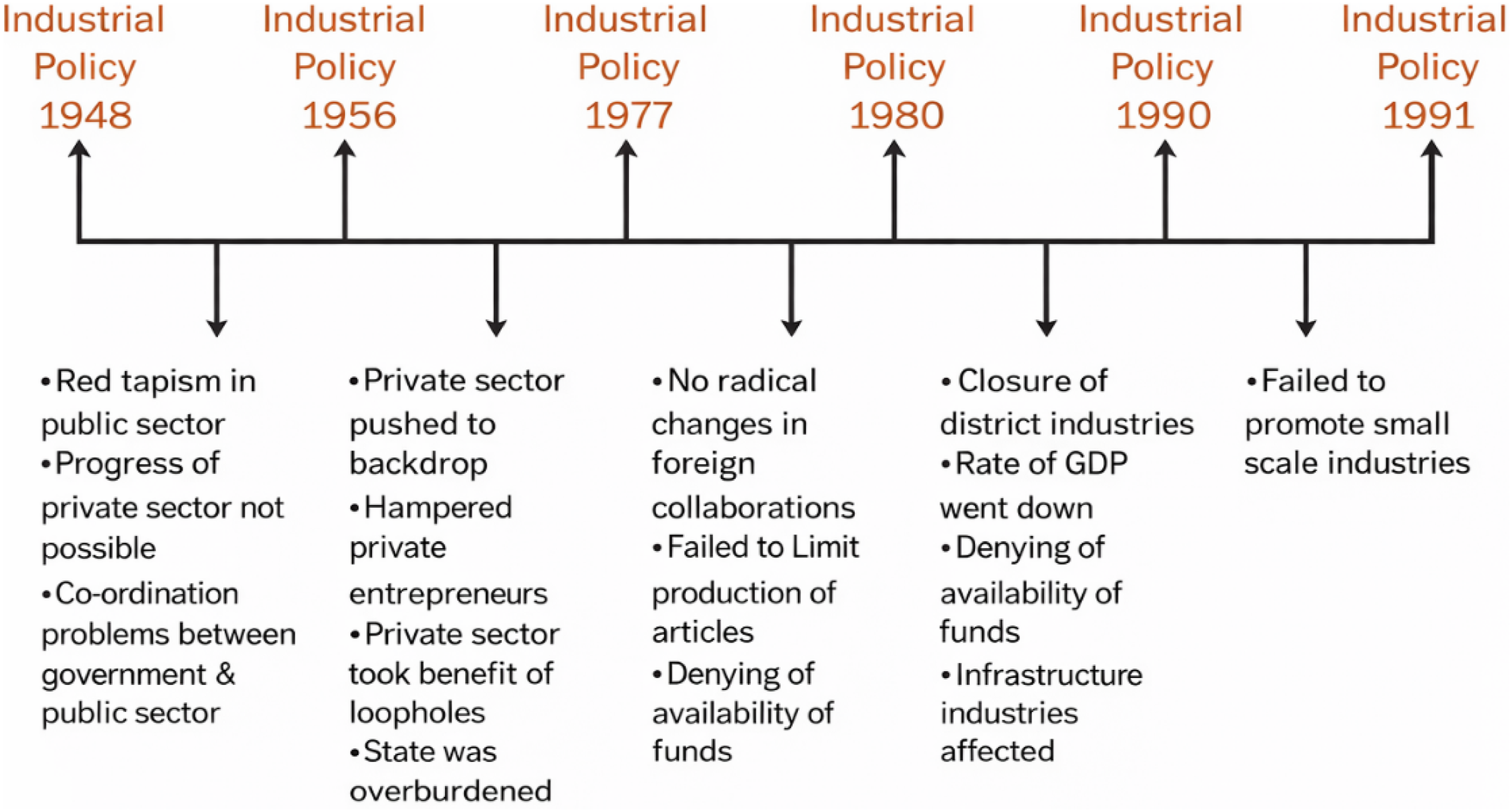
Persistent Under-Integration in Regional Planning: The marginalization of traditional industries can be attributed to the dominance of modernist development paradigms, which privilege scale, productivity, and technological intensity over embeddedness, resilience, and socio-cultural value. Regional planning frameworks have largely been influenced by industrial location theories and growth pole strategies that emphasize agglomeration economies, infrastructure-led growth, and integration into global value chains (Figure 7) (Krugman, 1991; Perroux, 1950). Framework for sustainable manufacturing: integrating circular strategies with the energy trilemma. Source: adopted by author from Datta and Gailey (2012).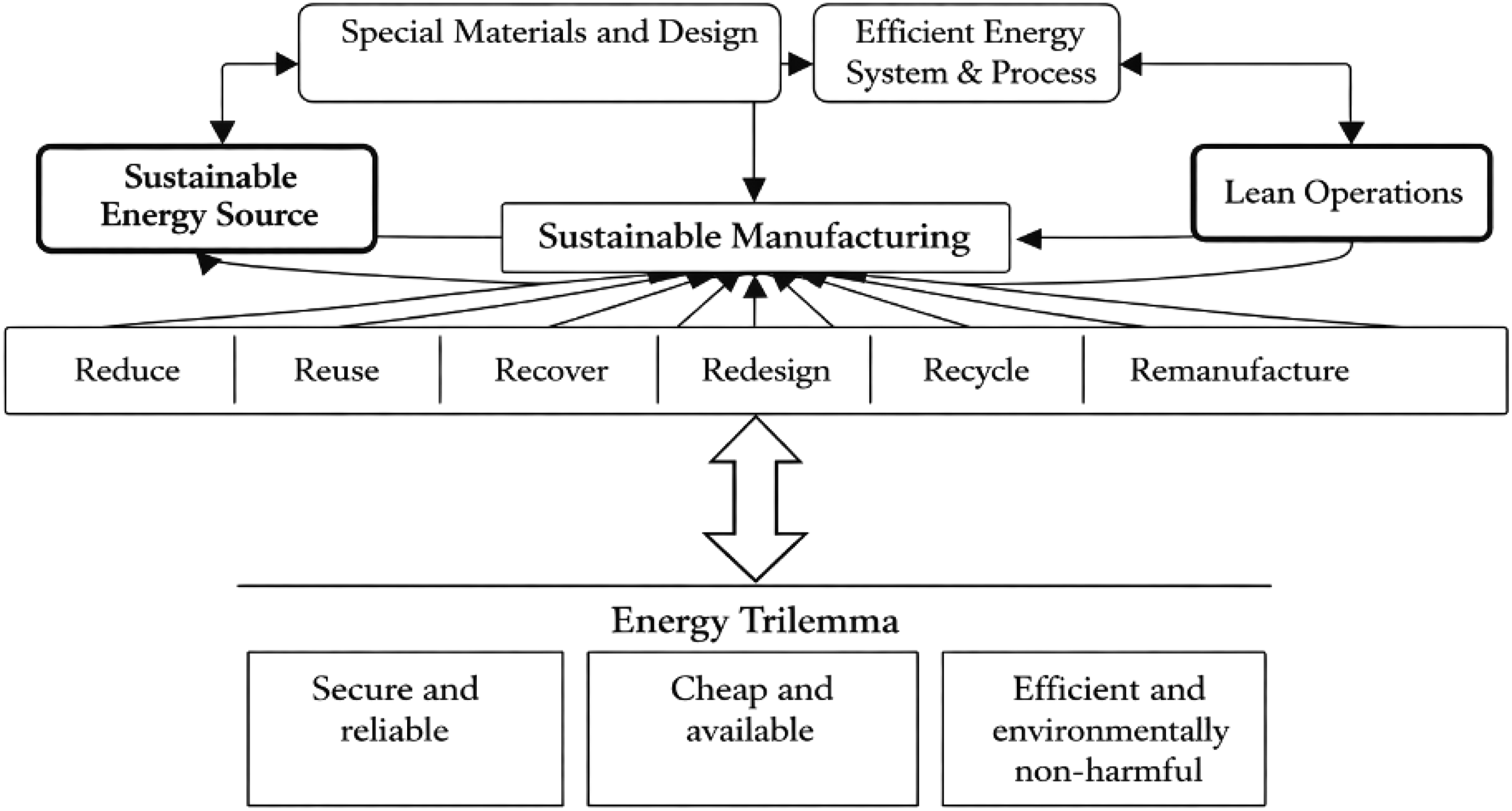
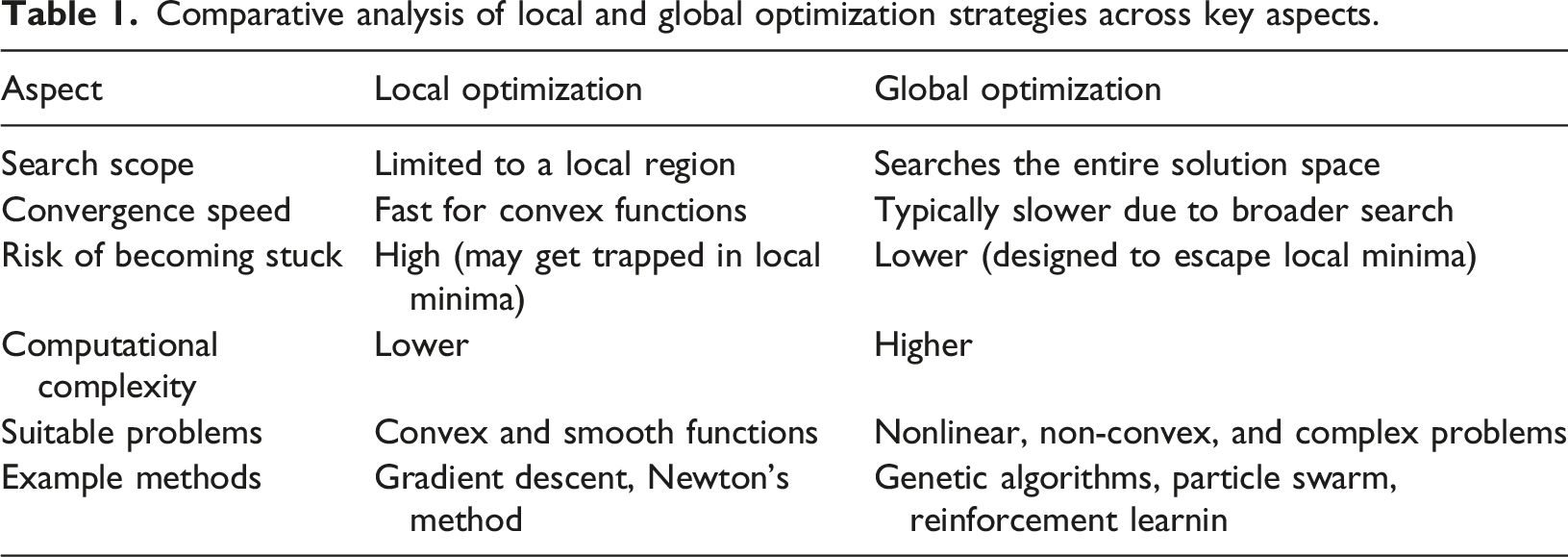
Comparative analysis of local and global optimization strategies across key aspects.
Repositioning traditional industries: A theoretical contribution
This paper advances the argument that traditional industries should be reconceptualized as sustainability-linked regional growth systems, rather than residual economic activities. This repositioning is grounded in three key insights:
First, traditional industries inherently align with the principles of endogenous development, wherein growth emerges from local resources, skills, and institutional capacities (Ray, 1999). Their localized production systems and reliance on indigenous knowledge make them particularly suited to territorially grounded development strategies. Second, they embody core attributes of the circular economy, including resource efficiency, material reuse, and low environmental externalities. Unlike linear industrial systems, traditional industries operate within closed or semi-closed material cycles, contributing to environmentally sustainable production (Figure 8) From linear to digital: transformation of traditional supply chains into integrated smart networks. Source: adopted by author from Schroder et al. (2019).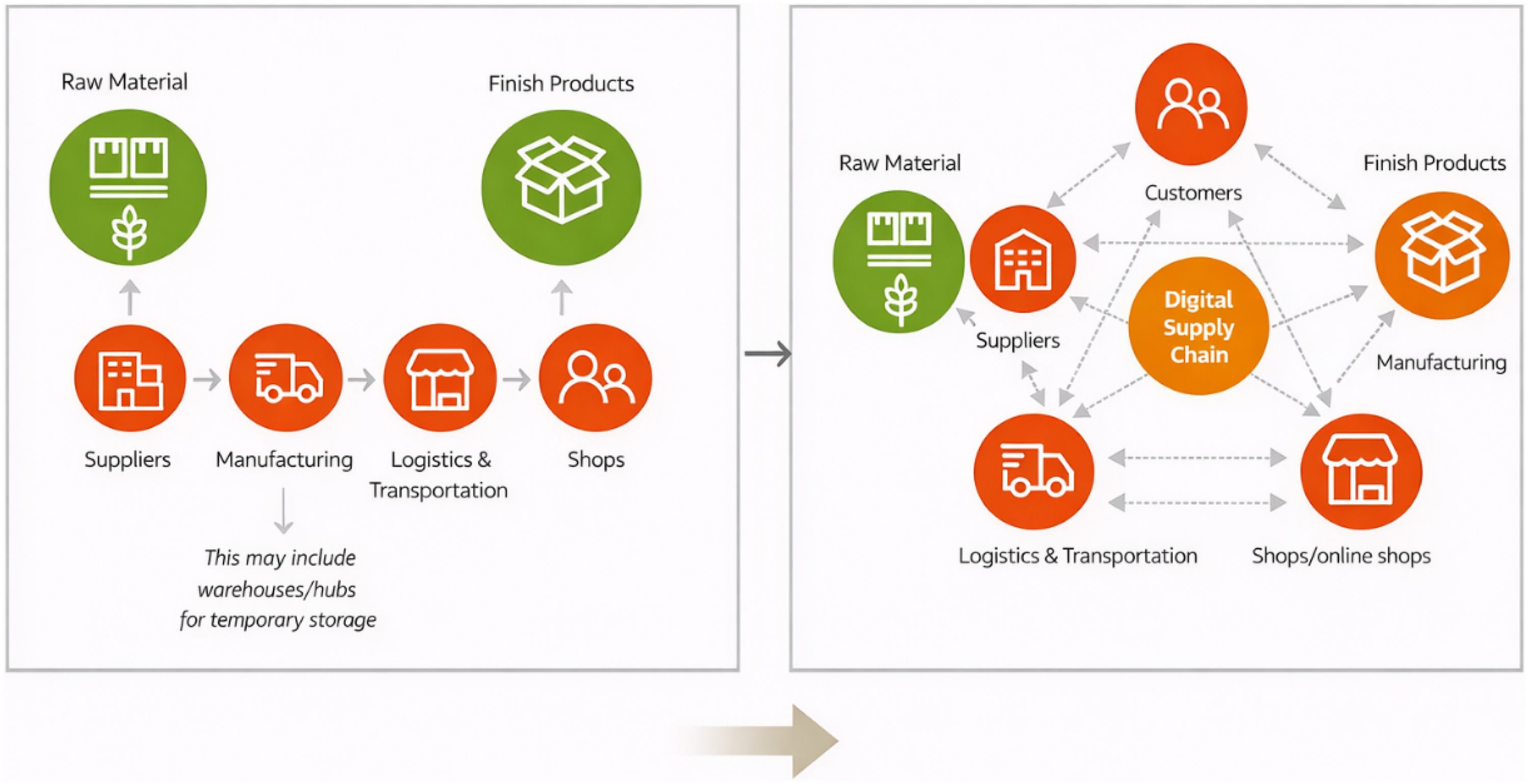
Third, they support inclusive and socially embedded development, generating livelihoods for marginalized communities while preserving cultural heritage and enabling gender participation. This multidimensional contribution challenges the narrow economic focus of conventional development models and aligns with broader sustainability frameworks, including the Sustainable Development Goals (UNDP, 2015). Taken together, these characteristics position traditional industries as hybrid systems that simultaneously address economic viability, ecological sustainability, and social inclusion thereby offering an alternative paradigm for regional development. Viewed from a local economy perspective, traditional industries can be understood as territorially embedded development systems that integrate production, cultural continuity, community institutions, and environmental stewardship. Their significance therefore lies not only in their economic outputs but also in their capacity to strengthen place-based development processes and contribute to more balanced regional futures.
Also, comparative analysis reveals fundamental differences between traditional industries and modern industrial clusters, particularly in their structure, function, and developmental implications. Modern industrial clusters are typically characterized by capital-intensive production, technological specialization, and integration into global markets. Their growth is driven by economies of scale, innovation systems, and infrastructure networks, often resulting in spatial concentration and uneven regional development (Porter, 1998).
In contrast, traditional industries operate through labor-intensive, skill-based, and decentralized production systems, with strong linkages to local economies and cultures. While modern clusters may generate higher aggregate output, traditional industries contribute to spatially dispersed development, employment generation, and resilience in economically lagging regions. Importantly, the two systems should not be viewed as mutually exclusive. Instead, they represent complementary pathways within a diversified regional economy. Integrating traditional industries into broader development strategies can help balance the growth-oriented focus of modern clusters with the sustainability and inclusivity offered by traditional systems (Figure 9). Linking heritage conservation with industrial policy goals for sustainable community development. Source: adopted by author from Porter (1998).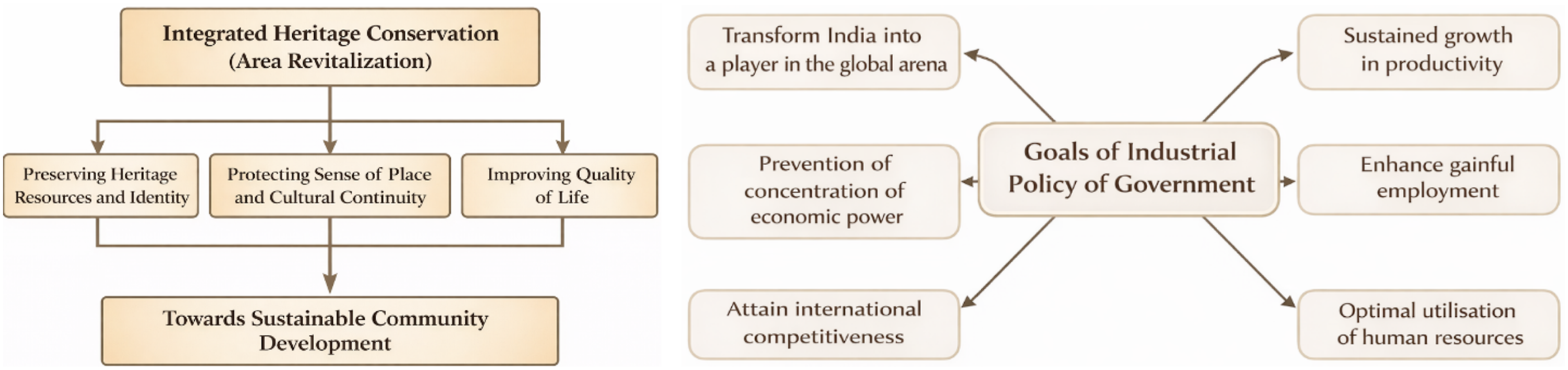
Bridging the policy discourse gap
The analysis highlights a significant gap in policy discourse: the continued framing of traditional industries within a “preservation approach,” rather than a “developmental integration approach.” The preservation approach emphasizes safeguarding heritage, providing subsidies, and protecting livelihoods often treating traditional industries as vulnerable sectors in need of support. While such measures are important, they tend to isolate these industries from mainstream economic planning, limiting their growth potential and long-term viability. In contrast, a developmental integration approach would recognize traditional industries as strategic components of regional economies, deserving of systematic inclusion in planning frameworks. This would involve a developmental integration approach would recognize traditional industries as strategic components of regional economies and incorporate them systematically into broader planning frameworks. Such an approach would involve embedding traditional industries within regional industrial policies and spatial planning strategies, while simultaneously strengthening their value chains through improved market access, design innovation, and appropriate technological adaptation. It would also require enhancing institutional support mechanisms, including cluster development initiatives, cooperative structures, and capacity-building programs that can improve competitiveness without undermining the sectors’ distinctive characteristics (Figure 10) Supply chain and production network of the handloom textile sector. Source: adopted by author by consultation with handloom industries.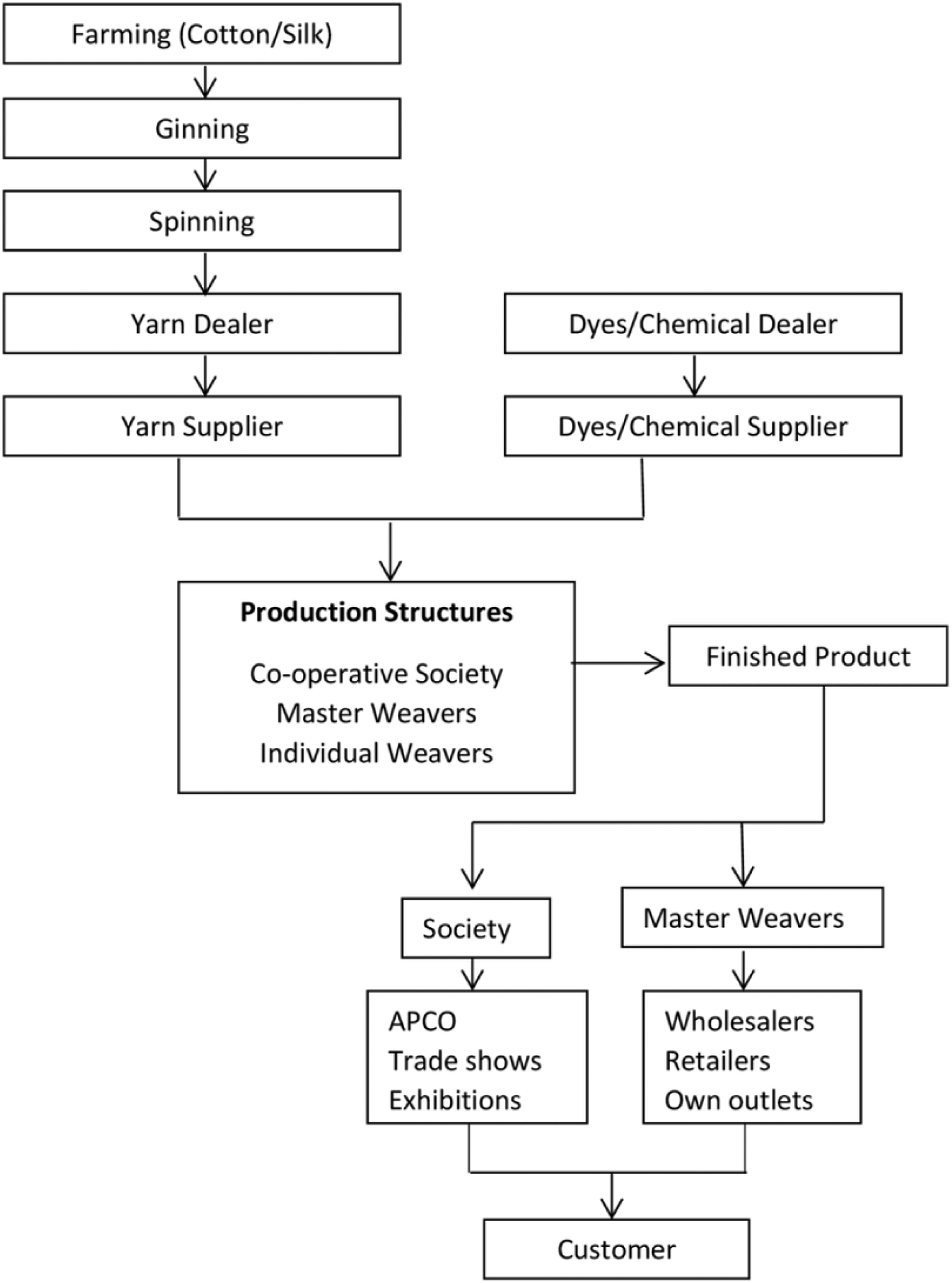
Such a shift requires rethinking not only policy instruments but also the underlying conceptual frameworks that define development. By moving beyond preservation toward integration, traditional industries can be repositioned as drivers of sustainable and balanced regional development, rather than as remnants of the past.
Conclusion
The contemporary discourse on regional development is increasingly shaped by concerns of sustainability, resilience, inclusivity, and place-based growth. Within this context, traditional industries warrant renewed attention not merely as cultural artifacts or livelihood-support mechanisms, but as productive systems capable of contributing meaningfully to sustainable regional development. This paper has argued that the developmental significance of traditional industries extends far beyond their conventional portrayal as residual sectors surviving on historical legacy. Instead, their embeddedness within local economies, social institutions, and ecological systems positions them as important actors in shaping balanced and territorially grounded development pathways. Drawing upon insights from regional development theory, sustainability literature, and the Indian handloom sector, the paper demonstrates that traditional industries generate multidimensional contributions across environmental, economic, and social domains. Their reliance on localized resources, low-energy production processes, and indigenous knowledge systems aligns closely with contemporary sustainability objectives and emerging circular economy principles. At the same time, their capacity to generate employment, retain value within local economies, strengthen regional production networks, and support livelihoods in economically lagging regions underscores their continued economic relevance. Equally important are their contributions to social sustainability through the preservation of cultural heritage, transmission of traditional knowledge, strengthening of community institutions, and participation of women and marginalized groups in productive activities. The analysis further reveals that the marginalization of traditional industries within development planning is not primarily a consequence of their limited developmental potential, but rather of the conceptual and policy frameworks through which development has historically been understood. Dominant growth-oriented paradigms have tended to privilege scale, industrial concentration, and technological intensity, often overlooking forms of production that generate value through local embeddedness, social cohesion, and environmental stewardship. As a result, traditional industries have frequently been confined to welfare-oriented or heritage-preservation policies rather than being integrated into broader regional development strategies.
In response, this paper proposes a conceptual repositioning of traditional industries as sustainability-linked regional growth systems (Figure 11). Architecture of a spatial–temporal policy management and monitoring framework. Source: developed by author from literature.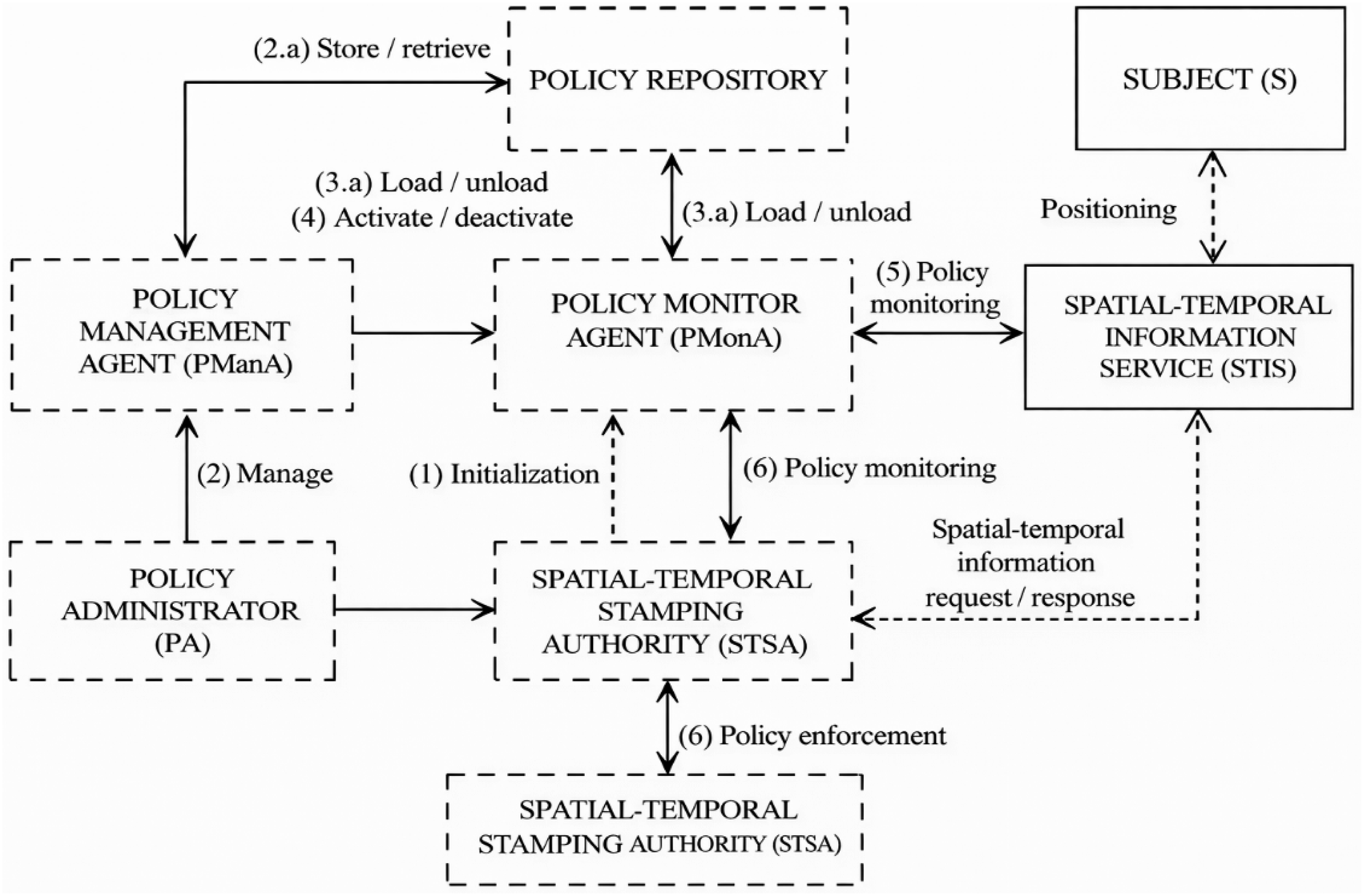
Footnotes

Funding
The author(s) received no financial support for the research, authorship, and/or publication of this article.
Declaration of conflicting interests
The author(s) declared no potential conflicts of interest with respect to the research, authorship, and/or publication of this article.