






Abstract
Human trafficking is still prevalent and continues to be a significant challenge due to underreporting, uneven institutional response and the absence of resources and procedures. Within the international landscape, West Bengal, India, represents a high-risk region due to its porous borders, frequent climate-induced displacement, and entrenched socio-economic inequalities. This study explored the functioning of Anti-Human Trafficking Units (AHTUs) in West Bengal through a qualitative approach consisting of perspectives from trafficking survivors, non-governmental organisation (NGO) actors, and institutional stakeholders (i.e. Criminal Investigation Department (CID) AHTUs and district-level AHTUs). Purposive sampling was used to recruit 19 trafficking survivors, 5 AHTU personnel, and 9 NGO/civil society participants, including Sanjog and members of the Partners for Anti Trafficking network. Data were collected through open-ended interviews, focus group discussions with participants, document analysis, and field observations and were analysed thematically. Findings revealed that the institutional response to human trafficking cases varies greatly across West Bengal. AHTUs operating through CID were viewed to function effectively, particularly in the areas of communication, preparation of cases, and survivor assistance, as well as the procedures used to assist survivors. On the contrary, AHTUs at the district level were viewed to experience delays, poor coordination, and limited prioritisation and funding of human trafficking cases. NGOs were viewed as an important source of assistance, rehabilitation, and coordination; however, they are challenged by institutional barriers and limited financial resources. The results of this study indicate that West Bengal does have an anti-trafficking infrastructure; however, a major challenge lies in the lack of consistency of how the infrastructure functions. The study recommends the need to strengthen district-level capacity, build inter-agency coordination, and more consistently implement survivor-responsive practices to improve response to human trafficking in West Bengal.
Introduction
Human trafficking remains one of the most serious forms of exploitation, involving the recruitment, transportation, transfer, harbouring, or receipt of persons through force, coercion, deception, abuse of power, or abuse of vulnerability for exploitative purposes. This study adopts that understanding in line with the Palermo Protocol and reads trafficking in the Indian context alongside Section 370 of the Indian Penal Code. In this article, trafficking is examined primarily through this legal and institutional lens. Broader indicators such as missing persons data are used only as contextual markers of vulnerability and possible under detection, not as direct equivalents of trafficking incidence (United Nations Office on Drugs and Crime [UNODC], 2000).
West Bengal provides a particularly important context for examining institutional responses to trafficking. Its border location, patterns of socio-economic vulnerability, and recurring concerns relating to women and children have made it a significant site for anti-trafficking interventions. Parliamentary data based on National Crime Records Bureau (NCRB) records indicate that 51,559 women were reported missing in West Bengal in 2020 and 50,998 in 2021, while 22,694 and 21,497 women, respectively, were reported as traced in those years (Ministry of Home Affairs, 2022). NCRB-linked parliamentary data also show that the number of missing children in West Bengal increased from 8205 in 2019 to 9996 in 2021 (Ministry of Home Affairs, 2024). These figures do not establish that all missing persons cases are trafficking cases, but they do underscore the scale of vulnerability, institutional pressure, and the likelihood that recorded trafficking cases alone may not fully capture the extent of exploitation risks in the state (Ministry of Home Affairs, 2022, 2024). A contemporaneous news report, drawing on Ministry of Home Affairs data presented in Parliament, noted that over 1 lakh (100,000) women in West Bengal were reported missing during the Covid period and that many remained untraced (Ghosh, 2022). Even when police records are kept, important information about human trafficking is often omitted. This points to a more widespread issue of crimes that remain unreported and untreatable. In West Bengal, the Anti-Human Trafficking Unit (AHTU) under the Criminal Investigation Department (CID) has functioned as a nodal institutional mechanism since 2011, with responsibilities including interstate coordination, rescue-related intervention, training, trial monitoring, and liaison with non-governmental organisations (NGOs). Civil society efforts have also documented operational gaps in AHTUs across India, including concerns relating to uneven implementation, resource allocation, and institutional inconsistency.
According to NCRB-based parliamentary data, West Bengal reported 59 human trafficking cases in 2020 and 61 in 2021, figures that appear modest when read alongside the much larger volume of missing women cases in the state and may not fully reflect the broader scale of vulnerability and underdetection (Ministry of Home Affairs, 2022; Ministry of Women and Child Development, 2024).
In response to this crisis, AHTUs were conceptualised as specialised entities to tackle the complex dynamics of trafficking. West Bengal established its AHTUs in 2011 under the CID, aiming to enhance the institutional response through focused interventions, inter-agency coordination, and survivor rehabilitation. However, the journey of these AHTUs has been fraught with challenges. Variations in effectiveness across districts, resource constraints, and inefficiencies in the procedures have pointed to questions about their capacity to address trafficking comprehensively. The goal of this study is to close the knowledge gap about the operational dynamics of West Bengal’s AHTUs. The research emphasises important themes such as institutional efficacy, systemic gaps, and survivor-centric behaviours by using a qualitative approach that incorporates survivor stories, NGO perspectives, and official documents. The function of the CID-AHTU, which has distinguished itself as a remarkable performer in the otherwise patchy field of anti-trafficking initiatives, is given special attention. By analysing the achievements and difficulties faced by AHTUs, especially in light of West Bengal’s socio-economic and cultural complexity, the study recommends more efficient, survivor-centred, and long-lasting anti-trafficking systems.
Literature review
Human trafficking in West Bengal, India, has been analysed through the lens of both a major offence and as a structural form of exploitation, which has resulted from factors such as poverty, gender inequality, unsafe migration, insufficient employee rights, and graduated enforcement of human rights law (Roy and Chaman, 2017; Sarkar, 2014). The research indicates that trafficking in India should not be defined as just a single type of crime but instead should be seen as consisting of several forms of abuse, including, but not limited to, sex trafficking, labour trafficking, child trafficking, and many other forms of the exploitation of individuals, all of which are driven by local, interstate, and international trafficking networks (Roy and Chaman, 2017; Sarkar, 2014). There is particular significance to West Bengal in this body of literature due to its porous borders; vast socio-economically disadvantaged populations; and the fact that it has long been identified as a source, transit, or destination region in the trafficking network (Deb and Sanyal, 2017; Imam, 2019). Research that has been conducted in West Bengal has also indicated that localised vulnerabilities (e.g. poverty, illiteracy, unsafe migration, and economic disruption) can render women and children more vulnerable to trafficking and other forms of exploitation (Deb et al., 2005; Ghosh, 2014).
Trafficking has developed an institutional response within India; however, it has developed through legal and policing frameworks which are intended to afford a combination of prevention/restorative intervention, investigation, prosecution, and rehabilitation. AHTUs have become established as specialised mechanisms to enhance coordination and investigative response. Nevertheless, the literature indicates that the effectiveness of these units is variable. The expectation that specialised AHTUs will improve the handling of cases and coordination between agencies is frequently undermined by underreporting, inadequate training, resource constraints, procedural delay, and the uneven application of the specialised AHTUs throughout various regions of India (Sarkar, 2014; Shekhar and Somasundaram, 2019). This is particularly relevant in the context of West Bengal, where the institutional responses include many different entities such as local police, AHTUs, border agencies, courts, and NGOs and occur across a very complex terrain. Previous scholarship highlights the significance of both well-resourced and specialised institutional responses; however, they also show that anti-trafficking practice is often reliant more on the efforts of individual actors or exceptional AHTUs than on consistent systemic reform.
In the literature discussing NGO and community involvement in anti-trafficking, there are many opinions that underscore the need for NGOs and community organisations to assist with anti-trafficking initiatives. For example, a number of studies examining West Bengal and South Asia have indicated that NGOs serve as important intermediaries in generating awareness about anti-trafficking, providing support for rescue, providing support for rehabilitation, providing legal assistance, and providing assistance for the reintegration of survivors (Chakrabarti, 2019; Datta, 2019). However, this body of literature also shows that barriers such as institutional barriers, uncertainty around funding, and inconsistent collaboration with government have shaped NGO involvement. In some cases, NGOs have enabled survivors to access services and have strengthened local responses, but their ability to shape systemic accountability remains limited. Therefore, although NGO involvement is necessary, it is not, by itself, sufficient to produce effective or survivor-centred institutional frameworks.
In addition, another area of scholarship has begun to examine the limitations of rescue-based and prosecution-based anti-trafficking paradigms. Ramachandran (2022, 2023) argues that anti-trafficking interventions often rely on a punitive framework that is primarily focused on the criminal justice system (issues of prosecution for crime) and survivor-witness requirements (issues surrounding the survivor’s ability to come forward as a witness), rather than taking into account the social, legal, and cultural context of the survivor’s decision making and the survivor’s connection to institutions. Similarly, Jana et al. (2013) caution against collapsing trafficking and sex work into one large enforcement umbrella, citing the benefits of community-based, rights-based approaches to the two. Najjar (2021) builds on these critiques by showing how the continuing effects of colonial and post-colonial legacy create structures and systems for anti-trafficking laws and practices that give more priority to police and prosecution than to agency, rehabilitation, and structural change. Taken together, these studies point to the necessity of adopting a survivor-centred framework for anti-trafficking initiatives that focuses on means of creating survivor-centred institutions beyond just formal rescue and prosecution, including communication, participation, protection of witnesses, legal assistance, and improving institutional trust.
Much of the literature on issues concerning the vulnerability of survivors of human trafficking, and legal frameworks for addressing human trafficking, as well as NGOs and specifically designed structures to combat human trafficking is substantial. However, empirical results regarding how AHTUs are actually experienced and evaluated by different stakeholders within the same regional context are limited. In particular, there is a noticeable lack of qualitative research comparing how survivors of human trafficking, NGOs involved in anti-trafficking work, and institutional stakeholders perceive the effectiveness of AHTUs for survivors of human trafficking in West Bengal and the differing effectiveness of CID and district-level AHTUs. This research will fill this gap in knowledge by exploring the institutional response to human trafficking in West Bengal through the narratives of survivors of human trafficking, perspectives of stakeholders, and qualitative analyses of the operational strengths and weaknesses of AHTUs.
Research methodology
Research design
This study adopted a qualitative research design to examine the functioning, challenges, and perceived effectiveness of AHTUs in West Bengal, India. The study intends to offer deep, contextual insights into the perspectives of stakeholders, such as survivors, law enforcement officers, and NGOs by utilising qualitative methodologies.
Study area
West Bengal, a state known as a trafficking hotspot because of its geographic location, porous borders with Bangladesh and Nepal, and socio-economic weaknesses, was the site of the study. To represent the variety in AHTU performance and operational issues, some districts were chosen, including Basirhat, Barasat, and Bongaon. These regions were picked because of the high number of cross-border trafficking cases and their closeness to trafficking pathways.
Sampling strategy
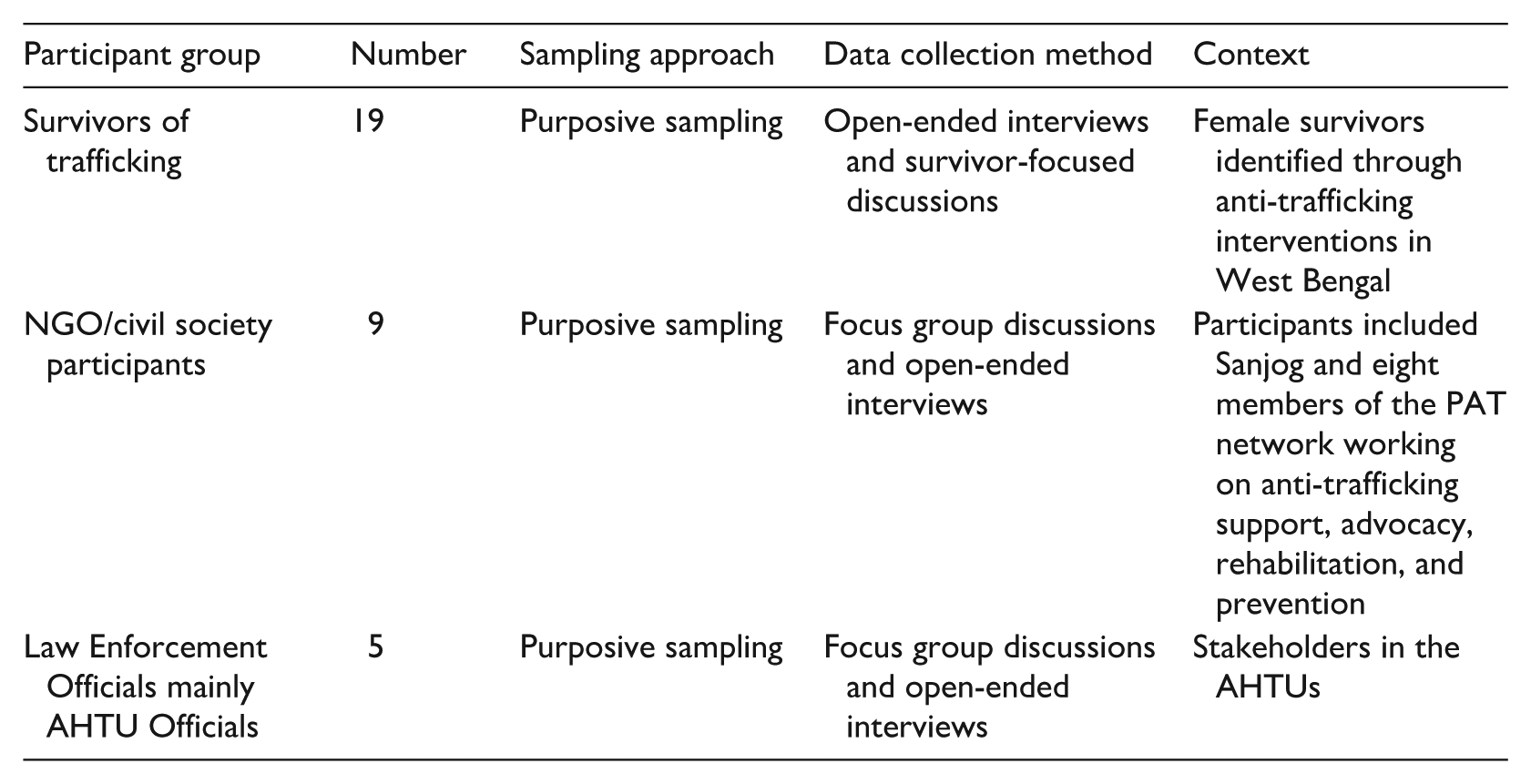
Purposive sampling was used to select participants directly affected by trafficking, as well as civil society and law enforcement actors involved in anti-trafficking interventions. The study included 19 survivors of trafficking and 9 NGO/civil society participants, including Sanjog and members of the Partners for Anti Trafficking network, as well as 5 Law Enforcement Agency (LEA) officials working in AHTUs. These participants provided survivor-based and organisational perspectives on the functioning of AHTUs in West Bengal.
Data collection methods
Data were collected by various qualitative methods to increase the depth and context of understanding. Data were collected through open-ended interviews and focus group discussions with survivors, NGO/civil society participants, and AHTU personnel, alongside document analysis and field-based observations. Questions focused on the survivors’ experiences of rescue and rehabilitation along with the progression of their cases, the operational challenges faced by AHTUs, inter-agency coordination, and perceptions of the effectiveness of the institutions involved.
Primary data were contextualised and triangulated with document reviews of secondary sources. The following documents were analysed from a variety of publications: the NCRB, the current repository of AHTU documents, and documents from NGOs which were relevant to anti-trafficking projects.
Observational data were collected through a variety of field visits to AHTU offices and/or office settings, rehabilitation/rescue centres for survivors of trafficking, and areas that are considered trafficking prone. Observation data provided contextualisation and understanding of institutional processes, survivors’ interaction with institutional processes, and the context of operational settings.
Ethical considerations
The research design was planned based on ethical regulations relating to research conducted using potentially vulnerable participants. The study received ethical clearance from the Research Ethical Consideration Committee (RECC) Karunya Institute of Technology and Sciences, Coimbatore. Before data collection, participants were informed of their right to withdraw from the study at any stage, and that participation in the study was voluntary and what the purpose of the research study was. Participants provided informed consent before data was collected on their behalf. To protect all participants’ anonymity, we removed identifiers on transcripts and when reporting. We took care to ensure that during the course of conducting interviews with survivors no distress resulted as a consequence of our interaction, and to further ensure that no re-traumatisation occurred from the interaction. A trauma-informed approach was taken during the entire data collection and data interpretation process.
Data analysis
Thematic analysis was utilised in the analysis of this data. An initial reading was undertaken repeatedly to become familiar with the data obtained from the open-ended interviews and focus groups; observation and document review were also included in this work. Initial coding was developed to assist in the identification of patterns related to institutional functionality, survivor experience, coordination issues, process barriers, and support systems. The initial codes were grouped into common thematic clusters of operational gaps/inconsistency, survivor engagement, and collaboration to represent the primary thematic concerns of the analysis, that is, operational deficits, institutional inequities, engagement of survivors, and collaborative action. Thematic analysis facilitated both descriptive and interpretive analysis of how AHTUs operated in the various study locales. Interviews and discussions conducted in the local language were translated into English for the purposes of transcription, analysis, and reporting.
Limitations of the study
The study has some limitations that should be noted. The first major factor that influenced sample size was that due to the sensitivity of the topic, obtaining access to both survivors and those working in institutions was logistically challenging. A second limitation was that the sites selected for the study were limited to specific sites within West Bengal. As such, findings from this study are essentially context specific and not generalisable to the entire country of India. Nevertheless, the use of the qualitative design to achieve a richer understanding of the phenomena under investigation and contextual insights has been fulfilled.
Rationale for methodology
In order to guarantee a thorough grasp of the trafficking ecology in West Bengal, this methodology was used. The study contributes to both academic and practical improvements in the field by capturing the socio-cultural, institutional, and personal aspects of trafficking and anti-trafficking activities through the integration of diverse qualitative methodologies and viewpoints.
Findings and observations
Profile of the survivor participants
There were 19 female survivors in the sample. All of the women involved in this were identified as survivors of sexual exploitation through anti-trafficking interventions. The profiles of the survivors highlighted a number of vulnerabilities. The majority of the participants were between 19 and 28 years of age. Many of the participants had relatively low levels of formal education. Of the total sample size, 58% of the survivors had received no formal education, 26% of the survivors had received basic schooling, and 16% of the survivors had received a secondary education. The majority of the participants were located in Basirhat, while the remaining participants were from Bongaon, Barasat, Gokulpur, and Katakhali. The duration of trafficking experience for the participants was from 1 month to 1 year, with 68% of participants reporting trafficking experiences that lasted from 1 to 6 months. Therefore, this information provides insight into the intersection of youth, educational disadvantage, and socio-economic and geographic disadvantage of the participants in terms of vulnerability to trafficking in the study area (see Figures 1 to 5).
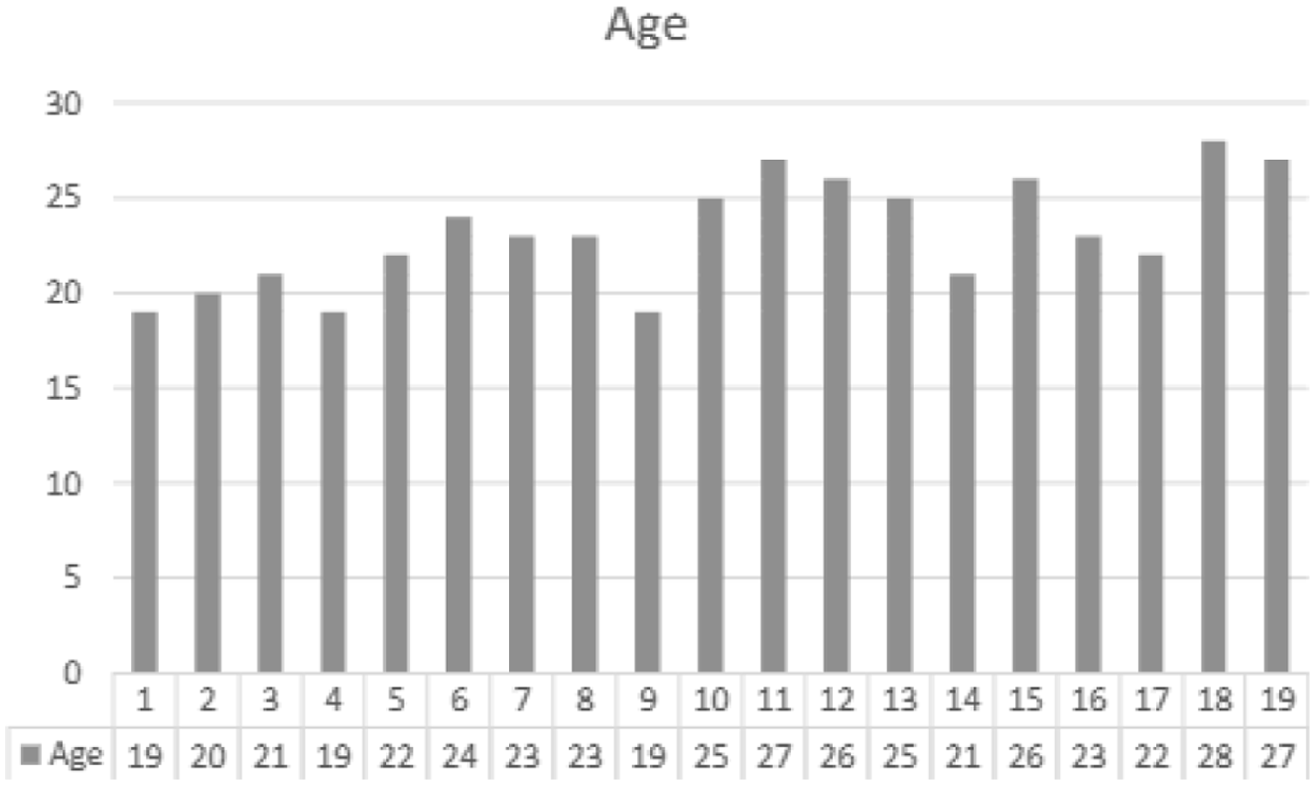
Distribution of survivors by age.
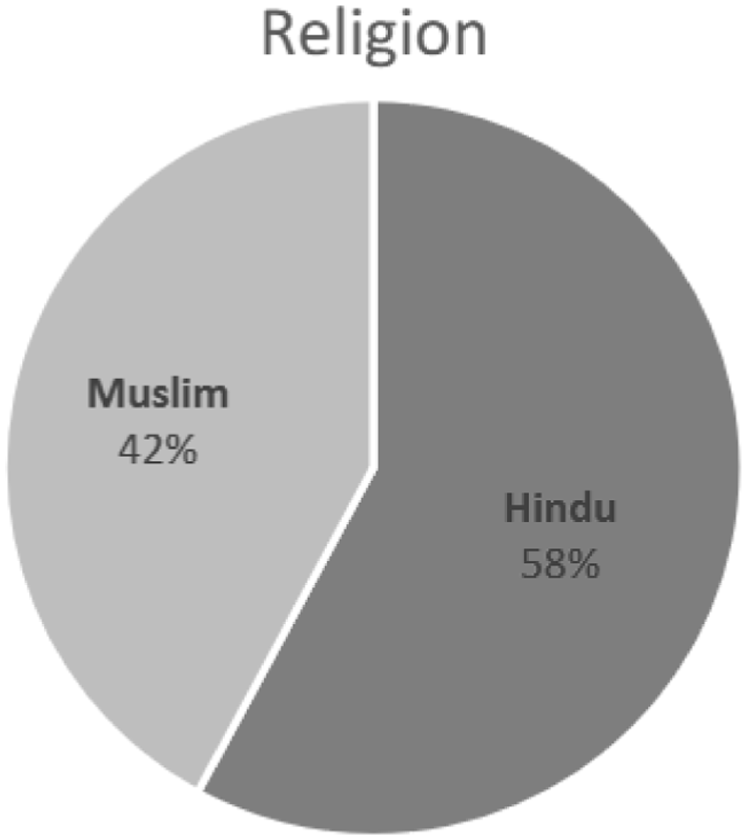
Survivors’ religious representation.
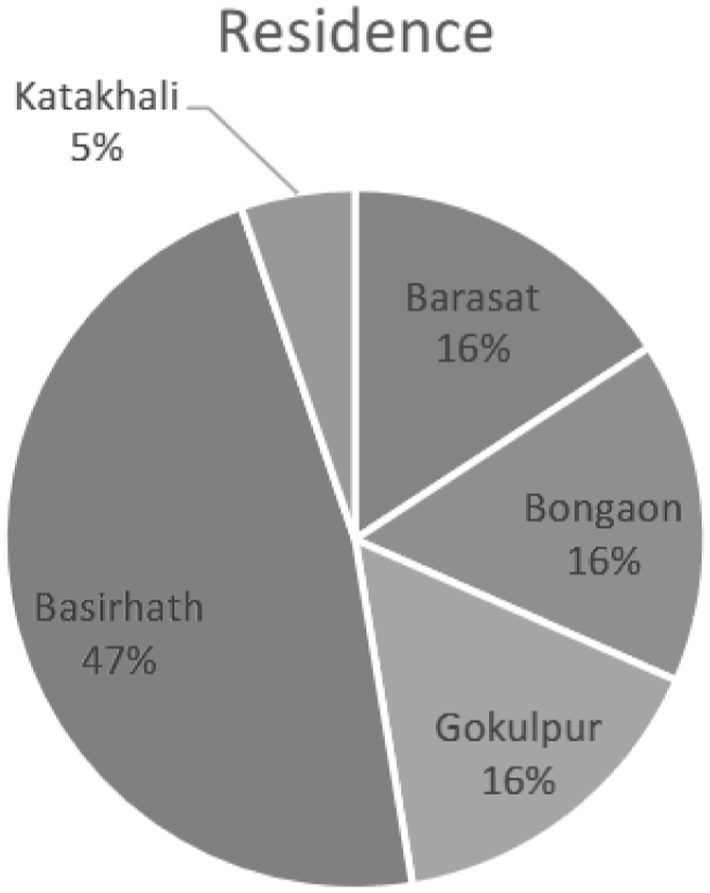
Survivors’ place of residence.
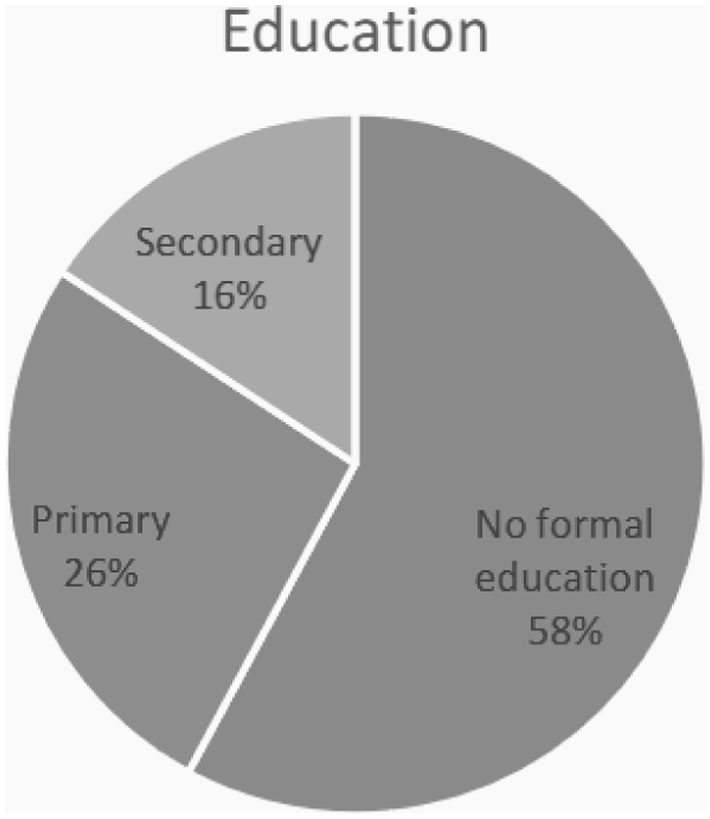
Survivors’ educational background.
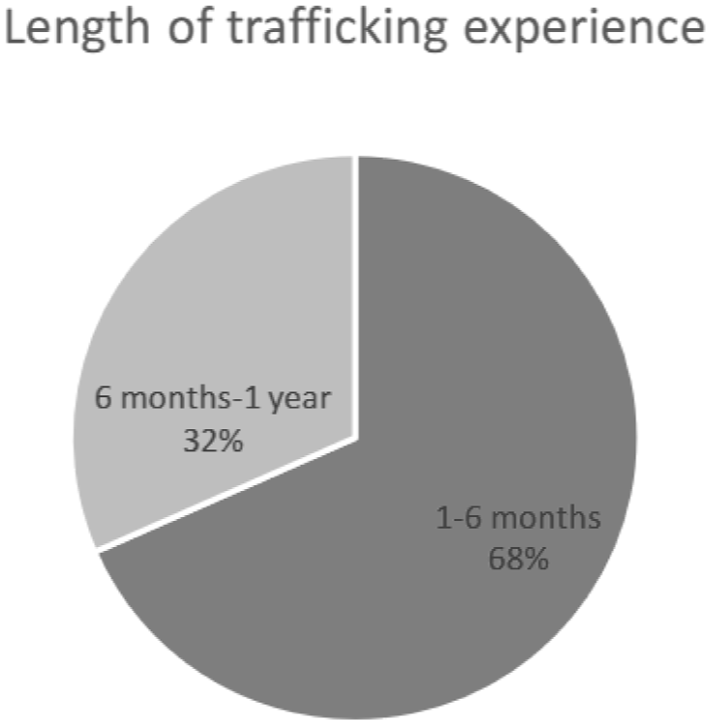
Length of trafficking experience.
Theme 1: Institutional unevenness across AHTUs
The uneven functioning of AHTUs across West Bengal is a major finding of this study. All of the research participants commenting about CID AHTUs reported that the CID AHTUs were as efficient, proactive, and responsive to survivors as the district AHTUs. In addition, the CID AHTUs were reported to be stronger in the areas of investigation, case follow-up, communication, witness protection, and legal preparation. Many stakeholders noted that cases at the district level that had suffered prolonged inactivity were sometimes acted upon only after CID involvement and that as a result, CID was viewed as a more dependable institutional actor than district AHTUs in response to survivors of human trafficking: The difference between the CID unit and the district unit was very clear. One was active and responsive, while the other was slow and inconsistent. (Survivor Participant) Sometimes it depends on who is posted in the unit. Where there is commitment and experience, the response is stronger. Where there are transfers and shortages, the case suffers. (AHTU Official) The challenge is not only the mere existence of the unit, but if it also has the capacity, coordination, and stability to function effectively. (AHTU Official)
On the other hand, the district AHTUs were seen as very inconsistent in their functioning. In the sub-regions of Basirhat and Bongaon, there were numerous reports of inadequate resources, physical infrastructure challenges, insufficient training, and weak continuity of case follow-through relative to the number of staff who were transferred. In addition, many participants commented on disrupted investigations, diminishing survivor confidence due to lack of continuity within the district AHTUs caused by frequent officer transfers. The findings of the study suggest that merely having AHTUs or employing part-time staff at AHTUs does not guarantee consistent performance throughout the AHTUs. Rather, the inconsistent effectiveness of AHTUs appeared to be closely related to staffing levels; staff training and qualifications, the quality of AHTU leadership, and the operational support provided.
Theme 2: Trafficking cases remained underprioritised within law enforcement
According to the various stakeholders involved, law enforcement typically considers trafficking to be a lesser priority than other types of crime (e.g. narcotic trafficking, murder, or rape). This general perception of trafficking as a lower priority crime appears to create a negative impact on the level of surveillance provided for trafficking cases, the quality of investigation conducted, and resources devoted to trafficking cases. Some stakeholders expressed the opinion that trafficking has been treated as a “soft” crime, which has caused trafficking cases to be registered and followed up at an insufficient level of urgency. Therefore, the under-prioritisation of trafficking within law enforcement is both an attitudinal and operational issue that shapes how much institutional attention is accorded to trafficking cases: Not much importance is given to the trafficking cases. People still tend to see trafficking as a less serious crime, while other crimes are treated as more important. (AHTU Official)
In addition, participants identified uncertainty around the future function of AHTUs in light of potential changes to the Trafficking in Persons Bill, as well as the possible involvement of additional agencies. Issues related to arrest authority, First Information Report registration, and investigative responsibility contributed to some degree of institutional confusion regarding how trafficking cases will be handled going forward. Nonetheless, many stakeholders reported that AHTUs (specifically at the CID level) have sufficiently exhibited their capability by preparing charge sheets and processing trafficking cases in ways that are difficult to refute. This provides an indication that although there is a developing capacity in the area of trafficking, it continues to be inadequately distributed and institutionalised.
Theme 3: Survivors reported delays, weak communication, and procedural barriers before effective AHTU engagement
Survivor narratives show that survivors had much dissatisfaction over how trafficking cases were initially treated prior to specialised AHTUs meaningfully getting involved. This included prolonged delays in local police investigations and local police investigations not invoking trafficking-related legal provisions properly at the point of registration of the cases such as IPC sections 370 and 371, the Immoral Trafficking (Prevention) Act, and Protection of Children from Sexual Offences Act which weakened the legal basis of the cases and delayed proper and effective prosecution: We were never clearly told what was happening in the case. (Survivor participant) We were not much aware about these institutions, how they work or coordinate, and we feel comfortable with our old life, even after rescued, we feel the burden falls back on the us. (Survivor Participant)
Survivors noted that local investigations were susceptible to external pressures, including outside interference and tampering with evidence. In some instances, subdivision courts had to intervene prior to transferring the matter to specialised AHTUs. Survivors noted that they relied on district lawyers and other intermediaries to facilitate these transfers. This shows a system where survivors often had to navigate institutional access through informal means rather than through routine processes. Overall, these findings demonstrate a lack of structure in the early handling of cases, especially at the local police level.
Theme 4: Survivor engagement differed sharply between district AHTUs and the CID AHTU
The survivor discussions regarding survivor engagement and communication were significant in showing a difference in survivor engagement and communication with the CID AHTU and the district AHTUs. The participants indicated that they were largely not aware of the various roles of the district AHTUs, CID AHTUs, and border security AHTUs, nor did a large number of them have a basic understanding of how each of these organisations work differently from one another or how their cases were advancing. The lack of knowledge of how these AHTUs work and how their cases are progressing resulted in a communication gap between survivors and the AHTUs, which was likely to inhibit survivors from engaging actively in the legal process and being advocates for themselves: Many of us do not feel much comfortable even after we have been rescued. Some of us have been maybe used to such an environment (including drinking alcohol, smoking, and the same type of environment we came from) that if provided an opportunity to return I may do so. (Survivor Participant)
The survivors expressed dissatisfaction with the district AHTUs and particularly indicated dissatisfaction with how the AHTUs communicate. The survivors indicated the officers were not forthcoming with case updates, were not forthcoming during their visits to the district police AHTUs, and tended to be less transparent about what was happening with the survivors’ cases. On the other hand, survivors indicated that the CID AHTU was generally better at engaging with survivors; that the CID officers were more approachable and responsive to them than the district AHTU officers; and that CID officers were generally more courteous, would provide case updates, and were more involved in preparing survivors for court hearings than their district AHTU counterparts. In addition, CID AHTUs were reported to better protect witnesses than were district AHTUs and to be better at conducting case conferences than were district AHTUs, which led survivors to have a greater degree of trust and comfort in engaging with the CID AHTU. Consequently, a number of survivors indicated a preference for the CID AHTU to be involved with their future cases.
Theme 5: NGOs were indispensable but structurally constrained
NGOs have emerged as vital contributors to the anti-trafficking response. These organisations provide services, such as rehabilitation, legal support, counselling, and community development and prevention. Partners for Anti Trafficking (PAT), for example, have played a significant role in awareness raising, survivor support, and providing coordination between law enforcement and NGOs. Focus group discussions with PAT members showed that some incremental improvements have occurred in the AHTUs, including more operationalisation of district AHTUs, training for social workers and legal aid providers, more regular use of relevant sections of the law, and greater CID involvement in stalled cases. These findings illustrate how collaborative institutional progress is possible through the collaborative efforts of specialised actors: Support should not stop with rescue. Survivors need constant legal, emotional, and social support and guidance, but sustaining that level of engagement is very difficult. (NGO Official)
Although PAT Members shared examples of incremental improvement, they also shared how there were still limitations that inhibit more effective responses globally by the NGOs. For example, the following weaknesses were identified by NGO respondents: limited coordination between border security forces and district AHTUs; inadequate funding and infrastructure; frequent transfer of officers (both NGOs and law enforcement); lack of supervision for and poor records of survivor statements; and lack of consistent mechanisms for engagement and input from survivors at the district level. Furthermore, when surveying the 18 blocks in which PAT worked to develop community-based awareness and survivor-led advocacy for prevention, the participants stressed that sustainability of good practices would ultimately be affected by uncertainty of funding and fear of restrictions due to the Foreign Contributions Regulation Act (FCRA). Participants suggested that fears relating to FCRA-related restrictions could limit organisational advocacy, funding continuity, and the capacity of NGOs to challenge institutional failures more directly. In this regard, NGOs are indispensable to the anti-trafficking ecosystem; however, they lack the institutional capacity needed to address the more profound structural weaknesses.
Theme 6: Structural weaknesses undermined survivor-centred justice
Overall, the data collected for this study reflect that there was, overall, a pattern of how structural and procedural deficiencies undermine survivor-centred justice. Structural and procedural weaknesses included incomplete registration of FIRs (first information reports), delays in the transfer of cases to specialised AHTUs, the provision of inadequate investigative reports, inadequate protection of witnesses, poor coordination between agencies, and inadequate specialised training for investigators (including social workers). In addition to these structural and procedural deficiencies, there were also resource deficiencies (i.e. lack of capacity/infrastructure and lack of sustainable funding) which further reduce how well the institution responds to an anti-trafficking incident; as a result, in addition to delays in investigations caused by these deficiencies, they also have an impact on survivors’ trust in the justice system and whether the survivors had experienced an institutional response as protective, apathetic, or burdensome: We can coordinate, advocate, and support survivors, but when the institutional response is inconsistent, our work also becomes fragmented. (NGO official)
In summary, this study indicates that, in West Bengal, the issue is not merely the absence of an anti-trafficking institution; however, rather that the institutions that exist are functionally uneven. Specialised responses are most effective when institutional commitment, coordination, and survivor engagement are most highly visible and/or functioning effectively, especially at the CID level. When these conditions are not present, the delay for sexual exploitation cases, reduced communications between authorities and/or survivors, and erosion of the survivors’ confidence in the justice system occur due to these structural weaknesses. Therefore, these findings emphasise the importance of strengthening capacity at the district level, creating continuity and accountability within the anti-trafficking system(s), and embedding survivor-responsive practices throughout the anti-trafficking system.
Discussion
This study has examined the role of AHTUs in West Bengal from the various perspectives of survivors, NGO representatives, and institutional stakeholders. The results indicate that what makes the anti-trafficking response in the State effective is less about whether or not the specific AHTUs exist as a formal entity but more about how systematically they are resourced, coordinated, and engaged with survivors in actual practice. The study clearly shows that CID AHTUs are proactive and have proper communication and effectiveness in comparison to many of the district-level AHTUs responding to this issue. Conversely, it was found that the district-level response had been inconsistent and often compromised by a lack of resources, training, and coordination, in addition to discontinuity resulting from staff transfers.
These results further support previous literature, which has identified challenges such as underreporting, poor implementation, and inconsistencies in procedure as persistent barriers to the effectiveness of anti-trafficking systems within India (Sarkar, 2014; Shekhar and Somasundaram, 2019). The findings of this study also support previous work stating that although there may be specialised anti-trafficking structures in existence, those structures do not operate at an equivalent level across all local settings. Therefore, the findings of this study contribute to the literature by establishing institutional inconsistency as not merely an abstract governance issue, but rather a tangible experience for survivors through examples such as delayed investigations, a lack of communication, a lack of witness protection, and uncertainty of the progress of their case.
The study’s comparison of AHTU practices at the CID and district levels has implications for the literature on specialised AHTUs. The majority of the existing literature has focused on the promise of specialised AHTUs as a way to improve the ability of law enforcement agencies and clarify the perception of their anti-trafficking work by stakeholders such as survivors. The use of specialised AHTUs has generally been positively associated with case preparation, communication with survivors, the provision of services to survivors, witness protection, and engagement in the legal process. The district AHTUs are often described as under-resourced, inconsistent in processes, or procedurally inept. Although specialisation contributes to positive anti-trafficking outcomes, it is contingent on the level of support for the specialised unit by the state, including institutional commitment, stability, and competence.
The findings of this study shed new light on existing discussions regarding survivor-centred justice. Much of the existing literature calls for survivor-centred or survivor informed anti trafficking practice, yet such language often remains general or normative in its expression (Jana et al., 2013; Ramachandran, 2022). In contrast, the visibility of survivor-centred justice in this study was established through actual changes in the way survivor-centred behaviours were observed in a CID AHTU case file (such as updates on case status, respectful communication, preparatory steps for court, and attempts to protect survivors when they identified as witnesses). The lack of such behaviours in the district unit cases was noteworthy.
Survivor dissatisfaction with the degree of communication from the district AHTU and the survivor’s lack of understanding of the progress of her case indicate that survivor engagement in the responding institution may not be achieved by simply providing the survivor with services related to rescue or legal registration. Survivor-centred justice requires a substantive level of procedural engagement, continued communication/disclosure of procedural developments, and a substantive level of support throughout the duration of the survivor’s case.
The findings of this study may also be viewed within the broader framework of critiques regarding frameworks geared towards fighting human trafficking. Specifically, there is an overemphasis on policing and underemphasis on structural vulnerability, labour precarity, and survivor agency (Jana et al., 2013; Najjar, 2021). While the data do not imply that law enforcement plays no role, they do demonstrate that when law enforcement is specialised and accountable, coordinated, and responsive, it can effectively work to combat human trafficking. The uneven functioning of AHTUs in West Bengal underscores the fragility of the institutional response when it is not bolstered by training, infrastructure, continuity, and meaningful collaborative relationships with survivors and support organisations. One implication is that it is necessary to move beyond the creation of formal institutions and to look at how those institutions function in practice.
In sum, the study provides three contributions to the literature. First, it documents a qualitative account of the AHTUs and how various stakeholders experience and evaluate those AHTUs in West Bengal. Second, it demonstrates that institutional differences in human trafficking institutions are significant, particularly when comparing institutions at CID versus district level. Third, it shows that survivor-centred justice should not be measured solely through rescue or prosecution, but should also include measures of communication, procedural support, witness protection, and continuity of institutional engagement. The findings debate that the challenge in West Bengal is not just simply lack of funding, but show uneven institutional presence also. Thus, improving the anti-trafficking response in West Bengal requires strengthening the capacity of institutions at the district level, stabilising institutional staffing, increasing the consistency of legal and procedural parameters, and embedding survivor-responsive practices into the anti-trafficking response.
Conclusion
This study examined AHTUs in West Bengal through the perspectives of survivors, NGOs, and anti-trafficking stakeholders. Although the CID AHTUs had a reputation for being better coordinated and responsive to survivors’ needs, there were many instances in which district-level AHTUs were perceived as having significant delays, poor communication, lack of resources, and inconsistent procedures. This study demonstrates that there are significant gaps in district-level anti-trafficking responses, which impact survivors’ trust in the system and the progression of cases.
NGOs and community-based organisations play a vital role within the anti-trafficking ecosystem (supporting survivors, rehabilitating survivors, providing advocacy, and preventing human trafficking). However, NGOs do not replace the need for stronger public institutional capacity. This research demonstrates the need for greater consistency in the form of district-level strengthening, improved coordination among agencies, greater clarity in procedures, continuity of personnel, and a more systematic approach towards institutionalising survivor-centred practices in anti-trafficking interventions. Overall, this research adds valuable information to the current discussion on institutional effectiveness and survivor-centred justice by indicating that anti-trafficking reform within West Bengal depends not solely on the existence of specialised AHTUs but rather on how well they operate within the community.
Footnotes

Funding
The authors received no financial support for the research, authorship, and/or publication of this article.
Declaration of conflicting interests
The authors declared no potential conflicts of interest with respect to the research, authorship, and/or publication of this article.