







Abstract
This study evaluates a technology-enhanced methodology aimed at fostering interactive learning and increasing student engagement in university settings. The approach combines theoretical instruction with collaborative exercises, dynamic visual representations, and real-time feedback while maintaining student anonymity. After introducing each new concept through graphical explanation and instructor-led problem-solving, students are challenged with a similar problem to solve in small groups. Using WhatsApp, each group submits a graphical solution anonymously via a designated “head student,” which enables the instructor to assess understanding and facilitate discussion without exposing individual identities. The method is repeated several times per session to reinforce learning through immediate feedback and peer comparison. The findings indicate a significant positive effect on classroom dynamics and academic performance. Student participation increased from 71.4% to 86%, and midterm exam attendance improved notably (Subj_1: 72.9% to 90.8%; Subj_2: 67.7% to 76.5%). Engagement in classroom activities also showed consistent growth. Pass rates increased from 58.6% to 65.8% in Subj_1 and from 30.2% to 41.2% in Subj_2, despite a marginal decline in the average grades of passing students. Additionally, students demonstrated enhanced problem-solving skills and improved graphical and schematic representation of key concepts. Teaching evaluation surveys provided positive feedback, rating the methodology as more dynamic and effective than traditional approaches. Beyond facilitating the acquisition of complex concepts, the methodology improved student confidence, motivation, and active participation, promoting deeper and more meaningful learning experiences.
Keywords
Introduction
In recent decades, the growing concern for equipping students with deep and lasting knowledge in higher education has driven the development of various pedagogical theories. Among the most prominent is the theory of formative assessment, initially proposed by, 1 which highlights the importance of feedback and self-regulated learning through dialogic interaction in the classroom. 2
On the other hand, Jerome Bruner 3 suggests that learning should be structured in a way that allows students to discover concepts on their own, fostering deep understanding and the active construction of knowledge. This approach can be considered a precursor to the ICAP theory introduced by, 4 which categorises educational activities into four modes of cognitive engagement, ranked from least to most effective: passive, active, constructive, and interactive. These concepts are extensively discussed by. 5
Although developed independently and in parallel, the theory of formative assessment and the ICAP theory share fundamental elements, particularly the need for continuous monitoring of learning outcomes, as discussed in 6 and. 7
In the context of engineering education, these pedagogical models have gained renewed relevance. Recent academic contributions have emphasised the need to modernise engineering curricula and teaching practices in line with technological progress, sustainability, and changing industry demands.8–10 Moreover, the evolution toward Industry 5.0 and intelligent manufacturing frameworks reinforces the importance of fostering deeper learning, problem-solving skills, and social responsibility among students.11–13
Over time, research in this field has led to methodologies proposing specific activities to enhance the educational experience. Notable examples include Bain's recommendations on the practices of the most effective university professors 14 and technological applications that facilitate real-time feedback. In this way, the application ActiveClass 15 enables students to anonymously respond to questions posed by the instructor, providing valuable feedback on student understanding. However, the closed nature of this technology limited its adaptability, an issue addressed in later developments such as the three works of16,17 and, 18 where they used smart, and open-source devices to improve the quality of learning.
Evidence shows that the strategic use of technology in the classroom can provide multiple advantages. One key benefit is that it fosters active student participation by lowering the barrier of fear associated with direct engagement in class. Another crucial advantage, stemming from the first, is that in large-scale classes, when students do not actively participate, they often feel their time is wasted, leading to a loss of interest in the subject. Consequently, this contributes to high absenteeism.
Despite these innovations, there remains a lack of empirical studies that quantify the academic impact of instant messaging tools as instruments for real-time knowledge construction in technical university courses. This study aims to bridge that gap.
In this context, the present study proposes a methodology to facilitate real-time learning feedback in a live classroom environment, promoting active, constructive, and interactive student participation. This directly enhances student interest in the subject and improves academic performance.
This approach was implemented in engineering courses focused on manufacturing processes within the Mechanical Engineering degree programme, reflecting the specialisation of its authors. However, the methodology is adaptable to any field of knowledge and applicable to other levels of education, including high school and postgraduate studies.
This article is structured as follows: Section 1 introduces the main pedagogical approaches and their evolution up to the emergence of mobile devices. Section 2 presents and discusses the pedagogical principles underpinning this study. Section 3 outlines a step-by-step methodology, highlighting key aspects of learning management. Subsequently, Section 4 provides three comprehensive examples. Section 5 presents the results obtained from implementing the methodology in live classes. Finally, Section 6 summarises the conclusions and implications for future research.
Pedagogical principles
When implementing mobile technologies in university-level teaching, should be considered, many of which are also aligned with principles adopted by the European Higher Education Area (EHEA)
19
and
20
:
Content Model: Learning is not merely about covering content but fundamentally about acquiring competencies that endure over time. Knowledge Construction: Learning is a process of building deep knowledge, as opposed to superficially absorbed information. This is particularly critical when addressing abstract and complex concepts, as understanding them enables their application to multiple scenarios. Questions and Dialogue are Fundamental: Many researchers agree that only when students are able to formulate questions themselves, their understanding of the answers becomes rooted in real, acquired knowledge, enabling them to apply it rigorously and confidently to analogous situations. Interactivity: Today's generation of students is constantly connected and seeks interaction through electronic means. However, horizontal communication among peers should also be encouraged. Dialogue generates a source of ideas that, even if incorrect, are valuable. Often, learning comes more from failure than from success. Situational: Learning largely depends on the environment in which it takes place. Naturally, the classroom must provide the necessary tools to ensure that learning is effective. Technology is not the goal in itself: Technology should enable anonymity while still supporting activities that encourage reflection on schemes, graphs, drawings, and more—ultimately triggering genuine cognitive processes. Technology must support good pedagogy but not replace it.
A deep understanding of the subject is fundamental to evaluating the pedagogical method. This activity largely depends on the instructor, 14 but technology can also play a crucial role by allowing concepts to be tested and reinforced until they become sufficiently robust to be handled competently.
Methodology
The methodology begins with the theoretical explanation of a novel concept for students, which may involve a certain degree of abstraction or complexity. In all cases, the theoretical explanation is presented graphically, using a whiteboard and/or slides. Once the concept has been introduced, it is applied to a specific problem, which is solved by the instructor. The solution to the specific example is reinforced with animations or a video of a real process.
This initial sequence typically lasts 15–20 min and is designed to introduce, contextualise, and visualise the key concept, bridging theory and practice through multiple representations.
Afterward, a different problem is presented, requiring students to apply the previously explained and solved concept. Students are divided into small groups of 4–5 members –either randomly or based on proximity– and are given approximately five minutes to discuss and agree upon a preliminary solution. Each group expresses its reasoning through diagrams, sketches, or brief written explanations. In a typical session, between 14 and 18 groups were formed depending on class attendance.
Once the group has agreed on a solution, they present it graphically by sending a photograph to the head student's WhatsApp. This student is responsible for forwarding all group solutions to the instructor via the same application. The head student acts as a filter to ensure the anonymity of all participants.
The instructor then projects some of the solutions for discussion. Through dialogue and graphical representations on the board, the instructor clarifies the concepts as needed. Selected responses are analysed collectively, emphasising key misunderstandings, successful reasoning, and alternative approaches. This creates a real-time feedback loop and reinforces learning through comparison and guided correction.
A fundamental aspect of this methodology is anonymity, as much of students’ reluctance to contribute ideas in a live class stems from the fear of being judged by the instructor in front of their peers. Anonymity encourages open participation, reduces anxiety, and fosters a collaborative environment where students feel safe to propose ideas, even if uncertain. Although participation in the collaborative challenges was voluntary and not linked to course grades, the instructor actively encouraged all students to follow the group discussions and reflect on the solutions presented. Those who initially chose not to participate were never penalised and were gradually integrated through inclusive dialogue and observation. Over time, many of them became actively involved as their confidence increased and they became more comfortable with the dynamic.
The full cycle—from theoretical presentation to collaborative resolution and feedback—lasts approximately 25–30 min and is typically repeated two to three times within a 90-min session. This rhythm ensures variety, maintains attention, and enables multiple learning opportunities within the same class.
The methodology was applied consistently throughout the semester, although not in every session. It was used selectively, particularly during classes that involved abstract or complex topics. On average, the strategy was implemented in one to two sessions per week across the 14-week semester, depending on the subject matter and course progression.
The instructor must always have real-time feedback of what the students are understanding. To manage this, an analogy is applied with a widely used industrial practice: the continuous improvement cycle known as Plan-Do-Check-Act (PDCA). 21 This concept is adapted to the classroom to ensure that the acquisition of complex concepts evolves iteratively. Each cycle ends with a refinement of student understanding and a better-informed instructor.
Figures 1 and 2 illustrate this methodology. Figure 1 represents the core structure—interaction between instructor, students, and instructor-students—while Figure 2 expands on the full sequence, highlighting iterative steps and feedback points.
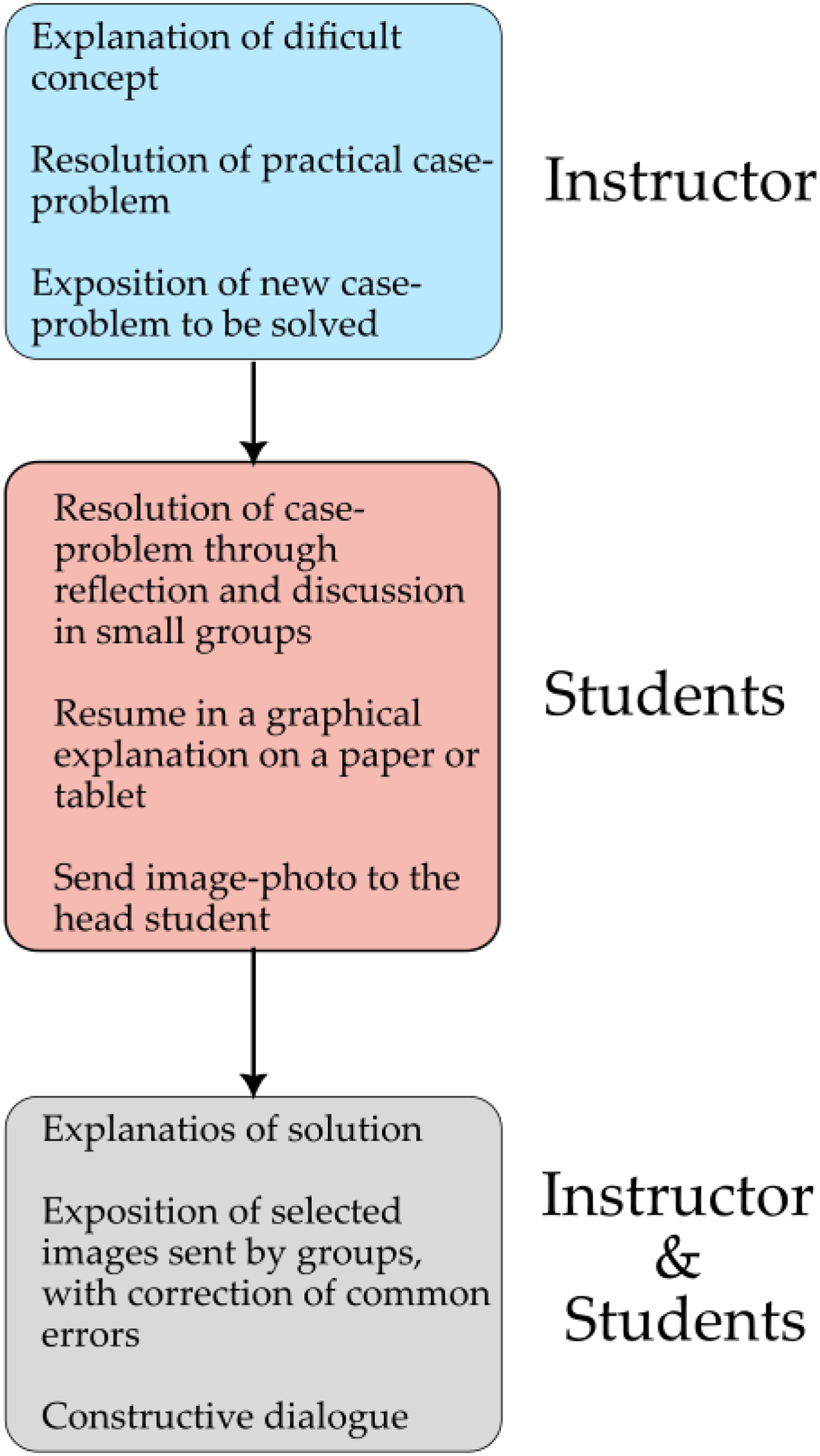
Flowchart of core of the methodology employed.
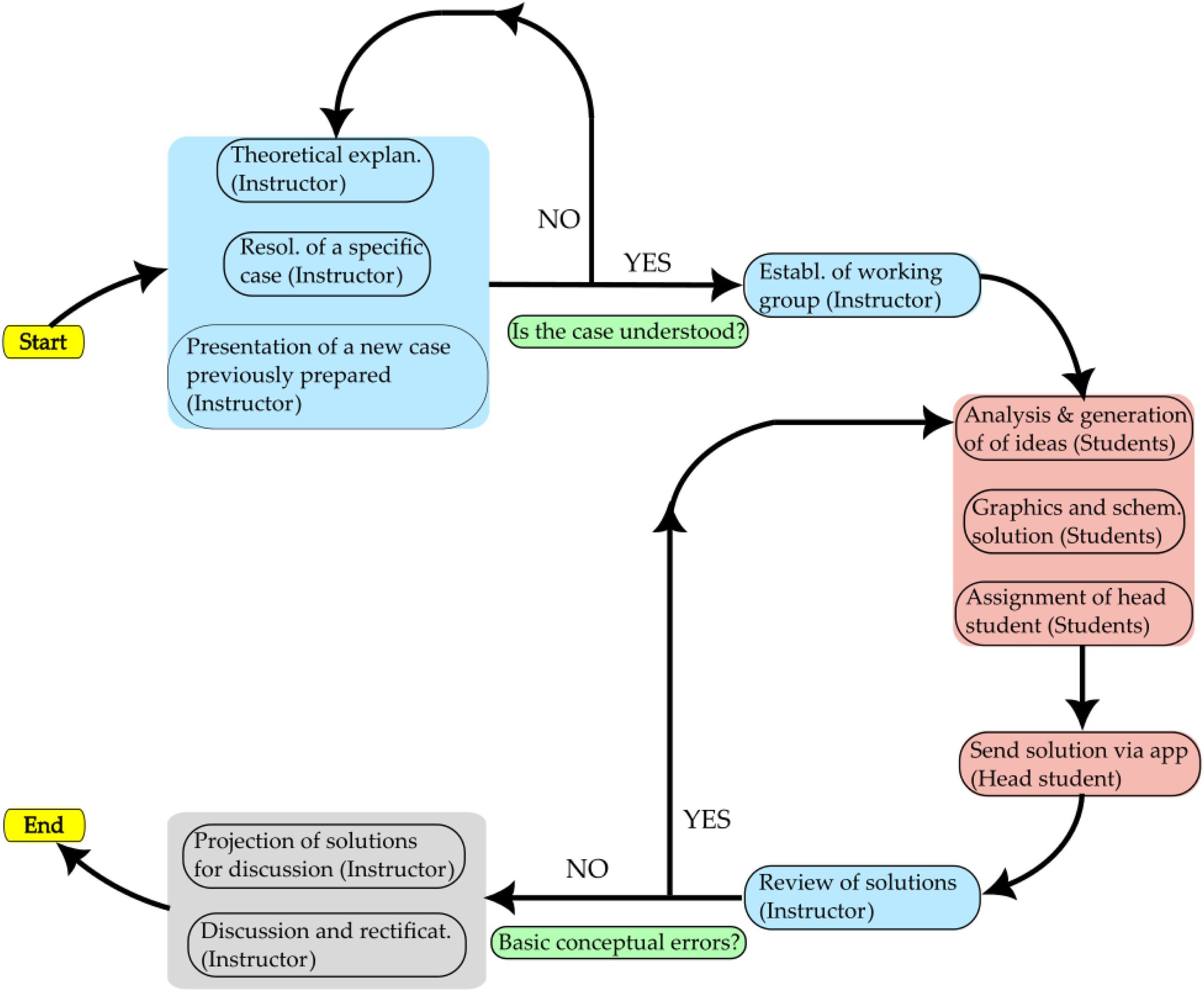
Flowchart of the extended methodology.
Presentation of examples and discussion of solutions
The following section presents several practical examples covering different topics, conducted with first- and third-year students in the Mechanical Engineering degree programme. All cases were carried out in real-time during live classroom sessions.
Example 1: Design of weld joints
Introduction of the concept
The design of butt and fillet weld joints is explained, along with the definitions of basic and common parameters in joint preparation (Figure 3). The preparation of joints largely depends on the shape of the elements to be joined; for instance, joining sheets and plates differs significantly from joining pipes. Additionally, it is influenced by other factors such as geometric constraints, welding positions, thicknesses, and the types of welding processes available.
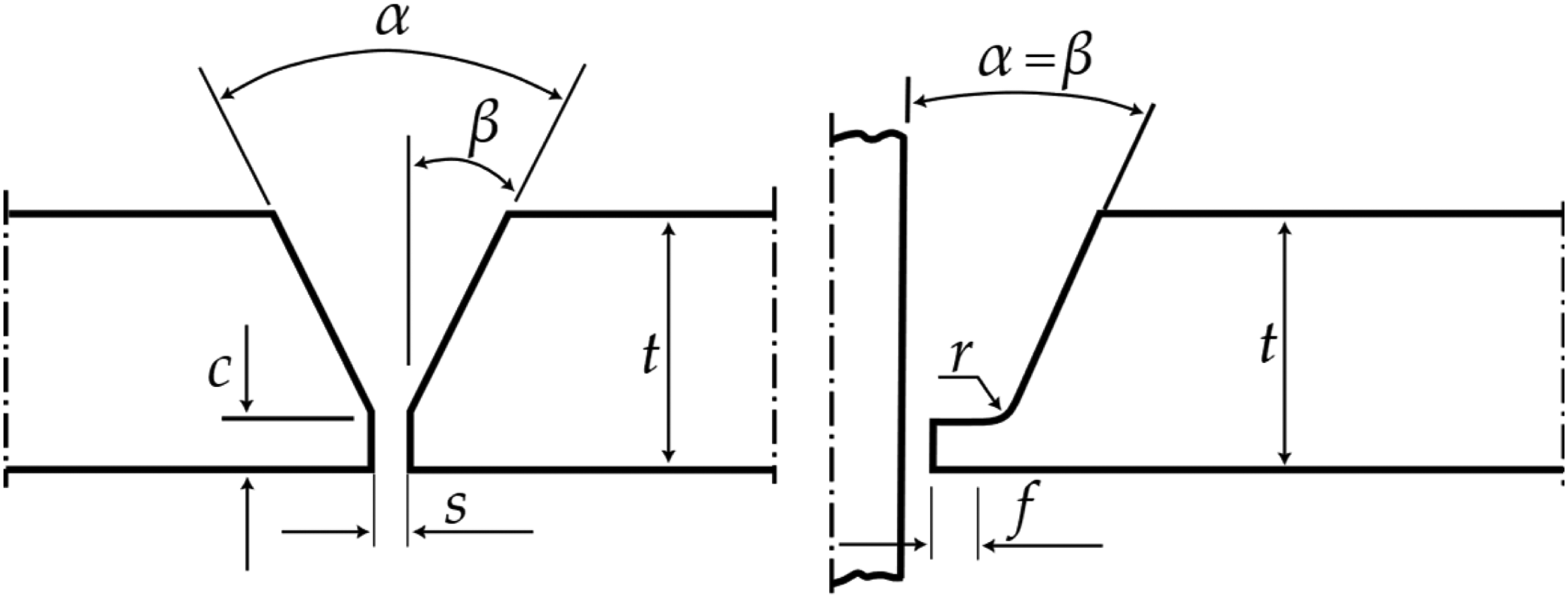
Presentation of weld joint types in welded connections. 22
Some of the joint parameters are as follows:
Joint Gap (s) Leg Size (c) Joint Angles (α and β) Sheet Thickness (t) Fillet Radius (r) Flange (f)
The explanation is then extended to other types of joints, such as U-joints, double V-joints, double U-joints, single joints, J-joints, K-joints, and others.
Specific case solved by the instructor
A specific welding process is chosen—for this practical example, the manual shielded metal arc welding (SMAW) process is selected 23 —and various joint design options are illustrated. These joint designs depend on material thickness, welding positions, and distinctions between tubular parts and sheet and plate parts (Figure 4).
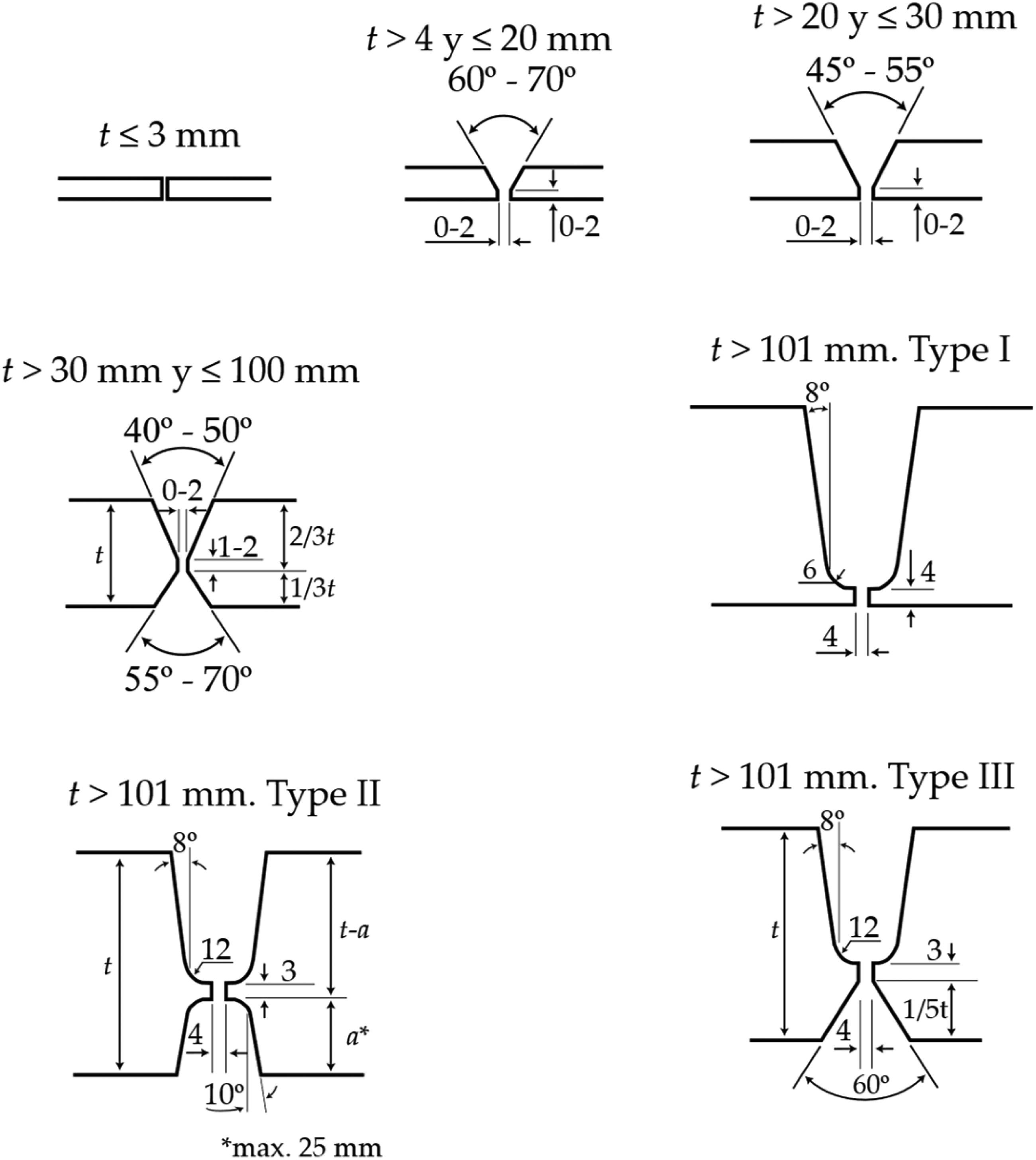
Some types of joints used in the SMAW process. 22
Case for students to solve
The task involves joining two thick plates (>50 mm) using arc welding in a horizontal position, with the restriction access from one side. Students are asked to propose a suitable joint design for this scenario.
On the left side of Figure 5, a correct solution is presented, while on the right side, the solution proposed by some students is shown.
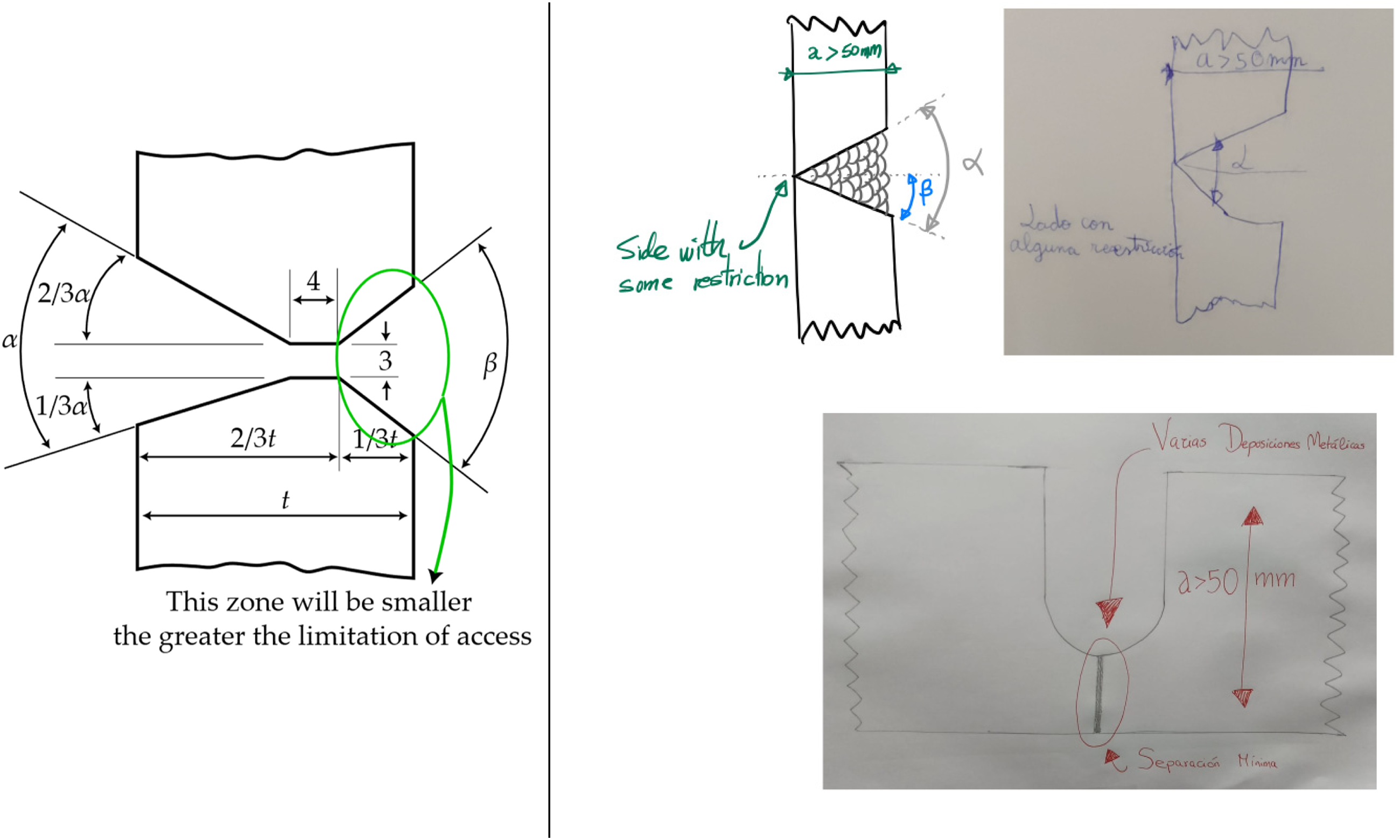
Graphical representation of a joint prepared for welding. On the left: a correct solution. On the right: some solutions proposed by the students.
Discussion of results
The students demonstrated an understanding of the importance of joint design. In most cases, they proposed a simple V-joint or similar variations, such as a U-joint. For the U-joint, they left a small gap at one of the ends. Most students correctly represented the horizontal position, except for one case where it was confused with the flat position.
Regarding access limitations, they assumed that it was not possible to deposit a weld bead on one of the sides. However, none of the students designed an asymmetric joint angle with a gentler slope on the lower side of the joint, which could be beneficial in reducing the effects of gravity.
Example 2: Casting
Introduction of the concept
The fundamental concepts of the components of a mould are explained: mould cavity, cores, vents, distribution systems, risers, etc.
Next, the structure of a sand mould is presented, highlighting its essential components and explaining the function and importance of each, as well as their impact on the resulting part. Some of these components are shown in Figure 6.
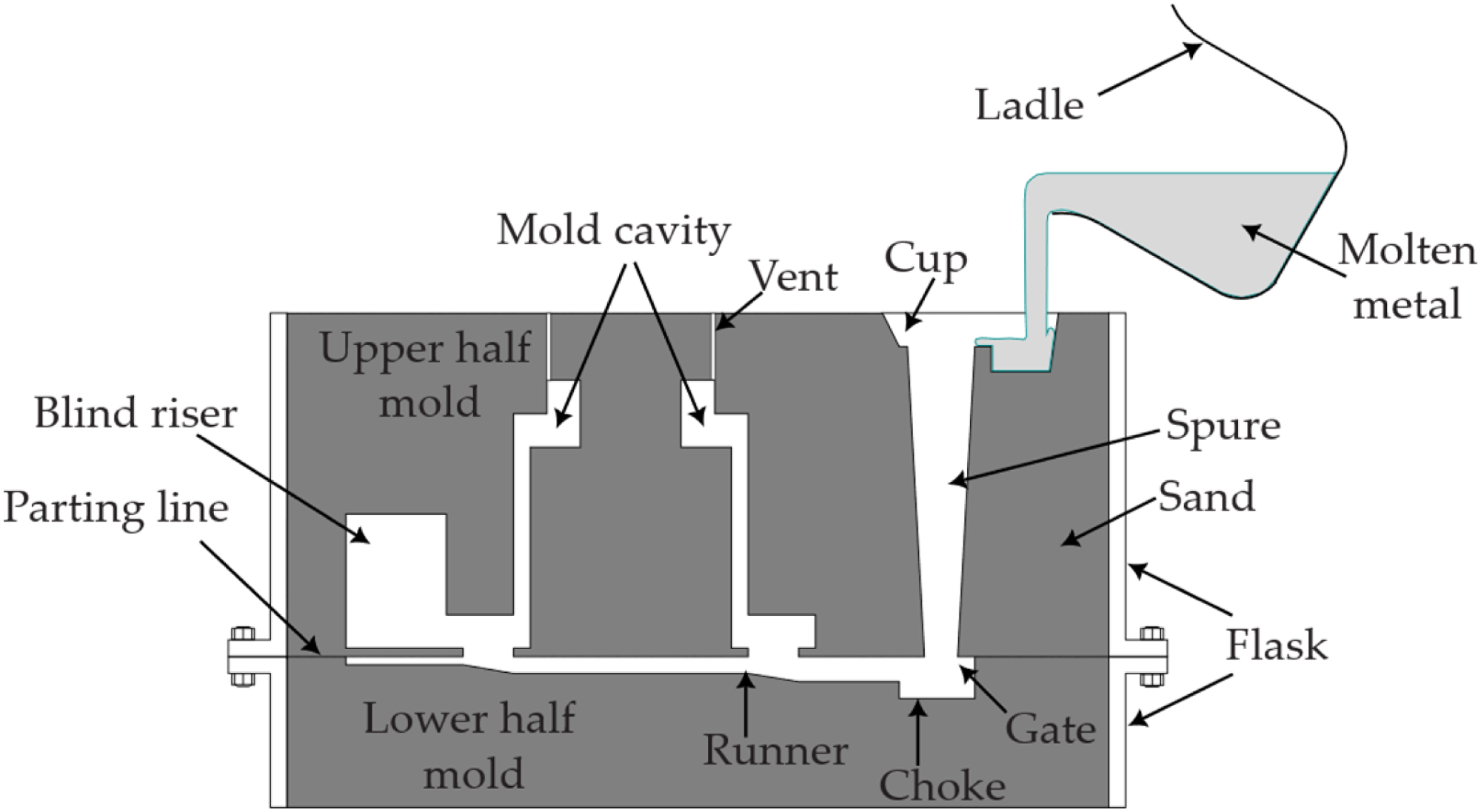
Typical and basic section of a sand mould. 24
Specific case solved by the instructor
The design criteria for moulds are explained, focusing on reducing the risk of defects occurring during the casting process. A design for a simple part, as shown in Figure 7, is presented.
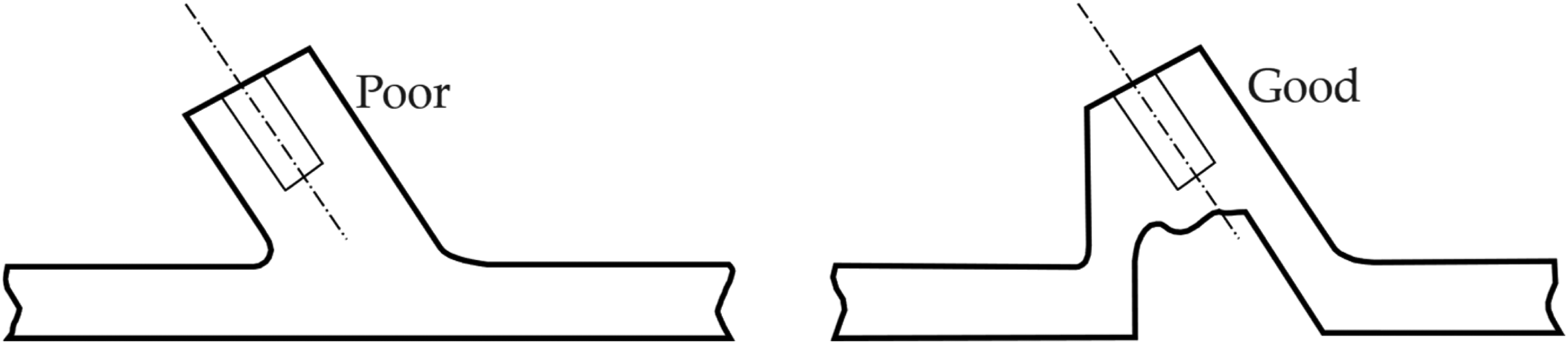
Design changes for casting part. 25
The instructor justifies the design criteria that make the design on the right preferable than the one on the left. Some of the most important factors include material savings, the use of right angles that facilitate the removal of mould parts, ease of positioning the parting line that forms the two mould halves, minimising the likelihood of voids due to contraction, reducing the need for cores, etc.
Case for students to solve
Students are asked to redesign the part shown in Figure 8 is proposed, aiming to minimise defects, facilitate extraction, and position the parting line of the mould halves.
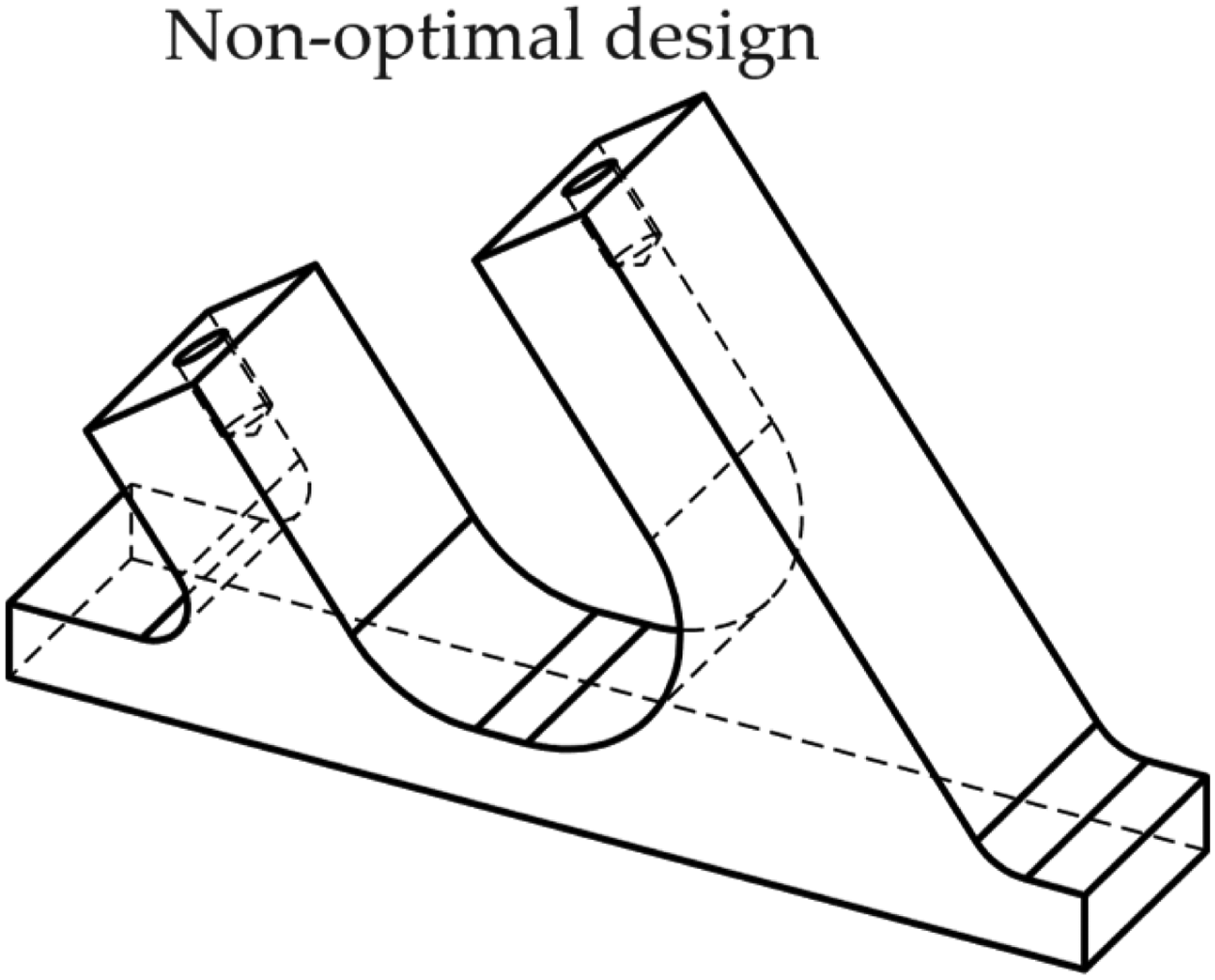
Part for redesigning to minimise defects, material usage, and facilitate extraction.
On the left side of Figure 9, a correct solution is presented, while on the right side, the solution proposed by some students is shown.
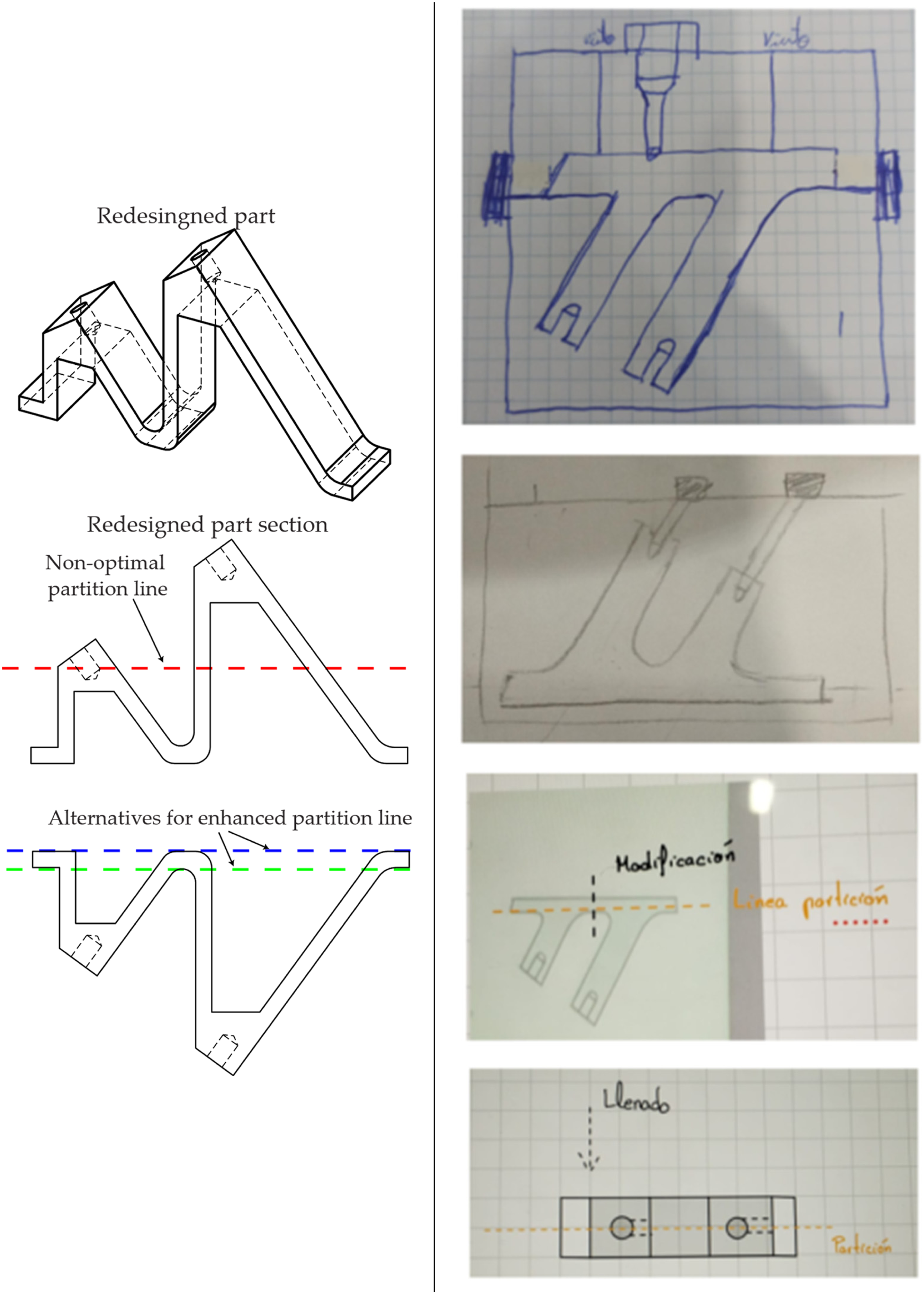
Redesigned part that minimises defects and material usage, facilitates extraction, and indicates suitable strategies for positioning the parting line. On the left: a correct solution. On the right: some solutions proposed by the students.
Discussion of results
The students demonstrated an understanding of the importance of the components of a mould. Although it was not explicitly required, they included gating cups, vents, distribution channels, and other relevant elements. In all cases, they correctly represented the parting line for each solution.
However, none of the cases incorporated a design improvement to simplify extraction or optimise material usage. This omission can be attributed to the fact that the functionality of the part was not provided. In the absence of specific information, students avoided presenting a more functionally optimised design.
Example 3: Cutting tools geometry
Introduction of the concept
The definitions of the planes necessary to delimit the cutting tool geometry in machining processes are introduced. Using a basic single-edge tool, the main planes are defined. In this case, an animated illustration is used to define and trace the planes that define the geometry of the cutting tool (Figure 10).
Reference Plane (Pr): Plane perpendicular to the direction of the main movement Cutting Edge Plane (Ps): Contains the cutting edge S and the cutting speed vc Normal to Cutting Edge Plane (Pn): Plane perpendicular to Ps that contains the cutting edge S Working Plane (Pf): Plane that contains vc and the feed speed vf Longitudinal Plane (Pl): Plane perpendicular to Pr and Pf
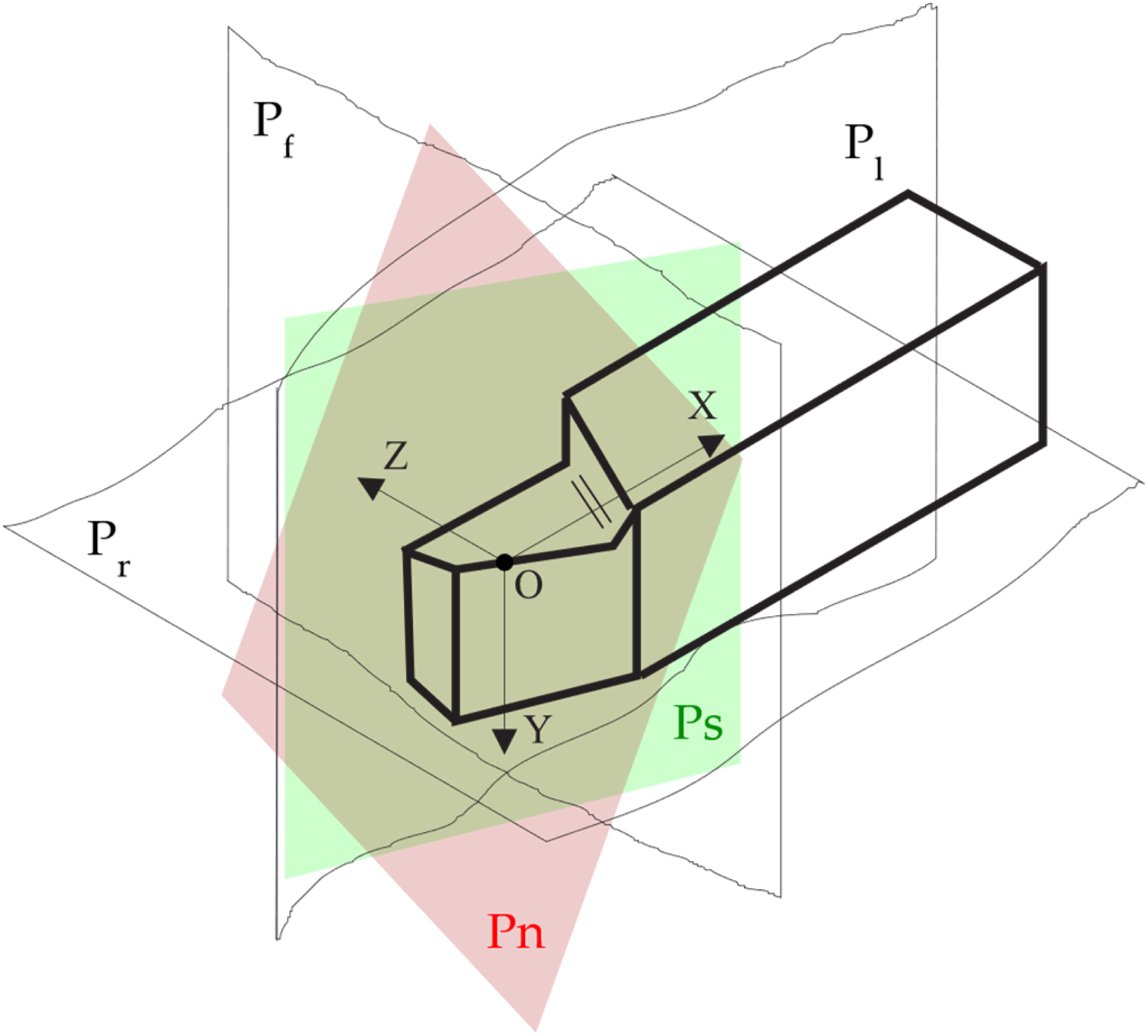
Main planes in a basic single-edge tool. 26
These planes support fundamental machining variables such as cutting speed, feed rate, among others. The planes allow the tracing of geometric angles that directly affect the result of the machined part, as well as the tool wear.
Specific case solved by the instructor
A simple operation is proposed, specifically external turning on a conventional lathe. To solve this case, the geometry of the tool is presented first, followed by the tracing of the planes Pr, Ps, Pf, and Pn. To correctly position the angles involved in the cutting process, cross-sectional views are used. The angles traced are: the main cutting edge angle or position angle (κr) and secondary angle (κr’) represented once the planes Pf and Ps are established; the relief angle (αn), shear angle (γn), and cutting edge or tool tip angle (βn) represented once the planes Pr and Ps are set; and finally, the rake angle (λs) represented once the planes Pn, Pr and Ps are positioned. The complete solution for the tool in a turning process is shown in Figure 11.
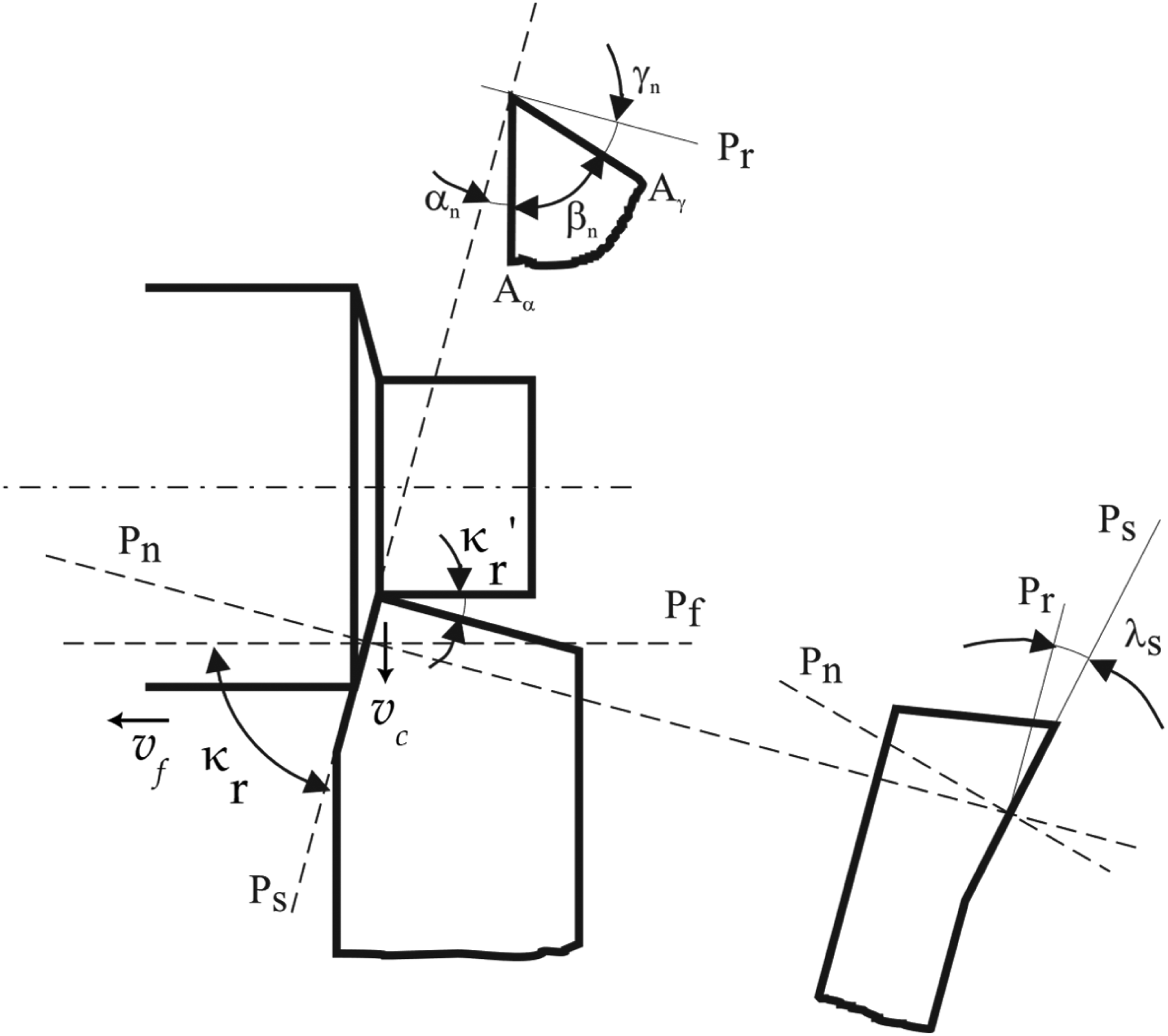
Cutting geometry in an external turning operation. 26
Case for students to solve
Another simple operation is proposed, this time using a multi-edge tool, specifically for face milling. First, a diagram of the process is presented, followed by a video where the cutting operation can be seen in detail. After watching the video, a photo of the multi-edge tool is shown, and students are asked to represent the main planes on it. They are then asked to represent the main cutting edge angle or position angle (κ), the rake angle (λ), the relief angle (α), the shear angle (γ), and the cutting edge or tool tip angle (β).
On the left side of Figure 12, the proposed problem and its solution are shown illustrated, and on the right, some solutions presented by the students are displayed.
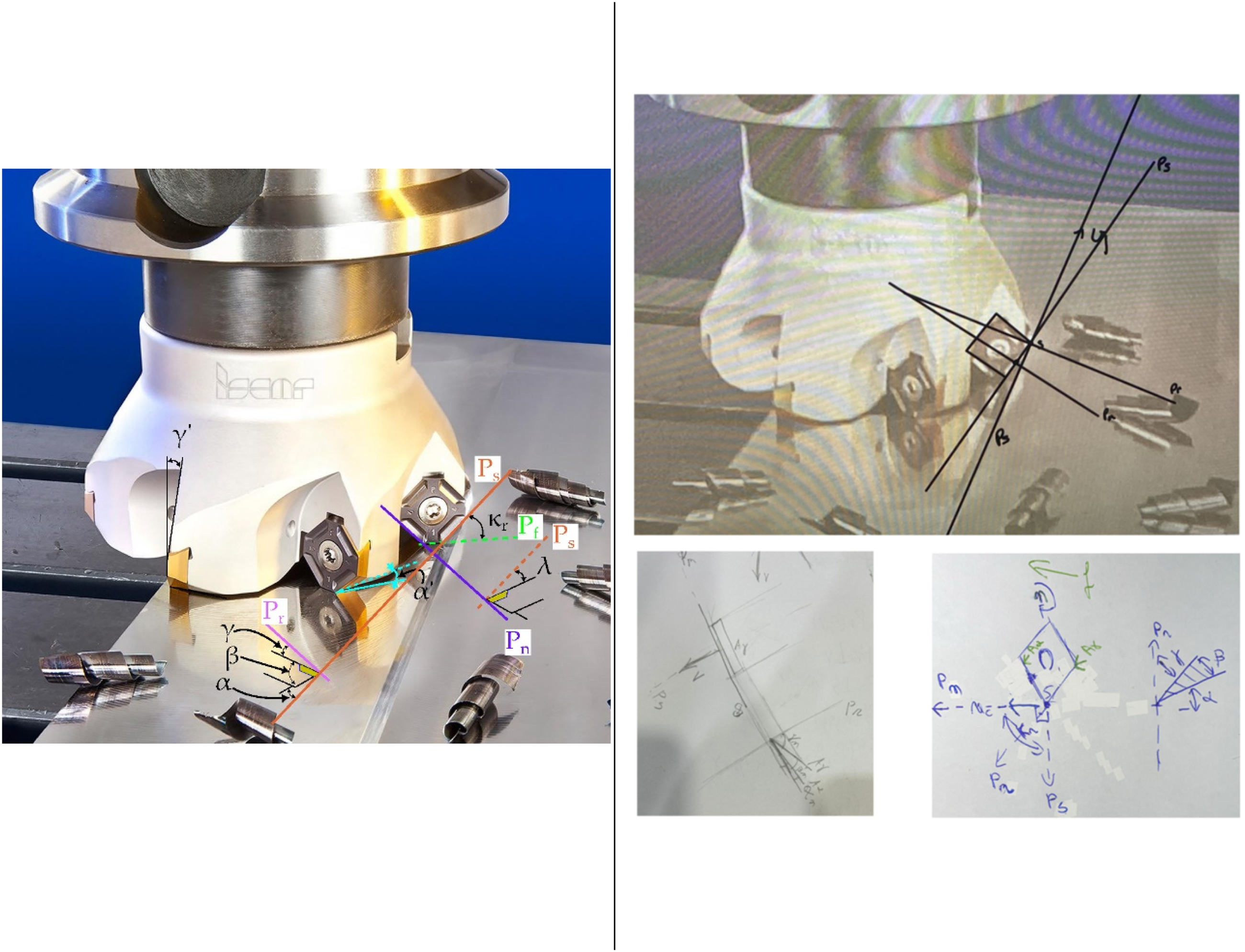
Planes and geometric angles in face milling. On the left: a correct solution. On the right: some solutions proposed by the students.
Discussion of results
In general, the students demonstrated an understanding of the necessary planes used to define the geometry of cutting tools. In some cases, they correctly represented these planes. However, many failed to accurately depict the relief angle, tip angle, and shear angle.
Notably, no group of students represented the rake angle, possibly because were unsure of how to define it spatially or needed more time to discuss and determine its location.
It is worth noting that several team members questioned the existence of more than one shear angle and relief angle. Indeed, on the left side of Figure 12, the axial shear angle (γ’) and axial relief angle (α’) are represented, both of which are determined by the type of tool and operation.
The discussion that followed the explanation of the solution proved highly valuable for its application to other processes, such as drilling or tangential milling.
Other relevant statements
The following cases are additional practical examples that illustrate the application of the proposed methodology.
Exercise on abrasive machining
Abrasive machining processes, such as grinding, are essential for achieving tight surface finish requirements. Once the basic types of grinding machines have been explained—such as horizontal and vertical surface grinders—and the working modes and key variables involved have been identified, the activity can be extended to exterior centreless grinding, as shown in Figure 13. To encourage collaborative work and analysis following the proposed methodology, it is suggested to apply these concepts to the internal centreless grinding of a cylindrical part, as illustrated in Figure 14. The term “Reg. wheel” in the figures refer to the regulating wheel, a key component in centreless grinding that governs the rotation and axial movement of the part.
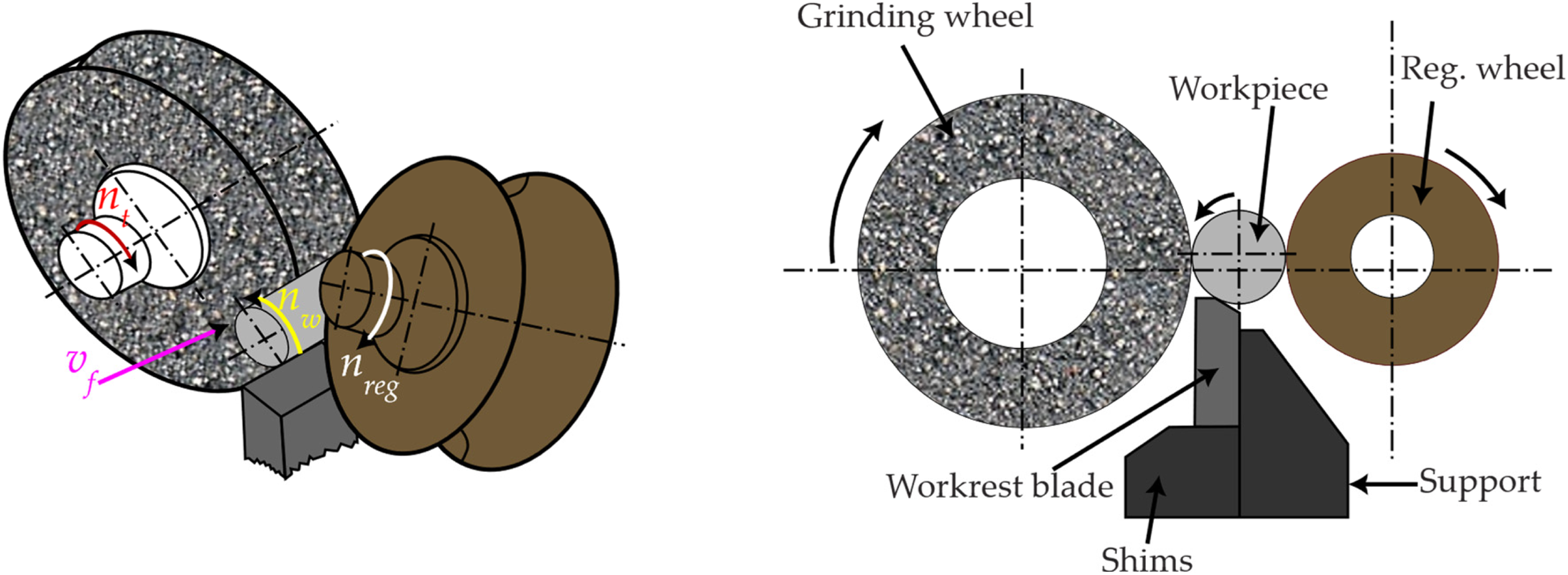
Schematic of an external centreless grinding setup.
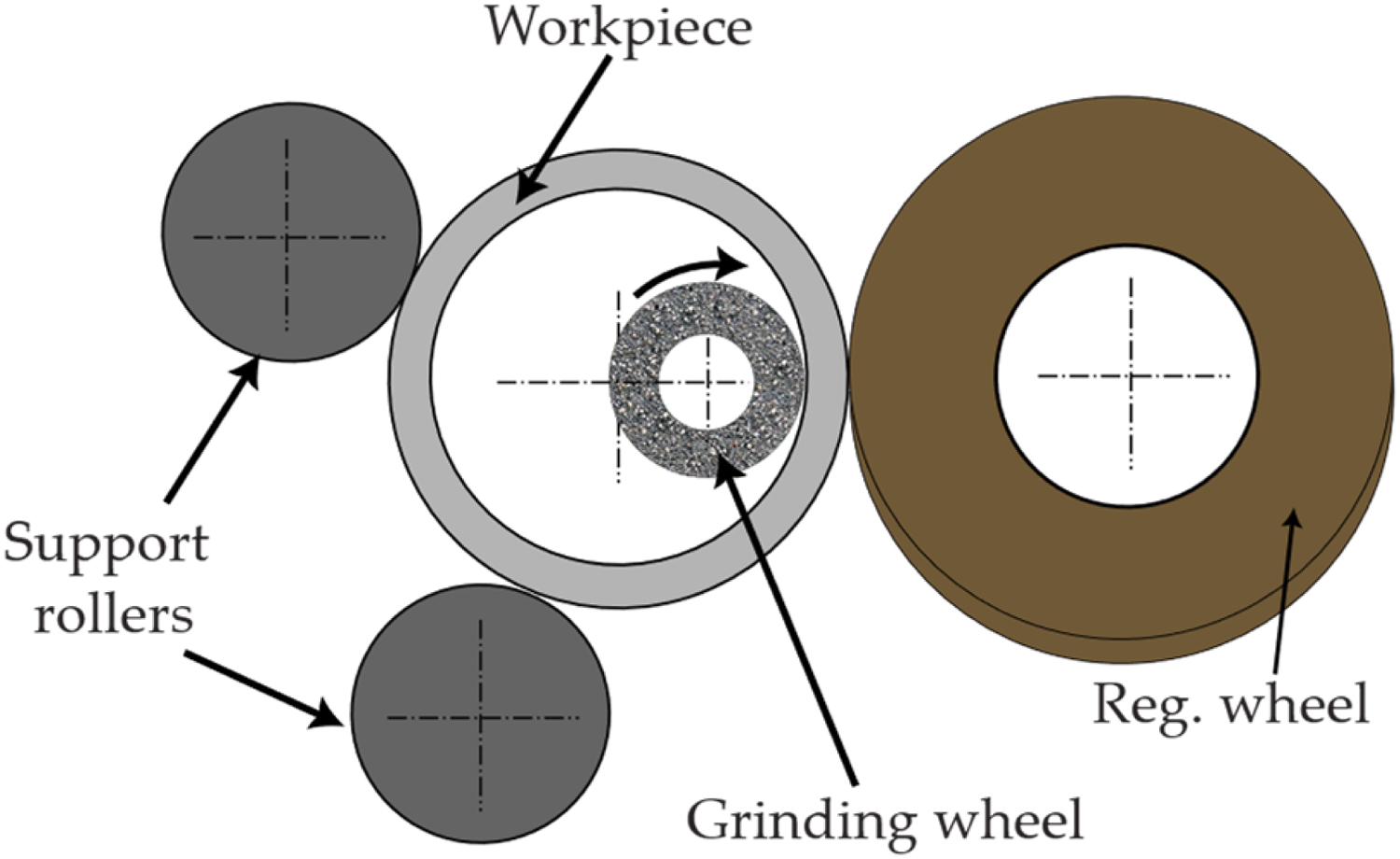
Basic diagram of an interior centreless grinding setup.
In this case, a basic 2D diagram is provided (Figure 14), and students are asked to identify the mode of operation.
They are also encouraged to answer questions such as: What mechanical elements or fixtures are necessary to correctly represent the process? How would the functional diagram of this type of process look?
Exercise on metal forming processes
In metal forming processes, it is crucial to understand the changes that parts undergo when they are subjected to high loads, as this evolution impacts the mechanical performance of the final manufactured part. Stress-strain diagrams are widely used as indicators of material behaviour, primarily obtained from standardised tensile tests.
Manufacturing processes that use plastic deformation forming are generally classified into cold forming processes (which cause work hardening) and hot forming processes (where the material is more malleable and allowing for greater plastic deformation). These phenomena affect the process, the forming part, and ultimately the mechanical properties. Both have their advantages and disadvantages, and in some cases, both procedures are combined to leverage the advantages of both.
To verify that the concepts have been consolidated, the proposed exercise is to approximately represent the stress-strain curves in a drawing process composed of several cold working stations and one intermediate annealing station (located between two cold working stations). The schematic of the exercise is shown in Figure 15.
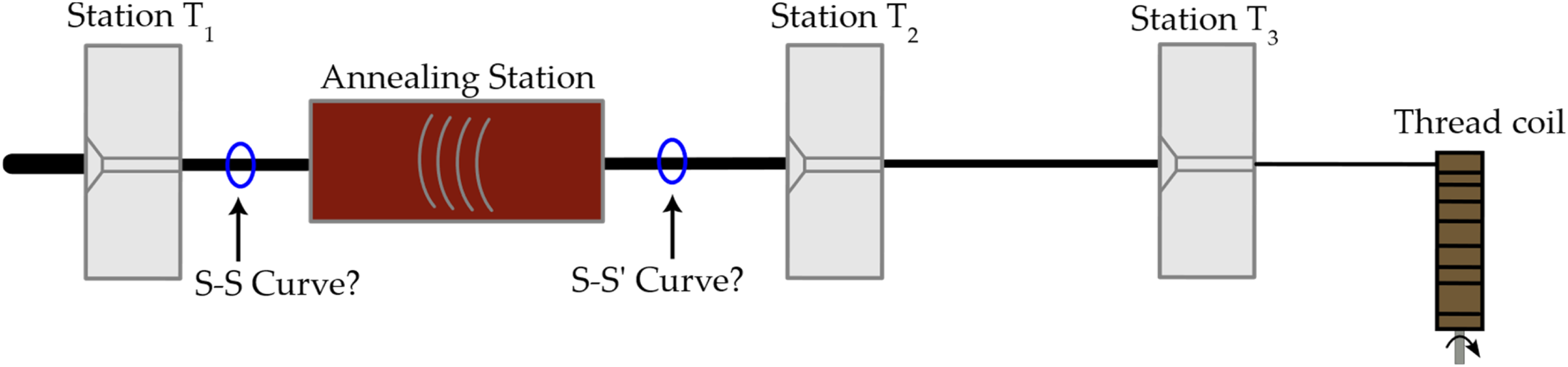
Schematic of drawing process composed of several cold working stations and one intermediate annealing station.
Results and discussion
Initial clarification
The methodology was applied to first-year students with an average age of 18 and third-year students with an average age of 20. In both cases, the participants were enrolled in the Mechanical Engineering degree programme.
Age was not found to be significant factor influencing students’ acceptance of the methodology, as both groups exhibited similar tendencies and levels of acceptance. The main findings are summarised below.
In this text, Subj_1 refers to the subject taken by first-year students, while Subj_2 refers to the subject taken by third-year students. Subj_1 was taught by a different instructor in the year the methodology was implemented: the year prior to its implementation corresponds to Instructor 1, whereas the implementation year corresponds to Instructor 2. In contrast, Subj_2 was taught by the same instructor, Instructor 3, both before and after the methodology was applied. This distinction is important to isolate the potential impact of instructor-related variables from the effects of the proposed methodology.
Quantification of participation in the tests
Students’ initial impressions of the proposed methodology were positive, despite some initial confusion. However, once the methodology was explained, they demonstrated a strong willingness to participate.
It is important to clarify that participation was entirely voluntary; there was no obligation to participate, nor were any additional benefits offered in terms of course grades.
To illustrate the progression of student participation in the methodology, five assessments were selected and spaced evenly across the academic year. Figure 16 presents the average participation trends for the two age groups. Engagement was observed to increase as the course progressed, starting at 71.4% in the first assessment and reaching 86.0% in the fifth. In both cases, the percentages represent the participation rates of students attending classes.
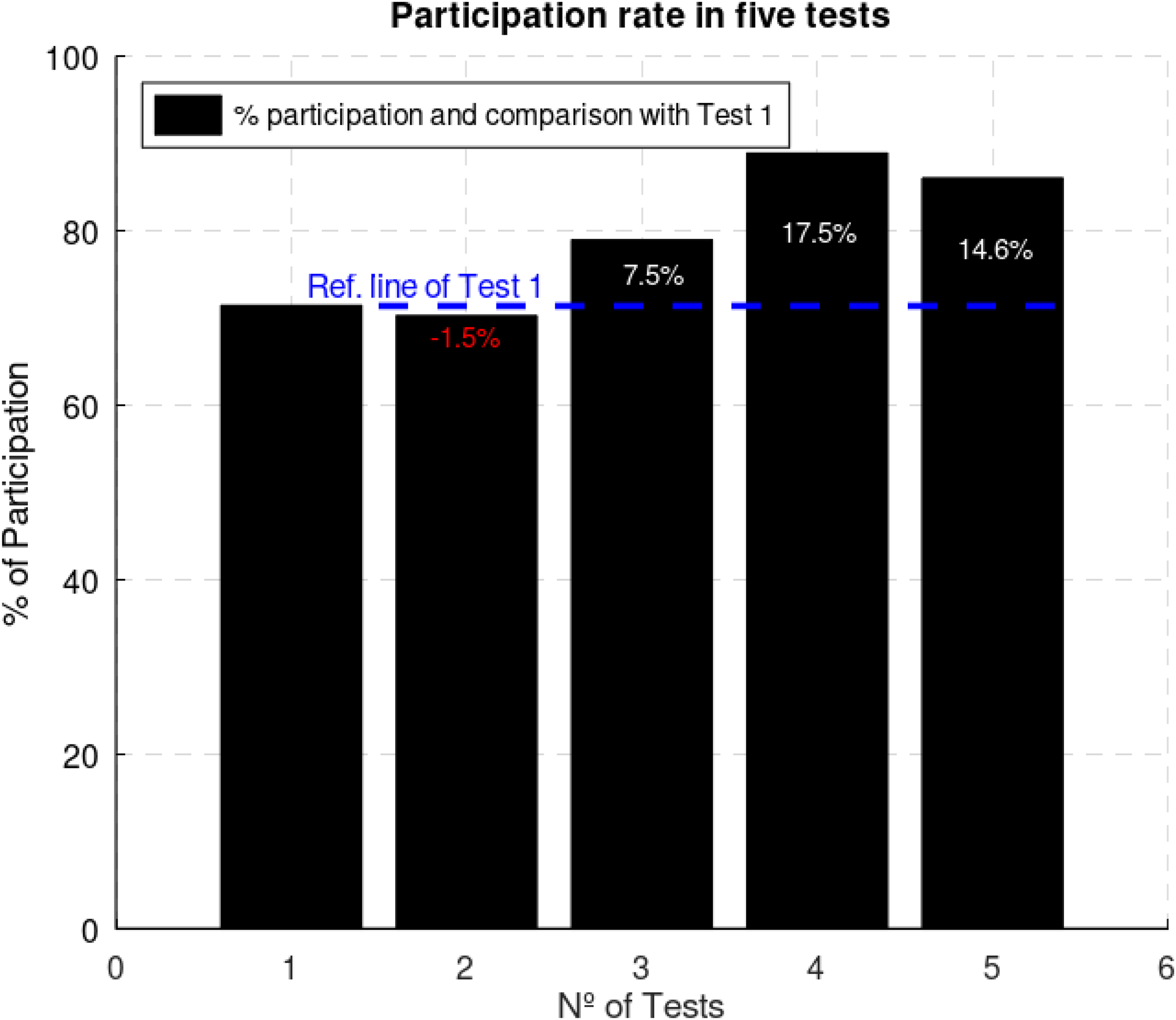
Average participation rate in five tests.
The percentage of students attending class out of the total number of enrolled students varied as the course progressed, increasing from 46% in the first assessment to 60% in the fifth.
The increase in participation in the exercises can be interpreted from two perspectives. The first is straightforward: students were motivated to participate because they found the methodology particularly beneficial, as it allowed them to personally assess their level of knowledge acquisition.
The second interpretation suggests that the rise in participation was due to increased class attendance. Notably, a 14.6% average increase in participation was observed between the first and fifth assessments, with an almost 18% rise recorded in the fourth.
Another significant observation was that students became more inclined to ask questions after class. In most cases, these questions emerged from reflecting on scenarios similar to those discussed during lessons. This led to genuine, constructive, and open discussions among members of different groups as well as with the instructor.
Impact on attendance and results assessment tests
According to the current evaluation system of the Engineering School where the aforementioned methodology has been implemented, there are three assessment opportunities. The first is continuous assessment, which consists of two midterm exams that allow students to remove content from the final exam. The second is the final assessment, and the third is the extraordinary assessment. Both the final and extraordinary assessments consist of a single exam.
This study focuses solely on continuous assessment results, as they provide the most appropriate and direct indicator of the impact of the proposed methodology.
The results presented below compare the academic year prior to the implementation of the methodology with the year of its application.
Results in Subj_1
As previously explained, this course was taught by different instructor in the year the proposed methodology was implemented.
During that year, attendance at the midterm exams increased noticeably. Table 1 presents the number of students enrolled in the two academic years being compared, along with the percentages of attendance at the midterm exams.
Comparison between the year prior and the year of methodology implementation in Subj_1.
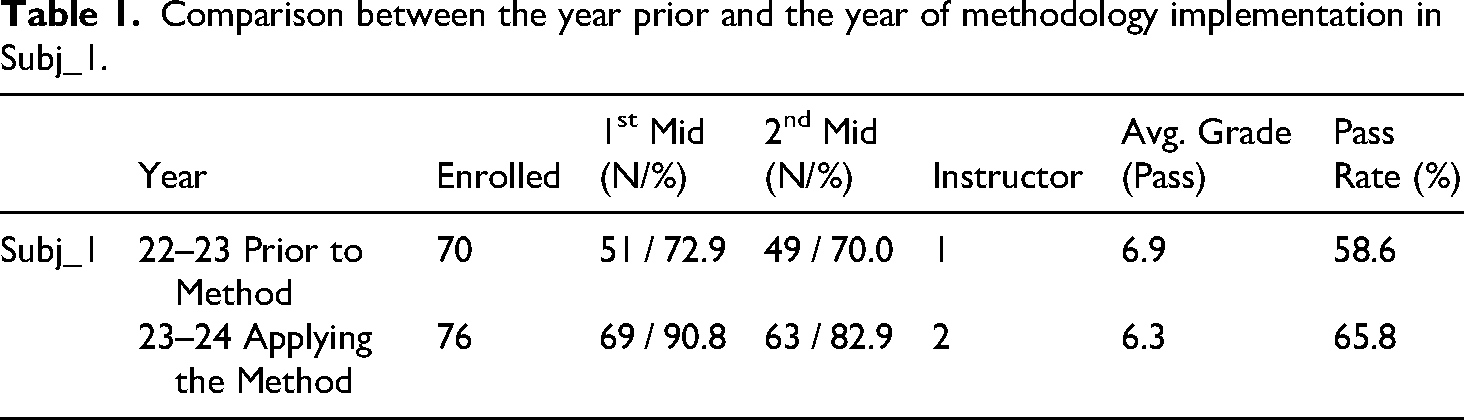
Attendance at the first midterm increased from 72.9% to 90.8%, representing a 17.9% rise. Attendance at the second midterm increased from 70.0% to 82.9%, a rise of nearly 13%.
This suggests that students felt more motivated and believed they had a greater chance of passing as their confidence grew throughout the course.
In Subj_1, the average grade of students who passed decreased slightly by 0.6 points in the year the methodology was implemented. This decline may be attributed to the methodology's emphasis on practical exercises, which were consistently more demanding than traditional approaches focused exclusively on theoretical concepts.
By contrast, the pass rate improved significantly, increasing from 58.6% to 65.8% — a rise of 7.2%. This suggests that the new approach may have encouraged students to show greater commitment and sustained effort throughout the course.
Results in Subj_2
As previously explained, this course was taught by the same instructor both in the year prior to and the academic year prior to and during the implementation of proposed methodology.
Similarly to Subj_1, the year in which the methodology was applied saw an increase in midterm exam attendance. Table 2 presents the number of students enrolled in the two academic years under comparison, along with the corresponding attendance percentages.
Comparison between the year prior and the year of methodology implementation in Subj_2.
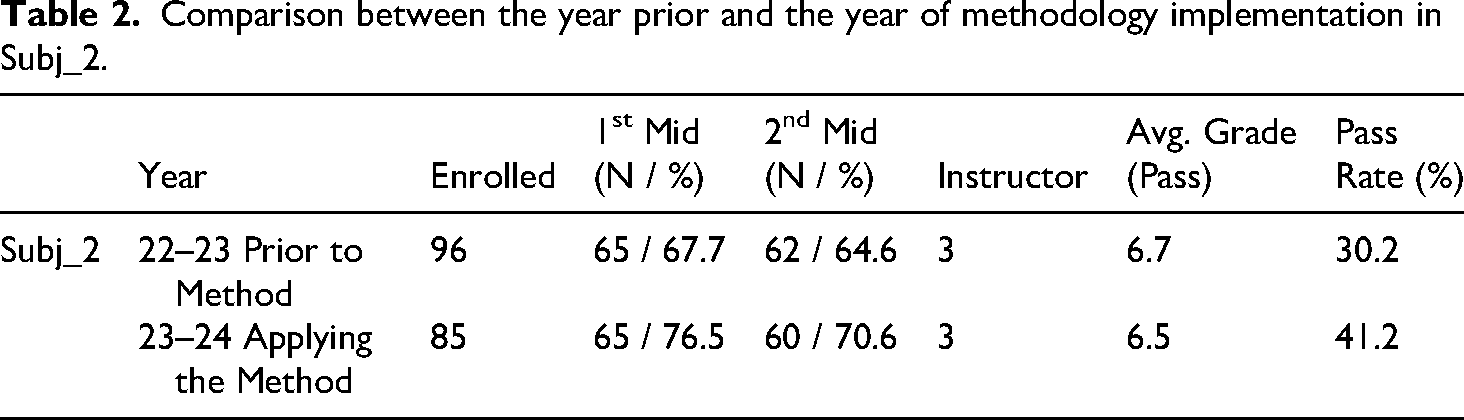
Attendance at the first midterm increased from 67.7% to 76.5%, representing a rise of 8.8%. Attendance at the second midterm also increased, from 64.6% to 70.6%, reflecting a 6% improvement.
The results for Subj_2 follow a trend comparable to that observed in Subj_1. However, in the case of Subj_2, these percentage increases are approximately half of those recorded in Subj_1.
Similarly, in Subj_2, the average grade of students who passed decreased slightly, with a reduction of 0.2 points in the year the methodology was implemented. However, a significant increase in the pass rate was once again observed, rising from 30.2% to 41.2%, which represents an 11% improvement.
Other results
One of the key outcomes of the proposed methodology is the improvement observed in students’ understanding of complex concepts. Traditionally, theoretical-practical questions that were difficult to grasp often remained unanswered. However, following the implementation of the proposed methodology, there was a significant increase in students’ ability to answer these types of questions.
Additionally, students demonstrated enhanced ability to express concepts and ideas in a graphical and schematic manner. This skill is particularly relevant int the field of engineering, where visual communication plays a fundamental role in professional practice and team collaboration.
Finally, student surveys on the teaching activity clearly indicate that the methodology provided a substantial benefit to the learning process. Many students reported that the approach transformed what had previously been difficult-to-follow, two-hour theoretical lectures into much more dynamic and engaging sessions.
Acceptance of the methodology by instructors
Although the methodology has been widely accepted by students, its reception among instructors at the same university has been more diverse. The main criticisms expressed can be summarised as follows:
Some instructors believe that the teacher's primary role is to deliver content clearly and systematically, while it is the student's responsibility to pay attention and devote sufficient time to independent study outside the classroom. Others argue that the concepts in their subject are not complex enough to warrant time spent on in-class dialogue, especially when this time could instead be used to progress through the syllabus. Furthermore, they note that most topics are already covered in online materials and recorded lectures. Some instructors express concern that mobile devices are a source of distraction and suggest that there are alternative ways to foster in-class dialogue without relying on technology.
The first two perspectives tend to overlook the fundamental mission of higher education, which is to promote deep learning through reflection and dialogical engagement. As for the third opinion, it is a valid concern; however, the authors argue that technology can serve as a valuable support tool, particularly for instructors who may not feel confident sustaining extended class discussions unaided.
It is well known that many students disengage from traditional in-class discussions for a variety of reasons, as previously mentioned. However, what drives meaningful learning is not only dialogue with the instructor but, crucially, dialogue among peers—a reality that became particularly evident during the COVID-19 lockdown period.
Comparative analysis and contribution to the literature
The results obtained in this study demonstrate that the implementation of an instant messaging-based methodology can lead to increased participation, attendance, and pass rates in engineering education. These findings are consistent with broader trends in the literature that highlight the effectiveness of active, technology-mediated learning environments.8–10 However, this work contributes new empirical evidence to a relatively underexplored area: the integration of real-time collaborative learning via widely available mobile tools such as WhatsApp in large technical classrooms.
Compared to existing studies on active learning technologies — such as clicker systems or proprietary platforms like ActiveClass 9 —, our methodology emphasises accessibility and anonymity. This is particularly relevant in the context of Industry 5.0, where inclusivity, well-being, and human-centred innovation are guiding principles.11,13 Our results suggest that anonymity plays a pivotal role in reducing performance anxiety and encouraging voluntary participation, especially when discussing abstract and complex concepts.
The observed improvement in pass rates—7.2% in Subj_1 and 11% in Subj_2—exceeds gains typically reported in traditional flipped classroom or blended-learning models. Furthermore, the increase in midterm attendance (reaching up to 90.8%) indicates a stronger sense of academic commitment, aligning with findings in the literature that link engagement to retention and performance.8,9
In contrast to many previous studies that focus primarily on student perceptions, this work offers quantitative evidence based on participation rates and academic performance collected during live classroom sessions. Additionally, the observed development of students’ graphical reasoning skills —another key outcome of the methodology— supports the learning objectives defined for manufacturing engineering in modern curricula.8,10
Therefore, this study not only reinforces the pedagogical principles of formative assessment and the ICAP framework in the context of engineering education, but also proposes a scalable, cost-effective, and empirically validated methodology aligned with the educational priorities of the 2030 Agenda for Sustainable Development. 13
Conclusions
This study presents a methodology designed to foster participation, learning, and engagement in engineering education, supported by concrete examples of its classroom implementation. The methodology was applied to two engineering subjects and assessed through indicators such as student participation, attendance, and academic performance.
Its implementation led to notable improvements in midterm exam attendance —rising from 72.9% to 90.8% in Subj_1 and from 67.7% to 76.5% in Subj_2— as well as a steady increase in classroom participation, indicating greater student involvement throughout the semester.
Pass rates increased substantially, from 58.6% to 65.8% in Subj_1 and from 30.2% to 41.2% in Subj_2, although a slight decline was observed in the average grades of passing students. The findings suggest that the methodology supports the engagement of students with moderate academic performance, enabling them to succeed where they might otherwise struggle.
The methodology also contributed to students’ understanding of complex concepts and their ability to represent ideas graphically—skills essential to engineering practice. Student feedback confirmed that this approach made learning more dynamic and engaging, transforming traditionally dense theoretical sessions into interactive, collaborative experiences.
This approach addresses some of the main barriers faced in technical education, such as low participation in large groups and student reluctance to speak up due to fear of error or judgment. By using instant messaging tools and ensuring anonymity, the methodology promotes inclusivity and supports formative learning through immediate feedback and collaborative reasoning.
In addition, the results confirm that technology, when aligned with strong pedagogical principles such as those of the ICAP framework and formative assessment, can foster deeper learning and increased student commitment, even in foundational engineering subjects.
Future research could explore the long-term impact of this methodology on students’ academic trajectories and retention of complex concepts. Additionally, further studies could examine its effectiveness in other disciplines and levels of education, such as social sciences or postgraduate programmes.
The simplicity and accessibility of the technological tool (WhatsApp) suggest that the approach is highly scalable and adaptable, even in resource-limited educational contexts. Finally, a comparative analysis involving other communication platforms or anonymity strategies could offer further insights into optimising dialogic engagement in the classroom.
Footnotes
Acknowledgements
The authors would like to thank all the students who demonstrated a high level of participation in completing the exercises following the proposed methodology, which contributed to the outcomes presented in this study.

Funding
The authors received no financial support for the research, authorship, and/or publication of this article.
Declaration of conflicting interests
The authors declared no potential conflicts of interest with respect to the research, authorship, and/or publication of this article.
Data availability statement
Data sharing not applicable to this article as no datasets were generated or analyzed during the current study.