






Abstract
This paper presents the development and evaluation of an interactive web-based tool for spur gear design based on ANSI/AGMA 2001-D04 standards. The platform integrates gear geometry, load analysis, bending and contact stress calculations, and safety factor evaluation within a unified and accessible environment. Designed as both a computational and educational resource, the tool enables real-time parameter modification and immediate visualization of results, facilitating efficient and error-free design processes. The accuracy of the tool was validated against analytical solutions and standard references, demonstrating strong agreement. Its educational effectiveness was assessed through a survey of 34 graduate mechanical engineering students, with results indicating high levels of usability, improved conceptual understanding, and strong preference over traditional manual and spreadsheet-based methods. The interactive features, particularly real-time feedback and graphical visualization, were identified as key factors in enhancing learning and bridging the gap between theory and practice. Furthermore, the integration of the tool significantly expands the alignment of the gear design topic with ABET outcomes. The tool enables the gear design chapter to contribute to all Course Learning Outcomes (CLOs) and supports all seven Program Learning Outcomes (PLOs), including problem solving, design, communication, experimentation, and lifelong learning. The results demonstrate that web-based interactive tools can effectively enhance both engineering design practice and education. The proposed platform offers a scalable and accessible solution for modernizing machine design instruction and supporting outcome-based learning.
Keywords
Introduction
Spur gear design is a fundamental topic in mechanical engineering, requiring the integration of complex geometry, kinematics, material selection, and strength verification. Modern industrial requirements prioritize the transmission of higher power within smaller dimensions while minimizing manufacturing costs, operational noise, and vibration.1–4
To ensure reliability, designers rely on established standards, with the American Gear Manufacturers Association (AGMA) providing the fundamental rating factors for involute gear teeth—specifically ANSI/AGMA 2001-D04 (and its metric version 2101-D04) for tooth bending strength and surface contact durability. Despite the critical nature of these standards, conventional design approaches often rely on static calculations, manual spreadsheets, or “black-box” commercial software that may lack the transparency and accessibility required for students and practicing engineers.3,5–8 Performing these standards-based calculations manually is documented as being time-consuming, iterative, and highly prone to human error, potentially requiring 150 to 200 man-hours for a single optimized design.
Traditional instructional models frequently rely on static 2D schematics, printed manuals, and passive lectures, which often struggle to bridge the gap between abstract mathematical theory and practical design. There is a recognized paradigm shift toward active learning, flipped classrooms, and collaborative environments to improve student engagement and deep conceptual understanding.8–15 Such methodologies, which often align with ABET-defined program learning outcomes, have been shown to enhance student motivation, problem-solving skills, and spatial reasoning.8,16–20 Research indicates that students utilizing interactive digital media and simulations consistently outperform those relying on traditional teacher-directed delivery methods.7,16,17,21–23
Web engineering provides the structured framework necessary to develop high-quality, browser-based learning systems that offer content delivery and user flexibility.8,11,24–26 The ubiquity of modern web browsers allows users to access sophisticated technical tools without the need for specialized hardware, costly software installations, or client-side licensing. Advanced platforms leverage technologies such as HTML5, WebGL, and Verge3D to provide real-time 3D visualizations and dynamic simulations.12,23,26 By automating repetitive arithmetic tasks, these tools shift the user's focus toward conceptual analysis and the exploration of “what-if” parametric scenarios.8,15,27
The use of interactive simulations—often built using tools like GeoGebra, Modellus, or Java applets—has become a popular method for teaching abstract physics and mechanics concepts.7,8,11,21,22,28–30 These tools enable students to explore cause-and-effect relationships by varying parameters in real-time, helping them understand theoretical derivations through real-world case studies.8,28,30,31 Furthermore, web-based eBooks integrate these animations and simulations to provide “just-in-time” learning modules for topics like shear flow and stress analysis.8,31 These digital resources often incorporate gamification elements, such as completion badges and experience points, to motivate students to complete complex technical tasks.12,16,19,23,28,32
Knowledge-Based Engineering (KBE) embeds expert design rules and industry standards directly into software, facilitating the automation of complex design calculations and geometry regeneration.3,6,16,33 For spur gears, parametric modeling allows even unskilled users to generate optimized 3D models by adjusting variables such as the module, pressure angle, and tooth count.3,6 Recent advancements also include Digital Twin frameworks, which link high-fidelity 3D models with technical documentation, service manuals, and real-time sensor data to improve information retrieval.9,23
The integration of Augmented Reality (AR) and Virtual Reality (VR)—utilizing platforms like EDINAR, Blippar, and WebVR—has revolutionized the visualization of internal gearbox geometries and complex mechanical systems.8,9,12,17–19,23,34 These immersive tools enhance spatial understanding and provide a risk-free environment for hands-on experimentation without the danger of damaging physical equipment.9,17–20,23 Moving forward, the role of Generative AI tools (e.g., ChatGPT, Gemini, Copilot) is being evaluated for their ability to assist in mechanical engineering calculations, though researchers emphasize the need for critical assessment to avoid computational hallucinations.8,13,35
Validation is critical to ensuring that results calculated by custom digital tools—such as those utilizing MATLAB Simulink, Visual Basic, or Visual Studio—remain consistent with theoretical foundations.1,5,8 Studies have shown that stresses calculated using AGMA equations in custom software show excellent agreement with finite element analysis (FEA), traditional hand calculations, and standard textbooks like Shigley or Roark.1–6,8,36 Furthermore, usability assessments using Likert-scale surveys confirm that both engineering professionals and students find these interactive platforms valuable for preliminary design, sensitivity analysis, and the fulfillment of educational objectives.3,6,8,9,23,35
The primary objective of this work is to develop an interactive, web-based platform for the rigorous design and analysis of spur gears according to ANSI/AGMA 2001-D04 standards, integrating geometry, load factors, and safety verification within a single dual-unit framework. This tool is specifically engineered to automate complex, time-consuming design calculations for tooth bending strength and surface durability, effectively reducing human errors and the professional expertise traditionally required for iterative modeling. Beyond computational efficiency, the project aims to enhance engineering education by providing a dynamic environment for parametric studies and real-time visualizations that foster spatial skills and the fulfillment of ABET-defined program learning outcomes.
The novelty of this project lies in the deployment of a web-oriented Knowledge-Based Engineering (KBE) system within a universally accessible browser interface that requires no specialized hardware or client-side software installations. Unlike traditional “black-box” commercial software or static spreadsheets, this platform provides a transparent analytical engine with dynamic gear meshing animations and comprehensive materials databases. This project offers a unique, platform-independent solution that bridges the theory-practice gap, supporting active learning and collaborative ideation for both students and professionals in the Industry 4.0 era. Finally, the platform integrates advanced visualization and provides a standards-based baseline for exploring the role of AI in engineering, while ensuring reliability through rigorous validation against analytical equations, FEA, and textbook examples.
Materials and methods
Research design overview
This study integrates two main components:
The development of an interactive web-based spur gear design tool based on ANSI/AGMA 2001-D04 standards. A pedagogical evaluation of its effectiveness in a graduate-level Machine Design course.
The methodology combines computational tool development, analytical validation, and educational assessment. The objective is to evaluate both the technical reliability of the tool and its impact on students’ conceptual understanding, usability perception, and learning outcomes.
Theoretical framework
The computational core of the developed tool is based on the ANSI/AGMA 2001-D04 standard (and its metric equivalent ANSI/AGMA 2101-D04), which provides equations for evaluating tooth bending stress, surface contact (pitting) stress, and safety factors for bending and contact fatigue.37,38
The implemented model incorporates standard AGMA correction factors, including overload, dynamic, size, load distribution, rim thickness, and surface condition factors. The bending stress is computed using the AGMA bending equation, while surface durability is evaluated using the Hertzian-based contact stress formulation adapted within AGMA standards.
Material properties, including allowable bending stress numbers and contact stress numbers, are incorporated through a predefined materials database based on standard engineering references.
Web tool development
Development environment architecture
The spur gear design tool was developed as a fully client-side web application using standard web technologies, namely HTML5, CSS, and vanilla JavaScript. The platform operates entirely within a web browser without requiring installation, external libraries, or server-side processing, ensuring accessibility and platform independence.
The computational engine is implemented in JavaScript and directly linked to user interface elements through dynamic Document Object Model (DOM) manipulation. All calculations are executed in real time upon user input, enabling immediate feedback without page reload. The tool follows a Knowledge-Based Engineering (KBE) approach, integrating AGMA standards, empirical data tables, and interpolation routines into a unified computational framework.
Input parameters and user interface
The interface is structured to guide the user through a complete spur gear design workflow. Input parameters are grouped logically into categories, including gear geometry inputs (number of teeth, pressure angle, module or diametral pitch, face width, and configuration), operating conditions (transmitted power, rotational speed, service class, and load application point), quality and reliability parameters (gear quality number, design life, reliability, and temperature), and material selection.
The tool allows independent material assignment for the pinion and gear through a built-in materials database containing mechanical properties and allowable stresses. It also supports additional design conditions such as idler gear configuration and unit system selection (SI/US), enabling flexible use in different engineering contexts.
Computational core
The core of the tool is a real-time calculation engine that implements AGMA 2001-D04 equations for both bending strength and surface durability. The computation process includes automatic unit handling and conversion, gear geometry calculations, and evaluation of AGMA factors such as overload, dynamic (based on quality number Qv), size, load distribution, and reliability and temperature factors.
AGMA charts and tabulated data are implemented using bilinear interpolation algorithms, allowing smooth and continuous evaluation of geometry-dependent parameters. The tool then computes bending stress, contact stress, and the corresponding safety factors for both failure modes.
All calculations are executed instantly when input values are modified, supporting iterative and exploratory design.
Real-Time interaction and parametric analysis
A key feature of the tool is its real-time responsiveness. Any modification in input parameters immediately triggers recalculation of all outputs.
This enables:
Rapid “what-if” analysis Sensitivity exploration of design variables Immediate visualization of cause–effect relationships
This behavior directly supports the pedagogical objective of linking theoretical equations to engineering intuition, as highlighted in the study.
Visualization and 3D representation
The tool includes integrated visualization features that enhance both usability and learning. A real-time graphical representation of the gear pair allows users to observe geometry and meshing behavior dynamically, while output results are presented through structured numerical values and visual aids.
The visualization updates dynamically with parameter changes, reinforcing spatial understanding and geometric relationships. These features align with student feedback emphasizing the importance of graphical representation in improving usability and conceptual understanding.
Materials database and workflow integration
The tool incorporates a predefined materials library containing mechanical properties, allowable bending stress numbers, and allowable contact stress numbers. Users can assign different materials to the pinion and gear, enabling realistic design scenarios and comparative studies.
The platform integrates all stages of spur gear design into a single environment, including input definition, geometry generation, load and factor evaluation, stress calculation, safety verification, and visualization. This unified workflow eliminates the need for external spreadsheets or software and significantly reduces manual calculation effort.
Integrated theory and equations reference
To prevent the tool from acting as a “black box,” a dedicated theory reference tab is integrated directly into the interface. Utilizing the MathJax library, this module renders the governing AGMA 2001-D04 equations for bending and contact stresses alongside the associated safety factors and tabular material data.37,38 This side-by-side presentation allows students to immediately cross-reference the software's outputs with the underlying mathematical principles, thereby reinforcing theoretical learning without requiring them to navigate away from the design environment.
Validation procedure
The technical accuracy of the developed platform was evaluated through a multi-stage validation process. First, geometric calculations were verified using analytical gear design equations. Second, transmitted loads and kinematic relationships were compared with textbook examples. Third, AGMA bending and contact stress calculations were independently reproduced using hand calculations and spreadsheet implementations. Fourth, interpolation routines used for AGMA factors were tested against tabulated values. Finally, complete design cases were compared with examples reported in standard machine design references. In all cases, deviations were negligible and attributed primarily to rounding differences.
Educational implementation
Participants and context
The study was conducted in the course MENG610 – Machine Design at the Lebanese International University, Department of Mechanical Engineering. 34 graduate students participated in the evaluation. Students had prior exposure to basic machine design concepts but limited experience with full AGMA-based gear design procedures.
Learning activity
Students were assigned a structured design task using the web tool, which included performing spur gear design calculations using AGMA standards, investigating the effect of design parameters such as module, face width, and material, comparing tool results with manual or theoretical calculations, and interpreting safety factors and design feasibility. Instructional support was provided through demonstrations and guidelines to ensure consistent usage.
Prior to extensive use of the software, students were introduced to the AGMA 2001-D04 methodology through lectures and worked examples. During the activity, students were required to validate selected calculations manually and compare them with software-generated results. Guided parametric exercises were then conducted to investigate the influence of design variables on bending and contact stresses. This approach ensured that the software complemented, rather than replaced, understanding of the underlying AGMA calculations.
Data collection
Student feedback was collected using a structured questionnaire, consisting of six sections, as summarized in Table 1.
Survey constructs and evaluation dimensions.
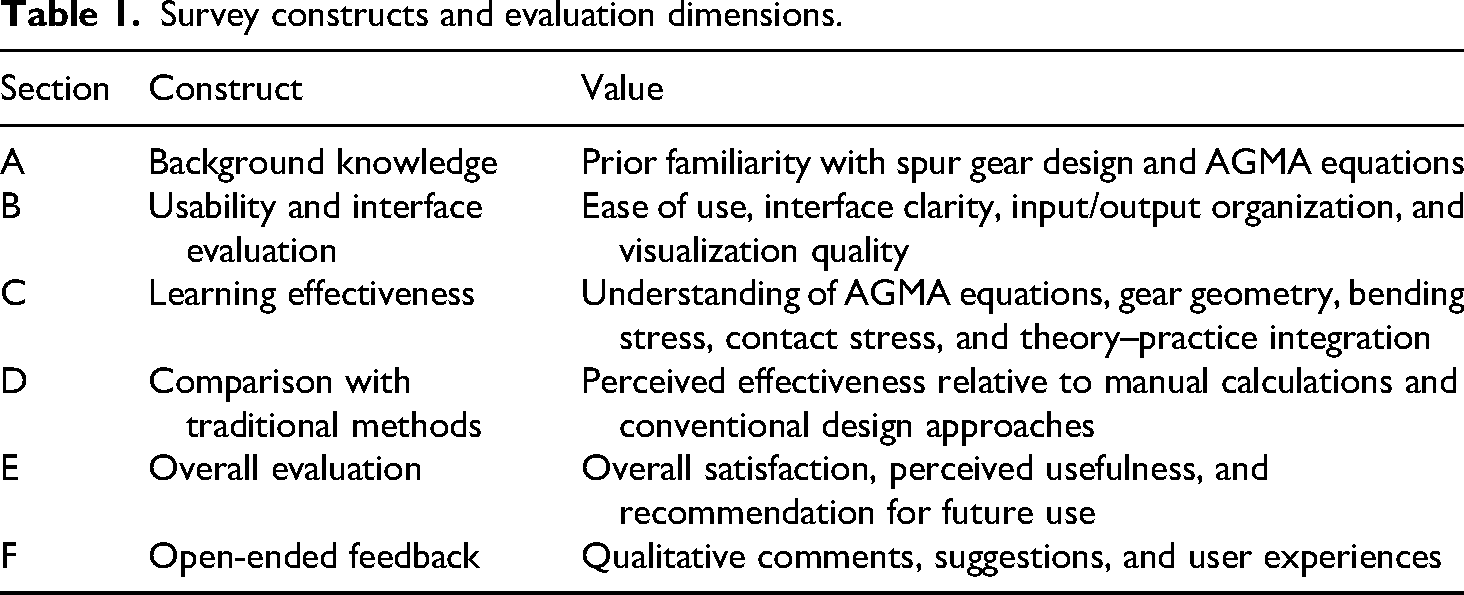
Responses were recorded using a 5-point Likert scale (1 = Strongly Disagree to 5 = Strongly Agree).
To distinguish software usability from educational effectiveness, the questionnaire was intentionally divided into separate constructs. Section B evaluated usability and interface-related aspects of the platform, including ease of use, interface clarity, and visualization quality. In contrast, Section C focused on educational outcomes by assessing students’ perceived understanding of AGMA equations, gear geometry, bending stress, contact stress, and the integration of theoretical concepts with practical design procedures. By analyzing these sections separately, the study differentiates positive user experience from perceived learning benefits. It should be noted that the survey measures students’ self-reported understanding rather than direct learning gains; therefore, the results are interpreted as evidence of perceived educational effectiveness rather than objective mastery of AGMA standards.
Data analysis
Quantitative data were analyzed using descriptive statistics, including mean values, standard deviation, and percentage agreement. The analysis focused on identifying trends in usability, learning improvement, and student perception.
Qualitative responses from open-ended questions were analyzed using thematic analysis. The responses were reviewed, coded, and grouped into recurring themes such as ease of use, visualization effectiveness, conceptual understanding, and suggested improvements.
Ethical considerations
Participation in the study was voluntary, and all responses were collected anonymously. Students were informed that the questionnaire was used solely for research and educational improvement purposes, with no impact on course grading.
Use of generative AI
Generative AI tools were used only for language refinement and structuring of the manuscript. All technical development, calculations, and educational design were carried out by the authors.
Results
Web tool example calculation results
To evaluate the accuracy and applicability of the developed web-based spur gear design tool, a representative three-gear train problem was analyzed. The system consists of a driving pinion (Gear A), an idler gear (Gear B), and a driven gear (Gear C), as shown in Figure 1. The problem was implemented directly within the developed interface, allowing full utilization of the tool's computational and visualization capabilities.
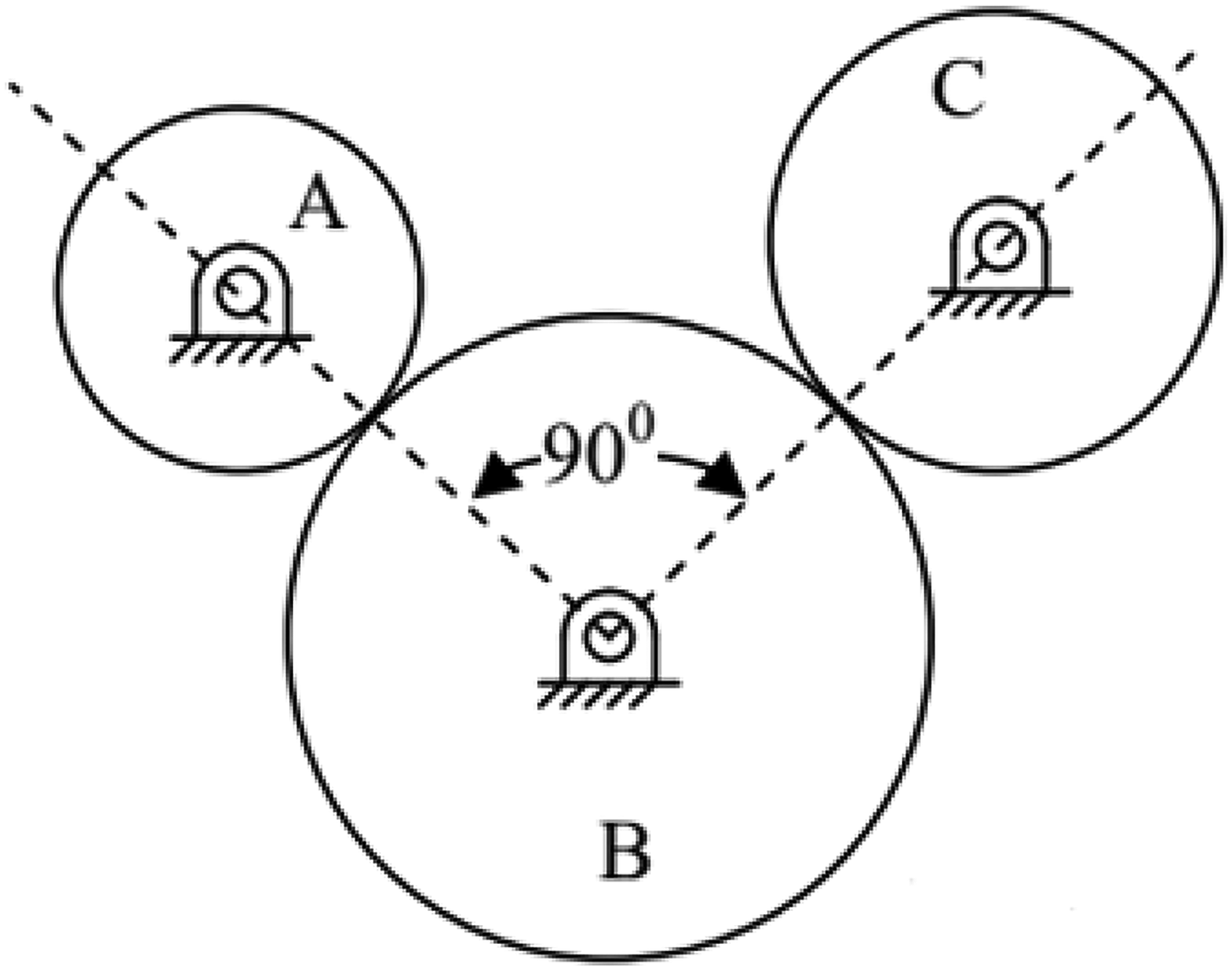
Schematic of the three-gear train configuration (gears A, B, and C).
Input data
The input parameters correspond to a practical industrial scenario involving a transmitted power of 75 kW at a pinion speed of 825 rpm. The gear set is defined by a module of 12 mm and a pressure angle of 20°, with the number of teeth equal to 26, 35, and 30 for the pinion, idler, and driven gear, respectively. All gears are assumed to be made of AISI 4340 Nitrided Steel and operate under uniform shock loading conditions. A face width of 40 mm is selected, together with a quality index of 8, a reliability level of 90%, and a design life of
Input parameters for the three-gear train design problem.
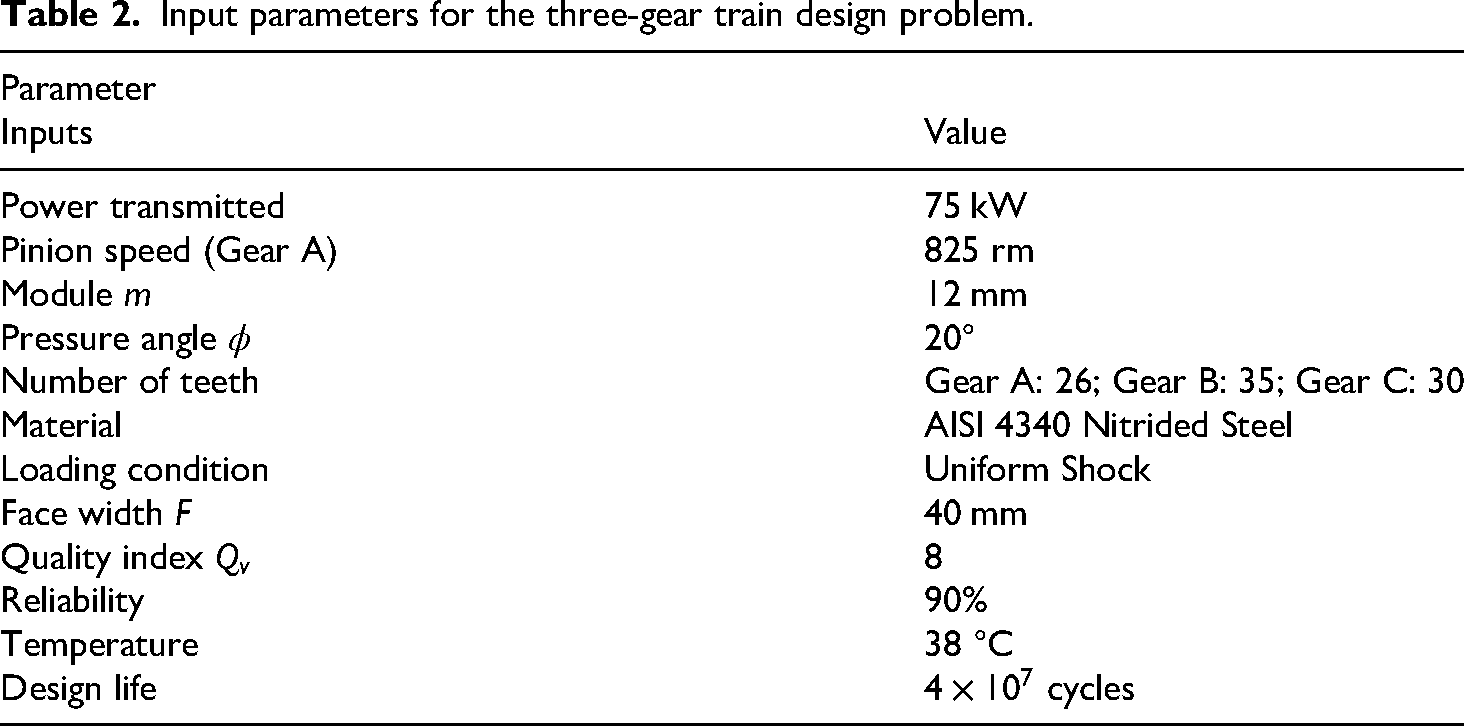
Output data
The geometric calculations performed by the tool yield pitch diameters of 312 mm, 420 mm, and 360 mm for Gears A, B and C, respectively. These values are consistent with standard gear geometry relations and confirm the correctness of the implemented geometric module. The kinematic analysis provides rotational speeds of 612.9 rpm for the idler gear and 715 rpm for the driven gear, demonstrating that the idler gear does not affect the overall transmission ratio, as expected from theoretical considerations.
The force analysis, automatically performed by the tool, results in a tangential force of 5565 N and a radial force of 2025 N. These values are derived directly from the transmitted power and rotational speed and serve as the basis for stress evaluation.
The bending stress is computed using the AGMA formulation integrated within the tool. The results indicate that the bending stress remains within acceptable limits, leading to a safety factor that satisfies design requirements under the specified operating conditions. The implementation of AGMA factors, combined with interpolation of geometry-related parameters, ensures accurate evaluation without the need for manual chart consultation. The corresponding bending analysis results for Gears B and C are presented in Table 3.
Bending stress analysis results for gears B and C.
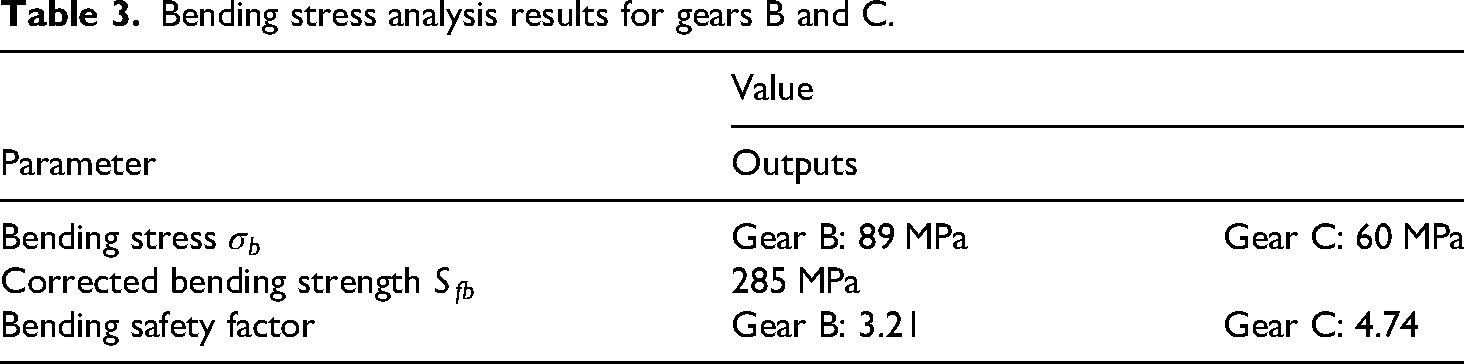
In addition to bending analysis, the tool evaluates surface durability through the computation of contact stress based on AGMA standards. The obtained contact stress values are within the allowable limits for the selected material, and the corresponding surface fatigue safety factor confirms the adequacy of the design. The simultaneous consideration of bending and surface fatigue criteria provides a comprehensive assessment of gear performance, which is often difficult to achieve efficiently using conventional manual methods. The corresponding surface durability results for Gears B and C are presented in Table 4.
Surface durability (contact stress) analysis results for gears B and C.
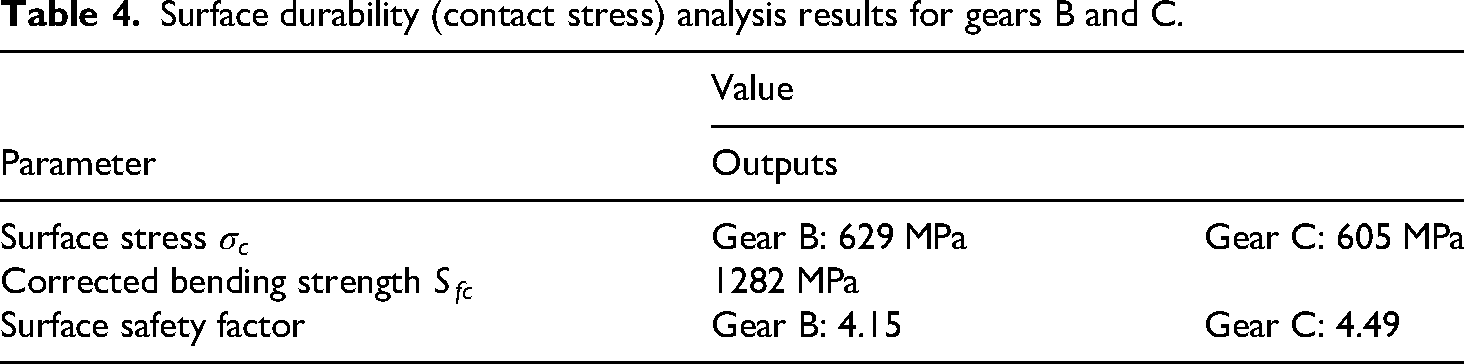
The overall performance of the tool demonstrates its capability to execute all calculations in real time while maintaining consistency with classical analytical solutions. The elimination of manual interpolation and the automatic handling of unit conversions significantly improve both efficiency and reliability.
Parametric study
A key feature of the developed tool is its ability to perform interactive parametric studies, enabling users to investigate the influence of design variables on gear performance in a continuous and intuitive manner. This capability allows for rapid evaluation of multiple scenarios and supports informed decision-making during the design process.
The variation of face width demonstrates a clear influence on both bending and contact stresses, as illustrated in Figure 2. As the face width increases, the load is distributed over a larger contact area, resulting in reduced stress levels and consequently higher safety factors. This trend is consistent with established gear design principles and confirms the reliability of the tool's calculations.
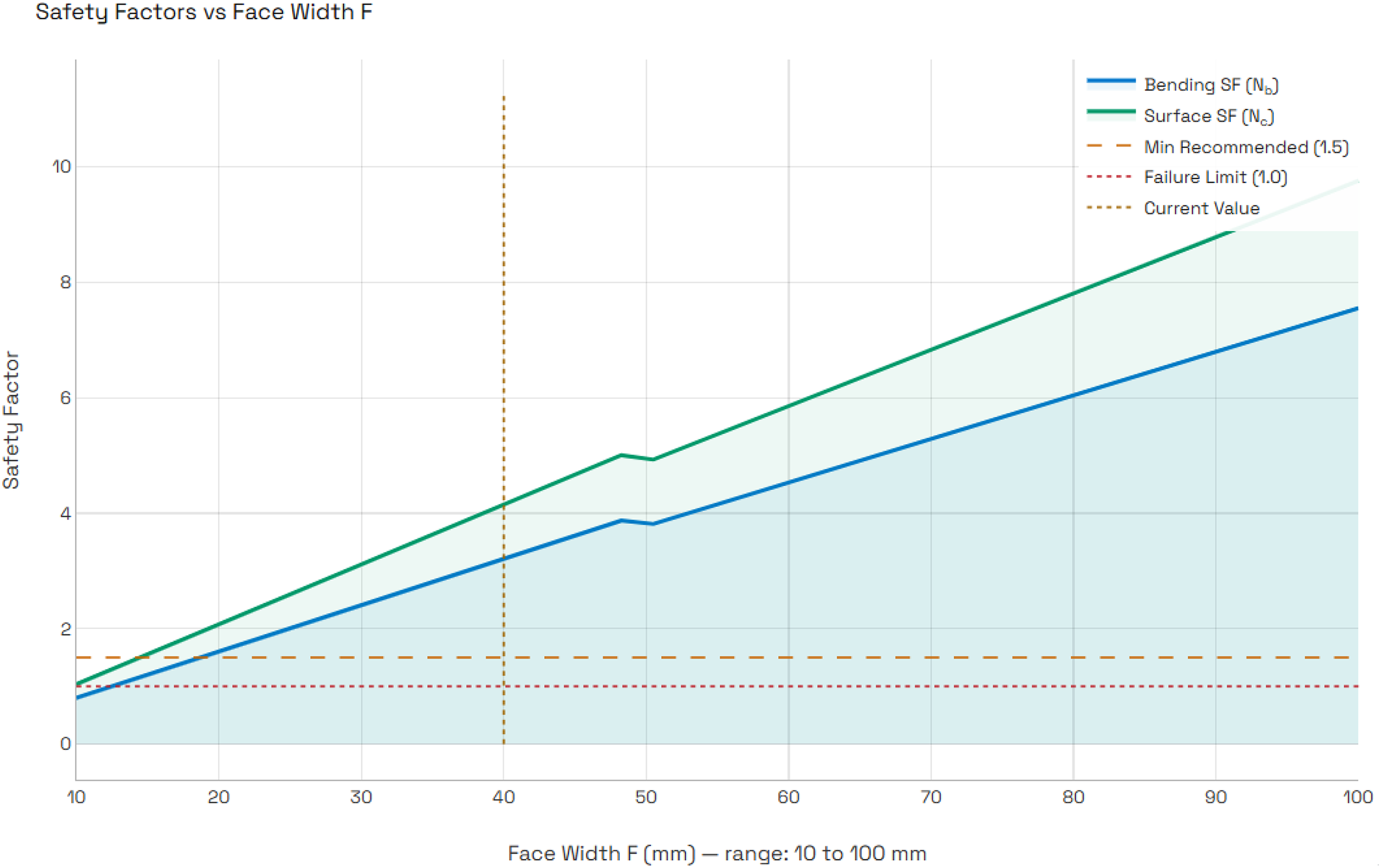
Variation of bending and surface safety factors with face width.
The analysis of module variation shows that increasing the tooth size leads to a reduction in stress levels due to the larger load-carrying capacity of the gear teeth, as shown in Figure 3. This improvement in stress distribution is reflected in higher safety factors, highlighting the importance of module selection in gear design.
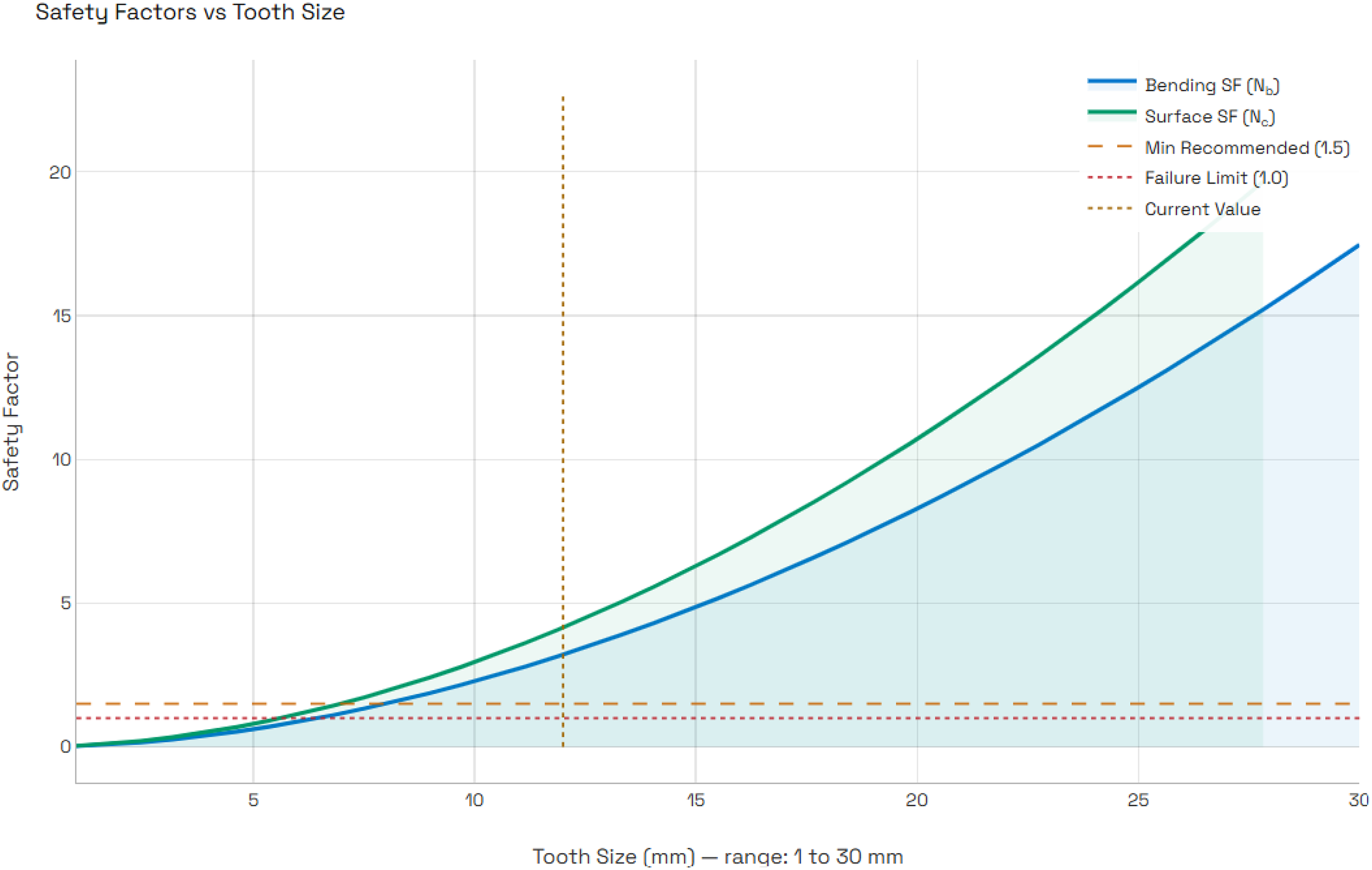
Effect of module (tooth size) on bending and surface safety factors.
The influence of the number of teeth reveals that higher tooth counts generally improve stress distribution and reduce stress concentration effects, as shown in Figure 4. The tool captures this behavior accurately, demonstrating the impact of geometric parameters on both bending and surface fatigue performance.
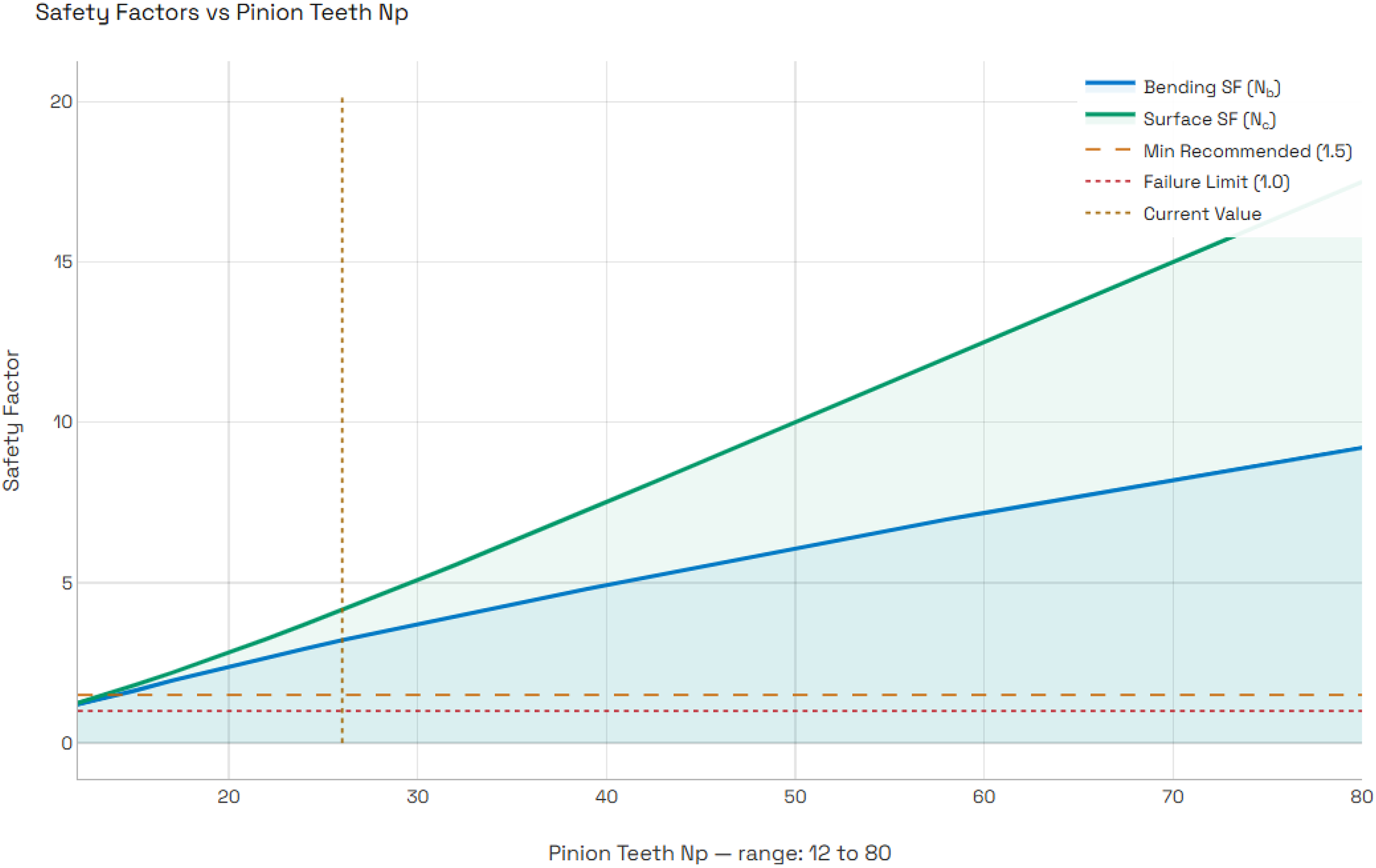
Effect of number of pinion teeth on bending and surface safety factors.
The influence of pinion rotational speed introduces an additional level of complexity due to its effect on the dynamic factor in AGMA formulations. However, as shown in Figure 5, both bending and surface safety factors increase with increasing pinion rotational speed.
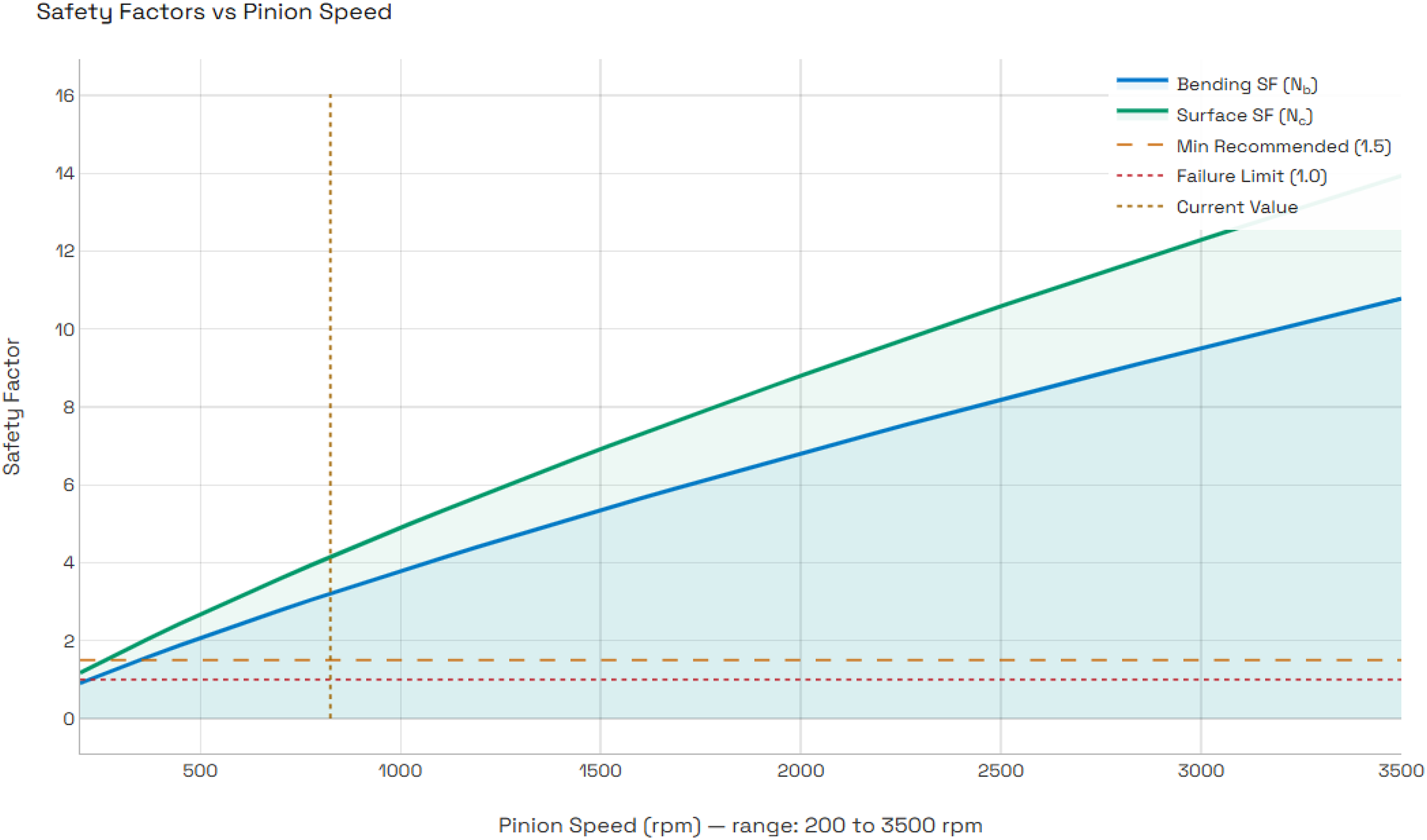
Effect of pinion rotational speed on bending and surface safety factors.
This trend suggests that, within the considered range, the effect of speed leads to conditions that improve the calculated safety margins. This behavior may be attributed to the specific formulation and interaction of AGMA factors used in the model, particularly the dynamic factor and load distribution assumptions. The tool successfully captures this dependency, providing a consistent representation of the relationship between rotational speed and gear performance.
The effect of transmitted power indicates that increasing power leads to higher transmitted forces, which directly increases both bending and contact stresses. Similarly, variations in rotational speed affect dynamic factors, further influencing stress levels. These relationships are clearly captured by the tool, as illustrated in Figure 6, providing immediate insight into design sensitivity.
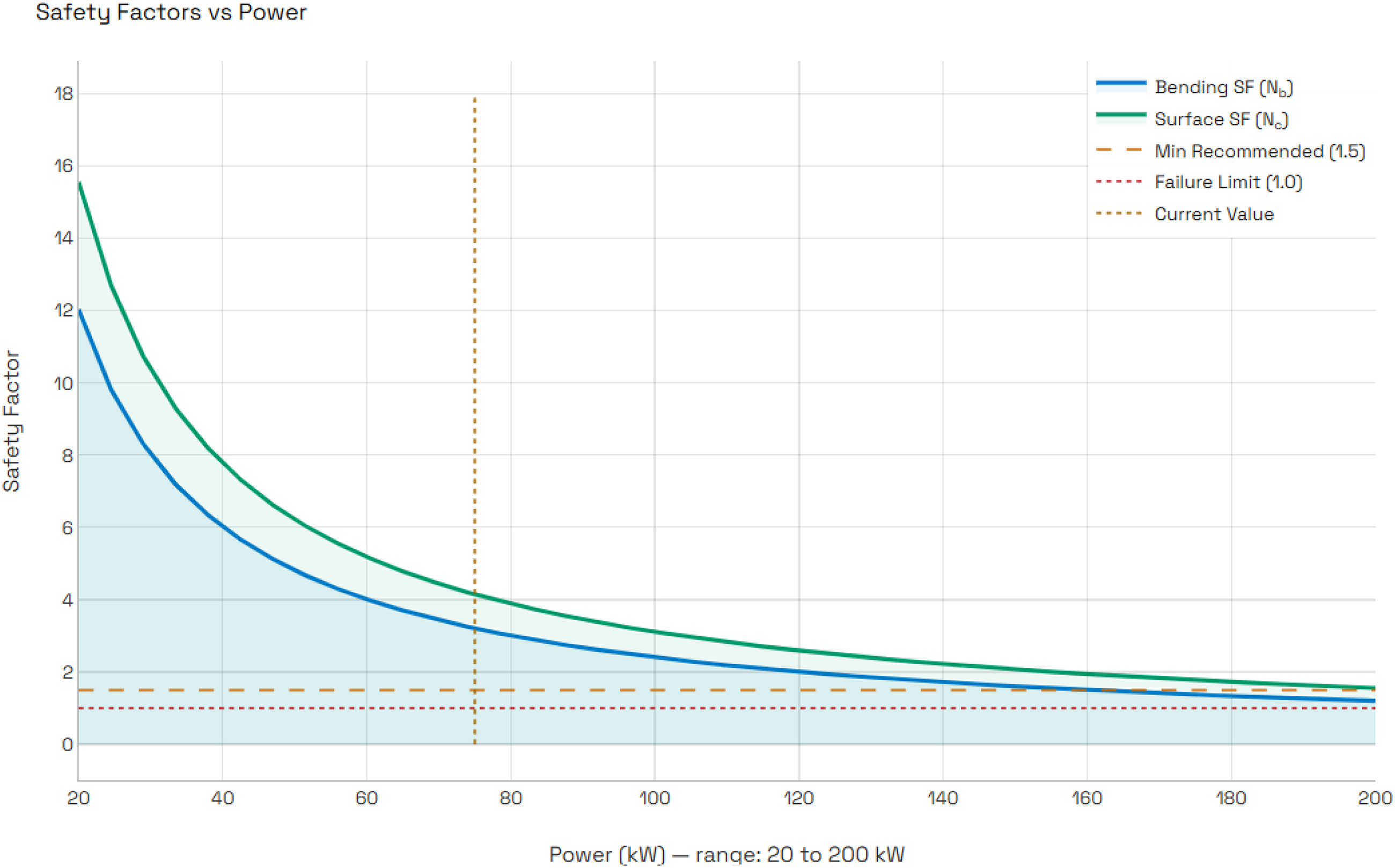
Effect of transmitted power on bending and surface safety factors.
The parametric study highlights the capability of the tool to evaluate the combined effects of multiple variables on gear safety. This functionality enables designers to identify optimal configurations and ensure that both bending and surface fatigue criteria are satisfied under varying operating conditions.
Student questionnaire results
Background knowledge
The analysis of students’ background knowledge indicates that participants entered the study with a moderate level of familiarity with spur gear design concepts and AGMA-based calculations. The mean score for prior knowledge of spur gear design reached 4.24 (SD = 0.65), with an agreement rate of 88.24%, while familiarity with AGMA equations showed a slightly higher mean value of 4.35 (SD = 0.85) and an agreement rate of 82.35%. These results suggest that although students possessed a foundational understanding, their knowledge was not yet fully consolidated, thereby justifying the need for an interactive learning tool to reinforce and deepen their comprehension.
The agreement rates corresponding to these items are illustrated in Figure 7, where a relatively high but non-saturated distribution confirms the presence of prior exposure while still leaving room for pedagogical enhancement.
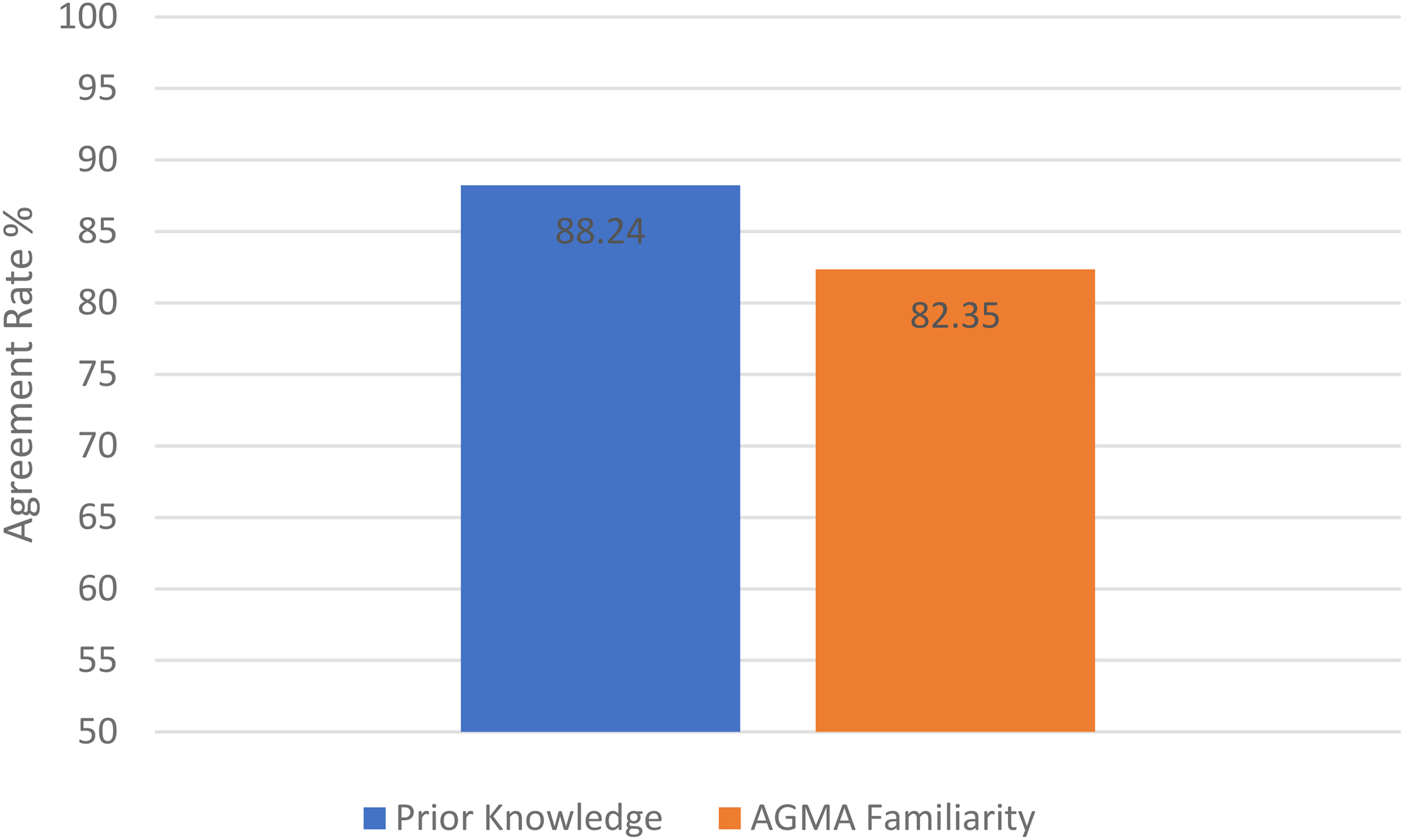
Background knowledge agreement students results.
Usability and interface evaluation
The usability assessment demonstrates that the developed web-based tool achieved a high level of user acceptance and interface clarity. Students reported that the tool is easy to access and use, with a mean score of 4.71 (SD = 0.52) and an agreement rate of 97.06%. The clarity of input parameters obtained an even higher evaluation, reaching 100% agreement with a mean value close to 4.82 (SD ≈ 0.39), indicating that the interface design successfully guides users through the input process without ambiguity.
Similarly, the clarity of output results achieved a mean of 4.68 (SD = 0.53), with an agreement rate of 97.06%, confirming that the computed results are presented in a clear and interpretable manner. The graphical representation of gears, while still highly rated, showed a slightly lower agreement rate of 88.24% (M = 4.29, SD = 0.76), suggesting that although visualization significantly enhances usability, further improvements in graphical features could yield additional benefits.
Overall, the consistently high agreement rates presented in Figure 8 confirm that the tool provides a well-structured, intuitive, and user-friendly environment that facilitates efficient interaction.
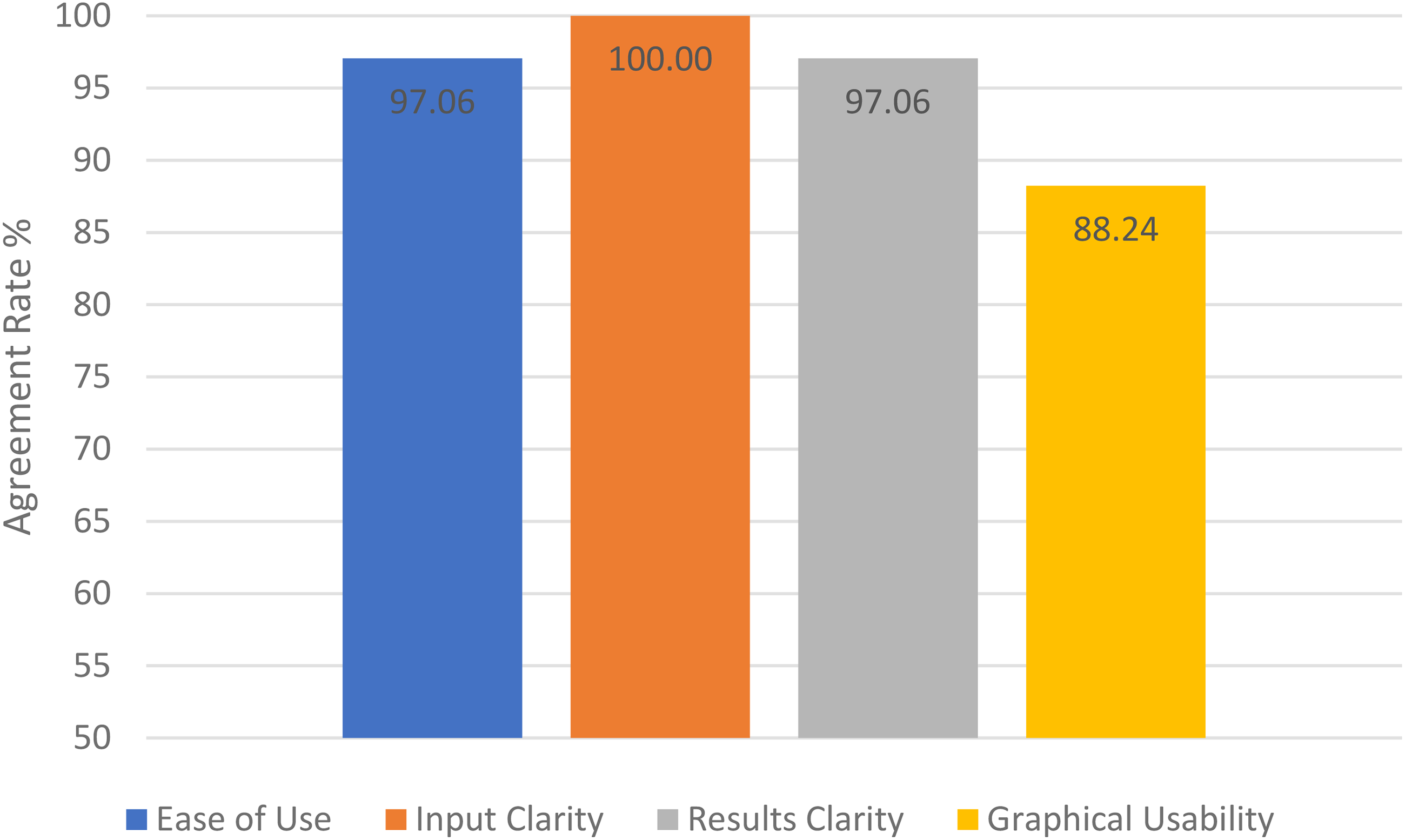
Usability and interface evaluation agreement students results.
Learning effectiveness
The results related to learning effectiveness highlight the strong educational impact of the developed tool. Students reported a clear improvement in their understanding of spur gear geometry (M = 4.32, SD = 0.64, agreement = 91.18%), as well as in AGMA bending stress calculations (M = 4.29, SD = 0.68, agreement = 88.24%). A slightly higher impact was observed for the understanding of contact (surface) stresses, with a mean value of 4.44 (SD = 0.61) and an agreement rate of 94.12%.
The most significant outcomes are associated with the interactive capabilities of the tool. The ability to perform real-time parameter modifications achieved a mean score of 4.76 (SD = 0.50), with an agreement rate of 97.06%, while the ability to link theoretical equations with practical design applications reached a similarly high mean of 4.74 (SD = 0.51), also with 97.06% agreement. These results clearly demonstrate that the tool effectively bridges the gap between abstract theoretical concepts and real-world engineering applications.
The high agreement levels shown in Figure 9 confirm that the interactive and dynamic features of the tool play a critical role in enhancing conceptual understanding and promoting active learning.
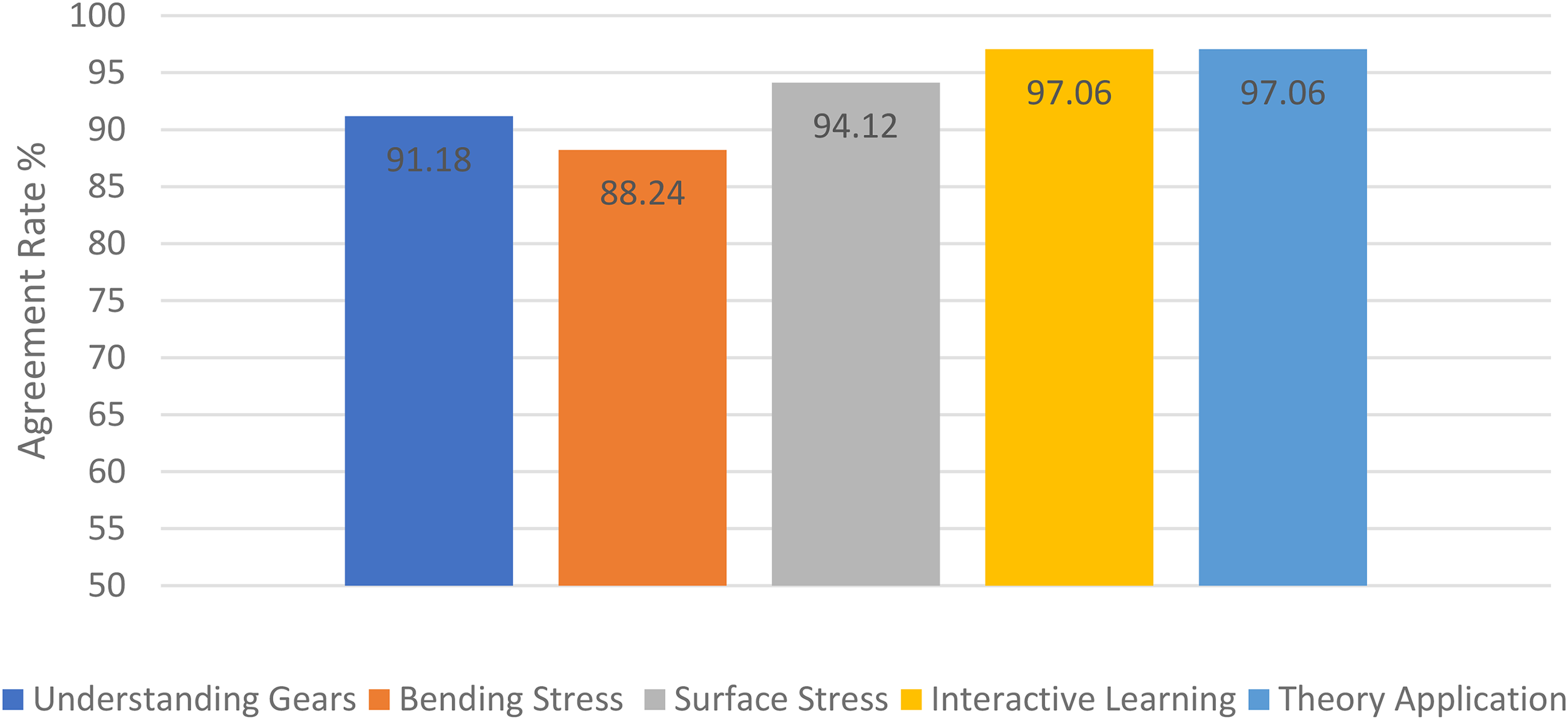
Learning effectiveness agreement students results.
Comparison with traditional methods
When compared with traditional teaching approaches, the web-based tool was perceived as significantly more effective. Students rated the tool as more effective than manual calculations, with a mean value of 4.68 (SD = 0.64) and an agreement rate of 97.06%. A similarly strong preference was observed over spreadsheet-based methods, which achieved an agreement rate close to 100% (M = 4.65, SD = 0.49).
In addition, the tool was found to substantially reduce calculation errors, with a mean score of 4.65 (SD = 0.60) and an agreement rate of 94.12%. These findings confirm that the automation of complex AGMA calculations not only improves efficiency but also enhances accuracy by minimizing human error.
The agreement rates presented in Figure 10 clearly illustrate the superiority of the proposed tool over conventional learning methods, reinforcing its value as both an educational and preliminary design platform.
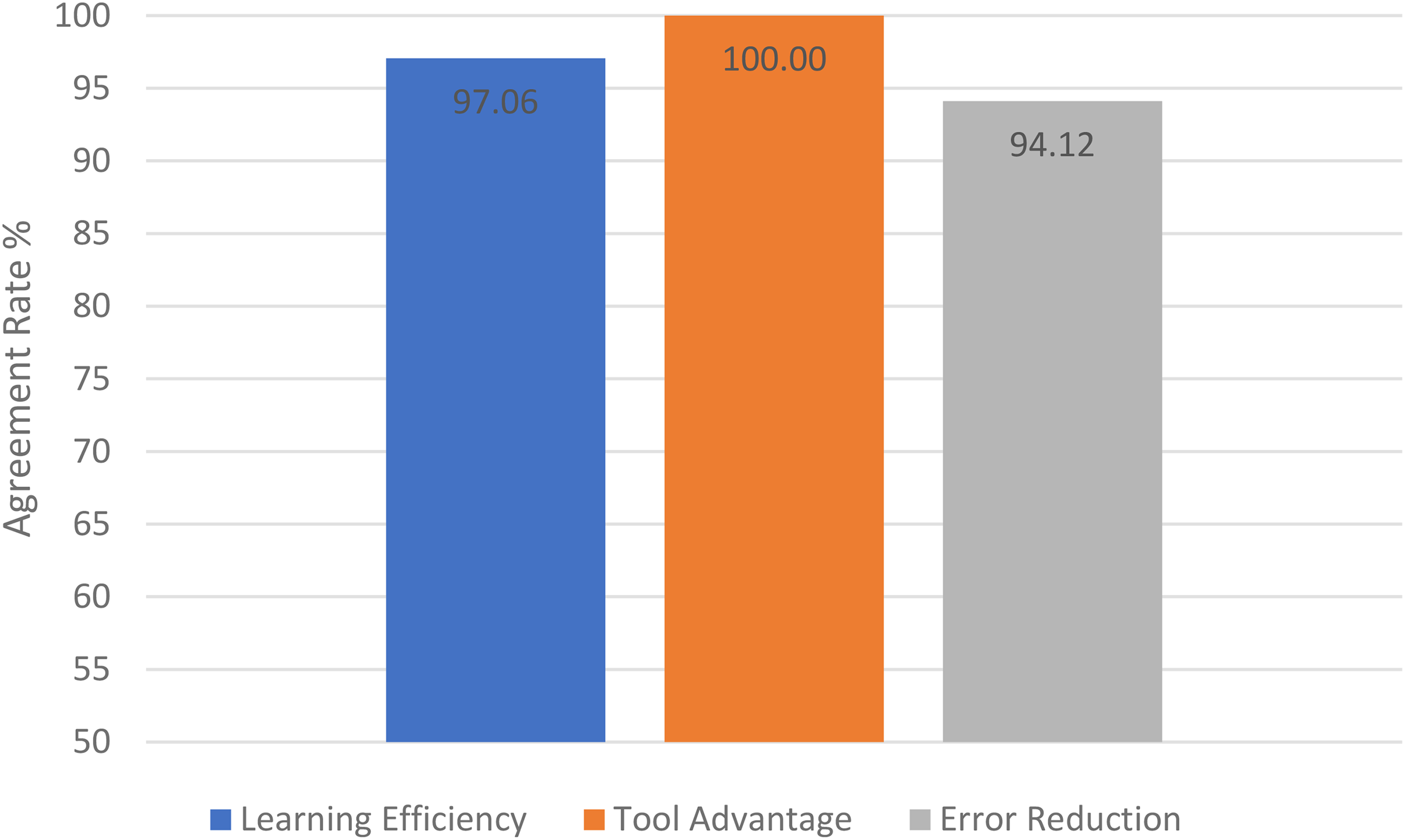
Student agreement rates comparing the web-based tool with traditional learning methods.
Overall evaluation
The overall evaluation of the tool reflects a highly positive student perception. The tool significantly increased students’ confidence in performing spur gear design tasks, achieving a mean score of 4.50 (SD = 0.62) and an agreement rate of 94.12%. In addition, it contributed to increased interest in machine design topics, with a mean of 4.59 (SD = 0.56) and an agreement rate of 97.06%.
Furthermore, the recommendation for using the tool in future machine design courses reached a strong mean value of 4.88 (SD = 0.41), with a unanimous agreement rate of 97.06%. This result represents one of the strongest indicators of the tool's success and its potential for broader adoption in engineering education.
The agreement distribution shown in Figure 11 highlights the strongly positive perception, confirming that the developed platform is not only effective but also highly appreciated by students.
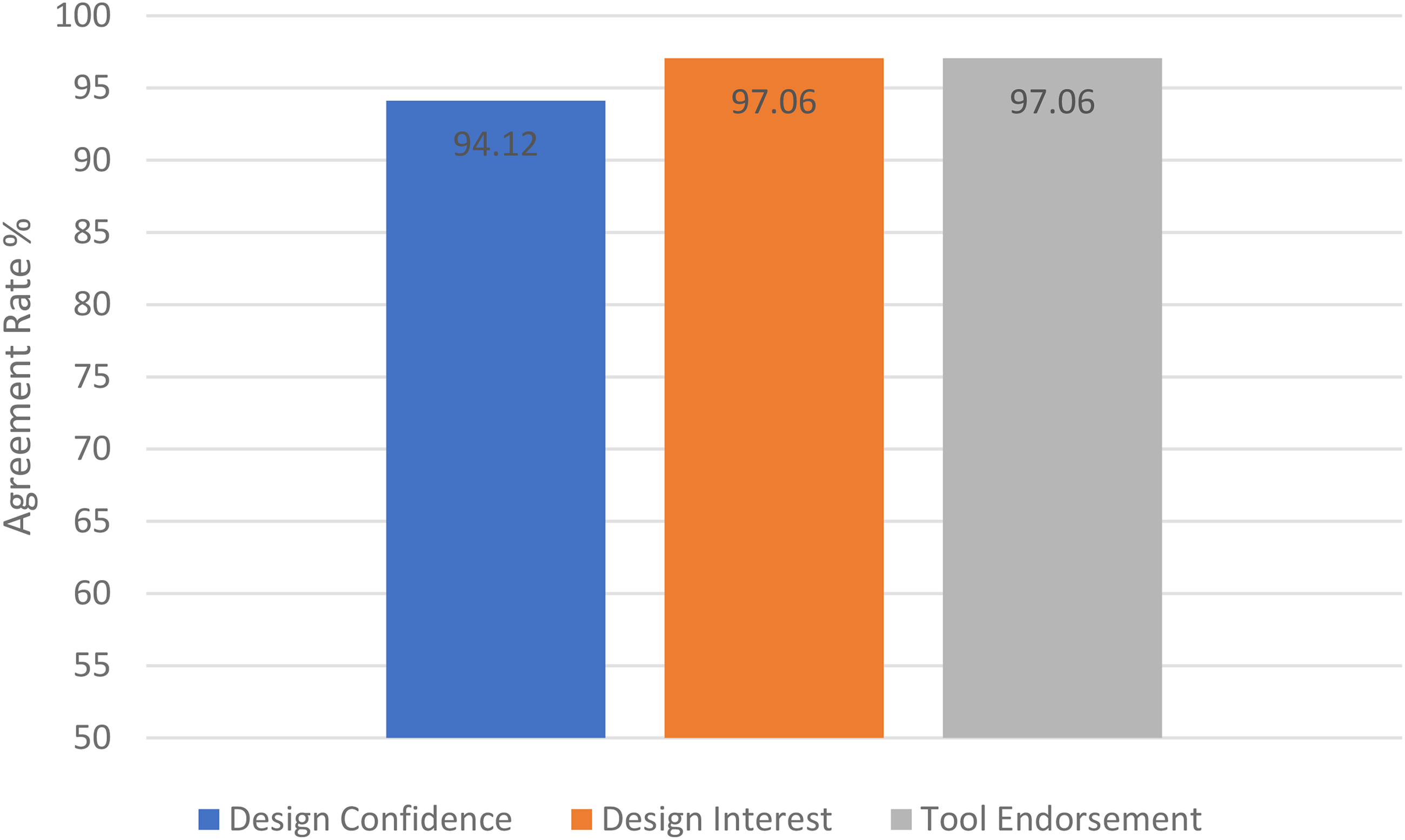
Student perceptions of confidence, interest, and recommendation for the web-based spur gear design tool.
Qualitative analysis of open-ended feedback
The qualitative feedback provides additional insight into students’ experiences with the developed web-based tool and strongly supports the quantitative findings. Overall, students expressed a highly positive perception, frequently emphasizing the ease of use, clarity of the interface, and efficiency of the design process. Many responses highlighted the significant reduction in time and effort compared to manual calculations, confirming the tool's effectiveness in simplifying complex AGMA-based procedures.
A recurring theme in the feedback was the importance of real-time interaction and graphical visualization in enhancing student understanding. For instance, one student noted that “the real-time parameter changes were very useful because they allowed me to immediately observe how modifying design variables affects the results,” while another highlighted that “we can change the parameter while we get the direct answer.” Visualization features such as “graphical representation,” “animation,” and “diagram part” were also frequently cited as beneficial.
Efficiency and automation emerged as additional strengths of the tool. Students emphasized “accurate automatic calculations” and the ability to obtain results “much faster,” significantly reducing the effort associated with manual design procedures. One student further appreciated the built-in feedback system, describing “a notification message with different colors” that helps identify whether a design is safe or prone to failure. These responses suggest that the tool effectively bridges theoretical concepts and practical application through immediate feedback and interactive exploration.
Only minimal difficulties were reported, with most students describing the tool as “easy and clear” and indicating “no difficulties.” Minor issues included initial uncertainty in parameter input and occasional interface limitations. Suggested improvements focused on usability enhancements, such as “adding more detailed guidance or tutorials,” refining interface elements like sliders and color schemes, and introducing features such as light/dark mode. Overall, the feedback reflects a highly positive user experience with constructive recommendations for further refinement.
Discussion
The results presented in Section 3 demonstrate the technical reliability, usability, and pedagogical effectiveness of the developed web-based spur gear design tool. The discussion integrates quantitative survey outcomes, qualitative feedback, and validation results to highlight its contribution to engineering education.
User experience and interface effectiveness
The high mean scores and agreement rates confirm that the tool provides an intuitive and accessible user interface. Students found the inputs and outputs clearly structured, which is essential in engineering tools where complexity often hinders usability. This aligns with previous studies emphasizing that ease of interaction and interface clarity are key factors in learning effectiveness and technology adoption.8,11,24
The near-unanimous agreement on input clarity suggests that the tool reduces cognitive load, enabling students to focus on conceptual understanding. Although slightly lower, the evaluation of graphical representation remains high, confirming the importance of visualization in enhancing usability, as also reported in the literature.12,23
Impact on conceptual understanding and learning outcomes
Unlike commercial gear-design software, which often functions as a computational black box, the developed platform was specifically designed to support learning. Students can directly observe how changes in module, face width, material selection, rotational speed, and transmitted power affect AGMA factors, stresses, and safety factors in real time. The simultaneous presentation of governing equations, intermediate design parameters, and graphical representations encourages conceptual understanding and engineering intuition rather than simple result generation.
The tool shows a strong positive impact on students’ perceived understanding of gear geometry, bending stress, and contact stress. While these findings indicate substantial educational value, they are based on self-reported perceptions rather than direct assessments of learning gains. The highest scores were associated with real-time parameter interaction and the linkage between theory and practice, highlighting the tool's key pedagogical contribution.
These findings are consistent with prior research demonstrating that interactive simulations and immediate feedback significantly enhance conceptual understanding and student engagement.7,21,22,30 By enabling real-time exploration, the tool supports active learning and strengthens engineering intuition, addressing a well-known gap between theoretical knowledge and practical application.8,16,17
Efficiency gains compared to conventional approaches
Students clearly preferred the developed tool over manual calculations and spreadsheet-based methods. The automation of AGMA procedures reduces computational effort and minimizes human error, which is a known limitation of traditional approaches.3,5,6
Additionally, the integration of all design stages into a single environment reflects the principles of Knowledge-Based Engineering (KBE), improving efficiency and workflow coherence.3,6,33 These findings support previous studies highlighting the effectiveness of digital tools in modern engineering education.13,23,25
Educational value of interactivity and visualization
The results confirm that real-time interactivity and visualization are central to the tool's effectiveness. The ability to instantly observe the impact of parameter changes enhances understanding of cause–effect relationships and system behavior.
This observation is strongly supported by the literature, where interactive simulations and 3D visualization are shown to improve spatial reasoning and conceptual learning in engineering education.12,18,19,23 The tool's dynamic features therefore play a critical role in transforming abstract concepts into tangible learning experiences.
Convergence of quantitative and qualitative evidence
The qualitative feedback reinforces the quantitative results, with students consistently highlighting ease of use, efficiency, and interactive capabilities. The absence of significant reported difficulties and the limited suggestions for improvement indicate a high level of user satisfaction and tool maturity.
This convergence between data sources strengthens the reliability of the findings and confirms that the tool is both effective and well accepted.
Educational implications and integration potential
The developed tool supports the transition toward interactive and student-centered learning environments. By enabling exploration, immediate feedback, and theory–practice integration, it aligns with active learning approaches shown to improve engagement and performance.10,15
Moreover, its browser-based implementation ensures accessibility and scalability, consistent with current trends in web-based educational systems.24,26
Study limitations and future research directions
A primary limitation of this study is its sample population, which consisted of 34 graduate mechanical engineering students. Because graduate students possess a baseline understanding of machine elements, their rapid adoption of the tool and high conceptual scores may differ from undergraduate novices encountering gear design for the first time. Therefore, future work will involve deploying the tool in junior-level undergraduate courses to evaluate its effectiveness as an introductory learning aid. Additionally, the study is limited by its single-course context and lack of a control group; future evaluations should utilize a quasi-experimental design (e.g., tool vs. manual calculation groups) to objectively measure learning gains alongside self-reported perceptions.
Although the survey indicates strong perceived learning gains, the present study relies primarily on self-reported measures. Future work should incorporate pre-test/post-test assessments and controlled experimental designs to objectively quantify improvements in AGMA conceptual understanding.
Further enhancements in visualization, including immersive technologies such as AR/VR, could provide additional benefits.18,19 Expanding the tool to cover more advanced gear systems and failure models would also increase its applicability.
Alignment with ABET learning outcomes
Context of ABET accreditation framework
The Accreditation Board for Engineering and Technology (ABET) provides a globally recognized framework 39 for evaluating engineering programs based on clearly defined Program Learning Outcomes (PLOs) and their alignment with Course Learning Outcomes (CLOs). This framework emphasizes not only technical competence but also the development of broader professional skills, including communication, ethics, teamwork, experimentation, and lifelong learning. Ensuring that course activities contribute meaningfully to these outcomes is essential for maintaining accreditation quality and fostering well-rounded engineering graduates.
Within the MENG610 – Machine Design course, CLOs are traditionally mapped to a limited subset of PLOs, primarily focusing on problem-solving and design competencies. However, modern engineering education increasingly requires instructional approaches that support a more comprehensive alignment with the full ABET outcome spectrum.
Enhancement of course larning outcomes (CLOs)
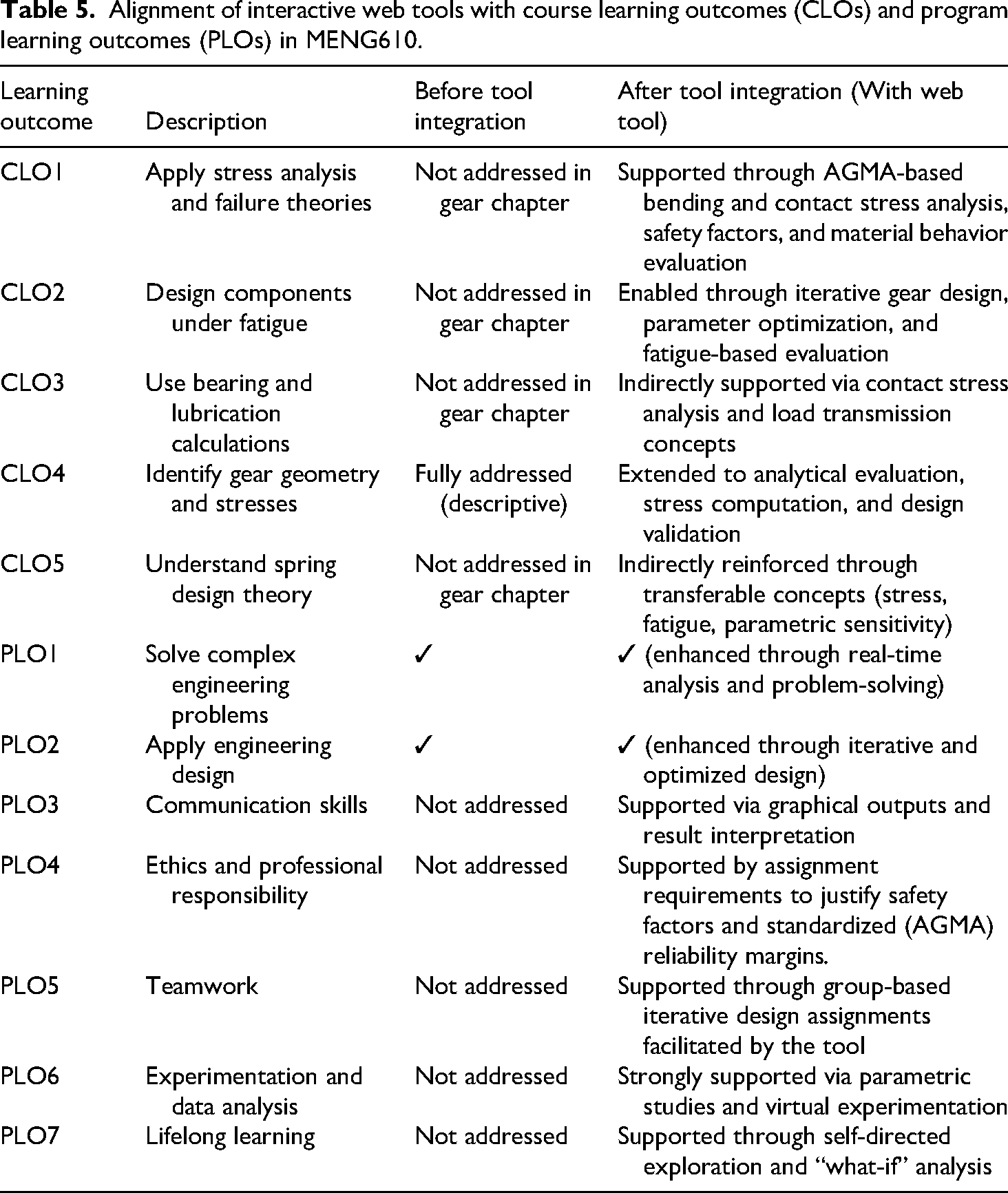
Prior to the integration of the developed web-based spur gear design tool, the gear design chapter was primarily associated with CLO4, which focuses on identifying gear types, geometry, loadings, stresses, and materials. While this outcome ensures fundamental understanding, it remains largely descriptive and does not fully exploit the analytical and design potential of the topic.
The introduction of the interactive web-based tool significantly expands the pedagogical scope of the gear design chapter, enabling it to contribute meaningfully to all five Course Learning Outcomes (CLOs) defined in the MENG610 course.
The tool directly supports CLO1 by enabling the application of stress analysis, failure theories, and material properties through AGMA-based bending and contact stress evaluation. It contributes to CLO2 by allowing iterative design and fatigue-based optimization of gear parameters. CLO3 is supported through the analysis of contact conditions and their relation to load transmission and lubrication concepts. The tool further enhances CLO4 by extending it from identification to full analytical evaluation and design validation. Finally, CLO5 is indirectly reinforced through transferable concepts such as stress–strain relationships, fatigue behavior, and parametric sensitivity, which are common across multiple machine elements.
As a result, the gear design chapter evolves from a single-outcome topic into a multi-outcome learning module, contributing comprehensively to all CLOs.
Expansion of program learning outcomes (PLOs 1–7)
In the traditional course structure, CLOs were mainly mapped to PLO1 (problem solving) and PLO2 (engineering design), limiting the broader educational impact. The integration of the web-based tool significantly extends this alignment to cover all seven ABET Program Learning Outcomes.
The tool reinforces PLO1 by enabling students to solve complex engineering problems involving stress analysis and gear design, and PLO2 by supporting the development of safe and efficient design solutions. It contributes to PLO3 by facilitating the communication of results through graphical outputs and structured data. PLO4 is addressed through assignment requirements that ask students to justify their safety margins and acknowledge the professional implications of under-designing critical machine elements
Furthermore, PLO5 is supported through the instructional design of the assignment, which required collaborative activities involving shared analysis and group decision-making facilitated by the tool's fast iteration capabilities. The tool strongly aligns with PLO6, as it functions as a virtual experimental platform where students perform parametric studies, analyze data, and draw engineering conclusions. Finally, PLO7 is promoted by encouraging independent exploration and self-directed learning through interactive “what-if” scenarios.
Table 5 summarizes the transformation in CLO and PLO alignment enabled by the developed web-based tool.
Alignment of interactive web tools with course learning outcomes (CLOs) and program learning outcomes (PLOs) in MENG610.
Educational impact of the integrated alignment
The integration of the web-based spur gear design tool significantly enhances the alignment between course content and the ABET framework. By transforming a traditionally isolated topic into an interactive and exploratory learning experience, the tool enables a holistic contribution to both course-level and program-level outcomes.
This expanded alignment demonstrates that digital and interactive tools can effectively bridge the gap between theoretical instruction and professional skill development. The ability to address all CLOs and PLOs highlights the tool's role not only as a computational resource but also as a comprehensive educational platform aligned with modern accreditation requirements.
Conclusion
This study presented the development, implementation, and evaluation of an interactive web-based spur gear design tool based on ANSI/AGMA 2001-D04 standards. The tool integrates geometry, load analysis, stress evaluation, and safety factor verification within a unified, browser-based environment, providing a transparent and accessible alternative to traditional design approaches.
The validation results confirmed the computational accuracy of the tool, demonstrating strong agreement with analytical calculations and standard textbook examples. The capability to perform real-time calculations and parametric studies enables efficient exploration of design scenarios, significantly reducing the time and effort required for iterative gear design while minimizing the risk of human error.
The educational evaluation further demonstrated the effectiveness of the tool in enhancing student learning. Quantitative results showed consistently high levels of usability, learning improvement, and preference over traditional methods, while qualitative feedback highlighted the importance of real-time interaction, visualization, and ease of use. The ability to dynamically link theoretical equations with practical design applications was identified as a key strength, supporting deeper conceptual understanding and active learning.
A major contribution of this work lies in its alignment with the ABET accreditation framework. The integration of the web-based tool transformed the gear design chapter from a topic primarily associated with a single course outcome into a comprehensive learning module contributing to all Course Learning Outcomes (CLOs). Furthermore, the tool enabled a broader alignment with all seven Program Learning Outcomes (PLOs), extending its impact beyond problem-solving and design to include communication, teamwork, experimentation, ethical awareness, and lifelong learning.
Overall, the developed platform demonstrates that web-based, interactive engineering tools can effectively bridge the gap between theory and practice, enhance student engagement, and support modern outcome-based education frameworks. The accessibility and scalability of the tool make it suitable for integration into a wide range of engineering courses and institutions.
Future work may focus on expanding the tool to include additional gear types, incorporating advanced visualization technologies such as augmented and virtual reality, and evaluating its impact across larger and more diverse student populations. Such developments would further strengthen the role of digital tools in engineering education and support the ongoing transformation toward interactive and student-centered learning environments.
The following abbreviations are used in this manuscript:
Footnotes
Abbreviations
Acknowledgments
The authors would like to thank the graduate students of the MENG610 course at Lebanese International University for their participation and valuable feedback.

Ethical considerations
This study involved the anonymous participation of graduate engineering students in a teaching and learning activity. No personal, identifiable, medical, or sensitive data were collected. According to the policies of the Lebanese International University, formal ethics approval was not required for anonymized educational evaluation studies that do not involve personal data collection or human subject risk. If requested, documentation can be provided confirming that this activity falls under institutional exempt research classification.
Consent to participate
Participation in the post-activity questionnaire was voluntary, and submission of the completed questionnaire was taken as implied consent.
Consent for publication
Not applicable.
Author contributions
Conceptualization: Hassan Karaky and Abdel-Mehsen Ahmad;
Data curation: Hassan Karaky and Mohamad Abou Shahine;
Formal Analysis: Hassan Karaky and Mohamad Abou Shahine;
Funding acquisition: Hassan Karaky and Abdel-Mehsen Ahmad;
Investigation: Hassan Karaky and Mohamad Abou Shahine;
Methodology: Hassan Karaky and Abdel-Mehsen Ahmad;
Project administration: Hassan Karaky, Mohamad Abou Shahine and Abdel-Mehsen Ahmad;
Resources: Abdel-Mehsen Ahmad and Mohamad Abou Shahine;
Software: Hassan Karaky and Abdel-Mehsen Ahmad;
Supervision: Abdel-Mehsen Ahmad;
Validation: Mohamad Abou Shahine;
Visualization: Abdel-Mehsen Ahmad and Mohamad Abou Shahine;
Writing-original draft: Hassan Karaky and Mohamad Abou Shahine;
Writing-review & editing: Abdel-Mehsen Ahmad and Mohamad Abou Shahine;
All authors have read and agreed to the published version of the manuscript.
Funding
The authors received no financial support for the research, authorship, and/or publication of this article.
Declaration of conflicting interests
The authors declared no potential conflicts of interest with respect to the research, authorship, and/or publication of this article.
Data availability
The datasets generated and analyzed during the current study consist of anonymized questionnaire responses stored in an internal Excel file. The data may be made available from the corresponding author upon reasonable request. The interactive web tools developed and utilized in this study are not publicly available at this time but may be shared for academic and research purposes upon reasonable request to the corresponding author.