






Abstract

As populism, authoritarian rule and war grip Eastern Europe,
AS I WALKED away from Gdansk railway station on 13 December 1989, I was greeted with a sight I will never forget. Shuffling through the bone-chilling snow were hundreds of young Poles, many of them with dreadlocks, heading to a reggae concert in the city’s famous shipyard as if it was the most normal thing in the world. It was my first glimpse of the surreal youth culture of Iron Curtain Poland and its obsession with the rebel music of Jamaica.
The concert was being held to mark the anniversary of martial law, introduced in 1981 as an attempt to crush the Solidarity trade union movement that started in 1980. The military had failed; the tanks had left the streets. And Solidarity, which began with Polish shipyard workers, grew to inspire the revolutions that swept Eastern Europe at the end of the decade, ultimately leading to the fall of the Berlin Wall on 9 November 1989.
I watched those events on a battered TV in a shabby housing co-op (one step up from a squat) in Hackney, east London and realised I had to be there. I sold most of my possessions and bought a return ticket to Berlin. But then I heard about this crazy reggae peace concert in Gdansk, so I took a train to Poland. I still have the ticket and an old cassette (see insert). It shows the event was intended not just to celebrate Poland’s fight for freedom but as an act of solidarity with the anti-apartheid movement in South Africa. Looking back, there was a naive, global ambition to the event which suited the optimism of the times. If the Berlin Wall could fall, then anything was possible (and, sure enough, two months later Nelson Mandela was free, and apartheid was effectively over).
BELOW: Linton Kwesi Johnson in Gdansk shipyard, Poland, in 1989
CREDIT: Leon Morris/Redferns/Getty
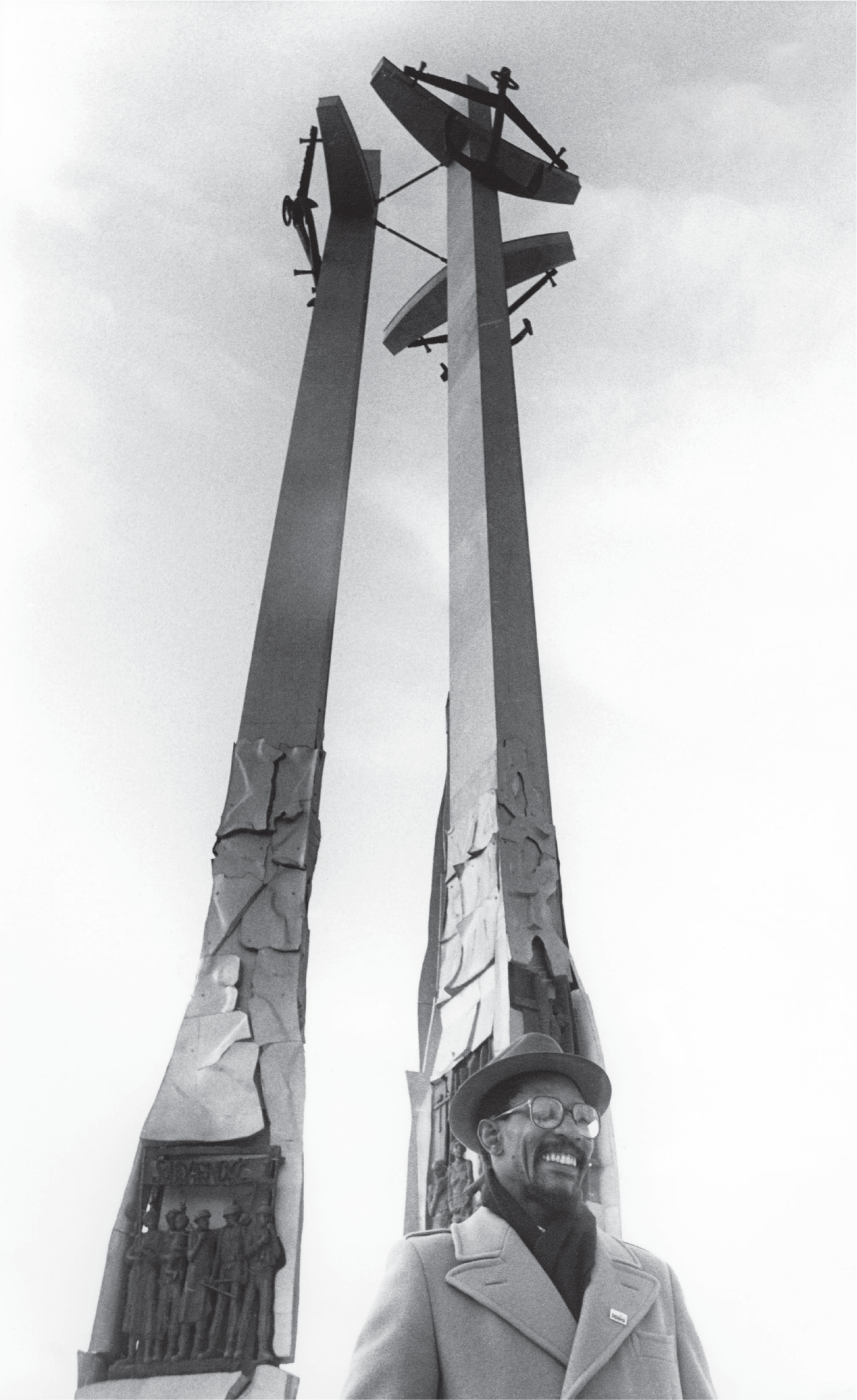
Speaking in Gdansk to the BBC at the time, the celebrated dub poet Linton Kwesi Johnson eloquently expressed the significance of the concert: “Solidarity’s spirit of internationalism is great — that on the eighth anniversary of martial law they should be holding an anti-apartheid show. And I’m so pleased that so many Black musicians have been invited, because we too have a history of struggle and we too can identify with the oppressed people of Poland.”
The first person I met in Gdansk was Miroslaw “Maken” Dzieciolowski, who helped me find my hotel while explaining his love of hardcore punk and reggae in a unique Polish patois picked up from the music he loved. He was the most enthusiastic person I had ever met. Three decades on, speaking to Index from his home in Warsaw over Zoom, he still has the ear-to-ear grin I remember from Gdansk railway station. Now 54, he also has a magnificent set of greying dreadlocks as befits an elder statesman of Polish reggae. I asked him why he thought this particular music had such a hold on young Poles at the time.
“I think mostly because it was freedom music. It always carried a message of freedom,” he said. Maken went on to make a life as a Polish reggae promoter, bringing major British and Jamaican musicians to Poland in the decades after the collapse of Communism. Was there also a spiritual side to it? “They were looking for some spiritual values, but in opposition to the Church. True values, true feelings, not anything institutional. Nothing fake. People were looking for true music.”
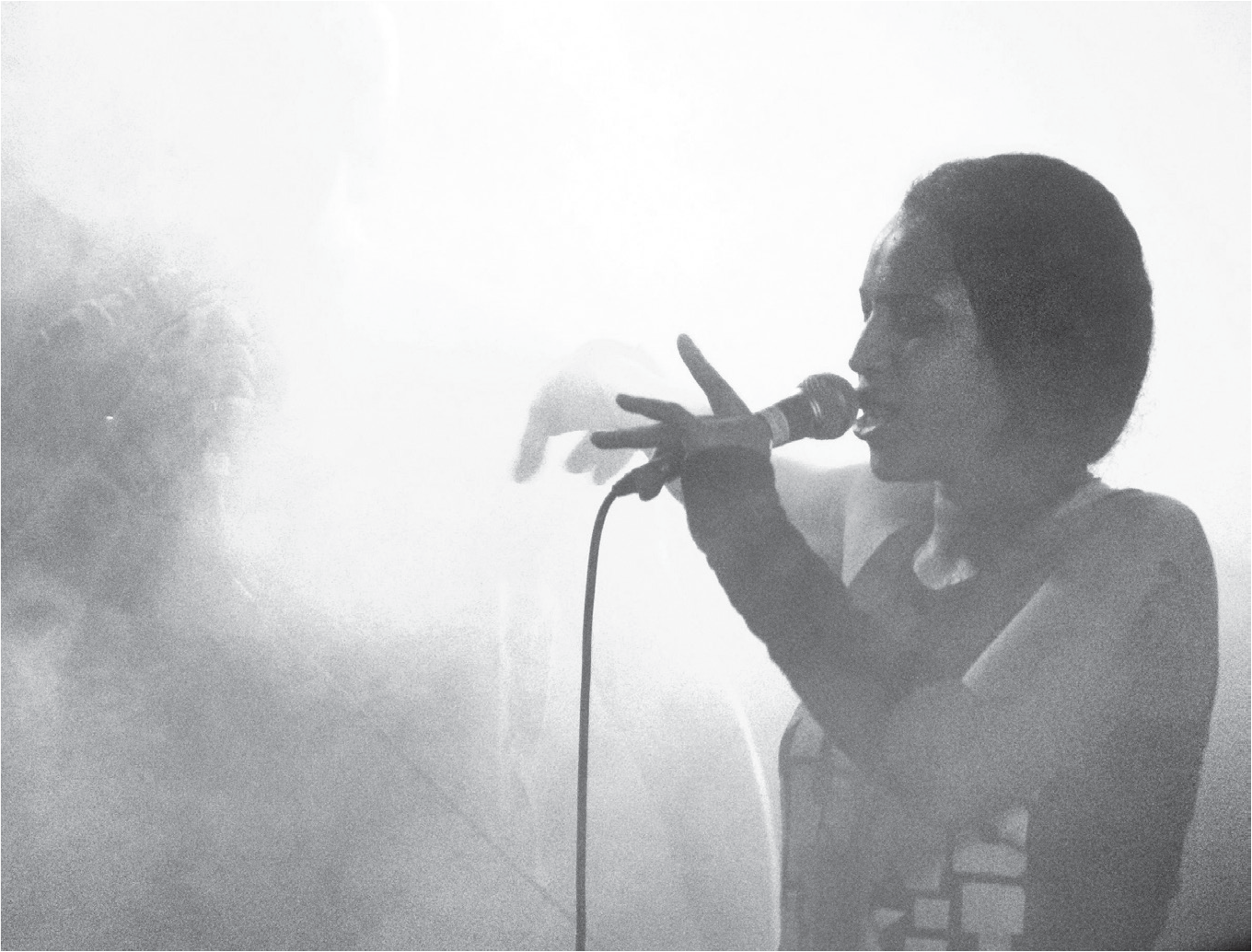
LEFT: Marlene Johnson at the "Africa" reggae festival in Poland, 2009
CREDIT: (festival) Leszek Kozlowski/Flickr; (cassette) Martin Bright
Brinsley Forde, star of the British reggae band Aswad, was the MC at the concert that night. He had travelled to Gdansk from Warsaw on a bus so cold that the blanket he was using as a pillow froze to the window. He’d been told about the concert by a friend at the BBC and travelled with the legendary producer and musician Denis Bovell, whose band was playing for Linton Kwesi Johnson. Forde was originally planning to watch from the audience and was only asked to host the event when he arrived in Poland. At the time he didn’t realise the significance of reggae to the Polish people. Three decades on he has had time to think about it: “You have to understand they had been oppressed first by the German occupation, then the Russian occupation. They had not had a history of slavery but they understood what it was to suffer. It was a rebel music from the ghetto, standing up for the people.”
The organisers of the concert were a combination of Solidarity trade union officials and local Polish reggae fans. These included Wlodzimierz Kleszcz, whose radio show helped introduce underground music, including reggae, to a Polish audience, and his brother Jurek.
Jurek now lives in the UK and spoke to Index from his home in Brighton. “In Poland, reggae came out of the punk scene and some off-the-beaten-track festivals, which took place even during the time of martial law. You have to remember that officially you couldn’t perform unless all the lyrics or your songs were approved by the censor. That was the reality in Poland.” Like Forde, he believed the music represented rebellion: “It was a way for young people to express themselves in opposition to what was happening.”
The concert itself was only made possible by the political earthquake in Poland which had brought Solidarity-backed candidates to power in legislative elections in the summer of 1989. It was, in part, a celebration of the role reggae had played in inspiring the spirit of resistance in those dark years. The lineup included big stars of the reggae scene at the time: Benjamin Zephaniah, Bob Andy and Twinkle Brothers, along with Kwesi Johnson, Bovell and Forde. But local acts also played: Gdansk reggae band Rocka’s Delight and even a Polish jazz act called, appropriately, Young Power. Thanks to support Solidarity secured with the international trade union movement, there was also a group of South African singers and dancers, Bambaata’s Children of Natal, who performed a tribute to Mandela.
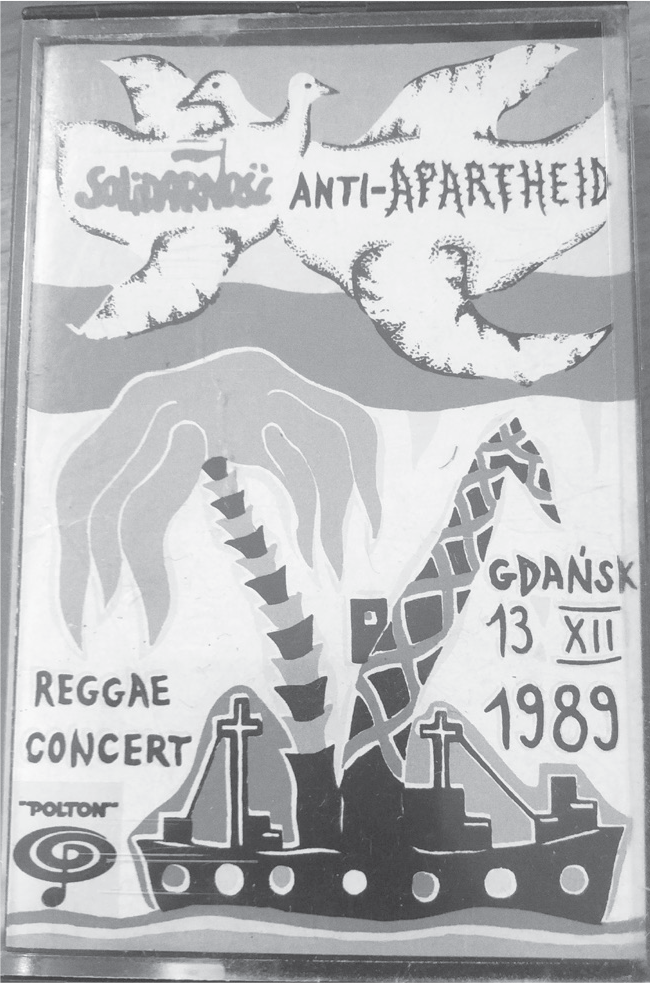
ABOVE: An original cassette from the festival
The Gdansk event was the culmination of years of underground activity that began with a band who couldn’t be there that night. Misty in Roots, a firm favourite of the cult British DJ John Peel, had shunned the conventions of the music business in favour of touring Africa, Eastern Europe and Russia in the early 1980s. In 1983 they played around 20 shows across Poland with the now legendary early Polish reggae act, Israel. “Shortly afterwards,” Maken explained, “in every town they played, there were new Polish reggae bands. It was incredible. It caused the first and biggest movement of reggae in Poland with local bands — like hundreds.”
There was even an official Communist release of the classic Misty in Roots album, Live at the Counter Eurovision ’79. Little did the authorities realise that in promoting music they thought was anti-western and anti-colonial, they were encouraging rebellion against their own regime.
The artists involved that day back in December 1989 were deeply affected by the event. Linton Kwesi Johnson even wrote a poem, Mi Revalueshanery Fren, about the political discussions on that freezing bus from Warsaw to Gdansk. Norman Grant, the leader of Twinkle Brothers, took his creative engagement even further, collaborating with the Polish band Trebunie-Tutsi, fusing reggae with the traditional music of the Tatra Mountains. And Brinsley Forde took the ultimate step of moving to Poland, where he now runs a Caribbean restaurant Boomshakala in Krakow, with his Polish partner (who showed him her prized cassette of the Gdansk concert when they first met). Reggae still remains hugely popular in Poland, with the Ostroda festival being one of the largest in Europe devoted to the genre. The Brinsley Forde Aswad Experience, in which the reggae star plays with local musicians, was one of the highlights of the festival last summer.
Maken, like Jurek, remembers the dark days of state censorship when concert promoters had to get official stamps on a band’s lyrics for a show to get the go-ahead. He was also responsible for releasing a cassette of censored music in the 1980s.
But Maken recognises that all is not well with free expression in Poland today, particularly anything that challenges the socially conservative values of the governing Law and Justice Party. Maken still runs a radio show and knows he has to be careful. He told Index that it’s sometimes harder now because it’s unclear where the boundaries of free expression lie for broadcasters and musicians.
“At that time, there were some rules, and now, it’s secret. I’ve witnessed it sometimes with my people on the radio. They are really afraid of touching some issues. But it’s not a result of any written regulations. But you know if you discuss some things in some manner, you are risking a lot,” he said.
For Maken, Brinsley and Jurek, the Gdansk Solidarity-anti-apartheid was a defining moment in their lives. The same is true for me. It’s difficult to say exactly why it had such a profound effect on all of us. Maybe because it was one of those rare moments of undiluted optimism, where the good guys looked like they were winning.