






Abstract

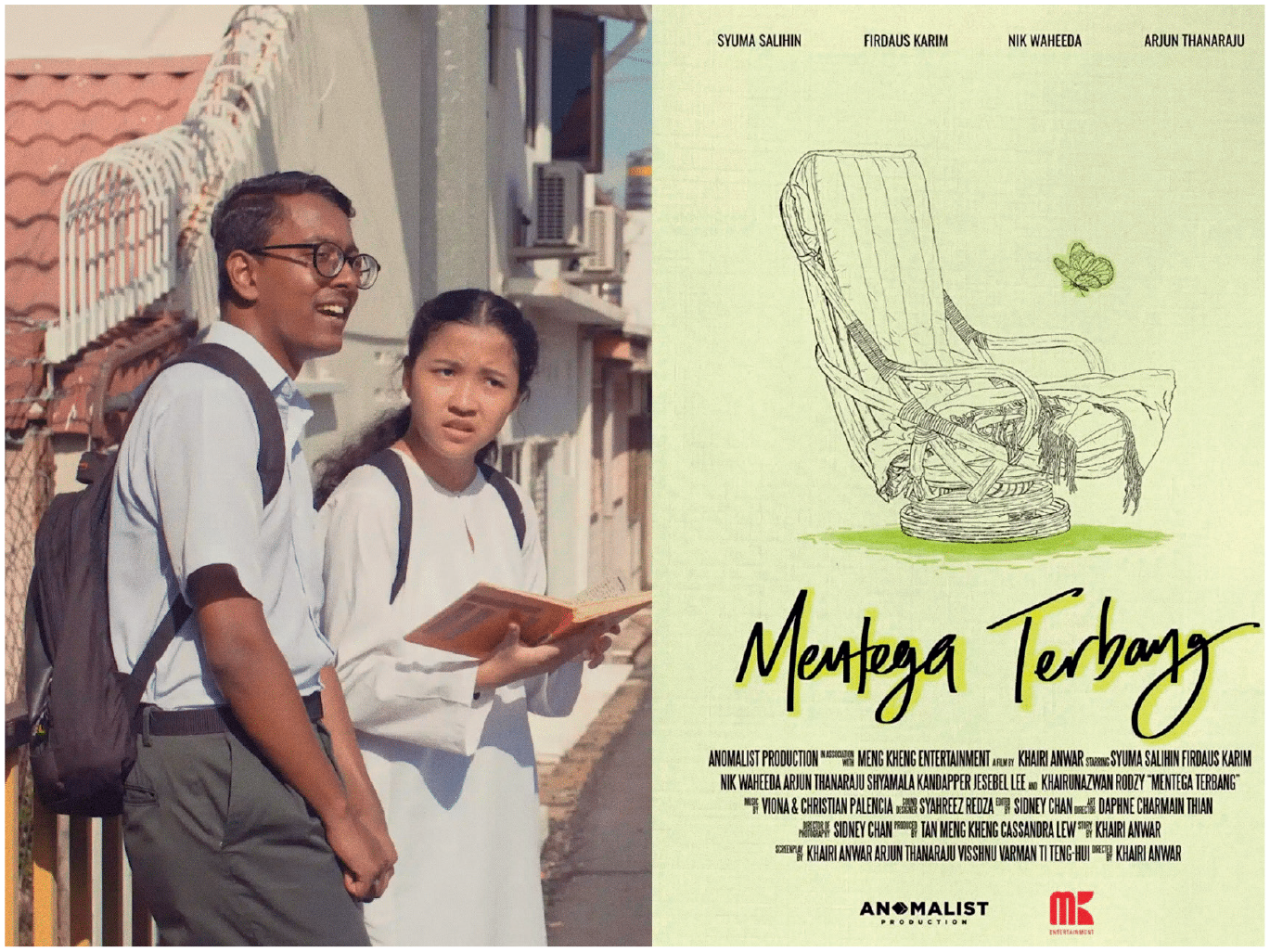
With other collaborators, they wrote and eventually produced Mentega Terbang (2021). The film is about a young Malay Muslim girl who copes with her mother’s terminal cancer diagnosis by exploring other religions, particularly what possible afterlives might exist outside of Islam, with the support of her parents. Outside of Malaysia, the film might seem innocuous. But in Muslim-majority Malaysia where apostasy laws exist for Muslims, the film breached touchy territory.
Yet despite the potentially sensitive themes of the movie, it received a warm reception at the small private screenings they organised in Malaysia and an overwhelmingly positive reception at an Indonesian film festival.
It was only in 2023 when the film debuted on the Hong Kong-based streaming platform Viu that things took a sinister turn. A Facebook post by conservative scriptwriter Zabidi Mohamed accused the film of blasphemy to Islam and his comments quickly went viral.
The harassment campaign led to a police investigation of the filmmakers, the takedown of the film from Viu, and an attack on the cars of Thanaraju and Khairi. Meanwhile, Zabidi and the legion of social media commenters making threats were left unchecked. The film was banned in September 2023, months after the controversy died down. In response, Khairi and Tan filed a judicial review of the ban and after doing so found themselves charged under Section 298 of the Penal Code which refers to intentionally wounding the religious feelings of another.
2021 film Mentega Terbang, directed by Khairi Anwar Jailani
CREDIT: Anomalist Production
Film censorship occupies a unique position in Malaysia. Film is the only medium of art where prior censorship exists, meaning that films undergo censorship prior to their release. Decisions made by the Film Censorship Board (which falls under the Home Ministry) or LPF, its Malay language acronym, are final, under Section 48 of the Film Censorship Act 2002.
The draconian nature of film censorship in Malaysia dates back to British colonialism when the first censors were the police. Successive Malaysian governments have followed in the steps of their former colonisers in restricting criticisms of the status quo. Portraying the government, its agencies and the police in a negative or critical light is almost impossible. Under Prime Minister Anwar Ibrahim’s current government it was hoped that some censorship might be eased but those hopes are dimming as the government tries to attract increasingly conservative Malay-Muslim voters and avoid controversies that make it appear liberal or Western.
To skirt censorship guidelines and create more freely, independent filmmakers have up until now been in the habit of eschewing cinema releases, instead opting to go on the international festival circuit or a direct-to-streaming approach. Yet, the campaign by conservative critics to ban Mentega Terbang, and the charges against its creators are having a chilling effect on independent filmmakers.
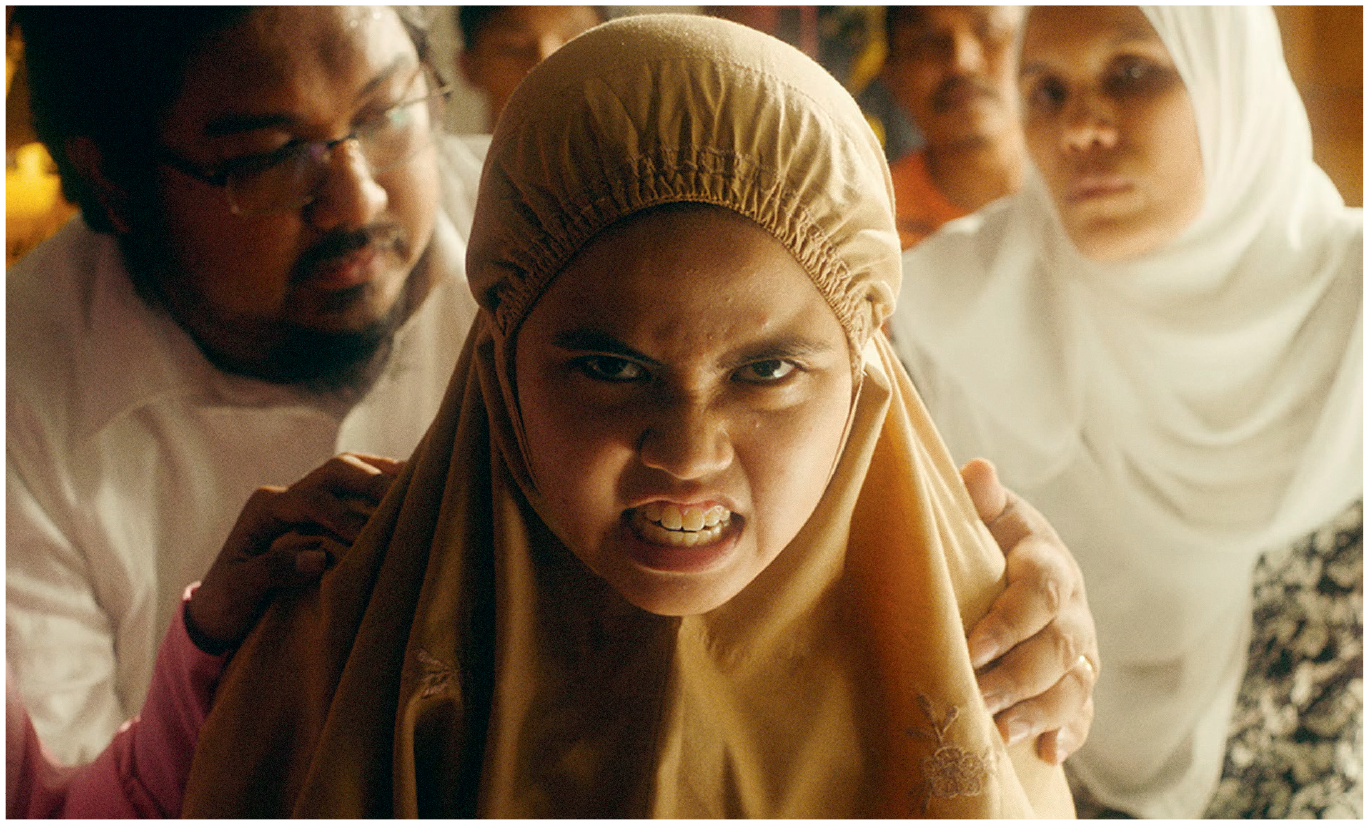
For director Amanda Nell Eu, even international acclaim and an Oscar bid were not enough to shield her film from censorship. Eu’s feature Tiger Stripes (2023), is a body-horror coming-of-age film about a young Muslim girl whose experience with puberty takes on a supernatural dimension. In 2023, Eu won the top prize at the Cannes’ Critics Week, the first female Malaysian film maker to do so. Local media celebrated the film and Malaysia selected the film for Best International Feature Film at the Oscars. However, a local theatrical run, a prerequisite for Oscar consideration, meant cuts. In a rare move for a local filmmaker, Eu made a statement speaking out about the censorship of her movie, stating she did not “stand behind the cut that will be shown in local cinemas.” Eu has confessed in several interviews that she was scared of making such a statement. Eu elaborated on those fears: “You see how people can get really affected by storytelling. In Malaysia obviously, we see that happening to Mentega Terbang...and there’s always backlash...That’s very scary for the safety of filmmakers.”
Eu believes it was the government desire to appeal to conservative voters which fueled some of the cuts her movie suffered. “When we were going through censorship, it was right after the Good Vibes Festival being cancelled,” Eu said, referring to a music festival that was abruptly called off after the lead singer of British band The 1975 went on a rant about Malaysia’s anti-LGBT+ laws and kissed bassist Ross MacDonald onstage. “So there’s a lot of fear.If we allow this, what’s going to happen? Is there going to be another big controversy? We don’t want to deal with that.”
Badrul Hisham Ismail, director of Maryam Pagi ke Malam (Maryam) (2023) found himself targeted by conservatives in the shape of Zabidi, who was so instrumental in the banning of Mentega Terbang. The movie, Badrul’s first feature film, is about a Muslim woman in her fifties navigating the Malaysian Sharia system so she can marry her younger fiance from Sierra Leone. The protagonist Maryam is also a royal. Thus the movie touches on all three of the so-called 3Rs in Malaysia: race, religion and royalty. Essentially unofficial red lines.
2023 film Tiger Stripes
CREDIT: (left) Richard Lim / Alamy; (right) Ghost Grrrl Pictures
The film was financed by a Covid-19 recovery grant for the arts from local government agency MyCreative Ventures. The grant did not require finished films to be screened locally. The only stipulation was that they needed to enter the film to at least one international film festival on a list of festivals provided by the agency.
Initially, the filmmakers had no plans for local screenings but the reception by the Malaysian diaspora changed that. “We only decided to do [local screenings] because of the reaction that we got in [the International Film Festival] Rotterdam. How people were just telling us...try to share it with Malaysians however we can.”
However after three private screenings, word about the movie got back to Zabidi. On 29 August 2023, Zabidi raised his objections to Maryam. He questioned why a movie made with government funds was not sent to LPF and screened locally. He also highlighted the fact that the movie would soon be screened at the Kota Bharu Film Festival in Kelantan, a conservative state ruled by the Islamist party Parti Islam Se-Malaysia (PAS). Badrul alerted the organisers of the film festival, “And then sure enough the next day, the organiser told me that the police came to them and told them not to screen the film.” Another planned screening of Maryam that was meant to fundraise for Sisters In Islam (SIS), a non-governmental organisation that advances Muslim women’s rights, was also cancelled.
This happened despite the filmmakers’ warnings to SIS to keep publicity for the screening discreet. “So they only share[d] within their network but somehow of course it got out also...And a week before the scheduled screening KDN went to the venue...and told DADI cinema that I heard you are showing this film next week. If you do, there might be repercussions.”
For Badrul, the targeting of his film by Zabidi is indicative of the toxicity of the film industry at large that predates the current government: “I see Zabidi more as a symptom of how toxic and fragmented the industry is, rather than he is the cause of all this.” He pointed out that the Film Act is from the colonial era, “We still use the pre-independent kind of Akta (Act)...[Film] was seen as a communication tool, it wasn’t seen as art...and that sort of influenced how the industry’s being governed.”
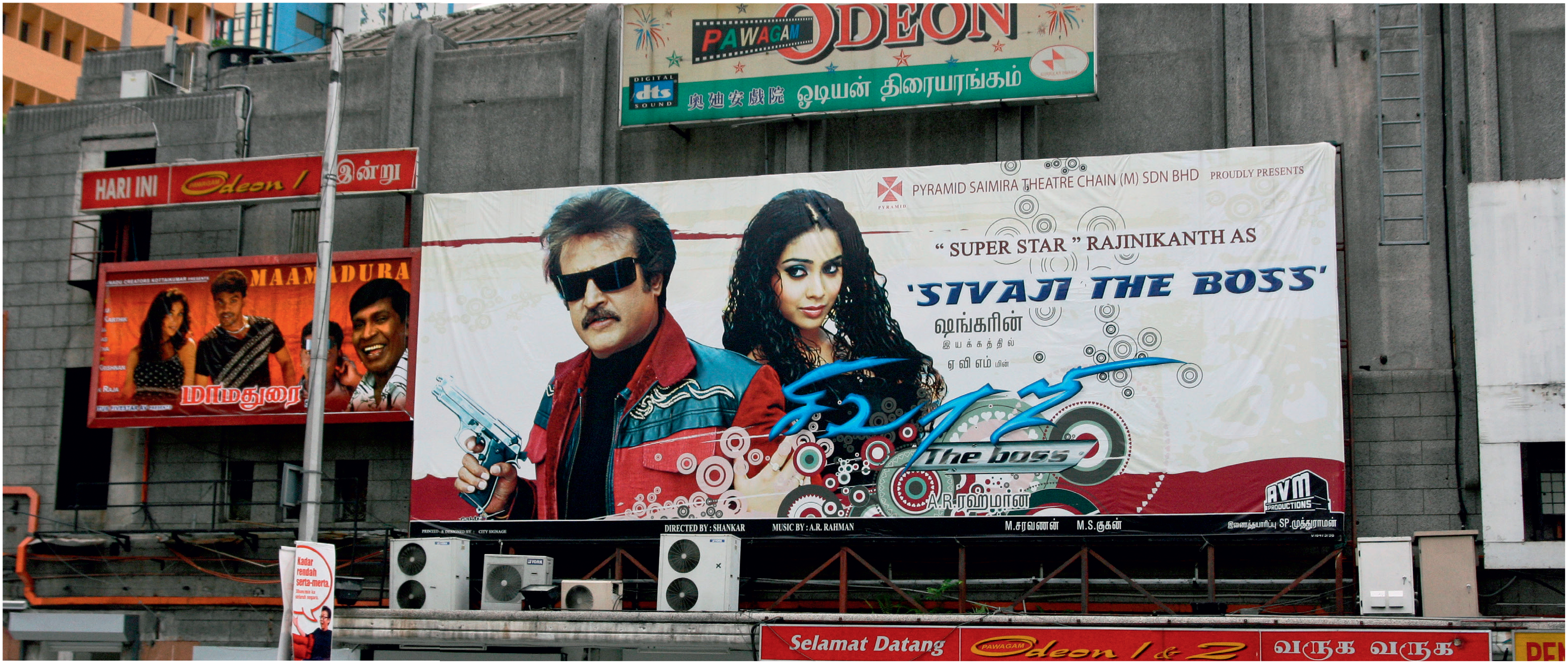
Malaysian cinemas are no strangers to censorship
Whatever the root cause of the increasing censorship, the banning of Mentega Terbang has cast a shadow over the independent filmmaking industry. For its co-writer Thanaraju, his prosecution has proved the last straw : “I don’t feel like I can fully create films anymore. Because if I’m being perfectly honest, Mentega is the kind of film that I would make.” X