






Abstract
Offshore wind turbine (OWT) selection is crucial for the economic viability and stability of offshore wind power projects. However, it is complicated by expert linguistic ambiguity and conflicting criteria, which introduce uncertainties. This paper proposes a novel multi-criteria decision-making (MCDM) system combining principal component analysis (PCA) and cubic bipolar fuzzy extension of improved ELECTRE-I (CBF-ELECTRE-I+). First, twelve secondary indicators are identified through literature review, and their weights are determined by PCA to reduce expert subjectivity. Next, expert evaluations of alternatives are quantified as CBF sets and then aggregated using the weighted geometric aggregation operator, thereby capturing incomplete expert information and integrating divergent opinions. Finally, the optimal scheme is determined by computing the significance of each OWT via CBF-ELECTRE-I+. Compared with the traditional CBF-ELECTRE-I, the proposed CBF-ELECTRE-I+ enhances ranking accuracy and simplifies the computational process. A case study demonstrates the effectiveness of the proposed system for OWT selection.
Keywords
Introduction
Background and motivation
To address climate change, accelerate decarbonization, and meet the energy requirements of economic growth, the focus of energy has gradually shifted from fossil fuels to green and low-carbon renewable energy sources. At the 28th conference of the parties of the UNFCCC (COP 28), about 200 countries reached a consensus to limit global temperature rise to 1.5°C by tripling global renewable energy capacity and doubling energy efficiency by 2030 [Williams and Zhao (2024)]. Offshore wind energy is vital for supporting the global energy system and replacing fossil fuels to meet climate goals, due to its scale and reliability. COP 28 laid the foundation for a new phase of growth in offshore wind power over the next decade.
The newly installed offshore wind power capacity in 2023 and 2024, as well as the market forecast for the period 2025–2034, are presented in Figure 1. According to the Global Wind Report 2024, 10.8 GW of new offshore wind capacity was installed globally in 2023, making it the second-highest year for new offshore capacity additions [Lee and Zhao (2024)]. According to the Global Offshore Wind Report 2025, with a compound average annual growth rate (CAGR) of 28% until 2029 and 15% up to 2034, global offshore wind annual capacity additions are expected to sail past the milestones of 30 GW in 2030 and 50 GW by 2033 [Williams et al. (2025)]. By 2034, annual offshore wind installations are expected to reach 55 GW, raising the share of offshore wind in new wind power installations from the current 7% to about 25%. The governments of the Global Offshore Wind Alliance have pledged to collaborate towards installing 380 GW of offshore wind capacity by 2030 and 2000 GW by 2050 [Williams and Zhao (2024)]. New offshore installations and outlook 2025–2034 (MW) [Williams et al. (2025)].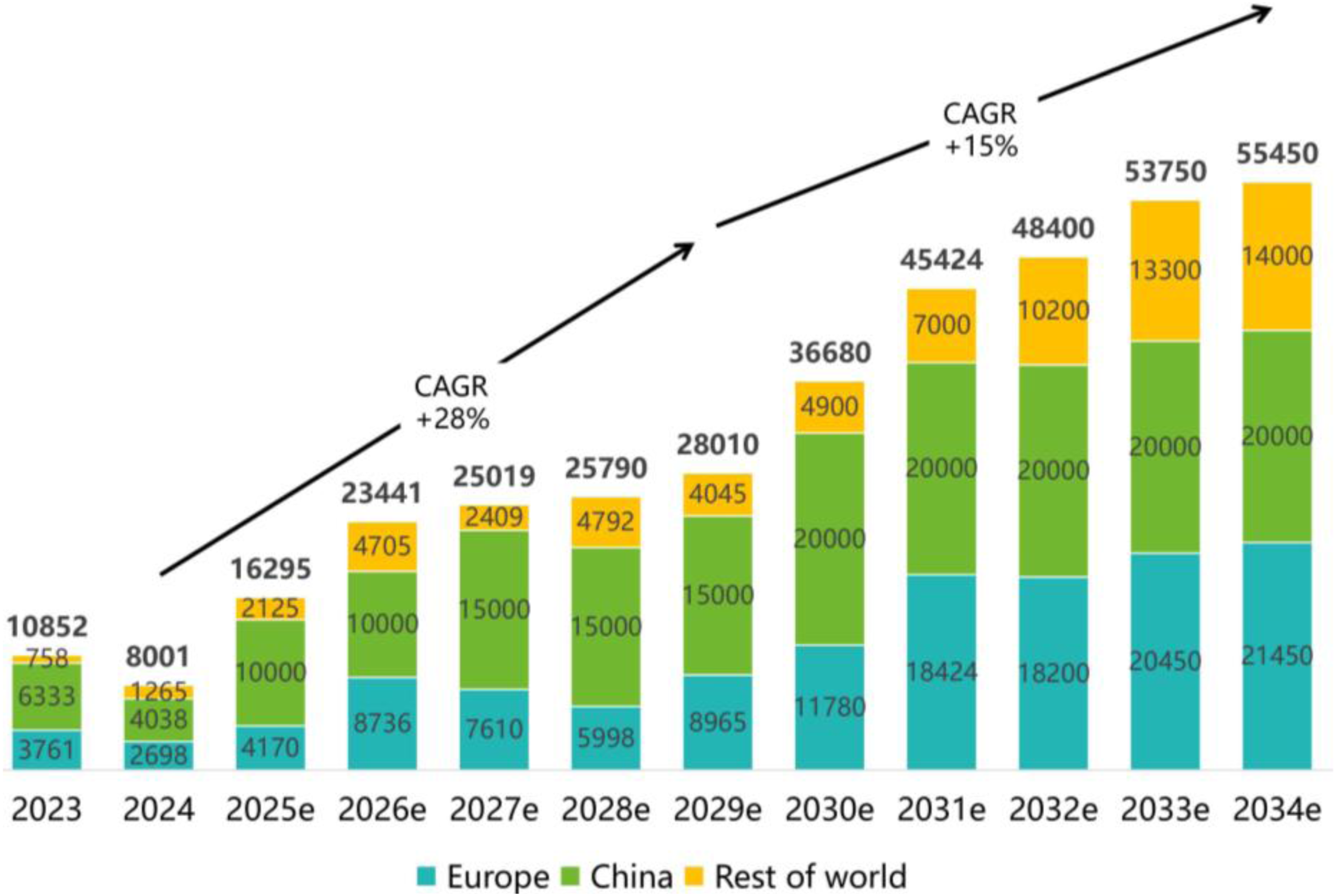
In the process of offshore wind power development, reducing development costs and improving power generation efficiency are key considerations for developers. Enterprises and research institutions continuously conduct research and innovation to reduce costs in various aspects, such as the installation of offshore wind turbines (OWTs) and foundations, the construction of substations, and the laying of cables. It is worth noting that capital expenditures for OWTs account for approximately 48% of the entire offshore wind power development cycle, making up the largest proportion, as shown in Figure 2 [Lee and Zhao (2024)]. To reduce the cost of offshore wind development and improve power generation efficiency, many wind turbine manufacturers have launched larger rotor diameters with higher rated power, particularly Envision’s 16-18 MW OWT and Mingyang’s recent record-breaking 22 MW wind turbine model [Lee and Zhao (2024)]. This shows that the type of OWT is crucial for offshore wind farm development. In offshore wind power planning, wind farm selection [Dimitriou et al. (2025); Yildiz (2024); Bao et al. (2024); Gil-García et al. (2022); Díaz et al. (2023)] is an important link and belongs to multi-criteria decision-making (MCDM) problem. Besides, the selection of OWTs is a key step in offshore wind power planning. This process requires consideration of factors such as technology, economy, environment, suppliers, and performance, with experts making decisions based on these factors to select the optimal OWT. Therefore, OWT selection is a MCDM problem. Effective selection of OWTs has become a key issue in both research and practical applications [Xue et al. (2025)]. General cost composition of an offshore wind farm.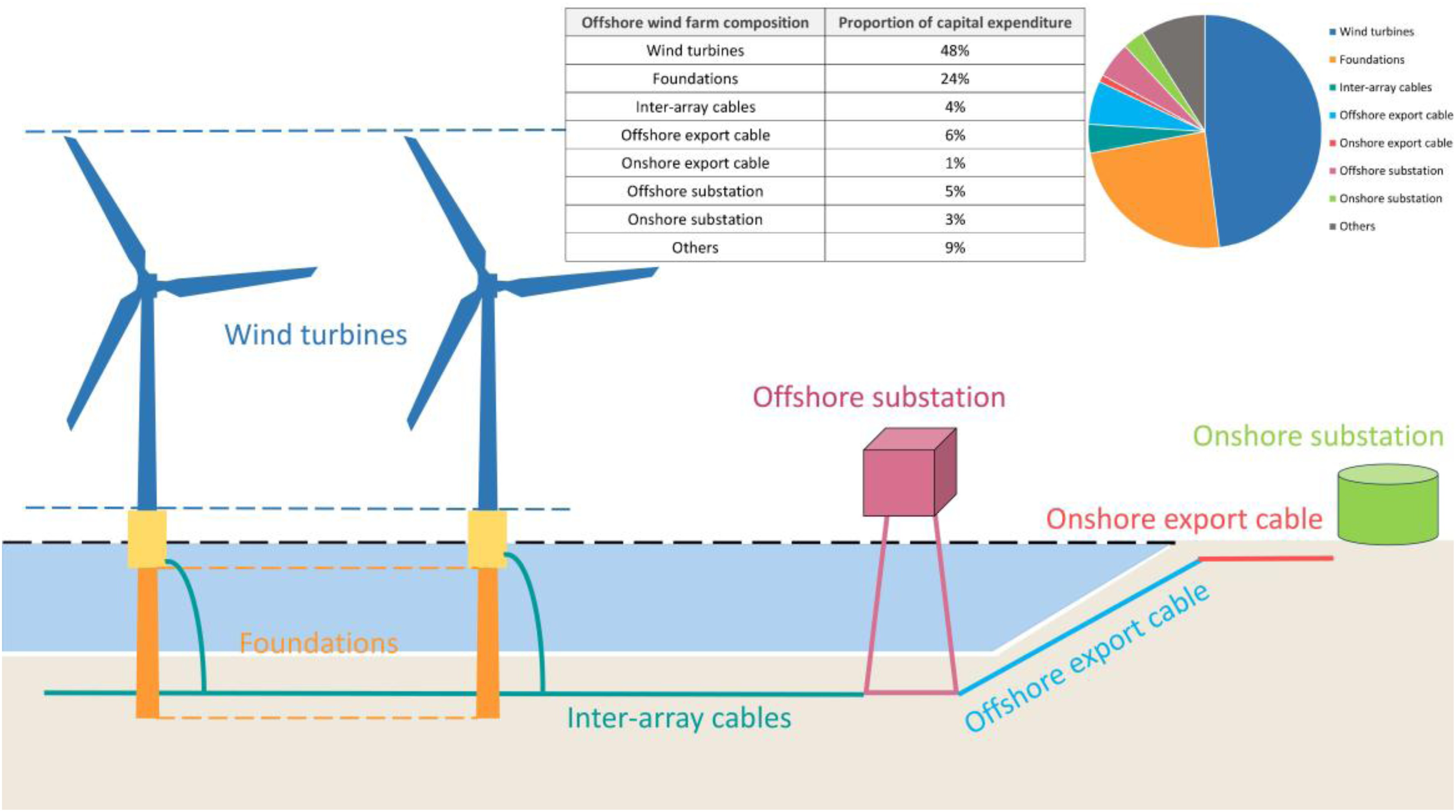
However, there are limitations in applying current MCDM models to OWT selection, such as insufficient consideration of uncertain environments, expert linguistic ambiguity, and lack of more nuanced and intuitive ranking. To address these issues, our motivation is to develop an improved MCDM model that can assist operators or investors in selecting the most suitable OWTs. The following section briefly reviews the current research status.
Overview of research status and starting point
Application of wind turbine selection method.
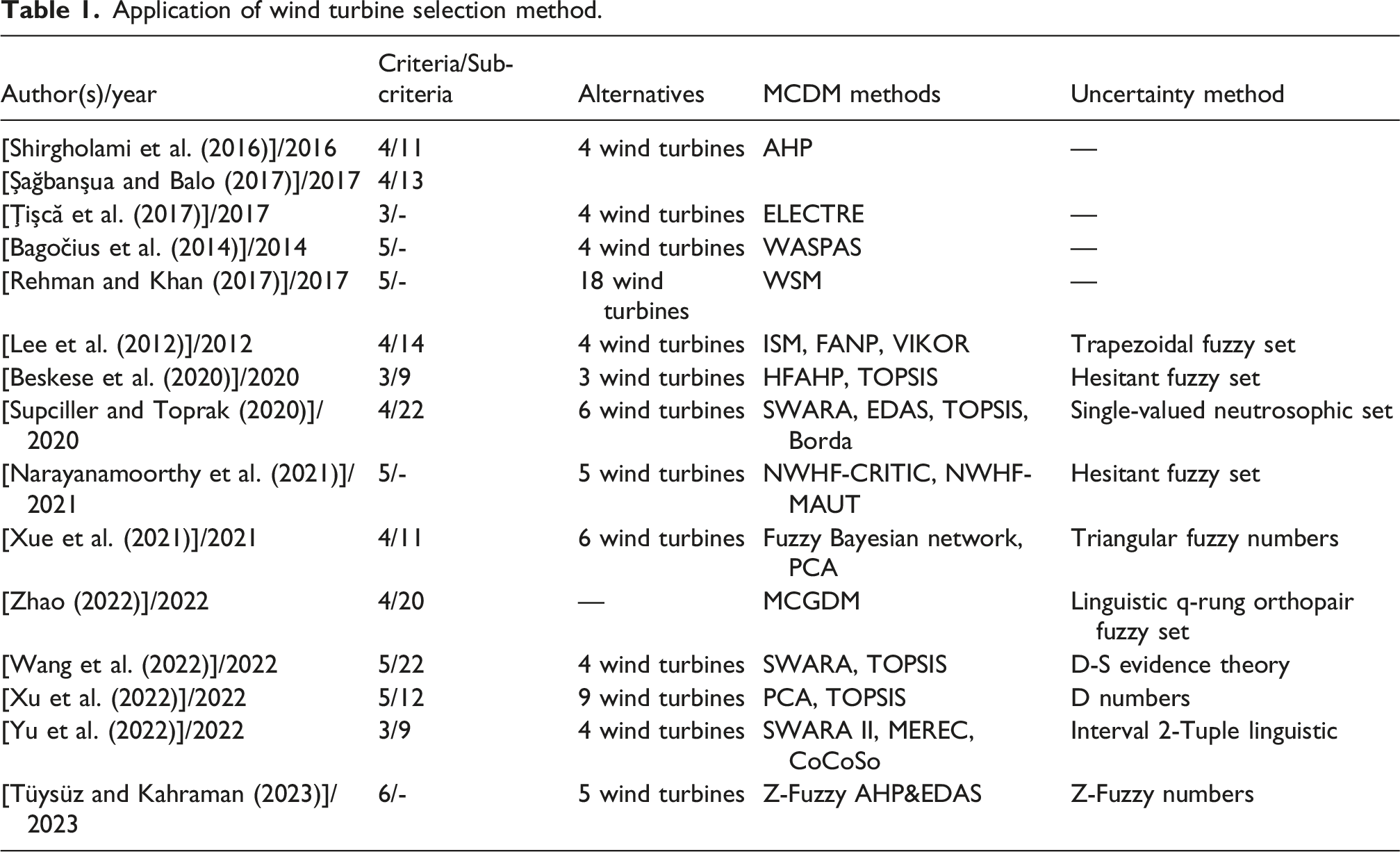
During decision-making, the first step is to establish an indicator system. According to the current research status, we focus on five criteria, including technology, compatibility with wind resources, economy, historical performance of wind turbines, and after-sales service of manufacturers. For example, the factors identified by Şağbanşua and Balo (2017) include technical, economic, environmental, and customer. Beskese et al. (2020) synthesized three main criteria from expert opinions: technical, economic, and vendor-related factors. Wang et al. (2022) and Xu et al. (2022) established five main criteria based on previous research, including technicality, adaptability to wind farms, economics, historical performance, and supplier after-sales service. Yu et al. (2022) constructed a standard system consisting of three main standards: technical, economic, and supplier-related criteria, based on expert opinions. Tüysüz and Kahraman (2023) identified six criteria, including reliability, technical characteristics, performance, cost factors, availability, and maintenance.
The next step is to build a proper MCDM method to evaluate alternatives under the determined indicators. Since the MCDM technique adopted for selecting OWTs affects the selection results and decision-making efficiency, it has been constantly developed and improved. Actually, it is inevitable to rely on empirical rules or the subjective experience of experts [Yazdi and Zarei (2022)]. Most experts tend to express their opinions qualitatively, which generates a lot of uncertain information in the selection process. As a result, many researchers have introduced a combination of uncertainty methods and MCDM methods to handle uncertainty during the selection process of OWTs. Uncertainty methods, including fuzzy set extensions [Lee et al. (2012); Beskese et al. (2020); Narayanamoorthy et al. (2021); Supciller and Toprak (2020); Xue et al. (2021); Zhao (2022); Tüysüz and Kahraman (2023)], D-S evidence theory [Wang et al. (2022)], D numbers [Xu et al. (2022)], and linguistic representation tools [Yu et al. (2022)], have been employed in the OWT selection. Among these, fuzzy sets are the most popular uncertainty theory for expressing linguistic judgments and handling fuzziness [Zadeh (1965)]. Accordingly, this study adopts fuzzy set theory to express expert linguistic judgments in the decision-making process.
Real-life decision analysis often involves large-scale bipolar or dual-sided subjective thoughts [Riaz et al. (2021)]. As shown in Table 1, various fuzzy extensions utilized in wind turbine selection studies, including hesitant fuzzy sets [Beskese et al. (2020)], neutrosophic [Supciller and Toprak (2020)], and q-rung orthopair fuzzy sets [Zhao (2022)], can effectively quantify expert linguistic evaluations yet only interpret expert cognition from a one-sided perspective. In the specific context of OWT selection, decision-makers do not merely focus on unilateral satisfaction or hesitant judgment. Instead, they need to balance positive engineering advantages with adverse technical risks and environmental liabilities. Consequently, current selection models overlook this dual-sided cognitive polarity. To address such ambiguous and uncertain decision scenarios, researchers have developed a variety of bipolar fuzzy theories, including bipolar fuzzy set (BFS) [Zhang (1994)], bipolar neutrosophic set (BNS) [Deli et al. (2015)], and interval-valued bipolar fuzzy set (IVBFS) [Wei et al. (2018)]. However, due to the limited information provided by these theories, they cannot provide sufficient information about ratings or grades, nor can they efficiently describe expert opinions that rely on scheme attributes. Cubic sets [Bae et al. (2012)] containing sufficient information with specific types of data have been successfully used in the decision-making process, and thus [Riaz and Tehrim (2020)] combined BFS and IVBFS into cubic sets to create cubic bipolar fuzzy sets (CBFS) for describing fuzzy information. CBFS provides more dimensional information as compared to the existing bipolar models due to its cubic property, enabling it to handle more complex ambiguities and uncertainties. By providing complete information on scoring occurrence, uncertainty, and polarization, CBFS has been successfully applied to describe uncertain information in decision-making problems [Jamil and Riaz (2022); Riaz and Tehrim (2019); Jamil and Riaz (2024)]. CBFS effectively transform expert evaluations into cubic bipolar fuzzy numbers (CBFNs) containing positive and negative information to reduce information loss, so we apply CBFS to expert evaluation in our work.
In decision-making processes, the critical step is to identify and select the optimal wind turbine from a set of alternatives. As shown in Table 1, techniques such as technique for order preference by similarity to ideal solution (TOPSIS), elimination and choice translating reality (ELECTRE-I), VlseKriterijumska Optimizacija I Kompromisno Resenje (VIKOR), and combined compromise solution (CoCoSo) have been applied to support such decisions. Among them, ELECTRE-I uses outranking relations to assess relative superiority, making it especially suitable for complex trade-offs. However, the traditional ELECTRE-I often yields poorly discriminated aggregated dominance matrices when handling many alternatives. To improve accuracy and simplify computation, the improved ELECTRE-I method [Govindan and Jepsen (2016)] is adopted. This approach removes threshold calculations, ensuring a more straightforward and precise ranking of alternatives. To further enhance the ranking accuracy, this paper develops a new significance formula and incorporates it into an enhanced ELECTRE-I framework, called cubic bipolar fuzzy extension of improved ELECTRE-I (CBF-ELECTRE-I+), which is proven to be effective in the selection result.
Innovation and contribution
In contrast to previous OWT selection models that rely on single-type fuzzy representations and standard distance-based ranking, this study establishes an effective decision-making system that integrates CBFS, the P-order cubic bipolar fuzzy ordered weighted geometric (P-CBFWG) operator, and the improved ELECTRE-I algorithm. In order to effectively reduce the impact of vagueness and directly express the incomplete information from experts, the linguistic assessments are quantified in the form of CBFS, where each entry contains both bipolar fuzzy and interval-valued bipolar fuzzy information, providing richer information than traditional methods. Next, the CBFSs of all experts are aggregated into a new quantified CBFS by using the P-CBFWG operator. This new CBFS contains scoring suggestions from different experts simultaneously. At last, this paper integrates the improved ELECTRE-I algorithm with CBFS to create the new CBF-ELECTRE-I+ model for ranking alternative OWTs. It confirms that CBF-ELECTRE-I+ effectively addresses the existing problem of the traditional cubic bipolar fuzzy ELECTRE-I (CBF-ELECTRE-I) model, including unclear differences between different alternatives and complicated calculation. Specifically, the CBF-ELECTRE-I+ model enhances alternative discrimination and simplifies the overall execution without threshold calculations. In short, the highlights of this article are as follows: (1) CBFS and the P-CBFWG operator establish a dual-sided representation and aggregation framework, reducing input-side information loss and capturing cognitive polarity. (2) The CBF-ELECTRE-I+ model eliminates threshold calculations, addressing poor discrimination and high computational complexity found in conventional methods. (3) MCDM fused with CBFS handles uncertainty caused by fuzziness in linguistic assessments and subjectivity in expert judgments, delivering a regulated and reproducible tool for OWT selection.
The rest of this article is structured as follows. In Section 2, the theoretical basis is introduced. Section 3 elaborates on the decision-making model. Section 4 presents the application of the proposed models and conducts the comparison. Finally, we summarize the research in Section 5.
Preliminaries
Cubic bipolar fuzzy set
CBFS [Riaz and Tehrim (2019); Jamil and Riaz (2024)], including BFS and IVBFS, provides complete information about the occurrence of ratings, uncertainty, and bipolarity in the decision process. In order to better integrate CBFS into the modeling process, we review the basic concepts and operation rules of CBFS in this section, including sum, product, complement, and scalar product under P-order.
Basic concepts
Let V be a universal set. A CBFS is defined on V as
Algebraic operation
Let 1. The algebraic operations for P-order. 2. The complement of




The normalized Euclidean distance
Let 
P-order cubic bipolar fuzzy ordered weighted geometric operator
Aggregation operators are highly effective functions for combining information in the decision process, especially for correctly fusing large amounts of complex information at the beginning of model construction. Among them, the P-CBFWG operator is presented to aggregate cubic bipolar fuzzy data [Riaz and Tehrim (2020)] while considering the indicator weights. Suppose 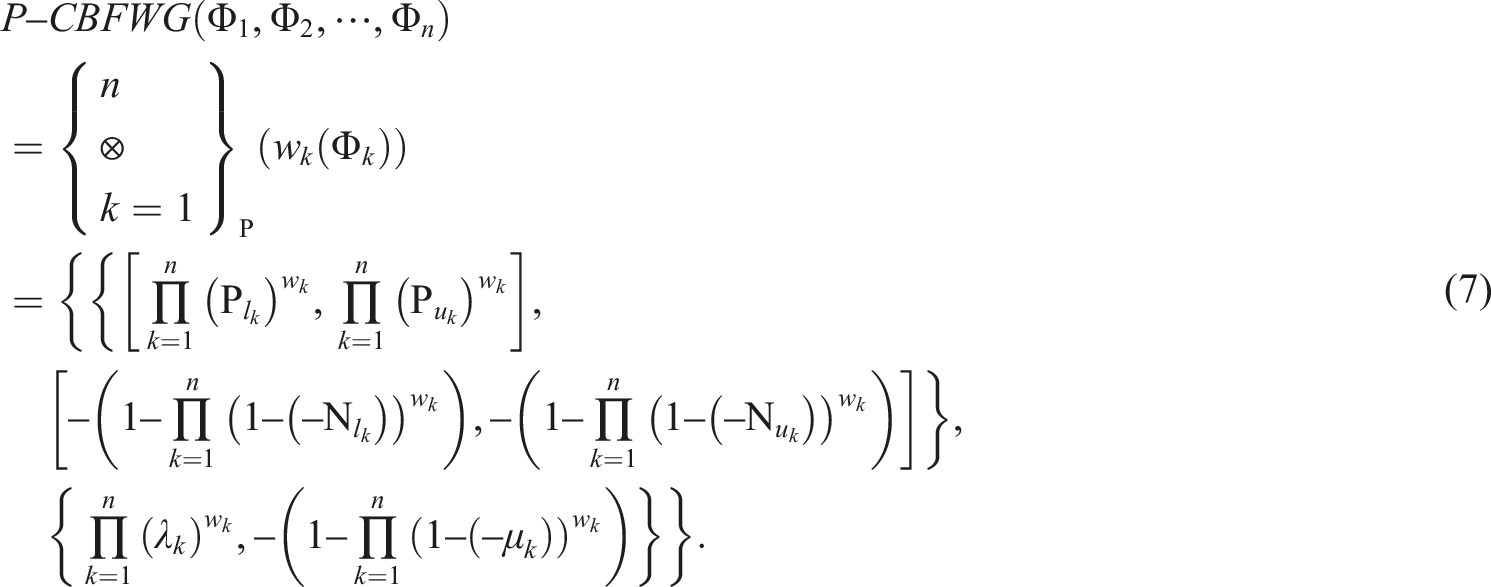
Principal components analysis
Principal components analysis (PCA) is used to compute the relative weight of each indicator, minimizing expert subjectivity. Firstly, the indicators are classified into two types: cost indicator and benefit indicator. Then, the standardized matrix 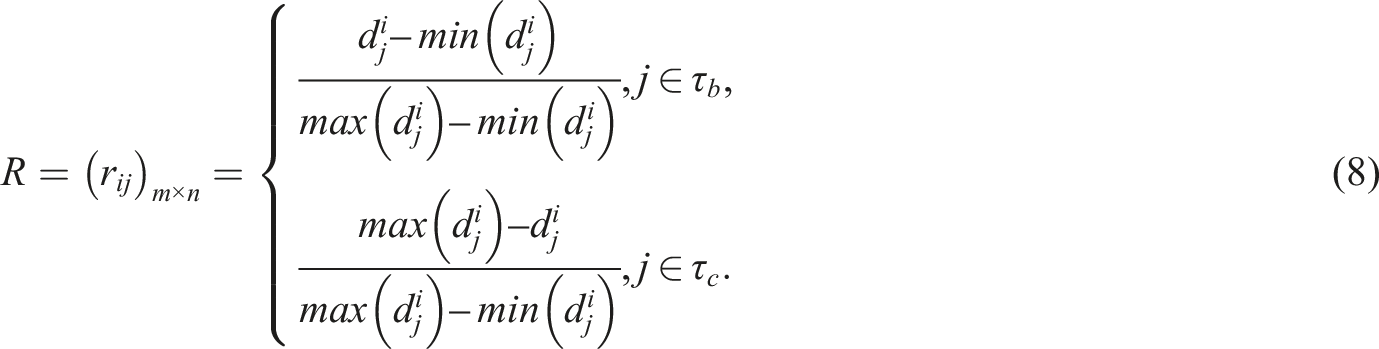
The steps for calculating weights using PCA [Xu et al. (2022)] are as follows:

The cumulative contribution rate of the first



Improved ELECTRE-I method
The improved ELECTRE-I method [Govindan and Jepsen (2016)] simplifies the traditional process by eliminating the need for threshold calculations and the generation of separate concordance and discordance dominance matrices. Instead, it directly calculates the aggregated dominance matrix using the concordance matrix and a modified discordance matrix. This modification not only streamlines the computation but also enhances the ranking accuracy. The detailed steps of the improved ELECTRE-I method are outlined below.

Define the concordance indices 
Define the discordance indices 

Each element represents the degree of satisfaction or reliability of selecting alternative


The addition of unity ensures that the baseline information in
Proposed decision-making model
As shown in Figure 3, the decision-making system introduced for OWT selection includes establishing the indicator system, quantifying expert assessments, integrating expert opinions, and ranking the alternatives using CBF-ELECTRE-I+. Flowsheet of the proposed decision-making system.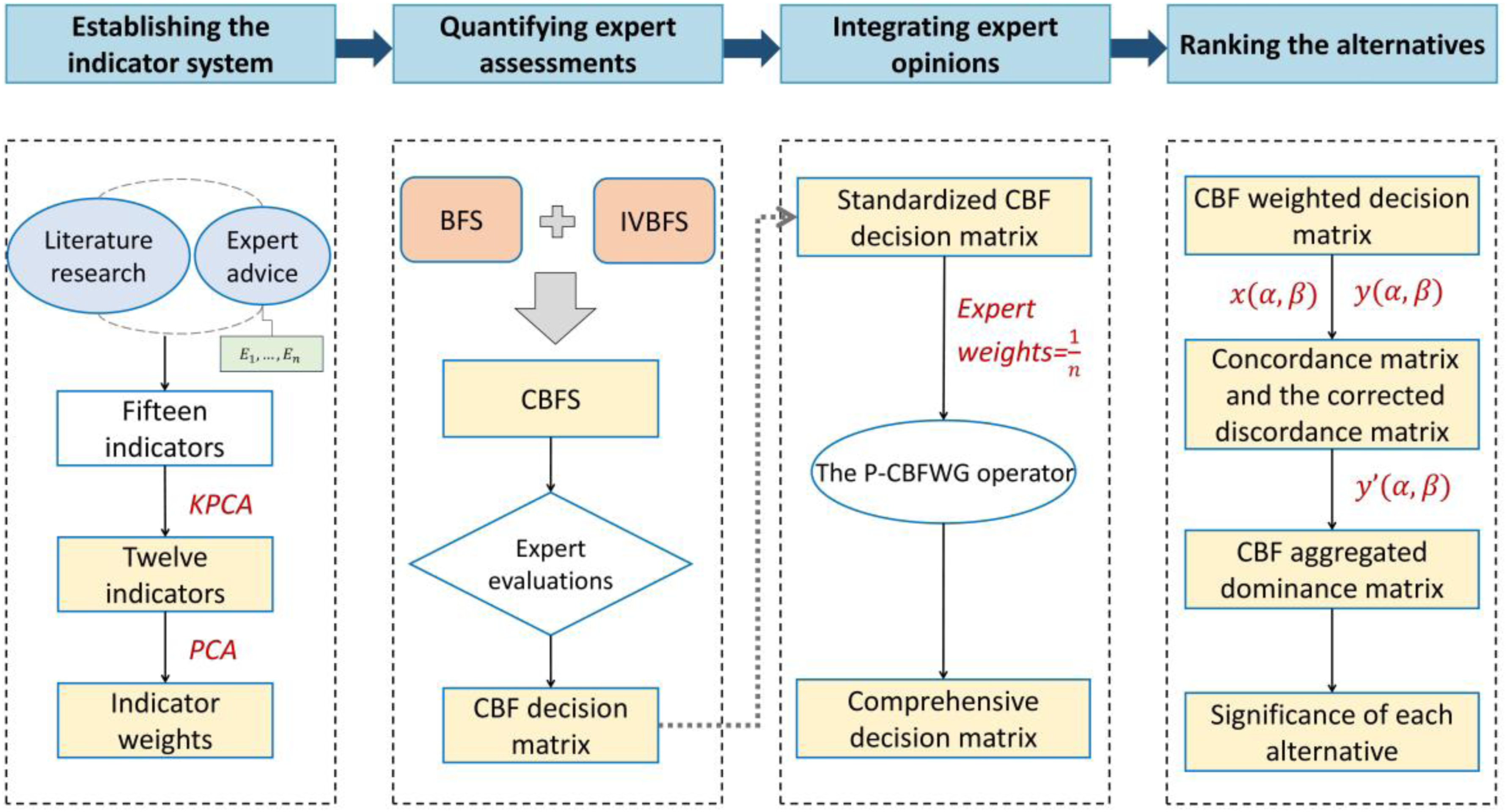
Establishment of the indicator system
Determine evaluation indicators
The evaluation criteria system for offshore wind turbine selection.
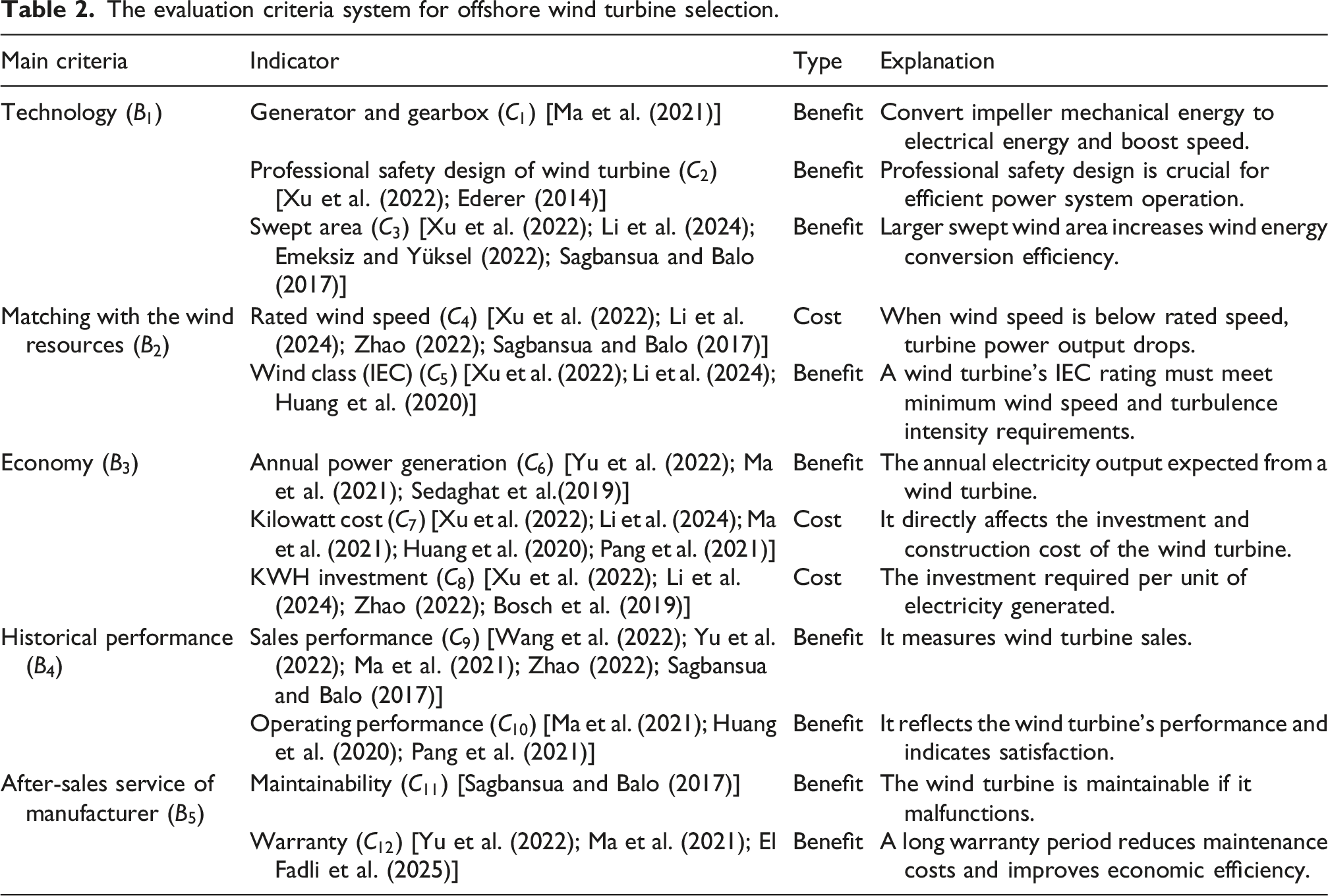
These secondary indicators are categorized into cost and benefit attributes based on project optimization objectives. Specifically, the rated wind speed (
Calculate indicator weights
In the decision-making process, indicators are categorized into quantitative ones derived from objective data and qualitative ones assessed by expert language. Firstly, the qualitative indicators are scored by experts through knowledge and experience on a scale of 1 to 9, with 1 indicating the lowest and 9 the highest. Then, the twelve secondary indicators are standardized using the range method. Finally, to address the structural correlations among the indicators, the objective weight of each criterion is determined by PCA, as shown in Section 2.3.
Integration of expert opinions
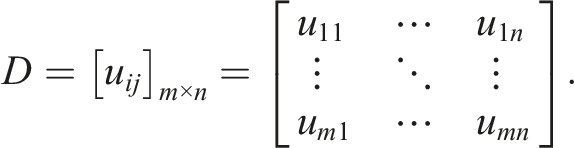
The selection process always involves the evaluation of indicators by multiple experts, and effectively integrating the advice from different experts can make the selection results more accurate. Language quantitative information evaluation form.



See formula (5) for details.
The ranking of the alternatives using CBF-ELECTRE-I+
The traditional CBF-ELECTRE-I method [Jamil and Riaz (2022)] exhibits certain limitations, particularly in relation to the discordance matrix and its time complexity. These issues result in less accurate evaluations and inefficiencies in the decision-making process. To overcome these shortcomings, the CBF-ELECTRE-I+ model is proposed to enhance the ranking of the alternatives. Presume that decision-makers are responsible for accessing m-alternatives, WTGi, under each of n-attributes,



The CBF concordance indices are calculated using formula (14), then the CBF concordance matrix is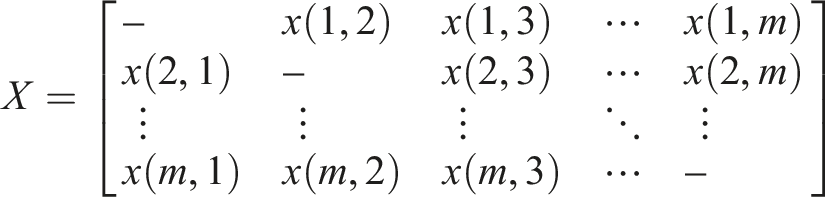
The CBF discordance indices are calculated as: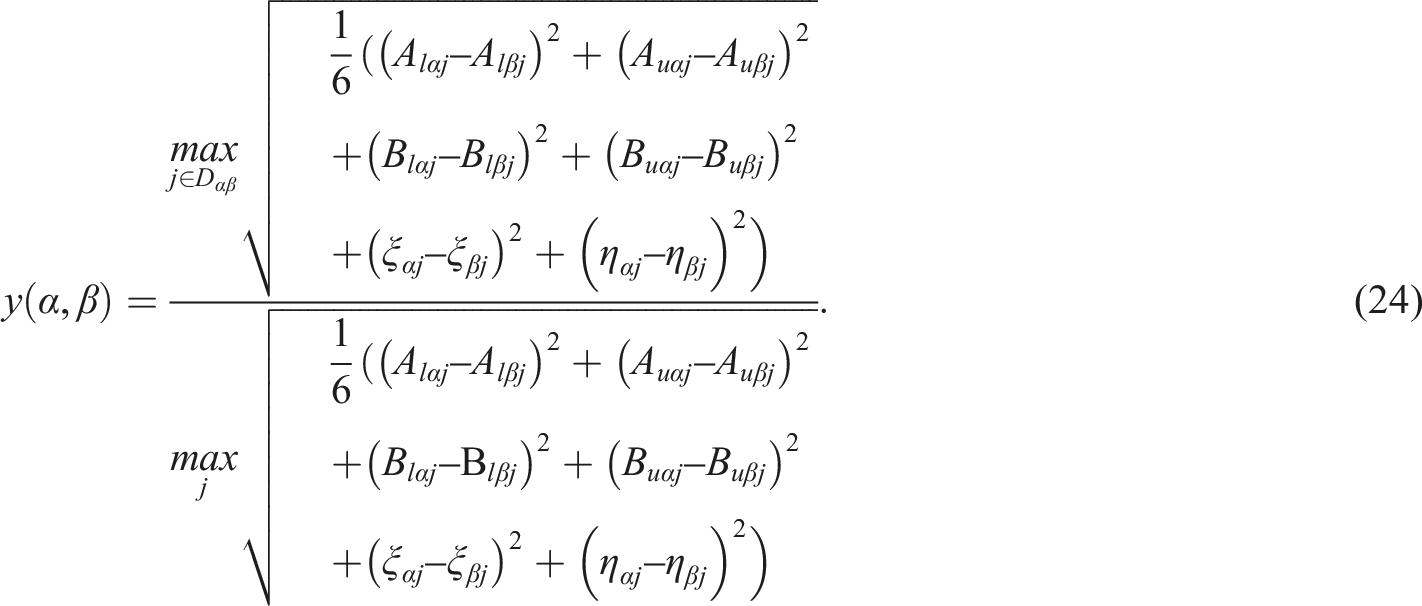
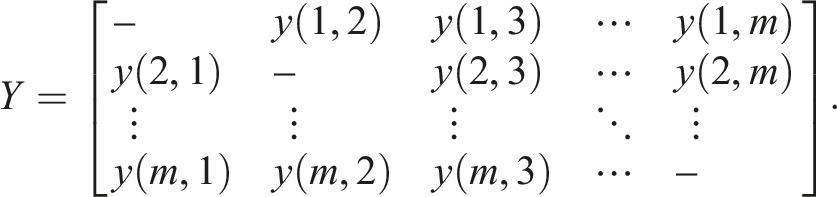
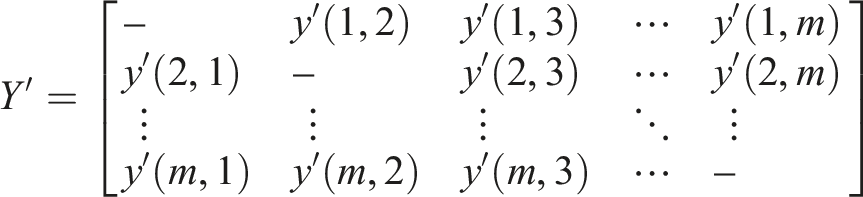

Offshore wind turbine selection
Demonstration project of stage one.
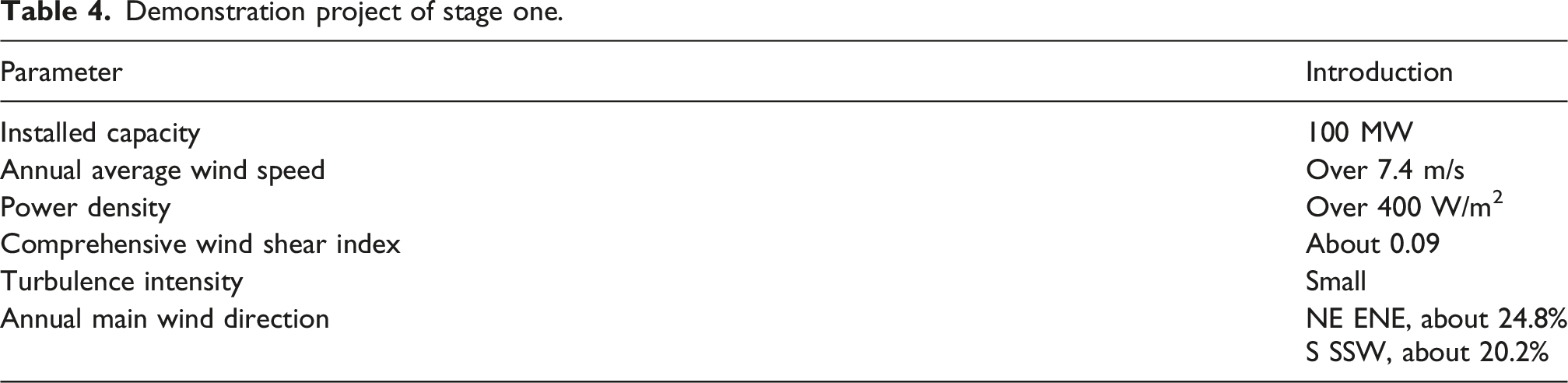
The data of quantitative indicators and technical parameters.
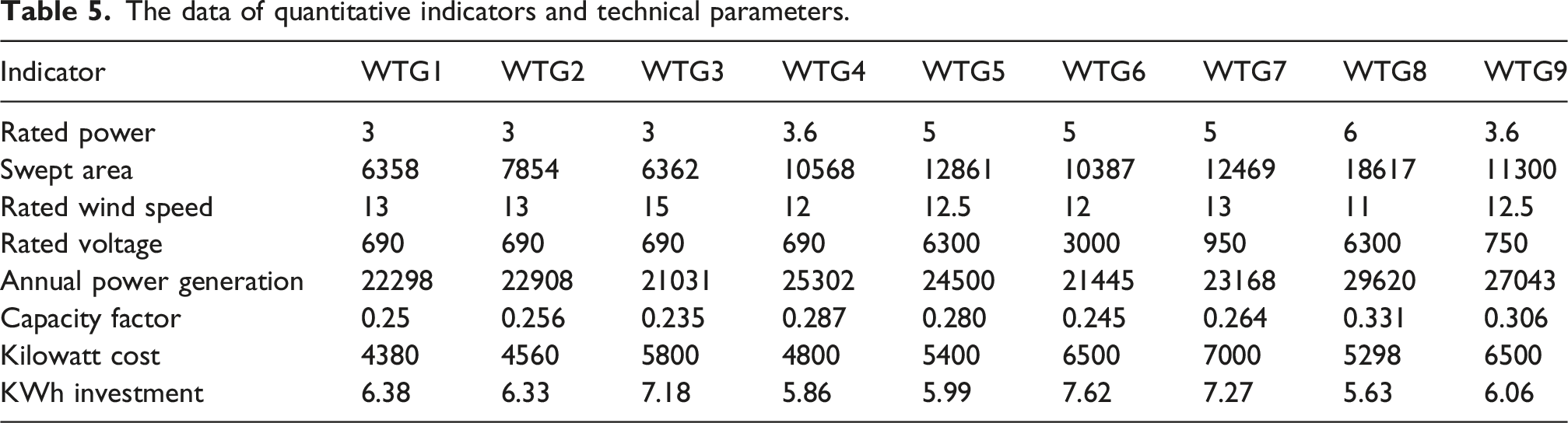
Establishment of the indicator system
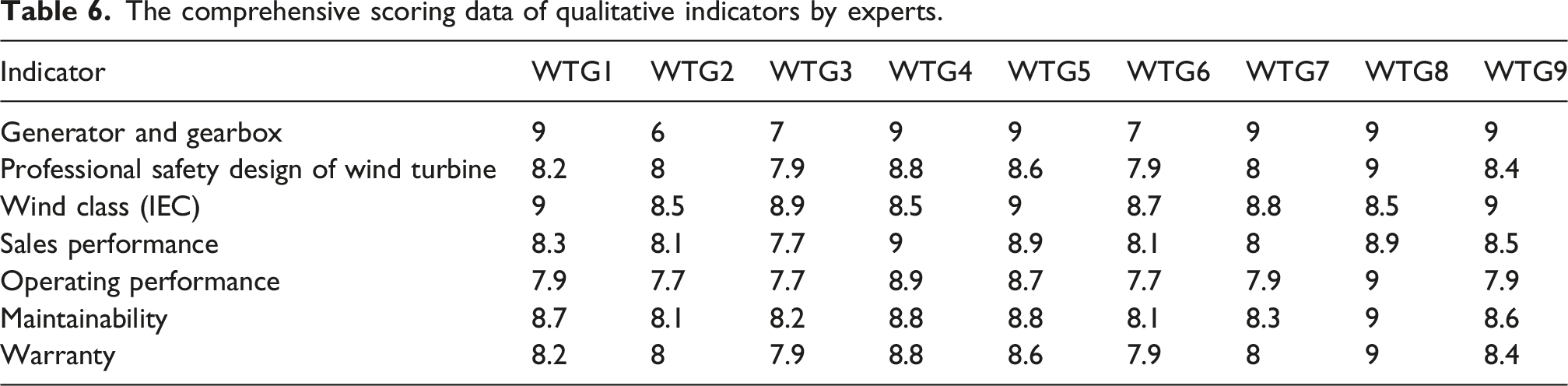
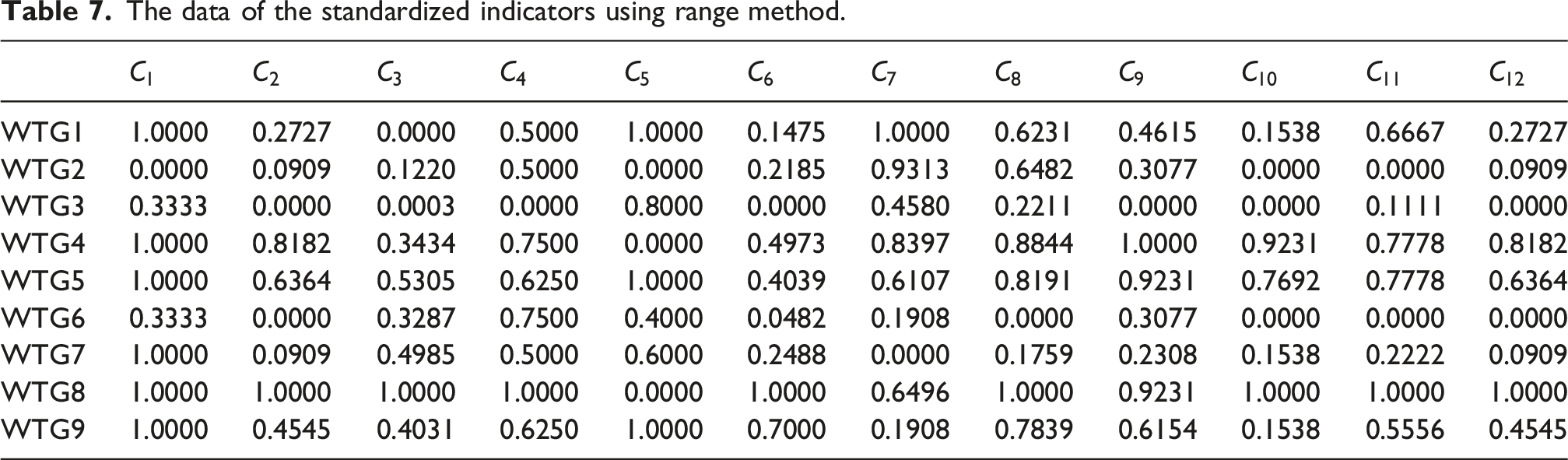
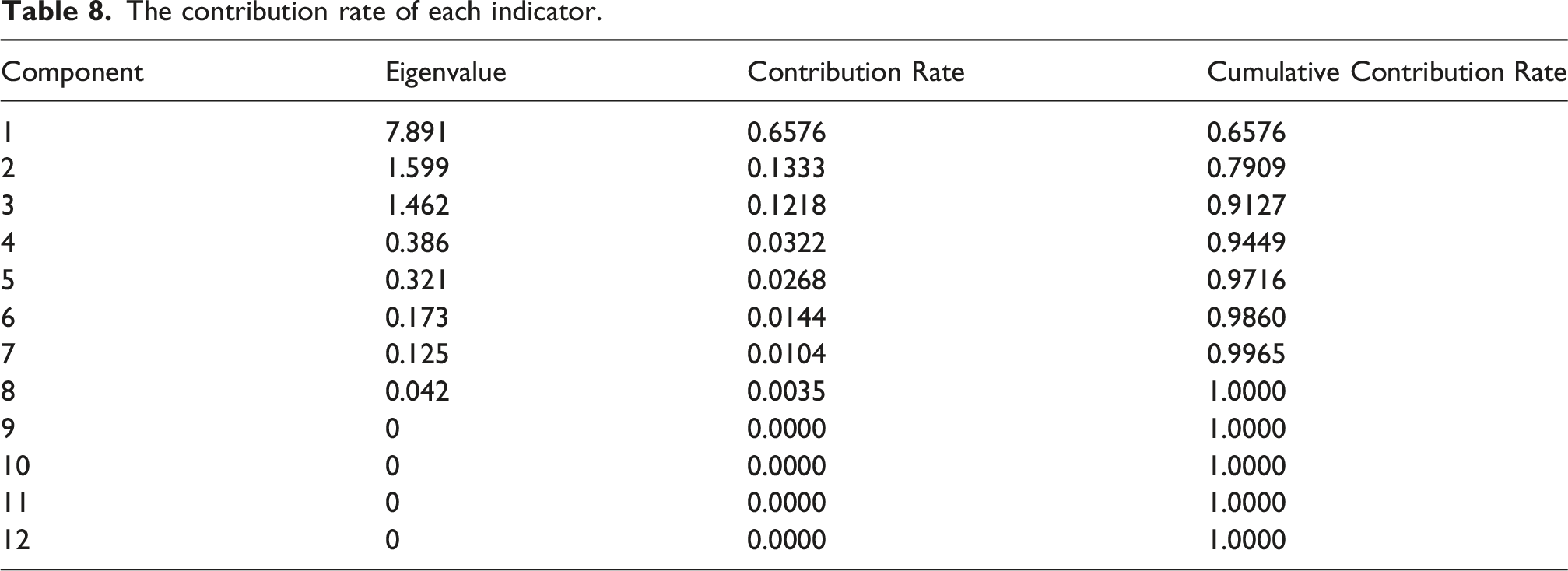
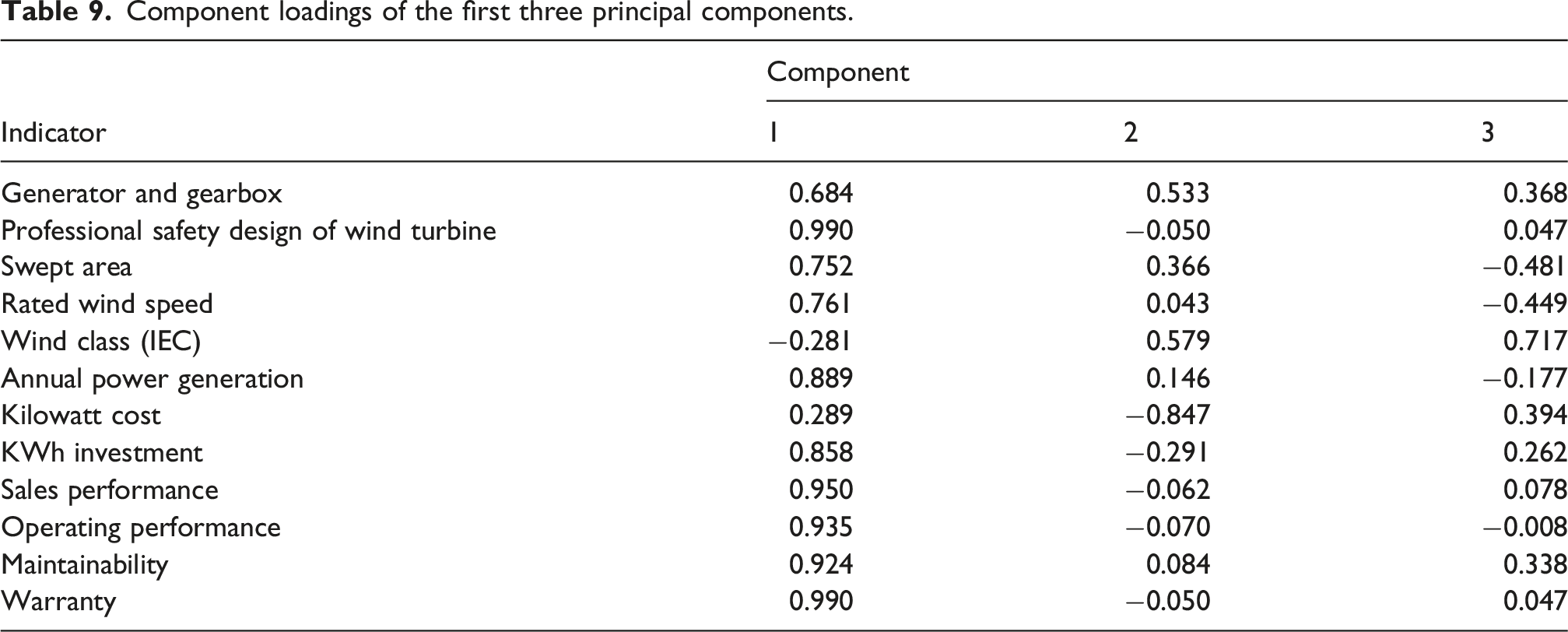
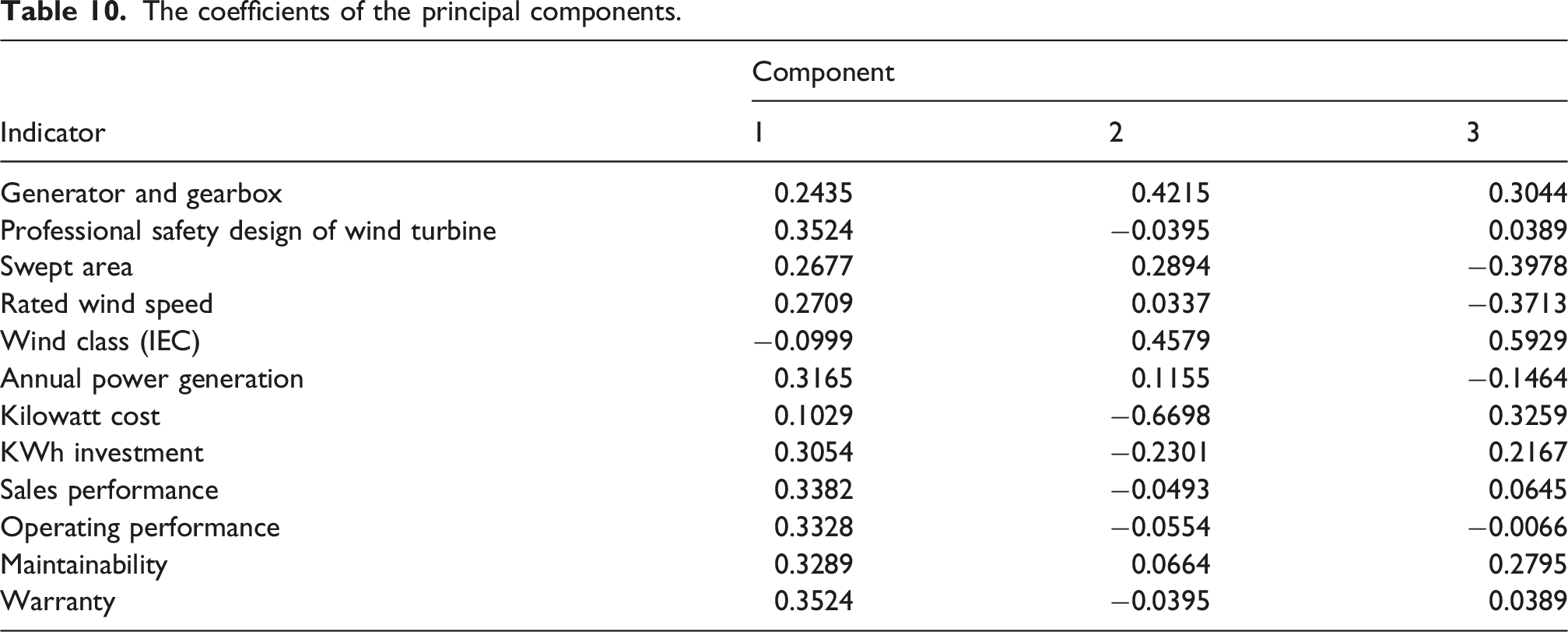
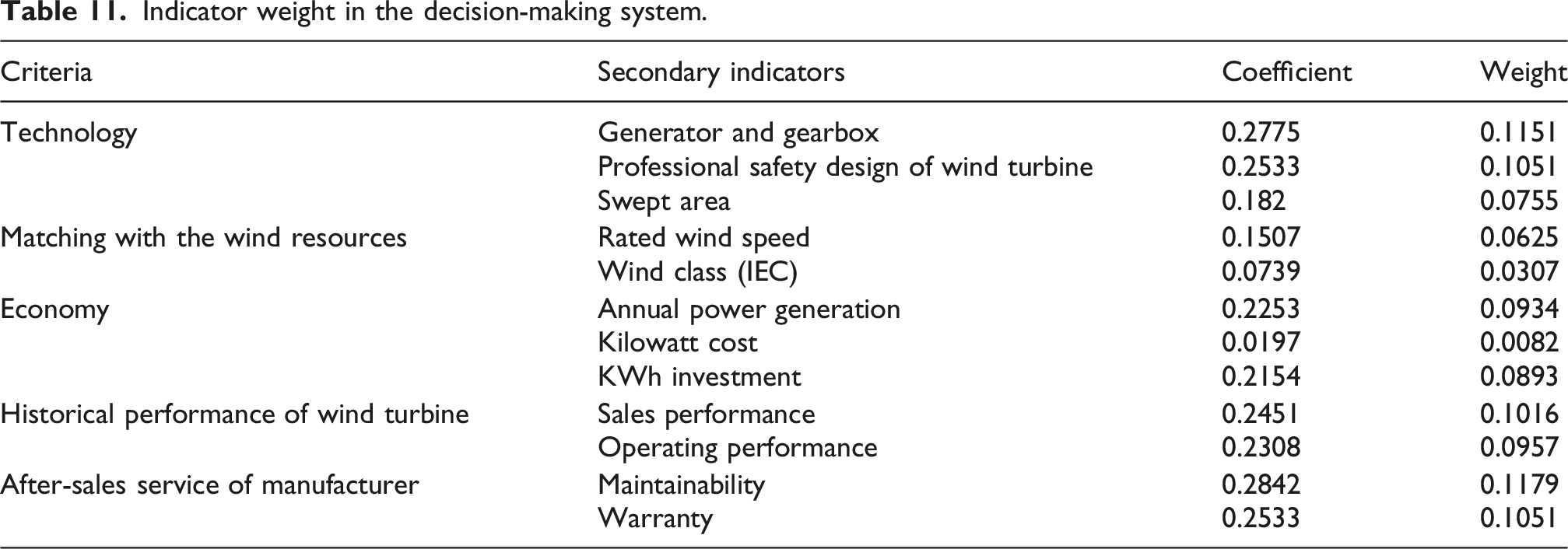
Section 3.1.1 has identified the criteria system for OWT selection, including five main criteria and twelve secondary indicators. Initially, the qualitative indicators are rated by three experts, and the comprehensive scoring data is detailed in Table 6. Next, the secondary indicators are standardized by applying range method, and the data is shown in Table 7. Finally, the weight of each indicator is assigned by PCA, and the steps are as follows. The comprehensive scoring data of qualitative indicators by experts. The data of the standardized indicators using range method.
Integration of expert opinions
In this study, three experienced experts ( The contribution rate of each indicator. Component loadings of the first three principal components. The coefficients of the principal components. Indicator weight in the decision-making system.
For WTG3, the evaluation of expert 

Assessment results of WTG3 from experts.
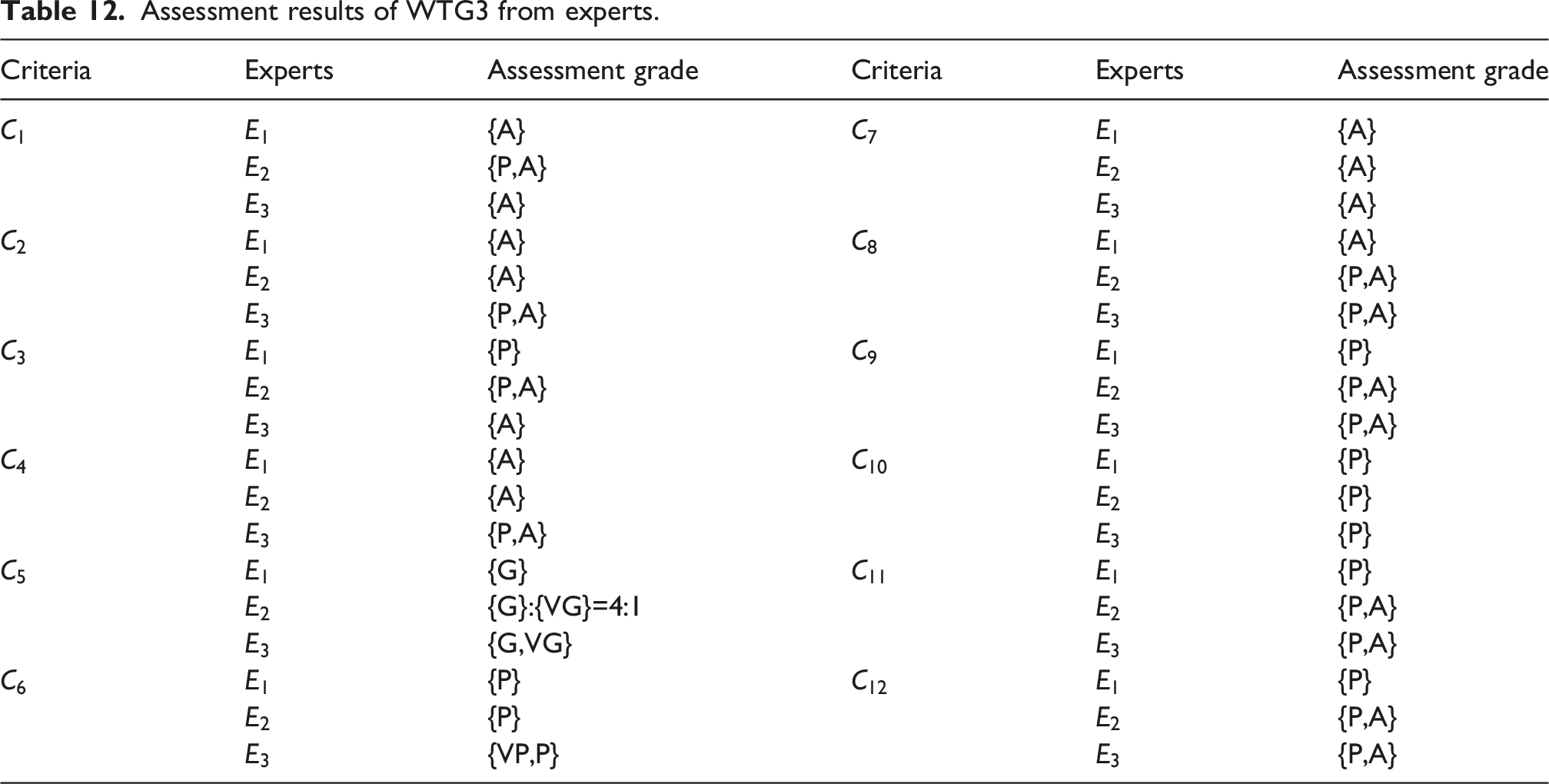
For WTG3, the evaluation of expert After replacing probabilities with weights, the weight of 


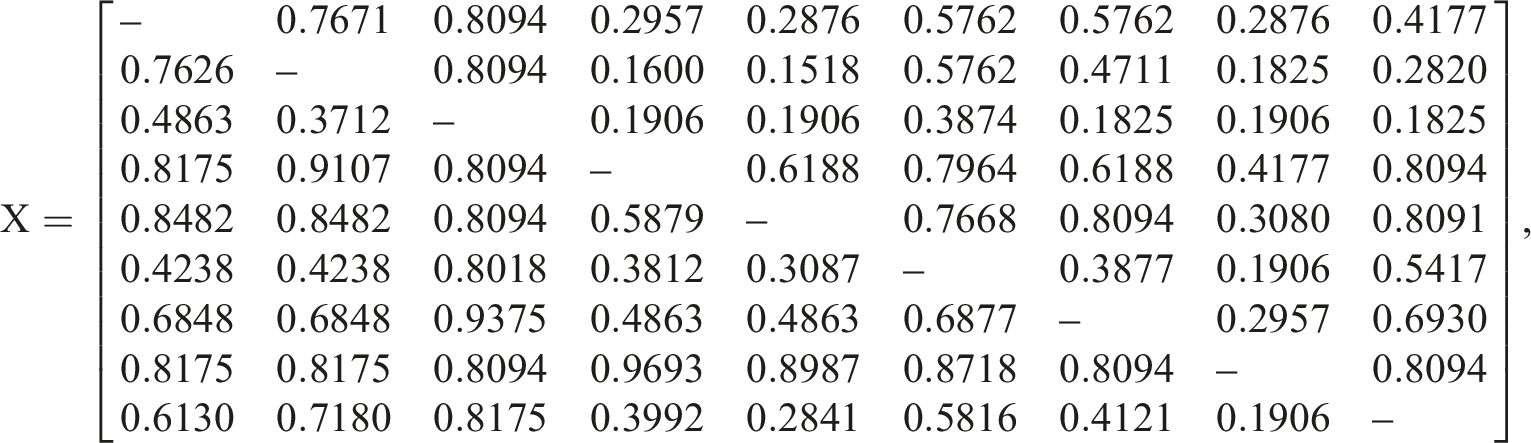
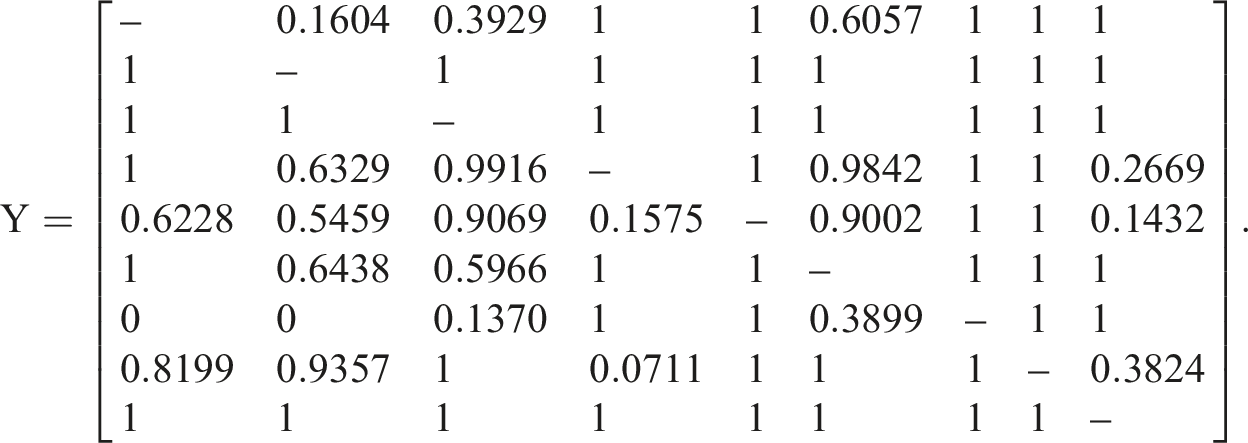
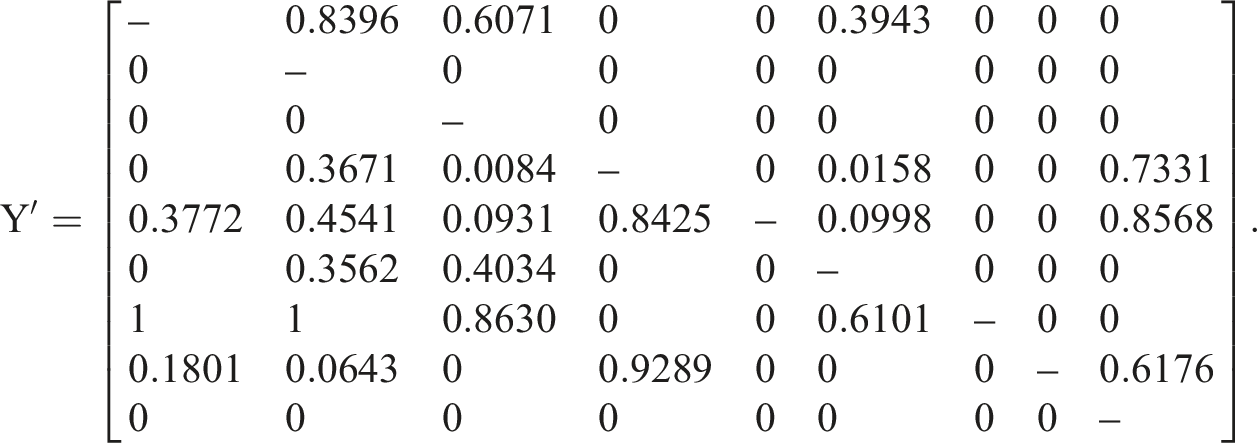
The ranking of alternatives using CBF-ELECTRE-I+
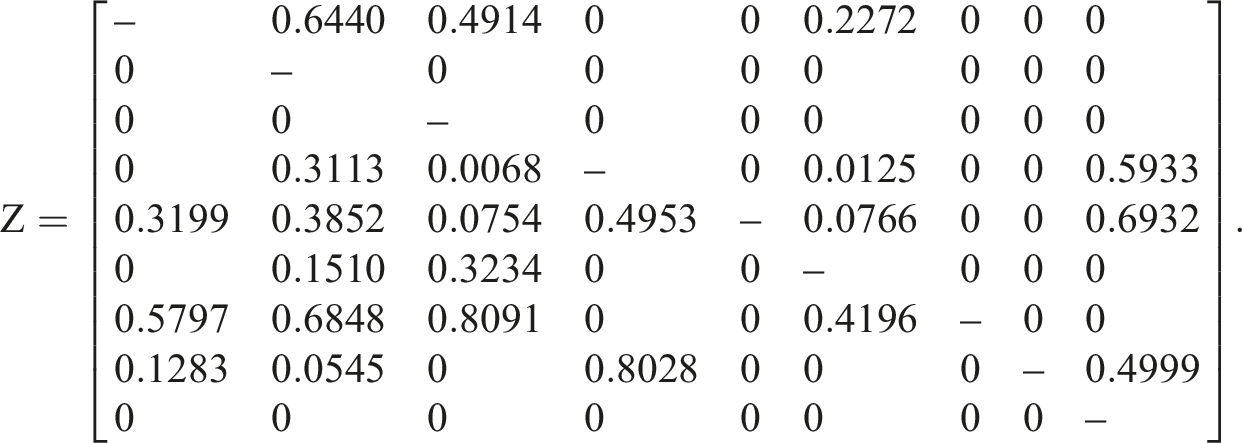
Comparative analysis
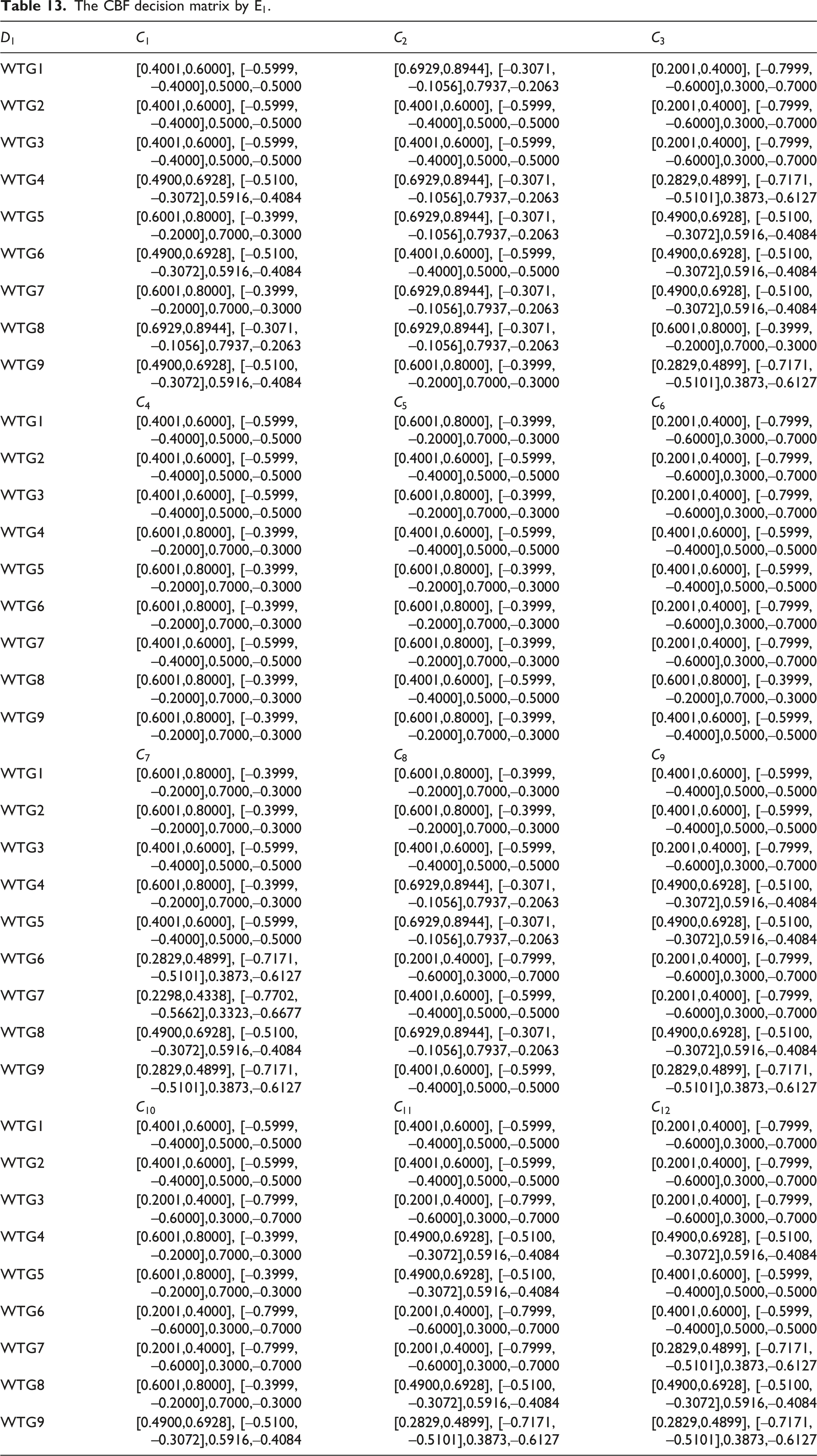
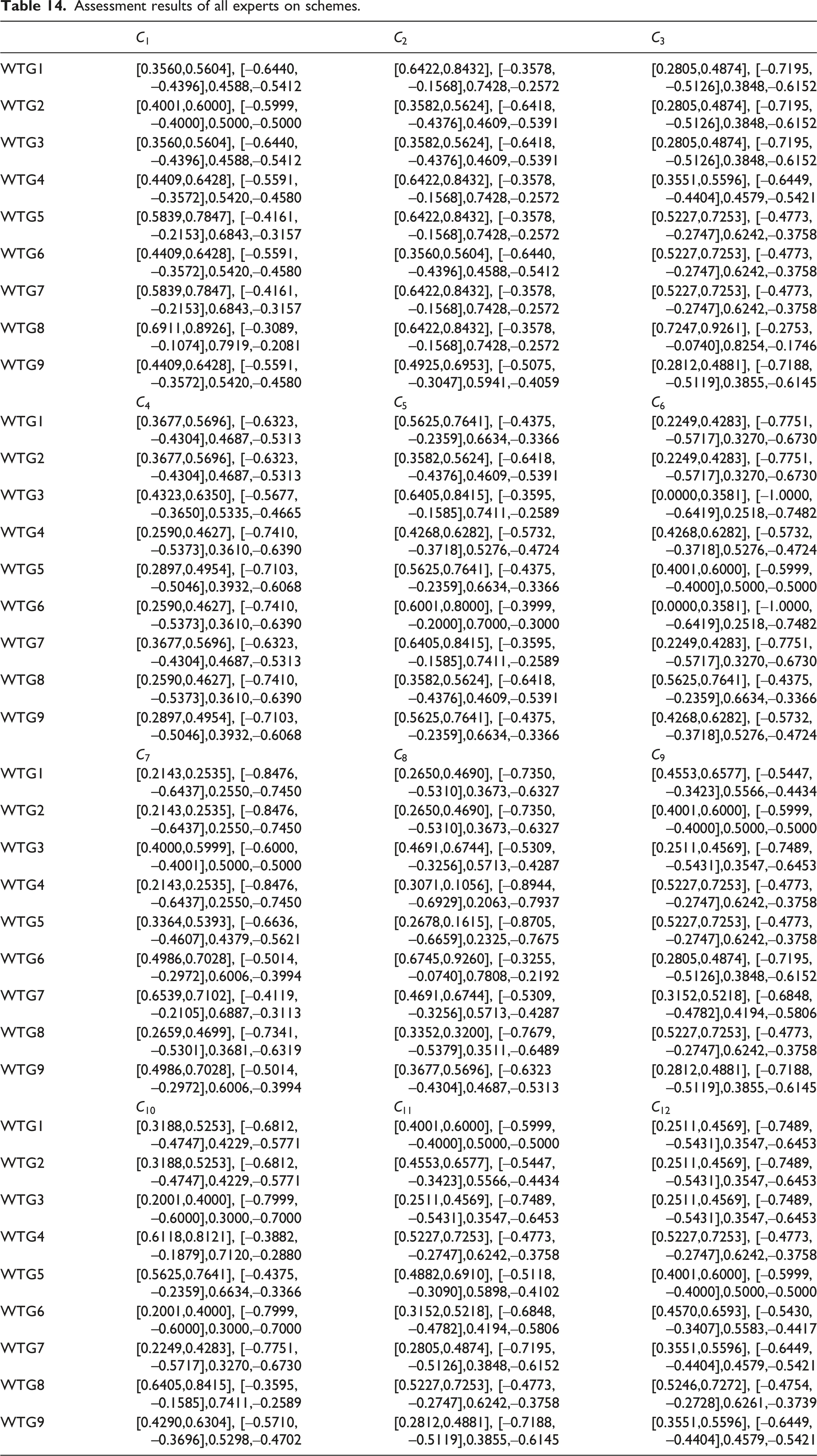
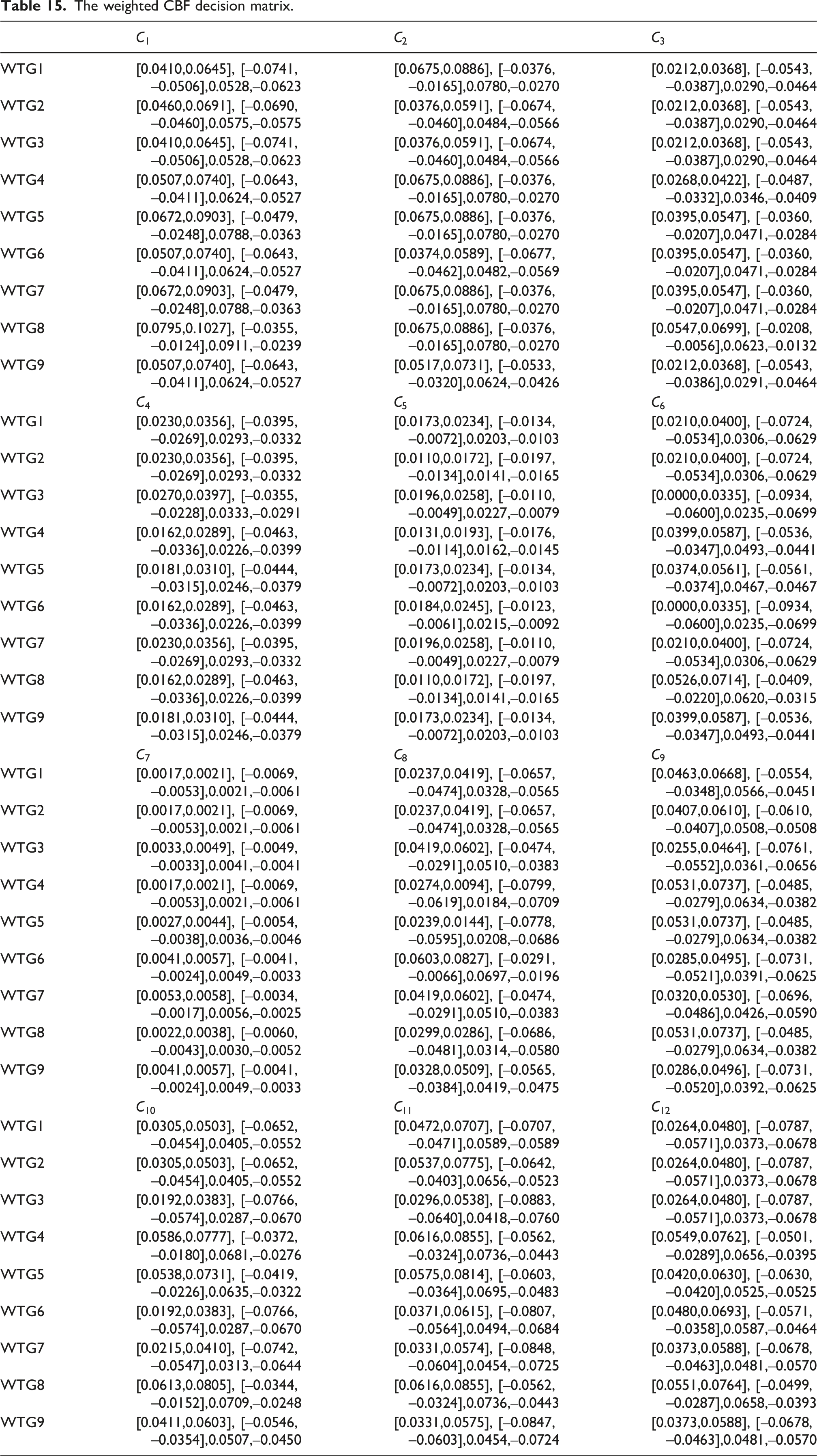
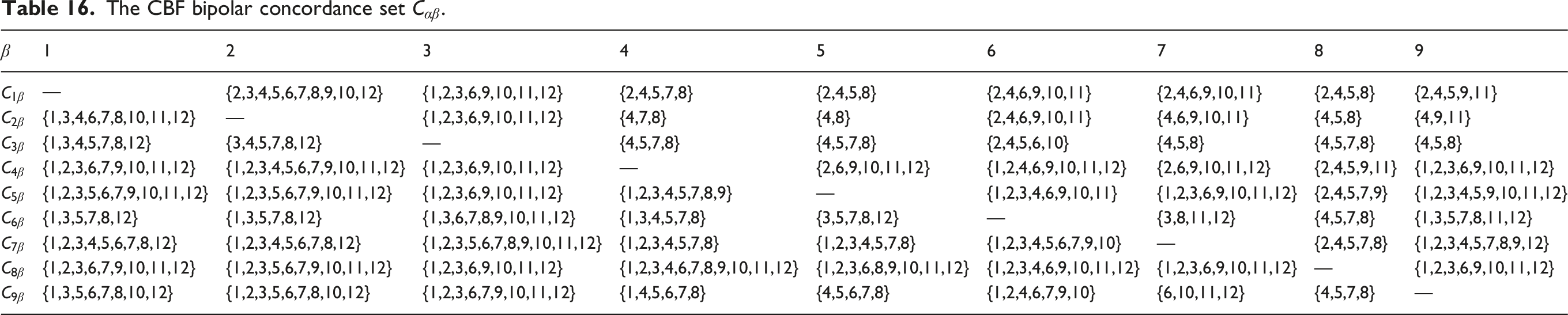
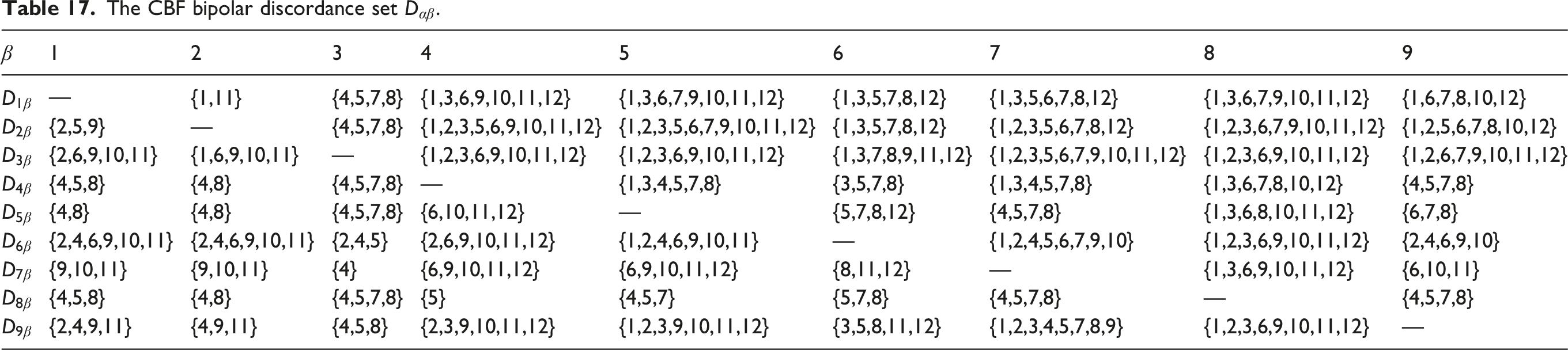
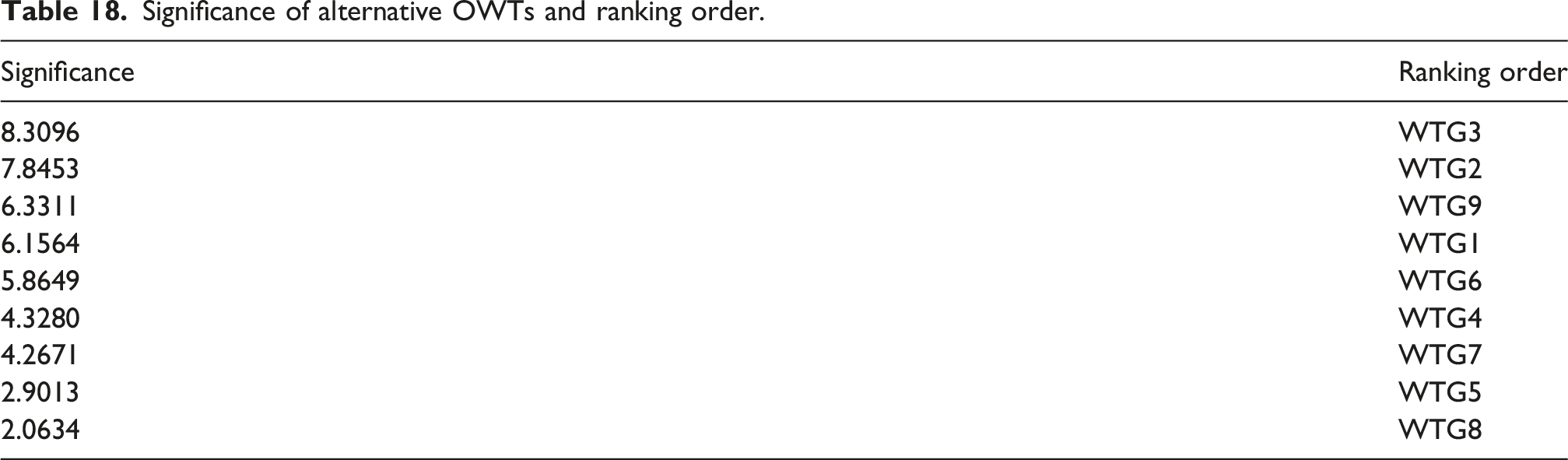
As shown in Figure 4, based on the evaluation result of the CBF-ELECTRE-I+ model in Section 4.3 and the rule that a smaller significance value indicates greater importance for the corresponding OWTs, WTG8 is the optimal choice. Meanwhile, the traditional CBF-ELECTRE-I model is applied to OWT selection as well and compared with the novel CBF-ELECTRE-I+ model. It is evident from Table 19 that the ranking results of the two models are quite similar, with WTG8 yielding the optimal result. To facilitate a better comparison between the two models, we calculated the additive inverse of the significance of the CBF-ELECTRE-I+ model and created a dual line chart comparing it with the traditional CBF-ELECTRE-I, as shown in Figure 5. The graph shows that CBF-ELECTE-I+ exhibits a larger difference between the highest and second-highest points in the final result compared to CBF-ELECTE-I. This distinction makes it easier to select the optimal solution, thereby achieving higher selection accuracy. Ranking result using CBF-ELECTRE-I+. The CBF decision matrix by Assessment results of all experts on schemes. The weighted CBF decision matrix. The CBF bipolar concordance set The CBF bipolar discordance set Significance of alternative OWTs and ranking order. Ranking results of CBF-ELECTRE-I+ and CBF-ELECTRE-I. Comparison between CBF-ELECTRE-I and CBF-ELECTRE-I+ in the offshore wind turbine selection.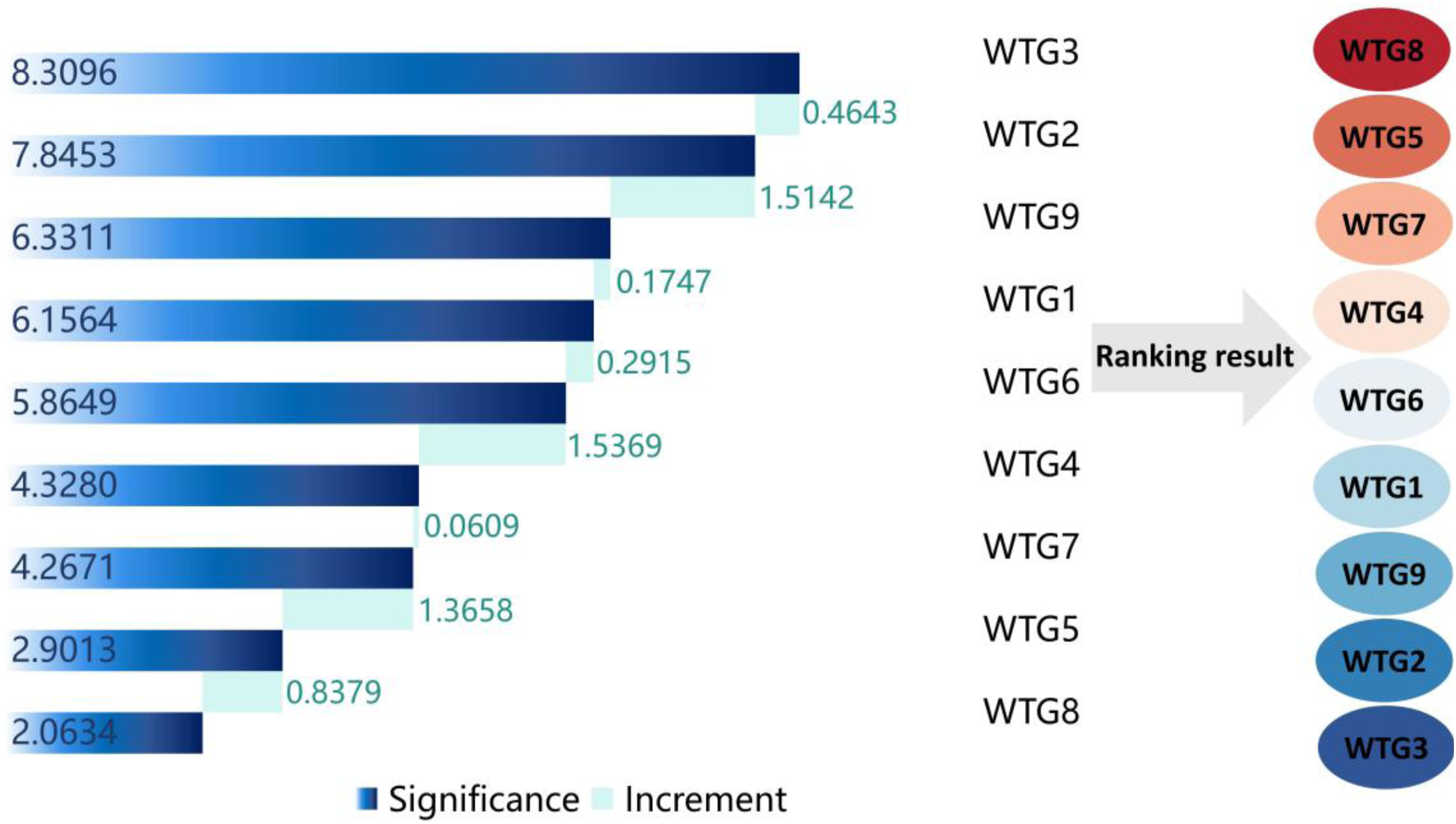

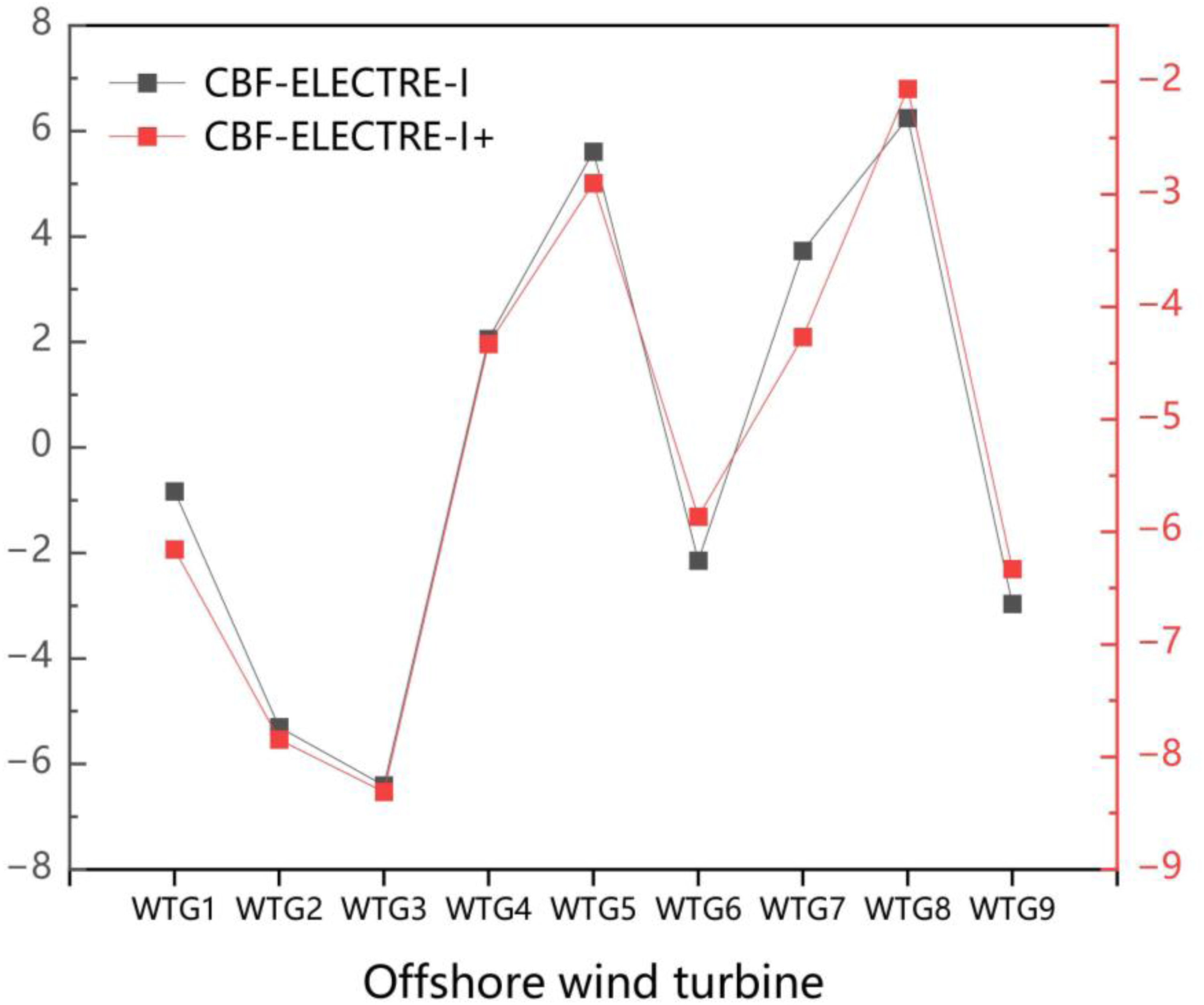
Besides, to evaluate the efficiency of the CBF-ELECTRE-I+ model, we compared its time complexity with that of the CBF-ELECTRE-I. Although both models have an overall time complexity of
In practice, the first bidding of the project saw the selection of seventeen WTG8 units, each with a hub height of 110 m and a total installed capacity of 102 MW. This outcome confirms the effectiveness of our proposed selection method.
Conclusion
The efficiency of offshore wind development and the long-term safety and financial returns of offshore wind farms are closely related to OWTs. In practice, the capital expenditures of OWTs constitute the largest proportion of the entire offshore wind development cycle. Therefore, OWT selection is crucial in the early stages of wind farm development. However, in the decision-making process of OWT selection, insufficient consideration of uncertain environments, expert linguistic ambiguity, and lack of more nuanced and intuitive ranking can impact the accuracy of selecting OWTs. To address these issues, this study proposes a novel decision-making system based on CBFS and the improved ELECTRE-I.
The decision-making system in this study consists of four main stages: determining the indicator system for the decision-making model, obtaining the comprehensive CBF decision matrix by quantifying expert assessments with the CBFS scheme while integrating expert opinions, and ranking the alternatives using CBF-ELECTRE-I+. In the first stage, the evaluation criteria system is constructed through literature research and expert advice, containing five main criteria and twelve secondary indicators. Besides, factors such as rated power and safety level are mainly considered as the screening conditions, and nine alternatives are identified for further selection. Then the corresponding weight of each indicator is determined through PCA. In the second stage, owing to the fact that most experts tend to express their opinions in a qualitative manner, we introduce CBFS to construct the CBF decision matrices, which can represent the opinion of each expert and effectively address the ambiguity of expert scoring. Specifically, all entries in the CBF decision matrices are CBFNs determined by the viewpoints of experts. The P-CBFWG operator is employed to aggregate the CBF decision matrices into a single comprehensive CBF decision matrix that contains the evaluations of all experts. In the sorting process, the optimized ELECTRE-I method is combined with CBFS to form a novel CBF-ELECTRE-I+ model. This model calculates the importance of each alternative OWT, resulting in a nuanced ranking process and accurate ranking outcomes.
Finally, the proposed method is applied to actual bidding projects for selecting OWTs and compared with the traditional CBF-ELECTRE-I model. Both CBF-ELECTRE-I and CBF-ELECTRE-I+ have selected the optimal OWT from nine alternatives, which is consistent with the actual situation. However, CBF-ELECTRE-I+ exhibits higher selection accuracy and computational efficiency. Therefore, the decision-making system presented in this study can effectively assist decision-makers in selecting the optimal OWT and also extends the application scenarios of CBFS in the field of management decision-making.
Footnotes

Credit statement
Fei Chen: Data curation, Methodology, Software, Writing – original draft; Li Xu: Methodology, Supervision, Writing – review & editing; Yanqi Wu: Validation, Formal analysis; Kuisong Jiang: Investigation, Visualization.
Funding
The authors received no financial support for the research, authorship, and/or publication of this article.
Declaration of conflicting interest
The authors declared no potential conflicts of interest with respect to the research, authorship, and/or publication of this article.
Data Availability Statement
The data will be made available upon reasonable request.