







Abstract
The purpose of this study was to investigate the mediating effect of organizational culture on the relationship between knowledge management practices and the job performance of academic librarians in university libraries in Nigeria. The study employed a quantitative research methodology. A total of five hypotheses were proposed for testing, and a conceptual model was developed to test these hypotheses for significance at the .05 level. A questionnaire survey was used and a total of 230 academic librarians agreed to participate in the study. The data collected was analysed with the aid of SPSS. The results of the study reveal that knowledge management and organizational culture made positive and significant contributions to job performance. The results of the study also provide compelling evidence in support of the impact of organizational culture on the relationship between knowledge management and the job performance of academic librarians in university libraries in Nigeria.
Keywords
Introduction
Academic libraries in universities in Nigeria are making positive contributions to the realization of the missions of their parent institutions. They also contribute to knowledge generation (Adeniran, 2010) and provide bibliographic and innovative services to a number of library users (Amusa et al., 2013). It is important to note that the extent to which academic libraries provide services reflects the quality of teaching, learning and research in the university system (Aina, 2004).
As noted by Amusa et al. (2013), certain factors can affect the extent of the bibliographic and innovative services provided by academic libraries in Nigerian universities. These factors include library personnel (Amusa et al., 2013), a stress-free environment (Roelofsen, 2002), the work environment (Opperman, 2002) and job performance (Johari and Yahya, 2009). Johari and Yahya (2009) state that, apart from being one of the indicators of managing organizational performance, job performance has become a source of competitive advantage because it helps to promote organizational effectiveness. Presently, the library operational environment is changing rapidly due largely to work-related and technological factors. Consequent on this, it has been argued that one of the matters arising from this changing environment is job performance (Ugwu, 2018). According to Zaman et al. (2014: 529), job performance is concerned with the productivity of an individual’s work-related behaviour. Performance is important because of its contribution to overall organizational effectiveness. Job performance has been found to be related to a number of factors, such as leadership style (Uddin et al., 2014), knowledge management (Lee and Choi, 2003), information technology skills (Oduwole, 2004) and organizational culture (Nguyen and Mohamed, 2011). In Nigeria, for instance, studies on job performance have focused on its relationship with the work environment (Kampert, 2008), gender differences (Osarenren and Ogunleye, 2009), organizational commitment (Amusa et al., 2013), personal factors (Ugwu and Ugwu, 2017) and work environment factors (Babalola, 2012). However, these studies have revealed that there exists poor job performance among librarians, due to a lack of dedication and commitment to their duties (Amusa et al., 2013). Akor (2009) found that the job performance of academic librarians in government-owned universities in North Central Nigeria was at a low level. It is, then, the assumption of this article that knowledge management can address this disappointing trend. Previous studies on the role of knowledge management in job performance, especially in the public sector, have indicated that employees with knowledge management skills were more positive towards their job performance, and that knowledge management significantly influenced job performance (Mustapa and Mahmood, 2016). Further, knowledge management practices constitute contextual features of the work environment that can enrich a job and increase job satisfaction, which invariably leads to good job performance (Morgeson and Humphrey, 2006). It has also been argued that failure to understand the profound effect of culture on employee and organizational performance could lead to poor employee and organizational performance (Omukaga, 2016).
However, while some evidence exists to support the links between knowledge management and job performance, and between organizational culture and job performance, the combined study of all these concepts has hitherto been lacking. This is the gap that this study intends to fill. To address this obvious gap, the following four research questions were formulated: What is the relationship between knowledge management practices and the job performance of academic librarians? To what extent does organizational culture relate to the job performance of academic librarians? What is the relationship between knowledge management practices and organizational culture? How does organizational culture influence the relationship between knowledge management and the job performance of academic librarians?
Literature review and development of hypotheses
Concept of knowledge management
Knowledge management has been defined as a method of management that governs the creation and utilization of both tacit and explicit knowledge in an organization (Ajiferuke, 2003; Newman, 1991; Shanhong, 2000). It has also been defined as a process or practice of creating, acquiring, capturing, sharing and reusing organizational knowledge (know-how) to improve performance and achieve the goals and objectives of an organization (Abell and Oxbrow, 2001; Davenport and Prusak, 1993; Jain, 2007; Townley, 2001; White, 2004). In a more practical sense, knowledge management may be defined as the capabilities with which communities within an organization capture the knowledge that is critical to them, continuously improve it and make it available in the most effective manner to people who need it, so that they can exploit it creatively to add value as a normal part of their work (Butler, 2000; Hayes, 2004; Skyrme and Amidon, 1998). In terms of its acceptability, Mustapa and Mahmood (2016) state that knowledge management has been widely accepted and acknowledged as one of the most crucial sources of competitive advantage among academicians and information professionals. Moballeghi and Galyani Moghaddam (2011) have described knowledge management as the acquisition, sharing and use of knowledge within organizations, including learning processes and management information systems. Basically, the simplest definition of knowledge management, by Moballeghi and Galyani Moghaddam (2011), is sharing what we know with others. The most important thing in all these definitions is the emphasis on human know-how and how it brings value to an organization.
The literature on knowledge management has been found to contain many varied demarcations of knowledge management practices. For instance, Haqiqat-Monfared and Hooshyar (2010) have identified four knowledge management practices: creating knowledge, maintaining knowledge, transferring knowledge and using knowledge. Both Iqbal et al. (2019) and Syed et al. (2020) have demarcated knowledge management practices as actions that relate to knowledge creation, acquisition, storage, sharing and utilization or application. In this study, the knowledge management practices as articulated by Islam et al. (2017) were adopted – namely, knowledge capture, knowledge sharing and knowledge application. Knowledge capture is a knowledge activity that allows employees to capture tacit and explicit knowledge from the internal as well as external environment. The operational indicators of knowledge acquisition include collecting information about the needs and wishes of clients, conducting research to explore future possibilities, attending training programmes, and developing new methods and approaches for service delivery (Filius et al., 2000). Knowledge sharing refers to the transfer of tacit and explicit knowledge among employees within and outside the organization. Many organizations use knowledge sharing as a tool to leverage their intellectual assets (Masa’deh, 2012). Knowledge sharing benefits an organization in several ways, such as improving its performance, customer services and innovative capacity (Cao and Xiang, 2012; Ma et al., 2008; Vorakulpipat and Rezgui, 2008). The operational indicators of knowledge sharing or transfer include coaching and mentoring new employees, organizing regular meetings to discuss professional matters, rotating staff on the job, and holding meetings from time to time to discuss methods of working (Filius et al., 2000). Finally, knowledge application refers to the use of knowledge gained from inside or outside the organization for the creation of new knowledge or other organizational gains. The operational indicators of knowledge application include conducting research before developing new services, using the experiences of clients to improve services, encouraging employees to use their abilities and skills in a creative manner, marketing the organization’s new products and services, promoting knowledge internally and being committed to the development of new services (Filius et al, 2000; Islam et al., 2017).
Concept of organizational culture
Every organization has a culture. Ahmady et al. (2016) state that culture is a powerful resource of common, purposeful and flexible guidelines. They maintain that the effect of culture on members of an organization has been so great that the behaviour, feelings, perceptions and attitudes of the members could be found by investigating its dimensions and by predicting and directing their probable reactions to desired changes. They further acknowledge that organizational culture may facilitate change and stabilize new orientations in an organization. Organizational culture is an interesting and important aspect of organizational behaviour (Amin B et al., 2011). Organizational culture is socially embedded, constructed and reproduced over time (Schein, 1993). Huczynski and Buchanan (2001) see organizational culture as a monotonous set of values, beliefs, customs, traditions and stable methods transmitted by members of an organization. This is because organizational culture defines the way employees’ complete tasks and interact with each other in an organization. Organizational culture is defined as an organization’s internal characteristics, and it represents how members of an organization interact with one another and how the organization associates with its stakeholders (Lam et al., 2021). Leonard (2019) relates organizational culture to student performance, and states that students who love to learn tend to look for opportunities inside and outside of school. They do not miss class and they engage with teachers to extend their knowledge and ideas. ‘Job performance’ is a key term used to describe the performance of a worker in their task-related activities. Caillier (2010) categorically accepts that job performance should be viewed as behaviours rather than results. Aycan et al (1999) as cited in Ghazi and Muzaffar (2018:209), argue that organizational culture at its best becomes a source of competitive advantage for organizations, since it affects the commitment of people at work and it arises from underlying assumptions, beliefs, norms, values and attitudes. In the same vein, the enhancement of performance contributes to employee commitment, while norms, values and objectives contribute to enhancing the culture of an organization (Awadh and Saad, 2013). One of the most important reasons for the interest in organizational culture is the assumption that certain organizational cultures lead to an increase in job performance (Abbas and Saad, 2018). Organizational performance comprises the actual productions as well as outputs of an organization which are measured against its expected outcomes (Ahmed and Shafig, 2014: Version 1.0).
Although there are many measures of organizational culture evidenced in the literature, the three measures used for this study were selected from Denison’s (1990) model. The first measure is mission. It is defined as the degree to which an organization and its members know where they are going, how they unite to get there, and how each individual can contribute to the organization’s success. Successful organizations have a clear sense of purpose and direction that defines organizational goals and strategic objectives. They express a vision of how their organization will look in the future (Hamel and Prahalad, 1994; Mintzberg, 1987, cited in Zakari, Poku and Owusu-Ansah, 2013: 98). The second measure is involvement. According to Kofi Poku and Owusu-Ansah (2013), involvement is the degree to which individuals at all levels of an organization are engaged in the pursuit of its mission and work in a collaborative manner to fulfil organizational objectives. Involvement consists of building human capability, ownership and responsibility. The third measure is adaptability. This is the ability of an organization to scan the external environment and respond to the ever-changing needs of its customers and other stakeholders. An organization has a system of norms and beliefs that support its capacity to receive, interpret and translate signals from its environment into internal behavioural changes that increase its chances of survival and growth (Denison, 1990).
Concept of job performance
Generally, ‘job performance’ is a key term that is used to describe how well a worker performs in their task-related duties (Murphy, 1989; Rotundo, 2000). In other words, job performance should be behaviour-oriented rather than results-oriented. Borman and Motowidlo (1993) argue that, overall, job performance is multidimensional, but it might be split into the general dimensions of task performance and contextual performance. They maintain that task performance, or in-role performance, is the proficiency with which job incumbents perform activities that are formally recognized as part of their job, or activities that contribute to the organization’s technical core either directly, by implementing part of the technological process, or indirectly, by providing it with needed materials or services (73). They go on to describe contextual performance, or extra-role performance, as discretionary behaviours that apply across all jobs and contribute to the social and psychological environment of the organization (73). This implies that contextual performance is not role-prescribed. Although it has been stated that job performance is multidimensional, task performance and contextual performance were considered in this study.
Task, or work, performance is one of the most important variables in work and organizational psychology. It is becoming increasingly important to expand the scope of performance appraisal to all behaviours that have an impact on organizational outcomes, including task-specific and discretionary work behaviours. Task performance could be defined as those quantifiable employee behaviours and outcomes that contribute to organizational goals. Task performance refers to the prescribed role an employee should fulfil in order to attain organizational goals. It can also be defined as the efficacy with which workers perform activities that contribute to the development of an organization’s technical core. This contribution can be direct, including the application of organizational technology, or indirect, providing the materials or services needed to perform an organization’s technical processes (Borman and Motowidlo, 1993: 73).
Contextual performance, also known as citizenship performance, refers to behaviours other than core performance which facilitate social and psychological contexts that serve as catalysers for the efficient undertaking of the entrusted tasks (Ng et al., 2009). Examples of contextual activities include volunteering to perform tasks that are not formally part of one’s job, helping and cooperating with others in the organization, consciousness, courtesy and civic virtue (Ng et al., 2009; Yang and Hwang, 2014). These are socially and psychologically motivated behaviours that facilitate task activities.
Relationship between knowledge management and organizational culture
It has been revealed in the related literature that organizational culture plays an important role in knowledge management (Lam et al., 2021). Previous studies have shown that organizational culture is related to knowledge management, or is the foundation of knowledge initiatives because it encourages employees to share new information (Hofstede, 2015; Zehir et al., 2011). Further, Kayworth and Leidner (2004) maintain that organizational culture is a critical factor that facilitates effective knowledge management processes, such as knowledge creation, knowledge transfer and knowledge application. A study by Lee and Choi (2003) found that a culture in which mutual trust, collaboration and learning were promoted was significantly related to effective knowledge management. In another study, by Zheng et al. (2010), organizational culture was found to have the strongest impact on knowledge management, among other factors. Aldulaimi (2015) found a positive correlation between organizational culture and knowledge management. In a study carried out by Moshen et al. (2011), the results indicate that there was a meaningful relationship (about 99%) between different kinds of organizational culture and six dimensions of knowledge management. The study by De Long and Fahey (2000) shows that organizational culture could influence knowledge management in four ways: By identifying knowledge activities and its importance for organizational management; By its role in Creating relationships between people and knowledge of an organization; By highlighting a cultural pattern, which identifies how knowledge has to be used in specific situations; By process-making, legitimating and spreading knowledge in an organization (see also Shafee et al., 2010).
In the same study, De Long and Fahey (2000) found that 80% of knowledge management activities were related to people and organizational culture, and 20% were related to technologies of knowledge management. Balthazar and Cook (2004) are of the view that knowing an organizational culture is necessary for those who are proposing strategies of knowledge management because it influences both the process of knowledge management and the complete cooperation and obligation of organizations’ members towards knowledge management. In another study, Chang and Lee (2007) attempted to investigate the influence of organizational culture on knowledge management. The findings show a significant correlation between organizational culture and knowledge management (r = .829). This shows that organizational culture and that the more (not greater) the recognition of organizational culture (not organizations of organizational culture), the greater the knowledge management practices. This finding is supported by Zheng et al. (2010), who determined that organizational culture yielded a significant positive impact on knowledge management. Similarly, Kaweevisultrakul and Chan (2007) seem to support the above finding when they maintain that organizational culture is one of the drivers of knowledge management success. Park et al.’s (2004) research found that organizational culture contributed significantly to the process of knowledge management implementation in organizations. A similar study by Sohrabi et al. (2017) reveals that knowledge management was found to have a positive relationship with all the indicators of organizational culture: consistency (r = 0.729), mission (r = 0.826) and involvement (r = 0.723). Another study, by Ahmed and Sheikh (2020), discloses a significant relationship between organizational culture and knowledge sharing.
Based on these findings, the first hypothesis of the present study is as follows:
H1: Knowledge management has a significant association with organizational culture in university libraries in Nigeria.
Relationship between knowledge management and job performance
Knowledge management plays important roles in increasing efficiency and organizational performance or public service delivery (Skyrme, 2003). McAdam and Reid (2000) also remark that knowledge management can make an important contribution to society. Knowledge management has been identified as a factor or organizational element that is popular in improving the job performance of employees (Rahmayanto et al., 2019). Previous studies on knowledge management and job performance in the public sector indicate that employees with knowledge management were more positive towards their job performance or, as predicted in the study by Mustapa and Mahmood (2016), that knowledge management significantly influenced job performance. A positive link has also been found between knowledge sharing and job performance (Kang et al., 2008; Tseng and Huang, 2011). Khanal and Poudel (2017) report that a knowledge management process component showed a significant correlation with the job performance of employees. The research by Rahman and Hasan (2017) confirms a significant positive effect of knowledge management and human resources management (HRM) practice on organizational performance. Furthermore, many concepts or factors have been found to be supportive of the association between knowledge sharing and job performance; however, empirical research is limited (Jones, 2001).
Based on these studies, the second and third hypotheses of the present study are as follows:
H2: Knowledge management has a significant association with job performance.
H3: Knowledge management practices are significant predictors of job performance.
Relationship between organizational culture and job performance
The relevance of organizational culture within the context of job performance cannot be overemphasized. Organizational culture can be a source of competitive advantage for organizations because it affects the commitment of people in the workplace and it arises from underlying assumptions, beliefs, norms, values and attitudes (Aycan et al., 1999). Organizational culture values can bring about consistent performance (Brown, 1998). The study of organizational culture has significance when it establishes a correlation with job performance or with the actions of employees (Alvesson, 1990; Lund, 2003). Previous studies have reported a positive relationship between organizational culture and job performance (Ogbonna and Harris, 2000; Shahzad et al., 2013). Organizational culture has been reported as the key influencer of job performance (Shahzad et al., 2013). Al-Matari and Omira (2017) examined the relationship between organizational culture and job performance in a public sector environment and found a positive relationship between them. Moreover, Kang and Stewart (2007) report a link between a conducive work culture and higher individual performance. The research by Ilyas (2013) examined the relationship between job fit, job satisfaction, job commitment and intention to quit amongst the employees of various organizations in Pakistan and found that organizational commitment moderated the relationship between job fit and intention to quit. In contrast, job commitment did not moderate the relationship between job fit and job satisfaction. The results of this research will help managers to create a work environment where employees match their abilities with their job, and this helps to reduce the intention of the employees to quit their job. In a study carried out by Ekpenyong and Ekpenyong (2016), it is observed that the majority of the respondents agreed that organizational culture did not have an impact on job performance and the satisfaction levels of employees. It was also found that the type of organizational culture practised in an organization could also determine the level of employee performance and job satisfaction. Their findings imply that an organization that practises either a clan or support culture tends to experience high performance and satisfaction levels; this type of culture encourages employees to be more innovative, and it also supports socialization and teamwork. In a recent study by Meng and Berger (2019), the results confirm that the existence of a supportive organizational culture was antecedent to enhanced job performance. In this regard, a supportive culture that understands the value of public relations, shares decision-making power, practises two-way communication and embraces diversity is crucial. A survey carried out by Rose et al. (2008) reveals that American and European multinational companies reported higher mean scores in organizational performance and were performing well in all four dimensions 1: Individualism and collectivism, 2: Power distance, 3: Uncertainty avoidance, and 4: Masculinity and femininity compared to Japanese and Malaysian multinational companies. These authors also found that those organizations that paid attention to culture were more successful.
Despite the fact that there are divergent views in past research with regard to organizational culture, the majority of researchers have observed a positive relationship between organizational culture and job performance. These studies surely validate the present research in a library work environment, and have resulted in the formulation of the following two hypotheses:
H4: Organizational culture has a significant association with job performance.
H5: Organizational culture factors are significant predictors of job performance.
Knowledge management, organizational culture and job performance
The mediating effects of certain organizational elements have been studied. These organizational elements, as gleaned from the literature, include leadership styles, organizational commitment, knowledge management and organizational culture. In a recent study, Ugwu (2018) considers the mediating effects of knowledge management on the relationship between transformational leadership and the job performance of librarians. It was found that knowledge management influenced the relationship between some transformational behaviours and job performance. Further, Ekpenyong and Ekpenyong’s (2016) research found that organizational commitment moderated the relationship between job fit and intention to quit. Organizational culture has been found to influence the relationship between knowledge management and innovation (Abdi et al., 2018). Although knowledge management, organizational culture and job performance have been studied in other contexts, studies on their combined effects appear to be scant or non-existent in the library environment. Based on this, the following hypothesis is proposed:
H6: Organizational culture mediates the relationship between knowledge management and job performance.
Conceptual model
The conceptual model for this study is depicted in Figure 1. The proposed framework comprises three constructs – namely, knowledge management, organizational culture and job performance.
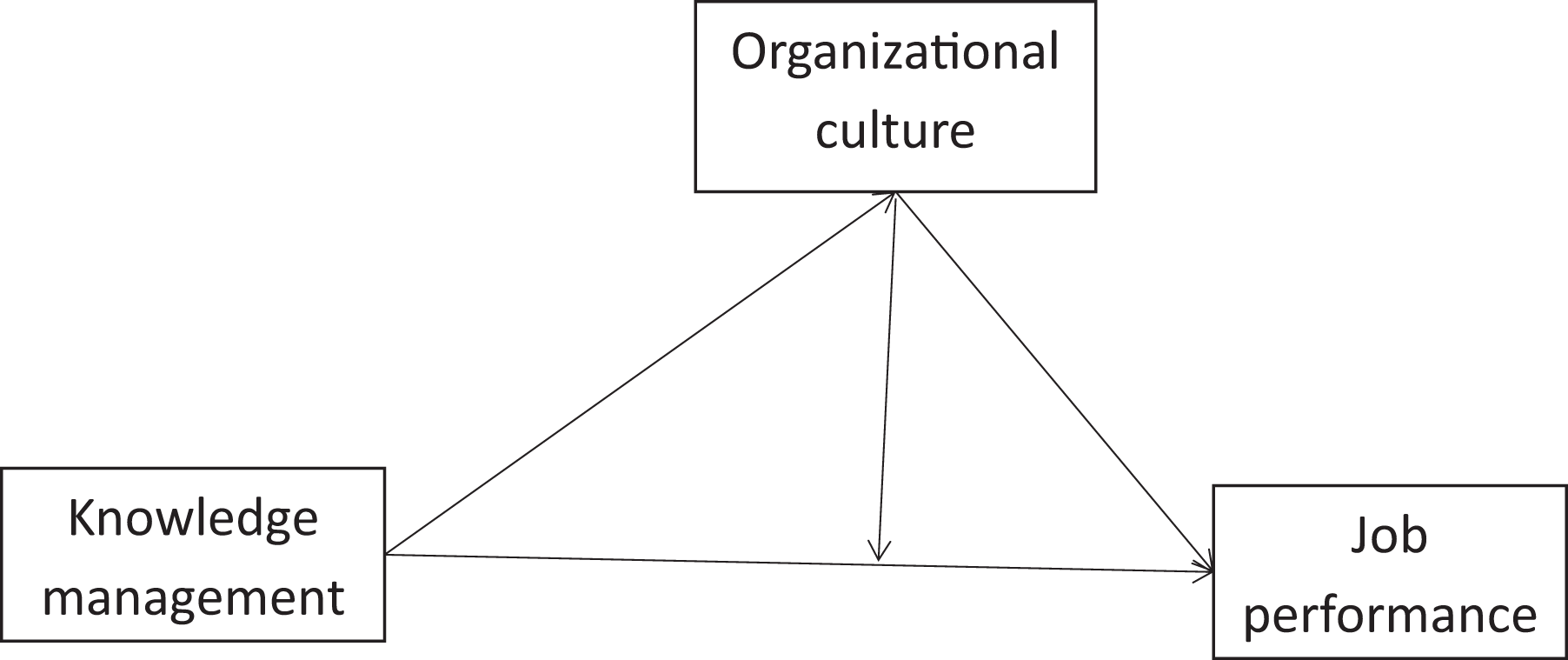
Conceptual model.
Management practices refer to formalized and active practices to create, share and use knowledge (Islam et al., 2017). In this study and based on this operational definition, knowledge management was measured by knowledge capture, knowledge sharing and knowledge application.
Organizational culture refers to the pattern of values, beliefs and attributes that influence behaviour in an organization. In this study, organizational culture was measured by involvement, adaptability and mission.
Job performance refers to the productivity of an individual’s work-related behaviour. In this study, job performance was measured by the task-oriented as well as the extra roles of librarians.
This conceptual model depicts the possible relationships between the research constructs. These relationships were proposed as a set of research hypotheses, addressing the research questions that guided the study.
Research methodology
Research approach
A quantitative approach was used in this study. According to Huysamen (1994: 2), a “description of quantitative research consists of hypothesis formulation, data collection, analysis and interpretation”. Quantitative research seeks to establish facts, make predictions and test hypotheses that have already been stated. Within a quantitative approach, correlational research was chosen as the appropriate design for this study. This choice was based on the fact that the study was intended to determine the relationship between the research variables and the predictive strengths of the research constructs.
Measuring of constructs
To measure the constructs, the study employed a questionnaire survey for data collection. The three constructs – knowledge management, organizational culture and job performance – were measured as follows: first, for the knowledge management construct, the three dimensions proposed by Islam et al. (2017) – knowledge capture, knowledge sharing and knowledge application – were adopted and had 14 statements as their measures; second, for the organizational culture construct, three dimensions – involvement, adaptability and mission – were adopted from Nguyen and Mohamed’s (2011) study and had 12 statements as their measures; third, for the job performance construct, the authors used six-item measures, all from previous research. The questionnaire items were rated on a five-point Likert scale (1 = very low degree to 5 = very high degree). The questionnaire was validated by three experts in the field of library and information science. These experts were asked to check the content of the questionnaire in terms of its appropriateness as well as its ambiguity. Confirmatory factor analysis of the research constructs was carried out, and the results are presented in Table 3 below.
Sample
A survey questionnaire was used to gather data for the study. Before implementing the survey, a draft questionnaire was developed by the researchers and reviewed by three lecturers in the field of library and information science at the University of Nigeria, Nsukka, to ensure that the content and wording were free from problems. After some changes were made as suggested, the revised questionnaire was piloted on 30 academic librarians at the University of Nigeria, Nsukka. These librarians were given the questionnaire and asked to examine it for meaningfulness, relevance and clarity. Academic librarians in government-funded university libraries in Nigeria were the target population for this study. The academic librarians were drawn from a list maintained by the Librarians’ Registration Council of Nigeria, and only those librarians with active email addresses were contacted to participate in this study. Copies of the questionnaire were distributed via the email addresses of the librarians who were contacted to participate in the study. In this way, a total of 300 academic librarians were contacted and asked for their consent to participate in the study. A total of 200 of these librarians were from federal universities, comprising 120 librarians from conventional universities, 55 from federal universities of technology and 25 from federal universities of agriculture, whereas 100 of the librarians were from state universities, comprising 65 librarians from conventional state universities and 35 from state universities of science and technology. The purpose of the study was explained to them and they had the right to opt out by not filling in the questionnaire. Completion of the questionnaire implied consent. Thus, the participants could choose not to answer questions they were not comfortable with. To protect the identity of the participants, no names, email addresses or library names were collected. Out of the 300 copies of the questionnaire distributed, 230 were returned and found to be eligible. The return rate of the questionnaire was thus 76.7%.
Data analysis
The statistical methods employed in the analysis of the data included descriptive statistics, correlational analysis, multiple regression and step-wise regression. To determine the status or the situation of the research variables, descriptive statistics such as the mean, the standard deviation and percentages were utilized. To determine the relationship between the research constructs, Pearson’s correlation was used. Multiple regression analysis was performed to determine whether knowledge management and organizational culture could predict job performance. Step-wise regression was performed to determine whether organizational culture mediated the relationship between knowledge management and job performance. These statistical methods were implemented and calculated using SPSS.
Findings
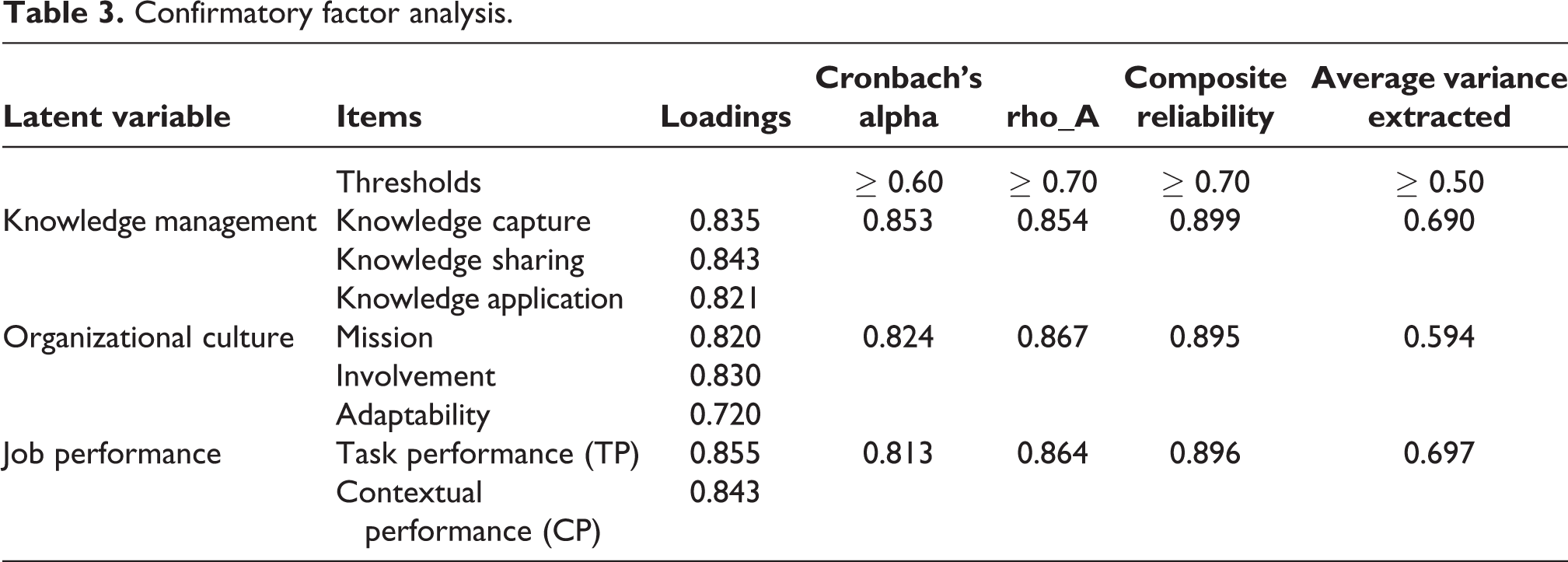
Table 1 shows the demographic data of the respondents. The respondents came from various university environments in Nigeria, such as federal (43.5%), state (30.4%) and private (26.1%) universities. On the whole, more female librarians (53.9%) than male librarians (46.1%) participated in the study. In terms of the designations or job positions of the respondents, 34.3% were heads of section, 27.4% were heads of division and 38.3% were other librarians holding no headship positions.
Demographic data of the respondents.
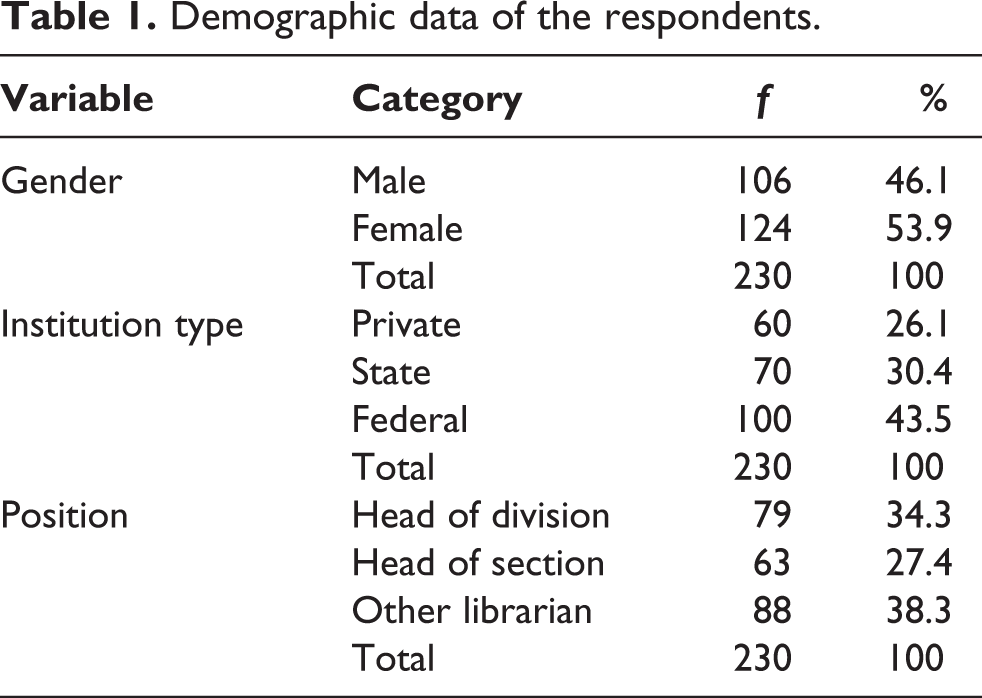
The results in Table 2 are quite revealing. The highest ranking of the knowledge management practices carried out in the libraries was knowledge sharing (M = 3.99, SD = 0.74), and this was followed by knowledge capture (M = 3.95, SD = 0.66). The third ranked of the knowledge management practices was knowledge application (M = 3.93, SD = 0.61). The items in Table 2 indicate that the most specific knowledge management activities carried out in the libraries included organizing regular meetings for discussion, encouraging learning through group interactions, and using the knowledge of staff to enhance library services. The results also show that the highest-ranking cultural activity in the libraries was adaptability (M = 3.83, SD = 0.71), followed by involvement (M = 3.80, SD = 0.74) and then mission (M = 3.72, SD = 0.72). The items located in these organizational culture factors indicate that the most specific cultural activities in the libraries were spreading information widely so that everyone could obtain it, having a long-term purpose and direction, and adopting new and improved ways to work. The mean perception of the librarians with respect to their job performance was 3.69. Further, these librarians were of the opinion that knowledge management broadened knowledge of their work, increased their willingness to work with others, and helped them to accomplish their work mission.
Descriptive analysis of the research variables.
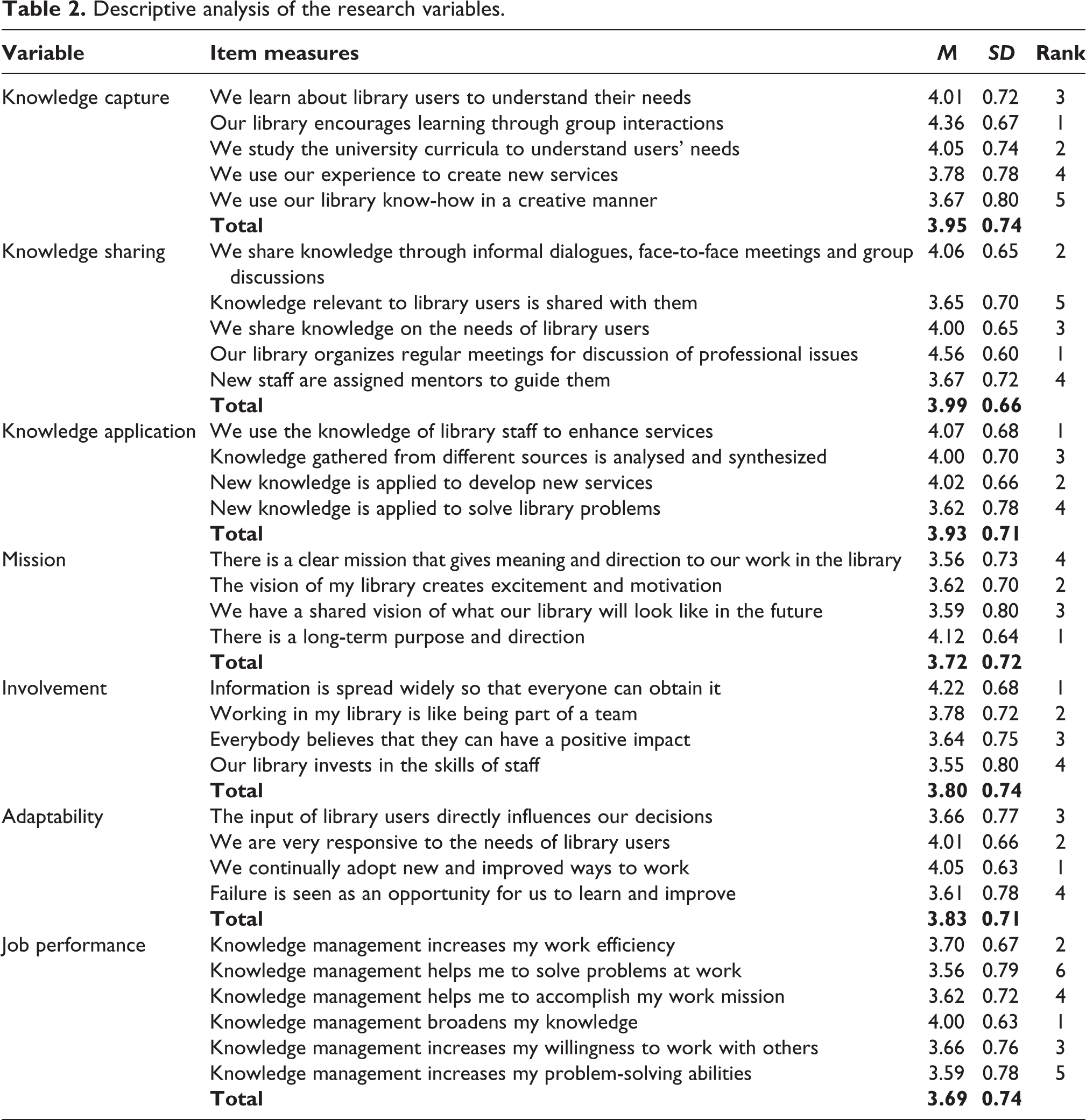
The measures of the constructs in this study were tested for construct validity. This was achieved using convergent and discriminant reliability. To test for the convergent reliability of the constructs, the researchers examined the Cronbach’s alpha, average variance extracted and composite reliability. Following recommendations from previous studies, the acceptable threshold values for Cronbach’s alpha, average variance extracted and composite reliability were 0.60. 0.50 and 0.70, respectively (Hair et al., 2015; Yung et al., 2019). As can be seen from Table 3, all of the values of Cronbach’s alpha were higher than 0.80, which exceeded the acceptable 0.60 threshold. The average variance extracted values were all above 0.50, indicating the convergent validity of the tested constructs. The factors’ composite reliability was also higher than 0.70, indicating high internal consistency (Hair et al., 2015). In addition, all of the variables had loadings greater than 0.60, which satisfies the theoretical requirement of Henseler et al. (2012) and confirms the scales’ content validity.
Confirmatory factor analysis.
The discriminant reliability was tested using the parameter from the study by Fornell and Larcker (1981): the square root of a construct’s average variance extracted must be greater than the value of its association with any other construct. The cross-loadings of the indicators were analysed as suggested by Hair et al. (2015) and Fornell and Larcker (1981), and are presented in Table 4. As can be seen from Table 4, all of the indicators satisfied the criteria for testing discriminant reliability.
The Fornell–Larcker criterion.

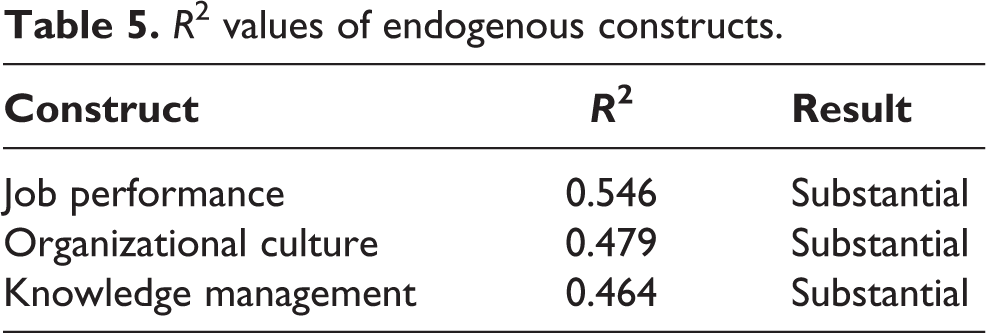
After testing for convergent and discriminant validity, the research model’s predictive strength was determined by the R 2 values for the endogenous constructs (Henseler et al., 2012; Yusr, 2016). The R-Square values for the endogenous constructs are accessed as follows: 0.26 (substantial), 0.13 (moderate) and 0.02 (weak) (Cohen, 1988). It can be seen from Table 5 that the R 2 values of the endogenous constructs lie within this substantial range. This means that organizational culture and knowledge management factors explained 54.6% of the variance in job performance. It is also worthy of note that 47.9% of the organizational culture variance could be explained by knowledge management factors, whereas knowledge management alone accounted for 46.4% of the variance in job performance.
R 2 values of endogenous constructs.
Correlational analysis
A correlation matrix, showing the values of the correlations between the variables (see Table 6), was computed for the purpose of answering the research questions that guided the study.
Correlational analysis of the research variables.
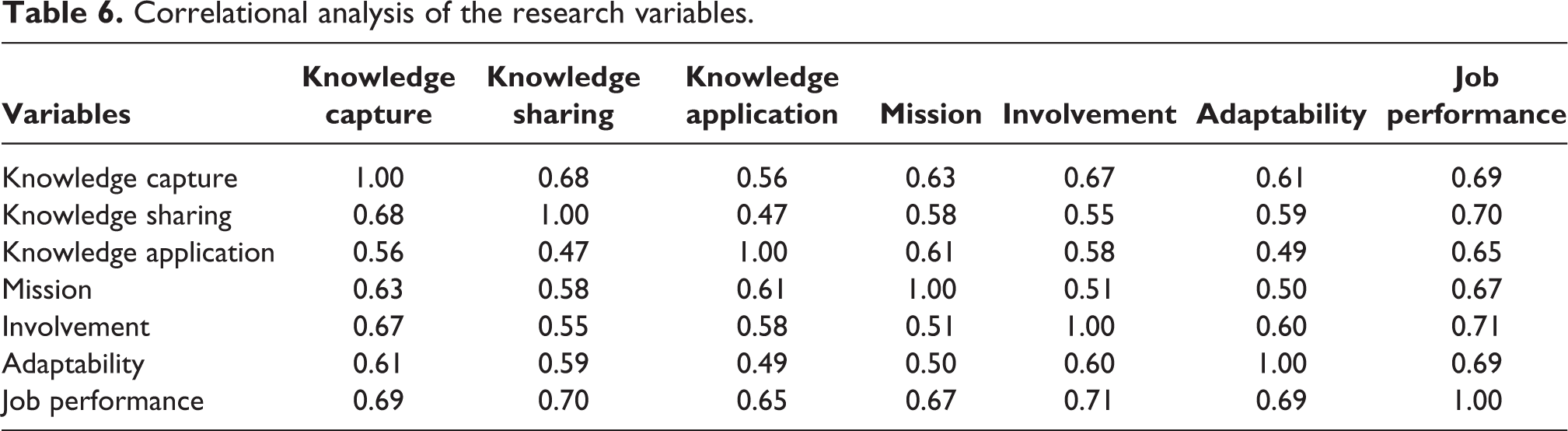
Table 6 shows the relationship between knowledge management factors, organizational culture factors and job performance. The results show that each of the knowledge management factors – knowledge capture (r = 0.69), knowledge sharing (r = 0.70) and knowledge application (r = 0.65) – showed a positive and strong relationship with job performance. The results also show that the organizational culture factors – mission (r = 0.67), involvement (r = 0.71) and adaptability (r = 0.69) – correlated positively with librarians’ job performance. The findings further reveal that the factors of knowledge management practices had positive associations with organizational culture factors, and the strongest correlation was found between knowledge capture and involvement (r = 0.67). Generally, knowledge sharing had the strongest relationship with job performance among the knowledge management factors, whereas involvement had the strongest association with job performance among the organization culture factors.
Hypothesis testing
The multiple regression technique was used to test the hypotheses developed for this study. The level of significance chosen was .05 and the probability value (p-value) was considered to be the decision rule for rejecting the null hypothesis (Creswell, 2009). This means that if the p-value is less than or equal to .05, the null hypothesis will be rejected and the alternative hypothesis will be accepted or supported. Otherwise, the null hypothesis cannot be rejected and the alternative hypothesis will not be supported. Further, the researchers checked the data collected on the independent variables for normality and multicollinearity. It is important to note that multicollinearity occurs when the independent variables are found to be highly correlated. For this purpose, skewness for normality and the variance inflation factor for multicollinearity were investigated. The results of this investigation are shown in Table 7.
Skewness and variance inflation factors for the independent variables.
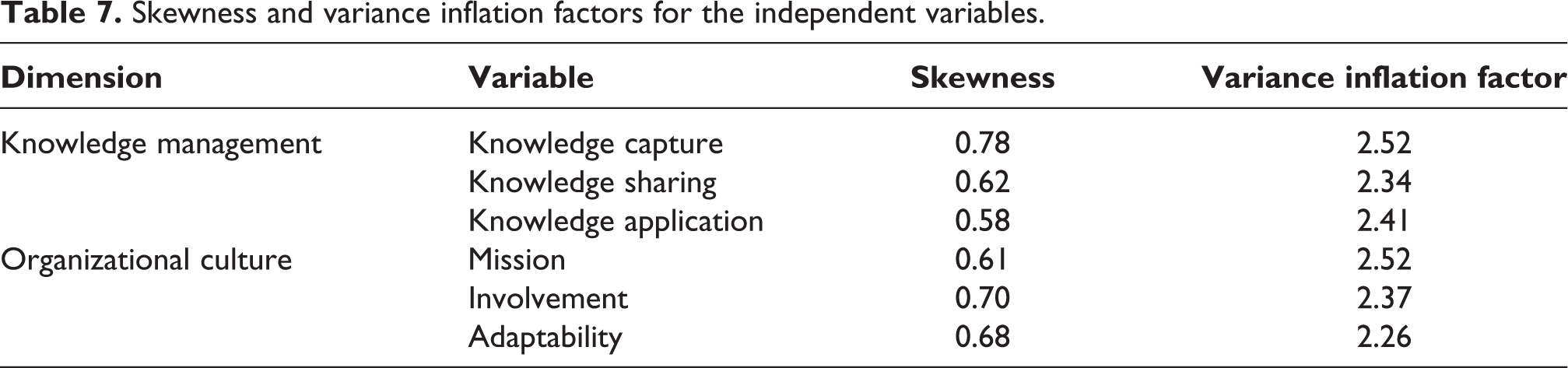
To check for normality, Pallant (2005) maintains that most of the values should be within the adequate ranges of normality (i.e. −1.0 to +1.0). As revealed in Table 7, the skewness values are within the normal values of −1.0 to +1.0, suggesting that the independent variables were normal. The variance inflation factor values are less than the critical value of 10, which is common in most studies (Masa’deh, 2013), and this finding suggests that there was no multicollinearity problem among the independent variables.
Table 8 shows the results of the data analysis when job performance was regressed on knowledge management and organizational culture. The results show that both knowledge management (ß = 0.295, t = 3.836, p < .005) and organizational culture (ß = 0.404, t = 2.495, p < .005) had significant positive associations with job performance. Further, the contributions of knowledge management and organizational culture to the variations in the job performance of librarians were found to be 46.4% and 47.9%, respectively. This indicates that even though organizational culture and knowledge management have been found to contribute to changes in the job performance of librarians, the remaining 52.1% of the variations in the librarians’ job performance could be explained by other factors.
Regression analysis of job performance on knowledge management and organizational culture.

Table 9 shows the results of the regression of job performance on the knowledge management factors. The results reveal that the knowledge management factors – knowledge capture (ß = 0.260, t = 3.684, p < .05), knowledge sharing (ß = 0.394, t = 2.060, p < .05) and knowledge application (ß = 0.103, t = 3.180, p < .05) – correlated significantly with job performance. Further, these knowledge management factors accounted for 47.7%, 49.3% and 42.1%, respectively, of the variations in the job performance of librarians. These results indicate that knowledge sharing was the strongest or highest predictor of the job performance of librarians.
Regression analysis of job performance on knowledge management factors.

Job performance was regressed on organizational culture factors (see Table 10). Table 10 shows how well the organizational culture factors predicted job performance. The results of the regression analysis show that involvement (ß = 0.519, t = 3.064, p < .05), adaptability (ß = 0.304, t = 5.992, p < .05) and mission (ß = 0.316, t = 4.844, p < .05) correlated significantly with job performance. These cultural factors accounted for 50.8%, 45.2% and 47.7%, respectively, of the variation of the job performance of librarians. These findings indicate that involvement was the highest predictor of job performance.
Regression analysis of job performance on organizational culture factors.

Table 11 shows the mediating effect of organizational culture on the association between knowledge management and job performance. The results indicate that knowledge management alone accounted for 46.4% of the variation in job performance. When the ‘involvement factor’ was introduced, the percentage of variability of job performance increased to 50.8%. However, when the ‘adaptability factor’ was introduced, the percentage of variability of job performance decreased to 40.2%. When the ‘mission factor’ was introduced, the percentage of variability of job performance increased again to 51.5%. These findings reveal that while the involvement and mission factors mediated the effect of organizational culture on knowledge management and job performance, the adaptability factor did not. Therefore, organizational culture partially influenced the association between knowledge management and the job performance of librarians.
Stepwise multiple regression of knowledge management on job performance with the mediating effect of organizational culture.
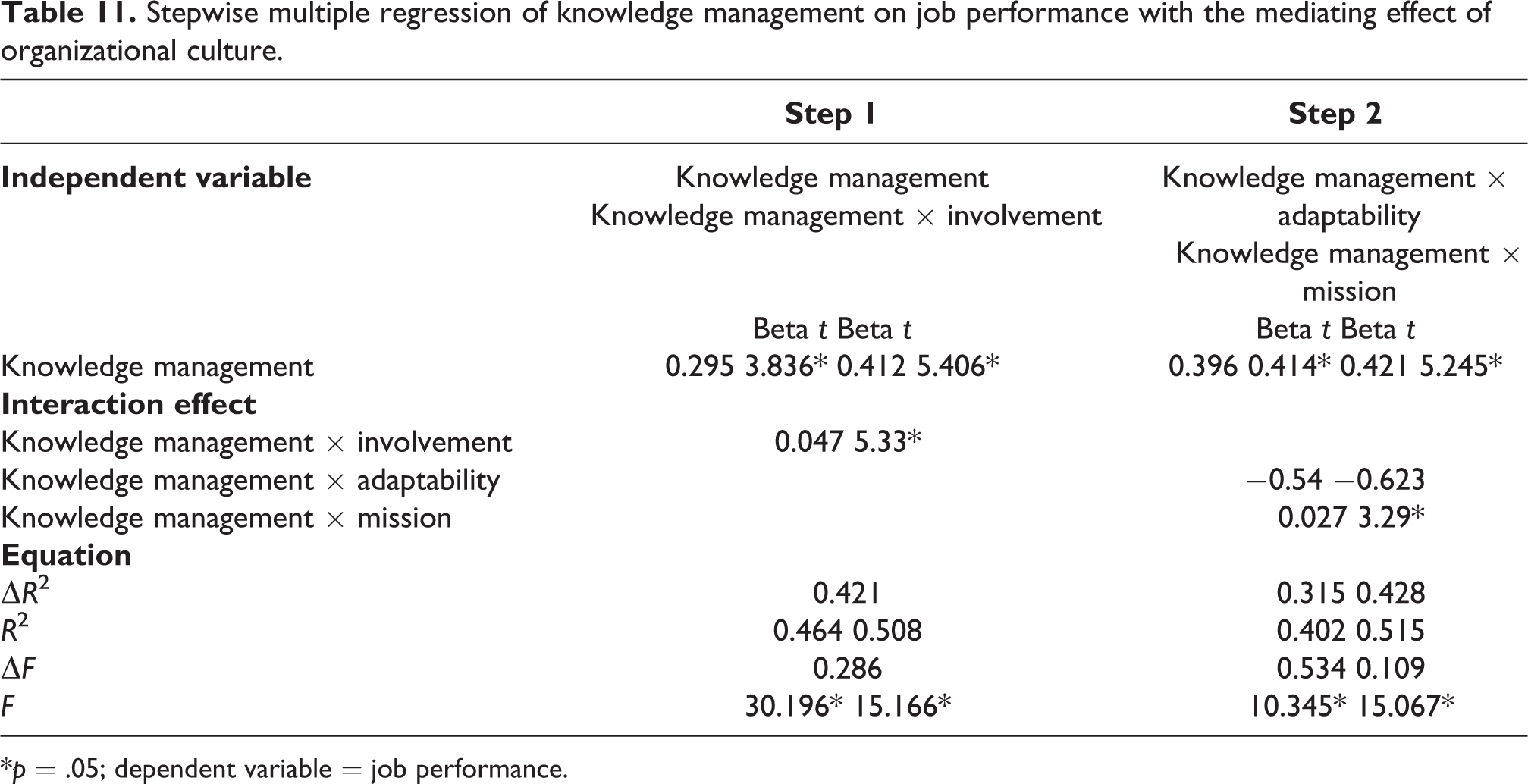
*p = .05; dependent variable = job performance.
Discussion of findings
This study aimed to investigate the mediating effect of organizational culture on the association between knowledge management and job performance. To carry out this investigation, four research questions and six hypotheses were formulated. The hypotheses were tested at the .05 level of significance.
The first research question sought to determine the relationship between knowledge management practices and the job performance of librarians. The study revealed that knowledge management practices in university libraries consisted of knowledge capture, knowledge sharing and knowledge application. The most prevalent knowledge management practices was knowledge sharing. However, the specific knowledge management practices in the university libraries comprised organizing regular meetings for discussion of professional issues, encouraging learning through group interactions and using the knowledge of staff to enhance library services. These findings support the assertion by Moballeghi and Galyani Moghaddam (2011) that knowledge management consists of acquisition, sharing and the use of knowledge within organizations. It was also found that knowledge management correlated positively with performance, accounting for 46.4% of the variation in the job performance of librarians. The knowledge management practices were found to be significant predictors of librarians’ job performance. These practices included knowledge sharing, knowledge acquisition and knowledge application, and they accounted for 47.2%, 49.3% and 42.1%, respectively, of the variability in the job performance of librarians. These results reveal that knowledge sharing was the highest predictor of job performance. This is not surprising because it has been reported elsewhere that a positive link exists between knowledge sharing and job performance (Kang et al., 2008; Tseng and Huang, 2011), while Khanal and Poudel (2017) report that a knowledge management process component showed a significant correlation with the job performance of employees.
The second research question was framed to determine the relationship between organizational culture and job performance. The organizational culture dimensions as perceived by the participants consisted of mission, involvement and adaptability. The most prominent of these dimensions, based on the perceptions of the librarians, was involvement. The study also revealed the specific organizational culture activities in the libraries. These included spreading information widely so that everyone could obtain it, having a long-term purpose and direction, and adapting new and improved ways of working. The organizational culture dimensions of involvement, mission and adaptability were found to be significant predictors of job performance and accounted for 50.8%, 47.7% and 45.2%, respectively, of the variation in the librarians’ job performance. These findings indicate that involvement was the highest predictor of job performance. On the whole, the study revealed a positive and significant relationship between organizational culture and job performance. This finding supports previous studies that have reported a positive relationship between organizational culture and job performance (Ogbonna and Harris, 2000; Shahzad et al., 2013).
The study revealed a positive and strong association between the knowledge management practices and organizational culture dimensions in answer to the third research question. This finding agrees with the reports in the extant literature that a meaningful relationship exists between different kinds of organizational culture and knowledge management practices (Moshen et al., 2011), and that organizational culture could influence knowledge management in several ways (De Long and Fahey, 2000). The study by Li et al. (2013) shows that organizational culture as a whole has a positive influence on knowledge management. It has also been stressed that organizations wishing to manage knowledge successfully should create the same proportion of organizational culture and act on it (Rahimnia and Alizade, 2009).
The hypotheses on the significant association between knowledge management and job performance (Hypothesis 1) and between organizational culture and job performance (Hypothesis 3) were confirmed and accepted. These findings agree with the study by Mustapa and Mahmood (2016), which predicted that knowledge management would significantly influence job performance. The present study also supports Rose et al.’s (2009) findings that organizations which paid attention to organizational culture were likely to be more successful and perform better than those without organizational culture. However, the present study disagrees with Ekpenyong and Ekpenyong’s (2016) findings that organizational culture did not have an impact on the job performance of employees. The reasons for this are threefold: (1) Ekpenyong and Ekpenyong’s study had two dependent variables – namely, job performance and job satisfaction – and one independent variable – organizational culture – whereas the present study had one dependent variable and two independent variables; (2) the contexts of the two studies were different; and (3) it was observed by Ekpenyong and Ekpenyong that the type of organizational culture practised in an organization could also determine the level of employee performance. Taking the latter observation further, different kinds of organizational culture selected in a study are most likely to produce different impacts on job performance. This may also happen when different models of organizational culture are adopted in a study. For instance, the present study adopted the Denison (1990) model with defined dimensions of organizational culture, and this is different from the dimensions of culture adopted in Ekpenyong and Ekpenyong’s research.
Hypothesis 2 and Hypothesis 4 on the predictors of the job performance of librarians were equally confirmed. Although all the knowledge management factors were significant predictors of job performance, knowledge sharing was the strongest predictor. Of all the organizational culture dimensions that significantly predicted job performance, involvement was the strongest predictor. However, the organizational culture dimension of adaptability was not a significant predictor of job performance. Li et al.’s (2013) study reports that involvement was the strongest factor, even when the setting or context and knowledge management practices were different; the context here was the public sector, and the knowledge management practices were based on the Socialization, externalization, combination, and internalization (Nonaka (1991) model.
Hypothesis 5 was also confirmed in this study. This confirmation shows that the relationship between knowledge management and job performance as perceived by the librarians was partially mediated by organizational culture. This finding supports the extant literature which indicates that job performance was related to a number of factors, including knowledge management, organizational culture and technology (Lee and Choi, 2003; Nguyen and Mohammed, 2011; Uddin et al., 2014). The present study further revealed that, with the exception of the adaptability factor, other organizational culture mediates the relationship between knowledge management and job performance of librarians.
Implications
The results of this study have implications for the theory and practice of knowledge management, organizational culture and job performance. The study revealed that knowledge management had a positive relationship with librarians’ job performance. This means that the job performance of librarians can be enhanced by encouraging them to engage in knowledge management practices. Librarians can begin by simply engaging in knowledge sharing. The reason is that, in this study, knowledge sharing was found to be the greatest predictor of the job performance of librarians.
The relationship between knowledge management practices and the job performance of librarians was found to be positively influenced by organizational culture. Since knowledge management can lead to better job performance, it is also important that a supportive cultural environment be created in university libraries in Nigeria. This study revealed that such support should be in the form of ensuring that librarians are comfortable with the library’s mission and that they are involved in the day-to-day running of the library. The involvement of librarians in library affairs is paramount as it is a cultural factor that interacts significantly with knowledge management to influence their job performance. Unfortunately, adaptability as an organization culture factor did not have a significant effect on the association between knowledge management and job performance. University libraries in Nigeria are therefore encouraged to continue to adopt new and improved ways of working, and to be more responsive to the needs of library users.
Conclusion
This study aimed to fill the obvious gap reported in the literature that there are limited studies that have tried to empirically determine the concepts that influence the association between knowledge management and job performance. One of these concepts, as investigated in this study, is organizational culture. The study revealed that knowledge management and organizational culture correlated with each other, and this infers that each had a positive and strong association with job performance. Among the knowledge management factors, knowledge sharing was found to be the highest predictor of librarians’ job performance. This means that university libraries that are wishing to use knowledge sharing to improve job performance should encourage staff to engage or participate actively in informal dialogue, face-to-face meetings and group discussions, and attend regular library meetings where professional issues are discussed. Other important activities include sharing knowledge gained on the needs of library users and assigning mentors to new staff. This study revealed, also from organizational culture perspectives, that involvement was the highest predictor of job performance. This implies that to increase the involvement of librarians for better job performance, certain cultural practices should be put in place, such as spreading information widely so that everyone can obtain it, giving everybody a sense of belonging for a positive impact, building team spirit where everyone is seen to be part of a team, and investing in the skills development and training of librarians.
The results of this study also revealed that organizational culture had a mediating effect on the relationship between knowledge management and job performance. This finding signifies the importance of organizational culture in the university library system. It also implies that organizational culture and knowledge management can enhance librarians’ job performance. In other words, the interplay between a supportive cultural environment and knowledge management systems can enhance job performance. In university libraries in Nigeria, there is a significant need for a culture that encourages the involvement of librarians in the affairs of the library and ensures that every librarian is conversant with the library’s mission.
This study provides an understanding of how librarians perceived knowledge management and job performance, and the influence of organizational culture on the association between knowledge management and job performance. It is important for librarians to know about the influence of organizational culture on knowledge management and job performance because it is a way of determining which organizational culture to adopt in implementing knowledge management that aims to enhance librarians’ job performance.
The findings of this study might have been affected by certain factors. Knowledge management is an emerging concept and its meaning might not have been understood by some of the librarians. It is also possible that those who felt that they were not performing any knowledge management roles in their university libraries might have avoided filling in the questionnaire. Second, organizational culture may not be the only factor that mediates or influences the role of knowledge management in job performance. Other factors, such as leadership, organizational structure and technology, may have significant impacts and should be considered in future research. Finally, a questionnaire was the main instrument for data collection, and this might have created response bias. This could be remedied by including other data collection methods for more accurate data in future research.
In conclusion, this study does not only show that librarians with more knowledge management skills were more positive towards their job performance, but also provides support for the fact that organizational culture was the mediating factor. Therefore, further research in this area should focus on each of the organizational culture dimensions for an in-depth study and analysis of the connection between knowledge management and the job performance of librarians.
Footnotes
Declaration of conflicting interests
The authors declared no potential conflicts of interest with respect to the research, authorship and/or publication of this article.
Funding
The authors received no financial support for the research, authorship and/or publication of this article.
